Author: Marketing Posting

  • Non Invasive Fat Reduction Market Set To Expand From $2.88 Billion In 2026: Growth Outlook Through 2030

    Non Invasive Fat Reduction Market Set To Expand From $2.88 Billion In 2026: Growth Outlook Through 2030

    Built to provide research that’s more actionable and strategically valuable, The Business Research Company’s 2026 market reports include market attractiveness analysis, total addressable market sizing, company benchmarking matrices, interactive Excel dashboards, broader supply chain intelligence, emerging startup tracking, and in-depth product insights.

    Non Invasive Fat Reduction Market Value Analysis: What Growth Lies Ahead Over The Forecast Period?

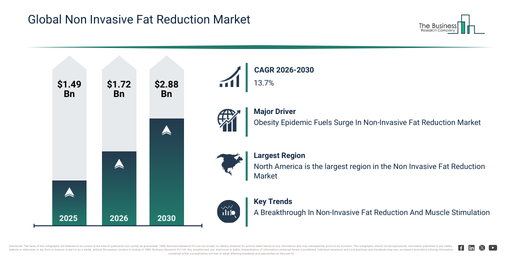
    The non invasive fat reduction market has expanded rapidly in recent years. Its valuation is expected to climb from $1.49 billion in 2025 to $1.72 billion in 2026, achieving a compound annual growth rate (CAGR) of 15.5%. This historical growth can be attributed to factors such as increasing aesthetic awareness, rising obesity rates, greater disposable income, the expansion of cosmetic clinics, and the initial adoption of cryolipolysis.

    The non invasive fat reduction market is anticipated to experience swift expansion in the coming years. Its size is projected to reach $2.88 billion by 2030, exhibiting a compound annual growth rate (CAGR) of 13.7%. This forecasted growth is largely driven by factors such as AI-enabled treatment personalization, an increasing demand for male aesthetics, a rise in medical tourism, ongoing advancements in devices, and broader regulatory approvals. Key trends anticipated during this period encompass the increasing integration of AI-based body contouring devices, the proliferation of precision aesthetic treatments, a growing preference for non-surgical cosmetic procedures, higher demand for treatments requiring minimal downtime, and continuous technological progress in energy-based fat reduction.

    Get A Free Sample Report With In-Depth Market Insights:

    https://thebusinessresearchcompany.com/sample_request?id=80381375&type=smp&name=Non%20Invasive%20Fat%20Reduction%20Market%20Report%202026&utm_source=Blogs&utm_medium=Paid&utm_campaign=Nov_PR

    Non Invasive Fat Reduction Market Opportunity Drivers: What’s Unlocking New Revenue Potential?

    The increasing obese population is anticipated to drive the expansion of the non-invasive fat reduction market in the future. This refers to individuals with a body mass index (BMI) of 30 or higher, signifying a degree of body fat that substantially elevates health risks. The growth in the obese population stems from several factors, such as higher intake of calorie-dense, processed foods, inactive lifestyles, genetic tendencies, and socioeconomic conditions that restrict access to nutritious food and exercise. Non-surgical fat reduction methods, including cryolipolysis and laser lipolysis, are employed to assist obese individuals in decreasing localized fat without surgical intervention, presenting a safer option compared to invasive operations. Consequently, the expanding obese population is fueling the advancement of the non-invasive fat reduction market.

    Non Invasive Fat Reduction Market Segment Trends And Revenue Contributors

    The non invasive fat reduction market covered in this report is segmented –

    1) By Technology: Cryolipolysis, Ultrasound, Low Level Lasers

    2) By Gender: Female, Male

    3) By End Users: Hospitals, Stand Alone Practices, Multispecialty Clinic

    Subsegments:

    1) By Cryolipolysis: CoolSculpting, Cryolipolysis With Vacuum-Assisted Technology

    2) By Ultrasound: High-Intensity Focused Ultrasound (HIFU), Low-Intensity Ultrasound

    3) By Low Level Lasers: Red Light Therapy, Diode Laser Systems

    Non Invasive Fat Reduction Market Innovation Trends Shaping Future Development

    Major companies in the non-invasive fat reduction market are prioritizing the development of advanced technologies, such as muscle-stimulating techniques, to improve fat loss and treatment outcomes. Muscle-stimulating technologies refer to a fat reduction method utilizing electrical impulses to contract muscles, thereby boosting fat burning and body toning without surgery.

    Non Invasive Fat Reduction Market Competitive Landscape: Which Companies Lead The Industry?

    Major companies operating in the non invasive fat reduction market are Cynosure LLC, Alma Lasers, Lumenis Ltd., BTL Industries, ZELTIQ Aesthetics Inc., Sono Bello, Solta Medical, Cutera Inc., Merz Pharma GmbH & Co. KGaA, Sciton Inc., Venus Concept, Syneron Candela, Zimmer MedizinSysteme GmbH (Zimmer Aesthetics), Fotona d.o.o., Apyx Medical Corporation, Erchonia Corporation, Aesthetics Biomedical Inc., Lynton Lasers Ltd., INDIBA S.A., InMode Ltd., Lutronic Corporation, Viora, Aesthetic Solutions, Cocoon Medical, Sound Surgical Technologies LLC, Chongqing Haifu (HIFU) Technology Co Ltd.

    View The Full Non Invasive Fat Reduction Market Report:

    https://thebusinessresearchcompany.com/report/non-invasive-fat-reduction-global-market-report?utm_source=Blogs&utm_medium=Paid&utm_campaign=Nov_PR

    Non Invasive Fat Reduction Market Geographic Analysis: Where Is Demand Rising Fastest?

    North America was the largest region in the non invasive fat reduction market in 2025. The regions covered in the non invasive fat reduction market report are Asia-Pacific, South East Asia, Western Europe, Eastern Europe, North America, South America, Middle East, Africa.

    Reach Out To Our Team:

    The Business Research Company: https://www.thebusinessresearchcompany.com/

    Americas: +1 310-496-7795

    Asia: +44 7882 955267 & +91 8897263534

    Europe: +44 7882 955267

    Email us at: marketing@tbrc.info

    Follow us on:

    LinkedIn: https://in.linkedin.com/company/the-business-research-company

    YouTube: https://www.youtube.com/channel/UC24_fI0rV8cR5DxlCpgmyFQ

    Global Market Model: https://www.thebusinessresearchcompany.com/global-market-model
  • Nodular Prurigo Market Size And Growth In 2026: Key Factors Shaping Future Demand

    Nodular Prurigo Market Size And Growth In 2026: Key Factors Shaping Future Demand

    Backed by market attractiveness analysis, total addressable market sizing, company benchmarking matrices, interactive Excel dashboards, wider supply chain intelligence, emerging startup coverage, and detailed product-level insights, The Business Research Company’s 2026 market reports are designed to offer research that is more actionable and strategically valuable than ever.

    Nodular Prurigo Market Size Forecast: How Big Could The Market Get By 2030?

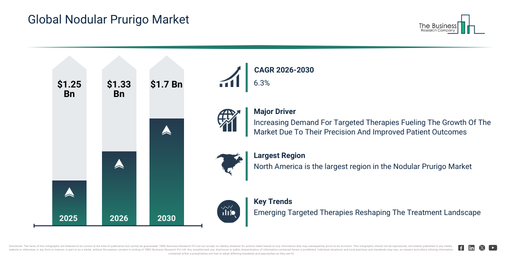
    The nodular prurigo market size has demonstrated significant expansion in recent years. It is anticipated to increase from $1.25 billion in 2025 to $1.33 billion in 2026, exhibiting a compound annual growth rate (CAGR) of 6.6%. This historical market development can be attributed to several factors, including the rising occurrence of chronic dermatological conditions, the constrained efficacy of conventional topical therapies, increasing awareness regarding pruritic skin diseases, the growth of dermatology specialty clinics, and enhanced diagnostic recognition of nodular prurigo.

    The market size for nodular prurigo is projected to experience substantial growth over the coming years. This market is anticipated to reach $1.7 billion by 2030, exhibiting a compound annual growth rate (CAGR) of 6.3%. Factors contributing to this growth during the projected period include the increasing creation of novel biologics and monoclonal antibodies, a heightened emphasis on personalized dermatology solutions, greater investments in research concerning inflammatory skin diseases, the expansion of advanced immunotherapy development, and a rising need for long-term itch management options. Key trends identified for the forecast period encompass a growing uptake of targeted immunomodulatory treatments, an increased application of biologic therapies for persistent pruritus, an intensifying focus on addressing neuropathic itch, the broadening of long-term disease management strategies, and a stronger commitment to patient-focused dermatology care.

    Get A Free Sample Report With In-Depth Market Insights:

    https://thebusinessresearchcompany.com/sample_request?id=39382370&type=smp&name=Nodular%20Prurigo%20Market%20Report%202026&utm_source=Blogs&utm_medium=Paid&utm_campaign=Nov_PR

    Nodular Prurigo Market Growth Momentum: What Factors Are Shaping Demand?

    The nodular prurigo market is anticipated to expand due to the growing need for targeted therapies. These therapies are medical interventions designed to precisely target and disrupt molecular pathways implicated in disease development and progression. The increasing adoption of targeted therapies stems from their capacity to deliver more accurate treatments, resulting in fewer adverse effects, better patient outcomes, and a viable alternative to conventional, less specific approaches. Nodular prurigo itself contributes to the advancement of targeted therapies by highlighting a significant unmet medical requirement linked to particular immune pathways such as IL-4, IL-13, and IL-31. This specificity allows for the application of biologics to precisely inhibit these inflammatory signals, leading to more efficacious treatment. Consequently, the heightened demand for targeted therapies is fueling expansion within the nodular prurigo market.

    Nodular Prurigo Market Segment Analysis Spotlighting Growth Areas

    The nodular prurigo market covered in this report is segmented –

    1) By Type: Chronic Nodular Prurigo, Acute Nodular Prurigo, Subacute Nodular Prurigo

    2) By Treatment Type: Topical Treatments, Systemic Treatments, Phototherapy, Immunosuppressants

    3) By Patient Demographics: Adults, Children, Elderly

    4) By End-User: Hospitals, Homecare, Specialty Clinics, Other End-Users

    Subsegments:

    1) By Chronic Nodular Prurigo: Idiopathic Chronic Nodular Prurigo, Secondary To Dermatologic Conditions, Neuropathic Causes, Systemic Disease-Associated, Psychogenic Prurigo

    2) By Acute Nodular Prurigo: Insect Bite-Induced, Allergic Reactions, Drug-Induced Prurigo, Infectious Triggers

    3) By Subacute Nodular Prurigo: Healing Phase Of Chronic Prurigo, Post-Inflammatory Prurigo, Transient Dermatoses, Reaction To Environmental Irritants

    Nodular Prurigo Market Trends Redefining Industry Growth

    Leading companies within the nodular prurigo market are prioritizing the creation of advanced solutions, such as anti-IL-31 receptor biologics, to fulfill the increasing need for disease-modifying treatments capable of alleviating severe chronic itching, improving the resolution of nodules, and lessening reliance on prolonged use of topical corticosteroids and broad immunosuppressants. An anti-IL-31 receptor monoclonal antibody is a biological therapy comprised of engineered humanized antibodies that attach to the IL-31 receptor A on sensory and immune cells, effectively blocking IL-31 signaling, which is implicated in chronic pruritus.

    Nodular Prurigo Market Leading Companies: Who Holds The Strongest Market Presence?

    Major companies operating in the nodular prurigo market are Merck and Co Inc, Sanofi SA, GlaxoSmithKline plc, Amgen Inc, Regeneron Pharmaceuticals Inc, Astellas Pharma Inc, Sun Pharmaceutical Industries Limited, Galderma SA, Incyte Corporation, Kyowa Kirin Co Ltd, LEO Pharma AS, Maruho Co Ltd, Kiniksa Pharmaceuticals Ltd, Keymed Biosciences Co Ltd, Trevi Therapeutics Inc, Menlo Therapeutics Inc, VYNE Therapeutics Inc, Celldex Therapeutics Inc, AbbVie Inc, Pfizer Inc, Novartis AG, Eli Lilly and Company

    View The Full Nodular Prurigo Market Report:

    https://thebusinessresearchcompany.com/report/nodular-prurigo-global-market-report?utm_source=Blogs&utm_medium=Paid&utm_campaign=Nov_PR

    Nodular Prurigo Market Global Footprint: Which Region Leads The Market?

    North America was the largest region in the nodular prurigo market in 2025. Asia-Pacific is expected to be the fastest-growing region in the forecast period. The regions covered in the nodular prurigo market report are Asia-Pacific, South East Asia, Western Europe, Eastern Europe, North America, South America, Middle East, Africa.

    Reach Out To Our Team:

    The Business Research Company: https://www.thebusinessresearchcompany.com/

    Americas: +1 310-496-7795

    Asia: +44 7882 955267 & +91 8897263534

    Europe: +44 7882 955267

    Email us at: marketing@tbrc.info

    Follow us on:

    LinkedIn: https://in.linkedin.com/company/the-business-research-company

    YouTube: https://www.youtube.com/channel/UC24_fI0rV8cR5DxlCpgmyFQ

    Global Market Model: https://www.thebusinessresearchcompany.com/global-market-model
  • Nocturnal Leg Cramps Treatment Market Forecast 2026–2030: Market Size, Trends And Growth Opportunities

    Nocturnal Leg Cramps Treatment Market Forecast 2026–2030: Market Size, Trends And Growth Opportunities

    Featuring market attractiveness scoring, total addressable market sizing, company benchmarking matrices, interactive Excel dashboards, deeper supply chain intelligence, emerging startup tracking, and granular product-level insights, The Business Research Company’s 2026 market reports are built to deliver research that is both more actionable and more strategically valuable.

    Nocturnal Leg Cramps Treatment Market Revenue Outlook: What CAGR Lies Ahead Through 2030?

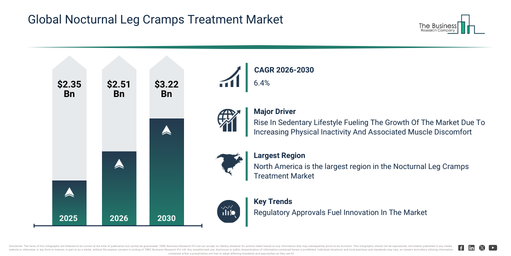
    The nocturnal leg cramps treatment market has demonstrated robust expansion over recent years. Projections indicate that this market is set to expand from $2.35 billion in 2025 to $2.51 billion by 2026, achieving a compound annual growth rate (CAGR) of 6.7%. Historically, this growth has been driven by factors such as an aging demographic, a rise in muscle fatigue conditions, the broad accessibility of over-the-counter remedies, a heightened understanding of sleep wellness, and a greater number of physician endorsements for non-invasive treatments.

    The nocturnal leg cramps treatment market is projected to experience substantial expansion in the coming years, with its size forecast to reach $3.22 billion by 2030, exhibiting a compound annual growth rate (CAGR) of 6.4%. This growth during the forecast period is attributed to factors such as increasing demand for personalized treatment regimens, a rising focus on non-drug therapies, the expansion of digital health guidance tools, a growing consumer preference for self-care solutions, and increasing research into muscle function disorders. Major trends anticipated in this period include the increasing use of nutritional supplement therapies, rising adoption of non-pharmacological management approaches, a growing focus on preventive lifestyle modifications, the expansion of home-based treatment options, and enhanced awareness of sleep-related muscle disorders.

    Get A Free Sample Report With In-Depth Market Insights:

    https://thebusinessresearchcompany.com/sample_request?id=80572160&type=smp&name=Nocturnal%20Leg%20Cramps%20Treatment%20Market%20Report%202026&utm_source=Blogs&utm_medium=Paid&utm_campaign=Nov_PR

    Nocturnal Leg Cramps Treatment Market Expansion Drivers: What’s Shaping Future Growth?

    The increasing prevalence of inactive lifestyles is anticipated to fuel the expansion of the nocturnal leg cramps treatment market in the future. An inactive lifestyle describes a mode of existence with minimal or no physical exertion, commonly marked by extended periods of sitting or reclining, alongside limited movement or exercise. This increase in sedentary habits stems from greater screen engagement, propelled by the ubiquitous use of mobile phones, personal computers, and televisions for professional, recreational, and communicative purposes, leading to extended sitting and less time dedicated to physical pursuits. Treatment for nocturnal leg cramps offers assistance to those with inactive routines by alleviating the painful muscle contractions frequently experienced at night, which can be worsened by sustained inactivity. It also promotes better muscle health, improved mobility, and enhanced sleep quality, all of which can inspire individuals to adopt more consistent physical activity. Consequently, the increase in sedentary lifestyles is a key factor boosting the nocturnal leg cramps treatment market.

    Nocturnal Leg Cramps Treatment Market Segment Performance And Emerging Opportunities

    The nocturnal leg cramps treatment market covered in this report is segmented –

    1) By Treatment Type: Pharmaceuticals, Home Remedies, Physical Therapy, Lifestyle Modifications

    2) By Route Of Administration: Oral, Topical, Transdermal Or Injectable

    3) By Patient Demographics: Elderly, Athletes, Pregnant Women, Individuals With Chronic Conditions

    4) By Distribution Channel: Hospital Pharmacy, Retail Pharmacy, Online Pharmacy, Other Distribution Channels

    5) By End-Users: Hospitals, Specialty Clinics, Homecare, Other End-Users

    Subsegments:

    1) By Pharmaceuticals: Muscle Relaxants, Magnesium Supplements, Vitamin B Supplements, Anticonvulsants, Nonsteroidal Anti-inflammatory Drugs (NSAIDs)

    2) By Home Remedies: Epsom Salt Bath, Hot Or Cold Compress, Hydration With Electrolyte Solutions, Stretching Exercises

    3) By Physical Therapy: Stretching And Strengthening Exercises, Massage Therapy, Taping Techniques, Myofascial Release, Physical Therapy Modalities

    4) By Lifestyle Modifications: Proper Hydration, Balanced Diet, Regular Exercise, Avoiding Prolonged Sitting Or Standing, Sleep Position And Foot Elevation, Wearing Proper Footwear

    Nocturnal Leg Cramps Treatment Market Strategic Trends: What Defines The Next Growth Phase?

    Major companies operating in the nocturnal leg cramps treatment market are prioritizing the attainment of regulatory endorsements for novel medications, aiming to broaden their market presence and enhance results for patients. These regulatory approvals represent the formal authorization provided by governmental or oversight entities, enabling a drug, medical device, or therapy to be marketed and utilized by the public.

    Nocturnal Leg Cramps Treatment Market Key Players: Which Companies Lead Industry Competition?

    Major companies operating in the nocturnal leg cramps treatment market are Teva Pharmaceutical Industries Ltd, Mylan NV, Astellas Pharma Inc, Daiichi Sankyo Company Limited, Apotex Inc, Sun Pharmaceutical Industries Limited, Hylands Inc, Swanson Health Products Inc, Boiron USA, Magnox, Blackmores Limited, Solgar Inc, Genexa Inc, Naveh Pharma Ltd, Hydratis, Crampeze, Zydus Cadila, Flex Pharma Inc, Nature Made, Nature Valley, NOW Foods, Doctor’s Best

    View The Full Nocturnal Leg Cramps Treatment Market Report:

    https://thebusinessresearchcompany.com/report/nocturnal-leg-cramps-treatment-global-market-report?utm_source=Blogs&utm_medium=Paid&utm_campaign=Nov_PR

    Nocturnal Leg Cramps Treatment Market Regional Split: Which Areas Are Fueling Growth?

    North America was the largest region in the nocturnal leg cramps treatment market in 2025. The regions covered in the nocturnal leg cramps treatment market report are Asia-Pacific, South East Asia, Western Europe, Eastern Europe, North America, South America, Middle East, Africa.

    Reach Out To Our Team:

    The Business Research Company: https://www.thebusinessresearchcompany.com/

    Americas: +1 310-496-7795

    Asia: +44 7882 955267 & +91 8897263534

    Europe: +44 7882 955267

    Email us at: marketing@tbrc.info

    Follow us on:

    LinkedIn: https://in.linkedin.com/company/the-business-research-company

    YouTube: https://www.youtube.com/channel/UC24_fI0rV8cR5DxlCpgmyFQ

    Global Market Model: https://www.thebusinessresearchcompany.com/global-market-model
  • Nocturia Market Size Reaches $3.35 Billion In 2026: What Is Driving Growth?

    Nocturia Market Size Reaches $3.35 Billion In 2026: What Is Driving Growth?

    Built to provide research that’s more actionable and strategically valuable, The Business Research Company’s 2026 market reports include market attractiveness analysis, total addressable market sizing, company benchmarking matrices, interactive Excel dashboards, broader supply chain intelligence, emerging startup tracking, and in-depth product insights.

    Nocturia Market Growth Analysis: How Will Revenue Trend Over The Forecast Period?

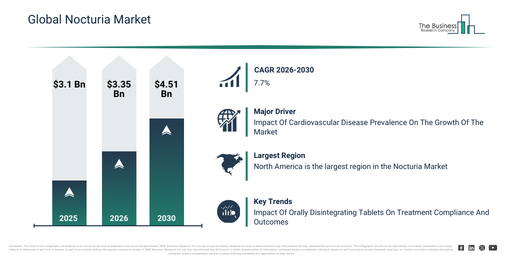
    The nocturia market has experienced robust expansion over recent years. Projections indicate a rise from $3.1 billion in 2025 to $3.35 billion by 2026, demonstrating a compound annual growth rate (CAGR) of 8.0%. Historically, this growth is linked to factors such as an expanding aging population, a higher incidence of benign prostatic hyperplasia, a growing prevalence of urinary tract infections, the extensive use of diuretic medications, and insufficient early diagnostic awareness.

    The nocturia market is projected for robust expansion over the coming years, with its size anticipated to reach $4.51 billion by 2030, demonstrating a compound annual growth rate (CAGR) of 7.7%. This significant growth throughout the forecast period is attributed to several factors, including an escalating demand for personalized treatment, the expansion of home care therapies, increasing healthcare expenditure, a heightened focus on sleep quality management, and improved access to urology specialists. Prominent trends observed during this period encompass a rising geriatric population and age-related urological disorders, an increasing prevalence of diabetes and metabolic disorders, growing awareness and diagnosis of lower urinary tract symptoms, a shift toward combination drug therapies, and the broader expansion of home-based nocturia management solutions.

    Get A Free Sample Report With In-Depth Market Insights:

    https://thebusinessresearchcompany.com/sample_request?id=26742928&type=smp&name=Nocturia%20Market%20Report%202026&utm_source=Blogs&utm_medium=Paid&utm_campaign=Nov_PR

    Nocturia Market Development Factors: What’s Supporting Demand?

    The expanding incidence of cardiovascular diseases is anticipated to accelerate the growth of the nocturia market in the future. Cardiovascular diseases (CVDs) encompass various conditions impacting the heart and blood vessels, such as heart disease, stroke, and high blood pressure. The widespread occurrence of CVDs stems from factors like aging demographics, inactive lifestyles, poor dietary habits, smoking, excessive drinking, obesity, elevated blood pressure, high cholesterol, diabetes, and genetic predispositions. Individuals suffering from cardiovascular ailments frequently manifest nocturia as a symptom, thereby boosting the requirement for diagnostic and therapeutic interventions. With the global surge in cardiovascular conditions, driven by aging populations and unhealthy living, the necessity for efficient nocturia management will intensify. For example, in September 2025, the British Heart Foundation, a charity based in the UK, reported that over 7.6 million people across the UK, specifically more than 4 million men and over 3.6 million women, are affected by cardiovascular disease. Furthermore, predictions suggest that due to an aging population and better survival rates, this figure could climb by approximately 1 million by 2030 and by about 2 million by 2040. Consequently, the increasing prevalence of cardiovascular diseases is propelling the expansion of the nocturia market.

    Nocturia Market Segment Landscape And Growth Outlook

    The nocturia market covered in this report is segmented –

    1) By Drug: Anticholinergic Drugs, Desmopressin, Antibiotics, Antispasmodic, Other Drugs

    2) By Indication: Mixed Nocturia, Low Nocturnal Bladder Capacity, Nocturnal Polyuria, Global Polyuria

    3) By Causes: Urological Infection, Tumor Of The Bladder, Diuretic Medications, Regular Alcohol Or Coffee, Liver Infection, Diabetes, Pregnancy, Other Causes

    4) By End User: Hospitals, Home Care, Clinics

    Subsegments:

    1) By Anticholinergic Drugs: Oxybutynin, Tolterodine, Solifenacin, Darifenacin, Fesoterodine

    2) By Desmopressin: Intranasal Desmopressin, Oral Desmopressin

    3) By Antibiotics: Nitrofurantoin, Trimethoprim, Fosfomycin

    4) By Antispasmodic: Hyoscine Butylbromide, Flavoxate

    5) By Other Drugs: Alpha-Blockers, Beta-3 Agonists

    Nocturia Market Transformation Trends: What Innovations Are Driving Change?

    Leading companies operating within the nocturia market are prioritizing the development of innovative products, such as orally disintegrating tablets, to improve patient convenience and adherence. Orally disintegrating tablets (ODTs) are solid dosage forms designed to dissolve quickly in the mouth without the need for water, making them particularly suitable for individuals experiencing difficulty swallowing.

    Nocturia Market Competitive Landscape: Who Leads The Industry?

    Major companies operating in the nocturia market are Pfizer Inc, Merck & Co. Inc, AbbVie Inc, Sanofi S.A, GlaxoSmithKline plc, Viatris Inc, Boehringer Ingelheim International GmbH, Otsuka Pharmaceutical Co. Ltd, Astellas Pharma Inc, Eisai Co. Ltd., Sumitomo Dainippon Pharma Co. Ltd, Ferring Pharmaceuticals A/S, Avadel Pharmaceuticals plc, UroGen Pharma Ltd, Sanwa Kagaku Co. Ltd., Urovant Sciences Inc, Serenity Pharmaceuticals LLC, Vantia Therapeutics Inc, AA Pharma Inc, Wellesley Pharmaceuticals Inc

    View The Full Nocturia Market Report:

    https://thebusinessresearchcompany.com/report/nocturia-global-market-report?utm_source=Blogs&utm_medium=Paid&utm_campaign=Nov_PR

    Nocturia Market Top Region: Where Does Most Revenue Come From?

    North America was the largest region in the nocturia market in 2025. Asia-Pacific is expected to be the fastest-growing region in the forecast period. The regions covered in the nocturia market report are Asia-Pacific, South East Asia, Western Europe, Eastern Europe, North America, South America, Middle East, Africa.

    Reach Out To Our Team:

    The Business Research Company: https://www.thebusinessresearchcompany.com/

    Americas: +1 310-496-7795

    Asia: +44 7882 955267 & +91 8897263534

    Europe: +44 7882 955267

    Email us at: marketing@tbrc.info

    Follow us on:

    LinkedIn: https://in.linkedin.com/company/the-business-research-company

    YouTube: https://www.youtube.com/channel/UC24_fI0rV8cR5DxlCpgmyFQ

    Global Market Model: https://www.thebusinessresearchcompany.com/global-market-model
  • Night Blindness Treatment Market Valued At $5.66 Billion In 2026: Key Trends And Growth Drivers

    Night Blindness Treatment Market Valued At $5.66 Billion In 2026: Key Trends And Growth Drivers

    Backed by market attractiveness analysis, total addressable market sizing, company benchmarking matrices, interactive Excel dashboards, wider supply chain intelligence, emerging startup coverage, and detailed product-level insights, The Business Research Company’s 2026 market reports are designed to offer research that is more actionable and strategically valuable than ever.

    Night Blindness Treatment Market Forecast: What Value Will The Market Reach By 2030?

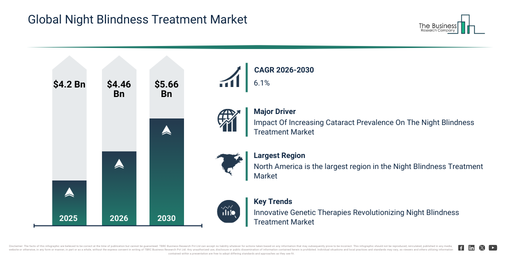
    The night blindness treatment market has experienced robust expansion over recent years. This market is projected to expand from $4.2 billion in 2025 to $4.46 billion in 2026, exhibiting a compound annual growth rate (CAGR) of 6.3%. Its historical growth can be ascribed to a high prevalence of malnutrition, limited access to eye care services, growing awareness of vision disorders, an increasing geriatric population, and advancements in ophthalmic diagnostics.

    The night blindness treatment market is poised for significant expansion in the upcoming years. It is projected to attain a size of $5.66 billion by 2030, exhibiting a compound annual growth rate (CAGR) of 6.1%. This anticipated growth during the forecast period is fueled by factors such as increasing investment in eye health programs, a rising demand for personalized treatments, the widening scope of gene therapy applications, developments in healthcare infrastructure, and enhancements in reimbursement policies. Prominent trends expected over the forecast period involve the growing prevalence of vitamin A deficiency, greater adoption of early diagnosis techniques, an increase in minimally invasive eye surgeries, the expanding utilization of nutritional and preventive therapies, and improved access to vision care within emerging economies.

    Get A Free Sample Report With In-Depth Market Insights:

    https://thebusinessresearchcompany.com/sample_request?id=60741475&type=smp&name=Night%20Blindness%20Treatment%20Market%20Report%202026&utm_source=Blogs&utm_medium=Paid&utm_campaign=Nov_PR

    Night Blindness Treatment Market Industry Drivers: What’s Behind The Revenue Growth?

    The rising occurrence of cataracts is projected to fuel the expansion of the night blindness treatment market. Cataracts are defined as a condition characterized by the clouding of the eye’s lens, resulting in compromised vision. Greater exposure to ultraviolet (UV) light from the sun, smoking habits, and inadequate diet play a role in the progression of cataracts. This condition diminishes the eye’s capacity to differentiate between varying light and dark shades, a function vital for night vision. Such reduced contrast sensitivity complicates navigation and object recognition in dimly lit surroundings. Consequently, the growing incidence of cataracts is propelling the night blindness treatment market.

    Night Blindness Treatment Market Breakdown By Product Type And Application

    The night blindness treatment market covered in this report is segmented –

    1) By Treatment: Medication, Surgery, Other Treatments

    2) By Diagnosis: Blood Tests, Color Vision Testing, Pupil Light Reflex, Refraction, Retinal Exam, Electroretinogram (ERG), Other Diagnoses

    3) By Symptom: Eye Pain, Cloudy Vision, Halos, Light Sensitivity, Distance Vision Problem, Other Symptoms

    4) By End User: Clinic, Hospital, Other End Users

    Subsegments:

    1) By Medication: Vitamin A Supplements, Retinoid Therapy, Beta-Carotene Supplements, Anti-Glaucoma Medications

    2) By Surgery: Cataract Surgery, Retinal Surgery, Corneal Transplantation, LASIK Surgery

    3) By Other Treatments: Light Therapy, Gene Therapy, Low Vision Aids And Assistive Devices, Nutritional Therapy

    #Night Blindness Treatment Market Growth Trends: What’s Shaping The Future Outlook?

    Major companies operating in the night blindness treatment market are concentrating on creating advanced genetic therapies to tackle the underlying genetic mutations responsible for the condition, aiming to enhance treatment effectiveness and achieve better patient outcomes. Genetic therapies assist in treating night blindness by pinpointing and repairing specific genetic mutations that negatively affect retinal function, potentially restoring vision in individuals afflicted with inherited retinal disorders such as retinitis pigmentosa.

    Night Blindness Treatment Market Company Landscape And Competitive Strategy

    Major companies operating in the night blindness treatment market are Johnson & Johnson Private Limited, Bayer AG, Abbott Laboratories, Novartis AG, Regeneron Pharmaceuticals Inc, Bausch Health Companies Inc, Cipla Inc, Nature’s Way, Garden of Life, Apellis Pharmaceuticals Inc, Solgar, Acucela Inc, Swanson Health Products, Astellas Pharma Inc, F. Hoffmann-La Roche Ltd, Applied Genetic Technologies Corp, MeiraGTx Holdings plc, GenSight Biologics, Santen Pharmaceutical Co Ltd, Alimera Sciences Inc, Opthea Limited, Oxurion NV, EyePoint Pharmaceuticals Inc, Ocuphire Pharma Inc.

    View The Full Night Blindness Treatment Market Report:

    https://thebusinessresearchcompany.com/report/night-blindness-treatment-global-market-report?utm_source=Blogs&utm_medium=Paid&utm_campaign=Nov_PR

    Night Blindness Treatment Market Regional Breakdown: Where Is Demand Concentrated?

    North America was the largest region in the night blindness treatment market in 2025. Asia-Pacific is expected to be the fastest-growing region in the forecast period. The regions covered in the night blindness treatment market report are Asia-Pacific, South East Asia, Western Europe, Eastern Europe, North America, South America, Middle East, Africa.

    Reach Out To Our Team:

    The Business Research Company: https://www.thebusinessresearchcompany.com/

    Americas: +1 310-496-7795

    Asia: +44 7882 955267 & +91 8897263534

    Europe: +44 7882 955267

    Email us at: marketing@tbrc.info

    Follow us on:

    LinkedIn: https://in.linkedin.com/company/the-business-research-company

    YouTube: https://www.youtube.com/channel/UC24_fI0rV8cR5DxlCpgmyFQ

    Global Market Model: https://www.thebusinessresearchcompany.com/global-market-model
  • Niemann-Pick Disease Type C Treatment Market Size In 2026: Growth Outlook And Forecast Through 2030

    Niemann-Pick Disease Type C Treatment Market Size In 2026: Growth Outlook And Forecast Through 2030

    Featuring market attractiveness scoring, total addressable market sizing, company benchmarking matrices, interactive Excel dashboards, deeper supply chain intelligence, emerging startup tracking, and granular product-level insights, The Business Research Company’s 2026 market reports are built to deliver research that is both more actionable and more strategically valuable.

    Niemann-Pick Disease Type C Treatment Market Size Outlook: How Quickly Will Revenue Expand Through 2030?

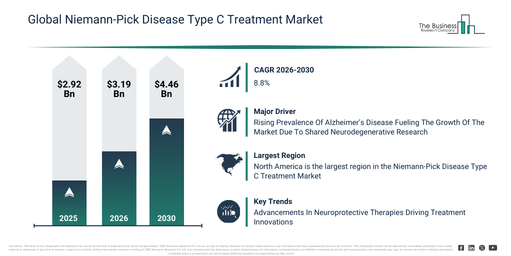
    The niemann-pick disease type c treatment market size has experienced strong growth in recent years. It is anticipated to expand from $2.92 billion in 2025 to $3.19 billion in 2026, at a compound annual growth rate (CAGR) of 9.0%. This historical growth can be attributed to rare disease awareness initiatives, limited but established pharmacological therapies, historical underdiagnosis of NPC, regulatory incentives for orphan drugs, and the growth of specialty treatment centers.

    The niemann-pick disease type c treatment market is anticipated to experience robust expansion in the coming years. This market is projected to reach $4.46 billion by 2030, exhibiting a compound annual growth rate (CAGR) of 8.8%. The projected growth is driven by several factors, including progress in gene therapy research, rising investments in rare disease research and development, enhanced diagnostic technologies, the expansion of newborn screening initiatives, and favorable regulatory environments for new therapies. Key trends during this forecast period involve a greater uptake of orphan drug development strategies, an intensified focus on early detection and screening, the broader availability of supportive and symptom management treatments, an increase in clinical trial activities for rare conditions, and better patient access programs along with reimbursement assistance.

    Get A Free Sample Report With In-Depth Market Insights:

    https://thebusinessresearchcompany.com/sample_request?id=41252621&type=smp&name=Niemann-Pick%20Disease%20Type%20C%20Treatment%20Market%20Report%202026&utm_source=Blogs&utm_medium=Paid&utm_campaign=Nov_PR

    Niemann-Pick Disease Type C Treatment Market Growth Factors: What’s Supporting Expansion?

    The rising occurrence of Alzheimer’s disease is anticipated to fuel the expansion of the Niemann-Pick disease type C treatments market in the future. Alzheimer’s disease is a gradually worsening neurodegenerative condition marked by the buildup of beta-amyloid plaques and tau protein tangles within the brain, resulting in diminished cognitive abilities, memory loss, and difficulties with daily activities, eventually progressing to severe dementia and neurodegeneration. This growing incidence of Alzheimer’s disease stems from the world’s aging populace. With increased longevity, particularly in developed nations, the likelihood of developing age-related illnesses such as Alzheimer’s substantially increases, given that advanced age is the most significant identified risk factor for this ailment. Niemann-pick disease type C (NPC) treatment contributes to Alzheimer’s Disease research by offering valuable understanding of lysosomal storage disorders and lipid metabolism dysfunction. Consequently, the expanding occurrence of Alzheimer’s disease is propelling the growth of the Niemann-Pick disease type C treatments market.

    Niemann-Pick Disease Type C Treatment Market Segment Analysis And Revenue Potential

    The niemann-pick disease type c treatment market covered in this report is segmented –

    1) By Disease Type: Niemann-Pick Diseases Type C1, Niemann-Pick Diseases Type C2

    2) By Age Group: Infantile, Juvenile, Adult

    3) By End-User: Hospitals, Specialty Clinics, Research And Academic Institutes

    Subsegments:

    1) By Niemann-Pick Disease Type C1: Pharmacological Treatment, Gene Therapy, Substrate Reduction Therapy, Supportive Care

    2) By Niemann-Pick Disease Type C2: Enzyme Replacement Therapy, Pharmacological Treatment, Gene Therapy, Supportive Care

    Niemann-Pick Disease Type C Treatment Market Industry Trends: What’s Reshaping Demand?

    Leading companies in the Niemann-pick disease type C (NPC) treatment market are concentrating on developing innovative treatments, such as neuroprotective therapies, to slow the progression of the disease and enhance patient outcomes. Neuroprotective therapies are designed to safeguard the brain and nervous system from damage or degeneration, often with the aim of preserving neurological function in conditions like neurodegenerative diseases.

    Niemann-Pick Disease Type C Treatment Market Key Players Shaping Industry Direction

    Major companies operating in the niemann-pick disease type c treatment market are Mayo Clinic, Boston Children’s Hospital, Cincinnati Children’s Hospital Medical Center, Mallinckrodt Pharmaceuticals, Rainbow Children’s Hospital, CENTOGENE N.V., The Florey Institute of Neuroscience and Mental Health, National Organization for Rare Disorders NORD, National Niemann-Pick Disease Foundation NNPDF, Bloomsbury Genetic Therapies Ltd., Vtesse Inc., Cyclo Therapeutics Inc., Orphazyme A S, Intrabio Inc., Sarepta Therapeutics Inc., StrideBio, Azafaros B V, ViroMed, NeuroSense Therapeutics, ArmaGen, Synlogic, Editas Medicine, Passage Bio, Chameleon Bio, Aro Bio, Glycomine, Scenic Biotech, Actio Biosciences, AIRNA Therapeutics

    View The Full Niemann-Pick Disease Type C Treatment Market Report:

    https://thebusinessresearchcompany.com/report/niemann-pick-disease-type-c-treatment-global-market-report?utm_source=Blogs&utm_medium=Paid&utm_campaign=Nov_PR

    Niemann-Pick Disease Type C Treatment Market Geographic Landscape: Which Region Leads Industry Growth?

    North America was the largest region in the niemann-pick disease type C treatment market in 2025. Asia-Pacific is expected to be the fastest-growing region in the forecast period. The regions covered in the niemann-pick disease type c treatment market report are Asia-Pacific, South East Asia, Western Europe, Eastern Europe, North America, South America, Middle East, Africa.

    Reach Out To Our Team:

    The Business Research Company: https://www.thebusinessresearchcompany.com/

    Americas: +1 310-496-7795

    Asia: +44 7882 955267 & +91 8897263534

    Europe: +44 7882 955267

    Email us at: marketing@tbrc.info

    Follow us on:

    LinkedIn: https://in.linkedin.com/company/the-business-research-company

    YouTube: https://www.youtube.com/channel/UC24_fI0rV8cR5DxlCpgmyFQ

    Global Market Model: https://www.thebusinessresearchcompany.com/global-market-model
  • Niemann-Pick Disease (NPD) Market Trends Supporting 10.8% CAGR Growth Through 2030

    Niemann-Pick Disease (NPD) Market Trends Supporting 10.8% CAGR Growth Through 2030

    Built to provide research that’s more actionable and strategically valuable, The Business Research Company’s 2026 market reports include market attractiveness analysis, total addressable market sizing, company benchmarking matrices, interactive Excel dashboards, broader supply chain intelligence, emerging startup tracking, and in-depth product insights.

    Niemann-Pick Disease (NPD) Market Size, Value And Growth Trajectory Through 2030

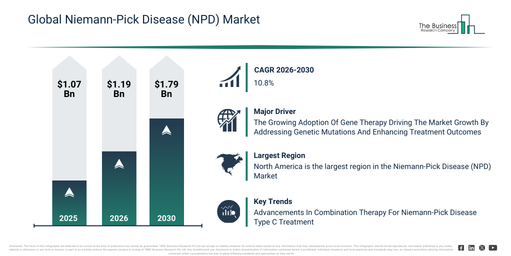
    The niemann-pick disease (npd) market has experienced rapid expansion in recent years. This market is set to expand from $1.07 billion in 2025 to $1.19 billion in 2026, achieving a compound annual growth rate (CAGR) of 11.1%. The growth observed in the past can be attributed to factors such as limited treatment availability, low awareness of the disease, delayed diagnosis rates, a reliance on symptomatic management, and elevated treatment costs.

    The niemann-pick disease (npd) market is projected for significant expansion in the coming years, anticipated to reach $1.79 billion by 2030, exhibiting a compound annual growth rate (CAGR) of 10.8%. Several factors are expected to fuel this growth during the forecast period, including increasing rare disease funding, growth in gene therapy research, expanding newborn screening programs, rising healthcare expenditure, and supportive regulatory incentives. Key trends during this period will encompass a rising focus on early genetic screening, expansion of orphan drug development, increasing patient advocacy and awareness programs, growth in enzyme replacement and substrate reduction therapies, and improved multidisciplinary disease management approaches.

    Get A Free Sample Report With In-Depth Market Insights:

    https://thebusinessresearchcompany.com/sample_request?id=20608042&type=smp&name=Niemann-Pick%20Disease%20%28NPD%29%20Market%20Report%202026&utm_source=Blogs&utm_medium=Paid&utm_campaign=Nov_PR

    Niemann-Pick Disease (NPD) Market Demand Drivers: What’s Powering Industry Growth?

    The increasing acceptance of gene therapy is anticipated to drive expansion in the niemann-pick disease (NPD) market moving ahead. This medical approach entails altering or adjusting an individual’s genes to address or avert illnesses. Its rise is attributed to advancements in genetic engineering, which allow for accurate and potent gene modifications, thereby enhancing therapeutic results for genetic conditions. For niemann-pick disease (NPD), gene therapy assists by targeting core genetic mutations, striving to rectify enzyme deficits responsible for the condition and elevate cellular performance. Consequently, the expanding utilization of gene therapy is fueling the development of the niemann-pick disease (NPD) market.

    Niemann-Pick Disease (NPD) Market Segmentation And Category Overview

    The niemann-pick disease (npd) market covered in this report is segmented –

    1) By Type: Niemann-Pick Disease Type A, Niemann-Pick Disease Type B, Niemann-Pick Disease Type C

    2) By Treatment Type: Drugs, Physical Therapy, Other Treatment Types

    3) By Route Of Administration: Oral, Intravenous, Subcutaneous

    4) By Distribution Channel: Hospital Pharmacies, Retail Pharmacies, Other Distribution Channels

    5) By End-User: Hospitals, Clinics, Homecare Settings

    Subsegments:

    1) By Niemann-Pick Disease Type A: Infantile-Onset Niemann-Pick Disease, Neurodegenerative Niemann-Pick Disease, Acute Visceral Niemann-Pick Disease, Severe Lysosomal Storage Disorder

    2) By Niemann-Pick Disease Type B: Late-Onset Niemann-Pick Disease, Non-Neurological Niemann-Pick Disease, Chronic Visceral Niemann-Pick Disease, Mild Lysosomal Storage Disorder

    3) By Niemann-Pick Disease Type C: Early-Onset Niemann-Pick Disease, Juvenile Niemann-Pick Disease, Adult-Onset Niemann-Pick Disease, Progressive Neurodegenerative Niemann-Pick Disease

    Niemann-Pick Disease (NPD) Market Innovation Trends: What Developments Are Reshaping The Industry?

    Leading firms in the niemann-pick disease (NPD) market are concentrating on creating sophisticated therapies, including combination therapy, to boost treatment effectiveness and better patient results. This approach, known as combination therapy, entails giving two or more therapeutic agents or treatment methods to treat a disease or medical issue. The objective of this strategy is to enhance efficacy and lessen the development of resistance to single-agent therapy (monotherapy).

    Niemann-Pick Disease (NPD) Market Competitive Analysis Of Leading Industry Participants

    Major companies operating in the niemann-pick disease (npd) market are Sanofi S.A., Mayo Clinic, Cincinnati Children’s Hospital Medical Center, Boston Children’s Hospital, Mallinckrodt Pharmaceuticals plc, Myriad Genetics, CENTOGENE N.V., The Florey Institute of Neuroscience and Mental Health, National Organization for Rare Disorders (NORD), Evox Therapeutics Limited, Bloomsbury Genetic Therapies Ltd., Cyclo Therapeutics Inc., CarelonRx, Rainbow Children’s Hospital, Vtesse Inc., Orphazyme A/S, Zebra Biologics, Sarepta Therapeutics Inc., Takeda Pharmaceutical Company Limited, Pfizer Inc., Novartis International AG, Ultragenyx Pharmaceutical Inc., Passage Bio, Amicus Therapeutics Inc., PTC Therapeutics, SOM Biotech, ENDECE, StrideBio, Mandos Health, BioMarin Pharmaceutical Inc.

    View The Full Niemann-Pick Disease (NPD) Market Report:

    https://thebusinessresearchcompany.com/report/niemann-pick-disease-npd-global-market-report?utm_source=Blogs&utm_medium=Paid&utm_campaign=Nov_PR

    Niemann-Pick Disease (NPD) Market Largest Region: Which Geography Holds The Biggest Share?

    North America was the largest region in the niemann-pick disease (NPD) market in 2025. Asia-Pacific is expected to be the fastest-growing region in the forecast period. The regions covered in the niemann-pick disease (npd) market report are Asia-Pacific, South East Asia, Western Europe, Eastern Europe, North America, South America, Middle East, Africa.

    Reach Out To Our Team:

    The Business Research Company: https://www.thebusinessresearchcompany.com/

    Americas: +1 310-496-7795

    Asia: +44 7882 955267 & +91 8897263534

    Europe: +44 7882 955267

    Email us at: marketing@tbrc.info

    Follow us on:

    LinkedIn: https://in.linkedin.com/company/the-business-research-company

    YouTube: https://www.youtube.com/channel/UC24_fI0rV8cR5DxlCpgmyFQ

    Global Market Model: https://www.thebusinessresearchcompany.com/global-market-model
  • NGS Oncology Market Forecast Highlights A $32.87 Billion Opportunity For Industry Participants

    NGS Oncology Market Forecast Highlights A $32.87 Billion Opportunity For Industry Participants

    Backed by market attractiveness analysis, total addressable market sizing, company benchmarking matrices, interactive Excel dashboards, wider supply chain intelligence, emerging startup coverage, and detailed product-level insights, The Business Research Company’s 2026 market reports are designed to offer research that is more actionable and strategically valuable than ever.

    NGS Oncology Market CAGR Outlook And Future Development

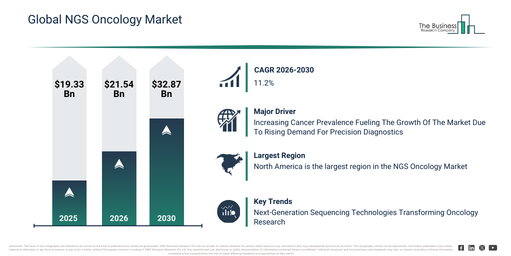
    The ngs oncology market size has experienced swift expansion in recent years. It is forecast to grow from $19.33 billion in 2025 to $21.54 billion in 2026, reflecting a compound annual growth rate (CAGR) of 11.4%. The factors contributing to its historic growth include declining sequencing costs, an increase in global cancer prevalence, enhanced funding for oncology research, the early adoption of targeted therapies, and the proliferation of genomic research initiatives.

    The ngs oncology market is projected to experience swift expansion in the coming years. This market is anticipated to reach $32.87 billion by 2030, demonstrating a compound annual growth rate (CAGR) of 11.2%. This growth during the projection period stems from factors such as the expansion of precision oncology initiatives, a rising need for individualized cancer therapies, more approvals for NGS-based diagnostic tools, progress in bioinformatics analytics, and the incorporation of NGS into standard clinical recommendations. Key developments expected over the forecast horizon encompass broader comprehensive tumor profiling, greater uptake of liquid biopsy NGS, enhanced clinical usefulness of multi-gene panels, the incorporation of NGS into everyday oncology diagnostics, and an increasing need for quicker sequencing workflow completion.

    Get A Free Sample Report With In-Depth Market Insights:

    https://thebusinessresearchcompany.com/sample_request?id=51134958&type=smp&name=NGS%20Oncology%20Market%20Report%202026&utm_source=Blogs&utm_medium=Paid&utm_campaign=Nov_PR

    NGS Oncology Market Growth Drivers: What’s Behind The Acceleration?

    The increasing occurrence of cancer is projected to boost the NGS oncology market. Cancer is characterized by the uncontrolled proliferation of abnormal cells that can spread throughout the body, impairing normal bodily functions. The rise in cancer cases is mainly attributed to an aging populace, overall population growth, and greater exposure to risk factors like tobacco use, alcohol consumption, obesity, and air pollution. NGS oncology aids public health and patient care by facilitating early detection, accurate diagnosis, and tailored treatment through comprehensive genetic profiling of tumors. Consequently, the growing incidence of cancer is propelling the expansion of the NGS oncology market.

    NGS Oncology Market Segment Outlook: Which Categories Are Growing Fastest?

    The ngs oncology market covered in this report is segmented –

    1) By Sequencing Technology: Targeted Sequencing, Genomics, Transcriptomics, Epigenomics

    2) By Offering: Platform, Kits, Services

    3) By Workflow: Pre-Sequencing, Sequencing, Data Analysis

    4) By Application: Genetic Screening, Hereditary Genetic Testing, Hematological Malignancies, Solid Tumors, Other Applications

    5) By End User: Hospitals And Clinics, Clinical Research Organizations (CROs), Academic And Research Institutes, Pharmaceutical And Biotechnology Companies, Other End Users

    Subsegments:

    1) By Targeted Sequencing: Whole Exome Sequencing (WES), Amplicon-Based Sequencing, Hybridization-Based Sequencing

    2) By Genomics: Whole Genome Sequencing (WGS), Structural Variant Detection, Copy Number Variation (CNV) Analysis

    3) By Transcriptomics: RNA Sequencing, Single-Cell Transcriptomics, Non-Coding RNA Analysis

    4) By Epigenomics: DNA Methylation Sequencing, Chromatin Immunoprecipitation Sequencing, Histone Modification Analysis

    NGS Oncology Market Trends: What’s Defining The Industry’s Next Phase?

    Major companies operating in the NGS oncology market are concentrating on creating innovative solutions, such as liquid biopsy research assays, to facilitate non-invasive, real-time cancer detection and monitoring by examining circulating tumor DNA. A liquid biopsy research assay functions as a diagnostic examination that scrutinizes biological fluids, including blood, to identify genetic mutations or other molecular markers linked to cancer, thereby allowing for non-invasive cancer detection and monitoring.

    NGS Oncology Market Leading Companies And Competitive Benchmarking

    Major companies operating in the ngs oncology market are Hoffmann-La Roche Ltd., Thermo Fisher Scientific Inc., Agilent Technologies Inc., Eurofins Scientific SE, Illumina Inc., Qiagen N.V., Tecan Trading AG, Myriad Genetics, Takara Bio Inc., Beijing Genomics Institute (BGI), Caris Life Sciences, Foundation Medicine, Paradigm Diagnostics, Pacific Bioscience, Horizon Discovery Group plc , Creative-Biolabs, Xcelris Labs Ltd., Partek Inc., 4baseCare, SciGenom Labs Pvt. Ltd.

    View The Full NGS Oncology Market Report:

    https://thebusinessresearchcompany.com/report/ngs-oncology-global-market-report?utm_source=Blogs&utm_medium=Paid&utm_campaign=Nov_PR

    NGS Oncology Market Regional Analysis: Which Geography Leads On Revenue?

    North America was the largest region in the NGS oncology market in 2025. Asia-Pacific is expected to be the fastest-growing region in the forecast period. The regions covered in the ngs oncology market report are Asia-Pacific, South East Asia, Western Europe, Eastern Europe, North America, South America, Middle East, Africa.

    Reach Out To Our Team:

    The Business Research Company: https://www.thebusinessresearchcompany.com/

    Americas: +1 310-496-7795

    Asia: +44 7882 955267 & +91 8897263534

    Europe: +44 7882 955267

    Email us at: marketing@tbrc.info

    Follow us on:

    LinkedIn: https://in.linkedin.com/company/the-business-research-company

    YouTube: https://www.youtube.com/channel/UC24_fI0rV8cR5DxlCpgmyFQ

    Global Market Model: https://www.thebusinessresearchcompany.com/global-market-model
  • Next-Generation Sequencing Data Analysis Market Analysis: How The Industry Is Evolving Toward A $3.93 Billion Future

    Next-Generation Sequencing Data Analysis Market Analysis: How The Industry Is Evolving Toward A $3.93 Billion Future

    Featuring market attractiveness scoring, total addressable market sizing, company benchmarking matrices, interactive Excel dashboards, deeper supply chain intelligence, emerging startup tracking, and granular product-level insights, The Business Research Company’s 2026 market reports are built to deliver research that is both more actionable and more strategically valuable.

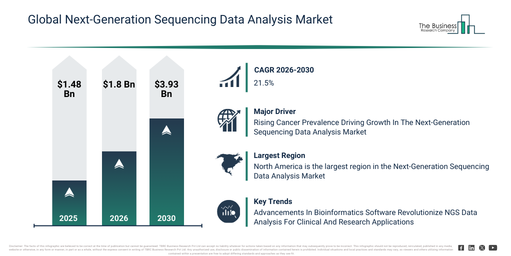
    Next-Generation Sequencing Data Analysis Market Set To Climb From $1.8 Billion In 2026 To $3.93 Billion By 2030

    The next-generation sequencing data analysis market has experienced significant expansion in recent years. Its value is anticipated to rise from $1.48 billion in 2025 to $1.8 billion in 2026, demonstrating a compound annual growth rate (CAGR) of 21.9%. The market’s past growth can be attributed to several factors, including an increase in NGS data generation volumes, a wider application of genomic data in research, the expansion of clinical sequencing programs, advancements in computational infrastructure, and the increasing adoption of outsourced bioinformatics services.

    The next-generation sequencing data analysis market is projected to experience rapid expansion in the coming years. By 2030, this market is anticipated to reach $3.93 billion, exhibiting a compound annual growth rate (CAGR) of 21.5%. Factors contributing to this growth during the forecast period include the increasing incorporation of AI into variant interpretation, a surge in demand for instantaneous genomic insights, the broadening scope of personalized medicine applications, rising investments in secure platforms for genomic data, and an intensified regulatory emphasis on data compliance. Key trends expected over the forecast horizon encompass the wider adoption of AI-powered bioinformatics platforms, a growing need for cloud-based NGS data analysis, the expanded utilization of long-read sequencing analytics, the development of integrated genomic pipelines, and a heightened emphasis on the precision of data interpretation.

    Get A Free Sample Report With In-Depth Market Insights:

    https://thebusinessresearchcompany.com/sample_request?id=57078793&type=smp&name=Next-Generation%20Sequencing%20Data%20Analysis%20Market%20Report%202026&utm_source=Blogs&utm_medium=Paid&utm_campaign=Nov_PR

    Next-Generation Sequencing Data Analysis Market Growth Factors Behind Sustained Expansion

    The rising incidence of cancer is anticipated to drive the expansion of the next-generation sequencing data analysis market in the future. Cancer encompasses a range of illnesses marked by the unregulated multiplication and dissemination of atypical cells within the body, potentially resulting in severe health issues or fatality if left untreated. Unhealthy lifestyle choices, such as smoking, heavy alcohol intake, and diets high in processed foods while lacking fruits and vegetables, can substantially elevate the likelihood of developing cancer. Next-generation sequencing data analysis aids cancer therapy through its ability to accurately pinpoint genetic mutations, thereby facilitating individualized treatments and more potent therapeutic approaches customized to the unique genetic makeup of a patient’s cancer. Consequently, the growing prevalence of cancer is fueling the expansion of the next-generation sequencing data analysis market.

    Next-Generation Sequencing Data Analysis Market Segment Landscape: Which Areas Lead Development?

    The next-generation sequencing data analysis market covered in this report is segmented –

    1) By Product: Services, Next-Generation Sequencing (NGS) Commercial Software

    2) By Read Length: Short Read Sequencing, Long Read Sequencing, Very Long Read Sequencing

    3) By Mode: In-House, Outsourced

    4) By Workflow: Primary, Secondary, Tertiary

    5) By End-User: Academic Research, Clinical Research, Hospitals And Clinics, Pharma And Biotech Entities, Other End-Users

    Subsegments:

    1) By Services: Data Analysis Services, Bioinformatics Services, Consulting Services, Training and Support Services

    2) By Next-Generation Sequencing (NGS) Commercial Software: Data Management Software, Alignment Software, Variant Calling Software, Visualization Software, Pipeline Management Software, Specialized Analysis Software

    Next-Generation Sequencing Data Analysis Market Industry Trends Fueling Future Revenue Growth

    Major companies operating in the next-generation sequencing data analysis market are focusing on developing advanced secondary analysis bioinformatics software to facilitate quicker and more precise identification of genetic variants for research and clinical applications. This software is designed to process raw sequencing data from next-generation sequencing (NGS) and convert it into interpretable formats, such as variant call files (VCF), thereby streamlining the analysis of NGS data.

    Next-Generation Sequencing Data Analysis Market Industry Leaders And Competitive Landscape

    Major companies operating in the next-generation sequencing data analysis market are Thermo Fisher Scientific Inc., Agilent Technologies Inc., Illumina Inc., QIAGEN N.V., MedGenome Inc., Element Biosciences Inc., Seven Bridges Genomics Inc., Synthego Corp., Eurofins Genomics India Pvt. Ltd., Fabric Genomics Inc., Strand Life Sciences Pvt. Ltd., Admera Health LLC, Congenica Ltd., DNASTAR Inc., Golden Helix Inc., Geneious, SciGenom Labs Pvt. Ltd., Partek Incorporated, PathoQuest SAS, BioDatomics Inc., BGI Genomics Co. Ltd

    View The Full Next-Generation Sequencing Data Analysis Market Report:

    https://thebusinessresearchcompany.com/report/next-generation-sequencing-data-analysis-global-market-report?utm_source=Blogs&utm_medium=Paid&utm_campaign=Nov_PR

    Next-Generation Sequencing Data Analysis Market Geographic Spread And Regional Opportunities

    North America was the largest region in the next-generation sequencing data analysis market in 2025. Asia-Pacific is expected to be the fastest-growing region in the forecast period. The regions covered in the next-generation sequencing data analysis market report are Asia-Pacific, South East Asia, Western Europe, Eastern Europe, North America, South America, Middle East, Africa.

    Reach Out To Our Team:

    The Business Research Company: https://www.thebusinessresearchcompany.com/

    Americas: +1 310-496-7795

    Asia: +44 7882 955267 & +91 8897263534

    Europe: +44 7882 955267

    Email us at: marketing@tbrc.info

    Follow us on:

    LinkedIn: https://in.linkedin.com/company/the-business-research-company

    YouTube: https://www.youtube.com/channel/UC24_fI0rV8cR5DxlCpgmyFQ

    Global Market Model: https://www.thebusinessresearchcompany.com/global-market-model
  • Next-Generation Gynecological Cancer Diagnostics Market Outlook Through 2030: Understanding The Growth Opportunity

    Next-Generation Gynecological Cancer Diagnostics Market Outlook Through 2030: Understanding The Growth Opportunity

    Built to provide research that’s more actionable and strategically valuable, The Business Research Company’s 2026 market reports include market attractiveness analysis, total addressable market sizing, company benchmarking matrices, interactive Excel dashboards, broader supply chain intelligence, emerging startup tracking, and in-depth product insights.

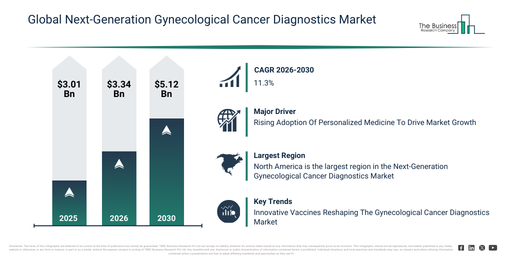
    Next-Generation Gynecological Cancer Diagnostics Market Forecast: Value Set To Climb From $3.34 Billion To $5.12 Billion

    The next-generation gynecological cancer diagnostics market has seen substantial growth in recent years. This market is expected to expand from $3.01 billion in 2025 to $3.34 billion in 2026, exhibiting a compound annual growth rate (CAGR) of 11.1%. Historically, this growth has been fueled by factors such as the increasing prevalence of gynecological cancers, greater awareness of women’s health screening, innovations in molecular diagnostics, the expansion of hospital diagnostic infrastructure, and government-supported cancer screening programs.

    The next-generation gynecological cancer diagnostics market is anticipated to experience substantial growth in the upcoming years, with its size projected to reach $5.12 billion in 2030, demonstrating a compound annual growth rate (CAGR) of 11.3%. This expansion during the forecast period is primarily driven by the escalating demand for precision medicine, the increasing integration of AI-enabled diagnostics, the broadening scope of genetic and epigenetic testing, heightened investment in oncology research and development, and enhanced accessibility to advanced diagnostics in emerging markets. Significant trends expected during this period include the rising acceptance of biomarker-based screening, a shift towards personalized gynecological oncology diagnostics, the wider application of companion diagnostics in treatment planning, the increasing utilization of non-invasive and liquid biopsy techniques, and an elevated focus on early-stage cancer detection.

    Get A Free Sample Report With In-Depth Market Insights:

    https://thebusinessresearchcompany.com/sample_request?id=35283994&type=smp&name=Next-Generation%20Gynecological%20Cancer%20Diagnostics%20Market%20Report%202026&utm_source=Blogs&utm_medium=Paid&utm_campaign=Nov_PR

    Next-Generation Gynecological Cancer Diagnostics Market Demand Drivers Opening New Revenue Streams

    The increasing integration of personalized medicine is projected to fuel the expansion of the next-generation gynecological cancer diagnostics market in the future. This innovative healthcare method customizes medical care and interventions based on a patient’s unique genetic, molecular, and clinical traits, leading to more accurate diagnoses, focused treatments, and better patient results. Its wider acceptance stems from progress in identifying biomarkers, favorable regulatory environments, and the expanding range of molecularly targeted treatments. These advanced diagnostics for gynecological cancers aid clinical choices by allowing for tumor profiling, forecasting how treatments will work, and directing customized therapeutic approaches. Consequently, the growing embrace of personalized medicine is stimulating the development of the next-generation gynecological cancer diagnostics market.

    Next-Generation Gynecological Cancer Diagnostics Market Segments: Where Is Growth Concentrated?

    The next-generation gynecological cancer diagnostics market covered in this report is segmented –

    1) By Cancer Type: Cervical Cancer, Ovarian Cancer, Uterine Cancer, Vaginal Cancer, Vulvar Cancer

    2) By Function: Therapeutic Monitoring, Companion Diagnostics, Prognostics, Cancer Screening, Risk Analysis

    3) By Technology: Next-Generation Sequencing, qPCR And Multiplexing, Lab-On-A-Chip (LOAC) And Reverse Transcriptase-PCR (RT-PCR), Protein Microarrays, DNA Microarrays

    4) By Application: Biomarker Development, CTC Analysis, Proteomic Analysis, Epigenetic Analysis, Genetic Analysis

    5) By End User: Hospitals And Ambulatory Centers, Diagnostic Laboratories, Academic And Research Institutes

    Subsegments:

    1) By Cervical Cancer: HPV Testing, Pap Smear Testing, Liquid-Based Cytology, Biomarker Testing

    2) By Ovarian Cancer: CA-125 Testing, HE4 Testing, Genetic Testing (BRCA1 Or BRCA2), Imaging Techniques

    3) By Uterine Cancer: Endometrial Biopsy, Ultrasound Imaging, Genetic Testing (PMS2, MLH1), Biomarker Testing

    4) By Vaginal Cancer: Pap Smear Testing, HPV Testing, Biopsy Procedures

    5) By Vulvar Cancer: Visual Inspection, Biopsy, HPV Testing, Genetic Testing

    Next-Generation Gynecological Cancer Diagnostics Market Trends Powering Strategic Industry Growth

    Leading companies in the gynecological cancer diagnostics market are developing new offerings, such as cervical cancer vaccines, to gain a competitive edge. A vaccine is a biological preparation designed to provide active acquired immunity against a specific disease.

    Next-Generation Gynecological Cancer Diagnostics Market Key Participants And Competitive Landscape

    Major companies operating in the next-generation gynecological cancer diagnostics market are F. Hoffmann-La Roche Ltd., Thermo Fisher Scientific Inc., Abbott Laboratories, Siemens Healthcare GmbH, Agena Bioscience Inc., Koninklijke Philips N.V., Becton, Dickinson and Company, GE HealthCare Technologies Inc., Laboratory Corporation Of America Holdings, Quest Diagnostics Incorporated, Agilent Technologies Inc., Hologic Inc., Illumina Inc., PerkinElmer Inc., Sysmex Corporation, Qiagen N.V., ARUP Laboratories, Almac Group, BGI Genomics Co Ltd, OPKO HEALTH Inc., BGI Genomics Co. Ltd., Myriad Genetics Inc., Fulgent Genetics Inc., Cepheid, Invitae Corporation, Centogene NV

    View The Full Next-Generation Gynecological Cancer Diagnostics Market Report:

    https://thebusinessresearchcompany.com/report/next-generation-gynecological-cancer-diagnostics-global-market-report?utm_source=Blogs&utm_medium=Paid&utm_campaign=Nov_PR

    Next-Generation Gynecological Cancer Diagnostics Market Top Region By Revenue And Market Share

    North America a was the largest region in the next-generation gynecological cancer diagnostics market in 2025. Asia-Pacific is expected to be the fastest-growing region in the forecast period. The regions covered in the next-generation gynecological cancer diagnostics market report are Asia-Pacific, South East Asia, Western Europe, Eastern Europe, North America, South America, Middle East, Africa.

    Reach Out To Our Team:

    The Business Research Company: https://www.thebusinessresearchcompany.com/

    Americas: +1 310-496-7795

    Asia: +44 7882 955267 & +91 8897263534

    Europe: +44 7882 955267

    Email us at: marketing@tbrc.info

    Follow us on:

    LinkedIn: https://in.linkedin.com/company/the-business-research-company

    YouTube: https://www.youtube.com/channel/UC24_fI0rV8cR5DxlCpgmyFQ

    Global Market Model: https://www.thebusinessresearchcompany.com/global-market-model