Author: Marketing Posting

  • Neuropathic Pain Market Expected To Grow At 8.1% CAGR Through 2030: What Businesses Need To Know

    Neuropathic Pain Market Expected To Grow At 8.1% CAGR Through 2030: What Businesses Need To Know

    Featuring market attractiveness scoring, total addressable market sizing, company benchmarking matrices, interactive Excel dashboards, deeper supply chain intelligence, emerging startup tracking, and granular product-level insights, The Business Research Company’s 2026 market reports are built to deliver research that is both more actionable and more strategically valuable.

    Neuropathic Pain Market Growth Analysis: How Will Revenue Trend Over The Forecast Period?

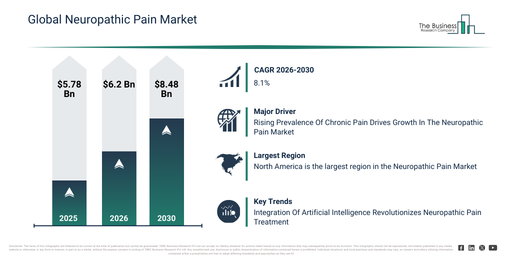
    The neuropathic pain market has shown strong expansion in recent years. It is anticipated to grow from $5.78 billion in 2025 to $6.2 billion in 2026, at a compound annual growth rate (CAGR) of 7.3%. This historical growth can be attributed to the rising prevalence of diabetes, early adoption of antidepressants and anticonvulsants, increased awareness of neuropathic pain conditions, the development of opioid-based treatments, and the initial use of imaging for diagnosis.

    The neuropathic pain market is projected to experience substantial expansion over the coming years. By 2030, its valuation is anticipated to reach $8.48 billion, demonstrating a compound annual growth rate (CAGR) of 8.1%. This expansion during the forecast period is driven by several factors, including an increasing preference for non-opioid treatments, a heightened need for tailored pain management, wider adoption of complementary therapies, greater investment in diagnostic breakthroughs, and the creation of sophisticated multimodal treatment options. Key developments expected during this timeframe involve a rise in multimodal therapy strategies, a growing call for non-opioid solutions for pain, broader incorporation of physical and psychological therapies, advancements in early detection via imaging, and a concentrated effort on managing diabetic neuropathy.

    Get A Free Sample Report With In-Depth Market Insights:

    https://thebusinessresearchcompany.com/sample_request?id=97663493&type=smp&name=Neuropathic%20Pain%20Market%20Report%202026&utm_source=Blogs&utm_medium=Paid&utm_campaign=Nov_PR

    Neuropathic Pain Market Growth Factors Behind Sustained Expansion

    The increasing incidence of chronic pain is anticipated to drive the expansion of the neuropathic pain market in the future. Chronic pain, characterized by enduring discomfort for three months or longer, impacts a significant segment of the population, leading to a considerable reduction in their quality of life. The surge in chronic pain occurrences stems from factors including an aging demographic, nerve damage, and chronic conditions such as diabetes. Therapies for neuropathic pain contribute to public health by addressing nerve dysfunction, alleviating symptoms, and enhancing the daily functioning of patients. Consequently, the growing prevalence of chronic pain is propelling the neuropathic pain market.

    Neuropathic Pain Market Segment Outlook: Which Categories Are Growing Fastest?

    The neuropathic pain market covered in this report is segmented –

    1) By Treatment: Medications, Multimodal Therapy

    2) By Diagnosis: Imaging, Blood Tests And Physical Examination

    3) By Indication: Diabetic Neuropathy, Spinal Stenosis, Chemotherapy-Induced Peripheral Neuropathy, Other Indications

    4) By End User: Hospitals, Clinics, Home Healthcare, Ambulatory Surgical Centers, Other End Users

    Subsegments:

    1) By Medications: Anticonvulsants, Antidepressants, Opioids, Topical Treatments, Non-Steroidal Anti-Inflammatory Drugs (NSAIDs)

    2) By Multimodal Therapy: Combination Of Medications, Physical Therapy, Psychological Therapy, Lifestyle Modifications, Complementary Therapies

    Neuropathic Pain Market Industry Trends Fueling Future Revenue Growth

    Leading companies in the neuropathic pain market are integrating artificial intelligence technologies to enhance diagnosis, customize treatment plans, provide real-time monitoring, accelerate drug discovery, and generate data-driven insights, all with the goal of improving patient outcomes and refining pain management strategies.

    Neuropathic Pain Market Leading Companies And Competitive Benchmarking

    Major companies operating in the neuropathic pain market are Pfizer Inc., Johnson & Johnson Private Limited, Sanofi S.A., Bristol-Myers Squibb Company, Abbott Laboratories, GlaxoSmithKline Plc, Medtronic Inc., Eli Lilly and Company, Teva Pharmaceutical Industries Ltd, Boston Scientific Corporation, Sun Pharmaceutical Industries Ltd., Mallinckrodt Pharmaceuticals, Grünenthal GmbH, Lupin Ltd., Nevro Corp., InvaGen Pharmaceuticals Inc, Centaur Pharmaceuticals Pvt Ltd., Stimwave LLC, Novartis AG, Astellas Pharma Inc., Vertex Pharmaceuticals Incorporated, Assertio Therapeutics Inc, NeuroMetrix Inc, OMRON Healthcare Co Ltd

    View The Full Neuropathic Pain Market Report:

    https://thebusinessresearchcompany.com/report/neuropathic-pain-global-market-report?utm_source=Blogs&utm_medium=Paid&utm_campaign=Nov_PR

    Neuropathic Pain Market Top Region By Revenue And Market Share

    North America was the largest region in the neuropathic pain market in 2025. Asia-Pacific is expected to be the fastest-growing region in the forecast period. The regions covered in the neuropathic pain market report are Asia-Pacific, South East Asia, Western Europe, Eastern Europe, North America, South America, Middle East, Africa.

    Reach Out To Our Team:

    The Business Research Company: https://www.thebusinessresearchcompany.com/

    Americas: +1 310-496-7795

    Asia: +44 7882 955267 & +91 8897263534

    Europe: +44 7882 955267

    Email us at: marketing@tbrc.info

    Follow us on:

    LinkedIn: https://in.linkedin.com/company/the-business-research-company

    YouTube: https://www.youtube.com/channel/UC24_fI0rV8cR5DxlCpgmyFQ

    Global Market Model: https://www.thebusinessresearchcompany.com/global-market-model
  • Neuromyelitis Optica Spectrum Disorder Market Forecast To Reach $3.76 Billion By 2030: Key Trends Explained

    Neuromyelitis Optica Spectrum Disorder Market Forecast To Reach $3.76 Billion By 2030: Key Trends Explained

    Built to provide research that’s more actionable and strategically valuable, The Business Research Company’s 2026 market reports include market attractiveness analysis, total addressable market sizing, company benchmarking matrices, interactive Excel dashboards, broader supply chain intelligence, emerging startup tracking, and in-depth product insights.

    Neuromyelitis Optica Spectrum Disorder Market Forecast: What Value Will The Market Reach By 2030?

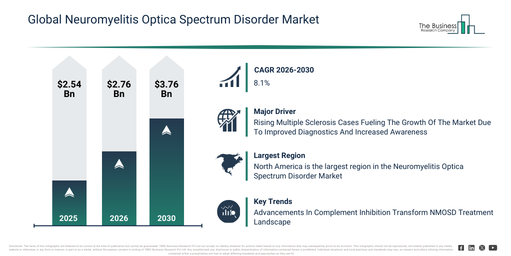
    The neuromyelitis optica spectrum disorder market size has experienced substantial growth in recent years. It is anticipated to expand from $2.54 billion in 2025 to $2.76 billion in 2026, exhibiting a compound annual growth rate (CAGR) of 8.4%. This historical growth can be attributed to factors such as increasing awareness of NMOSD, the early development of immunosuppressive treatments, the initial use of corticosteroids for managing flares, the adoption of imaging for differential diagnosis, and the rising identification of AQP4 antibodies.

    The neuromyelitis optica spectrum disorder market is projected to experience substantial expansion over the upcoming years. Its valuation is anticipated to reach $3.76 billion by 2030, exhibiting a compound annual growth rate (CAGR) of 8.1%. This expansion during the projection period is primarily driven by factors such as the increasing need for targeted biologics, the ongoing progress in developing mog-antibody therapies, the broader availability of advanced diagnostic platforms, a rise in funding for autoimmune research, and the creation of innovative immunotherapy solutions. Key developments expected during this timeframe encompass the greater integration of monoclonal antibody therapies, an uptick in the utilization of sophisticated imaging methods for early detection, an elevated requirement for plasma exchange and immunoglobulin therapy, the broadening scope of aqp4-positive and mog-antibody testing, and an intensified emphasis on preventing relapses and managing the disease over the long term.

    Get A Free Sample Report With In-Depth Market Insights:

    https://thebusinessresearchcompany.com/sample_request?id=63501006&type=smp&name=Neuromyelitis%20Optica%20Spectrum%20Disorder%20Market%20Report%202026&utm_source=Blogs&utm_medium=Paid&utm_campaign=Nov_PR

    Neuromyelitis Optica Spectrum Disorder Market Demand Drivers Opening New Revenue Streams

    The rising occurrence of multiple sclerosis is anticipated to drive expansion in the neuromyelitis optica spectrum disorder market in the future. Multiple sclerosis, an enduring autoimmune condition, impacts the central nervous system, resulting in inflammation, damage to nerves, and various neurological manifestations. The heightened prevalence of multiple sclerosis stems from enhanced diagnostic methods, environmental factors, and genetic susceptibility. Improvements in medical imaging, for example, MRI, have facilitated earlier and more precise diagnoses, contributing to a noticeable increase in reported cases. With more people receiving an MS diagnosis, there is an elevated understanding of neurological autoimmune conditions, which in turn leads to superior diagnostic approaches and a clearer identification of neuromyelitis optica spectrum disorder. Consequently, the growing incidence of multiple sclerosis fuels the advancement of the neuromyelitis optica spectrum disorder market.

    Neuromyelitis Optica Spectrum Disorder Market Segment Landscape: Which Areas Lead Development?

    The neuromyelitis optica spectrum disorder market covered in this report is segmented –

    1) By Type: Neuromyelitis Optica Spectrum Disorder With Aquaporin-4 Antibodies, Neuromyelitis Optica Spectrum Disorder Without Aquaporin-4 Antibodies

    2) By Diagnosis: Imaging Tests, Magnetic Resonance Imaging (MRI), Blood Tests, Other Diagnosis

    3) By Treatment Type: C5 Protein Inhibitor, Monoclonal Antibodies, Plasma Exchange Therapy, Corticosteroids, Immunoglobulin Therapy, Medication, Other Treatment Types

    4) By Distribution Channel: Hospital Pharmacy, Retail Pharmacy, Online Pharmacy

    5) By End-User: Hospitals, Specialty Clinics, Homecare, Other End-Users

    Subsegments:

    1) By Neuromyelitis Optica Spectrum Disorder With Aquaporin-4 Antibodies: Relapsing NMOSD With AQP4-IgG, Monophasic NMOSD With AQP4-IgG, Severe Optic Neuritis With AQP4-IgG, Longitudinally Extensive Transverse Myelitis (LETM) With AQP4-IgG

    2) By Neuromyelitis Optica Spectrum Disorder Without Aquaporin-4 Antibodies: NMOSD With Myelin Oligodendrocyte Glycoprotein (MOG) Antibodies (MOG-IgG), Seronegative NMOSD, Idiopathic NMOSD Cases, NMOSD Associated With Other Autoimmune Disorders

    Neuromyelitis Optica Spectrum Disorder Market Trends Powering Strategic Industry Growth

    Leading companies within the neuromyelitis optica spectrum disorder market are concentrating on developing innovative products, such as long-acting complement inhibitors, to improve treatment efficacy and patient outcomes. Long-acting complement inhibitors are therapies designed to suppress the complement system for an extended duration, thereby preventing inflammation and nerve damage in neuromyelitis optica spectrum disorder (NMOSD). These inhibitors are instrumental in minimizing relapses and supporting sustained disease control.

    Neuromyelitis Optica Spectrum Disorder Market Industry Leaders And Competitive Landscape

    Major companies operating in the neuromyelitis optica spectrum disorder market are F. Hoffmann-La Roche Ltd, Laboratory Corporation of America Holding, Chugai Pharmaceutical Co. Ltd, Mayo Foundation for Medical Education and Research, Penn Medicine, Genentech Inc, Oregon Health & Science University, Arup Laboratories, Argenx SE, Metropolis Healthcare, Rush University Medical Center, Mitsubishi Tanabe Pharma Corporation, Viela Bio, Alexion Pharmaceuticals, Horizon Therapeutics plc, UCB S.A, Teva Pharmaceutical Industries Ltd, Novartis AG, Sanofi S.A, Pfizer Inc, Eli Lilly and Company, Immune Pharmaceuticals Inc.

    View The Full Neuromyelitis Optica Spectrum Disorder Market Report:

    https://thebusinessresearchcompany.com/report/neuromyelitis-optica-spectrum-disorder-global-market-report?utm_source=Blogs&utm_medium=Paid&utm_campaign=Nov_PR

    Neuromyelitis Optica Spectrum Disorder Market Regional Analysis And Top Geography

    North America was the largest region in the neuromyelitis optica spectrum disorder market in 2025. Asia-Pacific is expected to be the fastest-growing region in the forecast period. The regions covered in the neuromyelitis optica spectrum disorder market report are Asia-Pacific, South East Asia, Western Europe, Eastern Europe, North America, South America, Middle East, Africa.

    Reach Out To Our Team:

    The Business Research Company: https://www.thebusinessresearchcompany.com/

    Americas: +1 310-496-7795

    Asia: +44 7882 955267 & +91 8897263534

    Europe: +44 7882 955267

    Email us at: marketing@tbrc.info

    Follow us on:

    LinkedIn: https://in.linkedin.com/company/the-business-research-company

    YouTube: https://www.youtube.com/channel/UC24_fI0rV8cR5DxlCpgmyFQ

    Global Market Model: https://www.thebusinessresearchcompany.com/global-market-model
  • Neurology Clinical Trials Market Analysis Through 2030: Market Size, Growth Trends And Industry Outlook

    Neurology Clinical Trials Market Analysis Through 2030: Market Size, Growth Trends And Industry Outlook

    Backed by market attractiveness analysis, total addressable market sizing, company benchmarking matrices, interactive Excel dashboards, wider supply chain intelligence, emerging startup coverage, and detailed product-level insights, The Business Research Company’s 2026 market reports are designed to offer research that is more actionable and strategically valuable than ever.

    Neurology Clinical Trials Market Size Outlook: How Quickly Will Revenue Expand Through 2030?

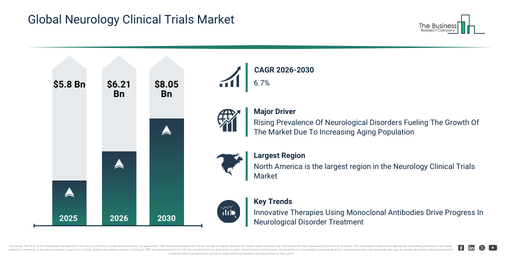
    The neurology clinical trials market size has shown robust growth over recent years. It is forecast to increase from $5.8 billion in 2025 to $6.21 billion in 2026, progressing at a compound annual growth rate (CAGR) of 7.0%. This market’s historical growth can be attributed to factors such as an increase in neurological disease prevalence, the expansion of pharmaceutical research pipelines, heightened investment in neurology drug development, the availability of advanced imaging tools, and a rise in participation in clinical research.

    The neurology clinical trials market size is expected to demonstrate robust growth over the next few years. It is predicted to expand to $8.05 billion in 2030, achieving a compound annual growth rate (CAGR) of 6.7%. This projected growth can be attributed to factors such as the increasing utilization of AI-driven trial analytics, a rising demand for more rapid trial execution, the expansion of patient-centric trial models, the growing incorporation of remote monitoring technologies, and an enhanced focus on rare neurological conditions. Prominent trends anticipated within the forecast period include a growing adoption of adaptive clinical trial designs, increased use of digital patient monitoring tools, an intensifying focus on biomarker-based neurology trials, the wider implementation of decentralized clinical trial models, and a stronger emphasis on the generation of real-world evidence.

    Get A Free Sample Report With In-Depth Market Insights:

    https://thebusinessresearchcompany.com/sample_request?id=44187967&type=smp&name=Neurology%20Clinical%20Trials%20Market%20Report%202026&utm_source=Blogs&utm_medium=Paid&utm_campaign=Nov_PR

    Neurology Clinical Trials Market Growth Backed By Core Demand Fundamentals

    The growing occurrence of neurological disorders is projected to boost the expansion of the neurology clinical trials market in the coming years. These conditions, which disrupt the normal functioning of the nervous system, affect the brain, spinal cord, or nerves. The primary reason for this increase in neurological disorders is the aging population, as older adults are more vulnerable to age-related ailments like Alzheimer’s and Parkinson’s disease. Neurology clinical trials are instrumental in addressing these disorders by evaluating new treatments, drugs, or interventions to enhance diagnosis, manage symptoms, slow disease progression, and improve patient outcomes. Thus, the escalating prevalence of neurological disorders is a key driver for the growth of the neurology clinical trials market.

    Neurology Clinical Trials Market Segments: Where Is Growth Concentrated?

    The neurology clinical trials market covered in this report is segmented –

    1) By Phase: Phase I, Phase II, Phase III, Phase IV

    2) By Study Design: Interventional, Observational, Expanded Access

    3) By Indication: Epilepsy, Parkinson’s Disease (PD), Huntington’s Disease, Stroke, Traumatic Brain Injury (TBI), Amyotrophic Lateral Sclerosis (ALS), Multiple Sclerosis, Other Indications

    4) By End-User: Hospitals, Clinics, Research Institutes, Other End- Users

    Subsegments:

    1) By Phase I: Drug Safety Evaluation, Pharmacokinetics Assessment, Dosage Range Finding, Tolerability Studies

    2) By Phase II: Efficacy Evaluation, Dose Response Studies, Therapeutic Effectiveness, Biomarker Identification

    3) By Phase III: Large Scale Efficacy Studies, Safety Monitoring, Comparative Effectiveness, Risk Benefit Analysis

    4) By Phase IV: Post Marketing Surveillance, Long Term Safety Follow Up, Real World Evidence Collection, Quality Of Life Assessment

    Neurology Clinical Trials Market Growth Trends Reshaping The Competitive Landscape

    Key companies operating within the neurology clinical trials market are concentrating on developing innovative solutions, including monoclonal antibodies, to target specific neurological pathways, improve treatment efficacy, and accelerate the creation of novel therapies. A monoclonal antibody is a laboratory-produced molecule engineered to recognize and bind to specific proteins or antigens, often utilized for precise targeting of disease mechanisms in therapeutic and diagnostic applications.

    Neurology Clinical Trials Market Key Participants And Competitive Landscape

    Major companies operating in the neurology clinical trials market are AbbVie Inc., Sanofi S.A., Novartis AG, Eli Lilly and Company, Teva Pharmaceutical Industries Ltd., IQVIA Holdings Inc., Biogen Inc., ICON plc., Syneos Health, Charles River Laboratories International Inc., Parexel International Corporation, CMIC Holdings Co. Ltd., Medpace Holdings Inc., PSI CRO AG., Supernus Pharmaceuticals Inc., Worldwide Clinical Trials LLC., Ergomed plc., Biotrial S.A.S., Clinilabs Drug Development Corporation, Lindus Health Ltd.

    View The Full Neurology Clinical Trials Market Report:

    https://thebusinessresearchcompany.com/report/neurology-clinical-trials-global-market-report?utm_source=Blogs&utm_medium=Paid&utm_campaign=Nov_PR

    Neurology Clinical Trials Market Geographic Analysis: Where Is Demand Rising Fastest?

    North America was the largest region in the neurology clinical trials market in 2025. Asia-Pacific is expected to be the fastest-growing region in the forecast period. The regions covered in the neurology clinical trials market report are Asia-Pacific, South East Asia, Western Europe, Eastern Europe, North America, South America, Middle East, Africa.

    Reach Out To Our Team:

    The Business Research Company: https://www.thebusinessresearchcompany.com/

    Americas: +1 310-496-7795

    Asia: +44 7882 955267 & +91 8897263534

    Europe: +44 7882 955267

    Email us at: marketing@tbrc.info

    Follow us on:

    LinkedIn: https://in.linkedin.com/company/the-business-research-company

    YouTube: https://www.youtube.com/channel/UC24_fI0rV8cR5DxlCpgmyFQ

    Global Market Model: https://www.thebusinessresearchcompany.com/global-market-model
  • Neurological Disorder Diagnostics Market Outlook From 2026 To 2030: Key Growth Factors And Future Opportunities

    Neurological Disorder Diagnostics Market Outlook From 2026 To 2030: Key Growth Factors And Future Opportunities

    Featuring market attractiveness scoring, total addressable market sizing, company benchmarking matrices, interactive Excel dashboards, deeper supply chain intelligence, emerging startup tracking, and granular product-level insights, The Business Research Company’s 2026 market reports are built to deliver research that is both more actionable and more strategically valuable.

    Neurological Disorder Diagnostics Market Size, Value And Growth Trajectory Through 2030

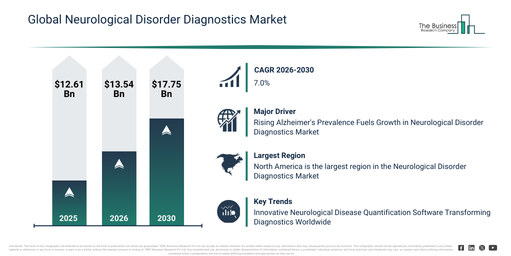
    The neurological disorder diagnostics market has shown strong expansion in recent years. Its size is anticipated to increase from $12.61 billion in 2025 to $13.54 billion in 2026, achieving a compound annual growth rate (CAGR) of 7.3%. This historical growth can be attributed to the rising incidence of neurological disorders, increased recognition of the value of early diagnosis, the development of advanced imaging infrastructure, greater research investment in neurology, and better access to diagnostic equipment.

    The neurological disorder diagnostics market is anticipated to demonstrate robust growth in the coming years, projected to reach $17.75 billion by 2030, exhibiting a compound annual growth rate (CAGR) of 7.0%. This growth during the forecast period is primarily driven by the increasing adoption of precision neurology approaches, rising investments in digital diagnostics platforms, the expansion of personalized treatment planning, the growing utilization of tele-neurology services, and advancements in neuroinformatics and analytics. Noteworthy trends for the forecast period include the increasing integration of AI-assisted neuroimaging tools, a rise in the use of biomarker-based diagnostic kits, the growing integration of genetic and molecular testing, the expansion of remote and digital cognitive assessments, and an enhanced focus on early disease detection.

    Get A Free Sample Report With In-Depth Market Insights:

    https://thebusinessresearchcompany.com/sample_request?id=14854195&type=smp&name=Neurological%20Disorder%20Diagnostics%20Market%20Report%202026&utm_source=Blogs&utm_medium=Paid&utm_campaign=Nov_PR

    Neurological Disorder Diagnostics Market Growth Catalysts And Demand Drivers

    The rising occurrence of Alzheimer’s disease is projected to drive the expansion of the neurological disorder diagnostics market in the future. Alzheimer’s disease is defined as a progressive neurodegenerative condition marked by a slow deterioration of cognitive abilities, such as memory, logic, and problem-solving skills. Its development involves a combination of elements like genetic factors (e.g., particular gene mutations and variations), the buildup of amyloid plaques and tau tangles in the brain, persistent inflammation, vascular problems, and lifestyle choices. Neurological disorder diagnostics aid in addressing Alzheimer’s disease by facilitating timely and precise detection via sophisticated imaging methods, biomarker examinations, and cognitive evaluations. Consequently, the growing occurrence of Alzheimer’s disease is fueling the expansion of the neurological disorder diagnostics market.

    Neurological Disorder Diagnostics Market Segment Analysis: What Are The Core Market Categories?

    The neurological disorder diagnostics market covered in this report is segmented –

    1) By Component: Instruments, Reagents, Kits, Software, Services

    2) By Technology: Immunoassay, Polymerase Chain Reaction (PCR) Techniques

    3) By Disease Type: Alzheimer’s Disease, Dementia, Parkinson’s Disease, Epilepsy, Traumatic Brain Injury, Other Disease Types

    4) By End User: Hospitals And Clinics, Diagnostic Centers, Academic And Research Institutes

    Subsegments:

    1) By Instruments: Electroencephalography (EEG) Machines, Magnetic Resonance Imaging (MRI) Machines, Computed Tomography (CT) Scanners, Positron Emission Tomography (PET) Scanners, Lumbar Puncture Equipment, Ultrasound Devices, Neurostimulation Devices, Transcranial Magnetic Stimulation (TMS) Devices,

    2) By Reagents: Biochemical Reagents, Antibodies, DNA Probes, RNA Probes, Enzyme-linked Immunosorbent Assay (ELISA) Reagents, Polymerase Chain Reaction (PCR) Reagents, Sample Collection Reagents

    3) By Kits: Diagnostic Test Kits, Genetic Testing Kits, Biomarker Detection Kits, Immunoassay Kits, Point-of-Care Testing Kits, Screening Kits for Neurological Disorders

    4) By Software: Diagnostic Software for Imaging Analysis, Data Management Software, Clinical Decision Support Software, Patient Management Software, Laboratory Information Management Systems (LIMS), Neuroinformatics Software, Telemedicine Software

    5) By Services: Diagnostic Testing Services, Consultation Services, Training and Support Services, Maintenance and Repair Services for Equipment, Telehealth Services, Data Analysis Services, Research and Development Services

    Neurological Disorder Diagnostics Market Trends Shaping Long-Term Demand

    Major companies in the neurological disorder diagnostics market are concentrating on developing innovative solutions, such as neurological disease quantification software, for the one billion individuals worldwide affected by neurological diseases. Neurological disease quantification software functions as a tool for measuring and analyzing brain function and the progression of neurological conditions.

    Neurological Disorder Diagnostics Market Top Companies Driving Competitive Growth

    Major companies operating in the neurological disorder diagnostics market are Johnson & Johnson Services Inc., F. Hoffmann-La Roche Ltd, Thermo Fisher Scientific Inc., Abbott Laboratories, Novartis AG, Medtronic plc, Amgen Inc., Siemens Healthineers AG, Koninklijke Philips N.V., GE HealthCare Technologies Inc., Otsuka Pharmaceutical Co. Ltd., Boston Scientific Corporation, Neurocrine Biosciences Inc., Neusoft Medical Systems Co.Ltd., Nihon Kohden Corporation, Natus Medical Incorporated, Esaote S.p.A, Canon Medical Systems Corporation, NeuroPace Inc., Lifelines Neuro Company LLC, York Instruments Ltd., Advanced Brain Monitoring Inc., Neurometrix Inc., Croton Healthcare Private Limited, NeuroLogica Corporation

    View The Full Neurological Disorder Diagnostics Market Report:

    https://thebusinessresearchcompany.com/report/neurological-disorder-diagnostics-global-market-report?utm_source=Blogs&utm_medium=Paid&utm_campaign=Nov_PR

    Neurological Disorder Diagnostics Market Global Footprint: Which Region Leads The Market?

    North America was the largest region in the neurological disorder diagnostics market in 2025. The regions covered in the neurological disorder diagnostics market report are Asia-Pacific, South East Asia, Western Europe, Eastern Europe, North America, South America, Middle East, Africa.

    Reach Out To Our Team:

    The Business Research Company: https://www.thebusinessresearchcompany.com/

    Americas: +1 310-496-7795

    Asia: +44 7882 955267 & +91 8897263534

    Europe: +44 7882 955267

    Email us at: marketing@tbrc.info

    Follow us on:

    LinkedIn: https://in.linkedin.com/company/the-business-research-company

    YouTube: https://www.youtube.com/channel/UC24_fI0rV8cR5DxlCpgmyFQ

    Global Market Model: https://www.thebusinessresearchcompany.com/global-market-model
  • Neurological Biomarkers Market Growth Forecast: Market Size, Key Trends And Emerging Opportunities Through 2030

    Neurological Biomarkers Market Growth Forecast: Market Size, Key Trends And Emerging Opportunities Through 2030

    Built to provide research that’s more actionable and strategically valuable, The Business Research Company’s 2026 market reports include market attractiveness analysis, total addressable market sizing, company benchmarking matrices, interactive Excel dashboards, broader supply chain intelligence, emerging startup tracking, and in-depth product insights.

    Neurological Biomarkers Market CAGR Outlook And Future Development

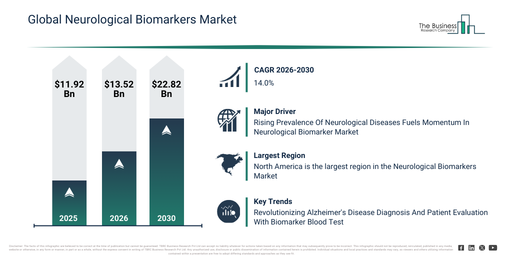
    The neurological biomarkers market size has experienced rapid expansion in recent years. This market is projected to expand from $11.92 billion in 2025 to $13.52 billion in 2026, demonstrating a compound annual growth rate (CAGR) of 13.4%. The historical increase in this market can be linked to several factors, including the rising prevalence of neurological disorders, the early development of protein biomarkers, the increased use of imaging biomarkers, the growing adoption of DNA biomarkers, and the initial integration of biomarkers in clinical trials.

    The neurological biomarkers market is projected to experience substantial expansion over the upcoming years. This market is set to reach a valuation of $22.82 billion by 2030, driven by a compound annual growth rate (CAGR) of 14.0%. This projected growth is largely due to factors such as the increasing implementation of biomarker-based personalized medicine, a heightened need for metabolomics biomarkers, greater investment in CNS drug development, the emergence of advanced diagnostic platforms, and the expanding use of biomarker-driven disease monitoring. Key developments expected during this forecast period encompass the increased utilization of biomarkers in the early detection of neurological conditions, a wider embrace of proteomic and genomic biomarkers, the broadening application of imaging biomarkers for CNS disorder assessment, an escalating requirement for biomarkers within drug development pipelines, and an intensifying clinical emphasis on testing biomarkers for neurodegenerative diseases.

    Get A Free Sample Report With In-Depth Market Insights:

    https://thebusinessresearchcompany.com/sample_request?id=84530029&type=smp&name=Neurological%20Biomarkers%20Market%20Report%202026&utm_source=Blogs&utm_medium=Paid&utm_campaign=Nov_PR

    Neurological Biomarkers Market Opportunity Drivers: What’s Unlocking New Revenue Potential?

    The expanding occurrence of neurological diseases is projected to drive the future expansion of the neurological biomarker market. These conditions impact the brain, spinal cord, and the entire nervous system throughout the body. An example is Parkinson’s disease, a neurodegenerative disorder that targets the neurological system and nerve-controlled body regions. Through pathological, biochemical, and genetic testing, neurological biomarkers facilitate the early detection of Parkinson’s disease. Consequently, the growing frequency of neurological diseases is boosting the expansion of the neurological biomarker market.

    Neurological Biomarkers Market Segment Breakdown: Which Categories Lead On Revenue?

    The neurological biomarkers market covered in this report is segmented –

    1) By Product: Proteomics Biomarker, Genomics Biomarker, Metabolomics Biomarker, Imaging Biomarker, Other Products

    2) By Application: Alzheimer’s Disease, Parkinson’s Disease, Huntington’s Disease, Schizophrenia, Depression, Multiple Sclerosis, Spinal Muscular Atrophy

    3) By End-User: Hospital Laboratories, Clinical Diagnostic Centers, Research Organizations, Other End-Users

    Subsegments:

    1) By Proteomics Biomarker: Protein Biomarkers, Antibody Biomarkers

    2) By Genomics Biomarker: DNA Biomarkers, RNA Biomarkers

    3) By Metabolomics Biomarker: Metabolite Biomarkers, Lipid Biomarkers

    4) By Imaging Biomarker: MRI Biomarkers, PET Scan Biomarkers

    5) By Other Products: Neuroinflammatory Biomarkers, Neurotransmitter Biomarkers

    Neurological Biomarkers Market Innovation Trends Shaping Future Development

    Leading firms within the neurological biomarkers market are innovating with new offerings, including sophisticated biomarker blood tests, to secure a competitive advantage. These blood tests analyze particular molecules or indicators found in blood, which then offer insights into a biological state, illness, or physiological function.

    Neurological Biomarkers Market Leading Players And Competitive Positioning

    Major companies operating in the neurological biomarkers market are Pfizer Inc., F. Hoffmann-La Roche AG, Merck & Co. Inc., Novartis AG, Thermos Fisher Scientific Inc., AstraZeneca Plc, Abbott Laboratories, Boehringer Ingelheim International GmbH, Becton Dickinson and Company, Agilent Technologies Inc., Grifols S.A., Eisai Co. Ltd., PerkinElmer Inc., Illumina Inc., Shimadzu Corporation, Waters Corporation, Bio-Rad Laboratories Inc., Mallinckrodt Plc, Qiagen N.V., Luminex Corporation, Siemens Healthineers, Olink Proteomics, Meso Scale Diagnostics, Quanterix Corp., Fujirebio, Cisbio Bioassays SAS, NeuroVision Imaging, Proteome Sciences Plc, Acumen Pharmaceuticals.

    View The Full Neurological Biomarkers Market Report:

    https://thebusinessresearchcompany.com/report/neurological-biomarkers-global-market-report?utm_source=Blogs&utm_medium=Paid&utm_campaign=Nov_PR

    Neurological Biomarkers Market Regional Split: Which Areas Are Fueling Growth?

    North America was the largest region in the neurological biomarkers market in 2025. The regions covered in the neurological biomarkers market report are Asia-Pacific, South East Asia, Western Europe, Eastern Europe, North America, South America, Middle East, Africa.

    Reach Out To Our Team:

    The Business Research Company: https://www.thebusinessresearchcompany.com/

    Americas: +1 310-496-7795

    Asia: +44 7882 955267 & +91 8897263534

    Europe: +44 7882 955267

    Email us at: marketing@tbrc.info

    Follow us on:

    LinkedIn: https://in.linkedin.com/company/the-business-research-company

    YouTube: https://www.youtube.com/channel/UC24_fI0rV8cR5DxlCpgmyFQ

    Global Market Model: https://www.thebusinessresearchcompany.com/global-market-model
  • Neurogenomics Market CAGR Forecast Through 2030: Key Trends Shaping Industry Expansion

    Neurogenomics Market CAGR Forecast Through 2030: Key Trends Shaping Industry Expansion

    Backed by market attractiveness analysis, total addressable market sizing, company benchmarking matrices, interactive Excel dashboards, wider supply chain intelligence, emerging startup coverage, and detailed product-level insights, The Business Research Company’s 2026 market reports are designed to offer research that is more actionable and strategically valuable than ever.

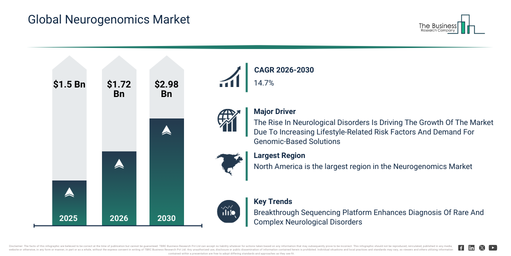
    Neurogenomics Market Set To Climb From $1.72 Billion In 2026 To $2.98 Billion By 2030

    The neurogenomics market has witnessed rapid expansion over recent years. Its valuation is set to increase from $1.5 billion in 2025 to $1.72 billion in 2026, demonstrating a compound annual growth rate (CAGR) of 14.7%. This historical growth can be attributed to breakthroughs in genomic sequencing technologies, an increase in neuroscience research funding, the rising occurrence of neurological disorders, better accessibility to bioinformatics tools, and an uptick in academic research collaborations.

    The neurogenomics market is projected for substantial expansion in the coming years. It is anticipated to reach $2.98 billion by 2030, demonstrating a compound annual growth rate (CAGR) of 14.7%. This growth during the forecast period is attributed to the increasing integration of genomics in clinical neurology, rising investments in precision neurology, the expansion of cloud-based genomic analytics, a growing demand for personalized neurological therapies, and an increasing focus on translational neuroscience research. Concurrently, major trends expected in this period include the increasing adoption of next-generation sequencing in neuroscience, the rising use of multi-omics data integration, a growing demand for gene expression analysis in neurology, the expansion of personalized neurological research, and an enhanced focus on data-driven brain disorder studies.

    Get A Free Sample Report With In-Depth Market Insights:

    https://thebusinessresearchcompany.com/sample_request?id=63539525&type=smp&name=Neurogenomics%20Market%20Report%202026&utm_source=Blogs&utm_medium=Paid&utm_campaign=Nov_PR

    Neurogenomics Market Growth Momentum: What Factors Are Shaping Demand?

    The increasing incidence of neurological conditions is anticipated to drive the expansion of the neurogenomics market in the foreseeable future. These conditions are medical ailments impacting the brain, spinal cord, or nerves, manifesting in symptoms like muscle weakness, seizures, pain, or cognitive impairments. The growing occurrence of neurological disorders is largely attributable to lifestyle elements such as inadequate diet, insufficient physical activity, persistent stress, and heightened exposure to environmental pollutants. Neurogenomics offers enhanced insight into the genetic foundations of brain performance and dysfunction, facilitating the identification of etiologies, better diagnostic approaches, and precise therapeutic interventions for neurological disorders. Consequently, the escalating prevalence of neurological disorders is propelling the growth of the neurogenomics market.

    Neurogenomics Market Segmentation: How Does The Market Break Down By Category?

    The neurogenomics market covered in this report is segmented –

    1) By Offering: Next-Generation Sequencing, Polymerase Chain Reaction, Microarray, Software And Services

    2) By Application: Variant Discovery, Research Applications, Target Identification, Transcription Factor Binding Analysis, Functional Studies, Clinical Applications

    3) By End User: Pharmaceutical And Biotechnology Companies, Academic And Research Institutes, Hospitals And Diagnostic Laboratories

    Subsegments:

    1) By Next-Generation Sequencing: Whole Genome Sequencing, Whole Exome Sequencing, Targeted Sequencing, Ribonucleic Acid Sequencing

    2) By Polymerase Chain Reaction: Real-Time Polymerase Chain Reaction, Reverse Transcription Polymerase Chain Reaction, Digital Polymerase Chain Reaction

    3) By Microarray: Deoxyribonucleic Acid Microarray, Ribonucleic Acid Microarray, Protein Microarray

    4) By Software And Services: Data Analysis And Interpretation Software, Genomic Data Management Tools, Custom Services, Cloud-Based Platforms And Reporting Tools

    Neurogenomics Market Trends Redefining Industry Growth

    Major companies operating in the neurogenomics market are concentrating on creating sophisticated solutions, such as whole genome sequencing platforms, to improve the diagnosis and comprehension of intricate neurological conditions. Whole genome sequencing platforms are instruments used to analyze the complete DNA sequence of an individual’s genome, aiding in the identification of genetic factors linked to neurological disorders.

    Neurogenomics Market Competitive Overview And Top Companies

    Major companies operating in the neurogenomics market are F. Hoffmann-La Roche Limited, Thermo Fisher Scientific Incorporated, Danaher Corporation, Eurofins Scientific SE, Agilent Technologies Inc., Illumina Inc., Revvity Inc., QIAGEN N.V., Myriad Genetics Inc., GeneDx LLC, Fulgent Genetics Inc., Oxford Nanopore Technologies Plc, PacBio, MedGenome Labs Ltd., MGI Tech Co. Ltd., Centogene N.V., Variantyx Inc., BGI Genomics Co. Ltd., GenScript Biotech Corporation, Roche Diagnostics GmbH, Illumina Cambridge Ltd.

    View The Full Neurogenomics Market Report:

    https://thebusinessresearchcompany.com/report/neurogenomics-global-market-report?utm_source=Blogs&utm_medium=Paid&utm_campaign=Nov_PR

    Neurogenomics Market Top Region: Where Does Most Revenue Come From?

    North America was the largest region in the neurogenomics market in 2025. Asia-Pacific is expected to be the fastest-growing region in the forecast period. The regions covered in the neurogenomics market report are Asia-Pacific, South East Asia, Western Europe, Eastern Europe, North America, South America, Middle East, Africa.

    Reach Out To Our Team:

    The Business Research Company: https://www.thebusinessresearchcompany.com/

    Americas: +1 310-496-7795

    Asia: +44 7882 955267 & +91 8897263534

    Europe: +44 7882 955267

    Email us at: marketing@tbrc.info

    Follow us on:

    LinkedIn: https://in.linkedin.com/company/the-business-research-company

    YouTube: https://www.youtube.com/channel/UC24_fI0rV8cR5DxlCpgmyFQ

    Global Market Model: https://www.thebusinessresearchcompany.com/global-market-model
  • Neurogenetic Testing Market To Witness 11.9% CAGR Growth Through 2030: Key Industry Drivers

    Neurogenetic Testing Market To Witness 11.9% CAGR Growth Through 2030: Key Industry Drivers

    Featuring market attractiveness scoring, total addressable market sizing, company benchmarking matrices, interactive Excel dashboards, deeper supply chain intelligence, emerging startup tracking, and granular product-level insights, The Business Research Company’s 2026 market reports are built to deliver research that is both more actionable and more strategically valuable.

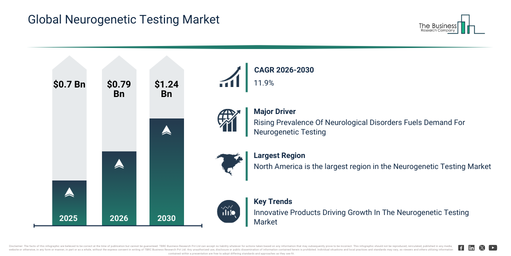
    Neurogenetic Testing Market Forecast: Value Set To Climb From $0.79 Billion To $1.24 Billion

    The neurogenetic testing market has experienced significant growth in recent years. It is projected to expand from $0.7 billion in 2025 to $0.79 billion in 2026, demonstrating a compound annual growth rate (CAGR) of 13.5%. The historical expansion can be attributed to the early adoption of PCR-based genetic testing, the rising prevalence of inherited neurological disorders, the increased use of microarray platforms, the development of advanced early diagnostic techniques, and the initial integration of genetic screening into clinical workflows.

    The neurogenetic testing market size is expected to experience rapid expansion over the next few years. It is projected to reach $1.24 billion by 2030, exhibiting a compound annual growth rate (CAGR) of 11.9%. This anticipated growth during the forecast period can be attributed to a rising demand for next-generation sequencing, the increasing spread of clinical exome sequencing, growing investments in genetic research, the development of sophisticated molecular diagnostic tools, and the increasing adoption of personalized neurological treatment approaches. Prominent trends within this forecast period include the expanding use of whole-exome sequencing technologies, increased application of PCR-based neurological genetic tests, wider implementation of microarray analysis, the broadening of testing for rare neurological genetic disorders, and a heightened demand for early diagnosis and predictive testing.

    Get A Free Sample Report With In-Depth Market Insights:

    https://thebusinessresearchcompany.com/sample_request?id=95354264&type=smp&name=Neurogenetic%20Testing%20Market%20Report%202026&utm_source=Blogs&utm_medium=Paid&utm_campaign=Nov_PR

    Neurogenetic Testing Market Expansion Drivers: What’s Shaping Future Growth?

    The increasing occurrence of neurological conditions is anticipated to boost the expansion of the neurogenetic testing market. These conditions encompass any ailments impacting the nervous system, comprising the brain, spinal cord, and nerves. Their widespread presence stems from factors such as genetic tendencies, infections, physical injury, harmful substances, autoimmune reactions, and tissue degradation. Neurogenetic testing plays a crucial role in improving the identification, therapy, and handling of neurological disorders by providing tailored information on genetic susceptibilities, aiding in therapeutic choices, and enabling individuals and their relatives to make knowledgeable health decisions, consequently elevating patient care and results. Consequently, the increasing incidence of neurological conditions is anticipated to fuel the expansion of the neurogenetic testing market.

    Neurogenetic Testing Market Segment Trends And Revenue Contributors

    The neurogenetic testing market covered in this report is segmented –

    1) By Type: Microarray Analysis, Whole-Exome Sequencing (WES), Multiplex Ligation Dependent Probe Amplification (MLPA), Polymerase Chain Reaction (PCR) Tests, Other Types

    2) By Disease: Rare Genetic Disorder, Huntington’s Disease, Fragile X Syndrome, Other Diseases

    3) By End-Users: Hospitals, Specialty Clinics, Research Institutes, Diagnostics Laboratories

    Subsegments:

    1) By Microarray Analysis: Comparative Genomic Hybridization (CGH) Microarray, Single Nucleotide Polymorphism (SNP) Microarray, Gene Expression Microarray

    2) By Whole-Exome Sequencing (WES): Targeted Exome Sequencing, Clinical Exome Sequencing, Research-Grade Exome Sequencing

    3) By Multiplex Ligation Dependent Probe Amplification (MLPA): MLPA For Copy Number Variation, MLPA For Methylation Analysis, MLPA For Specific Disease Detection

    4) By Polymerase Chain Reaction (PCR) Tests: Quantitative PCR (qPCR), Reverse Transcription PCR (RT-PCR), Digital PCR (dPCR)

    5) By Other Types: Next-Generation Sequencing (NGS), Southern Blotting, Fluorescence In Situ Hybridization (FISH), Sanger Sequencing

    Neurogenetic Testing Market Strategic Trends: What Defines The Next Growth Phase?

    Major companies in the neurogenetic testing market are developing innovative offerings, such as whole-genome sequencing, to boost the accuracy and scope of genetic analysis, enabling more thorough and personalized testing for neurological disorders. Whole-genome sequencing (WGS) is a comprehensive genetic testing technique that involves identifying the complete DNA sequence of an individual’s entire genome.

    Neurogenetic Testing Market Competitive Landscape: Which Companies Lead The Industry?

    Major companies operating in the neurogenetic testing market are Thermo Fisher Scientific Inc., Mayo Clinic, Roche Diagnostics Corporation, Laboratory Corporation, Quest Diagnostics Incorporated, Eurofins Scientific Inc., Agilent Technologies Inc., PerkinElmer Inc., Illumina Inc., Bio-Rad Laboratories Inc., QIAGEN N.V., Myriad Genetics Inc., BioReference Laboratories Inc., Connecticut Children’s, Invitae Corp., Ambry Genetics Corporation, Fulgent Genetics Inc., Blueprint Genetics Inc., GeneDx LLC, Pacific Biosciences of California Inc., MedGenome Labs, CENTOGENE, Baylor Genetics, Victorian Clinical Genetics Services

    View The Full Neurogenetic Testing Market Report:

    https://thebusinessresearchcompany.com/report/neurogenetic-testing-global-market-report?utm_source=Blogs&utm_medium=Paid&utm_campaign=Nov_PR

    Neurogenetic Testing Market Regional Breakdown: Where Is Demand Concentrated?

    North America was the largest region in the neurogenetic testing market in 2025. Asia-Pacific is expected to be the fastest-growing region in the forecast period. The regions covered in the neurogenetic testing market report are Asia-Pacific, South East Asia, Western Europe, Eastern Europe, North America, South America, Middle East, Africa.

    Reach Out To Our Team:

    The Business Research Company: https://www.thebusinessresearchcompany.com/

    Americas: +1 310-496-7795

    Asia: +44 7882 955267 & +91 8897263534

    Europe: +44 7882 955267

    Email us at: marketing@tbrc.info

    Follow us on:

    LinkedIn: https://in.linkedin.com/company/the-business-research-company

    YouTube: https://www.youtube.com/channel/UC24_fI0rV8cR5DxlCpgmyFQ

    Global Market Model: https://www.thebusinessresearchcompany.com/global-market-model
  • Neurofibromatosis Type 1 Market Projected For Strong Expansion Through 2030: Key Trends And Future Outlook

    Neurofibromatosis Type 1 Market Projected For Strong Expansion Through 2030: Key Trends And Future Outlook

    Built to provide research that’s more actionable and strategically valuable, The Business Research Company’s 2026 market reports include market attractiveness analysis, total addressable market sizing, company benchmarking matrices, interactive Excel dashboards, broader supply chain intelligence, emerging startup tracking, and in-depth product insights.

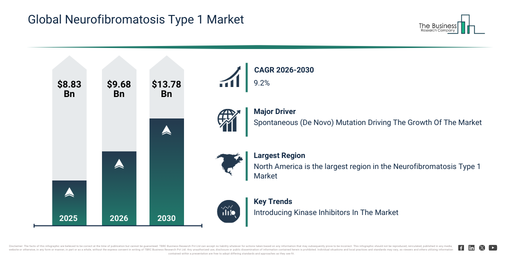
    Neurofibromatosis Type 1 Market Revenue Growth On Track For A 9.2% CAGR Through 2030

    The neurofibromatosis type 1 market size has shown substantial growth in recent years. It is projected to increase from $8.83 billion in 2025 to $9.68 billion in 2026, at a compound annual growth rate (CAGR) of 9.6%. This historical expansion can be attributed to several factors, including the early identification of NF1 symptoms, the development of pain management treatments, an uptick in the diagnosis of plexiform neurofibromas, the adoption of surgical tumor removal procedures, and growing awareness of genetic counseling.

    The neurofibromatosis type 1 market is anticipated to show significant expansion in the coming years. It is projected to achieve a size of $13.78 billion by 2030, growing at a compound annual growth rate (CAGR) of 9.2%. This growth during the forecast period can be attributed to factors such as increasing demand for targeted NF1 therapies, a rise in investment within precision oncology, the widening of optic glioma treatment options, greater availability of advanced imaging tools, and the development of new gene-based treatments. Prominent trends expected in this period include the expanded use of targeted therapy for tumor reduction, a growing need for early NF1 genetic testing, the broadening of surgical interventions for tumor removal, an increase in the adoption of radiation therapy for optic gliomas, and a heightened focus on supportive care and counseling services.

    Get A Free Sample Report With In-Depth Market Insights:

    https://thebusinessresearchcompany.com/sample_request?id=67089498&type=smp&name=Neurofibromatosis%20Type%201%20Market%20Report%202026&utm_source=Blogs&utm_medium=Paid&utm_campaign=Nov_PR

    Neurofibromatosis Type 1 Market Development Factors: What’s Supporting Demand?

    The spontaneous (de novo) mutation is anticipated to drive the future growth of the neurofibromatosis type 1 (NF1) market. This type of mutation refers to a genetic alteration that emerges for the first time in an individual due to errors in DNA replication or environmental factors, rather than being inherited from parents. The increasing incidence of spontaneous (de novo) mutations is attributed to factors like advanced parental age, environmental exposures such as radiation and chemicals, and errors during DNA replication in cell division. Neurofibromatosis type 1 (NF1) contributes to spontaneous (de novo) mutations because of its high mutation rate in the NF1 gene, which frequently undergoes major deletions, insertions, or point mutations during gametogenesis, leading to new cases without a family history. Hence, spontaneous (de novo) mutation is a primary driver for the growth of the neurofibromatosis type 1 (NF1) market.

    Neurofibromatosis Type 1 Market Segment Analysis Spotlighting Growth Areas

    The neurofibromatosis type 1 market covered in this report is segmented –

    1) By Treatment: Medication, Surgery, Radiation Therapy, Other Treatments

    2) By Disease Type: Plexiform Neurofibromas, Cutaneous Neurofibromas, Optic Gliomas, Other Diseases

    3) By Distribution Channel: Hospital Pharmacies, Retail Pharmacies, Online Pharmacies

    4) By End User: Hospitals, Specialty Clinics, Ambulatory Surgical Centers, Other End Users

    Subsegments:

    1) By Medication: Targeted Therapy, Pain Management Medications, Anticonvulsants

    2) By Surgery: Tumor Removal Surgery, Nerve Decompression Surgery

    3) By Radiation Therapy: Stereotactic Radiosurgery, External Beam Radiation Therapy

    4) By Other Treatments: Physical Therapy, Genetic Counseling, Psychological Support And Counseling

    Neurofibromatosis Type 1 Market Transformation Trends: What Innovations Are Driving Change?

    Leading companies operating in the neurofibromatosis type 1 (NF1) market are concentrating on bringing innovative products, such as kinase inhibitors, to market to enhance targeted treatment approaches and patient outcomes. A kinase inhibitor refers to a drug class that impedes the action of kinases, which are enzymes responsible for attaching phosphate groups to proteins, thereby regulating various cellular functions.

    Neurofibromatosis Type 1 Market Leading Companies: Who Holds The Strongest Market Presence?

    Major companies operating in the neurofibromatosis type 1 market are Pfizer Inc, F. Hoffmann-La Roche Ltd, Merck & Co. Inc, Novartis AG, Takeda Pharmaceutical Company Limited, Vertex Pharmaceuticals Incorporated, BeiGene Ltd, BioMarin Pharmaceutical Inc, Blueprint Medicines Corporation, SpringWorks Therapeutics Inc, Healx Limited, Infixion Bioscience Limited, NFlection Therapeutics Inc, Pasithea Therapeutics Corporation, Mulberry Biotherapeutics Inc, CureAge Therapeutics, Fosun Pharmaceutical Group Co Ltd, AstraZeneca Plc, Genentech Inc, Regeneron Pharmaceuticals Inc, Amgen Inc, AbbVie Inc, GL Pharm Tech Corporation, ReCode Therapeutics Inc.

    View The Full Neurofibromatosis Type 1 Market Report:

    https://thebusinessresearchcompany.com/report/neurofibromatosis-type-1-global-market-report?utm_source=Blogs&utm_medium=Paid&utm_campaign=Nov_PR

    Neurofibromatosis Type 1 Market Geographic Landscape: Which Region Leads Industry Growth?

    North America was the largest region in the neurofibromatosis type 1 (NF1) market in 2025. Asia-Pacific is expected to be the fastest-growing region in the forecast period. The regions covered in the neurofibromatosis type 1 market report are Asia-Pacific, South East Asia, Western Europe, Eastern Europe, North America, South America, Middle East, Africa.

    Reach Out To Our Team:

    The Business Research Company: https://www.thebusinessresearchcompany.com/

    Americas: +1 310-496-7795

    Asia: +44 7882 955267 & +91 8897263534

    Europe: +44 7882 955267

    Email us at: marketing@tbrc.info

    Follow us on:

    LinkedIn: https://in.linkedin.com/company/the-business-research-company

    YouTube: https://www.youtube.com/channel/UC24_fI0rV8cR5DxlCpgmyFQ

    Global Market Model: https://www.thebusinessresearchcompany.com/global-market-model
  • Neurofibromatosis Treatment Market Outlook 2026–2030: Growth Trends, Market Dynamics And Emerging Opportunities

    Neurofibromatosis Treatment Market Outlook 2026–2030: Growth Trends, Market Dynamics And Emerging Opportunities

    Backed by market attractiveness analysis, total addressable market sizing, company benchmarking matrices, interactive Excel dashboards, wider supply chain intelligence, emerging startup coverage, and detailed product-level insights, The Business Research Company’s 2026 market reports are designed to offer research that is more actionable and strategically valuable than ever.

    Neurofibromatosis Treatment Market Value Growth And Long-Term Outlook

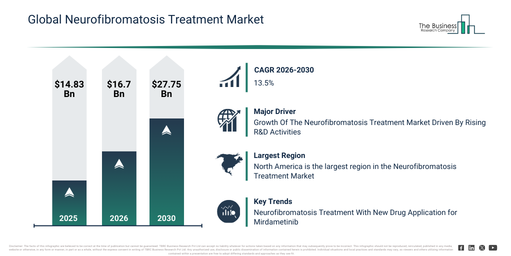
    The neurofibromatosis treatment market has experienced significant expansion in recent years. Its size is projected to increase from $14.83 billion in 2025 to $16.7 billion by 2026, driven by a compound annual growth rate (CAGR) of 12.6%. The historical growth of this market was primarily influenced by factors such as the increasing diagnosis of neurofibromatosis disorders, the early adoption of surgical tumor removal techniques, the advancement of radiation therapy methods, enhanced awareness regarding genetic disorders, and the initial development of targeted therapy options.

    The neurofibromatosis treatment market is projected to experience swift expansion in the upcoming years, anticipated to reach a size of $27.75 billion by 2030, exhibiting a compound annual growth rate (CAGR) of 13.5%. This growth in the forecast period can be attributed to the increasing demand for precision oncology treatments, enhanced availability of genetic testing tools, rising investment in tumor-targeting drug development, the expansion of minimally invasive surgical options, and the development of novel pain management solutions. Major trends during this period include a rising application of targeted drug therapy for tumor reduction, greater adoption of surgical treatment for complication management, growing demand for radiation therapy in NF2 cases, the expansion of genetic counseling and early detection programs, and an increasing focus on pain management and symptom control.

    Get A Free Sample Report With In-Depth Market Insights:

    https://thebusinessresearchcompany.com/sample_request?id=49940430&type=smp&name=Neurofibromatosis%20Treatment%20Market%20Report%202026&utm_source=Blogs&utm_medium=Paid&utm_campaign=Nov_PR

    Neurofibromatosis Treatment Market Industry Drivers: What’s Behind The Revenue Growth?

    The neurofibromatosis treatment market is projected to expand significantly due to increasing research and development (R&D) activities. R&D refers to methodical, purposeful initiatives undertaken to uncover new knowledge, develop advanced technologies, and improve products or services through scientific inquiry and technical exploration. A crucial factor driving the surge in R&D efforts is the escalating demand for more effective and precisely targeted medical solutions, which motivates organizations to allocate resources toward novel scientific approaches that can fulfill unmet clinical needs and enhance long-term health outcomes. Within this context, advancements in neurofibromatosis treatment underscore the value of sustained innovation in complex disease areas, thereby encouraging further investigation into therapeutic breakthroughs. Therefore, the rise in research and development activities is a primary catalyst for the growth of the neurofibromatosis treatment market.

    Neurofibromatosis Treatment Market Segment Performance And Emerging Opportunities

    The neurofibromatosis treatment market covered in this report is segmented –

    1) By Type: Neurofibromatosis 1 (NF1), Neurofibromatosis 2 (NF2), Schwannomatosis

    2) By Treatment: Medications, Surgery, Radiation Therapy, Other Treatments

    3) By End-User: Hospitals, Clinics, Other End Users

    Subsegments:

    1) By Neurofibromatosis 1 (NF1): Surgical Interventions, Medication for Symptom Management, Genetic Counseling

    2) By Neurofibromatosis 2 (NF2): Surgical Interventions, Radiation Therapy, Medication For Symptom Management

    3) By Schwannomatosis: Surgical Interventions, Pain Management Therapies, Genetic Counseling

    #Neurofibromatosis Treatment Market Growth Trends: What’s Shaping The Future Outlook?

    Leading companies in the neurofibromatosis treatment market are engaged in the development of innovative drugs and experimental targeted therapies like MEK inhibitors to maintain their presence in the market. A MEK inhibitor is a category of targeted therapies that obstruct the MEK enzyme, which is part of the MAPK signaling pathway, aiding in the treatment of cancers and genetic conditions such as neurofibromatosis by impeding cell growth and tumor development.

    Neurofibromatosis Treatment Market Key Players: Which Companies Lead Industry Competition?

    Major companies operating in the neurofibromatosis treatment market are Pfizer Inc., F. Hoffmann-La Roche AG, Merck & Co. Inc., Novartis AG, Sanofi S.A., AstraZeneca plc, GSK PLC, Takeda Pharmaceutical Company Limited, Eli Lilly and Company, Amgen Inc., Vertex Pharmaceuticals Inc., BioMarin Pharmaceutical, BioXcel Therapeutics Inc., Blueprint Medicines Corp., SpringWorks Therapeutics, Affymax Inc., NFlection Therapeutics Inc., Mulberry Biotherapeutics, CureAge Therapeutics, Recursion Pharmaceuticals, Vivace Therapeutics, Healx Limited, NF2 Therapeutics Inc.

    View The Full Neurofibromatosis Treatment Market Report:

    https://thebusinessresearchcompany.com/report/neurofibromatosis-treatment-global-market-report?utm_source=Blogs&utm_medium=Paid&utm_campaign=Nov_PR

    Neurofibromatosis Treatment Market Largest Region: Which Geography Holds The Biggest Share?

    North America was the largest region in the neurofibromatosis treatment market in 2025. The regions covered in the neurofibromatosis treatment market report are Asia-Pacific, South East Asia, Western Europe, Eastern Europe, North America, South America, Middle East, Africa.

    Reach Out To Our Team:

    The Business Research Company: https://www.thebusinessresearchcompany.com/

    Americas: +1 310-496-7795

    Asia: +44 7882 955267 & +91 8897263534

    Europe: +44 7882 955267

    Email us at: marketing@tbrc.info

    Follow us on:

    LinkedIn: https://in.linkedin.com/company/the-business-research-company

    YouTube: https://www.youtube.com/channel/UC24_fI0rV8cR5DxlCpgmyFQ

    Global Market Model: https://www.thebusinessresearchcompany.com/global-market-model
  • Neurofeedback System Market Growth Outlook From $1.75 Billion In 2026 To $2.61 Billion By 2030

    Neurofeedback System Market Growth Outlook From $1.75 Billion In 2026 To $2.61 Billion By 2030

    Featuring market attractiveness scoring, total addressable market sizing, company benchmarking matrices, interactive Excel dashboards, deeper supply chain intelligence, emerging startup tracking, and granular product-level insights, The Business Research Company’s 2026 market reports are built to deliver research that is both more actionable and more strategically valuable.

    Neurofeedback System Market Poised To Hit $2.61 Billion By 2030 With A 10.5% CAGR

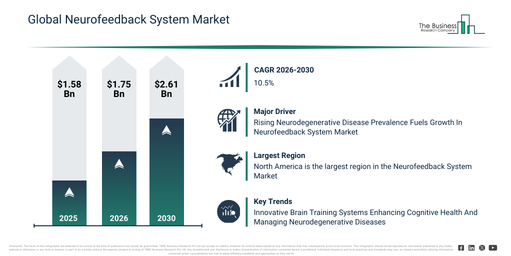
    The neurofeedback system market has demonstrated significant expansion in recent years. Its valuation is projected to increase from $1.58 billion in 2025 to $1.75 billion in 2026, exhibiting a compound annual growth rate (CAGR) of 10.8%. The historical growth of this market can be attributed to factors such as the increasing application of neurofeedback in clinical research, the broadening diagnosis of neurological disorders, the growth in specialized neurotherapy practices, the availability of advanced imaging technologies, and the rising acceptance of non-invasive brain therapies.

    The neurofeedback system market is projected to experience substantial growth over the next few years. This market is expected to expand to $2.61 billion by 2030, demonstrating a compound annual growth rate (CAGR) of 10.5%. This anticipated growth during the forecast period is primarily due to increasing investments in brain-computer interface research, a rising demand for precision neurotherapy systems, the expansion of clinical neurofeedback adoption, growing integration with digital health platforms, and an increasing focus on personalized brain training solutions. Dominant trends for this period involve the rising adoption of advanced neurofeedback system platforms, greater integration of real-time brain monitoring technologies, the growing use of AI-driven signal processing, an expansion of both clinical and research applications, and an enhanced emphasis on precision brain mapping.

    Get A Free Sample Report With In-Depth Market Insights:

    https://thebusinessresearchcompany.com/sample_request?id=14218575&type=smp&name=Neurofeedback%20System%20Market%20Report%202026&utm_source=Blogs&utm_medium=Paid&utm_campaign=Nov_PR

    Neurofeedback System Market Growth Factors: What’s Supporting Expansion?

    The growing occurrence of neurodegenerative conditions is anticipated to drive expansion in the neurofeedback systems market in the coming period. These conditions involve the gradual deterioration of brain and nervous system function, resulting in difficulties with memory, motor skills, and cognitive processes. Common examples include Alzheimer’s disease, Parkinson’s disease, amyotrophic lateral sclerosis (ALS), Huntington’s disease, multiple sclerosis (MS), and frontotemporal dementia (FTD). The rising incidence of neurodegenerative diseases can be attributed to an aging global demographic, enhanced diagnostic capabilities and public awareness, and various lifestyle elements. While neurofeedback presents promising approaches for managing these conditions, it is typically utilized as an adjunctive therapy alongside established conventional treatments. Customizing neurofeedback protocols to align with individual requirements and reactions is crucial for achieving peak effectiveness. For example, the Parkinson Foundation, a US-based government body, reported that the annual incidence of Parkinson’s disease (PD) in older individuals exceeds the current estimate of 60,000 cases by 50%. Furthermore, projections indicate that approximately 1.2 million additional Americans will be affected by Parkinson’s disease by 2030. Consequently, the escalating occurrence of neurodegenerative illnesses is fueling the expansion of the neurofeedback systems market.

    Neurofeedback System Market Segment Landscape And Growth Outlook

    The neurofeedback system market covered in this report is segmented –

    1) By System: Frequency And Power Neurofeedback System, Slow Cortical Potential Neurofeedback (SCP-NF) System, Low-Energy Neurofeedback System (LENS), Hemoencephalographic (HEG) Neurofeedback System

    2) By Application: Attention Deficit Hyperactivity Disorder (ADHD), Anxiety, Depression, Epilepsy, Insomnia, Drug Addiction

    3) By End-User: Hospitals, Physician Office

    Subsegments:

    1) By Frequency and Power Neurofeedback System: Theta-Beta Neurofeedback Systems, Alpha Neurofeedback Systems, Gamma Neurofeedback Systems

    2) By Slow Cortical Potential Neurofeedback (SCP-NF) System: SCP Training Systems, SCP Signal Processing Systems, SCP Feedback Devices

    3) By Low-Energy Neurofeedback System (LENS): LENS Devices For ADHD, LENS Devices For Anxiety and Depression, LENS Training Software

    4) By Hemoencephalographic (HEG) Neurofeedback System: Near-Infrared HEG Systems, Infrared HEG Systems, HEG Training Devices

    Neurofeedback System Market Industry Trends: What’s Reshaping Demand?

    Leading companies in the neurofeedback systems market are focused on creating advanced systems, such as brain training systems, to boost cognitive abilities, enhance mental health, and manage symptoms related to neurodegenerative diseases. Brain training systems, frequently known as neurofeedback systems, are developed to improve cognitive function and emotional regulation by offering real-time insights into brain activity.

    Neurofeedback System Market Competitive Landscape: Who Leads The Industry?

    Major companies operating in the neurofeedback system market are Thought Technology Ltd., NeurOptimal, EMOTIV Inc., EEG Info, ANT Neuro b.v., NeuroCare Group, NeuroSky’s, Neuroelectrics Corporation, Brain Master Technologies Inc., Mind Media Inc., Neurofield Inc., Brain Vision LLC, Mitsar Co. Ltd., Mind Alive Inc., Bee Medic LLC, Myndlift, Braincore, Divergent Technologies Inc., MIndfield Biosystems Ltd., NIRx Medical Technologies LLC

    View The Full Neurofeedback System Market Report:

    https://thebusinessresearchcompany.com/report/neurofeedback-system-global-market-report?utm_source=Blogs&utm_medium=Paid&utm_campaign=Nov_PR

    Neurofeedback System Market Regional Analysis: Which Geography Leads On Revenue?

    North America was the largest region in the neurofeedback system market in 2025. Asia-Pacific is expected to be the fastest-growing region in the forecast period. The regions covered in the neurofeedback system market report are Asia-Pacific, South East Asia, Western Europe, Eastern Europe, North America, South America, Middle East, Africa.

    Reach Out To Our Team:

    The Business Research Company: https://www.thebusinessresearchcompany.com/

    Americas: +1 310-496-7795

    Asia: +44 7882 955267 & +91 8897263534

    Europe: +44 7882 955267

    Email us at: marketing@tbrc.info

    Follow us on:

    LinkedIn: https://in.linkedin.com/company/the-business-research-company

    YouTube: https://www.youtube.com/channel/UC24_fI0rV8cR5DxlCpgmyFQ

    Global Market Model: https://www.thebusinessresearchcompany.com/global-market-model