Author: Marketing Posting

  • Nitinol Based Medical Device Market Outlook: Growth and Forecast Highlights 2030

    Nitinol Based Medical Device Market Outlook: Growth and Forecast Highlights 2030

    Uncover key drivers, emerging technologies, and competitive movements shaping the workstation graphics processing unit (gpu) market from 2026–2035 with trusted insights from The Business Research Company

    What level of growth is expected in the Nitinol Based Medical Device Market between 2026 and 2030?

    The nitinol based medical device market has witnessed a rapid increase in its size over recent years. It is anticipated to expand from $20.91 billion in 2025 to $23.12 billion in 2026, achieving a compound annual growth rate (CAGR) of 10.6%. This historical expansion can be ascribed to factors such as the proliferation of minimally invasive surgical procedures, the provision of advanced nickel-titanium alloys, an upsurge in cardiovascular intervention volumes, the embrace of flexible implant technologies, and the increasing utilization of guidewire-based interventions.

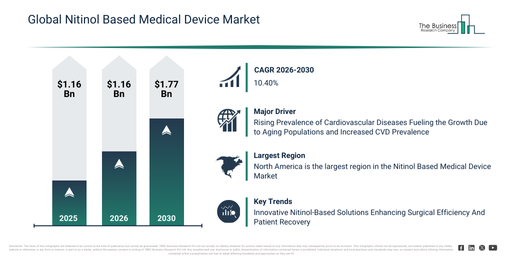
    The nitinol based medical device market is anticipated to experience significant expansion over the coming years. This market is projected to reach $34.36 billion by 2030, demonstrating a compound annual growth rate (CAGR) of 10.4%. Factors contributing to this growth during the forecast period include a rising demand for next-generation implantable devices, increased emphasis on patient-specific device designs, the broadening scope of complex endovascular procedures, increasing investments in advanced biomaterials, and advancements in shape-memory alloy processing. Key trends expected during the forecast period involve the wider adoption of nitinol-based minimally invasive devices, an increase in the utilization of superelastic medical components, a growing need for shape-memory implants, the expansion of cardiovascular and neurovascular applications, and a greater emphasis on the durability and flexibility of devices.

    Access Your Free Sample Report for In-Depth Market Insights:

    https://www.thebusinessresearchcompany.com/sample.aspx?id=24339&type=smp

    Which Drivers Are Expected To Impact The Nitinol Based Medical Device Market During The Forecast Period?

    A rise in the occurrence of cardiovascular diseases is projected to drive the expansion of the nitinol-based medical device market in the future. Cardiovascular disease (CVD) encompasses various conditions affecting the heart and blood vessels, such as coronary artery disease, heart attacks, heart failure, arrhythmias, and stroke. Fundamentally, these illnesses entail the constriction or obstruction of blood vessels, impeding the flow of blood and oxygen to the heart and other vital organs. The increasing incidence of cardiovascular diseases is partly attributable to aging demographics, especially in developed nations, since the likelihood of developing cardiovascular problems escalates with advancing age. Nitinol-based medical devices have proven extremely advantageous in addressing and managing cardiovascular diseases, owing to the distinctive characteristics of nitinol, an alloy composed of nickel and titanium. As an illustration, in January 2024, data from the American Heart Association, a US-based nonprofit organization, indicated that fatalities from cardiovascular diseases totaled 931,578, up from 928,741 in 2023. Furthermore, the age-adjusted mortality rate attributed to cardiovascular disease experienced a slight rise, reaching 233.3 per 100,000, representing a 4.0% increase from the prior year’s rate of 224.4 per 100,000. Consequently, the expanding occurrence of vascular heart conditions is fueling demand in the cardiovascular catheters market.

    Which Segments Are Driving Activity In The Nitinol Based Medical Device Market?

    The nitinol based medical device market covered in this report is segmented –

    1) By Product Type: Stents, Guidewires, Retriever Device, Catheters, Other Product Types

    2) By Application: Cardiovascular, Urology, Dentistry, Other Applications

    3) By End Use: Hospitals, Ambulatory Surgical Centers, Specialty Clinics, Other End Users

    Subsegments:

    1) By Stents: Peripheral Stents, Coronary Stents, Neurovascular Stents, Other Stents

    2) By Guidewires: Diagnostic Guidewires, Interventional Guidewires

    3) By Retriever Devices: Thrombectomy Devices, Foreign Body Retrieval Devices

    4) By Catheters: Balloon Catheters, Guiding Catheters, Microcatheters, Diagnostic Catheters

    5) By Other Product Types: Orthodontic Archwires, Orthopedic Devices, Embolic Protection Devices, Other Specialized Devices

    Which Competitive Trends Are Impacting The Structure Of The Nitinol Based Medical Device Market?

    Major companies in the nitinol-based medical device market are prioritizing the development of self-expanding nitinol stent-electrodes to advance their market offerings. A self-expanding nitinol stent-electrode is a hybrid medical device comprising a stent structure made from nitinol (a nickel-titanium alloy) that automatically expands to a predetermined shape upon deployment in the body, and it contains embedded electrodes designed for electrical stimulation or recording from biological tissues, such as nerves, blood vessels, or the brain. For instance, in September 2024, Synchron, a US-based company developing implantable neurotechnology, reported that Synchron’s Stentrode BCI implant utilizes a self-expanding nitinol stent-electrode array delivered via the jugular vein to the superior sagittal sinus, adjacent to the motor cortex, allowing for minimally invasive placement in approximately ~20 minutes. The nitinol design permits a thin construction (1.3mm lead) with low radial force to avoid venous damage, while platinum electrodes decode motor intent for digital controls.

    Which Major Industry Participants Are Leading The Nitinol Based Medical Device Market Growth?

    Major companies operating in the nitinol based medical device market are Medtronic plc, Cook Medical, Teleflex Incorporated, Cordis, Endologix, Arthrex, Balton, EndoSmart GmbH, Ingpuls Medical, GEE Nitinol, Confluent Medical Technologies, Seisa Medical, Fort Wayne Metals, Norman Noble Inc., Resonetics, Vascotube, Nitinol Devices & Components (Johnson Matthey), SAES Smart Materials, Memry Corporation, Euroflex GmbH, Admedes Schuessler GmbH, ATI Specialty Materials

    Access The Complete Report For Deeper Market Insights:

    https://www.thebusinessresearchcompany.com/report/nitinol-based-medical-device-global-market-report

    Which Geographic Areas Are Emerging As Strong Markets For The Nitinol Based Medical Device Market?

    North America was the largest region in the nitinol-based medical device market in 2025. Asia-Pacific is expected to be the fastest-growing region in the forecast period. The regions covered in the nitinol based medical device market report are Asia-Pacific, South East Asia, Western Europe, Eastern Europe, North America, South America, Middle East, Africa.

    Request Your Customized Nitinol Based Medical Device Market Research Report for Competitive Advantage:

    https://www.thebusinessresearchcompany.com/customise?id=24339&type=smp

    Browse Through More Reports Similar to the Global Nitinol Based Medical Device Market 2026, By The Business Research Company

    Medical Device Contract Research Organization Global Market Report 2026

    https://www.thebusinessresearchcompany.com/report/medical-device-contract-research-organization-global-market-report

    Nanotechnology Based Medical Devices Global Market Report 2026

    https://www.thebusinessresearchcompany.com/report/nanotechnology-based-medical-devices-global-market-report

    Portable Medical Devices Global Market Report 2026

    https://www.thebusinessresearchcompany.com/report/portable-medical-devices-global-market-report

    Get in touch with us:

    The Business Research Company: https://www.thebusinessresearchcompany.com/

    Americas +1 310-496-7795

    Asia +44 7882 955267 & +91 8897263534

    Europe +44 7882 955267

    Email us at info@tbrc.info

    Follow us on:

    LinkedIn: https://in.linkedin.com/company/the-business-research-company
  • NGS-Based RNA-Sequencing Market Insights Report: Opportunities and Drivers 2030

    NGS-Based RNA-Sequencing Market Insights Report: Opportunities and Drivers 2030

    Uncover key drivers, emerging technologies, and competitive movements shaping the worker heat stress monitoring wearable market from 2026–2035 with trusted insights from The Business Research Company

    How much is the NGS-Based RNA-Sequencing Market valued at in 2026, and what valuation is forecast for 2030?

    The ngs-based rna-sequencing market has seen remarkable growth over the past few years. It is anticipated to increase from $4.2 billion in 2025 to $5.27 billion in 2026, exhibiting a compound annual growth rate (CAGR) of 25.3%. This historical growth stemmed from factors such as the broadening of genomic research initiatives, the falling costs of sequencing technologies, increased adoption of rna-seq in academic research, the availability of advanced sequencing platforms, and the development of bioinformatics capabilities.

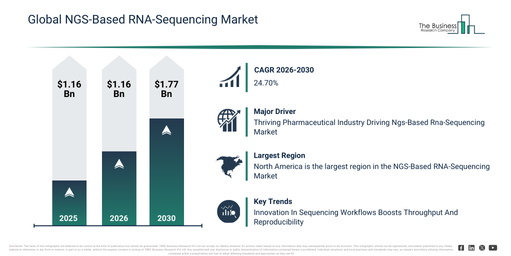
    The ngs-based rna-sequencing market is projected to experience substantial expansion over the upcoming years. By 2030, its valuation is anticipated to reach $12.73 billion, demonstrating a compound annual growth rate (CAGR) of 24.7%. This anticipated growth during the forecast timeframe is primarily driven by factors such as the increasing utilization of rna sequencing in clinical diagnostics, growing investments in precision medicine, the broadening scope of pharmaceutical research applications, an escalating need for integrated data analysis solutions, and a heightened emphasis on multi-omics research. Key developments expected within this period involve the increasing uptake of high-throughput rna sequencing platforms, a surging demand for single-cell rna sequencing, the expanding application of cloud-based bioinformatics analysis, the wider integration of transcriptomics in precision medicine, and a stronger emphasis on ensuring data accuracy and scalability.

    Access Your Free Sample Report for In-Depth Market Insights:

    https://www.thebusinessresearchcompany.com/sample.aspx?id=7416&type=smp

    What Drivers Are Influencing The Growth Of The NGS-Based RNA-Sequencing Market?

    The expanding pharmaceutical sector is projected to boost the future growth of the NGS-based RNA-sequencing market. This industry encompasses the entire process of finding, developing, and manufacturing pharmaceuticals and medications, undertaken by both public and private organizations. NGS-based RNA-sequencing is employed by the pharmaceutical sector for extensive gene expression analysis, pinpointing possible drug targets, evaluating drug effectiveness, and deciphering disease pathways. This advanced technique enhances drug discovery and development by providing profound insights into molecular functions. As an illustration, data from June 2025 by the Centers for Medicare & Medicaid Services (CMS), a US-based federal agency, indicates that spending on prescription drugs increased by 11.4% in 2023, reaching $449.7 billion. This represents an acceleration from the 7.8% growth recorded in 2022. Consequently, the expansion of the pharmaceutical industry is stimulating the growth of the NGS-based RNA-sequencing market.

    How Is The NGS-Based RNA-Sequencing Market Organized Into Various Segments?

    The ngs-based rna-sequencing market covered in this report is segmented –

    1) By Product And Service: Sample Preparation Products, Sequencing Platforms and Consumables, Sequencing Services, Data Analysis, Storage, and Management

    2) By Technology: Sequencing by Synthesis, Ion Semiconductor Sequencing, Single-molecule Real-time Sequencing, Nanopore Sequencing

    3) By Application: Expression Profiling Analysis, Small RNA Sequencing, De Novo Transcriptome Assembly

    4) By End User: Research & Academia, Pharmaceutical & Biotechnology Companies, Other End Users

    Subsegments:

    1) By Sample Preparation Products: RNA Extraction Kits, Library Preparation Kits, Reverse Transcription Kits, Quality Control Reagents

    2) By Sequencing Platforms And Consumables: Sequencing Instruments, Sequencing Consumables

    3) By Sequencing Services: Contract Sequencing Services, Custom Library Preparation Services, Consultation And Experimental Design Services

    4) By Data Analysis, Storage, And Management: Bioinformatics Software, Data Analysis Services, Cloud-Based Data Storage Solutions, Data Management Platforms

    What Industry Trends Are Transforming The NGS-Based RNA-Sequencing Market?

    Major companies operating in the NGS-based RNA-sequencing market are prioritizing the development of innovative products, such as advanced small RNA-seq kits, to streamline workflows and improve the accuracy and efficiency of RNA expression analysis. These advanced small RNA-seq kits are cutting-edge library preparation tools engineered to capture and sequence small RNAs with high precision, assisting researchers in reducing workflow duration, minimizing artifacts like adapter dimers, and achieving more accurate and reproducible expression profiling. For instance, in October 2025, Lexogen, an Austria-based biotechnology company, unveiled the miRVEL Profiling Small RNA-Seq Library Prep Kit, specifically designed to simplify and optimize small RNA research workflows. This groundbreaking kit offers a faster and more dependable workflow, allowing for the preparation of ready-to-sequence libraries in under seven hours with minimal hands-on effort. It integrates advanced adapter blocking technology to prevent adapter dimer formation, ensures consistent results across various input amounts, and includes built-in 8 nt unique dual indices (UDIs) for accurate multiplexing and read assignment. The miRVEL Profiling Kit supports a wide array of applications, including RNA interference studies, host-defense mechanism investigations, and plant or agricultural small RNA research. Additionally, it is compatible with Lexogen’s SPLIT RNA extraction kits and TraPR small RNA enrichment system, delivering an integrated, end-to-end solution for small RNA analysis.

    Who Are The Prominent Global Companies Shaping The NGS-Based RNA-Sequencing Market Landscape?

    Major companies operating in the ngs-based rna-sequencing market are Illumina Inc., Thermo Fisher Scientific Inc., Oxford Nanopore Technologies Ltd., Agilent Technologies Inc., BGI Group, QIAGEN N.V., Eurofins Scientific SE, Bio-Rad Laboratories Inc., F. Hoffmann-La Roche Ltd., Takara Bio Inc., GENEWIZ Inc., Novogene Corporation, Macrogen Inc., Zymo Research Corp., Lexogen GmbH, Partek Incorporated, GATC Biotech AG, Genohub LLC, BaseClear B.V., Otogenetics Corporation, SeqLL LLC, GenXPro GmbH, Genotypic Technology Pvt. Ltd.

    Access The Complete Report For Deeper Market Insights:

    https://www.thebusinessresearchcompany.com/report/ngs-based-rna-sequencing-global-market-report

    Which Region Is Projected To Lead The NGS-Based RNA-Sequencing Market During The Forecast Period?

    North America was the largest region in the NGS-based RNA sequencing market in 2025. Asia-Pacific is expected to be the fastest-growing region in the forecast period. The regions covered in the ngs-based rna-sequencing market report are Asia-Pacific, South East Asia, Western Europe, Eastern Europe, North America, South America, Middle East, Africa.

    Request Your Customized NGS-Based RNA-Sequencing Market Research Report for Competitive Advantage:

    https://www.thebusinessresearchcompany.com/customise?id=7416&type=smp

    Browse Through More Reports Similar to the Global NGS-Based RNA-Sequencing Market 2026, By The Business Research Company

    Clinical Next Generation Sequencing Ngs Data Analysis Global Market Report 2026

    https://www.thebusinessresearchcompany.com/report/clinical-next-generation-sequencing-ngs-data-analysis-global-market-report

    Rna Sequencing Services Global Market Report 2026

    https://www.thebusinessresearchcompany.com/report/rna-sequencing-services-global-market-report

    Next Generation Sequencing Market 2026

    https://www.thebusinessresearchcompany.com/report/next-generation-sequencing-market

    Get in touch with us:

    The Business Research Company: https://www.thebusinessresearchcompany.com/

    Americas +1 310-496-7795

    Asia +44 7882 955267 & +91 8897263534

    Europe +44 7882 955267

    Email us at info@tbrc.info

    Follow us on:

    LinkedIn: https://in.linkedin.com/company/the-business-research-company
  • Next-Generation Sequencing Library Preparation Global Forecast: Market to Scale Up to $3.16 Billion by 2030 at 14.2% CAGR

    Next-Generation Sequencing Library Preparation Global Forecast: Market to Scale Up to $3.16 Billion by 2030 at 14.2% CAGR

    Uncover key drivers, emerging technologies, and competitive movements shaping the workstation graphics processing unit (gpu) market from 2026–2035 with trusted insights from The Business Research Company

    By how much is the Next-Generation Sequencing Library Preparation Market expected to grow between 2026 and 2030?

    The next-generation sequencing library preparation market has expanded significantly in recent years. This market is projected to grow from $1.63 billion in 2025 to $1.86 billion in 2026, achieving a compound annual growth rate (CAGR) of 14.5%. Historically, this growth has been attributed to elements like limited sequencing throughput, the high cost of library preparation kits, a reliance on manual preparation workflows, increasing demand for genomic research, and the rising adoption of sequencing in clinical diagnostics.

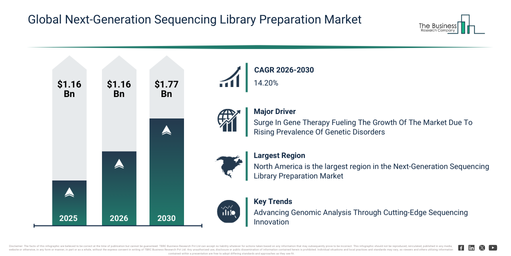
    The next-generation sequencing library preparation market is projected to experience substantial expansion over the coming years, forecast to reach $3.17 billion by 2030, exhibiting a compound annual growth rate (CAGR) of 14.2%. Key factors driving this growth during the projected period include the emergence of automated library preparation systems, the expansion of whole genome and exome sequencing applications, increasing capital allocation towards personalized medicine, the proliferation of academic and research initiatives in genomics, and the incorporation of NGS data with AI and cloud-based analytical tools. Significant trends anticipated in the forecast duration encompass a growing need for high-throughput sequencing solutions, the broader availability of NGS library preparation kits and reagents, a heightened emphasis on personalized medicine and the identification of biomarkers, an increase in diagnostics for infectious diseases and cancer, and the integration of automation into library preparation processes.

    Access Your Free Sample Report for In-Depth Market Insights:

    https://www.thebusinessresearchcompany.com/sample.aspx?id=27365&type=smp

    Which Drivers Are Influencing Market Acceleration In The Next-Generation Sequencing Library Preparation Market?

    An anticipated expansion in gene therapy is projected to drive the future growth of the next-generation sequencing library preparation market. This therapeutic approach involves modifying an individual’s genes to address or avert illnesses. Its growth is fueled by the growing occurrence of genetic conditions demanding precise and enduring treatment options. Within gene therapy, next-generation sequencing (NGS) library preparation serves to meticulously analyze and confirm genetic alterations through the creation of superior DNA or RNA samples for subsequent sequencing. For example, data released in March 2024 by IQVIA, a US-based healthcare intelligence and life sciences firm, revealed that expenditures on cell and gene therapies in 2023 climbed to $5.9 billion, marking a 38% rise from 2022, even though this sum constituted only 0.4% of the total $1.6 trillion spent globally on medicines. Consequently, the growing adoption of gene therapy is a key factor propelling the expansion of the next-generation sequencing library preparation market.

    What Segments Are Identified Within The Structure Of The Next-Generation Sequencing Library Preparation Market?

    The next-generation sequencing library preparation market covered in this report is segmented –

    1) By Sequencing Type: Targeted Genome Sequencing, Whole Genome Sequencing, Whole Exome Sequencing, Other Sequencing Types

    2) By Product: Reagents And Consumables, DNA Library Preparation Kits, Library Preparation Kits, RNA Library Preparation Kits, Other Products

    3) By Technology: Ion Semiconductor Sequencing, Sequencing By Synthesis (SBS), Nanopore Sequencing, Single-Molecule Real-Time Sequencing (SMRT), Other Technologies

    4) By Application: Drug And Biomarker Discovery, Disease Diagnostics, Cancer Diagnostics, Reproductive Health Diagnostics, Infectious Disease Diagnostics, Other Applications

    5) By End-User: Hospitals And Clinics, Academic And Research Institutions, Pharmaceutical And Biotechnology Companies, Other End Users

    Subsegments:

    1) By Targeted Genome Sequencing: Amplicon Sequencing, Hybridization Capture-Based Sequencing, CRISPR-Based Target Enrichment, Multiplex PCR

    2) By Whole Genome Sequencing: Human Whole Genome Sequencing, Animal Whole Genome Sequencing, Plant Whole Genome Sequencing, Microbial Whole Genome Sequencing

    3) By Whole Exome Sequencing: Clinical Whole Exome Sequencing, Research Whole Exome Sequencing, Custom Exome Sequencing, Population-Scale Exome Sequencing

    4) By Other Sequencing Types: RNA Sequencing, ChIP Sequencing (ChIP-Seq), Methylation Sequencing, Single-Cell Sequencing

    What Trends Are Reshaping The Dynamics Of The Next-Generation Sequencing Library Preparation Market?

    Leading companies in the next-generation sequencing library preparation market are focused on developing advanced technologies, such as Xpandomer technology, to improve sequencing speed, enhance data accuracy, and increase scalability. This approach aims to streamline workflows and support more efficient and reliable genomic analysis. Xpandomer technology is an advanced method for deoxyribonucleic acid (DNA) or ribonucleic acid (RNA) sequencing, converting a target nucleic acid molecule into a synthetic, expanded polymer called an Xpandomer, which is 50 times longer than the original deoxyribonucleic acid (DNA) or ribonucleic acid (RNA) strand. As an example, in February 2025, Roche AG, a Switzerland-based biotechnology company, launched Sequencing by Expansion, a sophisticated sequencing platform engineered to boost genomic resolution for advanced diagnostics, disease research, and precision medicine applications. This innovative automated next-generation sequencing (NGS) library preparation system optimizes complex workflows, elevates data quality, and accelerates genomic analysis to aid advanced research and personalized medicine efforts. The Sequencing by Expansion platform offers high versatility, facilitating precise analysis of various genomic alterations across a wide array of diseases, including cancer and rare genetic disorders, by improving resolution and accuracy for deeper biological insights.

    Which Key Players Are Driving Competition In The Next-Generation Sequencing Library Preparation Market?

    Major companies operating in the next-generation sequencing library preparation market are F. Hoffmann-La Roche Ltd., Thermo Fisher Scientific Inc., Agilent Technologies India Private Limited, Illumina Inc., Beckman Coulter Inc., Bio-Rad Laboratories Inc., IDT Corporation, Tecan Group AG, Hamilton Company, Takara Bio Inc., 10x Genomics Inc., Oxford Nanopore Technologies Plc, Twist Bioscience Corporation, New England Biolabs Inc., SPT Labtech Limited, Watchmaker Genomics Inc., Pillar Biosciences Inc., Aurora Biomed Inc., BGI Group, SEQWELL INC.

    Access The Complete Report For Deeper Market Insights:

    https://www.thebusinessresearchcompany.com/report/next-generation-sequencing-library-preparation-global-market-report

    Which Region Currently Holds The Largest Share Of The Next-Generation Sequencing Library Preparation Market?

    North America was the largest region in the next-generation sequencing library preparation market in 2025. Asia-Pacific is expected to be the fastest-growing region in the forecast period. The regions covered in the next-generation sequencing library preparation market report are Asia-Pacific, South East Asia, Western Europe, Eastern Europe, North America, South America, Middle East, Africa.

    Request Your Customized Next-Generation Sequencing Library Preparation Market Research Report for Competitive Advantage:

    https://www.thebusinessresearchcompany.com/customise?id=27365&type=smp

    Browse Through More Reports Similar to the Global Next-Generation Sequencing Library Preparation Market 2026, By The Business Research Company

    Industrial Water Treatment Chemicals Global Market Report 2026

    https://www.thebusinessresearchcompany.com/report/industrial-water-treatment-chemicals-global-market-report

    Cooling Water Treatment Chemicals Global Market Report 2026

    https://www.thebusinessresearchcompany.com/report/cooling-water-treatment-chemicals-global-market-report

    Water Treatment Chemicals Global Market Report 2026

    https://www.thebusinessresearchcompany.com/report/water-treatment-chemicals-global-market-report

    Get in touch with us:

    The Business Research Company: https://www.thebusinessresearchcompany.com/

    Americas +1 310-496-7795

    Asia +44 7882 955267 & +91 8897263534

    Europe +44 7882 955267

    Email us at info@tbrc.info

    Follow us on:

    LinkedIn: https://in.linkedin.com/company/the-business-research-company
  • Next-Generation Sequencing Informatics Market Future Outlook: Strong Growth Expected Toward $22.13 Billion by 2030

    Next-Generation Sequencing Informatics Market Future Outlook: Strong Growth Expected Toward $22.13 Billion by 2030

    Uncover key drivers, emerging technologies, and competitive movements shaping the worker heat stress monitoring wearable market from 2026–2035 with trusted insights from The Business Research Company

    What is the estimated market size of the Next-Generation Sequencing Informatics Market by the end of 2030?

    The next-generation sequencing informatics market has experienced rapid expansion in its size recently. This market is set to expand from $10.23 billion in 2025 to $11.96 billion in 2026, registering a compound annual growth rate (CAGR) of 16.9%. The growth observed in the past can be credited to factors such as the increasing demand for precision diagnostics, the progression of high-throughput sequencers, a rise in genomic research initiatives, heightened awareness of personalized medicine, and the broadening of bioinformatics capabilities.

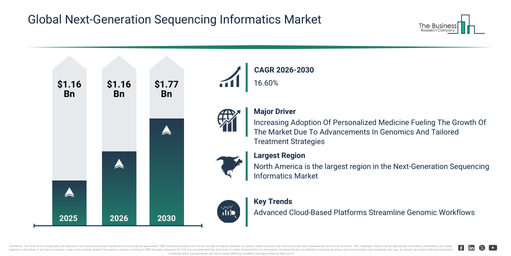
    The next-generation sequencing informatics market is projected to experience substantial expansion over the coming years, anticipated to reach a valuation of $22.14 billion by 2030, exhibiting a compound annual growth rate (CAGR) of 16.6%. This projected growth during the forecast period is fueled by several factors, including improvements in NGS informatics software technology, the widespread use of cloud-based genomic platforms, an uptick in partnerships between biotechnology and pharmaceutical firms, the rising incidence of genetic conditions, and the incorporation of AI and machine learning into genomic analysis. Key trends foreseen for this period encompass AI-powered genomic data analysis, the emergence of cloud-based sequencing solutions, their application in personalized medicine, increased automation within NGS workflows, and the integration of IoT into genomic investigations.

    Access Your Free Sample Report for In-Depth Market Insights:

    https://www.thebusinessresearchcompany.com/sample.aspx?id=28282&type=smp

    What Drivers Are Shaping Future Opportunities In The Next-Generation Sequencing Informatics Market?

    The rising adoption of personalized medicine is anticipated to fuel the expansion of the next-generation sequencing informatics market in the coming years. Personalized medicine refers to a medical methodology that tailors treatment and prevention strategies specifically to an individual’s unique genetic makeup, lifestyle, and environment. This increasing uptake of personalized medicine is primarily driven by advancements in genomics, which allow for the precise identification of genetic variations and the development of customized treatments for individuals. Next-generation sequencing informatics significantly enhances personalized medicine by delivering comprehensive genomic data analysis, making it an ideal tool for bespoke treatment strategies and precision healthcare. It helps diminish diagnostic uncertainty by identifying genetic variations and predicting disease risk, thus improving clinical decision-making and patient outcomes. For instance, in February 2024, according to the Personalized Medicine Coalition (PMC), a US-based nonprofit organization, the U.S. Food and Drug Administration (FDA) approved 26 new personalized medicines in 2023, which was a significant rise from the 12 approved in 2022. Therefore, the growing adoption of personalized medicine is acting as a key driver for the growth of the next-generation sequencing informatics market.

    Which Segments Are Gaining Traction In The Next-Generation Sequencing Informatics Market?

    The next-generation sequencing informatics market covered in this report is segmented –

    1) By Offering: Software, Platforms, Services

    2) By Product And Services: Storage And Computing Tools, Commercial Data Analysis, Data Interpretation And Reporting Tools, Informatics Services

    3) By Deployment Mode: Cloud, On-Premise, Hybrid

    4) By Application: Research And Development, Clinical Diagnostics, Drug Discovery, Agrigenomics

    5) By End User: Academic And Research Institutes, Pharmaceutical And Biotechnology Companies, Hospitals And Clinical Laboratories, Agricultural Biotechnology Companies

    Subsegments:

    1) By Software: Data Analysis Software, Data Management And Storage Tools, Workflow Management Software, Sequence Alignment Tools, Variant Analysis Software, Clinical Interpretation Software

    2) By Platforms: On-Premises Platforms, Cloud-Based Platforms, Hybrid Platforms

    3) By Services: Data Analysis Services, Consulting And Implementation Services, Data Management And Storage Services, Technical Support And Maintenance Services, Training And Education Services

    How Are New Market Trends Shaping The Landscape Of The Next-Generation Sequencing Informatics Market?

    Leading companies in the next-generation sequencing informatics (NGS) market are prioritizing the development of advanced solutions, such as cloud-based platforms, to improve scalability, enhance data security, and streamline genomic workflows. Cloud-based platforms refer to digital infrastructures that enable researchers and clinicians to store, process, and analyze large volumes of sequencing data either on remote servers or within local institutional environments. For instance, in March 2023, Illumina Inc., a US-based biotechnology company, launched Connected Insights, a new cloud-based software designed for the tertiary analysis of clinical next-generation sequencing (NGS) data. This software streamlines genomic data interpretation and reporting, integrates over 45 third-party knowledge sources, and reduces turnaround times for clinical reports. It also automates variant interpretation and report generation, thereby reducing manual effort and standardizing workflows across diverse assay types, such as comprehensive genomic profiling (CGP) panels, whole-exome sequencing (WES), and transcriptomic data.

    Who Are The Top-Performing Companies In The Next-Generation Sequencing Informatics Market In Recent Years?

    Major companies operating in the next-generation sequencing informatics market are DNAnexus Inc., SOPHiA GENETICS SA, DNASTAR Inc., Geneious Biomatters Ltd., CosmosID Inc., QIAGEN N.V., Seven Bridges Genomics Inc., PierianDx Inc., Fabric Genomics Inc., Golden Helix Inc., Partek Incorporated, Real Time Genomics Inc., Sentieon Inc., Roche NimbleGen Inc., Agilent Alissa Interpret, WuXi NextCODE Genomics, DNAVision SA, Genoox Ltd., Congenica Ltd., PierianDx Holdings, Bionano Genomics Inc.

    Access The Complete Report For Deeper Market Insights:

    https://www.thebusinessresearchcompany.com/report/next-generation-sequencing-informatics-global-market-report

    How Does The Next-Generation Sequencing Informatics Market Perform Across Major Global Regions?

    North America was the largest region in the next-generation sequencing informatics market in 2025. Asia-Pacific is expected to be the fastest-growing region in the forecast period. The regions covered in the next-generation sequencing informatics market report are Asia-Pacific, South East Asia, Western Europe, Eastern Europe, North America, South America, Middle East, Africa.

    Request Your Customized Next-Generation Sequencing Informatics Market Research Report for Competitive Advantage:

    https://www.thebusinessresearchcompany.com/customise?id=28282&type=smp

    Browse Through More Reports Similar to the Global Next-Generation Sequencing Informatics Market 2026, By The Business Research Company

    Clinical Oncology Next Generation Sequencing Global Market Report 2026

    https://www.thebusinessresearchcompany.com/report/clinical-oncology-next-generation-sequencing-global-market-report

    Clinical Next Generation Sequencing Ngs Data Analysis Global Market Report 2026

    https://www.thebusinessresearchcompany.com/report/clinical-next-generation-sequencing-ngs-data-analysis-global-market-report

    Rna Sequencing Services Global Market Report 2026

    https://www.thebusinessresearchcompany.com/report/rna-sequencing-services-global-market-report

    Get in touch with us:

    The Business Research Company: https://www.thebusinessresearchcompany.com/

    Americas +1 310-496-7795

    Asia +44 7882 955267 & +91 8897263534

    Europe +44 7882 955267

    Email us at info@tbrc.info

    Follow us on:

    LinkedIn: https://in.linkedin.com/company/the-business-research-company
  • Revenue of the Next-Generation Sequencing (NGS)-Based Molecular Diagnostics Market Predicted to Achieve $3.22 Billion by 2030, Driven by 7.3% CAGR

    Revenue of the Next-Generation Sequencing (NGS)-Based Molecular Diagnostics Market Predicted to Achieve $3.22 Billion by 2030, Driven by 7.3% CAGR

    Uncover key drivers, emerging technologies, and competitive movements shaping the workstation graphics processing unit (gpu) market from 2026–2035 with trusted insights from The Business Research Company

    What was the valuation of the Next-Generation Sequencing (NGS)-Based Molecular Diagnostics Market in 2026, and what figure is it projected to hit by 2030?

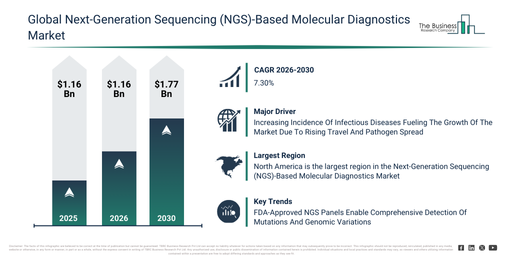
    The market for next-generation sequencing (NGS)-based molecular diagnostics has demonstrated robust expansion recently. This market is projected to expand from $2.26 billion in 2025 to $2.43 billion in 2026, achieving a compound annual growth rate (CAGR) of 7.6%. Historically, this expansion has been driven by increased genetic disorder testing, advancements in high-throughput sequencing, heightened understanding of molecular diagnostics, greater use in clinical laboratories, and enhancements in sequencing reagent technology.

    The next-generation sequencing (ngs)-based molecular diagnostics market size is projected to experience robust expansion over the coming years. This market is predicted to reach $3.23 billion by 2030, exhibiting a compound annual growth rate (CAGR) of 7.3%. Factors driving this growth during the forecast period include the incorporation of AI and machine learning into diagnostics, the proliferation of cloud-based genomic platforms, the creation of portable and point-of-care sequencing devices, an increase in personalized medicine uses, and partnerships between diagnostics and biotechnology companies. Key trends anticipated for the forecast period encompass AI-assisted molecular diagnostics, cloud-based genomic analysis platforms, portable sequencing technologies, the incorporation of bioinformatics pipelines, and swift detection of disease markers.

    Access Your Free Sample Report for In-Depth Market Insights:

    https://www.thebusinessresearchcompany.com/sample.aspx?id=28281&type=smp

    Which Drivers Are Affecting Market Participation In The Next-Generation Sequencing (NGS)-Based Molecular Diagnostics Market?

    The expanding occurrence of infectious diseases is projected to drive the next-generation sequencing (NGS)-based molecular diagnostics market in the future. Infectious diseases are conditions caused by microorganisms like bacteria, viruses, fungi, or parasites that invade the body, multiply, and interfere with normal bodily functions. The prevalence of these diseases is increasing as greater travel and migration accelerate the spread of pathogens across regions and international boundaries. Next-generation sequencing (NGS)-based molecular diagnostics plays a crucial role in detecting infectious diseases by providing comprehensive and precise analysis of pathogens. It significantly reduces diagnostic time by identifying multiple microorganisms concurrently, thus enhancing treatment accuracy and patient care. For example, in February 2024, the UK Health Security Agency stated that tuberculosis cases in England surged to 4,850 in 2023, representing a 10.7% increase from 4,380 cases in 2022. Therefore, the rising incidence of infectious diseases is a primary catalyst for the growth of the next-generation sequencing (NGS)-based molecular diagnostics market.

    What Segment Categories Are Covered In The Next-Generation Sequencing (NGS)-Based Molecular Diagnostics Market?

    The next-generation sequencing (ngs)-based molecular diagnostics market covered in this report is segmented –

    1) By Type: Instruments, Reagents And Consumables, Software And Services, Panels And Assays, Sample Preparation Kits

    2) By Application: Microbiology, Infectious Diseases, Oncology, Genetic Tests, Other Applications

    3) By End User: Research Centers And Academics, Hospitals And Clinical Laboratories, Other End Users

    Subsegments:

    1) By Instruments: Benchtop Sequencers, High-Throughput Sequencers, Portable Or Handheld Sequencers, Clinical Or Diagnostic Sequencers, Automated Library Preparation Systems, Data Analysis And Bioinformatics Hardware

    2) By Reagents And Consumables: Sequencing Reagents And Kits, Library Preparation Reagents, Target Enrichment Reagents, Amplification Reagents, Sequencing Flow Cells And Chips, Deoxyribonucleic Acid (DNA) Or Ribonucleic Acid (RNA) Extraction Reagents, Quality Control Reagents

    3) By Software And Services: Data Analysis Software, Bioinformatics Pipelines, Cloud-Based Genomic Platforms, Clinical Interpretation Tools, Data Storage And Management Services, Custom Bioinformatics Services, Genomic Database Services

    4) By Panels And Assays: Oncology Panels, Infectious Disease Panels, Carrier Screening Panels, Reproductive Health Panels, Rare Disease Or Genetic Disorder Panels, Pharmacogenomics Panels, Whole-Exome Or Whole-Genome Assays

    5) By Sample Preparation Kits: Deoxyribonucleic Acid (DNA) Extraction Kits, Ribonucleic Acid (RNA) Extraction Kits, Library Preparation Kits, Target Enrichment Kits, Amplification And Cleanup Kits, Single-Cell Preparation Kits, Low-Input Or Degraded Sample Kits

    Which Trends Are Expected To Influence The Next-Generation Sequencing (NGS)-Based Molecular Diagnostics Market In The Upcoming Years?

    Leading companies within the next-generation sequencing (NGS)-based molecular diagnostics market are concentrating on creating advanced NGS-based panels with the goal of enhancing the accuracy, accessibility, and efficiency of genetic testing. NGS panels are specific collections of genes or genomic regions analyzed simultaneously using NGS technology to detect clinically significant mutations, allowing for faster and more precise molecular diagnostics. As an illustration, in April 2024, Pillar Biosciences, a US-based diagnostics company, received FDA approval for its oncoReveal CDx pan-cancer solid tumor IVD kit. This kit analyzes 22 clinically relevant genes in a single multiplex reaction. Designed for operation with Illumina’s MiSeq Dx system, the panel supports a sample-to-report time of approximately 48 hours and has the capacity to process up to 46 clinical samples per run. Furthermore, OncoReveal CDx includes companion diagnostic claims for KRAS (relevant for EGFR-targeted therapy in colorectal cancer) and EGFR (for TKI therapy in non–small-cell lung cancer), which facilitates a more comprehensive and efficient identification of actionable genomic alterations, ultimately improving clinical decision-making.

    Which Leading Companies Dominate The Next-Generation Sequencing (NGS)-Based Molecular Diagnostics Market Share?

    Major companies operating in the next-generation sequencing (ngs)-based molecular diagnostics market are Thermo Fisher Scientific, Siemens Healthineers AG, Agilent Technologies Inc., Illumina Inc., PerkinElmer Inc., Bio-Rad Laboratories Inc., Qiagen N.V., Amoy Diagnostics Co. Ltd., Tempus Labs Inc., Myriad Genetics Inc., Epigenomics AG, Precision for Medicine Inc., Invitae Corporation, NeoGenomics Laboratories Inc., Guardant Health Inc., Caris Life Sciences Inc., Foundation Medicine Inc., Oxford Nanopore Technologies Ltd., Freenome Inc., Burning Rock Biotech, Element Biosciences Inc., Asuragen Inc., Bionano Genomics Inc., Genomic Health Inc., TATAA Biocenter AB

    Access The Complete Report For Deeper Market Insights:

    https://www.thebusinessresearchcompany.com/report/next-generation-sequencing-ngs-based-molecular-diagnostics-global-market-report

    Which Region Is Anticipated To See The Fastest Growth In The Next-Generation Sequencing (NGS)-Based Molecular Diagnostics Market?

    North America was the largest region in the next-generation sequencing (NGS)-based molecular diagnostics market in 2025. Asia-Pacific is expected to be the fastest-growing region in the forecast period. The regions covered in the next-generation sequencing (ngs)-based molecular diagnostics market report are Asia-Pacific, South East Asia, Western Europe, Eastern Europe, North America, South America, Middle East, Africa.

    Request Your Customized Next-Generation Sequencing (NGS)-Based Molecular Diagnostics Market Research Report for Competitive Advantage:

    https://www.thebusinessresearchcompany.com/customise?id=28281&type=smp

    Browse Through More Reports Similar to the Global Next-Generation Sequencing (NGS)-Based Molecular Diagnostics Market 2026, By The Business Research Company

    Ngs Based Rna Sequencing Global Market Report 2026

    https://www.thebusinessresearchcompany.com/report/ngs-based-rna-sequencing-global-market-report

    Next Generation Sequencing Market 2026

    https://www.thebusinessresearchcompany.com/report/next-generation-sequencing-market

    Point Of Care Molecular Diagnostics Global Market Report 2026

    https://www.thebusinessresearchcompany.com/report/point-of-care-molecular-diagnostics-global-market-report

    Get in touch with us:

    The Business Research Company: https://www.thebusinessresearchcompany.com/

    Americas +1 310-496-7795

    Asia +44 7882 955267 & +91 8897263534

    Europe +44 7882 955267

    Email us at info@tbrc.info

    Follow us on:

    LinkedIn: https://in.linkedin.com/company/the-business-research-company
  • Next-Generation Sequencing (NGS) In Precision Medicine Sector Forecast Shows Robust Momentum, Climbing to $14.05 Billion With 16.9% CAGR

    Next-Generation Sequencing (NGS) In Precision Medicine Sector Forecast Shows Robust Momentum, Climbing to $14.05 Billion With 16.9% CAGR

    Uncover key drivers, emerging technologies, and competitive movements shaping the worker heat stress monitoring wearable market from 2026–2035 with trusted insights from The Business Research Company

    What are the forecasted starting (2026) and ending (2030) market sizes for the Next-Generation Sequencing (NGS) In Precision Medicine Market?

    The market for next-generation sequencing (ngs) in precision medicine has experienced rapid expansion in recent years. It is anticipated to increase from $6.42 billion in 2025 to $7.52 billion in 2026, demonstrating a compound annual growth rate (CAGR) of 17.2%. This historical growth can be ascribed to several factors, including the advancement of high-throughput sequencers, increasing recognition of personalized medicine, expanding genomic research, the wider availability of bioinformatics software, and the integration of precision medicine into clinical trials.

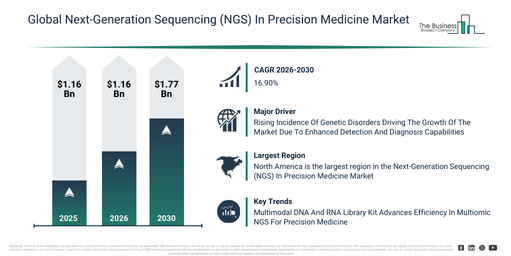
    The next-generation sequencing (ngs) in precision medicine market is anticipated to experience significant expansion in the coming years. This market is projected to reach $14.05 billion by 2030, exhibiting a compound annual growth rate (CAGR) of 16.9%. Factors contributing to this growth during the forecast period include technological strides in sequencing instruments, the incorporation of AI into genomics, an increase in cloud-based sequencing services, rising partnerships between pharmaceutical and biotechnology firms, and the broader adoption of precision medicine in developing areas. Key trends expected over the forecast period encompass AI-driven genomic analysis, cloud-based sequencing offerings, the spread of personalized medicine, enhanced automation in sequencing processes, and real-time interpretation of genomic data.

    Access Your Free Sample Report for In-Depth Market Insights:

    https://www.thebusinessresearchcompany.com/sample.aspx?id=28280&type=smp

    What Drivers Are Supporting Technological Adoption In The Next-Generation Sequencing (NGS) In Precision Medicine Market?

    The increasing occurrence of genetic disorders is anticipated to stimulate the expansion of the next-generation sequencing (NGS) in precision medicine market moving forward. Genetic disorders are conditions or illnesses stemming from anomalies in an individual’s DNA, which can be inherited or acquired through mutations. The prevalence of genetic disorders is growing as advancements in diagnostic technologies, such as genetic screening and next-generation sequencing, enable medical professionals to identify previously undetected cases, thus leading to a higher reported incidence. Next-generation sequencing in precision medicine assists in discovering genetic mutations, facilitating accurate diagnosis, customized treatment, and prompt intervention for genetic disorders. As an illustration, in May 2024, the National Health Service, a UK-based government department, stated that approximately 17,000 people in England live with sickle cell disease, an inherited blood disorder, with roughly 250 new cases diagnosed each year. Hence, the increasing incidence of genetic disorders is propelling the growth of the next-generation sequencing (NGS) in precision medicine market.

    Which Segments Are Contributing To The Growth Of The Next-Generation Sequencing (NGS) In Precision Medicine Market?

    The next-generation sequencing (ngs) in precision medicine market covered in this report is segmented –

    1) By Product And Service: Sequencing Instruments, Consumables And Reagents, Library Preparation Kits, Bioinformatics Software, Next-Generation Sequencing (NGS) Services

    2) By Technology: Whole Genome Sequencing (WGS), Whole Exome Sequencing (Wes), Targeted Sequencing, Ribonucleic Acid (RNA) Sequencing, Single-Cell Sequencing

    3) By Application: Oncology, Infectious Disease, Rare And Inherited Disorders, Prenatal And Reproductive Health, Pharmacogenomics

    4) By End Use: Hospitals And Clinics, Academic And Research Institutions, Biopharmaceutical Companies, Diagnostic Laboratories, Contract Research Organizations (CROs)

    Subsegments:

    1) By Sequencing Instruments: Benchtop Sequencers, High Throughput Sequencers

    2) By Consumables And Reagents: Sequencing Reagents, Sequencing Chips, Flow Cells, Sample Preparation Reagents

    3) By Library Preparation Kits: Deoxyribonucleic Acid (DNA) Library Preparation Kits, Ribonucleic Acid (RNA) Library Preparation Kits, Whole Genome Amplification Kits, Target Enrichment Kits

    4) By Bioinformatics Software: Data Analysis Software, Data Management Software, Sequence Alignment Software, Variant Calling Software

    5) By Next-Generation Sequencing Services: Whole Genome Sequencing Services, Whole Exome Sequencing Services, Targeted Sequencing Services, Ribonucleic Acid (RNA) Sequencing Services, Epigenomic Sequencing Services

    What Trends Are Driving The Growth Trajectory Of The Next-Generation Sequencing (NGS) In Precision Medicine Market?

    Leading firms within the next-generation sequencing (NGS) in precision medicine market are prioritizing the creation of novel solutions, including multimodal DNA and RNA library kits, with the aim of boosting the effectiveness and precision of genomic analyses. Specifically, a multimodal DNA and RNA library kit refers to a laboratory tool that facilitates the concurrent preparation of sequencing libraries from both DNA and RNA within a unified process, thereby allowing for a thorough examination of a sample’s genome and transcriptome. As an illustration, in May 2024, Qiagen N.V., a Germany-based company known for its sample and assay technologies in molecular diagnostics, introduced the QIAseq Multimodal DNA and RNA Library Kit. This next-generation sequencing offering streamlines DNA and RNA library preparation from a single sample, thereby promoting multiomic investigations and propelling advancements in precision medicine. The kit supports comprehensive whole genome and whole transcriptome sequencing, along with subsequent target enrichment. It aids multiomic research by integrating optimized chemical processes for both DNA and RNA concurrently. Furthermore, it mitigates the requirement for substantial sample volumes and the labor-intensive protocols characteristic of conventional, distinct DNA and RNA workflows. By improving the efficiency of multiomic research, this kit contributes to the progression of precision medicine, leading to superior biomarker identification and a deeper comprehension of diseases, particularly within the field of cancer research.

    Who Are The Major Companies Operating In The Next-Generation Sequencing (NGS) In Precision Medicine Market?

    Major companies operating in the next-generation sequencing (ngs) in precision medicine market are Thermo Fisher Scientific Inc., Eurofins Scientific SE, Agilent Technologies Inc., Illumina Inc., Bio-Rad Laboratories Inc., Exact Sciences Corporation, QIAGEN N.V., Natera Inc., Tempus Labs Inc., 10x Genomics Inc., BGI Genomics Co. Ltd., Guardant Health Inc., Caris Life Sciences Inc., Fulgent Genetics Inc., Twist Bioscience Corporation, Pacific Biosciences of California Inc., Macrogen Inc., Ultima Genomics Inc., Personalis Inc., Element Biosciences Inc., Genomenon Inc., Strand Life Sciences Pvt. Ltd., Singular Genomics Systems Inc.

    Access The Complete Report For Deeper Market Insights:

    https://www.thebusinessresearchcompany.com/report/next-generation-sequencing-ngs-in-precision-medicine-global-market-report

    Which Region Is Anticipated To See The Fastest Growth In The Next-Generation Sequencing (NGS) In Precision Medicine Market?

    North America was the largest region in the next-generation sequencing (NGS) in precision medicine market in 2025. Asia-Pacific is expected to be the fastest-growing region in the forecast period. The regions covered in the next-generation sequencing (ngs) in precision medicine market report are Asia-Pacific, South East Asia, Western Europe, Eastern Europe, North America, South America, Middle East, Africa.

    Request Your Customized Next-Generation Sequencing (NGS) In Precision Medicine Market Research Report for Competitive Advantage:

    https://www.thebusinessresearchcompany.com/customise?id=28280&type=smp

    Browse Through More Reports Similar to the Global Next-Generation Sequencing (NGS) In Precision Medicine Market 2026, By The Business Research Company

    Ngs Based Rna Sequencing Global Market Report 2026

    https://www.thebusinessresearchcompany.com/report/ngs-based-rna-sequencing-global-market-report

    Next Generation Sequencing Market 2026

    https://www.thebusinessresearchcompany.com/report/next-generation-sequencing-market

    Clinical Oncology Next Generation Sequencing Global Market Report 2026

    https://www.thebusinessresearchcompany.com/report/clinical-oncology-next-generation-sequencing-global-market-report

    Get in touch with us:

    The Business Research Company: https://www.thebusinessresearchcompany.com/

    Americas +1 310-496-7795

    Asia +44 7882 955267 & +91 8897263534

    Europe +44 7882 955267

    Email us at info@tbrc.info

    Follow us on:

    LinkedIn: https://in.linkedin.com/company/the-business-research-company
  • Next-Generation Oncology Devices And Solutions Market Anticipated to Record Steady Gains, Advancing to $38.18 Billion by 2030

    Next-Generation Oncology Devices And Solutions Market Anticipated to Record Steady Gains, Advancing to $38.18 Billion by 2030

    Uncover key drivers, emerging technologies, and competitive movements shaping the workstation graphics processing unit (gpu) market from 2026–2035 with trusted insights from The Business Research Company

    What upper market value could the Next-Generation Oncology Devices And Solutions Market reach by 2030 starting from 2026 levels?

    The market size for next-generation oncology devices and solutions has seen rapid expansion in recent years. It is anticipated to grow from $16.41 billion in 2025 to $19.46 billion in 2026, exhibiting a compound annual growth rate (CAGR) of 18.6%. The historical period’s growth can be attributed to escalating global cancer incidence rates, the broadening of molecular diagnostic capabilities, the presence of advanced oncology testing tools, the proliferation of hospital-based cancer care programs, and the increasing embrace of targeted therapies.

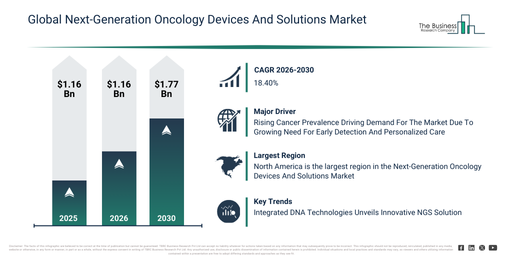
    The next-generation oncology devices and solutions market is projected to experience substantial expansion over the upcoming years. By 2030, its valuation is forecast to reach $38.19 billion, demonstrating a compound annual growth rate (CAGR) of 18.4%. This anticipated growth during the forecast period is driven by several factors, including a heightened need for tailored cancer therapies, increased capital infusion into genomic diagnostics, the proliferation of early detection initiatives, the expanding incorporation of AI into oncology processes, and developments in biomarker-driven cancer management. Key developments anticipated during this period encompass the wider embrace of precision oncology platforms, a surge in the application of NGS-based cancer diagnostics, the increasing adoption of digital pathology solutions, the wider implementation of individualized cancer treatment methods, and a sharpened emphasis on technologies for early disease detection.

    Access Your Free Sample Report for In-Depth Market Insights:

    https://www.thebusinessresearchcompany.com/sample.aspx?id=24336&type=smp

    Which Drivers Are Influencing Long-Term Growth In The Next-Generation Oncology Devices And Solutions Market?

    The rising incidence of cancer is projected to fuel the expansion of the next-generation oncology devices and solutions market moving forward. Cancer is defined as a disease where abnormal cells multiply without control and can spread to various body parts, disrupting normal functions. The growing occurrence of cancer is primarily attributed to aging populations, as the risk of developing cancer increases with age. Next-generation oncology devices and solutions assist in managing this rising prevalence of cancer by enabling prompt detection, more precise diagnosis, and personalized treatment. For instance, in January 2024, the American Cancer Society, a US-based nonprofit organization, estimated that cancer would lead to over 611,000 fatalities in the United States, which amounts to more than 1,600 cancer-related deaths daily. Therefore, the increasing prevalence of cancer will propel the growth of the next-generation oncology devices and solutions market.

    How Is The Next-Generation Oncology Devices And Solutions Market Divided Into Segments?

    The next-generation oncology devices and solutions market covered in this report is segmented –

    1) By Cancer Type: Breast Cancer, Cervical Cancer, Colorectal Cancer, Lung Cancer

    2) By Technology: Next-Generation Sequencing (NGS), Polymerase Chain Reaction (PCR), DNA Microarrays, Multiplexing, Other Technologies

    3) By Application: Screening And Early Detection, Prognostics And Monitoring, Therapy Selection, Recurrence Monitoring, Other Applications

    4) By End Use: Hospitals And Clinics, Diagnostic Laboratories, Academic And Research Institutions, Other End Uses

    Subsegments:

    1) By Breast Cancer: Invasive Ductal Carcinoma, Invasive Lobular Carcinoma, Triple-Negative Breast Cancer, HER2-Positive Breast Cancer

    2) By Cervical Cancer: Squamous Cell Carcinoma, Adenocarcinoma, Adenosquamous Carcinoma

    3) By Colorectal Cancer: Colon Cancer, Rectal Cancer, Metastatic Colorectal Cancer

    4) By Lung Cancer: Non-Small Cell Lung Cancer (NSCLC), Small Cell Lung Cancer (SCLC), Lung Adenocarcinoma, Squamous Cell Lung Carcinoma

    What Upcoming Trends Are Likely To Define The Future Path Of The Next-Generation Oncology Devices And Solutions Market?

    Leading firms within the next-generation oncology devices and solutions market are prioritizing technological innovations like next-generation sequencing (NGS) target enrichment solutions. Their aim is to enhance the identification of infrequent genetic variations, boost sequencing precision, and speed up decisions regarding cancer diagnosis and treatment. Next-generation sequencing (NGS) target enrichment solutions represent methods designed to selectively isolate and amplify particular segments of deoxyribonucleic acid (DNA) or ribonucleic acid (RNA) for subsequent sequencing, which allows for a more precise and effective examination of genetic variations linked to conditions like cancer. As an illustration, in April 2025, Integrated DNA Technologies (IDT), a biotechnology firm based in the US, introduced the xGen Hybridization and Wash v3 Kit. This groundbreaking hybridization capture solution aims to expedite cancer research through optimizing next-generation sequencing (NGS) procedures. The cutting-edge kit dramatically cuts down hybridization time to a mere one hour, allowing scientists to finish sample preparation and move to sequencing within a standard workday. Furthermore, by removing the requirement for heated buffers and decreasing manual interaction by 20%, this solution proves highly compatible with automation and ideal for high-throughput uses.

    Which Major Firms Are Strengthening Their Position In The Next-Generation Oncology Devices And Solutions Market?

    Major companies operating in the next-generation oncology devices and solutions market are Johnson & Johnson Services Inc., Siemens AG, Merck & Co. Inc., Thermo Fisher Scientific Inc., Novartis AG, Koninklijke Philips N.V., GE HealthCare Technologies Inc., Agilent Technologies Inc., Illumina Inc., Sysmex Corporation, QIAGEN N.V., Exact Sciences Corporation, Elekta AB, Myriad Genetics Inc., Takara Bio USA Inc., NeoGenomics Inc., Guardant Health Inc., Accuray Incorporated, SOPHiA GENETICS SA, Paige.AI Inc., Deep Bio Inc., Lucida Medical Ltd.

    Access The Complete Report For Deeper Market Insights:

    https://www.thebusinessresearchcompany.com/report/next-generation-oncology-devices-and-solutions-global-market-report

    Which Global Regions Are Shaping The Competitive Landscape Of The Next-Generation Oncology Devices And Solutions Market?

    North America was the largest region in the next-generation oncology devices and solutions market in 2025. The regions covered in the next-generation oncology devices and solutions market report are Asia-Pacific, South East Asia, Western Europe, Eastern Europe, North America, South America, Middle East, Africa.

    Request Your Customized Next-Generation Oncology Devices And Solutions Market Research Report for Competitive Advantage:

    https://www.thebusinessresearchcompany.com/customise?id=24336&type=smp

    Browse Through More Reports Similar to the Global Next-Generation Oncology Devices And Solutions Market 2026, By The Business Research Company

    Interventional Oncology Devices Global Market Report 2026

    https://www.thebusinessresearchcompany.com/report/interventional-oncology-devices-global-market-report

    Oncology Drugs Market 2026

    https://www.thebusinessresearchcompany.com/report/oncology-drugs-market

    Oncology Drugs Market 2026

    https://www.thebusinessresearchcompany.com/report/oncology-drugs-market

    Get in touch with us:

    The Business Research Company: https://www.thebusinessresearchcompany.com/

    Americas +1 310-496-7795

    Asia +44 7882 955267 & +91 8897263534

    Europe +44 7882 955267

    Email us at info@tbrc.info

    Follow us on:

    LinkedIn: https://in.linkedin.com/company/the-business-research-company
  • Next-Generation Mass Spectrometer Industry Poised for Rapid Growth, Forecast to Touch $5.74 Billion by 2030 at 9.8% CAGR

    Next-Generation Mass Spectrometer Industry Poised for Rapid Growth, Forecast to Touch $5.74 Billion by 2030 at 9.8% CAGR

    Uncover key drivers, emerging technologies, and competitive movements shaping the worker heat stress monitoring wearable market from 2026–2035 with trusted insights from The Business Research Company

    What level of CAGR-driven expansion is anticipated in the Next-Generation Mass Spectrometer Market between 2026 and 2030?

    The next-generation mass spectrometer market has seen rapid growth in recent years. It is projected to increase from $3.6 billion in 2025 to $3.96 billion in 2026, representing a compound annual growth rate (CAGR) of 10.1%. This historical expansion can be attributed to factors like the limited sensitivity and resolution of early mass spectrometers, the dependence on conventional ion trap and quadrupole systems, the proliferation of pharmaceutical and biotech research, a rising need for accurate molecular analysis, and the substantial operational complexity and maintenance costs.

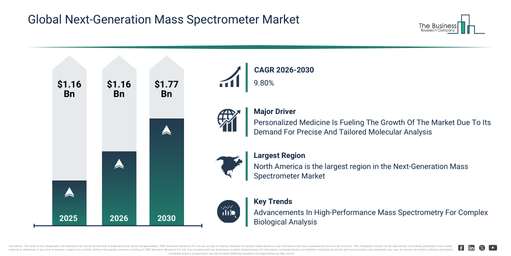
    The market size for next-generation mass spectrometers is anticipated to demonstrate significant growth over the upcoming years. It is projected to expand to $5.75 billion by 2030, achieving a compound annual growth rate (CAGR) of 9.8%. This expansion during the forecast period is primarily driven by the advancement of next-generation FT-MS and Orbitrap systems, the incorporation of AI-based data interpretation, the broadening of clinical diagnostics and forensic applications, the increasing requirements for environmental monitoring and food safety testing, and the demand for high-throughput and automated mass spectrometry systems. Prominent trends observed in the forecast period encompass a rising demand for high-resolution mass spectrometry, the integration of real-time data processing and analytics, the expansion of proteomics and metabolomics research, increased adoption in environmental and food testing applications, and a focus on the miniaturization and enhanced sensitivity of instruments.

    Access Your Free Sample Report for In-Depth Market Insights:

    https://www.thebusinessresearchcompany.com/sample.aspx?id=27364&type=smp

    What Drivers Are Affecting Demand-Supply Dynamics In The Next-Generation Mass Spectrometer Market?

    Increased focus on personalized medicine is anticipated to fuel the expansion of the next-generation mass spectrometer market in the future. This medical strategy involves customizing treatment and healthcare choices based on a person’s distinct genetic makeup, environmental influences, and lifestyle habits to achieve better results. The rising importance of personalized medicine stems from the necessity to offer customized therapies that enhance patient well-being, mitigate adverse reactions, and boost healthcare effectiveness, all informed by specific genetic and lifestyle elements. Next-generation mass spectrometers aid personalized medicine through highly accurate and thorough molecular analysis, which assists in pinpointing individual biomarkers, tracking treatment efficacy, and directing customized treatment protocols for better patient results. For example, a report from the US-based non-profit Personalized Medicine Coalition in February 2024 indicated that in 2023, the US-based federal agency Food and Drug Administration (FDA) approved 16 novel personalized medicines for patients with rare diseases, an increase from six approvals in 2022. Consequently, the heightened focus on personalized medicine will stimulate the expansion of the next-generation mass spectrometer market.

    What Segments Are Included Within The Next-Generation Mass Spectrometer Market?

    The next-generation mass spectrometer market covered in this report is segmented –

    1) By Type: Fourier Transform, Linear Ion Trap Mass Spectrometry, Other Types

    2) By Application: Pharmaceuticals, Biotechnology, Clinical Diagnostics, Environmental Analysis, Food And Beverage Testing, Forensic Science, Other Applications

    3) By End User: Research Laboratories, Academic Institutions, Pharmaceutical Companies, Biotechnology Firms, Clinical Laboratories, Government Agencies

    Subsegments:

    1) By Fourier Transform: Fourier Transform Ion Cyclotron Resonance (FT-ICR), Fourier Transform Orbitrap Mass Spectrometry, Hybrid FT-MS Systems, High-Resolution Accurate Mass (HRAM) FT-MS

    2) By Linear Ion Trap Mass Spectrometry: Quadrupole Ion Trap, Three-Dimensional Linear Ion Trap, Dual-Pressure Linear Ion Trap, Linear Ion Trap-Time Of Flight (LIT-TOF) Hybrid

    3) By Other Types: Time-Of-Flight Mass Spectrometry (TOF-MS), Quadrupole Mass Spectrometry, Orbitrap Mass Spectrometry (Non-FT Applications), Magnetic Sector Mass Spectrometry, Ion Mobility Mass Spectrometry, Hybrid Mass Spectrometers

    Which Trends Are Shaping Activity Within The Next-Generation Mass Spectrometer Market?

    Leading companies active in the next-generation mass spectrometer sector are directing their efforts towards creating highly effective instruments. These tools empower researchers to meticulously analyze intricate biological samples with unparalleled accuracy and pace. The goal of these innovations is to refine biomarker identification, assist in the prompt detection of diseases, and expedite the creation of customized treatments. For example, in June 2023, Thermo Fisher Scientific Inc., a US-based clinical research enterprise, unveiled the Orbitrap Astral mass spectrometer. This device boasts rapid throughput, superior sensitivity, and comprehensive proteome coverage, marking it as one of the most substantial leaps in mass spectrometry over the past 15 years. This advanced instrument permits researchers to identify previously elusive low-abundance proteins by combining ultra-fast scan capabilities, exceptional sensitivity, and extensive proteome coverage, thus significantly propelling large-scale proteomic investigations. Moreover, it features enhanced ion transmission efficiency, an improved dynamic range, and up to four times higher throughput, enabling quicker biomarker discovery, accurate quantification, and the formulation of targeted therapies for a diverse array of diseases.

    Who Are The Primary Competitors In The Global Next-Generation Mass Spectrometer Market?

    Major companies operating in the next-generation mass spectrometer market are Hitachi Ltd., Thermo Fisher Scientific Inc., Danaher Corporation, Agilent Technologies Inc., PerkinElmer Inc., Shimadzu Corporation, Waters Corporation, Bruker Corporation, HORIBA Ltd., JEOL Ltd., Rigaku Corporation, LECO Corporation, Hiden Analytical Ltd., Scion Instruments Ltd., MOBILion Systems Inc., Jiangsu Skyray Instrument Co. Ltd., Advion Inc., Postnova Analytics GmbH, Kore Technology Ltd., Variolytics GmbH, Spectroswiss, Excellims Corporation, 908 Devices Inc.

    Access The Complete Report For Deeper Market Insights:

    https://www.thebusinessresearchcompany.com/report/next-generation-mass-spectrometer-global-market-report

    Which Regions Are Poised For Strategic Growth In The Next-Generation Mass Spectrometer Market?

    North America was the largest region in the next-generation mass spectrometer market in 2025. Asia-Pacific is expected to be the fastest-growing region in the forecast period. The regions covered in the next-generation mass spectrometer market report are Asia-Pacific, South East Asia, Western Europe, Eastern Europe, North America, South America, Middle East, Africa.

    Request Your Customized Next-Generation Mass Spectrometer Market Research Report for Competitive Advantage:

    https://www.thebusinessresearchcompany.com/customise?id=27364&type=smp

    Browse Through More Reports Similar to the Global Next-Generation Mass Spectrometer Market 2026, By The Business Research Company

    Restaurant Point Of Sale Pos Software Global Market Report 2026

    https://www.thebusinessresearchcompany.com/report/restaurant-point-of-sale-pos-software-global-market-report

    Cloud Point Of Sale Pos Global Market Report 2026

    https://www.thebusinessresearchcompany.com/report/cloud-point-of-sale-pos-global-market-report

    Electronic Cash Register Global Market Report 2026

    https://www.thebusinessresearchcompany.com/report/electronic-cash-register-global-market-report

    Get in touch with us:

    The Business Research Company: https://www.thebusinessresearchcompany.com/

    Americas +1 310-496-7795

    Asia +44 7882 955267 & +91 8897263534

    Europe +44 7882 955267

    Email us at info@tbrc.info

    Follow us on:

    LinkedIn: https://in.linkedin.com/company/the-business-research-company
  • Next-Generation In Vitro Diagnostics (IVD) Market Performance Outlook 2026–2030: Revenue to Hit $188.69 Billion at 9.8% CAGR

    Next-Generation In Vitro Diagnostics (IVD) Market Performance Outlook 2026–2030: Revenue to Hit $188.69 Billion at 9.8% CAGR

    Uncover key drivers, emerging technologies, and competitive movements shaping the workstation graphics processing unit (gpu) market from 2026–2035 with trusted insights from The Business Research Company

    What long-term size projections exist for the Next-Generation In Vitro Diagnostics (IVD) Market covering 2026–2035?

    The market size for next-generation in vitro diagnostics (ivd) has experienced rapid expansion in recent years. This market is projected to grow from $117.97 billion in 2025 to $129.89 billion in 2026, achieving a compound annual growth rate (CAGR) of 10.1%. Historically, this growth can be attributed to several factors including the rising prevalence of infectious diseases, the growing burden of chronic conditions, increased adoption of molecular diagnostics, the expansion of clinical laboratory infrastructure, and government funding allocated for diagnostic programs.

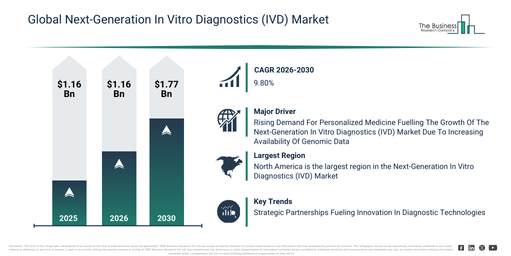
    The next-generation in vitro diagnostics (ivd) market is projected to experience robust expansion over the coming years. This market is anticipated to reach $188.69 billion by 2030, exhibiting a compound annual growth rate (CAGR) of 9.8%. Key drivers for this growth during the forecast period include a rising demand for precision medicine, the broadening scope of genomic testing applications, an increased uptake of point-of-care diagnostics, advancements in healthcare digitization, and augmented investments in diagnostic research and development. Significant trends observed in the projected period encompass a move towards personalized and companion diagnostics, widespread acceptance of point-of-care and decentralized testing methods, the incorporation of multiplex and high-throughput assays, a heightened need for early disease detection and screening, and the expansion of non-invasive and liquid biopsy diagnostics.

    Access Your Free Sample Report for In-Depth Market Insights:

    https://www.thebusinessresearchcompany.com/sample.aspx?id=25848&type=smp

    Which Drivers Are Impacting The Competitive Landscape Of The Next-Generation In Vitro Diagnostics (IVD) Market?

    The expanding need for personalized medicine is projected to drive the growth of the next-generation in vitro diagnostics (IVD) market moving ahead. Precision medicine refers to a healthcare strategy that tailors disease prevention and treatment according to an individual’s genetic profile, environment, and lifestyle. The surge in personalized medicine stems from the increasing availability of genomic data, enabling healthcare providers to formulate targeted treatments based on an individual’s distinct genetic makeup, resulting in enhanced care. Next-generation in vitro diagnostics (IVD) facilitates personalized medicine by offering accurate molecular and genetic insights, thereby allowing for customized treatment and prevention strategies for specific patients. As an illustration, in February 2024, the Personalized Medicine Coalition, a US-based hospital and health care organization, reported that the FDA approved 16 new personalized treatments for rare disease patients in 2023, an increase from six in 2022. Consequently, the escalating demand for personalized medicine is fueling the expansion of the next-generation in vitro diagnostics (IVD) market.

    What Leading Segments Are Studied In The Next-Generation In Vitro Diagnostics (IVD) Market?

    The next-generation in vitro diagnostics (ivd) market covered in this report is segmented –

    1) By Product Type: Consumables, Instruments, Software

    2) By Diagnostic Modality: Core Laboratory Diagnostics, Point-Of-Care Testing, Molecular Diagnostics

    3) By Application: Oncology Or Cancer, Infectious Diseases, Diabetes, Cardiology , Other Applications

    4) By End-User: Hospitals And Clinics, Diagnostic Laboratories, Academic And Research Institutions, Other End Users

    Subsegments:

    1) By Consumables: Assay Kits And Reagents, Specimen Bags and Tubes, Seals and Caps

    2) By Instruments: Automated Sample Preparation Systems, High-Throughput Molecular Diagnostic Analyzers, Next-Generation Sequencing Platforms, Integrated Diagnostic Workstations And Analysis Platforms, Digital PCR Systems And Advanced Real-Time PCR Instruments

    3) By Software: Laboratory Information Management Systems, Specimen Tracking Software Modules, Cloud-Based Tracking Software

    Which Trends Are Influencing The Development Of The Next-Generation In Vitro Diagnostics (IVD) Market?

    Leading companies in the next-generation in vitro diagnostics (IVD) market are adopting an approach centered on strategic partnerships. This method in next-generation IVD involves working with technology providers, research institutions, and healthcare organizations to accelerate innovation, enhance diagnostic accuracy, and broaden access to advanced testing solutions for individuals, businesses, and governments. Strategic partnerships represent a process where companies utilize each other’s strengths and resources to achieve mutual benefits and success. For instance, in October 2024, Yourgene Health, a UK-based biotechnology company, collaborated with Genetix, a Colombia-based human genetic diagnosis company, to launch Colombia’s first local non-invasive prenatal testing (NIPT) service. This initiative signifies a notable advancement in prenatal care for the region, offering expectant parents faster, more reliable, and cost-effective access to sophisticated genetic screening. The service incorporates Yourgene Health’s IONA Nx NIPT Workflow, which is a comprehensive, CE-marked in vitro diagnostic (IVD) solution. This workflow is highly flexible and scalable, accommodating various sample volumes, and enables Genetix to provide a quality-assured prenatal screening service within Colombia.

    Which Key Market Players Are Investing In Expansion And Innovation Within The Next-Generation In Vitro Diagnostics (IVD) Market?

    Major companies operating in the next-generation in vitro diagnostics (ivd) market are F Hoffmann La Roche AG, Thermo Fisher Scientific Inc, Abbott Laboratories, Becton Dickinson And Company, Agilent Technologies Inc, Illumina Inc, Sysmex Corporation, Bio Rad Laboratories Inc, Revvity Inc, Exact Sciences Corporation, QIAGEN NV, DiaSorin SpA, Singular Genomics Systems Inc, Guardant Health Inc, Pacific Biosciences Of California Inc, Transasia Bio Medicals Ltd, J Mitra And Co Pvt Ltd, Roche Diagnostics International AG, Hologic Inc, Genetron Health Inc, Seegene Inc, BGI Genomics Co Ltd, Oxford Nanopore Technologies plc

    Access The Complete Report For Deeper Market Insights:

    https://www.thebusinessresearchcompany.com/report/next-generation-in-vitro-diagnostics-ivd-global-market-report

    Which Regions Are Projected To Dominate The Next-Generation In Vitro Diagnostics (IVD) Market In The Coming Years?

    North America was the largest region in the next-generation in vitro diagnostics (IVD) market in 2025. Asia-Pacific is expected to be the fastest-growing region in the forecast period. The regions covered in the next-generation in vitro diagnostics (ivd) market report are Asia-Pacific, South East Asia, Western Europe, Eastern Europe, North America, South America, Middle East, Africa.

    Request Your Customized Next-Generation In Vitro Diagnostics (IVD) Market Research Report for Competitive Advantage:

    https://www.thebusinessresearchcompany.com/customise?id=25848&type=smp

    Browse Through More Reports Similar to the Global Next-Generation In Vitro Diagnostics (IVD) Market 2026, By The Business Research Company

    In Vitro Diagnostics Global Market Report 2026

    https://www.thebusinessresearchcompany.com/report/in-vitro-diagnostics-global-market-report

    In Vitro Diagnostic Ivd In Cardiology And Neurology Global Market Report 2026

    https://www.thebusinessresearchcompany.com/report/in-vitro-diagnostic-ivd-in-cardiology-and-neurology-global-market-report

    Bioinformatics In In Vitro Diagnostics Ivd Testing Global Market Report 2026

    https://www.thebusinessresearchcompany.com/report/bioinformatics-in-in-vitro-diagnostics-ivd-testing-global-market-report

    Get in touch with us:

    The Business Research Company: https://www.thebusinessresearchcompany.com/

    Americas +1 310-496-7795

    Asia +44 7882 955267 & +91 8897263534

    Europe +44 7882 955267

    Email us at info@tbrc.info

    Follow us on:

    LinkedIn: https://in.linkedin.com/company/the-business-research-company
  • Global Next Generation Surgical Robotics Market Set for Strong Expansion, Reaching $18.79 Billion With 24.4% CAGR by 2030

    Global Next Generation Surgical Robotics Market Set for Strong Expansion, Reaching $18.79 Billion With 24.4% CAGR by 2030

    Uncover key drivers, emerging technologies, and competitive movements shaping the worker heat stress monitoring wearable market from 2026–2035 with trusted insights from The Business Research Company

    What total market size is anticipated for the Next Generation Surgical Robotics Market in 2030?

    The size of the next generation surgical robotics market has expanded significantly in recent years. This market is projected to increase from $6.29 billion in 2025 to $7.84 billion in 2026, achieving a compound annual growth rate (CAGR) of 24.7%. Factors contributing to its historical growth include the high cost of traditional surgical procedures, limited surgeon experience with robotics, reliance on manual surgical tools, nascent robotic technology adoption, and the slow integration of AI in surgeries.

    The next generation surgical robotics market size is projected to experience significant growth in the coming years. It is forecast to expand to $18.8 billion by 2030, demonstrating a compound annual growth rate (CAGR) of 24.4%. This expansion during the forecast period is primarily fueled by advancements in AI and machine learning for surgical applications, the ongoing development of telesurgical and semi-autonomous robotic systems, a global increase in the volume of surgical procedures, rising investments by hospitals in robotic technology, and the broader integration of software along with enhanced support services. Key trends expected throughout this period include a greater adoption of minimally invasive procedures, the incorporation of haptic feedback and precise control, an expansion of training and education programs for surgical professionals, a heightened focus on patient safety and successful surgical outcomes, and growing investments in infrastructure supporting robotic-assisted surgery.

    Access Your Free Sample Report for In-Depth Market Insights:

    https://www.thebusinessresearchcompany.com/sample.aspx?id=27362&type=smp

    What Drivers Are Influencing Production Trends In The Next Generation Surgical Robotics Market?

    The escalating need for minimally invasive surgeries is projected to fuel the expansion of the next-generation surgical robotics market in the future. Minimally invasive surgeries are operations conducted via small incisions using specialized instruments, aiming to lessen pain, quicken recuperation, and decrease surgical complications. The heightened request for minimally invasive surgeries stems from their capacity to reduce incision sizes, consequently diminishing patient discomfort, lowering infection probability, shortening hospital stays, and accelerating recovery. Next-generation surgical robotics improves minimally invasive surgeries by providing surgeons with enhanced precision, better visualization, and superior instrument handling, concurrently decreasing errors, minimizing tissue harm, and expediting patient healing. For instance, in June 2024, data from the American Society of Plastic Surgeons (ASPS), a US-based non-profit professional society, indicated that in 2023, minimally invasive procedures increased by 7%, surpassing surgical procedures by 2%. Consequently, the growing requirement for minimally invasive surgeries is propelling the development of the next-generation surgical robotics market.

    Which Segment Groups Are Influencing The Next Generation Surgical Robotics Market?

    The next generation surgical robotics market covered in this report is segmented –

    1) By Components: Systems, Accessories, Services

    2) By Technology: Master-Slave Robotic Technology, Minimally Invasive Robotic Technology, Robotic-Assisted Laparoscopy, Artificial Intelligence And Machine Learning Integration

    3) By Application: Gynecological Surgery, Urological Surgery, Neurosurgery, Orthopedic Surgery, General Surgery, Other Applications

    4) By End-User: Hospitals, Ambulatory Surgical Centers, Other End-Users

    Subsegments:

    1) By Systems: Autonomous Surgical Robots, Semi-Autonomous Surgical Robots, Telesurgical Robots, Haptic Feedback Robots

    2) By Accessories: Surgical Instrument Sets, Endoscopic Tools, Robotic Arms And Graspers, Visualization And Imaging Modules

    3) By Services: Maintenance And Support Services, Training And Education Services, Software Updates And Integration Services, Consulting And Implementation Services

    What Trends Are Expected To Impact The Competitive Landscape Of The Next Generation Surgical Robotics Market?

    Leading companies within the next-generation surgical robotics market are concentrating on developing innovative technologies, specifically orthopedic robotic platforms, to achieve improved patient outcomes through minimally invasive techniques. These advanced orthopedic robotic platforms aid surgeons in executing highly precise bone and joint surgeries, simultaneously enhancing implant placement and facilitating minimally invasive procedures. For instance, in March 2025, Stryker Corporation, a US-based medical technology company, introduced Mako 4, which represents the fourth generation of its Mako SmartRobotics system. This system incorporates sophisticated three-dimensional CT-based planning and the company’s fourth-generation Q Guidance System to extend its applications across hip, knee, spine, and shoulder procedures. It is engineered to assist surgeons in both primary and revision procedures by enabling personalized surgical planning, providing real-time intraoperative guidance, and improving workflow efficiency. Additionally, it supports complex cases such as robotic hip revision with capabilities including augment and screw planning, intraoperative screw trajectory guidance, and compatibility with revision implant portfolios.

    Who Are The Core Companies Influencing Trends In The Next Generation Surgical Robotics Market?

    Major companies operating in the next generation surgical robotics market are Johnson & Johnson Services Inc., Medtronic plc, Stryker Corporation, Zimmer Biomet Holdings Inc., Smith & Nephew plc, Intuitive Surgical Inc., Accuray Incorporated, Medical Microinstruments Inc., PROCEPT BioRobotics Corporation, CMR Surgical Ltd., Noah Medical Inc., Distalmotion SA, Stereotaxis Inc., Neocis Inc., Moon Surgical SAS, Quantum Surgical SAS, Activ Surgical Inc., THINK Surgical Inc., Mendaera Inc., Galen Robotics Inc.

    Access The Complete Report For Deeper Market Insights:

    https://www.thebusinessresearchcompany.com/report/next-generation-surgical-robotics-global-market-report

    Which Region Is Expected To Experience The Fastest Growth In The Next Generation Surgical Robotics Market?

    North America was the largest region in the next-generation surgical robotics market in 2025. Asia-Pacific is expected to be the fastest-growing region in the forecast period. The regions covered in the next generation surgical robotics market report are Asia-Pacific, South East Asia, Western Europe, Eastern Europe, North America, South America, Middle East, Africa.

    Request Your Customized Next Generation Surgical Robotics Market Research Report for Competitive Advantage:

    https://www.thebusinessresearchcompany.com/customise?id=27362&type=smp

    Browse Through More Reports Similar to the Global Next Generation Surgical Robotics Market 2026, By The Business Research Company

    Bridges Gateways And Routers Global Market Report 2026

    https://www.thebusinessresearchcompany.com/report/bridges-gateways-and-routers-global-market-report

    Downhole Tools Global Market Report 2026

    https://www.thebusinessresearchcompany.com/report/downhole-tools-global-market-report

    Woodworking And Paper Machinery Global Market Report 2026

    https://www.thebusinessresearchcompany.com/report/woodworking-and-paper-machinery-global-market-report

    Get in touch with us:

    The Business Research Company: https://www.thebusinessresearchcompany.com/

    Americas +1 310-496-7795

    Asia +44 7882 955267 & +91 8897263534

    Europe +44 7882 955267

    Email us at info@tbrc.info

    Follow us on:

    LinkedIn: https://in.linkedin.com/company/the-business-research-company