Author: Marketing Posting

  • Bioinformatics In In-Vitro Diagnostics (IVD) Testing Market Size In 2026: Regional Growth, Key Segments And Future Outlook

    Bioinformatics In In-Vitro Diagnostics (IVD) Testing Market Size In 2026: Regional Growth, Key Segments And Future Outlook

    Featuring market attractiveness scoring, total addressable market sizing, company benchmarking matrices, interactive Excel dashboards, deeper supply chain intelligence, emerging startup tracking, and granular product-level insights, The Business Research Company’s 2026 market reports are built to deliver research that is both more actionable and more strategically valuable.

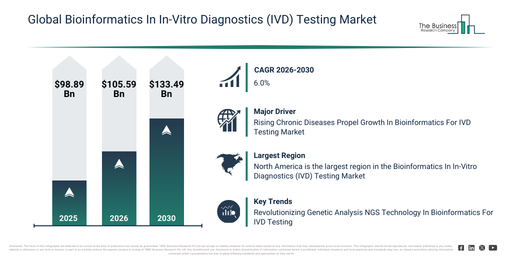
    Bioinformatics In In-Vitro Diagnostics (IVD) Testing Market Growth From $105.59 Billion In 2026 To $133.49 Billion By 2030 At A CAGR Of 6%

    The bioinformatics in in-vitro diagnostics (ivd) testing market size has experienced strong growth over recent years. It is anticipated to increase from $98.89 billion in 2025 to $105.59 billion in 2026, exhibiting a compound annual growth rate (CAGR) of 6.8%. This historical expansion can be attributed to several factors, including the rising volumes of molecular diagnostic testing, the expanded integration of next-generation sequencing in diagnostics, the development of centralized diagnostic laboratories, the availability of advanced diagnostic hardware, and the increasing utilization of data-driven clinical decision support.

    The bioinformatics in in-vitro diagnostics (IVD) testing market is projected to experience substantial growth over the coming years. This market is anticipated to reach $133.49 billion by 2030, expanding at a compound annual growth rate (CAGR) of 6.0%. Factors contributing to this growth during the forecast period include the escalating demand for precise diagnostics, the broadened scope of personalized medicine diagnostics, increased investments in AI-powered diagnostic platforms, the expanding utilization of cloud-based diagnostic analytics, and greater regulatory approval for digital diagnostics. Key trends expected within this period encompass the increased application of AI-driven diagnostic interpretation software, the surging adoption of cloud-enabled IVD bioinformatics platforms, the deepening integration of molecular and clinical data sets, the proliferation of companion diagnostics analytics, and an intensified emphasis on processing diagnostic data in real-time.

    Get A Free Sample Report With In-Depth Market Insights:

    https://thebusinessresearchcompany.com/sample_request?id=56333758&type=smp&name=Bioinformatics%20In%20In-Vitro%20Diagnostics%20%28IVD%29%20Testing%20Market%20Report%202026&utm_source=Blogs&utm_medium=Paid&utm_campaign=Oct_PR

    Bioinformatics In In-Vitro Diagnostics (IVD) Testing Market Growth Catalysts And Demand Drivers

    The rising incidence of cancer is anticipated to boost the expansion of bioinformatics within the IVD testing market moving ahead. Cancer broadly refers to a collection of illnesses marked by uncontrolled cell proliferation capable of invading and metastasizing to other areas of the body. The growing occurrence of cancer stems from diverse elements linked to exposure, lifestyle choices, and environmental impacts. In IVD testing, bioinformatics revolutionizes cancer diagnostics by offering accurate, tailored, and exhaustive genetic information, which improves early identification, informs treatment choices, and betters patient results. For example, in February 2024, the World Health Organization, a specialized agency of the United Nations based in Switzerland, reported a forecast of over 35 million new cancer cases by 2050. Consequently, the escalating prevalence of cancer is a key driver for bioinformatics in the IVD testing market.

    Bioinformatics In In-Vitro Diagnostics (IVD) Testing Market Segment Breakdown: Which Categories Lead On Revenue?

    The bioinformatics in in-vitro diagnostics (ivd) testing market covered in this report is segmented –

    1) By Component: Hardware, Software

    2) By Type Of Test: Blood Based Tests, Tissue Based Tests

    3) By Application: Cardiovascular Diseases, Chronic Diseases, Diabetes, Cancer, Other Applications

    Subsegments:

    1) By Hardware: Analyzers, Laboratory Equipment, Data Storage Devices, Sensors And Detectors, Workstations And Data Processing Hardware

    2) By Software: Bioinformatics Platforms, Data Management and Integration Software, Analytics And Interpretation Software, Cloud-Based Software Solutions, AI-Based Software For Diagnostics

    Bioinformatics In In-Vitro Diagnostics (IVD) Testing Market Trends Shaping Long-Term Demand

    Leading companies in the bioinformatics in the IVD testing market are concentrating on developing innovative solutions, such as next-generation sequencing (NGS) technology. These efforts aim to improve the detection and analysis of genetic mutations, enhance diagnostic accuracy, and facilitate personalized medicine approaches. Next-generation sequencing (NGS) itself is a high-throughput technology designed for the rapid sequencing of entire genomes or specific DNA and RNA regions, thereby enabling comprehensive genetic analysis. For instance, in January 2024, QIAGEN Digital Insights, the bioinformatics division of the Netherlands-based molecular diagnostics company QIAGEN, introduced LightSpeed. This ultra-fast NGS secondary-analysis software accelerator is integrated into its CLC Genomics Workbench Premium platform. The LightSpeed module allows laboratories to process somatic cancer NGS data at unprecedented speed, converting raw sequencing files (FASTQ) into variant calls (VCF) in mere minutes, while also reducing the cost per sample. LightSpeed supports high-throughput cancer panels and is compatible with both cloud-based and on-premises workflows, which empowers bioinformatics teams to quickly analyze multiple tumor genes and biomarkers from a single sample to guide precision oncology decision-making.

    Bioinformatics In In-Vitro Diagnostics (IVD) Testing Market Leading Players And Competitive Positioning

    Major companies operating in the bioinformatics in in-vitro diagnostics (ivd) testing market are Illumina Inc, Thermo Fisher Scientific Inc, QIAGEN N.V, Agilent Technologies Inc, PerkinElmer Inc, Roche Holding AG, BGI Genomics Co Ltd, DNAnexus Inc, Seven Bridges Genomics Inc, Dassault Systèmes SE (BIOVIA), Genedata AG, Partek Inc, Data4Cure Inc, Ontoforce NV, Geneious (Biomatters), SoftGenetics LLC, Eagle Genomics Ltd, Wuxi NextCODE Genomics, Bio‑Rad Laboratories Inc, Eurofins Scientific SE

    View The Full Bioinformatics In In-Vitro Diagnostics (IVD) Testing Market Report:

    https://thebusinessresearchcompany.com/report/bioinformatics-in-in-vitro-diagnostics-ivd-testing-global-market-report?utm_source=Blogs&utm_medium=Paid&utm_campaign=Oct_PR

    Bioinformatics In In-Vitro Diagnostics (IVD) Testing Market Regional Split: Which Areas Are Fueling Growth?

    North America was the largest region in the bioinformatics in in-vitro diagnostics (IVD) testing market in 2025. Asia-Pacific is expected to be the fastest-growing region in the forecast period. The regions covered in the bioinformatics in in-vitro diagnostics (ivd) testing market report are Asia-Pacific, South East Asia, Western Europe, Eastern Europe, North America, South America, Middle East, Africa.

    Reach Out To Our Team:

    The Business Research Company: https://www.thebusinessresearchcompany.com/

    Americas: +1 310-496-7795

    Asia: +44 7882 955267 & +91 8897263534

    Europe: +44 7882 955267

    Email us at: marketing@tbrc.info

    Follow us on:

    LinkedIn: https://in.linkedin.com/company/the-business-research-company

    YouTube: https://www.youtube.com/channel/UC24_fI0rV8cR5DxlCpgmyFQ

    Global Market Model: https://www.thebusinessresearchcompany.com/global-market-model
  • Bioinformatics Market Growth Forecast Through 2030: Market Size And Trends In 2026

    Bioinformatics Market Growth Forecast Through 2030: Market Size And Trends In 2026

    Built to provide research that’s more actionable and strategically valuable, The Business Research Company’s 2026 market reports include market attractiveness analysis, total addressable market sizing, company benchmarking matrices, interactive Excel dashboards, broader supply chain intelligence, emerging startup tracking, and in-depth product insights.

    Bioinformatics Market Expansion Outlook: What Revenue Opportunities Are Ahead?

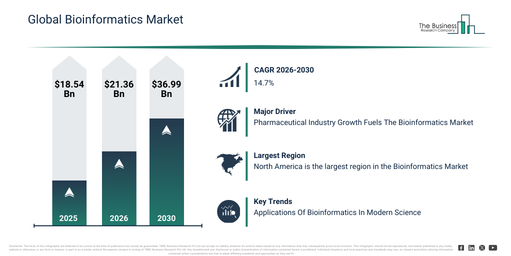
    The bioinformatics market size has experienced significant expansion in recent years. It is anticipated to grow from $18.54 billion in 2025 to $21.36 billion in 2026, exhibiting a compound annual growth rate (CAGR) of 15.2%. The contributing factors to its growth in the historic period include the expansion of genomic research initiatives, growth in sequencing data volumes, rising demand for computational biology tools, increased use of bioinformatics in drug discovery, and the availability of advanced data analysis platforms.

    The bioinformatics market is projected to experience swift expansion over the coming years. By 2030, its valuation is anticipated to reach $36.99 billion, expanding at a compound annual growth rate (CAGR) of 14.7%. This projected growth stems from several factors, including heightened investments in precision medicine initiatives, the growing embrace of AI-powered biological data interpretation, the broadening scope of population genomics research, an escalating need for adaptable bioinformatics solutions, and a heightened emphasis on data security and adherence to regulations. Key developments expected during this timeframe encompass the wider acceptance of AI-powered genomic analysis instruments, the expanding deployment of cloud-based bioinformatics platforms, increased convergence of multi-omics data analysis, the enhancement of high-throughput data processing capabilities, and a greater emphasis on data interoperability and exchange.

    Get A Free Sample Report With In-Depth Market Insights:

    https://thebusinessresearchcompany.com/sample_request?id=27790096&type=smp&name=Bioinformatics%20Market%20Report%202026&utm_source=Blogs&utm_medium=Paid&utm_campaign=Oct_PR

    Bioinformatics Market Opportunity Drivers: What’s Unlocking New Revenue Potential?

    The expanding pharmaceutical sector is anticipated to drive the bioinformatics market’s future growth. This industry encompasses the detection, creation, and manufacturing of medications and drugs by both public and private organizations. Within pharmaceuticals, bioinformatics plays a crucial role in significantly speeding up drug discovery and development, lowering expenses, and enhancing the effectiveness and safety of treatments. As an illustration, the European Federation of Pharmaceutical Industries and Associations (EFPIA), a trade group based in Belgium, reported in November 2024 that global pharmaceutical sales in 2024 saw North America contribute 54.8%, while Europe contributed 22.7%. Consequently, the expanding pharmaceutical sector is a primary force behind the bioinformatics market’s expansion.

    Bioinformatics Market Segmentation: How Does The Market Break Down By Category?

    The bioinformatics market covered in this report is segmented –

    1) By Products and Services: Knowledge Management Tools, Data Analysis Platforms, Services

    2) By Application: Metabolomics, Molecular Phylogenetics, Transcriptomics, Proteomics, Genomics

    3) By End Users: Pharmaceutics, Animal Study, Agriculture

    Subsegments:

    1) By Knowledge Management Tools: Data Integration Tools, Literature Mining Tools, Data Repositories And Databases, Biological Data Visualization Tools

    2) By Data Analysis Platforms: Genomic Data Analysis Platforms, Proteomics Data Analysis Platforms, Transcriptomics Data Analysis Platforms, Metabolomics Data Analysis Platforms

    3) By Services: Data Analysis Services, Consulting Services, Software And Platform-As-A-Service (PaaS), Bioinformatics Research And Development Services

    Bioinformatics Market Innovation Trends Shaping Future Development

    Major companies in the bioinformatics market are concentrating on developing technologically advanced solutions, such as bioinformatics platforms, to enhance data analysis capabilities, improve precision in personalized medicine, and accelerate drug discovery processes. A bioinformatics platform is defined as a software system or an integrated suite of tools crafted to manage, analyze, and interpret biological data, including genomic, proteomic, and metabolomic information, thereby supporting research and clinical decision-making. For instance, in February 2024, Metabolon, Inc., a US-based biotechnology company, launched an integrated bioinformatics platform. This platform offers an extensive set of analytical tools designed to streamline metabolomics research, enabling users to conduct complex analyses with ease. Key features include advanced visualization tools like volcano plots and principal component analysis (PCA), along with innovative biomarker lenses, which provide targeted insights into specific pathways and diseases.

    Bioinformatics Market Competitive Overview And Top Companies

    Major companies operating in the bioinformatics market are Agilent Technologies Inc., Illumina Inc., QIAGEN NV, Affymetrix Inc., Thermo Fisher Scientific Inc., BGI Group, Dassault Systems SE, Bruker Corporation, Biomax Informatix AG, DNASTAR Inc., Partek Inc., Geneva Bioinformatics SA, Accelrys Inc., Nonlinear Dynamics SA, Sophia Genetics SA, Celera Corporation, Tripos Inc., IBM Life Sciences, GNS Healthcare Inc., DNAnexus Inc., Syapse Inc.

    View The Full Bioinformatics Market Report:

    https://thebusinessresearchcompany.com/report/Bioinformatics-Global-Market-Report?utm_source=Blogs&utm_medium=Paid&utm_campaign=Oct_PR

    Bioinformatics Market Top Region: Where Does Most Revenue Come From?

    North America was the largest region in the bioinformatics market in 2025. Western Europe was the second largest region in the bioinformatics market analysis. The regions covered in the bioinformatics market report are Asia-Pacific, South East Asia, Western Europe, Eastern Europe, North America, South America, Middle East, Africa.

    Reach Out To Our Team:

    The Business Research Company: https://www.thebusinessresearchcompany.com/

    Americas: +1 310-496-7795

    Asia: +44 7882 955267 & +91 8897263534

    Europe: +44 7882 955267

    Email us at: marketing@tbrc.info

    Follow us on:

    LinkedIn: https://in.linkedin.com/company/the-business-research-company

    YouTube: https://www.youtube.com/channel/UC24_fI0rV8cR5DxlCpgmyFQ

    Global Market Model: https://www.thebusinessresearchcompany.com/global-market-model
  • Bioidentical Hormones Market Analysis: $8.47 Billion Market Size In 2026 And Future Growth Prospects

    Bioidentical Hormones Market Analysis: $8.47 Billion Market Size In 2026 And Future Growth Prospects

    Backed by market attractiveness analysis, total addressable market sizing, company benchmarking matrices, interactive Excel dashboards, wider supply chain intelligence, emerging startup coverage, and detailed product-level insights, The Business Research Company’s 2026 market reports are designed to offer research that is more actionable and strategically valuable than ever.

    Bioidentical Hormones Market Growth Potential: How Will Market Size Shift Through 2030?

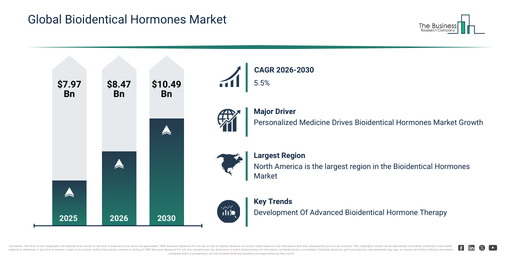
    The bioidentical hormones market has exhibited significant growth in recent years. It is projected to expand from $7.97 billion in 2025 to $8.47 billion in 2026, achieving a compound annual growth rate (CAGR) of 6.3%. This historical expansion can be attributed to the increasing prevalence of menopausal and andropausal symptoms, heightened awareness regarding hormone imbalance treatments, the establishment of specialty hormone clinics, the accessibility of compounding pharmacy services, and the growing acceptance of bioidentical hormones in clinical practice.

    The bioidentical hormones market size is anticipated to experience substantial growth in the coming years. It is forecast to expand to $10.49 billion by 2030, demonstrating a compound annual growth rate (CAGR) of 5.5%. This projected expansion during the forecast period is driven by an escalating focus on personalized medicine approaches, an increasing demand for safer hormone therapies, the expansion of aging population demographics, the growing integration of digital health monitoring in HRT, and increasing clinical research on bioidentical hormone efficacy. Significant trends within the forecast period include the increasing adoption of personalized hormone replacement therapies, a rising demand for compounded bioidentical hormone formulations, the growing utilization of transdermal delivery methods, the expansion of patient-specific dosing approaches, and an enhanced focus on hormone therapy safety and efficacy.

    Get A Free Sample Report With In-Depth Market Insights:

    https://thebusinessresearchcompany.com/sample_request?id=32196380&type=smp&name=Bioidentical%20Hormones%20Market%20Report%202026&utm_source=Blogs&utm_medium=Paid&utm_campaign=Oct_PR

    Bioidentical Hormones Market Growth Momentum: What Factors Are Shaping Demand?

    The increasing need for personalized medicine is anticipated to drive the expansion of the bioidentical hormones market in the future. Personalized medicine involves customizing medical care based on individual traits like genetics or lifestyle, aiming to maximize effectiveness and reduce negative side effects. This rising demand for personalized medicine stems from its capacity to deliver superior treatments, progress in genomics, the growing intricacy of diseases, and backing from regulations. Bioidentical hormones present a customized method within personalized medicine, aligning with a patient’s distinct hormonal makeup, thereby enhancing treatment success and lessening adverse reactions. As an illustration, in February 2024, the Personalized Medicine Coalition, a US-based non-profit organization, reported that the FDA approved 16 new personalized therapies for individuals with rare diseases in 2023, an increase from six in 2022. Consequently, the heightened demand for personalized medicine is fueling the growth of the bioidentical hormones market.

    Bioidentical Hormones Market Segment Trends And Revenue Contributors

    The bioidentical hormones market covered in this report is segmented –

    1) By Hormone Type: Estrogen, Progesterone, Testosterone

    2) By Product Type: Tablet And Capsule, Cream And Gel, Patch And Implant

    3) By Distribution Channel: Hospital Pharmacies, Retail Pharmacies, Online Pharmacies, Other Distribution Channels

    4) By Application: Menopause Management, Hormone Replacement Therapy (HRT), Andropause Management

    5) By End-use: Hospitals, Gynecology Clinics

    Subsegments:

    1) By Estrogen: Estrone (E1), Estradiol (E2), Estriol (E3), Bioidentical Estradiol Creams, Bioidentical Estrone Creams

    2) By Progesterone: Bioidentical Progesterone Creams, Bioidentical Progesterone Capsules

    3) By Testosterone: Bioidentical Testosterone Creams, Bioidentical Testosterone Pellets, Bioidentical Testosterone Gels

    Bioidentical Hormones Market Trends Redefining Industry Growth

    Leading companies in the bioidentical hormones market are intensifying their efforts to develop advanced solutions, such as bioidentical hormone replacement therapy, to offer more effective and personalized treatment options for hormonal imbalances and related health conditions. Bioidentical hormone replacement therapy (BHRT) involves utilizing hormones that are chemically identical to those naturally produced by the human body to address hormone imbalances and associated symptoms. For instance, in May 2024, Jagsonpal Pharmaceuticals Limited, an India-based pharmaceutical company, launched MemUp HRT, a US FDA-approved bioidentical hormone therapy. This product offers a single-pill solution combining US FDA-approved bioidentical estradiol and progesterone, with support available in nine regional languages. This launch capitalizes on bioidentical hormones for balanced hormone replacement and a single-pill formulation to improve patient compliance, significantly raising awareness about menopause management, enhancing patient outcomes, and expanding healthcare options for women in India.

    Bioidentical Hormones Market Competitive Landscape: Which Companies Lead The Industry?

    Major companies operating in the bioidentical hormones market are TherapeuticsMD Inc., Bayer AG, Gedeon Richter Plc, Noven Pharmaceuticals Inc., AbbVie Inc., Pfizer Inc., Merck KGaA, Orion Pharma AB, Hikma Pharmaceuticals Plc, Actiza Pharmaceutical Private Limited, AnazaoHealth Corp., Women’s International Pharmacy Inc., Wells Pharmacy Network, Advantage Pharmaceuticals Inc., Apotheca Compounding Pharmacy, SottoPelle Inc., Biostation, Neuva Aesthetics, Papillon Medical, Bravado Labs, BionPharma Inc.

    View The Full Bioidentical Hormones Market Report:

    https://thebusinessresearchcompany.com/report/bioidentical-hormones-global-market-report?utm_source=Blogs&utm_medium=Paid&utm_campaign=Oct_PR

    Bioidentical Hormones Market Regional Breakdown: Where Is Demand Concentrated?

    North America was the largest region in the bioidentical hormones market in 2025. Asia-Pacific is expected to be the fastest-growing region in the forecast period. The regions covered in the bioidentical hormones market report are Asia-Pacific, South East Asia, Western Europe, Eastern Europe, North America, South America, Middle East, Africa.

    Reach Out To Our Team:

    The Business Research Company: https://www.thebusinessresearchcompany.com/

    Americas: +1 310-496-7795

    Asia: +44 7882 955267 & +91 8897263534

    Europe: +44 7882 955267

    Email us at: marketing@tbrc.info

    Follow us on:

    LinkedIn: https://in.linkedin.com/company/the-business-research-company

    YouTube: https://www.youtube.com/channel/UC24_fI0rV8cR5DxlCpgmyFQ

    Global Market Model: https://www.thebusinessresearchcompany.com/global-market-model
  • Biohacking Market 2026 Market Size And Growth Forecast: Key Trends To Watch

    Biohacking Market 2026 Market Size And Growth Forecast: Key Trends To Watch

    Featuring market attractiveness scoring, total addressable market sizing, company benchmarking matrices, interactive Excel dashboards, deeper supply chain intelligence, emerging startup tracking, and granular product-level insights, The Business Research Company’s 2026 market reports are built to deliver research that is both more actionable and more strategically valuable.

    Biohacking Market Value Analysis: What Growth Lies Ahead Over The Forecast Period?

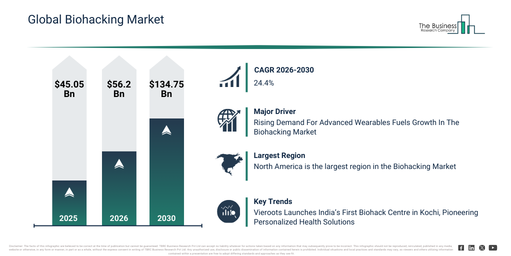
    The biohacking market has witnessed rapid expansion in recent years. This market is projected to grow from $45.05 billion in 2025 to $56.2 billion in 2026, achieving a compound annual growth rate (CAGR) of 24.8%. The historical growth can be attributed to several factors, including an increasing focus on personal health optimization, the broadening scope of consumer wellness technologies, greater access to wearable sensors, elevated awareness regarding preventive health practices, and the development of the quantified self movement.

    The biohacking market is anticipated to undergo significant growth in the coming years, with projections indicating it will attain a value of $134.75 billion by 2030, exhibiting a compound annual growth rate (CAGR) of 24.4%. This expansion throughout the forecast period can be attributed to an escalating need for individualized health approaches, the wider adoption of consumer genomics, the increasing incorporation of AI-driven health analytics, a heightened focus on longevity and performance improvement, and the rising commercialization of biohacking tools. Noteworthy trends for the forecast period encompass the greater embrace of wearable devices for optimizing health, increased utilization of genetic and performance testing instruments, deeper integration of mobile biohacking platforms, the proliferation of DIY biology and self-tracking groups, and an intensified concentration on enhancing cognitive and physical abilities.

    Get A Free Sample Report With In-Depth Market Insights:

    https://thebusinessresearchcompany.com/sample_request?id=47765951&type=smp&name=Biohacking%20Market%20Report%202026&utm_source=Blogs&utm_medium=Paid&utm_campaign=Oct_PR

    Biohacking Market Expansion Drivers: What’s Shaping Future Growth?

    The future expansion of the biohacking market is set to be propelled by the rising demand for sophisticated wearable devices. These electronic gadgets, worn on the human body, communicate with other equipment to transmit or gather data. Wearable devices contribute to biohacking by delivering real-time information about bodily functions, allowing users to optimize their health and performance through tailored insights and interventions. For instance, in June 2023, data from the National Heart, Lung, and Blood Institute, a U.S.-based government research agency, revealed that nearly one in three Americans reported using a wearable device to monitor their health. This strong demand for advanced wearables is thus a key driver for the growth of the biohacking market.

    Biohacking Market Segment Analysis Spotlighting Growth Areas

    The biohacking market covered in this report is segmented –

    1) By Product: Wearables, Implants (Chips), Smart Drugs, Supplements, Mobile Apps, Other Products

    2) By Component: Solution, Services

    3) By Application: Physical Performance Enhancement, Cognitive Enhancement, Sleep Optimization and Recovery, Longevity and Healthy Aging

    4) By End User: Individual Biohackers and Self-Optimization Enthusiasts, Fitness and Performance Enthusiasts, Wellness and Longevity Consumers, Healthcare and Preventive Wellness Clinics

    Subsegments:

    1) By Wearables: Fitness Trackers, Sleep Monitors, Health Monitors

    2) By Implants (Chips): RFID Implants, Biometric Sensors, Neurostimulator Devices

    3) By Smart Drugs: Nootropics, Cognitive Enhancers, Mood Enhancers

    4) By Supplements: Nutraceuticals, Herbal Supplements, Performance Enhancers

    5) By Mobile Apps: Health Tracking Apps, Biofeedback Apps, Habit Tracking Apps

    6) By Other Products: DIY Biology Kits, Home Lab Equipment, Biometric Testing Devices

    Biohacking Market Strategic Trends: What Defines The Next Growth Phase?

    Key players in the biohacking market are dedicating efforts to advanced solutions, including research-grade technology, aimed at elevating innovation and precision in biotechnology applications. Research-grade technology signifies high-quality equipment, instruments, or tools specifically crafted for scientific research purposes, characterized by superior precision, accuracy, and reliability. For instance, in October 2024, SickScience Labs, Inc., a US-based biotech research company focused on developing various regenerative therapies, unveiled its Biohacking Body-Sculpting Serum. This serum incorporates Biotech-Powered Nx35 technology. The product is engineered to help improve skin firmness, texture, elasticity, and appearance by delivering precisely coded instructions to cells, thereby triggering a specific and effective response.

    Biohacking Market Leading Companies: Who Holds The Strongest Market Presence?

    Major companies operating in the biohacking market are Nootropics Depot LLC, Fitbit Inc., NOW Foods LLC, Thorne Research Inc., Primal Life Sciences Inc., OsteoStrong LLC, Jarrow Formulas Inc., Athletic Greens Inc., Wild Health Inc., Perfect Keto LLC, Mind Lab Pro LLC, Elysium Health Inc., Thync Global Inc., HVMN Inc., Thriveport LLC, Kaatsu Global Inc., Interaxon Inc., InsideTracker Inc., LifeNome Inc., Pure Encapsulations LLC

    View The Full Biohacking Market Report:

    https://thebusinessresearchcompany.com/report/biohacking-global-market-report?utm_source=Blogs&utm_medium=Paid&utm_campaign=Oct_PR

    Biohacking Market Geographic Landscape: Which Region Leads Industry Growth?

    North America was the largest region in the biohacking market in 2025. North America is expected to be the fastest-growing region in the forecast period. The regions covered in the biohacking market report are Asia-Pacific, South East Asia, Western Europe, Eastern Europe, North America, South America, Middle East, Africa.

    Reach Out To Our Team:

    The Business Research Company: https://www.thebusinessresearchcompany.com/

    Americas: +1 310-496-7795

    Asia: +44 7882 955267 & +91 8897263534

    Europe: +44 7882 955267

    Email us at: marketing@tbrc.info

    Follow us on:

    LinkedIn: https://in.linkedin.com/company/the-business-research-company

    YouTube: https://www.youtube.com/channel/UC24_fI0rV8cR5DxlCpgmyFQ

    Global Market Model: https://www.thebusinessresearchcompany.com/global-market-model
  • Biofuel Enzymes Market Size Forecast: How The Industry Is Expected To Grow From 2026 To 2030

    Biofuel Enzymes Market Size Forecast: How The Industry Is Expected To Grow From 2026 To 2030

    Built to provide research that’s more actionable and strategically valuable, The Business Research Company’s 2026 market reports include market attractiveness analysis, total addressable market sizing, company benchmarking matrices, interactive Excel dashboards, broader supply chain intelligence, emerging startup tracking, and in-depth product insights.

    Biofuel Enzymes Market Size Forecast: How Big Could The Market Get By 2030?

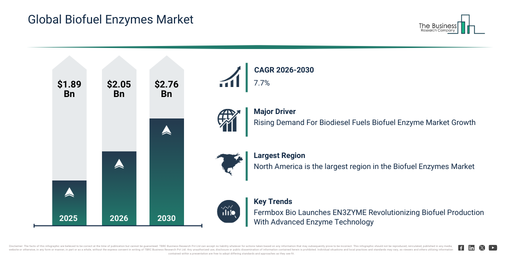
    The biofuel enzymes market has demonstrated significant expansion in recent years. It is anticipated to expand from $1.89 billion in 2025 to $2.05 billion in 2026, achieving a compound annual growth rate (CAGR) of 8.7%. This historical growth can be linked to the increased production of bioethanol and biodiesel, the ample supply of agricultural and forestry residues, advancements made in industrial enzyme engineering, the rising consumer demand for renewable fuels, and the early implementation of enzymatic biomass processing techniques.

    The biofuel enzymes market is projected to experience substantial growth in the upcoming years, reaching $2.76 billion by 2030, exhibiting a compound annual growth rate (CAGR) of 7.7%. This anticipated expansion during the forecast period is fueled by several factors, including escalating investments in second-generation biofuels, an increased emphasis on low-carbon energy solutions, the broadening of sustainable aviation fuel production, ongoing efforts to optimize enzyme efficiency, and the expanding integration of biorefineries. Key trends expected during this period involve the heightened development of advanced enzyme formulations, increased utilization of lignocellulosic biomass as feedstocks, further refinement of enzymatic conversion processes, the proliferation of advanced biofuel production methods, and a sharpened focus on producing enzymes cost-effectively.

    Get A Free Sample Report With In-Depth Market Insights:

    https://thebusinessresearchcompany.com/sample_request?id=55740379&type=smp&name=Biofuel%20Enzymes%20Market%20Report%202026&utm_source=Blogs&utm_medium=Paid&utm_campaign=Oct_PR

    Biofuel Enzymes Market Development Factors: What’s Supporting Demand?

    The increasing demand for biodiesel is anticipated to drive the future growth of the biofuel enzyme market. Biodiesel, a renewable fuel, is derived from natural biological sources such as vegetable oils, animal fats, or recycled cooking greases. The elevated demand for biodiesel stems from rising environmental concerns, the need for renewable resources, and encouraging government policies, incentives, and regulations. Biofuel enzymes play a crucial role in advancing biodiesel production by enhancing process efficiency, boosting yield, expanding feedstock compatibility, promoting environmental sustainability, and providing process flexibility and control. For instance, in June 2023, the U.S. Environmental Protection Agency (EPA), a U.S.-based federal government agency, set the final volume targets at 2.82 billion gallons for 2023, 3.04 billion gallons for 2024, and 3.35 billion gallons for 2025. This underscores how the growing requirement for biodiesel is a significant driver for the biofuel enzyme market’s development.

    Biofuel Enzymes Market Segment Performance And Emerging Opportunities

    The biofuel enzymes market covered in this report is segmented –

    1) By Type: Amylases, Cellulases, Proteases, Lipases, Other Types

    2) By Source: Microorganisms, Plants, Animals

    3) By Reaction Type: Hydrolase, Lyase, Other Reactions Types

    4) By Application: Biodiesel, Starch-Based Ethanol, Sugar-Based Ethanol, Other Applications

    Subsegments:

    1) By Amylases: Alpha-Amylase, Beta-Amylase, Glucoamylase

    2) By Cellulases: Endoglucanases, Exoglucanases, Beta-Glucosidases

    3) By Proteases: Alkaline Proteases, Acid Proteases, Neutral Proteases

    4) By Lipases: Fungal Lipases, Bacterial Lipases, Animal Lipases

    5) By Other Types: Xylanases, Lignases, Pectinases, Laccases

    Biofuel Enzymes Market Transformation Trends: What Innovations Are Driving Change?

    Leading companies in the biofuel enzyme market are concentrating on developing advanced technologies, such as sophisticated enzyme cocktails, to achieve a competitive edge. An advanced enzyme cocktail is a specialized blend or composition of enzymes meticulously chosen and optimized to perform specific functions within a given biochemical process. For instance, in May 2024, Fermbox Bio Pvt. Ltd., an India-based synthetic biology research and manufacturing company, launched EN3ZYME, an innovative enzyme cocktail engineered to enhance both the efficiency and cost-effectiveness of converting pretreated agri-based residues into fermentable, cellulosic sugars. This advanced enzyme formulation is specifically designed for hydrolyzing pretreated agricultural residues into cellulosic sugars, which are crucial for 2G ethanol production and biomanufacturing. Its optimized composition ensures effective hydrolysis of complex lignocellulosic materials, maximizing sugar yields and overall process efficiency. Exhibiting exceptional stability and performance across diverse conditions, including temperature and pH, EN3ZYME delivers reliability and consistency at an industrial scale.

    Biofuel Enzymes Market Key Players: Which Companies Lead Industry Competition?

    Major companies operating in the biofuel enzymes market are Novozymes, BASF SE, DSM Firmenich, DuPont, AB Enzymes, Advanced Enzyme Technologies, Amano Enzyme, Kerry Group, Dyadic International, Codexis, Genencor, Chr Hansen, Aumgene Biosciences, Creative Enzymes, Jinyimeng Group, Lesaffre, Sunson Industry Group, Megazyme, Biocatalysts, Enzyme Development Corporation

    View The Full Biofuel Enzymes Market Report:

    https://thebusinessresearchcompany.com/report/biofuel-enzymes-global-market-report?utm_source=Blogs&utm_medium=Paid&utm_campaign=Oct_PR

    Biofuel Enzymes Market Largest Region: Which Geography Holds The Biggest Share?

    North America was the largest region in the biofuel enzymes market in 2025. The regions covered in the biofuel enzymes market report are Asia-Pacific, South East Asia, Western Europe, Eastern Europe, North America, South America, Middle East, Africa.

    Reach Out To Our Team:

    The Business Research Company: https://www.thebusinessresearchcompany.com/

    Americas: +1 310-496-7795

    Asia: +44 7882 955267 & +91 8897263534

    Europe: +44 7882 955267

    Email us at: marketing@tbrc.info

    Follow us on:

    LinkedIn: https://in.linkedin.com/company/the-business-research-company

    YouTube: https://www.youtube.com/channel/UC24_fI0rV8cR5DxlCpgmyFQ

    Global Market Model: https://www.thebusinessresearchcompany.com/global-market-model
  • Biofeedback Devices Market Reaches $5.96 Billion In 2026: Forecast And Growth Opportunities

    Biofeedback Devices Market Reaches $5.96 Billion In 2026: Forecast And Growth Opportunities

    Backed by market attractiveness analysis, total addressable market sizing, company benchmarking matrices, interactive Excel dashboards, wider supply chain intelligence, emerging startup coverage, and detailed product-level insights, The Business Research Company’s 2026 market reports are designed to offer research that is more actionable and strategically valuable than ever.

    Biofeedback Devices Market Revenue Outlook: What CAGR Lies Ahead Through 2030?

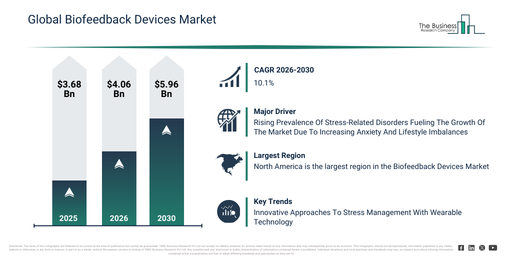
    The biofeedback devices market size has shown substantial growth in recent years. It is anticipated to increase from $3.68 billion in 2025 to $4.06 billion in 2026, demonstrating a compound annual growth rate (CAGR) of 10.3%. The expansion observed in the historic period stems from an increased understanding of mind-body therapies, a rise in the use of non-pharmacological treatments, the wider spread of wellness and rehabilitation initiatives, advancements in sensor accuracy, and the growing availability of biofeedback devices for consumers.

    The biofeedback devices market is poised for significant expansion over the coming years. Projections indicate it will reach a valuation of $5.96 billion by 2030, demonstrating a compound annual growth rate (CAGR) of 10.1%. This anticipated growth is driven by several factors, including the escalating demand for digital mental health solutions, wider adoption of telehealth and remote therapy, increasing integration of AI-driven feedback analytics, a greater emphasis on preventive healthcare, and growing consumer engagement with self-regulation technologies. Key trends expected during this period involve the increasing uptake of wearable biofeedback devices, a rise in the utilization of remote physiological monitoring solutions, expanding integration of mobile health platforms, the growth of home-based biofeedback therapies, and an intensified focus on managing stress and mental health.

    Get A Free Sample Report With In-Depth Market Insights:

    https://thebusinessresearchcompany.com/sample_request?id=20050665&type=smp&name=Biofeedback%20Devices%20Market%20Report%202026&utm_source=Blogs&utm_medium=Paid&utm_campaign=Oct_PR

    Biofeedback Devices Market Industry Drivers: What’s Behind The Revenue Growth?

    The increasing occurrence of stress-related disorders is anticipated to propel the growth of the biofeedback devices market in the future. These disorders refer to mental and physical health conditions that arise from prolonged or excessive stress. The rising prevalence of such disorders is attributed to increasing work-related pressures and lifestyle imbalances within modern society. Biofeedback devices are employed in stress-related disorders to assist individuals in monitoring and regulating physiological responses, including heart rate and brainwaves, to promote relaxation and reduce stress. For instance, in May 2024, as per the American Psychiatric Association, a US-based professional organization of psychiatrists dedicated to advancing mental health care, the percentage of US adults experiencing heightened anxiety reached 43% in 2024, which was an increase from 37% in 2023 and 32% in 2022. Therefore, the growing prevalence of stress-related disorders is a key driver for the biofeedback devices market.

    Biofeedback Devices Market Segment Landscape And Growth Outlook

    The biofeedback devices market covered in this report is segmented –

    1) By Type: Brainwaves, Heart Rate, Muscle Tone, Sweat Glands, Temperature

    2) By Technology: Electromyography (EMG), Electroencephalography (EEG), Heart Rate Variability (HRV)

    3) By Distribution Channel: Online Retail, Physical Retail, Direct Sales

    4) By Application: Home Use, Hospital, Clinic, Rehabilitation Centers, Research Institutions

    5) By End-User: Individuals, Healthcare Providers

    Subsegments:

    1) By Brainwaves: Alpha Waves, Beta Waves, Delta Waves, Theta Waves, Gamma Waves

    2) By Heart Rate: Heart Rate Variability (HRV), Resting Heart Rate Monitoring

    3) By Muscle Tone: Surface Electromyography (sEMG), Pelvic Floor EMG, Facial EMG

    4) By Sweat Glands: Galvanic Skin Response (GSR), Electrodermal Activity (EDA)

    5) By Temperature: Peripheral Skin Temperature Monitoring, Core Body Temperature Monitoring

    #Biofeedback Devices Market Growth Trends: What’s Shaping The Future Outlook?

    Major companies operating within the biofeedback devices market are prioritizing technological advancements, such as wearable biofeedback devices, to bolster real-time monitoring capabilities, enhance user interaction, and provide personalized, data-driven insights crucial for stress management, mental health support, and general wellness. A wearable biofeedback device constitutes a portable technology designed to observe physiological signals, including heart rate, skin temperature, or brain activity, thereby offering immediate feedback aimed at improving health and controlling stress. For instance, in January 2024, BramhAnsh Technologies, an Indian firm, launched SOONYAM, a wearable biofeedback device that employs Galvanic Skin Response (GSR) technology to track mental states. This innovation monitors electrodermal activity to furnish real-time data on psychological arousal, stress levels, and cognitive effort. It is developed for individuals, counselors, and practitioners, providing an intuitive interface and easy integration into everyday routines like meditation and sleep monitoring.

    Biofeedback Devices Market Competitive Landscape: Who Leads The Industry?

    Major companies operating in the biofeedback devices market are Thought Technology Ltd., BrainMaster Technologies Inc., Mind Media B.V., HeartMath LLC, NeuroSky Inc., Great Lakes NeuroTechnologies Inc., BEE Medic GmbH, Fisiocomputer S.r.l., Mindfield Biosystems Ltd., InteraXon Inc., Neurocare Group AG, mTrigger LLC, Zynex Medical Inc., ELMIKO Medical Equipment, Quantum World Vision Inc., QX World Ltd., MediTouch Ltd., Laborie Inc., Mohans Electronics & Illuminators, Medicaid Systems Pvt. Ltd.

    View The Full Biofeedback Devices Market Report:

    https://thebusinessresearchcompany.com/report/biofeedback-devices-global-market-report?utm_source=Blogs&utm_medium=Paid&utm_campaign=Oct_PR

    Biofeedback Devices Market Regional Analysis: Which Geography Leads On Revenue?

    North America was the largest region in the biofeedback devices market in 2025. Asia-Pacific is expected to be the fastest-growing region in the forecast period. The regions covered in the biofeedback devices market report are Asia-Pacific, South East Asia, Western Europe, Eastern Europe, North America, South America, Middle East, Africa.

    Reach Out To Our Team:

    The Business Research Company: https://www.thebusinessresearchcompany.com/

    Americas: +1 310-496-7795

    Asia: +44 7882 955267 & +91 8897263534

    Europe: +44 7882 955267

    Email us at: marketing@tbrc.info

    Follow us on:

    LinkedIn: https://in.linkedin.com/company/the-business-research-company

    YouTube: https://www.youtube.com/channel/UC24_fI0rV8cR5DxlCpgmyFQ

    Global Market Model: https://www.thebusinessresearchcompany.com/global-market-model
  • Bioengineered Skin Substitutes Market Growth In 2026: Market Size, Key Drivers And Future Outlook

    Bioengineered Skin Substitutes Market Growth In 2026: Market Size, Key Drivers And Future Outlook

    Featuring market attractiveness scoring, total addressable market sizing, company benchmarking matrices, interactive Excel dashboards, deeper supply chain intelligence, emerging startup tracking, and granular product-level insights, The Business Research Company’s 2026 market reports are built to deliver research that is both more actionable and more strategically valuable.

    Bioengineered Skin Substitutes Market Growth Analysis: How Will Revenue Trend Over The Forecast Period?

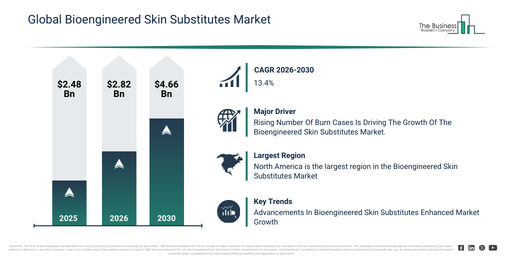
    The bioengineered skin substitutes market has experienced rapid expansion in recent years. This market is projected to grow from $2.48 billion in 2025 to $2.82 billion in 2026, achieving a compound annual growth rate (CAGR) of 13.7%. The historical growth can be attributed to a rising incidence of burn injuries, an increasing prevalence of chronic wounds, the expansion of reconstructive surgical procedures, advancements in tissue engineering techniques, and the availability of various skin substitute products.

    The bioengineered skin substitutes market is projected for significant expansion in the coming years. This market is anticipated to reach $4.66 billion by 2030, demonstrating a compound annual growth rate (CAGR) of 13.4%. Factors driving this growth during the projected period include a surge in demand for regenerative medicine solutions, the growing acceptance of personalized wound care therapies, an expanding elderly population suffering from chronic wounds, increased investments in tissue engineering research, and the rising clinical recognition of bioengineered skin substitutes. Key trends expected over the forecast horizon involve the increasing uptake of bioactive skin regeneration products, a greater reliance on advanced wound healing materials, heightened demand for solutions to treat chronic wounds, the development of personalized skin grafting techniques, and a stronger emphasis on biocompatibility and optimal healing results.

    Get A Free Sample Report With In-Depth Market Insights:

    https://thebusinessresearchcompany.com/sample_request?id=89252794&type=smp&name=Bioengineered%20Skin%20Substitutes%20Market%20Report%202026&utm_source=Blogs&utm_medium=Paid&utm_campaign=Oct_PR

    Bioengineered Skin Substitutes Market Growth Factors: What’s Supporting Expansion?

    The increasing incidence of burn cases is anticipated to spur the expansion of the bioengineered skin substitute market. Burn cases involve harm to skin or other organic tissues, predominantly resulting from heat, radiation, electricity, friction, or chemical exposure. These incidents arise from insufficient safety precautions, careless handling of flammable substances, and a lack of understanding regarding fire dangers and appropriate safety guidelines. Bioengineered skin substitutes offer either temporary or permanent alternatives for compromised skin, thereby facilitating recovery, minimizing infection risks, and enhancing both functional and aesthetic results. As an illustration, data from October 2023, sourced from the International Burn Injury Database (iBID), a UK-based national registry encompassing all national health service (NHS) specialised burn services across England and Wales, indicated a 45% rise in burn and scald injuries among children during the first half of 2023 compared to the corresponding period in 2022, alongside a 19% increase in burns and scalds affecting adults and the elderly from hot water bottles. Consequently, the growing number of burn cases is propelling the development of the bioengineered skin substitute market.

    Bioengineered Skin Substitutes Market Breakdown By Product Type And Application

    The bioengineered skin substitutes market covered in this report is segmented –

    1) By Product: Acellular, Allogeneic, Xenogeneic, Autologous, Other Products

    2) By Application: Acute Wounds, Chronic Wounds

    3) By End User: Wound Care Centers, Hospitals, Specialty Clinics, Other End Users

    Subsegments:

    1) By Acellular Skin Substitutes: Acellular Dermal Matrix, Acellular Epidermal Matrix

    2) By Allogeneic Skin Substitutes: Allogeneic Dermal Grafts, Allogeneic Epidermal Grafts

    3) By Xenogeneic Skin Substitutes: Porcine-Derived Skin Substitutes, Bovine-Derived Skin Substitutes

    4) By Autologous Skin Substitutes: Autologous Skin Grafts, Cultured Autologous Skin Cells

    5) By Other Products: Bi-layered Skin Substitutes, Bioactive Skin Substitutes, Synthetic Skin Substitutes

    Bioengineered Skin Substitutes Market Industry Trends: What’s Reshaping Demand?

    Major companies engaged in the bioengineered skin substitute market are developing fish skin grafts to improve the effectiveness and adaptability of skin substitutes. A fish-skin graft is a material designed for wound healing, originating from processed fish skin, which supports the regeneration and repair of tissues. For instance, in February 2024, Kerecis, a wound care company based in Iceland, introduced Shield Standard, a bioengineered skin substitute that combines intact fish skin with a silicone backing. It is sourced from fish skin, serving as a natural framework for healing. Kerecis employs patented technology that uses minimal processing to preserve the beneficial components of fish skin that boost tissue regeneration. It provides distinct characteristics such as biocompatibility with human skin, natural moisture retention, and the ability to lower the risk of infection, making it a promising choice for treating various kinds of wounds, including both chronic and acute injuries.

    Bioengineered Skin Substitutes Market Company Landscape And Competitive Strategy

    Major companies operating in the bioengineered skin substitutes market are Smith & Nephew Plc, ConvaTec Group PLC, Integra LifeSciences Holdings Corporation, Gunze Limited, Organogenesis Inc., LifeNet Health Inc., MiMedx Group Inc., Vericel Corporation, AlloSource Inc., Sientra Inc., PolyNovo Limited, Avita Medical Limited, Tissue Regenix Group, Amarantus Bioscience Holdings Inc., PolarityTE, Promethean LifeSciences Inc., Medline Industries, Mölnlycke Health Care, DermTech Inc., Acelity Inc., Kerecis, Stratatech Corporation

    View The Full Bioengineered Skin Substitutes Market Report:

    https://thebusinessresearchcompany.com/report/bioengineered-skin-substitutes-global-market-report?utm_source=Blogs&utm_medium=Paid&utm_campaign=Oct_PR

    Bioengineered Skin Substitutes Market Geographic Spread And Regional Opportunities

    North America was the largest region in the bioengineered skin substitutes market in 2025. The regions covered in the bioengineered skin substitutes market report are Asia-Pacific, South East Asia, Western Europe, Eastern Europe, North America, South America, Middle East, Africa.

    Reach Out To Our Team:

    The Business Research Company: https://www.thebusinessresearchcompany.com/

    Americas: +1 310-496-7795

    Asia: +44 7882 955267 & +91 8897263534

    Europe: +44 7882 955267

    Email us at: marketing@tbrc.info

    Follow us on:

    LinkedIn: https://in.linkedin.com/company/the-business-research-company

    YouTube: https://www.youtube.com/channel/UC24_fI0rV8cR5DxlCpgmyFQ

    Global Market Model: https://www.thebusinessresearchcompany.com/global-market-model
  • Bioelectric Medicine Market Size And Forecast 2026–2030: Trends Driving Industry Expansion

    Bioelectric Medicine Market Size And Forecast 2026–2030: Trends Driving Industry Expansion

    Built to provide research that’s more actionable and strategically valuable, The Business Research Company’s 2026 market reports include market attractiveness analysis, total addressable market sizing, company benchmarking matrices, interactive Excel dashboards, broader supply chain intelligence, emerging startup tracking, and in-depth product insights.

    Bioelectric Medicine Market Forecast: What Value Will The Market Reach By 2030?

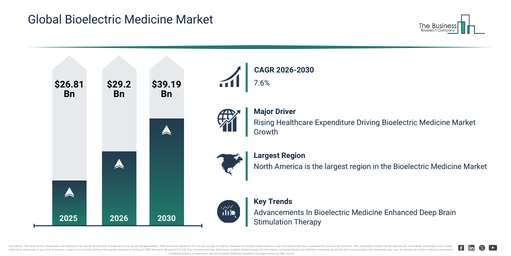
    The bioelectric medicine market size has exhibited robust growth in recent years. It is projected to expand from $26.81 billion in 2025 to $29.2 billion in 2026, achieving a compound annual growth rate (CAGR) of 8.9%. The historical growth can be ascribed to factors such as the increasing prevalence of neurological disorders, the rising adoption of cardiac rhythm management devices, advancements in neuromodulation technologies, growing acceptance of device-based therapies, and improvements in implantable device safety.

    The bioelectric medicine market is projected to experience substantial expansion in the coming years, anticipated to reach $39.19 billion by 2030, exhibiting a compound annual growth rate (CAGR) of 7.6%. This growth during the forecast period is primarily driven by factors such as a heightened demand for personalized medicine, the proliferation of minimally invasive treatment alternatives, escalating investments in electroceutical research, the expanding integration of digital health platforms, and an intensified focus on long-term disease management solutions. Key trends shaping the forecast period encompass a growing uptake of implantable neuromodulation devices, the increasing utilization of non-invasive electroceutical therapies, the expanding incorporation of AI-guided stimulation protocols, the broadening of personalized bioelectric treatments, and a strengthened emphasis on chronic disease management.

    Get A Free Sample Report With In-Depth Market Insights:

    https://thebusinessresearchcompany.com/sample_request?id=10623818&type=smp&name=Bioelectric%20Medicine%20Market%20Report%202026&utm_source=Blogs&utm_medium=Paid&utm_campaign=Oct_PR

    Bioelectric Medicine Market Demand Drivers: What’s Powering Industry Growth?

    The bioelectric medicine market is expected to expand in the future due to the escalating healthcare expenditure. Healthcare expenditure refers to the total financial outlay directed towards healthcare services and resources within a specific timeframe. The increase in this spending is influenced by elements such as an aging demographic, innovations in medical technology, and the growing occurrence of chronic illnesses. Expanding healthcare expenditure positively affects bioelectric medicine by stimulating increased investment in research, development, and the adoption of innovative bioelectric therapies. As an example, in May 2024, according to the Office for National Statistics, a UK-based national statistical institute, UK healthcare expenditure in 2023 was approximately $382.5 billion (£292 billion), a rise from $370.7 billion (£283 billion) in 2022. Consequently, the rising healthcare expenditure will act as a driving force for the bioelectric medicine market moving forward.

    Bioelectric Medicine Market Segment Analysis And Revenue Potential

    The bioelectric medicine market covered in this report is segmented –

    1) By Mode of Administration: Implantable Electroceutical Devices, Non-Invasive Electroceutical Devices

    2) By Product: Implantable Cardioverter-Defibrillators, Cardiac Pacemakers, Cochlear Implants, Spinal Cord Stimulators, Deep Brain Stimulators, Transcutaneous Electrical Nerve Stimulators (TENS), Sacral Nerve Stimulators, Vagus Nerve Stimulators, Other Products

    3) By Application: Arrhythmia, Pain Management, Sensorineural Hearing Loss, Parkinson’s Disease, Tremor, Depression, Treatment-Resistant Depression, Epilepsy, Other Applications

    Subsegments:

    1) By Implantable Electroceutical Devices: Cochlear Implants, Deep Brain Stimulation (DBS) Devices, Spinal Cord Stimulation (SCS) Devices, Vagus Nerve Stimulation (VNS) Devices, Retinal Implants, Neuromodulation Devices

    2) By Non-Invasive Electroceutical Devices: Transcranial Magnetic Stimulation (TMS) Devices, Transcutaneous Electrical Nerve Stimulation (TENS) Devices, Electroceutical Wearables

    Bioelectric Medicine Market Innovation Trends: What Developments Are Reshaping The Industry?

    Major companies operating in the bioelectric medicine market are increasingly focusing on technological advancements, such as software-enabled general wellness bioelectric medicines, to gain a competitive advantage. This type of software provides users with precise guidance for deep brain stimulation therapy procedures, aiding in surgical planning, the placement of electrodes during surgery, and customized programming for deep brain stimulation therapy. For instance, in July 2023, Boston Scientific Corporation, a US-based bioelectric medicine and wellness company, announced that its Vercise Neural Navigator 5 Software had received approval from the US FDA. This software offers advanced features for accurate targeting and programming of deep brain stimulation (DBS) therapy. It integrates imaging data with stimulation parameters, enabling tailored treatment of neurological disorders. This ultimately leads to accurate electrode placement, precise guidance in surgical planning, and customized programming, thereby enhancing treatment outcomes and patient satisfaction.

    Bioelectric Medicine Market Key Players Shaping Industry Direction

    Major companies operating in the bioelectric medicine market are Abbott Laboratories, Medtronic PLC, Boston Scientific Corporation, Biotronik SE & Co KG, Cochlear Ltd, LivaNova PLC, Inspire Medical Systems Inc, Nevro Corporation, Axonics Inc, NeuroPace Inc, Zynex Inc, ElectroCore Inc, NeuroMetrix Inc, Soterix Medical Inc, Galvani Bioelectronics, MicroTransponder Inc, BioElectronics Corporation, Cerbomed GmbH, SetPoint Medical, Blackrock Neurotech, ONWARD Medical, Nalu Medical

    View The Full Bioelectric Medicine Market Report:

    https://thebusinessresearchcompany.com/report/bioelectric-medicine-global-market-report?utm_source=Blogs&utm_medium=Paid&utm_campaign=Oct_PR

    Bioelectric Medicine Market Top Region By Revenue And Market Share

    North America was the largest region in the bioelectric medicine market in 2025. Asia-Pacific is expected to be the fastest-growing region in the forecast period. The regions covered in the bioelectric medicine market report are Asia-Pacific, South East Asia, Western Europe, Eastern Europe, North America, South America, Middle East, Africa.

    Reach Out To Our Team:

    The Business Research Company: https://www.thebusinessresearchcompany.com/

    Americas: +1 310-496-7795

    Asia: +44 7882 955267 & +91 8897263534

    Europe: +44 7882 955267

    Email us at: marketing@tbrc.info

    Follow us on:

    LinkedIn: https://in.linkedin.com/company/the-business-research-company

    YouTube: https://www.youtube.com/channel/UC24_fI0rV8cR5DxlCpgmyFQ

    Global Market Model: https://www.thebusinessresearchcompany.com/global-market-model
  • Biodefense Market 2026 Outlook: Market Size, CAGR And Key Growth Opportunities

    Biodefense Market 2026 Outlook: Market Size, CAGR And Key Growth Opportunities

    Backed by market attractiveness analysis, total addressable market sizing, company benchmarking matrices, interactive Excel dashboards, wider supply chain intelligence, emerging startup coverage, and detailed product-level insights, The Business Research Company’s 2026 market reports are designed to offer research that is more actionable and strategically valuable than ever.

    Biodefense Market Size Outlook: How Quickly Will Revenue Expand Through 2030?

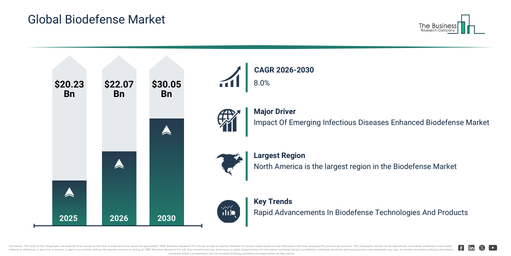
    The biodefense market size has experienced significant expansion in recent years. This market is forecasted to grow from $20.23 billion in 2025 to $22.07 billion in 2026, registering a compound annual growth rate (CAGR) of 9.1%. The growth observed in the past can be attributed to increased government funding for biodefense, rising global health security concerns, the expansion of national stockpiling programs, advancements in vaccine research platforms, and the strengthening of biosurveillance capabilities.

    The biodefense market size is projected to experience substantial expansion in the coming years. It is anticipated to reach $30.05 billion by 2030, demonstrating a compound annual growth rate (CAGR) of 8.0%. This growth during the forecast period is driven by factors such as escalating geopolitical instability risks, the expansion of worldwide disease monitoring networks, increased funding for next-generation vaccines, the rising implementation of AI-powered threat analytics, and a heightened emphasis on rapid response biodefense systems. Key trends expected in this period involve the greater deployment of rapid biothreat detection systems, an increase in the development of advanced medical countermeasures, expanding investments in infrastructure for pandemic preparedness, the broadening of integrated emergency response platforms, and a strengthened focus on biothreat surveillance networks.

    Get A Free Sample Report With In-Depth Market Insights:

    https://thebusinessresearchcompany.com/sample_request?id=84985350&type=smp&name=Biodefense%20Market%20Report%202026&utm_source=Blogs&utm_medium=Paid&utm_campaign=Oct_PR

    Biodefense Market Growth Drivers: What’s Behind The Acceleration?

    The persistent danger posed by emerging infectious diseases is projected to drive the expansion of the biodefense market. Infectious diseases are illnesses resulting from pathogenic microorganisms like bacteria, viruses, parasites, or fungi, which can transmit directly or indirectly from one person to another. The continued reoccurrence of these threats from emerging infectious diseases underscores the escalating challenges related to pathogens, the need for rapid response, global coordination, and preparedness in biodefense. Biodefense plays a crucial role in managing infectious diseases by enhancing readiness, facilitating early detection, and enabling swift responses to biological threats, thereby minimizing the impact of outbreaks on public health. For instance, in July 2024, the World Health Organization, a Switzerland-based intergovernmental organization, reported that in 2023, it responded to 72 health emergencies, including 19 “grade-3” high-threat outbreaks, indicating a sustained increase in emerging infectious diseases year-over-year. Consequently, the recurring threat of infectious diseases is fueling the growth of the biodefense market.

    Biodefense Market Segmentation And Category Overview

    The biodefense market covered in this report is segmented –

    1) By Type: Anthrax, Smallpox, Botulism, Other Types

    2) By Biothreat Detection Device: Samplers, Detectors Or Triggering Devices, Identifiers, Assays, Other Biothreat Detection Devices

    3) By Application: Hospitals And Clinics, Ambulatory Care Centers, Other Applications

    Subsegments:

    1) By Anthrax: Bacillus Anthracis Vaccine, Anthrax Therapeutics

    2) By Smallpox: Smallpox Vaccine, Antiviral Drugs For Smallpox

    3) By Botulism: Botulism Antitoxin, Botulism Vaccine, Botulinum Neurotoxin Inhibitors

    4) By Other Types: Ricin, Plague, Tularemia, Viral Hemorrhagic Fevers

    Biodefense Market Trends: What’s Defining The Industry’s Next Phase?

    Leading companies operating within the biodefense market are concentrating on developing innovative solutions, such as nasal COVID-19 vaccines, to improve global preparedness against biological threats. Nasal vaccines bolster biodefense by providing simpler administration, the potential for mucosal immunity, reduced dependence on needles, enhanced accessibility, and potentially improved immune responses. For instance, in January 2023, Bharat Biotech International Limited, an India-based biotechnology company, unveiled the iNCOVACC Nasal COVID-19 vaccine, which utilizes a recombinant replication-deficient adenovirus vector and features a pre-fusion stabilized spike protein. Following successful completion of phase I, II, and III clinical trials, this vaccine is engineered for intranasal delivery via nasal drops. It is administered as a nasal drop, totaling 8 drops (0.5 mL per dose), with 4 drops into each nostril, as a 2-dose series given 4 weeks apart.

    Biodefense Market Competitive Analysis Of Leading Industry Participants

    Major companies operating in the biodefense market are Pfizer Inc., Johnson & Johnson, Merck & Co., Sanofi SA, Bristol-Myers Squibb Company, AstraZeneca Plc, GSK plc, Gilead Sciences Inc, Novavax Inc, Ichor Medical Systems, Emergent BioSolutions Inc., Alnylam Pharmaceuticals Inc., Dynavax Technologies, Bavarian Nordic, Siga Technologies Inc., Elusys Therapeutics Inc., Ology Bioservices, Altimmune Inc., Hytest Limited, XOMA Corporation, Cleveland BioLabs Inc., Inovio Pharmaceuticals Inc, Dynport Vaccine Company, ViralClear Pharmaceuticals

    View The Full Biodefense Market Report:

    https://thebusinessresearchcompany.com/report/biodefense-global-market-report?utm_source=Blogs&utm_medium=Paid&utm_campaign=Oct_PR

    Biodefense Market Regional Analysis And Top Geography

    North America was the largest region in the biodefense market in 2025. Asia-Pacific is expected to be the fastest-growing region in the forecast period. The regions covered in the biodefense market report are Asia-Pacific, South East Asia, Western Europe, Eastern Europe, North America, South America, Middle East, Africa.

    Reach Out To Our Team:

    The Business Research Company: https://www.thebusinessresearchcompany.com/

    Americas: +1 310-496-7795

    Asia: +44 7882 955267 & +91 8897263534

    Europe: +44 7882 955267

    Email us at: marketing@tbrc.info

    Follow us on:

    LinkedIn: https://in.linkedin.com/company/the-business-research-company

    YouTube: https://www.youtube.com/channel/UC24_fI0rV8cR5DxlCpgmyFQ

    Global Market Model: https://www.thebusinessresearchcompany.com/global-market-model
  • Biocompatible 3D Printing Materials Market Size Growth: From $1.34 Billion In 2026 To $2.73 Billion By 2030

    Biocompatible 3D Printing Materials Market Size Growth: From $1.34 Billion In 2026 To $2.73 Billion By 2030

    Featuring market attractiveness scoring, total addressable market sizing, company benchmarking matrices, interactive Excel dashboards, deeper supply chain intelligence, emerging startup tracking, and granular product-level insights, The Business Research Company’s 2026 market reports are built to deliver research that is both more actionable and more strategically valuable.

    Biocompatible 3D Printing Materials Market Size, Value And Growth Trajectory Through 2030

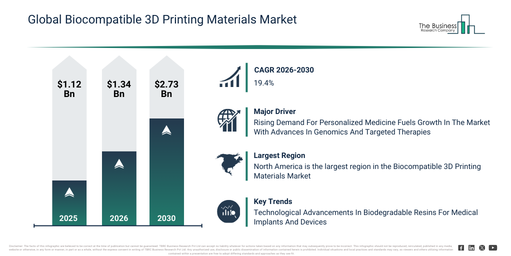
    The market size for biocompatible 3d printing materials has experienced substantial expansion in recent years. This market is projected to expand from $1.12 billion in 2025 to $1.34 billion in 2026, demonstrating a compound annual growth rate (CAGR) of 19.7%. Historically, this growth has been driven by significant progress in additive manufacturing technologies, the increasing application of 3d printed medical devices, an increase in tissue engineering research, the accessibility of medical-grade polymers, and the rising uptake of personalized implants.

    The biocompatible 3d printing materials market is projected for significant expansion in the coming years, expected to reach $2.73 billion by 2030, driven by a compound annual growth rate (CAGR) of 19.4%. This anticipated growth stems from heightened investments in regenerative medicine, a burgeoning need for personalized healthcare, the proliferation of hospital-based 3D printing facilities, increased uptake of bio-inks and hydrogels, and advancements in multi-material printing technology. Key developments anticipated during this period encompass the wider use of biodegradable printing materials, an increase in patient-specific implant printing, a greater demand for tissue engineering scaffolds, broader applications for medical 3D printing, and an intensified focus on material biocompatibility.

    Get A Free Sample Report With In-Depth Market Insights:

    https://thebusinessresearchcompany.com/sample_request?id=31708032&type=smp&name=Biocompatible%203D%20Printing%20Materials%20Market%20Report%202026&utm_source=Blogs&utm_medium=Paid&utm_campaign=Oct_PR

    Biocompatible 3D Printing Materials Market Growth Factors Behind Sustained Expansion

    The escalating demand for personalized medicine is set to fuel the expansion of the biocompatible 3D printing materials market in the future. Personalized medicine defines a medical strategy that customizes treatments and therapies according to an individual’s genetic, environmental, and lifestyle factors, aiming to improve healthcare results. This rising demand for personalized medicine is attributed to advancements in genomics, molecular diagnostics, and AI-driven data analysis, which allow for tailored treatments based on individual genetic profiles, thereby enhancing efficacy and reducing adverse effects. Biocompatible 3D printing materials support personalized medicine by enabling the production of patient-specific implants, prosthetics, and tissue scaffolds, which in turn boost treatment precision, biocompatibility, and overall patient outcomes. For instance, in February 2024, the Personalized Medicine Coalition, a US-based non-profit organization, reported that in 2023, the FDA approved 16 new personalized treatments for rare disease patients, an increase from six in 2022. Among these approvals, seven were cancer drugs, while three targeted other diseases and conditions. Thus, the growing need for personalized medicine is propelling the growth of the biocompatible 3D printing materials market.

    Biocompatible 3D Printing Materials Market Segment Outlook: Which Categories Are Growing Fastest?

    The biocompatible 3d printing materials market covered in this report is segmented –

    1) By Product Type: Polymer, Metal, Other Product Types

    2) By Printing Technology: Fused Deposition Modeling (FDM), Selective Laser Sintering (SLS), Stereolithography (SLA), Multi-Jet Modeling (MJM)

    3) By Property: Biocompatibility, Strength, Durability, Porosity, Flexibility

    4) By Form: Powder, Liquid, Other Forms

    Subsegments:

    1) By Polymer: Biodegradable Polymers, Photopolymer Resins, Thermoplastic Polymers

    2) By Metal: Titanium And Titanium Alloys, Stainless Steel, Cobalt-Chrome Alloys

    3) By Other Product Types: Ceramic-Based Materials, Bio-Ink And Hydrogels, Composite Materials

    Biocompatible 3D Printing Materials Market Industry Trends Fueling Future Revenue Growth

    Leading companies within the biocompatible 3D printing materials market are concentrating on developing novel products, such as biodegradable resins designed for light-based (bio) printing. Their goal is to improve sustainability and broaden the range of uses in medical and tissue engineering fields. This type of biodegradable resin, intended for light-based (bio)printing, functions as a photocurable material utilized in 3D printing methods like stereolithography (SLA), digital light processing (DLP), or two-photon polymerization (TPP). A notable illustration of this trend occurred in June 2024 when BIO INX BV, a bioprinting materials company based in Belgium, unveiled DEGRES INX. This groundbreaking material represents the first biodegradable and biocompatible resin possessing shape memory characteristics specifically for light-based (bio)printing. It possesses the unique ability to be deformed into a temporary configuration after 3D printing, subsequently reverting to its original structure when exposed to body temperature. Such capabilities facilitate innovative applications within biomedical engineering, supporting the development of intelligent medical implants and tissue scaffolds, thereby opening avenues for future bioprinting advancements.

    Biocompatible 3D Printing Materials Market Leading Companies And Competitive Benchmarking

    Major companies operating in the biocompatible 3d printing materials market are 3D Systems, Stratasys, EOS GmbH, Formlabs, Carbon Inc., Materialise NV, Lithoz GmbH, SINTX Technologies Inc., UpNano GmbH, Liqcreate, Boston Micro Fabrication, Organovo Holdings Inc., Aspect Biosystems, Poietis SA, Advanced BioMatrix Inc., BioInk Solutions Inc., Markforged Inc., Detax GmbH Co KG, RegenHU, Nanoscribe GmbH, Regemat 3D, Xilloc Medical

    View The Full Biocompatible 3D Printing Materials Market Report:

    https://thebusinessresearchcompany.com/report/biocompatible-3d-printing-materials-global-market-report?utm_source=Blogs&utm_medium=Paid&utm_campaign=Oct_PR

    Biocompatible 3D Printing Materials Market Geographic Analysis: Where Is Demand Rising Fastest?

    North America was the largest region in the biocompatible 3D printing materials market in 2025. Asia-Pacific is expected to be the fastest-growing region in the forecast period. The regions covered in the biocompatible 3d printing materials market report are Asia-Pacific, South East Asia, Western Europe, Eastern Europe, North America, South America, Middle East, Africa.

    Reach Out To Our Team:

    The Business Research Company: https://www.thebusinessresearchcompany.com/

    Americas: +1 310-496-7795

    Asia: +44 7882 955267 & +91 8897263534

    Europe: +44 7882 955267

    Email us at: marketing@tbrc.info

    Follow us on:

    LinkedIn: https://in.linkedin.com/company/the-business-research-company

    YouTube: https://www.youtube.com/channel/UC24_fI0rV8cR5DxlCpgmyFQ

    Global Market Model: https://www.thebusinessresearchcompany.com/global-market-model