Author: Marketing Posting

  • Antibody Production Services Market Forecast To 2030: The Growing Role Of Advanced Digital Solutions Enhance Efficiency And Data-Driven Insights

    Antibody Production Services Market Forecast To 2030: The Growing Role Of Advanced Digital Solutions Enhance Efficiency And Data-Driven Insights

    The Business Research Company’s 2026 market reports combine market attractiveness scoring, total addressable market sizing, company benchmarking matrices, interactive Excel dashboards, deeper supply chain intelligence, emerging startup tracking, and granular product-level insights to deliver research that is more actionable and strategically valuable.

    Antibody Production Services Market Size Trajectory: Key Numbers Every Industry Stakeholder Should Know

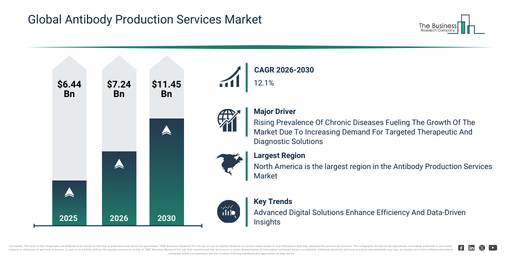
    The antibody production services market has shown rapid growth in recent years. Its value is expected to rise from $6.44 billion in 2025 to $7.24 billion in 2026, demonstrating a compound annual growth rate (CAGR) of 12.4%. This historical expansion can be attributed to several factors including the broadening of biomedical research activities, the development of monoclonal antibody therapeutics, the increasing application of antibodies in diagnostics, heightened investments in life science research, and the availability of sophisticated antibody engineering techniques.

    The antibody production services market is anticipated to experience substantial expansion over the upcoming years. This market is projected to reach $11.45 billion by 2030, exhibiting a compound annual growth rate (CAGR) of 12.1%. This projected growth during the forecast period stems from factors such as the increasing demand for personalized medicine, expanding biologics drug development pipelines, rising outsourcing activities by pharmaceutical companies, the broader adoption of advanced antibody formats, and a heightened emphasis on reproducibility and quality control. Key trends anticipated within the forecast period encompass a growing demand for custom antibody generation, increased adoption of recombinant antibody technologies, a sharpened focus on high-affinity and high-specificity antibodies, the expansion of outsourced antibody production services, and an elevated emphasis on robust quality validation standards.

    Looking For Reliable Antibody Production Services Market Data? Request A Free Sample:

    https://thebusinessresearchcompany.com/sample_request?id=32004789&type=smp&name=Antibody%20Production%20Services%20Market%20Report%202026&utm_source=Blogs&utm_medium=Paid&utm_campaign=Nov_PR

    What Is Behind The Rising Demand In The Antibody Production Services Market?

    The increasing occurrence of chronic illnesses is anticipated to boost the expansion of the antibody production services market. These are long-lasting health conditions that develop gradually and endure for an extended period, often necessitating ongoing medical attention. The rising incidence of chronic diseases is partly attributed to sedentary lifestyles, as extended periods of sitting and insufficient physical activity heighten the risk of conditions like heart disease and diabetes. Antibody production services support chronic disease management by delivering focused therapeutic and diagnostic approaches, making them crucial for conditions such as cancer, autoimmune disorders, and diabetes. These services improve the exactness of treatment through facilitating early discovery, constant monitoring, and customized therapies, thereby bettering patient results and the overall effectiveness of disease management. Consequently, the growing prevalence of chronic diseases is propelling the growth of the antibody production services market.

    Antibody Production Services Market Segment Coverage And Subsegment Analysis

    The antibody production services market covered in this report is segmented –

    1) By Type: Monoclonal Antibodies, Chimeric Antibodies, Humanized Antibodies, Recombinant Antibodies, Polyclonal Antibodies

    2) By Technology: Hybridoma Technology, Phage Display Technology, Yeast Display Technology, Cell-Based Technology

    3) By Application: Therapeutic, Research, Diagnostic

    4) By End User: Pharmaceutical and Biotechnology Companies, Academic and Research Institutes, Hospitals and Clinics, Contract Research Organizations

    Subsegments:

    1) By Monoclonal Antibodies: Human Monoclonal Antibodies, Mouse Monoclonal Antibodies, Rabbit Monoclonal Antibodies, Rat Monoclonal Antibodies

    2) By Chimeric Antibodies: Mouse-Human Chimeric Antibodies, Rat-Human Chimeric Antibodies, Rabbit-Human Chimeric Antibodies, Primate-Human Chimeric Antibodies

    3) By Humanized Antibodies: Complementarity Determining Region Grafted Antibodies, Framework Shuffling Antibodies, Resurfaced Humanized Antibodies, Germline Humanized Antibodies

    4) By Recombinant Antibodies: Single Chain Variable Fragment Antibodies, Fragment Antigen Binding Antibodies, Bispecific Recombinant Antibodies, Nanobodies

    5) By Polyclonal Antibodies: Rabbit Polyclonal Antibodies, Goat Polyclonal Antibodies, Sheep Polyclonal Antibodies, Donkey Polyclonal Antibodies

    Antibody Production Services Market Future Trends: Where Is The Industry Heading?

    Major companies operating within the antibody production services market are prioritizing the development of advanced digital solutions, such as AI-powered analytics, to enhance operational efficiency, cultivate deeper data-driven insights, and expedite discovery processes. AI-powered analytics are defined as advanced computational frameworks that interpret intricate biological and chemical datasets to forecast results, discern patterns, and forge innovative designs, like therapeutic antibodies. For instance, in August 2025, Zifo, an India-based provider of scientific informatics services, unveiled its Zifo AI Engine for Antibody Engineering application on the Snowflake Marketplace. This cloud-based solution harnesses generative AI and machine learning models to swiftly develop and refine antibody-based therapeutics. Key features include predictive affinity maturation and humanization functions, facilitating streamlined data analysis and candidate identification within a secure, scalable data platform, thereby eliminating the need for substantial in-house AI infrastructure.

    Antibody Production Services Market Top Players List For 2026

    Major companies operating in the antibody production services market are Pfizer Inc., AbbVie Inc., Novartis AG, Thermo Fisher Scientific Inc., Merck KGaA, Danaher Corporation, Agilent Technologies Inc., PerkinElmer Inc., Sartorius AG, Bio-Rad Laboratories Inc., Bio-Techne Corporation, Azenta Inc., GenScript Biotech Corporation, Invenra Inc., Sino Biological Inc., Proteintech Group Inc., Rapid Novor, Rockland Immunochemicals Inc., Biorbyt Ltd., [New Company: Creative Biolabs

    Order Your Copy Of The Antibody Production Services Market Report 2026:

    https://thebusinessresearchcompany.com/report/global-antibody-production-services-market-report?utm_source=Blogs&utm_medium=Paid&utm_campaign=Nov_PR

    How Does The Antibody Production Services Market Vary By Region?

    North America was the largest region in the antibody production services market in 2025. Asia-Pacific is expected to be the fastest-growing region in the forecast period. The regions covered in the antibody production services market report are Asia-Pacific, South East Asia, Western Europe, Eastern Europe, North America, South America, Middle East, Africa.

    Reach Out To Our Team:

    The Business Research Company: https://www.thebusinessresearchcompany.com/

    Americas: +1 310-496-7795

    Asia: +44 7882 955267 & +91 8897263534

    Europe: +44 7882 955267

    Email us at: marketing@tbrc.info

    Follow us on:

    LinkedIn: https://in.linkedin.com/company/the-business-research-company

    YouTube: https://www.youtube.com/channel/UC24_fI0rV8cR5DxlCpgmyFQ

    Global Market Model: https://www.thebusinessresearchcompany.com/global-market-model
  • Antibody Production Market Set To Reach $53.78 Billion By 2030, Driven By Rising Prevalence Of Chronic Diseases

    Antibody Production Market Set To Reach $53.78 Billion By 2030, Driven By Rising Prevalence Of Chronic Diseases

    Market attractiveness scoring, total addressable market sizing, company benchmarking matrices, interactive Excel dashboards, deeper supply chain intelligence, emerging startup tracking, and granular product-level insights are among the key offerings featured in The Business Research Company’s 2026 market reports, designed to deliver more actionable and strategically valuable research.

    What Is The Antibody Production Market Size In 2026, And Where Is It Heading By 2030?

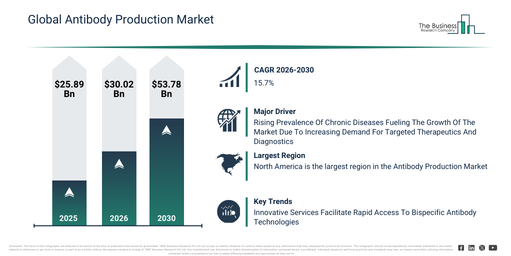
    The antibody production market size has expanded rapidly over recent years. It is projected to grow from $25.89 billion in 2025 to $30.02 billion in 2026, achieving a compound annual growth rate (CAGR) of 16.0%. This significant growth in the preceding period stemmed from the expansion of pharmaceutical and biotechnology research, the increasing utilization of monoclonal antibodies in therapeutics, advancements in bioprocessing technologies, a rising demand for research-grade antibodies, and the proliferation of CRO and CDMO services.

    The antibody production market is projected for swift expansion over the coming years. This market is anticipated to reach $53.78 billion by 2030, exhibiting a compound annual growth rate (CAGR) of 15.7%. Key factors driving this growth during the forecast period include greater investments in biologics manufacturing, increased uptake of continuous bioprocessing, an expanding array of therapeutic antibody pipelines, a heightened need for cost-effective antibody production, and the growing incorporation of digital biomanufacturing systems. Significant trends projected for this period encompass the wider adoption of recombinant antibody production techniques, an escalating demand for high-yield expression systems, increased automation in both upstream and downstream processing, the expansion of contract antibody manufacturing services, and a greater emphasis on scalability and reproducibility.

    Request Your Free Antibody Production Market Sample With Segment And Regional Data:

    https://thebusinessresearchcompany.com/sample_request?id=60185566&type=smp&name=Antibody%20Production%20Market%20Report%202026&utm_source=Blogs&utm_medium=Paid&utm_campaign=Nov_PR

    Antibody Production Market Growth Drivers And Their Impact On Future Demand

    The increasing incidence of long-term health conditions is anticipated to fuel the expansion of the antibody production market in the future. These enduring ailments emerge gradually and persist over long durations, frequently necessitating ongoing medical attention. A contributing factor to the rising occurrence of chronic diseases is sedentary habits, given that extended periods of sitting and insufficient physical exertion elevate the likelihood of developing conditions like heart disease and diabetes. Antibody development assists in managing chronic illnesses by offering specific treatment and detection methods, proving vital for ailments such as cancer, autoimmune disorders, and diabetes. These antibodies enhance the effectiveness of treatments and patient oversight through facilitating accurate interventions and prompt diagnoses, thereby improving overall health results. Consequently, the increasing prevalence of chronic diseases is a key factor propelling the expansion of the antibody production market.

    What Categories Define The Antibody Production Market?

    The antibody production market covered in this report is segmented –

    1) By Type: Monoclonal Antibody, Polyclonal Antibody

    2) By Process: Upstream Processing, Downstream Processing

    3) By End-User: Pharmaceutical and Biotechnology Companies, Research Laboratories, Contract Research Organizations And Contract Development And Manufacturing Organizations

    Subsegments:

    1) By Monoclonal Antibody: Mouse Monoclonal Antibody, Human Monoclonal Antibody, Rabbit Monoclonal Antibody, Rat Monoclonal Antibody

    2) By Polyclonal Antibody: Rabbit Polyclonal Antibody, Goat Polyclonal Antibody, Sheep Polyclonal Antibody, Donkey Polyclonal Antibody

    What New Developments Are Emerging In The Antibody Production Market?

    Leading companies operating in the antibody production market are prioritizing the development of advanced service models, such as rapid-access platforms, to accelerate research, enhance collaboration, and reduce overall development timelines. These rapid-access platforms represent streamlined service offerings that enable partner companies to quickly evaluate and utilize a proprietary technology for their own drug development programs. For example, in April 2025, Invenra Inc., a US-based biotechnology company, launched the B-Body Express Service. This service grants rapid access to Invenra’s premier B-Body bispecific antibody platform, empowering researchers to expedite the early stages of therapeutic discovery. The offering features a standardized process for generating functional bispecific antibodies against a partner’s targets of interest, significantly reducing the typical waiting period to begin testing novel drug candidates.

    Major Players Driving Competition In The Antibody Production Market

    Major companies operating in the antibody production market are Johnson & Johnson, Roche Holding AG, Merck & Co. Inc., Pfizer Inc., AbbVie Inc., Bayer AG, Novartis AG, Thermo Fisher Scientific Inc., Amgen Inc., Danaher Corporation, Agilent Technologies Inc., Bio-Rad Laboratories Inc., Azenta Inc., GenScript Biotech Corporation, Sino Biological Inc., Proteintech Group Inc., Rapid Novor, Rockland Immunochemicals Inc., Biorbyt Ltd., Invenra Inc

    View The Comprehensive Antibody Production Market Analysis:

    https://thebusinessresearchcompany.com/report/global-antibody-production-market-report?utm_source=Blogs&utm_medium=Paid&utm_campaign=Nov_PR

    Antibody Production Market Regional Leaders: Insights From The 2026 Report

    North America was the largest region in the antibody production market in 2025. Asia-Pacific is expected to be the fastest-growing region in the forecast period. The regions covered in the antibody production market report are Asia-Pacific, South East Asia, Western Europe, Eastern Europe, North America, South America, Middle East, Africa.

    Reach Out To Our Team:

    The Business Research Company: https://www.thebusinessresearchcompany.com/

    Americas: +1 310-496-7795

    Asia: +44 7882 955267 & +91 8897263534

    Europe: +44 7882 955267

    Email us at: marketing@tbrc.info

    Follow us on:

    LinkedIn: https://in.linkedin.com/company/the-business-research-company

    YouTube: https://www.youtube.com/channel/UC24_fI0rV8cR5DxlCpgmyFQ

    Global Market Model: https://www.thebusinessresearchcompany.com/global-market-model
  • Antibody Contract Manufacturing Market CAGR Of 15.8% Forecast For 2026–2030: What It Means For The Industry

    Antibody Contract Manufacturing Market CAGR Of 15.8% Forecast For 2026–2030: What It Means For The Industry

    Designed to make market research more actionable and strategically valuable, The Business Research Company’s 2026 market reports feature market attractiveness scoring, total addressable market sizing, company benchmarking matrices, interactive Excel dashboards, deeper supply chain intelligence, emerging startup tracking, and granular product-level insights.

    Antibody Contract Manufacturing Market To Expand At A 15.8% CAGR: Size And Growth Projections Through 2030

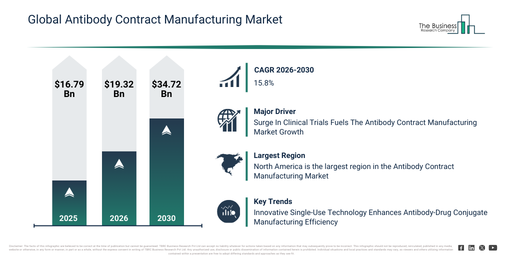
    The antibody contract manufacturing market has experienced rapid expansion in its size over recent years. This market is projected to expand from $16.79 billion in 2025 to $19.32 billion in 2026, demonstrating a compound annual growth rate (CAGR) of 15.0%. Historically, this growth has been driven by factors such as an increase in biologics development pipelines, greater outsourcing by biopharmaceutical companies, the expansion of mammalian cell culture platforms, heightened clinical trial activity for antibodies, and the availability of specialized CMO infrastructure.

    The antibody contract manufacturing market size is projected to experience rapid expansion in the coming years. It is anticipated to reach $34.72 billion by 2030, growing at a compound annual growth rate (CAGR) of 15.8%. This growth during the forecast period can be attributed to factors such as the increasing demand for commercial-scale antibody production, rising investments in next-generation biologics, a greater focus on cost-efficient manufacturing models, the expansion of personalized medicine pipelines, and more frequent regulatory approvals for antibody therapies. Significant trends identified for this period include the enlargement of large-scale antibody manufacturing capacity, a rising adoption of single-use bioprocessing systems, heightened demand for bispecific antibodies and adcs, an increased emphasis on flexible and scalable manufacturing models, and a reinforced focus on regulatory compliance and quality control.

    Get Your Free Antibody Contract Manufacturing Market Report Sample Today:

    https://thebusinessresearchcompany.com/sample_request?id=87113271&type=smp&name=Antibody%20Contract%20Manufacturing%20Market%20Report%202026&utm_source=Blogs&utm_medium=Paid&utm_campaign=Nov_PR

    Which Factor Is Expected To Drive The Antibody Contract Manufacturing Market Over The Forecast Period?

    The increasing volume of clinical trials is projected to fuel the growth of the antibody contract manufacturing market in the future. Clinical trials are scientific investigations conducted with human participants to evaluate the safety and effectiveness of new medical treatments, interventions, or diagnostic procedures. As the number of clinical trials involving antibody-based therapeutics or diagnostics expands, there is a heightened requirement for high-quality antibodies, ensuring a timely and compliant supply for these studies. Thus, the growing number of clinical trials is a key driver for the expansion of the antibody contract manufacturing market.

    Antibody Contract Manufacturing Market Segmentation Insights: How Is The Industry Categorized?

    The antibody contract manufacturing market covered in this report is segmented –

    1) By Product: Monoclonal Antibodies, Polyclonal Antibodies, Other Products

    2) By Source: Mammalian, Microbial

    3) By Scale Of Operation: Preclinical, Clinical, Commercial

    4) By End-User: Biopharmaceutical Companies, Research Laboratories, Other End Users

    Subsegments:

    1) By Monoclonal Antibodies: Therapeutic Monoclonal Antibodies, Diagnostic Monoclonal Antibodies

    2) By Polyclonal Antibodies: Research Polyclonal Antibodies, Therapeutic Polyclonal Antibodies

    3) By Other Products: Bispecific Antibodies, Antibody-Drug Conjugates (ADCs), Fusion Proteins

    Antibody Contract Manufacturing Market Trends Explained: What Is Changing And Why It Matters

    Leading companies in the antibody contract manufacturing market are concentrating on developing innovations like single-use technology, which is designed to minimize cross-contamination risks and reduce operational costs. Single-use technology (SUT) pertains to disposable components and systems employed in biopharmaceutical manufacturing processes.

    Antibody Contract Manufacturing Market Competitor Landscape: Who Are The Major Companies?

    Major companies operating in the antibody contract manufacturing market are Lonza Group AG, Catalent Inc, Samsung Biologics Co Ltd, Wuxi Biologics Cayman Inc, Thermo Fisher Scientific Inc, Boehringer Ingelheim BioXcellence, AGC Biologics, FUJIFILM Diosynth Biotechnologies, AbbVie Inc, Charles River Laboratories International Inc, mAbxience, KBI Biopharma Inc, Abzena Ltd, Just-Evotec Biologics, Northway Biotech, Cerbios-Pharma, Scorpius BioManufacturing, Lotte Biologics, Rentschler Biopharma SE, Cytiva (Life Sciences CDMO), Xcellon Biologics, Celonic AG, Syngene International Ltd

    See The Full Antibody Contract Manufacturing Market Report For Complete Market Sizing And Trends:

    https://thebusinessresearchcompany.com/report/antibody-contract-manufacturing-global-market-report?utm_source=Blogs&utm_medium=Paid&utm_campaign=Nov_PR

    Antibody Contract Manufacturing Market Regional Demand Analysis And Leading Geography

    North America was the largest region in the antibody contract manufacturing market in 2025. Asia-Pacific is expected to be the fastest-growing region in the forecast period. The regions covered in the antibody contract manufacturing market report are Asia-Pacific, South East Asia, Western Europe, Eastern Europe, North America, South America, Middle East, Africa.

    Reach Out To Our Team:

    The Business Research Company: https://www.thebusinessresearchcompany.com/

    Americas: +1 310-496-7795

    Asia: +44 7882 955267 & +91 8897263534

    Europe: +44 7882 955267

    Email us at: marketing@tbrc.info

    Follow us on:

    LinkedIn: https://in.linkedin.com/company/the-business-research-company

    YouTube: https://www.youtube.com/channel/UC24_fI0rV8cR5DxlCpgmyFQ

    Global Market Model: https://www.thebusinessresearchcompany.com/global-market-model
  • Antibodies Market Forecast: $666.72 Billion Valuation Expected By 2030

    Antibodies Market Forecast: $666.72 Billion Valuation Expected By 2030

    The Business Research Company’s 2026 market reports are designed to deliver research that is more actionable and strategically valuable. Key offerings include market attractiveness scoring, total addressable market sizing, company benchmarking matrices, interactive Excel dashboards, deeper supply chain intelligence, emerging startup tracking, and granular product-level insights.

    Antibodies Market Size, Growth Rate And Key Forecast Highlights For 2026–2030

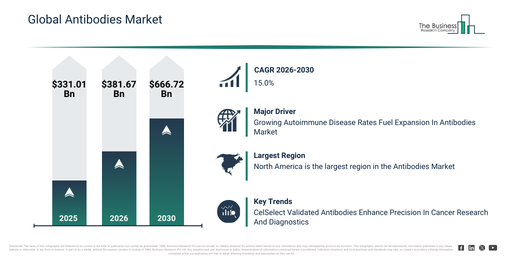
    The antibodies market has witnessed rapid expansion in recent years. Projections indicate its size will increase from $331.01 billion in 2025 to $381.67 billion in 2026, at a compound annual growth rate (CAGR) of 15.3%. This historical growth can be ascribed to progress in immunology research, greater investment in biologics development, the broadening of oncology treatment programs, the increasing prevalence of autoimmune diseases, and enhancements in antibody production technologies.

    The antibodies market is projected to reach $666.72 billion by 2030, experiencing a compound annual growth rate (CAGR) of 15.0%. This anticipated growth is driven by the increasing adoption of precision immunotherapies, a rising demand for next-generation antibody formats, the expansion of biosimilar antibody development, a growing focus on personalized medicine, and an increase in global biologics manufacturing capacity. Key trends for the forecast period include the expansion of monoclonal antibody development pipelines, a rising demand for antibody-drug conjugates, an enhanced focus on targeted immunotherapies, the increasing use of antibodies in chronic disease treatment, and a greater emphasis on scalable biomanufacturing.

    See What’s Inside The Antibodies Market Report With A Free Sample:

    https://thebusinessresearchcompany.com/sample_request?id=65445497&type=smp&name=Antibodies%20Market%20Report%202026&utm_source=Blogs&utm_medium=Paid&utm_campaign=Nov_PR

    Antibodies Market Expansion: The Major Factor Driving Growth

    The increasing occurrence of autoimmune diseases is anticipated to boost the antibodies market moving forward. These conditions involve the immune system mistakenly attacking and damaging its own tissues, covering disorders such as rheumatoid arthritis, lupus, and multiple sclerosis. The expanding incidence of autoimmune diseases is linked to environmental factors, genetic susceptibility, and lifestyle changes. Antibodies work by targeting and neutralizing specific immune cells or inflammatory molecules that wrongly assault the body’s tissues, thereby diminishing inflammation and easing symptoms. This rise in autoimmune disease prevalence is consequently propelling the antibodies market.

    Understanding Antibodies Market Segmentation For Strategic Planning

    The antibodies market covered in this report is segmented –

    1) By Product Type: Monoclonal Antibodies, Polyclonal Antibodies, Antibody Drug Complexes

    2) By Disease Indication: Cardiovascular Diseases, Central Nervous System (CNS) Disorders, Cancer, Autoimmune Disorders, Other Indications

    3) By End User: Hospitals, Long Term Care Facilities, Research Institutes, Other End Users

    Subsegments:

    1) By Monoclonal Antibodies: IgG Monoclonal Antibodies, IgM Monoclonal Antibodies, IgA Monoclonal Antibodies, Other Isotypes

    2) By Polyclonal Antibodies: Serum-derived Polyclonal Antibodies, Purified Polyclonal Antibodies, Antibody Fractionation Products

    3) By Antibody Drug Complexes: Conjugated Antibodies, Bispecific Antibodies, Antibody-Drug Conjugates (ADCs)

    Key Antibodies Market Trends To Watch In 2026

    Leading companies within the antibodies market are actively developing validated antibodies to enhance accuracy and ensure consistent outcomes in both diagnostics and therapeutics. Validated antibodies are those that have been thoroughly tested and confirmed for their accuracy and specificity in identifying target proteins, thereby increasing the credibility of research results and guaranteeing the quality and effectiveness of antibody-based products.

    Key Companies Active In The Antibodies Market

    Major companies operating in the antibodies market are Pfizer Inc., Johnson & Johnson Services Inc., F. Hoffmann-La Roche Ltd., Merck & Co Inc., AbbVie Inc., Sanofi S.A., Bristol Myers Squibb Company, Novartis AG, GSK plc, Takeda Pharmaceutical Company Limited, Eli Lilly and Company, Amgen Inc., Regeneron Pharmaceuticals Inc., Biogen Inc., Alexion Pharmaceuticals Inc., Incyte Corporation, Kyowa Kirin Co Ltd, Ultragenyx Pharmaceutical Inc, Xencor Inc., MacroGenics Inc., ImmunoGen Inc., Sorrento Therapeutics Inc., Beam Therapeutics Inc., SAB Biotherapeutics Inc., bluebird bio Inc., Iovance Biotherapeutics Inc.

    Explore Detailed Antibodies Market Research And Forecasts:

    https://thebusinessresearchcompany.com/report/antibodies-global-market-report?utm_source=Blogs&utm_medium=Paid&utm_campaign=Nov_PR

    Which Geography Dominates The Antibodies Market?

    North America was the largest region in the antibodies market in 2025. Asia-Pacific is expected to be the fastest-growing region in the forecast period. The regions covered in the antibodies market report are Asia-Pacific, South East Asia, Western Europe, Eastern Europe, North America, South America, Middle East, Africa.

    Reach Out To Our Team:

    The Business Research Company: https://www.thebusinessresearchcompany.com/

    Americas: +1 310-496-7795

    Asia: +44 7882 955267 & +91 8897263534

    Europe: +44 7882 955267

    Email us at: marketing@tbrc.info

    Follow us on:

    LinkedIn: https://in.linkedin.com/company/the-business-research-company

    YouTube: https://www.youtube.com/channel/UC24_fI0rV8cR5DxlCpgmyFQ

    Global Market Model: https://www.thebusinessresearchcompany.com/global-market-model
  • Antibiotic Resistance Market Overview: Size, Growth Drivers, Trends And Competitive Landscape

    Antibiotic Resistance Market Overview: Size, Growth Drivers, Trends And Competitive Landscape

    With a focus on actionable insights and strategic value, The Business Research Company’s 2026 market reports include market attractiveness scoring, total addressable market sizing, company benchmarking matrices, interactive Excel dashboards, deeper supply chain intelligence, emerging startup tracking, and granular product-level insights.

    How Much Will The Antibiotic Resistance Market Be Worth By 2030?

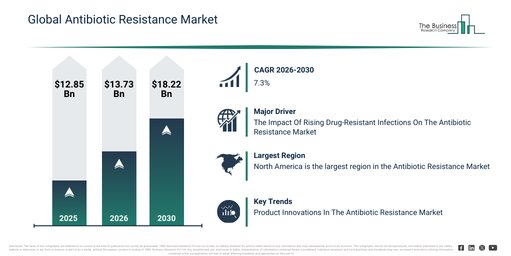
    The antibiotic resistance market has experienced significant growth over recent years. It is forecast to expand from $12.85 billion in 2025 to $13.73 billion in 2026, at a compound annual growth rate (CAGR) of 6.8%. This historical growth can be attributed to widespread antibiotic misuse, an increase in hospital-acquired infections, the expansion of broad-spectrum antibiotic use, the limited availability of novel antibiotics, and the rising prevalence of resistant pathogens.

    The antibiotic resistance market is projected to experience substantial expansion over the upcoming years. Its valuation is anticipated to reach $18.22 billion by 2030, exhibiting a compound annual growth rate (CAGR) of 7.3%. This projected growth is driven by several factors, including escalating investments in antimicrobial research and development, wider embrace of precision diagnostics, the broadening of global resistance surveillance networks, a heightened emphasis on alternative treatment approaches, and the proliferation of public-private collaborations. Key trends expected during this period involve a heightened concentration on developing new antibiotics, the increasing use of combination drug therapies, wider implementation of rapid diagnostic testing, the extension of antimicrobial stewardship initiatives, and improved monitoring of resistant pathogens.

    Get Access To A Free Antibiotic Resistance Market Report Sample:

    https://thebusinessresearchcompany.com/sample_request?id=26007827&type=smp&name=Antibiotic%20Resistance%20Market%20Report%202026&utm_source=Blogs&utm_medium=Paid&utm_campaign=Nov_PR

    The Key Driver Behind The Antibiotic Resistance Market’s 7.3% CAGR

    The widespread occurrence of drug-resistant infections is anticipated to boost the expansion of the antibiotic-resistance market in the future. These infections are illnesses brought on by resistant bacteria, leading to conditions that are considerably harder or even impossible to treat. Medications designed for antimicrobial resistance assist in managing diverse drug-resistant infections, offering better antibiotic treatment results for both targeted and non-targeted pathogens, contingent on the specifics of resistance mechanisms and the structure of microbiome community interactions. Consequently, the prevalence of drug-resistant infections is fueling the antibiotic resistance market.

    Antibiotic Resistance Market Classification: Main Segments And Detailed Subsegments

    The antibiotic resistance market covered in this report is segmented –

    1) By Drug Class: Beta Lactum Antibiotic, Cephalosporins, Quinolones Antibiotics, Macrolide Antibiotics, Tetracyclines, Oxazolidinones, Other Drug Classes

    2) By Pathogen: Staphylococcus Aureus, Staphylococcus Pneumonia, Neisseria Gonorrhoeae, Enterococcus Faecium, Escherichia Coli, Klebsiella Pneumonia, Shigella, Clostridium Difficile, Other Pathogens

    3) By Disease Type: Urinary Tract Infection, Intra-Abdominal Infection, Blood Stream infections, Clostridium Difficile Infections, Other Disease Types

    4) By Mechanism Of Action: Protein Synthesis Inhibitors, Cell Wall Synthesis Inhibitors, RNA Synthesis Inhibitors, DNA Synthesis Inhibitors, Other Mechanism Of Actions

    5) By End Users: Hospitals, Homecare, Specialty Clinics, Other End-users

    Subsegments:

    1) By Beta Lactam Antibiotics: Penicillins, Cephalosporins, Carbapenems, Monobactams

    2) By Cephalosporins: First-generation, Second-generation, Third-generation, Fourth-generation

    3) By Quinolones Antibiotics: Fluoroquinolones, Other Quinolones

    4) By Macrolide Antibiotics: Erythromycin, Azithromycin, Clarithromycin

    5) By Tetracyclines: Doxycycline, Minocycline, Tetracycline

    6) By Oxazolidinones: Linezolid, Tedizolid

    7) By Other Drug Classes: Glycopeptides, Lipopeptides, Streptogramins, Polymyxins

    Antibiotic Resistance Market Strategic Shifts: What Leading Players Are Prioritizing

    Leading companies within the antibiotic resistance market are concentrating on developing innovative products to improve treatment effectiveness, ensure patient well-being, and tackle the increasing challenge posed by multi-drug resistant (MDR) infections.

    Antibiotic Resistance Market Company Analysis: Major Industry Participants

    Major companies operating in the antibiotic resistance market are Pfizer Inc., Johnson and Johnson, F. Hoffmann-La Roche Ltd, AbbVie Inc., Novartis AG, Merck and Co. Inc., Bristol-Myers Squibb, Sanofi S.A., AstraZeneca, GlaxoSmithKline Plc, Eli Lilly and Company, Boehringer Ingelheim International GmbH, Astellas Pharma, Daiichi Sankyo, Chugai Pharmaceutical Co. Ltd., Teva Pharmaceutical Industries Ltd., Paratek Pharmaceuticals Inc., Basilea Pharmaceutica Ltd., Theravance Biopharma Inc., Nabriva Therapeutics Plc, Seres Therapeutics Inc., Armata Pharmaceuticals Inc.

    Get Full Access To The Antibiotic Resistance Market Report 2026:

    https://thebusinessresearchcompany.com/report/antibiotic-resistance-global-market-report?utm_source=Blogs&utm_medium=Paid&utm_campaign=Nov_PR

    Antibiotic Resistance Market Global Regional Breakdown: Key Regions Analyzed

    North America was the largest region in the antibiotic resistance market in 2025. Asia-Pacific is expected to be the fastest-growing region in the forecast period. The regions covered in the antibiotic resistance market report are Asia-Pacific, South East Asia, Western Europe, Eastern Europe, North America, South America, Middle East, Africa.

    Reach Out To Our Team:

    The Business Research Company: https://www.thebusinessresearchcompany.com/

    Americas: +1 310-496-7795

    Asia: +44 7882 955267 & +91 8897263534

    Europe: +44 7882 955267

    Email us at: marketing@tbrc.info

    Follow us on:

    LinkedIn: https://in.linkedin.com/company/the-business-research-company

    YouTube: https://www.youtube.com/channel/UC24_fI0rV8cR5DxlCpgmyFQ

    Global Market Model: https://www.thebusinessresearchcompany.com/global-market-model
  • Anti-Acne Dermal Patch Market To Grow From $1.22 Billion To $1.76 Billion By 2030: Key Drivers Explained

    Anti-Acne Dermal Patch Market To Grow From $1.22 Billion To $1.76 Billion By 2030: Key Drivers Explained

    The Business Research Company’s 2026 market reports combine market attractiveness scoring, total addressable market sizing, company benchmarking matrices, interactive Excel dashboards, deeper supply chain intelligence, emerging startup tracking, and granular product-level insights to deliver research that is more actionable and strategically valuable.

    Anti-Acne Dermal Patch Market Revenue Forecast: $1.22 Billion In 2026 Rising To $1.76 Billion In 2030

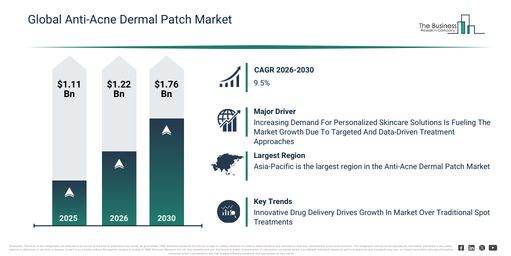
    The anti-acne dermal patch market size has experienced considerable growth in recent years. Projections indicate it will expand from $1.11 billion in 2025 to $1.22 billion in 2026, exhibiting a compound annual growth rate (CAGR) of 9.9%. This historical expansion can be attributed to several factors, including the increasing occurrence of acne conditions, the rise in over-the-counter skincare solutions, heightened awareness of targeted acne treatments, the broader availability of personal care products, and a greater consumer preference for non-invasive skincare.

    The anti-acne dermal patch market is projected to experience substantial expansion over the upcoming years. This market is anticipated to reach $1.76 billion by 2030, driven by a compound annual growth rate (CAGR) of 9.5%. Key factors contributing to this growth during the forecast period include a rising demand for customized skincare solutions, an increased emphasis on clean-label dermatological items, the proliferation of online skincare retail channels, ongoing advancements in transdermal delivery technologies, and a greater uptake among adult consumers dealing with acne. Prominent trends identified for the forecast period encompass the increasing popularity of hydrocolloid acne patches, an escalating need for microneedle-based specific treatments, the diversification of drug-free acne patch options, a heightened attention to skin-compatible adhesive substances, and the proliferation of inconspicuous and clear patch designs.

    Free Sample Report: Anti-Acne Dermal Patch Market Size, Trends And Forecast To 2030:

    https://thebusinessresearchcompany.com/sample_request?id=36575776&type=smp&name=Anti-Acne%20Dermal%20Patch%20Market%20Report%202026&utm_source=Blogs&utm_medium=Paid&utm_campaign=Nov_PR

    Anti-Acne Dermal Patch Market Growth Catalyst: What Is Creating New Demand?

    The anti-acne dermal patch market is anticipated to expand due to the rising need for customized skincare options. These solutions involve products and routines specifically designed for a person’s distinct skin type, issues, and daily habits, informed by data analysis. The primary impetus behind this surge in demand stems from consumers becoming more conscious of their individual skin requirements, prompting them to look for products that are customized for their specific skin characteristics, worries, and routines to achieve better, more precise outcomes. Anti-acne dermal patches improve personalized skincare solutions by providing focused treatment based on specific skin issues, reducing irritation, and boosting treatment effectiveness. This is achieved through regulated ingredient delivery, accurate application, and immediate adaptation to skin conditions, thereby offering a bespoke method that aligns with the expanding call for customized dermatological attention. Consequently, the rising requirement for personalized skincare options is fueling the expansion of the anti-acne dermal patch market.

    Anti-Acne Dermal Patch Market Segment Overview: Categories Covered In The 2026 Report

    The anti-acne dermal patch market covered in this report is segmented –

    1) By Product Type: Hydrocolloid, Microneedle, Other Product Types

    2) By Source: Bovine Collagen, Marine Collagen, Pork Collagen, Chicken Collagen

    3) By Application: Cosmetics And Personal Care, Food And Beverages, Health And Nutrition, Pharmaceuticals, Other Applications

    4) By End-User: Men, Women

    Subsegments:

    1) By Hydrocolloid: With Salicylic Acid, With Tea Tree Oil, Plain Hydrocolloid (Drug-Free), Tinted Hydrocolloid, Waterproof Hydrocolloid

    2) By Microneedle: Hyaluronic Acid-Based, Niacinamide-Based, Retinol-Based, Peptide-Infused, Multi-Ingredient

    3) By Other Product Types: Silicone-Based Patches, Charcoal-Infused Patches, Clay-Based Patches, Transparent Film Patches, Herbal Or Botanical Extract-Based Patches

    How Are Leading Companies Shaping Anti-Acne Dermal Patch Market Trends?

    Leading companies in the anti-acne dermal patch market are concentrating on developing innovative solutions, such as microdart delivery systems, to enhance the precision and effectiveness of acne treatment. Microdart delivery systems are advanced skincare technologies that utilize tiny, dissolvable microneedles to deliver active ingredients deep into the skin. They assist in treating acne by penetrating the outer skin layer and releasing acne-fighting ingredients directly into the affected area, thereby reducing inflammation and speeding up healing.

    Anti-Acne Dermal Patch Market Players: Key Companies Shaping Competition

    Major companies operating in the anti-acne dermal patch market are 3M Company, Neogen Dermalogy Co. Ltd., Neutrogena Corporation, Redcliffe Hygiene Private Limited, Plix Life Private Limited, Peace Out Skincare Inc., Julep Beauty Inc., Peach and Lily Inc., Dr. Jart+, Innisfree Corporation, Rael Inc., Clearsil LLC, Patchology LLC, Truly Organic LLC, Starface World Inc., The Inkey List Limited, Gush Beauty, Lely’s Acne Pimple Patches, COSRX, Avarelle, ZitSticka, DermaAngel, Peach Slices, Grace & Stella

    Access Complete Anti-Acne Dermal Patch Market Data, Forecasts And Competitive Insights:

    https://thebusinessresearchcompany.com/report/anti-acne-dermal-patch-global-market-report?utm_source=Blogs&utm_medium=Paid&utm_campaign=Nov_PR

    Anti-Acne Dermal Patch Market Regional Performance And Geographic Coverage

    Asia-Pacific was the largest region in the anti-acne dermal patch market in 2025. North America is expected to be the fastest-growing region in the forecast period. The regions covered in the anti-acne dermal patch market report are Asia-Pacific, South East Asia, Western Europe, Eastern Europe, North America, South America, Middle East, Africa.

    Reach Out To Our Team:

    The Business Research Company: https://www.thebusinessresearchcompany.com/

    Americas: +1 310-496-7795

    Asia: +44 7882 955267 & +91 8897263534

    Europe: +44 7882 955267

    Email us at: marketing@tbrc.info

    Follow us on:

    LinkedIn: https://in.linkedin.com/company/the-business-research-company

    YouTube: https://www.youtube.com/channel/UC24_fI0rV8cR5DxlCpgmyFQ

    Global Market Model: https://www.thebusinessresearchcompany.com/global-market-model
  • Anti Hemagglutinin (Ha) Antibody Market Worth $1.83 Billion In 2026: What The Latest Data Shows

    Anti Hemagglutinin (Ha) Antibody Market Worth $1.83 Billion In 2026: What The Latest Data Shows

    Market attractiveness scoring, total addressable market sizing, company benchmarking matrices, interactive Excel dashboards, deeper supply chain intelligence, emerging startup tracking, and granular product-level insights are among the key offerings featured in The Business Research Company’s 2026 market reports, designed to deliver more actionable and strategically valuable research.

    Anti Hemagglutinin (Ha) Antibody Market Size Overview: From Historical Performance To The 2030 Forecast

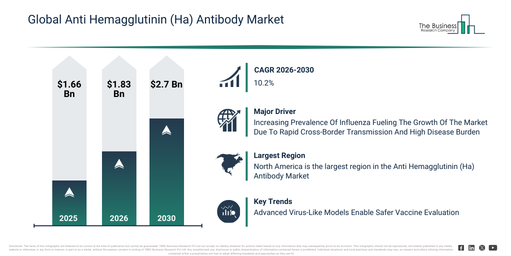
    The anti hemagglutinin (ha) antibody market has experienced swift expansion in recent times. Forecasts indicate it will increase from $1.66 billion in 2025 to $1.83 billion in 2026, registering a compound annual growth rate (CAGR) of 10.5%. Historically, this growth was fueled by factors such as the broadening of influenza research activities, developments in molecular biology research, greater adoption of tagged protein systems, increased need for diagnostic reagents, and breakthroughs in antibody engineering techniques.

    The anti hemagglutinin (ha) antibody market is projected to experience swift expansion over the coming years. This market is anticipated to reach $2.7 billion by 2030, exhibiting a compound annual growth rate (CAGR) of 10.2%. Factors contributing to this growth during the forecast period include increasing investments in infectious disease research, wider adoption of recombinant protein expression systems, advancements in diagnostic assay development, a surging demand for standardized antibodies, and ongoing innovation in antibody production technologies. Key trends for the forecast period encompass a heightened demand for high-specificity research antibodies, a growing uptake of recombinant antibody formats, increased application in vaccine and virology research, broadening diagnostic testing applications, and an intensified emphasis on batch-to-batch consistency.

    Get A Free Sample Of The Business Research Company’s Anti Hemagglutinin (Ha) Antibody Market Report:

    https://thebusinessresearchcompany.com/sample_request?id=94817340&type=smp&name=Anti%20Hemagglutinin%20%28Ha%29%20Antibody%20Market%20Report%202026&utm_source=Blogs&utm_medium=Paid&utm_campaign=Nov_PR

    What Factor Is Increasing Demand In The Anti Hemagglutinin (Ha) Antibody Market?

    The increasing prevalence of influenza is projected to boost the growth of the anti hemagglutinin (Ha) antibody market in the foreseeable future. Influenza, a highly contagious respiratory viral infection commonly known as the flu, causes symptoms such as fever, cough, sore throat, and body aches, with severity ranging from mild to severe. This rising occurrence of influenza is attributed to frequent international travel, which facilitates the rapid cross-border transmission of the highly infectious virus. Anti-hemagglutinin (Ha) antibodies are crucial for managing influenza as they specifically target the viral HA protein, making them ideal for diagnostics, research, and vaccine development. They enhance treatment strategies by enabling accurate detection and monitoring of influenza infections, thereby supporting effective disease control and prevention. For instance, in February 2025, the World Health Organization, a Switzerland-based intergovernmental organization, reported that seasonal influenza affects approximately one billion people worldwide annually, leading to 3–5 million severe cases and causing 290,000 to 650,000 respiratory-related deaths. Consequently, the increasing prevalence of influenza is a key factor driving the expansion of the anti hemagglutinin (Ha) antibody market.

    Which Segments Make Up The Anti Hemagglutinin (Ha) Antibody Market?

    The anti hemagglutinin (ha) antibody market covered in this report is segmented –

    1) By Product Type: Monoclonal Antibodies, Polyclonal Antibodies, Recombinant Antibodies

    2) By Technology: Enzyme-Linked Immunosorbent Assay (ELISA)-Based Technologies, Flow Cytometry-Based Technologies, Immunohistochemistry Technologies, Western Blot-Based Technologies

    3) By Source: Mouse, Rabbit, Goat, Chicken

    4) By Application: Research, Diagnostics, Therapeutics

    5) By End-User: Academic Research Institutes, Biotechnology Companies, Pharmaceutical Companies, Diagnostic Laboratories

    Subsegments:

    1) By Monoclonal Antibodies: Human Monoclonal Antibodies, Humanized Monoclonal Antibodies, Chimeric Monoclonal Antibodies, Murine Monoclonal Antibodies

    2) By Polyclonal Antibodies: Rabbit Polyclonal Antibodies, Goat Polyclonal Antibodies, Sheep Polyclonal Antibodies, Donkey Polyclonal Antibodies

    3) By Recombinant Antibodies: Single Chain Variable Fragment Antibodies, Fragment Antigen Binding Antibodies, Bispecific Recombinant Antibodies, Synthetic Recombinant Antibodies

    Anti Hemagglutinin (Ha) Antibody Market Emerging Trends: What Are Industry Leaders Focusing On?

    Leading companies within the anti hemagglutinin (Ha) antibody market are prioritizing sophisticated innovations, such as authentic virus architecture, to create more secure and precise virus-like models for assessing vaccine effectiveness and antibody reactions. This authentic virus architecture describes a structural arrangement that closely mirrors the natural makeup and exterior proteins of a live virus, but without any genetic material.

    Major Companies To Know In The Anti Hemagglutinin (Ha) Antibody Market

    Major companies operating in the anti hemagglutinin (ha) antibody market are Johnson & Johnson, F. Hoffmann-La Roche AG, Pfizer Inc., AbbVie Inc., AstraZeneca plc, Bristol-Myers Squibb Company, Thermo Fisher Scientific Inc., Amgen Inc., Merck KGaA, Danaher Corporation, Bio-Rad Laboratories Inc., Bio-Techne Corporation, GenScript Biotech Corporation, Sino Biological Inc., Cell Signaling Technology Inc., Proteintech Group Inc., Santa Cruz Biotechnology Inc., Integral Molecular, Rockland Immunochemicals Inc., Biorbyt Ltd.

    Read The In-Depth Anti Hemagglutinin (Ha) Antibody Market Report:

    https://thebusinessresearchcompany.com/report/global-anti-hemagglutinin-ha-antibody-market-report?utm_source=Blogs&utm_medium=Paid&utm_campaign=Nov_PR

    Anti Hemagglutinin (Ha) Antibody Market Regional Landscape: Largest Region In 2025

    North America was the largest region in the anti hemagglutinin (Ha) antibody market in 2025. Asia-Pacific is expected to be the fastest-growing region in the forecast period. The regions covered in the anti hemagglutinin (ha) antibody market report are Asia-Pacific, South East Asia, Western Europe, Eastern Europe, North America, South America, Middle East, Africa.

    Reach Out To Our Team:

    The Business Research Company: https://www.thebusinessresearchcompany.com/

    Americas: +1 310-496-7795

    Asia: +44 7882 955267 & +91 8897263534

    Europe: +44 7882 955267

    Email us at: marketing@tbrc.info

    Follow us on:

    LinkedIn: https://in.linkedin.com/company/the-business-research-company

    YouTube: https://www.youtube.com/channel/UC24_fI0rV8cR5DxlCpgmyFQ

    Global Market Model: https://www.thebusinessresearchcompany.com/global-market-model
  • Anterior Uveitis Market Competitive Landscape: AbbVie Inc And Other Key Players

    Anterior Uveitis Market Competitive Landscape: AbbVie Inc And Other Key Players

    Designed to make market research more actionable and strategically valuable, The Business Research Company’s 2026 market reports feature market attractiveness scoring, total addressable market sizing, company benchmarking matrices, interactive Excel dashboards, deeper supply chain intelligence, emerging startup tracking, and granular product-level insights.

    What Is The Projected CAGR Of The Anterior Uveitis Market Through 2030?

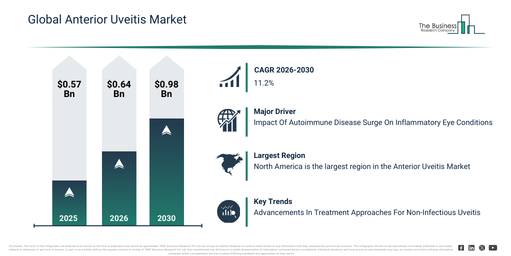
    The anterior uveitis market has seen rapid expansion in recent years. It is forecast to rise from $0.57 billion in 2025 to $0.64 billion in 2026, achieving a compound annual growth rate (CAGR) of 11.6%. This historical growth can be attributed to several factors, including improved ophthalmic diagnostic capabilities, an increased prevalence of autoimmune-related eye disorders, wider availability of corticosteroids, the expansion of eye care infrastructure, and the growth in specialist ophthalmology services.

    The market for anterior uveitis is projected to experience swift expansion over the coming years, anticipated to reach a valuation of $0.98 billion by 2030, demonstrating a compound annual growth rate (CAGR) of 11.2%. This projected growth during the forecast period stems from factors such as increasing demand for biologic eye treatments, enhanced incorporation of precision diagnostics, the broadening of advanced ophthalmic drug development, a heightened emphasis on preserving vision, and greater investment in research into inflammatory eye diseases. Key trends for this period encompass the greater uptake of biologic therapies, the expanding utilization of advanced diagnostic biomarkers, a developing preference for targeted immunosuppressive treatments, the broadening availability of outpatient ophthalmic care, and an intensified focus on identifying diseases early.

    Claim Your Free Anterior Uveitis Market Sample Report With Key Data And Trends:

    https://thebusinessresearchcompany.com/sample_request?id=31627019&type=smp&name=Anterior%20Uveitis%20Market%20Report%202026&utm_source=Blogs&utm_medium=Paid&utm_campaign=Nov_PR

    Anterior Uveitis Market Demand Analysis: The Driving Force Behind Expansion

    The escalating occurrence of autoimmune diseases is anticipated to stimulate the expansion of the anterior uveitis market in the future. Autoimmune conditions arise when the immune system erroneously attacks the body’s healthy cells and tissues, perceiving them as foreign threats. This anomalous response leads to inflammation and harm in various organs and bodily systems. The increase in autoimmune diseases is associated with genetic predispositions, environmental elements, alterations in lifestyle, and greater awareness, which contributes to improved diagnosis. Anterior uveitis is a common manifestation within autoimmune diseases, causing inflammation in the eye’s anterior segment, often linked to conditions such as rheumatoid arthritis and ankylosing spondylitis. Therefore, the rising prevalence of autoimmune diseases is driving the growth of the anterior uveitis market.

    Breaking Down The Anterior Uveitis Market By Segment

    The anterior uveitis market covered in this report is segmented –

    1) By Treatment Type: Pharmacological Treatments, Surgical Treatments, Biologic Therapy

    2) By Diagnosis Method: Clinical Diagnosis, Diagnostic Imaging, Biomarkers

    3) By Cause: Infectious, Non-Infectious

    4) By End-User: Hospitals And Clinics, Ambulatory Surgical Centers

    Subsegments:

    1) By Pharmacological Treatments: Corticosteroids, Non-Steroidal Anti-Inflammatory Drugs (NSAIDs), Immunosuppressive Drugs

    2) By Surgical Treatments: Cataract Surgery, Glaucoma Surgery, Vitrectomy

    3) By Biologic Therapy: Tumor Necrosis Factor (TNF) Inhibitors, Interleukin-6 (IL-6) Inhibitors, Monoclonal Antibodies

    Top Trend Influencing The Anterior Uveitis Market Outlook

    Leading companies within the anterior uveitis market are concentrating on developing advanced drug formulations, such as ophthalmic drops, to improve patient adherence, optimize drug delivery, and effectively reduce inflammation with fewer adverse effects. Eye drops are frequently utilized in the treatment of anterior uveitis to manage inflammation, alleviate discomfort, and prevent potential complications.

    Anterior Uveitis Market Competitive Landscape And Major Players

    Major companies operating in the anterior uveitis market are AbbVie Inc, Novartis AG, Bausch Health Companies Inc, EyePoint Pharmaceuticals Inc, Santen Pharmaceutical Co Ltd, Alimera Sciences Inc, Clearside Biomedical Inc, Eyegate Pharmaceuticals Inc, Horizon Therapeutics Plc, Mylan NV, Sun Pharmaceutical Industries Ltd, Regeneron Pharmaceuticals Inc, Pfizer Inc, Amgen Inc, Sanofi, Galapagos NV, Tarsier Pharma Ltd, TopiVert Ltd, Ocular Therapeutix Inc, Ophthotech Corporation, Aciont Inc, Sirion Therapeutics Inc, Aldeyra Therapeutics Inc, Kiora Pharmaceuticals Inc, UCB SA, ANI Pharmaceuticals Inc, Priovant Therapeutics, Roivant Sciences Inc, Active Biotech

    Read The Full Anterior Uveitis Market Report By The Business Research Company:

    https://thebusinessresearchcompany.com/report/anterior-uveitis-global-market-report?utm_source=Blogs&utm_medium=Paid&utm_campaign=Nov_PR

    Where Is The Anterior Uveitis Market Largest? Key Regional Insights

    North America was the largest region in the anterior uveitis market in 2025. The regions covered in the anterior uveitis market report are Asia-Pacific, South East Asia, Western Europe, Eastern Europe, North America, South America, Middle East, Africa.

    Reach Out To Our Team:

    The Business Research Company: https://www.thebusinessresearchcompany.com/

    Americas: +1 310-496-7795

    Asia: +44 7882 955267 & +91 8897263534

    Europe: +44 7882 955267

    Email us at: marketing@tbrc.info

    Follow us on:

    LinkedIn: https://in.linkedin.com/company/the-business-research-company

    YouTube: https://www.youtube.com/channel/UC24_fI0rV8cR5DxlCpgmyFQ

    Global Market Model: https://www.thebusinessresearchcompany.com/global-market-model
  • North America Leads The Anosmia Market: Regional Analysis And 2030 Forecast

    North America Leads The Anosmia Market: Regional Analysis And 2030 Forecast

    The Business Research Company’s 2026 market reports are designed to deliver research that is more actionable and strategically valuable. Key offerings include market attractiveness scoring, total addressable market sizing, company benchmarking matrices, interactive Excel dashboards, deeper supply chain intelligence, emerging startup tracking, and granular product-level insights.

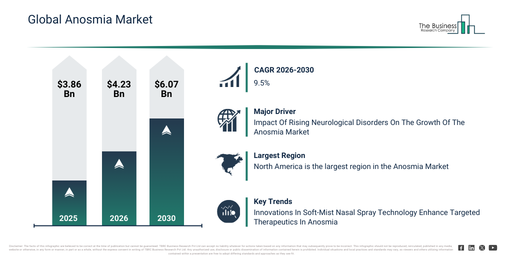
    Anosmia Market Revenue Projected To Rise To $6.07 Billion By 2030

    The anosmia market has experienced robust growth in recent years. It is projected to expand from $3.86 billion in 2025 to $4.23 billion in 2026, demonstrating a compound annual growth rate (CAGR) of 9.4%. This historical expansion can be attributed to factors such as an increased incidence of viral-induced anosmia, growing awareness of olfactory disorders, wider availability of diagnostic tools, the expansion of ENT specialty care, and increased reporting of sensory loss.

    The anosmia market is projected to experience substantial expansion over the coming years, reaching a valuation of $6.07 billion by 2030, demonstrating a compound annual growth rate (CAGR) of 9.5%. This expansion during the forecast period is driven by factors such as increased research into olfactory nerve regeneration, the wider acceptance of innovative therapies, the proliferation of post-infectious care initiatives, a heightened desire for treatments that improve quality of life, and intensified clinical trial engagements. Key trends anticipated in this period encompass a greater emphasis on regenerative therapeutic approaches, an uptick in the utilization of smell training programs, the increasing embrace of precise pharmacological interventions, the broadening scope of diagnostic imaging and testing capabilities, and a strengthened focus on managing post-viral recovery.

    Want Deeper Anosmia Market Insights? Get A Free Sample Report:

    https://thebusinessresearchcompany.com/sample_request?id=37100126&type=smp&name=Anosmia%20Market%20Report%202026&utm_source=Blogs&utm_medium=Paid&utm_campaign=Nov_PR

    Primary Growth Driver Shaping The Anosmia Market Outlook

    An increasing occurrence of neurological conditions is anticipated to drive expansion in the anosmia market in the future. These disorders cover a wide spectrum of ailments impacting the nervous system, encompassing the brain, spinal cord, and peripheral nerves. This surge in neurological disorder cases stems from an aging global demographic and a higher frequency of long-term illnesses like diabetes and high blood pressure. Such disorders may induce anosmia through harm to the olfactory pathways or brain areas crucial for scent processing, resulting in an impaired capacity to discern smells. Consequently, the growing occurrence of neurological conditions is fueling the expansion of the anosmia market.

    Anosmia Market Structure: A Detailed Look At Segments And Subsegments

    The anosmia market covered in this report is segmented –

    1) By Type: Idiopathic Anosmia, Congenital Anosmia

    2) By Treatment: Therapies, Medications

    3) By End User: Hospitals, Clinics, Other End Users

    Subsegments:

    1) By Idiopathic Anosmia: Partial Idiopathic Anosmia, Complete Idiopathic Anosmia

    2) By Congenital Anosmia: Isolated Congenital Anosmia, Syndromic Congenital Anosmia (Associated With Other Conditions Or Syndromes)

    Anosmia Market Innovation And Strategy Trends Among Leading Companies

    Leading companies operating in the anosmia market are focusing on developing advanced delivery mechanisms, such as soft-mist nasal sprays, to improve efficacy, enhance drug absorption, and precisely target the olfactory region. This soft-mist nasal spray technology achieves maximized deposition in the olfactory region through controlled droplet size and low spray velocity, consequently boosting the therapeutic effect. For example, in April 2025, Cyrano Therapeutics, a U.S.-based clinical-stage regenerative medicine company, concluded enrollment for the Phase 2 FLAVOR trial of CYR-064, its soft-mist nasal spray candidate for post-viral smell loss. This product incorporates a patent-protected intranasal formulation of a broad-spectrum phosphodiesterase (PDE) inhibitor, designed to increase olfactory neuron excitability, and by employing the Ursatec 3K pump system alongside Resyca’s soft-mist spray technology, it ensures precise and targeted delivery into the olfactory region.

    Top Companies Competing In The Anosmia Market

    Major companies operating in the anosmia market are Cyrano Therapeutics, Regeneron Pharmaceuticals, Novartis AG, GlaxoSmithKline PLC, Otsuka Pharmaceutical Co Ltd, Bayer AG, AstraZeneca PLC, Eli Lilly and Company, Pfizer Inc, Sanofi SA, NeuroNascent Inc, Immunome Therapeutics, Olfactory Therapeutics Ltd, ENT Therapeutics Inc, NeuroSense Therapeutics LLC, SmellSense Bio, Olfactricity Therapeutics, Sensory Neurogenics Inc, Olfaxion Biotech, SmellGen Therapeutics, Post-Viral Sensory Recovery Inc, Hyposmia Therapeutics LLC

    View The Complete Anosmia Market Study With Segment And Regional Data:

    https://thebusinessresearchcompany.com/report/anosmia-global-market-report?utm_source=Blogs&utm_medium=Paid&utm_campaign=Nov_PR

    Anosmia Market Regional Outlook Across Major Geographies

    North America was the largest region in the anosmia market in 2025. Asia-Pacific is expected to be the fastest-growing region in the market going forward. The regions covered in the anosmia market report are Asia-Pacific, South East Asia, Western Europe, Eastern Europe, North America, South America, Middle East, Africa.

    Reach Out To Our Team:

    The Business Research Company: https://www.thebusinessresearchcompany.com/

    Americas: +1 310-496-7795

    Asia: +44 7882 955267 & +91 8897263534

    Europe: +44 7882 955267

    Email us at: marketing@tbrc.info

    Follow us on:

    LinkedIn: https://in.linkedin.com/company/the-business-research-company

    YouTube: https://www.youtube.com/channel/UC24_fI0rV8cR5DxlCpgmyFQ

    Global Market Model: https://www.thebusinessresearchcompany.com/global-market-model
  • Anorectal Disorders Treatment Market Trends 2026: Spotlight On Innovative Medications And Approvals Expand Anorectal Disorder Treatment

    Anorectal Disorders Treatment Market Trends 2026: Spotlight On Innovative Medications And Approvals Expand Anorectal Disorder Treatment

    With a focus on actionable insights and strategic value, The Business Research Company’s 2026 market reports include market attractiveness scoring, total addressable market sizing, company benchmarking matrices, interactive Excel dashboards, deeper supply chain intelligence, emerging startup tracking, and granular product-level insights.

    Anorectal Disorders Treatment Market Size Analysis: Historical Growth And Future Revenue Projections

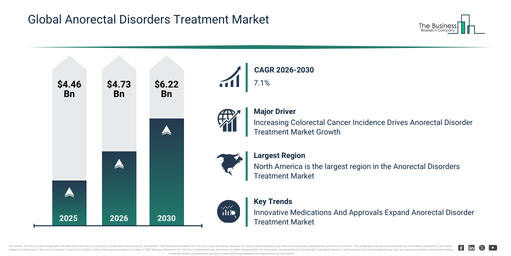
    The anorectal disorders treatment market has shown significant growth in recent years. This market is expected to expand from $4.46 billion in 2025 to $4.73 billion in 2026, achieving a compound annual growth rate (CAGR) of 6.1%. Historically, this expansion has been propelled by the increased occurrence of hemorrhoids and fistulas, improved access to surgical options, the availability of topical drug treatments, an expanding hospital infrastructure, and a heightened awareness of anorectal health.

    The anorectal disorders treatment market size is projected to experience substantial growth over the coming years. This market is anticipated to reach $6.22 billion by 2030, exhibiting a compound annual growth rate (CAGR) of 7.1%. The expansion during the forecast period is largely driven by factors such as the increasing demand for minimally invasive treatments, the growing acceptance of combination drug therapies, the proliferation of specialty clinics, a heightened emphasis on patient-centric care, and advancements in rectal drug delivery innovation. Key trends expected within this period include a greater embrace of minimally invasive procedures, increased utilization of topical and rectal formulations, a rising preference for outpatient treatments, the broadened implementation of lifestyle and dietary management strategies, and a sharpened focus on early diagnosis and symptom management.

    Preview The Anorectal Disorders Treatment Market Report With A Free Sample:

    https://thebusinessresearchcompany.com/sample_request?id=12012176&type=smp&name=Anorectal%20Disorders%20Treatment%20Market%20Report%202026&utm_source=Blogs&utm_medium=Paid&utm_campaign=Nov_PR

    Anorectal Disorders Treatment Market Drivers: What Is Fueling Demand Through 2030?

    The rising prevalence of colorectal cancer is expected to fuel the expansion of the anorectal disorder treatment market moving forward. Colorectal cancer is defined as a malignant tumor originating in the colon (large intestine) or rectum. Anorectal disorder treatment for colorectal cancer focuses on addressing symptoms such as pain, fistulas, and bowel complications caused by the disease or its therapies, thereby improving patient comfort and their quality of life. Therefore, the increasing incidence of colorectal cancer is a significant driver for the growth of the anorectal disorder treatment market.

    Anorectal Disorders Treatment Market Segmentation Analysis: Core Categories And Subcategories

    The anorectal disorders treatment market covered in this report is segmented –

    1) By Treatment: Drugs, Surgery, Other Treatment

    2) By Disease: Diarrhea, Hemorrhoid, Abscesse, Fistula, Itching, Other Disease

    3) By Route Of Administration: Oral, Parenteral, Rectal, Other Route of administration

    4) By End-Users: Hospitals, Specialty Clinics, Other End-Users

    Subsegments:

    1) By Drugs: Topical Agents, Oral Medications, Rectal Suppositories

    2) By Surgery: Hemorrhoidectomy, Fistulotomy, Sphincterotomy, Other Surgical Procedures

    3) By Other Treatment: Lifestyle Modifications, Dietary Changes, Physical Therapy, Minimally Invasive Procedures

    Which Trends Will Define The Anorectal Disorders Treatment Market Through 2030?

    Leading companies active in the anorectal disorder treatment market are launching new medicines and obtaining their approval to strengthen their market presence. Pharmaceutical advancements contribute to a greater number of treatment choices for anorectal conditions, delivering more specific and efficient therapeutic alternatives for patients, such as Budesonide 2mg Rectal Foam.

    Anorectal Disorders Treatment Market Major Companies And Industry Participants

    Major companies operating in the anorectal disorders treatment market are Boston Scientific Corporation, Medtronic plc, Johnson And Johnson, Cook Medical, Olympus Corporation, Becton Dickinson And Company, Smith And Nephew plc, Karl Storz SE And Co KG, Applied Medical Resources Corporation, Hologic Inc, Conmed Corporation, Privi Medical, Integra LifeSciences, Bayer AG, Boehringer Ingelheim GmbH, GlaxoSmithKline plc, Pfizer Inc, Takeda Pharmaceutical Company Limited, Ironwood Pharmaceuticals, Edesa Biotech

    Buy The Full Anorectal Disorders Treatment Global Market Report 2026:

    https://thebusinessresearchcompany.com/report/anorectal-disorders-treatment-global-market-report?utm_source=Blogs&utm_medium=Paid&utm_campaign=Nov_PR

    Anorectal Disorders Treatment Market Geographic Analysis: Which Region Accounts For The Biggest Share?

    North America was the largest region in the anorectal disorders treatment market in 2025. North America is expected to be the fastest-growing region in the forecast period. The regions covered in the anorectal disorders treatment market report are Asia-Pacific, South East Asia, Western Europe, Eastern Europe, North America, South America, Middle East, Africa.

    Reach Out To Our Team:

    The Business Research Company: https://www.thebusinessresearchcompany.com/

    Americas: +1 310-496-7795

    Asia: +44 7882 955267 & +91 8897263534

    Europe: +44 7882 955267

    Email us at: marketing@tbrc.info

    Follow us on:

    LinkedIn: https://in.linkedin.com/company/the-business-research-company

    YouTube: https://www.youtube.com/channel/UC24_fI0rV8cR5DxlCpgmyFQ

    Global Market Model: https://www.thebusinessresearchcompany.com/global-market-model