Author: Marketing Posting

  • Assistive Technologies For Visually Impaired Market Forecast: $12.71 Billion Valuation Expected By 2030

    Assistive Technologies For Visually Impaired Market Forecast: $12.71 Billion Valuation Expected By 2030

    The Business Research Company’s 2026 market reports are designed to deliver research that is more actionable and strategically valuable. Key offerings include market attractiveness scoring, total addressable market sizing, company benchmarking matrices, interactive Excel dashboards, deeper supply chain intelligence, emerging startup tracking, and granular product-level insights.

    Assistive Technologies For Visually Impaired Market Size, Growth Rate And Key Forecast Highlights For 2026–2030

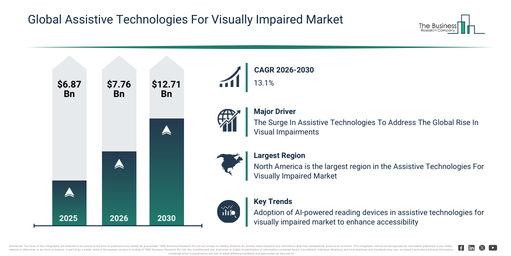
    The market size for assistive technologies designed for the visually impaired has witnessed rapid expansion in recent years. This market is projected to grow from $6.87 billion in 2025 to $7.76 billion in 2026, exhibiting a compound annual growth rate (CAGR) of 12.9%. Historically, this growth can be attributed to heightened awareness of visual impairment accessibility needs, the expansion of special education programs, increased availability of assistive devices, growing institutional support for disability inclusion, and the broader adoption of screen reader technologies.

    The assistive technologies for visually impaired market size is projected to experience significant growth over the next few years, reaching $12.71 billion in 2030 at a compound annual growth rate (CAGR) of 13.1%. This expansion during the forecast period is fueled by the increasing integration of AI and computer vision, rising investments in inclusive technology development, the expansion of smart city accessibility initiatives, a growing demand for personalized assistive solutions, and the increasing adoption of wearable assistive devices. Key trends for the forecast period include the increasing adoption of AI-powered assistive software, the rising use of smart and wearable navigation devices, a growing demand for accessible digital learning tools, the expansion of connected mobility aids, and an enhanced focus on user-centric assistive design.

    See What’s Inside The Assistive Technologies For Visually Impaired Market Report With A Free Sample:

    https://thebusinessresearchcompany.com/sample_request?id=13598&type=smp&name=Assistive%20Technologies%20For%20Visually%20Impaired%20Market%20Report%202026&utm_source=Blogs&utm_medium=Paid&utm_campaign=Nov_PR

    Assistive Technologies For Visually Impaired Market Expansion: The Major Factor Driving Growth

    The increasing prevalence of visual impairments and blindness is anticipated to propel the growth of the assistive technologies for the visually impaired market moving forward. These conditions refer to a limited or complete inability to see, impacting a person’s vision to various extents. Assistive technologies improve accessibility for individuals with visual impairments and blindness by providing essential support, including Braille displays, for enhanced navigation, information access, and communication. Consequently, the rising incidences of visual impairments and blindness are driving the growth of the assistive technologies for the visually impaired market.

    Understanding Assistive Technologies For Visually Impaired Market Segmentation For Strategic Planning

    The assistive technologies for visually impaired market covered in this report is segmented –

    1) By Type: Educational Devices And Software, Mobility Devices, Low Vision Devices

    2) By Distribution Channel: Hospital Pharmacies, Retail Pharmacies, Optical Stores, Online Pharmacies

    3) By End User: Blind Schools, Enterprises And Social Organizations, Personal Use, Hospitals, Other End Users

    Subsegments:

    1) By Educational Devices And Software: Braille Notetakers, Screen Readers, Accessible Learning Software

    2) By Mobility Devices: Canes (Traditional And Smart Canes), GPS Navigation Devices, Wearable Technology For Navigation

    3) By Low Vision Devices: Magnifiers (Handheld And Electronic), Telescopic Lenses, Digital Magnification Devices

    Key Assistive Technologies For Visually Impaired Market Trends To Watch In 2026

    Leading companies operating in the assistive technologies for visually impaired market are concentrating on developing technological advancements, including AI-powered handheld reading devices. These devices aim to provide real-time text recognition and scene understanding to enhance reading independence, improve usability, and lessen the need for sighted assistance. An AI-powered handheld reading device utilizes a combination of computer vision and optical character recognition (OCR) to instantly convert printed, handwritten, or digital text into spoken feedback, much like having a personal reader. This allows for smoother, faster access to information, broader language support, and reduced reliance on additional assistive tools.

    Key Companies Active In The Assistive Technologies For Visually Impaired Market

    Major companies operating in the assistive technologies for visually impaired market are OrCam Technologies Ltd., Vispero, Freedom Scientific Inc., Humanware Pty. Ltd., Amedia Corporation, Aira Tech Corp., LVI Low Vision International AB, Maxi-Aids, Dolphin Computer Access Ltd., Eschenbach Optik GmbH, eSight Corporation, Zoomax Inc., Ash Technologies, ViewPlus Technologies Inc., Envision AI, Ai Squared Inc., Eyedaptic Inc., ABiSee Inc., American Thermoform Corporation, Boundless Assistive Technology, Torchit

    Explore Detailed Assistive Technologies For Visually Impaired Market Research And Forecasts:

    https://thebusinessresearchcompany.com/report/assistive-technologies-for-visually-impaired-global-market-report?utm_source=Blogs&utm_medium=Paid&utm_campaign=Nov_PR

    Which Geography Dominates The Assistive Technologies For Visually Impaired Market?

    North America was the largest region in the assistive technologies for visually impaired market in 2025. Asia-Pacific is expected to be the fastest-growing region in the forecast period. The regions covered in the assistive technologies for visually impaired market report are Asia-Pacific, South East Asia, Western Europe, Eastern Europe, North America, South America, Middle East, Africa.

    Reach Out To Our Team:

    The Business Research Company: https://www.thebusinessresearchcompany.com/

    Americas: +1 310-496-7795

    Asia: +44 7882 955267 & +91 8897263534

    Europe: +44 7882 955267

    Email us at: marketing@tbrc.info

    Follow us on:

    LinkedIn: https://in.linkedin.com/company/the-business-research-company

    YouTube: https://www.youtube.com/channel/UC24_fI0rV8cR5DxlCpgmyFQ

    Global Market Model: https://www.thebusinessresearchcompany.com/global-market-model
  • How The Acute Agitation And Aggression Treatment Market Will Grow To $8.37 Billion By 2030

    How The Acute Agitation And Aggression Treatment Market Will Grow To $8.37 Billion By 2030

    Market attractiveness scoring, total addressable market sizing, company benchmarking matrices, interactive Excel dashboards, deeper supply chain intelligence, emerging startup tracking, and granular product-level insights are among the key offerings featured in The Business Research Company’s 2026 market reports, designed to deliver more actionable and strategically valuable research.

    Acute Agitation And Aggression Treatment Market Growth Outlook: How Much Bigger Will The Market Be By 2030?

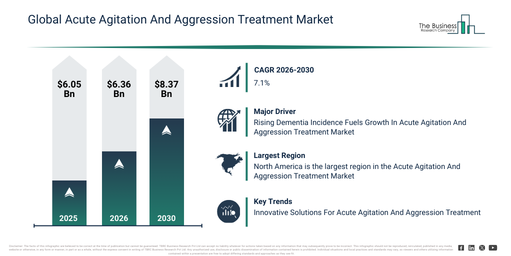
    The acute agitation and aggression treatment market has experienced substantial growth in its size over recent years. It is anticipated to expand from $6.05 billion in 2025 to $6.36 billion in 2026, exhibiting a compound annual growth rate (CAGR) of 5.2%. Historically, this expansion has been fueled by factors such as the increasing prevalence of psychiatric disorders, a rise in emergency department visits for agitation, the broader availability of antipsychotic medications, the ongoing expansion of mental health services, and a growing awareness of behavioral health conditions.

    The acute agitation and aggression treatment market size is anticipated to undergo significant expansion in the coming years. It is forecast to grow to $8.37 billion in 2030, achieving a compound annual growth rate (CAGR) of 7.1%. This projected growth can be attributed to several factors, including a rising demand for fast-acting therapeutic solutions, increased investments in neuropsychiatric drug development, broader utilization of digital mental health tools, the expansion of integrated behavioral care models, and a heightened focus on patient-centric treatment pathways. Major trends identified for the forecast period include the increasing adoption of rapid-acting pharmacologic treatments, a growing emphasis on personalized psychiatry approaches, the expanding integration of digital monitoring tools, the development of emergency behavioral care protocols, and an enhanced commitment to patient safety.

    Request A Free Acute Agitation And Aggression Treatment Market Sample From The Business Research Company:

    https://thebusinessresearchcompany.com/sample_request?id=31356299&type=smp&name=Acute%20Agitation%20And%20Aggression%20Treatment%20Market%20Report%202026&utm_source=Blogs&utm_medium=Paid&utm_campaign=Nov_PR

    How Is The Key Growth Driver Influencing The Acute Agitation And Aggression Treatment Market?

    The rising incidence of dementia is projected to fuel the expansion of the acute agitation and aggression treatment market in the coming years. Dementia describes various conditions characterized by compromised memory, cognitive function, and the ability to manage daily tasks. A frequently observed symptom in individuals with dementia is agitation, which can manifest as restlessness, repetitive actions, or frequent hand movements. Acute agitation and aggression treatment holds a vital role in dementia care, as it helps mitigate the risk of harmful symptoms, enhances the patient’s quality of life, and addresses the underlying reasons for agitation. Thus, the increasing occurrence of dementia is a key driver for the growth of the acute agitation and aggression treatment market.

    Acute Agitation And Aggression Treatment Market Segmentation By Category: What Does The 2026 Report Cover?

    The acute agitation and aggression treatment market covered in this report is segmented –

    1) By Treatment Approach: Behavioral Approaches, Environmental Interventions, Pharmacologic Approaches

    2) By Drug Class: Anti-Psychotics, Benzodiazepines, Other Drug Classes

    3) By Route of Administration: Oral, Intramuscular, Other Routes of Administrations

    4) By Indication: Schizophrenia, Dementia, Bipolar Disorder, Depression, Drug-Induced Agitation And Aggression, Alcohol Withdrawal, Other Indications

    5) By End User: Hospitals And Ambulatory Surgical Centers, Psychiatric Care Facilities, Other End Users

    Subsegments:

    1) By Behavioral Approaches: Cognitive Behavioral Therapy (CBT), De-escalation Techniques, Psychoeducation, Relaxation Therapy, Other Behavioral Interventions

    2) By Environmental Interventions: Sensory Modifications, Safe Room Or Containment Strategies, Environmental Noise Reduction, Lighting And Temperature Adjustments, Other Environmental Interventions

    3) By Pharmacologic Approaches: Antipsychotic Medications, Benzodiazepine Medications, Mood Stabilizers, Other Pharmacologic Agents, Adjunctive Medications

    How Are Industry Players Changing The Acute Agitation And Aggression Treatment Market Landscape?

    Major companies operating in the acute agitation and aggression treatment market are concentrating on developing innovative products, such as a generic version of Zyprexa, to meet patient needs. Generic Zyprexa is a variant of the brand-name drug Zyprexa, which contains the active ingredient olanzapine and is employed in the treatment of psychotic conditions.

    Acute Agitation And Aggression Treatment Market Global Key Players And Competitive Overview

    Major companies operating in the acute agitation and aggression treatment market are Pfizer Inc., Johnson and Johnson Pvt Ltd., F Hoffmann-La Roche Ltd., AbbVie Inc., Novartis AG, Sanofi SA, Bristol-Myers Squibb Company, GlaxoSmithKline plc., Eli Lilly and Company, Teva Pharmaceutical Industries Ltd., Otsuka Pharmaceutical Co Ltd., Mylan NV, Biogen Inc., Bausch Health Companies Inc., UCB SA, Servier Laboratories, Sun Pharmaceutical Industries Ltd., AstraZeneca PLC, Ono Pharmaceutical Co Ltd., Apotex Inc., H Lundbeck A/S, Hikma Pharmaceuticals PLC, Amneal Pharmaceuticals LLC, Neurocrine Biosciences Inc., Aurobindo Pharma Limited, Alkermes plc., Indivior plc., Sunovion Pharmaceuticals Inc., Vanda Pharmaceuticals Inc., and Alexza Pharmaceuticals Inc

    Explore Comprehensive Acute Agitation And Aggression Treatment Market Coverage In The Full Report:

    https://thebusinessresearchcompany.com/report/acute-agitation-and-aggression-treatment-global-market-report?utm_source=Blogs&utm_medium=Paid&utm_campaign=Nov_PR

    Regional Analysis Of The Acute Agitation And Aggression Treatment Market: Where Is The Industry Concentrated?

    North America was the largest region in the acute agitation and aggression treatment market in 2025. Asia-Pacific is expected to be the fastest-growing region in the forecast period. The regions covered in the acute agitation and aggression treatment market report are Asia-Pacific, South East Asia, Western Europe, Eastern Europe, North America, South America, Middle East, Africa.

    Reach Out To Our Team:

    The Business Research Company: https://www.thebusinessresearchcompany.com/

    Americas: +1 310-496-7795

    Asia: +44 7882 955267 & +91 8897263534

    Europe: +44 7882 955267

    Email us at: marketing@tbrc.info

    Follow us on:

    LinkedIn: https://in.linkedin.com/company/the-business-research-company

    YouTube: https://www.youtube.com/channel/UC24_fI0rV8cR5DxlCpgmyFQ

    Global Market Model: https://www.thebusinessresearchcompany.com/global-market-model
  • Assisted Reproductive Technology Market Overview: Size, Growth Drivers, Trends And Competitive Landscape

    Assisted Reproductive Technology Market Overview: Size, Growth Drivers, Trends And Competitive Landscape

    With a focus on actionable insights and strategic value, The Business Research Company’s 2026 market reports include market attractiveness scoring, total addressable market sizing, company benchmarking matrices, interactive Excel dashboards, deeper supply chain intelligence, emerging startup tracking, and granular product-level insights.

    How Much Will The Assisted Reproductive Technology Market Be Worth By 2030?

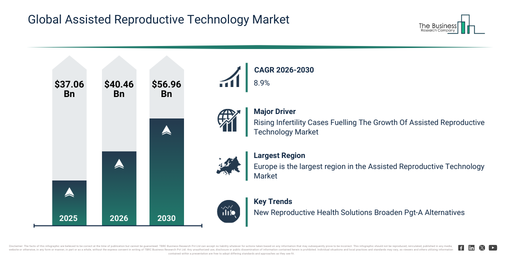
    The assisted reproductive technology market size has experienced significant expansion in recent years. Projections indicate it will advance from $37.06 billion in 2025 to $40.46 billion in 2026, exhibiting a compound annual growth rate (CAGR) of 9.2%. This historical growth can be attributed to factors such as increasing infertility prevalence, rising maternal age trends, the expansion of fertility clinics, the widespread availability of assisted reproductive procedures, and the growing social acceptance of art treatments.

    The assisted reproductive technology market is projected to experience substantial expansion over the upcoming years. This market is anticipated to reach $56.96 billion by 2030, exhibiting a compound annual growth rate (CAGR) of 8.9%. Factors driving this growth during the forecast period include the increasing adoption of precision fertility diagnostics, greater investments in fertility treatment infrastructure, the broadening of genetic testing applications, a rising demand for minimally invasive procedures, and enhanced healthcare spending on reproductive health. Key trends expected during this period involve a greater embrace of advanced embryo screening techniques, increased utilization of frozen embryo and egg banking, an escalating demand for personalized fertility treatments, the expansion of genetic testing within ART procedures, and a heightened emphasis on improving treatment success rates.

    Get Access To A Free Assisted Reproductive Technology Market Report Sample:

    https://thebusinessresearchcompany.com/sample_request?id=27294058&type=smp&name=Assisted%20Reproductive%20Technology%20Market%20Report%202026&utm_source=Blogs&utm_medium=Paid&utm_campaign=Nov_PR

    The Key Driver Behind The Assisted Reproductive Technology Market’s 8.9% CAGR

    An increase in infertility instances is projected to boost the assisted reproductive technology market in the foreseeable future. Infertility refers to the inability to achieve pregnancy following twelve months of regular, unprotected sexual activity. This condition impacts both genders and is commonly identified when conception does not occur. Assisted reproductive technology (ART) serves as the treatment for infertility, with these therapies encompassing methods involving both a female’s egg and a male’s sperm. Consequently, the growing prevalence of infertility cases fuels the expansion of the assisted reproductive technology market.

    Assisted Reproductive Technology Market Classification: Main Segments And Detailed Subsegments

    The assisted reproductive technology market covered in this report is segmented –

    1) By Diagnosis: Hysterosalpingography, Ovarian Reserve Testing, Genetic Testing

    2) By Procedure Type: Fresh Non-Donor, Fresh Donor, Frozen Donor, Frozen Non-Donor, Embryo Or Egg Banking

    3) By End-User: Hospitals, Fertility Clinics, Other End-Users

    Subsegments:

    1) By Hysterosalpingography (HSG): X-ray HSG, Sonohysterography (SHG)

    2) By Ovarian Reserve Testing: Follicle Stimulating Hormone (FSH) Testing, Anti-Müllerian Hormone (AMH) Testing, Antral Follicle Count (AFC) via Ultrasound

    3) By Genetic Testing: Preimplantation Genetic Testing (PGT), Carrier Screening Tests, Genetic Compatibility Testing

    Assisted Reproductive Technology Market Strategic Shifts: What Leading Players Are Prioritizing

    Major companies operating in the assisted reproductive technology market are prioritizing the creation of advanced solutions, such as next-generation sequencing (NGS)-based testing kits, to enhance chromosomal analysis, improve embryo selection, and increase the success rates of fertility treatments. NGS-based preimplantation genetic testing refers to research-use technologies designed for a comprehensive assessment of chromosomal abnormalities in embryos, thus aiding informed decision-making during IVF and ICSI procedures.

    Assisted Reproductive Technology Market Company Analysis: Major Industry Participants

    Major companies operating in the assisted reproductive technology market are Cooper Surgical Inc., Ferring Pharmaceuticals Ltd., Hamilton Thorne Ltd., Merck KGaA, Genea Limited, California Cryobank, European Sperm Bank, OvaScience Inc., Bloom IVF Centre, Vitrolife AB, FUJIFILM Irvine Scientific Inc., Nidacon International AB, Monash IVF Group Ltd., Cook Medical, INVO Bioscience Inc., Thermo Fisher Scientific Inc., Anecova Sa, Carolinas Fertility Institute, Microm Ltd., Inception Sciences Inc., Progyny Inc., Oxford Gene Technology IP Ltd., IVI-RMA Global, Boston IVF, CARE Fertility Group, Virtus Health, Reproductive Medicine Associates of New York, Shady Grove Fertility, CCRM Fertility, New Hope Fertility Center, Houston Fertility Institute, Pacific Fertility Center, RMA of New Jersey, Sher Fertility Institute, IVF Florida, ORM Fertility, HRC Fertility, Arizona Center for Reproductive Endocrinology & Infertility, San Diego Fertility Center, Fertility Centers of Illinois

    Get Full Access To The Assisted Reproductive Technology Market Report 2026:

    https://thebusinessresearchcompany.com/report/Assisted-Reproductive-Technology-global-market-report?utm_source=Blogs&utm_medium=Paid&utm_campaign=Nov_PR

    Assisted Reproductive Technology Market Global Regional Breakdown: Key Regions Analyzed

    Europe was the largest region in the assisted reproductive technology market in 2025. North America was the second-largest region in assisted reproductive technology market. The regions covered in the assisted reproductive technology market report are Asia-Pacific, South East Asia, Western Europe, Eastern Europe, North America, South America, Middle East, Africa.

    Reach Out To Our Team:

    The Business Research Company: https://www.thebusinessresearchcompany.com/

    Americas: +1 310-496-7795

    Asia: +44 7882 955267 & +91 8897263534

    Europe: +44 7882 955267

    Email us at: marketing@tbrc.info

    Follow us on:

    LinkedIn: https://in.linkedin.com/company/the-business-research-company

    YouTube: https://www.youtube.com/channel/UC24_fI0rV8cR5DxlCpgmyFQ

    Global Market Model: https://www.thebusinessresearchcompany.com/global-market-model
  • Active Wound Care Market Segmentation And Growth Analysis: Insights Through 2030

    Active Wound Care Market Segmentation And Growth Analysis: Insights Through 2030

    Designed to make market research more actionable and strategically valuable, The Business Research Company’s 2026 market reports feature market attractiveness scoring, total addressable market sizing, company benchmarking matrices, interactive Excel dashboards, deeper supply chain intelligence, emerging startup tracking, and granular product-level insights.

    Active Wound Care Market Forecast 2026–2030: Size, Value And Compound Annual Growth Rate

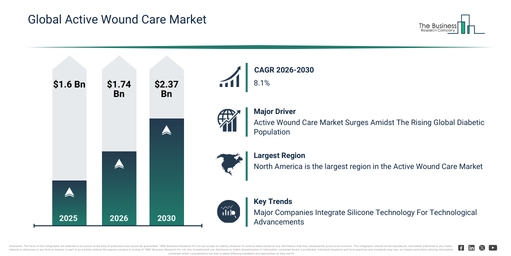
    The active wound care market has experienced significant growth in recent years. Its size is expected to increase from $1.6 billion in 2025 to $1.74 billion in 2026, showing a compound annual growth rate (CAGR) of 8.4%. Historically, this expansion has been driven by several factors, including the limited availability of advanced wound care products, a rising prevalence of chronic wounds, an increase in wound care procedures performed in hospitals and clinics, growing awareness concerning diabetic foot ulcers, and the adoption of conventional dressings.

    The active wound care market is anticipated to experience substantial expansion over the upcoming years, projected to reach $2.37 billion by 2030, exhibiting a compound annual growth rate (CAGR) of 8.1%. Factors contributing to this growth during the forecast period include the advancement of bioengineered skin substitutes, a rise in the application of growth factors for wound healing, the broadening scope of home care wound management, increased funding for chronic wound treatment research, and the incorporation of smart wound care monitoring technologies. Key trends foreseen in this period encompass the growing uptake of advanced wound dressings, an increased reliance on growth factors for tissue regeneration, the expansion of both chronic and acute wound management approaches, a heightened preference for skin-substitutes and biomaterials, and an emphasis on infection control and pain management.

    Try Before You Buy: Free Sample Of The Active Wound Care Market Report:

    https://thebusinessresearchcompany.com/sample_request?id=26511226&type=smp&name=Active%20Wound%20Care%20Market%20Report%202026&utm_source=Blogs&utm_medium=Paid&utm_campaign=Nov_PR

    Active Wound Care Market Growth Engine: The Factor Boosting Demand Globally

    The global increase in diabetic individuals is anticipated to boost the expansion of the active wound care market in the future. Obesity, identified as a condition originating from excessively high blood glucose, can lead to sores and ulcers, thereby elevating the risk of infections and other severe complications. Active wound care treatment facilitates a structured healing process for patients through the application of diverse solutions and therapies to wounds, consequently driving up the demand for active wound care. For example, data from April 2025 by the International Diabetes Federation (IDF), a non-profit organization based in Belgium, indicated that around 589 million adults worldwide, aged 20–79, currently have diabetes, representing 11.1% of the global population within this age bracket. This figure is projected to rise to 853 million (13%) by the year 2050. Furthermore, an estimated 252 million adults living with diabetes are believed to be unaware of their condition. Consequently, the increasing prevalence of diabetic patients and related fatalities will stimulate the expansion of the active wound care market.

    Which Categories And Subcategories Shape The Active Wound Care Market?

    The active wound care market covered in this report is segmented –

    1) By Product: Biomaterials, Skin-Substitutes, Synthetic Skin-Substitute, Growth Factors

    2) By Indications: Burns, Diabetic Foot Ulcers, Pressure Ulcers, Lower Limb Ulcers

    3) By Application: Chronic Wounds, Acute Wounds

    4) By End-User: Hospitals, Clinics, Home Care Settings, Other End-users

    Subsegments:

    1) By Biomaterials: Collagen-Based Products, Hydrogel Dressings, Alginate Dressings

    2) By Skin-Substitutes: Autografts, Allografts, Xenografts

    3) By Synthetic Skin-Substitutes: Polyurethane Films, Silicone-Based Products, Dermal Regeneration Templates

    4) By Growth Factors: Platelet-Derived Growth Factors (PDGF), Epidermal Growth Factors (EGF), Vascular Endothelial Growth Factors (VEGF)

    Active Wound Care Market Trend Insights: Strategic Focus Areas Of Leading Companies

    Leading companies in the active wound care market are introducing technologically advanced products, such as silicone technology, to maintain their competitive standing. Silicone technology refers to the application and utilization of materials known as silicones, which are synthetic polymers composed of silicon, oxygen, carbon, and hydrogen.

    Leading Organizations In The Active Wound Care Market

    Major companies operating in the active wound care market are Smith & Nephew PLC, MiMedx Group Inc., Tissue Regenix Group, Organogenesis Inc., Acell Inc., Integra Life Sciences Holdings Corporation, Solsys Medical LLC, Osiris Therapeutics Inc., Cytori Therapeutics Inc., Human BioSciences Inc., Wright Medical Group NV, Mölnlycke Health Care AB, Medline Industries Inc., AVITA Medical Inc., ConvaTec Inc., Stryker Corporation, 3M Company, Acelity L.P. Inc., B. Braun Melsungen AG, BSN Medical GmbH, Cardinal Health Inc., Celularity Inc., Coloplast A/S, Generex Biotechnology Corp., Hollister Incorporated, Johnson & Johnson Inc., Lohmann & Rauscher GmbH & Co. Kg, Medtronic PLC, PAUL HARTMANN AG, Adynxx Inc., Derma sciences Inc., Baxter International Inc., Axio Biosolutions

    Continue Reading: The Full Active Wound Care Market Report:

    https://thebusinessresearchcompany.com/report/active-wound-care-global-market-report?utm_source=Blogs&utm_medium=Paid&utm_campaign=Nov_PR

    Active Wound Care Market Regional Spotlight: Top Geography And Report Coverage

    North America was the largest region in the active wound care market in 2025. The regions covered in the active wound care market report are Asia-Pacific, South East Asia, Western Europe, Eastern Europe, North America, South America, Middle East, Africa.

    Reach Out To Our Team:

    The Business Research Company: https://www.thebusinessresearchcompany.com/

    Americas: +1 310-496-7795

    Asia: +44 7882 955267 & +91 8897263534

    Europe: +44 7882 955267

    Email us at: marketing@tbrc.info

    Follow us on:

    LinkedIn: https://in.linkedin.com/company/the-business-research-company

    YouTube: https://www.youtube.com/channel/UC24_fI0rV8cR5DxlCpgmyFQ

    Global Market Model: https://www.thebusinessresearchcompany.com/global-market-model
  • Assisted Living Technologies Market To Grow From $10.59 Billion To $17.76 Billion By 2030: Key Drivers Explained

    Assisted Living Technologies Market To Grow From $10.59 Billion To $17.76 Billion By 2030: Key Drivers Explained

    The Business Research Company’s 2026 market reports combine market attractiveness scoring, total addressable market sizing, company benchmarking matrices, interactive Excel dashboards, deeper supply chain intelligence, emerging startup tracking, and granular product-level insights to deliver research that is more actionable and strategically valuable.

    Assisted Living Technologies Market Revenue Forecast: $10.59 Billion In 2026 Rising To $17.76 Billion In 2030

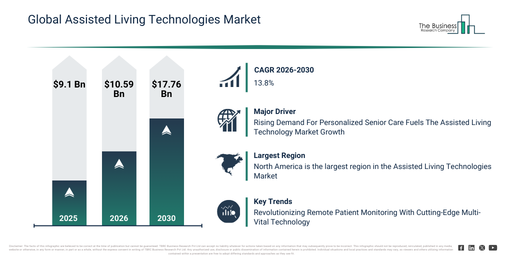
    The assisted living technologies market size has shown rapid growth in recent years. It is expected to expand from $9.1 billion in 2025 to $10.59 billion in 2026, achieving a compound annual growth rate (CAGR) of 16.4%. The increase observed in the historic period can be attributed to factors such as an expanding aging population, a rising prevalence of chronic conditions, the broadening of home care services, increasing demand for elderly independence, and the availability of basic assistive devices.

    The market for assisted living technologies is projected to experience substantial expansion over the coming years. By 2030, this sector is anticipated to reach a valuation of $17.76 billion, demonstrating a compound annual growth rate (CAGR) of 13.8%. This projected growth stems from several factors, including heightened investments in intelligent assisted living infrastructure, the increasing uptake of telehealth and remote monitoring services, the proliferation of AI-powered care solutions, a stronger emphasis on preventive healthcare, and greater consumer openness to digital health instruments. Key trends expected during this period involve the wider adoption of smart home safety features, a surge in the use of wearable health trackers, the increasing integration of remote care platforms, the development of data-driven solutions for assisted living, and an intensified commitment to supporting independent living.

    Free Sample Report: Assisted Living Technologies Market Size, Trends And Forecast To 2030:

    https://thebusinessresearchcompany.com/sample_request?id=61558373&type=smp&name=Assisted%20Living%20Technologies%20Market%20Report%202026&utm_source=Blogs&utm_medium=Paid&utm_campaign=Nov_PR

    Assisted Living Technologies Market Growth Catalyst: What Is Creating New Demand?

    The increasing need for individualized senior care solutions is anticipated to fuel the expansion of the assisted living technology market in the future. These services encompass various offerings intended to support older adults in their daily lives. This surge in demand for tailored senior care stems from an expanding aging population, their distinct requirements, and the desire for high-quality support. Assisted living technologies allow for the remote observation of seniors’ health metrics, including vital signs, physical activity, medication compliance, and detection of falls. Such tools assist older adults in following their medication schedules, avoiding mistakes, and enhancing their general health results. Consequently, the increasing need for personalized senior care services is a key factor propelling the expansion of the assisted living technology market.

    Assisted Living Technologies Market Segment Overview: Categories Covered In The 2026 Report

    The assisted living technologies market covered in this report is segmented –

    1) By Component: Hardware, Software And Apps, Services

    2) By Facility Type: Adult Family Home, Community-Based Residential Facility, Residential Care Apartment Complex

    3) By End-User: Assisted Living Facilities, Nursing Homes, Rehabilitation Centers, Home Care Settings, Hospices, Other End-Users

    Subsegments:

    1) By Hardware: Wearable Devices (Smartwatches, Health Trackers), Sensors (Motion, Pressure, Temperature), Home Automation Systems (Smart Lights, Smart Thermostats), Monitoring Devices (Fall Detection Systems, Emergency Alert Systems)

    2) By Software And Apps: Health Monitoring Apps, Remote Patient Monitoring Software, Medication Management Software, Communication And Coordination Software, Emergency Response Apps

    3) By Services: Remote Monitoring Services, Personal Care Assistance, Telehealth Services, Maintenance And Support Services, Data Analytics And Reporting Services

    How Are Leading Companies Shaping Assisted Living Technologies Market Trends?

    Leading companies within the assisted living technologies market are developing multi-sensor remote patient monitoring platforms. These innovations aim to provide convenient, continuous remote tracking of vital signs and enhance patient care. Such platforms enable healthcare providers to more closely observe patients’ health status and deliver more personalized care, ultimately leading to improved patient outcomes and more effective management of chronic conditions.

    Assisted Living Technologies Market Players: Key Companies Shaping Competition

    Major companies operating in the assisted living technologies market are Samsung Electronics Co. Ltd., Siemens AG, General Electric Company, Panasonic Corporation, Honeywell International Inc., Medtronic plc, ABB Ltd., Koninklijke Philips N.V., Legrand SA, Resideo Technologies Inc., ADT Inc., Tunstall Group Holdings Limited, WellSky, Lively, Essence Group, Possum Limited, GrandCare Systems, Vitaphone GmbH, Tynetec Limited, 2PCS Solutions GmbH, Assisted Living Technologies Inc., Bay Alarm Medical, Gnomon Informatics S.A., Independa Inc., Alcove

    Access Complete Assisted Living Technologies Market Data, Forecasts And Competitive Insights:

    https://thebusinessresearchcompany.com/report/assisted-living-technologies-global-market-report?utm_source=Blogs&utm_medium=Paid&utm_campaign=Nov_PR

    Assisted Living Technologies Market Regional Performance And Geographic Coverage

    North America was the largest region in the assisted living technologies market in 2025. The regions covered in the assisted living technologies market report are Asia-Pacific, South East Asia, Western Europe, Eastern Europe, North America, South America, Middle East, Africa.

    Reach Out To Our Team:

    The Business Research Company: https://www.thebusinessresearchcompany.com/

    Americas: +1 310-496-7795

    Asia: +44 7882 955267 & +91 8897263534

    Europe: +44 7882 955267

    Email us at: marketing@tbrc.info

    Follow us on:

    LinkedIn: https://in.linkedin.com/company/the-business-research-company

    YouTube: https://www.youtube.com/channel/UC24_fI0rV8cR5DxlCpgmyFQ

    Global Market Model: https://www.thebusinessresearchcompany.com/global-market-model
  • Assisted Living Facility And Neurorehabilitation Market Worth $55.47 Billion In 2026: What The Latest Data Shows

    Assisted Living Facility And Neurorehabilitation Market Worth $55.47 Billion In 2026: What The Latest Data Shows

    Market attractiveness scoring, total addressable market sizing, company benchmarking matrices, interactive Excel dashboards, deeper supply chain intelligence, emerging startup tracking, and granular product-level insights are among the key offerings featured in The Business Research Company’s 2026 market reports, designed to deliver more actionable and strategically valuable research.

    Assisted Living Facility And Neurorehabilitation Market Size Overview: From Historical Performance To The 2030 Forecast

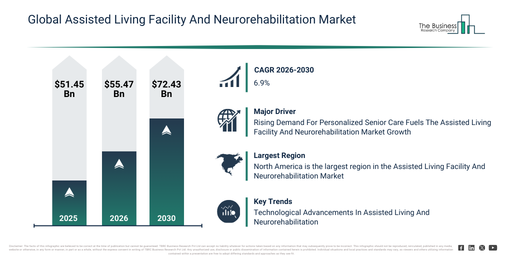
    The assisted living facility and neurorehabilitation market has seen considerable growth in its size recently. It is projected to expand from $51.45 billion in 2025 to $55.47 billion in 2026, exhibiting a compound annual growth rate (CAGR) of 7.8%. This historical growth can be attributed to several factors, including an aging population, a rising prevalence of neurological disorders, the expansion of assisted living facilities, an increased demand for long-term care services, and the availability of rehabilitation professionals.

    The assisted living facility and neurorehabilitation market is projected to witness significant expansion in the upcoming years. It is set to reach a value of $72.43 billion by 2030, demonstrating a compound annual growth rate (CAGR) of 6.9%. This anticipated growth during the forecast period is driven by factors such as increasing investments in neurorehabilitation infrastructure, a rising demand for integrated care models, the broadening of technology-enabled therapy solutions, a growing emphasis on patient-centered care, and increased healthcare spending on elderly care. Prominent trends expected over this period include the heightened integration of neurorehabilitation services within assisted living, a greater adoption of personalized care programs, the expanding use of remote monitoring technologies, the development of multidisciplinary rehabilitation models, and an enhanced focus on cognitive and mobility recovery.

    Get A Free Sample Of The Business Research Company’s Assisted Living Facility And Neurorehabilitation Market Report:

    https://thebusinessresearchcompany.com/sample_request?id=17488618&type=smp&name=Assisted%20Living%20Facility%20And%20Neurorehabilitation%20Market%20Report%202026&utm_source=Blogs&utm_medium=Paid&utm_campaign=Nov_PR

    What Factor Is Increasing Demand In The Assisted Living Facility And Neurorehabilitation Market?

    The increasing demand for tailored senior care services is anticipated to fuel the expansion of the assisted living facility and neurorehabilitation market. These personalized senior care services encompass various provisions aimed at assisting elderly individuals in their daily lives. The rise in the elderly population, their distinct requirements, and the desire for high-quality care are contributing to the growing need for personalized senior care. Integrating assisted living facilities and neurorehabilitation into these services offers holistic support, blending assistance for daily living with specific therapeutic interventions customized for individual neurological requirements. Consequently, the escalating demand for personalized senior care services is propelling the growth of the assisted living facility and neurorehabilitation market.

    Which Segments Make Up The Assisted Living Facility And Neurorehabilitation Market?

    The assisted living facility and neurorehabilitation market covered in this report is segmented –

    1) By Type: Women, Men

    2) By Age: Less Than 65, 65-74, 75-84, More Than 85

    3) By Application: Hospitals, Clinics, Personal Care, Other Applications

    Subsegments:

    1) By Women: Elderly Women, Women With Cognitive Disorders, Women With Physical Disabilities

    2) By Men: Elderly Men, Men With Cognitive Disorders, Men With Physical Disabilities

    Assisted Living Facility And Neurorehabilitation Market Emerging Trends: What Are Industry Leaders Focusing On?

    Leading companies within the assisted living facilities and neurorehabilitation market are prioritizing technological innovations, such as smart peripheral devices, to achieve a competitive edge. A smart peripheral device is a highly sensitive controller designed to capture subtle grasp forces and wrist movements essential for daily tasks. It possesses the capability to detect minute finger and hand forces, even below the newton level, thereby enabling therapy for even the most severely affected patients.

    Major Companies To Know In The Assisted Living Facility And Neurorehabilitation Market

    Major companies operating in the assisted living facility and neurorehabilitation market are Community Health Systems Inc., Sevita Health, Encompass Health Corporation, Kindred Healthcare LLC, Brookdale Senior Living, Atria Senior Living Inc., SCA Health, Belmont VillAge L.P., Aegis Living, Craig Hospital, NeuroRestorative, Centre For Neuro Skills, Bioness Inc., Texas NeuroRehab Center, Catholic Eldercare, Moody Neurorehabilitation Institute, ResCare Inc., Sukino Healthcare Solutions Pvt. Ltd., TeamHealth, Mary Lee Foundation, Sanctus Rehabilitation Care Foundation

    Read The In-Depth Assisted Living Facility And Neurorehabilitation Market Report:

    https://thebusinessresearchcompany.com/report/assisted-living-facility-and-neurorehabilitation-global-market-report?utm_source=Blogs&utm_medium=Paid&utm_campaign=Nov_PR

    Assisted Living Facility And Neurorehabilitation Market Regional Landscape: Largest Region In 2025

    North America was the largest region in the assisted living facility and neurorehabilitation market in 2025. Asia-Pacific is expected to be the fastest growing region in the market. The regions covered in the assisted living facility and neurorehabilitation market report are Asia-Pacific, South East Asia, Western Europe, Eastern Europe, North America, South America, Middle East, Africa.

    Reach Out To Our Team:

    The Business Research Company: https://www.thebusinessresearchcompany.com/

    Americas: +1 310-496-7795

    Asia: +44 7882 955267 & +91 8897263534

    Europe: +44 7882 955267

    Email us at: marketing@tbrc.info

    Follow us on:

    LinkedIn: https://in.linkedin.com/company/the-business-research-company

    YouTube: https://www.youtube.com/channel/UC24_fI0rV8cR5DxlCpgmyFQ

    Global Market Model: https://www.thebusinessresearchcompany.com/global-market-model
  • Actinic Keratosis Treatment Market Analysis 2026: Major Companies Including Sun Pharmaceutical Industries Ltd.

    Actinic Keratosis Treatment Market Analysis 2026: Major Companies Including Sun Pharmaceutical Industries Ltd.

    The Business Research Company’s 2026 market reports are designed to deliver research that is more actionable and strategically valuable. Key offerings include market attractiveness scoring, total addressable market sizing, company benchmarking matrices, interactive Excel dashboards, deeper supply chain intelligence, emerging startup tracking, and granular product-level insights.

    Actinic Keratosis Treatment Market Size Insights: Annual Growth Rate, Revenue Outlook And Forecast Drivers

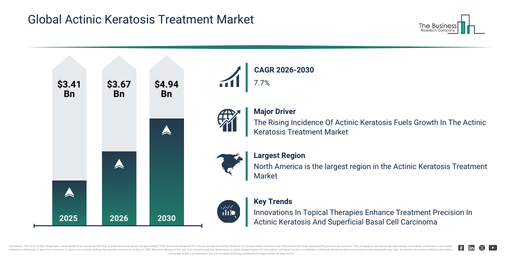
    The actinic keratosis treatment market size has shown significant growth in recent years. It is anticipated to increase from $3.41 billion in 2025 to $3.67 billion in 2026, achieving a compound annual growth rate (CAGR) of 7.7%. The expansion observed in the past can be attributed to several factors, including the rising prevalence of actinic keratoses resulting from UV exposure, the limited treatment options available in earlier periods, the expansion of dermatology awareness programs, the increasing adoption of cryotherapy and laser therapy, and the availability of various prescription medications.

    The actinic keratosis treatment market size is projected to experience robust expansion in the coming years. This market is expected to reach $4.94 billion by 2030, demonstrating a compound annual growth rate (CAGR) of 7.7%. The anticipated growth during the forecast period is driven by the development of new topical and photodynamic therapies, increased investment in dermatology clinics, the rising adoption of combination treatments, an increase in homecare and self-administration options, and progress in minimally invasive procedural modalities. Key trends for the forecast period include a growing embrace of topical treatments for actinic keratosis, a heightened preference for photodynamic therapy procedures, the increased use of fluorouracil, imiquimod, and diclofenac medications, the expansion of dermatology clinics and laser therapy centers, and rising awareness regarding sun protection and homecare treatments.

    Request A Free Excerpt Of The Actinic Keratosis Treatment Global Market Report 2026:

    https://thebusinessresearchcompany.com/sample_request?id=30361466&type=smp&name=Actinic%20Keratosis%20Treatment%20Market%20Report%202026&utm_source=Blogs&utm_medium=Paid&utm_campaign=Nov_PR

    What Will Drive Actinic Keratosis Treatment Market Growth Through 2030?

    The increasing need for minimally invasive therapies is projected to boost the expansion of the actinic keratosis treatment market in the future. These therapies are medical interventions characterized by minimal or no incisions, leading to less tissue damage and quicker recovery times compared to conventional open surgeries. The heightened demand for such procedures stems from aging demographics in developed nations, as older individuals prioritize treatments with faster healing and fewer adverse effects. Minimally invasive approaches directly support the growth of actinic keratosis treatment by providing patients with more convenient, effective choices that reduce discomfort and accelerate healing. Consequently, the growing demand for minimally invasive therapies is propelling the growth of the actinic keratosis treatment market.

    Actinic Keratosis Treatment Market Segment Analysis Covering All Major Categories

    The actinic keratosis treatment market covered in this report is segmented –

    1) By Treatment: Topical Treatment, Procedural Modality, Photodynamic Therapy

    2) By Medication: Fluorouracil Cream, Imiquimod Cream, Ingenol Mebutate Gel, Diclofenac Gel

    3) By End User: Hospitals, Private Dermatology Clinics, Laser Therapy Centers, Homecare

    Subsegments:

    1) By Topical Treatment: 5-Fluorouracil (5-FU), Imiquimod, Ingenol Mebutate, Diclofenac

    2) By Procedural Modality: Cryotherapy, Curettage And Electrosurgery, Laser Therapy

    3) By Photodynamic Therapy: ALA-Based PDT, MAL-Based PDT

    Major Trends Shaping The Future Of The Actinic Keratosis Treatment Market

    Leading companies in the actinic keratosis treatment market are concentrating on developing advanced solutions, such as combination topical therapies, with the goals of improving treatment efficacy, minimizing adverse effects, and offering convenient prescription options for dermatology providers. These combination topical therapies are formulations that integrate multiple active ingredients to target abnormal skin growths while supporting overall skin health. For example, in April 2025, SKNV, a US-based dermatologic innovation company, introduced Kefunova Cream. This topical therapy contains fluorouracil 5% and calcipotriene 0.005% and is used for the treatment of actinic keratosis (AK) and superficial basal cell carcinoma (sBCC). The treatment involves applying the cream directly to the affected skin areas, providing a prescription-only option that addresses the needs of dermatology providers managing these conditions.

    Actinic Keratosis Treatment Market Competitive Environment And Key Companies

    Major companies operating in the actinic keratosis treatment market are Sun Pharmaceutical Industries Ltd., Hill Dermaceuticals Inc., Bausch Health Companies Inc., LEO Pharma A/S, Almirall SA, Biofrontera AG, Galderma SA, Mylan NV, Cipher Pharmaceuticals Inc., Pierre Fabre Pharmaceuticals Inc., Cutanea Life Sciences Inc., DUSA Pharmaceuticals Inc., Foamix Pharmaceuticals Ltd., Hikma Pharmaceuticals PLC, Innocutis Holdings LLC, Mayne Pharma Group Limited, Meda AB, Merz Pharma GmbH & Co KGaA, Perrigo Company PLC, Promius Pharma LLC, Ranbaxy Laboratories Limited, Sandoz International GmbH, Stiefel Laboratories Inc., Teva Pharmaceutical Industries Ltd., Valeant Pharmaceuticals International Inc., Zydus Pharmaceuticals Inc., Dermira Inc., Sol-Gel Technologies Ltd., Verrica Pharmaceuticals Inc.

    Access Expert Actinic Keratosis Treatment Market Analysis In The Full Report:

    https://thebusinessresearchcompany.com/report/actinic-keratosis-treatment-global-market-report?utm_source=Blogs&utm_medium=Paid&utm_campaign=Nov_PR

    Which Regions Are Covered In The Actinic Keratosis Treatment Market Report?

    North America was the largest region in the actinic keratosis treatment market in 2025. Asia-Pacific is expected to be the fastest-growing region in the forecast period. The regions covered in the actinic keratosis treatment market report are Asia-Pacific, South East Asia, Western Europe, Eastern Europe, North America, South America, Middle East, Africa.

    Reach Out To Our Team:

    The Business Research Company: https://www.thebusinessresearchcompany.com/

    Americas: +1 310-496-7795

    Asia: +44 7882 955267 & +91 8897263534

    Europe: +44 7882 955267

    Email us at: marketing@tbrc.info

    Follow us on:

    LinkedIn: https://in.linkedin.com/company/the-business-research-company

    YouTube: https://www.youtube.com/channel/UC24_fI0rV8cR5DxlCpgmyFQ

    Global Market Model: https://www.thebusinessresearchcompany.com/global-market-model
  • Aspergillosis Treatment Market Competitive Landscape: Basilea Pharmaceutica Ltd. And Other Key Players

    Aspergillosis Treatment Market Competitive Landscape: Basilea Pharmaceutica Ltd. And Other Key Players

    Designed to make market research more actionable and strategically valuable, The Business Research Company’s 2026 market reports feature market attractiveness scoring, total addressable market sizing, company benchmarking matrices, interactive Excel dashboards, deeper supply chain intelligence, emerging startup tracking, and granular product-level insights.

    What Is The Projected CAGR Of The Aspergillosis Treatment Market Through 2030?

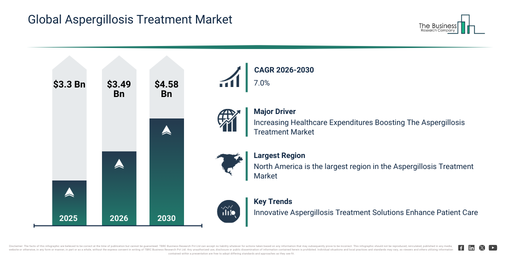
    The aspergillosis treatment market size has shown strong growth in recent years. It is expected to increase from $3.3 billion in 2025 to $3.49 billion in 2026, at a compound annual growth rate (CAGR) of 5.8%. Historically, this growth has been driven by factors such as the increasing incidence of immunocompromised patient populations, a rise in hospital-acquired fungal infections, the availability of conventional antifungal drugs, improved clinical awareness of aspergillosis, and the expansion of hospital treatment capabilities.

    The aspergillosis treatment market is projected to experience substantial expansion in the coming years, with its size forecast to reach $4.58 billion by 2030, driven by a compound annual growth rate (CAGR) of 7.0%. This anticipated growth can be attributed to factors such as increasing research into resistant fungal strains, rising demand for personalized treatment approaches, the expansion of antifungal drug pipelines, growing adoption of early diagnostic testing, and increasing healthcare expenditure on infectious diseases. Major trends expected in this forecast period include the escalating development of novel antifungal therapies, the rising adoption of precision diagnostics for early detection, a growing focus on targeted treatment protocols, the expansion of combination antifungal therapies, and enhanced monitoring of treatment outcomes.

    Claim Your Free Aspergillosis Treatment Market Sample Report With Key Data And Trends:

    https://thebusinessresearchcompany.com/sample_request?id=57532373&type=smp&name=Aspergillosis%20Treatment%20Market%20Report%202026&utm_source=Blogs&utm_medium=Paid&utm_campaign=Nov_PR

    Aspergillosis Treatment Market Demand Analysis: The Driving Force Behind Expansion

    The increasing trend in healthcare expenditures is anticipated to propel the expansion of the aspergillosis treatment market in the coming years. Healthcare expenditures refer to all expenses involved in providing health services, family planning activities, nutrition programs, and health-oriented emergency assistance. An uptick in healthcare spending would facilitate the development of more effective therapies and advanced medical technologies for aspergillosis treatment. Thus, the rise in healthcare expenditures is a key driver for the growth of the aspergillosis treatment market.

    Breaking Down The Aspergillosis Treatment Market By Segment

    The aspergillosis treatment market covered in this report is segmented –

    1) By Type: Allergic Aspergillosis, Chronic Aspergillosis, Invasive Aspergillosis

    2) By Drug Class: Corticosteroids, Antifungal drugs, Other Drug Classes

    3) By Route of Administration: Oral, Injectable, Other Routes Of Administration

    4) By Distribution Channel: Hospital pharmacies, Retail pharmacies, Other Distribution Channels

    Subsegments:

    1) By Allergic Aspergillosis: Allergic Fungal Sinusitis, Allergic Bronchopulmonary Aspergillosis (ABPA)

    2) By Chronic Aspergillosis: Chronic Pulmonary Aspergillosis, Chronic Cavitary Aspergillosis

    3) By Invasive Aspergillosis: Pulmonary Invasive Aspergillosis, Disseminated Invasive Aspergillosis

    Top Trend Influencing The Aspergillosis Treatment Market Outlook

    Leading companies within the aspergillosis treatment market are concentrating on introducing novel aspergillosis drugs and solutions to uphold their market position. The advancement of drugs expands treatment options for aspergillosis, including posaconazole oral suspension, which delivers more targeted and effective therapeutic choices for patients.

    Aspergillosis Treatment Market Competitive Landscape And Major Players

    Major companies operating in the aspergillosis treatment market are Basilea Pharmaceutica Ltd., Pfizer Inc., Johnson and Johnson, AbbVie Inc., Bayer AG, Novartis AG, Merck and Co. Inc., Sanofi S.A., Bristol Myers Squibb Company, AstraZeneca plc, GSK plc, Takeda Pharmaceutical Company, Eli Lilly and Company, Gilead Sciences Inc., Boehringer Ingelheim International GmbH, Teva Pharmaceutical Industries, Astellas Pharma Inc., Regeneron Pharmaceuticals, Mylan N.V. , Sun Pharmaceutical Industries, Jazz Pharmaceuticals, Dr. Reddy’s Laboratories, Cipla Ltd., Hikma Pharmaceuticals PLC

    Read The Full Aspergillosis Treatment Market Report By The Business Research Company:

    https://thebusinessresearchcompany.com/report/aspergillosis-treatment-global-market-report?utm_source=Blogs&utm_medium=Paid&utm_campaign=Nov_PR

    Where Is The Aspergillosis Treatment Market Largest? Key Regional Insights

    North America was the largest region in the aspergillosis treatment market in 2025. The regions covered in the aspergillosis treatment market report are Asia-Pacific, South East Asia, Western Europe, Eastern Europe, North America, South America, Middle East, Africa.

    Reach Out To Our Team:

    The Business Research Company: https://www.thebusinessresearchcompany.com/

    Americas: +1 310-496-7795

    Asia: +44 7882 955267 & +91 8897263534

    Europe: +44 7882 955267

    Email us at: marketing@tbrc.info

    Follow us on:

    LinkedIn: https://in.linkedin.com/company/the-business-research-company

    YouTube: https://www.youtube.com/channel/UC24_fI0rV8cR5DxlCpgmyFQ

    Global Market Model: https://www.thebusinessresearchcompany.com/global-market-model
  • North America Leads The Asperger Syndrome Market: Regional Analysis And 2030 Forecast

    North America Leads The Asperger Syndrome Market: Regional Analysis And 2030 Forecast

    The Business Research Company’s 2026 market reports are designed to deliver research that is more actionable and strategically valuable. Key offerings include market attractiveness scoring, total addressable market sizing, company benchmarking matrices, interactive Excel dashboards, deeper supply chain intelligence, emerging startup tracking, and granular product-level insights.

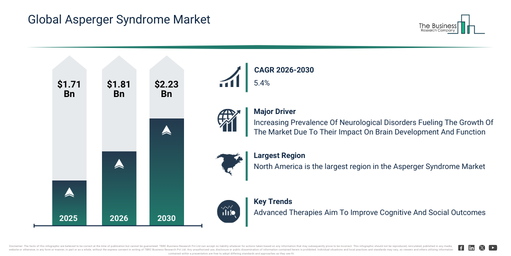
    Asperger Syndrome Market Revenue Projected To Rise To $2.23 Billion By 2030

    The asperger syndrome market has experienced substantial growth in recent years. It will grow from $1.71 billion in 2025 to $1.81 billion in 2026 at a compound annual growth rate (CAGR) of 5.7%. Factors contributing to this historical expansion include heightened awareness of autism spectrum disorders, the evolution of diagnostic criteria, increased adoption of behavioral therapies, the provision of specialized clinical services, and an increase in diagnosis rates among children.

    The asperger syndrome market size is anticipated to experience robust expansion over the coming years, with projections indicating it will reach $2.23 billion by 2030, growing at a compound annual growth rate (CAGR) of 5.4%. This anticipated growth during the forecast period can be attributed to increasing investments in digital mental health solutions, a growing focus on adult autism care services, the expansion of telehealth-based behavioral therapy, the rising integration of AI in diagnosis tools, and an increasing demand for personalized intervention programs. Furthermore, major trends identified for the forecast period include the increasing adoption of early diagnostic screening tools, the growing use of digital behavioral assessment platforms, the expansion of personalized therapy programs, the rising integration of assistive technologies for social skills, and an enhanced focus on lifelong condition management.

    Want Deeper Asperger Syndrome Market Insights? Get A Free Sample Report:

    https://thebusinessresearchcompany.com/sample_request?id=36851223&type=smp&name=Asperger%20Syndrome%20Market%20Report%202026&utm_source=Blogs&utm_medium=Paid&utm_campaign=Nov_PR

    Primary Growth Driver Shaping The Asperger Syndrome Market Outlook

    An uptick in neurological disorders is anticipated to fuel the expansion of the asperger syndrome market moving forward. These are medical conditions that impact the brain, spinal cord, and nerves, leading to diverse symptoms including cognitive, motor, and sensory impairments. The rising occurrence of neurological disorders is linked to the world’s aging population, as the aging process progressively diminishes neuronal function, reduces brain plasticity, and heightens oxidative stress, thereby contributing to the development and worsening of these conditions. Neurological disorders play a role in asperger syndrome by influencing brain development and function, particularly in regions crucial for social interaction and communication. They affect behavioral patterns, resulting in difficulties with social cues, repetitive behaviors, and intense, specific interests, which are defining traits of the condition. Consequently, the increasing prevalence of neurological disorders is propelling the growth of the asperger syndrome market.

    Asperger Syndrome Market Structure: A Detailed Look At Segments And Subsegments

    The asperger syndrome market covered in this report is segmented –

    1) By Type: Asperger Syndrome, Pervasive Developmental Disorder, Autistic Disorder, Disintegrative Disorder

    2) By Treatment: Drug Therapies, Antipsychotic Drugs, Selective Serotonin Reuptake Inhibitors (SSRIs), Stimulants, Sleep Medication

    3) By Diagnosis: Diagnostic And Statistical Manual Of Mental Disorders (DSM)-IV, Differential Diagnosis, Childhood Asperger Syndrome Test, Gilliam Asperger’s Disorder Scale (Gads), Krug Asperger’s Disorder Index (Kadi), Other Diagnosis

    4) By Age Group: Children, Adolescents, Adults

    5) By End-User: Hospitals, Clinics, Diagnostic Centres, Drug Stores, Pharmacies, Other End-Users

    Subsegments:

    1) By Asperger Syndrome: Mild Asperger Syndrome, Moderate Asperger Syndrome, Severe Asperger Syndrome

    2) By Pervasive Developmental Disorder: Pervasive Developmental Disorder-Not Otherwise Specified (PDD-NOS), Rett Syndrome, Childhood Disintegrative Disorder

    3) By Autistic Disorder: High-functioning Autism, Low-functioning Autism, Classic Autism

    4) By Disintegrative Disorder: Late-Onset Autism, Regressive Autism, Behavioral Disintegration Subtypes

    Asperger Syndrome Market Innovation And Strategy Trends Among Leading Companies

    Major companies operating in the asperger syndrome market are focusing on developing advanced therapies, such as gene therapies, to target underlying genetic causes, enhance cognitive and social outcomes, and enable personalized treatment approaches. Gene therapies refer to medical treatments that involve altering or modifying a person’s genes to treat or prevent disease.

    Top Companies Competing In The Asperger Syndrome Market

    Major companies operating in the asperger syndrome market are Pfizer Inc., Johnson & Johnson, F Hoffmann-La Roche Ltd., Bristol-Myers Squibb Company, Novartis AG, Eli Lilly and Company, Otsuka Pharmaceutical Co Ltd, Neurocrine Biosciences Inc, Acadia Pharmaceuticals Inc, PsychoGenics Inc, Sage Therapeutics Inc, Curemark LLC, Jazz Pharmaceuticals, Axial Therapeutics Inc, Q BioMed Inc, STALICLA, Lundbeck A/S, Merck & Co Inc, AstraZeneca, Zynerba Pharmaceuticals Inc, Teva Pharmaceutical Industries Ltd, MapLight Therapeutics Inc.

    View The Complete Asperger Syndrome Market Study With Segment And Regional Data:

    https://thebusinessresearchcompany.com/report/asperger-syndrome-global-market-report?utm_source=Blogs&utm_medium=Paid&utm_campaign=Nov_PR

    Asperger Syndrome Market Regional Outlook Across Major Geographies

    North America was the largest region in the asperger syndrome market in 2025. The regions covered in the asperger syndrome market report are Asia-Pacific, South East Asia, Western Europe, Eastern Europe, North America, South America, Middle East, Africa.

    Reach Out To Our Team:

    The Business Research Company: https://www.thebusinessresearchcompany.com/

    Americas: +1 310-496-7795

    Asia: +44 7882 955267 & +91 8897263534

    Europe: +44 7882 955267

    Email us at: marketing@tbrc.info

    Follow us on:

    LinkedIn: https://in.linkedin.com/company/the-business-research-company

    YouTube: https://www.youtube.com/channel/UC24_fI0rV8cR5DxlCpgmyFQ

    Global Market Model: https://www.thebusinessresearchcompany.com/global-market-model
  • Actinic Keratosis Market Regional Analysis: North America Holds The Largest Share

    Actinic Keratosis Market Regional Analysis: North America Holds The Largest Share

    With a focus on actionable insights and strategic value, The Business Research Company’s 2026 market reports include market attractiveness scoring, total addressable market sizing, company benchmarking matrices, interactive Excel dashboards, deeper supply chain intelligence, emerging startup tracking, and granular product-level insights.

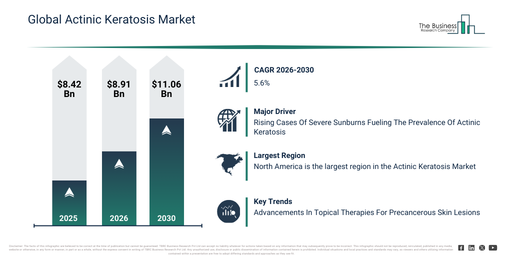
    How Large Could The Actinic Keratosis Market Become By 2030 At A 5.6% CAGR?

    The actinic keratosis market has seen significant expansion in recent years. It is forecast to grow from $8.42 billion in 2025 to $8.91 billion in 2026, exhibiting a compound annual growth rate (CAGR) of 5.8%. The historical growth in this sector is attributable to increased UV exposure and sunburn incidence, a limited supply of effective topical agents, a rising prevalence of skin cancer, the development of dermatology infrastructure, and the continued adoption of conventional surgical procedures.

    The actinic keratosis market is projected to experience substantial expansion over the next few years. It is anticipated to grow to $11.06 billion by 2030, achieving a compound annual growth rate (CAGR) of 5.6%. This expected growth can be attributed to factors such as the development of advanced photodynamic therapies, a rising adoption of combination topical and procedural treatments, the expansion of hospital and dermatology clinic networks, increased consumer awareness of the importance of early intervention, and the introduction of innovative homecare treatment solutions. Key trends influencing the forecast period include a heightened awareness of sun protection and skin health, increasing uptake of non-invasive photodynamic therapy, greater use of topical therapeutics for early-stage actinic keratosis, the continued expansion of dermatology clinics and homecare treatment options, and a growing preference for combination therapies.

    Get A Free Actinic Keratosis Market Sample With 2030 Forecast Insights:

    https://thebusinessresearchcompany.com/sample_request?id=64949120&type=smp&name=Actinic%20Keratosis%20Market%20Report%202026&utm_source=Blogs&utm_medium=Paid&utm_campaign=Nov_PR

    Actinic Keratosis Market Outlook: Key Driver Supporting Long-Term Growth

    The rising occurrence of severe sunburns is projected to boost the growth of the actinic keratosis market in the future. Severe sunburns are intense epidermal burns resulting from excessive exposure to ultraviolet (UV) radiation, characterized by redness, discomfort, swelling, and sometimes blistering. Sunburns are linked to factors such as extended exposure to ultraviolet (UV) radiation, insufficient sun protection measures, increased outdoor recreational activities during peak UV hours, and escalating temperatures due to climate change. Sunburns lead to actinic keratosis by inflicting damage on the DNA within skin cells through ultraviolet (UV) radiation, which creates mutations that disrupt normal cellular function and foster the development of precancerous lesions, especially with repeated or prolonged sun exposure. Therefore, the escalating instances of severe sunburns are driving the expansion of the actinic keratosis market.

    Segmentation Of The Actinic Keratosis Market: Key Categories Explained

    The actinic keratosis market covered in this report is segmented –

    1) By Treatment Type: Topical Treatment, Surgical Procedure, Photodynamic Therapy, Other Treatment Types

    2) By Distribution Channels: Hospital Pharmacies, Drug Stores And Retail Pharmacies

    3) By End-User: Hospitals, Dermatology Clinics, Homecare Settings, Other End-Users

    Subsegments:

    1) By Topical Treatment: 5-Fluorouracil (5-FU), Imiquimod, Diclofenac

    2) By Surgical Procedure: Cryotherapy, Curettage And Electrodessication

    3) By Photodynamic Therapy: Aminolevulinic Acid (ALA) Plus Light Therapy, Methyl Aminolevulinate (MAL) Plus Light Therapy

    4) By Other Treatment Types: Laser Therapy, Combination Therapies

    Actinic Keratosis Market Evolving Trends: What Businesses Should Know

    Leading companies in the actinic keratosis market are concentrating on developing topical ointments designed to effectively target and eliminate precancerous lesions, decrease recurrence rates, and improve patient adherence through shorter treatment durations and enhanced safety profiles. These topical ointments are medicated creams or gels applied directly to the affected skin, featuring active ingredients such as tirbanibulin, which operate by targeting abnormal keratinocytes to address precancerous lesions.

    Who Competes In The Actinic Keratosis Market? Major Companies Listed

    Major companies operating in the actinic keratosis market are Galderma SA, LEO Pharma A/S, Almirall S.A., Bausch Health Companies Inc., Perrigo Company plc, Pfizer Inc, F. Hoffmann-La Roche AG, Merck & Co. Inc., AbbVie Inc., Sanofi S.A., Novartis AG, GSK plc, Amgen Inc., Incyte Corporation, Aclaris Therapeutics Inc., Biofrontera AG, Hill Dermaceuticals Inc., Sun Pharmaceutical Industries Ltd., Dr. Reddy’s Laboratories Ltd., Viatris Inc.

    Read The Complete Actinic Keratosis Market Forecast Report Through 2030:

    https://thebusinessresearchcompany.com/report/actinic-keratosis-global-market-report?utm_source=Blogs&utm_medium=Paid&utm_campaign=Nov_PR

    Actinic Keratosis Market Regional Ranking: Which Geography Comes First?

    North America was the largest region in the actinic keratosis market in 2025. Asia-Pacific is expected to be the fastest-growing region in the forecast period. The regions covered in the actinic keratosis market report are Asia-Pacific, South East Asia, Western Europe, Eastern Europe, North America, South America, Middle East, Africa.

    Reach Out To Our Team:

    The Business Research Company: https://www.thebusinessresearchcompany.com/

    Americas: +1 310-496-7795

    Asia: +44 7882 955267 & +91 8897263534

    Europe: +44 7882 955267

    Email us at: marketing@tbrc.info

    Follow us on:

    LinkedIn: https://in.linkedin.com/company/the-business-research-company

    YouTube: https://www.youtube.com/channel/UC24_fI0rV8cR5DxlCpgmyFQ

    Global Market Model: https://www.thebusinessresearchcompany.com/global-market-model