Author: Marketing Posting

  • Chromatography And Filtration Reagents Market Forecast 2026–2030: Market Size, Trends And Growth Opportunities

    Chromatography And Filtration Reagents Market Forecast 2026–2030: Market Size, Trends And Growth Opportunities

    Backed by market attractiveness analysis, total addressable market sizing, company benchmarking matrices, interactive Excel dashboards, wider supply chain intelligence, emerging startup coverage, and detailed product-level insights, The Business Research Company’s 2026 market reports are designed to offer research that is more actionable and strategically valuable than ever.

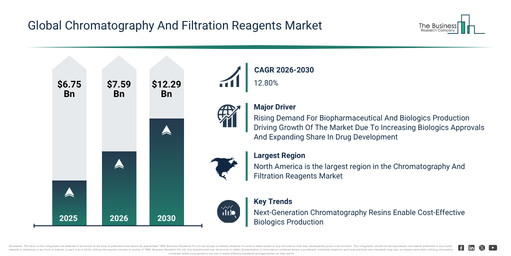
    Chromatography And Filtration Reagents Market Poised To Hit $12.29 Billion By 2030 With A 12.8% CAGR

    The chromatography and filtration reagents market size has experienced swift expansion recently. This market is projected to expand from $6.75 billion in 2025 to $7.59 billion in 2026, demonstrating a compound annual growth rate (CAGR) of 12.6%. Historically, this growth can be attributed to several factors, including the increasing demand for pharmaceutical quality control testing, the expansion of research and academic laboratories, the rise in generic drug manufacturing, the greater application of analytical testing in food safety, and the evolution of standardized chromatography techniques.

    The chromatography and filtration reagents market size is expected to see rapid growth in the next few years. It will grow to $12. 29 billion by 2030 at a compound annual growth rate (CAGR) of 12. 8%. The expansion projected for this period is attributable to the increasing adoption of biologics and biosimilar testing, a rising demand for precision analytical techniques in genomics, developments in personalized medicine and biomarker analysis, an increase in environmental monitoring regulations, and a growing move toward automated and high-throughput laboratory systems. Major trends observed within the forecast period encompass the escalating adoption of high-performance liquid chromatography and UHPLC consumables, a growing need for advanced membrane filtration systems, an expanding use of green chromatography solvents, the development of automated laboratory sample preparation systems, and a deeper integration of digital analytics into separation workflows.

    Get A Free Sample Report With In-Depth Market Insights:

    https://thebusinessresearchcompany.com/sample_request?id=83588644&type=smp&name=Chromatography%20And%20Filtration%20Reagents%20Market%20Report%202026&utm_source=Blogs&utm_medium=Paid&utm_campaign=Oct_PR

    Chromatography And Filtration Reagents Market Expansion Drivers: What’s Shaping Future Growth?

    The escalating need for biopharmaceutical and biologic production is anticipated to fuel the expansion of the chromatography and filtration reagents market moving forward. This type of production involves crafting complex therapeutic items such as monoclonal antibodies, vaccines, and recombinant proteins, by employing living cells and advanced bioprocessing techniques. The increasing demand for biopharmaceutical and biologics output is driven by a rising number of biologics approvals and their growing proportion in overall drug development. Chromatography and filtration reagents are crucial in supporting biopharmaceutical and biologic production as they enable the precise purification, separation, and quality control processes vital for regulatory adherence and large-scale manufacturing. For example, official UK government statistics published in October 2025 revealed that life sciences manufacturing turnover reached $61. 57 billion (£46. 5 billion) in 2023–2024, constituting 32% of the total sector turnover. Hence, the increasing demand for biopharmaceutical and biologic production is a key driver for the growth of the chromatography and filtration reagents market.

    Chromatography And Filtration Reagents Market Segments: Where Is Growth Concentrated?

    The chromatography and filtration reagents market covered in this report is segmented –

    1) By Type: Solvents, Buffers, Derivatization Reagents, Ion Pair Reagents, Other Types

    2) By Technique: Liquid Chromatography, Gas Chromatography, Thin-Layer Chromatography, Supercritical Fluid Chromatography, Other Techniques

    3) By Grade: High Performance Liquid Chromatography And Ultra High Performance Liquid Chromatography Grade Reagents, Gas Chromatography Grade Reagents, Analytical Grade Reagents, Liquid Chromatography–Mass Spectrometry Grade Reagents, Preparative Grade Reagents, Biotechnology Grade Reagents, Technical Grade Filtration Products

    4) By Filtration Type: Microfiltration Products, Ultrafiltration Reagents, Nanofiltration Membranes, Reverse Osmosis Filters, Depth Filtration Media, Sterile Filtration Products, Tangential Flow Filtration

    5) By End-User: Pharmaceutical And Biotechnology Companies, Contract Research Organizations, Contract Manufacturing Organizations, Academic And Research Institutions, Clinical And Diagnostic Laboratories, Food And Beverage Testing Laboratories, Environmental Testing Laboratories, Government And Regulatory Agencies, Chemical And Industrial Manufacturing Companies

    Subsegments:

    1) By Solvents: Aqueous Solvents, Organic Solvents, Polar Solvents, Non Polar Solvents, High Performance Liquid Chromatography Grade Solvents

    2) By Buffers: Phosphate Buffers, Acetate Buffers, Tris Buffers, Citrate Buffers, Carbonate Buffers

    3) By Derivatization Reagents: Pre Column Derivatization Reagents, Post Column Derivatization Reagents, Fluorescence Derivatization Reagents, Ultraviolet Derivatization Reagents, Gas Chromatography Derivatization Reagents

    4) By Ion Pair Reagents: Alkyl Sulfonates, Quaternary Ammonium Salts, Perfluorinated Carboxylic Acids, Tetraalkylammonium Salts, Ion Pairing Acids

    5) By Other Types: Affinity Reagents, Size Exclusion Media, Chromatography Resins, Filter Membranes, Sample Preparation Reagents

    Chromatography And Filtration Reagents Market Strategic Trends: What Defines The Next Growth Phase?

    Leading companies in the chromatography and filtration reagents market are prioritizing the development of robust resins, such as high-cycle-life chromatography resins, to decrease purification expenses and enhance process scalability. High-cycle-life chromatography resins are advanced purification media engineered to withstand repeated cleaning and reuse cycles while maintaining binding efficiency and structural stability, thereby reducing the cost per batch in biologics manufacturing. For instance, in June 2024, Ecolab Inc., a US-based life sciences and specialty chemicals company, introduced Purolite DurA Cycle chromatography resin. The resin supports large-scale monoclonal antibody purification, offers extended reuse through enhanced alkaline stability, and improves manufacturing efficiency by lowering the cost of goods and enabling consistent high-throughput processing.

    Chromatography And Filtration Reagents Market Top Companies Driving Competitive Growth

    Major companies operating in the chromatography and filtration reagents market are Thermo Fisher Scientific Inc., Honeywell International Inc., 3M Company, Merck KGaA, Tosoh Corporation, Agilent Technologies Inc., Daicel Corporation, Sartorius AG, Shimadzu Corporation, Waters Corporation, Bio-Rad Laboratories Inc., Hamilton Company, Pall Corporation, Repligen Corporation, Porvair plc, Macherey-Nagel GmbH & Co. KG, Cole-Parmer, Restek Corporation, GFS Chemicals Inc., Membrane Solutions LLC, Regis Technologies Inc., Tedia Company Inc., KNAUER Wissenschaftliche Geräte GmbH, Sterlitech Corporation

    View The Full Chromatography And Filtration Reagents Market Report:

    https://thebusinessresearchcompany.com/report/chromatography-and-filtration-reagents-market-report?utm_source=Blogs&utm_medium=Paid&utm_campaign=Oct_PR

    Chromatography And Filtration Reagents Market Global Footprint: Which Region Leads The Market?

    North America was the largest region in the chromatography and filtration reagents market in 2025. Asia-Pacific is expected to be the fastest-growing region in the forecast period. The regions covered in the chromatography and filtration reagents market report are Asia-Pacific, South East Asia, Western Europe, Eastern Europe, North America, South America, Middle East and Africa.

    Reach Out To Our Team:

    The Business Research Company: https://www.thebusinessresearchcompany.com/

    Americas: +1 310-496-7795

    Asia: +44 7882 955267 & +91 8897263534

    Europe: +44 7882 955267

    Email us at: marketing@tbrc.info

    Follow us on:

    LinkedIn: https://in.linkedin.com/company/the-business-research-company

    YouTube: https://www.youtube.com/channel/UC24_fI0rV8cR5DxlCpgmyFQ

    Global Market Model: https://www.thebusinessresearchcompany.com/global-market-model
  • Cell Culture Media Ingredients Market Forecast Highlights A $4.81 Billion Opportunity For Industry Participants

    Cell Culture Media Ingredients Market Forecast Highlights A $4.81 Billion Opportunity For Industry Participants

    Built to provide research that’s more actionable and strategically valuable, The Business Research Company’s 2026 market reports include market attractiveness analysis, total addressable market sizing, company benchmarking matrices, interactive Excel dashboards, broader supply chain intelligence, emerging startup tracking, and in-depth product insights.

    Cell Culture Media Ingredients Market Value Analysis: What Growth Lies Ahead Over The Forecast Period?

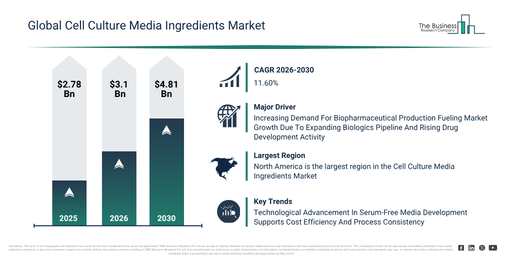
    The cell culture media ingredients market size has seen rapid expansion in recent years. It is forecast to grow from $2. 78 billion in 2025 to $3. 1 billion in 2026, exhibiting a compound annual growth rate (CAGR) of 11. 4%. The historical increase in this market can be ascribed to factors such as the rising adoption of cell culture techniques in research, heightened demand in biopharmaceutical manufacturing, the broadening of vaccine development programs, increased academic and clinical research activities, and the proliferation of contract research organizations.

    The cell culture media ingredients market is expected to demonstrate substantial expansion over the next few years. It is forecast to grow to $4.81 billion by 2030, achieving a compound annual growth rate (CAGR) of 11.6%. This anticipated growth during the forecast period can be attributed to several factors, including the increasing number of cell and gene therapy pipelines, a rising need for personalized medicine, expanded use of recombinant proteins and growth factors, the adoption of single-use bioprocessing technologies, and advancements in optimized and custom media formulations. Major trends for this period are expected to include the widespread adoption of serum-free and chemically defined media, the expansion of single-use bioprocessing systems, a growing demand for contamination-free aseptic processing, the rise of high-throughput cell culture screening platforms, and the increasing embrace of 3D cell culture and organoid systems.

    Get A Free Sample Report With In-Depth Market Insights:

    https://thebusinessresearchcompany.com/sample_request?id=15266047&type=smp&name=Cell%20Culture%20Media%20Ingredients%20Market%20Report%202026&utm_source=Blogs&utm_medium=Paid&utm_campaign=Oct_PR

    Cell Culture Media Ingredients Market Growth Drivers: What’s Behind The Acceleration?

    The growth of the cell culture media ingredients market is significantly propelled by the increasing demand for biopharmaceutical production. This type of production involves the large-scale manufacturing of biologic-based medicines, including monoclonal antibodies, vaccines, and cell and gene therapies, by utilizing living cells. The rising demand is attributed to the rapid expansion of biologics pipelines, which require advanced cell culture systems for both their development and manufacturing. Cell culture media ingredients are essential for these processes, supplying critical nutrients, growth factors, and supplements necessary for optimal cell growth, viability, and productivity. For instance, in December 2024, according to the International Federation of Pharmaceutical Manufacturers & Associations, a Switzerland-based global industry association, over 12,700 medicines are in various stages of clinical development globally, with approximately half classified as biologics. This expanding pipeline is expected to heighten manufacturing demand, with around 700 new medicines projected to be launched by 2035. Therefore, the increasing demand for biopharmaceutical production is driving the growth of the cell culture media ingredients market.

    Cell Culture Media Ingredients Market Segment Analysis Spotlighting Growth Areas

    The cell culture media ingredients market covered in this report is segmented –

    1) By Type: Amino Acids, Vitamins, Sugars, Salts, Buffers, Other Types

    2) By Form: Liquid, Powder

    3) By Application: Biopharmaceutical Production, Vaccine Production, Drug Discovery And Development, Regenerative Medicine, Cell And Gene Therapy, Diagnostics, Toxicology Testing, Other Applications

    4) By End Users: Biotechnology Companies, Pharmaceutical Companies, Academic And Research Institutes, Contract Research Organizations

    Subsegments:

    1) By Amino Acids: Essential Amino Acids, Non Essential Amino Acids, Conditionally Essential Amino Acids, Branched Chain Amino Acids

    2) By Vitamins: Fat Soluble Vitamins, Water Soluble Vitamins, Vitamin B Complex, Vitamin C

    3) By Sugars: Monosaccharides, Disaccharides, Polysaccharides, Sugar Alcohols

    4) By Salts: Inorganic Salts, Organic Salts, Trace Element Salts, Balanced Salt Solutions

    5) By Buffers: Phosphate Buffers, Bicarbonate Buffers, Organic Buffers, Zwitterionic Buffers

    6) By Other Types: Growth Factors, Hormones, Lipids, Proteins, Serum Additives

    Cell Culture Media Ingredients Market Trends: What’s Defining The Industry’s Next Phase?

    Leading firms within the cell culture media ingredients market are prioritizing technological innovations in the creation of serum-free media, including products like efficient-pro medium (+) insulin, with the goal of enhancing production efficiency, minimizing variability, and decreasing reliance on components sourced from animals. Specifically, Efficient-Pro Medium (+) Insulin is characterized as an advanced serum-free and animal-origin-free cell culture medium. It incorporates vital nutrients and growth-promoting elements, notably insulin, directly into its composition to boost cell growth and protein output, thereby removing the requirement for additional external supplements. An illustrative example is the launch of Gibco Efficient-Pro Medium (+) Insulin by Thermo Fisher Scientific, a life sciences company based in the US, in September 2025. This product offers an increase of up to 61% in protein titers, facilitates high viable cell densities with dependable quality, and features sophisticated granulation technology to ensure quick reconstitution and scalability, rendering it exceptionally well-suited for biopharmaceutical manufacturing processes.

    Cell Culture Media Ingredients Market Company Landscape And Competitive Strategy

    Major companies operating in the cell culture media ingredients market are Thermo Fisher Scientific Inc., Merck KGaA, FUJIFILM Wako Pure Chemical Corporation, Danaher Corporation, GE Healthcare Life Sciences (Cytiva), Becton Dickinson and Company, Corning Incorporated, Lonza Group AG, Avantor Inc., Agilent Technologies Inc., Sartorius AG, Bio-Rad Laboratories Inc., STEMCELL Technologies Inc., Miltenyi Biotec B. V. & Co. KG, Takara Bio Inc., Imperial Life Sciences Pvt. Ltd., PromoCell GmbH, BioLamina AB, Equitech-Bio Inc., Axol Bioscience Ltd., Nucleus Biologics LLC, Plant Cell Technology Inc., Cell Applications Inc.

    View The Full Cell Culture Media Ingredients Market Report:

    https://thebusinessresearchcompany.com/report/cell-culture-media-ingredients-market-report?utm_source=Blogs&utm_medium=Paid&utm_campaign=Oct_PR

    Cell Culture Media Ingredients Market Largest Region: Which Geography Holds The Highest Market Share?

    North America was the largest region in the cell culture media ingredients market in 2025. Asia-Pacific is expected to be the fastest-growing region in the forecast period. The regions covered in the cell culture media ingredients market report are Asia-Pacific, South East Asia, Western Europe, Eastern Europe, North America, South America, Middle East and Africa.

    Reach Out To Our Team:

    The Business Research Company: https://www.thebusinessresearchcompany.com/

    Americas: +1 310-496-7795

    Asia: +44 7882 955267 & +91 8897263534

    Europe: +44 7882 955267

    Email us at: marketing@tbrc.info

    Follow us on:

    LinkedIn: https://in.linkedin.com/company/the-business-research-company

    YouTube: https://www.youtube.com/channel/UC24_fI0rV8cR5DxlCpgmyFQ

    Global Market Model: https://www.thebusinessresearchcompany.com/global-market-model
  • Cell Culture Media And Single-Use Reagents Market Analysis: How The Industry Is Evolving Toward A $8.34 Billion Future

    Cell Culture Media And Single-Use Reagents Market Analysis: How The Industry Is Evolving Toward A $8.34 Billion Future

    Backed by market attractiveness analysis, total addressable market sizing, company benchmarking matrices, interactive Excel dashboards, wider supply chain intelligence, emerging startup coverage, and detailed product-level insights, The Business Research Company’s 2026 market reports are designed to offer research that is more actionable and strategically valuable than ever.

    Cell Culture Media And Single-Use Reagents Market Size Forecast: How Big Could The Market Get By 2030?

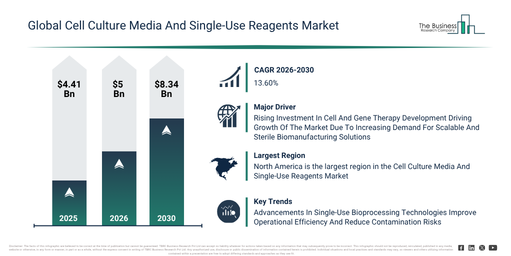
    The market for cell culture media and single-use reagents has seen swift expansion in recent years. This market is anticipated to expand from $4.41 billion in 2025 to $5 billion in 2026, registering a compound annual growth rate (CAGR) of 13.4%. The increase observed in previous periods was largely due to the growing acceptance of serum-based cell culture systems, the restricted supply of standardized GMP-grade reagents, the reliance on reusable laboratory consumables, the disjointed nature of global bioprocessing supply chains, and the initial implementation of single-use technologies.

    The cell culture media and single-use reagents market size is anticipated to experience substantial expansion over the next few years. It will grow to $8.34 billion by 2030 at a compound annual growth rate (CAGR) of 13.6%. This projected growth can be attributed to a move towards serum-free and chemically defined media, the expansion of large-scale biomanufacturing facilities, the increasing integration of single-use bioprocessing systems, the rising demand for cell and gene therapy production, and growing investment in automated and high-throughput cell culture platforms. Major developments expected during this forecast period include the widespread adoption of serum-free and chemically defined media, the proliferation of single-use bioprocessing systems, a heightened need for contamination-free aseptic processing, the emergence of high-throughput cell culture screening platforms, and an increased focus on regulatory-compliant GMP-grade reagents.

    Get A Free Sample Report With In-Depth Market Insights:

    https://thebusinessresearchcompany.com/sample_request?id=79386051&type=smp&name=Cell%20Culture%20Media%20And%20Single-Use%20Reagents%20Market%20Report%202026&utm_source=Blogs&utm_medium=Paid&utm_campaign=Oct_PR

    Cell Culture Media And Single-Use Reagents Market Growth Factors Behind Sustained Expansion

    The increasing investment in cell and gene therapy development is set to drive the expansion of the cell culture media and single-use reagents market in the future. Cell and gene therapy development involves the creation of treatments that modify or replace faulty genes, or utilize engineered cells to prevent or treat diseases. The rise in investment for cell and gene therapy development is attributed to the increasing prevalence of genetic and rare diseases. This growing investment in cell and gene therapy development lends support to the cell culture media and single-use reagents market, as these products are crucial for the scalable, sterile, and efficient manufacturing of advanced therapies. For example, in September 2024, CGT Catapult, a UK-based independent innovation and technology organization, stated that total investment in advanced therapies (including cell and gene therapy) reached £0. 77 billion in 2023 and £0. 97 billion in 2024, showing a 26% year-on-year growth. Thus, the escalating investment in cell and gene therapy development is fostering the growth of the cell culture media and single-use reagents market.

    Cell Culture Media And Single-Use Reagents Market Segment Performance And Emerging Opportunities

    The cell culture media and single-use reagents market covered in this report is segmented –

    1) By Cell Type: Mammalian Cells, Stem Cells, Insect Cells, Microbial Cells, Plant Cells

    2) By Technology: Single-Use Bioprocessing Systems, Continuous Bioprocessing, Upstream Processing Technologies, Downstream Processing Technologies

    3) By Portability And Scale: Fully Automated Benchtop Systems, Portable And Handheld Analyzers, Fully Integrated Core-Lab Systems

    4) By Application: Biopharmaceutical Production, Vaccine Manufacturing, Gene Therapy, Cell Therapy, Cell Culture Research

    Subsegments:

    1) By Mammalian Cells: Chinese Hamster Ovary Cells, Human Embryonic Kidney Cells, Baby Hamster Kidney Cells, Mouse Myeloma Cells, Hybridoma Cells

    2) By Stem Cells: Embryonic Stem Cells, Adult Stem Cells, Induced Pluripotent Stem Cells, Mesenchymal Stem Cells, Hematopoietic Stem Cells

    3) By Insect Cells: Spodoptera Frugiperda Cells, Trichoplusia Ni Cells, Drosophila Melanogaster Cells

    4) By Microbial Cells: Escherichia Coli Cells, Saccharomyces Cerevisiae Cells, Pichia Pastoris Cells, Bacillus Subtilis Cells

    5) By Plant Cells: Tobacco Plant Cells, Rice Plant Cells, Carrot Plant Cells, Arabidopsis Thaliana Cells

    Cell Culture Media And Single-Use Reagents Market Industry Trends Fueling Future Revenue Growth

    Major companies within the cell culture media and single-use reagents market are prioritizing single-use bioprocessing technologies, such as integrated single-use bioreactor systems, to enhance production efficiency and mitigate contamination risks in biomanufacturing. These integrated single-use bioreactor systems are pre-sterilized, disposable cultivation platforms that consolidate process control, monitoring, and fluid management into a unified system. This design eliminates cleaning requirements, shortens turnaround times, and ensures consistent batch performance. For instance, in August 2023, Sartorius AG, a Germany-based life sciences company, and Repligen Corporation, a US-based life sciences company, introduced an integrated Biostat STR system featuring XCell ATF technology. This system incorporates embedded cell retention technology and predefined control recipes, which contribute to improved process intensification and reduced setup complexity. Moreover, it enables faster installation and provides an optimized equipment footprint, thereby decreasing operational costs and boosting scalability in commercial cell culture production.

    Cell Culture Media And Single-Use Reagents Market Key Players Shaping Industry Direction

    Major companies operating in the cell culture media and single-use reagents market are Thermo Fisher Scientific Inc., Merck KGaA, Fujifilm Wako, Corning Incorporated, Lonza Group AG, Avantor Inc., Agilent Technologies, Sartorius AG, Bio-Rad Laboratories Inc., Bio-Techne Corporation, STEMCELL Technologies, Miltenyi Biotec, LGC Science Group Holdings Ltd, Takara Bio Inc., MP Biomedicals LLC, Chemglass Life Sciences, ATCC, ITW Reagents, PromoCell GmbH, Axol Bioscience Ltd, HiMedia Laboratories, Eppendorf AG, Kohjin Bio Co. Ltd., Nucleus Biologics, OPM Biosciences, Plant Cell Technology, ZenBio Inc., Yocon Corporation.

    View The Full Cell Culture Media And Single-Use Reagents Market Report:

    https://thebusinessresearchcompany.com/report/cell-culture-media-and-single-use-reagents-market-report?utm_source=Blogs&utm_medium=Paid&utm_campaign=Oct_PR

    Cell Culture Media And Single-Use Reagents Market Regional Analysis: Which Region Leads By Revenue?

    North America was the largest region in the cell culture media and single-use reagents market in 2025. Asia-Pacific is expected to be the fastest-growing region in the forecast period. The regions covered in the cell culture media and single-use reagents market report are Asia-Pacific, South East Asia, Western Europe, Eastern Europe, North America, South America, Middle East and Africa.

    Reach Out To Our Team:

    The Business Research Company: https://www.thebusinessresearchcompany.com/

    Americas: +1 310-496-7795

    Asia: +44 7882 955267 & +91 8897263534

    Europe: +44 7882 955267

    Email us at: marketing@tbrc.info

    Follow us on:

    LinkedIn: https://in.linkedin.com/company/the-business-research-company

    YouTube: https://www.youtube.com/channel/UC24_fI0rV8cR5DxlCpgmyFQ

    Global Market Model: https://www.thebusinessresearchcompany.com/global-market-model

  • Cattle Ear Tag Sensor Market Outlook Through 2030: Understanding The Growth Opportunity

    Cattle Ear Tag Sensor Market Outlook Through 2030: Understanding The Growth Opportunity

    Featuring market attractiveness scoring, total addressable market sizing, company benchmarking matrices, interactive Excel dashboards, deeper supply chain intelligence, emerging startup tracking, and granular product-level insights, The Business Research Company’s 2026 market reports are built to deliver research that is both more actionable and more strategically valuable.

    Cattle Ear Tag Sensor Market Revenue Outlook: What CAGR Lies Ahead Through 2030?

    The cattle ear tag sensor market size has observed swift growth in recent years. It is projected to expand from $0.96 billion in 2025 to $1.09 billion in 2026, achieving a compound annual growth rate (CAGR) of 13.8%. This historical expansion is attributable to factors such as conventional manual livestock monitoring methods, the increasing implementation of basic radio frequency identification tagging systems, heightened awareness concerning livestock disease outbreaks, the initial integration of farm digitization and record-keeping systems, and government assistance for programs aimed at improving livestock productivity.

    The cattle ear tag sensor market is anticipated to experience substantial expansion in the coming years. Its valuation is projected to reach $1.85 billion by 2030, demonstrating a compound annual growth rate (CAGR) of 14.0%. This projected growth is driven by several factors, including the wider adoption of AI-powered predictive animal health analytics, greater integration of IoT-enabled smart farming solutions, a growing need to reduce antibiotic usage via early disease detection, the emergence of fully automated precision livestock farming ecosystems, and increased spending on rural connectivity and edge computing infrastructure. Key developments expected during this period involve real-time cattle health surveillance through wearable ear tag sensors, the incorporation of AI-driven disease prediction models for livestock, the proliferation of cloud-based herd management platforms for precision farming, a rise in the uptake of automated reproductive and behavioral tracking systems, and the expanding application of low power wide area network connectivity for monitoring livestock in rural areas.

    Get A Free Sample Report With In-Depth Market Insights:

    https://thebusinessresearchcompany.com/sample_request?id=40178644&type=smp&name=Cattle%20Ear%20Tag%20Sensor%20Market%20Report%202026&utm_source=Blogs&utm_medium=Paid&utm_campaign=Oct_PR

    Cattle Ear Tag Sensor Market Demand Drivers Opening New Revenue Streams

    The expanding use of precision livestock farming is projected to fuel the expansion of the cattle ear tag sensor market. This approach involves applying technology and data analytics for real-time observation and improvement of animal health, welfare, and productivity. Its growing prevalence stems from its real-time monitoring and data-informed management capabilities, which enhance animal health and output while minimizing losses. Within precision livestock farming, cattle ear tag sensors play a crucial role by providing real-time tracking of individual animal health, activity, location, and behavior, thus facilitating prompt disease identification, efficient feeding strategies, and superior herd oversight. As an illustration, in January 2024, the Government Accountability Office, a US-based nonpartisan government agency, reported that approximately 27% of U. S. farms and ranches utilized precision agriculture methods, including livestock monitoring, in 2023. Consequently, the increased uptake of precision livestock farming is a significant catalyst for the growth of the cattle ear tag sensor market.

    Cattle Ear Tag Sensor Market Segment Landscape And Growth Outlook

    The cattle ear tag sensor market covered in this report is segmented –

    1) By Component: Hardware, Software, Services

    2) By Connectivity And Power: Passive Radio-Frequency Identification or Visual Tags, Battery-Powered Active Tags, Solar-Powered or Rechargeable Tags, Connectivity

    3) By Distribution Channel: Online, Offline

    4) By Application: Health Monitoring, Tracking And Identification, Reproductive Management, Other Applications

    5) By End-User: Dairy Farms, Beef Farms, Research Institutes, Other End-Users

    Subsegments:

    1) By Hardware: Sensor Chips, Communication Modules, Power Sources, Tag Casings, Antenna Components

    2) By Software: Data Management Software, Analytics And Reporting Software, Cloud-Based Monitoring Platforms, Mobile Application Software, Integration And Middleware Software

    3) By Services: Installation And Deployment Services, Maintenance And Support Services, Consulting Services, Data Analysis Services, Training And Education Services

    Cattle Ear Tag Sensor Market Trends Powering Strategic Industry Growth

    Major companies in the cattle ear tag sensor market are concentrating on developing technological advancements, such as calf health monitoring systems, with the goal of improving livestock health management, boosting productivity, and facilitating real-time data-driven decision-making. A calf health monitoring system represents a technology that employs sensors to track calves’ health, activity, and behavior continuously, aiming for early detection of illnesses and an overall improvement in welfare and productivity. For example, in December 2024, CowManager B. V., an agriculture technology company based in the Netherlands, introduced its Youngstock Monitor, which is a calf health monitoring system that incorporates lightweight ear sensors and AI-driven alerts. This particular solution monitors calf behavior from birth through adulthood using a single lifetime sensor per animal, furnishing real-time notifications for prompt disease identification, indicating states such as suspicious, sick, or very sick. Its AI algorithms adjust to individual farms and the specific development stages of calves, thereby enabling targeted interventions that lead to a reduction in antibiotic use, treatment costs, and mortality, while simultaneously enhancing future milk production.

    Cattle Ear Tag Sensor Market Competitive Analysis Of Leading Industry Participants

    Major companies operating in the cattle ear tag sensor market are Avery Dennison Corporation, Datamars SA, Nedap N. V., Gallagher Group Limited, The Schippers Group B. V., CowManager B. V., Y Tex Corporation, Afimilk Ltd., Shearwell Animal Health Ltd., ID Solutions India Pvt. Ltd., Ceres Tag Ltd., Farmdeck Ltd., HerdDogg LLC, Quantified Ag LLC, Ardes Group S. r. l., Caisley International GmbH, EID Solutions Ltd., Kupsan Tag Company Ltd., Moocall Ltd., Smartbow GmbH

    View The Full Cattle Ear Tag Sensor Market Report:

    https://thebusinessresearchcompany.com/report/cattle-ear-tag-sensor-market-report?utm_source=Blogs&utm_medium=Paid&utm_campaign=Oct_PR

    Cattle Ear Tag Sensor Market Geographic Distribution And Regional Opportunities

    North America was the largest region in the cattle ear tag sensor market in 2025. Asia-Pacific is expected to be the fastest-growing region in the forecast period. The regions covered in the cattle ear tag sensor market report are Asia-Pacific, South East Asia, Western Europe, Eastern Europe, North America, South America, Middle East and Africa.

    Reach Out To Our Team:

    The Business Research Company: https://www.thebusinessresearchcompany.com/

    Americas: +1 310-496-7795

    Asia: +44 7882 955267 & +91 8897263534

    Europe: +44 7882 955267

    Email us at: marketing@tbrc.info

    Follow us on:

    LinkedIn: https://in.linkedin.com/company/the-business-research-company

    YouTube: https://www.youtube.com/channel/UC24_fI0rV8cR5DxlCpgmyFQ

    Global Market Model: https://www.thebusinessresearchcompany.com/global-market-model
  • Cardiovascular Ultrasound System Market Growth Potential: What The Latest Forecast Reveals

    Cardiovascular Ultrasound System Market Growth Potential: What The Latest Forecast Reveals

    Built to provide research that’s more actionable and strategically valuable, The Business Research Company’s 2026 market reports include market attractiveness analysis, total addressable market sizing, company benchmarking matrices, interactive Excel dashboards, broader supply chain intelligence, emerging startup tracking, and in-depth product insights.

    Cardiovascular Ultrasound System Market Growth Analysis: How Will Revenue Trend Over The Forecast Period?

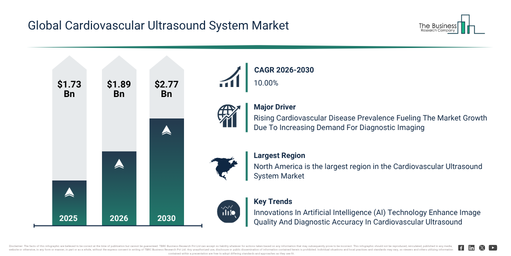
    The market for cardiovascular ultrasound systems has experienced robust growth in recent years. It is projected to expand from $1.73 billion in 2025 to $1.89 billion in 2026, exhibiting a compound annual growth rate (CAGR) of 9.8%. This historical growth can be attributed to the rising global prevalence of cardiovascular diseases, the increasing adoption of echocardiography as a primary cardiac diagnostic tool, advancements in ultrasound imaging resolution and accuracy, growing hospital investments in diagnostic imaging infrastructure, and the expansion of cardiology departments in tertiary care hospitals.

    The cardiovascular ultrasound system market is projected to experience robust expansion over the coming years. It is anticipated to reach $2.77 billion by 2030, exhibiting a compound annual growth rate (CAGR) of 10.0%. This anticipated expansion during the forecast period stems from several factors, including a heightened need for timely and non-invasive cardiac diagnostic methods, increased uptake of portable and handheld ultrasound devices, the incorporation of AI for automated cardiac image analysis, an expanding elderly demographic driving cardiac screening demand, and the broadened availability of telemedicine and remote cardiac diagnostic services. Key developments expected in this period encompass the growing integration of AI-assisted interpretation for cardiovascular images, a surging requirement for portable and point-of-care ultrasound systems, the enhanced application of 3D and high-resolution echocardiography imaging, the proliferation of cloud-connected platforms for cardiac imaging and data exchange, and the increased embedding of Doppler imaging for advanced blood flow analysis.

    Get A Free Sample Report With In-Depth Market Insights:

    https://thebusinessresearchcompany.com/sample_request?id=88239224&type=smp&name=Cardiovascular%20Ultrasound%20System%20Market%20Report%202026&utm_source=Blogs&utm_medium=Paid&utm_campaign=Oct_PR

    Cardiovascular Ultrasound System Market Growth Backed By Core Demand Fundamentals

    The expanding occurrence of cardiovascular diseases is anticipated to boost the growth of the cardiovascular ultrasound system market in the coming years. These conditions encompass illnesses of the heart and blood vessels, such as coronary artery disease, heart failure, and stroke, all necessitating continuous surveillance, prompt diagnosis, and imaging evaluation. The growing incidence of cardiovascular ailments primarily stems from inactive lifestyles, as insufficient physical activity compromises heart health and elevates risk factors like obesity, contributing to a greater frequency of heart conditions. Cardiovascular ultrasound systems offer real-time, non-invasive visualization of cardiac structure and blood circulation, facilitating early detection and swift intervention for cardiovascular diseases to enhance patient outcomes. For instance, in October 2024, the Centers for Disease Control and Prevention, a US-based government agency that monitors public health, reported a rise in cardiovascular disease deaths from 371,506 cases in 2022 to 919,032 deaths in 2023. Consequently, the escalating prevalence of cardiovascular diseases is fueling the expansion of the cardiovascular ultrasound system market.

    Cardiovascular Ultrasound System Market Breakdown By Product Type And Application

    The cardiovascular ultrasound system market covered in this report is segmented –

    1) By Product Type: Echocardiography Systems, Transesophageal Echocardiography Systems, Doppler Ultrasound Systems, Intravascular Ultrasound Systems

    2) By Device Display: Color Display, Black And White Display

    3) By Application: Cardiac Imaging, Vascular Imaging, Peripheral Artery Imaging, Heart Valve Analysis, Congenital Heart Disease Diagnosis

    4) By End User: Hospital And Cardiology Centers, Home And Ambulatory Care Settings, Research Institutes, Medical Device And Pharmaceutical Companies, Other End Users

    Subsegments:

    1) By Echocardiography Systems: Transthoracic Echocardiography Systems, Three-Dimensional Echocardiography Systems, Portable Echocardiography Systems, High-End Echocardiography Systems, Stress Echocardiography Systems

    2) By Transesophageal Echocardiography Systems: Adult Transesophageal Echocardiography Systems, Pediatric Transesophageal Echocardiography Systems, Miniaturized Transesophageal Echocardiography Systems, Three-Dimensional Transesophageal Echocardiography Systems, High Frequency Transesophageal Echocardiography Systems

    3) By Doppler Ultrasound Systems: Color Doppler Ultrasound Systems, Pulsed Wave Doppler Ultrasound Systems, Continuous Wave Doppler Ultrasound Systems, Power Doppler Ultrasound Systems, High Resolution Doppler Ultrasound Systems

    4) By Intravascular Ultrasound Systems: Rotational Intravascular Ultrasound Systems, Solid State Intravascular Ultrasound Systems, High Frequency Intravascular Ultrasound Systems, Automated Pullback Intravascular Ultrasound Systems, Three-Dimensional Intravascular Ultrasound Systems

    Cardiovascular Ultrasound System Market Growth Trends Reshaping The Competitive Landscape

    Major companies in the cardiovascular ultrasound system market are focusing on developing advanced solutions, such as AI-powered image enhancement, to enhance diagnostic accuracy, optimize workflow efficiency, and support the early detection of cardiovascular conditions. AI-powered image enhancement involves integrating artificial intelligence algorithms into ultrasound systems to automatically refine image clarity, reduce noise, and assist clinicians in accurate interpretation. For example, in August 2025, Royal Philips, a Netherlands-based health technology company, launched Transcend Plus for its EPIQ CVx and Affiniti CVx cardiovascular ultrasound systems, delivering exceptional image quality along with FDA-cleared AI enhancements. This solution is designed to provide improved visualization, automated measurements, and increased workflow efficiency, enabling clinicians to make faster and more confident diagnostic decisions in cardiac care.

    Cardiovascular Ultrasound System Market Leading Companies And Competitive Benchmarking

    Major companies operating in the cardiovascular ultrasound system market are Samsung Electronics Co. Ltd., Siemens Healthineers AG, FUJIFILM Holdings Corporation, Koninklijke Philips N. V., GE HealthCare Technologies Inc., Mindray Bio-Medical Electronics Co. Ltd., Canon Medical Systems Corporation, Analogic Corporation, SonoScape Medical Corp., Esaote S. p. A., Trivitron Healthcare Pvt. Ltd., Butterfly Network Inc., Clarius Mobile Health Corp., Shantou Institute of Ultrasonic Instruments Co. Ltd., Shenzhen Whale Imaging Technology Co. Ltd., Wisonic Medical Technology Co. Ltd., ALPINION Medical Systems Co. Ltd., CHISON Medical Technologies Co. Ltd., United Imaging Healthcare Co. Ltd., Shenzhen Landwind Industry Co. Ltd.

    View The Full Cardiovascular Ultrasound System Market Report:

    https://thebusinessresearchcompany.com/report/cardiovascular-ultrasound-system-market-report?utm_source=Blogs&utm_medium=Paid&utm_campaign=Oct_PR

    Cardiovascular Ultrasound System Market Largest Region By Revenue And Market Share

    North America was the largest region in the cardiovascular ultrasound system market in 2025. Asia-Pacific is expected to be the fastest-growing region in the forecast period. The regions covered in the cardiovascular ultrasound system market report are Asia-Pacific, South East Asia, Western Europe, Eastern Europe, North America, South America, Middle East and Africa.

    Reach Out To Our Team:

    The Business Research Company: https://www.thebusinessresearchcompany.com/

    Americas: +1 310-496-7795

    Asia: +44 7882 955267 & +91 8897263534

    Europe: +44 7882 955267

    Email us at: marketing@tbrc.info

    Follow us on:

    LinkedIn: https://in.linkedin.com/company/the-business-research-company

    YouTube: https://www.youtube.com/channel/UC24_fI0rV8cR5DxlCpgmyFQ

    Global Market Model: https://www.thebusinessresearchcompany.com/global-market-model
  • Bovine Pericardial Valve Market Growth To $2.53 Billion Creates New Opportunities Across The Industry

    Bovine Pericardial Valve Market Growth To $2.53 Billion Creates New Opportunities Across The Industry

    Featuring market attractiveness scoring, total addressable market sizing, company benchmarking matrices, interactive Excel dashboards, deeper supply chain intelligence, emerging startup tracking, and granular product-level insights, The Business Research Company’s 2026 market reports are built to deliver research that is both more actionable and more strategically valuable.

    Bovine Pericardial Valve Market Value Growth And Long-Term Outlook

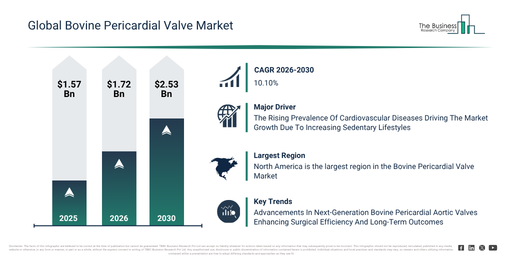
    The market size for bovine pericardial valves has demonstrated significant expansion over recent years. Forecasts indicate it will expand from $1.57 billion in 2025 to $1.72 billion in 2026, achieving a compound annual growth rate (CAGR) of 9.9%. This historical expansion can be linked to several factors: a growing incidence of valvular heart conditions among the elderly population, a greater uptake of open-heart surgical valve replacement operations, improvements in cardiac surgery methods and perioperative care, the wider availability of bioprosthetic valve choices in healthcare facilities, and heightened public understanding of cardiovascular disease treatments.

    The bovine pericardial valve market is projected to experience substantial expansion over the coming years. Its valuation is anticipated to reach $2. 53 billion by 2030, demonstrating a compound annual growth rate (CAGR) of 10. 1%. This predicted growth throughout the forecast period stems from several factors, including a heightened demand for minimally invasive and transcatheter procedures, an expanding global elderly population necessitating valve replacements, ongoing progress in tissue engineering and biomaterial innovation, an increasing preference for long-lasting valve options requiring minimal anticoagulation, and the development of healthcare infrastructure and cardiac care access in emerging regions. Key trends shaping the forecast period involve a greater uptake of advanced bioprosthetic heart valve materials designed for improved durability, an escalating requirement for minimally invasive valve replacement operations, a heightened emphasis on anti-calcification treatment technologies for tissue valves, the wider implementation of transcatheter heart valve implantation procedures, and a growing clinical inclination towards durable biologic valve substitutes instead of mechanical ones.

    Get A Free Sample Report With In-Depth Market Insights:

    https://thebusinessresearchcompany.com/sample_request?id=93183790&type=smp&name=Bovine%20Pericardial%20Valve%20Market%20Report%202026&utm_source=Blogs&utm_medium=Paid&utm_campaign=Oct_PR

    Bovine Pericardial Valve Market Demand Drivers: What’s Powering Industry Growth?

    The increasing occurrence of cardiovascular diseases is projected to boost the expansion of the bovine pericardial valve market in the future. These conditions, known as CVDs, encompass various heart and blood vessel disorders such as coronary artery disease, ischemic heart disease, heart failure, and valvular issues, and continue to be the primary cause of sickness and death globally. The growing incidence of CVDs is primarily attributed to more sedentary lifestyles, as decreased physical activity can slow metabolism and lead to obesity, significantly increasing the likelihood of heart-related ailments. Bovine pericardial valves assist in managing cardiovascular diseases by offering a resilient and body-compatible option for surgical valve replacement in individuals with CVDs, particularly when valvular heart disease necessitates sustained function and a lower chance of repeat surgery. For example, as reported by the American College of Cardiology, a US-based medical association, in September 2025, the number of cardiovascular disease fatalities globally climbed to 19. 2 million in 2023, an increase from 2022. Consequently, the rising prevalence of cardiovascular diseases is a key factor driving the growth of the bovine pericardial valve market.

    Bovine Pericardial Valve Market Segmentation: How Does The Market Break Down By Category?

    The bovine pericardial valve market covered in this report is segmented –

    1) By Product Type: Surgical Valves, Transcatheter Valves

    2) By Age Group: Pediatric, Adult

    3) By Application: Aortic Valve Replacement, Mitral Valve Replacement, Tricuspid Valve Replacement

    4) By End User: Hospitals, Cardiac Centers, Ambulatory Surgical Centers

    Subsegments:

    1) By Surgical Valves: Aortic Valve, Mitral Valve, Tricuspid Valve, Pulmonary Valve

    2) By Transcatheter Valves: Transcatheter Aortic Valve, Transcatheter Mitral Valve, Transcatheter Pulmonary Valve, Transcatheter Tricuspid Valve

    Bovine Pericardial Valve Market Innovation Trends: What Developments Are Reshaping The Industry?

    Companies active in the bovine pericardial valve market are concentrating on creating sophisticated products, such as next-generation surgical aortic tissue valves, to improve procedural efficiency and long-term patient results. A next-generation surgical aortic tissue valve is a sophisticated bioprosthetic valve engineered to substitute a diseased aortic valve with enhanced durability and performance. It boosts blood flow efficiency and minimizes complications, thereby supporting superior patient outcomes. For instance, in April 2024, Medtronic, an Ireland-based medical technology company, unveiled the Avalus Ultra Valve, a next-generation surgical aortic tissue valve crafted to make implantation easier and facilitate lifelong patient management. The Avalus Ultra Valve incorporates advanced tissue treatment for better durability, an optimized leaflet design for improved hemodynamic performance, and user-friendly handling characteristics that simplify surgical procedures, contributing to consistent clinical outcomes and reliable long-term valve function.

    Bovine Pericardial Valve Market Company Landscape And Competitive Strategy

    Major companies operating in the bovine pericardial valve market are Shanghai Cingular Biotechnology Co Ltd, Medtronic plc, Edwards Lifesciences Corporation, Meril Life Sciences Pvt Ltd, Lepu Medical Technology Beijing Co Ltd, MicroPort Scientific Corporation, Braile Biomédica Indústria Comércio e Representações SA, Venus Medtech Hangzhou Inc, Peijia Medical Limited, Artivion Inc, Balance Medical Limited, HighLife SAS, Maverick Biosciences Inc

    View The Full Bovine Pericardial Valve Market Report:

    https://thebusinessresearchcompany.com/report/bovine-pericardial-valve-market-report?utm_source=Blogs&utm_medium=Paid&utm_campaign=Oct_PR

    Bovine Pericardial Valve Market Largest Region: Which Geography Holds The Biggest Share?

    North America was the largest region in the bovine pericardial valve market in 2025. Asia-Pacific is expected to be the fastest-growing region in the forecast period. The regions covered in the bovine pericardial valve market report are Asia-Pacific, South East Asia, Western Europe, Eastern Europe, North America, South America, Middle East and Africa.

    Reach Out To Our Team:

    The Business Research Company: https://www.thebusinessresearchcompany.com/

    Americas: +1 310-496-7795

    Asia: +44 7882 955267 & +91 8897263534

    Europe: +44 7882 955267

    Email us at: marketing@tbrc.info

    Follow us on:

    LinkedIn: https://in.linkedin.com/company/the-business-research-company

    YouTube: https://www.youtube.com/channel/UC24_fI0rV8cR5DxlCpgmyFQ

    Global Market Model: https://www.thebusinessresearchcompany.com/global-market-model
  • Bioprocessing Support Services Market Forecast To Reach $4.13 Billion By 2030: Key Trends Explained

    Bioprocessing Support Services Market Forecast To Reach $4.13 Billion By 2030: Key Trends Explained

    Featuring market attractiveness scoring, total addressable market sizing, company benchmarking matrices, interactive Excel dashboards, deeper supply chain intelligence, emerging startup tracking, and granular product-level insights, The Business Research Company’s 2026 market reports are built to deliver research that is both more actionable and more strategically valuable.

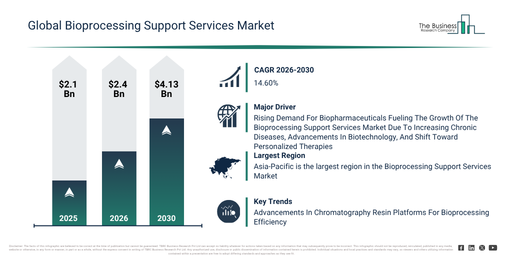
    Bioprocessing Support Services Market Growth From $2.4 Billion In 2026 To $4.13 Billion By 2030 At A CAGR Of 14.6%

    The bioprocessing support services market has experienced significant growth in its size recently. This market is expected to expand from $2.1 billion in 2025 to $2.4 billion in 2026, demonstrating a compound annual growth rate (CAGR) of 14.3%. The historical expansion of this market can be attributed to several factors, including an increase in the demand for monoclonal antibody production, the broadening scope of contract research and manufacturing outsourcing, the implementation of more stringent global regulatory frameworks for biologics, a surge in biotechnology startups and funding initiatives, and the increasing adoption of single-use bioprocessing technologies.

    The bioprocessing support services market is anticipated to experience substantial growth over the next few years, with projections indicating it will reach $4.13 billion by 2030, driven by a compound annual growth rate (CAGR) of 14.6%. This expansion during the forecast period is primarily due to the increasing complexity and diversification of the biologics pipeline, a rising imperative for faster drug development timelines, the expanding production of advanced therapy medicinal products, a growing necessity for robust global supply chain resilience in biomanufacturing, and a heightened emphasis on cost optimization and process efficiency in manufacturing. Notable trends for the forecast period encompass an increase in outsourcing bioprocess development and analytical services to specialized entities, the growing adoption of single-use bioprocessing support solutions, escalating demand for comprehensive regulatory compliance and documentation services, the expansion of technology transfer and scale-up assistance for complex biologics manufacturing, and an intensified focus on process standardization and quality assurance in biologics production.

    Get A Free Sample Report With In-Depth Market Insights:

    https://thebusinessresearchcompany.com/sample_request?id=74194882&type=smp&name=Bioprocessing%20Support%20Services%20Market%20Report%202026&utm_source=Blogs&utm_medium=Paid&utm_campaign=Oct_PR

    Bioprocessing Support Services Market Demand Drivers Opening New Revenue Streams

    The increasing need for biopharmaceuticals is projected to drive the expansion of the bioprocessing support services market in the future. Biopharmaceuticals are therapeutic products originating from biological materials such as proteins, monoclonal antibodies, vaccines, and cell and gene therapies, employed in addressing various chronic and life-threatening illnesses. This escalating demand for biopharmaceuticals stems from the increasing incidence of chronic diseases, breakthroughs in biotechnology, and a move towards more targeted and individualized treatments. Bioprocessing support services are crucial for satisfying this demand, offering specialized solutions including process development, scale-up operations, analytical testing, and regulatory guidance, all vital for the efficient and compliant production of biologics. Such services allow biopharmaceutical companies to quicken production schedules, preserve product quality, and enhance manufacturing efficiency, simultaneously simplifying operational challenges. For example, as reported by the International Federation of Pharmaceutical Manufacturers & Associations, a U. S. trade association representing leading research-based pharmaceutical and biotechnology companies, biopharmaceutical companies in the United States allocated about $96 billion to research and development in 2023, which constituted over 20% of the industry’s total sales. Furthermore, the industry’s economic impact remains significant, with more than $25 billion in biopharmaceutical exports produced by mostly foreign-owned companies operating within the United States in 2022. Consequently, the escalating demand for biopharmaceuticals is fueling the expansion of the bioprocessing support services market.

    Bioprocessing Support Services Market Segment Performance And Emerging Opportunities

    The bioprocessing support services market covered in this report is segmented –

    1) By Service Type: Process Development And Optimization, Analytical And Quality Control Services, Regulatory Support And Compliance Services, Manufacturing Support Services, Validation And Qualification Services, Supply Chain And Logistics Support, Training And Consultancy Services

    2) By Product Type: Single-Use Systems, Bioreactors And Fermenters, Filtration And Purification, Bags And Containers, Media And Buffers

    3) By Scale: Small Scale, Large Scale

    4) By End User: Biopharmaceutical Companies, Contract Manufacturing Organizations, Contract Research Organizations, Academic And Research Institutes, Biotechnology Startups

    Subsegments:

    1) By Process Development And Optimization: Upstream Process Development, Downstream Process Development, Process Scale Up And Scale Down Studies, Process Optimization And Improvement, Cell Line Development Support, Formulation Development Assistance

    2) By Analytical And Quality Control Services: Bioanalytical Testing, Microbiological Testing, Physicochemical Testing, Stability Studies And Shelf Life Analysis, Method Development And Validation, Quality Assurance And Quality Control Support

    3) By Regulatory Support And Compliance Services: Regulatory Submission Preparation, Regulatory Strategy And Consulting, Good Manufacturing Practice Compliance Support, Documentation And Dossier Preparation, Inspection Readiness And Audits Support, Product Registration And Licensing Assistance

    4) By Manufacturing Support Services: Contract Manufacturing Assistance, Technology Transfer Support, Pilot Scale Manufacturing, Commercial Scale Manufacturing, Process Monitoring And Troubleshooting, Equipment And Facility Support

    5) By Validation And Qualification Services: Equipment Qualification, Process Validation, Cleaning Validation, Analytical Method Validation, Computer System Validation, Facility Qualification

    6) By Supply Chain And Logistics Support: Cold Chain Management, Inventory Management, Transportation And Distribution Support, Vendor Management, Supply Chain Planning And Optimization, Import Export Compliance Assistance

    7) By Training And Consultancy Services: Workforce Training Programs, Technical Workshops And Seminars, Process Improvement Consultancy, Regulatory And Compliance Training, Quality Management System Consultancy, Custom Advisory Services

    Bioprocessing Support Services Market Trends Powering Strategic Industry Growth

    Major companies in the bioprocessing support services market are focusing on developing integrated bioprocessing platforms, such as the chromatography resin platform, to improve bioprocessing efficiency and purification performance. A chromatography resin platform is defined as a specialized collection of engineered resins designed for use in bioprocessing and purification workflows. For example, in June 2025, Ecolab Life Sciences, a US-based provider of bioprocessing solutions, launched Purolite AP+50, an affinity chromatography resin developed to enhance antibody manufacturing efficiency. Purolite AP+50 features a 50-micron bead size, offering the highest dynamic binding capacity within the AP resin platform, along with exceptional durability for monoclonal antibody capture. By leveraging Ecolab’s patented Jetted resin bead technology, it ensures lot-to-lot consistency and reduced lead times, making it ideal for cost-effective, high-purity antibody production and streamlined operations in biopharmaceutical manufacturing.

    Bioprocessing Support Services Market Leading Companies And Competitive Benchmarking

    Major companies operating in the bioprocessing support services market are Thermo Fisher Scientific Inc., Merck KGaA, Boehringer Ingelheim International GmbH, Corning Incorporated, SGS Société Générale de Surveillance S. A., Eurofins Scientific SE, Agilent Technologies Inc., bioMérieux S. A., Sartorius AG, Getinge AB, Waters Corporation, Samsung Biologics Co. Ltd., Bio-Rad Laboratories Inc., Eppendorf AG, Repligen Corporation, Randox Laboratories Ltd, GenScript Biotech Corporation, Promega Corporation, Takara Bio Inc., Rentschler Biopharma SE, Maravai LifeSciences Holdings Inc., Oxford Biomedica plc, PBS Biotech Inc., Meissner Filtration Products Inc., Bio-Synthesis Inc.

    View The Full Bioprocessing Support Services Market Report:

    https://thebusinessresearchcompany.com/report/bioprocessing-support-services-market-report?utm_source=Blogs&utm_medium=Paid&utm_campaign=Oct_PR

    Bioprocessing Support Services Market Top Region By Revenue And Market Share

    Asia-Pacific was the largest region in the bioprocessing support services market in 2025. North America is expected to be the fastest-growing region in the forecast period. The regions covered in the bioprocessing support services market report are Asia-Pacific, South East Asia, Western Europe, Eastern Europe, North America, South America, Middle East and Africa.

    Reach Out To Our Team:

    The Business Research Company: https://www.thebusinessresearchcompany.com/

    Americas: +1 310-496-7795

    Asia: +44 7882 955267 & +91 8897263534

    Europe: +44 7882 955267

    Email us at: marketing@tbrc.info

    Follow us on:

    LinkedIn: https://in.linkedin.com/company/the-business-research-company

    YouTube: https://www.youtube.com/channel/UC24_fI0rV8cR5DxlCpgmyFQ

    Global Market Model: https://www.thebusinessresearchcompany.com/global-market-model
  • Bioprocessing Reagent Market Analysis Through 2030: Market Size, Growth Trends And Industry Outlook

    Bioprocessing Reagent Market Analysis Through 2030: Market Size, Growth Trends And Industry Outlook

    Backed by market attractiveness analysis, total addressable market sizing, company benchmarking matrices, interactive Excel dashboards, wider supply chain intelligence, emerging startup coverage, and detailed product-level insights, The Business Research Company’s 2026 market reports are designed to offer research that is more actionable and strategically valuable than ever.

    Bioprocessing Reagent Market Expansion Outlook: What Revenue Opportunities Are Ahead?

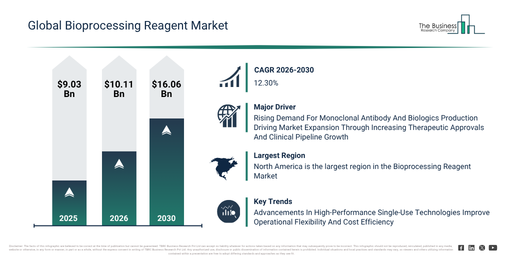
    The bioprocessing reagent market has experienced rapid expansion in recent years. This market is projected to expand from $9.03 billion in 2025 to $10.11 billion in 2026, demonstrating a compound annual growth rate (CAGR) of 12.0%. Historically, this growth stemmed from factors such as the wider use of cell culture techniques in biologics production, increased manufacturing of monoclonal antibodies necessitating specific reagents, the expanding research infrastructure within the pharmaceutical and biotechnology sectors, a surge in vaccine demand fueling extensive bioprocessing operations, and the initial progress in fermentation-based industrial biotechnology processes.

    The bioprocessing reagent market size is projected to experience substantial growth over the next few years. It is expected to expand to $16.06 billion by 2030, demonstrating a compound annual growth rate (CAGR) of 12.3%. This anticipated growth is driven by several factors, including the escalating demand for biosimilars and sophisticated biologics production, the increasing embrace of automated and continuous bioprocessing technologies, rising investments in cell and gene therapy manufacturing, the expansion of personalized medicine which necessitates specialized bioprocessing workflows, and a greater emphasis on scalable and cost-efficient biomanufacturing processes. Prominent trends for the forecast period include AI-driven bioprocess optimization for enhanced yield and reduced production variability, the widespread use of single-use bioprocessing systems enabling adaptable and contamination-free production, continuous bioprocessing technologies boosting efficiency and scalability, innovations in advanced chromatography resins for high-purity biologics separation, and the development of sustainable bio-based reagents for more environmentally friendly biomanufacturing processes.

    Get A Free Sample Report With In-Depth Market Insights:

    https://thebusinessresearchcompany.com/sample_request?id=96823904&type=smp&name=Bioprocessing%20Reagent%20Market%20Report%202026&utm_source=Blogs&utm_medium=Paid&utm_campaign=Oct_PR

    Bioprocessing Reagent Market Growth Backed By Core Demand Fundamentals

    The escalating demand for monoclonal antibody and biologics production is projected to drive the expansion of the bioprocessing reagent market. Monoclonal antibodies and biologics are sophisticated protein-based therapeutics generated from living cells, designed to target specific antigens for the treatment of diseases such as cancer, autoimmune disorders, and neurological conditions. The increasing demand for monoclonal antibody and biologics production stems from a rising count of therapeutic approvals and a robust late-stage clinical pipeline. Bioprocessing reagents play a supportive role in monoclonal antibody and biologics production by enabling efficient cell culture, protein synthesis, and purification processes vital for large-scale biologics manufacturing. For example, in December 2024, the National Center for Biotechnology Information, a US-based biomedical research platform, reported that 21 antibody therapeutics obtained first approvals in 2024, up from 16 approvals in 2023, indicating a year-on-year rise in biologics commercialization activity. Therefore, the heightened demand for monoclonal antibody and biologics production is propelling the growth of the bioprocessing reagent market.

    Bioprocessing Reagent Market Segment Landscape And Growth Outlook

    The bioprocessing reagent market covered in this report is segmented –

    1) By Product Type: Cell Culture Media, Buffer Solutions, Enzymes, Growth Factors, Chromatography Resins, Filtration Reagents, Antifoaming Agents, Purification Reagents, Other Bioprocessing Reagents

    2) By Technology: Upstream Bioprocessing Reagents, Downstream Bioprocessing Reagents, Single-Use Bioprocessing Solutions, Continuous Bioprocessing Systems, Chromatography-Based Purification Reagents, Filtration And Separation Reagents

    3) By Grade: Research Grade Bioprocessing Reagents, Good Manufacturing Practice (GMP) Grade And Clinical Grade Reagents, Animal Component-Free Certified Reagents, Chemically Defined Formulations, Xeno-Free Bioprocessing Reagents

    4) By Process Stage: Upstream Processing Reagents, Cell Culture And Fermentation Reagents, Downstream Processing Reagents, Purification And Chromatography Reagents, Formulation And Fill-Finish Reagents

    5) By End-User: Biopharmaceutical Manufacturers, Contract Development And Manufacturing Organizations, Contract Research Organizations, Academic And Research Institutions, Vaccine Production Facilities, Cell And Gene Therapy Companies, Diagnostic Manufacturers, Industrial Biotechnology Companies

    Subsegments:

    1) By Cell Culture Media: Basal Media, Serum Free Media, Protein Free Media, Chemically Defined Media

    2) By Buffer Solutions: Phosphate Buffers, Acetate Buffers, Tris Buffers, Citrate Buffers

    3) By Enzymes: Proteases, Nucleases, Ligases, Polymerases

    4) By Growth Factors: Epidermal Growth Factors, Fibroblast Growth Factors, Insulin Like Growth Factors, Transforming Growth Factors

    5) By Chromatography Resins: Ion Exchange Resins, Affinity Resins, Size Exclusion Resins, Hydrophobic Interaction Resins

    6) By Filtration Reagents: Membrane Filters, Depth Filters, Filter Aids, Microfiltration Reagents

    7) By Antifoaming Agents: Silicone Based Antifoaming Agents, Oil Based Antifoaming Agents, Water Based Antifoaming Agents

    8) By Purification Reagents: Precipitation Reagents, Extraction Reagents, Clarification Reagents, Concentration Reagents

    9) By Other Bioprocessing Reagents: Cryoprotectants, Stabilizers, Detergents, Process Additives

    Bioprocessing Reagent Market Growth Trends Reshaping The Competitive Landscape

    Major companies in the bioprocessing reagent market are concentrating on advancing high-performance single-use technologies, such as pre-sterilized, disposable bioprocessing reagents, to boost manufacturing flexibility, decrease contamination risks, and lower capital expenditure. These single-use bioprocessing reagents are ready-to-use, disposable chemical and biological components intended for one-time application in upstream and downstream processing, thereby eliminating the need for cleaning validation and reducing turnaround time. For instance, in October 2023, Thermo Fisher Scientific Inc., a US-based biotechnology company, unveiled its Gibco CTS Detachable Dynabeads platform, an advanced cell separation technology designed for cell therapy manufacturing. This platform allows for gentle bead detachment to improve cell viability, supports closed-system processing to minimize contamination risk, and enhances scalability for commercial production. This introduction demonstrates a strong supplier focus on reducing operational costs while simultaneously improving process efficiency and compliance in sophisticated biomanufacturing environments.

    Bioprocessing Reagent Market Industry Leaders And Competitive Landscape

    Major companies operating in the bioprocessing reagent market are Thermo Fisher Scientific Inc., Danaher Corporation, Merck KGaA, FUJIFILM Corporation, Corning Incorporated, Lonza Group, Avantor Inc., Sartorius AG, Bio-Rad Laboratories Inc., Bio-Techne, Repligen Corporation, Promega Corporation, Takara Bio, MP Biomedicals, ITW, Creative Bioarray, PromoCell, Rockland Immunochemicals, Solis BioDyne, Nippon Genetics, HiMedia Laboratories, Capricorn Scientific, Serana Europe, ZenBio

    View The Full Bioprocessing Reagent Market Report:

    https://thebusinessresearchcompany.com/report/bioprocessing-reagent-market-report?utm_source=Blogs&utm_medium=Paid&utm_campaign=Oct_PR

    Bioprocessing Reagent Market Regional Analysis And Top Geography

    North America was the largest region in the bioprocessing reagent market in 2025. Asia-Pacific is expected to be the fastest-growing region in the forecast period. The regions covered in the bioprocessing reagent market report are Asia-Pacific, South East Asia, Western Europe, Eastern Europe, North America, South America, Middle East and Africa.

    Reach Out To Our Team:

    The Business Research Company: https://www.thebusinessresearchcompany.com/

    Americas: +1 310-496-7795

    Asia: +44 7882 955267 & +91 8897263534

    Europe: +44 7882 955267

    Email us at: marketing@tbrc.info

    Follow us on:

    LinkedIn: https://in.linkedin.com/company/the-business-research-company

    YouTube: https://www.youtube.com/channel/UC24_fI0rV8cR5DxlCpgmyFQ

    Global Market Model: https://www.thebusinessresearchcompany.com/global-market-model
  • Biomedical Refrigerator And Freezer Market Outlook From 2026 To 2030: Key Growth Factors And Future Opportunities

    Biomedical Refrigerator And Freezer Market Outlook From 2026 To 2030: Key Growth Factors And Future Opportunities

    Featuring market attractiveness scoring, total addressable market sizing, company benchmarking matrices, interactive Excel dashboards, deeper supply chain intelligence, emerging startup tracking, and granular product-level insights, The Business Research Company’s 2026 market reports are built to deliver research that is both more actionable and more strategically valuable.

    Biomedical Refrigerator And Freezer Market Growth Potential: How Will Market Size Shift Through 2030?

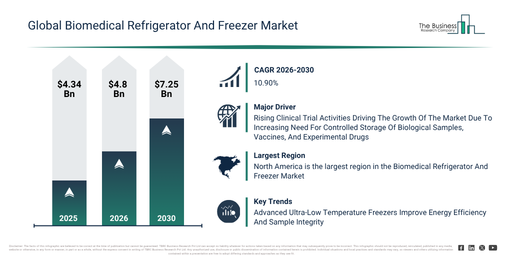
    The market for biomedical refrigerators and freezers has experienced rapid growth in recent years. It is projected to expand from $4.34 billion in 2025 to $4.8 billion in 2026, at a compound annual growth rate (CAGR) of 10.6%. The historical growth can be attributed to various factors, including the increasing demand for vaccine storage during global immunization programs, the rising necessity for reliable blood and plasma storage in hospitals, the growth of pharmaceutical research requiring controlled temperature storage, the expansion of clinical laboratories and diagnostic infrastructure, and the development of early cold chain logistics systems for healthcare supply chains.

    The biomedical refrigerator and freezer market is anticipated to experience substantial expansion in the coming years. This sector is projected to reach $7.25 billion by 2030, demonstrating a compound annual growth rate (CAGR) of 10.9%. The projected increase during this period can be attributed to the escalating requirement for biologics and cell-based therapies demanding ultra-low temperature storage, a heightened focus on vaccine distribution and the infrastructure for pandemic preparedness, the growing integration of smart monitoring and interconnected refrigeration systems, the expansion of biobanking and genomic research that requires long-term sample preservation, and increasingly stringent regulatory standards for temperature-sensitive medical storage. Key developments expected in the forecast period include IoMT-enabled biomedical refrigeration systems offering real-time temperature monitoring and proactive alerts, energy-efficient designs for ultra-low temperature freezers to minimize operational carbon footprint, cloud-based cold chain monitoring platforms for managing vaccine and biologics storage, the incorporation of automated inventory and sample tracking into biomedical storage systems, and advanced insulation and cryogenic cooling technologies for prolonged biological preservation.

    Get A Free Sample Report With In-Depth Market Insights:

    https://thebusinessresearchcompany.com/sample_request?id=70953802&type=smp&name=Biomedical%20Refrigerator%20And%20Freezer%20Market%20Report%202026&utm_source=Blogs&utm_medium=Paid&utm_campaign=Oct_PR

    Biomedical Refrigerator And Freezer Market Growth Catalysts And Demand Drivers

    Rising clinical trial activities are anticipated to boost the expansion of the biomedical refrigerator and freezer market in the future. These activities involve the planning, execution, oversight, and analysis of research studies aimed at assessing the safety, effectiveness, and results of medical interventions involving human subjects. The surge in clinical trials stems from the escalating demand for advanced therapies, with pharmaceutical and biotechnology firms increasingly undertaking studies to create novel drugs and treatments addressing global unmet medical requirements. This expansion of clinical trials elevates the requirement for biomedical refrigerators and freezers, given the need to store a greater volume of biological samples, vaccines, and experimental pharmaceuticals under controlled temperatures to maintain their safety and effectiveness. For example, in March 2026, the Association of the British Pharmaceutical Industry (ABPI), a UK trade association, reported that the UK experienced a 36% rise in commercial clinical trials initiated in 2024 compared to the prior year, advancing two places to achieve the sixth global ranking in competitiveness for all Phase III trials launched in that same year. Consequently, the escalating clinical trial activities are a key factor driving the growth of the biomedical refrigerator and freezer market.

    Biomedical Refrigerator And Freezer Market Breakdown By Product Type And Application

    The biomedical refrigerator and freezer market covered in this report is segmented –

    1) By Product Type: Laboratory Refrigerators, Blood Bank Refrigerators, Pharmacy Refrigerators, Ultra-Low Temperature Freezers, Plasma Freezers, Cryogenic Freezers, Vaccine Storage Refrigerators, Explosion-Proof Refrigerators, Chromatography Refrigerators, Undercounter And Benchtop Units

    2) By Mobility: Stationary Floor-Standing Units, Portable And Transportable Units, Mobile Cart-Mounted Systems, Benchtop And Countertop Models, Transport And Shipping Containers

    3) By Temperature Range: 2°C to 8°C Refrigerators, -20°C Freezers, -40°C Freezers, -80°C Ultra-Low Freezers, Cryogenic Freezers (-150°C And below)

    4) By Application: Vaccine Storage, Blood And Plasma Storage, Drug Storage, Sample Preservation, Biobanking

    5) By End User: Hospitals, Research Laboratories, Pharmacies, Diagnostic Centers, Other End Users

    Subsegments:

    1) By Laboratory Refrigerators: Standard Temperature Units, Low Temperature Units, Glass Door Refrigerators, Solid Door Refrigerators, Undercounter Refrigerators

    2) By Blood Bank Refrigerators: Platelet Storage Units, Red Blood Cell Storage Units, Plasma Storage Units, Dual Temperature Units

    3) By Pharmacy Refrigerators: Vaccine Storage Units, Medication Storage Units, Controlled Room Temperature Units, Compartmentalized Refrigerators

    4) By Ultra-Low Temperature Freezers: Vertical Ultra-Low Freezers, Horizontal Ultra-Low Freezers, Undercounter Ultra-Low Freezers, Stackable Ultra-Low Freezers

    5) By Plasma Freezers: Single Compartment Freezers, Multi Compartment Freezers, Portable Plasma Freezers

    6) By Cryogenic Freezers: Liquid Nitrogen Freezers, Mechanical Cryogenic Freezers, Rack Mounted Cryogenic Freezers

    7) By Vaccine Storage Refrigerators: Purpose Built Vaccine Refrigerators, Undercounter Vaccine Refrigerators, Pharmacy Vaccine Refrigerators

    8) By Explosion-Proof Refrigerators: Flammable Material Refrigerators, Corrosive Material Refrigerators, Hazardous Environment Refrigerators

    9) By Chromatography Refrigerators: Solvent Storage Refrigerators, Sample Storage Refrigerators, Column Storage Refrigerators

    10) By Undercounter And Benchtop Units: Compact Benchtop Refrigerators, Mini Undercounter Refrigerators, Portable Undercounter Units

    Biomedical Refrigerator And Freezer Market Trends Shaping Long-Term Demand

    Leading companies in the biomedical refrigerators and freezers market are focusing on creating advanced solutions, such as ultra-low temperature (ULT) freezers, to improve sample preservation, enhance workflow efficiency, and ensure regulatory compliance in laboratory and clinical environments. Ultra-low temperature (ULT) freezers are refrigeration systems designed to maintain extremely low temperatures (typically -40°C to -86°C) for the storage of biological materials, pharmaceuticals, and cell- and gene-therapy products. For instance, in April 2024, Thermo Fisher Scientific Inc., a US-based life sciences technology company, introduced the TSX Universal Series ULT Freezers. These freezers, engineered to assist scientists across various workflows, incorporate Universal V-Drive technology, provide tighter temperature control, offer faster recovery times, and support universal voltage, while achieving ISO Class 5.5 cleanroom compliance. Such improvements allow for reliable long-term storage of blood, blood products, and sensitive biological materials in academic, GMP, and research laboratories, simultaneously enhancing energy efficiency and contributing to sustainability goals.

    Biomedical Refrigerator And Freezer Market Key Participants And Competitive Landscape

    Major companies operating in the biomedical refrigerator and freezer market are Thermo Fisher Scientific Inc., Liebherr Group, Follett LLC, Dometic Group, PHC Holdings Corporation, Eppendorf AG, Telstar SA, Binder GmbH, B Medical Systems S. à r. l., Helmer Inc., Vestfrost Solutions, Arctiko A/S, Jeio Tech Inc., So-Low Environmental Equipment Co. Inc., Migali Industries Inc., Desmon S. p. A., Labcold Ltd., Philipp Kirsch GmbH, Gram Commercial A/S, Haier Biomedical International, Fiocchetti Scientific S. r. l., Evermed S. r. l., Accucold, Froilabo

    View The Full Biomedical Refrigerator And Freezer Market Report:

    https://thebusinessresearchcompany.com/report/biomedical-refrigerator-and-freezer-market-report?utm_source=Blogs&utm_medium=Paid&utm_campaign=Oct_PR

    Biomedical Refrigerator And Freezer Market Geographic Analysis: Where Is Demand Rising Fastest?

    North America was the largest region in the biomedical refrigerator and freezer market in 2025. Asia-Pacific is expected to be the fastest-growing region in the forecast period. The regions covered in the biomedical refrigerator and freezer market report are Asia-Pacific, South East Asia, Western Europe, Eastern Europe, North America, South America, Middle East and Africa.

    Reach Out To Our Team:

    The Business Research Company: https://www.thebusinessresearchcompany.com/

    Americas: +1 310-496-7795

    Asia: +44 7882 955267 & +91 8897263534

    Europe: +44 7882 955267

    Email us at: marketing@tbrc.info

    Follow us on:

    LinkedIn: https://in.linkedin.com/company/the-business-research-company

    YouTube: https://www.youtube.com/channel/UC24_fI0rV8cR5DxlCpgmyFQ

    Global Market Model: https://www.thebusinessresearchcompany.com/global-market-model
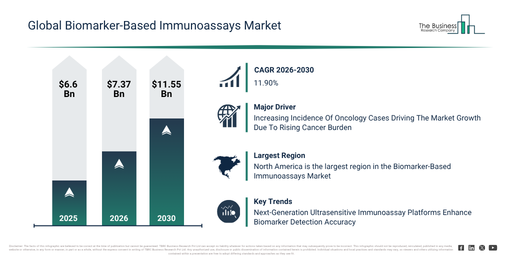
  • Biomarker-Based Immunoassays Market Growth Forecast: Market Size, Key Trends And Emerging Opportunities Through 2030

    Biomarker-Based Immunoassays Market Growth Forecast: Market Size, Key Trends And Emerging Opportunities Through 2030

    Built to provide research that’s more actionable and strategically valuable, The Business Research Company’s 2026 market reports include market attractiveness analysis, total addressable market sizing, company benchmarking matrices, interactive Excel dashboards, broader supply chain intelligence, emerging startup tracking, and in-depth product insights.

    Biomarker-Based Immunoassays Market Value Analysis: What Growth Lies Ahead Over The Forecast Period?

    The biomarker-based immunoassays market size has expanded quickly in recent years. Projections indicate it will expand from $6.6 billion in 2025 to $7.37 billion in 2026, with a compound annual growth rate (CAGR) of 11.6%. The historical growth has been driven by several factors, including the increasing prevalence of chronic diseases stimulating demand for early diagnostic testing, the expanding use of enzyme linked immunosorbent assay in clinical laboratories, the broadening of hospital diagnostic infrastructure and laboratory networks, the increasing adoption of antibody based detection techniques in research applications, and the evolution of standardized biomarker identification methods in biomedical research.

    The biomarker-based immunoassays market is poised for significant expansion in the upcoming years. It is projected to reach $11.55 billion by 2030, demonstrating a compound annual growth rate (CAGR) of 11.9%. This anticipated growth can be ascribed to several factors, including the increasing demand for personalized medicine and precision diagnostics, the growing integration of AI and machine learning in biomarker analysis, a wider adoption of multiplex and high-throughput immunoassay technologies, the expansion of point-of-care diagnostic testing into remote healthcare settings, and increased investment in pharmaceutical research and drug discovery applications. Prominent trends expected during this forecast period encompass AI-driven biomarker interpretation and predictive disease modeling for improved diagnostic accuracy, multiplex immunoassay platforms that facilitate the simultaneous detection of multiple biomarkers, cloud-integrated immunoassay systems for centralized management of diagnostic data, laboratory automation and robotic sample processing to enhance high-throughput immunoassay testing, and the emergence of next-generation point-of-care immunoassay devices for rapid clinical diagnostics.

    Get A Free Sample Report With In-Depth Market Insights:

    https://thebusinessresearchcompany.com/sample_request?id=54269245&type=smp&name=Biomarker-Based%20Immunoassays%20Market%20Report%202026&utm_source=Blogs&utm_medium=Paid&utm_campaign=Oct_PR

    Biomarker-Based Immunoassays Market Opportunity Drivers: What’s Unlocking New Revenue Potential?

    The escalating frequency of oncology cases is anticipated to boost the expansion of the biomarker-based immunoassays market. Oncology cases involve the manifestation of cancers, which stem from abnormal and uncontrolled cellular proliferation capable of spreading throughout the body. The uptick in oncology cases is primarily attributed to aging demographics, as the probability of developing cancer significantly increases with age, and longer lifespans contribute to a greater number of diagnoses. Biomarker-based immunoassays play a crucial role in managing oncology cases by facilitating prompt identification, accurate observation of disease progression, and informing tailored treatment choices through precise recognition of cancer-specific biomarkers. For instance, data from February 2024 by the World Health Organization, an international organization based in Switzerland focused on global health and public health initiatives, projects over 35 million new cancer cases in 2050, marking a 77% rise from the estimated 20 million cases in 2022. Consequently, the growing prevalence of oncology cases is fueling the growth of the biomarker-based immunoassays market.

    Biomarker-Based Immunoassays Market Segment Analysis And Revenue Potential

    The biomarker-based immunoassays market covered in this report is segmented –

    1) By Product: Consumables, Instruments And Analyzers, Reagents And Kits, Services

    2) By Biomarker Type: Protein Biomarkers, Hormone Biomarkers, Cardiac Biomarkers, Cancer Biomarkers, Infectious Disease Biomarkers, Neurological Biomarkers, Autoimmune Disease Biomarkers

    3) By Technology: Chemiluminescence, Enzyme Linked Immunosorbent Assay, Fluorescence, Multiplex, Radioimmunoassay, Other Technologies

    4) By Application: Oncology Diagnostics, Cardiology Diagnostics, Infectious Disease Testing, Endocrinology Testing, Autoimmune Disease Testing, Neurology Diagnostics, Drug Discovery And Development

    5) By End-User: Clinical Diagnostic Laboratories, Pharmaceutical Research And Development, Contract Research Organizations, Hospitals And Clinics, Academic Research Institutes

    Subsegments:

    1) By Consumables: Pipette Tips, Microplates, Sample Containers, Microcentrifuge Tubes, Reagent Reservoirs, Disposable Pipettes

    2) By Instruments And Analyzers: Enzyme Linked Immunosorbent Assay Analyzers, Chemiluminescence Immunoassay Analyzers, Fluorescence Immunoassay Systems, Multiplex Assay Platforms, Radioimmunoassay Instruments, Automated Immunoassay Analyzers

    3) By Reagents And Kits: Enzyme Linked Immunosorbent Assay Kits, Chemiluminescence Immunoassay Reagents, Fluorescence Immunoassay Reagents, Multiplex Assay Kits, Radioimmunoassay Kits, Controls And Standards

    4) By Services: Assay Development Services, Sample Testing Services, Data Analysis Services, Technical Support Services, Clinical Trial Support Services, Training And Consultation Services

    Biomarker-Based Immunoassays Market Innovation Trends Shaping Future Development

    Leading companies in the biomarker-based immunoassays market are directing their efforts towards developing innovative solutions, such as ultrasensitive immunoassay platforms, to facilitate the early and accurate detection of low-abundance biomarkers. These ultrasensitive immunoassay platforms are advanced diagnostic systems engineered to identify extremely low concentrations of biomarkers with high precision and specificity, which contributes to earlier disease detection, enhanced diagnostic accuracy, and improved monitoring of disease progression compared to conventional assays. For instance, in July 2025, Spear Bio Inc., a US-based biotechnology company, unveiled SPEAR UltraDetect, a next-generation ultrasensitive immunoassay solution crafted to improve biomarker detection in neurodegenerative disease research. The platform leverages proprietary homogeneous assay technology that eliminates the requirement for wash steps, unlike traditional heterogeneous immunoassays, thereby enabling faster and more streamlined workflows. It possesses the capability to detect protein biomarkers at attomolar concentrations using as little as 1 µL of sample, significantly enhancing both sensitivity and efficiency. This solution encompasses assays targeting vital neurological biomarkers including pTau217, pTau231, GFAP, and NfL, supporting early and accurate disease analysis.

    Biomarker-Based Immunoassays Market Top Companies Driving Competitive Growth

    Major companies operating in the biomarker-based immunoassays market are Thermo Fisher Scientific Inc., Abbott Laboratories, Merck KGaA, Eurofins Scientific SE, Bio-Rad Laboratories Inc., QIAGEN N. V., Tecan Trading AG, Autobio Diagnostics Co. Ltd., Promega Corporation, Sekisui Diagnostics LLC, Boditech Med Inc., Dynex Technologies Inc., NanoEntek Inc., J. Mitra & Co. Pvt. Ltd., ALPCO Diagnostics LLC, Micropoint Bioscience Inc., Coris BioConcept, MiCo BioMed Co. Ltd., Abionic SA, ANP Technologies Inc., Axela Inc., Epitope Diagnostics Inc., MedMira Inc., Nanomix Inc.

    View The Full Biomarker-Based Immunoassays Market Report:

    https://thebusinessresearchcompany.com/report/biomarker-based-immunoassays-market-report?utm_source=Blogs&utm_medium=Paid&utm_campaign=Oct_PR

    Biomarker-Based Immunoassays Market Global Footprint: Which Region Leads The Market?

    North America was the largest region in the biomarker-based immunoassays market in 2025. Asia-Pacific is expected to be the fastest-growing region in the forecast period. The regions covered in the biomarker-based immunoassays market report are Asia-Pacific, South East Asia, Western Europe, Eastern Europe, North America, South America, Middle East and Africa.

    Reach Out To Our Team:

    The Business Research Company: https://www.thebusinessresearchcompany.com/

    Americas: +1 310-496-7795

    Asia: +44 7882 955267 & +91 8897263534

    Europe: +44 7882 955267

    Email us at: marketing@tbrc.info

    Follow us on:

    LinkedIn: https://in.linkedin.com/company/the-business-research-company

    YouTube: https://www.youtube.com/channel/UC24_fI0rV8cR5DxlCpgmyFQ

    Global Market Model: https://www.thebusinessresearchcompany.com/global-market-model