Author: Marketing Posting

  • Eye Examination Equipment Market Size And Forecast 2026–2030: Trends Driving Industry Expansion

    Eye Examination Equipment Market Size And Forecast 2026–2030: Trends Driving Industry Expansion

    Backed by market attractiveness analysis, total addressable market sizing, company benchmarking matrices, interactive Excel dashboards, wider supply chain intelligence, emerging startup coverage, and detailed product-level insights, The Business Research Company’s 2026 market reports are designed to offer research that is more actionable and strategically valuable than ever.

    Eye Examination Equipment Market Size Forecast: How Big Could The Market Get By 2030?

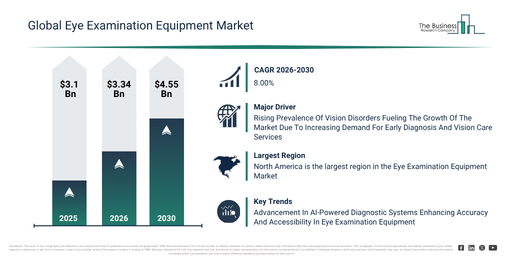
    The market size for eye examination equipment has shown significant growth in recent years. It is anticipated to increase from $3.1 billion in 2025 to $3.34 billion in 2026, at a compound annual growth rate (CAGR) of 7.8%. The historical expansion of this market can be attributed to factors such as the rising incidence of refractive errors and age-related eye conditions, the expansion of ophthalmic clinics and eye care infrastructure, growing public awareness regarding preventive eye health screenings, the increased adoption of traditional diagnostic instruments like slit lamps and tonometers, and greater healthcare expenditure coupled with improved access to vision care services.

    The eye examination equipment market is projected to experience substantial expansion in the coming years, with its size expected to reach $4.55 billion by 2030, exhibiting a compound annual growth rate (CAGR) of 8.0%. This projected growth can be attributed to advancements in AI-driven retinal imaging enhancing diagnostic accuracy, an increasing need for early detection of glaucoma and diabetic retinopathy, the proliferation of mobile and portable eye examination solutions, the expansion of digital healthcare ecosystems and telemedicine integration, and a rising geriatric population driving demand for vision correction and monitoring. Furthermore, significant trends anticipated during this period include a greater adoption of AI-assisted ophthalmic diagnostic systems, growing demand for portable and handheld eye examination devices, increased integration of cloud-based patient eye health records, the expansion of tele-ophthalmology and remote vision screening services, and a wider utilization of automated retinal imaging and screening technologies.

    Get A Free Sample Report With In-Depth Market Insights:

    https://thebusinessresearchcompany.com/sample_request?id=16403273&type=smp&name=Eye%20Examination%20Equipment%20Market%20Report%202026&utm_source=Blogs&utm_medium=Paid&utm_campaign=Oct_PR

    Eye Examination Equipment Market Opportunity Drivers: What’s Unlocking New Revenue Potential?

    The increasing occurrence of vision disorders is projected to fuel the expansion of the eye examination equipment market moving forward. Vision disorders encompass conditions that impede normal sight or impact the eye’s structure and function, including refractive errors, cataracts, glaucoma, and age-related macular degeneration. The incidence of these conditions is escalating due to an aging global population and prolonged exposure to digital screens. Eye examination equipment plays a vital role in early detection and continuous monitoring, enabling accurate diagnosis of visual impairments and ocular conditions, which in turn boosts the demand for diagnostic procedures and the adoption of such equipment. For instance, in February 2026, the World Health Organization, a Switzerland-based health organization, reported that at least 2.2 billion people globally suffer from a near or distance vision impairment, with over 1 billion of these cases being preventable or yet to be addressed. As a result, the growing prevalence of vision disorders is a key factor propelling the growth of the eye examination equipment market.

    Eye Examination Equipment Market Segmentation: How Does The Market Break Down By Category?

    The eye examination equipment market covered in this report is segmented –

    1) By Product: Optical Coherent Tomography Scanners (OCT), Ophthalmic Ultrasound Imaging Systems, Corneal Topography Systems, Slit Lamps, Tonometer, Ophthalmoscopes, Perimeters Or Visual Field Analyzers, Fundus Cameras, Autorefractors And Keratometers

    2) By Technology: Manual Equipment, Automated Equipment, Digital Systems, AI-Integrated Diagnostic Systems

    3) By Distribution: Direct Sales, Distributors And Dealers, Online Sales

    4) By Application: Refractive Error Testing, Glaucoma Detection, Cataract Diagnosis, Retinal Disorders, Corneal Disorders, General Eye Examination

    5) By End User: Hospitals, Clinics, Other End User

    Subsegments:

    1) By Optical Coherent Tomography Scanners: Spectral Domain Optical Coherent Tomography Scanners, Swept Source Optical Coherent Tomography Scanners, Time Domain Optical Coherent Tomography Scanners, Handheld Optical Coherent Tomography Scanners

    2) By Ophthalmic Ultrasound Imaging Systems: A Scan Ultrasound Systems, B Scan Ultrasound Systems, Combined Scan Ultrasound Systems, Ultrasound Biomicroscopy Systems

    3) By Corneal Topography Systems: Placido Disc Based Systems, Scheimpflug Imaging Systems, Scanning Slit Based Systems, Color Led Topography Systems

    4) By Slit Lamps: Table Top Slit Lamps, Portable Slit Lamps, Digital Slit Lamps, Led Slit Lamps

    5) By Tonometer: Applanation Tonometer, Indentation Tonometer, Rebound Tonometer, Non Contact Tonometer

    6) By Ophthalmoscopes: Direct Ophthalmoscopes, Indirect Ophthalmoscopes, Digital Ophthalmoscopes, Panoramic Ophthalmoscopes

    7) By Perimeters Visual Field Analyzers: Static Perimeters, Kinetic Perimeters, Automated Perimeters, Combination Perimeters

    8) By Fundus Cameras: Mydriatic Fundus Cameras, Non Mydriatic Fundus Cameras, Handheld Fundus Cameras, Ultra Widefield Fundus Cameras

    9) By Autorefractors And Keratometers Phoropters: Manual Autorefractors, Automatic Autorefractors, Manual Keratometers, Automatic Keratometers, Digital Phoropters, Manual Phoropters

    Eye Examination Equipment Market Innovation Trends Shaping Future Development

    Major companies operating in the eye examination equipment market are concentrating on advancements in AI-powered diagnostic systems, particularly AI-integrated retinal imaging devices, to enhance diagnostic precision and expand screening accessibility. These instruments combine fundus cameras with artificial intelligence algorithms to automatically analyze retinal images and identify eye conditions such as diabetic retinopathy, glaucoma, and macular degeneration. For example, in May 2024, Optomed Oyj, a Finland-based medical technology company, launched the Optomed Aurora handheld fundus camera, which is integrated with AI. This device enables autonomous detection of diabetic retinopathy, delivers results in under one minute, and supports portable screening across diverse care settings, underscoring the increasing shift toward AI-enabled and decentralized eye diagnostics.

    Eye Examination Equipment Market Competitive Landscape: Who Leads The Industry?

    Major companies operating in the eye examination equipment market are Topcon Corporation, NIDEK Co. Ltd., Appasamy Associates, Heidelberg Engineering, Rexxam Co. Ltd., Lumibird Medical, Keeler Ltd, Oculus Optikgeräte GmbH, Optopol Technology, Forus Health, Volk Optical, Optovue Inc., Luneau Technology Group, Remidio Innovative Solutions, Takagi Seiko Co. Ltd., Visionix, Haag-Streit Group, DGH Technology Inc., Ziemer Ophthalmic Systems, CSO Italy

    View The Full Eye Examination Equipment Market Report:

    https://thebusinessresearchcompany.com/report/eye-examination-equipment-market-report?utm_source=Blogs&utm_medium=Paid&utm_campaign=Oct_PR

    Eye Examination Equipment Market Geographic Landscape: Which Region Dominates Industry Growth?

    North America was the largest region in the eye examination equipment market in 2025. Asia-Pacific is expected to be the fastest-growing region in the forecast period. The regions covered in the eye examination equipment market report are Asia-Pacific, South East Asia, Western Europe, Eastern Europe, North America, South America, Middle East and Africa.

    Reach Out To Our Team:

    The Business Research Company: https://www.thebusinessresearchcompany.com/

    Americas: +1 310-496-7795

    Asia: +44 7882 955267 & +91 8897263534

    Europe: +44 7882 955267

    Email us at: marketing@tbrc.info

    Follow us on:

    LinkedIn: https://in.linkedin.com/company/the-business-research-company

    YouTube: https://www.youtube.com/channel/UC24_fI0rV8cR5DxlCpgmyFQ

    Global Market Model: https://www.thebusinessresearchcompany.com/global-market-model
  • Environmental Allergy Monitoring Market Forecast To 2030: Starting From $1.36 Billion In 2026

    Environmental Allergy Monitoring Market Forecast To 2030: Starting From $1.36 Billion In 2026

    Featuring market attractiveness scoring, total addressable market sizing, company benchmarking matrices, interactive Excel dashboards, deeper supply chain intelligence, emerging startup tracking, and granular product-level insights, The Business Research Company’s 2026 market reports are built to deliver research that is both more actionable and more strategically valuable.

    Environmental Allergy Monitoring Market Size Outlook: How Quickly Will Revenue Expand Through 2030?

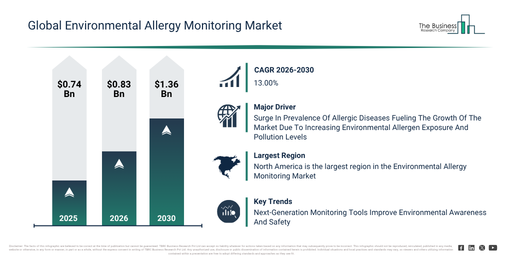
    The environmental allergy monitoring market has experienced significant expansion in recent years. This market is projected to grow from $0.74 billion in 2025 to $0.83 billion in 2026, showing a compound annual growth rate (CAGR) of 12.7%. The market’s historical growth was driven by factors such as basic manual pollen count reporting systems, limited awareness of environmental allergy triggers, the growth of basic air quality monitoring stations, the expansion of respiratory health surveillance programs, and the early adoption of digital weather forecasting tools.

    The environmental allergy monitoring market size is poised for significant expansion over the coming years. Its value is projected to grow to $1.36 billion by 2030, demonstrating a compound annual growth rate (CAGR) of 13.0%. This anticipated growth during the forecast period can be attributed to several factors, including the integration of AI-based allergen prediction models, the rising global incidence of respiratory allergies, the expansion of smart city environmental monitoring networks, an increasing demand for personalized health risk alerts, and the proliferation of IoT-enabled wearable health monitoring devices. Key trends expected in this period encompass hyperlocal allergen forecasting systems, wearable environmental exposure tracking devices, smart home integrated allergy alert systems, predictive air quality health risk modeling, and real-time urban pollution and allergen mapping platforms.

    Get A Free Sample Report With In-Depth Market Insights:

    https://thebusinessresearchcompany.com/sample_request?id=93435585&type=smp&name=Environmental%20Allergy%20Monitoring%20Market%20Report%202026&utm_source=Blogs&utm_medium=Paid&utm_campaign=Oct_PR

    Environmental Allergy Monitoring Market Industry Drivers: What’s Behind The Revenue Growth?

    The increasing incidence of allergic conditions is projected to propel the expansion of the environmental allergy monitoring market moving forward. Allergic diseases are characterized as immune system disorders where the body reacts excessively to typically harmless environmental substances, such as pollen, dust, or specific foods. The occurrence of allergic diseases is escalating due to heightened exposure to environmental pollutants and allergens, which subsequently amplify immune sensitivity among populations. Environmental allergy monitoring supports the management of allergic diseases by enabling the real-time detection and tracking of environmental allergens like pollen, dust, and pollutants, thereby assisting individuals and healthcare providers in managing exposure and mitigating allergy-related health risks. For instance, in January 2026, as per the Centers for Disease Control and Prevention, a US-based public health agency, in 2024, 31.7% of adults were diagnosed with a seasonal allergy, eczema, or food allergy. This contrasts with lower historical levels, with 25.2% reporting seasonal allergies, 7.7% reporting eczema, and 6.7% reporting food allergies. Therefore, the growing prevalence of allergic diseases is driving the growth of the environmental allergy monitoring market.

    Environmental Allergy Monitoring Market Segment Landscape And Growth Outlook

    The environmental allergy monitoring market covered in this report is segmented –

    1) By Type: Wearable Pollen Monitors, Internet Of Things Air Allergen Sensors, Real Time Air Quality Platforms

    2) By Allergen Type: Pollen Allergens, Dust Mites, Mold Spores, Pet Dander, Air Pollutants, Other Allergen Types

    3) By Distribution Channel: Direct Sales, Online Retail, Offline Retail, System Integrators And Solution Providers

    4) By Application: Outdoor Pollen Monitoring, Indoor Allergen Tracking, Workplace Allergy Risk, Smart Home Allergy Alerts

    5) By End User: Government Agencies, Healthcare Providers And Payers, Employers And Facility Managers, Consumers And Individuals, Universities And Research Institutes

    Subsegments:

    1) By Wearable Pollen Monitors: Personal Wearable Pollen Detection Devices, Clip On Pollen Monitoring Devices, Wrist Based Pollen Monitoring Devices, Portable Handheld Pollen Monitoring Devices, Smart Clothing Integrated Pollen Sensors

    2) By Internet Of Things Air Allergen Sensors: Indoor Air Allergen Monitoring Sensors, Outdoor Air Allergen Monitoring Sensors, Smart Home Integrated Allergen Sensors, Industrial Air Allergen Detection Sensors, Wireless Connected Allergen Sensor Networks

    3) By Real Time Air Quality Platforms: Cloud Based Air Quality Monitoring Platforms, Mobile Application Based Air Quality Platforms, Web Based Air Quality Analytics Platforms, Integrated Environmental Data Visualization Platforms, Predictive Air Quality Forecasting Platforms

    #Environmental Allergy Monitoring Market Growth Trends: What’s Shaping The Future Outlook?

    Key companies in the environmental allergy monitoring market are concentrating on creating sophisticated solutions, particularly AI-powered real-time air quality sensors. These innovations aim to improve the identification of airborne allergens, offer hyper-localized insights, enable individuals to make well-informed choices, and back citizen science endeavors. AI-powered real-time air quality sensors are instruments that employ artificial intelligence to automatically detect, categorize, and report airborne particles such as pollen, mold, and dust as they occur. For example, in November 2024, Pollen Sense LLC, a US-based air quality monitoring company, unveiled its APS400 sensor for consumer use. The APS400 leverages imaging and AI technologies to continuously sample and classify airborne particles, delivering real-time allergen data accessible via the ParticleSense app. This sensor is engineered for both indoor and outdoor settings, providing hyperlocal air quality insights, seamless app integration, and intuitive visualization, assisting allergy sufferers in managing their exposure and contributing to a broader automated monitoring network.

    Environmental Allergy Monitoring Market Leading Companies And Competitive Benchmarking

    Major companies operating in the environmental allergy monitoring market are Samsung Electronics Co. Ltd., Siemens AG, Thermo Fisher Scientific Inc., Honeywell International Inc., ABB Ltd., Merck KGaA, Danaher Corporation, Agilent Technologies Inc., AMETEK Inc., Sartorius AG, Waters Corporation, HORIBA Ltd., Sensirion AG, ACOEM Group, Bosch Sensortec GmbH, IQAir AG, Airthings ASA, Awair Inc., Kaiterra Inc., Clarity Movement Co. Inc.

    View The Full Environmental Allergy Monitoring Market Report:

    https://thebusinessresearchcompany.com/report/environmental-allergy-monitoring-market-report?utm_source=Blogs&utm_medium=Paid&utm_campaign=Oct_PR

    Environmental Allergy Monitoring Market Largest Region By Revenue And Market Share

    North America was the largest region in the environmental allergy monitoring market in 2025. Asia-Pacific is expected to be the fastest-growing region in the forecast period. The regions covered in the environmental allergy monitoring market report are Asia-Pacific, South East Asia, Western Europe, Eastern Europe, North America, South America, Middle East and Africa.

    Reach Out To Our Team:

    The Business Research Company: https://www.thebusinessresearchcompany.com/

    Americas: +1 310-496-7795

    Asia: +44 7882 955267 & +91 8897263534

    Europe: +44 7882 955267

    Email us at: marketing@tbrc.info

    Follow us on:

    LinkedIn: https://in.linkedin.com/company/the-business-research-company

    YouTube: https://www.youtube.com/channel/UC24_fI0rV8cR5DxlCpgmyFQ

    Global Market Model: https://www.thebusinessresearchcompany.com/global-market-model
  • Endoscope Reprocessing Device Market Growth Outlook For 2026: Drivers, Trends And Future Opportunities

    Endoscope Reprocessing Device Market Growth Outlook For 2026: Drivers, Trends And Future Opportunities

    Featuring market attractiveness scoring, total addressable market sizing, company benchmarking matrices, interactive Excel dashboards, deeper supply chain intelligence, emerging startup tracking, and granular product-level insights, The Business Research Company’s 2026 market reports are built to deliver research that is both more actionable and more strategically valuable.

    Endoscope Reprocessing Device Market Set To Climb From $2.65 Billion In 2026 To $3.45 Billion By 2030

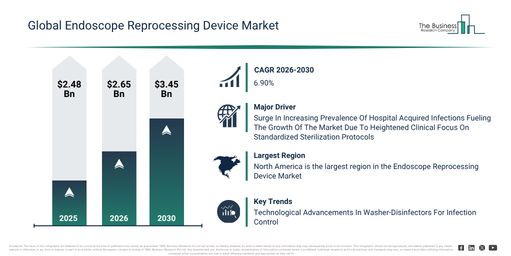
    The endoscope reprocessing device market has experienced substantial growth in recent years. It is projected to expand from $2.48 billion in 2025 to $2.65 billion in 2026, demonstrating a compound annual growth rate (CAGR) of 6.6%. This historical growth can be attributed to several factors, including the increasing number of endoscopic procedures performed globally, a heightened focus on infection control practices in hospitals, the rising adoption of reusable endoscopic instruments, the expansion of healthcare infrastructure and diagnostic centers, and advancements in automated cleaning and sterilization technologies.

    The endoscope reprocessing device market is anticipated to experience substantial expansion over the coming years. This market is projected to reach $3. 45 billion by 2030, exhibiting a compound annual growth rate (CAGR) of 6. 9%. This anticipated expansion during the forecast period stems from several factors, including the escalating need for automated reprocessing systems, increased capital expenditure in healthcare sterilization facilities, wider uptake of intelligent monitoring and tracking solutions, the proliferation of outpatient and ambulatory surgical centers, and heightened regulatory focus on adherence to endoscope reprocessing standards. Key developments expected in the same period encompass the growing integration of automated endoscope reprocessors within hospital settings, a surging requirement for systems dedicated to infection prevention and contamination control, an increasing inclination towards advanced high-level disinfection technologies, the enlargement of centralized sterile services departments across healthcare institutions, and an expanded utilization of drying and storage cabinets for maintaining endoscope integrity.

    Get A Free Sample Report With In-Depth Market Insights:

    https://thebusinessresearchcompany.com/sample_request?id=24534036&type=smp&name=Endoscope%20Reprocessing%20Device%20Market%20Report%202026&utm_source=Blogs&utm_medium=Paid&utm_campaign=Oct_PR

    Endoscope Reprocessing Device Market Growth Drivers: What’s Behind The Acceleration?

    The rising incidence of hospital-acquired infections is anticipated to boost the growth of the endoscope reprocessing device market. Hospital-acquired infections (HAIs) are defined as clinical infections contracted by patients within a healthcare facility during their medical care, which were not present upon admission. This increasing prevalence is largely attributed to the growing number of complex surgical procedures and diagnostic interventions that necessitate the use of reusable medical instruments across an aging global population. Endoscope reprocessing devices address this challenge by providing automated and validated disinfection cycles that effectively eliminate pathogenic microorganisms from flexible endoscopes, thereby preventing patient-to-patient transmission. For instance, in February 2025, the Health Security Agency, a UK-based national executive agency, reported that hospital-onset healthcare-associated Coli bacteremia cases rose to 676, marking a 1.0% increase compared to 669 cases in February 2024. Therefore, the escalating prevalence of hospital acquired infections is a key factor driving the expansion of the endoscope reprocessing device market.

    Endoscope Reprocessing Device Market Segmentation And Category Overview

    The endoscope reprocessing device market covered in this report is segmented –

    1) By Product: Automated Endoscope Reprocessors, Washer Disinfectors, Sterilizers, Ultrasonic Washers, Drying And Storage Cabinets

    2) By Operation Mode: Semiautomatic, Automatic

    3) By Technology: High Level Disinfection, Sterilization Technology, Ultrasonic Cleaning, Automated Cleaning Systems, Manual Cleaning Systems

    4) By Application: Gastrointestinal Endoscopy, Bronchoscopy, Urology Endoscopy, Gynecology Endoscopy, Other Endoscopic Procedures

    5) By End User: Hospitals, Specialty Clinics, Ambulatory Surgical Centers, Academic And Research Institutes, Central Sterile Services Department (CSSD)

    Subsegments:

    1) By Automated Endoscope Reprocessors: Single Basin Reprocessors, Dual Basin Reprocessors, Pass Through Reprocessors, Tabletop Reprocessors, High Capacity Reprocessors

    2) By Washer Disinfectors: Single Chamber Washer Disinfectors, Multi Chamber Washer Disinfectors, Floor Standing Washer Disinfectors, Undercounter Washer Disinfectors, High Throughput Washer Disinfectors

    3) By Sterilizers: Steam Sterilizers, Low Temperature Sterilizers, Gas Sterilizers, Plasma Sterilizers, Chemical Sterilizers

    4) By Ultrasonic Washers: Benchtop Ultrasonic Washers, Industrial Ultrasonic Washers, Multi Frequency Ultrasonic Washers, Heated Ultrasonic Washers, Digital Control Ultrasonic Washers

    5) By Drying And Storage Cabinets: Vertical Storage Cabinets, Horizontal Storage Cabinets, Drying Cabinets With Filtration, Temperature Controlled Cabinets, High Capacity Storage Cabinets

    Endoscope Reprocessing Device Market Trends: What’s Defining The Industry’s Next Phase?

    Leading companies within the endoscope reprocessing device market are concentrating on product innovation, particularly advanced washer-disinfectors, to boost cleaning effectiveness, improve sustainability, and streamline workflow automation in healthcare environments. Endoscope washer-disinfectors are automated systems purposed for cleaning, disinfecting, and drying flexible endoscopes, thereby ensuring robust infection control and adherence to hygiene standards. For instance, in June 2023, Olympus Corporation, a Japan-based medical technology company, unveiled the ETD Washer-Disinfector series, comprising ETD Basic and ETD Premium, as part of its infection prevention offerings. These systems aim to enhance cleaning and disinfection efficiency, optimize water and energy usage, and improve workflow automation, specifically targeting hospitals and endoscopy centers with significant throughput demands.

    Endoscope Reprocessing Device Market Top Companies Driving Competitive Growth

    Major companies operating in the endoscope reprocessing device market are Münchener Medizin Mechanik GmbH, Ecolab Inc., Olympus Corporation, STERIS plc, Getinge AB, Shinva Medical Instrument Co. Ltd., Belimed AG, ARC Healthcare Solutions Inc., Olive Endoscopy Pvt. Ltd., Chemische Fabrik Dr. Weigert GmbH & Co. KG, Soluscope SAS, Matachana Group, SciCan Ltd., CISA Production S. r. l., LTE Scientific Ltd., Tuttnauer Ltd., Wassenburg Medical B. V., Sun Medical Systems Co. Ltd., ITPL Medical (India) Pvt. Ltd., Endo-Technik W. Griesat GmbH

    View The Full Endoscope Reprocessing Device Market Report:

    https://thebusinessresearchcompany.com/report/endoscope-reprocessing-device-market-report?utm_source=Blogs&utm_medium=Paid&utm_campaign=Oct_PR

    Endoscope Reprocessing Device Market Global Footprint: Which Region Leads The Industry?

    North America was the largest region in the endoscope reprocessing device market in 2025. Asia-Pacific is expected to be the fastest-growing region in the forecast period. The regions covered in the endoscope reprocessing device market report are Asia-Pacific, South East Asia, Western Europe, Eastern Europe, North America, South America, Middle East and Africa.

    Reach Out To Our Team:

    The Business Research Company: https://www.thebusinessresearchcompany.com/

    Americas: +1 310-496-7795

    Asia: +44 7882 955267 & +91 8897263534

    Europe: +44 7882 955267

    Email us at: marketing@tbrc.info

    Follow us on:

    LinkedIn: https://in.linkedin.com/company/the-business-research-company

    YouTube: https://www.youtube.com/channel/UC24_fI0rV8cR5DxlCpgmyFQ

    Global Market Model: https://www.thebusinessresearchcompany.com/global-market-model
  • Endobronchial Ultrasound Biopsy Market Size Forecast From 2026 To 2030: Key Industry Trends

    Endobronchial Ultrasound Biopsy Market Size Forecast From 2026 To 2030: Key Industry Trends

    Built to provide research that’s more actionable and strategically valuable, The Business Research Company’s 2026 market reports include market attractiveness analysis, total addressable market sizing, company benchmarking matrices, interactive Excel dashboards, broader supply chain intelligence, emerging startup tracking, and in-depth product insights.

    Endobronchial Ultrasound Biopsy Market Forecast: Value Set To Climb From $0.71 Billion To $0.93 Billion

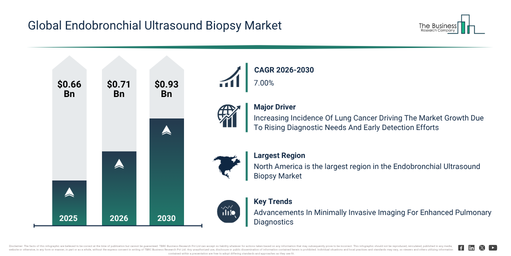
    The endobronchial ultrasound biopsy market has shown robust growth over recent years. Projections indicate it will expand from $0.66 billion in 2025 to $0.71 billion in 2026, at a compound annual growth rate (CAGR) of 6.7%. The historical increase in this market can be attributed to several factors, including the rising prevalence of lung cancer cases, the increasing adoption of minimally invasive diagnostic procedures, the growth in hospital-based bronchoscopy units, advancements in ultrasound-guided biopsy technologies, and expanding awareness of early thoracic disease diagnosis.

    The market size for endobronchial ultrasound biopsy is projected to demonstrate robust expansion in the coming years. It is anticipated to reach $0.93 billion by 2030, growing at a compound annual growth rate (CAGR) of 7.0%. This growth over the forecast period can be attributed to several factors, including an escalating demand for precision-guided pulmonary diagnostics, the increasing adoption of single-use biopsy devices, the expansion of AI-enabled bronchoscopy imaging systems, rising investments in cancer diagnostic infrastructure, and the greater utilization of outpatient and ambulatory biopsy procedures. Significant trends expected during this period involve the increasing uptake of minimally invasive mediastinal biopsy procedures, a growing preference for single-use endobronchial ultrasound devices, an increasing demand for accuracy in real-time lymph node sampling, the expansion of lung cancer screening and diagnostic programs, and the enhanced use of advanced ultrasound-guided peripheral lung lesion localization.

    Get A Free Sample Report With In-Depth Market Insights:

    https://thebusinessresearchcompany.com/sample_request?id=16035175&type=smp&name=Endobronchial%20Ultrasound%20Biopsy%20Market%20Report%202026&utm_source=Blogs&utm_medium=Paid&utm_campaign=Oct_PR

    Endobronchial Ultrasound Biopsy Market Growth Factors Behind Sustained Expansion

    The expanding occurrence of lung cancer is anticipated to fuel the progression of the endobronchial ultrasound biopsy market in the coming years. Lung cancer, a form of aggressive tumor, is defined by unchecked cellular proliferation in lung tissues, capable of invading adjacent areas or spreading to distant organs. The increase in lung cancer cases stems from elements like greater smoking rates and environmental exposures that heighten the likelihood of lung malignancy. Endobronchial ultrasound biopsy facilitates accurate, minimally invasive collection of samples from lung and mediastinal tissues, thus enabling precise diagnosis, staging, and ongoing monitoring of lung cancer. This process subsequently informs specific treatment choices and enhances patient prognoses. For example, in March 2026, data from the Cancer Research UK (CRUK), an organization based in the UK, indicates that for women in the UK, the European age-standardised (AS) incidence rate of lung cancer is projected to grow by 2% between 2024–2026 and 2038–2040, climbing from around 75.8 to 77.6 cases per 100,000 women per year. Consequently, the rising frequency of lung cancer is propelling the expansion of the endobronchial ultrasound biopsy market.

    Endobronchial Ultrasound Biopsy Market Segment Outlook: Which Categories Are Growing Fastest?

    The endobronchial ultrasound biopsy market covered in this report is segmented –

    1) By Procedure Type: Convex Probe Endobronchial Ultrasound Guided Biopsy, Radial Probe Endobronchial Ultrasound Guided Biopsy

    2) By Product Type: Endobronchial Ultrasound Scopes, Biopsy Needles And Sampling Consumables, Ultrasound Processors And Imaging Systems, Accessories And Ancillary Devices

    3) By Usability: Reusable Devices, Single Use Devices

    4) By Application: Lung Cancer Diagnosis And Staging, Granulomatous And Infectious Disease Evaluation, Other Applications

    5) By End User: Hospitals And Specialty Cancer Centers, Ambulatory Surgical Centers, Diagnostic Imaging And Biopsy Centers

    Subsegments:

    1) By Convex Probe Endobronchial Ultrasound Guided Biopsy: Transbronchial Needle Aspiration Guided Procedures, Real Time Lymph Node Sampling Procedures, Mediastinal Staging Biopsy Procedures, Central Lung Lesion Biopsy Procedures, Combined Bronchoscopic Ultrasound Guided Sampling Procedures

    2) By Radial Probe Endobronchial Ultrasound Guided Biopsy: Peripheral Lung Lesion Localization Procedures, Guide Sheath Assisted Biopsy Procedures, Transbronchial Forceps Biopsy Procedures, Brush Cytology Sampling Procedures, Fluoroscopy Assisted Peripheral Biopsy Procedures

    Endobronchial Ultrasound Biopsy Market Industry Trends Fueling Future Revenue Growth

    Leading companies operating within the endobronchial ultrasound biopsy market are concentrating on developing innovative products, specifically next-generation EBUS bronchoscopes, to boost diagnostic precision and refine minimally invasive lung cancer interventions. These advanced EBUS bronchoscopes are sophisticated endoscopic instruments equipped with integrated high-resolution ultrasound probes, facilitating real-time visualization of airways and lymph nodes, which enables medical professionals to conduct more accurate, minimally invasive lung biopsies compared to conventional bronchoscopes. For instance, in September 2025, Olympus Corporation, a Japan-based medical technology firm, introduced the BF-UC190F EBUS bronchoscope, an inventive tool designed to enhance diagnostic exactness and operational effectiveness in thoracic oncology. The BF-UC190F incorporates a slenderer, more pliable insertion tube, a high-resolution ultrasound probe, and superior maneuverability, allowing clinicians to reach challenging lymph nodes while minimizing patient discomfort. Its ergonomic structure and improved imaging functionalities contribute to safer, quicker biopsies and diminish the requirement for repeat procedures. This sophisticated bronchoscope is especially advantageous in the early detection and staging of lung cancer, providing real-time direction for needle aspiration and tissue sampling.

    Endobronchial Ultrasound Biopsy Market Leading Players And Competitive Positioning

    Major companies operating in the endobronchial ultrasound biopsy market are Medtronic plc, Siemens Healthcare Private Limited, FUJIFILM Holdings Corporation, Koninklijke Philips N. V., GE HealthCare Technologies Inc., Boston Scientific Corporation, Konica Minolta Inc., Intuitive Surgical Inc., Olympus Corporation, Shenzhen Mindray Bio-Medical Electronics Co. Ltd., STERIS plc, Teleflex Incorporated, Canon Medical Systems Corporation, Cook Group Incorporated, CONMED Corporation, PENTAX Medical, Esaote S. p. A., Medi-Globe Technologies GmbH, ENDO-FLEX GmbH, Taewoong Medical Co. Ltd., ACE Medical Devices Private Limited, Body Vision Medical Ltd., Clinodevice S. r. l.

    View The Full Endobronchial Ultrasound Biopsy Market Report:

    https://thebusinessresearchcompany.com/report/endobronchial-ultrasound-biopsy-market-report?utm_source=Blogs&utm_medium=Paid&utm_campaign=Oct_PR

    Endobronchial Ultrasound Biopsy Market Regional Distribution: Which Areas Power Market Growth?

    North America was the largest region in the endobronchial ultrasound biopsy market in 2025. Asia-Pacific is expected to be the fastest-growing region in the forecast period. The regions covered in the endobronchial ultrasound biopsy market report are Asia-Pacific, South East Asia, Western Europe, Eastern Europe, North America, South America, Middle East and Africa.

    Reach Out To Our Team:

    The Business Research Company: https://www.thebusinessresearchcompany.com/

    Americas: +1 310-496-7795

    Asia: +44 7882 955267 & +91 8897263534

    Europe: +44 7882 955267

    Email us at: marketing@tbrc.info

    Follow us on:

    LinkedIn: https://in.linkedin.com/company/the-business-research-company

    YouTube: https://www.youtube.com/channel/UC24_fI0rV8cR5DxlCpgmyFQ

    Global Market Model: https://www.thebusinessresearchcompany.com/global-market-model
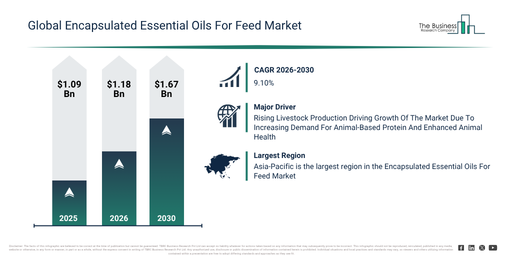
  • Encapsulated Essential Oils For Feed Market 2026: Market Size, Growth Drivers And Emerging Opportunities

    Encapsulated Essential Oils For Feed Market 2026: Market Size, Growth Drivers And Emerging Opportunities

    Backed by market attractiveness analysis, total addressable market sizing, company benchmarking matrices, interactive Excel dashboards, wider supply chain intelligence, emerging startup coverage, and detailed product-level insights, The Business Research Company’s 2026 market reports are designed to offer research that is more actionable and strategically valuable than ever.

    Encapsulated Essential Oils For Feed Market Revenue Growth On Track For A 9.1% CAGR Through 2030

    The encapsulated essential oils for feed market size has experienced strong growth in recent years. It is projected to increase from $1. 09 billion in 2025 to $1. 18 billion in 2026, achieving a compound annual growth rate (CAGR) of 8. 8%. The expansion observed in previous periods can be attributed to several factors, including an increasing livestock population, a growing demand for animal protein, the rise in commercial feed production, the broadening of poultry and swine farming, and the early adoption of phytogenic feed additives.

    The encapsulated essential oils for feed market is expected to experience substantial expansion in the forthcoming years. It is projected to reach $1.67 billion by 2030, demonstrating a compound annual growth rate (CAGR) of 9.1%. This anticipated growth can be attributed to a heightened emphasis on antibiotic alternatives, increasing global meat consumption, advancements in microencapsulation technology, the expanding aquaculture industry, and more stringent regulations concerning antibiotic use in feed. Prominent trends throughout the forecast period include a growing transition towards antibiotic-free livestock production, the rising adoption of natural feed additives for improving gut health, the expansion of functional feed solutions specifically designed for aquaculture, an increasing demand for controlled-release encapsulation technologies within animal nutrition, and a stronger focus on optimizing feed efficiency and implementing cost reduction strategies.

    Get A Free Sample Report With In-Depth Market Insights:

    https://thebusinessresearchcompany.com/sample_request?id=92049031&type=smp&name=Encapsulated%20Essential%20Oils%20For%20Feed%20Market%20Report%202026&utm_source=Blogs&utm_medium=Paid&utm_campaign=Oct_PR

    Encapsulated Essential Oils For Feed Market Demand Drivers Opening New Revenue Streams

    An anticipated increase in livestock farming is projected to fuel the expansion of the market for encapsulated essential oils in animal feed. Livestock production involves the practice of raising and caring for animals to supply food, fiber, and other products for human use. This sector is growing due to the escalating demand for animal-based protein, as increasing global populations and higher incomes drive greater consumption of meat, milk, and eggs. Encapsulated essential oils for feed support livestock production by reducing disease risks and promoting gut health, which leads to improved growth rates and higher-quality animal products. As an illustration, Meat & Livestock Australia, an Australia-based meat industry company, reported in February 2024 that Australia achieved a new record in lamb production in 2023, reaching 246,003 tonnes, an increase of 12.05% compared to 2022. Consequently, the rise in livestock production is driving the growth of the encapsulated essential oils for feed market.

    Encapsulated Essential Oils For Feed Market Segment Landscape: Which Areas Lead Development?

    The encapsulated essential oils for feed market covered in this report is segmented –

    1) By Product Type: Microencapsulated, Nanoencapsulated, Macroencapsulated

    2) By Animal Type: Poultry, Swine, Ruminants, Aquaculture, Other Animal Types

    3) By Source: Herbal, Citrus, Spices, Other Sources

    4) By Distribution Channel: Direct, Indirect

    5) By Application: Growth Promotion, Gut Health, Immunity Enhancement, Other Applications

    Subsegments:

    1) By Microencapsulated: Spray Dried Microcapsules, Coacervated Microcapsules, Lipid Coated Microcapsules, Polymer Coated Microcapsules

    2) By Nanoencapsulated: Nanoemulsions, Nanoliposomes, Solid Lipid Nanoparticles, Polymeric Nanoparticles

    3) By Macroencapsulated: Extruded Capsules, Beadlet Capsules, Gel Based Capsules, Matrix Encapsulated Particles

    Encapsulated Essential Oils For Feed Market Competitive Overview And Top Companies

    Major companies operating in the encapsulated essential oils for feed market are Cargill Incorporated, Archer-Daniels-Midland Company, DSM-Firmenich AG, International Flavors & Fragrances Inc., Symrise AG, Trouw Nutrition International B. V., Alltech Inc., Kemin Industries Inc., Balchem Corporation, Synthite Industries Limited, Novus International Inc., Silvateam S. p. A., Vetagro S. p. A., Phytosynthese SAS, Phytobiotics Futterzusatzstoffe GmbH, Dostofarm GmbH, Nor-Feed SAS, Inovia Hutzinger GmbH, Reed Pacific Pty Ltd, Bialtec GmbH

    View The Full Encapsulated Essential Oils For Feed Market Report:

    https://thebusinessresearchcompany.com/report/encapsulated-essential-oils-for-feed-market-report?utm_source=Blogs&utm_medium=Paid&utm_campaign=Oct_PR

    Encapsulated Essential Oils For Feed Market Leading Geography: Which Region Contributes The Most Revenue?

    Asia-Pacific was the largest region in the encapsulated essential oils for feed market in 2025. Asia-Pacific is expected to be the fastest-growing region in the forecast period. The regions covered in the encapsulated essential oils for feed market report are Asia-Pacific, South East Asia, Western Europe, Eastern Europe, North America, South America, Middle East and Africa.

    Reach Out To Our Team:

    The Business Research Company: https://www.thebusinessresearchcompany.com/

    Americas: +1 310-496-7795

    Asia: +44 7882 955267 & +91 8897263534

    Europe: +44 7882 955267

    Email us at: marketing@tbrc.info

    Follow us on:

    LinkedIn: https://in.linkedin.com/company/the-business-research-company

    YouTube: https://www.youtube.com/channel/UC24_fI0rV8cR5DxlCpgmyFQ

    Global Market Model: https://www.thebusinessresearchcompany.com/global-market-model
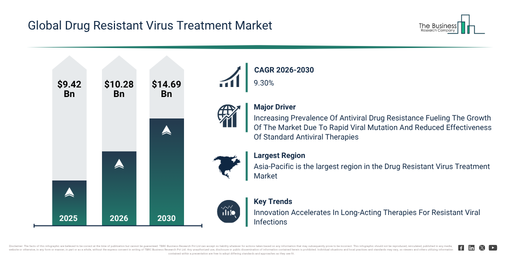
  • Drug Resistant Virus Treatment Market Growth Potential: What The Latest Forecast Reveals

    Drug Resistant Virus Treatment Market Growth Potential: What The Latest Forecast Reveals

    Built to provide research that’s more actionable and strategically valuable, The Business Research Company’s 2026 market reports include market attractiveness analysis, total addressable market sizing, company benchmarking matrices, interactive Excel dashboards, broader supply chain intelligence, emerging startup tracking, and in-depth product insights.

    Drug Resistant Virus Treatment Market Forecast: What Value Will The Market Reach By 2030?

    The market for drug-resistant virus treatments has experienced strong growth in recent years. It is projected to increase from $9. 42 billion in 2025 to $10. 28 billion in 2026, achieving a compound annual growth rate (CAGR) of 9. 1%. This historical growth can be attributed to limited diversity in antiviral drugs, the emergence of drug resistance cases in HIV and hepatitis, reliance on single-mechanism antiviral therapies, the expansion of global viral outbreak monitoring systems, and an increase in hospital-based infectious disease treatment protocols.

    The drug resistant virus treatment market is set for significant expansion over the next few years. It is forecast to achieve a valuation of $14.69 billion by 2030, growing at a compound annual growth rate (CAGR) of 9.3%. This anticipated growth can be attributed to factors such as the development of precision antiviral therapies, the increasing occurrence of multi-drug resistant viral strains, heightened investment in monoclonal antibody research, the expansion of genomic-based resistance tracking, and the strengthening of global pandemic preparedness programs. Prominent trends expected during this forecast period include the adoption of next-generation antiviral drug combination therapies, the creation of broad-spectrum antiviral resistance inhibitors, personalized viral resistance profiling diagnostics, the use of adaptive clinical trial designs for resistant viral strains, and the broadening of monoclonal antibody-based rescue therapies.

    Get A Free Sample Report With In-Depth Market Insights:

    https://thebusinessresearchcompany.com/sample_request?id=28184972&type=smp&name=Drug%20Resistant%20Virus%20Treatment%20Market%20Report%202026&utm_source=Blogs&utm_medium=Paid&utm_campaign=Oct_PR

    Drug Resistant Virus Treatment Market Growth Factors Behind Sustained Expansion

    The rising occurrence of antiviral drug resistance is anticipated to drive the expansion of the drug-resistant virus treatment market in the future. This resistance refers to a virus’s capacity to evolve and persist even when exposed to antiviral drugs, thereby diminishing the medication’s efficacy. The increase in antiviral drug resistance stems from the fast mutation rates of viruses, allowing them to rapidly acquire resistance against current therapies. Treatments for drug-resistant viruses address antiviral drug resistance through the use of alternative or combined antiviral therapies. These therapies aim at various viral mechanisms to suppress strains that have become unresponsive to conventional medications. As an illustration, in November 2025, the World Health Organization (WHO), an intergovernmental organization headquartered in Switzerland, indicated that if no mitigation strategies are implemented, HIV drug resistance to Dolutegravir (DTG) is foreseen to significantly increase among individuals experiencing failure of DTG-based ART, climbing from 18% in 2023 to 42% by 2035. Consequently, the growing prevalence of antiviral drug resistance is a key factor propelling the expansion of the drug-resistant virus treatment market.

    Drug Resistant Virus Treatment Market Segmentation And Category Overview

    The drug resistant virus treatment market covered in this report is segmented –

    1) By Virus Type: Human Immunodeficiency Virus Drug Resistant, Hepatitis B Virus Treatment Experienced, Cytomegalovirus Resistant Or Refractory, Influenza Resistant Strains, Herpes Simplex Virus Or Varicella Zoster Virus Acyclovir Resistant, Other Virus Types

    2) By Therapy Class: Small Molecule Antivirals, Long Acting Injectables, Monoclonal Antibodies, Host Targeted Therapies, Combination Regimens

    3) By Treatment Setting: Outpatient, Inpatient, Specialty Infusion Centers

    4) By Route Of Administration: Oral, Intravenous, Subcutaneous, Intramuscular

    5) By End User: Hospitals, Specialty Clinics, Homecare Settings

    Subsegments:

    1) By Human Immunodeficiency Virus Drug Resistant: First Line Resistance, Second Line Resistance, Multi Drug Resistance, Transmitted Drug Resistance, Acquired Drug Resistance

    2) By Hepatitis B Virus Treatment Experienced: Nucleoside Analogue Resistant, Lamivudine Resistant, Entecavir Resistant, Tenofovir Partial Response, Multi Drug Resistant Hepatitis B

    3) By Cytomegalovirus Resistant Or Refractory: Ganciclovir Resistant, Foscarnet Resistant, Cidofovir Resistant, Multi Drug Resistant Cytomegalovirus, Refractory Cytomegalovirus Infection

    4) By Influenza Resistant Strains: Neuraminidase Inhibitor Resistant, Adamantane Resistant, Oseltamivir Resistant, Zanamivir Reduced Susceptibility, Multi Drug Resistant Influenza

    5) By Herpes Simplex Virus Or Varicella Zoster Virus Acyclovir Resistant: Acyclovir Resistant Herpes Simplex, Acyclovir Resistant Varicella Zoster, Foscarnet Resistant Herpes Virus, Cidofovir Resistant Herpes Virus, Multi Drug Resistant Herpes Virus

    6) By Other Virus Types: Respiratory Syncytial Virus Resistant, Adenovirus Resistant, Enterovirus Resistant, Norovirus Resistant, Emerging Viral Resistant Infections

    Drug Resistant Virus Treatment Market Industry Trends Fueling Future Revenue Growth

    Major companies within the drug resistant virus treatment market are prioritizing the development of innovative therapies, notably twice-yearly long-acting capsid inhibitor prophylactics, to enhance adherence and deliver sustained protection against drug-resistant viral infections. These twice-yearly long-acting capsid inhibitor prophylactics are injectable antiviral treatments designed to target the viral capsid, thereby blocking replication over an extended duration, which helps patients maintain viral suppression and prevent drug-resistant infections with just two doses per year. For instance, in June 2025, Gilead Sciences Inc., a US-based biopharmaceutical company, obtained U. S. Food and Drug Administration (FDA) approval for Yeztugo (lenacapavir), a twice-yearly long-acting HIV-1 capsid inhibitor. This approval is specifically for pre-exposure prophylaxis (PrEP) to mitigate the risk of sexually acquired HIV-1 infection in adults and adolescents weighing at least 35 kg, establishing it as the first and sole twice-yearly PrEP option sanctioned in the United States. Yeztugo comprises lenacapavir, which obstructs the HIV capsid protein essential for viral assembly and replication, and is administered via two subcutaneous injections that offer up to six months of protection, providing significant advantages such as extended dosing intervals, exceptional efficacy in clinical trials (= 99.9% protection), and improved adherence compared with daily oral PrEP regimens such as FTC/TDF.

    Drug Resistant Virus Treatment Market Competitive Overview And Top Companies

    Major companies operating in the drug resistant virus treatment market are Johnson & Johnson, F. Hoffmann-La Roche Ltd., Merck & Co. Inc., Pfizer Inc., AbbVie Inc., Sanofi S. A., Novartis AG, AstraZeneca plc, Bristol-Myers Squibb Company, GlaxoSmithKline plc, Gilead Sciences Inc., Regeneron Pharmaceuticals Inc., Moderna Inc., BioNTech SE, Alnylam Pharmaceuticals Inc., Enanta Pharmaceuticals Inc., Vir Biotechnology Inc., Atea Pharmaceuticals Inc., Arbutus Biopharma Corporation, Chimerix Inc.

    View The Full Drug Resistant Virus Treatment Market Report:

    https://thebusinessresearchcompany.com/report/drug-resistant-virus-treatment-market-report?utm_source=Blogs&utm_medium=Paid&utm_campaign=Oct_PR

    Drug Resistant Virus Treatment Market Top Region: Where Does Most Revenue Come From?

    Asia-Pacific was the largest region in the drug resistant virus treatment market in 2025. Asia-Pacific is expected to be the fastest-growing region in the forecast period. The regions covered in the drug resistant virus treatment market report are Asia-Pacific, South East Asia, Western Europe, Eastern Europe, North America, South America, Middle East and Africa.

    Reach Out To Our Team:

    The Business Research Company: https://www.thebusinessresearchcompany.com/

    Americas: +1 310-496-7795

    Asia: +44 7882 955267 & +91 8897263534

    Europe: +44 7882 955267

    Email us at: marketing@tbrc.info

    Follow us on:

    LinkedIn: https://in.linkedin.com/company/the-business-research-company

    YouTube: https://www.youtube.com/channel/UC24_fI0rV8cR5DxlCpgmyFQ

    Global Market Model: https://www.thebusinessresearchcompany.com/global-market-model
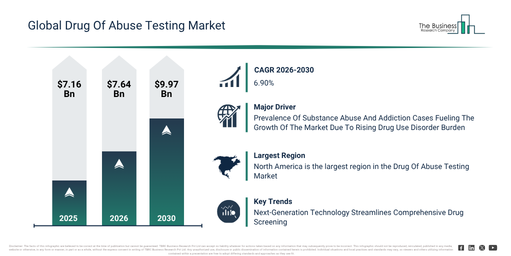
  • Drug Of Abuse Testing Market Growth Outlook: Why Analysts Expect Continued Expansion

    Drug Of Abuse Testing Market Growth Outlook: Why Analysts Expect Continued Expansion

    Backed by market attractiveness analysis, total addressable market sizing, company benchmarking matrices, interactive Excel dashboards, wider supply chain intelligence, emerging startup coverage, and detailed product-level insights, The Business Research Company’s 2026 market reports are designed to offer research that is more actionable and strategically valuable than ever.

    Drug Of Abuse Testing Market Size Outlook: How Quickly Will Revenue Expand Through 2030?

    The drug of abuse testing market has demonstrated robust expansion over recent years. Its size is anticipated to rise from $7.16 billion in 2025 to $7.64 billion in 2026, indicating a compound annual growth rate (CAGR) of 6.7%. The historical progression of this market can be attributed to the reliance on manual laboratory confirmation methods, the broadened scope of workplace drug screening regulations, the increase in forensic toxicology laboratories, the advent of immunoassay testing techniques, and growing awareness programs concerning the opioid crisis.

    The drug of abuse testing market is projected to experience substantial growth in the coming years, reaching $9.97 billion by 2030, driven by a compound annual growth rate (CAGR) of 6.9%. This anticipated expansion during the forecast period is due to several factors, including an increase in substance abuse monitoring initiatives, broader mandatory workplace testing policies, greater use of rapid point-of-care testing kits, a surge in demand from forensic and criminal investigations, and the proliferation of global rehabilitation and treatment programs. Key trends anticipated during this period encompass the adoption of point-of-care rapid drug screening, an expansion in workplace drug testing compliance, increased specialization in forensic toxicology laboratories, the development of sports and athletic anti-doping testing programs, and refined emergency department toxicology screening protocols.

    Get A Free Sample Report With In-Depth Market Insights:

    https://thebusinessresearchcompany.com/sample_request?id=54105937&type=smp&name=Drug%20Of%20Abuse%20Testing%20Market%20Report%202026&utm_source=Blogs&utm_medium=Paid&utm_campaign=Oct_PR

    Drug Of Abuse Testing Market Demand Drivers Opening New Revenue Streams

    The increasing occurrence of substance abuse and addiction is anticipated to drive the expansion of the drug of abuse testing market in the future. Substance abuse and addiction describe the detrimental or dangerous consumption of psychoactive substances, encompassing illegal drugs and prescribed medicines, which can negatively affect health, safety, and social or legal functions. The frequency of substance abuse and addiction is rising due to more straightforward access to drugs and evolving societal behaviors that either normalize or boost drug consumption. Drug of abuse testing aids in confronting substance abuse and addiction by facilitating the prompt identification of drug use, directing timely medical interventions, overseeing recovery progress, and bolstering public health initiatives aimed at lessening the adverse effects of substance misuse. For instance, in December 2025, according to the Addiction Policy Forum, a US-based non-profit organization, Of the 48.4 million people with a substance use disorder, 27.9 million had an alcohol use disorder and 28.2 million had a drug use disorder in 2024. Consequently, the growing prevalence of substance abuse and addiction is propelling the drug of abuse testing market’s growth.

    Drug Of Abuse Testing Market Segment Outlook: Which Categories Are Growing Fastest?

    The drug of abuse testing market covered in this report is segmented –

    1) By Product And Service: Rapid Testing Devices, Urine Testing Devices, Oral Fluid Saliva Testing Devices, Analyzers, Consumables, Laboratory Services

    2) By Sample Type: Urine, Oral Fluid Saliva, Hair, Breath, Blood, Sweat

    3) By Drug Type: Psychostimulants, Narcotics, Cannabinoids, Sedatives, Other Drug Types

    4) By Technique Type: Immunoassay, Chromatography

    5) By End User: Hospitals, Diagnostic Laboratories, Forensic Laboratories, Other End Users

    Subsegments:

    1) By Rapid Testing Devices: Point Of Care Testing Kits, Home Testing Kits, Immunoassay Rapid Test Strips, Portable Screening Devices

    2) By Urine Testing Devices: Urine Collection Kits, Urine Screening Test Strips, Cup Based Testing Devices, Laboratory Urine Test Kits

    3) By Oral Fluid Saliva Testing Devices: Saliva Collection Kits, Oral Fluid Screening Devices, Disposable Oral Swab Kits, Portable Saliva Analyzers

    4) By Analyzers: Immunoassay Analyzers, Chromatography Analyzers, Mass Spectrometry Analyzers, Point Of Care Analyzers

    5) By Consumables: Test Strips And Reagents, Sample Collection Tubes, Control And Calibration Kits, Disposable Pipettes And Swabs

    6) By Laboratory Services: Drug Screening Services, Confirmatory Testing Services, Sample Collection And Processing Services, Data Reporting And Analysis Services

    Drug Of Abuse Testing Market Trends Powering Strategic Industry Growth

    Leading companies in the drug of abuse testing market are concentrating on developing advanced products, such as multi-analyte clinical drug testing panels, to enable faster, more accurate, and comprehensive simultaneous detection of multiple drugs. These multi-analyte clinical drug testing panels are devices designed to detect several drugs of abuse from a single sample concurrently, aiding healthcare and forensic professionals in quickly identifying substance use with high accuracy and efficiency compared to traditional single-drug tests. For instance, in February 2026, Randox USA, a U. S.-based diagnostics company, secured 510(k) clearance from the U. S. Food and Drug Administration (FDA) for its Evidence MultiSTAT, an innovative multi-analyte clinical drug testing panel. This device is a fully automated, cartridge-based analyzer that utilizes patented Biochip Technology to simultaneously detect 15 drugs of abuse from urine in just 21 minutes. It features a straightforward three-step testing process, pre-filled reagent cartridges, and delivers highly accurate results comparable to confirmatory laboratory methods. The Evidence MultiSTAT covers a broad array of drug classes, including opioids, fentanyl, methamphetamine, cocaine, benzodiazepines, and cannabinoids, making it suitable for application in hospital laboratories, emergency departments, pain management clinics, behavioral health centers, and forensic settings. This technology significantly improves efficiency, reduces human error, and provides rapid, reliable results when compared to traditional single-analyte tests.

    Drug Of Abuse Testing Market Competitive Landscape: Which Companies Lead The Industry?

    Major companies operating in the drug of abuse testing market are F. Hoffmann-La Roche Ltd, Thermo Fisher Scientific Inc., Abbott Laboratories, Siemens Healthineers, Danaher Corporation, Laboratory Corporation of America Holdings (LabCorp), Quest Diagnostics Incorporated, Drägerwerk AG & Co. KGaA, Shimadzu Corporation, Bio-Rad Laboratories Inc., OraSure Technologies, Clinical Reference Laboratory (CRL) Inc., Legacy Medical Services, Intoximeters Inc., Cordant Health Solutions, DrugScan, Premier Biotech Inc., UCP Biosciences, American Screening Corporation Inc., SureHire Inc.

    View The Full Drug Of Abuse Testing Market Report:

    https://thebusinessresearchcompany.com/report/drug-of-abuse-testing-market-report?utm_source=Blogs&utm_medium=Paid&utm_campaign=Oct_PR

    Drug Of Abuse Testing Market Regional Breakdown: Where Is Demand Concentrated?

    North America was the largest region in the drug of abuse testing market in 2025. Asia-Pacific is expected to be the fastest-growing region in the forecast period. The regions covered in the drug of abuse testing market report are Asia-Pacific, South East Asia, Western Europe, Eastern Europe, North America, South America, Middle East and Africa.

    Reach Out To Our Team:

    The Business Research Company: https://www.thebusinessresearchcompany.com/

    Americas: +1 310-496-7795

    Asia: +44 7882 955267 & +91 8897263534

    Europe: +44 7882 955267

    Email us at: marketing@tbrc.info

    Follow us on:

    LinkedIn: https://in.linkedin.com/company/the-business-research-company

    YouTube: https://www.youtube.com/channel/UC24_fI0rV8cR5DxlCpgmyFQ

    Global Market Model: https://www.thebusinessresearchcompany.com/global-market-model
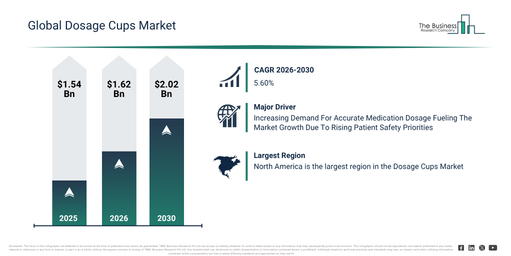
  • Dosage Cups Market Forecast Insights: The Road To $2.02 Billion By 2030

    Dosage Cups Market Forecast Insights: The Road To $2.02 Billion By 2030

    Featuring market attractiveness scoring, total addressable market sizing, company benchmarking matrices, interactive Excel dashboards, deeper supply chain intelligence, emerging startup tracking, and granular product-level insights, The Business Research Company’s 2026 market reports are built to deliver research that is both more actionable and more strategically valuable.

    Dosage Cups Market Size, Value And Growth Trajectory Through 2030

    The dosage cups market size has demonstrated significant expansion in recent years. It is anticipated to expand from $1.54 billion in 2025 to $1.62 billion in 2026, registering a compound annual growth rate (CAGR) of 5.3%. The market’s past growth can be attributed to factors such as the increasing consumption of liquid oral medications, enhanced awareness regarding precise medication dosing, the rising adoption of over-the-counter pharmaceutical products, the expansion of hospital and clinical healthcare infrastructure, and advancements in medical packaging and dispensing solutions.

    The dosage cups market is expected to demonstrate significant expansion in the coming years, with its size projected to reach $2. 02 billion by 2030, driven by a compound annual growth rate (CAGR) of 5. 6%. This growth during the forecast period is attributed to several factors such as the increasing demand for sustainable and biodegradable dosage cups, a heightened focus on patient safety and medication accuracy, the expanding adoption of customized pharmaceutical packaging solutions, the growth of home healthcare and self-medication practices, and rising investment in automated pharmaceutical manufacturing systems. Prominent trends anticipated in this period include the wider use of calibrated dosage cups for precise medication administration, an increasing preference for biodegradable and eco-friendly dosage cup materials, the growing application of printed measurement markings for enhanced dosage accuracy, the expansion of reusable dosage cups for long-term healthcare uses, and a rising demand for tamper-resistant and spill-proof designs for these cups.

    Get A Free Sample Report With In-Depth Market Insights:

    https://thebusinessresearchcompany.com/sample_request?id=58638086&type=smp&name=Dosage%20Cups%20Market%20Report%202026&utm_source=Blogs&utm_medium=Paid&utm_campaign=Oct_PR

    Dosage Cups Market Growth Backed By Core Demand Fundamentals

    The increasing necessity for precise medication dosing is anticipated to fuel the expansion of the dosage cups market. Precise medication dosing involves carefully measuring and giving the correct amount of medicine to a patient, which ensures the treatment works effectively and reduces the chance of harm. The growing call for accurate dosing stems mainly from the rise in medication errors; incorrectly measuring liquid medicines can lead to giving too much or too little, potentially causing serious health problems. This increase in medication dosing errors directly boosts the need for consistent, marked liquid-measuring devices that enable patients and their caregivers to administer exact medicine amounts. For example, in December 2024, the Substance Abuse and Mental Health Services Administration (SAMHSA), a US-based federal agency, reported that in 2023, the United States saw around 7.6 million drug-related emergency department visits, a rate of 2,266 visits per 100,000 people. Consequently, the escalating demand for accurate medication dosing is propelling the growth of the dosage cups market. The increase in home healthcare and self-medication is anticipated to drive the future growth of the dosage cups market. Home healthcare encompasses various medical and support services provided to patients in their own homes, whereas self-medication involves individuals independently managing their health using over-the-counter or prescription drugs without immediate medical oversight. This expansion is largely attributed to the growing aging population, as older individuals increasingly manage numerous long-term health issues at home, fostering greater dependence on at-home treatments and self-managed medicine regimens. The increasing move towards home-based care and independent medication management directly boosts the need for dosage cups, as these instruments are crucial for accurately measuring and safely administering liquid or oral medicine doses at home. For instance, in August 2025, the U. S. Bureau of Labor Statistics, a US-based federal agency, predicted that employment for home health and personal care aides will increase by 17% between 2024 and 2034, significantly faster than the average for all jobs, with about 765,800 job openings expected each year during this timeframe. Therefore, the growing prevalence of home healthcare and self-medication is fueling the growth of the dosage cups market.

    Dosage Cups Market Segment Landscape: Which Areas Lead Development?

    The dosage cups market covered in this report is segmented –

    1) By Type: Disposable, Reusable

    2) By Capacity: Less Than 5 Milliliters, 5 Milliliters To 15 Milliliters, 15 Milliliters To 25 Milliliters, Greater Than 25 Milliliters

    3) By Material Type: Plastic, Paper, Biodegradable Materials

    4) By Printing Type: Printed, Non-Printed

    5) By End User: Hospitals, Clinics, Retail Pharmacy, Pharmaceuticals, Other End Users

    Subsegments:

    1) By Disposable: Plastic Disposable Dosage Cups, Paper Disposable Dosage Cups, Biodegradable Disposable Dosage Cups, Foam Disposable Dosage Cups, Compostable Disposable Dosage Cups

    2) By Reusable: Glass Dosage Cups, Stainless Steel Dosage Cups, Silicone Dosage Cups, Durable Plastic Dosage Cups

    Dosage Cups Market Competitive Landscape: Who Leads The Industry?

    Major companies operating in the dosage cups market are Medline Industries LP, Amcor plc, Berry Global Inc., Eastman Chemical Company, Silgan Holdings Inc., AptarGroup Inc., Gerresheimer AG, Comar LLC, Bormioli Pharma S. p. A., Adelphi Healthcare Packaging Limited, Mikart LLC, Qosina Corp., O. Berk Company LLC, Alpha Packaging Holdings Inc., Lyne Laboratories Inc., Hammarplast Medical AB, GPC Medical Ltd, Sensoplast Packmitteltechnik GmbH, Parekhplast India Limited, UD Pharma Rubber Products Private Limited, Yasharyn Packaging Private Limited

    View The Full Dosage Cups Market Report:

    https://thebusinessresearchcompany.com/report/dosage-cups-market-report?utm_source=Blogs&utm_medium=Paid&utm_campaign=Oct_PR

    Dosage Cups Market Geographic Landscape: Which Region Dominates Industry Growth?

    North America was the largest region in the dosage cups market in 2025. Asia-Pacific is expected to be the fastest-growing region in the forecast period. The regions covered in the dosage cups market report are Asia-Pacific, South East Asia, Western Europe, Eastern Europe, North America, South America, Middle East and Africa.

    Reach Out To Our Team:

    The Business Research Company: https://www.thebusinessresearchcompany.com/

    Americas: +1 310-496-7795

    Asia: +44 7882 955267 & +91 8897263534

    Europe: +44 7882 955267

    Email us at: marketing@tbrc.info

    Follow us on:

    LinkedIn: https://in.linkedin.com/company/the-business-research-company

    YouTube: https://www.youtube.com/channel/UC24_fI0rV8cR5DxlCpgmyFQ

    Global Market Model: https://www.thebusinessresearchcompany.com/global-market-model

  • Departmental Picture Archiving And Communication System Market Growth To $4.99 Billion Creates New Opportunities Across The Industry

    Departmental Picture Archiving And Communication System Market Growth To $4.99 Billion Creates New Opportunities Across The Industry

    Featuring market attractiveness scoring, total addressable market sizing, company benchmarking matrices, interactive Excel dashboards, deeper supply chain intelligence, emerging startup tracking, and granular product-level insights, The Business Research Company’s 2026 market reports are built to deliver research that is both more actionable and more strategically valuable.

    Departmental Picture Archiving And Communication System Market Poised To Hit $4.99 Billion By 2030 With A 7.4% CAGR

    The departmental picture archiving and communication system market has demonstrated substantial growth in recent years. This market is set to expand from $3. 49 billion in 2025 to $3. 74 billion in 2026, achieving a compound annual growth rate (CAGR) of 7. 2%. The increase observed in the past can be linked to factors such as the rising digitization of hospital imaging records, the greater acceptance of radiology information systems, an escalating need for quicker diagnostic workflows, the broadening scope of diagnostic imaging procedures, and ongoing initiatives for healthcare infrastructure modernization.

    The departmental picture archiving and communication system market is poised for significant expansion in the coming years. This market is projected to reach $4.99 billion by 2030, exhibiting a compound annual growth rate (CAGR) of 7.4%. This anticipated growth during the forecast period is propelled by several factors, including the increasing uptake of cloud-based PACS platforms, the expanding integration of AI-assisted diagnostic imaging tools, a heightened need for secure healthcare data sharing solutions, the broadening reach of telehealth and remote diagnostics services, and greater investments in interoperable healthcare IT systems. Key trends expected during this period encompass the growing acceptance of vendor-neutral image archiving systems, an escalating requirement for multi-department imaging interoperability, an enhanced emphasis on expediting radiology reporting workflows, the wider deployment of remote diagnostic image access platforms, and a growing inclination towards integrated clinical collaboration solutions.

    Get A Free Sample Report With In-Depth Market Insights:

    https://thebusinessresearchcompany.com/sample_request?id=34055740&type=smp&name=Departmental%20Picture%20Archiving%20And%20Communication%20System%20Market%20Report%202026&utm_source=Blogs&utm_medium=Paid&utm_campaign=Oct_PR

    Departmental Picture Archiving And Communication System Market Industry Drivers: What’s Behind The Revenue Growth?

    The increasing embrace of digital healthcare infrastructure is projected to fuel the expansion of the departmental picture archiving and communication system (PACS) market moving forward. Digital healthcare infrastructure refers to the integration and utilization of technologies such as electronic health records (EHRs), telemedicine platforms, digital therapeutics, and interoperable IT systems, enabling secure storage, retrieval, sharing, and use of health information across various clinical settings. This rise in digital healthcare adoption is attributed to healthcare systems investing in technology to enhance the efficiency of care delivery, improve access to services, and support evidence-based decision-making. Departmental PACS contributes to digital healthcare infrastructure by delivering specialized imaging storage and communication solutions that integrate with broader digital health systems and streamline clinical workflows. For example, in December 2024, the Centers for Disease Control and Prevention (CDC), a US-based national public health agency, reported that the percentage of office-based physicians using electronic health records systems was 88.2%, although the adoption of certified EHR systems was 77.8%. Thus, the growing adoption of digital healthcare infrastructure is a key driver for the departmental picture archiving and communication system (PACS) market’s growth.

    Departmental Picture Archiving And Communication System Market Segment Analysis Spotlighting Growth Areas

    The departmental picture archiving and communication system market covered in this report is segmented –

    1) By Component: Hardware, Software, Services

    2) By Deployment Mode: On-Premise, Cloud-Based, Hybrid

    3) By Applications: Diagnostic Imaging, Image Archiving, Image Sharing, Clinical Workflow Management

    4) By End User: Hospitals, Imaging Centers, Cardiology Centers, Orthopedic Clinics, Dental Clinics, Cancer Centers, Neurology Clinics

    Subsegments:

    1) By Hardware: Servers, Workstations, Storage Devices, Network Equipment, Display Monitors

    2) By Software: Image Management Software, Reporting Software, Diagnostic Software, Security Software, Integration Software

    3) By Services: Installation Services, Maintenance Services, Training Services, Consulting Services, Support Services

    #Departmental Picture Archiving And Communication System Market Growth Trends: What’s Shaping The Future Outlook?

    Leading firms within the departmental picture archiving and communication system (PACS) market are prioritizing the creation of sophisticated cloud-based imaging platforms that incorporate artificial intelligence (AI) to optimize clinical workflows, boost diagnostic precision, and elevate operational effectiveness. These cloud-based imaging solutions, featuring integrated artificial intelligence (AI), represent cutting-edge tools that store medical images remotely on the cloud, leveraging AI to improve analysis, facilitate remote accessibility, and further refine diagnostic accuracy and workflow productivity. An illustrative example is Koninklijke Philips N. V., a health technology company based in the Netherlands, which introduced HealthSuite Imaging, a cloud-native evolution of Vue PACS, at the Radiological Society of North America Annual Meeting (RSNA 2023) in November 2023. This particular solution incorporates AI-driven clinical and operational workflows intended to streamline radiology operations, contribute to quicker diagnoses, and foster better cooperation throughout healthcare systems.

    Departmental Picture Archiving And Communication System Market Key Participants And Competitive Landscape

    Major companies operating in the departmental picture archiving and communication system market are Siemens Healthineers AG, FUJIFILM Holdings Corporation, Koninklijke Philips N. V., GE HealthCare Technologies Inc., Konica Minolta Inc., Canon Medical Systems Corporation, Dedalus S. p. A., Hyland Software Inc., Carestream Health Inc., Agfa-Gevaert N. V., Merative L. P., Sectra Aktiebolag, Intelerad Medical Systems Incorporated, INFINITT Healthcare Co. Ltd., Visage Imaging Inc., Novarad Corporation, BridgeHead Software Limited, RamSoft Inc., PaxeraHealth Corp., Telemis S. A., Mach7 Technologies Limited, medavis GmbH, Esaote S. p. A., NeoLogica S. r. l., ScImage Inc.

    View The Full Departmental Picture Archiving And Communication System Market Report:

    https://thebusinessresearchcompany.com/report/departmental-picture-archiving-and-communication-system-market-report?utm_source=Blogs&utm_medium=Paid&utm_campaign=Oct_PR

    Departmental Picture Archiving And Communication System Market Geographic Analysis: Where Is Demand Accelerating Fastest?

    North America was the largest region in the departmental picture archiving and communication system market in 2025. Asia-Pacific is expected to be the fastest-growing region in the forecast period. The regions covered in the departmental picture archiving and communication system market report are Asia-Pacific, South East Asia, Western Europe, Eastern Europe, North America, South America, Middle East and Africa.

    Reach Out To Our Team:

    The Business Research Company: https://www.thebusinessresearchcompany.com/

    Americas: +1 310-496-7795

    Asia: +44 7882 955267 & +91 8897263534

    Europe: +44 7882 955267

    Email us at: marketing@tbrc.info

    Follow us on:

    LinkedIn: https://in.linkedin.com/company/the-business-research-company

    YouTube: https://www.youtube.com/channel/UC24_fI0rV8cR5DxlCpgmyFQ

    Global Market Model: https://www.thebusinessresearchcompany.com/global-market-model

  • Deoxyribonucleic Acid (DNA) Profiling Kits Market Forecast: Breaking Down The Numbers Behind Future Expansion

    Deoxyribonucleic Acid (DNA) Profiling Kits Market Forecast: Breaking Down The Numbers Behind Future Expansion

    Built to provide research that’s more actionable and strategically valuable, The Business Research Company’s 2026 market reports include market attractiveness analysis, total addressable market sizing, company benchmarking matrices, interactive Excel dashboards, broader supply chain intelligence, emerging startup tracking, and in-depth product insights.

    Deoxyribonucleic Acid (DNA) Profiling Kits Market Size And Revenue Outlook Through 2030

    The deoxyribonucleic acid (DNA) profiling kits market size has shown rapid expansion in recent years. This market is set to increase from $1.4 billion in 2025 to $1.57 billion in 2026, achieving a compound annual growth rate (CAGR) of 11.9%. The growth observed in the preceding period is attributable to several factors, including the expanded use of forensic science applications in law enforcement, the proliferation of paternity and kinship testing services, the rising embrace of polymerase chain reaction technology in laboratories, increased government funding for forensic infrastructure, and the creation of standardized DNA testing protocols in clinical research.

    The deoxyribonucleic acid (DNA) profiling kits market is projected to experience substantial expansion in the coming years, with its size anticipated to reach $2.48 billion by 2030, demonstrating a compound annual growth rate (CAGR) of 12.2%. This growth during the forecast period is primarily driven by advancements in next-generation sequencing technologies, the escalating demand for personalized medicine and genetic diagnostics, the incorporation of AI-powered genetic data interpretation tools, the broadening of direct-to-consumer genetic testing markets, and the increasing adoption of automated high-throughput DNA analysis systems. Key developments expected over this period encompass the expanding use of next-generation sequencing-based DNA profiling kits for highly accurate genetic analysis, a surging requirement for rapid forensic DNA testing kits within criminal investigation workflows, greater deployment of automated DNA extraction and amplification systems in laboratory settings, the widening acceptance of direct-to-consumer genetic testing kits for ancestry and relationship mapping, and the growing integration of cloud-based DNA data analysis platforms for secure genetic data management.

    Get A Free Sample Report With In-Depth Market Insights:

    https://thebusinessresearchcompany.com/sample_request?id=37592862&type=smp&name=Deoxyribonucleic%20Acid%20%28DNA%29%20Profiling%20Kits%20Market%20Report%202026&utm_source=Blogs&utm_medium=Paid&utm_campaign=Oct_PR

    Deoxyribonucleic Acid (DNA) Profiling Kits Market Growth Factors: What’s Supporting Expansion?

    The expanding need for personalized medicine is anticipated to fuel the expansion of the deoxyribonucleic acid (DNA) profiling kits market in the future. Personalized medicine is defined as a healthcare strategy leveraging a person’s genetic makeup to inform choices concerning disease prevention, diagnosis, and therapy. The uptake of personalized medicine is rising, driven by a greater requirement for precise treatments that enhance therapeutic outcomes and minimize negative drug effects. These deoxyribonucleic acid (DNA) profiling kits facilitate personalized medicine through accurate genetic analysis, allowing healthcare professionals to customize treatments according to specific genetic differences of individuals. An example highlighting this trend is the report in February 2024 from the Personalized Medicine Coalition, a US-based non-profit organization, stating that the FDA cleared 16 new personalized treatments for rare disease patients in 2023, marking a considerable jump from the six approved in 2022. Consequently, the growing demand for personalized medicine is propelling the development of the deoxyribonucleic acid (DNA) profiling kits market.

    Deoxyribonucleic Acid (DNA) Profiling Kits Market Segment Performance And Emerging Opportunities

    The deoxyribonucleic acid (dna) profiling kits market covered in this report is segmented –

    1) By Product: Kits, Instruments, Software, Services

    2) By Technology: Polymerase Chain Reaction Technology, Short Tandem Repeat Analysis Technology, Next Generation Sequencing Technology, Capillary Electrophoresis Technology, Microarray Technology

    3) By Distribution Channel: Direct Sales, Distributors And Wholesalers, Online Sales

    4) By Application: Forensic And Criminal Investigation, Paternity And Kinship Testing, Direct To Consumer Testing, Clinical And Diagnostic Testing, Research And Biobanks, Animal Identification

    5) By End User: Forensic Laboratories, Clinical And Diagnostic Laboratories, Direct To Consumer Genetic Testing Companies, Academic And Research Institutes, Pharmaceutical And Biotechnology Companies, Animal Laboratories

    Subsegments:

    1) By Kits: Deoxyribonucleic Acid Extraction Kits, Polymerase Chain Reaction Amplification Kits, Short Tandem Repeat Analysis Kits, Deoxyribonucleic Acid Quantification Kits, Library Preparation Kits

    2) By Instruments: Capillary Electrophoresis Instruments, Thermal Cyclers, Deoxyribonucleic Acid Sequencers, Automated Sample Preparation Systems, Electrophoresis Systems

    3) By Software: Data Analysis Software, Genotyping Software, Sequence Alignment Software, Laboratory Information Management Software, Forensic Analysis Software

    4) By Services: Deoxyribonucleic Acid Profiling Services, Forensic Testing Services, Paternity Testing Services, Genetic Testing Services, Data Interpretation Services

    Deoxyribonucleic Acid (DNA) Profiling Kits Market Industry Trends: What’s Reshaping Demand?

    Major companies operating in the deoxyribonucleic acid (DNA) profiling kits market are prioritizing advancements in polymerase chain reaction techniques, particularly enhanced multiplex PCR amplification systems, to elevate the sensitivity, accuracy, and efficiency of DNA profiling workflows. Enhanced multiplex PCR amplification systems are sophisticated technologies designed to simultaneously amplify multiple DNA targets in a single reaction. This capability allows forensic laboratories to create comprehensive genetic profiles from low-quality or degraded samples, while also decreasing processing time and reagent usage. For instance, in January 2023, Promega Corporation, a US-based biotechnology company, introduced the PowerPlex Fusion 6C System. This advanced STR analysis kit provides expanded loci coverage for better discrimination power, integrates high-sensitivity chemistry for demanding forensic samples, and enables direct amplification from casework samples, thereby streamlining preparation steps and reducing turnaround time. These innovations significantly improve the reliability of forensic investigations and boost laboratory throughput.

    Deoxyribonucleic Acid (DNA) Profiling Kits Market Top Companies Driving Competitive Growth

    Major companies operating in the deoxyribonucleic acid (dna) profiling kits market are Thermo Fisher Scientific Inc., Danaher Corporation, GE HealthCare Technologies Inc., Eurofins Scientific SE, Agilent Technologies Inc., Illumina Inc., Endress+Hauser AG, Bio-Rad Laboratories Inc., QIAGEN N. V., Kurabo Industries Ltd., Promega Corporation, Takara Bio Inc., Bioneer Corporation, New England Biolabs Inc., Omega Bio-tek Inc., Zymo Research Corporation, ANDE Corporation, GeneReach Biotechnology Corp., Norgen Biotek Corp., AutoGen Inc., Zinexts Life Science Corp., Living DNA Ltd., Wyndham Forensic Group Ltd.

    View The Full Deoxyribonucleic Acid (DNA) Profiling Kits Market Report:

    https://thebusinessresearchcompany.com/report/deoxyribonucleic-acid-dna-profiling-kits-market-report?utm_source=Blogs&utm_medium=Paid&utm_campaign=Oct_PR

    Deoxyribonucleic Acid (DNA) Profiling Kits Market Global Footprint: Which Region Leads The Industry?

    North America was the largest region in the deoxyribonucleic acid profiling kits market in 2025. Asia-Pacific is expected to be the fastest-growing region in the forecast period. The regions covered in the deoxyribonucleic acid (DNA) profiling kits market report are Asia-Pacific, South East Asia, Western Europe, Eastern Europe, North America, South America, Middle East and Africa.

    Reach Out To Our Team:

    The Business Research Company: https://www.thebusinessresearchcompany.com/

    Americas: +1 310-496-7795

    Asia: +44 7882 955267 & +91 8897263534

    Europe: +44 7882 955267

    Email us at: marketing@tbrc.info

    Follow us on:

    LinkedIn: https://in.linkedin.com/company/the-business-research-company

    YouTube: https://www.youtube.com/channel/UC24_fI0rV8cR5DxlCpgmyFQ

    Global Market Model: https://www.thebusinessresearchcompany.com/global-market-model