Author: Marketing Posting

  • Vitiligo Treatment Market Forecast To Reach $2.02 Billion By 2030: Key Growth Drivers And Industry Trends

    Vitiligo Treatment Market Forecast To Reach $2.02 Billion By 2030: Key Growth Drivers And Industry Trends

    Backed by market attractiveness analysis, total addressable market sizing, company benchmarking matrices, interactive Excel dashboards, wider supply chain intelligence, emerging startup coverage, and detailed product-level insights, The Business Research Company’s 2026 market reports are designed to offer research that is more actionable and strategically valuable than ever.

    Vitiligo Treatment Market Size, Value And Growth Trajectory Through 2030

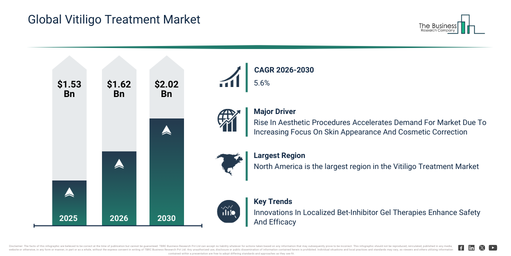
    The vitiligo treatment market has experienced robust expansion in recent years. It is projected to expand from $1.53 billion in 2025 to $1.62 billion by 2026, exhibiting a compound annual growth rate (CAGR) of 5.7%. Historical growth in this sector is attributable to factors such as a rise in the diagnosis of autoimmune skin conditions, broader access to corticosteroids and immunotherapies, the expansion of dermatology clinic networks, enhanced patient awareness, and increased adoption of phototherapy.

    The vitiligo treatment market is poised for substantial growth over the next few years. It is projected to reach $2.02 billion by 2030, demonstrating a compound annual growth rate (CAGR) of 5.6%. This expansion during the forecast period is attributed to several factors, including the increasing development of biologic therapies, the rising adoption of precision dermatology treatments, the broadening of home-based treatment options, growing investments in autoimmune research, and a heightened focus on durable repigmentation outcomes. Key trends expected in the forecast period include the increasing adoption of immunomodulatory therapies, a rising use of targeted topical treatments, a growing emphasis on early intervention strategies, the expansion of combination therapy approaches, and an enhanced focus on long-term disease management.

    Get A Free Sample Report With In-Depth Market Insights:

    https://thebusinessresearchcompany.com/sample_request?id=71088402&type=smp&name=Vitiligo%20Treatment%20Market%20Report%202026&utm_source=Blogs&utm_medium=Paid&utm_campaign=Nov_PR

    Vitiligo Treatment Market Growth Backed By Core Demand Fundamentals

    The escalating demand for cosmetic and aesthetic procedures is projected to fuel the expansion of the vitiligo treatment market. These procedures encompass medical interventions designed to enhance, restore, or correct physical appearance, utilizing surgical methods or minimally invasive techniques such as injectables, laser treatments, and skin resurfacing. This increasing demand is propelled by greater social acceptance and reduced stigma surrounding appearance enhancement, largely due to social media influence and public figures openly discussing their procedures, which has normalized aesthetic treatments and encouraged individuals to pursue cosmetic improvements without embarrassment. The heightened interest in cosmetic procedures directly supports a growing demand for vitiligo treatment options, as individuals with this skin depigmentation condition seek aesthetic solutions for a more uniform skin appearance and improved self-confidence. Hence, the increasing demand for cosmetic and aesthetic procedures is a key driver for the vitiligo treatment market.

    Vitiligo Treatment Market Segment Landscape: Which Areas Lead Development?

    The vitiligo treatment market covered in this report is segmented –

    1) By Drugs: Antihistamines, H2 Antagonists, Tricyclic Antidepressants, Other Drugs

    2) By Types: Acute Urticaria, Chronic Urticaria

    3) By Mode Of Administration: Injectable, Oral, Other Modes Of Administration

    4) By Distribution Channel: Hospital Pharmacies, Retail Pharmacies, Online Pharmacies

    5) By End-User: Hospitals, Homecare, Specialty Clinics, Other End-Users

    Subsegments:

    1) By Antihistamines: Cetirizine, Loratadine, Diphenhydramine

    2) By H2 Antagonists: Ranitidine, Famotidine, Cimetidine

    3) By Tricyclic Antidepressants: Amitriptyline, Nortriptyline, Doxepin

    4) By Other Drugs: Corticosteroids, Immunomodulators, Phototherapy Agents

    Vitiligo Treatment Market Growth Trends Reshaping The Competitive Landscape

    Major companies within the vitiligo treatment market are dedicating efforts to clinical trials for the creation of innovative products, including localized bromodomain and extra-terminal (BET) inhibitors gel therapies, designed to safely reduce inflammation and encourage skin repigmentation. Localized bromodomain and extra-terminal (BET) inhibitors gel therapies function as topical treatments that specifically target BET proteins, which are implicated in inflammatory gene activation. By directly applying the gel to depigmented areas of the skin, they work to lessen local inflammation and assist in melanocyte recovery, thereby promoting repigmentation while minimizing systemic side effects.

    Vitiligo Treatment Market Industry Leaders And Competitive Landscape

    Major companies operating in the vitiligo treatment market are Clinuvel Pharmaceuticals Ltd., Incyte Corporation, STRATA Skin Sciences, Clarify Medical Inc., LEO Pharma A/S, Dermavant Sciences Inc., Arcutis Biotherapeutics, Galderma S.A., Sun Pharmaceutical Industries Ltd., Pfizer Inc., Novartis AG, Dr. Reddy’s Laboratories Ltd., Glenmark Pharmaceuticals Ltd., Astellas Pharma Inc., Bausch Health Companies Inc., Amgen, Bristol-Myers Squibb, Merck KGaA, Boston Pharmaceuticals, Dermfix Ltd., Vitiligo Research Foundation, Vitiligo Clinic and Research Center, Vitiligo Bond Inc., Vitiligo Support International

    View The Full Vitiligo Treatment Market Report:

    https://thebusinessresearchcompany.com/report/vitiligo-treatment-global-market-report?utm_source=Blogs&utm_medium=Paid&utm_campaign=Nov_PR

    Vitiligo Treatment Market Geographic Landscape: Which Region Leads Industry Growth?

    North America was the largest region in the global vitiligo treatment market in 2025.Asia-Pacific is expected to be the fastest-growing region in the forecast period. The regions covered in the vitiligo treatment market report are Asia-Pacific, South East Asia, Western Europe, Eastern Europe, North America, South America, Middle East, Africa.

    Reach Out To Our Team:

    The Business Research Company: https://www.thebusinessresearchcompany.com/

    Americas: +1 310-496-7795

    Asia: +44 7882 955267 & +91 8897263534

    Europe: +44 7882 955267

    Email us at: marketing@tbrc.info

    Follow us on:

    LinkedIn: https://in.linkedin.com/company/the-business-research-company

    YouTube: https://www.youtube.com/channel/UC24_fI0rV8cR5DxlCpgmyFQ

    Global Market Model: https://www.thebusinessresearchcompany.com/global-market-model
  • Vitamin D Testing Market Research 2026: Market Size, Trends, Segments And Growth Forecast

    Vitamin D Testing Market Research 2026: Market Size, Trends, Segments And Growth Forecast

    Featuring market attractiveness scoring, total addressable market sizing, company benchmarking matrices, interactive Excel dashboards, deeper supply chain intelligence, emerging startup tracking, and granular product-level insights, The Business Research Company’s 2026 market reports are built to deliver research that is both more actionable and more strategically valuable.

    Vitamin D Testing Market CAGR Outlook And Future Development

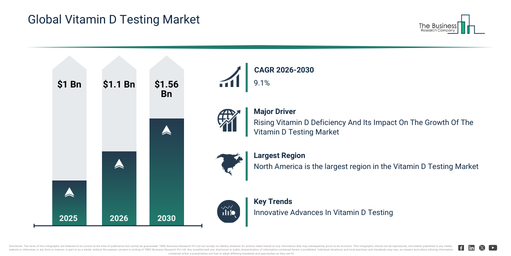
    The vitamin d testing market has seen substantial expansion in recent times. Its valuation is set to climb from $1 billion in 2025 to $1.1 billion in 2026, demonstrating a compound annual growth rate (CAGR) of 9.4%. Factors contributing to its historical growth include the increasing occurrence of vitamin d deficiency, the widening reach of diagnostic laboratory networks, greater understanding of bone health, the implementation of standardized testing protocols, and an increase in clinical testing volumes.

    The vitamin D testing market is projected to experience robust growth in the coming years, with its size anticipated to reach $1.56 billion by 2030, driven by a compound annual growth rate (CAGR) of 9.1%. This expansion during the forecast period is primarily attributed to factors such as the escalating demand for preventive healthcare diagnostics, the increasing availability of home-based testing solutions, the rising deployment of advanced analytical techniques, a greater emphasis on personalized nutrition assessment, and increased testing among aging populations. Key trends expected throughout this period include the wider adoption of automated vitamin D assays, the growing utilization of high-precision LC-MS techniques, the expansion of preventive health screening programs, the increasing integration of laboratory information systems, and a sharpened focus on diagnostic accuracy.

    Get A Free Sample Report With In-Depth Market Insights:

    https://thebusinessresearchcompany.com/sample_request?id=17960171&type=smp&name=Vitamin%20D%20Testing%20Market%20Report%202026&utm_source=Blogs&utm_medium=Paid&utm_campaign=Nov_PR

    Vitamin D Testing Market Growth Catalysts And Demand Drivers

    Increased understanding of vitamin D deficiency disorders is anticipated to fuel the expansion of the vitamin D testing market going forward. This condition arises from inadequate vitamin D levels, leading to poor calcium absorption and health problems like brittle bones, muscle aches, and a higher risk of fractures. Factors contributing to vitamin D deficiency disorders include less sun exposure, greater use of sunscreen, dietary shortcomings, and inactive lifestyles. Vitamin D testing is essential for these disorders to precisely evaluate and identify insufficient vitamin D levels, thereby facilitating suitable treatment and prevention of associated health complications. Consequently, the rising awareness of vitamin D deficiency disorders propels the vitamin D testing market.

    Vitamin D Testing Market Segments: Where Is Growth Concentrated?

    The vitamin d testing market covered in this report is segmented –

    1) By Product: 25 -Hydroxy Vitamin D Testing, 1,25-Dihydroxy Vitamin D Testing, 24,25-Dihydroxy Vitamin D Testing

    2) By Technique: Radioimmunoassay (RIA), Enzyme-Linked Immunosorbent Assay (ELISA), High-Performance Liquid Chromatography (HPLC), Liquid Chromatography–Mass Spectrometry (LC–MS), Other Techniques

    3) By Indication: Osteoporosis, Rickets, Malabsorption, Vitamin D Deficiency, Other Indications

    4) By Application: Clinical Testing, Research Testing

    5) By End-User: Hospitals, Diagnostic Laboratories, Home Care, Point-of-Care, Other End-Users

    Subsegments:

    1) By 25-Hydroxy Vitamin D Testing: Immunoassays, Liquid Chromatography-Mass Spectrometry (LC-MS), Enzyme-Linked Immunosorbent Assay (ELISA)

    2) By 1,25-Dihydroxy Vitamin D Testing: Radioimmunoassays (RIA), High-Performance Liquid Chromatography (HPLC), LC-MS Techniques

    3) By 24,25-Dihydroxy Vitamin D Testing: Mass Spectrometry, Immunoassays, HPLC Methods

    Vitamin D Testing Market Trends Shaping Long-Term Demand

    Leading companies operating within the vitamin D testing market are developing innovative products, such as vitamin D test kits, to monitor vitamin D levels at home or in clinical settings. Vitamin D test kits serve as diagnostic tools utilized to measure the vitamin D concentration in a person’s blood, aiding in the assessment and ongoing monitoring of their vitamin D status.

    Vitamin D Testing Market Key Participants And Competitive Landscape

    Major companies operating in the vitamin d testing market are Siemens AG, Thermo Fisher Scientific Inc., Abbott Laboratories Inc., F. Hoffmann-La Roche AG, Laboratory Corporation of America Holdings, Quest Diagnostics Incorporated, bioMérieux SA, Tosoh Bioscience LLC, Revvity Inc., Quidel Corporation, Beckman Coulter Inc., Bio-Rad Laboratories Inc., DiaSorin S.p.A., Tecan Group Ltd., Randox Laboratories Ltd., Boditech Med Inc., Everlywell Inc., BioVendor Laboratorni medicina AS, Diazyme Laboratories Inc., DiaSys Diagnostic Systems GmbH, Qualigen Therapeutics Inc.

    View The Full Vitamin D Testing Market Report:

    https://thebusinessresearchcompany.com/report/vitamin-d-testing-global-market-report?utm_source=Blogs&utm_medium=Paid&utm_campaign=Nov_PR

    Vitamin D Testing Market Largest Region: Which Geography Holds The Biggest Share?

    North America was the largest region in the vitamin D testing market in 2025. Asia-Pacific is expected to be the fastest-growing region in the forecast period. The regions covered in the vitamin d testing market report are Asia-Pacific, South East Asia, Western Europe, Eastern Europe, North America, South America, Middle East, Africa.

    Reach Out To Our Team:

    The Business Research Company: https://www.thebusinessresearchcompany.com/

    Americas: +1 310-496-7795

    Asia: +44 7882 955267 & +91 8897263534

    Europe: +44 7882 955267

    Email us at: marketing@tbrc.info

    Follow us on:

    LinkedIn: https://in.linkedin.com/company/the-business-research-company

    YouTube: https://www.youtube.com/channel/UC24_fI0rV8cR5DxlCpgmyFQ

    Global Market Model: https://www.thebusinessresearchcompany.com/global-market-model
  • Visual Impairment Market Forecast 2026: Market Size, Competitive Landscape And Growth Drivers

    Visual Impairment Market Forecast 2026: Market Size, Competitive Landscape And Growth Drivers

    Built to provide research that’s more actionable and strategically valuable, The Business Research Company’s 2026 market reports include market attractiveness analysis, total addressable market sizing, company benchmarking matrices, interactive Excel dashboards, broader supply chain intelligence, emerging startup tracking, and in-depth product insights.

    Visual Impairment Market Set To Climb From $4.63 Billion In 2026 To $5.97 Billion By 2030

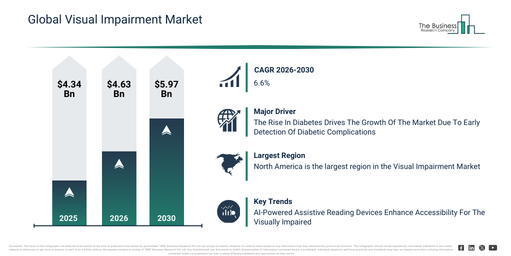
    The visual impairment market has demonstrated significant expansion over recent years. Forecasts indicate its size will increase from $4.34 billion in 2025 to $4.63 billion in 2026, advancing at a compound annual growth rate (CAGR) of 6.7%. Historically, this market’s growth can be linked to the rising prevalence of age-related eye disorders, enhanced awareness of assistive technologies, the development of special education programs, an increase in the visually impaired population, and better availability of optical aids.

    The visual impairment market is projected to experience substantial expansion in the coming years. By 2030, its size is anticipated to reach $5.97 billion, demonstrating a compound annual growth rate (CAGR) of 6.6%. This projected growth is driven by several factors, including greater investments in intelligent assistive devices, a surge in demand for solutions that promote independent living, the proliferation of AI-powered navigation tools, an amplified focus on accessible digital design, and a heightened uptake of wearable assistive technologies. Key trends anticipated during this period encompass the escalating adoption of AI-enabled assistive vision technologies, increased utilization of wearable devices for low vision, the broadening of digital accessibility options, the growing incorporation of smart mobility aids, and a more pronounced emphasis on customized vision support instruments.

    Get A Free Sample Report With In-Depth Market Insights:

    https://thebusinessresearchcompany.com/sample_request?id=88530765&type=smp&name=Visual%20Impairment%20Market%20Report%202026&utm_source=Blogs&utm_medium=Paid&utm_campaign=Nov_PR

    Visual Impairment Market Opportunity Drivers: What’s Unlocking New Revenue Potential?

    The increasing incidence of diabetes is anticipated to fuel the expansion of the visual impairment market in the future. Diabetes is defined as a long-term metabolic condition marked by elevated blood sugar levels, stemming from deficiencies in either insulin secretion, insulin action, or a combination of both. This increase in diabetes cases is largely attributed to unhealthy lifestyle choices, including inadequate nutrition, lack of physical activity, and heightened stress, all of which contribute to the development of obesity and insulin resistance. Visual impairment can serve as an early indicator of diabetes-related complications, encouraging prompt diagnosis and therapeutic action to avert additional health problems, particularly since conditions like diabetic retinopathy frequently manifest prior to other visible symptoms, thereby enabling earlier medical intervention and improved management of the disease. Consequently, the escalating prevalence of diabetes is fueling the expansion of the visual impairment market.

    Visual Impairment Market Segment Analysis: What Are The Core Market Categories?

    The visual impairment market covered in this report is segmented –

    1) By Solution Category: Educational Devices And Software, Mobility Devices, Low Vision Devices, Other Types

    2) By Product Type: Assistive Technologies, Optical Devices, Non-Optical Devices, Other Product Types

    3) By Application: Blind Schools, Enterprises And Social Organizations, Personal Use, Hospitals, Other Applications

    4) By Distribution Channel: Online Stores, Specialty Stores, Retail Pharmacies, Other Distribution Channel

    Subsegments:

    1) By Educational Devices And Software: Screen Readers, Braille Displays, Braille Notetakers, Accessible Learning Platforms, Tactile Graphics Tools

    2) By Mobility Devices: White Canes, Smart Canes, Guide Robots, Wearable Mobility Assistants, Electronic Travel Aids

    3) By Low Vision Devices: Optical Magnifiers, Video Magnifiers, Screen Magnification Software, Telescopic Glasses, Wearable Low Vision Glasses

    4) By Other Types: Smart Home Assistive Devices, Voice-Activated Assistants, Vision Therapy Tools, Accessibility Apps, Braille Printers And Embossers

    Visual Impairment Market Innovation Trends Shaping Future Development

    Leading firms within the visual impairment market are prioritizing the creation of novel solutions, including AI-driven assistive reading tools, aimed at improving reading accessibility and fostering independence for individuals with visual impairments. These AI-powered assistive reading devices function as intelligent instruments, employing AI technologies like text recognition and speech synthesis to enable visually impaired persons to audibly access printed or digital content.

    Visual Impairment Market Top Companies Driving Competitive Growth

    Major companies operating in the visual impairment market are Eschenbach Optik GmbH, OrCam Technologies Ltd., NV Access Limited, Vispero Holdings Inc., HumanWare Group Inc., Freedom Scientific Inc., Aira Tech Corp., Enhanced Vision Systems Inc., Dolphin Computer Access Ltd., IrisVision Global Inc., Zoomax Technology Co. Limited, Ablenet Inc., HIMS Inc., Sight and Sound Technology, Optelec U.S. Inc., Low Vision International AB, Envision Technologies B.V., Perkins Solutions, Tactile Vision Inc., Reinecker Vision GmbH, LVI Low Vision International, Access Ingenuity

    View The Full Visual Impairment Market Report:

    https://thebusinessresearchcompany.com/report/visual-impairment-global-market-report?utm_source=Blogs&utm_medium=Paid&utm_campaign=Nov_PR

    Visual Impairment Market Regional Analysis: Which Geography Leads On Revenue?

    North America was the largest region in the visual impairment market in 2025. Asia-Pacific is expected to be the fastest-growing region in the forecast period. The regions covered in the visual impairment market report are Asia-Pacific, South East Asia, Western Europe, Eastern Europe, North America, South America, Middle East, Africa.

    Reach Out To Our Team:

    The Business Research Company: https://www.thebusinessresearchcompany.com/

    Americas: +1 310-496-7795

    Asia: +44 7882 955267 & +91 8897263534

    Europe: +44 7882 955267

    Email us at: marketing@tbrc.info

    Follow us on:

    LinkedIn: https://in.linkedin.com/company/the-business-research-company

    YouTube: https://www.youtube.com/channel/UC24_fI0rV8cR5DxlCpgmyFQ

    Global Market Model: https://www.thebusinessresearchcompany.com/global-market-model
  • Visual Arts Therapy Market Size In 2026: Regional Growth, Key Segments And Future Outlook

    Visual Arts Therapy Market Size In 2026: Regional Growth, Key Segments And Future Outlook

    Backed by market attractiveness analysis, total addressable market sizing, company benchmarking matrices, interactive Excel dashboards, wider supply chain intelligence, emerging startup coverage, and detailed product-level insights, The Business Research Company’s 2026 market reports are designed to offer research that is more actionable and strategically valuable than ever.

    Visual Arts Therapy Market Forecast: Value Set To Climb From $2.3 Billion To $4.45 Billion

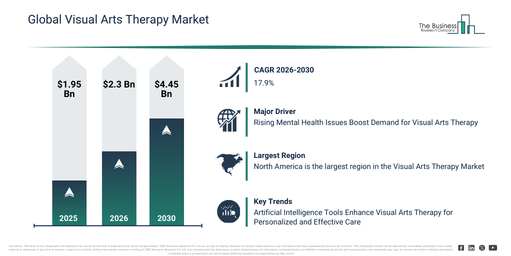
    The visual arts therapy market has seen significant expansion recently. Its value is projected to increase from $1.95 billion in 2025 to $2.3 billion in 2026, at a compound annual growth rate (CAGR) of 18.2%. This historical growth is attributable to heightened awareness of mental health treatments, the expansion of community mental health programs, the integration of artistic methods in rehabilitation settings, an increase in non-pharmacological treatment options, and a growing acceptance of expressive therapies.

    The visual arts therapy market size is projected to experience substantial growth over the next few years. Its valuation is anticipated to reach $4.45 billion by 2030, driven by a robust compound annual growth rate (CAGR) of 17.9%. This expansion throughout the forecast period stems from factors such as increasing demand for comprehensive mental health approaches, the proliferation of teletherapy platforms, a heightened focus on preventive mental healthcare, the rising adoption of art therapy in clinical environments, and increased research into therapy effectiveness. Major developments expected in the forecast period include the increasing incorporation of digital art tools into therapy, a surge in online art therapy sessions, the growing use of structured creative therapy programs, the broadening of trauma-informed art therapy practices, and an enhanced emphasis on evidence-based creative interventions.

    Get A Free Sample Report With In-Depth Market Insights:

    https://thebusinessresearchcompany.com/sample_request?id=44729310&type=smp&name=Visual%20Arts%20Therapy%20Market%20Report%202026&utm_source=Blogs&utm_medium=Paid&utm_campaign=Nov_PR

    Visual Arts Therapy Market Growth Momentum: What Factors Are Shaping Demand?

    The increasing occurrence of mental health issues is projected to boost the expansion of the visual arts therapy market in the future. These issues encompass various conditions that impact an individual’s emotional, psychological, and social well-being. The rise in mental health challenges is attributed to escalating stressors, including financial burdens, social detachment, and the rapid rhythm of contemporary existence. Visual arts therapy aids mental well-being by offering an expressive creative channel, mitigating stress, and assisting individuals in therapeutically processing their feelings and past events. Consequently, the increasing prevalence of mental health problems is stimulating the growth of the visual arts therapy market.

    Visual Arts Therapy Market Segment Breakdown: Which Categories Lead On Revenue?

    The visual arts therapy market covered in this report is segmented –

    1) By Type: Painting, Music, Dance, Drama, Photography, Other Types

    2) By Application: Cancer Patients, Dementia Patients, Post-Traumatic Stress Disorder (PTSD) Patients, Physical Disabilities, Mental Health Issues, Substance Abuse Issues, Other Applications

    3) By End User: Hospital, Rehab Centers, Nursing Homes, Community Centers, Psychiatric Facilities, Counseling Practices, Other End Users

    Subsegments:

    1) By Painting: Acrylic Painting, Watercolor Painting, Oil Painting, Mixed Media Painting

    2) By Music: Music Composition, Music Listening Therapy, Songwriting, Instrumental Therapy

    3) By Dance: Expressive Dance, Movement Therapy, Ballet Therapy, Improvisational Dance

    4) By Drama: Theater Therapy, Role-Playing, Improvisational Drama, Storytelling

    5) By Photography: Creative Photography, Documentary Photography, Photo Journaling, Therapeutic Photography Workshops

    6) By Other Types: Sculpture, Crafts And Handicrafts, Digital Art, Collage And Mixed Media

    Visual Arts Therapy Market Trends Redefining Industry Growth

    Companies operating within the visual arts therapy market are focusing on developing innovative solutions, such as artificial intelligence (AI)-generated art therapy, to make art therapy more accessible and frequent for hospice patients. AI-generated art therapy is a therapeutic approach that leverages artificial intelligence to create and analyze personalized art, providing a unique way to explore emotions, enhance self-expression, and support mental well-being through interactive and adaptive creative processes.

    Visual Arts Therapy Market Leading Players And Competitive Positioning

    Major companies operating in the visual arts therapy market are University of Florida Health, Baton Rouge General Medical Center, NeurAbilities Healthcare, Laura Baker Services Association, River Valley Behavioral Health And Wellness Center, The Art Station, Reconnect Integrative Trauma Treatment Center, Beck Center for the Arts, Mindful Art Studio, Integrative Art Therapy LLC, Art For Life Foundation, Allied Health 2U, American Art Therapy Association, Art Therapy International Centre, Art Therapy Without Borders, Creative Kinections, Inspire Recovery Center, SafeArt Inc., The Art Therapy Project, The Fine Arts Association, Vlinder Expressive Arts Therapy

    View The Full Visual Arts Therapy Market Report:

    https://thebusinessresearchcompany.com/report/visual-arts-therapy-global-market-report?utm_source=Blogs&utm_medium=Paid&utm_campaign=Nov_PR

    Visual Arts Therapy Market Geographic Spread And Regional Opportunities

    North America was the largest region in the visual arts therapy market in 2025. Asia-Pacific is expected to be the fastest-growing region in the forecast period. The regions covered in the visual arts therapy market report are Asia-Pacific, South East Asia, Western Europe, Eastern Europe, North America, South America, Middle East, Africa.

    Reach Out To Our Team:

    The Business Research Company: https://www.thebusinessresearchcompany.com/

    Americas: +1 310-496-7795

    Asia: +44 7882 955267 & +91 8897263534

    Europe: +44 7882 955267

    Email us at: marketing@tbrc.info

    Follow us on:

    LinkedIn: https://in.linkedin.com/company/the-business-research-company

    YouTube: https://www.youtube.com/channel/UC24_fI0rV8cR5DxlCpgmyFQ

    Global Market Model: https://www.thebusinessresearchcompany.com/global-market-model
  • Viscosupplementation Treatment For Arthritis Market Growth Forecast Through 2030: Market Size And Trends In 2026

    Viscosupplementation Treatment For Arthritis Market Growth Forecast Through 2030: Market Size And Trends In 2026

    Featuring market attractiveness scoring, total addressable market sizing, company benchmarking matrices, interactive Excel dashboards, deeper supply chain intelligence, emerging startup tracking, and granular product-level insights, The Business Research Company’s 2026 market reports are built to deliver research that is both more actionable and more strategically valuable.

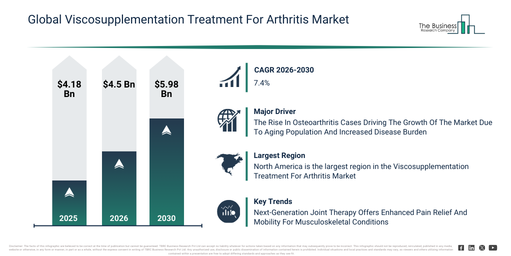
    Viscosupplementation Treatment For Arthritis Market Revenue Growth On Track For A 7.4% CAGR Through 2030

    The viscosupplementation treatment for arthritis market size has witnessed significant expansion in recent years. It is anticipated to increase from $4.18 billion in 2025 to $4.5 billion in 2026, registering a compound annual growth rate (CAGR) of 7.7%. Historically, this market’s growth can be linked to the rising prevalence of osteoarthritis, an expanding aging population, the early clinical adoption of hyaluronic acid injections, the development of orthopedic treatment practices, and the availability of injectable joint therapies.

    The viscosupplementation treatment for arthritis market is anticipated to experience robust expansion over the next few years, set to reach $5.98 billion by 2030, growing at a compound annual growth rate of 7.4%. This projected growth is driven by various factors, including an escalating demand for non-surgical arthritis treatments, increased healthcare expenditure on musculoskeletal conditions, the broadening availability of outpatient orthopedic services, a stronger focus on improving patients’ quality of life, and continuous innovation in viscosupplement formulations. Key trends during this period are expected to feature the increasing adoption of single-injection treatment regimens, a rising need for long-lasting pain relief solutions, the expansion of minimally invasive arthritis therapies, a heightened concentration on developing superior joint lubrication formulations, and an intensified emphasis on patient-centered treatment approaches.

    Get A Free Sample Report With In-Depth Market Insights:

    https://thebusinessresearchcompany.com/sample_request?id=21875969&type=smp&name=Viscosupplementation%20Treatment%20For%20Arthritis%20Market%20Report%202026&utm_source=Blogs&utm_medium=Paid&utm_campaign=Nov_PR

    Viscosupplementation Treatment For Arthritis Market Expansion Drivers: What’s Shaping Future Growth?

    The growing occurrence of osteoarthritis is anticipated to fuel the expansion of the viscosupplementation treatment for the arthritis market in the coming years. Osteoarthritis is characterized as a persistent joint condition where cartilage progressively deteriorates, leading to discomfort, rigidity, and restricted movement. The rising incidence of this condition is primarily linked to an aging population, as the natural wear and tear on joints over time makes older individuals more susceptible. Viscosupplementation therapy for arthritis aids in managing osteoarthritis by restoring joint lubrication, alleviating pain, and enhancing mobility. For illustration, in February 2025, the UK-based academic and professional publishing company, Springer Nature Group, estimated that knee osteoarthritis cases totaled 12.94 million in males and 18.80 million in females. By 2046, these numbers are projected to climb to 18.45 million in males and 25.60 million in females. Consequently, the increasing prevalence of osteoarthritis is propelling the growth of the viscosupplementation treatment for the arthritis market. The escalating healthcare expenditure is anticipated to drive forward the growth of the viscosupplementation treatment for arthritis market. Healthcare spending is increasing due to the widespread occurrence of chronic diseases, which necessitate ongoing medical management and continuous therapeutic interventions. This expenditure supports viscosupplementation treatment for arthritis by facilitating greater access to advanced therapies, financing innovative research, and improving patient affordability for effective osteoarthritis management. Therefore, the rising healthcare expenditure is propelling the expansion of the viscosupplementation treatment for arthritis market.

    Viscosupplementation Treatment For Arthritis Market Segmentation: How Does The Market Break Down By Category?

    The viscosupplementation treatment for arthritis market covered in this report is segmented –

    1) By Product Type: Single Injection, Three Injections, Five Injections

    2) By Application: Knee Osteoarthritis, Hip Osteoarthritis, Shoulder Osteoarthritis, Other Applications

    3) By End-User: Hospitals, Ambulatory Surgical Centers, Orthopedic Clinics, Other End-Users

    Subsegments:

    1) By Single Injection: High Molecular Weight Hyaluronic Acid, Low Molecular Weight Hyaluronic Acid, Cross-Linked Hyaluronic Acid

    2) By Three Injections: Standard Hyaluronic Acid, Buffered Hyaluronic Acid, Biofermented Hyaluronic Acid

    3) By Five Injections: Cross-Linked High Viscosity Hyaluronic Acid, Extended-Release Hyaluronic Acid, Multi-Dose Hyaluronic Acid

    Viscosupplementation Treatment For Arthritis Market Strategic Trends: What Defines The Next Growth Phase?

    Leading companies in the viscosupplementation treatment for the arthritis market are focused on developing innovative solutions, such as advanced hyaluronic acid formulations, to improve joint lubrication, alleviate pain, and enhance mobility. These advanced hyaluronic acid formulations are specifically engineered versions of hyaluronic acid, featuring enhanced molecular structure and viscosity to offer more sustained joint lubrication and effective pain relief in arthritis management.

    Viscosupplementation Treatment For Arthritis Market Competitive Overview And Top Companies

    Major companies operating in the viscosupplementation treatment for arthritis market are Johnson And Johnson, Sanofi S.A., LG Chem Ltd., Teva Pharmaceutical Industries Ltd., Chugai Pharmaceutical Co. Ltd., Zimmer Biomet Holdings Inc., IBSA Group, Bioventus Inc., Fidia Farmaceutici S.p.A., Ferring Pharmaceuticals A/S, Anika Therapeutics Inc., TRB Chemedica International S.A., Laboratoires VIVACY, Seikagaku Corporation, Regen Lab SA, Genzyme Corporation, Medtronic PLC, Orthogenix Inc., Hyundai Pharm Co. Ltd., DePuy Synthes

    View The Full Viscosupplementation Treatment For Arthritis Market Report:

    https://thebusinessresearchcompany.com/report/global-viscosupplementation-treatment-for-arthritis-market-report?utm_source=Blogs&utm_medium=Paid&utm_campaign=Nov_PR

    Viscosupplementation Treatment For Arthritis Market Top Region By Revenue And Market Share

    North America was the largest region in the viscosupplementation treatment for arthritis market in 2025. Asia-Pacific is expected to be the fastest-growing region in the forecast period. The regions covered in the viscosupplementation treatment for arthritis market report are Asia-Pacific, South East Asia, Western Europe, Eastern Europe, North America, South America, Middle East, Africa.

    Reach Out To Our Team:

    The Business Research Company: https://www.thebusinessresearchcompany.com/

    Americas: +1 310-496-7795

    Asia: +44 7882 955267 & +91 8897263534

    Europe: +44 7882 955267

    Email us at: marketing@tbrc.info

    Follow us on:

    LinkedIn: https://in.linkedin.com/company/the-business-research-company

    YouTube: https://www.youtube.com/channel/UC24_fI0rV8cR5DxlCpgmyFQ

    Global Market Model: https://www.thebusinessresearchcompany.com/global-market-model
  • Visceral Pain Market Analysis: $15.7 Billion Market Size In 2026 And Future Growth Prospects

    Visceral Pain Market Analysis: $15.7 Billion Market Size In 2026 And Future Growth Prospects

    Built to provide research that’s more actionable and strategically valuable, The Business Research Company’s 2026 market reports include market attractiveness analysis, total addressable market sizing, company benchmarking matrices, interactive Excel dashboards, broader supply chain intelligence, emerging startup tracking, and in-depth product insights.

    Visceral Pain Market Value Growth And Long-Term Outlook

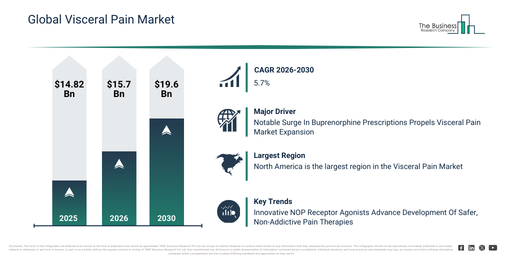
    The visceral pain market has shown substantial expansion in recent years. It is anticipated to grow from $14.82 billion in 2025 to $15.7 billion in 2026, registering a compound annual growth rate (CAGR) of 5.9%. The increase observed in the past can be credited to factors such as the rising incidence of gastrointestinal and pelvic disorders, the expanded use of NSAIDs and calcium channel blockers, better clinical identification of visceral pain conditions, the development of hospital-based pain management offerings, and the presence of a diverse range of drug classes.

    The visceral pain market is projected to experience substantial expansion in the coming years. Its valuation is anticipated to reach $19.6 billion by 2030, demonstrating a compound annual growth rate (CAGR) of 5.7%. Factors contributing to this growth during the forecast timeframe include a heightened demand for tailored pain therapies, a greater emphasis on managing chronic pain, the broadening of precision medicine strategies, an increased uptake of sophisticated diagnostic instruments, and escalating investments in the creation of non-opioid medications. Key trends anticipated over the forecast period encompass a wider acceptance of targeted pain relief methods, an uptick in the application of combined drug regimens, an intensified focus on non-opioid alternatives for treatment, the broadening of personalized visceral pain management strategies, and a stronger emphasis on timely diagnosis and intervention.

    Get A Free Sample Report With In-Depth Market Insights:

    https://thebusinessresearchcompany.com/sample_request?id=92961107&type=smp&name=Visceral%20Pain%20Market%20Report%202026&utm_source=Blogs&utm_medium=Paid&utm_campaign=Nov_PR

    Visceral Pain Market Development Factors: What’s Supporting Demand?

    The increasing need for pain-relieving medications, known as analgesics, is projected to propel the expansion of the visceral pain market in the future. Analgesics are defined as drugs designed to lessen or prevent the brain’s recognition of pain signals, thereby easing discomfort. These medications assist in controlling visceral pain through their action on the nervous system, adjusting pain impulses that stem from internal body organs. Consequently, the growing requirement for analgesics is a key factor boosting the expansion of the visceral pain market.

    Visceral Pain Market Segment Trends And Revenue Contributors

    The visceral pain market covered in this report is segmented –

    1) By Drug Class: Calcium Channel Blockers, Nonsteroidal Anti-Inflammatory (NSAID), Other Drug Classes

    2) By Indications: Interstitial Cystitis, Crohn’s, Irritable Bowel, Chronic Prostatitis, Other Indications

    3) By End Users: Hospitals, Homecare, Specialty Clinics, Other End Users

    Subsegments:

    1) By Calcium Channel Blockers: Dihydropyridines, Non-Dihydropyridines

    2) By Nonsteroidal Anti-Inflammatory Drugs (NSAID): Selective COX-2 Inhibitors, Non-Selective NSAIDs

    3) By Other Drug Classes: Opioids, Tricyclic Antidepressants (TCAs), Serotonin-Norepinephrine Reuptake Inhibitors (SNRIs)

    Visceral Pain Market Transformation Trends: What Innovations Are Driving Change?

    Leading companies within the chronic pain market are prioritizing the execution of clinical trials to develop innovative products, including NOP receptor agonists, with the objective of providing effective pain relief while potentially mitigating the risks associated with opioid-based treatments. NOP receptor agonists are compounds designed to activate the nociceptin/orphanin FQ peptide receptor, a key modulator of pain signaling in the nervous system. These agents work to reduce chronic and visceral pain without leading to the high risk of addiction or severe side effects typically found with traditional opioids.

    Visceral Pain Market Competitive Landscape: Which Companies Lead The Industry?

    Major companies operating in the visceral pain market are Pfizer Inc., Johnson & Johnson Services Inc., F. Hoffmann-La Roche Ltd., Merck & Co.Inc., AbbVie Inc., Novartis AG, Sanofi SA, Bristol-Myers Squibb Company, AstraZeneca PLC, GlaxoSmithKline PLC, Takeda Pharmaceutical Company Limited, Eli Lilly and Company, Teva Pharmaceutical Industries Ltd., Mylan N.V., Bausch Health Companies Inc., Sun Pharmaceutical Industries Ltd., Perrigo Company PLC, Dr. Reddy’s Laboratories Ltd., Endo International PLC, Grünenthal GmbH, Glenmark Pharmaceuticals Limited, Hisamitsu Pharmaceutical Co. Ltd., Chromocell Corporation, Addex Therapeutics Ltd.

    View The Full Visceral Pain Market Report:

    https://thebusinessresearchcompany.com/report/visceral-pain-global-market-report?utm_source=Blogs&utm_medium=Paid&utm_campaign=Nov_PR

    Visceral Pain Market Regional Analysis And Top Geography

    North America was the largest region in the visceral pain market in 2025. The regions covered in the visceral pain market report are Asia-Pacific, South East Asia, Western Europe, Eastern Europe, North America, South America, Middle East, Africa.

    Reach Out To Our Team:

    The Business Research Company: https://www.thebusinessresearchcompany.com/

    Americas: +1 310-496-7795

    Asia: +44 7882 955267 & +91 8897263534

    Europe: +44 7882 955267

    Email us at: marketing@tbrc.info

    Follow us on:

    LinkedIn: https://in.linkedin.com/company/the-business-research-company

    YouTube: https://www.youtube.com/channel/UC24_fI0rV8cR5DxlCpgmyFQ

    Global Market Model: https://www.thebusinessresearchcompany.com/global-market-model
  • Visceral Leishmaniasis Market 2026 Market Size And Growth Forecast: Key Trends To Watch

    Visceral Leishmaniasis Market 2026 Market Size And Growth Forecast: Key Trends To Watch

    Backed by market attractiveness analysis, total addressable market sizing, company benchmarking matrices, interactive Excel dashboards, wider supply chain intelligence, emerging startup coverage, and detailed product-level insights, The Business Research Company’s 2026 market reports are designed to offer research that is more actionable and strategically valuable than ever.

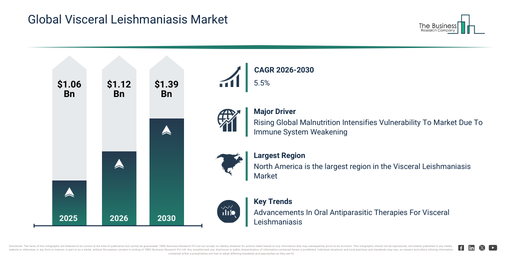
    Visceral Leishmaniasis Market Poised To Hit $1.39 Billion By 2030 With A 5.5% CAGR

    The market size for visceral leishmaniasis has demonstrated strong growth in recent years. This market is projected to expand from $1.06 billion in 2025 to $1.12 billion by 2026, exhibiting a compound annual growth rate (CAGR) of 5.9%. Historically, this growth can be attributed to several factors, including an increase in the prevalence of the endemic disease, rising public health awareness efforts, the existence of proven antiparasitic treatments, the expansion of hospital-based treatment programs, and backing from international health organizations.

    The visceral leishmaniasis market is projected to experience robust expansion over the coming years. This market is anticipated to reach $1.39 billion by 2030, exhibiting a compound annual growth rate (CAGR) of 5.5%. This growth during the forecast period is attributable to several factors, including heightened investments in new therapeutics, an increasing emphasis on developing vaccines and immunotherapies, broader adoption of molecular diagnostics, augmented government funding for eradicating the disease, and improved access to treatment in regions where the disease is prevalent. Key trends expected over the forecast horizon encompass the wider embrace of advanced diagnostic methods, the growing application of combination drug treatments, a stronger emphasis on identifying the disease early, the broadening of public health screening initiatives, and increased capital directed towards making treatment more accessible.

    Get A Free Sample Report With In-Depth Market Insights:

    https://thebusinessresearchcompany.com/sample_request?id=29304786&type=smp&name=Visceral%20Leishmaniasis%20Market%20Report%202026&utm_source=Blogs&utm_medium=Paid&utm_campaign=Nov_PR

    Visceral Leishmaniasis Market Industry Drivers: What’s Behind The Revenue Growth?

    The anticipated surge in malnutrition is set to propel the expansion of the visceral leishmaniasis market moving forward. Malnutrition is a medical condition resulting from inadequate or disproportionate nutrient intake necessary for healthy physiological processes. The increase in malnutrition is linked to food insecurity, which limits access to nutritious sustenance, leading to undernourishment and a lack of vital micronutrients, thereby weakening the immune system. Malnutrition impairs immune system functionality, making the body more vulnerable to infections like visceral leishmaniasis. Deficiencies in nutrients weaken the body’s defense mechanisms, escalating the risk of severe disease and complications. Thus, the rising incidence of malnutrition is a key driver for the growth of the visceral leishmaniasis market.

    Visceral Leishmaniasis Market Segment Analysis Spotlighting Growth Areas

    The visceral leishmaniasis market covered in this report is segmented –

    1) By Treatment: Antiparasitic, Antifungal, Other Treatments

    2) By Diagnosis Method: Serological Tests, Molecular Tests, Microscopy, Culture Methods

    3) By Route Of Administration: Oral, Injectable, Other Routes Of Administration

    4) By Distribution Channel: Hospital Pharmacy, Online Pharmacy, Retail Pharmacy

    5) By End-User: Hospitals, Homecare, Specialty Clinics, Other End-Users

    Subsegments:

    1) By Antiparasitic: Pentavalent Antimonials, Miltefosine, Paromomycin, Sitamaquine, Combination Therapy

    2) By Antifungal: Amphotericin B, Liposomal Amphotericin B (AmBisome), Azoles, Echinocandins, Polyenes

    3) By Other Treatments: Immunotherapy, Monoclonal Antibodies, Vaccine-Based Approaches, Photodynamic Therapy, Gene Therapy

    #Visceral Leishmaniasis Market Growth Trends: What’s Shaping The Future Outlook?

    Leading firms in the visceral leishmaniasis market are concentrating on advancing therapeutic choices, including antiparasitic medications, to boost effectiveness and broaden patient reach, especially in areas where the disease is prevalent. Antiparasitic drugs are medicines administered for parasitic infections, functioning by targeting the parasites’ biological processes and hindering their proliferation, multiplication, or persistence within the host.

    Visceral Leishmaniasis Market Leading Companies: Who Holds The Strongest Market Presence?

    Major companies operating in the visceral leishmaniasis market are Pfizer Inc., GSK plc, Sun Pharmaceutical Industries Ltd., Dr. Reddy’s Laboratories, Aurobindo Pharma Limited, Cipla Limited, Zydus Lifesciences Limited, Glenmark Pharmaceuticals Limited, Alkem Laboratories Ltd., Xellia Pharmaceuticals, Gufic Biosciences Ltd., United Biotech Private Limited, DNDi, Sanofi SA, Bharat Serums and Vaccines Limited, Emcure Pharmaceuticals Limited, Hetero Drugs Limited, Lupin Limited, Ipca Laboratories Limited, Intas Pharmaceuticals Limited, Macleods Pharmaceuticals Limited, Mankind Pharma Limited, Alembic Pharmaceuticals Limited

    View The Full Visceral Leishmaniasis Market Report:

    https://thebusinessresearchcompany.com/report/visceral-leishmaniasis-global-market-report?utm_source=Blogs&utm_medium=Paid&utm_campaign=Nov_PR

    Visceral Leishmaniasis Market Geographic Analysis: Where Is Demand Rising Fastest?

    North America was the largest region in the visceral leishmaniasis market in 2025. Asia-Pacific is expected to be the fastest-growing region in the forecast period. The regions covered in the visceral leishmaniasis market report are Asia-Pacific, South East Asia, Western Europe, Eastern Europe, North America, South America, Middle East, Africa.

    Reach Out To Our Team:

    The Business Research Company: https://www.thebusinessresearchcompany.com/

    Americas: +1 310-496-7795

    Asia: +44 7882 955267 & +91 8897263534

    Europe: +44 7882 955267

    Email us at: marketing@tbrc.info

    Follow us on:

    LinkedIn: https://in.linkedin.com/company/the-business-research-company

    YouTube: https://www.youtube.com/channel/UC24_fI0rV8cR5DxlCpgmyFQ

    Global Market Model: https://www.thebusinessresearchcompany.com/global-market-model
  • Virtual Rehabilitation Market Size Forecast: How The Industry Is Expected To Grow From 2026 To 2030

    Virtual Rehabilitation Market Size Forecast: How The Industry Is Expected To Grow From 2026 To 2030

    Featuring market attractiveness scoring, total addressable market sizing, company benchmarking matrices, interactive Excel dashboards, deeper supply chain intelligence, emerging startup tracking, and granular product-level insights, The Business Research Company’s 2026 market reports are built to deliver research that is both more actionable and more strategically valuable.

    Virtual Rehabilitation Market Size And Revenue Outlook Through 2030

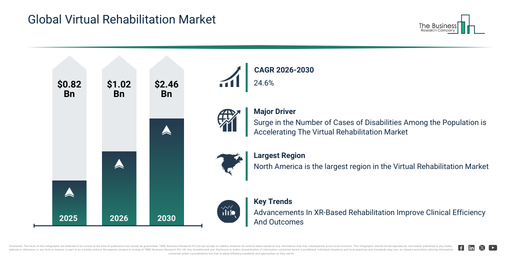
    The virtual rehabilitation market has seen considerable expansion in recent years. Its valuation is anticipated to climb from $0.82 billion in 2025 to $1.02 billion in 2026, achieving a compound annual growth rate (CAGR) of 24.3%. This past growth can be ascribed to a surge in rehabilitation service demand, the increasing prevalence of chronic and mobility-related conditions, the expansion of outpatient therapy services, a rising adoption of digital health tools, and improved access to rehabilitation technologies.

    The virtual rehabilitation market size is projected to experience substantial growth in the coming years. It is set to reach $2.46 billion by 2030, demonstrating a compound annual growth rate (CAGR) of 24.6%. The expansion during the forecast period is attributed to an increasing focus on remote patient care, rising investments in digital rehabilitation platforms, the broadening of personalized therapy solutions, a growing adoption of home-based care models, and an increasing use of data-driven rehabilitation programs. Major trends anticipated for this timeframe include the increasing adoption of VR-based physical therapy programs, the rising use of gamified rehabilitation solutions, a growing integration of remote monitoring tools, the expansion of home-based virtual rehab platforms, and an enhanced focus on personalized therapy plans.

    Get A Free Sample Report With In-Depth Market Insights:

    https://thebusinessresearchcompany.com/sample_request?id=14853324&type=smp&name=Virtual%20Rehabilitation%20Market%20Report%202026&utm_source=Blogs&utm_medium=Paid&utm_campaign=Nov_PR

    Virtual Rehabilitation Market Growth Factors: What’s Supporting Expansion?

    The rising prevalence of disability is projected to propel the expansion of the virtual rehabilitation market. Disability refers to a physical, cognitive, sensory, or mental condition that significantly impairs an individual’s ability to perform everyday activities, participate fully in society, or engage in typical life roles. Virtual rehabilitation assists the disabled population by offering remote access to therapeutic interventions and personalized exercises through virtual platforms. Therefore, the increasing occurrence of disability among the population is driving the growth of the virtual rehabilitation market.

    Virtual Rehabilitation Market Segment Performance And Emerging Opportunities

    The virtual rehabilitation market covered in this report is segmented –

    1) By Type: Physical Rehabilitation, Neuro And Cognitive Rehabilitation, Other Types

    2) By Patient Type: Short Term Patients, Long Term Patients

    3) By End-User: Inpatient Rehabilitation Hospitals, Rehabilitation Centers And Clinics, Home Care Settings

    Subsegments:

    1) By Physical Rehabilitation: Musculoskeletal Rehabilitation, Sports Injury Rehabilitation, Post-Surgery Rehabilitation

    2) By Neuro And Cognitive Rehabilitation: Stroke Rehabilitation, Traumatic Brain Injury (TBI) Rehabilitation, Memory And Cognitive Skills Training

    3) By Other Types: Pediatric Rehabilitation, Cardiac Rehabilitation, Geriatric Rehabilitation

    Virtual Rehabilitation Market Industry Trends: What’s Reshaping Demand?

    Leading companies within the virtual rehabilitation market are concentrating on developing advanced solutions, such as plug-and-play VR rehabilitation stations, to improve therapy accessibility, lessen deployment barriers, and deliver consistent, high-quality rehabilitation across various care settings. A plug-and-play VR rehabilitation station denotes an integrated, mobile therapeutic system capable of providing immersive physical, occupational, and mental health treatment without requiring IT setup, network configuration, or dedicated infrastructure, significantly boosting ease of use compared to traditional in-clinic rehabilitation tools. For instance, in September 2025, XRHealth, a U.S.-based extended-reality healthcare company, introduced the XR CareCart, an all-in-one mobile VR rehabilitation station designed for immediate deployment in clinics, hospitals, senior care centers, and community health environments. Equipped with two VR headsets, a preloaded therapeutic platform, a patient-facing tablet, dual clinician monitors, and an integrated SIM-based router, the system offers FDA-registered programs encompassing physical therapy, occupational therapy, and mental health interventions. The platform facilitates real-time monitoring, session casting, HIPAA-compliant data handling, and scalable multi-patient use, providing a modern, infrastructure-free option compared to conventional therapy setups.

    Virtual Rehabilitation Market Key Players: Which Companies Lead Industry Competition?

    Major companies operating in the virtual rehabilitation market are SWORD Health, Hinge Health Inc., Meden-Inmed, BO&BO Ltd., Saebo Inc., Mindmaze, Motek Medical B.V., XRHealth (VRHealth), Tyromotion GmbH, LiteGait, GestureTek Health, Rehab-Robotics, Virtualware Group, MIRA Rehab Limited, Myelin-H, Motorika, Doctor Kinetic, Agile Virtual PT, Cogniv Technologies, Immersive Rehab, Neuro Rehab VR, Rehametrics, CoRehab srl, Accelerated Care Plus Corporation, Euleria S.R.L

    View The Full Virtual Rehabilitation Market Report:

    https://thebusinessresearchcompany.com/report/virtual-rehabilitation-global-market-report?utm_source=Blogs&utm_medium=Paid&utm_campaign=Nov_PR

    Virtual Rehabilitation Market Global Footprint: Which Region Leads The Market?

    North America was the largest region in the virtual rehabilitation market in 2025. Europe is expected to be the fastest-growing region in the forecast period. The regions covered in the virtual rehabilitation market report are Asia-Pacific, South East Asia, Western Europe, Eastern Europe, North America, South America, Middle East, Africa.

    Reach Out To Our Team:

    The Business Research Company: https://www.thebusinessresearchcompany.com/

    Americas: +1 310-496-7795

    Asia: +44 7882 955267 & +91 8897263534

    Europe: +44 7882 955267

    Email us at: marketing@tbrc.info

    Follow us on:

    LinkedIn: https://in.linkedin.com/company/the-business-research-company

    YouTube: https://www.youtube.com/channel/UC24_fI0rV8cR5DxlCpgmyFQ

    Global Market Model: https://www.thebusinessresearchcompany.com/global-market-model
  • Virtual Reality Vision Therapy Market Reaches $3.87 Billion In 2026: Forecast And Growth Opportunities

    Virtual Reality Vision Therapy Market Reaches $3.87 Billion In 2026: Forecast And Growth Opportunities

    Built to provide research that’s more actionable and strategically valuable, The Business Research Company’s 2026 market reports include market attractiveness analysis, total addressable market sizing, company benchmarking matrices, interactive Excel dashboards, broader supply chain intelligence, emerging startup tracking, and in-depth product insights.

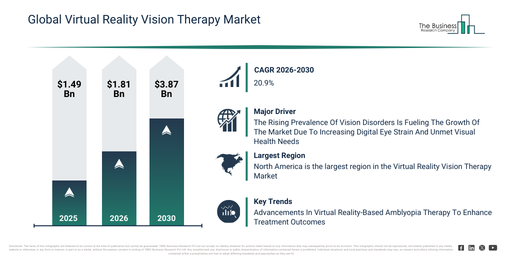
    Virtual Reality Vision Therapy Market Growth From $1.81 Billion In 2026 To $3.87 Billion By 2030 At A CAGR Of 20.9%

    The virtual reality vision therapy market size has seen exponential expansion in recent years. It is projected to increase from $1.49 billion in 2025 to $1.81 billion in 2026, demonstrating a compound annual growth rate (CAGR) of 21.2%. This historical growth can be attributed to the rising prevalence of visual disorders, increasing adoption of digital therapeutic tools, a growing acceptance of non-invasive vision treatments, the expansion of pediatric vision therapy practices, and the availability of consumer-grade VR hardware.

    The virtual reality vision therapy market is projected to experience substantial expansion over the upcoming years. This market is forecast to reach $3.87 billion by 2030, exhibiting a compound annual growth rate (CAGR) of 20.9%. Key factors contributing to this growth during the projected timeframe include a greater need for home-based vision therapy, the growing incorporation of AI-powered visual assessments, the broadening of tele-vision therapy offerings, increasing capital deployment in digital healthcare infrastructures, and the wider acceptance of immersive healthcare technologies. Prominent trends anticipated within this forecast period encompass the heightened embrace of immersive vision training platforms, increased utilization of gamified therapeutic modules, the expanding integration of eye-tracking technologies, the spread of remote and home-based vision therapy, and improvements in the personalization of therapy programs.

    Get A Free Sample Report With In-Depth Market Insights:

    https://thebusinessresearchcompany.com/sample_request?id=58855224&type=smp&name=Virtual%20Reality%20Vision%20Therapy%20Market%20Report%202026&utm_source=Blogs&utm_medium=Paid&utm_campaign=Nov_PR

    Virtual Reality Vision Therapy Market Demand Drivers: What’s Powering Industry Growth?

    The increasing occurrence of vision disorders is anticipated to fuel the expansion of the virtual reality vision therapy market in the future. These disorders represent conditions that impede clear sight, affecting aspects like acuity, concentration, or the breadth of vision. A significant factor contributing to the surge in vision disorders is prolonged screen usage, which puts a strain on the eyes and leads to digital eye strain, consequently diminishing overall visual wellness. Virtual reality vision therapy offers assistance for vision disorders through immersive training exercises designed to enhance eye coordination, focus, and perception of depth, simultaneously activating neural pathways to improve visual processing and overall ocular function. Consequently, the growing prevalence of vision disorders is propelling the development of the virtual reality vision therapy market.

    Virtual Reality Vision Therapy Market Segment Landscape And Growth Outlook

    The virtual reality vision therapy market covered in this report is segmented –

    1) By Product Type: Hardware, Software, Services

    2) By Therapy Type: Amblyopia, Strabismus, Convergence Insufficiency, Binocular Vision Dysfunction, Other Therapy Types

    3) By Distribution Channel: Direct Sales, Online Retail, Other Distribution Channels

    4) By End-User: Hospitals And Clinics, Vision Therapy Centers, Homecare Settings, Other End-Users

    Subsegments:

    1) By Hardware: Head-Mounted Displays (HMDs), Virtual Reality (VR) Glasses, Eye-Tracking Devices, Motion Sensors, Haptic Feedback Devices, Handheld Controllers

    2) By Software: Vision Therapy Applications, Virtual Reality (VR) Simulation Software, Eye Exercise Software, Gamified Vision Therapy Programs, Augmented Reality (AR) Integration Software

    3) By Services: Tele-Vision Therapy Services, Clinical Consultation Services, Rehabilitation Program Management, Training And Support Services, Software As A Service (SaaS) For Vision Therapy

    Virtual Reality Vision Therapy Market Innovation Trends: What Developments Are Reshaping The Industry?

    Leading companies in the virtual reality vision therapy market are prioritizing the development of advanced solutions, such as virtual reality-based amblyopia therapy, to improve patient adherence and achieve superior visual outcomes. Virtual reality-based amblyopia therapy actively involves the weaker eye through engaging visual exercises, aiming to sharpen focus, enhance coordination, and boost depth perception, while simultaneously stimulating neural pathways to refine visual processing and general eyesight. For example, in April 2025, Luminopia, Inc., a US-based digital therapeutics firm, obtained approval from the Food and Drug Administration (FDA) for its amblyopia treatment designed for children aged 8 to 12 years, extending its prior clearance for the 4 to 7 age group. This authorization relies on solid real-world evidence from Luminopia’s PUPiL Registry and conducted clinical trials. Luminopia’s digital therapy utilizes a VR headset, enabling patients to watch familiar TV shows while specialized therapeutic algorithms engage both eyes to enhance vision in children diagnosed with amblyopia related to anisometropia and mild strabismus.

    Virtual Reality Vision Therapy Market Competitive Landscape: Who Leads The Industry?

    Major companies operating in the virtual reality vision therapy market are Meta Platforms Inc., Tobii AB, Varjo Technologies Inc., XRHealth Ltd., VR Vision Group, Floreo Inc., AmblyoPlay, Vivid Vision Inc., Luminopia Inc., NovaSight Inc., Virtualis VR Corp., Wow Vision Therapy, Cognihab Inc., Fusion VR, Computer Orthoptics Inc., SyncThink Inc., NeuraSim Private Limited, Neuro Rehab VR, MindMotion SA, AppliedVR Inc.

    View The Full Virtual Reality Vision Therapy Market Report:

    https://thebusinessresearchcompany.com/report/virtual-reality-vision-therapy-global-market-report?utm_source=Blogs&utm_medium=Paid&utm_campaign=Nov_PR

    Virtual Reality Vision Therapy Market Regional Split: Which Areas Are Fueling Growth?

    North America was the largest region in the virtual reality vision therapy market in 2025. Asia-Pacific is expected to be the fastest-growing region in the forecast period. The regions covered in the virtual reality vision therapy market report are Asia-Pacific, South East Asia, Western Europe, Eastern Europe, North America, South America, Middle East, Africa.

    Reach Out To Our Team:

    The Business Research Company: https://www.thebusinessresearchcompany.com/

    Americas: +1 310-496-7795

    Asia: +44 7882 955267 & +91 8897263534

    Europe: +44 7882 955267

    Email us at: marketing@tbrc.info

    Follow us on:

    LinkedIn: https://in.linkedin.com/company/the-business-research-company

    YouTube: https://www.youtube.com/channel/UC24_fI0rV8cR5DxlCpgmyFQ

    Global Market Model: https://www.thebusinessresearchcompany.com/global-market-model
  • Virtual Reality Therapy Post-Traumatic Stress Disorder (PTSD) Market Growth In 2026: Market Size, Key Drivers And Future Outlook

    Virtual Reality Therapy Post-Traumatic Stress Disorder (PTSD) Market Growth In 2026: Market Size, Key Drivers And Future Outlook

    Backed by market attractiveness analysis, total addressable market sizing, company benchmarking matrices, interactive Excel dashboards, wider supply chain intelligence, emerging startup coverage, and detailed product-level insights, The Business Research Company’s 2026 market reports are designed to offer research that is more actionable and strategically valuable than ever.

    Virtual Reality Therapy Post-Traumatic Stress Disorder (PTSD) Market Expansion Outlook: What Revenue Opportunities Are Ahead?

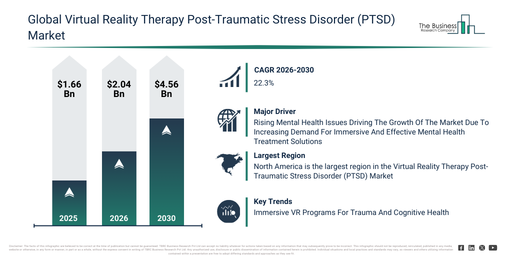
    The virtual reality therapy post-traumatic stress disorder (ptsd) market has shown exponential growth in recent years. It is anticipated to increase from $1.66 billion in 2025 to $2.04 billion in 2026, at a compound annual growth rate (CAGR) of 22.6%. This historical growth is attributable to the increasing prevalence of ptsd cases, a rising acceptance of digital mental health therapies, the expansion of clinical research in vr psychology, advancements in vr hardware capabilities, and the growing use of simulation-based therapy.

    The virtual reality therapy post-traumatic stress disorder (ptsd) market is expected to experience substantial growth over the next few years, with its size projected to reach $4.56 billion by 2030, demonstrating a compound annual growth rate (CAGR) of 22.3%. This expansion during the forecast period can be attributed to factors such as an escalating demand for scalable mental health solutions, the increasing adoption of VR within clinical psychology, the broadening of mental health programs for military personnel and veterans, a greater integration of biometric feedback, and growing investments in immersive healthcare technologies. Significant trends anticipated for the forecast period include the expanding deployment of immersive exposure therapy platforms, the rising incorporation of AI for customizing therapy, a growing utilization of multi-sensory VR environments, the increased availability of remote and home-based PTSD therapy options, and a heightened focus on achieving measurable therapeutic outcomes.

    Get A Free Sample Report With In-Depth Market Insights:

    https://thebusinessresearchcompany.com/sample_request?id=79808050&type=smp&name=Virtual%20Reality%20Therapy%20Post-Traumatic%20Stress%20Disorder%20%28PTSD%29%20Market%20Report%202026&utm_source=Blogs&utm_medium=Paid&utm_campaign=Nov_PR

    Virtual Reality Therapy Post-Traumatic Stress Disorder (PTSD) Market Growth Drivers: What’s Behind The Acceleration?

    The growing prevalence of mental health conditions is expected to drive the expansion of the virtual reality therapy for post-traumatic stress disorder (PTSD) market. Mental health conditions affect an individual’s emotional, psychological, and social well-being, influencing their thoughts, feelings, and everyday behavior. Increasing stress levels and the pressures associated with modern lifestyles are contributing to the rising incidence of these conditions. Virtual reality therapy for PTSD uses immersive and controlled virtual environments to help patients safely confront and process traumatic experiences, alleviate symptoms, and improve mental well-being. Therefore, the increasing prevalence of mental health conditions is expected to support the growth of the virtual reality therapy for post-traumatic stress disorder (PTSD) market.

    Virtual Reality Therapy Post-Traumatic Stress Disorder (PTSD) Market Breakdown By Product Type And Application

    The virtual reality therapy post-traumatic stress disorder (ptsd) market covered in this report is segmented –

    1) By Component Type: Hardware, Software, Services

    2) By Therapy Type: Exposure Therapy, Cognitive Behavioral Therapy, Stress Inoculation Training, Other Therapy Type

    3) By Technology Type: 3D Visualization, Haptic Feedback, Gesture Tracking, Eye Tracking, Artificial Intelligence, Machine Learning, Cloud Computing

    4) By Application Type: Military Trauma, Civilian Trauma, Phobias, Other Applications

    5) By End-User: Hospitals And Clinics, Military And Defense, Research And Academic Institutes, Other End-Users

    Subsegments:

    1) By Hardware: Head Mounted Displays, Motion Sensors, Haptic Devices, Computers And Consoles

    2) By Software: Virtual Reality Applications, Therapy Management Software, Simulation Programs, Analytics And Reporting Tools

    3) By Services: Training And Support, Consultation Services, Maintenance Services, Customization Services

    Virtual Reality Therapy Post-Traumatic Stress Disorder (PTSD) Market Trends: What’s Defining The Industry’s Next Phase?

    Leading companies within the virtual reality therapy post-traumatic stress disorder (PTSD) market are prioritizing the creation of advanced solutions, notably AI-powered VR systems, to personalize exposure therapy, track patient progress in real time, and improve treatment effectiveness for individuals with trauma-related conditions. AI-powered VR solutions are defined as virtual reality systems that leverage artificial intelligence to customize therapeutic journeys, analyze user responses, and fine-tune treatment outcomes dynamically. For instance, in May 2025, X-Technology, a UAE-based technology startup, introduced an AI-powered VR platform across the MENA region aimed at supporting emotional and cognitive well-being in clinical and rehabilitation environments. This innovation offers deeply engaging VR therapy modules specifically designed for PTSD, trauma recovery, stress, and cognitive decline, allowing individuals to receive treatment in hospitals, wellness centers, or at home, thereby eliminating the necessity for significant physical setups or travel. Featuring AI and modules guided by clinicians, it enables personalization of treatment settings, dynamic adjustment of exposure levels, and ongoing observation of patient reactions, all without requiring new hardware installations at each location.

    Virtual Reality Therapy Post-Traumatic Stress Disorder (PTSD) Market Company Landscape And Competitive Strategy

    Major companies operating in the virtual reality therapy post-traumatic stress disorder (ptsd) market are Ellie Mental Health PLLP, MindMaze SA., XRHealth Inc., AppliedVR Inc., Healium XR. LLC., Mieron Inc., SimX Inc., VREX Immersive Inc., MyndVR Inc., Foretell Reality LLC., PsyTechVR Ltd., Virtually Better Inc., Oxford VR Ltd., TheraVR Inc., oVRcome Ltd., Firsthand Technology Inc., Wundrsight Health Inc., PsyCurio GmbH, Limbix Inc., BehaVR Inc.

    View The Full Virtual Reality Therapy Post-Traumatic Stress Disorder (PTSD) Market Report:

    https://thebusinessresearchcompany.com/report/virtual-reality-therapy-post-traumatic-stress-disorder-ptsd-global-market-report?utm_source=Blogs&utm_medium=Paid&utm_campaign=Nov_PR

    Virtual Reality Therapy Post-Traumatic Stress Disorder (PTSD) Market Top Region: Where Does Most Revenue Come From?

    North America was the largest region in the virtual reality therapy post-traumatic stress disorder (PTSD) market in 2025. Asia-Pacific is expected to be the fastest-growing region in the forecast period. The regions covered in the virtual reality therapy post-traumatic stress disorder (ptsd) market report are Asia-Pacific, South East Asia, Western Europe, Eastern Europe, North America, South America, Middle East, Africa.

    Reach Out To Our Team:

    The Business Research Company: https://www.thebusinessresearchcompany.com/

    Americas: +1 310-496-7795

    Asia: +44 7882 955267 & +91 8897263534

    Europe: +44 7882 955267

    Email us at: marketing@tbrc.info

    Follow us on:

    LinkedIn: https://in.linkedin.com/company/the-business-research-company

    YouTube: https://www.youtube.com/channel/UC24_fI0rV8cR5DxlCpgmyFQ

    Global Market Model: https://www.thebusinessresearchcompany.com/global-market-model