Author: Marketing Posting

  • Virtual Reality Phantom Limb Pain Therapy Market Size And Forecast 2026–2030: Trends Driving Industry Expansion

    Virtual Reality Phantom Limb Pain Therapy Market Size And Forecast 2026–2030: Trends Driving Industry Expansion

    Featuring market attractiveness scoring, total addressable market sizing, company benchmarking matrices, interactive Excel dashboards, deeper supply chain intelligence, emerging startup tracking, and granular product-level insights, The Business Research Company’s 2026 market reports are built to deliver research that is both more actionable and more strategically valuable.

    Virtual Reality Phantom Limb Pain Therapy Market Growth Potential: How Will Market Size Shift Through 2030?

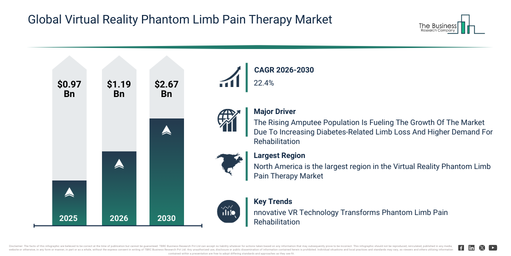
    The market size for virtual reality phantom limb pain therapy has experienced substantial growth in recent years. This market is expected to expand from $0.97 billion in 2025 to $1.19 billion in 2026, demonstrating a compound annual growth rate (CAGR) of 22.7%. The historical period’s growth is attributable to an increasing number of limb amputations, the adoption of VR in pain management, rising acceptance of non-invasive therapies, the expansion of rehabilitation services, and the availability of immersive feedback technologies.

    The market for virtual reality phantom limb pain therapy is projected to experience substantial expansion in the coming years. This market is anticipated to reach $2.67 billion by 2030, demonstrating a compound annual growth rate (CAGR) of 22.4%. Factors driving this growth during the projection period include a rising need for tailored pain therapy solutions, greater incorporation of AI-based therapy customization, the expansion of remote rehabilitation platforms, an elevated emphasis on long-term pain management, and increased clinical evidence supporting VR-based treatments. Key trends identified for this period encompass a growing acceptance of VR-based pain management therapies, increased utilization of mirror therapy simulation techniques, expanding integration of haptic feedback systems, the proliferation of home-based phantom limb therapy solutions, and a heightened focus on psychological and sensory rehabilitation.

    Get A Free Sample Report With In-Depth Market Insights:

    https://thebusinessresearchcompany.com/sample_request?id=94227671&type=smp&name=Virtual%20Reality%20Phantom%20Limb%20Pain%20Therapy%20Market%20Report%202026&utm_source=Blogs&utm_medium=Paid&utm_campaign=Nov_PR

    Virtual Reality Phantom Limb Pain Therapy Market Growth Factors Behind Sustained Expansion

    An increase in the amputee population is anticipated to drive the expansion of the virtual reality phantom limb pain therapy market in the future. This demographic consists of people who have experienced partial or full limb loss, necessitating extensive rehabilitation and specific therapeutic interventions. The primary reason for this growth is the growing prevalence of diabetes, which causes serious complications like poor circulation and nerve damage, thereby substantially increasing limb amputation rates. The virtual reality phantom limb pain therapy market addresses this driver by offering immersive therapeutic settings designed to re-educate neural pathways, alleviate phantom limb pain, and enhance the overall well-being of patients. Consequently, the growing amputee population is a significant catalyst for the virtual reality phantom limb pain therapy market’s expansion.

    Virtual Reality Phantom Limb Pain Therapy Market Segment Analysis And Revenue Potential

    The virtual reality phantom limb pain therapy market covered in this report is segmented –

    1) By Technology: Hardware, Software, Services

    2) By Therapy Type: Immersive Virtual Reality (VR) Therapy, Non-Immersive Virtual Reality (VR) Therapy, Mixed Reality Therapy

    3) By Patient Type: Upper Limb Amputees, Lower Limb Amputees

    4) By Application: Hospitals, Rehabilitation Centers, Homecare Settings, Other Applications

    Subsegments:

    1) By Hardware: Head-Mounted Displays (HMDs), Motion Tracking Sensors, Haptic Feedback Devices, Virtual Reality (VR) Gloves, Virtual Reality (VR) Treadmills, Eye-Tracking Devices

    2) By Software: Immersive Virtual Reality (VR) Therapy Applications, Non-Immersive Virtual Reality (VR) Therapy Applications, Mixed Reality Therapy Applications, Artificial Intelligence (AI)-Based Therapy Modules, Gamified Rehabilitation Software

    3) By Services: Clinical Implementation Services, Remote Patient Monitoring Services, Maintenance And Support Services, Training And Consultation Services, Therapy Customization Services

    Virtual Reality Phantom Limb Pain Therapy Market Industry Trends Fueling Future Revenue Growth

    Leading businesses within the virtual reality phantom limb pain therapy market are prioritizing the creation of advanced solutions, including immersive virtual reality simulators, aiming to alleviate pain and improve rehabilitation results. Such a simulator is defined as a system employing immersive 3D settings and motion-tracking capabilities to replicate genuine experiences for purposes like training, therapeutic intervention, or recovery. A notable illustration occurred in November 2025 when The UNBROKEN National Rehabilitation Center, a comprehensive medical-rehabilitation facility located in Ukraine, introduced VRNOW. This groundbreaking virtual reality (VR) technology was specifically developed to mitigate phantom limb pain in amputees by generating a virtual representation of the absent limb. This particular system assists patients in diminishing their phantom pain by providing immersive VR experiences that mimic the presence and movement of the missing limb, thereby fostering a greater sense of body ownership and offering pain relief. Consequently, VRNOW marks a considerable breakthrough in rehabilitation technology for effectively managing phantom pain and aiding recovery following an amputation.

    Virtual Reality Phantom Limb Pain Therapy Market Key Players Shaping Industry Direction

    Major companies operating in the virtual reality phantom limb pain therapy market are Samsung Electronics Co Ltd, Lenovo Group Ltd, Mayo Clinic, The University of Texas at Dallas, Shirley Ryan AbilityLab, HTC Corporation, MindMaze SA, XRHealth Inc., HaptX Inc., Limber Health Inc., Virtualis, LimbPower Limited, OrthoCarolina Research Institute Inc., Karuna Labs Inc., Neuro Rehab VR, Tongji Hospital/University of Science and Technology of China, Bionic Hope Private Limited, Instalimb, Khymeia Group, Veterans Affairs (VA) North Texas Health Care System.

    View The Full Virtual Reality Phantom Limb Pain Therapy Market Report:

    https://thebusinessresearchcompany.com/report/virtual-reality-phantom-limb-pain-therapy-global-market-report?utm_source=Blogs&utm_medium=Paid&utm_campaign=Nov_PR

    Virtual Reality Phantom Limb Pain Therapy Market Regional Breakdown: Where Is Demand Concentrated?

    North America was the largest region in the virtual reality phantom limb pain therapy market in 2025. The regions covered in the virtual reality phantom limb pain therapy market report are Asia-Pacific, South East Asia, Western Europe, Eastern Europe, North America, South America, Middle East, Africa.

    Reach Out To Our Team:

    The Business Research Company: https://www.thebusinessresearchcompany.com/

    Americas: +1 310-496-7795

    Asia: +44 7882 955267 & +91 8897263534

    Europe: +44 7882 955267

    Email us at: marketing@tbrc.info

    Follow us on:

    LinkedIn: https://in.linkedin.com/company/the-business-research-company

    YouTube: https://www.youtube.com/channel/UC24_fI0rV8cR5DxlCpgmyFQ

    Global Market Model: https://www.thebusinessresearchcompany.com/global-market-model
  • Virtual Reality Motion Desensitization Platform Market 2026 Outlook: Market Size, CAGR And Key Growth Opportunities

    Virtual Reality Motion Desensitization Platform Market 2026 Outlook: Market Size, CAGR And Key Growth Opportunities

    Built to provide research that’s more actionable and strategically valuable, The Business Research Company’s 2026 market reports include market attractiveness analysis, total addressable market sizing, company benchmarking matrices, interactive Excel dashboards, broader supply chain intelligence, emerging startup tracking, and in-depth product insights.

    Virtual Reality Motion Desensitization Platform Market Value Analysis: What Growth Lies Ahead Over The Forecast Period?

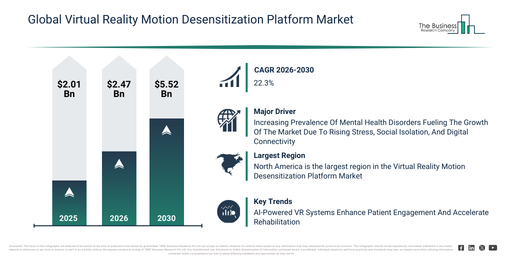
    The virtual reality motion desensitization platform market has experienced rapid growth in recent years. Projections indicate its expansion from $2.01 billion in 2025 to $2.47 billion by 2026, demonstrating a compound annual growth rate (CAGR) of 22.6%. The historical rise in market size can be attributed to factors such as the increasing prevalence of motion sensitivity disorders, the adoption of VR in vestibular therapy, a growing awareness of non-invasive desensitization techniques, the expansion of therapy clinics, and the availability of immersive simulation tools.

    The virtual reality motion desensitization platform market size is expected to experience exponential growth in the coming years. It is projected to expand to $5.52 billion by 2030, achieving a compound annual growth rate (CAGR) of 22.3%. The expansion during this forecast period can be attributed to an increasing demand for personalized motion desensitization programs, rising investments in VR-based therapy platforms, the broader delivery of remote therapy, a growing integration of AI-driven adaptive simulations, and an increasing application in training and healthcare environments. Major trends anticipated in the forecast period include the expanding deployment of VR-based motion exposure therapy, a rising adoption of gradual desensitization protocols, a growing integration of adaptive simulation environments, the expansion of clinical and home-based motion therapy platforms, and an enhanced focus on vestibular rehabilitation.

    Get A Free Sample Report With In-Depth Market Insights:

    https://thebusinessresearchcompany.com/sample_request?id=32775814&type=smp&name=Virtual%20Reality%20Motion%20Desensitization%20Platform%20Market%20Report%202026&utm_source=Blogs&utm_medium=Paid&utm_campaign=Nov_PR

    Virtual Reality Motion Desensitization Platform Market Demand Drivers Opening New Revenue Streams

    The expanding occurrence of mental health conditions is projected to drive the development of the virtual reality motion desensitization platform market in the future. These disorders are defined as states that markedly hinder an individual’s emotional state, cognitive processes, conduct, and general psychological well-being. The increase in mental health disorder prevalence is attributed to heightened stress linked with contemporary living, encompassing professional demands, excessive digital exposure, and greater social solitude. The virtual reality motion desensitization platform market supports this trend by providing immersive, regulated therapeutic settings. These environments enable gradual exposure, alleviate psychological discomfort, and enhance participation in treatment for conditions like anxiety, phobias, and PTSD. Consequently, the rising occurrence of mental health conditions is fueling the expansion of the virtual reality motion desensitization platform market.

    Virtual Reality Motion Desensitization Platform Market Segmentation And Category Overview

    The virtual reality motion desensitization platform market covered in this report is segmented –

    1) By Component: Hardware, Software, Services

    2) By Deployment Mode: On-Premises, Cloud-Based

    3) By Application: Healthcare And Therapy, Gaming And Entertainment, Education And Training, Military And Defense, Other Applications

    4) By End-User: Hospitals And Clinics, Rehabilitation Centers, Academic And Research Institutes, Military Organizations, Other End-Users

    Subsegments:

    1) By Hardware: Head-Mounted Displays, Sensors, Tracking Devices, Haptic Devices

    2) By Software: Virtual Reality Applications, Simulation Software, Analytics Software, Therapy Management Software

    3) By Services: Consulting Services, Maintenance Services, Training Services, Support Services

    Virtual Reality Motion Desensitization Platform Market Trends Powering Strategic Industry Growth

    Leading companies within the virtual reality motion desensitization platform market are concentrating on developing advanced products, such as AI-powered personalized therapy systems, with the aim of boosting treatment efficacy, enhancing patient engagement, and reducing therapeutic barriers and adaptation time. Artificial intelligence (AI)-powered personalized therapy systems are defined as cutting-edge virtual reality platforms that utilize artificial intelligence to create customized therapeutic environments and scenarios tailored to individual patient needs, thereby optimizing desensitization and rehabilitation outcomes.

    Virtual Reality Motion Desensitization Platform Market Competitive Analysis Of Leading Industry Participants

    Major companies operating in the virtual reality motion desensitization platform market are MindMaze SA, XRHealth Ltd., Bertec Corporation, NeuroSync Inc., Virtual Reality Medical Center Inc., PsyTech VR Inc., C2Care, Virtually Better Inc., Cyclops Medtech Pvt. Ltd., Kinequantum, Neuroequilibrium, Saebo Inc., Kinesix VR, Rey, Rewin Health, PhysioSensing Vertigo, AppliedVR Inc., MindMotion SA, Motek Medical, Synaptive Medical

    View The Full Virtual Reality Motion Desensitization Platform Market Report:

    https://thebusinessresearchcompany.com/report/virtual-reality-motion-desensitization-platform-global-market-report?utm_source=Blogs&utm_medium=Paid&utm_campaign=Nov_PR

    Virtual Reality Motion Desensitization Platform Market Geographic Landscape: Which Region Leads Industry Growth?

    North America was the largest region in the virtual reality motion desensitization platform market in 2025. The regions covered in the virtual reality motion desensitization platform market report are Asia-Pacific, South East Asia, Western Europe, Eastern Europe, North America, South America, Middle East, Africa.

    Reach Out To Our Team:

    The Business Research Company: https://www.thebusinessresearchcompany.com/

    Americas: +1 310-496-7795

    Asia: +44 7882 955267 & +91 8897263534

    Europe: +44 7882 955267

    Email us at: marketing@tbrc.info

    Follow us on:

    LinkedIn: https://in.linkedin.com/company/the-business-research-company

    YouTube: https://www.youtube.com/channel/UC24_fI0rV8cR5DxlCpgmyFQ

    Global Market Model: https://www.thebusinessresearchcompany.com/global-market-model
  • Virtual Reality (VR)-Based Balance Confidence Training Platform Market Size Growth: From $1.96 Billion In 2026 To $4.42 Billion By 2030

    Virtual Reality (VR)-Based Balance Confidence Training Platform Market Size Growth: From $1.96 Billion In 2026 To $4.42 Billion By 2030

    Backed by market attractiveness analysis, total addressable market sizing, company benchmarking matrices, interactive Excel dashboards, wider supply chain intelligence, emerging startup coverage, and detailed product-level insights, The Business Research Company’s 2026 market reports are designed to offer research that is more actionable and strategically valuable than ever.

    Virtual Reality (VR)-Based Balance Confidence Training Platform Market Size Forecast: How Big Could The Market Get By 2030?

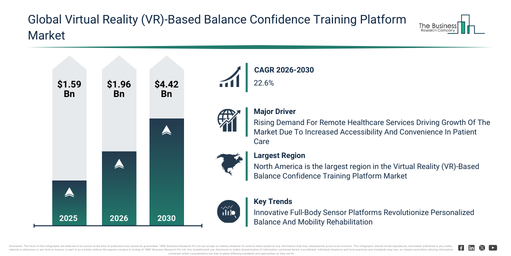
    The market size for virtual reality (vr)-based balance confidence training platforms has expanded significantly in recent years. This market is expected to increase from $1.59 billion in 2025 to $1.96 billion in 2026, demonstrating a compound annual growth rate (CAGR) of 22.9%. Key factors contributing to its historical growth include the rising occurrence of balance disorders, an expanding geriatric population, the integration of VR in physical therapy settings, a heightened focus on reducing fall risks, and the accessibility of wearable motion sensors.

    The market for virtual reality (VR)-based balance confidence training platforms is projected to experience substantial expansion in the coming years. This market is set to reach a size of $4.42 billion by 2030, exhibiting a compound annual growth rate (CAGR) of 22.6%. This anticipated growth throughout the forecast period stems from factors such as a heightened need for solutions in preventive balance training, the broadening of VR-based home therapy platforms, the expanding incorporation of AI-driven balance assessments, increased utilization in sports rehabilitation, and a greater emphasis on rehabilitation outcomes tied to confidence. Key developments expected during this period involve a rise in the adoption of VR-based balance training initiatives, a surge in the application of real-time motion analytics, the increasing integration of virtual scenarios designed to build confidence, an expansion of balance rehabilitation solutions for both home and clinical settings, and a reinforced focus on technologies aimed at fall prevention.

    Get A Free Sample Report With In-Depth Market Insights:

    https://thebusinessresearchcompany.com/sample_request?id=75092342&type=smp&name=Virtual%20Reality%20%28VR%29-Based%20Balance%20Confidence%20Training%20Platform%20Market%20Report%202026&utm_source=Blogs&utm_medium=Paid&utm_campaign=Nov_PR

    Virtual Reality (VR)-Based Balance Confidence Training Platform Market Growth Backed By Core Demand Fundamentals

    The increasing demand for remote healthcare services is anticipated to boost the growth of the virtual reality (VR)-based balance confidence training platform market moving forward. Remote healthcare services encompass the provision of medical care via digital and telecommunication technologies, linking patients with healthcare professionals without requiring in-person visits. The demand for such services is rising due to the escalating need for readily available and convenient medical care, particularly benefiting patients in distant, underserved, or mobility-limited populations. The virtual reality (VR)-based balance confidence training platform market supports this impetus by facilitating interactive, home-based rehabilitation sessions that enhance balance, mitigate fall risk, and reduce the need for frequent clinical appointments. Therefore, the heightened demand for remote healthcare services is driving the expansion of the virtual reality (VR)-based balance confidence training platform market.

    Virtual Reality (VR)-Based Balance Confidence Training Platform Market Segment Outlook: Which Categories Are Growing Fastest?

    The virtual reality (vr)-based balance confidence training platform market covered in this report is segmented –

    1) By Component: Hardware, Software, Services

    2) By Deployment Mode: On-Premises, Cloud-Based

    3) By Application: Rehabilitation Centers, Hospitals And Clinics, Home Care Settings, Academic And Research Institutes, Other Applications

    4) By End-User: Adults, Geriatric Population, Athletes, Other End-Users

    Subsegments:

    1) By Hardware: Head-Mounted Displays (HMDs), Sensors And Motion Trackers, Balance Boards And Platforms, Virtual Reality (VR) Gloves And Controllers, Cameras And Tracking Systems

    2) By Software: Virtual Reality (VR) Simulation And Training Software, Balance Assessment And Monitoring Software, Rehabilitation And Therapy Software, Data Analytics And Reporting Tools

    3) By Services: Training And Education Services, Installation And Integration Services, Maintenance And Support Services, Consulting Services, Cloud-Based Service Offerings

    Virtual Reality (VR)-Based Balance Confidence Training Platform Market Growth Trends Reshaping The Competitive Landscape

    Leading companies in the VR-based balance-confidence training platform market are dedicated to developing innovative solutions, such as full-body sensor-driven platforms, designed to enhance patient mobility, engagement, and personalized therapy. These full-body sensor-driven platforms consist of systems equipped with motion and pressure sensors that monitor a user’s complete body movements in real time, providing precise feedback for balance, posture, and coordination training.

    Virtual Reality (VR)-Based Balance Confidence Training Platform Market Leading Companies And Competitive Benchmarking

    Major companies operating in the virtual reality (vr)-based balance confidence training platform market are Meta Platforms Inc., Interacoustics, MindMaze SA, Motek Medical, XRHealth, Evolv Rehabilitation Technologies, MindMotion, FYZICAL, Rehabtronics, Virtualis Co, Mieron Inc., Rehab-Robotics Co. Ltd., GaitBetter, Upright VR, Knoxlabs, Teslasuit, Neuro Rehab VR, SyncVR Medical, Immersive Reha, WEART.

    View The Full Virtual Reality (VR)-Based Balance Confidence Training Platform Market Report:

    https://thebusinessresearchcompany.com/report/virtual-reality-vr-based-balance-confidence-training-platform-global-market-report?utm_source=Blogs&utm_medium=Paid&utm_campaign=Nov_PR

    Virtual Reality (VR)-Based Balance Confidence Training Platform Market Largest Region: Which Geography Holds The Biggest Share?

    North America was the largest region in the virtual reality (VR)-based balance confidence training platform market in 2025. Asia-Pacific is expected to be the fastest-growing region in the forecast period. The regions covered in the virtual reality (vr)-based balance confidence training platform market report are Asia-Pacific, South East Asia, Western Europe, Eastern Europe, North America, South America, Middle East, Africa.

    Reach Out To Our Team:

    The Business Research Company: https://www.thebusinessresearchcompany.com/

    Americas: +1 310-496-7795

    Asia: +44 7882 955267 & +91 8897263534

    Europe: +44 7882 955267

    Email us at: marketing@tbrc.info

    Follow us on:

    LinkedIn: https://in.linkedin.com/company/the-business-research-company

    YouTube: https://www.youtube.com/channel/UC24_fI0rV8cR5DxlCpgmyFQ

    Global Market Model: https://www.thebusinessresearchcompany.com/global-market-model
  • Tropical Spastic Paraparesis Market Analysis 2026: Market Size, Growth Trends And Industry Outlook

    Tropical Spastic Paraparesis Market Analysis 2026: Market Size, Growth Trends And Industry Outlook

    Built to provide research that’s more actionable and strategically valuable, The Business Research Company’s 2026 market reports include market attractiveness analysis, total addressable market sizing, company benchmarking matrices, interactive Excel dashboards, broader supply chain intelligence, emerging startup tracking, and in-depth product insights.

    Tropical Spastic Paraparesis Market Growth Analysis: How Will Revenue Trend Over The Forecast Period?

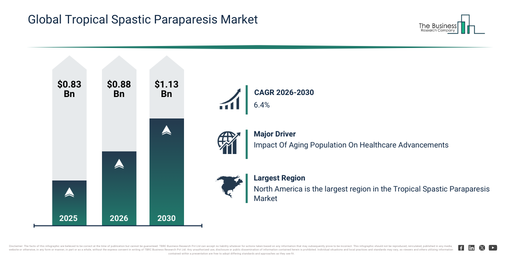
    The tropical spastic paraparesis market has seen strong expansion in recent years. It is anticipated to increase from $0.83 billion in 2025 to $0.88 billion in 2026, achieving a compound annual growth rate (CAGR) of 6.6%. The historical growth can be linked to the rising prevalence of htlv-1 infection, the restricted availability of disease-modifying therapies, heightened awareness of neurological disorders, broader access to diagnostic imaging, and an increasing need for supportive care services.

    The market for tropical spastic paraparesis is anticipated to show significant expansion over the next few years, with projections indicating it will reach $1.13 billion by 2030, exhibiting a compound annual growth rate (CAGR) of 6.4%. This projected increase is largely driven by advancements in antiviral research, a surge in investments aimed at rare neurological disorder research, the wider availability of precision diagnostics, a heightened focus on managing the disease over the long term, and improved patient access to specialized care. Furthermore, significant trends expected during this forecast period include an increasing emphasis on HTLV-1 targeted diagnostics, the growing embrace of multidisciplinary treatment approaches, a greater priority on early disease detection, the expansion of supportive physiotherapy programs, and enhanced disease awareness and screening initiatives.

    Get A Free Sample Report With In-Depth Market Insights:

    https://thebusinessresearchcompany.com/sample_request?id=54442428&type=smp&name=Tropical%20Spastic%20Paraparesis%20Market%20Report%202026&utm_source=Blogs&utm_medium=Paid&utm_campaign=Nov_PR

    Tropical Spastic Paraparesis Market Demand Drivers Opening New Revenue Streams

    The expansion of the elderly demographic is anticipated to stimulate the growth of the tropical spastic paraparesis market in the future. The geriatric population consists of individuals typically 65 years and older, frequently requiring more healthcare due to age-related physiological shifts, long-term illnesses, and functional restrictions. The rise in the geriatric population stems from factors such as extended life expectancy, progress in medical care, decreased birth rates, higher living standards, improved disease control, reduced infant deaths, better nutrition, and availability of new medical treatments. Tropical spastic paraparesis, a persistent neurodegenerative condition impacting motor abilities, emphasizes the necessity for better healthcare for the elderly by stressing the significance of prompt diagnosis, specialized rehabilitation, and enduring care plans that enhance movement, self-reliance, and general well-being in older individuals. The increasing number of older adults is fueling the expansion of the tropical spastic paraparesis market.

    Tropical Spastic Paraparesis Market Segment Analysis And Revenue Potential

    The tropical spastic paraparesis market covered in this report is segmented –

    1) By Disease Type: Tropical Spastic Paraparesis, HIV Associated Myelopathy, Multiple Sclerosis

    2) By Treatment Modality: Pharmaceuticals, Physiotherapy, Surgical Interventions

    3) By Patient Demographics: Pediatric Patients, Adult Patients, Geriatric Patients

    4) By Diagnostic Technique: Magnetic Resonance Imaging (MRI), Lumbar Puncture

    5) By End Use Industry: Hospitals, Clinics, Diagnostic Centers, Other End Use Industries

    Subsegments:

    1) By Tropical Spastic Paraparesis: Early Stage Tropical Spastic Paraparesis, Late Stage Tropical Spastic Paraparesis

    2) By HIV Associated Myelopathy: Acute HIV Associated Myelopathy, Chronic HIV Associated Myelopathy

    3) By Multiple Sclerosis: Relapsing-Remitting Multiple Sclerosis, Primary Progressive Multiple Sclerosis, Secondary Progressive Multiple Sclerosis

    Tropical Spastic Paraparesis Market Key Players Shaping Industry Direction

    Major companies operating in the tropical spastic paraparesis market are Pfizer Inc., Merck & Co. Inc., Bayer AG, Sanofi SA, Bristol-Myers Squibb Company, AstraZeneca Plc, Novartis AG, Eli Lilly and Company, Takeda Pharmaceutical Company Limited, Teva Pharmaceutical Industries Ltd., UCB S.A., Viatris Inc., Biogen Inc., Ionis Pharmaceuticals, H Lundbeck A/S, AC Immune, VectorY Therapeutics, Verge Genomics, ViroMed Co. Ltd., Coya Therapeutics Inc., AgeneBio

    View The Full Tropical Spastic Paraparesis Market Report:

    https://thebusinessresearchcompany.com/report/tropical-spastic-paraparesis-global-market-report?utm_source=Blogs&utm_medium=Paid&utm_campaign=Nov_PR

    Tropical Spastic Paraparesis Market Geographic Analysis: Where Is Demand Rising Fastest?

    North America was the largest region in the tropical spastic paraparesis market in 2025. Asia-Pacific is expected to be the fastest-growing region in the forecast period. The regions covered in the tropical spastic paraparesis market report are Asia-Pacific, South East Asia, Western Europe, Eastern Europe, North America, South America, Middle East, Africa.

    Reach Out To Our Team:

    The Business Research Company: https://www.thebusinessresearchcompany.com/

    Americas: +1 310-496-7795

    Asia: +44 7882 955267 & +91 8897263534

    Europe: +44 7882 955267

    Email us at: marketing@tbrc.info

    Follow us on:

    LinkedIn: https://in.linkedin.com/company/the-business-research-company

    YouTube: https://www.youtube.com/channel/UC24_fI0rV8cR5DxlCpgmyFQ

    Global Market Model: https://www.thebusinessresearchcompany.com/global-market-model
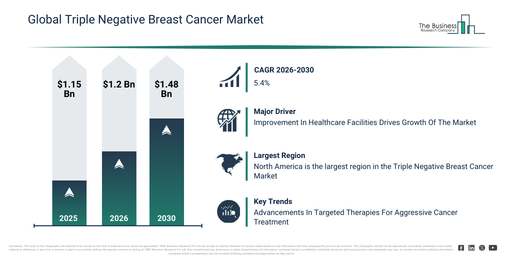
  • Triple Negative Breast Cancer Market Growth To $1.48 Billion Creates New Opportunities Across The Industry

    Triple Negative Breast Cancer Market Growth To $1.48 Billion Creates New Opportunities Across The Industry

    Backed by market attractiveness analysis, total addressable market sizing, company benchmarking matrices, interactive Excel dashboards, wider supply chain intelligence, emerging startup coverage, and detailed product-level insights, The Business Research Company’s 2026 market reports are designed to offer research that is more actionable and strategically valuable than ever.

    Triple Negative Breast Cancer Market Forecast: What Value Will The Market Reach By 2030?

    The triple negative breast cancer market has shown consistent expansion in recent years. Projections indicate its size will increase from $1.15 billion in 2025 to $1.2 billion in 2026, demonstrating a compound annual growth rate (CAGR) of 4.4%. This historical growth can be linked to the increasing occurrence of aggressive breast cancer subtypes, the limited efficacy of hormone therapies, a heightened understanding of genetic risk factors, the expansion of oncology specialty centers, and improvements in diagnostic imaging techniques.

    The triple negative breast cancer market size is projected to experience substantial expansion in the coming years. This market is anticipated to reach $1.48 billion by 2030, exhibiting a compound annual growth rate (CAGR) of 5.4%. The anticipated market growth during this period stems from factors such as the increasing creation of innovative immunotherapies, a heightened emphasis on individualized oncology treatments, the broadening of clinical trials for tnbc, the expanding application of biomarker-guided therapy choices, and progress in the development of targeted drugs. Key developments expected within the forecast timeframe encompass the rising acceptance of immunotherapy-based treatment plans, the increased utilization of parp and targeted inhibitors, a sharpened focus on genetic and biomarker testing, the widening of combination therapy strategies, and a stronger emphasis on early and proactive intervention.

    Get A Free Sample Report With In-Depth Market Insights:

    https://thebusinessresearchcompany.com/sample_request?id=27327310&type=smp&name=Triple%20Negative%20Breast%20Cancer%20Market%20Report%202026&utm_source=Blogs&utm_medium=Paid&utm_campaign=Nov_PR

    Triple Negative Breast Cancer Market Growth Backed By Core Demand Fundamentals

    The advancement of medical infrastructure is anticipated to drive expansion within the triple negative breast cancer market in the future. These facilities encompass various settings like hospitals, clinics, and diagnostic centers, which provide essential medical care and services for patient treatment and support. Enhanced healthcare facilities result from multiple factors, including greater financial commitment to healthcare infrastructure, an emphasis on patient-focused care, a growing population, and the aging demographic. Better healthcare facilities boost support for triple-negative breast cancer by offering advanced diagnostic tools, customized treatment plans, collaborative care teams, and superior patient education, leading to improved early detection, more favorable treatment results, and higher overall patient survival rates. The enhancement of healthcare facilities is fueling the expansion of the triple negative breast cancer market.

    Triple Negative Breast Cancer Market Segmentation And Category Overview

    The triple negative breast cancer market covered in this report is segmented –

    1) By Treatment Type: Chemotherapy, Immunotherapy, Targeted Therapy, Surgery, Radiation Therapy, Other Treatment Types

    2) By Type Of Test: Imaging Techniques, Assays, Breast Biopsy

    3) By End-User: Hospitals, Specialty Clinics, Ambulatory Surgical Centers, Other End-Users

    Subsegments:

    1) By Chemotherapy: Anthracyclines-based Chemotherapy, Taxane-based Chemotherapy, Platinum-based Chemotherapy

    2) By Immunotherapy: Checkpoint Inhibitors, Cancer Vaccines

    3) By Targeted Therapy: PARP Inhibitors, VEGF Inhibitors, CDK4 Or CDK6 Inhibitors

    4) By Surgery: Mastectomy, Lumpectomy, Lymph Node Dissection

    5) By Radiation Therapy: External Beam Radiation, Brachytherapy

    6) By Other Treatment Types: Hormone Therapy, Hyperthermia Therapy, Stem Cell Therapy

    #Triple Negative Breast Cancer Market Growth Trends: What’s Shaping The Future Outlook?

    Companies operating within the triple-negative breast cancer market are prioritizing the development of innovative products, particularly small molecule drugs, to address a broad spectrum of diseases with high specificity and effectiveness. These small molecule drugs are low molecular weight compounds capable of easily entering cells to modulate biological processes, making them efficient for targeting specific conditions, including various cancers and infectious diseases.

    Triple Negative Breast Cancer Market Competitive Analysis Of Leading Industry Participants

    Major companies operating in the triple negative breast cancer market are Pfizer Inc., F Hoffmann-La Roche Ltd., Merck & Co Inc., AbbVie Inc., Bristol-Myers Squibb Company, AstraZeneca Plc, GlaxoSmithKline plc, Eli Lilly and Company, Amgen Inc., Daiichi Sankyo Company Limited, Illumina Inc., Bio-Rad Laboratories Inc., Seagen Inc., MacroGenics Inc., Immutep Limited, G1 Therapeutics Inc., BeOne Medicines, BioNTech SE, Akeso Inc, BriaCell Therapeutics Corp, Bicycle Therapeutics

    View The Full Triple Negative Breast Cancer Market Report:

    https://thebusinessresearchcompany.com/report/triple-negative-breast-cancer-global-market-report?utm_source=Blogs&utm_medium=Paid&utm_campaign=Nov_PR

    Triple Negative Breast Cancer Market Global Footprint: Which Region Leads The Market?

    North America was the largest region in the triple negative breast cancer market in 2025. Asia-Pacific is expected to be the fastest-growing region in the forecast period. The regions covered in the triple negative breast cancer market report are Asia-Pacific, South East Asia, Western Europe, Eastern Europe, North America, South America, Middle East, Africa.

    Reach Out To Our Team:

    The Business Research Company: https://www.thebusinessresearchcompany.com/

    Americas: +1 310-496-7795

    Asia: +44 7882 955267 & +91 8897263534

    Europe: +44 7882 955267

    Email us at: marketing@tbrc.info

    Follow us on:

    LinkedIn: https://in.linkedin.com/company/the-business-research-company

    YouTube: https://www.youtube.com/channel/UC24_fI0rV8cR5DxlCpgmyFQ

    Global Market Model: https://www.thebusinessresearchcompany.com/global-market-model
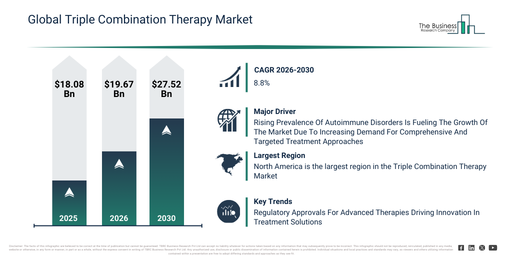
  • Triple Combination Therapy Market Forecast: Breaking Down The Numbers Behind Future Expansion

    Triple Combination Therapy Market Forecast: Breaking Down The Numbers Behind Future Expansion

    Featuring market attractiveness scoring, total addressable market sizing, company benchmarking matrices, interactive Excel dashboards, deeper supply chain intelligence, emerging startup tracking, and granular product-level insights, The Business Research Company’s 2026 market reports are built to deliver research that is both more actionable and more strategically valuable.

    Triple Combination Therapy Market Size Outlook: How Quickly Will Revenue Expand Through 2030?

    The triple combination therapy market has experienced robust expansion over the past few years. This market is projected to expand from $18.08 billion in 2025 to $19.67 billion in 2026, demonstrating a compound annual growth rate (CAGR) of 8.8%. Historically, this upward trend was fueled by several factors, including the broader adoption of chronic disease treatment protocols, the extensive application of antiretroviral therapy, the evolving complexity of cancer treatment approaches, the accessibility of combined drug approvals, and the expansion of specialty pharmaceutical sectors.

    The triple combination therapy market is projected to experience robust expansion over the coming years. This market is anticipated to reach $27.52 billion by 2030, demonstrating a compound annual growth rate (CAGR) of 8.8%. The projected expansion during this period stems from several factors, including an escalating demand for precise combination therapies, the increasing development of gene-modulating medications, the broadening of oncology combination treatment pipelines, a heightened emphasis on optimizing treatment adherence, and progress in pharmacogenomics. Key trends expected throughout the forecast horizon encompass a greater uptake of fixed-dose combination therapies, a growing reliance on personalized multi-drug treatment plans, an intensifying focus on protocols aimed at reducing resistance, the expanded application of combination therapies in oncology and HIV, and improved integration of clinical decision support systems.

    Get A Free Sample Report With In-Depth Market Insights:

    https://thebusinessresearchcompany.com/sample_request?id=75645581&type=smp&name=Triple%20Combination%20Therapy%20Market%20Report%202026&utm_source=Blogs&utm_medium=Paid&utm_campaign=Nov_PR

    Triple Combination Therapy Market Growth Catalysts And Demand Drivers

    The increasing occurrence of autoimmune conditions is anticipated to fuel the expansion of the triple combination therapy market in the future. These conditions involve the body’s own immune system erroneously attacking its healthy tissues and organs. The escalating prevalence of autoimmune disorders stems from greater exposure to environmental elements like pollution, which can provoke unusual immune reactions in individuals predisposed genetically. Triple combination therapy provides an extensive method for managing autoimmune disorders by concurrently targeting multiple immune pathways, thereby boosting treatment effectiveness and diminishing disease activity. The growing incidence of autoimmune disorders is propelling the growth of the triple combination therapy market.

    Triple Combination Therapy Market Segment Outlook: Which Categories Are Growing Fastest?

    The triple combination therapy market covered in this report is segmented –

    1) By Drug Class: Antiretroviral Agents, Targeted Cancer Therapies, Immunomodulators, Anti-Inflammatory Drugs, Gene Modulators

    2) By Therapeutic Area: Infectious Diseases, Chronic Diseases, Cystic Fibrosis (CF), Cancer, Autoimmune Disorders, Neurological Disorders

    3) By Route Of Administration: Oral Therapies, Intravenous (IV), Subcutaneous (SC), Inhalation-Based Therapies, Topical Applications

    4) By Distribution Channel: Hospital Pharmacies, Retail Pharmacies, Online Pharmacies, Specialty Clinics

    Subsegments:

    1) By Antiretroviral Agents: Nucleoside Reverse Transcriptase Inhibitors (NRTIs), Non-Nucleoside Reverse Transcriptase Inhibitors (NNRTIs), Protease Inhibitors (PIs)

    2) By Targeted Cancer Therapies: Tyrosine Kinase Inhibitors (TKIs), Monoclonal Antibodies (mAbs), Immune Checkpoint Inhibitors

    3) By Immunomodulators: Interleukin Inhibitors, Tumor Necrosis Factor (TNF) Inhibitors, Janus Kinase (JAK) Inhibitors

    4) By Anti-Inflammatory Drugs: Non-Steroidal Anti-Inflammatory Drugs (NSAIDs), Corticosteroids, Selective COX-2 Inhibitors

    5) By Gene Modulators: Antisense Oligonucleotides, RNA Interference (RNAi) Agents, CRISPR-Based Gene Editing Therapies

    Triple Combination Therapy Market Industry Trends: What’s Reshaping Demand?

    Companies operating in the triple combination therapy market are prioritizing the creation of innovative solutions, such as next-generation cystic fibrosis triple therapy, to enhance clinical results in cystic fibrosis by addressing its underlying cause. This advanced treatment, next-generation cystic fibrosis triple therapy, employs three modulators to boost the function of the defective cystic fibrosis transmembrane conductance regulator (CFTR) protein, aiming for improved respiratory outcomes and overall disease management for patients with cystic fibrosis.

    Triple Combination Therapy Market Leading Companies And Competitive Benchmarking

    Major companies operating in the triple combination therapy market are Merck & Co. Inc., AstraZeneca plc, Novartis AG, GlaxoSmithKline (GSK) plc, Boehringer Ingelheim International GmbH, Vertex Pharmaceuticals, Daiichi Sankyo US, Bausch Health Companies Inc., CHIESI Farmaceutici S.p.A., Cipla Ltd., Lupin Ltd., BeyondSpring Inc., Daewoong pharmaceutical Co. Ltd, Galapagos NV, George Medicines, Biocytogen, Healio, Laekna Therapeutics, PDS Biotechnology, TG Therapeutics Inc., Immutep

    View The Full Triple Combination Therapy Market Report:

    https://thebusinessresearchcompany.com/report/triple-combination-therapy-global-market-report?utm_source=Blogs&utm_medium=Paid&utm_campaign=Nov_PR

    Triple Combination Therapy Market Regional Split: Which Areas Are Fueling Growth?

    North America was the largest region in the triple combination therapy market in 2025. Asia-Pacific is expected to be the fastest-growing region in the forecast period. The regions covered in the triple combination therapy market report are Asia-Pacific, South East Asia, Western Europe, Eastern Europe, North America, South America, Middle East, Africa.

    Reach Out To Our Team:

    The Business Research Company: https://www.thebusinessresearchcompany.com/

    Americas: +1 310-496-7795

    Asia: +44 7882 955267 & +91 8897263534

    Europe: +44 7882 955267

    Email us at: marketing@tbrc.info

    Follow us on:

    LinkedIn: https://in.linkedin.com/company/the-business-research-company

    YouTube: https://www.youtube.com/channel/UC24_fI0rV8cR5DxlCpgmyFQ

    Global Market Model: https://www.thebusinessresearchcompany.com/global-market-model
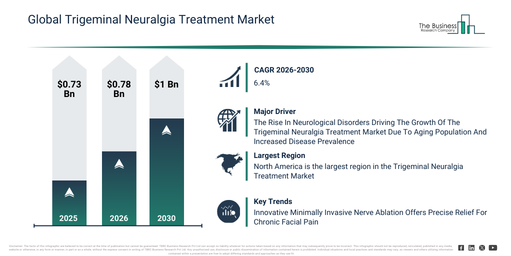
  • Trigeminal Neuralgia Treatment Market Expected To Grow At 6.4% CAGR Through 2030: What Businesses Need To Know

    Trigeminal Neuralgia Treatment Market Expected To Grow At 6.4% CAGR Through 2030: What Businesses Need To Know

    Built to provide research that’s more actionable and strategically valuable, The Business Research Company’s 2026 market reports include market attractiveness analysis, total addressable market sizing, company benchmarking matrices, interactive Excel dashboards, broader supply chain intelligence, emerging startup tracking, and in-depth product insights.

    Trigeminal Neuralgia Treatment Market Size, Value And Growth Trajectory Through 2030

    The trigeminal neuralgia treatment market size has demonstrated significant expansion in recent years. This market is set to increase from $0.73 billion in 2025 to $0.78 billion in 2026, achieving a compound annual growth rate (CAGR) of 6.7%. The observed growth during the historical period stems from higher trigeminal neuralgia diagnosis rates, a greater reliance on pharmacological approaches for pain management, the expansion of neurology specialty services, advancements in imaging for nerve disorders, and the increasing availability of surgical treatment alternatives.

    The trigeminal neuralgia treatment market is projected to experience robust expansion in the coming years, reaching a valuation of $1 billion by 2030, exhibiting a compound annual growth rate (CAGR) of 6.4%. This anticipated growth is driven by several factors, including a heightened demand for lasting pain relief solutions, the increasing uptake of gamma knife radiosurgery, the proliferation of outpatient surgical facilities, an intensified emphasis on improving patient quality-of-life outcomes, and progress in neurosurgical techniques. Key developments expected during this timeframe encompass the greater utilization of advanced anticonvulsant medications, the increased embrace of minimally invasive surgical procedures, a rising inclination towards stereotactic radiosurgery, the broadening of multidisciplinary pain management approaches, and a stronger focus on long-term symptom control.

    Get A Free Sample Report With In-Depth Market Insights:

    https://thebusinessresearchcompany.com/sample_request?id=24102045&type=smp&name=Trigeminal%20Neuralgia%20Treatment%20Market%20Report%202026&utm_source=Blogs&utm_medium=Paid&utm_campaign=Nov_PR

    Trigeminal Neuralgia Treatment Market Opportunity Drivers: What’s Unlocking New Revenue Potential?

    An increase in neurological disorder cases is anticipated to drive the expansion of the trigeminal neuralgia treatment market in the coming years. These conditions encompass various ailments impacting the brain, spinal cord, and nerves. The primary cause behind the growing incidence of neurological disorders is the aging demographic, given that advanced age heightens the susceptibility to conditions such as Alzheimer’s, Parkinson’s disease, and strokes. Trigeminal neuralgia therapies assist patients by alleviating severe facial discomfort, mitigating nerve inflammation, improving overall life quality, and averting additional neurological deterioration. The aging demographic is propelling the expansion of the trigeminal neuralgia treatment market.

    Trigeminal Neuralgia Treatment Market Segment Landscape: Which Areas Lead Development?

    The trigeminal neuralgia treatment market covered in this report is segmented –

    1) By Treatment Type: Medications, Surgery, Other Treatment Types

    2) By Distribution Channel: Hospital Pharmacies, Retail Pharmacies, Online Pharmacies

    3) By End-User: Hospitals, Specialty Clinics, Ambulatory Surgical Centers, Other End-Users

    Subsegments:

    1) By Medications: Anticonvulsants, Muscle Relaxants, Antidepressants

    2) By Surgery: Microvascular Decompression Surgery, Gamma Knife Radiosurgery, Rhizotomy

    3) By Other Treatment Types: Nerve Blocks, Stereotactic Radiosurgery, Physical Therapy

    Trigeminal Neuralgia Treatment Market Innovation Trends: What Developments Are Reshaping The Industry?

    Leading companies in the trigeminal neuralgia treatment market are concentrating on developing innovative approaches, such as minimally invasive nerve ablation, to elevate patient outcomes, diminish procedure-related complications, and improve the overall quality of life for individuals experiencing severe facial pain. Minimally invasive nerve ablation is a medical procedure that employs heat, cold, or chemical agents to selectively incapacitate or eliminate nerves causing discomfort, while inflicting minimal harm to surrounding tissues. For instance, in August 2025, NeuroOne Medical Technologies Corporation, a US-based medical technology company, secured approval from the U.S. Food and Drug Administration (FDA) for its OneRF Trigeminal Nerve Ablation System, thereby authorizing its application for managing trigeminal neuralgia, a chronic facial pain condition. The system incorporates a multi-contact radiofrequency probe, facilitating exact pain localization, stimulation, and personalized ablation through a single electrode. It functions with temperature-controlled lesioning, aiming to enhance precision and safety, potentially shortening procedure duration and augmenting patient comfort. Being minimally invasive, the system applies focused radiofrequency energy to ablate nerve fibers implicated in chronic facial pain, including trigeminal neuralgia.

    Trigeminal Neuralgia Treatment Market Industry Leaders And Competitive Landscape

    Major companies operating in the trigeminal neuralgia treatment market are Novartis AG, Sandoz, Sun Pharmaceutical Industries Ltd., Apotex Inc., Lupin Limited, Taro Pharmaceutical Industries Ltd., Torrent Pharmaceuticals Ltd., Kriya Therapeutics, Convergence Pharmaceuticals Limited, Noema Pharma AG, Max Healthcare, Oxford Cannabinoid Technologies Holdings Plc, NanoVibronix, Pfizer Inc., GlaxoSmithKline plc, Teva Pharmaceutical Industries Ltd., Medtronic plc, Boston Scientific Corporation, Abbott Laboratories, Elekta, Accuray Inc., UCB S.A., Eli Lilly and Company

    View The Full Trigeminal Neuralgia Treatment Market Report:

    https://thebusinessresearchcompany.com/report/trigeminal-neuralgia-treatment-global-market-report?utm_source=Blogs&utm_medium=Paid&utm_campaign=Nov_PR

    Trigeminal Neuralgia Treatment Market Top Region: Where Does Most Revenue Come From?

    North America was the largest region in the trigeminal neuralgia treatment market in 2025. Asia-Pacific is expected to be the fastest-growing region in the forecast period. The regions covered in the trigeminal neuralgia treatment market report are Asia-Pacific, South East Asia, Western Europe, Eastern Europe, North America, South America, Middle East, Africa.

    Reach Out To Our Team:

    The Business Research Company: https://www.thebusinessresearchcompany.com/

    Americas: +1 310-496-7795

    Asia: +44 7882 955267 & +91 8897263534

    Europe: +44 7882 955267

    Email us at: marketing@tbrc.info

    Follow us on:

    LinkedIn: https://in.linkedin.com/company/the-business-research-company

    YouTube: https://www.youtube.com/channel/UC24_fI0rV8cR5DxlCpgmyFQ

    Global Market Model: https://www.thebusinessresearchcompany.com/global-market-model
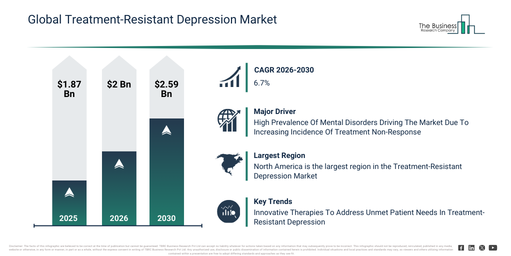
  • Treatment-Resistant Depression Market Forecast To Reach $2.59 Billion By 2030: Key Trends Explained

    Treatment-Resistant Depression Market Forecast To Reach $2.59 Billion By 2030: Key Trends Explained

    Backed by market attractiveness analysis, total addressable market sizing, company benchmarking matrices, interactive Excel dashboards, wider supply chain intelligence, emerging startup coverage, and detailed product-level insights, The Business Research Company’s 2026 market reports are designed to offer research that is more actionable and strategically valuable than ever.

    Treatment-Resistant Depression Market CAGR Outlook And Future Development

    The treatment-resistant depression market has shown robust expansion in recent years. It is projected to grow from $1.87 billion in 2025 to $2 billion in 2026, at a compound annual growth rate (CAGR) of 6.9%. This historical growth can be attributed to several factors, including the rising prevalence of major depressive disorder, the limited efficacy of conventional antidepressants, an increased diagnosis of refractory depression cases, the expansion of psychiatric specialty clinics, and the growing acceptance of advanced mental health therapies.

    The market for treatment-resistant depression is anticipated to experience substantial expansion over the coming years. Projections indicate it will reach a valuation of $2.59 billion by 2030, exhibiting a compound annual growth rate (CAGR) of 6.7%. This anticipated growth during the forecast period stems from factors such as heightened investments in precision psychiatry, the expanding approval of ketamine and esketamine treatments, the broader adoption of biomarker-guided treatment selection, an escalating need for sustained depression management options, and the increased utilization of digital therapeutic support instruments. Key trends projected for the forecast timeframe encompass the increasing embrace of innovative rapid-acting antidepressants, a growing application of neuromodulation therapies, an intensified emphasis on individualized psychiatry methods, the broadening of research into psychedelic-based treatments, and improved incorporation of digital mental health instruments.

    Get A Free Sample Report With In-Depth Market Insights:

    https://thebusinessresearchcompany.com/sample_request?id=84356003&type=smp&name=Treatment-Resistant%20Depression%20Market%20Report%202026&utm_source=Blogs&utm_medium=Paid&utm_campaign=Nov_PR

    Treatment-Resistant Depression Market Growth Momentum: What Factors Are Shaping Demand?

    The increasing occurrence of mental disorders is projected to fuel the expansion of the treatment-resistant depression market in the future. These conditions encompass a wide spectrum of ailments impacting a person’s thought processes, feelings, and actions, frequently resulting in considerable suffering and functional limitations in everyday activities. A key reason for the widespread nature of mental disorders includes genetic predisposition, where inherited genetic differences can alter brain chemistry, making individuals more vulnerable to conditions like depression, anxiety, and schizophrenia. Treatment-resistant depression (TRD) offers assistance to those with mental disorders by advocating for tailored and innovative therapeutic approaches when conventional treatments prove ineffective, thereby enhancing their prospects for recovery and overall well-being. The widespread occurrence of mental disorders is propelling the expansion of the treatment-resistant depression market.

    Treatment-Resistant Depression Market Segments: Where Is Growth Concentrated?

    The treatment-resistant depression market covered in this report is segmented –

    1) By Drug Class: Selective Serotonin Reuptake Inhibitors (SSRIs), Monoamine Oxidase Inhibitors, Tricyclic Antidepressants, Psychedelics

    2) By Route Of Administration: Oral, Parenteral, Other Routes Of Administration

    3) By Distribution Channel: Hospital Pharmacies, Retail Pharmacies, Online Pharmacies

    4) By End-User: Hospitals, Homecare, Specialty Clinics, Other End-Users

    Subsegments:

    1) By Selective Serotonin Reuptake Inhibitors (SSRIs): Fluoxetine, Sertraline, Paroxetine, Citalopram, Escitalopram

    2) By Monoamine Oxidase Inhibitors (MAOIs): Phenelzine, Tranylcypromine, Isocarboxazid, Selegiline

    3) By Tricyclic Antidepressants (TCAs): Amitriptyline, Nortriptyline, Imipramine, Clomipramine, Doxepin

    4) By Psychedelics: Ketamine, Esketamine, Psilocybin, Lysergic Acid Diethylamide (LSD), 3,4-Methylenedioxymethamphetamine (MDMA)

    Treatment-Resistant Depression Market Trends: What’s Defining The Industry’s Next Phase?

    Companies active in the treatment-resistant depression market are concentrating on creating novel therapies, such as monotherapy, to fulfill unmet patient requirements, enhance effectiveness, and minimize adverse effects. Monotherapy involves using a single treatment or medication for a condition, rather than combining multiple approaches. It aids in treating treatment-resistant depression by providing a singular, concentrated treatment that may prove more beneficial for patients who have not responded to various medications. For example, in January 2025, Johnson & Johnson Services Inc., a pharmaceutical, biotechnology, and medical technology firm based in the US, announced the U.S. Food and Drug Administration (FDA), a US-based government regulatory body, had approved SPRAVATO (esketamine) nasal spray. This is a rapid-acting treatment intended for adults suffering from treatment-resistant depression (TRD). SPRAVATO is administered in conjunction with an oral antidepressant when individuals have not adequately responded to a minimum of two other antidepressant therapies. The drug’s swift actions address the shortcomings of conventional antidepressants, which often take several weeks to show results. As a derivative of ketamine, esketamine functions by targeting the brain’s NMDA receptors, potentially elevating mood within hours. This approval represented a substantial stride forward in the realm of mental health treatment.

    Treatment-Resistant Depression Market Key Participants And Competitive Landscape

    Major companies operating in the treatment-resistant depression market are Pfizer Inc., Johnson & Johnson Services Inc., Neurocrine Biosciences Inc., Relmada Therapeutics Inc., Neuronetics Inc., COMPASS Pathways, BrainsWay Ltd., Magstim Company Limited, MindMed, Alto Neuroscience, Sage Therapeutics Inc., MindBio Therapeutics Ltd., Reunion Neuroscience

    View The Full Treatment-Resistant Depression Market Report:

    https://thebusinessresearchcompany.com/report/treatment-resistant-depression-global-market-report?utm_source=Blogs&utm_medium=Paid&utm_campaign=Nov_PR

    Treatment-Resistant Depression Market Regional Breakdown: Where Is Demand Concentrated?

    North America was the largest region in the treatment-resistant depression market in 2025. Asia-Pacific is expected to be the fastest-growing region in the forecast period. The regions covered in the treatment-resistant depression market report are Asia-Pacific, South East Asia, Western Europe, Eastern Europe, North America, South America, Middle East, Africa.

    Reach Out To Our Team:

    The Business Research Company: https://www.thebusinessresearchcompany.com/

    Americas: +1 310-496-7795

    Asia: +44 7882 955267 & +91 8897263534

    Europe: +44 7882 955267

    Email us at: marketing@tbrc.info

    Follow us on:

    LinkedIn: https://in.linkedin.com/company/the-business-research-company

    YouTube: https://www.youtube.com/channel/UC24_fI0rV8cR5DxlCpgmyFQ

    Global Market Model: https://www.thebusinessresearchcompany.com/global-market-model
  • Traveler’s Diarrhea Treatment Market Size Forecast From 2026 To 2030: Key Industry Trends

    Traveler’s Diarrhea Treatment Market Size Forecast From 2026 To 2030: Key Industry Trends

    Featuring market attractiveness scoring, total addressable market sizing, company benchmarking matrices, interactive Excel dashboards, deeper supply chain intelligence, emerging startup tracking, and granular product-level insights, The Business Research Company’s 2026 market reports are built to deliver research that is both more actionable and more strategically valuable.

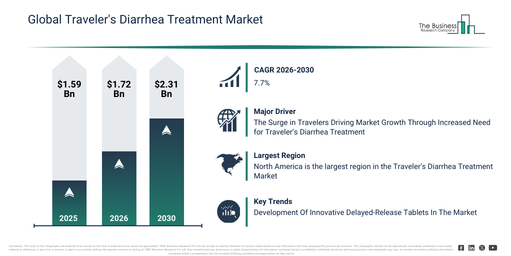
    Traveler’s Diarrhea Treatment Market Set To Climb From $1.72 Billion In 2026 To $2.31 Billion By 2030

    The traveler’s diarrhea treatment market size has experienced substantial growth in recent years. Projections indicate it will increase from $1.59 billion in 2025 to $1.72 billion in 2026, demonstrating a compound annual growth rate (CAGR) of 7.9%. This historical expansion is attributable to several factors, including increasing international travel volumes, a higher incidence of foodborne infections, the widespread availability of oral rehydration solutions, heightened awareness of traveler health risks, and the expansion of retail pharmacy networks.

    The traveler’s diarrhea treatment market is projected to experience robust expansion in the coming years. This market is anticipated to reach a valuation of $2.31 billion by 2030, demonstrating a compound annual growth rate (CAGR) of 7.7%. Several factors contribute to this projected growth, including an increased emphasis on preventive travel healthcare, the growing acceptance of probiotics and zinc supplements, the expansion of digital travel health advisory services, a rise in demand for child-specific drug formulations, and better access to antibiotics within emerging markets. Key trends expected during this forecast period encompass the increasing use of combination drug therapies, a growing need for quick-acting anti-diarrheal medications, a broader application of oral rehydration and probiotic solutions, increased availability of over-the-counter treatments, and a heightened focus on preventive care related to travel.

    Get A Free Sample Report With In-Depth Market Insights:

    https://thebusinessresearchcompany.com/sample_request?id=69214120&type=smp&name=Traveler%27s%20Diarrhea%20Treatment%20Market%20Report%202026&utm_source=Blogs&utm_medium=Paid&utm_campaign=Nov_PR

    Traveler’s Diarrhea Treatment Market Expansion Drivers: What’s Shaping Future Growth?

    The increasing volume of air passengers is projected to stimulate the expansion of the traveler’s diarrhea treatment market moving forward. Air travelers are individuals who journey by airplane to various destinations for business, leisure, or other reasons. The rise in air travel volumes is a result of expanding flight capacities, more affordable ticket options, enhanced global mobility, and growing consumer interest in international travel experiences. Traveler’s diarrhea treatments support this trend by mitigating illness severity, preventing dehydration, and allowing travelers to continue their plans with minimal interruption. The growth of the traveler’s diarrhea treatment market is being propelled by the surge in air travelers.

    Traveler’s Diarrhea Treatment Market Segment Analysis: What Are The Core Market Categories?

    The traveler’s diarrhea treatment market covered in this report is segmented –

    1) By Drug Type: Antibiotics, Anti-diarrheal, Other Drug Types

    2) By Route Of Administration: Oral, Parenteral

    3) By Application: Adult Traveler’s Diarrhea, Children Traveler’s Diarrhea

    4) By End-Users: Hospitals, Homecare, Specialty Clinics, Other End-Users

    Subsegments:

    1) By Antibiotics: Fluoroquinolones, Macrolides, Rifamycins

    2) By Anti-diarrheal: Loperamide, Bismuth Subsalicylate

    3) By Other Drug Types: Oral Rehydration Therapy, Probiotics, Zinc Supplements

    Traveler’s Diarrhea Treatment Market Industry Trends Fueling Future Revenue Growth

    Companies operating in the traveler’s diarrhea treatment market are concentrating on the development of innovative drugs, such as delayed-release tablets, to extend drug activity and decrease dosing frequency. These delayed-release tablets are medications designed to release their active ingredients at a specific time after ingestion, ensuring they reach the intestines before dissolving to effectively treat traveler’s diarrhea while minimizing stomach irritation.

    Traveler’s Diarrhea Treatment Market Top Companies Driving Competitive Growth

    Major companies operating in the traveler’s diarrhea treatment market are Johnson & Johnson Services Inc., Bayer AG, Sanofi SA, GlaxoSmithKline plc, Teva Pharmaceutical Industries Ltd., C.H. Boehringer Sohn AG & Co. KG, Aurobindo Pharma Limited, Lupin Pharmaceuticals Inc., Glenmark Pharmaceuticals Ltd., RedHill Biopharma Ltd., Immuron Limited, Cosmo Pharmaceuticals N.V., Scandinavian Biopharma Holding AB, Pfizer Inc., Merck & Co. Inc., Novartis AG, Biocodex, Cipla Ltd., Dr Reddys Laboratories Ltd., Takeda Pharmaceutical Company Ltd., AbbVie Inc., Shanghai United Cell Biotechnology Co Ltd, PaxVax Inc.

    View The Full Traveler’s Diarrhea Treatment Market Report:

    https://thebusinessresearchcompany.com/report/travelers-diarrhea-treatment-global-market-report?utm_source=Blogs&utm_medium=Paid&utm_campaign=Nov_PR

    Traveler’s Diarrhea Treatment Market Geographic Landscape: Which Region Leads Industry Growth?

    North America was the largest region in the traveler’s diarrhea treatment market in 2025. Asia-Pacific is expected to be the fastest-growing region in the forecast period. The regions covered in the traveler’s diarrhea treatment market report are Asia-Pacific, South East Asia, Western Europe, Eastern Europe, North America, South America, Middle East, Africa.

    Reach Out To Our Team:

    The Business Research Company: https://www.thebusinessresearchcompany.com/

    Americas: +1 310-496-7795

    Asia: +44 7882 955267 & +91 8897263534

    Europe: +44 7882 955267

    Email us at: marketing@tbrc.info

    Follow us on:

    LinkedIn: https://in.linkedin.com/company/the-business-research-company

    YouTube: https://www.youtube.com/channel/UC24_fI0rV8cR5DxlCpgmyFQ

    Global Market Model: https://www.thebusinessresearchcompany.com/global-market-model
  • Traumatic Brain Injury Market 2026: Market Size, Growth Drivers And Emerging Opportunities

    Traumatic Brain Injury Market 2026: Market Size, Growth Drivers And Emerging Opportunities

    Built to provide research that’s more actionable and strategically valuable, The Business Research Company’s 2026 market reports include market attractiveness analysis, total addressable market sizing, company benchmarking matrices, interactive Excel dashboards, broader supply chain intelligence, emerging startup tracking, and in-depth product insights.

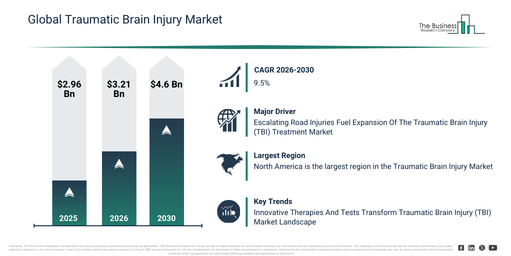
    Traumatic Brain Injury Market Forecast: Value Set To Climb From $3.21 Billion To $4.6 Billion

    The traumatic brain injury market size has exhibited strong growth in recent years. It is anticipated to increase from $2.96 billion in 2025 to $3.21 billion in 2026, at a compound annual growth rate (CAGR) of 8.5%. The growth observed in the historical period can be ascribed to an increase in sports-related and accident-induced traumatic brain injuries, the expansion of neurosurgical capabilities, the development of rehabilitation protocols, improved survival rates for severe injuries, and the growth in trauma center networks.

    The traumatic brain injury market is anticipated to experience substantial expansion in the coming years. This market is projected to reach a value of $4.6 billion by 2030, exhibiting a compound annual growth rate (CAGR) of 9.5%. Factors contributing to this growth during the forecast period include the progress in neuroprotective therapies, increasing capital allocation towards rehabilitation technologies, an escalating need for extensive traumatic brain injury care, the proliferation of rehabilitation options at home, and the rising incorporation of digital therapy platforms. Key trends anticipated over the forecast period encompass a greater acceptance of diverse tbi treatment strategies, the increasing application of sophisticated neurorehabilitation treatments, a growing unification of monitoring and imaging tools, the broadening of long-term cognitive rehabilitation initiatives, and a heightened emphasis on individualized treatment strategies.

    Get A Free Sample Report With In-Depth Market Insights:

    https://thebusinessresearchcompany.com/sample_request?id=92707352&type=smp&name=Traumatic%20Brain%20Injury%20Market%20Report%202026&utm_source=Blogs&utm_medium=Paid&utm_campaign=Nov_PR

    Traumatic Brain Injury Market Development Factors: What’s Supporting Demand?

    The traumatic brain injury (TBI) market is projected to grow as a result of the increasing number of road injuries. These injuries encompass physical harm sustained from accidents occurring on streets, highways, and other transportation routes. An escalation in road injuries directly leads to a higher occurrence of traumatic brain injuries, as impacts from collisions frequently cause sudden force to the head, resulting in neurological damage. TBI treatments play a crucial role in supporting recovery by reducing complications, enhancing cognitive function, and improving long-term patient outcomes. The rising incidence of road injuries is driving the expansion of the traumatic brain injury market.

    Traumatic Brain Injury Market Segment Breakdown: Which Categories Lead On Revenue?

    The traumatic brain injury market covered in this report is segmented –

    1) By Device: Computed Tomography, X-Ray, Imaging Devices, Magnetic Resonance Imaging Devices, Monitoring Devices, Other Devices

    2) By Technique: Intracranial Pressure (ICP) Monitoring, Partial Pressure Of Oxygen In Brain Tissue (PbrO2)

    3) By End-Use: Diagnostic Centers, Hospitals, Other End-Uses

    Subsegments:

    1) By Computed Tomography: Standard CT Scans, CT Angiography

    2) By X-Ray: Skull X-Ray, Cervical X-Ray

    3) By Imaging Devices: Ultrasound Imaging, PET Scans

    4) By Magnetic Resonance Imaging Devices: Closed MRI, Open MRI

    5) By Monitoring Devices: Intracranial Pressure Monitors, EEG Monitors

    6) By Other Devices: Neuropsychological Testing Devices, Portable Brain Injury Assessment Devices

    Traumatic Brain Injury Market Trends Powering Strategic Industry Growth

    Leading companies operating in the traumatic brain injury market are innovating treatments and tests, such as the VIDAS TBI (GFAP, UCH-L1), to cater to evolving consumer requirements. Continuous development and research are underway for innovative therapies and tests for traumatic brain injury (TBI) to enhance outcomes and improve the quality of life for affected individuals.

    Traumatic Brain Injury Market Leading Players And Competitive Positioning

    Major companies operating in the traumatic brain injury market are Medtronic plc, Stryker Corporation, Elekta AB, Integra LifeSciences Holdings Corp., Natus Medical Inc., Nihon Kohden Corporation, Raumedic AG, Qure.ai, Compumedics Ltd., Synaptive Medical Inc., BrainScope Company Inc., Soterix Medical Inc., Neural Analytics Inc., InfraScan Inc., NanoDx Inc., NeuroTrauma Sciences, Oculogica Inc., PathMaker Neurosystems Inc., Pinteon Therapeutics Inc., Abliva AB, QuesGen Systems Inc., Neural Analytics Inc.

    View The Full Traumatic Brain Injury Market Report:

    https://thebusinessresearchcompany.com/report/traumatic-brain-injury-global-market-report?utm_source=Blogs&utm_medium=Paid&utm_campaign=Nov_PR

    Traumatic Brain Injury Market Largest Region: Which Geography Holds The Biggest Share?

    North America was the largest region in the traumatic brain injury market in 2025. Asia-Pacific is expected to be the fastest-growing region in the forecast period. The regions covered in the traumatic brain injury market report are Asia-Pacific, South East Asia, Western Europe, Eastern Europe, North America, South America, Middle East, Africa.

    Reach Out To Our Team:

    The Business Research Company: https://www.thebusinessresearchcompany.com/

    Americas: +1 310-496-7795

    Asia: +44 7882 955267 & +91 8897263534

    Europe: +44 7882 955267

    Email us at: marketing@tbrc.info

    Follow us on:

    LinkedIn: https://in.linkedin.com/company/the-business-research-company

    YouTube: https://www.youtube.com/channel/UC24_fI0rV8cR5DxlCpgmyFQ

    Global Market Model: https://www.thebusinessresearchcompany.com/global-market-model