Author: Marketing Posting

  • Ischemia Reperfusion Injury Industry Valued at $2.26 Billion by 2029 With CAGR of 7.6% | Size and Share Insights

    Ischemia Reperfusion Injury Industry Valued at $2.26 Billion by 2029 With CAGR of 7.6% | Size and Share Insights

    Claim your 30% discount on Global Market Reports with code ONLINE30. Limited time only.

    What Is the Forecast for the Ischemia Reperfusion Injury Market from 2024 to 2025?

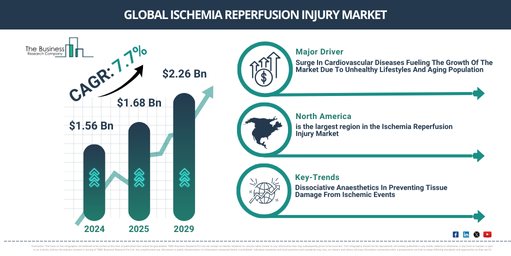
    In recent times, the ischemia reperfusion injury market has witnessed robust growth. It is projected to increase from $1.56 billion in 2024 to $1.68 billion in 2025, with a compound annual growth rate (CAGR) of 8.1%. Factors that contribute to this growth during the historic period include the growing prevalence of cardiac conditions, the rise in surgical operations, greater demand for organ transplants, an increase in the elderly population, and a heightened incidence of stroke.

    What Is the Projected Market Size of the Ischemia Reperfusion Injury Market?

    Expectations suggest that the ischemia reperfusion injury market will experience robust growth in the upcoming years, reaching $2.26 billion by 2029 with a compound annual growth rate (CAGR) of 7.7%. The predicted growth during the forecasted period can be attributed to factors such as the burgeoning demand for diagnostics based on biomarkers, enhanced awareness regarding techniques for organ preservation, an uptick in cases of myocardial infarction, increased investment in research and development within the pharmaceutical sector, and the rising demand for stem cell therapy. Among the significant trends anticipated within the forecasted period are advancements in imaging technology, the introduction of unique pharmacologic agents, the incorporation of AI and machine learning in treatment strategies, the use of 3D printing for organ modelling and an expanding focus on telemedicine.

    Download The Free Sample Report Here:

    https://www.thebusinessresearchcompany.com/sample.aspx?id=22025&type=smp

    Who are the Major Competitors in the Ischemia Reperfusion Injury Market Outlook?

    Major companies operating in the ischemia reperfusion injury market are Pfizer Inc., Prolong Pharmaceuticals LLC, BMG LABTECH GmbH, Domainex Ltd, CFM Pharma Holding BV, Simcere Innovation Inc., Larix Bioscience LLC, Faron Pharmaceuticals Oy, LUCA Science Inc., Faraday Pharmaceuticals Inc., Athersys Inc., Alloksys Life Sciences B.V., Ischemix Inc., New Horizons Pharma Inc., Oxitope Pharma BV, PharmaTher Holdings Ltd, Revive Therapeutics Ltd, Corline Biomedical AB, Angion Biomedica Corp., Radikal Therapeutics Inc.

    What Is Fueling Growth in the Ischemia Reperfusion Injury Market?

    An increase in cardiovascular diseases is anticipated to fuel the expansion of the ischemia-reperfusion injury market. These are ailments that impact the heart and blood vessels, encompassing conditions such as coronary artery disease, heart failure, and stroke. Lifestyle choices and an aging population are contributing to the increase in these diseases. Diets rich in saturated fats, sugar, and salt, as well as lack of physical activity, has led to a growth in conditions like obesity, hypertension, and diabetes – significant risk factors for cardiovascular diseases. Ischemia-reperfusion injury exacerbates the advancement of these ailments by aggravating tissue damage through oxidative stress, inflammation, and cell death, eventually compromising heart function and increasing the risk for heart failure and other complications. As an illustration, the Australian Institute of Health and Welfare reported that deaths from coronary heart disease (CHD) increased to 14,900 in 2022, up from 14,100 in 2021. Hence, the expanding prevalence of these diseases is promoting the growth of the ischemia-reperfusion injury market. Fueling the growth of the ischemia-reperfusion injury market is the escalating number of organ transplantation due to medical advancements and a rise in organ failure rates. Organ transplantation is the process where a damaged organ of a recipient is replaced with a healthy one from a donor. The increase in organ transplantation is a result of advanced medical technology and the growing number of organ failure cases. Innovations in surgical procedures, immunosuppressive therapies, and organ preservation significantly enhance the outcomes of organ transplants. Damage caused during ischemia can be reduced, and the transplanted organ’s survival and functionality upon reperfusion can be improved via advanced preservation techniques used in transplantation procedures to mitigate ischemia-reperfusion injury (IRI). The United Network for Organ Sharing (UNOS), a US-based non-profit organization, reported in 2022 that there were 42,887 organ transplants in the United States, a 3.7% increase from 2021. Therefore, the escalating number of organ transplantations is promoting the growth of the ischemia-reperfusion injury market.

    Request For A Customized Report:

    https://www.thebusinessresearchcompany.com/customise?id=22025&type=smp

    Which Ischemia Reperfusion Injury Market Segments Are Growing the Fastest?

    The ischemia reperfusion injury market covered in this report is segmented –

    1) By Treatment Type: Pharmacological Therapy, Non-pharmacological Therapy

    2) By Application: Cardiovascular Diseases, Stroke, Organ Transplantation, Heart Attack, Diabetes

    3) By End Users: Hospitals, Clinics, Ambulatory Services, Nursing Home

    Subsegments:

    1) By Pharmacological Therapy: Antioxidants, Anti-inflammatory Agents, Calcium Channel Blockers, Free Radical Scavengers, Nitric Oxide Donors, Mitochondrial Protective Agents.

    2) By Non-Pharmacological Therapy: Ischemic Preconditioning (IPC), Ischemic Postconditioning (IPO), Remote Ischemic Conditioning (RIC), Hypothermia Therapy, Mechanical Interventions, Gene and Stem Cell Therapy.

    Which Industry Trends Are Shaping the Future of the Ischemia Reperfusion Injury Market?

    The primary companies within the ischemia-reperfusion injury market are looking to create progressive therapies, like those based on Ketamine, with the aim to lessen inflammation and tissue damage related to ischemia-reperfusion injury. Ketamine-based solutions are treatments that utilise the dissociative anaesthetic, ketamine for numerous health issues. They are mainly used for mental health ailments such as depression, anxiety, and PTSD, along with pain management. For example, PharmaTher Holdings Ltd., a pharmaceutical company based in Canada, got an orphan drug designation from the U.S. Food and Drug Administration (FDA) in December 2022 concerning the usage of ketamine to prevent ischemia-reperfusion injury resulting from organ transplantation. This particular drug limits the damage caused by ischemia-reperfusion by blocking NF-?B hence, reducing the production of proinflammatory cytokines like IL-6 and TNF-a. It also displays anti-inflammatory benefits by preventing leukocyte reactivity which ultimately helps lessen immune-mediated harm to the transplanted organs.

    Access The Full Report Here:

    https://www.thebusinessresearchcompany.com/report/ischemia-reperfusion-injury-global-market-report

    Which Countries Are Leading the Ischemia Reperfusion Injury Market?

    North America was the largest region in the ischemia reperfusion injury market in 2024. Asia-Pacific is expected to be the fastest-growing region in the forecast period. The regions covered in the ischemia reperfusion injury market report are Asia-Pacific, Western Europe, Eastern Europe, North America, South America, Middle East, Africa.

    Purchase The Full Report Today:

    https://www.thebusinessresearchcompany.com/purchaseoptions.aspx?id=22025

    This Report Delivers Insight On:

    1. How big is the ischemia reperfusion injury market, and how is it changing globally?

    2. Who are the major companies in the ischemia reperfusion injury market, and how are they performing?

    3. What are the key opportunities and risks in the ischemia reperfusion injury market right now?

    4. Which products or customer segments are growing the most in the ischemia reperfusion injury market?

    5. What factors are helping or slowing down the growth of the ischemia reperfusion injury market?

    About The Business Research Company:

    With over 15000+ reports from 27 industries covering 60+ geographies, The Business Research Company has built a reputation for offering comprehensive, data-rich research and insights. Armed with 1,500,000 datasets, the optimistic contribution of in-depth secondary research, and unique insights from industry leaders, you can get the information you need to stay ahead in the game.

    Get in touch with us:

    The Business Research Company: https://www.thebusinessresearchcompany.com/

    Americas +1 310-496-7795

    Europe +44 7882 955267

    Asia & Others +44 7882 955267 & +91 8897263534

    Email us at info@tbrc.info

    Follow us on:

    LinkedIn: https://in.linkedin.com/company/the-business-research-company

    YouTube: https://www.youtube.com/channel/UC24_fI0rV8cR5DxlCpgmyFQ

    Global Market Model: https://www.thebusinessresearchcompany.com/global-market-model
  • Veterinary Diagnostic Imaging  Market to Reach $3.19 Billion by 2029 | Key Drivers and Future Outlook

    Veterinary Diagnostic Imaging Market to Reach $3.19 Billion by 2029 | Key Drivers and Future Outlook

    Claim your 30% discount on Global Market Reports with code ONLINE30. Limited time only.

    What Is the Growth Rate of the Veterinary Diagnostic Imaging Market?

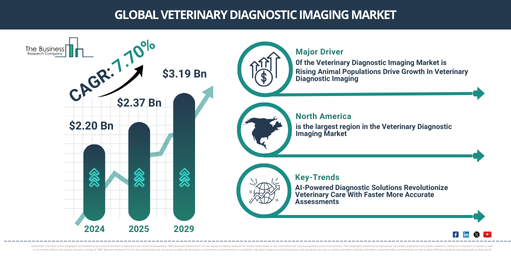
    The market size of veterinary diagnostic imaging has seen robust growth in the past few years. The market will rise from its $2.20 billion status in 2024 to reach $2.37 billion in 2025, exhibiting a compound annual growth rate (CAGR) of 8.0%. This growth during the historic period can be ascribed to factors such as an upsurge in pet ownership, an increased awareness about animal health care, a growing demand for pet insurance, a heightened focus on preventive health care, and an increase in the number of veterinary practices.

    What Growth Rate Is Forecasted for the Veterinary Diagnostic Imaging Market by 2029?

    In the forthcoming years, the veterinary diagnostic imaging market is projected to witness substantial growth, ballooning to $3.19 billion by 2029 with a compound annual growth rate (CAGR) of 7.7%. The expansion during this prognosticated period could be due to factors such as burgeoning animal populace, heightened consciousness about animal well-being, heightened use of telemedicine in animal healthcare, surge in livestock production, and growing requirements for more precise diagnostics. The projected phase will be marked by significant trends such as enhancements in diagnostic technology, swift technological breakthroughs in imaging apparatus, incorporation of artificial intelligence in animal diagnostics, the use of machine learning in diagnostic instruments, and advancements in Magnetic Resonance Imaging (MRI) systems.

    Download The Free Sample Report Here:

    https://www.thebusinessresearchcompany.com/sample.aspx?id=20999&type=smp

    Which Key Companies Are Shaping the Future of the Veterinary Diagnostic Imaging Market?

    Major companies operating in the veterinary diagnostic imaging market are Siemens Healthineers AG, General Electric Company, Fujifilm Holdings Corporation, Konica Minolta Inc, VCA Inc, Covetrus Inc., IDEXX Laboratories Inc., Shenzhen Mindray Bio-Medl Elctrnc Co Ltd, Agfa-Gevaert NV, Carestream Health Inc, CVS Limited, Esaote SPA, Canon Medical Systems Corporation, MXR Imaging Inc, Sound Technologies Inc, Heska Corporation, Universal Medical Systems, Inc., Clarius Mobile Health Corp., IMV Imaging, Epica Animal Health, Hallmarq Veterinary Imaging Ltd.

    Which Factors Are Driving Demand in the Veterinary Diagnostic Imaging Industry?

    The rise in animal populations is projected to fuel the expansion of the veterinary diagnostic imaging market in the future. The increase in animal numbers can be attributed to the surge in pet ownership, advancements in animal healthcare, and the escalating demand for livestock. This demand is enhancing food security, sustainable farming practices, and strengthening the connection between humans and animals. The application of veterinary diagnostic imaging greatly benefits animal populations by facilitating accurate diagnoses, bettering treatment results, and tracking health statuses, thereby upgrading animal care and overall health. For example, the American Veterinary Medical Association, a non-profit organization based in the U.S, stated in November 2024 that the dog population grew from 53.4 million in 2023 to 59.8 million in 2024. Hence, the surge in animal populations is fueling growth in the veterinary diagnostic imaging market.

    Request For A Customized Report:

    https://www.thebusinessresearchcompany.com/customise?id=20999&type=smp

    How Is the Veterinary Diagnostic Imaging Market Segmented by Several Divisions?

    The veterinary diagnostic imaging market covered in this report is segmented –

    1) By Product: Instrument, Reagent, Services, Veterinary PACS

    2) By Animal Type: Small Animals, Large Animals

    3) By Equipment: Radiography (X-ray) Systems, Ultrasound Imaging Systems, Computed Tomography Imaging Systems, Magnetic Resonance Imaging Systems, Video Endoscopy Imaging Systems, Other Equipments

    4) By Application: Orthopaedics And Traumatology, Oncology, Cardiology

    5) By End-User: Veterinary Hospitals, Academic And Research Institutes, Other End User

    Subsegments:

    1) By Instrument: X-ray Imaging Systems, Ultrasound Imaging Systems, MRI Systems, CT Scanners, Endoscopy Equipment

    2) By Reagent: Contrast Agents (Ultrasound, MRI, CT), Blood Test Reagents, Biochemical Reagents

    3) By Services: Diagnostic Imaging Services, Image Interpretation Services, Veterinary Imaging Consulting Services

    4) By Veterinary PACS (Picture Archiving And Communication System): On-Premise PACS, Cloud-Based PACS

    What are the Emerging Market Trends Driving the Growth of the Veterinary Diagnostic Imaging Industry?

    Key players in the veterinary diagnostic imaging market are concentrating their efforts on creating innovative products like AI-enhanced veterinary X-ray interpretation to boost diagnostic precision, diminish waiting periods, and better overall patient treatment in veterinary clinics. AI-enhanced Veterinary X-ray Interpretation utilizes artificial intelligence and machine learning to help vets in interpreting radiographic imagery (X-rays) of animals. This revolutionary technique not only increases the diagnostic accuracy but also aids in quicker decision-making and reducing the workload of veterinary professionals through automated detection of abnormalities and comprehensive analyses. For instance, in January 2024, a firm based in the US known as SignalPET LLC, which specializes in AI-based services for managing veterinary practices, introduced SignalSTAT, a solution that provides quick, precise evaluation with expert review, promising a turnaround time of 45 min, available 24/7. This ingenious blend of AI technology and human skill facilitates the fast and accurate interpretation of veterinary X-rays, ensuring the effective assessment of critical cases and significantly reducing the time spent on diagnosis. Constant enhancement of machine-learning algorithms underlying the technology is ensured as they are utilized by veterinarians worldwide, leading to continuous improvement.

    Access The Full Report Here:

    https://www.thebusinessresearchcompany.com/report/veterinary-diagnostic-imaging-global-market-report

    Which Regions Are Driving Growth in the Veterinary Diagnostic Imaging Market?

    North America was the largest region in the veterinary diagnostic imaging market in 2024. Asia-Pacific is expected to be the fastest-growing region in the forecast period. The regions covered in the veterinary diagnostic imaging market report are Asia-Pacific, Western Europe, Eastern Europe, North America, South America, Middle East, Africa.

    Purchase The Full Report Today:

    https://www.thebusinessresearchcompany.com/purchaseoptions.aspx?id=20999

    This Report Delivers Insight On:

    1. How big is the veterinary diagnostic imaging market, and how is it changing globally?

    2. Who are the major companies in the veterinary diagnostic imaging market, and how are they performing?

    3. What are the key opportunities and risks in the veterinary diagnostic imaging market right now?

    4. Which products or customer segments are growing the most in the veterinary diagnostic imaging market?

    5. What factors are helping or slowing down the growth of the veterinary diagnostic imaging market?

    About The Business Research Company:

    With over 15000+ reports from 27 industries covering 60+ geographies, The Business Research Company has built a reputation for offering comprehensive, data-rich research and insights. Armed with 1,500,000 datasets, the optimistic contribution of in-depth secondary research, and unique insights from industry leaders, you can get the information you need to stay ahead in the game.

    Get in touch with us:

    The Business Research Company: https://www.thebusinessresearchcompany.com/

    Americas +1 310-496-7795

    Europe +44 7882 955267

    Asia & Others +44 7882 955267 & +91 8897263534

    Email us at info@tbrc.info

    Follow us on:

    LinkedIn: https://in.linkedin.com/company/the-business-research-company

    YouTube: https://www.youtube.com/channel/UC24_fI0rV8cR5DxlCpgmyFQ

    Global Market Model: https://www.thebusinessresearchcompany.com/global-market-model
  • Intravenous Stopcock Market to Reach $1.86 Billion by 2029 | Key Drivers and Future Outlook

    Intravenous Stopcock Market to Reach $1.86 Billion by 2029 | Key Drivers and Future Outlook

    Claim your 30% discount on Global Market Reports with code ONLINE30. Limited time only.

    What Is the Growth Rate of the Intravenous Stopcock Market?

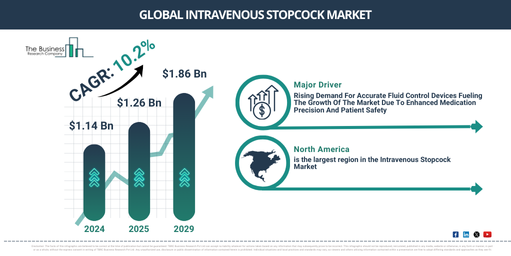
    The market size for intravenous stopcocks has seen a quick expansion in the past few years. The market is projected to increase from $1.14 billion in 2024 to $1.26 billion in 2025, with a compound annual growth rate (CAGR) of 10.5%. The exponential growth during the historic period is due to factors such as an upsurge in surgical operations, a surge in chronic disease prevalence, enhancement in hospital infrastructure, growth in the global elderly population, and a rise in the adoption of IV stopcocks.

    What Growth Rate Is Forecasted for the Intravenous Stopcock Market by 2029?

    In the coming years, the intravenous stopcock market is poised for rapid expansion, anticipating to reach a value of $1.86 billion by 2029, with a Compound Annual Growth Rate (CAGR) of 10.2%. Factors contributing to this projected growth during the forecast period include the rise in ambulatory surgical centres, expansion of the pharmaceutical industry, increased investment in healthcare infrastructure, heightened prevalence of cancer, and a rise in regulatory approvals. Key trends for the forecast period encompass advancements in IV stopcock technology, integration of Internet of Things (IoT), the creation of antimicrobial-coated IV stopcocks, precision advancements in fluid control automation, and the emergence of smart stopcocks.

    Download The Free Sample Report Here:

    https://www.thebusinessresearchcompany.com/sample.aspx?id=22022&type=smp

    Which Key Companies Are Shaping the Future of the Intravenous Stopcock Market?

    Major companies operating in the intravenous stopcock market are Cardinal Health, Fresenius Kabi AG, Becton, Dickinson and Company, Parker Hannifin Corporation, Baxter International Inc, B. Braun Melsungen AG, Terumo Corporation, Nipro Corporation, Smiths Medical, Teleflex Incorporated, ICU Medical Inc., Hospira Inc., Merit Medical Systems, Inc., Argon Medical Devices, Inc., Poly Medicure Limited, Vygon SA, Elcam Medical, Codan Medizinische Geräte GmbH & Co KG, Romsons Group Private Limited, Health Line International Corporation.

    Which Factors Are Driving Demand in the Intravenous Stopcock Industry?

    The increased need for precise fluid regulation instruments is anticipated to bolster the growth of the intravenous stopcock market. Precise fluid regulation instruments are carefully designed devices that control fluid movement, ensuring efficiency, dependability, and peak performance across a range of sectors. The high demand for these devices is spurred by the requirement for precision in delivering medication and ensuring patient safety. This growing demand facilitates the integration of intravenous stopcocks into medical care, providing accurate medication delivery, decreasing contamination hazards, and elevating patient safety during infusion therapy. In February 2024, the US-based National Library of Medicine reported that medication errors were affecting 6.5 in 100 US hospital admissions, resulting in avoidable fatalities and costing between $37.6 and $50 billion annually. Almost half of these errors happened during the prescription stage, and between 30–70% of the errors were caught by nurses and pharmacists. Internationally, medication errors account for 5%–41.3% of hospital admissions and 22% of post-discharge readmissions. Consequently, the increased demand for accurate fluid control devices is stimulating the expansion of the intravenous stopcock market. The upward trend in cases of chronic diseases is also expected to promote the growth of the intravenous stopcock market. Chronic illnesses are enduring health issues that last for a year or more and involve continuous medical care or create limitations on daily activities. These conditions are mostly due to factors like aging populations, unhealthy lifestyle habits, poor diet, sedentary behavior, and heightened environmental pressures. The growing incidence of chronic diseases like cardiovascular problems and diabetes amplifies the need for enduring intravenous treatments, in turn increasing the demand for intravenous stopcocks, which play a crucial role in fluid management in these therapies. Reporting in July 2024, the US’s Centers for Disease Control and Prevention estimated healthcare costs for cardiovascular diseases to reach nearly $2 trillion by 2050, while cancer care costs could rise to over $240 billion by 2030. Hence, the increasing occurrence of chronic diseases is fuelling the intravenous stopcock market’s growth.

    Request For A Customized Report:

    https://www.thebusinessresearchcompany.com/customise?id=22022&type=smp

    How Is the Intravenous Stopcock Market Segmented by Several Divisions?

    The intravenous stopcock market covered in this report is segmented –

    1) By Product Type: Three-Way Stopcocks, Two-Way Stopcocks, Multi-Port Stopcocks, Automated Stopcocks

    2) By Material: Plastic Stopcocks, Metal Stopcocks, Silicone Stopcocks

    3) By Application: Intravenous Therapy, Blood Transfusion, Diagnostic Procedures, Surgical Procedures

    4) By Sales Channel: Direct Sales, Distributors, Online Sales, Retail Pharmacies

    5) By End-User: Hospitals, Clinics, Ambulatory Surgical Centers, Other End-Users

    Subsegments:

    1) By Three-Way Stopcocks: Standard Three-Way Stopcocks, High-Pressure Three-Way Stopcocks, Lipid-Resistant Three-Way Stopcocks

    2) By Two-Way Stopcocks: Standard Two-Way Stopcocks, High-Flow Two-Way Stopcocks

    3) By Multi-Port Stopcocks: Four-Way Stopcocks, Five-Way Stopcocks, Customizable Multi-Port Stopcocks

    4) By Automated Stopcocks: Electronic Stopcocks, Smart Stopcocks with Flow Control, Integrated Stopcock Systems

    Access The Full Report Here:

    https://www.thebusinessresearchcompany.com/report/intravenous-stopcock-global-market-report

    Which Regions Are Driving Growth in the Intravenous Stopcock Market?

    North America was the largest region in the intravenous stopcock market in 2024. Asia-Pacific is expected to be the fastest-growing region in the forecast period. The regions covered in the intravenous stopcock market report are Asia-Pacific, Western Europe, Eastern Europe, North America, South America, Middle East, Africa.

    Purchase The Full Report Today:

    https://www.thebusinessresearchcompany.com/purchaseoptions.aspx?id=22022

    This Report Delivers Insight On:

    1. How big is the intravenous stopcock market, and how is it changing globally?

    2. Who are the major companies in the intravenous stopcock market, and how are they performing?

    3. What are the key opportunities and risks in the intravenous stopcock market right now?

    4. Which products or customer segments are growing the most in the intravenous stopcock market?

    5. What factors are helping or slowing down the growth of the intravenous stopcock market?

    About The Business Research Company:

    With over 15000+ reports from 27 industries covering 60+ geographies, The Business Research Company has built a reputation for offering comprehensive, data-rich research and insights. Armed with 1,500,000 datasets, the optimistic contribution of in-depth secondary research, and unique insights from industry leaders, you can get the information you need to stay ahead in the game.

    Get in touch with us:

    The Business Research Company: https://www.thebusinessresearchcompany.com/

    Americas +1 310-496-7795

    Europe +44 7882 955267

    Asia & Others +44 7882 955267 & +91 8897263534

    Email us at info@tbrc.info

    Follow us on:

    LinkedIn: https://in.linkedin.com/company/the-business-research-company

    YouTube: https://www.youtube.com/channel/UC24_fI0rV8cR5DxlCpgmyFQ

    Global Market Model: https://www.thebusinessresearchcompany.com/global-market-model
  • Vascular Dementia  Market Size to Exceed $5.11 Billion by 2029 | Growth and Industry Trends

    Vascular Dementia Market Size to Exceed $5.11 Billion by 2029 | Growth and Industry Trends

    Claim your 30% discount on Global Market Reports with code ONLINE30. Limited time only.

    How Has the Vascular Dementia Market Grown from 2024 to 2025?

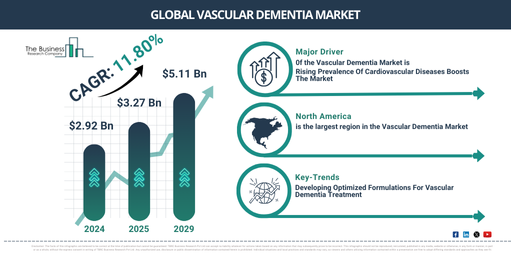
    The growth of the vascular dementia market has been swift over the past few years. The market, which is currently valued at $2.92 billion in 2024, is predicted to increase to $3.27 billion in 2025. This demonstrates a compound annual growth rate (CAGR) of 12.1%. Factors such as increased healthcare spending, a surge in diagnosed vascular dementia patients, an increased number of healthcare professionals, growth in public health programs, and a rise in the incidence of diabetes can explain the remarkable growth during the historical period.

    What Growth Rate Is Anticipated for the Vascular Dementia Market in the Coming Years?

    In the coming years, the market size for vascular dementia is anticipated to expand swiftly, reaching an approximate value of $5.11 billion in 2029 with a compound annual growth rate (CAGR) of 11.8%. This projected growth can be ascribed to several factors such as increasing recognition of vascular dementia, amplified investments in healthcare, the surge in the elderly population, the growing incidence of cardiovascular diseases, and the high occurrence of hypertension. Noteworthy trends for the forecasted period encompass technological advancements, customized care plans, telemedicine, gene therapy, and the integration of artificial intelligence.

    Download The Free Sample Report Here:

    https://www.thebusinessresearchcompany.com/sample.aspx?id=20998&type=smp

    Who Are the Leading Companies in the Vascular Dementia Market?

    Major companies operating in the vascular dementia market are Intermountain Healthcare Inc., CSPC Ouyi Pharmaceutical Co. Ltd., Duke Health, Massachusetts General Hospital, Emory Healthcare Inc., Apollo Hospitals Enterprise Limited, Amedisys Inc., Northwestern Memorial HealthCare, IBS Hospitals Pvt. Ltd., Resverlogix Corp., ProNeurogen Inc., Cyclerion Therapeutics Inc., Aribio Inc., Pinteon Therapeutics Inc., Dementech Neurosciences Ltd., Moleac Pte. Ltd., Isaac Health Inc., Cadabam’s Group of Hospitals, Alpha Cognition Inc., Citi Health

    What Are the Key Drivers of the Vascular Dementia Market?

    The vascular dementia market continues to be pushed forward by the escalating rates of cardiovascular disease. Cardiovascular ailments include a collection of disorders affecting the heart and blood vessels, amongst them being conditions such as heart failure, hypertension, arrhythmias, and coronary artery disease. The escalating rates can be attributed to several factors, including unhealthy living styles, poor nutrition, physical nonactivity, heightened stress levels, aging demographics, and an increase in risk factors like diabetes, obesity, and hypertension. These diseases heighten the likelihood of vascular dementia by impeding the flow of blood to the brain, ultimately leading to impaired cognitive functioning and damage to the brain cells due to a lack of oxygen and nutrients. For example, data released by the British Heart Foundation, a cardiovascular research charity based in the UK, indicated that nearly 7.6 million people were grappling with heart and circulatory illnesses in September 2024, with an estimated 4 million being males and 3.6 million females. These illnesses account for nearly 27% of all UK fatalities, equating to over 170,000 deaths annually. That’s roughly 480 deaths per day or a death every three minutes. As such, the escalating prevalence of cardiovascular disease bolsters the vascular dementia market.

    Request For A Customized Report:

    https://www.thebusinessresearchcompany.com/customise?id=20998&type=smp

    What Are the Key Market Segments in the Vascular Dementia Industry?

    The vascular dementia market covered in this report is segmented –

    1) By Product: Monoclonal Antibodies, Small Molecules, Peptides

    2) By Distribution Channel: Hospital Pharmacy, Retail Pharmacy, Online Pharmacy

    3) By End User: Hospitals And Clinics, Rehabilitation Centers, Specialty Clinics

    Subsegments:

    1) By Monoclonal Antibodies: Anti-Amyloid Monoclonal Antibodies, Anti-Tau Monoclonal Antibodies

    2) By Small Molecules: Cholinesterase Inhibitors, Glutamate Modulators, Anti-Inflammatory Small Molecules

    3) By Peptides: Amyloid-Beta Targeted Peptides, Neuroprotective Peptides, Tau-Targeting Peptides

    What Are the Latest Trends in the Vascular Dementia Market?

    Prominent firms active in the vascular dementia market are concentrating on creating innovative therapies like multimodal treatments to maintain their market standing. Multimodal treatments imply the incorporation of a variety of treatment methods such as medication, physical therapy, and psychological strategies, to provide comprehensive care for the afflictions. Take for example, Moleac, a biopharmaceutical organization based in Singapore, unveiled CognivAiD, a highly researched treatment specifically tailored for vascular dementia (VaD), a disease without enough therapeutic alternatives, in January 2023. This medicinal product brings together beneficial extracts from ginkgo, ginseng, and saffron, which have demonstrated substantial effects in slowing down cognitive degeneration in VaD patients. The distinct multimodal approach of CognivAiD addresses vital vascular dementia mechanisms including vascular shielding, vasoregulation, and neuroinflammation. Backed by thorough clinical trials and a robust safety record, CognivAiD offers a promising new therapeutic option for those afflicted with VaD.

    Access The Full Report Here:

    https://www.thebusinessresearchcompany.com/report/vascular-dementia-global-market-report

    What Are the Key Regional Markets in the Vascular Dementia Industry?

    North America was the largest region in the vascular dementia market in 2024. The regions covered in the vascular dementia market report are Asia-Pacific, Western Europe, Eastern Europe, North America, South America, Middle East, Africa.

    Purchase The Full Report Today:

    https://www.thebusinessresearchcompany.com/purchaseoptions.aspx?id=20998

    This Report Delivers Insight On:

    1. How big is the vascular dementia market, and how is it changing globally?

    2. Who are the major companies in the vascular dementia market, and how are they performing?

    3. What are the key opportunities and risks in the vascular dementia market right now?

    4. Which products or customer segments are growing the most in the vascular dementia market?

    5. What factors are helping or slowing down the growth of the vascular dementia market?

    About The Business Research Company:

    With over 15000+ reports from 27 industries covering 60+ geographies, The Business Research Company has built a reputation for offering comprehensive, data-rich research and insights. Armed with 1,500,000 datasets, the optimistic contribution of in-depth secondary research, and unique insights from industry leaders, you can get the information you need to stay ahead in the game.

    Get in touch with us:

    The Business Research Company: https://www.thebusinessresearchcompany.com/

    Americas +1 310-496-7795

    Europe +44 7882 955267

    Asia & Others +44 7882 955267 & +91 8897263534

    Email us at info@tbrc.info

    Follow us on:

    LinkedIn: https://in.linkedin.com/company/the-business-research-company

    YouTube: https://www.youtube.com/channel/UC24_fI0rV8cR5DxlCpgmyFQ

    Global Market Model: https://www.thebusinessresearchcompany.com/global-market-model
  • Intermittent Claudication Market Size to Exceed $17.38 Billion by 2029 | Growth and Industry Trends

    Intermittent Claudication Market Size to Exceed $17.38 Billion by 2029 | Growth and Industry Trends

    Claim your 30% discount on Global Market Reports with code ONLINE30. Limited time only.

    How Has the Intermittent Claudication Market Grown from 2024 to 2025?

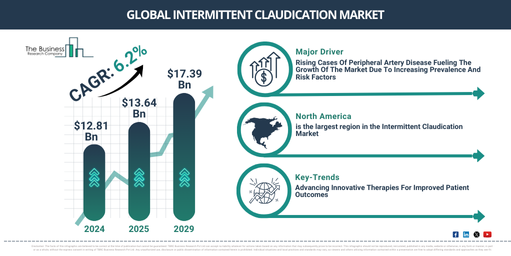
    The market size for intermittent claudication has experienced notable growth in the past few years. It is projected to increase from $12.81 billion in 2024 to $13.64 billion in 2025, with a compound annual growth rate (CAGR) of 6.5%. The growth during the historical period can be credited to an uptick in peripheral artery disease, heightened awareness about vascular diseases, an expanding elderly population, improved diagnosis rates, and a surge in healthcare spending.

    What Growth Rate Is Anticipated for the Intermittent Claudication Market in the Coming Years?

    In the coming years, the intermittent claudication market is anticipated to witness significant expansion. It’s projected to reach a value of $17.39 billion in 2029, with a 6.2% compound annual growth rate (CAGR). The predicted increase during the forecast period is due to factors such as an upsurge in diabetes cases, a rise in obesity, escalating incidences of cardiovascular diseases, an increase in the intake of alcohol and tobacco, and heightened healthcare expenditure. Major developments expected within the forecast timeframe include advancements in pad diagnostics, use of wearable technology, the inclusion of personalized medicine, a shift towards using drug-eluting stents, and progress in stem cell therapy.

    Download The Free Sample Report Here:

    https://www.thebusinessresearchcompany.com/sample.aspx?id=22021&type=smp

    Who Are the Leading Companies in the Intermittent Claudication Market?

    Major companies operating in the intermittent claudication market are Pfizer Inc., Bristol Myers Squibb Company, AstraZeneca PLC, Novartis AG, GSK plc, Eli Lilly and Company, Merck KGaA, Teva Pharmaceutical, Otsuka Pharmaceutical Co. Ltd., Sanofi S.A., Bayer AG, Hikma Pharmaceuticals PLC, Dr. Reddy’s Laboratories, Pipelinepharma, Pharmaoffer, Alkem Laboratories, LGM Pharma, Aastrid Life Sciences Pvt. Ltd., Manus Aktteva Biopharma LLP, Enomark Pharma, Pharmacompass.

    What Are the Key Drivers of the Intermittent Claudication Market?

    The growth of the intermittent claudication market is projected to be driven by the rising occurrences of peripheral artery disease (PAD). This circulatory condition occurs when narrowed arteries hinder proper blood flow to the limbs, potentially leading to pain, numbness, and other complications. The surge in PAD cases can be linked to various factors such as an older population, diabetes, smoking, hypertension, obesity, and a lack of physical activity. PAD leads to intermittent claudication as it restricts blood supply to the leg muscles during physical activities, resulting in pain and cramping due to a lack of oxygen. For example, the American Heart Association Journals, a US-based peer-reviewed open-access scientific journal, stated in June 2023 that PAD affects between 7-12 million people in the U.S. and around 200 million worldwide. Hence, the growing instances of PAD are propelling the expansion of the intermittent claudication market.

    Request For A Customized Report:

    https://www.thebusinessresearchcompany.com/customise?id=22021&type=smp

    What Are the Key Market Segments in the Intermittent Claudication Industry?

    The intermittent claudication market covered in this report is segmented –

    1) By Type: Medication Therapies, Revascularization

    2) By Route Of Administration: Parenteral Route, Oral Route, Other Routes Of Administration

    3) By Application: Hospitals, Clinics, Home Healthcare, Other Applications

    4) By Distribution Channel: Hospital Pharmacies, Retail Pharmacies, Online Pharmacies

    Subsegments:

    1) By Medication Therapies: Antiplatelet Agents, Vasodilators, Phosphodiesterase Inhibitors, Cilostazol, Pentoxifylline

    2) By Revascularization: Angioplasty, Stenting, Bypass Surgery, Endarterectomy

    What Are the Latest Trends in the Intermittent Claudication Market?

    Leading organizations in the intermittent claudication market are concentrating on pioneering medication therapies like RIPK1 inhibitors, with an aim to boost the treatment results for patients afflicted with peripheral artery disease (PAD) mixed with intermittent claudication. They intend to better the blood circulation, minimize inflammation, and stave off the progression of the disease. RIPK1 inhibitors are specialized drugs designed to counteract the activity of RIPK1 kinase, thereby reducing inflammation and cell mortality. For example, in August 2022, GenFleet, a biotech company based in China, was granted approval by the US Food and Drug Administration (FDA) to undertake a Phase II clinical trial for GFH312, a novel therapy for peripheral artery disease (PAD) combined with intermittent claudication (IC). This study, which is randomized, double-blinded, and placebo-controlled, will take place across 15 research centers. GFH312 is a RIPK1 inhibitor that has demonstrated potential in early studies by diminishing inflammatory response in animal models.

    Access The Full Report Here:

    https://www.thebusinessresearchcompany.com/report/intermittent-claudication-global-market-report

    What Are the Key Regional Markets in the Intermittent Claudication Industry?

    North America was the largest region in the intermittent claudication market in 2024. Asia-Pacific is expected to be the fastest-growing region in the forecast period. The regions covered in the intermittent claudication market report are Asia-Pacific, Western Europe, Eastern Europe, North America, South America, Middle East, Africa.

    Purchase The Full Report Today:

    https://www.thebusinessresearchcompany.com/purchaseoptions.aspx?id=22021

    This Report Delivers Insight On:

    1. How big is the intermittent claudication market, and how is it changing globally?

    2. Who are the major companies in the intermittent claudication market, and how are they performing?

    3. What are the key opportunities and risks in the intermittent claudication market right now?

    4. Which products or customer segments are growing the most in the intermittent claudication market?

    5. What factors are helping or slowing down the growth of the intermittent claudication market?

    About The Business Research Company:

    With over 15000+ reports from 27 industries covering 60+ geographies, The Business Research Company has built a reputation for offering comprehensive, data-rich research and insights. Armed with 1,500,000 datasets, the optimistic contribution of in-depth secondary research, and unique insights from industry leaders, you can get the information you need to stay ahead in the game.

    Get in touch with us:

    The Business Research Company: https://www.thebusinessresearchcompany.com/

    Americas +1 310-496-7795

    Europe +44 7882 955267

    Asia & Others +44 7882 955267 & +91 8897263534

    Email us at info@tbrc.info

    Follow us on:

    LinkedIn: https://in.linkedin.com/company/the-business-research-company

    YouTube: https://www.youtube.com/channel/UC24_fI0rV8cR5DxlCpgmyFQ

    Global Market Model: https://www.thebusinessresearchcompany.com/global-market-model
  • Varicose Veins Treatment  Industry Insights 2025 – Market Forecast for Executives and Planners

    Varicose Veins Treatment Industry Insights 2025 – Market Forecast for Executives and Planners

    Claim your 30% discount on Global Market Reports with code ONLINE30. Limited time only.

    How Has the Varicose Veins Treatment Market Size Changed, over the years?

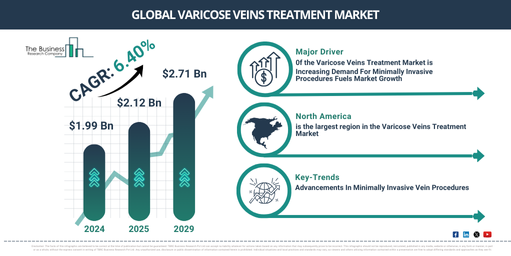
    Over the past few years, the market size for varicose veins treatment has robustly expanded. The market is predicted to grow from its $1.99 billion value in 2024 to $2.12 billion in 2025, marking a compound annual growth rate (CAGR) of 6.7%. The historical growth of this market is tied to several factors, such as the increase in sedentary lifestyles, outpatient treatments, and preventive measures for varicose veins. Cosmetic concerns related to the condition, along with a rising adoption of lasers for treatment, have also significantly contributed to the market’s expansion.

    How Much Will the Varicose Veins Treatment Market Be Worth in 2029?

    The market for varicose vein treatments is predicted to experience significant growth in the upcoming years, escalating to $2.71 billion by 2029, with a compound annual growth rate (CAGR) of 6.4%. The projected growth throughout this period can be linked to a growing preference for less invasive procedures, a rise in obesity rates, an expansion of healthcare infrastructure, an increase in disposable incomes, and greater government healthcare expenditure. Key trends predicted to emerge throughout this period encompass technological evolution, AI integration, 3D imaging, advanced compression therapy, and combined therapies.

    Download The Free Sample Report Here:

    https://www.thebusinessresearchcompany.com/sample.aspx?id=20997&type=smp

    Which is the Largest Company in the Varicose Veins Treatment Market?

    Major companies operating in the varicose veins treatment market are Medtronic PLC, Becton Dickinson and Company, Boston Scientific Corporation, BTG Limited, Acibadem International Group, Froedtert Health Incorporated, Merit Medical Systems Incorporated, uvahealth, AngioDynamics Incorporated, Medi USA Limited Partnership, Dornier MedTech GmbH, Sciton Incorporated, Invera Medical Limited, Biolitec AG, Alma Lasers Limited, Won Tech Company Limited, F Care Systems S.A., Eufoton S.R.L., Vascular Solutions Incorporated, Theraclion S.A., uGlow Med Spa, Varicose Veins India

    What Are the Main Market Drivers in the Varicose Veins Treatment Industry?

    The escalating need for less invasive procedures is anticipated to propel the expansion of the varicose veins treatment market in the future. Minimally invasive techniques utilize tiny incisions and specific instruments for operations which result in less tissue damage, decreased pain, shorter recovery periods, and fewer visible scars than traditional surgery methods. Factors such as accelerated recovery time, improved patient results, and the rising aging population are driving the increasing demand for such procedures, which in turn improves patient safety, satisfaction, and efficiency in the field of healthcare. Varicose vein treatments like endovenous laser therapy (EVLT) or sclerotherapy are minimally invasive procedures that provide effective treatment with less discomfort, faster recuperation, and a reduced number of complications. For example, The Aesthetic Society, a US-based organization focusing on plastic surgery and cosmetic medicine stated in August 2023 that Americans spent more than $11.8 billion in 2022 on aesthetic procedures, an increase of 2% from the preceding year. Hence, the escalating need for less invasive procedures is contributing to the growth of the varicose veins treatment market.

    Request For A Customized Report:

    https://www.thebusinessresearchcompany.com/customise?id=20997&type=smp

    How Is the Varicose Veins Treatment Market Segments Structured?

    The varicose veins treatment market covered in this report is segmented –

    1) By Product: Ablation Devices, Radiofrequency Ablation Devices, Laser Ablation Devices

    2) By Procedure: Injection Sclerotherapy, Endovenous Ablation, Surgical Ligation Or Stripping

    3) End-User: Hospitals, Specialized Clinics, Ambulatory Surgical Centers, Other End-Users

    Subsegments:

    1) By Ablation Devices: Endovenous Laser Therapy (EVLT) Devices, Sclerotherapy Devices

    2) By Radiofrequency Ablation Devices: Radiofrequency Catheters, RF Ablation Systems

    3) By Laser Ablation Devices: Laser Fiber Optic Devices, Laser Venous Ablation Systems

    What Strategic Trends Are Transforming the Varicose Veins Treatment Market?

    Leading entities in the varicose veins treatment industry are focusing on producing revolutionary solutions such as treatments that don’t require anesthesia in order to enhance patient outcomes, optimize treatment tracking, broaden access to healthcare, and provide personalized treatment methods. The treatment without anesthesia involves conducting medical procedures without utilizing anesthesia, offering better safety, accelerated recuperation, and superior patient comfort. For example, in April 2024, VVT MEDICAL Ltd., a medical device company based in Israel, secured approval from South Korea’s Ministry of Food and Drug Safety for their ScleroSafe platform. This state-of-the-art platform, designed for varicose vein treatment, adopts a nonthermal, nontumescent (NT-NT) method that eliminates the necessity for heat or tumescent anesthesia, thus ensuring a painless procedure without anesthesia. Created for both health and beauty purposes, it places a high priority on patient comfort and effectiveness. ScleroSafe platform has earned multiple regulatory validations, including a CE Mark certification and FDA 510(k) clearance, and it adheres to Good Manufacturing Practices (GMP), cementing its position as a pioneering breakthrough in the management of varicose veins.

    Access The Full Report Here:

    https://www.thebusinessresearchcompany.com/report/varicose-veins-treatment-global-market-report

    Which Global Regions Offer the Highest Growth in the Varicose Veins Treatment Market?

    North America was the largest region in the varicose veins treatment market in 2024. Asia-Pacific is expected to be the fastest-growing region in the forecast period. The regions covered in the varicose veins treatment market report are Asia-Pacific, Western Europe, Eastern Europe, North America, South America, Middle East, Africa.

    Purchase The Full Report Today:

    https://www.thebusinessresearchcompany.com/purchaseoptions.aspx?id=20997

    This Report Delivers Insight On:

    1. How big is the varicose veins treatment market, and how is it changing globally?

    2. Who are the major companies in the varicose veins treatment market, and how are they performing?

    3. What are the key opportunities and risks in the varicose veins treatment market right now?

    4. Which products or customer segments are growing the most in the varicose veins treatment market?

    5. What factors are helping or slowing down the growth of the varicose veins treatment market?

    About The Business Research Company:

    With over 15000+ reports from 27 industries covering 60+ geographies, The Business Research Company has built a reputation for offering comprehensive, data-rich research and insights. Armed with 1,500,000 datasets, the optimistic contribution of in-depth secondary research, and unique insights from industry leaders, you can get the information you need to stay ahead in the game.

    Get in touch with us:

    The Business Research Company: https://www.thebusinessresearchcompany.com/

    Americas +1 310-496-7795

    Europe +44 7882 955267

    Asia & Others +44 7882 955267 & +91 8897263534

    Email us at info@tbrc.info

    Follow us on:

    LinkedIn: https://in.linkedin.com/company/the-business-research-company

    YouTube: https://www.youtube.com/channel/UC24_fI0rV8cR5DxlCpgmyFQ

    Global Market Model: https://www.thebusinessresearchcompany.com/global-market-model
  • Varicose Vein Treatment Devices  Market Trends Report 2025 – For Business Development and Strategy Teams

    Varicose Vein Treatment Devices Market Trends Report 2025 – For Business Development and Strategy Teams

    Claim your 30% discount on Global Market Reports with code ONLINE30. Limited time only.

    What Is the Forecast for the Varicose Vein Treatment Devices Market Growth in 2025?

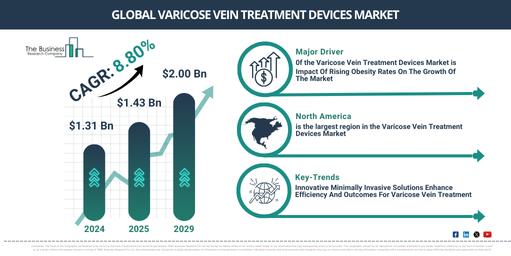
    In recent years, there has been a robust growth in the market size of varicose vein treatment devices. The market’s worth is predicted to elevate from $1.31 billion in 2024 to $1.43 billion in 2025, demonstrating a compound annual growth rate (CAGR) of 9.0%. Factors fueling this growth during the historic period include the growing elderly population, heightened awareness about varicose veins, the surge in demand for minimally invasive procedures, increased spending on healthcare, and the escalation in lifestyle-related diseases.

    What Is the Forecast for the Varicose Vein Treatment Devices Market Size Through 2029?

    In the coming years, the market size for varicose vein treatment devices is anticipated to experience a significant surge, reaching a value of $2.00 billion by 2029, with a compound annual growth rate (CAGR) of 8.8%. Factors contributing to this growth during the forecast period include enhanced public awareness, increased disposable income, a growing number of varicose vein cases, the development of health care infrastructure in emerging markets, and the rise in obesity. Future trends projected for this period include a shift towards outpatient procedures, the employment of laser and radiofrequency technologies, advances in technology, an increase in the utilization of ambulatory care centers, and a boost in demand for home-based treatment devices.

    Download The Free Sample Report Here:

    https://www.thebusinessresearchcompany.com/sample.aspx?id=20996&type=smp

    What are the Key Market Players in Varicose Vein Treatment Devices Market and How They’re Evolving?

    Major companies operating in the varicose vein treatment devices market are Medtronic Plc, Boston Scientific Corporation, Teleflex Incorporated, Merit Medical Systems, Lumenis Be Ltd., AngioDynamics Inc., Candela Medical, Alma Lasers, Dornier Medtech, Fotona d.o.o., Sciton Inc., Won Tech Co. Ltd, Quanta System SpA, biolitec Holding GmbH & Co KG, Eufoton SRL, Myovatec Surgical Systems, Chemische Fabrik Kreussler & Co., Ad Rem Technology, VB Devices, Theraclion, InVera Medical

    What Are the Primary Growth Drivers in the Varicose Vein Treatment Devices Market?

    The escalating prevalence of obesity is anticipated to spur the expansion of the varicose veins treatment devices market in the coming years. Defined as an excessive buildup of body fat, obesity is a health issue that can lead to severe complications such as diabetes, cardiovascular disorders, and joint ailments. The surge in obesity is primarily attributable to harmful eating patterns, decreased physical activity, and environmental triggers encouraging unhealthy dietary habits. Notably, socio-economic status, genetics, and mental health are significant contributors to its widespread incidence. Devices designed for varicose vein treatment are crucial in elevating the life quality of obese persons, as they help mitigate vein-associated issues, boost blood flow, alleviate pain and edema from excessive weight, and enable improved mobility and comprehensive vascular wellbeing. For example, data from the World Heart Foundation, a Switzerland-based non-profit global cardiovascular group, in March 2023 revealed that roughly 2.3 billion adults and children globally are suffering from obesity or overweight. With the continuing obesity trend, this figure is expected to escalate to 2.7 billion by 2025. Consequently, the mounting prevalence of obesity is fuelling growth in the varicose veins treatment devices market.

    Request For A Customized Report:

    https://www.thebusinessresearchcompany.com/customise?id=20996&type=smp

    What Are the Leading Segments in the Global Varicose Vein Treatment Devices Industry?

    The varicose vein treatment devices market covered in this report is segmented –

    1) By Device Type: Ablation Devices, Venous Closure Products, Other Device Products

    2) By Treatment Type: Sclerotherapy, Endovenous Ablation, Surgical Ligation And Stripping, Other Treatment Type

    3) By Patient Type: Adults, Elderly

    4) By End-User: Specialty Clinics, Hospitals, Ambulatory Surgical Services, Other End-Users

    Subsegments:

    1) By Ablation Devices: Radiofrequency Ablation (RFA) Devices, Laser Ablation Devices, Endovenous Laser Therapy (EVLT) Devices, Cryoablation Devices, Ultrasound-Guided Foam Sclerotherapy Devices

    2) By Venous Closure Products: VenaSeal Closure System, ClariVein Closure System, Mechanical Endovenous Ablation Devices, Stenting Systems For Venous Closure

    3) By Other Device Products: Sclerotherapy Kits, Varicose Vein Removal Lasers, Compression Therapy Devices, Surgical Instruments For Vein Stripping, Endovenous Laser Fibers

    What Are the Key Market Trends in the Varicose Vein Treatment Devices Industry?

    Key players in the varicose veins treatment devices market are concentrating their efforts on introducing innovative solutions, such as minimally invasive technologies, to deliver accurate treatment with less discomfort and speedy recovery time for patients. In the context of surgery, minimally invasive technologies involve the use of small cuts and sophisticated equipment, including endoscopes and robotic systems, to perform operations with diminished trauma, faster recuperation periods, and lower chances of complications compared to conventional open surgery. For example, in June 2023, Biolitec AG, a medical technology firm based in Austria, unveiled the Elves Radial 2ring Pro laser fiber and the Leonardo 1940 laser for treating varicose veins. The additional channel for the saline solution in the Elves Radial 2ring Pro laser fiber allows the veins to be stretched before the laser treatment while the Leonardo 1940 laser’s wavelength boosts the absorption of the vein wall, thus minimizing bruising and recovery time. These advancements greatly augment the productivity and aesthetic results of varicose vein treatments, providing a more viable solution for getting rid of large and twisted veins.

    Access The Full Report Here:

    https://www.thebusinessresearchcompany.com/report/varicose-vein-treatment-devices-global-market-report

    What Is the Regional Outlook for the Varicose Vein Treatment Devices Market?

    North America was the largest region in the varicose vein treatment devices market in 2024. Asia-Pacific is expected to be the fastest-growing region in the forecast period. The regions covered in the varicose vein treatment devices market report are Asia-Pacific, Western Europe, Eastern Europe, North America, South America, Middle East, Africa.

    Purchase The Full Report Today:

    https://www.thebusinessresearchcompany.com/purchaseoptions.aspx?id=20996

    This Report Delivers Insight On:

    1. How big is the varicose vein treatment devices market, and how is it changing globally?

    2. Who are the major companies in the varicose vein treatment devices market, and how are they performing?

    3. What are the key opportunities and risks in the varicose vein treatment devices market right now?

    4. Which products or customer segments are growing the most in the varicose vein treatment devices market?

    5. What factors are helping or slowing down the growth of the varicose vein treatment devices market?

    About The Business Research Company:

    With over 15000+ reports from 27 industries covering 60+ geographies, The Business Research Company has built a reputation for offering comprehensive, data-rich research and insights. Armed with 1,500,000 datasets, the optimistic contribution of in-depth secondary research, and unique insights from industry leaders, you can get the information you need to stay ahead in the game.

    Get in touch with us:

    The Business Research Company: https://www.thebusinessresearchcompany.com/

    Americas +1 310-496-7795

    Europe +44 7882 955267

    Asia & Others +44 7882 955267 & +91 8897263534

    Email us at info@tbrc.info

    Follow us on:

    LinkedIn: https://in.linkedin.com/company/the-business-research-company

    YouTube: https://www.youtube.com/channel/UC24_fI0rV8cR5DxlCpgmyFQ

    Global Market Model: https://www.thebusinessresearchcompany.com/global-market-model
  • Market Analysis on Variable Refrigerant Flow (VRF) systems  Industry – Insights for Corporate Strategy and R&D

    Market Analysis on Variable Refrigerant Flow (VRF) systems Industry – Insights for Corporate Strategy and R&D

    Claim your 30% discount on Global Market Reports with code ONLINE30. Limited time only.

    What Is the Forecast for the Variable Refrigerant Flow (VRF) systems Market from 2024 to 2025?

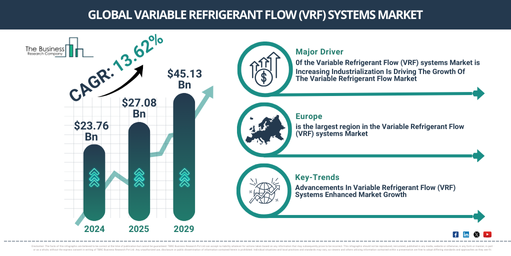
    The market size for variable refrigerant flow (VRF) systems has experienced notable growth over the past few years. The said market is expected to expand from $23.76 billion in 2024, surging to $27.08 billion in 2025, with a compound annual growth rate (CAGR) of 13.99%. This upswing during the historical period can be traced back to the surge in retrofits, an increased demand for replacements, rising cooling requirements, a growing need for zonal control, and a trend towards more compact building design.

    What Is the Projected Market Size of the Variable Refrigerant Flow (VRF) systems Market?

    Anticipated to see swift expansion in the coming years, the variable refrigerant flow (VRF) systems market size is predicted to increase to $45.13 billion in 2029, with a compound annual growth rate (CAGR) of 13.62%. This projected growth during the forecast period can be linked to several driving factors including corporate sustainability measures, climate change regulations, sustainability goals, strain on the electricity grid, and the use of VRF in net-zero constructions. Observing the trends expected during the forecast period, advanced membrane separation technologies, intelligent disinfecting and antimicrobial products, nanotechnology, iodine nanoparticles, next-gen iodine-infused pharmaceuticals, and iodine-intensified LED and OLED technologies all indicate significant progressions.

    Download The Free Sample Report Here:

    https://www.thebusinessresearchcompany.com/sample.aspx?id=20995&type=smp

    Who are the Major Competitors in the Variable Refrigerant Flow (VRF) systems Market Outlook?

    Major companies operating in the variable refrigerant flow (VRF) systems market are Samsung Electronics Co. Ltd., Koch Industries Inc., Hitachi Ltd., LG Electronics Inc., Panasonic Corporation, Midea Group Co. Ltd., Mitsubishi Electric Corporation, Daikin Industries Ltd., Gree Electric Appliances Inc., Toshiba Corporation, Johnson Controls International plc, Carrier Global Corporation, Trane Technologies plc, Fujitsu General Limited, Lennox International Inc., Rheem Manufacturing Company, Voltas Limited, Blue Star Limited, Swegon AB, Nortek Global HVAC LLC, Airwell Group

    What Is Fueling Growth in the Variable Refrigerant Flow (VRF) systems Market?

    The growth of the variable refrigerant flow (VRF) systems market is anticipated to be propelled by rising industrialization. The term industrialization is associated with the transformation of an economy from being primarily agrarian and reliant on handcrafts to one characterized by industry and machine-manufactured goods. This surge in industrialization is fuelled by economic growth, technological progress, and the demand for mass-produced goods – all of which catalyze urbanization and global trade. VRF systems contribute to industrialization by offering energy-efficient, scalable, and flexible climate control solutions. These solutions optimize operational efficiency, help in energy cost reduction, and adapt to the changing needs of industrial settings, thereby driving sustainable growth and boosting overall productivity. For instance, a report from the Federal Reserve Board of Governors, a US governmental organization, noted that in July 2023, the United States’ industrial production increased by 1.0% year-on-year, with a 1.2% rise in manufacturing output. Hence, the surge in industrialization is a crucial driver for the expansion of the variable refrigerant flow market.

    Request For A Customized Report:

    https://www.thebusinessresearchcompany.com/customise?id=20995&type=smp

    Which Variable Refrigerant Flow (VRF) systems Market Segments Are Growing the Fastest?

    The variable refrigerant flow (VRF) systems market covered in this report is segmented –

    1) By System Type: Heat Pump Systems, Heat Recovery Systems

    2) By Component: Outdoor Units, Indoor Units, Control Systems And Accessories

    3) By Capacity: Up To 10 Tons, 11 To 18 Tons, 19 To 26 Tons, Above 26 Tons

    4) By End-User: Commercial, Residential, Other End-Users

    Subsegments:

    1) By Heat Pump Systems: Single-Zone Heat Pump Systems, Multi-Zone Heat Pump Systems, Residential Heat Pump Systems, Commercial Heat Pump Systems

    2) By Heat Recovery Systems: Single-Zone Heat Recovery Systems, Multi-Zone Heat Recovery Systems, Commercial Heat Recovery Systems, Industrial Heat Recovery Systems

    Which Industry Trends Are Shaping the Future of the Variable Refrigerant Flow (VRF) systems Market?

    Key players in the variable refrigerant flow (VRF) systems market are prioritizing the creation of innovative solutions like VRF systems to improve energy conservation and occupant ease in diverse commercial setups. The VRF system is a sophisticated HVAC system offering efficient, adjustable, and versatile temperature regulation for buildings. For instance, Trane Technologies plc, an American climate solutions provider, introduced its new GEN Elite C Series VRF system in Asia-Pacific markets in August 2024. This system entails unique characteristics including high energy efficiency with a 4.87 W/W Coefficient of Performance (COP), dynamic output alteration using sophisticated DC inverter technology, an expansive operating temperature span from -5°C to 52°C, boosted dependability with a 6-stage oil return control system, dual backup features for uninterrupted operation, and a quiet functioning with indoor unit noise levels going down to 24 dB(A).

    Access The Full Report Here:

    https://www.thebusinessresearchcompany.com/report/variable-refrigerant-flow-vrf-systems-global-market-report

    Which Countries Are Leading the Variable Refrigerant Flow (VRF) systems Market?

    Europe was the largest region in the variable refrigerant flow (VRF) systems market in 2024. Asia-Pacific is expected to be the fastest-growing region in the forecast period. The regions covered in the variable refrigerant flow (VRF) systems market report are Asia-Pacific, Western Europe, Eastern Europe, North America, South America, Middle East, Africa.

    Purchase The Full Report Today:

    https://www.thebusinessresearchcompany.com/purchaseoptions.aspx?id=20995

    This Report Delivers Insight On:

    1. How big is the variable refrigerant flow (vrf) systems market, and how is it changing globally?

    2. Who are the major companies in the variable refrigerant flow (vrf) systems market, and how are they performing?

    3. What are the key opportunities and risks in the variable refrigerant flow (vrf) systems market right now?

    4. Which products or customer segments are growing the most in the variable refrigerant flow (vrf) systems market?

    5. What factors are helping or slowing down the growth of the variable refrigerant flow (vrf) systems market?

    About The Business Research Company:

    With over 15000+ reports from 27 industries covering 60+ geographies, The Business Research Company has built a reputation for offering comprehensive, data-rich research and insights. Armed with 1,500,000 datasets, the optimistic contribution of in-depth secondary research, and unique insights from industry leaders, you can get the information you need to stay ahead in the game.

    Get in touch with us:

    The Business Research Company: https://www.thebusinessresearchcompany.com/

    Americas +1 310-496-7795

    Europe +44 7882 955267

    Asia & Others +44 7882 955267 & +91 8897263534

    Email us at info@tbrc.info

    Follow us on:

    LinkedIn: https://in.linkedin.com/company/the-business-research-company

    YouTube: https://www.youtube.com/channel/UC24_fI0rV8cR5DxlCpgmyFQ

    Global Market Model: https://www.thebusinessresearchcompany.com/global-market-model
  • Vaginal And Vulval Inflammatory Disease Treatment   Forecast Report – Designed for Decision Makers and Product Teams

    Vaginal And Vulval Inflammatory Disease Treatment Forecast Report – Designed for Decision Makers and Product Teams

    Claim your 30% discount on Global Market Reports with code ONLINE30. Limited time only.

    What Is the Growth Rate of the Vaginal And Vulval Inflammatory Disease Treatment Market?

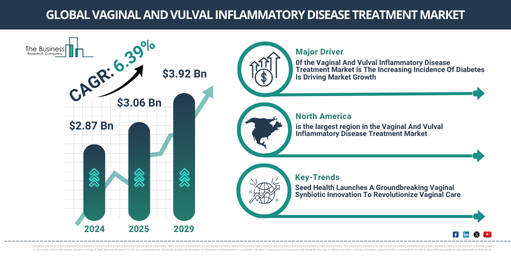
    The market size for treatment of vaginal and vulval inflammatory diseases has seen sturdy growth lately. It is projected to rise from $2.87 billion in 2024 to reach $3.06 billion in 2025, reflecting a compound annual growth rate (CAGR) of 6.65%. Several significant factors have contributed to this growth in the historical phase, among them being the surge in vaginal infection cases, enhancement of women’s health awareness, improved healthcare infrastructure, a progressively aging population, and increased urbanization.

    What Growth Rate Is Forecasted for the Vaginal And Vulval Inflammatory Disease Treatment Market by 2029?

    The market for treating vaginal and vulval inflammatory diseases is anticipated to witness robust growth in the coming years, expanding to $3.92 billion in 2029, with a compound annual growth rate (CAGR) of 6.39%. Factors contributing to this projected growth during the prediction period include an increase in vulvovaginal health awareness, a surge in demand for non-invasive treatment options, a rise in chronic inflammatory diseases cases, improved healthcare accessibility, and an increased number of healthcare practitioners. Key emerging trends expected during this period include advancements in diagnostic technologies, the utilization of artificial intelligence (AI) in diagnostic processes, home-based care alternatives, the creation of vaginal vaccines, and the adoption of less invasive surgical methods.

    Download The Free Sample Report Here:

    https://www.thebusinessresearchcompany.com/sample.aspx?id=20994&type=smp

    Which Key Companies Are Shaping the Future of the Vaginal And Vulval Inflammatory Disease Treatment Market?

    Major companies operating in the vaginal and vulval inflammatory disease treatment market are Pfizer Incorporated, Bayer AG, Sanofi S.A., Bristol-Myers Squibb Company, Novartis AG, GlaxoSmithKline plc, Eli Lilly and Company, Teva Pharmaceutical Industries Limited, Sandoz International GmbH, Hologic Inc., Ferring Pharmaceuticals, Venus Concept Inc., Kyung Hee University Medical Center, Duchesnay Inc., Evofem Biosciences Inc., SEID Lab, Curive Healthcare Inc., Replens, MC2 Therapeutics ApS, FemiClear

    Which Factors Are Driving Demand in the Vaginal And Vulval Inflammatory Disease Treatment Industry?

    The surge in diabetes cases is anticipated to boost the expansion of the market for vaginal and vulval inflammatory disease treatment. Diabetes, a long-term health issue, is defined by high blood sugar levels which occur due to the body’s inability to produce or use insulin effectively. The escalating prevalence of diabetes is attributed to a range of variables including sedentary routines, unhealthy eating habits, climbing obesity rates, genetic factors, and an increasingly older global population. Treatment for vaginal and vulval inflammatory diseases aids diabetes patients by reducing frequent infections, typical due to high glucose levels and impaired immune response, while also enhancing insulin sensitivity and overall blood sugar control. For instance, data from the UK’s Office for Health Improvement & Disparities highlighted that the proportion of people with type 1 diabetes receiving all eight advised care procedures climbed by 22% between March 2022 and March 2023 and it rose by 21% for type 2 diabetes, with the percentage accomplishing target HbA1c levels reaching a peak of 37.9%, as per the National Diabetes Audit (NDA). Consequently, the escalating diabetes prevalence is propelling the expansion of the vaginal and vulval inflammatory disease treatment market.

    Request For A Customized Report:

    https://www.thebusinessresearchcompany.com/customise?id=20994&type=smp

    How Is the Vaginal And Vulval Inflammatory Disease Treatment Market Segmented by Several Divisions?

    The vaginal and vulval inflammatory disease treatment market covered in this report is segmented –

    1) By Indication: Vaginal Dryness, Vaginal Burning, Vaginal Discharge, Genital Itching, Recurrent Urinary Tract Infections, Urinary Incontinence, Other Indications

    2) By Treatment: Anti-Itch Medications, Corticosteroid Ointments, Anti-Itch Emollients

    3) By End User: Hospital Pharmacies, Specialty Clinics, Other End-Users

    Subsegments:

    1) By Vaginal Dryness: Hormonal Therapy, Non-Hormonal Moisturizers, Lubricants and Topical Agents

    2) By Vaginal Burning: Anti-inflammatory Creams and Gels, Topical Steroids, Pain Relief Medications

    3) By Vaginal Discharge: Antifungal Treatments, Antibacterial Treatments, Probiotics and Prebiotics

    4) By Genital Itching: Antihistamines, Topical Corticosteroids, Antifungal Treatments

    5) By Recurrent Urinary Tract Infections (UTIs): Antibiotics, Probiotics, Cranberry-based Supplements

    6) By Urinary Incontinence: Behavioral Therapy, Medications (Anticholinergics, Beta-3 Agonists), Surgical Interventions

    7) By Other Indications: Lichen Sclerosus, Vaginal Atrophy, Pelvic Floor Dysfunction, Vulvar Vestibulitis

    What are the Emerging Market Trends Driving the Growth of the Vaginal And Vulval Inflammatory Disease Treatment Industry?

    Top firms in the vaginal and vulval inflammatory disease treatment market are concentrating their efforts on creating innovative solutions such as vaginal synbiotics, aimed at increasing the effectiveness of treatment and enhancing patient results. A vaginal synbiotic is a unique blend of prebiotics and probiotics formulated to bolster the health of the vaginal microbiome, assist in maintaining balance, and prevent infections. For example, Seed Health Inc., a US-based biotech firm, launched a pioneering vaginal microbiome solution, VS-01, in May 2024, aiming to radically transform vaginal care. This product, the first on the market, centers around enhancing vaginal health via a formula supported by scientific research to maintain microbiome balance. VS-01 consists of a unique mix of probiotics designed to target the vaginal microbiome’s delicate ecosystem, aiding in preserving its natural defenses. This product offers a comprehensive solution for women wanting to improve their vaginal health, addressing issues such as imbalance and discomfort, by utilizing advanced microbiome science.

    Access The Full Report Here:

    https://www.thebusinessresearchcompany.com/report/vaginal-and-vulval-inflammatory-disease-treatment–global-market-report

    Which Regions Are Driving Growth in the Vaginal And Vulval Inflammatory Disease Treatment Market?

    North America was the largest region in the vaginal and vulval inflammatory disease treatment market in 2024. The regions covered in the vaginal and vulval inflammatory disease treatment market report are Asia-Pacific, Western Europe, Eastern Europe, North America, South America, Middle East, Africa.

    Purchase The Full Report Today:

    https://www.thebusinessresearchcompany.com/purchaseoptions.aspx?id=20994

    This Report Delivers Insight On:

    1. How big is the vaginal and vulval inflammatory disease treatment market, and how is it changing globally?

    2. Who are the major companies in the vaginal and vulval inflammatory disease treatment market, and how are they performing?

    3. What are the key opportunities and risks in the vaginal and vulval inflammatory disease treatment market right now?

    4. Which products or customer segments are growing the most in the vaginal and vulval inflammatory disease treatment market?

    5. What factors are helping or slowing down the growth of the vaginal and vulval inflammatory disease treatment market?

    About The Business Research Company:

    With over 15000+ reports from 27 industries covering 60+ geographies, The Business Research Company has built a reputation for offering comprehensive, data-rich research and insights. Armed with 1,500,000 datasets, the optimistic contribution of in-depth secondary research, and unique insights from industry leaders, you can get the information you need to stay ahead in the game.

    Get in touch with us:

    The Business Research Company: https://www.thebusinessresearchcompany.com/

    Americas +1 310-496-7795

    Europe +44 7882 955267

    Asia & Others +44 7882 955267 & +91 8897263534

    Email us at info@tbrc.info

    Follow us on:

    LinkedIn: https://in.linkedin.com/company/the-business-research-company

    YouTube: https://www.youtube.com/channel/UC24_fI0rV8cR5DxlCpgmyFQ

    Global Market Model: https://www.thebusinessresearchcompany.com/global-market-model
  • Uterine Sarcoma  Market Outlook 2025 – Insights for Executive and Strategic Planning

    Uterine Sarcoma Market Outlook 2025 – Insights for Executive and Strategic Planning

    Claim your 30% discount on Global Market Reports with code ONLINE30. Limited time only.

    How Has the Uterine Sarcoma Market Grown from 2024 to 2025?

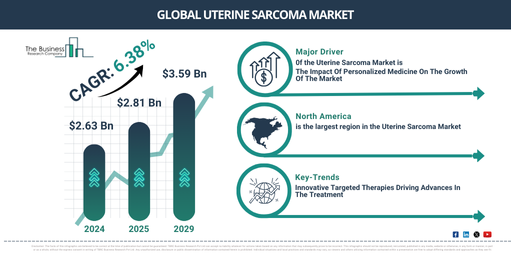
    The market size for uterine sarcoma has witnessed robust growth lately. It’s expected to surge from $2.63 billion in 2024 to $2.81 billion in 2025, reflecting a compound annual growth rate (CAGR) of 6.64%. Factors such as consistent funding for reproductive health and uterine therapy technology research, growing liking for holistic and alternative therapies, a surge in alternative therapies, and rising interest in non-hormonal therapies have fueled the growth during the historical period.

    What Growth Rate Is Anticipated for the Uterine Sarcoma Market in the Coming Years?

    Anticipations for substantial growth in the uterine sarcoma market are strong for the coming years. The market is projected to expand to a size of $3.59 billion by 2029, with an expected compound annual growth rate (CAGR) of 6.38%. This predicted growth within the forecast period can be ascribed to several factors such as enhanced awareness about women’s health, escalated recognition of uterine cancer, rise in specific uterine drug discovery, increased acceptance of minimally invasive procedures, and an upsurge in the incidence of chronic uterine conditions. Key trends during the forecast period consist of the incorporation of robotics and imaging technologies in gynecological surgeries, breakthroughs in medical device technology, progress in regenerative medicine, the evolution of personalized medicine, and advancements in minimally invasive techniques.

    Download The Free Sample Report Here:

    https://www.thebusinessresearchcompany.com/sample.aspx?id=20993&type=smp

    Who Are the Leading Companies in the Uterine Sarcoma Market?

    Major companies operating in the uterine sarcoma market are Pfizer Inc., Johnson & Johnson, F. Hoffmann-La Roche AG, Merck And Co. Inc., AbbVie Inc., Sanofi S.A., Bristol Myers Squibb, Astrazeneca plc, Novartis AG, GSK plc, Takeda Pharmaceutical Company Limited, Eli Lilly and Company, Gilead Sciences Inc., Amgen Inc., Regeneron Pharmaceuticals Inc., Eisai Co. Ltd., Incyte Corporation, Karyopharm Therapeutics Inc., Zentalis Pharmaceuticals Inc., Samarth Life Sciences Pvt. Ltd.

    What Are the Key Drivers of the Uterine Sarcoma Market?

    The expansion of the uterine sarcoma market is being fueled by the growing prominence of personalized medicine. This medical strategy customizes therapies and healthcare choices based on individual genetic, environmental, and lifestyle influences. The rise in personalized medicine is due to advancements in genomics, molecular profiling, and precision technologies, which facilitate custom-designed treatments that enhance effectiveness and minimize side effects. Uterine sarcoma contributes to personalized medicine by acting as a prototype for devising tailored tactics centered on unique genetic and molecular data to augment diagnosis, therapy, and patient care. For instance, in February 2024, the Personalized Medicine Coalition, a non-profit organization based in the US, disclosed that the FDA authorized 16 new personalized treatments in 2023 for patients suffering from rare diseases, a substantial surge from the six approved in 2022. Consequently, the escalating growth of personalized medicine is propelling the progress of the uterine sarcoma market. In Relation To The Impact Of Escalating Healthcare Spending On Market Expansion

    Request For A Customized Report:

    https://www.thebusinessresearchcompany.com/customise?id=20993&type=smp

    What Are the Key Market Segments in the Uterine Sarcoma Industry?

    The uterine sarcoma market covered in this report is segmented –

    1) By Type: Uterine Leiomyosarcoma, Undifferentiated Sarcoma, Endometrial Stromal Sarcoma, Other Types

    2) By Diagnosis: Sampling And Testing, Imaging Tests, Other Diagnosis

    3) By Treatment: Surgery, Radiation Therapy, Hormone Therapy, Chemotherapy, Other Treatments

    4) By End User: Hospitals And Clinics, Academic Institutes, Research Organization, Other End Users

    Subsegments:

    1) By Uterine Leiomyosarcoma: Primary Uterine Leiomyosarcoma, Metastatic Uterine Leiomyosarcoma

    2) By Undifferentiated Sarcoma: High-Grade Undifferentiated Sarcoma, Low-Grade Undifferentiated Sarcoma

    3) By Endometrial Stromal Sarcoma: Low-Grade Endometrial Stromal Sarcoma, High-Grade Endometrial Stromal Sarcoma, Endometrial Stromal Sarcoma With Sarcomatous Overgrowth

    4) By Other Types: Mixed Epithelial And Mesenchymal Sarcoma, Malignant Mixed Mullerian Tumors, Other Rare Uterine Sarcomas

    What Are the Latest Trends in the Uterine Sarcoma Market?

    Leading entities in the uterine sarcoma market are focusing on the advancement of novel therapies like targeted therapy, aiming to enhance the result of treatments and restrict any adverse effects on patients. Targeted therapy is a cancer treatment approach that utilizes drugs or other materials to pinpoint and attack cancerous cells without harming the healthy ones. For example, in October 2022, the Columbia University Irving Medical Center in the US initiated a Phase 2 clinical trial. The trial revealed the effectiveness of merging targeted therapy with chemotherapy to manage uterine leiomyosarcoma, an uncommon and harsh type of uterine cancer. The trial used a combination of the PARP inhibitor olaparib and temozolomide, which proved to be a progressive approach yielding encouraging outcomes, introducing prospects for enhanced treatment results and decreased side effects for patients.

    Access The Full Report Here:

    https://www.thebusinessresearchcompany.com/report/uterine-sarcoma-global-market-report

    What Are the Key Regional Markets in the Uterine Sarcoma Industry?

    North America was the largest region in the uterine sarcoma market in 2024. Asia-Pacific is expected to be the fastest-growing region in the forecast period. The regions covered in the uterine sarcoma market report are Asia-Pacific, Western Europe, Eastern Europe, North America, South America, Middle East, Africa.

    Purchase The Full Report Today:

    https://www.thebusinessresearchcompany.com/purchaseoptions.aspx?id=20993

    This Report Delivers Insight On:

    1. How big is the uterine sarcoma market, and how is it changing globally?

    2. Who are the major companies in the uterine sarcoma market, and how are they performing?

    3. What are the key opportunities and risks in the uterine sarcoma market right now?

    4. Which products or customer segments are growing the most in the uterine sarcoma market?

    5. What factors are helping or slowing down the growth of the uterine sarcoma market?

    About The Business Research Company:

    With over 15000+ reports from 27 industries covering 60+ geographies, The Business Research Company has built a reputation for offering comprehensive, data-rich research and insights. Armed with 1,500,000 datasets, the optimistic contribution of in-depth secondary research, and unique insights from industry leaders, you can get the information you need to stay ahead in the game.

    Get in touch with us:

    The Business Research Company: https://www.thebusinessresearchcompany.com/

    Americas +1 310-496-7795

    Europe +44 7882 955267

    Asia & Others +44 7882 955267 & +91 8897263534

    Email us at info@tbrc.info

    Follow us on:

    LinkedIn: https://in.linkedin.com/company/the-business-research-company

    YouTube: https://www.youtube.com/channel/UC24_fI0rV8cR5DxlCpgmyFQ

    Global Market Model: https://www.thebusinessresearchcompany.com/global-market-model