Author: Marketing Posting

  • Thoracic Drainage Devices  Forecast Report – Designed for Decision Makers and Product Teams

    Thoracic Drainage Devices Forecast Report – Designed for Decision Makers and Product Teams

    Claim your 30% discount on Global Market Reports with code ONLINE30. Limited time only.

    What Is the Growth Rate of the Thoracic Drainage Devices Market?

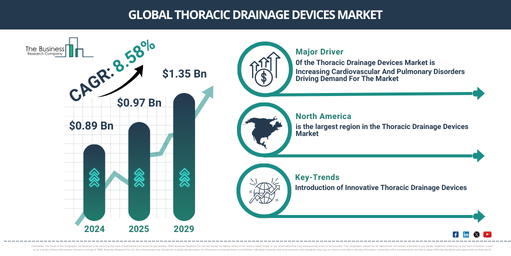
    In recent times, the thoracic drainage devices market has experienced significant expansion, with expectations to further increase from $0.89 billion in 2024 to $0.97 billion in 2025, boasting a compound annual growth rate (CAGR) of 8.95%. The heightened growth observed in this historic phase can be credited to factors such as the rise in pulmonary disease cases, an increase in the number of thoracic surgeries conducted, a surge in the aging population, greater acceptance of minimally invasive techniques, and the accumulating instances of pneumothorax and pleural effusion.

    What Growth Rate Is Forecasted for the Thoracic Drainage Devices Market by 2029?

    Over the next couple of years, substantial expansion is projected for the thoracic drainage devices market. By 2029, it is anticipated to reach a market size of $1.35 billion at a compound annual growth rate (CAGR) of 8.58%. Factors fueling this growth during the forecast period include the increase in healthcare spending, rising knowledge about post-operative care, enhancements in global hospital infrastructure, increased demand for portable drainage systems, and an upward trend in the utilization of disposable medical instruments. The upcoming period will also see significant trends such as technological progression in medical devices, advancements in chest draining system, evolution of smart monitoring systems, cutting-edge developments in catheter and tubing materials, and the emergence of antimicrobial coatings for drainage devices.

    Download The Free Sample Report Here:

    https://www.thebusinessresearchcompany.com/sample.aspx?id=20979&type=smp

    Which Key Companies Are Shaping the Future of the Thoracic Drainage Devices Market?

    Major companies operating in the thoracic drainage devices market are Medtronic plc, Terumo Corporation, Smiths Group plc, Teleflex Incorporated, Cook Group Incorporated, Merit Medical Systems, Vygon SA, Poly Medicure Ltd., B. Braun Melsungen AG, Medela AG, Utah Medical Products Inc., Angiplast Private Limited, Sterimed Medical Devices Private Limited, Eurosets s.r.l., Redax S.p.a., Sinapi Biomedical (Pty) Ltd., Rocket Medical plc, ATMOS MedizinTechnik GmbH & Co. KG, Argon Medical Devices Inc., Sterimed Medical Devices Pvt. Ltd.

    Which Factors Are Driving Demand in the Thoracic Drainage Devices Industry?

    The rise in cardiovascular and pulmonary disorders is anticipated to stimulate the expansion of the thoracic drainage devices market. These disorders refer to an array of conditions impacting the heart, blood vessels, and lungs, thereby affecting the overall cardiovascular and respiratory health. Factors like sedentary living, poor eating habits, smoking, and irregular health checkups contribute to the increase in these disorders, thereby boosting the requirement for specialized treatments and preventive healthcare. Thoracic drainage devices assist in these disorders’ management by effectively extracting excess fluid, air, or blood from the pleural or thoracic cavity, ensuring ideal lung expansion and cardiovascular functioning. For instance, as per the Australian Institute of Health and Welfare, a governmental agency based in Australia, the doctor-certified death count due to coronary heart disease (CHD) escalated to 14,100 in 2021 from 14,900 in 2022. Further, in June 2024, COPD resulted in 7,691 deaths or 29.6 deaths per hundred thousand population in 2022, accounting for 4.0% of all deaths. Hence, an increase in cardiovascular and pulmonary disorders is bolstering the thoracic drainage devices market’s growth. An increase in the preference for minimally invasive surgeries is also anticipated to stimulate the expansion of the thoracic drainage devices market. Minimally invasive surgeries involve small or no incisions, utilizing innovative devices like cameras and specialized instruments to minimize tissue damage, reduce the recuperation period, and lessen scarring compared to traditional open surgery. The rising preference for these surgeries is due to factors like decreased recuperation times, lower infection risk, reduced scarring, and shortened hospital stays. Thoracic drainage devices are pivotal in minimally invasive surgeries by effectively handling pleural effusions, air leaks, and fluid accumulation, ensuring ideal lung expansion and decreasing the risk of complications during recovery. For instance, in June 2024, the US-based non-profit organization, the American Society of Plastic Surgeons, reported that minimally invasive procedures saw a 7 percent rise in 2023, surpassing the surgical procedures’ growth rate by 2 percent. Hence, the growing preference for minimally invasive surgeries is boosting the thoracic drainage devices market’s growth.

    Request For A Customized Report:

    https://www.thebusinessresearchcompany.com/customise?id=20979&type=smp

    How Is the Thoracic Drainage Devices Market Segmented by Several Divisions?

    The thoracic drainage devices market covered in this report is segmented –

    1) By Type: Digital, Traditional

    2) By Product: Thoracic Drainage Systems, Thoracic Drainage Kits, Pleural Drainage Catheters, Other Products

    3) By Application: Cardiac Surgery, Thoracic And Pulmonary Surgery, Other Applications

    4) By End-Users: Hospitals, Ambulatory Surgical Centers, Other End-Users

    Subsegments:

    1) By Digital: Electronic Monitoring Systems, Digital Drainage Units With Real-Time Pressure Measurement, Automated Fluid Monitoring Devices

    2) By Traditional: Suction Drainage Systems, Gravity Drainage Systems, Water-Seal Chest Drains

    What are the Emerging Market Trends Driving the Growth of the Thoracic Drainage Devices Industry?

    Leading businesses within the thoracic drainage devices market are concentrating on the release of innovative goods, such as evacuated drainage bottles, to improve proficiency and minimize infection risks during healthcare procedures. An evacuated drainage bottle serves as a medical instrument that gathers and stores fluid drained from injuries or surgical locations, usually under vacuum pressure, to promote recovery and ward off infection. For example, in September 2023, Merit Medical Systems Inc., a disposable medical device producer based in the US, debuted the Aspira evacuated drainage bottle. The Aspira product is a medical device engineered for pleural effusions and malignant ascites drainage, providing individuals the choice to self-administer treatment at home with superior comfort and control of the drainage rate. Additionally, it requires 23% less storage space than conventional drainage bottles.

    Access The Full Report Here:

    https://www.thebusinessresearchcompany.com/report/thoracic-drainage-devices-global-market-report

    Which Regions Are Driving Growth in the Thoracic Drainage Devices Market?

    North America was the largest region in the thoracic drainage devices market in 2024. The regions covered in the thoracic drainage devices market report are Asia-Pacific, Western Europe, Eastern Europe, North America, South America, Middle East, Africa.

    Purchase The Full Report Today:

    https://www.thebusinessresearchcompany.com/purchaseoptions.aspx?id=20979

    This Report Delivers Insight On:

    1. How big is the thoracic drainage devices market, and how is it changing globally?

    2. Who are the major companies in the thoracic drainage devices market, and how are they performing?

    3. What are the key opportunities and risks in the thoracic drainage devices market right now?

    4. Which products or customer segments are growing the most in the thoracic drainage devices market?

    5. What factors are helping or slowing down the growth of the thoracic drainage devices market?

    About The Business Research Company:

    With over 15000+ reports from 27 industries covering 60+ geographies, The Business Research Company has built a reputation for offering comprehensive, data-rich research and insights. Armed with 1,500,000 datasets, the optimistic contribution of in-depth secondary research, and unique insights from industry leaders, you can get the information you need to stay ahead in the game.

    Get in touch with us:

    The Business Research Company: https://www.thebusinessresearchcompany.com/

    Americas +1 310-496-7795

    Europe +44 7882 955267

    Asia & Others +44 7882 955267 & +91 8897263534

    Email us at info@tbrc.info

    Follow us on:

    LinkedIn: https://in.linkedin.com/company/the-business-research-company

    YouTube: https://www.youtube.com/channel/UC24_fI0rV8cR5DxlCpgmyFQ

    Global Market Model: https://www.thebusinessresearchcompany.com/global-market-model
  • Testicular Cancer  Market Outlook 2025 – Insights for Executive and Strategic Planning

    Testicular Cancer Market Outlook 2025 – Insights for Executive and Strategic Planning

    Claim your 30% discount on Global Market Reports with code ONLINE30. Limited time only.

    How Has the Testicular Cancer Market Grown from 2024 to 2025?

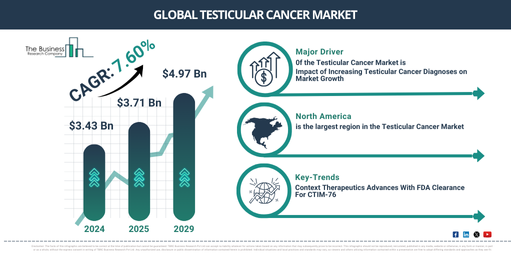
    The market for testicular cancer has seen robust growth in the past few years. Its size is set to increase from $3.43 billion in 2024 to $3.71 billion in 2025, reflecting a compound annual growth rate (CAGR) of 7.9%. The historical period’s growth can be credited to raised awareness surrounding testicular cancer, an increase in risk factors, a higher prevalence of testicular cancer, an uptick in incidence of this disease, and heightened demand for diagnostics.

    What Growth Rate Is Anticipated for the Testicular Cancer Market in the Coming Years?

    The market size for testicular cancer is projected to experience significant expansion in the upcoming years. Its value is expected to reach $4.97 billion by 2029, advancing at a CAGR of 7.6%. This projected growth during the forecast period is mainly due to the rise in testicular cancer diagnosis, increasing prevalence of the disease, expanding treatment alternatives, and a growing preference for targeted therapies. Major trends expected within this period include improvements in treatment protocols, superior health care facilities, research, and development initiatives, the creation of targeted medicines, and progress in clinical trials.

    Download The Free Sample Report Here:

    https://www.thebusinessresearchcompany.com/sample.aspx?id=20977&type=smp

    Who Are the Leading Companies in the Testicular Cancer Market?

    Major companies operating in the testicular cancer market are Pfizer Inc., Merck & Co. Inc., Bristol-Myers Squibb Company, Abbott Laboratories, Fresenius Kabi, BioNTech SE, Teva Pharmaceuticals Industries Ltd., Baxter International Inc., Mount Sinai Health System, UCLA Medical Center, Duke University Medical Center, Accord Healthcare Limited, UC San Diego Health, Venus Remedies Limited, Florencia Healthcare, Hirslanden Group, Ziopharm Oncology Inc., Beijing Biostar Pharmaceuticals Co. Ltd., Beta Drugs Ltd., Scripps Health

    What Are the Key Drivers of the Testicular Cancer Market?

    Advancements in the detection of testicular cancer are anticipated to boost the growth of the relevant market. Characterized by pain-free lumps or swelling, testicular cancer develops in the testicles of males. The surge in its diagnosis could be attributed to an increased awareness, advanced diagnostic methods, more frequent self-checks, along with probable environmental and lifestyle impacts. The testicular cancer market aids in escalating the number of diagnoses through funding research, enhancing diagnostic instruments, and endorsing awareness initiatives that promote early detection. The Cancer Council Victoria, an Australian non-profit organization, reported in July 2024 that significantly more cases of testicular cancer were diagnosed in males under 40 years (160 cases) than in the 40-49 age bracket (37 cases) in 2022. This underscores a marked variation in the diagnosis among younger and middle-aged males. Consequently, the rise in testicular cancer diagnosis is fueling the expansion of the market dedicated to this disease.

    Request For A Customized Report:

    https://www.thebusinessresearchcompany.com/customise?id=20977&type=smp

    What Are the Key Market Segments in the Testicular Cancer Industry?

    The testicular cancer market covered in this report is segmented –

    1) By Treatment Type: Surgery, Chemotherapy, Radiotherapy, Immunotherapy, Targeted Therapy

    2) By Histology: Seminoma, Non-Seminoma, Mixed

    3) By Product: Tablet, Capsule, Creams

    4) By Route Of Administration: Oral, Topical

    5) By End-use: Hospitals, Clinics

    Subsegments:

    1) By Surgery: Orchiectomy, Retroperitoneal Lymph Node Dissection (RPLND)

    2) By Chemotherapy: Platinum-Based Chemotherapy, Chemotherapy Regimens (BEP regimen)

    3) By Radiotherapy: External Beam Radiation, Retroperitoneal Radiation

    4) By Immunotherapy: Immune Checkpoint Inhibitors, Cancer Vaccines

    5) By Targeted Therapy: Tyrosine Kinase Inhibitors, Monoclonal Antibodies

    What Are the Latest Trends in the Testicular Cancer Market?

    Prominent businesses in the testicular cancer market are concentrating their efforts on creating revolutionary products, such as cell-engaging bispecific antibodies that target CLDN6-positive gynecologic and testicular cancers. A cell-engaging bispecific antibody is a specialized type of antibody designed to attach to two different targets, enabling immune cells to identify and eliminate cancerous or diseased cells. For example, in May 2024, US-based biopharmaceutical firm Context Therapeutics Inc. announced that the U.S. Food and Drug Administration (FDA) has given the green light to its Investigational New Drug (IND) application for CTIM-76, a CLDN6 x CD3 T cell-engaging bispecific antibody. This approval paves the way for the launch of a Phase 1 clinical trial to study CTIM-76’s effectiveness in patients with CLDN6-positive gynecologic and testicular cancers. The trial is designed to gradually increase the dosage and reach to assess the safety, effectiveness, and pharmacokinetics of the drug.

    Access The Full Report Here:

    https://www.thebusinessresearchcompany.com/report/testicular-cancer-global-market-report

    What Are the Key Regional Markets in the Testicular Cancer Industry?

    North America was the largest region in the testicular cancer market in 2024. Asia-Pacific is expected to be the fastest-growing region in the forecast period. The regions covered in the testicular cancer market report are Asia-Pacific, Western Europe, Eastern Europe, North America, South America, Middle East, Africa.

    Purchase The Full Report Today:

    https://www.thebusinessresearchcompany.com/purchaseoptions.aspx?id=20977

    This Report Delivers Insight On:

    1. How big is the testicular cancer market, and how is it changing globally?

    2. Who are the major companies in the testicular cancer market, and how are they performing?

    3. What are the key opportunities and risks in the testicular cancer market right now?

    4. Which products or customer segments are growing the most in the testicular cancer market?

    5. What factors are helping or slowing down the growth of the testicular cancer market?

    About The Business Research Company:

    With over 15000+ reports from 27 industries covering 60+ geographies, The Business Research Company has built a reputation for offering comprehensive, data-rich research and insights. Armed with 1,500,000 datasets, the optimistic contribution of in-depth secondary research, and unique insights from industry leaders, you can get the information you need to stay ahead in the game.

    Get in touch with us:

    The Business Research Company: https://www.thebusinessresearchcompany.com/

    Americas +1 310-496-7795

    Europe +44 7882 955267

    Asia & Others +44 7882 955267 & +91 8897263534

    Email us at info@tbrc.info

    Follow us on:

    LinkedIn: https://in.linkedin.com/company/the-business-research-company

    YouTube: https://www.youtube.com/channel/UC24_fI0rV8cR5DxlCpgmyFQ

    Global Market Model: https://www.thebusinessresearchcompany.com/global-market-model
  • Gingivitis Market to Reach $8.98 Billion by 2029 | Key Drivers and Future Outlook

    Gingivitis Market to Reach $8.98 Billion by 2029 | Key Drivers and Future Outlook

    Claim your 30% discount on Global Market Reports with code ONLINE30. Limited time only.

    What Is the Growth Rate of the Gingivitis Market?

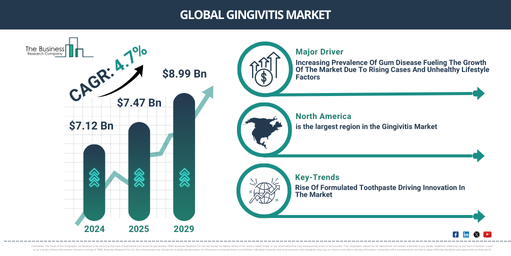
    The market size of gingivitis has witnessed substantial growth over the past few years. The market is projected to increase from $7.12 billion in 2024 to $7.47 billion in 2025, with a compound annual growth rate (CAGR) of 5.0%. The notable growth witnessed in the historical period can be credited to factors such as the surge in incidents of poor dental hygiene, increased instances of hormonal changes, wider acceptance of scaling and root planning techniques, rising demand for enzymatic treatments, as well as an increase in health care expenditures and dental insurance coverage.

    What Growth Rate Is Forecasted for the Gingivitis Market by 2029?

    The market size of gingivitis is projected to experience consistent growth in the upcoming years, reaching $8.99 billion in 2029 with a Compound Annual Growth Rate (CAGR) of 4.7%. This growth during the forecast period can be credited to factors such as the expanded use of laser therapy, increased awareness about the disease, beneficial regulatory conditions, alterations in healthcare policies, and an escalated frequency of gum disease. Key trends anticipated during the forecast period encompass progress in biotechnology, personalized medicine enhancements, innovation in treatment methods and products, technology advancements, and improved antimicrobial treatment.

    Download The Free Sample Report Here:

    https://www.thebusinessresearchcompany.com/sample.aspx?id=21987&type=smp

    Which Key Companies Are Shaping the Future of the Gingivitis Market?

    Major companies operating in the gingivitis market are Procter & Gamble, Mayo Clinic, British United Provident Association Limited, Colgate-Palmolive Company, Haleon group, Bausch Health Companies Inc., American Dental Association, Kivonyx Healthcare Pvt Ltd., ICPA Health Products Limited, Alarsin Pharmaceuticals, Laboratorios KIN, Ikon remedies pvt ltd., SingleCare Services LLC, Dentulu Inc., Focus Dental Care, Perio Protect LLC, Algen Healthcare Ltd, Neuracle Lifesciences Private Limited, Dental Herb Company, Shreeji Pharma International.

    Which Factors Are Driving Demand in the Gingivitis Industry?

    The growth of the gingivitis market is projected to be fueled by the escalating incidence of gum disease. This common oral disorder involves gum and surrounding tissue infection, inflammation or deterioration, primarily stemming from plaque buildup and insufficient dental care. The upswing in gum disease cases can be mainly attributed to poor dental hygiene, causing bacterial infections and plaque accumulation. Consuming unhealthy diets rich in sugar and processed foods trigger gum inflammation while smoking weakens immunity, rendering gums more vulnerable to infections. Gingivitis, as the initial stage of gum disease, plays a significant part in its increasing incidence by serving as a portal to more serious conditions such as periodontitis, underscoring the importance of timely intervention and preventive care. For instance, an OHID report (Office for Health Improvement & Disparities), a UK governmental body, published in January 2024 revealed a spike in adult gum disease diagnoses – increasing from 4% among 16-24 year-olds to 28% among those aged 55 to 64, highlighting a higher age-related prevalence. Thus, the escalating incidence of gum disease is spurring the growth of the gingivitis market.

    Request For A Customized Report:

    https://www.thebusinessresearchcompany.com/customise?id=21987&type=smp

    How Is the Gingivitis Market Segmented by Several Divisions?

    The gingivitis market covered in this report is segmented –

    1) By Treatment Type: Medication, Surgical Procedures, Non-Surgical Treatments

    2) By Route Of Administration: Oral, Topical

    3) By Distribution Channel: Retail Pharmacies, Hospital Pharmacies, Online Pharmacies

    4) By End-User: Hospitals, Dental Clinics, Homecare Settings

    Subsegments:

    1) By Medication: Antibiotics, Antiseptic Mouthwashes, Anti-Inflammatory Drugs, Pain Relievers

    2) By Surgical Procedures: Flap Surgery, Gingivectomy, Gingivoplasty, Laser Therapy

    3) By Non-Surgical Treatments: Scaling and Root Planing, Professional Dental Cleaning, Local Drug Delivery, Lifestyle and Dietary Modifications

    What are the Emerging Market Trends Driving the Growth of the Gingivitis Industry?

    Key firms within the gingivitis sector are focusing on creating unique products such as specially formulated toothpastes to effectively target gum inflammation, reduce accumulation of plaque, and foster comprehensive oral health. These unique toothpastes are engineered with specific active ingredients to help address specific oral issues like cavities, gingivitis, or sensitivity. For instance, in February 2023, Frimline Private Limited, a health and personal care organization based in India, unveiled Dente91 She toothpaste. This advanced toothpaste contains lactoferrin, a robust antimicrobial protein which provides protection against oral infections and inflammation. Unlike traditional toothpaste, Dente91 She is specifically infused with folic acid (Vitamin B9) and pyridoxine (Vitamin B6), aimed at supporting women’s oral health in various hormonal shifts, spanning from adolescence to menopause.

    Access The Full Report Here:

    https://www.thebusinessresearchcompany.com/report/gingivitis-global-market-report

    Which Regions Are Driving Growth in the Gingivitis Market?

    North America was the largest region in the gingivitis market in 2024. The regions covered in the gingivitis market report are Asia-Pacific, Western Europe, Eastern Europe, North America, South America, Middle East, Africa.

    Purchase The Full Report Today:

    https://www.thebusinessresearchcompany.com/purchaseoptions.aspx?id=21987

    This Report Delivers Insight On:

    1. How big is the gingivitis market, and how is it changing globally?

    2. Who are the major companies in the gingivitis market, and how are they performing?

    3. What are the key opportunities and risks in the gingivitis market right now?

    4. Which products or customer segments are growing the most in the gingivitis market?

    5. What factors are helping or slowing down the growth of the gingivitis market?

    About The Business Research Company:

    With over 15000+ reports from 27 industries covering 60+ geographies, The Business Research Company has built a reputation for offering comprehensive, data-rich research and insights. Armed with 1,500,000 datasets, the optimistic contribution of in-depth secondary research, and unique insights from industry leaders, you can get the information you need to stay ahead in the game.

    Get in touch with us:

    The Business Research Company: https://www.thebusinessresearchcompany.com/

    Americas +1 310-496-7795

    Europe +44 7882 955267

    Asia & Others +44 7882 955267 & +91 8897263534

    Email us at info@tbrc.info

    Follow us on:

    LinkedIn: https://in.linkedin.com/company/the-business-research-company

    YouTube: https://www.youtube.com/channel/UC24_fI0rV8cR5DxlCpgmyFQ

    Global Market Model: https://www.thebusinessresearchcompany.com/global-market-model
  • Tadalafil  Market Projected at $8.87 Billion by 2029 | Strategic Insights and Forecast Data

    Tadalafil Market Projected at $8.87 Billion by 2029 | Strategic Insights and Forecast Data

    Claim your 30% discount on Global Market Reports with code ONLINE30. Limited time only.

    How Has the Tadalafil Market Size Changed, over the years?

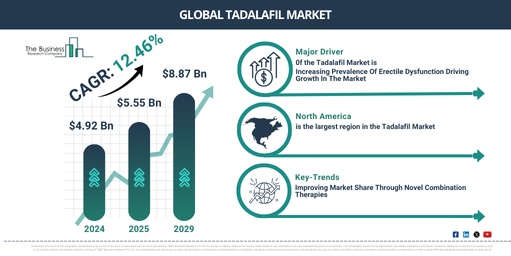
    In the past few years, the market size for tadalafil has seen swift growth. The expected expansion is from $4.92 billion in 2024, to $5.55 billion in 2025 with a compound annual growth rate (CAGR) of 12.83%. Factors contributing to this growth during the historical period include enhanced awareness regarding men’s health, elevation in drug usage, an increase in the uptake of tadalafil, growing healthcare investments, and a rise in the aging populations.

    How Much Will the Tadalafil Market Be Worth in 2029?

    The tadalafil market is projected to witness a substantial acceleration in growth over the coming years, catapulting to a staggering $8.87 billion by 2029 at a compound annual growth rate of 12.46%. The growth during this period is primarily attributed to the rising prevalence of erectile dysfunction, increasing demand for lifestyle drugs, proliferation of PAH cases, an uptick in the acceptance of modern healthcare solutions, and improved disposable income levels. The anticipated period will be marked by key developments such as the integration of digital health, invention of novel formulations, advancements in pharmaceuticals, superior drug delivery mechanisms, as well as progress in medical technology.

    Download The Free Sample Report Here:

    https://www.thebusinessresearchcompany.com/sample.aspx?id=20974&type=smp

    Which is the Largest Company in the Tadalafil Market?

    Major companies operating in the tadalafil market are Eli Lilly and Company, Teva Pharmaceutical Industries Ltd., Sun Pharmaceutical Industries Limited, Cipla Limited, Aurobindo Pharma Limited, Dr. Reddy’s Laboratories Limited, Lupin Limited, Glenmark Pharmaceuticals Limited, Torrent Pharmaceuticals Limited, Jubilant Pharma Limited, Jiangsu Lianhuan Pharmaceutical Co. Ltd., Alembic Pharmaceuticals Limited, Polpharma SA, SMS Pharmaceuticals Limited, Camber Pharmaceuticals Inc., Century Pharmaceuticals Limited, Rakshit Drugs Private Limited, Ami Lifesciences Private Limited, Hangzhou Longshine Bio-Tech Co. Ltd., Dolphin Pharmaceuticals

    What Are the Main Market Drivers in the Tadalafil Industry?

    The escalation in the commonness of erectile dysfunction is projected to spur the expansion of the tadalafil market. Erectile dysfunction (ED) is a health issue typified by a continuous inability to attain or uphold an erection adequate for gratifying sexual activity. The escalation of erectile dysfunction (ED) prevalence is majorly due to elements such as aging population, prolonged health issues, unhealthy lifestyle decisions, psychological strain, and certain medication’s side effects. Tadalafil aids against erectile dysfunction by calming the smooth muscles in the penis’s blood vessels, boosting blood flow, hence, improving the capability to achieve and maintain an erection during sexual activity. For instance, a report from the National Library of Medicine, a US-based National Institutes of Health (NIH), revealed that as of February 2024 the prevalence of erectile dysfunction (ED), calculated through IIEF-5 scores, stands at 24.2% across the general population. The occurrence escalates significantly with age, affecting 52.2% of individuals aged 75 and above and 48.0% of those in the 65-74 age group. Therefore, the escalation in the commonness of erectile dysfunction is facilitating the growth of the tadalafil market.

    Request For A Customized Report:

    https://www.thebusinessresearchcompany.com/customise?id=20974&type=smp

    How Is the Tadalafil Market Segments Structured?

    The tadalafil market covered in this report is segmented –

    1) By Product Type: Tablets, Oral Suspensions

    2) By Distribution Channel: Hospital Pharmacy, Retail Pharmacy, Online Pharmacy

    3) By Application: Erectile Dysfunction, Pulmonary Arterial Hypertension, Benign Prostatic Hyperplasia

    Subsegments:

    1) By Tablets: 2.5 mg Tablets, 5 mg Tablets, 10 mg Tablets, 20 mg Tablets

    2) By Oral Suspensions: 2.5 mg/5 mL Oral Suspension, 10 mg/5 mL Oral Suspension, Custom Dosing Oral Suspensions

    What Strategic Trends Are Transforming the Tadalafil Market?

    In the tadalafil market, leading companies are concentrating on inventive formulations like combination therapy to increase the effectiveness of treatment, enhance patient adherence, and augment their market footprint in dealing with erectile dysfunction and pulmonary arterial hypertension. Combination therapy involves the simultaneous use of two or more treatments or drugs to improve therapeutic results, bolster efficacy, and tackle various elements of a disease or condition. For example, Johnson & Johnson, a healthcare firm based in the US, revealed in March 2024 that the U.S. Food and Drug Administration (FDA) has approved OPSYNVI, a single-tablet therapy that blends macitentan, an endothelin receptor antagonist (ERA), with tadalafil, a phosphodiesterase 5 (PDE5) inhibitor. This unique therapy is recommended for the long-term handling of pulmonary arterial hypertension (PAH) (WHO Group I) in adults categorized under WHO functional class II-III. OPSYNVI is applicable for patients new to treatment as well as those currently on ERA, PDE5 inhibitors, or both. In addition, it provides a simplified alternative for patients stabilized on separately administered macitentan 10 mg and tadalafil 40 mg (20 mg x 2).

    Access The Full Report Here:

    https://www.thebusinessresearchcompany.com/report/tadalafil-global-market-report

    Which Global Regions Offer the Highest Growth in the Tadalafil Market?

    North America was the largest region in the tadalafil market in 2024. Asia-Pacific is expected to be the fastest-growing region in the forecast period. The regions covered in the tadalafil market report are Asia-Pacific, Western Europe, Eastern Europe, North America, South America, Middle East, Africa.

    Purchase The Full Report Today:

    https://www.thebusinessresearchcompany.com/purchaseoptions.aspx?id=20974

    This Report Delivers Insight On:

    1. How big is the tadalafil market, and how is it changing globally?

    2. Who are the major companies in the tadalafil market, and how are they performing?

    3. What are the key opportunities and risks in the tadalafil market right now?

    4. Which products or customer segments are growing the most in the tadalafil market?

    5. What factors are helping or slowing down the growth of the tadalafil market?

    About The Business Research Company:

    With over 15000+ reports from 27 industries covering 60+ geographies, The Business Research Company has built a reputation for offering comprehensive, data-rich research and insights. Armed with 1,500,000 datasets, the optimistic contribution of in-depth secondary research, and unique insights from industry leaders, you can get the information you need to stay ahead in the game.

    Get in touch with us:

    The Business Research Company: https://www.thebusinessresearchcompany.com/

    Americas +1 310-496-7795

    Europe +44 7882 955267

    Asia & Others +44 7882 955267 & +91 8897263534

    Email us at info@tbrc.info

    Follow us on:

    LinkedIn: https://in.linkedin.com/company/the-business-research-company

    YouTube: https://www.youtube.com/channel/UC24_fI0rV8cR5DxlCpgmyFQ

    Global Market Model: https://www.thebusinessresearchcompany.com/global-market-model
  • Surgical Lasers   Industry Growth Expected to Reach $12.32 Billion by 2029 at a CAGR of 11.4% | Segmentation and Growth Opportunities

    Surgical Lasers Industry Growth Expected to Reach $12.32 Billion by 2029 at a CAGR of 11.4% | Segmentation and Growth Opportunities

    Claim your 30% discount on Global Market Reports with code ONLINE30. Limited time only.

    What Is the Forecast for the Surgical Lasers Market Growth in 2025?

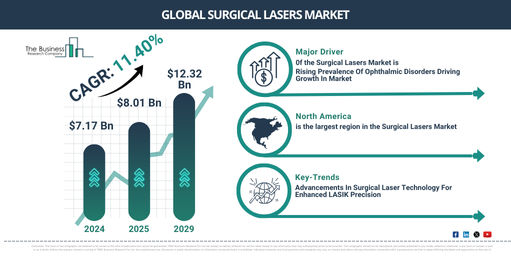
    In recent times, there has been a rapid expansion in the market size of surgical lasers. It is projected to magnify from $7.17 billion in 2024 to around $8.01 billion by the next year with a compound annual growth rate (CAGR) of 11.7%. This historic growth surge is primarily due to the emergence of CO₂ lasers for precision surgery, the employment of argon lasers in ophthalmology, diode lasers becoming integral in varied applications, advancements made in the field of excimer lasers for eye surgeries, and the introduction of cooling systems in laser devices. Additionally, the initiation of fibre-optic laser delivery, increased use of lasers in dentistry, laser precision and targeting improvements, the breakthrough of high-power lasers for cancer treatments, and the surge in R&D investments in minimally invasive laser systems, all contribute to this growth.

    What Is the Forecast for the Surgical Lasers Market Size Through 2029?

    Expectations are high for a rapid expansion in the surgical lasers market over the coming years, with projections suggesting it will reach $12.32 billion by 2029, exhibiting a compound annual growth rate (CAGR) of 11.4%. Factors contributing to this expected growth during the forecast period include the evolution of AI-integrated laser systems, advancements in the portability and compactness of laser devices, improvements in laser system efficiency and safety, increasing innovations in photothermal and photochemical therapies, the creation of multifunctional laser platforms, the incorporation of the internet of things (IoT) in laser systems, greater demand for real-time imaging for laser guidance, and a global increase in the demand for minimally invasive treatments. Notable trends to watch during the forecast period include quicker approvals for AI-integrated devices, incentives for research and development in laser technology, the adoption of robot-assisted surgical lasers, and product innovations.

    Download The Free Sample Report Here:

    https://www.thebusinessresearchcompany.com/sample.aspx?id=20970&type=smp

    What are the Key Market Players in Surgical Lasers Market and How They’re Evolving?

    Major companies operating in the surgical lasers market are Johnson & Johnson Services Inc., Koninklijke Philips N.V., Boston Scientific Corporation, IPG Photonics Corporation, Alcon Inc., Hologic Inc., Zimmer Biomet, Fotona, El.En. S.p.A., Lumenis Be Ltd., Cutera Inc., Alma Lasers, KLS Martin Group, IRIDEX Corporation, BIOLASE Inc., Quanta System, Candela Corporation, Asclepion Laser Technologies, LightScalpel Inc., INTERmedic Arfran

    What Are the Primary Growth Drivers in the Surgical Lasers Market?

    The increasing incidence of eye disorders is anticipated to fuel the surgical laser market’s expansion in the future. Eye disorders encompass health issues or diseases impacting the eyes and relevant structures like the eyelids, tear ducts, optic nerves, and nearby tissues. The rise in these health issues can be linked to an increasing elderly population, more screen usage, environmental pollution, genetic tendencies, and changes in lifestyle, leading to conditions like cataracts, glaucoma, and macular degeneration. Surgical lasers use precise light energy to focus on and treat specific tissues, aiding those suffering from eye disorders by providing less invasive procedures. These procedures shorten recovery time, lessen complications, and enhance vision results in conditions like cataracts, glaucoma, diabetic retinopathy, and retinal disorders, ultimately boosting the affected individuals’ quality of life. For example, the World Health Organization (WHO), a Switzerland-based specialized agency of the United Nations in charge of global public health, reports that over 2.2 billion people globally experienced vision impairment, near or far, in 2024. Major contributors to this statistic include cataracts (94 million cases), refractive errors (88.4 million), age-related macular degeneration (8 million), glaucoma (7.7 million), and diabetic retinopathy (3.9 million). Consequently, the escalating incidence of eye health disorders propels the surgical lasers market.

    Request For A Customized Report:

    https://www.thebusinessresearchcompany.com/customise?id=20970&type=smp

    What Are the Leading Segments in the Global Surgical Lasers Industry?

    The surgical lasers market covered in this report is segmented –

    1) By Type: Carbon Dioxide Lasers, Argon Lasers, ND:Yag Lasers, Diode Lasers, Other Surgical Lasers Connected Sensors

    2) By Procedure Type: Open Surgery, Laparoscopic Surgery, Percutaneous Surgery

    3) Application: Ophthalmology, Dermatology, Dentistry, Urology, Cardiology, Gynecology, Oncology, Other Applications

    4) By End-Use: Hospitals, Specialty Clinics, Ambulatory Surgical Centers

    Subsegments:

    1) By Carbon Dioxide Lasers: Laser Scalpel Systems, CO2 Laser Resurfacing Systems, CO2 Laser Ablation Systems

    2) By Argon Lasers: Laser Photocoagulation Systems, Retinal Phototherapy Lasers, Laser Surgical Systems

    3) By ND:YAG Lasers: Laser Lithotripsy Systems, Laser Hair Removal Systems, Laser Coagulation Systems

    4) By Diode Lasers: Diode Laser For Soft Tissue Surgery, Diode Laser For Dental Applications, Diode Laser For Aesthetic Treatments

    5) By Other Surgical Lasers Connected Sensors: Holmium Lasers For Urology, KTP Lasers For Endoscopic Surgery, Alexandrite Lasers For Dermatology, Excimer Lasers For Ophthalmology

    What Are the Key Market Trends in the Surgical Lasers Industry?

    Big corporations in the surgical lasers market are concentrating on producing technologically superior goods like ELITA Laser technology for improving surgeon confidence and promising enhanced visual results and swift patient recovery following LASIK surgery. Specifically designed for precision in LASIK eye procedures, ELITA Laser Technology is an advanced femtosecond laser system. In April 2023, Johnson & Johnson, a US-based medical device manufacturing company, got its ELITA Femtosecond Laser cleared by the Food and Drug Administration (FDA). This advanced laser technology, meant for creating precise LASIK flaps, improves surgical accuracy through low-energy pulses, ultra-fast repetition, and sub-micron precision, resulting in smooth flap lifts and remarkable visual results. Furthermore, its easy-to-use design guarantees practice efficiency, expedited setup, and faster patient healing.

    Access The Full Report Here:

    https://www.thebusinessresearchcompany.com/report/surgical-lasers–global-market-report

    What Is the Regional Outlook for the Surgical Lasers Market?

    North America was the largest region in the surgical lasers market in 2024. Asia-Pacific is expected to be the fastest-growing region in the forecast period. The regions covered in the surgical lasers market report are Asia-Pacific, Western Europe, Eastern Europe, North America, South America, Middle East, Africa.

    Purchase The Full Report Today:

    https://www.thebusinessresearchcompany.com/purchaseoptions.aspx?id=20970

    This Report Delivers Insight On:

    1. How big is the surgical lasers market, and how is it changing globally?

    2. Who are the major companies in the surgical lasers market, and how are they performing?

    3. What are the key opportunities and risks in the surgical lasers market right now?

    4. Which products or customer segments are growing the most in the surgical lasers market?

    5. What factors are helping or slowing down the growth of the surgical lasers market?

    About The Business Research Company:

    With over 15000+ reports from 27 industries covering 60+ geographies, The Business Research Company has built a reputation for offering comprehensive, data-rich research and insights. Armed with 1,500,000 datasets, the optimistic contribution of in-depth secondary research, and unique insights from industry leaders, you can get the information you need to stay ahead in the game.

    Get in touch with us:

    The Business Research Company: https://www.thebusinessresearchcompany.com/

    Americas +1 310-496-7795

    Europe +44 7882 955267

    Asia & Others +44 7882 955267 & +91 8897263534

    Email us at info@tbrc.info

    Follow us on:

    LinkedIn: https://in.linkedin.com/company/the-business-research-company

    YouTube: https://www.youtube.com/channel/UC24_fI0rV8cR5DxlCpgmyFQ

    Global Market Model: https://www.thebusinessresearchcompany.com/global-market-model
  • Spinal Stenosis Devices  Industry Valued at $12.75 Billion by 2029 With CAGR of 5.3% | Size and Share Insights

    Spinal Stenosis Devices Industry Valued at $12.75 Billion by 2029 With CAGR of 5.3% | Size and Share Insights

    Claim your 30% discount on Global Market Reports with code ONLINE30. Limited time only.

    What Is the Forecast for the Spinal Stenosis Devices Market from 2024 to 2025?

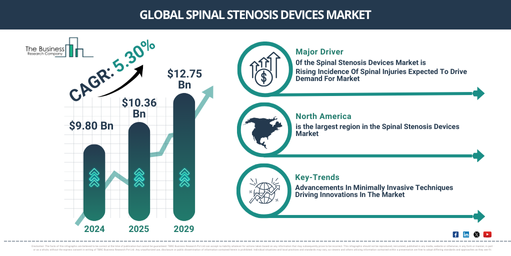
    In recent times, there has been a substantial growth in the market size of spinal stenosis devices. The forecast projects an increase from $9.80 billion in 2024 to $10.36 billion in 2025, which corresponds to a compound annual growth rate (CAGR) of 5.7%. This notable progress in the historical period can be associated with the escalating number of spinal stenosis cases in the aging population, the rising frequency of spine-related disorders and degenerative diseases, an increasing number of incidences related to spinal injuries, a surge in the prevalence of spinal diseases, and an incline in spinal disorders among both younger and aged demographics.

    What Is the Projected Market Size of the Spinal Stenosis Devices Market?

    The market size of spinal stenosis devices is predicted to experience substantial growth in the forthcoming years, escalating to $12.75 billion in 2029 with a 5.3% compound annual growth rate (CAGR). The growth during this period is linked to the amplified demand for minimally invasive surgical processes, an increased emphasis on minimally invasive spine surgery (MISS), burgeoning healthcare expenses and investments in nascent markets. Key trends for the forecast period comprise progressive developments in spinal implant technology and surgical procedures, a rising acceptance of biodegradable and 3D-printed implants, and partnerships and product advancements.

    Download The Free Sample Report Here:

    https://www.thebusinessresearchcompany.com/sample.aspx?id=20966&type=smp

    Who are the Major Competitors in the Spinal Stenosis Devices Market Outlook?

    Major companies operating in the spinal stenosis devices market are Johnson & Johnson, Medtronic plc, Stryker Corporation, Boston Scientific Corporation, Zimmer Biomet Holdings Inc., Globus Medical Inc., NuVasive Inc., Orthofix Medical Inc., B. Braun Melsungen AG, Xtant Medical, Alphatec Holdings Inc., Vertos Medical Inc., Spineart SA, Spine Wave Inc., Spinal Simplicity LLC, Premia Spine, Sintea Plustek LLC, Cousin Surgery, Meril Life Sciences Pvt. Ltd., Empirical Spine Inc.

    What Is Fueling Growth in the Spinal Stenosis Devices Market?

    An increase in spinal injuries is predicted to boost the spinal stenosis devices market’s growth. Spinal injuries encompass harm to the spinal cord or adjacent structures, described as traumatic damage that impacts the transmission of sensory and motor signals. This could potentially lead to a loss of movement, function, and feeling beneath the injury location. The surge in spinal injuries is mainly due to a rise in traumatic incidents like car accidents and falls, especially in elderly individuals, coupled with a heightened prevalence of non-traumatic factors like degenerative diseases and conditions linked to aging populations. Devices for spinal stenosis offer unique relief and robust support, relieving nerve compression, enhancing spinal alignment, and boosting mobility, all of which dramatically improve the living standard for patients with spinal injuries. For example, based on data from the National Spinal Cord Injury Statistical Center, a U.S.-based agency offering information on the spinal cord, in May 2023, 18,000 new spinal injuries are reported annually. This amounts to an annual incidence rate of 54 per 1 million. Additionally, about 302,000 individuals in the U.S. are estimated to have suffered a traumatic spinal cord injury. Consequently, the increasing occurrence of spinal injuries is propelling the growth of the spinal stenosis devices market.

    Request For A Customized Report:

    https://www.thebusinessresearchcompany.com/customise?id=20966&type=smp

    Which Spinal Stenosis Devices Market Segments Are Growing the Fastest?

    The spinal stenosis devices market covered in this report is segmented –

    1) By Product Type: Interspinous Spacers, Stabilization Systems, Spinal Arthroplasty System, Interbody Fusion Devices

    2) By Application: Lumbar Spinal Stenosis, Cervical Spinal Stenosis, Thoracic Spinal Stenosis

    3) By End User: Hospitals, Ambulatory Surgical Centres, Others End Users

    Subsegments:

    1) By Interspinous Spacers: Single-Level Spacers, Multi-Level Spacers, Expandable Spacers

    2) By Stabilization Systems: Pedicle Screw Systems, Lateral Screw Systems, Dynamic Stabilization Systems

    3) By Spinal Arthroplasty System: Cervical Arthroplasty Systems, Lumbar Arthroplasty Systems, Artificial Disc Replacements

    4) By Interbody Fusion Devices: PEEK (Polyetheretherketone) Devices, Titanium Interbody Devices, Bioactive And Biocompatible Devices

    Which Industry Trends Are Shaping the Future of the Spinal Stenosis Devices Market?

    Significant businesses in the spinal stenosis devices sector are honing in on technological advancements such as minimally invasive surgical methods to improve surgical accuracy and lessen recuperation periods. Minimally invasive surgical methods, involving small incisions, often called ports, grant access to internal organs, substantially reducing bodily trauma. These methods incorporate specialized tools, including cameras and trocars, enabling surgeons to carry out operations with less pain, shorter recovery times, and fewer risk of complications compared to traditional open surgery. For example, in January 2024, Accelus, an American medical technology firm offering innovative solutions in spinal surgery, introduced the linesider modular-cortical system. This technology permits surgeons to place screw shanks early in spinal implant procedures and modify constructs with modular tulips and rods. It provides open modular and cortical modular sets to cater to different surgical approaches. Spinal implants are vital for stabilising and supporting the spine during operations, assisting in rectifying deformities, fractures, or degenerative diseases, and enhancing patient function and lifestyle.

    Access The Full Report Here:

    https://www.thebusinessresearchcompany.com/report/spinal-stenosis-devices-global-market-report

    Which Countries Are Leading the Spinal Stenosis Devices Market?

    North America was the largest region in the spinal stenosis devices market in 2024. Asia-Pacific is expected to be the fastest-growing region in the forecast period. The regions covered in the spinal stenosis devices market report are Asia-Pacific, Western Europe, Eastern Europe, North America, South America, Middle East, Africa.

    Purchase The Full Report Today:

    https://www.thebusinessresearchcompany.com/purchaseoptions.aspx?id=20966

    This Report Delivers Insight On:

    1. How big is the spinal stenosis devices market, and how is it changing globally?

    2. Who are the major companies in the spinal stenosis devices market, and how are they performing?

    3. What are the key opportunities and risks in the spinal stenosis devices market right now?

    4. Which products or customer segments are growing the most in the spinal stenosis devices market?

    5. What factors are helping or slowing down the growth of the spinal stenosis devices market?

    About The Business Research Company:

    With over 15000+ reports from 27 industries covering 60+ geographies, The Business Research Company has built a reputation for offering comprehensive, data-rich research and insights. Armed with 1,500,000 datasets, the optimistic contribution of in-depth secondary research, and unique insights from industry leaders, you can get the information you need to stay ahead in the game.

    Get in touch with us:

    The Business Research Company: https://www.thebusinessresearchcompany.com/

    Americas +1 310-496-7795

    Europe +44 7882 955267

    Asia & Others +44 7882 955267 & +91 8897263534

    Email us at info@tbrc.info

    Follow us on:

    LinkedIn: https://in.linkedin.com/company/the-business-research-company

    YouTube: https://www.youtube.com/channel/UC24_fI0rV8cR5DxlCpgmyFQ

    Global Market Model: https://www.thebusinessresearchcompany.com/global-market-model
  • Spinal Muscular Atrophy  Market to Reach $6.59 Billion by 2029 | Key Drivers and Future Outlook

    Spinal Muscular Atrophy Market to Reach $6.59 Billion by 2029 | Key Drivers and Future Outlook

    Claim your 30% discount on Global Market Reports with code ONLINE30. Limited time only.

    What Is the Growth Rate of the Spinal Muscular Atrophy Market?

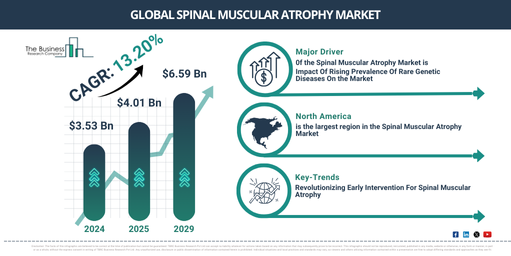
    In the last few years, the spinal muscular atrophy market has seen significant growth. It is projected to expand from $3.53 billion in 2024 to $4.01 billion in 2025, with a compound annual growth rate (CAGR) of 13.5%. The surge during the past period has been driven by factors such as escalated diagnosis and early detection, rising incidences of uncommon genetic diseases, enhanced healthcare infrastructure, government and regulatory backing, as well as an upswing in unresolved healthcare requirements.

    What Growth Rate Is Forecasted for the Spinal Muscular Atrophy Market by 2029?

    There is anticipated rapid expansion in the spinal muscular atrophy market in the ensuing years. It is projected to reach $6.59 billion in 2029, with a compound annual growth rate (CAGR) of 13.2%. Factors contributing to this growth in the forecast period include enhanced awareness and diagnosis, wider access to treatment, an increase in healthcare investments that target rare diseases, a conducive regulatory environment, and escalating healthcare expenditure. Noteworthy trends in the anticipated period comprise breakthroughs in oral therapies, the utilization of gene therapy, advances in technologies for drug delivery systems, the use of artificial intelligence in the development of SMA treatments, and cutting-edge gene editing technologies.

    Download The Free Sample Report Here:

    https://www.thebusinessresearchcompany.com/sample.aspx?id=20965&type=smp

    Which Key Companies Are Shaping the Future of the Spinal Muscular Atrophy Market?

    Major companies operating in the spinal muscular atrophy market are Pfizer Inc., F. Hoffmann-La Roche Ltd, Bayer AG, Novartis AG, Biogen Inc., Chugai Pharmaceutical Co. Ltd., Genentech Inc., PTC Therapeutics Inc., Ionis Pharmaceuticals Inc., Biohaven Ltd., Catalyst Pharmaceuticals Inc., RegenXBio Inc., Cytokinetics Inc., AveXis Inc., Scholar Rock Inc., Genethon, CANbridge Pharmaceuticals Inc., NMD Pharma A/S, Hanugen Therapeutics Inc., Beijing Jinlan Gene Technology Co. Ltd.

    Which Factors Are Driving Demand in the Spinal Muscular Atrophy Industry?

    The growth of the spinal muscular atrophy market is anticipated to be accelerated by the escalating rates of rare genetic disorders. These genetic disorders, which affect a small portion of the overall population, are born out of mutated genes and often lead to intense, chronic health issues. Upgraded diagnostic technologies, heightened public consciousness, and enhanced access to genetic testing have all contributed to the increase in recognized and reported cases of rare genetic disorders. Spinal muscular atrophy (SMA), a peculiar genetic disorder, epitomizes the difficulties and possibilities of comprehending inherited maladies, highlighting the urgency of progressing genetic condition-related research. For example, in July 2023, a study by the Office for National Statistics, a governmental department in the UK, made it known that genetic testing of SMN1 has paved the way for exact epidemiological studies. It confirmed that SMA is found in 1 in 10,000 to 20,000 live births, with over 95% of patients affected being homozygous for SMN1 deletion. Consequently, the increasing rates of rare genetic disorders are set to stimulate the expansion of the spinal muscular atrophy market.

    Request For A Customized Report:

    https://www.thebusinessresearchcompany.com/customise?id=20965&type=smp

    How Is the Spinal Muscular Atrophy Market Segmented by Several Divisions?

    The spinal muscular atrophy market covered in this report is segmented –

    1) By Type: Type 1 (Severe), Type 2 (Intermediate), Type 3 (Mild), Type 4 (Adult)

    2) By Age: Pediatric, Adults

    3) By Treatment: Drug Therapy, Gene Therapy

    4) By End User: Hospital pharmacy, Online pharmacy, Retail pharmacy

    Subsegments:

    1) By Type 1 (Severe): Infantile-Onset SMA, Severe Progressive SMA

    2) By Type 2 (Intermediate): Early-Onset SMA, Non-progressive SMA

    3) By Type 3 (Mild): Juvenile-Onset SMA, Mild Progressive SMA

    4) By Type 4 (Adult): Adult-Onset SMA, Late-Onset SMA

    What are the Emerging Market Trends Driving the Growth of the Spinal Muscular Atrophy Industry?

    Leading firms in the spinal muscular atrophy market are advancing their product offerings by developing unique solutions like dry syrup. This innovation aims to aid medication compliance and simplify administration for pediatric patients and other groups who experience difficulty swallowing. Dry syrup, a medication in powdered form, is mixed with water prior to consumption and is usually prescribed for children and patients who struggle with intaking tablets or capsules. Chugai Pharmaceutical Co., Ltd., a pharmaceutical organization based in Japan, reported in September 2024 that it had received regulatory approval from the nation’s Ministry of Health, Labour and Welfare for widened usage of their drug, Evrysdi (risdiplam). The approval allows Evrysdi to be used in pre-symptomatic spinal muscular atrophy (SMA) and expands dosing to infants younger than two months. This development is significant as it allows treatment to start before symptoms manifest, potentially improving therapeutic results in affected infants. The decision was backed by the RAINBOWFISH study’s findings, which evaluated the safety and efficacy of Evrysdi in infants diagnosed with SMA but not yet showing symptoms. The results demonstrated that infants treated with the drug reached developmental milestones including unsupported sitting and better motor skills within 12 months, pointing to the drug’s capacity to alter the course of the disease when administered promptly.

    Access The Full Report Here:

    https://www.thebusinessresearchcompany.com/report/spinal-muscular-atrophy-global-market-report

    Which Regions Are Driving Growth in the Spinal Muscular Atrophy Market?

    North America was the largest region in the spinal muscular atrophy market in 2024. Asia-Pacific is expected to be the fastest-growing region in the forecast period. The regions covered in the spinal muscular atrophy market report are Asia-Pacific, Western Europe, Eastern Europe, North America, South America, Middle East, Africa.

    Purchase The Full Report Today:

    https://www.thebusinessresearchcompany.com/purchaseoptions.aspx?id=20965

    This Report Delivers Insight On:

    1. How big is the spinal muscular atrophy market, and how is it changing globally?

    2. Who are the major companies in the spinal muscular atrophy market, and how are they performing?

    3. What are the key opportunities and risks in the spinal muscular atrophy market right now?

    4. Which products or customer segments are growing the most in the spinal muscular atrophy market?

    5. What factors are helping or slowing down the growth of the spinal muscular atrophy market?

    About The Business Research Company:

    With over 15000+ reports from 27 industries covering 60+ geographies, The Business Research Company has built a reputation for offering comprehensive, data-rich research and insights. Armed with 1,500,000 datasets, the optimistic contribution of in-depth secondary research, and unique insights from industry leaders, you can get the information you need to stay ahead in the game.

    Get in touch with us:

    The Business Research Company: https://www.thebusinessresearchcompany.com/

    Americas +1 310-496-7795

    Europe +44 7882 955267

    Asia & Others +44 7882 955267 & +91 8897263534

    Email us at info@tbrc.info

    Follow us on:

    LinkedIn: https://in.linkedin.com/company/the-business-research-company

    YouTube: https://www.youtube.com/channel/UC24_fI0rV8cR5DxlCpgmyFQ

    Global Market Model: https://www.thebusinessresearchcompany.com/global-market-model
  • Functional Dyspepsia Drug Market Trends Report 2025 – For Business Development and Strategy Teams

    Functional Dyspepsia Drug Market Trends Report 2025 – For Business Development and Strategy Teams

    Claim your 30% discount on Global Market Reports with code ONLINE30. Limited time only.

    What Is the Forecast for the Functional Dyspepsia Drug Market Growth in 2025?

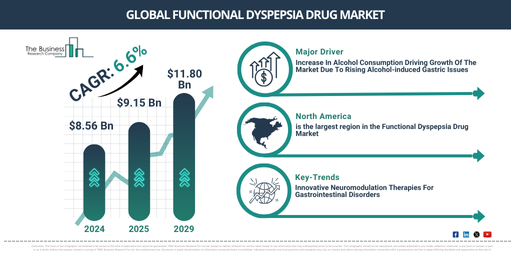
    In recent times, the market size for functional dyspepsia drugs has experienced substantial growth. The rise is expected to continue from $8.56 billion in 2024 up to $9.15 billion in 2025, representing a Compound Annual Growth Rate (CAGR) of 6.8%. The previous growth can be credited to a variety of factors such as an increase in associated risk factors, augmented healthcare costs, a rising number of cases of dyspepsia, a boost in gastrointestinal issues, as well as an expanding ageing population.

    What Is the Forecast for the Functional Dyspepsia Drug Market Size Through 2029?

    The market size for drugs treating functional dyspepsia is projected to experience robust growth in the forthcoming years, increasing to a valuation of $11.80 billion by 2029 at a compound annual growth rate of 6.6%. This growth trend in the projection period may be credited to factors such as a rising consumer inclination towards holistic health and lifestyle-centric therapies, growing acceptance of combination treatments and lifestyle changes, escalated research on the gut-brain relationship, and a surge in the implementation of non-drug-based interventions. Moving forward into the forecast period, we can expect key trends such as progression in drug formulation methods, partnerships between healthcare providers and pharmaceutical firms, a shift towards precision healthcare strategies, the incorporation of telemedicine and digital health technologies, and individualized medical treatment approaches.

    Download The Free Sample Report Here:

    https://www.thebusinessresearchcompany.com/sample.aspx?id=21979&type=smp

    What are the Key Market Players in Functional Dyspepsia Drug Market and How They’re Evolving?

    Major companies operating in the functional dyspepsia drug market are Pfizer Inc., Abbvie Inc., Bayer AG, AstraZeneca plc, Astellas Pharma Inc., Eisai Co. Ltd., Menarini Group, Dr. Reddy’s Laboratories Ltd., Lupin Limited, Daewoong Pharmaceutical Co. Ltd., Phathom Pharmaceuticals, Zeria Pharmaceutical Co. Ltd., Ironwood Pharmaceuticals Inc., Salix Pharmaceuticals Inc., RedHill Biopharma, RaQualia Pharma Inc., MetaMe Health, Renexxion LLC, Processa Pharmaceuticals, Evoke Pharma Inc.

    What Are the Primary Growth Drivers in the Functional Dyspepsia Drug Market?

    The progression of the functional dyspepsia drug market is expected to be propelled by an increase in alcohol intake. Alcohol, commonly found in drinks such as beer, wine, and spirits, is a significant source of ethanol, an organic compound that impacts the central nervous system and induces intoxication upon consumption. The rise in alcohol intake is due to factors such as social and cultural acceptance, stress management, easy access, and frequent advertising campaigns by liquor companies. Medications for functional dyspepsia can be utilized to relieve stomach discomfort caused by alcohol by decreasing acid secretion and enhancing digestion. The Office for Health Improvement & Disparities (OHID), a UK government agency, documented in March 2023 that between 2021 and 2022, there were 342,795 hospitalizations solely due to alcohol, resulting in a rate of 626 admissions per 100,000 people. Thus, the growing consumption of alcohol is fuelling the functional dyspepsia drug market’s expansion. An upsurge in metabolic disorders and related gastrointestinal problems is anticipated to contribute to the progression of the market. Metabolic disorders disrupt the body’s regular metabolic activities and result in nutrient, energy, or waste processing imbalances. The rise in these disorders is attributed to ineffective diets, sedentary lifestyles, genetic susceptibility, and increasing obesity levels. In managing these disorders, functional dyspepsia drugs are utilized to control gastrointestinal complaints and enhance digestive function. As reported by the World Health Organization (WHO), a Switzerland-based government organization, in November 2024, in 2022, 14% of adults aged 18 and older were diagnosed with diabetes. Therefore, the increased prevalence of metabolic disorders is propelling the expansion of the functional dyspepsia drug market.

    Request For A Customized Report:

    https://www.thebusinessresearchcompany.com/customise?id=21979&type=smp

    What Are the Leading Segments in the Global Functional Dyspepsia Drug Industry?

    The functional dyspepsia drug market covered in this report is segmented –

    1) By Drug Type: Proton Pump Inhibitors, H-2-Receptor Antagonists, Antacids, Antibiotics, Prokinetics, Antidepressants

    2) By Indication: Functional Dyspepsia, Organic Dyspepsia

    3) By Distribution Channel: Retail Pharmacies, Hospital Pharmacies, Online Pharmacies

    Subsegments:

    1) By Proton Pump Inhibitors: Omeprazole, Esomeprazole, Lansoprazole, Pantoprazole, Rabeprazole

    2) By H-2-Receptor Antagonists: Ranitidine, Famotidine, Cimetidine, Nizatidine

    3) By Antacids: Aluminum Hydroxide, Magnesium Hydroxide, Calcium Carbonate, Sodium Bicarbonate

    4) By Antibiotics: Clarithromycin, Amoxicillin, Metronidazole, Tetracycline

    5) By Prokinetics: Domperidone, Metoclopramide, Itopride, Mosapride

    6) By Antidepressants: Tricyclic Antidepressants, Selective Serotonin Reuptake Inhibitors, Serotonin-Norepinephrine Reuptake Inhibitors

    What Are the Key Market Trends in the Functional Dyspepsia Drug Industry?

    Prominent businesses in the functional dyspepsia drug market are prioritizing the execution of clinical trials. The aim is to create innovative treatments that target the root causes of the disorder, enhance the effectiveness of treatment, and cater to the unmet needs of patients. In the development of functional dyspepsia drugs, clinical trials are critical for evaluating safety, efficacy, and optimal treatment approaches. For instance, in December 2022, electroCore Inc., a medical tech firm based in the US, reported that the United States Patent and Trademark Office (USPTO) awarded two patents pertaining to its pioneering non-invasive vagus nerve stimulation (nVNS) tech. The first patent, U.S. Patent No. 11,511,109, pertained to a method for dealing with gastrointestinal problems, including functional dyspepsia, by making use of vagus nerve stimulation. The second patent, U.S. Patent No. 11,511,110, was related to a system that provides non-invasive electrical stimulation to the vagus nerve. These patents helped bolster electroCore’s standing in the sphere of non-invasive neuromodulation therapies.

    Access The Full Report Here:

    https://www.thebusinessresearchcompany.com/report/functional-dyspepsia-drug-global-market-report

    What Is the Regional Outlook for the Functional Dyspepsia Drug Market?

    North America was the largest region in the functional dyspepsia drug market in 2024. Asia-Pacific is expected to be the fastest-growing region in the forecast period. The regions covered in the functional dyspepsia drug market report are Asia-Pacific, Western Europe, Eastern Europe, North America, South America, Middle East, Africa.

    Purchase The Full Report Today:

    https://www.thebusinessresearchcompany.com/purchaseoptions.aspx?id=21979

    This Report Delivers Insight On:

    1. How big is the functional dyspepsia drug market, and how is it changing globally?

    2. Who are the major companies in the functional dyspepsia drug market, and how are they performing?

    3. What are the key opportunities and risks in the functional dyspepsia drug market right now?

    4. Which products or customer segments are growing the most in the functional dyspepsia drug market?

    5. What factors are helping or slowing down the growth of the functional dyspepsia drug market?

    About The Business Research Company:

    With over 15000+ reports from 27 industries covering 60+ geographies, The Business Research Company has built a reputation for offering comprehensive, data-rich research and insights. Armed with 1,500,000 datasets, the optimistic contribution of in-depth secondary research, and unique insights from industry leaders, you can get the information you need to stay ahead in the game.

    Get in touch with us:

    The Business Research Company: https://www.thebusinessresearchcompany.com/

    Americas +1 310-496-7795

    Europe +44 7882 955267

    Asia & Others +44 7882 955267 & +91 8897263534

    Email us at info@tbrc.info

    Follow us on:

    LinkedIn: https://in.linkedin.com/company/the-business-research-company

    YouTube: https://www.youtube.com/channel/UC24_fI0rV8cR5DxlCpgmyFQ

    Global Market Model: https://www.thebusinessresearchcompany.com/global-market-model
  • Spinal Cord Stimulation Devices  Market Size to Exceed $4.18 Billion by 2029 | Growth and Industry Trends

    Spinal Cord Stimulation Devices Market Size to Exceed $4.18 Billion by 2029 | Growth and Industry Trends

    Claim your 30% discount on Global Market Reports with code ONLINE30. Limited time only.

    How Has the Spinal Cord Stimulation Devices Market Grown from 2024 to 2025?

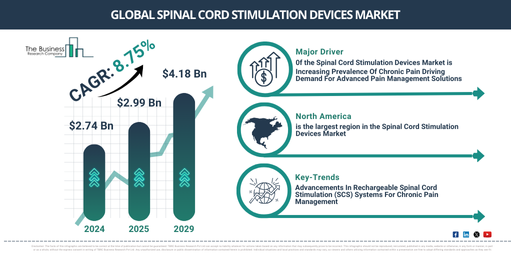
    There has been significant progress in the market size for spinal cord stimulation devices in the previous years. The market, which is expected to leap from $2.74 billion in 2024 to $2.99 billion in 2025, will do so at a compound annual growth rate (CAGR) of 9.01%. Factors that contributed to this growth during the historical period include enhanced clinical results and patient satisfaction, heightened awareness of pain management alternatives, an increase in support for reimbursements, a surge in clinical research and regulatory approvals, and the development of pain management clinics and centers.

    What Growth Rate Is Anticipated for the Spinal Cord Stimulation Devices Market in the Coming Years?

    The market size for spinal cord stimulation devices is anticipated to experience robust growth in the coming years, with an expected value of $4.18 billion in 2029, demonstrating a compound annual growth rate (CAGR) of 8.75%. The upward trajectory during the forecast period can be credited to factors such as growing instances of chronic pain conditions, a rising preference for non-opioid pain control methods, an expanding elderly population base, favorable reimbursement policies, increased use of wireless and rechargeable appliances, and heightened knowledge about neuromodulation therapies amongst medical professionals and patients. The forecast period will also witness significant trends such as improvements in minimally invasive techniques, advancements in wireless and rechargeable devices, progress in frequency stimulation, the adoption of closed-loop feedback mechanisms, the incorporation of wireless connectivity, development of advanced waveform selections, and the customization of pain management algorithms.

    Download The Free Sample Report Here:

    https://www.thebusinessresearchcompany.com/sample.aspx?id=20964&type=smp

    Who Are the Leading Companies in the Spinal Cord Stimulation Devices Market?

    Major companies operating in the spinal cord stimulation devices market are Abbott Laboratories, Medtronic plc, Boston Scientific Corporation, Nevro Corp., Bluewind Medical, NeuroPace Inc., Vertos Medical Inc., SPR Therapeutics Inc., Saluda Medical Pty Ltd., Stimwave Technologies Inc., Nuvectra Inc., Soterix Medical Inc., Synapse Biomedical, ONWARD Medical NV, NeuroSigma Inc., Nalu Medical Inc., Neurostim Technologies, SpineX Inc., Aleva Neurotherapeutics SA, GTX Medical BV

    What Are the Key Drivers of the Spinal Cord Stimulation Devices Market?

    The escalation in chronic pain incidents is anticipated to propel the expansion of the spinal cord stimulation devices market. Chronic pain is a persistent discomfort that lasts for 12 weeks or more and originates from conditions such as arthritis, neuropathy, or lower back pain. The surge in these incidents is the result of several factors, such as aging population, lifestyle modifications, chronic health ailments, and injuries or trauma. Spinal cord stimulation (SCS) devices counter chronic pain by manipulating pain signals through electrical impulses, thus offering a respite from enduring conditions. For instance, Centers for Disease Control and Prevention, a US government agency, reported in November 2024 that in 2023, 24.3% of adults experienced chronic pain, with 8.5% suffering from high-impact chronic pain, making up 34.9% of those dealing with chronic pain. Consequently, the increasing frequency of chronic pain incidents is energizing the growth of the spinal cord stimulation devices market.

    Request For A Customized Report:

    https://www.thebusinessresearchcompany.com/customise?id=20964&type=smp

    What Are the Key Market Segments in the Spinal Cord Stimulation Devices Industry?

    The spinal cord stimulation devices market covered in this report is segmented –

    1) By Type: Implantable Spinal Cord Stimulators, Non-Implantable Spinal Cord Stimulators

    2) By Product Type: Rechargeable Devices, Non-Rechargeable Devices

    3) By Application: Failed Back Surgery Syndrome, Complex Regional Pain Syndrome, Degenerative Disc Disease, Unsuccessful Disk Surgery, Other Applications

    4) By End User: Hospitals, Ambulatory Surgical Centers, Neuro Clinics

    Subsegments:

    1) By Implantable Spinal Cord Stimulators: Rechargeable Spinal Cord Stimulators, Non-Rechargeable Spinal Cord Stimulators, Multi-Lead Implantable Spinal Cord Stimulators

    2) By Non-Implantable Spinal Cord Stimulators: External Spinal Cord Stimulators, Wearable Spinal Cord Stimulators, Transcutaneous Spinal Cord Stimulators

    What Are the Latest Trends in the Spinal Cord Stimulation Devices Market?

    Top companies in the spinal cord stimulation devices industry are concentrating on creating innovative technologies like rechargeable spinal cord stimulation systems. They aim to improve patient results, extend the life span of devices, and present customized pain management solutions for chronic pain sufferers. Rechargeable spinal cord stimulation (SCS) systems are sophisticated devices that alleviate chronic pain by providing electrical shocks to the spinal cord. Notably, in December 2022, Abbott Laboratories, an American medical device manufacturer, was granted approval for its Eterna spinal cord stimulation (SCS) system by the US Food and Drug Administration (FDA). This revolutionary device presents a solution for managing chronic pain, using a compact design combined with leading-edge functions, enhancing the comfort and lessening the physical strain on patients. Its rechargeability ensures longevity, reducing the necessity for surgical replacements and adding convenience. The system comes with exact pain relief capabilities that can be personalized according to individual patient needs. The design of the system is simple yet innovative, facilitating minimally invasive implantation, which cuts down recovery time and enhances patient results overall.

    Access The Full Report Here:

    https://www.thebusinessresearchcompany.com/report/spinal-cord-stimulation-devices-global-market-report

    What Are the Key Regional Markets in the Spinal Cord Stimulation Devices Industry?

    North America was the largest region in the spinal cord stimulation devices market in 2024. Asia-Pacific is expected to be the fastest-growing region in the forecast period. The regions covered in the spinal cord stimulation devices market report are Asia-Pacific, Western Europe, Eastern Europe, North America, South America, Middle East, Africa.

    Purchase The Full Report Today:

    https://www.thebusinessresearchcompany.com/purchaseoptions.aspx?id=20964

    This Report Delivers Insight On:

    1. How big is the spinal cord stimulation devices market, and how is it changing globally?

    2. Who are the major companies in the spinal cord stimulation devices market, and how are they performing?

    3. What are the key opportunities and risks in the spinal cord stimulation devices market right now?

    4. Which products or customer segments are growing the most in the spinal cord stimulation devices market?

    5. What factors are helping or slowing down the growth of the spinal cord stimulation devices market?

    About The Business Research Company:

    With over 15000+ reports from 27 industries covering 60+ geographies, The Business Research Company has built a reputation for offering comprehensive, data-rich research and insights. Armed with 1,500,000 datasets, the optimistic contribution of in-depth secondary research, and unique insights from industry leaders, you can get the information you need to stay ahead in the game.

    Get in touch with us:

    The Business Research Company: https://www.thebusinessresearchcompany.com/

    Americas +1 310-496-7795

    Europe +44 7882 955267

    Asia & Others +44 7882 955267 & +91 8897263534

    Email us at info@tbrc.info

    Follow us on:

    LinkedIn: https://in.linkedin.com/company/the-business-research-company

    YouTube: https://www.youtube.com/channel/UC24_fI0rV8cR5DxlCpgmyFQ

    Global Market Model: https://www.thebusinessresearchcompany.com/global-market-model
  • Market Analysis on Fibrodysplasia Ossificans Progressiva (FOP) Treatment Industry – Insights for Corporate Strategy and R&D

    Market Analysis on Fibrodysplasia Ossificans Progressiva (FOP) Treatment Industry – Insights for Corporate Strategy and R&D

    Claim your 30% discount on Global Market Reports with code ONLINE30. Limited time only.

    What Is the Forecast for the Fibrodysplasia Ossificans Progressiva (FOP) Treatment Market from 2024 to 2025?

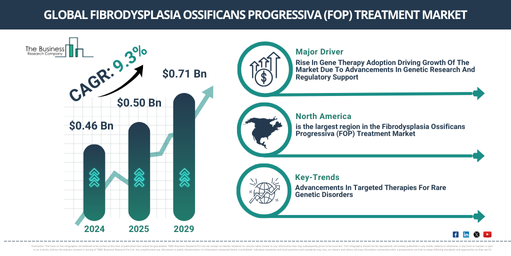
    In the last few years, the market size for the treatment of fibrodysplasia ossificans progressiva (FOP) has exhibited robust growth. It is forecasted to increase from $0.46 billion in 2024 to reach $0.50 billion in 2025, representing a compound annual growth rate (CAGR) of 9.6%. This growth experienced during the historic period can be credited to factors such as heightened awareness surrounding rare diseases, an increase in recorded FOP cases, a surge in investment towards the development of orphan drugs, collaborations between biotechnology firms and research institutions, and regulatory support for treatments of rare diseases.

    What Is the Projected Market Size of the Fibrodysplasia Ossificans Progressiva (FOP) Treatment Market?

    In the coming years, the market for fibrodysplasia ossificans progressiva (FOP) treatment is predicted to experience significant growth, with an estimated worth of $0.71 billion by 2029. This signifies a compound annual growth rate (CAGR) of 9.3%. Several factors can be credited for this predicted growth within the forecasted period, including the upsurge in clinical trials for new treatment methods, amplified investments in research for rare diseases, heightened patient awareness initiatives, improved diagnostic tools, favorable regulations for orphan drugs, and healthcare infrastructure enhancement in emerging markets. Key trends within this forecasted period are developments in gene therapy, CRISPR-based edits of the genome, the usage of anti-inflammatory biologicals, small molecule inhibitors designed to target ACVR1 mutations, strategies for personalized medicine, innovations in imaging techniques, and rehabilitation programs that focus on patient needs.

    Download The Free Sample Report Here:

    https://www.thebusinessresearchcompany.com/sample.aspx?id=21968&type=smp

    Who are the Major Competitors in the Fibrodysplasia Ossificans Progressiva (FOP) Treatment Market Outlook?

    Major companies operating in the fibrodysplasia ossificans progressiva (FOP) treatment market are Pfizer Inc., Roche Holding AG, Merck & Co. Inc., Bristol Myers Squibb Company, Novartis AG, AstraZeneca plc, GSK plc, Takeda Pharmaceutical Company Limited, Eli Lilly and Company, Gilead Sciences Inc., Amgen Inc., Boehringer Ingelheim GmbH, Regeneron Pharmaceuticals Inc., Daiichi Sankyo Company Limited, UCB S.A., Incyte Corporation, Ipsen Pharma, Alnylam Pharmaceuticals Inc., Mallinckrodt Pharmaceuticals, Blueprint Medicines Corporation, BioCryst Pharmaceuticals Inc., Ashibio.

    What Is Fueling Growth in the Fibrodysplasia Ossificans Progressiva (FOP) Treatment Market?

    The expansion of the fibrodysplasia ossificans progressiva (FOP) treatment market is predicted to be propelled by the growing implementation of gene therapy. The practice of gene therapy involves modifying or substituting genes within an individual’s cells in order to combat or prevent illnesses. Factors encouraging the wider adoption of gene therapy include advancements in genetic study, improved results in treating previously incurable conditions, and increased regulatory backing for innovative treatments. Gene therapy for fibrodysplasia ossificans progressiva focuses on tackling and correcting anomalies in the ACVR1 gene that lead to abnormal bone growth. To illustrate, the American Society of Gene & Cell Therapy confirmed in April 2024 that phase III gene therapy clinical trials saw a growth of 10% in the fourth quarter, a first since the previous rise in the third quarter of 2022. Consequently, the accelerated application of gene therapy is contributing to the growth of the fibrodysplasia ossificans progressiva (FOP) treatment market.

    Request For A Customized Report:

    https://www.thebusinessresearchcompany.com/customise?id=21968&type=smp

    Which Fibrodysplasia Ossificans Progressiva (FOP) Treatment Market Segments Are Growing the Fastest?

    The fibrodysplasia ossificans progressiva (FOP) treatment market covered in this report is segmented –

    1) By Drug Class: Corticosteroids, Non-Steroidal Anti-Inflammatory Drugs (NSAIDs), Bisphosphonates, Other Drug Classes

    2) By Treatment: Surgery, Medication, Occupational Therapy

    3) By Route Of Administration: Oral, Topical, Parenteral

    4) By End-User: Hospitals, Research Institutes, Specialty Clinics

    Subsegments:

    1) By Corticosteroids: Prednisone, Dexamethasone, Methylprednisolone

    2) By Non-Steroidal Anti-Inflammatory Drugs (NSAIDs): Ibuprofen, Naproxen, Celecoxib

    3) By Bisphosphonates: Alendronate, Risedronate, Zoledronic Acid

    4) By Other Drug Classes: Monoclonal Antibodies, Immunosuppressants, Gene Therapy Drugs

    Which Industry Trends Are Shaping the Future of the Fibrodysplasia Ossificans Progressiva (FOP) Treatment Market?

    Leading businesses in the fibrodysplasia ossificans progressiva (FOP) treatment industry are concentrating on the development of innovative drugs like retinoid-induced capsules. This is in an effort to cater to unfulfilled medical requirements of patients by targeting specific genetic mutations linked to the disorder. The goal is to enhance treatment results and patients’ living standards. Retinoids, derivatives of vitamin A, are utilised in medical procedures to control cellular growth and bolster immune responses, specifically for skin and certain cancer treatments. For example, in August 2023, Ipsen, a pharmaceutical firm based in France, gained the US Food and Drug Administration’s (FDA) approval for its sohonos capsules. These are retinoid-designed drugs for fibrodysplasia ossificans progressiva (FOP), intended to decrease new abnormal bone growth (heterotopic ossification). This provides an essential treatment alternative for adult and pediatric patients alike, contributing to an enhanced mobility and comprehensive life quality.

    Access The Full Report Here:

    https://www.thebusinessresearchcompany.com/report/fibrodysplasia-ossificans-progressiva-fop-treatment-global-market-report

    Which Countries Are Leading the Fibrodysplasia Ossificans Progressiva (FOP) Treatment Market?

    North America was the largest region in the fibrodysplasia ossificans progressiva (FOP) treatment market in 2024. Asia-Pacific is expected to be the fastest-growing region in the forecast period. The regions covered in the fibrodysplasia ossificans progressiva (FOP) treatment market report are Asia-Pacific, Western Europe, Eastern Europe, North America, South America, Middle East, Africa.

    Purchase The Full Report Today:

    https://www.thebusinessresearchcompany.com/purchaseoptions.aspx?id=21968

    This Report Delivers Insight On:

    1. How big is the fibrodysplasia ossificans progressiva (fop) treatment market, and how is it changing globally?

    2. Who are the major companies in the fibrodysplasia ossificans progressiva (fop) treatment market, and how are they performing?

    3. What are the key opportunities and risks in the fibrodysplasia ossificans progressiva (fop) treatment market right now?

    4. Which products or customer segments are growing the most in the fibrodysplasia ossificans progressiva (fop) treatment market?

    5. What factors are helping or slowing down the growth of the fibrodysplasia ossificans progressiva (fop) treatment market?

    About The Business Research Company:

    With over 15000+ reports from 27 industries covering 60+ geographies, The Business Research Company has built a reputation for offering comprehensive, data-rich research and insights. Armed with 1,500,000 datasets, the optimistic contribution of in-depth secondary research, and unique insights from industry leaders, you can get the information you need to stay ahead in the game.

    Get in touch with us:

    The Business Research Company: https://www.thebusinessresearchcompany.com/

    Americas +1 310-496-7795

    Europe +44 7882 955267

    Asia & Others +44 7882 955267 & +91 8897263534

    Email us at info@tbrc.info

    Follow us on:

    LinkedIn: https://in.linkedin.com/company/the-business-research-company

    YouTube: https://www.youtube.com/channel/UC24_fI0rV8cR5DxlCpgmyFQ

    Global Market Model: https://www.thebusinessresearchcompany.com/global-market-model