Author: Marketing Posting

  • Minimal Invasive Surgery Devices Market Projected at $46.14 Billion by 2029 | Strategic Insights and Forecast Data

    Minimal Invasive Surgery Devices Market Projected at $46.14 Billion by 2029 | Strategic Insights and Forecast Data

    Claim your 30% discount on Global Market Reports with code ONLINE30. Limited time only.

    #How Has The Minimal Invasive Surgery Devices Market Size Shifted, And What Is the Outlook Through 2034?

    The market size for minimally invasive surgery devices has seen significant growth in the past few years. It is expected to increase from $34.17 billion in 2024 to $36.61 billion in 2025, with a compound annual growth rate (CAGR) of 7.1%. This growth during the historic period can be credited to a rise in chronic disease cases, an expanding elderly population, increasing obesity rates, and an escalating demand for natural orifice transluminal endoscopic surgery.

    How Much Will the Minimal Invasive Surgery Devices Market Be Worth in 2029?

    The market for minimal invasive surgery devices is predicted to experience significant growth in the coming years, reaching a value of $46.14 billion in 2029 with a compound annual growth rate (CAGR) of 6.0%. Causes contributing to this growth during the forecast period are linked to the global development of healthcare, the increasing emphasis on patient-centric care, the demand of patients for more minimally invasive procedures, as well as the training and experience of surgeons. Some noteworthy trends projected to be seen during this period include the incorporation of robotics and AI, remote and telesurgery, single-incision surgery, natural orifice surgery, and the advent of 3d printed and tailored devices.

    Download The Free Sample Report Here:

    https://www.thebusinessresearchcompany.com/sample.aspx?id=2583&type=smp

    Which is the Largest Company in the Minimal Invasive Surgery Devices Market?

    Major companies operating in the minimal invasive surgery devices market include Abbott Laboratories, GE Healthcare, Medtronic plc, Siemens Healthineers, Smith & Nephew Plc., Stryker Corporation, Boston Scientific Corporation, EthiconInc., B. Braun Melsungen Ag, Conmed Corporation, Microline SurgicalInc., Zimmer Biomet HoldingsInc., Aesculap Inc., Koninklijke Philips NV, F. Hoffmann-La Roche AG, Cardinal Health inc., Baxter International Inc., Danaher Corporation, KARL STORZ SE & Co. KG, Richard Wolf GmbH, Cook Medical, Intuitive Surgical Inc., Smiths Medical, Teleflex Incorporated, Terumo Corporation, Merit Medical Systems, AngioDynamics, MicroPort Scientific Corporation, Lumenis

    What Are the Main Market Drivers in the Minimal Invasive Surgery Devices Industry?

    The rise in public consciousness about the benefits of minimally invasive surgeries is propelling the market for minimally invasive surgical devices. Less invasive operations necessitate smaller incisions in comparison to conventional surgical procedures, resulting in reduced pain, shortened hospital stays, fewer scars, decreased likelihood of bleeding or infections, and less tissue damage. For instance, The Aesthetic Society, an American organization for cosmetic medicine and plastic surgery, reported in August 2023 that Americans spent over $11.8 billion on minimally invasive surgical procedures, a 2% increase from the previous year. This indicates that the growing popularity of minimally invasive surgery (MIS) will lead to a surge in demand for minimally invasive surgical devices.

    Request For A Customized Report:

    https://www.thebusinessresearchcompany.com/customise?id=2583&type=smp

    How Is the Minimal Invasive Surgery Devices Market Segments Structured?

    The minimal invasive surgery devices market covered in this report is segmented –

    1) By Product Type: Handheld Instruments, Inflation Devices, Cutter Instruments, Guiding Devices, Electrosurgical Devices, Auxiliary Devices, Monitoring & Visualization Devices

    2) By Application: Laparoscopy, Cardiovascular, Cosmetic Surgery, Orthopedic Surgery, Obstetrics And Gynecology, Ophthalmology, Neurosurgery, Urology, Other Applications

    3) By End Users: Hospitals, Ambulatory Surgical Centers (ASCS), Research Institutes

    Subsegments:

    1) By Handheld Instruments: Scissors, Forceps, Graspers

    2) By Inflation Devices: Balloon Inflation Devices, CO2 Insufflators

    3) By Cutter Instruments: Mechanical Cutters, Energy-based Cutters

    4) By Guiding Devices: Guidewires, Sheaths

    5) By Electrosurgical Devices: Electrosurgical Generators, Electrosurgical Pencil

    6) By Auxiliary Devices: Suction Devices, Irrigation Devices

    7) By Monitoring And Visualization Devices: Cameras, Monitors, Imaging Systems

    What Strategic Trends Are Transforming the Minimal Invasive Surgery Devices Market?

    The anticipated increase in trade barriers is predicted to negatively influence the growth of the minimally invasive surgery devices market. Numerous nations have imposed trade restrictions, particularly on imports, to stimulate domestic production. For example, the United Nations Conference on Trade and Development, an intergovernmental organization based in Switzerland, estimated in December 2023 that global trade in goods could potentially dip by about $2 trillion in 2023. These trade restrictions may constrain growth by causing a hike in prices.

    Access The Full Report Here:

    https://www.thebusinessresearchcompany.com/report/minimal-invasive-surgery-devices-global-market-report

    Which Global Regions Offer the Highest Growth in the Minimal Invasive Surgery Devices Market?

    The countries covered in the minimal invasive surgery devices market report are Australia, Brazil, China, France, Germany, India, Indonesia, Japan, Russia, South Korea, UK, USA, Italy, Spain, Canada.

    Purchase The Full Report Today:

    https://www.thebusinessresearchcompany.com/purchaseoptions.aspx?id=2583

    This Report Delivers Insight On:

    1. How big is the minimal invasive surgery devices market, and how is it changing globally?

    2. Who are the major companies in the minimal invasive surgery devices market, and how are they performing?

    3. What are the key opportunities and risks in the minimal invasive surgery devices market right now?

    4. Which products or customer segments are growing the most in the minimal invasive surgery devices market?

    5. What factors are helping or slowing down the growth of the minimal invasive surgery devices market?

    About The Business Research Company:

    With over 15000+ reports from 27 industries covering 60+ geographies, The Business Research Company has built a reputation for offering comprehensive, data-rich research and insights. Armed with 1,500,000 datasets, the optimistic contribution of in-depth secondary research, and unique insights from industry leaders, you can get the information you need to stay ahead in the game.

    Get in touch with us:

    The Business Research Company: https://www.thebusinessresearchcompany.com/

    Americas +1 310-496-7795

    Asia +44 2071930708

    Europe +44 7882 955267

    Email us at info@tbrc.info

    Follow us on:

    LinkedIn: https://in.linkedin.com/company/the-business-research-company

    YouTube: https://www.youtube.com/channel/UC24_fI0rV8cR5DxlCpgmyFQ

    Global Market Model: https://www.thebusinessresearchcompany.com/global-market-model

  • Interleukin Inhibitors Industry Growth Expected to Reach $96.66 Billion by 2029 at a CAGR of 18% | Segmentation and Growth Opportunities

    Interleukin Inhibitors Industry Growth Expected to Reach $96.66 Billion by 2029 at a CAGR of 18% | Segmentation and Growth Opportunities

    Claim your 30% discount on Global Market Reports with code ONLINE30. Limited time only.

    #How Has the Interleukin Inhibitors Market Growth Performance Trended Historically, And What Lies Ahead?

    There has been a swift expansion in the market size of interleukin inhibitors in the past few years. This market will escalate from $42.93 billion in 2024 to $49.84 billion in 2025, marking a compound annual growth rate (CAGR) of 16.1%. Factors that led to growth during the historic period include a heightened occurrence of autoimmune diseases, amplified consciousness about interleukin inhibitors, an expanding demand for personalized medicine, an increasing elderly population, and rising interest in biosimilars.

    What Is the Forecast for the Interleukin Inhibitors Market Size Through 2029?

    The market size for interleukin inhibitors is projected to undergo speedy expansion in the coming years. By 2029, the market will reach a value of $96.66 billion growing at a compound annual growth rate (CAGR) of 18.0%. Factors contributing to this projected growth during the forecast period include the emergence of therapeutic indications, the ageing population worldwide, combined immunotherapies, and enhanced investment in research and development activities. Noteworthy trends for the forecast period encompass oral interleukin inhibitors, advanced therapy options, pediatric indications, broader access, and a focus on patient-centric care.

    Download The Free Sample Report Here:

    https://www.thebusinessresearchcompany.com/sample.aspx?id=3469&type=smp

    What are the Key Market Players in Interleukin Inhibitors Market and How They’re Evolving?

    Major companies operating in the interleukin inhibitors market include Sanofi S.A., GlaxoSmithKline plc, Novartis International AG, Johnson & Johnson Services Inc., F. Hoffmann-La Roche Ltd., Eli Lilly and Company, AstraZeneca plc, Teva Pharmaceutical Industries Ltd., Regeneron Pharmaceuticals Inc., Bausch Health Companies Inc., AbbVie Inc., Sun Pharmaceutical Industries Limited, Boehringer Ingelheim International GmbH, Janssen Biotech Inc., Ortho Dermatologics, Amgen Inc., Celgene Corporation, Bristol-Myers Squibb Company, Pfizer Inc., Merck & Co. Inc., Takeda Pharmaceutical Company Limited, Biogen Inc., Vertex Pharmaceuticals Incorporated, Incyte Corporation, Seattle Genetics Inc., Karyopharm Therapeutics Inc., Kyowa Kirin Co Ltd., Astellas Pharma Inc., Ipsen Biopharmaceuticals Inc.

    What Are the Primary Growth Drivers in the Interleukin Inhibitors Market?

    The interleukin inhibitors market is set to be propelled by an increase in the count of investigational drugs for inflammatory illnesses such as psoriasis, arthritis, and inflammatory bowel disease. These inhibitors of interleukin diminish the activity of the inflammatory cytokines. They prompt innate immune responses to prevent harm to the host and preserve normal tissue homeostasis. Currently, there are 48 molecules being examined for the treatment of inflammatory diseases like psoriasis and psoriatic arthritis. Out of them, 20 molecules have advanced to Phase III clinical trials. This rising quantity of pipeline drugs, upon approval, will indeed fuel the growth of the interleukin inhibitors market.

    Request For A Customized Report:

    https://www.thebusinessresearchcompany.com/customise?id=3469&type=smp

    What Are the Leading Segments in the Global Interleukin Inhibitors Industry?

    The interleukin inhibitors market covered in this report is segmented –

    1) By Type: IL-17, IL-23, IL-1, IL-5, IL-6, Other Types

    2) By Application: Psoriasis, Psoriatic Arthritis, Rheumatoid Arthritis, Asthma, Inflammatory Bowel Disease, Other Applications

    3) By Distribution Channel: Hospital Pharmacies, Retail Pharmacies, Online Pharmacies

    Subsegments:

    1) By IL-17: Secukinumab, Ixekizumab, Brodalumab

    2) By IL-23: Ustekinumab, Guselkumab, Tildrakizumab

    3) By IL-1: Anakinra, Canakinumab

    4) By IL-5: Mepolizumab, Reslizumab, Benralizumab

    5) By IL-6: Tocilizumab, Sarilumab

    6) By Other Types: Other Interleukin Inhibitors

    What Are the Key Market Trends in the Interleukin Inhibitors Industry?

    The expiry of biologic drug patents leads to the proliferation of biosimilar drugs which are a more cost-effective substitute. Major companies operating in the interleukin sector are in the process of producing biosimilars for interleukin inhibitors. For example, Mabpharm, NeuClone Pharmaceuticals Ltd., Gedeon Richter, and Bio-Thera Solutions are each working on their own biosimilars for specific IL inhibitors, including canakinumab (Ilaris), ustekinumab (Stelara), tocilizumab (Actemra), and secukinumab (Cosentyx), among others. Despite the clinical advantages that biologics provide in the treatment of psoriasis and other autoimmune diseases, a sizable number of patients remain untreated due to high treatment costs, among other reasons. This, coupled with the rapid progress in biotech and analytical sciences assuring that biosimilars are comparable to their biologic counterparts, is propelling the trend for biosimilars.

    Access The Full Report Here:

    https://www.thebusinessresearchcompany.com/report/interleukin-inhibitor-global-market-report

    What Is the Regional Outlook for the Interleukin Inhibitors Market?

    The countries covered in the interleukin inhibitors market report are Australia, Brazil, China, France, Germany, India, Indonesia, Japan, Russia, South Korea, UK, USA, Italy, Spain, Canada.

    Purchase The Full Report Today:

    https://www.thebusinessresearchcompany.com/purchaseoptions.aspx?id=3469

    This Report Delivers Insight On:

    1. How big is the interleukin inhibitors market, and how is it changing globally?

    2. Who are the major companies in the interleukin inhibitors market, and how are they performing?

    3. What are the key opportunities and risks in the interleukin inhibitors market right now?

    4. Which products or customer segments are growing the most in the interleukin inhibitors market?

    5. What factors are helping or slowing down the growth of the interleukin inhibitors market?

    About The Business Research Company:

    With over 15000+ reports from 27 industries covering 60+ geographies, The Business Research Company has built a reputation for offering comprehensive, data-rich research and insights. Armed with 1,500,000 datasets, the optimistic contribution of in-depth secondary research, and unique insights from industry leaders, you can get the information you need to stay ahead in the game.

    Get in touch with us:

    The Business Research Company: https://www.thebusinessresearchcompany.com/

    Americas +1 310-496-7795

    Asia +44 2071930708

    Europe +44 7882 955267

    Email us at info@tbrc.info

    Follow us on:

    LinkedIn: https://in.linkedin.com/company/the-business-research-company

    YouTube: https://www.youtube.com/channel/UC24_fI0rV8cR5DxlCpgmyFQ

    Global Market Model: https://www.thebusinessresearchcompany.com/global-market-model
  • Interferons Industry Valued at $11.98 Billion by 2029 With CAGR of 5.9% | Size and Share Insights

    Interferons Industry Valued at $11.98 Billion by 2029 With CAGR of 5.9% | Size and Share Insights

    Claim your 30% discount on Global Market Reports with code ONLINE30. Limited time only.

    What Are the Projected Market Size and Growth Rates for the Interferons Market From 2025 To 2029?

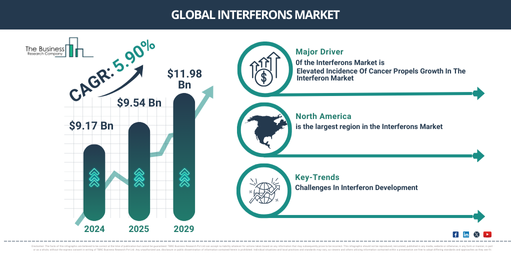
    There has been consistent growth in the size of the interferons market over the past few years. The market’s growth is anticipated to progress from a volume of $9.17 billion in 2024 to $9.54 billion in 2025, following a compound annual growth rate (CAGR) of 4.0%. The historic heightening of the market can be credited to factors such as viral infections, antiviral therapy schemes, cancer treatments, and autoimmune disease treatments.

    What Is the Projected Market Size of the Interferons Market?

    The market size for interferons is anticipated to experience robust growth in the upcoming years, expanding to $11.98 billion in 2029 with a compound annual growth rate (CAGR) of 5.9%. The projected growth throughout the forecast period can be linked to advancements in immunotherapy, precision medicine, readiness for viral outbreaks, drug pairings, and gene therapy. Key trends during the forecast period are expected to encompass increased applications, innovative biopharmaceuticals, interferon combinations, and tailor-made medicine.

    Download The Free Sample Report Here:

    https://www.thebusinessresearchcompany.com/sample.aspx?id=2836&type=smp

    Who are the Major Competitors in the Interferons Market Outlook?

    Major companies operating in the interferons market include Roche Holding AG, Merck & Co. Inc., Bristol-Myers Squibb Company, Biogen Inc., Bayer AG, Zydus Cadila Health Care Limited, Novartis AG, Pfizer Inc., Biosidus S.A., Nanogen Biopharmaceutical Co. Ltd., Amega Biotech Inc., Rhein Minapharm Biogenetics S.A.E., PROBIOMED S.A. de C.V., Schering-Plough Corporation, 3SBio Inc., AbbVie Inc., Celgene Corporation, Eli Lilly and Company, Genentech Inc., GlaxoSmithKline plc, Johnson & Johnson, Novo Nordisk A/S, Sanofi S.A., Takeda Pharmaceutical Company Limited, Teva Pharmaceutical Industries Ltd., Biocad, Cipla Limited, Dr. Reddy’s Laboratories Ltd., Hetero Drugs Limited

    What Is Fueling Growth in the Interferons Market?

    The interferon market’s expansion is anticipated to be propelled forward by the increasing prevalence of cancer. This collection of diseases, distinguished by abnormal cell proliferation that can result in metastasis, frequently uses interferons in the treatment of diverse forms such as melanoma, Kaposi’s sarcoma, and certain types of leukemia. Interferons often feature in co-therapies, where they enhance the body’s immune defense against cancerous cells. As an example, the American Cancer Society, a health organization based in the US, revealed in a report in January 2022 that it anticipates 609,360 cancer-related fatalities and 1.9 million fresh cancer diagnoses in the US in 2022. Predicted too are 10,470 instances of pediatric cancer in the same year, along with an expected 5,480 cancer diagnoses amongst teenagers. As such, the growth of the interferon market can be seen as spurred by the proliferation of cancer.

    Request For A Customized Report:

    https://www.thebusinessresearchcompany.com/customise?id=2836&type=smp

    Which Interferons Market Segments Are Growing the Fastest?

    The interferons market covered in this report is segmented –

    1) By Type: Interferon Alpha, Interferon Beta, Interferon Gamma

    2) By Application: Hepatitis B, Hepatitis C, Melanoma, Leukemia, Multiple Sclerosis, Renal Cell Carcinoma

    3) By Distribution Channel: Hospital Pharmacies, Online Pharmacies, Retail Pharmacies, Other Distribution Channels

    Subsegments:

    1) By Interferon Alpha: Interferon Alpha-2a, Interferon Alpha-2b

    2) By Interferon Beta: Interferon Beta-1a, Interferon Beta-1b

    3) By Interferon Gamma: Interferon Gamma-1b

    Which Industry Trends Are Shaping the Future of the Interferons Market?

    The creation of interferons comes with substantial research and development expenditures. The costs associated with the production of interferons are higher compared to the synthesis of smaller molecules which come with elevated operational expenses and necessitate a larger capital commitment. This is attributed to the fact that biologics are more intricate than their smaller counterparts and include complex production procedures. Furthermore, manufacturers are obligated to present an abundance of data to validate the effectiveness and safety of these biologics during pre-clinical and clinical trials prior to successful registration. This turns the registration of biologics into a costly and drawn-out process that hampers the market expansion. The steep research and development costs combined with the extended testing and production process mean marketed drugs will have a significantly higher price point than the actual production costs, posing a potential obstacle to market growth.

    Access The Full Report Here:

    https://www.thebusinessresearchcompany.com/report/interferon-global-market-report

    Which Countries Are Leading the Interferons Market?

    The countries covered in the interferons market report are Australia, Brazil, China, France, Germany, India, Indonesia, Japan, Russia, South Korea, UK, USA, Italy, Spain, Canada

    Purchase The Full Report Today:

    https://www.thebusinessresearchcompany.com/purchaseoptions.aspx?id=2836

    This Report Delivers Insight On:

    1. How big is the interferons market, and how is it changing globally?

    2. Who are the major companies in the interferons market, and how are they performing?

    3. What are the key opportunities and risks in the interferons market right now?

    4. Which products or customer segments are growing the most in the interferons market?

    5. What factors are helping or slowing down the growth of the interferons market?

    About The Business Research Company:

    With over 15000+ reports from 27 industries covering 60+ geographies, The Business Research Company has built a reputation for offering comprehensive, data-rich research and insights. Armed with 1,500,000 datasets, the optimistic contribution of in-depth secondary research, and unique insights from industry leaders, you can get the information you need to stay ahead in the game.

    Get in touch with us:

    The Business Research Company: https://www.thebusinessresearchcompany.com/

    Americas +1 310-496-7795

    Asia +44 2071930708

    Europe +44 7882 955267

    Email us at info@tbrc.info

    Follow us on:

    LinkedIn: https://in.linkedin.com/company/the-business-research-company

    YouTube: https://www.youtube.com/channel/UC24_fI0rV8cR5DxlCpgmyFQ

    Global Market Model: https://www.thebusinessresearchcompany.com/global-market-model
  • Inhalation Sedatives Market to Reach $2.88 Billion by 2029 | Key Drivers and Future Outlook

    Inhalation Sedatives Market to Reach $2.88 Billion by 2029 | Key Drivers and Future Outlook

    Claim your 30% discount on Global Market Reports with code ONLINE30. Limited time only.

    What Is the Estimated Market Size of the Inhalation Sedatives Market In 2029?

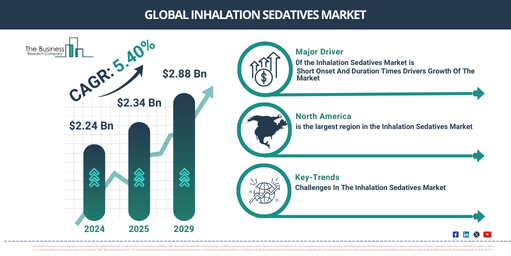
    The market size for inhalation sedatives has seen consistent growth in the past few years. It is anticipated to expand from $2.24 billion in 2024 to $2.34 billion in 2025, indicating a compound annual growth rate (CAGR) of 4.2%. The escalation in the historical period is a result of the increasing occurrence of chronic diseases, an expanding elderly population, growing consciousness regarding inhalation sedatives, rising funding in research and development, a broadening pipeline of inhalation sedatives, and surgical procedures.

    What Growth Rate Is Forecasted for the Inhalation Sedatives Market by 2029?

    Anticipated to see a robust growth in the forthcoming years, the market size of inhalation sedatives is projected to reach $2.88 billion by 2029, with a compound annual growth rate (CAGR) of 5.4%. The growth during the forecast period can be associated with increasing demand for outpatient procedures, anesthesia delivery systems, telemedicine along with remote monitoring, and a mounting prevalence of respiratory disorders, all footed by the expansion of ambulatory surgery centers. The forecast period is also expected to bring trends like non-pharmacological alternatives, eco-friendly practices with a focus on sustainability, data integration teamed with artificial intelligence, and advancements in the field of medical technology.

    Download The Free Sample Report Here:

    https://www.thebusinessresearchcompany.com/sample.aspx?id=3468&type=smp

    Which Key Companies Are Shaping the Future of the Inhalation Sedatives Market?

    Major companies operating in the inhalation sedatives market include AbbVie Inc., Baxter International Inc., Fresenius SE & Co. KGaA, Halocarbon Products Corporation, Hikma Pharmaceuticals plc, Jiangsu Hengrui Medicine Co. Ltd., Lunan Pharmaceutical Group Co. Ltd., Novartis International AG, Piramal Enterprises Ltd., Troikaa Pharmaceuticals Ltd., AstraZeneca plc, Boehringer Ingelheim International GmbH, Merck & Co. Inc., Pfizer Inc., Sanofi S.A., Teva Pharmaceutical Industries Ltd., Sun Pharmaceutical Industries Ltd., Lupin Limited, Cipla Limited, Dr. Reddy’s Laboratories Ltd., Zydus Cadila Health Care Limited, Torrent Pharmaceuticals Ltd., Aurobindo Pharma Limited, Intas Pharmaceuticals Ltd., Wockhardt Limited, Glenmark Pharmaceuticals Limited, Alkem Laboratories Limited, Jubilant Life Sciences Limited

    Which Factors Are Driving Demand in the Inhalation Sedatives Industry?

    The inhalation sedatives market’s projected growth is primarily driven by the quick onset and short duration of the inhalation sedative’s effects. Their speedy action and prompt healing process make them ideal for minor procedures like dental surgeries, especially among children, as well as in intensive care units where swift pain relief and recovery are essential. Nitrous oxide is a predominant example of an inhaled sedative. It’s generally administered as a mixture of 30-70% oxygen, taking effect within one to two minutes, with an action duration of about five minutes. These factors contribute to nitrous oxide being the go-to inhalation sedative in dental treatments. Consequently, the prompt onset and brief duration of the inhalation sedatives are set to stimulate the inhalation sedatives market growth.

    Request For A Customized Report:

    https://www.thebusinessresearchcompany.com/customise?id=3468&type=smp

    How Is the Inhalation Sedatives Market Segmented by Several Divisions?

    The inhalation sedatives market covered in this report is segmented –

    1) By Product: Sevoflurane, Desflurane, Isoflurane, Nitrous Oxide

    2) By Application: Induction, Maintenance

    3) By End-User: Hospitals, Ambulatory Surgical Centers, Other End-Users

    Subsegments:

    1) By Sevoflurane: Pediatric Anesthesia, Adult Anesthesia

    2) By Desflurane: Outpatient Surgery, Maintenance Anesthesia

    3) By Isoflurane: Maintenance Of General Anesthesia, Induction Of General Anesthesia

    4) By Nitrous Oxide: Analgesia For Dental Procedures, Anesthesia For Minor Surgical Procedures

    What are the Emerging Market Trends Driving the Growth of the Inhalation Sedatives Industry?

    The potential limitations linked to the inhalation sedatives market could serve as obstacles. While inhalation sedatives are usually safe, they can occasionally lead to negative outcomes. For instance, these sedatives are not suitable for those who recently had ear surgery as it increases the pressure in the middle ear. Moreover, to avoid the possibility of toxicity, pregnant women should not use inhalation sedatives since they interfere with the absorption of folic acid and can cause neurotoxicity. Research has also indicated that exposure to nitrous oxide for lengthy periods might result in reproductive and hematological disorders in the user. Furthermore, inhalation sedatives are not effective for patients suffering from a common cold, nasal blockage or COPD due to absorption issues which prevent the desired effect. These elements are limiting the use and adoption of inhalation sedatives, thereby encouraging alternative sedative techniques. As a result, the associated contraindications with inhalation sedatives could obstruct the market.

    Access The Full Report Here:

    https://www.thebusinessresearchcompany.com/report/inhalation-sedative-global-market-report

    Which Regions Are Driving Growth in the Inhalation Sedatives Market?

    The countries covered in the inhalation sedatives market report are Australia, Brazil, China, France, Germany, India, Indonesia, Japan, Russia, South Korea, UK, USA, Italy, Spain, Canada.

    Purchase The Full Report Today:

    https://www.thebusinessresearchcompany.com/purchaseoptions.aspx?id=3468

    This Report Delivers Insight On:

    1. How big is the inhalation sedatives market, and how is it changing globally?

    2. Who are the major companies in the inhalation sedatives market, and how are they performing?

    3. What are the key opportunities and risks in the inhalation sedatives market right now?

    4. Which products or customer segments are growing the most in the inhalation sedatives market?

    5. What factors are helping or slowing down the growth of the inhalation sedatives market?

    About The Business Research Company:

    With over 15000+ reports from 27 industries covering 60+ geographies, The Business Research Company has built a reputation for offering comprehensive, data-rich research and insights. Armed with 1,500,000 datasets, the optimistic contribution of in-depth secondary research, and unique insights from industry leaders, you can get the information you need to stay ahead in the game.

    Get in touch with us:

    The Business Research Company: https://www.thebusinessresearchcompany.com/

    Americas +1 310-496-7795

    Asia +44 2071930708

    Europe +44 7882 955267

    Email us at info@tbrc.info

    Follow us on:

    LinkedIn: https://in.linkedin.com/company/the-business-research-company

    YouTube: https://www.youtube.com/channel/UC24_fI0rV8cR5DxlCpgmyFQ

    Global Market Model: https://www.thebusinessresearchcompany.com/global-market-model
  • Hydroxychloroquine Market Size to Exceed $2.86 Billion by 2029 | Growth and Industry Trends

    Hydroxychloroquine Market Size to Exceed $2.86 Billion by 2029 | Growth and Industry Trends

    Claim your 30% discount on Global Market Reports with code ONLINE30. Limited time only.

    How Fast Is The Hydroxychloroquine Market Expected to Grow Between 2025 And 2029?

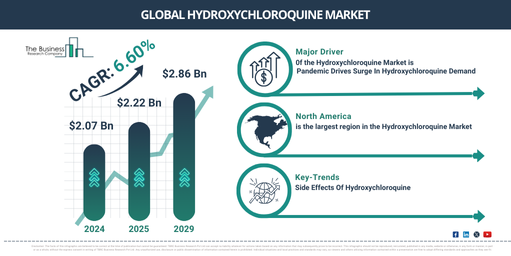
    In recent times, the hydroxychloroquine market has seen robust growth. The market value is predicted to increase from $2.07 billion in 2024 to $2.22 billion in 2025, demonstrating a compound annual growth rate (CAGR) of 7.2%. The substantial growth experienced in the past can be credited to the rising occurrence of malaria and a heightened awareness surrounding hydroxychloroquine, as well as its wide availability and its use in treating autoimmune diseases.

    What Growth Rate Is Anticipated for the Hydroxychloroquine Market in the Coming Years?

    Anticipated robust expansion is on the horizon for the hydroxychloroquine market in the forthcoming years, with its size predicted to escalate to $2.86 billion in 2029, boasting a compound annual growth rate (CAGR) of 6.6%. The upsurge during this projection period is linked to the escalating demand for mixed therapies, augmented government sponsorship, a burgeoning patient demographic, amplified health care accessibility and increasing preference for bespoke medication. The predominant inclinations within this forecast period encompass targeted treatments, telehealth, drug rediscovery, sustainability coupled with environmental impacts, equality in global health, and progress in biotechnology.

    Download The Free Sample Report Here:

    https://www.thebusinessresearchcompany.com/sample.aspx?id=3235&type=smp

    Who Are the Leading Companies in the Hydroxychloroquine Market?

    Major companies operating in the hydroxychloroquine market include Bayer AG, Dr. Reddy’s Laboratories Ltd., Zydus Group, Ipca Laboratories Ltd., Wallace Pharma, Teva Pharmaceuticals Inc., Mylan Pharmaceuticals Inc., Novartis AG, Intas Pharmaceuticals Ltd., Lupin Limited, Shanghai Zhongxi Sanwei Pharmaceutical Co. Ltd., Torrent Pharmaceuticals Ltd., Hikma Pharmaceuticals plc, Sandoz International GmbH, Cipla Limited, Shenhua Pharmaceutical Co. Ltd., Sanofi S.A., Macleod Pharmaceuticals Ltd., McW Healthcare, Laurus Labs, TAJ Pharmaceuticals, Wuhan Wuyao Pharmaceutical Co. Ltd., MAAN Medex, Cinkate Corporation, Concordia Healthcare, Pfizer Inc., Cadila Pharmaceuticals, Hetero Drugs Ltd., Jubilant Generics Limited, Alembic Pharmaceuticals Limited, Sun Pharmaceutical Industries Ltd., Aurobindo Pharma USA Inc., Alkem Laboratories Ltd., Glenmark Pharmaceuticals Ltd., Unichem Laboratories Ltd., Wockhardt Limited, Emcure Pharmaceuticals Ltd., Strides Pharma Science Ltd., Indoco Remedies Ltd.

    What Are the Key Drivers of the Hydroxychloroquine Market?

    As the COVID-19 cases rise, so does the need for the hydroxychloroquine market. This growth in demand is due to hydroxychloroquine’s usage in treating COVID-19 patients and its involvement in ongoing clinical experiments. The US Food and Drug Administration has given emergency authorization for the utilization of hydroxychloroquine in the hospital setting for COVID-19 patients or those participating in clinical studies. Based on the World Health Organization’s COVID-19 Dashboard, as of September 21, 2023, there have been 770,778,396 globally confirmed COVID-19 cases, including 6,958,499 deaths. The countries most impacted by the virus are the USA, Brazil, Russia, the UK, India, and Spain. Hence, the constant global rise in COVID-19 cases has amplified the need for hydroxychloroquine, leading to an increase in profits for the hydroxychloroquine market over time.

    Request For A Customized Report:

    https://www.thebusinessresearchcompany.com/customise?id=3235&type=smp

    What Are the Key Market Segments in the Hydroxychloroquine Industry?

    The hydroxychloroquine market covered in this report is segmented –

    1) By Drug Activity: Anti-Malarial Drug, Anti-Rheumatic Drug, Lupus Suppressant Drug, Anti COVID-19 Drug, Other Drug Activity

    2) By Formulation: Tablets, Injection

    3) By Application: Malaria, Rheumatoid Arthritis, Lupus Erythematosus, COVID-19, Other Applications

    4) By Distribution Channel: Hospital Pharmacy, Online Pharmacy, Specialty Drug Stores, Retail Pharmacy

    Subsegments:

    1) By Anti-Malarial Drug: Treatment Of Malaria, Prophylaxis For Malaria

    2) By Anti-Rheumatic Drug: Treatment Of Rheumatoid Arthritis, Treatment Of Juvenile Idiopathic Arthritis

    3) By Lupus Suppressant Drug: Treatment Of Systemic Lupus Erythematosus

    4) By Anti COVID-19 Drug: Treatment Of COVID-19 Symptoms

    5) By Other Drug Activity: Treatment Of Other Autoimmune Disorders, Additional Off-label uses

    What Are the Latest Trends in the Hydroxychloroquine Market?

    The growth of the hydroxychloroquine market is expected to be hampered by the side effects linked to the consumption of these drugs. The use of hydroxychloroquine in treating COVID-19 patients carries significant risks, including potentially fatal heart rhythm complications. In January 2022, the US Food and Drug Administration highlighted these risks and published a safety alert on the use of hydroxychloroquine for COVID-19 outside hospital and clinical trial environments. Owing to these potential side effects, the utilization of hydroxychloroquine is being restricted beyond hospital and clinical trial settings, creating a stumbling block for the expansion of the hydroxychloroquine market.

    Access The Full Report Here:

    https://www.thebusinessresearchcompany.com/report/hydroxychloroquines-global-market-report

    What Are the Key Regional Markets in the Hydroxychloroquine Industry?

    The countries covered in the hydroxychloroquine market report are Australia, Brazil, China, France, Germany, India, Indonesia, Japan, Russia, South Korea, UK, USA, Italy, Spain, Canada.

    Purchase The Full Report Today:

    https://www.thebusinessresearchcompany.com/purchaseoptions.aspx?id=3235

    This Report Delivers Insight On:

    1. How big is the hydroxychloroquine market, and how is it changing globally?

    2. Who are the major companies in the hydroxychloroquine market, and how are they performing?

    3. What are the key opportunities and risks in the hydroxychloroquine market right now?

    4. Which products or customer segments are growing the most in the hydroxychloroquine market?

    5. What factors are helping or slowing down the growth of the hydroxychloroquine market?

    About The Business Research Company:

    With over 15000+ reports from 27 industries covering 60+ geographies, The Business Research Company has built a reputation for offering comprehensive, data-rich research and insights. Armed with 1,500,000 datasets, the optimistic contribution of in-depth secondary research, and unique insights from industry leaders, you can get the information you need to stay ahead in the game.

    Get in touch with us:

    The Business Research Company: https://www.thebusinessresearchcompany.com/

    Americas +1 310-496-7795

    Asia +44 2071930708

    Europe +44 7882 955267

    Email us at info@tbrc.info

    Follow us on:

    LinkedIn: https://in.linkedin.com/company/the-business-research-company

    YouTube: https://www.youtube.com/channel/UC24_fI0rV8cR5DxlCpgmyFQ

    Global Market Model: https://www.thebusinessresearchcompany.com/global-market-model

  • Hemostasis Analyzers Industry Insights 2025 – Market Forecast for Executives and Planners

    Hemostasis Analyzers Industry Insights 2025 – Market Forecast for Executives and Planners

    Claim your 30% discount on Global Market Reports with code ONLINE30. Limited time only.

    #How Has The Hemostasis Analyzers Market Size Shifted, And What Is the Outlook Through 2034?

    In recent years, the hemostasis analyzers market has experienced considerable growth. The market value is set to increase from $5.19 billion in 2024 to an estimated $5.51 billion in 2025, marking a compound annual growth rate (CAGR) of 6.2%. This growth trend during the historic period is linked to factors including a higher prevalence of bleeding disorders, an aging demographic, an uptick in surgical procedures, and an increase in hemostatic disorders.

    How Much Will the Hemostasis Analyzers Market Be Worth in 2029?

    The market size of hemostasis analyzers is predicted to showcase substantial growth in the forthcoming years. It is estimated to reach $7.34 billion by 2029, expanding at a compound annual growth rate (CAGR) of 7.4%. This projected growth during the prediction period is linked to the increasing popularity of personalized medicine, global health issues, a surge in chronic diseases, and enhanced investment in hemostasis analyzer infrastructure. The forecast period also expects the introduction of several trends such as the developments in hemostasis analyzer technology, point-of-care hemostasis testing, biomarker-guided tracking, the incorporation of telemedicine, and the utilization of data analytics and artificial intelligence.

    Download The Free Sample Report Here:

    https://www.thebusinessresearchcompany.com/sample.aspx?id=2545&type=smp

    Which is the Largest Company in the Hemostasis Analyzers Market?

    Major companies operating in the hemostasis analyzers market include Thermo Fisher Scientific Inc., Alere Inc., Siemens AG, F-Hoffmann La Roche, Nihon Kohden Corporation, Sysmex Corporation, Helena Laboratories, International Technidyne Corporation, Abbott Laboratories, Diagnostica Stago Inc., Grifols S.A., Beckman Coulter Inc., Diamond Diagnostics, Mindray Medical International Limited, Horiba Ltd., Becton Dickinson and Company, Transasia Bio-Medicals Ltd., Medtronic Inc., Sekisui Diagnostics, Technoclone, Trinity Biotech plc, Werfen S.A., ACON LABS INC., Accriva Diagnostics

    What Are the Main Market Drivers in the Hemostasis Analyzers Industry?

    The hemostasis analyzers market is being propelled by the growing consciousness about conditions related to blood disorders. Genetic disorders like Hemophilia and Von Willebrand disease (vWD) are not widely known, which often leads to a late diagnosis of such blood disorders, impacting the patients adversely. For example, the National Hemophilia Foundation’s Red Tie Campaign is actively engaged in creating awareness about treatments for blood disorders such as hemophilia, leukemia, myeloma, and lymphoma, providing knowledge for nearly 3 million people in the USA who suffer from bleeding disorders. The Hemophilia Foundation Australia is another organization committed to the welfare of people impacted by blood disorders, focusing on education, advocacy, and research promotion. The rise in awareness is likely to advance the diagnosis rate of blood disorders, which in turn, would fuel the demand for hemostasis analyzers.

    Request For A Customized Report:

    https://www.thebusinessresearchcompany.com/customise?id=2545&type=smp

    How Is the Hemostasis Analyzers Market Segments Structured?

    The hemostasis analyzers market covered in this report is segmented –

    1) By Product: Clinical Laboratory Analyzers, Point-Of-Care Testing Analyzers, Consumables

    2) By Test: APTT Tests, D Dimer Tests, Platelet Function Tests, Fibrinogen Tests, Prothrombin Time Tests, Other Tests

    3) By Technology: Optical Technology, Mechanical Technology, Electrochemical Technology, Other Technologies

    4) By End Use: Hospitals & Clinics, Diagnostic Centers, Research And Development Organizations, Ambulatory Surgical Centers, Other End Uses

    Subsegments:

    1) By Clinical Laboratory Analyzers: Automated Coagulation Analyzers, Semi-Automated Coagulation Analyzers

    2) By Point-Of-Care Testing Analyzers: Portable Coagulation Testing Devices, Handheld Coagulation Analyzers

    3) By Consumables: Reagents, Test Strips, Control Solutions

    What Strategic Trends Are Transforming the Hemostasis Analyzers Market?

    Producers in the hemostasis analyzers market are prioritizing the creation of portable hemostasis analyzers that can fit in the palm of a hand and can be easily transported. These compact analyzers not only expedite the testing process but also allow individuals to analyze test results themselves, without the need for a diagnostic center. Siemens Healthcare, for example, sells the Xprecia Stride Coagulation Analyzer, a device so compact it can fit in a pocket, yet it delivers precise results. In addition, TECO Medical Instruments offers the Coatron coagulation analyzer, a portable handheld semi-automatic hemostasis analyzer.

    Access The Full Report Here:

    https://www.thebusinessresearchcompany.com/report/hemostasis-analyzers-global-market-report

    Which Global Regions Offer the Highest Growth in the Hemostasis Analyzers Market?

    The countries covered in the hemostasis analyzers market report are Australia, Brazil, China, France, Germany, India, Indonesia, Japan, Russia, South Korea, UK, USA, Italy, Spain, Canada.

    Purchase The Full Report Today:

    https://www.thebusinessresearchcompany.com/purchaseoptions.aspx?id=2545

    This Report Delivers Insight On:

    1. How big is the hemostasis analyzers market, and how is it changing globally?

    2. Who are the major companies in the hemostasis analyzers market, and how are they performing?

    3. What are the key opportunities and risks in the hemostasis analyzers market right now?

    4. Which products or customer segments are growing the most in the hemostasis analyzers market?

    5. What factors are helping or slowing down the growth of the hemostasis analyzers market?

    About The Business Research Company:

    With over 15000+ reports from 27 industries covering 60+ geographies, The Business Research Company has built a reputation for offering comprehensive, data-rich research and insights. Armed with 1,500,000 datasets, the optimistic contribution of in-depth secondary research, and unique insights from industry leaders, you can get the information you need to stay ahead in the game.

    Get in touch with us:

    The Business Research Company: https://www.thebusinessresearchcompany.com/

    Americas +1 310-496-7795

    Asia +44 2071930708

    Europe +44 7882 955267

    Email us at info@tbrc.info

    Follow us on:

    LinkedIn: https://in.linkedin.com/company/the-business-research-company

    YouTube: https://www.youtube.com/channel/UC24_fI0rV8cR5DxlCpgmyFQ

    Global Market Model: https://www.thebusinessresearchcompany.com/global-market-model

  • Hematology Analyzers and Reagents Market Trends Report 2025 – For Business Development and Strategy Teams

    Hematology Analyzers and Reagents Market Trends Report 2025 – For Business Development and Strategy Teams

    Claim your 30% discount on Global Market Reports with code ONLINE30. Limited time only.

    #How Has the Hematology Analyzers and Reagents Market Growth Performance Trended Historically, And What Lies Ahead?

    In previous years, the market size for hematology analyzers and reagents has experienced considerable growth. A boost from $4.9 billion in 2024 to $5.25 billion in 2025, embodying a compound annual growth rate (CAGR) of 7.1%, is expected. Factors leading to the expansion during the historic period include the surge in chronic diseases, aging demographics, heightened disease burden, and growth in infectious diseases.

    What Is the Forecast for the Hematology Analyzers and Reagents Market Size Through 2029?

    In the coming years, the hematology analyzers and reagents market is predicted to see a significant increase in growth, reaching $6.63 billion in 2029 with a compound annual growth rate (CAGR) of 6.0%. Factors contributing to this estimated growth during the forecast period include global health issues, increased investments in hematology analyzer and reagent infrastructure, personalized medicine, and remote monitoring expansion. Some of the key trends expected during this period are technology advancements, high-sensitivity testing, molecular hematology testing, automation and integration, point-of-care testing (POCT), data analytics, artificial intelligence and digital hematology.

    Download The Free Sample Report Here:

    https://www.thebusinessresearchcompany.com/sample.aspx?id=2572&type=smp

    What are the Key Market Players in Hematology Analyzers and Reagents Market and How They’re Evolving?

    Major companies operating in the hematology analyzers and reagents market include Abbott Laboratories, Bio-Rad Laboratories, Horiba Ltd., Siemens AG, Sysmex Corporation, BioSystems Diagnostics Pvt. Ltd, Boule Diagnostics, Danaher Corporation, Diatron MI PLC, Drew Scientific, EKF Diagnostics, Mindray, Nihon Kohden, Ortho Clinical Diagnostics, Roche, Beckman Coulter, Bayer AG, Heska, Drucker, Instrumentation Laboratory, Abaxis Inc., Accriva Diagnostics, ACON, Diamond Diagnostics, ERBA Diagnostics, Hycel, Maccura Biotechnology Co. Ltd., Genrui Biotech Inc., A&T Corporation, Beijing Succeeder Technology Inc., Diagnostica Stago SAS

    What Are the Primary Growth Drivers in the Hematology Analyzers and Reagents Market?

    Surges in infectious disease cases are anticipated to fuel the expansion of the hematology analyzers and reagents market. These diseases are caused by harmful microorganisms such as fungi, bacteria, parasites, or viruses and can potentially be transmitted from one person to another or from environmental source. The escalation in infectious diseases can be linked to various interconnected factors like globalization that accelerates the dissemination of pathogens, resistance to antimicrobial drugs due to their excessive use, and certain social and economic conditions. The information derived from hematology analyzers supports epidemiological research as it allows health officials to monitor disease outbreaks and understand the mechanism of disease spread. For example, the Centers for Disease Control and Prevention, a government agency in the US, reported in March 2024 that the number of tuberculosis cases ascended from 8,320 in 2022 to 9,615 in 2023, indicating a surge of 1,295 cases. Consequently, the increasing occurrence of infectious diseases is driving the growth of the hematology analyzer and reagent market.

    Request For A Customized Report:

    https://www.thebusinessresearchcompany.com/customise?id=2572&type=smp

    What Are the Leading Segments in the Global Hematology Analyzers and Reagents Industry?

    The hematology analyzers and reagents market covered in this report is segmented –

    1) By Product: Hematology Analyzers, Hemostasis Analyzers, Plasma Protein Analyzers, Hemoglobin Analyzers, Erythrocyte Sedimentation Rate Analyzer, Coagulation Analyzer, Flow Cytometers, Slide Stainers, Differential Counters, Hematology Stains

    2) By Applications: Anemias, Blood Cancers, Hemorrhagic Conditions, Infection Related Conditions, Immune System Related Conditions, Other Applications

    3) By End User: Specialized Research Institutes, Hospitals, Specialized Diagnostic Centers, Other End Users

    Subsegments:

    1) By Hematology Analyzers: Automated Hematology Analyzers, Semi-Automated Hematology Analyzers

    2) By Hemostasis Analyzers: Platelet Function Analyzers, Coagulation Testing Analyzers

    3) By Plasma Protein Analyzers: Electrophoresis Analyzers, Immunofixation Analyzers

    4) By Hemoglobin Analyzers: Point-Of-Care Hemoglobin Analyzers, Laboratory Hemoglobin Analyzers

    5) By Erythrocyte Sedimentation Rate Analyzer: Manual ESR Analyzers, Automated ESR Analyzers

    6) By Coagulation Analyzer: Clotting Time Analyzers, Thromboelastography (TEG) Analyzers

    What Are the Key Market Trends in the Hematology Analyzers and Reagents Industry?

    The market for hematology analyzers and reagents is being restrained due to recalls of faulty devices. These product recalls, implemented by product developers or manufacturers due to safety concerns or defects, can risk the safety of consumers. Inaccurate results from a defective hematology analyzer might lead to misdiagnosis, thereby shaking public trust in these analyzing systems. Regulatory bodies urge healthcare experts to be conscious of the likelihood of error-prone diagnostic outcomes from these devices, and to take suitable measures like using alternative testing procedures or confirming the analyzer results through manual scanning or cell count estimation. For instance, Beckman Coulter Life Sciences had to recall its DxH800, DxH600, and DxH900 hematology analyzers due to the threat of inaccurate outcomes. These product recalls present both a serious safety threat to the public and can inflict considerable financial and reputation harm to the companies involved.

    Access The Full Report Here:

    https://www.thebusinessresearchcompany.com/report/hematology-analyzers-and-reagents-global-market-report

    What Is the Regional Outlook for the Hematology Analyzers and Reagents Market?

    The countries covered in the hematology analyzers and reagents market report are Australia, Brazil, China, France, Germany, India, Indonesia, Japan, Russia, South Korea, UK, USA, Italy, Spain, Canada.

    Purchase The Full Report Today:

    https://www.thebusinessresearchcompany.com/purchaseoptions.aspx?id=2572

    This Report Delivers Insight On:

    1. How big is the hematology analyzers and reagents market, and how is it changing globally?

    2. Who are the major companies in the hematology analyzers and reagents market, and how are they performing?

    3. What are the key opportunities and risks in the hematology analyzers and reagents market right now?

    4. Which products or customer segments are growing the most in the hematology analyzers and reagents market?

    5. What factors are helping or slowing down the growth of the hematology analyzers and reagents market?

    About The Business Research Company:

    With over 15000+ reports from 27 industries covering 60+ geographies, The Business Research Company has built a reputation for offering comprehensive, data-rich research and insights. Armed with 1,500,000 datasets, the optimistic contribution of in-depth secondary research, and unique insights from industry leaders, you can get the information you need to stay ahead in the game.

    Get in touch with us:

    The Business Research Company: https://www.thebusinessresearchcompany.com/

    Americas +1 310-496-7795

    Asia +44 2071930708

    Europe +44 7882 955267

    Email us at info@tbrc.info

    Follow us on:

    LinkedIn: https://in.linkedin.com/company/the-business-research-company

    YouTube: https://www.youtube.com/channel/UC24_fI0rV8cR5DxlCpgmyFQ

    Global Market Model: https://www.thebusinessresearchcompany.com/global-market-model

  • Market Analysis on Healthcare Personal Protective Equipment Industry – Insights for Corporate Strategy and R&D

    Market Analysis on Healthcare Personal Protective Equipment Industry – Insights for Corporate Strategy and R&D

    Claim your 30% discount on Global Market Reports with code ONLINE30. Limited time only.

    What Are the Projected Market Size and Growth Rates for the Healthcare Personal Protective Equipment Market From 2025 To 2029?

    The market size for personal protective equipment in the healthcare sector has seen rapid expansion in the past few years. The projected growth is from $25.83 billion in 2024 to a noteworthy $28.89 billion in 2025, with a compound annual growth rate (CAGR) of 11.9%. Historically, the growth has been driven by an increased utilization of personal protective equipment in healthcare, a surge in surgical procedures, heightened consciousness about the safety of healthcare workers, and an expanding understanding of occupational exposure risks.

    What Is the Projected Market Size of the Healthcare Personal Protective Equipment Market?

    Anticipated to undergo speedy expansion in the coming years, the healthcare personal protective equipment market is set to rise to $47.23 billion in 2029, with a significant compound annual growth rate of 13.1%. Predominant factors catalyzing this growth during the forecasted period can be associated with continued threats from infectious diseases, the aging demographic, changing climatic conditions, initiatives towards global health security, and the evolution of telehealth and remote care. The epoch will also witness key trends such as the integration of technology within PPE, eco-friendly and sustainable PPE solutions, bespoke and ergonomic PPE, local manufacturing strategies, and the advent of antimicrobial PPE.

    Download The Free Sample Report Here:

    https://www.thebusinessresearchcompany.com/sample.aspx?id=3252&type=smp

    Who are the Major Competitors in the Healthcare Personal Protective Equipment Market Outlook?

    Major companies operating in the healthcare personal protective equipment market include 3M Company, MSA Safety Inc., Ansell Limited, Honeywell International Inc., E I DuPont de Nemours and Co., Kimberly-Clark Corporation, Lakeland Industries, Alpha Pro Tech Ltd., Sioen Industries NV, Radians Inc., Medline Industries, Sterimed SAS, Medisca Inc., Plasti Surge Industries Pvt., Cardinal Health, Crosstex International Inc., Med-Con, priMED Medical Products Inc., Halyard Health, Kowa Company Ltd., Baxter International Inc., Becton Dickinson and Company, Boston Scientific Corporation, Dentsply Sirona Inc., DePuy Synthes Inc., Derekduck Industry Corp., Ethicon Inc., Medtronic plc, Stryker Corporation, Zimmer Biomet Holdings Inc., Unicharm India Pvt. Ltd., Japan Vilene Company

    What Is Fueling Growth in the Healthcare Personal Protective Equipment Market?

    The escalating presence of infectious health conditions is anticipated to stimulate the expansion of the healthcare personal protective equipment market. Infectious illnesses are those brought on by microorganisms like bacteria, viruses, fungi, or parasites, which can infiltrate the body and disrupt its routine processes. Tuberculosis, for example, is an infectious disease. Healthcare personal protective equipment plays an essential role in curbing the transmission of infectious diseases, safeguarding both healthcare practitioners and patients. Its proper use can help minimize the possibilities of exposure and contamination. For instance, the Centers for Disease Control and Prevention, a government entity in the United States, recorded an increase in tuberculosis cases from 8,320 in 2022 to 9,615 in 2023, indicating an increase of 1,295 cases, in March 2024. Hence, the escalating incidence of infectious health conditions is contributing to the growth of the healthcare personal protective equipment market.

    Request For A Customized Report:

    https://www.thebusinessresearchcompany.com/customise?id=3252&type=smp

    Which Healthcare Personal Protective Equipment Market Segments Are Growing the Fastest?

    The healthcare personal protective equipment market covered in this report is segmented –

    1) By Product: Head, Eye & Face Protection, Hearing Protection, Protective Clothing, Respiratory Protection, Protective Footwear, Fall Protection, Hand Protection

    2) By Usability: Disposable, Reusable

    3) By End Use: Hospitals And Clinics, Ambulatory Surgical Centers, Academic And Research Institutes, Diagnostic Laboratories, Other End Uses

    Subsegments:

    1) By Head, Eye & Face Protection: Helmets, Face Shields, Goggles

    2) By Hearing Protection: Earplugs, Earmuffs

    3) By Protective Clothing: Gowns, Coveralls, Aprons

    4) By Respiratory Protection: Masks, Respirators

    5) By Protective Footwear: Boots, Shoe Covers

    6) By Fall Protection: Harnesses, Lanyards

    Which Industry Trends Are Shaping the Future of the Healthcare Personal Protective Equipment Market?

    The global market expansion is impeded by interruptions in the personal protective equipment (PPE) supply chain. Insufficiency in the PPE supply line has been a persistent issue following the eruption of the COVID-19 pandemic, unable to catch up with the skyrocketing demand. The dystrophic situation is most profound in the supply of items such as medical masks and respirators. Additionally, other PPE like gloves, gowns, and goggles are still in deficit as coronavirus cases continue to grow. The World Health Organization asserts a monthly demand for 89 million medical masks, alongside 76 million examination gloves, and 1.6 million medical goggles to sufficiently deal with the health crisis. Stringent social distancing and remote working norms, industry shutdowns, and pauses in commercial activities have severely affected the entire supply chain, from production to international trade. The existing global stockpile is insufficient to accommodate the ongoing need. The stagnation in raw material supply for PPE due to protracted lockdowns and companies that manufacture and supply them shutting down, combined with supply and logistical constraints including export bans in most countries, is impeding PPE manufacturing, despite the rampant demand.

    Access The Full Report Here:

    https://www.thebusinessresearchcompany.com/report/healthcare-personal-protective-equipment-global-market-report

    Which Countries Are Leading the Healthcare Personal Protective Equipment Market?

    The countries covered in the healthcare personal protective equipment market report are Australia, Brazil, China, France, Germany, India, Indonesia, Japan, Russia, South Korea, UK, USA, Italy, Spain, Canada.

    Purchase The Full Report Today:

    https://www.thebusinessresearchcompany.com/purchaseoptions.aspx?id=3252

    This Report Delivers Insight On:

    1. How big is the healthcare personal protective equipment market, and how is it changing globally?

    2. Who are the major companies in the healthcare personal protective equipment market, and how are they performing?

    3. What are the key opportunities and risks in the healthcare personal protective equipment market right now?

    4. Which products or customer segments are growing the most in the healthcare personal protective equipment market?

    5. What factors are helping or slowing down the growth of the healthcare personal protective equipment market?

    About The Business Research Company:

    With over 15000+ reports from 27 industries covering 60+ geographies, The Business Research Company has built a reputation for offering comprehensive, data-rich research and insights. Armed with 1,500,000 datasets, the optimistic contribution of in-depth secondary research, and unique insights from industry leaders, you can get the information you need to stay ahead in the game.

    Get in touch with us:

    The Business Research Company: https://www.thebusinessresearchcompany.com/

    Americas +1 310-496-7795

    Asia +44 2071930708

    Europe +44 7882 955267

    Email us at info@tbrc.info

    Follow us on:

    LinkedIn: https://in.linkedin.com/company/the-business-research-company

    YouTube: https://www.youtube.com/channel/UC24_fI0rV8cR5DxlCpgmyFQ

    Global Market Model: https://www.thebusinessresearchcompany.com/global-market-model
  • Fertility Drugs Forecast Report – Designed for Decision Makers and Product Teams

    Claim your 30% discount on Global Market Reports with code ONLINE30. Limited time only.

    What Is the Estimated Market Size of the Fertility Drugs Market In 2029?

    The market size for fertility drugs has experienced significant expansion in the past years. It is set to rise from $3.13 billion in 2024 to $3.36 billion in 2025 with a Compound Annual Growth Rate (CAGR) of 7.3%. The unprecedented growth during the historical period can be related to rising infertility numbers, progress in the field of reproductive medicine, advancements in Assisted Reproductive Technologies (ART), and deferred childbearing.

    What Growth Rate Is Forecasted for the Fertility Drugs Market by 2029?

    The market size for fertility drugs is projected to witness notable expansion in the coming years, increasing to $4.39 billion in 2029 with a CAGR of 6.9%. The forecasted rise can be linked to an aging populace, lifestyle-related variables, assisted reproductive technologies (ART), and customized medicine. Key trends predicted during this period encompass progress in assisted reproductive technologies (ART), ovulation-stimulating drugs, and hormonal treatments.

    Download The Free Sample Report Here:

    https://www.thebusinessresearchcompany.com/sample.aspx?id=2810&type=smp

    Which Key Companies Are Shaping the Future of the Fertility Drugs Market?

    Major companies operating in the fertility drugs market include Merck & Co., Ferring Pharmaceuticals Inc., Bayer AG, Berlex Laboratories Inc., Janssen Pharmaceutical Inc., Pfizer Inc., Novartis AG, Procter & Gamble Health Limited, Zydus Lifesciences Limited, Livzon Pharmaceutical Group Inc., Abbott Laboratories, Sanofi S.A., Eli Lilly and Company, Serono Inc., Novagen Healthcare Pvt. Ltd., Takeda Pharmaceutical Co. Ltd., AstraZeneca plc, Aurobindo Pharma Ltd., Schering-Plough Corporation, Regeneron Pharmaceuticals Inc., F. Hoffmann-La Roche AG, Vitrolife, Cook Medical, Organon Group, The Cooper Companies Inc., Irvine Scientific, Genea Biomedx, Mankind Pharma

    Which Factors Are Driving Demand in the Fertility Drugs Industry?

    The escalating prevalence of infertility worldwide is propelling the expansion of the fertility drugs market. Defined as the incapacity to conceive after a year of consistent attempts, infertility has seen a significant increase. These fertility drugs are extensively employed to address infertility problems in both genders. The ascent in infertility cases is credited to physiological and hormone issues, as well as lifestyle and environmental factors. To resolve fertility issues in women, these drugs are utilized to manage ovulation cycles, impacting the sale of such medicines. For example, data from the UK’s Office for National Statistics asserts that the total fertility rate (TFR) declined to 1.49 children per woman in 2022, down from 1.55 in 2021. Consequently, the surge in infertility cases worldwide is boosting the need for fertility drugs, generating growth in the fertility drug market.

    Request For A Customized Report:

    https://www.thebusinessresearchcompany.com/customise?id=2810&type=smp

    How Is the Fertility Drugs Market Segmented by Several Divisions?

    The fertility drugs market covered in this report is segmented –

    1) By Type Of Drug: Prescription Fertility Drugs, Over-The-Counter Fertility drugs

    2) By Route of Administration: Oral, Intravenous, Subcutaneous, Intramuscular

    3) By Distribution Channel: Hospital Pharmacies, Retail Pharmacies, Online Pharmacies

    Subsegments:

    1) By Prescription Fertility Drugs: Gonadotropins, Clomiphene Citrate, Letrozole, GnRH Agonists, GnRH Antagonists, Progesterone

    2) By Over-The-Counter Fertility Drugs: Ovulation Predictor Kits, Fertility Supplements, Fertility Monitors

    What are the Emerging Market Trends Driving the Growth of the Fertility Drugs Industry?

    Top firms in the fertility drugs market are directing their efforts towards creating new and innovative solutions such as peptide-based injectable treatments aimed at improving reproductive health results. These treatments make use of synthetic or natural peptides to control or drive hormonal activities, especially in relation to fertility and reproductive health. Lupin Limited, a pharmaceutical firm based in India, for example, introduced a ganirelix acetate injection in the United States in February 2024. This drug is typically used in assisted reproductive technology (ART) procedures to halt premature ovulation while controlling ovarian stimulation in women opting for in vitro fertilization (IVF). Ganirelix acetate, a GnRH antagonist, assists in controlling hormone levels, enabling a more efficient management of ovarian stimulation. The US debut shows Lupin’s ongoing dedication to broaden their product range in the reproductive health market, and their emphasis on meeting the needs of patients seeking fertility treatments.

    Access The Full Report Here:

    https://www.thebusinessresearchcompany.com/report/fertility-drugs-global-market-report

    Which Regions Are Driving Growth in the Fertility Drugs Market?

    The countries covered in the fertility drugs market report are Australia, Brazil, China, France, Germany, India, Indonesia, Japan, Russia, South Korea, UK, USA, Italy, Spain, Canada

    Purchase The Full Report Today:

    https://www.thebusinessresearchcompany.com/purchaseoptions.aspx?id=2810

    This Report Delivers Insight On:

    1. How big is the fertility drugs market, and how is it changing globally?

    2. Who are the major companies in the fertility drugs market, and how are they performing?

    3. What are the key opportunities and risks in the fertility drugs market right now?

    4. Which products or customer segments are growing the most in the fertility drugs market?

    5. What factors are helping or slowing down the growth of the fertility drugs market?

    About The Business Research Company:

    With over 15000+ reports from 27 industries covering 60+ geographies, The Business Research Company has built a reputation for offering comprehensive, data-rich research and insights. Armed with 1,500,000 datasets, the optimistic contribution of in-depth secondary research, and unique insights from industry leaders, you can get the information you need to stay ahead in the game.

    Get in touch with us:

    The Business Research Company: https://www.thebusinessresearchcompany.com/

    Americas +1 310-496-7795

    Asia +44 2071930708

    Europe +44 7882 955267

    Email us at info@tbrc.info

    Follow us on:

    LinkedIn: https://in.linkedin.com/company/the-business-research-company

    YouTube: https://www.youtube.com/channel/UC24_fI0rV8cR5DxlCpgmyFQ

    Global Market Model: https://www.thebusinessresearchcompany.com/global-market-model

  • Drugs for Immunotherapy Market Outlook 2025 – Insights for Executive and Strategic Planning

    Drugs for Immunotherapy Market Outlook 2025 – Insights for Executive and Strategic Planning

    Claim your 30% discount on Global Market Reports with code ONLINE30. Limited time only.

    How Fast Is The Drugs for Immunotherapy Market Expected to Grow Between 2025 And 2029?

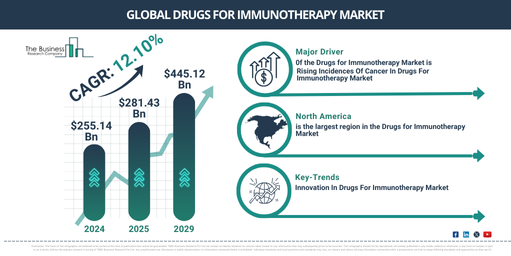
    The immunotherapy drugs market has witnessed a rapid expansion in recent years. It is projected to escalate from a market size of $255.14 billion in 2024 to $281.43 billion in 2025, with a compound annual growth rate (CAGR) of 10.3%. The substantial progress in the historical period is linked to the increasing prevalence of cancer, unfulfilled medical requirements, awareness related to cancer immunotherapy, the growing acceptance of immunotherapeutic methods, and the accelerating investments made by major pharmaceuticals.

    What Growth Rate Is Anticipated for the Drugs for Immunotherapy Market in the Coming Years?

    The immunotherapy drugs market is predicted to witness swift expansion in the coming years, reaching a valuation of $445.12 billion by 2029 at a compound annual growth rate (CAGR) of 12.1%. This projected growth can be credited to factors such as combination therapies, bespoke medicine, global spread, therapies driven by biomarkers, and an uptick in clinical trials. The period of forecast will be marked by significant trends such as progress in the field of immunology, enhancement in car-t cell therapies, targeted immunotherapy approaches, combinations of immunotherapies, and the development of neoantigen vaccines.

    Download The Free Sample Report Here:

    https://www.thebusinessresearchcompany.com/sample.aspx?id=2559&type=smp

    Who Are the Leading Companies in the Drugs for Immunotherapy Market?

    Major companies operating in the drugs for immunotherapy market include F. Hoffmann-La Roche Ltd., Novartis AG, Amgen Inc., AbbVie Inc., Merck & Co. Inc., GlaxoSmithKline plc, Eli Lilly and Company, Bristol-Myers Squibb, AstraZeneca plc, Johnson & Johnson, UbiVac, Pfizer Inc., Sanofi SA, Bayer AG, Celgene Corporation, Incyte Corporation, Juno Therapeutics Inc., Bluebird bio, Celldex Therapeutics, BeiGene, BioNTech AG, CytomX Therapeutics, Eisai Co. Ltd., Flexus Biosciences Inc., Genscript Biotech Corporation, Gilead Sciences Inc., Harpoon Therapeutics Inc., Heptares Therapeutics Ltd., Ignyta Inc., Immatics Biotechnologies, Jounce Therapeutics Inc.

    What Are the Key Drivers of the Drugs for Immunotherapy Market?

    The immunotherapy drugs market is being propelled by a spike in cancer incidences worldwide. Obesity, smoking, alcohol consumption, and poor dietary habits are the primary contributors to most cancer types. For example, predictions from Macmillan Cancer Support, the UK’s largest healthcare charity organization, in October 2022 indicate that the cancer patient count will reach 3.5 million by 2025, 4 million by 2030, and 5.3 million by 2040. Breast, lung, colon, rectum, and prostate cancers are the most common forms of the disease. Factors such as tobacco usage, high body mass index, alcohol consumption, a diet low in fruits and vegetables, and lack of exercise contribute to about one-third of cancer-related deaths. As cancer incidences rise, it is anticipated that the demand for immunotherapy drugs will also surge, fuelling the growth of the immunotherapy drugs market.

    Request For A Customized Report:

    https://www.thebusinessresearchcompany.com/customise?id=2559&type=smp

    What Are the Key Market Segments in the Drugs for Immunotherapy Industry?

    The drugs for immunotherapy market covered in this report is segmented –

    1) By Type: Monoclonal Antibodies, Interferons, Interleukins, Vaccines, Checkpoint Inhibitors, Other Types

    2) By Therapy Area: Cancer, Autoimmune & Inflammatory Diseases, Infectious Diseases, Other Therapy Areas

    3) By End User: Hospitals & Clinics, Ambulatory Surgical Centers, Other End Users

    Subsegments:

    1) By Monoclonal Antibodies: Naked Monoclonal Antibodies, Conjugated Monoclonal Antibodies, Bispecific Monoclonal Antibodies

    2) By Interferons: Interferon Alfa, Interferon Beta, Interferon Gamma

    3) By Interleukins: Interleukin-2 (IL-2), Interleukin-6 (IL-6), Interleukin-12 (IL-12)

    4) By Vaccines: Preventive Vaccines, Therapeutic Vaccines

    5) By Checkpoint Inhibitors: PD-1 Inhibitors, PD-L1 Inhibitors, CTLA-4 Inhibitors

    6) By Other Types: Cancer Cell Therapies, Cytokine Therapy, T-Cell Receptor Therapy

    What Are the Latest Trends in the Drugs for Immunotherapy Market?

    Leading firms in the immunotherapy drugs market have been streamlining efforts towards the innovation of new products, such as Keytruda (pembrolizumab), to deliver trustworthy services to their clients. Keytruda (pembrolizumab) represents a form of immunotherapy treatment which involves a targeted therapy drug classified as an immune checkpoint inhibitor and is designated for adult usage. For example, in January 2023, the U.S. based pharmaceutical conglomerate, Merck & Co., Inc., rolled out Keytruda (pembrolizumab). The release followed the green light from the Food and Drug Administration, a United States’ federal institution. The application of Keytruda (pembrolizumab) immunotherapy caters to treating a variety of cancer types, by synergizing with the human immune system to counteract cancer cells. Keytruda (pembrolizumab) has received the authorization for use as an adjunctive therapy for non-small cell lung cancer (NSCLC). This progression marks a major breakthrough in the realm of cancer therapy and is projected to influence the healthcare sector positively.

    Access The Full Report Here:

    https://www.thebusinessresearchcompany.com/report/drugs-for-immunotherapy-global-market-report

    What Are the Key Regional Markets in the Drugs for Immunotherapy Industry?

    The countries covered in the drugs for immunotherapy market report are Australia, Brazil, China, France, Germany, India, Indonesia, Japan, Russia, South Korea, UK, USA, Italy, Spain, Canada.

    Purchase The Full Report Today:

    https://www.thebusinessresearchcompany.com/purchaseoptions.aspx?id=2559

    This Report Delivers Insight On:

    1. How big is the drugs for immunotherapy market, and how is it changing globally?

    2. Who are the major companies in the drugs for immunotherapy market, and how are they performing?

    3. What are the key opportunities and risks in the drugs for immunotherapy market right now?

    4. Which products or customer segments are growing the most in the drugs for immunotherapy market?

    5. What factors are helping or slowing down the growth of the drugs for immunotherapy market?

    About The Business Research Company:

    With over 15000+ reports from 27 industries covering 60+ geographies, The Business Research Company has built a reputation for offering comprehensive, data-rich research and insights. Armed with 1,500,000 datasets, the optimistic contribution of in-depth secondary research, and unique insights from industry leaders, you can get the information you need to stay ahead in the game.

    Get in touch with us:

    The Business Research Company: https://www.thebusinessresearchcompany.com/

    Americas +1 310-496-7795

    Asia +44 2071930708

    Europe +44 7882 955267

    Email us at info@tbrc.info

    Follow us on:

    LinkedIn: https://in.linkedin.com/company/the-business-research-company

    YouTube: https://www.youtube.com/channel/UC24_fI0rV8cR5DxlCpgmyFQ

    Global Market Model: https://www.thebusinessresearchcompany.com/global-market-model