Author: Marketing Posting

  • Breast Cancer Monoclonal Antibodies Market Projected at $27.8 Billion by 2029 | Strategic Insights and Forecast Data

    Breast Cancer Monoclonal Antibodies Market Projected at $27.8 Billion by 2029 | Strategic Insights and Forecast Data

    Claim your 30% discount on Global Market Reports with code ONLINE30. Limited time only.

    #How Has The Breast Cancer Monoclonal Antibodies Market Size Shifted, And What Is the Outlook Through 2034?

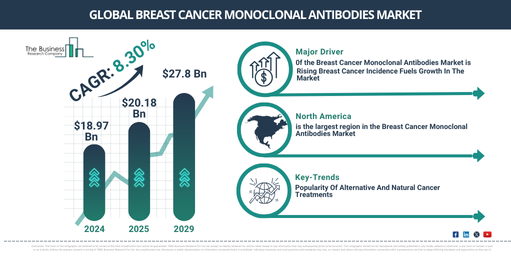
    The market size of breast cancer monoclonal antibodies has experienced a significant expansion in the recent past. The market, which stood at $18.97 billion in 2024, is expected to reach $20.18 billion in 2025, growing at a compound annual growth rate (CAGR) of 6.4%. This growth during the historical period has been driven by factors such as the increasing occurrence of breast cancer, heightened awareness regarding breast cancer monoclonal antibodies, enhanced clinical effectiveness, and rising patient demand.

    How Much Will the Breast Cancer Monoclonal Antibodies Market Be Worth in 2029?

    In the coming years, the breast cancer monoclonal antibodies market is projected to witness substantial growth, escalating to a size of $27.8 billion in 2029 at a compound annual growth rate (CAGR) of 8.3%. Factors contributing to this surge during the forecast period include the rise of emerging targets, biosimilars, combination treatments, increased global incidence, an aging population, and the growth of personalized medicine. Key trends likely to be observed during this period incorporate advancements in early detection of breast cancer, the incorporation of immunotherapy, liquid biopsies, companion diagnostics, adjuvant and neoadjuvant therapies, as well as improved support for long-term survivors.

    Download The Free Sample Report Here:

    https://www.thebusinessresearchcompany.com/sample.aspx?id=3450&type=smp

    Which is the Largest Company in the Breast Cancer Monoclonal Antibodies Market?

    Major companies operating in the breast cancer monoclonal antibodies market include Amgen Inc., Mylan N.V., Merck & Co. Inc., Novartis AG, GlaxoSmithKline plc., Daiichi Sankyo Company Ltd., Biocad, Boehringer Ingelheim International GmbH, Bristol-Myers Squibb Company, Celldex Therapeutics Inc., Celltrion Inc., F. Hoffmann-La Roche AG, Immunomedics Inc., MacroGenics Inc., Pfizer Inc., Sun Pharmaceutical Industries Ltd., Teva Pharmaceutical Industries Ltd., Puma Biotechnology Inc., Seattle Genetics Inc., AstraZeneca plc, Eddingpharm, Eisai Co. Ltd., ImmunoGen Inc., Eli Lilly and Company, AbbVie Inc., Johnson & Johnson, Mersana Therapeutics Inc., Immunocore Limited, Immunovative Therapies Ltd.

    What Are the Main Market Drivers in the Breast Cancer Monoclonal Antibodies Industry?

    The surge in breast cancer occurrences is forecasted to fuel the expansion of the breast cancer monoclonal antibody market. For example, the American Cancer Society, a nonprofit organization dedicated to cancer advocacy in the US, reported in January 2023 that the number of breast cancer incidences escalated from 284,200 in 2021 to 300,590 in 2023, exhibiting a 5.76% increase. Consequently, this escalating worldwide breast cancer prevalence is anticipated to stimulate the growth of the breast cancer monoclonal antibody market.

    Request For A Customized Report:

    https://www.thebusinessresearchcompany.com/customise?id=3450&type=smp

    How Is the Breast Cancer Monoclonal Antibodies Market Segments Structured?

    The breast cancer monoclonal antibodies market covered in this report is segmented –

    1) By Product: Naked Mabs, Conjugated Mabs

    2) By Treatment: Chemotherapy, Surgery & Radiation Therapy, Targeted Therapy, Biologic Therapy, Hormone Therapy

    3) By End-User: Hospitals, Retail Pharmacies

    Subsegments:

    1) By Naked MABs: Trastuzumab (Herceptin), Rituximab, Cetuximab, Other Naked MABs

    2) By Conjugated MABs: Ado-trastuzumab emtansine (Kadcyla), Brentuximab vedotin, Other Conjugated MABs

    What Strategic Trends Are Transforming the Breast Cancer Monoclonal Antibodies Market?

    The rising global trend towards alternative therapies and natural remedies is anticipated to influence the revenue of companies manufacturing breast cancer monoclonal antibodies. There is an increasing reliance on modalities like homeopathy, Ayurveda, yoga, acupuncture, and sujok therapy, which are slowly substituting conventional hospital procedures. For example, the age-old Indian medicinal system, Ayurveda, employs various procedures and remedies for cancer treatment, with several Ayurvedic herbs possessing anti-cancer properties. The World Health Organization (WHO) reports that plant-based treatments are still the primary source of medicine for some countries, while developing nations harness the therapeutic benefits of natural compounds, which impacts the sales of cancer drugs. Furthermore, the worldwide market for homeopathic products is predicted to hit $18.6 billion by 2027. The National Cancer Institute has alluded to the encouraging results of vaccines in HER2-positive cancers like breast, ovarian, lung, colorectal, and gastroesophageal, where the patient’s immune cells are genetically altered to develop personalized vaccines. These elements are likely to persist over the forecasted period, thereby curbing the demand for the breast cancer monoclonal antibodies market.

    Access The Full Report Here:

    https://www.thebusinessresearchcompany.com/report/breast-cancer-monoclonal-antibodie-global-market-report

    Which Global Regions Offer the Highest Growth in the Breast Cancer Monoclonal Antibodies Market?

    The countries covered in the breast cancer monoclonal antibodies market report are Australia, Brazil, China, France, Germany, India, Indonesia, Japan, Russia, South Korea, UK, USA, Italy, Spain, Canada.

    Purchase The Full Report Today:

    https://www.thebusinessresearchcompany.com/purchaseoptions.aspx?id=3450

    This Report Delivers Insight On:

    1. How big is the breast cancer monoclonal antibodies market, and how is it changing globally?

    2. Who are the major companies in the breast cancer monoclonal antibodies market, and how are they performing?

    3. What are the key opportunities and risks in the breast cancer monoclonal antibodies market right now?

    4. Which products or customer segments are growing the most in the breast cancer monoclonal antibodies market?

    5. What factors are helping or slowing down the growth of the breast cancer monoclonal antibodies market?

    About The Business Research Company:

    With over 15000+ reports from 27 industries covering 60+ geographies, The Business Research Company has built a reputation for offering comprehensive, data-rich research and insights. Armed with 1,500,000 datasets, the optimistic contribution of in-depth secondary research, and unique insights from industry leaders, you can get the information you need to stay ahead in the game.

    Get in touch with us:

    The Business Research Company: https://www.thebusinessresearchcompany.com/

    Americas +1 310-496-7795

    Asia +44 2071930708

    Europe +44 7882 955267

    Email us at info@tbrc.info

    Follow us on:

    LinkedIn: https://in.linkedin.com/company/the-business-research-company

    YouTube: https://www.youtube.com/channel/UC24_fI0rV8cR5DxlCpgmyFQ

    Global Market Model: https://www.thebusinessresearchcompany.com/global-market-model

  • Blood Transfusion Diagnostics Industry Growth Expected to Reach $6.43 Billion by 2029 at a CAGR of 6.7% | Segmentation and Growth Opportunities

    Blood Transfusion Diagnostics Industry Growth Expected to Reach $6.43 Billion by 2029 at a CAGR of 6.7% | Segmentation and Growth Opportunities

    Claim your 30% discount on Global Market Reports with code ONLINE30. Limited time only.

    #How Has the Blood Transfusion Diagnostics Market Growth Performance Trended Historically, And What Lies Ahead?

    The market size for blood transfusion diagnostics has experienced a swift expansion in the past few years. The market is projected to rise from $4.42 billion in 2024 to $4.96 billion in 2025, with a compound annual growth rate (CAGR) of 12.2%. Reasons for this growth during the historic period include an upsurge in blood transfusions, the advent of new pathogens, an aging demographic, escalated demand for fast blood transfusion diagnostics, a climbing prevalence of chronic illnesses, and an increased demand for blood.

    What Is the Forecast for the Blood Transfusion Diagnostics Market Size Through 2029?

    We are anticipating a robust surge in the blood transfusion diagnostics market over the upcoming years, estimating a valuation of $6.43 billion by 2029, upholding a compound annual growth rate (CAGR) of 6.7%. This growth within the predicted period is seen as a result of the increasing need for precision medicine, substantial investment in blood transfusion facilities, rising demand for molecular blood transfusions, and new emerging infectious diseases, coupled with concerns related to blood safety. The forecast period also foresees significant trends such as advancements in diagnostic procedures, point-of-care testing, implementation of automation and robotics, the application of nucleic acid testing (NAT), digital integration, extension of pathogen panels, and the advent of advanced testing technologies.

    Download The Free Sample Report Here:

    https://www.thebusinessresearchcompany.com/sample.aspx?id=2494&type=smp

    What are the Key Market Players in Blood Transfusion Diagnostics Market and How They’re Evolving?

    Major companies operating in the blood transfusion diagnostics market include BAG Health Care GmbH, Grifols S.A., Bio-Rad LaboratoriesInc., Abbott Laboratories, Immucor Inc., Ortho Clinical Diagnostics, DiaSorin S.p.A, Siemens Healthineers, Thermo Fisher Scientific Inc., Beckman Coulter Inc., Novartis AG, F. Hoffmann-La Roche Ltd., bioMerieux, Diagast SAS, Fujirebio, Biokit S.A., QuidelOrtho Corporation, Danaher Corporation, Becton Dickinson and Company, Quotient Biodiagnostics, Sekisui Diagnostics, Sysmex Corporation, Werfen S.A.

    What Are the Primary Growth Drivers in the Blood Transfusion Diagnostics Market?

    The requirement for blood transfusion arises in patients who are subjected to surgical operations due to the loss of blood in the process. The role of blood transfusion diagnostics is crucial as they are utilized during the procedures for blood screening before its transfusion to the patient, thereby preventing the spread of infectious diseases. An article from the US National Library of Medicine, National Institutes of Health, mentions about 310 million surgeries being performed yearly. As a consequence of this rise in surgical procedures, the necessity for blood transfusion diagnostics is predicted to escalate.

    Request For A Customized Report:

    https://www.thebusinessresearchcompany.com/customise?id=2494&type=smp

    What Are the Leading Segments in the Global Blood Transfusion Diagnostics Industry?

    The blood transfusion diagnostics market covered in this report is segmented –

    1) By Type: Instruments and Kits, Reagents, Other Types

    2) By Technology: Western Blot, ELISA, Nucleic Acid Amplification, Fluorescence assay, Rapid Test

    3) By Application: Blood Grouping, Disease Screening

    4) By End User: Hospitals, Diagnostic Laboratories, Blood Banks, Plasma Fractionation Companies

    Subsegments:

    1) By Instruments and Kits: Blood Typing Instruments, Cross-Matching Kits, Blood Screening Instruments, Automated Blood Processing Systems

    2) By Reagents: Antisera, Control Solutions, Blood Grouping Reagents, Enzymes and Other Reagents

    3) By Other Types: Software Solutions, Consumables, Training And Support Services

    What Are the Key Market Trends in the Blood Transfusion Diagnostics Industry?

    The escalating need for sophisticated diagnostic methods, coupled with the rising incidence of infectious diseases caused by bacteria and viruses, is fuelling the preference for nucleic acid amplification testing (NAAT/NAT). This technique enhances blood safety and efficiency while speeding up the result time. NAT effectively identifies specific nucleic acids, viruses, or bacteria that serve as pathogens in blood, tissue, or urine. It is extremely sensitive and precise in amplifying targeted viral DNA regions, thereby enabling earlier detection in comparison to other standard procedures and reducing the infectious period. For example, a licensing agreement has been established between XCRP Diagnostic Inc. and Luminex Corporations for the Xtreme Chain Reaction Nucleic Acid Amplification Technology from XCRP. This deal grants Luminex exclusive rights to incorporate XCRP’s NAAT technology into its imminent molecular diagnostic portfolio.

    Access The Full Report Here:

    https://www.thebusinessresearchcompany.com/report/blood-transfusion-diagnostics-global-market-report

    What Is the Regional Outlook for the Blood Transfusion Diagnostics Market?

    The countries covered in the blood transfusion diagnostics market report are Australia, Brazil, China, France, Germany, India, Indonesia, Japan, Russia, South Korea, UK, USA, Italy, Spain, Canada.

    Purchase The Full Report Today:

    https://www.thebusinessresearchcompany.com/purchaseoptions.aspx?id=2494

    This Report Delivers Insight On:

    1. How big is the blood transfusion diagnostics market, and how is it changing globally?

    2. Who are the major companies in the blood transfusion diagnostics market, and how are they performing?

    3. What are the key opportunities and risks in the blood transfusion diagnostics market right now?

    4. Which products or customer segments are growing the most in the blood transfusion diagnostics market?

    5. What factors are helping or slowing down the growth of the blood transfusion diagnostics market?

    About The Business Research Company:

    With over 15000+ reports from 27 industries covering 60+ geographies, The Business Research Company has built a reputation for offering comprehensive, data-rich research and insights. Armed with 1,500,000 datasets, the optimistic contribution of in-depth secondary research, and unique insights from industry leaders, you can get the information you need to stay ahead in the game.

    Get in touch with us:

    The Business Research Company: https://www.thebusinessresearchcompany.com/

    Americas +1 310-496-7795

    Asia +44 2071930708

    Europe +44 7882 955267

    Email us at info@tbrc.info

    Follow us on:

    LinkedIn: https://in.linkedin.com/company/the-business-research-company

    YouTube: https://www.youtube.com/channel/UC24_fI0rV8cR5DxlCpgmyFQ

    Global Market Model: https://www.thebusinessresearchcompany.com/global-market-model
  • Biosimilar Monoclonal Antibodies Industry Valued at $12.79 Billion by 2029 With CAGR of 8.5% | Size and Share Insights

    Biosimilar Monoclonal Antibodies Industry Valued at $12.79 Billion by 2029 With CAGR of 8.5% | Size and Share Insights

    Claim your 30% discount on Global Market Reports with code ONLINE30. Limited time only.

    What Are the Projected Market Size and Growth Rates for the Biosimilar Monoclonal Antibodies Market From 2025 To 2029?

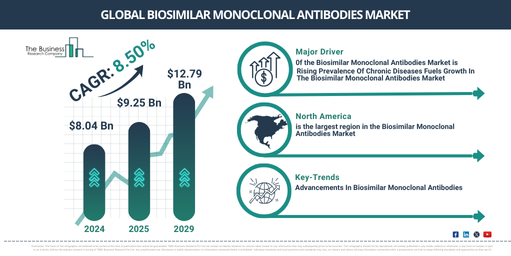
    The market size of biosimilar monoclonal antibodies has seen a quick expansion in the previous years and is expected to rise from $8.04 billion in 2024 to $9.25 billion in 2025, growing at a compound annual rate (CAGR) of 15.1%. Factors contributing to this growth over the past years include expiry of patents, heightened Biosimilars awareness, government-led initiatives, increased funding by pharmaceutical organizations, and a rise in the acceptance of Biosimilars by medical practitioners and patients.

    What Is the Projected Market Size of the Biosimilar Monoclonal Antibodies Market?

    In the forthcoming years, the biosimilar monoclonal antibodies market is projected to witness robust growth. It is predicted to reach a valuation of $12.79 billion in 2029, with a compound annual growth rate (CAGR) of 8.5%. This predicted growth during the forecast period can be credited to factors like increasing biologic spending, expansion of biosimilar portfolio, customizing biosimilar therapy, and growing public intrigue in biosimilars. The anticipated trends throughout this period comprise of therapeutic expansion, individualized biosimilars, alliances and partnerships, biosimilar autoinjectors and devices, and biobetters.

    Download The Free Sample Report Here:

    https://www.thebusinessresearchcompany.com/sample.aspx?id=3412&type=smp

    Who are the Major Competitors in the Biosimilar Monoclonal Antibodies Market Outlook?

    Major companies operating in the biosimilar monoclonal antibodies market include Pfizer Inc., Novartis AG, AbbVie Inc., Coherus BioSciences, Biocon Limited, Amgen Inc., Boehringer Ingelheim International GmbH, Celltrion Inc., BioXpress Therapeutics SA, Intas Pharmaceuticals Limited, Genor BioPharma Co. Ltd., BIOCAD, Dr. Reddy’s Laboratories Ltd., 3SBio Inc., Reliance Life Sciences, Hisun Pharmaceuticals, Celgen Biopharmaceuticals, Torrent Pharmaceuticals Ltd., Cadila Healthcare Ltd., Shanghai Henlius Biotech Inc., Teva Pharmaceutical Industries Ltd., Alvotech, Xentria Inc., Lazuline Biotech Private Limited, Epygen Biotech Pvt Ltd., Mabpharm Limited, Qilu Pharmaceutical Co. Ltd., Chiatai Tianqing Pharmaceutical Group Co. Ltd., YL Biologics Ltd., Aprogen Biologics, UNDBIO Co Ltd., Samsung Bioepis Co. Ltd., ISU Abxis Corp., Bio-Rad Laboratories Inc.

    What Is Fueling Growth in the Biosimilar Monoclonal Antibodies Market?

    Chronic diseases’ rising occurrence is projected to fuel the biosimilar monoclonal antibodies market. Biosimilar monoclonal antibodies address chronic conditions such as cancer, autoimmune diseases, and rheumatoid arthritis. Biosimilar versions of monoclonal antibodies like trastuzumab, bevacizumab, and rituximab are utilized in cancer therapy. Furthermore, cancer incidence is on an upward trend annually. For example, reports from the U.S.-based public health agency, the Centers for Disease Control and Prevention (CDC), in February 2024 indicated an increasing number of Americans dealing with multiple chronic diseases, with 42% managing two or more, and 12% coping with five or more. Hence, the surge in chronic diseases is projected to prompt the expansion of the biosimilar monoclonal antibodies market.

    Request For A Customized Report:

    https://www.thebusinessresearchcompany.com/customise?id=3412&type=smp

    Which Biosimilar Monoclonal Antibodies Market Segments Are Growing the Fastest?

    The biosimilar monoclonal antibodies market covered in this report is segmented –

    1) By Type: Synthetic Chemicals, Biopharmaceuticals, Other Types

    2) By Compound: Infliximab, Rituximab, Abciximab, Trastuzumab, Adalimumab, Bevacizumab

    3) By Application: Chronic & Autoimmune Diseases, Oncology, Other Applications

    Subsegments:

    1) By Synthetic Chemicals: Small Molecule Drugs, Chemical Synthesis Products

    2) By Biopharmaceuticals: Monoclonal Antibodies, Recombinant Proteins, Vaccines, Other Biopharmaceuticals

    3) By Other Types: Antibody-Drug Conjugates, Fusion Proteins, Biosimilars Of Other Biologics

    Which Industry Trends Are Shaping the Future of the Biosimilar Monoclonal Antibodies Market?

    Prominent businesses in the biosimilar monoclonal antibodies market are concentrating their efforts on creating economical biosimilar therapies in order to maintain a competitive edge. These therapies are biologic medical products that closely resemble previously approved reference monoclonal antibodies, intended to provide cost-effective treatment alternatives for a range of diseases such as cancer and autoimmune disorders. To illustrate, in 2022, Pfizer, a pharmaceutical corporation based in the United States, introduced Abrilada, a biosimilar of AbbVie’s Humira (adalimumab). Abrilada possesses a safety and efficacy profile equivalent to the original, but with substantial cost reductions for both patients and healthcare systems. Additionally, it takes advantage of streamlined approval procedures and strong manufacturing facilities, increasing patient access to vital treatments. This pattern signifies a wider shift in the industry to tackle escalating healthcare costs while continuing to provide superior therapeutic choices for patients.

    Access The Full Report Here:

    https://www.thebusinessresearchcompany.com/report/biosimilar-monoclonal-antibodie-global-market-report

    Which Countries Are Leading the Biosimilar Monoclonal Antibodies Market?

    The countries covered in the biosimilar monoclonal antibodies market report are Australia, Brazil, China, France, Germany, India, Indonesia, Japan, Russia, South Korea, UK, USA, Italy, Spain, Canada.

    Purchase The Full Report Today:

    https://www.thebusinessresearchcompany.com/purchaseoptions.aspx?id=3412

    This Report Delivers Insight On:

    1. How big is the biosimilar monoclonal antibodies market, and how is it changing globally?

    2. Who are the major companies in the biosimilar monoclonal antibodies market, and how are they performing?

    3. What are the key opportunities and risks in the biosimilar monoclonal antibodies market right now?

    4. Which products or customer segments are growing the most in the biosimilar monoclonal antibodies market?

    5. What factors are helping or slowing down the growth of the biosimilar monoclonal antibodies market?

    About The Business Research Company:

    With over 15000+ reports from 27 industries covering 60+ geographies, The Business Research Company has built a reputation for offering comprehensive, data-rich research and insights. Armed with 1,500,000 datasets, the optimistic contribution of in-depth secondary research, and unique insights from industry leaders, you can get the information you need to stay ahead in the game.

    Get in touch with us:

    The Business Research Company: https://www.thebusinessresearchcompany.com/

    Americas +1 310-496-7795

    Asia +44 2071930708

    Europe +44 7882 955267

    Email us at info@tbrc.info

    Follow us on:

    LinkedIn: https://in.linkedin.com/company/the-business-research-company

    YouTube: https://www.youtube.com/channel/UC24_fI0rV8cR5DxlCpgmyFQ

    Global Market Model: https://www.thebusinessresearchcompany.com/global-market-model
  • Biosimilar Lymphocyte Modulator Market to Reach $2.86 Billion by 2029 | Key Drivers and Future Outlook

    Biosimilar Lymphocyte Modulator Market to Reach $2.86 Billion by 2029 | Key Drivers and Future Outlook

    Claim your 30% discount on Global Market Reports with code ONLINE30. Limited time only.

    What Is the Estimated Market Size of the Biosimilar Lymphocyte Modulator Market In 2029?

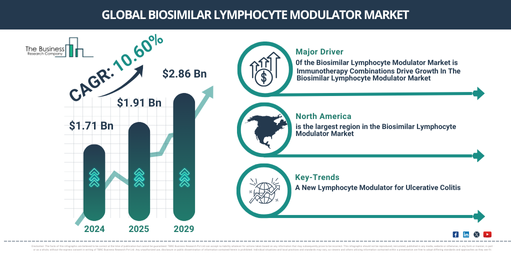
    The market for biosimilar lymphocyte modulator has seen expedited growth in previous years. The market is projected to increase from $1.71 billion in 2024 to $1.91 billion in 2025, representing an 11.5% compound annual growth rate (CAGR). This growth during the historic period can be credited to the escalating occurrence of immune-centric ailments, an enhanced comprehension of lymphocyte modulators, increasing government assistance to biosimilars, and the expansive development of these biosimilars.

    What Growth Rate Is Forecasted for the Biosimilar Lymphocyte Modulator Market by 2029?

    The market for biosimilar lymphocyte modulators is projected to experience substantial expansion in the forthcoming years, escalating to $2.86 billion in 2029 with a 10.6% compound annual growth rate (CAGR). This growth during the estimated period can be credited to a surge in patient requests for biosimilars, an expanding patient demographic, mounting demand for individualized medicine, a propensity for less invasive procedures, and the growth of the biologic drug catalog. The anticipated period will witness major trends such as the progression in biosimilar technology, guarantees of quality and effectiveness, patient-oriented strategies, biosimilars, and biologic novelty.

    Download The Free Sample Report Here:

    https://www.thebusinessresearchcompany.com/sample.aspx?id=3434&type=smp

    Which Key Companies Are Shaping the Future of the Biosimilar Lymphocyte Modulator Market?

    Major companies operating in the biosimilar lymphocyte modulator market include Pfizer Inc., Celltrion Inc., Genentech Inc., Novartis AG, Sandoz International GmbH, Fresenius Kabi AG, Biocon Ltd., Dr. Reddy’s Laboratories Ltd., Intas Pharmaceuticals Ltd., Lupin Limited, Stada Arzneimittel AG, Zydus Cadila, Hetero Drugs Limited, Torrent Pharmaceuticals Ltd., Glenmark Pharmaceuticals Ltd., Alvotech, Coherus BioSciences, Innovent Biologics, Shanghai Henlius Biotech, BioXpress Therapeutics SA, Mabion SA, Polpharma Biologics, Prestige BioPharma, Qilu Pharmaceutical, Shanghai Fosun Pharmaceutical Group Co. Ltd., Wockhardt Ltd., Amega Biotech

    Which Factors Are Driving Demand in the Biosimilar Lymphocyte Modulator Industry?

    The growth of the biosimilar lymphocyte modulator market is anticipated to be propelled by the combination of immunotherapy with other cancer treatments. Pairing immunotherapies or integrating immunotherapies with other cancer treatments like radiation or chemotherapy enhances the benefits derived from lymphocyte modulators. As reported by the Reinsurance Group of America, a reinsurance solutions provider based in the US, in January 2023, solely about 12% of all cancer patients are projected to benefit from immune checkpoint inhibitor therapy. Nevertheless, a multitude of new immunotherapy drugs are currently in the research phase, and clinical trials for various types of cancer are being set up. This combined approach saves patients from potentially deadly immune system reactions, therefore spurring the growth of the lymphocyte modulator market.

    Request For A Customized Report:

    https://www.thebusinessresearchcompany.com/customise?id=3434&type=smp

    How Is the Biosimilar Lymphocyte Modulator Market Segmented by Several Divisions?

    The biosimilar lymphocyte modulator market covered in this report is segmented –

    1) By Drug: Campath-1H, Natalizumab Biosimilar, Efalizumab – A1089-Anti-CD11a Biosimilar, Anti-CD38 Daratumumab Biosimilar, Anti-CS1 Elotuzumab Biosimilar

    2) By Disease: Arthritis, Diabetes, Multiple Myeloma, Enterocolitis, Multiple Sclerosis, Psoriasis, Other Diseases

    3) Distribution Channel: Online Pharmacies, direct to consumer

    Subsegments:

    1) By Campath-1H: Chronic Lymphocytic Leukemia (CLL) Treatment, Autoimmune Diseases Management

    2) By Natalizumab Biosimilar: Multiple Sclerosis Treatment, Crohn’s Disease Management

    3) By Efalizumab – A1089-Anti-CD11a Biosimilar: Psoriasis Treatment

    4) By Anti-CD38 Daratumumab Biosimilar: Multiple Myeloma Treatment

    5) By Anti-CS1 Elotuzumab Biosimilar: Multiple Myeloma Treatment

    What are the Emerging Market Trends Driving the Growth of the Biosimilar Lymphocyte Modulator Industry?

    Most of the prominent firms in the biosimilar lymphocyte modulator market are investing in the development of biosimilar variations of essential lymphocyte modulators. The aim of these efforts is to provide cost-effective substitutes, enhance patient access to necessary treatments, and facilitate improved management of autoimmune diseases and associated conditions. To illustrate, Pfizer Inc., an accomplished American pharmaceutical enterprise, made public in October 2023 that the U.S. Food and Drug Administration (FDA) had sanctioned VELSIPITY (etrasimod). This innovative lymphocyte modulator, VELSIPITY, is contrived to treat moderate to acute ulcerative colitis (UC). VELSIPITY (etrasimod) functions as a selective sphingosine-1-phosphate (S1P) receptor modulator that can change lymphocyte activity. S1P receptor modulators work by aiming at the receptors present on lymphocytes, a variant of white blood cell; this effectively confines them in lymph nodes and restricts their travel to regions of inflammation, like the gastrointestinal tract in cases of ulcerative colitis (UC). This reduced circulation of lymphocytes assists in lowering the immune response, which is advantageous in handling autoimmune disorders such as UC where inflammation is a fundamental problem.

    Access The Full Report Here:

    https://www.thebusinessresearchcompany.com/report/biosimilar-lymphocytes-modulator-global-market-report

    Which Regions Are Driving Growth in the Biosimilar Lymphocyte Modulator Market?

    The countries covered in the biosimilar lymphocyte modulator market report are Australia, Brazil, China, France, Germany, India, Indonesia, Japan, Russia, South Korea, UK, USA, Italy, Spain, Canada.

    Purchase The Full Report Today:

    https://www.thebusinessresearchcompany.com/purchaseoptions.aspx?id=3434

    This Report Delivers Insight On:

    1. How big is the biosimilar lymphocyte modulator market, and how is it changing globally?

    2. Who are the major companies in the biosimilar lymphocyte modulator market, and how are they performing?

    3. What are the key opportunities and risks in the biosimilar lymphocyte modulator market right now?

    4. Which products or customer segments are growing the most in the biosimilar lymphocyte modulator market?

    5. What factors are helping or slowing down the growth of the biosimilar lymphocyte modulator market?

    About The Business Research Company:

    With over 15000+ reports from 27 industries covering 60+ geographies, The Business Research Company has built a reputation for offering comprehensive, data-rich research and insights. Armed with 1,500,000 datasets, the optimistic contribution of in-depth secondary research, and unique insights from industry leaders, you can get the information you need to stay ahead in the game.

    Get in touch with us:

    The Business Research Company: https://www.thebusinessresearchcompany.com/

    Americas +1 310-496-7795

    Asia +44 2071930708

    Europe +44 7882 955267

    Email us at info@tbrc.info

    Follow us on:

    LinkedIn: https://in.linkedin.com/company/the-business-research-company

    YouTube: https://www.youtube.com/channel/UC24_fI0rV8cR5DxlCpgmyFQ

    Global Market Model: https://www.thebusinessresearchcompany.com/global-market-model
  • Biosimilar Interleukins Market Size to Exceed $20.79 Billion by 2029 | Growth and Industry Trends

    Biosimilar Interleukins Market Size to Exceed $20.79 Billion by 2029 | Growth and Industry Trends

    Claim your 30% discount on Global Market Reports with code ONLINE30. Limited time only.

    How Fast Is The Biosimilar Interleukins Market Expected to Grow Between 2025 And 2029?

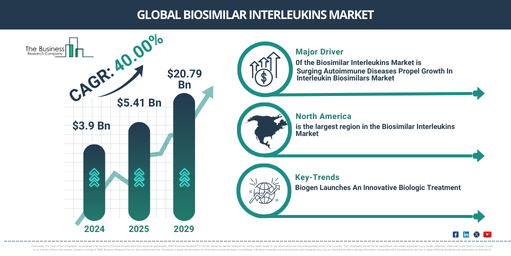
    In recent times, the biosimilar interleukins market has seen an explosive growth. The market, which was worth $3.9 billion in 2024, is forecasted to reach a value of $5.41 billion in 2025, at a compound annual growth rate (CAGR) of 39.0%. The significant growth seen in previous years can be linked to a rise in autoimmune diseases, growing knowledge of biosimilar interleukins, increased government backing for biosimilars, expansion of the biosimilar market and a rising demand from patients for biosimilars.

    What Growth Rate Is Anticipated for the Biosimilar Interleukins Market in the Coming Years?

    The market for biosimilar interleukins is predicted to witness significant expansion in the upcoming years, forecasting to reach a value of $20.79 billion by 2029, with a compounded annual growth rate of 40.0%. The expected upswing during the forecast period can be credited to factors such as a growing patient count, broader healthcare accessibility, a surge in personalized medicine demand, and increased preference for minimally invasive procedures. Major anticipated trends during this timeline include progress in biosimilar technology, targeted immunotherapies, quality checks and manufacturing, and worldwide collaboration.

    Download The Free Sample Report Here:

    https://www.thebusinessresearchcompany.com/sample.aspx?id=3433&type=smp

    Who Are the Leading Companies in the Biosimilar Interleukins Market?

    Major companies operating in the biosimilar interleukins market include Mabpharm Limitied, Gedeon Richter plc, Bio-Thera Solutions Ltd., Sunshine Guojian Pharmaceutical, Stada Arzneimittel AG, Teva Pharmaceutical Industries, 3SBio Inc., Shanghai Fosun Pharmaceuticals, Novartis AG, Pfizer Inc., Amgen Inc., F. Hoffmann-La Roche AG, Sanofi SA, Merck & Co. Inc., GlaxoSmithKline plc, Eli Lilly and Company, AstraZeneca plc, Qilu Pharmaceutical, Tonghua Dongbao, PROBIOMED S.A. de C.V., Biosidus S.A., LG Life Sciences, Viatris Inc.

    What Are the Key Drivers of the Biosimilar Interleukins Market?

    The rise in autoimmune diseases like psoriasis and rheumatoid arthritis is projected to significantly impact the interleukin biosimilars market positively in the upcoming years. Autoimmune diseases occur when immune cells are unable to differentiate between healthy cells and potentially harmful antibodies. Biologic drugs, such as anti-interleukin antibodies, have demonstrated immense clinical benefit in controlling these cells and governing their proliferation, activation, and migration. The National Institutes of Health (NIH), a reputable American biomedical research agency, indicated in February 2024 reports that the global incidence and prevalence of autoimmune diseases are projected to grow annually by 19.1% and 12.5%, respectively. Therefore, as autoimmune diseases become more common, the demand for biosimilar interleukins is expected to rise, propelling the market growth.

    Request For A Customized Report:

    https://www.thebusinessresearchcompany.com/customise?id=3433&type=smp

    What Are the Key Market Segments in the Biosimilar Interleukins Industry?

    The biosimilar interleukins market covered in this report is segmented –

    1) By Type: IL-17, IL-23, IL-1, IL-5, IL-6

    2) By Application: Psoriasis, Psoriatic Arthritis, Rheumatoid Arthritis, Asthma, Inflammatory Bowel Disease (IBD), Other Applications

    3) By Distribution Channel: Hospital Pharmacies, Online Pharmacies, Retail Pharmacies, Clinics, Research Institutes

    Subsegments:

    1) By IL-17: Autoimmune Disease Treatment, Inflammatory Disease Management

    2) By IL-23: Psoriasis Treatment, Inflammatory Bowel Disease (IBD) Treatment

    3) By IL-1: Rheumatoid Arthritis Management, Other Autoimmune Disorders

    4) By IL-5: Asthma Treatment, Eosinophilic Disorders

    5) By IL-6: Rheumatoid Arthritis Management, Inflammatory Disease Treatment

    What Are the Latest Trends in the Biosimilar Interleukins Market?

    Major corporations in the biosimilar interleukins market are creating innovative products like Tofidence (tocilizumab-bavi) to boost their market profitability. Tofidence is a monoclonal antibody that targets interleukin-6 receptors and is used in treating various inflammatory autoimmune disorders. For example, Biogen, an American biotech firm, received FDA approval for Tofidence (tocilizumab-bavi) as the initial biosimilar to reference Genentech’s Actemra (tocilizumab) in September 2023. Tofidence is dispensed through intravenous infusion and has been sanctioned for the treatment of severely active rheumatoid arthritis, polyarticular juvenile idiopathic arthritis, and systemic juvenile idiopathic arthritis.

    Access The Full Report Here:

    https://www.thebusinessresearchcompany.com/report/biosimilar-interleukin-global-market-report

    What Are the Key Regional Markets in the Biosimilar Interleukins Industry?

    The countries covered in the biosimilar interleukins market report are Australia, Brazil, China, France, Germany, India, Indonesia, Japan, Russia, South Korea, UK, USA, Italy, Spain, Canada.

    Purchase The Full Report Today:

    https://www.thebusinessresearchcompany.com/purchaseoptions.aspx?id=3433

    This Report Delivers Insight On:

    1. How big is the biosimilar interleukins market, and how is it changing globally?

    2. Who are the major companies in the biosimilar interleukins market, and how are they performing?

    3. What are the key opportunities and risks in the biosimilar interleukins market right now?

    4. Which products or customer segments are growing the most in the biosimilar interleukins market?

    5. What factors are helping or slowing down the growth of the biosimilar interleukins market?

    About The Business Research Company:

    With over 15000+ reports from 27 industries covering 60+ geographies, The Business Research Company has built a reputation for offering comprehensive, data-rich research and insights. Armed with 1,500,000 datasets, the optimistic contribution of in-depth secondary research, and unique insights from industry leaders, you can get the information you need to stay ahead in the game.

    Get in touch with us:

    The Business Research Company: https://www.thebusinessresearchcompany.com/

    Americas +1 310-496-7795

    Asia +44 2071930708

    Europe +44 7882 955267

    Email us at info@tbrc.info

    Follow us on:

    LinkedIn: https://in.linkedin.com/company/the-business-research-company

    YouTube: https://www.youtube.com/channel/UC24_fI0rV8cR5DxlCpgmyFQ

    Global Market Model: https://www.thebusinessresearchcompany.com/global-market-model
  • Biosimilar Hormones Industry Insights 2025 – Market Forecast for Executives and Planners

    Biosimilar Hormones Industry Insights 2025 – Market Forecast for Executives and Planners

    Claim your 30% discount on Global Market Reports with code ONLINE30. Limited time only.

    #How Has The Biosimilar Hormones Market Size Shifted, And What Is the Outlook Through 2034?

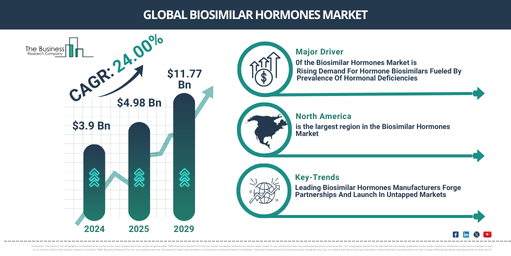
    The market size for biosimilar hormones has seen a significant increase recently. Its growth trajectory indicates a rise from $3.9 billion in 2024 to $4.98 billion in 2025 at a compound annual growth rate (CAGR) of 27.5%. Factors contributing to this upward trend during the historic period include the growing occurrence of chronic illnesses, the increasing elderly population, enhanced understanding of biosimilar hormones, and broader access to healthcare services.

    How Much Will the Biosimilar Hormones Market Be Worth in 2029?

    The market size of biosimilar hormones is predicted to experience significant expansion in the coming years, potentially reaching a value of $11.77 billion in 2029 with a compound annual growth rate (CAGR) of 24.0%. Factors contributing to this anticipated growth during the forecast period are an increase in hormone targets, patient acceptance, advancements in manufacturing processes, government backing, expanding clinical trial data, and wider access to healthcare facilities. Key trends predicted for the forecast period include the adoption of personalized hormone replacement, the introduction of new products, issues related to pricing and access, and a focus on patient-oriented care.

    Download The Free Sample Report Here:

    https://www.thebusinessresearchcompany.com/sample.aspx?id=3432&type=smp

    Which is the Largest Company in the Biosimilar Hormones Market?

    Major companies operating in the biosimilar hormones market include Teva Pharmaceutical Industries Ltd., Gedeon Richter Plc., Intas Pharmaceuticals Ltd., Biocon Limited, Mylan, Sanofi, Sandoz Group AG, LG Life Sciences, Ferring Pharmaceuticals, GC Pharma, Pfizer Inc., Dr. Reddy’s Laboratories, Amgen Inc., Eli Lilly and Company, Celltrion Inc., Samsungbioepis Co.Ltd, Merck & Co., Biogen Inc., Boehringer Ingelheim, Alvotech, BioXpress Therapeutics, Cipla Limited, Lupin Ltd., Stada Arzneimittel AG, Torrent Pharmaceuticals, Zydus Cadila, Accord Healthcare, Hetero Drugs, Wockhardt

    What Are the Main Market Drivers in the Biosimilar Hormones Industry?

    The biosimilar hormones market has grown due to the increasing need to address hormonal deficiencies, particularly in growth and metabolic hormones. Hormone therapies have advanced significantly throughout the years, which has only fueled a higher demand for products in this market sector. The British Medical Journal, a peer-reviewed medical journal based in the UK, reported in January 2022 that it is estimated that anywhere from 1 in 3,500 to 1 in 10,000 children globally suffer from GH deficiency (GHD). A Medscape report from June 2022 also highlighted the expectation that roughly 6,000 adults in the USA are likely to be diagnosed with a deficiency in growth hormones (GH). The steady occurrence of hormonal deficiencies and the subsequent need for treatment is a significant factor propelling the growth of the biosimilar hormones market.

    Request For A Customized Report:

    https://www.thebusinessresearchcompany.com/customise?id=3432&type=smp

    How Is the Biosimilar Hormones Market Segments Structured?

    The biosimilar hormones market covered in this report is segmented –

    1) By Type: Teriparatide Biosimilars, Follitropin Alfa Biosimilars, Insulin Biosimilars, Somatropin Biosimilars, Other Types

    2) By Application: Research & Biotechnology, Diagnostics, Biocatalysts, Therapeutics, Other Applications

    3) By Distribution Channel: Hospital And Retail Pharmacy, Online Pharmacy/pharmacy, Specialty Clinics

    Subsegments:

    1) By Teriparatide Biosimilars: Osteoporosis Treatment, Bone Health Maintenance

    2) By Follitropin Alfa Biosimilars: Infertility Treatment, Assisted Reproductive Technology (ART)

    3) By Insulin Biosimilars: Type 1 Diabetes Management, Type 2 Diabetes Management

    4) By Somatropin Biosimilars: Growth Hormone Deficiency Treatment, Pediatric Growth Disorders

    5) By Other Types: Thyroid Hormones, Corticosteroids

    What Strategic Trends Are Transforming the Biosimilar Hormones Market?

    Major figures in the biosimilar hormones market are employing several strategic approaches, including releasing new products in under-served regions, to broaden the reach of their drug to a larger demographic. They’re concentrating on diversifying the locations for their product launches to inflate sales and escalate profits. For example, Alvotech Holdings S.A., a Luxembourg-based biopharmaceutical enterprise with a focus on biosimilar medicine development, confirmed a collaboration with Fuji Pharma Co. Ltd., a pharmaceutical business from Japan, for the advancement of biosimilar drug contenders in Japan in February 2022. They have both pledged to enrich their strategic partnership with new components to facilitate the birth and promotion of biosimilar medication in Japan.

    Access The Full Report Here:

    https://www.thebusinessresearchcompany.com/report/biosimilar-hormone-global-market-report

    Which Global Regions Offer the Highest Growth in the Biosimilar Hormones Market?

    The countries covered in the biosimilar hormones market report are Australia, Brazil, China, France, Germany, India, Indonesia, Japan, Russia, South Korea, UK, USA, Italy, Spain, Canada.

    Purchase The Full Report Today:

    https://www.thebusinessresearchcompany.com/purchaseoptions.aspx?id=3432

    This Report Delivers Insight On:

    1. How big is the biosimilar hormones market, and how is it changing globally?

    2. Who are the major companies in the biosimilar hormones market, and how are they performing?

    3. What are the key opportunities and risks in the biosimilar hormones market right now?

    4. Which products or customer segments are growing the most in the biosimilar hormones market?

    5. What factors are helping or slowing down the growth of the biosimilar hormones market?

    About The Business Research Company:

    With over 15000+ reports from 27 industries covering 60+ geographies, The Business Research Company has built a reputation for offering comprehensive, data-rich research and insights. Armed with 1,500,000 datasets, the optimistic contribution of in-depth secondary research, and unique insights from industry leaders, you can get the information you need to stay ahead in the game.

    Get in touch with us:

    The Business Research Company: https://www.thebusinessresearchcompany.com/

    Americas +1 310-496-7795

    Asia +44 2071930708

    Europe +44 7882 955267

    Email us at info@tbrc.info

    Follow us on:

    LinkedIn: https://in.linkedin.com/company/the-business-research-company

    YouTube: https://www.youtube.com/channel/UC24_fI0rV8cR5DxlCpgmyFQ

    Global Market Model: https://www.thebusinessresearchcompany.com/global-market-model
  • Biosimilar Growth Hormones Market Trends Report 2025 – For Business Development and Strategy Teams

    Biosimilar Growth Hormones Market Trends Report 2025 – For Business Development and Strategy Teams

    Claim your 30% discount on Global Market Reports with code ONLINE30. Limited time only.

    #How Has the Biosimilar Growth Hormones Market Growth Performance Trended Historically, And What Lies Ahead?

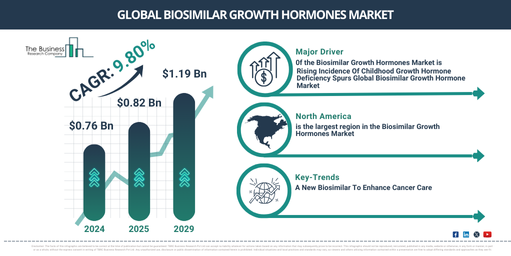
    In the past few years, there has been substantial growth in the market size of biosimilar growth hormones. Projected growth over the next year sees the market rising from $0.76 billion in 2024 to $0.82 billion in 2025, reflecting a compound annual growth rate (CAGR) of 8.4%. Factors such as increased demand for growth hormones, the expiration of patents, supporting clinical evidence, and an escalated number of clinical trials account for the growth observed during the historical period.

    What Is the Forecast for the Biosimilar Growth Hormones Market Size Through 2029?

    In the coming years, the biosimilar growth hormones market is anticipated to witness robust growth, expanding to $1.19 billion in 2029 at a compound annual growth rate (CAGR) of 9.8%. Several factors such as pediatric growth disorders, broader indications, rising diagnosis rates, and heightened awareness of biosimilar alternatives contribute to this growth during the forecast period. The forecast period will also see major trends like an emphasis on pediatric-centric biosimilars, the advent of biosimilar combinations, and improvements in dosing convenience.

    Download The Free Sample Report Here:

    https://www.thebusinessresearchcompany.com/sample.aspx?id=3391&type=smp

    What are the Key Market Players in Biosimilar Growth Hormones Market and How They’re Evolving?

    Major companies operating in the biosimilar growth hormones market include Amega Biotech, Biosidus S.A., Eli Lilly and Company, Ferring Pharmaceuticals, Genetech Inc., Merck & Co. Inc., Novartis AG, Novo Nordisk A/S, Sanofi S.A., USV Private Limited, Zhongshan Hygene Biopharm Co. Ltd., Biopartners And LG Chem, Boehringer Ingelheim International GmbH, Celltrion Inc., Dr. Reddy’s Laboratories Ltd., Gedeon Richter Plc., Genor Biopharma Co. Ltd., Hetero Drugs Limited, Intas Pharmaceuticals Ltd., LG Chem Ltd., Lupin Limited, Mabion S.A., Mundipharma International Limited, Panacea Biotec Limited, Pfenex Inc., PlantForm Corporation

    What Are the Primary Growth Drivers in the Biosimilar Growth Hormones Market?

    The escalation in the global biosimilar growth hormone market is being fueled by the increasing incidences of growth hormone deficiencies in children. This deficiency stems from damage to either the pituitary gland or hypothalamus, as a result of abnormalities that may have taken place either prior to the child’s birth (congenital) or during or post birth (acquired). For example, September 2023 data from Hormones Australia by the Endocrine Society of Australia (ESA) – a leading Australian authority on endocrine-related conditions and diseases, assessed that there are 2 to 3 individuals out of every 10,000, suffering from growth hormone deficiency. Consequently, this surge in children diagnosed with growth hormone deficiencies is propelling the expansion of the biosimilar growth hormone sector.

    Request For A Customized Report:

    https://www.thebusinessresearchcompany.com/customise?id=3391&type=smp

    What Are the Leading Segments in the Global Biosimilar Growth Hormones Industry?

    The biosimilar growth hormones market covered in this report is segmented –

    1) By Route Of Administration: Intravenous, Subcutaneous, Intramuscular, Oral

    2) By Application: Growth Hormone Deficiency, Turner Syndrome, Idiopathic Short Stature, Prader Willi Syndrome, Other Applications

    3) By Distribution Channel: Hospital And Retail Pharmacy, Online Pharmacy/ePharmacy, Specialty Clinics

    Subsegments:

    1) By Intravenous: Hospital-based Administration, Outpatient Clinics

    2) By Subcutaneous: Self-administration, Professional Administration

    3) By Intramuscular: Pediatric Care, Adult Care

    4) By Oral: Tablets, Capsules

    What Are the Key Market Trends in the Biosimilar Growth Hormones Industry?

    Key players in the biosimilar growth hormones market, such as the pharmaceutical companies Pfizer Inc. and OPKO Health Inc., are innovating solutions like human growth hormone to increase both treatment effectiveness and affordability for growth hormone deficiencies. These solutions are aimed towards medical treatments or supplements that are intended to stimulate or substitute the production of human growth hormone (HGH) in the body, either to treat growth deficiencies or for anti-aging. To illustrate, in June 2023, both Pfizer Inc. and OPKO Health Inc. received approval from the US Food and Drug Administration (FDA) for NGENLA (somatrogon-ghla), a weekly injectable treatment for pediatric patients with growth hormone deficiency (GHD). This long-lasting therapy provides an alternative to daily injections, enhancing ease and compliance for both patients and caregivers. Its approval was granted on the basis of clinical trials that verified both its effectiveness and safety, signifying a major progress in growth hormone treatments.

    Access The Full Report Here:

    https://www.thebusinessresearchcompany.com/report/biosimilar-growth-hormone-global-market-report

    What Is the Regional Outlook for the Biosimilar Growth Hormones Market?

    The countries covered in the biosimilar growth hormones market report are Australia, Brazil, China, France, Germany, India, Indonesia, Japan, Russia, South Korea, UK, USA, Italy, Spain, Canada.

    Purchase The Full Report Today:

    https://www.thebusinessresearchcompany.com/purchaseoptions.aspx?id=3391

    This Report Delivers Insight On:

    1. How big is the biosimilar growth hormones market, and how is it changing globally?

    2. Who are the major companies in the biosimilar growth hormones market, and how are they performing?

    3. What are the key opportunities and risks in the biosimilar growth hormones market right now?

    4. Which products or customer segments are growing the most in the biosimilar growth hormones market?

    5. What factors are helping or slowing down the growth of the biosimilar growth hormones market?

    About The Business Research Company:

    With over 15000+ reports from 27 industries covering 60+ geographies, The Business Research Company has built a reputation for offering comprehensive, data-rich research and insights. Armed with 1,500,000 datasets, the optimistic contribution of in-depth secondary research, and unique insights from industry leaders, you can get the information you need to stay ahead in the game.

    Get in touch with us:

    The Business Research Company: https://www.thebusinessresearchcompany.com/

    Americas +1 310-496-7795

    Asia +44 2071930708

    Europe +44 7882 955267

    Email us at info@tbrc.info

    Follow us on:

    LinkedIn: https://in.linkedin.com/company/the-business-research-company

    YouTube: https://www.youtube.com/channel/UC24_fI0rV8cR5DxlCpgmyFQ

    Global Market Model: https://www.thebusinessresearchcompany.com/global-market-model
  • Market Analysis on Arthritis Monoclonal Antibodies Industry – Insights for Corporate Strategy and R&D

    Market Analysis on Arthritis Monoclonal Antibodies Industry – Insights for Corporate Strategy and R&D

    Claim your 30% discount on Global Market Reports with code ONLINE30. Limited time only.

    What Are the Projected Market Size and Growth Rates for the Arthritis Monoclonal Antibodies Market From 2025 To 2029?

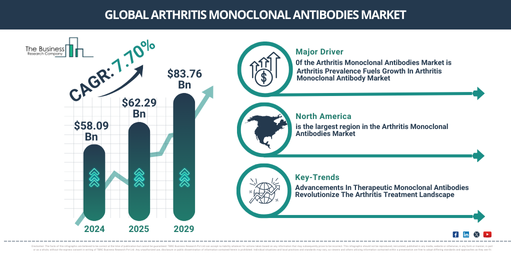
    The market size for arthritis monoclonal antibodies has seen robust growth in the recent past. It is expected to expand from $58.09 billion in 2024 to $62.29 billion in 2025, exhibiting a compound annual growth rate (CAGR) of 7.2%. This growth over the historic period can be credited to the surge in arthritis cases, heightened awareness about arthritis monoclonal antibodies, expansion in the range of approved arthritis monoclonal antibodies, government backing for research and development, and escalated investment by pharmaceutical firms.

    What Is the Projected Market Size of the Arthritis Monoclonal Antibodies Market?

    The market for arthritis monoclonal antibodies is forecasted to significantly expand in the upcoming years, reaching a size of $83.76 billion in 2029, with a compound annual growth rate (CAGR) of 7.7%. This expected progression within the forecast period is primarily influenced by factors such as combination therapies, widening indications, patient preference, and augmented healthcare expenditure. The major trends to watch in the forecast period include the rise of biosimilars and biobetters, targeted therapies, the adoption of homecare administration, application of real-world evidence, considerations of cost and access, and progress in drug delivery methods.

    Download The Free Sample Report Here:

    https://www.thebusinessresearchcompany.com/sample.aspx?id=3449&type=smp

    Who are the Major Competitors in the Arthritis Monoclonal Antibodies Market Outlook?

    Major companies operating in the arthritis monoclonal antibodies market include Johnson & Johnson, Hoffmann-La Roche Ltd., Novartis AG, Pfizer Inc., AbbVie Inc., Amgen Inc., Genentech Inc., GlaxoSmithKline plc., AstraZeneca plc, Bristol Myers Squibb, Eli Lilly and Company, Thermo Fisher Scientific Inc., Sanofi SA, Daiichi Sankyo Company Ltd., Seattle Genetics, Teva Pharmaceutical Industries Ltd., Shanghai Junshi Biosciences Co. Ltd., GenScript Biotech Corporation, Sigma-Aldrich Co. LLC, AbGenomics Corp., ADC Therapeutics SA, Agensys Inc., Alexion Pharmaceuticals Inc., ALMAC Group Ltd., Ambrx Inc., Astellas Pharma Inc., Celgene Corporation, Celldex Therapeutics Inc., Boehringer Ingelheim International GmbH, Celltrion Inc., HanAll Biopharma Co. Ltd., Merck & Co. Inc., Mitsubishi Tanabe Pharma Corporation, Regeneron Pharmaceuticals Inc., Samsung Bioepis Co. Ltd.

    What Is Fueling Growth in the Arthritis Monoclonal Antibodies Market?

    The surge in arthritis cases worldwide has promoted the expansion of the arthritis monoclonal antibody market. As per the Global RA Network, more than 350 million people globally were affected by arthritis in 2021, with osteoarthritis being the most widespread kind, followed by gout, fibromyalgia, and rheumatoid arthritis. For instance, Arthritis Australia, a charitable non-profit organization based in Australia, predicted in February 2024 that the number of Australians suffering from arthritis would rise from 4.11 million in 2025 to 5.39 million by 2040. The escalating incidence of arthritis is fueling the growth of the arthritis monoclonal antibody market.

    Request For A Customized Report:

    https://www.thebusinessresearchcompany.com/customise?id=3449&type=smp

    Which Arthritis Monoclonal Antibodies Market Segments Are Growing the Fastest?

    The arthritis monoclonal antibodies market covered in this report is segmented –

    1) By Drug: Remicade, Humira, Enbrel, Rituxan, Orencia, Actemra, Simponi, Cimzia, Remsima

    2) By Application: Rheumatoid Arthritis, Osteoarthritis, Psoriatic Arthritis, Ankylosing Spondylitis, Fibromyalgia, Other Applications

    3) By End-Use: Hospitals, Research Institutes, Other End-Users

    Which Industry Trends Are Shaping the Future of the Arthritis Monoclonal Antibodies Market?

    The progression in the production of therapeutic monoclonal antibody products is proving crucial to the growth of the arthritis monoclonal antibody market. Compared to small molecules and peptides, monoclonal antibodies achieve better results in treating arthritis given their target-specific nature and high efficacy for curing the disease. The introduction of an increasing number of monoclonal antibody drugs for arthritis is a clear display of these enhanced treatment choices.

    Access The Full Report Here:

    https://www.thebusinessresearchcompany.com/report/arthritis-monoclonal-antibodie-global-market-report

    Which Countries Are Leading the Arthritis Monoclonal Antibodies Market?

    The countries covered in the arthritis monoclonal antibodies market report are Australia, Brazil, China, France, Germany, India, Indonesia, Japan, Russia, South Korea, UK, USA, Italy, Spain, Canada.

    Purchase The Full Report Today:

    https://www.thebusinessresearchcompany.com/purchaseoptions.aspx?id=3449

    This Report Delivers Insight On:

    1. How big is the arthritis monoclonal antibodies market, and how is it changing globally?

    2. Who are the major companies in the arthritis monoclonal antibodies market, and how are they performing?

    3. What are the key opportunities and risks in the arthritis monoclonal antibodies market right now?

    4. Which products or customer segments are growing the most in the arthritis monoclonal antibodies market?

    5. What factors are helping or slowing down the growth of the arthritis monoclonal antibodies market?

    About The Business Research Company:

    With over 15000+ reports from 27 industries covering 60+ geographies, The Business Research Company has built a reputation for offering comprehensive, data-rich research and insights. Armed with 1,500,000 datasets, the optimistic contribution of in-depth secondary research, and unique insights from industry leaders, you can get the information you need to stay ahead in the game.

    Get in touch with us:

    The Business Research Company: https://www.thebusinessresearchcompany.com/

    Americas +1 310-496-7795

    Asia +44 2071930708

    Europe +44 7882 955267

    Email us at info@tbrc.info

    Follow us on:

    LinkedIn: https://in.linkedin.com/company/the-business-research-company

    YouTube: https://www.youtube.com/channel/UC24_fI0rV8cR5DxlCpgmyFQ

    Global Market Model: https://www.thebusinessresearchcompany.com/global-market-model

  • Apheresis Consumables And Equipment Forecast Report – Designed for Decision Makers and Product Teams

    Apheresis Consumables And Equipment Forecast Report – Designed for Decision Makers and Product Teams

    Claim your 30% discount on Global Market Reports with code ONLINE30. Limited time only.

    What Is the Estimated Market Size of the Apheresis Consumables And Equipment Market In 2029?

    In recent times, there has been a rapid expansion in the market size of apheresis consumables and equipment. The market, which stood at $3.34 billion in 2024, is projected to rise to $3.76 billion in 2025, marking a compound annual growth rate (CAGR) of 12.4%. Factors such as a higher incidence of chronic illnesses, increased patient knowledge of apheresis procedures, a surge in the need for blood components, and the aging population have contributed to this historical market growth.

    What Growth Rate Is Forecasted for the Apheresis Consumables And Equipment Market by 2029?

    The market for apheresis consumables and equipment is set to experience substantial growth in the upcoming years, with projections indicating a rise to $5.66 billion by 2029 at a compound annual growth rate (CAGR) of 10.8%. This anticipated growth throughout the forecast period can be credited to increased use in areas such as cell therapy, the emergence of infectious diseases, the advancements in personalized medicine, the evolution of healthcare infrastructure development, a hike in blood donations and a surge in organ transplantation. Key trends during the forecast period are predicted to involve automation and robotics, therapeutic apheresis, the provision of remote apheresis services, the emergence of portable apheresis equipment, and further advancements in automation and robotics.

    Download The Free Sample Report Here:

    https://www.thebusinessresearchcompany.com/sample.aspx?id=2476&type=smp

    Which Key Companies Are Shaping the Future of the Apheresis Consumables And Equipment Market?

    Major companies operating in the apheresis consumables and equipment market include Asahi Kasei Medical Co. Ltd., Haemonetics Corporation, Kawasumi Laboratories Inc., Fresenius SE & Co. KGaA, Terumo BCT, Braun Melsungen AG, Therakos Inc., HemaCare Corporation, Cerus Corporation, Kaneka Corporation, Nikkiso Co., Medica SpA, Terumo Corporation, Macopharma, Grifols S.A., Baxter International Inc., Fenwal Inc., Miltenyi Biotec GmbH, Infomed SA, Lmb Technologie GmbH, Medivators Inc., Nigale Biomedical Inc., Aferetica S.r.l., Apheresis Care Group, Beijing Meso-Tech Co. Ltd., Biegler GmbH, Brightwake Ltd., Cytosorbents Corporation, DePuy Synthes Companies, Guangzhou Daji Medical Science and Technology Co. Ltd., Haier Biomedical

    Which Factors Are Driving Demand in the Apheresis Consumables And Equipment Industry?

    The global rise in blood disorders has caused a heightened demand for blood transfusions. Apheresis Equipment facilitates blood transfusions for conditions such as sickle cell anemia, as well as cancers like leukemia. The Leukemia and Lymphoma Society report details that it is anticipated that 60,300 individuals in the USA will be diagnosed with leukemia, with a blood cancer diagnosis occurring every 3 minutes, thereby necessitating immediate blood transfusions. Furthermore, the American Society of Hematology has reported that there are 100,000 Americans afflicted with sickle cell anemia, while an additional 2 million people carry the trait, consequently needing Apheresis Equipment for blood transfusion. The International Agency for Research on Cancer (IARC) has projected that by 2040, there will be 16.3 million new cases of cancer reported worldwide. Treating cancer necessitates a bare minimum of 8 units of blood per patient for each procedure, leading to the requirement of blood component collection and transfusions. Hence, these highly prevalent blood disorders significantly increase the necessity for apheresis consumables and equipment in the industry.

    Request For A Customized Report:

    https://www.thebusinessresearchcompany.com/customise?id=2476&type=smp

    How Is the Apheresis Consumables And Equipment Market Segmented by Several Divisions?

    The apheresis consumables and equipment market covered in this report is segmented –

    1) By Product: Disposables, Devices

    2) By Technology: Centrifugation, Membrane Filtration

    3) By Procedure: Photopheresis, Plasmapheresis, LDL Apheresis, Plateletpheresis, Leukapheresis, Erythrocytapheresis, Other Procedures

    4) By Application: Renal Disease, Neurology, Hematology, Other Applications

    Subsegments:

    1) By Disposables: Apheresis Kits, Tubing Sets, Filters, Collection Bags, Anticoagulants

    2) By Devices: Automated Apheresis Devices, Manual Apheresis Devices, Centrifuges, Plasmapheresis Devices

    What are the Emerging Market Trends Driving the Growth of the Apheresis Consumables And Equipment Industry?

    Firms are innovating technologically superior and automated devices that improve the effectiveness of their products (blood). Advanced technological devices such as automatic apheresis tools featuring continuous flow centrifugation, automated interface systems, and tailor-made anticoagulant infusion systems are in the process of being developed and implemented. The integration of automated Apheresis apparatus has been effective in enhancing the speed and efficiency of blood separation procedures. For example, Haemonetics Corp is among companies that have developed automated apheresis tools like NexSys PCS which enhance productivity, while also improving the quality and adherence to regulatory standards in plasma collection centres.

    Access The Full Report Here:

    https://www.thebusinessresearchcompany.com/report/apheresis-consumables-and-equipment-global-market-report

    Which Regions Are Driving Growth in the Apheresis Consumables And Equipment Market?

    The countries covered in the apheresis consumables and equipment market report are Australia, Brazil, China, France, Germany, India, Indonesia, Japan, Russia, South Korea, UK, USA, Italy, Spain, Canada.

    Purchase The Full Report Today:

    https://www.thebusinessresearchcompany.com/purchaseoptions.aspx?id=2476

    This Report Delivers Insight On:

    1. How big is the apheresis consumables and equipment market, and how is it changing globally?

    2. Who are the major companies in the apheresis consumables and equipment market, and how are they performing?

    3. What are the key opportunities and risks in the apheresis consumables and equipment market right now?

    4. Which products or customer segments are growing the most in the apheresis consumables and equipment market?

    5. What factors are helping or slowing down the growth of the apheresis consumables and equipment market?

    About The Business Research Company:

    With over 15000+ reports from 27 industries covering 60+ geographies, The Business Research Company has built a reputation for offering comprehensive, data-rich research and insights. Armed with 1,500,000 datasets, the optimistic contribution of in-depth secondary research, and unique insights from industry leaders, you can get the information you need to stay ahead in the game.

    Get in touch with us:

    The Business Research Company: https://www.thebusinessresearchcompany.com/

    Americas +1 310-496-7795

    Asia +44 2071930708

    Europe +44 7882 955267

    Email us at info@tbrc.info

    Follow us on:

    LinkedIn: https://in.linkedin.com/company/the-business-research-company

    YouTube: https://www.youtube.com/channel/UC24_fI0rV8cR5DxlCpgmyFQ

    Global Market Model: https://www.thebusinessresearchcompany.com/global-market-model
  • Anesthesia Monitoring Devices Market Outlook 2025 – Insights for Executive and Strategic Planning

    Anesthesia Monitoring Devices Market Outlook 2025 – Insights for Executive and Strategic Planning

    Claim your 30% discount on Global Market Reports with code ONLINE30. Limited time only.

    How Fast Is The Anesthesia Monitoring Devices Market Expected to Grow Between 2025 And 2029?

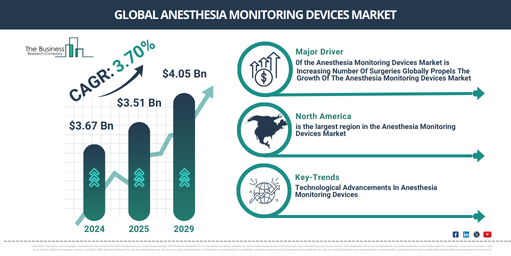
    In recent times, the market size for anesthesia monitoring devices has experienced a downward trend. The market is projected to slump from $3.67 billion in 2024 to $3.51 billion in 2025, registering a compound annual growth rate (CAGR) of -4.5%. The downturn in the historic phase can be linked to the exorbitant cost of anesthesia monitoring devices, high maintenance expenses, and the impact of Covid-19.

    What Growth Rate Is Anticipated for the Anesthesia Monitoring Devices Market in the Coming Years?

    Anticipated to witness firm growth in the forthcoming years, the market size for anesthesia monitoring devices is projected to reach a value of $4.05 billion by 2029, expanding at a 3.7% Compound Annual Growth Rate (CAGR). This prospective growth during the prediction period could be linked to increased spending in healthcare, the emergence of telemedicine and remote monitoring, a surge in minor surgical procedures, and an uptick in economic advancement. The forecast period is poised to observe significant trends such as the incorporation of electronic health records (EHR), the application of artificial intelligence (AI) and machine learning, the usage of mobile applications and wearable devices, the deployment of innovative sensors and connectivity, and the implementation of non-invasive monitoring technologies.

    Download The Free Sample Report Here:

    https://www.thebusinessresearchcompany.com/sample.aspx?id=5972&type=smp

    Who Are the Leading Companies in the Anesthesia Monitoring Devices Market?

    Major companies operating in the anesthesia monitoring devices market include Baxter International Inc., Cardinal Health Inc., Draegerwerk AG & Co. KGaA, GE Healthcare, Heyer Medical AG, Intersurgical Limited, Medtronic Inc., Mindray Medical International Limited, Nihon Kohden Corporation, Philips Healthcare, Smiths Medical Inc., Infinium Medical Inc., Fukuda Denshi Co. Ltd., Becton Dickinson and Company, Ambu A/S, Teleflex Incorporated, Ventlab, ACOMA Medical Industry Co., BPL Medical Technologies, Dixion GmbH, Löwenstein Medical GmbH & Co. KG, Medasense Biometrics Ltd., Veterinary Anesthesia Systems Inc., CNSystems Medizintechnik GmbH, Allied Medical Limited, Criticare Technologies Inc., Masimo Corporation, Spacelabs Healthcare Inc., Mennen Medical Ltd., BrainU Co. Ltd., OSI Systems Inc., Penlon Limited, Natus Medical Incorporated, Schiller AG, Edwards Lifesciences Corporation, Bionet Co. Ltd., DRE Medical Inc., Digicare Biomedical Technology Inc.

    What Are the Key Drivers of the Anesthesia Monitoring Devices Market?

    The global rise in surgical procedures is anticipated to fuel the growth of the anesthesia monitoring devices market. An upward trend in surgeries such as hip fracture repairs, neurosurgical operations, cesarean sections, and more, have led to increased need for anesthesia monitoring devices. Taking a case in point, the International Society of Aesthetic Plastic Surgery (ISAPS), a US-based association of qualified aesthetic plastic surgeons, indicated in June 2024 that the total number of surgical and non-surgical procedures had escalated by 3.4%, arriving at 34.9 million in the year 2023. As such, the growth of the anesthesia monitoring device market can be attributed to the increasing rate of surgeries.

    Request For A Customized Report:

    https://www.thebusinessresearchcompany.com/customise?id=5972&type=smp

    What Are the Key Market Segments in the Anesthesia Monitoring Devices Industry?

    The anesthesia monitoring devices market covered in this report is segmented –

    1) By Product: Advanced Anesthesia Monitors, Basic Anesthesia Monitors, Integrated Anesthesia Workstation

    2) By Application: Cardiology, Neurology, Dental, Ophthalmology, Urology, Orthopedics, Other Applications

    3) By End User: Hospitals, Ambulatory Surgical Centers, Clinics, Nursing Homes

    Subsegments:

    1) By Advanced Anesthesia Monitors: Multi-parameter Monitors, EEG Monitors, Gas Analyzers

    2) By Basic Anesthesia Monitors: Pulse Oximeters, Blood Pressure Monitors, Capnometers

    3) By Integrated Anesthesia Workstation: Anesthesia Delivery Systems, Ventilation Systems, Monitoring Systems

    What Are the Latest Trends in the Anesthesia Monitoring Devices Market?

    The rise of new technologies is a notable trend gaining traction in the anesthesia monitoring devices market. Various businesses are introducing new, high-tech products in the industry. As an illustration, SCHILLER, a Switzerland-based company, unveiled their MRI-compatible patient monitor, MAGLIFE RT-1 in April 2022. The device not only conducts patient monitoring in an MRI setting, but it also keeps track of all vital signs during anesthesia. The MAGLIFE RT-1 ensures detailed scrutiny during check-ups and can be entirely operated from outside the Faraday cage through MAGSCREEN RT-1. The system is made to accommodate all patient types: adults, children, and neonates.

    Access The Full Report Here:

    https://www.thebusinessresearchcompany.com/report/anesthesia-monitoring-devices-global-market-report

    What Are the Key Regional Markets in the Anesthesia Monitoring Devices Industry?

    The countries covered in the anesthesia monitoring devices market report include Australia, Brazil, China, France, Germany, India, Indonesia, Japan, Russia, South Korea, UK, USA, Italy, Spain, Canada.

    Purchase The Full Report Today:

    https://www.thebusinessresearchcompany.com/purchaseoptions.aspx?id=5972

    This Report Delivers Insight On:

    1. How big is the anesthesia monitoring devices market, and how is it changing globally?

    2. Who are the major companies in the anesthesia monitoring devices market, and how are they performing?

    3. What are the key opportunities and risks in the anesthesia monitoring devices market right now?

    4. Which products or customer segments are growing the most in the anesthesia monitoring devices market?

    5. What factors are helping or slowing down the growth of the anesthesia monitoring devices market?

    About The Business Research Company:

    With over 15000+ reports from 27 industries covering 60+ geographies, The Business Research Company has built a reputation for offering comprehensive, data-rich research and insights. Armed with 1,500,000 datasets, the optimistic contribution of in-depth secondary research, and unique insights from industry leaders, you can get the information you need to stay ahead in the game.

    Get in touch with us:

    The Business Research Company: https://www.thebusinessresearchcompany.com/

    Americas +1 310-496-7795

    Asia +44 2071930708

    Europe +44 7882 955267

    Email us at info@tbrc.info

    Follow us on:

    LinkedIn: https://in.linkedin.com/company/the-business-research-company

    YouTube: https://www.youtube.com/channel/UC24_fI0rV8cR5DxlCpgmyFQ

    Global Market Model: https://www.thebusinessresearchcompany.com/global-market-model