Author: Marketing Posting

  • Ambulance Services Market Forecast To 2030: The Growing Role Of Changing The Landscape With The Advent Of 5G-Enhanced Healthcare

    Ambulance Services Market Forecast To 2030: The Growing Role Of Changing The Landscape With The Advent Of 5G-Enhanced Healthcare

    The Business Research Company’s 2026 market reports combine market attractiveness scoring, total addressable market sizing, company benchmarking matrices, interactive Excel dashboards, deeper supply chain intelligence, emerging startup tracking, and granular product-level insights to deliver research that is more actionable and strategically valuable.

    Ambulance Services Market Size Trajectory: Key Numbers Every Industry Stakeholder Should Know

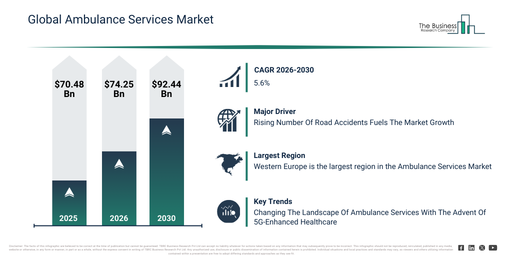
    The ambulance services market has experienced substantial growth in recent years. Its size is expected to increase from $70.48 billion in 2025 to $74.25 billion in 2026, demonstrating a compound annual growth rate (CAGR) of 5.3%. Historically, this expansion has been driven by factors such as the development of emergency medical infrastructure, an increase in road accident incidents, the growth of city populations, higher government spending on healthcare, and the wider availability of ground ambulance services.

    The ambulance services market is projected to experience substantial expansion in the coming years. Its valuation is anticipated to reach $92.44 billion by 2030, exhibiting a compound annual growth rate (CAGR) of 5.6%. This projected expansion during the forecast period is driven by factors such as enhanced investments in intelligent emergency response systems, an increasing need for air ambulance services, the proliferation of private ambulance providers, the rising uptake of electric emergency vehicles, and the seamless integration of real-time patient data transmission. Key developments expected over this period encompass a greater embrace of GPS-enabled ambulance fleets, the growing incorporation of telemedicine within ambulances, an increased utilization of electric and hybrid ambulance models, the broadening of advanced life support service offerings, and a sharpened emphasis on optimizing response times.

    Looking For Reliable Ambulance Services Market Data? Request A Free Sample:

    https://thebusinessresearchcompany.com/sample_request?id=71635481&type=smp&name=Ambulance%20Services%20Market%20Report%202026&utm_source=Blogs&utm_medium=Paid&utm_campaign=Nov_PR

    What Is Behind The Rising Demand In The Ambulance Services Market?

    An increase in road traffic accidents is anticipated to stimulate the expansion of the ambulance services market in the future. These accidents involve impacts between vehicles, pedestrians, cyclists, or other road users, frequently leading to injuries or demanding immediate medical care. The surge in such incidents is fueled by elements like increased vehicle concentration, inattentive driving, and swift urban development, thereby creating a heightened demand for prompt emergency intervention and pre-hospital healthcare. Ambulance services enhance patient survival and recovery through swift transport, immediate on-scene stabilization, and advanced life-saving procedures. As an illustration, data from September 2025, provided by Our World in Data, a UK-based scientific online publication, indicates that the United Kingdom experiences 1,700 annual road-incident deaths per year. Consequently, the growing frequency of road traffic accidents is a primary catalyst for the expansion of the ambulance services market.

    Ambulance Services Market Segment Coverage And Subsegment Analysis

    The ambulance services market covered in this report is segmented –

    1) By Type: Ground Ambulance Services, Air Ambulance Services, Water Ambulance Services

    2) By Type of Expenditure: Public, Private

    3) By Ownership: Chained, Standalone

    Subsegments:

    1) By Ground Ambulance Services: Emergency Medical Services (EMS), Non-Emergency Medical Transportation (NEMT), Advanced Life Support (ALS) Ambulances, Basic Life Support (BLS) Ambulances

    2) By Air Ambulance Services: Helicopter Ambulance Services, Fixed-Wing Aircraft Ambulance Services, Critical Care Air Transport

    3) By Water Ambulance Services: Boat-Based Emergency Medical Services, Medical Evacuations by Watercraft, River or Coastal Ambulance Services

    Ambulance Services Market Future Trends: Where Is The Industry Heading?

    Leading firms in the ambulance services sector are increasingly concentrating on deploying novel solutions, like 5G ambulance services, to boost their market profitability. This type of service represents a healthcare program that leverages fifth-generation (5G) wireless technology to improve patient diagnosis, treatment, and care while in transit.

    Ambulance Services Market Top Players List For 2026

    Major companies operating in the ambulance services market are Providence Service Corporation, Alia MedFlight, Babcock International Group plc, Falck AS, Air Methods Corporation, American Medical Response Inc., Global Medical Response, Acadian Ambulance Service Inc., Boston MedFlight, Cataldo Ambulance Service, Care Ambulance Service, National Health Service England, Life EMS Ambulance, Medivic Aviation, Air Ambulance Worldwide, AirLink Critical Care Transport, AirMed International, AirMedCare Network, AirXpress, Allina Health Emergency Medical Services, Ambulance Service Company, Ambulnz, Apollo MedFlight, Arizona Ambulance Transport, ATS Medical Services, Bell Ambulance, Community Ambulance, Critical Care Medflight, Orange County Fire Rescue

    Order Your Copy Of The Ambulance Services Market Report 2026:

    https://thebusinessresearchcompany.com/report/Ambulance-Service-Global-Market-Report?utm_source=Blogs&utm_medium=Paid&utm_campaign=Nov_PR

    How Does The Ambulance Services Market Vary By Region?

    Western Europe was the largest region in the ambulance services market in 2025. North America was the second largest region in the ambulance services market. Africa was the smallest region in the ambulance services market. The regions covered in the ambulance services market report are Asia-Pacific, South East Asia, Western Europe, Eastern Europe, North America, South America, Middle East, Africa.

    Reach Out To Our Team:

    The Business Research Company: https://www.thebusinessresearchcompany.com/

    Americas: +1 310-496-7795

    Asia: +44 7882 955267 & +91 8897263534

    Europe: +44 7882 955267

    Email us at: marketing@tbrc.info

    Follow us on:

    LinkedIn: https://in.linkedin.com/company/the-business-research-company

    YouTube: https://www.youtube.com/channel/UC24_fI0rV8cR5DxlCpgmyFQ

    Global Market Model: https://www.thebusinessresearchcompany.com/global-market-model
  • Amblyopia Market Set To Reach $5.95 Billion By 2030, Driven By Rise In The Incidence Of Ophthalmological Illnesses

    Amblyopia Market Set To Reach $5.95 Billion By 2030, Driven By Rise In The Incidence Of Ophthalmological Illnesses

    Market attractiveness scoring, total addressable market sizing, company benchmarking matrices, interactive Excel dashboards, deeper supply chain intelligence, emerging startup tracking, and granular product-level insights are among the key offerings featured in The Business Research Company’s 2026 market reports, designed to deliver more actionable and strategically valuable research.

    What Is The Amblyopia Market Size In 2026, And Where Is It Heading By 2030?

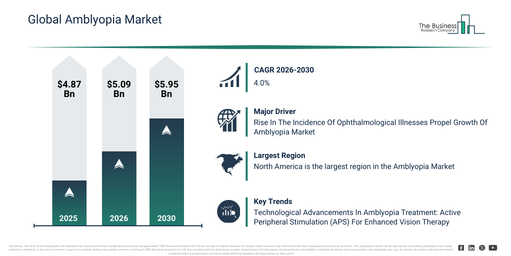
    The amblyopia market has shown consistent growth over recent years. It is anticipated to increase from $4.87 billion in 2025 to $5.09 billion in 2026, at a compound annual growth rate (CAGR) of 4.6%. The expansion observed in the past can be linked to enhanced awareness regarding pediatric vision disorders, broader access to corrective lenses, increased application of eye patch therapy, the development of ophthalmology services, and the early implementation of atropine-based treatments.

    The amblyopia market is anticipated to experience consistent expansion over the upcoming years. It is projected to reach $5.95 billion by 2030, exhibiting a compound annual growth rate (CAGR) of 4.0%. This growth during the forecast period is driven by factors such as the increasing demand for home-based amblyopia therapies, greater investments in digital therapeutics, an intensified focus on preventive pediatric eye care, the expansion of tele-ophthalmology services, and advancements in neuro-visual treatment methods. Key developments expected during this period involve the rising adoption of digital vision therapy solutions, the increased application of AI-based diagnostic tools, a strengthened emphasis on early childhood vision screening, the broadening of non-invasive treatment options, and the growing incorporation of gamified treatment approaches.

    Request Your Free Amblyopia Market Sample With Segment And Regional Data:

    https://thebusinessresearchcompany.com/sample_request?id=99060010&type=smp&name=Amblyopia%20Market%20Report%202026&utm_source=Blogs&utm_medium=Paid&utm_campaign=Nov_PR

    Amblyopia Market Growth Drivers And Their Impact On Future Demand

    An increasing occurrence of ophthalmological conditions is expected to drive the growth of the amblyopia market moving forward. These eye disorders affect the eyes and can range from common issues such as cataracts and glaucoma to rare conditions like retinitis pigmentosa and ocular tumors. The surge in ophthalmological illnesses stems from increased screen time, aging populations, and environmental factors such as pollution. Amblyopia has the potential to lead to ophthalmological illnesses by causing the brain to ignore input from the weaker eye, which can result in permanent vision impairment and issues with depth perception if left untreated. Thus, the rising incidence of ophthalmological illnesses propels the growth of the amblyopia market.

    What Categories Define The Amblyopia Market?

    The amblyopia market covered in this report is segmented –

    1) By Disease Type: Strabismus Amblyopia, Refractive Amblyopia, Deprivation Amblyopia

    2) By Diagnosis: Visual Acuity Tests, Photo Screening, Bruckner Test, Other Diagnosis

    3) By Treatment: Eye Patches, Atropine Drops, Glasses, Video Games, Other Treatments

    Subsegments:

    1) By Strabismus Amblyopia: Congenital Strabismus Amblyopia, Acquired Strabismus Amblyopia, Non-Paralytic Strabismus Amblyopia, Paralytic Strabismus Amblyopia

    2) By Refractive Amblyopia: Myopic Refractive Amblyopia, Hypermetropic Refractive Amblyopia, Astigmatic Refractive Amblyopia, Treatment Through Corrective Lenses (Glasses, Contact Lenses)

    3) By Deprivation Amblyopia: Amblyopia Due To Cataracts, Amblyopia Caused By Ptosis (Drooping Eyelid), Amblyopia From Corneal Opacities, Treatment Through Surgical Interventions Or Patching

    What New Developments Are Emerging In The Amblyopia Market?

    Leading companies in the amblyopia market are prioritizing technological advancements, such as active peripheral stimulation (APS), to enhance peripheral vision therapy. APS is a therapeutic technique involving the stimulation of peripheral nerves or tissues to activate sensory pathways, offering potential benefits for pain relief, rehabilitation, and neurological conditions.

    Major Players Driving Competition In The Amblyopia Market

    Major companies operating in the amblyopia market are Vivid Vision Inc, RevitalVision, NovaSight, Eyenovia Inc, OcuRx Vision Technologies LLC, AmblyoPlay, Adaptica Srl, Luminopia Inc, RightEye LLC, NeuroVision Imaging, Visionary Tool Inc, EyeJustRead Inc, Amblyotech, Vision Therapy Solutions LLC, Orthoptek Inc, OpticsTrainer, Vision Science Labs, Pediatric Vision Technologies, NeuroEye Therapy, Visual Cortex Solutions

    View The Comprehensive Amblyopia Market Analysis:

    https://thebusinessresearchcompany.com/report/amblyopia-global-market-report?utm_source=Blogs&utm_medium=Paid&utm_campaign=Nov_PR

    Amblyopia Market Regional Leaders: Insights From The 2026 Report

    North America was the largest region in the amblyopia market in 2025. Asia-Pacific is expected to be the fastest-growing region in the forecast period. The regions covered in the amblyopia market report are Asia-Pacific, South East Asia, Western Europe, Eastern Europe, North America, South America, Middle East, Africa.

    Reach Out To Our Team:

    The Business Research Company: https://www.thebusinessresearchcompany.com/

    Americas: +1 310-496-7795

    Asia: +44 7882 955267 & +91 8897263534

    Europe: +44 7882 955267

    Email us at: marketing@tbrc.info

    Follow us on:

    LinkedIn: https://in.linkedin.com/company/the-business-research-company

    YouTube: https://www.youtube.com/channel/UC24_fI0rV8cR5DxlCpgmyFQ

    Global Market Model: https://www.thebusinessresearchcompany.com/global-market-model
  • Ambient Digital Pharmacy Kiosk Market CAGR Of 18.3% Forecast For 2026–2030: What It Means For The Industry

    Ambient Digital Pharmacy Kiosk Market CAGR Of 18.3% Forecast For 2026–2030: What It Means For The Industry

    Designed to make market research more actionable and strategically valuable, The Business Research Company’s 2026 market reports feature market attractiveness scoring, total addressable market sizing, company benchmarking matrices, interactive Excel dashboards, deeper supply chain intelligence, emerging startup tracking, and granular product-level insights.

    Ambient Digital Pharmacy Kiosk Market To Expand At A 18.3% CAGR: Size And Growth Projections Through 2030

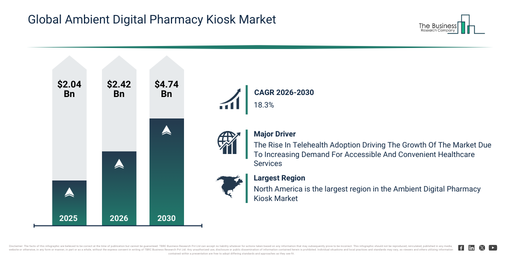
    The ambient digital pharmacy kiosk market has experienced rapid expansion in its size over recent years. It is projected to increase from $2.04 billion in 2025 to $2.42 billion in 2026, demonstrating a compound annual growth rate (CAGR) of 18.6%. This historical growth can be attributed to factors such as the expansion of retail pharmacy automation, the increasing demand for contactless healthcare services, a greater need for urban healthcare accessibility, the adoption of digital prescription systems, and the rise of self-service healthcare models.

    The market for ambient digital pharmacy kiosks is projected for significant expansion over the coming years. By 2030, this market is anticipated to reach a valuation of $4.74 billion, expanding at a compound annual growth rate (CAGR) of 18.3%. This anticipated growth during the forecast period is driven by several factors, including escalating investments in intelligent pharmacy infrastructure, a surging need for distributed medication access, the broadening of telepharmacy regulatory frameworks, enhanced integration with hospital information systems, and a heightened emphasis on data security and regulatory adherence. Key trends expected during the forecast timeframe encompass the wider deployment of self-service pharmacy kiosks, an uptick in the adoption of contactless medication dispensing, increasing incorporation of telepharmacy functionalities, the proliferation of secure digital payment solutions, and an amplified focus on automated inventory management.

    Get Your Free Ambient Digital Pharmacy Kiosk Market Report Sample Today:

    https://thebusinessresearchcompany.com/sample_request?id=65848393&type=smp&name=Ambient%20Digital%20Pharmacy%20Kiosk%20Market%20Report%202026&utm_source=Blogs&utm_medium=Paid&utm_campaign=Nov_PR

    Which Factor Is Expected To Drive The Ambient Digital Pharmacy Kiosk Market Over The Forecast Period?

    The increasing embrace of telehealth solutions is anticipated to fuel the expansion of the ambient digital pharmacy kiosk market moving forward. Telehealth encompasses technology-enabled services and platforms that facilitate remote healthcare delivery, such as virtual medical consultations, patient monitoring, and management, utilizing digital communication tools. This growing acceptance of telehealth is driven by a greater need for accessible healthcare, as individuals seek convenient, prompt, and remote medical assistance without needing physical appointments. Ambient digital pharmacy kiosks enhance telehealth by offering easy, on-site access to medicines, diagnostics, and various healthcare services, thereby connecting virtual consultations with tangible care provision. Consequently, the increasing adoption of telehealth solutions is a key factor boosting the ambient digital pharmacy kiosk market’s growth.

    Ambient Digital Pharmacy Kiosk Market Segmentation Insights: How Is The Industry Categorized?

    The ambient digital pharmacy kiosk market covered in this report is segmented –

    1) By Component: Hardware, Software, Services

    2) By Deployment Mode: Standalone, Integrated

    3) By Application: Prescription Dispensing, Over-the-Counter Medication, Telepharmacy, Health Monitoring, Other Applications

    4) By End User: Hospitals, Retail Pharmacies, Clinics, Long-Term Care Facilities, Other End Users

    Subsegments:

    1) By Hardware: Touchscreen Display, Payment Module, Barcode Scanner, Automated Dispensing Unit, Refrigeration Unit

    2) By Software: Prescription Management Software, Inventory Management Software, User Interface Software, Telehealth Integration Software, Data Analytics Software

    3) By Services: Installation Services, Maintenance And Support Services, Software Update Services, Training Services, Remote Assistance Services

    Ambient Digital Pharmacy Kiosk Market Competitor Landscape: Who Are The Major Companies?

    Major companies operating in the ambient digital pharmacy kiosk market are Rite Aid Corporation, Zebra Technologies Corporation, Omnicell Inc., Elo Touch Solutions Inc., ScriptPro LLC, Parata Systems LLC, Kiosk Information Systems Inc., XIPHIAS Software Technologies Private Limited., Medicap Pharmacy Inc., Amazon Pharmacy Inc., RedyRef Interactive Kiosks Inc., PharmaTrust Inc., ImageHOLDERS Inc., Pharmabox Inc., InstyMeds Corporation, Smart Rx Systems Inc., MedifriendRx Inc., Pickpoint Corporation, VendRx Inc., PARTTEAM And OEMKIOSKS,S.A.

    See The Full Ambient Digital Pharmacy Kiosk Market Report For Complete Market Sizing And Trends:

    https://thebusinessresearchcompany.com/report/ambient-digital-pharmacy-kiosk-global-market-report?utm_source=Blogs&utm_medium=Paid&utm_campaign=Nov_PR

    Ambient Digital Pharmacy Kiosk Market Regional Demand Analysis And Leading Geography

    North America was the largest region in the ambient digital pharmacy kiosk market in 2025. Asia-Pacific is expected to be the fastest-growing region in the forecast period. The regions covered in the ambient digital pharmacy kiosk market report are Asia-Pacific, South East Asia, Western Europe, Eastern Europe, North America, South America, Middle East, Africa.

    Reach Out To Our Team:

    The Business Research Company: https://www.thebusinessresearchcompany.com/

    Americas: +1 310-496-7795

    Asia: +44 7882 955267 & +91 8897263534

    Europe: +44 7882 955267

    Email us at: marketing@tbrc.info

    Follow us on:

    LinkedIn: https://in.linkedin.com/company/the-business-research-company

    YouTube: https://www.youtube.com/channel/UC24_fI0rV8cR5DxlCpgmyFQ

    Global Market Model: https://www.thebusinessresearchcompany.com/global-market-model
  • Alzheimer’s Disease Diagnostic Market Forecast: $11.89 Billion Valuation Expected By 2030

    Alzheimer’s Disease Diagnostic Market Forecast: $11.89 Billion Valuation Expected By 2030

    The Business Research Company’s 2026 market reports are designed to deliver research that is more actionable and strategically valuable. Key offerings include market attractiveness scoring, total addressable market sizing, company benchmarking matrices, interactive Excel dashboards, deeper supply chain intelligence, emerging startup tracking, and granular product-level insights.

    Alzheimer’s Disease Diagnostic Market Size, Growth Rate And Key Forecast Highlights For 2026–2030

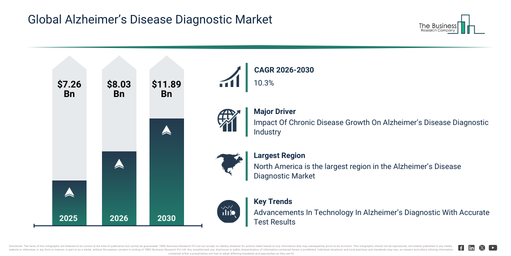
    The alzheimer’s disease diagnostic market size has experienced rapid expansion in recent years. It is anticipated to grow from $7.26 billion in 2025 to $8.03 billion in 2026, exhibiting a compound annual growth rate (CAGR) of 10.6%. This historical growth can be linked to the increasing prevalence of alzheimer’s disease, greater awareness of neurodegenerative disorders, the adoption of MRI and PET imaging, the expansion of diagnostic centers and hospitals, and investment in cognitive assessment research.

    The alzheimer’s disease diagnostic market size is projected for substantial expansion in the coming years. This market is anticipated to reach $11.89 billion by 2030, exhibiting a compound annual growth rate (CAGR) of 10.3%. This projected growth is largely driven by factors such as the emergence of new biomarkers and imaging tracers, the incorporation of AI for precise early diagnosis, increasing financial support from both governmental and private sectors for Alzheimer’s research, the proliferation of personalized medicine programs, and an increase in multi-center clinical trials. Key trends anticipated during this period involve a greater uptake of biomarker-based diagnostic methods, an expanded application of neuroimaging for early detection, an increase in cognitive assessment testing, the wider availability of genetic testing for Alzheimer’s risk evaluation, and the adoption of integrated multi-modal diagnostic strategies.

    See What’s Inside The Alzheimer’s Disease Diagnostic Market Report With A Free Sample:

    https://thebusinessresearchcompany.com/sample_request?id=21093&type=smp&name=Alzheimer%E2%80%99s%20Disease%20Diagnostic%20Market%20Report%202026&utm_source=Blogs&utm_medium=Paid&utm_campaign=Nov_PR

    Alzheimer’s Disease Diagnostic Market Expansion: The Major Factor Driving Growth

    The anticipated expansion of the Alzheimer’s disease diagnostic market is driven by the rising incidence of chronic diseases. Conditions like cardiovascular disease, diabetes, and hypertension are closely linked to a heightened risk of Alzheimer’s and other forms of dementia, thus stimulating the need for precise and timely diagnostic tools. A primary contributor to the increase in these chronic ailments is the global proliferation of sedentary lifestyles, with extensive epidemiological studies consistently revealing considerably higher rates of conditions like diabetes and cardiovascular disease among those who are physically inactive. Alzheimer’s diagnostics are crucial for healthcare systems, allowing for prompt identification, facilitating rapid interventions, and informing patient care strategies to impede the advancement of the disease. Consequently, the expanding prevalence of chronic diseases is fueling the growth of the Alzheimer’s disease diagnostic market.

    Understanding Alzheimer’s Disease Diagnostic Market Segmentation For Strategic Planning

    The alzheimer’s disease diagnostic market covered in this report is segmented –

    1) By Type: Triage, Diagnosis, Screening

    2) By Diagnostic Technique: Biomarkers, Imaging Techniques, Genetic Testing, Cognitive Assessment Tests

    3) By End User: Clinics, Hospitals, Diagnostic Centers, Pharmaceutical Companies, Academic Research Center

    Subsegments:

    1) By Triage: Cognitive Testing, Imaging Techniques

    2) By Diagnosis: Biomarker Testing, Neuroimaging

    3) By Screening: Neuropsychological Testing, Genetic Testing

    Key Alzheimer’s Disease Diagnostic Market Trends To Watch In 2026

    Major companies in the Alzheimer’s disease diagnostic market are prioritizing the development of blood-based biomarker tests, aiming to simplify the diagnostic procedure for Alzheimer’s disease, reduce reliance on more invasive techniques, and improve patient access to timely treatment.

    Key Companies Active In The Alzheimer’s Disease Diagnostic Market

    Major companies operating in the alzheimer’s disease diagnostic market are Hoffmann-La Roche, Eli Lilly and Company, Quest Diagnostics Incorporated, Laboratory Corporation of America Holdings, Lantheus, Quanterix, C2N Diagnostics, Sysmex, Royal Philips, Bruker Corporation, Revvity, Alamar Biosciences, ADx Neurosciences, Randox Laboratories, DiaSorin, Shenzhen Mindray Bio-Medical Electronics, Nipro Corporation, Canon Inc, Hitachi Ltd, Eisai Co Ltd

    Explore Detailed Alzheimer’s Disease Diagnostic Market Research And Forecasts:

    https://thebusinessresearchcompany.com/report/alzheimers-disease-diagnostic-global-market-report?utm_source=Blogs&utm_medium=Paid&utm_campaign=Nov_PR

    Which Geography Dominates The Alzheimer’s Disease Diagnostic Market?

    North America was the largest region in the alzheimer’s disease diagnostic market in 2025. Asia-Pacific is expected to be the fastest-growing region in the forecast period. The regions covered in the alzheimer’s disease diagnostic market report are Asia-Pacific, South East Asia, Western Europe, Eastern Europe, North America, South America, Middle East, Africa.

    Reach Out To Our Team:

    The Business Research Company: https://www.thebusinessresearchcompany.com/

    Americas: +1 310-496-7795

    Asia: +44 7882 955267 & +91 8897263534

    Europe: +44 7882 955267

    Email us at: marketing@tbrc.info

    Follow us on:

    LinkedIn: https://in.linkedin.com/company/the-business-research-company

    YouTube: https://www.youtube.com/channel/UC24_fI0rV8cR5DxlCpgmyFQ

    Global Market Model: https://www.thebusinessresearchcompany.com/global-market-model
  • Alpha-1 Antitrypsin Deficiency Augmentation Therapy Market Overview: Size, Growth Drivers, Trends And Competitive Landscape

    Alpha-1 Antitrypsin Deficiency Augmentation Therapy Market Overview: Size, Growth Drivers, Trends And Competitive Landscape

    With a focus on actionable insights and strategic value, The Business Research Company’s 2026 market reports include market attractiveness scoring, total addressable market sizing, company benchmarking matrices, interactive Excel dashboards, deeper supply chain intelligence, emerging startup tracking, and granular product-level insights.

    How Much Will The Alpha-1 Antitrypsin Deficiency Augmentation Therapy Market Be Worth By 2030?

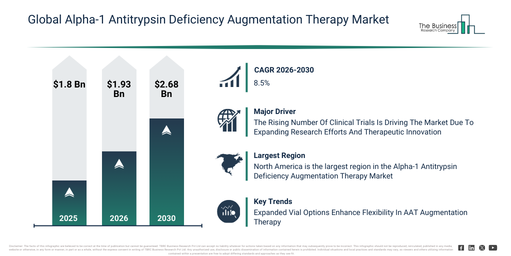
    The alpha-1 antitrypsin deficiency augmentation therapy market size has experienced robust growth in recent years. It is forecast to rise from $1.8 billion in 2025 to $1.93 billion in 2026, exhibiting a compound annual growth rate (CAGR) of 7.3%. The market’s expansion in previous periods was largely driven by limited treatment options for alpers disease, increasing awareness of rare genetic disorders, a reliance on hospital-based care, a growing pediatric patient population, and the expansion of supportive care programs.

    The alpha-1 antitrypsin deficiency augmentation therapy market is anticipated to experience robust expansion over the coming years. It is projected to reach $2.68 billion by 2030, exhibiting a compound annual growth rate (CAGR) of 8.5%. This growth during the forecast period is propelled by factors such as the evolution of gene-targeted therapies, increasing investment in rare disease research, enhanced cooperation between hospitals and biotech companies, the implementation of innovative drug delivery technologies, and the proliferation of specialty clinics for pediatric neurology. Key developments expected during this period involve a heightened demand for symptomatic and supportive care treatments, an increased emphasis on rare genetic disorder research, advancements in pediatric neurology therapeutics, the broadening of specialty clinics and hospital provisions, and the uptake of new drug formulations and delivery approaches.

    Get Access To A Free Alpha-1 Antitrypsin Deficiency Augmentation Therapy Market Report Sample:

    https://thebusinessresearchcompany.com/sample_request?id=41529522&type=smp&name=Alpha-1%20Antitrypsin%20Deficiency%20Augmentation%20Therapy%20Market%20Report%202026&utm_source=Blogs&utm_medium=Paid&utm_campaign=Nov_PR

    The Key Driver Behind The Alpha-1 Antitrypsin Deficiency Augmentation Therapy Market’s 8.5% CAGR

    The market for alpha-1 antitrypsin deficiency augmentation therapy is anticipated to expand due to the increasing volume of clinical trials. These trials represent biomedical investigations involving human subjects, designed to assess the safety, effectiveness, and best application of various therapeutic approaches such as novel recombinant therapies, gene therapies, and extended-duration augmentation products. The rise in clinical trial activity stems largely from increased investment in research, a stronger focus on advanced treatment methods, and the critical requirement to tackle the substantial unmet medical needs linked to alpha-1 antitrypsin deficiency. Alpha-1 antitrypsin deficiency augmentation therapy functions by restoring adequate AAT protein levels in the bloodstream and lungs, thereby decelerating the advancement of the disease, minimizing harm to lung tissue, and enhancing respiratory health outcomes over the long term for affected patients. Consequently, this upswing in clinical trial engagements is a significant impetus for the expansion of the alpha-1 antitrypsin deficiency augmentation therapy market.

    Alpha-1 Antitrypsin Deficiency Augmentation Therapy Market Classification: Main Segments And Detailed Subsegments

    The alpha-1 antitrypsin deficiency augmentation therapy market covered in this report is segmented –

    1) By Treatment Type: Symptomatic Drug Therapy, Supportive Care Therapy, Palliative Care

    2) By Symptom Management: Seizure Management, Liver Dysfunction Management, Neurodevelopmental Support, Metabolic and Nutritional Support

    3) By Drug Class: Antiepileptic Drugs (excluding valproate), Hepatoprotective and Liver Support Medications, Metabolic Cofactor and Vitamin Therapies, Supportive Adjunct Medications

    4) By Route of Administration: Oral, Injectable

    5) By End User: Hospitals, Specialty Neurology and Metabolic Clinics, Palliative Care Centers

    Subsegments:

    1) By Symptomatic Drug Therapy: Antiepileptic Drug Therapy (non-valproate based), Acute Seizure Control Medications, Management of Movement Disorders and Spasticity, Supportive Medications for Gastrointestinal Symptoms, Infection Management and Prophylactic Medications

    2) By Supportive Care Therapy: Liver Function Monitoring and Support, Nutritional Support and Metabolic Supplementation, Respiratory Support and Assisted Ventilation, Physical, Occupational, and Speech Therapy, Management of Metabolic Decompensation

    3) By Palliative Care: Pain and Symptom Relief Management, End-of-Life Supportive Care, Psychological and Family Counseling

    Alpha-1 Antitrypsin Deficiency Augmentation Therapy Market Strategic Shifts: What Leading Players Are Prioritizing

    Companies active in the alpha-1 antitrypsin deficiency augmentation therapy market are prioritizing the development of innovative products like augmentation therapy vials to simplify dosing, optimize infusion workflows, and enhance the patient treatment experience. An augmentation therapy vial is defined as a plasma-derived alpha-1 antitrypsin product packaged in consistent quantities to support accurate weight-based dosing and sustained AAT protein replacement.

    Alpha-1 Antitrypsin Deficiency Augmentation Therapy Market Company Analysis: Major Industry Participants

    Major companies operating in the alpha-1 antitrypsin deficiency augmentation therapy market are Pfizer Inc., Sanofi S.A., Takeda Pharmaceutical Company Limited, Biogen Inc., UCB S.A., Eisai Co. Ltd., Jazz Pharmaceuticals plc, GW Pharmaceuticals plc, BioMarin Pharmaceutical Inc., Ultragenyx Pharmaceutical Inc., PTC Therapeutics Inc., Alexion Pharmaceuticals Inc., Ionis Pharmaceuticals Inc., Vertex Pharmaceuticals Incorporated, Roche Holding AG, Novartis AG, Merck & Co. Inc., AbbVie Inc., Bristol Myers Squibb Company, Lundbeck A/S

    Get Full Access To The Alpha-1 Antitrypsin Deficiency Augmentation Therapy Market Report 2026:

    https://thebusinessresearchcompany.com/report/alpha-1-antitrypsin-deficiency-augmentation-therapy-global-market-report?utm_source=Blogs&utm_medium=Paid&utm_campaign=Nov_PR

    Alpha-1 Antitrypsin Deficiency Augmentation Therapy Market Global Regional Breakdown: Key Regions Analyzed

    North America was the largest region in the alpha-1 antitrypsin deficiency augmentation therapy market in 2025. The regions covered in the alpha-1 antitrypsin deficiency augmentation therapy market report are Asia-Pacific, South East Asia, Western Europe, Eastern Europe, North America, South America, Middle East, Africa.

    Reach Out To Our Team:

    The Business Research Company: https://www.thebusinessresearchcompany.com/

    Americas: +1 310-496-7795

    Asia: +44 7882 955267 & +91 8897263534

    Europe: +44 7882 955267

    Email us at: marketing@tbrc.info

    Follow us on:

    LinkedIn: https://in.linkedin.com/company/the-business-research-company

    YouTube: https://www.youtube.com/channel/UC24_fI0rV8cR5DxlCpgmyFQ

    Global Market Model: https://www.thebusinessresearchcompany.com/global-market-model
  • Alpers Disease Treatment Market To Grow From $1.52 Billion To $1.84 Billion By 2030: Key Drivers Explained

    Alpers Disease Treatment Market To Grow From $1.52 Billion To $1.84 Billion By 2030: Key Drivers Explained

    The Business Research Company’s 2026 market reports combine market attractiveness scoring, total addressable market sizing, company benchmarking matrices, interactive Excel dashboards, deeper supply chain intelligence, emerging startup tracking, and granular product-level insights to deliver research that is more actionable and strategically valuable.

    Alpers Disease Treatment Market Revenue Forecast: $1.52 Billion In 2026 Rising To $1.84 Billion In 2030

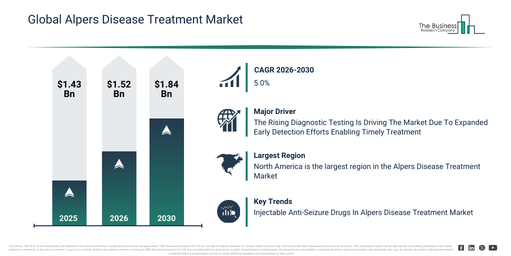
    The alpers disease treatment market has experienced robust expansion in recent years. It is projected to grow from $1.43 billion in 2025 to $1.52 billion in 2026, exhibiting a compound annual growth rate (CAGR) of 5.7%. The historical progression of this market was influenced by factors including limited awareness of alpers disease, a lack of specialized diagnostic instruments, restricted access to rare disease therapies, a reliance on traditional anticonvulsant medications, and a small patient population affecting treatment adoption.

    The alpers disease treatment market is projected to experience consistent expansion in the coming years, reaching $1.84 billion by 2030 with a compound annual growth rate (CAGR) of 5.0%. This anticipated growth is driven by several factors, including progress in genetic testing technologies, the emergence of specific supportive treatments, increased funding for rare disease research, the establishment of more specialized healthcare centers, and growing partnerships between medical institutions and therapy providers. Key trends anticipated during this period involve the greater acceptance of anticonvulsant medications for seizure management, an emphasis on integrated multidisciplinary treatment plans, a surge in molecular genetic testing for diagnosis, the broadening of specialized clinics and hospital care for rare diseases, and improved development of both supportive and nutritional therapies.

    Free Sample Report: Alpers Disease Treatment Market Size, Trends And Forecast To 2030:

    https://thebusinessresearchcompany.com/sample_request?id=97999910&type=smp&name=Alpers%20Disease%20Treatment%20Market%20Report%202026&utm_source=Blogs&utm_medium=Paid&utm_campaign=Nov_PR

    Alpers Disease Treatment Market Growth Catalyst: What Is Creating New Demand?

    The Alpers disease treatment market is anticipated to expand due to the increase in diagnostic testing. Diagnostic testing involves the systematic analysis of biological samples, physiological functions, or imaging results to diagnose, monitor, or exclude medical conditions, thereby guiding appropriate clinical choices. A primary reason for the growth in diagnostic testing is the heightened emphasis on early and precise disease detection, as healthcare providers prioritize timely diagnoses to enhance patient outcomes, prevent complications, and enable more effective long-term management. For Alpers disease treatment, this surge in diagnostic testing is beneficial as it allows for earlier identification of mitochondrial dysfunction, facilitating prompt intervention and better-informed clinical care for affected individuals. Thus, the growing volume of diagnostic testing is propelling the Alpers disease treatment market. The Alpers disease treatment market is expected to experience growth driven by the rising prevalence of personalized medicines. Personalized medicine is a medical philosophy that customizes healthcare decisions, practices, interventions, and treatments to match the unique characteristics of each patient. The expansion of personalized medicine can be attributed to a deeper understanding of genetics, availability of patient-specific data, and supportive regulatory frameworks. In the context of Alpers disease treatment, personalized medicines are advantageous because they enable therapies to be tailored based on an individual’s genetic profile, targeting the specific genetic mutations and biochemical pathways involved in the condition, which can lead to improved treatment effectiveness and reduced side effects. Consequently, the increasing adoption of personalized medicines is fueling the growth of the Alpers disease treatment market.

    Alpers Disease Treatment Market Segment Overview: Categories Covered In The 2026 Report

    The alpers disease treatment market covered in this report is segmented –

    1) By Treatment: Anticonvulsant Drugs, Speech Therapy, Physical Therapy, Occupational Therapy

    2) By Diagnosis: Genetic and Molecular Testing, Neurodiagnostic Tests, Biochemical and Metabolic Tests

    3) By Dosage: Tablet, Injection, Other Dosages

    4) By Symptom: Seizures, Spasticity, Liver Dysfunction, Cerebral Degeneration

    Subsegments:

    1) By Anticonvulsant Drugs: Levetiracetam, Lamotrigine, Topiramate, Clonazepam

    2) By Speech Therapy: Articulation Therapy, Language Development Therapy, Swallowing Therapy, Cognitive Communication Therapy

    3) By Physical Therapy: Motor Skill Therapy, Balance And Coordination Training, Stretching And Strengthening Exercises, Gait Training

    4) By Occupational Therapy: Fine Motor Skill Training, Sensory Integration Therapy, Adaptive Techniques For Daily Living, Cognitive Rehabilitation

    How Are Leading Companies Shaping Alpers Disease Treatment Market Trends?

    Key companies operating in the alpers disease treatment market are developing inventive solutions like Injectable anti-seizure drugs (ASDs) to achieve a quicker and more reliable onset of action than conventional oral medications. Injectable anti-seizure drugs (ASDs) offer benefits to individuals with Alpers disease by ensuring rapid and dependable seizure management, bypassing potential absorption problems in the gastrointestinal tract, maintaining stable and effective dosing, and providing a more exact treatment approach for managing this demanding neurological disorder.

    Alpers Disease Treatment Market Players: Key Companies Shaping Competition

    Major companies operating in the alpers disease treatment market are UCB S.A., Jazz Pharmaceuticals, Eisai Co. Ltd., Otsuka Pharmaceutical Co. Ltd., H. Lundbeck A/S, Biogen Inc., Ultragenyx Pharmaceutical Inc., PTC Therapeutics Inc., Ionis Pharmaceuticals Inc., Sarepta Therapeutics Inc., GW Pharmaceuticals plc, Supernus Pharmaceuticals Inc., SK Biopharmaceuticals Co. Ltd., Marinus Pharmaceuticals Inc., Neurelis Inc., Zogenix Inc., Aquestive Therapeutics Inc., Bial – Portela & Cª S.A., Desitin Arzneimittel GmbH, Adamas Pharmaceuticals Inc.

    Access Complete Alpers Disease Treatment Market Data, Forecasts And Competitive Insights:

    https://thebusinessresearchcompany.com/report/alpers-disease-treatment-global-market-report?utm_source=Blogs&utm_medium=Paid&utm_campaign=Nov_PR

    Alpers Disease Treatment Market Regional Performance And Geographic Coverage

    North America was the largest region in the alpers disease treatment market in 2025. The regions covered in the alpers disease treatment market report are Asia-Pacific, South East Asia, Western Europe, Eastern Europe, North America, South America, Middle East, Africa.

    Reach Out To Our Team:

    The Business Research Company: https://www.thebusinessresearchcompany.com/

    Americas: +1 310-496-7795

    Asia: +44 7882 955267 & +91 8897263534

    Europe: +44 7882 955267

    Email us at: marketing@tbrc.info

    Follow us on:

    LinkedIn: https://in.linkedin.com/company/the-business-research-company

    YouTube: https://www.youtube.com/channel/UC24_fI0rV8cR5DxlCpgmyFQ

    Global Market Model: https://www.thebusinessresearchcompany.com/global-market-model
  • Alopecia Areata Market Worth $4.11 Billion In 2026: What The Latest Data Shows

    Alopecia Areata Market Worth $4.11 Billion In 2026: What The Latest Data Shows

    Market attractiveness scoring, total addressable market sizing, company benchmarking matrices, interactive Excel dashboards, deeper supply chain intelligence, emerging startup tracking, and granular product-level insights are among the key offerings featured in The Business Research Company’s 2026 market reports, designed to deliver more actionable and strategically valuable research.

    Alopecia Areata Market Size Overview: From Historical Performance To The 2030 Forecast

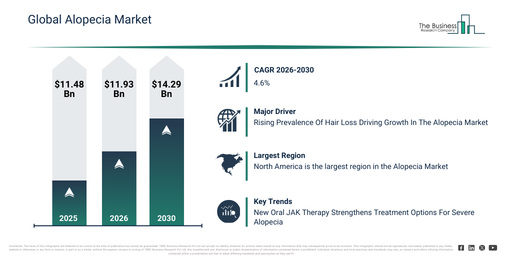
    The alopecia areata market has experienced robust growth in recent years. It is projected to expand from $3.81 billion in 2025 to $4.11 billion in 2026, demonstrating a compound annual growth rate (CAGR) of 7.9%. This historical expansion is linked to factors such as the global increase in alopecia areata prevalence, previously limited treatment choices, a rising need for dermatology care, the expansion of hospital and specialty clinic infrastructure, and the adoption of traditional herbal and natural remedies.

    The alopecia areata market is projected to experience substantial growth in the coming years, reaching $5.72 billion by 2030, exhibiting a compound annual growth rate (CAGR) of 8.6%. This anticipated expansion during the forecast period is fueled by several factors, including the emergence of new immunotherapy medications, heightened investment in dermatological research, a growing inclination towards customized hair loss solutions, the expansion of homecare and remote dermatology services, and an increase in clinical trials focused on hair regrowth. Key trends identified for the forecast period encompass a greater understanding of autoimmune hair conditions, increased use of both topical and oral treatments, the proliferation of specialized clinics and at-home care options, innovations in trichoscopy and diagnostic methods, and intensified research into innovative hair regrowth treatments.

    Get A Free Sample Of The Business Research Company’s Alopecia Areata Market Report:

    https://thebusinessresearchcompany.com/sample_request?id=26460843&type=smp&name=Alopecia%20Areata%20Market%20Report%202026&utm_source=Blogs&utm_medium=Paid&utm_campaign=Nov_PR

    What Factor Is Increasing Demand In The Alopecia Areata Market?

    The rising occurrence of alopecia is anticipated to drive the expansion of the alopecia areata market in the future. Alopecia is defined as the partial or total loss of hair, typically from the scalp, but it can also affect other parts of the body. The growing prevalence of alopecia largely stems from an increase in autoimmune conditions, elevated stress, genetic predispositions, and environmental factors that interfere with the normal function of hair follicles. Treatments for alopecia areata aim to alleviate this increasing challenge by addressing immune-driven inflammation in follicles, encouraging hair regeneration, and enhancing patients’ quality of life with more efficient and rapid therapeutic choices.

    Which Segments Make Up The Alopecia Areata Market?

    The alopecia areata market covered in this report is segmented –

    1) By Type: Patchy Alopecia Areata, Alopecia Totalis, Alopecia Universalis, Diffuse Alopecia Areata, Ophiasis Alopecia

    2) By Diagnosis: Trichoscopy, Skin Biopsy, Other Diagnoses

    3) By Route Of Administration: Oral, Topical, Parenteral, Other Routes Of Administration

    4) By End-Users: Hospitals, Specialty Clinics

    Alopecia Areata Market Emerging Trends: What Are Industry Leaders Focusing On?

    Major companies operating in the alopecia areata market are concentrating on approvals for innovative drugs, such as Janus kinase (JAK) inhibitors, to fortify their market standing and deliver advanced therapies. JAK inhibitors constitute a class of medications that impede specific enzymes (JAK1/JAK2) involved in the autoimmune process that attacks hair follicles, thus promoting hair regrowth in individuals with severe alopecia areata.

    Major Companies To Know In The Alopecia Areata Market

    Major companies operating in the alopecia areata market are Pfizer Inc., Eli Lilly and Company, Incyte Corporation, AbbVie Inc., Novartis AG, Sanofi SA, Bristol Myers Squibb, GlaxoSmithKline plc, Aclaris Therapeutics Inc., Almirall SA, Lupin Ltd., Sun Pharmaceutical Industries Ltd., Cipla Ltd., Glenmark Pharmaceuticals Ltd., Dr Reddys Laboratories Ltd., Teva Pharmaceutical Industries Ltd., Janssen Pharmaceuticals, Arena Pharmaceuticals, AnaptysBio Inc., Viela Bio, Priovant Therapeutics

    Read The In-Depth Alopecia Areata Market Report:

    https://thebusinessresearchcompany.com/report/alopecia-areata-global-market-report?utm_source=Blogs&utm_medium=Paid&utm_campaign=Nov_PR

    Alopecia Areata Market Regional Landscape: Largest Region In 2025

    North America was the largest region in the alopecia areata market in 2025. Asia-Pacific is expected to be the fastest-growing region in the forecast period. The regions covered in the alopecia areata market report are Asia-Pacific, South East Asia, Western Europe, Eastern Europe, North America, South America, Middle East, Africa.

    Reach Out To Our Team:

    The Business Research Company: https://www.thebusinessresearchcompany.com/

    Americas: +1 310-496-7795

    Asia: +44 7882 955267 & +91 8897263534

    Europe: +44 7882 955267

    Email us at: marketing@tbrc.info

    Follow us on:

    LinkedIn: https://in.linkedin.com/company/the-business-research-company

    YouTube: https://www.youtube.com/channel/UC24_fI0rV8cR5DxlCpgmyFQ

    Global Market Model: https://www.thebusinessresearchcompany.com/global-market-model
  • Alopecia Market Competitive Landscape: Pfizer Inc. And Other Key Players

    Alopecia Market Competitive Landscape: Pfizer Inc. And Other Key Players

    Designed to make market research more actionable and strategically valuable, The Business Research Company’s 2026 market reports feature market attractiveness scoring, total addressable market sizing, company benchmarking matrices, interactive Excel dashboards, deeper supply chain intelligence, emerging startup tracking, and granular product-level insights.

    What Is The Projected CAGR Of The Alopecia Market Through 2030?

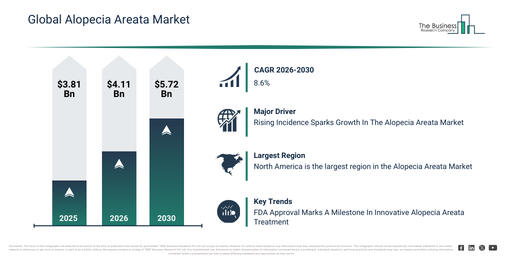
    The alopecia market size has demonstrated consistent expansion in recent years. It is forecast to grow from $11.48 billion in 2025 to $11.93 billion in 2026, exhibiting a compound annual growth rate (CAGR) of 3.9%. The market’s past growth can be attributed to several factors, including the increasing global prevalence of alopecia, a rise in dermatology clinic visits, limited treatment options historically available, growing research efforts in hair loss therapies, and an increasing awareness of cosmetic issues.

    The alopecia market is anticipated to experience consistent expansion over the upcoming years. Its valuation is projected to reach $14.29 billion by 2030, exhibiting a compound annual growth rate (CAGR) of 4.6%. This expected increase during the forecast period is driven by factors such as the creation of innovative regenerative medicine therapies, technological advancements in lltt devices, a rising embrace of customized alopecia treatments, the proliferation of online pharmacy distribution networks, and enhanced investment in hair restoration studies. Significant trends expected during this period involve a greater uptake of pharmaceutical solutions for hair loss, an increase in the utilization of low-level laser therapy (lllt) devices, an uptick in hair transplant operations, the broadening of regenerative medicine uses for alopecia, and improved understanding and availability of at-home hair loss treatments.

    Claim Your Free Alopecia Market Sample Report With Key Data And Trends:

    https://thebusinessresearchcompany.com/sample_request?id=38582263&type=smp&name=Alopecia%20Market%20Report%202026&utm_source=Blogs&utm_medium=Paid&utm_campaign=Nov_PR

    Alopecia Market Demand Analysis: The Driving Force Behind Expansion

    The rising incidence of hair loss is anticipated to fuel the expansion of the alopecia market in the future. Hair loss denotes the partial or complete absence of hair from typical growth areas. Alopecia treatment assists individuals with alopecia by tackling various hair loss concerns, including promoting hair regrowth, developing tailored treatment strategies, employing combination therapies, and managing the physical manifestations of hair loss, which collectively can greatly enhance emotional well-being and overall quality of life. Consequently, the growing occurrence of hair loss is propelling the alopecia market.

    Breaking Down The Alopecia Market By Segment

    The alopecia market covered in this report is segmented –

    1) By Type: Alopecia Areata, Androgenetic Alopecia, Traction Alopecia, Cicatricial Alopecia, Other Types

    2) By Treatment: Pharmaceutical, Low Level Laser Therapy (LLLT) Devices, Hair Transplant, Regenerative Medicine, Other Treatments

    3) By Gender: Male, Female

    4) By Distribution Channel: Hospital Pharmacies, Retail Pharmacies, Online Pharmacies, Other Distribution Channels

    5) By End-User: Dermatology Clinics, Homecare Settings, Other End-Users

    Subsegments:

    1) By Alopecia Areata: Patchy Alopecia Areata, Persistent Patchy Alopecia Areata, Alopecia Universalis, Diffuse Alopecia Areata, Ophiasis

    2) By Androgenetic Alopecia: Male Pattern Baldness, Female Pattern Hair Loss

    3) By Traction Alopecia: Frontal Traction Alopecia, Occipital Traction Alopecia

    4) By Cicatricial Alopecia: Lichen Planopilaris, Discoid Lupus Erythematosus, Central Centrifugal Cicatricial Alopecia, Frontal Fibrosing Alopecia, Folliculitis Decalvans

    5) By Other Types: Telogen Effluvium, Anagen Effluvium, Trichotillomania

    Top Trend Influencing The Alopecia Market Outlook

    Leading firms in the alopecia market are concentrating on creating novel therapies, including oral JAK inhibitors, to boost treatment efficacy and provide quicker, more lasting hair regrowth for individuals suffering from autoimmune hair loss. These oral JAK inhibitors are targeted pharmacological agents designed to regulate immune-driven inflammation by obstructing the Janus kinase pathways implicated in follicular damage. As an illustration, in July 2025, Sun Pharmaceutical Industries Limited, an Indian pharmaceutical company specializing in generics and dermatology, introduced LEQSELVI (deuruxolitinib) in the United States. This treatment exhibited swift clinical improvement, with a substantial percentage of patients experiencing significant scalp hair restoration within just eight weeks. Its release provides a timely, scientifically supported treatment alternative for severe alopecia areata, broadening the therapeutic spectrum available to both healthcare providers and patients.

    Alopecia Market Competitive Landscape And Major Players

    Major companies operating in the alopecia market are Pfizer Inc., Johnson and Johnson Ltd., Merck and Co. Inc., Bayer AG, Novartis AG, Sanofi SA, Eli Lilly and Company, Boehringer Ingelheim International GmbH, Allergan Plc, Teva Pharmaceutical Industries Ltd., Mylan N.V., Sun Pharmaceutical Industries Ltd., Perrigo Company Plc, Dr. Reddy’s Laboratories Ltd., Cipla Limited, Almirall S.A., Aclaris Therapeutics Inc., Curallux LLC, Theradome Inc., Lexington International LLC, Histogen Inc., Apira Science Inc.

    Read The Full Alopecia Market Report By The Business Research Company:

    https://thebusinessresearchcompany.com/report/alopecia-global-market-report?utm_source=Blogs&utm_medium=Paid&utm_campaign=Nov_PR

    Where Is The Alopecia Market Largest? Key Regional Insights

    North America was the largest region in the alopecia market in 2025. Asia-Pacific is expected to be the fastest-growing region in the forecast period. The regions covered in the alopecia market report are Asia-Pacific, South East Asia, Western Europe, Eastern Europe, North America, South America, Middle East, Africa.

    Reach Out To Our Team:

    The Business Research Company: https://www.thebusinessresearchcompany.com/

    Americas: +1 310-496-7795

    Asia: +44 7882 955267 & +91 8897263534

    Europe: +44 7882 955267

    Email us at: marketing@tbrc.info

    Follow us on:

    LinkedIn: https://in.linkedin.com/company/the-business-research-company

    YouTube: https://www.youtube.com/channel/UC24_fI0rV8cR5DxlCpgmyFQ

    Global Market Model: https://www.thebusinessresearchcompany.com/global-market-model
  • North America Leads The Allogeneic Cell Therapy Market: Regional Analysis And 2030 Forecast

    North America Leads The Allogeneic Cell Therapy Market: Regional Analysis And 2030 Forecast

    The Business Research Company’s 2026 market reports are designed to deliver research that is more actionable and strategically valuable. Key offerings include market attractiveness scoring, total addressable market sizing, company benchmarking matrices, interactive Excel dashboards, deeper supply chain intelligence, emerging startup tracking, and granular product-level insights.

    Allogeneic Cell Therapy Market Revenue Projected To Rise To $1.97 Billion By 2030

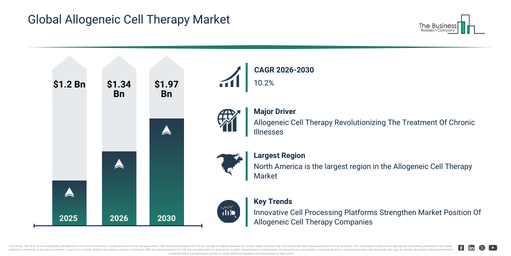
    The allogeneic cell therapy market size has seen swift expansion in recent years. It is forecast to grow from $1.2 billion in 2025 to $1.34 billion in 2026, exhibiting a compound annual growth rate (CAGR) of 11.5%. This historical growth can be ascribed to factors such as the limited availability of allogeneic cell therapy products, the expansion of early-stage clinical trials, an increasing prevalence of hematological disorders, the growing adoption of cell therapies by hospitals, and a reliance on donor cell banks.

    The allogeneic cell therapy market is projected to experience substantial expansion in the coming years. This market is anticipated to reach $1.97 billion by 2030, exhibiting a compound annual growth rate (CAGR) of 10.2%. This projected increase during the forecast period stems from factors such as progress in stem cell and immune cell engineering, the broadening of dermatological and other therapeutic uses, increased capital expenditure in cell therapy production facilities, partnerships between healthcare institutions and biotechnology companies, and the uptake of automated cell processing methods. Key developments expected during this period involve the rising acceptance of stem cell therapies, a heightened emphasis on T-cell and NK cell therapies, the enlargement of iPSC-based therapeutic applications, an escalating need for individualized cell therapy solutions, and strengthened regulatory scrutiny and safety protocols.

    Want Deeper Allogeneic Cell Therapy Market Insights? Get A Free Sample Report:

    https://thebusinessresearchcompany.com/sample_request?id=60214552&type=smp&name=Allogeneic%20Cell%20Therapy%20Market%20Report%202026&utm_source=Blogs&utm_medium=Paid&utm_campaign=Nov_PR

    Primary Growth Driver Shaping The Allogeneic Cell Therapy Market Outlook

    The escalating occurrence of chronic diseases is anticipated to fuel the expansion of the allogeneic cell therapy market. These are enduring medical conditions that typically necessitate continuous care and can impede daily functions or overall well-being. The widespread occurrence of chronic disease stems from changes in lifestyle, genetic predisposition, and exposure to various chemicals, toxins, and airborne pollutants. Allogeneic cell therapy presents considerable promise for addressing numerous chronic ailments by employing healthy donor cells to mend, substitute, or adjust the impaired cells or tissues within the recipient. Consequently, the growing incidence of chronic diseases acts as a catalyst for the growth of the allogeneic cell therapy market.

    Allogeneic Cell Therapy Market Structure: A Detailed Look At Segments And Subsegments

    The allogeneic cell therapy market covered in this report is segmented –

    1) By Type: Stem Cell Therapies, Non-Stem Cell Therapies

    2) By Therapeutic Area: Hematological Disorders, Dermatological Disorders

    3) By End User: Hospitals, Specialty Clinics

    Subsegments:

    1) By Stem Cell Therapies: Hematopoietic Stem Cell Therapy (Hematopoietic Stem Cells), Mesenchymal Stem Cell Therapy (MSC-Based Therapies), Induced Pluripotent Stem Cells (iPSC-Based Therapies), Neural Stem Cell Therapy

    2) By Non-Stem Cell Therapies: T-cell Therapies, Natural Killer (NK) Cell Therapies, Dendritic Cell Therapies

    Allogeneic Cell Therapy Market Innovation And Strategy Trends Among Leading Companies

    Leading companies operating in the allogeneic cell therapy market are focused on developing innovative solutions, such as cell processing platforms, to strengthen their position. Cell processing platforms encompass systems and technologies utilized to prepare and manipulate cells for therapeutic applications, covering processes like isolation, purification, expansion, modification, and quality control to ensure cells are suitable for clinical use.

    Top Companies Competing In The Allogeneic Cell Therapy Market

    Major companies operating in the allogeneic cell therapy market are Novartis AG, Bristol Myers Squibb Company, Takeda Pharmaceutical Company Limited, Bluebird Bio Inc., Poseida Therapeutics Inc., Fate Therapeutics Inc., Fortress Biotech Inc., Sorrento Therapeutics Inc., Eureka Therapeutics Inc., Juno Therapeutics Inc., Adaptimmune Therapeutics plc, Cellectis SA, Ziopharm Oncology Inc., Allogene Therapeutics Inc., Century Therapeutics Inc., Autolus Therapeutics plc, Bellicum Pharmaceuticals Inc., Celyad SA, TILT Biotherapeutics Ltd., CRISPR Therapeutics AG

    View The Complete Allogeneic Cell Therapy Market Study With Segment And Regional Data:

    https://thebusinessresearchcompany.com/report/allogeneic-cell-therapy-global-market-report?utm_source=Blogs&utm_medium=Paid&utm_campaign=Nov_PR

    Allogeneic Cell Therapy Market Regional Outlook Across Major Geographies

    North America was the largest region in the allogeneic cell therapy market in 2025. Asia-Pacific is expected to be the fastest-growing region in the forecast period. The regions covered in the allogeneic cell therapy market report are Asia-Pacific, South East Asia, Western Europe, Eastern Europe, North America, South America, Middle East, Africa.

    Reach Out To Our Team:

    The Business Research Company: https://www.thebusinessresearchcompany.com/

    Americas: +1 310-496-7795

    Asia: +44 7882 955267 & +91 8897263534

    Europe: +44 7882 955267

    Email us at: marketing@tbrc.info

    Follow us on:

    LinkedIn: https://in.linkedin.com/company/the-business-research-company

    YouTube: https://www.youtube.com/channel/UC24_fI0rV8cR5DxlCpgmyFQ

    Global Market Model: https://www.thebusinessresearchcompany.com/global-market-model
  • Allergy Treatment Market Trends 2026: Spotlight On Allergy Treatment Fueled By Technological Advancements

    Allergy Treatment Market Trends 2026: Spotlight On Allergy Treatment Fueled By Technological Advancements

    With a focus on actionable insights and strategic value, The Business Research Company’s 2026 market reports include market attractiveness scoring, total addressable market sizing, company benchmarking matrices, interactive Excel dashboards, deeper supply chain intelligence, emerging startup tracking, and granular product-level insights.

    Allergy Treatment Market Size Analysis: Historical Growth And Future Revenue Projections

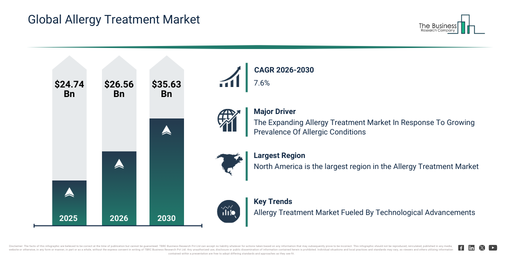
    The allergy treatment market size has experienced robust growth in recent years. It is projected to increase from $24.74 billion in 2025 to $26.56 billion in 2026, exhibiting a compound annual growth rate (CAGR) of 7.3%. The expansion observed during the historic period can be ascribed to the rising global prevalence of allergies, an uptick in allergy treatments at hospitals and clinics, limited awareness regarding advanced immunotherapy, continued reliance on conventional antihistamines, and the proliferation of retail pharmacy networks.

    The allergy treatment market is projected to experience substantial expansion over the coming years. Its valuation is anticipated to reach $35.63 billion by 2030, demonstrating a compound annual growth rate (CAGR) of 7.6%. This projected growth is driven by several factors, including the increasing demand for tailored allergy care, innovations in immunotherapy delivery technology, the proliferation of online pharmacy platforms, heightened investment in allergy-related research, and the escalating incidence of asthma and rhinitis among both children and adults. Furthermore, key trends anticipated during this period encompass the growing acceptance of anti-allergy medications and immunotherapy, enhanced understanding of allergy management and preventive measures, the broadening scope of homecare and specialized clinic offerings, a heightened emphasis on individualized allergy therapies, and the increasing utilization of nasal and oral methods for drug delivery.

    Preview The Allergy Treatment Market Report With A Free Sample:

    https://thebusinessresearchcompany.com/sample_request?id=93613040&type=smp&name=Allergy%20Treatment%20Market%20Report%202026&utm_source=Blogs&utm_medium=Paid&utm_campaign=Nov_PR

    Allergy Treatment Market Drivers: What Is Fueling Demand Through 2030?

    The expanding occurrence of allergic conditions is projected to fuel the expansion of the allergy treatment market moving ahead. An allergic condition occurs when the body’s immune system overreacts to a typically harmless substance called an allergen. These treatments provide allergic therapies, utilizing either nonprescription or prescription medications to help identify and steer clear of various allergy triggers, consequently preventing allergic reactions, easing symptoms, reducing the severity of allergies, and enhancing individuals’ quality of life. Consequently, the increasing prevalence of allergic conditions is indeed driving the growth of the allergy treatment market.

    Allergy Treatment Market Segmentation Analysis: Core Categories And Subcategories

    The allergy treatment market covered in this report is segmented –

    1) By Treatment Type: Anti-Allergy Drugs, Immunotherapy

    2) By Type: Eye Allergy, Skin Allergy, Food Allergy, Rhinitis, Other Types

    3) By Route of Administration: Oral, Parenteral, Nasal, Other Routes of Administration

    4) By Distribution Channels: Hospital Pharmacies, Retail Pharmacies, Online Retailers, Other Distribution Channels

    5) By End-Users: Hospitals, Specialty Clinics, Homecare, Other End-Users

    Subsegments:

    1) By Anti-Allergy Drugs: Antihistamines, Corticosteroids, Leukotriene Receptor Antagonists, Decongestants

    2) By Immunotherapy: Allergy Shots, Sublingual Immunotherapy (SLIT), Oral Immunotherapy

    Which Trends Will Define The Allergy Treatment Market Through 2030?

    Leading companies within the allergy treatment market are prioritizing the adoption of advanced technologies to improve patient support, refine treatment delivery, and enhance diagnostic and therapeutic results. These technological innovations in allergy treatment feature digital health platforms, telehealth options, wearable monitoring devices, and precision immunotherapy tools, which collectively help to streamline patient care, track allergic responses, and deliver personalized therapy choices.

    Allergy Treatment Market Major Companies And Industry Participants

    Major companies operating in the allergy treatment market are Pfizer Inc., Johnson and Johnson, Allergy Therapeutics PLC, F. Hoffmann-La Roche Ltd, AbbVie Inc., Novartis AG, Merck & Co. Inc., Sanofi S.A., Thermo Fisher Scientific Inc., AstraZeneca, GlaxoSmithKline PLC, Eli Lilly and Company, Boehringer Ingelheim International GmbH, Regeneron Pharmaceuticals, Bausch Health Companies Inc., Teva Pharmaceutical Industries Ltd., Almirall S.A, Akorn Operating Company LLC, Alembic Pharmaceuticals Limited, ALK-Abelló A/S, Stallergenes Greer International AG, Adamis Pharmaceuticals, HollisterStier Allergy, Leti Pharma SL

    Buy The Full Allergy Treatment Global Market Report 2026:

    https://thebusinessresearchcompany.com/report/allergy-treatment-global-market-report?utm_source=Blogs&utm_medium=Paid&utm_campaign=Nov_PR

    Allergy Treatment Market Geographic Analysis: Which Region Accounts For The Biggest Share?

    North America was the largest region in the allergy treatment market in 2025. Asia-Pacific is expected to be the fastest-growing region in the forecast period. The regions covered in the allergy treatment market report are Asia-Pacific, South East Asia, Western Europe, Eastern Europe, North America, South America, Middle East, Africa.

    Reach Out To Our Team:

    The Business Research Company: https://www.thebusinessresearchcompany.com/

    Americas: +1 310-496-7795

    Asia: +44 7882 955267 & +91 8897263534

    Europe: +44 7882 955267

    Email us at: marketing@tbrc.info

    Follow us on:

    LinkedIn: https://in.linkedin.com/company/the-business-research-company

    YouTube: https://www.youtube.com/channel/UC24_fI0rV8cR5DxlCpgmyFQ

    Global Market Model: https://www.thebusinessresearchcompany.com/global-market-model