Author: Marketing Posting

  • Allergy Immunotherapy Market Growth Driven By Rising Prevalence Of Allergic Disorders: Outlook To 2030

    Allergy Immunotherapy Market Growth Driven By Rising Prevalence Of Allergic Disorders: Outlook To 2030

    The Business Research Company’s 2026 market reports combine market attractiveness scoring, total addressable market sizing, company benchmarking matrices, interactive Excel dashboards, deeper supply chain intelligence, emerging startup tracking, and granular product-level insights to deliver research that is more actionable and strategically valuable.

    What Is The Allergy Immunotherapy Market Growth Rate? A 12.2% CAGR Outlook Through 2030

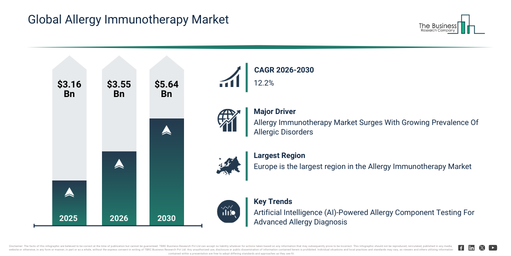
    The allergy immunotherapy market size has experienced rapid growth in recent years. It is projected to increase from $3.16 billion in 2025 to $3.55 billion in 2026, exhibiting a compound annual growth rate (CAGR) of 12.3%. The historical expansion of this market can be attributed to several factors, including limited understanding of allergy immunotherapy, an escalating occurrence of seasonal allergic rhinitis, reliance on treatment channels within hospitals, the continued use of traditional treatment methods, and the securing of regulatory approvals for immunotherapy products.

    The allergy immunotherapy market is projected for swift expansion in the coming years, reaching a valuation of $5.64 billion by 2030, driven by a compound annual growth rate (CAGR) of 12.2%. This anticipated growth is primarily due to several factors, including the proliferation of personalized immunotherapy options, greater use of online pharmacies, broadened pediatric allergy treatments, increased funding for immunotherapy research, and the creation of combined immunotherapy products. Key trends expected during this period involve the wider acceptance of subcutaneous and sublingual immunotherapy, a surge in the incidence of allergic rhinitis and asthma, broader availability of treatments for food and venom allergies, a heightened emphasis on individualized allergy treatment plans, and improved understanding and prompt detection of allergic conditions.

    Access A Free Sample Of The Latest Allergy Immunotherapy Market Analysis:

    https://thebusinessresearchcompany.com/sample_request?id=20204517&type=smp&name=Allergy%20Immunotherapy%20Market%20Report%202026&utm_source=Blogs&utm_medium=Paid&utm_campaign=Nov_PR

    Why Is The Allergy Immunotherapy Market Growing? The Key Demand Driver Explained

    The increasing occurrence of allergic disorders is projected to fuel the expansion of the allergy immunotherapy market in the future. Allergic disorders are defined as exaggerated immune responses to specific antigens. In contrast, autoimmune diseases arise when immune responses are incorrectly directed against the body’s own components (self). Allergy immunotherapy is available for atopic individuals suffering from allergy disorders such as IgE-mediated allergic rhinitis and allergic asthma, which are triggered by inhaled allergens including pollens and house dust mites (HDMs). Consequently, the rising prevalence of allergic disorders is driving the growth of the allergy immunotherapy market.

    What Are The Main Segments Of The Allergy Immunotherapy Market?

    The allergy immunotherapy market covered in this report is segmented –

    1) By Allergy Type: Allergic Rhinitis, Allergic Asthma, Food Allergy, Venom Allergy, Allergic Conjunctivitis, Environmental Allergies

    2) By Treatment: Subcutaneous Immunotherapy (SCIT), Sublingual Immunotherapy, Specific Immunotherapy (SIT)

    3) By Channel: Hospital Pharmacy, Retail Pharmacy

    Subsegments:

    1) By Allergic Rhinitis: Seasonal Allergic Rhinitis, Perennial Allergic Rhinitis

    2) By Allergic Asthma: House Dust Mite–Induced Allergic Asthma, Pollen-Induced Allergic Asthma, Animal Dander–Induced Allergic Asthma

    3) By Food Allergy: Peanut Allergy, Tree Nut Allergy, Milk Allergy, Egg Allergy, Other Food Allergies

    4) By Venom Allergy: Bee Venom Allergy, Wasp Venom Allergy, Hornet Venom Allergy, Other Insect Venom Allergies

    5) By Allergic Conjunctivitis: Seasonal Allergic Conjunctivitis, Perennial Allergic Conjunctivitis

    6) By Environmental Allergies: House Dust Mite Allergy, Pollen Allergy, Mold Allergy, Animal Dander Allergy

    Allergy Immunotherapy Market Trend Analysis: Where Leading Companies Are Focusing

    Leading firms within the allergy immunotherapy market are developing advanced technological solutions, including artificial intelligence (AI)-powered allergy component testing, to maintain their competitive edge. This artificial intelligence (AI)-powered allergy component testing represents a new diagnostic platform utilizing component resolved diagnostics (CRD) to identify diverse types of allergies.

    Which Companies Are Major Players In The Allergy Immunotherapy Market?

    Major companies operating in the allergy immunotherapy market are LETI Pharma, Stallergenes Greer International AG, Allergy Therapeutics plc, ALK-Abelló A/S, HAL Allergy B.V., DBV Technologies, Circassia Pharmaceuticals Inc., Jubilant HollisterStier LLC, Allergopharma GmbH & Co. KG, Biomay AG, Anergis SA, HollisterStier Allergy, Desentum Oy, WOLW Pharma Limited, AllerGenics Inc., Greer Laboratories Inc., Aimmune Therapeutics Inc., Reliant Laboratories Inc., Mylan N.V., Adamis Pharmaceuticals Corporation, Endo Pharmaceuticals Inc., Sun Pharmaceutical Industries Ltd., Cipla Ltd.

    Get The Complete Allergy Immunotherapy Market Analysis Here:

    https://thebusinessresearchcompany.com/report/allergy-immunotherapy-global-market-report?utm_source=Blogs&utm_medium=Paid&utm_campaign=Nov_PR

    Which Region Held The Largest Share Of The Allergy Immunotherapy Market In 2025?

    Europe was the largest region in the allergy immunotherapy market in 2025. Asia-Pacific is expected to be the fastest-growing region in the allergy immunotherapy market report during the forecast period. The regions covered in the allergy immunotherapy market report are Asia-Pacific, South East Asia, Western Europe, Eastern Europe, North America, South America, Middle East, Africa.

    Reach Out To Our Team:

    The Business Research Company: https://www.thebusinessresearchcompany.com/

    Americas: +1 310-496-7795

    Asia: +44 7882 955267 & +91 8897263534

    Europe: +44 7882 955267

    Email us at: marketing@tbrc.info

    Follow us on:

    LinkedIn: https://in.linkedin.com/company/the-business-research-company

    YouTube: https://www.youtube.com/channel/UC24_fI0rV8cR5DxlCpgmyFQ

    Global Market Model: https://www.thebusinessresearchcompany.com/global-market-model
  • Allergy Diagnostics Market To Grow At A 13.2% CAGR Through 2030: Drivers, Trends And Forecast

    Allergy Diagnostics Market To Grow At A 13.2% CAGR Through 2030: Drivers, Trends And Forecast

    Market attractiveness scoring, total addressable market sizing, company benchmarking matrices, interactive Excel dashboards, deeper supply chain intelligence, emerging startup tracking, and granular product-level insights are among the key offerings featured in The Business Research Company’s 2026 market reports, designed to deliver more actionable and strategically valuable research.

    Allergy Diagnostics Market Valued At $7.94 Billion In 2026, Projected To Reach $13.03 Billion By 2030

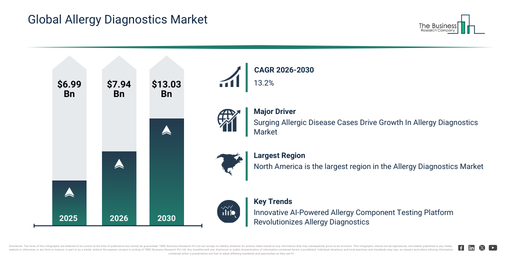
    The allergy diagnostics market size has experienced rapid expansion in recent years. It is projected to increase from $6.99 billion in 2025 to $7.94 billion in 2026, reflecting a compound annual growth rate (CAGR) of 13.5%. This market’s historical growth can be attributed to the rising global prevalence of allergies, the adoption of skin prick and intradermal tests, the expansion of hospital-based laboratories, increasing awareness about allergy management, and the limited availability of advanced in-vitro kits.

    The allergy diagnostics market is anticipated to experience substantial expansion over the coming years. Its valuation is projected to reach $13.03 billion by 2030, growing at a compound annual growth rate (CAGR) of 13.2%. This projected growth throughout the forecast period stems from factors such as advancements in component-resolved diagnostics, the integration of automation in allergy testing, increased investment in researching novel allergens, the proliferation of academic and diagnostic laboratories, and a rising demand for personalized allergy treatments. Key trends expected during this period involve a heightened need for accurate allergy diagnostics, the increasing adoption of in-vitro testing methods, an expansion of food and drug allergen testing, a rise in the use of ELISA, RAST, and CRD kits, and a strong focus on rapid and point-of-care allergy detection.

    Request A Complimentary Allergy Diagnostics Market Research Sample:

    https://thebusinessresearchcompany.com/sample_request?id=13360338&type=smp&name=Allergy%20Diagnostics%20Market%20Report%202026&utm_source=Blogs&utm_medium=Paid&utm_campaign=Nov_PR

    Key Factor Propelling The Allergy Diagnostics Market Forward

    The increasing occurrence of allergic diseases is poised to drive the growth of the allergy diagnostics market. This rise in allergy cases has been associated with elevated environmental pollution originating from traffic and numerous industrial sources. An allergic reaction is characterized as an abnormal immune system response to an allergen. Examples of allergic diseases include anaphylaxis, allergic rhinitis (often referred to as ‘hay fever’), food allergies, skin allergies, and allergic asthma. Since avoiding the specific allergen is the most crucial approach to managing allergic disorders, proper allergy diagnosis is indispensable for successful treatment. Thus, the growing prevalence of allergic diseases will continue to bolster the expansion of the allergy diagnostics market.

    Allergy Diagnostics Market Segments And Subsegments Explained

    The allergy diagnostics market covered in this report is segmented –

    1) By Test Type: In-Vivo Allergy Tests, In-Vitro Allergy Tests

    2) By Allergen: Inhaled Allergens, Food Allergens, Drug Allergens

    3) By Products: Consumables, Instruments

    4) By End User: Diagnostics Laboratories, Hospital-based Laboratories, Academic and Research Institutes

    Subsegments:

    1) By In-Vivo Allergy Tests: Skin Prick Tests, Intradermal Tests, Patch Tests, Oral Food Challenge Tests

    2) By In-Vitro Allergy Tests: Enzyme-Linked Immunosorbent Assay (ELISA), Radioallergosorbent Test (RAST), Component-Resolved Diagnostics (CRD), Basophil Activation Tests (BAT)

    Emerging Trends Transforming The Allergy Diagnostics Market

    Leading entities within the allergy diagnostics market are pioneering new technologies, such as an AI-powered allergy component testing platform, to enhance their market profitability. An AI-powered allergy component testing platform constitutes a technologically advanced system that utilizes artificial intelligence (AI) to scrutinize and interpret allergy testing results.

    Allergy Diagnostics Market Key Players: Major Companies In The 2026 Report

    Major companies operating in the allergy diagnostics market are bioMérieux SA, Danaher Corporation, HOB Biotech Group Corp. Ltd., HYCOR Biomedical, Lincoln Diagnostics Inc., Omega Diagnostics Group PLC, Siemens Healthineers AG, Thermo Fisher Scientific Inc., PerkinElmer Inc., R-Biopharm AG, Abbott Laboratories, HollisterStier Allergy, NEOGEN Corporation, AESKU.GROUP GmbH, ACON Laboratories Inc., Erba Group, Stallergenes Greer, HAL Allergy Group, INDOOR Biotechnologies Inc., MacroArray Technologies LLC, Phadia AB, Quest Diagnostics, Randox Laboratories Ltd., Eurofins Viracor Inc., VRL Laboratories

    Explore The Full Allergy Diagnostics Market Report With Forecasts To 2030:

    https://thebusinessresearchcompany.com/report/allergy-diagnostics-global-market-report?utm_source=Blogs&utm_medium=Paid&utm_campaign=Nov_PR

    Allergy Diagnostics Market By Region: Where Is Demand Strongest?

    North America was the largest region in the allergy diagnostics market in 2025. The regions covered in the allergy diagnostics market report are Asia-Pacific, South East Asia, Western Europe, Eastern Europe, North America, South America, Middle East, Africa.

    Reach Out To Our Team:

    The Business Research Company: https://www.thebusinessresearchcompany.com/

    Americas: +1 310-496-7795

    Asia: +44 7882 955267 & +91 8897263534

    Europe: +44 7882 955267

    Email us at: marketing@tbrc.info

    Follow us on:

    LinkedIn: https://in.linkedin.com/company/the-business-research-company

    YouTube: https://www.youtube.com/channel/UC24_fI0rV8cR5DxlCpgmyFQ

    Global Market Model: https://www.thebusinessresearchcompany.com/global-market-model
  • Allergic Rhinitis Market Size To Reach $19.58 Billion By 2030: Growth Drivers, Trends And Forecast

    Allergic Rhinitis Market Size To Reach $19.58 Billion By 2030: Growth Drivers, Trends And Forecast

    Designed to make market research more actionable and strategically valuable, The Business Research Company’s 2026 market reports feature market attractiveness scoring, total addressable market sizing, company benchmarking matrices, interactive Excel dashboards, deeper supply chain intelligence, emerging startup tracking, and granular product-level insights.

    How Big Is The Allergic Rhinitis Market In 2026, And How Fast Will It Grow?

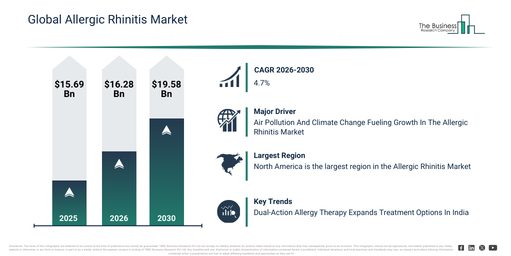
    The allergic rhinitis market has experienced stable growth over recent years. It is projected to expand from $15.69 billion in 2025 to $16.28 billion in 2026, demonstrating a compound annual growth rate (CAGR) of 3.8%. The market’s historical expansion can be attributed to increased awareness of allergies, greater exposure to environmental allergens, the adoption of traditional antihistamines and corticosteroids, the growth of hospital pharmacy networks, and the development of diagnostic skin testing methods.

    The allergic rhinitis market is projected to experience consistent expansion over the upcoming years. It is expected to reach $19.58 billion by 2030, with a compound annual growth rate (CAGR) of 4.7%. This growth in the forecast period is primarily driven by advances in immunotherapy treatments, increasing demand for personalized allergy management, a rise in the adoption of online pharmacies, technological improvements in ige rast and blood tests, and the expansion of global allergy treatment markets. Prominent trends for the forecast period include the rising global prevalence of allergic rhinitis, enhanced use of immunotherapy and personalized treatments, greater adoption of nasal corticosteroids and antihistamines, the expansion of online pharmacies and e-commerce distribution, and improved diagnostic testing, including skin and ige rast tests.

    Download A Free Allergic Rhinitis Market Sample Report With Size And Forecast Data:

    https://thebusinessresearchcompany.com/sample_request?id=12556119&type=smp&name=Allergic%20Rhinitis%20Market%20Report%202026&utm_source=Blogs&utm_medium=Paid&utm_campaign=Nov_PR

    Allergic Rhinitis Market Growth Driver: The Key Factor Behind Rising Demand

    The allergic rhinitis market is projected to experience growth in the future, driven by elevated levels of air pollution and climate change. Air pollution refers to the presence of harmful substances in the Earth’s atmosphere that can detrimentally affect human health, the environment, and the quality of the air we breathe. Climate change involves long-term shifts in the Earth’s climatic patterns, including temperature, precipitation, and other related factors. Air pollution is increasingly recognized as a significant environmental element contributing to both the prevalence and severity of allergic rhinitis, emphasizing the intricate connection between air quality and respiratory health. Therefore, high levels of air pollution and climate change are propelling the allergic rhinitis market.

    Allergic Rhinitis Market Segmentation: Key Segments And Subsegments Covered

    The allergic rhinitis market covered in this report is segmented –

    1) By Type: Seasonal Allergic Rhinitis, Perennial Allergic Rhinitis, Occupational Allergic Rhinitis

    2) By Treatment: Antihistamines, Corticosteroids, Immunotherapy, Decongestants, Other Treatments

    3) By Test: Skin Test, IgE Radioallergosorbent (RAST) Test

    4) By Route Of Administration: Oral, Nasal, Other Route Of Administration

    5) By Distribution Channel: Hospital Pharmacies, Retail Pharmacies, Online Stores

    Subsegments:

    1) By Seasonal Allergic Rhinitis: Pollen Allergy, Mold Allergy

    2) By Perennial Allergic Rhinitis: Dust Mite Allergy, Pet Allergy, Mold Allergy

    3) By Occupational Allergic Rhinitis: Chemical Allergens, Biological Allergens

    Allergic Rhinitis Market Trends: Key Developments Shaping 2026 And Beyond

    Leading companies within the allergic rhinitis market are prioritizing the development of innovative products, such as combination allergy therapies, to enhance multi-pathway symptom relief and improve the long-term management of allergic conditions. A combination allergy therapy involves a dual-action formulation that merges distinct classes of active ingredients to provide more extensive and effective control over allergy-related inflammation. For example, in October 2025, Cadila Pharmaceuticals, an India-based pharmaceutical manufacturer, introduced Dlorfast-M Tablets. This specific formulation integrates Desloratadine and Montelukast to inhibit both histamine- and leukotriene-mediated pathways, delivering more potent and comprehensive relief than either agent alone. Its once-daily administration aids in improving treatment adherence while expanding therapeutic choices for patients experiencing allergic rhinitis and urticaria.

    Leading Companies Operating In The Allergic Rhinitis Market

    Major companies operating in the allergic rhinitis market are Merck and Co. Inc., Bayer AG, Novartis AG, Sanofi-Aventis LLC., AstraZeneca PLC, GlaxoSmithKline plc., Boehringer Ingelheim International GmbH, Viatris Inc., Teva Pharmaceutical Industries Ltd., Regeneron Pharmaceuticals Inc., Sun Pharmaceutical Industries Limited, Menarini Group, Perrigo Company plc, Dr. Reddy’s Laboratories Ltd., Hikma Pharmaceuticals PLC, Cipla Limited, Zydus Lifesciences Ltd., Lupin Limited, Glenmark Pharma Ltd., Almirall S.A., Kyowa Kirin Co. Ltd., Hanmi Pharmaceutical Co. Ltd.

    Access The Full Allergic Rhinitis Market Research Report:

    https://thebusinessresearchcompany.com/report/allergic-rhinitis-global-market-report?utm_source=Blogs&utm_medium=Paid&utm_campaign=Nov_PR

    Allergic Rhinitis Market Regional Analysis: Largest Region And Key Geographies Covered

    North America was the largest region in the allergic rhinitis market in 2025. Asia-Pacific is expected to be the fastest-growing region in the forecast period. The regions covered in the allergic rhinitis market report are Asia-Pacific, South East Asia, Western Europe, Eastern Europe, North America, South America, Middle East, Africa.

    Reach Out To Our Team:

    The Business Research Company: https://www.thebusinessresearchcompany.com/

    Americas: +1 310-496-7795

    Asia: +44 7882 955267 & +91 8897263534

    Europe: +44 7882 955267

    Email us at: marketing@tbrc.info

    Follow us on:

    LinkedIn: https://in.linkedin.com/company/the-business-research-company

    YouTube: https://www.youtube.com/channel/UC24_fI0rV8cR5DxlCpgmyFQ

    Global Market Model: https://www.thebusinessresearchcompany.com/global-market-model
  • Allergic Contact Dermatitis Market Report 2026: Size, Segmentation, Regional Analysis And Key Players

    Allergic Contact Dermatitis Market Report 2026: Size, Segmentation, Regional Analysis And Key Players

    The Business Research Company’s 2026 market reports are designed to deliver research that is more actionable and strategically valuable. Key offerings include market attractiveness scoring, total addressable market sizing, company benchmarking matrices, interactive Excel dashboards, deeper supply chain intelligence, emerging startup tracking, and granular product-level insights.

    Allergic Contact Dermatitis Market Size 2026: Valuation, Growth Rate And Forecast To 2030

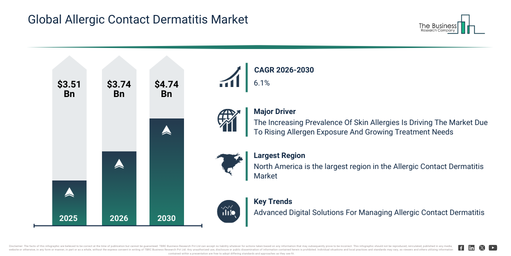
    The allergic contact dermatitis market size has experienced robust growth recently. It is anticipated to expand from $3.51 billion in 2025 to $3.74 billion in 2026, exhibiting a compound annual growth rate (CAGR) of 6.4%. The historical period’s growth can be attributed to various factors, including heightened exposure to metals and chemicals, insufficient awareness regarding skin allergens, the increasing uptake of patch testing, a rise in dermatology research initiatives, and greater utilization of topical corticosteroids.

    The allergic contact dermatitis market is anticipated to show substantial growth in the near future. This market is forecast to reach $4.74 billion by 2030, exhibiting a compound annual growth rate (CAGR) of 6.1%. Factors contributing to this growth during the forecast period include the development of advanced immunomodulators, increased consumer awareness regarding hypoallergenic products, the expansion of personalized dermatology treatments, a rise in the prevalence of occupational skin allergies, and the integration of digital dermatology diagnostics. Major trends expected during this period encompass the increasing global incidence of allergic contact dermatitis, enhanced awareness and diagnosis through patch testing, a growing demand for topical corticosteroids and immunomodulators, the expansion of pediatric and geriatric dermatology care, and a rising preference for natural and hypoallergenic product options.

    Get A Free Sample Of The Allergic Contact Dermatitis Market Report 2026:

    https://thebusinessresearchcompany.com/sample_request?id=19535280&type=smp&name=Allergic%20Contact%20Dermatitis%20Market%20Report%202026&utm_source=Blogs&utm_medium=Paid&utm_campaign=Nov_PR

    What Is Driving The Growth Of The Allergic Contact Dermatitis Market?

    The rising occurrence of skin allergies is anticipated to drive the expansion of the allergic contact dermatitis market. Skin allergies arise when the immune system overreacts to specific allergens, leading to symptoms such as redness, itching, swelling, and rashes. This increase in skin allergy cases is predominantly fueled by greater exposure to environmental allergens, cosmetic chemicals, and irritants, alongside a growing population experiencing sensitive skin and diminished skin-barrier function. Allergic contact dermatitis treatments aid in managing these conditions by reducing inflammation, relieving itching, preventing recurrent reactions, and restoring the skin barrier through topical agents, antihistamines, and lifestyle adjustments that minimize allergen contact. For instance, in April 2025, according to the Asthma and Allergy Foundation of America (AAFA), a US-based suburban nonprofit organization, skin and contact allergies affect around 1 in 5 people, with eczema impacting 18.9 million adults and 8 million children in the U.S., underscoring a substantial and increasing disease burden. Consequently, the increasing prevalence of skin allergies is propelling the growth of the allergic contact dermatitis market.

    How Is The Allergic Contact Dermatitis Market Segmented?

    The allergic contact dermatitis market covered in this report is segmented –

    1) By Allergen Type: Metals, Chemicals, Latex, Fragrances, Preservatives

    2) By Diagnosis Method: Patch Testing, Clinical Evaluation

    3) By Treatment Type: Topical Corticosteroids, Immunomodulators, Oral Corticosteroids

    4) By Severity Level: Mild, Moderate, Severe

    5) By Patient Demographics: Children, Adults, Elderly

    Subsegments:

    1) By Metals: Nickel, Cobalt, Chromium

    2) By Chemicals: Pesticides, Solvents, Cleaning Agents

    3) By Latex: Natural Rubber Latex, Synthetic Latex

    4) By Fragrances: Synthetic Fragrances, Natural Fragrances

    5) By Preservatives: Parabens, Formaldehyde Releasers, Isothiazolinones

    What Are The Latest Trends In The Allergic Contact Dermatitis Market?

    Leading companies within the allergic contact dermatitis market are concentrating on creating sophisticated web and app-based resource tools to enable remote consultations with medical experts. These digital platforms, accessible via websites and mobile applications, provide tools, information, and interactive functionalities designed to cater to patient requirements, thereby improving patient self-management and adherence to treatment.

    Who Are The Key Players In The Allergic Contact Dermatitis Market?

    Major companies operating in the allergic contact dermatitis market are Bausch Health Companies Inc., GlaxoSmithKline plc, Pfizer Inc., Sanofi S.A., AbbVie Inc., Johnson & Johnson, LEO Pharma A/S, Novartis AG, Bayer AG, Eli Lilly and Company, Galderma SA, Astellas Pharma Inc., Ferrer Pharma, Stallergenes Greer International AG, HAL Allergy B.V., Hycor Biomedical Inc., HollisterStier Allergy, Dormer Laboratories Inc., Chemotechnique MB Diagnostics AB, Aesku.Diagnostics GmbH, AllergoTek

    Read The Complete Allergic Contact Dermatitis Market Report 2026:

    https://thebusinessresearchcompany.com/report/allergic-contact-dermatitis-global-market-report?utm_source=Blogs&utm_medium=Paid&utm_campaign=Nov_PR

    Which Region Is The Largest In The Allergic Contact Dermatitis Market?

    North America was the largest region in the allergic contact dermatitis market in 2025. Asia-Pacific is expected to be the fastest-growing region in the forecast period. The regions covered in the allergic contact dermatitis market report are Asia-Pacific, South East Asia, Western Europe, Eastern Europe, North America, South America, Middle East, Africa.

    Reach Out To Our Team:

    The Business Research Company: https://www.thebusinessresearchcompany.com/

    Americas: +1 310-496-7795

    Asia: +44 7882 955267 & +91 8897263534

    Europe: +44 7882 955267

    Email us at: marketing@tbrc.info

    Follow us on:

    LinkedIn: https://in.linkedin.com/company/the-business-research-company

    YouTube: https://www.youtube.com/channel/UC24_fI0rV8cR5DxlCpgmyFQ

    Global Market Model: https://www.thebusinessresearchcompany.com/global-market-model
  • What Is Driving The Alcoholic Hepatitis Treatment Market? A Closer Look At Increased Prevalence Of Liver Diseases Caused By Alcohol Consumption

    What Is Driving The Alcoholic Hepatitis Treatment Market? A Closer Look At Increased Prevalence Of Liver Diseases Caused By Alcohol Consumption

    With a focus on actionable insights and strategic value, The Business Research Company’s 2026 market reports include market attractiveness scoring, total addressable market sizing, company benchmarking matrices, interactive Excel dashboards, deeper supply chain intelligence, emerging startup tracking, and granular product-level insights.

    Alcoholic Hepatitis Treatment Market Size Outlook: A $5.26 Billion Market By 2030, Growing At 9.1% Annually

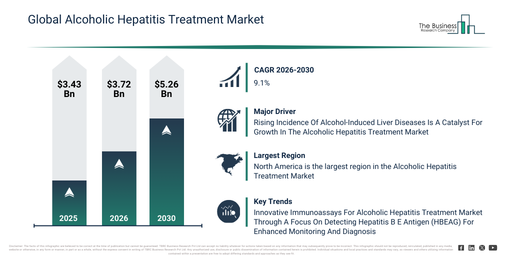
    The alcoholic hepatitis treatment market size has shown strong growth in recent years. It is expected to expand from $3.43 billion in 2025 to $3.72 billion in 2026, achieving a compound annual growth rate (CAGR) of 8.5%. The historical growth in this market can be attributed to the rising prevalence of alcoholic liver disease, increasing awareness regarding alcohol-related health problems, the adoption of corticosteroids and other drug therapies, the expansion of hospital-based treatment programs, and the limited availability of stem cell therapies.

    The alcoholic hepatitis treatment market is projected to experience substantial expansion in the coming years. This market is anticipated to reach $5.26 billion by 2030, exhibiting a compound annual growth rate (CAGR) of 9.1%. This expansion during the forecast period is primarily driven by advancements in regenerative medicine and stem cell therapies, increased investment in private treatment centers, a growing embrace of personalized medicine strategies, rising government efforts for liver disease management, and the creation of new biologics designed for liver protection. Key trends anticipated during this period encompass the increasing integration of corticosteroid and hemorheologic therapies, expanded utilization of stem cell therapy for liver regeneration, the proliferation of private treatment centers and clinics, a heightened emphasis on individualized treatment approaches for alcoholic hepatitis, and improved awareness coupled with early diagnosis initiatives.

    Make Data-Driven Decisions With A Free Alcoholic Hepatitis Treatment Market Sample Report:

    https://thebusinessresearchcompany.com/sample_request?id=82479375&type=smp&name=Alcoholic%20Hepatitis%20Treatment%20Market%20Report%202026&utm_source=Blogs&utm_medium=Paid&utm_campaign=Nov_PR

    Key Demand Driver Expected To Lift Alcoholic Hepatitis Treatment Market Revenue

    The escalating occurrence of liver conditions stemming from alcohol consumption is anticipated to drive the advancement of the alcoholic hepatitis treatment market in the foreseeable future. Alcoholic liver disease occurs when the liver’s functionality is impaired. The liver carries out multiple vital bodily functions, such as purifying the blood and producing bile for proper digestion. Alcoholic hepatitis treatment is administered to address liver inflammation in some patients suffering from this ailment. For those with severe alcoholic hepatitis, hospital therapy might be necessary. Hence, the growing prevalence of alcohol-induced liver diseases is a key factor driving the expansion of the alcoholic hepatitis treatment market.

    Exploring The Alcoholic Hepatitis Treatment Market Through Its Key Segments

    The alcoholic hepatitis treatment market covered in this report is segmented –

    1) By Treatment Type: Drug Therapy, Supportive And Nutritional Therapy

    2) By Route Of Administration: Oral, Injectable

    3) By Severity Of Disease: Mild Alcoholic Hepatitis, Moderate Alcoholic Hepatitis, Severe Alcoholic Hepatitis

    4) By End-User: Hospitals, Specialty Clinics, Rehabilitation And De-Addiction Centers

    Subsegments:

    1) By Drug Therapy: Corticosteroid Therapy, Hemorheologic Therapy, Immunomodulatory And Anti-Inflammatory Therapy, Antioxidant And Hepatoprotective Therapy, Adjunctive Pharmacological Therapy

    2) By Supportive And Nutritional Therapy: Alcohol Abstinence And Detoxification Support, Nutritional Supplementation (Protein Vitamins And Minerals), Enteral Nutrition Support, Electrolyte And Fluid Management, Management Of Alcohol Withdrawal Symptoms

    New Trends Redefining Competition In The Alcoholic Hepatitis Treatment Market

    Leading companies in the alcoholic hepatitis treatment market are channeling their efforts into developing products like immunoassays to increase their revenues. Immunoassays are biochemical tests that employ the specific binding of antibodies to antigens to detect and measure a target molecule (analyte) in a sample.

    Alcoholic Hepatitis Treatment Market Competition: Key Players And Industry Participants

    Major companies operating in the alcoholic hepatitis treatment market are Mallinckrodt Pharmaceuticals, Intercept Pharmaceuticals Inc., DURECT Corporation, BioVie Inc., Conatus Pharmaceuticals Inc., AbbVie Inc., Gilead Sciences Inc., Pfizer Inc., Merck And Co Inc., Bristol Myers Squibb Company, Johnson And Johnson, Sanofi SA, Novartis AG, Takeda Pharmaceutical Company Limited, Bayer AG, Boehringer Ingelheim International GmbH, Madrigal Pharmaceuticals Inc., Genfit SA, CymaBay Therapeutics Inc., Zydus Cadila, Dr Reddys Laboratories Ltd

    Get The Detailed Alcoholic Hepatitis Treatment Market Research Report Here:

    https://thebusinessresearchcompany.com/report/alcoholic-hepatitis-treatment-global-market-report?utm_source=Blogs&utm_medium=Paid&utm_campaign=Nov_PR

    Alcoholic Hepatitis Treatment Market Regional Overview: Largest Market And Global Coverage

    North America was the largest region in the alcoholic hepatitis treatment market in 2025. It is expected to be the fastest-growing region in the forecast period. The regions covered in the alcoholic hepatitis treatment market report are Asia-Pacific, South East Asia, Western Europe, Eastern Europe, North America, South America, Middle East, Africa.

    Reach Out To Our Team:

    The Business Research Company: https://www.thebusinessresearchcompany.com/

    Americas: +1 310-496-7795

    Asia: +44 7882 955267 & +91 8897263534

    Europe: +44 7882 955267

    Email us at: marketing@tbrc.info

    Follow us on:

    LinkedIn: https://in.linkedin.com/company/the-business-research-company

    YouTube: https://www.youtube.com/channel/UC24_fI0rV8cR5DxlCpgmyFQ

    Global Market Model: https://www.thebusinessresearchcompany.com/global-market-model
  • Alcohol Wipes Market 9% CAGR Outlook: Size, Segments And Regional Analysis

    Alcohol Wipes Market 9% CAGR Outlook: Size, Segments And Regional Analysis

    The Business Research Company’s 2026 market reports combine market attractiveness scoring, total addressable market sizing, company benchmarking matrices, interactive Excel dashboards, deeper supply chain intelligence, emerging startup tracking, and granular product-level insights to deliver research that is more actionable and strategically valuable.

    Is The Alcohol Wipes Market Expanding? Latest Size Estimates And 2030 Projections

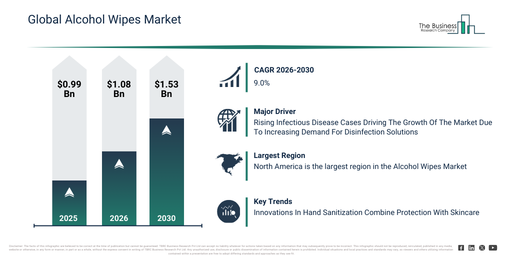
    The alcohol wipes market has experienced substantial growth in recent years. It is projected to expand from $0.99 billion in 2025 to $1.08 billion in 2026, demonstrating a compound annual growth rate (CAGR) of 9.3%. The market’s historical growth can be attributed to increasing awareness of infection control practices, the widespread use of disinfectants in healthcare, the expansion of personal hygiene routines, the growth of hospital and clinical infrastructure, and the rising adoption of pre-moistened wipes.

    The alcohol wipes market is projected to experience substantial growth in the upcoming years. It is anticipated to reach $1.53 billion by 2030, expanding at a compound annual growth rate (CAGR) of 9.0%. This projected expansion is primarily driven by factors such as an escalating demand for preventive healthcare hygiene products, a greater emphasis on surface disinfection standards, the increasing availability of home healthcare services, a rising preference for convenient hygiene solutions, and the ongoing development of eco-friendly wipe materials. Prominent trends expected during this forecast period include a growing demand for single-use hygiene products, increased adoption of medical-grade disinfectant wipes, the wider application of alcohol wipes in healthcare settings, the expansion of portable and travel hygiene solutions, and an enhanced focus on skin-safe disinfectant formulations.

    Free Alcohol Wipes Market Sample: Market Size, Growth Drivers And Competitive Landscape:

    https://thebusinessresearchcompany.com/sample_request?id=17752895&type=smp&name=Alcohol%20Wipes%20Market%20Report%202026&utm_source=Blogs&utm_medium=Paid&utm_campaign=Nov_PR

    Alcohol Wipes Market Drivers Explained: What Is Supporting A 9% CAGR?

    A rise in the occurrence of infectious diseases is anticipated to fuel the expansion of the alcohol wipes market in the future. Infectious diseases are illnesses originating from detrimental microorganisms that can be communicated between individuals or through environmental exposure. The rising prevalence of these diseases is influenced by urbanization, as concentrated populations in urban areas lead to increased close contact and accelerate community transmission. Alcohol wipes assist in preventing infectious diseases by efficiently eliminating or deactivating harmful microorganisms such as bacteria, viruses, and fungi. Containing high levels of isopropyl or ethyl alcohol (typically 60–90%), they disrupt microbial cell membranes, leading to their destruction. Consequently, the escalating incidence of infectious diseases is propelling the growth of the alcohol wipes market.

    Alcohol Wipes Market Segment Guide: Main Divisions And Subsegments

    The alcohol wipes market covered in this report is segmented –

    1) By Product Form: Pre-Moistened Wipes, Dry Wipes

    2) By Fabric Material: Natural, Synthetic

    3) By Formulation Type: Isopropyl Alcohol Wipes, Ethyl Alcohol Wipes, Hydrogen Peroxide Wipe

    4) By Distribution Channels: Supermarkets And Hypermarkets, Convenience Stores, Specialty Stores, Online, Other Distribution Channels

    5) By End-Use: Personal And Household, Commercial

    Subsegments:

    1) By Pre-Moistened Wipes: Isopropyl Alcohol Wipes, Ethanol-Based Wipes, Benzalkonium Chloride Wipes, Multi-Surface Disinfecting Wipes, Skin Antiseptic Wipes, Equipment Cleaning Wipes, Medical Use Wipes, Personal Hygiene Wipes

    2) By Dry Wipes: Nonwoven Fabric Dry Wipes, Cotton-Based Dry Wipes, Spunlace Dry Wipes, Airlaid Dry Wipes, Refillable Alcohol Dry Wipes, Multipurpose Dry Sheets, Industrial Cleaning Dry Wipes, Medical-Grade Dry Wipes

    Alcohol Wipes Market Trends And Opportunities For 2026–2030

    Leading companies within the alcohol wipes market are concentrating on integrating skin-friendly, clean, and wellness-oriented innovations, such as botanical infused sanitizing wipes, to enhance user comfort, skin safety, and convenience, alongside maintaining effective disinfection. These botanical infused sanitizing wipes combine alcohol-based germ protection with skincare ingredients to deliver both sanitization and hydration. For instance, in July 2025, Noshinku, Inc., a US-based personal care brand, unveiled noshinku nourishing travel hand sanitizing wipes, a botanical infused wipe designed to sanitize hands while also moisturizing and soothing the skin during travel or daily use. This product features pharma grade sugar cane alcohol as the antiseptic agent, blended with hydrating aloe, green tea and oat extracts, in a formulation free from dyes, parabens, artificial fragrances, and harsh antiseptics, and packaged in compact, travel-friendly containers for on-the-go hygiene. This product elevates the user experience by offering effective germ protection coupled with gentle skincare benefits, thereby expanding the attractiveness of the alcohol wipes market to wellness-focused consumers.

    Which Major Players Are Active In The Alcohol Wipes Market?

    Major companies operating in the alcohol wipes market are Cardinal Health Inc., Medline Industries, Kimberly-Clark Worldwide Inc., Reckitt Benckiser, The Clorox Company, Unicharm, Diversey Holdings, Hartmann Group, Gojo Industries, Kirkland Signature, GAMA Healthcare Ltd., Diamond Wipes International Inc., Pal International Ltd., Zogics, High-Tech Conversions, GermX, Robinson Healthcare Ltd., Clarisan Ltd., Hocleans

    Unlock The Complete Alcohol Wipes Market Report With Company Benchmarking:

    https://thebusinessresearchcompany.com/report/alcohol-wipes-global-market-report?utm_source=Blogs&utm_medium=Paid&utm_campaign=Nov_PR

    Alcohol Wipes Market World Regions Compared: Which Leads In Revenue?

    North America was the largest region in the alcohol wipes market in 2025. Asia-Pacific is expected to be the fastest-growing region in the forecast period. The regions covered in the alcohol wipes market report are Asia-Pacific, South East Asia, Western Europe, Eastern Europe, North America, South America, Middle East, Africa.

    Reach Out To Our Team:

    The Business Research Company: https://www.thebusinessresearchcompany.com/

    Americas: +1 310-496-7795

    Asia: +44 7882 955267 & +91 8897263534

    Europe: +44 7882 955267

    Email us at: marketing@tbrc.info

    Follow us on:

    LinkedIn: https://in.linkedin.com/company/the-business-research-company

    YouTube: https://www.youtube.com/channel/UC24_fI0rV8cR5DxlCpgmyFQ

    Global Market Model: https://www.thebusinessresearchcompany.com/global-market-model
  • How The Albumin And Creatinine Tests Market Will Grow To $9.65 Billion By 2030

    How The Albumin And Creatinine Tests Market Will Grow To $9.65 Billion By 2030

    Market attractiveness scoring, total addressable market sizing, company benchmarking matrices, interactive Excel dashboards, deeper supply chain intelligence, emerging startup tracking, and granular product-level insights are among the key offerings featured in The Business Research Company’s 2026 market reports, designed to deliver more actionable and strategically valuable research.

    Albumin And Creatinine Tests Market Growth Outlook: How Much Bigger Will The Market Be By 2030?

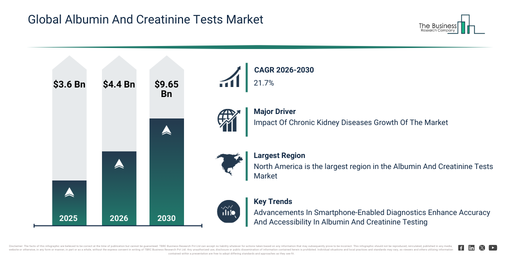
    The market for albumin and creatinine tests has experienced exponential growth in recent years. It is projected to increase from $3.6 billion in 2025 to $4.4 billion in 2026, at a compound annual growth rate (CAGR) of 22.2%. The expansion witnessed in the historic period stemmed from factors including the limited availability of point-of-care testing devices, reliance on manual urine dipstick tests, increasing prevalence of kidney-related disorders, growing hospital and diagnostic laboratory infrastructure, and rising awareness of kidney disease screening.

    The market for albumin and creatinine tests is projected to experience substantial growth over the coming years. By 2030, this market is anticipated to reach $9.65 billion, demonstrating a compound annual growth rate (CAGR) of 21.7%. This projected growth is driven by several factors, including advancements in urine analyzer technology and cartridges, the proliferation of automated laboratory solutions, a rise in the uptake of glycated albumin testing, increased investment in developing innovative diagnostic reagents, and the incorporation of data analytics for the early detection of kidney disease. Key trends expected during the forecast period involve a greater acceptance of point-of-care albumin and creatinine tests, an escalating demand for automated urine analyzers, an increase in the availability of microalbumin test kits for early kidney disease screening, the expanding application of colorimetric and immunoassay reagents, and improvements in accuracy achieved through standardized calibration and control solutions.

    Request A Free Albumin And Creatinine Tests Market Sample From The Business Research Company:

    https://thebusinessresearchcompany.com/sample_request?id=28166596&type=smp&name=Albumin%20And%20Creatinine%20Tests%20Market%20Report%202026&utm_source=Blogs&utm_medium=Paid&utm_campaign=Nov_PR

    How Is The Key Growth Driver Influencing The Albumin And Creatinine Tests Market?

    The increasing prevalence of chronic kidney diseases is expected to propel the expansion of the albumin and creatinine tests market moving forward. Chronic kidney disease (CKD) signifies the progressive deterioration of kidney function over time, where the kidneys fail to adequately filter waste products and surplus fluids from the bloodstream, resulting in a buildup of toxins and potential health issues in various organ systems. The rising incidence of chronic kidney diseases is attributed to an increase in risk factors such as diabetes, hypertension, and obesity. Albumin and creatinine tests are vital for diagnosing and monitoring chronic kidney diseases by assessing protein levels, specifically albumin in the urine, and evaluating kidney function via creatinine levels, thereby enabling prompt identification and management of kidney impairment. Consequently, the escalating incidence of chronic kidney disease is a key driver for the growth of the albumin and creatinine tests market.

    Albumin And Creatinine Tests Market Segmentation By Category: What Does The 2026 Report Cover?

    The albumin and creatinine tests market covered in this report is segmented –

    1) By Product: Dipsticks And Kits, Analyzers, Cartridges, Reagents, Other Products

    2) By Test Parameter: Blood And Urine Creatinine, Urine Albumin

    3) By End-User: Hospital And Clinics, Diagnostic Laboratories, Research Laboratories And Institutes, Other End-User

    Subsegments:

    1) By Dipsticks And Kits: Urine Dipstick Tests, Microalbumin Test Kits, Point-of-Care Test Kits

    2) By Analyzers: Automated Urine Analyzers, Benchtop Analyzers, Handheld Analyzers

    3) By Cartridges: Single-Use Cartridges, Multi-Parameter Cartridges

    4) By Reagents: Colorimetric Reagents, Enzymatic Reagents, Immunoassay Reagents

    5) By Other Products: Control Solutions, Calibration Standards, Accessories And Consumables

    How Are Industry Players Changing The Albumin And Creatinine Tests Market Landscape?

    Major companies within the albumin and creatinine tests market are concentrating on creating sophisticated digital diagnostic tools, such as smartphone-powered uACR testing. This initiative aims to enhance the early identification of chronic kidney disease and broaden patient availability for at-home testing. Smartphone-enabled uACR testing functions by utilizing mobile phone cameras, AI-driven analysis, and specialized test strips to ascertain the urine albumin-to-creatinine ratio, offering quick and dependable outcomes without the necessity of clinic visits.

    Albumin And Creatinine Tests Market Global Key Players And Competitive Overview

    Major companies operating in the albumin and creatinine tests market are Siemens Healthineers Company, Roche Diagnostics GmbH, Thermo Fisher Scientific Inc., Abbott Laboratories, FUJIFILM Corporation, Laboratory Corporation of America Holdings, Sysmex Corporation, Ortho Clinical Diagnostics Inc., Randox Laboratories Ltd., Nova Biomedical Corporation, Eagle Biosciences Inc., Sekisui Diagnostics LLC, BTNX Inc., RayBiotech Life Inc., ARKRAY Inc., PromoCell GmbH, Arbor Assays Inc., Teco Diagnostics Inc., J. Mitra & Co. Pvt. Ltd., Anamol Laboratories Pvt. Ltd.

    Explore Comprehensive Albumin And Creatinine Tests Market Coverage In The Full Report:

    https://thebusinessresearchcompany.com/report/albumin-and-creatinine-tests-global-market-report?utm_source=Blogs&utm_medium=Paid&utm_campaign=Nov_PR

    Regional Analysis Of The Albumin And Creatinine Tests Market: Where Is The Industry Concentrated?

    North America was the largest region in the albumin and creatinine tests market in 2025. Asia-Pacific is expected to be the fastest-growing region in the forecast period. The regions covered in the albumin and creatinine tests market report are Asia-Pacific, South East Asia, Western Europe, Eastern Europe, North America, South America, Middle East, Africa.

    Reach Out To Our Team:

    The Business Research Company: https://www.thebusinessresearchcompany.com/

    Americas: +1 310-496-7795

    Asia: +44 7882 955267 & +91 8897263534

    Europe: +44 7882 955267

    Email us at: marketing@tbrc.info

    Follow us on:

    LinkedIn: https://in.linkedin.com/company/the-business-research-company

    YouTube: https://www.youtube.com/channel/UC24_fI0rV8cR5DxlCpgmyFQ

    Global Market Model: https://www.thebusinessresearchcompany.com/global-market-model
  • Albumin Market Segmentation And Growth Analysis: Insights Through 2030

    Albumin Market Segmentation And Growth Analysis: Insights Through 2030

    Designed to make market research more actionable and strategically valuable, The Business Research Company’s 2026 market reports feature market attractiveness scoring, total addressable market sizing, company benchmarking matrices, interactive Excel dashboards, deeper supply chain intelligence, emerging startup tracking, and granular product-level insights.

    Albumin Market Forecast 2026–2030: Size, Value And Compound Annual Growth Rate

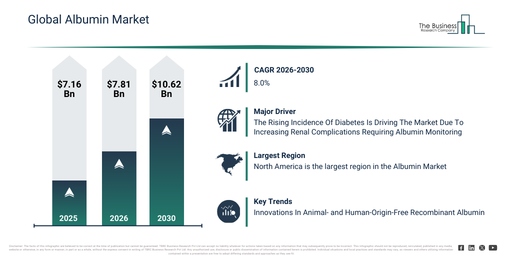
    The albumin market has experienced significant growth in recent years. It is anticipated to expand from $7.16 billion in 2025 to $7.81 billion in 2026, exhibiting a compound annual growth rate (CAGR) of 9.1%. Historically, this growth can be attributed to several factors including the limited availability of plasma-derived albumin, the increasing prevalence of liver diseases and burns, its growing application in diagnostic kits, heightened biopharmaceutical R&D activities, and its early adoption in laboratory and research settings.

    The albumin market is set for significant expansion in the next few years, with its size expected to reach $10.62 billion by 2030, exhibiting a compound annual growth rate (CAGR) of 8.0%. This growth during the forecast period is fueled by advancements in recombinant albumin technology, a rising demand for personalized medicine, the expanding use of albumin in drug delivery systems, an increase in biopharmaceutical manufacturing, and growing investments in therapeutic and cosmetic applications. Key trends anticipated in this period include an increasing demand for human serum albumin in therapeutics, the growing integration of albumin into drug formulations and vaccines, the broadening of recombinant albumin applications within biopharma, a higher adoption rate of albumin in cell culture and diagnostic kits, and a strong focus on albumin-based research and personalized medicine.

    Try Before You Buy: Free Sample Of The Albumin Market Report:

    https://thebusinessresearchcompany.com/sample_request?id=63586830&type=smp&name=Albumin%20Market%20Report%202026&utm_source=Blogs&utm_medium=Paid&utm_campaign=Nov_PR

    Albumin Market Growth Engine: The Factor Boosting Demand Globally

    The increasing occurrence of diabetes is anticipated to fuel the expansion of the albumin market moving ahead. Diabetes, a persistent metabolic condition, is defined by high blood glucose levels that can eventually lead to kidney issues like diabetic nephropathy. A significant contributor to the growing prevalence of diabetes is the increase in obesity rates, as substantial epidemiological data indicates a strong link between higher body mass index and a considerably increased risk of diabetes. Albumin assists in patient care by aiding in the monitoring of kidney function and guiding treatment strategies for individuals with diabetes. Consequently, the expanding occurrence of diabetes is stimulating the growth of the albumin market.

    Which Categories And Subcategories Shape The Albumin Market?

    The albumin market covered in this report is segmented –

    1) By Type: Human Serum Albumin, Bovine Serum Albumin, Recombinant Albumin

    2) By Application: Therapeutics, Drug Formulation And Vaccines, Component Of Media, Other Applications

    3) By End-User: Hospitals And Clinics, Pharmaceutical And Biotechnology Companies, Research Institutes

    Subsegments:

    1) By Human Serum Albumin: Plasma-Derived Human Serum Albumin, Recombinant Human Serum Albumin, Human Serum Albumin For Therapeutic Use (In Liver Disease, Burns), Human Serum Albumin For Drug Delivery And Research Applications

    2) By Bovine Serum Albumin: Bovine Serum Albumin For Laboratory Use (In Cell Culture), Bovine Serum Albumin For Diagnostic Kits, Bovine Serum Albumin As A Stabilizer In Vaccines And Biopharmaceuticals

    3) By Recombinant Albumin: Recombinant Human Albumin For Therapeutic Applications, Recombinant Albumin For Biopharmaceutical Formulation, Recombinant Albumin For Cosmetic And Personal Care Applications, Recombinant Albumin For Research And Diagnostic Applications

    Albumin Market Trend Insights: Strategic Focus Areas Of Leading Companies

    Leading companies within the albumin market are actively developing innovative products, such as recombinant albumin that is free from animal and human origins, to provide customers with enhanced features. This type of albumin is defined as being manufactured using a non-mammalian expression system, typically yeast, and contains no components derived from animals or humans.

    Leading Organizations In The Albumin Market

    Major companies operating in the albumin market are Bristol-Myers Squibb Company, Thermo Fisher Scientific Inc., Takeda Pharmaceutical Company Limited, Merck KGaA, Baxter International Inc., CSL Limited, Grifols SA, Mitsubishi Tanabe Pharma Corporation, Octapharma AG, Kedrion S.p.A., Biotest AG, Jiangxi Boya Bio-Pharmaceutical Co. Ltd., BPL (Bio Products Laboratory), Kamada Ltd., Proliant Biologicals, SeraCare Life Sciences Inc., HiMedia Laboratories, Albumedix Ltd., Medxbio Pte Ltd., Ventria Bioscience Inc., China Biologic Products Holdings Inc.

    Continue Reading: The Full Albumin Market Report:

    https://thebusinessresearchcompany.com/report/albumin-global-market-report?utm_source=Blogs&utm_medium=Paid&utm_campaign=Nov_PR

    Albumin Market Regional Spotlight: Top Geography And Report Coverage

    North America was the largest region in the albumin market in 2025. Asia-Pacific is expected to be the fastest-growing region in the forecast period. The regions covered in the albumin market report are Asia-Pacific, South East Asia, Western Europe, Eastern Europe, North America, South America, Middle East, Africa.

    Reach Out To Our Team:

    The Business Research Company: https://www.thebusinessresearchcompany.com/

    Americas: +1 310-496-7795

    Asia: +44 7882 955267 & +91 8897263534

    Europe: +44 7882 955267

    Email us at: marketing@tbrc.info

    Follow us on:

    LinkedIn: https://in.linkedin.com/company/the-business-research-company

    YouTube: https://www.youtube.com/channel/UC24_fI0rV8cR5DxlCpgmyFQ

    Global Market Model: https://www.thebusinessresearchcompany.com/global-market-model
  • AL Amyloidosis Market Analysis 2026: Major Companies Including Johnson & Johnson

    AL Amyloidosis Market Analysis 2026: Major Companies Including Johnson & Johnson

    The Business Research Company’s 2026 market reports are designed to deliver research that is more actionable and strategically valuable. Key offerings include market attractiveness scoring, total addressable market sizing, company benchmarking matrices, interactive Excel dashboards, deeper supply chain intelligence, emerging startup tracking, and granular product-level insights.

    AL Amyloidosis Market Size Insights: Annual Growth Rate, Revenue Outlook And Forecast Drivers

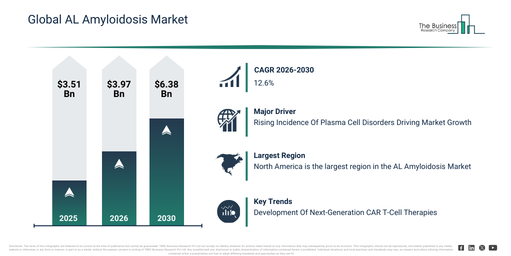
    The size of the al amyloidosis market has seen swift growth over recent years. Projections indicate a rise from $3.51 billion in 2025 to $3.97 billion in 2026, with a compound annual growth rate (CAGR) of 13.0%. The historical development of this market stemmed from elements like limited treatment options, a reliance on conventional chemotherapy, low disease awareness, inadequate organ-specific supportive care, and minimal access to specialized treatment centers.

    The al amyloidosis market is projected to experience substantial growth in the coming years, with its size anticipated to reach $6.38 billion by 2030, demonstrating a compound annual growth rate (CAGR) of 12.6%. This expansion over the forecast period is attributed to the emergence of novel targeted therapies, the increasing adoption of monoclonal antibodies and proteasome inhibitors, the expansion of stem cell transplant programs, improvements in healthcare infrastructure for rare diseases, and enhanced diagnostic technologies for early detection. Key trends during this period include the growing acceptance of targeted therapies for al amyloidosis, rising utilization of monoclonal antibodies and proteasome inhibitors, the broadening of stem cell transplant procedures, an increasing focus on organ-specific supportive care, and heightened awareness leading to earlier diagnosis of al amyloidosis.

    Request A Free Excerpt Of The AL Amyloidosis Global Market Report 2026:

    https://thebusinessresearchcompany.com/sample_request?id=88727013&type=smp&name=AL%20Amyloidosis%20Market%20Report%202026&utm_source=Blogs&utm_medium=Paid&utm_campaign=Nov_PR

    What Will Drive AL Amyloidosis Market Growth Through 2030?

    An increase in plasma cell disorders is anticipated to boost the expansion of the AL amyloidosis market in the future. These conditions involve abnormal plasma cells generating an overabundance or irregular antibodies, which can lead to organ damage. The growing occurrence of plasma cell disorders stems from factors like an aging demographic, extended lifespans, and improved diagnostic methods. AL amyloidosis develops from plasma cell disorders, particularly due to the excessive production of abnormal light chain proteins. This process results in the buildup of amyloid deposits within organs and tissues, intensifying the impact of plasma cell dyscrasias. Consequently, the increasing prevalence of plasma cell disorders is a key impetus for the expansion of the AL amyloidosis market.

    AL Amyloidosis Market Segment Analysis Covering All Major Categories

    The al amyloidosis market covered in this report is segmented –

    1) By Treatment: Chemotherapy, Supportive Care, Stem Cell Transplant, Targeted Therapy

    2) By Drugs: Immunomodulatory Drugs, Monoclonal Antibodies, Proteasome Inhibitors, Other Drugs

    3) By Route Of Administration: Intravenous, Oral

    4) By Distribution Channel: Hospital Pharmacies, Retail Pharmacies

    Subsegments:

    1) By Chemotherapy: Conventional Chemotherapy Agents, High-Dose Chemotherapy

    2) By Supportive Care: Pain Management, Organ-specific Supportive Care (Cardiac, Renal)

    3) By Stem Cell Transplant: Autologous Stem Cell Transplant, Allogeneic Stem Cell Transplant

    4) By Targeted Therapy: Monoclonal Antibodies, Proteasome Inhibitors, Kinase Inhibitors

    Major Trends Shaping The Future Of The AL Amyloidosis Market

    Leading companies operating in the AL amyloidosis market are focusing on the creation of innovative therapies, such as next-generation B-cell maturation antigen (BCMA)-directed CAR T-cell therapy, to boost treatment efficacy and improve patient outcomes. This next-generation BCMA-directed CAR T-cell therapy is an advanced immunotherapy that involves modifying a patient’s T cells to target and attack BCMA found on the surface of cancer cells, specifically in multiple myeloma.

    AL Amyloidosis Market Competitive Environment And Key Companies

    Major companies operating in the al amyloidosis market are Johnson & Johnson, Bristol-Myers Squibb Company, Takeda Pharmaceutical Company Limited, Pfizer Inc., Amgen Inc., AbbVie Inc., Sanofi S.A., AstraZeneca PLC, Roche Holding AG, Novartis AG, Merck & Co. Inc., Eli Lilly and Company, GlaxoSmithKline plc, Genmab A/S, Prothena Corporation plc, BridgeBio Pharma Inc., Oncopeptides AB, Ionis Pharmaceuticals Inc., Neurimmune AG, Immix Biopharma Inc., Attralus Inc.

    Access Expert AL Amyloidosis Market Analysis In The Full Report:

    https://thebusinessresearchcompany.com/report/al-amyloidosis-global-market-report?utm_source=Blogs&utm_medium=Paid&utm_campaign=Nov_PR

    Which Regions Are Covered In The AL Amyloidosis Market Report?

    North America was the largest region in the AL amyloidosis market in 2025. The regions covered in the al amyloidosis market report are Asia-Pacific, South East Asia, Western Europe, Eastern Europe, North America, South America, Middle East, Africa.

    Reach Out To Our Team:

    The Business Research Company: https://www.thebusinessresearchcompany.com/

    Americas: +1 310-496-7795

    Asia: +44 7882 955267 & +91 8897263534

    Europe: +44 7882 955267

    Email us at: marketing@tbrc.info

    Follow us on:

    LinkedIn: https://in.linkedin.com/company/the-business-research-company

    YouTube: https://www.youtube.com/channel/UC24_fI0rV8cR5DxlCpgmyFQ

    Global Market Model: https://www.thebusinessresearchcompany.com/global-market-model
  • Air Ambulance Services Market Regional Analysis: North America Holds The Largest Share

    Air Ambulance Services Market Regional Analysis: North America Holds The Largest Share

    With a focus on actionable insights and strategic value, The Business Research Company’s 2026 market reports include market attractiveness scoring, total addressable market sizing, company benchmarking matrices, interactive Excel dashboards, deeper supply chain intelligence, emerging startup tracking, and granular product-level insights.

    How Large Could The Air Ambulance Services Market Become By 2030 At A 5.2% CAGR?

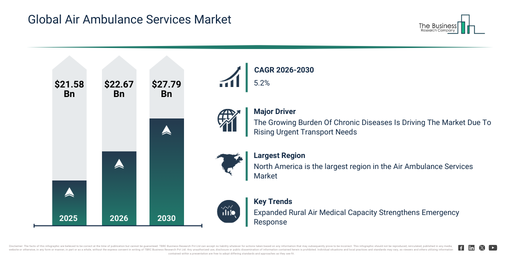
    The air ambulance services market has seen robust expansion in recent years. Its value is set to rise from $21.58 billion in 2025 to $22.67 billion in 2026, achieving a compound annual growth rate (CAGR) of 5.0%. This historical growth can be attributed to elements like the constrained supply of air ambulance services, increasing requirements for emergency medical assistance, improved hospital infrastructure, a surge in road traffic incidents, and the reliance on rotary-wing transport for patients in critical condition.

    The air ambulance services market size is anticipated to undergo significant expansion over the next few years. It is projected to grow to $27.79 billion by 2030, demonstrating a compound annual growth rate (CAGR) of 5.2%. This expected growth during the forecast period can be attributed to increased investment in fixed-wing air ambulance fleets, the expansion of international patient transport services, technological advancements in onboard medical equipment, a rise in partnerships between hospitals and independent operators, and growing government support for emergency medical transport. Major trends foreseen for this period include a heightened demand for rapid emergency patient transport, the broadening of inter-facility medical transfer services, an increasing adoption of specialized transport for neonates and infectious diseases, growth in logistics services for organ transplants, and a stronger focus on safety and standardized air ambulance protocols.

    Get A Free Air Ambulance Services Market Sample With 2030 Forecast Insights:

    https://thebusinessresearchcompany.com/sample_request?id=48737756&type=smp&name=Air%20Ambulance%20Services%20Market%20Report%202026&utm_source=Blogs&utm_medium=Paid&utm_campaign=Nov_PR

    Air Ambulance Services Market Outlook: Key Driver Supporting Long-Term Growth

    The increasing prevalence of chronic illnesses is anticipated to drive expansion in the air ambulance services market. These conditions are enduring medical ailments that persist and frequently necessitate ongoing healthcare management. A significant contributor to the rising occurrence of chronic diseases is the worldwide surge in sedentary lifestyles, with research consistently demonstrating considerably higher rates of diabetes, cardiovascular disease, and obesity among inactive individuals. Air ambulance services facilitate the swift transport of patients afflicted with long-term conditions like cardiovascular disease, diabetes, or neurological disorders to specialized medical centers, thereby ensuring prompt care and improved patient results. As an illustration, in September 2025, the British Heart Foundation, a UK-based charity, reported that over 7.6 million people (comprising over 4 million men and more than 3.6 million women) are living with cardiovascular disease across the UK. Forecasts suggest this number could increase by approximately 1 million by 2030 and by roughly 2 million by 2040, primarily due to an aging population and enhanced survival rates. Consequently, the escalating impact of chronic diseases is fueling greater demand for air ambulance services, which in turn fosters market growth.

    Segmentation Of The Air Ambulance Services Market: Key Categories Explained

    The air ambulance services market covered in this report is segmented –

    1) By Type: Rotary-Wing, Fixed-Wing

    2) By Service Type: Domestic, International

    3) By Service Operator: Hospital Based, Independent, Government

    4) By Application: Inter-Facility, Rescue Helicopter Service, Organ Transplant Logistics, Overweight Patient Transport, Infectious Disease Service, Neonatal Transport, Patient Transport, Other Applications

    Subsegments:

    1) By Rotary-Wing: Helicopter Ambulance, Emergency Medical Helicopter

    2) By Fixed-Wing: Airplane Ambulance, Jet Medical Transport

    Air Ambulance Services Market Evolving Trends: What Businesses Should Know

    Major companies operating in the air ambulance services market are concentrating on developing novel products, such as air medical helicopters, to boost rapid emergency response and extend access to advanced prehospital care. An air medical helicopter functions as an aviation-based critical care transport platform, engineered to deliver high-acuity medical interventions and accelerate patient transfer from remote or underserved areas. For instance, in November 2025, Allegiance Mobile Health, a US-based emergency medical services provider, unveiled Allegiance Air 1. This service includes a continuously staffed helicopter provisioned with advanced medications, blood products, and enhanced critical care capabilities that exceed those of ground units. Its deployment markedly improves response speed and geographic coverage in rural southeast Texas, thereby strengthening the comprehensive emergency medical infrastructure.

    Who Competes In The Air Ambulance Services Market? Major Companies Listed

    Major companies operating in the air ambulance services market are Air Methods Corporation, REVA Inc. – Air Medical Group Holdings, AirMed International LLC, European Air Ambulance, IAS Medical Ltd., American Air Ambulance, Guardian Air (Pty) Ltd., AirLink Ambulance USMX, Life Flight Network, Medicopter Air Ambulance, Air Evac Lifeteam, Global Medical Response, REACH Air Medical Services, ARCH Air Medical Service, CareFlight, Eagle Air Medical, Sky Medical Transport, California Shock Trauma Air Rescue, LifeNet Air, STAT MedEvac, Ornge, Royal Flying Doctor Service

    Read The Complete Air Ambulance Services Market Forecast Report Through 2030:

    https://thebusinessresearchcompany.com/report/air-ambulance-services-global-market-report?utm_source=Blogs&utm_medium=Paid&utm_campaign=Nov_PR

    Air Ambulance Services Market Regional Ranking: Which Geography Comes First?

    North America was the largest region in the air ambulance services market in 2025. Asia-Pacific is expected to be the fastest-growing region in the global air ambulance services market during the forecast period. The regions covered in the air ambulance services market report are Asia-Pacific, South East Asia, Western Europe, Eastern Europe, North America, South America, Middle East, Africa.

    Reach Out To Our Team:

    The Business Research Company: https://www.thebusinessresearchcompany.com/

    Americas: +1 310-496-7795

    Asia: +44 7882 955267 & +91 8897263534

    Europe: +44 7882 955267

    Email us at: marketing@tbrc.info

    Follow us on:

    LinkedIn: https://in.linkedin.com/company/the-business-research-company

    YouTube: https://www.youtube.com/channel/UC24_fI0rV8cR5DxlCpgmyFQ

    Global Market Model: https://www.thebusinessresearchcompany.com/global-market-model