Author: Marketing Posting

  • Vasopressor Market Forecast To Reach $5.12 Billion By 2030: Key Growth Drivers And Industry Trends

    Vasopressor Market Forecast To Reach $5.12 Billion By 2030: Key Growth Drivers And Industry Trends

    Built to provide research that’s more actionable and strategically valuable, The Business Research Company’s 2026 market reports include market attractiveness analysis, total addressable market sizing, company benchmarking matrices, interactive Excel dashboards, broader supply chain intelligence, emerging startup tracking, and in-depth product insights.

    Vasopressor Market Size Outlook: How Quickly Will Revenue Expand Through 2030?

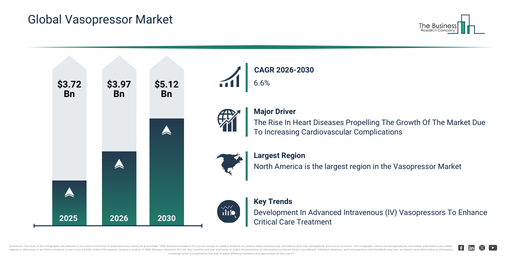
    The vasopressor market has seen robust expansion over recent years. Its size is anticipated to expand from $3.72 billion in 2025 to $3.97 billion in 2026, achieving a compound annual growth rate (CAGR) of 6.7%. The surge in the past period is attributable to increasing incidence of septic shock cases, expansion of critical care infrastructure, widespread adoption of catecholamine therapies, improved emergency response systems, and growing ICU admission rates.

    The vasopressor market size is projected to experience robust expansion over the coming years, anticipated to reach $5.12 billion by 2030, exhibiting a compound annual growth rate (CAGR) of 6.6%. Key drivers for this growth during the forecast period include the increasing development of next-generation vasopressors, a heightened focus on precision critical care medicine, the expansion of emergency medical services capacity, the growing adoption of digital ICU systems, and the rising demand for therapies that offer rapid hemodynamic stabilization. Significant trends expected in the forecast period encompass a greater utilization of advanced vasopressor formulations, an increased emphasis on protocol-driven critical care management, the expanding adoption of combination vasopressor therapies, broader integration of ICU monitoring, and a heightened focus on rapid-response treatment strategies.

    Get A Free Sample Report With In-Depth Market Insights:

    https://thebusinessresearchcompany.com/sample_request?id=91380202&type=smp&name=Vasopressor%20Market%20Report%202026&utm_source=Blogs&utm_medium=Paid&utm_campaign=Nov_PR

    Vasopressor Market Opportunity Drivers: What’s Unlocking New Revenue Potential?

    The anticipated expansion of the vasopressor market is linked to an increase in heart diseases. Heart diseases encompass various conditions impacting the heart’s structure and operational capacity, such as coronary artery disease, arrhythmias, heart failure, and congenital heart defects. The growing prevalence of inactive lifestyles contributes to obesity and suboptimal cardiovascular health, substantially elevating the likelihood of developing heart disease. Vasopressors aid in treating heart diseases by narrowing blood vessels, subsequently raising blood pressure and enhancing blood circulation to essential organs, thus maintaining cardiovascular performance during acute states. The escalating incidence of heart disease fuels the expansion of the vasopressor market.

    Vasopressor Market Segmentation And Category Overview

    The vasopressor market covered in this report is segmented –

    1) By Type: Catecholamines, Non-Catecholamines, Vasopressin

    2) By Route Of Administration: Intravenous (IV), Intraosseous, Inhalational

    3) By Applications: Hypotension Management, Septic Shock Treatment, Cardiogenic Shock Support, Post-Surgical Management, Other Critical Care Applications

    4) By End Users: Hospitals, Ambulatory Surgical Centers, Emergency Medical Services, Home Care Settings

    Subsegments:

    1) By Catecholamines: Norepinephrine, Epinephrine, Dopamine, Isoproterenol

    2) By Non-Catecholamines: Phenylephrine, Angiotensin II

    3) By Vasopressin: Vasopressin, Terlipressin, Selepressin

    Vasopressor Market Innovation Trends Shaping Future Development

    Leading companies in the vasopressor market are prioritizing the development of sophisticated products, such as intravenous (IV) vasopressors, to improve blood pressure regulation and patient outcomes. These IV vasopressors function by narrowing blood vessels and elevating blood pressure in individuals suffering from profound hypotension or shock, thereby guaranteeing sufficient blood flow to essential organs.

    Vasopressor Market Competitive Analysis Of Leading Industry Participants

    Major companies operating in the vasopressor market are Pfizer Inc., Merck And Co Inc., Novartis AG, Baxter International Inc., Fresenius Kabi AG, Dr. Reddy’s Laboratories Limited, Hikma Pharmaceuticals PLC, Endo Inc., Amphastar Pharmaceuticals Inc., American Regent Incorporated, Celon Laboratories Ltd., Sagent Pharmaceuticals Inc., Civica Rx, Eton Pharmaceuticals Inc., Amomed Pharma GmbH, Health Biotech Limited, Samarth Life Sciences Pvt. Ltd, Pace Biotech Limited

    View The Full Vasopressor Market Report:

    https://thebusinessresearchcompany.com/report/vasopressor-global-market-report?utm_source=Blogs&utm_medium=Paid&utm_campaign=Nov_PR

    Vasopressor Market Geographic Analysis: Where Is Demand Rising Fastest?

    North America was the largest region in the vasopressor market in 2025. Asia-Pacific is expected to be the fastest-growing region in the forecast period. The regions covered in the vasopressor market report are Asia-Pacific, South East Asia, Western Europe, Eastern Europe, North America, South America, Middle East, Africa.

    Reach Out To Our Team:

    The Business Research Company: https://www.thebusinessresearchcompany.com/

    Americas: +1 310-496-7795

    Asia: +44 7882 955267 & +91 8897263534

    Europe: +44 7882 955267

    Email us at: marketing@tbrc.info

    Follow us on:

    LinkedIn: https://in.linkedin.com/company/the-business-research-company

    YouTube: https://www.youtube.com/channel/UC24_fI0rV8cR5DxlCpgmyFQ

    Global Market Model: https://www.thebusinessresearchcompany.com/global-market-model
  • Vasomotor Menopausal Symptoms (VMS) Treatment Market Research 2026: Market Size, Trends, Segments And Growth Forecast

    Vasomotor Menopausal Symptoms (VMS) Treatment Market Research 2026: Market Size, Trends, Segments And Growth Forecast

    Backed by market attractiveness analysis, total addressable market sizing, company benchmarking matrices, interactive Excel dashboards, wider supply chain intelligence, emerging startup coverage, and detailed product-level insights, The Business Research Company’s 2026 market reports are designed to offer research that is more actionable and strategically valuable than ever.

    Vasomotor Menopausal Symptoms (VMS) Treatment Market Size, Value And Growth Trajectory Through 2030

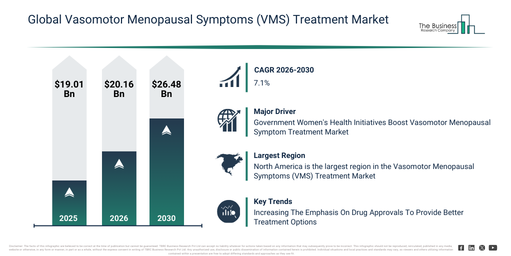
    The scale of the vasomotor menopausal symptoms (vms) treatment market has experienced robust expansion over the past few years. Projections indicate it will increase from $19.01 billion in 2025 to $20.16 billion by 2026, demonstrating a compound annual growth rate (CAGR) of 6.0%. Historically, this expansion has been driven by factors such as the rising incidence of menopausal symptoms, the extensive adoption of hormone replacement therapy, increasing clinical investigation into neurotransmitter-based treatments, the broader availability of women’s health services, and enhanced accessibility to specialized clinics.

    The vasomotor menopausal symptoms (vms) treatment market is poised for substantial expansion in the coming years. Projections indicate its value will reach $26.48 billion by 2030, demonstrating a compound annual growth rate (CAGR) of 7.1%. This anticipated growth during the forecast period stems from factors such as increasing demand for non-hormonal treatment alternatives, heightened awareness regarding menopause-related health management, greater investments in women’s health research, wider availability of telemedicine for treatment delivery, and the creation of next-generation VMS therapeutics. Key trends influencing this period encompass the increased development of non-hormonal therapies, a rise in personalized menopause treatment plan adoption, growing utilization of digital health platforms for symptom management, the expansion of combination drug therapies, and a stronger emphasis on long-term safety profiles.

    Get A Free Sample Report With In-Depth Market Insights:

    https://thebusinessresearchcompany.com/sample_request?id=67698911&type=smp&name=Vasomotor%20Menopausal%20Symptoms%20%28VMS%29%20Treatment%20Market%20Report%202026&utm_source=Blogs&utm_medium=Paid&utm_campaign=Nov_PR

    Vasomotor Menopausal Symptoms (VMS) Treatment Market Growth Momentum: What Factors Are Shaping Demand?

    Government efforts focused on women’s health during menopause are anticipated to drive the expansion of the vasomotor menopausal symptom’s treatment market moving forward. These governmental initiatives for menopausal well-being involve funding for innovative research into menopausal transition, illness prevention, and pharmacological, clinical, and epidemiological aspects. These endeavors are part of broader women’s health strategies that address various concerns. Government initiatives for women’s health in menopause are fueling the growth of the vasomotor menopausal symptom’s treatment market.

    Vasomotor Menopausal Symptoms (VMS) Treatment Market Segment Outlook: Which Categories Are Growing Fastest?

    The vasomotor menopausal symptoms (vms) treatment market covered in this report is segmented –

    1) By Drug Class: Antidepressants, Fluoxetine, Paroxetine, Sertraline, Hormone Therapy, Anticonvulsant, Other Drug Classes

    2) By Distribution Channel: Hospital Pharmacy, Retail Pharmacy, Online Pharmacy, Other Distribution Channels

    3) By End-User: Hospitals, Specialty Clinics, Homecare, Other End-Users

    Subsegments:

    1) By Antidepressants: SSRIs (Selective Serotonin Reuptake Inhibitors), SNRIs (Serotonin-Norepinephrine Reuptake Inhibitors), TCAs (Tricyclic Antidepressants), MAOIs (Monoamine Oxidase Inhibitors), Atypical Antidepressants

    2) By Fluoxetine: Depression, Obsessive-Compulsive Disorder (OCD), Panic Disorder, Generalized Anxiety Disorder (GAD), Post-Traumatic Stress Disorder (PTSD), Social Anxiety Disorder, Premenstrual Dysphoric Disorder (PMDD)

    3) By Paroxetine: Depression, Obsessive-Compulsive Disorder (OCD), Panic Disorder, Generalized Anxiety Disorder (GAD), Post-Traumatic Stress Disorder (PTSD), Social Anxiety Disorder, Premenstrual Dysphoric Disorder (PMDD)

    4) By Sertraline: Depression, Obsessive-Compulsive Disorder (OCD), Panic Disorder, Post-Traumatic Stress Disorder (PTSD), Social Anxiety Disorder, Premenstrual Dysphoric Disorder (PMDD)

    5) By Hormone Therapy: Estrogen Replacement Therapy (ERT), Progestin Therapy, Combined Hormonal Therapy (CHT), Testosterone Replacement Therapy (TRT)

    6) By Anticonvulsant: Hydantoins, Barbiturates, Benzodiazepines, Valproates, Succinimides, Carboxylic Acid Derivatives

    7) By Other Drug Classes: Antibiotics, Analgesics, Antidiabetics, Antihypertensives, Anticoagulants, Immunosuppressants, Antipsychotics, Antihistamines

    Vasomotor Menopausal Symptoms (VMS) Treatment Market Trends Redefining Industry Growth

    Leading companies in the vasomotor menopausal symptoms treatment market are actively creating and securing approvals for innovations such as Veozah, aiming to introduce novel therapeutic options and address existing patient medical needs. These newly approved medications for menopause demonstrate enhanced effectiveness and safety when compared to currently available treatments.

    Vasomotor Menopausal Symptoms (VMS) Treatment Market Leading Companies And Competitive Benchmarking

    Major companies operating in the vasomotor menopausal symptoms (vms) treatment market are Pfizer Inc., Abbvie Inc., Novartis AG, Teva Pharmaceutical Industries Ltd., Mylan N.V., Sun Pharmaceutical Industries Ltd., Aurobindo Pharma Limited, Kyowa Kirin Co. Ltd., Dr. Reddy’s Laboratories Ltd., Alembic Pharmaceuticals Limited Inc., Apotex Inc., Hikma Pharmaceutical plc, Endo Pharmaceuticals plc, Amneal Pharmaceuticals LLC, Mundipharma International Ltd., Lupin Limited, Glenmark Pharmaceuticals Ltd., Hisamitsu Pharmaceutical Co. Inc., Emcure Pharmaceuticals Limited, Wockhardt Pvt. Ltd., QuatRx Pharmaceuticals Company, Bionovo Inc., Mithra Pharmaceuticals SA, EndoCeutics Inc., Zydus Group, Edgemont Pharmaceuticals LLC, MenoGeniX Inc., Agile Therapeutics Inc

    View The Full Vasomotor Menopausal Symptoms (VMS) Treatment Market Report:

    https://thebusinessresearchcompany.com/report/vasomotor-menopausal-symptoms-vms-treatment-global-market-report?utm_source=Blogs&utm_medium=Paid&utm_campaign=Nov_PR

    Vasomotor Menopausal Symptoms (VMS) Treatment Market Global Footprint: Which Region Leads The Market?

    North America was the largest region in the vasomotor menopausal symptoms (VMS) treatment market in 2025. The regions covered in the vasomotor menopausal symptoms (vms) treatment market report are Asia-Pacific, South East Asia, Western Europe, Eastern Europe, North America, South America, Middle East, Africa.

    Reach Out To Our Team:

    The Business Research Company: https://www.thebusinessresearchcompany.com/

    Americas: +1 310-496-7795

    Asia: +44 7882 955267 & +91 8897263534

    Europe: +44 7882 955267

    Email us at: marketing@tbrc.info

    Follow us on:

    LinkedIn: https://in.linkedin.com/company/the-business-research-company

    YouTube: https://www.youtube.com/channel/UC24_fI0rV8cR5DxlCpgmyFQ

    Global Market Model: https://www.thebusinessresearchcompany.com/global-market-model
  • Vasoactive Intestinal Peptide Tumor Market Forecast 2026: Market Size, Competitive Landscape And Growth Drivers

    Vasoactive Intestinal Peptide Tumor Market Forecast 2026: Market Size, Competitive Landscape And Growth Drivers

    Featuring market attractiveness scoring, total addressable market sizing, company benchmarking matrices, interactive Excel dashboards, deeper supply chain intelligence, emerging startup tracking, and granular product-level insights, The Business Research Company’s 2026 market reports are built to deliver research that is both more actionable and more strategically valuable.

    Vasoactive Intestinal Peptide Tumor Market CAGR Outlook And Future Development

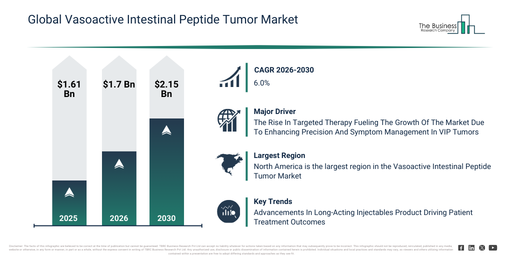
    The market size for vasoactive intestinal peptide tumors has experienced robust expansion in recent years. It is projected to increase from $1.61 billion in 2025 to $1.7 billion in 2026, achieving a compound annual growth rate (CAGR) of 6.2%. The growth observed in the past can be attributed to factors such as enhanced detection of neuroendocrine tumors, an increase in the availability of specialized oncology centers, the rising use of imaging-based diagnostics, the prompt adoption of somatostatin analog therapies, and progress in pancreatic surgery techniques.

    The vasoactive intestinal peptide tumor market is projected for significant expansion in the coming years. This market is anticipated to reach $2.15 billion by 2030, exhibiting a compound annual growth rate (CAGR) of 6.0%. Key drivers for this projected growth include increasing investments in rare cancer research, the escalating development of new targeted therapies, wider implementation of precision medicine strategies, an expanding infrastructure for specialized cancer care, and greater understanding of rare endocrine conditions. Prominent trends identified for this period encompass the increasing integration of targeted therapeutic methods, the growing application of advanced imaging for early detection, a heightened emphasis on individualized treatment plans, the spread of minimally invasive surgical procedures, and improved incorporation of multidisciplinary care systems.

    Get A Free Sample Report With In-Depth Market Insights:

    https://thebusinessresearchcompany.com/sample_request?id=48350717&type=smp&name=Vasoactive%20Intestinal%20Peptide%20Tumor%20Market%20Report%202026&utm_source=Blogs&utm_medium=Paid&utm_campaign=Nov_PR

    Vasoactive Intestinal Peptide Tumor Market Expansion Drivers: What’s Shaping Future Growth?

    The expansion of the vasoactive intestinal peptide tumor market is projected to be propelled by the increasing prevalence of targeted therapy. These treatments concentrate on specific molecules or pathways involved in disease advancement, particularly in cancer, aiming to selectively target abnormal cells while minimizing damage to healthy ones. The growth of targeted therapies is fueled by precision medicine, which improves their effectiveness by focusing on particular genetic mutations and reducing adverse reactions. For VIP tumors, targeted therapies function by obstructing crucial pathways that promote tumor development and hormone secretion. This action helps to lower VIP levels, alleviating symptoms such as severe diarrhea and decelerating disease progression. The rising adoption of targeted therapy is a key factor driving the growth of the vasoactive intestinal peptide tumor market.

    Vasoactive Intestinal Peptide Tumor Market Segment Landscape: Which Areas Lead Development?

    The vasoactive intestinal peptide tumor market covered in this report is segmented –

    1) By Treatment: Surgical Intervention, Radiotherapy, Chemotherapy, Targeted Therapy

    2) By Diagnosis: Imaging Techniques, Biopsy, Endoscopic Ultrasound

    3) By Therapeutic Approach: Palliative Care, Curative Treatment, Adjuvant Treatment

    4) By End-User: Hospitals, Cancer Specialty Clinics, Diagnostic Laboratories

    Subsegments:

    1) By Surgical Intervention: Tumor Resection, Debulking Surgery, Minimally Invasive Surgery

    2) By Radiotherapy: External Beam Radiation Therapy (EBRT), Stereotactic Body Radiation Therapy (SBRT), Proton Therapy

    3) By Chemotherapy: Cytotoxic Chemotherapy, Combination Chemotherapy, Adjuvant And Neoadjuvant Chemotherapy

    4) By Targeted Therapy: Somatostatin Analog Therapy, Tyrosine Kinase Inhibitors (TKIs), Monoclonal Antibodies

    Vasoactive Intestinal Peptide Tumor Market Strategic Trends: What Defines The Next Growth Phase?

    Leading companies in the vasoactive intestinal peptide tumor market are concentrating on developing sophisticated products, such as long-acting injectable suspensions, to improve treatment effectiveness, enhance patient adherence, and deliver sustained relief from symptoms. Long-acting injectable suspensions are formulations engineered to progressively release their active components over an extended period, thereby decreasing the necessity for frequent administration.

    Vasoactive Intestinal Peptide Tumor Market Industry Leaders And Competitive Landscape

    Major companies operating in the vasoactive intestinal peptide tumor market are Pfizer Inc., Novartis AG, Mayo Clinic, Mount Sinai Hospital, Cleveland Clinic Laboratories, Penn Medicine, Stanford Health Care, UCSF Health, ARUP Laboratories, Dr. Lal PathLabs, Cancer Research UK, Medicover Hospitals, Ganesh Diagnostic, Ipsen Pharma SA, F Hoffmann-La Roche Ltd, Eli Lilly and Company, Boehringer Ingelheim International GmbH, Bristol-Myers Squibb Company, Merck & Co

    View The Full Vasoactive Intestinal Peptide Tumor Market Report:

    https://thebusinessresearchcompany.com/report/vasoactive-intestinal-peptide-tumor-global-market-report?utm_source=Blogs&utm_medium=Paid&utm_campaign=Nov_PR

    Vasoactive Intestinal Peptide Tumor Market Regional Split: Which Areas Are Fueling Growth?

    North America was the largest region in the vasoactive intestinal peptide tumor market in 2025. The regions covered in the vasoactive intestinal peptide tumor market report are Asia-Pacific, South East Asia, Western Europe, Eastern Europe, North America, South America, Middle East, Africa.

    Reach Out To Our Team:

    The Business Research Company: https://www.thebusinessresearchcompany.com/

    Americas: +1 310-496-7795

    Asia: +44 7882 955267 & +91 8897263534

    Europe: +44 7882 955267

    Email us at: marketing@tbrc.info

    Follow us on:

    LinkedIn: https://in.linkedin.com/company/the-business-research-company

    YouTube: https://www.youtube.com/channel/UC24_fI0rV8cR5DxlCpgmyFQ

    Global Market Model: https://www.thebusinessresearchcompany.com/global-market-model
  • Vascular Tissue Matrix Market Size In 2026: Regional Growth, Key Segments And Future Outlook

    Vascular Tissue Matrix Market Size In 2026: Regional Growth, Key Segments And Future Outlook

    Built to provide research that’s more actionable and strategically valuable, The Business Research Company’s 2026 market reports include market attractiveness analysis, total addressable market sizing, company benchmarking matrices, interactive Excel dashboards, broader supply chain intelligence, emerging startup tracking, and in-depth product insights.

    Vascular Tissue Matrix Market Set To Climb From $1.41 Billion In 2026 To $1.89 Billion By 2030

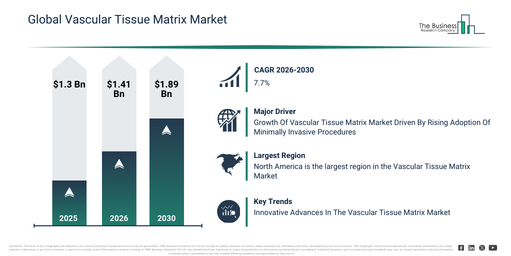
    The vascular tissue matrix market has experienced robust growth in recent years. It is projected to increase from $1.3 billion in 2025 to $1.41 billion in 2026, demonstrating a compound annual growth rate (CAGR) of 8.1%. The historical development of the market can be linked to factors such as the increasing prevalence of cardiovascular diseases, the expansion of reconstructive surgical procedures, advancements in biomaterial science, the growth of regenerative medicine research, and the availability of tissue processing technologies.

    The vascular tissue matrix market is anticipated to experience substantial expansion over the coming years. This market is projected to reach $1.89 billion by 2030, demonstrating a compound annual growth rate (CAGR) of 7.7%. This growth during the forecast period is fueled by several factors, including the increasing need for vascular regeneration solutions, greater investments in tissue engineering, the broadening of personalized medicine approaches, the expanding application of advanced biomaterials, and continuous advancements in scaffold fabrication technologies. Key trends expected during this period involve the increasing embrace of biologic vascular scaffolds, a surging demand for regenerative cardiovascular therapies, the expanding utilization of decellularized tissue matrices, the wider application of tissue engineering, and a sharpened focus on biocompatibility and long-term integration.

    Get A Free Sample Report With In-Depth Market Insights:

    https://thebusinessresearchcompany.com/sample_request?id=92881803&type=smp&name=Vascular%20Tissue%20Matrix%20Market%20Report%202026&utm_source=Blogs&utm_medium=Paid&utm_campaign=Nov_PR

    Vascular Tissue Matrix Market Development Factors: What’s Supporting Demand?

    The increasing adoption of minimally invasive procedures is anticipated to drive the expansion of the vascular tissue matrix market moving forward. These procedures are medical or surgical interventions characterized by requiring only small or no incisions. Their growing demand is attributed to advantages like shorter recovery times, lower risks of complications, and diminished postoperative pain compared to traditional surgeries. In these minimally invasive approaches, a vascular tissue matrix is utilized to support and regenerate blood vessels without requiring extensive surgery. The proliferation of minimally invasive procedures directly contributes to the growth of the vascular tissue matrix market.

    Vascular Tissue Matrix Market Segments: Where Is Growth Concentrated?

    The vascular tissue matrix market covered in this report is segmented –

    1) By Type: Biologic Matrix, Synthetic Matrix

    2) By Therapeutic Area: Orthopedics, Dermatology, Cardiology, Neurology, Other Therapeutics

    3) By Application: Hospital, Clinic, Other Applications

    Subsegments:

    1) By Biologic Matrix: Allograft Matrix, Xenograft Matrix, Autograft Matrix, Decellularized Matrix

    2) By Synthetic Matrix: Polymer-Based Matrix, Hydrogel Matrix, Nanofiber Matrix

    Vascular Tissue Matrix Market Transformation Trends: What Innovations Are Driving Change?

    Leading companies in the vascular tissue matrix market are intensifying their efforts to develop innovative products, such as tissue matrices sourced from human umbilical cord extracellular matrix (ECM), to secure a competitive edge. This type of tissue matrix, derived from the human umbilical cord ECM, functions as a scaffold composed of the structural proteins and molecules naturally found in the umbilical cord’s extracellular matrix.

    Vascular Tissue Matrix Market Key Participants And Competitive Landscape

    Major companies operating in the vascular tissue matrix market are Abbott Laboratories, Medtronic PLC, Baxter International Inc., Boston Scientific Corporation, Terumo Corporation, Edwards Lifesciences Corporation, W. L. Gore & Associates Inc., Getinge Group, Integra LifeSciences Corporation, Artivion Inc., CryoLife Inc., LeMaitre Vascular Inc., Cook Medical Inc., Humacyte Inc., BioCardia Inc., Organogenesis Holdings Inc., AxoGen Inc., Collagen Matrix Inc., ACell Inc., Reva Medical Inc.

    View The Full Vascular Tissue Matrix Market Report:

    https://thebusinessresearchcompany.com/report/vascular-tissue-matrix-global-market-report?utm_source=Blogs&utm_medium=Paid&utm_campaign=Nov_PR

    Vascular Tissue Matrix Market Top Region: Where Does Most Revenue Come From?

    North America was the largest region in the vascular tissue matrix market in 2025. The regions covered in the vascular tissue matrix market report are Asia-Pacific, South East Asia, Western Europe, Eastern Europe, North America, South America, Middle East, Africa.

    Reach Out To Our Team:

    The Business Research Company: https://www.thebusinessresearchcompany.com/

    Americas: +1 310-496-7795

    Asia: +44 7882 955267 & +91 8897263534

    Europe: +44 7882 955267

    Email us at: marketing@tbrc.info

    Follow us on:

    LinkedIn: https://in.linkedin.com/company/the-business-research-company

    YouTube: https://www.youtube.com/channel/UC24_fI0rV8cR5DxlCpgmyFQ

    Global Market Model: https://www.thebusinessresearchcompany.com/global-market-model
  • Vascular Imaging Market Growth Forecast Through 2030: Market Size And Trends In 2026

    Vascular Imaging Market Growth Forecast Through 2030: Market Size And Trends In 2026

    Backed by market attractiveness analysis, total addressable market sizing, company benchmarking matrices, interactive Excel dashboards, wider supply chain intelligence, emerging startup coverage, and detailed product-level insights, The Business Research Company’s 2026 market reports are designed to offer research that is more actionable and strategically valuable than ever.

    Vascular Imaging Market Forecast: Value Set To Climb From $6.89 Billion To $8.66 Billion

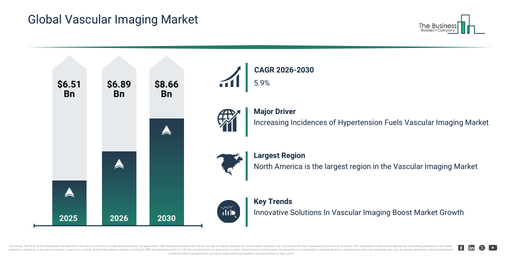
    The vascular imaging market has demonstrated substantial growth in recent years. It is projected to increase from $6.51 billion in 2025 to $6.89 billion in 2026, at a compound annual growth rate (CAGR) of 6.0%. Historically, this expansion has been driven by the broadening of diagnostic imaging infrastructure, the rising incidence of cardiovascular diseases, enhanced adoption of angiography procedures, better access to advanced imaging equipment, and an escalating clinical requirement for precise diagnostic methods.

    The vascular imaging market size is projected to experience robust expansion over the coming years. It is anticipated to reach $8.66 billion by 2030, expanding at a compound annual growth rate (CAGR) of 5.9%. This projected growth stems from factors such as increasing investments in precision diagnostics, the expanding adoption of AI-driven imaging software, the proliferation of outpatient diagnostic imaging centers, a heightened focus on early disease detection, and the growing integration of imaging with treatment planning. Significant trends expected during this period involve the rising adoption of advanced vascular imaging modalities, an increase in the use of AI-assisted image analysis, a surging demand for high-resolution diagnostic imaging, the broadening of non-invasive vascular assessment techniques, and enhanced integration of multimodal imaging systems.

    Get A Free Sample Report With In-Depth Market Insights:

    https://thebusinessresearchcompany.com/sample_request?id=22715841&type=smp&name=Vascular%20Imaging%20Market%20Report%202026&utm_source=Blogs&utm_medium=Paid&utm_campaign=Nov_PR

    Vascular Imaging Market Industry Drivers: What’s Behind The Revenue Growth?

    The escalating rates of hypertension are projected to drive the expansion of the vascular imaging market. Hypertension, or elevated blood pressure, is a disorder where the force of blood against artery walls consistently remains excessively high, potentially leading to grave health issues such as heart disease and stroke. This increase in hypertension is attributed to lifestyle determinants like poor dietary habits, insufficient physical activity, and stress, alongside a rise in obesity rates and an aging demographic. Vascular imaging plays a vital role in managing hypertension by assessing the structure and function of blood vessels, thereby aiding in the diagnosis and treatment of underlying vascular anomalies contributing to elevated blood pressure. The growing incidence of hypertension is propelling the growth of the vascular imaging market.

    Vascular Imaging Market Segment Analysis: What Are The Core Market Categories?

    The vascular imaging market covered in this report is segmented –

    1) By Technique: Magnetic Resonance Imaging, Ultrasound, Computed Tomography, Nuclear Imaging, X-Ray

    2) By Procedure: Coronary Angiography, Peripheral Angiography, Neurovascular Angiography, Vascular Ultrasound Procedures, Micro Angiography, Other Procedures

    3) By Application: Diagnostic Applications, Therapeutic Applications

    4) By End User: Hospitals, Diagnostic Imaging Centers, Other End-Users

    Subsegments:

    1) By Magnetic Resonance Imaging: Magnetic Resonance Angiography (MRA), Contrast-Enhanced MRI, 3D MRI Imaging For Vascular Analysis

    2) By Ultrasound: Doppler Ultrasound, Color Doppler Ultrasound, 3D Or 4D Ultrasound Imaging, Elastography For Vascular Imaging

    3) By Computed Tomography: Computed Tomography Angiography (CTA), Contrast-Enhanced CT Imaging, 3D CT Vascular Imaging

    4) By Nuclear Imaging: Positron Emission Tomography (PET), Single-Photon Emission Computed Tomography (SPECT), Hybrid Imaging (PET Or CT, PET Or MRI)

    5) By X-Ray: Conventional X-Ray, Digital Subtraction Angiography (DSA), Fluoroscopy For Vascular Imaging

    #Vascular Imaging Market Growth Trends: What’s Shaping The Future Outlook?

    Leading companies in the vascular imaging market are dedicating their efforts to developing cutting-edge solutions, such as wireless ultrasound imaging systems, aimed at improving diagnostic capabilities and enhancing patient care. Wireless ultrasound imaging systems are defined as portable ultrasound devices capable of wirelessly transmitting imaging data, thereby offering greater flexibility and mobility within medical settings.

    Vascular Imaging Market Top Companies Driving Competitive Growth

    Major companies operating in the vascular imaging market are Hitachi Ltd., Siemens AG, General Electric Company, Abbott Laboratories, Toshiba Corporation, FUJIFILM Corporation, Koninklijke Philips N.V., Stryker Corporation, Konica Minolta Inc., Terumo Corporation, Hologic Inc., Mindray Medical International Limited, Shimadzu Corporation, Canon Medical Systems Corporation, Samsung Medison Co. Ltd., Esaote SpA, BK Medical Holding Company Inc., Lumedx Corp, Alpinion Medical Systems Co. Ltd., CorVascular Diagnostics LLC

    View The Full Vascular Imaging Market Report:

    https://thebusinessresearchcompany.com/report/vascular-imaging-global-market-report?utm_source=Blogs&utm_medium=Paid&utm_campaign=Nov_PR

    Vascular Imaging Market Regional Breakdown: Where Is Demand Concentrated?

    North America was the largest region in the vascular imaging market in 2025. The regions covered in the vascular imaging market report are Asia-Pacific, South East Asia, Western Europe, Eastern Europe, North America, South America, Middle East, Africa.

    Reach Out To Our Team:

    The Business Research Company: https://www.thebusinessresearchcompany.com/

    Americas: +1 310-496-7795

    Asia: +44 7882 955267 & +91 8897263534

    Europe: +44 7882 955267

    Email us at: marketing@tbrc.info

    Follow us on:

    LinkedIn: https://in.linkedin.com/company/the-business-research-company

    YouTube: https://www.youtube.com/channel/UC24_fI0rV8cR5DxlCpgmyFQ

    Global Market Model: https://www.thebusinessresearchcompany.com/global-market-model
  • Vascular Embolization Market Analysis: $3.71 Billion Market Size In 2026 And Future Growth Prospects

    Vascular Embolization Market Analysis: $3.71 Billion Market Size In 2026 And Future Growth Prospects

    Featuring market attractiveness scoring, total addressable market sizing, company benchmarking matrices, interactive Excel dashboards, deeper supply chain intelligence, emerging startup tracking, and granular product-level insights, The Business Research Company’s 2026 market reports are built to deliver research that is both more actionable and more strategically valuable.

    Vascular Embolization Market Revenue Growth On Track For A 9.9% CAGR Through 2030

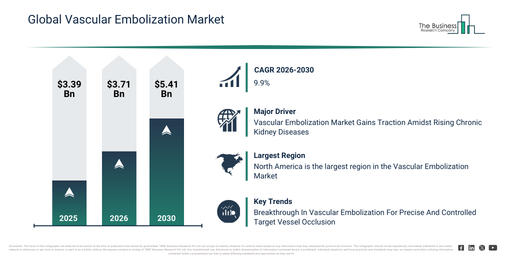
    The vascular embolization market size has experienced substantial growth in recent years. It is anticipated to expand from $3.39 billion in 2025 to $3.71 billion in 2026, exhibiting a compound annual growth rate (CAGR) of 9.4%. The historical expansion of this market can be attributed to several factors, including the proliferation of interventional radiology practices, an increasing prevalence of vascular disorders, a rise in cancer treatment procedures, improved access to catheter-based technologies, and enhanced physician expertise in embolization.

    The vascular embolization market is anticipated to experience robust expansion over the next few years. It is projected to achieve a value of $5.41 billion by 2030, demonstrating a compound annual growth rate (CAGR) of 9.9%. This projected growth can be ascribed to factors such as an escalating demand for targeted therapies, increasing financial commitments in interventional oncology, the broadening scope of outpatient embolization procedures, a rising embrace of advanced imaging integration, and a heightened emphasis on patient-centric treatment methodologies. Prominent trends for the upcoming period encompass the increasing implementation of minimally invasive embolization techniques, the growing deployment of advanced embolic materials, an expanding requirement for image-guided interventions, the widening application of oncology-related embolization, and a more pronounced focus on procedural accuracy and safety.

    Get A Free Sample Report With In-Depth Market Insights:

    https://thebusinessresearchcompany.com/sample_request?id=45322857&type=smp&name=Vascular%20Embolization%20Market%20Report%202026&utm_source=Blogs&utm_medium=Paid&utm_campaign=Nov_PR

    Vascular Embolization Market Growth Factors: What’s Supporting Expansion?

    The increasing prevalence of chronic kidney diseases is anticipated to propel the growth of the vascular embolization market in the coming years. Chronic Kidney Disease (CKD) denotes a condition in which the kidneys experience gradual and irreversible damage over time. In patients with chronic kidney disease (CKD), vascular embolization can be employed to halt bleeding from kidney tumors, arteriovenous malformations (AVMs), or complications stemming from kidney biopsies or transplants, thereby avoiding open surgery and its associated risks, particularly for those with compromised kidney function. The significant occurrence of chronic kidney diseases is a key factor driving the expansion of the vascular embolization market.

    Vascular Embolization Market Segment Breakdown: Which Categories Lead On Revenue?

    The vascular embolization market covered in this report is segmented –

    1) By Product: Embolic Agents, Embolization Devices

    2) By Embolization Technique: Coiling Devices, Non-Coiling Devices

    3) By Application: Peripheral Vascular Diseases, Oncology, Urology, Neurology, Other Applications

    4) By End Users: Hospitals, Specialty Clinics, Ambulatory Surgical Centers, Diagnostic Centers

    Subsegments:

    1) By Embolic Agents: Particle Embolic Agents, Liquid Embolic Agents, Coil Embolic Agents, Gelatin Sponge Embolic Agents

    2) By Embolization Devices: Balloon Occlusion Devices, Catheters, Thrombin Injection Systems

    Vascular Embolization Market Industry Trends: What’s Reshaping Demand?

    Major companies engaged in the vascular embolization market are developing innovative products, including advanced embolic systems, to bolster their market profitability. An embolic system represents the combined use of embolic agents and delivery devices designed to deliberately block blood vessels. Vascular embolization is a medical procedure wherein these embolic systems are utilized to obstruct or decrease blood flow to specific body regions.

    Vascular Embolization Market Leading Players And Competitive Positioning

    Major companies operating in the vascular embolization market are Abbott Laboratories, Medtronic Plc., Stryker Corporation, Boston Scientific Corporation, B. Braun Melsungen AG, Kaneka Corporation, Terumo Corporation, W. L. Gore & Associates Inc., Teleflex Inc., Cook Group Incorporated, Merit Medical Systems Inc., Penumbra Inc., MicroPort Scientific Corporation, MicroVention Inc., Medikit Co Ltd., Silk Road Medical Inc., Galt Medical Corporation, Neuravi Ltd., Phenox GmbH, Spartan Micro Inc., EndoShape Inc., Shape Memory Medical Inc., Balt Group, Vascular Solutions Inc.

    View The Full Vascular Embolization Market Report:

    https://thebusinessresearchcompany.com/report/vascular-embolization-global-market-report?utm_source=Blogs&utm_medium=Paid&utm_campaign=Nov_PR

    Vascular Embolization Market Geographic Landscape: Which Region Leads Industry Growth?

    North America was the largest region in the vascular embolization market in 2025. Asia Pacific is expected to be the fastest-growing region in the forecast period. The regions covered in the vascular embolization market report are Asia-Pacific, South East Asia, Western Europe, Eastern Europe, North America, South America, Middle East, Africa.

    Reach Out To Our Team:

    The Business Research Company: https://www.thebusinessresearchcompany.com/

    Americas: +1 310-496-7795

    Asia: +44 7882 955267 & +91 8897263534

    Europe: +44 7882 955267

    Email us at: marketing@tbrc.info

    Follow us on:

    LinkedIn: https://in.linkedin.com/company/the-business-research-company

    YouTube: https://www.youtube.com/channel/UC24_fI0rV8cR5DxlCpgmyFQ

    Global Market Model: https://www.thebusinessresearchcompany.com/global-market-model
  • Vascular Dementia Market 2026 Market Size And Growth Forecast: Key Trends To Watch

    Vascular Dementia Market 2026 Market Size And Growth Forecast: Key Trends To Watch

    Built to provide research that’s more actionable and strategically valuable, The Business Research Company’s 2026 market reports include market attractiveness analysis, total addressable market sizing, company benchmarking matrices, interactive Excel dashboards, broader supply chain intelligence, emerging startup tracking, and in-depth product insights.

    Vascular Dementia Market Value Growth And Long-Term Outlook

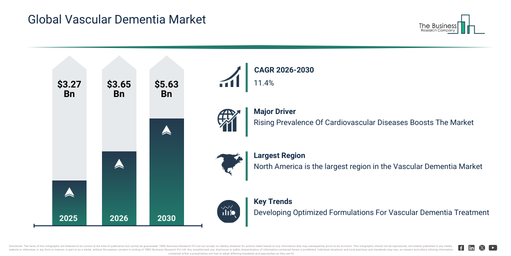
    The vascular dementia market has experienced significant growth in recent years. It is projected to expand from $3.27 billion in 2025 to $3.65 billion in 2026, representing a compound annual growth rate (CAGR) of 11.8%. This growth in the past can be attributed to factors such as a higher incidence of stroke-related cognitive decline, an increasing prevalence of hypertension and diabetes, the expansion of neurological research programs, enhanced diagnostic awareness, and the development of hospital-based dementia care services.

    The vascular dementia market is anticipated to experience substantial growth in the upcoming years, with projections indicating an expansion to $5.63 billion by 2030, achieving a compound annual growth rate (CAGR) of 11.4%. This expected growth during the forecast period is driven by an increasing aging population, escalating investments in neurological drug development, the rising adoption of digital health monitoring tools, the expansion of precision medicine approaches, and a growing focus on long-term cognitive health management. Prominent trends for this period include a heightened emphasis on the early diagnosis of cognitive disorders, increasing integration of digital tools for cognitive assessment, expanding research into vascular-related neurodegeneration, the proliferation of personalized treatment approaches, and an enhanced focus on preventive care strategies.

    Get A Free Sample Report With In-Depth Market Insights:

    https://thebusinessresearchcompany.com/sample_request?id=73973081&type=smp&name=Vascular%20Dementia%20Market%20Report%202026&utm_source=Blogs&utm_medium=Paid&utm_campaign=Nov_PR

    Vascular Dementia Market Demand Drivers: What’s Powering Industry Growth?

    The increasing incidence of cardiovascular disease is anticipated to fuel the growth of the vascular dementia market in the future. Cardiovascular diseases encompass various ailments impacting the heart and blood vessels, such as coronary artery disease, heart failure, arrhythmias, and hypertension. This growing prevalence of cardiovascular diseases stems from factors like unhealthy living, poor nutrition, sedentary lifestyles, elevated stress, an aging global population, and a rise in risk factors like obesity, diabetes, and hypertension. Cardiovascular disease heightens the likelihood of vascular dementia by hindering cerebral blood flow, resulting in cognitive impairment and harm to brain cells from insufficient oxygen and nutrient delivery. The increasing prevalence of cardiovascular diseases is a key driver for the vascular dementia market.

    Vascular Dementia Market Segmentation: How Does The Market Break Down By Category?

    The vascular dementia market covered in this report is segmented –

    1) By Product: Small Molecules / Drugs, Lifestyle And Nutraceutical Interventions, Rehabilitation Therapies

    2) By Distribution Channel: Hospital Pharmacy, Retail Pharmacy, Online Pharmacy

    3) By End User: Hospitals And Clinics, Rehabilitation Centers, Specialty Clinics

    Subsegments:

    1) By Small Molecules Or Drugs: Antihypertensives, Anti-diabetic agents, Lipid-lowering agents, Anti-inflammatory agents, Neuroprotective small molecules

    2) By Lifestyle And Nutraceutical Interventions: Vitamins & Supplements, Omega-3 Or DHA formulations, Antioxidants

    3) By Rehabilitation Therapies: Cognitive enhancers, Physical therapy programs, Occupational therapy aids

    Vascular Dementia Market Innovation Trends: What Developments Are Reshaping The Industry?

    Major companies operating in the vascular dementia market are concentrating on developing innovative therapies, such as multimodal treatments, to sustain their market position. Multimodal therapies refer to integrating various treatment approaches, including medications, physical therapy, and psychological interventions, to treat a condition comprehensively.

    Vascular Dementia Market Competitive Overview And Top Companies

    Major companies operating in the vascular dementia market are Charsire Biotechnology Corp, ProNeurogen Therapeutics, Resverlogix Corp, Cyclerion Therapeutics Inc, CSPC-NBP Pharma, Johnson & Johnson Services Inc, Materia Medica Holding, Eisai Co Ltd, Shineway Pharmaceutical, Merz Pharma, Ever Neuro Pharma GmbH, Zhejiang Otsuka Pharma, Pfizer Inc, Biogen Inc, Novartis AG, Aurobindo Pharma, Sun Pharmaceutical Industries Ltd, Teva Pharmaceuticals, Zydus Cadila, Eli Lilly and Company

    View The Full Vascular Dementia Market Report:

    https://thebusinessresearchcompany.com/report/vascular-dementia-global-market-report?utm_source=Blogs&utm_medium=Paid&utm_campaign=Nov_PR

    Vascular Dementia Market Largest Region: Which Geography Holds The Biggest Share?

    North America was the largest region in the vascular dementia market in 2025. The regions covered in the vascular dementia market report are Asia-Pacific, South East Asia, Western Europe, Eastern Europe, North America, South America, Middle East, Africa.

    Reach Out To Our Team:

    The Business Research Company: https://www.thebusinessresearchcompany.com/

    Americas: +1 310-496-7795

    Asia: +44 7882 955267 & +91 8897263534

    Europe: +44 7882 955267

    Email us at: marketing@tbrc.info

    Follow us on:

    LinkedIn: https://in.linkedin.com/company/the-business-research-company

    YouTube: https://www.youtube.com/channel/UC24_fI0rV8cR5DxlCpgmyFQ

    Global Market Model: https://www.thebusinessresearchcompany.com/global-market-model
  • Varicose Veins Treatment Market Size Forecast: How The Industry Is Expected To Grow From 2026 To 2030

    Varicose Veins Treatment Market Size Forecast: How The Industry Is Expected To Grow From 2026 To 2030

    Backed by market attractiveness analysis, total addressable market sizing, company benchmarking matrices, interactive Excel dashboards, wider supply chain intelligence, emerging startup coverage, and detailed product-level insights, The Business Research Company’s 2026 market reports are designed to offer research that is more actionable and strategically valuable than ever.

    Varicose Veins Treatment Market Poised To Hit $2.85 Billion By 2030 With A 6.1% CAGR

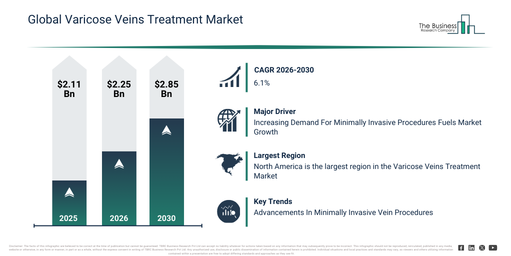
    The varicose veins treatment market size has experienced strong growth in recent years. It is expected to expand from $2.11 billion in 2025 to $2.25 billion in 2026, progressing at a compound annual growth rate (CAGR) of 6.4%. The market’s historical development can be ascribed to the increasing prevalence of venous disorders, a rising awareness of vascular health, the expansion of specialized vein clinics, improved availability of ablation technologies, and a growing demand for cosmetic procedures.

    The varicose veins treatment market is projected to experience substantial expansion in the coming years. Its valuation is set to reach $2.85 billion by 2030, demonstrating a compound annual growth rate (CAGR) of 6.1%. Several factors are driving this growth during the forecast period, including an expanding elderly demographic, a greater uptake of non-surgical interventions, increased capital expenditure in vascular care facilities, the proliferation of ambulatory surgical centers, and a heightened emphasis on prompt diagnosis and treatment. Key trends anticipated in the upcoming period encompass a growing acceptance of minimally invasive treatment methods, an escalating demand for laser-based ablation technologies, a heightened preference for treatment in outpatient environments, the broadening availability of cosmetic vein treatment options, and a stronger emphasis on patient recovery and comfort.

    Get A Free Sample Report With In-Depth Market Insights:

    https://thebusinessresearchcompany.com/sample_request?id=14174292&type=smp&name=Varicose%20Veins%20Treatment%20Market%20Report%202026&utm_source=Blogs&utm_medium=Paid&utm_campaign=Nov_PR

    Varicose Veins Treatment Market Growth Drivers: What’s Behind The Acceleration?

    The future expansion of the varicose veins treatment market is anticipated due to the rising preference for minimally invasive procedures. These procedures involve surgical methods using small cuts and specialized tools, leading to less tissue harm, diminished pain, quicker healing, and reduced scarring when contrasted with conventional open surgeries. The escalating need for minimally invasive techniques is fueled by factors like faster recovery, better patient results, and an expanding elderly demographic, all of which contribute to greater patient safety, contentment, and operational effectiveness in healthcare. For varicose veins, minimally invasive options such as endovenous laser therapy (EVLT) or sclerotherapy offer effective treatment, ensuring little discomfort, rapid recuperation, and fewer adverse effects. The expanding preference for minimally invasive interventions is stimulating the advancement of the varicose veins treatment market.

    Varicose Veins Treatment Market Segment Trends And Revenue Contributors

    The varicose veins treatment market covered in this report is segmented –

    1) By Product: Ablation Devices, Radiofrequency Ablation Devices, Laser Ablation Devices

    2) By Procedure: Injection Sclerotherapy, Endovenous Ablation, Surgical Ligation Or Stripping

    3) By End-User: Hospitals, Specialized Clinics, Ambulatory Surgical Centers, Other End-Users

    Subsegments:

    1) By Ablation Devices: Endovenous Laser Therapy (EVLT) Devices, Sclerotherapy Devices

    2) By Radiofrequency Ablation Devices: Radiofrequency Catheters, RF Ablation Systems

    3) By Laser Ablation Devices: Laser Fiber Optic Devices, Laser Venous Ablation Systems

    Varicose Veins Treatment Market Trends: What’s Defining The Industry’s Next Phase?

    Leading companies in the varicose veins treatment market are concentrating on developing innovative solutions, such as anesthesia-free treatment, to improve patient outcomes, streamline treatment monitoring, enhance accessibility to care, and offer personalized therapeutic approaches. Anesthesia-free treatment involves performing medical procedures without the use of anesthesia, which provides improved safety, quicker recovery, and greater patient comfort.

    Varicose Veins Treatment Market Competitive Landscape: Which Companies Lead The Industry?

    Major companies operating in the varicose veins treatment market are Medtronic PLC, Becton Dickinson and Company, Boston Scientific Corporation, BTG Limited, Merit Medical Systems Incorporated, AngioDynamics Incorporated, Medi USA Limited Partnership, Dornier MedTech GmbH, Sciton Incorporated, Invera Medical Limited, Biolitec AG, Alma Lasers Limited, Won Tech Company Limited, F Care Systems S.A., Vascular Solutions Incorporated, Theraclion S.A., Lumenis Ltd, Syneron Medical Ltd, Quanta System S.p.A, Energist Group, LSO Medical

    View The Full Varicose Veins Treatment Market Report:

    https://thebusinessresearchcompany.com/report/varicose-veins-treatment-global-market-report?utm_source=Blogs&utm_medium=Paid&utm_campaign=Nov_PR

    Varicose Veins Treatment Market Regional Analysis: Which Geography Leads On Revenue?

    North America was the largest region in the varicose veins treatment market in 2025. Asia-Pacific is expected to be the fastest-growing region in the forecast period. The regions covered in the varicose veins treatment market report are Asia-Pacific, South East Asia, Western Europe, Eastern Europe, North America, South America, Middle East, Africa.

    Reach Out To Our Team:

    The Business Research Company: https://www.thebusinessresearchcompany.com/

    Americas: +1 310-496-7795

    Asia: +44 7882 955267 & +91 8897263534

    Europe: +44 7882 955267

    Email us at: marketing@tbrc.info

    Follow us on:

    LinkedIn: https://in.linkedin.com/company/the-business-research-company

    YouTube: https://www.youtube.com/channel/UC24_fI0rV8cR5DxlCpgmyFQ

    Global Market Model: https://www.thebusinessresearchcompany.com/global-market-model
  • Variable Refrigerant Flow (VRF) systems Market Reaches $49.21 Billion In 2026: Forecast And Growth Opportunities

    Variable Refrigerant Flow (VRF) systems Market Reaches $49.21 Billion In 2026: Forecast And Growth Opportunities

    Featuring market attractiveness scoring, total addressable market sizing, company benchmarking matrices, interactive Excel dashboards, deeper supply chain intelligence, emerging startup tracking, and granular product-level insights, The Business Research Company’s 2026 market reports are built to deliver research that is both more actionable and more strategically valuable.

    Variable Refrigerant Flow (VRF) systems Market Size And Revenue Outlook Through 2030

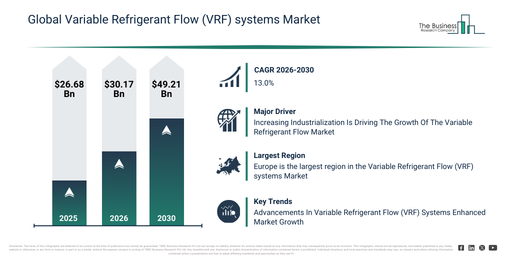
    The variable refrigerant flow (vrf) systems market size has seen rapid growth recently. It is forecast to increase from $26.68 billion in 2025 to $30.17 billion in 2026, achieving a compound annual growth rate (CAGR) of 13.1%. The expansion observed in prior periods is attributable to factors such as the rise in commercial construction projects, increasing demand for energy-efficient HVAC solutions, accelerating urbanization, an increase in mixed-use building constructions, and the replacement of older, conventional HVAC systems.

    The variable refrigerant flow (vrf) systems market size is projected to experience swift expansion over the coming years. This market is anticipated to reach $49.21 billion by 2030, demonstrating a compound annual growth rate (CAGR) of 13.0%. Factors driving this expansion during the forecast period include greater investments in smart building infrastructure, a heightened emphasis on reducing carbon emissions, wider implementation of intelligent climate control systems, an increase in green building certifications, and the growing modernization of commercial HVAC installations. Key trends expected within this period involve the increasing embrace of energy-efficient vrf systems, their rising installation in substantial commercial structures, the ongoing integration of sophisticated control and monitoring systems, the broadening availability of multi-zone temperature management solutions, and a heightened emphasis on adaptable HVAC configurations.

    Get A Free Sample Report With In-Depth Market Insights:

    https://thebusinessresearchcompany.com/sample_request?id=54043622&type=smp&name=Variable%20Refrigerant%20Flow%20%28VRF%29%20systems%20Market%20Report%202026&utm_source=Blogs&utm_medium=Paid&utm_campaign=Nov_PR

    Variable Refrigerant Flow (VRF) systems Market Growth Factors Behind Sustained Expansion

    The increasing industrialization is projected to drive the expansion of the variable refrigerant flow (VRF) systems market. Industrialization denotes the transformation of a society from primarily agricultural and artisan economies to those dominated by industrial production and machine manufacturing. This rise in industrialization is attributed to factors like economic advancement, technological innovations, and the heightened demand for mass-produced goods, collectively fostering urbanization and global trade. Variable refrigerant flow (VRF) systems aid industrialization by offering energy-efficient, scalable, and adaptable climate control solutions that optimize operational performance, decrease energy expenses, and accommodate the evolving requirements of industrial settings, thereby supporting sustainable development and improving overall output. The ongoing increase in industrialization is acting as a key driver for the growth of the variable refrigerant flow market.

    Variable Refrigerant Flow (VRF) systems Market Segment Analysis Spotlighting Growth Areas

    The variable refrigerant flow (vrf) systems market covered in this report is segmented –

    1) By System Type: Heat Pump Systems, Heat Recovery Systems

    2) By Component: Outdoor Units, Indoor Units, Control Systems And Accessories

    3) By Capacity: Up To 10 Tons, 11 To 18 Tons, 19 To 26 Tons, Above 26 Tons

    4) By End-User: Commercial, Residential, Other End-Users

    Subsegments:

    1) By Heat Pump Systems: Single-Zone Heat Pump Systems, Multi-Zone Heat Pump Systems, Residential Heat Pump Systems, Commercial Heat Pump Systems

    2) By Heat Recovery Systems: Single-Zone Heat Recovery Systems, Multi-Zone Heat Recovery Systems, Commercial Heat Recovery Systems, Industrial Heat Recovery Systems

    Variable Refrigerant Flow (VRF) systems Market Industry Trends Fueling Future Revenue Growth

    Leading companies in the variable refrigerant flow (VRF) systems market are concentrating on developing advanced solutions, such as VRF systems, to improve energy efficiency and occupant comfort in various commercial applications. A variable refrigerant flow (VRF) system is defined as a sophisticated type of heating, ventilation, and air conditioning (HVAC) system that delivers efficient, customizable, and flexible climate control for buildings.

    Variable Refrigerant Flow (VRF) systems Market Leading Companies: Who Holds The Strongest Market Presence?

    Major companies operating in the variable refrigerant flow (vrf) systems market are Samsung Electronics Co. Ltd., Hitachi Ltd., LG Electronics Inc., Panasonic Corporation, Midea Group Co. Ltd., Mitsubishi Electric Corporation, Daikin Industries Ltd., Gree Electric Appliances Inc., Toshiba Corporation, Johnson Controls International plc, Carrier Global Corporation, Trane Technologies plc, Fujitsu General Limited, Lennox International Inc., Rheem Manufacturing Company, Voltas Limited, Blue Star Limited, Swegon AB, Nortek Global HVAC LLC, Airwell Group

    View The Full Variable Refrigerant Flow (VRF) systems Market Report:

    https://thebusinessresearchcompany.com/report/variable-refrigerant-flow-vrf-systems-global-market-report?utm_source=Blogs&utm_medium=Paid&utm_campaign=Nov_PR

    Variable Refrigerant Flow (VRF) systems Market Geographic Spread And Regional Opportunities

    Europe was the largest region in the variable refrigerant flow (VRF) systems market in 2025. Asia-Pacific is expected to be the fastest-growing region in the forecast period. The regions covered in the variable refrigerant flow (vrf) systems market report are Asia-Pacific, South East Asia, Western Europe, Eastern Europe, North America, South America, Middle East, Africa.

    Reach Out To Our Team:

    The Business Research Company: https://www.thebusinessresearchcompany.com/

    Americas: +1 310-496-7795

    Asia: +44 7882 955267 & +91 8897263534

    Europe: +44 7882 955267

    Email us at: marketing@tbrc.info

    Follow us on:

    LinkedIn: https://in.linkedin.com/company/the-business-research-company

    YouTube: https://www.youtube.com/channel/UC24_fI0rV8cR5DxlCpgmyFQ

    Global Market Model: https://www.thebusinessresearchcompany.com/global-market-model
  • Varenicline Market Growth In 2026: Market Size, Key Drivers And Future Outlook

    Varenicline Market Growth In 2026: Market Size, Key Drivers And Future Outlook

    Built to provide research that’s more actionable and strategically valuable, The Business Research Company’s 2026 market reports include market attractiveness analysis, total addressable market sizing, company benchmarking matrices, interactive Excel dashboards, broader supply chain intelligence, emerging startup tracking, and in-depth product insights.

    Varenicline Market Growth From $1.9 Billion In 2026 To $2.39 Billion By 2030 At A CAGR Of 5.9%

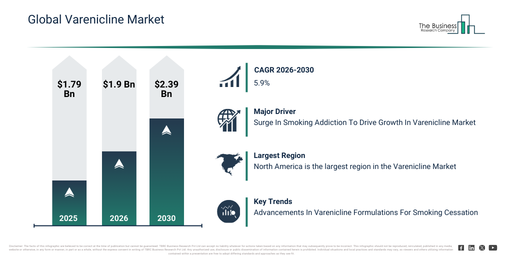
    The varenicline market size has observed significant growth in recent years. It is anticipated to increase from $1.79 billion in 2025 to $1.9 billion in 2026, exhibiting a compound annual growth rate (CAGR) of 5.9%. This past growth is largely due to factors such as increasing awareness of smoking-related health risks, early clinical validation of varenicline efficacy, expansion of smoking cessation programs, growing physician recommendation rates, and rising public health campaigns against tobacco use.

    The market for varenicline is projected to experience substantial expansion over the upcoming years. This market is anticipated to reach a valuation of $2.39 billion by 2030, exhibiting a compound annual growth rate (CAGR) of 5.9%. This anticipated growth during the forecast period is propelled by several factors, including heightened government backing for smoking cessation methods, an increase in the use of combined cessation treatments, the proliferation of digital support platforms for quitting, a rising need for affordable generic options, and a greater emphasis on achieving better preventive healthcare results. Key trends expected within this period encompass the wider acceptance of drug-based therapies for quitting smoking, an escalating demand for physician-prescribed solutions to stop smoking, the increased availability of generic varenicline, the growing combination of behavioral support alongside medication, and a sharpened focus on achieving sustained abstinence.

    Get A Free Sample Report With In-Depth Market Insights:

    https://thebusinessresearchcompany.com/sample_request?id=69368051&type=smp&name=Varenicline%20Market%20Report%202026&utm_source=Blogs&utm_medium=Paid&utm_campaign=Nov_PR

    Varenicline Market Demand Drivers Opening New Revenue Streams

    The increasing prevalence of smoking addiction is projected to fuel the expansion of the varenicline market in the coming years. Factors contributing to this rise in smoking rates include the ready availability of cigarettes and other tobacco products, coupled with social influences and peer pressure, particularly among individuals. Varenicline is a prescription medication designed to aid individuals in quitting smoking by lessening cravings and withdrawal symptoms, while simultaneously blocking the rewarding sensations of nicotine.

    Varenicline Market Segment Performance And Emerging Opportunities

    The varenicline market covered in this report is segmented –

    1) By Type: 0.5 Mg Tablets, 1 Mg Tablets

    2) By Route Of Administration: Oral, Sublingual, Transdermal

    3) By Patient Type: Smokers, Ex Smokers, Pre Quitters

    4) By Application: Hospital, Drug Store

    Subsegments:

    1) By 0.5 mg Tablets: Branded 0.5 mg Varenicline Tablets, Generic 0.5 mg Varenicline Tablets

    2) By 1 mg Tablets: Branded 1 mg Varenicline Tablets, Generic 1 mg Varenicline Tablets

    Varenicline Market Trends Powering Strategic Industry Growth

    Leading companies active in the varenicline market are concentrating on developing novel formulations and delivery methods, particularly generic tablets, to expand their market leadership across regions and gain a competitive advantage. Generic varenicline tablets are non-branded forms of the medication containing varenicline tartrate, which is bioequivalent to the original branded product and utilized for smoking cessation therapy.

    Varenicline Market Key Players: Which Companies Lead Industry Competition?

    Major companies operating in the varenicline market are Pfizer Inc, Biocon Limited, Viatris Inc, Teva Pharmaceutical Industries Ltd, Sandoz International GmbH, Hetero Drugs Limited, Sun Pharmaceutical Industries Ltd, Aurobindo Pharma Limited, Dr Reddy’s Laboratories Ltd, Cipla Limited, Apotex Inc, Amneal Pharmaceuticals LLC, Lupin Limited, Alkem Laboratories Ltd, Glenmark Pharmaceuticals Limited, Intas Pharmaceuticals Ltd, Hikma Pharmaceuticals PLC, Boehringer Ingelheim, Zydus Cadila, Endo International plc, Hansoh Pharma, Shandong Loncom Pharmaceutical

    View The Full Varenicline Market Report:

    https://thebusinessresearchcompany.com/report/varenicline-global-market-report?utm_source=Blogs&utm_medium=Paid&utm_campaign=Nov_PR

    Varenicline Market Top Region By Revenue And Market Share

    North America was the largest region in the varenicline market in 2025. The regions covered in the varenicline market report are Asia-Pacific, South East Asia, Western Europe, Eastern Europe, North America, South America, Middle East, Africa.

    Reach Out To Our Team:

    The Business Research Company: https://www.thebusinessresearchcompany.com/

    Americas: +1 310-496-7795

    Asia: +44 7882 955267 & +91 8897263534

    Europe: +44 7882 955267

    Email us at: marketing@tbrc.info

    Follow us on:

    LinkedIn: https://in.linkedin.com/company/the-business-research-company

    YouTube: https://www.youtube.com/channel/UC24_fI0rV8cR5DxlCpgmyFQ

    Global Market Model: https://www.thebusinessresearchcompany.com/global-market-model