Author: Marketing Posting

  • Vaccine Contract Manufacturing Market Set To Expand From $6.46 Billion In 2026: Growth Outlook Through 2030

    Vaccine Contract Manufacturing Market Set To Expand From $6.46 Billion In 2026: Growth Outlook Through 2030

    Featuring market attractiveness scoring, total addressable market sizing, company benchmarking matrices, interactive Excel dashboards, deeper supply chain intelligence, emerging startup tracking, and granular product-level insights, The Business Research Company’s 2026 market reports are built to deliver research that is both more actionable and more strategically valuable.

    Vaccine Contract Manufacturing Market Set To Climb From $4.27 Billion In 2026 To $6.46 Billion By 2030

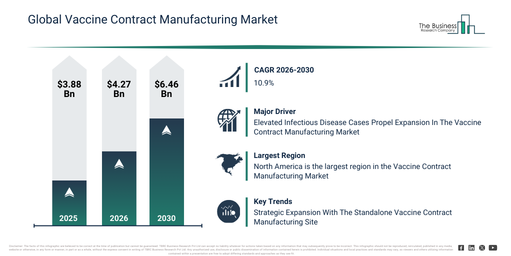
    The vaccine contract manufacturing market size has experienced robust growth recently. Its valuation is projected to increase from $3.88 billion in 2025 to $4.27 billion in 2026, demonstrating a compound annual growth rate (CAGR) of 10.0%. This historical expansion is attributable to several factors, including the broadening of global immunization initiatives, the escalating intricacy of vaccine manufacturing procedures, a greater dependence on expert contract manufacturers, the proliferation of public-private collaborations in vaccines, and the establishment of substantial vaccine production facilities.

    The market for vaccine contract manufacturing is projected to experience swift expansion over the coming years. This market is anticipated to reach $6.46 billion by 2030, exhibiting a compound annual growth rate (CAGR) of 10.9%. This expansion throughout the forecast period stems from factors such as a heightened need for rapid vaccine scale-up capabilities, increased investments in mRNA and next-generation vaccines, the broadening of commercial-scale manufacturing, an intensified focus on regional vaccine self-sufficiency, and the integration of advanced bioprocess technologies. Key trends anticipated during this period encompass a rise in the outsourcing of vaccine production, a greater need for adaptable manufacturing capacity, the enlargement of fill-finish service capabilities, a stronger emphasis on regulatory-compliant manufacturing, and the expanded implementation of single-use bioprocessing systems.

    Get A Free Sample Report With In-Depth Market Insights:

    https://thebusinessresearchcompany.com/sample_request?id=70444822&type=smp&name=Vaccine%20Contract%20Manufacturing%20Market%20Report%202026&utm_source=Blogs&utm_medium=Paid&utm_campaign=Nov_PR

    Vaccine Contract Manufacturing Market Growth Factors Behind Sustained Expansion

    The global rise in infectious diseases is projected to boost the expansion of the vaccine contract manufacturing market. Infectious diseases are defined as disorders stemming from pathogenic microorganisms, including bacteria, viruses, fungi, or parasites. During outbreaks of such diseases, like influenza, measles, or newly emerging viruses, there is an urgent need for vaccines to prevent further transmission. Contract manufacturers are well-equipped to quickly scale up production in response to these outbreaks. The increasing prevalence of infectious diseases worldwide is driving the growth of the vaccine contract manufacturing market.

    Vaccine Contract Manufacturing Market Segment Trends And Revenue Contributors

    The vaccine contract manufacturing market covered in this report is segmented –

    1) By Service Type: Fill-Finish, Bulk Product

    2) By Vaccine Type: Inactivated Vaccines, Live-Attenuated Vaccines, RNA (Ribonucleic Acid) Vaccines, Subunit Vaccines, Toxoid-Based Vaccines

    3) By Process: Downstream, Upstream

    4) By Scale Of Operation: Preclinical, Clinical, Commercial

    5) By End-Use: Human Use, Veterinary

    Subsegments:

    1) By Fill-Finish: Aseptic Fill-Finish, Lyophilization, Vial Filling, Syringe Filling

    2) By Bulk Product: Cell Culture, Microbial Fermentation, Antigen Production, Buffer Preparation

    Vaccine Contract Manufacturing Market Industry Trends Fueling Future Revenue Growth

    Leading companies in the vaccine contract manufacturing market are emphasizing the establishment of new production sites for vaccine contract manufacturing to secure their market standing. The opening of a vaccine contract manufacturing production site denotes the creation of a facility specifically for the contractual manufacturing and production of vaccines.

    Vaccine Contract Manufacturing Market Competitive Landscape: Which Companies Lead The Industry?

    Major companies operating in the vaccine contract manufacturing market are Pfizer Inc, Johnson & Johnson, AbbVie Inc., Sanofi, GlaxoSmithKline, Merck KGaA, Moderna, BioNTech, GSK Vaccines, AstraZeneca PLC, Ajinomoto Co. Inc., Lonza Group AG, Catalent Inc., Charles River Laboratories International Inc., Serum Institute of India Pvt. Ltd, Samsung Biologics, WuXi Biologics, Novavax, Sinovac Biotech, Emergent BioSolutions Inc., Bio Farma, Hualan Biological Engineering, BioMARC, Bavarian Nordic A/S, AGC Biologics, IDT Biologika GmbH, Bharat Biotech, Goodwin Biotechnology Inc., Biofabri S.L

    View The Full Vaccine Contract Manufacturing Market Report:

    https://thebusinessresearchcompany.com/report/vaccine-contract-manufacturing-global-market-report?utm_source=Blogs&utm_medium=Paid&utm_campaign=Nov_PR

    Vaccine Contract Manufacturing Market Top Region By Revenue And Market Share

    North America was the largest region in the vaccine contract manufacturing market in 2025. Asia-Pacific is expected to be the fastest-growing region in the vaccine contract manufacturing market report forecast period. The regions covered in the vaccine contract manufacturing market report are Asia-Pacific, South East Asia, Western Europe, Eastern Europe, North America, South America, Middle East, Africa.

    Reach Out To Our Team:

    The Business Research Company: https://www.thebusinessresearchcompany.com/

    Americas: +1 310-496-7795

    Asia: +44 7882 955267 & +91 8897263534

    Europe: +44 7882 955267

    Email us at: marketing@tbrc.info

    Follow us on:

    LinkedIn: https://in.linkedin.com/company/the-business-research-company

    YouTube: https://www.youtube.com/channel/UC24_fI0rV8cR5DxlCpgmyFQ

    Global Market Model: https://www.thebusinessresearchcompany.com/global-market-model
  • Uveitis Treatment Market Size And Growth In 2026: Key Factors Shaping Future Demand

    Uveitis Treatment Market Size And Growth In 2026: Key Factors Shaping Future Demand

    Built to provide research that’s more actionable and strategically valuable, The Business Research Company’s 2026 market reports include market attractiveness analysis, total addressable market sizing, company benchmarking matrices, interactive Excel dashboards, broader supply chain intelligence, emerging startup tracking, and in-depth product insights.

    Uveitis Treatment Market Forecast: Value Set To Climb From $1.64 Billion To $2.19 Billion

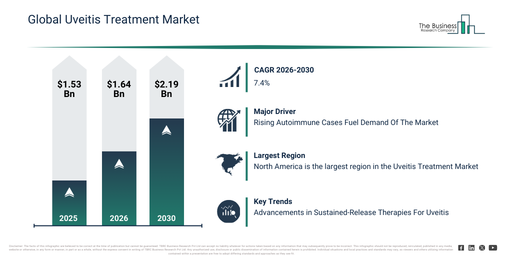
    The uveitis treatment market size has demonstrated significant growth in recent years. It is anticipated to increase from $1.53 billion in 2025 to $1.64 billion in 2026, achieving a compound annual growth rate (CAGR) of 7.5%. The historical expansion of this market can be attributed to several factors, including enhanced diagnostic awareness of ocular inflammatory diseases, increased adoption of corticosteroid-based therapies, the expansion of ophthalmology specialty clinics, a rising incidence of autoimmune disorders, and the accessibility of established anti-inflammatory drugs.

    The uveitis treatment market is projected to experience substantial expansion in the coming years, reaching a valuation of $2.19 billion by 2030, driven by a compound annual growth rate (CAGR) of 7.4%. This anticipated growth over the forecast period is fueled by several factors, including the increasing development of monoclonal antibodies specifically for uveitis, a heightened emphasis on treatment alternatives that reduce steroid dependency, the broadening application of personalized medicine strategies, growing financial commitments to ophthalmic drug development, and an escalating need for solutions for long-term disease management. Key trends expected during this period involve the increasing embrace of biologic therapies, a greater utilization of targeted immunosuppressive treatments, an intensifying focus on tailored uveitis management, the wider availability of sustained-release ocular drug delivery systems, and enhanced clinical research into autoimmune eye conditions.

    Get A Free Sample Report With In-Depth Market Insights:

    https://thebusinessresearchcompany.com/sample_request?id=88826641&type=smp&name=Uveitis%20Treatment%20Market%20Report%202026&utm_source=Blogs&utm_medium=Paid&utm_campaign=Nov_PR

    Uveitis Treatment Market Demand Drivers Opening New Revenue Streams

    The escalating prevalence of autoimmune conditions is anticipated to drive the expansion of the uveitis treatment market. Autoimmune conditions are a group of illnesses where the immune system erroneously attacks and damages the body’s own healthy cells, tissues, or organs. The increasing occurrence of these conditions stems from elements such as genetic predispositions, environmental factors, and alterations in lifestyle and immune system functioning. Uveitis treatment plays a role in managing autoimmune conditions by diminishing inflammation, mitigating excessive immune system activity, and preventing vision impairment associated with autoimmune-related eye inflammation. The rising incidence of autoimmune conditions is fostering the growth of the uveitis treatment market.

    Uveitis Treatment Market Segment Analysis Spotlighting Growth Areas

    The uveitis treatment market covered in this report is segmented –

    1) By Indication: Anterior Uveitis, Intermediate Uveitis, Posterior Uveitis, Panuveitis

    2) By Route Of Administration: Topical, Systemic, Injectable

    3) By Cause: Infectious, Non-infectious

    4) By Treatment: Corticosteroids, Immunosuppressant, Monoclonal Antibodies, Cycloplegic Agents, Antibiotics, Antivirals, Antifungal, Analgesics

    5) By Distribution Channel: Hospital Pharmacies, Retail Pharmacies, Online Pharmacies, Other Distribution Channels

    Subsegments:

    1) By Anterior Uveitis: Infectious Anterior Uveitis, Non-Infectious Anterior Uveitis

    2) By Intermediate Uveitis: Infectious Intermediate Uveitis, Non-Infectious Intermediate Uveitis

    3) By Posterior Uveitis: Infectious Posterior Uveitis, Non-Infectious Posterior Uveitis

    4) By Panuveitis: Infectious Panuveitis, Non-Infectious Panuveitis

    Uveitis Treatment Market Trends Powering Strategic Industry Growth

    Leading firms within the uveitis treatment market are incorporating sophisticated drug-delivery methods, specifically sustained-release intravitreal implants, aiming to achieve better long-term inflammation management, boost patient compliance, and lessen systemic adverse effects. These sustained-release intravitreal implants consist of tiny, non-biodegradable devices inserted into the eye’s vitreous cavity, ensuring a continuous release of corticosteroids for extended periods, from months to years. This allows for localized therapy, reduces the necessity for repeated injections, and enhances convenience for patients. An example of this trend occurred in March 2025, when ANI Pharmaceuticals, Inc., a biopharmaceutical entity based in the US, secured FDA authorization to broaden the application of ILUVIEN, which is a fluocinolone acetonide intravitreal implant, for treating chronic non-infectious uveitis impacting the eye’s posterior segment. ILUVIEN provides fluocinolone consistently at a low daily dosage for durations of up to 36 months, facilitating ongoing local corticosteroid treatment, thereby reducing the requirement for numerous injections and leading to improved disease management and patient ease.

    Uveitis Treatment Market Leading Companies: Who Holds The Strongest Market Presence?

    Major companies operating in the uveitis treatment market are Merck & Co. Inc., AbbVie Inc., Novartis AG, Regeneron Pharmaceuticals Inc., Bausch & Lomb Incorporated, Horizon Therapeutics plc, Sun Pharmaceutical Industries Ltd., Cipla Ltd., Santen Pharmaceutical Co. Ltd., Galapagos NV, EyePoint Pharmaceuticals Inc., ANI Pharmaceuticals Inc., Clearside Biomedical Inc., Roche Holding AG, Pfizer Inc., Alimera Sciences Inc., Tarsier Pharma Ltd., Oculis Pharma, Priovant Therapeutics, Acelyrin Inc., Eyevensys, Aerie Pharmaceuticals Inc., Aldeyra Therapeutics Inc.

    View The Full Uveitis Treatment Market Report:

    https://thebusinessresearchcompany.com/report/uveitis-treatment-global-market-report?utm_source=Blogs&utm_medium=Paid&utm_campaign=Nov_PR

    Uveitis Treatment Market Regional Analysis And Top Geography

    North America was the largest region in the uveitis treatment market in 2025. Asia-Pacific is expected to be the fastest-growing region in the forecast period. The regions covered in the uveitis treatment market report are Asia-Pacific, South East Asia, Western Europe, Eastern Europe, North America, South America, Middle East, Africa.

    Reach Out To Our Team:

    The Business Research Company: https://www.thebusinessresearchcompany.com/

    Americas: +1 310-496-7795

    Asia: +44 7882 955267 & +91 8897263534

    Europe: +44 7882 955267

    Email us at: marketing@tbrc.info

    Follow us on:

    LinkedIn: https://in.linkedin.com/company/the-business-research-company

    YouTube: https://www.youtube.com/channel/UC24_fI0rV8cR5DxlCpgmyFQ

    Global Market Model: https://www.thebusinessresearchcompany.com/global-market-model
  • Uveal Neoplasms Market Forecast 2026–2030: Market Size, Trends And Growth Opportunities

    Uveal Neoplasms Market Forecast 2026–2030: Market Size, Trends And Growth Opportunities

    Backed by market attractiveness analysis, total addressable market sizing, company benchmarking matrices, interactive Excel dashboards, wider supply chain intelligence, emerging startup coverage, and detailed product-level insights, The Business Research Company’s 2026 market reports are designed to offer research that is more actionable and strategically valuable than ever.

    Uveal Neoplasms Market Revenue Growth On Track For A 5.6% CAGR Through 2030

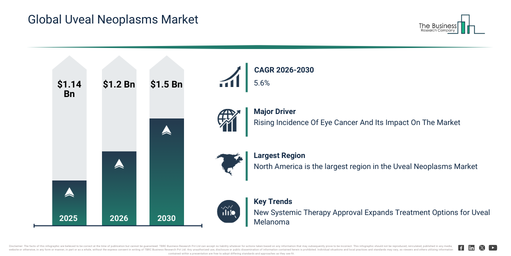
    The market size for uveal neoplasms has experienced robust growth in recent years. Projections indicate it will expand from $1.14 billion in 2025 to $1.2 billion by 2026, achieving a compound annual growth rate (CAGR) of 5.7%. This past expansion stems from several factors, including enhanced ophthalmic diagnostic capabilities, the proliferation of specialized eye care centers, heightened awareness regarding ocular tumors, the availability of radiation-based therapies, and an increase in ophthalmic oncology expertise.

    The uveal neoplasms market is projected to experience substantial expansion over the upcoming years. Its valuation is anticipated to reach $1.5 billion by 2030, exhibiting a compound annual growth rate (CAGR) of 5.6%. This growth during the projection period is primarily driven by factors such as the increasing integration of precision medicine in ophthalmology, enhanced investment in ocular oncology research, broader applications of immunotherapy, the rising need for minimally invasive eye procedures, and the expanding use of sophisticated imaging diagnostics. Key developments expected during this timeframe involve a greater embrace of targeted and immunotherapy options, an increase in advanced ocular imaging technology usage, a heightened emphasis on detecting tumors early, the development of more personalized treatment plans, and improved integration of multidisciplinary eye care services.

    Get A Free Sample Report With In-Depth Market Insights:

    https://thebusinessresearchcompany.com/sample_request?id=17145881&type=smp&name=Uveal%20Neoplasms%20Market%20Report%202026&utm_source=Blogs&utm_medium=Paid&utm_campaign=Nov_PR

    Uveal Neoplasms Market Growth Backed By Core Demand Fundamentals

    The increasing occurrence of eye cancer is anticipated to boost the expansion of the uveal neoplasms market. This condition involves the unchecked proliferation of abnormal cells within the eye, potentially affecting areas like the retina, iris, or optic nerve. The increase in eye cancer cases can be linked to enhanced diagnostic methods, environmental influences, and an aging demographic. Uveal neoplasms, especially uveal melanoma, represent an uncommon type of ocular malignancy with the potential to spread to other organs, primarily the liver, thereby presenting considerable health threats. The growing prevalence of eye cancer is fueling the expansion of the uveal neoplasms market.

    Uveal Neoplasms Market Segment Performance And Emerging Opportunities

    The uveal neoplasms market covered in this report is segmented –

    1) By Treatment Type: Drugs, Therapy

    2) By Route Of Administration: Oral, Injectable, Other Route Administration

    3) By Distribution Channel: Hospitals Pharmacies, Online Pharmacies, Retail Pharmacies

    Subsegments:

    1) By Drugs: Chemotherapeutic Agents, Targeted Therapy Drugs, Immunotherapy Drugs

    2) By Therapy: Radiation Therapy, Laser Therapy, Photodynamic Therapy

    Uveal Neoplasms Market Growth Trends Reshaping The Competitive Landscape

    Leading companies within the uveal neoplasms market are actively incorporating advanced liver-directed treatment approaches, such as percutaneous hepatic perfusion (PHP), to improve localized tumor control and lessen systemic toxicity. Percutaneous hepatic perfusion (PHP) is a minimally invasive technique that works by isolating the liver’s blood supply, allowing high-dose chemotherapy to be delivered directly into the hepatic artery, while simultaneously filtering the blood exiting the liver. This method ensures concentrated treatment at the tumor site with decreased exposure to other parts of the body.

    Uveal Neoplasms Market Key Players: Which Companies Lead Industry Competition?

    Major companies operating in the uveal neoplasms market are Pfizer Inc., F. Hoffmann-La Roche Ltd, Merck & Co. Inc., IDEAYA Biosciences Inc., Bristol-Myers Squibb Company, AstraZeneca plc, Novartis AG, Eli Lilly and Company, Amgen Inc., Regeneron Pharmaceuticals Inc., Verastem Oncology Inc., Iovance Biotherapeutics Inc., Immunocore Holdings PLC, Aura Biosciences, Foghorn Therapeutics Inc., Syncona Limited, iOnctura SA, Linnaeus Therapeutics, Inc., Delcath Systems Inc, Bellicum Pharmaceuticals Inc.

    View The Full Uveal Neoplasms Market Report:

    https://thebusinessresearchcompany.com/report/uveal-neoplasms-global-market-report?utm_source=Blogs&utm_medium=Paid&utm_campaign=Nov_PR

    Uveal Neoplasms Market Geographic Analysis: Where Is Demand Rising Fastest?

    North America was the largest region in the uveal neoplasms market in 2025. The regions covered in the uveal neoplasms market report are Asia-Pacific, South East Asia, Western Europe, Eastern Europe, North America, South America, Middle East, Africa.

    Reach Out To Our Team:

    The Business Research Company: https://www.thebusinessresearchcompany.com/

    Americas: +1 310-496-7795

    Asia: +44 7882 955267 & +91 8897263534

    Europe: +44 7882 955267

    Email us at: marketing@tbrc.info

    Follow us on:

    LinkedIn: https://in.linkedin.com/company/the-business-research-company

    YouTube: https://www.youtube.com/channel/UC24_fI0rV8cR5DxlCpgmyFQ

    Global Market Model: https://www.thebusinessresearchcompany.com/global-market-model
  • Uterine Sarcoma Market Size Reaches $2.98 Billion In 2026: What Is Driving Growth?

    Uterine Sarcoma Market Size Reaches $2.98 Billion In 2026: What Is Driving Growth?

    Featuring market attractiveness scoring, total addressable market sizing, company benchmarking matrices, interactive Excel dashboards, deeper supply chain intelligence, emerging startup tracking, and granular product-level insights, The Business Research Company’s 2026 market reports are built to deliver research that is both more actionable and more strategically valuable.

    Uterine Sarcoma Market Value Growth And Long-Term Outlook

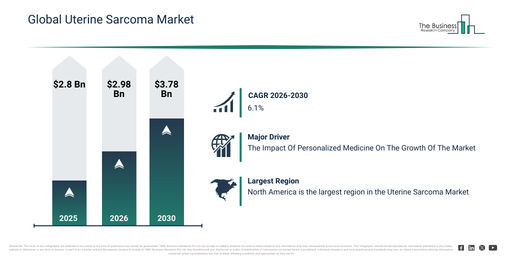
    The uterine sarcoma market size has experienced strong growth in recent years. It is forecast to expand from $2.8 billion in 2025 to $2.98 billion in 2026, at a compound annual growth rate (CAGR) of 6.3%. This historic period’s growth can be attributed to improved cancer diagnostic capabilities, the expansion of oncology treatment centers, increased awareness of rare gynecologic cancers, the availability of surgical treatment options, and the growth of academic oncology research.

    The market for uterine sarcoma is projected to experience robust expansion over the coming years. This market is anticipated to reach a valuation of $3.78 billion by 2030, demonstrating a compound annual growth rate (CAGR) of 6.1%. The anticipated expansion during this forecast period stems from several factors, including the greater uptake of precision oncology therapies, increased funding for rare cancer investigations, the broadening of targeted drug creation, the expanding application of molecular diagnostics, and enhanced cooperation in oncology clinical trials. Key developments expected during the forecast timeframe encompass a heightened emphasis on prompt and precise diagnosis, the increasing integration of multimodal therapeutic strategies, a greater reliance on sophisticated imaging and molecular tests, the proliferation of targeted and individualized treatments, and improved assimilation of oncology care routes.

    Get A Free Sample Report With In-Depth Market Insights:

    https://thebusinessresearchcompany.com/sample_request?id=12406992&type=smp&name=Uterine%20Sarcoma%20Market%20Report%202026&utm_source=Blogs&utm_medium=Paid&utm_campaign=Nov_PR

    Uterine Sarcoma Market Growth Catalysts And Demand Drivers

    The uterine sarcoma market is expected to experience growth driven by the advancement of personalized medicine, a medical approach that customizes treatments and healthcare decisions based on individual genetic, environmental, and lifestyle elements. This method is gaining prominence due to developments in genomics, molecular profiling, and precision technologies, which facilitate targeted treatments that improve effectiveness and reduce adverse effects. Uterine sarcoma contributes to personalized medicine by serving as a model for creating tailored strategies that utilize distinct genetic and molecular insights to optimize diagnosis, treatment, and patient care. The rising healthcare expenditure is a driving force behind the growth of the uterine sarcoma market.

    Uterine Sarcoma Market Segment Landscape And Growth Outlook

    The uterine sarcoma market covered in this report is segmented –

    1) By Type: Uterine Leiomyosarcoma, Undifferentiated Sarcoma, Endometrial Stromal Sarcoma, Other Types

    2) By Diagnosis: Sampling And Testing, Imaging Tests, Other Diagnoses

    3) By Treatment: Surgery, Radiation Therapy, Hormone Therapy, Chemotherapy, Other Treatments

    4) By End User: Hospitals And Clinics, Academic Institutes, Research Organization, Other End Users

    Subsegments:

    1) By Uterine Leiomyosarcoma: Primary Uterine Leiomyosarcoma, Metastatic Uterine Leiomyosarcoma

    2) By Undifferentiated Sarcoma: High-Grade Undifferentiated Sarcoma, Low-Grade Undifferentiated Sarcoma

    3) By Endometrial Stromal Sarcoma: Low-Grade Endometrial Stromal Sarcoma, High-Grade Endometrial Stromal Sarcoma, Endometrial Stromal Sarcoma With Sarcomatous Overgrowth

    4) By Other Types: Mixed Epithelial And Mesenchymal Sarcoma, Malignant Mixed Mullerian Tumors

    Uterine Sarcoma Market Competitive Landscape: Who Leads The Industry?

    Major companies operating in the uterine sarcoma market are Merck And Co. Inc., Bristol Myers Squibb, AstraZeneca plc, Novartis AG, Eli Lilly and Company, Amgen Inc., Regeneron Pharmaceuticals Inc., Incyte Corporation, Karyopharm Therapeutics Inc., Bayer AG, Nanobiotix, Iovance Biotherapeutics, Mirati Therapeutics, CytRx, Taiho Pharmaceuticals, Advenchen Laboratories, Philogen, Gradalis, Apexigen, Lytix Biopharma, Aadi Bioscience, AVEO Pharmaceuticals, VasGene Therapeutics, ImmunityBio

    View The Full Uterine Sarcoma Market Report:

    https://thebusinessresearchcompany.com/report/uterine-sarcoma-global-market-report?utm_source=Blogs&utm_medium=Paid&utm_campaign=Nov_PR

    Uterine Sarcoma Market Global Footprint: Which Region Leads The Market?

    North America was the largest region in the uterine sarcoma market in 2025. Asia-Pacific is expected to be the fastest-growing region in the forecast period. The regions covered in the uterine sarcoma market report are Asia-Pacific, South East Asia, Western Europe, Eastern Europe, North America, South America, Middle East, Africa.

    Reach Out To Our Team:

    The Business Research Company: https://www.thebusinessresearchcompany.com/

    Americas: +1 310-496-7795

    Asia: +44 7882 955267 & +91 8897263534

    Europe: +44 7882 955267

    Email us at: marketing@tbrc.info

    Follow us on:

    LinkedIn: https://in.linkedin.com/company/the-business-research-company

    YouTube: https://www.youtube.com/channel/UC24_fI0rV8cR5DxlCpgmyFQ

    Global Market Model: https://www.thebusinessresearchcompany.com/global-market-model
  • Uterine Manipulators Market Valued At $0.54 Billion In 2026: Key Trends And Growth Drivers

    Uterine Manipulators Market Valued At $0.54 Billion In 2026: Key Trends And Growth Drivers

    Built to provide research that’s more actionable and strategically valuable, The Business Research Company’s 2026 market reports include market attractiveness analysis, total addressable market sizing, company benchmarking matrices, interactive Excel dashboards, broader supply chain intelligence, emerging startup tracking, and in-depth product insights.

    Uterine Manipulators Market Poised To Hit $0.54 Billion By 2030 With A 5.9% CAGR

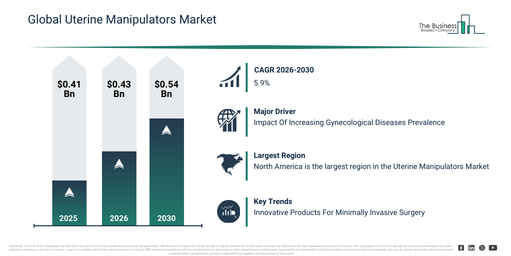
    The uterine manipulators market size has seen substantial growth in recent years. It is expected to increase from $0.41 billion in 2025 to $0.43 billion in 2026, demonstrating a compound annual growth rate (CAGR) of 6.1%. The expansion observed historically is largely due to the increasing volume of gynecological surgeries, the adoption of laparoscopic techniques, the availability of reusable surgical instruments, the expansion of hospital surgical infrastructure, and a rising focus on procedural efficiency.

    The uterine manipulators market size is projected to undergo substantial expansion in the coming years. It is expected to reach $0.54 billion by 2030, demonstrating a compound annual growth rate (CAGR) of 5.9%. This anticipated growth during the forecast period can be attributed to the rising adoption of robotic-assisted gynecological surgeries, an increasing demand for sophisticated surgical tools, the broadening scope of minimally invasive procedures, a growing preference for disposable devices, and heightened investment in surgical innovation. Prominent trends within this period include the increased incorporation of ergonomically designed manipulators, an uptick in the use of disposable and single-use devices, greater integration with minimally invasive surgical systems, the expansion of robotic-assisted gynecological procedures, and an intensified focus on surgical precision and safety.

    Get A Free Sample Report With In-Depth Market Insights:

    https://thebusinessresearchcompany.com/sample_request?id=44423525&type=smp&name=Uterine%20Manipulators%20Market%20Report%202026&utm_source=Blogs&utm_medium=Paid&utm_campaign=Nov_PR

    Uterine Manipulators Market Opportunity Drivers: What’s Unlocking New Revenue Potential?

    The increasing occurrence of gynecological conditions is anticipated to drive the expansion of the uterine manipulators market in the future. These conditions are defined as medical issues impacting the female reproductive system, encompassing ailments of the uterus, ovaries, fallopian tubes, and cervix. The growing prevalence of gynecological diseases stems from elements such as alterations in lifestyle, delayed childbearing, heightened stress levels, environmental contaminants, and a rising rate of obesity. Uterine manipulators provide accurate entry and navigation during minimally invasive operations, thereby improving the identification and management of gynecological disorders with better results. The escalating incidence of gynecological diseases is fueling the growth of the uterine manipulators market.

    Uterine Manipulators Market Breakdown By Product Type And Application

    The uterine manipulators market covered in this report is segmented –

    1) By Type: Uterine Injector, Mangeshikar, Clermont Ferrand, VECTEC, Other Types

    2) By Application: Laparoscopic Surgeries, Hysteroscopic Surgeries, Fertility Treatments, Other Applications

    3) By End-User: Specialty Clinics, Hospitals, Ambulatory Surgical Centers

    Subsegments:

    1) By Uterine Injector: Single-Use Uterine Injectors, Reusable Uterine Injectors, Sterile Uterine Injectors

    2) By Mangeshikar: Mangeshikar Type I, Mangeshikar Type II

    3) By Clermont Ferrand: Clermont Ferrand Uterine Manipulator for Laparoscopic Surgery, Clermont Ferrand Uterine Manipulator For Hysteroscopic Procedures

    4) By VECTEC: VECTEC Uterine Manipulator with Adjustable Length, VECTEC Uterine Manipulator With Rotational Features

    5) By Other Types: Disposable Uterine Manipulators, Robotic-Assisted Uterine Manipulators, Electromechanical Uterine Manipulators

    Uterine Manipulators Market Innovation Trends Shaping Future Development

    Prominent companies involved in uterine manipulators are prioritizing the introduction of groundbreaking products, such as sophisticated laparoscopic instruments, to heighten accuracy, decrease patient recuperation periods, and elevate general surgical success. Advanced laparoscopic devices denote specialized surgical tools employed in minimally invasive operations, empowering surgeons to execute procedures with minor incisions, superior visibility, and exactness.

    Uterine Manipulators Market Company Landscape And Competitive Strategy

    Major companies operating in the uterine manipulators market are Johnson & Johnson, Medtronic plc, Olympus Corporation, CooperSurgical Inc., Karl Storz SE & Co. KG, Conmed Corporation, Richard Wolf GmbH, MedGyn Products Inc., LSI Solutions Inc., LiNA Medical APS, Applied Medical Resources Corporation, Purple Surgical International Ltd, Conkin Surgical Instrument Ltd, Utah Medical Products Inc, Bistos Co Ltd, Minerva Surgical Inc, EndoMed Systems, Hangzhou Tonglu Shikonghou Medical Instrument Co Ltd, Gynex Corporation, Hospiline Equipments Pvt Ltd

    View The Full Uterine Manipulators Market Report:

    https://thebusinessresearchcompany.com/report/uterine-manipulators-global-market-report?utm_source=Blogs&utm_medium=Paid&utm_campaign=Nov_PR

    Uterine Manipulators Market Regional Split: Which Areas Are Fueling Growth?

    North America was the largest region in the uterine manipulators market in 2025. The regions covered in the uterine manipulators market report are Asia-Pacific, South East Asia, Western Europe, Eastern Europe, North America, South America, Middle East, Africa.

    Reach Out To Our Team:

    The Business Research Company: https://www.thebusinessresearchcompany.com/

    Americas: +1 310-496-7795

    Asia: +44 7882 955267 & +91 8897263534

    Europe: +44 7882 955267

    Email us at: marketing@tbrc.info

    Follow us on:

    LinkedIn: https://in.linkedin.com/company/the-business-research-company

    YouTube: https://www.youtube.com/channel/UC24_fI0rV8cR5DxlCpgmyFQ

    Global Market Model: https://www.thebusinessresearchcompany.com/global-market-model
  • Uterine Fibroids Treatment Market Size In 2026: Growth Outlook And Forecast Through 2030

    Uterine Fibroids Treatment Market Size In 2026: Growth Outlook And Forecast Through 2030

    Backed by market attractiveness analysis, total addressable market sizing, company benchmarking matrices, interactive Excel dashboards, wider supply chain intelligence, emerging startup coverage, and detailed product-level insights, The Business Research Company’s 2026 market reports are designed to offer research that is more actionable and strategically valuable than ever.

    Uterine Fibroids Treatment Market Size And Revenue Outlook Through 2030

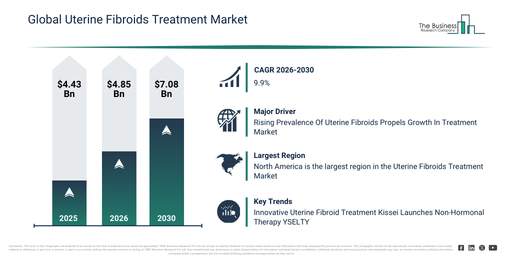
    The uterine fibroids treatment market size has shown substantial growth over recent years. It is anticipated to expand from $4.43 billion in 2025 to $4.85 billion in 2026, progressing at a compound annual growth rate (CAGR) of 9.7%. This historic expansion can be attributed to several factors such as enhanced awareness of uterine fibroid symptoms, the increasing availability of surgical treatment options, the proliferation of gynecological care facilities, higher diagnosis rates facilitated by imaging, and the general development of women’s healthcare services.

    The uterine fibroids treatment market is anticipated to observe robust growth in the upcoming years. It is projected to reach $7.08 billion by 2030, exhibiting a compound annual growth rate (CAGR) of 9.9%. The expansion during this forecast period can be linked to factors such as the increasing uptake of non-surgical treatment alternatives, a rising demand for fertility-preserving therapies, the proliferation of outpatient gynecological procedures, growing investment in women’s health research, and the expanding utilization of image-guided therapies. Major developments foreseen in the forecast period include a growing adoption of minimally invasive treatment procedures, an increasing application of hormonal and non-hormonal therapies, a rising preference for uterus-preserving treatments, the expansion of advanced imaging-guided interventions, and more refined patient-centric treatment planning.

    Get A Free Sample Report With In-Depth Market Insights:

    https://thebusinessresearchcompany.com/sample_request?id=95119793&type=smp&name=Uterine%20Fibroids%20Treatment%20Market%20Report%202026&utm_source=Blogs&utm_medium=Paid&utm_campaign=Nov_PR

    Uterine Fibroids Treatment Market Growth Momentum: What Factors Are Shaping Demand?

    The widespread occurrence of uterine fibroids in women is projected to drive the expansion of the uterine fibroids treatment market in the foreseeable future. These are benign tumors that form within the uterus, frequently leading to symptoms like excessive menstrual blood loss, discomfort in the pelvic region, and compression of the bladder or intestines. Treatment for uterine fibroids works by inhibiting the creation of estrogen and progesterone, which in turn halts menstruation and alleviates anemia. The substantial global prevalence of uterine fibroids among women is fueling the growth of the uterine fibroids treatment market.

    Uterine Fibroids Treatment Market Segment Analysis And Revenue Potential

    The uterine fibroids treatment market covered in this report is segmented –

    1) By Type: Subserosal Fibroids, Intramural Fibroids, Submucosal Fibroids, Pedunculated Fibroids

    2) By Treatment Type: Hormone Therapy, Androgens, Gonadotropin-Releasing Hormone Antagonists, Uterine Artery Embolization, Myomectomy, Hysterectomy

    3) By End-Users: Hospitals, Ambulatory Surgical Centers, Other End users

    Subsegments:

    1) By Subserosal Fibroids: Pedunculated Subserosal Fibroids, Non-Pedunculated Subserosal Fibroids

    2) By Intramural Fibroids: Small Intramural Fibroids, Large Intramural Fibroids

    3) By Submucosal Fibroids: Pedunculated Submucosal Fibroids, Non-Pedunculated Submucosal Fibroids

    4) By Pedunculated Fibroids: Subserosal Pedunculated Fibroids, Submucosal Pedunculated Fibroids

    Uterine Fibroids Treatment Market Trends Redefining Industry Growth

    Leading companies in the uterine fibroid treatment market are implementing product innovations, including non-hormonal therapies and adaptable dosing options, to cater to diverse patient requirements and maintain a competitive edge. Non-hormonal treatments for uterine fibroids, such as GnRH receptor antagonists, operate by inhibiting gonadotropin-releasing hormone at pituitary receptors, thereby lowering estrogen production and easing symptoms like heavy bleeding and pelvic pain.

    Uterine Fibroids Treatment Market Key Players Shaping Industry Direction

    Major companies operating in the uterine fibroids treatment market are Gynesonics Inc., Medtronic plc, Boston Scientific Corporation, Karl Storz GmbH, Pfizer Inc., Abbvie Inc., Richard Wolf GmbH, CooperSurgical Inc., Olympus Corporation, Myovant Sciences GmbH, Insightec Ltd., Hologic Inc., Obseva SA, Eli Lilly and Company, GlaxoSmithKline plc, Stryker Corporation, Smith & Nephew plc, Minerva Surgical Inc., Ethicon Inc., Cook Medical LLC, C.R. Bard Inc., Biomerics LLC, Visionsense Corp., Halt Medical Inc., Acessa Health Inc., Blue Endo, LiNA Medical ApS, Merit Medical Systems Inc., Allergan plc, Astellas Pharma Inc.

    View The Full Uterine Fibroids Treatment Market Report:

    https://thebusinessresearchcompany.com/report/uterine-fibroids-treatment-global-market-report?utm_source=Blogs&utm_medium=Paid&utm_campaign=Nov_PR

    Uterine Fibroids Treatment Market Top Region: Where Does Most Revenue Come From?

    North America was the largest region in the uterine fibroids treatment market in 2025.Asia-Pacific is expected to be the fastest-growing region in the forecast period. The regions covered in the uterine fibroids treatment market report are Asia-Pacific, South East Asia, Western Europe, Eastern Europe, North America, South America, Middle East, Africa.

    Reach Out To Our Team:

    The Business Research Company: https://www.thebusinessresearchcompany.com/

    Americas: +1 310-496-7795

    Asia: +44 7882 955267 & +91 8897263534

    Europe: +44 7882 955267

    Email us at: marketing@tbrc.info

    Follow us on:

    LinkedIn: https://in.linkedin.com/company/the-business-research-company

    YouTube: https://www.youtube.com/channel/UC24_fI0rV8cR5DxlCpgmyFQ

    Global Market Model: https://www.thebusinessresearchcompany.com/global-market-model
  • Usher Syndrome Market Trends Supporting 5.5% CAGR Growth Through 2030

    Usher Syndrome Market Trends Supporting 5.5% CAGR Growth Through 2030

    Featuring market attractiveness scoring, total addressable market sizing, company benchmarking matrices, interactive Excel dashboards, deeper supply chain intelligence, emerging startup tracking, and granular product-level insights, The Business Research Company’s 2026 market reports are built to deliver research that is both more actionable and more strategically valuable.

    Usher Syndrome Market Growth From $2.37 Billion In 2026 To $2.94 Billion By 2030 At A CAGR Of 5.5%

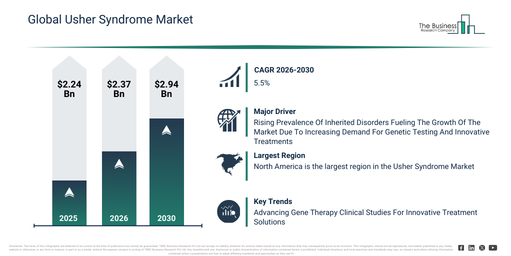
    The usher syndrome market has shown robust growth in recent years. It is projected to expand from $2.24 billion in 2025 to $2.37 billion in 2026, demonstrating a compound annual growth rate (CAGR) of 5.7%. The growth observed in the historic period can be attributed to enhanced awareness of inherited sensory disorders, the expansion of genetic counseling services, the availability of advanced diagnostic tools, the development of specialty clinics for rare diseases, and increased screening for retinal disorders.

    The market size for usher syndrome is projected to experience robust expansion in the coming years, reaching $2.94 billion by 2030, exhibiting a compound annual growth rate (CAGR) of 5.5%. This growth during the forecast period is attributable to an increase in research dedicated to gene therapy solutions, rising investments aimed at developing drugs for rare diseases, the growing adoption of personalized medicine strategies, the expansion of early intervention initiatives, and enhanced collaboration between research institutions and healthcare providers. Prominent trends expected in the forecast period include the increasing uptake of genetic testing for early diagnosis, a heightened focus on gene-based therapeutic approaches, the rising deployment of advanced diagnostic imaging tools, the expansion of multidisciplinary treatment pathways, and improved patient monitoring and disease management models.

    Get A Free Sample Report With In-Depth Market Insights:

    https://thebusinessresearchcompany.com/sample_request?id=67035783&type=smp&name=Usher%20Syndrome%20Market%20Report%202026&utm_source=Blogs&utm_medium=Paid&utm_campaign=Nov_PR

    Usher Syndrome Market Expansion Drivers: What’s Shaping Future Growth?

    The increasing occurrence of inherited conditions is projected to boost the usher syndrome market’s expansion in the future. These are genetic ailments transmitted from parents to their progeny via DNA, frequently stemming from mutations in a single gene or multiple genes. The upward trend in inherited disorders is linked to an increase in parental age, resulting in more frequent genetic conditions among infants. Usher syndrome itself is a genetic ailment necessitating prompt diagnosis, specific care, and focused therapies. Greater awareness and screening efforts for genetic disorders lead to the detection of more Usher syndrome cases, consequently driving up demand for diagnostic assessments, genetic guidance, and treatment approaches. The growing occurrence of inherited conditions will fuel the usher syndrome market.

    Usher Syndrome Market Segmentation And Category Overview

    The usher syndrome market covered in this report is segmented –

    1) By Type: Type 1, Type 2, Type 3, Other Types

    2) By Treatment: Devices, Drugs, Therapy, Other Treatments

    3) By Diagnosis: Electroretinogram, Optical Coherence Tomography, Video Nystagmography, Audiology, Genetic Testing, Other Diagnoses

    4) By Distribution Channels: Hospital Pharmacy, Retail Pharmacy, Other Distribution Channels

    5) By End-Users: Hospitals, Speciality Clinics, Other End-Users

    Subsegments:

    1) By Type 1: MYO7A Mutation, USH1C Mutation, CDH23 Mutation, PCDH15 Mutation, USH1G Mutation

    2) By Type 2: USH2A Mutation, GPR98 Mutation, DFNB31 Mutation

    3) By Type 3: CLRN1 Mutation, Rare Mutations

    4) By Other Types: Atypical Usher Syndrome, Rare Genetic Variants

    Usher Syndrome Market Strategic Trends: What Defines The Next Growth Phase?

    Leading companies active in the usher syndrome market are concentrating on clinical investigations to develop gene therapies and innovative treatments capable of slowing or reversing vision and hearing loss. These clinical studies aim to improve early detection, enhance assistive technologies, and explore potential drug-based interventions for better management of the disease.

    Usher Syndrome Market Competitive Analysis Of Leading Industry Participants

    Major companies operating in the usher syndrome market are Cochlear Ltd, Advanced Bionics AG, Spark Therapeutics, Editas Medicine Inc, ProQR Therapeutics NV, Odylia Therapeutics, ReNeuron Group plc, Sensorion SAS, Gensight Biologics, AAVantgarde Bio, Laboratoires Théa, Atsena Therapeutics, Nanoscope Therapeutics, Nacuity Pharmaceuticals, Janus Biotechnology, Eiger BioPharmaceuticals, Audentes Therapeutics, Sarepta Therapeutics, Regeneron Pharmaceuticals, Amgen, Alnylam Pharmaceuticals, UniQure

    View The Full Usher Syndrome Market Report:

    https://thebusinessresearchcompany.com/report/usher-syndrome-global-market-report?utm_source=Blogs&utm_medium=Paid&utm_campaign=Nov_PR

    Usher Syndrome Market Regional Breakdown: Where Is Demand Concentrated?

    North America was the largest region in the usher syndrome market in 2025. Asia-Pacific is expected to be the fastest-growing region in the forecast period. The regions covered in the usher syndrome market report are Asia-Pacific, South East Asia, Western Europe, Eastern Europe, North America, South America, Middle East, Africa.

    Reach Out To Our Team:

    The Business Research Company: https://www.thebusinessresearchcompany.com/

    Americas: +1 310-496-7795

    Asia: +44 7882 955267 & +91 8897263534

    Europe: +44 7882 955267

    Email us at: marketing@tbrc.info

    Follow us on:

    LinkedIn: https://in.linkedin.com/company/the-business-research-company

    YouTube: https://www.youtube.com/channel/UC24_fI0rV8cR5DxlCpgmyFQ

    Global Market Model: https://www.thebusinessresearchcompany.com/global-market-model
  • Urticaria Market Forecast Highlights A $10.71 Billion Opportunity For Industry Participants

    Urticaria Market Forecast Highlights A $10.71 Billion Opportunity For Industry Participants

    Built to provide research that’s more actionable and strategically valuable, The Business Research Company’s 2026 market reports include market attractiveness analysis, total addressable market sizing, company benchmarking matrices, interactive Excel dashboards, broader supply chain intelligence, emerging startup tracking, and in-depth product insights.

    Urticaria Market Expansion Outlook: What Revenue Opportunities Are Ahead?

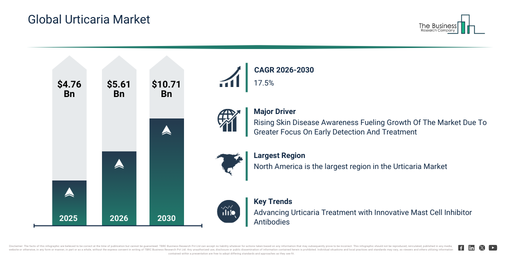
    The urticaria market has seen rapid expansion in recent years. It is anticipated to increase from $4.76 billion in 2025 to $5.61 billion in 2026, at a compound annual growth rate (CAGR) of 17.9%. The historical growth of this market can be linked to the rising prevalence of allergic skin conditions, broader adoption of antihistamines, an increase in dermatology treatment services, enhanced awareness of chronic urticaria, and the wider availability of prescription therapies.

    The urticaria market is anticipated to experience significant expansion over the coming years. This market is projected to reach $10.71 billion by 2030, demonstrating a compound annual growth rate (CAGR) of 17.5%. Factors driving this expansion include the rising uptake of biologic treatments, increased demand for therapies with extended duration, a stronger emphasis on drugs that modulate the immune system, the proliferation of specialized dermatology clinics, and greater investment in research related to allergy and immunology. Key trends expected during this period involve the heightened development of biologic and monoclonal antibody therapies, an expanding application of personalized treatment strategies, an increased emphasis on managing chronic urticaria, the advancement of sophisticated antihistamine formulations, and a stronger focus on achieving long-term disease control.

    Get A Free Sample Report With In-Depth Market Insights:

    https://thebusinessresearchcompany.com/sample_request?id=26591385&type=smp&name=Urticaria%20Market%20Report%202026&utm_source=Blogs&utm_medium=Paid&utm_campaign=Nov_PR

    Urticaria Market Development Factors: What’s Supporting Demand?

    Growing awareness and improved treatment options for skin diseases are anticipated to propel the urticaria market forward. The rise in pollution contributes to an increase in skin allergies and conditions, thereby necessitating greater awareness and sophisticated treatments. Urticaria itself plays a role in advancing skin disease understanding and care by illustrating immune system reactions, stimulating research, refining diagnostic methods, and developing specialized therapies.

    Urticaria Market Segment Outlook: Which Categories Are Growing Fastest?

    The urticaria market covered in this report is segmented –

    1) By Type: Acute Urticaria, Chronic Urticaria

    2) By Drug Class: Antihistamines, Anti-inflammation Medications, Antidepressants, Monoclonal Antibodies, Other Drug Classes

    3) By Route of Administration: Oral, Parenteral, Other Routes Of Administration

    4) By Distribution Channel: Hospital Pharmacy, Online Pharmacy, Retail Pharmacy

    5) By End-Users: Hospitals, Homecare, Specialty Clinics, Other End-Users

    Subsegments:

    1) By Acute Urticaria: Allergic Urticaria, Infectious Urticaria, Drug-Induced Urticaria, Contact Urticaria

    2) By Chronic Urticaria: Chronic Spontaneous Urticaria (CSU), Chronic Inducible Urticaria (CIndU)

    Urticaria Market Transformation Trends: What Innovations Are Driving Change?

    Prominent companies within the urticaria market are concentrating on creating innovative solutions, such as mast cell inhibitor antibodies, to develop an advanced therapeutic option for effectively managing chronic spontaneous urticaria by targeting mast cell activation. A mast cell inhibitor antibody functions as a targeted monoclonal antibody that prevents the activation or degranulation of mast cells by inhibiting specific receptors or signaling pathways, thereby decreasing allergic reactions, inflammation, and other mast cell-mediated conditions.

    Urticaria Market Leading Companies And Competitive Benchmarking

    Major companies operating in the urticaria market are Sanofi S.A., Novartis AG, GlaxoSmithKline PLC, Roche Holding AG, Teva Pharmaceutical Industries Ltd, Sun Pharmaceutical Industries Ltd, Incyte Corporation, Kyowa Kirin Co. Ltd, Argenx SE, Allakos Inc, AstraZeneca plc, Kiniksa Pharmaceuticals Ltd, United BioPharma Inc, Celldex Therapeutics Inc, Yuhan Corporation, Hangzhou Highlightll Pharmaceutical Co Ltd, Evommune Inc, Rapt Therapeutics Inc, Enanta Pharmaceuticals Inc, UCB Pharma

    View The Full Urticaria Market Report:

    https://thebusinessresearchcompany.com/report/urticaria-global-market-report?utm_source=Blogs&utm_medium=Paid&utm_campaign=Nov_PR

    Urticaria Market Geographic Landscape: Which Region Leads Industry Growth?

    North America was the largest region in the urticaria market in 2025. Asia-Pacific is expected to be the fastest-growing region in the forecast period. The regions covered in the urticaria market report are Asia-Pacific, South East Asia, Western Europe, Eastern Europe, North America, South America, Middle East, Africa.

    Reach Out To Our Team:

    The Business Research Company: https://www.thebusinessresearchcompany.com/

    Americas: +1 310-496-7795

    Asia: +44 7882 955267 & +91 8897263534

    Europe: +44 7882 955267

    Email us at: marketing@tbrc.info

    Follow us on:

    LinkedIn: https://in.linkedin.com/company/the-business-research-company

    YouTube: https://www.youtube.com/channel/UC24_fI0rV8cR5DxlCpgmyFQ

    Global Market Model: https://www.thebusinessresearchcompany.com/global-market-model
  • Urothelial Carcinoma Treatment Market Analysis: How The Industry Is Evolving Toward A $7.3 Billion Future

    Urothelial Carcinoma Treatment Market Analysis: How The Industry Is Evolving Toward A $7.3 Billion Future

    Backed by market attractiveness analysis, total addressable market sizing, company benchmarking matrices, interactive Excel dashboards, wider supply chain intelligence, emerging startup coverage, and detailed product-level insights, The Business Research Company’s 2026 market reports are designed to offer research that is more actionable and strategically valuable than ever.

    Urothelial Carcinoma Treatment Market Growth Potential: How Will Market Size Shift Through 2030?

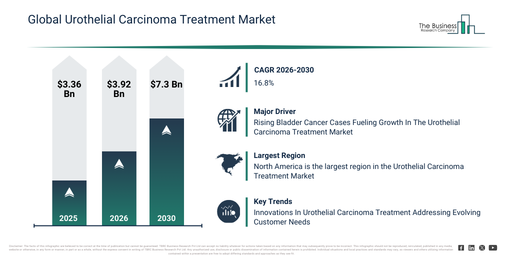
    The urothelial carcinoma treatment market has seen rapid expansion in recent years. Its value is projected to increase from $3.36 billion in 2025 to $3.92 billion in 2026, exhibiting a compound annual growth rate (CAGR) of 16.5%. This historical growth can be attributed to factors such as the increasing incidence of bladder cancer, the expansion of oncology treatment centers, rising awareness surrounding urothelial carcinoma, the growing adoption of chemotherapy protocols, and the availability of various surgical treatment options.

    The urothelial carcinoma treatment market size is projected to experience substantial growth over the next few years, reaching $7.3 billion by 2030, with a compound annual growth rate (CAGR) of 16.8%. This expansion during the forecast period is primarily driven by the increasing development of novel immunotherapies, rising investments in oncology research, growing demand for personalized medicine, the expansion of combination therapy approaches, and the increasing use of biomarker-driven treatment strategies. Key trends anticipated in this period include the growing adoption of immunotherapy-based treatment regimens, increased use of targeted therapies, the rising integration of personalized cancer treatment approaches, the expansion of minimally invasive surgical techniques, and an enhanced focus on early diagnosis and intervention.

    Get A Free Sample Report With In-Depth Market Insights:

    https://thebusinessresearchcompany.com/sample_request?id=50227416&type=smp&name=Urothelial%20Carcinoma%20Treatment%20Market%20Report%202026&utm_source=Blogs&utm_medium=Paid&utm_campaign=Nov_PR

    Urothelial Carcinoma Treatment Market Industry Drivers: What’s Behind The Revenue Growth?

    The growing incidence of bladder cancer is anticipated to fuel the expansion of the urothelial carcinoma treatment market in the future. This common cancer targets cells lining the urinary bladder, prompting patients and healthcare providers to explore various treatment approaches. Research into bladder cancer offers crucial insights into urothelial carcinoma and helps in developing targeted therapies, thereby encouraging collaborative methods to enhance treatment efficacy. The rising prevalence of bladder cancer is poised to drive the urothelial carcinoma treatment market.

    Urothelial Carcinoma Treatment Market Segment Landscape: Which Areas Lead Development?

    The urothelial carcinoma treatment market covered in this report is segmented –

    1) By Type: Non-Invasive Urothelial Carcinoma Treatment, Invasive Urothelial Carcinoma Treatment

    2) By Treatment: Immunotherapy, Radiotherapy, Chemotherapy

    3) By Cancer Type: Bladder Cancer, Urethral Cancer, Ureteric And Renal Pelvic Cancer

    4) By End-Users: Hospitals, Homecare, Specialty Centers, Other End-Users

    Subsegments:

    1) By Non-Invasive Urothelial Carcinoma Treatment: Intravesical Therapy, Immunotherapy, Chemotherapy

    2) By Invasive Urothelial Carcinoma Treatment: Radical Cystectomy, Chemotherapy, Radiation Therapy, Targeted Therapy

    #Urothelial Carcinoma Treatment Market Growth Trends: What’s Shaping The Future Outlook?

    Leading companies in the urothelial carcinoma treatment market are focused on developing innovative products to boost their competitive advantage and meet evolving customer demands.

    Urothelial Carcinoma Treatment Market Industry Leaders And Competitive Landscape

    Major companies operating in the urothelial carcinoma treatment market are Pfizer Inc, Johnson & Johnson Services Inc, F Hoffmann-La Roche Ltd, Merck & Co Inc, AbbVie Inc, Bayer AG, Sanofi S A, Bristol-Myers Squibb Company, AstraZeneca PLC, Astellas Pharma Inc, Eisai Co Ltd, Incyte Corporation, UroGen Pharma Inc, Novartis AG, Eli Lilly and Company, BeiGene Ltd, Bicycle Therapeutics Ltd, Infinity Pharmaceuticals Inc, QED Therapeutics Inc, Nektar Therapeutics, Abbisko Therapeutics Inc, Exelixis Inc, MedPacto Inc, Tyra Biosciences Inc, Ikena Oncology Inc, ALX Oncology Holdings Inc, Rubius Therapeutics Inc, Kinnate Biopharma Inc

    View The Full Urothelial Carcinoma Treatment Market Report:

    https://thebusinessresearchcompany.com/report/urothelial-carcinoma-treatment-global-market-report?utm_source=Blogs&utm_medium=Paid&utm_campaign=Nov_PR

    Urothelial Carcinoma Treatment Market Largest Region: Which Geography Holds The Biggest Share?

    North America was the largest region in the urothelial carcinoma treatment market in 2025. The regions covered in the urothelial carcinoma treatment market report are Asia-Pacific, South East Asia, Western Europe, Eastern Europe, North America, South America, Middle East, Africa.

    Reach Out To Our Team:

    The Business Research Company: https://www.thebusinessresearchcompany.com/

    Americas: +1 310-496-7795

    Asia: +44 7882 955267 & +91 8897263534

    Europe: +44 7882 955267

    Email us at: marketing@tbrc.info

    Follow us on:

    LinkedIn: https://in.linkedin.com/company/the-business-research-company

    YouTube: https://www.youtube.com/channel/UC24_fI0rV8cR5DxlCpgmyFQ

    Global Market Model: https://www.thebusinessresearchcompany.com/global-market-model
  • Urology Robotic Surgery Market Outlook Through 2030: Understanding The Growth Opportunity

    Urology Robotic Surgery Market Outlook Through 2030: Understanding The Growth Opportunity

    Featuring market attractiveness scoring, total addressable market sizing, company benchmarking matrices, interactive Excel dashboards, deeper supply chain intelligence, emerging startup tracking, and granular product-level insights, The Business Research Company’s 2026 market reports are built to deliver research that is both more actionable and more strategically valuable.

    Urology Robotic Surgery Market Value Analysis: What Growth Lies Ahead Over The Forecast Period?

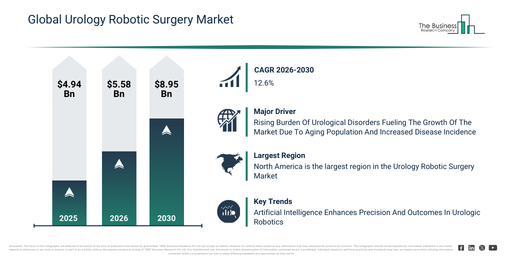
    The urology robotic surgery market has experienced rapid expansion in its size over recent years. It is anticipated to increase from $4.94 billion in 2025 to $5.58 billion by 2026, demonstrating a compound annual growth rate (CAGR) of 12.8%. This historical growth can be attributed to the rising prevalence of prostate and kidney disorders, a broader acceptance of minimally invasive surgery, heightened investments in surgical robotics, the proliferation of specialized urology centers, and improvements in the dependability of robotic systems.

    The urology robotic surgery market size is projected to experience significant expansion over the coming years. This market is forecast to reach $8.95 billion by 2030, exhibiting a compound annual growth rate (CAGR) of 12.6%. Key factors driving this growth during the projected timeframe include the increasing adoption of advanced robotic platforms, greater incorporation of AI-assisted surgical planning, a surge in demand for outpatient robotic procedures, the enlargement of surgeon training initiatives, and ongoing technological progress in robotic instruments. Prominent trends anticipated in the forecast period encompass the wider acceptance of robotic-assisted urology procedures, the increased utilization of sophisticated surgical navigation systems, the expanding integration of simulation-based surgeon training, the broadening of minimally invasive treatment methods, and a heightened emphasis on surgical accuracy and results.

    Get A Free Sample Report With In-Depth Market Insights:

    https://thebusinessresearchcompany.com/sample_request?id=54331156&type=smp&name=Urology%20Robotic%20Surgery%20Market%20Report%202026&utm_source=Blogs&utm_medium=Paid&utm_campaign=Nov_PR

    Urology Robotic Surgery Market Growth Factors: What’s Supporting Expansion?

    The anticipated expansion of the urology robotic surgery market is driven by the growing incidence of urological disorders. These disorders encompass illnesses or conditions affecting both the urinary tract and male reproductive organs. The escalating occurrence of urological disorders is largely attributed to an aging demographic, as advanced age often weakens bladder and pelvic muscles, thereby elevating the susceptibility to such ailments. Urology robotic surgery addresses these disorders by offering highly precise, minimally invasive therapeutic alternatives that enhance surgical accuracy, mitigate complications, and expedite patient recovery for conditions such as prostate cancer and kidney disease.

    Urology Robotic Surgery Market Segments: Where Is Growth Concentrated?

    The urology robotic surgery market covered in this report is segmented –

    1) By Type: Robot Machines, Navigation Systems, Planners, Simulators, Other Types

    2) By Component: Robotic Surgery Systems, Instruments And Accessories, Services

    3) By Application: Robotic Prostatectomy, Robotic Cystectomy, Robotic Pyeloplasty, Robotic Nephrectomy, Other Applications

    4) By End-User: Hospitals, Ambulatory Surgical Centers, Specialty Clinics, Other End-Users

    Subsegments:

    1) By Robot Machines: Surgical Robots, Assistive Robots, Teleoperated Robots, Autonomous Robots

    2) By Navigation Systems: Imaging Navigation Systems, Electromagnetic Navigation Systems, Optical Tracking Systems, Ultrasound Navigation Systems

    3) By Planners: Preoperative Planning Software, Intraoperative Planning Software, 3D Modeling Software, Procedure Simulation Software

    4) By Simulators: Virtual Reality Simulators, Augmented Reality Simulators, Haptic Feedback Simulators, Training Simulators

    5) By Other Types: Robotic Arms, Control Consoles, Robotic Accessories, Robotic Integration Systems

    Urology Robotic Surgery Market Industry Trends: What’s Reshaping Demand?

    Leading companies within the urology robotic surgery market are increasingly concentrating on developing artificial intelligence (AI)-powered features to secure a competitive edge. AI capabilities in urology robotic surgery encompass real-time image guidance for identifying tumors, surgical planning using 3D models, and intraoperative skill assessment, all designed to enhance precision and surgical outcomes.

    Urology Robotic Surgery Market Key Participants And Competitive Landscape

    Major companies operating in the urology robotic surgery market are Siemens Healthineers, Medtronic PLC, Stryker Corporation, Boston Scientific Corporation, Intuitive Surgical Inc., KARL STORZ SE & Co. KG, Sina Robotics and Medical Innovators Co. Ltd., CMR Surgical Limited, SS Innovations International Inc., Distalmotion SA, Ronovo Surgical Inc., Levita Magnetics International Corp., Titan Medical Inc., Virtual Incision Corporation, Nanjing Perlove Medical Equipment Co. Ltd., Edge Medical Robotics Corporation, Rob Surgical Systems S.L, Virtuoso Surgical Inc., GynoBotics Inc., Harbin Sagebot Intelligent Medical Equipment Co. Ltd., Perlove Medical Robot.

    View The Full Urology Robotic Surgery Market Report:

    https://thebusinessresearchcompany.com/report/urology-robotic-surgery-global-market-report?utm_source=Blogs&utm_medium=Paid&utm_campaign=Nov_PR

    Urology Robotic Surgery Market Regional Analysis: Which Geography Leads On Revenue?

    North America was the largest region in the urology robotic surgery market in 2025. Asia-Pacific is expected to be the fastest-growing region in the forecast period. The regions covered in the urology robotic surgery market report are Asia-Pacific, South East Asia, Western Europe, Eastern Europe, North America, South America, Middle East, Africa.

    Reach Out To Our Team:

    The Business Research Company: https://www.thebusinessresearchcompany.com/

    Americas: +1 310-496-7795

    Asia: +44 7882 955267 & +91 8897263534

    Europe: +44 7882 955267

    Email us at: marketing@tbrc.info

    Follow us on:

    LinkedIn: https://in.linkedin.com/company/the-business-research-company

    YouTube: https://www.youtube.com/channel/UC24_fI0rV8cR5DxlCpgmyFQ

    Global Market Model: https://www.thebusinessresearchcompany.com/global-market-model