Author: Marketing Posting

  • Key Factors Fueling the Growth of the Spinal Cord Stimulation Devices Market in 2025: Increasing Prevalence Of Chronic Pain Driving Demand For Advanced Pain Management Solutions

    Key Factors Fueling the Growth of the Spinal Cord Stimulation Devices Market in 2025: Increasing Prevalence Of Chronic Pain Driving Demand For Advanced Pain Management Solutions

    Stay ahead with our updated market reports featuring the latest on tariffs, trade flows, and supply chain transformations.

    What Is the Current and Projected Market Size of the Spinal Cord Stimulation Devices Market Through 2034?

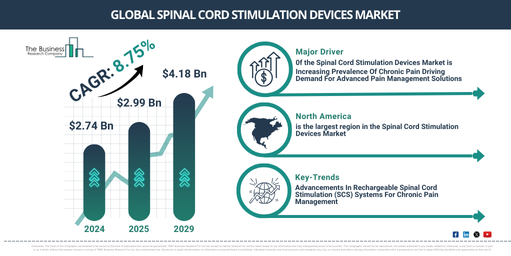
    In recent years, the market size of spinal cord stimulation devices has significantly expanded. Predictions for growth include a rise from $2.74 billion in 2024 to $2.99 billion in 2025, boasting a compound annual growth rate (CAGR) of 9.01%. This developmental surge during the historic period resulted from factors such as enhanced clinical results and patient satisfaction, heightened awareness regarding alternative pain management strategies, increased support from reimbursement policies, growth in clinical research and regulatory endorsements, along with a spike in the number of pain management clinics and centers.

    The market for spinal cord stimulation devices is set to experience considerable growth in the coming years, reaching an estimated $4.18 billion by 2029 with a compound annual growth rate of 8.75%. This predicted growth is due to several factors including an increase in chronic pain conditions, rising demand for non-opioid pain management alternatives, growth in the elderly population, favourable reimbursement policies, increased adoption of wireless and rechargeable devices and heightened awareness of neuromodulation therapies among healthcare professionals and patients. Key trends to watch during this period will include developments in minimally invasive technology, improvements in wireless and rechargeable devices, advances in frequency stimulation, the use of closed-loop feedback systems, the integration of wireless connectivity, enhanced waveform options, and the rise of personalized pain management algorithms.

    Download a free sample to assess the report’s scope and structure:

    https://www.thebusinessresearchcompany.com/sample.aspx?id=20964&type=smp

    What are the Fundamental Drivers and Innovations Shaping the Spinal Cord Stimulation Devices Market?

    Growth in the spinal cord stimulation devices market is anticipated due to a surge in chronic pain instances. Chronic pain is any constant discomfort that persists for a period of 12 weeks or longer, usually arising from ailments like arthritis, neuropathy or lower back pain. The increment in chronic pain cases is often attributed to several factors, notably an aging populace, shifts in lifestyle, long-term health conditions, or due to injury or physical trauma. Electrical impulses employed to perturb pain signals is how spinal cord stimulation (SCS) devices mitigate chronic pain, making it manageable for sustained conditions. For example, in November 2024, statistical data from the Centers for Disease Control and Prevention (a government agency in the US), revealed that in 2023, 24.3% of adults experienced chronic pain. Of these, 8.5% suffered from high-impact chronic pain, which constituted 34.9% of chronic pain sufferers. Thus, this surge in chronic pain instances is catalyzing the growth of the spinal cord stimulation devices market.

    How Is the Spinal Cord Stimulation Devices Market Segmented?

    The spinal cord stimulation devices market covered in this report is segmented –

    1) By Type: Implantable Spinal Cord Stimulators, Non-Implantable Spinal Cord Stimulators

    2) By Product Type: Rechargeable Devices, Non-Rechargeable Devices

    3) By Application: Failed Back Surgery Syndrome, Complex Regional Pain Syndrome, Degenerative Disc Disease, Unsuccessful Disk Surgery, Other Applications

    4) By End User: Hospitals, Ambulatory Surgical Centers, Neuro Clinics

    Subsegments:

    1) By Implantable Spinal Cord Stimulators: Rechargeable Spinal Cord Stimulators, Non-Rechargeable Spinal Cord Stimulators, Multi-Lead Implantable Spinal Cord Stimulators

    2) By Non-Implantable Spinal Cord Stimulators: External Spinal Cord Stimulators, Wearable Spinal Cord Stimulators, Transcutaneous Spinal Cord Stimulators

    Request customized data on this market:

    https://www.thebusinessresearchcompany.com/customise?id=20964&type=smp

    Which Regions Are Driving the Next Phase of the Spinal Cord Stimulation Devices Market Growth?

    North America was the largest region in the spinal cord stimulation devices market in 2024. Asia-Pacific is expected to be the fastest-growing region in the forecast period. The regions covered in the spinal cord stimulation devices market report are Asia-Pacific, Western Europe, Eastern Europe, North America, South America, Middle East, Africa.

    Which Technological Trends Are Reshaping the Spinal Cord Stimulation Devices Industry Dynamics?

    Leading enterprises in the spinal cord stimulation devices market are emphasizing the progression of high-tech solutions such as rechargeable spinal cord stimulation systems. These advancements aim to ameliorate patient results, extend device durability, and render more bespoke pain management solutions for chronic pain sufferers. Rechargeable spinal cord stimulation (SCS) systems are highly sophisticated medical devices engineered to control chronic pain by transmitting electrical impulses to the spinal cord. For example, Abbott Laboratories, an American medical device manufacturer, attained approval from the US Food and Drug Administration (FDA) in December 2022 for their Eterna spinal cord stimulation (SCS) system – a revolutionary approach to chronic pain management. This unique device integrates a compact design with state-of-the-art operability, providing improved comfort and decreased physical strain for patients. The rechargeable aspect guarantees prolonged utility, reducing the necessity for surgical replacements and enhancing convenience. The system possesses accurate stimulation capacities, offering custom-made pain alleviation in line with individual patient requirements. Its sleek design makes for minimal invasive implantation, lessening recovery periods and enhancing overall patient results.

    View the full report here:

    https://www.thebusinessresearchcompany.com/report/spinal-cord-stimulation-devices-global-market-report

    How Is the Spinal Cord Stimulation Devices Market Defined and What Are Its Core Parameters?

    Spinal cord stimulation (SCS) devices are implantable medical devices designed to manage chronic pain by delivering mild electrical pulses to the spinal cord, disrupting pain signals before they reach the brain. These devices combine advanced neurotechnology with customizable programming, offering a minimally invasive solution for conditions such as neuropathic pain and failed back surgery syndrome.

    Purchase the full report and get a swift delivery:

    https://www.thebusinessresearchcompany.com/purchaseoptions.aspx?id=20964

    About The Business Research Company:

    With over 15000+ reports from 27 industries covering 60+ geographies, The Business Research Company has built a reputation for offering comprehensive, data-rich research and insights. Armed with 1,500,000 datasets, the optimistic contribution of in-depth secondary research, and unique insights from industry leaders, you can get the information you need to stay ahead in the game.

    Get in touch with us:

    The Business Research Company: https://www.thebusinessresearchcompany.com/

    Americas +1 3156230293

    Asia +44 2071930708

    Europe +44 2071930708

    Email us at info@tbrc.info

    Follow us on:

    LinkedIn: https://in.linkedin.com/company/the-business-research-company

    YouTube: https://www.youtube.com/channel/UC24_fI0rV8cR5DxlCpgmyFQ

    Global Market Model: https://www.thebusinessresearchcompany.com/global-market-model
  • Small Lymphocytic Lymphoma Growth Trajectory: Key Forecasts and Strategic Insights

    Small Lymphocytic Lymphoma Growth Trajectory: Key Forecasts and Strategic Insights

    Stay ahead with our updated market reports featuring the latest on tariffs, trade flows, and supply chain transformations.

    How Fast Is The Small Lymphocytic Lymphoma Market Expected to Grow Between 2025 And 2029?

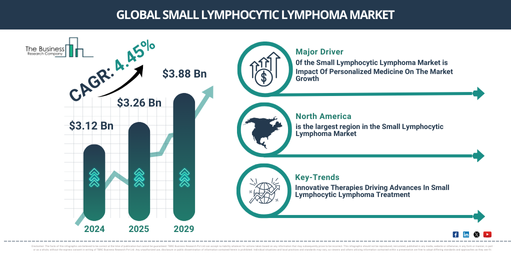
    In recent times, the market size for small lymphocytic lymphoma has experienced a steady growth. Projection suggests an expansion from $3.12 billion in 2024 to $3.26 billion in 2025, which translates to a compound annual growth rate (CAGR) of 4.71%. Factors that contributed to this growth in the past include enhanced understanding of the disease and its early detection, gaining regulatory approvals, extending clinical trials, heighted awareness about small lymphocytic lymphoma, and a rise in the number of individuals participating in clinical trials.

    The market for small lymphocytic lymphoma is projected to experience consistent growth in the coming years, increasing to $3.88 billion by 2029, with a compound annual growth rate (CAGR) of 4.45%. This projected growth within the forecast period is associated with factors such as an increased emphasis on immunotherapies, expanded research into targeted therapies, the growth of precision medicine, a rise in investment in cancer research, as well as an increase in clinical trials. Moreover, the forecast period will see trends such as advancements in targeted therapies, breakthroughs in immunotherapy, integrated treatments, the adoption of digital health solutions, and progress in supportive care therapies.

    Download a free sample to assess the report’s scope and structure:

    https://www.thebusinessresearchcompany.com/sample.aspx?id=20957&type=smp

    Which Factors and External Forces Are Driving Demand in the Small Lymphocytic Lymphoma Market?

    The surge in personalized healthcare is forecasted to boost the expansion of the small lymphocytic lymphoma market. This healthcare approach tailors interventions and medical choices based on a person’s unique genetic, environmental and lifestyle elements. Developments in genomics, biotechnology, and data analytics, which allow for more accurate, efficient, and customized treatments, fuel the progress of personalized medicine. Small lymphocytic lymphoma (SLL) bolsters the advancement of this personalized approach by offering valuable data about specific genetic mutations and biomarkers, paving the way for tailored therapies and bespoke treatment plans. To illustrate, in February 2024, the Personalized Medicine Coalition, a non-profit organization based in the US reported that FDA, in 2023, sanctioned 16 new treatments personalized for patients suffering from rare diseases. This marked a considerable growth from the six authorized in 2022. As a result, the rise in personalized medicine is set to catalyze the expansion of the small lymphocytic lymphoma market.

    Which Segments in the Small Lymphocytic Lymphoma Offer the Most Growth?

    The small lymphocytic lymphoma market covered in this report is segmented –

    1) By Product: Capsules, Tablets, Injections, Other Products

    2) By Route of Administration: Oral, Parenteral, Other Route of Administrations

    3) By Treatment: Chemotherapy, Targeted Therapy, Stem Cell Transplant, Monoclonal antibody therapy, Other Treatments

    4) By Distribution Channel: Hospital Pharmacy, Retail Pharmacy, Online Pharmacy, Other Distribution Channels

    5) By End-Users: Hospitals, Specialty Clinics, Homecare, Other End Users

    Subsegments:

    1) By Capsules: Oral Chemotherapy Capsules, Targeted Therapy Capsules, Immunomodulatory Capsules

    2) By Tablets: Oral Chemotherapy Tablets, Targeted Therapy Tablets, Immunotherapy Tablets

    3) By Injections: Chemotherapy Injections, Monoclonal Antibody Injections, Immunotherapy Injections, Biologic Injections

    4) By Other Products: Topical Medications, Infusion Therapies, Biosimilars For SLL, Radiopharmaceuticals

    Request customized data on this market:

    https://www.thebusinessresearchcompany.com/customise?id=20957&type=smp

    What Are the Fastest-Growing Geographies in the Small Lymphocytic Lymphoma Market?

    North America was the largest region in the small lymphocytic lymphoma market in 2024. Asia-Pacific is expected to be the fastest-growing region in the forecast period. The regions covered in the small lymphocytic lymphoma market report are Asia-Pacific, Western Europe, Eastern Europe, North America, South America, Middle East, Africa.

    What Are the Strategic Trends Steering the Small Lymphocytic Lymphoma Market Direction?

    Leading businesses in the small lymphocytic lymphoma market are pursuing the production of novel products, such as non-covalent BTK inhibitors, to increase the effectiveness of treatment, combat resistance to current treatments, and boost patient results. Non-covalent BTK inhibitors are a category of medication that reversibly attaches to the Bruton’s tyrosine kinase (BTK) enzyme. They aim at B-cell malignancies while lessening the resistance and side-effects linked to covalent inhibitors. For example, in December 2023, the U.S. Food and Drug Administration (FDA) passed approval of Jaypirca (pirtobrutinib) from Eli Lilly and Company—a pharmaceutical organization based in the U.S. for adults having chronic lymphocytic leukemia or small lymphocytic lymphoma (CLL/SLL). This endorsement is particularly significant due to its emphasis on individuals who have already received a minimum of two therapy lines, which incorporates a Bruton’s Tyrosine Kinase (BTK) inhibitor and a BCL-2 inhibitor. This addresses a key gap in treatment for heavily treated groups. The convenience of oral administration, while retaining strong targeted therapeutic activity, also benefits patients.

    View the full report here:

    https://www.thebusinessresearchcompany.com/report/small-lymphocytic-lymphoma-global-market-report

    What Are the Key Elements That Define the Small Lymphocytic Lymphoma Market?

    Small lymphocytic lymphoma (SLL) is a type of cancer that primarily affects the lymphocytes, a subset of white blood cells, and typically occurs in the lymph nodes. Its purpose of treatment is to control the growth of abnormal lymphocytes, alleviate symptoms, and improve the patient’s quality of life by targeting the cancerous cells with therapies such as chemotherapy, immunotherapy, or targeted treatments.

    Purchase the full report and get a swift delivery:

    https://www.thebusinessresearchcompany.com/purchaseoptions.aspx?id=20957

    About The Business Research Company:

    With over 15000+ reports from 27 industries covering 60+ geographies, The Business Research Company has built a reputation for offering comprehensive, data-rich research and insights. Armed with 1,500,000 datasets, the optimistic contribution of in-depth secondary research, and unique insights from industry leaders, you can get the information you need to stay ahead in the game.

    Get in touch with us:

    The Business Research Company: https://www.thebusinessresearchcompany.com/

    Americas +1 3156230293

    Asia +44 2071930708

    Europe +44 2071930708

    Email us at info@tbrc.info

    Follow us on:

    LinkedIn: https://in.linkedin.com/company/the-business-research-company

    YouTube: https://www.youtube.com/channel/UC24_fI0rV8cR5DxlCpgmyFQ

    Global Market Model: https://www.thebusinessresearchcompany.com/global-market-model
  • Next-Gen Sleep Apnea Diagnostic Systems: Market Forecast, Transformation, and Long-Term Trajectories

    Next-Gen Sleep Apnea Diagnostic Systems: Market Forecast, Transformation, and Long-Term Trajectories

    Stay ahead with our updated market reports featuring the latest on tariffs, trade flows, and supply chain transformations.

    What Are the Key Projections for the CAGR of the Sleep Apnea Diagnostic Systems Market Size From 2025 to 2034?

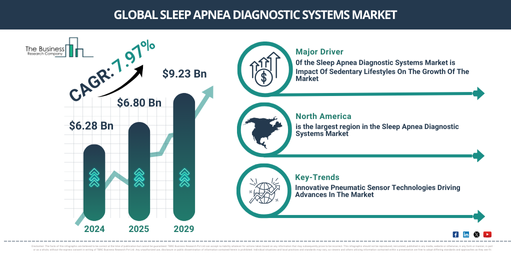
    In recent years, there’s been robust growth in the sleep apnea diagnostic systems market, with its value predicted to increase from $6.28 billion in 2024 to $6.80 billion in 2025, exhibiting a compound annual growth rate (CAGR) of 8.23%. Factors behind this historical growth include heightened awareness around sleep disorders, prevalence of obesity and aging populations, greater use of home sleep testing equipment, favorable healthcare regulations, and rapid expansion of healthcare infrastructure in developing economies.

    The market for sleep apnea diagnostic systems is anticipated to experience significant expansion in the coming years, with a projection to reach $9.23 billion by 2029, growing at a Compound Annual Growth Rate (CAGR) of 7.97%. This projected surge in the forthcoming period is linked to the escalating utilization of home sleep test apparatuses, the rising enlightenment regarding sleep disorders and their subsequent health effects, favourable governmental and insurance policies, an increase in obesity and elderly demographics, and the broadening scope of telemedicine. Emerging trends in the forecast period highlighting the growth comprise the fabrication of easily portable diagnostic devices, the incorporation of cloud-based data management systems, progress in polysomnography technology, the assimilation of smart home ecosystems, advancements in home sleep test devices, and the deployment of Artificial Intelligence for superior data interpretation and diagnosis.

    Download a free sample to assess the report’s scope and structure:

    https://www.thebusinessresearchcompany.com/sample.aspx?id=20956&type=smp

    Which Major Market Drivers Are Expected to Boost the Growth Potential of the Sleep Apnea Diagnostic Systems Market?

    The surge in sedentary lifestyles is anticipated to bolster the growth of the sleep apnea diagnostic systems market. Sedentary lifestyles are defined by extended durations of sitting or lying down and minimal physical activity. This lifestyle is on the rise as a result of factors like growing dependence on technology, urbanization, the quest for convenience, and extended working hours. Diagnostic systems for sleep apnea play a crucial role in managing the health risks associated with a sedentary lifestyle by facilitating early detection and monitoring of sleep disorders. This allows for prompt interventions to enhance sleep quality and control related conditions such as obesity, cardiovascular issues, and fatigue. For example, data from the Australian Institute of Health and Welfare in June 2024 indicated that according to self-reported data from the ABS National Health Survey (NHS) 2022, 83% of adolescents aged 15–17 and nearly four out of ten (37%) adults aged 18–64 did not engage in adequate physical activity to satisfy recommended levels. Further, the Office for National Statistics, a UK-based authority, reported in December 2022 that between April 2021 and March 2022, inactive lifestyle was prevalent among 15.8% of individuals aged 50 to 54, 24.1% of individuals aged 55 to 59, 43.4% of individuals aged 60 to 64, and 89.3% of individuals aged 65 and above. Thus, the rise in sedentary lifestyles is propelling the sleep apnea diagnostic systems market.

    Which Key Market Segments Comprise the Sleep Apnea Diagnostic Systems Market and Drive Its Revenue Growth?

    The sleep apnea diagnostic systems market covered in this report is segmented –

    1) By Product: Polysomnography Devices, Nasal Flow Sensors, Peripheral Capillary Oxygen Saturation, Actigraphy Monitoring Devices

    2) By Technology: Non-Invasive Technology, Invasive Technology, Wearable Technology, Diagnostic Software

    3) By End Users: Home Care Settings, Hospitals, Sleep Centers And Clinics

    Subsegments:

    1) By Polysomnography Devices: Full-Polysomnography Systems, Portable Polysomnography Devices, Wireless Polysomnography Devices

    2) By Nasal Flow Sensors: Single-Channel Nasal Flow Sensors, Multi-Channel Nasal Flow Sensors, Wireless Nasal Flow Sensors

    3) By Peripheral Capillary Oxygen Saturation (SpO2) Monitors: Finger Pulse Oximeters, Wrist Pulse Oximeters, Fingertip Pulse Oximeters

    4) By Actigraphy Monitoring Devices: Wrist-Worn Actigraphs, Chest-Worn Actigraphs, Smartwatch-Based Actigraphy Systems

    Request customized data on this market:

    https://www.thebusinessresearchcompany.com/customise?id=20956&type=smp

    Which Areas Are Leading Regions in the Sleep Apnea Diagnostic Systems Market Expansion Across the Globe?

    North America was the largest region in the sleep apnea diagnostic systems market in 2024. Asia-Pacific is expected to be the fastest-growing region in the forecast period. The regions covered in the sleep apnea diagnostic systems market report are Asia-Pacific, Western Europe, Eastern Europe, North America, South America, Middle East, Africa.

    What Long-Term Trends Are Transforming the Competitive Landscape of the Sleep Apnea Diagnostic Systems Market?

    Key firms in the sleep apnea diagnostic systems industry are prioritizing the creation of innovative technologies like pneumatic sensors to improve the precision, effectiveness, and convenience of sleep apnea detection and monitoring. This not only improves the results for patients but also increases their market presence. These pneumatic sensors track airflow and changes in pressure in the respiratory system to identify unusual breathing patterns, aiding in the diagnosis of sleep apnea. For example, in September 2024, Withings Inc., a consumer electronics company based in France, got clearance from the U.S. Food and Drug Administration for the Sleep Rx Mat. This is a non-contact sleep apnea diagnostic tool engineered to monitor sleep cycles, identify apnea episodes, and offer insightful data to enhance sleep health. This revolutionizing sleep monitoring gadget comes with a pneumatic sensor to monitor respiratory rate, body movement, and ongoing heart rate. Developed as a subtle mat, it requires a one-time installation and blends smoothly under any mattress, eliminating the need for masks or chunky machines. Upon setup, it provides in-depth analyses of sleep cycles, breathing, and heart activity during sleep.

    View the full report here:

    https://www.thebusinessresearchcompany.com/report/sleep-apnea-diagnostic-systems-global-market-report

    How Is the Sleep Apnea Diagnostic Systems Market Conceptually Defined?

    Sleep apnea diagnostic systems refer to medical technologies and devices designed to detect, monitor, and evaluate sleep-related breathing disorders, particularly sleep apnea. It is used for assessing physiological parameters such as airflow, oxygen saturation, heart rate, and brain activity during sleep to identify disruptions, enabling accurate diagnosis and effective management of the condition.

    Purchase the full report and get a swift delivery:

    https://www.thebusinessresearchcompany.com/purchaseoptions.aspx?id=20956

    About The Business Research Company:

    With over 15000+ reports from 27 industries covering 60+ geographies, The Business Research Company has built a reputation for offering comprehensive, data-rich research and insights. Armed with 1,500,000 datasets, the optimistic contribution of in-depth secondary research, and unique insights from industry leaders, you can get the information you need to stay ahead in the game.

    Get in touch with us:

    The Business Research Company: https://www.thebusinessresearchcompany.com/

    Americas +1 3156230293

    Asia +44 2071930708

    Europe +44 2071930708

    Email us at info@tbrc.info

    Follow us on:

    LinkedIn: https://in.linkedin.com/company/the-business-research-company

    YouTube: https://www.youtube.com/channel/UC24_fI0rV8cR5DxlCpgmyFQ

    Global Market Model: https://www.thebusinessresearchcompany.com/global-market-model
  • Single Tooth Implants And Dental Bridges Market Overview 2025: Competitive Shifts, Forecast Models, and Emerging Opportunities

    Single Tooth Implants And Dental Bridges Market Overview 2025: Competitive Shifts, Forecast Models, and Emerging Opportunities

    Stay ahead with our updated market reports featuring the latest on tariffs, trade flows, and supply chain transformations.

    How Has The Single Tooth Implants And Dental Bridges Market Growth Evolved From 2024 To 2025, And What’s Ahead?

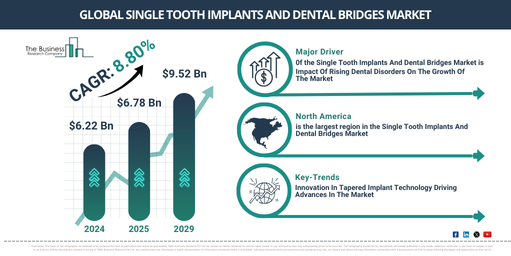
    Significant growth has been observed in the market of single tooth implants and dental bridges in the past few years. The market size is projected to expand from $6.22 billion in 2024 to $6.78 billion in 2025, with a compound annual growth rate (CAGR) of 9.1%. Factors contributing to the historical growth include developments in implant technologies, an aging population, expanded dental insurance coverage, better material longevity, and heightened consciousness about dental aesthetics.

    The market size for single tooth implants and dental bridges is forecasted to experience significant growth over the coming years. By 2029, it’s predicted to expand to a worth of $9.52 billion with a compound annual growth rate (CAGR) of 8.8%. This growth projection anticipates the advancements in 3D printing technology, heightened demand for less invasive procedures, increasing public consciousness about oral health, the booming elderly population, and the broader scope of dental healthcare facilities. Key trend indicators include the incorporation of artificial intelligence in procedure planning, an upward trend in personalized dental solutions, a surge in the demand for metal-free implants, evolved implant surface technologies, and a drive towards more economically accessible dental care options.

    Download a free sample to assess the report’s scope and structure:

    https://www.thebusinessresearchcompany.com/sample.aspx?id=20955&type=smp

    What Are the Core Growth Drivers Propelling the Single Tooth Implants And Dental Bridges Market Forward?

    The escalating instances of dental ailments are anticipated to fuel the expansion of the single tooth implants and dental bridges market in the future. Dental ailments include a variety of conditions that impair oral health or cause problems to teeth, gums, jaw, or oral cavity. Their occurrence is skyrocketing due to factors such as higher consumption of sugar-rich foods, inadequate oral hygiene, aging demographic, and the rising incidence of chronic lifestyle diseases like diabetes. Single tooth implants and dental bridges offer effective measures to individuals suffering from dental conditions by replacing lost or damaged teeth, enhancing oral function, improving aesthetics, uplifting overall self-esteem and avoiding potential issues like teeth movement and jawbone degradation. For instance, the National Board of Health and Welfare, a government agency based in Sweden, reported in May 2024 that almost 3.9 million residents, aged 24 and above, sought dental care services in Sweden in 2023, a rise from the previous year. Consequently, the escalating prevalence of dental ailments is stimulating the growth of the single tooth implants and dental bridges market.

    What Segment Types Define the Single Tooth Implants And Dental Bridges Market Structure?

    The single tooth implants and dental bridges market covered in this report is segmented –

    1) By Type: 3-Unit Bridges, 4-Unit Bridges, Titanium Bridges, Silicone Bridges, Maryland Bridges, Cantilever Bridges, Partial Bridges

    2) By Material: Porcelain-Fused-To-Metal (PFM), All Ceramics, Metal Alloys

    3) By Application: Hospitals, Density, Ambulatory Surgical Centers, Organ Transplant Centers, Orthopedic And Traumas Centers

    Subsegments:

    1) By 3-Unit Bridges: Fixed 3-Unit Bridges, Resin-Bonded 3-Unit Bridges

    2) By 4-Unit Bridges: Fixed 4-Unit Bridges, Cantilever 4-Unit Bridges

    3) By Titanium Bridges: Titanium-Alloy Bridges, Titanium-Based Fixed Bridges

    4) By Silicone Bridges: Flexible Silicone Bridges, Temporary Silicone Bridges

    5) By Maryland Bridges: Resin-Bonded Maryland Bridges, Metallic Framework Maryland Bridges

    6) By Cantilever Bridges: Single Cantilever Bridges, Multiple Cantilever Bridges

    7) By Partial Bridges: Partial Fixed Bridges, Removable Partial Bridges

    Request customized data on this market:

    https://www.thebusinessresearchcompany.com/customise?id=20955&type=smp

    Which Geographic Areas Hold the Strongest Growth Potential in the Single Tooth Implants And Dental Bridges Market?

    North America was the largest region in the single tooth implants and dental bridges market in 2024. Asia-Pacific is expected to be the fastest-growing region in the forecast period. The regions covered in the single tooth implants and dental bridges market report are Asia-Pacific, Western Europe, Eastern Europe, North America, South America, Middle East, Africa.

    What Key Market Trends and Innovations Are Shaping the Future of the Single Tooth Implants And Dental Bridges Industry?

    In the single tooth implants and dental bridges market, leading firms are coming up with pioneer products like tapered implant technology to boost osseointegration, increase stability and cut down patients’ recovery periods. This technology pertains to a dental implant design that imitates the natural structure of the tooth root through its conical or tapered form. This innovation supports primary stability by guaranteeing a secure positioning within the jawbone, especially in areas where bone volume or density is low. An example is the US company, ZimVie Inc., which in June 2022, introduced the T3 PRO Tapered Implant and Encode System, employing tapered implant technology. Thanks to its tapered design, it is easier to place within various types of bone and it raises primary stability, particularly in softer bone. The implant uses an exclusive surface treatment that encourages osseointegration, contributing to quicker healing times and improved long-term results.

    View the full report here:

    https://www.thebusinessresearchcompany.com/report/single-tooth-implants-and-dental-bridges-global-market-report

    What Is the Definition of the Single Tooth Implants And Dental Bridges Market?

    Single Tooth Implants and Dental Bridges refer to advanced dental prosthetic solutions designed to replace missing teeth. They are used for restoring oral functionality, enhancing aesthetics, and preventing further dental complications by filling gaps caused by tooth loss. Single tooth implants are individual, standalone replacements anchored in the jawbone, while dental bridges involve multiple connected prosthetic teeth supported by adjacent natural teeth or implants.

    Purchase the full report and get a swift delivery:

    https://www.thebusinessresearchcompany.com/purchaseoptions.aspx?id=20955

    About The Business Research Company:

    With over 15000+ reports from 27 industries covering 60+ geographies, The Business Research Company has built a reputation for offering comprehensive, data-rich research and insights. Armed with 1,500,000 datasets, the optimistic contribution of in-depth secondary research, and unique insights from industry leaders, you can get the information you need to stay ahead in the game.

    Get in touch with us:

    The Business Research Company: https://www.thebusinessresearchcompany.com/

    Americas +1 3156230293

    Asia +44 2071930708

    Europe +44 2071930708

    Email us at info@tbrc.info

    Follow us on:

    LinkedIn: https://in.linkedin.com/company/the-business-research-company

    YouTube: https://www.youtube.com/channel/UC24_fI0rV8cR5DxlCpgmyFQ

    Global Market Model: https://www.thebusinessresearchcompany.com/global-market-model
  • Shoulder Replacement DevicesMarket Overview 2025–2034: CAGR Trends, Long-Term Growth Paths, and Business Implications

    Shoulder Replacement DevicesMarket Overview 2025–2034: CAGR Trends, Long-Term Growth Paths, and Business Implications

    Stay ahead with our updated market reports featuring the latest on tariffs, trade flows, and supply chain transformations.

    What Is the Current and Projected Market Size of the Shoulder Replacement Devices Market Through 2034?

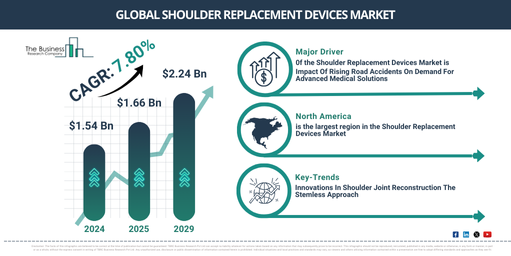
    In recent years, the market size for shoulder replacement devices has seen robust growth. The projection shows that it will expand from $1.54 billion in 2024 to $1.66 billion in 2025, exhibiting a compound annual growth rate (CAGR) of 8.1%. Several factors contributed to this growth during the historic period, including a rise in shoulder fracture cases, enhancements in surgical tools and techniques, an increase in insurance coverage for such surgeries, the advent of reverse shoulder prostheses, and a heightened demand from patients for functional recovery.

    The market for shoulder replacement devices anticipates a robust growth in the coming years, with projections indicating a rise to $2.24 billion in 2029 at a CAGR of 7.8%. This growth is anticipated due to advancements in robotic surgery, wider acceptance of 3D printing for personalized implants, increasing knowledge about joint health, a rise in sports-related injuries, and increased healthcare access in developing markets. Noteworthy trends impacting the market include the rising demand for implants designed for an active lifestyle, a growing emphasis on post-operative rehabilitation technologies, the growth of robotic-assisted shoulder surgeries, the use of pioneering imaging techniques for preoperative planning, and a move towards more cost-effective shoulder replacement alternatives.

    Download a free sample to assess the report’s scope and structure:

    https://www.thebusinessresearchcompany.com/sample.aspx?id=20953&type=smp

    What Are the Primary Drivers Supporting the Market Growth of the Shoulder Replacement Devices Market?

    The escalation in road accidents is anticipated to boost the shoulder replacement devices market’s expansion. The surge in accidents can be attributed to increased vehicular utilization, insufficient road safety protocols, and distracted driving, which results in escalated accident incidences and higher risk on the road. Shoulder replacement devices play a vital role in offering essential solutions for patients who have sustained severe shoulder injuries in road mishaps by restoring joint function, relieving pain, and facilitating a return to daily tasks and an enhanced quality of life through specialized surgical treatments crafted for their specific wounds. For example, the Bureau of Infrastructure and Transport Research Economics, a government department based in Australia, reported in December 2023 that there were 1,266 road-related deaths in 2023, a 7.3% increase compared to the 1,178 deaths documented in 2022. Therefore, the escalating frequency of road accidents is a major factor propelling the growth of the shoulder replacement devices market.

    Which Primary Segments of the Shoulder Replacement Devices Market Are Driving Growth and Industry Transformations?

    The shoulder replacement devices market covered in this report is segmented –

    1) By Type: Anatomical Shoulder Prosthesis, Reverse Shoulder Prosthesis

    2) By Material: Metal, Polyethylene, Ceramic

    3) By Procedure: Partial Shoulder Arthroplasty, Total Shoulder Arthroplasty, Revision Shoulder Arthroplasty

    4) By End-User: Hospitals, Clinics, Outpatient Surgical Centers

    Subsegments:

    1) By Anatomical Shoulder Prosthesis: Humeral Head Prosthesis, Total Shoulder Prosthesis (Humeral And Glenoid Components), Partial Shoulder Prosthesis

    2) By Reverse Shoulder Prosthesis: Reverse Total Shoulder Prosthesis (RTSA), Reverse Hemiarthroplasty, Inverted Ball-And-Socket Designs

    Request customized data on this market:

    https://www.thebusinessresearchcompany.com/customise?id=20953&type=smp

    Which Regions Are Key Players in the Growth of the Shoulder Replacement Devices Market?

    North America was the largest region in the shoulder replacement devices market in 2024. Asia-Pacific is expected to be the fastest-growing region in the forecast period. The regions covered in the shoulder replacement devices market report are Asia-Pacific, Western Europe, Eastern Europe, North America, South America, Middle East, Africa.

    Which Cutting-Edge Market Trends Are Expected to Drive the Shoulder Replacement Devices Market’s Growth?

    Leading organizations involved in the shoulder replacement devices market are leading the way in novel technology development, such as OsseoTi porous metal technology, with the aim of enhancing patient results and meeting specific health requirements. The OsseoTi porous metal technology is a cutting-edge engineering innovation that effectively replicates the natural bone structure, facilitating a highly porous surface that fosters osseointegration. For instance, Zimmer Biomet Holdings Inc., a renowned medical technology firm based in the US, in January 2024, received the 510(k) clearance from the United States Food and Drug Administration (FDA) for its Osseo Fit Stemless Shoulder System. This system, intended for total shoulder replacement, incorporates the OsseoTi porous metal technology, providing improved biological fixation through bone ingrowth. The integration of a press-fit mechanism guarantees secure initial fixation without damaging bone integrity, along with the flexibility offered by the compatibility with existing Identity Humeral Heads. Constructed with strategic suture holes for subscapularis repair, and presented in a single instrument tray, the system simplifies surgical procedures.

    View the full report here:

    https://www.thebusinessresearchcompany.com/report/shoulder-replacement-devices-global-market-report

    What Parameters Are Used to Define the Shoulder Replacement Devices Market?

    Shoulder replacement devices are medical implants used in shoulder replacement surgery to replace damaged or arthritic joints. They aim to restore joint function, alleviate pain, and enhance the quality of life for individuals with osteoarthritis or rotator cuff tears.

    Purchase the full report and get a swift delivery:

    https://www.thebusinessresearchcompany.com/purchaseoptions.aspx?id=20953

    About The Business Research Company:

    With over 15000+ reports from 27 industries covering 60+ geographies, The Business Research Company has built a reputation for offering comprehensive, data-rich research and insights. Armed with 1,500,000 datasets, the optimistic contribution of in-depth secondary research, and unique insights from industry leaders, you can get the information you need to stay ahead in the game.

    Get in touch with us:

    The Business Research Company: https://www.thebusinessresearchcompany.com/

    Americas +1 3156230293

    Asia +44 2071930708

    Europe +44 2071930708

    Email us at info@tbrc.info

    Follow us on:

    LinkedIn: https://in.linkedin.com/company/the-business-research-company

    YouTube: https://www.youtube.com/channel/UC24_fI0rV8cR5DxlCpgmyFQ

    Global Market Model: https://www.thebusinessresearchcompany.com/global-market-model
  • Strong CAGR to Propel in the Schizophrenia Drugs Market and Beyond upto $10.85 Billion by 2029

    Strong CAGR to Propel in the Schizophrenia Drugs Market and Beyond upto $10.85 Billion by 2029

    Stay ahead with our updated market reports featuring the latest on tariffs, trade flows, and supply chain transformations.

    What Are the Projected Market Size and Growth Rates for the Schizophrenia Drugs Market From 2025 To 2029?

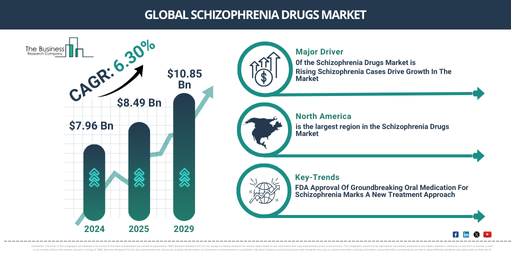
    Over the years, there has been a robust expansion in the schizophrenia drugs market. The market is predicted to escalate from $7.96 billion in 2024 to $8.49 billion in 2025, with a 6.6% compound annual growth rate (CAGR). The growth seen in the past is associated with the introduction of advanced drugs such as second and third-generation antipsychotics, increased incidence of mental health issues and schizophrenia, increased awareness about mental health, and enhancement in mental health awareness programs conducted by both governmental and non-governmental organizations, along with an increase in elderly populations.

    Predictions indicate a robust surge in the schizophrenia drugs market size in the ensuing years. It is set to escalate to $10.85 billion by 2029, propelled by a compound annual growth rate (CAGR) of 6.3%. Several factors are contributing to the anticipated growth in this forecast period. These include the escalating requirement for superior and effective treatment results, increased research and development endeavours aimed at enhancing antipsychotic drugs, introduction of new products in the market and product clearances, enhanced capital investments in the creation of innovative pharmaceuticals to treat mental health disorders, improved insurance provisions for mental health therapies, and support as well as initiatives from the government. Upcoming trends within this forecast period comprise the production of long-lasting injectable formulations, introduction of digital devices like mobile applications and wearables, the rise of drugs focusing on glutamatergic pathways, application of genetic and biomarker research, and an amplified emphasis on adjunct therapies.

    Download a free sample to assess the report’s scope and structure:

    https://www.thebusinessresearchcompany.com/sample.aspx?id=20948&type=smp

    Which Primay Drivers Are Accelerating Growth in the Schizophrenia Drugs Market?

    The increasing incidence of schizophrenia is predicted to stimulate the expansion of the schizophrenia drugs market. Schizophrenia is a chronic mental disorder characterized by distorted thoughts, perceptions, emotions, and behaviors, often leading to hallucinations and illusions. The escalation in schizophrenia instances is linked to elements like genetic vulnerability, environmental stressors, drug abuse, and brain chemistry disruptions. Drugs for schizophrenia are used to lessen schizophrenia cases through competent symptom administration, reducing the disorder’s effects on patients’ everyday lives and enhancing overall treatment results. For example, as reported by the National Library of Medicine, a US-based biomedical library, in February 2024, the occurrence of schizophrenia and related psychotic disorders varied between 0.25% and 0.64% of the US population. Additionally, as stated by the British Columbia Schizophrenia Society, a Canada-based nonprofit organization, in January 2024, schizophrenia is a significant reason for hospitalization for mental conditions, accounting for 19.9% of general hospital admissions and 30.9% of psychiatric hospital stays. Consequently, an increase in schizophrenia instances will fuel the escalation of the schizophrenia drugs market.

    Which Primary Segments of the Schizophrenia Drugs Market Are Driving Growth and Industry Transformations?

    The schizophrenia drugs market covered in this report is segmented –

    1) By Therapeutic Class: Second Generation, Third Generation, Other Therapeutic Classes

    2) By Treatment: Oral, Injectable

    3) By Distribution Channel: Hospital Pharmacies, Retail Pharmacies, Online Pharmacies, Other Distribution Channels

    Subsegments:

    1) By Second Generation: Risperidone, Olanzapine, Quetiapine, Aripiprazole, Paliperidone, Ziprasidone, Others

    2) By Third Generation: Brexpiprazole, Cariprazine, Others

    3) By Other Therapeutic Classes: First-Generation Antipsychotics, Combination Therapies, Others

    Request customized data on this market:

    https://www.thebusinessresearchcompany.com/customise?id=20948&type=smp

    Which Regions Are Key Players in the Growth of the Schizophrenia Drugs Market?

    North America was the largest region in the schizophrenia drugs market in 2024. Asia-Pacific is expected to be the fastest-growing region in the forecast period. The regions covered in the schizophrenia drugs market report are Asia-Pacific, Western Europe, Eastern Europe, North America, South America, Middle East, Africa.

    What Are the Current Market Growth and Trends in the Schizophrenia Drugs Industry?

    Leading firms in the schizophrenia drugs market are venturing into the creation of innovative products like oral medications for schizophrenia to improve and elevate the standard of patient care and treatment results. Schizophrenia oral medicines, often encompassing antipsychotics, are consumed through the mouth and are created to manage the symptoms of the condition, including mood stabilization, thought control, and perception rectification. Illustratively, in September 2024, an announcement was made by Bristol Myers Squibb, a biopharmaceutical enterprise based in the U.S., concerning the approval of Cobenfy, a revolutionary oral medication for treating adult schizophrenia, by the U.S. Food and Drug Administration (FDA). This cutting-edge drug, mixing xanomeline and trospium chloride, diverges significantly from conventional antipsychotics, with its target on cholinergic receptors, rather than dopamine receptors. This fresh method holds the potential to alleviate symptoms such as delusions and scrambled thinking, while diminishing the prevalent side effects linked with older antipsychotic drugs—thus positioning Cobenfy as an encouraging option in the landscape of schizophrenia treatment.

    View the full report here:

    https://www.thebusinessresearchcompany.com/report/schizophrenia-drugs-global-market-report

    What Parameters Are Used to Define the Schizophrenia Drugs Market?

    Schizophrenia drugs are medications designed to manage the symptoms of schizophrenia, a chronic mental disorder affecting thoughts, perceptions, emotions, and social interactions. By targeting chemical imbalances in the brain, particularly dopamine and serotonin, these drugs help reduce psychosis, stabilize mood, and improve cognitive function, enabling better daily functioning and independence.

    Purchase the full report and get a swift delivery:

    https://www.thebusinessresearchcompany.com/purchaseoptions.aspx?id=20948

    About The Business Research Company:

    With over 15000+ reports from 27 industries covering 60+ geographies, The Business Research Company has built a reputation for offering comprehensive, data-rich research and insights. Armed with 1,500,000 datasets, the optimistic contribution of in-depth secondary research, and unique insights from industry leaders, you can get the information you need to stay ahead in the game.

    Get in touch with us:

    The Business Research Company: https://www.thebusinessresearchcompany.com/

    Americas +1 3156230293

    Asia +44 2071930708

    Europe +44 2071930708

    Email us at info@tbrc.info

    Follow us on:

    LinkedIn: https://in.linkedin.com/company/the-business-research-company

    YouTube: https://www.youtube.com/channel/UC24_fI0rV8cR5DxlCpgmyFQ

    Global Market Model: https://www.thebusinessresearchcompany.com/global-market-model
  • Robotic Radiotherapy Market Forecast Reaching $1.75 Billion by 2029 at 10.6% CAGR

    Robotic Radiotherapy Market Forecast Reaching $1.75 Billion by 2029 at 10.6% CAGR

    Stay ahead with our updated market reports featuring the latest on tariffs, trade flows, and supply chain transformations.

    How Fast Is The Robotic Radiotherapy Market Expected to Grow Between 2025 And 2029?

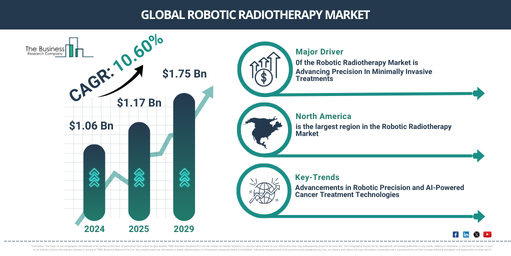
    The scope of the robotic radiotherapy market has expanded significantly in the previous few years. The market growth is projected from $1.06 billion in 2024 to $1.17 billion in 2025, equating to a compound annual growth rate (CAGR) of 10.9%. This substantial rise during the procedural period is credited to the enhancement in the precision of the robotic system, incorporation of AI in treatment scheming, broadened health care accessibility, an amplified emphasis on patient-oriented treatments, and an upward trend in investments within the private health care sector.

    In the coming years, the market size for robotic radiotherapy is projected to witness speedy escalation. By 2029, it is predicted to amplify to $1.75 billion with a compound annual growth rate (CAGR) of 10.6%. The factors stimulating this projection includes the rise in the global elderly population, advancements in machine learning for treatment plans, growing inclination towards outpatient treatments, extension of robotic-assisted surgical systems, and an increase in partnerships between healthcare providers and tech corporations. The primary emerging trends are enhancements in motion management systems, expansion of cloud-based radiotherapy platforms, assimilation of wearable technology for patient tracking, creation of compact and more efficient robotic systems, and a surge in the application of stereotactic radiosurgery techniques.

    Download a free sample to assess the report’s scope and structure:

    https://www.thebusinessresearchcompany.com/sample.aspx?id=20946&type=smp

    Which Major Market Drivers Are Expected to Boost the Growth Potential of the Robotic Radiotherapy Market?

    The robotic radiotherapy market is set to expand due to the increasing popularity of minimally invasive procedures. Enhanced medical technology, patient preference for faster recovery times and fewer complications, along with cost-effectiveness and improved patient outcomes that compel adoption by healthcare providers, are fueling these procedures. Robotic radiotherapy offers a marked improvement in such procedures with its targeted radiation doses which not only focus on tumors but also minimize damage to adjacent healthy tissues, expediting recovery, reducing complications, and meeting the growing preference for advanced, patient-focused treatments. In a report by the American Society of Plastic Surgeons in June 2024, a US pharmaceutical firm noted a growth of 7% in 2023 in minimally invasive procedures compared to the preceding year. Hence, the demand surge for minimally invasive procedures is igniting growth in the robotic radiotherapy market.

    Which Key Market Segments Comprise the Robotic Radiotherapy Market and Drive Its Revenue Growth?

    The robotic radiotherapy market covered in this report is segmented –

    1) By Product: Radiotherapy Systems, Softwares, 3D Cameras (Surface Guided)

    2) By Technology: Linear Accelerators, Conventional Linear Accelerators, Magnetic Resonance Imaging (MRI) – Linear Accelerators, Stereotactic Radiation Therapy Systems, Cyberknife, Gamma Knife, Particle Therapy, Proton Beam Therapy

    3) By Application: Prostate Cancer, Breast Cancer, Lung Cancer, Head & Neck Cancer, Colorectal Cancer

    4) By End User: Hospitals, Independent Radiotherapy Centers

    Subsegments:

    1) By Radiotherapy Systems: Robotic Linear Accelerators, Proton Therapy Systems, Stereotactic Radiosurgery Systems, Image-Guided Radiotherapy (IGRT) Systems, Intensity-Modulated Radiotherapy (IMRT) Systems

    2) By Softwares: Treatment Planning Software, Radiation Therapy Management Software, Robotic Radiotherapy Control Software, Integration Software For Robotic Systems

    3) By 3D Cameras (Surface Guided): 3D Optical Surface Imaging Systems, 3D Camera Systems For Patient Positioning, 3D Motion Tracking Cameras For Radiotherapy, Real-Time 3D Surface Imaging For Tumor Localization

    Request customized data on this market:

    https://www.thebusinessresearchcompany.com/customise?id=20946&type=smp

    Which Areas Are Leading Regions in the Robotic Radiotherapy Market Expansion Across the Globe?

    North America was the largest region in the robotic radiotherapy market in 2024. Asia-Pacific is expected to be the fastest-growing region in the forecast period. The regions covered in the robotic radiotherapy market report are Asia-Pacific, Western Europe, Eastern Europe, North America, South America, Middle East, Africa.

    What Long-Term Trends Are Transforming the Competitive Landscape of the Robotic Radiotherapy Market?

    Robotic radiotherapy market leaders are prioritizing the development of novel products equipped with advanced features, such as the preciseness of artificial intelligence (AI), for accomplishing tasks with superior accuracy, consistency, and virtually no errors. The robotic preciseness augments accuracy, curtails human error, boosts consistency, limits tissue damage, and speeds up recuperation through sensors, actuators, and algorithms. As an example, in January 2024, Tampa General Hospital, a cancer institute based in the US, introduced CyberKnife S7, a radio surgery instrument powered by AI. This advancement is a notable stride in the cancer care domain, offering patients a precise, non-invasive treatment alternative for various conditions, including both benign and malignant tumors, as well as neurological problems. The CyberKnife S7 facilitates targeted radiation application, thereby reducing the harm to adjacent healthy tissues, and offering a less invasive substitute to conventional surgical techniques.

    View the full report here:

    https://www.thebusinessresearchcompany.com/report/robotic-radiotherapy-global-market-report

    How Is the Robotic Radiotherapy Market Conceptually Defined?

    Robotic radiotherapy is an advanced cancer treatment method that combines robotic technology with precision radiation delivery to target tumors with sub-millimeter accuracy. It uses real-time imaging and motion tracking to adapt to tumor movement, such as that caused by breathing, ensuring minimal damage to surrounding healthy tissues. This approach allows for non-invasive, highly personalized treatments, improving patient outcomes and reducing side effects.

    Purchase the full report and get a swift delivery:

    https://www.thebusinessresearchcompany.com/purchaseoptions.aspx?id=20946

    About The Business Research Company:

    With over 15000+ reports from 27 industries covering 60+ geographies, The Business Research Company has built a reputation for offering comprehensive, data-rich research and insights. Armed with 1,500,000 datasets, the optimistic contribution of in-depth secondary research, and unique insights from industry leaders, you can get the information you need to stay ahead in the game.

    Get in touch with us:

    The Business Research Company: https://www.thebusinessresearchcompany.com/

    Americas +1 3156230293

    Asia +44 2071930708

    Europe +44 2071930708

    Email us at info@tbrc.info

    Follow us on:

    LinkedIn: https://in.linkedin.com/company/the-business-research-company

    YouTube: https://www.youtube.com/channel/UC24_fI0rV8cR5DxlCpgmyFQ

    Global Market Model: https://www.thebusinessresearchcompany.com/global-market-model
  • $1.54 Billion Forecast for Robotic Dentistry Market by 2029, Backed by Demand and Innovation

    $1.54 Billion Forecast for Robotic Dentistry Market by 2029, Backed by Demand and Innovation

    Stay ahead with our updated market reports featuring the latest on tariffs, trade flows, and supply chain transformations.

    What Are the Key Projections for the CAGR of the Robotic Dentistry Market Size From 2025 to 2034?

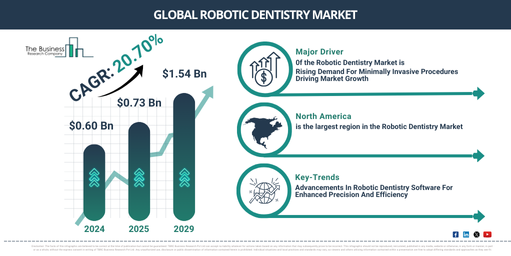
    In recent years, the market size for robotic dentistry has experienced exponential growth. Expected to increase from $0.60 billion in 2024 to $0.73 billion in 2025, the sector will witness a compound annual growth rate (CAGR) of 21.0%. The historic period’s growth can be credited to the adoption of robotics for pediatric dental care, improved capabilities for intricate oral surgeries, an intensified focus on patient safety, the integration of digitization into dental practices, and a high need for time-efficient dental solutions.

    The market size of robotic dentistry is anticipated to witness tremendous growth in the upcoming years, reaching $1.54 billion in 2029 with a compound annual growth rate (CAGR) of 20.7%. The predicted enlargement during the forecast period is due to the expansion of the tele-industry, the increasing application of robots in orthodontics, a surge in dental tourism, funding allocated for healthcare innovation, and an influx of tailored dental treatments for individuals. The key trends set to dominate the market during this forecast period include the creation of transportable equipment, the evolution of small-scale robotic dental technology, breakthroughs in tactile technology, the application of augmented reality (AR) for training purposes, and innovative technological tools for improved accuracy.

    Download a free sample to assess the report’s scope and structure:

    https://www.thebusinessresearchcompany.com/sample.aspx?id=20945&type=smp

    What Are the Core Growth Drivers Propelling the Robotic Dentistry Market Forward?

    The progression of the robotic dentistry market is anticipated to be fueled by the growing inclination towards minimally invasive procedures. These procedures, requiring little to no incisions, result in less tissue damage, accelerated recovery, and lesser risks than traditional surgery. Factors such as quicker recovery rates, diminished chances of complications, and greater patient comfortation are pushing the demand for minimally invasive procedures. Robotic dentistry systems contribute to enhancing dental procedures by offering superior precision, facilitating smaller incisions, minimizing tissue harm, lessening risks, and thereby contributing to improved overall results. For example, a significant increase of 102% in cosmetic surgeries has been recorded in the UK, with a total of 31,057 surgeries in 2022, as reported by the British Association of Aesthetic Plastic Surgeons, a UK-based surgical organization, in March 2023. Hence, the surging demand for minimally invasive procedures propels the progression of the robotic dentistry market.

    What Segment Types Define the Robotic Dentistry Market Structure?

    The robotic dentistry market covered in this report is segmented –

    1) By Products And Services: Standalone Robots, Robot-Assisted System, Services

    2) By Applications: Implantology, Endodontics, Other Applications

    3) By End-Users: Dental Hospitals And Clinics, Dental Academics, Other End-Users

    Subsegments:

    1) By Standalone Robots: Robotic Surgery Systems, Robotic Tooth Restoration Systems, Robotic Implant Placement Systems, Robotic Orthodontic Systems

    2) By Robot-Assisted Systems: Image-Guided Robotic Systems, Dental Navigation Systems, Robotic-Assisted Drilling And Cutting Systems, Robotic-Assisted Endodontic Systems, Robotic-Assisted Tooth Extraction Systems

    3) By Services: Installation Services, Maintenance And Repair Services, Training And Support Services, Consulting Services For Robotic Integration, Software Upgrades And Customization Services

    Request customized data on this market:

    https://www.thebusinessresearchcompany.com/customise?id=20945&type=smp

    Which Geographic Areas Hold the Strongest Growth Potential in the Robotic Dentistry Market?

    North America was the largest region in the robotic dentistry market in 2024. Asia-Pacific is expected to be the fastest-growing region in the forecast period. The regions covered in the robotic dentistry market report are Asia-Pacific, Western Europe, Eastern Europe, North America, South America, Middle East, Africa.

    What Key Market Trends and Innovations Are Shaping the Future of the Robotic Dentistry Industry?

    Leading organizations within the robotic dentistry sector are honing their focus on the creation of advanced dental robotic software suites to enhance patient-specific care. These advanced software suites are cutting-edge platforms that hone robotic systems for use in dental procedures, including features that enable highly-accurate, efficient, and less intrusive treatments for improved patient results. For instance, in August 2023, Neocis, a medical equipment producer headquartered in the US, debuted its YomiPlan Go Workflow for commercial usage. This sophisticated software suite enables clinicians to execute implant surgeries without the need for preoperative scans, thereby improving the speed and precision of procedures. By employing the Yomi robotic system, surgeons have the capability to ascertain implant location and angulation in real-time during surgery, amalgamating freehand techniques with robotic assistance to achieve heightened precision.

    View the full report here:

    https://www.thebusinessresearchcompany.com/report/robotic-dentistry-global-market-report

    What Is the Definition of the Robotic Dentistry Market?

    Robotic dentistry refers to the application of robotic systems and technologies to assist or automate dental procedures, enhancing precision, efficiency, and patient outcomes. These systems often incorporate advanced imaging, navigation, and artificial intelligence to aid in tasks such as implant placements, orthodontics, and minimally invasive surgeries. Robotic dentistry aims to improve treatment accuracy, reduce recovery times, and provide a better overall patient experience.

    Purchase the full report and get a swift delivery:

    https://www.thebusinessresearchcompany.com/purchaseoptions.aspx?id=20945

    About The Business Research Company:

    With over 15000+ reports from 27 industries covering 60+ geographies, The Business Research Company has built a reputation for offering comprehensive, data-rich research and insights. Armed with 1,500,000 datasets, the optimistic contribution of in-depth secondary research, and unique insights from industry leaders, you can get the information you need to stay ahead in the game.

    Get in touch with us:

    The Business Research Company: https://www.thebusinessresearchcompany.com/

    Americas +1 3156230293

    Asia +44 2071930708

    Europe +44 2071930708

    Email us at info@tbrc.info

    Follow us on:

    LinkedIn: https://in.linkedin.com/company/the-business-research-company

    YouTube: https://www.youtube.com/channel/UC24_fI0rV8cR5DxlCpgmyFQ

    Global Market Model: https://www.thebusinessresearchcompany.com/global-market-model
  • Global Renal Cell Carcinoma Market Projected to Reach $0.95 Billion by 2029 at a CAGR of 6.6%

    Global Renal Cell Carcinoma Market Projected to Reach $0.95 Billion by 2029 at a CAGR of 6.6%

    Stay ahead with our updated market reports featuring the latest on tariffs, trade flows, and supply chain transformations.

    How Has The Renal Cell Carcinoma Market Growth Evolved From 2024 To 2025, And What’s Ahead?

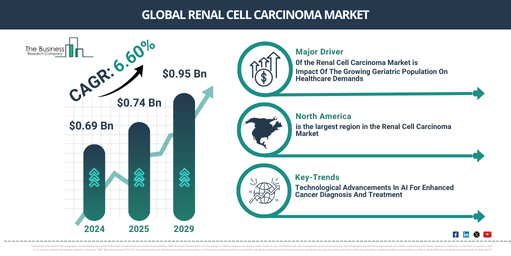
    In recent times, there has been powerful growth in the renal cell carcinoma market size. Projections indicate an expansion from $0.69 billion in 2024 to $0.74 billion in 2025, showcasing a compound annual growth rate (CAGR) of 7.0%. The surge seen in the historical period is credited to a rise in kidney cancer incidences, an increase in the elderly population, a growing inclination towards targeted therapies, an elevated consciousness about cancer screening, enhancements in healthcare facilities, and an escalation in funds dedicated to oncology research and development.

    In the coming years, the renal cell carcinoma market is anticipated to experience solid growth, expanding to a size of $0.95 billion by 2029 with a compound annual growth rate (CAGR) of 6.6%. This growth during the predicted period is believed to be driven by factors such as the increasing acceptance of personalized medicine, a growing awareness of the importance of early cancer detection, escalated investments in oncology within the healthcare sector, improved healthcare accessibility, and an increase in clinical trials and research into new treatment methods. Noteworthy trends emerging in this forecast period encompass the incorporation of AI in precision diagnostics, the creation of targeted therapies, breakthroughs in immunotherapy, progress in identifying biomarkers, the utilization of minimal invasive surgical techniques, and advancements in imaging technologies.

    Download a free sample to assess the report’s scope and structure:

    https://www.thebusinessresearchcompany.com/sample.aspx?id=20944&type=smp

    What are the Fundamental Drivers and Innovations Shaping the Renal Cell Carcinoma Market?

    The growth of the renal cell carcinoma market is anticipated to be fueled by the increasing elderly population. This consists of individuals typically aged 65 and over, who might have specific health and social needs. The expansion of this older demographic results from advances in healthcare, improved nutrition, and longer life expectancy. Renal cell carcinoma (RCC) is notably common among the elderly, underscoring the importance of creating screening and treatment plans tailored to seniors. For instance, a report from the Population Reference Bureau – a US non-profit organization that gathers data for research – published in January 2024 projects that the number of Americans aged 65 and up will ballooned from 58 million in 2022 to 82 million by 2050, a growth of 47%. Consequently, the uptick in the aging population is propelling the renal cell carcinoma market’s expansion.

    How Is the Renal Cell Carcinoma Market Segmented?

    The renal cell carcinoma market covered in this report is segmented –

    1) By Type: Clear Cell Renal Cell Carcinoma (RCC), Papillary Renal Cell Carcinoma (RCC), Chromophobe Renal Cell Carcinoma (RCC)

    2) By Diagnosis: Urine Tests, Computed Tomography (CT) Scan, Nephrectomy, Blood Tests, Ultrasound, Biopsy

    3) By Treatment: Medication, Ablation, Targeted Therapy, Chemotherapy, Surgery, Other Treatments

    4) By End-Users: Hospitals, Specialty Clinics, Homecare, Other End-Users

    Subsegments:

    1) By Clear Cell Renal Cell Carcinoma (RCC): Sporadic Clear Cell RCC, Hereditary Clear Cell RCC

    2) By Papillary Renal Cell Carcinoma (RCC): Type 1 Papillary RCC, Type 2 Papillary RCC

    3) By Chromophobe Renal Cell Carcinoma (RCC): Classic Chromophobe RCC, Hybrid Chromophobe RCC

    Request customized data on this market:

    https://www.thebusinessresearchcompany.com/customise?id=20944&type=smp

    Which Regions Are Driving the Next Phase of the Renal Cell Carcinoma Market Growth?

    North America was the largest region in the renal cell carcinoma market in 2024. Asia-Pacific is expected to be the fastest-growing region in the forecast period. The regions covered in the renal cell carcinoma market report are Asia-Pacific, Western Europe, Eastern Europe, North America, South America, Middle East, Africa.

    Which Technological Trends Are Reshaping the Renal Cell Carcinoma Industry Dynamics?

    Major firms in the renal cell carcinoma market are directing their focus towards the creation of advanced technological products, like artificial intelligence (AI)-powered tools designed specifically for kidney biopsy analysis. These tools are instrumental in enhancing diagnostic precision, simplifying procedures and improving patient outcomes. AI-powered tools for analyzing kidney biopsies utilize machine learning protocols and computer vision, which aid nephrologists and pathologists in investigating kidney tissue samples. The goal of these solutions is to augment accuracy, efficiency, and uniformity in kidney health assessment and disease diagnosis. For instance, NephroPath, an AI-powered solution designed to analyze kidney biopsies, was launched by Aiosyn, a software company based in the Netherlands, in March 2024. The platform applies computational pathology algorithms for scrutinizing histological biomarkers in kidney biopsies, including categorizing tissue types, gauging interstitial fibrosis, and accurately counting and evaluating glomeruli. This AI-facilitated analysis provides consistent, comprehensive, and repeatable scoring of renal pathology biomarkers, effectively addressing the limitations of conventional scoring methods and reducing observer bias.

    View the full report here:

    https://www.thebusinessresearchcompany.com/report/renal-cell-carcinoma-global-market-report

    How Is the Renal Cell Carcinoma Market Defined and What Are Its Core Parameters?

    Renal cell carcinoma (RCC) is a form of kidney cancer originating in the renal tubules, the structures in the kidneys responsible for filtering waste and producing urine. This cancer begins when cells in the kidney become abnormal and grow uncontrollably, forming a tumor. This can disrupt the kidney’s function, including its ability to filter waste from the blood and produce urine.

    Purchase the full report and get a swift delivery:

    https://www.thebusinessresearchcompany.com/purchaseoptions.aspx?id=20944

    About The Business Research Company:

    With over 15000+ reports from 27 industries covering 60+ geographies, The Business Research Company has built a reputation for offering comprehensive, data-rich research and insights. Armed with 1,500,000 datasets, the optimistic contribution of in-depth secondary research, and unique insights from industry leaders, you can get the information you need to stay ahead in the game.

    Get in touch with us:

    The Business Research Company: https://www.thebusinessresearchcompany.com/

    Americas +1 3156230293

    Asia +44 2071930708

    Europe +44 2071930708

    Email us at info@tbrc.info

    Follow us on:

    LinkedIn: https://in.linkedin.com/company/the-business-research-company

    YouTube: https://www.youtube.com/channel/UC24_fI0rV8cR5DxlCpgmyFQ

    Global Market Model: https://www.thebusinessresearchcompany.com/global-market-model
  • Radiation Toxicity Treatment Market 2025-2034: Key Highlights, Growth Dynamics, and Emerging Trends

    Radiation Toxicity Treatment Market 2025-2034: Key Highlights, Growth Dynamics, and Emerging Trends

    Stay ahead with our updated market reports featuring the latest on tariffs, trade flows, and supply chain transformations.

    What Is the Current and Projected Market Size of the Radiation Toxicity Treatment Market Through 2034?

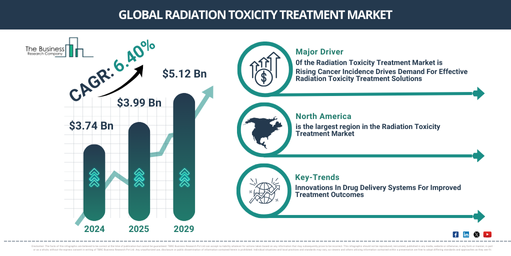
    The market for treating radiation toxicity has seen a robust expansion in recent times. It is projected to rise from a value of $3.74 billion in 2024 to $3.99 billion in 2025, representing a compound annual growth rate (CAGR) of 6.7%. The historical growth is linked to factors such as a global surge in cancer cases, increased preference for radiotherapy treatment, enhancements in healthcare infrastructure and services, a rise in radiation exposure incidents, and heightened cognizance of radiation toxicity.

    The market size for radiation toxicity treatment is projected to experience robust growth in the coming years, reaching $5.12 billion in 2029, with a compound annual growth rate (CAGR) of 6.4%. Factors contributing to this growth during the forecast period include the proliferation of personalized medicine, a heightened emphasis on preventative healthcare, increasing demand for outpatient care services, greater global awareness about radiation safety, and expanding government initiatives to enhance cancer care access. Key trends for the forecast period encompass the incorporation of artificial intelligence in treatment plans, advances in image-guided radiation therapy, progress in stereotactic body radiation therapy, improvements in nanoparticle drug delivery systems, and the merger of 3D printing for bespoke treatment solutions.

    Download a free sample to assess the report’s scope and structure:

    https://www.thebusinessresearchcompany.com/sample.aspx?id=20942&type=smp

    How Are Key Drivers in the Industry Acting as Catalysts for the Growth of the Radiation Toxicity Treatment Market?

    The escalation in cancer instances is anticipated to spur the development of the radiation toxicity treatment market in the future. Cancer comprises a group of ailments typified by the unrestrained expansion and proliferation of deviant cells that have the potential to infiltrate adjacent tissues and metastasize to distant regions of the body. The rising incidence of cancer is credited to aspects such as shifts in lifestyle, environmental contamination, genetic susceptibility, and advanced diagnostic proficiencies resulting in earlier detection. Radiation toxicity treatment is crucial for controlling the side effects brought about by radiation therapy in cancer management, facilitating patient recuperation, and reducing long-term harm. For instance, a report released in August 2024 by Macmillan Cancer Support, a charitable organization based in the UK, noted that currently, over 3 million individuals are living with cancer in the UK, a figure predicted to rise to 3.5 million by 2025, 4 million by 2030, and 5.3 million by 2040. Consequently, the escalating instances of cancer are fueling the expansion of the radiation toxicity treatment market.

    Which Segments in the Radiation Toxicity Treatment Offer the Most Growth?

    The radiation toxicity treatment market covered in this report is segmented –

    1) By Product: Colony Stimulating Factors, Potassium Iodide, Prussian Blue, Diethylenetriamine Pentaacetic Acid, Others Products

    2) By Indication: Acute Radiation Syndrome, Chronic Radiation Syndrome

    3) By Radiation Type: Ionizing Radiation, Non-Ionizing Radiation

    4) By End-User: Hospitals, Research And Academic Institutes

    Subsegments:

    1) By Colony Stimulating Factors: Granulocyte Colony-Stimulating Factor (G-CSF), Granulocyte-Macrophage Colony-Stimulating Factor (GM-CSF)

    2) By Potassium Iodide: Oral Potassium Iodide Tablets, Liquid Potassium Iodide Solution

    3) By Prussian Blue: Capsules Of Prussian Blue, Prussian Blue Resin

    4) By Diethylenetriamine Pentaacetic Acid (DTPA): DTPA Injection (Calcium And Zinc DTPA)

    5) By Other Products: Amifostine, Sodium Bicarbonate, Doxycycline, Activated Charcoal

    Request customized data on this market:

    https://www.thebusinessresearchcompany.com/customise?id=20942&type=smp

    What Are the Fastest-Growing Geographies in the Radiation Toxicity Treatment Market?

    North America was the largest region in the radiation toxicity treatment market in 2024. Asia-Pacific is expected to be the fastest-growing region in the forecast period. The regions covered in the radiation toxicity treatment market report are Asia-Pacific, Western Europe, Eastern Europe, North America, South America, Middle East, Africa.

    What Are the Key Market Trends in the Radiation Toxicity Treatment Market Over the Coming Years?

    Leading firms in the radiation toxicity treatment market are concentrating on technological progress, such as state-of-the-art drug delivery systems. These systems help improve treatment accuracy and effectiveness, boost patient adherence, and lessen adverse reactions, ultimately leading to superior healing results and quicker recovery periods. A drug delivery system is a technique that ensures medication reaches specific body parts, guaranteeing correct dosage and effectiveness while minimizing undesirable side effects. For example, in December 2023, the U.S. FDA gave its approval to Coherus BioSciences, a U.S.-based biopharmaceutical firm, for UDENYCA ONBODY, a new on-body injector for pegfilgrastim-cbqv. The device, aimed to decrease the risk of infections induced by febrile neutropenia post-chemotherapy, injects the drug in just five minutes and has a retractable needle for improved safety and convenience. This authorisation marks Coherus’ attempt to offer a more manageable and user-friendly method for dealing with chemotherapy side effects.

    View the full report here:

    https://www.thebusinessresearchcompany.com/report/radiation-toxicity-treatment-global-market-report

    What Are the Key Elements That Define the Radiation Toxicity Treatment Market?

    Radiation toxicity treatment encompasses medical approaches designed to address and mitigate the adverse effects resulting from excessive radiation exposure. These treatments focus on managing symptoms such as fatigue, nausea, and skin injuries, and severe conditions such as damage to organs or bone marrow, with the goal of aiding recovery and reducing long-term health risks.

    Purchase the full report and get a swift delivery:

    https://www.thebusinessresearchcompany.com/purchaseoptions.aspx?id=20942

    About The Business Research Company:

    With over 15000+ reports from 27 industries covering 60+ geographies, The Business Research Company has built a reputation for offering comprehensive, data-rich research and insights. Armed with 1,500,000 datasets, the optimistic contribution of in-depth secondary research, and unique insights from industry leaders, you can get the information you need to stay ahead in the game.

    Get in touch with us:

    The Business Research Company: https://www.thebusinessresearchcompany.com/

    Americas +1 3156230293

    Asia +44 2071930708

    Europe +44 2071930708

    Email us at info@tbrc.info

    Follow us on:

    LinkedIn: https://in.linkedin.com/company/the-business-research-company

    YouTube: https://www.youtube.com/channel/UC24_fI0rV8cR5DxlCpgmyFQ

    Global Market Model: https://www.thebusinessresearchcompany.com/global-market-model