Author: Marketing Posting

  • Major Drivers Propelling the Growth oh theMetabolic Dysfunction-Associated Steatohepatitis (MASH) Treatment Market Forward: Rising Obesity Prevalence Driving Growth In The Market

    Major Drivers Propelling the Growth oh theMetabolic Dysfunction-Associated Steatohepatitis (MASH) Treatment Market Forward: Rising Obesity Prevalence Driving Growth In The Market

    Stay ahead with our updated market reports featuring the latest on tariffs, trade flows, and supply chain transformations.

    What Is the Current and Projected Market Size of the Metabolic Dysfunction-Associated Steatohepatitis (MASH) Treatment Market Through 2034?

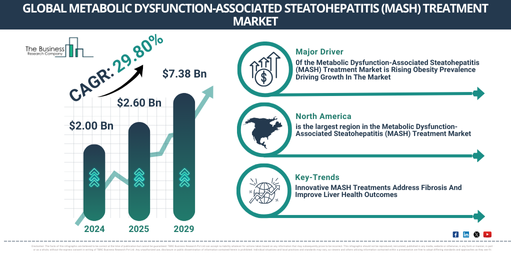
    The market size for the treatment of metabolic dysfunction-associated steatohepatitis (MASH) has seen a surge in growth recently. The market is projected to rise from $2.00 billion in 2024 to $2.60 billion in 2025, showcasing a compound annual growth rate (CAGR) of 30.0%. The notable growth in the past was majorly influenced by the increasing number of cases of non-alcoholic steatohepatitis, contemporary dietary habits, consumption of processed foods, sedentary living conditions, and greater occurrence of metabolic conditions.

    The market size for the treatment of Metabolic Dysfunction-Associated Steatohepatitis (MASH) is projected to experience rapid growth in the coming years, expanding to a value of $7.38 billion by 2029, with a Compound Annual Growth Rate (CAGR) of 29.8%. Factors contributing to this predicted growth from the forecast period include the rising incidence of obesity and related diseases, timely medical intervention, reimbursement policies, insurance provisions, and heightened awareness about liver diseases. Key trends observed in the forecast period encompass enhancements in technology, pipeline development, strategic alliances and partnerships, individualized medicine, precision therapies, and willingness for investment in research activities and clinical trials.

    Download a free sample to assess the report’s scope and structure:

    https://www.thebusinessresearchcompany.com/sample.aspx?id=20876&type=smp

    Which Major Market Drivers Are Expected to Boost the Growth Potential of the Metabolic Dysfunction-Associated Steatohepatitis (MASH) Treatment Market?

    The escalating instances of obesity are projected to propel the expansion of the metabolic dysfunction-associated steatohepatitis (MASH) treatment market. Obesity, a health condition defined by excessive body fat that could potentially harm general wellness, is ordinarily calculated by a body mass index (BMI) of 30 or above. The global upsurge in obesity is influenced by inactive daily routines, unhealthy eating habits, and metabolic risk elements. The treatment for Metabolic Dysfunction-Associated Steatohepatitis (MASH) in obesity aims at managing insulin resistance, diminishing liver fat, and enhancing metabolic health via lifestyle modifications and specified therapies. For example, the World Heart Foundation, a Swiss-based non-government global cardiovascular community, reported in March 2023 that currently about 2.3 billion adults and children worldwide are either overweight or obese. With the ongoing trend of obesity, this statistic is expected to grow to 2.7 billion by 2025. Hence, the rising instances of obesity are contributing to the growth of the metabolic dysfunction-associated steatohepatitis (MASH) treatment market.

    Which Key Market Segments Comprise the Metabolic Dysfunction-Associated Steatohepatitis (MASH) Treatment Market and Drive Its Revenue Growth?

    The metabolic dysfunction-associated steatohepatitis (MASH) treatment market covered in this report is segmented –

    1) By Treatment: By Drug, By Therapy

    2) By End-User: Hospitals, Specialty Clinics, Homecare, Other End-User

    3) By Distribution Channel: Hospital Pharmacies, Online Pharmacies, Retail Pharmacies

    Subsegments:

    1) By Drug: Antifibrotic Agents, Antidiabetic Drugs, Lipid-Lowering Agents, Vitamin E, Obeticholic Acid (OCA), GLP-1 Agonists, Other Drugs (Anti-Inflammatory Agents)

    2) By Therapy: Pharmacotherapy, Lifestyle Modifications (Dietary Changes, Exercise), Bariatric Surgery, Liver Transplantation

    Request customized data on this market:

    https://www.thebusinessresearchcompany.com/customise?id=20876&type=smp

    Which Areas Are Leading Regions in the Metabolic Dysfunction-Associated Steatohepatitis (MASH) Treatment Market Expansion Across the Globe?

    North America was the largest region in the metabolic dysfunction-associated steatohepatitis (MASH) treatment market in 2024. Asia-Pacific is expected to be the fastest-growing region in the forecast period. The regions covered in the metabolic dysfunction-associated steatohepatitis (MASH) treatment market report are Asia-Pacific, Western Europe, Eastern Europe, North America, South America, Middle East, Africa.

    What Key Trends Are Shaping the Future of the Metabolic Dysfunction-Associated Steatohepatitis (MASH) Treatment Market?

    Leading firms in the metabolic dysfunction-associated steatohepatitis (MASH) treatment market are shifting their attention towards creating inventive products, such as liver fibrosis treatment options, to cater to the needs of patients suffering from MASH and moderate to severe liver fibrosis. These treatments are designed to tackle the root cause of liver damage, including lifestyle corrections, antiviral drugs, and innovative antifibrotic treatments, with the ultimate goal of stopping or reversing the advancement of fibrosis to enhance liver function. For example, in March 2024, Madrigal Pharmaceuticals, Inc., a biopharmaceutical business based in the United States, reported that the FDA approved Rezdiffra (resmetirom), the pioneer treatment for MASH with moderate to severe liver fibrosis. Rezdiffra, an everyday oral tablet, showed effectiveness in addressing MASH without exacerbating fibrosis and improved liver fibrosis in Phase 3 clinical trials. This significant development introduces a non-invasive therapeutic alternative, eliminating the requirement for liver biopsies, and greatly enhances patient convenience and results in managing fatty liver disease.

    View the full report here:

    https://www.thebusinessresearchcompany.com/report/metabolic-dysfunction-associated-steatohepatitis-mash-treatment-global-market-report

    How Is the Metabolic Dysfunction-Associated Steatohepatitis (MASH) Treatment Market Conceptually Defined?

    Metabolic dysfunction-associated steatohepatitis (MASH) treatment refers to medical and lifestyle interventions aimed at addressing inflammation and liver damage caused by fat accumulation in the liver associated with metabolic dysfunctions like obesity, diabetes, and insulin resistance, focusing on improving liver health and metabolic outcomes.

    Purchase the full report and get a swift delivery:

    https://www.thebusinessresearchcompany.com/purchaseoptions.aspx?id=20876

    About The Business Research Company:

    With over 15000+ reports from 27 industries covering 60+ geographies, The Business Research Company has built a reputation for offering comprehensive, data-rich research and insights. Armed with 1,500,000 datasets, the optimistic contribution of in-depth secondary research, and unique insights from industry leaders, you can get the information you need to stay ahead in the game.

    Get in touch with us:

    The Business Research Company: https://www.thebusinessresearchcompany.com/

    Americas +1 3156230293

    Asia +44 2071930708

    Europe +44 2071930708

    Email us at info@tbrc.info

    Follow us on:

    LinkedIn: https://in.linkedin.com/company/the-business-research-company

    YouTube: https://www.youtube.com/channel/UC24_fI0rV8cR5DxlCpgmyFQ

    Global Market Model: https://www.thebusinessresearchcompany.com/global-market-model
  • Key Factors Fueling the Growth of the Medulloblastoma Drug Market in 2025: Rising Incidence Of Brain Tumors To Propel Growth Of The Market

    Key Factors Fueling the Growth of the Medulloblastoma Drug Market in 2025: Rising Incidence Of Brain Tumors To Propel Growth Of The Market

    Stay ahead with our updated market reports featuring the latest on tariffs, trade flows, and supply chain transformations.

    What Are the Key Milestones in the Medulloblastoma Drug Market’s Growth Trajectory From 2025 To 2034?

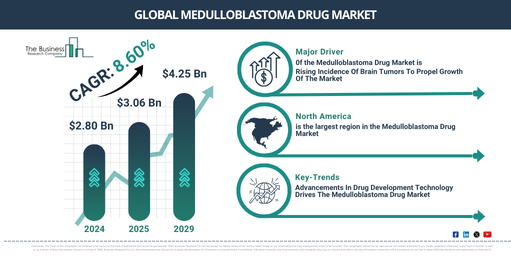
    In recent times, there has been robust growth in the medulloblastoma drug market size. Forecasts indicate an upturn from $2.80 billion in 2024 to $3.06 billion in 2025, representing a compound annual growth rate (CAGR) of 9.0%. Factors contributing to this growth during the historical period include amplified occurrence of pediatric brain tumors, upward investment in oncology-focused biotech companies, progress in brain tumor diagnostic techniques, escalated awareness about cancer in children, and advanced comprehension of tumor biology and genetics.

    Expectations are high for robust expansion in the medulloblastoma drug market over the next several years, with predictions forecasting growth to $4.25 billion in 2029, reflecting an 8.6% compound annual growth rate (CAGR). This anticipated surge through the forecast period is linked to factors such as an increase in medulloblastoma-focused clinical trials, developments in precision medicine and bespoke treatment methodologies, a rising preference for combination therapy in cancer treatment, intensified focus on the development of drugs for rare and orphan diseases, and a favourable regulatory scenario for getting new drugs approved. Other prevailing trends to watch out for in the forecast period include the creation of combination therapies, the integration of artificial intelligence in drug discovery, improvements in liquid biopsy techniques for the detection of brain tumours, progress in gene therapy for targeted tumour treatment, and enhanced collaborations between pharmaceutical corporations and research academia.

    Download a free sample to assess the report’s scope and structure:

    https://www.thebusinessresearchcompany.com/sample.aspx?id=20874&type=smp

    What are the Fundamental Drivers and Innovations Shaping the Medulloblastoma Drug Market?

    An increase in the occurrence of brain tumors is projected to augment the expansion of the medulloblastoma drug market. Brain tumors, which are abnormal cell growths in the brain or spine, can be either benign or malignant and may interfere with brain function. This escalation in the incidence of brain tumors can be attributed to enhancements in detection methods, an aged population, environmental influences, heightened awareness, and inherited risk factors. Medicines specialized in medulloblastoma treatment, encompassing chemotherapy, radiation, and direct treatments, work by reducing tumor size, eliminating cancer cells and blocking their proliferation. The National Institutes of Health, a US government agency, reported that the count of fresh cases of principal brain tumors in the US escalated from 93,470 in 2022 to 94,390 in 2023. Thus, the increasing prevalence of brain tumors is fueling the growth of the medulloblastoma drug market. The Influence Of Elevated Healthcare Expenses On Market Expansion

    How Is the Medulloblastoma Drug Market Segmented?

    The medulloblastoma drug market covered in this report is segmented –

    1) By Type: Dianhydrogalactitol, Investigational Medicinal Product 5471, Ipilimumab, Indoximod, Other Types

    2) By Product: Chemotherapy Drugs, Targeted Therapy Drugs, Radiation Therapy Drugs

    3) By Route Of Administration: Intravenous, Oral, Intrathecal

    4) By Distribution Channel: Hospital Pharmacy, Online Pharmacy, Retail Pharmacy

    5) By End-Users: Hospitals, Homecare, Speciality Centres, Other End-Users

    Subsegments:

    1) By Dianhydrogalactitol: Dianhydrogalactitol Oral Formulations, Dianhydrogalactitol Intravenous Formulations

    2) By Investigational Medicinal Product 5471: Oral Investigational Medicinal Product 5471, Intravenous Investigational Medicinal Product 5471

    3) By Ipilimumab: Ipilimumab Monotherapy, Ipilimumab Combination Therapy

    4) By Indoximod: Indoximod Oral Formulations, Indoximod Combination Therapy

    5) By Other Types: Temozolomide, Lomustine, Cyclophosphamide, Targeted Therapy Drugs

    Request customized data on this market:

    https://www.thebusinessresearchcompany.com/customise?id=20874&type=smp

    Which Regions Are Driving the Next Phase of the Medulloblastoma Drug Market Growth?

    North America was the largest region in the medulloblastoma drug market in 2024. Asia-Pacific is expected to be the fastest-growing region in the forecast period. The regions covered in the medulloblastoma drug market report are Asia-Pacific, Western Europe, Eastern Europe, North America, South America, Middle East, Africa.

    What Are the Current Market Growth and Trends in the Medulloblastoma Drug Industry?

    Key players in the medulloblastoma drug market are focusing on the enhancement of drug developments including chemotherapy drugs for treating specific brain tumors to stay ahead in the competition. Temozolomide, a chemotherapy drug, is commonly used for treating certain brain tumors like glioblastoma and, occasionally, medulloblastoma by damaging the DNA of the cancer cells to restrict their growth and division. Accord Healthcare, Inc., a generic pharmaceutical company based in the US, for instance, launched a generic form of Carmustine, a chemotherapy drug crucial for treating medulloblastoma—a kind of brain tumor usually seen in children, in August 2022. This new version has two strengths: 50 mg and an increased 300 mg vial which simplifies the treatment process by mitigating the need for multiple smaller vials. Carmustine, an alkylating agent, functions by impeding the growth of cancer cells and has received FDA approval for usage as a separate treatment or joint treatment with other therapies for diverse cancers, including medulloblastoma, glioblastoma, and some blood cancers.

    View the full report here:

    https://www.thebusinessresearchcompany.com/report/medulloblastoma-drug-global-market-report

    How Is the Medulloblastoma Drug Market Defined and What Are Its Core Parameters?

    Medulloblastoma drugs are medications used to treat medulloblastoma, a type of fast-growing brain tumor that originates in the cerebellum or posterior fossa, often in children. The treatment typically includes a combination of surgery, radiation therapy, and chemotherapy. These drugs target medulloblastoma and are primarily chemotherapy agents.

    Purchase the full report and get a swift delivery:

    https://www.thebusinessresearchcompany.com/purchaseoptions.aspx?id=20874

    About The Business Research Company:

    With over 15000+ reports from 27 industries covering 60+ geographies, The Business Research Company has built a reputation for offering comprehensive, data-rich research and insights. Armed with 1,500,000 datasets, the optimistic contribution of in-depth secondary research, and unique insights from industry leaders, you can get the information you need to stay ahead in the game.

    Get in touch with us:

    The Business Research Company: https://www.thebusinessresearchcompany.com/

    Americas +1 3156230293

    Asia +44 2071930708

    Europe +44 2071930708

    Email us at info@tbrc.info

    Follow us on:

    LinkedIn: https://in.linkedin.com/company/the-business-research-company

    YouTube: https://www.youtube.com/channel/UC24_fI0rV8cR5DxlCpgmyFQ

    Global Market Model: https://www.thebusinessresearchcompany.com/global-market-model
  • Major Trends and Emerging Patterns in the Medical Radiation Shielding Market: Advancements In Radiation Shielding Solutions For Healthcare Environments

    Major Trends and Emerging Patterns in the Medical Radiation Shielding Market: Advancements In Radiation Shielding Solutions For Healthcare Environments

    Stay ahead with our updated market reports featuring the latest on tariffs, trade flows, and supply chain transformations.

    How Has The Medical Radiation Shielding Market Size Shifted, And What Is the Outlook Through 2034?

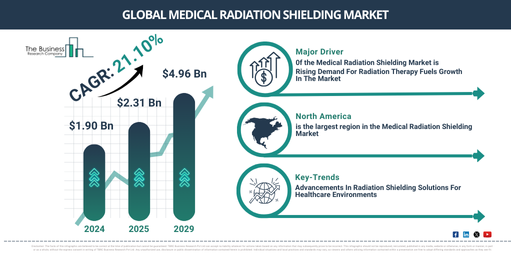
    Over the past few years, there has been a monumental increase in the size of the medical radiation shielding market. Predictions suggest it will increase from $1.90 billion in 2024, reaching $2.31 billion in 2025. These predictions, indicating a compound annual growth rate (CAGR) of 21.4%, are due to several contributing factors. These include the growing prevalence of cancer and cardiovascular illnesses, the expanding use of nuclear medicine and radiation therapy, rising incidences of chronic illnesses, an escalation in health care expenses, and increased demand for minimally invasive procedures.

    Over the next few years, it is projected that the medical radiation shielding market will experience significant expansion. By 2029, it is anticipated to reach a value of $4.96 billion, with an estimated compound annual growth rate (CAGR) of 21.1%. Factors contributing to this growth during the forecasted period include the surging demand for diagnostic imaging, increased usage of diagnostic imaging procedures, greater need for healthcare services, improved awareness of safety, and the rise in diagnostic imaging and radiation therapy procedures. Dominant trends anticipated in this period involve technological progress in radiation therapy, developments in radiation protection chemicals, increased demand for eco-friendly treatments, and advancements in the field of nuclear medicine.

    Download a free sample to assess the report’s scope and structure:

    https://www.thebusinessresearchcompany.com/sample.aspx?id=20873&type=smp

    What Are the Primary Drivers Supporting the Market Growth of the Medical Radiation Shielding Market?

    The medical radiation shielding market is expected to experience substantial growth due to the escalating demand for radiation therapy. This method of treatment, which utilizes high-energy radiation to strategically damage the DNA of, and subsequently eradicate cancer cells, is growing in popularity. The rising rate of cancer diagnoses, advancements in therapeutic techniques, and improved accessibility to healthcare services contribute to this trend. Medical radiation shielding is a crucial component of radiation therapy, protecting healthy tissues and patients from unnecessary exposure to ionizing radiation. As reported by the UK-based peer-reviewed journal, The Lancet, in December 2024, an estimated 20.0 million new cancer cases were diagnosed in 2022, with approximately 10.0 million and 12.8 million patients needing radiotherapy at usage rates of 50% and 64%, respectively. This surge in demand for radiation therapy plays a pivotal role in the flourishing medical radiation shielding market.

    Which Primary Segments of the Medical Radiation Shielding Market Are Driving Growth and Industry Transformations?

    The medical radiation shielding market covered in this report is segmented –

    1) By Type: X-Ray Shields, Magnetic Resonance Imaging (MRI) Shields, Gamma Shields, Neutron Shields

    2) By Material: Lead-Based Shielding, Non-Lead Shielding, Hybrid Shielding

    3) By Application: Diagnostics, Therapeutics, Nuclear Medicine

    4) By End-Use: Hospitals And Clinics, Diagnostic Imaging Centers, Other End-Uses

    Subsegments:

    1) By X-Ray Shields: Lead Aprons, Lead Gloves, Lead Shields, Lead Glass

    2) By Magnetic Resonance Imaging (MRI) Shields: MRI Safe Lead Aprons, MRI Shielding Fabrics, MRI Shielding Panels

    3) By Gamma Shields: Gamma Radiation Aprons, Gamma Radiation Barriers

    4) By Neutron Shields: Neutron Absorbing Materials, Neutron Shielding Panels

    Request customized data on this market:

    https://www.thebusinessresearchcompany.com/customise?id=20873&type=smp

    Which Regions Are Key Players in the Growth of the Medical Radiation Shielding Market?

    North America was the largest region in the medical radiation shielding market in 2024. The regions covered in the medical radiation shielding market report are Asia-Pacific, Western Europe, Eastern Europe, North America, South America, Middle East, Africa.

    What Are the Strategic Trends Steering the Medical Radiation Shielding Market Direction?

    Leading companies in the medical radiation shielding market are concentrating on innovation and the development of sophisticated solutions like lead-lined doors. These are intended to escalate safety measures and shield both patients and medical professionals from detrimental radiation exposure. Lead-lined doors incorporate a layer of lead to either significantly reduce or completely block radiation, serving as an effective barrier in areas most exposed to radiation. Their primary objective is to guarantee the protection of patients, healthcare workers, and medical equipment from the potential harm of radiation. For example, in February 2023, UK-based Specialist Door Solutions (SDS) Ltd rolled out its Shieldoor lead-lined x-ray doors, remarkably intended for healthcare settings to deliver proficient radiation shielding from x-rays. These doors are devised to handle the rigorous demands of hospitals and radiology units, offering varied lead thickness according to individual requirement, ensuring adherence to safety norms. The Shieldoor line blends flawlessly with other SDS door products, enhancing its utility and visual appeal in clinical environments.

    View the full report here:

    https://www.thebusinessresearchcompany.com/report/medical-radiation-shielding-global-market-report

    What Parameters Are Used to Define the Medical Radiation Shielding Market?

    Medical radiation shielding refers to the use of barriers or protective materials designed to reduce or block the penetration of ionizing radiation in healthcare settings. This shielding is essential to ensure the safety of patients, healthcare workers, and the general public by minimizing exposure to harmful radiation generated by medical imaging and therapeutic equipment.

    Purchase the full report and get a swift delivery:

    https://www.thebusinessresearchcompany.com/purchaseoptions.aspx?id=20873

    About The Business Research Company:

    With over 15000+ reports from 27 industries covering 60+ geographies, The Business Research Company has built a reputation for offering comprehensive, data-rich research and insights. Armed with 1,500,000 datasets, the optimistic contribution of in-depth secondary research, and unique insights from industry leaders, you can get the information you need to stay ahead in the game.

    Get in touch with us:

    The Business Research Company: https://www.thebusinessresearchcompany.com/

    Americas +1 3156230293

    Asia +44 2071930708

    Europe +44 2071930708

    Email us at info@tbrc.info

    Follow us on:

    LinkedIn: https://in.linkedin.com/company/the-business-research-company

    YouTube: https://www.youtube.com/channel/UC24_fI0rV8cR5DxlCpgmyFQ

    Global Market Model: https://www.thebusinessresearchcompany.com/global-market-model
  • Key Developments and Trends Steering the Medical Linear Particle Accelerator Market Forward: Technological Advancements In Medical Linear Particle Accelerators For Enhanced Cancer Therapy

    Key Developments and Trends Steering the Medical Linear Particle Accelerator Market Forward: Technological Advancements In Medical Linear Particle Accelerators For Enhanced Cancer Therapy

    Stay ahead with our updated market reports featuring the latest on tariffs, trade flows, and supply chain transformations.

    How Has the Medical Linear Particle Accelerator Market Growth Performance Trended Historically, And What Lies Ahead?

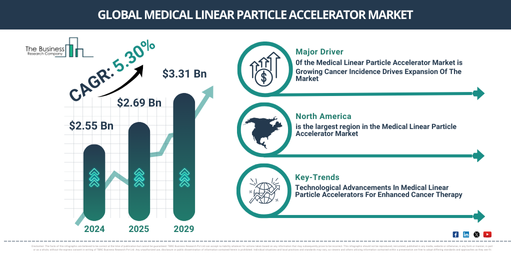
    In the past few years, there has been a significant expansion in the market size of the medical linear particle accelerator. The market is projected to increase from a value of $2.55 billion in 2024 to $2.69 billion in 2025, with a compound annual growth rate (CAGR) of 5.6%. The growth witnessed during the historic period is primarily due to factors such as enhanced accessibility to healthcare, a surge in demand for radiotherapy infrastructure and proton therapy, a rise in the prevalence of multimodal cancer treatments, and an increment in the adoption of surgeries assisted by robotics.

    The market for medical linear particle accelerators is projected to witness significant growth in the near future. The market is expected to reach a value of $3.31 billion by 2029, increasing at a compound annual growth rate (CAGR) of 5.3%. The surging demand for bespoke medicine, cost-effective radiation therapy solutions, increasing number of clinical trials, the popularity of minimally invasive surgery, and the upswing in the adoption of targeted cancer treatments attribute to the growth during the predicted period. The forecasted era will also see trends like advancements in radiation therapy technology, the rise of telemedicine and remote radiotherapy planning, the incorporation of artificial intelligence (AI) and machine learning (ML), developments in imaging techniques, and the amalgamation of radiotherapy with digital health technologies.

    Download a free sample to assess the report’s scope and structure:

    https://www.thebusinessresearchcompany.com/sample.aspx?id=20872&type=smp

    How Are Key Drivers in the Industry Acting as Catalysts for the Growth of the Medical Linear Particle Accelerator Market?

    The escalating number of cancer cases is anticipated to push the expansion of the medical linear particle accelerator marketplace. By definition, cancer is a collection of illnesses characterized by rampant and uncontrolled growth of rogue cells that often spread and create tumors or damage other parts of the body. Numerous factors contribute to the increasing prevalence of cancer, such as environmental exposure, genetic predisposition, enhanced detection and screening, infections, hormonal factors, and heightened awareness. Medical linear particle accelerators, or LINACs, enhance cancer treatment by precisely directing high-energy radiation to destroy cancer cells, thus improving the efficacy of treatments and minimizing the side-effects. For example, data from the Australian Institute of Health and Welfare, an Australian government agency, showed that in Australia, the number of diagnosed cancer cases rose significantly from 160,570 in 2022 to 164,694 in 2023. Consequently, this escalating prevalence of cancer is fueling the growth of the medical linear particle accelerator sector.

    Which Segments in the Medical Linear Particle Accelerator Offer the Most Growth?

    The medical linear particle accelerator market covered in this report is segmented –

    1) By Product Type: Dedicated Linear Accelerator, Non-Dedicated Linear Accelerator

    2) By Treatment Type: Intensity Modulated Radiation Therapy, Volumetric Modulated Arc Therapy, Image Guided Radiation Therapy, Stereotactic Radiosurgery And Stereotactic Body Radiotherapy

    3) By End-User: Hospital, Radiology, Clinics, Other End-Users

    Subsegments:

    1) By Dedicated Linear Accelerator: Radiation Therapy Linear Accelerators, Medical Linear Accelerators for Cancer Treatment, High-Energy Linear Accelerators

    2) By Non-Dedicated Linear Accelerator: General Purpose Linear Accelerators, Laboratory-Grade Non-Dedicated Linear Accelerators, Research And Development Linear Accelerators

    Request customized data on this market:

    https://www.thebusinessresearchcompany.com/customise?id=20872&type=smp

    What Are the Fastest-Growing Geographies in the Medical Linear Particle Accelerator Market?

    North America was the largest region in the medical linear particle accelerator market in 2024. The regions covered in the medical linear particle accelerator market report are Asia-Pacific, Western Europe, Eastern Europe, North America, South America, Middle East, Africa.

    What Long-Term Trends Are Transforming the Competitive Landscape of the Medical Linear Particle Accelerator Market?

    Key players in the medical linear particle accelerator industry are focusing their efforts on the creation of technologically superior solutions such as radiotherapy systems. The objective is to improve accuracy in treatment and enhance patient outcomes during cancer therapy. Medical technologies such as linear accelerators that utilize high-energy radiation for accurately focusing on and treating tumors while causing minimal damage to the surrounding healthy tissues are called radiotherapy systems. For instance, Elekta AB, a medical equipment corporation headquartered in Sweden, introduced Elekta Evo in May 2024. This AI-enabled adaptive CT-linear accelerator is designed to revolutionize cancer treatment. The equipment features Iris, an AI-improved high-definition imaging system, which allows medical professionals to visualize the treatment area with exceptional precision ensuring that the tumor is accurately targeted while the surrounding healthy tissue is preserved. Furthermore, the machine integrates adaptive radiation therapy features, accommodating both online and offline modifications of treatment plans, hence providing personalized care tailored to each patient’s distinctive requirements.

    View the full report here:

    https://www.thebusinessresearchcompany.com/report/medical-linear-particle-accelerator-global-market-report

    What Are the Key Elements That Define the Medical Linear Particle Accelerator Market?

    A medical linear particle accelerator (LINAC) is a device used in radiation therapy to treat cancer by delivering high-energy X-rays or electron beams to target tumors with precision while minimizing damage to surrounding healthy tissue. It accelerates electrons using microwave technology, producing radiation beams that conform to the tumor’s shape for effective treatment.

    Purchase the full report and get a swift delivery:

    https://www.thebusinessresearchcompany.com/purchaseoptions.aspx?id=20872

    About The Business Research Company:

    With over 15000+ reports from 27 industries covering 60+ geographies, The Business Research Company has built a reputation for offering comprehensive, data-rich research and insights. Armed with 1,500,000 datasets, the optimistic contribution of in-depth secondary research, and unique insights from industry leaders, you can get the information you need to stay ahead in the game.

    Get in touch with us:

    The Business Research Company: https://www.thebusinessresearchcompany.com/

    Americas +1 3156230293

    Asia +44 2071930708

    Europe +44 2071930708

    Email us at info@tbrc.info

    Follow us on:

    LinkedIn: https://in.linkedin.com/company/the-business-research-company

    YouTube: https://www.youtube.com/channel/UC24_fI0rV8cR5DxlCpgmyFQ

    Global Market Model: https://www.thebusinessresearchcompany.com/global-market-model
  • Market Trends Influencing Strategic Decisions in the Medical Holography Industry: New Immersive Holography App Enhances Medical Visualization And Surgical Planning

    Market Trends Influencing Strategic Decisions in the Medical Holography Industry: New Immersive Holography App Enhances Medical Visualization And Surgical Planning

    Stay ahead with our updated market reports featuring the latest on tariffs, trade flows, and supply chain transformations.

    What Are the Projected Market Size and Growth Rates for the Medical Holography Market From 2025 To 2029?

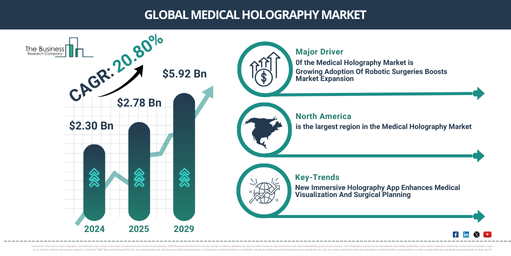
    In recent times, there have been substantial expansions in the medical holography market. This sector, which was worth $2.30 billion in 2024, is set to increase to $2.78 billion in 2025, demonstrating a compound annual growth rate (CAGR) of 21.1%. Factors contributing to the growth in the past years include expanded use of holographic items, a growing population of older adults, escalating incidences of chronic diseases, wider acceptance of holographic displays, and increased funds channeled into research and development.

    In the upcoming years, the market size for medical holography is anticipated to experience a significant upward trend. By 2029, it’s expected to reach $5.92 billion, growing at a compound annual growth rate (CAGR) of 20.8%. This growth during the forecasted period can be ascribed to the rising incidence of chronic diseases, increased application of robotic surgeries, amplified investment in research for medical holography, heightened awareness of its clinical applications, and the aging population. Noteworthy trends in the same period are projected to be advancements in technology, technological evolutions in operating rooms, the emergence of mixed reality (MR) applications, and a surge in the use of 3D imagery and augmented reality.

    Download a free sample to assess the report’s scope and structure:

    https://www.thebusinessresearchcompany.com/sample.aspx?id=20871&type=smp

    What Are the Major Market Drivers Behind the Rising Adoption of Medical Holography Market?

    The expansion of the medical holography market is forecasted to be driven by the increasing implementation of robotic surgeries. Robotic surgical methods, which involve surgeon-operated systems conducting precise and minimally invasive procedures, accelerate patient recovery and enhance accuracy. The escalating utilization of robotic surgeries can be attributed to their precision, lesser invasiveness, quicker recovery period, and fewer complications, all made possible through advancements in technology and AI integration. 3D visuals of a patient’s body are provided by medical holography in robotic surgeries, improving the accuracy of the procedure and yielding better outcomes. For example, as reported by Intuitive Surgical Inc, a US-based producer of robotic products, in January 2023, the total count of surgical procedures performed using Vinci Surgical Systems (a high-end robotic surgical system) was 1,875,000 in 2022 – an 18% surge from the 1,594,000 procedures conducted in 2021. Therefore, the growing implementation of robotic surgeries is a pivotal factor fuelling the progression of the medical holography market.

    Which Key Market Segments Comprise the Medical Holography Market and Drive Its Revenue Growth?

    The medical holography market covered in this report is segmented –

    1) By Type: Holographic Displays, Holographic Prints, Holographic Microscopy, Holographic Scanners

    2) By Application: Medical Imaging, Opthalmology, Dentistry, Urology, Orthopedics, Medical Education, Biomedical Research, Other Applications

    3) By End User: Hospitals And Clinics, Academic Medical Centers, Research Laboratories, Pharmaceutical And Biotechnology Companies

    Subsegments:

    1) By Holographic Displays: 3D Medical Imaging Displays, Surgical Visualization Displays, Diagnostic Imaging Displays

    2) By Holographic Prints: Anatomical Model Prints, 3D Printed Medical Models, Patient-Specific Surgical Plans

    3) By Holographic Microscopy: Cellular Structure Visualization, Live Tissue Imaging, Nano-Scale Imaging In Biomedicine

    4) By Holographic Scanners: 3D Body Scanners For Diagnosis, Optical Coherence Tomography (OCT) Scanners, Holographic Ultrasound Scanners

    Request customized data on this market:

    https://www.thebusinessresearchcompany.com/customise?id=20871&type=smp

    Which Areas Are Leading Regions in the Medical Holography Market Expansion Across the Globe?

    North America was the largest region in the medical holography market in 2024. Asia-Pacific is expected to be the fastest-growing region in the forecast period. The regions covered in the medical holography market report are Asia-Pacific, Western Europe, Eastern Europe, North America, South America, Middle East, Africa.

    What Key Market Trends and Innovations Are Shaping the Future of the Medical Holography Industry?

    Key companies in the medical holography market are concentrating their efforts on creating groundbreaking solutions such as immersive holographic visualization. This technology can significantly enhance the precision and speed of medical diagnoses and therapeutic approaches. Immersive holographic visualization generates interactive, 3D holograms, facilitating users to navigate intricate data or environments in an engaging and lifelike manner. For example, in March 2024, a medical technology company based in Germany, Siemens Healthineers, released the Cinematic Reality app. This app allows users to immerse themselves in interactive holograms of human anatomy. Developed with the powers of Apple Silicon and Metal, it lays the groundwork for future technological progress. The app gives users the ability to visualize interactive, immersive holograms that are derived from genuine medical scans of the human body. This feature boosts the visualization of anatomy, assisting in surgical planning and in the advancement of medical education. Moving forward, it may also provide surgeons with valuable assistance in preoperative planning, facilitate improved dialogue among specialists from varied fields, and enable non-radiologists and patients to grasp medical scans and conditions more effectively.

    View the full report here:

    https://www.thebusinessresearchcompany.com/report/medical-holography-global-market-report

    How Is the Medical Holography Market Conceptually Defined?

    Medical holography refers to using advanced holographic imaging technologies to create three-dimensional, high-resolution visualizations of anatomical structures or medical data. These holograms are used for diagnostics, surgical planning, medical training, and patient education. Medical holography enhances precision and understanding in healthcare applications by providing interactive and immersive views.

    Purchase the full report and get a swift delivery:

    https://www.thebusinessresearchcompany.com/purchaseoptions.aspx?id=20871

    About The Business Research Company:

    With over 15000+ reports from 27 industries covering 60+ geographies, The Business Research Company has built a reputation for offering comprehensive, data-rich research and insights. Armed with 1,500,000 datasets, the optimistic contribution of in-depth secondary research, and unique insights from industry leaders, you can get the information you need to stay ahead in the game.

    Get in touch with us:

    The Business Research Company: https://www.thebusinessresearchcompany.com/

    Americas +1 3156230293

    Asia +44 2071930708

    Europe +44 2071930708

    Email us at info@tbrc.info

    Follow us on:

    LinkedIn: https://in.linkedin.com/company/the-business-research-company

    YouTube: https://www.youtube.com/channel/UC24_fI0rV8cR5DxlCpgmyFQ

    Global Market Model: https://www.thebusinessresearchcompany.com/global-market-model
  • Top Trends Driving Innovation and Change in the Medical Device Design And Development Services Market: Human-Centric Design In Medical Device Development

    Top Trends Driving Innovation and Change in the Medical Device Design And Development Services Market: Human-Centric Design In Medical Device Development

    Stay ahead with our updated market reports featuring the latest on tariffs, trade flows, and supply chain transformations.

    What Is the Estimated Market Size of the Medical Device Design And Development Services Market In 2029?

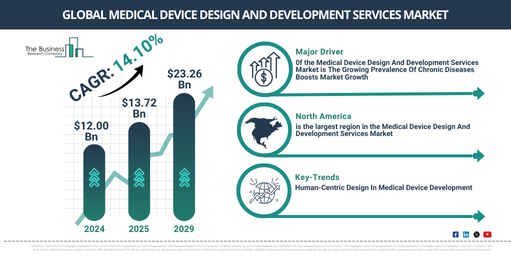
    The market size for medical device design and development services has seen a quick expansion in the last few years. This market which stood at $12.00 billion in 2024 is projected to increase to $13.72 billion in 2025, with a Compound Annual Growth Rate (CAGR) of 14.36%. The significant growth during the historic period can be traced back to factors such as an increasing elderly population, the development of personalized medicine, a rise in healthcare expenditure, heightened investment in research and development, and the expansion of healthcare infrastructure.

    The expansion of the medical device design and development services market is anticipated to accelerate in the approaching years. It is projected to reach $23.26 billion by 2029, with a compound annual growth rate (CAGR) of 14.10%. Factors contributing to this development during the prediction period include heightened demand for diagnostic procedures, a trend towards home healthcare, an increased requirement for disease detection tools, a rising utilization of imaging devices for diagnosis, and a growing focus on preventive care. Key trends for the forecast period encompass advancements in AI and machine learning integration, applications of 3D printing, device miniaturization, telemedicine developments, and surgical robotics innovations.

    Download a free sample to assess the report’s scope and structure:

    https://www.thebusinessresearchcompany.com/sample.aspx?id=20870&type=smp

    What External and Internal Drivers Are Contributing to the Growth of the Medical Device Design And Development Services Market?

    Anticipated expansion of the medical device design and development services market is being driven by the increasing incidence of chronic diseases. Chronic illnesses, described as long-lasting health conditions that require continuous healthcare support and can interfere with everyday activities or overall quality of life, are increasing. The rise in chronic illness occurrences is linked to factors like growing aging populations, poor lifestyle choices, unhealthy diet, lack of physical activity, and elevated stress levels. Medical device design and development services have a significant role in the fight against chronic illnesses by designing innovative solutions centred on the user which improve disease management, enhance patient results, and simplify ongoing care. For example, in June 2024, the Australian Institute of Health and Welfare, a government agency based in Australia, reported that the age-standardized mortality rate associated with chronic health conditions was 448 per 100,000 population. This figure marginally increased to 459 per 100,000 in 2021 and further rose to 490 per 100,000 in 2022. As a result, the escalating incidence of chronic diseases is fueling the growth of the medical device design and development services market.

    What Segment Types Define the Medical Device Design And Development Services Market Structure?

    The medical device design and development services market covered in this report is segmented –

    1) By Services: Designing And Engineering, Machining, Molding, Packaging

    2) By Medical Devices: Cardiovascular Devices, Point Of Care (POC) Diagnostic Equipment, Hb1ac Testing, Drug Delivery Devices, Orthopedic Devices, Dental Devices, Imaging Devices, Surgical Devices, Sleep And Respiratory Devices, Other Medical Devices

    3) By Application: Treatment, Diagnostics

    4) By End Use: Medical Device Companies, Biotechnology Companies

    Subsegments:

    1) By Designing And Engineering: Product Concept Design, Prototyping And Testing, CAD Modeling And Simulation, Material Selection And Engineering

    2) By Machining: Precision Machining, CNC Machining, Laser Cutting And Etching, Surface Finishing

    3) By Molding: Injection Molding, Blow Molding, Compression Molding, Overmolding

    4) By Packaging: Sterile Packaging, Custom Packaging Solutions, Regulatory-Compliant Packaging, Packaging For Distribution And Storage

    Request customized data on this market:

    https://www.thebusinessresearchcompany.com/customise?id=20870&type=smp

    Which Geographic Areas Hold the Strongest Growth Potential in the Medical Device Design And Development Services Market?

    North America was the largest region in the medical device design and development services market in 2024. Asia-Pacific is expected to be the fastest-growing region in the forecast period. The regions covered in the medical device design and development services market report are Asia-Pacific, Western Europe, Eastern Europe, North America, South America, Middle East, Africa.

    Which Technological Trends Are Reshaping the Medical Device Design And Development Services Industry Dynamics?

    Leading firms in the medical device design and development services market are laying emphasis on the incorporation of unique solutions like human-centric design principles with the aim of improving user interaction, augmenting product functionality, and guaranteeing patient safety. The principles of human-centric design are about creating products, systems, or settings that mainly consider the desires, necessities, and constraints of the final consumers, while valuing aspects like usability, comfort, and accessibility. For example, in January 2023, the US-based medical equipment producing firm, ClariMed Inc., introduced its pioneering MedTech services associate, with a concentration on delivering all-encompassing, human-oriented solutions for medical product creation. The goal of this venture is to offer wide-ranging, complete services that combine product plan, design, growth, and regulatory obedience into an uninterrupted procedure. By putting patient necessities and usability first, the platform guarantees that medical devices are not just technologically superior but also user-friendly and effective.

    View the full report here:

    https://www.thebusinessresearchcompany.com/report/medical-device-design-and-development-services-global-market-report

    What Is the Definition of the Medical Device Design And Development Services Market?

    Medical device design and development services involve the creation and enhancement of medical devices, ensuring they meet regulatory standards and user needs. These services focus on developing innovative, safe, and effective healthcare products, from initial concept through to commercialization.

    Purchase the full report and get a swift delivery:

    https://www.thebusinessresearchcompany.com/purchaseoptions.aspx?id=20870

    About The Business Research Company:

    With over 15000+ reports from 27 industries covering 60+ geographies, The Business Research Company has built a reputation for offering comprehensive, data-rich research and insights. Armed with 1,500,000 datasets, the optimistic contribution of in-depth secondary research, and unique insights from industry leaders, you can get the information you need to stay ahead in the game.

    Get in touch with us:

    The Business Research Company: https://www.thebusinessresearchcompany.com/

    Americas +1 3156230293

    Asia +44 2071930708

    Europe +44 2071930708

    Email us at info@tbrc.info

    Follow us on:

    LinkedIn: https://in.linkedin.com/company/the-business-research-company

    YouTube: https://www.youtube.com/channel/UC24_fI0rV8cR5DxlCpgmyFQ

    Global Market Model: https://www.thebusinessresearchcompany.com/global-market-model
  • Emerging Trends Redefining the Meat And Bone Meal (MBM) Market Landscape: Advancements In Holographic Real-Time 3D (RT3D) Models

    Emerging Trends Redefining the Meat And Bone Meal (MBM) Market Landscape: Advancements In Holographic Real-Time 3D (RT3D) Models

    Stay ahead with our updated market reports featuring the latest on tariffs, trade flows, and supply chain transformations.

    How Fast Is The Medical Animation Market Expected to Grow Between 2025 And 2029?

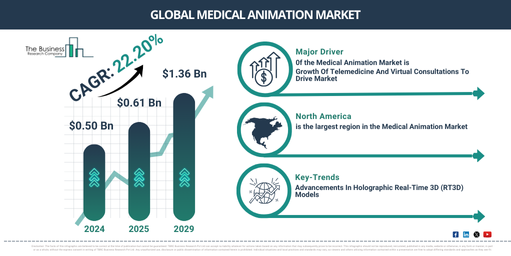
    The magnitude of the medical animation market has seen a substantial increase in the past few years. The market is projected to grow from $0.50 billion in 2024 to $0.61 billion in 2025, exhibiting a compound annual growth rate (CAGR) of 22.5%. This growth in the historical period is due to several factors including the increasing need for tools to educate patients, heightened marketing initiatives in the pharmaceutical sector, the growing use of e-learning in medical training, the rising prevalence of chronic diseases, and heightened awareness about the importance of scientific visualization within the healthcare sphere.

    Anticipations point towards a surge in the size of the medical animation market in the forthcoming years, with projections revealing a growth to $1.36 billion in 2029 at a compound annual growth rate (CAGR) of 22.2%. This projected growth for the forecast period is thought to be due to the increased use of telemedicine and virtual consultations, amplified investments in healthcare communication tools, the employment of AR and VR technologies in medical education, increased government backing for medical animations, and the requirement for tailored healthcare visualizations. Key trends to look out for during the forecast period encompass collaborations between animation studios and healthcare providers, the use of blockchain for a secure animation content, the creation of multilingual animation solutions, AI integration in animation production, and progress in 3d and 4d animation technologies.

    Download a free sample to assess the report’s scope and structure:

    https://www.thebusinessresearchcompany.com/sample.aspx?id=20869&type=smp

    What Are the Core Market Drivers Propelling Growth in the Medical Animation Industry?

    The expansion of telemedicine and virtual consultations is forecasted to propel the medical animation market in the future. Telemedicine is a form of healthcare delivery that utilizes electronic communication technologies for remotely providing services, enabling a connection between patients and providers without a need for physical presence. A surge in virtual consultations can be attributed to technological advancements, increased access to the internet, and the accelerating demand for easily accessible healthcare offerings. Medical animation bolsters telemedicine and virtual consultations as it visually represents complex medical principles, procedures, and conditions in an easy-to-understand and captivating manner. This assist patients in comprehending their diagnoses, treatment alternatives, and the healthcare journey more efficiently, thereby enhancing communication, patient involvement, and overall satisfaction during virtual healthcare engagements. For example, the Australian Digital Health Agency 2022, a government agency based in Australia, reported in August 2022 that in that year, 118.2 million telehealth services were extended to 18 million patients, with over 95,000 practitioners utilising telehealth services. Consequently, the proliferation of telemedicine and virtual consultations will fuel the medical animation market.

    How Is the Medical Animation Market Segmented?

    The medical animation market covered in this report is segmented –

    1) By Type: 3D Animation, 2D Animation, Real Time Imaging (4D Animation), Flash Animation

    2) By Therapeutic Area: Oncology, Cardiology, Cosmeceuticals/Plastic Surgery, Dental, Other Therapeutic Areas

    3) By Application: Drug Mechanism Of Action (MOA) And Approval, Patient Education, Surgical Training And Planning, Cellular And Molecular Studies, Other Applications

    4) By End Users: Life Science Companies, Medical Device Manufacturers, Hospitals, Surgical Centers And Clinics, Academic Institutes, Other End Users

    Subsegments:

    1) By 3D Animation: Surgical Animations, Anatomical Illustrations, Disease Mechanism Animations, Medical Device Animations

    2) By 2D Animation: Explainer Videos, Medical Educational Content, Health Communication Animations

    3) By Real-Time Imaging (4D Animation): Virtual Reality (VR) Animations, Interactive Medical Animations, Medical Imaging Visualization (MRI, CT scans)

    4) By Flash Animation: Medical Explainers for Websites, Flash-based Health Awareness Campaigns, Interactive Medical Educational Tools

    Request customized data on this market:

    https://www.thebusinessresearchcompany.com/customise?id=20869&type=smp

    Which Regions Are Driving the Next Phase of the Medical Animation Market Growth?

    North America was the largest region in the medical animation market in 2024. Asia-Pacific is expected to be the fastest-growing region in the forecast period. The regions covered in the medical animation market report are Asia-Pacific, Western Europe, Eastern Europe, North America, South America, Middle East, Africa.

    Which Cutting-Edge Market Trends Are Expected to Drive the Medical Animation Market’s Growth?

    Major participants in the medical animation market are prioritizing technological innovations including holographic, real-time 3D (RT3D) patterns, aiming to increase the authenticity and interactivity of visual imagery. This enables them to furnish more detailed and precise portrayals of anatomical structures, disease processes, and medical procedures, thereby augmenting patient education, surgical preparation, and medical education. RT3D models in holographic form are interactive, 3D digital imitations capable of replicating realistic visuals and movements. For instance, in November 2022, a collaboration between GigXR, an American firm specializing in extended reality (XR) healthcare training solutions, and ANIMA RES, a medical imaging company based in Germany, saw the release of the Insight Series. This new content library comprises RT3D holographic models of various organs like the heart, lungs, and kidneys, showing the structural and functional alterations provoked by diseases. These models provide an understanding of conditions like myocardial infarction and chronic obstructive pulmonary disease (COPD) for the heart and lungs respectively.

    View the full report here:

    https://www.thebusinessresearchcompany.com/report/medical-animation-global-market-report

    How Is the Medical Animation Market Defined and What Are Its Core Parameters?

    Medical animation is the use of visual media to represent complex medical, biological, or anatomical concepts through 2D, 3D, or interactive graphics. It is commonly used for educational, training, and marketing purposes in healthcare settings. These animations help enhance understanding, communication, and engagement among patients, medical professionals, and students.

    Purchase the full report and get a swift delivery:

    https://www.thebusinessresearchcompany.com/purchaseoptions.aspx?id=20869

    About The Business Research Company:

    With over 15000+ reports from 27 industries covering 60+ geographies, The Business Research Company has built a reputation for offering comprehensive, data-rich research and insights. Armed with 1,500,000 datasets, the optimistic contribution of in-depth secondary research, and unique insights from industry leaders, you can get the information you need to stay ahead in the game.

    Get in touch with us:

    The Business Research Company: https://www.thebusinessresearchcompany.com/

    Americas +1 3156230293

    Asia +44 2071930708

    Europe +44 2071930708

    Email us at info@tbrc.info

    Follow us on:

    LinkedIn: https://in.linkedin.com/company/the-business-research-company

    YouTube: https://www.youtube.com/channel/UC24_fI0rV8cR5DxlCpgmyFQ

    Global Market Model: https://www.thebusinessresearchcompany.com/global-market-model
  • From Insight to Impact: Strategic Growth Mapping in the Lumbar Disc Replacement Devices Market

    From Insight to Impact: Strategic Growth Mapping in the Lumbar Disc Replacement Devices Market

    Stay ahead with our updated market reports featuring the latest on tariffs, trade flows, and supply chain transformations.

    What is the Anticipated CAGR of the Lumbar Disc Replacement Devices Market, and What Factors Will Drive It?

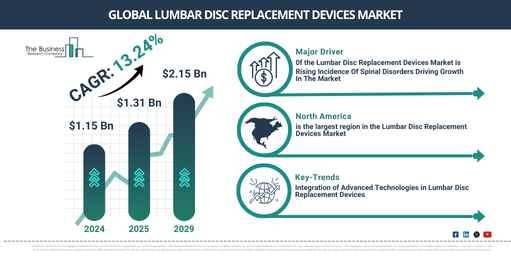
    The market for lumbar disc replacement devices has been expanding swiftly over the past few years. The market scale is expected to surge from $1.15 billion in 2024 to $1.31 billion in 2025, noting a compound annual growth rate (CAGR) of 13.50%. The previous growth stage can be associated with the surge in the establishment of spine clinics and surgical centers, increased healthcare expenditure, enhanced healthcare awareness, a rising incidence of obesity, and improved insurance coverage for spine surgeries.

    Projected to experience accelerated growth in the coming years, the market size of lumbar disc replacement devices is anticipated to grow to $2.15 billion by 2029, boasting an impressive compound annual growth rate (CAGR) of 13.24%. This anticipated increase within the forecast period can be linked to a heightened emphasis on rehabilitation post-surgery, the expansion of the orthopedic device industry, the proliferation of spine clinics and surgical centers, the call for individualized healthcare solutions, and an increase in spinal injuries attributed to lifestyle. The landscape of the forecast period will likely be shaped by key trends, including advances in medical technology, groundbreaking developments in 3D printing technology, innovative technologies in spinal implants, the adoption of surgeries assisted by robotics, and breakthroughs in materials used for artificial discs.

    Download a free sample to assess the report’s scope and structure:

    https://www.thebusinessresearchcompany.com/sample.aspx?id=20864&type=smp

    What are the Fundamental Drivers and Innovations Shaping the Lumbar Disc Replacement Devices Market?

    The rise in spinal disorders is anticipated to fuel the expansion of the market for lumbar disc replacement devices. Spinal disorders encompass a variety of conditions that affect the spine, including irregularities, injuries, diseases that harm the vertebrae, discs, nerves, and surrounding tissues, often causing pain and mobility problems, among other complications. Factors leading to the increase in spinal disorders include aging populations, sedentary lifestyles, obesity, and a higher prevalence of degenerative diseases such as osteoarthritis and herniated discs. Lumbar disc replacement devices are instrumental in treating spinal disorders as they restore mobility and lessen pain in patients with degenerative disc disease, thus offering an effective substitute for conventional spinal fusion surgery. For example, the World Health Organization, a Switzerland-based international organization reported in April 2024, that over 15 million individuals globally are living with spinal cord injuries (SCI). Furthermore, according to the New Zealand Spinal Trust, a disability services organization’s report in November 2023, the incidence rate in New Zealand escalated to 45 per million in 2022, up from 41 per million in 2021, as per the 2022 NZSCIR data. In 2022, 74% of those with traumatic spinal cord injuries (SCI) were males, while females constituted 33% of those with non-traumatic spinal cord injuries (NTSCI). Thus, the rising occurrence of spinal disorders underpins the growth of the lumbar disc replacement devices market.

    How Is the Lumbar Disc Replacement Devices Market Segmented?

    The lumbar disc replacement devices market covered in this report is segmented –

    1) By Product: Metal-On-Metal, Metal-On-Biopolymer

    2) By Pain Type: Chronic, Acute, Radicular, Other Pain Types

    3) By End-User: Hospitals, Ambulatory Surgical Center, Other End Users

    Subsegments:

    1) By Metal-On-Metal: Cobalt-Chromium Alloy, Titanium Alloy

    2) By Metal-On-Biopolymer: Metal-On-PEEK (Polyether Ether Ketone), Metal-On-Polymer Composite

    Request customized data on this market:

    https://www.thebusinessresearchcompany.com/customise?id=20864&type=smp

    Which Regions Are Driving the Next Phase of the Lumbar Disc Replacement Devices Market Growth?

    North America was the largest region in the lumbar disc replacement devices market in 2024. The regions covered in the lumbar disc replacement devices market report are Asia-Pacific, Western Europe, Eastern Europe, North America, South America, Middle East, Africa.

    What Are the Key Market Trends in the Lumbar Disc Replacement Devices Market Over the Coming Years?

    Key players in the lumbar disc replacement devices market are concentrating their efforts on the incorporation of cutting-edge technologies such as numerical code technology. This technology involves the use of specific algorithms and computational models to craft, improve, and install medical products like lumbar disc replacement devices more effectively and accurately. For example, in January 2023, the American Medical Association, an organization based in the US, launched a new Current Procedural Terminology (CPT) code for the second level of lumbar total disc replacement (TDR) procedures. Centinel Spine LLC, a medical equipment manufacturer in the US, applied this code to broaden the accessibility to two-level lumbar TDR procedures. This development is key in enhancing the variety of treatment options for patients, leading to improved clinical results and more streamlined healthcare provision.

    View the full report here:

    https://www.thebusinessresearchcompany.com/report/lumbar-disc-replacement-devices-global-market-report

    How Is the Lumbar Disc Replacement Devices Market Defined and What Are Its Core Parameters?

    Lumbar disc replacement devices refer to implants used to replace damaged intervertebral discs in the lumbar spine. They consist of metal endplates attached to the vertebrae with a flexible core that allows for natural spinal movement, such as bending and twisting. This procedure helps alleviate pain and restore mobility, offering a viable alternative to spinal fusion by preserving the spine’s range of motion.

    Purchase the full report and get a swift delivery:

    https://www.thebusinessresearchcompany.com/purchaseoptions.aspx?id=20864

    About The Business Research Company:

    With over 15000+ reports from 27 industries covering 60+ geographies, The Business Research Company has built a reputation for offering comprehensive, data-rich research and insights. Armed with 1,500,000 datasets, the optimistic contribution of in-depth secondary research, and unique insights from industry leaders, you can get the information you need to stay ahead in the game.

    Get in touch with us:

    The Business Research Company: https://www.thebusinessresearchcompany.com/

    Americas +1 3156230293

    Asia +44 2071930708

    Europe +44 2071930708

    Email us at info@tbrc.info

    Follow us on:

    LinkedIn: https://in.linkedin.com/company/the-business-research-company

    YouTube: https://www.youtube.com/channel/UC24_fI0rV8cR5DxlCpgmyFQ

    Global Market Model: https://www.thebusinessresearchcompany.com/global-market-model
  • Liver Disease Diagnostics Outlook 2034: Key Drivers, Trends, and Market Frontiers

    Liver Disease Diagnostics Outlook 2034: Key Drivers, Trends, and Market Frontiers

    Stay ahead with our updated market reports featuring the latest on tariffs, trade flows, and supply chain transformations.

    How Has The Liver Disease Diagnostics Market Size Shifted, And What Is the Outlook Through 2034?

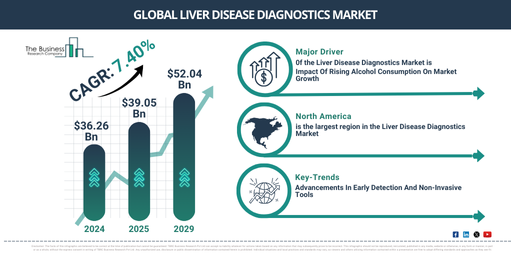
    Over the past few years, the size of the liver disease diagnostics market has shown robust growth. The market, which is expected to expand from $36.26 billion in 2024 to $39.05 billion in 2025, will witness a compound annual growth rate (CAGR) of 7.7%. The expansion in the historic timeframe is thanks to a rise in both acute and chronic liver conditions, a higher prevalence of liver diseases, increased alcohol consumption, enhanced consciousness about liver health, and improvements in healthcare infrastructure.

    A significant expansion is anticipated in the liver disease diagnostics market in the forthcoming years, with its worth projected to reach $52.04 billion in 2029, reflecting a compound annual growth rate (CAGR) of 7.4%. This growth during the forecast period can be explained by the escalating number of elderlies, increased spending in research & development, a higher count of biopsy procedures along with diseases, as well as broadening adoption of telemedicine. Notable trends anticipated over the forecast period include the emergence of personalized medicine, technological improvements in diagnostic kits, progress in rapid tests, technological evolution within the healthcare industry, and advancements in diagnostic techniques.

    Download a free sample to assess the report’s scope and structure:

    https://www.thebusinessresearchcompany.com/sample.aspx?id=20862&type=smp

    How Are Key Drivers in the Industry Acting as Catalysts for the Growth of the Liver Disease Diagnostics Market?

    The rise in alcohol intake is anticipated to stimulate the liver disease diagnostics market’s expansion. Variables such as shifting societal norms, better economic accessibility, more pervasive availability, and escalating stress or mental health issues are contributing to increased alcohol consumption. Diagnostics for liver disease play a vital role in gauging the effects of alcohol on liver health, assisting in the early identification of liver deterioration signs like fatty liver, hepatitis, or cirrhosis. For example, the National Health Service, a government department based in England, stated in December 2022 that the proportion of individuals who drank alcohol in the preceding year grew with age, starting at 62% for those between 16 to 24 and hitting 85% for those between 55 to 74. Consequently, the escalating alcohol intake is propelling the growth of the liver disease diagnostics market.

    Which Segments in the Liver Disease Diagnostics Offer the Most Growth?

    The liver disease diagnostics market covered in this report is segmented –

    1) By Diagnosis Technique: Laboratory Tests, Imaging, Endoscopy, Biopsy, Other Diagnosis Techniques

    2) By Disease: Non-Alcoholic Fatty Liver Disease, Non-Alcoholic Steatohepatitis, Fibrosis, Cirrhosis, Hepatocellular Carcinoma, Other Diseases

    3) By End Users: Hospitals, Laboratories, Other End Users

    Subsegments:

    1) By Laboratory Tests: Blood Tests (Liver Function Tests, Hepatitis Panel), Enzyme Tests (ALT, AST, ALP), Genetic Testing, Serological Tests

    2) By Imaging: Ultrasound Imaging, CT Scans, MRI, Elastography (FibroScan)

    3) By Endoscopy: Esophagogastroduodenoscopy (EGD), Capsule Endoscopy

    4) By Biopsy: Liver Biopsy (Needle Biopsy), Fine Needle Aspiration Biopsy, Laparoscopic Biopsy

    5) By Other Diagnosis Techniques: Molecular Imaging, Biomarker Testing, Fibrosis Scoring Systems

    Request customized data on this market:

    https://www.thebusinessresearchcompany.com/customise?id=20862&type=smp

    What Are the Fastest-Growing Geographies in the Liver Disease Diagnostics Market?

    North America was the largest region in the liver disease diagnostics market in 2024. Asia-Pacific is expected to be the fastest-growing region in the forecast period. The regions covered in the liver disease diagnostics market report are Asia-Pacific, Western Europe, Eastern Europe, North America, South America, Middle East, Africa.

    What Key Trends Are Shaping the Future of the Liver Disease Diagnostics Market?

    Major corporations in the liver disease diagnostics market are prioritizing the development of novel solutions such as non-invasive tools for liver assessment, in order to enhance the precision and efficiency of diagnostics methods. Diagnostics methods assessing liver conditions that circumvent invasive procedures like biopsies and use techniques like elastography or blood tests are what non-invasive liver assessment refers to. For example, City Imaging & Clinical, a diagnostic center based in India, introduced FibroScan in September 2024. It’s a non-invasive tool for liver assessment intended for the early diagnosis of liver diseases like non-alcoholic fatty liver disease (NAFLD) and alcoholic liver disease (ALD). This state-of-the-art technology enables fast and precise calculation of liver stiffness and fat content, eliminating the necessity for invasive procedures like biopsies. The test is typically quick, ranging from 5 to 15 minutes, and entails placing a probe over the liver on the skin. This probe produces sound waves that gauge the stiffness of the liver tissue, aiding in the assessment of fibrosis or scarring.

    View the full report here:

    https://www.thebusinessresearchcompany.com/report/liver-disease-diagnostics-global-market-report

    What Are the Key Elements That Define the Liver Disease Diagnostics Market?

    Liver disease diagnostics refer to the medical procedures and tests used to identify and assess various liver conditions, including liver cirrhosis, hepatitis, fatty liver disease, and liver cancer. These diagnostic methods often involve blood tests to check liver enzyme levels, imaging techniques like ultrasound or CT scans, and sometimes biopsy procedures to obtain tissue samples.

    Purchase the full report and get a swift delivery:

    https://www.thebusinessresearchcompany.com/purchaseoptions.aspx?id=20862

    About The Business Research Company:

    With over 15000+ reports from 27 industries covering 60+ geographies, The Business Research Company has built a reputation for offering comprehensive, data-rich research and insights. Armed with 1,500,000 datasets, the optimistic contribution of in-depth secondary research, and unique insights from industry leaders, you can get the information you need to stay ahead in the game.

    Get in touch with us:

    The Business Research Company: https://www.thebusinessresearchcompany.com/

    Americas +1 3156230293

    Asia +44 2071930708

    Europe +44 2071930708

    Email us at info@tbrc.info

    Follow us on:

    LinkedIn: https://in.linkedin.com/company/the-business-research-company

    YouTube: https://www.youtube.com/channel/UC24_fI0rV8cR5DxlCpgmyFQ

    Global Market Model: https://www.thebusinessresearchcompany.com/global-market-model
  • Knee Braces Market in Focus: Forecasting Growth Drivers, Scaling Potential, and Global Opportunities

    Knee Braces Market in Focus: Forecasting Growth Drivers, Scaling Potential, and Global Opportunities

    Stay ahead with our updated market reports featuring the latest on tariffs, trade flows, and supply chain transformations.

    What Is the Estimated Market Size of the Knee Braces Market In 2029?

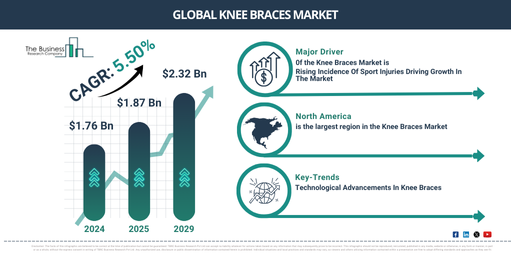
    In recent times, the market size for knee braces has seen significant growth. The market which is expected to rise from $1.76 billion in 2024 to $1.87 billion in 2025, will experience a compound annual growth rate (CAGR) of 5.8%. The growth observed in the historic period is linked to factors such as higher product penetration, an increase in cases of osteoarthritis (OA) and orthopedic knee surgeries, a surge in healthcare spending, heightened awareness, and more people participating in sports.

    Significant expansion is anticipated in the knee braces market in the upcoming years, with its value predicted to reach $2.32 billion in 2029, demonstrating a compound annual growth rate (CAGR) of 5.5%. The growth projected for this timeframe can be credited to factors such as an increase in the elderly demographic, heightened awareness, rising preference for non-invasive treatment methods, an upswing in sports engagement and fitness orientations, and the expanding occurrence of osteoarthritis. Key trends that will contribute to this growth during the forecast period are technological progression, the effect of an aging global population, product ingenuity, strategic partnerships, and advancements in knee brace technology.

    Download a free sample to assess the report’s scope and structure:

    https://www.thebusinessresearchcompany.com/sample.aspx?id=20859&type=smp

    What Are the Core Market Drivers Propelling Growth in the Knee Braces Industry?

    The growth of the knee braces market is set to be propelled by the escalating frequency of sports injuries. The term sports injuries encompass a variety of physical damages- from bone injuries, muscle tears to tendon strains- experienced as a consequence of involvement in sports or fitness activities. This increasing frequency of sports injuries is pegged on the growing craze of sporting and fitness activities across the globe, leading to more individuals engaging in strenuous trainings and higher levels of physical stress. Knee braces are indeed a common sight in sport injury management, offering support, balance, and protection to the knee joint while curtailing the risk of injuries like ligament tears or strains by restricting excessive movement and providing compression. For example, data published by the National Safety Council, a public health and safety organization based out of the US, revealed that the cases of sports and recreational injuries in the US escalated by 2% in 2023. A staggering 3.7 million individuals had to seek emergency medical treatment for injuries inflicted by sports and recreational equipment. Ergo, the escalating frequency of sports injuries is fuelling the growth of the knee braces market.

    How Is the Knee Braces Market Segmented?

    The knee braces market covered in this report is segmented –

    1) By Type: Prophylactic Knee Braces, Rehabilitative Knee Braces, Patellofemoral Knee Braces, Functional Knee Braces

    2) By Application: Medical Use, Sports Use

    3) By End Use: Orthopedic Clinics, Over-the-Counter (OTC), Hospital, Durable Medical Equipment (DME) Dealers, Other End Users

    Subsegments:

    1) By Prophylactic Knee Braces: Hinged Prophylactic Braces, Sleeve-Style Prophylactic Braces, Wraparound Prophylactic Braces, Others

    2) By Rehabilitative Knee Braces: Post-Operative Braces, Recovery Knee Braces, Adjustable Braces For Rehabilitation, Others

    3) By Patellofemoral Knee Braces: Patella Stabilizing Braces, Patella Tracking Braces, Open Patella Braces, Others

    4) By Functional Knee Braces: Ligament Knee Braces, ACL Support Braces, Hinged Knee Braces For Support, Custom-Made Functional Knee Braces, Others

    Request customized data on this market:

    https://www.thebusinessresearchcompany.com/customise?id=20859&type=smp

    Which Regions Are Driving the Next Phase of the Knee Braces Market Growth?

    North America was the largest region in the knee braces market in 2024. Asia-Pacific is expected to be the fastest-growing region in the forecast period. The regions covered in the knee braces market report are Asia-Pacific, Western Europe, Eastern Europe, North America, South America, Middle East, Africa.

    What Are the Strategic Trends Steering the Knee Braces Market Direction?

    Leading entities in the knee brace market are prioritizing the integration of technological advancements such as unloader braces. These advancements aim to increase comfort, enhance offloading mechanisms, incorporate wearable technology and provide more customized treatment for knee osteoarthritis. An unloader brace is a specialized knee brace purposed to alleviate pain and boost functionality by shifting pressure away from the affected knee compartment. It’s frequently used for unicompartmental knee osteoarthritis sufferers. For example, in January 2024, the US-based medical tech firm Enovis Corporation introduced the DonJoy ROAM OA Knee Brace. This product provides dynamic unloading for the knee, relieving pain and improving mobility for those with unicompartmental osteoarthritis. Its intuitive design, customizable fit, and lightweight build make it a reliable resource for conservative management and daily activities support.

    View the full report here:

    https://www.thebusinessresearchcompany.com/report/knee-braces-global-market-report

    How Is the Knee Braces Market Defined and What Are Its Core Parameters?

    Knee braces are devices designed to support and stabilize the knee joint. They are used to prevent or reduce knee injuries by offering compression and protection. Knee braces can limit movement to aid in recovery or to prevent excessive motion. They are commonly used in both athletic and medical settings for rehabilitation or injury prevention.

    Purchase the full report and get a swift delivery:

    https://www.thebusinessresearchcompany.com/purchaseoptions.aspx?id=20859

    About The Business Research Company:

    With over 15000+ reports from 27 industries covering 60+ geographies, The Business Research Company has built a reputation for offering comprehensive, data-rich research and insights. Armed with 1,500,000 datasets, the optimistic contribution of in-depth secondary research, and unique insights from industry leaders, you can get the information you need to stay ahead in the game.

    Get in touch with us:

    The Business Research Company: https://www.thebusinessresearchcompany.com/

    Americas +1 3156230293

    Asia +44 2071930708

    Europe +44 2071930708

    Email us at info@tbrc.info

    Follow us on:

    LinkedIn: https://in.linkedin.com/company/the-business-research-company

    YouTube: https://www.youtube.com/channel/UC24_fI0rV8cR5DxlCpgmyFQ

    Global Market Model: https://www.thebusinessresearchcompany.com/global-market-model