Author: Marketing Posting

  • Fatty Acid Oxidation Disorders (FAODs) Market Trends 2025-2034: Growth, Strategic Insights, and Opportunities Ahead

    Fatty Acid Oxidation Disorders (FAODs) Market Trends 2025-2034: Growth, Strategic Insights, and Opportunities Ahead

    Discover trends, market shifts, and competitive outlooks for the fatty acid oxidation disorders (faods) industry through 2025-2034 with The Business Research Company’s reliable data and in-depth research

    What Are the Key Projections for the CAGR of the Fatty Acid Oxidation Disorders (FAODs) Market Size From 2025 to 2034?

    The market size for fatty acid oxidation disorders (FAODs) has witnessed significant expansion in the past few years. It’s projected to escalate from $9.55 billion in 2024 to $10.33 billion in 2025, indicating a Compound Annual Growth Rate (CAGR) of 8.1%. This growth during the historical period can be found connected to heightened awareness, an increase in the occurrence of rare and genetic disorders, a surge in the number of product approvals, enhanced government initiatives, and a growing demand for orphan drugs.

    The market size for fatty acid oxidation disorders (FAODs) is anticipated to witness robust growth in the coming years, with an estimated value of $13.99 billion by 2029, marking a compound annual growth rate (CAGR) of 7.9%. The projected growth during this period can be credited to the burgeoning demand for endurable bio-products, the growing trend of personalized medicine, early detection of FAODs, increased allocations for research and development, and greater emphasis on enhancing long-term results. In the forecast period, prominent trends include the incorporation of telehealth services, the application of artificial intelligence in diagnostic procedures and drug discovery, developments in genetic testing, advancements in technology, and a move towards patient-oriented care models.

    Download a free sample to assess the report’s scope and structure:

    https://www.thebusinessresearchcompany.com/sample.aspx?id=21964&type=smp

    What Are the Major Market Drivers Behind the Rising Adoption of Fatty Acid Oxidation Disorders (FAODs) Market?

    The escalating preference for gene therapy is set to drive the expansion of the fatty acid oxidation disorders (FAODs) market in the future. This medical approach includes the alteration or substitution of faulty genes to avoid or cure diseases. The surge in gene therapy demand stems from its ability to address genetic disorders, cancer, and rare diseases by targeting their genetic roots, fostering considerable investment and progress in biotechnology. It amends metabolic deficiencies caused by fatty acid oxidation disorders by imparting functioning genes, reviving enzymatic activity, increasing energy production, and forestalling disease complications. For instance, in April 2024, the American Society of Gene & Cell Therapy – a US-based entity for gene and cell therapy, reported a 10% increase in the number of gene therapies in Phase III clinical trials in the fourth quarter, signifying the first growth of this type since the third quarter of 2022. Thus, the rising demand for gene therapy is propelling the advancement of the fatty acid oxidation disorders (FAODs) market.

    Which Key Market Segments Comprise the Fatty Acid Oxidation Disorders (FAODs) Market and Drive Its Revenue Growth?

    The fatty acid oxidation disorders (FAODs) market covered in this report is segmented –

    1) By Type: Long Chain, Short Chain

    2) By Drug Type: Levocarnitine, Dextrose, Riboflavin, Other Drug Types

    3) By Route of Administration: Oral, Intravenous

    4) By Distribution Channel: Hospital Pharmacies, Retail Pharmacies, Drug Stores, Online Stores

    5) By End User: Hospitals, Clinics, Pharmaceutical Companies

    Subsegments:

    1) By Long Chain: Very Long-Chain Acyl-CoA Dehydrogenase Deficiency (VLCAD), Long-Chain 3-Hydroxyacyl-CoA Dehydrogenase Deficiency (LCHAD), Trifunctional Protein Deficiency (TFP), Carnitine Palmitoyltransferase II Deficiency (CPT II)

    2) By Short Chain: Medium-Chain Acyl-CoA Dehydrogenase Deficiency (MCAD), Short-Chain Acyl-CoA Dehydrogenase Deficiency (SCAD), Carnitine Uptake Defect (CUD)

    Request customized data on this market:

    https://www.thebusinessresearchcompany.com/customise?id=21964&type=smp

    Which Areas Are Leading Regions in the Fatty Acid Oxidation Disorders (FAODs) Market Expansion Across the Globe?

    Asia-Pacific was the largest region in the fatty acid oxidation disorders (FAODs) market in 2024. The regions covered in the fatty acid oxidation disorders (FAODs) market report are Asia-Pacific, Western Europe, Eastern Europe, North America, South America, Middle East, Africa.

    What Are the Strategic Trends Steering theFatty Acid Oxidation Disorders (FAODs) Market Direction?

    Big industry players in the fatty acid oxidation disorders (FAODs) market are concentrating on the creation of cutting-edge solutions such as peroxisome proliferator-activated receptor delta (PPARd) agonists to enhance metabolic management and increase the effectiveness of FAOD treatments. A PPARd agonist is an agent that triggers the PPARd receptor, a controller of fat metabolism, inflammation, and energy equilibrium, and may offer therapeutic benefits for metabolic disorders and heart conditions. For example, in January 2023, the American clinical-stage pharmaceutical firm, Reneo Pharmaceuticals Inc., gained Fast Track status from the U.S. Food and Drug Administration (FDA) for its experimental medicine, Mavodelpar (REN001), designed to target long-chain 3-hydroxyacyl-CoA dehydrogenase (LCHAD) deficiency, a genetic characteristic linked with long-chain fatty acid oxidation disorder (LC-FAOD). By igniting PPARd, Mavodelpar aims to fortify mitochondrial performance, increase energy metabolism, and mitigate symptoms linked with LC-FAOD.

    View the full report here:

    https://www.thebusinessresearchcompany.com/report/fatty-acid-oxidation-disorders-faods-global-market-report

    How Is the Fatty Acid Oxidation Disorders (FAODs) Market Conceptually Defined?

    Fatty acid oxidation disorders (FAODs) are a group of rare genetic metabolic disorders that impair the body’s ability to convert fats into energy due to a deficiency or absence of specific enzymes required for fatty acid breakdown. Fatty acid oxidation disorders lead to an accumulation of fatty acids in the body, which can cause severe energy deficiency, hypoglycemia, muscle weakness, and potential organ damage, particularly during periods of fasting or illness.

    Purchase the full report and get a swift delivery:

    https://www.thebusinessresearchcompany.com/purchaseoptions.aspx?id=21964

    About The Business Research Company:

    With over 15000+ reports from 27 industries covering 60+ geographies, The Business Research Company has built a reputation for offering comprehensive, data-rich research and insights. Armed with 1,500,000 datasets, the optimistic contribution of in-depth secondary research, and unique insights from industry leaders, you can get the information you need to stay ahead in the game.

    Get in touch with us:

    The Business Research Company: https://www.thebusinessresearchcompany.com/

    Americas +1 3156230293

    Asia +44 2071930708

    Europe +44 2071930708

    Email us at info@tbrc.info

    Follow us on:

    LinkedIn: https://in.linkedin.com/company/the-business-research-company

    YouTube: https://www.youtube.com/channel/UC24_fI0rV8cR5DxlCpgmyFQ

    Global Market Model: https://www.thebusinessresearchcompany.com/global-market-model
  • Exanthema Market Outlook 2025–2034: Identifying Growth Drivers, Technology Trends, and Policy Impact

    Discover trends, market shifts, and competitive outlooks for the exanthema industry through 2025-2034 with The Business Research Company’s reliable data and in-depth research

    What is the Projected CAGR for the Exanthema Market Size from 2025 to 2034?

    In the past few years, the exanthema market size has witnessed consistent growth. It is projected to increase from $2.18 billion in 2024 to $2.28 billion in 2025, experiencing a compound annual growth rate (CAGR) of 4.7%. The growth observed during the historical period could be a result of rising healthcare costs, growing knowledge about vaccinations, expanding disposable incomes, increased consciousness about skin diseases, and a growing focus on early screening.

    In the coming years, the exanthema market size is predicted to experience consistent growth, increasing to $2.71 billion in 2029 with a compound annual growth rate (CAGR) of 4.4%. This anticipated growth during the forecast period can be linked to an increase in research and development expenditure, a growing incidence of viral and bacterial infections, an expanded emphasis on telemedicine, more government initiatives, and a higher demand for oral medications. Key trends in the projected period encompass improvements in treatment approaches, breakthroughs in diagnostic techniques, technological progress, advancements in medical investigation and technology, and supportive technologies.

    Download a free sample to assess the report’s scope and structure:

    https://www.thebusinessresearchcompany.com/sample.aspx?id=21962&type=smp

    What Are the Core Market Drivers Propelling Growth in the Exanthema Industry?

    The escalating occurrence of viral infections is anticipated to fuel the expansion of the exanthema market in the near future. Such infections, characterized by an intrusion of viruses into the body’s cells where they thrive and multiply, lead to a spectrum of symptoms and ailments. Factors like increased global travel, urbanization, climate change, and compromised immunity among populations are contributing to the rise in viral infections. This upsurge escalates the demand for exanthema treatments, with an increase in cases presenting skin rashes necessitating effectual management. Exanthema manifests as a visible sign of the body’s immune response to viral infections, facilitating the expulsion of pathogens, signaling immune system activation, and aiding in diagnostic activities by signaling the body’s efforts to combat the virus. As an example, data from the Centers for Disease Control and Prevention, a U.S. government agency, revealed that from 2022-2024, the number of individuals with IgM antibodies, indicating a recent Parvovirus B19 infection, was under 3%, but saw a surge to 10% by June 2024. The most prominent increase occurred among children aged 5-9 years, where the prevalence rose from 15% to 40% during this timeframe. Consequently, the escalating prevalence of viral infections stands as a critical driver for the expansion of the exanthema market.

    How Is the Exanthema Market Segmented?

    The exanthema market covered in this report is segmented –

    1) By Types: Bacterial, Viral, Other Types

    2) By Treatment: Topical Treatments, Systemic Treatments, Supportive Care

    3) By Diagnosis Method: Clinical Examination, Laboratory Tests, Imaging Techniques

    4) By Application: Rubeola, Rubella, Erythema Infectiosum, Roseola Infantum

    5) By End-Users: Hospitals, Homecare, Specialty Centers, Other End-Users

    Subsegments:

    1) By Bacterial Exanthema: Scarlet Fever, Meningococcemia, Staphylococcal Scalded Skin Syndrome (SSSS), Lyme Disease, Tuberculosis-Associated Exanthema

    2) By Viral Exanthema: Measles (Rubeola), Rubella (German Measles), Varicella (Chickenpox), Roseola (Exanthem Subitum), Hand, Foot, and Mouth Disease, Parvovirus B19 (Erythema Infectiosum / Fifth Disease), Dengue Fever Rash, Zika Virus Rash

    3) By Other Types of Exanthema: Drug-Induced Exanthema (Hypersensitivity Reactions), Autoimmune-Related Exanthema (Lupus, Kawasaki Disease), Allergic Dermatitis-Related Exanthema, Fungal Infections Leading to Exanthema, Environmental and Toxin-Induced Exanthema

    Request customized data on this market:

    https://www.thebusinessresearchcompany.com/customise?id=21962&type=smp

    Which Regions Are Driving the Next Phase of the Exanthema Market Growth?

    North America was the largest region in the exanthema market in 2024. Asia-Pacific is expected to be the fastest-growing region in the forecast period. The regions covered in the exanthema market report are Asia-Pacific, Western Europe, Eastern Europe, North America, South America, Middle East, Africa.

    What Key Market Trends and Innovations Are Shaping the Future of the Exanthema Industry?

    Leading businesses in the exanthema market are concentrating on the creation of innovative therapies, such as the intramuscular (IM) application of vaccines and antiviral treatments, to enhance effectiveness, decrease complications, and better patient results in handling viral infections related to exanthematic diseases. The intramuscular (IM) application of vaccines and antiviral procedures denotes the method of administering medications or vaccines straight into the muscular tissue via a syringe and needle. This technique certifies that the substances are promptly assimilated into the bloodstream, utilizing the abundant blood supply in the muscles to stimulate an immune reaction or therapeutic impact. For example, in March 2023, US-based pharmaceutical firm Merck & Co. Inc. stated that the FDA gave approval for the intramuscular (IM) application route for its MMRV vaccines—M-M-R II, VARIVAX, and ProQuad. The IM route has been acknowledged to provide better stability and effectiveness for these live-virus vaccines compared to other application methods, making it a significant step in advancing public health initiatives in preventing these potentially grave viral infections.

    View the full report here:

    https://www.thebusinessresearchcompany.com/report/exanthema-global-market-report

    How Is the Exanthema Market Defined and What Are Its Core Parameters?

    Exanthema refers to a widespread rash or eruption on the skin, typically caused by a viral infection such as measles, rubella, or varicella (chickenpox). It is used for diagnosing and identifying viral diseases, as the appearance of the rash often helps healthcare providers determine the underlying infection and guide appropriate treatment and management strategies.

    Purchase the full report and get a swift delivery:

    https://www.thebusinessresearchcompany.com/purchaseoptions.aspx?id=21962

    About The Business Research Company:

    With over 15000+ reports from 27 industries covering 60+ geographies, The Business Research Company has built a reputation for offering comprehensive, data-rich research and insights. Armed with 1,500,000 datasets, the optimistic contribution of in-depth secondary research, and unique insights from industry leaders, you can get the information you need to stay ahead in the game.

    Get in touch with us:

    The Business Research Company: https://www.thebusinessresearchcompany.com/

    Americas +1 3156230293

    Asia +44 2071930708

    Europe +44 2071930708

    Email us at info@tbrc.info

    Follow us on:

    LinkedIn: https://in.linkedin.com/company/the-business-research-company

    YouTube: https://www.youtube.com/channel/UC24_fI0rV8cR5DxlCpgmyFQ

    Global Market Model: https://www.thebusinessresearchcompany.com/global-market-model
  • Emerging Growth Drivers in the Essential Thrombocythemia (ET) Market Landscape: Rising Adoption Of Personalized Medicine Driving The Growth Of The Market Due To Advancements In Genomics And Targeted Therapies

    Discover trends, market shifts, and competitive outlooks for the essential thrombocythemia (et) industry through 2025-2034 with The Business Research Company’s reliable data and in-depth research

    What Is the Current and Projected Market Size of the Essential Thrombocythemia (ET) Market Through 2034?

    The market size for essential thrombocythemia (ET) has witnessed robust growth in recent years. It is anticipated to increase from $0.83 billion in 2024 to $0.89 billion in 2025, demonstrating a compound annual growth rate (CAGR) of 6.4%. This growth during the historic period is largely due to an increase in cases of essential thrombocythemia and sickle cell anemia, augmented investment in research and development, heightened awareness among healthcare professionals, and a growing preference for certain drugs.

    The market for essential thrombocythemia (ET) is projected to witness substantial growth in the impending years, expanding to a significant $1.12 billion by 2029, with a compound annual growth rate (CAGR) of 6.1%. This rising trend during the forecast period can be credited to a surge in awareness and early detection of essential thrombocythemia, enhanced accessibility of hematological testing, an upsurge in the elderly populace, a boost in healthcare investments, and increased federal funding. The forecast period is also expected to see key developments such as advancements in technology, genetic profiling, cutting-edge targeted therapies, telemedicine progressions, and strategic partnerships.

    Download a free sample to assess the report’s scope and structure:

    https://www.thebusinessresearchcompany.com/sample.aspx?id=21961&type=smp

    Which Primay Drivers Are Accelerating Growth in the Essential Thrombocythemia (ET) Market?

    The surge in the utilization of personalized medicine is anticipated to push the essential thrombocythemia (ET) market’s development in the future. This medical method customizes prevention and treatment courses based on a person’s genetic make-up, lifestyle, and environmental determinants. The uptake of personalized medicine is on the rise due to developments in genomics, biotechnology, and data analytics, which facilitate more accurate diagnostic procedures and targeted therapy options. In the context of essential thrombocythemia, personalized medicine provides targeted therapies revolving around genetic mutations, enhancing the accuracy of treatment and patient outcomes. One example is in February 2024 when the FDA greenlighted 16 novel personalized treatments for patients suffering from rare diseases, as reported by the US-based non-profit body, the Personalized Medicine Coalition. This number was significantly higher than the six approved in 2022. Therefore, the expanding utilization of personalized medicine is fueling the growth of the essential thrombocythemia (ET) market.

    Which Primary Segments of the Essential Thrombocythemia (ET) Market Are Driving Growth and Industry Transformations?

    The essential thrombocythemia (ET) market covered in this report is segmented –

    1) By Treatment Type: Interferon, Anagrelide, Hydroxyurea, Aspirin

    2) By Diagnosis: Blood Tests, Bone Marrow Biopsy, Gene Mutation Analysis, Other Diagnosis

    3) By End User: Hospitals, Research Organizations, Specialty Clinics

    Subsegments:

    1) By Interferon: Pegylated Interferon, Standard Interferon, Combination Therapy

    2) By Anagrelide: Monotherapy, Combination With Aspirin, Dose-Adjusted Therapy

    3) By Hydroxyurea: Low-Dose Therapy, High-Dose Therapy, Combination With Antiplatelet Agents

    4) By Aspirin: Low-Dose Aspirin, High-Dose Aspirin, Combination With Cytoreductive Therapy

    Request customized data on this market:

    https://www.thebusinessresearchcompany.com/customise?id=21961&type=smp

    Which Regions Are Key Players in the Growth of the Essential Thrombocythemia (ET) Market?

    North America was the largest region in the essential thrombocythemia (ET) market in 2024. The regions covered in the essential thrombocythemia (ET) market report are Asia-Pacific, Western Europe, Eastern Europe, North America, South America, Middle East, Africa.

    Which Technological Trends Are Reshaping the Essential Thrombocythemia (ET) Industry Dynamics?

    Leading businesses in the essential thrombocythemia (ET) industry are focusing on new therapies, such as bomedemstat Phase 3 clinical trials, to optimize the effectiveness of treatment, improve the health outcomes of patients and boost the range of available treatment options. These advanced trials are studying the safety and efficacy of bomedemstat, an LSD1 inhibitor, in offering advanced therapeutic solutions for patients. For instance, in August 2024, Merck & Co. Inc., a pharmaceutical firm based in the United States, initiated Shorespan-007. This is a Phase 3 clinical trial that investigates the use of bomedemstat, a novel LSD1 inhibitor, for treating essential thrombocythemia (ET). The trial is particularly targeted at patients who have not yet undergone cytoreductive therapy. The global enrolment process for Shorespan-007 has begun, with patients currently being registered.

    View the full report here:

    https://www.thebusinessresearchcompany.com/report/essential-thrombocythemia-et-global-market-report

    What Parameters Are Used to Define the Essential Thrombocythemia (ET) Market?

    Essential thrombocythemia (ET) refers to a rare, chronic myeloproliferative neoplasm characterized by an excessive production of platelets in the bone marrow. It leads to an increased risk of blood clots, bleeding complications, and progression to myelofibrosis or leukemia. ET requires ongoing monitoring and treatment to manage symptoms and prevent complications.

    Purchase the full report and get a swift delivery:

    https://www.thebusinessresearchcompany.com/purchaseoptions.aspx?id=21961

    About The Business Research Company:

    With over 15000+ reports from 27 industries covering 60+ geographies, The Business Research Company has built a reputation for offering comprehensive, data-rich research and insights. Armed with 1,500,000 datasets, the optimistic contribution of in-depth secondary research, and unique insights from industry leaders, you can get the information you need to stay ahead in the game.

    Get in touch with us:

    The Business Research Company: https://www.thebusinessresearchcompany.com/

    Americas +1 3156230293

    Asia +44 2071930708

    Europe +44 2071930708

    Email us at info@tbrc.info

    Follow us on:

    LinkedIn: https://in.linkedin.com/company/the-business-research-company

    YouTube: https://www.youtube.com/channel/UC24_fI0rV8cR5DxlCpgmyFQ

    Global Market Model: https://www.thebusinessresearchcompany.com/global-market-model
  • Critical Market Drivers Shaping the Outlook for Epidermolysis Bullosa Market from 2025-2034: Rise In Research And Development Driving The Growth Of The Market Due To Increasing Demand For Innovative Treatments

    Critical Market Drivers Shaping the Outlook for Epidermolysis Bullosa Market from 2025-2034: Rise In Research And Development Driving The Growth Of The Market Due To Increasing Demand For Innovative Treatments

    Discover trends, market shifts, and competitive outlooks for the epidermolysis bullosa industry through 2025-2034 with The Business Research Company’s reliable data and in-depth research

    How Has The Epidermolysis Bullosa Market Size Shifted, And What Is the Outlook Through 2034?

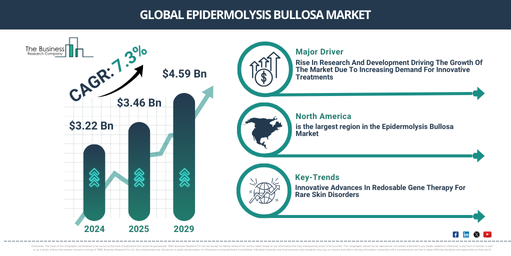
    The epidermolysis bullosa market has been experiencing substantial growth recently. The market value is estimated to escalate from $3.22 billion in 2024 to $3.46 billion in 2025, translating to a compound annual growth rate (CAGR) of 7.6%. Factors contributing to the growth in the historic period include an increase in clinical trials, a rise in the prevalence of epidermolysis bullosa, heightened awareness, a surge in funds allocated for research, a growing emphasis on gene therapy, and an intensified focus on treating rare diseases.

    In the upcoming years, the market size of epidermolysis bullosa is forecasted to experience solid expansion. The growth will reach $4.59 billion in 2029 with a compound annual growth rate (CAGR) of 7.3%. Factors contributing to the growth during the forecast period are heightened acceptance of regenerative medicine and stem cell therapy, escalating awareness and diagnostic rates, surging approvals of gene and cell therapies, broadening wound care, and a rise in diagnosed cases. Key trends during the forecast period encompass innovative therapies, stem cell treatment options, gene modification technologies, tailored treatments, strategic partnerships, and breakthroughs in genetic research.

    Download a free sample to assess the report’s scope and structure:

    https://www.thebusinessresearchcompany.com/sample.aspx?id=21958&type=smp

    What Are the Core Growth Drivers Propelling the Epidermolysis Bullosa Market Forward?

    The growth of the epidermolysis bullosa market is anticipated to be propelled by a surge in research and development activities. These activities encompass systematic endeavors directed towards the innovation, enhancement, and creation of new products, procedures, or technologies. The rising demand for inventive therapies, cutting-edge treatments, and precision medicine for complicated disease treatment has significantly contributed to the growth of such activities. The discovery of novel therapies, advancements in wound care solutions, and potential gene and cell-based treatments are driven by research and development activities, enhancing the diagnosis, treatment, and quality of life of patients with epidermolysis bullosa. In April 2024, the Office for National Statistics, a UK-based executive office, reported a considerable increase of 10.5% in the UK government’s net research and development spending (excluding their contributions to the EU), totaling about $19.2 billion in 2022 from $17.3 billion in 2021. Overall, the growth of the epidermolysis bullosa market is directly attributed to the increased research and development activities.

    What Segment Types Define the Epidermolysis Bullosa Market Structure?

    The epidermolysis bullosa market covered in this report is segmented –

    1) By Product Type: Antibiotic, Analgesics, Other Product Types

    2) By Mode Of Administration: Injectables, Oral, Other Modes of Administration

    3) By End User: Hospitals, Homecare, Specialty Clinics, Other End Users

    Subsegments:

    1) By Antibiotic: Topical Antibiotics, Oral Antibiotics, Injectable Antibiotics

    2) By Analgesics: NSAIDs, Opioids, Topical Pain Relievers

    3) By Other Product Types: Wound Dressings, Immunotherapies, Gene Therapies

    Request customized data on this market:

    https://www.thebusinessresearchcompany.com/customise?id=21958&type=smp

    Which Geographic Areas Hold the Strongest Growth Potential in the Epidermolysis Bullosa Market?

    North America was the largest region in the epidermolysis bullosa market in 2024. The regions covered in the epidermolysis bullosa market report are Asia-Pacific, Western Europe, Eastern Europe, North America, South America, Middle East, Africa.

    Which Emerging Trends that Are Influencing theEpidermolysis Bullosa Industry Evolution?

    Main players in the epidermolysis bullosa market are focusing their efforts on developing innovative treatments, such as redosable gene therapy, to improve long-term effectiveness and patient outcomes. Redosable gene therapy is a treatment that can be re-administered multiple times to sustain or increase its therapeutic benefits, a different approach compared to traditional single-use gene therapies. For example, in May 2023, Krystal Biotech Inc., a biotech company based in the U.S, revealed that the U.S. Food and Drug Administration (FDA) had given approval for VYJUVEK, a redosable gene therapy, for treating six months and older patients suffering from dystrophic epidermolysis bullosa (DEB). This groundbreaking therapy presents a functional version of the COL7A1 gene, dealing with the root of DEB by targeting the fundamental genetic flaw. Crafted for topical use, VYJUVEK provides a more accessible and less invasive alternative to traditional systemic treatments, thus enhancing patient care and the accessibility of treatment.

    View the full report here:

    https://www.thebusinessresearchcompany.com/report/epidermolysis-bullosa-global-market-report

    What Is the Definition of the Epidermolysis Bullosa Market?

    Epidermolysis bullosa (EB) refers to a group of rare genetic disorders that cause extremely fragile skin, leading to blistering and wounds from minor friction or trauma. They are used for studying genetic skin diseases, advancing wound care treatments, and developing innovative gene and cell therapies to improve patient outcomes.

    Purchase the full report and get a swift delivery:

    https://www.thebusinessresearchcompany.com/purchaseoptions.aspx?id=21958

    About The Business Research Company:

    With over 15000+ reports from 27 industries covering 60+ geographies, The Business Research Company has built a reputation for offering comprehensive, data-rich research and insights. Armed with 1,500,000 datasets, the optimistic contribution of in-depth secondary research, and unique insights from industry leaders, you can get the information you need to stay ahead in the game.

    Get in touch with us:

    The Business Research Company: https://www.thebusinessresearchcompany.com/

    Americas +1 3156230293

    Asia +44 2071930708

    Europe +44 2071930708

    Email us at info@tbrc.info

    Follow us on:

    LinkedIn: https://in.linkedin.com/company/the-business-research-company

    YouTube: https://www.youtube.com/channel/UC24_fI0rV8cR5DxlCpgmyFQ

    Global Market Model: https://www.thebusinessresearchcompany.com/global-market-model

  • Major Trends and Emerging Patterns in the Emphysema Market: Advancements In Inhaled Therapy For Chronic Obstructive Pulmonary Disease Treatment

    Discover trends, market shifts, and competitive outlooks for the emphysema industry through 2025-2034 with The Business Research Company’s reliable data and in-depth research

    What Are the Projected Market Size and Growth Rates for the Emphysema Market From 2025 To 2029?

    In the recent years, there has been a significant growth in the emphysema market size. The market value is expected to expand from $4.74 billion in 2024 to $4.99 billion in the subsequent year, 2025, with a compound annual growth rate (CAGR) of 5.2%. The notable growth during the historic period can be linked to the rise in respiratory ailments, an aging population, increased smoking habits, escalating levels of air pollution, growing government initiatives, and a surge in the population indulging in tobacco smoking.

    Predictions for the market size of emphysema suggest a consistent growth in the upcoming years, rising to an estimated $6.05 billion in 2029 with a compound annual growth rate (CAGR) of 4.9%. This projected rise during the forecast period can be linked to increasing healthcare expenditures, escalating environmental pollution, rising demand for diagnostic medical equipment, increasing vehicular trafficking, and a growing preference for minimally invasive procedures. The predictive period also indicates a trend towards new inhalation devices, strategic partnerships, personalized medicinal approaches, telemedicine, progress in inhalation therapies, and general medical advancements.

    Download a free sample to assess the report’s scope and structure:

    https://www.thebusinessresearchcompany.com/sample.aspx?id=21956&type=smp

    What Are the Primary Drivers Supporting the Market Growth of the Emphysema Market?

    The emphysema market is anticipated to grow due to the rising incidence of respiratory infections. These infections, which can affect all parts of the respiratory system such as the sinuses, throat, airways, and lungs, are becoming more common due to factors like pollution, climate change, urbanization, development of drug resistance, and new pathogens. These infections can worsen emphysema by causing inflammation and increased airway obstruction, leading to tissue damage and impaired lung function. For example, the Centers for Disease Control and Prevention, a government agency based in the U.S., reported in November 2024 that there was a 15.6% increase in tuberculosis (TB) cases from 8,332 in 2022 to 9,633 in 2023, with the incidence rate also rising 15.0% from 2.5 to 2.9 per 100,000 persons. Consequently, the upward trend of respiratory infections is contributing to the expansion of the emphysema market.

    Which Primary Segments of the Emphysema Market Are Driving Growth and Industry Transformations?

    The emphysema market covered in this report is segmented –

    1) By Type: Centrilobular, Panlobular

    2) By Treatment: Medication, Therapy, Surgery, Other Treatments

    3) By Diagnosis: Imaging Test, Lung Function Test, Other Diagnosis

    4) By Complications: Chest Infections, Collapsed Lung, Heart Problems, Lungs Hole, Other Complications

    5) By End-user: Hospitals And Clinics, Surgical Center, Other End-users

    Subsegments:

    1) By Centrilobular: Mild Centrilobular Emphysema, Moderate Centrilobular Emphysema, Severe Centrilobular Emphysema

    2) By Panlobular: Mild Panlobular Emphysema, Moderate Panlobular Emphysema, Severe Panlobular Emphysema

    Request customized data on this market:

    https://www.thebusinessresearchcompany.com/customise?id=21956&type=smp

    Which Regions Are Key Players in the Growth of the #What Are the Primary Drivers Supporting the Market Growth of the Emphysema Market?# Market?

    North America was the largest region in the emphysema market in 2024. Asia-Pacific is expected to be the fastest-growing region in the forecast period. The regions covered in the emphysema market report are Asia-Pacific, Western Europe, Eastern Europe, North America, South America, Middle East, Africa.

    What Are the Most Significant Market Trends in the Emphysema Market?

    Leading organizations in the emphysema market are concentrating on medical advancements, including inhalable dual inhibitors for phosphodiesterase 3 and 4, in an effort to deliver sophisticated treatments that progress lung function, moderate inflammation, and support overall disease management, thereby enhancing respiratory health and life quality. An inhalable dual inhibitor for phosphodiesterase 3 and 4 is a specific type of treatment that hones in on and neutralizes both phosphodiesterase enzymes in the lungs, subsequently easing the airways and lessening inflammation, thereby enhancing breathing in conditions such as chronic obstructive pulmonary disease. For example, Verona Pharma plc, a pharma company based in the UK, introduced Ohtuvayre (ensifentrine) in June 2024 – the initial inhalable dual PDE3 and PDE4 inhibitor to be approved by the US-based federal agency, the Food and Drug Administration, for the sustaining treatment of chronic obstructive pulmonary ailments such as emphysema. This was the first innovative inhalable therapy in over two decades. The medication, featuring both bronchodilator and anti-inflammatory effects, is set for distribution via specialty pharmacies.

    View the full report here:

    https://www.thebusinessresearchcompany.com/report/emphysema-global-market-report

    What Parameters Are Used to Define the Emphysema Market?

    Emphysema is a chronic lung disease that damages the air sacs (alveoli) in the lungs, leading to difficulty in breathing. It is a form of chronic obstructive pulmonary disease (COPD) and is primarily caused by smoking or long-term exposure to air pollutants. As the alveoli become weakened and lose their elasticity, air gets trapped, making it harder for the lungs to expel carbon dioxide and take in fresh oxygen. This results in shortness of breath, chronic cough, and reduced lung function over time.

    Purchase the full report and get a swift delivery:

    https://www.thebusinessresearchcompany.com/purchaseoptions.aspx?id=21956

    About The Business Research Company:

    With over 15000+ reports from 27 industries covering 60+ geographies, The Business Research Company has built a reputation for offering comprehensive, data-rich research and insights. Armed with 1,500,000 datasets, the optimistic contribution of in-depth secondary research, and unique insights from industry leaders, you can get the information you need to stay ahead in the game.

    Get in touch with us:

    The Business Research Company: https://www.thebusinessresearchcompany.com/

    Americas +1 3156230293

    Asia +44 2071930708

    Europe +44 2071930708

    Email us at info@tbrc.info

    Follow us on:

    LinkedIn: https://in.linkedin.com/company/the-business-research-company

    YouTube: https://www.youtube.com/channel/UC24_fI0rV8cR5DxlCpgmyFQ

    Global Market Model: https://www.thebusinessresearchcompany.com/global-market-model

  • From Insight to Impact: Strategic Growth Mapping in the Early Toxicity Testing Market

    Discover trends, market shifts, and competitive outlooks for the early toxicity testing industry through 2025-2034 with The Business Research Company’s reliable data and in-depth research

    How Has The Early Toxicity Testing Market Size Shifted, And What Is the Outlook Through 2034?

    In recent times, there has been a considerable expansion in the early toxicity testing market size. Projected growth from $1.47 billion in 2024 to $1.60 billion in 2025, at a compound annual growth rate (CAGR) of 8.9%, signifies a strong market trajectory. The growth observed in the past is largely due to reasons such as enhanced ethical considerations, increased cognizance about human and ecological health, amplified public health emergencies and environmental calamities, a heightened focus on endocrine disruptors, and the growing necessity for uniform standards.

    In the coming years, the market size for early toxicity testing is predicted to witness robust growth. The market is forecasted to reach $2.22 billion by 2029, expanding at a compound annual growth rate (CAGR) of 8.5%. The expected growth during the forecast period can be accredited to factors such as increasing drug safety regulations, an uptick in adverse drug reactions, heightened aesthetic awareness, an incremental rise in early toxicity testing, and overall improved awareness regarding toxicity. Predominant trends for the forecasted period include the adoption of in silico toxicity prediction models, organ-on-a-chip technology, high-throughput screening (HTS), developments in molecular toxicology, and utilization of stem cells in toxicity testing.

    Download a free sample to assess the report’s scope and structure:

    https://www.thebusinessresearchcompany.com/sample.aspx?id=21947&type=smp

    What are the Fundamental Drivers and Innovations Shaping the Early Toxicity Testing Market?

    The escalating emphasis on personalized medicine is anticipated to fuel the expansion of the early toxicity testing market in the forthcoming period. Personalized medicine provides an individualized approach to treatment and healthcare strategies, tailored to the patient’s unique genetic, environmental and lifestyle factors. As it allows for treatments to be customized according to each person’s distinctive genetic composition, it can result in increased effectiveness, diminished side effects, and assurance that each patient receives the correct drug dosage. This approach bolsters early toxicity testing by utilizing genetic, biomarker, and patient-specific data to forecast individual reactions to drugs. This aids in minimizing negative effects and bolstering safety evaluations. In example, a February 2024 report by the Personalized Medicine Coalition stated that in 2023, the FDA approved 16 new personalized treatments aimed at patients with rare diseases, a sharp increase from six in 2022. The approved treatments in 2023 also comprised seven cancer drugs and three for other diseases and conditions. Therefore, the surging emphasis on personalized medicine is facilitating the growth of the early toxicity testing market.

    How Is the Early Toxicity Testing Market Segmented?

    The early toxicity testing market covered in this report is segmented –

    1) By Type: In-Vivo, In-Vitro, In-Silico

    2) By Toxicity Type: Cytotoxicity, Genotoxicity, Carcinogenicity, Reproductive Toxicity, Ecotoxicity

    3) By Technology: Microfluidics Technology, Bioinformatics, High-Content Screening, 3D Cell Cultures

    4) By Application: Drug Development, Environmental Monitoring, Cancer Research, Material Testing, Regulatory Compliance

    5) By End User: Pharmaceuticals Industry, Food Industry, Chemicals Industry, Cosmetics Industry, Other End-Users

    Subsegmentss:

    1) By In-Vivo Type: Acute Toxicity Testing, Chronic Toxicity Testing, Carcinogenicity Testing, Developmental & Reproductive Toxicity (DART) Testing, Neurotoxicity Testing

    2) By In-Vitro Type: Cell-Based Assays, Biochemical Assays, High-Throughput Screening (HTS), 3D Cell Culture Systems, Organ-on-a-Chip Models

    3) By In-Silico Type: Computational Toxicology, Predictive Modeling, Quantitative Structure-Activity Relationship (QSAR) Models, Machine Learning-Based Toxicity Prediction, Physiologically Based Pharmacokinetic (PBPK) Modeling

    Request customized data on this market:

    https://www.thebusinessresearchcompany.com/customise?id=21947&type=smp

    Which Regions Are Driving the Next Phase of the Early Toxicity Testing Market Growth?

    North America was the largest region in the early toxicity testing market in 2024. Aisa-Pacific is expected to be the fastest-growing region in the forecast period. The regions covered in the early toxicity testing market report are Asia-Pacific, Western Europe, Eastern Europe, North America, South America, Middle East, Africa.

    What Key Trends Are Shaping the Future of the Early Toxicity Testing Market?

    Leading corporations in the early toxicity testing market are concentrating on technological advancements like ZBEScreen to increase precision, productivity, and forecasting abilities in toxicity evaluations. ZBEScreen is an innovation that employs zebrafish embryos for comprehensive early toxicity testing to identify potentially damaging effects of compounds. For example, in March 2025, AsedaSciences, a preclinical contract research entity based in Ghana that provides advanced early toxicity testing using zebrafish models, introduced a groundbreaking zebrafish screening service with the collaboration of the renowned Tanguay Lab, an American academic research lab specializing in zebrafish toxicology and developmental health studies. The cutting-edge zebrafish screening service utilises sophisticated high-throughput technologies to gauge toxicity in real-time, furnishing accurate, expedient, and ethical testing of drug and chemical safety through meticulous monitoring of developmental and behavioural shifts.

    View the full report here:

    https://www.thebusinessresearchcompany.com/report/early-toxicity-testing-global-market-report

    How Is the Early Toxicity Testing Market Defined and What Are Its Core Parameters?

    Early toxicity testing refers to the initial evaluation of a substance’s potential toxic effects before it progresses to later stages of development, such as clinical trials or commercial use. This testing is primarily conducted in drug development, chemical safety assessment, and environmental health studies.

    Purchase the full report and get a swift delivery:

    https://www.thebusinessresearchcompany.com/purchaseoptions.aspx?id=21947

    About The Business Research Company:

    With over 15000+ reports from 27 industries covering 60+ geographies, The Business Research Company has built a reputation for offering comprehensive, data-rich research and insights. Armed with 1,500,000 datasets, the optimistic contribution of in-depth secondary research, and unique insights from industry leaders, you can get the information you need to stay ahead in the game.

    Get in touch with us:

    The Business Research Company: https://www.thebusinessresearchcompany.com/

    Americas +1 3156230293

    Asia +44 2071930708

    Europe +44 2071930708

    Email us at info@tbrc.info

    Follow us on:

    LinkedIn: https://in.linkedin.com/company/the-business-research-company

    YouTube: https://www.youtube.com/channel/UC24_fI0rV8cR5DxlCpgmyFQ

    Global Market Model: https://www.thebusinessresearchcompany.com/global-market-model

  • DysthymiaMarket Overview 2025–2034: CAGR Trends, Long-Term Growth Paths, and Business Implications

    DysthymiaMarket Overview 2025–2034: CAGR Trends, Long-Term Growth Paths, and Business Implications

    Discover trends, market shifts, and competitive outlooks for the dysthymia industry through 2025-2034 with The Business Research Company’s reliable data and in-depth research

    How Has the Dysthymia Market Growth Performance Trended Historically, And What Lies Ahead?

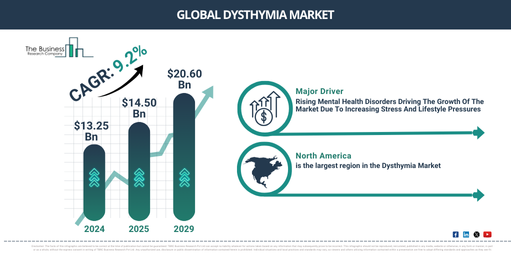
    In recent times, the dysthymia market scale has seen robust growth. It is projected to surge from $13.25 billion in 2024 to $14.50 billion in 2025, with a compound annual growth rate (CAGR) of 9.5%. The notable growth during the historic period can be credited to the enhanced understanding of mental health disorders, breakthroughs in antidepressant treatments, growing instances of chronic depression, better availability of healthcare and therapy, along with changing diagnostic benchmarks in the field of psychiatry.

    Strong expansion is anticipated for the dysthymia market size over the upcoming years, reaching a worth of $20.60 billion by 2029, reflecting a compound annual growth rate (CAGR) of 9.2%. This surge in the projection period can be credited to factors such as the increasing occurrence of persistent depressive disorder, enhancements in diagnosis rates and awareness, advancements in antidepressant treatments, the increase in endorsement of digital mental health solutions, and the broadening of insurance coverage specific to mental health treatments. Notable trends throughout the projected period include the implementation of AI-powered mental health diagnostics, personalized treatment and pharmacogenomics, the integration of digital therapies and mental health apps, telepsychiatry and distance counseling, along with the development of new antidepressant drugs including psychedelics.

    Download a free sample to assess the report’s scope and structure:

    https://www.thebusinessresearchcompany.com/sample.aspx?id=21946&type=smp

    What Are the Primary Drivers Supporting the Market Growth of the Dysthymia Market?

    The growing prevalence of mental health disorders is projected to fuel the dysthymia market’s expansion. Mental health disorders, also termed mental illnesses or psychiatric disorders, include a wide array of conditions impacting mood, cognition, and behavior. Modern lifestyles’ continuous stress, stemming from relentless work demands, financial stress, and digital overload, contributes to chronic anxiety and various mental health conditions. Therapies, medications, and lifestyle modifications that dysthymia treatment provides as long-term strategies assist in mood stabilization, emotional resilience improvement, and overall well-being enhancement. The National Alliance On Mental Illness, a US-based organization, noted in 2024 that psychosis spectrum and mood disorders cause nearly 600,000 hospitalizations annually among individuals aged 18-44 in the U.S. Therefore, the rising prevalence of mental health disorders drives the dysthymia market’s growth. The growth of the dysthymia market is also projected to be fueled by the expansion of healthcare facilities, thanks to advances in medical needs and infrastructure. Healthcare facilities, which refer to fundamental physical infrastructures, systems, and resources essential for delivering efficient healthcare services, are being expanded due to evolving medical needs. These needs, driven by advancements in diagnostics and treatments, require updated infrastructure to adequately handle complex health conditions. The dysthymia treatment is supported by healthcare infrastructure by ensuring medical facilities’ availability, the presence of trained health professionals for effective administration, and patient access to medication. The American Hospital Association, a US-based non-profit organization, reported that there were 6,120 hospitals in the United States in 2024, a rise from 6,093 hospitals in 2022. Therefore, the growing healthcare infrastructure contributes to the dysthymia market’s growth.

    Which Primary Segments of the Dysthymia Market Are Driving Growth and Industry Transformations?

    The dysthymia market covered in this report is segmented –

    1) By Treatment: Psychotherapy, Pharmacotherapy, Combination Of Psychotherapy And Pharmacotherapy

    2) By Severity: Mild, Moderate, Severe

    3) By Comorbidities: Anxiety Disorders, Depression, Substance Abuse

    4) By Distribution Channel: Online, Offline

    5) By End-Users: Hospitals, Clinics

    Subsegmentss:

    1) By Psychotherapy: Cognitive Behavioral Therapy (CBT), Interpersonal Therapy (IPT), Psychodynamic Therapy

    2) By Pharmacotherapy: Antidepressants (SSRIs, SNRIs, Tricyclic Antidepressants), Antipsychotics, Mood Stabilizers

    3) By Combination of Psychotherapy and Pharmacotherapy: Cognitive Behavioral Therapy (CBT) with Antidepressants, Interpersonal Therapy (IPT) with Antipsychotics, Psychodynamic Therapy with Mood Stabilizers

    Request customized data on this market:

    https://www.thebusinessresearchcompany.com/customise?id=21946&type=smp

    Which Regions Are Key Players in the Growth of the #What Are the Primary Drivers Supporting the Market Growth of the Dysthymia Market?# Market?

    North America was the largest region in the dysthymia market in 2024. Asia-Pacific is expected to be the fastest-growing region in the forecast period. The regions covered in the dysthymia market report are Asia-Pacific, Western Europe, Eastern Europe, North America, South America, Middle East, Africa.

    View the full report here:

    https://www.thebusinessresearchcompany.com/report/dysthymia-global-market-report

    What Parameters Are Used to Define the Dysthymia Market?

    Dysthymia, also known as persistent depressive disorder (PDD), is a chronic form of depression that lasts for at least two years (one year in children and adolescents). It is characterized by a low mood that persists most of the time.

    Purchase the full report and get a swift delivery:

    https://www.thebusinessresearchcompany.com/purchaseoptions.aspx?id=21946

    About The Business Research Company:

    With over 15000+ reports from 27 industries covering 60+ geographies, The Business Research Company has built a reputation for offering comprehensive, data-rich research and insights. Armed with 1,500,000 datasets, the optimistic contribution of in-depth secondary research, and unique insights from industry leaders, you can get the information you need to stay ahead in the game.

    Get in touch with us:

    The Business Research Company: https://www.thebusinessresearchcompany.com/

    Americas +1 3156230293

    Asia +44 2071930708

    Europe +44 2071930708

    Email us at info@tbrc.info

    Follow us on:

    LinkedIn: https://in.linkedin.com/company/the-business-research-company

    YouTube: https://www.youtube.com/channel/UC24_fI0rV8cR5DxlCpgmyFQ

    Global Market Model: https://www.thebusinessresearchcompany.com/global-market-model

  • Dyslipidemia Outlook 2034: Key Drivers, Trends, and Market Frontiers

    Discover trends, market shifts, and competitive outlooks for the dyslipidemia industry through 2025-2034 with The Business Research Company’s reliable data and in-depth research

    What Are the Projected Market Size and Growth Rates for the Dyslipidemia Market From 2025 To 2029?

    The size of the dyslipidemia market has experienced swift expansion in the past few years. It is projected to escalate from $16.31 billion in 2024 to approximately $18.08 billion in 2025, exhibiting a compound annual growth rate (CAGR) of 10.8%. The expansion in the previous period can be credited to factors such as increased genetic susceptibility, the prevalence of a sedentary lifestyle, the consummation of unhealthy food, a growing elderly population, and escalating obesity rates.

    Anticipations suggest a swift expansion of the dyslipidemia market size in the forthcoming years, projecting a surge up to $27.04 billion by 2029 with a compound annual growth rate (CAGR) of 10.6%. The escalation during the prediction phase could be linked to the emerging enhancements in therapies aimed at reducing lipids, increasing consciousness and screening programs, a surge in metabolic disorder cases, growth in healthcare expenditures, and an increased occurrence of dyslipidemia. The primary trends likely to be seen during the forecast phase are progress in gene therapies, innovations in RNA-based treatments, improvements in AI-driven drug development, advancements in personalized medicine, and novel innovations in digital health tracking.

    Download a free sample to assess the report’s scope and structure:

    https://www.thebusinessresearchcompany.com/sample.aspx?id=21945&type=smp

    How Are Key Drivers in the Industry Acting as Catalysts for the Growth of the Dyslipidemia Market?

    The growth of the dyslipidemia market is projected to be fueled by the rising population of obese individuals. The term obese population pertains to people who possess surplus body fat that could potentially harm their health. Changes in lifestyle have led to a continued imbalance of energy, triggering a steady weight increase along with associated health risks. Dyslipidemia is brought on by obesity through the disruption of lipid metabolism, leading to irregular levels of cholesterol and triglycerides, consequently increasing the likelihood of cardiovascular diseases. For example, according to the World Health Organization (WHO), a Switzerland-based intergovernmental organization, around one in every eight individuals around the globe, including 2.5 billion adults aged 18 and above, experiences obesity as of March 2024. In addition, the count of overweight children, aged under five years old, has hit 37 million. Thus, the expansion of the obese population is pushing the dyslipidemia market forward.

    Which Segments in the Dyslipidemia Offer the Most Growth?

    The dyslipidemia market covered in this report is segmented –

    1) By Treatment: Statins, Bile Acid Sequestrants, PCSK9 Inhibitors, Small Interfering RNA (siRNA), Cholesterol Absorption Inhibitors, Fibrates, Niacins, Omega-3 Fatty Acid Derivatives, Other Treatments

    2) By Route Of Administration: Oral, Parental

    3) By Distribution Channel: Hospital Pharmacies, Retail Pharmacies, Drug Store, Online Pharmacies

    Subsegmentss:

    1) By Statins: Atorvastatin, Simvastatin, Rosuvastatin, Pravastatin

    2) By Bile Acid Sequestrants: Cholestyramine, Colesevelam

    3) By PCSK9 Inhibitors: Evolocumab, Alirocumab

    4) By Small Interfering RNA (siRNA): Inclisiran

    5) By Cholesterol Absorption Inhibitors: Ezetimibe

    6) By Fibrates: Fenofibrate, Gemfibrozil

    7) By Niacins: Nicotinic Acid

    8) By Omega-3 Fatty Acid Derivatives: Eicosapentaenoic Acid (EPA), Docosahexaenoic Acid (DHA)

    9) By Other Treatments: Herbal Supplements, Combination Therapies

    Request customized data on this market:

    https://www.thebusinessresearchcompany.com/customise?id=21945&type=smp

    What Are the Fastest-Growing Geographies in the #How Are Key Drivers in the Industry Acting as Catalysts for the Growth of the Dyslipidemia Market?# Market?

    North America was the largest region in the dyslipidemia market in 2024. Asia-Pacific is expected to be the fastest-growing region in the forecast period. The regions covered in the dyslipidemia market report are Asia-Pacific, Western Europe, Eastern Europe, North America, South America, Middle East, Africa.

    What Are the Current Market Growth and Trends in the Dyslipidemia Industry?

    Leading firms in the dyslipidemia sector are directing their efforts towards the creation of state-of-the-art combination therapies. These therapies aim to boost treatment effectiveness, enhance patient adherence, and tackle various lipid irregularities concurrently. Combining diverse therapeutic agents into a single treatment plan is a strategy used to heighten potency, minimize adverse effects, and address various disease mechanisms at once. A case in point is Esperion Therapeutics Inc., a pharmaceutical company situated in the US, which proclaimed the approval of NEXLETOL (bempedoic acid) and NEXLIZET (a mix of bempedoic acid and ezetimibe) by the Food and Drug Administration in March 2024. These innovative oral medications without statins are engineered to decrease low-density lipoprotein cholesterol (LDL-C) and cut down the probability of cardiovascular incidents. The updated labelling permits the usage of NEXLETOL and NEXLIZET in isolation or paired with statins, a popular category of cholesterol-reducing drugs. This flexibility is especially advantageous for patients who either can’t tolerate statins or opt for non-statin alternatives.

    View the full report here:

    https://www.thebusinessresearchcompany.com/report/dyslipidemia-global-market-report

    What Are the Key Elements That Define the Dyslipidemia Market?

    Dyslipidemia is a health condition where the levels of lipids (fats) in the blood become abnormal. Managing dyslipidemia primarily aims to regulate lipid levels, reduce the risk of cardiovascular diseases, and improve heart health through a combination of lifestyle modifications, medication, and routine monitoring.

    Purchase the full report and get a swift delivery:

    https://www.thebusinessresearchcompany.com/purchaseoptions.aspx?id=21945

    About The Business Research Company:

    With over 15000+ reports from 27 industries covering 60+ geographies, The Business Research Company has built a reputation for offering comprehensive, data-rich research and insights. Armed with 1,500,000 datasets, the optimistic contribution of in-depth secondary research, and unique insights from industry leaders, you can get the information you need to stay ahead in the game.

    Get in touch with us:

    The Business Research Company: https://www.thebusinessresearchcompany.com/

    Americas +1 3156230293

    Asia +44 2071930708

    Europe +44 2071930708

    Email us at info@tbrc.info

    Follow us on:

    LinkedIn: https://in.linkedin.com/company/the-business-research-company

    YouTube: https://www.youtube.com/channel/UC24_fI0rV8cR5DxlCpgmyFQ

    Global Market Model: https://www.thebusinessresearchcompany.com/global-market-model

  • Global Dupuytren’s Disease Market Trends: Regional Breakdowns and Strategic Insights

    Discover trends, market shifts, and competitive outlooks for the dupuytren’s disease industry through 2025-2034 with The Business Research Company’s reliable data and in-depth research

    What Is the Estimated Market Size of the Dupuytren’s Disease Market In 2029?

    In recent times, there has been robust growth in the market size of Dupuytren’s disease. It is projected to expand from $4.28 billion in 2024 to $4.55 billion in 2025, indicating a compound annual growth rate (CAGR) of 6.3%. Factors contributing to the growth during the historic period include an increasing aging population, a rise in genetic predisposition, a growing prevalence of diabetes, a surge in alcohol consumption, and an increase in manual labor leading to repeated hand trauma.

    Anticipations strongly suggest a robust expansion of the market for Dupuytren’s disease in the forthcoming years, projecting a rise to around $5.76 billion by 2029, ensuing a Compound Annual Growth Rate (CAGR) of roughly 6.0%. This surge during the forecast period can be credited to factors like enhanced progression in therapeutic solutions, increasing realization and timely detection, escalated spending on healthcare, growth in acceptance of less invasive procedures, and widening of research and development activities. Foreseen trends for this period include advances in gene treatment, breakthroughs in restorative medicine and stem cell treatment, progress in AI-fueled diagnostic apparatus, development in 3D printing for customized orthotics, and creative minimally invasive surgical methods.

    Download a free sample to assess the report’s scope and structure:

    https://www.thebusinessresearchcompany.com/sample.aspx?id=21944&type=smp

    What Are the Major Market Drivers Behind the Rising Adoption of Dupuytren’s Disease Market?

    The augmentation of minimally invasive treatments are predicted to boost the expansion of the dupuytren’s disease market in the future. These treatments involve less incisions or tissue damage, providing pain relief and minimized scarring. Because of their advantages which include expedited recovery, minimized discomfort and considerably reduced risk of complications compared to traditional surgery, minimally invasive treatments are gaining traction among people. They offer considerable relief to patients with Dupuytren’s disease by re-establishing hand functionality, diminishing contracture, and enabling a swifter, more pleasant recovery. For example, a report from the Royal Australasian College of Surgeons (RACS), an Australian governmental institution, disclosed in June 2023 that procedures undertaken with da Vinci platforms saw a 12% growth, surging from 17,852 in 2021 to 19,989 in 2022 in Australia. Hence, the surging popularity of minimally invasive treatments serves as a crucial catalyst for the growth of the dupuytren’s disease market.

    Which Key Market Segments Comprise the Dupuytren’s Disease Market and Drive Its Revenue Growth?

    The dupuytren’s disease market covered in this report is segmented –

    1) By Disease Type: Type I, Type II, Type III

    2) By Treatment: Surgery, Radiation Therapy, Needle Aponeurotomy, Steroid Shot, Enzyme Injection, Occupational Therapy, Other Treatments

    3) By Route of Administration: Oral, Parenteral, Other Routes Of Administration

    4) By Diagnosis: Physical Examination, X-Ray, Other Diagnosis

    5) By End-User: Hospitals, Clinics, Academic And Research Institute, Other End-Users

    Subsegmentss:

    1) By Type I: Classical Dupuytren’s Disease, Familial Dupuytren’s Disease

    2) By Type II: Palmar Fasciitis, Ledderhose Disease

    3) By Type III: Garrod’s Pads, Peyronie’s Disease

    Request customized data on this market:

    https://www.thebusinessresearchcompany.com/customise?id=21944&type=smp

    Which Areas Are Leading Regions in the Dupuytren’s Disease Market Expansion Across the Globe?

    North America was the largest region in the dupuytren’s disease market in 2024. Asia-Pacific is expected to be the fastest-growing region in the forecast period. The regions covered in the dupuytren’s disease market report are Asia-Pacific, Western Europe, Eastern Europe, North America, South America, Middle East, Africa.

    What Are the Strategic Trends Steering theDupuytren’s Disease Market Direction?

    Key players in the dupuytren’s disease market are concentrating their efforts on clinical trials to innovate first-line, disease-altering therapies. Clinical trials are investigative studies that assess the safety, efficacy, and possible side effects of new healthcare treatments, medications, or procedures in human volunteers before they receive authorization for general use. For example, in April 2023, Ventoux Biosciences, an American biopharmaceutical firm with a focus on creating non-surgical treatments for Dupuytren’s diseases, revealed encouraging pre-clinical findings for its fibrosis therapy, aimed specifically at Dupuytren’s contracture, a disease affecting around five percent of the American population. Ventoux’s primary candidate, VEN-201, is a re-designed drug available in the market that has proven effective in decreasing skin fibrosis in mice models. This critical discovery has led Ventoux to commence a round of fundraising to further the development of VEN-201.

    View the full report here:

    https://www.thebusinessresearchcompany.com/report/dupuytrens-disease-global-market-report

    How Is the Dupuytren’s Disease Market Conceptually Defined?

    Dupuytren’s disease, also known as dupuytren’s contracture is a condition that affects the connective tissue (fascia) in the palm and fingers, causing thickening and tightening. The condition causes the fingers to bend toward the palm over time, making it difficult to straighten them or perform everyday tasks.

    Purchase the full report and get a swift delivery:

    https://www.thebusinessresearchcompany.com/purchaseoptions.aspx?id=21944

    About The Business Research Company:

    With over 15000+ reports from 27 industries covering 60+ geographies, The Business Research Company has built a reputation for offering comprehensive, data-rich research and insights. Armed with 1,500,000 datasets, the optimistic contribution of in-depth secondary research, and unique insights from industry leaders, you can get the information you need to stay ahead in the game.

    Get in touch with us:

    The Business Research Company: https://www.thebusinessresearchcompany.com/

    Americas +1 3156230293

    Asia +44 2071930708

    Europe +44 2071930708

    Email us at info@tbrc.info

    Follow us on:

    LinkedIn: https://in.linkedin.com/company/the-business-research-company

    YouTube: https://www.youtube.com/channel/UC24_fI0rV8cR5DxlCpgmyFQ

    Global Market Model: https://www.thebusinessresearchcompany.com/global-market-model

  • Disposable Contact Lenses Market Valuation Expected To Reach $3.63 Billion By 2029, Growing At A Rate Of 21.3%

    Disposable Contact Lenses Market Valuation Expected To Reach $3.63 Billion By 2029, Growing At A Rate Of 21.3%

    Discover trends, market shifts, and competitive outlooks for the disposable contact lenses industry through 2025-2034 with The Business Research Company’s reliable data and in-depth research

    What is the Projected CAGR for the Disposable Contact Lenses Market Size from 2025 to 2034?

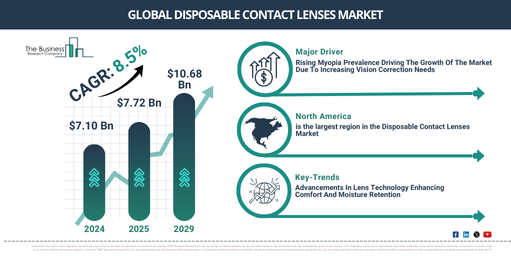
    The market for disposable contact lenses has seen significant expansion in the recent past. The market size is set to inflate from $7.10 billion in 2024 to $7.72 billion in 2025, registering a compound annual growth rate (CAGR) of 8.7%. The rise in the historic phase can be tied to the escalation in vision impairments, heightened awareness regarding ocular health, the increase in choosing contact lenses over glasses, the growing effect of digital eye strain necessitating lenses, and the surge in use of subscription-based services for lens distribution.

    The market for disposable contact lenses is projected to experience a significant increase in the coming years, with an expected rise to $10.68 billion in 2029, exhibiting a Compound Annual Growth Rate (CAGR) of 8.5%. Various factors contributing to this anticipated expansion over the forecast period include an escalating demand for daily disposable lenses, a surge in occurrences of myopia among young individuals, an increased inclination towards hygiene and ease-of-use, a growing elderly population requiring vision correction, and a rise in tailoring and individualization of lenses. The forecast period is also set to be marked by key trends such as the progression in lens materials technology, improvements in silicone hydrogel lenses, a transition towards eco-friendly and decomposable lenses, incorporation of advanced technology in contact lenses, and enhancements in moisture retainment and oxygen permeability.

    Download a free sample to assess the report’s scope and structure:

    https://www.thebusinessresearchcompany.com/sample.aspx?id=21940&type=smp

    Which Factors and External Forces Are Driving Demand in the Disposable Contact Lenses Market?

    The disposable contact lens market’s expansion is anticipated to be fuelled by the growing occurrence of myopia. Myopia, also known as nearsightedness, is a vision condition in which faraway objects appear fuzzy, while near objects remain clear. Limited exposure to the outdoors contributes significantly to the raising prevalence of this condition since natural light is crucial in managing eye growth and in preventing the eyeball from excessively elongating. This spike in myopia incidence heightens the demand for disposable contact lenses, which offer a practical and sanitary option for correcting vision. For example, the Lions Eye Institute, a non-profit entity based in Australia, reported in October 2024 that global rates of myopia are soaring, affecting over 90% of students at Chinese universities and more than 6 million Australians (constituting over 20% of the population). If current trends continue, myopia could affect half of the global population by 2050. Hence, the escalating prevalence of myopia is propelling the disposable contact lens market’s progression.

    Which Segments in the Disposable Contact Lenses Offer the Most Growth?

    The disposable contact lenses market covered in this report is segmented –

    1) By Type: Cylindrical Lenses, Toric Lenses, Spherical Lenses

    2) By Material: Silicon, Hydrogel, Polymers

    3) By Distribution Channel: Optical Stores, Online Stores

    4) By Applications: Corrective, Therapeutic, Cosmetic

    Subsegments:

    1) By Cylindrical Lenses: Soft Cylindrical Lenses, Rigid Gas Permeable (RGP) Cylindrical Lenses, Hybrid Cylindrical Lenses

    2) By Toric Lenses: Daily Disposable Toric Lenses, Weekly Disposable Toric Lenses, Monthly Disposable Toric Lenses

    3) By Spherical Lenses: Daily Disposable Spherical Lenses, Weekly Disposable Spherical Lenses, Monthly Disposable Spherical Lenses

    Request customized data on this market:

    https://www.thebusinessresearchcompany.com/customise?id=21940&type=smp

    What Are the Fastest-Growing Geographies in the Disposable Contact Lenses Market?

    North America was the largest region in the disposable contact lenses market in 2024. Asia-Pacific is expected to be the fastest-growing region in the forecast period. The regions covered in the disposable contact lenses market report are Asia-Pacific, Western Europe, Eastern Europe, North America, South America, Middle East, Africa.

    Which Cutting-Edge Market Trends Are Expected to Drive theDisposable Contact Lenses Market’s Growth?

    Focus on the development of advanced lens technology, such as ProBalance technology, are the primary scope for major enterprises in the disposable contact lenses market to gain a significant market advantage. ProBalance technology marks a breakthrough in lens innovation by utilizing moisturizing elements to sustain ocular surface balance, lessen eye dryness, and improve comfort during the use of contact lenses. As an illustration, Bausch + Lomb Incorporated, a U.S.-based medical company, rolled out Infuse Multifocal silicone hydrogel everyday disposable contact lenses in the United States in May 2023. These lenses have been designed to offer clear sight across all lengths for individuals with presbyopia. They employ ProBalance technology to retain moisture and alleviate dryness, thus addressing prevalent challenges experienced by people who use multifocal lenses. They are manufactured using the advanced SiHy material (kalifilcon A), becoming high in breathability, comfort, and extended moisture preservation.

    View the full report here:

    https://www.thebusinessresearchcompany.com/report/disposable-contact-lenses-global-market-report

    What Are the Key Elements That Define the Disposable Contact Lenses Market?

    Disposable contact lenses are soft lenses designed for short-term use and discarded after a specified period, such as daily, biweekly, or monthly. They are used for vision correction or cosmetic purposes, offering convenience and reducing the risk of infections compared to reusable lenses.

    Purchase the full report and get a swift delivery:

    https://www.thebusinessresearchcompany.com/purchaseoptions.aspx?id=21940

    About The Business Research Company:

    With over 15000+ reports from 27 industries covering 60+ geographies, The Business Research Company has built a reputation for offering comprehensive, data-rich research and insights. Armed with 1,500,000 datasets, the optimistic contribution of in-depth secondary research, and unique insights from industry leaders, you can get the information you need to stay ahead in the game.

    Get in touch with us:

    The Business Research Company: https://www.thebusinessresearchcompany.com/

    Americas +1 3156230293

    Asia +44 2071930708

    Europe +44 2071930708

    Email us at info@tbrc.info

    Follow us on:

    LinkedIn: https://in.linkedin.com/company/the-business-research-company

    YouTube: https://www.youtube.com/channel/UC24_fI0rV8cR5DxlCpgmyFQ

    Global Market Model: https://www.thebusinessresearchcompany.com/global-market-model