Author: Marketing Posting

  • $9.55 Billion Forecast for Ketone Supplements Market by 2029, Backed by Demand and Innovation

    $9.55 Billion Forecast for Ketone Supplements Market by 2029, Backed by Demand and Innovation

    Discover trends, market shifts, and competitive outlooks for the ketone supplements industry through 2025-2034 with The Business Research Company’s reliable data and in-depth research

    What is the Projected CAGR for the Ketone Supplements Market Size from 2025 to 2034?

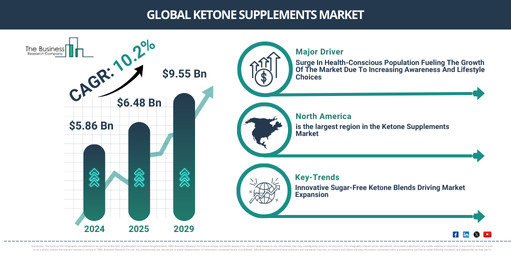
    In recent times, the ketone supplements market has witnessed rapid expansion. Its size is projected to inflate from $5.86 billion in 2024 to $6.48 billion in 2025, exhibiting a compound annual growth rate (CAGR) of 10.5%. The considerable growth in the past can be traced back to the widespread acceptance of ketogenic diets, heightened awareness towards health, surge in demand for weight management solutions, flourishing sports nutrition industry, and enhanced understanding of metabolic health among consumers.

    The market for ketone supplements is projected to witness a significant expansion in the coming years, with an estimated value of $9.55 billion in 2029 and a Compound Annual Growth Rate (CAGR) of 10.2%. This predicted development in the forecast period can be linked to factors like growing interest in tailored nutrition, a tendency towards clean-label supplements, heightened attention to cognitive health benefits, growth of e-commerce and direct-to-consumer sales, and increasing usage among endurance athletes. Key trends forecasted during this period include the development of plant-based ketone supplements, the introduction of AI in providing bespoke supplement suggestions, advancements in ketone delivery systems and supplement formulations, and an increase in subscription-based supplement services.

    Download a free sample to assess the report’s scope and structure:

    https://www.thebusinessresearchcompany.com/sample.aspx?id=22028&type=smp

    What Are the Core Growth Drivers Propelling the Ketone Supplements Market Forward?

    The rise in the number of people prioritizing their health is predicted to stimulate the expansion of the ketone supplements industry. These health-focused individuals consciously adopt lifestyle choices that emphasize their wellness, including eating healthily, regular physical activity, and steering clear of detrimental elements. The increased awareness of the significance of these healthy lifestyle choices, the impact of social media, and the accessibility of additional health-related information significantly contribute to this spike in health-conscious individuals. Ketone supplements serve as a beneficial aid for these focused individuals, advocating weight management, enhanced athletic performance, improved cognitive abilities, and rapid recovery post-workout. For example, a survey study conducted by the non-profit American organization, International Food Information Council, in May 2022, showed that about 52% of the 1,005 American adults aged 18–80 and Gen Z adults aged 18-24 surveyed adhered to a specific diet or eating regimen, observing an increase from 39% in 2021. Hence, the surge in health-conscious individuals is fueling the upswing in the ketone supplements market.

    What Segment Types Define the Ketone Supplements Market Structure?

    The ketone supplements market covered in this report is segmented –

    1) By Product Type: Tablets Or Capsules, Powder, Gummies, Liquid

    2) By Application: Supplements, Food And Beverages, Cosmetics And Personal Care Products

    3) By Distribution Channel: Hypermarkets or Supermarkets, Convenience Stores, Specialist Stores, Online Retail, Other Distribution Channels

    Subsegments:

    1) By Tablets or Capsules: Exogenous Ketone Capsules, Ketone Ester Tablets, BHB (Beta-Hydroxybutyrate) Salt Capsules, Multi-Nutrient Ketone Blends

    2) By Powder: Pure BHB Powder, Ketone Ester Powder, Ketogenic Meal Replacement Powder, Flavored Ketone Powders

    3) By Gummies: BHB Gummies, MCT (Medium-Chain Triglyceride) Gummies, Multi-Vitamin Infused Ketone Gummies, Sugar-Free Ketone Gummies

    4) By Liquid: Ready-to-Drink Ketone Beverages, Liquid Ketone Esters, Ketone Energy Shots, Electrolyte-Infused Ketone Drinks

    Request customized data on this market:

    https://www.thebusinessresearchcompany.com/customise?id=22028&type=smp

    Which Geographic Areas Hold the Strongest Growth Potential in the Ketone Supplements Market?

    North America was the largest region in the ketone supplements market in 2024. Asia-Pacific is expected to be the fastest-growing region in the forecast period. The regions covered in the ketone supplements market report are Asia-Pacific, Western Europe, Eastern Europe, North America, South America, Middle East, Africa.

    Which Emerging Trends that Are Influencing theKetone Supplements Industry Evolution?

    Major firms in the ketone supplements market are concentrating on generating new and novel formulations such as sugar-free ketone mixes to improve energy yield and metabolic aid. Sugar-free ketone mixes are devised to incorporate exogenous ketones like beta-hydroxybutyrate or BHB salts with other elements, excluding any added sugars. These mixtures facilitate ketosis – the metabolic stage where fat, instead of carbohydrates, is used by the body for energy. For example, in October 2024, KEY, the American ketone supplemental brand, declared its country-wide availability in Sprouts Farmers Market stores, thereby broadening its reach of the natural, sugarless ketone drink. KEY sets itself apart with its formula devoid of sugar and 80 mg of caffeine derived from green tea, providing a steady stream of energy without the usual crash. It provides a natural fuel replacement via ketones which boosts metabolic efficiency and prolonged performance.

    View the full report here:

    https://www.thebusinessresearchcompany.com/report/ketone-supplements-global-market-report

    What Is the Definition of the Ketone Supplements Market?

    Ketone supplements refer to dietary products that provide exogenous ketones to increase blood ketone levels, mimicking a state of ketosis without requiring strict carbohydrate restriction. These supplements typically contain beta-hydroxybutyrate (BHB) as salts or esters, which serve as an alternative energy source for the body and brain. They are commonly used to enhance athletic performance, support weight management, and improve cognitive function.

    Purchase the full report and get a swift delivery:

    https://www.thebusinessresearchcompany.com/purchaseoptions.aspx?id=22028

    About The Business Research Company:

    With over 15000+ reports from 27 industries covering 60+ geographies, The Business Research Company has built a reputation for offering comprehensive, data-rich research and insights. Armed with 1,500,000 datasets, the optimistic contribution of in-depth secondary research, and unique insights from industry leaders, you can get the information you need to stay ahead in the game.

    Get in touch with us:

    The Business Research Company: https://www.thebusinessresearchcompany.com/

    Americas +1 3156230293

    Asia +44 2071930708

    Europe +44 2071930708

    Email us at info@tbrc.info

    Follow us on:

    LinkedIn: https://in.linkedin.com/company/the-business-research-company

    YouTube: https://www.youtube.com/channel/UC24_fI0rV8cR5DxlCpgmyFQ

    Global Market Model: https://www.thebusinessresearchcompany.com/global-market-model

  • Ischemia Reperfusion Injury Market 2025-2034: Key Highlights, Growth Dynamics, and Emerging Trends

    Ischemia Reperfusion Injury Market 2025-2034: Key Highlights, Growth Dynamics, and Emerging Trends

    Discover trends, market shifts, and competitive outlooks for the ischemia reperfusion injury industry through 2025-2034 with The Business Research Company’s reliable data and in-depth research

    What Are the Key Milestones in the Ischemia Reperfusion Injury Market’s Growth Trajectory From 2025 To 2034?

    In recent times, the market size for ischemia reperfusion injury has undergone significant expansion. The market is projected to swell from $1.56 billion in 2024 to $1.68 billion in 2025, marking a compound annual growth rate (CAGR) of 8.1%. Factors contributing to the growth in the past period include a surge in cardiovascular disease rates, a higher number of surgical procedures, increased demand for organ transplants, a growing ageing population, and a rise in stroke incidence.

    In the coming years, the ischemia reperfusion injury market is anticipated to experience notable growth, expanding to a valuation of $2.26 billion by 2029, with a compound annual growth rate (CAGR) of 7.7%. The growth during the projection period is attributed to the rising demand for biomarker-based diagnostics, increased awareness regarding organ preservation methods, a surge in myocardial infarction incidents, escalating investments in pharmaceutical R&D, and burgeoning demand for stem cell therapy. The trending forecast period developments include advancements in imaging technology, the creation of new pharmacological agents, the incorporation of AI and machine learning in therapy, the use of 3D printing in organ modelling, and a trend towards telemedicine.

    Download a free sample to assess the report’s scope and structure:

    https://www.thebusinessresearchcompany.com/sample.aspx?id=22025&type=smp

    How Are Key Drivers in the Industry Acting as Catalysts for the Growth of the Ischemia Reperfusion Injury Market?

    A surge in cardiovascular diseases is projected to fuel the progression of the ischemia-reperfusion injury market. Cardiovascular diseases encompass conditions that impact the heart and blood vessels, including diseases such as coronary artery disease, heart failure, and stroke. The surge in these conditions can be attributed to unhealthy lifestyles and an aging demographic. Diets loaded with saturated fats, sugar, and salt, along with insufficient physical activity, have resulted in increasing obesity, hypertension and diabetes rates, which are key contributing factors for cardiovascular diseases. Ischemia-reperfusion injury exacerbates cardiovascular diseases by worsening tissue damage, causing oxidative stress, inflammation, and cell death, thereby, compromising cardiac function and escalating heart failure risk and other complications. For example, in December 2023, the Australian Institute of Health and Welfare reported an increase in coronary heart disease (CHD) deaths from 14,100 in 2021 to 14,900 in 2022. Hence, the surge in cardiovascular diseases is stimulating the ischemia-reperfusion injury market growth. The augmentation in organ transplantation cases is also projected to stimulate the ischemia-reperfusion injury market’s progression. Organ transplantation involves the surgical procedure of replacing a damaged or failing organ in a recipient with a healthy organ from a donor. The augmentation in organ transplantation cases is a result of advancements in medical technologies and a rising number of patients suffering from organ failure. Recent improvements in surgical processes, immunosuppressive therapies, and organ preservation have considerably enhanced the success rate of organ transplants. Ischemia-reperfusion injury (IRI) associated with transplantation can be minimized through cutting-edge preservation techniques that help to reduce the damage caused during ischemia, thus, enhancing the survival and function of the transplanted organ upon reperfusion. For instance, in January 2023, the United Network for Organ Sharing (UNOS) reported a 3.7% increase in organ transplants in the United States in 2022, totalling 42,887. Hence, the augmentation in organ transplantation cases is fuelling the growth of the ischemia-reperfusion injury market.

    Which Segments in the Ischemia Reperfusion Injury Offer the Most Growth?

    The ischemia reperfusion injury market covered in this report is segmented –

    1) By Treatment Type: Pharmacological Therapy, Non-pharmacological Therapy

    2) By Application: Cardiovascular Diseases, Stroke, Organ Transplantation, Heart Attack, Diabetes

    3) By End Users: Hospitals, Clinics, Ambulatory Services, Nursing Home

    Subsegments:

    1) By Pharmacological Therapy: Antioxidants, Anti-inflammatory Agents, Calcium Channel Blockers, Free Radical Scavengers, Nitric Oxide Donors, Mitochondrial Protective Agents.

    2) By Non-Pharmacological Therapy: Ischemic Preconditioning (IPC), Ischemic Postconditioning (IPO), Remote Ischemic Conditioning (RIC), Hypothermia Therapy, Mechanical Interventions, Gene and Stem Cell Therapy.

    Request customized data on this market:

    https://www.thebusinessresearchcompany.com/customise?id=22025&type=smp

    What Are the Fastest-Growing Geographies in the #How Are Key Drivers in the Industry Acting as Catalysts for the Growth of the Ischemia Reperfusion Injury Market?# Market?

    North America was the largest region in the ischemia reperfusion injury market in 2024. Asia-Pacific is expected to be the fastest-growing region in the forecast period. The regions covered in the ischemia reperfusion injury market report are Asia-Pacific, Western Europe, Eastern Europe, North America, South America, Middle East, Africa.

    What Are the Current Market Growth and Trends in the Ischemia Reperfusion Injury Industry?

    In the ischemia-reperfusion injury market, leading organizations are concentrating on the advancement of novel therapies such as treatments that utilize ketamine to minimize tissue damage and inflammation caused by ischemia-reperfusion injury. Ketamine-based treatments encompass medical procedures that utilize the dissociative anesthetic known as ketamine for various health issues. These procedures are primarily used for mental health issues like depression, anxiety, post-traumatic stress disorder, and also for pain management. For example, in December 2022, PharmaTher Holdings Ltd., a firm specializing in pharmaceuticals based in Canada, was granted an orphan drug designation by the U.S. FDA for the use of ketamine in preventing ischemia-reperfusion injuries stemming from organ transplants. This drug inhibits NF-?B, thus curbing the production of proinflammatory cytokines such as IL-6 and TNF-a and reducing the injury caused by ischemia-reperfusion. Moreover, it exhibits anti-inflammatory effects by impeding leukocyte reactivity, thereby diminishing immune-mediated damage to transplanted organs.

    View the full report here:

    https://www.thebusinessresearchcompany.com/report/ischemia-reperfusion-injury-global-market-report

    What Are the Key Elements That Define the Ischemia Reperfusion Injury Market?

    Ischemia-reperfusion injury is the tissue damage that occurs when blood supply returns to tissue after a period of ischemia (lack of oxygen). The restoration of circulation can result in inflammation and oxidative damage. This injury involves pathophysiological mechanisms with local and systemic effects.

    Purchase the full report and get a swift delivery:

    https://www.thebusinessresearchcompany.com/purchaseoptions.aspx?id=22025

    About The Business Research Company:

    With over 15000+ reports from 27 industries covering 60+ geographies, The Business Research Company has built a reputation for offering comprehensive, data-rich research and insights. Armed with 1,500,000 datasets, the optimistic contribution of in-depth secondary research, and unique insights from industry leaders, you can get the information you need to stay ahead in the game.

    Get in touch with us:

    The Business Research Company: https://www.thebusinessresearchcompany.com/

    Americas +1 3156230293

    Asia +44 2071930708

    Europe +44 2071930708

    Email us at info@tbrc.info

    Follow us on:

    LinkedIn: https://in.linkedin.com/company/the-business-research-company

    YouTube: https://www.youtube.com/channel/UC24_fI0rV8cR5DxlCpgmyFQ

    Global Market Model: https://www.thebusinessresearchcompany.com/global-market-model

  • Intravenous Stopcock Market Outlook 2025–2034: Identifying Growth Drivers, Technology Trends, and Policy Impact

    Intravenous Stopcock Market Outlook 2025–2034: Identifying Growth Drivers, Technology Trends, and Policy Impact

    Discover trends, market shifts, and competitive outlooks for the intravenous stopcock industry through 2025-2034 with The Business Research Company’s reliable data and in-depth research

    What Are the Projected Market Size and Growth Rates for the Intravenous Stopcock Market From 2025 To 2029?

    The market size for intravenous stopcocks has seen a significant increase in recent years. The projections indicate that this market will expand from $1.14 billion in 2024 to $1.26 billion in 2025, suggesting a compound annual growth rate (CAGR) of 10.5%. The growth during the historical phase can be credited to factors such as the escalation in surgical interventions, the rising trend of chronic diseases, advancements in hospital infrastructure, the increase in the worldwide aged population, and the heightened use of IV stopcocks.

    In the ensuing years, there is an anticipated rapid growth in the intravenous stopcock market size, escalating to $1.86 billion in 2029 with a compound annual growth rate of 10.2%. Factors contributing to this predicted expansion during the forecast period involve the rise in ambulatory surgical centers, the expansion of the pharmaceutical industry, increased investment in healthcare infrastructure, an escalating incidence of cancer, and a surge in regulatory approvals. There are key trends to look out for in this forecast period including advances in IV stopcock technology, IoT integration, the creation of antimicrobial-coated IV stopcocks, superior automation for accurate fluid management, and the invention of intelligent stopcocks.

    Download a free sample to assess the report’s scope and structure:

    https://www.thebusinessresearchcompany.com/sample.aspx?id=22022&type=smp

    What Are the Core Market Drivers Propelling Growth in the Intravenous Stopcock Industry?

    Expectations of an increase in the intravenous stopcock market are hinged on the escalating demand for precise fluid control devices. The essence of precision-oriented instruments that regulate fluid flow lies in ensuring industry efficiency, reliability, and top-level performance. The mounting demand for these devices comes as a result of the need for exact medication delivery and safeguarding patient well-being. The surge in the need for accurate fluid control devices stimulates the usage of intravenous stopcocks, which enhance medication delivery accuracy, reduce infection risks, and elevate patient safety during infusion therapies. For example, as the US’ National Library of Medicine indicated in February 2024, medication anomalies affect 6.5 in every 100 US hospital admissions, resulting in 44,000–98,000 avoidable annual fatalities and costing between $37.6–50 billion. Nearly 50% of these inaccuracies happen at the prescribing stage, with nurses and pharmacists catching 30–70% of them. Worldwide, medication errors cause 5%–41.3% of hospital admissions and 22% of re-admissions after discharge. Consequently, the escalating demand for precise fluid control devices fuels the growth of the intravenous stopcock market. The dramatic increase in chronic diseases is poised to push the intravenous stopcock market forward due to amplified demand for extended intravenous therapies. Chronic diseases, defined as conditions that last a year or longer, which necessitate continuous medical care or limit everyday activities, are on the rise. The main drivers include aging populations, unhealthy lifestyle habits, poor dietary choices, insufficient physical exercise, and growing environmental stressors. Chronic conditions such as cardiovascular disease and diabetes contribute to a higher demand for long-term intravenous therapies, thus necessitating intravenous stopcocks for fluid management in these treatments. For instance, a July 2024 report by the US-based government agency, the Centers for Disease Control and Prevention (CDC), projected the financial strain of cardiovascular disease to reach nearly $2 trillion by 2050, and predicted that cancer care costs would surpass $240 billion by 2030. Consequently, the increasing prevalence of chronic diseases feeds the growth of the intravenous stopcock market.

    How Is the Intravenous Stopcock Market Segmented?

    The intravenous stopcock market covered in this report is segmented –

    1) By Product Type: Three-Way Stopcocks, Two-Way Stopcocks, Multi-Port Stopcocks, Automated Stopcocks

    2) By Material: Plastic Stopcocks, Metal Stopcocks, Silicone Stopcocks

    3) By Application: Intravenous Therapy, Blood Transfusion, Diagnostic Procedures, Surgical Procedures

    4) By Sales Channel: Direct Sales, Distributors, Online Sales, Retail Pharmacies

    5) By End-User: Hospitals, Clinics, Ambulatory Surgical Centers, Other End-Users

    Subsegments:

    1) By Three-Way Stopcocks: Standard Three-Way Stopcocks, High-Pressure Three-Way Stopcocks, Lipid-Resistant Three-Way Stopcocks

    2) By Two-Way Stopcocks: Standard Two-Way Stopcocks, High-Flow Two-Way Stopcocks

    3) By Multi-Port Stopcocks: Four-Way Stopcocks, Five-Way Stopcocks, Customizable Multi-Port Stopcocks

    4) By Automated Stopcocks: Electronic Stopcocks, Smart Stopcocks with Flow Control, Integrated Stopcock Systems

    Request customized data on this market:

    https://www.thebusinessresearchcompany.com/customise?id=22022&type=smp

    Which Regions Are Driving the Next Phase of the Intravenous Stopcock Market Growth?

    North America was the largest region in the intravenous stopcock market in 2024. Asia-Pacific is expected to be the fastest-growing region in the forecast period. The regions covered in the intravenous stopcock market report are Asia-Pacific, Western Europe, Eastern Europe, North America, South America, Middle East, Africa.

    View the full report here:

    https://www.thebusinessresearchcompany.com/report/intravenous-stopcock-global-market-report

    How Is the Intravenous Stopcock Market Defined and What Are Its Core Parameters?

    Intravenous (IV) stopcocks are medical devices used in intravenous (IV) therapy to control the flow of fluids or medications through IV lines. They are typically small, valve-like components that allow healthcare providers to stop, divert, or redirect the flow of fluids within an IV system without the need to disconnect the IV line. These devices are commonly used in hospitals and clinics for administering medications, hydration, or blood transfusions to patients.

    Purchase the full report and get a swift delivery:

    https://www.thebusinessresearchcompany.com/purchaseoptions.aspx?id=22022

    About The Business Research Company:

    With over 15000+ reports from 27 industries covering 60+ geographies, The Business Research Company has built a reputation for offering comprehensive, data-rich research and insights. Armed with 1,500,000 datasets, the optimistic contribution of in-depth secondary research, and unique insights from industry leaders, you can get the information you need to stay ahead in the game.

    Get in touch with us:

    The Business Research Company: https://www.thebusinessresearchcompany.com/

    Americas +1 3156230293

    Asia +44 2071930708

    Europe +44 2071930708

    Email us at info@tbrc.info

    Follow us on:

    LinkedIn: https://in.linkedin.com/company/the-business-research-company

    YouTube: https://www.youtube.com/channel/UC24_fI0rV8cR5DxlCpgmyFQ

    Global Market Model: https://www.thebusinessresearchcompany.com/global-market-model

  • Emerging Growth Drivers in the Intermittent Claudication Market Landscape: Rising Cases Of Peripheral Artery Disease Fueling The Growth Of The Market Due To Increasing Prevalence And Risk Factors

    Emerging Growth Drivers in the Intermittent Claudication Market Landscape: Rising Cases Of Peripheral Artery Disease Fueling The Growth Of The Market Due To Increasing Prevalence And Risk Factors

    Discover trends, market shifts, and competitive outlooks for the intermittent claudication industry through 2025-2034 with The Business Research Company’s reliable data and in-depth research

    What Is the Estimated Market Size of the Intermittent Claudication Market In 2029?

    In the past few years, the market size for intermittent claudication has seen a robust growth. It is projected to expand from $12.81 billion in 2024 to $13.64 billion in 2025, at a compound annual growth rate (CAGR) of 6.5%. The historical growth of this market can be credited to the surging cases of peripheral artery disease, increased consciousness about vascular diseases, a burgeoning aging population, a rise in diagnostic rates, and a growth in healthcare spending.

    There’s a forecast of robust expansion in the intermittent claudication market in the forthcoming years. The market is projected to scale up to $17.39 billion by 2029, with a compound annual growth rate (CAGR) of 6.2%. Factors propelling growth during the forecast period include increased diabetes cases, escalating obesity rates, a surge in cardiovascular diseases, a rise in alcohol and tobacco use, and augmented healthcare expenditure. The forecast period will also see key trends such as improvement in pad diagnostics, the incorporation of wearable tech, the inclusion of personalized medicine, a move towards drug-eluting stents, and progress in stem cell therapy.

    Download a free sample to assess the report’s scope and structure:

    https://www.thebusinessresearchcompany.com/sample.aspx?id=22021&type=smp

    Which Primay Drivers Are Accelerating Growth in the Intermittent Claudication Market?

    The escalation in peripheral artery disease (PAD) instances is set to stimulate the advancement of the intermittent claudication market in the future. PAD is essentially a circulatory issue wherein arteries get constricted, leading to a decreased blood flow to the limbs, resulting in pain, numbness, and other complications. The rise in PAD is linked to aspects such as an aging populace, diabetes, smoking, hypertension, obesity, and inactive lifestyles. PAD induces intermittent claudication by curtailing blood flow to the leg muscles while exercising, thereby causing pain and cramping due to lack of oxygen. For example, the American Heart Association Journals, a peer-reviewed open-access scientific journal based in the U.S., reported in June 2023, that PAD impacts 7-12 million people in the U.S. and 200 million people worldwide. Consequently, the escalating instances of peripheral artery disease (PAD) are propelling the growth of the intermittent claudication market.

    Which Primary Segments of the Intermittent Claudication Market Are Driving Growth and Industry Transformations?

    The intermittent claudication market covered in this report is segmented –

    1) By Type: Medication Therapies, Revascularization

    2) By Route Of Administration: Parenteral Route, Oral Route, Other Routes Of Administration

    3) By Application: Hospitals, Clinics, Home Healthcare, Other Applications

    4) By Distribution Channel: Hospital Pharmacies, Retail Pharmacies, Online Pharmacies

    Subsegments:

    1) By Medication Therapies: Antiplatelet Agents, Vasodilators, Phosphodiesterase Inhibitors, Cilostazol, Pentoxifylline

    2) By Revascularization: Angioplasty, Stenting, Bypass Surgery, Endarterectomy

    Request customized data on this market:

    https://www.thebusinessresearchcompany.com/customise?id=22021&type=smp

    Which Regions Are Key Players in the Growth of the Intermittent Claudication Market?

    North America was the largest region in the intermittent claudication market in 2024. Asia-Pacific is expected to be the fastest-growing region in the forecast period. The regions covered in the intermittent claudication market report are Asia-Pacific, Western Europe, Eastern Europe, North America, South America, Middle East, Africa.

    Which Technological Trends Are Reshaping the Intermittent Claudication Industry Dynamics?

    In an attempt to improve the treatment results for patients with intermittent claudication, a symptom of peripheral artery disease (PAD), major firms in the market are dedicating resources to the development of advanced medication therapies. These companies are particularly interested in RIPK1 inhibitors, innovative drugs that have the potential to enhance blood flow, reduce inflammation, and prevent the progression of PAD. These inhibitors function by blocking RIPK1 kinase activity, thus reducing inflammation and cellular death. For example, GenFleet, a Chinese biotechnology corporation, was granted approval for a Phase II clinical trial of their novel therapy, GFH312, by the US Food and Drug Administration (FDA) in August 2022. The trial, a randomized, double-blinded, placebo-controlled study, will take place across 15 research centers. GFH312 is a RIPK1 inhibitor that has demonstrated promising results in preclinical studies, specifically in reducing the inflammatory response in animal models.

    View the full report here:

    https://www.thebusinessresearchcompany.com/report/intermittent-claudication-global-market-report

    What Parameters Are Used to Define the Intermittent Claudication Market?

    Intermittent claudication is a condition characterized by muscle pain, cramping, or discomfort in the legs that occurs during physical activity, such as walking, and is relieved by rest. It is typically caused by peripheral artery disease (PAD), which results from narrowed or blocked arteries reducing blood flow to the muscles. The pain is often due to insufficient oxygen supply (ischemia) to the affected muscles.

    Purchase the full report and get a swift delivery:

    https://www.thebusinessresearchcompany.com/purchaseoptions.aspx?id=22021

    About The Business Research Company:

    With over 15000+ reports from 27 industries covering 60+ geographies, The Business Research Company has built a reputation for offering comprehensive, data-rich research and insights. Armed with 1,500,000 datasets, the optimistic contribution of in-depth secondary research, and unique insights from industry leaders, you can get the information you need to stay ahead in the game.

    Get in touch with us:

    The Business Research Company: https://www.thebusinessresearchcompany.com/

    Americas +1 3156230293

    Asia +44 2071930708

    Europe +44 2071930708

    Email us at info@tbrc.info

    Follow us on:

    LinkedIn: https://in.linkedin.com/company/the-business-research-company

    YouTube: https://www.youtube.com/channel/UC24_fI0rV8cR5DxlCpgmyFQ

    Global Market Model: https://www.thebusinessresearchcompany.com/global-market-model

  • Emerging Trends Redefining the Immune Thrombocytopenia Market Landscape: Advancements In Intravenous Therapies For Autoimmune Disease Management

    Emerging Trends Redefining the Immune Thrombocytopenia Market Landscape: Advancements In Intravenous Therapies For Autoimmune Disease Management

    Discover trends, market shifts, and competitive outlooks for the immune thrombocytopenia industry through 2025-2034 with The Business Research Company’s reliable data and in-depth research

    How Has the Immune Thrombocytopenia Market Growth Performance Trended Historically, And What Lies Ahead?

    In recent years, the market size of immune thrombocytopenia has seen considerable growth. Moving from $3.43 billion in 2024, it is anticipated to increase to $3.64 billion in 2025, with a compound annual growth rate (CAGR) of 6.2%. This strong growth during the previous years is the result of growing occurrence of autoimmune disorders, soaring statistics of chronic liver diseases, broader reach of healthcare services, development of healthcare infrastructure, and expanding support of the government.

    In the coming years, the immune thrombocytopenia market size is projected to experience significant growth, with the possibility of reaching $4.58 billion by 2029 at an annual compound growth rate (CAGR) of 5.9%. This anticipation is largely due to the increasing cases of thrombocytopenia, escalating health expenditure, therapy advancements, a rise in blood disorder incidences, and an aging population. Expected trends within this period include technological strides in diagnosis, the implementation of digital health solutions, a move towards combination therapies, acceptance of telemedicine, and the application of artificial intelligence in diagnosis.

    Download a free sample to assess the report’s scope and structure:

    https://www.thebusinessresearchcompany.com/sample.aspx?id=22012&type=smp

    What Are the Core Market Drivers Propelling Growth in the Immune Thrombocytopenia Industry?

    The increasing occurrence of autoimmune diseases is predicted to boost the expansion of the immune thrombocytopenia market in the future. Autoimmune diseases manifest when the body’s immune system erroneously targets the body’s own healthy cells and tissues, considering them as alien threats. This incorrect response results in inflammation and harm to various organs and systems. The surging number of autoimmune diseases is attributed to genetic predispositions, environmental influences, lifestyle modifications, and enhanced consciousness leading to improved diagnostic procedures. Autoimmune diseases instigate immune thrombocytopenia by compelling the immune system to assault and eradicate the body’s platelets or disrupt their creation in the bone marrow. For example, in November 2024, Versorgungsatlas.de, based in Germany, noted that in 2022, out of 73,241,305 insured people, 6,304,340 were identified with at least one autoimmune disease, equating to a raw prevalence rate of 8.61%. Hence, the escalating prevalence of autoimmune diseases is fuelling the development of the immune thrombocytopenia market.

    How Is the Immune Thrombocytopenia Market Segmented?

    The immune thrombocytopenia market covered in this report is segmented –

    1) By Type: Primary Immune Thrombocytopenia, Secondary Immune Thrombocytopenia, Acquired Immune Thrombocytopenia

    2) By Treatment Type: Intravenous Immunoglobulin, Thrombopoietin Receptor Agonists, Immunosuppressive Therapy

    3) By Distribution Channel: Hospital Pharmacies, Retail Pharmacies, Online Pharmacies

    Subsegments:

    1) By Primary Immune Thrombocytopenia: Acute Primary ITP, Chronic Primary ITP, Persistent Primary ITP

    2) By Secondary Immune Thrombocytopenia: Drug-Induced ITP, Infection-Associated ITP, Autoimmune Disorder-Related ITP

    3) By Acquired Immune Thrombocytopenia: Immune-Mediated Acquired ITP, Non-Immune Acquired ITP

    Request customized data on this market:

    https://www.thebusinessresearchcompany.com/customise?id=22012&type=smp

    Which Regions Are Driving the Next Phase of the Immune Thrombocytopenia Market Growth?

    North America was the largest region in the immune thrombocytopenia market in 2024. Asia-Pacific is expected to be the fastest-growing region in the forecast period. The regions covered in the immune thrombocytopenia market report are Asia-Pacific, Western Europe, Eastern Europe, North America, South America, Middle East, Africa.

    What Key Market Trends and Innovations Are Shaping the Future of the Immune Thrombocytopenia Industry?

    Firms that are predominant in the immune thrombocytopenia sector are placing a high emphasis on advancements in treatment options, with a focus on intravenous therapy. Their objectives are to make thrombocytopenia management more effective, quicken recovery times, promote patient compliance, and fulfill the void in medical requirements. Intravenous (IV) therapy is a method of treatment that administers substances like fluids, medications, or nutrients straight into the patient’s vein through an IV line. An instance of this occurred in March 2024 when Argenx SE, a biotech company from the Netherlands, announced that the Japan Ministry of Health, Labor, and Welfare (MHLW) granted approval for VYVGART application via an IV line for adults suffering from primary immune thrombocytopenia (ITP). This approval symbolizes a significant progression in available treatment plans, presenting a specific strategy that delivers quick results and a long-term platelet response, catering to urgent requirements in managing autoimmune diseases.

    View the full report here:

    https://www.thebusinessresearchcompany.com/report/immune-thrombocytopenia-global-market-report

    How Is the Immune Thrombocytopenia Market Defined and What Are Its Core Parameters?

    Immune thrombocytopenia refers to a rare autoimmune bleeding disorder where the immune system mistakenly destroys platelets, which are essential for blood clotting. This leads to a low platelet count, hindering the blood’s ability to form clots. Symptoms include easy bruising, bleeding, and a rash of small red spots.

    Purchase the full report and get a swift delivery:

    https://www.thebusinessresearchcompany.com/purchaseoptions.aspx?id=22012

    About The Business Research Company:

    With over 15000+ reports from 27 industries covering 60+ geographies, The Business Research Company has built a reputation for offering comprehensive, data-rich research and insights. Armed with 1,500,000 datasets, the optimistic contribution of in-depth secondary research, and unique insights from industry leaders, you can get the information you need to stay ahead in the game.

    Get in touch with us:

    The Business Research Company: https://www.thebusinessresearchcompany.com/

    Americas +1 3156230293

    Asia +44 2071930708

    Europe +44 2071930708

    Email us at info@tbrc.info

    Follow us on:

    LinkedIn: https://in.linkedin.com/company/the-business-research-company

    YouTube: https://www.youtube.com/channel/UC24_fI0rV8cR5DxlCpgmyFQ

    Global Market Model: https://www.thebusinessresearchcompany.com/global-market-model
  • Next-Gen Hybrid Operating Room : Market Forecast, Transformation, and Long-Term Trajectories

    Next-Gen Hybrid Operating Room : Market Forecast, Transformation, and Long-Term Trajectories

    Discover trends, market shifts, and competitive outlooks for the hybrid operating room industry through 2025-2034 with The Business Research Company’s reliable data and in-depth research

    How Fast Is The Hybrid Operating Room Market Expected to Grow Between 2025 And 2029?

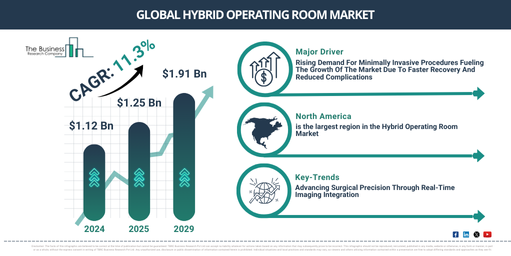
    The market size of the hybrid operating room has seen significant expansion in the past few years. It is projected to rise from $1.12 billion in 2024 to approximately $1.25 billion in 2025, with a compound annual growth rate (CAGR) of 11.7%. The growth observed in the historical period is due to factors such as an increase in minimally invasive procedures, a surge in complicated surgeries, an aging population, demand from surgeons for modern facilities, and a rise in medical tourism.

    The market size for hybrid operating rooms is predicted to increase significantly in the coming years, expanding to $1.91 billion in 2029 with a compound annual growth rate (CAGR) of 11.3%. The predicted growth within this forecast period can be credited to the expansion of the medical device industry, increased insurance coverage, urbanization growth, economical advancements, and the uptick in investments towards healthcare infrastructure. Key developments for this forecast period will include the inclusion of IT in healthcare, innovations in technology, medical imaging advancements, the integration of surgical robotics, and progress in anesthesiology.

    Download a free sample to assess the report’s scope and structure:

    https://www.thebusinessresearchcompany.com/sample.aspx?id=22009&type=smp

    Which Major Market Drivers Are Expected to Boost the Growth Potential of the Hybrid Operating Room Market?

    The hybrid operating room market is projected to expand, driven by the rising demand for minimally invasive procedures. These procedures, known as Minimally Invasive Procedures (MIPs), are medical or surgical operations conducted with no or minute incisions, utilizing dedicated instruments, cameras, and imaging technology. The preference for MIPs is increasing primarily due to faster healing times and a decrease in complication risks. The procedures involve smaller incisions leading to less tissue damage, minimal blood loss, and reduced infection risks, facilitating speedier recovery and an earlier return to regular routines. Hybrid operating rooms or Hybrid ORs are invaluable in carrying out MIPs since they blend modern imaging technologies with surgical potential, paving the way for real-time image guidance and accurate interventions. To illustrate, Intuitive Surgical Inc., an American robotic products producer, reported a 12% rise in the number of da Vinci surgical systems – which utilise a minimally invasive surgical strategy – in Q4 2023 to 415 systems, compared to the previous year. Therefore, the hybrid operating room market is anticipated to grow in tandem with the rising demand for minimally invasive procedures.

    Which Key Market Segments Comprise the Hybrid Operating Room Market and Drive Its Revenue Growth?

    The hybrid operating room market covered in this report is segmented –

    1) By Product: Intraoperative Diagnostic Imaging Systems, Operating Room Fixtures, Surgical Equipment, Other Products

    2) By Technique: Fluoroscopy And Data Acquisition, Rotational Angiography, Digital Subtraction Angiography, Other Techniques

    3) By Application: Cardiovascular Surgery, Neurosurgery, Thoracic Surgery, Orthopedic Surgery, Other Applications

    4) By End User: Hospitals, Ambulatory Surgical Centers

    Subsegments:

    1) By Intraoperative Diagnostic Imaging Systems: Intraoperative MRI (iMRI), Intraoperative CT (iCT), Intraoperative Ultrasound, Fluoroscopy Systems, Mobile C-Arms, Robotic Imaging Systems

    2) By Operating Room Fixtures: Surgical Lights, Operating Tables, Booms And Mounting Systems, Integration And Control Systems, Surgical Displays And Monitors

    3) By Surgical Equipment: Robotic-Assisted Surgical Systems, Endoscopy And Laparoscopy Systems, Electrosurgical Units, Surgical Navigation Systems, Anesthesia Machines

    4) By Other Products: Patient Monitoring Systems, Surgical Instruments And Tools, Sterilization And Disinfection Systems, Medical Gas Management Systems, Communication And Connectivity Solutions

    Request customized data on this market:

    https://www.thebusinessresearchcompany.com/customise?id=22009&type=smp

    Which Areas Are Leading Regions in the Hybrid Operating Room Market Expansion Across the Globe?

    North America was the largest region in the hybrid operating room market in 2024. Asia-Pacific is expected to be the fastest-growing region in the forecast period. The regions covered in the hybrid operating room market report are Asia-Pacific, Western Europe, Eastern Europe, North America, South America, Middle East, Africa.

    What Are the Key Market Trends in theHybrid Operating Room Market Over the Coming Years?

    In the hybrid operating room market, leading firms are turning to technological innovations, such as the integration of real-time imaging, to increase surgical accuracy, boost operational efficiency, and aid with intricate minimally invasive procedures. Through the combination of advanced imaging technology and surgical methods, real-time imaging integration allows surgeons to operate with extreme precision by fully visualizing and navigating patient anatomy during surgeries. For example, Sunnybrook Health Sciences Centre, a prominent academic health science center based in Canada, inaugurated a high-tech hybrid operating room in January 2022. This progressive facility merges real-time imaging and surgical prowess, paving the way for minimally invasive and extremely precise procedures. It caters to diverse specialties like cardiovascular, vascular, and neurosurgical surgeries, thus enhancing patient results. The hybrid OR facilitates swift recovery and minimizes complications, thus providing state-of-the-art technology for superior healthcare services.

    View the full report here:

    https://www.thebusinessresearchcompany.com/report/hybrid-operating-room-global-market-report

    How Is the Hybrid Operating Room Market Conceptually Defined?

    A hybrid operating room (OR) is a surgical space that combines traditional operating room capabilities with advanced imaging and diagnostic technologies, such as CT scans, fluoroscopy, or robotic-assisted systems. This integration allows surgeons, interventional radiologists, and other specialists to perform minimally invasive procedures and open surgeries within the same environment, improving patient outcomes and efficiency.

    Purchase the full report and get a swift delivery:

    https://www.thebusinessresearchcompany.com/purchaseoptions.aspx?id=22009

    About The Business Research Company:

    With over 15000+ reports from 27 industries covering 60+ geographies, The Business Research Company has built a reputation for offering comprehensive, data-rich research and insights. Armed with 1,500,000 datasets, the optimistic contribution of in-depth secondary research, and unique insights from industry leaders, you can get the information you need to stay ahead in the game.

    Get in touch with us:

    The Business Research Company: https://www.thebusinessresearchcompany.com/

    Americas +1 3156230293

    Asia +44 2071930708

    Europe +44 2071930708

    Email us at info@tbrc.info

    Follow us on:

    LinkedIn: https://in.linkedin.com/company/the-business-research-company

    YouTube: https://www.youtube.com/channel/UC24_fI0rV8cR5DxlCpgmyFQ

    Global Market Model: https://www.thebusinessresearchcompany.com/global-market-model
  • Huntington’s Disease Market Overview 2025: Competitive Shifts, Forecast Models, and Emerging Opportunities

    Huntington’s Disease Market Overview 2025: Competitive Shifts, Forecast Models, and Emerging Opportunities

    Discover trends, market shifts, and competitive outlooks for the huntington’s disease industry through 2025-2034 with The Business Research Company’s reliable data and in-depth research

    What Are the Key Projections for the CAGR of the Huntington’s Disease Market Size From 2025 to 2034?

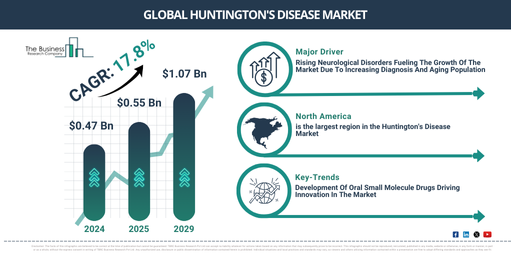
    The market size for Huntington’s disease has experienced sharp growth recently. Projected to expand from $0.47 billion in 2024 to $0.55 billion in 2025, it will witness a compound annual growth rate (CAGR) of 18.1%. The historic period’s growth can be linked to heightened consciousness about chronic illnesses, escalating governmental awareness initiatives, increasing strategies by governments to create Huntington’s disease awareness, the growth in the elderly population, and a rising focus on research into genetic disorders.

    The market size for Huntington’s disease is projected to experience substantial growth in the immediate future, expanding to $1.07 billion by 2029 at a CAGR of 17.8%. The escalation throughout this forecast period can be linked to an enhanced incidence of neurological diseases, an increase in public cognizance, a rise in healthcare spending, ongoing research and development investments, and burgeoning clinical investigation endeavors. Key trends anticipated during the forecast period comprise the implementation of innovative drugs, widespread drug development, the unveiling of cutting-edge technologies, advancements in technology, and the consumer demand for sophisticated products.

    Download a free sample to assess the report’s scope and structure:

    https://www.thebusinessresearchcompany.com/sample.aspx?id=22008&type=smp

    What Are the Core Growth Drivers Propelling the Huntington’s Disease Market Forward?

    An increase in the incidence of neurological disorders is predicted to fuel the expansion of the huntington’s disease market. These disorders, influencing the brain, spinal cord, and nerves, can lead to symptoms like sensory and cognitive impairments, and problems with movement and coordination. The upsurge in these disorders can be linked to aging populations, environmental toxins, changes in lifestyle, enhanced diagnostic techniques, and genetic predispositions that aid in detecting and diagnosing more cases. Huntington’s disease, a neurodegenerative disorder resulting from a genetic mutation, results in motor dysfunction, cognitive deterioration, and psychiatric symptoms that worsen progressively. As per the Alzheimer’s Association, a US-based voluntary health nonprofit, approximately 6.7 million Americans who are 65 and older are currently suffering from Alzheimer’s dementia in March 2023. Without significant medical advancements to prevent, delay, or cure the disease, this estimate could potentially rise to 13.8 million by 2060. Consequently, the increasing incidence of neurological disorders is propelling the Huntington’s disease market forward.

    What Segment Types Define the Huntington’s Disease Market Structure?

    The huntington’s disease market covered in this report is segmented –

    1) By Treatment Type: Symptomatic Therapy, Disease-Modifying Therapy, Other Treatment Types

    2) By Diagnosis: Magnetic Resonance Imaging (MRI), Computed Tomography (CT) Scan, Genetic Testing, Other Diagnosis

    3) By Route of Administration: Oral, Parenteral, Other Routes Of Administration

    4) By Distribution Channel: Hospital Pharmacy, Online Pharmacy, Retail Pharmacy

    5) By End User: Hospitals, Homecare, Specialty Clinics, Other End Users

    Subsegments:

    1) By Symptomatic Therapy: Antipsychotics, Antidepressants, Mood Stabilizers, Muscle Relaxants

    2) By Disease-Modifying Therapy: Gene Silencing Therapies, Stem Cell Therapy, Neuroprotective Agents

    3) By Other Treatment Types: Physical Therapy, Occupational Therapy, Speech Therapy

    Request customized data on this market:

    https://www.thebusinessresearchcompany.com/customise?id=22008&type=smp

    Which Geographic Areas Hold the Strongest Growth Potential in the Huntington’s Disease Market?

    North America was the largest region in the huntington’s disease market in 2024. Asia-Pacific is expected to be the fastest-growing region in the forecast period. The regions covered in the huntington’s disease market report are Asia-Pacific, Western Europe, Eastern Europe, North America, South America, Middle East, Africa.

    Which Emerging Trends that Are Influencing theHuntington’s Disease Industry Evolution?

    Leading corporations in the Huntington’s disease market are striving towards the creation of novel strategies, such as oral small molecule medications to alleviate symptoms and decelerate disease advancement. Oral small molecule drugs are compounds of low molecular weight that, when taken orally, are engineered to interact with biological targets like proteins or enzymes in order to combat diseases. For example, PTC Therapeutics Inc., a pharmaceutical firm based in the US, was granted Fast Track designation by the US Food and Drug Administration (USFDA) in September 2024 for their PTC518 program dedicated to treating Huntington’s disease. This accreditation is reserved for treatments that fulfill significant unmet medical requirements, signifying the potential of PTC518 as a treatment capable of altering the course of this genetic disorder.

    View the full report here:

    https://www.thebusinessresearchcompany.com/report/huntingtons-disease-global-market-report

    What Is the Definition of the Huntington’s Disease Market?

    Huntington’s disease is a rare, inherited neurodegenerative disorder that causes the progressive breakdown of nerve cells in the brain, leading to uncontrolled movements, cognitive decline, and emotional disturbances. It is caused by a genetic mutation in the HTT gene and typically appears in mid-adulthood.

    Purchase the full report and get a swift delivery:

    https://www.thebusinessresearchcompany.com/purchaseoptions.aspx?id=22008

    About The Business Research Company:

    With over 15000+ reports from 27 industries covering 60+ geographies, The Business Research Company has built a reputation for offering comprehensive, data-rich research and insights. Armed with 1,500,000 datasets, the optimistic contribution of in-depth secondary research, and unique insights from industry leaders, you can get the information you need to stay ahead in the game.

    Get in touch with us:

    The Business Research Company: https://www.thebusinessresearchcompany.com/

    Americas +1 3156230293

    Asia +44 2071930708

    Europe +44 2071930708

    Email us at info@tbrc.info

    Follow us on:

    LinkedIn: https://in.linkedin.com/company/the-business-research-company

    YouTube: https://www.youtube.com/channel/UC24_fI0rV8cR5DxlCpgmyFQ

    Global Market Model: https://www.thebusinessresearchcompany.com/global-market-model
  • Hereditary Transthyretin Amyloidosis Market Outlook 2025: Mapping Growth, Innovation, and Regional Shifts

    Hereditary Transthyretin Amyloidosis Market Outlook 2025: Mapping Growth, Innovation, and Regional Shifts

    Discover trends, market shifts, and competitive outlooks for the hereditary transthyretin amyloidosis industry through 2025-2034 with The Business Research Company’s reliable data and in-depth research

    What Are the Key Milestones in the Hereditary Transthyretin Amyloidosis Market’s Growth Trajectory From 2025 To 2034?

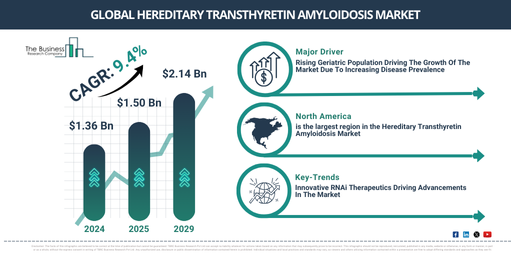
    In recent years, the market size of hereditary transthyretin amyloidosis has seen significant growth. The market is expected to escalate from $1.36 billion in 2024 to $1.50 billion in 2025, with a compound annual growth rate (CAGR) of 9.7%. The upsurge in the historical period can be assigned to an increasing rate of this disorder, amplified activities in research and development, a rising count of cardiac amyloidosis instances, heightened disease cognizance, and an expansion in healthcare infrastructure.

    Expectations for the hereditary transthyretin amyloidosis market are high, with projected robust growth in the upcoming years. The market is anticipated to expand to $2.14 billion by 2029, with a compound annual growth rate of 9.4%. The surge in this period is likely due to an escalating ageing population, increased disposable income, a rising number of hereditary transthyretin amyloidosis cases, advancements in the creation of new drugs, and an increase in genetic testing. Key trends during this forecast period incorporate sophisticated treatment products, improvement in diagnostic methods, progression in drug development, a growing demand for potent therapies, and medical technology advancements.

    Download a free sample to assess the report’s scope and structure:

    https://www.thebusinessresearchcompany.com/sample.aspx?id=22003&type=smp

    What External and Internal Drivers Are Contributing to the Growth of the Hereditary Transthyretin Amyloidosis Market?

    The expansion of the hereditary transthyretin amyloidosis market is anticipated to be fueled by the increasing geriatric population. This refers to those who are 65 years and older, a group that often needs dedicated healthcare and assistance due to their age. An inclusive approach to healthcare and improved living conditions are resulting in higher life expectancy, thereby leading to growth within this demographic. Hereditary transthyretin amyloidosis (hATTR) has a significant impact on elderly individuals by causing progressive neuropathy and cardiomyopathy, which, in turn, boosts morbidity rates among the aged. As an example, the Population Reference Bureau, a nonprofit organization based in the U.S, projected in January 2024 that the population of those aged 65 and older in the U.S. would grow from 58 million in 2022 to 82 million by 2050, a rise of 47%. Hence, the hereditary transthyretin amyloidosis market is experiencing robust growth due to an escalating geriatric population.

    What Segment Types Define the Hereditary Transthyretin Amyloidosis Market Structure?

    The hereditary transthyretin amyloidosis market covered in this report is segmented –

    1) By Type: Oral, Subcutaneous Injection, Other Types

    2) By Drug Class: RNAi Agents (Patisiran), Small Interfering RNAs (siRNAs) (Vutrisiran)

    3) By Distribution Channel: Hospital Pharmacies, Retail Pharmacies

    4) By Application: Hospital, Clinic, Other Applications

    Subsegments:

    1) By Oral: Tafamidis, Diflunisal, Experimental Oral Therapies

    2) By Subcutaneous Injection: Patisiran, Inotersen, Vutrisiran

    3) By Other Types: Intravenous Therapies, Gene Silencing Therapies, CRISPR-Based Therapies

    Request customized data on this market:

    https://www.thebusinessresearchcompany.com/customise?id=22003&type=smp

    Which Geographic Areas Hold the Strongest Growth Potential in the Hereditary Transthyretin Amyloidosis Market?

    North America was the largest region in the hereditary transthyretin amyloidosis market in 2024. Asia-Pacific is expected to be the fastest-growing region in the forecast period. The regions covered in the hereditary transthyretin amyloidosis market report are Asia-Pacific, Western Europe, Eastern Europe, North America, South America, Middle East, Africa.

    What Long-Term Trends Are Transforming the Competitive Landscape of the Hereditary Transthyretin Amyloidosis Market?

    Leading firms in the hereditary transthyretin amyloidosis market are pioneering novel treatments such as RNAi therapeutics, aimed at minimizing the manufacture of the transthyretin (TTR) protein. RNAi therapeutics belong to a family of medications that employ RNA interference technology to mute certain genes, as a result, lowering the creation of proteins that cause diseases. As an example, Alnylam Pharmaceuticals, Inc., an American biopharmaceutical organization, lodged a supplemental new drug application (sNDA) for Vutrisiran (AMVUTTRA) with the US FDA in October 2024 to treat transthyretin amyloidosis with cardiomyopathy. This denotes their groundbreaking RNAi therapeutic strategy aimed at minimizing transthyretin (TTR) protein, a major contributor to disease advancement. By offering subcutaneous administration, Vutrisiran presents a more user-friendly and easy-to-administer dosing schedule compared to the conventional intravenous methods, positioning it as a potentially life-changing alternative for those suffering from this severe disease.

    View the full report here:

    https://www.thebusinessresearchcompany.com/report/hereditary-transthyretin-amyloidosis-global-market-report

    What Is the Definition of the Hereditary Transthyretin Amyloidosis Market?

    Hereditary transthyretin amyloidosis is a rare, inherited disorder caused by mutations in the TTR gene, leading to the misfolding and accumulation of transthyretin protein as amyloid deposits in organs. This condition primarily affects the nervous system, heart, and other tissues, causing progressive neuropathy and cardiomyopathy.

    Purchase the full report and get a swift delivery:

    https://www.thebusinessresearchcompany.com/purchaseoptions.aspx?id=22003

    About The Business Research Company:

    With over 15000+ reports from 27 industries covering 60+ geographies, The Business Research Company has built a reputation for offering comprehensive, data-rich research and insights. Armed with 1,500,000 datasets, the optimistic contribution of in-depth secondary research, and unique insights from industry leaders, you can get the information you need to stay ahead in the game.

    Get in touch with us:

    The Business Research Company: https://www.thebusinessresearchcompany.com/

    Americas +1 3156230293

    Asia +44 2071930708

    Europe +44 2071930708

    Email us at info@tbrc.info

    Follow us on:

    LinkedIn: https://in.linkedin.com/company/the-business-research-company

    YouTube: https://www.youtube.com/channel/UC24_fI0rV8cR5DxlCpgmyFQ

    Global Market Model: https://www.thebusinessresearchcompany.com/global-market-model
  • Hereditary Angioedema Market in Focus: Forecasting Growth Drivers, Scaling Potential, and Global Opportunities

    Hereditary Angioedema Market in Focus: Forecasting Growth Drivers, Scaling Potential, and Global Opportunities

    Discover trends, market shifts, and competitive outlooks for the hereditary angioedema industry through 2025-2034 with The Business Research Company’s reliable data and in-depth research

    How Has The Hereditary Angioedema Market Size Shifted, And What Is the Outlook Through 2034?

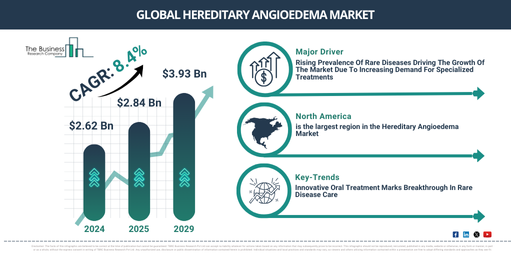
    The market size for hereditary angioedema has seen significant growth in past years. It is projected to expand from $2.62 billion in 2024 to $2.84 billion in 2025 with a compound annual growth rate (CAGR) of 8.7%. The growth previously noted can be linked to the rising incidence of hereditary angioedema, increased funding in research and development, a higher number of approved drugs, increased product approval, as well as higher disposable incomes.

    Significant growth is projected for the hereditary angioedema market size in the forthcoming years. It’s anticipated to escalate to $3.93 billion by 2029, with a compound annual growth rate (CAGR) of 8.4%. This expected growth during the forecast period is due to a rise in the incidence of rare diseases, increased healthcare spending, amplified support from non-profit organizations, enhanced recognition of hereditary angioedema, and escalated awareness of early detection. The forecast period will be characterized by key trends like technological progress, the introduction of innovative therapies, the debut of new drugs, the development of cutting-edge diagnostic tools, and improvements in genetic testing.

    Download a free sample to assess the report’s scope and structure:

    https://www.thebusinessresearchcompany.com/sample.aspx?id=22002&type=smp

    What Are the Core Market Drivers Propelling Growth in the Hereditary Angioedema Industry?

    The increasing occurrence of rare or orphan diseases is anticipated to fuel the expansion of the hereditary angioedema (HAE) market. Such diseases generally impact a minor segment of the population. Factors like advancements in medical research, alterations in population demographics, and environmental effects contribute to their growing prevalence. HAE, a prominent rare disease, necessitates a focus on specialized care and awareness due to the potential for fatal swelling episodes. Its uncommonness and genetic basis underline the importance of early detection and specialized treatment for effective management and enhanced patient results. For example, Rare Disease Advisor, a US-based online database for healthcare professionals, confirmed in June 2022 that HAE affects roughly 1 in 50,000 individuals. Estimates of its prevalence range from 1 in 10,000 to 1 in 150,000. HAE episodes instigate around 15,000 to 30,000 visits to emergency departments yearly in the United States. Consequently, the escalating prevalence of rare diseases is spurring the growth of the hereditary angioedema market.

    How Is the Hereditary Angioedema Market Segmented?

    The hereditary angioedema market covered in this report is segmented –

    1) By Type: Hereditary Angioedema Type I, Hereditary Angioedema Type II

    2) By Treatment Type: Prophylaxis, On-demand

    3) By Drug Class: C-1 Esterase Inhibitors, Bradykynin Receptor Antagonist, Kallikrein Inhibitors, Other Drug Classes

    4) By Route Of Administration: Subcutaneous, Intravenous, Oral

    5) By Distribution channel: Hospital Pharmacies, Retail Pharmacies, Online Pharmacies

    Subsegments:

    1) By Hereditary Angioedema Type I: C1-Inhibitor Deficiency, Low C1-Inhibitor Levels, Reduced C1-Inhibitor Function

    2) By Hereditary Angioedema Type II: Normal C1-Inhibitor Levels, Dysfunctional C1-Inhibitor, Genetic Mutations In SERPING1 Gene

    Request customized data on this market:

    https://www.thebusinessresearchcompany.com/customise?id=22002&type=smp

    Which Regions Are Driving the Next Phase of the Hereditary Angioedema Market Growth?

    North America was the largest region in the hereditary angioedema market in 2024. Asia-Pacific is expected to be the fastest-growing region in the forecast period. The regions covered in the hereditary angioedema market report are Asia-Pacific, Western Europe, Eastern Europe, North America, South America, Middle East, Africa.

    What Key Market Trends and Innovations Are Shaping the Future of the Hereditary Angioedema Industry?

    Leading corporations in the hereditary angioedema market are progressing with the creation of innovative products like oral plasma kallikrein inhibitors, aiming to offer improved and more accessible treatment options for patients on demand. These inhibitors are essentially drugs that staunch the plasma kallikrein to stop the overproduction of bradykinin, and are primarily employed in the treatment of hereditary angioedema. For example, KalVista Pharmaceuticals, Inc., a pharmaceutical firm from the United States, revealed in September 2024 that its new drug application (NDA) for Sebetralstat had been greenlit by the FDA. This proposed oral plasma kallikrein inhibitor is designed for the immediate treatment of hereditary angioedema (HAE) attacks in both adults and children aged 12 and above. Sebetralstat introduces a novel treatment method that involves directly targeting and inhibiting plasma kallikrein activity. The approval of the NDA symbolizes a significant stride towards potential validation and commercialization.

    View the full report here:

    https://www.thebusinessresearchcompany.com/report/hereditary-angioedema-global-market-report

    How Is the Hereditary Angioedema Market Defined and What Are Its Core Parameters?

    Hereditary angioedema (HAE) is a rare genetic disorder characterized by recurrent episodes of severe swelling in the skin, gastrointestinal tract, and airways due to C1 esterase inhibitor deficiency or dysfunction. It is caused by genetic mutations affecting the complement system, leading to excessive bradykinin production. HAE can be life-threatening if airway swelling occurs, requiring prompt treatment with C1 inhibitor replacement or bradykinin-targeted therapies.

    Purchase the full report and get a swift delivery:

    https://www.thebusinessresearchcompany.com/purchaseoptions.aspx?id=22002

    About The Business Research Company:

    With over 15000+ reports from 27 industries covering 60+ geographies, The Business Research Company has built a reputation for offering comprehensive, data-rich research and insights. Armed with 1,500,000 datasets, the optimistic contribution of in-depth secondary research, and unique insights from industry leaders, you can get the information you need to stay ahead in the game.

    Get in touch with us:

    The Business Research Company: https://www.thebusinessresearchcompany.com/

    Americas +1 3156230293

    Asia +44 2071930708

    Europe +44 2071930708

    Email us at info@tbrc.info

    Follow us on:

    LinkedIn: https://in.linkedin.com/company/the-business-research-company

    YouTube: https://www.youtube.com/channel/UC24_fI0rV8cR5DxlCpgmyFQ

    Global Market Model: https://www.thebusinessresearchcompany.com/global-market-model
  • Strong CAGR to Propel in the Hepatorenal Syndrome Market and Beyond upto $1.83 Billion by 2029

    Strong CAGR to Propel in the Hepatorenal Syndrome Market and Beyond upto $1.83 Billion by 2029

    Discover trends, market shifts, and competitive outlooks for the hepatorenal syndrome industry through 2025-2034 with The Business Research Company’s reliable data and in-depth research

    How Has the Hepatorenal Syndrome Market Growth Performance Trended Historically, And What Lies Ahead?

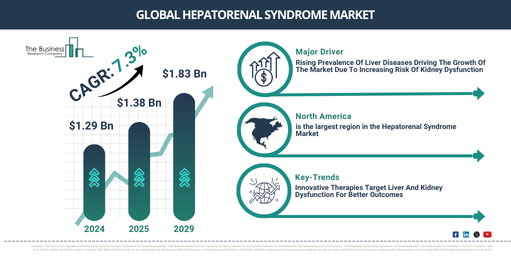
    In recent times, the hepatorenal syndrome market has experienced robust growth. The market, which is presently valued at $1.29 billion in 2024, is projected to increase to $1.38 billion in 2025, exhibiting a compound annual growth rate (CAGR) of 7.5%. The expansion witnessed in the past can be linked to factors such as increased health care spending, a surge in hepatitis infections, an upswing in government-led initiatives, a higher occurrence of viral liver diseases, and an escalation in investment in research and development.

    The market size of hepatorenal syndrome market is anticipated to witness robust growth in the forthcoming years, projected to reach $1.83 billion by 2029, surging at a Compound Annual Growth Rate (CAGR) of 7.3%. This surge during the prediction period can be correlated with an increase in the occurrences of liver diseases, augmenting liver transplant programs, growing disease incidents, expansion in direct kidney injury cases, and a rise in the rate of liver diseases. Some significant trends that can be seen in this forecast period include cutting-edge technologies, beneficial governmental initiatives, enhanced diagnostic instruments, advancements in the realm of personalized medicine, and forward strides in nephrology.

    Download a free sample to assess the report’s scope and structure:

    https://www.thebusinessresearchcompany.com/sample.aspx?id=22001&type=smp

    Which Primay Drivers Are Accelerating Growth in the Hepatorenal Syndrome Market?

    The hepatorenal syndrome market is poised for growth given the increasing incidences of liver diseases. Disorders that inhibit liver functions, such as hepatitis, cirrhosis, liver cancer, fatty liver, genetic and autoimmune diseases, fall under the umbrella of liver diseases. These diseases often stem from factors like obesity, diabetes, alcohol consumption, viral infections, unhealthy diets, and exposure to toxins. An escalation in liver diseases like cirrhosis and acute liver failure aggravate the risk of hepatorenal syndrome (HRS). HRS oftentimes can lead to serious kidney malfunction and hemodynamic issues due to progressive liver damage. For instance, figures from the Office for Health Improvement & Disparities (OHID), a UK government department, in April 2024 showed that UK hospital admissions for liver diseases jumped to 155.2 per 100,000 in 2023 from 150.6 per 100,000 in 2022. Hence, the growing number of liver diseases is fostering the expansion of the hepatorenal syndrome market. Noteworthy advancements in therapies and diagnostics are credited to increased investments in research and development, which is significantly contributing to the progression of the hepatorenal syndrome market. The term research and development investments pertain to the funds dedicated to the innovation and enhancement of products and the development of novel technologies. The propulsion of these investments is orchestrated by technological evolution, competition, healthcare necessities, and the call for innovation. These investments in hepatorenal syndrome initiate progressions in pioneering therapies, diagnostic instruments, and treatment strategies, thereby augmenting patient results and survival rates. For instance, a report by the Office for National Statistics, a UK government department, in April 2024 revealed a 10.5% escalation in government spending on research and development. This amounted to £15.5 billion (USD 16.18 billion) in 2022, a surge from the previous £14.0 billion (USD 14.61 billion) in 2021. As a result, the expansion of research and development investments is propelling the growth of the hepatorenal syndrome market.

    Which Primary Segments of the Hepatorenal Syndrome Market Are Driving Growth and Industry Transformations?

    The hepatorenal syndrome market covered in this report is segmented –

    1) By Type: Type 1 Hepatorenal Syndrome, Type 2 Hepatorenal Syndrome, Other Types

    2) By Treatment: Liver Transplantation, Terlipressin Infusion, Albumin Infusion, Hemodialysis, Vasoconstrictors, Antibiotic Therapy

    3) By Diagnosis: Complete Blood Cell Count, Liver Function Tests, Urinalysis And Urine Electrolytes, Other Diagnosis

    4) By Distribution Channel: Hospital Pharmacy, Online Pharmacy, Retail Pharmacy, Other Distribution Channels

    5) By End Users: Hospitals, Homecare, Specialty Clinics, Other End Users

    Subsegments:

    1) By Type 1 Hepatorenal Syndrome: Acute Kidney Injury-Associated HRS, Rapidly Progressive Renal Failure

    2) By Type 2 Hepatorenal Syndrome: Chronic Kidney Dysfunction-Associated HRS, Slowly Progressive Renal Failure

    3) By Other Types: HRS With Cirrhosis, HRS With Acute Liver Failure, HRS With Alcoholic Hepatitis

    Request customized data on this market:

    https://www.thebusinessresearchcompany.com/customise?id=22001&type=smp

    Which Regions Are Key Players in the Growth of the Hepatorenal Syndrome Market?

    North America was the largest region in the hepatorenal syndrome market in 2024. Asia-Pacific is expected to be the fastest-growing region in the forecast period. The regions covered in the hepatorenal syndrome market report are Asia-Pacific, Western Europe, Eastern Europe, North America, South America, Middle East, Africa.

    Which Technological Trends Are Reshaping the Hepatorenal Syndrome Industry Dynamics?

    Key players in the hepatorenal syndrome marketplace are concentrating on the creation of novel devices like cytopheretic machines, with an aim to enhance results for patients suffering from Hepatorenal Syndrome (HRS) by decreasing inflammations, maintaining kidney efficiency, and increasing the effectiveness of the treatment. The cytopheretic unit (Cytosorb) is a therapeutic approach to external blood purification meant to suppress systemic inflammation and immune response in critically unwell patients, including those diagnosed with HRS. For example, in October 2023, the FDA granted approval for Selective Cytopheretic Device (SCD), a product of SeaStar Medical Holding Corporation. This leading-edge cell-directed treatment addresses hyperinflammation, a primary cause of kidney aberration in patients with acute-on-chronic liver failure. SCD employs immunomodulation to control the abnormal immune reactions, which could support kidney restoration, enhance the likelihood of patients qualifying for urgent liver transplants, and bolster solid organ functionality as seen in preclinical and clinical trials for conditions such as sepsis, acute kidney injury (AKI), and cardiorenal syndrome.

    View the full report here:

    https://www.thebusinessresearchcompany.com/report/hepatorenal-syndrome-global-market-report

    What Parameters Are Used to Define the Hepatorenal Syndrome Market?

    Hepatorenal Syndrome (HRS) is a severe complication of advanced liver disease, characterized by functional kidney failure due to reduced renal blood flow without structural kidney damage. It is caused by splanchnic vasodilation, leading to renal vasoconstriction and decreased glomerular filtration.

    Purchase the full report and get a swift delivery:

    https://www.thebusinessresearchcompany.com/purchaseoptions.aspx?id=22001

    About The Business Research Company:

    With over 15000+ reports from 27 industries covering 60+ geographies, The Business Research Company has built a reputation for offering comprehensive, data-rich research and insights. Armed with 1,500,000 datasets, the optimistic contribution of in-depth secondary research, and unique insights from industry leaders, you can get the information you need to stay ahead in the game.

    Get in touch with us:

    The Business Research Company: https://www.thebusinessresearchcompany.com/

    Americas +1 3156230293

    Asia +44 2071930708

    Europe +44 2071930708

    Email us at info@tbrc.info

    Follow us on:

    LinkedIn: https://in.linkedin.com/company/the-business-research-company

    YouTube: https://www.youtube.com/channel/UC24_fI0rV8cR5DxlCpgmyFQ

    Global Market Model: https://www.thebusinessresearchcompany.com/global-market-model