Author: Marketing Posting

  • Vasopressor Market Valuation Expected To Reach $4.92 Billion By 2029, Growing At A Rate Of 6.9%

    Vasopressor Market Valuation Expected To Reach $4.92 Billion By 2029, Growing At A Rate Of 6.9%

    Get 30% off on our Global Market Reports with code ONLINE30 – Hurry, limited time offer!

    How Has The Vasopressor Market Growth Evolved From 2024 To 2025, And What’s Ahead?

    In the past few years, the vasopressor market has experienced significant growth. The market, valued at $3.51 billion in 2024, is projected to surge to $3.76 billion in 2025, yielding a compound annual growth rate (CAGR) of 7.2%. The notable growth during the historical period is largely due to factors such as the surge in the elderly population, increased spending on healthcare, the introduction of more government initiatives, an expanded number of hospitals, and a rise in the incidence of cardiovascular diseases.

    The market for vasopressors is set to experience significant expansion in the ensuing years, with predictions indicating a valuation of $4.92 billion by 2029, mirroring a compound annual growth rate (CAGR) of 6.9%. Several factors expected to fuel growth during this forecast period include a surge in hypertension cases, the increased adoption of modern sepsis management guidelines, substantial investments in critical care technologies, a growing incidence of septic shock, and enhanced demand for individualized critical care. Some notable trends set to characterize this period include advancements in drug formulations, the evolution of bespoke therapies, technological progress in intelligent infusion pumps, the merging of telemedicine and vasopressor therapy, as well as innovation in eco-friendly vasopressor implants.

    Download a free sample to assess the report’s scope and structure:

    https://www.thebusinessresearchcompany.com/sample.aspx?id=23562&type=smp

    Which Factors and External Forces Are Driving Demand in the Vasopressor Market?

    The escalating prevalence of heart-related conditions is anticipated to stimulate the expansion of the vasopressor market in the future. Heart diseases encompass a variety of disorders that impair the structure and function of the heart, including coronary artery disease, arrhythmias, heart failure, and congenital heart defects. The proliferation of sedentary lifestyles, which contribute to obesity and poor cardiovascular health, greatly enhances the chance of developing heart disease. Vasopressor contributes to the treatment of heart disease by constricting blood vessels to boost blood pressure and augment blood flow to essential organs, thereby reinforcing cardiovascular function under critical circumstances. For example, per the Australian Institute of Health and Welfare, a governmental agency based in Australia, the number of deaths certified by doctors and attributed to coronary heart disease (CHD) escalated from 14,100 in 2021 to 14,900 in 2022. Hence, the growing number of heart diseases fuels the expansion of the vasopressor market.

    Which Segments in the Vasopressor Offer the Most Growth?

    The vasopressor market covered in this report is segmented –

    1) By Type: Catecholamines, Non-Catecholamines, Vasopressin

    2) By Route Of Administration: Intravenous (IV), Intraosseous, Inhalational

    3) By Applications: Hypotension Management, Septic Shock Treatment, Cardiogenic Shock Support, Post-Surgical Management, Other Critical Care Applications

    4) By End Users: Hospitals, Ambulatory Surgical Centers, Emergency Medical Services, Home Care Settings

    Subsegments-

    1) By Catecholamines: Norepinephrine, Epinephrine, Dopamine, Isoproterenol

    2) By Non-Catecholamines: Phenylephrine, Angiotensin II

    3) By Vasopressin: Vasopressin

    Request customized data on this market:

    https://www.thebusinessresearchcompany.com/customise?id=23562&type=smp

    What Are the Fastest-Growing Geographies in the Vasopressor Market?

    North America was the largest region in the vasopressor market in 2024. Asia-Pacific is expected to be the fastest-growing region in the forecast period. The regions covered in the vasopressor market report are Asia-Pacific, Western Europe, Eastern Europe, North America, South America, Middle East, Africa.

    What Key Trends Are Shaping the Future of the Vasopressor Market?

    Key players in the vasopressor market are concentrating their efforts on creating innovative products such as intravenous (IV) vasopressors to better regulate blood pressure and enhance patient results. IV vasopressors are employed to tighten blood vessels and elevate blood pressure in those severely hypotensive or in shock, ensuring sufficient blood circulation to crucial organs. For instance, Fresenius Kabi AG, a pharmaceutical firm based in Germany, launched a generic counterpart to Vasostrict, Vasopressin Injection, USP, in the American market in June 2023, thus broadening their critical care offerings. This medication is specifically designed for adults experiencing vasodilatory shock who continue to be hypotensive despite fluid and catecholamines administration. It comes in a single-dose vial that contains 20 units per 1 mL.

    View the full report here:

    https://www.thebusinessresearchcompany.com/report/vasopressor-global-market-report

    What Are the Key Elements That Define the Vasopressor Market?

    A vasopressor is a drug that narrows blood vessels, raising blood pressure by improving vascular tone. It is mainly used in critical care to manage severe hypotension and ensure proper blood flow to vital organs. By stabilizing circulation, vasopressors help prevent life-threatening complications in critically ill patients.

    Purchase the full report and get a swift delivery:

    https://www.thebusinessresearchcompany.com/purchaseoptions.aspx?id=23562

    About The Business Research Company:

    With over 15000+ reports from 27 industries covering 60+ geographies, The Business Research Company has built a reputation for offering comprehensive, data-rich research and insights. Armed with 1,500,000 datasets, the optimistic contribution of in-depth secondary research, and unique insights from industry leaders, you can get the information you need to stay ahead in the game.

    Get in touch with us:

    The Business Research Company: https://www.thebusinessresearchcompany.com/

    Americas +1 3156230293

    Asia +44 2071930708

    Europe +44 2071930708

    Email us at info@tbrc.info

    Follow us on:

    LinkedIn: https://in.linkedin.com/company/the-business-research-company

    YouTube: https://www.youtube.com/channel/UC24_fI0rV8cR5DxlCpgmyFQ

    Global Market Model: https://www.thebusinessresearchcompany.com/global-market-model
  • $1.44 Billion Forecast for Sepsis Market by 2029, Backed by Demand and Innovation

    $1.44 Billion Forecast for Sepsis Market by 2029, Backed by Demand and Innovation

    Our market reports now include the latest updates on global tariffs, trade impacts, and evolving supply chain dynamics.

    #What Are the Projected Market Size and Growth Rates for the Sepsis Market From 2025 To 2029?#_x000D_

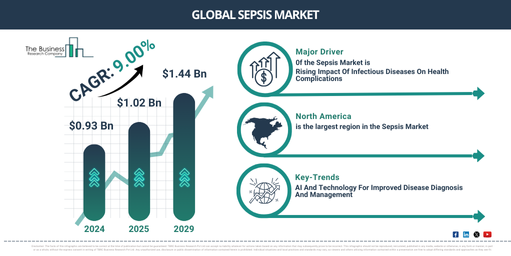
    In the past few years, the sepsis market has seen robust growth. It is projected to expand from $0.93 billion in 2024 to $1.02 billion in 2025, with a compound annual growth rate (CAGR) of 9.3%. Various factors are contributing to the growth witnessed during the historic period, including the rising incidence of sepsis owing to an aging population, an increase in the prevalence of chronic illnesses, enhanced sepsis awareness among healthcare providers, heightened healthcare spending, and the roll-out of government programs for the early identification and management of the condition._x000D_

    _x000D_

    Expectations point to a robust expansion of the sepsis market in the coming years, with projections estimating it will reach $1.44 billion by 2029, exhibiting a compound annual growth rate (CAGR) of 9.0%. Futures growth can be related to factors like the growing utilization of artificial intelligence in intensive care situations, an increasing occurrence of infections resistant to multiple drugs, a rise in educational campaigns centered around sepsis awareness, enhancement of healthcare architectures in developing economies, and heightened investment in pharmaceutical and biotechnological research. Key trends that will define the forecast period are the evolution of swift point-of-care diagnostics, the application of AI-powered predictive analysis, custom-tailored antibiotic stewardship initiatives, progress in the methodologies of blood culture, the introduction of innovative biomarker detection, and the development of groundbreaking therapy techniques targeting immune adjustment._x000D_

    _x000D_

    #Download a free sample to assess the report’s scope and structure:#_x000D_

    https://www.thebusinessresearchcompany.com/sample.aspx?id=21286&type=smp_x000D_

    _x000D_

    #What Are the Core Growth Drivers Propelling the Sepsis Market Forward?#_x000D_

    The surge in infectious disease-related ailments is anticipated to fuel the sepsis market’s expansion. Infectious diseases, which include conditions such as tuberculosis, flu, ringworm, and malaria, are triggered by the invasion of bacteria, viruses, fungi, or parasites into the body. These ailments can spread through several means like contact, contamination, or insect vectors. Factors like population growth, globalization, environmental alterations, resistance to drugs by pathogens, and shortcomings in healthcare systems contribute to the prevalence of infectious diseases. Sepsis, a serious complication resulting from the body’s exaggerated reaction to infections, can result in widespread inflammation and possible organ failure. For instance, in November 2024, the Centers for Disease Control and Prevention reported a total of 9,633 tuberculosis (TB) cases in the United States in 2023, representing a 15.6% surge from 8,332 reported cases in 2022. As a result, the escalating infectious disease incidence propels the growth of the sepsis market._x000D_

    _x000D_

    #What Segment Types Define the Sepsis Market Structure?#_x000D_

    The sepsis market covered in this report is segmented –_x000D_

    _x000D_

    1) By Type: Diagnosis, Therapeutics_x000D_

    2) By Pathogen: Bacterial, Viral, Fungal_x000D_

    3) By Application: Severe Sepsis, Septic Shock_x000D_

    4) By End User: Hospitals, Pathology, Reference Laboratories_x000D_

    _x000D_

    Subsegments:_x000D_

    1) By Diagnosis: Blood Tests, Imaging Techniques, Microbiological Culture Tests, Biomarker Tests, Other Diagnostic Methods_x000D_

    2) By Therapeutics: Antibiotics, Antifungal Agents, Vasopressors, Immunoglobulins, Corticosteroids, Other Therapeutic Options_x000D_

    _x000D_

    #Request customized data on this market:#_x000D_

    https://www.thebusinessresearchcompany.com/customise?id=21286&type=smp_x000D_

    _x000D_

    #Which Geographic Areas Hold the Strongest Growth Potential in the Sepsis Market?#_x000D_

    North America was the largest region in the sepsis market in 2024. Asia-Pacific is expected to be the fastest-growing region in the forecast period. The regions covered in the sepsis market report are Asia-Pacific, Western Europe, Eastern Europe, North America, South America, Middle East, Africa._x000D_

    _x000D_

    #Which Emerging Trends that Are Influencing theSepsis Industry Evolution?#_x000D_

    Top companies engaged in the sepsis market are concentrating on the creation of advanced technological platforms, including those powered by artificial intelligence (AI). Their goal is to enhance early detection, improve the precision of treatments, and predict patient outcomes, ultimately reducing mortality rates and promoting greater efficiency in healthcare for sepsis management. For instance, in June 2024, the US-based Predicate Healthcare Performance Group (HPG) introduced its AI software platform called OpenDX. This breakthrough platform combines AI-enabled diagnostics with wearable biosensors, thus assisting healthcare providers to identify early sepsis indicators. This not only aids in diagnosing sepsis, but also has the possibility to be useful in detecting other health conditions, thereby underscoring the significance of technology in medical diagnostics. Predicate’s chest sensor gives healthcare professionals the ability to detect initial signs of sepsis, a diagnosis that is often difficult to make and frequently overlooked._x000D_

    _x000D_

    #View the full report here:#_x000D_

    https://www.thebusinessresearchcompany.com/report/sepsis-global-market-report_x000D_

    _x000D_

    #What Is the Definition of the Sepsis Market?#_x000D_

    Sepsis is a life-threatening condition caused by the body’s extreme response to an infection. It occurs when the immune system releases chemicals into the bloodstream to fight the infection, but these chemicals trigger widespread inflammation, leading to tissue damage, organ failure, and potentially death._x000D_

    _x000D_

    #Purchase the full report and get a swift delivery:#_x000D_

    https://www.thebusinessresearchcompany.com/purchaseoptions.aspx?id=21286_x000D_

    _x000D_

    #About The Business Research Company:#_x000D_

    With over 15000+ reports from 27 industries covering 60+ geographies, The Business Research Company has built a reputation for offering comprehensive, data-rich research and insights. Armed with 1,500,000 datasets, the optimistic contribution of in-depth secondary research, and unique insights from industry leaders, you can get the information you need to stay ahead in the game._x000D_

    _x000D_

    #Get in touch with us:#_x000D_

    The Business Research Company: https://www.thebusinessresearchcompany.com/_x000D_

    Americas +1 3156230293_x000D_

    Asia +44 2071930708_x000D_

    Europe +44 2071930708_x000D_

    Email us at info@tbrc.info_x000D_

    _x000D_

    #Follow us on:#_x000D_

    _x000D_

    LinkedIn: https://in.linkedin.com/company/the-business-research-company_x000D_

    YouTube: https://www.youtube.com/channel/UC24_fI0rV8cR5DxlCpgmyFQ_x000D_

    Global Market Model: https://www.thebusinessresearchcompany.com/global-market-model

  • Vasoactive Intestinal Peptide Tumor Market Forecast Reaching $2.05 Billion by 2029 at 6.3% CAGR

    Vasoactive Intestinal Peptide Tumor Market Forecast Reaching $2.05 Billion by 2029 at 6.3% CAGR

    Get 30% off on our Global Market Reports with code ONLINE30 – Hurry, limited time offer!

    What is the Projected CAGR for the Vasoactive Intestinal Peptide Tumor Market Size from 2025 to 2034?

    The market size of the vasoactive intestinal peptide tumor has seen significant growth in the last few years. It is predicted to increase from $1.51 billion in 2024 to $1.61 billion in 2025, displaying a compound annual growth rate (CAGR) of 6.5%. The growth during the historical period is due to the rising occurrence of VIP tumors, heightened attention to research and development activities, growing consciousness about health care, development in healthcare infrastructure, and partnerships between biotech companies and scientific research bodies.

    The market size of vasoactive intestinal peptide tumors is predicted to witness substantial growth in the forthcoming years. The market is projected to escalate to $2.05 billion by 2029, with a compound annual growth rate (CAGR) of 6.3%. The growth anticipated in the forecast period can be ascribed to factors such as the escalating demand for chemotherapy, swift approval of drugs, surging demand for oral medications, heightened awareness about the disease, and the rising occurrence of tumors. Key trends within the forecast period encompass developments in targeted therapy, advancements in diagnostic methods, progression in treatment options, tailored medicine, targeted therapies, and innovative product introductions.

    Download a free sample to assess the report’s scope and structure:

    https://www.thebusinessresearchcompany.com/sample.aspx?id=23561&type=smp

    Which Major Market Drivers Are Expected to Boost the Growth Potential of the Vasoactive Intestinal Peptide Tumor Market?

    The vasoactive intestinal peptide tumor market is expected to experience growth due to the upswing in targeted therapy. Focusing on specific molecules or pathways involved in cancer and disease progression, targeted therapies selectively attack abnormal cells, causing minimum damage to normal ones. Precision medicine, which hones in on specific genetic mutations and minimizes side effects, propels this upward trend. It aims to reduce VIP levels by blocking significant pathways that influence tumor growth and hormone release, thus alleviating symptoms like severe diarrhea and slow disease progression. For instance, the American Society of Gene and Cell Therapy (ASGCT) reports that 76 gene therapy trials were started in the second quarter of 2024, a 25% increase from the previous quarter – further evidencing the driving role targeted therapy plays in the vasoactive intestinal peptide tumor market’s growth. Additionally, the vasoactive intestinal peptide tumor market is likely to expand due to the rising incidence of neuroendocrine tumors combined with an increase in awareness, which leads to earlier detection. Characterized by traits of both nerve cells and hormone-producing cells, neuroendocrine tumors (NETs) are slowly progressing cancers that are becoming more prevalent due to advancements in diagnostic technology. This improvement allows for more precise detection of these previously under diagnosed tumors. Vasoactive intestinal peptide (VIP) tumors are a rare subtype of NETs, identified by excessive VIP secretion, causing severe diarrhea and electrolyte imbalance. As Cancer Australia, a government agency based in Australia, reported in September 2024, by age 85, the lifetime risk of being diagnosed with neuroendocrine tumors is estimated at 1 in 55, or approximately 1.8%. This risk is higher for males, at 1 in 52 (1.9 %), compared to females, at 1 in 58 (1.7 %). This data underscores the growing occurrence of neuroendocrine tumors, which is promoting the expansion of the vasoactive intestinal peptide tumor market.

    Which Key Market Segments Comprise the Vasoactive Intestinal Peptide Tumor Market and Drive Its Revenue Growth?

    The vasoactive intestinal peptide tumor market covered in this report is segmented –

    1) By Treatment: Surgical Intervention, Radiotherapy, Chemotherapy, Targeted Therapy

    2) By Diagnosis: Imaging Techniques, Biopsy, Endoscopic Ultrasound

    3) By Therapeutic Approach: Palliative Care, Curative Treatment, Adjuvant Treatment

    4) By End-User: Hospitals, Cancer Specialty Clinics, Diagnostic Laboratories

    Subsegments:

    1) By Surgical Intervention: Tumor Resection, Debulking Surgery, Minimally Invasive Surgery

    2) By Radiotherapy: External Beam Radiation Therapy (EBRT), Stereotactic Body Radiation Therapy (SBRT), Proton Therapy

    3) By Chemotherapy: Cytotoxic Chemotherapy, Combination Chemotherapy, Adjuvant And Neoadjuvant Chemotherapy

    4) By Targeted Therapy: Somatostatin Analog Therapy, Tyrosine Kinase Inhibitors (TKIs), Monoclonal Antibodies

    Request customized data on this market:

    https://www.thebusinessresearchcompany.com/customise?id=23561&type=smp

    Which Areas Are Leading Regions in the Vasoactive Intestinal Peptide Tumor Market Expansion Across the Globe?

    North America was the largest region in the vasoactive intestinal peptide tumor market in 2024. The regions covered in the vasoactive intestinal peptide tumor market report are Asia-Pacific, Western Europe, Eastern Europe, North America, South America, Middle East, Africa.

    What Are the Most Significant Market Trends in the Vasoactive Intestinal Peptide Tumor Market?

    Leading corporations in the vasoactive intestinal peptide tumor market are concentrating on the advancement of products such as long-acting injectable suspensions to boost the efficiency of treatment, enhance patient adherence, and provide persistent relief from symptoms. These types of medication slowly release their active components over an extended duration, reducing the frequency of dosage. For example, in October 2024, Teva Pharmaceutical Industries Ltd., an American pharmaceutical enterprise, introduced the first and sole generic variant of Sandostatin LAR Depot (octreotide acetate for injectable suspension) within the United States. This drug serves as a long-lasting maintenance therapy for acromegaly patients who responded poorly to surgery or radiotherapy. Moreover, it treats severe diarrhea and flushing symptoms associated with metastatic carcinoid tumors and VIP-secreting tumors. This launch emphasizes Teva’s proficiency in intricate generics and aids in achieving its target of sustaining a robust status in the generic pharmaceuticals market.

    View the full report here:

    https://www.thebusinessresearchcompany.com/report/vasoactive-intestinal-peptide-tumor-global-market-report

    How Is the Vasoactive Intestinal Peptide Tumor Market Conceptually Defined?

    A vasoactive intestinal peptide (VIP) tumor, also known as VIPoma, is a rare neuroendocrine tumor that typically arises in the pancreas. It secretes excessive amounts of VIP, leading to severe watery diarrhea, dehydration, and electrolyte imbalances. Elevated VIP levels in the blood confirm the diagnosis, and treatment may involve surgery, medications, or targeted therapies.

    Purchase the full report and get a swift delivery:

    https://www.thebusinessresearchcompany.com/purchaseoptions.aspx?id=23561

    About The Business Research Company:

    With over 15000+ reports from 27 industries covering 60+ geographies, The Business Research Company has built a reputation for offering comprehensive, data-rich research and insights. Armed with 1,500,000 datasets, the optimistic contribution of in-depth secondary research, and unique insights from industry leaders, you can get the information you need to stay ahead in the game.

    Get in touch with us:

    The Business Research Company: https://www.thebusinessresearchcompany.com/

    Americas +1 3156230293

    Asia +44 2071930708

    Europe +44 2071930708

    Email us at info@tbrc.info

    Follow us on:

    LinkedIn: https://in.linkedin.com/company/the-business-research-company

    YouTube: https://www.youtube.com/channel/UC24_fI0rV8cR5DxlCpgmyFQ

    Global Market Model: https://www.thebusinessresearchcompany.com/global-market-model

  • Major Trends and Emerging Patterns in the Fast Melt Tablets Market: Innovation In Needle-Free Sedation Driving Trends In The Market

    Major Trends and Emerging Patterns in the Fast Melt Tablets Market: Innovation In Needle-Free Sedation Driving Trends In The Market

    Get 30% off on our Global Market Reports with code ONLINE30 – Hurry, limited time offer!

    What Are the Key Projections for the CAGR of the Fast Melt Tablets Market Size From 2025 to 2034?

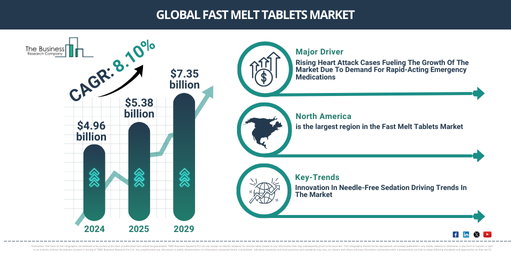
    The market for fast melt tablets has witnessed robust growth in the past few years. From $4.96 billion in 2024, it is predicted to rise to $5.38 billion in 2025, with a compound annual growth rate (CAGR) of 8.4%. The expansion in the historic period is due to factors such as the growing elderly population, a surge in chronic illnesses, an upward trend in self-medication, the enlargement of the pharmaceutical domain, and an increase in disposable income.

    The market size for fast melt tablets is forecasted to experience substantial growth in the coming years, reaching $7.35 billion by 2029, with a compound annual growth rate (CAGR) of 8.1%. The hike in forecasted size is due to factors like an increase in dysphagia cases, a trend for over the counter medicines, the expansion of e-commerce, growing demand for orally dissolvable medication, and advancements in healthcare infrastructure. Notable trends in the future projection encompass technology improvements, the inception of inventive formulation methodologies, the inclusion of nanotech, inclination towards plant-derived fillers, and the adoption of intelligent drug delivery systems.

    Download a free sample to assess the report’s scope and structure:

    https://www.thebusinessresearchcompany.com/sample.aspx?id=23398&type=smp

    What Are the Primary Drivers Supporting the Market Growth of the Fast Melt Tablets Market?

    The escalating frequency of heart attacks is predicted to stimulate the expansion of the fast melt tablets market in the near future. A heart attack is a medical crisis that takes place when the blood supply to the heart muscle is obstructed, often due to a blood clot or accumulation of plaque in the coronary arteries. The rising number of heart attacks is linked to the increased intake of processed foods that results in elevated cholesterol levels and arterial plaque accumulation. Fast melt tablets offer swift drug absorption, facilitating faster delivery of crucial medicines like aspirin or nitroglycerin which can help mitigate further harm during a heart attack, enhancing patient results by resuming blood flow and lowering the chance of serious complications. For example, the British Heart Foundation, a UK-based cardiovascular research charity, reported in January 2024 that more than 39,000 people in England died prematurely from cardiovascular disorders such as heart attacks, coronary heart disease, and stroke in 2022, equating to around 750 deaths per week. This number represents the highest recorded figure. Therefore, the escalating frequency of heart attacks is fueling the growth of the fast melt tablets market.

    Which Primary Segments of the Fast Melt Tablets Market Are Driving Growth and Industry Transformations?

    The fast melt tablets market covered in this report is segmented –

    1) By Type: Anti Psychotics, Anti Epileptics, Central Nervous System (CNS) Stimulants, Anxiolytics, Anti Parkinsonian Drugs, Anti Hypertensive, Non-Steroidal Anti-Inflammatory Drugs (NSAIDS), Anti Allergy Drugs, Proton Pump Inhibitors, Other Types

    2) By Indication: Pain Management, Allergy And Respiratory Disorders, Neurological Disorders, Gastrointestinal Disorders, Cardiovascular Disorders, Other Indications

    3) By Dosage Form: Oral, Sublingual, Buccal, Chewable

    4) By Age Group: Adult, Pediatrics, Geriatrics

    5) By Distribution Channel: Hospital Pharmacies, Retail Pharmacies, Drug Stores, Online Pharmacies

    Subsegments:

    1) By Anti Psychotics: Atypical Antipsychotics, Typical Antipsychotics

    2) By Anti Epileptics: Sodium Channel Blockers, Gamma-Aminobutyric Acid (GABA) Analogs, Alpha-Amino-3-Hydroxy-5-Methyl-4-Isoxazole Propionic Acid (AMPA) Receptor Antagonists, Carbonic Anhydrase Inhibitors

    3) By Central Nervous System (CNS) Stimulants: Amphetamines, Methylphenidate, Modafinil, Xanthine Derivatives

    4) By Anxiolytics: Benzodiazepines, Azapirones, Barbiturates, Antihistamines

    5) By Anti Parkinsonian Drugs: Dopamine Agonists, Monoamine Oxidase-B (MAO-B) Inhibitors, Catechol-O-Methyltransferase (COMT) Inhibitors, Anticholinergics

    6) By Anti Hypertensive: Beta Blockers, Calcium Channel Blockers, Angiotensin-Converting Enzyme (ACE) Inhibitors, Angiotensin II Receptor Blockers (ARBs), Diuretics

    7) By Non-Steroidal Anti-Inflammatory Drugs (NSAIDS): Cyclooxygenase-1 (COX-1) Inhibitors, Cyclooxygenase-2 (COX-2) Inhibitors

    8) By Anti Allergy Drugs: Antihistamines, Leukotriene Receptor Antagonists, Mast Cell Stabilizers, Corticosteroids

    9) By Proton Pump Inhibitors: Omeprazole, Esomeprazole, Lansoprazole, Pantoprazole

    10) By Other Types: Antiemetics, Antidepressants, Muscle Relaxants, Analgesics

    Request customized data on this market:

    https://www.thebusinessresearchcompany.com/customise?id=23398&type=smp

    Which Regions Are Key Players in the Growth of the Fast Melt Tablets Market?

    North America was the largest region in the fast melt tablets market in 2024. Asia-Pacific is expected to be the fastest-growing region in the forecast period. The regions covered in the fast melt tablets market report are Asia-Pacific, Western Europe, Eastern Europe, North America, South America, Middle East, Africa.

    What Are the Current Market Growth and Trends in the Fast Melt Tablets Industry?

    Major firms in the fast melt tablets market are concentrating on creating groundbreaking products like rapidly dissolving tablets to improve patient comfort and speed up drug absorption. Rapidly dissolving tablets (RDTs) are a type of solid medication engineered to dissolve quickly in the mouth without the need for water. For example, in December 2022, the US-based clinical-stage pharmaceutical company Melt Pharmaceuticals debuted Melt 300, an advanced fast-melting tablet formulation made for effective sedation. By combining 3 mg of midazolam and 50 mg of ketamine, this pioneering sublingual fast-melting tablet rapidly dissolves, guaranteeing swift onset and potent sedation without needing an intravenous delivery. With Melt 300, the firm is aiming to cater to the increasing need for needle-free, patient-friendly sedation alternatives, thus improving procedural ease and optimizing clinical processes.

    View the full report here:

    https://www.thebusinessresearchcompany.com/report/fast-melt-tablets-global-market-report

    What Parameters Are Used to Define the Fast Melt Tablets Market?

    Fast melt tablets are oral dosage forms designed to dissolve quickly in the mouth without the need for water. They offer a convenient option for patients who have difficulty swallowing traditional tablets. These tablets disintegrate rapidly, typically within seconds, upon contact with saliva. Fast melt technology is often used in pediatric, geriatric, and travel-friendly medications.

    Purchase the full report and get a swift delivery:

    https://www.thebusinessresearchcompany.com/purchaseoptions.aspx?id=23398

    About The Business Research Company:

    With over 15000+ reports from 27 industries covering 60+ geographies, The Business Research Company has built a reputation for offering comprehensive, data-rich research and insights. Armed with 1,500,000 datasets, the optimistic contribution of in-depth secondary research, and unique insights from industry leaders, you can get the information you need to stay ahead in the game.

    Get in touch with us:

    The Business Research Company: https://www.thebusinessresearchcompany.com/

    Americas +1 3156230293

    Asia +44 2071930708

    Europe +44 2071930708

    Email us at info@tbrc.info

    Follow us on:

    LinkedIn: https://in.linkedin.com/company/the-business-research-company

    YouTube: https://www.youtube.com/channel/UC24_fI0rV8cR5DxlCpgmyFQ

    Global Market Model: https://www.thebusinessresearchcompany.com/global-market-model
  • $1.61 Billion Forecast for Vascular Plugs Market by 2029, Backed by Demand and Innovation

    $1.61 Billion Forecast for Vascular Plugs Market by 2029, Backed by Demand and Innovation

    Get 30% off on our Global Market Reports with code ONLINE30 – Hurry, limited time offer!

    What Is the Current and Projected Market Size of the Vascular Plugs Market Through 2034?

    The market for vascular plugs has seen a steep surge lately. The projections indicate promising growth from $1.12 billion in 2024 to $1.20 billion in 2025, achieving a compound annual growth rate (CAGR) of 7.7%. The historical period’s growth was fueled by the shift towards performing minimally invasive techniques, a rise in the introduction of new products, technological advancements, an expansion in healthcare infrastructure, an increase in research and development activities, a growing demand for procedures, and widening of indications for vascular plug devices.

    The market size for vascular plugs is projected to witness robust growth in the forthcoming years, with an estimated valuation ascending to $1.61 billion in 2029, accelerating at a compound annual growth rate (CAGR) of 7.6%. Several factors could account for this growth throughout the predicted period, including the escalating incidence of vascular diseases, a rise in cardiovascular disorders, the global population’s aging demographics, an increased number of peripheral embolization procedures, and a heightened rate of obesity. Key trends anticipated during this time frame include the transition towards shape memory polymers, the invention of bioreabsorbable and self-expanding plugs, the incorporation of imaging technologies, an emphasis on personalized medicine, and advancements in technology.

    Download a free sample to assess the report’s scope and structure:

    https://www.thebusinessresearchcompany.com/sample.aspx?id=23560&type=smp

    What Are the Core Growth Drivers Propelling the Vascular Plugs Market Forward?

    The anticipated surge in cardiovascular diseases (CVDS) is predicted to drive the expansion of the vascular plugs market in the forthcoming period. Cardiovascular diseases (CVDs) encompass a range of disorders that impact the heart and blood vessels and disrupt ordinary blood circulation. Global lifestyle changes, urbanization, and alterations in dietary habits are leading to an escalated prevalence of these diseases, placing extended strain on the cardiovascular system. Vascular plugs are instrumental in managing cardiovascular diseases by halting irregular blood circulation, as seen in arteriovenous malformations, thereby preventing serious complications like hemorrhage or heart strain. For example, a report from the American Heart Association, a non-profit organization based in the US, indicated that a total of 941,652 people in the US died from cardiovascular diseases in 2022, marking an increase of over 10,000 from the 931,578 deaths in 2021. Hence, the rising prevalence of cardiovascular diseases (CVDS) is set to stimulate the growth of the vascular plugs market.

    What Segment Types Define the Vascular Plugs Market Structure?

    The vascular plugs market covered in this report is segmented –

    1) By Type: Embolic Coils, Non-Removable Vascular Plugs, Removable Vascular Plugs

    2) By Material: Polyvinyl Alcohol, Gelatin, Collagen

    3) By Indication: Arteriovenous Malformations, Vascular Trauma, Cerebral Aneurysms

    4) By End-User: Hospital, Ambulatory Surgical Centers, Other End-User

    Subsegments:

    1) By Embolic Coils: Detachable Embolic Coils, Pushable Embolic Coils, Hydrogel-Coated Embolic Coils

    2) By Non-Removable Vascular Plugs: Self-Expanding Vascular Plugs, Balloon-Expandable Vascular Plugs, Bioabsorbable Vascular Plugs

    3) By Removable Vascular Plugs: Retrievable Vascular Plugs, Adjustable Vascular Plugs, Shape Memory Vascular Plugs

    Request customized data on this market:

    https://www.thebusinessresearchcompany.com/customise?id=23560&type=smp

    Which Geographic Areas Hold the Strongest Growth Potential in the Vascular Plugs Market?

    North America was the largest region in the vascular plugs market in 2024. Asia-Pacific is expected to be the fastest-growing region in the forecast period. The regions covered in the vascular plugs market report are Asia-Pacific, Western Europe, Eastern Europe, North America, South America, Middle East, Africa.

    What Are the Current Market Growth and Trends in the Vascular Plugs Industry?

    Leading companies within the vascular plugs market are centering their efforts on producing technologically superior goods such as self-expanding vascular implants. These innovative products facilitate consistent adaptive expansion within blood vessels, promising ideal placement and minimization of migration risk or vessel damage. The unique characteristic of these implants is the shape-memory materials they are made of, which independently expand within the blood vessels to provide support or blockage without any external application of force. As an example, Merit Medical Systems, a medical device company based in the United States, was granted U.S. Food and Drug Administration (FDA) 510(k) clearance for its Siege Vascular Plug in May 2024. This plug is intentionally designed for quick peripheral artery embolization, achieving vessel occlusion in approximately 1.3 minutes. The Siege Vascular Plug, a self-expanding, and recapturable device, ensures flexible and accurate placement. It comes in three different sizes, catering to a variety of artery diameters. Furthermore, Merit Medical launched the Bearing nsPVA Express prefilled syringe, making embolization procedures simpler by eliminating the need for embolization particle preparation, thus demonstrating the company’s dedication to procedural efficiency and improved patient outcomes in embolotherapy.

    View the full report here:

    https://www.thebusinessresearchcompany.com/report/vascular-plugs-global-market-report

    What Is the Definition of the Vascular Plugs Market?

    Vascular plugs are medical devices used to block or reduce blood flow in targeted blood vessels. They are typically used during minimally invasive procedures to achieve controlled vessel occlusion. These plugs are delivered via the catheter and expand to seal the vessel effectively.

    Purchase the full report and get a swift delivery:

    https://www.thebusinessresearchcompany.com/purchaseoptions.aspx?id=23560

    About The Business Research Company:

    With over 15000+ reports from 27 industries covering 60+ geographies, The Business Research Company has built a reputation for offering comprehensive, data-rich research and insights. Armed with 1,500,000 datasets, the optimistic contribution of in-depth secondary research, and unique insights from industry leaders, you can get the information you need to stay ahead in the game.

    Get in touch with us:

    The Business Research Company: https://www.thebusinessresearchcompany.com/

    Americas +1 3156230293

    Asia +44 2071930708

    Europe +44 2071930708

    Email us at info@tbrc.info

    Follow us on:

    LinkedIn: https://in.linkedin.com/company/the-business-research-company

    YouTube: https://www.youtube.com/channel/UC24_fI0rV8cR5DxlCpgmyFQ

    Global Market Model: https://www.thebusinessresearchcompany.com/global-market-model

  • Key Developments and Trends Steering the Familial Mediterranean Fever Pharmaceuticals Market Forward: Advancements In Treatments Focus On Cost-Effective Alternatives And Innovative Therapies To Improve Patient Outcomes

    Key Developments and Trends Steering the Familial Mediterranean Fever Pharmaceuticals Market Forward: Advancements In Treatments Focus On Cost-Effective Alternatives And Innovative Therapies To Improve Patient Outcomes

    Get 30% off on our Global Market Reports with code ONLINE30 – Hurry, limited time offer!

    How Has The Familial Mediterranean Fever Pharmaceuticals Market Growth Evolved From 2024 To 2025, And What’s Ahead?

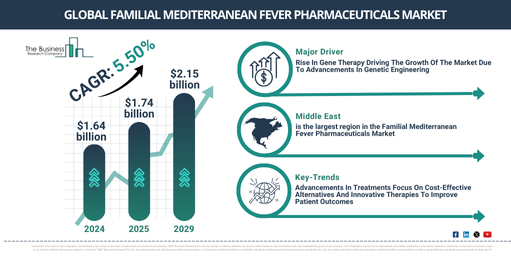
    In recent years, the market size for pharmaceuticals related to familial Mediterranean fever has seen robust growth. The market is set to expand from a value of $1.64 billion in 2024 to $1.74 billion in 2025, representing a compound annual growth rate (CAGR) of 5.9%. Factors contributing to this growth in the historic period include an increase in the prevalence of the disease, a rise in migration, a growing aging population, a surge in cases of genetic abnormalities within the MEFV gene, and a rising number of genetic mutations.

    The market for familial mediterranean fever pharmaceuticals is projected to experience robust growth in the upcoming years. The market is forecasted to increase to a value of $2.15 billion by 2029, with a compound annual growth rate (CAGR) of 5.5%. The anticipated expansion during this period is due primarily to the surge in embracing advanced cancer treatment alternatives, an increasing fascination with gene therapy and biologics, heightened usage of advanced therapies, increased consumption of effective drugs, and extensive acceptance of supportive therapies. The future trends include progress in treatment methods, introduction of novel drug classes, synergy among universities, research entities, and pharma firms, embracing new therapeutics, and advancements in technology.

    Download a free sample to assess the report’s scope and structure:

    https://www.thebusinessresearchcompany.com/sample.aspx?id=23397&type=smp

    How Are Key Drivers in the Industry Acting as Catalysts for the Growth of the Familial Mediterranean Fever Pharmaceuticals Market?

    The upswing in gene therapy is anticipated to stimulate the expansion of the familial Mediterranean fever (FMF) pharmaceuticals market. Gene therapy, a healthcare method that substitutes or alters defect genes to prevent or cure diseases on a genetic level, is incrementing due to advancements in gene engineering. This technology has enhanced precision targeting and amending of genetic abnormalities, providing potential cures for previously incurable illnesses. In the case of familial Mediterranean fever (FMF) pharmaceuticals, gene therapy is highly effective as it targets root cause mutations in the MEFV (Mediterranean fever) gene, potentially offering a long-lasting or permanent solution beyond mere symptom control. For instance, the American Society of Gene & Cell Therapy (ASGCT), a non-profit organization based in the US, reported in July 2024 that 76 gene therapy trials were inaugurated in the second quarter of 2024, marking a 25% increase from the previous quarter. Consequently, the surge in gene therapy is pushing the familial Mediterranean fever (FMF) pharmaceuticals market towards growth.

    Which Segments in the Familial Mediterranean Fever Pharmaceuticals Offer the Most Growth?

    The familial mediterranean fever pharmaceuticals market covered in this report is segmented –

    1) By Drug Type: Colchicine, Interleukin-1 Inhibitors, Anti-IL-6 Drugs

    2) By Route Of Administration: Oral, Injectable

    3) By End Users: Hospitals, Clinical Diagnostic Laboratories, Other End Users

    Subsegments:

    1) By Colchicine: Oral Colchicine, Intravenous Colchicine

    2) By Interleukin-1 Inhibitors: Anakinra, Canakinumab, Rilonacept

    3) By Anti-IL-6 Drugs: Tocilizumab, Sarilumab, Siltuximab

    Request customized data on this market:

    https://www.thebusinessresearchcompany.com/customise?id=23397&type=smp

    What Are the Fastest-Growing Geographies in the Familial Mediterranean Fever Pharmaceuticals Market?

    Middle East was the largest region in the familial mediterranean fever pharmaceuticals market in 2024. Asia-Pacific is expected to be the fastest-growing region in the forecast period. The regions covered in the familial mediterranean fever pharmaceuticals market report are Asia-Pacific, Western Europe, Eastern Europe, North America, South America, Middle East, Africa.

    What Are the Strategic Trends Steering the Familial Mediterranean Fever Pharmaceuticals Market Direction?

    Major firms in the familial mediterranean fever (FMF) pharmaceuticals industry are focusing their efforts on the creation of innovative treatments, such as cost-effective generic options, and the exploration of new biologics and gene therapies. Low-cost generic alternatives offer the same active ingredients, dosage, safety, and effectiveness as their brand-name counterparts but at a lower price. For example, in January 2022, Camber Pharmaceuticals Inc., an American pharmaceutical manufacturer, introduced generic Colcrys (colchicine) tablets to its product line. These tablets are used to treat and prevent familial mediterranean fever (FMF) in adults, as well as children aged four years and older, and to manage gout flare-ups. They come in strengths of 0.6 mg and are available in bottles of 30 and 100 counts. This introduction reinforces Camber’s commitment to provide high-quality, affordable generic medicines to improve patient care.

    View the full report here:

    https://www.thebusinessresearchcompany.com/report/familial-mediterranean-fever-pharmaceuticals-global-market-report

    What Are the Key Elements That Define the Familial Mediterranean Fever Pharmaceuticals Market?

    Familial mediterranean fever (FMF) pharmaceuticals refer to medications used to manage and treat FMF, a genetic disorder characterized by recurrent fever and inflammation, often affecting the abdomen, chest, and joints. The primary goal of these pharmaceuticals is to reduce the frequency and severity of attacks and prevent long-term complications, such as amyloidosis.

    Purchase the full report and get a swift delivery:

    https://www.thebusinessresearchcompany.com/purchaseoptions.aspx?id=23397

    About The Business Research Company:

    With over 15000+ reports from 27 industries covering 60+ geographies, The Business Research Company has built a reputation for offering comprehensive, data-rich research and insights. Armed with 1,500,000 datasets, the optimistic contribution of in-depth secondary research, and unique insights from industry leaders, you can get the information you need to stay ahead in the game.

    Get in touch with us:

    The Business Research Company: https://www.thebusinessresearchcompany.com/

    Americas +1 3156230293

    Asia +44 2071930708

    Europe +44 2071930708

    Email us at info@tbrc.info

    Follow us on:

    LinkedIn: https://in.linkedin.com/company/the-business-research-company

    YouTube: https://www.youtube.com/channel/UC24_fI0rV8cR5DxlCpgmyFQ

    Global Market Model: https://www.thebusinessresearchcompany.com/global-market-model
  • Global Value-Based Healthcare Services Market Projected to Reach $3970 Billion by 2029 at a CAGR of 18.3%

    Global Value-Based Healthcare Services Market Projected to Reach $3970 Billion by 2029 at a CAGR of 18.3%

    Get 30% off on our Global Market Reports with code ONLINE30 – Hurry, limited time offer!

    What is the Anticipated CAGR of the Value-Based Healthcare Services Market, and What Factors Will Drive It?

    In the past few years, the market size for value-based healthcare services has seen a swift expansion. The market, which is projected to rise from $1708.77 billion in 2024 to $2,025.60 billion in 2025, is expected to witness a compound annual growth rate (CAGR) of 18.5%. This notable rise during the historic period can be traced back to escalating healthcare expenses, an increased incidence of chronic ailments, a surge in the adoption of healthcare IT, heightened utilization of predictive analytics, and a incline in solutions for population health management.

    The market size of value-based healthcare services is anticipated to experience a rapid surge in the upcoming years, expanding to $3,970.00 billion in 2029 with a compound annual growth rate (CAGR) of 18.3%. Factors fueling this growth during the projected period include the wider application of artificial intelligence in healthcare, the rising use of telehealth, an increased emphasis on preventive care, higher investments in the healthcare sector, and the escalating uptake of digital health platforms. The prominent trends predicted during this time frame encapsulate a move from fee-for-service to value-based care, progress in healthcare analytics, the application of blockchain in healthcare, development in artificial intelligence and machine learning, as well as the incorporation of technology into healthcare workflows.

    Download a free sample to assess the report’s scope and structure:

    https://www.thebusinessresearchcompany.com/sample.aspx?id=23559&type=smp

    What are the Fundamental Drivers and Innovations Shaping the Value-Based Healthcare Services Market?

    The surge in embracing patient-oriented care is anticipated to catalyze the expansion of the value-based healthcare services market in the future. This method of healthcare focuses on meeting the unique needs, values, and preferences of patients while ensuring their active involvement in decision-making procedures and treatment planning. The growing acceptance of patient-oriented care is linked to increased awareness that patients need to be proactive in their healthcare choices. Aligning patient requirements and preferences can significantly enhance value-based healthcare services by improving health results, increasing care quality, and lowering expenses. For example, a study of 1,200 patients by Lakeside Healthcare At Yaxley, a UK-based GPs healthcare facility, in August 2024 revealed a 3% increase in patients who found it more straightforward to reach the practice, trimmed down telephone waiting periods with 74% of calls answered within ten minutes, and a larger proportion of in-person appointments at 58%. Consequently, the growing acceptance of patient-oriented care is fueling the growth of the value-based healthcare services market.

    How Is the Value-Based Healthcare Services Market Segmented?

    The value-based healthcare services market covered in this report is segmented –

    1) By Product Type: Accountable Care Organization (ACO), Patient-Centered Medical Home (PCMH), Pay for Performance, Bundled Payments

    2) By Deployment Type: Online, Offline

    3) By End-User: Hospitals, Clinics, Insurance Companies, Government, Others End-User

    Subsegments:

    1) By Accountable Care Organization (ACO): Medicare ACOs, Commercial ACOs, Pioneer ACOs, Provider-Sponsored ACOs, Government-Funded ACOs

    2) By Patient-Centered Medical Home (PCMH): Independent PCMHs, Hospital-Based PCMHs, Payer-Led PCMHs, Specialty-Specific PCMHs, Multi-Payer PCMHs

    3) By Pay for Performance: Hospital-Based P4P, Physician-Based P4P, Pharmacy-Based P4P, Nursing and Post-Acute Care P4P, Population Health-Based P4P

    4) By Bundled Payments: Retrospective Bundled Payments, Prospective Bundled Payments, Condition-Specific Bundled Payments, Procedure-Based Bundled Payments, Multi-Payer Bundled Payments

    Request customized data on this market:

    https://www.thebusinessresearchcompany.com/customise?id=23559&type=smp

    Which Regions Are Driving the Next Phase of the Value-Based Healthcare Services Market Growth?

    North America was the largest region in the value-based healthcare services market in 2024. Asia-Pacific is expected to be the fastest-growing region in the forecast period. The regions covered in the value-based healthcare services market report are Asia-Pacific, Western Europe, Eastern Europe, North America, South America, Middle East, Africa.

    What Are the Strategic Trends Steering the Value-Based Healthcare Services Market Direction?

    Key businesses in the value-based healthcare services sector are concentrating their efforts on creating novel solutions, such as value-based care, by utilizing technology and expertise to provide superior, equitable health results. The goal of value-based care, a healthcare approach that enhances patient health while decreasing expenses, is to augment patient results and diminish costs by emphasizing high-quality, preventative and proficiently coordinated care. To illustrate, in April 2023, Kaiser Permanente, an American nonprofit entity, kickstarted Risant Health, a fresh nonprofit body to expand and expedite the uptake of value-based healthcare amenities via collaborations with localized health structures. This plan hopes to boost patient-oriented care provision, by amalgamating progressive value-based care architectures, using data-powered perceptions, digital interaction, and ground-breaking care methods to bolster healthcare obtainability and merit. Risant Health is slated to propel a systemic overhaul by procuring and endorsing nonprofit health systems like Geisinger Health, facilitating economical, superior healthcare utilities that accentuate patient results and equitable attention.

    View the full report here:

    https://www.thebusinessresearchcompany.com/report/value-based-healthcare-services-global-market-report

    How Is the Value-Based Healthcare Services Market Defined and What Are Its Core Parameters?

    Value-based healthcare services refer to a healthcare delivery model where providers are compensated based on the quality of care rather than the service volume. This model aims to improve the patient experience, optimize resource use, and deliver long-term value to individuals and healthcare systems.

    Purchase the full report and get a swift delivery:

    https://www.thebusinessresearchcompany.com/purchaseoptions.aspx?id=23559

    About The Business Research Company:

    With over 15000+ reports from 27 industries covering 60+ geographies, The Business Research Company has built a reputation for offering comprehensive, data-rich research and insights. Armed with 1,500,000 datasets, the optimistic contribution of in-depth secondary research, and unique insights from industry leaders, you can get the information you need to stay ahead in the game.

    Get in touch with us:

    The Business Research Company: https://www.thebusinessresearchcompany.com/

    Americas +1 3156230293

    Asia +44 2071930708

    Europe +44 2071930708

    Email us at info@tbrc.info

    Follow us on:

    LinkedIn: https://in.linkedin.com/company/the-business-research-company

    YouTube: https://www.youtube.com/channel/UC24_fI0rV8cR5DxlCpgmyFQ

    Global Market Model: https://www.thebusinessresearchcompany.com/global-market-model

  • Market Trends Influencing Strategic Decisions in the Familial Adenomatous Polyposis Treatment  Industry: Advancements In Therapeutic Approaches Driving Improved Patient Outcomes

    Market Trends Influencing Strategic Decisions in the Familial Adenomatous Polyposis Treatment Industry: Advancements In Therapeutic Approaches Driving Improved Patient Outcomes

    Get 30% off on our Global Market Reports with code ONLINE30 – Hurry, limited time offer!

    What is the Projected CAGR for the Familial Adenomatous Polyposis Treatment Market Size from 2025 to 2034?

    The market size for the treatment of familial adenomatous polyposis (FAP) has seen a fast-paced growth in recent times. It is projected to expand from $1.34 billion in 2024 to $1.50 billion in 2025, with a compound annual growth rate (CAGR) of 11.5%. The growth during the earlier period can be linked to an increase in the occurrence of familial adenomatous polyposis, excessive tobacco use, the rise in genetic abnormalities, growing awareness about healthcare and related laws, and increasing instances of inactive lifestyles.

    The market size for familial adenomatous polyposis (FAP) treatments is anticipated to experience speedy expansion in the forthcoming years. The market is projected to augment to $2.31 billion by 2029, experiencing a compound annual growth rate (CAGR) of 11.4%. The ascending growth during the forecast period can be credited to the escalating application of gene therapy, burgeoning demand for potent treatment solutions, increased awareness about genetic disorders, enhancement of healthcare infrastructure, and growing requirement for genetic testing and counseling. Major trends guiding the forecast period include progressions in treatment methods, advancements in genetic research, adoption of inventive techniques, assimilation of multidisciplinary care models, and the rising favor for personalized medicine approaches.

    Download a free sample to assess the report’s scope and structure:

    https://www.thebusinessresearchcompany.com/sample.aspx?id=23396&type=smp

    What Are the Major Market Drivers Behind the Rising Adoption of Familial Adenomatous Polyposis Treatment Market?

    The upward trend in healthcare spending is predicted to drive the growth of the market for familial adenomatous polyposis (FAP) treatment. Healthcare expenditure, which includes all outlays on medicinal services, treatments, drugs, and infrastructure supporting health, comes from individuals, government organizations, and private institutions aiming for better health. The ballooning healthcare costs are a result of an aging population and improved medical technology. Increased life expectancy results in a greater number of elderly people in need of persistent care, management of chronic diseases, and more frequent medical procedures, thereby inflating healthcare costs. Such increased spending promotes R&D in FAP treatment, enhancing genetic testing, targeted remedies, and non-invasive procedures, all of which contribute to early diagnosis, better disease control, and improved patient outcomes. For example, in December 2024, the Centers for Medicare & Medicaid Services, a US federal agency, reported an 8.1% rise in Medicare spending, reaching $1,029.8 billion and contributing to 21% of total national health expenditures (NHE). The amplified healthcare spending thus stimulates the growth of the FAP treatment market. The increased adoption of minimally invasive procedures is another factor expected to boost the FAP treatment market. These medical procedures use smaller incisions, special tools, or imaging guidance, causing less trauma and posing fewer risks than traditional surgery. The rising popularity of minimally invasive procedures owes to advancements in medical technology and patients’ demand for quicker recovery. Progress in surgical methods, robotics, and imaging have facilitated techniques that make smaller cuts, thus minimizing complications and hospitalization time. These less invasive procedures improve polyp removal and surveillance in FAP treatment, enabling early diagnosis, accurate removal and fewer complications which delay disease advancement and reduce the necessity for major surgeries. For instance, in 2023, according to the American Society of Plastic Surgeons, a US-based pharmaceutical firm, there was 7% annual growth in minimally invasive procedures across the USA. Hence the mounting in minimally invasive procedures encourages the growth of the familial adenomatous polyposis treatment market.

    Which Key Market Segments Comprise the Familial Adenomatous Polyposis Treatment Market and Drive Its Revenue Growth?

    The familial adenomatous polyposis treatment market covered in this report is segmented –

    1) By Product Type: Icosapent, Eflornithine Hydrochloride, Aspirin, Cetuximab Oral Formulation (CEQ)-508, Other Product Types

    2) By Disease Subtype: Attenuated FAP, Familial Adenomatous Polyposis, Gardner Syndrome, Turcot Syndrome

    3) By Symptoms: Bloody Stool, Unexplained Diarrhea, Abdominal Cramps, Bloating , Weight Loss, Lethargy And Vomiting

    4) By Application: Colorectal Cancer Prevention, Genetic Counseling, Surgical Treatment

    5) By End-Users: Clinics, Hospitals, Diagnostic Centres, Home Healthcare, Other End-Users

    Subsegments:

    1) By Icosapent: High-Purity Icosapent, Combination Formulations, Extended-Release Icosapent

    2) By Eflornithine Hydrochloride: Oral Eflornithine Hydrochloride, Topical Eflornithine Hydrochloride, Intravenous Eflornithine Hydrochloride

    3) By Aspirin: Low-Dose Aspirin Therapy, Enteric-Coated Aspirin, Buffered Aspirin

    4) By CEQ-508: Monotherapy CEQ-508, Adjunctive CEQ-508 Therapy, Targeted CEQ-508 Formulations

    5) By Other Product Types: Genetic Testing Kits And Biomarkers, Endoscopic Surveillance Devices, Surgical Instruments And Medical Implants, Probiotics And Microbiome Modulators, Bowel Preparation Solutions, Dietary Supplements And Nutraceuticals, Radiofrequency Ablation (RFA) Devices, Cryotherapy And Laser Therapy Systems, Artificial Intelligence (AI)-Assisted Diagnostic Tools, Patient Monitoring And Digital Health Solutions

    Request customized data on this market:

    https://www.thebusinessresearchcompany.com/customise?id=23396&type=smp

    Which Areas Are Leading Regions in the Familial Adenomatous Polyposis Treatment Market Expansion Across the Globe?

    North America was the largest region in the familial adenomatous polyposis (FAP) treatment market in 2024. Asia-Pacific is expected to be the fastest-growing region in the forecast period. The regions covered in the familial adenomatous polyposis treatment market report are Asia-Pacific, Western Europe, Eastern Europe, North America, South America, Middle East, Africa.

    What Long-Term Trends Are Transforming the Competitive Landscape of the Familial Adenomatous Polyposis Treatment Market?

    Leading businesses in the familial adenomatous polyposis (FAP) treatment market have been focusing on the development of breakthrough therapeutic techniques to better patient outcomes and provide novel solutions. These innovations involve the introduction of new drug formulations and specialized treatments to decrease the growth of polyps and decelerate disease development. For example, Biodexa Pharmaceuticals PLC, a prominent biopharmaceutical organization based in the UK, brought out promising results from their Phase 2 clinical trial of eRapa for the treatment of FAP, in June 2024. The trial exhibited a 75% no progression rate, along with a median decrease of 17% in polyp load over a period of 12 months. In the second group of participants, there was a considerably higher no progression rate of 81% and 29% reduction in polyps with a particular dosage regimen. With a compliance rate of 95%, the treatment was received positively. These encouraging outcomes have laid the groundwork for a Phase 3 trial involving approximately 168 high-risk FAP patients which could possibly shift the current surgical treatment approach towards a more effective medication therapy.

    View the full report here:

    https://www.thebusinessresearchcompany.com/report/familial-adenomatous-polyposis-treatment-global-market-report

    How Is the Familial Adenomatous Polyposis Treatment Market Conceptually Defined?

    Familial adenomatous polyposis (FAP) treatment refers to medical and surgical approaches used to manage FAP, a genetic condition characterized by the development of numerous precancerous polyps in the colon and rectum. The primary goal of treatment is to prevent colorectal cancer, which almost inevitably develops if left untreated.

    Purchase the full report and get a swift delivery:

    https://www.thebusinessresearchcompany.com/purchaseoptions.aspx?id=23396

    About The Business Research Company:

    With over 15000+ reports from 27 industries covering 60+ geographies, The Business Research Company has built a reputation for offering comprehensive, data-rich research and insights. Armed with 1,500,000 datasets, the optimistic contribution of in-depth secondary research, and unique insights from industry leaders, you can get the information you need to stay ahead in the game.

    Get in touch with us:

    The Business Research Company: https://www.thebusinessresearchcompany.com/

    Americas +1 3156230293

    Asia +44 2071930708

    Europe +44 2071930708

    Email us at info@tbrc.info

    Follow us on:

    LinkedIn: https://in.linkedin.com/company/the-business-research-company

    YouTube: https://www.youtube.com/channel/UC24_fI0rV8cR5DxlCpgmyFQ

    Global Market Model: https://www.thebusinessresearchcompany.com/global-market-model

  • Esketamine Market 2025-2034: Key Highlights, Growth Dynamics, and Emerging Trends

    Esketamine Market 2025-2034: Key Highlights, Growth Dynamics, and Emerging Trends

    Get 30% off on our Global Market Reports with code ONLINE30 – Hurry, limited time offer!

    What Are the Key Milestones in the Esketamine Market’s Growth Trajectory From 2025 To 2034?

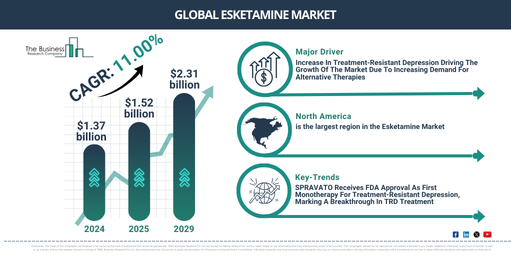
    The growth of the esketamine market has been swift in the past few years. It is projected to expand from a worth of $1.37 billion in 2024 to a value of $1.52 billion in 2025, at a compound annual growth rate (CAGR) of 11.2%. This growth during the historic period could be credited to a rise in the patient count, a global increase in the incidence of mental health disorders, improved awareness about the disease condition, a growing demand for new treatment possibilities, and advantageous regulatory authorizations.

    It is projected that the esketamine market will experience a swift expansion in the upcoming years, reaching an estimated value of $2.31 billion in 2029, growing at an 11.0% compound annual growth rate (CAGR). This growth can be credited to factors such as a higher occurrence of treatment-resistant depression, a boost in investment for research and development initiatives, the desire for intelligent healthcare infrastructure, the rising popularity of telehealth solutions, and the escalating recognition of esketamine as a potent cure. Key trends per the forecast include collaborations between biopharmaceutical firms and mental health agencies, the utilization of robots in healthcare, personalized treatment approaches, the emergence of sensor-based gadgets, and the feasibility of combination treatments.

    Download a free sample to assess the report’s scope and structure:

    https://www.thebusinessresearchcompany.com/sample.aspx?id=23393&type=smp

    Which Primay Drivers Are Accelerating Growth in the Esketamine Market?

    The rise in cases of treatment-resistant depression (TRD) is anticipated to fuel the expansion of the esketamine market in the future years. TRD is characterized by unresponsive depression after undertaking at least two different antidepressant medications with the right dosages for the appropriate length of time. The surge in TRD cases can be attributed to the insufficient effectiveness of standard antidepressants, resulting in sustained and recurrent depressive episodes. Esketamine assists in managing TRD through a quick-response mechanism that focuses on NMDA receptors, providing solace to patients who are unresponsive to traditional antidepressants. For example, the National Institute of Mental Health (NIMH), a US federal agency, revealed that approximately 30% of US individuals dealing with major depressive disorder were unresponsive to standard treatments in 2023. Consequently, the escalating incidence of treatment-resistant depression is propelling the growth of the esketamine market.

    Which Primary Segments of the Esketamine Market Are Driving Growth and Industry Transformations?

    The esketamine market covered in this report is segmented –

    1) By Type: Oral Medications, Injection, Nasal Spray, Other Types

    2) By Indication: Major Depressive Disorder, Chronic Pain, Post-Traumatic Stress Disorder, Anxiety Disorders

    3) By Patient Type: Adult Patients, Pediatric Patients, Geriatric Patients

    4) By Application: General Anesthetic, Treatment-Resistant Depression

    5) By Distribution Channel: Hospital Pharmacy, Online Pharmacy, Retail Pharmacy

    Subsegments:

    1) By Oral Medications: Immediate-Release Tablets, Extended-Release Tablets, Sublingual Tablets

    2) By Injection: Intravenous Injection, Intramuscular Injection, Subcutaneous Injection

    3) By Nasal Spray: Prescription Nasal Spray, Over-The-Counter Nasal Spray, Combination Therapy Nasal Spray

    4) By Other Types: Plasmapheresis, Intravenous Immunoglobulin (IVIG) Therapy, Stem Cell Therapy

    Request customized data on this market:

    https://www.thebusinessresearchcompany.com/customise?id=23393&type=smp

    Which Regions Are Key Players in the Growth of the Esketamine Market?

    North America was the largest region in the esketamine market in 2024. The regions covered in the esketamine market report are Asia-Pacific, Western Europe, Eastern Europe, North America, South America, Middle East, Africa.

    Which Cutting-Edge Market Trends Are Expected to Drive the Esketamine Market’s Growth?

    Leading players in the esketamine market are steering their efforts towards creating better treatment options like monotherapy, to exceed what a placebo can provide in terms of symptom relief for depression. Monotherapy only involves a single type of treatment or drug for tackling a disease or medical condition instead of implementing multiple therapies in synchrony. For example, in January 2025, U.S based pharmaceutical giant, Johnson & Johnson, declared that SPRAVATO (esketamine) had been given the official nod by U.S. Food and Drug Administration (FDA) as the exclusive monotherapy for adults who are resistant to the standard treatments available for depression also known as TRD. The approval, backed by clinical trials, proved that SPRAVATO could quickly alleviate symptoms of depression, with substantial improvements noticed in under a day’s time. This monumental innovation caters to nearly 30% of people who remain unresponsive to traditional antidepressants thus completely replacing the need for additional oral medication. Despite its promising safety credentials, SPRAVATO is dispensed under a Risk Evaluation and Mitigation Strategy (REMS) to handle any potential side-effects. This landmark achievement underscores an enormous leap in the field of TRD treatment, infusing fresh optimism for enhanced patient recovery.

    View the full report here:

    https://www.thebusinessresearchcompany.com/report/esketamine-global-market-report

    What Parameters Are Used to Define the Esketamine Market?

    Esketamine refers to a fast-acting anesthetic and antidepressant derived from ketamine, known for its NMDA receptor antagonist properties. It is used for treatment-resistant depression and major depressive disorder with suicidal ideation, administered as a nasal spray under medical supervision.

    Purchase the full report and get a swift delivery:

    https://www.thebusinessresearchcompany.com/purchaseoptions.aspx?id=23393

    About The Business Research Company:

    With over 15000+ reports from 27 industries covering 60+ geographies, The Business Research Company has built a reputation for offering comprehensive, data-rich research and insights. Armed with 1,500,000 datasets, the optimistic contribution of in-depth secondary research, and unique insights from industry leaders, you can get the information you need to stay ahead in the game.

    Get in touch with us:

    The Business Research Company: https://www.thebusinessresearchcompany.com/

    Americas +1 3156230293

    Asia +44 2071930708

    Europe +44 2071930708

    Email us at info@tbrc.info

    Follow us on:

    LinkedIn: https://in.linkedin.com/company/the-business-research-company

    YouTube: https://www.youtube.com/channel/UC24_fI0rV8cR5DxlCpgmyFQ

    Global Market Model: https://www.thebusinessresearchcompany.com/global-market-model
  • Eosinophilic Granulomatosis With Polyangiitis Treatment Growth Trajectory: Key Forecasts and Strategic Insights

    Eosinophilic Granulomatosis With Polyangiitis Treatment Growth Trajectory: Key Forecasts and Strategic Insights

    Get 30% off on our Global Market Reports with code ONLINE30 – Hurry, limited time offer!

    How Has The Eosinophilic Granulomatosis With Polyangiitis Treatment Market Size Shifted, And What Is the Outlook Through 2034?

    The market for eosinophilic granulomatosis with polyangiitis treatment has seen robust growth in recent times. It is projected to increase from a valuation of $1.28 billion in 2024 to $1.41 billion in 2025, exhibiting a compound annual growth rate (CAGR) of 10.1%. The growth in this historical period is linked to the escalating occurrences of Churg Strauss syndrome, an increased call for efficient treatment methods, an expansion in research and developmental activities, a growing older population, and elevated patient awareness.

    In the coming years, substantial growth is anticipated in the eosinophilic granulomatosis with polyangiitis treatment market. The market is predicted to expand to $2.06 billion by 2029, boasting a compound annual growth rate (CAGR) of 9.8%. This projected growth during the forecast period is largely due to a rise in focus on biologics and targeted therapies, an increase in clinical trial activity, burgeoning patient advocacy movements, a growing emphasis on precision medicine and personal therapy, as well as a rising incidence of asthma in the elderly population. Emerging trends during the forecast period entail technological advancements, progress in therapeutic agents and biologics, personalized medicine strategies, alliances between healthcare providers and pharmaceutical companies, coupled with the advancement of superior diagnostic techniques.

    Download a free sample to assess the report’s scope and structure:

    https://www.thebusinessresearchcompany.com/sample.aspx?id=23392&type=smp

    Which Factors and External Forces Are Driving Demand in the Eosinophilic Granulomatosis With Polyangiitis Treatment Market?

    Expectations of growth in the eosinophilic granulomatosis with polyangiitis (EGPA) treatment market are driven by an increasing incidence of asthma within the aging demographic. Older adults more commonly experience this respiratory condition due to a decrease in lung function, which features symptoms such as swollen and narrow airways that hinder breathing. As these seniors are more vulnerable to inflammatory respiratory conditions, certification of related conditions like EGPA — often initiated by asthma — rises. Consequently, there is a higher demand for treatment. The Global Initiative for Asthma, a medical organization in the US, reported in 2024 that asthma, a widespread chronic non-communicable disease, affects over 260 million individuals worldwide, leading to over 450,000 deaths each year. Therefore, the escalating occurrence of asthma in older people is a key driver for the EGPA treatment market’s expansion. The EGPA treatment market is also fueled by a climbing prevalence of allergic reactions due to an uptick in immune system overactivity. The increased incidence of allergic reactions is linked to growing air pollution levels, where contaminants like smoke, dust and airborne chemicals aggravate immune systems, heightening sensitivity to allergens. As these allergic conditions become more prevalent, a greater number of people are diagnosed with conditions caused by excessive immune activity, like EGPA, driving the demand for effective treatments to handle inflammation and related symptoms. According to data from the Allergy and Immunology Centre, a medical institution based in the UK, almost 26,000 hospitalizations resulted from allergies and anaphylaxis between 2022 and 2023. Consequently, the rising frequency of allergic reactions propels the growth of the EGPA treatment market.

    Which Segments in the Eosinophilic Granulomatosis With Polyangiitis Treatment Offer the Most Growth?

    The eosinophilic granulomatosis with polyangiitis treatment market covered in this report is segmented –

    1) By Drug Class: Steroids, Immunosuppressant, Biologics, Immune Globulins

    2) By Route Of Administration: Oral, Intravenous, Intramuscular

    3) By Distribution Channel: Online Pharmacies, Hospital Pharmacies, Drug Stores, Retail Pharmacies

    4) By End User: Hospitals, Clinics, Home Healthcare

    Subsegments:

    1) By Steroids: Glucocorticoids, Mineralocorticoids

    2) By Immunosuppressants: Calcineurin Inhibitors, Antimetabolites, Alkylating Agents

    3) By Biologics: Interleukin Inhibitors, Monoclonal Antibodies, TNF-alpha Inhibitors

    4) By Immune Globulins: Intravenous Immunoglobulin (IVIG), Subcutaneous Immunoglobulin (SCIG)

    Request customized data on this market:

    https://www.thebusinessresearchcompany.com/customise?id=23392&type=smp

    What Are the Fastest-Growing Geographies in the Eosinophilic Granulomatosis With Polyangiitis Treatment Market?

    North America was the largest region in the eosinophilic granulomatosis with polyangiitis (EGPA) treatment market in 2024. Asia-Pacific is expected to be the fastest-growing region in the forecast period. The regions covered in the eosinophilic granulomatosis with polyangiitis treatment market report are Asia-Pacific, Western Europe, Eastern Europe, North America, South America, Middle East, Africa.

    What Are the Key Market Trends in the Eosinophilic Granulomatosis With Polyangiitis Treatment Market Over the Coming Years?

    Key players in the eosinophilic granulomatosis with polyangiitis (EGPA) treatment market are undertaking clinical investigations to determine the safety and efficacy of novel and existing treatments. These studies are targeted at enriching treatment alternatives, achieving regulatory authorizations, and enhancing healthcare for patients. For instance, in September 2024, positive outcomes were announced from the MANDARA Phase III trial by AstraZeneca, a UK-based pharmaceutical and biotech firm. The test demonstrated that Fasenra (benralizumab) is successful in inducing remission in patients affected by eosinophilic granulomatosis with polyangiitis. It was found that benralizumab resulted in remission rates nearly equal to mepolizumab while lessening the demand for oral glucocorticoids. This progress marks a considerable move towards more specific and steroid-sparing treatment strategies for eosinophilic granulomatosis with polyangiitis.

    View the full report here:

    https://www.thebusinessresearchcompany.com/report/eosinophilic-granulomatosis-with-polyangiitis-treatment-global-market-report

    What Are the Key Elements That Define the Eosinophilic Granulomatosis With Polyangiitis Treatment Market?

    Eosinophilic granulomatosis with polyangiitis (EGPA) treatment refers to medical approaches used to manage this rare autoimmune disease, which causes inflammation of small blood vessels. The treatment focuses on reducing inflammation, controlling symptoms, and preventing disease progression.

    Purchase the full report and get a swift delivery:

    https://www.thebusinessresearchcompany.com/purchaseoptions.aspx?id=23392

    About The Business Research Company:

    With over 15000+ reports from 27 industries covering 60+ geographies, The Business Research Company has built a reputation for offering comprehensive, data-rich research and insights. Armed with 1,500,000 datasets, the optimistic contribution of in-depth secondary research, and unique insights from industry leaders, you can get the information you need to stay ahead in the game.

    Get in touch with us:

    The Business Research Company: https://www.thebusinessresearchcompany.com/

    Americas +1 3156230293

    Asia +44 2071930708

    Europe +44 2071930708

    Email us at info@tbrc.info

    Follow us on:

    LinkedIn: https://in.linkedin.com/company/the-business-research-company

    YouTube: https://www.youtube.com/channel/UC24_fI0rV8cR5DxlCpgmyFQ

    Global Market Model: https://www.thebusinessresearchcompany.com/global-market-model