Author: Marketing Posting

  • Emerging Trends Redefining the Vitreoretinal Disorder Market Landscape: Innovative Methotrexate-Based Therapies Target Rare Retinal Cancers Amid Regulatory Challenges

    Emerging Trends Redefining the Vitreoretinal Disorder Market Landscape: Innovative Methotrexate-Based Therapies Target Rare Retinal Cancers Amid Regulatory Challenges

    Get 30% off on our Global Market Reports with code ONLINE30 – Hurry, limited time offer!

    What Are the Key Projections for the CAGR of the Vitreoretinal Disorder Market Size From 2025 to 2034?

    In recent times, there has been robust growth in the market size for vitreoretinal disorders. From $4.30 billion in 2024, the market is projected to escalate to $4.64 billion in 2025, representing a compound annual growth rate (CAGR) of 8.1%. The substantial growth in the historic period can be linked to factors such as a heightened occurrence of diabetic retinopathy, an increase in the aging population, elevated awareness of retinal diseases, the amplification of medical infrastructure, and prompt uptake of anti-vascular endothelial growth factor (VEGF) therapy.

    In the upcoming years, a robust growth is anticipated in the vitreoretinal disorder market. This growth is projected to reach $6.30 billion with a compound annual growth rate (CAGR) of 7.9% by 2029. The growth during this forecast period is ascribed to factors such as increased incidents of diabetic retinopathy, amplified frequency of age-related macular degeneration, rising investments in stem cell therapies dedicated to regeneration, escalating expenditure within healthcare on ocular diseases, increasing awareness regarding early detection of retinal diseases, and government-led initiatives. Key trends during the forecast period are expected to include AI-enhanced identification of retinal diseases, vitreoretinal surgeries conducted with the assistance of robots, drug delivery through nanotechnology, real-time monitoring of eyes through smart contact lenses, adaptive optics imaging with ultra-high-resolution, and implants intravitreal that are biodegradable.

    Download a free sample to assess the report’s scope and structure:

    https://www.thebusinessresearchcompany.com/sample.aspx?id=23574&type=smp

    What Are the Core Market Drivers Propelling Growth in the Vitreoretinal Disorder Industry?

    The vitreoretinal disorder market is set to see increased growth due to the escalating prevalence of diabetic retinopathy. This eye affliction caused by damage to retinal blood vessels from high blood sugar levels is becoming increasingly common amongst diabetics. The rise in diabetes cases, often a result of a sedentary lifestyle and poor blood sugar management, leads to this damage. Management of vitreoretinal disorders is vital in treating diabetic retinopathy as it deals with complications like vitreous hemorrhage and tractional retinal detachment. This treatment helps in preserving eyesight and inhibiting further retinal damage. For example, data from October 2024 states that the Australian Institute of Health and Welfare, a government agency based in Australia, reported that in the period 2022–23, 1.8% of screened First Nations individuals received diabetic retinopathy treatment, a slightly lower age-standardized rate of treatment (1.3%) compared to non-Indigenous Australians (1.5%). Consequently, the increasing prevalence of diabetic retinopathy fuels the expansion of the vitreoretinal disorder market.

    How Is the Vitreoretinal Disorder Market Segmented?

    The vitreoretinal disorder market covered in this report is segmented –

    1) By Type: Retinal Tear, Retinal Detachment, Diabetic Retinopathy, Macular Degeneration, Macular Hole, Other Types

    2) By Diagnosis: Digital Fluorescein Angiography, Optical Coherence Tomography, Heidelberg Retinal Tomography, Indocyanine Green Angiography, Other Diagnosis

    3) By Treatment: Surgery, Medication, Other Treatments

    4) By Distribution Channel: Hospital Pharmacy, Online Pharmacy, Retail Pharmacy

    5) By End User: Hospitals, Homecare, Specialty Clinics, Other End Users

    Subsegments:

    1) By Retinal Tear: Atrophic Retinal Tear, Operculated Retinal Tear, Horseshoe Retinal Tear, Giant Retinal Tear

    2) By Retinal Detachment: Rhegmatogenous Retinal Detachment, Tractional Retinal Detachment, Exudative Retinal Detachment

    3) By Diabetic Retinopathy: Non-Proliferative Diabetic Retinopathy, Proliferative Diabetic Retinopathy, Diabetic Macular Edema

    4) By Macular Degeneration: Dry Macular Degeneration, Wet Macular Degeneration

    5) By Macular Hole: Full-Thickness Macular Hole, Lamellar Macular Hole, Tractional Macular Hole

    6) By Other Types: Epiretinal Membrane, Retinal Vein Occlusion, Retinal Artery Occlusion, Retinitis Pigmentosa, Uveitis, Vitreous Hemorrhage, Macular Edema, Central Serous Retinopathy, Proliferative Vitreoretinopathy

    Request customized data on this market:

    https://www.thebusinessresearchcompany.com/customise?id=23574&type=smp

    Which Regions Are Driving the Next Phase of the Vitreoretinal Disorder Market Growth?

    North America was the largest region in the vitreoretinal disorder market in 2024. The regions covered in the vitreoretinal disorder market report are Asia-Pacific, Western Europe, Eastern Europe, North America, South America, Middle East, Africa.

    What Key Trends Are Shaping the Future of the Vitreoretinal Disorder Market?

    Leading corporations in the vitreoretinal disorder market are turning their focus towards the creation of groundbreaking solutions, such as the use of methotrexate for primary vitreoretinal lymphoma treatment, in an effort to meet the pressing medical demands connected to rare and vicious retinal cancers. The concept behind using methotrexate for primary vitreoretinal lymphoma consists of the localized use of a chemotherapy drug to target and subdue malignant cells present in the retina and vitreous, thereby offering a potent measure against this scarce ocular cancer. As an illustration, Aldeyra Therapeutics Inc., a biotechnology firm from the US, announced in December 2022 a successful pre-NDA meeting with the FDA relating to ADX-2191, a unique, preservative-free methotrexate formulation for the treatment of primary vitreoretinal lymphoma (PVRL), a rare and destructive type of retinal cancer.

    View the full report here:

    https://www.thebusinessresearchcompany.com/report/vitreoretinal-disorder-global-market-report

    How Is the Vitreoretinal Disorder Market Defined and What Are Its Core Parameters?

    Vitreoretinal disorder refers to a group of eye conditions that affect the retina and the vitreous humor, which plays a crucial role in maintaining the eye’s shape and visual clarity. These disorders can significantly impair vision over time and often require advanced diagnostic techniques and specialized medical or surgical interventions for effective management.

    Purchase the full report and get a swift delivery:

    https://www.thebusinessresearchcompany.com/purchaseoptions.aspx?id=23574

    About The Business Research Company:

    With over 15000+ reports from 27 industries covering 60+ geographies, The Business Research Company has built a reputation for offering comprehensive, data-rich research and insights. Armed with 1,500,000 datasets, the optimistic contribution of in-depth secondary research, and unique insights from industry leaders, you can get the information you need to stay ahead in the game.

    Get in touch with us:

    The Business Research Company: https://www.thebusinessresearchcompany.com/

    Americas +1 3156230293

    Asia +44 2071930708

    Europe +44 2071930708

    Email us at info@tbrc.info

    Follow us on:

    LinkedIn: https://in.linkedin.com/company/the-business-research-company

    YouTube: https://www.youtube.com/channel/UC24_fI0rV8cR5DxlCpgmyFQ

    Global Market Model: https://www.thebusinessresearchcompany.com/global-market-model

  • Superficial Punctate Keratitis Treatment Outlook 2034: Key Drivers, Trends, and Market Frontiers

    Superficial Punctate Keratitis Treatment Outlook 2034: Key Drivers, Trends, and Market Frontiers

    Our market reports now include the latest updates on global tariffs, trade impacts, and evolving supply chain dynamics.

    #How Has The Superficial Punctate Keratitis Treatment Market Growth Evolved From 2024 To 2025, And What’s Ahead?#_x000D_

    In recent times, the market for superficial punctate keratitis treatment has experienced a robust growth. It is predicted to rise from $4.91 billion in 2024 to $5.25 billion in 2025, representing a compound annual growth rate (CAGR) of 6.9%. Factors contributing to this growth during the historic period include a higher incidence rate of ocular surface disorders, increased understanding of eye health, a surge in demand for topical treatments, a growing elderly population, enhanced healthcare infrastructure, and a rise in research and development activities in the field of ophthalmology._x000D_

    _x000D_

    Over the coming years, the market size for superficial punctate keratitis treatment is set for robust growth, with projections indicating a surge up to $6.79 billion in 2029, with a compound annual growth rate (CAGR) of 6.7%. The predicted boost during the forecast duration can be linked to the rise in cases of dry eye syndrome, the growth in the use of contact lenses, heightened understanding of eye health, the broadening of healthcare facilities in developing nations, and greater emphasis on individualized treatment options. In the forecast timeframe, notable trends include advancements in drug formulations for superior corneal healing, the creation of targeted biologics, breakthroughs in ocular lubricants and artificial tears, the incorporation of nanotechnology for drug delivery, advances in less invasive surgical methods, the application of restorative therapies like stem cells, and the utilization of digital diagnostics for tailored treatment strategies._x000D_

    _x000D_

    #Download a free sample to assess the report’s scope and structure:#_x000D_

    https://www.thebusinessresearchcompany.com/sample.aspx?id=21293&type=smp_x000D_

    _x000D_

    #How Are Key Drivers in the Industry Acting as Catalysts for the Growth of the Superficial Punctate Keratitis Treatment Market?#_x000D_

    The increasing incidence of conditions causing eye illness is projected to spur the growth of the superficial punctate keratitis treatment market. Eye illnesses, which include infections, degenerative diseases, and structural irregularities, negatively impact eye health and vision. An elderly population, increased screen use, diabetes, and environmental influencers like pollution and UV radiation are driving the growing numbers of eye disorders. Solutions for superficial punctate keratitis, such as lubricating eye droplets, antibiotics, or anti-inflammatory drugs, can lessen pain, mitigate inflammation, and foster healing in various eye diseases causing damage on the cornea’s surface. To illustrate, the Office for Health Improvement and Disparities, a government agency based in the UK, reported in May 2024 that over 8.9 million outpatient vision appointments were logged in England in the fiscal year ending 2023, representing a rate of 15,362 per 100,000 population, a substantial increase from 14,613 in the prior year. Hence, the escalating incidence of eye diseases is propelling the superficial punctate keratitis treatment market._x000D_

    _x000D_

    #Which Segments in the Superficial Punctate Keratitis Treatment Offer the Most Growth?#_x000D_

    The superficial punctate keratitis treatment market covered in this report is segmented –_x000D_

    _x000D_

    1) By Product Type: Pharmacological Treatments, Surgical Treatments, Minimally Invasive Treatments, Digital Health Solutions (Telemedicine And Mobile Apps), Other Eye Care Solutions_x000D_

    2) By Distribution Channel: Hospital Pharmacies, Retail Pharmacies, Online Pharmacies_x000D_

    3) By End-User: Hospitals, Ophthalmology Clinics, Homecare Settings, Ambulatory Surgical Centers_x000D_

    _x000D_

    Subsegments:_x000D_

    1) By Pharmacological Treatments: Antibiotics, Antiviral Agents, Anti-inflammatory Drugs, Lubricating Eye Drops, Immunomodulators_x000D_

    2) By Surgical Treatments: Corneal Debridement, Amniotic Membrane Transplantation, Other Surgical Interventions_x000D_

    3) By Minimally Invasive Treatments: Punctal Plugs, Intense Pulsed Light (IPL) Therapy, Autologous Serum Eye Drops_x000D_

    4) By Digital Health Solutions (Telemedicine And Mobile Apps): Remote Consultation Platforms, AI-Based Symptom Tracking Apps, Digital Therapeutics For Eye Care_x000D_

    5) By Other Eye Care Solutions: Specialized Contact Lenses, Nutritional Supplements, Lifestyle And Environmental Modifications_x000D_

    _x000D_

    #Request customized data on this market:#_x000D_

    https://www.thebusinessresearchcompany.com/customise?id=21293&type=smp_x000D_

    _x000D_

    #What Are the Fastest-Growing Geographies in the #How Are Key Drivers in the Industry Acting as Catalysts for the Growth of the Superficial Punctate Keratitis Treatment Market?# Market?#_x000D_

    North America was the largest region in the superficial punctate keratitis treatment market in 2024. Asia-Pacific is expected to be the fastest-growing region in the forecast period. The regions covered in the superficial punctate keratitis treatment market report are Asia-Pacific, Western Europe, Eastern Europe, North America, South America, Middle East, Africa._x000D_

    _x000D_

    #What Are the Current Market Growth and Trends in the Superficial Punctate Keratitis Treatment Industry?#_x000D_

    Leading businesses in the superficial punctate keratitis treatment market are concentrating on the development of innovative products like eye drops to target the root cause of inflammation and offer efficient and non-invasive therapy to patients. Eye drops are liquid solutions designed for direct application to the eyes to treat conditions like irritation, dryness, inflammation, or infections. For example, Entod Pharmaceuticals, a pharmaceutical company in India, introduced CYCLOTEARS eye drops in India and international markets in May 2023 for individuals affected by inflammatory dry eye disease (DED). This therapy, the first such product for dry eyes across the globe, showcases the company’s self-emulsifying drug delivery system (SEDDS) technology. This significant innovation in treating eye inflammation enhances the absorption and efficiency of the drug, providing enhanced comfort for patients._x000D_

    _x000D_

    #View the full report here:#_x000D_

    https://www.thebusinessresearchcompany.com/report/superficial-punctate-keratitis-treatment-global-market-report_x000D_

    _x000D_

    #What Are the Key Elements That Define the Superficial Punctate Keratitis Treatment Market?#_x000D_

    Superficial punctate keratitis (SPK) treatment refers to the management of corneal irritation caused by various factors such as dry eyes, infections, or environmental stress. It involves the use of lubricating eye drops, anti-inflammatory medications, or addressing underlying conditions to promote healing. The treatment aims to relieve discomfort, reduce inflammation, and restore corneal health._x000D_

    _x000D_

    #Purchase the full report and get a swift delivery:#_x000D_

    https://www.thebusinessresearchcompany.com/purchaseoptions.aspx?id=21293_x000D_

    _x000D_

    #About The Business Research Company:#_x000D_

    With over 15000+ reports from 27 industries covering 60+ geographies, The Business Research Company has built a reputation for offering comprehensive, data-rich research and insights. Armed with 1,500,000 datasets, the optimistic contribution of in-depth secondary research, and unique insights from industry leaders, you can get the information you need to stay ahead in the game._x000D_

    _x000D_

    #Get in touch with us:#_x000D_

    The Business Research Company: https://www.thebusinessresearchcompany.com/_x000D_

    Americas +1 3156230293_x000D_

    Asia +44 2071930708_x000D_

    Europe +44 2071930708_x000D_

    Email us at info@tbrc.info_x000D_

    _x000D_

    #Follow us on:#_x000D_

    _x000D_

    LinkedIn: https://in.linkedin.com/company/the-business-research-company_x000D_

    YouTube: https://www.youtube.com/channel/UC24_fI0rV8cR5DxlCpgmyFQ_x000D_

    Global Market Model: https://www.thebusinessresearchcompany.com/global-market-model

  • Healthcare Robotics Market in Focus: Forecasting Growth Drivers, Scaling Potential, and Global Opportunities

    Healthcare Robotics Market in Focus: Forecasting Growth Drivers, Scaling Potential, and Global Opportunities

    Get 30% off on our Global Market Reports with code ONLINE30 – Hurry, limited time offer!

    How Has The Healthcare Robotics Market Size Shifted, And What Is the Outlook Through 2034?

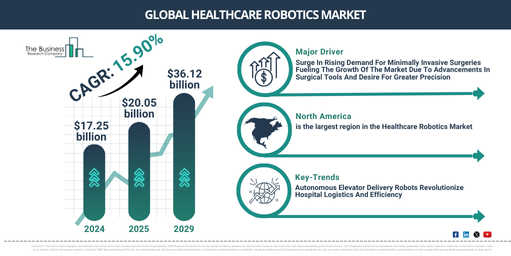
    The size of the healthcare robotics market has seen rapid expansion in the last few years. It is projected to increase from $17.25 billion in 2024 to $20.05 billion in 2025, with a compound annual growth rate (CAGR) of 16.2%. This surge during the historical period is due to factors such as the surge in demand for minimally invasive surgeries, the increase in the elderly population, escalating costs in healthcare, enhanced surgical accuracy and productivity, and the widespread adoption of robot-aided rehabilitation.

    The market size for healthcare robotics is set to experience significant expansion in the coming years. It is projected to escalate to $36.12 billion by 2029, with a robust compound annual growth rate (CAGR) of 15.9%. The predicted growth within this period can be linked to the progression in artificial intelligence technology, growing emphasis on bespoke healthcare, an upswing in training programs for robotic surgery, the expansion of healthcare infrastructure in developing markets, and an increase in healthcare robotics R&D funding. Key trends forecasted for this period include advancements in systems for robotic surgery, sophisticated rehabilitation robots, breakthroughs in surgical assistance powered by AI, advanced robotic exoskeletons enhancing mobility, and innovative developments in robotic-assisted diagnostics.

    Download a free sample to assess the report’s scope and structure:

    https://www.thebusinessresearchcompany.com/sample.aspx?id=23414&type=smp

    What Are the Core Market Drivers Propelling Growth in the Healthcare Robotics Industry?

    The upswing in the requirement for minimally invasive procedures is anticipated to drive the expansion of the healthcare robotics market in the future. Such surgical interventions involve the use of specialized tools through limited incisions, resulting in lesser discomfort and a quicker recuperation period. The accelerated convalescence from minimally invasive operations, which cause less physical harm and allow a more rapid resumption of daily routines, is fueling this trend. Healthcare robotics augments minimally invasive surgeries by affording superior accuracy, enhanced management, and tinier incisions which lead to sped-up recovery intervals, diminished hazards, and improved patient results. For instance, data from the British Association of Aesthetic Plastic Surgeons, a surgical institution based in the UK, revealed that approximately 31,057 minimally invasive aesthetic operations were conducted in 2022, reflecting a 102% surge from the previous year. Hence, the escalating demand for minimally invasive surgeries is spurring the advancement of the healthcare robotics market.

    How Is the Healthcare Robotics Market Segmented?

    The healthcare robotics market covered in this report is segmented –

    1) By Type: Non-Invasive Radiosurgery Robots, Emergency Response Robotic Systems, Hospital And Pharmacy Robots, Rehabilitation Robots, Neurosurgical Robotic Systems, Surgical Robots, Laparoscopy Robotic Systems, Other Types

    2) By Portability: Mobile, Fixed

    3) By Application: Neurosurgery, Orthopedic Surgery, Cardiology, Laparoscopy, Pharmacy Applications, Other Applications

    4) By End-Use Industry: Rehabilation Centers, Hospitals, Speciality Centers, Clinics, Other End-Use Industries

    Subsegments:

    1) By Non-Invasive Radiosurgery Robots: Stereotactic Radiosurgery (SRS) Systems, Proton Beam Radiosurgery Systems

    2) By Emergency Response Robotic Systems: Disaster Response Robots, Search and Rescue Robots, Patient Transport Robots

    3) By Hospital And Pharmacy Robots: Medication Dispensing Robots, Hospital Delivery Robots, Autonomous Cleaning Robots, Robotic Surgical Assistant Robots

    4) By Rehabilitation Robots: Exoskeleton Robots, Robotic Physical Therapy Devices, Stroke Rehabilitation Robots

    5) By Neurosurgical Robotic Systems: Robotic Brain Surgery Systems, Spinal Neurosurgery Robots, Cranial Neurosurgery Robots

    6) By Surgical Robots: Minimally Invasive Surgery Robots, Robotic-Assisted Surgery Systems, Robotic Endoscopic Surgery Systems

    7) By Laparoscopy Robotic Systems: Laparoscopic Surgical Robots, Robotic-Assisted Laparoscopy Devices

    8) By Other Types: Telepresence Robots, Diagnostic Robots, Caregiving Robots, Prosthetic And Orthotic Robots

    Request customized data on this market:

    https://www.thebusinessresearchcompany.com/customise?id=23414&type=smp

    Which Regions Are Driving the Next Phase of the Healthcare Robotics Market Growth?

    North America was the largest region in the healthcare robotics market in 2024. Asia-Pacific is expected to be the fastest-growing region in the forecast period. The regions covered in the healthcare robotics market report are Asia-Pacific, Western Europe, Eastern Europe, North America, South America, Middle East, Africa.

    Which Technological Trends Are Reshaping the Healthcare Robotics Industry Dynamics?

    The focus of key players in the healthcare robotics industry is on innovating advanced technologies such as elevator delivery robots to boost operational efficiency and improve hospital logistics. The elevator delivery robot is an autonomous machine that is designed to transport goods between different floors of a building, making use of elevator systems for vertical movement. For example, Richtech Robotics Inc., a firm based in the US specializing in AI-fueled service robots, launched the Medbo in May 2024. This is a robot capable of elevator-enabled delivery designed to optimize delivery of medication within healthcare establishments round the clock. It enables secure and accurate transportation, reduces operational expenses, and enhances patient care. By relieving healthcare staff of routine tasks, it boosts overall efficiency. Its contribution towards hospital performance and the smooth operation of healthcare facilities is significant.

    View the full report here:

    https://www.thebusinessresearchcompany.com/report/healthcare-robotics-global-market-report

    How Is the Healthcare Robotics Market Defined and What Are Its Core Parameters?

    Healthcare robotics refers to using robotic systems and automation technology to assist in medical procedures, patient care, and healthcare operations. These robots can perform tasks ranging from surgery, patient monitoring, rehabilitation, and logistics management within healthcare facilities. Healthcare robotics aims to enhance precision, improve outcomes, reduce human error, increase efficiency, and provide personalized care while assisting healthcare professionals in their daily tasks.

    Purchase the full report and get a swift delivery:

    https://www.thebusinessresearchcompany.com/purchaseoptions.aspx?id=23414

    About The Business Research Company:

    With over 15000+ reports from 27 industries covering 60+ geographies, The Business Research Company has built a reputation for offering comprehensive, data-rich research and insights. Armed with 1,500,000 datasets, the optimistic contribution of in-depth secondary research, and unique insights from industry leaders, you can get the information you need to stay ahead in the game.

    Get in touch with us:

    The Business Research Company: https://www.thebusinessresearchcompany.com/

    Americas +1 3156230293

    Asia +44 2071930708

    Europe +44 2071930708

    Email us at info@tbrc.info

    Follow us on:

    LinkedIn: https://in.linkedin.com/company/the-business-research-company

    YouTube: https://www.youtube.com/channel/UC24_fI0rV8cR5DxlCpgmyFQ

    Global Market Model: https://www.thebusinessresearchcompany.com/global-market-model
  • Visceral Leishmaniasis Market 2025-2034: Key Highlights, Growth Dynamics, and Emerging Trends

    Visceral Leishmaniasis Market 2025-2034: Key Highlights, Growth Dynamics, and Emerging Trends

    Get 30% off on our Global Market Reports with code ONLINE30 – Hurry, limited time offer!

    How Has The Visceral Leishmaniasis Market Growth Evolved From 2024 To 2025, And What’s Ahead?

    In the past few years, the market for visceral leishmaniasis has seen significant growth. The market which is expected to be at $1.00 billion in 2024 is projected to grow to $1.06 billion in 2025, representing a compound annual growth rate (CAGR) of 6.1%. This increase during the historical period can be linked to a rising disease load, heightened government funding, the launch of amphotericin B, the refinement of miltefosine, a surge in awareness initiatives, enhanced access to healthcare in areas of high incidence, along with the formation of public-private collaborations.

    In the upcoming years, the market for visceral leishmaniasis is predicted to experience robust growth, expanding to $1.33 billion in 2029 with a compound annual growth rate (CAGR) of 5.8%. This upward trend in the forecast period can be credited to a rise in vaccine development investment, improvements in global disease monitoring programs, the growth of public-private partnerships, increased funding towards neglected tropical diseases and progress in the field of gene-based therapies. Key trends expected during this forecast period encompass gene editing through clustered regularly interspaced short palindromic repeats (CRISPR), AI-enabled drug discovery, advancements in nanotechnology for drug delivery, parasite analysis using next-generation sequencing, wearable biosensors for early disease detection, use of blockchain in managing medical supply chains, smartphone-enabled diagnostic aids, and 3D bioprinting for individualized treatment research.

    Download a free sample to assess the report’s scope and structure:

    https://www.thebusinessresearchcompany.com/sample.aspx?id=23573&type=smp

    Which Primay Drivers Are Accelerating Growth in the Visceral Leishmaniasis Market?

    The increase in malnutrition levels is predicted to boost the expansion of the visceral leishmaniasis market. Malnutrition, a health disorder resulting from insufficient or imbalanced consumption of necessary nutrients, compromises the body’s proper functioning. This rise in malnutrition stems from food insecurity, which restricts access to nutritious food, causing undernourishment and a lack of essential micronutrients that bolster the immune system. As malnutrition hampers immune function, it renders the body more susceptible to infections like visceral leishmaniasis. Shortage of nutrients debilitates the body’s defense system, heightening the probability of severe illness and complications. For example, in July 2024, the Food and Agriculture Organization, a specialized agency of the United Nations based in Italy, reported that the number of undernourished individuals escalated to 723.8 million in 2022 from 708.7 million in 2021. As such, the escalation in malnutrition is fueling the growth of the visceral leishmaniasis market.

    Which Primary Segments of the Visceral Leishmaniasis Market Are Driving Growth and Industry Transformations?

    The visceral leishmaniasis market covered in this report is segmented –

    1) By Treatment: Antiparasitic, Antifungal, Other Treatments

    2) By Diagnosis Method: Serological Tests, Molecular Tests, Microscopy, Culture Methods

    3) By Route Of Administration: Oral, Injectable, Other Routes Of Administration

    4) By Distribution Channel: Hospital Pharmacy, Online Pharmacy, Retail Pharmacy

    5) By End-User: Hospitals, Homecare, Specialty Clinics, Other End-Users

    Subsegments:

    1) By Antiparasitic: Pentavalent Antimonials, Miltefosine, Paromomycin, Sitamaquine, Combination Therapy

    2) By Antifungal: Amphotericin B, Liposomal Amphotericin B (AmBisome), Azoles, Echinocandins, Polyenes

    3) By Other Treatments: Immunotherapy, Monoclonal Antibodies, Vaccine-Based Approaches, Photodynamic Therapy, Gene Therapy

    Request customized data on this market:

    https://www.thebusinessresearchcompany.com/customise?id=23573&type=smp

    Which Regions Are Key Players in the Growth of the Visceral Leishmaniasis Market?

    North America was the largest region in the visceral leishmaniasis market in 2024. Asia-Pacific is expected to be the fastest-growing region in the forecast period. The regions covered in the visceral leishmaniasis market report are Asia-Pacific, Western Europe, Eastern Europe, North America, South America, Middle East, Africa.

    What Are the Most Significant Market Trends in the Visceral Leishmaniasis Market?

    Big firms in the visceral leishmaniasis market are concentrating on producing innovative treatment solutions, such as antiparasitic medications, to enhance effectiveness and expand patient accessibility, especially in areas where the disease is prevalent. Antiparasitic drugs, which are deployed to treat parasite-borne infections, aim at the parasite’s biological processes, thwarting its growth, reproduction, and survival in the host body. For instance, in February 2024, Zydus Lifesciences Limited, a pharmaceutical firm based in India, secured prequalification approval from the World Health Organization (WHO) for the active pharmaceutical ingredient (API) and composition of miltefosine, used to treat leishmaniasis or kala-azar. Miltefosine is an orally administered antiparasitic medication that causes parasite cell death by disturbing the parasite’s cell membrane and interfering with its metabolism. Additionally, it curbs parasite growth and survival, positioning it as an effective oral treatment solution for visceral leishmaniasis or kala azar.

    View the full report here:

    https://www.thebusinessresearchcompany.com/report/visceral-leishmaniasis-global-market-report

    What Parameters Are Used to Define the Visceral Leishmaniasis Market?

    Visceral leishmaniasis, also known as kala-azar, is a severe parasitic disease caused by Leishmania species, transmitted through infected sandfly bites. It affects internal organs such as the spleen, liver and bone marrow, causing prolonged fever, weight loss, anemia and organ enlargement. If untreated, it can be fatal, making early diagnosis and treatment crucial.

    Purchase the full report and get a swift delivery:

    https://www.thebusinessresearchcompany.com/purchaseoptions.aspx?id=23573

    About The Business Research Company:

    With over 15000+ reports from 27 industries covering 60+ geographies, The Business Research Company has built a reputation for offering comprehensive, data-rich research and insights. Armed with 1,500,000 datasets, the optimistic contribution of in-depth secondary research, and unique insights from industry leaders, you can get the information you need to stay ahead in the game.

    Get in touch with us:

    The Business Research Company: https://www.thebusinessresearchcompany.com/

    Americas +1 3156230293

    Asia +44 2071930708

    Europe +44 2071930708

    Email us at info@tbrc.info

    Follow us on:

    LinkedIn: https://in.linkedin.com/company/the-business-research-company

    YouTube: https://www.youtube.com/channel/UC24_fI0rV8cR5DxlCpgmyFQ

    Global Market Model: https://www.thebusinessresearchcompany.com/global-market-model

  • Global Superdisintegrants Market Trends: Regional Breakdowns and Strategic Insights

    Global Superdisintegrants Market Trends: Regional Breakdowns and Strategic Insights

    Our market reports now include the latest updates on global tariffs, trade impacts, and evolving supply chain dynamics.

    #What is the Projected CAGR for the Superdisintegrants Market Size from 2025 to 2034?#_x000D_

    The market scale of superdisintegrants has seen considerable growth in the past few years. The market value is projected to increase from $1.09 billion in 2024 to $1.16 billion in 2025, with a compound annual growth rate (CAGR) of 6.5%. This positive trend during the historic period can be linked to several factors such as the increasing occurrence of chronic and lifestyle-induced illnesses, expansion in the worldwide pharmaceutical sector, escalating demand for orally disintegrating tablets (ODTs), the growth in elderly and young populations, and an intensified focus on enhancing the bioavailability of drugs._x000D_

    _x000D_

    In the coming years, the superdisintegrants market is projected to experience robust growth, with its value predicted to reach $1.48 billion in 2029, reflecting a compound annual growth rate (CAGR) of 6.3%. Various factors have been attributed to this anticipated growth in the forecast period, including an increased need for oral solid dosage forms, rising prevalence of chronic diseases, expansion of pharmaceutical manufacturing, and a growing demand for oral solid dosage forms. The forecast period is also expected to see several trends, including the incorporation of technology in manufacturing, innovation in co-processed excipients with a shift towards natural and biodegradable superdisintegrants, the emergence of unique drug-delivery systems, and closer partnerships between excipient and pharmaceutical companies._x000D_

    _x000D_

    #Download a free sample to assess the report’s scope and structure:#_x000D_

    https://www.thebusinessresearchcompany.com/sample.aspx?id=21292&type=smp_x000D_

    _x000D_

    #What Are the Major Market Drivers Behind the Rising Adoption of Superdisintegrants Market?#_x000D_

    The expansion of the superdisintegrants market is predicted to be fueled by an escalation in generic drug manufacturing. Generic drugs, which contain the same active elements, dosage, potency, administration method, quality, and effectiveness as their brand-name equivalents but are generally less expensive, are seeing increased production. This surge is primarily due to the growing necessity for budget-friendly medications, the expiry of patents for branded drugs, and governmental endeavors to minimize healthcare expenses. Superdisintegrants are utilized in generic medicines to accelerate tablet disintegration and dissolution, resulting in quicker drug release, enhanced bioavailability, and increased patient adherence. Substantiating this, the Food and Drug Administration, a US governmental agency, revealed in a January 2023 report that in 2022, 91% of prescriptions in the US were fulfilled with generic drugs and more than 32,000 generic medicines had been sanctioned by the organization thus far. Consequently, the escalating production of generic drugs is spearheading the growth of the superdisintegrants market._x000D_

    _x000D_

    #Which Key Market Segments Comprise the Superdisintegrants Market and Drive Its Revenue Growth?#_x000D_

    The superdisintegrants market covered in this report is segmented –_x000D_

    _x000D_

    1) By Type: Natural Superdisintegrants, Synthetic Superdisintegrants, Other Superdisintegrants_x000D_

    2) By Formulation: Tablets, Capsules_x000D_

    3) By Therapeutic Area: Gastrointestinal Diseases, Neurological Diseases, Oncology, Infectious Diseases, Cardiovascular Diseases, Hematological Diseases_x000D_

    _x000D_

    Subsegments:_x000D_

    1) By Natural Superdisintegrants: Starch, Cellulose, Chitosan, Gums, Other Natural Superdisintegrants_x000D_

    2) By Synthetic Superdisintegrants: Cross-linked Polyvinylpyrrolidone (Crospovidone), Sodium Starch Glycolate, Croscarmellose Sodium, Other Synthetic Superdisintegrants_x000D_

    3) By Other Superdisintegrants: Ion Exchange Resins, Surfactant-Based Superdisintegrants, Other Specialized Superdisintegrants_x000D_

    _x000D_

    #Request customized data on this market:#_x000D_

    https://www.thebusinessresearchcompany.com/customise?id=21292&type=smp_x000D_

    _x000D_

    #Which Areas Are Leading Regions in the Superdisintegrants Market Expansion Across the Globe?#_x000D_

    North America was the largest region in the superdisintegrants market in 2024. The regions covered in the superdisintegrants market report are Asia-Pacific, Western Europe, Eastern Europe, North America, South America, Middle East, Africa._x000D_

    _x000D_

    #What Are the Strategic Trends Steering theSuperdisintegrants Market Direction?#_x000D_

    Leading firms in the superdisintegrants market are shifting their focus to innovative offerings like multifunctional disintegrants to advance drug formulation efficacy, boost the speed of tablet disintegration, and increase patient adherence in pharmaceutical uses. These advanced excipients, such as multifunctional disintegrants, integrate disintegrating, binding, and flow-enhancing features to better tablet formulation productivity and drug delivery. To illustrate, Ashland Inc., a chemical company based in the US, unveiled Polyplasdone Plus in June 2023. This new co-processed multifunctional direct compression superdisintegrant is intended to improve tablet disintegration, powder flow, and lubrication in pharmaceutical manufacturing processes. It revolutionizes production by omitting two manufacturing stages, enhancing tablet rigidity, and facilitating rapid and ongoing manufacturing operations._x000D_

    _x000D_

    #View the full report here:#_x000D_

    https://www.thebusinessresearchcompany.com/report/superdisintegrants-global-market-report_x000D_

    _x000D_

    #How Is the Superdisintegrants Market Conceptually Defined?#_x000D_

    Superdisintegrants are pharmaceutical excipients specifically designed to enhance the disintegration of tablets or capsules, facilitating faster release and absorption of the active pharmaceutical ingredient (API) in the body. They are crucial for improving the bioavailability of drugs and ensuring their efficacy, especially in orally administered medications._x000D_

    _x000D_

    #Purchase the full report and get a swift delivery:#_x000D_

    https://www.thebusinessresearchcompany.com/purchaseoptions.aspx?id=21292_x000D_

    _x000D_

    #About The Business Research Company:#_x000D_

    With over 15000+ reports from 27 industries covering 60+ geographies, The Business Research Company has built a reputation for offering comprehensive, data-rich research and insights. Armed with 1,500,000 datasets, the optimistic contribution of in-depth secondary research, and unique insights from industry leaders, you can get the information you need to stay ahead in the game._x000D_

    _x000D_

    #Get in touch with us:#_x000D_

    The Business Research Company: https://www.thebusinessresearchcompany.com/_x000D_

    Americas +1 3156230293_x000D_

    Asia +44 2071930708_x000D_

    Europe +44 2071930708_x000D_

    Email us at info@tbrc.info_x000D_

    _x000D_

    #Follow us on:#_x000D_

    _x000D_

    LinkedIn: https://in.linkedin.com/company/the-business-research-company_x000D_

    YouTube: https://www.youtube.com/channel/UC24_fI0rV8cR5DxlCpgmyFQ_x000D_

    Global Market Model: https://www.thebusinessresearchcompany.com/global-market-model

  • Gut Microbiota Market Forecast Reaching $1.27 Billion by 2029 at 18.2% CAGR

    Gut Microbiota Market Forecast Reaching $1.27 Billion by 2029 at 18.2% CAGR

    Get 30% off on our Global Market Reports with code ONLINE30 – Hurry, limited time offer!

    What Is the Estimated Market Size of the Gut Microbiota Market In 2029?

    The market size of gut microbiota has seen a fast-paced expansion in the last few years. It is projected to escalate from $0.55 billion in 2024 to about $0.65 billion in 2025, exhibiting a compound annual growth rate (CAGR) of 18.5%. The surge during the historic period can be credited to the identification of probiotics and prebiotics, an increase in gastrointestinal ailments, rising interest in functional foods, the augmented usage of antibiotics, and the growth in understanding of the connection between the gut and brain.

    In the coming years, a rapid expansion is anticipated in the gut microbiota market, which is forecasted to reach $1.27 billion in 2029, escalating at a compound annual growth rate (CAGR) of 18.2%. Factors contributing to this growth in the projection period comprise the growth of personalized nutrition, increased need for microbiome-based therapeutics, the surge in functional and fermented foods, and supportive regulations for probiotics and prebiotics. Primary trends for the forecast period involve AI-operated microbiome analysis, advancements in next-generation sequencing, CRISPR-focused gut microbiota editing, invention of smart probiotic delivery systems, and the advent of wearable devices for monitoring gut health.

    Download a free sample to assess the report’s scope and structure:

    https://www.thebusinessresearchcompany.com/sample.aspx?id=23411&type=smp

    Which Major Market Drivers Are Expected to Boost the Growth Potential of the Gut Microbiota Market?

    The escalating need for bespoke medical treatments is anticipated to boost the gut microbiota market’s expansion in the future. Personalized medicine consists of adapting treatment plans for each patient depending on their genetic, environmental, and lifestyle factors, improving results and enhancing care. The need for personalized medicine is surging as enhancements in genomics and biotechnology pave the way for more accurate genetic profiles, resulting in customized treatments that escalate efficacy and mitigate side effects. Personalized medicine is beneficial for gut microbiota by adapting treatments to match an individual’s distinctive microbiome composition, which enhances gut health and betters digestive and metabolic disorder outcomes. For instance, in February 2024, the US Food and Drug Administration (FDA) sanctioned 26 new personalized medicines in 2023, as per the Personalized Medicine Coalition (PMC), an American nonprofit organization, marking a notable increase compared to the 12 approved in 2022. Consequently, the escalating need for personalized medicine is propelling the gut microbiota market’s growth.

    Which Key Market Segments Comprise the Gut Microbiota Market and Drive Its Revenue Growth?

    The gut microbiota market covered in this report is segmented –

    1) By Product: Prebiotics, Probiotics, Drugs, Supplements, Other Products

    2) By Application: Digestive Health, Immune Health, Weight Management, Mental Health, Cardiovascular Health

    3) By Distribution Channel: Pharmacies And Drugstores, Online Retail, Health Food Stores, Super markets And Hyper markets, Specialty Stores

    4) By End-Users: Adults, Children, Elderly

    Subsegments:

    1) By Prebiotics: Fructooligosaccharides (Fos), Galactooligosaccharides (Gos), Inulin, Resistant Starch, Beta-Glucans, Arabinogalactans, Pectins

    2) By Probiotics: Lactobacillus, Bifidobacterium, Saccharomyces, Streptococcus, Bacillus, Escherichia

    3) By Drugs: Antibiotics, Bacteriophage Therapy, Gut Microbiota Modulators, Immunomodulators, Antidiarrheal Agents, Laxatives

    4) By Supplements: Synbiotics, Postbiotics, Enzyme Supplements, Vitamin D Supplements, Omega-3 Fatty Acids, Herbal Extracts

    5) By Other Products: Functional Foods, Fermented Foods, Beverages, Gut Health Diagnostic Kits, Dietary Fiber Products

    Request customized data on this market:

    https://www.thebusinessresearchcompany.com/customise?id=23411&type=smp

    Which Areas Are Leading Regions in the Gut Microbiota Market Expansion Across the Globe?

    North America was the largest region in the gut microbiota market in 2024. Asia-Pacific is expected to be the fastest-growing region in the forecast period. The regions covered in the gut microbiota market report are Asia-Pacific, Western Europe, Eastern Europe, North America, South America, Middle East, Africa.

    Which Emerging Trends that Are Influencing the Gut Microbiota Industry Evolution?

    Leading organizations in the gut microbiota market are concentrating their efforts on creating cutting-edge solutions, such as fecal microbiota administered orally, to tackle various gastrointestinal diseases and disorders. Fecal microbiota administered orally is a treatment where a capsule or pill containing beneficial bacteria from the stool of a healthy donor is consumed to restore equilibrium to the gut microbiome. For example, Seres Therapeutics Inc., a microbiome therapeutics platform company from the US, in April 2023, secured FDA approval for Vowst, the first-ever oral fecal microbiota product fashioned to prevent repeated C. difficile infection (CDI) in individuals who are 18 years old and above. Vowst is meant to be used after antibacterial treatment for recurrent CDI. The approval of Vowst represents a considerable progression in treating CDI, offering a more accessible and patient-friendly substitute for traditional fecal microbiota transplants, which are usually given via colonoscopy or enema. The oral formulation of Vowst may boost treatment compliance and broaden the acceptance of microbiome-based therapies in healthcare.

    View the full report here:

    https://www.thebusinessresearchcompany.com/report/gut-microbiota-global-market-report

    How Is the Gut Microbiota Market Conceptually Defined?

    Gut microbiota refers to the complex community of microorganisms, including bacteria, viruses, fungi, and other microbes, that reside in the gastrointestinal tract. These microbes play a vital role in digestion, immune function, and overall health by influencing metabolism and protecting against harmful pathogens.

    Purchase the full report and get a swift delivery:

    https://www.thebusinessresearchcompany.com/purchaseoptions.aspx?id=23411

    About The Business Research Company:

    With over 15000+ reports from 27 industries covering 60+ geographies, The Business Research Company has built a reputation for offering comprehensive, data-rich research and insights. Armed with 1,500,000 datasets, the optimistic contribution of in-depth secondary research, and unique insights from industry leaders, you can get the information you need to stay ahead in the game.

    Get in touch with us:

    The Business Research Company: https://www.thebusinessresearchcompany.com/

    Americas +1 3156230293

    Asia +44 2071930708

    Europe +44 2071930708

    Email us at info@tbrc.info

    Follow us on:

    LinkedIn: https://in.linkedin.com/company/the-business-research-company

    YouTube: https://www.youtube.com/channel/UC24_fI0rV8cR5DxlCpgmyFQ

    Global Market Model: https://www.thebusinessresearchcompany.com/global-market-model

  • Virtual And Remote Laboratories Market Overview 2025: Competitive Shifts, Forecast Models, and Emerging Opportunities

    Virtual And Remote Laboratories Market Overview 2025: Competitive Shifts, Forecast Models, and Emerging Opportunities

    Get 30% off on our Global Market Reports with code ONLINE30 – Hurry, limited time offer!

    What is the Anticipated CAGR of the Virtual And Remote Laboratories Market, and What Factors Will Drive It?

    The market size of virtual and remote laboratories has experienced rapid growth in the recent past. The market is predicted to expand from $1.37 billion in 2024 to $14.5 billion in 2025, showcasing a compound annual growth rate (CAGR) of 14.5%. The historic increase is associated with an escalating digital overhaul in the educational sector, growing demand for economical lab solutions, a surge in worldwide internet accessibility, a rise in government-sponsored digital education initiatives, and the mounting utilization of virtual labs in corporate training.

    The market size of virtual and remote laboratories is predicted to witness significant growth in the near future, rising to $2.66 billion in 2029 with a Compound Annual Growth Rate (CAGR) of 14.1%. The prospective surge during the predicted timespan can be ascribed to factors such as increasing usage of e-learning platforms, escalating need for scalable laboratory infrastructure, growing focus on individualized learning settings, increasing numbers of educational technology startups providing lab simulations, and the amplified demand for expandable lab infrastructure. Key trends projected during this period include the development of inter-platform compatibility, creation of affordable virtual lab kits, incorporation with Learning Management Systems (LMS), combined control of simulation and real devices, and the integration of video conferencing tools.

    Download a free sample to assess the report’s scope and structure:

    https://www.thebusinessresearchcompany.com/sample.aspx?id=23570&type=smp

    What Are the Core Growth Drivers Propelling the Virtual And Remote Laboratories Market Forward?

    The rise in the popularity and utilization of online education and e-learning is anticipated to spur the growth of the market for virtual and remote laboratories. Online education and e-learning encapsulate the delivery of instructional content through digital mediums and the internet, facilitating learners to delve into courses, training, or academic studies from afar and in their own timing. The expansion of online education and e-learning is accredited to the growing demand for accessible and flexible learning alternatives that empower learners to study whenever and wherever they want, at their chosen speed. Virtual and remote laboratories augment online education and e-learning as they provide interactive, practical experiences in digital forms, positioning them as perfect solutions for remote learners and establishments without access to physical laboratories. They boost learning results by simulating real-life experiments that enhance engagement and practical comprehension. For example, Eurostat, a governing body located in Luxembourg, reported in January 2024 that 30% of European Union internet users aged 16–74 employed online learning tools in 2023, a rise from 28% in 2022. Consequently, the escalating adoption of online education and e-learning propels the development of the virtual and remote laboratories market.

    What Segment Types Define the Virtual And Remote Laboratories Market Structure?

    The virtual and remote laboratories market covered in this report is segmented –

    1) By Component: Software, Hardware, Services

    2) By Deployment Mode: On-Premises, Cloud

    3) By Application: Education, Research And Development, Quality Control, Training, Other Application

    4) By End-User: Academic Institutions, Enterprises, Government, Other End-Users

    Subsegments

    1) By Software: Lab Management Software, Simulation Software, Remote Access Software, Virtual Reality And Augmented Reality Software, Learning Management System Integration, Data Analytics And Reporting Tools

    2) By Hardware: Experimentation Devices, Remote Control Equipment, Data Acquisition Systems, Virtual Reality Headsets And Devices, Network And Communication Infrastructure, Cameras And Monitoring Equipment

    3) By Services: System Integration And Deployment, Technical Support And Maintenance, Training And Consulting Services, Content Development And Customization, Cloud Hosting And Infrastructure Services

    Request customized data on this market:

    https://www.thebusinessresearchcompany.com/customise?id=23570&type=smp

    Which Geographic Areas Hold the Strongest Growth Potential in the Virtual And Remote Laboratories Market?

    North America was the largest region in the virtual and remote laboratories market in 2024. Asia-Pacific is expected to be the fastest-growing region in the forecast period. The regions covered in the virtual and remote laboratories market report are Asia-Pacific, Western Europe, Eastern Europe, North America, South America, Middle East, Africa.

    What Long-Term Trends Are Transforming the Competitive Landscape of the Virtual And Remote Laboratories Market?

    Major corporations in the domain of virtual and remote laboratories market sector are investing in creating novel platforms like virtual labs, designed to offer users an approachable, scalable, and engrossing learning experience. The term ‘virtual labs’ denotes computer-simulated atmospheres that permit users to carry out experiments and engage with educational or scientific resources from a distance, often mirroring real-time lab activities for the purpose of learning or doing research. To cite an example, HTE GmbH, a tech and services firm based in Germany, in June 2023, initiated a virtual lab for digitalized research and development (R&D), aiming to amplify research proficiency in catalysis and materials R&D across industries such as energy, refining, chemicals, and battery production. This lab is equipped with cutting-edge technologies and workflows that assimilate reactor systems, software, and analytics to fabricate efficient processes unique to energy, refining, chemicals, and batteries. The lab provides accurate 3D reactor systems, modular customization for experimentation units, and case studies to tackle issues like CO₂ management, resource-wise production, and the synthesis of battery materials.

    View the full report here:

    https://www.thebusinessresearchcompany.com/report/virtual-and-remote-laboratories-global-market-report

    What Is the Definition of the Virtual And Remote Laboratories Market?

    Virtual and remote laboratories are technology-enhanced platforms that allow users to perform scientific and engineering experiments through computer simulations (virtual labs) or by remotely controlling real equipment (remote labs). They provide accessible, flexible, and cost-effective hands-on learning experiences, especially in science, technology, engineering, and mathematics (STEM) education.

    Purchase the full report and get a swift delivery:

    https://www.thebusinessresearchcompany.com/purchaseoptions.aspx?id=23570

    About The Business Research Company:

    With over 15000+ reports from 27 industries covering 60+ geographies, The Business Research Company has built a reputation for offering comprehensive, data-rich research and insights. Armed with 1,500,000 datasets, the optimistic contribution of in-depth secondary research, and unique insights from industry leaders, you can get the information you need to stay ahead in the game.

    Get in touch with us:

    The Business Research Company: https://www.thebusinessresearchcompany.com/

    Americas +1 3156230293

    Asia +44 2071930708

    Europe +44 2071930708

    Email us at info@tbrc.info

    Follow us on:

    LinkedIn: https://in.linkedin.com/company/the-business-research-company

    YouTube: https://www.youtube.com/channel/UC24_fI0rV8cR5DxlCpgmyFQ

    Global Market Model: https://www.thebusinessresearchcompany.com/global-market-model

  • Sugar-Based Excipients Market Outlook 2025: Mapping Growth, Innovation, and Regional Shifts

    Sugar-Based Excipients Market Outlook 2025: Mapping Growth, Innovation, and Regional Shifts

    Our market reports now include the latest updates on global tariffs, trade impacts, and evolving supply chain dynamics.

    #What Is the Current and Projected Market Size of the Sugar-Based Excipients Market Through 2034?#_x000D_

    The market size for sugar-based excipients has been progressively expanding over the past few years. The valuation is projected to surge from $1.43 billion in 2024 to $1.50 billion in 2025, demonstrating a compound annual growth rate (CAGR) of 4.5%. This upward trajectory during the historical period can be linked to factors such as a burgeoning pharmaceutical sector, increased demand for preparations suitable for children and the elderly, the growing incidences of chronic illnesses, rising consumption of nutraceuticals, and the need for enhanced solubility and stability._x000D_

    _x000D_

    In the ensuing years, the sugar-based excipients market is slated for consistent expansion, reaching a value of $1.76 billion by 2029, with a compound annual growth rate (CAGR) of 4.1%. The progression in the forecasted period can be accredited to factors such as the growing demand for oral solid dosage forms, expansion in the nutraceutical industries, the amplified usage of sugar-based excipients in pediatric and geriatric concoctions, escalated occurrence of chronic ailments and a subsequent increase in medication requirement, and a rising elderly populace. Noteworthy trends in the projection period encompass the progression in functional excipients, a pivot towards non-GMO and natural elements, technological enhancements, developments in orally disintegrating tablets (ODTs), and the inclusion of sugar alcohols._x000D_

    _x000D_

    #Download a free sample to assess the report’s scope and structure:#_x000D_

    https://www.thebusinessresearchcompany.com/sample.aspx?id=21291&type=smp_x000D_

    _x000D_

    #What External and Internal Drivers Are Contributing to the Growth of the Sugar-Based Excipients Market?#_x000D_

    The rising popularity of pharmaceuticals is projected to boost the expansion of the sugar-based excipients market in the future. The focus of the pharmaceutical industry is on the research, development, manufacturing, and marketing of medicines to enhance health outcomes. The demand for pharmaceuticals is on the rise due to the growing requirement for innovative treatments, advancements in drug manufacturing technologies, and increased worldwide healthcare needs. In medications, sugar-based excipients function as fillers, binders and stabilizers, thereby augmenting drug formulation, taste, and bioavailability. For instance, according to data from the European Federation of Pharmaceutical Industries and Associations (EFPIA) in June 2023, a Belgium-based organization representing the pharmaceutical sector, the overall pharmaceutical manufacture in Europe reported $384,200 million (€340,000 million) in 2022, which is approximately a 4.95% increase from $366,267 million (€323,950 million) in 2021. Consequently, the escalating popularity of pharmaceuticals is propelling the expansion of the sugar-based excipients market._x000D_

    _x000D_

    #What Segment Types Define the Sugar-Based Excipients Market Structure?#_x000D_

    The sugar-based excipients market covered in this report is segmented –_x000D_

    _x000D_

    1) By Product: Actual Sugar, Artificial Sweeteners, Sugar Alcohol_x000D_

    2) By Dosage Form: Liquid Dosage Forms, Semi-Solid Dosage Forms, Solid Dosage Forms_x000D_

    3) By Application: Diluents, Fillers, Tonicity Agents, Flavoring Agents_x000D_

    4) By End User: Pharmaceutical Industry, Food And Beverage Industry, Cosmetics And Personal Care Industry_x000D_

    _x000D_

    Subsegments:_x000D_

    1) Actual Sugar: Sucrose, Lactose, Dextrose, Fructose, Other Actual Sugars_x000D_

    2) Artificial Sweeteners: Aspartame, Saccharin, Sucralose, Acesulfame K, Other Artificial Sweeteners_x000D_

    3) Sugar Alcohol: Mannitol, Sorbitol, Xylitol, Maltitol, Other Sugar Alcohols_x000D_

    _x000D_

    #Request customized data on this market:#_x000D_

    https://www.thebusinessresearchcompany.com/customise?id=21291&type=smp_x000D_

    _x000D_

    #Which Geographic Areas Hold the Strongest Growth Potential in the Sugar-Based Excipients Market?#_x000D_

    North America was the largest region in the sugar-based excipients market in 2024. Asia-Pacific is expected to be the fastest-growing region in the forecast period. The regions covered in the sugar-based excipients market report are Asia-Pacific, Western Europe, Eastern Europe, North America, South America, Middle East, Africa._x000D_

    _x000D_

    #What Long-Term Trends Are Transforming the Competitive Landscape of the Sugar-Based Excipients Market?#_x000D_

    Leading players in the sugar-based excipients market are shifting towards innovative product offerings, including advanced mannitol products, to boost drug stability, escalate solubility, and refine formulation efficacy in the pharmaceutical sector. These progressive mannitol products are sophisticated versions of mannitol purposed to amplify drug stability, intensify solubility, and fine-tune tablet compression for superior pharmaceutical performance. For example, in October 2022, Roquette Freres, a company based in France, introduced PEARLITOL CR-H and PEARLITOL 200 GT, a pair of advanced mannitol-based excipients specifically crafted for direct compression in pharmaceutical formulas. These developments elevate tablet processability, controlled release, and expedite manufacturing providing novel solutions for surmounting challenges related to drug formulation._x000D_

    _x000D_

    #View the full report here:#_x000D_

    https://www.thebusinessresearchcompany.com/report/sugar-based-excipients-global-market-report_x000D_

    _x000D_

    #What Is the Definition of the Sugar-Based Excipients Market?#_x000D_

    Sugar-based excipients refer to a category of pharmaceutical excipients derived from sugars and their derivatives, such as sucrose, lactose, glucose, sorbitol, and mannitol. These excipients are used in drug formulations to perform various roles, enhancing the physical and chemical properties of medications and improving patient compliance._x000D_

    _x000D_

    #Purchase the full report and get a swift delivery:#_x000D_

    https://www.thebusinessresearchcompany.com/purchaseoptions.aspx?id=21291_x000D_

    _x000D_

    #About The Business Research Company:#_x000D_

    With over 15000+ reports from 27 industries covering 60+ geographies, The Business Research Company has built a reputation for offering comprehensive, data-rich research and insights. Armed with 1,500,000 datasets, the optimistic contribution of in-depth secondary research, and unique insights from industry leaders, you can get the information you need to stay ahead in the game._x000D_

    _x000D_

    #Get in touch with us:#_x000D_

    The Business Research Company: https://www.thebusinessresearchcompany.com/_x000D_

    Americas +1 3156230293_x000D_

    Asia +44 2071930708_x000D_

    Europe +44 2071930708_x000D_

    Email us at info@tbrc.info_x000D_

    _x000D_

    #Follow us on:#_x000D_

    _x000D_

    LinkedIn: https://in.linkedin.com/company/the-business-research-company_x000D_

    YouTube: https://www.youtube.com/channel/UC24_fI0rV8cR5DxlCpgmyFQ_x000D_

    Global Market Model: https://www.thebusinessresearchcompany.com/global-market-model

  • $1.87 Billion Forecast for GI Stool Testing Market by 2029, Backed by Demand and Innovation

    $1.87 Billion Forecast for GI Stool Testing Market by 2029, Backed by Demand and Innovation

    Get 30% off on our Global Market Reports with code ONLINE30 – Hurry, limited time offer!

    How Fast Is The GI Stool Testing Market Expected to Grow Between 2025 And 2029?

    In recent times, the GI stool testing market has seen substantial growth, and its size is projected to escalate from $1.32 billion in 2024 to $1.41 billion in 2025, with a compound annual growth rate (CAGR) of 7.6%. The historical growth of this market can be linked to a variety of factors including the increasing incidence of gastrointestinal disorders, heightened consciousness about gut health, a rise in the use of automated systems, an increase in disposable income, and a growing elderly population.

    In the upcoming years, the market size for GI stool testing is predicted to experience a robust growth, eventually reaching $1.87 billion in 2029 with a compound annual growth rate (CAGR) of 7.3%. The projected increase within the forecast period is due to several factors like the rising demand for advanced diagnostic tools, a surge in colorectal cancer cases, increased healthcare spending, a higher intake of fast food, and a growing focus on personalized medication. Major trends for the forecast period encompass breakthrough diagnostic technologies, molecular diagnostic advancements, biologics progress, personalized healthcare, and strategic alliances.

    Download a free sample to assess the report’s scope and structure:

    https://www.thebusinessresearchcompany.com/sample.aspx?id=23410&type=smp

    What Are the Core Growth Drivers Propelling the GI Stool Testing Market Forward?

    The upwards trend in gastrointestinal disorders is likely to fuel the expansion of the GI stool testing market. These disorders encompass conditions impacting the digestive system, which cause symptoms like nausea, diarrhea, constipation, and stomach pain. The rise in these disorders can be attributed to unhealthy eating habits, with the overconsumption of processed foods, sugary diets, and lack of fiber disturbing gut microbiota and escalating issues like acid reflux, irritable bowel syndrome (IBS), and inflammatory bowel disease (IBD). GI stool testing is necessary as it enables the detection of infections, inflammation, or digestive imbalances. For example, the American agency, Centers for Disease Control and Prevention, observed that between 2024 and 2025, there was a notable increase in reported norovirus outbreaks by NoroSTAT-participating states. Therefore, the ongoing rise in gastrointestinal disorders prompts the growth of the GI stool testing market. An escalating trend towards developing healthcare infrastructure will drive the expansion of the GI stool testing market, as it leads to enhanced accessibility and early detection of diseases. Healthcare infrastructure includes physical, technological, and administrative facilities necessary for delivering healthcare services. The increasing need for these infrastructures is due to the growing and ageing population, requiring more hospitals, and advanced medical facilities for adequate healthcare access. Improved healthcare infrastructures contribute to the accuracy of GI stool testing, as it enables quick and precise detection of gastrointestinal disorders, ensuring immediate treatment and superior patient results. For instance, The Health Foundation projected a significant increase in the Department of Health and Social Care (DHSC) spending in the upcoming years. Hence, the rising penetration of healthcare infrastructure paves the way for the growth of the GI stool testing market.

    What Segment Types Define the GI Stool Testing Market Structure?

    The gi stool testing market covered in this report is segmented –

    1) By Type: Immunoassay Test, Molecular Diagnostic Test, Chromatography-Based Test, Microbiological Culture Test, Enzyme-Linked Immunosorbent Assay (ELISA)

    2) By Sample Type: Fecal Samples, Serum Samples

    3) By Equipment: Automated Analyzers, Benchtop Instruments, Portable Devices

    4) By Application: Diagnosis Of Gastrointestinal Disorders, Screening For Colorectal Cancer, Monitoring Of Inflammatory Bowel Disease (IBD), Detection Of Gastrointestinal Infections, Evaluation Of Digestive Health

    5) By End User: Hospital, Diagnostic Centre And Laboratory, Academic Institution, Research Centre Organization, Homecare, Other End Users

    Subsegments:

    1) By Immunoassay Test: Rapid Immunoassay, Lateral Flow Assay, Fluorescent Immunoassay

    2) By Molecular Diagnostic Test: Polymerase Chain Reaction (PCR), Nucleic Acid Amplification Test (NAAT), Next-Generation Sequencing (NGS)

    3) By Chromatography-Based Test: Gas Chromatography (GC), Liquid Chromatography (LC), Thin-Layer Chromatography (TLC)

    4) By Microbiological Culture Test: Aerobic Culture, Anaerobic Culture, Selective Media Culture

    5) By Enzyme-Linked Immunosorbent Assay (ELISA): Direct ELISA, Indirect ELISA, Sandwich ELISA, Competitive ELISA

    Request customized data on this market:

    https://www.thebusinessresearchcompany.com/customise?id=23410&type=smp

    Which Geographic Areas Hold the Strongest Growth Potential in the GI Stool Testing Market?

    North America was the largest region in the GI stool testing market in 2024. Asia-Pacific is expected to be the fastest-growing region in the forecast period. The regions covered in the gi stool testing market report are Asia-Pacific, Western Europe, Eastern Europe, North America, South America, Middle East, Africa.

    What Key Trends Are Shaping the Future of the GI Stool Testing Market?

    Prominent entities engaged in the GI stool testing industry are throwing their weight behind progressive testing methodologies, such as all-encompassing diagnostic evaluations, to heighten accuracy, quickness, and early detection of illnesses. A comprehensive diagnostic test is a sophisticated healthcare instrument that simultaneously assesses numerous health indicators, providing a detailed examination of a disease. As an illustration, in November 2024, EmeritusDX, a diagnostic firm based in the US, introduced GI Detect, an all-encompassing diagnostic examination formulated to aid healthcare providers in detecting gastrointestinal ailments. This innovative exam uses a single stool swab to identify 26 bacteria, viruses, and parasites linked to disturbances in the digestive system. With a 24-hour processing period, GI Detect expedites accurate and knowledgeable clinical decisions. Beyond the detection of a broad array of pathogens, the test also checks for Helicobacter pylori and its virulence attributes—VacA, cagA, and babA— and familiar gastrointestinal parasites such as Cryptosporidium, Entamoeba histolytica, and Giardia lamblia. This well-rounded strategy guarantees precise and timely identification of gastrointestinal infections.

    View the full report here:

    https://www.thebusinessresearchcompany.com/report/gi-stool-testing-global-market-report

    What Is the Definition of the GI Stool Testing Market?

    Gastrointestinal (GI) stool testing refers to the analysis of stool samples to assess gastrointestinal health and detect infections, digestive disorders, and inflammatory conditions. It helps identify microbial imbalances, digestive enzyme deficiencies, and markers of gut inflammation. This non-invasive diagnostic method supports early disease detection and personalized treatment planning.

    Purchase the full report and get a swift delivery:

    https://www.thebusinessresearchcompany.com/purchaseoptions.aspx?id=23410

    About The Business Research Company:

    With over 15000+ reports from 27 industries covering 60+ geographies, The Business Research Company has built a reputation for offering comprehensive, data-rich research and insights. Armed with 1,500,000 datasets, the optimistic contribution of in-depth secondary research, and unique insights from industry leaders, you can get the information you need to stay ahead in the game.

    Get in touch with us:

    The Business Research Company: https://www.thebusinessresearchcompany.com/

    Americas +1 3156230293

    Asia +44 2071930708

    Europe +44 2071930708

    Email us at info@tbrc.info

    Follow us on:

    LinkedIn: https://in.linkedin.com/company/the-business-research-company

    YouTube: https://www.youtube.com/channel/UC24_fI0rV8cR5DxlCpgmyFQ

    Global Market Model: https://www.thebusinessresearchcompany.com/global-market-model

  • Vestibular Neuronitis Treatment Outlook 2034: Key Drivers, Trends, and Market Frontiers

    Vestibular Neuronitis Treatment Outlook 2034: Key Drivers, Trends, and Market Frontiers

    Get 30% off on our Global Market Reports with code ONLINE30 – Hurry, limited time offer!

    How Has the Vestibular Neuronitis Treatment Market Growth Performance Trended Historically, And What Lies Ahead?

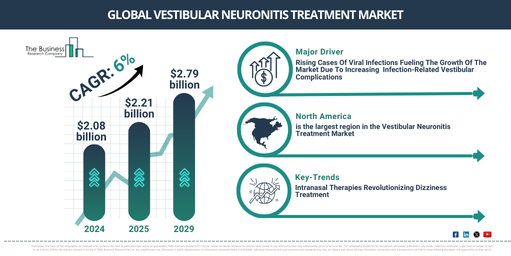
    In recent times, there has been a robust growth in the size of the vestibular neuronitis treatment market. The market, which was valued at $2.08 billion in 2024, is expected to increase to $2.21 billion in 2025, having a compound annual growth rate (CAGR) of 6.3%. The growth experienced during the historic period can be credited to the enhanced awareness regarding vestibular disorders, an increase in the prevalence of chronic illnesses, escalating case number of diverse vestibular disorders, a surge in the aging population, and the rising frequency of vestibular neuronitis cases.

    In the coming years, the market size for vestibular neuronitis treatment is predicted to witness robust growth. By 2029, it is estimated to reach $2.79 billion, with a compound annual growth rate (CAGR) of 6%. The surge during the forecast period is likely due to increased healthcare spending, a rise in neurological disorders, escalating sarcoma cases, growing ear infection rates, and enhanced understanding of balance disorders. Some leading trends for the forecast period include the implementation of artificial intelligence (AI) and machine learning (ML) innovations, developments in vestibular testing technologies, novel drug delivery methods, use of telemedicine for remote vestibular therapy, and enhanced imaging techniques for inner ear evaluation.

    Download a free sample to assess the report’s scope and structure:

    https://www.thebusinessresearchcompany.com/sample.aspx?id=23567&type=smp

    How Are Key Drivers in the Industry Acting as Catalysts for the Growth of the Vestibular Neuronitis Treatment Market?

    The escalating incidences of viral infections are predicted to fuel the vestibular neuronitis treatment market’s growth in the future. Defined as diseases caused by invading viruses that multiply within the host organism’s cells, viral infections lead to a variety of symptoms and can potentially harm tissues. The upswing in viral infections mainly sources from global travel and urbanization, factors that increase human density and interactions, thereby boosting the chances of virus transmission through air droplets, direct contact, and tainted surfaces. Treatments for vestibular neuronitis help manage these infections by alleviating vestibular nerve inflammation and accompanying dizziness and balance issues, supporting recovery through medication, rehabilitative therapies, and additional care. For instance, data from the UK Health Security Agency in October 2024 indicated that England saw 6,008 HIV diagnoses in 2023, a surge of 51% from 3,975 in 2022 and a 56% increase from 3,859 in 2019. As such, the growing viral infection rates are contributing to the growth of the vestibular neuronitis treatment market. Additionally, the expanding healthcare expenditures are anticipated to stimulate the growth of the vestibular neuronitis treatment market. Healthcare expenditure pertains to the cumulative amount spent on medical services, treatments, facilities, research, and public health schemes to enhance or sustain health results. The escalating demand for healthcare funding comes from the graying population prone to balance issues due to inner ear decay, limited blood circulation, and weakened nerve function. By supporting research, propelling medical advancements, and improving specialized care access, healthcare expenditures enhance vestibular neuronitis treatment, which results in superior treatment alternatives and accelerated patient recovery. For instance, the Centers for Medicare & Medicaid Services reported in December 2024 that the national health expenditures grew by 7.5% in 2023, exceeding the GDP growth rate of 6.1%. From 2023 to 2032, national health expenditures are expected to rise at an average annual rate of 5.6%, which will elevate the health spending share of the domestic product from 17.3% in 2022 to 19.7% in 2032. Consequently, the escalating healthcare expenditures are fueling the vestibular neuronitis treatment market.

    Which Segments in the Vestibular Neuronitis Treatment Offer the Most Growth?

    The vestibular neuronitis treatment market covered in this report is segmented –

    1) By Treatment Type: Medication, Physical Therapy, Surgery, Alternative Therapy

    2) By Route Of Administration: Oral, Intravenous, Intramuscular

    3) By Age Group: Children, Adults, Elderly

    4) By Symptoms: Sudden Vertigo, Balance Issues, Nausea And Vomiting, Dizziness, Trouble Concentrating

    5) By End Users: Hospitals, Clinics, Other End Users

    Subsegments:

    1) By Medication: Corticosteroids, Antihistamines, Benzodiazepines, Antiemetics, Antiviral Drugs, Antibiotics

    2) By Physical Therapy: Vestibular Rehabilitation Therapy (VRT), Balance Training Exercises, Canalith Repositioning Maneuvers

    3) By Surgery: Labyrinthectomy, Vestibular Nerve Section, Endolymphatic Sac Decompression

    4) By Alternative Therapy: Acupuncture, Herbal Medicine, Chiropractic Therapy, Homeopathic Treatment, Dietary Supplements

    Request customized data on this market:

    https://www.thebusinessresearchcompany.com/customise?id=23567&type=smp

    What Are the Fastest-Growing Geographies in the Vestibular Neuronitis Treatment Market?

    North America was the largest region in the vestibular neuronitis treatment market in 2024. Asia-Pacific is expected to be the fastest-growing region in the forecast period. The regions covered in the vestibular neuronitis treatment market report are Asia-Pacific, Western Europe, Eastern Europe, North America, South America, Middle East, Africa.

    Which Cutting-Edge Market Trends Are Expected to Drive the Vestibular Neuronitis Treatment Market’s Growth?

    Leading firms in the market for vestibular neuronitis treatment are concentrating on crafting cutting-edge solutions like vestibular modulators. These advancements aim to bolster vestibular compensation, fast-track recovery from vertigo, and boost treatment efficacy for patients battling balance disorders. Vestibular modulators are therapeutic drugs designed to control the function of the vestibular system, thereby improving balance, mitigating vertigo, and supporting vestibular compensation. For instance, Altamira Therapeutics Ltd., a biopharmaceutical entity based in Switzerland, received investigational new drug (IND) approval from the U.S. Food and Drug Administration in June 2023 for their product AM-125 (betahistine nasal spray) for use in acute vestibular syndrome (AVS). AM-125, a vestibular modulator, counteracts vestibular neuronitis by amplifying histamine release, augmenting vestibular compensation, and enhancing blood flow to the inner ear. This helps to reduce vertigo and balance issues. The intranasal method of delivery ensures swifter absorption and increased bioavailability, providing quick relief from symptoms.

    View the full report here:

    https://www.thebusinessresearchcompany.com/report/vestibular-neuronitis-treatment-global-market-report

    What Are the Key Elements That Define the Vestibular Neuronitis Treatment Market?

    Vestibular neuronitis treatment refers to the medical care and physical therapy to help manage and ease the symptoms of vestibular neuronitis, a condition caused by inflammation of the vestibular nerve, leading to sudden vertigo, dizziness and balance issues. The main goal of treatment is to relieve these symptoms and help the body to recover. It mainly focuses on reducing inflammation of the vestibular nerve, managing symptoms, and promoting compensation by the brain through vestibular rehabilitation exercises.

    Purchase the full report and get a swift delivery:

    https://www.thebusinessresearchcompany.com/purchaseoptions.aspx?id=23567

    About The Business Research Company:

    With over 15000+ reports from 27 industries covering 60+ geographies, The Business Research Company has built a reputation for offering comprehensive, data-rich research and insights. Armed with 1,500,000 datasets, the optimistic contribution of in-depth secondary research, and unique insights from industry leaders, you can get the information you need to stay ahead in the game.

    Get in touch with us:

    The Business Research Company: https://www.thebusinessresearchcompany.com/

    Americas +1 3156230293

    Asia +44 2071930708

    Europe +44 2071930708

    Email us at info@tbrc.info

    Follow us on:

    LinkedIn: https://in.linkedin.com/company/the-business-research-company

    YouTube: https://www.youtube.com/channel/UC24_fI0rV8cR5DxlCpgmyFQ

    Global Market Model: https://www.thebusinessresearchcompany.com/global-market-model