Author: Marketing Posting

  • From Insight to Impact: Strategic Growth Mapping in the Chronic Liver Diseases Therapeutics Market

    From Insight to Impact: Strategic Growth Mapping in the Chronic Liver Diseases Therapeutics Market

    Our market reports now include the latest updates on global tariffs, trade impacts, and evolving supply chain dynamics.

    How Has The Chronic Liver Diseases Therapeutics Market Size Shifted, And What Is the Outlook Through 2034?

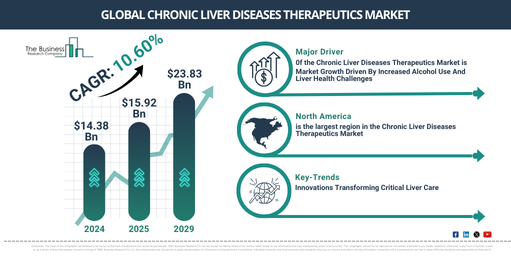
    The market size for therapeutics in chronic liver disease has experienced swift expansion in the past few years. The market, projected to expand from $14.38 billion in 2024 to $15.92 billion in 2025, will do so at a Compound Annual Growth Rate (CAGR) of 10.7%. The surge during the historical period may be due to heightened instances of viral hepatitis, rising obesity levels, an older demographic, increased consciousness about liver health, and improved patient accessibility to treatment.

    The market size for therapeutics in chronic liver disease is projected to experience substantial growth in the coming years, expanding to $23.83 billion in 2029 with a compound annual growth rate (CAGR) of 10.6%. This growth prediction is attributed to an increased attention towards personalized medicine, enhancement of novel therapy pipelines, widespread use of telemedicine and digital health solutions, and a surge in the demand for programs aimed at preventing liver diseases, along with a heightened occurrence of viral hepatitis. Key emerging trends include the utilization of artificial intelligence in diagnostic procedures, the application of biologics and gene therapies, non-intrusive treatment alternatives, combined therapies, and the broadening of patient-centered care models.

    Download a free sample to assess the report’s scope and structure:

    https://www.thebusinessresearchcompany.com/sample.aspx?id=21145&type=smp

    What are the Fundamental Drivers and Innovations Shaping the Chronic Liver Diseases Therapeutics Market?

    The rise in alcohol consumption is anticipated to fuel the expansion of the chronic liver disease therapeutics market. The consumption of alcoholic beverages, which can vary from moderate to excessive, involves the ingestion of ethanol and carries potential health effects. The escalation in alcohol consumption can be attributed to its growing societal acceptance, increased income levels, and enhanced global accessibility. Chronic liver disease therapeutics are used to regulate liver damage brought about by excessive alcohol use, thereby slowing the progression of disease and enhancing liver function. For example, the First Citizens Bank, a US financial establishment, reported in June 2024 that there was a 1.2% rise in direct-to-consumer (DTC) wine case sales in 2023 compared to the previous year. Furthermore, according to a report published by Kirin Holdings Company Limited, a beverage firm based in Japan, in December 2023, approximately 192.1 million kiloliters of beer were consumed in 2022, denoting a 2.9% increase from the previous year. Consequently, the upswing in alcohol consumption is steering the growth of the chronic liver disease therapeutics market.

    How Is the Chronic Liver Diseases Therapeutics Market Segmented?

    The chronic liver diseases therapeutics market covered in this report is segmented –

    1) By Treatment Type: Antiviral Drugs, Immunosuppressants Vaccines, Immunoglobulins, Corticosteroids, Targeted Therapy, Chemotherapy

    2) By Disease Type: Hepatitis, Autoimmune Diseases, Non-Alcoholic Fatty Liver Disease, Cancer, Genetic Disorders

    3) By Application: Hospital Pharmacies, Retail Pharmacies, Online Pharmacies

    Subsegments:

    1) By Antiviral Drugs: Nucleoside Or Nucleotide Analogues, Interferons, Direct-Acting Antivirals

    2) By Immunosuppressants: Calcineurin Inhibitors, mTOR Inhibitors, Purine Synthesis Inhibitors

    3) By Vaccines: Hepatitis A Vaccine, Hepatitis B Vaccine, Combination Hepatitis Vaccines

    4) By Immunoglobulins: Hepatitis B Immune Globulin, Intravenous Immunoglobulin

    5) By Corticosteroids: Prednisolone, Methylprednisolone, Dexamethasone

    6) By Targeted Therapy: Tyrosine Kinase Inhibitors, Monoclonal Antibodies

    7) By Chemotherapy: Systemic Chemotherapy, Transarterial Chemoembolization Agents

    Request customized data on this market:

    https://www.thebusinessresearchcompany.com/customise?id=21145&type=smp

    Which Regions Are Driving the Next Phase of the Chronic Liver Diseases Therapeutics Market Growth?

    North America was the largest region in the chronic liver diseases therapeutics market in 2024. The regions covered in the chronic liver diseases therapeutics market report are Asia-Pacific, Western Europe, Eastern Europe, North America, South America, Middle East, Africa.

    What Key Trends Are Shaping the Future of the Chronic Liver Diseases Therapeutics Market?

    The main players in the therapeutics market for chronic liver diseases are concentrating their efforts on the development of groundbreaking advancements like RNA therapies. These therapies target specific genetic and molecular mechanisms and offer more effective, tailor-made treatment options. RNA therapies are cutting-edge treatment methods that employ RNA molecules to manage gene expression or the production of proteins. They aim to treat or avoid diseases by honing in on specific genetic processes. An example of this occurred in May 2022 when Ochre Bio, a UK-based biotech entity, established its innovative ‘Liver ICU’ research facility at BioLabs@NYULangone in New York City, a hub for biopharma start-ups. This contemporary site utilizes entire human livers kept on perfusion machines to evaluate the efficiency of next-gen RNA therapeutics. The facility uses rejected donor livers for research in an attempt to expedite the drug development process and enhance the accuracy of liver treatment studies by mimicking human physiological conditions.

    View the full report here:

    https://www.thebusinessresearchcompany.com/report/chronic-liver-diseases-therapeutics-global-market-report

    How Is the Chronic Liver Diseases Therapeutics Market Defined and What Are Its Core Parameters?

    Chronic liver disease therapeutics refers to the medical treatments and interventions aimed at managing long-term liver conditions. These therapies focus on slowing disease progression, alleviating symptoms, and improving liver function through medications, lifestyle changes, and, in some cases, advanced procedures.

    Purchase the full report and get a swift delivery:

    https://www.thebusinessresearchcompany.com/purchaseoptions.aspx?id=21145

    About The Business Research Company:

    With over 15000+ reports from 27 industries covering 60+ geographies, The Business Research Company has built a reputation for offering comprehensive, data-rich research and insights. Armed with 1,500,000 datasets, the optimistic contribution of in-depth secondary research, and unique insights from industry leaders, you can get the information you need to stay ahead in the game.

    Get in touch with us:

    The Business Research Company: https://www.thebusinessresearchcompany.com/

    Americas +1 3156230293

    Asia +44 2071930708

    Europe +44 2071930708

    Email us at info@tbrc.info

    Follow us on:

    LinkedIn: https://in.linkedin.com/company/the-business-research-company

    YouTube: https://www.youtube.com/channel/UC24_fI0rV8cR5DxlCpgmyFQ

    Global Market Model: https://www.thebusinessresearchcompany.com/global-market-model
  • Relapsing-Remitting Multiple Sclerosis Market Insights: In-Depth Look at Growth Trends, Market Size, and Opportunities for 2025-2034

    Relapsing-Remitting Multiple Sclerosis Market Insights: In-Depth Look at Growth Trends, Market Size, and Opportunities for 2025-2034

    Get 30% off on our Global Market Reports with code ONLINE30 – Hurry, limited time offer!

    What is the Projected CAGR for the Relapsing-Remitting Multiple Sclerosis Market Size from 2025 to 2034?

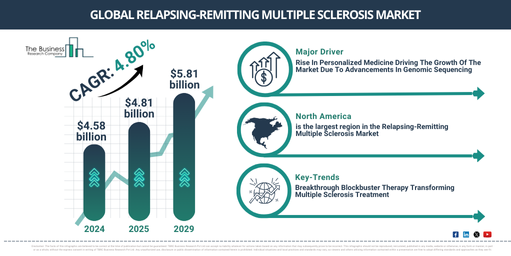
    Recently, the market size for relapsing-remitting multiple sclerosis has witnessed substantial growth. Projected growth suggests an incease from $4.58 billion in 2024 to $4.81 billion in 2025, reflecting a compound annual growth rate (CAGR) of 5.1%. This growth over the historic period has been influenced by factors such as the rising instances of multiple sclerosis, increased awareness and early diagnosis, improved healthcare infrastructure, government’s elevated funding for neurological disorders, and enhanced accessibility to treatment for patients.

    In the coming years, the market size of relapsing-remitting multiple sclerosis is projected to witness robust growth, escalating to $5.81 billion by 2029 with a Compound Annual Growth Rate (CAGR) of 4.8%. The predicted growth can be credited to the increasing adoption of personalized medicine, more emphasis on biomarker research, augmented investments in novel therapeutic methods, the widened application of Artificial Intelligence in disease management, and governmental approval for innovative treatments. Key trends to anticipate in the forecast period encompass the rise of gene and cell therapies, a shift towards oral disease-modifying treatments, enhancements in systems delivering drugs across the blood-brain barrier, improvements in disease-modifying therapies, and advancements in next generation monoclonal antibodies.

    Download a free sample to assess the report’s scope and structure:

    https://www.thebusinessresearchcompany.com/sample.aspx?id=23495&type=smp

    What External and Internal Drivers Are Contributing to the Growth of the Relapsing-Remitting Multiple Sclerosis Market?

    The uptick in personal medicine utilization is projected to catalyze the expansion of the relapsing-remitting multiple sclerosis (RRMS) market. Personalized medicine, designed to fit an individual’s genetic, environmental, and lifestyle factors for improved health outcomes, is on the rise due to advancements in genomic sequencing. Such advancements allow for the pinpointing of genetic variations and biomarkers, resulting in more specific and efficient treatments. RRMS draws attention to the necessity of personalized medicine given the marked difference it can make in managing the variations in disease progression, symptom intensity, and response to treatment, ultimately enhancing patient results. For instance, the Personalized Medicine Coalition, a US-based group promoting personalized medicine, reported that in February 2024, the U.S. Food and Drug Administration green-lighted 16 new personalized treatments for rare disease patients. This is a noticeable increase from the 6 approved in 2022. Thus, the rise in personalized medicine usage is propelling the expansion of the relapsing-remitting multiple sclerosis market.

    What Segment Types Define the Relapsing-Remitting Multiple Sclerosis Market Structure?

    The relapsing-remitting multiple sclerosis market covered in this report is segmented –

    1) By Drug Type: Beta-Interferon, Cladribine, Dimethyl Fumarate, Fingolimod, Ozanimod, Other Drug Types

    2) By Route Of Administration: Subcutaneous, Intravenous

    3) By Treatment: Immunomodulating Drugs, NrF2 Activators, Interferons, Other Treatments

    4) By End-User: Hospitals, Clinics, Other End-Users

    Subsegments:

    1) By Beta-Interferon: Interferon Beta-1a, Interferon Beta-1b

    2) By Cladribine: Oral Cladribine, Injectable Cladribine

    3) By Dimethyl Fumarate: Tecfidera, Vumerity

    4) By Fingolimod: Gilenya Fingolimod, Generic Fingolimod

    5) By Ozanimod: Zeposia

    6) By Other Drug Types: Natalizumab, Alemtuzumab, Ocrelizumab, Siponimod, Teriflunomide

    Request customized data on this market:

    https://www.thebusinessresearchcompany.com/customise?id=23495&type=smp

    Which Geographic Areas Hold the Strongest Growth Potential in the Relapsing-Remitting Multiple Sclerosis Market?

    North America was the largest region in the relapsing-remitting multiple sclerosis market in 2024. Asia-Pacific is expected to be the fastest-growing region in the forecast period. The regions covered in the relapsing-remitting multiple sclerosis market report are Asia-Pacific, Western Europe, Eastern Europe, North America, South America, Middle East, Africa.

    What Long-Term Trends Are Transforming the Competitive Landscape of the Relapsing-Remitting Multiple Sclerosis Market?

    Major players in the relapsing-remitting multiple sclerosis market are striving to create innovative treatment strategies, like breakthrough blockbuster therapy, in order to increase the effectiveness of treatments, enhance patient outcome and set a new standard of care for relapsing-remitting multiple sclerosis (RRMS). Breakthrough blockbuster therapy is an innovative and superior treatment method that considerably improves overall healthcare and is often designed to meet unfulfilled needs or to provide improved results compared to currently available treatments. For example, Roche Products (India) Pvt. Ltd., a prominent pharmaceutical company based in India, introduced Ocrevus (Ocrelizumab), a novel treatment for multiple sclerosis (MS), in February 2024 to expand its neurology portfolio and cater to the unfulfilled healthcare needs of patients in India. Ocrevus aims to target CD20-positive B cells, which have been identified as a contributing factor to MS progression. It works to minimize relapses and retard the progression of disability in affected patients. Moreover, it incorporates a unique mechanism that selectively eliminates B cells, aiding in altering the progression of the disease and enhancing the long-term outcome of patients.

    View the full report here:

    https://www.thebusinessresearchcompany.com/report/relapsing-remitting-multiple-sclerosis-global-market-report

    What Is the Definition of the Relapsing-Remitting Multiple Sclerosis Market?

    Relapsing-remitting multiple sclerosis (RRMS) is a chronic neurological disorder characterized by recurring episodes of symptoms (relapses) followed by periods of partial or complete recovery (remissions). It results from immune system attacks on the myelin sheath, affecting nerve signal transmission in the central nervous system.

    Purchase the full report and get a swift delivery:

    https://www.thebusinessresearchcompany.com/purchaseoptions.aspx?id=23495

    About The Business Research Company:

    With over 15000+ reports from 27 industries covering 60+ geographies, The Business Research Company has built a reputation for offering comprehensive, data-rich research and insights. Armed with 1,500,000 datasets, the optimistic contribution of in-depth secondary research, and unique insights from industry leaders, you can get the information you need to stay ahead in the game.

    Get in touch with us:

    The Business Research Company: https://www.thebusinessresearchcompany.com/

    Americas +1 3156230293

    Asia +44 2071930708

    Europe +44 2071930708

    Email us at info@tbrc.info

    Follow us on:

    LinkedIn: https://in.linkedin.com/company/the-business-research-company

    YouTube: https://www.youtube.com/channel/UC24_fI0rV8cR5DxlCpgmyFQ

    Global Market Model: https://www.thebusinessresearchcompany.com/global-market-model
  • Radiation Oncology Market Outlook 2025–2034: Identifying Growth Drivers, Technology Trends, and Policy Impact

    Radiation Oncology Market Outlook 2025–2034: Identifying Growth Drivers, Technology Trends, and Policy Impact

    Get 30% off on our Global Market Reports with code ONLINE30 – Hurry, limited time offer!

    What Is the Current and Projected Market Size of the Radiation Oncology Market Through 2034?

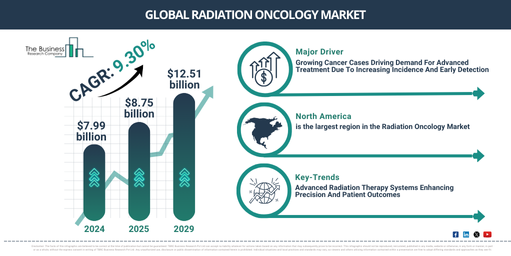
    The size of the radiation oncology market has seen significant growth in the recent past. The market is predicted to expand from $7.99 billion in 2024 to $8.75 billion in 2025, exhibiting a compound annual growth rate (CAGR) of 9.6%. The prior growth rate can be credited to increased instances of cancer, a boost in healthcare expenditures, advancements in healthcare infrastructure, a growing elderly population, and an increase in intricate cancer scenarios.

    The market size of radiation oncology is predicted to witness robust expansion in the upcoming years. By 2029, it is projected to reach $12.51 billion, with a 9.3% Compound Annual Growth Rate (CAGR). The predicted growth during the forecast period is due to factors such as rising demand for precise treatment methods, growth of outpatient cancer centers, enhanced usage of treatment planning software, incremented government initiatives for cancer care, and a developing healthcare infrastructure. Noteworthy trends anticipated during the forecast period encompass individualized treatment plans, high-resolution imaging, AI-enhanced imaging, stereotactic body radiation therapy (SBRT), and advancements in brachytherapy.

    Download a free sample to assess the report’s scope and structure:

    https://www.thebusinessresearchcompany.com/sample.aspx?id=23494&type=smp

    What Are the Core Market Drivers Propelling Growth in the Radiation Oncology Industry?

    The radiation oncology market is expected to expand due to the increasing number of cancer patients. Cancer is a disease marked by the irregular and uncontrolled proliferation and movement of abnormal cells throughout the body. The surge in cancer cases can be largely attributed to the extensive adoption of unhealthy lifestyles that enhance cancer vulnerabilities. Radiation oncology, which uses high-powered radiation to annihilate cancer cells, reduce the size of tumors, alleviate symptoms, and boost the efficiency of surgical and chemotherapy interventions, has seen advancements in technologies that heighten precision and optimized results. As per the UK’s National Health Service, in October 2024, there were 346,217 new cancer cases in 2022, realizing an average of 948 per day, an increase from 329,664 in 2021, symbolizing a 5% hike. Hence, the increasing cancer prevalence drives the radiation oncology market’s growth.

    How Is the Radiation Oncology Market Segmented?

    The radiation oncology market covered in this report is segmented –

    1) By Type: External Beam Radiation Therapy, Internal Beam Radiation Therapy

    2) By Application: Prostate Cancer, Breast Cancer, Lung Cancer, Head And Neck Cancer, Colorectal Cancer, Cervical Cancer, Gynecological Cancer, Other Applications

    3) By End-User: Hospitals, Cancer Research Institutes, Other End-Users

    Subsegments:

    1) By Internal Beam Radiation Therapy, Brachytherapy, Endocavitary Brachytherapy, Interstitial Brachytherapy, Intraluminal Brachytherapy

    2) By External Beam Radiation Therapy, 3D Conformal Radiation Therapy (3DCRT), Intensity-Modulated Radiation Therapy (IMRT), Stereotactic Radiosurgery (SRS), Stereotactic Body Radiation Therapy (SBRT), Image-Guided Radiation Therapy (IGRT)

    Request customized data on this market:

    https://www.thebusinessresearchcompany.com/customise?id=23494&type=smp

    Which Regions Are Driving the Next Phase of the Radiation Oncology Market Growth?

    North America was the largest region in the radiation oncology market in 2024. Asia-Pacific is expected to be the fastest-growing region in the forecast period. The regions covered in the radiation oncology market report are Asia-Pacific, Western Europe, Eastern Europe, North America, South America, Middle East, Africa.

    What Key Market Trends and Innovations Are Shaping the Future of the Radiation Oncology Industry?

    Significant players in the radiation oncology market are concentrating their efforts on creating innovative radiation therapy systems. These systems integrate AI-enabled imaging and adjustive technologies with the goal to amplify treatment precision, minimize adverse effects, and boost patient results across a wide spectrum of cancer therapy applications. AI-driven radiotherapy entails the utilization of artificial intelligence technologies to augment various radiology therapy components, such as treatment planning, imaging, execution, and supervision. For example, in May 2024, Elekta, a medical technology firm based in Sweden, introduced Evo, its latest CT-Linac that boasts high-definition AI-boosted imaging aimed to refine radiation therapy methods. This multi-faceted system provides offline and online adaptive radiation therapy and also enhances the standard image-guided radiation therapy. It offers medical practitioners increased precision and adaptability in customizing treatments on a per-patient basis. The main objective of this innovation is to amplify patient outcomes by maximizing treatment precision and flexibility.

    View the full report here:

    https://www.thebusinessresearchcompany.com/report/radiation-oncology-global-market-report

    How Is the Radiation Oncology Market Defined and What Are Its Core Parameters?

    Radiation oncology refers to a specialized area of medicine where high-energy radiation is used to treat cancer by damaging the deoxyribonucleic acid (DNA) of malignant cells, thereby preventing their growth and spread. This approach utilizes advanced methods to provide precise treatment, focusing on targeting the affected area while minimizing harm to surrounding healthy tissues.

    Purchase the full report and get a swift delivery:

    https://www.thebusinessresearchcompany.com/purchaseoptions.aspx?id=23494

    About The Business Research Company:

    With over 15000+ reports from 27 industries covering 60+ geographies, The Business Research Company has built a reputation for offering comprehensive, data-rich research and insights. Armed with 1,500,000 datasets, the optimistic contribution of in-depth secondary research, and unique insights from industry leaders, you can get the information you need to stay ahead in the game.

    Get in touch with us:

    The Business Research Company: https://www.thebusinessresearchcompany.com/

    Americas +1 3156230293

    Asia +44 2071930708

    Europe +44 2071930708

    Email us at info@tbrc.info

    Follow us on:

    LinkedIn: https://in.linkedin.com/company/the-business-research-company

    YouTube: https://www.youtube.com/channel/UC24_fI0rV8cR5DxlCpgmyFQ

    Global Market Model: https://www.thebusinessresearchcompany.com/global-market-model
  • Zygomatic And Pterygoid Implants Market Outlook 2025: Mapping Growth, Innovation, and Regional Shifts

    Zygomatic And Pterygoid Implants Market Outlook 2025: Mapping Growth, Innovation, and Regional Shifts

    Stay ahead with our updated market reports featuring the latest on tariffs, trade flows, and supply chain transformations.

    How Has The Zygomatic And Pterygoid Implants Market Growth Evolved From 2024 To 2025, And What’s Ahead?

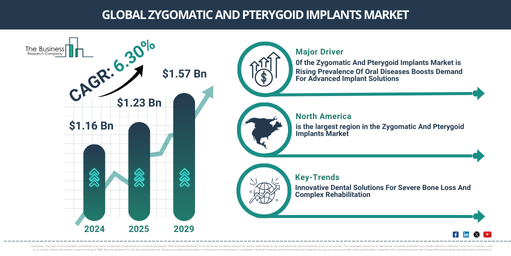
    The size of the zygomatic and pterygoid implants market has witnessed significant growth in recent years. The market is projected to expand from a value of $1.16 billion in 2024 to $1.23 billion in 2025, growing at a compound annual growth rate (CAGR) of 6.5%. Factors contributing to this historical growth include improved patient results, an increased need for advanced dental solutions, a growing elderly population, heightened awareness of oral health, and the rising adoption of novel dental treatments.

    In the coming years, a robust growth is anticipated in the zygomatic and pterygoid implants market, which is predicted to expand to $1.57 billion by 2029 with a compound annual growth rate (CAGR) of 6.3%. The growth during this forecast period can be attributed to the increase in dental healthcare facilities, rise in dental tourism, escalation in disposable income, better diagnostic capabilities, and improved patient education. Some key trends projected for this duration include progress in implant technology, emergence of minimally invasive procedures, technological advancements, collaboration with 3D printing technology, and ground-breaking technological progress.

    Download a free sample to assess the report’s scope and structure:

    https://www.thebusinessresearchcompany.com/sample.aspx?id=21010&type=smp

    What External and Internal Drivers Are Contributing to the Growth of the Zygomatic And Pterygoid Implants Market?

    The escalating incidence of conditions affecting oral health is anticipated to fuel the expansion of the zygomatic and pterygoid implants market. These oral conditions encompass a wide array, including cavities, gum ailments, oral infections, and oral cancer, often attributable to subpar hygiene practices, diet, or pre-existing health complications. The surge in these diseases can be attributed to poor oral hygiene, diets rich in sugar, inadequate availability of dental healthcare, alongside escalating usage of tobacco and alcohol. Zygomatic and pterygoid implants serve as effective tools to tackle oral diseases by offering sturdy support for dental prostheses in patients dealing with severe bone erosion, enhancing overall oral well-being, and restoring function where traditional implants are not applicable. For example, the World Health Organization, an intergovernmental organization from Switzerland, stated in November 2024 that around 3.5 billion individuals across the globe were suffering from oral diseases in 2022, with 75% inhabiting middle-income countries. Approximately 2 billion individuals have dental caries in their permanent teeth while caries in primary teeth affect 514 million children. Hence, the escalating occurrence of oral diseases is driving the growth of the zygomatic and pterygoid implants market.

    What Segment Types Define the Zygomatic And Pterygoid Implants Market Structure?

    The zygomatic and pterygoid implants market covered in this report is segmented –

    1) By Type: Zygomatic Implants, Pterygoid Implants, Combined Implants

    2) By Product Length: Up To 30 Mm, 30–50 Mm, Above 50 Mm

    3) By Application: Maxillary Sinuses, Severe Atrophy Of Maxillary Bone, Other Applications

    4) By End User: Dental Clinics, Hospital Dental Departments, Research Institutions

    Subsegments:

    1) By Zygomatic Implants: Single Zygomatic Implants, Multiple Zygomatic Implants

    2) By Pterygoid Implants: Single Pterygoid Implants, Multiple Pterygoid Implants

    3) By Combined Implants: Zygomatic And Pterygoid Combined Implants, Hybrid Zygomatic And Pterygoid Implant Systems

    Request customized data on this market:

    https://www.thebusinessresearchcompany.com/customise?id=21010&type=smp

    Which Geographic Areas Hold the Strongest Growth Potential in the Zygomatic And Pterygoid Implants Market?

    North America was the largest region in the zygomatic and pterygoid implants market in 2024. Asia-Pacific is expected to be the fastest-growing region in the forecast period. The regions covered in the zygomatic and pterygoid implants market report are Asia-Pacific, Western Europe, Eastern Europe, North America, South America, Middle East, Africa.

    What Long-Term Trends Are Transforming the Competitive Landscape of the Zygomatic And Pterygoid Implants Market?

    Leading businesses within the zygomatic and pterygoid implants market are prioritizing the development of novel solutions such as metal-free implants. This move aims to accommodate patients who are allergic to metals, improve biocompatibility, and enhance the long-term results of treatments. Metal-free implants are medical devices constructed entirely from non-metal materials like ceramics or polymers. These materials are selected for their biocompatibility and their ability to reduce the risk of metal-related allergenic reactions, corrosion, or disruption of medical imaging processes like MRIs. For example, Pure Dental Health, an esteemed dental practice in the United States, introduced its sophisticated All-on-X dental implant system, with zygomatic and pterygoid implants, in December 2024. This system addresses serious bone loss and complicated dental conditions, providing patients with secure, natural-appearing smiles. As a result, patients can regain functionalities and confidence, regardless of the complexity of their dental issues.

    View the full report here:

    https://www.thebusinessresearchcompany.com/report/zygomatic-and-pterygoid-implants-global-market-report

    What Is the Definition of the Zygomatic And Pterygoid Implants Market?

    Zygomatic and pterygoid implants refer to specialized dental implants that are anchored in the zygomatic bone (cheekbone) and pterygoid bone (near the back of the upper jaw), respectively. They are used for patients with severe bone loss in the upper jaw, providing stable support for dental prostheses when traditional implants are not feasible.

    Purchase the full report and get a swift delivery:

    https://www.thebusinessresearchcompany.com/purchaseoptions.aspx?id=21010

    About The Business Research Company:

    With over 15000+ reports from 27 industries covering 60+ geographies, The Business Research Company has built a reputation for offering comprehensive, data-rich research and insights. Armed with 1,500,000 datasets, the optimistic contribution of in-depth secondary research, and unique insights from industry leaders, you can get the information you need to stay ahead in the game.

    Get in touch with us:

    The Business Research Company: https://www.thebusinessresearchcompany.com/

    Americas +1 3156230293

    Asia +44 2071930708

    Europe +44 2071930708

    Email us at info@tbrc.info

    Follow us on:

    LinkedIn: https://in.linkedin.com/company/the-business-research-company

    YouTube: https://www.youtube.com/channel/UC24_fI0rV8cR5DxlCpgmyFQ

    Global Market Model: https://www.thebusinessresearchcompany.com/global-market-model
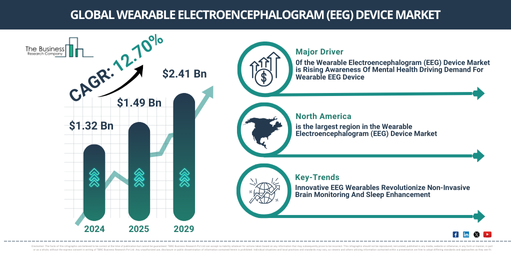
  • $2.41 Billion Forecast for Wearable Electroencephalogram (EEG) Device Market by 2029, Backed by Demand and Innovation

    $2.41 Billion Forecast for Wearable Electroencephalogram (EEG) Device Market by 2029, Backed by Demand and Innovation

    Stay ahead with our updated market reports featuring the latest on tariffs, trade flows, and supply chain transformations.

    How Has The Wearable Electroencephalogram (EEG) Device Market Size Shifted, And What Is the Outlook Through 2034?

    In recent times, there has been a marked increase in the market size of wearable electroencephalogram (EEG) devices. Forecasts project an increase from $1.32 billion in 2024 to $1.49 billion in 2025, signifying a compound annual growth rate (CAGR) of 13.1%. The historical growth of this sector is linked to heightened awareness of neurological disorders, the escalating demands for custom healthcare, an uptick in the use of neurofeedback therapies, broadly expanding applications in the cognitive and mental health research field, coupled with amplified government investments.

    Anticipated to experience a significant surge in the upcoming years, the market size of the wearable electroencephalogram (EEG) device is projected to expand to $2.41 billion by 2029 with a compound annual growth rate (CAGR) of 12.7%. Factors contributing to the expansion in the forecast period encompass a growing demand for non-invasive methods of monitoring, an increasing rate of mental health disorders, the rise in remote patient monitoring, growing disposal income, and a swelling need for portable brain monitoring solutions. Key trends anticipated during the forecast period consist of the integration of artificial intelligence to improve data interpretation, increased use of EEG technology in mental health and cognitive training applications, development of more compact and comfortable devices, advancements in monitoring brain activity in real time, and an emphasis on data security and privacy features.

    Download a free sample to assess the report’s scope and structure:

    https://www.thebusinessresearchcompany.com/sample.aspx?id=21005&type=smp

    What Are the Core Growth Drivers Propelling the Wearable Electroencephalogram (EEG) Device Market Forward?

    The expansion of the wearable electroencephalogram (EEG) device market is anticipated to be driven by the increasing consciousness about mental health. This growing awareness is fueled by a mix of influences such as enhanced media coverage, educational efforts, mental health organization advocacies, and a greater understanding of mental health’s effect on overall wellness. Wearable EEG devices provide insightful data for customized treatments and support therapies like biofeedback and neurofeedback, all of which help manage and monitor mental health disorders. For instance, a white paper by FAIR Health Inc., a US-based health group, revealed in April 2024 that the percentage of US patients diagnosed with mental health disorders rose from 17.9% in 2022 to 18.9% in 2023. Consequently, the rise in mental health awareness is propelling the growth of the wearable electroencephalogram (EEG) device market.

    What Segment Types Define the Wearable Electroencephalogram (EEG) Device Market Structure?

    The wearable electroencephalogram (EEG) device market covered in this report is segmented –

    1) By Type: Battery; Charge

    2) By Channel Type: 5-Channel Type; 14-Channel Type; 32-Channel Type; Other Channel Types

    3) By Application: Hospitals And Clinics; Neurology Centers; Research And Academics; Other Applications

    Subsegments:

    1) Battery: Rechargeable Battery EEG Devices; Non-Rechargeable Battery EEG Devices; Lithium-Ion Battery EEG Devices

    2) Charge: Wired Charging EEG Devices; Wireless Charging EEG Devices; Quick Charge EEG Devices

    Request customized data on this market:

    https://www.thebusinessresearchcompany.com/customise?id=21005&type=smp

    Which Geographic Areas Hold the Strongest Growth Potential in the Wearable Electroencephalogram (EEG) Device Market?

    North America was the largest region in the wearable electroencephalogram (EEG) device market in 2024. The regions covered in the wearable electroencephalogram (EEG) device market report are Asia-Pacific, Western Europe, Eastern Europe, North America, South America, Middle East, Africa.

    Which Emerging Trends that Are Influencing the Wearable Electroencephalogram (EEG) Device Industry Evolution?

    Big players in the wearable electroencephalogram (EEG) device market are focusing on incorporating monitoring systems for brainwaves, such as acoustic stimulation, to provide non-invasive approaches for brain surveillance. Acoustic stimulation in headphones utilizes sound vibrations or waves to boost therapeutic outcomes, serving as a valuable addition to electrical stimulation for optimized neurological or psychological results. For example, in June 2024, Elemind Technologies, Inc., a firm specializing in neurotechnology from the US, introduced a headband. This sleep-enhancing headband delivers real-time monitoring of brainwaves to boost the quality of sleep, thus aiding users to fall asleep up to 74% faster. The headband leverages AI-based algorithms to provide customized acoustic stimulation, aiding the transition of brainwaves from alertness to sleep. The equipment integrates with a smartphone application, offering a comprehensive analysis of sleep duration, efficiency, and phases. As time passes, the system gradually learns the unique sleep patterns of the user, consistently enhancing its performance.

    View the full report here:

    https://www.thebusinessresearchcompany.com/report/wearable-electroencephalogram-eeg-device-global-market-report

    What Is the Definition of the Wearable Electroencephalogram (EEG) Device Market?

    A wearable electroencephalogram (EEG) device is a portable tool for capturing and recording brain electrical activity. It uses scalp-mounted electrodes to detect brainwave patterns, which are analyzed to assess neurological functions. These devices enable real-time brain activity monitoring, assisting in diagnosing and managing neurological disorders. They offer continuous, natural-setting data, providing a more complete view than traditional clinical EEG systems.

    Purchase the full report and get a swift delivery:

    https://www.thebusinessresearchcompany.com/purchaseoptions.aspx?id=21005

    About The Business Research Company:

    With over 15000+ reports from 27 industries covering 60+ geographies, The Business Research Company has built a reputation for offering comprehensive, data-rich research and insights. Armed with 1,500,000 datasets, the optimistic contribution of in-depth secondary research, and unique insights from industry leaders, you can get the information you need to stay ahead in the game.

    Get in touch with us:

    The Business Research Company: https://www.thebusinessresearchcompany.com/

    Americas +1 3156230293

    Asia +44 2071930708

    Europe +44 2071930708

    Email us at info@tbrc.info

    Follow us on:

    LinkedIn: https://in.linkedin.com/company/the-business-research-company

    YouTube: https://www.youtube.com/channel/UC24_fI0rV8cR5DxlCpgmyFQ

    Global Market Model: https://www.thebusinessresearchcompany.com/global-market-model

  • Key Factors Fueling the Growth of the Pulmonary Drugs Market in 2025: Rising Prevalence Of Respiratory Diseases Driving Demand For Pulmonary Drugs Due To Increasing Infectious Disease Burden

    Key Factors Fueling the Growth of the Pulmonary Drugs Market in 2025: Rising Prevalence Of Respiratory Diseases Driving Demand For Pulmonary Drugs Due To Increasing Infectious Disease Burden

    Get 30% off on our Global Market Reports with code ONLINE30 – Hurry, limited time offer!

    What Are the Projected Market Size and Growth Rates for the Pulmonary Drugs Market From 2025 To 2029?

    The market size for pulmonary drugs has seen significant growth in the past few years. The market, valued at $54.28 billion in 2024, is predicted to increase to $57.53 billion in 2025, indicative of a compound annual growth rate (CAGR) of 6.0%. This notable increase during the historical period can be tied to several factors such as the increased occurrence of respiratory diseases, the escalation in smoking rates, a growing elderly population, wider healthcare availability, and a spike in pollution levels.

    In the upcoming years, the size of the pulmonary drugs market is projected to experience robust growth, escalating to $71.91 billion by 2029 with a compound annual growth rate (CAGR) of 5.7%. The expansion within the forecast period is likely due to the advancement of healthcare facilities, the increased incidence of cardiovascular diseases, the augmentation of homecare therapies, the growing consciousness about lung diseases, and the prominence of asthma. Foreseen trends for the period include progress in technology, drug discovery facilitated by AI, utilization of smart inhalers, formulation based on nanotechnology, and progress in gene therapy.

    Download a free sample to assess the report’s scope and structure:

    https://www.thebusinessresearchcompany.com/sample.aspx?id=23489&type=smp

    What are the Fundamental Drivers and Innovations Shaping the Pulmonary Drugs Market?

    The escalating incidence of respiratory conditions is likely to stimulate the expansion of the pulmonary drugs market in the future. Respiratory disorders, which impact the lungs and airways, disrupt usual breathing and the exchange of oxygen. The rise in such disorders is a result of increased smoking, which contributes to lung damage and chronic illnesses. Pulmonary medications are essential in controlling these disorders by enhancing lung performance, mitigating inflammation, and alleviating blocked airways for improved respiration. For example, the Bureau of Labor Statistics, a governmental agency in the United States, reported that the disease rate among private industry employers amplified to 45.2 cases per 10,000 FTE employees in 2022, a surge from 37.7 cases in 2021. This increase was primarily due to a heightened frequency of respiratory ailments, which expanded from 27.8 cases per 10,000 FTE employees in 2021 to 35.8 cases the following year. Thus, the proliferation of respiratory diseases is fuelling the growth of the pulmonary drugs market.

    How Is the Pulmonary Drugs Market Segmented?

    The pulmonary drugs market covered in this report is segmented –

    1) By Drug Class: Inhaled Corticosteroids, Long Acting Beta-2 Agonists, Antihistamines, Vasodilators, Short Acting Beta-2 Agonists, Other Drug Classes

    2) By Indication: Asthma, Chronic Obstructive Pulmonary Disease (COPD), Allergic Rhinitis, Pulmonary Arterial Hypertension, Cystic Fibrosis, Other Indications

    3) By Distribution Channel: Retail Pharmacies, Online Pharmacies, Hospitals Pharmacies

    Subsegments:

    1) By Inhaled Corticosteroids: Beclomethasone, Budesonide, Fluticasone, Mometasone, Ciclesonide

    2) By Long-Acting Beta-2 Agonists: Salmeterol, Formoterol, Indacaterol, Olodaterol, Vilanterol

    3) By Antihistamines: Cetirizine, Loratadine, Fexofenadine, Diphenhydramine, Levocetirizine

    4) By Vasodilators: Endothelin Receptor Antagonists, Phosphodiesterase-5 Inhibitors, Prostacyclin Analogues

    5) By Short-Acting Beta-2 Agonists (SABA): Albuterol, Levalbuterol, Terbutaline, Fenoterol, Pirbuterol

    6) By Other Drug Classes: Monoclonal Antibodies, Enzymes, Antibiotics, Antileukotrienes

    Request customized data on this market:

    https://www.thebusinessresearchcompany.com/customise?id=23489&type=smp

    Which Regions Are Driving the Next Phase of the Pulmonary Drugs Market Growth?

    North America was the largest region in the pulmonary drugs market in 2024. Asia-Pacific is expected to be the fastest-growing region in the forecast period. The regions covered in the pulmonary drugs market report are Asia-Pacific, Western Europe, Eastern Europe, North America, South America, Middle East, Africa.

    What Key Trends Are Shaping the Future of the Pulmonary Drugs Market?

    Leading firms in the pulmonary drugs market are concentrating on the creation of novel therapies like single-inhaler triple therapy (SITT) to boost treatment effectiveness, augment patient compliance, and make medication schedules easier for superior disease control. The SITT treatment amalgamates three varied medicines in one inhaler to deal with chronic respiratory illnesses, for example, chronic obstructive pulmonary disease (COPD), more efficiently. For example, in April 2022, GlaxoSmithKline Pharmaceuticals Limited, a pharmaceutical firm based in India, released Trelegy Ellipta, the first of its kind single-inhaler triple therapy (SITT) in India for COPD patients. This therapeutic approach merges fluticasone furoate, umeclidinium, and vilanterol to enhance pulmonary functionality and diminish symptom flare-ups. The advanced Ellipta inhaler guarantees accurate dosage and boosts patient adherence compared to numerous inhaler therapies. Given that India has over 100 million COPD patients, this introduction aims to streamline therapy and enhance patient results.

    View the full report here:

    https://www.thebusinessresearchcompany.com/report/pulmonary-drugs-global-market-report

    How Is the Pulmonary Drugs Market Defined and What Are Its Core Parameters?

    Pulmonary drugs refer to medications that target the respiratory system to improve lung function, reduce inflammation, and manage airway disorders. They are used for treating conditions such as asthma, chronic obstructive pulmonary disease (COPD), pulmonary fibrosis, and other respiratory illnesses.

    Purchase the full report and get a swift delivery:

    https://www.thebusinessresearchcompany.com/purchaseoptions.aspx?id=23489

    About The Business Research Company:

    With over 15000+ reports from 27 industries covering 60+ geographies, The Business Research Company has built a reputation for offering comprehensive, data-rich research and insights. Armed with 1,500,000 datasets, the optimistic contribution of in-depth secondary research, and unique insights from industry leaders, you can get the information you need to stay ahead in the game.

    Get in touch with us:

    The Business Research Company: https://www.thebusinessresearchcompany.com/

    Americas +1 3156230293

    Asia +44 2071930708

    Europe +44 2071930708

    Email us at info@tbrc.info

    Follow us on:

    LinkedIn: https://in.linkedin.com/company/the-business-research-company

    YouTube: https://www.youtube.com/channel/UC24_fI0rV8cR5DxlCpgmyFQ

    Global Market Model: https://www.thebusinessresearchcompany.com/global-market-model

  • Veterinary Pharmacovigilance Market Forecast 2025–2034: Trends Reshaping Demand, Investment, and Innovation

    Veterinary Pharmacovigilance Market Forecast 2025–2034: Trends Reshaping Demand, Investment, and Innovation

    Stay ahead with our updated market reports featuring the latest on tariffs, trade flows, and supply chain transformations.

    What Are the Projected Market Size and Growth Rates for the Vitamin Biomarkers Market From 2025 To 2029?

    In recent times, the market size for vitamin biomarkers has seen a swift expansion. It is projected to rise from $3.59 billion in 2024 to $4.06 billion in 2025, indicating a compound annual growth rate (CAGR) of 13.1%. The prominent growth during the historic period comes as a result of an increased understanding of vitamin deficiencies, a surge in chronic disease cases, a growing preference for personalized nutrition, enhanced research on nutritional biomarkers, and a growing population of elderly individuals.

    Anticipated rapid expansion in the size of the vitamin biomarkers market is expected to reach $6.56 billion by 2029 with a compound annual growth rate (CAGR) of 12.7%. This expected growth in the projected period can primarily be attributed to the rising implementation of digital health solutions, heightened emphasis on early detection of diseases, increased demand for home testing kits, escalated healthcare spendings, and growing consumer engagement in health and wellness. Key trends in the forecast period include incorporation of wearable health technology, creation of multi-biomarker panels, advancements in high-throughput screening techniques, development of innovative biomarker-based tests, and improved digital and distance health monitoring.

    Download a free sample to assess the report’s scope and structure:

    https://www.thebusinessresearchcompany.com/sample.aspx?id=21003&type=smp

    What Are the Primary Drivers Supporting the Market Growth of the Vitamin Biomarkers Market?

    A growing prevalence of nutritional deficiencies is projected to stimulate the expansion of the vitamin biomarkers industry. These deficiencies, denoting an insufficiency of crucial dietary nutrients, lead to detrimental health impacts and stem mainly from poor eating habits, limited access to a variety of foods, and varied socioeconomic factors. Vitamin biomarkers are employed to diagnose these deficiencies by tracking particular vitamins in the bloodstream, this helps to evaluate an individual’s nutritional status and to inform intervention strategies. As an illustration, a report from the Italy-based non-profit organization Food and Agriculture Organization in July 2023 announced that the prevalence of undernourishment (PoU), representing the portion of the population that does not consume sufficient dietary energy to meet the minimum healthy active life requirements, affected around 9.2% of the world’s population in 2022, growing from 7.9% in 2021. Moreover, the prevalence escalated 0.3 percentage points in Africa, from 19.4% in 2021 to 19.7% in 2022. Consequently, the escalating prevalence of nutritional deficiencies will bolster the growth of the vitamin biomarkers industry. The intensifying emphasis on personalized medicine is anticipated to drive forward the vitamin biomarkers industry’s growth. Personalized medicine, a medical approach that shapes treatment and healthcare strategies around each patient’s unique attributes, genetics, and necessities, is connected to progress in genomics, biotechnology, and data analytics, permitting treatments to be tailored to each individual’s genetic make-up and personal health data. Vitamin biomarkers further personalized medicine by offering a clear picture of an individual’s nutritional status and metabolic activities, supporting the development of custom-fit treatment agendas to improve health outcomes. To illustrate, as per the information by the United States-based non-profit organization Personlaized Medicine Coalition, in 2023, the FDA approved 16 new personalized treatments for patients with rare diseases, a considerable increase from six in 2022. The approved personal treatments in 2023 included seven cancer drugs and three designed for other diseases and conditions. Therefore, the amplified emphasis on personalized medicine is stimulating the expansion of the vitamin biomarkers industry.

    Which Primary Segments of the Vitamin Biomarkers Market Are Driving Growth and Industry Transformations?

    The vitamin biomarkers market covered in this report is segmented –

    1) By Biomarker Type: Serum Retinol (Vitamin A); Ascorbic Acid (Vitamin C); Serum 25(OH)D (Vitamin D); Serum Alpha-tocopherol (Vitamin E); Serum Prothrombin (Vitamin K); Serum Thiamine Diphosphate (Vitamin B1); Serum Glycolate (Vitamin B2); Serum Niacin (Vitamin B3); Serum Plasma PLP (Vitamin B6); Other Biomarker Types

    2) By Product: Analyzers; Test Kits; Reagents And Consumables

    3) By Testing Method: Enzyme Linked Immunosorbent Assay (ELISA); Liquid Chromatography With Tandem Mass Spectrometry (LC MS MS); High Performance Liquid Chromatography (HPLC); Chemiluminescent Immunoassay (CLIA)

    4) By End User: Hospitals; Diagnostic Laboratories; Ambulatory Diagnostic Centers; Homecare Settings

    Subsegments:

    1) By Serum Retinol (Vitamin A): Retinol Measurement Kits; Retinol Assay Reagents

    2) By Ascorbic Acid (Vitamin C): Vitamin C Detection Kits; Ascorbic Acid Assay Reagents

    3) By Serum 25(OH)D (Vitamin D): Vitamin D Testing Kits; 25-Hydroxyvitamin D Assay Reagents

    4) By Serum Alpha-tocopherol (Vitamin E): Alpha-tocopherol Measurement Kits; Vitamin E Assay Reagents

    5) By Serum Prothrombin (Vitamin K): Prothrombin Time Testing Kits; Vitamin K Assay Reagents

    6) By Serum Thiamine Diphosphate (Vitamin B1): Thiamine Measurement Kits; Vitamin B1 Assay Reagents

    Request customized data on this market:

    https://www.thebusinessresearchcompany.com/customise?id=21003&type=smp

    Which Regions Are Key Players in the Growth of the Vitamin Biomarkers Market?

    North America was the largest region in the vitamin biomarkers market in 2024. The regions covered in the vitamin biomarkers market report are Asia-Pacific, Western Europe, Eastern Europe, North America, South America, Middle East, Africa.

    View the full report here:

    https://www.thebusinessresearchcompany.com/report/vitamin-biomarkers-global-market-report

    What Parameters Are Used to Define the Vitamin Biomarkers Market?

    Vitamin biomarkers are measurable indicators in the body that reflect the status or levels of specific vitamins. They assess an individual’s nutritional status and help diagnose deficiencies or excesses of particular vitamins. These biomarkers are often measured through blood, urine, or tissue samples and can provide insights into how well the body absorbs, metabolizes, and utilizes vitamins.

    Purchase the full report and get a swift delivery:

    https://www.thebusinessresearchcompany.com/purchaseoptions.aspx?id=21003

    About The Business Research Company:

    With over 15000+ reports from 27 industries covering 60+ geographies, The Business Research Company has built a reputation for offering comprehensive, data-rich research and insights. Armed with 1,500,000 datasets, the optimistic contribution of in-depth secondary research, and unique insights from industry leaders, you can get the information you need to stay ahead in the game.

    Get in touch with us:

    The Business Research Company: https://www.thebusinessresearchcompany.com/

    Americas +1 3156230293

    Asia +44 2071930708

    Europe +44 2071930708

    Email us at info@tbrc.info

    Follow us on:

    LinkedIn: https://in.linkedin.com/company/the-business-research-company

    YouTube: https://www.youtube.com/channel/UC24_fI0rV8cR5DxlCpgmyFQ

    Global Market Model: https://www.thebusinessresearchcompany.com/global-market-model

  • Major Trends and Emerging Patterns in the Prothrombin Complex Concentrate Market: Development Of Innovative Formulations In The Market

    Get 30% off on our Global Market Reports with code ONLINE30 – Hurry, limited time offer!

    What Is the Estimated Market Size of the Prothrombin Complex Concentrate Market In 2029?

    In recent times, the market for prothrombin complex concentrate has seen substantial growth. It is projected to increase from a worth of $1.29 billion in 2024 to $1.39 billion in 2025, with a compound annual growth rate (CAGR) of 7.8%. This historical growth trend can be linked to a surge in bleeding disorders incidence, heightened usage for warfarin reversal, increased recognition of coagulation treatments, a rise in the number of surgical procedures, and an uptick in trauma cases.

    Significant expansion is forecasted in the prothrombin complex concentrate market in the upcoming years, with its value predicted to rise to $1.86 billion by 2029, exhibiting a compound annual growth rate of 7.6%. The predicted growth during this period is primarily attributed to the escalating demand for rapid coagulation therapies, an increased occurrence of hemophilia and liver-related ailments, the widening use in emergency medical situations, the broadening applications in cardiovascular surgeries, and the growth in health care expenses. Key trends to watch during this forecast period encompass the incorporation of AI-led diagnostics, advancements in the development of recombinant coagulation factors, next-gen recombinant pccs, personalized dosing algorithms, and improvements in the realm of blood plasma products.

    Download a free sample to assess the report’s scope and structure:

    https://www.thebusinessresearchcompany.com/sample.aspx?id=23488&type=smp

    What Are the Primary Drivers Supporting the Market Growth of the Prothrombin Complex Concentrate Market?

    The escalating occurrence of blood clotting disorders is predicted to catalyze the expansion of the prothrombin complex concentrate market in the future. These disorders are health conditions in which blood fails to clot as it should, resulting in excessive bleeding due to defective or depleted clotting factors or platelets. Hemophilia, liver diseases, increased use of anticoagulant drugs, and Vitamin K deficiencies are some of the major contributors to the surge in such disorders. Prothrombin complex concentrate assists in controlling these disorders by promptly replenishing clotting factors which play a crucial role in ensuring efficient blood clotting and hemostasis. As per the information released in November 2023 by the National Library of Medicine, a medical library based in the U.S, a study in 2022 involving 10,276 patients suffering from hemophilia was conducted at 87 treatment centers in 40 countries. Nearly half (49%) of these patients suffered from severe hemophilia, a vast majority (99%) were men, and 85% were diagnosed with Hemophilia A. 67% of these patients were from countries with low to middle-income levels. Therefore, the rise in blood clotting disorders is accelerating the growth of the prothrombin complex concentrate market. Due to the rising instances of cardiovascular diseases, the prescription rate of anticoagulants has surged, promoting market growth. Anticoagulants are substances designed to prevent or minimize blood clot formation by disrupting coagulation factors or platelet aggregation. The heightened prescription of these substances is due to factors like increased cardiovascular diseases, aging population, growing clinical indications, enhanced screening methods, and progression in anticoagulant treatment. Prothrombin complex concentrate mitigates the effects of anticoagulants by promptly replenishing clotting factors and reinstating hemostasis in patients with excessive bleeding or those undergoing urgent surgical procedures. For example, as per the National Health Service, UK, in 2022 close to 460,000 people began taking anticoagulant medications and more than 24 million prescriptions were given out to patients. Consequently, an estimated 17,000 strokes and 4,000 deaths were prevented. This increased prescription rate of anticoagulants is thus propelling the prothrombin complex concentrate market.

    Which Primary Segments of the Prothrombin Complex Concentrate Market Are Driving Growth and Industry Transformations?

    The prothrombin complex concentrate market covered in this report is segmented –

    1) By Product: 3-Factor Prothrombin Complex Concentrates, 4-Factor Prothrombin Complex Concentrates, Other Products

    2) By Indication: Haemorrhagic Episodes In Factor IX Deficiency (Haemophilia B), Trauma, Life-Threatening Coagulopathy With Acute Bleeding, Warfarin-Associated Acute, Life-Threatening Bleeding, Non-Warfarin Anticoagulant Reversal With Acute Bleeding

    3) By Route Of Administration: Intravenous, Subcutaneous, Intramuscular

    4) By End-Use: Hospital And Ambulatory Surgical Centers, Specialty Clinics, Other End Users

    Subsegments:

    1) By Type: Low-Dose 3-Factor Prothrombin Complex Concentrates (PCC), High-Dose 3-Factor Prothrombin Complex Concentrates (PCC), Lyophilized 3-Factor Prothrombin Complex Concentrates (PCC)

    2) By Type: Low-Dose 4-Factor Prothrombin Complex Concentrates (PCC), High-Dose 4-Factor Prothrombin Complex Concentrates (PCC), Activated 4-Factor Prothrombin Complex Concentrates (PCC)

    3) By Type: Recombinant Coagulation Factor Complexes, Plasma-Derived Coagulation Factor Complexes, Combination Therapy Products

    Request customized data on this market:

    https://www.thebusinessresearchcompany.com/customise?id=23488&type=smp

    Which Regions Are Key Players in the Growth of the Prothrombin Complex Concentrate Market?

    North America was the largest region in the prothrombin complex concentrate market in 2024. The regions covered in the prothrombin complex concentrate market report are Asia-Pacific, Western Europe, Eastern Europe, North America, South America, Middle East, Africa.

    What Are the Most Significant Market Trends in the Prothrombin Complex Concentrate Market?

    Leading players in the prothrombin complex concentrate market are pioneering new formulations such as lyophilized powders which bolster stability, augment storage, and ensure easier administration. The lyophilized powder is a freeze-dried formulation that extracts water to extend shelf life and preserve potency, enabling improved storage conditions and swift reconstitution in emergencies. For example, Octapharma USA Inc., an American biotech company, secured FDA’s nod for their four-factor prothrombin complex concentrate (4F-PCC), Balfaxar in July 2023, for immediate warfarin reversal during surgeries and invasive procedures. This approval was granted based on the findings of the LEX-209 trial, which demonstrated a 94.6% hemostatic efficacy, matching the effectiveness of Kcentra. This development highlights the sector’s commitment toward enhancing clotting therapies for improved patient outcomes in critical healthcare environments.

    View the full report here:

    https://www.thebusinessresearchcompany.com/report/prothrombin-complex-concentrate-global-market-report

    What Parameters Are Used to Define the Prothrombin Complex Concentrate Market?

    Prothrombin complex concentrate (PCC) is a medication containing clotting factors used to treat or prevent bleeding in patients with coagulation disorders. It is administered intravenously to rapidly restore clotting factor levels in conditions such as hemophilia, warfarin reversal, and severe bleeding episodes.

    Purchase the full report and get a swift delivery:

    https://www.thebusinessresearchcompany.com/purchaseoptions.aspx?id=23488

    About The Business Research Company:

    With over 15000+ reports from 27 industries covering 60+ geographies, The Business Research Company has built a reputation for offering comprehensive, data-rich research and insights. Armed with 1,500,000 datasets, the optimistic contribution of in-depth secondary research, and unique insights from industry leaders, you can get the information you need to stay ahead in the game.

    Get in touch with us:

    The Business Research Company: https://www.thebusinessresearchcompany.com/

    Americas +1 3156230293

    Asia +44 2071930708

    Europe +44 2071930708

    Email us at info@tbrc.info

    Follow us on:

    LinkedIn: https://in.linkedin.com/company/the-business-research-company

    YouTube: https://www.youtube.com/channel/UC24_fI0rV8cR5DxlCpgmyFQ

    Global Market Model: https://www.thebusinessresearchcompany.com/global-market-model

  • Veterinary Pharmacovigilance Market 2025-2034: Key Highlights, Growth Dynamics, and Emerging Trends

    Veterinary Pharmacovigilance Market 2025-2034: Key Highlights, Growth Dynamics, and Emerging Trends

    Stay ahead with our updated market reports featuring the latest on tariffs, trade flows, and supply chain transformations.

    What Is the Estimated Market Size of the Veterinary Pharmacovigilance Market In 2029?

    The market size for veterinary pharmacovigilance has seen a significant surge in recent times. An increase from $0.81 billion in 2024 to $0.92 billion in 2025, reflecting a compound annual growth rate (CAGR) of 13.3%, is expected. The surge in the historical period can be linked to factors such as growing cognizance of animal health, expansion in the population of companion animals, escalating demand for livestock commodities, augmentation of veterinary services, and an amplified prevalence of zoonotic diseases.

    In the coming years, the veterinary pharmacovigilance market size is projected to experience substantial growth, reaching a total value of $1.5 billion in 2029 with a compound annual growth rate (CAGR) of 13.1%. Factors contributing to the growth during the forecast period include the rise in pet ownership and expenditures, an increase in veterinary spending, a growing emphasis on animal wellbeing, the spread of telemedicine in veterinary practices, and an elevated demand for custom veterinary services. Key trends during this period will revolve around the implementation of digital systems for reporting, the proliferation of telehealth services in animal care, the employment of blockchain for secure data, and the launch of cloud-based platforms for pharmacovigilance.

    Download a free sample to assess the report’s scope and structure:

    https://www.thebusinessresearchcompany.com/sample.aspx?id=21002&type=smp

    How Are Key Drivers in the Industry Acting as Catalysts for the Growth of the Veterinary Pharmacovigilance Market?

    The veterinary pharmacovigilance market is set to expand, driven by the increasing demand for animal health and medicinal offerings. These products, including food, medications, and grooming items, aim to ensure the health and wellness of pets. The push for these products comes from several factors – a rise in pet ownership, advances in veterinary medicine, and the desire for enhanced livestock productivity. Additionally, heightened awareness about animal welfare and an increase in numbers of animal diseases further stimulate the demand. The role of veterinary pharmacovigilance, particularly in pet care, involves monitoring and assessing adverse effects of pet medications, ensuring safety, efficacy, and regulatory adherence. For example, in March 2024, the Republic of Estonia’s Agency of Medicines or Ravimiamet, its national regulatory authority, reported a 6.9% growth in the veterinary medicinal products sector in 2023, with earnings of 18.6 million euros, an increase from 17.4 million euros in the previous year. Consequently, the burgeoning demand for animal health and medicinal products is anticipated to fuel the growth of the veterinary pharmacovigilance market.

    Which Segments in the Veterinary Pharmacovigilance Offer the Most Growth?

    The veterinary pharmacovigilance market covered in this report is segmented –

    1) By Type: In House; Outsourced

    2) By Solution: Software; Services

    3) By Product: Biologics; Anti Infectives; Other Products

    4) By Animal Type: Companion Animals; Livestock Animals; Other Animal Types

    5) By End User: Veterinary Hospitals; Veterinary Companies; Academic And Research Institutes

    Subsegments:

    1) By In House: Internal Pharmacovigilance Departments; In-House Monitoring And Reporting Systems; Veterinary Adverse Event Management Software

    2) By Outsourced: Third-Party Pharmacovigilance Services; Contract Research Organizations (CROs) For Pharmacovigilance; Pharmacovigilance Consulting And Support Services

    Request customized data on this market:

    https://www.thebusinessresearchcompany.com/customise?id=21002&type=smp

    What Are the Fastest-Growing Geographies in the Veterinary Pharmacovigilance Market?

    North America was the largest region in the veterinary pharmacovigilance market in 2024. Asia-Pacific is expected to be the fastest-growing region in the forecast period. The regions covered in the veterinary pharmacovigilance market report are Asia-Pacific, Western Europe, Eastern Europe, North America, South America, Middle East, Africa.

    What Are the Current Market Growth and Trends in the Veterinary Pharmacovigilance Industry?

    Key players in the veterinary pharmacovigilance market are concentrating on bolstering regulatory structures through advancements in data analytics, like adverse event reporting (REAS) and creating safety reports to confirm the safety and efficiency of veterinary drugs. The process involves recording and scrutinizing negative reactions to these medicines to evaluate safety and adherence to regulatory guidelines. In August 2024, for example, Mexico’s Ministry of Agriculture and Rural Development instituted a system for veterinary pharmacovigilance. SENASICA developed the Veterinary Pharmacovigilance System as a tool for monitoring the safety, quality, and effectiveness of veterinary medications in Mexico. It amasses data on adverse responses from those who administer veterinary products, encompassing pharmaceutical firms, distributors, veterinary hospitals, and veterinarians, with the intention of spotting, assessing, and reducing the risks associated with these drugs. The system encompasses the veterinary pharmacovigilance tutorial (REAS) to keep a record of adverse reactions and monitor effectiveness, residue limitations, and environmental concerns.

    View the full report here:

    https://www.thebusinessresearchcompany.com/report/veterinary-pharmacovigilance-global-market-report

    What Are the Key Elements That Define the Veterinary Pharmacovigilance Market?

    Veterinary pharmacovigilance is the science and activities related to detecting, assessing, understanding, and preventing adverse effects or any other drug-related problems in animals. This involves monitoring and evaluating the safety and effectiveness of veterinary medicines after they have been approved for use. The goal is to ensure that the benefits of veterinary medicines outweigh the risks, promoting animal health and welfare while safeguarding human health and the environment.

    Purchase the full report and get a swift delivery:

    https://www.thebusinessresearchcompany.com/purchaseoptions.aspx?id=21002

    About The Business Research Company:

    With over 15000+ reports from 27 industries covering 60+ geographies, The Business Research Company has built a reputation for offering comprehensive, data-rich research and insights. Armed with 1,500,000 datasets, the optimistic contribution of in-depth secondary research, and unique insights from industry leaders, you can get the information you need to stay ahead in the game.

    Get in touch with us:

    The Business Research Company: https://www.thebusinessresearchcompany.com/

    Americas +1 3156230293

    Asia +44 2071930708

    Europe +44 2071930708

    Email us at info@tbrc.info

    Follow us on:

    LinkedIn: https://in.linkedin.com/company/the-business-research-company

    YouTube: https://www.youtube.com/channel/UC24_fI0rV8cR5DxlCpgmyFQ

    Global Market Model: https://www.thebusinessresearchcompany.com/global-market-model

  • Key Developments and Trends Steering the Proteus Syndrome Market Forward: Advancing Proteus Syndrome Treatment With Innovative PI3K-α Inhibitors

    Get 30% off on our Global Market Reports with code ONLINE30 – Hurry, limited time offer!

    How Fast Is The Proteus Syndrome Market Expected to Grow Between 2025 And 2029?

    In recent times, the market size of Proteus Syndrome has seen a robust growth. It is projected to escalate from $1.30 billion in 2024 to $1.37 billion in 2025 with a Compound Annual Growth Rate (CAGR) of 5.2%. The significant growth during the historic period can be accredited to the upsurge in diagnoses, advancement in genetic research, the expansion of precision medicine, heightened governmental initiatives, and an increased demand for genetic testing.

    In the coming years, the market size for proteus syndrome is projected to experience robust growth, set to reach $1.66 billion by 2029 at a compound annual growth rate (CAGR) of 5.0%. The anticipated growth within this period can be associated with the expansion of personalized medicine, increased utilization of biomarkers, the burgeoning use of telemedicine, increased awareness of rare diseases, and the growing incidence of proteus syndrome. Key trends expected to shape the forecast period include technological evolution, new developments in gene therapy, the adoption of AI in diagnostics, implementation of big data analytics, and the tailoring of drug development.

    Download a free sample to assess the report’s scope and structure:

    https://www.thebusinessresearchcompany.com/sample.aspx?id=23487&type=smp

    How Are Key Drivers in the Industry Acting as Catalysts for the Growth of the Proteus Syndrome Market?

    The proteus syndrome market is projected to witness growth due to the rising occurrences of genetic mutations. Genetic mutations are a permanent shift in DNA sequences, which may result in certain diseases or characteristics, and their increase can be attributed primarily to environmental exposure to such mutagens as radiation, pollutants, and chemicals. These mutagens can damage DNA and lead to genetic changes. Proteus syndrome helps with understanding these mutations by showing how an AKT1 gene mutation can initiate abnormal cell growth, providing understanding of mosaicism and disease progression. It is pertinent to note that the UK Health Security Agency reported 763 XE sequences and 637 cases in the UK in March 2022 as the spread of XE mutations and an increase in cases were noticed throughout England. Consequently, the increased occurrences of these genetic mutations are propelling the proteus syndrome market. The proteus syndrome market is also anticipated to be stimulated by an increase in research funding, which denotes financial aid given by institutions, organisations, or governments for the advancement of innovation and technological breakthroughs. The growth in such funding can be linked to the requirement for a better grasp of genetic causes, enhancement of diagnostic methods, and creation of focused treatments. With its requirement for sophisticated genetic and therapeutic studies, Proteus syndrome lures research funding, thereby leading to considerable investments from government agencies, medical establishments, and organisations dealing with rare diseases. According to data from the BioIndustry Association, the UK’s life sciences and biotechnology sector procured its most significant investment quarter since the pandemic in August 2024, raising $2.55 billion in the first half of the year, surpassing the $2.32 billion raised in 2023. Consequently, the surge in research funding is fuelling the expansion of the proteus syndrome market.

    Which Segments in the Proteus Syndrome Offer the Most Growth?

    The proteus syndrome market covered in this report is segmented –

    1) By Product Type: Tablets, Capsules, Injectables, Other Product Types

    2) By Route of Administration: Oral, Parenteral, Other Route Of Administration

    3) By Distribution Channel: Online, Offline

    4) By End User: Hospital Pharmacy, Retail Pharmacy, Specialty Clinics

    Subsegments:

    1) By Tablets: Immediate-Release Tablets, Extended-Release Tablets, Effervescent Tablets

    2) By Capsules: Hard Gelatin Capsules, Soft Gelatin Capsules, Delayed-Release Capsules

    3) By Injectables: Intravenous (IV) Injectables, Intramuscular (IM) Injectables, Subcutaneous (SC) Injectables

    4) By Other Product Types: Topical Creams, Transdermal Patches, Liquid Suspensions

    Request customized data on this market:

    https://www.thebusinessresearchcompany.com/customise?id=23487&type=smp

    What Are the Fastest-Growing Geographies in the Proteus Syndrome Market?

    North America was the largest region in the proteus syndrome market in 2024 and it is expected to be the fastest-growing region in the forecast period. The regions covered in the proteus syndrome market report are Asia-Pacific, Western Europe, Eastern Europe, North America, South America, Middle East, Africa.

    What Are the Current Market Growth and Trends in the Proteus Syndrome Industry?

    Leading firms in the proteus syndrome market are concentrating their efforts on conducting clinical trials with a goal to create novel products such as PI3K-α inhibitors that intensify treatment effectiveness and broaden therapeutic choices. These inhibitors are medicines that target the PI3K-alpha enzyme, a regulator of cell growth and division. They aid in controlling proteus syndrome by curbing the unusual growth of tissue triggered by abnormalities in the PIK3CA gene, which induces excessive activation of the PI3K/AKT pathway. In a development in November 2024, Risen (Suzhou) Pharma Technology Co., Ltd., a pharmaceutical corporation based in China, declared that its collaborative venture had achieved implicit approval for two clinical trials of its Class 1 fresh drug, RP903 tablets, under authorization numbers CXHL2400566 and CXHL2400565. RP903 is a PI3K-α inhibitor made to target PIK3CA gene mutations tied to proteus syndrome (PROS). This significant step underscores the firm’s dedication to promoting cutting edge treatments for uncommon diseases and extending therapeutic alternatives for PROS victims.

    View the full report here:

    https://www.thebusinessresearchcompany.com/report/proteus-syndrome-global-market-report

    What Are the Key Elements That Define the Proteus Syndrome Market?

    Proteus syndrome is a rare genetic disorder characterized by abnormal and asymmetrical overgrowth of bones, skin, and other tissues. It results from a mutation in the AKT1 gene, which causes uncontrolled cell growth in certain body parts. The condition leads to a highly variable appearance, with individuals experiencing disproportionate tissue development. Proteus syndrome is a progressive disorder, meaning symptoms become more pronounced over time, often affecting the skeleton, skin, and connective tissues.

    Purchase the full report and get a swift delivery:

    https://www.thebusinessresearchcompany.com/purchaseoptions.aspx?id=23487

    About The Business Research Company:

    With over 15000+ reports from 27 industries covering 60+ geographies, The Business Research Company has built a reputation for offering comprehensive, data-rich research and insights. Armed with 1,500,000 datasets, the optimistic contribution of in-depth secondary research, and unique insights from industry leaders, you can get the information you need to stay ahead in the game.

    Get in touch with us:

    The Business Research Company: https://www.thebusinessresearchcompany.com/

    Americas +1 3156230293

    Asia +44 2071930708

    Europe +44 2071930708

    Email us at info@tbrc.info

    Follow us on:

    LinkedIn: https://in.linkedin.com/company/the-business-research-company

    YouTube: https://www.youtube.com/channel/UC24_fI0rV8cR5DxlCpgmyFQ

    Global Market Model: https://www.thebusinessresearchcompany.com/global-market-model