Author: Marketing Posting

  • Praluent Market Trends 2025-2034: Growth, Strategic Insights, and Opportunities Ahead

    Praluent Market Trends 2025-2034: Growth, Strategic Insights, and Opportunities Ahead

    Stay ahead with our updated market reports featuring the latest on tariffs, trade flows, and supply chain transformations.

    What Are the Projected Market Size and Growth Rates for the Praluent Market From 2025 To 2029?

    The market size of praluent has witnessed a XX (HCAGR) enhancement lately. It is projected to prosper from $XX million in 2024 to $XX million in 2025, rising at a compound annual growth rate (CAGR) of XX%. Various factors such as the rise in the elderly population, enhanced expenditure on cholesterol management drugs, increased cognizance about health care, the growing requirement for refined treatments for hypercholesterolemia, and a global upsurge in hypercholesterolemia and cardiovascular ailments have been crucial contributors to the growth in this historical period.

    In the coming years, the market size of Praluent is projected to experience an XX (FCAGR). By 2029, it is expected to expand to $XX million at a compound annual growth rate (CAGR) of XX%. The growth during the predicted period can be credited to an uptick in cardiovascular diseases, heightened awareness about the management of hyperlipidemia, an increased demand for effective treatments for reducing cholesterol, the growing application of PCSK9 inhibitors, a rise in the adoption of personalized medicine, and escalating investments in healthcare. The major trends observed during the forecast period incorporate the creation of higher-dose formulas, progress in drug delivery devices, combination with digital health technologies for remote monitoring, advancements in biotechnology, and increased uptake of personalized medicine.

    Download a free sample to assess the report’s scope and structure:

    https://www.thebusinessresearchcompany.com/sample.aspx?id=20261&type=smp

    Which Major Market Drivers Are Expected to Boost the Growth Potential of the Praluent Market?

    An increase in the occurrence of cardiovascular diseases is predicted to fuel the expansion of the praluent market. Cardiovascular diseases encompass a range of afflictions impacting the heart and blood vessels such as coronary artery disease, heart attacks, and strokes. The surge in cardiovascular diseases is largely due to the escalating unhealthy lifestyle patterns, including inadequate diet, lack of physical activity, and intensified tobacco and alcohol consumption. Praluent aids in the control of cardiovascular diseases by reducing LDL cholesterol levels through PCSK9 inhibition, thus decreasing the likelihood of heart attacks and strokes. For example, records from the Office for National Statistics, a governmental department in the UK, indicated that in December 2022, 3.6 million individuals were experiencing cardiovascular ailment (6.4%), 3.7 million were living with a respiratory disease (6.8%), and 6.6 million people (12.1%) had one of these illnesses in March 2021. Consequently, the escalation in the incidence of cardiovascular diseases accelerates the praluent market’s growth.

    Which Key Market Segments Comprise the Praluent Market and Drive Its Revenue Growth?

    The praluent market covered in this report is segmented –

    1) By Indication: Primary Hypercholesterolemia; Mixed Dyslipidemia; Established Atherosclerotic Cardiovascular Disease (ASCVD)

    2) By Distribution Channel: Hospitals And Clinics; Retail Pharmacies; Specialty Pharmacies

    3) By End-User: Ambulatory Care; Home Care

    Request customized data on this market:

    https://www.thebusinessresearchcompany.com/customise?id=20261&type=smp

    Which Areas Are Leading Regions in the Praluent Market Expansion Across the Globe?

    North America was the largest region in the praluent market in 2024. Asia-Pacific is expected to be the fastest-growing region in the forecast period. The regions covered in the praluent market report are Asia-Pacific, Western Europe, Eastern Europe, North America, South America, Middle East, Africa.

    What Are the Key Market Trends in the Praluent Market Over the Coming Years?

    A primary trend observable in the praluent market is the emphasis on developing progressive solutions, like therapies reducing low-density lipoprotein cholesterol (LDL-C), in a bid to augment and streamline patient care’s exactness and efficiency. LDL-C lowering therapies are medical interventions that aim to lower the levels of LDL cholesterol, often referred to as ‘bad cholesterol’, in the blood, reducing the likelihood of cardiovascular conditions such as strokes and heart attacks. For instance, Regeneron Pharmaceuticals Inc., a biotechnology company based in the US, gained an extension for praluent (alirocumab) use from the U.S. Food and Drug Administration (FDA) in March 2024, allowing it to treat children suffering from a genetic variant of high cholesterol. The permission now includes its use as an add-on to diet and additional LDL- C lowering treatments for pediatric patients as young as 8 with heterozygous familial hypercholesterolemia (HeFH). This particular strategy caters to the needs of children and decreases cardiovascular threats in younger patients.

    View the full report here:

    https://www.thebusinessresearchcompany.com/report/praluent-global-market-report

    How Is the Praluent Market Conceptually Defined?

    Praluent is a monoclonal antibody used to treat high cholesterol levels, specifically low-density lipoprotein (LDL) cholesterol, known as bad cholesterol. It is used for treating adults with primary hypercholesterolemia or mixed dyslipidemia and reducing cardiovascular risk in patients with established heart disease.

    Purchase the full report and get a swift delivery:

    https://www.thebusinessresearchcompany.com/purchaseoptions.aspx?id=20261

    About The Business Research Company:

    With over 15000+ reports from 27 industries covering 60+ geographies, The Business Research Company has built a reputation for offering comprehensive, data-rich research and insights. Armed with 1,500,000 datasets, the optimistic contribution of in-depth secondary research, and unique insights from industry leaders, you can get the information you need to stay ahead in the game.

    Get in touch with us:

    The Business Research Company: https://www.thebusinessresearchcompany.com/

    Americas +1 3156230293

    Asia +44 2071930708

    Europe +44 2071930708

    Email us at info@tbrc.info

    Follow us on:

    LinkedIn: https://in.linkedin.com/company/the-business-research-company

    YouTube: https://www.youtube.com/channel/UC24_fI0rV8cR5DxlCpgmyFQ

    Global Market Model: https://www.thebusinessresearchcompany.com/global-market-model
  • Major Drivers Propelling the Growth oh theVaricose Vein Treatment Devices Market Forward: Impact Of Rising Obesity Rates On The Growth Of The Market

    Major Drivers Propelling the Growth oh theVaricose Vein Treatment Devices Market Forward: Impact Of Rising Obesity Rates On The Growth Of The Market

    Stay ahead with our updated market reports featuring the latest on tariffs, trade flows, and supply chain transformations.

    What is the Anticipated CAGR of the Varicose Vein Treatment Devices Market, and What Factors Will Drive It?

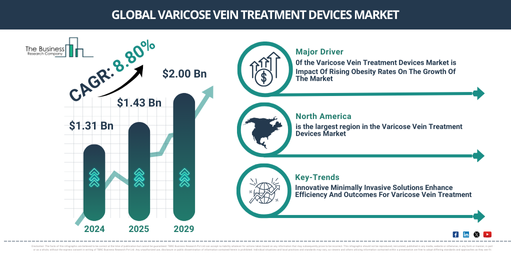
    The market size of varicose vein treatment devices has significantly expanded in recent years. The market is projected to escalate from $1.31 billion in 2024 to $1.43 billion in 2025, demonstrating a compound annual growth rate (CAGR) of 9.0%. The substantial growth observed in the former period can be credited to factors such as the growing aging demographic, heightened awareness of varicose veins, amplified demand for less invasive procedures, rising healthcare spending, and an upswing in lifestyle-associated diseases.

    The market for varicose vein treatment devices is projected to witness a robust increase in the coming years, anticipated to reach $2.00 billion by 2029 and a CAGR of 8.8%. This growth in the forecast period is being driven by factors such as increased public knowledge, higher disposable incomes, a rising number of varicose vein cases, improved healthcare infrastructures in developing markets, and an increase in obesity rates. During the forecast period, key trends consist of a move towards outpatient procedures, the application of laser and radiofrequency technologies, advancements in technology, a spike in the use of ambulatory care centers and a growing preference for home-based treatment devices.

    Download a free sample to assess the report’s scope and structure:

    https://www.thebusinessresearchcompany.com/sample.aspx?id=20996&type=smp

    Which Major Market Drivers Are Expected to Boost the Growth Potential of the Varicose Vein Treatment Devices Market?

    The increasing prevalence of obesity is anticipated to fuel the expansion of the varicose veins treatment devices market. Obesity, which is identified by an extreme buildup of body fat that could potentially lead to severe health complications such as diabetes, cardiovascular diseases, and joint issues, is largely attributed to factors like poor diet, lack of physical activity, and environment that encourages unhealthy food habits. Moreover, socio-economic status, genetic makeup, and mental health also pose significant influences on the incidence of obesity. Varicose vein treatment devices play a crucial role in enhancing the life quality of those battling obesity, by mitigating vein-associated issues, ameliorating blood flow, lessening pain and inflammation resulting from surplus weight, and facilitating better vascular health and mobility. To illustrate, data from the World Heart Foundation, a Switzerland rooted non-governmental international cardiovascular community, in March 2023 indicated that close to 2.3 billion adult and child population globally are obese or overweight and this figure is estimated to escalate to 2.7 billion by 2025 given the current obesity trend. Consequently, the surging rates of obesity are propelling the varicose veins treatment devices market’s growth.

    Which Key Market Segments Comprise the Varicose Vein Treatment Devices Market and Drive Its Revenue Growth?

    The varicose vein treatment devices market covered in this report is segmented –

    1) By Device Type: Ablation Devices, Venous Closure Products, Other Device Products

    2) By Treatment Type: Sclerotherapy, Endovenous Ablation, Surgical Ligation And Stripping, Other Treatment Type

    3) By Patient Type: Adults, Elderly

    4) By End-User: Specialty Clinics, Hospitals, Ambulatory Surgical Services, Other End-Users

    Subsegments:

    1) By Ablation Devices: Radiofrequency Ablation (RFA) Devices, Laser Ablation Devices, Endovenous Laser Therapy (EVLT) Devices, Cryoablation Devices, Ultrasound-Guided Foam Sclerotherapy Devices

    2) By Venous Closure Products: VenaSeal Closure System, ClariVein Closure System, Mechanical Endovenous Ablation Devices, Stenting Systems For Venous Closure

    3) By Other Device Products: Sclerotherapy Kits, Varicose Vein Removal Lasers, Compression Therapy Devices, Surgical Instruments For Vein Stripping, Endovenous Laser Fibers

    Request customized data on this market:

    https://www.thebusinessresearchcompany.com/customise?id=20996&type=smp

    Which Areas Are Leading Regions in the Varicose Vein Treatment Devices Market Expansion Across the Globe?

    North America was the largest region in the varicose vein treatment devices market in 2024. Asia-Pacific is expected to be the fastest-growing region in the forecast period. The regions covered in the varicose vein treatment devices market report are Asia-Pacific, Western Europe, Eastern Europe, North America, South America, Middle East, Africa.

    What Are the Key Market Trends in the Varicose Vein Treatment Devices Market Over the Coming Years?

    Major corporations in the field of varicose veins treatment device market are showing increased focus on the development of innovative treatments, like minimally invasive technologies. These technologies aim to achieve accurate treatments causing less discomfort, and quicker healing time for patients. These minimally invasive procedures are performed using small incisions along with sophisticated tools like endoscopes and robotic systems. This reduces trauma, speeds up healing time, and decreases the risk of complications compared to traditional open surgery. For example, in June 2023, the Elves Radial 2ring Pro laser fiber and the Leonardo 1940 laser for varicose vein treatment were launched by an Austrian medical technology firm, Biolitec AG. The Elves Radial 2ring Pro laser fiber has an additional saline solution channel which facilitates vein stretching before laser treatment, whereas, the Leonardo 1940 laser’s wavelength enhances vein wall absorption, leading to less bruising and faster recovery. These innovations greatly improve the effectiveness and cosmetic results of varicose vein treatments, thus providing a more viable method of treating large and twisted veins.

    View the full report here:

    https://www.thebusinessresearchcompany.com/report/varicose-vein-treatment-devices-global-market-report

    How Is the Varicose Vein Treatment Devices Market Conceptually Defined?

    Varicose vein treatment devices are medical tools designed to address swollen, enlarged, and twisted veins, commonly in the legs, caused by weakened or faulty valves leading to poor blood circulation. These devices help manage or eliminate varicose veins by improving blood flow, alleviating discomfort, and reducing complications associated with venous insufficiency.

    Purchase the full report and get a swift delivery:

    https://www.thebusinessresearchcompany.com/purchaseoptions.aspx?id=20996

    About The Business Research Company:

    With over 15000+ reports from 27 industries covering 60+ geographies, The Business Research Company has built a reputation for offering comprehensive, data-rich research and insights. Armed with 1,500,000 datasets, the optimistic contribution of in-depth secondary research, and unique insights from industry leaders, you can get the information you need to stay ahead in the game.

    Get in touch with us:

    The Business Research Company: https://www.thebusinessresearchcompany.com/

    Americas +1 3156230293

    Asia +44 2071930708

    Europe +44 2071930708

    Email us at info@tbrc.info

    Follow us on:

    LinkedIn: https://in.linkedin.com/company/the-business-research-company

    YouTube: https://www.youtube.com/channel/UC24_fI0rV8cR5DxlCpgmyFQ

    Global Market Model: https://www.thebusinessresearchcompany.com/global-market-model
  • From Insight to Impact: Strategic Growth Mapping in the Postpartum Depression Treatment Market

    From Insight to Impact: Strategic Growth Mapping in the Postpartum Depression Treatment Market

    Get 30% off on our Global Market Reports with code ONLINE30 – Hurry, limited time offer!

    How Has the Postpartum Depression Treatment Market Growth Performance Trended Historically, And What Lies Ahead?

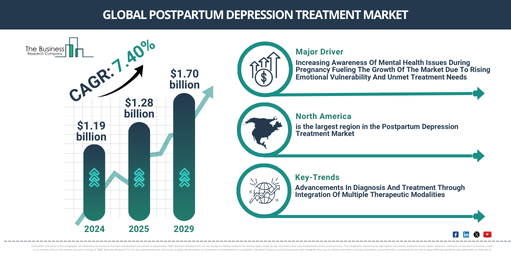
    There has been significant expansion in the postpartum depression treatment market in recent times. The sector is poised to swell from $1.19 billion in 2024 to $1.28 billion in 2025, with a compound annual growth rate (CAGR) of 7.7%. Factors such as heightened understanding of maternal mental wellbeing, escalating instances of postpartum depression, development in antidepressant drugs, increased adoption of psychotherapy and government endeavors promoting maternal mental health have contributed to the growth during the historic period.

    The market size of postpartum depression treatments is predicted to experience robust expansion in the upcoming years. It is projected to scale up to a value of $1.70 billion by 2029, with a staggering compound annual growth rate (CAGR) of 7.4%. The substantial growth during the forecasted period can be credited to factors such as the introduction of innovative rapid response treatments, wider acceptance of digital mental health solutions, increased insurance facilities for mental health services, a surge in demand for specialized treatment strategies, and an enhanced focus on hormonal therapies. The major future trends encompass the surfacing of neurosteroid-based therapies, the prevalent use of telemedicine in postpartum care, the implementation of AI in mental health diagnosis, the evolving significance of nutraceuticals and dietary strategies, and the widening of employer-supported mental health programs.

    Download a free sample to assess the report’s scope and structure:

    https://www.thebusinessresearchcompany.com/sample.aspx?id=23479&type=smp

    What are the Fundamental Drivers and Innovations Shaping the Postpartum Depression Treatment Market?

    The escalating understanding of mental health problems during pregnancy is projected to drive the expansion of the postpartum depression treatment market. These mental health complications encompass a variety of emotional, psychological, and psychiatric conditions impacting women while they’re expecting. The rise in mental health issues during pregnancy stems from increased stress and hormonal changes, which intensify emotional susceptibility and make coping with the physical, social, and psychological demands challenging. Postpartum depression treatments enhance mental health by reducing symptoms like emotional distress, anxiety, and fatigue, boosting emotional resilience, and fostering improved mother-child relationships. For example, the Maternal Mental Health Leadership Alliance (MMHLA) stated in October 2024 that maternal mental health conditions are the leading pregnancy complication, impacting 800,000 U.S. families annually, with 75% remaining untreated. This shows potential long-term risks to mothers, babies, and families. As a result, the growth of the postpartum depression treatment market is propelled by the escalating awareness of mental health problems during pregnancy.

    How Is the Postpartum Depression Treatment Market Segmented?

    The postpartum depression treatment market covered in this report is segmented –

    1) By Type: Postpartum Anxiety, Postpartum Blues, Postpartum Post-Traumatic Stress Disorder (PTSD), Postpartum Obsessive-Compulsive Disorder (OCD), Postpartum Panic Disorder, Postpartum Psychosis

    2) By Treatment Type: Antidepressants, Hormone Therapy, Psychotherapy, Other Treatment Types

    3) By Patient Demographics: Adolescents, Adults

    4) By Distribution Channel: Hospital Pharmacies, Retail Pharmacies, Online Pharmacies

    Subsegments:

    1) By Postpartum Anxiety: Cognitive Behavioral Therapy (CBT), Antidepressant Medications, Hormonal Therapy, Support Groups And Counseling

    2) By Postpartum Blues: Psychotherapy, Supportive Care, Short-Term Medication

    3) By Postpartum Post-Traumatic Stress Disorder (PTSD): Trauma-Focused Cognitive Behavioral Therapy (TF-CBT), Eye Movement Desensitization And Reprocessing (EMDR), Medication, Peer Support Groups

    4) By Postpartum Obsessive-Compulsive Disorder (OCD): Exposure And Response Prevention (ERP), Antidepressant Medications (SSRIs), Cognitive Behavioral Therapy (CBT), Supportive Therapy

    5) By Postpartum Panic Disorder: Cognitive Behavioral Therapy (CBT), Antidepressants And Anti-Anxiety Medications, Relaxation Techniques, Psychotherapy

    6) By Postpartum Psychosis: Antipsychotic Medications, Mood Stabilizers, Electroconvulsive Therapy (ECT)

    Request customized data on this market:

    https://www.thebusinessresearchcompany.com/customise?id=23479&type=smp

    Which Regions Are Driving the Next Phase of the Postpartum Depression Treatment Market Growth?

    North America was the largest region in the postpartum depression treatment market in 2024. Asia-Pacific is expected to be the fastest-growing region in the forecast period. The regions covered in the postpartum depression treatment market report are Asia-Pacific, Western Europe, Eastern Europe, North America, South America, Middle East, Africa.

    What Key Trends Are Shaping the Future of the Postpartum Depression Treatment Market?

    Leading firms in the postpartum depression treatment market are concentrating on enhancing advancements in diagnosis and treatment like prescription digital treatment for postpartum depression to bolster patient outcomes and heighten accessibility. Prescription digital treatment for postpartum depression involves the use of clinically confirmed digital therapeutics (DTx) prescribed by health professionals to handle and cure postpartum depression (PPD). For example, in April 2024, Curio Digital Therapeutics Inc., an American digital health firm, secured approval from the Food and Drug Administration (FDA) for MamaLift Plus, the inaugural prescription digital therapy for postpartum depression (PPD). This program, carried out over eight weeks, administers digital CBT, BAT, IPT, and DBT on a mobile platform under the oversight of a healthcare provider. A crucial study revealed a substantially increased rate of clinically significant enhancement in EPDS scores for MamaLift Plus users compared to a control group. This approval provides women with a non-pharmaceutical option for treating mild to moderate PPD.

    View the full report here:

    https://www.thebusinessresearchcompany.com/report/postpartum-depression-treatment-global-market-report

    How Is the Postpartum Depression Treatment Market Defined and What Are Its Core Parameters?

    Postpartum depression (PPD) treatment refers to the medical and psychological care provided to individuals experiencing depression after childbirth. It typically involves a combination of therapy, medication, and support strategies aimed at alleviating symptoms such as persistent sadness, anxiety, fatigue, and difficulty bonding with the baby through medications, psychotherapy, hormonal therapy, and lifestyle interventions to improve maternal mental health and well-being.

    Purchase the full report and get a swift delivery:

    https://www.thebusinessresearchcompany.com/purchaseoptions.aspx?id=23479

    About The Business Research Company:

    With over 15000+ reports from 27 industries covering 60+ geographies, The Business Research Company has built a reputation for offering comprehensive, data-rich research and insights. Armed with 1,500,000 datasets, the optimistic contribution of in-depth secondary research, and unique insights from industry leaders, you can get the information you need to stay ahead in the game.

    Get in touch with us:

    The Business Research Company: https://www.thebusinessresearchcompany.com/

    Americas +1 3156230293

    Asia +44 2071930708

    Europe +44 2071930708

    Email us at info@tbrc.info

    Follow us on:

    LinkedIn: https://in.linkedin.com/company/the-business-research-company

    YouTube: https://www.youtube.com/channel/UC24_fI0rV8cR5DxlCpgmyFQ

    Global Market Model: https://www.thebusinessresearchcompany.com/global-market-model

  • Pombiliti Market Insights: In-Depth Look at Growth Trends, Market Size, and Opportunities for 2025-2034

    Pombiliti Market Insights: In-Depth Look at Growth Trends, Market Size, and Opportunities for 2025-2034

    Stay ahead with our updated market reports featuring the latest on tariffs, trade flows, and supply chain transformations.

    What Is the Estimated Market Size of the Pombiliti Market In 2029?

    In recent times, the pombiliti market has seen a size increment of XX (HCAGR). The prediction is that the market will expand from a value of $XX million in 2024 to $XX million in 2025, showcasing a compound annual growth rate (CAGR) of XX%. The historical growth of this market can be attributed to factors such as the increasing incidences of pompe disease, global growth of enzyme replacement therapies, expansion of clinical trials, an upturn in healthcare expenditure, and a surge in metabolic disorder cases.

    In the coming years, the pombiliti market size is predicted to exhibit an XX (FCAGR). By 2029, it’s anticipated to expand to $XX million, showcasing a compound annual growth rate (CAGR) of XX%. This growth during the forecast period is primarily due to factors such as a surge in personalized medicine demand, increasing cases of chronic illnesses, higher prevalence of diseases related to lifestyle, expanded need for all-round patient support programs, and an escalated incidence of co-existing diseases. The forecast period will also see significant trends like advances in gene therapy, improvements in drug delivery systems, growth in biomarker discovery, enhancements in clinical trial models, and the development of companion diagnostics.

    Download a free sample to assess the report’s scope and structure:

    https://www.thebusinessresearchcompany.com/sample.aspx?id=20260&type=smp

    What Are the Core Growth Drivers Propelling the Pombiliti Market Forward?

    The escalating incidence of Pompe disease is anticipated to stimulate the expansion of the pombiliti market. Pompe disease is a rare genetic disease caused by a deficiency in the acid alpha-glucosidase (GAA) enzyme, leading to the build-up of glycogen in muscle cells, resulting in progressive muscle weakness, respiratory problems, and compromised heart functions. The a higher incidence of Pompe disease can be attributed to advancements in diagnostic equipment, comprehensive newborn screening protocols, and increased awareness, that contribute to earlier detection and increased reported cases worldwide. Pombiliti offers an effective treatment for Pompe disease by providing substitute therapy of recombinant human acid alpha-glucosidase enzyme, which improves muscle function and decreases glycogen accumulation, addressing the root cause of the ailment and subsequently boosting the overall health quality of patients. For instance, a report published by Egton Medical Information Systems Limited, a UK-based private firm in September 2023 highlighted that the estimated prevalence of Pompe disease is 1 in 40,000 among African Americans, 1 in 50,000 among Chinese people, 1 in 40,000 among the Dutch, and 1 in 146,000 among Australians. Although Pompe disease is usually cited to occur in 1 out of 40,000 live births, newborn screening has suggested that its actual prevalence could be considerably greater. Hence, the increased prevalence of Pompe disease is promoting the growth of the pombiliti market.

    What Segment Types Define the Pombiliti Market Structure?

    The pombiliti market covered in this report is segmented –

    1) By Indication: Late-Onset Pompe disease

    2) By Administration Route: Intravenous Infusion

    3) By Distribution Channel: Direct Sales; Pharmaceutical Wholesalers; Online Pharmacies

    4) By End-User: Hospitals; Clinics

    Request customized data on this market:

    https://www.thebusinessresearchcompany.com/customise?id=20260&type=smp

    Which Geographic Areas Hold the Strongest Growth Potential in the Pombiliti Market?

    North America was the largest region in the pombiliti market in 2024. Asia-Pacific is expected to be the fastest-growing region in the forecast period. The regions covered in the pombiliti market report are Asia-Pacific, Western Europe, Eastern Europe, North America, South America, Middle East, Africa.

    Which Emerging Trends that Are Influencing the Pombiliti Industry Evolution?

    Emerging trends in the Pombiliti market highlight a robust focus on generating ground-breaking treatments to bolster the effectiveness of Pompe disease interventions for patients. This innovative method of treatment involves a combination of pombiliti, a drug used for enzyme replacement, with opfolda, an orally administered stabilizer, which considerably augments patient recovery rates. Specifically, in September 2023, Amicus Therapeutics Inc., a biotechnology company based in the US, reported that the US Food and Drug Administration (FDA) sanctioned the combined therapy comprising of Pombiliti (cipaglucosidase alfa-atga) and Opfolda (miglustat) enclosed in 65 mg capsules. This innovative pairing of Pombiliti and Opfolda signifies a substantial step forward in tackling late-onset Pompe disease. Pombiliti, an enzyme replacement therapy rich in bis-M6P, boosts enzyme absorption in muscle cells, whereas Opfolda serves as an oral enzyme stabilizer decreasing the deactivation of Pombiliti in the bloodstream.

    View the full report here:

    https://www.thebusinessresearchcompany.com/report/pombiliti–global-market-report

    What Is the Definition of the Pombiliti Market?

    Pombiliti, also known by its generic name cipaglucosidase alfa, is an enzyme replacement therapy (ERT) developed for the treatment of late-onset Pompe disease (LOPD). Pompe disease is a rare genetic disorder caused by a deficiency of the enzyme acid alpha-glucosidase (GAA), which leads to the buildup of glycogen in muscle cells, resulting in progressive muscle weakness and respiratory issues.

    Purchase the full report and get a swift delivery:

    https://www.thebusinessresearchcompany.com/purchaseoptions.aspx?id=20260

    About The Business Research Company:

    With over 15000+ reports from 27 industries covering 60+ geographies, The Business Research Company has built a reputation for offering comprehensive, data-rich research and insights. Armed with 1,500,000 datasets, the optimistic contribution of in-depth secondary research, and unique insights from industry leaders, you can get the information you need to stay ahead in the game.

    Get in touch with us:

    The Business Research Company: https://www.thebusinessresearchcompany.com/

    Americas +1 3156230293

    Asia +44 2071930708

    Europe +44 2071930708

    Email us at info@tbrc.info

    Follow us on:

    LinkedIn: https://in.linkedin.com/company/the-business-research-company

    YouTube: https://www.youtube.com/channel/UC24_fI0rV8cR5DxlCpgmyFQ

    Global Market Model: https://www.thebusinessresearchcompany.com/global-market-model

  • Critical Market Drivers Shaping the Outlook for Variable Refrigerant Flow (VRF) systems Market from 2025-2034: Increasing Industrialization Is Driving The Growth Of The Variable Refrigerant Flow Market

    Stay ahead with our updated market reports featuring the latest on tariffs, trade flows, and supply chain transformations.

    What Are the Key Milestones in the Variable Refrigerant Flow (VRF) systems Market’s Growth Trajectory From 2025 To 2034?

    In recent times, the market size for variable refrigerant flow (VRF) systems has experienced fast-paced growth. The market that stood at $23.76 billion in 2024 is projected to inflate to $27.08 billion in 2025, boasting a compound annual growth rate (CAGR) of 13.99%. The expansion witnessed in the previous period can be accounted for by factors such as the rise in retrofits, amplified replacement demand, an escalating need for cooling, growing preference for zonal control, and a trend of increasing compact building design.

    Predictions indicate a swift expansion in the variable refrigerant flow (VRF) systems market in the upcoming years, with the market size potentially reaching $45.13 billion by 2029. This growth, projected at a compound annual growth rate (CAGR) of 13.62%, may be driven by factors such as corporate sustainability initiatives, climate regulation policies, sustainability goals, electricity grid strain, and VRF usage in net-zero buildings. The forecast period could see the emergence of major trends, such as the development of advanced membrane separation technologies, smart disinfection and antimicrobial products, nanotechnology utilising iodine nanoparticles, cutting-edge iodine-containing pharmaceuticals, and iodine-enhanced LED and OLED technologies.

    Download a free sample to assess the report’s scope and structure:

    https://www.thebusinessresearchcompany.com/sample.aspx?id=20995&type=smp

    What Are the Core Growth Drivers Propelling the Variable Refrigerant Flow (VRF) systems Market Forward?

    With rising industrialization, we can anticipate a surge in the variable refrigerant flow (VRF) systems market. The term “industrialization” signifies a societal shift from predominantly agricultural and artisanal economies to those guided by industry and mechanized manufacturing. This escalation in industrialization correlates with economic growth, technological progress, and a high demand for mass-produced items, all of which fuel urbanization and global commerce. Variable refrigerant flow (VRF) systems contribute to industrialization by offering energy-efficient, expandable, and modifiable climate control solutions that enhance operational effectiveness, decrease energy expenses, and adapt to the dynamic needs of industrial settings, consequently aiding in sustainable growth and escalating overall efficiency. As an example, a Federal Reserve Board of Governors report in July 2023 revealed that industrial production in the US had increased by 1.0% from the previous year, with a 1.2% rise in manufacturing output. Consequently, escalating industrialization is the driving force behind the growth of the variable refrigerant flow market.

    What Segment Types Define the Variable Refrigerant Flow (VRF) systems Market Structure?

    The variable refrigerant flow (VRF) systems market covered in this report is segmented –

    1) By System Type: Heat Pump Systems, Heat Recovery Systems

    2) By Component: Outdoor Units, Indoor Units, Control Systems And Accessories

    3) By Capacity: Up To 10 Tons, 11 To 18 Tons, 19 To 26 Tons, Above 26 Tons

    4) By End-User: Commercial, Residential, Other End-Users

    Subsegments:

    1) By Heat Pump Systems: Single-Zone Heat Pump Systems, Multi-Zone Heat Pump Systems, Residential Heat Pump Systems, Commercial Heat Pump Systems

    2) By Heat Recovery Systems: Single-Zone Heat Recovery Systems, Multi-Zone Heat Recovery Systems, Commercial Heat Recovery Systems, Industrial Heat Recovery Systems

    Request customized data on this market:

    https://www.thebusinessresearchcompany.com/customise?id=20995&type=smp

    Which Geographic Areas Hold the Strongest Growth Potential in the Variable Refrigerant Flow (VRF) systems Market?

    Europe was the largest region in the variable refrigerant flow (VRF) systems market in 2024. Asia-Pacific is expected to be the fastest-growing region in the forecast period. The regions covered in the variable refrigerant flow (VRF) systems market report are Asia-Pacific, Western Europe, Eastern Europe, North America, South America, Middle East, Africa.

    Which Emerging Trends that Are Influencing the Variable Refrigerant Flow (VRF) systems Industry Evolution?

    Key players in the variable refrigerant flow (VRF) systems market are focusing their efforts on developing cutting-edge technologies, including energy-efficient VRF systems, to meet the needs of numerous commercial settings. The VRF system, a sophisticated type of HVAC system, offers a balanced, versatile, and resourceful approach to climate control within various infrastructures. For example, in August 2024, Trane Technologies plc, a company based in the US delivering climate solutions, introduced the latest GEN Elite C Series VRF system specifically for efficiency and comfort across markets in the Asia-Pacific region. Some standout features of the product include high energy productivity boasting a COP of 4.87 W/W, dynamically controlled output via advanced DC inverter technology, a broad operational temperature zone spanning from -5°C to 52°C. Additional benefits are increased dependability due to a 6-stage oil return control system, uninterrupted operation due to double backup functionality, and low noise operation with indoor units recording low levels of 24 dB(A).

    View the full report here:

    https://www.thebusinessresearchcompany.com/report/variable-refrigerant-flow-vrf-systems-global-market-report

    What Is the Definition of the Variable Refrigerant Flow (VRF) systems Market?

    Variable refrigerant flow (VRF) systems refer to a type of heating, ventilation, and air conditioning (HVAC) technology that uses refrigerant as the cooling and heating medium. It utilizes advanced technology to efficiently regulate the flow of refrigerant to multiple indoor units, allowing for precise temperature control and energy savings in large buildings with varying cooling and heating needs.

    Purchase the full report and get a swift delivery:

    https://www.thebusinessresearchcompany.com/purchaseoptions.aspx?id=20995

    About The Business Research Company:

    With over 15000+ reports from 27 industries covering 60+ geographies, The Business Research Company has built a reputation for offering comprehensive, data-rich research and insights. Armed with 1,500,000 datasets, the optimistic contribution of in-depth secondary research, and unique insights from industry leaders, you can get the information you need to stay ahead in the game.

    Get in touch with us:

    The Business Research Company: https://www.thebusinessresearchcompany.com/

    Americas +1 3156230293

    Asia +44 2071930708

    Europe +44 2071930708

    Email us at info@tbrc.info

    Follow us on:

    LinkedIn: https://in.linkedin.com/company/the-business-research-company

    YouTube: https://www.youtube.com/channel/UC24_fI0rV8cR5DxlCpgmyFQ

    Global Market Model: https://www.thebusinessresearchcompany.com/global-market-model
  • Ngenla Market Outlook 2025–2034: Identifying Growth Drivers, Technology Trends, and Policy Impact

    Ngenla Market Outlook 2025–2034: Identifying Growth Drivers, Technology Trends, and Policy Impact

    Stay ahead with our updated market reports featuring the latest on tariffs, trade flows, and supply chain transformations.

    How Fast Is The Ngenla Market Expected to Grow Between 2025 And 2029?

    In recent times, the market size of ngenla has seen a XX (HCAGR) expansion. There’s a projection that its growth will move upwards from $XX million in 2024 to $XX million in 2025, with a compound annual growth rate (CAGR) sticking at XX%. Factors contributing to this historic period growth include a rising occurrence of pediatric GHD, enhanced understanding of growth hormone deficiencies, the global escalation in healthcare expenditure, growing concerns over patient compliance, and the approval of innovative treatments by regulatory bodies.

    Forecasts suggest the ngenla market size will experience an XX (FCAGR) upswing in the upcoming couple of years. By 2029, the projection is that it will blow up to $XX million with a compound annual growth rate (CAGR) of XX%. Factors contributing to the growth forecast encompass the growing demand for accessible treatment choices, an increase in the global pediatric populace, a rise in R&D investment in biologics, more extensive healthcare insurance cover, and a heightened focus on customised treatments. Key trends for the future period comprise advancing next-generation growth hormone treatments, exploiting untapped markets, employing AI in patient monitoring, the proliferation of telemedicine for patient handling, and augmented regulatory attention towards patient safety.

    Download a free sample to assess the report’s scope and structure:

    https://www.thebusinessresearchcompany.com/sample.aspx?id=20259&type=smp

    What are the Fundamental Drivers and Innovations Shaping the Ngenla Market?

    The escalating incidence of childhood growth hormone deficiency (GHD) is projected to stimulate the ngenla market’s advancement. GHD in children is an ailment defined by insufficient secretion of the growth hormone, which can adversely affect a child’s physical growth and overall wellness. The incidence of GHD is on an uptick due to heightened awareness, superior diagnostic proficiency, and broader access to global healthcare services. Ngenla, a prolonged-acting recombinant human growth hormone or somatrogon, assists with pediatric growth hormone deficiency by ensuring a uniform and stable release of the growth hormone via weekly injections. This not only lightens the load of daily administration, but also improves adherence, efficiently spurring growth and development in children with inadequate growth hormone generation. As an illustration, the National Library of Medicine (NLM), a biomedical library based in the US, reported in January 2024 that GHD is an infrequent condition in children, with the incidence estimated to be somewhere between 1 in 3,500 to 1 in 10,000, subject to the diagnostic norms and stimulation test thresholds utilized. Thus, the mounting incidence of childhood growth hormone deficiency (GHD) propels the ngenla market.

    How Is the Ngenla Market Segmented?

    The ngenla market covered in this report is segmented –

    1) By Indication: Growth Hormone Deficiency; Turner Syndrome; Prader-Willi; Small For Gestational Age

    2) By Distribution Channel: Hospital Pharmacies; Retail Pharmacies; Online Pharmacies

    3) By End User: Pediatric Patients; Adult Patients

    Request customized data on this market:

    https://www.thebusinessresearchcompany.com/customise?id=20259&type=smp

    Which Regions Are Driving the Next Phase of the Ngenla Market Growth?

    North America was the largest region in the ngenla market in 2024. Asia-Pacific is expected to be the fastest-growing region in the forecast period. The regions covered in the ngenla market report are Asia-Pacific, Western Europe, Eastern Europe, North America, South America, Middle East, Africa.

    What Key Trends Are Shaping the Future of the Ngenla Market?

    The focal trend in the Ngenla market is the pursuit of progress, particularly in areas such as extended-release growth hormone therapies, improved adherence to treatment, and superior overall results for both child and adult patients with lack of growth hormones. Extended-release growth hormone treatments are intended to provide continuous release of hormones, diminishing the number of injections required, thus making it easier for patients to adhere to treatment for growth hormone insufficiencies. For instance, in June 2023, Pfizer Inc., an American biopharmaceutical firm, and OPKO Health Inc., a medication company also based in the US, gained US Food and Drug Administration (FDA) approval for NGENLA (somatrogon-ghla), a weekly human growth hormone analog. NGENLA is approved for the treatment of growth failure in children aged three years and older due to inadequate endogenous growth hormone production.

    View the full report here:

    https://www.thebusinessresearchcompany.com/report/ngenla-global-market-report

    How Is the Ngenla Market Defined and What Are Its Core Parameters?

    Ngenla refers to a long-acting human growth hormone (somatrogon) developed for the treatment of growth hormone deficiency (GHD) in children and adults. It is used to improve growth and manage growth-related disorders by replacing the natural growth hormone in individuals with inadequate production.

    Purchase the full report and get a swift delivery:

    https://www.thebusinessresearchcompany.com/purchaseoptions.aspx?id=20259

    About The Business Research Company:

    With over 15000+ reports from 27 industries covering 60+ geographies, The Business Research Company has built a reputation for offering comprehensive, data-rich research and insights. Armed with 1,500,000 datasets, the optimistic contribution of in-depth secondary research, and unique insights from industry leaders, you can get the information you need to stay ahead in the game.

    Get in touch with us:

    The Business Research Company: https://www.thebusinessresearchcompany.com/

    Americas +1 3156230293

    Asia +44 2071930708

    Europe +44 2071930708

    Email us at info@tbrc.info

    Follow us on:

    LinkedIn: https://in.linkedin.com/company/the-business-research-company

    YouTube: https://www.youtube.com/channel/UC24_fI0rV8cR5DxlCpgmyFQ

    Global Market Model: https://www.thebusinessresearchcompany.com/global-market-model
  • Point of Care Connectivity SolutionsMarket Overview 2025–2034: CAGR Trends, Long-Term Growth Paths, and Business Implications

    Point of Care Connectivity SolutionsMarket Overview 2025–2034: CAGR Trends, Long-Term Growth Paths, and Business Implications

    Get 30% off on our Global Market Reports with code ONLINE30 – Hurry, limited time offer!

    What Are the Projected Market Size and Growth Rates for the Point of Care Connectivity Solutions Market From 2025 To 2029?

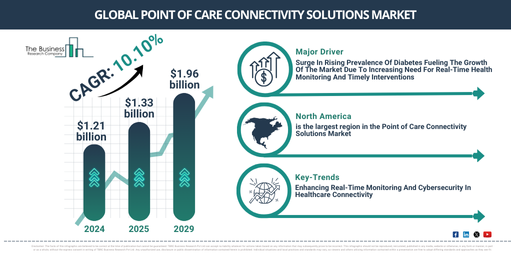
    The market size for point-of-care connectivity solutions has experienced swift expansion in recent years, which is set to continue. It is projected to increase from $1.21 billion in 2024 to approximately $1.33 billion in 2025, reflecting a compound annual growth rate (CAGR) of 10.5%. The driving forces behind this growing trend include a surge in demand for continuous patient monitoring, an increase in chronic diseases and aging populace, the escalating preference for telemedicine and remote healthcare services, an urgent need to cut healthcare costs, and heightened regulatory mandates for managing patient data.

    The market for point-of-care connectivity solutions is predicted to undergo a swift expansion in the upcoming years, reaching $1.96 billion in 2029 with a compounded annual growth rate (CAGR) of 10.1%. This expected surge during the forecast period is due to factors such as the growing implementation of artificial intelligence in healthcare, an escalating number of outpatient and homecare services, the rising requirement for specialized healthcare approaches, augmented investment in healthcare IT infrastructures, and growing use of mobile health applications and wearable devices. The forecast period also anticipates the predominance of advanced data analytics for immediate decision making, expansion in wireless communication technologies, innovations in cloud-based healthcare solutions, and the merge of IoT devices for enhanced patient supervision and electronic health records with point of care systems.

    Download a free sample to assess the report’s scope and structure:

    https://www.thebusinessresearchcompany.com/sample.aspx?id=23478&type=smp

    What Are the Primary Drivers Supporting the Market Growth of the Point of Care Connectivity Solutions Market?

    The increasing incidence of diabetes is believed to be a primary driver for the growth of the point of care connectivity solutions market. Diabetes, a cluster of diseases that interfere with the body’s processing of blood sugar or glucose, often leads to elevated blood sugar levels. The occurrence of diabetes is rising since excessive body fat can trigger insulin resistance, thereby hindering the body’s effective regulation of blood glucose levels. Point of care connectivity solutions contribute to diabetes management by enabling physicians to readily monitor patients’ health in real time, thereby facilitating prompt treatment and better management of the disease. For example, the American Diabetes Association, a non-profit organization based in the US, reported in November 2023 that about 25.5 million individuals in the US were diagnosed with diabetes in 2022, representing 7.6% of the total populace. Consequently, the escalating prevalence of diabetes is fuelling the growth of the point of care connectivity solutions market.

    Which Primary Segments of the Point of Care Connectivity Solutions Market Are Driving Growth and Industry Transformations?

    The point of care connectivity solutions market covered in this report is segmented –

    1) By Type: Software, Services

    2) By Application: Glucose Monitoring, Coagulation Monitoring, Electrolyte and Blood Gas Analysis, Infectious Disease Devices, Cardio Metabolic Monitoring, Other Applications

    3) By End User: Hospitals And Clinics, Diagnostic And Specialty Centers, Other End Users

    Sub Segments:

    1) By Software: Electronic Medical Records (EMR) Integration, Device Connectivity Software, Data Management And Analytics, Interface Software, Middleware Solutions

    2) By Services: Support and Maintenance, Implementation and Integration, Consulting, Training and Education, Managed Services

    Request customized data on this market:

    https://www.thebusinessresearchcompany.com/customise?id=23478&type=smp

    Which Regions Are Key Players in the Growth of the Point of Care Connectivity Solutions Market?

    North America was the largest region in the point-of-care connectivity solutions market in 2024. Asia-Pacific is expected to be the fastest-growing region in the forecast period. The regions covered in the point of care connectivity solutions market report are Asia-Pacific, Western Europe, Eastern Europe, North America, South America, Middle East, Africa.

    What Are the Most Significant Market Trends in the Point of Care Connectivity Solutions Market?

    Leading enterprises in the point of care connectivity solutions market are focusing on creating advanced digital connectivity solutions to improve data integration, streamline clinical workflows, and facilitate immediate decision-making at the point of care. Digital connectivity in point of care (POC) involves technology that interconnects diagnostic tools, electronic health records (EHRs), and healthcare systems to support instantaneous data sharing, integration, and administration at the point of care. For example, EKF Diagnostics, a diagnostics and biotechnology company based in the UK, unveiled a middleware connectivity solution for POC analyzers and data management in May 2022. This adaptable software bolsters real-time remote management of patient test outcomes, QC data, and analyzer settings across various devices. It promotes smooth integration with hospital IT networks, gifting hospitals, clinics, and laboratories with improved functionality.

    View the full report here:

    https://www.thebusinessresearchcompany.com/report/point-of-care-connectivity-solutions-global-market-report

    What Parameters Are Used to Define the Point of Care Connectivity Solutions Market?

    Point-of-care connectivity solutions are technologies and systems that allow for the seamless transfer of health data from point-of-care (POC) diagnostic devices to healthcare professionals, mostly involving the data into electronic health records (EHRs). These solutions facilitate real-time access to patient information, raising clinical decision-making and improving patient outcomes.

    Purchase the full report and get a swift delivery:

    https://www.thebusinessresearchcompany.com/purchaseoptions.aspx?id=23478

    About The Business Research Company:

    With over 15000+ reports from 27 industries covering 60+ geographies, The Business Research Company has built a reputation for offering comprehensive, data-rich research and insights. Armed with 1,500,000 datasets, the optimistic contribution of in-depth secondary research, and unique insights from industry leaders, you can get the information you need to stay ahead in the game.

    Get in touch with us:

    The Business Research Company: https://www.thebusinessresearchcompany.com/

    Americas +1 3156230293

    Asia +44 2071930708

    Europe +44 2071930708

    Email us at info@tbrc.info

    Follow us on:

    LinkedIn: https://in.linkedin.com/company/the-business-research-company

    YouTube: https://www.youtube.com/channel/UC24_fI0rV8cR5DxlCpgmyFQ

    Global Market Model: https://www.thebusinessresearchcompany.com/global-market-model

  • Plant-Based Active Pharmaceutical Ingredients (API) Outlook 2034: Key Drivers, Trends, and Market Frontiers

    Plant-Based Active Pharmaceutical Ingredients (API) Outlook 2034: Key Drivers, Trends, and Market Frontiers

    Get 30% off on our Global Market Reports with code ONLINE30 – Hurry, limited time offer!

    What Is the Estimated Market Size of the Plant-Based Active Pharmaceutical Ingredients (API) Market In 2029?

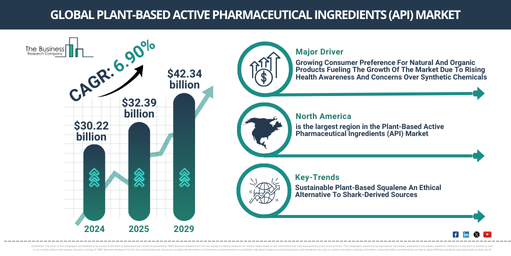
    The size of the market for plant-based active pharmaceutical ingredients (API) has witnessed significant expansion in the past few years. Forecasts predict a surge from 2024’s $30.22 billion to $32.39 billion in 2025, marking a compound annual growth rate (CAGR) of 7.2%. The upswing during the historic period is largely due to a rise in traditional herbal medicinal practices, swell in interest for natural treatments, growth of early pharmaceutical derivations, expansion in worldwide trade of medicinal plants, and amplified industrialization of botanical medications.

    Expectations are high for significant expansion in the plant-based active pharmaceutical ingredients (API) market over the next few years, with an anticipated growth to $42.34 billion by 2029. This equates to a compound annual growth rate (CAGR) of 6.9%. The predicted growth over this period can be linked to various factors such as the increased consumer demand for natural remedies, more substantial investment in research for plant-based drugs, the widening scope of applications in chronic illness management, and the growing partnerships between the pharmaceutical and botanical sectors. Key trends for the forecast period encompass drug discovery facilitated by artificial intelligence (AI), progressive plant tissue culture methodologies, precision fermentation processes for plant-derived compounds, and environment-friendly extraction techniques for sustainable production.

    Download a free sample to assess the report’s scope and structure:

    https://www.thebusinessresearchcompany.com/sample.aspx?id=23477&type=smp

    How Are Key Drivers in the Industry Acting as Catalysts for the Growth of the Plant-Based Active Pharmaceutical Ingredients (API) Market?

    Advancements in the plant-based active pharmaceutical ingredients (API) market are likely to be propelled by the increasing consumer attraction to natural and organic goods. These refer to products derived from natural ingredients, minimally processed, devoid of synthetic additives, and free from genetically modified organisms (GMOs). The amplified health awareness and apprehensions related to synthetic elements have made consumers more inclined towards natural and organic products due to their perceived lower risk than synthetic ones. Plant-based active pharmaceutical ingredients provide medicinal advantages devoid of chemicals, aligning with the consumer’s demand for safe, clean, and sustainable healthcare alternatives. For example, Argentina-based organic product certification authority LETIS S.A. reported in May 2024 that organic food sales rocketed 4.3% to $61.67 billion in 2022, and other organic goods added an extra $5.906 billion to the total sales with 1.6% growth. Hence, the upgrading shift towards natural and organic goods is stimulating the development of the plant-based active pharmaceutical ingredients (API) market.

    Which Segments in the Plant-Based Active Pharmaceutical Ingredients (API) Offer the Most Growth?

    The plant-based active pharmaceutical ingredients (API) market covered in this report is segmented –

    1) By Product Type: Alkaloids, Glycosides, Cannabinoids, Flavonoid, Terpenes And Terpenoids, Polyphenols, Saponins, Other Product Types

    2) By Source: Leaves, Roots, Bark, Flowers, Seeds, Fruits, Resin And Gums, Other Sources

    3) By Distribution Channel: Online Retailers, Super markets Or Hyper markets, Specialty Food Stores, Foodservice

    4) By End-Use: Pharmaceuticals, Nutraceuticals, Herbal Based Industries, Other End-Uses

    Subsegments:

    1) Alkaloids: Morphine Alkaloids, Tropane Alkaloids, Quinolizidine Alkaloids, Indole Alkaloids, Isoquinoline Alkaloids, Pyrrolizidine Alkaloids

    2) By Glycosides: Cardiac Glycosides, Anthraquinone Glycosides, Flavonoid Glycosides, Saponin Glycosides, Cyanogenic Glycosides

    3) Cannabinoids: Tetrahydrocannabinol (THC), Cannabidiol (CBD), Cannabigerol (CBG), Cannabichromene (CBC), Cannabinol (CBN)

    4) Flavonoid: Flavones, Flavonols, Isoflavones, Flavanones, Anthocyanins

    5) Terpenes And Terpenoids: Monoterpenes, Sesquiterpenes, Diterpenes, Triterpenes, Tetraterpenes

    6) Polyphenols: Phenolic Acids, Stilbenes, Lignans, Flavonoid Polyphenols

    7) Saponins: Steroidal Saponins, Triterpenoid Saponins

    8) Other Product Types: Coumarins, Tannins, Lignins, Phenolic Glycosides

    Request customized data on this market:

    https://www.thebusinessresearchcompany.com/customise?id=23477&type=smp

    What Are the Fastest-Growing Geographies in the Plant-Based Active Pharmaceutical Ingredients (API) Market?

    North America was the largest region in the plant-based active pharmaceutical ingredients (API) market in 2024. Asia-Pacific is expected to be the fastest-growing region in the forecast period. The regions covered in the plant-based active pharmaceutical ingredients (API) market report are Asia-Pacific, Western Europe, Eastern Europe, North America, South America, Middle East, Africa.

    What Are the Current Market Growth and Trends in the Plant-Based Active Pharmaceutical Ingredients (API) Industry?

    Key businesses in the plant-based active pharmaceutical ingredients (API) arena are turning their attention toward creating new products like plant-based squalene. The goal of this innovation is to provide a sustainable and ethical substitute for the traditional squalene derived from animals. Plant-based squalene, obtained from sources such as amaranth, olives, and sugarcane, is endorsed for use in pharmaceuticals, cosmetics, and vaccines, making it a sustainable and ethical alternative to shark-derived squalene. A case in point is the launch of PhytoSquene by German specialty chemicals company, Evonik Industries AG, in October 2023. PhytoSquene, the first plant-based squalene of GMP-quality derived from amaranth oil, offers a sustainable solution to shark-based squalene. It also ensures high purity, consistency from one batch to another, and adheres to European Pharmacopoeia (Ph. Eur.) standards. Squalene has a vital function in vaccine additives, where it boosts the immune response. PhytoSquene aids in addressing concerns about biodiversity while decreasing dependence on animal-based sources and respecting cultural and religious sensitivities.

    View the full report here:

    https://www.thebusinessresearchcompany.com/report/plant-based-active-pharmaceutical-ingredients-api-global-market-report

    What Are the Key Elements That Define the Plant-Based Active Pharmaceutical Ingredients (API) Market?

    Plant-based active pharmaceutical ingredients (APIs) refer to the biologically active compounds derived from plants that are utilized in the formulation of medications. These ingredients are crucial for their therapeutic effects, which can include treating, preventing, or managing various health conditions.

    Purchase the full report and get a swift delivery:

    https://www.thebusinessresearchcompany.com/purchaseoptions.aspx?id=23477

    About The Business Research Company:

    With over 15000+ reports from 27 industries covering 60+ geographies, The Business Research Company has built a reputation for offering comprehensive, data-rich research and insights. Armed with 1,500,000 datasets, the optimistic contribution of in-depth secondary research, and unique insights from industry leaders, you can get the information you need to stay ahead in the game.

    Get in touch with us:

    The Business Research Company: https://www.thebusinessresearchcompany.com/

    Americas +1 3156230293

    Asia +44 2071930708

    Europe +44 2071930708

    Email us at info@tbrc.info

    Follow us on:

    LinkedIn: https://in.linkedin.com/company/the-business-research-company

    YouTube: https://www.youtube.com/channel/UC24_fI0rV8cR5DxlCpgmyFQ

    Global Market Model: https://www.thebusinessresearchcompany.com/global-market-model

  • Phosphoinositide 3-Kinase (PI3K) Inhibitors  Market in Focus: Forecasting Growth Drivers, Scaling Potential, and Global Opportunities

    Phosphoinositide 3-Kinase (PI3K) Inhibitors Market in Focus: Forecasting Growth Drivers, Scaling Potential, and Global Opportunities

    Get 30% off on our Global Market Reports with code ONLINE30 – Hurry, limited time offer!

    How Has The Phosphoinositide 3-Kinase (PI3K) Inhibitors Market Growth Evolved From 2024 To 2025, And What’s Ahead?

    The market size for phosphoinositide 3-kinase (PI3K) inhibitors has seen a swift growth in the past few years. It is predicted to grow from $1.38 billion in 2024 to $1.57 billion in 2025, with a compound annual growth rate (CAGR) of 13.7%. Factors contributing to this growth in the historical period include a rise in cancer occurrences, increased research on specific therapies, regulatory authorizations for first-generation PI3K inhibitors, an upsurge in healthcare spending, and a surge in clinical trials for hematologic malignancies.

    Anticipated rapid growth in the phosphoinositide 3-kinase (PI3K) inhibitors market is foreseen in the upcoming years, with an expected rise to $2.61 billion by 2029 at a compound annual growth rate (CAGR) of 13.5%. The expansion during the forecast timeframe can be linked to several factors including heightened demand for combination therapies, emergence of advanced generation PI3K inhibitors with enhanced safety profiles, escalating investment in cancer research and progression, expansion of applications beyond the realm of oncology, and an increasing utilization of biomarkers for patient selection. Key trends for the forecast period consist of a transition toward dual and pan-isoform PI3K inhibitors, an amplified preference for orally administered formulations over intravenous options, a growing emphasis on confronting resistance mechanisms, an increasing alliance of artificial intelligence in drug discovery, and a broadening involvement of PI3K inhibitors in immunotherapy combinations.

    Download a free sample to assess the report’s scope and structure:

    https://www.thebusinessresearchcompany.com/sample.aspx?id=23474&type=smp

    What Are the Core Market Drivers Propelling Growth in the Phosphoinositide 3-Kinase (PI3K) Inhibitors Industry?

    The escalation in the number of cancer and autoimmune disease cases is projected to fuel the expansion of the phosphoinositide 3-kinase (PI3K) inhibitors market. Both cancer and autoimmune diseases are characterized by abnormal cell growth and unintentional attacks on healthy tissues by the immune system, respectively, resulting in extended inflammation and tissue destruction. The growth in these diseases can be attributed to genetic predisposition leading to cumulative genetic mutations and an erratic immune system. PI3K inhibitors play a central role in tackling the upsurge of these diseases, as they target out of order PI3K signaling implicated in tumor evolution and immune system malfunctions, thus offering potential treatment benefits through precision medicine techniques that improve treatment effectiveness and patient results. The National Cancer Institute reported in May 2024, that the count of cancer survivors in the United States, which stood at 18.1 million in 2022, is predicted to reach 22.5 million by 2032, with an estimated 40.5% of all citizens likely to receive a cancer diagnosis at some point in their lives. Therefore, the rising prevalence of cancer and autoimmune diseases is driving the growth of the Phosphoinositide 3-Kinase (PI3K) Inhibitors market.

    How Is the Phosphoinositide 3-Kinase (PI3K) Inhibitors Market Segmented?

    The phosphoinositide 3-kinase (PI3K) inhibitors market covered in this report is segmented –

    1) By Type Of Inhibitor: Isoform Selective Inhibitors, Pan-Phosphoinositide 3-Kinase (PI3K) Inhibitors, Dual Phosphoinositide 3-Kinase (PI3K) Or Mechanistic Target Of Rapamycin (mTOR) Inhibitors, Novel Targeted Inhibitors

    2) By Distribution Channel: Hospital Pharmacies, Retail Pharmacies, Online Pharmacies, Other Distribution Channel

    3) By Application Areas: Cancer Treatment, Metabolic Disorders, Autoimmune Diseases, Neurological Disorders

    4) By End User: Hospitals, Research Institutes, Pharmaceutical Companies, Contract Research Organizations (CROs)

    Subsegments:

    1) By Isoform Selective Inhibitors: Phosphoinositide 3-Kinase Alpha (PI3Kα), Phosphoinositide 3-Kinase Beta (PI3Kβ), Phosphoinositide 3-Kinase Delta (PI3Kδ), Phosphoinositide 3-Kinase Gamma (PI3Kγ)

    2) By Pan-Phosphoinositide 3-Kinase (PI3K) Inhibitors: Class I Phosphoinositide 3-Kinase (PI3K), Non-Isoform Specific Phosphoinositide 3-Kinase (PI3K), Phosphoinositide 3-Kinase Kinase Domain

    3) By Dual Phosphoinositide 3-Kinase (PI3K) Or Mechanistic Target of Rapamycin (mTOR) Inhibitors: Phosphoinositide 3-Kinase (PI3K) and Mechanistic Target of Rapamycin (mTOR) Inhibition, Adenosine Triphosphate-Competitive Dual Inhibitors, Allosteric Dual Inhibitors

    4) By Novel Targeted Inhibitors: Next-Generation Phosphoinositide 3-Kinase, Targeting Mutant Phosphoinositide 3-Kinase Isoforms, Autophagy Modulators, Checkpoint Inhibitors, Combination Therapies

    Request customized data on this market:

    https://www.thebusinessresearchcompany.com/customise?id=23474&type=smp

    Which Regions Are Driving the Next Phase of the Phosphoinositide 3-Kinase (PI3K) Inhibitors Market Growth?

    North America was the largest region in the phosphoinositide 3-kinase (PI3K) inhibitors market in 2024. Asia-Pacific is expected to be the fastest-growing region in the forecast period. The regions covered in the phosphoinositide 3-kinase (PI3K) inhibitors market report are Asia-Pacific, Western Europe, Eastern Europe, North America, South America, Middle East, Africa.

    What Key Market Trends and Innovations Are Shaping the Future of the Phosphoinositide 3-Kinase (PI3K) Inhibitors Industry?

    Leading businesses in the phosphoinositide 3-kinase (PI3K) inhibitors market are dedicating resources to the creation of novel solutions like PI3K delta inhibitor therapies. These therapies are precision treatments designed to target conditions stemming from imbalanced PI3K signaling. PI3K delta inhibitor therapy functions by blocking the PI3K Delta enzyme, a crucial player in immune cell signaling, which results in reduced inflammation, autoimmune reactions, and specific blood cancers. For example, in March 2023, the United States Food and Drug Administration (FDA) gave Joenja (leniolisib) the green light, making it the pioneering treatment for activated phosphoinositide 3-kinase delta syndrome (APDS) in patients 12 years old and up. This approval sets a new benchmark in targeted therapies by offering an exact medicinal approach to tackle immune dysfunction due to PIK3CD or PIK3R1 genetic mutations. The introduction of Joenja not only widens the scope of PI3K inhibitor clinical uses beyond cancer treatments but also emphasizes the growing interest in tailored therapies for uncommon immunological conditions.

    View the full report here:

    https://www.thebusinessresearchcompany.com/report/phosphoinositide-3-kinase-pi3k-inhibitors-global-market-report

    How Is the Phosphoinositide 3-Kinase (PI3K) Inhibitors Market Defined and What Are Its Core Parameters?

    Phosphoinositide 3-Kinase (PI3K) inhibitors are a class of drugs that target the PI3K enzyme, which plays a critical role in regulating cell growth, survival, and metabolism. These inhibitors help control abnormal cell division and tumor growth, making them helpful in treating various cancers such as breast cancer, leukemia, and lymphoma. PI3K inhibitors work by blocking signaling pathways that promote the survival and proliferation of cancer cells, ultimately helping to slow down or halt tumor progression.

    Purchase the full report and get a swift delivery:

    https://www.thebusinessresearchcompany.com/purchaseoptions.aspx?id=23474

    About The Business Research Company:

    With over 15000+ reports from 27 industries covering 60+ geographies, The Business Research Company has built a reputation for offering comprehensive, data-rich research and insights. Armed with 1,500,000 datasets, the optimistic contribution of in-depth secondary research, and unique insights from industry leaders, you can get the information you need to stay ahead in the game.

    Get in touch with us:

    The Business Research Company: https://www.thebusinessresearchcompany.com/

    Americas +1 3156230293

    Asia +44 2071930708

    Europe +44 2071930708

    Email us at info@tbrc.info

    Follow us on:

    LinkedIn: https://in.linkedin.com/company/the-business-research-company

    YouTube: https://www.youtube.com/channel/UC24_fI0rV8cR5DxlCpgmyFQ

    Global Market Model: https://www.thebusinessresearchcompany.com/global-market-model

  • Market Trends Influencing Strategic Decisions in the Coagulation Factor Deficiency Industry: Biotechnology Breakthrough Enables Self-Production Of Coagulation Factors Through One-Time Gene Therapy

    Our market reports now include the latest updates on global tariffs, trade impacts, and evolving supply chain dynamics.

    How Fast Is The Coagulation Factor Deficiency Market Expected to Grow Between 2025 And 2029?

    The market size of coagulation factor deficiency has exhibited robust growth in the past few years. A surge is expected from $4.58 billion in 2024 to $4.94 billion in 2025, with a Compound Annual Growth Rate (CAGR) of 8.0%. Factors contributing to this historic growth span across an increase in hemophilia cases, advent of recombinant factors, improved awareness on coagulation disorders, enhanced diagnostic capabilities, governmental aid for uncommon diseases, development of prophylactic treatments, larger patient registries, and an upswing in biotechnology investment.

    The coagulation factor deficiency market is set to witness substantial expansion in the coming years, reaching a whopping $6.64 billion by 2029. This represents a compound annual growth rate (CAGR) of 7.7%. The impressive growth forecast is in tune with the rising trend of gene therapies, an increased emphasis on customized medicine, and an upswing in coagulation disorders. Other factors driving the growth include the wider reach in developing markets, incorporation of digital health technology and constant advancements in biomanufacturing processes. Looking ahead, the future trends that will shape this market include gene editing techniques like CRISPR, creation of durable recombinant factors, progression in gene therapy delivery options, wearable tools for monitoring coagulation, artificial intelligence-driven treatment optimization, point-of-care diagnostic tools, drug delivery using nanoparticles, development of recombinant products without plasma, innovation in biosimilars and adopting precision medicine approaches.

    Download a free sample to assess the report’s scope and structure:

    https://www.thebusinessresearchcompany.com/sample.aspx?id=21152&type=smp

    What Are the Major Market Drivers Behind the Rising Adoption of Coagulation Factor Deficiency Market?

    The escalating occurrence of conditions related to blood is anticipated to fuel the expansion of the coagulation factor deficiency market in the future. Diseases associated with blood typically involve issues with the creation, functionality, or makeup of blood cells, platelets or plasma, culminating in problems such as anemia, clotting complications, or immune system deficiencies. The rise in such conditions can be attributed to various factors including older populace, genetic susceptibility, heightened awareness, environmental elements, changes in lifestyle, and increasing incidence of chronic diseases coupled with progress in diagnostic techniques enabling earlier detection. Coagulation factor deficiency plays a pivotal role in managing diseases related to blood by rendering the required clotting factors essential to thwart or regulate excessive bleeding during conditions like hemophilia, where the body falters in forming blood clots. For instance, the Leukemia and Lymphoma Society, a US-based professional organization, stated in September 2024 that every three minutes a new case of leukemia, lymphoma, or myeloma is diagnosed in the US. They estimated that 187,740 individuals were diagnosed with these cancers in 2024, making up 9.4% of the predicted 2,001,140 new cancer cases in the US that year. Furthermore, the National Health Service (NHS) England, a UK-based government-funded healthcare system, reported in May 2024 that roughly 17,000 people in England are living with sickle cell disease, an inherited condition related to blood, with around 250 new cases diagnosed each year. As a consequence, the increasing occurrence of diseases related to blood is pushing the growth of the coagulation factor deficiency market.

    Which Key Market Segments Comprise the Coagulation Factor Deficiency Market and Drive Its Revenue Growth?

    The coagulation factor deficiency market covered in this report is segmented –

    1) By Product: Recombinant Coagulation Factor Concentrates, Plasma-derived Coagulation Factor Concentrates, Biologics, Desmopressin, Other Product Types

    2) By Deficiency Type: Haemophilia A, Hemophilia B, Von Willebrand Disease, Factor XI Deficiency, Factor XIII Deficiency, Other Treatment Types

    3) By End Users: Hospitals, Clinics, Home Care, Other End Users

    Subsegments:

    1) By Recombinant Coagulation Factor Concentrates: Recombinant Factor VIII, Recombinant Factor IX, Recombinant Factor VIIa, Other Recombinant Factors

    2) By Plasma-derived Coagulation Factor Concentrates: Plasma-derived Factor VIII, Plasma-derived Factor IX, Plasma-derived Factor VII, Other Plasma-derived Factors

    3) By Biologics: Monoclonal Antibodies, Gene Therapy Products

    4) By Desmopressin: Intravenous Desmopressin, Intranasal Desmopressin

    5) By Other Product Types: Fresh Frozen Plasma (FFP), Prothrombin Complex Concentrates (PCC)

    Request customized data on this market:

    https://www.thebusinessresearchcompany.com/customise?id=21152&type=smp

    Which Areas Are Leading Regions in the Coagulation Factor Deficiency Market Expansion Across the Globe?

    North America was the largest region in the coagulation factor deficiency market in 2024. Asia-Pacific is expected to be the fastest-growing region in the forecast period. The regions covered in the coagulation factor deficiency market report are Asia-Pacific, Western Europe, Eastern Europe, North America, South America, Middle East, Africa.

    What Are the Strategic Trends Steering theCoagulation Factor Deficiency Market Direction?

    Leading firms in the coagulation factor deficiency market are concentrating on the creation of groundbreaking therapies such as one-time gene therapy. This innovation could offer long-lasting or possibly curative resolutions for patients suffering from bleeding disorders like hemophilia, thereby diminishing the necessity for continuous infusions of clotting factors. The concept of one-time gene therapy entails a medical procedure that involves the modification or insertion of genetic elements in a patient’s cells to treat or possibly cure a condition. The goal here is to offer durable or permanent therapeutic effects after a single procedure. For instance, in April 2024, Pfizer Inc., a pharmaceutical and biotechnology company based in the US, confirmed that BEQVEZ (fidanacogene elaparvovec-dzkt) received approval from the U.S. Food and Drug Administration (FDA) for treatment of adults dealing with moderate to acute hemophilia B who are currently under factor IX (FIX) prophylaxis therapy. BEQVEZ is a one-time adeno-associated virus (AAV)-based gene therapy aimed at introducing a functional copy of the FIX gene coding into the transduced cells for a high-activity FIX variant. This gene therapy allows hemophilia B patients to self-produce FIX via this one-time treatment, eliminating the need for regular FIX infusions.

    View the full report here:

    https://www.thebusinessresearchcompany.com/report/coagulation-factor-deficiency-global-market-report

    How Is the Coagulation Factor Deficiency Market Conceptually Defined?

    Coagulation factor deficiency refers to a condition where the body lacks one or more clotting factors necessary for blood coagulation, leading to prolonged bleeding or difficulty in stopping bleeding. These deficiencies are treated with clotting factor concentrates and other therapies, which are used to manage and prevent bleeding episodes in patients with conditions like hemophilia.

    Purchase the full report and get a swift delivery:

    https://www.thebusinessresearchcompany.com/purchaseoptions.aspx?id=21152

    About The Business Research Company:

    With over 15000+ reports from 27 industries covering 60+ geographies, The Business Research Company has built a reputation for offering comprehensive, data-rich research and insights. Armed with 1,500,000 datasets, the optimistic contribution of in-depth secondary research, and unique insights from industry leaders, you can get the information you need to stay ahead in the game.

    Get in touch with us:

    The Business Research Company: https://www.thebusinessresearchcompany.com/

    Americas +1 3156230293

    Asia +44 2071930708

    Europe +44 2071930708

    Email us at info@tbrc.info

    Follow us on:

    LinkedIn: https://in.linkedin.com/company/the-business-research-company

    YouTube: https://www.youtube.com/channel/UC24_fI0rV8cR5DxlCpgmyFQ

    Global Market Model: https://www.thebusinessresearchcompany.com/global-market-model