Author: Marketing Posting

  • Anthracycline Outlook 2034: Key Drivers, Trends, and Market Frontiers

    Anthracycline Outlook 2034: Key Drivers, Trends, and Market Frontiers

    Discover trends, market shifts, and competitive outlooks for the anthracycline industry through 2025-2034 with The Business Research Company’s reliable data and in-depth research

    What Is the Current and Projected Market Size of the Anthracycline Market Through 2034?

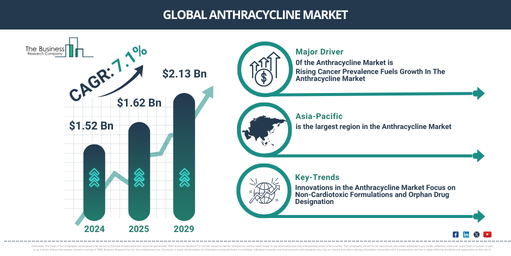
    The market for anthracycline has seen robust growth in recent years. Its size is projected to increase from $1.52 billion in 2024 to $1.62 billion in 2025, with a compound annual growth rate (CAGR) of 6.7%. Factors such as an increase in cancer incidence, a growing need for individualized cancer therapies, heightened awareness of the advantages of anthracyclines, and investment in the field of anthracycline are responsible for the growth experienced in the historic period.

    The market size of anthracycline is predicted to witness significant expansion in the subsequent years, reaching a valuation of $2.13 billion by 2029 with a Compound Annual Growth Rate (CAGR) of 7.1%. This expected rise during the forecast timeframe can be credited to the increasing awareness regarding cancer therapies, financial input in the study and creation of cancer cures, the escalating need for efficient and accessible cancer treatments, and a rising count of cancer screening programs and governmental schemes. The primary trends during the projected period encompass the development in anthracycline formulations, amalgamated therapies, heart protection strategies, and the generation of anthracycline biosimilars.

    Download a free sample to assess the report’s scope and structure:

    https://www.thebusinessresearchcompany.com/sample.aspx?id=12914&type=smp

    How Are Key Drivers in the Industry Acting as Catalysts for the Growth of the Anthracycline Market?

    The continuous rise in cancer cases is predicted to stimulate the anthracycline market’s expansion. Cancer comprises a range of diseases that can occur practically anywhere in the body when anomalous cells multiply unchecked, exceed their typical boundaries, and either metastasize to other organs or infiltrate nearby body parts. Anthracycline, a type of chemotherapy drug, is instrumental in cancer treatment because it inhibits cellular division by disrupting DNA’s structure and halting its functioning. For example, the American Cancer Society Inc., a nonprofit health organization based in the US, predicted that new cancer diagnoses would rise from 1.8 million in 2020 to 1.9 million in 2023. Additionally, it is anticipated that there will be approximately 609,820 cancer-related fatalities in 2023, up from an estimated 606,520 in 2020. Consequently, the escalating prevalence of cancer is fueling the ascendancy of the anthracycline market.

    Anthracycline Market Driver: Boost In Anthracycline Market Due To Personalized Medicine


    Which Segments in the Anthracycline Offer the Most Growth?

    The anthracycline market covered in this report is segmented –

    1) By Drugs: Daunorubicin, Doxorubicin, Epirubicin, Idarubicin, Mitoxantrone, Valrubicin

    2) By Dosage: Powder, Capsule, Solution, Injection, Suspension, Other Dosages

    3) By Application: Acute Lymphocytic Leukemia, Acute Myelogenous Leukemia, Hodgkin’s Lymphoma, Non-Hodgkin’s Lymphoma, Bladder Cancer, Breast Cancer, Other Metastatic Cancers

    4) By End User: Hospitals, Homecare, Specialty Clinics, Other End Users

    Subsegments:

    1) By Daunorubicin: Daunorubicin Hydrochloride, Liposomal Daunorubicin

    2) By Doxorubicin: Doxorubicin Hydrochloride, Liposomal Doxorubicin

    3) By Epirubicin: Epirubicin Hydrochloride

    4) By Idarubicin: Idarubicin Hydrochloride

    5) By Mitoxantrone: Mitoxantrone Hydrochloride

    6) By Valrubicin: Valrubicin Hydrochloride

    Request customized data on this market:

    https://www.thebusinessresearchcompany.com/customise?id=12914&type=smp

    What Are the Fastest-Growing Geographies in the Anthracycline Market?

    Asia-Pacific was the largest region in the anthracycline market in 2024. The regions covered in anthracycline market report are Asia-Pacific, Western Europe, Eastern Europe, North America, South America, Middle East and Africa.

    What Are the Current Market Growth and Trends in the Anthracycline Industry?

    Leading corporations in the anthracycline industry are focusing their efforts on the development of novel products, such as non-cardiotoxic formulations, to enhance the safety aspects of chemotherapy treatments. The term non-cardiotoxic formulations refers to drugs or treatments designed to lessen or prevent damage to the heart, especially the detrimental effects frequently linked with certain chemotherapy medications, including anthracyclines, which can result in heart failure or other cardiac complications. For instance, in April 2024, the European Medicines Agency, a body based in the Netherlands, introduced Orphan Drug Designation to Annamycin, an advanced anthracycline, aimed at treating acute myeloid leukemia (AML). This drug brings substantial incentives for creating cures for rare diseases, including a seven-year period of market exclusivity following approval, which obstructs other producers from selling the same drug for an identical purpose. Companies also gain from tax deductions that cover up to 50% of the expenses of clinical trials, exemptions of application charges, and support from the FDA in the form of regulatory assistance, all of which are targeted at lessening the financial strain associated with producing drugs for limited patient groups.

    View the full report here:

    https://www.thebusinessresearchcompany.com/report/anthracycline-global-market-report

    What Are the Key Elements That Define the Anthracycline Market?

    Anthracycline is a class of powerful chemotherapy drugs derived from certain types of Streptomyces bacteria. These drugs work by interfering with the DNA (deoxyribonucleic acid) of cancer cells, preventing their growth and replication and are used to treat various types of cancer, including breast cancer, lymphomas, leukemia and more.

    Purchase the full report and get a swift delivery:

    https://www.thebusinessresearchcompany.com/purchaseoptions.aspx?id=12914

    About The Business Research Company:

    With over 15000+ reports from 27 industries covering 60+ geographies, The Business Research Company has built a reputation for offering comprehensive, data-rich research and insights. Armed with 1,500,000 datasets, the optimistic contribution of in-depth secondary research, and unique insights from industry leaders, you can get the information you need to stay ahead in the game.

    Get in touch with us:

    The Business Research Company: https://www.thebusinessresearchcompany.com/

    Americas +1 3156230293

    Asia +44 2071930708

    Europe +44 2071930708

    Email us at info@tbrc.info

    Follow us on:

    LinkedIn: https://in.linkedin.com/company/the-business-research-company

    YouTube: https://www.youtube.com/channel/UC24_fI0rV8cR5DxlCpgmyFQ

    Global Market Model: https://www.thebusinessresearchcompany.com/global-market-model
  • Global Anoscope Market Trends: Regional Breakdowns and Strategic Insights

    Global Anoscope Market Trends: Regional Breakdowns and Strategic Insights

    Discover trends, market shifts, and competitive outlooks for the anoscope industry through 2025-2034 with The Business Research Company’s reliable data and in-depth research

    What is the Anticipated CAGR of the Anoscope Market, and What Factors Will Drive It?

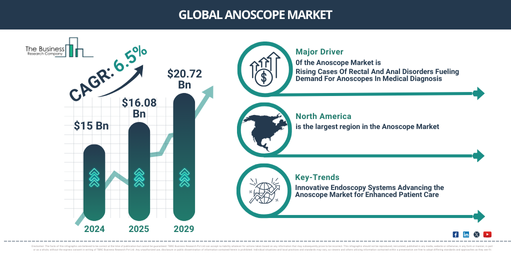
    In the past few years, the size of the anoscope market has seen robust growth. Its expansion is projected to continue from $15 billion in 2024 to $16.08 billion in 2025, with a compound annual growth rate (CAGR) of 7.2%. The notable growth during the historical period is due to factors such as the increasing occurrence of anorectal disorders, an aging population, enhancing patient awareness, and the growth of endoscopic procedures.

    The size of the anoscope market is projected to experience substantial growth in the upcoming years, expanding to $20.72 billion by 2029 with a compound annual growth rate (CAGR) of 6.5%. Factors contributing to the expansion during the forecast period include increasing obesity rates, a surge in lifestyle-related health issues, advancements in telemedicine and digital health sectors, and a growing demand for personalized healthcare. Key trends observed over the forecast period encompass technology advancements, screenings for colorectal cancer, and innovative product development.

    Download a free sample to assess the report’s scope and structure:

    https://www.thebusinessresearchcompany.com/sample.aspx?id=12975&type=smp

    What Are the Major Market Drivers Behind the Rising Adoption of Anoscope Market?

    The demand for the anoscope market is anticipated to surge due to the rising cases of rectal and anal disorders. These disorders apply to a myriad of health issues that concern the rectum and anus, essential parts of the digestive system that play a significant role in removing waste from the body. Anoscopes play a vital role in the diagnosis and evaluation of these disorders by allowing a more comprehensive view of the anal canal and helping identify bleeding sources. It allows health professionals to evaluate tissue conditions, identify anomalies, and make precise diagnoses. As per the American Cancer Society, a US-based non-profit health organization, it is projected that the number of new anal cancer cases in the US will reach 9,760 in 2023 from 9,440 cases in 2022. Additionally, deaths caused by anal cancer are anticipated to increase to 1,870, a climb from the 1,670 deaths in 2022. Thus, the increase in rectal and anal disorders significantly contributes to the growth of the anoscope market. The Anoscope Market will likely see growth driven by a rise in healthcare expenditure. This expenditure refers to the total funding allotted by individuals, governments, and organizations for healthcare services, treatments, and medical products for a certain period. Factors such as an aging population, advancements in medical technology, increased chronic disease prevalence, and rising treatment costs contribute to the rise in healthcare expenditure. An increase in healthcare expenditure enables the development of new anoscopes and ensures affordable preventative care and prescriptions are available. According to the Office for National Statistics, a UK-based statistics authority, the UK’s healthcare expenditure in 2023 was around £292 billion, demonstrating a nominal increase of 5.6%. Long-term health and social care expenditure also increased by 2.8% in real terms in 2022. Hence, the increase in healthcare expenditures is a significant driver for the growth of the anoscope market.

    Which Key Market Segments Comprise the Anoscope Market and Drive Its Revenue Growth?

    The anoscope market covered in this report is segmented –

    1) By Product Type: Anoscope Type, Parts And Accessories

    2) By Age Group: Adult, Pediatrics

    3) By Application: Anal Or Rectal Cancer, Fissures, Fistulas, Anal Or Rectal Abscesses, Hemorrhoids, Other Applications

    4) By End User: Hospitals, Ambulatory Surgical Centers, Clinics, Other End-Users

    Subsegments:

    1) By Anoscope Type: Rigid Anoscope, Flexible Anoscope, Disposable Anoscope

    2) By Parts And Accessories: Anoscope Covers, Light Sources, Insufflation Bulbs, Cleaning Brushes, Other Accessories

    Request customized data on this market:

    https://www.thebusinessresearchcompany.com/customise?id=12975&type=smp

    Which Areas Are Leading Regions in the Anoscope Market Expansion Across the Globe?

    North America was the largest region in the anoscope market in 2024. The regions covered in anoscope market report are Asia-Pacific, Western Europe, Eastern Europe, North America, South America, Middle East and Africa.

    What Are the Strategic Trends Steering the Anoscope Market Direction?

    Leading enterprises in the anoscope market are steering their efforts towards creating novel solutions like endoscopy systems. Such systems serve as a valuable tool for practitioners, enabling them to better serve their patients. These innovative medical devices utilize either flexible or rigid tubing embedded with cameras and lighting, permitting a detailed examination of the body’s internal structures for diagnostic and treatment purposes. A noteworthy instance was in October 2023 when Olympus Corporation, a Japanese firm specializing in optical and digital precision technology, introduced the EVIS X1 Endoscopy System. This exceptional system extends advanced imaging capabilities such as Dual Focus for intensified depth perception, alongside NBI (Narrow Band Imaging) for enhanced visualization of vascular and mucosal patterns. Further, it’s equipped with an intuitive interface, customizable preferences, and a high-definition screen, thereby boosting the productivity and efficacy of endoscopic processes.

    View the full report here:

    https://www.thebusinessresearchcompany.com/report/anoscope-global-market-report

    How Is the Anoscope Market Conceptually Defined?

    An anoscope is a medical instrument healthcare professionals use to examine the anus and lower rectum. It is a small, hollow tube typically made of plastic or metal, with a speculum at one end that can be gently inserted into the anus to allow for visualization of the anal canal and surrounding tissues.

    Purchase the full report and get a swift delivery:

    https://www.thebusinessresearchcompany.com/purchaseoptions.aspx?id=12975

    About The Business Research Company:

    With over 15000+ reports from 27 industries covering 60+ geographies, The Business Research Company has built a reputation for offering comprehensive, data-rich research and insights. Armed with 1,500,000 datasets, the optimistic contribution of in-depth secondary research, and unique insights from industry leaders, you can get the information you need to stay ahead in the game.

    Get in touch with us:

    The Business Research Company: https://www.thebusinessresearchcompany.com/

    Americas +1 3156230293

    Asia +44 2071930708

    Europe +44 2071930708

    Email us at info@tbrc.info

    Follow us on:

    LinkedIn: https://in.linkedin.com/company/the-business-research-company

    YouTube: https://www.youtube.com/channel/UC24_fI0rV8cR5DxlCpgmyFQ

    Global Market Model: https://www.thebusinessresearchcompany.com/global-market-model
  • Emerging Growth Drivers in the Alopecia Market Landscape: Rising Prevalence Of Hair Loss Driving Growth In The Alopecia Market

    Emerging Growth Drivers in the Alopecia Market Landscape: Rising Prevalence Of Hair Loss Driving Growth In The Alopecia Market

    Discover trends, market shifts, and competitive outlooks for the alopecia industry through 2025-2034 with The Business Research Company’s reliable data and in-depth research

    How Has The Alopecia Market Size Shifted, And What Is the Outlook Through 2034?

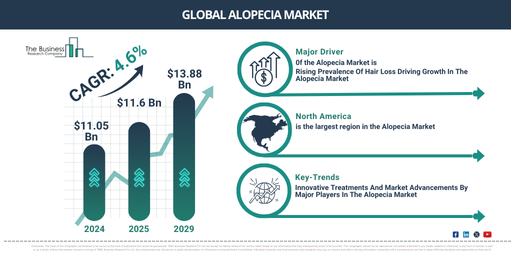
    The market size for alopecia has been following a consistent growth trend over the recent few years. The details forecast an expansion from $11.05 billion in 2024 to $11.6 billion in 2025, with a compound annual growth rate (CAGR) of 4.9%. Factors contributing to this historical period growth include enhanced awareness about diagnosis, escalating consumer requirements, growth of global medical tourism facilities, and better reimbursement circumstances.

    The market for alopecia is projected to exhibit stable expansion in the coming years, reaching an approximate value of $13.88 billion by 2029, with a CAGR of 4.6%. Multiple factors such as the rise in the elderly population, escalating aesthetic concerns, lifestyle modifications, and increased healthcare spending, contribute to this progress during the predicted period. During this period, significant trends including improvements in treatment methodologies, advances in biotechnology, and the adoption of artificial intelligence (AI) and machine learning (ML) in alopecia research are expected to emerge.

    Download a free sample to assess the report’s scope and structure:

    https://www.thebusinessresearchcompany.com/sample.aspx?id=12862&type=smp

    Which Primay Drivers Are Accelerating Growth in the Alopecia Market?

    The escalating incidence of hair loss is projected to spur the growth of the alopecia market. Hair loss, referring to partial or total absence of hair in areas where it typically grows, is increasingly common. The range of treatments available for alopecia aims to tackle several aspects of hair loss. They promote hair rejuvenation, provide personalised therapy plans, utilize combined treatments, and handle the physical implications of hair loss which can greatly enhance an individual’s emotional wellbeing and overall quality of life. Case in point, National Health Commission data from China in April 2023 revealed that over 250 million Chinese suffered from hair loss, 42% of whom were within the 26-30 age band. Also, in February 2023, the US-based Statistic Brain Research Institute stated that approximately 40% of men are likely to experience noticeable hair loss by the age of 35. Consequently, the increasing instances of hair loss is accelerating the alopecia market. Alopecia Market Driver: Government Initiatives Generate Momentum

    Which Primary Segments of the Alopecia Market Are Driving Growth and Industry Transformations?

    The alopecia market covered in this report is segmented –

    1) By Type: Alopecia Areata, Androgenetic Alopecia, Alopecia Totalis, Traction Alopecia, Cicatricial Alopecia, Other Types

    2) By Treatment: Pharmaceutical, Low Level Laser Therapy (LLLT) Devices, Hair Transplant, Regenerative Medicine, Other Treatments

    3) By Gender: Male, Female

    4) By Distribution Channel: Hospital Pharmacies, Retail Pharmacies, Online Pharmacies, Other Distribution Channels

    5) By End-User: Dermatology Clinics, Homecare Settings, Other End-Users

    Subsegments:

    1) By Alopecia Areata: Patchy Alopecia Areata, Persistent Patchy Alopecia Areata, Alopecia Universalis, Diffuse Alopecia Areata, Ophiasis

    2) By Androgenetic Alopecia: Male Pattern Baldness, Female Pattern Hair Loss

    3) By Alopecia Totalis: Complete Scalp Hair Loss

    4) By Traction Alopecia: Frontal Traction Alopecia, Occipital Traction Alopecia

    5) By Cicatricial Alopecia: Lichen Planopilaris, Discoid Lupus Erythematosus, Central Centrifugal Cicatricial Alopecia, Frontal Fibrosing Alopecia, Folliculitis Decalvans

    6) By Other Types: Telogen Effluvium, Anagen Effluvium, Trichotillomania

    Request customized data on this market:

    https://www.thebusinessresearchcompany.com/customise?id=12862&type=smp

    Which Regions Are Key Players in the Growth of the Alopecia Market?

    North America was the largest region in the alopecia market in 2024. Asia-Pacific is expected to be the fastest-growing region in the forecast period. The regions covered in the alopecia market report are Asia-Pacific, Western Europe, Eastern Europe, North America, South America, Middle East and Africa.

    Which Technological Trends Are Reshaping the Alopecia Industry Dynamics?

    Leading businesses in the alopecia market are concentrating on creating innovative therapies in order to secure a competitive edge. For example, in June 2022, U.S. pharmaceutical firms Eli Lilly and Company and Incyte received approval for their Luminant oral tablets from the United States Food and Drug Administration, a federal agency based in the U.S. This marks the first approval by the FDA for a systemic treatment dealing with severe alopecia areata in adults. Additionally, Olumiant has been approved for use with adult patients suffering from moderate to severe rheumatoid arthritis that have not responded sufficiently to one or more tumor necrosis factor (TNF) blockers.

    View the full report here:

    https://www.thebusinessresearchcompany.com/report/alopecia-global-market-report

    What Parameters Are Used to Define the Alopecia Market?

    Alopecia is a medical term that refers to hair loss, which can occur naturally or be related to disease or the use of certain medications. It can be localized or diffuse, temporary or permanent, and can affect both sexes and all age groups. Alopecia treatment aims to slow down, reverse, or manage hair loss and promote hair regrowth in affected areas.

    Purchase the full report and get a swift delivery:

    https://www.thebusinessresearchcompany.com/purchaseoptions.aspx?id=12862

    About The Business Research Company:

    With over 15000+ reports from 27 industries covering 60+ geographies, The Business Research Company has built a reputation for offering comprehensive, data-rich research and insights. Armed with 1,500,000 datasets, the optimistic contribution of in-depth secondary research, and unique insights from industry leaders, you can get the information you need to stay ahead in the game.

    Get in touch with us:

    The Business Research Company: https://www.thebusinessresearchcompany.com/

    Americas +1 3156230293

    Asia +44 2071930708

    Europe +44 2071930708

    Email us at info@tbrc.info

    Follow us on:

    LinkedIn: https://in.linkedin.com/company/the-business-research-company

    YouTube: https://www.youtube.com/channel/UC24_fI0rV8cR5DxlCpgmyFQ

    Global Market Model: https://www.thebusinessresearchcompany.com/global-market-model
  • Critical Market Drivers Shaping the Outlook for Allergic Rhinitis Market from 2025-2034: Air Pollution And Climate Change Fueling Growth In The Allergic Rhinitis Market

    Critical Market Drivers Shaping the Outlook for Allergic Rhinitis Market from 2025-2034: Air Pollution And Climate Change Fueling Growth In The Allergic Rhinitis Market

    Discover trends, market shifts, and competitive outlooks for the allergic rhinitis industry through 2025-2034 with The Business Research Company’s reliable data and in-depth research

    What Is the Estimated Market Size of the Allergic Rhinitis Market In 2029?

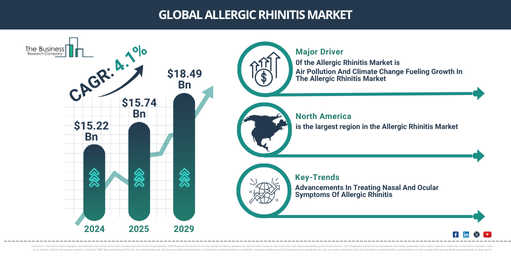
    Recent years have witnessed a steady expansion of the allergic rhinitis market. It is forecasted to inflate from $15.22 billion in 2024 to $15.74 billion in 2025, marking a compound annual growth rate (CAGR) of 3.4%. Factors such as increasing exposure to allergens, shifting environmental conditions, heightened public awareness, escalating pollution levels, continuous research, and development in the field of allergic rhinitis and a rise in disposable incomes have contributed to the growth during the historic period.

    The market size for allergic rhinitis is predicted to see sustained expansion in the coming years, reaching a valuation of $18.49 billion in 2029 with a 4.1% compound annual growth rate (CAGR). Conducive factors for the growth during the forecasted period include the need for preventive measures, an aging populace, urban progression, and healthcare expenditure. The period is also expected to feature significant trends like the use of biologics and monoclonal antibodies, application of digital health solutions, adoption of allergen evasion tactics, attention towards pediatric allergic rhinitis, and advancement in allergen detection technology.

    Download a free sample to assess the report’s scope and structure:

    https://www.thebusinessresearchcompany.com/sample.aspx?id=12926&type=smp

    What Are the Core Growth Drivers Propelling the Allergic Rhinitis Market Forward?

    Air quality and climate change have a significant impact on the growth of the allergic rhinitis market. The damaging substances released into our surroundings, known as air pollution, can negatively affect human health and the overall quality of life, including the air we breathe. Climate change, on the other hand, refers to shifts in climatic patterns over time such as temperature fluctuations and variations in precipitation. The connection between air quality, particularly pollution, and the prevalence of allergic rhinitis has increasingly become apparent, emphasizing their interplay concerning respiratory health. For instance, the United States Environmental Protection Agency disclosed that around 66 million tons of pollutants were released into the air across the US in 2023. Hence, air pollution and climate change contribute significantly to the surge in the allergic rhinitis market. The Allergic Rhinitis Market experiences a positive push due to the escalating use of corticosteroid treatment for patients suffering from allergic rhinitis. Steroid treatment or corticosteroid treatment essentially entails the usage of medicines called corticosteroids or steroids. The treatment is popular for allergic rhinitis as it helps to decrease inflammation in the nasal passages and soothe symptoms associated with this condition. For example, data from the American Society for Clinical Pharmacology and Therapeutics revealed that the average usage of oral corticosteroids was 6.8% in the U.S., 17.5% in Taiwan, and 2.2% in Denmark, with yearly increases ranging from 0.1% to 0.17%. Most of these prescriptions were for short periods (1–29 days) and mainly for healthy adults suffering from temporary conditions like respiratory infections. Therefore, the growth of the allergic rhinitis market is being fuelled by the increase in corticosteroid treatment for the condition.

    What Segment Types Define the Allergic Rhinitis Market Structure?

    The allergic rhinitis market covered in this report is segmented –

    1) By Type: Seasonal Allergic Rhinitis, Perennial Allergic Rhinitis, Occupational Allergic Rhinitis

    2) By Treatment: Antihistamines, Corticosteroids, Immunotherapy, Decongestants, Other Treatments

    3) By Test: Skin Test, IgE Radioallergosorbent (RAST) Test, Complete Blood Count

    4) By Route Of Administration: Oral, Nasal, Other Route Of Administration

    5) By Distribution Channel: Hospital Pharmacies, Retail Pharmacies, Online Stores

    Subsegments:

    1) By Seasonal Allergic Rhinitis: Pollen Allergy, Mold Allergy

    2) By Perennial Allergic Rhinitis: Dust Mite Allergy, Pet Allergy, Mold Allergy

    3) By Occupational Allergic Rhinitis: Chemical Allergens, Biological Allergens

    Request customized data on this market:

    https://www.thebusinessresearchcompany.com/customise?id=12926&type=smp

    Which Geographic Areas Hold the Strongest Growth Potential in the Allergic Rhinitis Market?

    North America was the largest region in the allergic rhinitis market in 2024. Asia-Pacific is expected to be the fastest-growing region in the forecast period. The regions covered in allergic rhinitis market report are Asia-Pacific, Western Europe, Eastern Europe, North America, South America, Middle East and Africa.

    Which Emerging Trends that Are Influencing the Allergic Rhinitis Industry Evolution?

    Leading organizations in the allergic rhinitis market are innovating new medicines to maintain market stability. In August 2022, a prominent UK-based pharmaceutical firm, Hikma Pharmaceuticals PLC, together with the Switzerland-based Glenmark Specialty S.A., announced approval for Ryaltris, their joint product, by the United States Food and Drug Administration (FDA), a federal agency of the US. Remarkably, Ryaltris is the inaugural fixed-dose combination drug purposed for the treatment of both nasal and ocular symptoms stemming from seasonal allergic rhinitis, all in one convenient nasal spray suitable for adults and children 12 years old and above. Notably, nasal symptom relief begins a mere 15 minutes after the initial dose is taken.

    View the full report here:

    https://www.thebusinessresearchcompany.com/report/allergic-rhinitis-global-market-report

    What Is the Definition of the Allergic Rhinitis Market?

    Allergic rhinitis refers to an allergic reaction involving nasal inflammation brought on by an allergen, such as pollen, dust, mold, or animal skin flakes, resulting in sneezing, lung congestion, an itchy nose and a sore throat. Allergic rhinitis is treated with various allergy drugs in various dosage forms that help alleviate symptoms.

    Purchase the full report and get a swift delivery:

    https://www.thebusinessresearchcompany.com/purchaseoptions.aspx?id=12926

    About The Business Research Company:

    With over 15000+ reports from 27 industries covering 60+ geographies, The Business Research Company has built a reputation for offering comprehensive, data-rich research and insights. Armed with 1,500,000 datasets, the optimistic contribution of in-depth secondary research, and unique insights from industry leaders, you can get the information you need to stay ahead in the game.

    Get in touch with us:

    The Business Research Company: https://www.thebusinessresearchcompany.com/

    Americas +1 3156230293

    Asia +44 2071930708

    Europe +44 2071930708

    Email us at info@tbrc.info

    Follow us on:

    LinkedIn: https://in.linkedin.com/company/the-business-research-company

    YouTube: https://www.youtube.com/channel/UC24_fI0rV8cR5DxlCpgmyFQ

    Global Market Model: https://www.thebusinessresearchcompany.com/global-market-model
  • AI-Enabled Medical Imaging Solutions Market Outlook 2025–2034: Identifying Growth Drivers, Technology Trends, and Policy Impact

    AI-Enabled Medical Imaging Solutions Market Outlook 2025–2034: Identifying Growth Drivers, Technology Trends, and Policy Impact

    Discover trends, market shifts, and competitive outlooks for the ai-enabled medical imaging solutions industry through 2025-2034 with The Business Research Company’s reliable data and in-depth research

    What is the Projected CAGR for the AI-Enabled Medical Imaging Solutions Market Size from 2025 to 2034?

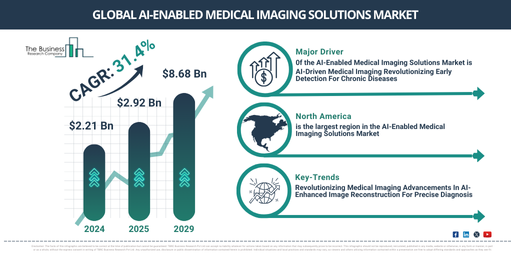
    The market size for AI-powered medical imaging solutions has seen a considerable expansion in the past few years. It’s projected to increase from $2.21 billion in 2024, rising to $2.92 billion in 2025, delivering a compound annual growth rate (CAGR) of 31.8%. Factors contributing to this growth during the historical period include progress in computer vision, digitization of medical pictures, expansion of imaging methods, development of machine learning algorithms, and access to extensive datasets.

    Anticipated to witness a significant rise in future years, the market size of AI-enabled medical imaging solutions is projected to reach $8.68 billion by 2029, with a Compound Annual Growth Rate (CAGR) of 31.4%. The upsurge during the forecasted period can be linked to the utilization of AI for mental health imaging, its integral role in AI-enhanced robotic surgery, the profound influence of quantum computing, its widening scope in remote patient monitoring, and the evolution of the regulatory framework. During the same period, the major trends anticipated include a sudden surge in the adoption of AI, AI-incorporated early detection and prevention methodologies, the use of hybrid models and ensemble learning, the application of augmented Intelligence in radiology, and the advent of AI-powered personalized medicine.

    Download a free sample to assess the report’s scope and structure:

    https://www.thebusinessresearchcompany.com/sample.aspx?id=13778&type=smp

    What Are the Core Market Drivers Propelling Growth in the AI-Enabled Medical Imaging Solutions Industry?

    The rise in chronic diseases is predicted to stimulate the expansion of the AI-enabled medical imaging solutions market in the near future. Chronic illnesses, persisting more than three months, typically include conditions like cancer, diabetes, heart disease, arthritis, chronic obstructive pulmonary disease, asthma, and autoimmune diseases. These advanced medical imaging solutions driven by AI significantly contribute to the early detection of such chronic diseases by processing complex imaging data efficiently, thereby finding irregularities faster and facilitating speedier interventions to improve patient results. For example, in September 2023, a report issued by the World Health Organization (WHO), a specialized UN agency headquartered in Switzerland, reveals that Noncommunicable diseases (NCDs) account for 41 million deaths each year, amounting to 74% of total global deaths. Among these deaths, 17 million people lose their lives to an NCD before reaching 70, with 86% of these early deaths happening in low- to middle-income countries. Cardiovascular diseases appear most deadly, inflicting 17.9 million deaths annually, succeeded by chronic respiratory diseases (4.1 million), cancers (9.3 million), and diabetes (2.0 million – including mortality from kidney disease associated with diabetes). Thus, the escalating pervasiveness of chronic disorders is propelling the growth of the AI-enabled medical imaging solutions market.

    How Is the AI-Enabled Medical Imaging Solutions Market Segmented?

    The AI-enabled medical imaging solutions market covered in this report is segmented –

    1) By Product: Software, Hardware

    2) By Modality: Computed Tomography (CT), Magnetic Resonance (MR), X-Ray, Ultrasound, Mammography, Multimodality Imaging Systems, Other Modalities

    3) By Technology: Deep Learning, Natural Language Processing (NLP), Computer Vision, Other Technologies

    4) By Application: Breast Imaging, Respiratory And Pulmonary, Neurology, Orthopedics, Other Applications

    5) By Industry Vertical: Hospital And Healthcare Providers, Patients, Pharmaceuticals And Biotechnology Companies, Healthcare Payers, Other Industry Verticals

    Subsegments:

    1) By Software: Image Analysis And Interpretation Software, Workflow And Management Solutions, Diagnostic Support Tools

    2) By Hardware: AI-Enhanced Imaging Devices, Imaging Sensors And Detectors, Workstations And Displays For Image Processing

    Request customized data on this market:

    https://www.thebusinessresearchcompany.com/customise?id=13778&type=smp

    Which Regions Are Driving the Next Phase of the AI-Enabled Medical Imaging Solutions Market Growth?

    North America was the largest region in the AI-enabled medical imaging market in 2024. The regions covered in the AI-enabled medical imaging solutions market report are Asia-Pacific, Western Europe, Eastern Europe, North America, South America, Middle East, Africa.

    What Key Market Trends and Innovations Are Shaping the Future of the AI-Enabled Medical Imaging Solutions Industry?

    Leading firms in the AI-enabled medical imaging solutions market are leveraging AI-enhanced image reconstruction techniques, such as deep learning reconstruction (DLR), to deliver advanced technology. This technology aids healthcare professionals in diagnosing patients while also ensuring their comfort. Primarily, DLR is utilized in medical imaging to elevate image quality using deep learning algorithms. For example, in November 2023, Canon Medical Systems USA Inc., a company specialized in imaging solutions, introduced the Precise IQ Engine. This is a high-definition DLR for magnetic resonance imaging, powered by Altivity, a pioneering and daring AI innovation approach that uses intelligent technologies to achieve an unprecedented level of quality, insight, and value. The Precise IQ Engine enhances matrix size, eradicates noise, and delivers clear anatomical images, pushing MR imaging to extraordinary heights. The program also generates high-spatial-resolution images from low-resolution photos, maintaining image quality while minimizing ringing effects.

    View the full report here:

    https://www.thebusinessresearchcompany.com/report/ai-enabled-medical-imaging-solutions-global-market-report

    How Is the AI-Enabled Medical Imaging Solutions Market Defined and What Are Its Core Parameters?

    AI-enabled medical imaging solutions encompass a range of technologies that utilize artificial intelligence (AI) in medical imaging technology to increase diagnosis and treatment accuracy, efficiency, and customization. AI-enabled medical imaging solutions improve clinical decision-making and accuracy, alleviate healthcare personnel shortages, and support growing therapeutic applications.

    Purchase the full report and get a swift delivery:

    https://www.thebusinessresearchcompany.com/purchaseoptions.aspx?id=13778

    About The Business Research Company:

    With over 15000+ reports from 27 industries covering 60+ geographies, The Business Research Company has built a reputation for offering comprehensive, data-rich research and insights. Armed with 1,500,000 datasets, the optimistic contribution of in-depth secondary research, and unique insights from industry leaders, you can get the information you need to stay ahead in the game.

    Get in touch with us:

    The Business Research Company: https://www.thebusinessresearchcompany.com/

    Americas +1 3156230293

    Asia +44 2071930708

    Europe +44 2071930708

    Email us at info@tbrc.info

    Follow us on:

    LinkedIn: https://in.linkedin.com/company/the-business-research-company

    YouTube: https://www.youtube.com/channel/UC24_fI0rV8cR5DxlCpgmyFQ

    Global Market Model: https://www.thebusinessresearchcompany.com/global-market-model
  • Critical Market Drivers Shaping the Outlook for AI-Based Clinical Trial Solution Providers Market from 2025-2034: Accelerated Growth in AI-Based Clinical Trial Solutions Market Driven by Rising Adoption of AI Technology

    Critical Market Drivers Shaping the Outlook for AI-Based Clinical Trial Solution Providers Market from 2025-2034: Accelerated Growth in AI-Based Clinical Trial Solutions Market Driven by Rising Adoption of AI Technology

    Discover trends, market shifts, and competitive outlooks for the ai-based clinical trial solution providers industry through 2025-2034 with The Business Research Company’s reliable data and in-depth research

    How Has The AI-Based Clinical Trial Solution Providers Market Size Shifted, And What Is the Outlook Through 2034?

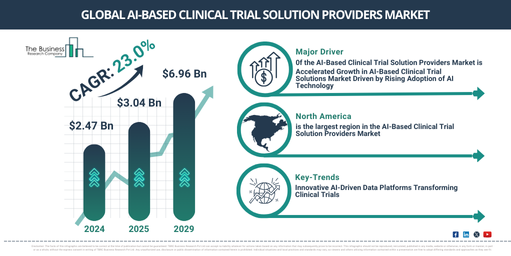
    The market size for AI-based clinical trial solution providers has seen unprecedented growth in the recent past. The projections indicate a rise from $2.47 billion in 2024 to $3.04 billion in 2025, marking an annual compounded growth rate (CAGR) of 23.1%. The surge during the historic period can be traced back to factors such as the rising complexity in clinical trials, the increasing amount of clinical trial data, challenges in regulatory compliance, demands in drug discovery and development, as well as the trends in personalized medicine.

    Expect a surge in the market size of AI-based clinical trial solution providers in the approaching years, with projections hitting the $6.96 billion mark by 2029 at a CAGR of 23.0%. The anticipated growth during the forecast period is largely due to factors such as the integration of real-world evidence (REW), advancements in natural language processing (NLP), the adoption of decentralized clinical trials, expansion into new therapeutic areas, and improved predictive analytics. Key trends to watch during the forecast period include partnerships with biotech and pharmaceutical companies, patient-centric strategies, predictive analytics application in trial design, real-world evidence incorporation, and the use of blockchain for data security.

    Download a free sample to assess the report’s scope and structure:

    https://www.thebusinessresearchcompany.com/sample.aspx?id=13575&type=smp

    What Are the Core Growth Drivers Propelling the AI-Based Clinical Trial Solution Providers Market Forward?

    The growth of the AI-based clinical trial solution provider market is expected to be driven by the rising adoption of AI technology. The term artificial intelligence (AI) refers to the creation of computer systems or software capable of executing tasks typically requiring human intellect. Clinical trial solution providers are progressively using AI technology to introduce efficiency, accuracy, and innovation into various stages of the clinical trial lifecycle. Ultimately, this leads to improved patient outcomes and advancements in medical research. For instance, The International Business Machines Corporation (IBM), a technology corporation based in the US, reported in May 2022 that the global adoption rate of AI had a substantial rise of 35%, an increase of four percentage points from the previous year. Moreover, in 2022, it’s projected that 13% more firms will have utilized AI than in 2021, and around 35% of organizations already report implementing AI in their operations. In addition, 42% are contemplating AI adoption, and two-thirds of businesses (66%) are currently executing or plan to use AI to achieve their sustainability objectives. Consequently, the escalating adoption of AI technology is fuelling the expansion of the AI-based clinical trial solution provider market.

    What Segment Types Define the AI-Based Clinical Trial Solution Providers Market Structure?

    The AI-based clinical trial solution providers market covered in this report is segmented –

    1) By Clinical Trial Phase: Phase-I, Phase-Ii, Phase-Iii

    2) By Therapeutic Application: Oncology, Cardiovascular Diseases, Neurological Diseases Or Conditions Metabolic Diseases, Infectious Diseases, Other Therapeutic Applications

    3) By End-User: Pharmaceutical Companies, Academia, Other End-Users

    Subsegments:

    1) By Phase-I: Safety And Dosage Studies, Early Pharmacokinetics Studies

    2) By Phase-Ii: Efficacy Studies, Dose-Response Studies

    3) By Phase-Iii: Confirmatory Studies, Comparative Effectiveness Research

    Request customized data on this market:

    https://www.thebusinessresearchcompany.com/customise?id=13575&type=smp

    Which Geographic Areas Hold the Strongest Growth Potential in the AI-Based Clinical Trial Solution Providers Market?

    North America was the largest region in the AI-based clinical trial solution providers market in 2024. Asia Pacific is expected to be the fastest-growing region in the forecast period. The regions covered in the ai-based clinical trial solution providers market report are Asia-Pacific, Western Europe, Eastern Europe, North America, South America, Middle East, Africa.

    Which Emerging Trends that Are Influencing the AI-Based Clinical Trial Solution Providers Industry Evolution?

    Leading businesses in the AI-focused clinical trial solutions market are harnessing cutting-edge technologies, such as Saama’s AI-driven data platform, to escalate their clinical development and solidify their market presence. Such a platform—grounded in artificial intelligence (AI) and machine learning (ML)—optimizes and automates a range of data management and analysis tasks. To illustrate, in June 2023, U.S.-based Saama Technologies, Inc. launched an AI-powered data platform also named Saama, which revolutionizes clinical trial procedures by unifying and turning data into a standard format while giving instant access to data on trial operations, financial aspects, and patient details. In harnessing AI and progressive analytics, the platform automates tasks, bolsters productivity, and grants extensive insight into patient behavior patterns. Saama leverages SaaS solutions such as data hubs, operational insights, patient insights, S2S, and SDQ, to power AI-oriented clinical trial solution providers in improving their operational efficiency, precision, and potency. Furthermore, it strives to cut back on manual, resource-hungry tasks in order to enhance the efficiency and effectiveness of clinical trials.

    View the full report here:

    https://www.thebusinessresearchcompany.com/report/ai-based-clinical-trial-solution-providers-global-market-report

    What Is the Definition of the AI-Based Clinical Trial Solution Providers Market?

    AI-based clinical trial solution providers are companies or organizations that offer technological solutions leveraging artificial intelligence (AI) for various aspects of the clinical trial process in the healthcare and pharmaceutical industries. These solutions aim to enhance clinical trials’ efficiency, accuracy, and overall effectiveness, from study design and patient recruitment to data analysis and regulatory compliance.

    Purchase the full report and get a swift delivery:

    https://www.thebusinessresearchcompany.com/purchaseoptions.aspx?id=13575

    About The Business Research Company:

    With over 15000+ reports from 27 industries covering 60+ geographies, The Business Research Company has built a reputation for offering comprehensive, data-rich research and insights. Armed with 1,500,000 datasets, the optimistic contribution of in-depth secondary research, and unique insights from industry leaders, you can get the information you need to stay ahead in the game.

    Get in touch with us:

    The Business Research Company: https://www.thebusinessresearchcompany.com/

    Americas +1 3156230293

    Asia +44 2071930708

    Europe +44 2071930708

    Email us at info@tbrc.info

    Follow us on:

    LinkedIn: https://in.linkedin.com/company/the-business-research-company

    YouTube: https://www.youtube.com/channel/UC24_fI0rV8cR5DxlCpgmyFQ

    Global Market Model: https://www.thebusinessresearchcompany.com/global-market-model
  • AI In Patient Engagement Market Overview 2025: Competitive Shifts, Forecast Models, and Emerging Opportunities

    AI In Patient Engagement Market Overview 2025: Competitive Shifts, Forecast Models, and Emerging Opportunities

    Discover trends, market shifts, and competitive outlooks for the ai in patient engagement industry through 2025-2034 with The Business Research Company’s reliable data and in-depth research

    What Are the Key Milestones in the AI In Patient Engagement Market’s Growth Trajectory From 2025 To 2034?

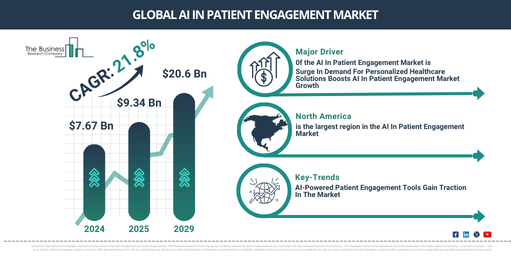
    In recent times, there has been exponential growth in the market size for AI in patient engagement. The market, which is expected to expand from $7.67 billion in 2024 to $9.34 billion in 2025, will exhibit a compound annual growth rate (CAGR) of 21.8%. The impressive growth observed in the historic period can be credited to better patient communication, a surge in demand for individualized healthcare, escalating adoption of wearable gadgets, heightened attention to patient-centric care, augmented data protection measures, and an increase in chronic disease cases.

    The dimension of the AI in patient engagement market is predicted to experience a substantial increase in the coming years, escalating to $20.6 billion by 2029 with a compound annual growth rate (CAGR) of 21.8%. The projected expansion in this period is due to the rapid merging of AI into healthcare infrastructures, the broadening of telehealth services, enhanced focus on remote patient surveillance, the ongoing progression of AI-driven chatbots, and a boom in health data analytics. Key tendencies in this period are expected to be the application of AI for predictive analytics in patient care, the integration of AI into electronic health records (EHR) systems, continued technological advances in AI, customized healthcare solutions, and progress in natural language processing (NLP).

    Download a free sample to assess the report’s scope and structure:

    https://www.thebusinessresearchcompany.com/sample.aspx?id=13775&type=smp

    What Are the Core Growth Drivers Propelling the AI In Patient Engagement Market Forward?

    The growing interest in customized healthcare services is predicted to spur the advancement of AI in the patient engagement market. Custom-tailored medicinal procedures and preventative care tactics that take into account a person’s prior medical history, genetic data, diagnostic tests, and situational factors are encompassed under personalized healthcare solutions. AI plays a vital role in personalized healthcare systems by employing data analysis and machine learning to customize treatments, forecast patient results, and improve care strategies based on individual genetic, lifestyle, and clinical factors. For instance, the Personalized Medicine Coalition, an American organization representing innovators, scientists, and patients, reported in 2022 that the FDA’s Center for Drug Evaluation and Research (CDER) approved 37 new molecular entities (NMEs). Additionally, of these 37 NMEs, 35 are therapeutic, and out of these, 12 are categorized as personalized medicines by the Personalized Medicine Coalition (PMC). Thus, the increasing demand for customized healthcare solutions is significantly contributing to the expansion of AI in the patient engagement market.

    What Segment Types Define the AI In Patient Engagement Market Structure?

    The AI in patient engagement market covered in this report is segmented –

    1) By Technology: Chatbots, Natural Language Processing (NLP), Computer Vision

    2) By Delivery Type: Cloud-Based, On-premise

    3) By Therapeutic Area: Health And Wellness, Chronic Disease Management, Other Therapeutic Areas

    4) By Application: Outpatient Health Management, In-Patient Health Management, Population Health Management, Other Applications

    5) By End-Use: Providers, Payers, Other End-Uses

    Subsegments:

    1) By Chatbots: Virtual Health Assistants, Appointment Scheduling Bots, Symptom Checkers

    2) By Natural Language Processing (NLP): Text Analysis Tools, Sentiment Analysis Applications, Voice Recognition Systems

    3) By Computer Vision: Image Analysis for Diagnostics, Patient Monitoring Systems, Augmented Reality For Medical Training

    Request customized data on this market:

    https://www.thebusinessresearchcompany.com/customise?id=13775&type=smp

    Which Geographic Areas Hold the Strongest Growth Potential in the AI In Patient Engagement Market?

    North America was the largest region in the AI in patient engagement market in 2024. Asia-Pacific is expected to be the fastest-growing region in the forecast period. The regions covered in the AI in patient engagement market report are Asia-Pacific, Western Europe, Eastern Europe, North America, South America, Middle East, Africa.

    Which Emerging Trends that Are Influencing the AI In Patient Engagement Industry Evolution?

    Leading businesses in the AI patient engagement market are creating groundbreaking products featuring cutting-edge technologies, such as artificial intelligence patient engagement software, to maintain a competitive market standing. These tools, powered by artificial intelligence, are used to enhance communication, deliver customised patient care, and encourage active participation from patients in managing their health. For example, in October 2023, ZS Associates, a management consulting firm based in the US, introduced the ZAIDYN Connected Health solution. This all-encompassing patient engagement platform, powered by AI, amalgamates AI-driven virtual assistants, customised messages, and actionable insights to boost patient care and their overall experience. The platform aims to aid healthcare institutions in scaling customised care across all care touchpoints, assuring patients have access to prompt and pertinent information and resources.

    View the full report here:

    https://www.thebusinessresearchcompany.com/report/ai-in-patient-engagement-global-market-report

    What Is the Definition of the AI In Patient Engagement Market?

    AI in patient engagement refers to the use of artificial intelligence (AI) technologies to improve patient care, enhance patient experience, and promote health equity. AI can be leveraged in various ways to engage patients, such as providing online support and education, automating reminders and alerts, providing personalized health information, and analyzing patient data to identify trends and patterns and optimize healthcare delivery.

    Purchase the full report and get a swift delivery:

    https://www.thebusinessresearchcompany.com/purchaseoptions.aspx?id=13775

    About The Business Research Company:

    With over 15000+ reports from 27 industries covering 60+ geographies, The Business Research Company has built a reputation for offering comprehensive, data-rich research and insights. Armed with 1,500,000 datasets, the optimistic contribution of in-depth secondary research, and unique insights from industry leaders, you can get the information you need to stay ahead in the game.

    Get in touch with us:

    The Business Research Company: https://www.thebusinessresearchcompany.com/

    Americas +1 3156230293

    Asia +44 2071930708

    Europe +44 2071930708

    Email us at info@tbrc.info

    Follow us on:

    LinkedIn: https://in.linkedin.com/company/the-business-research-company

    YouTube: https://www.youtube.com/channel/UC24_fI0rV8cR5DxlCpgmyFQ

    Global Market Model: https://www.thebusinessresearchcompany.com/global-market-model
  • From Insight to Impact: Strategic Growth Mapping in the AI In Oncology For Analytical Solutions Market

    From Insight to Impact: Strategic Growth Mapping in the AI In Oncology For Analytical Solutions Market

    Discover trends, market shifts, and competitive outlooks for the ai in oncology for analytical solutions industry through 2025-2034 with The Business Research Company’s reliable data and in-depth research

    How Has The AI In Oncology For Analytical Solutions Market Size Shifted, And What Is the Outlook Through 2034?

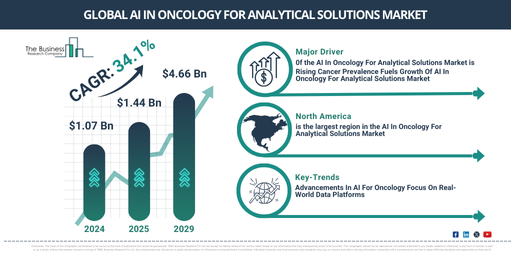
    In the past few years, there has been an exponential expansion in the market size for AI in oncology for analytical solutions. It is predicted to escalate from $1.07 billion in 2024 to a whopping $1.44 billion in 2025, with a compound annual growth rate (CAGR) of 34.4%. Factors contributing to the growth in the historic period include enhanced accessibility to healthcare data, growing awareness and acceptance, innovations in machine learning algorithms, governmental initiatives and funding, as well as clinical approval.

    The market for AI in oncology analytical solutions is predicted to see a surge in growth in the upcoming years. Its size is estimated to reach $4.66 billion by 2029, growing at a compound annual growth rate (CAGR) of 34.1%. The expansion in this forecasted period can be credited to increased demand for personalized treatment, greater healthcare awareness, combining of multi-omics data, regulatory perfection, telemedicine, and remote diagnostics. The forecasted period will also see prevalent trends such as partnerships and collaborations, incessant technological progression, collaboration within the industry, initiatives in research and development, and advancements in the technology sector.

    Download a free sample to assess the report’s scope and structure:

    https://www.thebusinessresearchcompany.com/sample.aspx?id=13569&type=smp

    What are the Fundamental Drivers and Innovations Shaping the AI In Oncology For Analytical Solutions Market?

    The escalating incidence of cancer is anticipated to fuel the expansion of the AI in oncology for analytical solutions market in the future. Cancer is a collection of diseases identified by the unrestricted proliferation and dissemination of abnormal cells. The application of AI in oncology for analytical solutions in cancer care facilitates personalized treatment, early identification, and enhanced patient outcomes, courtesy of its capability to swiftly and efficiently handle vast volumes of complex data. For example, the National Cancer Institute, a Government agency in the US, projected in May 2024 that around 2 million fresh cancer cases are forecasted to be identified in the US in 2024, with over 611,000 fatalities expected. By 2040, the number of new cancer cases worldwide is predicted to escalate to 29.9 million, with the count of cancer-related fatalities rising to 15.3 million. Consequently, the escalating incidence of cancer is spurring the growth of the AI in oncology for analytical solutions market.

    How Is the AI In Oncology For Analytical Solutions Market Segmented?

    The AI in oncology for analytical solutions market covered in this report is segmented –

    1) By Component: Data Licensing Services, Software Solutions, Analytics and Other Services

    2) By Treatment Type: Chemotherapy, Radiotherapy, Immunotherapy, Other Treatments

    3) By Cancer Type: Breast Cancer, Lung Cancer, Prostate Cancer, Colorectal Cancer, Brain Tumor, Kidney Cancer, Non-Hodgkin Lymphoma, Bladder Cancer

    Subsegments:

    1) By Data Licensing Services: Oncology Data Licensing, Genomic Data Licensing

    2) By Software Solutions: AI-Based Imaging Software, Diagnostic Software, Clinical Decision Support Software

    3) By Analytics And Other Services: Predictive Analytics Services, AI Training And Support Services, Data Analysis Services

    Request customized data on this market:

    https://www.thebusinessresearchcompany.com/customise?id=13569&type=smp

    Which Regions Are Driving the Next Phase of the AI In Oncology For Analytical Solutions Market Growth?

    North America was the largest region in the AI In oncology for analytical solutions market in 2024. Asia-Pacific is expected to be the fastest-growing region in the forecast period. The regions covered in the ai in oncology for analytical solutions market report are Asia-Pacific, Western Europe, Eastern Europe, North America, South America, Middle East, Africa.

    What Key Trends Are Shaping the Future of the AI In Oncology For Analytical Solutions Market?

    Key players in the AI for oncology analytical solutions market are concentrating their efforts on pioneering AI advancements such as new platforms for real-world data to speed up oncological research and foster the development of generative AI models in the field. Real-world data platforms encompass systems that collect and manage observational data from a variety of non-traditional clinical research sources, including disease registries, patient surveys, health insurance claims, and electronic health records. For example, the Central Ohio Transit Authority, an American company, unveiled Vista, a brand-new real-world data platform, in October 2023. This was designed to hasten cancer research and boost generative AI models in oncology. The objective of this platform is to merge a variety of databases, like the genomic database and the data portal database, to establish a more comprehensive and consistent method of managing cancer research data. Furthermore, Vista aims to enhance the quality of data, ease data sharing, and back various applications not only in the realm of oncology but also across other healthcare sectors.

    View the full report here:

    https://www.thebusinessresearchcompany.com/report/ai-in-oncology-for-analytical-solutions-global-market-report

    How Is the AI In Oncology For Analytical Solutions Market Defined and What Are Its Core Parameters?

    AI in oncology for analytical solutions refers to the use of artificial intelligence (AI) technology in the field of oncology to develop advanced analytical solutions for cancer research, diagnosis, and treatment. It helps healthcare professionals make data-driven decisions, improve diagnostic accuracy, and tailor treatment plans.

    Purchase the full report and get a swift delivery:

    https://www.thebusinessresearchcompany.com/purchaseoptions.aspx?id=13569

    About The Business Research Company:

    With over 15000+ reports from 27 industries covering 60+ geographies, The Business Research Company has built a reputation for offering comprehensive, data-rich research and insights. Armed with 1,500,000 datasets, the optimistic contribution of in-depth secondary research, and unique insights from industry leaders, you can get the information you need to stay ahead in the game.

    Get in touch with us:

    The Business Research Company: https://www.thebusinessresearchcompany.com/

    Americas +1 3156230293

    Asia +44 2071930708

    Europe +44 2071930708

    Email us at info@tbrc.info

    Follow us on:

    LinkedIn: https://in.linkedin.com/company/the-business-research-company

    YouTube: https://www.youtube.com/channel/UC24_fI0rV8cR5DxlCpgmyFQ

    Global Market Model: https://www.thebusinessresearchcompany.com/global-market-model
  • AI in Mental HealthMarket Overview 2025–2034: CAGR Trends, Long-Term Growth Paths, and Business Implications

    AI in Mental HealthMarket Overview 2025–2034: CAGR Trends, Long-Term Growth Paths, and Business Implications

    Discover trends, market shifts, and competitive outlooks for the ai in mental health industry through 2025-2034 with The Business Research Company’s reliable data and in-depth research

    How Has the AI in Mental Health Market Growth Performance Trended Historically, And What Lies Ahead?

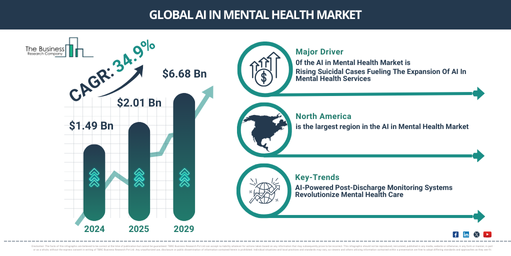
    The market size for AI in mental health has seen significant expansion in the past few years. It is projected to increase from $1.49 billion in 2024 to $2.01 billion in 2025, with a compound annual growth rate (CAGR) of 35.2%. The remarkable growth during the historical period is due to factors such as the swift adoption of machine learning and AI in healthcare, heightened consciousness about mental health and wellness, escalating instances of mental health conditions, increased healthcare expenditures, and the escalating demand for tailored treatment and care.

    The anticipated growth of the AI in mental health market size is projected to be astronomical in the coming years, with an expected value of $6.68 billion by 2029, indicating an impressive compound annual growth rate (CAGR) of 34.9%. The factors encouraging growth during this forecast period include the increased engagement with innovative technologies within mental health care, growing mental health issues and awareness, an inadequate number of mental health professionals leading to a necessity of AI-driven solutions, governmental backing for AI in mental health services, and a rise in the utilization of wearable technology and social media data for mental health assessment. Key developments expected in the forecast period comprise personalized treatments, engagement with wearable technology, teletherapy and virtual care, broadening scope of AI applications and a surge in demand for interactive interfaces.

    Download a free sample to assess the report’s scope and structure:

    https://www.thebusinessresearchcompany.com/sample.aspx?id=14242&type=smp

    What Are the Primary Drivers Supporting the Market Growth of the AI in Mental Health Market?

    The upswing in suicidal incidents is predicted to accelerate the expansion of AI in the field of mental health. These incidents involve people experiencing thoughts, emotions, or actions related to self-harm with the intention of ending their own lives. Mental health issues including depression, bipolar disorder, schizophrenia, and substance misuse are key factors contributing to suicidal ideations and actions. AI is employed in mental health to detect early symptoms of suicide risk by scrutinizing trends in user information and enabling early intervention and support. For instance, data from the Centers for Disease Control and Prevention, a government agency based in the United States, revealed that there were 49,449 suicide deaths in the US in 2022, representing a 2.6% growth from the 2021 toll of 48,183 deaths by suicide. Males recorded a larger number of suicides, amounting to 39,255 deaths, compared to 10,194 female deaths in 2022. Hence, the rising wave of suicidal incidents is fueling the expansion of AI in the mental health sector.

    Which Primary Segments of the AI in Mental Health Market Are Driving Growth and Industry Transformations?

    The AI in mental health market covered in this report is segmented –

    1) By Component: Software-As-A-Service (SaaS), Hardware

    2) By Technology: Natural Language Processing (NLP), Context-Aware Computing, Computer Vision, Machine learning

    3) By Application: Conversational Interfaces, Patient Behavioral Pattern Recognition

    4) By End-User: Hospitals And Clinics, Mental Health Centers, Research Institutions

    Subsegments:

    1) By Software-As-A-Service (SaaS): AI-Powered Chatbots, Virtual Therapy Platforms, Mental Health Assessment Tools, Predictive Analytics Solutions

    2) By Hardware: Wearable Devices, Brain-Computer Interfaces, Virtual Reality Systems For Therapy

    Request customized data on this market:

    https://www.thebusinessresearchcompany.com/customise?id=14242&type=smp

    Which Regions Are Key Players in the Growth of the AI in Mental Health Market?

    North America was the largest region in the AI in mental health market in 2024. Asia-Pacific is expected to be the fastest-growing region in the forecast period. The regions covered in the AI in mental health market report are Asia-Pacific, Western Europe, Eastern Europe, North America, South America, Middle East, Africa.

    What Are the Most Significant Market Trends in the AI in Mental Health Market?

    Leading firms in the AI in mental health industry are introducing cutting-edge technology, one such innovation being Discovery365, an AI-enabled behavioral healthcare system. This system is used to track patient recovery one year post-discharge from a behavioral treatment program when susceptibility to relapse is high. For example, Discovery Behavioral Health Inc., a mental health service provider in the US, teamed up with Videra Health and Brigham and Women’s Hospital, a US academic medical center, in September 2023 to unveil Discovery365. This trailblazing AI-driven system is designed to bridge the one-year recovery disparity in behavioral health. Employing advanced AI technology, the platform scrutinizes patient data post-discharge. It centers its efforts on video-captured analytics to assess patient progress and detect potential relapse indicators. Through Discovery365, the goal is to lessen relapse instances and lend continued support to patients in the crucial year following the completion of treatment, thus extending the care provided by treatment programs.

    View the full report here:

    https://www.thebusinessresearchcompany.com/report/ai-in-mental-health-global-market-report

    What Parameters Are Used to Define the AI in Mental Health Market?

    Artificial Intelligence (AI) in mental health refers to the application of advanced technology, particularly AI algorithms and computational models, to enhance the understanding, diagnosis, treatment, and support mental health conditions. It enhance overall support for individuals facing mental health challenges to track progress and identify potential issues.

    Purchase the full report and get a swift delivery:

    https://www.thebusinessresearchcompany.com/purchaseoptions.aspx?id=14242

    About The Business Research Company:

    With over 15000+ reports from 27 industries covering 60+ geographies, The Business Research Company has built a reputation for offering comprehensive, data-rich research and insights. Armed with 1,500,000 datasets, the optimistic contribution of in-depth secondary research, and unique insights from industry leaders, you can get the information you need to stay ahead in the game.

    Get in touch with us:

    The Business Research Company: https://www.thebusinessresearchcompany.com/

    Americas +1 3156230293

    Asia +44 2071930708

    Europe +44 2071930708

    Email us at info@tbrc.info

    Follow us on:

    LinkedIn: https://in.linkedin.com/company/the-business-research-company

    YouTube: https://www.youtube.com/channel/UC24_fI0rV8cR5DxlCpgmyFQ

    Global Market Model: https://www.thebusinessresearchcompany.com/global-market-model

  • Strong CAGR to Propel in the AI In Cancer Diagnostics Market and Beyond upto $1.64 Billion by 2029

    Discover trends, market shifts, and competitive outlooks for the ai in cancer diagnostics industry through 2025-2034 with The Business Research Company’s reliable data and in-depth research

    How Has The AI In Cancer Diagnostics Market Growth Evolved From 2024 To 2025, And What’s Ahead?

    The market for AI in cancer diagnostics has seen a tremendous expansion in the past few years. The market, which was valued at $0.66 billion in 2024, is projected to increase to $0.79 billion in 2025, exhibiting a compound annual growth rate (CAGR) of 21.0%. The historic period’s growth is credited to the rise in cancer incidence rates, an explosion of data in healthcare, a favorable regulatory climate, an emphasis on precision medicine, and the extension of AI applications beyond just imaging.

    In the coming years, the market size for AI in cancer diagnostics is predicted to experience substantial growth. With a compound annual growth rate (CAGR) of 19.9%, it’s estimated to reach $1.64 billion by 2029. This predicted growth in the forecast term is due to several factors such as the introduction of explainable AI, a global surge in healthcare IT expenditure, integration with electronic health records (EHR), the adoption of personalized medicine, and ongoing advancements in AI algorithms. The period is also expected to see major trends such as improvements in imaging technologies, technological convergence, alliances between healthcare and tech firms, the emergence of digital pathology, and automation in histopathology.

    Download a free sample to assess the report’s scope and structure:

    https://www.thebusinessresearchcompany.com/sample.aspx?id=13567&type=smp

    Which Primay Drivers Are Accelerating Growth in the AI In Cancer Diagnostics Market?

    The escalating incidences of cancer are projected to stimulate the expansion of artificial intelligence within the realm of cancer diagnostics. Cancer encompasses numerous diseases characterized by abnormal cell growth with a propensity to infiltrate or metastasize to other bodily areas. The incorporation of AI into cancer care is designed to improve efficiency, precision, and individualized treatment approaches, thus potentially enhancing the prognosis for cancer patients. For example, the National Cancer Institute, a US Government agency, predicted in May 2024 that nearly 2 million fresh instances of cancer are forecasted to surface in the U.S. in 2024, with predicted deaths exceeding 611,000. By 2040, the cases of new cancer are anticipated to surge to 29.9 million worldwide, with a corresponding increase in cancer-related fatalities to 15.3 million. Therefore, the escalating incidences of cancer are fueling the expansion of artificial intelligence in the scope of cancer diagnostics.

    Which Primary Segments of the AI In Cancer Diagnostics Market Are Driving Growth and Industry Transformations?

    The AI in cancer diagnostics market covered in this report is segmented –

    1) By Component: Software Solutions, Hardware, Services

    2) By Cancer Type: Breast Cancer, Lung Cancer, Brain Tumor, Skin Cancer And Cervical Cancer, Prostate And Colorectal Cancer, Other Cancer Types

    3) By Application: Screening And Diagnosis, Tumor Identification, Monitoring

    4) By End User: Hospitals, Diagnostic Centers, Medical Research Institutes, Contract Research Organizations

    Subsegments:

    1) By Software Solutions: Machine Learning Software, Deep Learning Software, Image Analysis Software

    2) By Hardware: AI-Powered Imaging Systems, Diagnostic Devices

    3) By Services: AI Integration Services, Consulting And Training Services, Support And Maintenance Services

    Request customized data on this market:

    https://www.thebusinessresearchcompany.com/customise?id=13567&type=smp

    Which Regions Are Key Players in the Growth of the AI In Cancer Diagnostics Market?

    North America was the largest region in the artificial intelligence in cancer diagnostics market in 2024. The regions covered in the ai in cancer diagnostics market report are Asia-Pacific, Western Europe, Eastern Europe, North America, South America, Middle East, Africa.

    Which Technological Trends Are Reshaping the AI In Cancer Diagnostics Industry Dynamics?

    Prominent firms in the AI in cancer diagnostics sector are witnessing robust expansion due to the evolution of AI-fueled digital pathology methods for cancer detection. In essence, AI-fueled digital pathology alternatives for cancer detection involve the utilization of machine learning algorithms for identifying cancer and other diagnostic attributes across a variety of tissue types, thereby facilitating prompt and precise cancer detection, aiding in case prioritization, and assuring consistent diagnoses. For example, Dedalus & Ibex Medical Analytics, a health software firm based in Europe, introduced a comprehensive AI-integrated digital pathology solution for cancer detection all over Europe in November 2023. The aim of this solution is to bolster accuracy, offer AI-aided decision making tools, simplify the reporting process, boost lab effectiveness, and augment diagnostic assurance.

    View the full report here:

    https://www.thebusinessresearchcompany.com/report/ai-in-cancer-diagnostics-global-market-report

    What Parameters Are Used to Define the AI In Cancer Diagnostics Market?

    AI in cancer diagnostics refers to the use of artificial intelligence technologies, such as machine learning and deep learning, to analyze medical images, genetic data, or patient histories to assist in the early detection, diagnosis, and prognosis of cancer. These systems can recognize patterns and anomalies in data that might be imperceptible to humans, increasing diagnostic accuracy and efficiency.

    Purchase the full report and get a swift delivery:

    https://www.thebusinessresearchcompany.com/purchaseoptions.aspx?id=13567

    About The Business Research Company:

    With over 15000+ reports from 27 industries covering 60+ geographies, The Business Research Company has built a reputation for offering comprehensive, data-rich research and insights. Armed with 1,500,000 datasets, the optimistic contribution of in-depth secondary research, and unique insights from industry leaders, you can get the information you need to stay ahead in the game.

    Get in touch with us:

    The Business Research Company: https://www.thebusinessresearchcompany.com/

    Americas +1 3156230293

    Asia +44 2071930708

    Europe +44 2071930708

    Email us at info@tbrc.info

    Follow us on:

    LinkedIn: https://in.linkedin.com/company/the-business-research-company

    YouTube: https://www.youtube.com/channel/UC24_fI0rV8cR5DxlCpgmyFQ

    Global Market Model: https://www.thebusinessresearchcompany.com/global-market-model