Author: Marketing Posting

  • Emerging Growth Drivers in the Ocular Inflammation Treatment Market Landscape: Aging Population’s Impact On The Ocular Inflammation Treatment Market

    Emerging Growth Drivers in the Ocular Inflammation Treatment Market Landscape: Aging Population’s Impact On The Ocular Inflammation Treatment Market

    Discover trends, market shifts, and competitive outlooks for the ocular inflammation treatment industry through 2025-2034 with The Business Research Company’s reliable data and in-depth research

    What is the Projected CAGR for the Ocular Inflammation Treatment Market Size from 2025 to 2034?

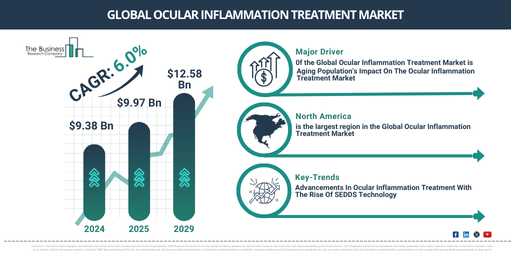
    There has been considerable growth in the market size of treatments for ocular inflammation in recent years. The market is projected to expand from $9.38 billion in 2024 to $9.97 billion in 2025, exhibiting a compound annual growth rate (CAGR) of 6.3%. The expansion witnessed in the historic period can be credited to progress in ophthalmic research, a rise in ocular inflammatory conditions, an aging population growth, broadening of health care facilities, increased awareness regarding eye health, innovation in treatment approaches, and introduction of new therapeutic solutions.

    In the upcoming years, a robust expansion is anticipated in the ocular inflammation treatment market. By 2029, it is projected to reach $12.58 billion with a compound annual growth rate (CAGR) of 6.0%. The growth during this period is influenced by numerous factors such as the rising need for biologics and targeted treatments, focus on early detection and intervention, increased healthcare spending, wider availability of eye-care services, and the growing acceptance of teleophthalmology solutions. Furthermore, regulatory support for innovative treatments also contributes to this escalation. The key trends during this period include a transition towards biologic therapies, advancements in drug delivery techniques, implementation of personalized medicine, integration of teleophthalmology, regulatory focus on safety and efficacy, and diversification of treatment options.

    Download a free sample to assess the report’s scope and structure:

    https://www.thebusinessresearchcompany.com/sample.aspx?id=15622&type=smp

    Which Factors and External Forces Are Driving Demand in the Ocular Inflammation Treatment Market?

    The ocular inflammation treatment market is poised to be propelled by an increase in the elderly population. The term aging is used to describe the inevitable process of getting older which is marked by a slow deterioration of bodily functions and tissue health. The elderly population is growing due to various factors, such as longer life spans, reduced birth rates, and healthcare advancements leading to improved persistence of life. Treatment for ocular inflammation becomes necessary for these older individuals to help maintain and safeguard their eye health by treating any age-related inflammatory eye conditions. As an example, a report from the World Health Organization, a health agency based in Switzerland, revealed that in September 2024, the global count of individuals aged 60 years and above stood at 1 billion. This count is anticipated to rise to 1.4 billion by 2030 and further to 2.1 billion by 2050. Consequently, the growing elderly population will be a significant driver for the ocular inflammation treatment market in the future.

    Which Primary Segments of the Ocular Inflammation Treatment Market Are Driving Growth and Industry Transformations?

    The ocular inflammation treatment market covered in this report is segmented –

    1) By Treatment Type: Immunosuppressant, Antivirals, Corticosteroids, Antibiotics, Analgesics, Monoclonal Antibodies, Antifungal, Cycloplegic

    2) By Mode of Operation: Injectables, Oral, Topical, Other Modes Of Operation

    3) By Disease Type: Anterior Uveitis, Intermediate Uveitis, Episcleritis/Scleritis, Posterior Uveitis, Panuveitis

    4) By Distribution Channel: Retail Pharmacies, Online Pharmacies, Hospital Pharmacies, Drug Stores

    Subsegments:

    1) By Immunosuppressant: Systemic Immunosuppressants (Methotrexate, Azathioprine), Topical Immunosuppressants Cyclosporine A)

    2) By Antivirals: Oral Antivirals ( Acyclovir, Valacyclovir), Topical Antivirals (Ganciclovir, Idoxuridine)

    3) By Corticosteroids: Topical Corticosteroids ( Prednisolone, Dexamethasone), Systemic Corticosteroids (Oral Prednisone), Intraocular Steroid Injections (Triamcinolone)

    4) By Antibiotics: Topical Antibiotics (Tobramycin, Gentamicin), Oral Antibiotics (Azithromycin, Ciprofloxacin)

    5) By Analgesics: Non-Steroidal Anti-Inflammatory Drugs (Nsaids), Opioid Analgesics ( Hydrocodone, Oxycodone)

    6) By Monoclonal Antibodies: Anti-Tnf Alpha Monoclonal Antibodies ( Infliximab, Adalimumab), Anti-Il-6 Monoclonal Antibodies ( Tocilizumab)

    7) By Antifungal: Topical Antifungal ( Natamycin), Oral Antifungal ( Fluconazole, Itraconazole)

    8) By Cycloplegic: Atropine, Cyclopentolate, Tropicamide

    Request customized data on this market:

    https://www.thebusinessresearchcompany.com/customise?id=15622&type=smp

    What Are the Fastest-Growing Geographies in the Ocular Inflammation Treatment Market?

    North America was the largest region in the ocular inflammation treatment market in 2023. The regions covered in the ocular inflammation treatment market report are Asia-Pacific, Western Europe, Eastern Europe, North America, South America, Middle East, Africa.

    What Key Trends Are Shaping the Future of the Ocular Inflammation Treatment Market?

    Leading firms in the ocular inflammation treatment sector are concentrating on incorporating advanced technologies like the self-emulsifying drug delivery system (SEDDS) into eye drops. This is in order to enhance drug absorption, extend therapeutic effects, and provide better patient convenience. SEDDS technology in eye drops increases bioavailability and boosts ocular absorption of therapeutic agents, offering more successful treatment outcomes for various eye conditions. ENTOD Pharmaceuticals, an Indian pharmaceutical company, for example, launched CYCLOTEARS eye drops in India and various international markets in May 2023. These eye drops are targeted at patients afflicted with inflammatory dry eye disease, a common disorder. Importantly, CYCLOTEARS stands as the first dry eye therapy in the world to incorporate the proprietary self-emulsifying drug delivery system (SEDDS) technology created by certified Indian scientists from the Department of Scientific and Industrial Research (DSIR). Partnerships with reputable eye research institutions within India have been crucial in the development phase of this technology.

    View the full report here:

    https://www.thebusinessresearchcompany.com/report/ocular-inflammation-treatment-global-market-report

    What Parameters Are Used to Define the Ocular Inflammation Treatment Market?

    Ocular inflammation treatment refers to medical approaches aimed at reducing swelling and protecting the eyes from damage caused by inflammation, ensuring clear vision and eye health. Treatment for ocular inflammation typically involves medication, eye drops, and sometimes additional therapies, depending on the severity and underlying cause of the inflammation.

    Purchase the full report and get a swift delivery:

    https://www.thebusinessresearchcompany.com/purchaseoptions.aspx?id=15622

    About The Business Research Company:

    With over 15000+ reports from 27 industries covering 60+ geographies, The Business Research Company has built a reputation for offering comprehensive, data-rich research and insights. Armed with 1,500,000 datasets, the optimistic contribution of in-depth secondary research, and unique insights from industry leaders, you can get the information you need to stay ahead in the game.

    Get in touch with us:

    The Business Research Company: https://www.thebusinessresearchcompany.com/

    Americas +1 3156230293

    Asia +44 2071930708

    Europe +44 2071930708

    Email us at info@tbrc.info

    Follow us on:

    LinkedIn: https://in.linkedin.com/company/the-business-research-company

    YouTube: https://www.youtube.com/channel/UC24_fI0rV8cR5DxlCpgmyFQ

    Global Market Model: https://www.thebusinessresearchcompany.com/global-market-model
  • Peanut Allergy Treatment Market in Focus: Forecasting Growth Drivers, Scaling Potential, and Global Opportunities

    Peanut Allergy Treatment Market in Focus: Forecasting Growth Drivers, Scaling Potential, and Global Opportunities

    Discover trends, market shifts, and competitive outlooks for the peanut allergy treatment industry through 2025-2034 with The Business Research Company’s reliable data and in-depth research

    What Are the Key Projections for the CAGR of the Peanut Allergy Treatment Market Size From 2025 to 2034?

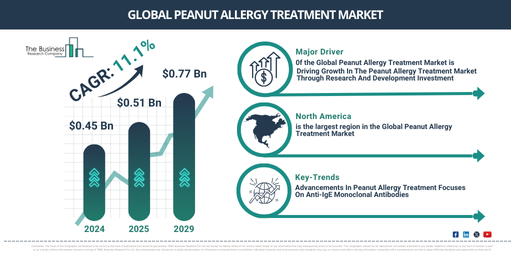
    The market for treating peanut allergies has seen a significant expansion in the recent past. The market which was valued at $0.45 billion in 2024, is forecasted to rise to $0.51 billion in 2025, with a compound annual growth rate (CAGR) of 11.4%. This growth in the previous years was driven by several factors like a surge in the incidence of the allergy, improvements in testing methods, increased public understanding and anxiety, the creation of early response strategies, and regulatory permissions for treatments of peanut allergies.

    The market for treatment of peanut allergies is anticipated to witness a significant surge in the coming years, potentially reaching $0.77 billion by 2029, with a compound annual growth rate (CAGR) of 11.1%. This growth is largely ascribed to the increasing prevalence of the condition, the rise of personalized medicine, the emergence of innovative immunotherapy treatments, boosted private and public funding, as well as the advancement of telemedicine. The prediction period is characterized by distinct trends such as the growing acceptance of immunotherapy, evolution in biologic therapies, usage of probiotics in treatments, breakthroughs in delivery system technology, personalized medical strategies, and regulatory ratifications and backing.

    Download a free sample to assess the report’s scope and structure:

    https://www.thebusinessresearchcompany.com/sample.aspx?id=15888&type=smp

    Which Primay Drivers Are Accelerating Growth in the Peanut Allergy Treatment Market?

    Investments dedicated to Research and Development (R&D) in allergy remediation are anticipated to spur the expansion of the peanut allergy treatment market. R&D investment pertains to the financial contribution made by corporations, organizations, or governments to facilitate activities that promote innovation, product growth, and technology advancement, and it is integral to progressing peanut allergy treatments. This financial commitment encourages the development of pioneering desensitization methods and immunotherapies, with the goal to diminish allergic reactions and enhance the life quality of individuals living with peanut allergies. For example, the Victorian Government revealed a strategic investment of $12 million in Aravax, a clinical-stage biotech firm based in Australia, in January 2024 to considerably progress global peanut allergy treatment. This investment is a part of a wider $66 million round focusing on the development of Aravax’s ground-breaking immunotherapy, PVX108. Both the U.S. Food and Drug Administration (FDA) and Australia’s Therapeutic Goods Administration (TGA) have granted this initiative Phase 2 trial approvals, emphasizing its potential influence on global public health. Hence, R&D investment in allergy treatments is propelling the growth of the peanut allergy treatment market.

    How Is the Peanut Allergy Treatment Market Segmented?

    The peanut allergy treatment market covered in this report is segmented –

    1) By Drug Class: Antihistamines, Immunotherapies, Epinephrine, Other Drug Classes

    2) By Route Of Administration: Injectable, Oral, Other Routes Of Administration

    3) By Distribution Channel: Retail Pharmacy, Hospital Pharmacy, Other Distribution Channels

    Subsegments:

    1) By Antihistamines: Oral Antihistamines, Topical Antihistamines

    2) By Immunotherapies: Oral Immunotherapy (OIT), Sublingual Immunotherapy (SLIT), Epicutaneous Immunotherapy (EPIT)

    3) By Epinephrine: Epinephrine Auto-Injectors, Epinephrine Inhalers

    4) By Other Drug Classes: Leukotriene Receptor Antagonists, Monoclonal Antibodies, Corticosteroids

    Request customized data on this market:

    https://www.thebusinessresearchcompany.com/customise?id=15888&type=smp

    Which Regions Are Key Players in the Growth of the Peanut Allergy Treatment Market?

    North America was the largest region in the peanut allergy treatment market in 2023. Asia-Pacific is expected to be the fastest-growing region in the forecast period. The regions covered in the peanut allergy treatment market report are Asia-Pacific, Western Europe, Eastern Europe, North America, South America, Middle East and Africa.

    Which Technological Trends Are Reshaping the Peanut Allergy Treatment Industry Dynamics?

    Prominent enterprises in the peanut allergy treatment market are concentrating on bioscience related therapeutic developments, specifically anti-IgE monoclonal antibodies, to provide more efficient and targeted solutions for peanut allergy control. Their ultimate goal is to enhance the patient’s overall well-being and life quality. Anti-IgE monoclonal antibodies are specially crafted therapeutic agents used to neutralize specific antibodies, termed immunoglobulin E, in the human body. For example, Novartis Pharmaceuticals Corporation, originating from Switzerland, was granted approval for Xolair (omalizumab) by the FDA in February 2024. This drug aims to reduce allergic responses, such as anaphylaxis in patients aged 1 or older suffering from IgE-mediated food allergies. The approval was based on the results of the Phase III OUtMATCH study funded by NIH, which demonstrated significant enhancement in food allergy resistance in Xolair-treated patients as opposed to those who received a placebo.

    View the full report here:

    https://www.thebusinessresearchcompany.com/report/peanut-allergy-treatment-global-market-report

    How Is the Peanut Allergy Treatment Market Defined and What Are Its Core Parameters?

    Peanut allergy treatment refers to various medical approaches designed to manage and reduce the severity of allergic reactions to peanuts. These treatments involve various approaches, such as epicutaneous immunotherapy and biologic therapies aimed at desensitizing individuals to peanuts and mitigating allergic reactions.

    Purchase the full report and get a swift delivery:

    https://www.thebusinessresearchcompany.com/purchaseoptions.aspx?id=15888

    About The Business Research Company:

    With over 15000+ reports from 27 industries covering 60+ geographies, The Business Research Company has built a reputation for offering comprehensive, data-rich research and insights. Armed with 1,500,000 datasets, the optimistic contribution of in-depth secondary research, and unique insights from industry leaders, you can get the information you need to stay ahead in the game.

    Get in touch with us:

    The Business Research Company: https://www.thebusinessresearchcompany.com/

    Americas +1 3156230293

    Asia +44 2071930708

    Europe +44 2071930708

    Email us at info@tbrc.info

    Follow us on:

    LinkedIn: https://in.linkedin.com/company/the-business-research-company

    YouTube: https://www.youtube.com/channel/UC24_fI0rV8cR5DxlCpgmyFQ

    Global Market Model: https://www.thebusinessresearchcompany.com/global-market-model
  • Key Factors Fueling the Growth of the Nutritional Serum Market in 2025: Growing Focus on Personal Care and Beauty Propels Nutritional Serum Market Growth

    Key Factors Fueling the Growth of the Nutritional Serum Market in 2025: Growing Focus on Personal Care and Beauty Propels Nutritional Serum Market Growth

    Discover trends, market shifts, and competitive outlooks for the nutritional serum industry through 2025-2034 with The Business Research Company’s reliable data and in-depth research

    How Has The Nutritional Serum Market Size Shifted, And What Is the Outlook Through 2034?

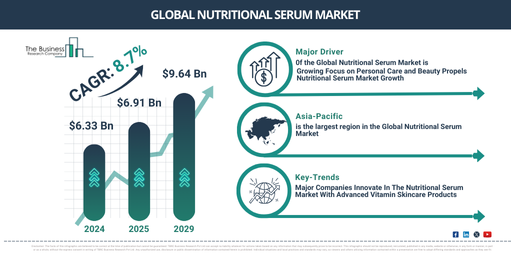
    The market for nutritional serum has seen robust growth in the past few years. It is projected to rise from $6.33 billion in 2024 to $6.91 billion in 2025, with a compound annual growth rate (CAGR) of 9.1%. Factors such as the growing elderly population, heightened health and wellness consciousness, the widening sports and fitness industry, rising comfort in serum usage, and the burgeoning popularity of clean beauty products contributed to this historical growth.

    The market size of nutritional serums is forecasted to witness significant development in the upcoming years, ascending to a value of $9.64 billion in 2029 with a compound annual growth rate of 8.7%. This anticipated progression during the estimated period can be associated with the escalating inclinations towards organic and natural elements, preventive healthcare measures, proliferation of vegan and vegetarian lifestyles, expansion of corporate wellness initiatives, and emphasis on immune health. Some of the emerging trends during this projection period encompass the embrace of eco-friendly packaging approaches, the creation of innovative nutritional serums compatible with wearable health tech gadgets, advancements in formulation methods, the adoption of subscription-driven models, and the evolution in the realm of hybrid nutritional products.

    Download a free sample to assess the report’s scope and structure:

    https://www.thebusinessresearchcompany.com/sample.aspx?id=18791&type=smp

    What Are the Primary Drivers Supporting the Market Growth of the Nutritional Serum Market?

    The increased emphasis on personal hygiene and attractiveness is projected to drive the expansion of the nutritional serum market. Personal hygiene and attractiveness involve the use of products and practices designed to improve and sustain a person’s physical appearance and cleanliness. This focus is propelled by consumers’ demand for self-care, grooming, and beauty enhancement goods and services. Nutritional serums, which deliver a concentrated blend of nutrients, vitamins, and antioxidants directly to the skin, play a crucial role in the personal hygiene and beauty industry. They augment skin hydration, texture, and luminosity, and address issues like dullness, aging, and uneven skin tone. In October 2023, for example, the US Bureau of Labor Statistics noted a substantial rise from 19.3% in 2021 to 20.3% in 2022 in the consumption of personal care products and services. Consequently, the heightened emphasis on personal hygiene and attractiveness is fuelling the nutritional serum market’s growth.

    How Is the Nutritional Serum Market Segmented?

    The nutritional serum market covered in this report is segmented –

    1) By Type: Vitamin Serums, Antioxidant Serums, Hydrating Serums, Exfoliating Serums, Anti-Aging Serums, Brightening Serums, Anti-Acne Serums, Oil Control Serums, Skin-Tightening Serums, Other Types

    2) By Skin Type: Dry Skin, Oily Skin, Normal Skin, Sensitive Skin

    3) By Price: Low, Medium, High

    4) By Distribution Channel: Online, Offline

    5) By End Use: Men, Women

    Subsegments:

    1) By Vitamin Serums: Vitamin C Serums, Vitamin E Serums, Vitamin A (Retinol) Serums, Vitamin B Complex Serums, Other Vitamin-Infused Serums

    2) By Antioxidant Serums: Green Tea Extract Serums, Niacinamide Serums, Resveratrol Serums, Coenzyme Q10 Serums, Other Antioxidant-Infused Serums

    3) By Hydrating Serums: Hyaluronic Acid Serums, Glycerin-Based Serums, Aloe Vera Serums, Other Moisturizing Serums

    4) By Exfoliating Serums: Alpha Hydroxy Acid (AHA) Serums, Beta Hydroxy Acid (BHA) Serums, Enzyme-Based Serums, Other Exfoliating Serums

    5) By Anti-Aging Serums: Peptide-Based Serums, Retinol Or Retinoid Serums, Collagen-Boosting Serums, Other Anti-Aging Formulations

    6) By Brightening Serums: Vitamin C-Based Serums, Niacinamide Serums, Licorice Extract Serums, Arbutin Serums, Other Brightening Serums

    7) By Anti-Acne Serums: Salicylic Acid Serums, Benzoyl Peroxide Serums, Tea Tree Oil Serums, Sulfur-Based Serums, Other Acne-Fighting Serums

    8) By Oil Control Serums: Salicylic Acid Oil Control Serums, Niacinamide Oil Control Serums, Clay-Based Serums, Other Oil Regulation Serums

    9) By Skin-Tightening Serums: Collagen-Boosting Serums, Elastin-Enhancing Serums, Firming Peptide Serums, Other Skin Tightening Formulas

    10) By Other Types: Custom Formulated Serums, Multi-Function Serums, Specialized Serums For Sensitive Skin

    Request customized data on this market:

    https://www.thebusinessresearchcompany.com/customise?id=18791&type=smp

    Which Regions Are Key Players in the Growth of the Nutritional Serum Market?

    Asia-Pacific was the largest region in the nutritional serum market in 2024. The regions covered in the nutritional serum market report are Asia-Pacific, Western Europe, Eastern Europe, North America, South America, Middle East, Africa.

    What Are the Most Significant Market Trends in the Nutritional Serum Market?

    Leading businesses within the nutritional serum market are prioritizing the creation of unique skincare products such as Vitamin serums to cater to the escalating demand for specialized skincare solutions. Vitamin serums are skincare items that comprise high levels of vitamins such as Vitamin C, E, or A and are aimed at addressing specific skin concerns such as brightening, aging, and hydration. For instance, Galderma S.A., a pharmaceutical firm based in Switzerland, introduced its Cetaphil Vitamin C Serum and Cetaphil Ceramide Serum to the market in July 2024. The Vitamin C Serum from Cetaphil comprises 3-O-ethyl ascorbic acid, which provides antioxidant protection and reduces dark spots. In contrast, the Ceramide Serum contains ceramides, Centella Asiatica, and allantoin, which act to repair and strengthen the skin’s defense mechanisms, facilitating 48-hour hydration and a refined skin texture.

    View the full report here:

    https://www.thebusinessresearchcompany.com/report/nutritional-serum-global-market-report

    How Is the Nutritional Serum Market Defined and What Are Its Core Parameters?

    Nutritional serum is a specialized liquid formulation rich in essential nutrients, vitamins, minerals, and other beneficial compounds designed to support and enhance overall health and well-being. It addresses deficiencies, improves nutritional status, and supports recovery in patients who cannot obtain adequate nutrition through oral intake.

    Purchase the full report and get a swift delivery:

    https://www.thebusinessresearchcompany.com/purchaseoptions.aspx?id=18791

    About The Business Research Company:

    With over 15000+ reports from 27 industries covering 60+ geographies, The Business Research Company has built a reputation for offering comprehensive, data-rich research and insights. Armed with 1,500,000 datasets, the optimistic contribution of in-depth secondary research, and unique insights from industry leaders, you can get the information you need to stay ahead in the game.

    Get in touch with us:

    The Business Research Company: https://www.thebusinessresearchcompany.com/

    Americas +1 3156230293

    Asia +44 2071930708

    Europe +44 2071930708

    Email us at info@tbrc.info

    Follow us on:

    LinkedIn: https://in.linkedin.com/company/the-business-research-company

    YouTube: https://www.youtube.com/channel/UC24_fI0rV8cR5DxlCpgmyFQ

    Global Market Model: https://www.thebusinessresearchcompany.com/global-market-model
  • Major Trends and Emerging Patterns in the Nuclear Medicine Radioisotopes Market: Technological Advancement To Drive Innovation In The Nuclear Medicine Radioisotopes

    Major Trends and Emerging Patterns in the Nuclear Medicine Radioisotopes Market: Technological Advancement To Drive Innovation In The Nuclear Medicine Radioisotopes

    Discover trends, market shifts, and competitive outlooks for the nuclear medicine radioisotopes industry through 2025-2034 with The Business Research Company’s reliable data and in-depth research

    #How Has the Nuclear Medicine Radioisotopes Market Growth Performance Trended Historically, And What Lies Ahead?3

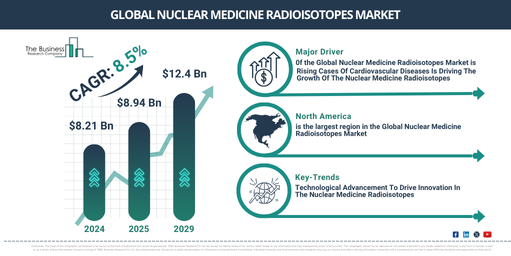
    Over the recent years, the market size for nuclear medicine radioisotopes has experienced substantial growth. The market is projected to expand from $8.21 billion in 2024 to $8.94 billion in 2025, with a compound annual growth rate (CAGR) of 8.9%. Main reasons behind the historical growth are the discovery of radioactivity, the rise of nuclear medicine, its therapeutic applications, clinical research, and patient demand.

    There is a forecast of substantial escalation in the market size for nuclear medicine radioisotopes in the coming years, with a predicted increase to $12.4 billion by 2029, growing at a compound annual growth rate (CAGR) of 8.5%. This positive growth prospect during the prediction period is seen to be driven by factors such as an increase in healthcare expenditure, enhancement of healthcare structures, a rising consciousness about environmental sustainability, educational initiatives, awareness drives and a surge in medical tourism. Noteworthy trends for the forecast period encompass the creation of novel radioisotopes, advancements in production and supply chain, the introduction of microfluidics and lab-on-a-chip technology, the application of artificial intelligence in the development of radiopharmaceuticals, and the use of nanotechnology.

    Download a free sample to assess the report’s scope and structure:

    https://www.thebusinessresearchcompany.com/sample.aspx?id=16132&type=smp

    How Are Key Drivers in the Industry Acting as Catalysts for the Growth of the Nuclear Medicine Radioisotopes Market?

    The nuclear medicine radioisotope market is anticipated to expand due to the increasing incidence of cardiovascular diseases. These diseases, which impact the heart and blood vessels, are growing due to factors such as sedentary lifestyles, poor diet, rising obesity rates, and ageing populations. Nuclear medicine radioisotopes play a crucial role in the diagnosis, assessment, and management of cardiovascular diseases by providing detailed information on cardiac function, blood flow, and tissue health, critical for accurate diagnosis and efficient treatment planning. For example, data released by the British Heart Foundation in September 2024 revealed that around 7.6 million people in the UK, including 4 million men and 3.6 million women, are living with heart and circulatory diseases. These diseases account for roughly 27% of all deaths in the UK, representing over 170,000 deaths each year – equivalent to nearly 480 daily deaths or one death every three minutes. Therefore, the escalating incidence of cardiovascular diseases is fuelling the growth of the nuclear medicine radioisotope market.

    Which Primary Segments of the Nuclear Medicine Radioisotopes Market Are Driving Growth and Industry Transformations?

    The nuclear medicine radioisotopes market covered in this report is segmented –

    1) By Type: Technetium-99m (Tc-99m), Thallium-201 (Tl-201), Iodine (I-123), Fluorine-18, Rubidium-82 (Rb-82), Iodine-131 (I-131), Lutetium-177 (Lu-177), Radium-223 (Ra-223) And Alpharadin, Other Types

    2) By Application: Oncology, Cardiology, Thyroid, Neurology, Other Applications

    3) By End-User: Hospitals, Diagnostic Centers, Specialty Clinics, Education And Research Institutes, Other End-Users

    Subsegments:

    1) By Technetium-99m (Tc-99m): Sodium Pertechnetate Tc-99m, Tc-99m MDP (Methylene Diphosphonate), Tc-99m HMPAO (Hexamethylpropyleneamine oxime)

    2) By Thallium-201 (Tl-201): Thallous Chloride Tl-201, Thallium-201 for Cardiac Imaging

    3) By Iodine-123 (I-123): Iodine-123 Sodium Iodide, Iodine-123 Ioflupane (DaTscan)

    4) By Fluorine-18: FDG (Fluorodeoxyglucose) F-18, Fluoride-18 For Bone Imaging

    5) By Rubidium-82 (Rb-82): Rb-82 For PET (Positron Emission Tomography) Imaging, Rb-82 For Cardiac Imaging

    6) By Iodine-131 (I-131): I-131 Sodium Iodide, I-131 For Thyroid Cancer Treatment, I-131 For Hyperthyroidism Treatment

    7) By Lutetium-177 (Lu-177): Lu-177-DOTATATE, Lu-177 For Prostate Cancer Treatment

    8) By Radium-223 (Ra-223): Ra-223 Dichloride (Xofigo)

    9) By Alpharadin (Radium-223 Alpha Emitters): Alpharadin For Bone Metastasis Treatment

    10) By Other Types: Ac-225 For Targeted Alpha Therapy (TAT), Ac-225 For Cancer Treatment, Gallium-68 (Ga-68), Copper-64 (Cu-64), Yttrium-90 (Y-90)

    Request customized data on this market:

    https://www.thebusinessresearchcompany.com/customise?id=16132&type=smp

    What Are the Fastest-Growing Geographies in the Nuclear Medicine Radioisotopes Market?

    North America was the largest region in the nuclear medicine radioisotopes market in 2023. Asia-Pacific is expected to be the fastest-growing region in the forecast period. The regions covered in the nuclear medicine radioisotopes market report are Asia-Pacific, Western Europe, Eastern Europe, North America, South America, Middle East, Africa.

    What Are the Current Market Growth and Trends in the Nuclear Medicine Radioisotopes Industry?

    Leading organizations in the nuclear medicine radioisotopes market are honing their focus on pioneering novel products like compact low-energy cyclotrons to enhance the manufacture and access to radioisotopes. This will ultimately make diagnostic and therapeutic interventions more efficient and easily accessible. The compact, low-energy cyclotron is a miniaturized particle accelerator that aids in creating radioisotopes utilized in medical imaging and nuclear medicine treatments. For instance, IBA, a Belgium-based company specializing in radiopharmaceutical production solutions, unveiled the Cyclone Key in January 2022, a newly designed accelerator facilitating broader access to diagnostic tools and paving the way for onsite radiopharmaceutical production. This cutting-edge model boasts of features including a sleek, efficient design, completely automated functions, multi-isotope production abilities, user-friendly installation and operation, water cooling, self-shielding, and high performance, that underscore its versatility and dependability.

    View the full report here:

    https://www.thebusinessresearchcompany.com/report/nuclear-medicine-radioisotopes-global-market-report

    What Parameters Are Used to Define the Nuclear Medicine Radioisotopes Market?

    Nuclear medicine radioisotopes are radioactive isotopes used in nuclear medicine to diagnose, treat, and research various medical conditions. These isotopes emit radiation detected and imaged by specialized equipment or deliver therapeutic doses of radiation to targeted tissues. Nuclear medicine radioisotopes are essential in modern medical diagnostics and treatments, providing critical information and therapeutic options that improve patient outcomes.

    Purchase the full report and get a swift delivery:

    https://www.thebusinessresearchcompany.com/purchaseoptions.aspx?id=16132

    About The Business Research Company:

    With over 15000+ reports from 27 industries covering 60+ geographies, The Business Research Company has built a reputation for offering comprehensive, data-rich research and insights. Armed with 1,500,000 datasets, the optimistic contribution of in-depth secondary research, and unique insights from industry leaders, you can get the information you need to stay ahead in the game.

    Get in touch with us:

    The Business Research Company: https://www.thebusinessresearchcompany.com/

    Americas +1 3156230293

    Asia +44 2071930708

    Europe +44 2071930708

    Email us at info@tbrc.info

    Follow us on:

    LinkedIn: https://in.linkedin.com/company/the-business-research-company

    YouTube: https://www.youtube.com/channel/UC24_fI0rV8cR5DxlCpgmyFQ

    Global Market Model: https://www.thebusinessresearchcompany.com/global-market-model
  • Top Trends Driving Innovation and Change in the Non-PVC IV Bags Market: Innovative Polyolefin Shrink Films Enhancing Safety and Sustainability in Non-PVC IV Bags

    Top Trends Driving Innovation and Change in the Non-PVC IV Bags Market: Innovative Polyolefin Shrink Films Enhancing Safety and Sustainability in Non-PVC IV Bags

    Discover trends, market shifts, and competitive outlooks for the non-pvc iv bags industry through 2025-2034 with The Business Research Company’s reliable data and in-depth research

    How Fast Is The Non-PVC IV Bags Market Expected to Grow Between 2025 And 2029?

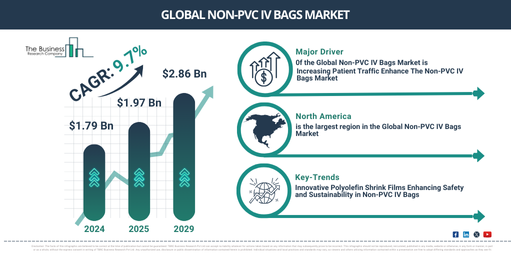
    In past few years, the market size for non-PVC IV bags has experienced significant growth. The market, which was valued at $1.79 billion in 2024, is projected to escalate to $1.97 billion in 2025, registering a compound annual growth rate (CAGR) of 10.1%. The expansion during this period is accredited to the necessity for non-harmful materials for medicine packaging, an escalation in the requirement for chemotherapy, high incidences of chronic kidney ailments, rising unfulfilled healthcare requirements, along with an increasing elderly populace.

    There is an anticipation for a considerable expansion in the market size of non-PVC IV bags in the forthcoming years. The market is projected to escalate to a value of $2.86 billion in 2029, witnessing a compound annual growth rate (CAGR) of 9.7%. This anticipated growth in the predicted period can be credited to factors such as increasing cancer incidents, development of hospitals and ambulatory centers, growth in patient footfall in healthcare environments, surge in government measures, and a heightened demand for prevention mechanisms against mistakes. Key future trends include the enhancement of infrastructure in healthcare sectors, the production and accessibility of contemporary materials in various designs, advancements in service quality through technology, the rise in demand for advanced container solutions, and the preference for single-chambered non-PVC IV bags.

    Download a free sample to assess the report’s scope and structure:

    https://www.thebusinessresearchcompany.com/sample.aspx?id=15621&type=smp

    What Are the Core Market Drivers Propelling Growth in the Non-PVC IV Bags Industry?

    The rise in the number of patients visiting healthcare facilities is predicted to fuel the expansion of the non-PVC IV bags market. The term patient traffic refers to the numbers of individuals seeking medical assistance or services in a healthcare establishment like a hospital, clinic, or doctor’s office. Greater demands for healthcare services due to an increase in healthcare admissions and alterations in healthcare policies or insurance coverages necessitate the use of non-PVC IV bags. This is because there are concerns regarding the potential seeping of hazardous chemicals from PVC materials into intravenous fluids, leading to reduced risk of patients being exposed to toxins. As an example, a report issued by the National Health Service, a UK-based healthcare system funded by the public, stated that in January 2024, around 1.63 million patients started treatment, and beyond 2.3 million diagnostic tests were performed in November 2023. This exerted tremendous pressure on emergency departments nationwide, where more than 2.1 million A (accident) and E (emergency) visits, and over 547,000 emergency admissions took place in December 2023. Therefore, the surging patient traffic in healthcare environments is prompting the growth of the non-PVC IV bags market.

    What Segment Types Define the Non-PVC IV Bags Market Structure?

    The non-PVC IV bags market covered in this report is segmented –

    1) By Product: Single Chamber, Multi Chamber

    2) By Material: Ethylene Vinyl Acetate, Polypropylene, Copolyester Ether, Other Materials

    3) By Content: Frozen Mixture, Liquid Mixture

    4) By Application: Chemotherapy, Targeted Drug Delivery, Glucose Injection, Sodium Chloride Solution, Electrolyte Injection, Nutrient Injection, Other Applications

    5) By End User: Hospitals, Clinics, Emergency Service Centers, Ambulatory Surgical Centers, Other End Users

    Subsegments:

    1) By Single Chamber: Standard Single Chamber Iv Bags, Flexible Single Chamber Iv Bags

    2) By Multi Chamber: Dual Chamber Iv Bags, Triple Chamber Iv Bags, Multi-Camber Iv Bags (More Than Three Chambers)

    Request customized data on this market:

    https://www.thebusinessresearchcompany.com/customise?id=15621&type=smp

    Which Regions Are Driving the Next Phase of the Non-PVC IV Bags Market Growth?

    North America was the largest region in the non-PVC IV bags market in 2024. Asia-Pacific is expected to be the fastest-growing region in the forecast period. The regions covered in the Non-PVC IV bags market report are Asia-Pacific, Western Europe, Eastern Europe, North America, South America, Middle East, Africa.

    What Key Market Trends and Innovations Are Shaping the Future of the Non-PVC IV Bags Industry?

    Leading enterprises in the non-PVC IV bags market are introducing state-of-the-art products such as polyolefin shrink films to augment safety, sustainability, and compatibility with a range of IV solutions. These films, distinctively enduring, flexible, and transparent, are extensively employed for reliable, tamper-proof packaging in sectors like food, consumer products, electronics, and pharmaceuticals. In fact, the polyolefin shrink films are notable due to their high resistance to punctures and non-toxicity, making them apt for miscellaneous temperature conditions. For instance, Innovia Films, a UK-based firm excelling in biaxially-oriented polypropylene film manufacturing and supply, unveiled RayoFloat white APO in February 2024. This product is a floating, white, low-density polyolefin shrink film, specifically engineered for light-sensitive items. It comes with unique traits such as ease of label removal during PET recycling, leading to high-grade PET flake creation for food-related applications. Furthermore, the opacity of the film offers light-blocking perks that cater to the needs of dairy, nutrition, and cosmetic products. Moreover, in the sustainability arena, it includes up to 20% post-industrial recycled matter and is in alignment with the EU’s Packaging and Packaging Waste Regulation (PPWR).

    View the full report here:

    https://www.thebusinessresearchcompany.com/report/non-pvc-iv-bags-global-market-report

    What Is the Definition of the Non-PVC IV Bags Market?

    Non-PVC IV bags refer to bags that do not contain polyvinyl chloride (PVC) as a material and are used in healthcare settings to administer fluids, medications, and nutrients directly into a person’s vein. They are widely used in hospitals and emergency medical services due to their resistance to chemicals, heat, and UV light, ensuring the quality and stability of IV fluids.

    Purchase the full report and get a swift delivery:

    https://www.thebusinessresearchcompany.com/purchaseoptions.aspx?id=15621

    About The Business Research Company:

    With over 15000+ reports from 27 industries covering 60+ geographies, The Business Research Company has built a reputation for offering comprehensive, data-rich research and insights. Armed with 1,500,000 datasets, the optimistic contribution of in-depth secondary research, and unique insights from industry leaders, you can get the information you need to stay ahead in the game.

    Get in touch with us:

    The Business Research Company: https://www.thebusinessresearchcompany.com/

    Americas +1 3156230293

    Asia +44 2071930708

    Europe +44 2071930708

    Email us at info@tbrc.info

    Follow us on:

    LinkedIn: https://in.linkedin.com/company/the-business-research-company

    YouTube: https://www.youtube.com/channel/UC24_fI0rV8cR5DxlCpgmyFQ

    Global Market Model: https://www.thebusinessresearchcompany.com/global-market-model
  • Emerging Trends Redefining the Non-Insulin Therapies For Diabetes Market Landscape: Advancements In AI-Enabled Fundus Cameras For Non-Proliferative Diabetic Retinopathy

    Emerging Trends Redefining the Non-Insulin Therapies For Diabetes Market Landscape: Advancements In AI-Enabled Fundus Cameras For Non-Proliferative Diabetic Retinopathy

    Discover trends, market shifts, and competitive outlooks for the non-proliferative diabetic retinopathy industry through 2025-2034 with The Business Research Company’s reliable data and in-depth research

    What Are the Key Projections for the CAGR of the Non-Proliferative Diabetic Retinopathy Market Size From 2025 to 2034?

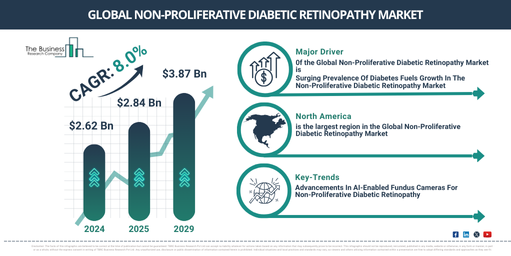
    The market size for non-proliferative diabetic retinopathy has been on a steady growth trajectory in the past years. The market is projected to escalate from $2.62 billion in 2024 to $2.84 billion in 2025, rising at a compound annual growth rate (CAGR) of 8.4%. The spike during the historical timeframe can be ascribed to factors such as the increasing incidence of diabetes, an aging demographic, heightened awareness, advancements in research, lifestyle modifications, and enhanced management of diabetes.

    In the coming years, the non-proliferative diabetic retinopathy market size is anticipated to witness significant growth, projected to reach $3.87 billion in 2029 with a compound annual growth rate (CAGR) of 8.0%. This expected rise during the forecast period can be attributed to several factors such as the implementation of telemedicine, development of novel therapeutic measures, application of artificial intelligence, increased research and development investment, and the broadening of healthcare infrastructure. Key trends that are projected to shape the market in the forecast period are the growing use of artificial intelligence for screening and diagnosis purposes, the increasing demand for telemedicine and remote monitoring solutions, the advent of personalized medicine for diabetic retinopathy treatment, the heightened emphasis on preventive strategies and early intervention, and the increasing importance of patient-centered care models in managing diabetic retinopathy.

    Download a free sample to assess the report’s scope and structure:

    https://www.thebusinessresearchcompany.com/sample.aspx?id=15620&type=smp

    Which Primay Drivers Are Accelerating Growth in the Non-Proliferative Diabetic Retinopathy Market?

    An escalation in the cases of diabetes is anticipated to stimulate the expansion of the non-proliferative diabetic retinopathy market. Diabetes, a persistent metabolic disease, is typified by high blood sugar levels due to the pancreas failing to produce sufficient insulin, or the body’s cellular resistance to insulin effects. Inactive lifestyles, improper dietary habits, and inherited factors are key contributors to diabetes. It causes non-proliferative diabetic retinopathy by damaging retinal blood vessels, mainly from long-term exposure to heightened glucose levels in the blood, causing vision deterioration and potential loss of sight. For example, in June 2024, The National Health Service, a UK government department, reported that in 2023, the NHS identified an additional 549,000 individuals in England with potential risk for developing type 2 diabetes. This pushed the total count of non-diabetic hyperglycemia or pre-diabetes diagnosed with GP to 3,615,330. Compared to 3,065,825 in 2022, this is a significant increase of nearly 20%. Thus, the increasing cases of diabetes are fueling the growth of the non-proliferative diabetic retinopathy market.

    How Is the Non-Proliferative Diabetic Retinopathy Market Segmented?

    The non-proliferative diabetic retinopathy market covered in this report is segmented –

    1) By Treatment Type: Anti-Vascular Endothelial Growth Factor (VEGF) Therapy, Intraocular Steroid Injection, Laser Surgery, Vitrectomy

    2) By Disease Severity Level: Mild Non-Proliferative Diabetic Retinopathy, Moderate Non-Proliferative Diabetic Retinopathy, Severe Non-Proliferative Diabetic Retinopathy

    3) By End-User: Hospitals, Specialty Clinics, Ambulatory Surgical Centers, Other End-Users

    Subsegments:

    1) By Anti-Vascular Endothelial Growth Factor (Vegf) Therapy: Bevacizumab (Avastin), Ranibizumab (Lucentis), Aflibercept (Eylea), Pegaptanib (Macugen)

    2) By Intraocular Steroid Injection: Triamcinolone Acetonide, Dexamethasone Implant (Ozurdex), Fluocinolone Acetonide Implant (Iluvien)

    3) By Laser Surgery: Focal Laser Photocoagulation, Panretinal Photocoagulation

    4) By Vitrectomy: Pars Plana Vitrectomy (Ppv), Membrane Peeling Vitrectomy, Phaco-Vitrectomy (Combined Cataract And Vitrectomy Surgery)

    Request customized data on this market:

    https://www.thebusinessresearchcompany.com/customise?id=15620&type=smp

    Which Regions Are Key Players in the Growth of the Non-Proliferative Diabetic Retinopathy Market?

    North America was the largest region in the non-proliferative diabetic retinopathy market in 2024. Asia-Pacific is expected to be the fastest-growing region in the forecast period. The regions covered in the non-proliferative diabetic retinopathy market report are Asia-Pacific, Western Europe, Eastern Europe, North America, South America, Middle East, Africa.

    Which Technological Trends Are Reshaping the Non-Proliferative Diabetic Retinopathy Industry Dynamics?

    Companies significant in the non-proliferative diabetic retinopathy market are utilizing AI-based cameras to enhance patient results and push forward progress in ophthalmic imaging. These AI-enabled cameras are devices armed with AI systems that contribute to the capture, analysis, and interpretation of eye images for both diagnostic and therapeutic strategies. For instance, Optomed, a medical technology company originating from Finland, introduced the Optomed Aurora AEYE, a handheld AI fundus camera in May 2024. This device, cutting-edge in its design, merges the handheld camera’s convenience with the power of artificial intelligence to deliver superior quality retinal images for the prompt detection and supervision of multiple eye ailments. The Optomed Aurora AEYE offers assistance in analyzing retinal images with AI algorithms to medical professionals. This technology ensures the fast and precise diagnosis of conditions such as diabetic retinopathy, glaucoma, and age-related macular degeneration.

    View the full report here:

    https://www.thebusinessresearchcompany.com/report/non-proliferative-diabetic-retinopathy-global-market-report

    How Is the Non-Proliferative Diabetic Retinopathy Market Defined and What Are Its Core Parameters?

    Non-proliferative diabetic retinopathy (NPDR) is a common complication of diabetes mellitus that affects the retina, the light-sensitive tissue lining the back of the eye. NPDR is characterized by changes in the blood vessels of the retina due to prolonged exposure to high levels of blood sugar (hyperglycemia) associated with diabetes. It is managed through a combination of medical interventions, lifestyle modifications, and regular eye examinations to prevent disease progression and preserve vision.

    Purchase the full report and get a swift delivery:

    https://www.thebusinessresearchcompany.com/purchaseoptions.aspx?id=15620

    About The Business Research Company:

    With over 15000+ reports from 27 industries covering 60+ geographies, The Business Research Company has built a reputation for offering comprehensive, data-rich research and insights. Armed with 1,500,000 datasets, the optimistic contribution of in-depth secondary research, and unique insights from industry leaders, you can get the information you need to stay ahead in the game.

    Get in touch with us:

    The Business Research Company: https://www.thebusinessresearchcompany.com/

    Americas +1 3156230293

    Asia +44 2071930708

    Europe +44 2071930708

    Email us at info@tbrc.info

    Follow us on:

    LinkedIn: https://in.linkedin.com/company/the-business-research-company

    YouTube: https://www.youtube.com/channel/UC24_fI0rV8cR5DxlCpgmyFQ

    Global Market Model: https://www.thebusinessresearchcompany.com/global-market-model
  • Non-Insulin Therapies For Diabetes Market 2025-2034: Key Highlights, Growth Dynamics, and Emerging Trends

    Non-Insulin Therapies For Diabetes Market 2025-2034: Key Highlights, Growth Dynamics, and Emerging Trends

    Discover trends, market shifts, and competitive outlooks for the non-insulin therapies for diabetes industry through 2025-2034 with The Business Research Company’s reliable data and in-depth research

    How Has The Non-Insulin Therapies For Diabetes Market Growth Evolved From 2024 To 2025, And What’s Ahead?

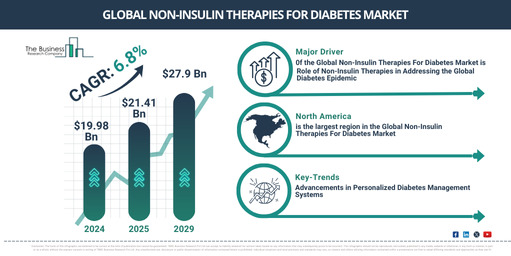
    The market for non-insulin diabetes therapies has seen robust growth in recent times. The market is projected to expand from $19.98 billion in 2024 to $21.41 billion in 2025, marking a compound annual growth rate (CAGR) of 7.1%. The historical growth can be accredited to factors such as greater prevalence of diabetes, increased consciousness about diabetes control, a rise in healthcare spending, lifestyle changes triggering higher instances of the disease, a spike in diagnoses, enhanced government efforts towards diabetes management, and heightened investment in pharmaceutical research and development.

    Predictions indicate a robust expansion in the market size for non-insulin diabetes therapies in the coming years, reaching $27.9 billion in 2029 with a compound annual growth rate (CAGR) of 6.8%. The anticipated growth in this timeframe is due to a variety of factors, including a rise in the incidence of diabetes, an increase in awareness about managing the condition, a trend towards combination therapies, an aging population, escalating healthcare costs, the growing utilization of telemedicine, and a preference for oral medication. Significant trends predicted during this forecast period include forward strides in both oral and injectable medications, improvements in drug delivery systems, advances in oral peptide delivery, the embracing of telemedicine and digital health solutions, and advances in combination therapies.

    Download a free sample to assess the report’s scope and structure:

    https://www.thebusinessresearchcompany.com/sample.aspx?id=16494&type=smp

    Which Factors and External Forces Are Driving Demand in the Non-Insulin Therapies For Diabetes Market?

    The heightened occurrence rate of diabetes is anticipated to spur the development of non-insulin treatments in the diabetes market. Diabetes is a long-term health condition marked by elevated blood glucose levels which occurs when the body is either incapable of producing sufficient insulin or properly utilizing the insulin it generates. Various factors, such as sedentary lifestyles, unhealthy dietary habits, genetic predisposition, aging demographics, obesity, ethnicity, lack of awareness, restricted healthcare accessibility, and environmental influences, contribute to the increasing cases of diabetes. Non-insulin diabetes treatments work by enhancing insulin sensitivity, decreasing the liver’s glucose production, elevating muscle cells’ glucose absorption, and improving overall glycemic control. For example, a report issued in April 2023 by The British Diabetic Association, a diabetes charity in the UK, indicates that 4.3 million individuals were diagnosed with diabetes in the UK. Compared to the registration data for 2020-21, the number of cases in 2021-22 increased by 148,951. Moreover, more than 2.4 million individuals in the UK are at a high risk of developing type 2 diabetes. Thus, the surge in the occurrence of diabetes is catalyzing the growth of non-insulin treatments in the diabetes market.

    Which Primary Segments of the Non-Insulin Therapies For Diabetes Market Are Driving Growth and Industry Transformations?

    The non-insulin therapies for diabetes market covered in this report is segmented –

    1) By Drug Class: Biguanides, Sulfonylureas, Thiazolidinedione’s, Alpha-Glucosidase Inhibitors, Dipeptidyl peptidase-4 (DPP-4) Inhibitors, Glucagon-like peptide-1 (GLP-1) Analogs, Sodium-glucose co-transporter-2 (SGLT2) Inhibitors

    2) By Route Of Administration: Oral, Intramuscular

    3) By Distribution Channel: Retail Pharmacy, Hospital Pharmacy, Online Pharmacy

    4) By Application: Monitoring, Diagnosis, Treatment, Other Applications

    Subsegments:

    1) By Biguanides: Metformin, Combination Of Metformin With Other Drugs

    2) By Sulfonylureas: Glimepiride, Glipizide, Glyburide

    3) By Thiazolidinediones: Pioglitazone, Rosiglitazone

    4) By Alpha-Glucosidase Inhibitors: Acarbose, Miglitol

    5) By Dipeptidyl Peptidase-4 (DPP-4) Inhibitors: Sitagliptin, Saxagliptin, Linagliptin, Alogliptin

    6) By Glucagon-Like Peptide-1 (GLP-1) Analogs: Exenatide, Liraglutide, Dulaglutide, Semaglutide

    7) By Sodium-Glucose Co-Transporter-2 (SGLT2) Inhibitors: Canagliflozin, Dapagliflozin, Empagliflozin

    Request customized data on this market:

    https://www.thebusinessresearchcompany.com/customise?id=16494&type=smp

    What Are the Fastest-Growing Geographies in the Non-Insulin Therapies For Diabetes Market?

    North America was the largest region in the non-insulin therapies for diabetes market in 2024. The regions covered in the non-insulin therapies for diabetes market report are Asia-Pacific, Western Europe, Eastern Europe, North America, South America, Middle East, Africa.

    Which Cutting-Edge Market Trends Are Expected to Drive the Non-Insulin Therapies For Diabetes Market’s Growth?

    Leading businesses in the non-insulin diabetes treatment market are innovating personalized diabetes management systems to improve patient outcomes with real-time monitoring, data analysis, and individualized treatment plans. These tailored diabetes management systems adjust treatment and oversight according to each patient’s specific requirements, employing real-time data and analysis to boost care and results. For example, Eli Lilly and Company, a pharmaceutical firm based in the United States, unveiled the Tempo personalized diabetes management platform in November 2022. The Tempo platform is comprised of three essential components: the Tempo Smart Button, the TempoSmart application, and the prefilled insulin pen named Tempo Pen. These components work in tandem to offer tailored advice to adults suffering from diabetes. This technology is developed to aid adults with type 1 or type 2 diabetes along with their healthcare professionals in making data-driven, informed treatment choices using Lilly insulins.

    View the full report here:

    https://www.thebusinessresearchcompany.com/report/non-insulin-therapies-for-diabetes-global-market-report

    What Parameters Are Used to Define the Non-Insulin Therapies For Diabetes Market?

    Non-insulin therapies for diabetes refer to medications and treatments used to manage blood sugar levels in diabetic patients without the use of insulin injections. They are essential for regulating blood sugar levels in patients, who either do not need or prefer insulin injections.

    Purchase the full report and get a swift delivery:

    https://www.thebusinessresearchcompany.com/purchaseoptions.aspx?id=16494

    About The Business Research Company:

    With over 15000+ reports from 27 industries covering 60+ geographies, The Business Research Company has built a reputation for offering comprehensive, data-rich research and insights. Armed with 1,500,000 datasets, the optimistic contribution of in-depth secondary research, and unique insights from industry leaders, you can get the information you need to stay ahead in the game.

    Get in touch with us:

    The Business Research Company: https://www.thebusinessresearchcompany.com/

    Americas +1 3156230293

    Asia +44 2071930708

    Europe +44 2071930708

    Email us at info@tbrc.info

    Follow us on:

    LinkedIn: https://in.linkedin.com/company/the-business-research-company

    YouTube: https://www.youtube.com/channel/UC24_fI0rV8cR5DxlCpgmyFQ

    Global Market Model: https://www.thebusinessresearchcompany.com/global-market-model
  • Non-Cystic Fibrosis Bronchiectasis Market Overview 2025: Competitive Shifts, Forecast Models, and Emerging Opportunities

    Non-Cystic Fibrosis Bronchiectasis Market Overview 2025: Competitive Shifts, Forecast Models, and Emerging Opportunities

    Discover trends, market shifts, and competitive outlooks for the non-cystic fibrosis bronchiectasis industry through 2025-2034 with The Business Research Company’s reliable data and in-depth research

    What is the Anticipated CAGR of the Non-Cystic Fibrosis Bronchiectasis Market, and What Factors Will Drive It?

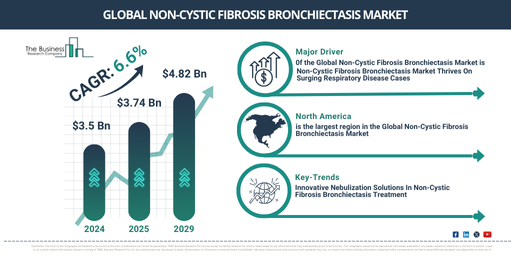
    Recently, the non-cystic fibrosis bronchiectasis market has demonstrated robust growth. It is projected to expand from $3.5 billion in 2024 to $3.74 billion in 2025, representing a compound annual growth rate (CAGR) of 6.9%. The significant growth observed during the historic period can be credited to a variety of factors including increased incidence and prevalence, advancements in diagnostic technologies, elevated government support and funding, a growing elderly population, enhanced healthcare infrastructure, heightened awareness about diagnosis, increasing old age population, and environmental exposure.

    Expectations are high for the non-cystic fibrosis bronchiectasis market, with a sizeable growth projected in the coming years. The market is forecasted to expand to a value of $4.82 billion in 2029, boasting a compound annual growth rate (CAGR) of 6.6%. Several factors are attributed to this growth trajectory within the predicted period, including advancements of personalized medicine, the discovery of new biomarkers, escalated investment in pulmonary medicine, an increase in research and development, initiatives from public health entities, the world’s aging population, and the progression of targeted therapies. Noteworthy trends for the forecasting period incorporate digital health platforms, emphasis on targeted therapies, integration of artificial intelligence (AI) and machine learning, a shift towards home-based healthcare, patient-focused strategies, and the expansion of mobile health (mHealth) services.

    Download a free sample to assess the report’s scope and structure:

    https://www.thebusinessresearchcompany.com/sample.aspx?id=17209&type=smp

    What are the Fundamental Drivers and Innovations Shaping the Non-Cystic Fibrosis Bronchiectasis Market?

    Anticipated growth in the non-cystic fibrosis bronchiectasis market can be attributed to the escalating prevalence of respiratory ailments. Such diseases, which affect lung and respiratory function, interfere with breathing and overall respiratory function. This increase is mainly due to the rising levels of environmental pollution, including outdoor factors and indoor disturbances like tobacco smoke. As the occurrence of respiratory infections grows, it opens up new avenues to further understand, diagnose, and treat non-cystic fibrosis bronchiectasis through interventions and public health initiatives. For example, in June 2023, a report from the Office for Health Improvement and Disparities, a UK government entity, recorded a total of 4,622 reports of Group A Streptococcus bacteria scarlet fever from week 37 to week 46 of the 2022-2023 season in England. This report saw 851 notifications in week 46 alone, a significant increase compared to the average 1,294 notifications (ranging from 258 to 2,008) during the same period across the past five years. Consequently, the growing prevalence of respiratory illnesses is expected to fuel the growth of the non-cystic fibrosis bronchiectasis market.

    What Segment Types Define the Non-Cystic Fibrosis Bronchiectasis Market Structure?

    The non-cystic fibrosis bronchiectasis market covered in this report is segmented –

    1) By Diagnosis: Computed Tomography (CT) Scan, Bronchoscopy, Chest X Ray, Lung Function, Sputum Culture Test, Blood Tests, Other Diagnosis Types

    2) By Treatment: Surgery, Physiotherapy, Vaccination, Airway Pharmacotherapy, Antibiotics, Other Treatments

    3) By End Use: Hospitals And Clinics, Ambulatory Care Centers, Other End Uses

    Subsegments:

    1) By Computed Tomography (CT) Scan: High-Resolution CT (HRCT), Standard CT

    2) By Bronchoscopy: Flexible Bronchoscopy, Rigid Bronchoscopy

    3) By Chest X-Ray: Standard Chest X-Ray, Digital Chest X-Ray

    4) By Lung Function: Spirometry, Peak Flow Measurement

    5) By Sputum Culture Test: Bacterial Culture, Fungal Culture, Viral Culture

    6) By Blood Tests: Complete Blood Count (CBC), C-Reactive Protein (CRP), Immunoglobulin Levels

    7) By Other Diagnosis Types: Sweat Test, Genetic Testing, Exhaled Nitric Oxide Test

    Request customized data on this market:

    https://www.thebusinessresearchcompany.com/customise?id=17209&type=smp

    Which Regions Are Driving the Next Phase of the Non-Cystic Fibrosis Bronchiectasis Market Growth?

    North America was the largest region in the non-cystic fibrosis bronchiectasis market in 2023. The regions covered in the non-cystic fibrosis bronchiectasis market report are Asia-Pacific, Western Europe, Eastern Europe, North America, South America, Middle East, Africa.

    What Key Trends Are Shaping the Future of the Non-Cystic Fibrosis Bronchiectasis Market?

    Major corporations in the non-cystic fibrosis bronchiectasis market are directing their efforts towards personalized medicine strategies including nebulization solutions, with the goal of enhancing the efficacy of drug distribution and patient adherence. Nebulization solutions employ state-of-the-art technology to guarantee accurate and efficient administration of respiratory medications, thus improving patient adherence and treatment results. In April 2022, for example, Zambon S.P.A, a multinational pharmaceutical firm based in Italy, was granted a US FDA designation for CMS I-neb treatment for patients suffering from non-cystic fibrosis bronchiectasis (NCFB). CMS I-net, a therapy currently under exploration, is being designed as a potential first of its kind inhaled treatment for adult patients with NCFB colonized with P. aeruginosa. NCFB is a chronic, progressively worsening, irreversible respiratory illness. The breakthrough designation substantiates the registration roadmap for CMS I-neb in NCFB, potentially speeding up its development and evaluation.

    View the full report here:

    https://www.thebusinessresearchcompany.com/report/non-cystic-fibrosis-bronchiectasis-global-market-report

    What Is the Definition of the Non-Cystic Fibrosis Bronchiectasis Market?

    Non-cystic fibrosis bronchiectasis is a chronic condition characterized by permanent and abnormal widening of the airways (bronchi) in the lungs. This results from repeated inflammation and infection, leading to damage and weakening of the bronchial walls. It can cause mucus buildup, persistent coughing, breathlessness, and recurrent respiratory infections. Treatment often involves managing symptoms, preventing exacerbations, and addressing underlying causes such as bacterial infections or immune system dysfunction.

    Purchase the full report and get a swift delivery:

    https://www.thebusinessresearchcompany.com/purchaseoptions.aspx?id=17209

    About The Business Research Company:

    With over 15000+ reports from 27 industries covering 60+ geographies, The Business Research Company has built a reputation for offering comprehensive, data-rich research and insights. Armed with 1,500,000 datasets, the optimistic contribution of in-depth secondary research, and unique insights from industry leaders, you can get the information you need to stay ahead in the game.

    Get in touch with us:

    The Business Research Company: https://www.thebusinessresearchcompany.com/

    Americas +1 3156230293

    Asia +44 2071930708

    Europe +44 2071930708

    Email us at info@tbrc.info

    Follow us on:

    LinkedIn: https://in.linkedin.com/company/the-business-research-company

    YouTube: https://www.youtube.com/channel/UC24_fI0rV8cR5DxlCpgmyFQ

    Global Market Model: https://www.thebusinessresearchcompany.com/global-market-model
  • Non Invasive Fat ReductionMarket Overview 2025–2034: CAGR Trends, Long-Term Growth Paths, and Business Implications

    Non Invasive Fat ReductionMarket Overview 2025–2034: CAGR Trends, Long-Term Growth Paths, and Business Implications

    Discover trends, market shifts, and competitive outlooks for the non invasive fat reduction industry through 2025-2034 with The Business Research Company’s reliable data and in-depth research

    How Has The Non Invasive Fat Reduction Market Size Shifted, And What Is the Outlook Through 2034?

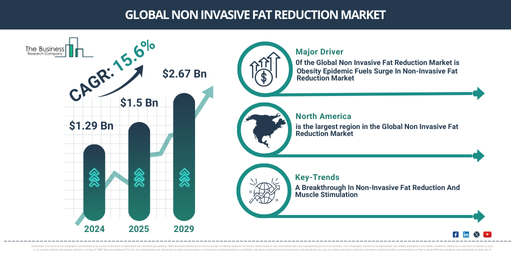
    Over the past years, the non-invasive fat reduction industry has seen a quick surge in size. The projection indicates that the market value will rise from $1.29 billion in 2024 to a substantial $1.5 billion in 2025, with a compound annual growth rate (CAGR) of 16.0%. Factors that have contributed to this historical progression include heightened consciousness about body image, advancements in non-invasive fat reduction technology, a rise in disposable income, an increasing demand for minor invasive cosmetic procedures, and the growth of an aging population in pursuit of aesthetic treatments.

    The market size for non-invasive fat reduction is projected to experience swift expansion in the upcoming years, reaching an anticipated $2.67 billion in 2029 with a compound annual growth rate (CAGR) of 15.6%. This predicted growth within the forecast period can be credited to ongoing advancements in technology that result in safer and more effective methods, growing market reach in developing economies, a surging focus on wellness and embracing body positivity, progress in customized treatment solutions, and the increasing preference for combined therapies for improved results. Major trends during the forecast period are set to involve constant technological innovation, escalating demand for less invasive procedures, amplified market penetration, increasing use of combined treatment options, an amplified focus on wellbeing and body positivity, advancements in tailor-made treatment choices, and a rising elderly population looking for aesthetic treatments.

    Download a free sample to assess the report’s scope and structure:

    https://www.thebusinessresearchcompany.com/sample.aspx?id=15872&type=smp

    How Are Key Drivers in the Industry Acting as Catalysts for the Growth of the Non Invasive Fat Reduction Market?

    The growth of the non-invasive fat reduction market is likely to be boosted by the increasing number of people with obesity. Individuals are considered obese when their body mass index is 30 or higher, a measure which indicates a high level of body fat that elevates health risks significantly. The rise in obesity can be attributed to various factors such as the overconsumption of calorie-dense processed foods, a lack of physical activity, genetic factors, and the socioeconomic hindrances to sourcing healthy food and engaging in exercise. Non-invasive fat reduction methods like cryolipolysis and laser lipolysis cater to this demographic, offering a safer option than surgery to get rid of localized fat deposits. For instance, a report released by the World Obesity Federation in March 2024 forecasted an increase in the number of adults living with obesity from 0.81 billion in 2020 to 1.53 billion in 2035. As a result, the escalating obesity rates are fueling the expansion of the non-invasive fat reduction market.

    Which Primary Segments of the Non Invasive Fat Reduction Market Are Driving Growth and Industry Transformations?

    The non invasive fat reduction market covered in this report is segmented –

    1) By Technology: Cryolipolysis, Ultrasound, Low Level Lasers

    2) By Gender: Female, Male

    3) By End Users: Hospitals, Stand Alone Practices, Multispecialty Clinic

    Subsegments:

    1) By Cryolipolysis: CoolSculpting, Cryolipolysis With Vacuum-Assisted Technology

    2) By Ultrasound: High-Intensity Focused Ultrasound (HIFU), Low-Intensity Ultrasound

    3) By Low Level Lasers: Red Light Therapy, Diode Laser Systems

    Request customized data on this market:

    https://www.thebusinessresearchcompany.com/customise?id=15872&type=smp

    What Are the Fastest-Growing Geographies in the Non Invasive Fat Reduction Market?

    North America was the largest region in the non invasive fat reduction market in 2023. The regions covered in the non invasive fat reduction market report are Asia-Pacific, Western Europe, Eastern Europe, North America, South America, Middle East and Africa.

    What Are the Key Market Trends in the Non Invasive Fat Reduction Market Over the Coming Years?

    Key participants in the non-invasive fat reduction sector, such as Cartessa Aesthetics, are honing their focus on innovative technology development. More specifically, these technologies often involve muscle stimulation techniques to bolster fat loss and improve overall treatment results. These technologies utilize electric pulses to trigger muscle contraction, thus supplementing fat burn and promoting body toning without the need for surgical intervention. In April 2024, Cartessa Aesthetics, a firm based out of the US that specializes in novel aesthetic medical devices, introduced PHYSIQ 360, a superior body contouring solution. With PHYSIQ 360, consumers can access individualized fat reduction and muscle augmentation procedures that cater to diverse body and skin types. The product employs a unique “sequential thermal and electrical pulse” (or STEP) technology, integrating proprietary laser energy (known as LZR technology) with pure beam technology. This results in an evenly distributed fat reduction as well as using electrical muscle stimulation (EMS) for effective muscle contraction. In addition, the device is equipped with up to four independently programmable applicators, enabling the simultaneous treatment of multiple body zones.

    View the full report here:

    https://www.thebusinessresearchcompany.com/report/non-invasive-fat-reduction-global-market-report

    What Parameters Are Used to Define the Non Invasive Fat Reduction Market?

    Non-invasive fat reduction refers to a range of cosmetic procedures designed to reduce localized fat deposits without surgery or incisions. These techniques typically employ technologies such as lasers, ultrasound, or cold therapy to target and break down fat cells, resulting in a slimmer appearance with minimal discomfort and downtime.

    Purchase the full report and get a swift delivery:

    https://www.thebusinessresearchcompany.com/purchaseoptions.aspx?id=15872

    About The Business Research Company:

    With over 15000+ reports from 27 industries covering 60+ geographies, The Business Research Company has built a reputation for offering comprehensive, data-rich research and insights. Armed with 1,500,000 datasets, the optimistic contribution of in-depth secondary research, and unique insights from industry leaders, you can get the information you need to stay ahead in the game.

    Get in touch with us:

    The Business Research Company: https://www.thebusinessresearchcompany.com/

    Americas +1 3156230293

    Asia +44 2071930708

    Europe +44 2071930708

    Email us at info@tbrc.info

    Follow us on:

    LinkedIn: https://in.linkedin.com/company/the-business-research-company

    YouTube: https://www.youtube.com/channel/UC24_fI0rV8cR5DxlCpgmyFQ

    Global Market Model: https://www.thebusinessresearchcompany.com/global-market-model
  • Global Night Blindness Treatment Market Trends: Regional Breakdowns and Strategic Insights

    Global Night Blindness Treatment Market Trends: Regional Breakdowns and Strategic Insights

    Discover trends, market shifts, and competitive outlooks for the night blindness treatment industry through 2025-2034 with The Business Research Company’s reliable data and in-depth research

    What Are the Projected Market Size and Growth Rates for the Night Blindness Treatment Market From 2025 To 2029?

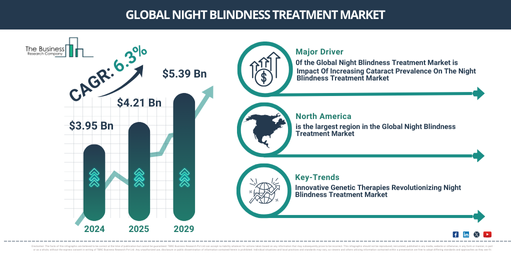
    The market for treating night blindness has experienced robust growth in the past few years. Its value is forecasted to rise from $3.95 billion in 2024 to $4.21 billion in 2025, with a compound annual growth rate (CAGR) of 6.7%. The market’s historical growth can be credited to the increasing numbers of people suffering from vitamin A deficiency, a rise in the elderly population who are susceptible to night vision issues, improvement in healthcare infrastructure, increased emphasis on nutrition-based interventions for vision health, and a growing number of retinitis pigmentosa cases.

    The market for treating night blindness is anticipated to witness robust expansion in the forthcoming years, with its valuation anticipated to reach $5.39 billion by 2029, demonstrating a compound annual growth rate (CAGR) of 6.3%. The surge in the forecast timeline can be largely ascribed to the escalating uptake of state-of-the-art diagnostic technologies, intensifying campaigns advocating eye health, burgeoning demand for tailor-made medicine, expansion in the count of eye-care institutions and facilities, and growth in the healthcare infrastructure. Noteworthy trends continuing into the forecast span encompass the use of cutting-edge diagnostic technologies, application of customized treatments, progress in gene and stem cell therapies, incorporation of wearable tech for real-time tracking, and the emergence of multi-disciplinary clinics.

    Download a free sample to assess the report’s scope and structure:

    https://www.thebusinessresearchcompany.com/sample.aspx?id=18413&type=smp

    What External and Internal Drivers Are Contributing to the Growth of the Night Blindness Treatment Market?

    The escalating occurrence of cataracts is projected to spur the expansion of the night blindness treatment market. Cataracts create cloudiness in the lens of the eye, resulting in diminished vision. Factors such as high exposure to the sun’s ultraviolet (UV) light, smoking, and unhealthy diet can increase the risks of developing cataracts. The condition affects the eye’s capacity to differentiate between varying intensities of light and darkness, a key factor for night sight. This leads to a decline in contrast sensitivity, making it challenging to navigate and identify objects in poorly lit environments. For example, in July 2023, the 2021-23 National UK Eye Care Statistics Survey organized by the Well-being of Future Generations Act (WFG), a UK government agency, reported around 16,500 (16,510) cataract admissions in 2022-23, marking a 23.7% rise from the preceding year. Therefore, this increased incidence of cataracts is fueling the growth of the night blindness treatment market.

    Which Key Market Segments Comprise the Night Blindness Treatment Market and Drive Its Revenue Growth?

    The night blindness treatment market covered in this report is segmented –

    1) By Treatment: Medication, Surgery, Other Treatments

    2) By Diagnosis: Blood Tests, Color Vision Testing, Pupil Light Reflex, Refraction, Retinal Exam, Electroretinogram (ERG), Other Diagnoses

    3) By Symptom: Eye Pain, Vomiting, Cloudy Vision, Halos, Light Sensitivity, Distance Vision Problem, Headache, Other Symptoms

    4) By End User: Clinic, Hospital, Other End Users

    Subsegments:

    1) By Medication: Vitamin A Supplements, Retinoid Therapy, Beta-Carotene Supplements, Anti-Glaucoma Medications, Other Pharmaceutical Treatments

    2) By Surgery: Cataract Surgery, Retinal Surgery, Corneal Transplantation, LASIK Surgery

    3) By Other Treatments: Light Therapy, Gene Therapy, Low Vision Aids And Assistive Devices, Nutritional Therapy

    Request customized data on this market:

    https://www.thebusinessresearchcompany.com/customise?id=18413&type=smp

    Which Geographic Areas Hold the Strongest Growth Potential in the Night Blindness Treatment Market?

    North America was the largest region in the night blindness treatment market in 2024. Asia-Pacific is expected to be the fastest-growing region in the forecast period. The regions covered in the night blindness treatment market report are Asia-Pacific, Western Europe, Eastern Europe, North America, South America, Middle East, Africa.

    What Key Trends Are Shaping the Future of the Night Blindness Treatment Market?

    Leading firms in the night blindness treatment market are spearheading the creation of novel genetic therapies tailored to target and repair the particular genetic anomalies causing a significant increase in treatment effectiveness for better patient results. These genetic treatments focus on improving night vision by rectifying specific genetic dysfunctions that compromise retinal function, potentially restoring sight in those suffering from inherited retinal conditions like retinitis pigmentosa. To exemplify, HuidaGene Therapeutics., an American clinical-stage biotech firm, unveiled HG004 in August 2023. This gene therapy is conceived to treat inherited retinal disorders such as Leber’s congenital amaurosis. Superior to existing treatments as demonstrated in preclinical trials, the therapy aims to rejuvenate retinal function while alleviating night blindness and other issues linked with RPE65-related impairments.

    View the full report here:

    https://www.thebusinessresearchcompany.com/report/night-blindness-treatment-global-market-report

    How Is the Night Blindness Treatment Market Conceptually Defined?

    Night blindness treatment refers to interventions aiming to alleviate conditions such as vitamin A deficiency and other issues impairing vision in low light settings. It aims to enhance visual acuity in dim conditions and improve overall visual function by addressing underlying causes. The purpose of night blindness treatment is to improve the patient’s ability to see in low-light conditions and at night. This treatment aims to address the underlying causes of night blindness and alleviate the symptoms.

    Purchase the full report and get a swift delivery:

    https://www.thebusinessresearchcompany.com/purchaseoptions.aspx?id=18413

    About The Business Research Company:

    With over 15000+ reports from 27 industries covering 60+ geographies, The Business Research Company has built a reputation for offering comprehensive, data-rich research and insights. Armed with 1,500,000 datasets, the optimistic contribution of in-depth secondary research, and unique insights from industry leaders, you can get the information you need to stay ahead in the game.

    Get in touch with us:

    The Business Research Company: https://www.thebusinessresearchcompany.com/

    Americas +1 3156230293

    Asia +44 2071930708

    Europe +44 2071930708

    Email us at info@tbrc.info

    Follow us on:

    LinkedIn: https://in.linkedin.com/company/the-business-research-company

    YouTube: https://www.youtube.com/channel/UC24_fI0rV8cR5DxlCpgmyFQ

    Global Market Model: https://www.thebusinessresearchcompany.com/global-market-model