Author: Marketing Posting

  • Neurovascular Embolization Devices Market in Focus: Forecasting Growth Drivers, Scaling Potential, and Global Opportunities

    Neurovascular Embolization Devices Market in Focus: Forecasting Growth Drivers, Scaling Potential, and Global Opportunities

    Discover trends, market shifts, and competitive outlooks for the neurovascular embolization devices industry through 2025-2034 with The Business Research Company’s reliable data and in-depth research

    How Fast Is The Neurovascular Embolization Devices Market Expected to Grow Between 2025 And 2029?

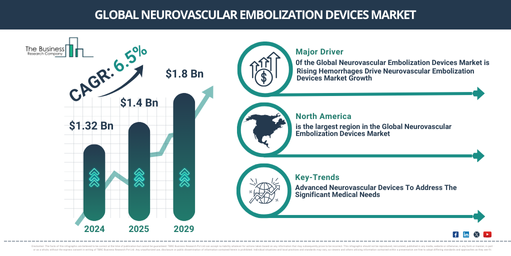
    The market size of neurovascular embolization devices has seen robust growth in the past few years. The market, which was worth $1.32 billion in 2024, is projected to escalate to $1.4 billion in 2025, witnessing a compound annual growth rate (CAGR) of 6.2%. Factors such as a higher frequency of neurovascular ailment cases, an uptick in the elderly population, favor towards less invasive medical procedures, betterment in healthcare facilities, and enhanced health expenditure are the primary drivers of growth during the historic period.

    In the coming years, the neurovascular embolization devices market is projected to witness significant growth, eventually reaching a value of $1.8 billion by 2029, with a compound annual growth rate (CAGR) of 6.5%. The anticipated growth during this period can be tied to factors such as an increase in applications in new markets, focus on care tailored to the individual patient, growing public knowledge of neurovascular diseases, advancements in imaging technologies, and increased spending on research and development. The forecast period also expects to see several key trends, including personalized treatment strategies, the incorporation of artificial intelligence into treatment plans, the development of advanced embolic materials, a transition towards outpatient and ambulatory procedures, and the creation of novel embolization methods.

    Download a free sample to assess the report’s scope and structure:

    https://www.thebusinessresearchcompany.com/sample.aspx?id=15871&type=smp

    Which Primay Drivers Are Accelerating Growth in the Neurovascular Embolization Devices Market?

    The neurovascular embolization devices market is likely to be fueled by an escalation in the frequency of hemorrhages. Hemorrhages, defined as abnormal and unchecked bleeding either inside the body or externally through a rupture in skin or mucous membrane, are becoming increasingly common due to factors including rising elderly populations, higher occurrences of hypertension, and widespread use of anticoagulant medication. Hemorrhagic strokes, when abnormal blood vessels are obstructed by neurovascular embolization devices to lessen bleeding and prevent further brain damage, are one such application. For instance, research conducted by King’s College London, a renowned public research university in the UK, in February 2024 predicts that the count of cases and fatalities from intracerebral hemorrhage (a specific kind of hemorrhage) among the age group of 70 to 95 in the UK is set to surge by 59.4% by 2050. Thus, this surge in hemorrhage prevalence propels the growth of the neurovascular embolization devices market.

    How Is the Neurovascular Embolization Devices Market Segmented?

    The neurovascular embolization devices market covered in this report is segmented –

    1) By Product: Embolization Coils, Liquid Embolic Systems, Flow Diversion Stents, Aneurysm Clips, Other Products

    2) By Treatment: Ischemic Stroke Solution, Hemorrhagic Stroke Solutions

    3) By Indication: Brain Aneurysms, Arteriovenous Malformation, Other Indications

    4) By End User: Hospitals, Ambulatory Surgical Centers, Other End Users

    Subsegments:

    1) By Embolization Coils: Detachable Coils, Bare Platinum Coils, Coils With Hydrogel Coatings

    2) By Liquid Embolic Systems: Gluteraldehyde-Based Liquid Embolization, Onyx Liquid Embolic System

    3) By Flow Diversion Stents: Stents With Dual-Layer Technology, Flow Diverters For Aneurysm Treatment

    4) By Aneurysm Clips: Titanium Clips, Stainless Steel Clips

    5) By Other Products: Balloons For Embolization, Microcatheters

    Request customized data on this market:

    https://www.thebusinessresearchcompany.com/customise?id=15871&type=smp

    Which Regions Are Key Players in the Growth of the Neurovascular Embolization Devices Market?

    North America was the largest region in the neurovascular embolization devices market in 2023. Asia-Pacific is expected to be the fastest-growing region in the forecast period. The regions covered in the neurovascular embolization devices market report are Asia-Pacific, Western Europe, Eastern Europe, North America, South America, Middle East and Africa.

    Which Technological Trends Are Reshaping the Neurovascular Embolization Devices Industry Dynamics?

    Key market players in the field of neurovascular embolization devices are striving to innovate and develop devices equipped with advanced technology, such as shield technology, to treat brain aneurysms effectively and competitively. Shield Technology is geared towards improving the performance and safety of these devices while also ensuring they have a long lifespan and are robust. For instance, in June 2022, healthcare technology firm based in Ireland, Medtronic PLC, introduced the Pipeline Vantage with Shield Technology in India. This fourth-generation flow diverter boasts enhanced design features that aim to increase reliability and usability during endovascular procedures. The device encourages cellular growth in the blood vessels’ inner lining, providing a structure that aids in the non-invasive treatment of aneurysms, minimizes the risk of rupture, and enhances patient results.

    View the full report here:

    https://www.thebusinessresearchcompany.com/report/neurovascular-embolization-devices-global-market-report

    How Is the Neurovascular Embolization Devices Market Defined and What Are Its Core Parameters?

    Neurovascular embolization devices are medical instruments used to treat abnormal brain or central nervous blood vessels by blocking or redirecting blood flow. These devices are employed in neuro-interventional procedures to manage conditions such as aneurysms, arteriovenous malformations (AVMs), and arteriovenous fistulas (AVFs) that may risk bleeding or other complications.

    Purchase the full report and get a swift delivery:

    https://www.thebusinessresearchcompany.com/purchaseoptions.aspx?id=15871

    About The Business Research Company:

    With over 15000+ reports from 27 industries covering 60+ geographies, The Business Research Company has built a reputation for offering comprehensive, data-rich research and insights. Armed with 1,500,000 datasets, the optimistic contribution of in-depth secondary research, and unique insights from industry leaders, you can get the information you need to stay ahead in the game.

    Get in touch with us:

    The Business Research Company: https://www.thebusinessresearchcompany.com/

    Americas +1 3156230293

    Asia +44 2071930708

    Europe +44 2071930708

    Email us at info@tbrc.info

    Follow us on:

    LinkedIn: https://in.linkedin.com/company/the-business-research-company

    YouTube: https://www.youtube.com/channel/UC24_fI0rV8cR5DxlCpgmyFQ

    Global Market Model: https://www.thebusinessresearchcompany.com/global-market-model
  • Strong CAGR to Propel in the Neuronavigation Systems Market and Beyond upto $3.71 Billion by 2029

    Strong CAGR to Propel in the Neuronavigation Systems Market and Beyond upto $3.71 Billion by 2029

    Discover trends, market shifts, and competitive outlooks for the neuronavigation systems industry through 2025-2034 with The Business Research Company’s reliable data and in-depth research

    What Are the Key Projections for the CAGR of the Neuronavigation Systems Market Size From 2025 to 2034?

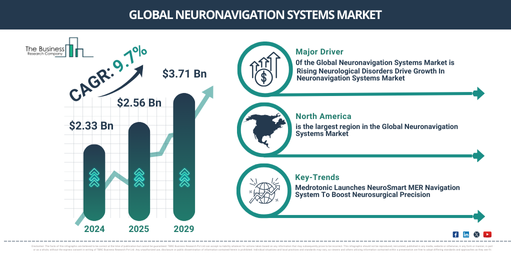
    The market for neuronavigation systems has experienced expeditious growth in the past years. Its size is forecasted to expand from $2.33 billion in 2024 to $2.56 billion in 2025, with an annual growth rate of 10.1%. This impressive growth during the historical period can be traced back to factors such as rising demand for neuronavigation systems, improved safety and precision in neurosurgery, escalated risk of the development and advancement of neurological conditions, increased financial backing and investments, and a rise in the average life expectancy.

    In the coming years, the market size for neuronavigation systems is predicted to experience robust growth. With a compound annual growth rate (CAGR) of 9.7%, it is anticipated to reach $3.71 billion in value by 2029. This growth during the predicted period can be ascribed to the rising demand for precise systems, growing instances of neurological disorders such as cancer, an escalating rate of disorders, an increasing occurrence of neurological issues, and higher healthcare expenses. Key trends during this forecasted period include the use of computer-aided technologies, the incorporation of augmented reality (AR), the application of artificial intelligence (AI) and machine learning (ML), electromagnetic technology, and the use of sophisticated robotics in neurosurgery.

    Download a free sample to assess the report’s scope and structure:

    https://www.thebusinessresearchcompany.com/sample.aspx?id=18412&type=smp

    Which Factors and External Forces Are Driving Demand in the Neuronavigation Systems Market?

    The surge in neurological disorders is predicted to drive the expansion of the neuronavigation systems market in the future. These disorders primarily afflict the brain, spinal cord, and body’s nerves. The escalating cases of such disorders are attributed to the aging population, exposure to pollutants and toxins, poor diet and nutritional deficiencies, along with enhanced diagnostic prowess. Neuronavigation systems play a crucial role in enhancing surgical precision in brain operations, reducing risks and improving patient outcomes suffering from neurological disorders like brain tumors and epilepsy. They provide accurate real-time imaging and mapping of the brain and better detection of disorders, environmental factors, diet and exercise habits changes, and sometimes genetic predispositions. For example, the Centers for Disease Control and Prevention, a federal agency based in the United States, reported in August 2024 that around 6.7 million older adults in the United States currently live with Alzheimer’s disease. This figure is projected to almost double by 2060 to nearly 14 million. Consequently, the rising incidence of neurological disorders fuels the neuronavigation systems market.

    Which Primary Segments of the Neuronavigation Systems Market Are Driving Growth and Industry Transformations?

    The neuronavigation systems market covered in this report is segmented –

    1) By Type: Optical System, Electromagnetic System

    2) By Application: Neurosurgery, Craniomaxillofacial Surgery, Spinal Surgery, Other Applications

    3) By End-Users: Hospitals, Neurology Clinic, Ambulatory Surgical Centers (ASCs), Research Centers

    Subsegments:

    1) By Optical System: Passive Optical Systems, Active Optical Systems, Hybrid Optical Systems

    2) By Electromagnetic System: Frameless Electromagnetic Systems, Frame-Based Electromagnetic Systems, 3D Electromagnetic Navigation Systems

    Request customized data on this market:

    https://www.thebusinessresearchcompany.com/customise?id=18412&type=smp

    What Are the Fastest-Growing Geographies in the Neuronavigation Systems Market?

    North America was the largest region in the neuronavigation systems market in 2024. Asia-Pacific is expected to be the fastest-growing region in the forecast period. The regions covered in the neuronavigation systems market report are Asia-Pacific, Western Europe, Eastern Europe, North America, South America, Middle East, Africa.

    Which Cutting-Edge Market Trends Are Expected to Drive the Neuronavigation Systems Market’s Growth?

    Key players in the neuronavigation systems market are dedicated to devising innovative solutions like the portable microelectrode recording (MER) navigation system, with an aim to improve the accuracy of surgeries and enhance patient outcomes. The portable microelectrode recording (MER) navigation system is an advanced medical tool, predominantly used in neurosurgery, specifically in deep brain stimulation (DBS) procedures. This system is particularly useful for accurately positioning electrodes in the brain by recording neuron electrical activity. For example, in April 2024, Medrotonic, a medical device company rooted in Ireland, introduced the NeuroSmart Portable Micro Electrode Recording (MER) Navigation System in India. This system was explicitly designed to manage Parkinson’s disease through Deep Brain Stimulation (DBS) procedures. DBS is an established therapeutic approach for treating Parkinson’s disease symptoms such as tremors, rigidity, and walking difficulties. The NeuroSmart Portable Micro Electrode Recording (MER) Navigation System ensures accurate electrode placement by utilizing advanced neurophysiological navigation mapping while recording neural activity. Its superior features improve target localization, facilitating the identification of the best target for each patient, ultimately ensuring the best symptom relief.

    View the full report here:

    https://www.thebusinessresearchcompany.com/report/neuronavigation-systems-global-market-report

    What Parameters Are Used to Define the Neuronavigation Systems Market?

    Neuronavigation systems are advanced medical tools that guide neurosurgeons during brain and spinal surgeries. These systems provide real-time, precise, three-dimensional visualization of the patient’s anatomy, allowing for accurate navigation and localization of surgical targets. Neuronavigation systems significantly improve the precision and safety of neurosurgical procedures, enhancing the surgeon’s ability to perform complex operations with greater confidence and success.

    Purchase the full report and get a swift delivery:

    https://www.thebusinessresearchcompany.com/purchaseoptions.aspx?id=18412

    About The Business Research Company:

    With over 15000+ reports from 27 industries covering 60+ geographies, The Business Research Company has built a reputation for offering comprehensive, data-rich research and insights. Armed with 1,500,000 datasets, the optimistic contribution of in-depth secondary research, and unique insights from industry leaders, you can get the information you need to stay ahead in the game.

    Get in touch with us:

    The Business Research Company: https://www.thebusinessresearchcompany.com/

    Americas +1 3156230293

    Asia +44 2071930708

    Europe +44 2071930708

    Email us at info@tbrc.info

    Follow us on:

    LinkedIn: https://in.linkedin.com/company/the-business-research-company

    YouTube: https://www.youtube.com/channel/UC24_fI0rV8cR5DxlCpgmyFQ

    Global Market Model: https://www.thebusinessresearchcompany.com/global-market-model
  • Neurological Disorder Drugs Market Valuation Expected To Reach $114.65 Billion By 2029, Growing At A Rate Of 6.2%

    Neurological Disorder Drugs Market Valuation Expected To Reach $114.65 Billion By 2029, Growing At A Rate Of 6.2%

    Discover trends, market shifts, and competitive outlooks for the neurological disorder drugs industry through 2025-2034 with The Business Research Company’s reliable data and in-depth research

    How Has The Neurological Disorder Drugs Market Growth Evolved From 2024 To 2025, And What’s Ahead?

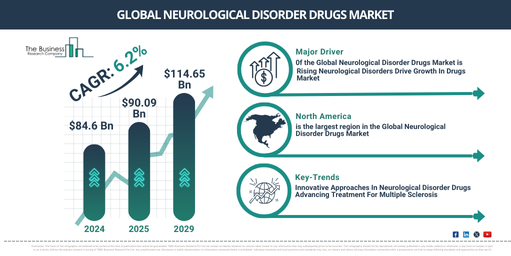
    The market size for drugs treating neurological disorders has seen significant expansion in the recent past. It is projected to experience a follow-on growth from $84.6 billion in 2024 to $90.09 billion in 2025, with a compound annual growth rate (CAGR) of 6.5%. This growth observed in the historical period is due to factors such as enhanced animal testing yielding optimistic results, a rise in therapeutic treatments, an escalation in the incidence of neurological issues, initiatives undertaken by the government, and an increase in healthcare spending.

    Predictions indicate marked escalation in the size of the neurological disorder medication market in the forthcoming years, with estimations reaching $114.65 billion in 2029, progressing at a Compound Annual Growth Rate (CAGR) of 6.2%. The anticipated expansion over the forecasted period is associated with the evolution of therapeutic alternatives and personalized treatments, increased concentration on disease-modifying solutions, rising utilization of digital biomarkers, and growing incidences of neurological disorders. Significant trends expected during this forecast period incorporate progressions in drug architecture, developments in neuroimaging, breakthroughs in genetic studies, strategic collaborations and licensing agreements, as well as the introduction of regenerative medicine.

    Download a free sample to assess the report’s scope and structure:

    https://www.thebusinessresearchcompany.com/sample.aspx?id=17207&type=smp

    Which Major Market Drivers Are Expected to Boost the Growth Potential of the Neurological Disorder Drugs Market?

    The growth of the neurological disorder drugs market is projected to be driven by the growing incidence of neurological conditions. These ailments, which are characterized by abnormalities in the brain, spinal cord or nerves’ structure, chemistry or electricity, have diverse symptoms. The surge in such disorders can be linked to global aging and increased exposure to environmental, metabolic and lifestyle hazards. The drugs used to treat these neurological disorders are crucial to their control, providing symptom relief, slowing down the progression of the disease and enhancing patients’ long-term wellbeing. For example, the Australian Institute of Health and Welfare, a government agency in Australia, forecasted in September 2024 that the population living with dementia in Australia will more than double from about 411,100 in 2023 to 849,300 by 2058, with approximately 315,500 men and 533,800 women affected. As a result, the growing incidence of neurological diseases is fuelling the expansion of the neurological disorder drugs market.

    Which Segments in the Neurological Disorder Drugs Offer the Most Growth?

    The neurological disorder drugs market covered in this report is segmented –

    1) By Drug Class: Cholinesterase Inhibitors, N-Methyl-D-Aspartate (NMDA) Receptor Antagonists, Antiepileptic, Antipsychotic And Antidepressant, Other Drugs Classes

    2) By Indication: Epilepsy, Alzheimer’s Disease, Parkinson’s Disease, Multiple Sclerosis, Cerebrovascular Disease, Other Indications

    3) By Route Of Administration: Oral, Parenteral, Other Routes Of Administration

    4) By Distribution Channel: Hospital Pharmacy, Retail Pharmacy, Online Pharmacy, Other Distribution Channels

    5) By End-Users: Hospitals, Specialty Clinics, Homecare, Other End Users

    Subsegtments:

    1) By Cholinesterase Inhibitors: Donepezil, Rivastigmine, Galantamine

    2) By N-Methyl-D-Aspartate (NMDA) Receptor Antagonists: Memantine, Other NMDA Receptor Antagonists

    3) By Antiepileptic: Sodium Channel Blockers, GABA Enhancers, Glutamate Modulators, Other Antiepileptics

    4) By Antipsychotic and Antidepressant: Risperidone, Olanzapine, SSRIs, SNRIs, Tricyclic

    5) By Other Drug Classes: Dopaminergic Drugs, Alpha-2 Agonists, Immunomodulators, Other Neurological Disorder Medications

    Request customized data on this market:

    https://www.thebusinessresearchcompany.com/customise?id=17207&type=smp

    Which Areas Are Leading Regions in the Neurological Disorder Drugs Market Expansion Across the Globe?

    North America was the largest region in the neurological disorder drugs market in 2024. Asia-Pacific is expected to be the fastest-growing region in the forecast period. The regions covered in the neurological disorder drugs market report are Asia-Pacific, Western Europe, Eastern Europe, North America, South America, Middle East, Africa.

    What Are the Key Market Trends in the Neurological Disorder Drugs Market Over the Coming Years?

    Significant players in the neurological disorder drugs market are currently emphasizing on the creation of novel Ocrelizumab drug therapies. Their goal is to improve the efficiency of treatment, enhance the results for patients, and broaden the range of therapeutic choices for those suffering from multiple sclerosis. Ocrelizumab is a specialized monoclonal antibody utilized as a medicinal drug for treating multiple sclerosis (MS), a neurological disorder variant. For example, in February 2024, Roche Holding AG, a Switzerland-based pharmaceutical manufacturer, introduced Ocrevus (Ocrelizumab), a fresh disease-altering therapy (DMT) drug for the treatment of multiple sclerosis in India. Ocrevus holds the distinction of being the first and only approved DMT for both relapsing-remitting multiple sclerosis (RRMS) and primary progressive multiple sclerosis (PPMS), backed by a decade of clinical and practical data. This monoclonal antibody specifically targets CD20-positive B cells, thought to contribute to the autoimmune assault on the central nervous system in cases of multiple sclerosis (MS). Ocrevus is used to address both RRMS and PPMS, establishing it as the first medication approved for both variations of the condition. The drug is usually provided through intravenous methods every six months and has demonstrated effectiveness in minimizing disease activity and halting disability progression in clinical studies.

    View the full report here:

    https://www.thebusinessresearchcompany.com/report/neurological-disorder-drugs-global-market-report

    What Are the Key Elements That Define the Neurological Disorder Drugs Market?

    Neurological disorder drugs refer to medications used to treat disorders of the nervous system. These disorders can affect the brain, spinal cord, and nerves throughout the body. The drugs aim to manage symptoms, slow the progression of the disorder, and improve the quality of life for individuals affected.

    Purchase the full report and get a swift delivery:

    https://www.thebusinessresearchcompany.com/purchaseoptions.aspx?id=17207

    About The Business Research Company:

    With over 15000+ reports from 27 industries covering 60+ geographies, The Business Research Company has built a reputation for offering comprehensive, data-rich research and insights. Armed with 1,500,000 datasets, the optimistic contribution of in-depth secondary research, and unique insights from industry leaders, you can get the information you need to stay ahead in the game.

    Get in touch with us:

    The Business Research Company: https://www.thebusinessresearchcompany.com/

    Americas +1 3156230293

    Asia +44 2071930708

    Europe +44 2071930708

    Email us at info@tbrc.info

    Follow us on:

    LinkedIn: https://in.linkedin.com/company/the-business-research-company

    YouTube: https://www.youtube.com/channel/UC24_fI0rV8cR5DxlCpgmyFQ

    Global Market Model: https://www.thebusinessresearchcompany.com/global-market-model
  • Neurogenetic Testing Market Forecast Reaching $1.16 Billion by 2029 at 13.5% CAGR

    Neurogenetic Testing Market Forecast Reaching $1.16 Billion by 2029 at 13.5% CAGR

    Discover trends, market shifts, and competitive outlooks for the neurogenetic testing industry through 2025-2034 with The Business Research Company’s reliable data and in-depth research

    What is the Projected CAGR for the Neurogenetic Testing Market Size from 2025 to 2034?

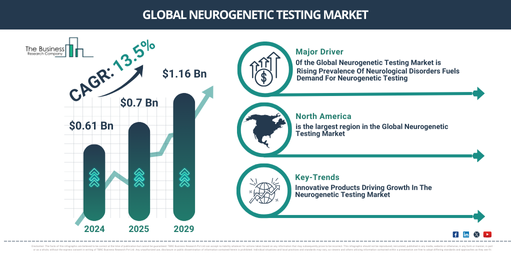
    The market size of neurogenetic testing has experienced a significant upturn in recent times. The forecast sees a surge from $0.61 billion in 2024 to $0.7 billion in 2025, with a compound annual growth rate (CAGR) of 13.9%. Factors that contributed to this historical growth include the higher incidence rates of neurological diseases, heightened research activity in the life sciences sector, an increased prevalence of Parkinson’s disease, a rising number of cancer cases, and growing consciousness amongst medical professionals.

    The market size for neurogenetic testing is anticipated to experience swift expansion over the next few years. The market is projected to reach $1.16 billion in 2029, boasting a compound annual growth rate (CAGR) of 13.5%. This growth during the forecast period can be credited to the surge in personalized medicine applications, the rise in chronic illnesses, a growing count of hospitals, an upswing in diagnostic labs, and an increasing demand for early disease diagnosis. Key trends forecast for this period include the advancements in technology, a higher frequency of non-invasive testing methods, the development of new products, strategic partnerships, and the emergence of new biomarkers pertinent to neurological disorders.

    Download a free sample to assess the report’s scope and structure:

    https://www.thebusinessresearchcompany.com/sample.aspx?id=16131&type=smp

    What Are the Core Growth Drivers Propelling the Neurogenetic Testing Market Forward?

    The escalating numbers of neurological conditions are anticipated to stimulate the development of the neurogenetic testing sector. Neurological conditions pertain to any disease impacting the nervous system, including the brain, spinal cord, and nerves. The emergence of these conditions can be attributed to genetic vulnerability, infections, trauma, toxins, autoimmune reactions, and degeneration. Neurogenetic assessments significantly boost the diagnosis, treatment, and management of these disorders by providing personalized insights on genetic risk elements, informing treatment options, and enabling individuals and families to make knowledgeable healthcare decisions, consequently enhancing patient care and outcomes. For example, in April 2022, based on data from the European Brain Council, a non-profit organization from Belgium, over 600 neurological and nearly 300 psychiatric conditions afflict millions worldwide, including 65 million who suffer from epilepsy. In Europe, dementia affects 10.5 million people, with forecasts predicting a surge to 18.7 million by 2050. As a result, the escalating numbers of neurological conditions are predicted to impel the development of the neurogenetic testing sector.

    Neurogenetic Testing Market Driver: A Surge in Cancer Cases Promotes Growth in Neurogenetic Testing Market


    Which Key Market Segments Comprise the Neurogenetic Testing Market and Drive Its Revenue Growth?

    The neurogenetic testing market covered in this report is segmented –

    1) By Type: Microarray Analysis, Whole-Exome Sequencing (WES), Multiplex Ligation Dependent Probe Amplification (MLPA), Polymerase Chain Reaction (PCR) Tests, Other Types

    2) By Disease: Rare Genetic Disorder, Cancer, Cystic Fibrosis, Sickle Cell Anemia, Duchenne Muscular Dystrophy, Thalassemia, Huntington’s Disease, Fragile X Syndrome, Other Diseases

    3) By End-Users: Hospitals, Specialty Clinics, Research Institutes, Diagnostics Laboratories

    Subsegments:

    1) By Microarray Analysis: Comparative Genomic Hybridization (CGH) Microarray, Single Nucleotide Polymorphism (SNP) Microarray, Gene Expression Microarray

    2) By Whole-Exome Sequencing (WES): Targeted Exome Sequencing, Clinical Exome Sequencing, Research-Grade Exome Sequencing

    3) By Multiplex Ligation Dependent Probe Amplification (MLPA): MLPA For Copy Number Variation, MLPA For Methylation Analysis, MLPA For Specific Disease Detection

    4) By Polymerase Chain Reaction (PCR) Tests: Quantitative PCR (qPCR), Reverse Transcription PCR (RT-PCR), Digital PCR (dPCR)

    5) By Other Types: Next-Generation Sequencing (NGS), Southern Blotting, Fluorescence In Situ Hybridization (FISH), Sanger Sequencing

    Request customized data on this market:

    https://www.thebusinessresearchcompany.com/customise?id=16131&type=smp

    Which Geographic Areas Hold the Strongest Growth Potential in the Neurogenetic Testing Market?

    North America was the largest region in the neurogenetic testing market in 2023. Asia-Pacific is expected to be the fastest-growing region in the forecast period. The regions covered in the neurogenetic testing market report are Asia-Pacific, Western Europe, Eastern Europe, North America, South America, Middle East, Africa.

    Which Emerging Trends that Are Influencing the Neurogenetic Testing Industry Evolution?

    Big players in the neurogenetic testing market are focused on delivering innovative products, such as whole-genome sequencing in an attempt to improve the precision and range of genetic analysis, thereby providing more thorough and personalized tests for neurological conditions. Whole-genome sequencing (WGS) constitutes a detailed method of genetic testing that discerns the full DNA sequence of a person’s entire genome. For instance, in March 2024, Nucleus Genomics, a company based in the USA that specializes in genetic analysis, unveiled a novel product for DNA analysis. This platform equips people with a comprehensive understanding of their genetic predispositions which in turn aids them in forming knowledgeable decisions regarding their health and overall well-being. Armed with advanced technology and proficient genetic counseling services, Nucleus Genomics is poised to redefine the genetic testing landscape, making whole-genome sequencing directly accessible to individuals and bringing about a revolution in genomic medicine.

    View the full report here:

    https://www.thebusinessresearchcompany.com/report/neurogenetic-testing-global-market-report

    How Is the Neurogenetic Testing Market Conceptually Defined?

    Neurogenetic testing is a type of genetic testing that focuses on identifying genetic variations associated with neurological disorders or conditions affecting the nervous system. It is used for diagnosing, predicting, and managing neurological disorders, as well as facilitating research and the development of personalized treatment approaches in the field of neurology and genetics.

    Purchase the full report and get a swift delivery:

    https://www.thebusinessresearchcompany.com/purchaseoptions.aspx?id=16131

    About The Business Research Company:

    With over 15000+ reports from 27 industries covering 60+ geographies, The Business Research Company has built a reputation for offering comprehensive, data-rich research and insights. Armed with 1,500,000 datasets, the optimistic contribution of in-depth secondary research, and unique insights from industry leaders, you can get the information you need to stay ahead in the game.

    Get in touch with us:

    The Business Research Company: https://www.thebusinessresearchcompany.com/

    Americas +1 3156230293

    Asia +44 2071930708

    Europe +44 2071930708

    Email us at info@tbrc.info

    Follow us on:

    LinkedIn: https://in.linkedin.com/company/the-business-research-company

    YouTube: https://www.youtube.com/channel/UC24_fI0rV8cR5DxlCpgmyFQ

    Global Market Model: https://www.thebusinessresearchcompany.com/global-market-model
  • Nerve Monitoring Systems Market 2025-2034: Key Highlights, Growth Dynamics, and Emerging Trends

    Nerve Monitoring Systems Market 2025-2034: Key Highlights, Growth Dynamics, and Emerging Trends

    Discover trends, market shifts, and competitive outlooks for the nerve monitoring systems industry through 2025-2034 with The Business Research Company’s reliable data and in-depth research

    How Has The Nerve Monitoring Systems Market Size Shifted, And What Is the Outlook Through 2034?

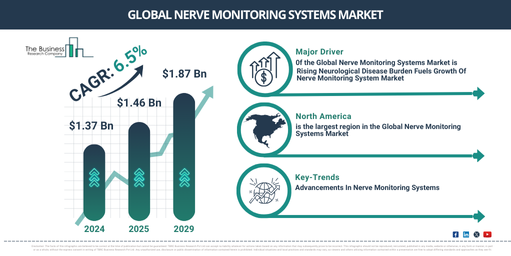
    In recent times, there’s been a robust growth in the nerve monitoring systems market size. The market is poised to expand from $1.37 billion in 2024 to $1.46 billion in 2025, at a compound annual growth rate (CAGR) of 6.7%. Factors attributing to this growth during the historical period include advancements in surgical methods, a heightened focus on patient safety, an increase in minimally invasive surgeries, enhancements in monitoring technology, and a surging demand for precision medicine.

    The market for nerve monitoring systems is anticipated to experience robust growth in the coming years, with an estimated value of $1.87 billion in 2029, and a compound annual growth rate (CAGR) of 6.5%. Factors such as the increasing rate of chronic ailments requiring elaborate surgical procedures, the growth of the elderly population needing more surgery, heightened awareness of nerve injury risks, the rise in demand for live monitoring during surgery, and advancements in healthcare infrastructure contribute to this expected growth. Projected trends throughout this period include the incorporation of artificial intelligence and machine learning, the creation of wearable and mobile nerve monitoring devices, improvements in remote and wireless monitoring technologies, emphasis on individualized medicine using custom nerve monitoring solutions, and the use of seamlessly integrated surgical platforms.

    Download a free sample to assess the report’s scope and structure:

    https://www.thebusinessresearchcompany.com/sample.aspx?id=18790&type=smp

    What Are the Major Market Drivers Behind the Rising Adoption of Nerve Monitoring Systems Market?

    The growth of the nerve monitoring system market is anticipated to be driven by the escalating prevalence of neurological disorders. These diseases, which affect the brain, spinal cord, and nerves, lead to compromised movement, cognition, sensation, and autonomic function. The spike in neurological conditions can be attributed to an aging population, increased life expectancy, and heightened exposure to risk factors such as lifestyle changes, environmental toxins, and stress. Nerve monitoring systems are essential in managing neurological diseases as they help prevent nerve damage during operations, assure nerve function preservation, and reduce postoperative complications. For example, the Australian Institute of Health and Welfare, an Australia-based government organization, projected in September 2024 that the number of dementia patients in Australia is set to more than double, escalating from around 411,100 in 2023 to 849,300 by 2058. This figure includes approximately 315,500 men and 533,800 women anticipated to be impacted. Hence, the increase in neurological disorders is propelling the growth of the nerve monitoring system market.

    Which Segments in the Nerve Monitoring Systems Offer the Most Growth?

    The nerve monitoring systems market covered in this report is segmented –

    1) By Product: Nerve Monitor, Electrodes, Probes, Accessories

    2) By Technology: Electromyography (EMG), Electroencephalography (EEG), Electrocorticography (ECOG), Evoked Potential (EP)

    3) By Application: Neurosurgery, Spine Surgery, ENT Surgery, Cardiovascular Applications, Other Applications

    4) By End User: Hospitals, Ambulatory Surgical Centers, Other End Users

    Subsegments:

    1) By Nerve Monitor: Standard Nerve Monitors, Advanced Nerve Monitors

    2) By Electrodes: Disposable Electrodes, Reusable Electrodes, Surface Electrodes, Needle Electrodes

    3) By Probes: Single-Use Probes, Reusable Probes, Catheter Probes, Nerve Stimulator Probes

    4) By Accessories: Cables, Connectors, Amplifiers, Software And Interface Modules

    Request customized data on this market:

    https://www.thebusinessresearchcompany.com/customise?id=18790&type=smp

    Which Areas Are Leading Regions in the Nerve Monitoring Systems Market Expansion Across the Globe?

    North America was the largest region in the nerve monitoring systems market in 2024. Asia-Pacific is expected to be the fastest-growing region in the forecast period. The regions covered in the nerve monitoring systems market report are Asia-Pacific, Western Europe, Eastern Europe, North America, South America, Middle East, Africa.

    What Are the Strategic Trends Steering the Nerve Monitoring Systems Market Direction?

    Leading businesses in the nerve monitoring system market are prioritizing the creation of technologically advanced goods, such as neuromonitoring devices integrated with supersonic technology. These devices offer superior, real-time imaging of nerve structures, thereby promoting precision and safety during surgical operations. The said devices employ sophisticated ultrasonic imaging techniques to facilitate real-time, superior quality monitoring of nerve structures and functions while conducting surgical procedures. For example, WISE, a medical device firm based in Italy, secured approval in December 2022 from the US Food and Drug Administration (FDA) for its Intraoperative Neurophysiological Monitoring (IONM) device, the WISE Cortical Strip (WCS). The WCS neuromonitoring device is designed to be used during surgeries alongside other medical tools to record, monitor, and stimulate brain surface electrical signals. Unlike the conventional cortical metal disc electrodes, the WCS is equipped with stretchable platinum contacts housed within a soft, thin silicone film, allowing it to fit perfectly on the brain’s surface. These electrodes are manufactured using stretchable electronic circuits, integrated into extremely thin elastomeric foils, with the use of supersonic technology.

    View the full report here:

    https://www.thebusinessresearchcompany.com/report/nerve-monitoring-systems-global-market-report

    What Are the Key Elements That Define the Nerve Monitoring Systems Market?

    A nerve monitoring system is a medical device used to continuously monitor and assess the function of nerves during surgical procedures. It helps surgeons avoid damaging critical nerves by providing real-time feedback on nerve activity and function. The system typically involves electrodes or sensors placed near or on the nerves, and it may include a display or alarm system to alert the surgical team if there is a risk of nerve injury.

    Purchase the full report and get a swift delivery:

    https://www.thebusinessresearchcompany.com/purchaseoptions.aspx?id=18790

    About The Business Research Company:

    With over 15000+ reports from 27 industries covering 60+ geographies, The Business Research Company has built a reputation for offering comprehensive, data-rich research and insights. Armed with 1,500,000 datasets, the optimistic contribution of in-depth secondary research, and unique insights from industry leaders, you can get the information you need to stay ahead in the game.

    Get in touch with us:

    The Business Research Company: https://www.thebusinessresearchcompany.com/

    Americas +1 3156230293

    Asia +44 2071930708

    Europe +44 2071930708

    Email us at info@tbrc.info

    Follow us on:

    LinkedIn: https://in.linkedin.com/company/the-business-research-company

    YouTube: https://www.youtube.com/channel/UC24_fI0rV8cR5DxlCpgmyFQ

    Global Market Model: https://www.thebusinessresearchcompany.com/global-market-model
  • Nephrostomy Devices Market Trends 2025-2034: Growth, Strategic Insights, and Opportunities Ahead

    Nephrostomy Devices Market Trends 2025-2034: Growth, Strategic Insights, and Opportunities Ahead

    Discover trends, market shifts, and competitive outlooks for the nephrostomy devices industry through 2025-2034 with The Business Research Company’s reliable data and in-depth research

    #How Has the Nephrostomy Devices Market Growth Performance Trended Historically, And What Lies Ahead?3

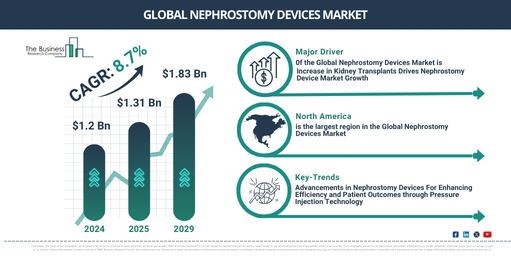
    The market size for nephrostomy devices has experienced substantial growth in the past few years. It’s expected to increase from $1.2 billion in 2024 to $1.31 billion in 2025, with a compound annual growth rate (CAGR) of 9.0%. The historical growth can be credited to factors such as the escalating incidence of kidney stone disease, a rising aging population, improved reimbursement policies, expanded use in urological procedures, growing awareness, an increased rate of kidney-related illnesses, and better healthcare infrastructure.

    Significant expansion is predicted for the nephrostomy devices market in the forthcoming years, potentially reaching a size of $1.83 billion by 2029, boasting an 8.7% compound annual growth rate (CAGR). This projected development can be linked to several factors including an upswing in kidney-related health issues, an increasing elderly population, improvements in healthcare infrastructure in developing markets, higher levels of awareness and diagnosis of urological conditions. Further factors include increased funding for research and development and heightened knowledge concerning nephrostomy procedures. Notable trends to watch in this forecast period encompass progress in minimally invasive surgical practices, medical device technological innovations, advances in medical imaging technologies, nephrostomy device design innovations, and progress in catheter technology.

    Download a free sample to assess the report’s scope and structure:

    https://www.thebusinessresearchcompany.com/sample.aspx?id=16493&type=smp

    What External and Internal Drivers Are Contributing to the Growth of the Nephrostomy Devices Market?

    The nephrostomy device market is projected to grow due to an increased number of kidney transplants. Described as the surgical attempt of assigning a functional kidney from a donor to an individual suffering from kidney failure, a rise in the frequency of kidney transplants is the result of chronic kidney disease and kidney failure’s growing prevalence and advancements in medical technology and organ transplant procedures. Nephrostomy devices play a vital role in kidney transplants by providing a temporary solution for urine to be drained directly from the kidneys, when complications such as blockages occur in the urinary tract. This ensures the correct functioning of the kidneys, lowers the risk of infection or damage to the transplanted kidney during the pivotal post-transplant recovery period. For example, the Health Resources and Services Administration (HRSA), a federal agency with roots in the U.S. Department of Health and Human Services (HHS), reported an all-time high of 44,187 adult candidates being added to the kidney waiting list in 2022, surpassing the pre-pandemic peak of 42,932 in 2019. In addition, the total number of adult candidates listed for kidney transplants, including multiple registrations for those registered at various centers, showed a slight increase to 140,165, compared to 139,011 in 2021. Hence, the increased frequency of kidney transplant incidents is fueling the nephrostomy device market’s growth.

    Which Key Market Segments Comprise the Nephrostomy Devices Market and Drive Its Revenue Growth?

    The nephrostomy devices market covered in this report is segmented –

    1) By Product Type: Guidewires, Drainage Tubes, Nephrostomy Catheters, Sheath Dilators, Other Products

    2) By Application: Kidney Diseases, Urological Cancer And Benign Prostatic Hyperplasia (BPH), Other Applications

    3) By End-Use: Hospitals, Clinics, Ambulatory Surgical Centers (ASCs), Other End-Users

    Subsegments:

    1) By Guidewires: Straight Guidewires, Hydrophilic Guidewires, Coated Guidewires

    2) By Drainage Tubes: Single-Lumen Drainage Tubes, Double-Lumen Drainage Tubes, Multilumen Drainage Tubes

    3) By Nephrostomy Catheters: Percutaneous Nephrostomy Catheters, Suprapubic Nephrostomy Catheters

    4) By Sheath Dilators: Standard Sheath Dilators, Hydrophilic Sheath Dilators

    5) By Other Products: Nephrostomy Bags, Catheter Fixation Devices, Nephrostomy Kits

    Request customized data on this market:

    https://www.thebusinessresearchcompany.com/customise?id=16493&type=smp

    Which Geographic Areas Hold the Strongest Growth Potential in the Nephrostomy Devices Market?

    North America was the largest region in the nephrostomy devices market in 2024. Asia-Pacific is expected to be the fastest-growing region in the forecast period. The regions covered in the nephrostomy devices market report are Asia-Pacific, Western Europe, Eastern Europe, North America, South America, Middle East, Africa.

    What Long-Term Trends Are Transforming the Competitive Landscape of the Nephrostomy Devices Market?

    Leading firms in the nephrostomy devices market are pioneering new products, including pressure injections for catheters, aimed at enhancing surgical efficiency and patient results. Pressure injection in a catheter entails applying regulated pressure to inject fluids or medicines through a catheter implanted in the body, typically into the kidney system for nephrostomy procedures. For instance, Teleflex Incorporated, an American medical device company, introduced the Arrow Pressure Injectable Midline in June 2022. The Arrow Pressure Injectable Midline, distinctive with its yellow hubs and labels, makes catheter identification easier, thereby reducing the chance of infusion errors. It retains a constant French size, decreasing the likelihood of venous stagnation. It also features a simplified tray setup and ergonomic trimmer for accurate placement during operations. Additionally, it integrates enhanced safety measures, permitting quick pressure injections up to 5 mL per second through either lumen, minimizing diagnosis and treatment delays.

    View the full report here:

    https://www.thebusinessresearchcompany.com/report/nephrostomy-devices-global-market-report

    How Is the Nephrostomy Devices Market Conceptually Defined?

    Nephrostomy devices are medical instruments used to create and maintain an artificial passage between the kidney and the skin’s surface to allow urine drainage. These devices are essential in managing conditions such as kidney stones, tumors, or strictures that obstruct the urinary flow, providing temporary or long-term relief of symptoms and preserving kidney function.

    Purchase the full report and get a swift delivery:

    https://www.thebusinessresearchcompany.com/purchaseoptions.aspx?id=16493

    About The Business Research Company:

    With over 15000+ reports from 27 industries covering 60+ geographies, The Business Research Company has built a reputation for offering comprehensive, data-rich research and insights. Armed with 1,500,000 datasets, the optimistic contribution of in-depth secondary research, and unique insights from industry leaders, you can get the information you need to stay ahead in the game.

    Get in touch with us:

    The Business Research Company: https://www.thebusinessresearchcompany.com/

    Americas +1 3156230293

    Asia +44 2071930708

    Europe +44 2071930708

    Email us at info@tbrc.info

    Follow us on:

    LinkedIn: https://in.linkedin.com/company/the-business-research-company

    YouTube: https://www.youtube.com/channel/UC24_fI0rV8cR5DxlCpgmyFQ

    Global Market Model: https://www.thebusinessresearchcompany.com/global-market-model
  • Neonatal Infants Enteral Feeding Devices Market Insights: In-Depth Look at Growth Trends, Market Size, and Opportunities for 2025-2034

    Neonatal Infants Enteral Feeding Devices Market Insights: In-Depth Look at Growth Trends, Market Size, and Opportunities for 2025-2034

    Discover trends, market shifts, and competitive outlooks for the neonatal infants enteral feeding devices industry through 2025-2034 with The Business Research Company’s reliable data and in-depth research

    What Are the Projected Market Size and Growth Rates for the Neonatal Infants Enteral Feeding Devices Market From 2025 To 2029?

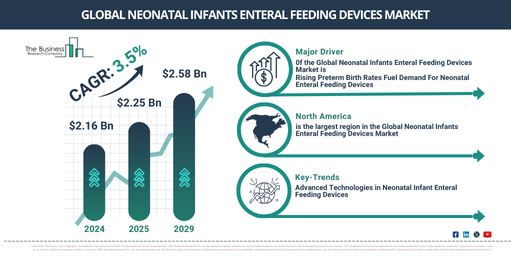
    The market size for neonatal infants’ enteral feeding devices has been consistently expanding in the past few years. The market will see an ascent from $2.16 billion in 2024 to $2.25 billion in 2025, representing a compound annual growth rate (CAGR) of 3.9%. The historical growth in this domain is credited to factors such as a surge in preterm birth rates, heightened prevalence of neonatal complications, increasing need for specialized neonatal medical attention, and the expansion of healthcare facilities.

    Expectations are steady for the neonatal infant feeding devices market to grow in the near future. The projected size is set to rise to $2.58 billion in 2029, with a compound annual growth rate (CAGR) of 3.5%. This growth over the forecast period is largely due to the growing use of enteral nutrition in neonatal intensive care units, increasing healthcare investments in emerging markets, greater understanding of enteral feeding benefits in neonates, expanded use of enteral feeding devices in homecare environments and technological improvements in enteral feeding for better patient outcomes. Noteworthy trends across the forecast period comprise technological leaps, miniaturization of enteral feeding devices, the addition of smart technology for off-site monitoring, the creation of specialized enteral formulas for newborns, a focus on preventing and controlling infections, and tailor-made nutrition solutions for personalized care.

    Download a free sample to assess the report’s scope and structure:

    https://www.thebusinessresearchcompany.com/sample.aspx?id=15616&type=smp

    What Are the Core Market Drivers Propelling Growth in the Neonatal Infants Enteral Feeding Devices Industry?

    The growth of the neonatal infant enteral feeding devices market is anticipated to be driven by the escalating occurrence of preterm births. Preterm birth, the condition of a baby being born before completing 37 weeks of gestation, might result in various health problems due to an incomplete developmental process. Factors contributing to preterm births can range from maternal age and lifestyle choices, to intervention procedures such as assisted reproductive technologies, pre-existing maternal health conditions, and environmental influences. To mitigate this, neonatal infant enteral feeding devices are used to provide vital nutrition directly into the stomach or intestines of premature infants incapable of oral feeding which aids in their growth and progression. For example, the Office for National Statistics (a UK governmental organization), reported a marginal increase in the percentage of preterm live births from 7.5% in 2021 to 7.9% in 2022 in May 2024. Thus, the escalating occurrence of preterm births positively impacts the growth of the neonatal infant enteral feeding devices market. The anticipated advancement of the neonatal infant enteral feeding devices market is tied to the surge in neonatal hospital admissions. These admissions denote newborn infants’ hospitalization, generally occurring within their 28-day life span, to provide medical care and supervision. Neonatal infant enteral feeding devices afford specialized medical procedures and observation to premature or critically unhealthy infants, ensuring their immediate health requirements are satisfied while boosting their survival and healthy growth probabilities. In the context, the American Academy of Pediatrics (AAP, a US non-profit organization) reported in October 2023, that the percentage of infants categorized as late preterm (LPT) and low birth weight (LBW) receiving exclusive care in the nursery experienced a boost from 83.9% to 88.8% attributable to special circumstances. Hence, the surge in neonatal hospital admissions, is driving the forward progression of the neonatal infant enteral feeding devices market.

    What Segment Types Define the Neonatal Infants Enteral Feeding Devices Market Structure?

    The neonatal infants enteral feeding devices market covered in this report is segmented –

    1) By Product Type: Gastrostomy Tubes, Jejunostomy Tubes, Duodenostomy Tubes, Nasal Feeding Tubes, Oropharyngeal Feeding Tubes

    2) By Material: Silicone, Polyurethane, Polyvinyl Chloride

    3) By Size: Preterm, Full Term

    4) By Application: Clinic, Hospital, Ambulatory Care, Home Use, Other Applications

    Subsegments:

    1) By Gastrostomy Tubes: Percutaneous Endoscopic Gastrostomy (Peg) Tubes, Balloon Gastrostomy Tubes, Non-Balloon Gastrostomy Tubes

    2) By Jejunostomy Tubes: Percutaneous Endoscopic Jejunostomy (Pej) Tubes, Balloon Jejunostomy Tubes, Non-Balloon Jejunostomy Tubes

    3) By Duodenostomy Tubes: Percutaneous Endoscopic Duodenostomy Tubes, Balloon Duodenostomy Tubes, Non-Balloon Duodenostomy Tubes

    4) By Nasal Feeding Tubes: Nasogastric (Ng) Tubes, Nasoduodenal (Nd) Tubes, Nasojejunal (Nj) Tubes

    5) By Oropharyngeal Feeding Tubes: Oro-Gastric (Og) Tubes, Oro-Pharyngeal Nasal Tubes

    Request customized data on this market:

    https://www.thebusinessresearchcompany.com/customise?id=15616&type=smp

    Which Regions Are Driving the Next Phase of the Neonatal Infants Enteral Feeding Devices Market Growth?

    North America was the largest region in the neonatal infants enteral feeding devices market in 2024. The regions covered in the neonatal infants enteral feeding devices market report are Asia-Pacific, Western Europe, Eastern Europe, North America, South America, Middle East, Africa.

    What Key Market Trends and Innovations Are Shaping the Future of the Neonatal Infants Enteral Feeding Devices Industry?

    Leading firms in the neonatal infant enteral feeding devices market are introducing products that incorporate cutting-edge innovations such as real-time evaluation technology. This technology aids in feeding supervision and guarantees optimal nutrition, thereby lowering the potential for complications. Real-time evaluation technology in infant enteral feeding devices heightens accuracy, boosts safety, enables early problem identification, encourages data-based decision-making, includes parents, and increases the overall effectiveness of neonatal care. For example, Cardinal Health, a healthcare services and products company based in the United States, unveiled their NTrainer System 2.0, a new medical equipment designed to expedite the development of oral coordination skills needed for independent feeding in premature and newborn infants, in August 2023. The only FDA Class II biofeedback device, the NTrainer System 2.0 aids premature and newborn infants in honing their non-nutritive sucking (NNS) abilities necessary for independent oral feeding. This device employs real-time evaluation technology, giving clinicians objective data to monitor an infant’s growth in developing pre-feeding skills.

    View the full report here:

    https://www.thebusinessresearchcompany.com/report/neonatal-infants-enteral-feeding-devices-global-market-report

    What Is the Definition of the Neonatal Infants Enteral Feeding Devices Market?

    Neonatal infants enteral feeding devices are specialized medical devices designed for the administration of enteral nutrition to premature or critically ill newborn infants who are unable to feed orally. These devices serve a critical role in delivering essential nutrients, fluids, and medications directly into the gastrointestinal tract of neonates, supporting their growth, development, and recovery in the neonatal intensive care unit (NICU) or special care nursery.

    Purchase the full report and get a swift delivery:

    https://www.thebusinessresearchcompany.com/purchaseoptions.aspx?id=15616

    About The Business Research Company:

    With over 15000+ reports from 27 industries covering 60+ geographies, The Business Research Company has built a reputation for offering comprehensive, data-rich research and insights. Armed with 1,500,000 datasets, the optimistic contribution of in-depth secondary research, and unique insights from industry leaders, you can get the information you need to stay ahead in the game.

    Get in touch with us:

    The Business Research Company: https://www.thebusinessresearchcompany.com/

    Americas +1 3156230293

    Asia +44 2071930708

    Europe +44 2071930708

    Email us at info@tbrc.info

    Follow us on:

    LinkedIn: https://in.linkedin.com/company/the-business-research-company

    YouTube: https://www.youtube.com/channel/UC24_fI0rV8cR5DxlCpgmyFQ

    Global Market Model: https://www.thebusinessresearchcompany.com/global-market-model
  • Needle-Free Drug Delivery Devices Market Outlook 2025–2034: Identifying Growth Drivers, Technology Trends, and Policy Impact

    Needle-Free Drug Delivery Devices Market Outlook 2025–2034: Identifying Growth Drivers, Technology Trends, and Policy Impact

    Discover trends, market shifts, and competitive outlooks for the needle-free drug delivery devices industry through 2025-2034 with The Business Research Company’s reliable data and in-depth research

    What Is the Estimated Market Size of the Needle-Free Drug Delivery Devices Market In 2029?

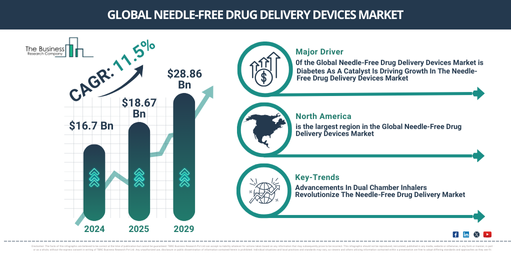
    The market size for needle-free drug delivery devices has seen a significant expansion in recent years. The market, which was worth $16.7 billion in 2024, is expected to rise to $18.67 billion in 2025, demonstrating a compound annual growth rate (CAGR) of 11.8%. Factors contributing to this growth during the historical period include a surge in chronic diseases, a growing preference for painless drug delivery systems, an increase in the elderly population, a focus on patient compliance and safety, regulatory encouragement for needle-free technologies, and growth in the pharmaceutical industry.

    In the future few years rapid expansion is anticipated in the needle-free drug delivery devices market, with predictions of hitting $28.86 billion by 2029, boasting a compound annual growth rate (CAGR) of 11.5%. This potential growth during the forecast phase is associated with the rising demand for pain-free medication administration, the increased focus on healthcare solutions centered around patient needs, broader usage amongst children and the elderly, the increasing necessity for frequent injections due to a high prevalence of chronic diseases, advancements in technology that improves device performance and accessibility, improved healthcare accessibility in developing markets, and increased funding in research and development for new delivery systems. Projected trends for the forecast period comprise greater acceptance of wearable and connected devices, the introduction of innovative microfluidic technologies, an increasing emphasis on child-friendly needle-free solutions, the incorporation of artificial intelligence and machine learning algorithms, and wider applications in the home healthcare sector.

    Download a free sample to assess the report’s scope and structure:

    https://www.thebusinessresearchcompany.com/sample.aspx?id=15615&type=smp

    Which Primay Drivers Are Accelerating Growth in the Needle-Free Drug Delivery Devices Market?

    The escalating incidence of diabetes is anticipated to spur the expansion of the needle-free drug delivery device market in the future. Diabetes, characterized by elevated blood sugar levels, arises from either poor insulin production or inefficient insulin use by the body. Causes for the rise in diabetes include inactive lifestyles, poor dietary habits, a genetic predisposition, urbanization, and aging populations. These are exacerbated by limited health care access and an increase in global obesity rates. Needle-free drug delivery devices offer an alternative to traditional insulin injections in diabetes management. Technologies such as jet injectors or transdermal patches are used, which administer insulin through the skin without using needles. This removes the usual discomfort and anxiety associated with injections and enhances comfort levels. For example, in June 2024, the National Health Service, a UK-based government agency, reported that in 2023 it identified an additional 549,000 individuals in England at risk of developing type 2 diabetes. This increased the total number of people registered with a GP as having non-diabetic hyperglycaemia, or pre-diabetes, to 3,615,330. This marked an almost 20% rise from the previous year’s figure of 3,065,825. Thus, the escalating incidence of diabetes is fueling the growth of the needle-free drug delivery device market.

    How Is the Needle-Free Drug Delivery Devices Market Segmented?

    The needle-free drug delivery devices market covered in this report is segmented –

    1) By Device Type: Inhalers, Jet Injectors, Novel Needles, Transdermal Patches, Other Device Types

    2) By Application: Pain Management, Vaccine Delivery, Pediatric Injections, Insulin Delivery, Other Applications

    3) By End-User: Hospitals And Clinics, Home Healthcare

    Subsegments:

    1) By Inhalers: Dry Powder Inhalers (Dpi), Metered Dose Inhalers (Mdi), Nebulizers

    2) By Jet Injectors: High-Pressure Jet Injectors, Spring-Powered Jet Injectors, Battery-Operated Jet Injectors

    3) By Novel Needles: Micro-Needle Arrays, Nano-Needle Arrays

    4) By Transdermal Patches: Microneedle Patches, Conventional Patches ( Nicotine, Hormonal, Pain Relief)

    5) By Other Device Types: Oral Drug Delivery Devices, Implantable Drug Delivery Systems, Sublingual Drug Delivery Devices

    Request customized data on this market:

    https://www.thebusinessresearchcompany.com/customise?id=15615&type=smp

    Which Regions Are Key Players in the Growth of the Needle-Free Drug Delivery Devices Market?

    North America was the largest region in the needle-free drug delivery devices market in 2024. Asia-Pacific is expected to be the fastest-growing region in the forecast period. The regions covered in the needle-free drug delivery devices market report are Asia-Pacific, Western Europe, Eastern Europe, North America, South America, Middle East, Africa.

    Which Technological Trends Are Reshaping the Needle-Free Drug Delivery Devices Industry Dynamics?

    Key players in the needle-free drug delivery device market, such as dual chamber inhalers, are prioritizing groundbreaking solutions to boost efficiency and ease of application, thus meeting the growing needs of patients and healthcare practitioners. A dual-chamber inhaler is a type of device that houses two separate compartments capable of containing varied medications independently. This design facilitates the integration of several medications into one inhaler, thereby simplifying therapy and enhancing patient convenience. For instance, in April 2024, Berry Global, a renowned US plastic manufacturing firm, unveiled the BerryHaler, an innovative dry powder inhaler (DPI) crafted to radically transform patient-focused healthcare solutions. This dual-chamber inhaler is equipped with a dose counter to ensure accurate drug administration. The completely plastic structure, devoid of any metal components, makes it the perfect choice for intricate inhalation remedies, easing the dosage procedure and effectively accommodating multiple medications. Additional advanced features are a bi-directional mouthpiece cover for ease and sanitation, alongside audible alerts for correct utilization. The embedded dose counter facilities accurate tracking of medication usage, thereby eliminating the possibilities of dosage mishaps.

    View the full report here:

    https://www.thebusinessresearchcompany.com/report/needle-free-drug-delivery-devices-global-market-report

    How Is the Needle-Free Drug Delivery Devices Market Defined and What Are Its Core Parameters?

    Needle-free drug delivery devices refer to medical tools designed to administer medication without traditional needles. They offer an alternative means of delivering drugs, vaccines, or therapeutic agents into the body through the skin or mucosal membranes. These devices aim to reduce patient discomfort and the risk of needle-related injuries.

    Purchase the full report and get a swift delivery:

    https://www.thebusinessresearchcompany.com/purchaseoptions.aspx?id=15615

    About The Business Research Company:

    With over 15000+ reports from 27 industries covering 60+ geographies, The Business Research Company has built a reputation for offering comprehensive, data-rich research and insights. Armed with 1,500,000 datasets, the optimistic contribution of in-depth secondary research, and unique insights from industry leaders, you can get the information you need to stay ahead in the game.

    Get in touch with us:

    The Business Research Company: https://www.thebusinessresearchcompany.com/

    Americas +1 3156230293

    Asia +44 2071930708

    Europe +44 2071930708

    Email us at info@tbrc.info

    Follow us on:

    LinkedIn: https://in.linkedin.com/company/the-business-research-company

    YouTube: https://www.youtube.com/channel/UC24_fI0rV8cR5DxlCpgmyFQ

    Global Market Model: https://www.thebusinessresearchcompany.com/global-market-model
  • Emerging Growth Drivers in the Needle Market Landscape: Impact Of Ambulatory Surgical Centers On Needle Market Growth

    Emerging Growth Drivers in the Needle Market Landscape: Impact Of Ambulatory Surgical Centers On Needle Market Growth

    Discover trends, market shifts, and competitive outlooks for the needle industry through 2025-2034 with The Business Research Company’s reliable data and in-depth research

    How Fast Is The Needle Market Expected to Grow Between 2025 And 2029?

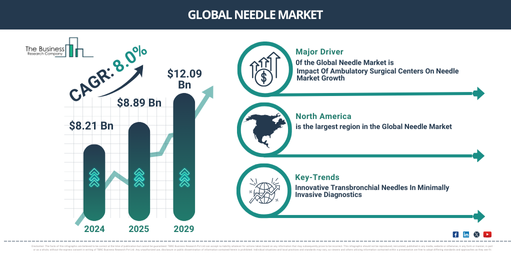
    In the past few years, the needle market has seen robust growth. Its value is projected to rise from $8.21 billion in 2024 to $8.89 billion in 2025, indicating a compound annual growth rate (CAGR) of 8.3%. The past growth trends in this market have been fueled by factors such as rising incidence of chronic illnesses, immunization initiatives, surgical operations, and governmental policies.

    Predictions for the needle market size indicate robust expansion in the forthcoming years, with the market projected to reach $12.09 billion in 2029, reflecting a compound annual growth rate (CAGR) of 8.0%. The growth expected during the forecast period may be attributed to the surge in chronic diseases, broader vaccination programs, a rising demand for self-administration devices, government-backed healthcare accessibility, and an upward trend in healthcare spending. Key trends expected to dominate the forecast period include technological progression, safety feature incorporation, use of biodegradable and smart needles, needle customization, personalized needles, and the advent of remote healthcare.

    Download a free sample to assess the report’s scope and structure:

    https://www.thebusinessresearchcompany.com/sample.aspx?id=15614&type=smp

    Which Factors and External Forces Are Driving Demand in the Needle Market?

    The needle market’s expansion is predicted to be boosted by the escalating number of ambulatory surgical centers. These centers, known as ASCs, are specialized medical facilities focusing on performing outpatient surgical procedures, thereby eliminating the requirement for patients to stay in the hospital overnight. The technological advancements, growing demand for outpatient procedures, and the allure of specialized healthcare are leading to a global increase in ambulatory surgical centers. Needles play a critical role in these centers, as they are used in various procedures such as injections, suturing, and tissue sampling, as well as in administering medication, drawing blood, and ensuring accurate wound closure. For instance, a report by Olympus America Inc., an American medical technology organization, revealed that in July 2023, the number of ASCs grew from 6,109 the previous year to 6,223, forecasting a growth rate of 12% over the ensuing five years. Consequently, the escalating number of ASCs is fueling the growth of the needle market.

    Which Primary Segments of the Needle Market Are Driving Growth and Industry Transformations?

    The needle market covered in this report is segmented –

    1) By Type: Conventional Needles, Safety Needles

    2) By Material: Stainless Steel Needles, Plastic Needles, Glass Needles, Peek Needles

    3) By Application: Surgical Suture Needles, Pen Needles In Diabetes, Blood Collection Needles, Ophthalmic Procedure Needles, Dentistry Needles, Insufflation Needles, Other Needles

    4) By End User: Hospital, Clinics, Diagnostic Centers, Research Institutions, Home-Based Care, Other End Users

    Subsegments:

    1) By Conventional Needles: Hypodermic Needles, Intravenous (Iv) Needles, Insulin Needles, Blood Collection Needles

    2) By Safety Needles: Safety Hypodermic Needles, Safety Insulin Needles, Safety Blood Collection Needles, Auto-Disable Safety Needles

    Request customized data on this market:

    https://www.thebusinessresearchcompany.com/customise?id=15614&type=smp

    What Are the Fastest-Growing Geographies in the Needle Market?

    North America was the largest region in the needle market in 2023. Asia-Pacific is expected to be the fastest-growing region in the forecast period. The regions covered in the needle market report are Asia-Pacific, Western Europe, Eastern Europe, North America, South America, Middle East, Africa.

    Which Cutting-Edge Market Trends Are Expected to Drive the Needle Market’s Growth?

    Leading corporations in the needle market are prioritizing the development of innovative products such as state-of-the-art conventional transbronchial needles, aiming to revolutionize the area of minimally invasive diagnostic methods. These high-tech conventional transbronchial needles are intricate medical devices used during bronchoscopy procedures to extract tissue samples from lungs or bordering structures. For example, in September 2023, Broncus Medical Inc., a medical device manufacturer based in the US, launched the BIOSTAR, a set of cutting-edge conventional transbronchial needle aspiration (cTBNA) and endobronchial ultrasound (EBUS) TBNA (EBUS-TBNA) needles, providing a groundbreaking leap in minimally invasive diagnostic techniques. These unique needle designs offer improved diagnostic precision, adequacy of the sample, and sensitivity when compared to traditional methods, specifically in the diagnosis and staging of lung cancer and sarcoidosis. The needle sizes available are 25G, 22G, 21G, and 19G, with the size determining the sample volume, blood aspiration, sample quality, and diagnostic yield. The BIOSTAR needles signify a substantial enhancement in minimally invasive diagnosis, improving patient management and diagnosis results.

    View the full report here:

    https://www.thebusinessresearchcompany.com/report/needle-global-market-report

    What Parameters Are Used to Define the Needle Market?

    Needles are slender, pointed instruments used in medical procedures for various purposes, including injections, blood collection, fluid aspiration, and tissue sampling. They consist of a hollow tube attached to a hub, which connects to a syringe or other medical device.

    Purchase the full report and get a swift delivery:

    https://www.thebusinessresearchcompany.com/purchaseoptions.aspx?id=15614

    About The Business Research Company:

    With over 15000+ reports from 27 industries covering 60+ geographies, The Business Research Company has built a reputation for offering comprehensive, data-rich research and insights. Armed with 1,500,000 datasets, the optimistic contribution of in-depth secondary research, and unique insights from industry leaders, you can get the information you need to stay ahead in the game.

    Get in touch with us:

    The Business Research Company: https://www.thebusinessresearchcompany.com/

    Americas +1 3156230293

    Asia +44 2071930708

    Europe +44 2071930708

    Email us at info@tbrc.info

    Follow us on:

    LinkedIn: https://in.linkedin.com/company/the-business-research-company

    YouTube: https://www.youtube.com/channel/UC24_fI0rV8cR5DxlCpgmyFQ

    Global Market Model: https://www.thebusinessresearchcompany.com/global-market-model
  • Major Trends and Emerging Patterns in the Natural Immune Booster Market: Growing Consumer Demand Drives Innovation in Herbal Supplements for Immunity and Wellness

    Major Trends and Emerging Patterns in the Natural Immune Booster Market: Growing Consumer Demand Drives Innovation in Herbal Supplements for Immunity and Wellness

    Discover trends, market shifts, and competitive outlooks for the natural immune booster industry through 2025-2034 with The Business Research Company’s reliable data and in-depth research

    What is the Anticipated CAGR of the Natural Immune Booster Market, and What Factors Will Drive It?

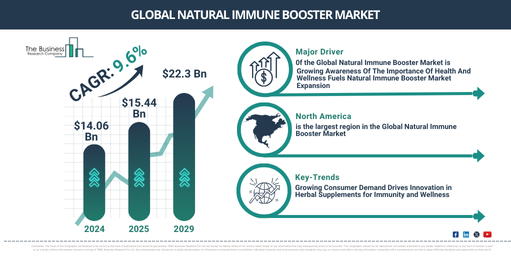
    The market size of natural immune boosters has seen a robust growth in the past few years. It is projected to escalate from $14.06 billion in 2024 to $15.44 billion in 2025, exhibiting a compound annual growth rate (CAGR) of 9.9%. The historical period growth can be credited to an enhanced consciousness regarding the significance of immune health, a transition towards preventative healthcare and wellness-focused lifestyles, an expanding elderly population, an increasing incidence of chronic ailments, and the heightened accessibility of natural immune boosters through diverse retail channels.

    The market size for natural immune boosters is predicted to experience substantial growth in the nearing years, ballooning to $22.3 billion in 2029 at a compound annual growth rate (CAGR) of 9.6%. Factors contributing to this growth during the forecasted period include an increase in consumer focus on immune health following the pandemic, a heightened interest in wellness tourism and all-encompassing health methods, the expansion of e-commerce platforms and online retail, growing interest in individualized nutrition and wellness solutions, and a growing emphasis on sustainable and eco-friendly practices. Forecasted period trends include innovative formulations, delivery systems, and production techniques, the creation of natural, organic, and clean label products free of artificial additives or preservatives, the emergence of plant-based ingredients and vegan formulas, the implementation of personalized nutrition and wellness solutions, the incorporation of digital technologies and health applications, and a focus on sustainable sourcing and environmentally friendly packaging.

    Download a free sample to assess the report’s scope and structure:

    https://www.thebusinessresearchcompany.com/sample.aspx?id=16129&type=smp

    How Are Key Drivers in the Industry Acting as Catalysts for the Growth of the Natural Immune Booster Market?

    The escalating recognition of health and wellness significance is predicted to fuel the expansion of the natural immune booster market in future. This heightened awareness is resonating more due to its direct relationship with lifestyle choices and overall health improvement. Natural immune enhancers like echinacea, vitamin C, elderberry, garlic, and probiotics are extensively utilized due to their potential to heighten the body’s immune response and augment overall health. For example, a survey conducted by the International Food Information Council (IFIC) in May 2022, which is a US-based non-profit body providing science-backed information about food safety, nutrition, and health, revealed that 52% of Americans adopted a healthy diet or eating routine in 2022. This was a jump of 39% from 2021. Importantly, this rise was primarily seen in individuals below the age of 50 who followed popular dietary routines like clean eating (16%), mindful eating (14%), calorie counting (13%), and plant-based (12%). Therefore, the mutating perception of health and wellness significance is spearheading the growth of the natural immune booster market.

    Which Primary Segments of the Natural Immune Booster Market Are Driving Growth and Industry Transformations?

    The natural immune booster market covered in this report is segmented –

    1) By Product Type: Herbal Supplements, Vitamins And Minerals, Probiotics, Functional Foods And Beverages, Essential Oils, Other Product Types

    2) By Distribution Channel: Health Food Stores, Online Retailers, Pharmacies And Drug Stores, Supermarkets And Hypermarkets, Other Distribution Channels

    3) By Application: Immune System Support, Cold And Flu Relief, Allergy Management, Respiratory Health, Digestive Health, Other Applications

    Subsegments:

    1) By Herbal Supplements: Echinacea, Elderberry, Astragalus, Ginseng, Turmeric Or Curcumin, Other Herbal Supplements

    2) By Vitamins And Minerals: Vitamin C, Vitamin D, Zinc, Vitamin E, Magnesium, Other Vitamins And Minerals

    3) By Probiotics: Lactobacillus, Bifidobacterium, Saccharomyces Boulardii, Other Probiotics

    4) By Functional Foods And Beverages: Immunity-Boosting Drinks (Fruit Juices, Smoothies), Fortified Foods (Fortified Snacks, Cereals), Functional Teas And Coffees, Energy Bars And Snacks

    5) By Essential Oils: Eucalyptus Oil, Tea Tree Oil, Oregano Oil, Peppermint Oil, Lavender Oil, Other Essential Oils

    6) By Other Product Types: Mushrooms (Reishi, Shiitake), Honey And Royal Jelly, Superfoods (Spirulina, Chlorella), Bee Propolis And Other Bee-Derived Products

    Request customized data on this market:

    https://www.thebusinessresearchcompany.com/customise?id=16129&type=smp

    What Are the Fastest-Growing Geographies in the Natural Immune Booster Market?

    North America was the largest region in the natural immune booster market in 2023. Asia-Pacific is expected to be the fastest-growing region in the forecast period. The regions covered in the natural immune booster market report are Asia-Pacific, Western Europe, Eastern Europe, North America, South America, Middle East, Africa.

    What Are the Current Market Growth and Trends in the Natural Immune Booster Industry?

    Leading firms in the natural immune booster market are concentrating on the creation of innovative items, such as herbal additives, to meet the escalating demand for eco-friendly, clean, and potent wellness products. Herbal supplements are plant-based health aids that bolster the immune system, enhance digestion, and lower inflammation, serving as natural substitutes for traditional medicine. For example, Herbalife, an American multi-level marketing firm, introduced Herbalife V in August 2023. This range of supplements incorporates plant-based protein shakes, consisting of 20g of protein derived from pea, pumpkin seeds, and chia, presenting a vegan-friendly solution to fulfill protein requirements. The greens booster merges organic fruits, vegetables, superfoods, and green tea for extra nutritional gains. The immune-strengthening formula loads vitamins C and D, supplemented by zinc, to fortify immunity, while the digestive aid formula has oat and guar fiber to facilitate digestion. All the products are USDA Organic, non-GMO, kosher, and verified vegan, thus providing a wholesome and natural remedy for a variety of dietary needs.

    View the full report here:

    https://www.thebusinessresearchcompany.com/report/natural-immune-booster-global-market-report

    What Parameters Are Used to Define the Natural Immune Booster Market?

    Natural immune boosters refer to substances, compounds, or practices that help strengthen and support the body’s immune system naturally. The aim of natural immune boosters is to enhance the body’s ability to defend against pathogens, viruses, and bacteria, thereby reducing the risk of infections and promoting overall health and well-being.

    Purchase the full report and get a swift delivery:

    https://www.thebusinessresearchcompany.com/purchaseoptions.aspx?id=16129

    About The Business Research Company:

    With over 15000+ reports from 27 industries covering 60+ geographies, The Business Research Company has built a reputation for offering comprehensive, data-rich research and insights. Armed with 1,500,000 datasets, the optimistic contribution of in-depth secondary research, and unique insights from industry leaders, you can get the information you need to stay ahead in the game.

    Get in touch with us:

    The Business Research Company: https://www.thebusinessresearchcompany.com/

    Americas +1 3156230293

    Asia +44 2071930708

    Europe +44 2071930708

    Email us at info@tbrc.info

    Follow us on:

    LinkedIn: https://in.linkedin.com/company/the-business-research-company

    YouTube: https://www.youtube.com/channel/UC24_fI0rV8cR5DxlCpgmyFQ

    Global Market Model: https://www.thebusinessresearchcompany.com/global-market-model