Author: Marketing Posting

  • Ribonucleic Acid (RNA) Sequencing Market Size And Forecast 2026–2030: Trends Driving Industry Expansion

    Ribonucleic Acid (RNA) Sequencing Market Size And Forecast 2026–2030: Trends Driving Industry Expansion

    Backed by market attractiveness analysis, total addressable market sizing, company benchmarking matrices, interactive Excel dashboards, wider supply chain intelligence, emerging startup coverage, and detailed product-level insights, The Business Research Company’s 2026 market reports are designed to offer research that is more actionable and strategically valuable than ever.

    Ribonucleic Acid (RNA) Sequencing Market Poised To Hit $9.63 Billion By 2030 With A 18.8% CAGR

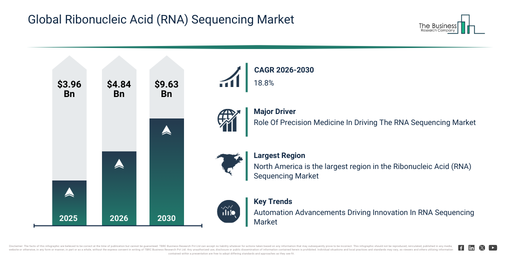
    The ribonucleic acid (rna) sequencing market has experienced significant expansion in recent years. It is anticipated to grow from $3.96 billion in 2025 to $4.84 billion in 2026, achieving a compound annual growth rate (CAGR) of 22.3%. The market’s past growth is primarily attributable to the increase in genomics research initiatives, the reduction in sequencing costs, the broadening of academic research funding, enhanced utilization of next-generation sequencing, and a heightened demand for gene expression analysis.

    The ribonucleic acid (rna) sequencing market is projected to experience substantial expansion in the coming years. Its valuation is set to reach $9.63 billion by 2030, exhibiting a compound annual growth rate (CAGR) of 18.8%. This anticipated growth during the forecast period is fueled by the heightened uptake of precision medicine approaches, augmented investments in transcriptomics research, the broadening scope of clinical diagnostic sequencing, an escalating integration of AI-driven data analysis, and a magnified emphasis on personalized therapeutics. Key trends foreseen over this period encompass the wider adoption of single-cell rna sequencing, an increase in the utilization of high-throughput sequencing platforms, the progressive integration of sophisticated bioinformatics tools, the expansion of clinical and translational research applications, and a strengthened commitment to data accuracy and reproducibility.

    Get A Free Sample Report With In-Depth Market Insights:

    https://thebusinessresearchcompany.com/sample_request?id=57763351&type=smp&name=Ribonucleic%20Acid%20%28RNA%29%20Sequencing%20Market%20Report%202026&utm_source=Blogs&utm_medium=Paid&utm_campaign=Nov_PR

    Ribonucleic Acid (RNA) Sequencing Market Industry Drivers: What’s Behind The Revenue Growth?

    The ribonucleic acid (RNA) sequencing market is anticipated to expand due to a growing emphasis on precision medicine. Precision medicine, or personalized medicine, is an innovative approach to medical treatment and prevention that considers individual variability in genes, environment, and lifestyle for each person. Personalized medicine holds the potential to provide more effective treatments, driven by advancements in genomics, increasing disease complexity, and regulatory support. RNA sequencing technologies are employed to determine the sequence and quantify the expression levels of RNA molecules within a sample. This enables comprehensive analysis of transcriptomes and offers insights into gene expression patterns, alternative splicing events, and RNA modifications.

    Ribonucleic Acid (RNA) Sequencing Market Segment Analysis And Revenue Potential

    The ribonucleic acid (rna) sequencing market covered in this report is segmented –

    1) By Product Type: Instruments, Reagents And Kits, Software

    2) By Technology: Single Molecule Based Sequencing, Sequence By Synthesis Technology, Nanopore Sequencing Technology, Ion Torrent Semiconductor Sequencing

    3) By Applications: Diagnostics, Drug Discovery, Translational Medicine, Other Applications

    4) By End User: Research And Academia, Hospitals And Clinics, Pharmaceutical And Biotechnology Companies, Other End Users

    Subsegments:

    1) By Instruments: Next-Generation Sequencers, Microarray Instruments, Single-Cell Rna Sequencing Instruments

    2) By Reagents And Kits: Rna Extraction Kits, Rna Sequencing Kits, Library Preparation Kits

    3) By Software: Data Analysis Software, Data Management Software, Bioinformatics Software

    Ribonucleic Acid (RNA) Sequencing Market Growth Trends Reshaping The Competitive Landscape

    Major companies within the ribonucleic acid (RNA) sequencing market are concentrating on RNA next-generation sequencing assays to advance patient care via data-driven insights and precision medicine. An RNA next-generation sequencing assay is defined as a next-generation exome sequencing platform that employs sophisticated genomic sequencing technologies to analyze a patient’s complete exome.

    Ribonucleic Acid (RNA) Sequencing Market Key Players Shaping Industry Direction

    Major companies operating in the ribonucleic acid (rna) sequencing market are F Hoffmann La Roche Ltd, Thermo Fisher Scientific Inc, Danaher Corporation, Merck KGaA, Becton Dickinson And Company, Eurofins Scientific SE, Agilent Technologies Inc, Illumina Inc, PerkinElmer Inc, Beckman Coulter Inc, Bio Rad Laboratories Inc, QIAGEN NV, Tecan Genomics Inc, BGI Genomics Co Ltd, Takara Bio Inc, Abcam Limited, Oxford Nanopore Technologies plc, Pacific Biosciences Of California Inc, Macrogen Inc, Standard BioTools Inc, CD Genomics, Genewiz Inc, Novogene Co Ltd, GENEWIZ Germany GmbH, Azenta Life Sciences

    View The Full Ribonucleic Acid (RNA) Sequencing Market Report:

    https://thebusinessresearchcompany.com/report/ribonucleic-acid-rna-sequencing-global-market-report?utm_source=Blogs&utm_medium=Paid&utm_campaign=Nov_PR

    Ribonucleic Acid (RNA) Sequencing Market Geographic Landscape: Which Region Leads Industry Growth?

    North America was the largest region in the ribonucleic acid (RNA) sequencing market in 2025. Asia-Pacific is expected to be the fastest-growing region in the forecast period. The regions covered in the ribonucleic acid (rna) sequencing market report are Asia-Pacific, South East Asia, Western Europe, Eastern Europe, North America, South America, Middle East, Africa.

    Reach Out To Our Team:

    The Business Research Company: https://www.thebusinessresearchcompany.com/

    Americas: +1 310-496-7795

    Asia: +44 7882 955267 & +91 8897263534

    Europe: +44 7882 955267

    Email us at: marketing@tbrc.info

    Follow us on:

    LinkedIn: https://in.linkedin.com/company/the-business-research-company

    YouTube: https://www.youtube.com/channel/UC24_fI0rV8cR5DxlCpgmyFQ

    Global Market Model: https://www.thebusinessresearchcompany.com/global-market-model
  • Rhinoplasty Market 2026 Outlook: Market Size, CAGR And Key Growth Opportunities

    Rhinoplasty Market 2026 Outlook: Market Size, CAGR And Key Growth Opportunities

    Featuring market attractiveness scoring, total addressable market sizing, company benchmarking matrices, interactive Excel dashboards, deeper supply chain intelligence, emerging startup tracking, and granular product-level insights, The Business Research Company’s 2026 market reports are built to deliver research that is both more actionable and more strategically valuable.

    Rhinoplasty Market Size And Revenue Outlook Through 2030

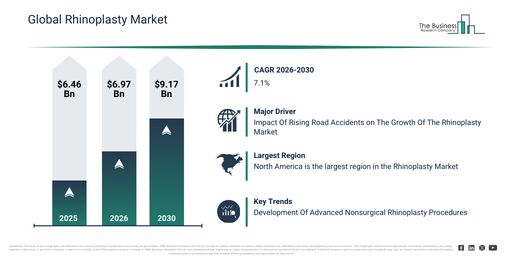
    The rhinoplasty market has experienced robust expansion in recent years. Its size is projected to increase from $6.46 billion in 2025 to $6.97 billion by 2026, demonstrating a compound annual growth rate (CAGR) of 8.0%. Key factors contributing to this historical growth include rising social acceptance of cosmetic surgery, increased availability of trained plastic surgeons, growth of private aesthetic clinics, advancements in surgical techniques, and growing demand for functional nasal corrections.

    The rhinoplasty market size is projected to experience robust expansion over the coming years. This market is anticipated to reach $9.17 billion by 2030, demonstrating a compound annual growth rate (CAGR) of 7.1%. The anticipated growth during this period stems from factors such as the greater acceptance of virtual surgical planning, an increased desire for aesthetic enhancement procedures, the broadening scope of medical tourism, a heightened emphasis on optimizing post-surgical results, and the expanding application of injectable fillers. Key developments expected within the forecast timeframe encompass a heightened preference for minimally invasive procedures, the rising prevalence of non-surgical rhinoplasty methods, the expanded utilization of 3D imaging and simulation tools, an increase in revision and reconstructive interventions, and a stronger focus on individualized aesthetic outcomes.

    Get A Free Sample Report With In-Depth Market Insights:

    https://thebusinessresearchcompany.com/sample_request?id=11753347&type=smp&name=Rhinoplasty%20Market%20Report%202026&utm_source=Blogs&utm_medium=Paid&utm_campaign=Nov_PR

    Rhinoplasty Market Growth Factors: What’s Supporting Expansion?

    The increasing frequency of road accidents is anticipated to stimulate the expansion of the rhinoplasty market in the future. A road accident, also known as a traffic or motor vehicle incident, constitutes an unforeseen occurrence on a public road, involving one or more vehicles, resulting in property damage, injury, or fatalities. The surge in road accidents is attributed to a higher volume of vehicles, driver distraction, and insufficient road safety protocols. In instances of road accidents, rhinoplasty serves to reconstruct and mend nasal injuries, thereby restoring both functionality and aesthetic appeal. This procedure addresses deformities resulting from trauma and breathing difficulties stemming from nasal fractures. As an illustration, in April 2025, data from the National Highway Traffic Safety Administration (NHTSA), a US-based U.S.

    Rhinoplasty Market Segmentation And Category Overview

    The rhinoplasty market covered in this report is segmented –

    1) By Treatment Type: Augmentation, Reduction, Post traumatic, Reconstructive, Revision, Filler, Other Treatment Types

    2) By Technique: Open Rhinoplasty, Closed Rhinoplasty

    3) By End User: Hospitals, Specialty Clinics, Aesthetic Clinic, Others End Users

    Subsegments:

    1) By Augmentation: Nasal Implants, Bone Grafting, Cartilage Grafting

    2) By Reduction: Alar Reduction, Nasal Tip Reduction, Dorsal Hump Reduction

    3) By Post Traumatic: Functional Surgery, Cosmetic Surgery

    4) By Reconstructive: Post-Surgical Reconstruction, Congenital Reconstruction

    5) By Revision: Secondary Rhinoplasty, Tertiary Rhinoplasty

    6) By Filler: Injectable Fillers, Fat Grafting

    7) By Other Treatment Types: Non-Surgical Rhinoplasty, Hybrid Surgical

    Rhinoplasty Market Trends Shaping Long-Term Demand

    Leading companies within the rhinoplasty market are increasingly focusing on developing advanced nonsurgical procedures to sustain their position in the market. Nonsurgical procedures encompass medical treatments and interventions that do not involve making incisions into the body or removing tissue. These methods are less invasive than surgical alternatives and typically require minimal recovery time.

    Rhinoplasty Market Competitive Analysis Of Leading Industry Participants

    Major companies operating in the rhinoplasty market are Medtronic PLC, Stryker Corporation, Zimmer Biomet, Integra Lifesciences Holdings Corporation, MTF Biologics, KLS Martin Group, Syneron Medical Ltd, Sientra Inc., Koken Co Ltd, GC Aesthetics, Merz Aesthetics, Suneva Medical Inc., Implantech Associates Inc., Luminera Derm Ltd, NOUVAG AG, COMEG Medical Technologies, Contura Ltd, Anthony Products Inc, Osteopore, Allergan Aesthetics, Galderma SA, Mentor Worldwide LLC, Establishment Labs Holdings Inc

    View The Full Rhinoplasty Market Report:

    https://thebusinessresearchcompany.com/report/rhinoplasty-global-market-report?utm_source=Blogs&utm_medium=Paid&utm_campaign=Nov_PR

    Rhinoplasty Market Largest Region: Which Geography Holds The Biggest Share?

    North America was the largest region in the rhinoplasty market in 2025. Asia-Pacific is expected to be the fastest-growing region in the forecast period. The regions covered in the rhinoplasty market report are Asia-Pacific, South East Asia, Western Europe, Eastern Europe, North America, South America, Middle East, Africa.

    Reach Out To Our Team:

    The Business Research Company: https://www.thebusinessresearchcompany.com/

    Americas: +1 310-496-7795

    Asia: +44 7882 955267 & +91 8897263534

    Europe: +44 7882 955267

    Email us at: marketing@tbrc.info

    Follow us on:

    LinkedIn: https://in.linkedin.com/company/the-business-research-company

    YouTube: https://www.youtube.com/channel/UC24_fI0rV8cR5DxlCpgmyFQ

    Global Market Model: https://www.thebusinessresearchcompany.com/global-market-model
  • Rheumatic Heart Disease Market Size Growth: From $2.88 Billion In 2026 To $3.6 Billion By 2030

    Rheumatic Heart Disease Market Size Growth: From $2.88 Billion In 2026 To $3.6 Billion By 2030

    Built to provide research that’s more actionable and strategically valuable, The Business Research Company’s 2026 market reports include market attractiveness analysis, total addressable market sizing, company benchmarking matrices, interactive Excel dashboards, broader supply chain intelligence, emerging startup tracking, and in-depth product insights.

    Rheumatic Heart Disease Market Growth From $2.88 Billion In 2026 To $3.6 Billion By 2030 At A CAGR Of 5.8%

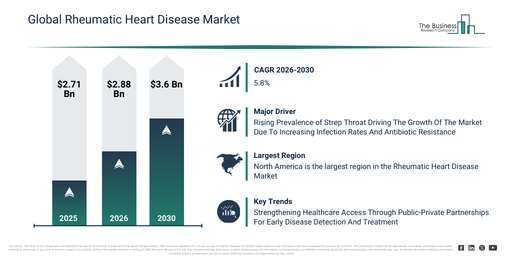
    The size of the rheumatic heart disease market has experienced significant growth in recent years. This market is projected to expand from $2.71 billion in 2025 to $2.88 billion in 2026, demonstrating a compound annual growth rate (CAGR) of 6.1%. Key drivers of this historical expansion include the widespread occurrence of untreated streptococcal infections, inadequate access to early medical care in developing regions, the persistent challenge of rheumatic fever, reliance on traditional clinical diagnostic approaches, and the scarcity of advanced cardiac services.

    The market size for rheumatic heart disease is projected to experience substantial growth in the upcoming years, reaching $3.6 billion by 2030, at a compound annual growth rate (CAGR) of 5.8%. This anticipated expansion over the forecast period is attributed to several factors, including increasing investments in public health screening programs, the rising adoption of digital cardiac diagnostics, a growing awareness of the benefits of early intervention, the expansion of cardiac surgical infrastructure, and an increased focus on disease prevention strategies. Significant trends during the forecast period involve a greater uptake of early diagnostic screening programs, an increasing utilization of echocardiography and other imaging tools, a heightened focus on preventive antibiotic therapies, the expansion of valve repair and replacement procedures, and enhanced monitoring for pediatric and adolescent patients.

    Get A Free Sample Report With In-Depth Market Insights:

    https://thebusinessresearchcompany.com/sample_request?id=95182684&type=smp&name=Rheumatic%20Heart%20Disease%20Market%20Report%202026&utm_source=Blogs&utm_medium=Paid&utm_campaign=Nov_PR

    Rheumatic Heart Disease Market Demand Drivers: What’s Powering Industry Growth?

    The rising occurrence of strep throat is anticipated to fuel the expansion of the rheumatic heart disease market in the future. Strep throat is defined as a bacterial infection stemming from Streptococcus pyogenes (group A streptococcus), causing inflammation and soreness in the throat, frequently accompanied by fever, enlarged lymph nodes, and difficulty in swallowing. The growing resistance to antibiotics is rendering streptococcal infections more challenging to treat successfully, leading to extended periods of illness and increased rates of transmission within populations. Rheumatic heart disease emerges as a chronic consequence of strep throat infections that are either untreated or recur, underscoring the critical need for prompt diagnosis and treatment of streptococcal infections to avert severe damage to the heart.

    Rheumatic Heart Disease Market Segment Outlook: Which Categories Are Growing Fastest?

    The rheumatic heart disease market covered in this report is segmented –

    1) By Type: Valve, Myocarditis, Pericarditis

    2) By Age Group: Pediatric, Adolescent, Adult, Geriatric

    3) By Application: Hospital, Diagnostic Centre, Research Centre

    4) By Distribution Channel: Hospital Pharmacies, Retail Pharmacies, Online Pharmacies, Direct Sales

    Subsegments:

    1) By Valve: Mitral Valve Disease, Aortic Valve Disease, Tricuspid Valve Disease, Pulmonary Valve Disease

    2) By Myocarditis: Acute Myocarditis, Chronic Myocarditis, Fulminant Myocarditis

    3) By Pericarditis: Acute Pericarditis, Chronic Pericarditis, Constrictive Pericarditis, Effusive Pericarditis

    Rheumatic Heart Disease Market Innovation Trends Shaping Future Development

    Leading companies operating in the rheumatic heart disease market are increasingly adopting a strategic partnership approach to develop innovative treatments and diagnostic solutions. These strategic collaborations in rheumatic heart disease (RHD) management effectively combine resources and expertise to drive progress in research and development, improve diagnostic and therapeutic innovations, extend market presence, and expedite commercialization.

    Rheumatic Heart Disease Market Leading Companies And Competitive Benchmarking

    Major companies operating in the rheumatic heart disease market are Pfizer Inc., Merck And Co Inc., Bayer AG, Sanofi SA, AstraZeneca plc, Novartis AG, Abbott Laboratories, GlaxoSmithKline plc, Medtronic plc, Siemens Healthineers AG, Becton Dickinson And Company, GE HealthCare Technologies Inc., Boston Scientific Corporation, Terumo Corporation, Apollo Hospitals Enterprise Limited, Fortis Healthcare Limited, Medanta, Johnson And Johnson Services Inc., Roche Holding AG, Bristol Myers Squibb Company, Takeda Pharmaceutical Company Limited, Daiichi Sankyo Company, Boehringer Ingelheim International GmbH, Edwards Lifesciences Corporation

    View The Full Rheumatic Heart Disease Market Report:

    https://thebusinessresearchcompany.com/report/rheumatic-heart-disease-global-market-report?utm_source=Blogs&utm_medium=Paid&utm_campaign=Nov_PR

    Rheumatic Heart Disease Market Regional Analysis: Which Geography Leads On Revenue?

    North America was the largest region in the rheumatic heart disease market in 2025. The regions covered in the rheumatic heart disease market report are Asia-Pacific, South East Asia, Western Europe, Eastern Europe, North America, South America, Middle East, Africa.

    Reach Out To Our Team:

    The Business Research Company: https://www.thebusinessresearchcompany.com/

    Americas: +1 310-496-7795

    Asia: +44 7882 955267 & +91 8897263534

    Europe: +44 7882 955267

    Email us at: marketing@tbrc.info

    Follow us on:

    LinkedIn: https://in.linkedin.com/company/the-business-research-company

    YouTube: https://www.youtube.com/channel/UC24_fI0rV8cR5DxlCpgmyFQ

    Global Market Model: https://www.thebusinessresearchcompany.com/global-market-model
  • Rhabdomyosarcoma Market Analysis 2026: Market Size, Growth Trends And Industry Outlook

    Rhabdomyosarcoma Market Analysis 2026: Market Size, Growth Trends And Industry Outlook

    Backed by market attractiveness analysis, total addressable market sizing, company benchmarking matrices, interactive Excel dashboards, wider supply chain intelligence, emerging startup coverage, and detailed product-level insights, The Business Research Company’s 2026 market reports are designed to offer research that is more actionable and strategically valuable than ever.

    Rhabdomyosarcoma Market Expansion Outlook: What Revenue Opportunities Are Ahead?

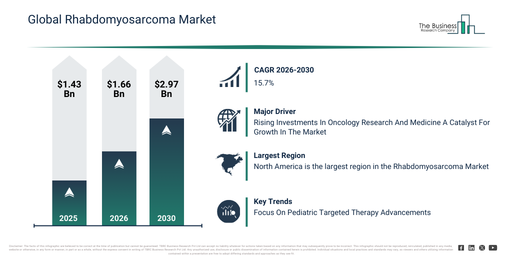
    The rhabdomyosarcoma market has experienced substantial expansion in recent years. It is projected to increase from $1.43 billion in 2025 to $1.66 billion in 2026, exhibiting a compound annual growth rate (CAGR) of 16.1%. This historical growth was driven by enhancements in cancer diagnostic imaging, an increase in oncology treatment centers, the availability of combination chemotherapy protocols, heightened awareness of pediatric cancers, and breakthroughs in surgical oncology techniques.

    The rhabdomyosarcoma market is projected to experience swift expansion in the coming years. By 2030, this market is forecasted to reach $2.97 billion, demonstrating a compound annual growth rate (CAGR) of 15.7%. This predicted growth is driven by factors such as greater investment in precision oncology pharmaceuticals, increased use of immunotherapies and targeted therapies, the broadening of clinical trials for uncommon cancers, wider application of AI-powered diagnostics, and a heightened emphasis on identifying cancer early. Key trends for the outlook period involve the intensified creation of targeted cancer treatments, greater utilization of sophisticated imaging techniques for prompt diagnosis, the expanding embrace of multi-modal treatment strategies, growth in pediatric oncology research, and a sharpened focus on precision oncology.

    Get A Free Sample Report With In-Depth Market Insights:

    https://thebusinessresearchcompany.com/sample_request?id=66673178&type=smp&name=Rhabdomyosarcoma%20Market%20Report%202026&utm_source=Blogs&utm_medium=Paid&utm_campaign=Nov_PR

    Rhabdomyosarcoma Market Growth Drivers: What’s Behind The Acceleration?

    Future growth in the rhabdomyosarcoma market is anticipated to be driven by rising investments in oncology research and medicine. These investments represent funds provided by governments, drug manufacturers, research bodies, and individual investors, aimed at improving cancer comprehension, prevention, diagnosis, and therapy. The surge in oncology research and medicine funding stems from the increasing worldwide cancer incidence, progress in precision medicine, a greater need for new treatments, more clinical trials, public and private financial support programs, and the creation of specific and immune-based therapies. For rhabdomyosarcoma, these investments aid progress in early detection, better treatment alternatives like targeted therapies and immunotherapy, financing clinical studies for improved medications, strengthening pediatric cancer care systems, and encouraging novel research to gain deeper insights into the disease’s biology and development.

    Rhabdomyosarcoma Market Segment Landscape: Which Areas Lead Development?

    The rhabdomyosarcoma market covered in this report is segmented –

    1) By Type: Embryonal Rhabdomyosarcoma, Alveolar Rhabdomyosarcoma, Other Types

    2) By Treatment: Surgery, Radiation Therapy, Chemotherapy, Stem Cell Therapy

    3) By Diagnosis: Imaging Tests, X-Ray, Computed Tomography Scan, Magnetic Resonance Imaging Scan, Positron Emission Tomography Scan, Bone Scan, Biopsy, Needle Biopsy, Surgical Biopsy

    Subsegments:

    1) By Embryonal Rhabdomyosarcoma: Botryoid Rhabdomyosarcoma, Spindle Cell Rhabdomyosarcoma

    2) By Alveolar Rhabdomyosarcoma (ARMS): Fusion-Positive ARMS, Fusion-Negative ARMS

    3) By Other Types of Rhabdomyosarcoma: Pleomorphic Rhabdomyosarcoma, Mixed-Type Rhabdomyosarcoma, Sclerosing Rhabdomyosarcoma

    Rhabdomyosarcoma Market Trends Redefining Industry Growth

    Leading firms within the rhabdomyosarcoma market are prioritizing the creation of sophisticated targeted therapy solutions, aiming to boost treatment effectiveness and improve patient results. This form of therapy employs medications specifically engineered to disrupt molecular pathways essential for cancer cell proliferation and existence, thereby lessening harm to healthy cells and enhancing the exactness of treatment.

    Rhabdomyosarcoma Market Industry Leaders And Competitive Landscape

    Major companies operating in the rhabdomyosarcoma market are Pfizer Inc., Merck And Co Inc., Bristol Myers Squibb Company, AstraZeneca PLC, Novartis AG, Eli Lilly And Company, Eisai Co Ltd, Ipsen SA, Elekta AB, Acrivon Therapeutics Inc., Oasmia Pharmaceutical AB, Immix Biopharma Inc., Cellectar Biosciences Inc., Lantern Pharma Inc., Oncoheroes Biosciences Inc., Roche Holding AG, Sanofi SA, Bayer AG, Johnson And Johnson Services Inc., Takeda Pharmaceutical Company Limited, Amgen Inc., Daiichi Sankyo Company, GlaxoSmithKline Plc, Teva Pharmaceutical Industries Ltd

    View The Full Rhabdomyosarcoma Market Report:

    https://thebusinessresearchcompany.com/report/rhabdomyosarcoma-global-market-report?utm_source=Blogs&utm_medium=Paid&utm_campaign=Nov_PR

    Rhabdomyosarcoma Market Geographic Spread And Regional Opportunities

    North America was the largest region in the rhabdomyosarcoma market in 2025. Asia-Pacific is expected to be the fastest-growing region in the forecast period. The regions covered in the rhabdomyosarcoma market report are Asia-Pacific, South East Asia, Western Europe, Eastern Europe, North America, South America, Middle East, Africa.

    Reach Out To Our Team:

    The Business Research Company: https://www.thebusinessresearchcompany.com/

    Americas: +1 310-496-7795

    Asia: +44 7882 955267 & +91 8897263534

    Europe: +44 7882 955267

    Email us at: marketing@tbrc.info

    Follow us on:

    LinkedIn: https://in.linkedin.com/company/the-business-research-company

    YouTube: https://www.youtube.com/channel/UC24_fI0rV8cR5DxlCpgmyFQ

    Global Market Model: https://www.thebusinessresearchcompany.com/global-market-model
  • Reversible Airway Diseases Treatment Market Growth To $128.39 Billion Creates New Opportunities Across The Industry

    Reversible Airway Diseases Treatment Market Growth To $128.39 Billion Creates New Opportunities Across The Industry

    Featuring market attractiveness scoring, total addressable market sizing, company benchmarking matrices, interactive Excel dashboards, deeper supply chain intelligence, emerging startup tracking, and granular product-level insights, The Business Research Company’s 2026 market reports are built to deliver research that is both more actionable and more strategically valuable.

    Reversible Airway Diseases Treatment Market Growth Potential: How Will Market Size Shift Through 2030?

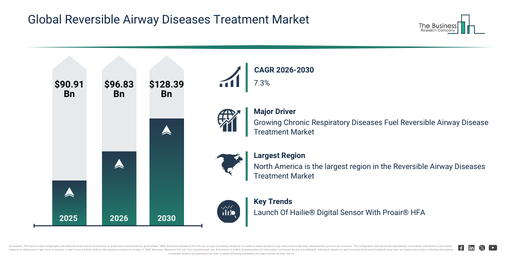
    The reversible airway diseases treatment market has experienced robust growth over the past few years. This market is projected to expand from $90.91 billion in 2025 to reach $96.83 billion by 2026, exhibiting a compound annual growth rate (CAGR) of 6.5%. Factors contributing to its historical growth include the rising incidence of asthma and bronchitis, enhanced pulmonary care facilities, the widespread availability of inhalation treatments, escalating environmental pollution, and better access to diagnostic imaging.

    The reversible airway diseases treatment market is projected to experience substantial expansion in the coming years. This market is predicted to reach $128.39 billion by 2030, exhibiting a compound annual growth rate (CAGR) of 7.3%. Factors driving this growth during the projection period include a heightened emphasis on biologic respiratory drugs, increased uptake of remote patient monitoring, the proliferation of minimally invasive pulmonary procedures, a greater focus on preventive respiratory care, and augmented investment in respiratory disease research. Key developments anticipated in the forecast period encompass a surge in the adoption of personalized respiratory therapies, the expanded utilization of advanced diagnostic imaging, an intensified concentration on early disease detection, the broader application of combination drug therapies, and improved integration of digital pulmonary monitoring.

    Get A Free Sample Report With In-Depth Market Insights:

    https://thebusinessresearchcompany.com/sample_request?id=60879001&type=smp&name=Reversible%20Airway%20Diseases%20Treatment%20Market%20Report%202026&utm_source=Blogs&utm_medium=Paid&utm_campaign=Nov_PR

    Reversible Airway Diseases Treatment Market Growth Factors Behind Sustained Expansion

    The increasing incidence of chronic respiratory diseases is projected to drive the expansion of the reversible airway disease treatment market moving forward. These medical conditions impact the respiratory system, encompassing organs such as the lungs, bronchi, trachea, larynx, pharynx, and nasal passages. The availability of testing and treatment for chronic respiratory diseases facilitates the early detection and diagnosis of conditions like acute respiratory distress syndrome, thereby helping to halt progression and reduce the likelihood of complications.

    Reversible Airway Diseases Treatment Market Segments: Where Is Growth Concentrated?

    The reversible airway diseases treatment market covered in this report is segmented –

    1) By Treatment: Chest X Ray, Computed Tomography (CT) Scan, Lung Therapies, Surgery Transplant, Medications

    2) By Diseases: Asthma, Chronic Bronchitis, Allergic Rhinitis, Bronchiolitis, Other Diseases

    3) By End-Users: Hospitals, Specialty Clinics, Other End-Users

    Subsegments:

    1) By Chest X-Ray: Standard Chest X-Ray, Digital Chest X-Ray

    2) By Computed Tomography (CT) Scan: High-Resolution CT Scan, Spiral CT Scan

    3) By Lung Therapies: Inhalation Therapy, Pulmonary Rehabilitation, Oxygen Therapy

    4) By Surgery Transplant: Lung Transplant, Bronchoscopic Procedures, Other Surgical Interventions

    5) By Medications: Bronchodilators, Corticosteroids, Anticholinergics, Other Medications

    Reversible Airway Diseases Treatment Market Strategic Trends: What Defines The Next Growth Phase?

    Leading companies in the reversible airway disease treatment market are dedicating efforts to developing sophisticated digital sensor solutions aimed at improving patient monitoring and care. These digital sensor technologies capture real-time physiological parameters and medication usage data, enabling healthcare providers to remotely track patients’ inhaler adherence and technique.

    Reversible Airway Diseases Treatment Market Key Participants And Competitive Landscape

    Major companies operating in the reversible airway diseases treatment market are Pfizer Inc., F Hoffmann La Roche AG, Merck And Co Inc., AbbVie Inc., Novartis AG, Sanofi SA, GlaxoSmithKline Plc, Medtronic plc, Eli Lilly And Company, Boehringer Ingelheim International GmbH, Viatris Inc., Teva Pharmaceutical Industries Ltd, Sumitomo Dainippon Pharma Co Ltd, Sun Pharmaceutical Industries Ltd, Drägerwerk AG And Co KGaA, Dr Reddys Laboratories Ltd, Cipla Limited, Getinge AB, Hikma Pharmaceuticals plc, Amneal Pharmaceuticals LLC, Lupin Limited, Fisher And Paykel Healthcare Corporation Limited, AstraZeneca Plc, Chiesi Farmaceutici SpA

    View The Full Reversible Airway Diseases Treatment Market Report:

    https://thebusinessresearchcompany.com/report/reversible-airway-diseases-treatment-global-market-report?utm_source=Blogs&utm_medium=Paid&utm_campaign=Nov_PR

    Reversible Airway Diseases Treatment Market Top Region By Revenue And Market Share

    North America was the largest region in the reversible airway diseases treatment market in 2025. Asia-Pacific is expected to be the fastest-growing region in the forecast period. The regions covered in the reversible airway diseases treatment market report are Asia-Pacific, South East Asia, Western Europe, Eastern Europe, North America, South America, Middle East, Africa.

    Reach Out To Our Team:

    The Business Research Company: https://www.thebusinessresearchcompany.com/

    Americas: +1 310-496-7795

    Asia: +44 7882 955267 & +91 8897263534

    Europe: +44 7882 955267

    Email us at: marketing@tbrc.info

    Follow us on:

    LinkedIn: https://in.linkedin.com/company/the-business-research-company

    YouTube: https://www.youtube.com/channel/UC24_fI0rV8cR5DxlCpgmyFQ

    Global Market Model: https://www.thebusinessresearchcompany.com/global-market-model
  • Revenue Cycle Management Software Market Forecast: Breaking Down The Numbers Behind Future Expansion

    Revenue Cycle Management Software Market Forecast: Breaking Down The Numbers Behind Future Expansion

    Built to provide research that’s more actionable and strategically valuable, The Business Research Company’s 2026 market reports include market attractiveness analysis, total addressable market sizing, company benchmarking matrices, interactive Excel dashboards, broader supply chain intelligence, emerging startup tracking, and in-depth product insights.

    Revenue Cycle Management Software Market Value Analysis: What Growth Lies Ahead Over The Forecast Period?

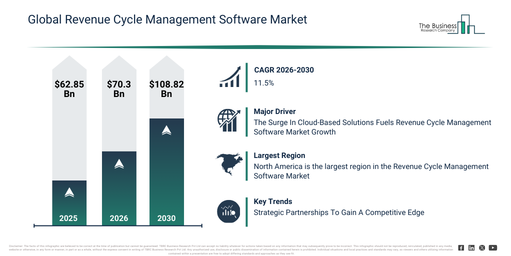
    The size of the revenue cycle management software market has expanded considerably in recent times. The market is projected to increase from $62.85 billion in 2025 to $70.3 billion in 2026, achieving a compound annual growth rate (CAGR) of 11.8%. The past growth can be ascribed to elements like the rising digitization of healthcare records, the embrace of practice management software, an increase in outpatient care facilities, the growing complexity of insurance, and the necessity for operational efficiency.

    The revenue cycle management software market is set for considerable expansion over the next few years. It is projected to achieve a size of $108.82 billion by 2030, exhibiting a compound annual growth rate (CAGR) of 11.5%. This growth throughout the forecast period stems from factors such as increasing demand for scalable cloud RCM software, a rising emphasis on real-time financial visibility, the expansion of subscription-based software models, growing integration of AI-driven analytics, and increasing regulatory attention on data protection. Prominent trends anticipated in this period include the rising adoption of AI-powered billing software, the increased deployment of cloud-based RCM platforms, deeper integration with EHR systems, the advancement of automated payment and remittance tools, and a heightened focus on data security and compliance.

    Get A Free Sample Report With In-Depth Market Insights:

    https://thebusinessresearchcompany.com/sample_request?id=51601418&type=smp&name=Revenue%20Cycle%20Management%20Software%20Market%20Report%202026&utm_source=Blogs&utm_medium=Paid&utm_campaign=Nov_PR

    Revenue Cycle Management Software Market Demand Drivers Opening New Revenue Streams

    The increasing integration of cloud-based solutions is anticipated to drive the expansion of the revenue cycle management software market in the future. A cloud-based solution encompasses programs, storage, on-demand services, computer networks, and various other functionalities reachable via an internet connection within a shared cloud computing infrastructure managed by an external provider. Implementing cloud-based solutions for revenue cycle management software improves scalability, accessibility, and cost-effectiveness within healthcare financial operations.

    Revenue Cycle Management Software Market Segment Analysis: What Are The Core Market Categories?

    The revenue cycle management software market covered in this report is segmented –

    1) By Product: Integrated, Standalone

    2) By Function: Claim And Denial, Medical Biling And Coding, Patient Insurance Eligibility Check, Payment Remittance, Electronic Health Record (EHR), Clinical Documentation Improvement (CDI), Other Functions

    3) By Deployment: Web based, On premise, Cloud based

    Subsegments:

    1) By Integrated: Hospital-Integrated, Physician-Integrated, Payer-Integrated

    2) By Standalone: Billing And Coding Software, Payment Processing Software, Denial Management Software, Accounts Receivable Management Software, Others (Reporting And Analytics Software)

    Revenue Cycle Management Software Market Transformation Trends: What Innovations Are Driving Change?

    Major companies engaged in the revenue cycle management software market are concentrating on developing strategic partnerships to enhance revenues within the market. Cooperation among businesses can provide numerous benefits, such as gaining access to new technology, offering increased choices for customers, enabling global servicing capabilities, fostering a collaborative global platform, and facilitating the integration of services.

    Revenue Cycle Management Software Market Top Companies Driving Competitive Growth

    Major companies operating in the revenue cycle management software market are Accretive Health Inc., 3M Health Information Systems, QWay Healthcare, R1 RCM, Epic Systems, McKesson Corporation, Cerner Corporation, Allscripts Healthcare Solutions, Waystar, Kareo, DrChrono, Availity, Optum360 Solutions LLC, Care Cloud Concierge, TriZetto Provider Solutions, Athenahealth, EclinicalWorks, AdvantEdge Healthcare Solutions, AGS Health, BillingParadise, Change Healthcare, Conifer Health Solutions, Craneware, Experian Health

    View The Full Revenue Cycle Management Software Market Report:

    https://thebusinessresearchcompany.com/report/Revenue-Cycle-Management-Software-Global-Market-Report?utm_source=Blogs&utm_medium=Paid&utm_campaign=Nov_PR

    Revenue Cycle Management Software Market Regional Analysis And Top Geography

    North America was the largest region in the revenue cycle management software market in 2025. Western Europe was the second-largest region in the revenue cycle management software market report. The regions covered in the revenue cycle management software market report are Asia-Pacific, South East Asia, Western Europe, Eastern Europe, North America, South America, Middle East, Africa.

    Reach Out To Our Team:

    The Business Research Company: https://www.thebusinessresearchcompany.com/

    Americas: +1 310-496-7795

    Asia: +44 7882 955267 & +91 8897263534

    Europe: +44 7882 955267

    Email us at: marketing@tbrc.info

    Follow us on:

    LinkedIn: https://in.linkedin.com/company/the-business-research-company

    YouTube: https://www.youtube.com/channel/UC24_fI0rV8cR5DxlCpgmyFQ

    Global Market Model: https://www.thebusinessresearchcompany.com/global-market-model
  • Revenue Cycle Management (RCM) Market Expected To Grow At 14.9% CAGR Through 2030: What Businesses Need To Know

    Revenue Cycle Management (RCM) Market Expected To Grow At 14.9% CAGR Through 2030: What Businesses Need To Know

    Backed by market attractiveness analysis, total addressable market sizing, company benchmarking matrices, interactive Excel dashboards, wider supply chain intelligence, emerging startup coverage, and detailed product-level insights, The Business Research Company’s 2026 market reports are designed to offer research that is more actionable and strategically valuable than ever.

    Revenue Cycle Management (RCM) Market Size Forecast: How Big Could The Market Get By 2030?

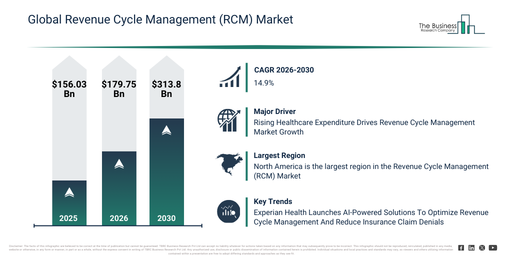
    The revenue cycle management (rcm) market has expanded significantly in recent years. It is forecast to increase from $156.03 billion in 2025 to $179.75 billion in 2026, achieving a compound annual growth rate (CAGR) of 15.2%. The expansion observed historically stems from factors including increasing healthcare administrative complexity, rising insurance claim volumes, the adoption of electronic health records, a growth in outsourced billing services, and the need for revenue leakage reduction.

    The revenue cycle management (rcm) market size is projected to experience substantial expansion in the coming years. By 2030, this market is anticipated to reach a value of $313.8 billion, demonstrating a compound annual growth rate (CAGR) of 14.9%. Factors contributing to this growth during the forecast period include a heightened demand for real-time revenue analytics, the growing integration of end-to-end digital rcm solutions, the broader implementation of value-based care models, an increased emphasis on interoperability across healthcare systems, and the expanded application of predictive financial analytics. Key trends expected during this period encompass the increased uptake of AI-driven coding and billing tools, a noticeable migration towards cloud-based rcm platforms, a heightened need for automated claims management, the broadening scope of analytics-driven revenue optimization, and a stronger commitment to compliance and regulatory accuracy.

    Get A Free Sample Report With In-Depth Market Insights:

    https://thebusinessresearchcompany.com/sample_request?id=69688758&type=smp&name=Revenue%20Cycle%20Management%20%28RCM%29%20Market%20Report%202026&utm_source=Blogs&utm_medium=Paid&utm_campaign=Nov_PR

    Revenue Cycle Management (RCM) Market Growth Backed By Core Demand Fundamentals

    The escalating costs in healthcare are anticipated to stimulate the expansion of the revenue cycle management market moving forward. This health expenditure covers all expenses allocated for providing health services, family planning efforts, nutrition initiatives, and health-related emergency aid. As healthcare spending rises, healthcare facilities are adopting advanced solutions like revenue cycle management to effectively manage their administrative and clinical operations. These solutions are crucial for tasks such as claims processing, payment collection, and revenue generation.

    Revenue Cycle Management (RCM) Market Segment Breakdown: Which Categories Lead On Revenue?

    The revenue cycle management (rcm) market covered in this report is segmented –

    1) By Product: Integrated, Standalone

    2) By Component: Software, Services

    3) By Function: Claims And Denial Management, Medical Coding And Billing, Electronic Health Record (EHR), Clinical Documentation Improvement (CDI), Insurance, Other Functions

    4) By Deployment: Web-Based, Cloud-Based, On-Premises

    5) By End User: Hospitals, General Physicians, Labs, Other End Users

    Subsegments:

    1) By Integrated RCM: Comprehensive Solutions, Multi-Function Platforms, End-to-End Solutions

    2) By Standalone RCM: Billing and Invoicing Solutions, Claims Management Solutions, Payment Processing Solutions, Revenue Analytics Tools

    #Revenue Cycle Management (RCM) Market Growth Trends: What’s Shaping The Future Outlook?

    Leading companies in the revenue cycle management (RCM) market are focusing on the creation of advanced solutions like predictive analytics to boost financial recovery and operational efficiency. Predictive analytics utilizes artificial intelligence to analyze past claims data, evaluate the likelihood of denials, and guide decision-making to prevent and reverse problematic claims.

    Revenue Cycle Management (RCM) Market Leading Players And Competitive Positioning

    Major companies operating in the revenue cycle management (rcm) market are The SSI Group LLC, Allscripts Healthcare Solutions Inc., Experian Health Inc., R1 RCM Inc., McKesson Corporation, Athenahealth Inc., Epic Systems Corporation, Cerner Corporation, eClinicalWorks India Private Limited, NXGN Management LLC, CareCloud Corporation, AdvantEdge Healthcare Solutions, Huron Consulting Group, Optum Inc., 3M Company, Cognizant Technology Solutions Corp., GeBBS Healthcare Solutions, Infosys Limited, Oracle Corporation, Accenture plc, Conifer Health Solutions LLC, Access Healthcare Services Pvt Ltd, CareStack, Dental Revenue Group Inc., eAssist Dental Solutions, Med Healthcare Revenue Cycle Management, Medusind Solutions, Drchrono Inc.

    View The Full Revenue Cycle Management (RCM) Market Report:

    https://thebusinessresearchcompany.com/report/revenue-cycle-management-RCM-global-market-report?utm_source=Blogs&utm_medium=Paid&utm_campaign=Nov_PR

    Revenue Cycle Management (RCM) Market Geographic Analysis: Where Is Demand Rising Fastest?

    North America was the largest region in the revenue cycle management (RCM) market in 2025. Asia-Pacific is expected to be the fastest-growing region in the forecast period. The regions covered in the revenue cycle management (rcm) market report are Asia-Pacific, South East Asia, Western Europe, Eastern Europe, North America, South America, Middle East, Africa.

    Reach Out To Our Team:

    The Business Research Company: https://www.thebusinessresearchcompany.com/

    Americas: +1 310-496-7795

    Asia: +44 7882 955267 & +91 8897263534

    Europe: +44 7882 955267

    Email us at: marketing@tbrc.info

    Follow us on:

    LinkedIn: https://in.linkedin.com/company/the-business-research-company

    YouTube: https://www.youtube.com/channel/UC24_fI0rV8cR5DxlCpgmyFQ

    Global Market Model: https://www.thebusinessresearchcompany.com/global-market-model
  • Rett Syndrome Market Forecast To Reach $1.11 Billion By 2030: Key Trends Explained

    Rett Syndrome Market Forecast To Reach $1.11 Billion By 2030: Key Trends Explained

    Featuring market attractiveness scoring, total addressable market sizing, company benchmarking matrices, interactive Excel dashboards, deeper supply chain intelligence, emerging startup tracking, and granular product-level insights, The Business Research Company’s 2026 market reports are built to deliver research that is both more actionable and more strategically valuable.

    Rett Syndrome Market Revenue Outlook: What CAGR Lies Ahead Through 2030?

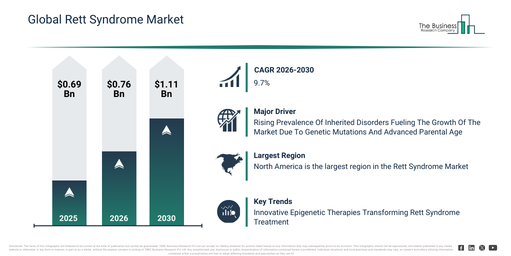
    The rett syndrome market size has experienced robust growth in recent years. It is forecast to expand from $0.69 billion in 2025 to $0.76 billion in 2026, exhibiting a compound annual growth rate (CAGR) of 9.9%. This historical growth can be attributed to several factors including heightened clinical awareness of rare neurological disorders, the increased availability of genetic testing for MECP2 mutations, the development of specialized care centers, the proliferation of supportive therapy programs, and increasing advocacy and patient support initiatives.

    The rett syndrome market size is anticipated to experience substantial growth in the coming years. It is projected to reach $1.11 billion by 2030, demonstrating a compound annual growth rate (CAGR) of 9.7%. This expansion during the forecast period is primarily driven by advancements in gene therapy platforms, increasing investment in rare disease drug development, the broadening of personalized medicine approaches, the growing utilization of digital health tools in neurology, and an elevated focus on early-stage diagnosis and intervention. Prominent trends expected within this period include the expansion of gene-based therapeutic research, a heightened emphasis on precision diagnosis tools, the increasing adoption of multidisciplinary care approaches, the accelerating development of symptom-targeted therapies, and enhanced integration of digital patient monitoring.

    Get A Free Sample Report With In-Depth Market Insights:

    https://thebusinessresearchcompany.com/sample_request?id=64841462&type=smp&name=Rett%20Syndrome%20Market%20Report%202026&utm_source=Blogs&utm_medium=Paid&utm_campaign=Nov_PR

    Rett Syndrome Market Growth Catalysts And Demand Drivers

    The increasing occurrence of inherited disorders is projected to boost the expansion of the rett syndrome market moving forward. These are medical conditions caused by genetic alterations passed from parents to their children, including cystic fibrosis, sickle cell anemia, hemophilia, and Huntington’s disease. The rise in inherited disorders can be attributed to advanced parental age, which heightens the probability of genetic mutations being transmitted to offspring. Rett syndrome enhances the understanding of inherited disorders by emphasizing the crucial role of genetic mutations, specifically within the methyl-CpG-binding protein 2 (MECP2) gene. It offers insights into neurodevelopmental processes, thereby advancing research into genetically based treatments and therapies for other similar conditions.

    Rett Syndrome Market Segmentation: How Does The Market Break Down By Category?

    The rett syndrome market covered in this report is segmented –

    1) By Type: Classic Rett Syndrome, Atypical Rett Syndrome

    2) By Stages: Stage IV Late Motor Deterioration, Stage III Plateau, Stage II Rapid Destruction, Stage I Early Onset

    3) By Treatment: Medication, Physical Therapy, Occupational Therapy, Speech Language Therapy, Other Treatments

    4) By Diagnosis: Blood Test, Genetic Testing, Other Diagnosis

    5) By End-Users: Hospitals, Specialty Clinics, Homecare, Other End Users

    Subsegments:

    1) By Classic Rett Syndrome: Early-Onset Classic Rett Syndrome, Late-Onset Classic Rett Syndrome

    2) By Atypical Rett Syndrome: Rett-Like Syndrome, Syndrome With Neurodevelopmental Delays, Sporadic Atypical Rett Syndrome

    Rett Syndrome Market Industry Trends: What’s Reshaping Demand?

    Leading companies in the rett syndrome market are concentrating their efforts on creating novel treatments, including epigenetic therapies designed to address the fundamental genetic origins of the condition, re-establish the proper function of methyl-CpG-binding protein 2 (MECP2), and potentially alleviate or substantially diminish its symptoms. These epigenetic approaches involve medical interventions intended to alter gene activity without making changes to the primary deoxyribonucleic acid (DNA) sequence, usually by focusing on processes like DNA methylation, histone modification, or ribonucleic acid (RNA) regulation to control gene function. As an example, Unravel Biosciences Inc., a US-based biotechnology firm, secured approval from the U.S.

    Rett Syndrome Market Competitive Overview And Top Companies

    Major companies operating in the rett syndrome market are Sarepta Therapeutics Inc., Ionis Pharmaceuticals Inc., Acadia Pharmaceuticals Inc., Regenxbio Inc., Beam Therapeutics Inc., Shape Therapeutics Inc., Unravel Biosciences Inc., Neuren Pharmaceuticals Limited, Taysha Gene Therapies, Prilenia Therapeutics Inc., Anavex Life Sciences Corp, Neurogene Inc., Neurolixis Inc., Neurotech International Limited, PTC Therapeutics Inc., Ultragenyx Pharmaceutical Inc., Zogenix Inc., Bluebird Bio Inc., Astellas Gene Therapies Inc., Rocket Pharmaceuticals Inc., Passage Bio Inc., Homology Medicines Inc., Abeona Therapeutics Inc., Orchard Therapeutics plc

    View The Full Rett Syndrome Market Report:

    https://thebusinessresearchcompany.com/report/rett-syndrome-global-market-report?utm_source=Blogs&utm_medium=Paid&utm_campaign=Nov_PR

    Rett Syndrome Market Global Footprint: Which Region Leads The Market?

    North America was the largest region in the rett syndrome market in 2025. Asia-Pacific is expected to be the fastest-growing region in the forecast period. The regions covered in the rett syndrome market report are Asia-Pacific, South East Asia, Western Europe, Eastern Europe, North America, South America, Middle East, Africa.

    Reach Out To Our Team:

    The Business Research Company: https://www.thebusinessresearchcompany.com/

    Americas: +1 310-496-7795

    Asia: +44 7882 955267 & +91 8897263534

    Europe: +44 7882 955267

    Email us at: marketing@tbrc.info

    Follow us on:

    LinkedIn: https://in.linkedin.com/company/the-business-research-company

    YouTube: https://www.youtube.com/channel/UC24_fI0rV8cR5DxlCpgmyFQ

    Global Market Model: https://www.thebusinessresearchcompany.com/global-market-model
  • Retinoblastoma Treatment Market Size Forecast From 2026 To 2030: Key Industry Trends

    Retinoblastoma Treatment Market Size Forecast From 2026 To 2030: Key Industry Trends

    Built to provide research that’s more actionable and strategically valuable, The Business Research Company’s 2026 market reports include market attractiveness analysis, total addressable market sizing, company benchmarking matrices, interactive Excel dashboards, broader supply chain intelligence, emerging startup tracking, and in-depth product insights.

    Retinoblastoma Treatment Market Growth Analysis: How Will Revenue Trend Over The Forecast Period?

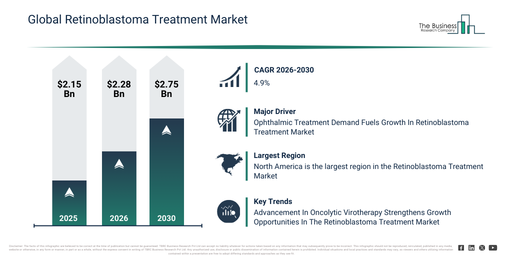
    The retinoblastoma treatment market has witnessed significant expansion in recent years. It is anticipated to increase from $2.15 billion in 2025 to $2.28 billion in 2026, exhibiting a compound annual growth rate (CAGR) of 5.8%. The historical rise in this market can be attributed to several factors such as advancements in pediatric cancer diagnosis, the establishment of more specialized oncology centers, higher survival rates achieved through early intervention, the widespread availability of sophisticated imaging tools, and a heightened awareness of childhood eye cancers.

    The market for retinoblastoma treatment is anticipated to experience consistent expansion over the upcoming years. It is projected to achieve a value of $2.75 billion by 2030, growing at a compound annual growth rate (CAGR) of 4.9%. This projected increase can be ascribed to several factors, including heightened investments in pediatric oncology research, a rising demand for minimally invasive therapies, the expansion of precision medicine in oncology, a greater emphasis on long-term quality of life outcomes, and the increasing adoption of advanced treatment delivery systems. Furthermore, significant trends expected during this period involve the increasing embrace of targeted chemotherapy techniques, a rising utilization of intra-arterial drug delivery, a growing concentration on vision-sparing treatments, the broadening of multidisciplinary pediatric oncology care, and enhanced efforts in early diagnosis and screening.

    Get A Free Sample Report With In-Depth Market Insights:

    https://thebusinessresearchcompany.com/sample_request?id=65395867&type=smp&name=Retinoblastoma%20Treatment%20Market%20Report%202026&utm_source=Blogs&utm_medium=Paid&utm_campaign=Nov_PR

    Retinoblastoma Treatment Market Opportunity Drivers: What’s Unlocking New Revenue Potential?

    The rising need for eye care procedures and treatments is projected to fuel the expansion of the retinoblastoma treatment market going forward. Ophthalmic treatment and surgeries encompass medical interventions and procedures to diagnose, manage, and correct disorders and conditions affecting the eyes and visual system. The surge in ophthalmic treatments and surgeries stems from factors such as an aging demographic, a higher incidence of conditions like cataracts and age-related macular degeneration, technological advancements enabling more efficient and accessible treatments, and enhanced public awareness leading to prompt diagnosis and action. Treatment for retinoblastoma is a crucial component of ophthalmic surgeries, addressing malignant growths within the eye(s) to avert spread or recurrence, all while safeguarding vision and eye function.

    Retinoblastoma Treatment Market Segment Trends And Revenue Contributors

    The retinoblastoma treatment market covered in this report is segmented –

    1) By Type: Non-Hereditary Retinoblastoma, Hereditary Retinoblastoma

    2) By Treatment Type: Surgery, Radiation Therapy, Laser Therapy (Photocoagulation), Cryotherapy, Thermotherapy, Chemotherapy, Ophthalmic Artery Infusion Chemotherapy, High-Dose Chemotherapy And Stem Cell Transplant

    3) By Disease Stage: Intraocular Retinoblastoma, Extraocular Retinoblastoma

    4) By Application: Hospitals, Cancer Institutes, Other Applications

    Subsegments:

    1) By Non-Hereditary Retinoblastoma: Unilateral Non-Hereditary Retinoblastoma, Bilateral Non-Hereditary Retinoblastoma

    2) By Hereditary Retinoblastoma: Bilateral Hereditary Retinoblastoma, Unilateral Hereditary Retinoblastoma

    Retinoblastoma Treatment Market Innovation Trends: What Developments Are Reshaping The Industry?

    Leading companies within the retinoblastoma treatment market are concentrating on advancing oncolytic virotherapy to enhance effectiveness and maintain vision for pediatric patients. Oncolytic virotherapy employs engineered viruses that specifically target and eliminate cancer cells while preserving healthy tissue, thus increasing treatment safety and lessening adverse effects.

    Retinoblastoma Treatment Market Competitive Landscape: Which Companies Lead The Industry?

    Major companies operating in the retinoblastoma treatment market are Johnson And Johnson Services Inc., F Hoffmann La Roche AG, Merck And Co Inc., Sanofi SA, Bristol Myers Squibb Company, Novartis AG, Pfizer Inc., GlaxoSmithKline Plc, Takeda Pharmaceutical Company Limited, Eli Lilly And Company, Teva Pharmaceutical Industries Ltd, Regeneron Pharmaceuticals Inc., Astellas Pharma Inc., Otsuka Pharmaceutical, Daiichi Sankyo Company, Taiho Pharmaceutical Co Ltd, Icon Bioscience Inc., Ono Pharmaceutical Co Ltd, Nippon Shinyaku Co Ltd, Cadila Pharmaceuticals, Phio Pharmaceuticals Inc., Bayer AG, AstraZeneca Plc, Sun Pharmaceutical Industries Ltd

    View The Full Retinoblastoma Treatment Market Report:

    https://thebusinessresearchcompany.com/report/retinoblastoma-treatment-global-market-report?utm_source=Blogs&utm_medium=Paid&utm_campaign=Nov_PR

    Retinoblastoma Treatment Market Regional Split: Which Areas Are Fueling Growth?

    North America was the largest region in the retinoblastoma treatment market in 2025. Asia-Pacific is expected to be the fastest-growing region in the forecast period. The regions covered in the retinoblastoma treatment market report are Asia-Pacific, South East Asia, Western Europe, Eastern Europe, North America, South America, Middle East, Africa.

    Reach Out To Our Team:

    The Business Research Company: https://www.thebusinessresearchcompany.com/

    Americas: +1 310-496-7795

    Asia: +44 7882 955267 & +91 8897263534

    Europe: +44 7882 955267

    Email us at: marketing@tbrc.info

    Follow us on:

    LinkedIn: https://in.linkedin.com/company/the-business-research-company

    YouTube: https://www.youtube.com/channel/UC24_fI0rV8cR5DxlCpgmyFQ

    Global Market Model: https://www.thebusinessresearchcompany.com/global-market-model
  • Retinitis Pigmentosa Market 2026: Market Size, Growth Drivers And Emerging Opportunities

    Retinitis Pigmentosa Market 2026: Market Size, Growth Drivers And Emerging Opportunities

    Backed by market attractiveness analysis, total addressable market sizing, company benchmarking matrices, interactive Excel dashboards, wider supply chain intelligence, emerging startup coverage, and detailed product-level insights, The Business Research Company’s 2026 market reports are designed to offer research that is more actionable and strategically valuable than ever.

    Retinitis Pigmentosa Market Forecast: What Value Will The Market Reach By 2030?

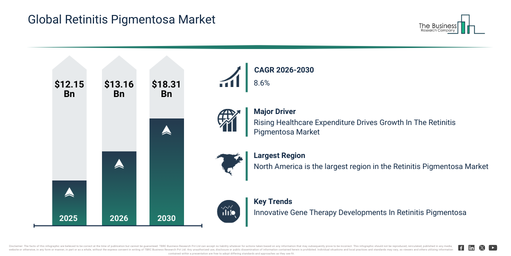
    The retinitis pigmentosa market has demonstrated strong growth over recent years. It is anticipated to expand from $12.15 billion in 2025 to $13.16 billion in 2026, reflecting a compound annual growth rate (CAGR) of 8.3%. This historical expansion can be attributed to an improved understanding of genetic retinal disorders, the wider expansion of diagnostic genetic testing, increased patient advocacy and awareness, the availability of vitamin-based supportive therapies, and the growth of ophthalmic research institutions.

    The retinitis pigmentosa market size is projected for substantial expansion in the coming years. This market is anticipated to reach $18.31 billion by 2030, exhibiting a compound annual growth rate (CAGR) of 8.6%. The projected growth stems from several factors, including increasing investments in gene therapy pipelines, a growing need for disease-modifying treatments, the broadening of personalized medicine approaches, greater integration of assistive vision technologies, and an increased emphasis on early genetic diagnosis. Key developments expected during this period involve a heightened focus on gene-based therapies, the increased uptake of retinal prosthetic devices, a rise in the application of genetic testing for diagnosis, the proliferation of supportive vision enhancement solutions, and intensified research into disease-modifying treatments.

    Get A Free Sample Report With In-Depth Market Insights:

    https://thebusinessresearchcompany.com/sample_request?id=16528&type=smp&name=Retinitis%20Pigmentosa%20Market%20Report%202026&utm_source=Blogs&utm_medium=Paid&utm_campaign=Nov_PR

    Retinitis Pigmentosa Market Growth Momentum: What Factors Are Shaping Demand?

    The retinitis pigmentosa market is expected to expand, propelled by the anticipated rise in healthcare expenditure. Healthcare expenditure denotes the total money allocated to healthcare goods and services, encompassing medical treatments, medications, hospitalizations, and preventive care, over a defined timeframe, thereby illustrating the overall expense of healthcare provision for a population. This spending is increasing due to the escalating cost of advanced medical technologies, the aging demographics, and the widespread occurrence of chronic diseases. Specifically for retinitis pigmentosa, healthcare expenditure is channeled towards improving diagnostic methods, creating effective treatments, and offering supportive care to manage vision loss.

    Retinitis Pigmentosa Market Segment Analysis Spotlighting Growth Areas

    The retinitis pigmentosa market covered in this report is segmented –

    1) By Type: Autosomal Recessive, Autosomal Dominant, X-Linked

    2) By Treatment: Vitamin A, Docosahexaenoic Acid (DHA), Calcium Channel Blockers, Gene Therapy, Retinal Eye Prosthetics, Other Treatments

    3) By Diagnosis: Electroretinogram, Visual Field Testing, Genetic Testing, Other Diagnosis

    4) By Distribution Channel: Hospital Pharmacy, Retail Pharmacy, Online Pharmacy, Other Distribution Channels

    5) By End-users: Hospitals, Specialty Clinics, Homecare, Other End-users

    Subsegments:

    1) By Autosomal Recessive: Early-Onset Autosomal Recessive Retinitis Pigmentosa, Late-Onset Autosomal Recessive Retinitis Pigmentosa

    2) By Autosomal Dominant: Early-Onset Autosomal Dominant Retinitis Pigmentosa, Late-Onset Autosomal Dominant Retinitis Pigmentosa

    3) By X-Linked: X-Linked Recessive Retinitis Pigmentosa, X-Linked Dominant Retinitis Pigmentosa

    Retinitis Pigmentosa Market Trends: What’s Defining The Industry’s Next Phase?

    Leading companies in the retinitis pigmentosa market are increasingly focusing on developing innovative treatment options, such as gene therapy, to provide more effective and targeted solutions for managing and potentially curing this debilitating condition. Gene therapy for retinitis pigmentosa (RP) works by delivering functional genes to replace or repair the defective ones that cause the disease. This innovative treatment aims to restore normal function to the affected photoreceptor cells in the retina, thereby slowing or potentially halting the progression of vision loss.

    Retinitis Pigmentosa Market Leading Companies: Who Holds The Strongest Market Presence?

    Major companies operating in the retinitis pigmentosa market are Johnson And Johnson, Novartis AG, AbbVie Inc., Astellas Pharma Inc., Sun Pharmaceutical Industries Ltd, Spark Therapeutics, REGENXBIO Inc., Editas Medicine, IVERIC bio, MeiraGTx Holdings, Gensight Biologics, Second Sight Medical Products, Copernicus Therapeutics Inc., Kiora Pharmaceuticals, 4D Molecular Therapeutics, Acucela Inc., AGTC Applied Genetic Technologies Corporation, ProQR Therapeutics NV, Nanoscope Therapeutics Inc, Beacon Therapeutics Ltd, Horama SA, ViGeneron GmbH

    View The Full Retinitis Pigmentosa Market Report:

    https://thebusinessresearchcompany.com/report/retinitis-pigmentosa-global-market-report?utm_source=Blogs&utm_medium=Paid&utm_campaign=Nov_PR

    Retinitis Pigmentosa Market Top Region: Where Does Most Revenue Come From?

    North America was the largest region in the retinitis pigmentosa market in 2025. The regions covered in the retinitis pigmentosa market report are Asia-Pacific, South East Asia, Western Europe, Eastern Europe, North America, South America, Middle East, Africa.

    Reach Out To Our Team:

    The Business Research Company: https://www.thebusinessresearchcompany.com/

    Americas: +1 310-496-7795

    Asia: +44 7882 955267 & +91 8897263534

    Europe: +44 7882 955267

    Email us at: marketing@tbrc.info

    Follow us on:

    LinkedIn: https://in.linkedin.com/company/the-business-research-company

    YouTube: https://www.youtube.com/channel/UC24_fI0rV8cR5DxlCpgmyFQ

    Global Market Model: https://www.thebusinessresearchcompany.com/global-market-model