Author: Marketing Posting

  • Resistance Bands Market Growth Potential: What The Latest Forecast Reveals

    Resistance Bands Market Growth Potential: What The Latest Forecast Reveals

    Built to provide research that’s more actionable and strategically valuable, The Business Research Company’s 2026 market reports include market attractiveness analysis, total addressable market sizing, company benchmarking matrices, interactive Excel dashboards, broader supply chain intelligence, emerging startup tracking, and in-depth product insights.

    Resistance Bands Market Expansion Outlook: What Revenue Opportunities Are Ahead?

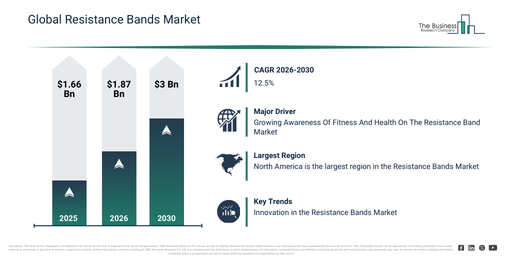
    The resistance bands market has demonstrated rapid expansion in recent years. It is anticipated to grow from $1.66 billion in 2025 to $1.87 billion in 2026, achieving a compound annual growth rate (CAGR) of 12.4%. The historical increase can be ascribed to the development of home fitness culture, heightened awareness of physical wellness, the extension of physiotherapy and rehabilitation services, increased involvement in strength training, and the cost-effectiveness of resistance-based equipment.

    The resistance bands market size is anticipated to experience rapid growth over the next few years. Its valuation is projected to reach $3 billion by 2030, demonstrating a compound annual growth rate (CAGR) of 12.5%. This expansion during the forecast period is propelled by factors such as the escalating demand for personalized fitness solutions, the increasing adoption of digital fitness programs, the broadening scope of sports injury rehabilitation, a growing emphasis on sustainable fitness products, and the deeper penetration of online fitness retail channels. Key developments foreseen in this period include a greater uptake of home-based fitness solutions, a rising need for portable strength training equipment, the wider application of resistance bands in rehabilitation programs, a heightened focus on multi-resistance training sets, and enhanced product innovation specifically in material durability.

    Get A Free Sample Report With In-Depth Market Insights:

    https://thebusinessresearchcompany.com/sample_request?id=73229255&type=smp&name=Resistance%20Bands%20Market%20Report%202026&utm_source=Blogs&utm_medium=Paid&utm_campaign=Nov_PR

    Resistance Bands Market Opportunity Drivers: What’s Unlocking New Revenue Potential?

    The increasing understanding of fitness and health is anticipated to drive the expansion of the resistance band market in the future. These two concepts, fitness and health, are linked, defining an individual’s comprehensive physical and mental well-being. While fitness primarily covers physical attributes like strength and endurance, health extends to a wider range, including physical, mental, and social aspects of well-being. Resistance bands contribute positively to improving fitness and health due to their ease of use and benefits for activities such as strength training, weight loss, enhancing sports performance, recovering from injuries, and building functional fitness.

    Resistance Bands Market Segmentation: How Does The Market Break Down By Category?

    The resistance bands market covered in this report is segmented –

    1) By Type: Tube Resistance Bands, Pull-up Resistance Bands, Therapy Resistance Bands, Other Resistance Bands

    2) By Material: Fabric, Latex

    3) By Distribution Channel: Specialty Stores, Supermarkets And Hypermarkets, Online Retail, Other Distribution Channels

    4) By Application: Individuals, Health And Sports Clubs

    Subsegments:

    1) By Tube Resistance Bands: Single Tube Bands, Double Tube Bands, Triple Tube Bands

    2) By Pull-up Resistance Bands: Light Resistance Bands, Medium Resistance Bands, Heavy Resistance Bands

    3) By Therapy Resistance Bands: Physical Therapy Bands, Rehabilitation Bands

    4) By Other Resistance Bands: Figure 8 Resistance Bands, Loop Resistance Bands, Flat Resistance Bands

    Resistance Bands Market Innovation Trends: What Developments Are Reshaping The Industry?

    Leading companies within the resistance bands market are creating novel products, including stretchable bands, to elevate user experience and optimize workout efficacy. These stretchable bands are elastic resistance bands that can be extended to various lengths, delivering diverse resistance levels during exercises, thus enhancing both strength training and flexibility routines.

    Resistance Bands Market Competitive Overview And Top Companies

    Major companies operating in the resistance bands market are Lifeline Fitness, Everlast Worldwide Inc., Rogue Fitness Inc., Gaia Inc., Perform Better Inc., RDX Sports, Body-Solid Inc., SPRI Products Inc., ProsourceFit, WODFitters, Theraband Inc., Bodylastics USA Inc., Black Mountain Products Inc, GoFit LLC, Fitness Gear, Serious Steel Fitness, Power Systems Inc, Fitness Anywhere LLC (TRX), Gold’s Gym International Inc, Liveup Sports Co.Ltd, Sling Shot, Wacces Inc., RitFit Inc

    View The Full Resistance Bands Market Report:

    https://thebusinessresearchcompany.com/report/resistance-bands-global-market-report?utm_source=Blogs&utm_medium=Paid&utm_campaign=Nov_PR

    Resistance Bands Market Top Region: Where Does Most Revenue Come From?

    North America was the largest region in the resistance bands market in 2025. The regions covered in the resistance bands market report are Asia-Pacific, South East Asia, Western Europe, Eastern Europe, North America, South America, Middle East, Africa.

    Reach Out To Our Team:

    The Business Research Company: https://www.thebusinessresearchcompany.com/

    Americas: +1 310-496-7795

    Asia: +44 7882 955267 & +91 8897263534

    Europe: +44 7882 955267

    Email us at: marketing@tbrc.info

    Follow us on:

    LinkedIn: https://in.linkedin.com/company/the-business-research-company

    YouTube: https://www.youtube.com/channel/UC24_fI0rV8cR5DxlCpgmyFQ

    Global Market Model: https://www.thebusinessresearchcompany.com/global-market-model
  • Residential Substance Abuse And Mental Health Facilities Market Growth Outlook: Why Analysts Expect Continued Expansion

    Residential Substance Abuse And Mental Health Facilities Market Growth Outlook: Why Analysts Expect Continued Expansion

    Backed by market attractiveness analysis, total addressable market sizing, company benchmarking matrices, interactive Excel dashboards, wider supply chain intelligence, emerging startup coverage, and detailed product-level insights, The Business Research Company’s 2026 market reports are designed to offer research that is more actionable and strategically valuable than ever.

    Residential Substance Abuse And Mental Health Facilities Market Growth Potential: How Will Market Size Shift Through 2030?

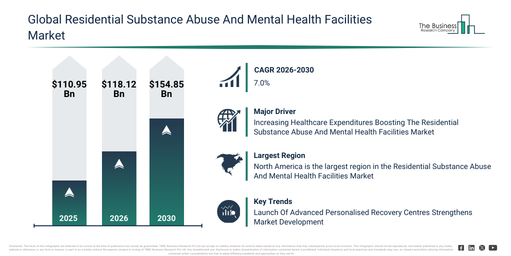
    The residential substance abuse and mental health facilities market has seen robust expansion in recent times. This market is anticipated to grow from $110.95 billion in 2025 to $118.12 billion in 2026, achieving a compound annual growth rate (CAGR) of 6.5%. The historical growth can be ascribed to elements such as the increasing prevalence of substance abuse disorders, rising awareness of mental health conditions, expansion of public healthcare funding, growth of private residential care facilities, and increasing acceptance of inpatient treatment models.

    The residential substance abuse and mental health facilities market size is anticipated to experience robust growth in the coming years. It is projected to expand to $154.85 billion by 2030, reflecting a compound annual growth rate (CAGR) of 7.0%. This growth during the forecast period can be attributed to several factors, including an escalating demand for comprehensive residential treatment solutions, a greater focus on long-term recovery outcomes, the expanding integration of digital health within care facilities, increasing investments in behavioral health infrastructure, and a rising emphasis on outcome-based care models. Prominent trends expected in this period include the increased integration of digital patient monitoring systems, a growing adoption of evidence-based residential care models, an intensified focus on personalized treatment programs, the expansion of integrated mental health and substance abuse services, and a heightened emphasis on patient safety and compliance.

    Get A Free Sample Report With In-Depth Market Insights:

    https://thebusinessresearchcompany.com/sample_request?id=34556262&type=smp&name=Residential%20Substance%20Abuse%20And%20Mental%20Health%20Facilities%20Market%20Report%202026&utm_source=Blogs&utm_medium=Paid&utm_campaign=Nov_PR

    Residential Substance Abuse And Mental Health Facilities Market Growth Momentum: What Factors Are Shaping Demand?

    The residential substance abuse and mental health facilities market is anticipated to experience growth driven by increasing healthcare expenditures. These expenditures encompass all costs associated with the provision of health services, family planning activities, nutrition programs, and emergency support primarily focused on health outcomes. Greater healthcare spending facilitates improved access to specialized care, elevates treatment standards, and expands capabilities to confront the increasing challenges of mental health and addiction within society.

    Residential Substance Abuse And Mental Health Facilities Market Segment Trends And Revenue Contributors

    The residential substance abuse and mental health facilities market covered in this report is segmented –

    1) By Type: Residential Mental Health And Intellectual Disability Facilities, Substance Abuse Centers

    2) By Type of Expenditure: Public, Private

    3) By End User Gender: Male, Female

    Subsegments:

    1) By Residential Mental Health And Intellectual Disability Facilities: Psychiatric Care Homes, Intellectual Disability Facilities, Dual Diagnosis Facilities

    2) By Substance Abuse Centers: Alcohol Rehabilitation Centers, Drug Rehabilitation Centers, Combined Substance Abuse Treatment Facilities

    Residential Substance Abuse And Mental Health Facilities Market Trends: What’s Defining The Industry’s Next Phase?

    Leading companies within the residential substance abuse and mental health facilities market are concentrating on creating advanced 360-degree personalized care models to improve patient-centric recovery outcomes. This comprehensive 360-degree personalized care approach integrates medical, psychological, social, and physical interventions, customizing them for each individual rather than implementing a standardized program.

    Residential Substance Abuse And Mental Health Facilities Market Competitive Landscape: Which Companies Lead The Industry?

    Major companies operating in the residential substance abuse and mental health facilities market are Kaiser Permanente, Universal Health Services Inc., Ohio Department of Mental Health and Addiction Services, NHS England, Acadia Healthcare Company, CareTech Holdings PLC, Pyramid Healthcare, Haven Behavioral Healthcare, American Addiction Centers, Behavioral Health Network Inc. (BHN), Promises Behavioral Health, Aware Recovery Care, The MENTOR Network, Strategic Behavioral Health, Ascension Seton, North Range Behavioral Health, Phoenix House, Caron Treatment Centers, Sierra Tucson, The Meadows, Rogers Behavioral Health, Timberline Knolls Residential Treatment Center, The Ranch, The Recovery Village, Sunspire Health, Summit BHC, The Aviary Recovery Center, The Meadows, The MENTOR Network, The Pavilion

    View The Full Residential Substance Abuse And Mental Health Facilities Market Report:

    https://thebusinessresearchcompany.com/report/Residential-Substance-Abuse-And-Mental-Health-Facilities-Global-Market-Report?utm_source=Blogs&utm_medium=Paid&utm_campaign=Nov_PR

    Residential Substance Abuse And Mental Health Facilities Market Regional Breakdown: Where Is Demand Concentrated?

    North America was the largest region in the residential substance abuse and mental health facilities market in 2025. Western Europe was the second largest region in the residential substance abuse and mental health facilities market. The regions covered in the residential substance abuse and mental health facilities market report are Asia-Pacific, South East Asia, Western Europe, Eastern Europe, North America, South America, Middle East, Africa.

    Reach Out To Our Team:

    The Business Research Company: https://www.thebusinessresearchcompany.com/

    Americas: +1 310-496-7795

    Asia: +44 7882 955267 & +91 8897263534

    Europe: +44 7882 955267

    Email us at: marketing@tbrc.info

    Follow us on:

    LinkedIn: https://in.linkedin.com/company/the-business-research-company

    YouTube: https://www.youtube.com/channel/UC24_fI0rV8cR5DxlCpgmyFQ

    Global Market Model: https://www.thebusinessresearchcompany.com/global-market-model
  • Residential Intellectual And Development Disability Care Market Forecast Insights: The Road To $268.25 Billion By 2030

    Residential Intellectual And Development Disability Care Market Forecast Insights: The Road To $268.25 Billion By 2030

    Featuring market attractiveness scoring, total addressable market sizing, company benchmarking matrices, interactive Excel dashboards, deeper supply chain intelligence, emerging startup tracking, and granular product-level insights, The Business Research Company’s 2026 market reports are built to deliver research that is both more actionable and more strategically valuable.

    Residential Intellectual And Development Disability Care Market Value Analysis: What Growth Lies Ahead Over The Forecast Period?

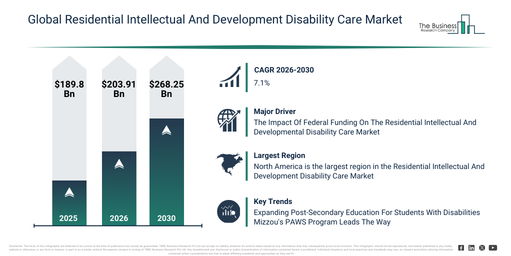
    The residential intellectual and development disability care market size has experienced robust growth in recent years. It is projected to expand from $189.8 billion in 2025 to $203.91 billion in 2026, driven by a compound annual growth rate (CAGR) of 7.4%. This historical growth can be attributed to the expansion of community-based disability care programs, increasing awareness of intellectual and developmental disabilities, the development of residential care infrastructure, a rising demand for assisted living services, and the increased availability of trained care professionals.

    The residential intellectual and development disability care market size is projected to experience substantial expansion over the upcoming years. This market is anticipated to reach $268.25 billion by 2030, exhibiting a compound annual growth rate (CAGR) of 7.1%. Factors contributing to this growth during the forecast period include the increasing incorporation of technology-enabled care solutions, an escalating need for individualized disability support services, the broadening of government-funded care programs, a heightened emphasis on outcome-based care frameworks, and increasing capital allocation towards the modernization of residential care facilities. Key trends expected during this period encompass the widespread uptake of digital care management platforms, the expanding integration of remote monitoring technologies, the proliferation of personalized care schemes, a stronger emphasis on fostering skill development and independence training, and improved collaboration between healthcare and social services.

    Get A Free Sample Report With In-Depth Market Insights:

    https://thebusinessresearchcompany.com/sample_request?id=91896654&type=smp&name=Residential%20Intellectual%20And%20Development%20Disability%20Care%20Market%20Report%202026&utm_source=Blogs&utm_medium=Paid&utm_campaign=Nov_PR

    Residential Intellectual And Development Disability Care Market Expansion Drivers: What’s Shaping Future Growth?

    The augmented federal funding allocated for initiatives supporting individuals with intellectual disabilities is projected to drive the expansion of the residential intellectual and developmental disability care market. This surge in federal funding for programs assisting individuals with intellectual disabilities results from heightened awareness of their needs, persistent advocacy for improved services, and a steadfast commitment to inclusive policy measures designed to elevate their quality of life and ensure equal opportunities. Federal financial backing for these programs significantly bolsters residential care by supplying the necessary financial resources for services, comprehensive support, and crucial infrastructure upgrades.

    Residential Intellectual And Development Disability Care Market Segment Analysis Spotlighting Growth Areas

    The residential intellectual and development disability care market covered in this report is segmented –

    1) By Indication: Attention-Deficit Or Hyperactivity Disorder (ADHD), Autism Spectrum Disorders, Intellectual Disability, Learning Disorders, Other Indications

    2) By Mode Of Operation: State-Run Facilities, Medicaid Funded Services, Private Large Facilities, Privately Run Small Facilities

    3) By Number Of Beds: 4 To 9, 10 To 19, 20 To 49, 50 To 99, 100 To 199, 200 And More Beds

    4) By End-User: Hospitals, Intermediate Care Facilities, Group Homes, Private Home, Intellectual And Developmental Disability Facilities

    Subsegments:

    1) By Attention-Deficit Or Hyperactivity Disorder (ADHD): Behavioral Therapy, Medication Management, Support Services

    2) By Autism Spectrum Disorders: Applied Behavior Analysis (ABA) Therapy, Social Skills Training, Speech Therapy

    3) By Intellectual Disability: Residential Support Services, Day Programs, Vocational Training

    4) By Learning Disorders: Educational Support Services, Tutoring Programs, Skill Development Workshops

    5) By Other Indications: Dual Diagnosis Support, Mental Health Services, Therapeutic Recreation Programs

    Residential Intellectual And Development Disability Care Market Industry Trends Fueling Future Revenue Growth

    Companies operating in the residential intellectual and developmental disability care market are increasingly prioritizing post-secondary education programs. These initiatives aim to equip students within university communities with life skills, job readiness, and social integration. Such specialized programs offer academic, vocational, and life skills training to support students with intellectual and developmental disabilities in their transition to adulthood and employment.

    Residential Intellectual And Development Disability Care Market Leading Companies: Who Holds The Strongest Market Presence?

    Major companies operating in the residential intellectual and development disability care market are Acadia Healthcare, Sheppard Pratt Health System Inc., Cerebral Palsy Associations of New York State, Merakey Allegheny Valley School, WellLife Network Inc., Alliance Health, Texana Center, Cuyahoga County Board of Developmental Disabilities, Lutheran Family Services Rocky Mountains, Metrocare Services, The Arc of the United States, New Vista Nursing and Rehabilitation Center, Lutheran Services in America Inc., St. Joseph’s Center, Beacon Health Options Inc., SPOT Rehabilitation & Home Health Care, Durham County Community Living Programs Inc., Mosaic Community Services, Heritage Christian Services, UCP of Central Florida

    View The Full Residential Intellectual And Development Disability Care Market Report:

    https://thebusinessresearchcompany.com/report/residential-intellectual-and-development-disability-care-global-market-report?utm_source=Blogs&utm_medium=Paid&utm_campaign=Nov_PR

    Residential Intellectual And Development Disability Care Market Geographic Landscape: Which Region Leads Industry Growth?

    North America was the largest region in the residential intellectual and development disability care market in 2025. Asia-Pacific is expected to be the fastest-growing region in the forecast period. The regions covered in the residential intellectual and development disability care market report are Asia-Pacific, South East Asia, Western Europe, Eastern Europe, North America, South America, Middle East, Africa.

    Reach Out To Our Team:

    The Business Research Company: https://www.thebusinessresearchcompany.com/

    Americas: +1 310-496-7795

    Asia: +44 7882 955267 & +91 8897263534

    Europe: +44 7882 955267

    Email us at: marketing@tbrc.info

    Follow us on:

    LinkedIn: https://in.linkedin.com/company/the-business-research-company

    YouTube: https://www.youtube.com/channel/UC24_fI0rV8cR5DxlCpgmyFQ

    Global Market Model: https://www.thebusinessresearchcompany.com/global-market-model
  • Reproductive Genetics Market Explained: What Is Fueling Growth To $16.22 Billion By 2030?

    Reproductive Genetics Market Explained: What Is Fueling Growth To $16.22 Billion By 2030?

    Built to provide research that’s more actionable and strategically valuable, The Business Research Company’s 2026 market reports include market attractiveness analysis, total addressable market sizing, company benchmarking matrices, interactive Excel dashboards, broader supply chain intelligence, emerging startup tracking, and in-depth product insights.

    Reproductive Genetics Market Size Forecast: How Big Could The Market Get By 2030?

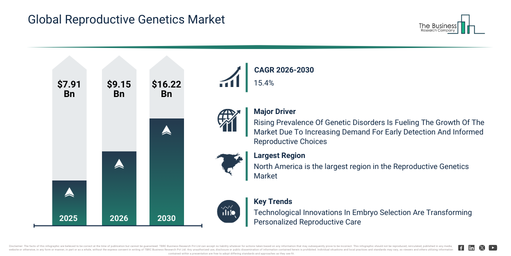
    The reproductive genetics market has seen substantial growth in recent years. It is projected to expand from $7.91 billion in 2025 to $9.15 billion in 2026, achieving a compound annual growth rate (CAGR) of 15.7%. Historically, this market’s growth can be attributed to an increase in assisted reproductive technologies usage, rising maternal age at conception, the expansion of fertility clinics, heightened awareness of inherited genetic disorders, and the availability of advanced molecular diagnostic tools.

    The reproductive genetics market is projected to experience substantial growth in the upcoming years. It is forecast to expand to $16.22 billion by 2030, achieving a compound annual growth rate (CAGR) of 15.4%. This anticipated growth during the forecast period is fueled by several factors, including the increasing acceptance of precision reproductive medicine, growing investments in fertility genomics research, the broadening scope of non-invasive prenatal testing, the rising application of AI-driven genetic interpretation, and advancements in sequencing accuracy and affordability. Prominent trends expected in this period involve the greater adoption of preimplantation genetic testing, an escalating demand for carrier screening solutions, the expanded use of NGS-based reproductive diagnostics, the development of personalized fertility treatment planning, and enhanced integration of laboratory automation.

    Get A Free Sample Report With In-Depth Market Insights:

    https://thebusinessresearchcompany.com/sample_request?id=37624781&type=smp&name=Reproductive%20Genetics%20Market%20Report%202026&utm_source=Blogs&utm_medium=Paid&utm_campaign=Nov_PR

    Reproductive Genetics Market Development Factors: What’s Supporting Demand?

    The rising occurrence of genetic disorders is anticipated to stimulate the expansion of the reproductive genetics market moving forward. Genetic disorders are defined as conditions caused by irregularities in an individual’s deoxyribonucleic acid (DNA), ranging from a single gene mutation to chromosomal defects. This increase in genetic disorders is partly due to reproductive genetic testing, as families seek early insights to reduce uncertainty, support informed reproductive choices, and assist in preventing the transmission of inherited conditions. Reproductive genetics is vital for identifying and managing genetic disorders, helping families make educated decisions, and lowering the risk of passing conditions to future generations.

    Reproductive Genetics Market Segment Performance And Emerging Opportunities

    The reproductive genetics market covered in this report is segmented –

    1) By Product Type: Kits, Laboratory Developed Tests (LDT), Reagents And Consumables

    2) By Technology: Polymerase Chain Reaction (PCR), Next-Generation Sequencing (NGS), In-Situ Hybridization (ISH), Microarray Analysis

    3) By Application: Aneuploidy, Single Gene Disorder, Structural Chromosomal Abnormality, Other Applications

    4) By End User: Hospitals, Diagnostic Laboratories, Fertility Clinics, Research Institutions

    Subsegments:

    1) By Kits: Sample Collection Kits, Extraction Kits, Amplification Kits, Sequencing Kits, Hybridization Kits

    2) By Laboratory Developed Tests: Carrier Screening Tests, Preimplantation Genetic Tests, Prenatal Diagnostic Tests, Aneuploidy Detection Tests, Single Gene Disorder Tests

    3) By Reagents And Consumables: Enzymes, Buffers, Probes, Fluorescent Labels, Laboratory Plasticware

    Reproductive Genetics Market Trends Powering Strategic Industry Growth

    Key companies active in the reproductive genetics market are focusing on developing advanced solutions, such as comprehensive multi-trait embryo comparison, designed to enable more precise, data-driven, and personalized embryo selection for IVF patients. This comprehensive multi-trait embryo comparison signifies an analytical method that assesses multiple embryos concurrently across hundreds of hereditary conditions and complex traits using genomic and polygenic scoring, thereby enabling prospective parents to make more informed choices during in vitro fertilization. For instance, in June 2025, Nucleus Genomics Inc., a US-based biotechnology company, introduced Nucleus Embryo, a reproductive genetics platform allowing patients to analyze and compare up to 20 embryos across more than 900 inherited conditions, which incorporates polygenic scoring for complex traits such as appearance, cognitive ability, and mental health, and presents a comprehensive, multi-trait comparison interface that notably expands embryo-selection capabilities beyond conventional screening methods.

    Reproductive Genetics Market Key Players: Which Companies Lead Industry Competition?

    Major companies operating in the reproductive genetics market are F. Hoffmann-La Roche Ltd., Thermo Fisher Scientific Inc., Quest Diagnostics Incorporated, Agilent Technologies Inc., Illumina Inc., Revvity Inc., Medicover AB, OPKO Health Inc., Natera Inc., Myriad Genetics Inc., Fulgent Genetics Inc., The Cooper Companies Inc., Vitrolife AB, BillionToOne Inc., Sophia Genetics SA, Eurofins Genomics India Private Limited, Invitae Corporation, Igenomix, Gonagen GmbH, Darwin AG.

    View The Full Reproductive Genetics Market Report:

    https://thebusinessresearchcompany.com/report/reproductive-genetics-global-market-report?utm_source=Blogs&utm_medium=Paid&utm_campaign=Nov_PR

    Reproductive Genetics Market Largest Region: Which Geography Holds The Biggest Share?

    North America was the largest region in the reproductive genetics market in 2025. Asia-Pacific is expected to be the fastest-growing region in the forecast period. The regions covered in the reproductive genetics market report are Asia-Pacific, South East Asia, Western Europe, Eastern Europe, North America, South America, Middle East, Africa.

    Reach Out To Our Team:

    The Business Research Company: https://www.thebusinessresearchcompany.com/

    Americas: +1 310-496-7795

    Asia: +44 7882 955267 & +91 8897263534

    Europe: +44 7882 955267

    Email us at: marketing@tbrc.info

    Follow us on:

    LinkedIn: https://in.linkedin.com/company/the-business-research-company

    YouTube: https://www.youtube.com/channel/UC24_fI0rV8cR5DxlCpgmyFQ

    Global Market Model: https://www.thebusinessresearchcompany.com/global-market-model
  • Reporter Gene Assay Market Forecast To Reach $10.23 Billion By 2030: Key Trends Explained

    Reporter Gene Assay Market Forecast To Reach $10.23 Billion By 2030: Key Trends Explained

    Backed by market attractiveness analysis, total addressable market sizing, company benchmarking matrices, interactive Excel dashboards, wider supply chain intelligence, emerging startup coverage, and detailed product-level insights, The Business Research Company’s 2026 market reports are designed to offer research that is more actionable and strategically valuable than ever.

    Reporter Gene Assay Market Revenue Outlook: What CAGR Lies Ahead Through 2030?

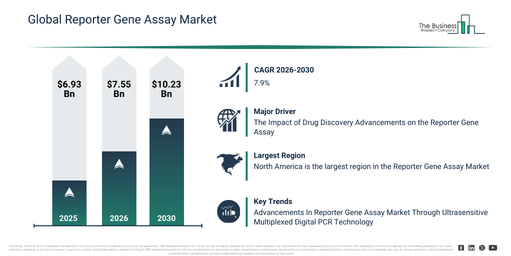
    The reporter gene assay market size has demonstrated significant growth in recent years. It is expected to expand from $6.93 billion in 2025 to $7.55 billion in 2026, exhibiting a compound annual growth rate (CAGR) of 8.9%. The increase observed historically can be linked to factors such as greater investment in molecular biology research, the widening scope of gene expression studies, an increased reliance on in-vitro screening models, heightened pharmaceutical R&D activity, and the availability of advanced assay reagents.

    The reporter gene assay market is projected to experience substantial expansion over the coming years. This market is forecast to reach $10.23 billion by 2030, exhibiting a compound annual growth rate (CAGR) of 7.9%. This anticipated growth can be attributed to several factors including the rising implementation of high-throughput screening techniques, an escalating need for precision medicine research instruments, the broadening scope of cell and gene therapy advancements, the increasing deployment of automated laboratory procedures, and a heightened emphasis on the effectiveness of translational research. Key trends anticipated during this period encompass the growing integration of high-sensitivity reporter assay systems, an increasing reliance on luciferase-based detection technologies, a surging requirement for cell-based functional assays, the proliferation of multiplex reporter assay platforms, and an intensified commitment to ensuring reproducibility and data accuracy.

    Get A Free Sample Report With In-Depth Market Insights:

    https://thebusinessresearchcompany.com/sample_request?id=39268855&type=smp&name=Reporter%20Gene%20Assay%20Market%20Report%202026&utm_source=Blogs&utm_medium=Paid&utm_campaign=Nov_PR

    Reporter Gene Assay Market Industry Drivers: What’s Behind The Revenue Growth?

    The expansion of drug discovery and development research is anticipated to propel the reporter gene assay market forward. This research encompasses the structured methodology within the medical, biotechnology, and pharmacology sectors aimed at identifying, creating, and introducing new pharmaceutical products to the market. The surge in these research activities stems from progress in proteomics, high-throughput screening, genomics, and the successful creation and authorization of innovative drugs. Reporter gene assays are critical instruments in this discovery and development work, assisting researchers in comprehending gene regulation, pinpointing potential drug targets, evaluating compound libraries, and assessing the effectiveness and safety of drug candidates.

    Reporter Gene Assay Market Segment Landscape And Growth Outlook

    The reporter gene assay market covered in this report is segmented –

    1) By Product: Assay Kits, Reagents

    2) By Application: Promoter Structural And Functional Analysis, Cell Signaling Pathways, Protein Interaction, Clinical And Gene Regulation

    3) By End-User: Biotechnology And Pharmaceutical Companies, Research And Academic Institutes, Hospital And Diagnostic Laboratories, Contract Research Organizations

    Subsegments:

    1) By Assay Kits: Luciferase Reporter Assay Kits, ß-galactosidase Reporter Assay Kits, Fluorescent Reporter Assay Kits, Secreted Alkaline Phosphatase (SEAP) Assay Kits

    2) By Reagents: Luciferase Substrates, ß-galactosidase Substrates, Fluorescent Proteins, Detection Buffers And Enhancers

    Reporter Gene Assay Market Growth Trends Reshaping The Competitive Landscape

    Major companies operating in the reporter gene assay market are concentrating on developing advanced solutions, such as ultrasensitive multiplexed digital PCR assays, to strengthen their market position. Ultrasensitive multiplexed digital PCR (dPCR) assays accurately detect and quantify nucleic acids by dividing the sample into thousands or millions of separate reactions, each containing tiny amounts of target DNA or RNA molecules.

    Reporter Gene Assay Market Competitive Landscape: Who Leads The Industry?

    Major companies operating in the reporter gene assay market are Roche Diagnostics, Thermo Fisher Scientific, Danaher Corporation, Merck KGaA, Becton Dickinson and Company (BD Biosciences), GE Healthcare, Lonza Group, Agilent Technologies, Sartorius AG, PerkinElmer Inc., Bio-Rad Laboratories Inc., QIAGEN N.V., GenScript Biotech Corporation, Abcam plc, Promega Corporation, Promega Corporation, Takara Bio Inc., New England Biolabs (NEB), OriGene Technologies Inc., Cell Signaling Technology Inc., SABiosciences, Enzo Biochem Inc., InvivoGen, Biotium Inc., Enzo Life Sciences Inc., BioAssay Systems, Indigo Biosciences Inc.

    View The Full Reporter Gene Assay Market Report:

    https://thebusinessresearchcompany.com/report/reporter-gene-assay-global-market-report?utm_source=Blogs&utm_medium=Paid&utm_campaign=Nov_PR

    Reporter Gene Assay Market Regional Analysis: Which Geography Leads On Revenue?

    North America was the largest region in the reporter gene assay market in 2025. Asia-Pacific is expected to be the fastest-growing region in the forecast period. The regions covered in the reporter gene assay market report are Asia-Pacific, South East Asia, Western Europe, Eastern Europe, North America, South America, Middle East, Africa.

    Reach Out To Our Team:

    The Business Research Company: https://www.thebusinessresearchcompany.com/

    Americas: +1 310-496-7795

    Asia: +44 7882 955267 & +91 8897263534

    Europe: +44 7882 955267

    Email us at: marketing@tbrc.info

    Follow us on:

    LinkedIn: https://in.linkedin.com/company/the-business-research-company

    YouTube: https://www.youtube.com/channel/UC24_fI0rV8cR5DxlCpgmyFQ

    Global Market Model: https://www.thebusinessresearchcompany.com/global-market-model
  • Repetitive Strain Injury (RSI) Treatment Market Analysis: Understanding The Drivers Behind 8.9% CAGR Through 2030 Growth

    Repetitive Strain Injury (RSI) Treatment Market Analysis: Understanding The Drivers Behind 8.9% CAGR Through 2030 Growth

    Featuring market attractiveness scoring, total addressable market sizing, company benchmarking matrices, interactive Excel dashboards, deeper supply chain intelligence, emerging startup tracking, and granular product-level insights, The Business Research Company’s 2026 market reports are built to deliver research that is both more actionable and more strategically valuable.

    Repetitive Strain Injury (RSI) Treatment Market Growth Analysis: How Will Revenue Trend Over The Forecast Period?

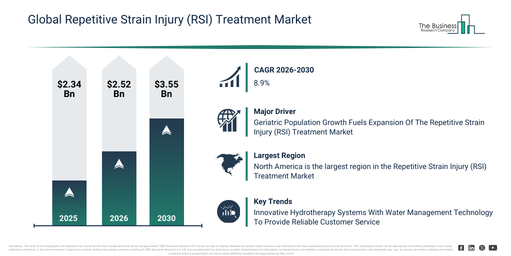
    The market for repetitive strain injury (rsi) treatment has experienced robust growth recently. This market is projected to expand from $2.34 billion in 2025 to $2.52 billion in 2026, demonstrating a compound annual growth rate (CAGR) of 8.0%. Historically, this expansion has been driven by factors such as a rise in repetitive work-related injuries, more widespread adoption of physiotherapy, the growth of occupational health services, greater understanding of musculoskeletal disorders, and enhanced availability of pain management therapies.

    The repetitive strain injury (rsi) treatment market is anticipated to show significant expansion over the coming years, reaching $3.55 billion by 2030, progressing at a compound annual growth rate (CAGR) of 8.9%. This projected growth throughout the forecast period stems from factors such as the increasing integration of digital physiotherapy platforms, a heightened emphasis on preventive ergonomic care, the proliferation of minimally invasive treatment choices, a rising adoption of personalized rehabilitation strategies, and an increased call for homecare-centric treatment solutions. Significant trends for the forecast period include a growing preference for non-surgical treatment methods, an uptick in the use of physiotherapy and rehabilitation programs, an intensified focus on workplace ergonomic measures, the broadening of home-based pain management therapies, and a greater recognition of the advantages of early intervention.

    Get A Free Sample Report With In-Depth Market Insights:

    https://thebusinessresearchcompany.com/sample_request?id=37436978&type=smp&name=Repetitive%20Strain%20Injury%20%28RSI%29%20Treatment%20Market%20Report%202026&utm_source=Blogs&utm_medium=Paid&utm_campaign=Nov_PR

    Repetitive Strain Injury (RSI) Treatment Market Growth Factors: What’s Supporting Expansion?

    An anticipated increase in the geriatric population is projected to fuel the expansion of the repetitive strain injury (RSI) treatment market in the future. This demographic encompasses individuals aged 65 and above. Elderly individuals are more susceptible to repetitive strain injuries due to age-related physiological alterations in muscles and tendons, such as diminished muscle strength, mass, and flexibility.

    Repetitive Strain Injury (RSI) Treatment Market Breakdown By Product Type And Application

    The repetitive strain injury (rsi) treatment market covered in this report is segmented –

    1) By Type: Carpal Tunnel Syndrome, Bursitis, Tennis Elbow, Other Types

    2) By Treatment: Medication, Physiotherapy, Steroid Injections, Surgery, Other Treatments

    3) By End Users: Hospitals, Specialty Clinics, Homecare, Other End Users

    Subsegments:

    1) By Carpal Tunnel Syndrome: Mild Cases, Moderate Cases, Severe Cases

    2) By Bursitis: Shoulder Bursitis, Hip Bursitis, Knee Bursitis

    3) By Tennis Elbow: Lateral Epicondylitis

    4) By Other Types: Tendonitis, Trigger Finger, De Quervain’s Tenosynovitis

    Repetitive Strain Injury (RSI) Treatment Market Trends Shaping Long-Term Demand

    Major companies within the repetitive strain injury (RSI) treatment market are implementing advanced technology, such as hydrotherapy systems with integrated water management technology, to deliver reliable customer service. A hydrotherapy system equipped with built-in water management technology helps individuals with specific diseases or injuries by facilitating exercise in water.

    Repetitive Strain Injury (RSI) Treatment Market Company Landscape And Competitive Strategy

    Major companies operating in the repetitive strain injury (rsi) treatment market are Pfizer Inc., Merck & Co. Inc., Novartis AG, GlaxoSmithKline plc., Eli Lilly and Co Ltd., Select Medical Holdings, Sun Pharmaceutical Industries Limited, ATI Holdings Inc., Professional Physical Therapy, Lifemark Health Group, Physiotherapy Associates Inc., The Physio Company Ltd., Fyzical Therapy & Balance Centers, Kinetic Physical Therapy and Wellness Inc., PhysioworksInc., Rehab Pro, Agility Physiotherapy & Sports Injury, BodyTech Physiotherapy, CorePhysio LLC, Dynamic Physical Therapy Services LLC, Peak Physical Therapy LLC, Pure Physio Pty. Ltd., Spectrum Physio Centre, Strive Physiotherapy & Performance

    View The Full Repetitive Strain Injury (RSI) Treatment Market Report:

    https://thebusinessresearchcompany.com/report/repetitive-strain-injury-rsi-treatment-global-market-report?utm_source=Blogs&utm_medium=Paid&utm_campaign=Nov_PR

    Repetitive Strain Injury (RSI) Treatment Market Geographic Spread And Regional Opportunities

    North America was the largest region in the repetitive strain injury (RSI) treatment market in 2025. The regions covered in the repetitive strain injury (rsi) treatment market report are Asia-Pacific, South East Asia, Western Europe, Eastern Europe, North America, South America, Middle East, Africa.

    Reach Out To Our Team:

    The Business Research Company: https://www.thebusinessresearchcompany.com/

    Americas: +1 310-496-7795

    Asia: +44 7882 955267 & +91 8897263534

    Europe: +44 7882 955267

    Email us at: marketing@tbrc.info

    Follow us on:

    LinkedIn: https://in.linkedin.com/company/the-business-research-company

    YouTube: https://www.youtube.com/channel/UC24_fI0rV8cR5DxlCpgmyFQ

    Global Market Model: https://www.thebusinessresearchcompany.com/global-market-model
  • Renal Medical Devices Service Market Growth To $12.4 Billion By 2030: What’s Driving The Expansion?

    Renal Medical Devices Service Market Growth To $12.4 Billion By 2030: What’s Driving The Expansion?

    Built to provide research that’s more actionable and strategically valuable, The Business Research Company’s 2026 market reports include market attractiveness analysis, total addressable market sizing, company benchmarking matrices, interactive Excel dashboards, broader supply chain intelligence, emerging startup tracking, and in-depth product insights.

    Renal Medical Devices Service Market Forecast: What Value Will The Market Reach By 2030?

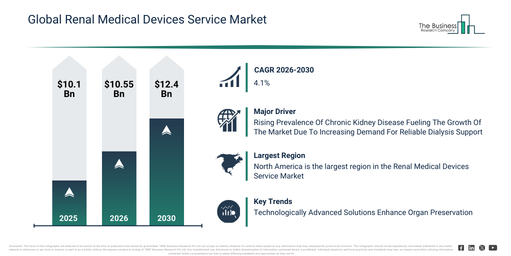
    The renal medical devices service market has demonstrated consistent expansion in recent times. It is anticipated to grow from $10.1 billion in 2025 to $10.55 billion in 2026, achieving a compound annual growth rate (CAGR) of 4.4%. This historical growth can be ascribed to several factors, including the increasing incidence of kidney diseases, the global proliferation of dialysis centers, the rising adoption of advanced dialysis equipment, the necessity for regulatory compliance in device servicing, and the accessibility of specialized renal devices.

    The renal medical devices service market is projected to experience consistent expansion in the coming years. This market is forecast to reach $12.4 billion by 2030, demonstrating a compound annual growth rate (CAGR) of 4.1%. Factors driving this growth during the forecast period include a rising demand for home dialysis services, the increasing uptake of connected renal devices, the broadening of service outsourcing models, a heightened emphasis on cost-effective healthcare operations, and the expanded application of analytics for optimizing device performance. Key trends anticipated within this period encompass the growing adoption of predictive maintenance services, an increasing reliance on remote device monitoring solutions, the proliferation of preventive service contracts, a stronger focus on ensuring equipment uptime and safety, and the expanding integration of data-driven service models.

    Get A Free Sample Report With In-Depth Market Insights:

    https://thebusinessresearchcompany.com/sample_request?id=93165548&type=smp&name=Renal%20Medical%20Devices%20Service%20Market%20Report%202026&utm_source=Blogs&utm_medium=Paid&utm_campaign=Nov_PR

    Renal Medical Devices Service Market Demand Drivers: What’s Powering Industry Growth?

    The increasing occurrence of chronic kidney disease (CKD) is anticipated to fuel the expansion of the renal medical devices service market in the future. This condition involves the kidneys progressively losing their capacity to purify blood of waste, potentially causing waste accumulation in the body and various health complications. The surge in chronic kidney disease cases is linked to diabetes, where elevated blood sugar levels harm renal blood vessels, impairing their efficiency in waste filtration. Renal medical device service plays a crucial role in treating chronic kidney disease by guaranteeing peak performance of dialysis machines and associated equipment. It minimizes operational interruptions via prompt maintenance and technical assistance, thereby boosting treatment dependability and patient well-being.

    Renal Medical Devices Service Market Segment Analysis And Revenue Potential

    The renal medical devices service market covered in this report is segmented –

    1) By Type: Dialysis Devices, Catheters, Kidney Monitoring Devices, Kidney Transplant Devices

    2) By Usage: Invasive, Non-Invasive

    3) By Application: Kidney Failure, Chronic Kidney Disease, End-Stage Kidney Disease, Renal Kidney Stone Disease, Hypertension, Diabetes

    4) By End User: Hospitals, Dialysis Centers, Home Healthcare

    Subsegments:

    1) By Dialysis Devices: Hemodialysis Machines, Peritoneal Dialysis Equipment, Dialysis Filters And Membranes, Dialysis Fluid Delivery Systems, Portable Dialysis Devices, Dialysis Consumables And Accessories

    2) By Catheters: Temporary Hemodialysis Catheters, Permanent Hemodialysis Catheters, Peritoneal Dialysis Catheters, Vascular Access Catheters, Central Venous Catheters For Renal Care

    3) By Kidney Monitoring Devices: Creatinine Monitoring Devices, Glomerular Filtration Rate (GFR) Monitoring Devices, Blood Urea Nitrogen (BUN) Monitoring Devices, Electrolyte Monitoring Devices, Continuous Renal Function Monitors

    4) By Kidney Transplant Devices: Organ Preservation Systems, Transplant Surgery Instruments, Immunosuppressant Delivery Devices, Kidney Perfusion Systems, Post-Transplant Monitoring Devices

    Renal Medical Devices Service Market Innovation Trends Shaping Future Development

    Leading companies in the renal medical devices service market are focusing on developing technologically advanced solutions, such as hypothermic perfusion technology, to enhance organ viability and patient outcomes. Hypothermic perfusion technology refers to an organ preservation method where a cold, oxygenated solution is continuously pumped through donor organs at low temperatures (usually 0-12°C) to maintain their viability before transplantation. For instance, in January 2025, Paragonix Technologies Inc., a US-based medical device company, secured US Food and Drug Administration (FDA) clearance for its KidneyVault portable renal perfusion system, designed for the hypothermic oxygenated perfusion of kidneys. This portable renal perfusion system ensures kidney viability during transport by utilizing hypothermic machine perfusion and SherpaCool phase-change cooling to maintain temperatures between 4–8°C without the need for ice. Its integrated digital platform also offers real-time temperature, pressure, flow, and resistance monitoring, enabling remote management of organ preservation.

    Renal Medical Devices Service Market Key Players Shaping Industry Direction

    Major companies operating in the renal medical devices service market are Abbott Laboratories, Medtronic plc, Fresenius Medical Care AG & Co. KGaA, Asahi Kasei Medical Co Ltd., Toray Medical Co Ltd., Boston Scientific Corporation, DaVita Inc., Terumo Corporation, Nipro Corporation, Teleflex Incorporated, ConvaTec Group Plc, Nikkiso Co Ltd., Japan Medical Supply Co Ltd., NxStage Medical Inc., B. Braun Melsungen AG, Outset Medical Inc., Rockwell Medical Inc., Quanta Dialysis Technologies Ltd., AWAK Technologies Pte Ltd., Dialife SA.

    View The Full Renal Medical Devices Service Market Report:

    https://thebusinessresearchcompany.com/report/renal-medical-devices-service-global-market-report?utm_source=Blogs&utm_medium=Paid&utm_campaign=Nov_PR

    Renal Medical Devices Service Market Top Region By Revenue And Market Share

    North America was the largest region in the renal medical devices service market in 2025. The regions covered in the renal medical devices service market report are Asia-Pacific, South East Asia, Western Europe, Eastern Europe, North America, South America, Middle East, Africa.

    Reach Out To Our Team:

    The Business Research Company: https://www.thebusinessresearchcompany.com/

    Americas: +1 310-496-7795

    Asia: +44 7882 955267 & +91 8897263534

    Europe: +44 7882 955267

    Email us at: marketing@tbrc.info

    Follow us on:

    LinkedIn: https://in.linkedin.com/company/the-business-research-company

    YouTube: https://www.youtube.com/channel/UC24_fI0rV8cR5DxlCpgmyFQ

    Global Market Model: https://www.thebusinessresearchcompany.com/global-market-model
  • Renal Insufficiency Market Trends Reshaping Industry Growth Through 2030

    Renal Insufficiency Market Trends Reshaping Industry Growth Through 2030

    Backed by market attractiveness analysis, total addressable market sizing, company benchmarking matrices, interactive Excel dashboards, wider supply chain intelligence, emerging startup coverage, and detailed product-level insights, The Business Research Company’s 2026 market reports are designed to offer research that is more actionable and strategically valuable than ever.

    Renal Insufficiency Market Size Outlook: How Quickly Will Revenue Expand Through 2030?

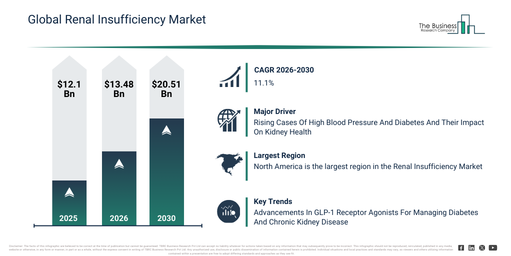
    The renal insufficiency market has experienced substantial expansion in recent years. It is anticipated to expand from $12.1 billion in 2025 to $13.48 billion in 2026, achieving a compound annual growth rate (CAGR) of 11.4%. This historical growth can be attributed to several factors, including the increasing prevalence of diabetes and hypertension, the expansion of dialysis center networks, the enhanced utilization of ACE inhibitors and ARBs, the rising diagnosis of chronic kidney disease, and improved access to renal care services.

    The renal insufficiency market size is expected to undergo significant expansion over the next few years, with projections indicating it will grow to $20.51 billion by 2030, achieving a compound annual growth rate (CAGR) of 11.1%. This projected growth is primarily fueled by the increasing embrace of home dialysis solutions, rising investments dedicated to regenerative therapies, the wider deployment of digital patient monitoring systems, a growing demand for personalized renal treatment strategies, and an intensified focus on slowing the disease’s progression. Dominant trends anticipated during this forecast period include the increasing adoption of advanced dialysis modalities, a heightened emphasis on managing the disease in its early stages, the expanding use of combination drug therapies, a wider availability of home-based treatment options, and an enhanced commitment to patient-centric care models.

    Get A Free Sample Report With In-Depth Market Insights:

    https://thebusinessresearchcompany.com/sample_request?id=48443284&type=smp&name=Renal%20Insufficiency%20Market%20Report%202026&utm_source=Blogs&utm_medium=Paid&utm_campaign=Nov_PR

    Renal Insufficiency Market Growth Drivers: What’s Behind The Acceleration?

    A surge in high blood pressure and diabetes cases is anticipated to drive the expansion of the renal insufficiency market in the coming years. These conditions, blood pressure and diabetes, are linked to factors such as inadequate diet, insufficient physical activity, obesity, genetic predisposition, and an aging population. High blood pressure impairs kidney blood vessels by causing scarring and reduced filtration, while diabetes leads to thickened and overworked kidney vessels due to elevated blood sugar levels; both scenarios accelerate kidney damage, ultimately resulting in renal insufficiency.

    Renal Insufficiency Market Segmentation And Category Overview

    The renal insufficiency market covered in this report is segmented –

    1) By Treatment Type: Medications, Dialysis, Kidney Transplantation, Other Treatment Types

    2) By Disease Stage: Chronic Kidney Disease (CKD) Stages, End-Stage Renal Disease (ESRD)

    3) By Distribution Channel: Hospital Pharmacies, Retail Pharmacies, Online Pharmacies

    4) By End-User: Dialysis Centers, Hospital And Clinics, Research And Academic Institutes

    Subsegments:

    1) By Medications: Angiotensin-Converting Enzyme (ACE) Inhibitors, Angiotensin II Receptor Blockers (ARBs), Diuretics, Erythropoiesis-Stimulating Agents (ESAs), Phosphate Binders, Sodium Bicarbonate

    2) By Dialysis: Hemodialysis, Peritoneal Dialysis, Home Dialysis, Continuous Renal Replacement Therapy (CRRT)

    3) By Kidney Transplantation: Living Donor Kidney Transplant, Deceased Donor Kidney Transplant, Kidney Transplant Immunosuppressive Therapy

    4) By Other Treatment Types: Lifestyle And Dietary Modifications, Stem Cell Therapy, Gene Therapy

    Renal Insufficiency Market Trends Redefining Industry Growth

    Leading companies within the renal insufficiency market are developing glucagon-like peptide-1 receptor agonists (GLP-1 RAs) to tackle both kidney and heart-related complications in individuals suffering from diabetes and chronic kidney disease (CKD). These GLP-1 RAs work by enhancing glucose regulation, diminishing inflammation, and decreasing oxidative stress within the kidneys, thereby decelerating the advancement of renal insufficiency. A notable example is Novo Nordisk, a pharmaceutical firm based in Denmark, which in January 2025 secured Food and Drug Administration (FDA) approval for its medication, Ozempic (semaglutide). This approval was granted for its ability to lower the likelihood of kidney disease progression, kidney failure, and cardiovascular mortality in adults diagnosed with type 2 diabetes and chronic kidney disease (CKD). This regulatory endorsement underscores the growing recognition of glucagon-like peptide-1 receptor agonists (GLP-1 RAs) as an integrated strategy for managing both diabetes and renal insufficiency, addressing crucial unmet patient requirements in cases of advanced CKD.

    Renal Insufficiency Market Competitive Analysis Of Leading Industry Participants

    Major companies operating in the renal insufficiency market are Kaiser Permanente, Johnson & Johnson, Roche Holding AG, Sanofi S.A., Abbott Laboratories, Medtronic plc, Amgen Inc., Asahi Kasei Medical Co. Ltd., Fujifilm Holdings Corporation, Fresenius Medical Care, Toray Industries Inc., Baxter International Inc., Boehringer Ingelheim, DaVita Inc., Eisai Co. Ltd., Nipro Corporation, Biocon Limited, HemoCue AB, Rockwell Medical, Mitsubishi Tanabe Pharma Corporation

    View The Full Renal Insufficiency Market Report:

    https://thebusinessresearchcompany.com/report/renal-insufficiency-global-market-report?utm_source=Blogs&utm_medium=Paid&utm_campaign=Nov_PR

    Renal Insufficiency Market Regional Analysis And Top Geography

    North America was the largest region in the renal insufficiency market in 2025. The regions covered in the renal insufficiency market report are Asia-Pacific, South East Asia, Western Europe, Eastern Europe, North America, South America, Middle East, Africa.

    Reach Out To Our Team:

    The Business Research Company: https://www.thebusinessresearchcompany.com/

    Americas: +1 310-496-7795

    Asia: +44 7882 955267 & +91 8897263534

    Europe: +44 7882 955267

    Email us at: marketing@tbrc.info

    Follow us on:

    LinkedIn: https://in.linkedin.com/company/the-business-research-company

    YouTube: https://www.youtube.com/channel/UC24_fI0rV8cR5DxlCpgmyFQ

    Global Market Model: https://www.thebusinessresearchcompany.com/global-market-model
  • Renal Fanconi Syndrome Market Growth To $0.65 Billion Creates New Opportunities Across The Industry

    Renal Fanconi Syndrome Market Growth To $0.65 Billion Creates New Opportunities Across The Industry

    Featuring market attractiveness scoring, total addressable market sizing, company benchmarking matrices, interactive Excel dashboards, deeper supply chain intelligence, emerging startup tracking, and granular product-level insights, The Business Research Company’s 2026 market reports are built to deliver research that is both more actionable and more strategically valuable.

    Renal Fanconi Syndrome Market Size, Value And Growth Trajectory Through 2030

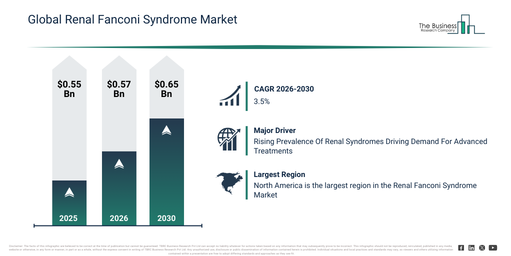
    The renal fanconi syndrome market size has shown consistent expansion over recent years. Its value is projected to rise from $0.55 billion in 2025 to $0.57 billion in 2026, exhibiting a compound annual growth rate (CAGR) of 3.7%. This historical progression can be attributed to enhanced identification of inherited kidney disorders, the presence of various cystinosis treatment options, the broadening of hospital-based nephrology services, an increase in diagnostic screening for metabolic abnormalities, and advancements in supportive renal therapies.

    The renal fanconi syndrome market is projected to experience consistent expansion in the coming years. This market is anticipated to reach $0.65 billion by 2030, exhibiting a compound annual growth rate (CAGR) of 3.5%. Factors driving this growth during the forecast period include the increasing adoption of personalized treatment protocols, rising investments in rare disease research, the expansion of gene-based diagnostic tools, a growing focus on early intervention strategies, and the increasing development of novel supportive therapies. Key trends emerging in this period encompass an increasing focus on genetic testing and diagnosis, a rising demand for long-term symptom management therapies, growing awareness of rare renal disorders, the expansion of supportive and nutritional treatments, and an enhanced emphasis on early disease identification.

    Get A Free Sample Report With In-Depth Market Insights:

    https://thebusinessresearchcompany.com/sample_request?id=57509235&type=smp&name=Renal%20Fanconi%20Syndrome%20Market%20Report%202026&utm_source=Blogs&utm_medium=Paid&utm_campaign=Nov_PR

    Renal Fanconi Syndrome Market Growth Factors Behind Sustained Expansion

    The rising occurrence of renal syndrome is projected to fuel expansion within the renal Fanconi Syndrome market moving ahead. Renal syndromes encompass various kidney disorders characterized by compromised kidney function, resulting in issues with filtration, reabsorption, and electrolyte balance. These conditions are exacerbated by factors such as the increasing incidence of chronic kidney disease, an aging population, unhealthy lifestyle choices, and environmental influences. Renal syndrome frequently involves underlying conditions or complications that disrupt normal kidney function, thereby heightening the risk of proximal tubular dysfunction. This situation subsequently generates a greater need for diagnostic instruments, treatments, and therapeutic interventions specifically designed to manage and alleviate the symptoms of renal Fanconi syndrome.

    Renal Fanconi Syndrome Market Segment Outlook: Which Categories Are Growing Fastest?

    The renal fanconi syndrome market covered in this report is segmented –

    1) By Disease Type: Inherited (Genetic), Acquired

    2) By Treatment: Cystinosis Treatment, Symptomatic Management, Dietary Changes And Adjustments, Antibiotics, Kidney Transplantation, Supplements

    3) By Route Of Administration: Oral, Intravenous

    4) By Distribution Channel: Hospital Pharmacy, Retail Pharmacy, Online Pharmacy, Other Distribution Channels

    5) By End-User: Hospitals, Specialty Clinics, Homecare, Other End-Users

    Subsegments:

    1) By Inherited (Genetic): Cystinosis, Wilson Disease, Lowe Syndrome, Dent Disease

    2) By Acquired: Drug-Induced Fanconi Syndrome, Heavy Metal Toxicity, Multiple Myeloma-Associated Fanconi Syndrome, Other Acquired Conditions

    Renal Fanconi Syndrome Market Leading Companies And Competitive Benchmarking

    Major companies operating in the renal fanconi syndrome market are Pfizer Inc., F Hoffmann La Roche AG, Merck And Co Inc, AbbVie Inc., Novartis AG, Sanofi, Bristol Myers Squibb, Gilead Sciences Inc., Amgen Inc., Teva Pharmaceutical Industries Ltd, Baxter International Inc., Boehringer Ingelheim, Eisai Co Ltd, Hikma Pharmaceuticals plc, Astellas Pharma Inc., Mallinckrodt Pharmaceuticals plc, CSL Vifor, Alnylam Pharmaceuticals Inc., Otsuka Pharmaceutical Co Ltd, Takeda Pharmaceutical Company Limited, Alexion Pharmaceuticals Inc., Recordati Rare Diseases, Chiesi Farmaceutici S.p.A., Kyowa Kirin Co Ltd

    View The Full Renal Fanconi Syndrome Market Report:

    https://thebusinessresearchcompany.com/report/renal-fanconi-syndrome-global-market-report?utm_source=Blogs&utm_medium=Paid&utm_campaign=Nov_PR

    Renal Fanconi Syndrome Market Geographic Analysis: Where Is Demand Rising Fastest?

    North America was the largest region in the renal fanconi syndrome market in 2025. Asia-Pacific is expected to be the fastest-growing region in the forecast period. The regions covered in the renal fanconi syndrome market report are Asia-Pacific, South East Asia, Western Europe, Eastern Europe, North America, South America, Middle East, Africa.

    Reach Out To Our Team:

    The Business Research Company: https://www.thebusinessresearchcompany.com/

    Americas: +1 310-496-7795

    Asia: +44 7882 955267 & +91 8897263534

    Europe: +44 7882 955267

    Email us at: marketing@tbrc.info

    Follow us on:

    LinkedIn: https://in.linkedin.com/company/the-business-research-company

    YouTube: https://www.youtube.com/channel/UC24_fI0rV8cR5DxlCpgmyFQ

    Global Market Model: https://www.thebusinessresearchcompany.com/global-market-model
  • Renal Cell Carcinoma Market Forecast: Breaking Down The Numbers Behind Future Expansion

    Renal Cell Carcinoma Market Forecast: Breaking Down The Numbers Behind Future Expansion

    Built to provide research that’s more actionable and strategically valuable, The Business Research Company’s 2026 market reports include market attractiveness analysis, total addressable market sizing, company benchmarking matrices, interactive Excel dashboards, broader supply chain intelligence, emerging startup tracking, and in-depth product insights.

    Renal Cell Carcinoma Market CAGR Outlook And Future Development

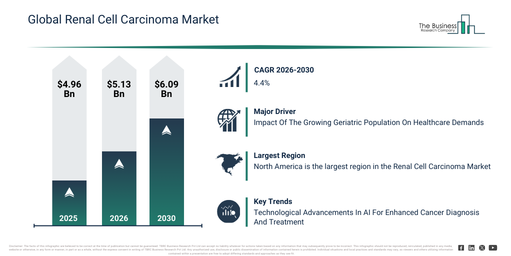
    The renal cell carcinoma market has demonstrated consistent expansion in recent years. It is projected to increase from $4.96 billion in 2025 to $5.13 billion in 2026, achieving a compound annual growth rate (CAGR) of 3.5%. This growth observed in the past can be attributed to a higher incidence of kidney cancer, wider accessibility to imaging-based diagnostics, the implementation of surgical nephrectomy procedures, an increase in oncology treatment facilities, and improved survival rates owing to early diagnosis.

    The renal cell carcinoma market size is projected to experience consistent expansion in the coming years. This market is anticipated to reach $6.09 billion by 2030, demonstrating a compound annual growth rate (CAGR) of 4.4%. Factors contributing to this growth during the forecast period include the increasing creation of new targeted therapies, the heightened utilization of immunotherapy combinations, the expansion of precision oncology initiatives, the growing acceptance of biomarker-guided treatment choices, and increased spending on oncology research and clinical trials. Key trends observed over the forecast timeframe encompass the expanding uptake of targeted cancer treatments, the increased application of combination therapy protocols, a heightened emphasis on timely and precise diagnosis, the broadening of minimally invasive surgical techniques, and an elevated focus on customized oncology patient care.

    Get A Free Sample Report With In-Depth Market Insights:

    https://thebusinessresearchcompany.com/sample_request?id=95777778&type=smp&name=Renal%20Cell%20Carcinoma%20Market%20Report%202026&utm_source=Blogs&utm_medium=Paid&utm_campaign=Nov_PR

    Renal Cell Carcinoma Market Demand Drivers Opening New Revenue Streams

    The projected increase in the geriatric population is anticipated to fuel expansion within the renal cell carcinoma market. This demographic comprises older adults, typically aged 65 and above, who often have distinct healthcare and social requirements. The growth of this elderly population is driven by advancements in healthcare, improved nutrition, and longer life spans. Renal cell carcinoma (RCC) is increasingly prevalent in the geriatric population, underscoring the necessity for tailored screening and treatment strategies for older adults.

    Renal Cell Carcinoma Market Segment Landscape: Which Areas Lead Development?

    The renal cell carcinoma market covered in this report is segmented –

    1) By Type: Clear Cell Renal Cell Carcinoma (RCC), Papillary Renal Cell Carcinoma (RCC), Chromophobe Renal Cell Carcinoma (RCC)

    2) By Diagnosis: Urine Tests, Computed Tomography (CT) Scan, Nephrectomy, Blood Tests, Ultrasound, Biopsy

    3) By Treatment: Medication, Ablation, Targeted Therapy, Chemotherapy, Surgery, Other Treatments

    4) By End-Users: Hospitals, Specialty Clinics, Oncology Treatment Centers, Other End-Users

    Subsegments:

    1) By Clear Cell Renal Cell Carcinoma (RCC): Sporadic Clear Cell RCC, Hereditary Clear Cell RCC

    2) By Papillary Renal Cell Carcinoma (RCC): Type 1 Papillary RCC, Type 2 Papillary RCC

    3) By Chromophobe Renal Cell Carcinoma (RCC): Classic Chromophobe RCC, Hybrid Chromophobe RCC

    Renal Cell Carcinoma Market Transformation Trends: What Innovations Are Driving Change?

    Leading firms within the renal cell carcinoma sector are prioritizing the creation of cutting-edge technological offerings, including the incorporation of AI-driven solutions specifically for kidney biopsy analysis, aimed at boosting diagnostic precision, optimizing processes, and elevating patient results. Such an AI-enabled solution for kidney biopsy examination represents a technological instrument that employs machine learning algorithms and computer vision to aid pathologists and nephrologists in assessing kidney tissue specimens. The primary objective of these tools is to improve the accuracy, speed, and uniformity in detecting kidney ailments and evaluating renal well-being.

    Renal Cell Carcinoma Market Industry Leaders And Competitive Landscape

    Major companies operating in the renal cell carcinoma market are Pfizer Inc., Johnson And Johnson, F Hoffmann La Roche Ltd, Merck And Co Inc, Bayer AG, Bristol Myers Squibb Company, AstraZeneca Plc, Novartis AG, GSK plc, Takeda Pharmaceutical Company Limited, Amgen Inc., Viatris Inc, Astellas Pharma Inc., Eisai Co Ltd, Sun Pharmaceutical Industries Ltd, Ipsen Pharma, Cipla Inc., Hikma Pharmaceuticals PLC, Amneal Pharmaceuticals LLC, Exelixis Inc., Nektar Therapeutics, BeiGene Ltd, Incyte Corporation, Regeneron Pharmaceuticals Inc., AbbVie Inc.

    View The Full Renal Cell Carcinoma Market Report:

    https://thebusinessresearchcompany.com/report/renal-cell-carcinoma-global-market-report?utm_source=Blogs&utm_medium=Paid&utm_campaign=Nov_PR

    Renal Cell Carcinoma Market Global Footprint: Which Region Leads The Market?

    North America was the largest region in the renal cell carcinoma market in 2025. Asia-Pacific is expected to be the fastest-growing region in the forecast period. The regions covered in the renal cell carcinoma market report are Asia-Pacific, South East Asia, Western Europe, Eastern Europe, North America, South America, Middle East, Africa.

    Reach Out To Our Team:

    The Business Research Company: https://www.thebusinessresearchcompany.com/

    Americas: +1 310-496-7795

    Asia: +44 7882 955267 & +91 8897263534

    Europe: +44 7882 955267

    Email us at: marketing@tbrc.info

    Follow us on:

    LinkedIn: https://in.linkedin.com/company/the-business-research-company

    YouTube: https://www.youtube.com/channel/UC24_fI0rV8cR5DxlCpgmyFQ

    Global Market Model: https://www.thebusinessresearchcompany.com/global-market-model