Category: Healthcare Services

  • Nocturnal Leg Cramps Treatment Market Developments and Growth Opportunities Across 2026–2030

    Nocturnal Leg Cramps Treatment Market Developments and Growth Opportunities Across 2026–2030

    The Business Research Company’s 2026 market reports include new capabilities such as market attractiveness scoring and analysis, total addressable market analysis, company scoring matrix, interactive excel data dashboard, improved supply chain analysis, upcoming startups in the market, and overview of key products, aimed at improving the depth, usability, and strategic value of the insights delivered.

    What Market Value Is Expected For The Nocturnal Leg Cramps Treatment Market At The End Of The 2026–2030 Forecast Period?

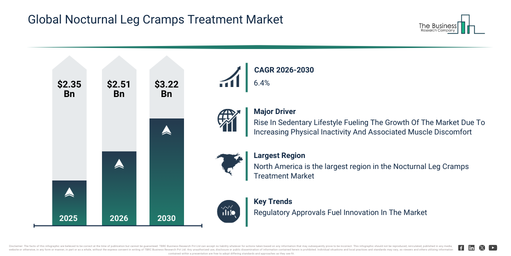
    The nocturnal leg cramps treatment market has experienced substantial expansion in recent years. This market is anticipated to increase from $2.35 billion in 2025 to $2.51 billion in 2026, achieving a compound annual growth rate (CAGR) of 6.7%. In the past, this growth was fueled by an aging demographic, a greater occurrence of muscle fatigue conditions, the broad availability of over-the-counter supplements, a heightened understanding of sleep health, and more physician recommendations for conservative therapies.

    The nocturnal leg cramps treatment market size is anticipated to undergo significant expansion in the coming years, growing to $3.22 billion by 2030, at a compound annual growth rate (CAGR) of 6.4%. This growth during the forecast period can be attributed to an increasing demand for personalized treatment regimens, a rising focus on non-drug therapies, the expansion of digital health guidance tools, a growing consumer preference for self-care solutions, and increasing research into muscle function disorders. Major trends in the forecast period include an increasing use of nutritional supplement therapies, a rising adoption of non-pharmacological management approaches, a growing focus on preventive lifestyle modifications, the expansion of home-based treatment options, and enhanced awareness of sleep-related muscle disorders.

    Download the Free Sample Report to Explore Key Market Insights:

    https://www.thebusinessresearchcompany.com/sample.aspx?id=24623&type=smp

    What Major Growth Drivers Are Shaping The Outlook Of The Nocturnal Leg Cramps Treatment Market?

    The increasing prevalence of sedentary lifestyles is anticipated to fuel the expansion of the nocturnal leg cramps treatment market in the foreseeable future. A sedentary lifestyle describes a way of living with minimal physical activity, often marked by extended periods of sitting or lying down with little movement or exercise. This increase in inactivity stems from greater screen time, fueled by the widespread use of smartphones, computers, and televisions for work, entertainment, and communication, which leads to prolonged sitting and less time for physical activities. Treatment for nocturnal leg cramps offers assistance to those with sedentary habits by alleviating painful muscle spasms that frequently occur at night, which can be worsened by prolonged inactivity, and by fostering better muscle health, mobility, and sleep quality. These improvements can, in turn, encourage individuals to adopt more consistent physical activity. For example, in June 2024, a report from the World Health Organization, a Switzerland-based intergovernmental organization, stated that 31% of adults worldwide, or about 1.8 billion people, failed to meet recommended physical activity levels in 2022, with projections indicating a rise to 35% by 2030 if this trend persists. Consequently, the surge in sedentary lifestyles is propelling growth within the nocturnal leg cramps treatment market.

    Nocturnal Leg Cramps Treatment Market Driver: Surge In Geriatric Population Driving Growth Due To Increased Life Expectancy And Age-Related Health Needs

    The expansion of the nocturnal leg cramps treatment market is anticipated to be propelled by the increasing geriatric population. The term “geriatric population” denotes older individuals, generally those aged 65 and above, who undergo age-related physiological, cognitive, and social transformations and require specialized healthcare due to elevated risks of chronic illnesses and functional decline. This rise in the elderly population is attributed to extended life expectancy, a result of advancements in healthcare, with better treatments and disease prevention enabling people to live longer and thus increasing the number of older adults. Nocturnal leg cramps treatment offers support to the geriatric demographic by alleviating painful muscle contractions at night, enhancing sleep quality, and improving overall mobility and daily functionality. As an illustration, in June 2025, a report from ONS (Office for National Statistics), a UK-based government agency, indicated that the population at state pension age is projected to increase by 1.7 million between mid-2022 and mid-2032, growing from approximately 12.0 million to 13.7 million, which signifies a 13.8% rise. Therefore, the expanding geriatric population is a key factor driving the nocturnal leg cramps treatment market.

    What Segment Types Make Up The Nocturnal Leg Cramps Treatment Market?

    The nocturnal leg cramps treatment market covered in this report is segmented –

    1) By Treatment Type: Pharmaceuticals, Home Remedies, Physical Therapy, Lifestyle Modifications

    2) By Route Of Administration: Oral, Topical, Transdermal Or Injectable

    3) By Patient Demographics: Elderly, Athletes, Pregnant Women, Individuals With Chronic Conditions

    4) By Distribution Channel: Hospital Pharmacy, Retail Pharmacy, Online Pharmacy, Other Distribution Channels

    5) By End-Users: Hospitals, Specialty Clinics, Homecare, Other End-Users

    Subsegments:

    1) By Pharmaceuticals: Muscle Relaxants, Magnesium Supplements, Vitamin B Supplements, Anticonvulsants, Nonsteroidal Anti-inflammatory Drugs (NSAIDs)

    2) By Home Remedies: Epsom Salt Bath, Hot Or Cold Compress, Hydration With Electrolyte Solutions, Stretching Exercises

    3) By Physical Therapy: Stretching And Strengthening Exercises, Massage Therapy, Taping Techniques, Myofascial Release, Physical Therapy Modalities

    4) By Lifestyle Modifications: Proper Hydration, Balanced Diet, Regular Exercise, Avoiding Prolonged Sitting Or Standing, Sleep Position And Foot Elevation, Wearing Proper Footwear

    How Are Trends Shaping The Direction Of The Nocturnal Leg Cramps Treatment Market?

    Leading companies within the nocturnal leg cramps treatment market are concentrating on securing regulatory clearances for new medications to broaden their market reach and improve patient outcomes. Regulatory approvals denote the formal authorization granted by governmental or oversight bodies for a drug, medical device, or treatment to be made available and used by the public. For instance, in April 2023, Noctrix Health, a US-based medical equipment company, obtained FDA De Novo approval for its NTX100 Tonic Motor Activation (TOMAC) System. This system is intended for treating symptoms of moderate to severe restless legs syndrome (RLS) and enhancing sleep quality in patients who do not respond to medications. The system consists of two therapy units worn on the lower legs, providing low-level electrical stimulation to the peroneal nerves, which induces tonic muscle activation to suppress RLS symptoms. Clinical trials, including the RESTFUL study, indicated notable improvements in RLS symptoms and sleep quality, with no severe adverse events documented.

    Who Are The Key Players Driving Competition In The Nocturnal Leg Cramps Treatment Market?

    Major companies operating in the nocturnal leg cramps treatment market are Teva Pharmaceutical Industries Ltd, Mylan NV, Astellas Pharma Inc, Daiichi Sankyo Company Limited, Apotex Inc, Sun Pharmaceutical Industries Limited, Hylands Inc, Swanson Health Products Inc, Boiron USA, Magnox, Blackmores Limited, Solgar Inc, Genexa Inc, Naveh Pharma Ltd, Hydratis, Crampeze, Zydus Cadila, Flex Pharma Inc, Nature Made, Nature Valley, NOW Foods, Doctor’s Best

    Read the full nocturnal leg cramps treatment market report here:

    https://www.thebusinessresearchcompany.com/report/nocturnal-leg-cramps-treatment-global-market-report

    Which Regions Are Projected To Dominate The Nocturnal Leg Cramps Treatment Market In The Coming Years?

    North America was the largest region in the nocturnal leg cramps treatment market in 2025. The regions covered in the nocturnal leg cramps treatment market report are Asia-Pacific, South East Asia, Western Europe, Eastern Europe, North America, South America, Middle East, Africa.

    Request A Tailored Nocturnal Leg Cramps Treatment Market Research Report For Competitive Advantage:

    https://www.thebusinessresearchcompany.com/customise?id=24623&type=smp

    Browse Through More Reports Similar to the Global Nocturnal Leg Cramps Treatment Market 2026, By The Business Research Company

    Kidney Disease Global Market Report

    https://www.thebusinessresearchcompany.com/report/kidney-disease-global-market-report

    Nephrology And Urology Devices Global Market Report

    https://www.thebusinessresearchcompany.com/report/nephrology-and-urology-devices-global-market-report

    Urinary Incontinence Global Market Report

    https://www.thebusinessresearchcompany.com/report/urinary-incontinence-global-market-report

    Get in touch with us:

    The Business Research Company: https://www.thebusinessresearchcompany.com/

    Americas +1 310-496-7795

    Asia +44 7882 955267 & +91 8897263534

    Europe +44 7882 955267

    Email us at info@tbrc.info

    Follow us on:

    LinkedIn: https://in.linkedin.com/company/the-business-research-company

    YouTube: https://www.youtube.com/channel/UC24_fI0rV8cR5DxlCpgmyFQ

    Global Market Model: https://www.thebusinessresearchcompany.com/global-market-model
  • Global Nocturia Market Forecast 2026–2035 Presenting Long-Term Industry Expansion Insights

    Global Nocturia Market Forecast 2026–2035 Presenting Long-Term Industry Expansion Insights

    The Business Research Company’s 2026 market reports include new capabilities such as market attractiveness scoring and analysis, total addressable market analysis, company scoring matrix, interactive excel data dashboard, improved supply chain analysis, upcoming startups in the market, and overview of key products, aimed at improving the depth, usability, and strategic value of the insights delivered.

    What Is The Estimated Market Size Of The Nocturia Market During 2026–2030?

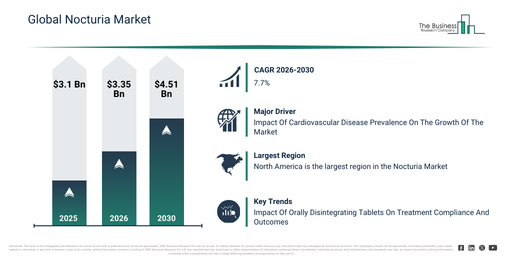
    The nocturia market has experienced robust expansion in recent years. It is projected to increase from $3.1 billion in 2025 to $3.35 billion in 2026, achieving a compound annual growth rate (CAGR) of 8.0%. The historical growth in this market can be linked to factors like aging population growth, increased incidence of benign prostatic hyperplasia, rising prevalence of urinary tract infections, widespread use of diuretic medications, and limited early diagnostic awareness.

    The nocturia market size is anticipated to experience substantial growth over the next few years. Its valuation is projected to reach $4.51 billion by 2030, demonstrating a compound annual growth rate (CAGR) of 7.7%. The expansion during the forecast period is driven by factors such as the increasing demand for personalized treatment, the proliferation of home care therapies, escalating healthcare expenditure, a heightened emphasis on sleep quality management, and improved access to urology specialists. Prominent trends throughout the forecast period include a growing geriatric population alongside age-related urological disorders, the increasing prevalence of diabetes and metabolic disorders, greater awareness and diagnosis of lower urinary tract symptoms, a transition toward combination drug therapies, and the broadening of home-based nocturia management.

    Download the Free Sample Report to Explore Key Market Insights:

    https://www.thebusinessresearchcompany.com/sample.aspx?id=21232&type=smp

    What Drivers Are Expected To Influence The Nocturia Market During The Forecast Period?

    The increasing occurrence of cardiovascular diseases (CVDs) is anticipated to boost the expansion of the nocturia market. These disorders, which affect the heart and blood vessels, including conditions such as heart disease, stroke, and hypertension, are growing in prevalence due to factors like aging populations, sedentary lifestyles, unhealthy diets, smoking, excessive alcohol consumption, obesity, high blood pressure, high cholesterol, diabetes, and genetic predisposition. Patients suffering from cardiovascular diseases frequently experience nocturia as a symptom, thereby generating greater demand for diagnostic and treatment solutions. As the global incidence of cardiovascular conditions continues to climb, influenced by aging demographics and lifestyle choices, the necessity for effective nocturia management will intensify. For instance, in September 2025, the British Heart Foundation, a UK-based charity, reported that across the UK, more than 7.6 million people, specifically over 4 million men and more than 3.6 million women, are living with cardiovascular disease. Furthermore, projections indicate that this number could rise by approximately 1 million by 2030 and by around 2 million by 2040, driven largely by an aging population and improved survival rates. Hence, the rising prevalence of cardiovascular diseases is a significant factor driving the growth of the nocturia market.

    How Are The Various Segments Of The Nocturia Market Categorized?

    The nocturia market covered in this report is segmented –

    1) By Drug: Anticholinergic Drugs, Desmopressin, Antibiotics, Antispasmodic, Other Drugs

    2) By Indication: Mixed Nocturia, Low Nocturnal Bladder Capacity, Nocturnal Polyuria, Global Polyuria

    3) By Causes: Urological Infection, Tumor Of The Bladder, Diuretic Medications, Regular Alcohol Or Coffee, Liver Infection, Diabetes, Pregnancy, Other Causes

    4) By End User: Hospitals, Home Care, Clinics

    Subsegments:

    1) By Anticholinergic Drugs: Oxybutynin, Tolterodine, Solifenacin, Darifenacin, Fesoterodine

    2) By Desmopressin: Intranasal Desmopressin, Oral Desmopressin

    3) By Antibiotics: Nitrofurantoin, Trimethoprim, Fosfomycin

    4) By Antispasmodic: Hyoscine Butylbromide, Flavoxate

    5) By Other Drugs: Alpha-Blockers, Beta-3 Agonists

    Which Market Trends Are Creating New Opportunities In The Nocturia Market?

    Leading companies operating within the nocturia market are concentrating on developing innovative products, such as orally disintegrating tablets, to improve patient convenience and compliance. Orally disintegrating tablets (ODTs) are solid dosage forms that dissolve rapidly in the mouth without needing water, making them suitable for patients who experience difficulty swallowing. For instance, in July 2024, Adalvo Limited, a Malta-based pharmaceutical company, launched Desmopressin ODT in Europe to manage conditions that result in the body losing too much fluid, such as central cranial diabetes insipidus. This synthetic form of vasopressin tablet addresses diabetes insipidus, excessive thirst and urination, and bedwetting by mimicking the natural hormone and reducing the amount of water eliminated in urine. It is also utilized to control bleeding in mild to moderate hemophilia A and von Willebrand disease by encouraging the release of blood clotting factors.

    Which Major Firms Influence Developments In The Nocturia Market?

    Major companies operating in the nocturia market are Pfizer Inc, Merck & Co. Inc, AbbVie Inc, Sanofi S.A, GlaxoSmithKline plc, Viatris Inc, Boehringer Ingelheim International GmbH, Otsuka Pharmaceutical Co. Ltd, Astellas Pharma Inc, Eisai Co. Ltd., Sumitomo Dainippon Pharma Co. Ltd, Ferring Pharmaceuticals A/S, Avadel Pharmaceuticals plc, UroGen Pharma Ltd, Sanwa Kagaku Co. Ltd., Urovant Sciences Inc, Serenity Pharmaceuticals LLC, Vantia Therapeutics Inc, AA Pharma Inc, Wellesley Pharmaceuticals Inc

    Read the full nocturia market report here:

    https://www.thebusinessresearchcompany.com/report/nocturia-global-market-report

    Which Region Is Forecast To Lead The Nocturia Market In Terms Of Market Size?

    North America was the largest region in the nocturia market in 2025. Asia-Pacific is expected to be the fastest-growing region in the forecast period. The regions covered in the nocturia market report are Asia-Pacific, South East Asia, Western Europe, Eastern Europe, North America, South America, Middle East, Africa.

    Request A Tailored Nocturia Market Research Report For Competitive Advantage:

    https://www.thebusinessresearchcompany.com/customise?id=21232&type=smp

    Browse Through More Reports Similar to the Global Nocturia Market 2026, By The Business Research Company

    Retinal Disorder Treatment Global Market Report

    https://www.thebusinessresearchcompany.com/report/retinal-disorder-treatment-global-market-report

    Night Vision Devices Global Market Report

    https://www.thebusinessresearchcompany.com/report/night-vision-devices-global-market-report

    Optic Nerve Disorders Treatment Global Market Report

    https://www.thebusinessresearchcompany.com/report/optic-nerve-disorders-treatment-global-market-report

    Get in touch with us:

    The Business Research Company: https://www.thebusinessresearchcompany.com/

    Americas +1 310-496-7795

    Asia +44 7882 955267 & +91 8897263534

    Europe +44 7882 955267

    Email us at info@tbrc.info

    Follow us on:

    LinkedIn: https://in.linkedin.com/company/the-business-research-company

    YouTube: https://www.youtube.com/channel/UC24_fI0rV8cR5DxlCpgmyFQ

    Global Market Model: https://www.thebusinessresearchcompany.com/global-market-model
  • Night Blindness Treatment Market Outlook 2026–2030 Exploring New Business Opportunities

    Night Blindness Treatment Market Outlook 2026–2030 Exploring New Business Opportunities

    The Business Research Company’s 2026 market reports include new capabilities such as market attractiveness scoring and analysis, total addressable market analysis, company scoring matrix, interactive excel data dashboard, improved supply chain analysis, upcoming startups in the market, and overview of key products, aimed at improving the depth, usability, and strategic value of the insights delivered.

    What Market Size Expansion Is Predicted For The Night Blindness Treatment Market Between 2026 And 2030?

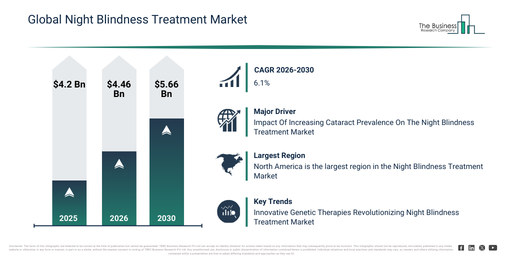
    The night blindness treatment market has experienced significant expansion in recent years. Its value is expected to rise from $4.2 billion in 2025 to $4.46 billion in 2026, demonstrating a compound annual growth rate (CAGR) of 6.3%. The market’s historical development was primarily influenced by factors such as the high prevalence of malnutrition, limited access to eye care services, growing awareness of vision disorders, an increasing geriatric population, and advancements in ophthalmic diagnostics.

    The night blindness treatment market size is anticipated to experience robust expansion in the coming years. It is projected to reach $5.66 billion by 2030, demonstrating a compound annual growth rate (CAGR) of 6.1%. This projected growth is driven by increased investment in eye health programs, a rising demand for personalized treatments, the broader application of gene therapy, improvements in healthcare infrastructure, and more advantageous reimbursement policies. Significant trends during this forecast period include a growing prevalence of vitamin A deficiency, wider adoption of early diagnosis techniques, an increase in minimally invasive eye surgeries, the expanding use of nutritional and preventive therapies, and enhanced access to vision care in emerging economies.

    Download the Free Sample Report to Explore Key Market Insights:

    https://www.thebusinessresearchcompany.com/sample.aspx?id=18413&type=smp

    What Drivers Are Influencing The Night Blindness Treatment Market?

    An upward trend in cataract cases is anticipated to drive expansion in the night blindness treatment market moving ahead. Cataracts are defined as a condition characterized by the clouding of the eye’s natural lens, resulting in diminished vision. Factors such as elevated exposure to solar ultraviolet (UV) light, smoking, and inadequate dietary habits play a role in cataract formation. This condition diminishes the eye’s capacity to differentiate light and dark contrasts, a function vital for nocturnal vision. Consequently, this diminished contrast sensitivity impedes navigation and object identification in dimly lit settings. As an illustration, data from May 2024, provided by the Office for Health Improvement & Disparities, a UK-based government department, revealed that hospital admissions for cataract surgery in England reached over 516,000 in the financial year ending 2023, which corresponds to 4,679 per 100,000 people. This represented a notable increase from the preceding year’s figure of 3,803 per 100,000. Hence, the growing incidence of cataracts is a key factor propelling the night blindness treatment market.

    Which Market Segments Are Examined In The Night Blindness Treatment Market Study?

    The night blindness treatment market covered in this report is segmented –

    1) By Treatment: Medication, Surgery, Other Treatments

    2) By Diagnosis: Blood Tests, Color Vision Testing, Pupil Light Reflex, Refraction, Retinal Exam, Electroretinogram (ERG), Other Diagnoses

    3) By Symptom: Eye Pain, Cloudy Vision, Halos, Light Sensitivity, Distance Vision Problem, Other Symptoms

    4) By End User: Clinic, Hospital, Other End Users

    Subsegments:

    1) By Medication: Vitamin A Supplements, Retinoid Therapy, Beta-Carotene Supplements, Anti-Glaucoma Medications

    2) By Surgery: Cataract Surgery, Retinal Surgery, Corneal Transplantation, LASIK Surgery

    3) By Other Treatments: Light Therapy, Gene Therapy, Low Vision Aids And Assistive Devices, Nutritional Therapy

    What Trends Are Affecting The Expansion Of The Night Blindness Treatment Market?

    Leading companies in the night blindness treatment market are actively developing innovative genetic therapies to address the root genetic mutations responsible, thereby enhancing treatment efficacy and improving patient outcomes. Genetic therapies work by targeting and repairing specific genetic mutations that impact retinal function, potentially restoring vision for individuals with inherited retinal disorders such as retinitis pigmentosa. For instance, in August 2023, HuidaGene Therapeutics., a US-based clinical-stage biotechnology company, unveiled HG004, a gene therapy created to treat inherited retinal diseases like Leber’s congenital amaurosis. Preclinical studies have indicated this therapy’s superiority over existing treatments, with its objective being to restore retinal function and alleviate night blindness and other conditions linked to RPE65-induced impairments.

    Who Are The Primary Competitors In The Night Blindness Treatment Market?

    Major companies operating in the night blindness treatment market are Johnson & Johnson Private Limited, Bayer AG, Abbott Laboratories, Novartis AG, Regeneron Pharmaceuticals Inc, Bausch Health Companies Inc, Cipla Inc, Nature’s Way, Garden of Life, Apellis Pharmaceuticals Inc, Solgar, Acucela Inc, Swanson Health Products, Astellas Pharma Inc, F. Hoffmann‑La Roche Ltd, Applied Genetic Technologies Corp, MeiraGTx Holdings plc, GenSight Biologics, Santen Pharmaceutical Co Ltd, Alimera Sciences Inc, Opthea Limited, Oxurion NV, EyePoint Pharmaceuticals Inc, Ocuphire Pharma Inc.

    Read the full night blindness treatment market report here:

    https://www.thebusinessresearchcompany.com/report/night-blindness-treatment-global-market-report

    Which Regions Are Expected To Experience Rapid Expansion In The Night Blindness Treatment Market?

    North America was the largest region in the night blindness treatment market in 2025. Asia-Pacific is expected to be the fastest-growing region in the forecast period. The regions covered in the night blindness treatment market report are Asia-Pacific, South East Asia, Western Europe, Eastern Europe, North America, South America, Middle East, Africa.

    Request A Tailored Night Blindness Treatment Market Research Report For Competitive Advantage:

    https://www.thebusinessresearchcompany.com/customise?id=18413&type=smp

    Browse Through More Reports Similar to the Global Night Blindness Treatment Market 2026, By The Business Research Company

    Alpers Disease Treatment Global Market Report

    https://www.thebusinessresearchcompany.com/report/alpers-disease-treatment-global-market-report

    Rare Inflammatory Disease Treatment Global Market Report

    https://www.thebusinessresearchcompany.com/report/rare-inflammatory-disease-treatment-global-market-report

    Rare Neurological Disease Treatment Global Market Report

    https://www.thebusinessresearchcompany.com/report/rare-neurological-disease-treatment-global-market-report

    Get in touch with us:

    The Business Research Company: https://www.thebusinessresearchcompany.com/

    Americas +1 310-496-7795

    Asia +44 7882 955267 & +91 8897263534

    Europe +44 7882 955267

    Email us at info@tbrc.info

    Follow us on:

    LinkedIn: https://in.linkedin.com/company/the-business-research-company

    YouTube: https://www.youtube.com/channel/UC24_fI0rV8cR5DxlCpgmyFQ

    Global Market Model: https://www.thebusinessresearchcompany.com/global-market-model
  • Global Niemann-Pick Disease Type C Treatment Market Report 2026–2035 Highlighting Expansion Outlook and Forecast Opportunities

    Global Niemann-Pick Disease Type C Treatment Market Report 2026–2035 Highlighting Expansion Outlook and Forecast Opportunities

    The Business Research Company’s 2026 market reports include new capabilities such as market attractiveness scoring and analysis, total addressable market analysis, company scoring matrix, interactive excel data dashboard, improved supply chain analysis, upcoming startups in the market, and overview of key products, aimed at improving the depth, usability, and strategic value of the insights delivered.

    How Large Is The Niemann-Pick Disease Type C Treatment Market Projected To Become By 2030 Based On Its 2026 Valuation?

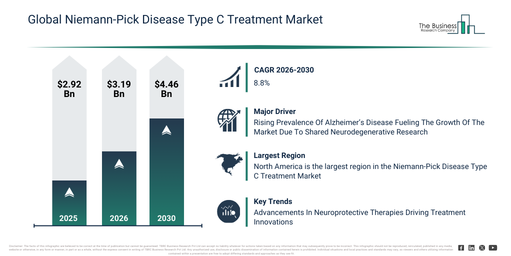
    The niemann-pick disease type c treatment market size has demonstrated significant expansion over recent years. It is anticipated to increase from $2.92 billion in 2025 to $3.19 billion in 2026, exhibiting a compound annual growth rate (CAGR) of 9.0%. The growth observed in prior periods can be attributed to rare disease awareness initiatives, the presence of limited but established pharmacological therapies, past underdiagnosis of NPC, regulatory incentives for orphan drugs, and the expansion of specialty treatment centers.

    The niemann-pick disease type c treatment market is projected for significant expansion in the coming years, with its valuation expected to reach $4.46 billion by 2030, demonstrating a compound annual growth rate (CAGR) of 8.8%. This anticipated growth during the forecast period is fueled by several factors, including breakthroughs in gene therapy research, rising investments in rare disease research and development, enhancements in diagnostic technologies, the expansion of newborn screening initiatives, and favorable regulatory environments for new treatments. Key trends expected over this period encompass a greater emphasis on orphan drug development, a heightened focus on early detection and screening, the broadening availability of supportive and symptom management therapies, an increase in clinical trial activities for rare conditions, and better patient access programs along with reimbursement assistance.

    Download the Free Sample Report to Explore Key Market Insights:

    https://www.thebusinessresearchcompany.com/sample.aspx?id=23458&type=smp

    What Drivers Are Shaping The Future Growth Of The Niemann-Pick Disease Type C Treatment Market?

    The increasing occurrence of Alzheimer’s disease is projected to boost the expansion of the Niemann-Pick disease type C treatments market moving forward. Alzheimer’s disease is a gradually worsening neurodegenerative condition defined by the accumulation of beta-amyloid plaques and tau protein tangles in the brain, resulting in cognitive decline, memory loss, and difficulties in daily activities, eventually leading to severe dementia and neurodegeneration. The rising prevalence of Alzheimer’s disease is linked to the aging global population; as people live longer, particularly in developed regions, the likelihood of age-related illnesses such as Alzheimer’s significantly increases, given that advanced age is its strongest known risk factor. Niemann-pick disease type C (NPC) treatment aids Alzheimer’s Disease research by offering understanding into lysosomal storage disorders and lipid metabolism dysfunction. For instance, in May 2024, data from the Alzheimer’s Society, a UK-based voluntary health organization, indicated that an estimated 982,000 individuals in the UK are living with dementia in 2024, with more than a third undiagnosed, and this total is predicted to reach 1.4 million by 2040. Hence, the growing prevalence of Alzheimer’s disease is a key driver for the growth of the Niemann-Pick disease type C treatments market.

    What Segment Groups Are Identified Within The Niemann-Pick Disease Type C Treatment Market?

    The niemann-pick disease type c treatment market covered in this report is segmented –

    1) By Disease Type: Niemann-Pick Diseases Type C1, Niemann-Pick Diseases Type C2

    2) By Age Group: Infantile, Juvenile, Adult

    3) By End-User: Hospitals, Specialty Clinics, Research And Academic Institutes

    Subsegments:

    1) By Niemann-Pick Disease Type C1: Pharmacological Treatment, Gene Therapy, Substrate Reduction Therapy, Supportive Care

    2) By Niemann-Pick Disease Type C2: Enzyme Replacement Therapy, Pharmacological Treatment, Gene Therapy, Supportive Care

    Which Trends Are Influencing The Niemann-Pick Disease Type C Treatment Market?

    Leading companies in the Niemann-pick disease type C (NPC) treatment market are concentrating on developing innovative treatments, such as neuroprotective therapies, to decelerate the illness’s progression and enhance patient outcomes. These neuroprotective therapies are interventions designed to shield the brain and nervous system from damage or degeneration, often with the goal of preserving neurological function in conditions like neurodegenerative diseases. As an illustration, in September 2024, IntraBio Inc., a US-based biopharmaceutical company, announced the approval from the United States Food and Drug Administration (FDA), a US-based regulatory agency, for AQNEURSA (levacetylleucine), establishing it as the first singular therapy for Niemann-Pick Disease Type C (NPC). This authorization was granted after positive Phase III trial results, which indicated significant neurological improvements in NPC patients within 12 weeks. AQNEURSA offers a long-desired treatment solution for individuals impacted by this rare lysosomal storage disorder, which affects movement, cognition, and everyday capabilities. Furthermore, IntraBio plans to assess AQNEURSA’s potential for addressing other neurodegenerative and neurodevelopmental disorders.

    Which Companies Hold Significant Positions In The Niemann-Pick Disease Type C Treatment Market?

    Major companies operating in the niemann-pick disease type c treatment market are Mayo Clinic, Boston Children’s Hospital, Cincinnati Children’s Hospital Medical Center, Mallinckrodt Pharmaceuticals, Rainbow Children’s Hospital, CENTOGENE N.V., The Florey Institute of Neuroscience and Mental Health, National Organization for Rare Disorders NORD, National Niemann‑Pick Disease Foundation NNPDF, Bloomsbury Genetic Therapies Ltd., Vtesse Inc., Cyclo Therapeutics Inc., Orphazyme A S, Intrabio Inc., Sarepta Therapeutics Inc., StrideBio, Azafaros B V, ViroMed, NeuroSense Therapeutics, ArmaGen, Synlogic, Editas Medicine, Passage Bio, Chameleon Bio, Aro Bio, Glycomine, Scenic Biotech, Actio Biosciences, AIRNA Therapeutics

    Read the full niemann-pick disease type c treatment market report here:

    https://www.thebusinessresearchcompany.com/report/niemann-pick-disease-type-c-treatment-global-market-report

    Which Geographic Regions Are Influencing Demand In The Niemann-Pick Disease Type C Treatment Market?

    North America was the largest region in the niemann-pick disease type C treatment market in 2025. Asia-Pacific is expected to be the fastest-growing region in the forecast period. The regions covered in the niemann-pick disease type c treatment market report are Asia-Pacific, South East Asia, Western Europe, Eastern Europe, North America, South America, Middle East, Africa.

    Request A Tailored Niemann-Pick Disease Type C Treatment Market Research Report For Competitive Advantage:

    https://www.thebusinessresearchcompany.com/customise?id=23458&type=smp

    Browse Through More Reports Similar to the Global Niemann-Pick Disease Type C Treatment Market 2026, By The Business Research Company

    Rare Neurological Disease Treatment Global Market Report

    https://www.thebusinessresearchcompany.com/report/rare-neurological-disease-treatment-global-market-report

    Alpers Disease Treatment Global Market Report

    https://www.thebusinessresearchcompany.com/report/alpers-disease-treatment-global-market-report

    Kidney Disease Global Market Report

    https://www.thebusinessresearchcompany.com/report/kidney-disease-global-market-report

    Get in touch with us:

    The Business Research Company: https://www.thebusinessresearchcompany.com/

    Americas +1 310-496-7795

    Asia +44 7882 955267 & +91 8897263534

    Europe +44 7882 955267

    Email us at info@tbrc.info

    Follow us on:

    LinkedIn: https://in.linkedin.com/company/the-business-research-company

    YouTube: https://www.youtube.com/channel/UC24_fI0rV8cR5DxlCpgmyFQ

    Global Market Model: https://www.thebusinessresearchcompany.com/global-market-model
  • Niemann-Pick Disease (NPD) Market Growth Prospects 2026–2030 with Innovation Trends and Competitive Landscape

    Niemann-Pick Disease (NPD) Market Growth Prospects 2026–2030 with Innovation Trends and Competitive Landscape

    The Business Research Company’s 2026 market reports include new capabilities such as market attractiveness scoring and analysis, total addressable market analysis, company scoring matrix, interactive excel data dashboard, improved supply chain analysis, upcoming startups in the market, and overview of key products, aimed at improving the depth, usability, and strategic value of the insights delivered.

    What Market Value Is Anticipated For The Niemann-Pick Disease (NPD) Market Over The Period 2026–2030?

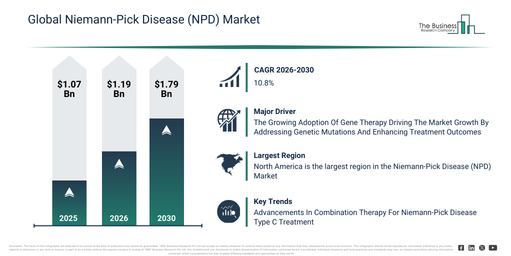
    The niemann-pick disease (npd) market size has experienced rapid expansion in recent years. It is anticipated to grow from $1.07 billion in 2025 to $1.19 billion in 2026, achieving a compound annual growth rate (CAGR) of 11.1%. The historical increase in this market can be linked to factors like limited treatment availability, insufficient disease awareness, prolonged diagnosis rates, reliance on symptomatic management, and elevated treatment expenses.

    The market size for niemann-pick disease (npd) is anticipated to experience substantial growth in the upcoming years. It is projected to expand to $1.79 billion by 2030, demonstrating a compound annual growth rate (CAGR) of 10.8%. This expansion over the forecast period is fueled by several factors, such as increased funding for rare diseases, advancements in gene therapy research, the broadening of newborn screening programs, growing healthcare expenditure, and encouraging regulatory incentives. Significant trends expected during this forecast period encompass a greater emphasis on early genetic screening, the development of more orphan drugs, an uptick in patient advocacy and awareness initiatives, progress in enzyme replacement and substrate reduction therapies, and enhanced multidisciplinary approaches to managing the disease.

    Download the Free Sample Report to Explore Key Market Insights:

    https://www.thebusinessresearchcompany.com/sample.aspx?id=23457&type=smp

    Which Economic Or Industry Drivers Are Impacting The Niemann-Pick Disease (NPD) Market?

    The increasing application of gene therapy is projected to fuel the expansion of the Niemann-Pick Disease (NPD) market moving forward. Gene therapy is a medical approach that involves altering or manipulating an individual’s genes to treat or prevent diseases. Its rise is attributed to advancements in genetic engineering, which enable precise and effective gene modifications, thereby improving treatment outcomes for genetic disorders. For Niemann-Pick Disease (NPD), gene therapy aids treatment by targeting the underlying genetic mutations, with the aim of correcting the enzyme deficiencies causing the disorder and enhancing cellular function. For instance, in January 2024, the American Society of Gene and Cell Therapy, a US-based organization, stated that the number of gene therapies in Phase III trials saw a 10% increase in the fourth quarter of 2023 compared to the preceding quarter, representing the first rise since the third quarter of 2022. Thus, the growing embrace of gene therapy is propelling the Niemann-Pick Disease (NPD) market’s growth.

    How Is The Niemann-Pick Disease (NPD) Market Divided Into Its Major Segments?

    The niemann-pick disease (npd) market covered in this report is segmented –

    1) By Type: Niemann-Pick Disease Type A, Niemann-Pick Disease Type B, Niemann-Pick Disease Type C

    2) By Treatment Type: Drugs, Physical Therapy, Other Treatment Types

    3) By Route Of Administration: Oral, Intravenous, Subcutaneous

    4) By Distribution Channel: Hospital Pharmacies, Retail Pharmacies, Other Distribution Channels

    5) By End-User: Hospitals, Clinics, Homecare Settings

    Subsegments:

    1) By Niemann-Pick Disease Type A: Infantile-Onset Niemann-Pick Disease, Neurodegenerative Niemann-Pick Disease, Acute Visceral Niemann-Pick Disease, Severe Lysosomal Storage Disorder

    2) By Niemann-Pick Disease Type B: Late-Onset Niemann-Pick Disease, Non-Neurological Niemann-Pick Disease, Chronic Visceral Niemann-Pick Disease, Mild Lysosomal Storage Disorder

    3) By Niemann-Pick Disease Type C: Early-Onset Niemann-Pick Disease, Juvenile Niemann-Pick Disease, Adult-Onset Niemann-Pick Disease, Progressive Neurodegenerative Niemann-Pick Disease

    What Trends Are Advancing Progress In The Niemann-Pick Disease (NPD) Market?

    Key companies operating in the niemann-pick disease (NPD) market are focused on developing advanced treatments, such as combination therapy, to enhance therapeutic efficacy and improve patient outcomes. Combination therapy involves administering two or more therapeutic agents or treatment strategies to address a disease or medical condition. This approach aims to boost effectiveness and reduce resistance to single-agent therapy (monotherapy). For example, in September 2024, Zevra Therapeutics Inc., a US-based biopharmaceutical company, obtained U.S. Food and Drug Administration (FDA) approval for MIPLYFFA, in conjunction with miglustat, for managing neurological manifestations of Niemann-Pick disease type C (NPC) in adult and pediatric patients aged 2 years and older. MIPLYFFA (arimoclomol) operates by increasing the production of heat shock proteins (HSPs), which help clear toxic lipid buildup and protect neurons from damage. Simultaneously, miglustat suppresses glucosylceramide synthase, thereby reducing lipid accumulation. Together, these two therapies assist in slowing the progression of neurological decline in NPC patients.

    Who Are The Prominent Organizations Shaping The Niemann-Pick Disease (NPD) Market?

    Major companies operating in the niemann-pick disease (npd) market are Sanofi S.A., Mayo Clinic, Cincinnati Children’s Hospital Medical Center, Boston Children’s Hospital, Mallinckrodt Pharmaceuticals plc, Myriad Genetics, CENTOGENE N.V., The Florey Institute of Neuroscience and Mental Health, National Organization for Rare Disorders (NORD), Evox Therapeutics Limited, Bloomsbury Genetic Therapies Ltd., Cyclo Therapeutics Inc., CarelonRx, Rainbow Children’s Hospital, Vtesse Inc., Orphazyme A/S, Zebra Biologics, Sarepta Therapeutics Inc., Takeda Pharmaceutical Company Limited, Pfizer Inc., Novartis International AG, Ultragenyx Pharmaceutical Inc., Passage Bio, Amicus Therapeutics Inc., PTC Therapeutics, SOM Biotech, ENDECE, StrideBio, Mandos Health, BioMarin Pharmaceutical Inc.

    Read the full niemann-pick disease (npd) market report here:

    https://www.thebusinessresearchcompany.com/report/niemann-pick-disease-npd-global-market-report

    What Are The Top-Performing Regions Within The Niemann-Pick Disease (NPD) Market?

    North America was the largest region in the niemann-pick disease (NPD) market in 2025. Asia-Pacific is expected to be the fastest-growing region in the forecast period. The regions covered in the niemann-pick disease (npd) market report are Asia-Pacific, South East Asia, Western Europe, Eastern Europe, North America, South America, Middle East, Africa.

    Request A Tailored Niemann-Pick Disease (NPD) Market Research Report For Competitive Advantage:

    https://www.thebusinessresearchcompany.com/customise?id=23457&type=smp

    Browse Through More Reports Similar to the Global Niemann-Pick Disease (NPD) Market 2026, By The Business Research Company

    Oncology Drugs Market

    https://www.thebusinessresearchcompany.com/report/oncology-drugs-market

    Community Oncology Services Global Market Report

    https://www.thebusinessresearchcompany.com/report/community-oncology-services-global-market-report

    Oncology Companion Diagnostics Global Market Report

    https://www.thebusinessresearchcompany.com/report/oncology-companion-diagnostics-global-market-report

    Get in touch with us:

    The Business Research Company: https://www.thebusinessresearchcompany.com/

    Americas +1 310-496-7795

    Asia +44 7882 955267 & +91 8897263534

    Europe +44 7882 955267

    Email us at info@tbrc.info

    Follow us on:

    LinkedIn: https://in.linkedin.com/company/the-business-research-company

    YouTube: https://www.youtube.com/channel/UC24_fI0rV8cR5DxlCpgmyFQ

    Global Market Model: https://www.thebusinessresearchcompany.com/global-market-model
  • NGS Oncology Market Forecast 2026–2035 Highlighting Market Data Patterns and Industry Insights

    NGS Oncology Market Forecast 2026–2035 Highlighting Market Data Patterns and Industry Insights

    The Business Research Company’s 2026 market reports include new capabilities such as market attractiveness scoring and analysis, total addressable market analysis, company scoring matrix, interactive excel data dashboard, improved supply chain analysis, upcoming startups in the market, and overview of key products, aimed at improving the depth, usability, and strategic value of the insights delivered.

    What Is The Expected Market Size Of The NGS Oncology Market From 2026 To 2030?

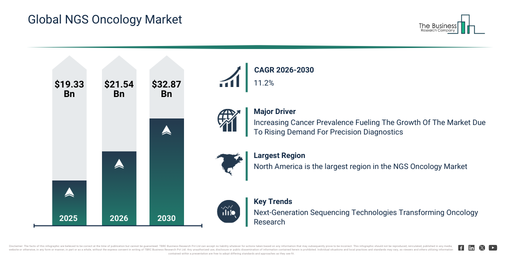
    The ngs oncology market has experienced substantial expansion recently. Its size is projected to increase from $19.33 billion in 2025 to $21.54 billion in 2026, at a compound annual growth rate (CAGR) of 11.4%. The observed growth in the historic period can be attributed to factors such as declining sequencing costs, rising global cancer prevalence, increased oncology research funding, early adoption of targeted therapies, and the growth of genomic research initiatives.

    The ngs oncology market is projected to experience substantial expansion over the upcoming years. Its valuation is anticipated to reach $32.87 billion by 2030, driven by a compound annual growth rate (CAGR) of 11.2%. This growth throughout the forecast period stems from factors such as the proliferation of precision oncology initiatives, the increasing need for individualized cancer therapies, a rise in approvals for ngs-based diagnostic tools, progress in bioinformatics analytics, and the incorporation of ngs into established clinical protocols. Key developments expected during this timeframe encompass the broadening scope of comprehensive tumor profiling, the growing acceptance of liquid biopsy NGS, enhanced clinical usefulness of multi-gene panels, the incorporation of NGS into standard oncology diagnostic practices, and an escalating requirement for more expeditious sequencing workflows.

    Download the Free Sample Report to Explore Key Market Insights:

    https://www.thebusinessresearchcompany.com/sample.aspx?id=24337&type=smp

    What Major Drivers Are Influencing Demand In The NGS Oncology Market?

    The increasing occurrence of cancer is projected to stimulate expansion in the NGS oncology market in the coming years. Cancer is a condition characterized by the uncontrolled proliferation of abnormal cells that can infiltrate other bodily regions, disrupting regular physiological operations. This rise in cancer cases is largely attributed to an aging global population, overall population expansion, and heightened exposure to risk factors like tobacco consumption, alcohol intake, excess weight, and atmospheric pollution. NGS oncology contributes significantly to public health and patient well-being by facilitating prompt detection, accurate diagnosis, and tailored treatment plans through comprehensive genetic analysis of tumors. For example, in January 2024, data released by the American Cancer Society, a US-based non-profit organization, indicated that the United States is anticipated to record 2,001,140 new cancer cases and 611,720 cancer deaths in 2024, a notable increase from 1,958,310 cases and 609,820 deaths in 2023. Consequently, the growing prevalence of cancer is propelling the development of the NGS oncology market.

    Which Segments Are Included In The Analysis Of The NGS Oncology Market?

    The ngs oncology market covered in this report is segmented –

    1) By Sequencing Technology: Targeted Sequencing, Genomics, Transcriptomics, Epigenomics

    2) By Offering: Platform, Kits, Services

    3) By Workflow: Pre-Sequencing, Sequencing, Data Analysis

    4) By Application: Genetic Screening, Hereditary Genetic Testing, Hematological Malignancies, Solid Tumors, Other Applications

    5) By End User: Hospitals And Clinics, Clinical Research Organizations (CROs), Academic And Research Institutes, Pharmaceutical And Biotechnology Companies, Other End Users

    Subsegments:

    1) By Targeted Sequencing: Whole Exome Sequencing (WES), Amplicon-Based Sequencing, Hybridization-Based Sequencing

    2) By Genomics: Whole Genome Sequencing (WGS), Structural Variant Detection, Copy Number Variation (CNV) Analysis

    3) By Transcriptomics: RNA Sequencing, Single-Cell Transcriptomics, Non-Coding RNA Analysis

    4) By Epigenomics: DNA Methylation Sequencing, Chromatin Immunoprecipitation Sequencing, Histone Modification Analysis

    How Are Trends Transforming The NGS Oncology Market Landscape?

    Leading companies in the NGS oncology market are dedicated to developing innovative solutions, such as liquid biopsy research assays, to facilitate non-invasive, real-time cancer detection and monitoring by analyzing circulating tumor DNA. These diagnostic tests examine biological fluids, including blood, to identify genetic mutations or other molecular markers associated with cancer. For instance, in August 2024, Illumina Inc., a US-based biotechnology company specializing in next-generation sequencing (NGS) technology, broadened its oncology portfolio for NovaSeq X Series users. The company now provides the newly validated high-throughput TruSight Oncology 500 (TSO 500 HT) and the updated TruSight Oncology 500 ctDNA v2 (TSO 500 ctDNA v2) liquid biopsy research assay. These enhanced assays empower laboratories to expand oncology research capabilities for both tissue and liquid biopsy samples, offering improved sequencing efficiency, shorter run times, and the new ability to process larger sample volumes on the NovaSeq X Series.

    Which Key Industry Participants Are Active In The NGS Oncology Market?

    Major companies operating in the ngs oncology market are Hoffmann-La Roche Ltd., Thermo Fisher Scientific Inc., Agilent Technologies Inc., Eurofins Scientific SE, Illumina Inc., Qiagen N.V., Tecan Trading AG, Myriad Genetics, Takara Bio Inc., Beijing Genomics Institute (BGI), Caris Life Sciences, Foundation Medicine, Paradigm Diagnostics, Pacific Bioscience, Horizon Discovery Group plc , Creative-Biolabs, Xcelris Labs Ltd., Partek Inc., 4baseCare, SciGenom Labs Pvt. Ltd.

    Read the full ngs oncology market report here:

    https://www.thebusinessresearchcompany.com/report/ngs-oncology-global-market-report

    Which Region Shows The Strongest Potential For Future Growth In The NGS Oncology Market?

    North America was the largest region in the NGS oncology market in 2025. Asia-Pacific is expected to be the fastest-growing region in the forecast period. The regions covered in the ngs oncology market report are Asia-Pacific, South East Asia, Western Europe, Eastern Europe, North America, South America, Middle East, Africa.

    Request A Tailored NGS Oncology Market Research Report For Competitive Advantage:

    https://www.thebusinessresearchcompany.com/customise?id=24337&type=smp

    Browse Through More Reports Similar to the Global NGS Oncology Market 2026, By The Business Research Company

    Ngs Based Rna Sequencing Global Market Report

    https://www.thebusinessresearchcompany.com/report/ngs-based-rna-sequencing-global-market-report

    Prenatal Dna Sequencing Global Market Report

    https://www.thebusinessresearchcompany.com/report/prenatal-dna-sequencing-global-market-report

    Next Generation Firewall Global Market Report

    https://www.thebusinessresearchcompany.com/report/next-generation-firewall-global-market-report

    Get in touch with us:

    The Business Research Company: https://www.thebusinessresearchcompany.com/

    Americas +1 310-496-7795

    Asia +44 7882 955267 & +91 8897263534

    Europe +44 7882 955267

    Email us at info@tbrc.info

    Follow us on:

    LinkedIn: https://in.linkedin.com/company/the-business-research-company

    YouTube: https://www.youtube.com/channel/UC24_fI0rV8cR5DxlCpgmyFQ

    Global Market Model: https://www.thebusinessresearchcompany.com/global-market-model
  • Next-Generation Sequencing Data Analysis Market Outlook 2026–2030 with Major Growth Drivers and Emerging Industry Trends

    Next-Generation Sequencing Data Analysis Market Outlook 2026–2030 with Major Growth Drivers and Emerging Industry Trends

    The Business Research Company’s 2026 market reports include new capabilities such as market attractiveness scoring and analysis, total addressable market analysis, company scoring matrix, interactive excel data dashboard, improved supply chain analysis, upcoming startups in the market, and overview of key products, aimed at improving the depth, usability, and strategic value of the insights delivered.

    What Market Valuation Is Forecasted For The Next-Generation Sequencing Data Analysis Market By 2030 Starting From Its 2026 Size?

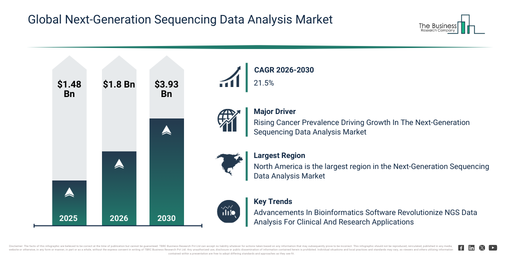
    The next-generation sequencing data analysis market has experienced substantial expansion in recent years. This market is projected to grow from $1.48 billion in 2025 to $1.8 billion in 2026, achieving a compound annual growth rate (CAGR) of 21.9%. The increase observed in the historic period can be attributed to several factors, including the rising volumes of NGS data generation, the expanding utilization of genomic data in research, the broader implementation of clinical sequencing programs, improvements in computational infrastructure, and the growing adoption of outsourced bioinformatics services.

    The next-generation sequencing data analysis market size is anticipated to undergo significant expansion in the coming years. Its value is projected to reach $3.93 billion by 2030, exhibiting a compound annual growth rate (CAGR) of 21.5%. This projected growth stems from several factors, including the greater integration of AI in variant interpretation, a rising demand for real-time genomic insights, the expansion of personalized medicine applications, growing investments in secure genomic data platforms, and an increasing regulatory focus on data compliance. Prominent trends expected during this forecast period encompass the increasing adoption of AI-driven bioinformatics platforms, a rising demand for cloud-based NGS data analysis, the growing use of long-read sequencing analytics, the expansion of integrated genomic pipelines, and an enhanced focus on data interpretation accuracy.

    Download the Free Sample Report to Explore Key Market Insights:

    https://www.thebusinessresearchcompany.com/sample.aspx?id=19614&type=smp

    Which Market Drivers Are Supporting The Expansion Of The Next-Generation Sequencing Data Analysis Market?

    The growing incidence of cancer is anticipated to boost the next-generation sequencing data analysis market in the coming period. Cancer refers to a collection of illnesses characterized by the uncontrolled proliferation and spread of abnormal cells within the body, which, if untreated, can potentially lead to severe health issues or fatality. Unhealthy lifestyle habits, including smoking, excessive consumption of alcohol, and diets rich in processed foods and low in fruits and vegetables, can significantly elevate the risk of developing cancer. Next-generation sequencing data analysis supports cancer treatment by enabling the precise identification of genetic mutations, which facilitates personalized therapies and more effective treatment approaches tailored to an individual’s specific cancer genetic profile. For instance, in February 2024, the World Health Organization, a Switzerland-based intergovernmental organization, projected that by 2050, new cancer cases would exceed 35 million, marking a 77% increase compared to the estimated 20 million cases in 2022. Thus, the increasing prevalence of cancer is propelling the expansion of the next-generation sequencing data analysis market.

    Which Segment Categories Define The Next-Generation Sequencing Data Analysis Market?

    The next-generation sequencing data analysis market covered in this report is segmented –

    1) By Product: Services, Next-Generation Sequencing (NGS) Commercial Software

    2) By Read Length: Short Read Sequencing, Long Read Sequencing, Very Long Read Sequencing

    3) By Mode: In-House, Outsourced

    4) By Workflow: Primary, Secondary, Tertiary

    5) By End-User: Academic Research, Clinical Research, Hospitals And Clinics, Pharma And Biotech Entities, Other End-Users

    Subsegments:

    1) By Services: Data Analysis Services, Bioinformatics Services, Consulting Services, Training and Support Services

    2) By Next-Generation Sequencing (NGS) Commercial Software: Data Management Software, Alignment Software, Variant Calling Software, Visualization Software, Pipeline Management Software, Specialized Analysis Software

    Which Trends Are Impacting The Growth Of The Next-Generation Sequencing Data Analysis Market?

    Leading companies in the next-generation sequencing data analysis market are concentrating on developing advanced secondary analysis bioinformatics software. This focus aims to enable quicker and more accurate identification of genetic variants for both research and clinical applications. Secondary analysis bioinformatics software is designed to process raw next-generation sequencing (NGS) data and convert it into interpretable formats, such as variant call files (VCF), which detail genetic variants. This software consequently streamlines NGS data analysis for research and clinical purposes. For instance, in January 2024, QIAGEN Digital Insights, a US-based bioinformatics business of QIAGEN, launched the QIAGEN CLC Genomics Workbench Premium with LightSpeed technology. This software facilitates next-generation sequencing (NGS) for somatic cancer analysis and rapidly processes whole genome sequencing (WGS) samples. It can analyze 34x human genomes in 25 minutes and 50x exomes in 90 seconds using LightSpeed technology, which efficiently converts raw FASTQ data into interpretable formats. With costs as low as $1 for genomes and a few cents for exomes using cloud infrastructure, it presents a cost-effective solution for high-throughput laboratories. The program runs on ordinary hardware or cloud platforms, providing flexibility and excellent accuracy, making it ideal for clinical applications while minimizing its carbon footprint.

    Who Are The Top Companies Competing In The Next-Generation Sequencing Data Analysis Market?

    Major companies operating in the next-generation sequencing data analysis market are Thermo Fisher Scientific Inc., Agilent Technologies Inc., Illumina Inc., QIAGEN N.V., MedGenome Inc., Element Biosciences Inc., Seven Bridges Genomics Inc., Synthego Corp., Eurofins Genomics India Pvt. Ltd., Fabric Genomics Inc., Strand Life Sciences Pvt. Ltd., Admera Health LLC, Congenica Ltd., DNASTAR Inc., Golden Helix Inc., Geneious, SciGenom Labs Pvt. Ltd., Partek Incorporated, PathoQuest SAS, BioDatomics Inc., BGI Genomics Co. Ltd

    Read the full next-generation sequencing data analysis market report here:

    https://www.thebusinessresearchcompany.com/report/next-generation-sequencing-data-analysis-global-market-report

    How Is The Next-Generation Sequencing Data Analysis Market Distributed Across Key Geographic Regions?

    North America was the largest region in the next-generation sequencing data analysis market in 2025. Asia-Pacific is expected to be the fastest-growing region in the forecast period. The regions covered in the next-generation sequencing data analysis market report are Asia-Pacific, South East Asia, Western Europe, Eastern Europe, North America, South America, Middle East, Africa.

    Request A Tailored Next-Generation Sequencing Data Analysis Market Research Report For Competitive Advantage:

    https://www.thebusinessresearchcompany.com/customise?id=19614&type=smp

    Browse Through More Reports Similar to the Global Next-Generation Sequencing Data Analysis Market 2026, By The Business Research Company

    Ovarian Cancer Diagnostics Global Market Report

    https://www.thebusinessresearchcompany.com/report/ovarian-cancer-diagnostics-global-market-report

    Cervical Cancer Diagnostics Global Market Report

    https://www.thebusinessresearchcompany.com/report/cervical-cancer-diagnostics-global-market-report

    Cancer Diagnostics Global Market Report

    https://www.thebusinessresearchcompany.com/report/cancer-diagnostics-global-market-report

    Get in touch with us:

    The Business Research Company: https://www.thebusinessresearchcompany.com/

    Americas +1 310-496-7795

    Asia +44 7882 955267 & +91 8897263534

    Europe +44 7882 955267

    Email us at info@tbrc.info

    Follow us on:

    LinkedIn: https://in.linkedin.com/company/the-business-research-company

    YouTube: https://www.youtube.com/channel/UC24_fI0rV8cR5DxlCpgmyFQ

    Global Market Model: https://www.thebusinessresearchcompany.com/global-market-model
  • One of the Major Drivers of the Next-Generation Gynecological Cancer Diagnostics Market Is the Rising Adoption Of Personalized Medicine To Drive Market Growth

    One of the Major Drivers of the Next-Generation Gynecological Cancer Diagnostics Market Is the Rising Adoption Of Personalized Medicine To Drive Market Growth

    The Business Research Company’s 2026 market reports include new capabilities such as market attractiveness scoring and analysis, total addressable market analysis, company scoring matrix, interactive excel data dashboard, improved supply chain analysis, upcoming startups in the market, and overview of key products, aimed at improving the depth, usability, and strategic value of the insights delivered.

    How Is The Market Size Of The Next-Generation Gynecological Cancer Diagnostics Market Expected To Change Between 2026 And 2030?

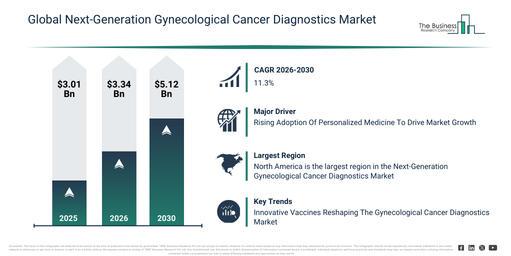
    The market size for next-generation gynecological cancer diagnostics has experienced rapid growth in recent years. It is projected to expand from $3.01 billion in 2025 to $3.34 billion in 2026, at a compound annual growth rate (CAGR) of 11.1%. The growth observed in the historic period can be attributed to the increasing prevalence of gynecological cancers, rising awareness of women’s health screening, advancements in molecular diagnostics, expansion of hospital diagnostic infrastructure, and government-supported cancer screening programs.

    The next-generation gynecological cancer diagnostics market is anticipated to experience substantial expansion over the upcoming years. This market is projected to reach a valuation of $5.12 billion by 2030, demonstrating a compound annual growth rate (CAGR) of 11.3%. This projected growth is driven by several factors, including an escalating demand for precision medicine, wider integration of AI-enabled diagnostic solutions, the broadening scope of genetic and epigenetic testing, increased financial commitment to oncology research and development, and improved availability of advanced diagnostic tools in developing economies. Key developments during this forecast period encompass a rising embrace of biomarker-based screening, a movement towards personalized gynecological oncology diagnostics, the extended application of companion diagnostics in treatment formulation, the increasing utilization of non-invasive and liquid biopsy methodologies, and a heightened emphasis on detecting cancer in its initial stages.

    Download the Free Sample Report to Explore Key Market Insights:

    https://www.thebusinessresearchcompany.com/sample.aspx?id=12020&type=smp

    What Underlying Factors Are Accelerating The Growth Of The Next-Generation Gynecological Cancer Diagnostics Market?

    The increasing acceptance of personalized medicine is anticipated to fuel the expansion of the next-generation gynecological cancer diagnostics market in the future. Personalized medicine represents an innovative healthcare approach that customizes medical treatments and interventions to align with each patient’s unique genetic, molecular, and clinical attributes, thereby enabling more precise diagnoses, targeted therapies, and improved patient outcomes. This growing adoption of personalized medicine is propelled by advancements in biomarker identification, regulatory backing, and the increasing availability of molecularly targeted therapies. Next-generation gynecological cancer diagnostics enhance clinical decision-making by facilitating tumor profiling, predicting treatment responses, and guiding individualized therapeutic strategies. For instance, in February 2024, the Personalized Medicine Coalition, a US-based nonprofit organization, reported that the USFDA approved 16 new personalized treatments for rare disease patients in 2023, which was a significant increase from 6 personalized treatments in 2022. Thus, the escalating adoption of personalized medicine is a key driver for the growth of the next-generation gynecological cancer diagnostics market.

    How Is The Next-Generation Gynecological Cancer Diagnostics Market Structured Across Different Segments?

    The next-generation gynecological cancer diagnostics market covered in this report is segmented –

    1) By Cancer Type: Cervical Cancer, Ovarian Cancer, Uterine Cancer, Vaginal Cancer, Vulvar Cancer

    2) By Function: Therapeutic Monitoring, Companion Diagnostics, Prognostics, Cancer Screening, Risk Analysis

    3) By Technology: Next-Generation Sequencing, qPCR And Multiplexing, Lab-On-A-Chip (LOAC) And Reverse Transcriptase-PCR (RT-PCR), Protein Microarrays, DNA Microarrays

    4) By Application: Biomarker Development, CTC Analysis, Proteomic Analysis, Epigenetic Analysis, Genetic Analysis

    5) By End User: Hospitals And Ambulatory Centers, Diagnostic Laboratories, Academic And Research Institutes

    Subsegments:

    1) By Cervical Cancer: HPV Testing, Pap Smear Testing, Liquid-Based Cytology, Biomarker Testing

    2) By Ovarian Cancer: CA-125 Testing, HE4 Testing, Genetic Testing (BRCA1 Or BRCA2), Imaging Techniques

    3) By Uterine Cancer: Endometrial Biopsy, Ultrasound Imaging, Genetic Testing (PMS2, MLH1), Biomarker Testing

    4) By Vaginal Cancer: Pap Smear Testing, HPV Testing, Biopsy Procedures

    5) By Vulvar Cancer: Visual Inspection, Biopsy, HPV Testing, Genetic Testing

    What Major Market Trends Are Driving Changes In The Next-Generation Gynecological Cancer Diagnostics Market?

    Leading companies in the gynecological cancer diagnostics market are developing new offerings, such as cervical cancer vaccines, to secure a competitive advantage. A vaccine is a biological preparation designed to confer active acquired immunity against a specific disease. For instance, in July 2023, Serum Institute of India Pvt. Ltd., an India-based biotechnology firm, introduced Cervavac, the country’s first domestically manufactured vaccine providing protection against cervical cancer. Cervavac protects against the Human Papilloma Virus, which is the primary cause of cervical cancer, and is available for both men and women. It operates prophylactically by stimulating the immune system to prevent HPV infection and offers cross-protection against various high-risk HPV types. The vaccine demonstrates high efficacy against HPV types 16 and 18, along with proven safety. Cervavac is offered at an affordable price range of 200 to 400 rupees (about $2.50 to $5), significantly enhancing its accessibility, particularly for marginalized communities, and supporting the objective of more cost-effective cervical cancer prevention in India.

    Which Major Players Dominate The Next-Generation Gynecological Cancer Diagnostics Market?

    Major companies operating in the next-generation gynecological cancer diagnostics market are F. Hoffmann-La Roche Ltd., Thermo Fisher Scientific Inc., Abbott Laboratories, Siemens Healthcare GmbH, Agena Bioscience Inc., Koninklijke Philips N.V., Becton, Dickinson and Company, GE HealthCare Technologies Inc., Laboratory Corporation Of America Holdings, Quest Diagnostics Incorporated, Agilent Technologies Inc., Hologic Inc., Illumina Inc., PerkinElmer Inc., Sysmex Corporation, Qiagen N.V., ARUP Laboratories, Almac Group, BGI Genomics Co Ltd, OPKO HEALTH Inc., BGI Genomics Co. Ltd., Myriad Genetics Inc., Fulgent Genetics Inc., Cepheid, Invitae Corporation, Centogene NV

    Read the full next-generation gynecological cancer diagnostics market report here:

    https://www.thebusinessresearchcompany.com/report/next-generation-gynecological-cancer-diagnostics-global-market-report

    Which Region Is Projected To Dominate The Next-Generation Gynecological Cancer Diagnostics Market During The Forecast Period?

    North America a was the largest region in the next-generation gynecological cancer diagnostics market in 2025. Asia-Pacific is expected to be the fastest-growing region in the forecast period. The regions covered in the next-generation gynecological cancer diagnostics market report are Asia-Pacific, South East Asia, Western Europe, Eastern Europe, North America, South America, Middle East, Africa.

    Request A Tailored Next-Generation Gynecological Cancer Diagnostics Market Research Report For Competitive Advantage:

    https://www.thebusinessresearchcompany.com/customise?id=12020&type=smp

    Browse Through More Reports Similar to the Global Next-Generation Gynecological Cancer Diagnostics Market 2026, By The Business Research Company

    Antibody Discovery Global Market Report

    https://www.thebusinessresearchcompany.com/report/antibody-discovery-global-market-report

    Antibody Drug Conjugates Global Market Report

    https://www.thebusinessresearchcompany.com/report/antibody-drug-conjugates-global-market-report

    Monoclonal Antibodies Global Market Report

    https://www.thebusinessresearchcompany.com/report/monoclonal-antibodies-global-market-report

    Get in touch with us:

    The Business Research Company: https://www.thebusinessresearchcompany.com/

    Americas +1 310-496-7795

    Asia +44 7882 955267 & +91 8897263534

    Europe +44 7882 955267

    Email us at info@tbrc.info

    Follow us on:

    LinkedIn: https://in.linkedin.com/company/the-business-research-company

    YouTube: https://www.youtube.com/channel/UC24_fI0rV8cR5DxlCpgmyFQ

    Global Market Model: https://www.thebusinessresearchcompany.com/global-market-model
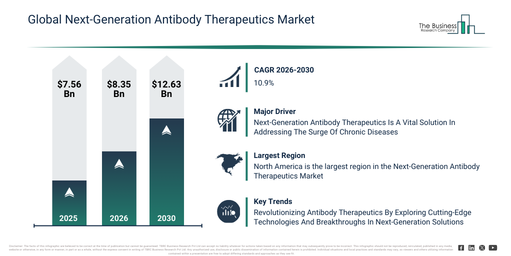
  • A key trend shaping the Next-Generation Antibody Therapeutics Market involves the Revolutionizing Antibody Therapeutics By Exploring Cutting-Edge Technologies And Breakthroughs In Next-Generation Solutions

    A key trend shaping the Next-Generation Antibody Therapeutics Market involves the Revolutionizing Antibody Therapeutics By Exploring Cutting-Edge Technologies And Breakthroughs In Next-Generation Solutions

    The Business Research Company’s 2026 market reports include new capabilities such as market attractiveness scoring and analysis, total addressable market analysis, company scoring matrix, interactive excel data dashboard, improved supply chain analysis, upcoming startups in the market, and overview of key products, aimed at improving the depth, usability, and strategic value of the insights delivered.

    What Is The Market Size Of The Next-Generation Antibody Therapeutics Market In 2026 And What Value Is Projected For 2030?

    The next-generation antibody therapeutics market size has experienced swift expansion in recent years. It is anticipated to grow from $7.56 billion in 2025 to $8.35 billion in 2026, achieving a compound annual growth rate (CAGR) of 10.4%. The market’s growth during the past period can be linked to an increase in monoclonal antibody approvals, the rising occurrence of cancer, the broadening of biologics manufacturing capacity, higher investment in pharmaceutical R&D, and refined regulatory pathways for biologics.

    The next-generation antibody therapeutics market size is projected to experience swift expansion over the coming years. This market is anticipated to reach $12.63 billion by 2030, exhibiting a compound annual growth rate (CAGR) of 10.9%. Factors contributing to this growth during the projection period include progress in antibody engineering technologies, an escalating need for targeted treatments, the growing occurrence of chronic and autoimmune conditions, the broadening of clinical trials in developing regions, and increasing collaborations between biotechnology and pharmaceutical firms. Key developments foreseen in this period encompass the broadening of bispecific and multispecific antibody platforms, a rising uptake of antibody-drug conjugates in cancer treatment, heightened attention on antibodies with high affinity and extended action, an expanding clinical pipeline for rare and orphan diseases, and a move towards personalized antibody-based therapeutic approaches.

    Download the Free Sample Report to Explore Key Market Insights:

    https://www.thebusinessresearchcompany.com/sample.aspx?id=12678&type=smp

    Which Growth Drivers Are Contributing To The Progress Of The Next-Generation Antibody Therapeutics Market?

    The rising occurrence of chronic ailments is anticipated to drive expansion in the next-generation antibody therapeutics market in the future. These enduring health conditions persist for a year or more, requiring ongoing medical attention, limiting daily routines, or a combination of both factors. For individuals grappling with chronic illnesses, next-generation antibody therapeutics offer a therapeutic role by providing more targeted treatment, thereby improving patient outcomes. For example, data from January 2023, published by the National Center for Biotechnology Information (NCBI), a US-based National Library of Medicine, indicated a forecast that by 2050, the population of individuals aged 50 years and older living with at least one chronic illness is set to increase by 99.5%, reaching 142.66 million. Consequently, the expanding prevalence of chronic diseases is fueling the growth of the next-generation antibody therapeutics market.

    What Are The Key Segments Of The Next-Generation Antibody Therapeutics Market?

    The next-generation antibody therapeutics market covered in this report is segmented –

    1) By Types Of Antibodies: Monoclonal Antibodies, Polyclonal Antibodies, Bispecific Antibodies, Antibody-Drug Conjugates, Other Types

    2) By Therapeutic Area: Oncology, Autoimmune Diseases, Infectious Diseases, Neurodegenerative Disorders, Other Therapeutic Areas

    3) By End-User: Hospitals And Clinics, Research Institutes, Pharmaceutical And Biotechnology Companies, Other End-Users

    Subsegments:

    1) By Monoclonal Antibodies: IgG Monoclonal Antibodies, IgM Monoclonal Antibodies

    2) By Polyclonal Antibodies: Serum-Derived Polyclonal Antibodies, Hybridoma-Derived Polyclonal Antibodies

    3) By Bispecific Antibodies: Dual-Targeting Antibodies, Single-Chain Variable Fragment (scFv) Antibodies

    4) By Antibody-Drug Conjugates (ADCs): Targeted ADCs, Payload Types

    5) By Other Types: Nanobodies, Engineered Antibodies

    Which Trends Are Shaping The Future Of The Next-Generation Antibody Therapeutics Market?

    Leading companies within the next-generation antibody therapeutics market are prioritizing the development of technological breakthroughs, exemplified by their proprietary Molecular Indexing of Proteins by Self-Assembly (MIPSA) technology. The goal is to improve protein identification and characterization, ultimately leading to more precise and impactful treatments. These advancements are designed to enhance therapeutic profiles, decrease expenditures, and tackle intricate diseases with superior accuracy. Molecular Indexing of Proteins by Self-Assembly (MIPSA) functions by arranging protein molecules into structured assemblies, which allows for more effective analysis and quantification. This approach significantly boosts the sensitivity and accuracy of protein detection, making it highly beneficial for research and diagnostic purposes. For example, in January 2024, Infinity Bio, Inc., a US-based biotechnology company, unveiled a new antibody profiling platform. This platform leverages MIPSA technology for efficient and cost-effective analysis of immune responses, intending to foster a deeper understanding of diseases and enable more personalized treatment strategies.

    Who Are The Leading Companies Operating In The Next-Generation Antibody Therapeutics Market?

    Major companies operating in the next-generation antibody therapeutics market are Pfizer Inc., F. Hoffmann‑La Roche Ltd., Bristol‑Myers Squibb Company, AstraZeneca plc, GlaxoSmithKline plc, Takeda Pharmaceutical Company Limited, Boehringer Ingelheim International GmbH, Amgen Inc., Regeneron Pharmaceuticals Inc., Biogen Inc., Genentech Inc., Kyowa Hakko Kirin Co. Ltd., Seagen Inc., Seattle Genetics Inc., Xencor Inc., ImmunoGen Inc., Genmab A/S, Zymeworks Inc., NBE‑Therapeutics AG, Daiichi Sankyo Company Limited, Merck & Co Inc., Novartis AG, AbCellera Biologics Inc., Sotio Biotech, F‑Star Therapeutics Ltd., ADC Therapeutics SA, Harbour BioMed

    Read the full next-generation antibody therapeutics market report here:

    https://www.thebusinessresearchcompany.com/report/next-generation-antibody-therapeutics-global-market-report

    What Are The Leading Geographic Regions In The Next-Generation Antibody Therapeutics Market?

    North America was the largest region in the next-generation antibody therapeutics market in 2025. Asia-Pacific is expected to be the fastest-growing region in the forecast period. The regions covered in the next-generation antibody therapeutics market report are Asia-Pacific, South East Asia, Western Europe, Eastern Europe, North America, South America, Middle East, Africa.

    Request A Tailored Next-Generation Antibody Therapeutics Market Research Report For Competitive Advantage:

    https://www.thebusinessresearchcompany.com/customise?id=12678&type=smp

    Browse Through More Reports Similar to the Global Next-Generation Antibody Therapeutics Market 2026, By The Business Research Company

    Next Generation Sequencing Global Market Report

    https://www.thebusinessresearchcompany.com/report/next-generation-sequencing-global-market-report

    Next Generation Military Power Supply Global Market Report

    https://www.thebusinessresearchcompany.com/report/next-generation-military-power-supply-global-market-report

    Next Generation Computing Global Market Report

    https://www.thebusinessresearchcompany.com/report/next-generation-computing-global-market-report

    Get in touch with us:

    The Business Research Company: https://www.thebusinessresearchcompany.com/

    Americas +1 310-496-7795

    Asia +44 7882 955267 & +91 8897263534

    Europe +44 7882 955267

    Email us at info@tbrc.info

    Follow us on:

    LinkedIn: https://in.linkedin.com/company/the-business-research-company

    YouTube: https://www.youtube.com/channel/UC24_fI0rV8cR5DxlCpgmyFQ

    Global Market Model: https://www.thebusinessresearchcompany.com/global-market-model
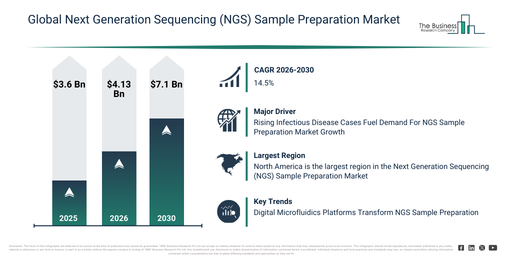
  • A significant industry trend in the Next Generation Sequencing (NGS) Sample Preparation Market includes the Digital Microfluidics Platforms Transform NGS Sample Preparation

    A significant industry trend in the Next Generation Sequencing (NGS) Sample Preparation Market includes the Digital Microfluidics Platforms Transform NGS Sample Preparation

    The Business Research Company’s 2026 market reports include new capabilities such as market attractiveness scoring and analysis, total addressable market analysis, company scoring matrix, interactive excel data dashboard, improved supply chain analysis, upcoming startups in the market, and overview of key products, aimed at improving the depth, usability, and strategic value of the insights delivered.

    What Will Be The Estimated Market Valuation Of The Next Generation Sequencing (NGS) Sample Preparation Market By The End Of 2030?

    The next generation sequencing (ngs) sample preparation market size has experienced rapid growth in recent years. It is forecast to expand from $3.6 billion in 2025 to $4.13 billion in 2026, demonstrating a compound annual growth rate (CAGR) of 14.8%. This historical growth can be attributed to the expansion of genomic research initiatives, rising adoption of ngs in clinical diagnostics, the development of precision medicine programs, increased availability of sequencing instruments, and improvements in reagent performance.

    The next generation sequencing (ngs) sample preparation market size is anticipated to experience substantial growth in the forthcoming years. It is projected to reach $7.1 billion by 2030, demonstrating a compound annual growth rate (CAGR) of 14.5%. This growth during the forecast period is attributable to the expanding use of ngs in routine diagnostics, an increasing demand for scalable sample preparation solutions, the broadening application of oncology and rare disease sequencing, growing investments in automated laboratories, and a heightened focus on workflow standardization. Major trends expected in the forecast period include increased automation of ngs sample preparation workflows, a rising demand for high-throughput library preparation kits, the growing adoption of integrated ngs platforms, the expansion of target enrichment techniques, and an enhanced emphasis on sample quality and reproducibility.

    Download the Free Sample Report to Explore Key Market Insights:

    https://www.thebusinessresearchcompany.com/sample.aspx?id=20580&type=smp

    What Primary Drivers Are Shaping The Development Of The Next Generation Sequencing (NGS) Sample Preparation Market?

    An increasing prevalence of infectious diseases is anticipated to fuel the expansion of the next-generation sequencing (NGS) sample preparation market in the future. These diseases are conditions resulting from pathogens like bacteria, viruses, fungi, or parasites, capable of transmission between individuals either directly or indirectly. Several factors contribute to the rising occurrence of infectious diseases, including heightened global travel, increased urbanization, climate shifts, resistance to antimicrobials, and the emergence of novel pathogens. The preparation of samples for next-generation sequencing plays a vital role in addressing the increasing cases of infectious diseases because it facilitates the swift and precise identification of pathogens, thereby assisting in outbreak surveillance, transmission tracking, and the formulation of efficacious treatment plans. For example, data from GOV.UK, a UK public sector information platform, revealed in September 2023 that the first half of 2023 saw a 7% increase in tuberculosis (TB) cases in England compared to the corresponding period in 2022, with reported notifications climbing from 2,251 to 2,408. Consequently, the escalating incidence of infectious diseases is set to stimulate expansion within the next-generation sequencing (NGS) sample preparation market.

    Which Segment Classifications Shape The Next Generation Sequencing (NGS) Sample Preparation Market?

    The next generation sequencing (ngs) sample preparation market covered in this report is segmented –

    1) By Products And Services: Workstations Or Instruments, Reagents And Consumables, Services

    2) By Workflow: Library Preparation, Target Enrichment, Sample ExtractionOrisolation, Fragmentation, Sample Quantification, Library Quantification, Quality Control (Qc), Pooling

    3) By Technology: Nanopore Sequencing, Sequencing By Synthesis (Sbs), Single Molecule Real-time (SMRT) Sequencing, Ion Semiconductor Sequencing

    4) By Application: Diagnostics, Drug Discovery, Biomarker Discovery, Precision Medicine, Agriculture And Animal Research, Other Applications

    5) By End User: Academic Institutes And Research Centers, Hospitals And Clinics, Pharma And Biotech Companies, Other End Users

    Subsegments:

    1) By Workstations Or Instruments: Automated Sample Preparation Systems, Manual Workstations, Integrated NGS Platforms

    2) By Reagents And Consumables: Library Preparation Kits, DNA/RNA Extraction Kits, Amplification Kits, Quality Control Reagents, Consumables

    3) By Services: Sample Preparation Services, NGS Workflow Consultation, Training and Support Services, Data Analysis Services

    What Key Trends Are Influencing The Development Of The Next Generation Sequencing (NGS) Sample Preparation Market?

    Leading companies in the next-generation sequencing (NGS) sample preparation market are concentrating on automating sample preparation, employing technologies such as digital microfluidics platforms. This focus aims to boost efficiency, minimize manual errors, and streamline sample processing for more precise and timely genomic analysis. Digital microfluidics platforms are advanced technologies that precisely manipulate small volumes of fluids on achip using electrical fields, allowing for automated handling of samples in applications like NGS sample preparation. For instance, in September 2023, INTEGRA Biosciences, a Switzerland-based provider of user-friendly solutions for liquid handling and media preparation applications, unveiled the MIRO CANVAS. This compact digital microfluidics platform is designed for fully automated next-generation sequencing (NGS) sample preparation. The innovative system enhances accuracy and efficiency by automating workflows, cutting hands-on time to just 15 minutes per run, and facilitating the immediate processing of clinical specimens. The MIRO CANVAS is intended to streamline NGS processes and support advanced genomics research by preserving DNA integrity and minimizing reagent use.

    Which Companies Are Expanding Their Footprint In The Next Generation Sequencing (NGS) Sample Preparation Market?

    Major companies operating in the next generation sequencing (ngs) sample preparation market are F. Hoffmann-La Roche Ltd, Thermo Fisher Scientific Inc., Merck KGaA, Becton Dickinson and Company (BD), Eurofins Scientific SE, Agilent Technologies Inc., PerkinElmer Inc., Illumina Inc., Beckman Coulter, Sysmex Corporation, Bio-Rad Laboratories Inc., Qiagen N.V., Novogene Co. Ltd., Tecan Group Ltd, BGI Genomics Co. Ltd., Medgenome Inc., Promega Corporation, 10x Genomics Inc., Takara Bio Inc., Oxford Nanopore Technologies Limited, New England Biolabs Inc., Pacific Biosciences of California Inc., Zymo Research Corporation, Psomagen Inc., Swift Biosciences Inc.

    Read the full next generation sequencing (ngs) sample preparation market report here:

    https://www.thebusinessresearchcompany.com/report/next-generation-sequencing-ngs-sample-preparation-global-market-report

    How Does The Next Generation Sequencing (NGS) Sample Preparation Market Perform Across Major Global Regions?

    North America was the largest region in the next generation sequencing (NGS) sample preparation market in 2025. Asia-Pacific is expected to be the fastest-growing region in the forecast period The regions covered in the next generation sequencing (ngs) sample preparation market report are Asia-Pacific, South East Asia, Western Europe, Eastern Europe, North America, South America, Middle East, Africa.

    Request A Tailored Next Generation Sequencing (NGS) Sample Preparation Market Research Report For Competitive Advantage:

    https://www.thebusinessresearchcompany.com/customise?id=20580&type=smp

    Browse Through More Reports Similar to the Global Next Generation Sequencing (NGS) Sample Preparation Market 2026, By The Business Research Company

    Waterproofing Chemicals Global Market Report

    https://www.thebusinessresearchcompany.com/report/waterproofing-chemicals-global-market-report

    Underwater Connector Global Market Report

    https://www.thebusinessresearchcompany.com/report/underwater-connector-global-market-report

    Underwater Connectors Global Market Report

    https://www.thebusinessresearchcompany.com/report/underwater-connectors-global-market-report

    Get in touch with us:

    The Business Research Company: https://www.thebusinessresearchcompany.com/

    Americas +1 310-496-7795

    Asia +44 7882 955267 & +91 8897263534

    Europe +44 7882 955267

    Email us at info@tbrc.info

    Follow us on:

    LinkedIn: https://in.linkedin.com/company/the-business-research-company

    YouTube: https://www.youtube.com/channel/UC24_fI0rV8cR5DxlCpgmyFQ

    Global Market Model: https://www.thebusinessresearchcompany.com/global-market-model