Category: Healthcare Services

  • Neurology Clinical Trials Industry Expansion Forecast Showing Market Size of $8.04 Billion by 2030 at 6.7% CAGR

    Neurology Clinical Trials Industry Expansion Forecast Showing Market Size of $8.04 Billion by 2030 at 6.7% CAGR

    The Business Research Company’s 2026 market reports include new capabilities such as market attractiveness scoring and analysis, total addressable market analysis, company scoring matrix, interactive excel data dashboard, improved supply chain analysis, upcoming startups in the market, and overview of key products, aimed at improving the depth, usability, and strategic value of the insights delivered.

    What Is The Expected Market Size Of The Neurology Clinical Trials Market From 2026 To 2030?

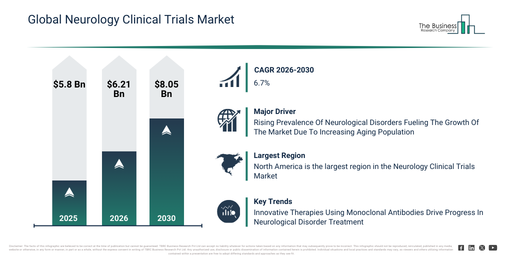
    The neurology clinical trials market has experienced strong expansion in recent years. It is projected to grow from $5.8 billion in 2025 to $6.21 billion in 2026, demonstrating a compound annual growth rate (CAGR) of 7.0%. The growth observed in the historic period is due to factors such as an increase in neurological disease prevalence, the expansion of pharmaceutical research pipelines, greater investment in neurology drug development, the availability of advanced imaging tools, and rising participation in clinical research.

    The neurology clinical trials market size is projected for substantial expansion in the coming years. This market is set to reach $8.05 billion by 2030, exhibiting a compound annual growth rate (CAGR) of 6.7%. The anticipated growth during this period stems from factors such as the increasing application of AI-driven trial analytics, a growing need for quicker trial execution, the proliferation of patient-centric trial models, greater incorporation of remote monitoring technologies, and an enhanced focus on uncommon neurological conditions. Key developments anticipated in the forecast period encompass the wider embrace of adaptive clinical trial designs, increased utilization of digital tools for patient monitoring, a sharpened emphasis on biomarker-driven neurology trials, the broadening of decentralized clinical trial frameworks, and a heightened significance placed on generating real-world evidence.

    Download the Free Sample Report to Explore Key Market Insights:

    https://www.thebusinessresearchcompany.com/sample.aspx?id=25847&type=smp

    Which Growth Drivers Are Contributing To The Progress Of The Neurology Clinical Trials Market?

    The rising incidence of neurological conditions is projected to boost the neurology clinical trials market in the future. Neurological disorders are health issues that impact the brain, spinal cord, or nerves, thus disrupting the normal functioning of the nervous system. The primary reason for the rise in these disorders is the aging demographic, as elderly individuals are more prone to age-related ailments like Alzheimer’s and Parkinson’s disease. Neurology clinical trials play a crucial role in addressing neurological disorders by evaluating novel treatments, medications, or interventions to enhance diagnosis, alleviate symptoms, decelerate disease progression, and improve patient results. For example, data from September 2024, provided by the Australian Institute of Health and Welfare, an Australia-based government body, indicates that the population of Australians suffering from dementia is anticipated to more than double, climbing from 411,100 in 2023 to 849,300 by 2058. Furthermore, by 2058, it is estimated that 315,500 men and 533,800 women will be affected by dementia. Consequently, the increasing occurrence of neurological disorders is propelling the expansion of the neurology clinical trials market.

    Which Segments Are Included In The Analysis Of The Neurology Clinical Trials Market?

    The neurology clinical trials market covered in this report is segmented –

    1) By Phase: Phase I, Phase II, Phase III, Phase IV

    2) By Study Design: Interventional, Observational, Expanded Access

    3) By Indication: Epilepsy, Parkinson’s Disease (PD), Huntington’s Disease, Stroke, Traumatic Brain Injury (TBI), Amyotrophic Lateral Sclerosis (ALS), Multiple Sclerosis, Other Indications

    4) By End-User: Hospitals, Clinics, Research Institutes, Other End- Users

    Subsegments:

    1) By Phase I: Drug Safety Evaluation, Pharmacokinetics Assessment, Dosage Range Finding, Tolerability Studies

    2) By Phase II: Efficacy Evaluation, Dose Response Studies, Therapeutic Effectiveness, Biomarker Identification

    3) By Phase III: Large Scale Efficacy Studies, Safety Monitoring, Comparative Effectiveness, Risk Benefit Analysis

    4) By Phase IV: Post Marketing Surveillance, Long Term Safety Follow Up, Real World Evidence Collection, Quality Of Life Assessment

    What Trends Are Advancing Progress In The Neurology Clinical Trials Market?

    Major companies active within the neurology clinical trials market are concentrating on developing innovative solutions, including monoclonal antibodies, aimed at specific neurological pathways to enhance treatment efficacy and expedite the creation of novel therapies. A monoclonal antibody refers to a molecule produced in a laboratory, engineered to identify and bind to particular proteins or antigens, commonly utilized to precisely target disease mechanisms in treatments and diagnostics. For instance, in July 2024, Eli Lilly and Company, a pharmaceutical company based in the U.S., launched Kisunla (donanemab-azbt) for the treatment of early symptomatic Alzheimer’s disease. This treatment works to slow cognitive and functional decline, thereby giving eligible patients more time to sustain independence and participate in daily life. It operates by targeting and reducing brain amyloid plaques, and clinical trials have indicated up to a 35% slowing of disease progression against placebo in those with less advanced forms of the disease.

    Which Key Industry Participants Are Active In The Neurology Clinical Trials Market?

    Major companies operating in the neurology clinical trials market are AbbVie Inc., Sanofi S.A., Novartis AG, Eli Lilly and Company, Teva Pharmaceutical Industries Ltd., IQVIA Holdings Inc., Biogen Inc., ICON plc., Syneos Health, Charles River Laboratories International Inc., Parexel International Corporation, CMIC Holdings Co. Ltd., Medpace Holdings Inc., PSI CRO AG., Supernus Pharmaceuticals Inc., Worldwide Clinical Trials LLC., Ergomed plc., Biotrial S.A.S., Clinilabs Drug Development Corporation, Lindus Health Ltd.

    Read the full neurology clinical trials market report here:

    https://www.thebusinessresearchcompany.com/report/neurology-clinical-trials-global-market-report

    What Are The Leading Geographic Regions In The Neurology Clinical Trials Market?

    North America was the largest region in the neurology clinical trials market in 2025. Asia-Pacific is expected to be the fastest-growing region in the forecast period. The regions covered in the neurology clinical trials market report are Asia-Pacific, South East Asia, Western Europe, Eastern Europe, North America, South America, Middle East, Africa.

    Request A Tailored Neurology Clinical Trials Market Research Report For Competitive Advantage:

    https://www.thebusinessresearchcompany.com/customise?id=25847&type=smp

    Browse Through More Reports Similar to the Global Neurology Clinical Trials Market 2026, By The Business Research Company

    Interventional Neurology Devices And Equipment Global Market Report

    https://www.thebusinessresearchcompany.com/report/interventional-neurology-devices-and-equipment-global-market-report

    Neuroprosthetics Global Market Report

    https://www.thebusinessresearchcompany.com/report/neuroprosthetics-global-market-report

    Neuroscience Antibodies And Assays Global Market Report

    https://www.thebusinessresearchcompany.com/report/neuroscience-antibodies-and-assays-global-market-report

    Get in touch with us:

    The Business Research Company: https://www.thebusinessresearchcompany.com/

    Americas +1 310-496-7795

    Asia +44 7882 955267 & +91 8897263534

    Europe +44 7882 955267

    Email us at info@tbrc.info

    Follow us on:

    LinkedIn: https://in.linkedin.com/company/the-business-research-company

    YouTube: https://www.youtube.com/channel/UC24_fI0rV8cR5DxlCpgmyFQ

    Global Market Model: https://www.thebusinessresearchcompany.com/global-market-model
  • Neurological Disorder Diagnostics Market Revenue Expected to Reach $17.74 Billion by 2030 with 7% CAGR

    Neurological Disorder Diagnostics Market Revenue Expected to Reach $17.74 Billion by 2030 with 7% CAGR

    The Business Research Company’s 2026 market reports include new capabilities such as market attractiveness scoring and analysis, total addressable market analysis, company scoring matrix, interactive excel data dashboard, improved supply chain analysis, upcoming startups in the market, and overview of key products, aimed at improving the depth, usability, and strategic value of the insights delivered.

    What Market Valuation Is Forecasted For The Neurological Disorder Diagnostics Market By 2030 Starting From Its 2026 Size?

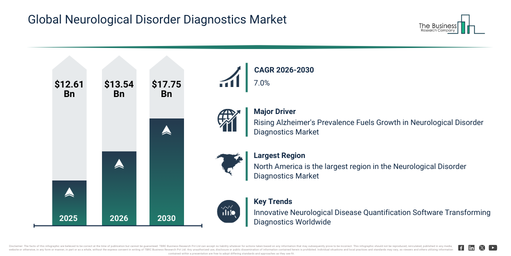
    The neurological disorder diagnostics market has experienced significant growth in recent years. This market is set to expand from $12.61 billion in 2025 to $13.54 billion in 2026, achieving a compound annual growth rate (CAGR) of 7.3%. Historically, this expansion has been propelled by factors such as the increasing prevalence of neurological disorders, a growing understanding of the importance of early diagnosis, the development of advanced imaging infrastructure, rising research funding for neurology, and enhanced availability of diagnostic instruments.

    The neurological disorder diagnostics market is projected to experience substantial expansion in the coming years, reaching $17.75 billion by 2030, driven by a compound annual growth rate (CAGR) of 7.0%. This anticipated growth during the forecast period can be linked to factors such as the increasing integration of precision neurology approaches, greater investments in digital diagnostics platforms, the broadening of personalized treatment planning, the expanding utilization of tele-neurology services, and progress in neuroinformatics and analytics. Key trends during this period are expected to encompass a wider uptake of AI-assisted neuroimaging tools, an increase in the deployment of biomarker-based diagnostic kits, greater integration of genetic and molecular testing, the spread of remote and digital cognitive assessments, and a heightened emphasis on early disease detection.

    Download the Free Sample Report to Explore Key Market Insights:

    https://www.thebusinessresearchcompany.com/sample.aspx?id=19611&type=smp

    What Primary Drivers Are Shaping The Development Of The Neurological Disorder Diagnostics Market?

    The rising occurrence of Alzheimer’s disease is projected to drive the expansion of the neurological disorder diagnostics market in the future. Alzheimer’s disease is defined as a progressive neurodegenerative condition marked by a slow deterioration of cognitive abilities, such as memory, reasoning, and problem-solving. Its development is linked to a combination of genetic factors, including specific gene mutations and variations, the buildup of amyloid plaques and tau tangles within the brain, persistent inflammation, vascular problems, and various lifestyle elements. Neurological disorder diagnostics aid in addressing Alzheimer’s disease by facilitating its early and precise identification via sophisticated imaging methods, biomarker analysis, and cognitive evaluations. For example, in September 2024, data from the Australian Institute of Health and Welfare, an Australia-based government agency, indicated that in 2023, approximately 411,100 individuals in Australia were living with dementia, encompassing around 257,500 women and 153,700 men. Consequently, the growing prevalence of Alzheimer’s disease is fueling the expansion of the neurological disorder diagnostics market.

    Which Segment Categories Define The Neurological Disorder Diagnostics Market?

    The neurological disorder diagnostics market covered in this report is segmented –

    1) By Component: Instruments, Reagents, Kits, Software, Services

    2) By Technology: Immunoassay, Polymerase Chain Reaction (PCR) Techniques

    3) By Disease Type: Alzheimer’s Disease, Dementia, Parkinson’s Disease, Epilepsy, Traumatic Brain Injury, Other Disease Types

    4) By End User: Hospitals And Clinics, Diagnostic Centers, Academic And Research Institutes

    Subsegments:

    1) By Instruments: Electroencephalography (EEG) Machines, Magnetic Resonance Imaging (MRI) Machines, Computed Tomography (CT) Scanners, Positron Emission Tomography (PET) Scanners, Lumbar Puncture Equipment, Ultrasound Devices, Neurostimulation Devices, Transcranial Magnetic Stimulation (TMS) Devices,

    2) By Reagents: Biochemical Reagents, Antibodies, DNA Probes, RNA Probes, Enzyme-linked Immunosorbent Assay (ELISA) Reagents, Polymerase Chain Reaction (PCR) Reagents, Sample Collection Reagents

    3) By Kits: Diagnostic Test Kits, Genetic Testing Kits, Biomarker Detection Kits, Immunoassay Kits, Point-of-Care Testing Kits, Screening Kits for Neurological Disorders

    4) By Software: Diagnostic Software for Imaging Analysis, Data Management Software, Clinical Decision Support Software, Patient Management Software, Laboratory Information Management Systems (LIMS), Neuroinformatics Software, Telemedicine Software

    5) By Services: Diagnostic Testing Services, Consultation Services, Training and Support Services, Maintenance and Repair Services for Equipment, Telehealth Services, Data Analysis Services, Research and Development Services

    How Are Trends Transforming The Neurological Disorder Diagnostics Market Landscape?

    Companies operating within the neurological disorder diagnostics market are prioritizing the development of innovative solutions, such as neurological disease quantification software, to address the needs of one billion individuals worldwide affected by neurological diseases. Neurological disease quantification software functions as a tool for measuring and analyzing brain activity and the progression of neurological conditions. For example, in January 2024, Quibim, a Spain-based biotechnology company, launched the QP-Brain, an AI-based early-stage neurological disease quantification software. QP-Brain by Quibim is advanced neuroimaging analysis software crafted to quantify brain tissue alterations associated with neurological diseases. Its distinctive features encompass AI-powered automated segmentation and detailed volumetric analysis, delivering precise insights into brain structure changes for both clinical and research applications.

    Who Are The Top Companies Competing In The Neurological Disorder Diagnostics Market?

    Major companies operating in the neurological disorder diagnostics market are Johnson & Johnson Services Inc., F. Hoffmann-La Roche Ltd, Thermo Fisher Scientific Inc., Abbott Laboratories, Novartis AG, Medtronic plc, Amgen Inc., Siemens Healthineers AG, Koninklijke Philips N.V., GE HealthCare Technologies Inc., Otsuka Pharmaceutical Co. Ltd., Boston Scientific Corporation, Neurocrine Biosciences Inc., Neusoft Medical Systems Co.Ltd., Nihon Kohden Corporation, Natus Medical Incorporated, Esaote S.p.A, Canon Medical Systems Corporation, NeuroPace Inc., Lifelines Neuro Company LLC, York Instruments Ltd., Advanced Brain Monitoring Inc., Neurometrix Inc., Croton Healthcare Private Limited, NeuroLogica Corporation

    Read the full neurological disorder diagnostics market report here:

    https://www.thebusinessresearchcompany.com/report/neurological-disorder-diagnostics-global-market-report

    How Does The Neurological Disorder Diagnostics Market Perform Across Major Global Regions?

    North America was the largest region in the neurological disorder diagnostics market in 2025. The regions covered in the neurological disorder diagnostics market report are Asia-Pacific, South East Asia, Western Europe, Eastern Europe, North America, South America, Middle East, Africa.

    Request A Tailored Neurological Disorder Diagnostics Market Research Report For Competitive Advantage:

    https://www.thebusinessresearchcompany.com/customise?id=19611&type=smp

    Browse Through More Reports Similar to the Global Neurological Disorder Diagnostics Market 2026, By The Business Research Company

    Central Nervous System Biomarkers Global Market Report

    https://www.thebusinessresearchcompany.com/report/central-nervous-system-biomarkers-global-market-report

    Clinical Biomarkers Global Market Report

    https://www.thebusinessresearchcompany.com/report/clinical-biomarkers-global-market-report

    Biomarkers Global Market Report

    https://www.thebusinessresearchcompany.com/report/biomarkers-global-market-report

    Get in touch with us:

    The Business Research Company: https://www.thebusinessresearchcompany.com/

    Americas +1 310-496-7795

    Asia +44 7882 955267 & +91 8897263534

    Europe +44 7882 955267

    Email us at info@tbrc.info

    Follow us on:

    LinkedIn: https://in.linkedin.com/company/the-business-research-company

    YouTube: https://www.youtube.com/channel/UC24_fI0rV8cR5DxlCpgmyFQ

    Global Market Model: https://www.thebusinessresearchcompany.com/global-market-model
  • Global Neurological Biomarkers Market Set for Strong Expansion Reaching $22.81 Billion by 2030 at 14% CAGR

    Global Neurological Biomarkers Market Set for Strong Expansion Reaching $22.81 Billion by 2030 at 14% CAGR

    The Business Research Company’s 2026 market reports include new capabilities such as market attractiveness scoring and analysis, total addressable market analysis, company scoring matrix, interactive excel data dashboard, improved supply chain analysis, upcoming startups in the market, and overview of key products, aimed at improving the depth, usability, and strategic value of the insights delivered.

    How Is The Market Size Of The Neurological Biomarkers Market Expected To Change Between 2026 And 2030?

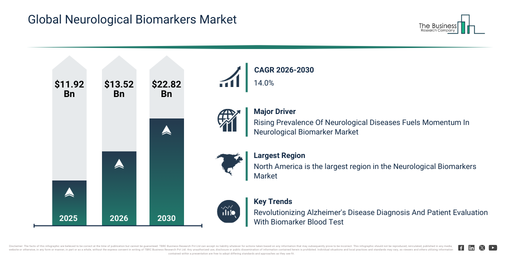
    The neurological biomarkers market has experienced significant expansion recently. It is projected to grow from $11.92 billion in 2025 to $13.52 billion in 2026, maintaining a compound annual growth rate (CAGR) of 13.4%. This historical growth can be attributed to the rising prevalence of neurological disorders, early development of protein biomarkers, increased use of imaging biomarkers, growing adoption of dna biomarkers, and initial integration of biomarkers in clinical trials.

    The neurological biomarkers market is anticipated to undergo significant expansion over the next few years. It is projected to achieve a value of $22.82 billion by 2030, demonstrating a compound annual growth rate (CAGR) of 14.0%. This growth throughout the forecast period can be primarily linked to the increasing utilization of biomarker-based personalized medicine, a rising demand for metabolomics biomarkers, heightened investment in central nervous system (CNS) drug development, the creation of next-generation diagnostic platforms, and the expanding application of biomarker-driven disease monitoring. Notable trends within the forecast period encompass the growing use of biomarkers in early neurological diagnosis, increased adoption of proteomic and genomic biomarkers, the broadening application of imaging biomarkers in CNS disorder evaluation, a rising need for biomarkers in drug development pipelines, and an intensifying clinical focus on testing for neurodegenerative disease biomarkers.

    Download the Free Sample Report to Explore Key Market Insights:

    https://www.thebusinessresearchcompany.com/sample.aspx?id=12677&type=smp

    Which Major Factors Are Driving The Expansion Of The Neurological Biomarkers Market?

    The growing occurrence of neurological diseases is set to boost the expansion of the neurological biomarker market in the coming years. Neurological illnesses affect the brain, spinal cord, and all other nerves throughout the body. Parkinson’s disease is a neurodegenerative disorder that impacts the neurological system and the parts of the body controlled by nerves. Neurological biomarkers assist in the early diagnosis of Parkinson’s disease through pathological, biochemical, and genetic testing. For instance, in October 2023, the World Federation of Neurology, a UK-based charity, indicated an accelerating global health burden, noting that neurological disorders are now the second-leading cause of death and the primary cause of disability worldwide, with over 40 percent of the global population affected in 2023, and the number of individuals living with brain disease is projected to nearly double by 2050. Consequently, the increasing prevalence of neurological diseases is fueling the growth of the neurological biomarker market.

    How Is The Neurological Biomarkers Market Structured Across Different Segments?

    The neurological biomarkers market covered in this report is segmented –

    1) By Product: Proteomics Biomarker, Genomics Biomarker, Metabolomics Biomarker, Imaging Biomarker, Other Products

    2) By Application: Alzheimer’s Disease, Parkinson’s Disease, Huntington’s Disease, Schizophrenia, Depression, Multiple Sclerosis, Spinal Muscular Atrophy

    3) By End-User: Hospital Laboratories, Clinical Diagnostic Centers, Research Organizations, Other End-Users

    Subsegments:

    1) By Proteomics Biomarker: Protein Biomarkers, Antibody Biomarkers

    2) By Genomics Biomarker: DNA Biomarkers, RNA Biomarkers

    3) By Metabolomics Biomarker: Metabolite Biomarkers, Lipid Biomarkers

    4) By Imaging Biomarker: MRI Biomarkers, PET Scan Biomarkers

    5) By Other Products: Neuroinflammatory Biomarkers, Neurotransmitter Biomarkers

    Which Trends Are Impacting The Growth Of The Neurological Biomarkers Market?

    Leading companies active in the neurological biomarkers market are innovating new products like advanced biomarker blood tests to gain a competitive advantage in the sector. Biomarker blood tests involve examining specific molecules or indicators in the blood that provide information about a biological condition, disease, or physiological process. For instance, in July 2023, Quanterix Corporation, a US-based company specializing in the development and commercialization of ultra-sensitive digital immunoassay platforms, launched the LucentAD biomarker blood test. The LucentAD test is designed to assist medical professionals in evaluating patients who exhibit cognitive symptoms consistent with preliminary indications of alzheimer’s disease. The test quantifies levels of p-Tau 181, which has been established as a biomarker for the pathophysiology of alzheimer’s disease (AD). When an adult is being tested for AD 1 and has cognitive impairment, the LucentAD test findings are intended to be used as a diagnostic tool. This test is not meant to be used as a stand-alone screening or diagnostic assay and must be utilized in conjunction with other diagnostic tools.

    Which Major Players Dominate The Neurological Biomarkers Market?

    Major companies operating in the neurological biomarkers market are Pfizer Inc., F. Hoffmann-La Roche AG, Merck & Co. Inc., Novartis AG, Thermos Fisher Scientific Inc., AstraZeneca Plc, Abbott Laboratories, Boehringer Ingelheim International GmbH, Becton Dickinson and Company, Agilent Technologies Inc., Grifols S.A., Eisai Co. Ltd., PerkinElmer Inc., Illumina Inc., Shimadzu Corporation, Waters Corporation, Bio-Rad Laboratories Inc., Mallinckrodt Plc, Qiagen N.V., Luminex Corporation, Siemens Healthineers, Olink Proteomics, Meso Scale Diagnostics, Quanterix Corp., Fujirebio, Cisbio Bioassays SAS, NeuroVision Imaging, Proteome Sciences Plc, Acumen Pharmaceuticals.

    Read the full neurological biomarkers market report here:

    https://www.thebusinessresearchcompany.com/report/neurological-biomarkers-global-market-report

    Which Region Currently Holds The Largest Share Of The Neurological Biomarkers Market?

    North America was the largest region in the neurological biomarkers market in 2025. The regions covered in the neurological biomarkers market report are Asia-Pacific, South East Asia, Western Europe, Eastern Europe, North America, South America, Middle East, Africa.

    Request A Tailored Neurological Biomarkers Market Research Report For Competitive Advantage:

    https://www.thebusinessresearchcompany.com/customise?id=12677&type=smp

    Browse Through More Reports Similar to the Global Neurological Biomarkers Market 2026, By The Business Research Company

    Genomics Global Market Report

    https://www.thebusinessresearchcompany.com/report/genomics-global-market-report

    Neurological Biomarkers Global Market Report

    https://www.thebusinessresearchcompany.com/report/neurological-biomarkers-global-market-report

    Neuroscience Global Market Report

    https://www.thebusinessresearchcompany.com/report/neuroscience-global-market-report

    Get in touch with us:

    The Business Research Company: https://www.thebusinessresearchcompany.com/

    Americas +1 310-496-7795

    Asia +44 7882 955267 & +91 8897263534

    Europe +44 7882 955267

    Email us at info@tbrc.info

    Follow us on:

    LinkedIn: https://in.linkedin.com/company/the-business-research-company

    YouTube: https://www.youtube.com/channel/UC24_fI0rV8cR5DxlCpgmyFQ

    Global Market Model: https://www.thebusinessresearchcompany.com/global-market-model
  • Neurogenomics Market Growth Expected to Reach $2.98 Billion by 2030 with 14.7% CAGR

    Neurogenomics Market Growth Expected to Reach $2.98 Billion by 2030 with 14.7% CAGR

    The Business Research Company’s 2026 market reports include new capabilities such as market attractiveness scoring and analysis, total addressable market analysis, company scoring matrix, interactive excel data dashboard, improved supply chain analysis, upcoming startups in the market, and overview of key products, aimed at improving the depth, usability, and strategic value of the insights delivered.

    What Is The Market Size Of The Neurogenomics Market In 2026 And What Value Is Projected For 2030?

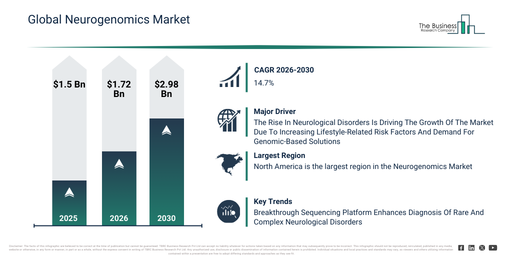
    The neurogenomics market has demonstrated rapid expansion in recent years. This market is projected to expand from $1.5 billion in 2025 to $1.72 billion in 2026, exhibiting a compound annual growth rate (CAGR) of 14.7%. Factors contributing to its past expansion include improvements in genomic sequencing technologies, an increase in neuroscience research funding, the rising occurrence of neurological disorders, enhanced accessibility of bioinformatics tools, and a boost in academic research collaborations.

    The neurogenomics market size is projected to experience substantial growth in the upcoming years. It is set to expand to $2.98 billion by 2030, with a compound annual growth rate (CAGR) of 14.7%. This anticipated growth during the forecast period is primarily driven by the increasing integration of genomics in clinical neurology, rising investments in precision neurology, the expansion of cloud-based genomic analytics, a growing demand for personalized neurological therapies, and an increasing focus on translational neuroscience research. Major trends predicted for the forecast period include a greater adoption of next-generation sequencing in neuroscience, the rising use of multi-omics data integration, an escalating demand for gene expression analysis in neurology, the expansion of personalized neurological research, and an enhanced focus on data-driven brain disorder studies.

    Download the Free Sample Report to Explore Key Market Insights:

    https://www.thebusinessresearchcompany.com/sample.aspx?id=25845&type=smp

    What Key Drivers Are Influencing The Growth Of The Neurogenomics Market?

    The increasing occurrence of neurological disorders is anticipated to stimulate the expansion of the neurogenomics market. Neurological disorders are defined as medical conditions affecting the brain, spinal cord, or nerves, which can manifest as symptoms such as muscle weakness, seizures, pain, or cognitive difficulties. This growing prevalence of neurological disorders is largely attributable to lifestyle factors like poor diet, insufficient physical activity, chronic stress, and heightened exposure to environmental toxins. Neurogenomics provides a deeper understanding of the genetic foundation of brain function and its impairments, thereby enabling the identification of underlying causes, improved diagnostic methods, and more targeted treatments for neurological disorders. For example, in March 2023, the Alzheimer’s Association, a US-based nonprofit voluntary health organization, reported that approximately 6.7 million Americans aged 65 and older were living with Alzheimer’s dementia, a figure projected to increase to 13.8 million by 2060. Thus, the rising incidence of neurological disorders is significantly contributing to the growth of the neurogenomics market.

    What Are The Key Segments Of The Neurogenomics Market?

    The neurogenomics market covered in this report is segmented –

    1) By Offering: Next-Generation Sequencing, Polymerase Chain Reaction, Microarray, Software And Services

    2) By Application: Variant Discovery, Research Applications, Target Identification, Transcription Factor Binding Analysis, Functional Studies, Clinical Applications

    3) By End User: Pharmaceutical And Biotechnology Companies, Academic And Research Institutes, Hospitals And Diagnostic Laboratories

    Subsegments:

    1) By Next-Generation Sequencing: Whole Genome Sequencing, Whole Exome Sequencing, Targeted Sequencing, Ribonucleic Acid Sequencing

    2) By Polymerase Chain Reaction: Real-Time Polymerase Chain Reaction, Reverse Transcription Polymerase Chain Reaction, Digital Polymerase Chain Reaction

    3) By Microarray: Deoxyribonucleic Acid Microarray, Ribonucleic Acid Microarray, Protein Microarray

    4) By Software And Services: Data Analysis And Interpretation Software, Genomic Data Management Tools, Custom Services, Cloud-Based Platforms And Reporting Tools

    What Major Market Trends Are Driving Changes In The Neurogenomics Market?

    Leading companies in the neurogenomics market are concentrating on developing sophisticated solutions, such as whole genome sequencing platforms, to enhance the diagnosis and understanding of complex neurological disorders. These whole genome sequencing platforms are instruments used to analyze an individual’s complete DNA sequence, thereby assisting in identifying genetic factors linked to neurological disorders. For instance, in April 2023, Centogene N.V., a Germany-based company involved in diagnosing and researching rare diseases, introduced CentoGenome, described as the world’s most comprehensive whole-genome sequencing (WGS) solution for diagnosing rare and neurodegenerative diseases. This platform employs PCR-free technology to facilitate high-quality, unbiased sequencing across intricate genetic regions. It improves variant detection by utilizing an advanced bioinformatics pipeline and expert interpretation, identifying nearly all disease-causing variants in a single test. Additionally, it offers integrated, lifelong diagnostic support, which includes free variant reclassification and confirmatory testing as new scientific knowledge becomes available.

    Who Are The Leading Companies Operating In The Neurogenomics Market?

    Major companies operating in the neurogenomics market are F. Hoffmann-La Roche Limited, Thermo Fisher Scientific Incorporated, Danaher Corporation, Eurofins Scientific SE, Agilent Technologies Inc., Illumina Inc., Revvity Inc., QIAGEN N.V., Myriad Genetics Inc., GeneDx LLC, Fulgent Genetics Inc., Oxford Nanopore Technologies Plc, PacBio, MedGenome Labs Ltd., MGI Tech Co. Ltd., Centogene N.V., Variantyx Inc., BGI Genomics Co. Ltd., GenScript Biotech Corporation, Roche Diagnostics GmbH, Illumina Cambridge Ltd.

    Read the full neurogenomics market report here:

    https://www.thebusinessresearchcompany.com/report/neurogenomics-global-market-report

    Which Region Is Expected To Register The Fastest Growth In The Neurogenomics Market?

    North America was the largest region in the neurogenomics market in 2025. Asia-Pacific is expected to be the fastest-growing region in the forecast period. The regions covered in the neurogenomics market report are Asia-Pacific, South East Asia, Western Europe, Eastern Europe, North America, South America, Middle East, Africa.

    Request A Tailored Neurogenomics Market Research Report For Competitive Advantage:

    https://www.thebusinessresearchcompany.com/customise?id=25845&type=smp

    Browse Through More Reports Similar to the Global Neurogenomics Market 2026, By The Business Research Company

    Genetic Testing Global Market Report

    https://www.thebusinessresearchcompany.com/report/genetic-testing-global-market-report

    Prenatal And Newborn Genetic Testing Global Market Report

    https://www.thebusinessresearchcompany.com/report/prenatal-and-newborn-genetic-testing-global-market-report

    Dna Testing Global Market Report

    https://www.thebusinessresearchcompany.com/report/dna-testing-global-market-report

    Get in touch with us:

    The Business Research Company: https://www.thebusinessresearchcompany.com/

    Americas +1 310-496-7795

    Asia +44 7882 955267 & +91 8897263534

    Europe +44 7882 955267

    Email us at info@tbrc.info

    Follow us on:

    LinkedIn: https://in.linkedin.com/company/the-business-research-company

    YouTube: https://www.youtube.com/channel/UC24_fI0rV8cR5DxlCpgmyFQ

    Global Market Model: https://www.thebusinessresearchcompany.com/global-market-model
  • Neurogenetic Testing Market Forecast 2026–2035 Reflecting Expansion Opportunities Across Industries

    Neurogenetic Testing Market Forecast 2026–2035 Reflecting Expansion Opportunities Across Industries

    The Business Research Company’s 2026 market reports include new capabilities such as market attractiveness scoring and analysis, total addressable market analysis, company scoring matrix, interactive excel data dashboard, improved supply chain analysis, upcoming startups in the market, and overview of key products, aimed at improving the depth, usability, and strategic value of the insights delivered.

    What Will Be The Estimated Market Valuation Of The Neurogenetic Testing Market By The End Of 2030?

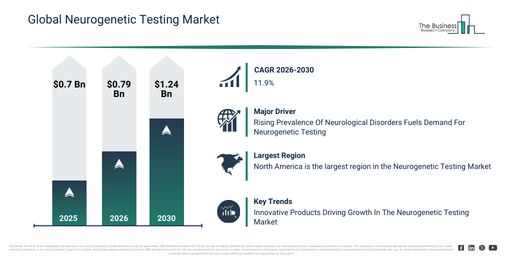
    The neurogenetic testing market has seen a rapid increase in its size over recent years. It is projected to expand from $0.7 billion in 2025 to $0.79 billion in 2026, driven by a compound annual growth rate (CAGR) of 13.5%. This historical growth can be attributed to several factors, including the early adoption of pcr-based genetic testing, the rising prevalence of inherited neurological disorders, the increased use of microarray platforms, the development of early diagnostic techniques, and the initial integration of genetic screening into clinical workflows.

    The neurogenetic testing market is anticipated to experience significant expansion in the coming years. This market is projected to reach a size of $1.24 billion by 2030, demonstrating a compound annual growth rate (CAGR) of 11.9%. This growth during the forecast period is primarily driven by factors such as the increasing demand for next-generation sequencing, the expanding use of clinical exome sequencing, greater investment in genetic research, the creation of advanced molecular diagnostic tools, and the increasing acceptance of personalized neurological treatment methods. Key trends anticipated during this period encompass the increasing integration of whole-exome sequencing technologies, the growing application of PCR-based neurological genetic tests, broader implementation of microarray analysis, the expansion of testing services for rare neurological genetic disorders, and a rising demand for early diagnosis and predictive testing capabilities.

    Download the Free Sample Report to Explore Key Market Insights:

    https://www.thebusinessresearchcompany.com/sample.aspx?id=16131&type=smp

    What Major Growth Drivers Are Shaping The Outlook Of The Neurogenetic Testing Market?

    An increase in the occurrence of neurological disorders is anticipated to stimulate the expansion of the neurogenetic testing market. These disorders encompass various conditions impacting the nervous system, including the brain, spinal cord, and nerves. Their widespread presence is often attributed to genetic predispositions, infections, trauma, exposure to toxins, autoimmune reactions, and degenerative processes. Neurogenetic testing plays a crucial role in improving the diagnosis, treatment, and overall management of neurological disorders. It achieves this by providing individualized information on genetic risk factors, informing therapeutic choices, and enabling patients and their families to make well-informed healthcare decisions, ultimately leading to better patient care and results. For example, data from October 2023, released by the World Federation of Neurology, a UK-based charity, indicates the increasing global health burden. Neurological disorders are now the second-leading cause of death and the leading cause of disability globally. More than 40 percent of the world’s population was affected in 2023, and the number of people living with brain disease is expected to almost double by 2050. Consequently, the growing prevalence of neurological disorders is anticipated to fuel the expansion of the neurogenetic testing market.

    Which Segment Classifications Shape The Neurogenetic Testing Market?

    The neurogenetic testing market covered in this report is segmented –

    1) By Type: Microarray Analysis, Whole-Exome Sequencing (WES), Multiplex Ligation Dependent Probe Amplification (MLPA), Polymerase Chain Reaction (PCR) Tests, Other Types

    2) By Disease: Rare Genetic Disorder, Huntington’s Disease, Fragile X Syndrome, Other Diseases

    3) By End-Users: Hospitals, Specialty Clinics, Research Institutes, Diagnostics Laboratories

    Subsegments:

    1) By Microarray Analysis: Comparative Genomic Hybridization (CGH) Microarray, Single Nucleotide Polymorphism (SNP) Microarray, Gene Expression Microarray

    2) By Whole-Exome Sequencing (WES): Targeted Exome Sequencing, Clinical Exome Sequencing, Research-Grade Exome Sequencing

    3) By Multiplex Ligation Dependent Probe Amplification (MLPA): MLPA For Copy Number Variation, MLPA For Methylation Analysis, MLPA For Specific Disease Detection

    4) By Polymerase Chain Reaction (PCR) Tests: Quantitative PCR (qPCR), Reverse Transcription PCR (RT-PCR), Digital PCR (dPCR)

    5) By Other Types: Next-Generation Sequencing (NGS), Southern Blotting, Fluorescence In Situ Hybridization (FISH), Sanger Sequencing

    Which Trends Are Shaping The Future Of The Neurogenetic Testing Market?

    Major companies in the neurogenetic testing market are developing innovative products, such as whole-genome sequencing, to enhance the accuracy and scope of genetic analysis, facilitating more comprehensive and personalized testing for neurological disorders. Whole-genome sequencing (WGS) is an extensive genetic testing method that involves determining the complete DNA sequence of an individual’s entire genome. For instance, in March 2024, Nucleus Genomics, a US-based company providing genetic analysis, introduced a DNA analysis product. Through this platform, individuals gain a deeper understanding of their genetic predispositions, enabling informed decisions about their health and well-being. With cutting-edge technology and expert genetic counseling services, Nucleus Genomics is poised to redefine the genetic testing landscape, bringing the power of whole-genome sequencing directly to individuals and revolutionizing the field of genomic medicine.

    Which Companies Are Expanding Their Footprint In The Neurogenetic Testing Market?

    Major companies operating in the neurogenetic testing market are Thermo Fisher Scientific Inc., Mayo Clinic, Roche Diagnostics Corporation, Laboratory Corporation, Quest Diagnostics Incorporated, Eurofins Scientific Inc., Agilent Technologies Inc., PerkinElmer Inc., Illumina Inc., Bio-Rad Laboratories Inc., QIAGEN N.V., Myriad Genetics Inc., BioReference Laboratories Inc., Connecticut Children’s, Invitae Corp., Ambry Genetics Corporation, Fulgent Genetics Inc., Blueprint Genetics Inc., GeneDx LLC, Pacific Biosciences of California Inc., MedGenome Labs, CENTOGENE, Baylor Genetics, Victorian Clinical Genetics Services

    Read the full neurogenetic testing market report here:

    https://www.thebusinessresearchcompany.com/report/neurogenetic-testing-global-market-report

    Which Regions Are Projected To Dominate The Neurogenetic Testing Market In The Coming Years?

    North America was the largest region in the neurogenetic testing market in 2025. Asia-Pacific is expected to be the fastest-growing region in the forecast period. The regions covered in the neurogenetic testing market report are Asia-Pacific, South East Asia, Western Europe, Eastern Europe, North America, South America, Middle East, Africa.

    Request A Tailored Neurogenetic Testing Market Research Report For Competitive Advantage:

    https://www.thebusinessresearchcompany.com/customise?id=16131&type=smp

    Browse Through More Reports Similar to the Global Neurogenetic Testing Market 2026, By The Business Research Company

    Idiopathic Pulmonary Fibrosis Global Market Report

    https://www.thebusinessresearchcompany.com/report/idiopathic-pulmonary-fibrosis-global-market-report

    Rare Neurological Disease Treatment Global Market Report

    https://www.thebusinessresearchcompany.com/report/rare-neurological-disease-treatment-global-market-report

    Acoustic Neuroma Global Market Report

    https://www.thebusinessresearchcompany.com/report/acoustic-neuroma-global-market-report

    Get in touch with us:

    The Business Research Company: https://www.thebusinessresearchcompany.com/

    Americas +1 310-496-7795

    Asia +44 7882 955267 & +91 8897263534

    Europe +44 7882 955267

    Email us at info@tbrc.info

    Follow us on:

    LinkedIn: https://in.linkedin.com/company/the-business-research-company

    YouTube: https://www.youtube.com/channel/UC24_fI0rV8cR5DxlCpgmyFQ

    Global Market Model: https://www.thebusinessresearchcompany.com/global-market-model
  • Global Neurofibromatosis Type 1 Market Analysis for 2026–2030 with Strategic Forecast Insights for Businesses

    Global Neurofibromatosis Type 1 Market Analysis for 2026–2030 with Strategic Forecast Insights for Businesses

    The Business Research Company’s 2026 market reports include new capabilities such as market attractiveness scoring and analysis, total addressable market analysis, company scoring matrix, interactive excel data dashboard, improved supply chain analysis, upcoming startups in the market, and overview of key products, aimed at improving the depth, usability, and strategic value of the insights delivered.

    What Market Size Growth Is Projected For The Neurofibromatosis Type 1 Market During The Forecast Period 2026–2030?

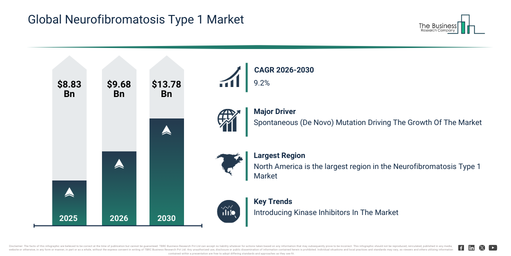
    The neurofibromatosis type 1 market size has seen significant expansion in recent years. This market is projected to grow from $8.83 billion in 2025 to $9.68 billion in 2026, achieving a compound annual growth rate (CAGR) of 9.6%. The historical period’s growth can be attributed to the early identification of nf1 symptoms, the evolution of pain management treatments, an increase in the diagnosis of plexiform neurofibromas, the adoption of surgical tumor removal, and heightened awareness of genetic counseling.

    The neurofibromatosis type 1 market is projected to experience substantial expansion over the upcoming years. Its value is anticipated to reach $13.78 billion by 2030, driven by a compound annual growth rate (CAGR) of 9.2%. This growth during the forecast period is fueled by several factors, including an increasing need for targeted nf1 therapies, greater investment in precision oncology, broadening treatment choices for optic glioma, improved access to advanced imaging tools, and the emergence of innovative gene-based treatments. Key developments expected throughout this period involve the rising application of targeted therapy to reduce tumors, a heightened demand for early nf1 genetic testing, an increase in surgical options for tumor removal, the growing use of radiation therapy for optic gliomas, and an elevated emphasis on supportive care and counseling services.

    Download the Free Sample Report to Explore Key Market Insights:

    https://www.thebusinessresearchcompany.com/sample.aspx?id=21230&type=smp

    What Drivers Are Expected To Influence The Neurofibromatosis Type 1 Market During The Forecast Period?

    Spontaneous (de novo) mutation is anticipated to drive the future expansion of the neurofibromatosis type 1 (NF1) market. This type of mutation describes a genetic change appearing for the first time in an individual, originating from DNA replication errors or environmental influences, instead of parental inheritance. An increase in spontaneous (de novo) mutations can be linked to factors like advanced parental age, environmental exposures including radiation and chemicals, and inaccuracies in DNA replication during cell division. Neurofibromatosis type 1 (NF1) itself plays a role in these de novo mutations because of the NF1 gene’s high mutation rate, often experiencing significant deletions, insertions, or point mutations during gamete formation, resulting in fresh instances without a prior family history. For example, a report from August 2023 by the US-based peer-reviewed journal Molecular Biology and Evolution indicated that 1.17 million autosomal and pseudoautosomal variants, averaging 11,007 variants per offspring, successfully cleared the Mendelian violation filter. Out of these, 534 probable de novo mutations (DNMs) were found in POR and TVA families, excluding any shared between siblings. Consequently, spontaneous (de novo) mutation is a key factor propelling the expansion of the neurofibromatosis type 1 (NF1) market.

    What Market Segments Are Evaluated Within The Neurofibromatosis Type 1 Market?

    The neurofibromatosis type 1 market covered in this report is segmented –

    1) By Treatment: Medication, Surgery, Radiation Therapy, Other Treatments

    2) By Disease Type: Plexiform Neurofibromas, Cutaneous Neurofibromas, Optic Gliomas, Other Diseases

    3) By Distribution Channel: Hospital Pharmacies, Retail Pharmacies, Online Pharmacies

    4) By End User: Hospitals, Specialty Clinics, Ambulatory Surgical Centers, Other End Users

    Subsegments:

    1) By Medication: Targeted Therapy, Pain Management Medications, Anticonvulsants

    2) By Surgery: Tumor Removal Surgery, Nerve Decompression Surgery

    3) By Radiation Therapy: Stereotactic Radiosurgery, External Beam Radiation Therapy

    4) By Other Treatments: Physical Therapy, Genetic Counseling, Psychological Support And Counseling

    What Key Trends Are Influencing The Development Of The Neurofibromatosis Type 1 Market?

    Leading companies in the neurofibromatosis type 1 (NF1) market are concentrating on introducing innovative products, such as kinase inhibitors, to improve targeted treatment and patient outcomes. A kinase inhibitor is a medication that obstructs the activity of kinases, enzymes responsible for transferring phosphate groups to proteins, thereby regulating various cellular processes. For example, in May 2023, AstraZeneca plc, a UK-based pharmaceutical company, secured approval from China for Koselugo (selumetinib) for treating symptomatic, inoperable plexiform neurofibromas (PN) in pediatric patients aged three years and above who have neurofibromatosis type 1 (NF1). This approval extends the availability of targeted treatment options for pediatric NF1 patients, enhancing disease management and improving their quality of life. The introduction of Koselugo (selumetinib) in China aligns with the increasing emphasis on precision medicine, offering a non-surgical alternative for managing inoperable plexiform neurofibromas.

    Who Are The Top Market Participants Influencing The Neurofibromatosis Type 1 Market?

    Major companies operating in the neurofibromatosis type 1 market are Pfizer Inc, F. Hoffmann-La Roche Ltd, Merck & Co. Inc, Novartis AG, Takeda Pharmaceutical Company Limited, Vertex Pharmaceuticals Incorporated, BeiGene Ltd, BioMarin Pharmaceutical Inc, Blueprint Medicines Corporation, SpringWorks Therapeutics Inc, Healx Limited, Infixion Bioscience Limited, NFlection Therapeutics Inc, Pasithea Therapeutics Corporation, Mulberry Biotherapeutics Inc, CureAge Therapeutics, Fosun Pharmaceutical Group Co Ltd, AstraZeneca Plc, Genentech Inc, Regeneron Pharmaceuticals Inc, Amgen Inc, AbbVie Inc, GL Pharm Tech Corporation, ReCode Therapeutics Inc.

    Read the full neurofibromatosis type 1 market report here:

    https://www.thebusinessresearchcompany.com/report/neurofibromatosis-type-1-global-market-report

    Which Region Is Forecast To Lead The Neurofibromatosis Type 1 Market In Terms Of Market Size?

    North America was the largest region in the neurofibromatosis type 1 (NF1) market in 2025. Asia-Pacific is expected to be the fastest-growing region in the forecast period. The regions covered in the neurofibromatosis type 1 market report are Asia-Pacific, South East Asia, Western Europe, Eastern Europe, North America, South America, Middle East, Africa.

    Request A Tailored Neurofibromatosis Type 1 Market Research Report For Competitive Advantage:

    https://www.thebusinessresearchcompany.com/customise?id=21230&type=smp

    Browse Through More Reports Similar to the Global Neurofibromatosis Type 1 Market 2026, By The Business Research Company

    Fibromyalgia Treatment Global Market Report

    https://www.thebusinessresearchcompany.com/report/fibromyalgia-treatment-global-market-report

    Rare Neurological Disease Treatment Global Market Report

    https://www.thebusinessresearchcompany.com/report/rare-neurological-disease-treatment-global-market-report

    Uterine Fibroids Treatment Global Market Report

    https://www.thebusinessresearchcompany.com/report/uterine-fibroids-treatment-global-market-report

    Get in touch with us:

    The Business Research Company: https://www.thebusinessresearchcompany.com/

    Americas +1 310-496-7795

    Asia +44 7882 955267 & +91 8897263534

    Europe +44 7882 955267

    Email us at info@tbrc.info

    Follow us on:

    LinkedIn: https://in.linkedin.com/company/the-business-research-company

    YouTube: https://www.youtube.com/channel/UC24_fI0rV8cR5DxlCpgmyFQ

    Global Market Model: https://www.thebusinessresearchcompany.com/global-market-model
  • Neurofibromatosis Treatment Market Outlook 2026–2035 Driven by Key Growth Factors and Industry Projections

    Neurofibromatosis Treatment Market Outlook 2026–2035 Driven by Key Growth Factors and Industry Projections

    The Business Research Company’s 2026 market reports include new capabilities such as market attractiveness scoring and analysis, total addressable market analysis, company scoring matrix, interactive excel data dashboard, improved supply chain analysis, upcoming startups in the market, and overview of key products, aimed at improving the depth, usability, and strategic value of the insights delivered.

    How Will The Market Size Of The Neurofibromatosis Treatment Market Evolve From 2026 To 2030?

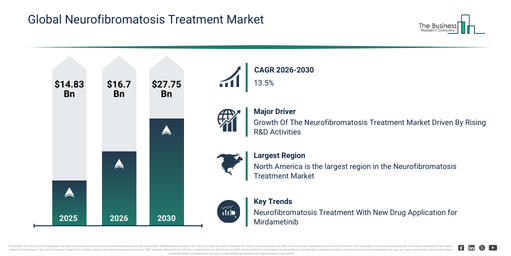
    The neurofibromatosis treatment market has experienced rapid expansion in recent times. Projections indicate it will rise from $14.83 billion in 2025 to $16.7 billion in 2026, achieving a compound annual growth rate (CAGR) of 12.6%. Historically, this expansion has been driven by factors such as an increase in neurofibromatosis disorder diagnoses, the early integration of surgical tumor removal, advancements in radiation therapy techniques, heightened understanding of genetic disorders, and the initial proliferation of targeted therapy approaches.

    The neurofibromatosis treatment market is projected for substantial expansion over the coming years, with its valuation expected to climb to $27.75 billion by 2030, demonstrating a compound annual growth rate (CAGR) of 13.5%. This growth during the forecast period is fueled by several factors, including the escalating demand for precision oncology treatments, enhanced accessibility to genetic testing instruments, increased investment in tumor-targeting drug development, the proliferation of minimally invasive surgical options, and the creation of innovative pain management solutions. Key trends anticipated in this period encompass the growing application of targeted drug therapies for tumor reduction, an increase in surgical treatment adoption for complication management, rising demand for radiation therapy in NF2 cases, the expansion of genetic counseling and early detection programs, and a heightened focus on pain management and symptom control.

    Download the Free Sample Report to Explore Key Market Insights:

    https://www.thebusinessresearchcompany.com/sample.aspx?id=12996&type=smp

    What Drivers Are Influencing The Neurofibromatosis Treatment Market?

    The neurofibromatosis treatment market is projected to expand due to increasing research and development (R&D) activities. R&D encompasses systematic, focused endeavors aimed at uncovering new knowledge, developing groundbreaking technologies, and advancing products or services through scientific exploration and technical experimentation. This surge in R&D is primarily fueled by the growing demand for more potent and targeted medical solutions, which motivates organizations to invest in novel scientific approaches designed to address unmet clinical needs and enhance long-term health outcomes. Progress in neurofibromatosis treatment specifically highlights the value of continuous innovation in intricate disease areas, further stimulating exploration for therapeutic breakthroughs. For instance, the UK government’s net research and development expenditure, according to the Office for National Statistics in April 2025, rose to £17.4 billion ($21.8 billion) in 2023 from £16.1 billion ($20.1 billion) in 2022, marking an 8.2% increase. Consequently, these escalating research and development (R&D) activities are propelling the growth of the neurofibromatosis treatment market.

    Which Segment Areas Are Covered In The Neurofibromatosis Treatment Market Analysis?

    The neurofibromatosis treatment market covered in this report is segmented –

    1) By Type: Neurofibromatosis 1 (NF1), Neurofibromatosis 2 (NF2), Schwannomatosis

    2) By Treatment: Medications, Surgery, Radiation Therapy, Other Treatments

    3) By End-User: Hospitals, Clinics, Other End Users

    Subsegments:

    1) By Neurofibromatosis 1 (NF1): Surgical Interventions, Medication for Symptom Management, Genetic Counseling

    2) By Neurofibromatosis 2 (NF2): Surgical Interventions, Radiation Therapy, Medication For Symptom Management

    3) By Schwannomatosis: Surgical Interventions, Pain Management Therapies, Genetic Counseling

    What Key Trends Are Influencing The Development Of The Neurofibromatosis Treatment Market?

    Leading companies operating within the neurofibromatosis treatment market are developing groundbreaking drugs and experimental targeted therapies, such as MEK inhibitors, to sustain their market position. A MEK inhibitor represents a class of targeted treatments that block the MEK enzyme, which is part of the MAPK signaling pathway, thereby aiding in the treatment of various cancers and genetic disorders like neurofibromatosis by hindering cell proliferation and tumor progression. For example, in March 2024, SpringWorks Therapeutics, Inc., a US-based biopharmaceutical company, finalized its submission of a new drug application to the FDA for Mirdametinib, specifically targeting children and adults with NF1-PN. Mirdametinib is a selective MEK inhibitor formulated to target specific biological pathways involved in the growth of neurofibromas. The FDA’s review process will scrutinize the safety and effectiveness of this treatment, offering the potential to significantly improve patient outcomes for individuals affected by NF1-PN.

    Which Global Companies Are Actively Competing In The Neurofibromatosis Treatment Market?

    Major companies operating in the neurofibromatosis treatment market are Pfizer Inc., F. Hoffmann-La Roche AG, Merck & Co. Inc., Novartis AG, Sanofi S.A., AstraZeneca plc, GSK PLC, Takeda Pharmaceutical Company Limited, Eli Lilly and Company, Amgen Inc., Vertex Pharmaceuticals Inc., BioMarin Pharmaceutical, BioXcel Therapeutics Inc., Blueprint Medicines Corp., SpringWorks Therapeutics, Affymax Inc., NFlection Therapeutics Inc., Mulberry Biotherapeutics, CureAge Therapeutics, Recursion Pharmaceuticals, Vivace Therapeutics, Healx Limited, NF2 Therapeutics Inc.

    Read the full neurofibromatosis treatment market report here:

    https://www.thebusinessresearchcompany.com/report/neurofibromatosis-treatment-global-market-report

    Which Regions Are Expected To Experience Rapid Expansion In The Neurofibromatosis Treatment Market?

    North America was the largest region in the neurofibromatosis treatment market in 2025. The regions covered in the neurofibromatosis treatment market report are Asia-Pacific, South East Asia, Western Europe, Eastern Europe, North America, South America, Middle East, Africa.

    Request A Tailored Neurofibromatosis Treatment Market Research Report For Competitive Advantage:

    https://www.thebusinessresearchcompany.com/customise?id=12996&type=smp

    Browse Through More Reports Similar to the Global Neurofibromatosis Treatment Market 2026, By The Business Research Company

    Interventional Neurology Devices And Equipment Global Market Report

    https://www.thebusinessresearchcompany.com/report/interventional-neurology-devices-and-equipment-global-market-report

    Neuroprosthetics Global Market Report

    https://www.thebusinessresearchcompany.com/report/neuroprosthetics-global-market-report

    Neuroscience Antibodies And Assays Global Market Report

    https://www.thebusinessresearchcompany.com/report/neuroscience-antibodies-and-assays-global-market-report

    Get in touch with us:

    The Business Research Company: https://www.thebusinessresearchcompany.com/

    Americas +1 310-496-7795

    Asia +44 7882 955267 & +91 8897263534

    Europe +44 7882 955267

    Email us at info@tbrc.info

    Follow us on:

    LinkedIn: https://in.linkedin.com/company/the-business-research-company

    YouTube: https://www.youtube.com/channel/UC24_fI0rV8cR5DxlCpgmyFQ

    Global Market Model: https://www.thebusinessresearchcompany.com/global-market-model
  • Neurofeedback System Market Developments and Growth Opportunities Across 2026–2030

    Neurofeedback System Market Developments and Growth Opportunities Across 2026–2030

    The Business Research Company’s 2026 market reports include new capabilities such as market attractiveness scoring and analysis, total addressable market analysis, company scoring matrix, interactive excel data dashboard, improved supply chain analysis, upcoming startups in the market, and overview of key products, aimed at improving the depth, usability, and strategic value of the insights delivered.

    What Is The Forecasted Market Value Of The Neurofeedback System Market Across 2026–2030?

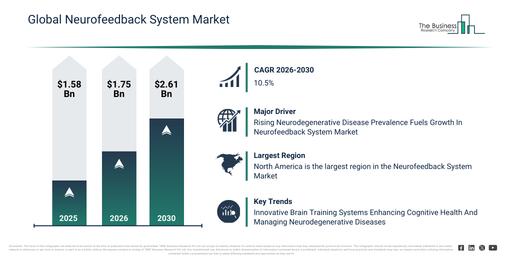
    The neurofeedback system market size has shown swift expansion in recent years. This market is anticipated to expand from $1.58 billion in 2025 to $1.75 billion in 2026, achieving a compound annual growth rate (CAGR) of 10.8%. The historical growth of the market is primarily due to the growing application of neurofeedback in clinical research, wider diagnosis of neurological disorders, the development of specialized neurotherapy practices, the availability of cutting-edge imaging technologies, and increased acceptance of non-invasive brain therapies.

    The neurofeedback system market is projected to experience substantial expansion over the upcoming years. This market is forecast to reach $2.61 billion by 2030, exhibiting a compound annual growth rate (CAGR) of 10.5%. This anticipated growth during the forecast period is driven by several factors, including heightened investments in brain-computer interface research, a surge in demand for accurate neurotherapy systems, broader adoption of clinical neurofeedback, increased integration with digital health platforms, and a stronger emphasis on customized brain training solutions. Key trends anticipated during this period encompass the greater embrace of sophisticated neurofeedback system platforms, increased incorporation of real-time brain monitoring technologies, the expanding application of AI-powered signal processing, a broadening of clinical and research uses, and a heightened focus on precise brain mapping.

    Download the Free Sample Report to Explore Key Market Insights:

    https://www.thebusinessresearchcompany.com/sample.aspx?id=19610&type=smp

    What Drivers Are Shaping The Future Growth Of The Neurofeedback System Market?

    The increasing occurrence of neurodegenerative diseases is projected to drive the expansion of the neurofeedback systems market moving forward. These conditions involve a gradual decline in brain and nervous system function, leading to issues with memory, movement, and thinking. Common neurodegenerative diseases include Alzheimer’s disease, Parkinson’s disease, amyotrophic lateral sclerosis (ALS), Huntington’s disease, multiple sclerosis (MS), and frontotemporal dementia (FTD). The widespread nature of neurodegenerative diseases is attributed to an aging population, enhanced diagnosis and awareness, and lifestyle elements. Neurofeedback offers promising approaches for managing neurodegenerative diseases, though it is typically utilized as a complementary therapy in conjunction with conventional treatments. Personalizing neurofeedback protocols to match individual needs and responses is crucial for optimal effectiveness. For instance, according to the Parkinson Foundation, a US-based government organization, the yearly incidence of Parkinson’s disease (PD) among older persons is 50% greater than the existing estimate of 60,000 cases. Furthermore, approximately 1.2 million more Americans are expected to develop Parkinson’s disease by 2030. Therefore, the rising prevalence of neurodegenerative diseases is stimulating the growth of the neurofeedback systems market.

    What Segmentation Levels Are Considered In The Neurofeedback System Market?

    The neurofeedback system market covered in this report is segmented –

    1) By System: Frequency And Power Neurofeedback System, Slow Cortical Potential Neurofeedback (SCP-NF) System, Low-Energy Neurofeedback System (LENS), Hemoencephalographic (HEG) Neurofeedback System

    2) By Application: Attention Deficit Hyperactivity Disorder (ADHD), Anxiety, Depression, Epilepsy, Insomnia, Drug Addiction

    3) By End-User: Hospitals, Physician Office

    Subsegments:

    1) By Frequency and Power Neurofeedback System: Theta-Beta Neurofeedback Systems, Alpha Neurofeedback Systems, Gamma Neurofeedback Systems

    2) By Slow Cortical Potential Neurofeedback (SCP-NF) System: SCP Training Systems, SCP Signal Processing Systems, SCP Feedback Devices

    3) By Low-Energy Neurofeedback System (LENS): LENS Devices For ADHD, LENS Devices For Anxiety and Depression, LENS Training Software

    4) By Hemoencephalographic (HEG) Neurofeedback System: Near-Infrared HEG Systems, Infrared HEG Systems, HEG Training Devices

    How Are Trends Impacting The Neurofeedback System Market?

    Leading companies within the neurofeedback systems market are concentrating on developing innovative solutions, such as brain training tools, to improve cognitive abilities, enhance mental well-being, and help manage symptoms associated with neurodegenerative conditions. These brain training systems, often known as neurofeedback systems, are engineered to boost cognitive function and emotional regulation by providing real-time feedback on brain activity. For example, in October 2023, Sens.ai, a pioneering company based in Canada, introduced its At-Home Brain Training System. This advanced product combines various sophisticated technologies into an easy-to-use device comprising a headset and a gamified app experience. The system is designed for straightforward use, allowing individuals to engage in brain training sessions that can be as short as 15 minutes. The application presents a range of evolving programs and missions, addressing common concerns like sleep, stress, and focus.

    Which Leading Firms Are Contributing To The Growth Of The Neurofeedback System Market?

    Major companies operating in the neurofeedback system market are Thought Technology Ltd., NeurOptimal, EMOTIV Inc., EEG Info, ANT Neuro b.v., NeuroCare Group, NeuroSky’s, Neuroelectrics Corporation, Brain Master Technologies Inc., Mind Media Inc., Neurofield Inc., Brain Vision LLC, Mitsar Co. Ltd., Mind Alive Inc., Bee Medic LLC, Myndlift, Braincore, Divergent Technologies Inc., MIndfield Biosystems Ltd., NIRx Medical Technologies LLC

    Read the full neurofeedback system market report here:

    https://www.thebusinessresearchcompany.com/report/neurofeedback-system-global-market-report

    Which Geographic Regions Are Influencing Demand In The Neurofeedback System Market?

    North America was the largest region in the neurofeedback system market in 2025. Asia-Pacific is expected to be the fastest-growing region in the forecast period. The regions covered in the neurofeedback system market report are Asia-Pacific, South East Asia, Western Europe, Eastern Europe, North America, South America, Middle East, Africa.

    Request A Tailored Neurofeedback System Market Research Report For Competitive Advantage:

    https://www.thebusinessresearchcompany.com/customise?id=19610&type=smp

    Browse Through More Reports Similar to the Global Neurofeedback System Market 2026, By The Business Research Company

    Neurological Biomarkers Global Market Report

    https://www.thebusinessresearchcompany.com/report/neurological-biomarkers-global-market-report

    Neuropathic Pain Global Market Report

    https://www.thebusinessresearchcompany.com/report/neuropathic-pain-global-market-report

    Neurotrophic Keratitis Treatment Global Market Report

    https://www.thebusinessresearchcompany.com/report/neurotrophic-keratitis-treatment-global-market-report

    Get in touch with us:

    The Business Research Company: https://www.thebusinessresearchcompany.com/

    Americas +1 310-496-7795

    Asia +44 7882 955267 & +91 8897263534

    Europe +44 7882 955267

    Email us at info@tbrc.info

    Follow us on:

    LinkedIn: https://in.linkedin.com/company/the-business-research-company

    YouTube: https://www.youtube.com/channel/UC24_fI0rV8cR5DxlCpgmyFQ

    Global Market Model: https://www.thebusinessresearchcompany.com/global-market-model
  • Global Neurofeedback Market Forecast 2026–2035 Presenting Long-Term Industry Expansion Insights

    Global Neurofeedback Market Forecast 2026–2035 Presenting Long-Term Industry Expansion Insights

    The Business Research Company’s 2026 market reports include new capabilities such as market attractiveness scoring and analysis, total addressable market analysis, company scoring matrix, interactive excel data dashboard, improved supply chain analysis, upcoming startups in the market, and overview of key products, aimed at improving the depth, usability, and strategic value of the insights delivered.

    What Market Size Increase Is Anticipated For The Neurofeedback Market Over The 2026–2030 Period?

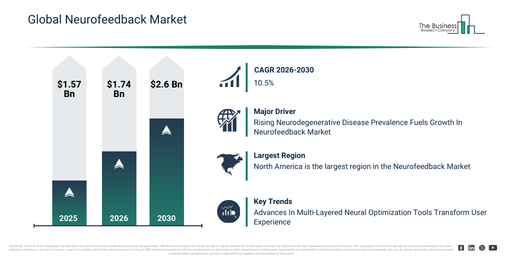
    The neurofeedback market has experienced substantial expansion recently. This market is projected to expand from $1.57 billion in 2025 to $1.74 billion by 2026, demonstrating a compound annual growth rate (CAGR) of 10.8%. Historically, this expansion has been driven by several factors, including heightened awareness of mental health treatments, a rise in neurological disorder cases, the emergence of alternative and non-invasive treatment options, the proliferation of neurotherapy clinics, and advancements in EEG monitoring technologies.

    The neurofeedback market is projected to experience substantial expansion in the coming years. This market is forecast to reach $2.6 billion by 2030, driven by a compound annual growth rate (CAGR) of 10.5%. The anticipated growth during this period stems from several factors, including a heightened demand for tailored mental health therapies, the growing acceptance of digital therapeutics, the broader availability of remote neurofeedback training, the increasing incorporation of AI in analyzing brain signals, and a greater emphasis on optimizing cognitive wellness. Key trends expected over the forecast horizon encompass the increasing uptake of EEG-based training systems, a rise in the utilization of personalized neurofeedback protocols, the expanding integration of software-driven brain training tools, the proliferation of home-based neurofeedback solutions, and an amplified focus on improving cognitive performance.

    Download the Free Sample Report to Explore Key Market Insights:

    https://www.thebusinessresearchcompany.com/sample.aspx?id=20577&type=smp

    Which Economic Or Industry Drivers Are Impacting The Neurofeedback Market?

    The escalating occurrence of neurodegenerative conditions is set to drive the expansion of the neurofeedback market. These diseases are defined by a progressive deterioration of brain and nervous system function, which leads to issues with memory, movement, and cognitive processes. The rise in neurodegenerative diseases can largely be attributed to an aging population, enhanced diagnostic methods and public knowledge, along with lifestyle factors. Neurofeedback presents a valuable method for managing Parkinson’s disease, aiding in the improvement of motor control, cognitive function, emotional balance, and overall brain wellness. Moreover, neurofeedback can be applied to enhance sleep quality, which is frequently disturbed in Parkinson’s patients; by improving brainwave patterns that encourage restorative sleep, patients may experience better overall health and symptom management. For instance, in March 2023, the Alzheimer’s Association, a US-based nonprofit voluntary health organization, stated that in 2023, approximately 6.7 million Americans aged 65 and older are living with Alzheimer’s dementia, a figure anticipated to reach 13.8 million by 2060. Therefore, the growing prevalence of neurodegenerative diseases is stimulating the growth of the neurofeedback market.

    How Is The Neurofeedback Market Segmented Across Key Categories?

    The neurofeedback market covered in this report is segmented –

    1) By Product: Amplifiers, Electrodes or Sensors, Computer Software

    2) By System: Frequency Or Power Neurofeedback System, Slow Cortical Potential Neurofeedback (SCP-NF) System, Low-Energy Neurofeedback System (LENS), Hemoencephalographic (HEG) Neurofeedback System, Live Z-Score Neurofeedback System, Low-Resolution Electromagnetic Tomography (LORE-TA)

    3) By Application: Attention Deficit Hyperactivity Disorder (ADHD), Anxiety, Depression, Epilepsy, Insomnia, Drug Addiction, Schizophrenia, Other Applications

    4) By End User: Hospitals, Physician Offices

    Subsegments:

    1) By Amplifiers: EEG Amplifiers, Wireless Amplifiers, Portable Amplifiers

    2) By Electrodes or Sensors: EEG Electrodes, Disposable Electrodes, Dry Electrodes, Conductive Gel Electrodes

    3) By Computer Software: Neurofeedback Training Software, Data Analysis Software, Visualization Software, Biofeedback Software

    What Industry Trends Are Redefining The Neurofeedback Market?

    Major entities within the neurofeedback market are prioritizing the creation of novel offerings, such as bespoke at-home brain training systems, to address the escalating need for improved cognitive abilities, diminished stress levels, and holistic mental wellness. These personalized at-home brain training systems seamlessly incorporate advanced neurofeedback technology alongside supplementary functionalities like heart coherence training, transcranial photobiomodulation (light stimulation), assessments of brain function performance, and structured meditation support. Illustratively, in October 2023, Sens.ai Inc., a Canada-based firm specializing in neurofeedback and individualized brain-training, introduced its Sens.ai system, an innovative 5-in-1 brain training technology. The comprehensive system comprises a headset and an interactive gamified application, specifically engineered to gauge brain processing speed using event-related potentials (ERPs), deliver multisensory meditation instruction, administer targeted light stimulation enhancements, monitor cognitive performance, and progressively refine its programs over time based on user advancement. This integrated approach empowers individuals to bolster concentration, effectively manage stress, achieve better sleep, and attain superior cognitive and psychological performance within their home environment.

    Who Are The Dominant Players Shaping The Neurofeedback Market Landscape?

    Major companies operating in the neurofeedback market are Thought Technology Ltd., NeurOptimal, Brain Master Technologies Inc., Mind Media Inc., Neurofield Inc., Bee Medic LLC, Mitsar Co. Ltd., Mind Alive Inc., ANT Neuro b.v., EEG Info, NeuroSky, EMOTIV Inc., Neuroelectrics, Brain Vision LLC, Myndlift, BrainCore, NIRx Medical Technologies LLC, Mindfield Biosystems Ltd., NeuroCare Group, Brainquiry

    Read the full neurofeedback market report here:

    https://www.thebusinessresearchcompany.com/report/neurofeedback-global-market-report

    What Are The Top-Performing Regions Within The Neurofeedback Market?

    North America was the largest region in the neurofeedback market in 2025. The regions covered in the neurofeedback market report are Asia-Pacific, South East Asia, Western Europe, Eastern Europe, North America, South America, Middle East, Africa.

    Request A Tailored Neurofeedback Market Research Report For Competitive Advantage:

    https://www.thebusinessresearchcompany.com/customise?id=20577&type=smp

    Browse Through More Reports Similar to the Global Neurofeedback Market 2026, By The Business Research Company

    Brain Tumor Drugs Global Market Report

    https://www.thebusinessresearchcompany.com/report/brain-tumor-drugs-global-market-report

    Glioma Treatment Global Market Report

    https://www.thebusinessresearchcompany.com/report/glioma-treatment-global-market-report

    Thyroid Cancer Drugs Global Market Report

    https://www.thebusinessresearchcompany.com/report/thyroid-cancer-drugs-global-market-report

    Get in touch with us:

    The Business Research Company: https://www.thebusinessresearchcompany.com/

    Americas +1 310-496-7795

    Asia +44 7882 955267 & +91 8897263534

    Europe +44 7882 955267

    Email us at info@tbrc.info

    Follow us on:

    LinkedIn: https://in.linkedin.com/company/the-business-research-company

    YouTube: https://www.youtube.com/channel/UC24_fI0rV8cR5DxlCpgmyFQ

    Global Market Model: https://www.thebusinessresearchcompany.com/global-market-model
  • Neuroendocrine Tumor Treatment Market Outlook 2026–2030 Exploring New Business Opportunities

    Neuroendocrine Tumor Treatment Market Outlook 2026–2030 Exploring New Business Opportunities

    The Business Research Company’s 2026 market reports include new capabilities such as market attractiveness scoring and analysis, total addressable market analysis, company scoring matrix, interactive excel data dashboard, improved supply chain analysis, upcoming startups in the market, and overview of key products, aimed at improving the depth, usability, and strategic value of the insights delivered.

    How Much Is The Neuroendocrine Tumor Treatment Market Expected To Grow In Terms Of Market Value Between 2026 And 2030?

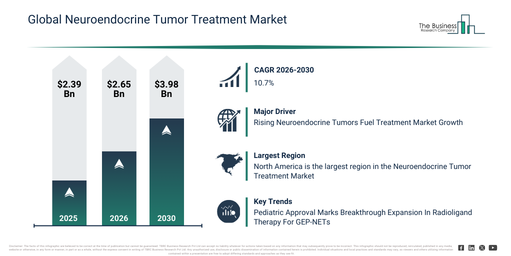
    The market for neuroendocrine tumor treatments has experienced substantial expansion in recent years. This market is projected to expand from $2.39 billion in 2025 to $2.65 billion in 2026, demonstrating a compound annual growth rate (CAGR) of 10.5%. Historically, this growth has been driven by factors such as the early incorporation of somatostatin analogs, a rise in the occurrence of neuroendocrine tumors, the initial progress in developing targeted therapies, advancements in diagnostic imaging techniques, and heightened public awareness regarding rare cancer types.

    The neuroendocrine tumor treatment market size is anticipated to undergo swift expansion in the coming years, with forecasts suggesting it will reach $3.98 billion by 2030, demonstrating a compound annual growth rate (CAGR) of 10.7%. This growth over the forecast period is largely due to increased investment in prrt innovations, the rising adoption of personalized oncology treatment, the broader application of immunotherapy in net treatment, an escalating availability of oncology care centers, and the development of novel combination chemotherapy regimens. Key trends expected during this period encompass the growing use of somatostatin analogs for managing tumor growth, the increasing preference for targeted therapy options, higher utilization of chemotherapy in advanced net cases, the widening scope of peptide receptor radionuclide therapy (prrt), and a rising demand for multidisciplinary oncology care.

    Download the Free Sample Report to Explore Key Market Insights:

    https://www.thebusinessresearchcompany.com/sample.aspx?id=12248&type=smp

    What Major Drivers Are Influencing Demand In The Neuroendocrine Tumor Treatment Market?

    The increasing incidence of neuroendocrine tumors is projected to propel the expansion of the neuroendocrine tumor treatment market moving forward. Neuroendocrine tumors (NETs) are rare types of tumors that originate from neuroendocrine cells. The treatment of neuroendocrine tumors is a vital process for managing these conditions, aiming to control symptoms, limit tumor growth, and utilize radiation therapy to destroy tumor cells. For instance, in 2024, NeuroEndocrine Cancer Australia (NECA), an Australia-based advocacy, education, and research organization, estimated that 21.1 per 100,000 people would be diagnosed with neuroendocrine tumors (NETs) in 2024, accounting for approximately 5,755 new diagnoses, and the 39-year prevalence is estimated to be 29,351 people living with NETs. Therefore, the rising prevalence of neuroendocrine tumors is a key factor driving the growth of the neuroendocrine tumor treatment market.

    What Major Segment Divisions Exist Within The Neuroendocrine Tumor Treatment Market?

    The neuroendocrine tumor treatment market covered in this report is segmented –

    1) By Product: Somatostatin Analogs (SSAs), Targeted Therapy, Chemotherapy, Other Products

    2) By Indication: Lungs, Pancreas, Gastrointestinal, Other Indications

    3) By End-User: Hospitals, Oncology Centers, Other End-Users

    Subsegments:

    1) By Somatostatin Analogs (SSAs): Octreotide, Lanreotide

    2) By Targeted Therapy: Tyrosine Kinase Inhibitors (TKIs), Peptide Receptor Radionuclide Therapy (PRRT)

    3) By Chemotherapy: Traditional Chemotherapy Agents, Combination Chemotherapy Regimens

    4) By Other Products: Immunotherapy, Supportive Care Medications

    What Key Developments And Trends Are Impacting The Neuroendocrine Tumor Treatment Market?

    Leading companies in the neuroendocrine tumor treatment market are concentrating on developing advanced therapeutic solutions, such as radioligand therapies, to improve clinical results and expand available treatment options for patients with GEP-NETs. Radioligand therapy represents a focused treatment strategy that delivers radioactive isotopes directly to tumor cells exhibiting specific receptors, enabling precise tumor cell destruction while minimizing damage to healthy surrounding tissues. For instance, in April 2024, Novartis, a Switzerland-based healthcare company, announced that the U.S. Food and Drug Administration (FDA) had approved Lutathera, which is the first radioligand therapy specifically indicated for pediatric patients aged 12 years and older with somatostatin receptor-positive gastroenteropancreatic neuroendocrine tumors. This approval enhances access to targeted radiopharmaceutical treatment for younger NET patients and highlights the growing significance of radioligand therapies in boosting treatment efficacy, informing clinical decision-making, and improving patient care.

    Which Companies Are Leading Innovation In The Neuroendocrine Tumor Treatment Market?

    Major companies operating in the neuroendocrine tumor treatment market are Pfizer Inc, F Hoffmann‑La Roche AG, Novartis AG, Sanofi SA, Takeda Pharmaceutical, Ipsen Pharma SAS, Jiangsu Hengrui Medicine, Provectus Biopharmaceuticals, NanoValent Pharmaceuticals, Camurus, ITM Solucin, Radiomedix, Clarity Pharmaceuticals, TaiRx, Peloton Therapeutics, Ascentage Pharma, Debiopharm, Boehringer Ingelheim International GmbH, Hutchison MediPharma Ltd, Exelixis Inc, EpicentRx Inc, Tarveda Therapeutics, Teclison Ltd, Novatek Pharmaceuticals, Phanes Therapeutics, Fujifilm Pharmaceuticals, Jazz Pharmaceuticals

    Read the full neuroendocrine tumor treatment market report here:

    https://www.thebusinessresearchcompany.com/report/neuroendocrine-tumor-treatment-global-market-report

    Which Region Shows The Strongest Potential For Future Growth In The Neuroendocrine Tumor Treatment Market?

    North America was the largest region in the neuroendocrine tumor treatment market in 2025. The regions covered in the neuroendocrine tumor treatment market report are Asia-Pacific, South East Asia, Western Europe, Eastern Europe, North America, South America, Middle East, Africa.

    Request A Tailored Neuroendocrine Tumor Treatment Market Research Report For Competitive Advantage:

    https://www.thebusinessresearchcompany.com/customise?id=12248&type=smp

    Browse Through More Reports Similar to the Global Neuroendocrine Tumor Treatment Market 2026, By The Business Research Company

    Basal Cell Carcinoma Treatment Global Market Report

    https://www.thebusinessresearchcompany.com/report/basal-cell-carcinoma-treatment-global-market-report

    Adrenal Cancer Diagnostics Global Market Report

    https://www.thebusinessresearchcompany.com/report/adrenal-cancer-diagnostics-global-market-report

    Basal Cell Carcinoma Treatment Global Market Report

    https://www.thebusinessresearchcompany.com/report/basal-cell-carcinoma-treatment-global-market-report

    Get in touch with us:

    The Business Research Company: https://www.thebusinessresearchcompany.com/

    Americas +1 310-496-7795

    Asia +44 7882 955267 & +91 8897263534

    Europe +44 7882 955267

    Email us at info@tbrc.info

    Follow us on:

    LinkedIn: https://in.linkedin.com/company/the-business-research-company

    YouTube: https://www.youtube.com/channel/UC24_fI0rV8cR5DxlCpgmyFQ

    Global Market Model: https://www.thebusinessresearchcompany.com/global-market-model