Category: Healthcare Services

  • Neurofeedback Market 2026–2030: Emerging Trends and Forecast Opportunities

    Neurofeedback Market 2026–2030: Emerging Trends and Forecast Opportunities

    Uncover key drivers, emerging technologies, and competitive movements shaping the neurofeedback market from 2026–2035 with trusted insights from The Business Research Company

    Across 2026–2030, what is the expected market valuation path of the Neurofeedback Market?

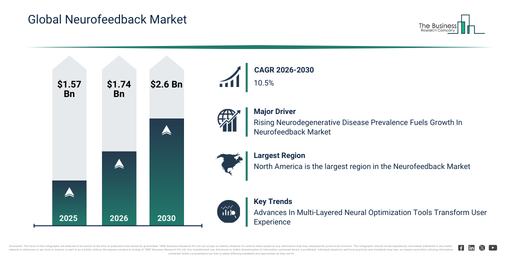
    The neurofeedback market size has witnessed rapid expansion in recent years. This market is expected to expand from $1.57 billion in 2025 to $1.74 billion in 2026, achieving a compound annual growth rate (CAGR) of 10.8%. The historical growth trajectory can be ascribed to several factors, including heightened awareness of mental health therapies, an increasing prevalence of neurological disorders, the advancement of alternative and non-invasive treatments, the proliferation of neurotherapy clinics, and the availability of EEG monitoring technologies.

    The neurofeedback market size is anticipated to experience significant expansion in the coming years. It is projected to reach $2.6 billion by 2030, demonstrating a compound annual growth rate (CAGR) of 10.5%. The expansion during the forecast period is propelled by increasing demand for personalized mental health treatments, rising adoption of digital therapeutics, expansion of remote neurofeedback training, growing integration of ai in brain signal analysis, and an increasing focus on cognitive wellness optimization. Furthermore, key trends in this period include increasing adoption of eeg-based training systems, rising use of personalized neurofeedback protocols, growing integration of software-based brain training tools, expansion of home-based neurofeedback solutions, and an enhanced focus on cognitive performance improvement.

    Access Your Free Sample Report for In-Depth Market Insights:

    https://www.thebusinessresearchcompany.com/sample.aspx?id=20577&type=smp

    Which Drivers Are Supporting The Rise Of The Neurofeedback Market?

    The growing occurrence of neurodegenerative conditions is anticipated to drive the future expansion of the neurofeedback market. These diseases involve a gradual decline in brain and nervous system function, resulting in difficulties related to memory, movement, and cognitive processes. This rise in neurodegenerative conditions largely stems from an aging demographic, enhanced diagnostic capabilities and public awareness, and various lifestyle elements. Neurofeedback offers a beneficial approach for managing Parkinson’s disease, assisting in the betterment of motor control, cognitive abilities, emotional balance, and general brain well-being. It can also be utilized to enhance sleep quality, frequently impaired in individuals with Parkinson’s; by optimizing brainwave activities conducive to restorative sleep, patients could achieve improved overall health and symptom control. For example, data from March 2023, released by the Alzheimer’s Association, a US-based nonprofit voluntary health organization, indicated that in 2023, around 6.7 million Americans aged 65 and older were affected by Alzheimer’s dementia, a figure expected to escalate to 13.8 million by 2060. Consequently, the expanding occurrence of neurodegenerative illnesses is fueling the neurofeedback market’s growth.

    What Segments Are Identified Within The Structure Of The Neurofeedback Market?

    The neurofeedback market covered in this report is segmented –

    1) By Product: Amplifiers, Electrodes or Sensors, Computer Software

    2) By System: Frequency Or Power Neurofeedback System, Slow Cortical Potential Neurofeedback (SCP-NF) System, Low-Energy Neurofeedback System (LENS), Hemoencephalographic (HEG) Neurofeedback System, Live Z-Score Neurofeedback System, Low-Resolution Electromagnetic Tomography (LORE-TA)

    3) By Application: Attention Deficit Hyperactivity Disorder (ADHD), Anxiety, Depression, Epilepsy, Insomnia, Drug Addiction, Schizophrenia, Other Applications

    4) By End User: Hospitals, Physician Offices

    Subsegments:

    1) By Amplifiers: EEG Amplifiers, Wireless Amplifiers, Portable Amplifiers

    2) By Electrodes or Sensors: EEG Electrodes, Disposable Electrodes, Dry Electrodes, Conductive Gel Electrodes

    3) By Computer Software: Neurofeedback Training Software, Data Analysis Software, Visualization Software, Biofeedback Software

    What Long-Term Trends Are Expected To Shape The Future Of The Neurofeedback Market?

    Leading companies in the neurofeedback market are concentrating on developing innovative products, such as customized at-home brain training systems, to address the increasing demand for cognitive enhancement, stress reduction, and overall mental wellbeing. These personalized at-home brain training systems integrate advanced neurofeedback technology with complementary features like heart coherence training, transcranial photobiomodulation (light stimulation), brain function performance testing, and meditation guidance. For instance, in October 2023, Sens.ai Inc., a Canada-based neurofeedback and personalized brain-training company, launched its Sens.ai system, an innovative 5-in-1 brain training technology. The system comprises a headset and a gamified app experience, designed to measure brain processing speed using event-related potentials (ERPs), offer multisensory meditation training, provide targeted light stimulation boosts, track cognitive performance, and evolve its programs over time in accordance with user progress. This closed-loop approach enables users to improve focus, manage stress, enhance sleep, and achieve superior cognitive and psychological performance from home.

    Which Leading Companies Dominate The Neurofeedback Market Share?

    Major companies operating in the neurofeedback market are Thought Technology Ltd., NeurOptimal, Brain Master Technologies Inc., Mind Media Inc., Neurofield Inc., Bee Medic LLC, Mitsar Co. Ltd., Mind Alive Inc., ANT Neuro b.v., EEG Info, NeuroSky, EMOTIV Inc., Neuroelectrics, Brain Vision LLC, Myndlift, BrainCore, NIRx Medical Technologies LLC, Mindfield Biosystems Ltd., NeuroCare Group, Brainquiry

    Access The Complete Report For Deeper Market Insights:

    https://www.thebusinessresearchcompany.com/report/neurofeedback-global-market-report

    Which Region Is Anticipated To See The Fastest Growth In The Neurofeedback Market?

    North America was the largest region in the neurofeedback market in 2025. The regions covered in the neurofeedback market report are Asia-Pacific, South East Asia, Western Europe, Eastern Europe, North America, South America, Middle East, Africa.

    Request Your Customized Neurofeedback Market Research Report for Competitive Advantage:

    https://www.thebusinessresearchcompany.com/customise?id=20577&type=smp

    Browse Through More Reports Similar to the Global Neurofeedback Market 2026, By The Business Research Company

    Neurotrophic Keratitis Treatment Market Report 2026

    https://www.thebusinessresearchcompany.com/report/neurotrophic-keratitis-treatment-global-market-report

    Neurological Biomarkers Market Report 2026

    https://www.thebusinessresearchcompany.com/report/neurological-biomarkers-global-market-report

    Neuropathic Pain Market Report 2026

    https://www.thebusinessresearchcompany.com/report/neuropathic-pain-global-market-report

    Get in touch with us:

    The Business Research Company: https://www.thebusinessresearchcompany.com/

    Americas +1 310-496-7795

    Asia +44 7882 955267 & +91 8897263534

    Europe +44 7882 955267

    Email us at info@tbrc.info

    Follow us on:

    LinkedIn: https://in.linkedin.com/company/the-business-research-company

    YouTube: https://www.youtube.com/channel/UC24_fI0rV8cR5DxlCpgmyFQ

    Global Market Model: https://www.thebusinessresearchcompany.com/global-market-model
  • Global Neuroendocrine Tumor Treatment Market Forecast 2026–2035: Long-Term Growth Insights

    Global Neuroendocrine Tumor Treatment Market Forecast 2026–2035: Long-Term Growth Insights

    Uncover key drivers, emerging technologies, and competitive movements shaping the neuroendocrine tumor treatment market from 2026–2035 with trusted insights from The Business Research Company

    What size range is anticipated for the Neuroendocrine Tumor Treatment Market from 2026 to 2030?

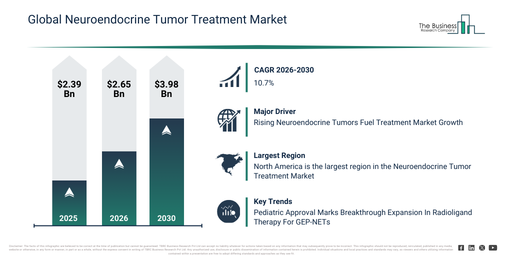
    The neuroendocrine tumor treatment market size has experienced significant expansion recently. Forecasts suggest it will rise from $2.39 billion in 2025 to $2.65 billion in 2026, achieving a compound annual growth rate (CAGR) of 10.5%. This past growth can be attributed to several factors, including the early use of somatostatin analogs, an increase in neuroendocrine tumor cases, the initial introduction of targeted therapies, advancements in diagnostic imaging, and greater awareness of rare cancer types.

    The neuroendocrine tumor treatment market is projected for swift expansion in the upcoming years. This market is anticipated to reach $3.98 billion by 2030, exhibiting a compound annual growth rate (CAGR) of 10.7%. Factors driving this growth over the forecast period include increased investment in PRRT innovations, wider acceptance of personalized oncology treatment, the expansion of immunotherapy in NET treatment, a growing number of available oncology care centers, and the creation of novel combination chemotherapy regimens. Key trends anticipated during this period encompass the increased application of somatostatin analogs to manage tumor growth, the rising uptake of targeted therapy options, higher usage of chemotherapy in advanced NET cases, the broadening scope of peptide receptor radionuclide therapy (PRRT), and a growing need for multidisciplinary oncology care.

    Access Your Free Sample Report for In-Depth Market Insights:

    https://www.thebusinessresearchcompany.com/sample.aspx?id=12248&type=smp

    What Drivers Are Affecting Demand In The Neuroendocrine Tumor Treatment Market?

    The increasing occurrence of neuroendocrine tumors is anticipated to significantly boost the expansion of the neuroendocrine tumor treatment market in the foreseeable future. Neuroendocrine tumors, often referred to as NETs, are uncommon growths that develop from neuroendocrine cells. Treating neuroendocrine tumors is a crucial process, aiming to manage symptoms, inhibit tumor progression, and eliminate tumor cells through methods like radiation therapy. For example, in 2024, data from NeuroEndocrine Cancer Australia (NECA), an Australian advocacy, education, and research group, projected that approximately 21.1 per 100,000 people would receive a neuroendocrine tumor (NETs) diagnosis, amounting to roughly 5,755 new diagnoses. The 39-year prevalence was also estimated at 29,351 individuals living with NETs. Consequently, the rising incidence of neuroendocrine tumors is a key factor driving the growth of the neuroendocrine tumor treatment market.

    Which Segments Are Gaining Traction In The Neuroendocrine Tumor Treatment Market?

    The neuroendocrine tumor treatment market covered in this report is segmented –

    1) By Product: Somatostatin Analogs (SSAs), Targeted Therapy, Chemotherapy, Other Products

    2) By Indication: Lungs, Pancreas, Gastrointestinal, Other Indications

    3) By End-User: Hospitals, Oncology Centers, Other End-Users

    Subsegments:

    1) By Somatostatin Analogs (SSAs): Octreotide, Lanreotide

    2) By Targeted Therapy: Tyrosine Kinase Inhibitors (TKIs), Peptide Receptor Radionuclide Therapy (PRRT)

    3) By Chemotherapy: Traditional Chemotherapy Agents, Combination Chemotherapy Regimens

    4) By Other Products: Immunotherapy, Supportive Care Medications

    Which Market Trends Are Opening Growth Opportunities In The Neuroendocrine Tumor Treatment Market?

    Leading companies in the neuroendocrine tumor treatment market are concentrating on advancing therapeutic solutions, such as radioligand therapies, to improve clinical results and offer more treatment choices for patients with GEP-NETs. Radioligand therapy is a focused treatment method that delivers radioactive isotopes directly to tumor cells that express specific receptors, allowing for precise tumor cell elimination while minimizing harm to surrounding healthy tissues. For example, in April 2024, Novartis, a Switzerland-based healthcare company, announced that the U.S. Food and Drug Administration (FDA) had approved Lutathera. This product is the first radioligand therapy specifically approved for pediatric patients aged 12 years and older suffering from somatostatin receptor-positive gastroenteropancreatic neuroendocrine tumors. This approval expands the availability of targeted radiopharmaceutical treatment for younger NET patients and underscores the increasing importance of radioligand therapies in enhancing treatment effectiveness, clinical decision-making, and overall patient care.

    Who Are The Major Companies Operating In The Neuroendocrine Tumor Treatment Market?

    Major companies operating in the neuroendocrine tumor treatment market are Pfizer Inc, F Hoffmann-La Roche AG, Novartis AG, Sanofi SA, Takeda Pharmaceutical, Ipsen Pharma SAS, Jiangsu Hengrui Medicine, Provectus Biopharmaceuticals, NanoValent Pharmaceuticals, Camurus, ITM Solucin, Radiomedix, Clarity Pharmaceuticals, TaiRx, Peloton Therapeutics, Ascentage Pharma, Debiopharm, Boehringer Ingelheim International GmbH, Hutchison MediPharma Ltd, Exelixis Inc, EpicentRx Inc, Tarveda Therapeutics, Teclison Ltd, Novatek Pharmaceuticals, Phanes Therapeutics, Fujifilm Pharmaceuticals, Jazz Pharmaceuticals

    Access The Complete Report For Deeper Market Insights:

    https://www.thebusinessresearchcompany.com/report/neuroendocrine-tumor-treatment-global-market-report

    Which Region Is Anticipated To See The Fastest Growth In The Neuroendocrine Tumor Treatment Market?

    North America was the largest region in the neuroendocrine tumor treatment market in 2025. The regions covered in the neuroendocrine tumor treatment market report are Asia-Pacific, South East Asia, Western Europe, Eastern Europe, North America, South America, Middle East, Africa.

    Request Your Customized Neuroendocrine Tumor Treatment Market Research Report for Competitive Advantage:

    https://www.thebusinessresearchcompany.com/customise?id=12248&type=smp

    Browse Through More Reports Similar to the Global Neuroendocrine Tumor Treatment Market 2026, By The Business Research Company

    Thyroid Cancer Drugs Market Report 2026

    https://www.thebusinessresearchcompany.com/report/thyroid-cancer-drugs-global-market-report

    Brain Tumor Drugs Market Report 2026

    https://www.thebusinessresearchcompany.com/report/brain-tumor-drugs-global-market-report

    Glioma Treatment Market Report 2026

    https://www.thebusinessresearchcompany.com/report/glioma-treatment-global-market-report

    Get in touch with us:

    The Business Research Company: https://www.thebusinessresearchcompany.com/

    Americas +1 310-496-7795

    Asia +44 7882 955267 & +91 8897263534

    Europe +44 7882 955267

    Email us at info@tbrc.info

    Follow us on:

    LinkedIn: https://in.linkedin.com/company/the-business-research-company

    YouTube: https://www.youtube.com/channel/UC24_fI0rV8cR5DxlCpgmyFQ

    Global Market Model: https://www.thebusinessresearchcompany.com/global-market-model
  • Neuroendocrine Carcinoma Market 2026–2030: Forecasting Business Opportunities Ahead

    Neuroendocrine Carcinoma Market 2026–2030: Forecasting Business Opportunities Ahead

    Uncover key drivers, emerging technologies, and competitive movements shaping the neuroendocrine carcinoma market from 2026–2035 with trusted insights from The Business Research Company

    How is the Neuroendocrine Carcinoma Market size predicted to change over the forecast window of 2026–2035?

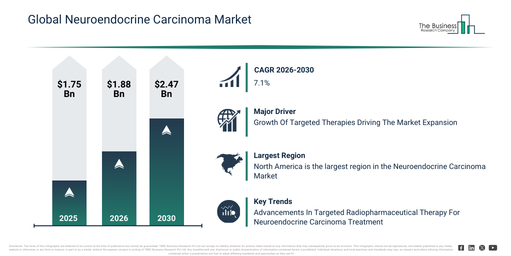
    The market size for neuroendocrine carcinoma has experienced substantial growth in recent years. Its valuation is set to climb from $1.75 billion in 2025 to $1.88 billion in 2026, at a compound annual growth rate (CAGR) of 7.3%. This historical expansion can be linked to the increasing prevalence of neuroendocrine carcinoma, enhanced use of imaging for early detection, the early adoption of surgical tumor removal, the development of initial chemotherapy protocols, and a growing clinical awareness of nec subtypes.

    The neuroendocrine carcinoma market is anticipated to show significant expansion over the coming years, with projections indicating a rise to $2.47 billion by 2030, demonstrating a compound annual growth rate (CAGR) of 7.1%. This projected growth is largely due to the wider application of targeted biologic therapies, increased funding for immunotherapy research, the greater accessibility of precision diagnostic instruments, advancements in radiotherapy systems, and the expanding establishment of multidisciplinary oncology centers. Prominent trends expected during this period encompass the increasing uptake of chemotherapy for managing aggressive tumors, more frequent use of targeted therapies in advanced nec cases, greater reliance on radiotherapy for localized tumor control, the broadened scope of diagnostic methods involving biopsy and serology, and a heightened need for multidisciplinary approaches to treatment planning.

    Access Your Free Sample Report for In-Depth Market Insights:

    https://www.thebusinessresearchcompany.com/sample.aspx?id=21229&type=smp

    Which Drivers Are Contributing To The Expansion Of The Neuroendocrine Carcinoma Market?

    The expansion of targeted therapies is projected to significantly drive the neuroendocrine carcinoma market forward. These therapies are specific treatments designed to precisely target and interrupt the molecular processes or genetic alterations that contribute to a disease, particularly cancer. The demand for targeted therapies is increasing due to their precision in addressing specific genetic mutations, advancements in personalized medicine, and improved patient outcomes with fewer side effects. Neuroendocrine carcinoma facilitates the development of targeted therapies that specifically address the tumor’s genetic and biochemical profiles, thereby enhancing treatment precision and effectiveness. For instance, in July 2023, a report published by the American Society of Gene & Cell Therapy (ASGCT), a US-based professional membership organization, and Citeline, a US-based provider of drugs and devices, noted that at the end of Q1 2023, there were 247 gene therapies in Phase II, but this figure climbed by 5% to reach 260 by the end of Q2. Therefore, the growth of targeted therapies is propelling the neuroendocrine carcinoma market.

    What Segment Categories Are Covered In The Neuroendocrine Carcinoma Market?

    The neuroendocrine carcinoma market covered in this report is segmented –

    1) By Type: Gastroenteropancreatic Neuroendocrine Tumors, Carcinoid Tumors, Pheochromocytoma, Medullary Thyroid Carcinoma

    2) By Diagnostic Tools: Imaging, Biopsy, Serology

    3) By Treatment: Chemotherapy, Radiotherapy, Surgery, Other Treatments

    4) By Distribution Channel: Hospital Pharmacies, Retail Pharmacies, Online Pharmacies

    5) By End-User: Hospitals, Clinics, Oncology Centers, Ambulatory Surgery Centers

    Subsegments:

    1) By Gastroenteropancreatic Neuroendocrine Tumors (GEP-NETs): Pancreatic Neuroendocrine Tumors (pNETs), Small Intestinal Neuroendocrine Tumors, Gastric Neuroendocrine Tumors, Colorectal Neuroendocrine Tumors

    2) By Carcinoid Tumors: Pulmonary Carcinoid Tumors, Gastrointestinal Carcinoid Tumors

    3) By Pheochromocytoma: Adrenal Pheochromocytoma, Extra-Adrenal Paraganglioma

    4) By Medullary Thyroid Carcinoma: Sporadic Medullary Thyroid Carcinoma, Hereditary Medullary Thyroid Carcinoma (MEN2-Associated)

    How Are Emerging Trends Affecting The Progression Of The Neuroendocrine Carcinoma Market?

    Companies operating within the neuroendocrine carcinoma market are concentrating on developing advanced therapies, such as targeted radiopharmaceutical therapy, to enhance treatment precision and improve patient outcomes. Targeted radiopharmaceutical therapy employs radioactive molecules that specifically locate and deliver radiation to cancer cells, thereby minimizing damage to healthy tissue. For example, in September 2024, Abdera Therapeutics Inc., a biotechnology company based in Canada, secured orphan drug designation from the Food and Drug Administration (FDA) for ABD-147 for addressing neuroendocrine carcinoma. This compound is engineered to selectively target tumors that express the DLL3 protein, often overexpressed in aggressive neuroendocrine cancers, including small cell lung cancer (SCLC) and large cell neuroendocrine carcinoma (LCNEC). The designation grants significant development advantages, such as tax credits for clinical trials and potential market exclusivity, positioning ABD-147 as a valuable treatment candidate in this specialized oncology field.

    Which Major Firms Are Strengthening Their Position In The Neuroendocrine Carcinoma Market?

    Major companies operating in the neuroendocrine carcinoma market are Pfizer Inc., Merck & Co. Inc., AbbVie Inc., Bristol-Myers Squibb Company, AstraZeneca plc, Novartis AG, Amgen Inc., Boehringer Ingelheim GmbH, Exelixis Inc., Lantheus Holdings Inc., HUTCHMED Limited, Dana-Farber Cancer Institute Inc., Abdera Therapeutics Inc., Orano Med S.A, Eckert & Ziegler Radiopharma GmbH, Callisto Pharmaceuticals Inc., RadioMedix Inc., Clarity Pharmaceuticals Limited, Delcath Systems Inc., Provectus Biopharmaceuticals Inc.

    Access The Complete Report For Deeper Market Insights:

    https://www.thebusinessresearchcompany.com/report/neuroendocrine-carcinoma-global-market-report

    Which Global Regions Are Shaping The Competitive Landscape Of The Neuroendocrine Carcinoma Market?

    North America was the largest region in the neuroendocrine carcinoma market in 2025. Asia-Pacific is expected to be the fastest-growing region in the forecast period. The regions covered in the neuroendocrine carcinoma market report are Asia-Pacific, South East Asia, Western Europe, Eastern Europe, North America, South America, Middle East, Africa.

    Request Your Customized Neuroendocrine Carcinoma Market Research Report for Competitive Advantage:

    https://www.thebusinessresearchcompany.com/customise?id=21229&type=smp

    Browse Through More Reports Similar to the Global Neuroendocrine Carcinoma Market 2026, By The Business Research Company

    Basal Cell Carcinoma Treatment Market Report 2026

    https://www.thebusinessresearchcompany.com/report/basal-cell-carcinoma-treatment-global-market-report

    Basal Cell Carcinoma Treatment Market Report 2026

    https://www.thebusinessresearchcompany.com/report/basal-cell-carcinoma-treatment-global-market-report

    Adrenal Cancer Diagnostics Market Report 2026

    https://www.thebusinessresearchcompany.com/report/adrenal-cancer-diagnostics-global-market-report

    Get in touch with us:

    The Business Research Company: https://www.thebusinessresearchcompany.com/

    Americas +1 310-496-7795

    Asia +44 7882 955267 & +91 8897263534

    Europe +44 7882 955267

    Email us at info@tbrc.info

    Follow us on:

    LinkedIn: https://in.linkedin.com/company/the-business-research-company

    YouTube: https://www.youtube.com/channel/UC24_fI0rV8cR5DxlCpgmyFQ

    Global Market Model: https://www.thebusinessresearchcompany.com/global-market-model
  • Global Neurodiagnostics Market Report 2026–2035: Key Forecasts and Growth Areas

    Global Neurodiagnostics Market Report 2026–2035: Key Forecasts and Growth Areas

    Uncover key drivers, emerging technologies, and competitive movements shaping the neurodiagnostics market from 2026–2035 with trusted insights from The Business Research Company

    What market expansion outlook does the Neurodiagnostics Market show for the 2026–2030 period?

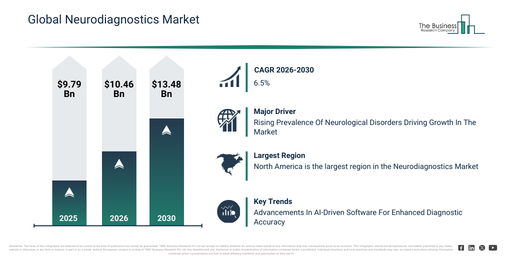
    The neurodiagnostics market has experienced substantial expansion in recent times. This market is projected to expand from $9.79 billion in 2025 to $10.46 billion in 2026, demonstrating a compound annual growth rate (CAGR) of 6.8%. Historically, this expansion has been driven by factors such as a greater occurrence of neurological conditions, the swift uptake of MRI and CT scanning technologies, the advancement of EEG and EMG systems, an escalating need for tools to diagnose strokes, and the expansion of neurodiagnostic facilities within hospitals.

    The neurodiagnostics market is projected to experience robust expansion in the coming years, with an anticipated growth to $13.48 billion by 2030, demonstrating a compound annual growth rate (CAGR) of 6.5%. This projected growth is driven by factors such as the proliferation of biomarker-based diagnostics, heightened investment in neuroimaging advancements, the increasing uptake of digital neuroinformatics platforms, the creation of portable and wearable neurodiagnostic tools, and the rising need for point-of-care neurological examinations. Key trends during this period encompass the wider acceptance of advanced neuroimaging methods, expanded application of in-vitro neurodiagnostic biomarkers, a growing imperative for early diagnosis of neurological conditions, the broadening use of EEG and MEG for real-time brain surveillance, and a heightened emphasis on non-invasive and minimally invasive diagnostic approaches.

    Access Your Free Sample Report for In-Depth Market Insights:

    https://www.thebusinessresearchcompany.com/sample.aspx?id=20902&type=smp

    What Drivers Are Shaping The Development Of The Neurodiagnostics Market?

    The future expansion of the neurodiagnostics market is anticipated due to the rising occurrence of neurological conditions. These conditions affect the brain, spinal cord, or nerves, resulting in diverse cognitive, motor, and sensory difficulties. The increase in neurological ailments is predominantly attributed to factors such as an aging demographic, environmental influences, shifts in lifestyle, genetic predispositions, and improved diagnostic methods. Neurodiagnostic tools are crucial for the accurate identification, evaluation, and tracking of neurological conditions, facilitating precise diagnoses, well-informed treatment choices, and efficient handling of issues impacting the brain, spinal cord, and nerves. For instance, in April 2023, according to the National Library of Medicine, a US-based medical library for medical research information, it was reported that, in 2023, 6.7 million Americans are affected by Alzheimer’s, and this number is expected to grow to 13.8 million by 2060. Consequently, the growing incidence of neurological disorders is fueling the expansion of the neurodiagnostics market.

    Which Segments Are Contributing To The Growth Of The Neurodiagnostics Market?

    The neurodiagnostics market covered in this report is segmented –

    1) By Type: Diagnostic And Imaging Solutions, In-Vitro Diagnostics

    2) By Technology: Neuroimaging Technologies, Nuclear Medicine Imaging, Near Infrared Spectroscopic Imaging (NIRS), Magneto-Encephalography (MEG), Voxel Based Morphometry (VBM), Neuroinformatics

    3) By Condition: Epilepsy, Alzheimer’s Disease, Parkinson’s Disease, Stroke, Other Conditions

    4) By End Use: Hospitals And Clinics, Diagnostic Laboratories, Imaging Centers, Other End Uses

    Subsegments:

    1) By Diagnostic And Imaging Solutions: MRI (Magnetic Resonance Imaging) Systems, CT (Computed Tomography) Scanners, EEG (Electroencephalogram) Systems, EMG (Electromyography) Systems, MEG (Magnetoencephalography) Systems, PET (Positron Emission Tomography) Scanners, SPECT (Single Photon Emission Computed Tomography) Scanners, Functional MRI (fMRI) Systems, Intracranial Pressure Monitors

    2) By In-Vitro Diagnostics: Blood-Based Diagnostics, Cerebrospinal Fluid (Csf) Analysis, Genetic Testing And Biomarkers, Neurochemical Diagnostics, Point-Of-Care Neurodiagnostics, Diagnostic Kits For Neurodegenerative Disorders

    Which Innovation Trends Are Advancing Developments Within The Neurodiagnostics Market?

    Leading firms in the neurodiagnostics market are prioritizing technological innovations, including sophisticated software algorithms, to boost diagnostic precision and better patient results. A sophisticated software algorithm is defined as an intricate series of commands designed to process and analyze data, often employing methods like artificial intelligence (AI) or machine learning, thereby improving diagnostic capabilities and decision-making. For example, in October 2023, Ceribell Inc., a medical equipment manufacturer based in the US, introduced its ClarityPro AI algorithm, representing a notable leap forward in detecting electrographic status epilepticus (ESE). This cutting-edge software, incorporated into the Ceribell EEG system, utilizes machine learning to examine EEG waveforms and provide immediate notifications for potential seizures. Significantly, ClarityPro holds the distinction of being the first acute care device to gain FDA approval for independent diagnosis. The primary aim of this innovative technology is to refine clinical decision-making through constant monitoring of brain activity, providing practical insights, and facilitating quicker, more efficient treatment interventions.

    Who Are The Primary Competitors In The Global Neurodiagnostics Market?

    Major companies operating in the neurodiagnostics market are Nihon Kohden Corporation, Cephalon LLC, Stratus Neuro LLC, Cadwell Industries Inc., Compumedics Limited, Ceribell Inc., CND Life Sciences Inc., Lifelines Neuro Inc., ANT Neuro B.V., Neurovative Diagnostics LLC, Firefly Neuroscience Inc, IntraNerve Neuroscience Inc, NeuroDiagnostics Laboratories LLC, Advanced Brain Monitoring Inc, Spes Medica S.r.l., BioSignal Group Inc, Combinostics Inc., Deymed Diagnostic LLC, NeuLine Health Inc., Ridge Diagnostics Inc., Beacon Biosignals Inc., Intch Inc.

    Access The Complete Report For Deeper Market Insights:

    https://www.thebusinessresearchcompany.com/report/neurodiagnostics-global-market-report

    Which Regions Are Poised For Strategic Growth In The Neurodiagnostics Market?

    North America was the largest region in the neurodiagnostics market in 2025. Asia-Pacific is expected to be the fastest-growing region in the forecast period. The regions covered in the neurodiagnostics market report are Asia-Pacific, South East Asia, Western Europe, Eastern Europe, North America, South America, Middle East, Africa.

    Request Your Customized Neurodiagnostics Market Research Report for Competitive Advantage:

    https://www.thebusinessresearchcompany.com/customise?id=20902&type=smp

    Browse Through More Reports Similar to the Global Neurodiagnostics Market 2026, By The Business Research Company

    Clinical Diagnostics Market Report 2026

    https://www.thebusinessresearchcompany.com/report/clinical-diagnostics-global-market-report

    Nephrologists Market Report 2020 2030 Covid 19 Implications And Growth 2026

    https://www.thebusinessresearchcompany.com/report/nephrologists-market-global-report-2020-2030-covid-19-implications-and-growth

    Nephrologists Market Report 2020 2030 Covid 19 Implications And Growth 2026

    https://www.thebusinessresearchcompany.com/report/nephrologists-market-global-report-2020-2030-covid-19-implications-and-growth

    Get in touch with us:

    The Business Research Company: https://www.thebusinessresearchcompany.com/

    Americas +1 310-496-7795

    Asia +44 7882 955267 & +91 8897263534

    Europe +44 7882 955267

    Email us at info@tbrc.info

    Follow us on:

    LinkedIn: https://in.linkedin.com/company/the-business-research-company

    YouTube: https://www.youtube.com/channel/UC24_fI0rV8cR5DxlCpgmyFQ

    Global Market Model: https://www.thebusinessresearchcompany.com/global-market-model
  • Optical Genome Mapping Industry Growth Insights: Revenue Forecast to 2030

    Optical Genome Mapping Industry Growth Insights: Revenue Forecast to 2030

    Uncover key drivers, emerging technologies, and competitive movements shaping the optical genome mapping market from 2026–2035 with trusted insights from The Business Research Company

    What long-term size projections exist for the Optical Genome Mapping Market covering 2026–2035?

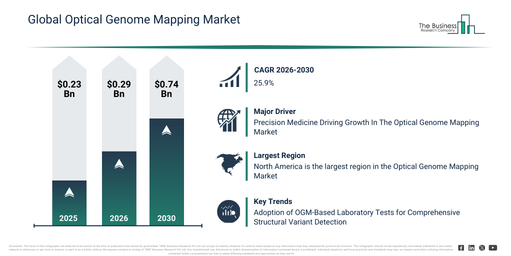
    The market size for optical genome mapping has expanded significantly in recent years. It is projected to increase from $0.23 billion in 2025 to $0.29 billion in 2026, registering a compound annual growth rate (CAGR) of 29.4%. Historically, this growth has been fueled by factors such as the limitations of next generation sequencing in detecting large structural variants, a rise in genomic research funding, the increasing prevalence of genetic disorders, a growing demand for advanced cytogenetic techniques, and technological advancements in imaging and DNA labeling.

    The optical genome mapping market is projected to experience substantial expansion over the next few years. It is expected to achieve a market size of $0.74 billion by 2030, demonstrating a compound annual growth rate (CAGR) of 25.9%. This anticipated growth during the forecast period stems from several factors, including the increasing integration of optical genome mapping (OGM) into clinical laboratories, rising investments in precision medicine initiatives, the growing adoption of automated genomic analysis platforms, expanding applications in oncology and hematological malignancies, and the declining costs associated with genomic analysis technologies. Prominent trends observed for this period encompass the growing adoption of optical genome mapping in structural variant detection, its increased utilization in rare disease and cancer research, a rising demand for high-resolution long-read genomic analysis, the expansion of OGM applications within clinical diagnostics, and a growing preference for the complementary use of OGM alongside sequencing technologies.

    Access Your Free Sample Report for In-Depth Market Insights:

    https://www.thebusinessresearchcompany.com/sample.aspx?id=15882&type=smp

    Which Drivers Are Impacting The Competitive Landscape Of The Optical Genome Mapping Market?

    The rising demand for precision medicine is anticipated to fuel the expansion of the optical genome mapping market moving forward. Precision medicine represents a healthcare approach that tailors medical treatments and prevention strategies to individual characteristics such as genetic makeup, lifestyle, and environment. The need for precision medicine is propelled by factors including the increasing prevalence of chronic diseases, breakthroughs in genomic technologies, rising investment and funding, and patient desire for personalized care. optical genome mapping enhances the effectiveness of precision medicine by delivering a comprehensive and precise understanding of genomic alterations linked to various diseases. For instance, in February 2024, as per the Personalized Medicine Coalition, a US-based non-profit organization, the FDA sanctioned 16 new personalized therapies for patients with rare diseases in 2023, an increase from six in 2022. Thus, the growing requirement for precision medicine is driving the growth of the optical genome mapping market.

    What Segments Are Identified Within The Structure Of The Optical Genome Mapping Market?

    The optical genome mapping market covered in this report is segmented –

    1) By Product: Instruments, Consumables And Reagents, Software, Services

    2) By Application: Structural Variant Detection, Genome Assembly, Microbial Strain Typing, Other Applications

    3) By End-User: Biotechnology And Pharmaceutical Companies, Clinical Laboratories, Academic Research Institutes, Other End-Users

    Subsegments:

    1) By Instruments: Optical Genome Mapping Systems, Imaging Systems, Detection And Analysis Devices

    2) By Consumables And Reagents: DNA Preparation Kits, Labeling Reagents, Flow Cells

    3) By Software: Data Analysis Software, Image Processing Software, Mapping Software

    4) By Services: Data Analysis Services, Technical Support Services, Training And Consultation Services

    Which Market Trends Are Opening Growth Opportunities In The Optical Genome Mapping Market?

    Leading companies in the optical genome mapping (OGM) market are primarily focused on advancing technology, such as developing OGM-based laboratory-developed tests (LDTs) for genome-wide structural variant detection, with the goals of improving diagnostic accuracy, increasing workflow efficiency, and reducing the need for multiple traditional cytogenetic tests. An OGM-based LDT operates by using ultra-long, high-molecular-weight DNA molecules, which are fluorescently labeled and then linearized in nanochannels, enabling high-resolution imaging. This allows for the identification of insertions, deletions, translocations, and repeat expansions across the genome, capabilities often missed by short-read sequencing or microarrays. For example, in March 2023, Bionano Laboratories, a CLIA-certified U.S. subsidiary of Bionano Genomics, introduced the OGM Dx Postnatal Whole Genome SV test. This product facilitates genome-wide detection of structural variants in patients experiencing developmental disorders, intellectual disability, autism spectrum disorder, epilepsy, or undiagnosed genetic conditions. It integrates high-resolution OGM with variant calling within a single-test workflow, thereby minimizing the necessity for multiple classical cytogenetic assays and providing more rapid, comprehensive diagnostic insights.

    Which Key Market Players Are Investing In Expansion And Innovation Within The Optical Genome Mapping Market?

    Major companies operating in the optical genome mapping market are Bionano Genomics Inc., 10x Genomics Inc., Oxford Nanopore Technologies plc, Pacific Biosciences of California Inc., BioSkryb Genomics, Phase Genomics Inc., Nabsys, Daicel Arbor Biosciences, OpGen, Thermo Fisher Scientific Inc., Roche Sequencing Solutions, Genomic Vision SA, INRAE French Plant Genomic Resources Center, Source BioScience, Resolve Biosciences, Arima Genomics Inc., GnuBIO Inc., Longas Technologies, GE Healthcare Life Sciences, Danaher Corporation, Strand Life Sciences, Berry Genomics, Dante Genomics

    Access The Complete Report For Deeper Market Insights:

    https://www.thebusinessresearchcompany.com/report/optical-genome-mapping-global-market-report

    Which Regions Are Projected To Dominate The Optical Genome Mapping Market In The Coming Years?

    North America was the largest region in the optical genome mapping market in 2025. Asia-Pacific is expected to be the fastest-growing region in the forecast period. The regions covered in the optical genome mapping market report are Asia-Pacific, South East Asia, Western Europe, Eastern Europe, North America, South America, Middle East, Africa.

    Request Your Customized Optical Genome Mapping Market Research Report for Competitive Advantage:

    https://www.thebusinessresearchcompany.com/customise?id=15882&type=smp

    Browse Through More Reports Similar to the Global Optical Genome Mapping Market 2026, By The Business Research Company

    Genomics Market Report 2026

    https://www.thebusinessresearchcompany.com/report/genomics-global-market-report

    Digital Genome Market Report 2026

    https://www.thebusinessresearchcompany.com/report/digital-genome-global-market-report

    Optical Imaging Market Report 2026

    https://www.thebusinessresearchcompany.com/report/optical-imaging-global-market-report

    Get in touch with us:

    The Business Research Company: https://www.thebusinessresearchcompany.com/

    Americas +1 310-496-7795

    Asia +44 7882 955267 & +91 8897263534

    Europe +44 7882 955267

    Email us at info@tbrc.info

    Follow us on:

    LinkedIn: https://in.linkedin.com/company/the-business-research-company

    YouTube: https://www.youtube.com/channel/UC24_fI0rV8cR5DxlCpgmyFQ

    Global Market Model: https://www.thebusinessresearchcompany.com/global-market-model
  • Global Optic Neuropathy Management Market Performance Report: Global Trends 2026–2030

    Global Optic Neuropathy Management Market Performance Report: Global Trends 2026–2030

    Uncover key drivers, emerging technologies, and competitive movements shaping the optic neuropathy management market from 2026–2035 with trusted insights from The Business Research Company

    What total market size is anticipated for the Optic Neuropathy Management Market in 2030?

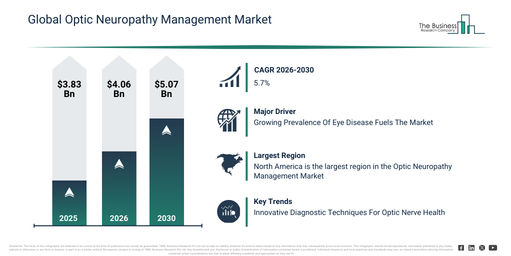
    The optic neuropathy management market has shown robust expansion in recent years. This market is projected to increase from $3.83 billion in 2025 to $4.06 billion in 2026, achieving a compound annual growth rate (CAGR) of 6.0%. The historical expansion is primarily due to the rising prevalence of glaucoma-related optic neuropathy, restricted therapeutic choices for advanced optic nerve damage, an increasing occurrence of ischemic and inflammatory optic neuropathies, the heightened use of corticosteroids in acute care, and insufficient awareness coupled with delayed diagnosis during initial stages.

    The market for managing optic neuropathy is projected to experience robust expansion over the coming years. This market is anticipated to reach $5.07 billion by 2030, exhibiting a compound annual growth rate (CAGR) of 5.7%. This anticipated growth during the forecast period is fueled by several factors, including the increasing clinical integration of stem cell and gene therapies, heightened investment in neuroprotection studies, a rising need for customized optic neuropathy treatment strategies, the proliferation of specialized ophthalmology and neurology facilities, and enhanced availability of sophisticated diagnostic imaging techniques. Key trends foreseen in this period encompass an elevated emphasis on prompt diagnosis and ongoing monitoring of optic neuropathy, a greater uptake of neuroprotective and antioxidant drugs, expanding utilization of less invasive surgical methods for optic nerve injuries, a surging requirement for vision rehabilitation and low vision assistance, and the growing incorporation of comprehensive multidisciplinary care approaches in optic neuropathy management.

    Access Your Free Sample Report for In-Depth Market Insights:

    https://www.thebusinessresearchcompany.com/sample.aspx?id=21236&type=smp

    What Drivers Are Influencing Production Trends In The Optic Neuropathy Management Market?

    An anticipated increase in the occurrence of eye disease is projected to drive the expansion of the optic neuropathy management market in the future. Eye disease encompasses various conditions impacting the eyes’ structure or function, often resulting in diminished vision or associated symptoms. Factors contributing to the growing prevalence of eye disease include an aging demographic, extended screen exposure, unhealthy lifestyle habits, and pre-existing medical issues like diabetes. Effective optic neuropathy management assists in lowering the incidence of eye disease by averting additional optic nerve harm and safeguarding eyesight. For example, data from February 2025, released by the Department of Health and Social Care, a UK-based government entity, indicates that roughly 2 million individuals in the UK currently experience some level of sight impairment, a figure anticipated to climb to 2.7 million by 2030. Consequently, the increasing prevalence of eye disease is a key factor propelling the expansion of the optic neuropathy management market.

    Which Segments Are Gaining Traction In The Optic Neuropathy Management Market?

    The optic neuropathy management market covered in this report is segmented –

    1) By Treatment Type: Medications, Surgery, Other Treatment Types

    2) By Diagnosis: Imaging Tests, Blood Tests, Other Diagnosis

    3) By End-User: Hospitals, Specialty Clinics, Ambulatory Surgical Centers, Other End-Users

    Subsegments:

    1) By Medications: Corticosteroids, Neuroprotective Agents, Antioxidants, Immunosuppressants, Prostaglandin Analogs

    2) By Surgery: Optic Nerve Decompression Surgery, Optic Nerve Transplantation, Retinal Implant Surgery

    3) By Other Treatment Types: Low Vision Aids, Stem Cell Therapy, Gene Therapy

    How Are Emerging Trends Affecting The Progression Of The Optic Neuropathy Management Market?

    Leading companies in the optic neuropathy management market are focusing on developing advanced therapies, such as monoclonal antibody treatment, to achieve a competitive edge. Monoclonal antibodies are laboratory-produced proteins engineered to mimic the immune system’s natural ability to combat detrimental pathogens like viruses and bacteria. For instance, in March 2023, Horizon Therapeutics, an Ireland-based firm, presented new analysis of MRI findings for their medication, UPLIZNA (inebilizumab). The analysis showed that UPLIZNA decreases the formation of asymptomatic optic nerve lesions in individuals with neuromyelitis optica spectrum disorder (NMOSD). This demonstrates Horizon’s commitment to delivering innovative treatments for rare diseases including NMOSD, gout, and thyroid eye disease. UPLIZNA is a monoclonal antibody created to treat NMOSD by targeting and eliminating harmful B cells, thereby reducing inflammation and preventing further damage to the central nervous system and optic nerves, ultimately decreasing relapses and preserving vision.

    Who Are The Core Companies Influencing Trends In The Optic Neuropathy Management Market?

    Major companies operating in the optic neuropathy management market are Pfizer Inc., F. Hoffmann‑La Roche AG, Bayer AG, Novartis AG, Merck KGaA, Regeneron Pharmaceuticals Inc., Bausch Health Companies Inc., Santen Pharmaceutical Co. Ltd., Aerie Pharmaceuticals, Neurophth Therapeutics, GenSight Biologics S.A., Stealth BioTherapeutics, Oculis Holding AG, Neurotech Pharmaceuticals Inc., Quark Pharmaceuticals Inc., Astellas Pharma Inc., Ionis Pharmaceuticals Inc., Apellis Pharmaceuticals, Biogen Inc., Johnson & Johnson Vision, Sanofi S.A., Sun Pharmaceutical Industries Ltd., Alcon Inc., NicOx SA

    Access The Complete Report For Deeper Market Insights:

    https://www.thebusinessresearchcompany.com/report/optic-neuropathy-management-global-market-report

    Which Region Is Expected To Experience The Fastest Growth In The Optic Neuropathy Management Market?

    North America was the largest region in the optic neuropathy management market in 2025. Asia-Pacific is expected to be the fastest-growing region in the forecast period. The regions covered in the optic neuropathy management market report are Asia-Pacific, South East Asia, Western Europe, Eastern Europe, North America, South America, Middle East, Africa.

    Request Your Customized Optic Neuropathy Management Market Research Report for Competitive Advantage:

    https://www.thebusinessresearchcompany.com/customise?id=21236&type=smp

    Browse Through More Reports Similar to the Global Optic Neuropathy Management Market 2026, By The Business Research Company

    Diabetic Neuropathy Market Report 2026

    https://www.thebusinessresearchcompany.com/report/diabetic-neuropathy-global-market-report

    Optic Atrophy Management Market Report 2026

    https://www.thebusinessresearchcompany.com/report/optic-atrophy-management-global-market-report

    Peripheral Neuropathy Market Report 2026

    https://www.thebusinessresearchcompany.com/report/peripheral-neuropathy-global-market-report

    Get in touch with us:

    The Business Research Company: https://www.thebusinessresearchcompany.com/

    Americas +1 310-496-7795

    Asia +44 7882 955267 & +91 8897263534

    Europe +44 7882 955267

    Email us at info@tbrc.info

    Follow us on:

    LinkedIn: https://in.linkedin.com/company/the-business-research-company

    YouTube: https://www.youtube.com/channel/UC24_fI0rV8cR5DxlCpgmyFQ

    Global Market Model: https://www.thebusinessresearchcompany.com/global-market-model
  • Optic Nerve Disorders Treatment Market Future Outlook 2026: Key Drivers and Growth Potential

    Optic Nerve Disorders Treatment Market Future Outlook 2026: Key Drivers and Growth Potential

    Uncover key drivers, emerging technologies, and competitive movements shaping the optic nerve disorders treatment market from 2026–2035 with trusted insights from The Business Research Company

    What is the expected shift in the Optic Nerve Disorders Treatment Market’s size between 2026 and 2030?

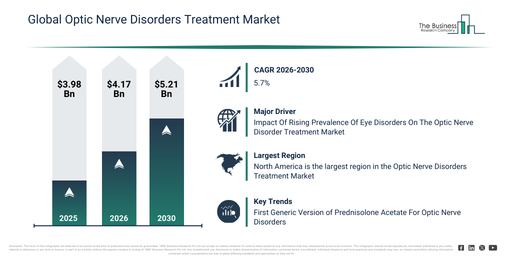
    The optic nerve disorders treatment market has shown steady expansion in recent years. It is anticipated to grow from $3.98 billion in 2025 to $4.17 billion in 2026, achieving a compound annual growth rate (CAGR) of 4.6%. Historically, this growth can be ascribed to a high incidence of glaucoma and optic neuritis cases, the limited efficacy of traditional monotherapies, a rising prevalence of autoimmune-related optic nerve conditions, increased utilization of corticosteroids in acute optic situations, and a lack of early diagnostic availability in developing regions.

    The optic nerve disorders treatment market is projected to experience substantial expansion in the coming years, anticipated to reach $5.21 billion by 2030, demonstrating a compound annual growth rate (CAGR) of 5.7%. This significant growth during the forecast period is primarily driven by factors such as increasing clinical research in neuroprotection therapies, a greater adoption of immunomodulators and biologics, enhanced awareness concerning inherited optic nerve disorders, the expansion of specialized ophthalmic care centers, and a rising demand for personalized treatment protocols. Concurrently, major trends expected in this period include a heightened focus on early diagnosis and intervention for optic nerve damage, the increasing use of combination therapies for inflammatory and degenerative optic disorders, a growing emphasis on long-term disease management and vision preservation, an escalating demand for neuroprotective and supportive treatment approaches, and the increasing integration of multidisciplinary care in optic nerve disorder treatment.

    Access Your Free Sample Report for In-Depth Market Insights:

    https://www.thebusinessresearchcompany.com/sample.aspx?id=12997&type=smp

    Which Drivers Are Shaping Strategic Decisions In The Optic Nerve Disorders Treatment Market?

    A rising incidence of eye conditions is projected to drive expansion in the optic nerve disorder treatment market in the coming period. Eye disorders encompass diseases or states impacting the tissues and various parts of the eyes. Treatment for optic nerve disorders assists individuals afflicted with eye conditions by addressing diverse ocular problems, like glaucoma, through inhibiting or forestalling additional optic nerve deterioration. As an illustration, in July 2025, data from GOV.UK, a U.K.-based government body, indicated that nearly 3.7 million individuals visited hospital outpatient clinics for vision-related issues in England during the financial year ending 2024, representing a rate of 6,127 (ranging from 6,121 to 6,134) per 100,000 population. Consequently, the growing occurrence of eye disorders is fueling the expansion of the optic nerve disorder treatment market.

    What Segment Categories Are Covered In The Optic Nerve Disorders Treatment Market?

    The optic nerve disorders treatment market covered in this report is segmented –

    1) By Treatment Type: Steroidal Therapy, Immunomodulators therapy, Other Treatment Types

    2) By Indication: Glaucoma, Optic Neuritis, Optic Neuropathy, Congenital Optic Atrophy, Other Indications

    3) By End User: Hospitals, Ambulatory Surgery Centers, Clinics, Other End Users

    Subsegments:

    1) By Steroidal Therapy: Corticosteroids, Intravitreal Steroid Injections, Oral Steroids

    2) By Immunomodulators Therapy: Disease-Modifying Antirheumatic Drugs (DMARDs), Biologic Agents, Intravenous Immunoglobulin (IVIG)

    3) By Other Treatment Types: Optical Nerve Decompression Surgery, Neuroprotective Agents, Supportive Therapies

    Which Innovation Trends Are Advancing Developments Within The Optic Nerve Disorders Treatment Market?

    Leading companies in the optic nerve disorder treatment market are introducing innovations, such as generic suspensions, to maintain their market standing. Typically, generic suspensions for optic nerve disorders incorporate corticosteroids or other anti-inflammatory agents in liquid form, engineered to reduce inflammation and manage symptoms in conditions like optic neuritis or other optic nerve diseases. For instance, in October 2024, Lupin, an India-based pharmaceutical company, launched the first generic version of prednisolone cetate ophthalmic suspension. This introduction signifies a notable advancement in the available treatment options for patients affected by optic nerve disorders. The generic version of Prednisolone Acetate Ophthalmic Suspension presents a more cost-effective alternative to its branded equivalent, making it accessible to a broader patient base. This particular formulation is designed to alleviate inflammation and treat various eye conditions, including those impacting the optic nerve.

    Which Major Industry Participants Are Leading The Optic Nerve Disorders Treatment Market Growth?

    Major companies operating in the optic nerve disorders treatment market are Pfizer Inc., F. Hoffmann-La Roche Ltd., Merck and Co. Inc., Novartis AG, Regeneron Pharmaceuticals Inc., Alcon Inc., Sun Pharmaceutical Industries Limited, Bausch + Lomb Corporation, Horizon Therapeutics Inc., Santen Pharmaceutical Co. Ltd., Allergan Inc., Akorn Inc., Ionis Pharmaceuticals Inc., Lumenis Ltd., Glaukos Corporation, Nidek Co. Ltd., Aerie Pharmaceuticals Inc., Spark Therapeutics Inc., IRIDEX Corporation, Kowa Company Limited, New World Medical Inc., Heidelberg Engineering GmbH, Editas Medicine Inc., Quark Pharmaceuticals Inc., iSTAR Medical SA, Neurotech Pharmaceuticals Inc., Nicox SA., GenSight Biologics S.A., Inotek Pharmaceuticals Co., Oculis Holding AG

    Access The Complete Report For Deeper Market Insights:

    https://www.thebusinessresearchcompany.com/report/optic-nerve-disorders-treatment-global-market-report

    Which Geographic Areas Are Emerging As Strong Markets For The Optic Nerve Disorders Treatment Market?

    North America was the largest region in the optic nerve disorders treatment market in 2025. The regions covered in the optic nerve disorders treatment market report are Asia-Pacific, South East Asia, Western Europe, Eastern Europe, North America, South America, Middle East, Africa.

    Request Your Customized Optic Nerve Disorders Treatment Market Research Report for Competitive Advantage:

    https://www.thebusinessresearchcompany.com/customise?id=12997&type=smp

    Browse Through More Reports Similar to the Global Optic Nerve Disorders Treatment Market 2026, By The Business Research Company

    Ocular Hypertension Treatment Market Report 2026

    https://www.thebusinessresearchcompany.com/report/ocular-hypertension-treatment-global-market-report

    Retinal Disorder Treatment Market Report 2026

    https://www.thebusinessresearchcompany.com/report/retinal-disorder-treatment-global-market-report

    Optic Atrophy Management Market Report 2026

    https://www.thebusinessresearchcompany.com/report/optic-atrophy-management-global-market-report

    Get in touch with us:

    The Business Research Company: https://www.thebusinessresearchcompany.com/

    Americas +1 310-496-7795

    Asia +44 7882 955267 & +91 8897263534

    Europe +44 7882 955267

    Email us at info@tbrc.info

    Follow us on:

    LinkedIn: https://in.linkedin.com/company/the-business-research-company

    YouTube: https://www.youtube.com/channel/UC24_fI0rV8cR5DxlCpgmyFQ

    Global Market Model: https://www.thebusinessresearchcompany.com/global-market-model
  • Optic Atrophy Management Market Trends and Insights: Global Forecast to 2030

    Optic Atrophy Management Market Trends and Insights: Global Forecast to 2030

    Uncover key drivers, emerging technologies, and competitive movements shaping the optic atrophy management market from 2026–2035 with trusted insights from The Business Research Company

    What growth pattern is forecast for the Optic Atrophy Management Market size between 2026 and 2035?

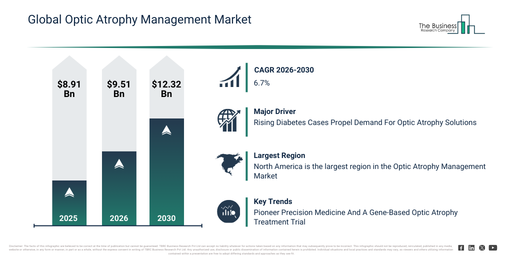
    The optic atrophy management market size has shown strong growth in recent years. It is anticipated to expand from $8.91 billion in 2025 to $9.51 billion in 2026, achieving a compound annual growth rate (CAGR) of 6.8%. The historical growth can be linked to the high prevalence of optic nerve damage resulting from glaucoma and ischemic disorders, the limited availability of curative therapies, a rising incidence of infectious and drug-induced optic neuropathy, delayed diagnoses in developing healthcare systems, and a reliance on symptomatic and supportive treatment methods.

    The optic atrophy management market is anticipated to experience robust growth in the upcoming years, with its size projected to reach $12.32 billion in 2030, driven by a compound annual growth rate (CAGR) of 6.7%. The expansion during this forecast period is attributed to factors such as rising investment in neuro-ophthalmology research, increasing awareness of optic atrophy among clinicians, a growing aging population with heightened neurodegenerative risk, the expansion of advanced diagnostic and imaging tools, and an increasing focus on personalized and long-term vision management. Major trends within the forecast period include a rising focus on early diagnosis and monitoring of optic nerve degeneration, increasing adoption of vision rehabilitation and supportive care programs, a growing emphasis on managing underlying neurological and systemic conditions, a rising demand for neuroprotective and disease-stabilizing therapies, and the increasing use of multidisciplinary treatment approaches in vision care.

    Access Your Free Sample Report for In-Depth Market Insights:

    https://www.thebusinessresearchcompany.com/sample.aspx?id=13499&type=smp

    Which Drivers Are Impacting Market Performance In The Optic Atrophy Management Market?

    The rising occurrence of diabetes is anticipated to fuel the expansion of the optic atrophy management market in the foreseeable future. Diabetes is a chronic health condition marked by elevated blood sugar levels, resulting from either insufficient insulin production or the body’s inability to effectively use insulin. Optic atrophy management proves beneficial for individuals with diabetes, particularly those with conditions like Wolfram syndrome, as it addresses progressive vision loss linked to nerve degeneration, aiming to prevent or slow the progression of diabetic eye complications. For instance, in February 2023, Diabetes Canada, a Canada-based non-profit organization, reported that in Canada, the estimated prevalence of diabetes is projected to increase from 2,409,000 cases (15% of the population) in 2023 to 3,009,000 cases (17% of the population) by 2033. Therefore, the increasing incidence of diabetes is a key driver for the growth of the optic atrophy management market.

    Which Segments Are Contributing To The Growth Of The Optic Atrophy Management Market?

    The optic atrophy management market covered in this report is segmented –

    1) By Drug Type: Disulfiram, Amebicides, Ethambutol, Isoniazid, Chloramphenicol, Vincristine, Ciclosporin, Cimetidine

    2) By Route Of Administration: Oral, Injectable

    3) By Distribution Channel: Hospital Pharmacies, Retail Pharmacies, Online Pharmacies

    4) By End-User: Hospitals, Specialty Clinics, Ambulatory Surgical Centers, Rehabilitation Centers

    Subsegments:

    1) By Disulfiram: Oral Disulfiram Tablets, Low-Dose Disulfiram Therapy, Adjunct Neuroprotective Disulfiram Use

    2) By Amebicides: Metronidazole-Based Amebicides, Tinidazole-Based Amebicides, Combination Amebicidal Therapy

    3) By Ethambutol: Low-Dose Ethambutol Regimens, Dose-Adjusted Ethambutol Therapy, Ethambutol With Visual Monitoring Protocols

    4) By Isoniazid: Standard Isoniazid Therapy, Pyridoxine-Supplemented Isoniazid Therapy, Modified-Dose Isoniazid Regimens

    5) By Chloramphenicol: Oral Chloramphenicol Therapy, Injectable Chloramphenicol Therapy, Short-Term Chloramphenicol Use

    6) By Vincristine: Low-Dose Vincristine Therapy, Intravenous Vincristine Administration, Combination Chemotherapy Regimens With Vincristine

    7) By Ciclosporin: Oral Ciclosporin Therapy, Immunomodulatory Ciclosporin Regimens, Dose-Titrated Ciclosporin Treatment

    8) By Cimetidine: Oral Cimetidine Therapy, Adjunctive Cimetidine Use, Dose-Adjusted Cimetidine Regimens

    Which Competitive Trends Are Impacting The Structure Of The Optic Atrophy Management Market?

    Leading companies in the optic atrophy management market are increasingly focused on conducting trials to develop targeted therapies for rare genetic disorders, aiming to gain a competitive advantage. These specialized therapies for uncommon genetic conditions are designed to address the fundamental genetic origin of the ailment. This involves introducing genetic material into cells to correct or substitute a faulty gene, thereby tackling the underlying cause of the disease. For example, in April 2023, Stoke Therapeutics, Inc., a US-based biotechnology firm, obtained approval from the Medicines and Healthcare Products Regulatory Agency (MHRA) in the UK for its clinical trial application to start the Phase I/II OSPREY trial of STK-002. This trial intends to treat autosomal dominant optic atrophy (ADOA), which is the most common inherited disorder of the optic nerve, leading to progressive and irreversible vision loss in both eyes, typically starting in the first decade of life. Significantly, there are currently no approved treatments for this condition, and the STK-002 therapy is hoped to slow down or potentially stop the progression of vision loss in individuals affected by autosomal dominant optic atrophy (ADOA).

    Who Are The Prominent Global Companies Shaping The Optic Atrophy Management Market Landscape?

    Major companies operating in the optic atrophy management market are Pfizer Inc., Johnson And Johnson, F. Hoffmann-La Roche AG, AbbVie Inc., Bayer AG, Novartis AG, Bristol-Myers Squibb Company, Sanofi SA, GlaxoSmithKline plc, Eli Lilly And Company, Boehringer Ingelheim International GmbH., Teva Pharmaceuticals, Viatris (Mylan N.V.), Astellas Pharma Inc, Bausch Health Companies Inc., Sumitomo Dainippon Pharma Co. Ltd, Bausch And Lomb Inc., Aurobindo Pharma, Cipla Ltd, Apotex Inc. , Zydus Cadila, Santen Pharmaceutical Co. Ltd, Lupin, Allergan ple., LEO Pharma A/S, Aerie Pharmaceuticals Inc., Neurophth Therapeutics Inc, Stoke Therapeutics Inc, Bionure Farma S.L., Mallinckrodt Pharmaceuticals, Ixchel Pharma LLC

    Access The Complete Report For Deeper Market Insights:

    https://www.thebusinessresearchcompany.com/report/optic-atrophy-management-global-market-report

    Which Region Is Projected To Lead The Optic Atrophy Management Market During The Forecast Period?

    North America was the largest region in the optic atrophy management market in 2025. The regions covered in the optic atrophy management market report are Asia-Pacific, South East Asia, Western Europe, Eastern Europe, North America, South America, Middle East, Africa.

    Request Your Customized Optic Atrophy Management Market Research Report for Competitive Advantage:

    https://www.thebusinessresearchcompany.com/customise?id=13499&type=smp

    Browse Through More Reports Similar to the Global Optic Atrophy Management Market 2026, By The Business Research Company

    Retinal Disorder Treatment Market Report 2026

    https://www.thebusinessresearchcompany.com/report/retinal-disorder-treatment-global-market-report

    Optic Nerve Disorders Treatment Market Report 2026

    https://www.thebusinessresearchcompany.com/report/optic-nerve-disorders-treatment-global-market-report

    Ocular Hypertension Treatment Market Report 2026

    https://www.thebusinessresearchcompany.com/report/ocular-hypertension-treatment-global-market-report

    Get in touch with us:

    The Business Research Company: https://www.thebusinessresearchcompany.com/

    Americas +1 310-496-7795

    Asia +44 7882 955267 & +91 8897263534

    Europe +44 7882 955267

    Email us at info@tbrc.info

    Follow us on:

    LinkedIn: https://in.linkedin.com/company/the-business-research-company

    YouTube: https://www.youtube.com/channel/UC24_fI0rV8cR5DxlCpgmyFQ

    Global Market Model: https://www.thebusinessresearchcompany.com/global-market-model
  • Global Opioid-Induced Constipation Treatment Market Report 2026–2030: Data-Driven Growth Insights

    Global Opioid-Induced Constipation Treatment Market Report 2026–2030: Data-Driven Growth Insights

    Uncover key drivers, emerging technologies, and competitive movements shaping the opioid-induced constipation treatment market from 2026–2035 with trusted insights from The Business Research Company

    How much larger will the Opioid-Induced Constipation Treatment Market be in 2030 compared with 2026?

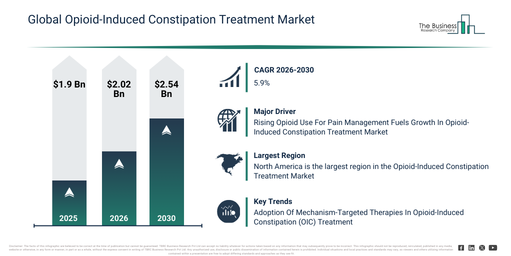
    The opioid-induced constipation treatment market size has seen strong expansion in recent years. It is forecast to increase from $1.9 billion in 2025 to $2.02 billion in 2026, achieving a compound annual growth rate (CAGR) of 6.7%. The market’s historical growth can be linked to factors such as the extensive use of opioids for managing chronic pain, the insufficient efficacy of conventional laxatives, the increasing prevalence of pain associated with cancer, the lack of early OIC-specific treatments, and a rise in hospitalizations stemming from opioid adverse effects.

    The opioid-induced constipation treatment market size is anticipated to expand substantially in the coming years. It is projected to reach $2.54 billion by 2030, demonstrating a compound annual growth rate (CAGR) of 5.9%. This expansion during the forecast period is fueled by several factors, including the increasing demand for PAMORA-based therapies, a rise in long-term opioid prescriptions among older demographics, a greater clinical emphasis on patient-centric pain management, the widening availability of online and retail pharmacies, and increased investment in the development of drugs for gastrointestinal disorders. Noteworthy trends for the forecast period encompass a greater adoption of peripherally acting μ-opioid receptor antagonists, a growing inclination towards targeted OIC therapies that do not compromise analgesia, an expanded application of combined pharmacological and non-pharmacological treatments, a heightened focus on enhancing the quality of life for individuals with chronic pain, and an improved awareness and diagnosis of opioid-induced constipation.

    Access Your Free Sample Report for In-Depth Market Insights:

    https://www.thebusinessresearchcompany.com/sample.aspx?id=15881&type=smp

    What Drivers Are Guiding Growth Patterns In The Opioid-Induced Constipation Treatment Market?

    The increasing administration of opioids for both cancer and non-cancer pain is projected to advance the opioid-induced constipation treatment market. Cancer pain relates to discomfort associated with cancer and its remedies, while non-cancer pain originates from conditions unrelated to cancer. The use of opioids for cancer and non-cancer pain is essential for effectively managing moderate to severe pain, taking into account elements such as pain intensity and duration, patient response to alternative treatments, and the overarching aim of enhancing quality of life while minimizing potential addiction risks and adverse effects. Opioid-induced constipation (OIC) treatment aids patients suffering from cancer and non-cancer pain by alleviating constipation caused by opioid consumption, thereby improving overall comfort, adherence to pain management plans, and quality of life without compromising pain relief. For example, in November 2024, information from the Centers for Disease Control and Prevention, a US-based public health agency, indicated that in 2023, the rate was 37.5 opioid prescriptions dispensed per 100 persons. Additionally, states with the highest opioid dispensing rates per 100 persons in 2023 included Arkansas (71.5), Alabama (71.4), Mississippi (63.1), and Louisiana (62.7). Thus, the increased administration of opioids for cancer and non-cancer pain is stimulating the expansion of the opioid-induced constipation treatment market.

    How Is The Opioid-Induced Constipation Treatment Market Divided Into Segments?

    The opioid-induced constipation treatment market covered in this report is segmented –

    1) By Drug Class: Laxatives, Peripherally Acting μ-opioid Receptor Antagonists, Serotonin Receptor Agonists

    2) By Type: Oral, Parenteral

    3) By Distribution Channel: Hospital Pharmacies, Online Pharmacies, Retail Pharmacies

    Subsegments:

    1) By Laxatives: Osmotic Laxatives, Stimulant Laxatives, Bulk-Forming Laxatives

    2) By Peripherally Acting μ-Opioid Receptor Antagonists: Naloxegol, Methylnaltrexone, Alvimopan

    3) By Serotonin Receptor Agonists: Prucalopride, Tegaserod

    What Industry Trends Are Transforming The Opioid-Induced Constipation Treatment Market?

    Key companies operating in the opioid-induced constipation treatment market are prioritizing the development of innovations such as peripherally acting μ-opioid receptor antagonists (PAMORAs). These are engineered for targeted modulation of gut receptors, aiming to boost efficacy, improve patient adherence, and mitigate systemic adverse effects during opioid therapy. A PAMORA operates by selectively blocking μ-opioid receptors in the gastrointestinal tract without crossing the blood–brain barrier, thereby restoring bowel function while maintaining central analgesia, unlike traditional laxatives which do not address the underlying receptor-mediated cause of constipation. As an illustration, in May 2025, Luye Pharma, a China-based pharmaceutical company, introduced Mimeixin, an oral oxycodone/naloxone sustained-release tablet specifically formulated for OIC. This product delivers once-daily analgesia while simultaneously antagonizing gut opioid receptors, leading to improved bowel regularity and reduced gastrointestinal side effects compared to older therapies, thus providing a patient-friendly option that combines pain control and constipation management in a single tablet.

    Which Key Players Are Driving Competition In The Opioid-Induced Constipation Treatment Market?

    Major companies operating in the opioid-induced constipation treatment market are Pfizer Inc., AstraZeneca plc, Takeda Pharmaceutical Company Limited, Bausch Health Companies Inc., Ironwood Pharmaceuticals Inc., Collegium Pharmaceutical Inc., Cumberland Pharmaceuticals Inc., RedHill Biopharma Ltd., Theravance Biopharma Inc., Mundipharma International Limited, Daiichi Sankyo Co Ltd, Progenics Pharmaceuticals Inc, Shionogi & Co Ltd, Purdue Pharma, Nektar Therapeutics, S L A Pharma AG, Bristol‑Myers Squibb Company, Fresenius Kabi AG, Viatris Inc, Novartis AG, Teva Pharmaceutical Industries Ltd, F Hoffmann‑La Roche Ltd, Aurobindo Pharma, Abbott Laboratories, Daewoong Pharmaceutical Company

    Access The Complete Report For Deeper Market Insights:

    https://www.thebusinessresearchcompany.com/report/opioid-induced-constipation-treatment-global-market-report

    Which Region Currently Holds The Largest Share Of The Opioid-Induced Constipation Treatment Market?

    North America was the largest region in the opioid-induced constipation treatment market in 2025. Asia-Pacific is expected to be the fastest-growing region in the forecast period. The regions covered in the opioid-induced constipation treatment market report are Asia-Pacific, South East Asia, Western Europe, Eastern Europe, North America, South America, Middle East, Africa.

    Request Your Customized Opioid-Induced Constipation Treatment Market Research Report for Competitive Advantage:

    https://www.thebusinessresearchcompany.com/customise?id=15881&type=smp

    Browse Through More Reports Similar to the Global Opioid-Induced Constipation Treatment Market 2026, By The Business Research Company

    Migraine Treatment Market Report 2026

    https://www.thebusinessresearchcompany.com/report/migraine-treatment-global-market-report

    Constipation Treatment Market Report 2026

    https://www.thebusinessresearchcompany.com/report/constipation-treatment-global-market-report

    Constipation Laxative Market Report 2026

    https://www.thebusinessresearchcompany.com/report/constipation-laxative-global-market-report

    Get in touch with us:

    The Business Research Company: https://www.thebusinessresearchcompany.com/

    Americas +1 310-496-7795

    Asia +44 7882 955267 & +91 8897263534

    Europe +44 7882 955267

    Email us at info@tbrc.info

    Follow us on:

    LinkedIn: https://in.linkedin.com/company/the-business-research-company

    YouTube: https://www.youtube.com/channel/UC24_fI0rV8cR5DxlCpgmyFQ

    Global Market Model: https://www.thebusinessresearchcompany.com/global-market-model
  • Opioid Use Disorder (OUD) Market Dynamics 2026: Future Outlook and Key Insights

    Opioid Use Disorder (OUD) Market Dynamics 2026: Future Outlook and Key Insights

    Uncover key drivers, emerging technologies, and competitive movements shaping the opioid use disorder (oud) market from 2026–2035 with trusted insights from The Business Research Company

    Starting from its 2026 valuation, what market size is the Opioid Use Disorder (OUD) Market expected to reach by 2030?

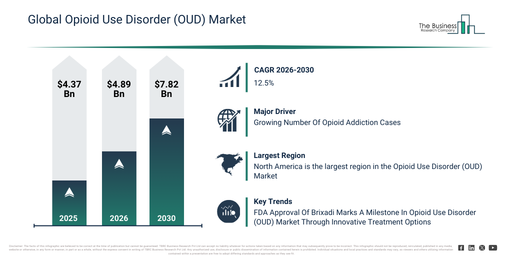
    The market size for opioid use disorder (OUD) has experienced substantial growth in recent years. This market is expected to increase from $4.37 billion in 2025 to $4.89 billion in 2026, achieving a compound annual growth rate (CAGR) of 11.8%. The reasons for its historical expansion include the overprescription of opioid painkillers, an increasing prevalence of chronic pain conditions, limited access to early addiction treatment, the social stigma surrounding substance abuse treatment, and the growing availability of illicit opioids.

    The opioid use disorder (OUD) market is projected to experience substantial expansion over the upcoming years, with an anticipated growth to $7.82 billion by 2030, demonstrating a compound annual growth rate (CAGR) of 12.5%. This expansion during the forecast period can be attributed to enhanced government investment in addiction treatment initiatives, broader acceptance of medication-assisted treatment, the expansion of online and telehealth services for addiction, increased insurance coverage for OUD treatments, and a heightened emphasis on strategies for prevention and harm reduction. Key trends emerging in this period involve the increasing uptake of medication-assisted treatment programs, a greater integration of behavioral therapy with medication-based care, the proliferation of community-based opioid treatment facilities, a stronger focus on long-acting injectable treatments for OUD, and an amplified commitment to preventing relapse and supporting long-term recovery.

    Access Your Free Sample Report for In-Depth Market Insights:

    https://www.thebusinessresearchcompany.com/sample.aspx?id=12586&type=smp

    What Drivers Are Driving Adoption Within The Opioid Use Disorder (OUD) Market?

    The increasing prevalence of opioid addiction is anticipated to drive the expansion of the opioid use disorder (OUD) market in the future. Opioid addiction is defined as a medical condition marked by habitual and persistent opioid consumption, leading to detrimental bodily effects. Opioids are capable of inducing euphoria and alleviating pain; however, their ongoing use can result in tolerance, necessitating larger doses for the desired effect, potentially culminating in opioid use disorder. For instance, in 2023, according to the Centers for Disease Control and Prevention, a US-based public health agency, in 2023, the number of drug overdose deaths involving any opioid was 79,358. The rate of drug overdose fatalities linked to any opioid stood at 23.7 per 100,000 population. Consequently, the increasing incidence of opioid addiction is a key factor propelling the expansion of the opioid use disorder (OUD) market.

    What Segments Are Included Within The Opioid Use Disorder (OUD) Market?

    The opioid use disorder (oud) market covered in this report is segmented –

    1) By Drug Type: Buprenorphine, Naltrexone, Methadone

    2) By Route Of Administration: Oral, Parenteral

    3) By Age Group: 19 To 40, 41 To 60, 61 And Over

    4) By Distribution Channel: Hospital Pharmacies, Retail Pharmacies And Stores, Online Pharmacies

    Subsegments:

    1) By Buprenorphine: Suboxone, Buprenorphine Tablets, Buprenorphine Film

    2) By Naltrexone: Naltrexone Tablets, Vivitrol

    3) By Methadone: Methadone Tablets, Methadone Oral Solution

    What Trends Are Reshaping The Dynamics Of The Opioid Use Disorder (OUD) Market?

    Companies operating within the opioid use disorder (OUD) market are concentrating on developing advanced solutions, such as next-generation extended-release buprenorphine formulations. This focus aims to address the increasing need for long-acting, adherence-supporting treatment options that effectively reduce withdrawal symptoms and enhance recovery outcomes. Extended-release buprenorphine formulations deliver sustained medication over weekly or monthly periods, providing increased convenience and stability compared to daily oral or sublingual therapies, which can elevate the risk of relapse. For instance, in May 2023, the U.S. Food and Drug Administration, a US-based federal agency, granted approval to Brixadi (buprenorphine) extended-release injection for treating moderate to severe opioid use disorder (OUD). Brixadi is available in two forms: a weekly injection for patients who started treatment with a single dose of a transmucosal buprenorphine product or are currently taking the medication, and a monthly version for individuals who are already receiving the medication.

    Who Are The Top-Performing Companies In The Opioid Use Disorder (OUD) Market In Recent Years?

    Major companies operating in the opioid use disorder (oud) market are Indivior Plc., Alkermes Inc., Braeburn Pharmaceuticals Inc., Titan Pharmaceuticals Inc., BioDelivery Sciences International Inc., Camurus AB, Orexo US Inc., Rhodes Pharmaceuticals L P, Mallinckrodt Pharmaceuticals, Hikma Pharmaceuticals Plc., Teva Pharmaceutical Industries Ltd., Viatris Inc., Mylan NV, Adapt Pharma Inc., Opiant Pharmaceuticals Inc., Dr Reddy’s Laboratories Ltd., Cipla Limited, Luye Pharma Group, Amneal Pharmaceuticals Inc., Sun Pharmaceutical Industries Ltd., Knight Therapeutics, BioCorRx Inc., Lannett Company Inc., Zydus Cadila, Apotex Inc., Intas Biopharmaceuticals, Glenmark Pharmaceuticals Ltd., InterveXion Therapeutics

    Access The Complete Report For Deeper Market Insights:

    https://www.thebusinessresearchcompany.com/report/opioid-use-disorder-oud-global-market-report

    How Does The Opioid Use Disorder (OUD) Market Perform Across Major Global Regions?

    North America was the largest region in the opioid use disorder (OUD) market in 2025. The regions covered in the opioid use disorder (oud) market report are Asia-Pacific, South East Asia, Western Europe, Eastern Europe, North America, South America, Middle East, Africa.

    Request Your Customized Opioid Use Disorder (OUD) Market Research Report for Competitive Advantage:

    https://www.thebusinessresearchcompany.com/customise?id=12586&type=smp

    Browse Through More Reports Similar to the Global Opioid Use Disorder (OUD) Market 2026, By The Business Research Company

    Migraine Treatment Market Report 2026

    https://www.thebusinessresearchcompany.com/report/migraine-treatment-global-market-report

    Opioids Market Report 2026

    https://www.thebusinessresearchcompany.com/report/opioids-global-market-report

    Opioid Induced Constipation Treatment Market Report 2026

    https://www.thebusinessresearchcompany.com/report/opioid-induced-constipation-treatment-global-market-report

    Get in touch with us:

    The Business Research Company: https://www.thebusinessresearchcompany.com/

    Americas +1 310-496-7795

    Asia +44 7882 955267 & +91 8897263534

    Europe +44 7882 955267

    Email us at info@tbrc.info

    Follow us on:

    LinkedIn: https://in.linkedin.com/company/the-business-research-company

    YouTube: https://www.youtube.com/channel/UC24_fI0rV8cR5DxlCpgmyFQ

    Global Market Model: https://www.thebusinessresearchcompany.com/global-market-model