Category: Healthcare Services

  • Patent Analytics Market Forecast 2026–2035: Data Trends and Industry Insights

    Patent Analytics Market Forecast 2026–2035: Data Trends and Industry Insights

    Uncover key drivers, emerging technologies, and competitive movements shaping the patent analytics market from 2026–2035 with trusted insights from The Business Research Company

    How much is the Patent Analytics Market valued at in 2026, and what valuation is forecast for 2030?

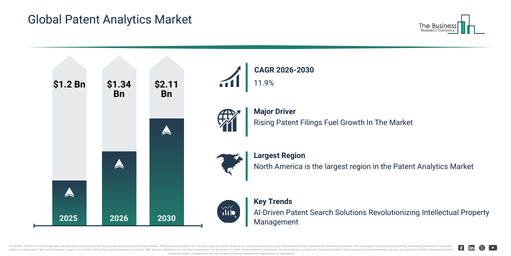
    The patent analytics market has experienced significant expansion in recent times. Projections indicate it will expand from $1.2 billion in 2025 to $1.34 billion in 2026, exhibiting a compound annual growth rate (CAGR) of 12.3%. This historical growth is linked to factors such as an increasing global volume of patent filings, the escalating intricacy of intellectual property environments, a heightened demand for competitive benchmarking, the prior dependence on manual patent analysis techniques, and the broadening innovation strategies of multinational corporations.

    The patent analytics market is projected to experience substantial expansion in the coming years, reaching $2.11 billion by 2030 with a compound annual growth rate (CAGR) of 11.9%. This anticipated growth during the forecast period is driven by factors such as the incorporation of AI and machine learning into patent analytics solutions, heightened adoption among SMEs, a growing need for immediate patent insights, the rise of cloud-based analytics implementations, and the broader application of patent data for making strategic investment choices. Key trends expected during this period encompass the growing embrace of data-driven approaches for patent decision-making, a heightened need for competitive intelligence and landscape analysis, the proliferation of cloud-based patent analytics platforms, an increase in patent valuation and monetization efforts, and an enhanced emphasis on intellectual property risk management and preparedness for litigation.

    Access Your Free Sample Report for In-Depth Market Insights:

    https://www.thebusinessresearchcompany.com/sample.aspx?id=20916&type=smp

    What Drivers Are Influencing The Growth Of The Patent Analytics Market?

    The increasing volume of patent applications is anticipated to stimulate the expansion of the patent analytics market moving forward. Patent filings involve the submission of applications to secure legal rights for an invention, granting the applicant exclusive ownership and protection for a defined period. The rise in patent submissions can be attributed to several factors, such as increased investment in R&D, growing awareness of intellectual property, and the activities of patent trolls. Patent analytics helps in identifying prior art, assessing patentability, and crafting robust claims to strengthen patent filing strategies. For instance, in August 2024, according to the World Intellectual Property Organization (WIPO), a Switzerland-based intergovernmental organization, in 2023, patent filings worldwide grew by 2.7%, reaching approximately 3.6 million. Therefore, the increasing number of patent filings is propelling the growth of the patent analytics market.

    What Segments Are Included Within The Patent Analytics Market?

    The patent analytics market covered in this report is segmented –

    1) By Component: Solutions, Services

    2) By Deployment Type: On-Premises, Cloud-Based

    3) By Enterprise Size: Large Enterprises, Small And Mid-Sized Enterprises (SMEs)

    4) By Application: Competitive Intelligence, Technology Landscape Analysis, Patent Valuation, Litigation Support

    5) By End-User: Corporates, Research Organizations, Intellectual Property Firms, Government Agencies

    Subsegments:

    1) By Solutions: Patent Search And Analytics Software, Patent Valuation Solutions, Competitive Intelligence Solutions, Patent Mapping And Landscape Tools, IP Portfolio Management Solutions

    2) By Services: Patent Search Services, Patent Licensing And Monetization Services, Patent Litigation Support Services, Patent Strategy And Consulting Services, Patent Filing And Prosecution Services

    Which Trends Are Influencing The Development Of The Patent Analytics Market?

    Leading companies in the patent analytics market are concentrating on developing advanced artificial intelligence-powered patent search solutions to improve decision-making in intellectual property management. An AI-powered patent search solution leverages sophisticated technologies to streamline and automate searches of patent databases, allowing users to efficiently identify relevant patents, track innovation trends, and assess patentability with increased accuracy. For instance, in December 2024, Clarivate Plc, a UK-based provider of transformative intelligence, launched AI Search in Derwent. This advanced patent search tool integrates artificial intelligence with the Derwent World Patents Index (DWPI) to deliver more accurate and relevant patent search results. By utilizing a language transformer model, the tool understands the context of the input text, enabling intellectual property (IP) professionals to perform initial patentability searches, validate results, and explore unfamiliar technology categories more efficiently. The AI tool significantly enhances both the speed and accuracy of searches, allowing users to find relevant patents more quickly and make better-informed decisions during the patent research process.

    Who Are The Core Companies Influencing Trends In The Patent Analytics Market?

    Major companies operating in the patent analytics market are Clarivate Plc, LexisNexis, IP.com, Patsnap, Anaqua Inc., TechInsights Inc., QUESTEL SAS, Sagacious IP, MaxVal Group Inc., RPX Corporation, Wynne-Jones IP Ltd., Ocean Tomo LLC, Minesoft Ltd., IDTechEx Limited, Excelon IP, Coller IP, Harrity & Harrity LLP, Patent iNSIGHT Pro, IPlytics GmbH, Dolcera, PatSeer Technologies Pvt. Ltd.

    Access The Complete Report For Deeper Market Insights:

    https://www.thebusinessresearchcompany.com/report/patent-analytics-global-market-report

    Which Region Is Projected To Lead The Patent Analytics Market During The Forecast Period?

    North America was the largest region in the patent analytics market in 2025. Asia-Pacific is expected to be the fastest-growing region in the forecast period. The regions covered in the patent analytics market report are Asia-Pacific, South East Asia, Western Europe, Eastern Europe, North America, South America, Middle East, Africa.

    Request Your Customized Patent Analytics Market Research Report for Competitive Advantage:

    https://www.thebusinessresearchcompany.com/customise?id=20916&type=smp

    Browse Through More Reports Similar to the Global Patent Analytics Market 2026, By The Business Research Company

    App Analytics Market Report 2026

    https://www.thebusinessresearchcompany.com/report/app-analytics-global-market-report

    Document Analytics Market Report 2026

    https://www.thebusinessresearchcompany.com/report/document-analytics-global-market-report

    Sales Intelligence Market Report 2026

    https://www.thebusinessresearchcompany.com/report/sales-intelligence-global-market-report

    Get in touch with us:

    The Business Research Company: https://www.thebusinessresearchcompany.com/

    Americas +1 310-496-7795

    Asia +44 7882 955267 & +91 8897263534

    Europe +44 7882 955267

    Email us at info@tbrc.info

    Follow us on:

    LinkedIn: https://in.linkedin.com/company/the-business-research-company

    YouTube: https://www.youtube.com/channel/UC24_fI0rV8cR5DxlCpgmyFQ

    Global Market Model: https://www.thebusinessresearchcompany.com/global-market-model
  • Neurotrophic Keratitis Treatment Market Size and Demand Forecast 2026–2030

    Neurotrophic Keratitis Treatment Market Size and Demand Forecast 2026–2030

    Uncover key drivers, emerging technologies, and competitive movements shaping the neurotrophic keratitis treatment market from 2026–2035 with trusted insights from The Business Research Company

    What market expansion outlook does the Neurotrophic Keratitis Treatment Market show for the 2026–2030 period?

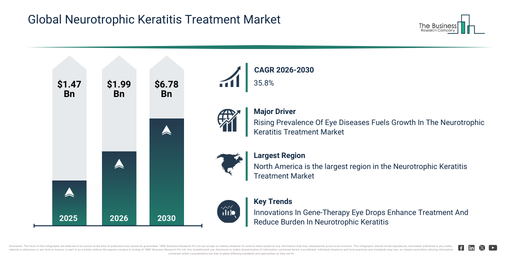
    The neurotrophic keratitis treatment market has seen significant expansion in recent years. It is anticipated to increase from $1.47 billion in 2025 to $1.99 billion in 2026, exhibiting a compound annual growth rate (CAGR) of 36.1%. This historical market growth is attributable to factors such as the growing prevalence of diabetes-related corneal disorders, a rise in herpes simplex eye infections, the development of ophthalmology specialty clinics, enhanced understanding of neurotrophic keratitis among medical professionals, and the broadening of hospital-based eye care provisions.

    The neurotrophic keratitis treatment market is projected to experience substantial expansion over the upcoming years. This market is anticipated to reach $6.78 billion by 2030, demonstrating a compound annual growth rate (CAGR) of 35.8%. The anticipated growth during this period is fueled by several factors, including breakthroughs in regenerative ophthalmic treatments, a rise in the approval of rhNGF-based medications, an expanding elderly demographic facing nerve degeneration risks, increased funding for research into rare eye conditions, and broader availability of sophisticated eye care services in developing regions. Key trends foreseen for the forecast horizon encompass a greater embrace of recombinant human nerve growth factor treatments, a developing inclination towards less invasive corneal repair methods, a heightened emphasis on prompt diagnosis and intervention, the proliferation of home-based ophthalmic care options, and enhancements in techniques for preserving amniotic membranes.

    Access Your Free Sample Report for In-Depth Market Insights:

    https://www.thebusinessresearchcompany.com/sample.aspx?id=12968&type=smp

    What Drivers Are Shaping The Development Of The Neurotrophic Keratitis Treatment Market?

    The increasing occurrence of eye conditions is anticipated to drive the expansion of the neurotrophic keratitis treatment market moving ahead. Eye ailments encompass numerous conditions impacting the eyes’ structure and operation, potentially resulting in compromised sight or complete vision loss. The rise in eye disease frequency stems from elements like an aging population, shifts in lifestyle, and the rising rates of persistent conditions such as diabetes. Treatment for neurotrophic keratitis aids ocular health through enhancing corneal sensation, fostering recovery, averting infections, and easing discomfort. For example, data from August 2023, provided by the World Health Organization (WHO), a United Nations agency based in Switzerland, revealed that an estimated 2.2 billion individuals globally experience near or distance vision impairment. Of these, 1 billion cases could have been prevented or remain unaddressed. Refractive errors and cataracts continue to be the primary worldwide reasons for vision loss, yet only 36% of those with refractive-error-related distance impairment and merely 17% of those with cataract-related impairment have received the necessary care. Consequently, the expanding occurrence of eye conditions is fueling the growth within the neurotrophic keratitis treatment market.

    What Segment Types Are Examined In The Neurotrophic Keratitis Treatment Market?

    The neurotrophic keratitis treatment market covered in this report is segmented –

    1) By Treatment: Topical Antibiotics, Recombinant Human Nerve Growth Factor (rhNGF), Amniotic Membrane Transplantation, Keratoplasty, Other Treatments

    2) By Route Of Administration: Oral, Topical, Other Routes Of Administrations

    3) By Application: Stage I, Stage II, Stage III

    4) By End-User: Hospitals, Homecare, Specialty Clinics, Other End-Users

    Subsegments:

    1) By Topical Antibiotics: Broad-Spectrum Antibiotics, Narrow-Spectrum Antibiotics

    2) By Recombinant Human Nerve Growth Factor (rhNGF): Cenegermin Ophthalmic Solution

    3) By Amniotic Membrane Transplantation: Cryopreserved Amniotic Membrane, Dehydrated Amniotic Membrane

    4) By Keratoplasty: Penetrating Keratoplasty, Lamellar Keratoplasty

    5) By Other Treatments: Tarsorrhaphy, Therapeutic Contact Lenses

    How Are Emerging Trends Affecting The Progression Of The Neurotrophic Keratitis Treatment Market?

    Leading firms within the neurotrophic keratitis market are prioritizing the creation of sophisticated gene-therapy options, including redosable eye-drop treatments, with the goals of enhancing corneal recovery, ensuring continuous nerve growth factor (NGF) expression, and alleviating the treatment load for patients. This type of gene therapy, administered as redosable eye drops, represents a treatment method that introduces genes for NGF directly into the cornea, thereby facilitating extended NGF synthesis and promoting nerve regrowth across a duration. As an illustration, Krystal Biotech, a US-based biotechnology enterprise, disclosed in July 2025 that the initial patient had received a dose in its Phase 1/2 EMERALD 1 study, which is a randomized, double-masked, placebo-controlled investigation enrolling up to 27 adults suffering from stage 2 or 3 neurotrophic keratitis. Intended for administration twice weekly over eight weeks, KB801 seeks to safely advance corneal repair and substantially lessen the treatment obligation when contrasted with current six-times-a-day recombinant NGF eye drops.

    Who Are The Core Companies Influencing Trends In The Neurotrophic Keratitis Treatment Market?

    Major companies operating in the neurotrophic keratitis treatment market are Eyevance Pharmaceuticals LLC, Johnson & Johnson, Allergan Inc, Alcon Inc, Bausch Health Companies Inc, Bausch & Lomb Inc, CooperVision Inc, Santen Pharmaceutical Co Ltd, Dompe farmaceutici S.p.A, Aurolab, Ocular Therapeutix Inc, Laboratoires Thea SAS, ReGenTree LLC, Contacare Ophthalmic Private Limited, Neuroptika Inc, Surgitech Innovation Private Limited, Aerie Pharmaceuticals Inc, RegeneRx Biopharmaceuticals Inc, Noveome Biotherapeutics Inc, Oyster Point Pharma, Claris Biotherapeutics, Recordati Rare Diseases, Mitotech SA, Kala Pharmaceuticals, Oxurion NV

    Access The Complete Report For Deeper Market Insights:

    https://www.thebusinessresearchcompany.com/report/neurotrophic-keratitis-treatment-global-market-report

    Which Region Is Expected To Experience The Fastest Growth In The Neurotrophic Keratitis Treatment Market?

    North America was the largest region in the neurotrophic keratitis treatment market in 2025. The regions covered in the neurotrophic keratitis treatment market report are Asia-Pacific, South East Asia, Western Europe, Eastern Europe, North America, South America, Middle East, Africa.

    Request Your Customized Neurotrophic Keratitis Treatment Market Research Report for Competitive Advantage:

    https://www.thebusinessresearchcompany.com/customise?id=12968&type=smp

    Browse Through More Reports Similar to the Global Neurotrophic Keratitis Treatment Market 2026, By The Business Research Company

    Neuralgia Treatment Market Report 2026

    https://www.thebusinessresearchcompany.com/report/neuralgia-treatment-global-market-report

    Peripheral Neuropathy Market Report 2026

    https://www.thebusinessresearchcompany.com/report/peripheral-neuropathy-global-market-report

    Chronic Pain Market Report 2026

    https://www.thebusinessresearchcompany.com/report/chronic-pain-global-market-report

    Get in touch with us:

    The Business Research Company: https://www.thebusinessresearchcompany.com/

    Americas +1 310-496-7795

    Asia +44 7882 955267 & +91 8897263534

    Europe +44 7882 955267

    Email us at info@tbrc.info

    Follow us on:

    LinkedIn: https://in.linkedin.com/company/the-business-research-company

    YouTube: https://www.youtube.com/channel/UC24_fI0rV8cR5DxlCpgmyFQ

    Global Market Model: https://www.thebusinessresearchcompany.com/global-market-model
  • Pars Planitis Treatment Market Outlook 2026–2030: Key Business Drivers and Trends

    Pars Planitis Treatment Market Outlook 2026–2030: Key Business Drivers and Trends

    Uncover key drivers, emerging technologies, and competitive movements shaping the pars planitis treatment market from 2026–2035 with trusted insights from The Business Research Company

    By how much is the Pars Planitis Treatment Market expected to grow between 2026 and 2030?

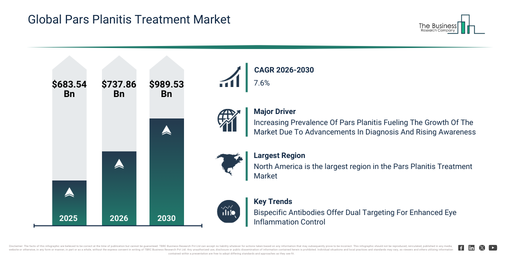
    The pars planitis treatment market has demonstrated strong expansion in recent years. This market is forecast to grow from $683.54 billion in 2025 to $737.86 billion by 2026, advancing at a compound annual growth rate (CAGR) of 7.9%. The historical period’s growth is attributable to an improved understanding of uveitis pathophysiology, the availability of corticosteroid-based therapies, the expansion of ophthalmology specialty clinics, increasing diagnostic imaging utilization, and growing clinical awareness of pars planitis.

    The pars planitis treatment market is projected to experience significant expansion in the coming years. It is anticipated to reach $989.53 billion by 2030, demonstrating a compound annual growth rate (CAGR) of 7.6%. This growth during the forecast period is attributable to the increasing adoption of personalized ophthalmic treatments, rising demand for long-term inflammation control, the expansion of biologic drug pipelines, a growing focus on vision preservation strategies, and increasing investment in advanced ophthalmic diagnostics. Major trends expected in this period include the increasing use of immunomodulatory therapies, rising adoption of biologic agents, a growing preference for targeted anti-inflammatory treatments, the expansion of advanced ocular surgical techniques, and an enhanced focus on early diagnosis and disease monitoring.

    Access Your Free Sample Report for In-Depth Market Insights:

    https://www.thebusinessresearchcompany.com/sample.aspx?id=24649&type=smp

    Which Drivers Are Influencing Market Acceleration In The Pars Planitis Treatment Market?

    The growing occurrence of pars planitis is anticipated to drive expansion in the pars planitis treatment market moving forward. Pars planitis is characterized as an idiopathic type of intermediate uveitis, predominantly leading to inflammation within the vitreous and peripheral retina, usually impacting people between the ages of 15 and 40. This rising prevalence stems from increased awareness and enhanced diagnostic methods, with sophisticated imaging tools facilitating earlier and more precise identification. Treatments for pars planitis aid in managing the condition by diminishing inflammation in the eye, which is crucial for maintaining vision and averting further complications. These therapies improve patient care through targeted options like corticosteroids and immunosuppressants, contributing to better long-term eye health and an improved quality of life. For example, a case report from February 2025, published by the US-based medical journal Mega Journal of Case Reports, indicated that intermediate uveitis has an incidence rate of 1.4 to 2 cases per 100,000 individuals, with pars planitis, the idiopathic variant, making up 70% of these occurrences. Consequently, the escalating incidence of pars planitis is propelling expansion within the pars planitis treatment market.

    What Leading Segments Are Studied In The Pars Planitis Treatment Market?

    The pars planitis treatment market covered in this report is segmented –

    1) By Treatment: Corticosteroid, Non-Steroidal Anti-Inflammatory Drugs (NSAIDs), Surgery, Cryotherapy, Immunomodulatory Therapy, Other Treatments

    2) By Diagnosis: Blood Tests, Fundus Examination And Optical Coherence Tomography, Magnetic Resonance Imaging (MRI), Other Diagnosis

    3) By Route Of Administration: Oral, Intravenous, Other Routes Of Administration

    4) By Distribution Channel: Hospital Pharmacy, Retail Pharmacy, Online Pharmacy

    5) By End-User: Clinic, Hospital, Other End-Users

    Subsegments:

    1) By Corticosteroid: Topical Corticosteroids, Periocular Corticosteroid Injections, Intravitreal Corticosteroid Implants, Systemic Corticosteroids

    2) By Non-Steroidal Anti-Inflammatory Drugs (NSAIDs): Oral Non-Steroidal Anti-Inflammatory Drugs (NSAIDs), Topical Non-Steroidal Anti-Inflammatory Drugs (NSAIDs), Injectable Non-Steroidal Anti-Inflammatory Drugs (NSAIDs)

    3) By Surgery: Pars Plana Vitrectomy, Cataract Surgery, Glaucoma Surgery

    4) By Cryotherapy: Trans-scleral Cryotherapy, Endocryotherapy

    5) By Immunomodulatory Therapy: Antimetabolites, Calcineurin Inhibitors, Biologic Agents

    6) By Other Treatments: Antibiotics, Antivirals, Laser therapy

    What Trends Are Expected To Impact The Competitive Landscape Of The Pars Planitis Treatment Market?

    Major companies engaged in the pars planitis treatment market are concentrating on developing novel solutions, such as bispecific antibodies, with the aim of enhancing immune modulation, reducing inflammation in the eye, and minimizing systemic adverse effects. These bispecific antibodies are engineered proteins crafted to simultaneously bind to two distinct antigens or targets, thereby providing more precise and effective treatment while limiting side effects. For instance, in October 2023, Genentech Inc., a US-based biotechnology company, secured Food and Drug Administration (FDA) approval for Vabysmo (faricimab-svoa) for the management of retinal vein occlusion (RVO), in addition to its existing indications for age-related macular degeneration and diabetic macular edema. Vabysmo holds the distinction of being the first bispecific antibody for ophthalmic use that targets both Angiopoietin-2 (Ang-2) and vascular endothelial growth factor A (VEGF-A), effectively addressing inflammation and vascular leakage concurrently. This innovative therapeutic approach is currently being explored for its application in intermediate uveitis, including pars planitis, conditions where chronic inflammation in the retinal periphery demands durable and targeted intervention.

    Which Major Industry Participants Are Leading The Pars Planitis Treatment Market Growth?

    Major companies operating in the pars planitis treatment market are Johnson And Johnson, Merck And Co Inc, AbbVie Inc, Bayer AG, AstraZeneca plc, Novartis AG, EyePoint Pharmaceuticals Inc, Eli Lilly And Company, Teva Pharmaceutical Industries Ltd, Quantum Cryogenics Ltd, Zimmer MedizinSysteme GmbH, Sun Pharmaceutical Industries Ltd, Aurobindo Pharma Limited, Santen Pharmaceutical Co Ltd, Alimera Sciences Inc, Clearside Biomedical Inc, Roche Holding AG, Pfizer Inc, Bristol Myers Squibb Company, Regeneron Pharmaceuticals Inc, UCB SA, Bausch Health Companies Inc

    Access The Complete Report For Deeper Market Insights:

    https://www.thebusinessresearchcompany.com/report/pars-planitis-treatment-global-market-report

    Which Region Currently Holds The Largest Share Of The Pars Planitis Treatment Market?

    North America was the largest region in the pars planitis treatment market in 2025. The regions covered in the pars planitis treatment market report are Asia-Pacific, South East Asia, Western Europe, Eastern Europe, North America, South America, Middle East, Africa.

    Request Your Customized Pars Planitis Treatment Market Research Report for Competitive Advantage:

    https://www.thebusinessresearchcompany.com/customise?id=24649&type=smp

    Browse Through More Reports Similar to the Global Pars Planitis Treatment Market 2026, By The Business Research Company

    Agricultural Wastewater Treatment Market Report 2026

    https://www.thebusinessresearchcompany.com/report/agricultural-wastewater-treatment-global-market-report

    Non Invasive Aesthetic Treatment Market Report 2026

    https://www.thebusinessresearchcompany.com/report/non-invasive-aesthetic-treatment-global-market-report

    Nasal Polyps Treatment Market Report 2026

    https://www.thebusinessresearchcompany.com/report/nasal-polyps-treatment-global-market-report

    Get in touch with us:

    The Business Research Company: https://www.thebusinessresearchcompany.com/

    Americas +1 310-496-7795

    Asia +44 7882 955267 & +91 8897263534

    Europe +44 7882 955267

    Email us at info@tbrc.info

    Follow us on:

    LinkedIn: https://in.linkedin.com/company/the-business-research-company

    YouTube: https://www.youtube.com/channel/UC24_fI0rV8cR5DxlCpgmyFQ

    Global Market Model: https://www.thebusinessresearchcompany.com/global-market-model
  • Neurotechnology Market Outlook: Growth and Forecast Highlights 2030

    Neurotechnology Market Outlook: Growth and Forecast Highlights 2030

    Uncover key drivers, emerging technologies, and competitive movements shaping the neurotechnology market from 2026–2035 with trusted insights from The Business Research Company

    What level of growth is expected in the Neurotechnology Market between 2026 and 2030?

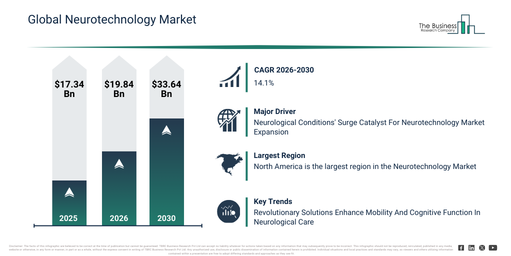
    The neurotechnology market size has experienced significant expansion recently. This market is projected to expand from $17.34 billion in 2025 to $19.84 billion in 2026, demonstrating a compound annual growth rate (CAGR) of 14.4%. Historically, this expansion has been driven by several key factors, including breakthroughs in medical imaging technologies, the early uptake of neurostimulation therapies, an increase in clinical research within neurology, the rising occurrence of neurological disorders, and advancements in implantable device technology.

    The neurotechnology market is projected to experience substantial expansion in the coming years, set to reach $33.64 billion by 2030, exhibiting a compound annual growth rate (CAGR) of 14.1%. This growth during the forecast period is primarily driven by increasing investment in brain-computer interfaces, a rising demand for personalized neurological treatments, the expanding application of AI-driven diagnostics, greater adoption of home-based neurotechnology, and the advancement of minimally invasive neurotherapies. Key trends anticipated in the same period involve the broadening of brain-computer interface solutions, increased uptake of non-invasive neurostimulation devices, enhanced integration of neuroimaging within clinical diagnostics, a growing need for cognitive rehabilitation technologies, and improvements in neurological implant materials.

    Access Your Free Sample Report for In-Depth Market Insights:

    https://www.thebusinessresearchcompany.com/sample.aspx?id=9840&type=smp

    Which Drivers Are Expected To Impact The Neurotechnology Market During The Forecast Period?

    The rising occurrence of neurological conditions is anticipated to boost the expansion of the neurotechnology market going forward. A neurological condition refers to any ailment or illness impacting the brain, with common examples including Alzheimer’s disease, Parkinson’s disease, epilepsy, and migraine. Neurotechnology finds application in diagnosing and addressing neurological disorders through diverse methods such as brain imaging, neurostimulation, neurofeedback, and brain-computer interfaces. As an illustration, data from October 2023 provided by the World Federation of Neurology, a UK-based charity, indicates an escalating global health burden: neurological disorders are now the second-leading cause of death and the primary cause of disability across the globe. It also noted that more than 40 percent of the worldwide population was affected in 2023, and the count of people living with brain disease is projected to nearly double by 2050. Consequently, the expanding occurrence of neurological conditions is propelling the growth of the neurotechnology market going forward.

    Which Segments Are Driving Activity In The Neurotechnology Market?

    The neurotechnology market covered in this report is segmented –

    1) By Conditions: Cognitive Disorders, Pain Treatment, Urinary And Fecal Incontinence, Epilepsy, Parkinson’s Disease, Hearing Conditions, Sleep Disorder, Depression, Other Conditions

    2) By Type: Imaging Modalities, Neurostimulation, Cranial Surface Measurement, Neurological Implants, Other Types

    3) By End Use: Ambulatory Surgical Centers, Hospitals, Homecare Facilities, Other End Uses

    Subsegments:

    1) By Cognitive Disorders: Alzheimer’s Disease, Attention Deficit Hyperactivity Disorder (ADHD), Dementia

    2) By Pain Treatment: Chronic Pain, Neuropathic Pain, Acute Pain

    3) By Urinary And Fecal Incontinence: Overactive Bladder, Neurogenic Bladder, Fecal Incontinence Management

    4) By Epilepsy: Drug-Resistant Epilepsy, Seizure Management Devices

    5) By Parkinson’s Disease: Motor Symptoms Management, Non-Motor Symptoms Management

    6) By Hearing Conditions: Tinnitus, Hearing Loss Solutions

    7) By Sleep Disorder: Insomnia, Sleep Apnea, Restless Legs Syndrome

    8) By Depression: Major Depressive Disorder, Treatment-Resistant Depression

    9) By Other Conditions: Anxiety Disorders, Autism Spectrum Disorder, Traumatic Brain Injury (TBI)

    Which Innovation Trends Are Advancing Developments Within The Neurotechnology Market?

    Leading companies in the neurotechnology market are concentrating on developing sophisticated therapeutic options, such as the endovascular brain-computer interface (BCI), to improve cognitive function and restore mobility for individuals with neurological impairments. This endovascular brain-computer interface (BCI) facilitates direct neural access via blood vessels, thereby offering enhanced interaction and treatment possibilities for patients with neurological conditions. For instance, in April 2024, Synchron, a Sweden-based software company focused on creating advanced synchronization technologies for seamless data integration and management, launched a Patient Registry for its Stentrode Brain Computer Interface. The Synchron Stentrode BCI technology is engineered to interpret brain signals and restore motor intent, enabling individuals with limited mobility to operate digital devices without physical interaction. Implanted through a non-invasive endovascular procedure, it wirelessly transmits motor intentions from the brain, allowing severely paralyzed patients to regain a degree of independence. This pioneering technology signifies a substantial advancement in assistive solutions, enhancing daily activities such as communication and access to essential services.

    Which Major Industry Participants Are Leading The Neurotechnology Market Growth?

    Major companies operating in the neurotechnology market are General Electric, Medtronic PLC, Koninklijke Philips N.V., Shimadzu Corporation, Elekta AB, Natus Medical Incorporated, Abbott, Boston Scientific Corporation, Nihon Kohden Corporation, LivaNova PLC, Siemens Healthcare Private Limited, Hitachi Medical Corporation, Cochlear Limited, NeuroPace Inc., NeuroSigma Inc., NeuroMetrix Inc., NeuroSky Inc., NeuroVigil Inc., Neurotech Pharmaceuticals Inc., Neuralink, Synchron Inc., Blackrock Neurotech, Neuronetics Inc., Neurable Inc.

    Access The Complete Report For Deeper Market Insights:

    https://www.thebusinessresearchcompany.com/report/neurotechnology-global-market-report

    Which Geographic Areas Are Emerging As Strong Markets For The Neurotechnology Market?

    North America was the largest region in the neurotechnology market in 2025. Europe is expected to be the fastest-growing region in the neurotechnology market report during the forecast period. The regions covered in the neurotechnology market report are Asia-Pacific, South East Asia, Western Europe, Eastern Europe, North America, South America, Middle East, Africa.

    Request Your Customized Neurotechnology Market Research Report for Competitive Advantage:

    https://www.thebusinessresearchcompany.com/customise?id=9840&type=smp

    Browse Through More Reports Similar to the Global Neurotechnology Market 2026, By The Business Research Company

    Neuromodulation Market Report 2026

    https://www.thebusinessresearchcompany.com/report/neuromodulation-global-market-report

    Neuroscience Market Report 2026

    https://www.thebusinessresearchcompany.com/report/neuroscience-global-market-report

    Neuroprosthetics Market Report 2026

    https://www.thebusinessresearchcompany.com/report/neuroprosthetics-global-market-report

    Get in touch with us:

    The Business Research Company: https://www.thebusinessresearchcompany.com/

    Americas +1 310-496-7795

    Asia +44 7882 955267 & +91 8897263534

    Europe +44 7882 955267

    Email us at info@tbrc.info

    Follow us on:

    LinkedIn: https://in.linkedin.com/company/the-business-research-company

    YouTube: https://www.youtube.com/channel/UC24_fI0rV8cR5DxlCpgmyFQ

    Global Market Model: https://www.thebusinessresearchcompany.com/global-market-model
  • Global Paroxysmal Nocturnal Hemoglobinuria (PNH) Treatment Market Report 2026: Emerging Trends and Growth Scenarios

    Global Paroxysmal Nocturnal Hemoglobinuria (PNH) Treatment Market Report 2026: Emerging Trends and Growth Scenarios

    Uncover key drivers, emerging technologies, and competitive movements shaping the paroxysmal nocturnal hemoglobinuria (pnh) treatment market from 2026–2035 with trusted insights from The Business Research Company

    What is the estimated market size of the Paroxysmal Nocturnal Hemoglobinuria (PNH) Treatment Market by the end of 2030?

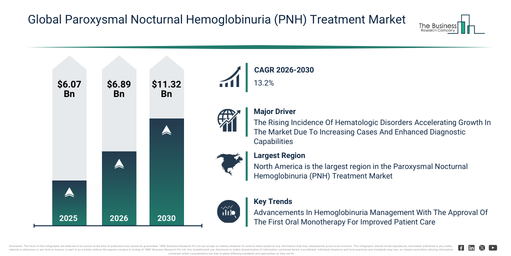
    The market size for paroxysmal nocturnal hemoglobinuria (pnh) treatments has witnessed rapid growth in recent years. It is projected to expand from $6.07 billion in 2025 to $6.89 billion in 2026, achieving a compound annual growth rate (CAGR) of 13.4%. The expansion observed in the historic period can be attributed to several factors, including the restricted availability of effective targeted therapies, a dependence on supportive care and transfusions, challenges with delayed diagnosis due to the disease’s rarity, the significant risk of life-threatening thrombosis, and a lack of standardized long-term treatment protocols.

    The paroxysmal nocturnal hemoglobinuria (pnh) treatment market size is set for significant expansion in the coming years, projected to reach $11.32 billion by 2030, driven by a compound annual growth rate (CAGR) of 13.2%. This anticipated growth during the forecast period can be attributed to the advancement of next-generation complement inhibitors, an expanding clinical development pipeline for oral and subcutaneous therapies, an increasing emphasis on drug innovation for orphan diseases, improved diagnosis rates through advanced testing, and better reimbursement coverage for rare hematologic disorders. Major trends identified for this period include a rise in the adoption of complement C5 inhibitor treatments, a move towards long-acting and subcutaneous forms of therapy, the development of alternative pathway inhibitors, the expansion of combination and dual complement inhibition strategies, and enhanced management of thrombotic and bone marrow complications.

    Access Your Free Sample Report for In-Depth Market Insights:

    https://www.thebusinessresearchcompany.com/sample.aspx?id=23469&type=smp

    What Drivers Are Shaping Future Opportunities In The Paroxysmal Nocturnal Hemoglobinuria (PNH) Treatment Market?

    The growth of the paroxysmal nocturnal hemoglobinuria (PNH) treatment market is anticipated to be significantly propelled by the increasing incidence of hematologic disorders. These medical conditions encompass abnormalities affecting blood and blood-forming organs, such as red blood cells, white blood cells, platelets, and bone marrow, potentially leading to issues like anemia, clotting disorders, or malignancies. The rise in these disorders is influenced by factors like aging populations and genetic predispositions, with genetic mutations playing a crucial role in triggering abnormal blood cell production. Paroxysmal nocturnal hemoglobinuria (PNH) treatment offers a positive approach to managing hematologic disorders, providing targeted therapies that alleviate complement-mediated hemolysis, diminish thrombotic complications, and improve patient survival rates. As an illustration, Cancer Research UK stated in July 2024 that the average number of new leukemia cases in the UK is expected to increase from approximately 12,400 in 2023-2025 to about 14,500 by 2038-2040. This escalating prevalence of hematologic disorders is thus a primary driver for the expansion of the paroxysmal nocturnal hemoglobinuria (PNH) treatment market.

    Which Segment Groups Are Influencing The Paroxysmal Nocturnal Hemoglobinuria (PNH) Treatment Market?

    The paroxysmal nocturnal hemoglobinuria (pnh) treatment market covered in this report is segmented –

    1) By Treatment Type: Complement C5 Inhibitors, Anti-Complement Component 5a Receptor (C5aR) Monoclonal Antibodies, Alternative Pathway Inhibitors, Hematopoietic Stem Cell Transplantation, Other Therapies

    2) By Route Of Administration: Intravenous, Subcutaneous, Oral

    3) By Market Availability: Approved, In Pipeline, Investigational

    4) By End-Use: Hospitals, Specialty Clinics, Homecare Settings, Other End-Users

    Subsegments:

    1) By Complement: C5 InhibitorsEculizumab (Soliris), Ravulizumab (Ultomiris), Emerging C5 Inhibitors, Biosimilars Of C5 Inhibitors,

    2) By Anti-Complement Component 5a Receptor Monoclonal Antibodies: Avacopan (Tavneos), Other Investigational C5aR mAbs, Monotherapy vs Combination Therapy, Clinical Trial Phase (Phase I, II, III)

    3) By Alternative Pathway Inhibitors: C3 Inhibitors, Factor B Inhibitors, Factor D Inhibitors, Targeting Complement Amplification, Combination Therapies And Dual Inhibition

    4) By Hematopoietic Stem Cell Transplantation (HSCT): Autologous HSCT vs. Allogeneic HSCT, Pre-Transplant Conditioning Therapies, Post-Transplant Immunosuppressive Therapies

    5) By Other Therapies: Immunosuppressive Therapy, Supportive Care, Anticoagulation Therapy, Gene Therapy

    Which Trends Are Guiding The Evolution Of The Paroxysmal Nocturnal Hemoglobinuria (PNH) Treatment Market?

    Leading companies in the paroxysmal nocturnal hemoglobinuria (PNH) treatment market are concentrating on developing innovative solutions, such as oral factor B inhibitors, to introduce a new treatment option that improves therapeutic effectiveness and enhances patient convenience in managing PNH. An oral Factor B inhibitor is a targeted small-molecule drug designed to selectively inhibit Factor B in the alternative complement pathway, aiming to regulate immune system overactivation and alleviate inflammation in complement-mediated diseases. For instance, in December 2023, Novartis AG, a Switzerland-based pharmaceutical corporation, announced the Food and Drug Administration (FDA) approval of Fabhalta (iptacopan) as the first oral monotherapy for the treatment of paroxysmal nocturnal hemoglobinuria (PNH). This novel Factor B inhibitor offers a more comprehensive strategy for controlling complement-mediated hemolysis by targeting the alternative complement pathway at an earlier stage, leading to improved hemoglobin levels and a reduced requirement for blood transfusions. The approval of Fabhalta represents a groundbreaking advancement in PNH treatment by providing enhanced efficacy, better patient compliance, and an alternative to intravenous therapies, thus transforming the treatment landscape for this rare hematologic disorder.

    Who Are The Prominent Global Companies Shaping The Paroxysmal Nocturnal Hemoglobinuria (PNH) Treatment Market Landscape?

    Major companies operating in the paroxysmal nocturnal hemoglobinuria (pnh) treatment market are F. Hoffmann-La Roche Ltd, Novartis AG, Mayo Clinic, Cleveland Clinic Foundation, Johns Hopkins Medicine, Memorial Sloan Kettering Cancer Center, Stanford Health Care, University of California San Francisco (UCSF) Health, Emory Healthcare, Cedars-Sinai Medical Center, Duke University Health System, Mount Sinai Health System, Dana-Farber Cancer Institute, Swedish Orphan Biovitrum, Alnylam Pharmaceuticals, BioCryst Pharmaceuticals, Apellis Pharmaceuticals, Omeros Corporation, Takeda Pharmaceutical Company, Sanofi S A, Pfizer Inc, Akari Therapeutics Plc, NovelMed Therapeutics, Ionis Pharmaceuticals, Johnson & Johnson, Biogen Inc.

    Access The Complete Report For Deeper Market Insights:

    https://www.thebusinessresearchcompany.com/report/paroxysmal-nocturnal-hemoglobinuria-pnh-treatment-global-market-report

    How Does The Paroxysmal Nocturnal Hemoglobinuria (PNH) Treatment Market Perform Across Major Global Regions?

    North America was the largest region in the paroxysmal nocturnal hemoglobinuria (PNH) treatment market in 2025. Asia-Pacific is expected to be the fastest-growing region in the forecast period. The regions covered in the paroxysmal nocturnal hemoglobinuria (pnh) treatment market report are Asia-Pacific, South East Asia, Western Europe, Eastern Europe, North America, South America, Middle East, Africa.

    Request Your Customized Paroxysmal Nocturnal Hemoglobinuria (PNH) Treatment Market Research Report for Competitive Advantage:

    https://www.thebusinessresearchcompany.com/customise?id=23469&type=smp

    Browse Through More Reports Similar to the Global Paroxysmal Nocturnal Hemoglobinuria (PNH) Treatment Market 2026, By The Business Research Company

    Acquired Hemophilia Treatment Market Report 2026

    https://www.thebusinessresearchcompany.com/report/acquired-hemophilia-treatment-global-market-report

    Hemoglobinopathies Treatment Market Report 2026

    https://www.thebusinessresearchcompany.com/report/hemoglobinopathies-treatment-global-market-report

    Hemoglobin Testing Market Report 2026

    https://www.thebusinessresearchcompany.com/report/hemoglobin-testing-global-market-report

    Get in touch with us:

    The Business Research Company: https://www.thebusinessresearchcompany.com/

    Americas +1 310-496-7795

    Asia +44 7882 955267 & +91 8897263534

    Europe +44 7882 955267

    Email us at info@tbrc.info

    Follow us on:

    LinkedIn: https://in.linkedin.com/company/the-business-research-company

    YouTube: https://www.youtube.com/channel/UC24_fI0rV8cR5DxlCpgmyFQ

    Global Market Model: https://www.thebusinessresearchcompany.com/global-market-model
  • Paroxysmal Nocturnal Hemoglobinuria (PNH) And Atypical Hemolytic Uremic Syndrome (aHUS) Market Forecast 2026: Where the Industry Is Headed

    Paroxysmal Nocturnal Hemoglobinuria (PNH) And Atypical Hemolytic Uremic Syndrome (aHUS) Market Forecast 2026: Where the Industry Is Headed

    Uncover key drivers, emerging technologies, and competitive movements shaping the paroxysmal nocturnal hemoglobinuria (pnh) and atypical hemolytic uremic syndrome (ahus) market from 2026–2035 with trusted insights from The Business Research Company

    What was the valuation of the Paroxysmal Nocturnal Hemoglobinuria (PNH) And Atypical Hemolytic Uremic Syndrome (aHUS) Market in 2026, and what figure is it projected to hit by 2030?

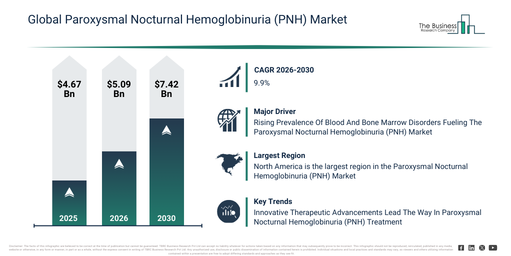
    The market for paroxysmal nocturnal hemoglobinuria (pnh) and atypical hemolytic uremic syndrome (ahus) has experienced strong growth in recent years. It is anticipated to increase from $5.97 billion in 2025 to $6.41 billion in 2026, achieving a compound annual growth rate (CAGR) of 7.3%. The drivers for this historical growth include the limited availability of targeted complement therapies, delayed diagnosis stemming from the rarity of the diseases, reliance on plasma exchange and supportive care, high treatment costs restricting accessibility, and low awareness of complement-mediated disorders.

    The market for paroxysmal nocturnal hemoglobinuria (pnh) and atypical hemolytic uremic syndrome (ahus) is anticipated to experience significant expansion over the coming years. This market is projected to reach $8.42 billion by 2030, demonstrating a compound annual growth rate (CAGR) of 7.1%. The projected growth can be attributed to several factors, including the advancement of next-generation complement inhibitors, higher diagnosis rates due to sophisticated testing methods, an increased emphasis on developing drugs for orphan diseases, broader reimbursement coverage for rare conditions, and the increasing setup of specialized hematology and nephrology centers. Key trends anticipated during this period involve a greater uptake of complement inhibitor therapies, expanded application of genetic and biomarker testing, the emergence of long-acting complement inhibition medications, the proliferation of specialized treatment centers for rare diseases, and enhanced early detection of complement-mediated disorders.

    Access Your Free Sample Report for In-Depth Market Insights:

    https://www.thebusinessresearchcompany.com/sample.aspx?id=24357&type=smp

    Which Drivers Are Affecting Market Participation In The Paroxysmal Nocturnal Hemoglobinuria (PNH) And Atypical Hemolytic Uremic Syndrome (aHUS) Market?

    The increasing occurrence of rare diseases is anticipated to boost the expansion of the paroxysmal nocturnal hemoglobinuria (PNH) and atypical hemolytic uremic syndrome (aHUS) market in the future. These conditions are defined as medical issues impacting a limited portion of the population, typically fewer than 200,000 individuals, and are frequently characterized by their complexity, severity, and the need for specialized treatment. This rise in rare disease prevalence stems from improvements in diagnostic technologies, allowing for better detection and identification of conditions that were previously underreported or undiagnosed. Both paroxysmal nocturnal hemoglobinuria (PNH) and atypical hemolytic uremic syndrome (aHUS) are crucial for advancing knowledge and treatment of rare diseases, as they offer understanding into disease mechanisms and potential therapeutic targets for conditions lacking extensive treatment options. For instance, in November 2024, data from the US Food and Drug Administration indicated that over 7,000 rare diseases affected more than 30 million individuals in the United States. Consequently, the growing occurrence of rare diseases is driving the growth of the paroxysmal nocturnal hemoglobinuria (PNH) and atypical hemolytic uremic syndrome (aHUS) market.

    What Segment Classifications Make Up The Paroxysmal Nocturnal Hemoglobinuria (PNH) And Atypical Hemolytic Uremic Syndrome (aHUS) Market?

    The paroxysmal nocturnal hemoglobinuria (pnh) and atypical hemolytic uremic syndrome (ahus) market covered in this report is segmented –

    1) By Type: Soliris, Ultomiris

    2) By Disease Type: Paroxysmal Nocturnal Hemoglobinuria(PNH), Atypical Hemolytic Uremic Syndrome(aHUS)

    3) By Treatment Type: Complement Inhibitors, Plasma Exchange Or Infusion, Other Symptomatic Treatments

    4) By Diagnosis Method: Clinical Diagnosis, Genetic Testing, Biomarker Testing

    5) By End-User: Hospitals, Specialty Clinics, Research Institutes, Other End-Users

    Subsegments:

    1) By Soliris: Eculizumab For PNH, Eculizumab For aHUS, Eculizumab Biosimilars

    2) By Ultomiris: Ravulizumab For PNH, Ravulizumab For aHUS, Ravulizumab Extended-Interval Dosing

    What Trends Are Projected To Support The Growth Of The Paroxysmal Nocturnal Hemoglobinuria (PNH) And Atypical Hemolytic Uremic Syndrome (aHUS) Market?

    Key companies active in the paroxysmal nocturnal hemoglobinuria (PNH) and atypical hemolytic uremic syndrome (aHUS) market are prioritizing the creation of novel solutions, like complement inhibitors, aimed at enhancing therapeutic results and easing patient management. These inhibitors function as medicinal substances designed to obstruct particular elements of the complement system, which is an immune system component involved in removing disease-causing agents and compromised cells. A notable example is the U.S. Food and Drug Administration (FDA) approval granted in December 2023 to Novartis AG, a pharmaceutical firm based in Switzerland, for its product Fabhalta (iptacopan). This represents the inaugural oral monotherapy intended for adults diagnosed with paroxysmal nocturnal hemoglobinuria, delivering enhanced hemoglobin levels without requiring blood transfusions. This pioneering complement inhibitor operates by hindering Factor B within the alternative complement pathway, ensuring thorough regulation of both intravascular and extravascular hemolysis. Its oral method of delivery streamlines the management of the condition and elevates patients’ overall quality of life, removing the challenges linked to regular intravenous treatments.

    Which Key Players Are Driving Competition In The Paroxysmal Nocturnal Hemoglobinuria (PNH) And Atypical Hemolytic Uremic Syndrome (aHUS) Market?

    Major companies operating in the paroxysmal nocturnal hemoglobinuria (pnh) and atypical hemolytic uremic syndrome (ahus) market are Roche Holding AG, Alexion Pharmaceuticals Inc, Genentech Inc, Novartis AG, Apellis Pharmaceuticals Inc, Omeros Corporation, BioCryst Pharmaceuticals Inc, ChemoCentryx Inc, Sanofi SA, CSL Behring, Takeda Pharmaceutical Company, Pfizer Inc, Regeneron Pharmaceuticals Inc, Ionis Pharmaceuticals Inc, Horizon Therapeutics, Achillion Pharmaceuticals Inc, Sobi Swedish Orphan Biovitrum AB, ImmunoForge Co Ltd, Care Pharma, Daiichi Sankyo Co Ltd, Astellas Pharma Inc, Mallinckrodt Pharmaceuticals, CANbridge Pharmaceuticals Inc.

    Access The Complete Report For Deeper Market Insights:

    https://www.thebusinessresearchcompany.com/report/paroxysmal-nocturnal-hemoglobinuria-pnh-and-atypical-hemolytic-uremic-syndrome-ahus-global-market-report

    Which Region Is Anticipated To See The Fastest Growth In The Paroxysmal Nocturnal Hemoglobinuria (PNH) And Atypical Hemolytic Uremic Syndrome (aHUS) Market?

    North America was the largest region in the paroxysmal nocturnal hemoglobinuria (PNH) and atypical hemolytic uremic syndrome (aHUS) market in 2025. Asia-Pacific is expected to be the fastest-growing region in the forecast period. The regions covered in the paroxysmal nocturnal hemoglobinuria (pnh) and atypical hemolytic uremic syndrome (ahus) market report are Asia-Pacific, South East Asia, Western Europe, Eastern Europe, North America, South America, Middle East, Africa.

    Request Your Customized Paroxysmal Nocturnal Hemoglobinuria (PNH) And Atypical Hemolytic Uremic Syndrome (aHUS) Market Research Report for Competitive Advantage:

    https://www.thebusinessresearchcompany.com/customise?id=24357&type=smp

    Browse Through More Reports Similar to the Global Paroxysmal Nocturnal Hemoglobinuria (PNH) And Atypical Hemolytic Uremic Syndrome (aHUS) Market 2026, By The Business Research Company

    Hemoglobinopathies Treatment Market Report 2026

    https://www.thebusinessresearchcompany.com/report/hemoglobinopathies-treatment-global-market-report

    Hemoglobin Testing Market Report 2026

    https://www.thebusinessresearchcompany.com/report/hemoglobin-testing-global-market-report

    Hemodialysis Market Report 2026

    https://www.thebusinessresearchcompany.com/report/hemodialysis-global-market-report

    Get in touch with us:

    The Business Research Company: https://www.thebusinessresearchcompany.com/

    Americas +1 310-496-7795

    Asia +44 7882 955267 & +91 8897263534

    Europe +44 7882 955267

    Email us at info@tbrc.info

    Follow us on:

    LinkedIn: https://in.linkedin.com/company/the-business-research-company

    YouTube: https://www.youtube.com/channel/UC24_fI0rV8cR5DxlCpgmyFQ

    Global Market Model: https://www.thebusinessresearchcompany.com/global-market-model
  • Neuroprosthetics Global Forecast: Market to Scale Up to $23.09 Billion by 2030 at 14.6% CAGR

    Neuroprosthetics Global Forecast: Market to Scale Up to $23.09 Billion by 2030 at 14.6% CAGR

    Uncover key drivers, emerging technologies, and competitive movements shaping the neuroprosthetics market from 2026–2035 with trusted insights from The Business Research Company

    By how much is the Neuroprosthetics Market expected to grow between 2026 and 2030?

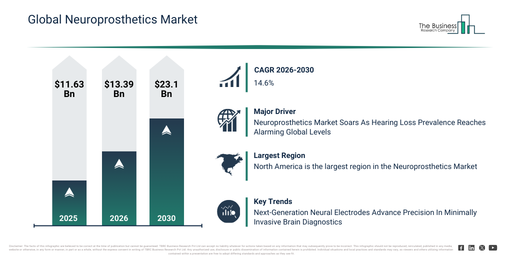
    The neuroprosthetics market has seen rapid expansion in recent years. Its size is projected to increase from $11.63 billion in 2025 to $13.39 billion in 2026, achieving a compound annual growth rate (CAGR) of 15.1%. This historical growth can be attributed to several key factors, including the early establishment of functional electrical stimulation systems, enhanced research efforts in brain-machine interfaces, a growing incidence of motor neuron disorders, progress in cochlear implant technologies, and the initial implementation of deep brain stimulation.

    The neuroprosthetics market is poised for significant expansion over the next few years. Its valuation is projected to reach $23.1 billion by 2030, demonstrating a compound annual growth rate (CAGR) of 14.6%. This anticipated growth is driven by factors such as the increasing demand for advanced prosthetic limbs with neural control, a rise in investment within cognitive neuroprosthetics, the broadening applications of vagus nerve stimulation, the growing adoption of innovations in retinal implants, and the development of next-generation exoskeletons for rehabilitation purposes. Prominent trends expected during this period include the wider acceptance of motor neuroprosthetic systems, an increase in the use of auditory neuroprosthetics for restoring hearing, continuous advancements in retinal and visual prosthetic technologies, the expanding integration of cognitive neuroprosthetics into therapy, and the greater deployment of neurostimulation techniques for enhancing functional recovery.

    Access Your Free Sample Report for In-Depth Market Insights:

    https://www.thebusinessresearchcompany.com/sample.aspx?id=6606&type=smp

    Which Drivers Are Influencing Market Acceleration In The Neuroprosthetics Market?

    The increasing occurrence of hearing loss is anticipated to drive the expansion of the neuroprosthetics market in the future. Hearing loss, alternatively termed hearing impairment or deafness, describes a partial or complete incapacity to perceive sounds in either or both ears, which profoundly impacts communication, overall life quality, and social engagement. Neuroprosthetic devices, including cochlear implants and auditory prostheses, are instrumental in restoring hearing, enhancing speech understanding, and offering auditory rehabilitation. As an illustration, the World Health Organization (WHO), a United Nations agency based in Switzerland, reported in February 2025 that global forecasts suggest approximately 2.5 billion individuals will suffer from some degree of hearing loss by 2050. More than 700 million of these are projected to need hearing rehabilitation, even as untreated hearing impairment already accounts for nearly US$1 trillion in yearly expenses, and over 1 billion young adults face the danger of irreversible damage from unsafe listening habits. Consequently, the growing occurrence of hearing loss is stimulating the neuroprosthetics market.

    What Segments Are Identified Within The Structure Of The Neuroprosthetics Market?

    The neuroprosthetics market covered in this report is segmented –

    1) By Type: Motor Neuroprosthetics, Auditory Neuroprosthetics Or Cochlear implants, Visual Neuroprosthetics Or Retinal implants, Cognitive Neuroprosthetics

    2) By Technique: Spinal Cord Stimulation, Deep Brain Stimulation, Vagus Nerve Stimulation, Sacral Nerve Stimulation, Transcranial Magnetic Stimulation

    3) By Application: Motor Neuron Disorders, Physiological Disorders, Cognitive Disorders

    Subsegments:

    1) By Motor Neuroprosthetics: Functional Electrical Stimulation (FES) Systems, Brain-Machine Interfaces (BMIs), Prosthetic Limbs With Neural Control, Exoskeletons For Rehabilitation

    2) By Auditory Neuroprosthetics Or Cochlear Implants: Cochlear Implants (Single and Multi-Channel), Auditory Brainstem Implants (ABI), Bone-Anchored Hearing Aids (BAHA)

    3) By Visual Neuroprosthetics Or Retinal Implants: Retinal Prostheses, Optogenetic Implants, Visual Cortical Implants

    4) By Cognitive Neuroprosthetics: Deep Brain Stimulation (DBS) Devices, Cognitive Enhancement Implants, Neurostimulation Devices For Cognitive Disorders

    What Industry Trends Are Transforming The Neuroprosthetics Market?

    Leading companies within the neuroprosthetics market are concentrating on developing advanced innovations like sEEG electrode systems to enhance neural interfacing capabilities and improve minimally invasive diagnostic and therapeutic procedures. An sEEG electrode system is a specialized neural device crafted to record and stimulate subsurface brain activity, thereby enabling high-precision mapping and neuromodulation. For instance, in May 2023, NeuroOne Medical Technologies Corporation, a US-based medical technology company, introduced the Evo sEEG Electrodes in the United States. NeuroOne’s new electrodes provide secure, highly accurate subsurface brain mapping with enhanced signal clarity and compatibility with robotic neurosurgical platforms. This innovation broadens the clinical utility of stereoelectroencephalography by facilitating less invasive procedures and supporting its expansion into applications such as epilepsy evaluation, chronic pain management, and Parkinson’s disease interventions.

    Which Key Players Are Driving Competition In The Neuroprosthetics Market?

    Major companies operating in the neuroprosthetics market are Abbott Laboratories, Boston Scientific Corp., Cochlear Ltd., Demant AS, LivaNova plc, MED-EL GmbH, Neuropace Inc., Nevro Corp., Oticon US Inc., Retina Implant AG, Second Sight Medical Products Inc., Sonova Holding AG, St. Jude Medical Inc., Aleva Neurotherapeutics SA, Axonics Modulation Technologies Inc., Bionic Vision Technologies Pty Ltd., Blackrock Microsystems LLC, Cognixion, Cyberonics Inc., Medtronic plc, NeuroKinetics Inc., NeuroMetrix Inc., Pixium Vision SA, SPR Therapeutics Inc., Synapse Biomedical Inc., Synchron Inc.

    Access The Complete Report For Deeper Market Insights:

    https://www.thebusinessresearchcompany.com/report/neuroprosthetics-global-market-report

    Which Region Currently Holds The Largest Share Of The Neuroprosthetics Market?

    North America was the largest region in the neuroprosthetics market in 2025. Asia-Pacific is expected to be the fastest-growing region in the forecast period. The regions covered in the neuroprosthetics market report are Asia-Pacific, South East Asia, Western Europe, Eastern Europe, North America, South America, Middle East, Africa.

    Request Your Customized Neuroprosthetics Market Research Report for Competitive Advantage:

    https://www.thebusinessresearchcompany.com/customise?id=6606&type=smp

    Browse Through More Reports Similar to the Global Neuroprosthetics Market 2026, By The Business Research Company

    Neurotechnology Market Report 2026

    https://www.thebusinessresearchcompany.com/report/neurotechnology-global-market-report

    Neural Implants Market Report 2026

    https://www.thebusinessresearchcompany.com/report/neural-implants-global-market-report

    Robotic Prosthetics Market Report 2026

    https://www.thebusinessresearchcompany.com/report/robotic-prosthetics-global-market-report

    Get in touch with us:

    The Business Research Company: https://www.thebusinessresearchcompany.com/

    Americas +1 310-496-7795

    Asia +44 7882 955267 & +91 8897263534

    Europe +44 7882 955267

    Email us at info@tbrc.info

    Follow us on:

    LinkedIn: https://in.linkedin.com/company/the-business-research-company

    YouTube: https://www.youtube.com/channel/UC24_fI0rV8cR5DxlCpgmyFQ

    Global Market Model: https://www.thebusinessresearchcompany.com/global-market-model
  • Paroxysmal Nocturnal Hemoglobinuria (PNH) Industry Growth Insights: Revenue Forecast to 2030

    Paroxysmal Nocturnal Hemoglobinuria (PNH) Industry Growth Insights: Revenue Forecast to 2030

    Uncover key drivers, emerging technologies, and competitive movements shaping the paroxysmal nocturnal hemoglobinuria (pnh) market from 2026–2035 with trusted insights from The Business Research Company

    What are the forecasted starting (2026) and ending (2030) market sizes for the Paroxysmal Nocturnal Hemoglobinuria (PNH) Market?

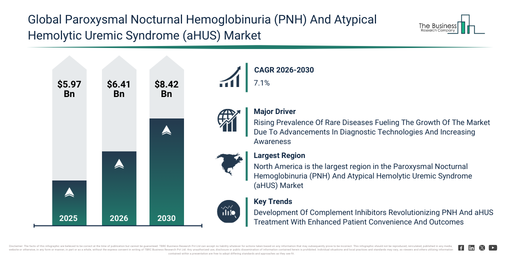
    The market for paroxysmal nocturnal hemoglobinuria (pnh) has shown robust growth in recent years. It is anticipated to increase from $4.67 billion in 2025 to $5.09 billion in 2026, exhibiting a compound annual growth rate (CAGR) of 9.1%. This past growth can be attributed to the scarcity of effective targeted therapies, challenges in diagnosis due to the disease’s rarity, a dependency on supportive care and transfusions, the elevated mortality rates associated with untreated pnh, and insufficient awareness among general healthcare providers.

    The paroxysmal nocturnal hemoglobinuria (pnh) market size is anticipated to undergo significant expansion in the upcoming years. It is predicted to attain a valuation of $7.42 billion by 2030, exhibiting a compound annual growth rate (CAGR) of 9.9%. This projected growth stems from factors such as the creation of advanced complement inhibitors, an uptick in diagnosis rates facilitated by sophisticated testing, a heightened emphasis on therapies for orphan diseases, greater access to specialized hematology centers, and an increase in reimbursement coverage for rare disease treatments. Noteworthy developments during this period are expected to include a surge in the adoption of complement inhibitor therapies, expanded utilization of flow cytometry for accurate diagnosis, the proliferation of long-acting monoclonal antibody treatments, the broadening of specialized rare hematology care programs, and enhanced strategies for managing thrombosis and hemolysis complications.

    Access Your Free Sample Report for In-Depth Market Insights:

    https://www.thebusinessresearchcompany.com/sample.aspx?id=12936&type=smp

    What Drivers Are Supporting Technological Adoption In The Paroxysmal Nocturnal Hemoglobinuria (PNH) Market?

    The increasing occurrence of blood and bone marrow-related disorders is projected to fuel the expansion of the paroxysmal nocturnal hemoglobinuria (PNH) market. Blood disorders are medical ailments that affect the make-up, function, and production of blood and its various components. Bone marrow-related disorders arise when there is insufficient production of red, white, or platelets in the bone marrow, or when the blood cells generated are either damaged or defective. PNH is intimately linked to blood disorders and bone marrow-related disorders due to its effects on blood cell generation, immune system performance, and the microenvironment of the bone marrow. It is a rare blood condition associated with bone marrow failure diseases, occurring due to a genetic flaw that impacts the functionality of red blood cells and platelets. For instance, Blood Cancer United, a UK-based nonprofit advocacy group dedicated to raising awareness and support for blood cancer patients, forecasts that in 2025, approximately 192,070 individuals in the U.S. are expected to receive a diagnosis of leukemia, lymphoma, or myeloma. Therefore, the rising incidence of blood disorders and bone marrow-related disorders is stimulating the growth of the paroxysmal nocturnal hemoglobinuria (PNH) market.

    What Segment Types Are Examined In The Paroxysmal Nocturnal Hemoglobinuria (PNH) Market?

    The paroxysmal nocturnal hemoglobinuria (pnh) market covered in this report is segmented –

    1) By Treatment Type: Medications, Bone Marrow Transplantation, Blood Transfusion, Immunosuppressive Therapy, Other Treatment Types

    2) By Diagnosis Type: Flow Cytometry, High-Resolution Mass Spectrometry, Other Diagnosis Types

    3) By End Use: Hospitals, Clinics, Other End Users

    Subsegments:

    1) By Medications: Eculizumab, Ravulizumab, Complement Inhibitors, Supportive Care Medications

    2) By Bone Marrow Transplantation: Allogeneic Stem Cell Transplantation, Autologous Stem Cell transplantation

    3) By Blood Transfusion: Red blood Cell Transfusion, Platelet Transfusion, Fresh Frozen Plasma Transfusion

    4) By Immunosuppressive Therapy: Corticosteroids, Azathioprine, Cyclophosphamide, Mycophenolate Mofetil

    5) By Other Treatment Types: Supportive Therapies, Management Of Complications

    Which Trends Are Influencing The Performance And Direction Of The Paroxysmal Nocturnal Hemoglobinuria (PNH) Market?

    Major companies active in the paroxysmal nocturnal hemoglobinuria (PNH) market are prioritizing the development of new and innovative drugs and therapies, such as injectable C5 inhibitors for the management of paroxysmal nocturnal hemoglobinuria (PNH), to maintain their standing in the market. An injectable C5 inhibitor is a monoclonal antibody designed to block the complement component C5, thereby reducing inflammation and tissue damage in autoimmune diseases and conditions like paroxysmal nocturnal hemoglobinuria (PNH). For instance, in February 2024, Chugai Pharmaceutical Co., a pharmaceutical company headquartered in Japan, secured priority review approval from China’s National Medical Products Administration (NMPA) for treating paroxysmal nocturnal hemoglobinuria (PNH). This development establishes China as the first country to approve PIASKY, ahead of other key markets, allowing it to commence National Reimbursement Drug List (NRDL) negotiations within the same year. PNH, categorized as a rare disease, affects an estimated 12,740 individuals in China, indicating considerable market potential.

    Who Are The Top-Performing Companies In The Paroxysmal Nocturnal Hemoglobinuria (PNH) Market In Recent Years?

    Major companies operating in the paroxysmal nocturnal hemoglobinuria (pnh) market are Pfizer Inc, Novartis AG, Thermo Fisher Scientific Inc, GE Healthcare, Grifols S.A, Genentech Inc, Bioverativ Inc, BioCryst Pharmaceuticals, Hansa Biopharma AB, Apellis Pharmaceuticals Inc, Akari Therapeutics Plc, RA Pharmaceuticals Inc, C5 Therapeutics Inc, Omeros Corporation, Amyndas Pharmaceuticals SA, CANbridge Pharmaceuticals, NovelMed Therapeutics Inc, Annexon Inc, Dianthus Therapeutics, DynamiCure Biotechnology, Kira Pharmaceuticals Ltd, Kyowa Kirin Co Ltd, Swedish Orphan Biovitrum AB, Arrowhead Pharmaceuticals, ReAlta Life Sciences, Q32 Bio, ISU Abxis

    Access The Complete Report For Deeper Market Insights:

    https://www.thebusinessresearchcompany.com/report/paroxysmal-nocturnal-hemoglobinuria-pnh-global-market-report

    Which Region Is Anticipated To See The Fastest Growth In The Paroxysmal Nocturnal Hemoglobinuria (PNH) Market?

    North America was the largest region in the paroxysmal nocturnal hemoglobinuria (PNH) market in 2025. The regions covered in the paroxysmal nocturnal hemoglobinuria (pnh) market report are Asia-Pacific, South East Asia, Western Europe, Eastern Europe, North America, South America, Middle East, Africa.

    Request Your Customized Paroxysmal Nocturnal Hemoglobinuria (PNH) Market Research Report for Competitive Advantage:

    https://www.thebusinessresearchcompany.com/customise?id=12936&type=smp

    Browse Through More Reports Similar to the Global Paroxysmal Nocturnal Hemoglobinuria (PNH) Market 2026, By The Business Research Company

    Hemoglobin A1C Hba1C Testing Market Report 2026

    https://www.thebusinessresearchcompany.com/report/hemoglobin-a1c-hba1c-testing-global-market-report

    Hemoglobin Testing Market Report 2026

    https://www.thebusinessresearchcompany.com/report/hemoglobin-testing-global-market-report

    Hemoglobinopathies Treatment Market Report 2026

    https://www.thebusinessresearchcompany.com/report/hemoglobinopathies-treatment-global-market-report

    Get in touch with us:

    The Business Research Company: https://www.thebusinessresearchcompany.com/

    Americas +1 310-496-7795

    Asia +44 7882 955267 & +91 8897263534

    Europe +44 7882 955267

    Email us at info@tbrc.info

    Follow us on:

    LinkedIn: https://in.linkedin.com/company/the-business-research-company

    YouTube: https://www.youtube.com/channel/UC24_fI0rV8cR5DxlCpgmyFQ

    Global Market Model: https://www.thebusinessresearchcompany.com/global-market-model
  • Neuroplasticity Market Future Outlook: Strong Growth Expected Toward $18.47 Billion by 2030

    Neuroplasticity Market Future Outlook: Strong Growth Expected Toward $18.47 Billion by 2030

    Uncover key drivers, emerging technologies, and competitive movements shaping the neuroplasticity market from 2026–2035 with trusted insights from The Business Research Company

    What is the estimated market size of the Neuroplasticity Market by the end of 2030?

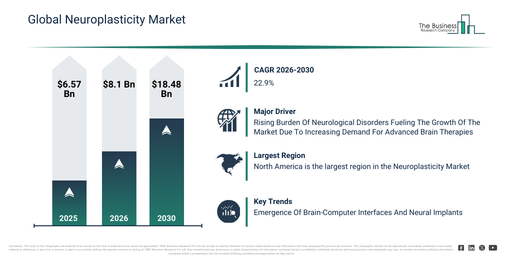
    The neuroplasticity market has experienced rapid expansion over recent years. Projections indicate its value will increase from $6.57 billion in 2025 to $8.1 billion by 2026, exhibiting a compound annual growth rate (CAGR) of 23.2%. Factors contributing to its historical growth include the initial creation of neurofeedback instruments, greater understanding of brain rehabilitation needs, enhanced investigation into neurodegenerative conditions, the uptake of cognitive training solutions, and the initial deployment of wearable neurostimulation apparatus.

    The neuroplasticity market is poised for significant expansion in the upcoming years. It is foreseen to attain a value of $18.48 billion by 2030, exhibiting a compound annual growth rate (CAGR) of 22.9%. This projected growth stems from various factors, including the increasing demand for AI-driven neurotherapy, the rising adoption of VR rehabilitation tools, the broadening of neuroplasticity-based mental health treatments, a surge in investment in brain recovery research, and the advancement of sophisticated brain-computer interfaces. Prominent trends within this forecast period involve an escalating demand for stroke rehabilitation solutions, a greater uptake of cognitive training programs, an increased application of neurostimulation for mental health treatment, the expansion of TBI rehabilitation technologies, and the creation of platforms designed to bolster learning and memory.

    Access Your Free Sample Report for In-Depth Market Insights:

    https://www.thebusinessresearchcompany.com/sample.aspx?id=24334&type=smp

    What Drivers Are Shaping Future Opportunities In The Neuroplasticity Market?

    The rising occurrence of neurological conditions is projected to boost the expansion of the neuroplasticity market in the future. These disorders are health issues impacting the brain, spinal cord, and nerves, resulting in various physical, cognitive, and behavioral challenges. Examples include Alzheimer’s, Parkinson’s, epilepsy, and multiple sclerosis, whose prevalence is escalating due to an aging global population and lifestyle influences. The primary cause of this increasing prevalence is the aging global population, where extended life expectancy elevates the likelihood of developing age-related neurological conditions, thereby increasing incidence rates globally. The growing prevalence of neurological disorders fuels neuroplasticity, fostering the need for sophisticated therapies and rehabilitation techniques designed to improve brain function, enhance patient results, and facilitate the creation of novel treatments for various neurological conditions. For example, data from October 2023, provided by the World Federation of Neurology, a UK-based association of national neurological societies, indicates that more than 40% of the global population currently suffers from a neurological condition, a figure projected to nearly double by 2050. Consequently, the rising occurrence of neurological conditions is a key factor in the expansion of the neuroplasticity market.

    Which Segments Are Gaining Traction In The Neuroplasticity Market?

    The neuroplasticity market covered in this report is segmented –

    1) By Product Type: Software-Based Solutions, Hardware-Based Solutions

    2) By Technology Type: Artificial Intelligence, Virtual Reality, Neurostimulation, Wearable Technology

    3) By Application: Stroke Rehabilitation, Traumatic Brain Injury (TBI) Rehabilitation, Neurodegenerative Disorders, Learning And Memory Enhancement, Mental Health Disorders

    4) By End User: Hospitals And Clinics, Research Institutes And Academic Centers, Pharmaceutical And Biotechnology Companies, Other End Users

    Subsegments:

    1) By Software-Based Solutions: Cognitive Training Programs, Neurofeedback Software, Brain Simulation Platforms, Mobile Neurotherapy Apps, Virtual Reality Rehabilitation Software, AI-Based Cognitive Assessment Tools

    2) By Hardware-Based Solutions: EEG Headsets, Transcranial Magnetic Stimulation (TMS) Devices, Transcranial Direct Current Stimulation (tDCS) Devices, Brain-Computer Interface (BCI) Systems, Wearable Neurostimulation Devices, Neuroimaging And Monitoring Equipment

    What Trends Are Reshaping The Dynamics Of The Neuroplasticity Market?

    Key companies in the neuroplasticity market are prioritizing the creation of advanced technologies, such as brain-computer interfaces and neural implants, to secure their market presence. Brain-computer interfaces (BCIs) and neural implants are sophisticated neurotechnologies that forge direct communication paths between the brain and external devices. BCIs typically allow control over computers or prosthetics via brain signals, while neural implants are devices positioned in the brain or nervous system to observe, stimulate, or modify neural activity for therapeutic or functional improvements. For example, in June 2024, Paradromics, a US-based neurotechnology company, declared its acceptance into the FDA Regulatory Accelerator Program and initiated a new patient registry. This regulatory success boosts the company’s progress in developing high-performance brain-computer interfaces, signifying notable advancement in neurotechnology innovation with the capacity to transform treatment for patients facing severe neurological conditions through state-of-the-art neural data solutions.

    Who Are The Top-Performing Companies In The Neuroplasticity Market In Recent Years?

    Major companies operating in the neuroplasticity market are Medtronic PLC, Boston Scientific Corporation, NeuroPace Inc, BrainsWay Ltd, Magstim, MindMaze, Emotiv Inc, BrainCo, ElectroCore, NeuroMetrix, Soterix Medical, Neurable, NeuroSigma Inc, Cognixion, NeuroTracker, Neuralink, Synchron Inc, Paradromics Inc, Precision Neuroscience, g.tec medical engineering GmbH, Neuroelectrics, OpenBCI, Kernel, Blackrock Neurotech, NeuroSky Inc, BrainScope Company Inc, i-BrainTech LTD

    Access The Complete Report For Deeper Market Insights:

    https://www.thebusinessresearchcompany.com/report/neuroplasticity-global-market-report

    How Does The Neuroplasticity Market Perform Across Major Global Regions?

    North America was the largest region in the Neuroplasticity market in 2025. Asia-Pacific is expected to be the fastest-growing region in the forecast period. The regions covered in the neuroplasticity market report are Asia-Pacific, South East Asia, Western Europe, Eastern Europe, North America, South America, Middle East, Africa.

    Request Your Customized Neuroplasticity Market Research Report for Competitive Advantage:

    https://www.thebusinessresearchcompany.com/customise?id=24334&type=smp

    Browse Through More Reports Similar to the Global Neuroplasticity Market 2026, By The Business Research Company

    Neuroprosthetics Market Report 2026

    https://www.thebusinessresearchcompany.com/report/neuroprosthetics-global-market-report

    Neuromodulation Market Report 2026

    https://www.thebusinessresearchcompany.com/report/neuromodulation-global-market-report

    Neurotechnology Market Report 2026

    https://www.thebusinessresearchcompany.com/report/neurotechnology-global-market-report

    Get in touch with us:

    The Business Research Company: https://www.thebusinessresearchcompany.com/

    Americas +1 310-496-7795

    Asia +44 7882 955267 & +91 8897263534

    Europe +44 7882 955267

    Email us at info@tbrc.info

    Follow us on:

    LinkedIn: https://in.linkedin.com/company/the-business-research-company

    YouTube: https://www.youtube.com/channel/UC24_fI0rV8cR5DxlCpgmyFQ

    Global Market Model: https://www.thebusinessresearchcompany.com/global-market-model
  • Global Parkinson’s Disease Market Performance Report: Global Trends 2026–2030

    Global Parkinson’s Disease Market Performance Report: Global Trends 2026–2030

    Uncover key drivers, emerging technologies, and competitive movements shaping the parkinson’s disease market from 2026–2035 with trusted insights from The Business Research Company

    What upper market value could the Parkinson’s Disease Market reach by 2030 starting from 2026 levels?

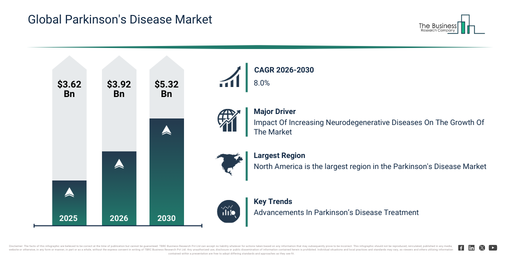
    The parkinson’s disease market size has experienced substantial growth in recent years. This market is projected to expand from $3.62 billion in 2025 to $3.92 billion by 2026, registering a compound annual growth rate (CAGR) of 8.2%. The historical increase can be attributed to several factors including limited treatment options for disease progression, a strong reliance on levodopa-centric therapy, delayed diagnosis often due to symptom overlap, a scarcity of specialized movement disorder clinics, and inconsistent access to advanced surgical interventions.

    The Parkinson’s disease market size is projected to experience strong growth in the coming years. It is expected to expand to $5.32 billion by 2030, achieving a compound annual growth rate (CAGR) of 8.0%. This anticipated growth can be attributed to the development of novel dopamine and non-dopamine therapies, the increasing prevalence of an aging population, a rising adoption of deep brain stimulation procedures, a growing focus on personalized medicine approaches, and the expansion of neurology specialty clinics. Key trends during this forecast period include the rising adoption of combination drug therapies, increased use of deep brain stimulation procedures, growth in early-stage diagnosis and intervention, the expansion of multidisciplinary Parkinson’s care programs, and improved symptom management through personalized treatment plans.

    Access Your Free Sample Report for In-Depth Market Insights:

    https://www.thebusinessresearchcompany.com/sample.aspx?id=21247&type=smp

    Which Drivers Are Influencing Long-Term Growth In The Parkinson’s Disease Market?

    The parkinson’s disease market is poised for growth, propelled by the increasing prevalence of neurodegenerative diseases. These disorders involve the progressive deterioration and functional loss of neurons within the brain and nervous system. Their rising occurrence is linked to an aging population, genetic predispositions, environmental influences, improved diagnostic techniques, a surge in chronic health conditions, and lifestyle modifications. Parkinson’s disease plays a vital role in advancing comprehension of neurodegenerative diseases by revealing essential insights into their underlying mechanisms, prospective therapeutic targets, and the development of novel treatment strategies. For instance, in 2025, the National Institutes of Health (NIH), a US-based government’s primary medical research agency, projected the prevalence of Parkinson’s disease for 2050 to be 267 cases per 100,000 people, ranging from 230 to 320. Thus, the escalating prevalence of neurodegenerative diseases is a significant driver for the expansion of the parkinson’s disease market.

    Which Segments Are Driving Activity In The Parkinson’s Disease Market?

    The parkinson’s disease market covered in this report is segmented –

    1) By Drug Class: Dopamine Agonists, Catechol-O-Methyltransferase Inhibitors, Monoamine Oxidase B Inhibitors, Anticholinergics, Carbidopa-Levodopa, Other Drug Classes

    2) By Route Of Administration: Oral, Injectable, Intestinal infusion, Subcutaneous, Other Routes Of Administrations

    3) By Distribution Channel: Retail Pharmacies, Hospital Pharmacies, Online Pharmacies

    4) By Patient Care Setting: Clinics, Hospitals

    Subsegments:

    1) By Dopamine Agonists: Ergot Derivatives, Non-Ergot Derivatives

    2) By Catechol-O-Methyltransferase (COMT) Inhibitors: Entacapone, Tolcapone, Opicapone

    3) By Monoamine Oxidase B (MAO-B) Inhibitors: Selegiline, Rasagiline, Safinamide

    4) By Anticholinergics: Trihexyphenidyl, Benztropine, Procyclidine

    5) By Carbidopa-Levodopa: Immediate-Release Formulation, Extended-Release Formulation, Inhaled And Intestinal Gel Formulations

    6) By Other Drug Classes: Amantadine And Derivatives, Adenosine A2A Receptor Antagonists, Glutamate Antagonists

    What Long-Term Trends Are Expected To Shape The Future Of The Parkinson’s Disease Market?

    Leading companies in the parkinson’s disease market are concentrating on developing innovative solutions, such as levodopa-based therapy, to enhance motor function and provide continuous symptom management for patients with advanced parkinson’s disease. This therapy involves the use of levodopa, a medication that converts into dopamine within the brain, thereby improving motor capabilities and alleviating Parkinson’s disease symptoms. For example, in October 2024, AbbVie Inc., a US-based biopharmaceutical company, obtained US Food and Drug Administration (FDA) approval for VYALEV, a combination treatment containing levodopa and carbidopa, developed for the management of Parkinson’s disease. Its formulation is designed to improve the effectiveness of levodopa by preventing its breakdown before it reaches the brain, thus increasing dopamine levels. This medication is proficient in controlling motor symptoms of Parkinson’s disease, including tremors, rigidity, and bradykinesia, which in turn enhances the patient’s ability to perform daily tasks. It is considered a crucial therapeutic approach for Parkinson’s disease patients experiencing motor fluctuations.

    Which Leading Companies Dominate The Parkinson’s Disease Market Share?

    Major companies operating in the parkinson’s disease market are Roche Holding AG, AbbVie Inc., Novo Nordisk A/S, Takeda Pharmaceutical Company Limited, UCB S.A., Eisai Co. Ltd., Kyowa Kirin Co. Ltd., Amneal Pharmaceuticals Inc., Neurocrine Biosciences Inc., Supernus Pharmaceuticals Inc., Sunovion Pharmaceuticals Inc., Intracellular Therapies Inc., Voyager Therapeutics Inc., Sage Therapeutics Inc., Adamas Pharmaceuticals Inc., Sun Pharma Advanced Research Company Ltd., Neuraly Inc., Mitsubishi Tanabe Pharma Corporation, Athira Pharma Inc., VistaGen Therapeutics Inc.

    Access The Complete Report For Deeper Market Insights:

    https://www.thebusinessresearchcompany.com/report/parkinsons-disease-global-market-report

    Which Global Regions Are Shaping The Competitive Landscape Of The Parkinson’s Disease Market?

    North America was the largest region in the parkinson’s disease market in 2025. Asia-Pacific is expected to be the fastest-growing region in the forecast period. The regions covered in the parkinson’s disease market report are Asia-Pacific, South East Asia, Western Europe, Eastern Europe, North America, South America, Middle East, Africa.

    Request Your Customized Parkinson’s Disease Market Research Report for Competitive Advantage:

    https://www.thebusinessresearchcompany.com/customise?id=21247&type=smp

    Browse Through More Reports Similar to the Global Parkinson’s Disease Market 2026, By The Business Research Company

    Rare Neurological Disease Treatment Market Report 2026

    https://www.thebusinessresearchcompany.com/report/rare-neurological-disease-treatment-global-market-report

    Neurological Disorder Drugs Market Report 2026

    https://www.thebusinessresearchcompany.com/report/neurological-disorder-drugs-global-market-report

    Wolff Parkinson White Syndrome Market Report 2026

    https://www.thebusinessresearchcompany.com/report/wolff-parkinson-white-syndrome-global-market-report

    Get in touch with us:

    The Business Research Company: https://www.thebusinessresearchcompany.com/

    Americas +1 310-496-7795

    Asia +44 7882 955267 & +91 8897263534

    Europe +44 7882 955267

    Email us at info@tbrc.info

    Follow us on:

    LinkedIn: https://in.linkedin.com/company/the-business-research-company

    YouTube: https://www.youtube.com/channel/UC24_fI0rV8cR5DxlCpgmyFQ

    Global Market Model: https://www.thebusinessresearchcompany.com/global-market-model