Category: Healthcare Services

  • Nucleic Acid Labeling Market Future Outlook: Strong Growth Expected Toward $4.41 Billion by 2030

    Nucleic Acid Labeling Market Future Outlook: Strong Growth Expected Toward $4.41 Billion by 2030

    Uncover key drivers, emerging technologies, and competitive movements shaping the nucleic acid labeling market from 2026–2035 with trusted insights from The Business Research Company

    What was the valuation of the Nucleic Acid Labeling Market in 2026, and what figure is it projected to hit by 2030?

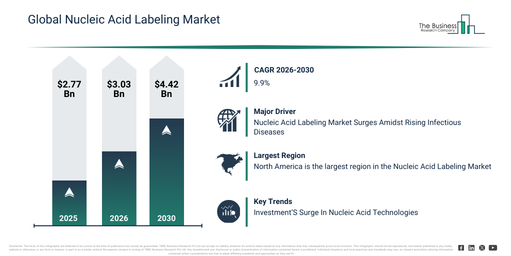
    The market for nucleic acid labeling has experienced robust expansion over the past few years. It is projected to increase from $2.77 billion in 2025 to $3.03 billion in 2026, demonstrating a compound annual growth rate (CAGR) of 9.4%. The growth witnessed during the historic period can be attributed to the constrained availability of sensitive labeling reagents, a low understanding of nucleic acid labeling applications, the high cost of instruments, a reliance on traditional labeling methods, and the slow adoption of high-throughput technologies.

    The nucleic acid labeling market is projected to experience substantial expansion over the upcoming years. Its valuation is anticipated to reach $4.42 billion by 2030, progressing at a compound annual growth rate (CAGR) of 9.9%. This anticipated growth during the forecast timeframe is primarily driven by improvements in fluorescent and non-radioactive labeling technologies, augmented research and development efforts in genomics and molecular diagnostics, a surging need for high-throughput and multiplex assays, expanding utilization within hospitals and diagnostic facilities, and increased financial support for research endeavors. Key trends identified for the projected period encompass the growing acceptance of nucleic acid labeling methodologies, the ongoing creation of sophisticated labeling kits and reagents, expanding utility across diagnostic and research domains, an elevated emphasis on multiplex and high-throughput labeling approaches, and enhanced integration of imaging and analytical tools.

    Access Your Free Sample Report for In-Depth Market Insights:

    https://www.thebusinessresearchcompany.com/sample.aspx?id=12647&type=smp

    Which Drivers Are Affecting Market Participation In The Nucleic Acid Labeling Market?

    The anticipated expansion of the nucleic acid labeling market is driven by the increasing prevalence of infectious diseases. These illnesses are characterized by being caused by typically microscopic organisms such as parasites, fungi, viruses, and bacteria, which spread between individuals via direct or indirect contact. For identifying infectious diseases, including tuberculosis, hepatitis, and gonorrhea, nucleic acid labeling methodologies provide enhanced specificity, sensitivity, multiplexing capability, visualization, real-time monitoring, and automation. An illustrative example comes from March 2024, where the Centers for Disease Control and Prevention, a US-based national public health agency, reported an increase of 1,295 in tuberculosis (TB) cases, rising from 8,320 in 2022 to 9,615 in 2023. This corresponds to an elevated incidence rate, moving from 2.5 per 100,000 persons in 2022 to 2.9 per 100,000 in 2023, indicative of a significant year-on-year growth. Consequently, the growing occurrence of infectious diseases is a driving force behind the expansion of the nucleic acid labeling market.

    What Segment Categories Are Covered In The Nucleic Acid Labeling Market?

    The nucleic acid labeling market covered in this report is segmented –

    1) By Product Type: Kits, Reagents, Instruments

    2) By Labeling Type: Radioisotope Or Radioactive Labels, Non-Radioactive Labels

    3) By Method: Enzyme-Based, Chemical-Based

    4) By Application: DNA Sequencing, Polymerase Chain Reaction, Fluorescence In Situ Hybridization (FISH), Microarrays, Blotting, In Situ Hybridization, Other Applications

    5) By End-User: Hospitals Or Clinics, Diagnostic Centers, Other End-Users

    Subsegments:

    1) By Kits: DNA Labeling Kits, RNA Labeling Kits, Multiplex Labeling Kits

    2) By Reagents: Labeling Reagents, Buffer Solutions, Conjugation Reagents

    3) By Instruments: Nucleic Acid Analyzers, Microarray Processors, Imaging Systems

    What Industry Trends Are Transforming The Nucleic Acid Labeling Market?

    Leading firms within the nucleic acid labeling market are allocating capital to enhance their earnings. These investments involve monetary provisions, financing, or equity infusions from various sources such as individuals, enterprises, venture capital firms, or other bodies, directed towards endeavors, businesses, or ventures focused on nucleic acid labeling technologies, as well as their research and development. As an illustration, in January 2023, Agilent Technologies Inc., a US-based supplier of software and instruments for laboratories, committed $725 million to double its production capability for therapeutic nucleic acids. This move addresses the rapidly increasing need for premium active pharmaceutical ingredients. This expansion, consistent with the company’s strategic emphasis on thriving markets, seeks to satisfy the growing requirements for siRNA, antisense, and CRISPR guide RNA molecules, which are employed in medications designed to combat various conditions like cancer, cardiovascular issues, and rare and infectious diseases.

    Which Key Market Players Are Investing In Expansion And Innovation Within The Nucleic Acid Labeling Market?

    Major companies operating in the nucleic acid labeling market are Thermo Fisher Scientific Inc., Merck Group, Roche Diagnostics Corporation, GE Healthcare Bio Sciences AB, Agilent Technologies Inc., PerkinElmer Inc., Bio-Rad Laboratories Inc., Cytiva, Qiagen N.V., Biotium Inc., Illumina Inc., LGC Group, Promega Corporation, New England Biolabs, Enzo Biochem Inc., LI-COR Biosciences Inc., Eurogentec S.A., OriGene Technologies Inc., BaseClear B.V., Vector Laboratories Inc., Bio-Synthesis Inc., BioCat GmbH, Jena Bioscience GmbH, LubioScience GmbH, GeneCopoeia Inc., Mirus Bio LLC, Daicel Arbor Biosciences

    Access The Complete Report For Deeper Market Insights:

    https://www.thebusinessresearchcompany.com/report/nucleic-acid-labeling-global-market-report

    Which Regions Are Projected To Dominate The Nucleic Acid Labeling Market In The Coming Years?

    North America was the largest region in the nucleic acid labeling market in 2025. Asia-Pacific is expected to be the fastest-growing region in the forecast period. The regions covered in the nucleic acid labeling market report are Asia-Pacific, South East Asia, Western Europe, Eastern Europe, North America, South America, Middle East, Africa.

    Request Your Customized Nucleic Acid Labeling Market Research Report for Competitive Advantage:

    https://www.thebusinessresearchcompany.com/customise?id=12647&type=smp

    Browse Through More Reports Similar to the Global Nucleic Acid Labeling Market 2026, By The Business Research Company

    Nucleic Acid Isolation And Purification Market Report 2026

    https://www.thebusinessresearchcompany.com/report/nucleic-acid-isolation-and-purification-global-market-report

    Automated Nucleic Acid Extraction Devices Market Report 2026

    https://www.thebusinessresearchcompany.com/report/automated-nucleic-acid-extraction-devices-global-market-report

    Nucleic Acid Extraction Instruments And Reagents Market Report 2026

    https://www.thebusinessresearchcompany.com/report/nucleic-acid-extraction-instruments-and-reagents-global-market-report

    Get in touch with us:

    The Business Research Company: https://www.thebusinessresearchcompany.com/

    Americas +1 310-496-7795

    Asia +44 7882 955267 & +91 8897263534

    Europe +44 7882 955267

    Email us at info@tbrc.info

    Follow us on:

    LinkedIn: https://in.linkedin.com/company/the-business-research-company

    YouTube: https://www.youtube.com/channel/UC24_fI0rV8cR5DxlCpgmyFQ

    Global Market Model: https://www.thebusinessresearchcompany.com/global-market-model
  • Pelvic Inflammatory Disease (PID) Treatment Market Performance Outlook 2026–2030: Revenue to Hit $6.13 Billion at 5.3% CAGR

    Pelvic Inflammatory Disease (PID) Treatment Market Performance Outlook 2026–2030: Revenue to Hit $6.13 Billion at 5.3% CAGR

    Uncover key drivers, emerging technologies, and competitive movements shaping the pelvic inflammatory disease (pid) treatment market from 2026–2035 with trusted insights from The Business Research Company

    What level of CAGR-driven expansion is anticipated in the Pelvic Inflammatory Disease (PID) Treatment Market between 2026 and 2030?

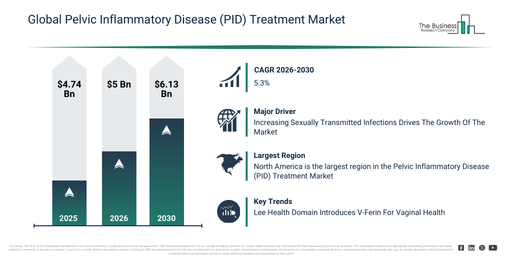
    The pelvic inflammatory disease (pid) treatment market has demonstrated significant expansion in recent years. Its value is projected to rise from $4.74 billion in 2025 to $5 billion in 2026, at a compound annual growth rate (CAGR) of 5.5%. This historical growth can be attributed to the high prevalence of sexually transmitted infections, limited awareness of PID, reliance on broad-spectrum antibiotics, delayed diagnosis due to asymptomatic cases, and insufficient access to specialized gynecological care.

    The pelvic inflammatory disease (pid) treatment market is projected to experience robust expansion over the coming years, reaching a valuation of $6.13 billion by 2030, driven by a compound annual growth rate (CAGR) of 5.3%. This anticipated growth during the forecast period is primarily due to several factors, including the increasing acceptance of combination antibiotic regimens, a rise in the application of hormonal therapy for preventive measures, progress in minimally invasive surgical techniques, the proliferation of telehealth and remote monitoring options, and enhanced awareness and educational initiatives aimed at early diagnosis. Key trends emerging in this period encompass the escalating utilization of AI for prompt diagnosis and risk assessment, a rising embrace of genomics-driven personalized treatment methods, the convergence of cloud and big data for comprehensive patient surveillance and care, the deployment of IoT-enabled devices for distant symptom monitoring, and the adoption of smart manufacturing processes in the production of antibiotics.

    Access Your Free Sample Report for In-Depth Market Insights:

    https://www.thebusinessresearchcompany.com/sample.aspx?id=21251&type=smp

    What Drivers Are Affecting Demand-Supply Dynamics In The Pelvic Inflammatory Disease (PID) Treatment Market?

    The rising occurrence of sexually transmitted infections is anticipated to boost the expansion of the pelvic inflammatory disease (PID) treatment market in the future. Sexually transmitted infections (STIs) are conditions resulting from bacteria, viruses, or parasites, predominantly transmitted through sexual activities like vaginal, anal, or oral sex. The growing incidence of STIs stems from elements such as unsafe sexual practices, unprotected intercourse, insufficient knowledge, late diagnosis, and inadequate treatment. Pelvic inflammatory disease (PID) treatment plays a crucial role in addressing sexually transmitted infections (STIs) by deploying antibiotics to eradicate the pathogens, averting issues like persistent pelvic discomfort and infertility, and diminishing the likelihood of repeated infections. For instance, in October 2024, according to a report published by the UK Health Security Agency (UKHSA), a UK-based government agency, in 2023, England recorded 6,008 new human immunodeficiency virus (HIV) diagnoses, marking a 51% increase compared to the 3,975 diagnoses in 2022. Consequently, the increasing prevalence of sexually transmitted infections is fueling the growth of the pelvic inflammatory disease (PID) treatment market.

    What Segments Are Included Within The Pelvic Inflammatory Disease (PID) Treatment Market?

    The pelvic inflammatory disease (pid) treatment market covered in this report is segmented –

    1) By Treatment Type: Antibiotic Therapy, Surgery, Pain Management

    2) By Route Of Administration: Oral, Intravenous, Intramuscular

    3) By End User: Hospitals, Clinics, Homecare

    Subsegments:

    1) By Antibiotic Therapy: Broad-spectrum Antibiotics, Combination Antibiotic Therapy, Oral Antibiotics, Intravenous Antibiotics

    2) By Surgery: Laparoscopy, Hysterectomy, Tubal Surgery

    3) By Pain Management: Nonsteroidal Anti-inflammatory Drugs (NSAIDs), Opioid Analgesics, Acetaminophen, Localized Pain Management

    Which Trends Are Guiding The Evolution Of The Pelvic Inflammatory Disease (PID) Treatment Market?

    Companies operating within the pelvic inflammatory disease (PID) treatment market are primarily concentrating on innovative formulations, including probiotic supplements, to improve treatment efficacy, re-establish vaginal microbiota balance, and decrease the recurrence of infections in individuals with pelvic inflammatory disease (PID). A probiotic supplement is a product that contains beneficial live bacteria or yeasts, designed to help sustain or restore a healthy equilibrium of gut and vaginal microbiota. For example, in November 2024, Lee Health Domain, an India-based pharmaceutical company, launched V-Ferin, a probiotic supplement intended to support vaginal health. Formulated with Lactobacillus acidophilus, lactoferrin peptide, and cranberry extract, V-Ferin seeks to restore the natural microbiome and prevent common vaginal infections such as bacterial vaginosis and yeast infections. With approximately 25-30% of women affected by these conditions, which can lead to pelvic inflammatory disease if left untreated, V-Ferin offers a novel approach to enhance health and prevent complications.

    Who Are The Top-Performing Companies In The Pelvic Inflammatory Disease (PID) Treatment Market In Recent Years?

    Major companies operating in the pelvic inflammatory disease (pid) treatment market are Pfizer Inc., Bayer AG, Eli Lilly and Company, Otsuka Pharmaceutical Co. Ltd., Astellas Pharma Inc., Daiichi Sankyo Company Limited, Hetero Drugs Ltd., Sun Pharmaceutical Industries Ltd., Takeda Pharmaceutical Company Limited, Dr. Reddy’s Laboratories Ltd., Cipla Limited, Hikma Pharmaceuticals PLC, Lupin Pharmaceuticals Inc., Torrent Pharmaceuticals Ltd., Mankind Pharma Ltd., Mayne Pharma Group Limited, Saphnix Lifesciences, Aristo Pharmaceuticals Pvt. Ltd., Zydus Cadila Healthcare Ltd., Amagen India Life Sciences

    Access The Complete Report For Deeper Market Insights:

    https://www.thebusinessresearchcompany.com/report/pelvic-inflammatory-disease-pid-treatment-global-market-report

    Which Region Currently Holds The Largest Share Of The Pelvic Inflammatory Disease (PID) Treatment Market?

    North America was the largest region in the pelvic inflammatory disease (PID) treatment market in 2025. Asia-Pacific is expected to be the fastest-growing region in the forecast period. The regions covered in the pelvic inflammatory disease (pid) treatment market report are Asia-Pacific, South East Asia, Western Europe, Eastern Europe, North America, South America, Middle East, Africa.

    Request Your Customized Pelvic Inflammatory Disease (PID) Treatment Market Research Report for Competitive Advantage:

    https://www.thebusinessresearchcompany.com/customise?id=21251&type=smp

    Browse Through More Reports Similar to the Global Pelvic Inflammatory Disease (PID) Treatment Market 2026, By The Business Research Company

    Chlamydia Infection Treatment Market Report 2026

    https://www.thebusinessresearchcompany.com/report/chlamydia-infection-treatment-global-market-report

    Rare Inflammatory Disease Treatment Market Report 2026

    https://www.thebusinessresearchcompany.com/report/rare-inflammatory-disease-treatment-global-market-report

    Uterine Fibroids Treatment Market Report 2026

    https://www.thebusinessresearchcompany.com/report/uterine-fibroids-treatment-global-market-report

    Get in touch with us:

    The Business Research Company: https://www.thebusinessresearchcompany.com/

    Americas +1 310-496-7795

    Asia +44 7882 955267 & +91 8897263534

    Europe +44 7882 955267

    Email us at info@tbrc.info

    Follow us on:

    LinkedIn: https://in.linkedin.com/company/the-business-research-company

    YouTube: https://www.youtube.com/channel/UC24_fI0rV8cR5DxlCpgmyFQ

    Global Market Model: https://www.thebusinessresearchcompany.com/global-market-model
  • Revenue of the Nucleic Acid And Gene Therapies In Neuromuscular Disorders Market Predicted to Achieve $11.75 Billion by 2030, Driven by 9.4% CAGR

    Revenue of the Nucleic Acid And Gene Therapies In Neuromuscular Disorders Market Predicted to Achieve $11.75 Billion by 2030, Driven by 9.4% CAGR

    Uncover key drivers, emerging technologies, and competitive movements shaping the nucleic acid and gene therapies in neuromuscular disorders market from 2026–2035 with trusted insights from The Business Research Company

    What are the forecasted starting (2026) and ending (2030) market sizes for the Nucleic Acid And Gene Therapies In Neuromuscular Disorders Market?

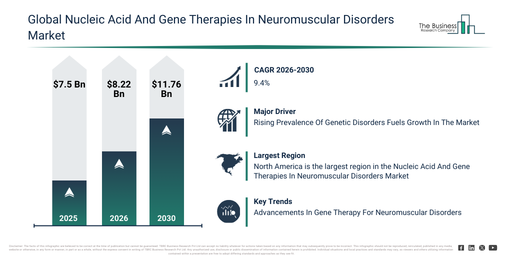
    The nucleic acid and gene therapies in neuromuscular disorders market has experienced robust growth in size over recent years. It is projected to expand from $7.5 billion in 2025 to $8.22 billion in 2026, achieving a compound annual growth rate (CAGR) of 9.7%. Historically, the market’s growth can be attributed to several factors including limited therapeutic options for nmds, low awareness of gene therapies, the significant cost involved in gene therapy development, a shortage of specialized treatment centers, and slow regulatory approvals.

    The market for nucleic acid and gene therapies in neuromuscular disorders is projected to experience substantial growth in the upcoming years, expanding to $11.76 billion by 2030 with a compound annual growth rate (CAGR) of 9.4%. This anticipated expansion during the forecast period is primarily fueled by advancements in adeno-associated virus and postnatal gene therapies, increased research and development investments in NMDs, a rising number of hospitals and specialty clinics providing gene therapies, the growing incidence of neuromuscular disorders, and enhanced patient awareness and advocacy programs. Key trends expected over this period involve the increasing adoption of gene therapy methodologies, intensified development of nucleic acid therapeutics, a sharpened focus on rare neuromuscular disorders, greater investment in personalized medicine strategies, and the broader integration of advanced diagnostic and monitoring instruments.

    Access Your Free Sample Report for In-Depth Market Insights:

    https://www.thebusinessresearchcompany.com/sample.aspx?id=21233&type=smp

    What Drivers Are Supporting Technological Adoption In The Nucleic Acid And Gene Therapies In Neuromuscular Disorders Market?

    The anticipated expansion of the nucleic acid and gene therapies in neuromuscular disorders market is linked to the rising occurrence of genetic disorders. These disorders are defined as conditions stemming from DNA irregularities within a person, which can be either inherited or triggered by mutations. The surge in genetic disorders can be attributed to several elements, including genetic mutations, environmental factors, shifts in lifestyle, and enhanced diagnostic tools. Nucleic acid and gene therapies address genetic disorders by either rectifying or substituting faulty genes in neuromuscular conditions, thereby aiding in the restoration of typical physiological function. For example, data from May 2024, provided by Cure SMA, a US-based non-profit, indicates that the United States has approximately 9,000 to 9,500 individuals presently affected by Spinal Muscular Atrophy (SMA). Of this total population, 37% are diagnosed with Type 2 SMA. The estimated incidence for this condition stands at 1 in 15,000 births. Consequently, the growing occurrence of genetic disorders is propelling the expansion of the nucleic acid and gene therapies in neuromuscular disorders market.

    Which Segments Are Contributing To The Growth Of The Nucleic Acid And Gene Therapies In Neuromuscular Disorders Market?

    The nucleic acid and gene therapies in neuromuscular disorders market covered in this report is segmented –

    1) By Disorder: Motor Neuron Diseases, Neuropathies, Neuromuscular Junction Disorders, Myopathies Including Muscular Dystrophies

    2) By Therapy: Adeno-Associated Viruses Gene Therapy, Postnatal Gene Therapy

    3) By End-User: Hospitals, Specialty Clinics, Ambulatory Surgery Centers

    Subsegments:

    1) By Motor Neuron Diseases: Amyotrophic Lateral Sclerosis (ALS), Spinal Muscular Atrophy (SMA), Primary Lateral Sclerosis (PLS)

    2) By Neuropathies: Charcot-Marie-Tooth Disease (CMT), Hereditary Sensory and Autonomic Neuropathy (HSAN), Peripheral Neuropathies

    3) By Neuromuscular Junction Disorders: Myasthenia Gravis, Lambert-Eaton Myasthenic Syndrome (LEMS)

    4) By Myopathies Including Muscular Dystrophies: Duchenne Muscular Dystrophy (DMD), Becker Muscular Dystrophy (BMD), Limb-Girdle Muscular Dystrophy (LGMD), Facioscapulohumeral Muscular Dystrophy (FSHD)

    What Trends Are Reshaping The Dynamics Of The Nucleic Acid And Gene Therapies In Neuromuscular Disorders Market?

    Leading companies active in the nucleic acid and gene therapies in neuromuscular disorders market are concentrating on developing innovative treatments, such as gene therapy, to tackle the fundamental causes of genetic neuromuscular conditions through targeted gene correction or replacement. Gene therapy involves managing diseases by introducing, modifying, or repairing genetic material within a patient’s cells to correct or substitute defective genes. As an example, in June 2023, Sarepta Therapeutics Inc., a US-based biotechnology company, obtained approval from the U.S. Food and Drug Administration for Elevidys, which is the first gene therapy for Duchenne Muscular Dystrophy, specifically for ambulatory pediatric patients aged 4 to 5 years. This therapy is administered as a single intravenous infusion, thereby streamlining the treatment process compared to other therapies that might necessitate ongoing infusions. ELEVIDYS delivers a gene that codes for a shortened form of dystrophin known as micro-dystrophin, a substance vital for muscle function. This pioneering method addresses the underlying genetic flaw by enabling muscle cells to produce a functional version of the dystrophin protein, potentially halting or even reversing disease progression.

    Who Are The Core Companies Influencing Trends In The Nucleic Acid And Gene Therapies In Neuromuscular Disorders Market?

    Major companies operating in the nucleic acid and gene therapies in neuromuscular disorders market are Pfizer Inc, F. Hoffmann-La Roche Ltd, Sanofi S.A, Novartis AG, Biogen Inc, BioMarin Pharmaceuticals Inc, Sarepta Therapeutics Inc, Ionis Pharmaceuticals Inc, Ultragenyx Pharmaceutical Inc, Regenxbio Inc, UniQure N.V, Généthon S.A, Axovant Gene Therapies Inc, PTC Therapeutics Inc, Wave Life Sciences Ltd, CRISPR Therapeutics AG, Editas Medicine Inc, Helixmith Co Ltd, MeiraGTx Ltd, Cure Rare Disease, Beam Therapeutics Inc, Intellia Therapeutics Inc, Prime Medicine Inc, Arcturus Therapeutics Holdings Inc, Takeda Pharmaceutical Company Ltd.

    Access The Complete Report For Deeper Market Insights:

    https://www.thebusinessresearchcompany.com/report/nucleic-acid-and-gene-therapies-in-neuromuscular-disorders-global-market-report

    Which Region Is Expected To Experience The Fastest Growth In The Nucleic Acid And Gene Therapies In Neuromuscular Disorders Market?

    North America was the largest region in the nucleic acid and gene therapies in neuromuscular disorders market in 2025. The regions covered in the nucleic acid and gene therapies in neuromuscular disorders market report are Asia-Pacific, South East Asia, Western Europe, Eastern Europe, North America, South America, Middle East, Africa.

    Request Your Customized Nucleic Acid And Gene Therapies In Neuromuscular Disorders Market Research Report for Competitive Advantage:

    https://www.thebusinessresearchcompany.com/customise?id=21233&type=smp

    Browse Through More Reports Similar to the Global Nucleic Acid And Gene Therapies In Neuromuscular Disorders Market 2026, By The Business Research Company

    Ribose Nucleic Acid Rna Based Therapeutics Market Report 2026

    https://www.thebusinessresearchcompany.com/report/ribose-nucleic-acid-rna-based-therapeutics-global-market-report

    Genes Therapy Market Report 2026

    https://www.thebusinessresearchcompany.com/report/genes-therapy-global-market-report

    Oligonucleotides Therapy Market Report 2026

    https://www.thebusinessresearchcompany.com/report/oligonucleotides-therapy-global-market-report

    Get in touch with us:

    The Business Research Company: https://www.thebusinessresearchcompany.com/

    Americas +1 310-496-7795

    Asia +44 7882 955267 & +91 8897263534

    Europe +44 7882 955267

    Email us at info@tbrc.info

    Follow us on:

    LinkedIn: https://in.linkedin.com/company/the-business-research-company

    YouTube: https://www.youtube.com/channel/UC24_fI0rV8cR5DxlCpgmyFQ

    Global Market Model: https://www.thebusinessresearchcompany.com/global-market-model
  • Global Pelvic Cancer Induced Hemorrhagic Cystitis Market Set for Strong Expansion, Reaching $7.98 Billion With 20.7% CAGR by 2030

    Global Pelvic Cancer Induced Hemorrhagic Cystitis Market Set for Strong Expansion, Reaching $7.98 Billion With 20.7% CAGR by 2030

    Uncover key drivers, emerging technologies, and competitive movements shaping the pelvic cancer induced hemorrhagic cystitis market from 2026–2035 with trusted insights from The Business Research Company

    What long-term size projections exist for the Pelvic Cancer Induced Hemorrhagic Cystitis Market covering 2026–2035?

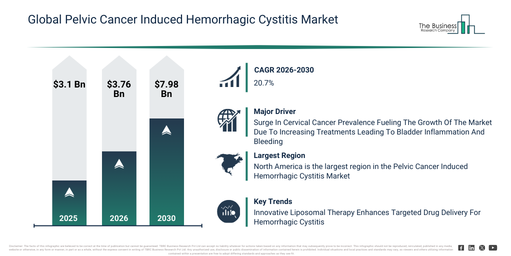
    The market for pelvic cancer induced hemorrhagic cystitis has witnessed substantial growth in recent years. Its size is projected to expand from $3.1 billion in 2025 to $3.76 billion in 2026, achieving a compound annual growth rate (CAGR) of 21.1%. The growth observed in previous periods can be linked to the high incidence of radiation-induced cystitis, the utilization of cyclophosphamide and ifosfamide, the restricted availability of targeted bladder therapies, a dependence on supportive care and bladder irrigation, and the low adoption rate of intravesical therapies.

    The market size for pelvic cancer induced hemorrhagic cystitis is anticipated to experience substantial expansion over the upcoming years. This market is projected to reach $7.98 billion by 2030, exhibiting a compound annual growth rate (CAGR) of 20.7%. This projected growth during the forecast period stems from several factors, including developments in personalized medicine, increased research and development into bladder-protective medications, wider application of regenerative medicine techniques, greater embrace of minimally invasive procedures, and the expansion of awareness and early detection initiatives. Key trends anticipated during this period encompass the growing application of AI for early diagnosis and risk assessment, increased uptake of genomics-driven personalized cancer therapies, the incorporation of cloud and big data solutions for monitoring patients, the deployment of smart manufacturing processes in drug production, and the expanding utilization of IoT-enabled devices for managing patients remotely.

    Access Your Free Sample Report for In-Depth Market Insights:

    https://www.thebusinessresearchcompany.com/sample.aspx?id=23470&type=smp

    Which Drivers Are Impacting The Competitive Landscape Of The Pelvic Cancer Induced Hemorrhagic Cystitis Market?

    The increasing incidence of cervical cancer is anticipated to fuel the expansion of the pelvic cancer-induced hemorrhagic cystitis market in the coming years. Cervical cancer, a malignant growth originating in the cervix, primarily results from persistent infection with high-risk human papillomavirus (HPV) strains, leading to uncontrolled cell proliferation, local tissue invasion, and potential spread if not treated. This rise in cervical cancer cases is attributed to insufficient access to preventative healthcare and inadequate cervical screening initiatives. Pelvic cancer-induced hemorrhagic cystitis positively contributes to cervical cancer management by elevating clinical awareness and patient surveillance, facilitating early diagnosis and timely interventions, which ultimately enhances patient outcomes and advances oncological care. For example, in January 2025, data from the American Cancer Society, a US-based non-profit organization, projects that in the United States for 2025, roughly 13,360 new cases of invasive cervical cancer are expected, with an estimated 4,320 women predicted to die from the disease. Consequently, the escalating number of cervical cancer cases is driving the growth of the pelvic cancer-induced hemorrhagic cystitis market. The adoption of unhealthy diets and sedentary lifestyles is poised to boost the expansion of the pelvic cancer-induced hemorrhagic cystitis market moving forward. An unhealthy diet combined with a sedentary lifestyle describes a pattern of consuming foods lacking nutrients but high in calories while engaging in minimal physical activity, which leads to negative health consequences such as obesity, heart disease, and metabolic disorders. This shift towards unhealthy diets and inactive lifestyles stems from the growing consumption of processed foods, encouraging poor dietary choices and contributing to long-term health risks. Pelvic cancer-induced hemorrhagic cystitis underscores the significance of maintaining a healthy lifestyle, as proactive changes in diet and activity improve overall well-being, optimize treatment results, and enhance the quality of life for affected individuals. For instance, in June 2024, data published by the American Heart Association, Inc., a US-based non-profit organization, indicates that over 150 million people in the U.S. will have a poor diet by 2050, contributing to nearly a 40% increase in adult obesity. Hence, the trend towards unhealthy diets and sedentary lifestyles is propelling the pelvic cancer-induced hemorrhagic cystitis market.

    What Leading Segments Are Studied In The Pelvic Cancer Induced Hemorrhagic Cystitis Market?

    The pelvic cancer induced hemorrhagic cystitis market covered in this report is segmented –

    1) By Treatment Type: Bone Marrow Transplant, Chemotherapy, Radiation Therapy, Other Treatment Types

    2) By Route Of Administration: Oral, Injectable, Intravesical

    3) By Distribution Channel: Hospital Pharmacies, Retail Pharmacies, Online Pharmacies

    Subsegments:

    1) By Bone Marrow Transplant: Autologous Bone Marrow Transplant, Allogeneic Bone Marrow Transplant, Haploidentical Bone Marrow Transplant

    2) By Chemotherapy: Cyclophosphamide, Ifosfamide, Systemic Chemotherapy, Intravesical Chemotherapy, Targeted Chemotherapy

    3) By Radiation Therapy: External Beam Radiation Therapy (EBRT), Brachytherapy, Intensity-Modulated Radiation Therapy (IMRT)

    4) By Other Treatments: Hyperbaric Oxygen Therapy (HBOT), Intravesical Therapy, Bladder Irrigation And Catheterization, Surgical Interventions, Regenerative Medicine And Palliative Care

    What Trends Are Projected To Support The Growth Of The Pelvic Cancer Induced Hemorrhagic Cystitis Market?

    Leading companies operating in the pelvic cancer-induced hemorrhagic cystitis market are prioritizing the creation of innovative drug developments, such as liposomal tacrolimus therapy, and implementing advanced drug formulations designed to improve targeted treatment delivery, along with enhanced safety and effectiveness. Liposomal tacrolimus therapy represents a drug delivery method where tacrolimus is enclosed within liposomes, aiming to boost its bioavailability, refine targeted immunosuppression, and mitigate systemic toxicity when addressing autoimmune conditions and organ transplant rejection. As an illustration, in October 2024, Lipella Pharmaceuticals Inc., a US-based biotechnology company, disclosed that its cutting-edge liposomal drug delivery platform, which facilitates the precise administration of therapeutic agents for diverse medical conditions like hemorrhagic cystitis, received a patent allowance in the United States. This sophisticated liposomal technology optimizes drug delivery to epithelial tissues, including the bladder, mouth, colon, and urethra, thereby guaranteeing superior efficacy and fewer systemic side effects. Furthermore, the market exclusivity provided by this patent reinforces Lipella’s competitive standing and aids the advancement of its primary clinical asset, LP-10, a promising intravesical treatment for hemorrhagic cystitis.

    Which Leading Companies Dominate The Pelvic Cancer Induced Hemorrhagic Cystitis Market Share?

    Major companies operating in the pelvic cancer induced hemorrhagic cystitis market are Pfizer Inc., Johnson & Johnson Services Inc., F. Hoffmann-La Roche Ltd, Merck & Co. Inc., AbbVie Inc., Bayer AG, Sanofi SA, Bristol-Myers Squibb Company, AstraZeneca PLC, Novartis AG, Amgen Inc., Mayo Clinic, Cleveland Clinic Foundation, Astellas Pharma Inc., Fresenius Kabi AG, Bausch Health Companies Inc., Medicover Hospitals, Urigen Pharmaceuticals Inc., Lipella Pharmaceuticals Inc., Hemogenyx Pharmaceuticals plc

    Access The Complete Report For Deeper Market Insights:

    https://www.thebusinessresearchcompany.com/report/pelvic-cancer-induced-hemorrhagic-cystitis-global-market-report

    How Does The Pelvic Cancer Induced Hemorrhagic Cystitis Market Perform Across Major Global Regions?

    North America was the largest region in the pelvic cancer induced hemorrhagic cystitis market in 2025. Asia-Pacific is expected to be the fastest-growing region in the forecast period. The regions covered in the pelvic cancer induced hemorrhagic cystitis market report are Asia-Pacific, South East Asia, Western Europe, Eastern Europe, North America, South America, Middle East, Africa.

    Request Your Customized Pelvic Cancer Induced Hemorrhagic Cystitis Market Research Report for Competitive Advantage:

    https://www.thebusinessresearchcompany.com/customise?id=23470&type=smp

    Browse Through More Reports Similar to the Global Pelvic Cancer Induced Hemorrhagic Cystitis Market 2026, By The Business Research Company

    Ovarian Cancer Diagnostics Market Report 2026

    https://www.thebusinessresearchcompany.com/report/ovarian-cancer-diagnostics-global-market-report

    Urinary Tract Cancer Market Report 2026

    https://www.thebusinessresearchcompany.com/report/urinary-tract-cancer-global-market-report

    Interstitial Cystitis Drugs Market Report 2026

    https://www.thebusinessresearchcompany.com/report/interstitial-cystitis-drugs-global-market-report

    Get in touch with us:

    The Business Research Company: https://www.thebusinessresearchcompany.com/

    Americas +1 310-496-7795

    Asia +44 7882 955267 & +91 8897263534

    Europe +44 7882 955267

    Email us at info@tbrc.info

    Follow us on:

    LinkedIn: https://in.linkedin.com/company/the-business-research-company

    YouTube: https://www.youtube.com/channel/UC24_fI0rV8cR5DxlCpgmyFQ

    Global Market Model: https://www.thebusinessresearchcompany.com/global-market-model
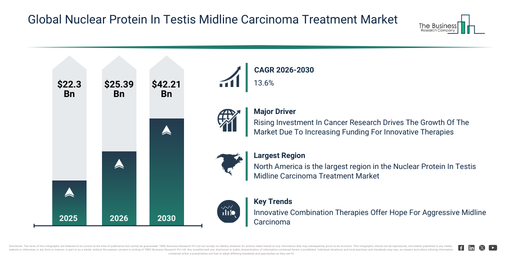
  • Nuclear Protein In Testis Midline Carcinoma Treatment Sector Forecast Shows Robust Momentum, Climbing to $42.2 Billion With 13.6% CAGR

    Nuclear Protein In Testis Midline Carcinoma Treatment Sector Forecast Shows Robust Momentum, Climbing to $42.2 Billion With 13.6% CAGR

    Uncover key drivers, emerging technologies, and competitive movements shaping the nuclear protein in testis midline carcinoma treatment market from 2026–2035 with trusted insights from The Business Research Company

    What upper market value could the Nuclear Protein In Testis Midline Carcinoma Treatment Market reach by 2030 starting from 2026 levels?

    The nuclear protein in testis midline carcinoma treatment market has experienced rapid expansion in recent years. It is projected to grow from $22.3 billion in 2025 to $25.39 billion in 2026, at a compound annual growth rate (CAGR) of 13.8%. This historical growth can be attributed to several factors, including improved recognition of nut midline carcinoma, advancements in molecular diagnostic capabilities, the availability of combination chemotherapy protocols, the expansion of specialized oncology treatment centers, and increased rare cancer awareness.

    The nuclear protein in testis midline carcinoma treatment market is projected to experience substantial expansion over the upcoming years. This market is anticipated to reach $42.21 billion by 2030, exhibiting a compound annual growth rate (CAGR) of 13.6%. Factors contributing to this growth during the forecast period include greater financial commitments to targeted oncology drug development, a rise in the use of precision oncology strategies, broader immunotherapy research efforts for uncommon cancers, intensified partnerships between academic institutions and pharmaceutical firms, and enhanced regulatory backing for orphan drugs. Key developments expected within this period encompass the increased creation of targeted nut fusion inhibitors, an uptick in molecular profiling for guiding treatment choices, wider integration of personalized therapy plans, an increase in clinical trials for rare cancers, and a stronger emphasis on combined treatment methodologies.

    Access Your Free Sample Report for In-Depth Market Insights:

    https://www.thebusinessresearchcompany.com/sample.aspx?id=30339&type=smp

    Which Drivers Are Influencing Long-Term Growth In The Nuclear Protein In Testis Midline Carcinoma Treatment Market?

    The expanding financial commitment to cancer research is anticipated to boost the nuclear protein in testis midline carcinoma treatment market in the coming years. This investment involves governments, organizations, and private entities dedicating funds to studies, clinical trials, and new developments focused on understanding, preventing, and treating cancer. The growth in cancer research investment stems from the rising occurrence of cancer, which necessitates enhanced treatments and novel therapies. Such increased funding aids nuclear protein in testis (NUT) midline carcinoma treatment by facilitating the creation of targeted therapies, sophisticated diagnostics, and advanced treatment methods. For example, in September 2024, Civil Society Media Limited, a UK-based media company, reported that Cancer Research UK allocated $0.0001737 billion to fundraising efforts in 2023–2024, representing an increase of $0.0305 billion compared to the $0.136 billion spent the previous year. Consequently, greater investment in cancer research is fueling the expansion of the nuclear protein in testis midline carcinoma treatment market. The rising volume of clinical trials is anticipated to stimulate expansion in the nuclear protein in testis midline carcinoma treatment market in the future. Clinical trials are meticulously planned research studies involving human participants, designed to assess the safety, effectiveness, and utility of new medical therapies, medications, or interventions. The rise in clinical trials is attributed to the growing incidence of various diseases, which generates an urgent demand for novel and efficient treatments. These trials contribute to advancing nuclear protein in testis (NUT) midline carcinoma treatment by scrutinizing the safety, effectiveness, and optimal application of new therapies, thereby expediting the development of precise and impactful treatment options for patients. For example, in December 2024, the Association of the British Pharmaceutical Industry, a UK-based trade association, reported that the total number of industry clinical trials launched in the UK reached 426 in 2023, an increase from 411 trials in 2022, marking a second consecutive year of growth. Consequently, the growing number of clinical trials is propelling the nuclear protein in testis midline carcinoma treatment market forward.

    How Is The Nuclear Protein In Testis Midline Carcinoma Treatment Market Divided Into Segments?

    The nuclear protein in testis midline carcinoma treatment market covered in this report is segmented –

    1) By Treatment: Chemotherapy, Targeted Therapy, Immunotherapy, Radiation Therapy, Other Treatments

    2) By Technology: Molecular Profiling, Personalized Medicine Approaches, Next-Generation Sequencing (NGS), Other Technologies

    3) By Route Of Administration: Oral, Intravenous, Other Routes Of Administration

    4) By Distribution Channels: Hospital Pharmacies, Retail Pharmacies, Online Pharmacies, Direct Sales

    5) By End-Use: Hospitals, Specialty Cancer Clinics, Ambulatory Surgical Centers, Cancer Research Institutes And Academic Hospitals, Other End-Uses

    Subsegments:

    1) By Chemotherapy: Platinum-Based Chemotherapy, Combination Chemotherapy, Single-Agent Chemotherapy, Adjuvant Chemotherapy

    2) By Targeted Therapy: Tyrosine Kinase Inhibitors, Small Molecule Inhibitors, Monoclonal Antibodies, Epigenetic Modulators

    3) By Immunotherapy: Immune Checkpoint Inhibitors, Adoptive Cell Therapy, Cancer Vaccines, Cytokine Therapy

    4) By Radiation Therapy: External Beam Radiation, Stereotactic Radiation, Proton Therapy, Brachytherapy

    5) By Other Treatments: Surgical Resection, Supportive Care, Palliative Care, Experimental Therapies

    How Are New Market Trends Shaping The Landscape Of The Nuclear Protein In Testis Midline Carcinoma Treatment Market?

    Leading companies within the nuclear protein in testis midline carcinoma treatment market are prioritizing innovative therapeutic strategies, particularly combination therapies, to enhance treatment efficacy and improve patient outcomes. Combination therapies are defined as treatments that integrate two or more distinct drugs or approaches to bolster effectiveness and lessen resistance against a disease. As an illustration, in July 2025, Zenith Epigenetics Ltd., a Canada-based clinical-stage biotechnology company, obtained U.S. Food and Drug Administration (FDA) Fast Track designation for ZEN 3694 when combined with abemaciclib. This combination is intended for treating patients with metastatic or unresectable NUT carcinoma who have completed at least one prior chemotherapy regimen. The objective of this designation is to accelerate the development and regulatory review of treatments for serious conditions with unaddressed medical needs. These therapies, which include an oral BET inhibitor, target the oncogenic NUTM1 fusion protein driving NUT carcinoma, while abemaciclib, a CDK4/6 inhibitor, aids in inhibiting cancer cell proliferation.

    Which Major Industry Participants Are Leading The Nuclear Protein In Testis Midline Carcinoma Treatment Market Growth?

    Major companies operating in the nuclear protein in testis midline carcinoma treatment market are Johnson And Johnson, F. Hoffmann-La Roche Limited, Merck & Company Inc., Pfizer Inc., AbbVie Incorporated, Novartis International AG, Bristol-Myers Squibb Company, GlaxoSmithKline Public Limited Company, Takeda Pharmaceutical Company Limited, Gilead Sciences Inc., Siemens Healthineers AG, Biogen Inc., Illumina Inc., Varian Medical Systems Inc., Elekta AB, Accuray Incorporated, ViewRay Inc., Arcus Biosciences Inc., Xilio Therapeutics Inc., Zenith Epigenetics Inc.

    Access The Complete Report For Deeper Market Insights:

    https://www.thebusinessresearchcompany.com/report/global-nuclear-protein-in-testis-midline-carcinoma-treatment-market-report

    Which Geographic Areas Are Emerging As Strong Markets For The Nuclear Protein In Testis Midline Carcinoma Treatment Market?

    North America was the largest region in the nuclear protein in testis midline carcinoma treatment market in 2025. Asia-Pacific is expected to be the fastest-growing region in the forecast period. The regions covered in the nuclear protein in testis midline carcinoma treatment market report are Asia-Pacific, South East Asia, Western Europe, Eastern Europe, North America, South America, Middle East, Africa.

    Request Your Customized Nuclear Protein In Testis Midline Carcinoma Treatment Market Research Report for Competitive Advantage:

    https://www.thebusinessresearchcompany.com/customise?id=30339&type=smp

    Browse Through More Reports Similar to the Global Nuclear Protein In Testis Midline Carcinoma Treatment Market 2026, By The Business Research Company

    Hereditary Cancer Testing Market Report 2026

    https://www.thebusinessresearchcompany.com/report/hereditary-cancer-testing-global-market-report

    Prostate Cancer Nuclear Medicine Diagnostics Market Report 2026

    https://www.thebusinessresearchcompany.com/report/prostate-cancer-nuclear-medicine-diagnostics-global-market-report

    Nuclear Medicine Market Report 2026

    https://www.thebusinessresearchcompany.com/report/nuclear-medicine-global-market-report

    Get in touch with us:

    The Business Research Company: https://www.thebusinessresearchcompany.com/

    Americas +1 310-496-7795

    Asia +44 7882 955267 & +91 8897263534

    Europe +44 7882 955267

    Email us at info@tbrc.info

    Follow us on:

    LinkedIn: https://in.linkedin.com/company/the-business-research-company

    YouTube: https://www.youtube.com/channel/UC24_fI0rV8cR5DxlCpgmyFQ

    Global Market Model: https://www.thebusinessresearchcompany.com/global-market-model
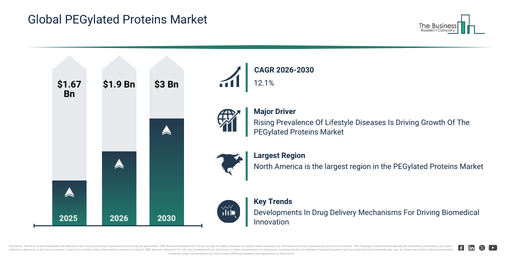
  • PEGylated Proteins Market Growth Projection: Expected to Surpass $3 Billion by 2030 at 12.1% CAGR

    PEGylated Proteins Market Growth Projection: Expected to Surpass $3 Billion by 2030 at 12.1% CAGR

    Uncover key drivers, emerging technologies, and competitive movements shaping the pegylated proteins market from 2026–2035 with trusted insights from The Business Research Company

    What total market size is anticipated for the PEGylated Proteins Market in 2030?

    The pegylated proteins market size has seen rapid growth in recent years. It is anticipated to expand from $1.67 billion in 2025 to $1.9 billion in 2026, achieving a compound annual growth rate (CAGR) of 13.7%. Historically, this growth was influenced by factors including the high immunogenicity of unmodified proteins, the restricted half-life of therapeutic proteins, reliance on traditional protein delivery methods, the fragmented nature of protein modification services, and limited awareness regarding the benefits of pegylation.

    The pegylated proteins market size is anticipated to undergo swift expansion in the next few years. It is projected to reach $3 billion by 2030, exhibiting a compound annual growth rate (CAGR) of 12.1%. The increase over the forecast period is driven by expanding research and development in pegylated therapeutics, a growing need for long-acting protein drugs, the rising integration of targeted protein therapies, the proliferation of contract services for pegylation, and technological improvements in pegylation kits and reagents. Key trends during this period include the heightened application of artificial intelligence in protein engineering and pegylation processes, a greater acceptance of genomics-informed protein therapeutics, the incorporation of cloud-based data management for protein research, the deployment of smart manufacturing in pegylated protein production, and the increasing utilization of IoT-enabled monitoring in biopharmaceutical facilities.

    Access Your Free Sample Report for In-Depth Market Insights:

    https://www.thebusinessresearchcompany.com/sample.aspx?id=16145&type=smp

    What Drivers Are Influencing Production Trends In The PEGylated Proteins Market?

    The rising incidence of lifestyle diseases is anticipated to propel the expansion of the PEGylated proteins market in the future. These are health conditions predominantly stemming from detrimental habits and lifestyle choices such as inadequate nutrition, insufficient physical activity, and smoking. The escalation of lifestyle diseases is attributed to factors like reduced physical activity, diets rich in processed foods, and elevated stress levels. PEGylated proteins find application in managing lifestyle diseases by improving the effectiveness, prolonged action, and precise delivery of therapeutic compounds for ailments such as cardiovascular diseases, diabetes, and specific types of cancer. As an illustration, data from May 2024, provided by the Office for Health Improvement and Disparities, a UK-based government agency, indicated that between 2022 to 2023, an estimated 64.0% of adults aged 18 and over in England were categorized as overweight or living with obesity. Consequently, the growing prevalence rate of lifestyle diseases is fueling the growth of the PEGylated proteins market.

    Which Segment Groups Are Influencing The PEGylated Proteins Market?

    The pegylated proteins market covered in this report is segmented –

    1) By Product: Consumable And Services, PEGylation Kits And Reagents, Monofunctional Linear PEGs, Bifunctional PEGs, Other Products

    2) By Protein Type: Colony Stimulating Factors, Interferons, Erythropoietin, Recombinant Factor VII, Other Protein Types

    3) By Application: Cancer Treatment, Hepatitis, Chronic Kidney Diseases, Hemophilia, Multiple Sclerosis, Gastrointestinal Disorders, Other Applications

    4) By End User: Pharmaceuticals, Biotechnology Companies, Contract Research Organizations, Academic Research Institutes

    Subsegments:

    1) By Consumable And Services: Consumables, Services

    2) By PEGylation Kits And Reagents: PEGylation Kits, Reagents

    3) By Monofunctional Linear PEGs: Monofunctional PEGs For Protein Modification

    4) By Bifunctional PEGs: Bifunctional PEGs For Protein Modification

    5) By Other Products: Conjugates, PEGylated Drugs And Therapeutics

    Which Trends Are Influencing The Performance And Direction Of The PEGylated Proteins Market?

    Leading companies active in the PEGylated protein market are creating innovative products, such as PEGylation reagents, to secure a competitive advantage. PEGylation reagents are chemical compounds that link polyethylene glycol (PEG) chains to biomolecules, thereby modifying their properties for diverse biomedical applications. For instance, in May 2023, Creative Enzymes, a US-based provider of food additives and enzymes, introduced DSPE-PEG-Maleimide for targeted drug delivery. DSPE-PEG-Maleimide (DSPE-PEG-MAL) is a linear heterobifunctional PEGylation reagent, which contains DSPE phospholipids and maleimide. It functions as a valuable self-assembly reagent for preparing PEGylated liposomes or micelles, and it additionally offers thiol or cysteine reactive maleimide groups. This compound is frequently utilized in targeted drug delivery.

    Who Are The Major Companies Operating In The PEGylated Proteins Market?

    Major companies operating in the pegylated proteins market are Merck & Co. Inc., Bayer AG, Bristol Myers Squibb Company, Roche Holding AG, Gilead Sciences Inc., Novo Nordisk A/S, Regeneron Pharmaceuticals Inc., Biogen Inc., Ipsen Pharma, Kyowa Kirin Co. Ltd., BioMarin Pharmaceutical Inc., Enzon Pharmaceuticals Inc., Amgen Inc., Pfizer Inc., Takeda Pharmaceutical Company Limited, Sanofi SA, UCB Pharma SA, CSL Behring GmbH, Nektar Therapeutics, Swedish Orphan Biovitrum AB, Octapharma AG, Ferring Pharmaceuticals, OPKO Health Inc., Alvotech hf, Ultragenyx Pharmaceutical Inc., PTC Therapeutics Inc., Jazz Pharmaceuticals plc

    Access The Complete Report For Deeper Market Insights:

    https://www.thebusinessresearchcompany.com/report/pegylated-proteins-global-market-report

    Which Region Is Anticipated To See The Fastest Growth In The PEGylated Proteins Market?

    North America was the largest region in the PEGylated Proteins market in 2025. The regions covered in the pegylated proteins market report are Asia-Pacific, South East Asia, Western Europe, Eastern Europe, North America, South America, Middle East, Africa.

    Request Your Customized PEGylated Proteins Market Research Report for Competitive Advantage:

    https://www.thebusinessresearchcompany.com/customise?id=16145&type=smp

    Browse Through More Reports Similar to the Global PEGylated Proteins Market 2026, By The Business Research Company

    Protein Engineering Market Report 2026

    https://www.thebusinessresearchcompany.com/report/protein-engineering-global-market-report

    Research Grade Proteins Market Report 2026

    https://www.thebusinessresearchcompany.com/report/research-grade-proteins-global-market-report

    Plant Based Protein Market Report 2026

    https://www.thebusinessresearchcompany.com/report/plant-based-protein-global-market-report

    Get in touch with us:

    The Business Research Company: https://www.thebusinessresearchcompany.com/

    Americas +1 310-496-7795

    Asia +44 7882 955267 & +91 8897263534

    Europe +44 7882 955267

    Email us at info@tbrc.info

    Follow us on:

    LinkedIn: https://in.linkedin.com/company/the-business-research-company

    YouTube: https://www.youtube.com/channel/UC24_fI0rV8cR5DxlCpgmyFQ

    Global Market Model: https://www.thebusinessresearchcompany.com/global-market-model
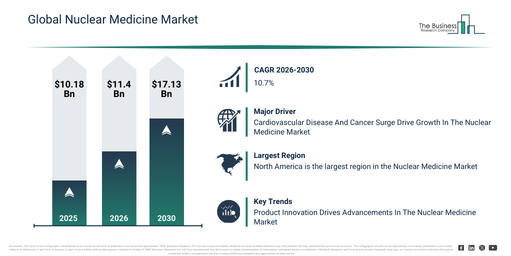
  • Nuclear Medicine Market Anticipated to Record Steady Gains, Advancing to $17.13 Billion by 2030

    Nuclear Medicine Market Anticipated to Record Steady Gains, Advancing to $17.13 Billion by 2030

    Uncover key drivers, emerging technologies, and competitive movements shaping the nuclear medicine market from 2026–2035 with trusted insights from The Business Research Company

    What level of CAGR-driven expansion is anticipated in the Nuclear Medicine Market between 2026 and 2030?

    The size of the nuclear medicine market has expanded quickly in recent years. It is projected to grow from $10.18 billion in 2025 to $11.4 billion in 2026, exhibiting a compound annual growth rate (CAGR) of 11.9%. Historically, this growth has been ascribed to factors including restricted access to nuclear imaging equipment, the high expense of radiopharmaceuticals, a scarcity of trained personnel, underdeveloped hospital and diagnostic center infrastructure, and insufficient patient awareness.

    The nuclear medicine market is anticipated to experience substantial expansion over the next few years. It is projected to reach $17.13 billion by 2030, demonstrating a compound annual growth rate (CAGR) of 10.7%. This growth during the forecast period is propelled by several factors, including a surging demand for advanced diagnostic and therapeutic methods, expanding government initiatives in cancer and cardiac care, increased uptake by hospitals and diagnostic centers, technological innovations in radiopharmaceuticals and imaging, and rising patient awareness alongside increased healthcare expenditure. Prominent trends expected in this timeframe encompass the wider adoption of diagnostic imaging techniques, increased utilization of therapeutic radiopharmaceuticals, a growing need for PET and SPECT scans, a heightened focus on oncology and cardiology applications, and broader implementation across hospitals and diagnostic facilities.

    Access Your Free Sample Report for In-Depth Market Insights:

    https://www.thebusinessresearchcompany.com/sample.aspx?id=7485&type=smp

    What Drivers Are Affecting Demand-Supply Dynamics In The Nuclear Medicine Market?

    The rising constancy and prevalence of cardiovascular disease (CVD) and cancer are projected to drive the future growth of the nuclear medicine market. CVDs are disorders affecting the heart and blood vessels, while cancer is characterized by cells multiplying uncontrollably and spreading to other body parts. Nuclear cardiac imaging provides a quicker way to diagnose cardiac diseases. Furthermore, nuclear medicine therapy offers a treatment option for cancer, potentially utilized alongside or after other therapies such as surgery and chemotherapy. Consequently, the increasing constancy and prevalence of cardiovascular disease and cancer are boosting the demand for the nuclear medicine market. For instance, in January 2023, the American Cancer Society Inc., a US-based non-profit health group, anticipated 1,958,310 new cancer cases to be diagnosed in the US, which marks an increase compared to more than 1,918,030 new cancer cases in 2022. Hence, the escalating constancy and prevalence of cardiovascular diseases and cancer are actively propelling the nuclear medicine market.

    What Segments Are Included Within The Nuclear Medicine Market?

    The nuclear medicine market covered in this report is segmented –

    1) By Type: Diagnostic, Therapeutic

    2) By Application: Cardiology, Lymphoma, Thyroid, Neurology, Oncology, Other Applications

    3) By End-User: Hospitals And Clinics, Diagnostic Centers, Other End-Users

    Subsegments:

    1) By Diagnostic: Single Photon Emission Computed Tomography (SPECT), Positron Emission Tomography (PET), Gamma Cameras

    2) By Therapeutic: Radiopharmaceuticals For Targeted Therapy, Beta Emitters, Alpha Emitters, Radiosynovectomy Agents

    Which Trends Are Expected To Influence The Nuclear Medicine Market In The Upcoming Years?

    Major companies operating in the nuclear medicine market are focusing on developing innovative solutions, including nuclear medicine cyclotrons, to enhance the production of radiopharmaceuticals and refine diagnostic imaging capabilities. Nuclear medicine cyclotrons are specialized particle accelerators that produce radioactive isotopes for medical imaging and therapy by directing high-energy particles at target materials, enabling the synthesis of radiopharmaceuticals utilized in procedures like positron emission tomography (PET). For instance, in January 2024, GE Healthcare China, a US-based medical technology company, initiated the launch of its first batch of cyclotrons on December 1, 2023, at the Chengdu Tianfu International Bio-Town. These advanced particle accelerators are crucial for nuclear medicine, allowing for the production of medical isotopes used in molecular imaging and therapeutic applications. This initiative aims to establish a comprehensive ecosystem for nuclear medicine, strengthening capabilities in early disease detection and personalized treatment.

    Who Are The Prominent Global Companies Shaping The Nuclear Medicine Market Landscape?

    Major companies operating in the nuclear medicine market are Bracco Imaging S.P.A., Lantheus Medical Imaging Inc., NTP Radioisotopes SOC Ltd., Eckert & Ziegler Group, Jubilant Pharma LLC, Australian Nuclear Science & Technology Organisation, Cardinal Health Inc., GE Healthcare Technologies Inc., Curium Pharma, Advanced Accelerator Applications USA Inc., Nordion Inc., The Institute for Radioelements, Eczacibasi-Monrol Nuclear Products Co., Siemens Healthineers AG, Cambridge Isotope Laboratories Inc., Bayer AG, Triad Isotopes Inc., Mallinckrodt Pharmaceuticals plc, PharmaLogic Holdings Corp., Institute of Isotopes Co. Ltd., Sinotau Pharmaceuticals Limited, Isotopia Molecular Imaging Limited, SHINE Medical Technologies Inc., JSC Isotope Inc., NorthStar Medical Radioisotopes LLC, Global Medical Solutions LLC

    Access The Complete Report For Deeper Market Insights:

    https://www.thebusinessresearchcompany.com/report/nuclear-medicine-global-market-report

    Which Region Is Projected To Lead The Nuclear Medicine Market During The Forecast Period?

    North America was the largest region in the nuclear medicine market in 2025. Asia-Pacific is expected to be the fastest-growing region in the forecast period. The regions covered in the nuclear medicine market report are Asia-Pacific, South East Asia, Western Europe, Eastern Europe, North America, South America, Middle East, Africa.

    Request Your Customized Nuclear Medicine Market Research Report for Competitive Advantage:

    https://www.thebusinessresearchcompany.com/customise?id=7485&type=smp

    Browse Through More Reports Similar to the Global Nuclear Medicine Market 2026, By The Business Research Company

    Medical Irradiation Market Report 2026

    https://www.thebusinessresearchcompany.com/report/medical-irradiation-global-market-report

    Nuclear Medicine Diagnostics Market Report 2026

    https://www.thebusinessresearchcompany.com/report/nuclear-medicine-diagnostics-global-market-report

    Nuclear Medicine Radioisotopes Market Report 2026

    https://www.thebusinessresearchcompany.com/report/nuclear-medicine-radioisotopes-global-market-report

    Get in touch with us:

    The Business Research Company: https://www.thebusinessresearchcompany.com/

    Americas +1 310-496-7795

    Asia +44 7882 955267 & +91 8897263534

    Europe +44 7882 955267

    Email us at info@tbrc.info

    Follow us on:

    LinkedIn: https://in.linkedin.com/company/the-business-research-company

    YouTube: https://www.youtube.com/channel/UC24_fI0rV8cR5DxlCpgmyFQ

    Global Market Model: https://www.thebusinessresearchcompany.com/global-market-model
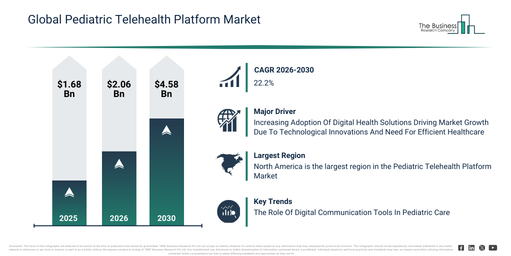
  • Pediatric Telehealth Platform Market Forecast 2026–2035: How to Leverage Market Growth

    Pediatric Telehealth Platform Market Forecast 2026–2035: How to Leverage Market Growth

    Uncover key drivers, emerging technologies, and competitive movements shaping the pediatric telehealth platform market from 2026–2035 with trusted insights from The Business Research Company

    What is the expected shift in the Pediatric Telehealth Platform Market’s size between 2026 and 2030?

    The market size for pediatric telehealth platforms has experienced significant expansion in recent years. This sector is projected to increase from $1.68 billion in 2025 to $2.06 billion in 2026, exhibiting a compound annual growth rate (CAGR) of 22.5%. The historical growth of this market can be attributed to factors such as restricted access to pediatric care in remote regions, insufficient public knowledge of telehealth options, a historical dependence on in-person medical appointments, an unintegrated healthcare IT framework, and the substantial cost involved in establishing telehealth services.

    The market size for pediatric telehealth platforms is projected to experience substantial growth over the next few years. It is expected to expand to $4.58 billion by 2030, at a compound annual growth rate (CAGR) of 22.2%. This growth during the forecast period can be attributed to several factors, including the increasing demand for virtual pediatric consultations, the rising adoption of wearable health monitoring devices, growing investment in pediatric telehealth platforms, expanding internet penetration in rural areas, and a rising emphasis on remote chronic disease management. Key trends expected in the forecast period encompass the increasing adoption of AI-powered virtual consultations, rising integration of cloud-based patient management systems, the growing use of IoT-enabled remote monitoring devices, advancements in genomics-based personalized pediatric care, and the increasing implementation of smart manufacturing in telehealth hardware.

    Access Your Free Sample Report for In-Depth Market Insights:

    https://www.thebusinessresearchcompany.com/sample.aspx?id=24358&type=smp

    Which Drivers Are Shaping Strategic Decisions In The Pediatric Telehealth Platform Market?

    The expansion of digital health solutions is set to boost the growth of the pediatric telehealth platform market. These solutions leverage technology such as mobile applications, telemedicine, wearable devices, and electronic health records to enhance healthcare delivery and improve patient outcomes. The increased integration of digital health solutions stems from a growing need for remote patient monitoring, as healthcare providers seek efficient ways to continuously track patient health data beyond traditional clinical environments. Pediatric telehealth platforms effectively support digital health solutions by facilitating remote consultations and real-time health monitoring, thereby improving access to care and decreasing the necessity for in-person appointments. For example, in April 2023, FAIR Health Inc., a US-based non-profit organization, indicated that national telehealth utilization rose by 7.3% in 2023, specifically from 5.5% of medical claim lines in December 2022 to 5.9% in January 2023. Consequently, the rising uptake of digital health solutions is a key driver for the pediatric telehealth platform market.

    What Segment Classifications Make Up The Pediatric Telehealth Platform Market?

    The pediatric telehealth platform market covered in this report is segmented –

    1) By Component: Software, Hardware, Services

    2) By Functionality: Appointment Scheduling, Medical History Management, Prescription Management, Diagnostic Tools, Patient Education Resources

    3) By Mode Of Delivery: Web-Based, Cloud-Based, On-Premises

    4) By Application: Respiratory, Cold, Flu And Fever, Gastroenterology, Behavioral Health, Dermatology, Other Applications

    5) By End-User: Hospitals, Clinics, Homecare, Schools, Others End-Users

    Subsegments:

    1) By Software: Telemedicine Software, Appointment Scheduling Software, Electronic Health Records (EHR) Software, Patient Management Software, Billing And Payment Software

    2) By Hardware: Telemedicine Kits, Wearable Devices, Tablets Or Smartphones For Telehealth, Diagnostic Equipment For Remote Use

    3) By Services: Telehealth Consultation Services, Remote Patient Monitoring Services, Technical Support Services, Cloud Storage And Data Management Services, Integration And Implementation Services

    What Long-Term Trends Are Expected To Shape The Future Of The Pediatric Telehealth Platform Market?

    Major companies in the pediatric telehealth platform market are concentrating on developing innovative solutions, such as digital communication tools, to improve accessibility, boost patient engagement, and deliver timely care for children through more convenient and user-friendly communication channels. A digital communication tool is a technology-driven platform that facilitates the exchange of information electronically, assisting a pediatric telehealth platform by enabling healthcare providers to communicate remotely with patients and caregivers, thus ensuring prompt consultations, follow-ups, and care coordination without the need for in-person visits. For example, in November 2024, Summer Health Inc., a US-based company providing home health care services, introduced a free trial of its messaging-based pediatric care platform, granting parents 24/7 text access to licensed pediatricians in all 50 states. This service provides expert assessments, referrals, and prescriptions delivered within just 15 minutes to help manage RSV, flu, and COVID-19 symptoms at home. This initiative demonstrates Summer Health’s dedication to reducing unnecessary emergency room visits and streamlining pediatric care through digital innovation.

    Which Major Firms Are Strengthening Their Position In The Pediatric Telehealth Platform Market?

    Major companies operating in the pediatric telehealth platform market are Teladoc Health Inc., American Well Corporation, Health Catalyst Inc., Brightline Holdings LLC, HealthTap, Sesame Inc., Health Recovery Solutions Inc., Hazel Health Inc., BabyScripts, Kiddo Health Inc., Kismet Health Inc., CareFirst Pediatrics, Blueberry Pediatrics, Maven Technosoft Private Limited, Alpha Medical Group Inc., Virtuwell, Summer Health Inc., Omega Pediatrics, Tele-Medics Solutions Private Limited, Anytime Telecare

    Access The Complete Report For Deeper Market Insights:

    https://www.thebusinessresearchcompany.com/report/pediatric-telehealth-platform-global-market-report

    Which Region Is Anticipated To See The Fastest Growth In The Pediatric Telehealth Platform Market?

    North America was the largest region in the pediatric telehealth platform market in 2025. Asia-Pacific is expected to be the fastest-growing region in the forecast period. The regions covered in the pediatric telehealth platform market report are Asia-Pacific, South East Asia, Western Europe, Eastern Europe, North America, South America, Middle East, Africa.

    Request Your Customized Pediatric Telehealth Platform Market Research Report for Competitive Advantage:

    https://www.thebusinessresearchcompany.com/customise?id=24358&type=smp

    Browse Through More Reports Similar to the Global Pediatric Telehealth Platform Market 2026, By The Business Research Company

    Teleradiology Market Report 2026

    https://www.thebusinessresearchcompany.com/report/teleradiology-global-market-report

    Telehealth Market Report 2026

    https://www.thebusinessresearchcompany.com/report/telehealth-global-market-report

    Veterinary Telehealth Market Report 2026

    https://www.thebusinessresearchcompany.com/report/veterinary-telehealth-global-market-report

    Get in touch with us:

    The Business Research Company: https://www.thebusinessresearchcompany.com/

    Americas +1 310-496-7795

    Asia +44 7882 955267 & +91 8897263534

    Europe +44 7882 955267

    Email us at info@tbrc.info

    Follow us on:

    LinkedIn: https://in.linkedin.com/company/the-business-research-company

    YouTube: https://www.youtube.com/channel/UC24_fI0rV8cR5DxlCpgmyFQ

    Global Market Model: https://www.thebusinessresearchcompany.com/global-market-model
  • Nootropics Industry Poised for Rapid Growth, Forecast to Touch $13.23 Billion by 2030 at 17.4% CAGR

    Nootropics Industry Poised for Rapid Growth, Forecast to Touch $13.23 Billion by 2030 at 17.4% CAGR

    Uncover key drivers, emerging technologies, and competitive movements shaping the nootropics market from 2026–2035 with trusted insights from The Business Research Company

    What long-term size projections exist for the Nootropics Market covering 2026–2035?

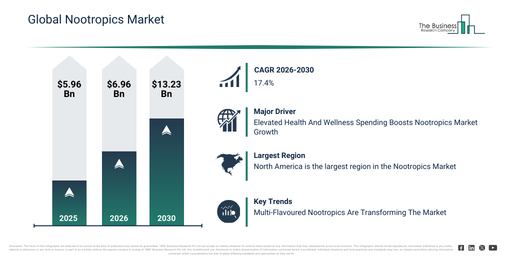
    The nootropics market has experienced substantial expansion in its size over recent years. Projections indicate it will expand from $5.96 billion in 2025 to reach $6.96 billion by 2026, exhibiting a compound annual growth rate (CAGR) of 16.9%. Several factors are identified as contributing to its historical growth, including the restricted availability of prescription nootropics, insufficient consumer awareness, a reliance on traditional stimulants, the elevated cost of sophisticated cognitive enhancers, and confined online distribution avenues.

    The nootropics market is projected to experience substantial expansion over the coming years, reaching a valuation of $13.23 billion by 2030, propelled by a compound annual growth rate (CAGR) of 17.4%. This anticipated growth during the forecast period is primarily driven by several factors, including the increasing uptake of over-the-counter (OTC) and prescription nootropics, a rising preference for natural and synthetic blends, the expansion of both online and offline distribution channels, a heightened emphasis on cognitive health and anti-aging solutions, and advancements in formulation and delivery system technologies. Key developments expected within this period involve a greater need for cognitive enhancers and prescription nootropics, the growing appeal of OTC nootropic supplements, increased consumption of nootropic beverages and powdered forms, a stronger focus on enhancing memory and mental performance, and greater consumer understanding of their benefits for mood, sleep, and anti-aging.

    Access Your Free Sample Report for In-Depth Market Insights:

    https://www.thebusinessresearchcompany.com/sample.aspx?id=6130&type=smp

    Which Drivers Are Impacting The Competitive Landscape Of The Nootropics Market?

    Rising expenditure within the health and wellness sector is anticipated to propel the expansion of the nootropics market. Health and wellness are commonly defined as the approach individuals take to achieve mental health and physical well-being. Cultivating mental and physical health involves engaging deeply with the health and wellness industry. Nootropics offer utility in upholding an individual’s health and wellness. Consequently, an increasing demand for healthcare and wellness will lead to a greater need for nootropics. For example, in November 2024, the Global Wellness Institute, a US-based research organization, reported that global expenditure on health and wellness reached US$6.3 trillion in 2023, an increase from US$5.8 trillion in 2022, with forecasts predicting a rise to US$9 trillion by 2028. Hence, the growing financial outlay on healthcare and wellness is a key driver for the nootropics market.

    What Leading Segments Are Studied In The Nootropics Market?

    The nootropics market covered in this report is segmented –

    1) By Drug Type: Prescription Nootropics, Over-The-Counter (OTC) Nootropics

    2) By Form: Capsules Or Tablets, Powder, Drinks, Other Forms

    3) By Distribution Channel: Offline, Online

    4) By Application: Memory Enhancement, Mood And Depression, Attention And Focus, Sleep And Recovery, Anxiety

    Subsegments:

    1) By Prescription Nootropics: Stimulants, Cognitive Enhancers

    2) By Over-The-Counter (OTC) Nootropics: Natural Nootropics, Synthetic Nootropics, Nootropic Blends

    What Trends Are Driving The Growth Trajectory Of The Nootropics Market?

    Major companies in the nootropics market are increasingly developing multi-flavored nootropic products, often as brand extensions within their nutraceutical offerings, aimed at enhancing both cognitive and physical wellness. A product line extension in nutraceuticals describes a strategy where a company introduces a new item or variant under its existing health-focused brand, specifically within the nutraceutical sector, to address additional consumer needs or broaden benefits. For instance, in June 2023, Rollagranola, a UK-based food and beverage company, unveiled its Nootropics range, featuring four distinct flavors designed to appeal to both nutritional requirements and taste preferences. This innovative collection includes Calm, Energize, Body and Soul, and Complete Vegan. Calm is formulated to promote relaxation and reduce stress, incorporating ingredients such as ashwagandha and matcha green tea. Energize offers a cappuccino and white chocolate blend to enhance focus and energy, featuring lion’s mane, caffeine, and panax ginseng. Body and Soul combines summer berries and walnuts to support physical and mental well-being, with ingredients like creatine, maca, ginkgo, and panax ginseng. Lastly, Complete Vegan is a granola specifically formulated for vegans, supplying essential nutrients, pea protein, and key vitamins to address deficiencies and improve focus, memory, and mood.

    Which Key Players Are Driving Competition In The Nootropics Market?

    Major companies operating in the nootropics market are Accelerated Intelligence Inc., AlternaScript Inc. Health Via Modern Nutrition Inc., Mental Mojo LLC., Peak Nootropics, PureLife Bioscience Co. Ltd., TruBrain, PepsiCo, Superior Supplement Manufacturing, Equinox Nutraceuticals, Natural Stacks Inc., Gaia Herbs Farms., Kimera Koffee LLC., Onnit Labs LLC., Reckitt Benckiser Group plc., OUTLIERS INC., Teva Pharmaceutical Industries Ltd., United Pharmacies o, Clarity Nootropics, OptiMind, HVMN Inc., BioAdaptives Inc., Powder City

    Access The Complete Report For Deeper Market Insights:

    https://www.thebusinessresearchcompany.com/report/nootropics-global-market-report

    Which Region Currently Holds The Largest Share Of The Nootropics Market?

    North America was the largest region in the nootropics market in 2025. Asia-Pacific is expected to be the fastest-growing region in the forecast period. The regions covered in the nootropics market report are Asia-Pacific, South East Asia, Western Europe, Eastern Europe, North America, South America, Middle East, Africa.

    Request Your Customized Nootropics Market Research Report for Competitive Advantage:

    https://www.thebusinessresearchcompany.com/customise?id=6130&type=smp

    Browse Through More Reports Similar to the Global Nootropics Market 2026, By The Business Research Company

    Spatial Omics Market Report 2026

    https://www.thebusinessresearchcompany.com/report/spatial-omics-global-market-report

    Inotropic Agents Market Report 2026

    https://www.thebusinessresearchcompany.com/report/inotropic-agents-global-market-report

    Orthobiologics Market Report 2026

    https://www.thebusinessresearchcompany.com/report/orthobiologics-global-market-report

    Get in touch with us:

    The Business Research Company: https://www.thebusinessresearchcompany.com/

    Americas +1 310-496-7795

    Asia +44 7882 955267 & +91 8897263534

    Europe +44 7882 955267

    Email us at info@tbrc.info

    Follow us on:

    LinkedIn: https://in.linkedin.com/company/the-business-research-company

    YouTube: https://www.youtube.com/channel/UC24_fI0rV8cR5DxlCpgmyFQ

    Global Market Model: https://www.thebusinessresearchcompany.com/global-market-model
  • Global Pediatric Radiology Market 2026–2030: Forecast Insights for Business Planning

    Global Pediatric Radiology Market 2026–2030: Forecast Insights for Business Planning

    Uncover key drivers, emerging technologies, and competitive movements shaping the pediatric radiology market from 2026–2035 with trusted insights from The Business Research Company

    What growth pattern is forecast for the Pediatric Radiology Market size between 2026 and 2035?

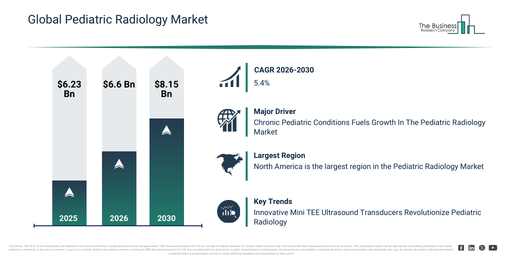
    The pediatric radiology market has demonstrated strong expansion in recent years. It is projected to increase from $6.23 billion in 2025 to $6.6 billion in 2026, achieving a compound annual growth rate (CAGR) of 6.0%. The market’s historical growth can be accounted for by the limited availability of pediatric-specific imaging devices, the high cost of advanced imaging equipment, the low adoption of digital imaging solutions, the reliance on adult imaging protocols for children, and fragmented radiology service networks.

    The pediatric radiology market is anticipated to experience substantial expansion in the coming years. This market is projected to reach $8.15 billion by 2030, exhibiting a compound annual growth rate (CAGR) of 5.4%. Factors contributing to this growth during the forecast period encompass an escalating demand for low-dose and portable imaging equipment, the increasing occurrence of pediatric chronic and congenital conditions, heightened investment in specialized pediatric imaging facilities, the widespread integration of teleradiology solutions, and a greater emphasis on early diagnosis and preventive healthcare. Key trends expected over this period involve the expanded adoption of AI-powered imaging diagnostics, a growing synergy between genomics data and radiology, increased utilization of cloud-based systems for radiology management, the rising deployment of IoT-enabled pediatric imaging devices, and significant progress in the intelligent manufacturing of imaging equipment.

    Access Your Free Sample Report for In-Depth Market Insights:

    https://www.thebusinessresearchcompany.com/sample.aspx?id=15891&type=smp

    Which Drivers Are Impacting Market Performance In The Pediatric Radiology Market?

    The growing occurrence of chronic pediatric conditions is anticipated to drive the expansion of the pediatric radiology market in the future. These conditions represent enduring health problems impacting children and teenagers, lasting for a minimum of a year, and often necessitating continuous medical care or restricting daily routines. Their increase can be attributed to a combination of genetic susceptibilities, environmental influences, and shifts in lifestyle. Pediatric radiology plays a crucial role in managing chronic pediatric conditions by employing imaging methods like X-rays, MRI, and CT scans for diagnosis, monitoring, and treatment management of these long-term health problems, thereby offering essential data for successful intervention and patient care. As an illustration, data from November 2024, supplied by Asthma Australia, an Australian non-profit organization, indicated that between 2022 and 2023, more than 31,000 hospital admissions had asthma as the main diagnosis, with almost 43% of these patients being children aged 14 or younger. Consequently, the rising occurrence of chronic pediatric conditions is a significant factor propelling the expansion of the pediatric radiology market.

    What Segment Types Are Examined In The Pediatric Radiology Market?

    The pediatric radiology market covered in this report is segmented –

    1) By Product Type: Ultrasound, Magnetic Resonance Imaging (MRI), X-Ray, Computed Tomography Scanner, Other Product Types

    2) By Modality: Standalone Devices, Table-Top Devices, Portable Devices

    3) By Application: Oncology, Orthopedics, Cardiology, Other Applications

    4) By End-User: Hospitals, Pediatric Clinics, Diagnostic Centers, Other End-Users

    Subsegments:

    1) By Ultrasound: Portable Pediatric Ultrasound Machines, Pediatric Echocardiography Ultrasound

    2) By Magnetic Resonance Imaging (MRI): Pediatric MRI Systems, Open MRI Systems For Pediatrics, MRI-Compatible Pediatric Equipment

    3) By X-Ray: Digital Pediatric X-Ray Systems, Mobile X-Ray Systems For Pediatrics, Pediatric Fluoroscopy Systems

    4) By Computed Tomography Scanner: Pediatric CT Scanners, Low-Dose CT Scanners For Pediatrics, 3D Imaging Pediatric CT Scanners

    5) By Other Product Types: Pediatric Nuclear Medicine Systems, Pediatric Bone Densitometers, Pediatric Mammography Systems

    Which Market Trends Are Opening Growth Opportunities In The Pediatric Radiology Market?

    Prominent companies operating within the pediatric radiology market are engaged in developing advanced products, such as mini transesophageal echocardiography (TEE) ultrasound transducers. These developments aim to expand the range of diagnostic and treatment possibilities for smaller or more vulnerable patients, enhance the precision of imaging, and improve overall patient well-being and outcomes. Mini transesophageal echocardiography (TEE) ultrasound transducers are compact imaging devices crafted to capture detailed visuals of the heart and its internal components by being inserted through the esophagus, thus improving diagnostic and therapeutic effectiveness for patients of diverse sizes and conditions. For example, in May 2024, Koninklijke Philips N.V., a Netherlands-based conglomerate corporation, introduced its X11-4t Mini 3D TEE transducer. This innovative transducer, engineered with enhanced patient comfort in mind, extends the benefits of 3D transesophageal echocardiography (TEE) to patient demographics previously underserved, including small pediatric patients and adults who are at risk of complications. The miniaturized transducer, which is 35% smaller, delivers detailed 3D imaging essential for the diagnosis and treatment of structural heart diseases and assists in minimally invasive surgeries. Compatible with Philips’ EPIQ CVx and EchoNavigator systems, it provides high-quality imaging while simultaneously reducing the need for general anesthesia and shortening recovery durations.

    Who Are The Primary Competitors In The Global Pediatric Radiology Market?

    Major companies operating in the pediatric radiology market are Samsung Electronics Co. Ltd., Hitachi Ltd., Siemens AG, General Electric Company, Toshiba Corporation, Fujifilm Holdings Corporation, Koninklijke Philips N.V., Hologic Inc., Shimadzu Corporation, Agfa-Gevaert N.V., Neusoft Corp, Carestream Health Inc., Shanghai United Imaging Healthcare Co. Ltd, Esaote S.p.A., Canon Medical Systems Corporation, Ziehm Imaging GmbH, Shenzhen Landwind Industry Co., DMS Imaging SA, Allengers Medical Systems Ltd., Mindray Medical International Ltd.

    Access The Complete Report For Deeper Market Insights:

    https://www.thebusinessresearchcompany.com/report/pediatric-radiology-global-market-report

    Which Global Regions Are Shaping The Competitive Landscape Of The Pediatric Radiology Market?

    North America was the largest region in the pediatric radiology market in 2025. Asia-Pacific is expected to be the fastest-growing region in the forecast period. The regions covered in the pediatric radiology market report are Asia-Pacific, South East Asia, Western Europe, Eastern Europe, North America, South America, Middle East, Africa.

    Request Your Customized Pediatric Radiology Market Research Report for Competitive Advantage:

    https://www.thebusinessresearchcompany.com/customise?id=15891&type=smp

    Browse Through More Reports Similar to the Global Pediatric Radiology Market 2026, By The Business Research Company

    Radiology Services Market Report 2026

    https://www.thebusinessresearchcompany.com/report/radiology-services-global-market-report

    Pediatric Imaging Market Report 2026

    https://www.thebusinessresearchcompany.com/report/pediatric-imaging-global-market-report

    Interventional Radiology Market Report 2026

    https://www.thebusinessresearchcompany.com/report/interventional-radiology-global-market-report

    Get in touch with us:

    The Business Research Company: https://www.thebusinessresearchcompany.com/

    Americas +1 310-496-7795

    Asia +44 7882 955267 & +91 8897263534

    Europe +44 7882 955267

    Email us at info@tbrc.info

    Follow us on:

    LinkedIn: https://in.linkedin.com/company/the-business-research-company

    YouTube: https://www.youtube.com/channel/UC24_fI0rV8cR5DxlCpgmyFQ

    Global Market Model: https://www.thebusinessresearchcompany.com/global-market-model