Category: Healthcare Services

  • Global Patient Check-In Kiosk Software Market Report 2026–2035: Key Forecasts and Growth Areas

    Global Patient Check-In Kiosk Software Market Report 2026–2035: Key Forecasts and Growth Areas

    Uncover key drivers, emerging technologies, and competitive movements shaping the patient check-in kiosk software market from 2026–2035 with trusted insights from The Business Research Company

    What market expansion outlook does the Patient Check-In Kiosk Software Market show for the 2026–2030 period?

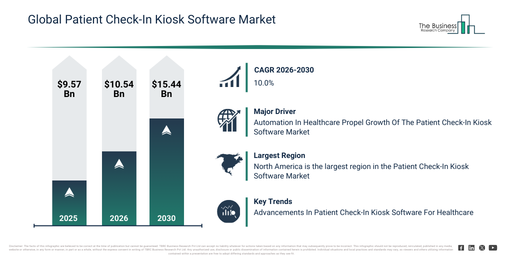
    The patient check-in kiosk software market has seen rapid expansion in its size over recent years. Looking ahead, its value is anticipated to rise from $9.57 billion in 2025 to $10.54 billion in 2026, reflecting a compound annual growth rate (CAGR) of 10.2%. The expansion witnessed during the historic period can be ascribed to several factors, including manual patient check-in processes, extended wait times at registration, the reliance on front-desk personnel for data entry, fragmented patient scheduling systems, and limited digital integration with EHRs.

    The patient check-in kiosk software market size is projected for significant expansion in the coming years. This market is anticipated to reach $15.44 billion by 2030, exhibiting a compound annual growth rate (CAGR) of 10.0%. Factors driving this growth during the forecast period include the rise of AI-enabled registration workflows, greater uptake of cloud-based kiosk platforms, a growing need for smooth patient experiences, the broadening of telehealth and remote check-in options, and enhanced integration with hospital management systems. Key trends expected over the forecast period involve a growing embrace of self-service patient check-in solutions, the expanding prevalence of cloud-based kiosk software platforms, greater incorporation of AI and automation into patient registration, the wider use of digital appointment management and scheduling, and an increased emphasis on contactless and remote patient onboarding.

    Access Your Free Sample Report for In-Depth Market Insights:

    https://www.thebusinessresearchcompany.com/sample.aspx?id=18425&type=smp

    What Drivers Are Shaping The Development Of The Patient Check-In Kiosk Software Market?

    The increasing need for automation in healthcare is projected to drive the expansion of the patient check-in kiosk software market in the foreseeable future. Healthcare automation refers to the application of technology and software to carry out tasks traditionally performed by humans, with goals of enhancing efficiency, reducing human error, and improving patient care. The demand for automation in healthcare is escalating due to multiple factors, including gains in efficiency and productivity, cost savings, better patient care, and streamlined data management. Patient check-in kiosk software is crucial in fostering automation within healthcare facilities by optimizing administrative workflows and elevating the patient experience. For example, in June 2024, Royal Philips, a Netherlands-based health technology company, indicated that 43% of healthcare leaders are already utilizing AI for in-hospital patient monitoring. Thus, the growing demand for automation in healthcare is a key driver for the patient check-in kiosk software market’s growth.

    Which Segments Are Contributing To The Growth Of The Patient Check-In Kiosk Software Market?

    The patient check-in kiosk software market covered in this report is segmented –

    1) By Product Or Type: Cloud-Based, On-Premise

    2) By Organization Size: Large Enterprises, Small And Medium-Sized Enterprises

    3) By End-User: Healthcare Providers, Patients

    Subsegments:

    1) By Cloud-Based: Software-As-A-Service (SaaS), Platform-As-A-Service (PaaS), Hosted Solutions

    2) By On-Premise: Custom Installed Solutions, Integrated Systems, Legacy Software Solutions

    What Upcoming Trends Are Likely To Define The Future Path Of The Patient Check-In Kiosk Software Market?

    Major companies active in the patient check-in kiosk software market are concentrating on creating advanced healthcare technologies, like user-friendly patient intake solutions, to enhance front-office efficiency, empower patients, and lessen the workload for front-office staff. User-friendly patient intake solutions are software specifically designed to simplify and streamline the collection of patient information before medical appointments. As an illustration, in September 2023, Raintree Systems, a US-based company specializing in software solutions for healthcare organizations, launched Kiosk Prime. This platform transforms patient intake through automation that streamlines tasks for the front office. It integrates seamlessly with Raintree’s electronic health record (EHR), thereby boosting efficiency and data accuracy. Created for ease of use, its goal is to improve front-office productivity, increase revenue capture, and offer an empowering, user-friendly patient experience, addressing critical issues in the expanding patient check-in kiosk software market.

    Who Are The Primary Competitors In The Global Patient Check-In Kiosk Software Market?

    Major companies operating in the patient check-in kiosk software market are eClinicalWorks, AdvancedMD, Wavetec, KIOSK Information Systems, CERTIFY Health, Vecna Healthcare, Meridian Kiosks, Clearwave, Aila Technologies, PatientTrak, Phreesia, PatientWorks, DynaTouch, SimplePractice, Curogram, athenahealth, Solutionreach, Tebra, DrChrono, Nextech, Qless, HealthWare, MedixTouch, LeanTaaS iQueue, Higi, Olea Kiosks, RedyRef Interactive Kiosks, Advanced Kiosks, Nevatronix, Zenig, CareCloud, RXNT

    Access The Complete Report For Deeper Market Insights:

    https://www.thebusinessresearchcompany.com/report/patient-check-in-kiosk-software-global-market-report

    Which Region Is Expected To Experience The Fastest Growth In The Patient Check-In Kiosk Software Market?

    North America was the largest region in the patient check-in kiosk software market in 2025. The regions covered in the patient check-in kiosk software market report are Asia-Pacific, South East Asia, Western Europe, Eastern Europe, North America, South America, Middle East, Africa.

    Request Your Customized Patient Check-In Kiosk Software Market Research Report for Competitive Advantage:

    https://www.thebusinessresearchcompany.com/customise?id=18425&type=smp

    Browse Through More Reports Similar to the Global Patient Check-In Kiosk Software Market 2026, By The Business Research Company

    Interactive Kiosk Market Report 2026

    https://www.thebusinessresearchcompany.com/report/interactive-kiosk-global-market-report

    Patient Self Service Kiosk Market Report 2026

    https://www.thebusinessresearchcompany.com/report/patient-self-service-kiosk-global-market-report

    Medical Kiosk Market Report 2026

    https://www.thebusinessresearchcompany.com/report/medical-kiosk-global-market-report

    Get in touch with us:

    The Business Research Company: https://www.thebusinessresearchcompany.com/

    Americas +1 310-496-7795

    Asia +44 7882 955267 & +91 8897263534

    Europe +44 7882 955267

    Email us at info@tbrc.info

    Follow us on:

    LinkedIn: https://in.linkedin.com/company/the-business-research-company

    YouTube: https://www.youtube.com/channel/UC24_fI0rV8cR5DxlCpgmyFQ

    Global Market Model: https://www.thebusinessresearchcompany.com/global-market-model
  • Patient Access /Front-end RCM Solutions Market 2026–2030: Forecast, Innovation, and Competitive Trends

    Patient Access /Front-end RCM Solutions Market 2026–2030: Forecast, Innovation, and Competitive Trends

    Uncover key drivers, emerging technologies, and competitive movements shaping the patient access /front-end rcm solutions market from 2026–2035 with trusted insights from The Business Research Company

    What level of growth is expected in the Patient Access /Front-end RCM Solutions Market between 2026 and 2030?

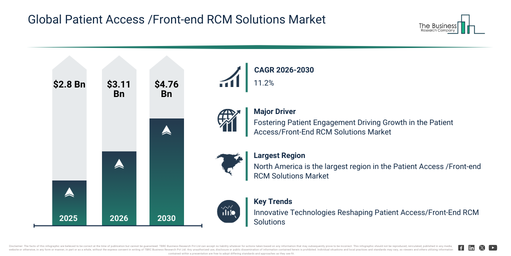
    The market size for patient access /front-end rcm solutions has experienced swift growth in recent years. It is projected to expand from $2.8 billion in 2025 to $3.11 billion in 2026, demonstrating a compound annual growth rate (CAGR) of 11.2%. The historical expansion can be attributed to factors such as manual patient registration processes, fragmented eligibility verification systems, limited automation in pre-authorization workflows, inconsistent financial counseling services, and a reliance on on-premise RCM solutions.

    The patient access /front-end rcm solutions market size is projected to experience substantial growth over the coming years, reaching $4.76 billion by 2030, exhibiting a compound annual growth rate (CAGR) of 11.2%. This anticipated expansion is fueled by several factors, including the increasing integration of AI and automation into patient access processes, a rise in cloud-based RCM deployments, greater demand for comprehensive front-end patient management solutions, the expansion of telehealth and remote patient engagement, and a heightened regulatory emphasis on precise patient data and billing adherence. Key developments expected during this period involve the rising adoption of AI-enabled tools for patient registration and eligibility verification, continued proliferation of cloud-based RCM platforms, enhanced integration of real-time data analytics for front-end operations, broader implementation of digital payment and billing systems, and the growing incorporation of telehealth into patient access instruments.

    Access Your Free Sample Report for In-Depth Market Insights:

    https://www.thebusinessresearchcompany.com/sample.aspx?id=14155&type=smp

    Which Drivers Are Expected To Impact The Patient Access /Front-end RCM Solutions Market During The Forecast Period?

    The patient access /front-end RCM solutions market is expected to grow as patient engagement increases. Patient engagement refers to the active involvement, participation, and collaboration of patients in their healthcare journey. It covers a range of actions, behaviors, and interactions between patients and healthcare providers, all designed to improve the overall healthcare experience, enhance health outcomes, and promote patient empowerment. Collecting accurate data at the front end helps to reduce billing errors, claim denials, and the necessity for costly corrections, thereby improving the efficiency of RCM processes. For instance, in 2023, according to the Office of the National Coordinator for Health IT, a US-based federal agency, 57 percent of individuals reported that they had been both offered and accessed their online medical records or patient portal, an increase from 51 percent in 2022. Therefore, rising patient engagement drives the expansion of the patient access /front-end RCM solutions market.

    How Is The Patient Access /Front-end RCM Solutions Market Divided Into Segments?

    The patient access /front-end rcm solutions market covered in this report is segmented –

    1) By Product And Service: Services, Software

    2) By Deployment: On-Premise Solutions, Web And Cloud-Based Solutions

    3) By End-User: HCIT Outsourcing Companies, Healthcare Providers

    Subsegments:

    1) By Services: Patient Registration Services, Insurance Verification Services, Eligibility And Benefits Verification, Scheduling Services, Pre-Authorization Services, Financial Counseling Services

    2) By Software: Patient Registration Software, Eligibility Verification Software, Appointment Scheduling Software, Billing And Payment Software, Analytics And Reporting Tools

    Which Trends Are Shaping Activity Within The Patient Access /Front-end RCM Solutions Market?

    Leading companies in the patient access /front-end RCM solutions market are developing innovative technologies, such as Enabled Solutions, to enhance revenue cycle outcomes. Enabled solutions leverage advanced technological tools and systems to optimize various processes in managing a company’s revenue cycle and implement robust cybersecurity measures to protect sensitive financial and patient data. For instance, in October 2023, Omega Healthcare, a US-based technology company, launched the Omega Digital Platform (ODP). Utilizing cutting-edge proprietary technologies, it provides end-to-end revenue cycle management solutions for patient access, mid-revenue cycle, and business office functions. These solutions simplify workflows, reduce administrative burdens, and improve financial performance. Artificial intelligence, robotic process automation, machine learning, bots, and natural language processing are all incorporated into the ODP to boost accuracy and efficiency. This enables clients to reallocate resources, increase patient and employee satisfaction, and produce superior financial results.

    Which Key Market Players Are Investing In Expansion And Innovation Within The Patient Access /Front-end RCM Solutions Market?

    Major companies operating in the patient access /front-end rcm solutions market are McKesson Corporation, Optum Inc, Qway Healthcare Inc., 3M Company, Cognizant Technology Solutions Corporation, Experian PLC, Cerner Corporation, Epic Systems Corporation, Conduent Inc, PATIENT ACCESS SOLUTIONS, INC., Conifer Health Solutions, Exela Technologies Inc, VIRTUSA CORPORATION, Waystar, Availity LLC, Craneware Inc., Allscripts Healthcare Solutions Inc., Kareo Inc, The SSI Group LLC, AccuReg Software, KYRUUS, HEALTHASYST, ACCESS ONE INC., Clearwave Inc, PLEXIS HEALTHCARE SYSTEMS, VEE TECHNOLOGIES, Cirius Group Inc., FINTHRIVE

    Access The Complete Report For Deeper Market Insights:

    https://www.thebusinessresearchcompany.com/report/patient-access-or-front-end-rcm-solutions-global-market-report

    Which Geographic Areas Are Emerging As Strong Markets For The Patient Access /Front-end RCM Solutions Market?

    North America was the largest region in the patient access /front-end RCM solutions market in 2025. Asia-Pacific is expected to be the fastest-growing region in the forecast period. The regions covered in the patient access /front-end rcm solutions market report are Asia-Pacific, South East Asia, Western Europe, Eastern Europe, North America, South America, Middle East, Africa.

    Request Your Customized Patient Access /Front-end RCM Solutions Market Research Report for Competitive Advantage:

    https://www.thebusinessresearchcompany.com/customise?id=14155&type=smp

    Browse Through More Reports Similar to the Global Patient Access /Front-end RCM Solutions Market 2026, By The Business Research Company

    Patient Flow Management Solutions Market Report 2026

    https://www.thebusinessresearchcompany.com/report/patient-flow-management-solutions-global-market-report

    Healthcare Rcm Outsourcing Market Report 2026

    https://www.thebusinessresearchcompany.com/report/healthcare-rcm-outsourcing-global-market-report

    Medication Management System Market Report 2026

    https://www.thebusinessresearchcompany.com/report/medication-management-system-global-market-report

    Get in touch with us:

    The Business Research Company: https://www.thebusinessresearchcompany.com/

    Americas +1 310-496-7795

    Asia +44 7882 955267 & +91 8897263534

    Europe +44 7882 955267

    Email us at info@tbrc.info

    Follow us on:

    LinkedIn: https://in.linkedin.com/company/the-business-research-company

    YouTube: https://www.youtube.com/channel/UC24_fI0rV8cR5DxlCpgmyFQ

    Global Market Model: https://www.thebusinessresearchcompany.com/global-market-model
  • Global Next Generation Cancer Diagnostics Industry Trends and Market Forecast 2026–2030

    Global Next Generation Cancer Diagnostics Industry Trends and Market Forecast 2026–2030

    Uncover key drivers, emerging technologies, and competitive movements shaping the next generation cancer diagnostics market from 2026–2035 with trusted insights from The Business Research Company

    How is the Next Generation Cancer Diagnostics Market size predicted to change over the forecast window of 2026–2035?

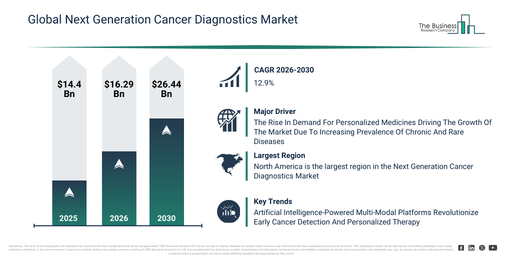
    The next generation cancer diagnostics market size has seen rapid expansion in recent years. It is forecast to grow from $14.4 billion in 2025 to $16.29 billion in 2026, exhibiting a compound annual growth rate (CAGR) of 13.2%. The historical increase can be attributed to several factors including rising cancer incidence rates, advancements in genomic sequencing technologies, increasing clinical adoption of biomarker-based diagnostics, expanded funding for oncology research, and a growing demand for precision diagnostics.

    The next generation cancer diagnostics market size is projected to experience substantial growth in the upcoming years. It is anticipated to expand to $26.44 billion by 2030, exhibiting a compound annual growth rate (CAGR) of 12.9%. This expansion during the forecast period is driven by increasing adoption of personalized medicine approaches, rising investments in advanced cancer screening programs, growing use of minimally invasive diagnostic methods, expansion of companion diagnostics development, and increasing integration of AI-driven clinical decision support. Prominent trends for the forecast period encompass increasing adoption of liquid biopsy technologies, rising use of multi-omics diagnostic platforms, growing integration of AI-based cancer analytics, expansion of personalized oncology diagnostics, and an enhanced focus on early-stage cancer detection.

    Access Your Free Sample Report for In-Depth Market Insights:

    https://www.thebusinessresearchcompany.com/sample.aspx?id=30336&type=smp

    Which Drivers Are Contributing To The Expansion Of The Next Generation Cancer Diagnostics Market?

    The expanding requirement for personalized medicines is projected to propel the growth of the next generation cancer diagnostics market going forward. Personalized medicines refer to medical treatments specifically designed for an individual’s genetic makeup, lifestyle, and environment to ensure the most effective therapy for that particular patient. This heightened demand stems from the increasing occurrence of chronic and rare diseases, which necessitate focused, patient-specific therapies for more effective treatment outcomes. Next generation cancer diagnostics facilitate personalized medicine by providing accurate molecular insights that guide customized treatment strategies based on an individual patient’s unique genetic and tumor profile. For instance, in February 2024, according to the Personalized Medicine Coalition, a US-based non-profit organization, in 2023, the FDA approved 16 new personalized therapies for patients with rare diseases, marking a notable increase from the six approvals recorded in 2022. Therefore, the rising demand for personalized medicines is a key factor driving the growth of the next generation cancer diagnostics market.

    What Segment Classifications Make Up The Next Generation Cancer Diagnostics Market?

    The next generation cancer diagnostics market covered in this report is segmented –

    1) By Technology: Next-Generation Sequencing (NGS), Lab-On-A-Chip (LOAC) And Reverse Transcriptase-Polymerase Chain Reaction (RT-PCR), Circulating Tumor Deoxyribonucleic Acid (ctDNA) Assays, Protein Microarrays, Deoxyribonucleic Acid Microarrays, Other Multi-Omics Platforms

    2) By Cancer Type: Lung Cancer, Breast Cancer, Colorectal Cancer, Cervical Cancer

    3) By Function: Therapeutic Monitoring, Companion Diagnostics, Prognostics, Cancer Screening, Risk Analysis

    4) By Application: Biomarker Development, Circulating Tumor Cell (CTC) Analysis, Proteomic Analysis, Epigenetic Analysis, Genetic Analysis

    5) By End User: Hospitals And Clinics, Diagnostic Laboratories, Research And Academic Institutions, Pharmaceutical And Biotechnology Companies, Home Care Settings

    Subsegments:

    1) By Next-Generation Sequencing: Whole Genome Sequencing, Targeted Gene Sequencing, Exome Sequencing, Transcriptome Sequencing

    2) By Lab-On-A-Chip And Reverse Transcriptase-Polymerase Chain Reaction: Microfluidic Chip Assays, Integrated Reverse Transcriptase-Polymerase Chain Reaction Chips, Point-of-Care Lab-On-A-Chip Devices, High-Throughput Lab-On-A-Chip Systems

    3) By Circulating Tumor Deoxyribonucleic Acid Assays: Single-Gene Circulating Tumor Deoxyribonucleic Acid Assays, Multi-Gene Circulating Tumor Deoxyribonucleic Acid Panels, Digital Droplet Circulating Tumor Deoxyribonucleic Acid Assays, Next-Generation Sequencing Circulating Tumor Deoxyribonucleic Acid Assays

    4) By Protein Microarrays: Analytical Protein Microarrays, Functional Protein Microarrays, Reverse Phase Protein Microarrays, Antibody-Based Protein Microarrays

    5) By Deoxyribonucleic Acid Microarrays: Gene Expression Deoxyribonucleic Acid Microarrays, Single Nucleotide Polymorphism Genotyping Deoxyribonucleic Acid Microarrays, Comparative Genomic Hybridization Deoxyribonucleic Acid Microarrays, Methylation Deoxyribonucleic Acid Microarrays

    6) By Other Multi-Omics Platforms: Metabolomics Platforms, Epigenomics Platforms, Transcriptomics Platforms, Integrated Multi-Omics Systems

    Which Market Trends Are Opening Growth Opportunities In The Next Generation Cancer Diagnostics Market?

    Leading companies in the next generation cancer diagnostics market are concentrating on developing innovative solutions, such as artificial intelligence-driven multi-modal diagnostic platforms, to improve early detection, personalized treatment, and clinical decision-making. These artificial intelligence-driven multi-modal diagnostic platforms are advanced systems that utilize artificial intelligence to integrate and analyze various types of biological data, including genomic, proteomic, imaging, and clinical information, to deliver more accurate and personalized cancer detection and diagnosis. For instance, in April 2025, OneCell Diagnostics Pvt Ltd., an India-based precision oncology company, unveiled OncoIncytes, a multi-modal cancer diagnostic platform tailored for precision oncology. This platform integrates diverse data types, such as circulating tumor DNA, single-cell circulating tumor cells, RNA information, and detailed protein profiles of 150 proteins at the single-cell level. Leveraging a 1080-gene panel powered by AI and machine learning, OncoIncytes provides highly sensitive and specific insights to enhance clinical trial outcomes, particularly in early-stage research and antibody-drug conjugate development. The platform allows for personalized cancer detection, therapy monitoring, and drug development through non-invasive, real-time, and scalable diagnostics, all accessible via OneCell’s proprietary iDiscover application from a CLIA-certified laboratory.

    Which Key Market Players Are Investing In Expansion And Innovation Within The Next Generation Cancer Diagnostics Market?

    Major companies operating in the next generation cancer diagnostics market are F. Hoffmann-La Roche AG, Novartis AG, Thermo Fisher Scientific Inc., Abbott Laboratories Inc., Siemens Healthineers AG, Danaher Corporation, Koninklijke Philips N.V., General Electric Company, Becton, Dickinson and Company, Agilent Technologies Inc., Illumina Inc., Sysmex Corporation, Bio-Rad Laboratories Inc., Exact Sciences Corporation, QIAGEN N.V., Almac Group Ltd., Natera Inc., Myriad Genetics Inc., NeoGenomics Inc., Guardant Health Inc., Freenome Holdings Inc., Personalis Inc., Burning Rock Biotech Limited., SOPHiA GENETICS S.A., Singlera Genomics Co. Ltd.

    Access The Complete Report For Deeper Market Insights:

    https://www.thebusinessresearchcompany.com/report/global-next-generation-cancer-diagnostics-market-report

    Which Regions Are Projected To Dominate The Next Generation Cancer Diagnostics Market In The Coming Years?

    North America was the largest region in the next generation cancer diagnostics market in 2025. Asia-Pacific is expected to be the fastest-growing region in the forecast period. The regions covered in the next generation cancer diagnostics market report are Asia-Pacific, South East Asia, Western Europe, Eastern Europe, North America, South America, Middle East, Africa.

    Request Your Customized Next Generation Cancer Diagnostics Market Research Report for Competitive Advantage:

    https://www.thebusinessresearchcompany.com/customise?id=30336&type=smp

    Browse Through More Reports Similar to the Global Next Generation Cancer Diagnostics Market 2026, By The Business Research Company

    Oncology Companion Diagnostics Market Report 2026

    https://www.thebusinessresearchcompany.com/report/oncology-companion-diagnostics-global-market-report

    Next Generation Gynecological Cancer Diagnostics Market Report 2026

    https://www.thebusinessresearchcompany.com/report/next-generation-gynecological-cancer-diagnostics-global-market-report

    Breast Cancer Diagnostics Market Report 2026

    https://www.thebusinessresearchcompany.com/report/breast-cancer-diagnostics-global-market-report

    Get in touch with us:

    The Business Research Company: https://www.thebusinessresearchcompany.com/

    Americas +1 310-496-7795

    Asia +44 7882 955267 & +91 8897263534

    Europe +44 7882 955267

    Email us at info@tbrc.info

    Follow us on:

    LinkedIn: https://in.linkedin.com/company/the-business-research-company

    YouTube: https://www.youtube.com/channel/UC24_fI0rV8cR5DxlCpgmyFQ

    Global Market Model: https://www.thebusinessresearchcompany.com/global-market-model
  • Patent Analytics Market Forecast 2026–2035: Data Trends and Industry Insights

    Patent Analytics Market Forecast 2026–2035: Data Trends and Industry Insights

    Uncover key drivers, emerging technologies, and competitive movements shaping the patent analytics market from 2026–2035 with trusted insights from The Business Research Company

    How much is the Patent Analytics Market valued at in 2026, and what valuation is forecast for 2030?

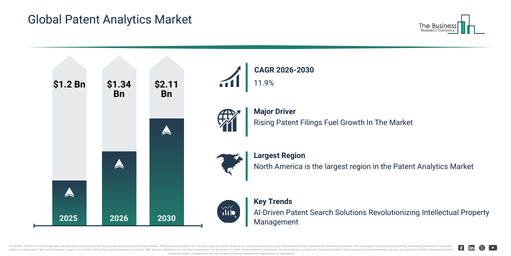
    The patent analytics market has experienced significant expansion in recent times. Projections indicate it will expand from $1.2 billion in 2025 to $1.34 billion in 2026, exhibiting a compound annual growth rate (CAGR) of 12.3%. This historical growth is linked to factors such as an increasing global volume of patent filings, the escalating intricacy of intellectual property environments, a heightened demand for competitive benchmarking, the prior dependence on manual patent analysis techniques, and the broadening innovation strategies of multinational corporations.

    The patent analytics market is projected to experience substantial expansion in the coming years, reaching $2.11 billion by 2030 with a compound annual growth rate (CAGR) of 11.9%. This anticipated growth during the forecast period is driven by factors such as the incorporation of AI and machine learning into patent analytics solutions, heightened adoption among SMEs, a growing need for immediate patent insights, the rise of cloud-based analytics implementations, and the broader application of patent data for making strategic investment choices. Key trends expected during this period encompass the growing embrace of data-driven approaches for patent decision-making, a heightened need for competitive intelligence and landscape analysis, the proliferation of cloud-based patent analytics platforms, an increase in patent valuation and monetization efforts, and an enhanced emphasis on intellectual property risk management and preparedness for litigation.

    Access Your Free Sample Report for In-Depth Market Insights:

    https://www.thebusinessresearchcompany.com/sample.aspx?id=20916&type=smp

    What Drivers Are Influencing The Growth Of The Patent Analytics Market?

    The increasing volume of patent applications is anticipated to stimulate the expansion of the patent analytics market moving forward. Patent filings involve the submission of applications to secure legal rights for an invention, granting the applicant exclusive ownership and protection for a defined period. The rise in patent submissions can be attributed to several factors, such as increased investment in R&D, growing awareness of intellectual property, and the activities of patent trolls. Patent analytics helps in identifying prior art, assessing patentability, and crafting robust claims to strengthen patent filing strategies. For instance, in August 2024, according to the World Intellectual Property Organization (WIPO), a Switzerland-based intergovernmental organization, in 2023, patent filings worldwide grew by 2.7%, reaching approximately 3.6 million. Therefore, the increasing number of patent filings is propelling the growth of the patent analytics market.

    What Segments Are Included Within The Patent Analytics Market?

    The patent analytics market covered in this report is segmented –

    1) By Component: Solutions, Services

    2) By Deployment Type: On-Premises, Cloud-Based

    3) By Enterprise Size: Large Enterprises, Small And Mid-Sized Enterprises (SMEs)

    4) By Application: Competitive Intelligence, Technology Landscape Analysis, Patent Valuation, Litigation Support

    5) By End-User: Corporates, Research Organizations, Intellectual Property Firms, Government Agencies

    Subsegments:

    1) By Solutions: Patent Search And Analytics Software, Patent Valuation Solutions, Competitive Intelligence Solutions, Patent Mapping And Landscape Tools, IP Portfolio Management Solutions

    2) By Services: Patent Search Services, Patent Licensing And Monetization Services, Patent Litigation Support Services, Patent Strategy And Consulting Services, Patent Filing And Prosecution Services

    Which Trends Are Influencing The Development Of The Patent Analytics Market?

    Leading companies in the patent analytics market are concentrating on developing advanced artificial intelligence-powered patent search solutions to improve decision-making in intellectual property management. An AI-powered patent search solution leverages sophisticated technologies to streamline and automate searches of patent databases, allowing users to efficiently identify relevant patents, track innovation trends, and assess patentability with increased accuracy. For instance, in December 2024, Clarivate Plc, a UK-based provider of transformative intelligence, launched AI Search in Derwent. This advanced patent search tool integrates artificial intelligence with the Derwent World Patents Index (DWPI) to deliver more accurate and relevant patent search results. By utilizing a language transformer model, the tool understands the context of the input text, enabling intellectual property (IP) professionals to perform initial patentability searches, validate results, and explore unfamiliar technology categories more efficiently. The AI tool significantly enhances both the speed and accuracy of searches, allowing users to find relevant patents more quickly and make better-informed decisions during the patent research process.

    Who Are The Core Companies Influencing Trends In The Patent Analytics Market?

    Major companies operating in the patent analytics market are Clarivate Plc, LexisNexis, IP.com, Patsnap, Anaqua Inc., TechInsights Inc., QUESTEL SAS, Sagacious IP, MaxVal Group Inc., RPX Corporation, Wynne-Jones IP Ltd., Ocean Tomo LLC, Minesoft Ltd., IDTechEx Limited, Excelon IP, Coller IP, Harrity & Harrity LLP, Patent iNSIGHT Pro, IPlytics GmbH, Dolcera, PatSeer Technologies Pvt. Ltd.

    Access The Complete Report For Deeper Market Insights:

    https://www.thebusinessresearchcompany.com/report/patent-analytics-global-market-report

    Which Region Is Projected To Lead The Patent Analytics Market During The Forecast Period?

    North America was the largest region in the patent analytics market in 2025. Asia-Pacific is expected to be the fastest-growing region in the forecast period. The regions covered in the patent analytics market report are Asia-Pacific, South East Asia, Western Europe, Eastern Europe, North America, South America, Middle East, Africa.

    Request Your Customized Patent Analytics Market Research Report for Competitive Advantage:

    https://www.thebusinessresearchcompany.com/customise?id=20916&type=smp

    Browse Through More Reports Similar to the Global Patent Analytics Market 2026, By The Business Research Company

    App Analytics Market Report 2026

    https://www.thebusinessresearchcompany.com/report/app-analytics-global-market-report

    Document Analytics Market Report 2026

    https://www.thebusinessresearchcompany.com/report/document-analytics-global-market-report

    Sales Intelligence Market Report 2026

    https://www.thebusinessresearchcompany.com/report/sales-intelligence-global-market-report

    Get in touch with us:

    The Business Research Company: https://www.thebusinessresearchcompany.com/

    Americas +1 310-496-7795

    Asia +44 7882 955267 & +91 8897263534

    Europe +44 7882 955267

    Email us at info@tbrc.info

    Follow us on:

    LinkedIn: https://in.linkedin.com/company/the-business-research-company

    YouTube: https://www.youtube.com/channel/UC24_fI0rV8cR5DxlCpgmyFQ

    Global Market Model: https://www.thebusinessresearchcompany.com/global-market-model
  • Neurotrophic Keratitis Treatment Market Size and Demand Forecast 2026–2030

    Neurotrophic Keratitis Treatment Market Size and Demand Forecast 2026–2030

    Uncover key drivers, emerging technologies, and competitive movements shaping the neurotrophic keratitis treatment market from 2026–2035 with trusted insights from The Business Research Company

    What market expansion outlook does the Neurotrophic Keratitis Treatment Market show for the 2026–2030 period?

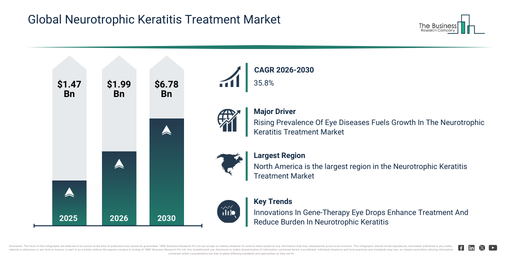
    The neurotrophic keratitis treatment market has seen significant expansion in recent years. It is anticipated to increase from $1.47 billion in 2025 to $1.99 billion in 2026, exhibiting a compound annual growth rate (CAGR) of 36.1%. This historical market growth is attributable to factors such as the growing prevalence of diabetes-related corneal disorders, a rise in herpes simplex eye infections, the development of ophthalmology specialty clinics, enhanced understanding of neurotrophic keratitis among medical professionals, and the broadening of hospital-based eye care provisions.

    The neurotrophic keratitis treatment market is projected to experience substantial expansion over the upcoming years. This market is anticipated to reach $6.78 billion by 2030, demonstrating a compound annual growth rate (CAGR) of 35.8%. The anticipated growth during this period is fueled by several factors, including breakthroughs in regenerative ophthalmic treatments, a rise in the approval of rhNGF-based medications, an expanding elderly demographic facing nerve degeneration risks, increased funding for research into rare eye conditions, and broader availability of sophisticated eye care services in developing regions. Key trends foreseen for the forecast horizon encompass a greater embrace of recombinant human nerve growth factor treatments, a developing inclination towards less invasive corneal repair methods, a heightened emphasis on prompt diagnosis and intervention, the proliferation of home-based ophthalmic care options, and enhancements in techniques for preserving amniotic membranes.

    Access Your Free Sample Report for In-Depth Market Insights:

    https://www.thebusinessresearchcompany.com/sample.aspx?id=12968&type=smp

    What Drivers Are Shaping The Development Of The Neurotrophic Keratitis Treatment Market?

    The increasing occurrence of eye conditions is anticipated to drive the expansion of the neurotrophic keratitis treatment market moving ahead. Eye ailments encompass numerous conditions impacting the eyes’ structure and operation, potentially resulting in compromised sight or complete vision loss. The rise in eye disease frequency stems from elements like an aging population, shifts in lifestyle, and the rising rates of persistent conditions such as diabetes. Treatment for neurotrophic keratitis aids ocular health through enhancing corneal sensation, fostering recovery, averting infections, and easing discomfort. For example, data from August 2023, provided by the World Health Organization (WHO), a United Nations agency based in Switzerland, revealed that an estimated 2.2 billion individuals globally experience near or distance vision impairment. Of these, 1 billion cases could have been prevented or remain unaddressed. Refractive errors and cataracts continue to be the primary worldwide reasons for vision loss, yet only 36% of those with refractive-error-related distance impairment and merely 17% of those with cataract-related impairment have received the necessary care. Consequently, the expanding occurrence of eye conditions is fueling the growth within the neurotrophic keratitis treatment market.

    What Segment Types Are Examined In The Neurotrophic Keratitis Treatment Market?

    The neurotrophic keratitis treatment market covered in this report is segmented –

    1) By Treatment: Topical Antibiotics, Recombinant Human Nerve Growth Factor (rhNGF), Amniotic Membrane Transplantation, Keratoplasty, Other Treatments

    2) By Route Of Administration: Oral, Topical, Other Routes Of Administrations

    3) By Application: Stage I, Stage II, Stage III

    4) By End-User: Hospitals, Homecare, Specialty Clinics, Other End-Users

    Subsegments:

    1) By Topical Antibiotics: Broad-Spectrum Antibiotics, Narrow-Spectrum Antibiotics

    2) By Recombinant Human Nerve Growth Factor (rhNGF): Cenegermin Ophthalmic Solution

    3) By Amniotic Membrane Transplantation: Cryopreserved Amniotic Membrane, Dehydrated Amniotic Membrane

    4) By Keratoplasty: Penetrating Keratoplasty, Lamellar Keratoplasty

    5) By Other Treatments: Tarsorrhaphy, Therapeutic Contact Lenses

    How Are Emerging Trends Affecting The Progression Of The Neurotrophic Keratitis Treatment Market?

    Leading firms within the neurotrophic keratitis market are prioritizing the creation of sophisticated gene-therapy options, including redosable eye-drop treatments, with the goals of enhancing corneal recovery, ensuring continuous nerve growth factor (NGF) expression, and alleviating the treatment load for patients. This type of gene therapy, administered as redosable eye drops, represents a treatment method that introduces genes for NGF directly into the cornea, thereby facilitating extended NGF synthesis and promoting nerve regrowth across a duration. As an illustration, Krystal Biotech, a US-based biotechnology enterprise, disclosed in July 2025 that the initial patient had received a dose in its Phase 1/2 EMERALD 1 study, which is a randomized, double-masked, placebo-controlled investigation enrolling up to 27 adults suffering from stage 2 or 3 neurotrophic keratitis. Intended for administration twice weekly over eight weeks, KB801 seeks to safely advance corneal repair and substantially lessen the treatment obligation when contrasted with current six-times-a-day recombinant NGF eye drops.

    Who Are The Core Companies Influencing Trends In The Neurotrophic Keratitis Treatment Market?

    Major companies operating in the neurotrophic keratitis treatment market are Eyevance Pharmaceuticals LLC, Johnson & Johnson, Allergan Inc, Alcon Inc, Bausch Health Companies Inc, Bausch & Lomb Inc, CooperVision Inc, Santen Pharmaceutical Co Ltd, Dompe farmaceutici S.p.A, Aurolab, Ocular Therapeutix Inc, Laboratoires Thea SAS, ReGenTree LLC, Contacare Ophthalmic Private Limited, Neuroptika Inc, Surgitech Innovation Private Limited, Aerie Pharmaceuticals Inc, RegeneRx Biopharmaceuticals Inc, Noveome Biotherapeutics Inc, Oyster Point Pharma, Claris Biotherapeutics, Recordati Rare Diseases, Mitotech SA, Kala Pharmaceuticals, Oxurion NV

    Access The Complete Report For Deeper Market Insights:

    https://www.thebusinessresearchcompany.com/report/neurotrophic-keratitis-treatment-global-market-report

    Which Region Is Expected To Experience The Fastest Growth In The Neurotrophic Keratitis Treatment Market?

    North America was the largest region in the neurotrophic keratitis treatment market in 2025. The regions covered in the neurotrophic keratitis treatment market report are Asia-Pacific, South East Asia, Western Europe, Eastern Europe, North America, South America, Middle East, Africa.

    Request Your Customized Neurotrophic Keratitis Treatment Market Research Report for Competitive Advantage:

    https://www.thebusinessresearchcompany.com/customise?id=12968&type=smp

    Browse Through More Reports Similar to the Global Neurotrophic Keratitis Treatment Market 2026, By The Business Research Company

    Neuralgia Treatment Market Report 2026

    https://www.thebusinessresearchcompany.com/report/neuralgia-treatment-global-market-report

    Peripheral Neuropathy Market Report 2026

    https://www.thebusinessresearchcompany.com/report/peripheral-neuropathy-global-market-report

    Chronic Pain Market Report 2026

    https://www.thebusinessresearchcompany.com/report/chronic-pain-global-market-report

    Get in touch with us:

    The Business Research Company: https://www.thebusinessresearchcompany.com/

    Americas +1 310-496-7795

    Asia +44 7882 955267 & +91 8897263534

    Europe +44 7882 955267

    Email us at info@tbrc.info

    Follow us on:

    LinkedIn: https://in.linkedin.com/company/the-business-research-company

    YouTube: https://www.youtube.com/channel/UC24_fI0rV8cR5DxlCpgmyFQ

    Global Market Model: https://www.thebusinessresearchcompany.com/global-market-model
  • Pars Planitis Treatment Market Outlook 2026–2030: Key Business Drivers and Trends

    Pars Planitis Treatment Market Outlook 2026–2030: Key Business Drivers and Trends

    Uncover key drivers, emerging technologies, and competitive movements shaping the pars planitis treatment market from 2026–2035 with trusted insights from The Business Research Company

    By how much is the Pars Planitis Treatment Market expected to grow between 2026 and 2030?

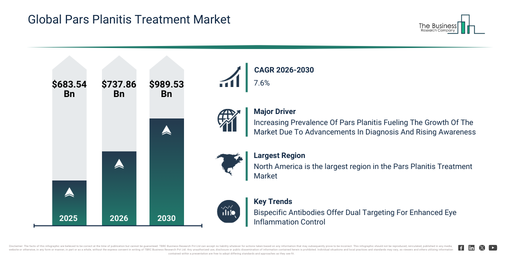
    The pars planitis treatment market has demonstrated strong expansion in recent years. This market is forecast to grow from $683.54 billion in 2025 to $737.86 billion by 2026, advancing at a compound annual growth rate (CAGR) of 7.9%. The historical period’s growth is attributable to an improved understanding of uveitis pathophysiology, the availability of corticosteroid-based therapies, the expansion of ophthalmology specialty clinics, increasing diagnostic imaging utilization, and growing clinical awareness of pars planitis.

    The pars planitis treatment market is projected to experience significant expansion in the coming years. It is anticipated to reach $989.53 billion by 2030, demonstrating a compound annual growth rate (CAGR) of 7.6%. This growth during the forecast period is attributable to the increasing adoption of personalized ophthalmic treatments, rising demand for long-term inflammation control, the expansion of biologic drug pipelines, a growing focus on vision preservation strategies, and increasing investment in advanced ophthalmic diagnostics. Major trends expected in this period include the increasing use of immunomodulatory therapies, rising adoption of biologic agents, a growing preference for targeted anti-inflammatory treatments, the expansion of advanced ocular surgical techniques, and an enhanced focus on early diagnosis and disease monitoring.

    Access Your Free Sample Report for In-Depth Market Insights:

    https://www.thebusinessresearchcompany.com/sample.aspx?id=24649&type=smp

    Which Drivers Are Influencing Market Acceleration In The Pars Planitis Treatment Market?

    The growing occurrence of pars planitis is anticipated to drive expansion in the pars planitis treatment market moving forward. Pars planitis is characterized as an idiopathic type of intermediate uveitis, predominantly leading to inflammation within the vitreous and peripheral retina, usually impacting people between the ages of 15 and 40. This rising prevalence stems from increased awareness and enhanced diagnostic methods, with sophisticated imaging tools facilitating earlier and more precise identification. Treatments for pars planitis aid in managing the condition by diminishing inflammation in the eye, which is crucial for maintaining vision and averting further complications. These therapies improve patient care through targeted options like corticosteroids and immunosuppressants, contributing to better long-term eye health and an improved quality of life. For example, a case report from February 2025, published by the US-based medical journal Mega Journal of Case Reports, indicated that intermediate uveitis has an incidence rate of 1.4 to 2 cases per 100,000 individuals, with pars planitis, the idiopathic variant, making up 70% of these occurrences. Consequently, the escalating incidence of pars planitis is propelling expansion within the pars planitis treatment market.

    What Leading Segments Are Studied In The Pars Planitis Treatment Market?

    The pars planitis treatment market covered in this report is segmented –

    1) By Treatment: Corticosteroid, Non-Steroidal Anti-Inflammatory Drugs (NSAIDs), Surgery, Cryotherapy, Immunomodulatory Therapy, Other Treatments

    2) By Diagnosis: Blood Tests, Fundus Examination And Optical Coherence Tomography, Magnetic Resonance Imaging (MRI), Other Diagnosis

    3) By Route Of Administration: Oral, Intravenous, Other Routes Of Administration

    4) By Distribution Channel: Hospital Pharmacy, Retail Pharmacy, Online Pharmacy

    5) By End-User: Clinic, Hospital, Other End-Users

    Subsegments:

    1) By Corticosteroid: Topical Corticosteroids, Periocular Corticosteroid Injections, Intravitreal Corticosteroid Implants, Systemic Corticosteroids

    2) By Non-Steroidal Anti-Inflammatory Drugs (NSAIDs): Oral Non-Steroidal Anti-Inflammatory Drugs (NSAIDs), Topical Non-Steroidal Anti-Inflammatory Drugs (NSAIDs), Injectable Non-Steroidal Anti-Inflammatory Drugs (NSAIDs)

    3) By Surgery: Pars Plana Vitrectomy, Cataract Surgery, Glaucoma Surgery

    4) By Cryotherapy: Trans-scleral Cryotherapy, Endocryotherapy

    5) By Immunomodulatory Therapy: Antimetabolites, Calcineurin Inhibitors, Biologic Agents

    6) By Other Treatments: Antibiotics, Antivirals, Laser therapy

    What Trends Are Expected To Impact The Competitive Landscape Of The Pars Planitis Treatment Market?

    Major companies engaged in the pars planitis treatment market are concentrating on developing novel solutions, such as bispecific antibodies, with the aim of enhancing immune modulation, reducing inflammation in the eye, and minimizing systemic adverse effects. These bispecific antibodies are engineered proteins crafted to simultaneously bind to two distinct antigens or targets, thereby providing more precise and effective treatment while limiting side effects. For instance, in October 2023, Genentech Inc., a US-based biotechnology company, secured Food and Drug Administration (FDA) approval for Vabysmo (faricimab-svoa) for the management of retinal vein occlusion (RVO), in addition to its existing indications for age-related macular degeneration and diabetic macular edema. Vabysmo holds the distinction of being the first bispecific antibody for ophthalmic use that targets both Angiopoietin-2 (Ang-2) and vascular endothelial growth factor A (VEGF-A), effectively addressing inflammation and vascular leakage concurrently. This innovative therapeutic approach is currently being explored for its application in intermediate uveitis, including pars planitis, conditions where chronic inflammation in the retinal periphery demands durable and targeted intervention.

    Which Major Industry Participants Are Leading The Pars Planitis Treatment Market Growth?

    Major companies operating in the pars planitis treatment market are Johnson And Johnson, Merck And Co Inc, AbbVie Inc, Bayer AG, AstraZeneca plc, Novartis AG, EyePoint Pharmaceuticals Inc, Eli Lilly And Company, Teva Pharmaceutical Industries Ltd, Quantum Cryogenics Ltd, Zimmer MedizinSysteme GmbH, Sun Pharmaceutical Industries Ltd, Aurobindo Pharma Limited, Santen Pharmaceutical Co Ltd, Alimera Sciences Inc, Clearside Biomedical Inc, Roche Holding AG, Pfizer Inc, Bristol Myers Squibb Company, Regeneron Pharmaceuticals Inc, UCB SA, Bausch Health Companies Inc

    Access The Complete Report For Deeper Market Insights:

    https://www.thebusinessresearchcompany.com/report/pars-planitis-treatment-global-market-report

    Which Region Currently Holds The Largest Share Of The Pars Planitis Treatment Market?

    North America was the largest region in the pars planitis treatment market in 2025. The regions covered in the pars planitis treatment market report are Asia-Pacific, South East Asia, Western Europe, Eastern Europe, North America, South America, Middle East, Africa.

    Request Your Customized Pars Planitis Treatment Market Research Report for Competitive Advantage:

    https://www.thebusinessresearchcompany.com/customise?id=24649&type=smp

    Browse Through More Reports Similar to the Global Pars Planitis Treatment Market 2026, By The Business Research Company

    Agricultural Wastewater Treatment Market Report 2026

    https://www.thebusinessresearchcompany.com/report/agricultural-wastewater-treatment-global-market-report

    Non Invasive Aesthetic Treatment Market Report 2026

    https://www.thebusinessresearchcompany.com/report/non-invasive-aesthetic-treatment-global-market-report

    Nasal Polyps Treatment Market Report 2026

    https://www.thebusinessresearchcompany.com/report/nasal-polyps-treatment-global-market-report

    Get in touch with us:

    The Business Research Company: https://www.thebusinessresearchcompany.com/

    Americas +1 310-496-7795

    Asia +44 7882 955267 & +91 8897263534

    Europe +44 7882 955267

    Email us at info@tbrc.info

    Follow us on:

    LinkedIn: https://in.linkedin.com/company/the-business-research-company

    YouTube: https://www.youtube.com/channel/UC24_fI0rV8cR5DxlCpgmyFQ

    Global Market Model: https://www.thebusinessresearchcompany.com/global-market-model
  • Neurotechnology Market Outlook: Growth and Forecast Highlights 2030

    Neurotechnology Market Outlook: Growth and Forecast Highlights 2030

    Uncover key drivers, emerging technologies, and competitive movements shaping the neurotechnology market from 2026–2035 with trusted insights from The Business Research Company

    What level of growth is expected in the Neurotechnology Market between 2026 and 2030?

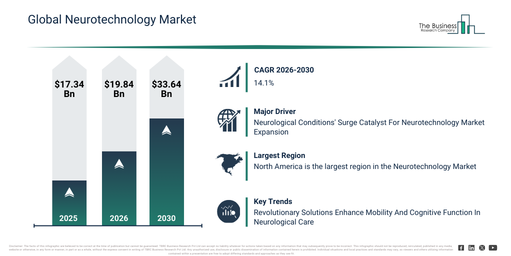
    The neurotechnology market size has experienced significant expansion recently. This market is projected to expand from $17.34 billion in 2025 to $19.84 billion in 2026, demonstrating a compound annual growth rate (CAGR) of 14.4%. Historically, this expansion has been driven by several key factors, including breakthroughs in medical imaging technologies, the early uptake of neurostimulation therapies, an increase in clinical research within neurology, the rising occurrence of neurological disorders, and advancements in implantable device technology.

    The neurotechnology market is projected to experience substantial expansion in the coming years, set to reach $33.64 billion by 2030, exhibiting a compound annual growth rate (CAGR) of 14.1%. This growth during the forecast period is primarily driven by increasing investment in brain-computer interfaces, a rising demand for personalized neurological treatments, the expanding application of AI-driven diagnostics, greater adoption of home-based neurotechnology, and the advancement of minimally invasive neurotherapies. Key trends anticipated in the same period involve the broadening of brain-computer interface solutions, increased uptake of non-invasive neurostimulation devices, enhanced integration of neuroimaging within clinical diagnostics, a growing need for cognitive rehabilitation technologies, and improvements in neurological implant materials.

    Access Your Free Sample Report for In-Depth Market Insights:

    https://www.thebusinessresearchcompany.com/sample.aspx?id=9840&type=smp

    Which Drivers Are Expected To Impact The Neurotechnology Market During The Forecast Period?

    The rising occurrence of neurological conditions is anticipated to boost the expansion of the neurotechnology market going forward. A neurological condition refers to any ailment or illness impacting the brain, with common examples including Alzheimer’s disease, Parkinson’s disease, epilepsy, and migraine. Neurotechnology finds application in diagnosing and addressing neurological disorders through diverse methods such as brain imaging, neurostimulation, neurofeedback, and brain-computer interfaces. As an illustration, data from October 2023 provided by the World Federation of Neurology, a UK-based charity, indicates an escalating global health burden: neurological disorders are now the second-leading cause of death and the primary cause of disability across the globe. It also noted that more than 40 percent of the worldwide population was affected in 2023, and the count of people living with brain disease is projected to nearly double by 2050. Consequently, the expanding occurrence of neurological conditions is propelling the growth of the neurotechnology market going forward.

    Which Segments Are Driving Activity In The Neurotechnology Market?

    The neurotechnology market covered in this report is segmented –

    1) By Conditions: Cognitive Disorders, Pain Treatment, Urinary And Fecal Incontinence, Epilepsy, Parkinson’s Disease, Hearing Conditions, Sleep Disorder, Depression, Other Conditions

    2) By Type: Imaging Modalities, Neurostimulation, Cranial Surface Measurement, Neurological Implants, Other Types

    3) By End Use: Ambulatory Surgical Centers, Hospitals, Homecare Facilities, Other End Uses

    Subsegments:

    1) By Cognitive Disorders: Alzheimer’s Disease, Attention Deficit Hyperactivity Disorder (ADHD), Dementia

    2) By Pain Treatment: Chronic Pain, Neuropathic Pain, Acute Pain

    3) By Urinary And Fecal Incontinence: Overactive Bladder, Neurogenic Bladder, Fecal Incontinence Management

    4) By Epilepsy: Drug-Resistant Epilepsy, Seizure Management Devices

    5) By Parkinson’s Disease: Motor Symptoms Management, Non-Motor Symptoms Management

    6) By Hearing Conditions: Tinnitus, Hearing Loss Solutions

    7) By Sleep Disorder: Insomnia, Sleep Apnea, Restless Legs Syndrome

    8) By Depression: Major Depressive Disorder, Treatment-Resistant Depression

    9) By Other Conditions: Anxiety Disorders, Autism Spectrum Disorder, Traumatic Brain Injury (TBI)

    Which Innovation Trends Are Advancing Developments Within The Neurotechnology Market?

    Leading companies in the neurotechnology market are concentrating on developing sophisticated therapeutic options, such as the endovascular brain-computer interface (BCI), to improve cognitive function and restore mobility for individuals with neurological impairments. This endovascular brain-computer interface (BCI) facilitates direct neural access via blood vessels, thereby offering enhanced interaction and treatment possibilities for patients with neurological conditions. For instance, in April 2024, Synchron, a Sweden-based software company focused on creating advanced synchronization technologies for seamless data integration and management, launched a Patient Registry for its Stentrode Brain Computer Interface. The Synchron Stentrode BCI technology is engineered to interpret brain signals and restore motor intent, enabling individuals with limited mobility to operate digital devices without physical interaction. Implanted through a non-invasive endovascular procedure, it wirelessly transmits motor intentions from the brain, allowing severely paralyzed patients to regain a degree of independence. This pioneering technology signifies a substantial advancement in assistive solutions, enhancing daily activities such as communication and access to essential services.

    Which Major Industry Participants Are Leading The Neurotechnology Market Growth?

    Major companies operating in the neurotechnology market are General Electric, Medtronic PLC, Koninklijke Philips N.V., Shimadzu Corporation, Elekta AB, Natus Medical Incorporated, Abbott, Boston Scientific Corporation, Nihon Kohden Corporation, LivaNova PLC, Siemens Healthcare Private Limited, Hitachi Medical Corporation, Cochlear Limited, NeuroPace Inc., NeuroSigma Inc., NeuroMetrix Inc., NeuroSky Inc., NeuroVigil Inc., Neurotech Pharmaceuticals Inc., Neuralink, Synchron Inc., Blackrock Neurotech, Neuronetics Inc., Neurable Inc.

    Access The Complete Report For Deeper Market Insights:

    https://www.thebusinessresearchcompany.com/report/neurotechnology-global-market-report

    Which Geographic Areas Are Emerging As Strong Markets For The Neurotechnology Market?

    North America was the largest region in the neurotechnology market in 2025. Europe is expected to be the fastest-growing region in the neurotechnology market report during the forecast period. The regions covered in the neurotechnology market report are Asia-Pacific, South East Asia, Western Europe, Eastern Europe, North America, South America, Middle East, Africa.

    Request Your Customized Neurotechnology Market Research Report for Competitive Advantage:

    https://www.thebusinessresearchcompany.com/customise?id=9840&type=smp

    Browse Through More Reports Similar to the Global Neurotechnology Market 2026, By The Business Research Company

    Neuromodulation Market Report 2026

    https://www.thebusinessresearchcompany.com/report/neuromodulation-global-market-report

    Neuroscience Market Report 2026

    https://www.thebusinessresearchcompany.com/report/neuroscience-global-market-report

    Neuroprosthetics Market Report 2026

    https://www.thebusinessresearchcompany.com/report/neuroprosthetics-global-market-report

    Get in touch with us:

    The Business Research Company: https://www.thebusinessresearchcompany.com/

    Americas +1 310-496-7795

    Asia +44 7882 955267 & +91 8897263534

    Europe +44 7882 955267

    Email us at info@tbrc.info

    Follow us on:

    LinkedIn: https://in.linkedin.com/company/the-business-research-company

    YouTube: https://www.youtube.com/channel/UC24_fI0rV8cR5DxlCpgmyFQ

    Global Market Model: https://www.thebusinessresearchcompany.com/global-market-model
  • Global Paroxysmal Nocturnal Hemoglobinuria (PNH) Treatment Market Report 2026: Emerging Trends and Growth Scenarios

    Global Paroxysmal Nocturnal Hemoglobinuria (PNH) Treatment Market Report 2026: Emerging Trends and Growth Scenarios

    Uncover key drivers, emerging technologies, and competitive movements shaping the paroxysmal nocturnal hemoglobinuria (pnh) treatment market from 2026–2035 with trusted insights from The Business Research Company

    What is the estimated market size of the Paroxysmal Nocturnal Hemoglobinuria (PNH) Treatment Market by the end of 2030?

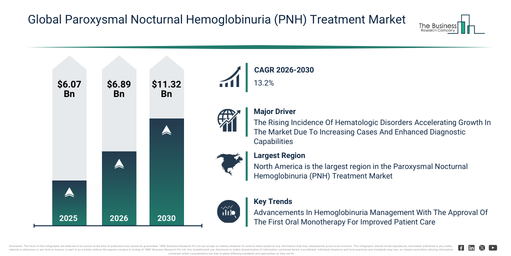
    The market size for paroxysmal nocturnal hemoglobinuria (pnh) treatments has witnessed rapid growth in recent years. It is projected to expand from $6.07 billion in 2025 to $6.89 billion in 2026, achieving a compound annual growth rate (CAGR) of 13.4%. The expansion observed in the historic period can be attributed to several factors, including the restricted availability of effective targeted therapies, a dependence on supportive care and transfusions, challenges with delayed diagnosis due to the disease’s rarity, the significant risk of life-threatening thrombosis, and a lack of standardized long-term treatment protocols.

    The paroxysmal nocturnal hemoglobinuria (pnh) treatment market size is set for significant expansion in the coming years, projected to reach $11.32 billion by 2030, driven by a compound annual growth rate (CAGR) of 13.2%. This anticipated growth during the forecast period can be attributed to the advancement of next-generation complement inhibitors, an expanding clinical development pipeline for oral and subcutaneous therapies, an increasing emphasis on drug innovation for orphan diseases, improved diagnosis rates through advanced testing, and better reimbursement coverage for rare hematologic disorders. Major trends identified for this period include a rise in the adoption of complement C5 inhibitor treatments, a move towards long-acting and subcutaneous forms of therapy, the development of alternative pathway inhibitors, the expansion of combination and dual complement inhibition strategies, and enhanced management of thrombotic and bone marrow complications.

    Access Your Free Sample Report for In-Depth Market Insights:

    https://www.thebusinessresearchcompany.com/sample.aspx?id=23469&type=smp

    What Drivers Are Shaping Future Opportunities In The Paroxysmal Nocturnal Hemoglobinuria (PNH) Treatment Market?

    The growth of the paroxysmal nocturnal hemoglobinuria (PNH) treatment market is anticipated to be significantly propelled by the increasing incidence of hematologic disorders. These medical conditions encompass abnormalities affecting blood and blood-forming organs, such as red blood cells, white blood cells, platelets, and bone marrow, potentially leading to issues like anemia, clotting disorders, or malignancies. The rise in these disorders is influenced by factors like aging populations and genetic predispositions, with genetic mutations playing a crucial role in triggering abnormal blood cell production. Paroxysmal nocturnal hemoglobinuria (PNH) treatment offers a positive approach to managing hematologic disorders, providing targeted therapies that alleviate complement-mediated hemolysis, diminish thrombotic complications, and improve patient survival rates. As an illustration, Cancer Research UK stated in July 2024 that the average number of new leukemia cases in the UK is expected to increase from approximately 12,400 in 2023-2025 to about 14,500 by 2038-2040. This escalating prevalence of hematologic disorders is thus a primary driver for the expansion of the paroxysmal nocturnal hemoglobinuria (PNH) treatment market.

    Which Segment Groups Are Influencing The Paroxysmal Nocturnal Hemoglobinuria (PNH) Treatment Market?

    The paroxysmal nocturnal hemoglobinuria (pnh) treatment market covered in this report is segmented –

    1) By Treatment Type: Complement C5 Inhibitors, Anti-Complement Component 5a Receptor (C5aR) Monoclonal Antibodies, Alternative Pathway Inhibitors, Hematopoietic Stem Cell Transplantation, Other Therapies

    2) By Route Of Administration: Intravenous, Subcutaneous, Oral

    3) By Market Availability: Approved, In Pipeline, Investigational

    4) By End-Use: Hospitals, Specialty Clinics, Homecare Settings, Other End-Users

    Subsegments:

    1) By Complement: C5 InhibitorsEculizumab (Soliris), Ravulizumab (Ultomiris), Emerging C5 Inhibitors, Biosimilars Of C5 Inhibitors,

    2) By Anti-Complement Component 5a Receptor Monoclonal Antibodies: Avacopan (Tavneos), Other Investigational C5aR mAbs, Monotherapy vs Combination Therapy, Clinical Trial Phase (Phase I, II, III)

    3) By Alternative Pathway Inhibitors: C3 Inhibitors, Factor B Inhibitors, Factor D Inhibitors, Targeting Complement Amplification, Combination Therapies And Dual Inhibition

    4) By Hematopoietic Stem Cell Transplantation (HSCT): Autologous HSCT vs. Allogeneic HSCT, Pre-Transplant Conditioning Therapies, Post-Transplant Immunosuppressive Therapies

    5) By Other Therapies: Immunosuppressive Therapy, Supportive Care, Anticoagulation Therapy, Gene Therapy

    Which Trends Are Guiding The Evolution Of The Paroxysmal Nocturnal Hemoglobinuria (PNH) Treatment Market?

    Leading companies in the paroxysmal nocturnal hemoglobinuria (PNH) treatment market are concentrating on developing innovative solutions, such as oral factor B inhibitors, to introduce a new treatment option that improves therapeutic effectiveness and enhances patient convenience in managing PNH. An oral Factor B inhibitor is a targeted small-molecule drug designed to selectively inhibit Factor B in the alternative complement pathway, aiming to regulate immune system overactivation and alleviate inflammation in complement-mediated diseases. For instance, in December 2023, Novartis AG, a Switzerland-based pharmaceutical corporation, announced the Food and Drug Administration (FDA) approval of Fabhalta (iptacopan) as the first oral monotherapy for the treatment of paroxysmal nocturnal hemoglobinuria (PNH). This novel Factor B inhibitor offers a more comprehensive strategy for controlling complement-mediated hemolysis by targeting the alternative complement pathway at an earlier stage, leading to improved hemoglobin levels and a reduced requirement for blood transfusions. The approval of Fabhalta represents a groundbreaking advancement in PNH treatment by providing enhanced efficacy, better patient compliance, and an alternative to intravenous therapies, thus transforming the treatment landscape for this rare hematologic disorder.

    Who Are The Prominent Global Companies Shaping The Paroxysmal Nocturnal Hemoglobinuria (PNH) Treatment Market Landscape?

    Major companies operating in the paroxysmal nocturnal hemoglobinuria (pnh) treatment market are F. Hoffmann-La Roche Ltd, Novartis AG, Mayo Clinic, Cleveland Clinic Foundation, Johns Hopkins Medicine, Memorial Sloan Kettering Cancer Center, Stanford Health Care, University of California San Francisco (UCSF) Health, Emory Healthcare, Cedars-Sinai Medical Center, Duke University Health System, Mount Sinai Health System, Dana-Farber Cancer Institute, Swedish Orphan Biovitrum, Alnylam Pharmaceuticals, BioCryst Pharmaceuticals, Apellis Pharmaceuticals, Omeros Corporation, Takeda Pharmaceutical Company, Sanofi S A, Pfizer Inc, Akari Therapeutics Plc, NovelMed Therapeutics, Ionis Pharmaceuticals, Johnson & Johnson, Biogen Inc.

    Access The Complete Report For Deeper Market Insights:

    https://www.thebusinessresearchcompany.com/report/paroxysmal-nocturnal-hemoglobinuria-pnh-treatment-global-market-report

    How Does The Paroxysmal Nocturnal Hemoglobinuria (PNH) Treatment Market Perform Across Major Global Regions?

    North America was the largest region in the paroxysmal nocturnal hemoglobinuria (PNH) treatment market in 2025. Asia-Pacific is expected to be the fastest-growing region in the forecast period. The regions covered in the paroxysmal nocturnal hemoglobinuria (pnh) treatment market report are Asia-Pacific, South East Asia, Western Europe, Eastern Europe, North America, South America, Middle East, Africa.

    Request Your Customized Paroxysmal Nocturnal Hemoglobinuria (PNH) Treatment Market Research Report for Competitive Advantage:

    https://www.thebusinessresearchcompany.com/customise?id=23469&type=smp

    Browse Through More Reports Similar to the Global Paroxysmal Nocturnal Hemoglobinuria (PNH) Treatment Market 2026, By The Business Research Company

    Acquired Hemophilia Treatment Market Report 2026

    https://www.thebusinessresearchcompany.com/report/acquired-hemophilia-treatment-global-market-report

    Hemoglobinopathies Treatment Market Report 2026

    https://www.thebusinessresearchcompany.com/report/hemoglobinopathies-treatment-global-market-report

    Hemoglobin Testing Market Report 2026

    https://www.thebusinessresearchcompany.com/report/hemoglobin-testing-global-market-report

    Get in touch with us:

    The Business Research Company: https://www.thebusinessresearchcompany.com/

    Americas +1 310-496-7795

    Asia +44 7882 955267 & +91 8897263534

    Europe +44 7882 955267

    Email us at info@tbrc.info

    Follow us on:

    LinkedIn: https://in.linkedin.com/company/the-business-research-company

    YouTube: https://www.youtube.com/channel/UC24_fI0rV8cR5DxlCpgmyFQ

    Global Market Model: https://www.thebusinessresearchcompany.com/global-market-model
  • Paroxysmal Nocturnal Hemoglobinuria (PNH) And Atypical Hemolytic Uremic Syndrome (aHUS) Market Forecast 2026: Where the Industry Is Headed

    Paroxysmal Nocturnal Hemoglobinuria (PNH) And Atypical Hemolytic Uremic Syndrome (aHUS) Market Forecast 2026: Where the Industry Is Headed

    Uncover key drivers, emerging technologies, and competitive movements shaping the paroxysmal nocturnal hemoglobinuria (pnh) and atypical hemolytic uremic syndrome (ahus) market from 2026–2035 with trusted insights from The Business Research Company

    What was the valuation of the Paroxysmal Nocturnal Hemoglobinuria (PNH) And Atypical Hemolytic Uremic Syndrome (aHUS) Market in 2026, and what figure is it projected to hit by 2030?

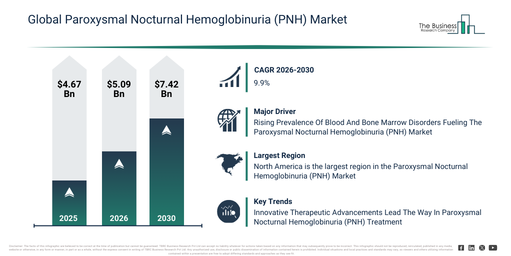
    The market for paroxysmal nocturnal hemoglobinuria (pnh) and atypical hemolytic uremic syndrome (ahus) has experienced strong growth in recent years. It is anticipated to increase from $5.97 billion in 2025 to $6.41 billion in 2026, achieving a compound annual growth rate (CAGR) of 7.3%. The drivers for this historical growth include the limited availability of targeted complement therapies, delayed diagnosis stemming from the rarity of the diseases, reliance on plasma exchange and supportive care, high treatment costs restricting accessibility, and low awareness of complement-mediated disorders.

    The market for paroxysmal nocturnal hemoglobinuria (pnh) and atypical hemolytic uremic syndrome (ahus) is anticipated to experience significant expansion over the coming years. This market is projected to reach $8.42 billion by 2030, demonstrating a compound annual growth rate (CAGR) of 7.1%. The projected growth can be attributed to several factors, including the advancement of next-generation complement inhibitors, higher diagnosis rates due to sophisticated testing methods, an increased emphasis on developing drugs for orphan diseases, broader reimbursement coverage for rare conditions, and the increasing setup of specialized hematology and nephrology centers. Key trends anticipated during this period involve a greater uptake of complement inhibitor therapies, expanded application of genetic and biomarker testing, the emergence of long-acting complement inhibition medications, the proliferation of specialized treatment centers for rare diseases, and enhanced early detection of complement-mediated disorders.

    Access Your Free Sample Report for In-Depth Market Insights:

    https://www.thebusinessresearchcompany.com/sample.aspx?id=24357&type=smp

    Which Drivers Are Affecting Market Participation In The Paroxysmal Nocturnal Hemoglobinuria (PNH) And Atypical Hemolytic Uremic Syndrome (aHUS) Market?

    The increasing occurrence of rare diseases is anticipated to boost the expansion of the paroxysmal nocturnal hemoglobinuria (PNH) and atypical hemolytic uremic syndrome (aHUS) market in the future. These conditions are defined as medical issues impacting a limited portion of the population, typically fewer than 200,000 individuals, and are frequently characterized by their complexity, severity, and the need for specialized treatment. This rise in rare disease prevalence stems from improvements in diagnostic technologies, allowing for better detection and identification of conditions that were previously underreported or undiagnosed. Both paroxysmal nocturnal hemoglobinuria (PNH) and atypical hemolytic uremic syndrome (aHUS) are crucial for advancing knowledge and treatment of rare diseases, as they offer understanding into disease mechanisms and potential therapeutic targets for conditions lacking extensive treatment options. For instance, in November 2024, data from the US Food and Drug Administration indicated that over 7,000 rare diseases affected more than 30 million individuals in the United States. Consequently, the growing occurrence of rare diseases is driving the growth of the paroxysmal nocturnal hemoglobinuria (PNH) and atypical hemolytic uremic syndrome (aHUS) market.

    What Segment Classifications Make Up The Paroxysmal Nocturnal Hemoglobinuria (PNH) And Atypical Hemolytic Uremic Syndrome (aHUS) Market?

    The paroxysmal nocturnal hemoglobinuria (pnh) and atypical hemolytic uremic syndrome (ahus) market covered in this report is segmented –

    1) By Type: Soliris, Ultomiris

    2) By Disease Type: Paroxysmal Nocturnal Hemoglobinuria(PNH), Atypical Hemolytic Uremic Syndrome(aHUS)

    3) By Treatment Type: Complement Inhibitors, Plasma Exchange Or Infusion, Other Symptomatic Treatments

    4) By Diagnosis Method: Clinical Diagnosis, Genetic Testing, Biomarker Testing

    5) By End-User: Hospitals, Specialty Clinics, Research Institutes, Other End-Users

    Subsegments:

    1) By Soliris: Eculizumab For PNH, Eculizumab For aHUS, Eculizumab Biosimilars

    2) By Ultomiris: Ravulizumab For PNH, Ravulizumab For aHUS, Ravulizumab Extended-Interval Dosing

    What Trends Are Projected To Support The Growth Of The Paroxysmal Nocturnal Hemoglobinuria (PNH) And Atypical Hemolytic Uremic Syndrome (aHUS) Market?

    Key companies active in the paroxysmal nocturnal hemoglobinuria (PNH) and atypical hemolytic uremic syndrome (aHUS) market are prioritizing the creation of novel solutions, like complement inhibitors, aimed at enhancing therapeutic results and easing patient management. These inhibitors function as medicinal substances designed to obstruct particular elements of the complement system, which is an immune system component involved in removing disease-causing agents and compromised cells. A notable example is the U.S. Food and Drug Administration (FDA) approval granted in December 2023 to Novartis AG, a pharmaceutical firm based in Switzerland, for its product Fabhalta (iptacopan). This represents the inaugural oral monotherapy intended for adults diagnosed with paroxysmal nocturnal hemoglobinuria, delivering enhanced hemoglobin levels without requiring blood transfusions. This pioneering complement inhibitor operates by hindering Factor B within the alternative complement pathway, ensuring thorough regulation of both intravascular and extravascular hemolysis. Its oral method of delivery streamlines the management of the condition and elevates patients’ overall quality of life, removing the challenges linked to regular intravenous treatments.

    Which Key Players Are Driving Competition In The Paroxysmal Nocturnal Hemoglobinuria (PNH) And Atypical Hemolytic Uremic Syndrome (aHUS) Market?

    Major companies operating in the paroxysmal nocturnal hemoglobinuria (pnh) and atypical hemolytic uremic syndrome (ahus) market are Roche Holding AG, Alexion Pharmaceuticals Inc, Genentech Inc, Novartis AG, Apellis Pharmaceuticals Inc, Omeros Corporation, BioCryst Pharmaceuticals Inc, ChemoCentryx Inc, Sanofi SA, CSL Behring, Takeda Pharmaceutical Company, Pfizer Inc, Regeneron Pharmaceuticals Inc, Ionis Pharmaceuticals Inc, Horizon Therapeutics, Achillion Pharmaceuticals Inc, Sobi Swedish Orphan Biovitrum AB, ImmunoForge Co Ltd, Care Pharma, Daiichi Sankyo Co Ltd, Astellas Pharma Inc, Mallinckrodt Pharmaceuticals, CANbridge Pharmaceuticals Inc.

    Access The Complete Report For Deeper Market Insights:

    https://www.thebusinessresearchcompany.com/report/paroxysmal-nocturnal-hemoglobinuria-pnh-and-atypical-hemolytic-uremic-syndrome-ahus-global-market-report

    Which Region Is Anticipated To See The Fastest Growth In The Paroxysmal Nocturnal Hemoglobinuria (PNH) And Atypical Hemolytic Uremic Syndrome (aHUS) Market?

    North America was the largest region in the paroxysmal nocturnal hemoglobinuria (PNH) and atypical hemolytic uremic syndrome (aHUS) market in 2025. Asia-Pacific is expected to be the fastest-growing region in the forecast period. The regions covered in the paroxysmal nocturnal hemoglobinuria (pnh) and atypical hemolytic uremic syndrome (ahus) market report are Asia-Pacific, South East Asia, Western Europe, Eastern Europe, North America, South America, Middle East, Africa.

    Request Your Customized Paroxysmal Nocturnal Hemoglobinuria (PNH) And Atypical Hemolytic Uremic Syndrome (aHUS) Market Research Report for Competitive Advantage:

    https://www.thebusinessresearchcompany.com/customise?id=24357&type=smp

    Browse Through More Reports Similar to the Global Paroxysmal Nocturnal Hemoglobinuria (PNH) And Atypical Hemolytic Uremic Syndrome (aHUS) Market 2026, By The Business Research Company

    Hemoglobinopathies Treatment Market Report 2026

    https://www.thebusinessresearchcompany.com/report/hemoglobinopathies-treatment-global-market-report

    Hemoglobin Testing Market Report 2026

    https://www.thebusinessresearchcompany.com/report/hemoglobin-testing-global-market-report

    Hemodialysis Market Report 2026

    https://www.thebusinessresearchcompany.com/report/hemodialysis-global-market-report

    Get in touch with us:

    The Business Research Company: https://www.thebusinessresearchcompany.com/

    Americas +1 310-496-7795

    Asia +44 7882 955267 & +91 8897263534

    Europe +44 7882 955267

    Email us at info@tbrc.info

    Follow us on:

    LinkedIn: https://in.linkedin.com/company/the-business-research-company

    YouTube: https://www.youtube.com/channel/UC24_fI0rV8cR5DxlCpgmyFQ

    Global Market Model: https://www.thebusinessresearchcompany.com/global-market-model
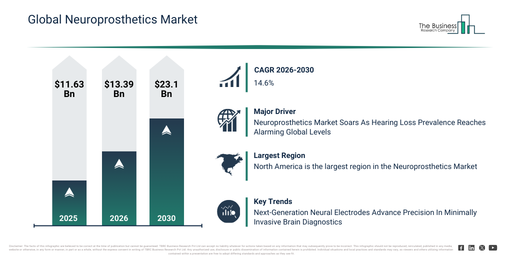
  • Neuroprosthetics Global Forecast: Market to Scale Up to $23.09 Billion by 2030 at 14.6% CAGR

    Neuroprosthetics Global Forecast: Market to Scale Up to $23.09 Billion by 2030 at 14.6% CAGR

    Uncover key drivers, emerging technologies, and competitive movements shaping the neuroprosthetics market from 2026–2035 with trusted insights from The Business Research Company

    By how much is the Neuroprosthetics Market expected to grow between 2026 and 2030?

    The neuroprosthetics market has seen rapid expansion in recent years. Its size is projected to increase from $11.63 billion in 2025 to $13.39 billion in 2026, achieving a compound annual growth rate (CAGR) of 15.1%. This historical growth can be attributed to several key factors, including the early establishment of functional electrical stimulation systems, enhanced research efforts in brain-machine interfaces, a growing incidence of motor neuron disorders, progress in cochlear implant technologies, and the initial implementation of deep brain stimulation.

    The neuroprosthetics market is poised for significant expansion over the next few years. Its valuation is projected to reach $23.1 billion by 2030, demonstrating a compound annual growth rate (CAGR) of 14.6%. This anticipated growth is driven by factors such as the increasing demand for advanced prosthetic limbs with neural control, a rise in investment within cognitive neuroprosthetics, the broadening applications of vagus nerve stimulation, the growing adoption of innovations in retinal implants, and the development of next-generation exoskeletons for rehabilitation purposes. Prominent trends expected during this period include the wider acceptance of motor neuroprosthetic systems, an increase in the use of auditory neuroprosthetics for restoring hearing, continuous advancements in retinal and visual prosthetic technologies, the expanding integration of cognitive neuroprosthetics into therapy, and the greater deployment of neurostimulation techniques for enhancing functional recovery.

    Access Your Free Sample Report for In-Depth Market Insights:

    https://www.thebusinessresearchcompany.com/sample.aspx?id=6606&type=smp

    Which Drivers Are Influencing Market Acceleration In The Neuroprosthetics Market?

    The increasing occurrence of hearing loss is anticipated to drive the expansion of the neuroprosthetics market in the future. Hearing loss, alternatively termed hearing impairment or deafness, describes a partial or complete incapacity to perceive sounds in either or both ears, which profoundly impacts communication, overall life quality, and social engagement. Neuroprosthetic devices, including cochlear implants and auditory prostheses, are instrumental in restoring hearing, enhancing speech understanding, and offering auditory rehabilitation. As an illustration, the World Health Organization (WHO), a United Nations agency based in Switzerland, reported in February 2025 that global forecasts suggest approximately 2.5 billion individuals will suffer from some degree of hearing loss by 2050. More than 700 million of these are projected to need hearing rehabilitation, even as untreated hearing impairment already accounts for nearly US$1 trillion in yearly expenses, and over 1 billion young adults face the danger of irreversible damage from unsafe listening habits. Consequently, the growing occurrence of hearing loss is stimulating the neuroprosthetics market.

    What Segments Are Identified Within The Structure Of The Neuroprosthetics Market?

    The neuroprosthetics market covered in this report is segmented –

    1) By Type: Motor Neuroprosthetics, Auditory Neuroprosthetics Or Cochlear implants, Visual Neuroprosthetics Or Retinal implants, Cognitive Neuroprosthetics

    2) By Technique: Spinal Cord Stimulation, Deep Brain Stimulation, Vagus Nerve Stimulation, Sacral Nerve Stimulation, Transcranial Magnetic Stimulation

    3) By Application: Motor Neuron Disorders, Physiological Disorders, Cognitive Disorders

    Subsegments:

    1) By Motor Neuroprosthetics: Functional Electrical Stimulation (FES) Systems, Brain-Machine Interfaces (BMIs), Prosthetic Limbs With Neural Control, Exoskeletons For Rehabilitation

    2) By Auditory Neuroprosthetics Or Cochlear Implants: Cochlear Implants (Single and Multi-Channel), Auditory Brainstem Implants (ABI), Bone-Anchored Hearing Aids (BAHA)

    3) By Visual Neuroprosthetics Or Retinal Implants: Retinal Prostheses, Optogenetic Implants, Visual Cortical Implants

    4) By Cognitive Neuroprosthetics: Deep Brain Stimulation (DBS) Devices, Cognitive Enhancement Implants, Neurostimulation Devices For Cognitive Disorders

    What Industry Trends Are Transforming The Neuroprosthetics Market?

    Leading companies within the neuroprosthetics market are concentrating on developing advanced innovations like sEEG electrode systems to enhance neural interfacing capabilities and improve minimally invasive diagnostic and therapeutic procedures. An sEEG electrode system is a specialized neural device crafted to record and stimulate subsurface brain activity, thereby enabling high-precision mapping and neuromodulation. For instance, in May 2023, NeuroOne Medical Technologies Corporation, a US-based medical technology company, introduced the Evo sEEG Electrodes in the United States. NeuroOne’s new electrodes provide secure, highly accurate subsurface brain mapping with enhanced signal clarity and compatibility with robotic neurosurgical platforms. This innovation broadens the clinical utility of stereoelectroencephalography by facilitating less invasive procedures and supporting its expansion into applications such as epilepsy evaluation, chronic pain management, and Parkinson’s disease interventions.

    Which Key Players Are Driving Competition In The Neuroprosthetics Market?

    Major companies operating in the neuroprosthetics market are Abbott Laboratories, Boston Scientific Corp., Cochlear Ltd., Demant AS, LivaNova plc, MED-EL GmbH, Neuropace Inc., Nevro Corp., Oticon US Inc., Retina Implant AG, Second Sight Medical Products Inc., Sonova Holding AG, St. Jude Medical Inc., Aleva Neurotherapeutics SA, Axonics Modulation Technologies Inc., Bionic Vision Technologies Pty Ltd., Blackrock Microsystems LLC, Cognixion, Cyberonics Inc., Medtronic plc, NeuroKinetics Inc., NeuroMetrix Inc., Pixium Vision SA, SPR Therapeutics Inc., Synapse Biomedical Inc., Synchron Inc.

    Access The Complete Report For Deeper Market Insights:

    https://www.thebusinessresearchcompany.com/report/neuroprosthetics-global-market-report

    Which Region Currently Holds The Largest Share Of The Neuroprosthetics Market?

    North America was the largest region in the neuroprosthetics market in 2025. Asia-Pacific is expected to be the fastest-growing region in the forecast period. The regions covered in the neuroprosthetics market report are Asia-Pacific, South East Asia, Western Europe, Eastern Europe, North America, South America, Middle East, Africa.

    Request Your Customized Neuroprosthetics Market Research Report for Competitive Advantage:

    https://www.thebusinessresearchcompany.com/customise?id=6606&type=smp

    Browse Through More Reports Similar to the Global Neuroprosthetics Market 2026, By The Business Research Company

    Neurotechnology Market Report 2026

    https://www.thebusinessresearchcompany.com/report/neurotechnology-global-market-report

    Neural Implants Market Report 2026

    https://www.thebusinessresearchcompany.com/report/neural-implants-global-market-report

    Robotic Prosthetics Market Report 2026

    https://www.thebusinessresearchcompany.com/report/robotic-prosthetics-global-market-report

    Get in touch with us:

    The Business Research Company: https://www.thebusinessresearchcompany.com/

    Americas +1 310-496-7795

    Asia +44 7882 955267 & +91 8897263534

    Europe +44 7882 955267

    Email us at info@tbrc.info

    Follow us on:

    LinkedIn: https://in.linkedin.com/company/the-business-research-company

    YouTube: https://www.youtube.com/channel/UC24_fI0rV8cR5DxlCpgmyFQ

    Global Market Model: https://www.thebusinessresearchcompany.com/global-market-model