Category: Healthcare Services

  • Paroxysmal Nocturnal Hemoglobinuria (PNH) Industry Growth Insights: Revenue Forecast to 2030

    Paroxysmal Nocturnal Hemoglobinuria (PNH) Industry Growth Insights: Revenue Forecast to 2030

    Uncover key drivers, emerging technologies, and competitive movements shaping the paroxysmal nocturnal hemoglobinuria (pnh) market from 2026–2035 with trusted insights from The Business Research Company

    What are the forecasted starting (2026) and ending (2030) market sizes for the Paroxysmal Nocturnal Hemoglobinuria (PNH) Market?

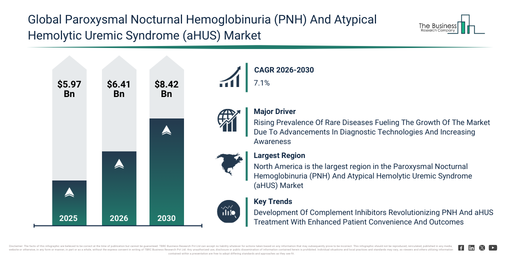
    The market for paroxysmal nocturnal hemoglobinuria (pnh) has shown robust growth in recent years. It is anticipated to increase from $4.67 billion in 2025 to $5.09 billion in 2026, exhibiting a compound annual growth rate (CAGR) of 9.1%. This past growth can be attributed to the scarcity of effective targeted therapies, challenges in diagnosis due to the disease’s rarity, a dependency on supportive care and transfusions, the elevated mortality rates associated with untreated pnh, and insufficient awareness among general healthcare providers.

    The paroxysmal nocturnal hemoglobinuria (pnh) market size is anticipated to undergo significant expansion in the upcoming years. It is predicted to attain a valuation of $7.42 billion by 2030, exhibiting a compound annual growth rate (CAGR) of 9.9%. This projected growth stems from factors such as the creation of advanced complement inhibitors, an uptick in diagnosis rates facilitated by sophisticated testing, a heightened emphasis on therapies for orphan diseases, greater access to specialized hematology centers, and an increase in reimbursement coverage for rare disease treatments. Noteworthy developments during this period are expected to include a surge in the adoption of complement inhibitor therapies, expanded utilization of flow cytometry for accurate diagnosis, the proliferation of long-acting monoclonal antibody treatments, the broadening of specialized rare hematology care programs, and enhanced strategies for managing thrombosis and hemolysis complications.

    Access Your Free Sample Report for In-Depth Market Insights:

    https://www.thebusinessresearchcompany.com/sample.aspx?id=12936&type=smp

    What Drivers Are Supporting Technological Adoption In The Paroxysmal Nocturnal Hemoglobinuria (PNH) Market?

    The increasing occurrence of blood and bone marrow-related disorders is projected to fuel the expansion of the paroxysmal nocturnal hemoglobinuria (PNH) market. Blood disorders are medical ailments that affect the make-up, function, and production of blood and its various components. Bone marrow-related disorders arise when there is insufficient production of red, white, or platelets in the bone marrow, or when the blood cells generated are either damaged or defective. PNH is intimately linked to blood disorders and bone marrow-related disorders due to its effects on blood cell generation, immune system performance, and the microenvironment of the bone marrow. It is a rare blood condition associated with bone marrow failure diseases, occurring due to a genetic flaw that impacts the functionality of red blood cells and platelets. For instance, Blood Cancer United, a UK-based nonprofit advocacy group dedicated to raising awareness and support for blood cancer patients, forecasts that in 2025, approximately 192,070 individuals in the U.S. are expected to receive a diagnosis of leukemia, lymphoma, or myeloma. Therefore, the rising incidence of blood disorders and bone marrow-related disorders is stimulating the growth of the paroxysmal nocturnal hemoglobinuria (PNH) market.

    What Segment Types Are Examined In The Paroxysmal Nocturnal Hemoglobinuria (PNH) Market?

    The paroxysmal nocturnal hemoglobinuria (pnh) market covered in this report is segmented –

    1) By Treatment Type: Medications, Bone Marrow Transplantation, Blood Transfusion, Immunosuppressive Therapy, Other Treatment Types

    2) By Diagnosis Type: Flow Cytometry, High-Resolution Mass Spectrometry, Other Diagnosis Types

    3) By End Use: Hospitals, Clinics, Other End Users

    Subsegments:

    1) By Medications: Eculizumab, Ravulizumab, Complement Inhibitors, Supportive Care Medications

    2) By Bone Marrow Transplantation: Allogeneic Stem Cell Transplantation, Autologous Stem Cell transplantation

    3) By Blood Transfusion: Red blood Cell Transfusion, Platelet Transfusion, Fresh Frozen Plasma Transfusion

    4) By Immunosuppressive Therapy: Corticosteroids, Azathioprine, Cyclophosphamide, Mycophenolate Mofetil

    5) By Other Treatment Types: Supportive Therapies, Management Of Complications

    Which Trends Are Influencing The Performance And Direction Of The Paroxysmal Nocturnal Hemoglobinuria (PNH) Market?

    Major companies active in the paroxysmal nocturnal hemoglobinuria (PNH) market are prioritizing the development of new and innovative drugs and therapies, such as injectable C5 inhibitors for the management of paroxysmal nocturnal hemoglobinuria (PNH), to maintain their standing in the market. An injectable C5 inhibitor is a monoclonal antibody designed to block the complement component C5, thereby reducing inflammation and tissue damage in autoimmune diseases and conditions like paroxysmal nocturnal hemoglobinuria (PNH). For instance, in February 2024, Chugai Pharmaceutical Co., a pharmaceutical company headquartered in Japan, secured priority review approval from China’s National Medical Products Administration (NMPA) for treating paroxysmal nocturnal hemoglobinuria (PNH). This development establishes China as the first country to approve PIASKY, ahead of other key markets, allowing it to commence National Reimbursement Drug List (NRDL) negotiations within the same year. PNH, categorized as a rare disease, affects an estimated 12,740 individuals in China, indicating considerable market potential.

    Who Are The Top-Performing Companies In The Paroxysmal Nocturnal Hemoglobinuria (PNH) Market In Recent Years?

    Major companies operating in the paroxysmal nocturnal hemoglobinuria (pnh) market are Pfizer Inc, Novartis AG, Thermo Fisher Scientific Inc, GE Healthcare, Grifols S.A, Genentech Inc, Bioverativ Inc, BioCryst Pharmaceuticals, Hansa Biopharma AB, Apellis Pharmaceuticals Inc, Akari Therapeutics Plc, RA Pharmaceuticals Inc, C5 Therapeutics Inc, Omeros Corporation, Amyndas Pharmaceuticals SA, CANbridge Pharmaceuticals, NovelMed Therapeutics Inc, Annexon Inc, Dianthus Therapeutics, DynamiCure Biotechnology, Kira Pharmaceuticals Ltd, Kyowa Kirin Co Ltd, Swedish Orphan Biovitrum AB, Arrowhead Pharmaceuticals, ReAlta Life Sciences, Q32 Bio, ISU Abxis

    Access The Complete Report For Deeper Market Insights:

    https://www.thebusinessresearchcompany.com/report/paroxysmal-nocturnal-hemoglobinuria-pnh-global-market-report

    Which Region Is Anticipated To See The Fastest Growth In The Paroxysmal Nocturnal Hemoglobinuria (PNH) Market?

    North America was the largest region in the paroxysmal nocturnal hemoglobinuria (PNH) market in 2025. The regions covered in the paroxysmal nocturnal hemoglobinuria (pnh) market report are Asia-Pacific, South East Asia, Western Europe, Eastern Europe, North America, South America, Middle East, Africa.

    Request Your Customized Paroxysmal Nocturnal Hemoglobinuria (PNH) Market Research Report for Competitive Advantage:

    https://www.thebusinessresearchcompany.com/customise?id=12936&type=smp

    Browse Through More Reports Similar to the Global Paroxysmal Nocturnal Hemoglobinuria (PNH) Market 2026, By The Business Research Company

    Hemoglobin A1C Hba1C Testing Market Report 2026

    https://www.thebusinessresearchcompany.com/report/hemoglobin-a1c-hba1c-testing-global-market-report

    Hemoglobin Testing Market Report 2026

    https://www.thebusinessresearchcompany.com/report/hemoglobin-testing-global-market-report

    Hemoglobinopathies Treatment Market Report 2026

    https://www.thebusinessresearchcompany.com/report/hemoglobinopathies-treatment-global-market-report

    Get in touch with us:

    The Business Research Company: https://www.thebusinessresearchcompany.com/

    Americas +1 310-496-7795

    Asia +44 7882 955267 & +91 8897263534

    Europe +44 7882 955267

    Email us at info@tbrc.info

    Follow us on:

    LinkedIn: https://in.linkedin.com/company/the-business-research-company

    YouTube: https://www.youtube.com/channel/UC24_fI0rV8cR5DxlCpgmyFQ

    Global Market Model: https://www.thebusinessresearchcompany.com/global-market-model
  • Neuroplasticity Market Future Outlook: Strong Growth Expected Toward $18.47 Billion by 2030

    Neuroplasticity Market Future Outlook: Strong Growth Expected Toward $18.47 Billion by 2030

    Uncover key drivers, emerging technologies, and competitive movements shaping the neuroplasticity market from 2026–2035 with trusted insights from The Business Research Company

    What is the estimated market size of the Neuroplasticity Market by the end of 2030?

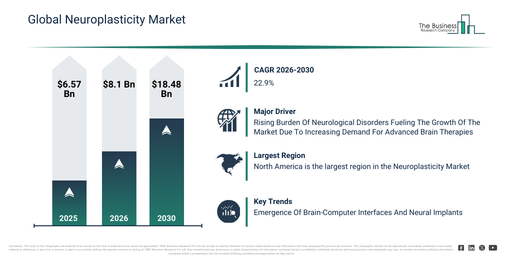
    The neuroplasticity market has experienced rapid expansion over recent years. Projections indicate its value will increase from $6.57 billion in 2025 to $8.1 billion by 2026, exhibiting a compound annual growth rate (CAGR) of 23.2%. Factors contributing to its historical growth include the initial creation of neurofeedback instruments, greater understanding of brain rehabilitation needs, enhanced investigation into neurodegenerative conditions, the uptake of cognitive training solutions, and the initial deployment of wearable neurostimulation apparatus.

    The neuroplasticity market is poised for significant expansion in the upcoming years. It is foreseen to attain a value of $18.48 billion by 2030, exhibiting a compound annual growth rate (CAGR) of 22.9%. This projected growth stems from various factors, including the increasing demand for AI-driven neurotherapy, the rising adoption of VR rehabilitation tools, the broadening of neuroplasticity-based mental health treatments, a surge in investment in brain recovery research, and the advancement of sophisticated brain-computer interfaces. Prominent trends within this forecast period involve an escalating demand for stroke rehabilitation solutions, a greater uptake of cognitive training programs, an increased application of neurostimulation for mental health treatment, the expansion of TBI rehabilitation technologies, and the creation of platforms designed to bolster learning and memory.

    Access Your Free Sample Report for In-Depth Market Insights:

    https://www.thebusinessresearchcompany.com/sample.aspx?id=24334&type=smp

    What Drivers Are Shaping Future Opportunities In The Neuroplasticity Market?

    The rising occurrence of neurological conditions is projected to boost the expansion of the neuroplasticity market in the future. These disorders are health issues impacting the brain, spinal cord, and nerves, resulting in various physical, cognitive, and behavioral challenges. Examples include Alzheimer’s, Parkinson’s, epilepsy, and multiple sclerosis, whose prevalence is escalating due to an aging global population and lifestyle influences. The primary cause of this increasing prevalence is the aging global population, where extended life expectancy elevates the likelihood of developing age-related neurological conditions, thereby increasing incidence rates globally. The growing prevalence of neurological disorders fuels neuroplasticity, fostering the need for sophisticated therapies and rehabilitation techniques designed to improve brain function, enhance patient results, and facilitate the creation of novel treatments for various neurological conditions. For example, data from October 2023, provided by the World Federation of Neurology, a UK-based association of national neurological societies, indicates that more than 40% of the global population currently suffers from a neurological condition, a figure projected to nearly double by 2050. Consequently, the rising occurrence of neurological conditions is a key factor in the expansion of the neuroplasticity market.

    Which Segments Are Gaining Traction In The Neuroplasticity Market?

    The neuroplasticity market covered in this report is segmented –

    1) By Product Type: Software-Based Solutions, Hardware-Based Solutions

    2) By Technology Type: Artificial Intelligence, Virtual Reality, Neurostimulation, Wearable Technology

    3) By Application: Stroke Rehabilitation, Traumatic Brain Injury (TBI) Rehabilitation, Neurodegenerative Disorders, Learning And Memory Enhancement, Mental Health Disorders

    4) By End User: Hospitals And Clinics, Research Institutes And Academic Centers, Pharmaceutical And Biotechnology Companies, Other End Users

    Subsegments:

    1) By Software-Based Solutions: Cognitive Training Programs, Neurofeedback Software, Brain Simulation Platforms, Mobile Neurotherapy Apps, Virtual Reality Rehabilitation Software, AI-Based Cognitive Assessment Tools

    2) By Hardware-Based Solutions: EEG Headsets, Transcranial Magnetic Stimulation (TMS) Devices, Transcranial Direct Current Stimulation (tDCS) Devices, Brain-Computer Interface (BCI) Systems, Wearable Neurostimulation Devices, Neuroimaging And Monitoring Equipment

    What Trends Are Reshaping The Dynamics Of The Neuroplasticity Market?

    Key companies in the neuroplasticity market are prioritizing the creation of advanced technologies, such as brain-computer interfaces and neural implants, to secure their market presence. Brain-computer interfaces (BCIs) and neural implants are sophisticated neurotechnologies that forge direct communication paths between the brain and external devices. BCIs typically allow control over computers or prosthetics via brain signals, while neural implants are devices positioned in the brain or nervous system to observe, stimulate, or modify neural activity for therapeutic or functional improvements. For example, in June 2024, Paradromics, a US-based neurotechnology company, declared its acceptance into the FDA Regulatory Accelerator Program and initiated a new patient registry. This regulatory success boosts the company’s progress in developing high-performance brain-computer interfaces, signifying notable advancement in neurotechnology innovation with the capacity to transform treatment for patients facing severe neurological conditions through state-of-the-art neural data solutions.

    Who Are The Top-Performing Companies In The Neuroplasticity Market In Recent Years?

    Major companies operating in the neuroplasticity market are Medtronic PLC, Boston Scientific Corporation, NeuroPace Inc, BrainsWay Ltd, Magstim, MindMaze, Emotiv Inc, BrainCo, ElectroCore, NeuroMetrix, Soterix Medical, Neurable, NeuroSigma Inc, Cognixion, NeuroTracker, Neuralink, Synchron Inc, Paradromics Inc, Precision Neuroscience, g.tec medical engineering GmbH, Neuroelectrics, OpenBCI, Kernel, Blackrock Neurotech, NeuroSky Inc, BrainScope Company Inc, i-BrainTech LTD

    Access The Complete Report For Deeper Market Insights:

    https://www.thebusinessresearchcompany.com/report/neuroplasticity-global-market-report

    How Does The Neuroplasticity Market Perform Across Major Global Regions?

    North America was the largest region in the Neuroplasticity market in 2025. Asia-Pacific is expected to be the fastest-growing region in the forecast period. The regions covered in the neuroplasticity market report are Asia-Pacific, South East Asia, Western Europe, Eastern Europe, North America, South America, Middle East, Africa.

    Request Your Customized Neuroplasticity Market Research Report for Competitive Advantage:

    https://www.thebusinessresearchcompany.com/customise?id=24334&type=smp

    Browse Through More Reports Similar to the Global Neuroplasticity Market 2026, By The Business Research Company

    Neuroprosthetics Market Report 2026

    https://www.thebusinessresearchcompany.com/report/neuroprosthetics-global-market-report

    Neuromodulation Market Report 2026

    https://www.thebusinessresearchcompany.com/report/neuromodulation-global-market-report

    Neurotechnology Market Report 2026

    https://www.thebusinessresearchcompany.com/report/neurotechnology-global-market-report

    Get in touch with us:

    The Business Research Company: https://www.thebusinessresearchcompany.com/

    Americas +1 310-496-7795

    Asia +44 7882 955267 & +91 8897263534

    Europe +44 7882 955267

    Email us at info@tbrc.info

    Follow us on:

    LinkedIn: https://in.linkedin.com/company/the-business-research-company

    YouTube: https://www.youtube.com/channel/UC24_fI0rV8cR5DxlCpgmyFQ

    Global Market Model: https://www.thebusinessresearchcompany.com/global-market-model
  • Global Parkinson’s Disease Market Performance Report: Global Trends 2026–2030

    Global Parkinson’s Disease Market Performance Report: Global Trends 2026–2030

    Uncover key drivers, emerging technologies, and competitive movements shaping the parkinson’s disease market from 2026–2035 with trusted insights from The Business Research Company

    What upper market value could the Parkinson’s Disease Market reach by 2030 starting from 2026 levels?

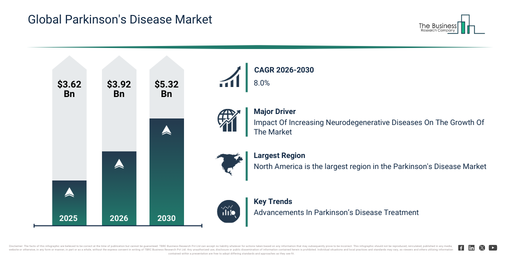
    The parkinson’s disease market size has experienced substantial growth in recent years. This market is projected to expand from $3.62 billion in 2025 to $3.92 billion by 2026, registering a compound annual growth rate (CAGR) of 8.2%. The historical increase can be attributed to several factors including limited treatment options for disease progression, a strong reliance on levodopa-centric therapy, delayed diagnosis often due to symptom overlap, a scarcity of specialized movement disorder clinics, and inconsistent access to advanced surgical interventions.

    The Parkinson’s disease market size is projected to experience strong growth in the coming years. It is expected to expand to $5.32 billion by 2030, achieving a compound annual growth rate (CAGR) of 8.0%. This anticipated growth can be attributed to the development of novel dopamine and non-dopamine therapies, the increasing prevalence of an aging population, a rising adoption of deep brain stimulation procedures, a growing focus on personalized medicine approaches, and the expansion of neurology specialty clinics. Key trends during this forecast period include the rising adoption of combination drug therapies, increased use of deep brain stimulation procedures, growth in early-stage diagnosis and intervention, the expansion of multidisciplinary Parkinson’s care programs, and improved symptom management through personalized treatment plans.

    Access Your Free Sample Report for In-Depth Market Insights:

    https://www.thebusinessresearchcompany.com/sample.aspx?id=21247&type=smp

    Which Drivers Are Influencing Long-Term Growth In The Parkinson’s Disease Market?

    The parkinson’s disease market is poised for growth, propelled by the increasing prevalence of neurodegenerative diseases. These disorders involve the progressive deterioration and functional loss of neurons within the brain and nervous system. Their rising occurrence is linked to an aging population, genetic predispositions, environmental influences, improved diagnostic techniques, a surge in chronic health conditions, and lifestyle modifications. Parkinson’s disease plays a vital role in advancing comprehension of neurodegenerative diseases by revealing essential insights into their underlying mechanisms, prospective therapeutic targets, and the development of novel treatment strategies. For instance, in 2025, the National Institutes of Health (NIH), a US-based government’s primary medical research agency, projected the prevalence of Parkinson’s disease for 2050 to be 267 cases per 100,000 people, ranging from 230 to 320. Thus, the escalating prevalence of neurodegenerative diseases is a significant driver for the expansion of the parkinson’s disease market.

    Which Segments Are Driving Activity In The Parkinson’s Disease Market?

    The parkinson’s disease market covered in this report is segmented –

    1) By Drug Class: Dopamine Agonists, Catechol-O-Methyltransferase Inhibitors, Monoamine Oxidase B Inhibitors, Anticholinergics, Carbidopa-Levodopa, Other Drug Classes

    2) By Route Of Administration: Oral, Injectable, Intestinal infusion, Subcutaneous, Other Routes Of Administrations

    3) By Distribution Channel: Retail Pharmacies, Hospital Pharmacies, Online Pharmacies

    4) By Patient Care Setting: Clinics, Hospitals

    Subsegments:

    1) By Dopamine Agonists: Ergot Derivatives, Non-Ergot Derivatives

    2) By Catechol-O-Methyltransferase (COMT) Inhibitors: Entacapone, Tolcapone, Opicapone

    3) By Monoamine Oxidase B (MAO-B) Inhibitors: Selegiline, Rasagiline, Safinamide

    4) By Anticholinergics: Trihexyphenidyl, Benztropine, Procyclidine

    5) By Carbidopa-Levodopa: Immediate-Release Formulation, Extended-Release Formulation, Inhaled And Intestinal Gel Formulations

    6) By Other Drug Classes: Amantadine And Derivatives, Adenosine A2A Receptor Antagonists, Glutamate Antagonists

    What Long-Term Trends Are Expected To Shape The Future Of The Parkinson’s Disease Market?

    Leading companies in the parkinson’s disease market are concentrating on developing innovative solutions, such as levodopa-based therapy, to enhance motor function and provide continuous symptom management for patients with advanced parkinson’s disease. This therapy involves the use of levodopa, a medication that converts into dopamine within the brain, thereby improving motor capabilities and alleviating Parkinson’s disease symptoms. For example, in October 2024, AbbVie Inc., a US-based biopharmaceutical company, obtained US Food and Drug Administration (FDA) approval for VYALEV, a combination treatment containing levodopa and carbidopa, developed for the management of Parkinson’s disease. Its formulation is designed to improve the effectiveness of levodopa by preventing its breakdown before it reaches the brain, thus increasing dopamine levels. This medication is proficient in controlling motor symptoms of Parkinson’s disease, including tremors, rigidity, and bradykinesia, which in turn enhances the patient’s ability to perform daily tasks. It is considered a crucial therapeutic approach for Parkinson’s disease patients experiencing motor fluctuations.

    Which Leading Companies Dominate The Parkinson’s Disease Market Share?

    Major companies operating in the parkinson’s disease market are Roche Holding AG, AbbVie Inc., Novo Nordisk A/S, Takeda Pharmaceutical Company Limited, UCB S.A., Eisai Co. Ltd., Kyowa Kirin Co. Ltd., Amneal Pharmaceuticals Inc., Neurocrine Biosciences Inc., Supernus Pharmaceuticals Inc., Sunovion Pharmaceuticals Inc., Intracellular Therapies Inc., Voyager Therapeutics Inc., Sage Therapeutics Inc., Adamas Pharmaceuticals Inc., Sun Pharma Advanced Research Company Ltd., Neuraly Inc., Mitsubishi Tanabe Pharma Corporation, Athira Pharma Inc., VistaGen Therapeutics Inc.

    Access The Complete Report For Deeper Market Insights:

    https://www.thebusinessresearchcompany.com/report/parkinsons-disease-global-market-report

    Which Global Regions Are Shaping The Competitive Landscape Of The Parkinson’s Disease Market?

    North America was the largest region in the parkinson’s disease market in 2025. Asia-Pacific is expected to be the fastest-growing region in the forecast period. The regions covered in the parkinson’s disease market report are Asia-Pacific, South East Asia, Western Europe, Eastern Europe, North America, South America, Middle East, Africa.

    Request Your Customized Parkinson’s Disease Market Research Report for Competitive Advantage:

    https://www.thebusinessresearchcompany.com/customise?id=21247&type=smp

    Browse Through More Reports Similar to the Global Parkinson’s Disease Market 2026, By The Business Research Company

    Rare Neurological Disease Treatment Market Report 2026

    https://www.thebusinessresearchcompany.com/report/rare-neurological-disease-treatment-global-market-report

    Neurological Disorder Drugs Market Report 2026

    https://www.thebusinessresearchcompany.com/report/neurological-disorder-drugs-global-market-report

    Wolff Parkinson White Syndrome Market Report 2026

    https://www.thebusinessresearchcompany.com/report/wolff-parkinson-white-syndrome-global-market-report

    Get in touch with us:

    The Business Research Company: https://www.thebusinessresearchcompany.com/

    Americas +1 310-496-7795

    Asia +44 7882 955267 & +91 8897263534

    Europe +44 7882 955267

    Email us at info@tbrc.info

    Follow us on:

    LinkedIn: https://in.linkedin.com/company/the-business-research-company

    YouTube: https://www.youtube.com/channel/UC24_fI0rV8cR5DxlCpgmyFQ

    Global Market Model: https://www.thebusinessresearchcompany.com/global-market-model
  • Revenue of the Neuropathic Pain Market Predicted to Achieve $8.47 Billion by 2030, Driven by 8.1% CAGR

    Revenue of the Neuropathic Pain Market Predicted to Achieve $8.47 Billion by 2030, Driven by 8.1% CAGR

    Uncover key drivers, emerging technologies, and competitive movements shaping the neuropathic pain market from 2026–2035 with trusted insights from The Business Research Company

    What was the valuation of the Neuropathic Pain Market in 2026, and what figure is it projected to hit by 2030?

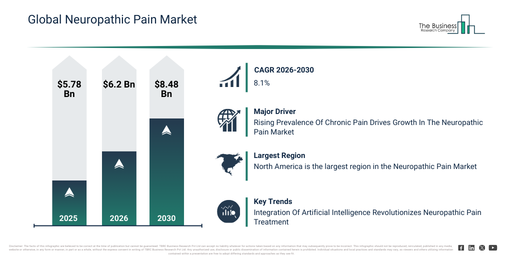
    The neuropathic pain market has exhibited strong growth over recent years. It is forecast to grow from $5.78 billion in 2025 to $6.2 billion in 2026, achieving a compound annual growth rate (CAGR) of 7.3%. The expansion observed in the historical period can be attributed to an increasing prevalence of diabetes, the early adoption of antidepressants and anticonvulsants, enhanced awareness of neuropathic pain conditions, the creation of opioid-based treatments, and the initial utilization of imaging for diagnosis.

    The market for neuropathic pain is projected to experience substantial growth over the coming years, anticipated to reach $8.48 billion by 2030, exhibiting a compound annual growth rate (CAGR) of 8.1%. This expansion during the forecast period can be attributed to a growing preference for non-opioid treatments, the increasing need for individualized pain management, the wider adoption of complementary therapies, greater investment in diagnostic breakthroughs, and the creation of sophisticated multimodal treatment approaches. Prominent trends expected during this period involve a surge in multimodal therapy uptake, a heightened call for non-opioid pain relief, increased integration of physical and psychological therapies, advancements in early diagnosis via imaging methods, and an intensified focus on managing diabetic neuropathy.

    Access Your Free Sample Report for In-Depth Market Insights:

    https://www.thebusinessresearchcompany.com/sample.aspx?id=12922&type=smp

    Which Drivers Are Affecting Market Participation In The Neuropathic Pain Market?

    The increasing occurrence of chronic pain is anticipated to fuel the expansion of the neuropathic pain market moving ahead. Chronic pain, characterized as ongoing discomfort persisting for at least three months, affects a considerable segment of the population and profoundly impacts their quality of life. This rise in chronic pain instances stems from factors including aging demographics, nerve injuries, and long-term health conditions such as diabetes. Therapies for neuropathic pain contribute to public health by addressing nerve dysfunction, alleviating symptoms, and enhancing patients’ daily activities. As an illustration, data released in November 2024 by the Centers for Disease Control and Prevention (CDC), a US-based national health protection agency, indicated that in 2023, adult populations experienced a 24.3% prevalence of chronic pain and an 8.5% prevalence of high-impact chronic pain, which translates to 34.9% among those with chronic pain, with women, American Indian and Alaska Native adults, and individuals aged 65 years and older exhibiting particularly elevated rates. Consequently, the growing prevalence of chronic pain is stimulating the neuropathic pain market.

    What Segment Categories Are Covered In The Neuropathic Pain Market?

    The neuropathic pain market covered in this report is segmented –

    1) By Treatment: Medications, Multimodal Therapy

    2) By Diagnosis: Imaging, Blood Tests And Physical Examination

    3) By Indication: Diabetic Neuropathy, Spinal Stenosis, Chemotherapy-Induced Peripheral Neuropathy, Other Indications

    4) By End User: Hospitals, Clinics, Home Healthcare, Ambulatory Surgical Centers, Other End Users

    Subsegments:

    1) By Medications: Anticonvulsants, Antidepressants, Opioids, Topical Treatments, Non-Steroidal Anti-Inflammatory Drugs (NSAIDs)

    2) By Multimodal Therapy: Combination Of Medications, Physical Therapy, Psychological Therapy, Lifestyle Modifications, Complementary Therapies

    How Are New Market Trends Shaping The Landscape Of The Neuropathic Pain Market?

    Companies operating within the neuropathic pain market are increasingly integrating artificial intelligence technologies for improved diagnosis, personalized treatment plans, real-time patient monitoring, drug discovery, and data-driven insights. These efforts are aimed at enhancing patient outcomes and refining pain management strategies. For instance, in March 2023, Nevro Corp., a medical device company based in the US, introduced its Senza HFX iQ spinal cord stimulation (SCS) system. This innovative technology harnesses artificial intelligence (AI) to customize pain relief for individual patients. The system, which comprises the HFX iQ Implantable Pulse Generator (IPG), HFX Trial Stimulator, Charger, and HFX App, is designed to address non-surgical back pain and painful diabetic neuropathy by adapting to patient responses and feedback. It utilizes a distinct algorithm derived from extensive patient data, enabling patients to modify their pain relief program via a smartphone application. The system’s digital platform supports data collection and potential updates. The objective of this technology is to elevate pain relief through consistency and personalization, representing a notable advancement in SCS therapy.

    Which Leading Companies Dominate The Neuropathic Pain Market Share?

    Major companies operating in the neuropathic pain market are Pfizer Inc., Johnson & Johnson Private Limited, Sanofi S.A., Bristol-Myers Squibb Company, Abbott Laboratories, GlaxoSmithKline Plc, Medtronic Inc., Eli Lilly and Company, Teva Pharmaceutical Industries Ltd, Boston Scientific Corporation, Sun Pharmaceutical Industries Ltd., Mallinckrodt Pharmaceuticals, Grünenthal GmbH, Lupin Ltd., Nevro Corp., InvaGen Pharmaceuticals Inc, Centaur Pharmaceuticals Pvt Ltd., Stimwave LLC, Novartis AG, Astellas Pharma Inc., Vertex Pharmaceuticals Incorporated, Assertio Therapeutics Inc, NeuroMetrix Inc, OMRON Healthcare Co Ltd

    Access The Complete Report For Deeper Market Insights:

    https://www.thebusinessresearchcompany.com/report/neuropathic-pain-global-market-report

    Which Region Is Anticipated To See The Fastest Growth In The Neuropathic Pain Market?

    North America was the largest region in the neuropathic pain market in 2025. Asia-Pacific is expected to be the fastest-growing region in the forecast period. The regions covered in the neuropathic pain market report are Asia-Pacific, South East Asia, Western Europe, Eastern Europe, North America, South America, Middle East, Africa.

    Request Your Customized Neuropathic Pain Market Research Report for Competitive Advantage:

    https://www.thebusinessresearchcompany.com/customise?id=12922&type=smp

    Browse Through More Reports Similar to the Global Neuropathic Pain Market 2026, By The Business Research Company

    Keloids Treatment Market Report 2026

    https://www.thebusinessresearchcompany.com/report/keloids-treatment-global-market-report

    Actinic Keratosis Treatment Market Report 2026

    https://www.thebusinessresearchcompany.com/report/actinic-keratosis-treatment-global-market-report

    Hypertrophic And Keloid Scar Treatment Market Report 2026

    https://www.thebusinessresearchcompany.com/report/hypertrophic-and-keloid-scar-treatment-global-market-report

    Get in touch with us:

    The Business Research Company: https://www.thebusinessresearchcompany.com/

    Americas +1 310-496-7795

    Asia +44 7882 955267 & +91 8897263534

    Europe +44 7882 955267

    Email us at info@tbrc.info

    Follow us on:

    LinkedIn: https://in.linkedin.com/company/the-business-research-company

    YouTube: https://www.youtube.com/channel/UC24_fI0rV8cR5DxlCpgmyFQ

    Global Market Model: https://www.thebusinessresearchcompany.com/global-market-model
  • Paranasal Sinus Cancer Market Future Outlook 2026: Key Drivers and Growth Potential

    Paranasal Sinus Cancer Market Future Outlook 2026: Key Drivers and Growth Potential

    Uncover key drivers, emerging technologies, and competitive movements shaping the paranasal sinus cancer market from 2026–2035 with trusted insights from The Business Research Company

    What level of CAGR-driven expansion is anticipated in the Paranasal Sinus Cancer Market between 2026 and 2030?

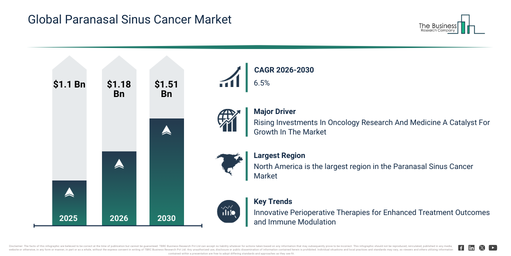
    The paranasal sinus cancer market size has seen significant expansion in recent years. It is projected to increase from $1.1 billion in 2025 to $1.18 billion in 2026, exhibiting a compound annual growth rate (CAGR) of 6.7%. The growth observed in historical periods can be ascribed to elements such as delayed diagnosis resulting from nonspecific symptoms, limited accessibility to specialized oncology centers, a reliance on conventional surgery and radiation therapy, low awareness concerning rare sinonasal cancers, and fragmented diagnostic and referral pathways.

    The market for paranasal sinus cancer is anticipated to experience substantial expansion over the coming years. This market is projected to reach $1.51 billion by 2030, demonstrating a compound annual growth rate (CAGR) of 6.5%. Key factors driving this growth during the forecast period include progress in targeted therapies and immunotherapies, the wider use of AI-assisted diagnostic imaging, increasing financial commitments to rare cancer studies, the spread of multidisciplinary approaches to cancer care, and the enhancement of oncology infrastructure within hospitals. Significant trends observed during this period involve the greater application of precision oncology, the embrace of minimally invasive surgical methods, the development of comprehensive multimodal treatment plans, the broader availability of sophisticated imaging for early detection, and an increased emphasis on patient quality of life in cancer care.

    Access Your Free Sample Report for In-Depth Market Insights:

    https://www.thebusinessresearchcompany.com/sample.aspx?id=21246&type=smp

    What Drivers Are Affecting Demand-Supply Dynamics In The Paranasal Sinus Cancer Market?

    The future expansion of the paranasal sinus cancer market is anticipated to be driven by rising financial commitments to oncology research and medical advancements. These investments represent funds provided by governments, drug manufacturers, research organizations, and individual investors, aimed at improving comprehension, prevention, detection, and therapy for cancer. The growth in these investments stems from the escalating worldwide prevalence of cancer, progress in precision medicine, a heightened need for novel treatments, an increase in clinical trials, both public and private funding programs, and the creation of targeted and immunotherapeutic approaches. Such funding aids paranasal sinus cancer through promoting earlier detection, improving therapeutic choices like targeted and immunotherapies, financing clinical studies for superior medications, strengthening pediatric cancer care facilities, and stimulating groundbreaking research to better grasp the disease’s mechanisms and development. An illustrative example, reported in May 2024 by IQVIA, an advanced analytics IT firm from India, shows that worldwide expenditure on cancer medications climbed to $223 billion in 2023, a $25 billion increase from 2022, and is projected to hit $409 billion by 2028. Consequently, the growing financial commitment to oncology research and medicine fuels the expansion of the paranasal sinus cancer market.

    How Is The Paranasal Sinus Cancer Market Organized Into Various Segments?

    The paranasal sinus cancer market covered in this report is segmented –

    1) By Type: Squamous Cell Carcinoma, Adenocarcinoma, Mucoepidermoid Carcinoma, Other Types

    2) By Diagnosis: Medical History And Physical Examination, Imaging Tests, Biopsy, Other Diagnosis

    3) By Treatment: Surgery, Radiation Therapy, Chemotherapy, Targeted Therapy, Immunotherapy

    4) By End-User: Hospital And Clinics, Cancer Treatment And Research Center, Research Laboratories, Other End-Users

    Subsegments:

    1) By Squamous Cell Carcinoma: Keratinizing Squamous Cell Carcinoma, Non-Keratinizing Squamous Cell Carcinoma, Basaloid Squamous Cell Carcinoma

    2) By Adenocarcinoma: Intestinal-Type Adenocarcinoma, Non-Intestinal-Type Adenocarcinoma

    3) By Mucoepidermoid Carcinoma: Low-Grade Mucoepidermoid Carcinoma, Intermediate-Grade Mucoepidermoid Carcinoma, High-Grade Mucoepidermoid Carcinoma

    4) By Other Types: Sinonasal Undifferentiated Carcinoma, Neuroendocrine Carcinoma, Adenoid Cystic Carcinoma, Melanoma, Sarcomas, Lymphoma

    Which Market Trends Are Opening Growth Opportunities In The Paranasal Sinus Cancer Market?

    Major companies active in the paranasal sinus cancer market are concentrating on developing advanced innovations, such as perioperative chemo immunotherapy regimens, to achieve a competitive advantage. This strategy combines immune checkpoint inhibition (e.g., PD-1 antibodies) with traditional chemotherapy before surgery, aiming to decrease tumor burden and improve surgical outcomes. For instance, in June 2025, Coherus Biosciences, a US-based biopharma company, initiated a Phase II trial of toripalimab plus carboplatin and docetaxel in patients with sinonasal cancers. The regimen offers potential for preoperative tumor shrinkage, real-time immune monitoring, and integration with standard treatment pathways. This trend could expand the therapeutic toolkit for rare paranasal sinus malignancies and improve patient outcomes, although long-term efficacy and regulatory approvals are yet to be demonstrated.

    Who Are The Major Companies Operating In The Paranasal Sinus Cancer Market?

    Major companies operating in the paranasal sinus cancer market are Bristol-Myers Squibb, Penn Medicine, MD Anderson Cancer Center, RWJBarnabas Health, Mayo Foundation for Medical Education and Research, Stanford Health Care, Memorial Sloan Kettering Cancer Center, Massachusetts General Hospital, The University of Chicago Medical Center, City of Hope, Moffitt Cancer Center, Northwestern Medicine, UK Markey Cancer Center, Karmanos Cancer Institute, Dana-Farber Cancer Institute Inc., VCU Massey Cancer Center, Vanderbilt-Ingram Cancer Center, Fulgent Pharma, Duke University Health System

    Access The Complete Report For Deeper Market Insights:

    https://www.thebusinessresearchcompany.com/report/paranasal-sinus-cancer-global-market-report

    Which Regions Are Poised For Strategic Growth In The Paranasal Sinus Cancer Market?

    North America was the largest region in the paranasal sinus cancer market in 2025. Asia-Pacific is expected to be the fastest-growing region in the forecast period. The regions covered in the paranasal sinus cancer market report are Asia-Pacific, South East Asia, Western Europe, Eastern Europe, North America, South America, Middle East, Africa.

    Request Your Customized Paranasal Sinus Cancer Market Research Report for Competitive Advantage:

    https://www.thebusinessresearchcompany.com/customise?id=21246&type=smp

    Browse Through More Reports Similar to the Global Paranasal Sinus Cancer Market 2026, By The Business Research Company

    Oral Cancer Treatment Market Report 2026

    https://www.thebusinessresearchcompany.com/report/oral-cancer-treatment-global-market-report

    Esophageal Cancer Market Report 2026

    https://www.thebusinessresearchcompany.com/report/esophageal-cancer-global-market-report

    Head And Neck Cancer Diagnostics Market Report 2026

    https://www.thebusinessresearchcompany.com/report/head-and-neck-cancer-diagnostics-global-market-report

    Get in touch with us:

    The Business Research Company: https://www.thebusinessresearchcompany.com/

    Americas +1 310-496-7795

    Asia +44 7882 955267 & +91 8897263534

    Europe +44 7882 955267

    Email us at info@tbrc.info

    Follow us on:

    LinkedIn: https://in.linkedin.com/company/the-business-research-company

    YouTube: https://www.youtube.com/channel/UC24_fI0rV8cR5DxlCpgmyFQ

    Global Market Model: https://www.thebusinessresearchcompany.com/global-market-model
  • Neuromyelitis Optica Spectrum Disorder Sector Forecast Shows Robust Momentum, Climbing to $3.76 Billion With 8.1% CAGR

    Neuromyelitis Optica Spectrum Disorder Sector Forecast Shows Robust Momentum, Climbing to $3.76 Billion With 8.1% CAGR

    Uncover key drivers, emerging technologies, and competitive movements shaping the neuromyelitis optica spectrum disorder market from 2026–2035 with trusted insights from The Business Research Company

    What are the forecasted starting (2026) and ending (2030) market sizes for the Neuromyelitis Optica Spectrum Disorder Market?

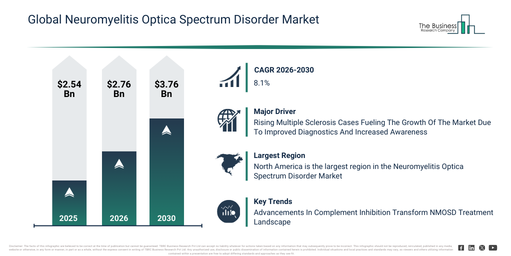
    The neuromyelitis optica spectrum disorder market size has experienced robust growth in recent years. It is projected to expand from $2.54 billion in 2025 to $2.76 billion in 2026, exhibiting a compound annual growth rate (CAGR) of 8.4%. Historically, this growth can be attributed to increasing awareness of nmosd, the early development of immunosuppressive treatments, the initial use of corticosteroids for flare control, the adoption of imaging for differential diagnosis, and the rising identification of aqp4 antibodies.

    The neuromyelitis optica spectrum disorder market is anticipated to exhibit substantial growth over the next few years, reaching $3.76 billion by 2030 with a compound annual growth rate (CAGR) of 8.1%. This projected expansion is primarily driven by factors such as increasing demand for targeted biologics, the ongoing development of MOG-antibody therapies, the broadening scope of advanced diagnostic platforms, rising investment in autoimmune research, and the creation of next-generation immunotherapy solutions. Significant trends expected during this forecast period include the increasing adoption of monoclonal antibody therapies, a growing reliance on advanced imaging techniques for early diagnosis, escalating demand for plasma exchange and immunoglobulin therapy, the expansion of AQP4-positive and MOG-antibody testing, and a heightened focus on relapse prevention and long-term disease management.

    Access Your Free Sample Report for In-Depth Market Insights:

    https://www.thebusinessresearchcompany.com/sample.aspx?id=22072&type=smp

    What Drivers Are Supporting Technological Adoption In The Neuromyelitis Optica Spectrum Disorder Market?

    The expanding prevalence of multiple sclerosis is anticipated to drive the growth of the neuromyelitis optica spectrum disorder market in the future. This condition is a chronic autoimmune disorder impacting the central nervous system, characterized by inflammation, nerve destruction, and diverse neurological manifestations. The rise in MS cases can be attributed to advancements in diagnostic methods, environmental factors, and genetic susceptibility. Improvements in medical imaging, like MRI, have enabled earlier and more precise identification of the disease, contributing to a noticeable increase in diagnosed individuals. With more people receiving an MS diagnosis, awareness of neurological autoimmune conditions grows, resulting in better diagnostic approaches and enhanced recognition of neuromyelitis optica spectrum disorder. For example, according to the UK-based national charity Multiple Sclerosis Trust, the UK recorded approximately 7,100 new multiple sclerosis cases annually in May 2024, with around 135 individuals being diagnosed with MS every week. Consequently, the growing incidence of multiple sclerosis significantly fuels the expansion of the neuromyelitis optica spectrum disorder market.

    Which Segments Are Contributing To The Growth Of The Neuromyelitis Optica Spectrum Disorder Market?

    The neuromyelitis optica spectrum disorder market covered in this report is segmented –

    1) By Type: Neuromyelitis Optica Spectrum Disorder With Aquaporin-4 Antibodies, Neuromyelitis Optica Spectrum Disorder Without Aquaporin-4 Antibodies

    2) By Diagnosis: Imaging Tests, Magnetic Resonance Imaging (MRI), Blood Tests, Other Diagnosis

    3) By Treatment Type: C5 Protein Inhibitor, Monoclonal Antibodies, Plasma Exchange Therapy, Corticosteroids, Immunoglobulin Therapy, Medication, Other Treatment Types

    4) By Distribution Channel: Hospital Pharmacy, Retail Pharmacy, Online Pharmacy

    5) By End-User: Hospitals, Specialty Clinics, Homecare, Other End-Users

    Subsegments:

    1) By Neuromyelitis Optica Spectrum Disorder With Aquaporin-4 Antibodies: Relapsing NMOSD With AQP4-IgG, Monophasic NMOSD With AQP4-IgG, Severe Optic Neuritis With AQP4-IgG, Longitudinally Extensive Transverse Myelitis (LETM) With AQP4-IgG

    2) By Neuromyelitis Optica Spectrum Disorder Without Aquaporin-4 Antibodies: NMOSD With Myelin Oligodendrocyte Glycoprotein (MOG) Antibodies (MOG-IgG), Seronegative NMOSD, Idiopathic NMOSD Cases, NMOSD Associated With Other Autoimmune Disorders

    Which Trends Are Expected To Influence The Neuromyelitis Optica Spectrum Disorder Market In The Upcoming Years?

    Leading companies operating in the neuromyelitis optica spectrum disorder market are concentrating on developing innovative products, such as long-acting complement inhibitors, to enhance treatment efficacy and improve patient outcomes. These long-acting complement inhibitors are treatments that suppress the complement system for an extended duration, preventing inflammation and nerve damage in neuromyelitis optica spectrum disorder (NMOSD), thereby helping minimize relapses and supporting long-term disease control. For instance, in March 2024, Alexion Pharmaceuticals, a US-based biopharmaceutical company, and AstraZeneca, a UK-based pharmaceutical industry, received approval for ULTOMIRIS (ravulizumab-cwvz) for the treatment of adults with anti-aquaporin-4 (AQP4) antibody-positive neuromyelitis optica spectrum disorder (NMOSD). This approval marks Ultomiris as the first and only long-acting C5 complement inhibitor available for NMOSD treatment. The decision was based on the Phase III CHAMPION-NMOSD trial, where Ultomiris demonstrated a 98.6% reduction in relapse risk over 73 weeks compared to a placebo. Trial participants experienced no relapses, and no new safety concerns were identified.

    Who Are The Major Companies Operating In The Neuromyelitis Optica Spectrum Disorder Market?

    Major companies operating in the neuromyelitis optica spectrum disorder market are F. Hoffmann-La Roche Ltd, Laboratory Corporation of America Holding, Chugai Pharmaceutical Co. Ltd, Mayo Foundation for Medical Education and Research, Penn Medicine, Genentech Inc, Oregon Health & Science University, Arup Laboratories, Argenx SE, Metropolis Healthcare, Rush University Medical Center, Mitsubishi Tanabe Pharma Corporation, Viela Bio, Alexion Pharmaceuticals, Horizon Therapeutics plc, UCB S.A, Teva Pharmaceutical Industries Ltd, Novartis AG, Sanofi S.A, Pfizer Inc, Eli Lilly and Company, Immune Pharmaceuticals Inc.

    Access The Complete Report For Deeper Market Insights:

    https://www.thebusinessresearchcompany.com/report/neuromyelitis-optica-spectrum-disorder-global-market-report

    Which Region Is Anticipated To See The Fastest Growth In The Neuromyelitis Optica Spectrum Disorder Market?

    North America was the largest region in the neuromyelitis optica spectrum disorder market in 2025. Asia-Pacific is expected to be the fastest-growing region in the forecast period. The regions covered in the neuromyelitis optica spectrum disorder market report are Asia-Pacific, South East Asia, Western Europe, Eastern Europe, North America, South America, Middle East, Africa.

    Request Your Customized Neuromyelitis Optica Spectrum Disorder Market Research Report for Competitive Advantage:

    https://www.thebusinessresearchcompany.com/customise?id=22072&type=smp

    Browse Through More Reports Similar to the Global Neuromyelitis Optica Spectrum Disorder Market 2026, By The Business Research Company

    Retinal Disorder Treatment Market Report 2026

    https://www.thebusinessresearchcompany.com/report/retinal-disorder-treatment-global-market-report

    Optic Atrophy Management Market Report 2026

    https://www.thebusinessresearchcompany.com/report/optic-atrophy-management-global-market-report

    Peripheral Neuropathy Market Report 2026

    https://www.thebusinessresearchcompany.com/report/peripheral-neuropathy-global-market-report

    Get in touch with us:

    The Business Research Company: https://www.thebusinessresearchcompany.com/

    Americas +1 310-496-7795

    Asia +44 7882 955267 & +91 8897263534

    Europe +44 7882 955267

    Email us at info@tbrc.info

    Follow us on:

    LinkedIn: https://in.linkedin.com/company/the-business-research-company

    YouTube: https://www.youtube.com/channel/UC24_fI0rV8cR5DxlCpgmyFQ

    Global Market Model: https://www.thebusinessresearchcompany.com/global-market-model
  • Neurology Clinical Trials Market Anticipated to Record Steady Gains, Advancing to $8.04 Billion by 2030

    Neurology Clinical Trials Market Anticipated to Record Steady Gains, Advancing to $8.04 Billion by 2030

    Uncover key drivers, emerging technologies, and competitive movements shaping the neurology clinical trials market from 2026–2035 with trusted insights from The Business Research Company

    What upper market value could the Neurology Clinical Trials Market reach by 2030 starting from 2026 levels?

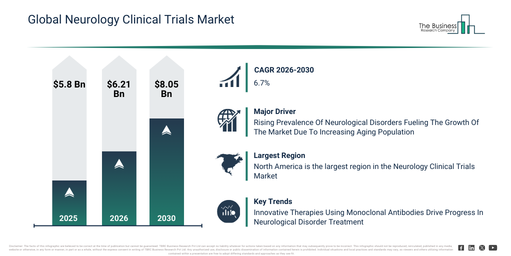
    The neurology clinical trials market size has exhibited robust growth over recent years. It is projected to increase from $5.8 billion in 2025 to $6.21 billion in 2026, achieving a compound annual growth rate (CAGR) of 7.0%. This historical growth stems from factors such as an escalation in neurological disease prevalence, the broadening of pharmaceutical research pipelines, increased capital allocated to neurology drug development, the accessibility of advanced imaging tools, and a greater involvement in clinical research.

    The neurology clinical trials market is projected for significant expansion over the coming years, reaching a valuation of $8.05 billion by 2030, driven by a compound annual growth rate (CAGR) of 6.7%. This anticipated growth during the forecast period is primarily fueled by several factors, including the expanding application of AI-driven trial analytics, a heightened demand for swifter trial execution, the broader adoption of patient-centric trial models, the increasing incorporation of remote monitoring technologies, and a sharper focus on uncommon neurological conditions. Key trends anticipated within this period encompass the growing acceptance of adaptive clinical trial designs, the increased deployment of digital patient monitoring tools, an escalating emphasis on biomarker-based neurology trials, the wider implementation of decentralized clinical trial models, and an intensified focus on generating real-world evidence.

    Access Your Free Sample Report for In-Depth Market Insights:

    https://www.thebusinessresearchcompany.com/sample.aspx?id=25847&type=smp

    Which Drivers Are Influencing Long-Term Growth In The Neurology Clinical Trials Market?

    A rise in neurological disorder cases is anticipated to drive the expansion of the neurology clinical trials market in the coming years. These disorders are defined as ailments impacting the brain, spinal cord, or nerves, thereby hindering the nervous system’s regular operation. The primary cause of this increase is the aging demographic, given that seniors are more prone to age-associated illnesses like Alzheimer’s and Parkinson’s disease. Neurology clinical trials play a crucial role in addressing neurological disorders through the evaluation of novel treatments, medications, or therapeutic approaches aimed at enhancing diagnosis, alleviating symptoms, delaying disease progression, and bettering patient results. For example, data from September 2024 by the Australian Institute of Health and Welfare, an Australia-based government body, projects that the population of Australians afflicted with dementia will more than double, escalating from 411,100 in 2023 to 849,300 by 2058. Furthermore, by 2058, an estimated 315,500 men and 533,800 women are expected to be living with dementia. Consequently, the expanding occurrence of neurological conditions is fueling the growth of the neurology clinical trials market.

    How Is The Neurology Clinical Trials Market Divided Into Segments?

    The neurology clinical trials market covered in this report is segmented –

    1) By Phase: Phase I, Phase II, Phase III, Phase IV

    2) By Study Design: Interventional, Observational, Expanded Access

    3) By Indication: Epilepsy, Parkinson’s Disease (PD), Huntington’s Disease, Stroke, Traumatic Brain Injury (TBI), Amyotrophic Lateral Sclerosis (ALS), Multiple Sclerosis, Other Indications

    4) By End-User: Hospitals, Clinics, Research Institutes, Other End- Users

    Subsegments:

    1) By Phase I: Drug Safety Evaluation, Pharmacokinetics Assessment, Dosage Range Finding, Tolerability Studies

    2) By Phase II: Efficacy Evaluation, Dose Response Studies, Therapeutic Effectiveness, Biomarker Identification

    3) By Phase III: Large Scale Efficacy Studies, Safety Monitoring, Comparative Effectiveness, Risk Benefit Analysis

    4) By Phase IV: Post Marketing Surveillance, Long Term Safety Follow Up, Real World Evidence Collection, Quality Of Life Assessment

    What Trends Are Driving The Growth Trajectory Of The Neurology Clinical Trials Market?

    Leading companies active in the neurology clinical trials market are concentrating on developing innovative solutions, such as monoclonal antibodies, to target specific neurological pathways, enhance treatment efficacy, and accelerate the creation of new therapies. A monoclonal antibody is a laboratory-produced molecule engineered to recognize and bind to specific proteins or antigens, frequently utilized to precisely target disease mechanisms in treatments and diagnostics. For instance, in July 2024, Eli Lilly and Company, a U.S.-based pharmaceutical company, launched Kisunla (donanemab-azbt) for treating early symptomatic Alzheimer’s disease. This treatment works to slow cognitive and functional decline, enabling eligible patients more time to maintain independence and engage in daily life. It specifically targets and reduces brain amyloid plaques, with clinical trials indicating up to a 35% slowing of disease progression compared to a placebo in individuals with less advanced disease.

    Which Major Firms Are Strengthening Their Position In The Neurology Clinical Trials Market?

    Major companies operating in the neurology clinical trials market are AbbVie Inc., Sanofi S.A., Novartis AG, Eli Lilly and Company, Teva Pharmaceutical Industries Ltd., IQVIA Holdings Inc., Biogen Inc., ICON plc., Syneos Health, Charles River Laboratories International Inc., Parexel International Corporation, CMIC Holdings Co. Ltd., Medpace Holdings Inc., PSI CRO AG., Supernus Pharmaceuticals Inc., Worldwide Clinical Trials LLC., Ergomed plc., Biotrial S.A.S., Clinilabs Drug Development Corporation, Lindus Health Ltd.

    Access The Complete Report For Deeper Market Insights:

    https://www.thebusinessresearchcompany.com/report/neurology-clinical-trials-global-market-report

    Which Global Regions Are Shaping The Competitive Landscape Of The Neurology Clinical Trials Market?

    North America was the largest region in the neurology clinical trials market in 2025. Asia-Pacific is expected to be the fastest-growing region in the forecast period. The regions covered in the neurology clinical trials market report are Asia-Pacific, South East Asia, Western Europe, Eastern Europe, North America, South America, Middle East, Africa.

    Request Your Customized Neurology Clinical Trials Market Research Report for Competitive Advantage:

    https://www.thebusinessresearchcompany.com/customise?id=25847&type=smp

    Browse Through More Reports Similar to the Global Neurology Clinical Trials Market 2026, By The Business Research Company

    Pediatric Clinical Trials Market Report 2026

    https://www.thebusinessresearchcompany.com/report/pediatric-clinical-trials-global-market-report

    Clinical Trial Imaging Market Report 2026

    https://www.thebusinessresearchcompany.com/report/clinical-trial-imaging-global-market-report

    Nephrologists Market Report 2020 2030 Covid 19 Implications And Growth 2026

    https://www.thebusinessresearchcompany.com/report/nephrologists-market-global-report-2020-2030-covid-19-implications-and-growth

    Get in touch with us:

    The Business Research Company: https://www.thebusinessresearchcompany.com/

    Americas +1 310-496-7795

    Asia +44 7882 955267 & +91 8897263534

    Europe +44 7882 955267

    Email us at info@tbrc.info

    Follow us on:

    LinkedIn: https://in.linkedin.com/company/the-business-research-company

    YouTube: https://www.youtube.com/channel/UC24_fI0rV8cR5DxlCpgmyFQ

    Global Market Model: https://www.thebusinessresearchcompany.com/global-market-model
  • Neurological Disorder Diagnostics Industry Poised for Rapid Growth, Forecast to Touch $17.74 Billion by 2030 at 7% CAGR

    Neurological Disorder Diagnostics Industry Poised for Rapid Growth, Forecast to Touch $17.74 Billion by 2030 at 7% CAGR

    Uncover key drivers, emerging technologies, and competitive movements shaping the neurological disorder diagnostics market from 2026–2035 with trusted insights from The Business Research Company

    What level of CAGR-driven expansion is anticipated in the Neurological Disorder Diagnostics Market between 2026 and 2030?

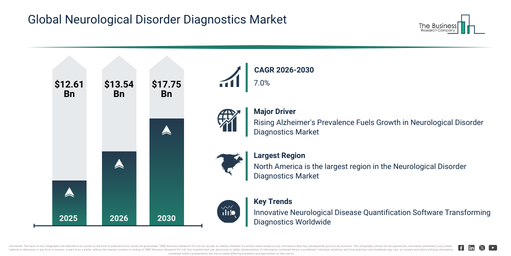
    The neurological disorder diagnostics market size has experienced strong growth in recent years. It is projected to expand from $12.61 billion in 2025 to $13.54 billion in 2026, at a compound annual growth rate (CAGR) of 7.3%. This historic growth can be linked to factors such as the increasing prevalence of neurological disorders, rising awareness about the importance of early diagnosis, the expansion of advanced imaging infrastructure, growing research funding for neurology, and improved availability of diagnostic instruments.

    The neurological disorder diagnostics market size is projected for substantial growth over the next few years, expected to reach $17.75 billion by 2030, demonstrating a compound annual growth rate (CAGR) of 7.0%. This expansion during the forecast period is attributed to the increasing adoption of precision neurology approaches, rising investments in digital diagnostics platforms, the broadening of personalized treatment planning, the growing utilization of tele-neurology services, and advancements in neuroinformatics and analytics. Major trends anticipated in this period include the increasing integration of AI-assisted neuroimaging tools, a rising application of biomarker-based diagnostic kits, the growing integration of genetic and molecular testing, an expansion of remote and digital cognitive assessments, and an enhanced focus on early disease detection.

    Access Your Free Sample Report for In-Depth Market Insights:

    https://www.thebusinessresearchcompany.com/sample.aspx?id=19611&type=smp

    What Drivers Are Affecting Demand-Supply Dynamics In The Neurological Disorder Diagnostics Market?

    The rising occurrence of Alzheimer’s disease is anticipated to drive expansion in the neurological disorder diagnostics market in the future. Alzheimer’s disease is defined as a progressive neurodegenerative condition marked by a slow deterioration of cognitive abilities, such as memory, reasoning, and problem-solving skills. This condition results from a combination of elements like genetic factors, including specific gene mutations and variations; the buildup of amyloid plaques and tau tangles within the brain; persistent inflammation; vascular problems; and various lifestyle aspects. Diagnostic tools for neurological disorders assist in managing Alzheimer’s by facilitating its early and precise identification using sophisticated imaging methods, biomarker analysis, and cognitive evaluations. As an illustration, data from September 2024, provided by the Australian Institute of Health and Welfare, a government agency located in Australia, indicated that in 2023, roughly 411,100 people in Australia were affected by dementia, with approximately 257,500 being women and 153,700 men. Consequently, the growing incidence of Alzheimer’s disease is fueling the expansion of the neurological disorder diagnostics market.

    What Segments Are Included Within The Neurological Disorder Diagnostics Market?

    The neurological disorder diagnostics market covered in this report is segmented –

    1) By Component: Instruments, Reagents, Kits, Software, Services

    2) By Technology: Immunoassay, Polymerase Chain Reaction (PCR) Techniques

    3) By Disease Type: Alzheimer’s Disease, Dementia, Parkinson’s Disease, Epilepsy, Traumatic Brain Injury, Other Disease Types

    4) By End User: Hospitals And Clinics, Diagnostic Centers, Academic And Research Institutes

    Subsegments:

    1) By Instruments: Electroencephalography (EEG) Machines, Magnetic Resonance Imaging (MRI) Machines, Computed Tomography (CT) Scanners, Positron Emission Tomography (PET) Scanners, Lumbar Puncture Equipment, Ultrasound Devices, Neurostimulation Devices, Transcranial Magnetic Stimulation (TMS) Devices,

    2) By Reagents: Biochemical Reagents, Antibodies, DNA Probes, RNA Probes, Enzyme-linked Immunosorbent Assay (ELISA) Reagents, Polymerase Chain Reaction (PCR) Reagents, Sample Collection Reagents

    3) By Kits: Diagnostic Test Kits, Genetic Testing Kits, Biomarker Detection Kits, Immunoassay Kits, Point-of-Care Testing Kits, Screening Kits for Neurological Disorders

    4) By Software: Diagnostic Software for Imaging Analysis, Data Management Software, Clinical Decision Support Software, Patient Management Software, Laboratory Information Management Systems (LIMS), Neuroinformatics Software, Telemedicine Software

    5) By Services: Diagnostic Testing Services, Consultation Services, Training and Support Services, Maintenance and Repair Services for Equipment, Telehealth Services, Data Analysis Services, Research and Development Services

    What Upcoming Trends Are Likely To Define The Future Path Of The Neurological Disorder Diagnostics Market?

    Leading firms within the neurological disorder diagnostics market are concentrating on creating novel solutions, including neurological disease quantification software, to cater to the one billion individuals globally impacted by neurological diseases. This software serves as an instrument for assessing and examining brain activity and the advancement of neurological conditions. An example occurred in January 2024, when Quibim, a biotechnology company headquartered in Spain, introduced the QP-Brain, an AI-driven software designed for early-stage neurological disease quantification. QP-Brain from Quibim represents sophisticated neuroimaging analysis software developed to measure changes in brain tissue associated with neurological conditions. Its distinctive capabilities encompass AI-powered automated segmentation and comprehensive volumetric analysis, providing accurate understanding of shifts in brain structure for both clinical and research purposes.

    Who Are The Primary Competitors In The Global Neurological Disorder Diagnostics Market?

    Major companies operating in the neurological disorder diagnostics market are Johnson & Johnson Services Inc., F. Hoffmann-La Roche Ltd, Thermo Fisher Scientific Inc., Abbott Laboratories, Novartis AG, Medtronic plc, Amgen Inc., Siemens Healthineers AG, Koninklijke Philips N.V., GE HealthCare Technologies Inc., Otsuka Pharmaceutical Co. Ltd., Boston Scientific Corporation, Neurocrine Biosciences Inc., Neusoft Medical Systems Co.Ltd., Nihon Kohden Corporation, Natus Medical Incorporated, Esaote S.p.A, Canon Medical Systems Corporation, NeuroPace Inc., Lifelines Neuro Company LLC, York Instruments Ltd., Advanced Brain Monitoring Inc., Neurometrix Inc., Croton Healthcare Private Limited, NeuroLogica Corporation

    Access The Complete Report For Deeper Market Insights:

    https://www.thebusinessresearchcompany.com/report/neurological-disorder-diagnostics-global-market-report

    Which Regions Are Poised For Strategic Growth In The Neurological Disorder Diagnostics Market?

    North America was the largest region in the neurological disorder diagnostics market in 2025. The regions covered in the neurological disorder diagnostics market report are Asia-Pacific, South East Asia, Western Europe, Eastern Europe, North America, South America, Middle East, Africa.

    Request Your Customized Neurological Disorder Diagnostics Market Research Report for Competitive Advantage:

    https://www.thebusinessresearchcompany.com/customise?id=19611&type=smp

    Browse Through More Reports Similar to the Global Neurological Disorder Diagnostics Market 2026, By The Business Research Company

    Neuroscience Antibodies And Assays Market Report 2026

    https://www.thebusinessresearchcompany.com/report/neuroscience-antibodies-and-assays-global-market-report

    Interventional Neurology Devices And Equipment Market Report 2026

    https://www.thebusinessresearchcompany.com/report/interventional-neurology-devices-and-equipment-global-market-report

    Neuroprosthetics Market Report 2026

    https://www.thebusinessresearchcompany.com/report/neuroprosthetics-global-market-report

    Get in touch with us:

    The Business Research Company: https://www.thebusinessresearchcompany.com/

    Americas +1 310-496-7795

    Asia +44 7882 955267 & +91 8897263534

    Europe +44 7882 955267

    Email us at info@tbrc.info

    Follow us on:

    LinkedIn: https://in.linkedin.com/company/the-business-research-company

    YouTube: https://www.youtube.com/channel/UC24_fI0rV8cR5DxlCpgmyFQ

    Global Market Model: https://www.thebusinessresearchcompany.com/global-market-model
  • Neurological Biomarkers Market Performance Outlook 2026–2030: Revenue to Hit $22.81 Billion at 14% CAGR

    Neurological Biomarkers Market Performance Outlook 2026–2030: Revenue to Hit $22.81 Billion at 14% CAGR

    Uncover key drivers, emerging technologies, and competitive movements shaping the neurological biomarkers market from 2026–2035 with trusted insights from The Business Research Company

    What long-term size projections exist for the Neurological Biomarkers Market covering 2026–2035?

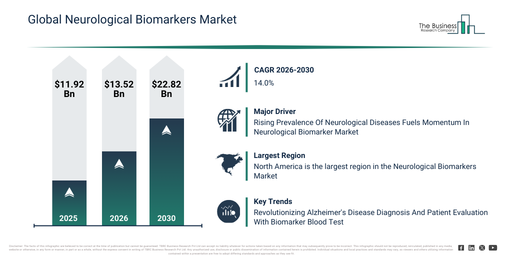
    The neurological biomarkers market has seen significant expansion in recent years. It is anticipated to expand from $11.92 billion in 2025 to $13.52 billion in 2026, exhibiting a compound annual growth rate (CAGR) of 13.4%. The increase observed in previous periods is largely due to factors such as the rising prevalence of neurological disorders, the early development of protein biomarkers, the increased use of imaging biomarkers, the growing adoption of DNA biomarkers, and the initial integration of biomarkers in clinical trials.

    The neurological biomarkers market is projected for swift expansion in the coming years. Its valuation is set to reach $22.82 billion by 2030, exhibiting a compound annual growth rate (CAGR) of 14.0%. This anticipated growth stems from factors such as the broadening application of personalized medicine utilizing biomarkers, an increasing need for metabolomics biomarkers, enhanced investment in CNS drug development, the evolution of advanced diagnostic platforms, and the expanding implementation of biomarker-led disease surveillance. Key trends predicted for this period encompass the escalating role of biomarkers in early neurological detection, greater incorporation of proteomic and genomic biomarkers, the wider use of imaging biomarkers for CNS disorder assessment, an increasing requirement for biomarkers within drug development processes, and a heightened clinical emphasis on biomarker testing for neurodegenerative conditions.

    Access Your Free Sample Report for In-Depth Market Insights:

    https://www.thebusinessresearchcompany.com/sample.aspx?id=12677&type=smp

    Which Drivers Are Impacting The Competitive Landscape Of The Neurological Biomarkers Market?

    The neurological biomarker market is expected to grow due to the increasing occurrence of neurological diseases. These illnesses affect the brain, spinal cord, and all other nerves throughout the body. For example, Parkinson’s disease is a neurodegenerative disorder impacting the neurological system and parts of the body controlled by nerves. Neurological biomarkers aid in providing an early diagnosis for Parkinson’s disease through pathological, biochemical, and genetic testing. This trend is further supported by data from October 2023, when the World Federation of Neurology, a UK-based charity, reported that neurological disorders now rank as the second-leading cause of death and the primary cause of disability globally, reflecting an accelerating health burden. In 2023, over 40 percent of the global population was affected, and the number of individuals living with brain disease is projected to nearly double by 2050. Therefore, the increasing prevalence of neurological diseases is a key driver for the growth of the neurological biomarker market.

    What Leading Segments Are Studied In The Neurological Biomarkers Market?

    The neurological biomarkers market covered in this report is segmented –

    1) By Product: Proteomics Biomarker, Genomics Biomarker, Metabolomics Biomarker, Imaging Biomarker, Other Products

    2) By Application: Alzheimer’s Disease, Parkinson’s Disease, Huntington’s Disease, Schizophrenia, Depression, Multiple Sclerosis, Spinal Muscular Atrophy

    3) By End-User: Hospital Laboratories, Clinical Diagnostic Centers, Research Organizations, Other End-Users

    Subsegments:

    1) By Proteomics Biomarker: Protein Biomarkers, Antibody Biomarkers

    2) By Genomics Biomarker: DNA Biomarkers, RNA Biomarkers

    3) By Metabolomics Biomarker: Metabolite Biomarkers, Lipid Biomarkers

    4) By Imaging Biomarker: MRI Biomarkers, PET Scan Biomarkers

    5) By Other Products: Neuroinflammatory Biomarkers, Neurotransmitter Biomarkers

    Which Trends Are Shaping Activity Within The Neurological Biomarkers Market?

    Major companies operating in the neurological biomarkers market are developing new products, such as advanced biomarker blood tests, to gain a competitive edge. Biomarker blood tests involve the analysis of specific molecules or indicators within the blood that provide information about a biological condition, disease, or physiological process. For instance, in July 2023, Quanterix Corporation, a US-based company specializing in the development and commercialization of ultra-sensitive digital immunoassay platforms, launched the LucentAD biomarker blood test. The LucentAD test is intended to assist medical professionals in evaluating patients who exhibit cognitive symptoms aligning with preliminary indications of alzheimer’s disease. This test quantifies levels of p-Tau 181, which has been demonstrated to be a biomarker of the pathophysiology of alzheimer’s disease (AD). When an adult is being tested for AD 1 and has cognitive impairment, the LucentAD test findings are meant to be utilized as a diagnostic tool. The test is not meant to be used as a stand-alone screening or diagnostic assay and it must be used in conjunction with other diagnostic tools.

    Which Key Market Players Are Investing In Expansion And Innovation Within The Neurological Biomarkers Market?

    Major companies operating in the neurological biomarkers market are Pfizer Inc., F. Hoffmann-La Roche AG, Merck & Co. Inc., Novartis AG, Thermos Fisher Scientific Inc., AstraZeneca Plc, Abbott Laboratories, Boehringer Ingelheim International GmbH, Becton Dickinson and Company, Agilent Technologies Inc., Grifols S.A., Eisai Co. Ltd., PerkinElmer Inc., Illumina Inc., Shimadzu Corporation, Waters Corporation, Bio-Rad Laboratories Inc., Mallinckrodt Plc, Qiagen N.V., Luminex Corporation, Siemens Healthineers, Olink Proteomics, Meso Scale Diagnostics, Quanterix Corp., Fujirebio, Cisbio Bioassays SAS, NeuroVision Imaging, Proteome Sciences Plc, Acumen Pharmaceuticals.

    Access The Complete Report For Deeper Market Insights:

    https://www.thebusinessresearchcompany.com/report/neurological-biomarkers-global-market-report

    Which Regions Are Projected To Dominate The Neurological Biomarkers Market In The Coming Years?

    North America was the largest region in the neurological biomarkers market in 2025. The regions covered in the neurological biomarkers market report are Asia-Pacific, South East Asia, Western Europe, Eastern Europe, North America, South America, Middle East, Africa.

    Request Your Customized Neurological Biomarkers Market Research Report for Competitive Advantage:

    https://www.thebusinessresearchcompany.com/customise?id=12677&type=smp

    Browse Through More Reports Similar to the Global Neurological Biomarkers Market 2026, By The Business Research Company

    Biomarkers Market Report 2026

    https://www.thebusinessresearchcompany.com/report/biomarkers-global-market-report

    Central Nervous System Biomarkers Market Report 2026

    https://www.thebusinessresearchcompany.com/report/central-nervous-system-biomarkers-global-market-report

    Clinical Biomarkers Market Report 2026

    https://www.thebusinessresearchcompany.com/report/clinical-biomarkers-global-market-report

    Get in touch with us:

    The Business Research Company: https://www.thebusinessresearchcompany.com/

    Americas +1 310-496-7795

    Asia +44 7882 955267 & +91 8897263534

    Europe +44 7882 955267

    Email us at info@tbrc.info

    Follow us on:

    LinkedIn: https://in.linkedin.com/company/the-business-research-company

    YouTube: https://www.youtube.com/channel/UC24_fI0rV8cR5DxlCpgmyFQ

    Global Market Model: https://www.thebusinessresearchcompany.com/global-market-model
  • Global Neurogenomics Market Set for Strong Expansion, Reaching $2.98 Billion With 14.7% CAGR by 2030

    Global Neurogenomics Market Set for Strong Expansion, Reaching $2.98 Billion With 14.7% CAGR by 2030

    Uncover key drivers, emerging technologies, and competitive movements shaping the neurogenomics market from 2026–2035 with trusted insights from The Business Research Company

    What total market size is anticipated for the Neurogenomics Market in 2030?

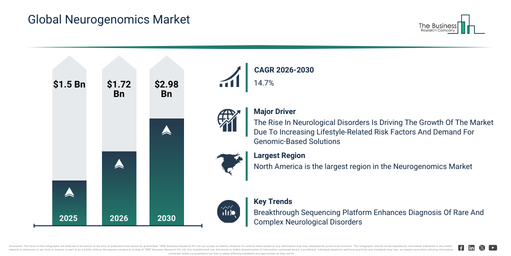
    The neurogenomics market has experienced substantial growth recently. This market is projected to expand from $1.5 billion in 2025 to $1.72 billion in 2026, demonstrating a compound annual growth rate (CAGR) of 14.7%. Factors contributing to this historical growth include advancements in genomic sequencing technologies, an increase in neuroscience research funding, the rising prevalence of neurological disorders, enhanced availability of bioinformatics tools, and a surge in academic research collaborations.

    The neurogenomics market is anticipated to experience significant expansion over the next few years, projected to attain a valuation of $2.98 billion by 2030, progressing at a compound annual growth rate (CAGR) of 14.7%. This projected growth stems from several factors, including the increasing integration of genomics within clinical neurology, rising investments in precision neurology, the expansion of cloud-based genomic analytics, a growing demand for personalized neurological therapies, and an increasing focus on translational neuroscience research. Concurrently, major trends expected during this period encompass the increasing adoption of next-generation sequencing in neuroscience, the rising use of multi-omics data integration, a growing demand for gene expression analysis in neurology, the expansion of personalized neurological research, and an enhanced focus on data-driven studies of brain disorders.

    Access Your Free Sample Report for In-Depth Market Insights:

    https://www.thebusinessresearchcompany.com/sample.aspx?id=25845&type=smp

    What Drivers Are Influencing Production Trends In The Neurogenomics Market?

    The neurogenomics market is anticipated to expand due to the increasing incidence of neurological disorders. These conditions are defined as medical ailments affecting the brain, spinal cord, or nerves, leading to symptoms such as muscle weakness, seizures, pain, or cognitive difficulties. The escalating occurrence of neurological disorders is primarily linked to lifestyle factors including poor diet, lack of physical activity, chronic stress, and growing exposure to environmental toxins. Neurogenomics provides a more profound understanding of the genetic underpinnings of brain function and dysfunction, thereby enabling the identification of causes, improved diagnosis, and targeted treatments for these disorders. For instance, in March 2023, according to the Alzheimer’s Association, a US-based nonprofit voluntary health organization, approximately 6.7 million Americans aged 65 and older were living with Alzheimer’s dementia, and this figure is projected to rise to 13.8 million by 2060. Therefore, the expanding prevalence of neurological disorders is driving the growth of the neurogenomics market.

    Which Segment Groups Are Influencing The Neurogenomics Market?

    The neurogenomics market covered in this report is segmented –

    1) By Offering: Next-Generation Sequencing, Polymerase Chain Reaction, Microarray, Software And Services

    2) By Application: Variant Discovery, Research Applications, Target Identification, Transcription Factor Binding Analysis, Functional Studies, Clinical Applications

    3) By End User: Pharmaceutical And Biotechnology Companies, Academic And Research Institutes, Hospitals And Diagnostic Laboratories

    Subsegments:

    1) By Next-Generation Sequencing: Whole Genome Sequencing, Whole Exome Sequencing, Targeted Sequencing, Ribonucleic Acid Sequencing

    2) By Polymerase Chain Reaction: Real-Time Polymerase Chain Reaction, Reverse Transcription Polymerase Chain Reaction, Digital Polymerase Chain Reaction

    3) By Microarray: Deoxyribonucleic Acid Microarray, Ribonucleic Acid Microarray, Protein Microarray

    4) By Software And Services: Data Analysis And Interpretation Software, Genomic Data Management Tools, Custom Services, Cloud-Based Platforms And Reporting Tools

    Which Trends Are Influencing The Development Of The Neurogenomics Market?

    Leading companies in the neurogenomics market are concentrating on developing sophisticated tools, such as whole genome sequencing platforms, to improve the diagnosis and comprehension of intricate neurological conditions. These platforms serve as instruments for scrutinizing an individual’s entire DNA sequence, thereby assisting in the identification of genetic elements associated with neurological disorders. As an illustration, in April 2023, Centogene N.V., a German firm specializing in the diagnosis and research of rare diseases, introduced CentoGenome. This solution is recognized as the world’s most extensive whole-genome sequencing offering for diagnosing both rare and neurodegenerative diseases. It leverages PCR-free technology to facilitate high-quality, unbiased sequencing across challenging genetic areas. The platform enhances the detection of genetic variations through its advanced bioinformatics pipeline and expert analysis, capable of identifying almost all disease-causing variants in a single examination. Furthermore, it provides continuous diagnostic assistance throughout a patient’s life, including complimentary variant reclassification and follow-up testing as new scientific insights emerge.

    Who Are The Core Companies Influencing Trends In The Neurogenomics Market?

    Major companies operating in the neurogenomics market are F. Hoffmann-La Roche Limited, Thermo Fisher Scientific Incorporated, Danaher Corporation, Eurofins Scientific SE, Agilent Technologies Inc., Illumina Inc., Revvity Inc., QIAGEN N.V., Myriad Genetics Inc., GeneDx LLC, Fulgent Genetics Inc., Oxford Nanopore Technologies Plc, PacBio, MedGenome Labs Ltd., MGI Tech Co. Ltd., Centogene N.V., Variantyx Inc., BGI Genomics Co. Ltd., GenScript Biotech Corporation, Roche Diagnostics GmbH, Illumina Cambridge Ltd.

    Access The Complete Report For Deeper Market Insights:

    https://www.thebusinessresearchcompany.com/report/neurogenomics-global-market-report

    Which Region Is Expected To Experience The Fastest Growth In The Neurogenomics Market?

    North America was the largest region in the neurogenomics market in 2025. Asia-Pacific is expected to be the fastest-growing region in the forecast period. The regions covered in the neurogenomics market report are Asia-Pacific, South East Asia, Western Europe, Eastern Europe, North America, South America, Middle East, Africa.

    Request Your Customized Neurogenomics Market Research Report for Competitive Advantage:

    https://www.thebusinessresearchcompany.com/customise?id=25845&type=smp

    Browse Through More Reports Similar to the Global Neurogenomics Market 2026, By The Business Research Company

    Neuroscience Market Report 2026

    https://www.thebusinessresearchcompany.com/report/neuroscience-global-market-report

    Genomics Market Report 2026

    https://www.thebusinessresearchcompany.com/report/genomics-global-market-report

    Neurological Biomarkers Market Report 2026

    https://www.thebusinessresearchcompany.com/report/neurological-biomarkers-global-market-report

    Get in touch with us:

    The Business Research Company: https://www.thebusinessresearchcompany.com/

    Americas +1 310-496-7795

    Asia +44 7882 955267 & +91 8897263534

    Europe +44 7882 955267

    Email us at info@tbrc.info

    Follow us on:

    LinkedIn: https://in.linkedin.com/company/the-business-research-company

    YouTube: https://www.youtube.com/channel/UC24_fI0rV8cR5DxlCpgmyFQ

    Global Market Model: https://www.thebusinessresearchcompany.com/global-market-model