Category: Healthcare Services

  • Revenue of the Payer Services Market Predicted to Achieve $131.14 Billion by 2030, Driven by 9.4% CAGR

    Revenue of the Payer Services Market Predicted to Achieve $131.14 Billion by 2030, Driven by 9.4% CAGR

    Uncover key drivers, emerging technologies, and competitive movements shaping the payer services market from 2026–2035 with trusted insights from The Business Research Company

    What was the valuation of the Payer Services Market in 2026, and what figure is it projected to hit by 2030?

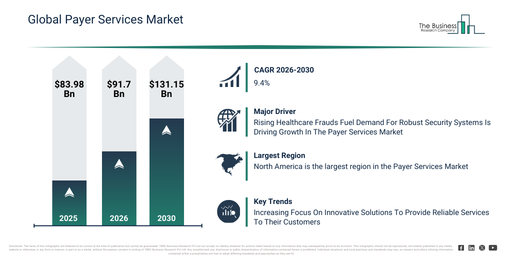
    The payer services market has experienced robust expansion in recent years. This market is projected to expand from $83.98 billion in 2025 to $91.7 billion in 2026, demonstrating a compound annual growth rate (CAGR) of 9.2%. Historically, factors contributing to this growth include manual claims processing, the presence of fragmented payer systems, a dependency on in-house billing departments, restricted data analytics capabilities, and a slower uptake of digital payment solutions.

    The payer services market is projected to experience substantial expansion in the coming years. This market is anticipated to reach $131.15 billion by 2030, exhibiting a compound annual growth rate (CAGR) of 9.4%. Factors contributing to this growth during the forecast period include the increasing embrace of cloud computing platforms, the wider application of AI-driven claims automation, the expanding deployment of blockchain for secure transactions, the heightened demand for outsourced payer services, and a stronger emphasis on compliance and regulatory reporting. Key trends for the forecast period encompass the growing uptake of cloud-based payer platforms, the elevated utilization of AI and analytics in claims processing, the expanding deployment of blockchain for secure payment and data exchange, the enhanced integration of fintech solutions within healthcare payment systems, and the increased automation of revenue cycle management and medical billing.

    Access Your Free Sample Report for In-Depth Market Insights:

    https://www.thebusinessresearchcompany.com/sample.aspx?id=3374&type=smp

    Which Drivers Are Affecting Market Participation In The Payer Services Market?

    The increasing prevalence of healthcare frauds is anticipated to prompt the payer services market to reinforce its security systems. Such frauds include unethical practices like individuals obtaining unneeded subsidized or fully covered prescription medications and then selling them for profit on the black market, practitioners billing for care they did not provide, submitting multiple claims for the same service, altering dates, and modifying medical records. The healthcare industry continues to experience financial losses due to these frauds and errors. For example, in October 2025, the U.S. Sentencing Commission (USSC), an independent U.S. federal government agency, indicated that in Fiscal Year (FY) 2024, 395 of the 61,678 total federal criminal cases reported were related to healthcare fraud. Consequently, the rising healthcare fraud within the industry is increasing the demand for robust security systems, thereby fueling the expansion of the payer services market.

    What Segment Categories Are Covered In The Payer Services Market?

    The payer services market covered in this report is segmented –

    1) By Outsourcing Services: Business Process Outsourcing Services, Knowledge Process Outsourcing Services, Information Technology Outsourcing Services

    2) By Application: Revenue Cycle Management, Healthcare Reimbursement, Medical Billing Outsourcing, Other Applications

    3) By End-User: Public Payers, Private Payers

    Subsegments:

    1) By Business Process Outsourcing Services: Claims Management, Customer Service, Payment Processing, Enrollment Services, Provider Network Management, Billing And Coding

    2) By Knowledge Process Outsourcing Services: Data Analytics And Reporting, Research And Analysis, Risk Management, Compliance And Regulatory Services, Medical Transcription And Documentation

    3) By Information Technology Outsourcing Services: IT Infrastructure Management, Software Development And Maintenance, Cloud Computing Services, Cybersecurity And Data Protection, IT Support Services, Enterprise Resource Planning (ERP) Solutions

    Which Trends Are Guiding The Evolution Of The Payer Services Market?

    Leading companies within the payer services market are concentrating on innovative solutions, such as automating vendor integrations, to boost their revenues. Automating vendor integrations involves utilizing technology and software solutions to streamline and simplify the connection between an organization and its vendors or suppliers. For example, in March 2023, Flume Health, a US-based healthcare technology and insurance company, introduced Flume Relay, a solution specifically for automating vendor integrations. Flume Relay functions as a global translation layer for data transfer between payers and vendors. Flume asserts that its simplicity enables anyone to set up and manage data transactions using the solution. This allows payers to more readily accommodate the various configurations required by self-insured consumers.

    Which Leading Companies Dominate The Payer Services Market Share?

    Major companies operating in the payer services market are United Health Group, Anthem Insurance Companies Inc., Aetna Inc., CIGNA Corp., HealthPartners, Blue Cross Blue Shield of Massachusetts, Group Health Cooperative, Humana Inc., Concentrix Corporation, Accenture plc, Cognizant Technology Solutions Corp., Tata Consultancy Services Limited, Xerox Holdings Corporation, WNS (Holdings) Limited, NTT Data Corporation, IQVIA Holdings Inc., Mphasis Limited, Genpact Limited, Wipro Limited, Infosys BPM Limited, Firstsource Solutions Limited, International Business Machines Corporation, HCL Technologies Limited, Invensis Technologies Pvt Ltd., R1 RCM Inc., Optum Inc., Conifer Health Solutions LLC, Change Healthcare Inc., Experian Health Inc.

    Access The Complete Report For Deeper Market Insights:

    https://www.thebusinessresearchcompany.com/report/payer-services-global-market-report

    Which Global Regions Are Shaping The Competitive Landscape Of The Payer Services Market?

    North America was the largest region in the payer services market in 2025. Western Europe was the second-largest region in the global payer services market share. The regions covered in the payer services market report are Asia-Pacific, South East Asia, Western Europe, Eastern Europe, North America, South America, Middle East, Africa.

    Request Your Customized Payer Services Market Research Report for Competitive Advantage:

    https://www.thebusinessresearchcompany.com/customise?id=3374&type=smp

    Browse Through More Reports Similar to the Global Payer Services Market 2026, By The Business Research Company

    Money Transfer Services Market Report 2026

    https://www.thebusinessresearchcompany.com/report/money-transfer-services-global-market-report

    Payment As A Service Market Report 2026

    https://www.thebusinessresearchcompany.com/report/payment-as-a-service-global-market-report

    Payroll Services Market Report 2026

    https://www.thebusinessresearchcompany.com/report/payroll-services-global-market-report

    Get in touch with us:

    The Business Research Company: https://www.thebusinessresearchcompany.com/

    Americas +1 310-496-7795

    Asia +44 7882 955267 & +91 8897263534

    Europe +44 7882 955267

    Email us at info@tbrc.info

    Follow us on:

    LinkedIn: https://in.linkedin.com/company/the-business-research-company

    YouTube: https://www.youtube.com/channel/UC24_fI0rV8cR5DxlCpgmyFQ

    Global Market Model: https://www.thebusinessresearchcompany.com/global-market-model
  • Non Invasive Fat Reduction Market Forecast 2026–2035: Data Trends and Industry Insights

    Non Invasive Fat Reduction Market Forecast 2026–2035: Data Trends and Industry Insights

    Uncover key drivers, emerging technologies, and competitive movements shaping the non invasive fat reduction market from 2026–2035 with trusted insights from The Business Research Company

    By how much is the Non Invasive Fat Reduction Market expected to grow between 2026 and 2030?

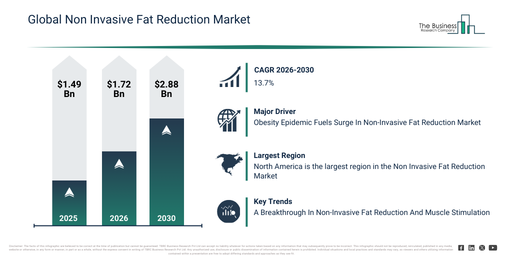
    The non invasive fat reduction market size has seen significant expansion in recent years. It is anticipated to increase from $1.49 billion in 2025 to $1.72 billion in 2026, at a compound annual growth rate (CAGR) of 15.5%. The historical growth of this market can be attributed to heightened aesthetic awareness, escalating obesity rates, a rise in disposable income, the expansion of cosmetic clinics, and the early adoption of cryolipolysis.

    The non invasive fat reduction market is anticipated to experience substantial expansion in the coming years. Its valuation is projected to reach $2.88 billion by 2030, driven by a compound annual growth rate (CAGR) of 13.7%. This projected increase during the forecast period is fueled by factors such as AI-driven personalization of treatments, a rise in demand for male aesthetic procedures, a surge in medical tourism, ongoing advancements in devices, and broader regulatory clearances. Key trends expected during this period involve the increasing adoption of AI-powered body contouring technologies, an expansion in precise aesthetic remedies, a heightened inclination towards non-surgical cosmetic interventions, a greater need for procedures with minimal recovery time, and technological progress in energy-based methods for fat reduction.

    Access Your Free Sample Report for In-Depth Market Insights:

    https://www.thebusinessresearchcompany.com/sample.aspx?id=15872&type=smp

    Which Drivers Are Influencing Market Acceleration In The Non Invasive Fat Reduction Market?

    The increasing prevalence of obesity is anticipated to stimulate the expansion of the non-invasive fat reduction market in the future. An obese population includes those individuals whose body mass index (BMI) is 30 or above, signifying a body fat level that substantially elevates the likelihood of various health issues. This surge in obesity is attributable to multiple contributing elements such as higher intake of calorie-dense, processed diets, inactive routines, inherited tendencies, and societal economic conditions that restrict availability of nutritious food and opportunities for exercise. Non-surgical fat reduction methods, including cryolipolysis and laser lipolysis, assist obese individuals in decreasing localized fat accumulation without surgical intervention, presenting a safer option compared to more invasive treatments. As an illustration, a report released in March 2024 by the World Obesity Federation, a UK-headquartered body dedicated to fighting obesity via research, advocacy, and policy endorsement, projected that the count of adults affected by obesity would climb from 0.81 billion in 2020 to 1.53 billion by 2035. Consequently, the growing number of obese individuals is fueling the expansion of the non-invasive fat reduction market.

    What Leading Segments Are Studied In The Non Invasive Fat Reduction Market?

    The non invasive fat reduction market covered in this report is segmented –

    1) By Technology: Cryolipolysis, Ultrasound, Low Level Lasers

    2) By Gender: Female, Male

    3) By End Users: Hospitals, Stand Alone Practices, Multispecialty Clinic

    Subsegments:

    1) By Cryolipolysis: CoolSculpting, Cryolipolysis With Vacuum-Assisted Technology

    2) By Ultrasound: High-Intensity Focused Ultrasound (HIFU), Low-Intensity Ultrasound

    3) By Low Level Lasers: Red Light Therapy, Diode Laser Systems

    Which Competitive Trends Are Impacting The Structure Of The Non Invasive Fat Reduction Market?

    Major companies within the non-invasive fat reduction market are emphasizing the advancement of sophisticated solutions, such as muscle-stimulating technologies, to intensify fat reduction and elevate treatment results. Muscle-stimulating technologies describe a non-surgical method of fat reduction that utilizes electrical impulses to induce muscle contractions, thereby boosting fat burning and body toning. For example, in April 2024, Cartessa Aesthetics, a US-based supplier of innovative aesthetic medical devices, unveiled PHYSIQ 360, a state-of-the-art body contouring system. PHYSIQ 360 provides superior, customizable fat reduction and muscle-building procedures suitable for various skin and body types. It incorporates exclusive sequential thermal and electrical pulse (STEP) technology, which combines laser energy (LZR) with proprietary pure beam technology for uniform fat reduction and electrical muscle stimulation (EMS) for effective muscle contractions. The device comes with up to four independently programmable applicators, allowing for simultaneous targeting of multiple areas of the body.

    Which Leading Companies Dominate The Non Invasive Fat Reduction Market Share?

    Major companies operating in the non invasive fat reduction market are Cynosure LLC, Alma Lasers, Lumenis Ltd., BTL Industries, ZELTIQ Aesthetics Inc., Sono Bello, Solta Medical, Cutera Inc., Merz Pharma GmbH & Co. KGaA, Sciton Inc., Venus Concept, Syneron Candela, Zimmer MedizinSysteme GmbH (Zimmer Aesthetics), Fotona d.o.o., Apyx Medical Corporation, Erchonia Corporation, Aesthetics Biomedical Inc., Lynton Lasers Ltd., INDIBA S.A., InMode Ltd., Lutronic Corporation, Viora, Aesthetic Solutions, Cocoon Medical, Sound Surgical Technologies LLC, Chongqing Haifu (HIFU) Technology Co Ltd.

    Access The Complete Report For Deeper Market Insights:

    https://www.thebusinessresearchcompany.com/report/non-invasive-fat-reduction-global-market-report

    Which Region Is Anticipated To See The Fastest Growth In The Non Invasive Fat Reduction Market?

    North America was the largest region in the non invasive fat reduction market in 2025. The regions covered in the non invasive fat reduction market report are Asia-Pacific, South East Asia, Western Europe, Eastern Europe, North America, South America, Middle East, Africa.

    Request Your Customized Non Invasive Fat Reduction Market Research Report for Competitive Advantage:

    https://www.thebusinessresearchcompany.com/customise?id=15872&type=smp

    Browse Through More Reports Similar to the Global Non Invasive Fat Reduction Market 2026, By The Business Research Company

    Lung Cancer Diagnostic And Screening Market Report 2026

    https://www.thebusinessresearchcompany.com/report/lung-cancer-diagnostic-and-screening-global-market-report

    Body Fat Reduction Market Report 2026

    https://www.thebusinessresearchcompany.com/report/body-fat-reduction-global-market-report

    Fat Replacers Market Report 2026

    https://www.thebusinessresearchcompany.com/report/fat-replacers-global-market-report

    Get in touch with us:

    The Business Research Company: https://www.thebusinessresearchcompany.com/

    Americas +1 310-496-7795

    Asia +44 7882 955267 & +91 8897263534

    Europe +44 7882 955267

    Email us at info@tbrc.info

    Follow us on:

    LinkedIn: https://in.linkedin.com/company/the-business-research-company

    YouTube: https://www.youtube.com/channel/UC24_fI0rV8cR5DxlCpgmyFQ

    Global Market Model: https://www.thebusinessresearchcompany.com/global-market-model
  • Patient Transport Services Sector Forecast Shows Robust Momentum, Climbing to $75.49 Billion With 11.4% CAGR

    Patient Transport Services Sector Forecast Shows Robust Momentum, Climbing to $75.49 Billion With 11.4% CAGR

    Uncover key drivers, emerging technologies, and competitive movements shaping the patient transport services market from 2026–2035 with trusted insights from The Business Research Company

    What are the forecasted starting (2026) and ending (2030) market sizes for the Patient Transport Services Market?

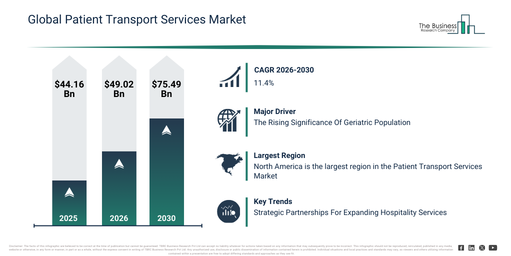
    The patient transport services market size has expanded quickly in recent years. It is forecast to increase from $44.16 billion in 2025 to $49.02 billion in 2026, achieving a compound annual growth rate (CAGR) of 11.0%. The expansion during the preceding period stemmed from factors including reliance on traditional ground ambulances, manual dispatch and scheduling methods, restricted coordination for inter-facility transport, heavy dependence on human drivers and staff, and the absence of advanced patient transport monitoring systems.

    The patient transport services market size is anticipated to experience swift expansion over the coming years. This market is projected to reach $75.49 billion by 2030, exhibiting a compound annual growth rate (CAGR) of 11.4%. This projected growth during the forecast period is attributable to several factors, including the increasing uptake of electric and hybrid ambulances, a surging demand for non-emergency medical transport (nemt), its integration with telemedicine and hospital management systems, the deployment of ai-based predictive routing, and an escalating emphasis on patient safety and real-time monitoring. Key trends anticipated within the forecast period encompass the greater integration of iot-enabled ambulance tracking systems, an increase in the deployment of electric and hybrid patient transport vehicles, the expanding application of ai for route optimization and scheduling, the rising adoption of cloud-based patient transport management platforms, and the increasing automation of patient handover and documentation processes.

    Access Your Free Sample Report for In-Depth Market Insights:

    https://www.thebusinessresearchcompany.com/sample.aspx?id=10214&type=smp

    What Drivers Are Supporting Technological Adoption In The Patient Transport Services Market?

    The increasing geriatric population is projected to propel the expansion of the patient transport services market in the coming years. The geriatric population comprises individuals who are 65 years of age or older, frequently exhibiting particular healthcare and social needs associated with advancing age. Patient transport services offer efficient and timely transportation solutions, thereby improving access to healthcare facilities and fostering overall well-being within an aging society. For instance, in January 2024, according to the Population Reference Bureau, a US-based private, nonprofit organization specializing in collecting and supplying statistics, the count of Americans ages 65 and older is anticipated to rise from 58 million in 2022 to 82 million by 2050 (a 47% increase). Consequently, the escalating geriatric population is driving the growth of the patient transport services market.

    Which Segments Are Contributing To The Growth Of The Patient Transport Services Market?

    The patient transport services market covered in this report is segmented –

    1) By Transport Vehicle: Ground Ambulance, Air Ambulance, Water Ambulance

    2) By Equipment Type: Advanced Life Support (ALS) Patient Transport Service, Basic Life Support (ALS) Patient Transport Service

    3) By Application: Emergency, Non-Emergency

    4) By End-Users: Hospitals, Medical Centers, Retirement Communities, Hospice Care Facilities, Private Paying Customers, Nursing Care Facilities

    Subsegments:

    1) By Ground Ambulance: Basic Life Support (BLS) Ambulance, Advanced Life Support (ALS) Ambulance, Non-Emergency Medical Transport (NEMT)

    2) By Air Ambulance: Helicopter Ambulance, Fixed-Wing Air Ambulance

    3) By Water Ambulance: Coastal Water Ambulance, Inland Water Ambulance

    What Trends Are Projected To Support The Growth Of The Patient Transport Services Market?

    Major companies within the patient transport services market are adopting a strategic partnership approach to expand their hospitality services. These strategic partnerships involve organizations leveraging each other’s strengths and resources for mutual benefits and success. For instance, in May 2023, Advantus Health Partners, a US-based healthcare solutions company offering supply chain management, medical logistics, and pharmacy services, collaborated with HHS, a US-based support service provider focused on enhancing client experiences. This alliance is crucial for the patient transport services market, as it aims to deliver optimized productivity and expanded analytics to foster a patient-centric hospitality approach. With an eight-year, $1.2 billion agreement, the collaboration intends to streamline transportation logistics, improve patient outcomes, and contribute significantly to the growth of the healthcare transportation services market.

    Who Are The Major Companies Operating In The Patient Transport Services Market?

    Major companies operating in the patient transport services market are Envision Healthcare, Acadian Ambulance Service, Falck A/S, American Ambulance Service Inc., First Ambulance, National Patient Transport Pty. Ltd., Express Medical Transporters, North West Ambulance Service, RNR Patient Transfer Services Inc., South Central Ambulance Service, London Ambulance Service, America Patient Transport Services Inc., ATS Healthcare Solutions, Xpress Non-Emergency Medical Transportation, AeroCare Medical Transport System, ModivCare, Southeastrans Inc, ERS Medical, Lyft Inc, MTM Inc, EgyCross, SafeRide Health, American Medical Response, EMED Patient Care, United Care Transport

    Access The Complete Report For Deeper Market Insights:

    https://www.thebusinessresearchcompany.com/report/patient-transport-services-global-market-report

    Which Regions Are Poised For Strategic Growth In The Patient Transport Services Market?

    North America was the largest region in the patient transport services market in 2025. Asia-Pacific is expected to be the fastest-growing region in the forecast period. The regions covered in the patient transport services market report are Asia-Pacific, South East Asia, Western Europe, Eastern Europe, North America, South America, Middle East, Africa.

    Request Your Customized Patient Transport Services Market Research Report for Competitive Advantage:

    https://www.thebusinessresearchcompany.com/customise?id=10214&type=smp

    Browse Through More Reports Similar to the Global Patient Transport Services Market 2026, By The Business Research Company

    Non Emergency Medical Transportation Market Report 2026

    https://www.thebusinessresearchcompany.com/report/non-emergency-medical-transportation-global-market-report

    Healthcare Transportation Service Market Report 2026

    https://www.thebusinessresearchcompany.com/report/healthcare-transportation-service-global-market-report

    Transport Services Market 2026

    https://www.thebusinessresearchcompany.com/report/transport-services-market

    Get in touch with us:

    The Business Research Company: https://www.thebusinessresearchcompany.com/

    Americas +1 310-496-7795

    Asia +44 7882 955267 & +91 8897263534

    Europe +44 7882 955267

    Email us at info@tbrc.info

    Follow us on:

    LinkedIn: https://in.linkedin.com/company/the-business-research-company

    YouTube: https://www.youtube.com/channel/UC24_fI0rV8cR5DxlCpgmyFQ

    Global Market Model: https://www.thebusinessresearchcompany.com/global-market-model
  • Nodular Prurigo Market Outlook 2026–2030: Key Business Drivers and Trends

    Nodular Prurigo Market Outlook 2026–2030: Key Business Drivers and Trends

    Uncover key drivers, emerging technologies, and competitive movements shaping the nodular prurigo market from 2026–2035 with trusted insights from The Business Research Company

    What is the estimated market size of the Nodular Prurigo Market by the end of 2030?

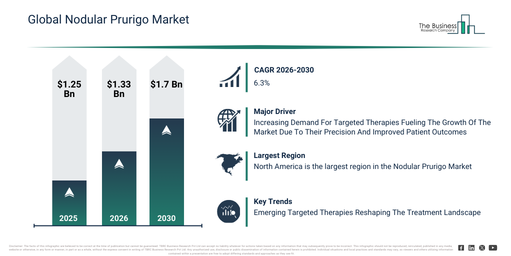
    The market size for nodular prurigo has experienced robust expansion over recent years. This market is projected to expand from $1.25 billion in 2025 to reach $1.33 billion by 2026, demonstrating a compound annual growth rate (CAGR) of 6.6%. Historically, this growth can be ascribed to several factors, including the rising incidence of chronic dermatological conditions, the insufficient efficacy of traditional topical treatments, increasing public understanding of itchy skin disorders, the proliferation of specialized dermatology clinics, and enhanced diagnostic identification of nodular prurigo.

    The market for nodular prurigo is projected to experience substantial expansion over the upcoming years. By 2030, this market is anticipated to reach a valuation of $1.7 billion, demonstrating a compound annual growth rate (CAGR) of 6.3%. This anticipated growth during the forecast period stems from several factors, including the increasing development of innovative biologics and monoclonal antibodies, a heightened emphasis on individualized dermatology treatments, rising investments in research concerning inflammatory skin diseases, the expansion of advanced immunotherapy pipelines, and a growing need for long-term solutions for itch control. Key trends expected during this period involve the increasing embrace of targeted immunomodulatory therapies, a rise in the application of biologic treatments for chronic pruritus, a heightened focus on managing neuropathic itch, the broader implementation of long-term disease management protocols, and an intensified commitment to patient-focused dermatology care.

    Access Your Free Sample Report for In-Depth Market Insights:

    https://www.thebusinessresearchcompany.com/sample.aspx?id=24624&type=smp

    What Drivers Are Shaping Future Opportunities In The Nodular Prurigo Market?

    The projected expansion of the nodular prurigo market is anticipated to be fueled by the growing requirement for targeted therapies. These therapies are defined as medical interventions designed to precisely act upon and disrupt molecular pathways implicated in disease progression and dissemination. The heightened call for targeted therapies stems from their capacity to deliver more exact treatments, resulting in fewer adverse effects, better patient results, and presenting alternatives to conventional, less focused treatments. Nodular prurigo contributes to advancing targeted therapies by demonstrating an evident unaddressed medical requirement linked to distinct immune pathways like IL-4, IL-13, and IL-31, thereby facilitating the application of biologics that accurately inhibit these inflammatory indicators for enhanced therapeutic efficacy. As an illustration, data from January 2024, provided by the American Society of Gene & Cell Therapy, a US-based organization focused on gene and cell therapy, indicated that the count of gene therapies in Phase III grew by 10% in Q4 2023 compared to the preceding quarter, representing the initial increase since Q3 2022. Consequently, the escalating demand for targeted therapies is stimulating expansion within the nodular prurigo market.

    Which Segment Groups Are Influencing The Nodular Prurigo Market?

    The nodular prurigo market covered in this report is segmented –

    1) By Type: Chronic Nodular Prurigo, Acute Nodular Prurigo, Subacute Nodular Prurigo

    2) By Treatment Type: Topical Treatments, Systemic Treatments, Phototherapy, Immunosuppressants

    3) By Patient Demographics: Adults, Children, Elderly

    4) By End-User: Hospitals, Homecare, Specialty Clinics, Other End-Users

    Subsegments:

    1) By Chronic Nodular Prurigo: Idiopathic Chronic Nodular Prurigo, Secondary To Dermatologic Conditions, Neuropathic Causes, Systemic Disease-Associated, Psychogenic Prurigo

    2) By Acute Nodular Prurigo: Insect Bite-Induced, Allergic Reactions, Drug-Induced Prurigo, Infectious Triggers

    3) By Subacute Nodular Prurigo: Healing Phase Of Chronic Prurigo, Post-Inflammatory Prurigo, Transient Dermatoses, Reaction To Environmental Irritants

    What Industry Trends Are Transforming The Nodular Prurigo Market?

    Leading companies operating in the nodular prurigo market are prioritizing the creation of novel solutions, such as anti-IL-31 receptor biologics, to address the increasing demand for disease-modifying therapies that can lessen severe chronic itching, aid in the resolution of nodules, and decrease reliance on prolonged use of topical corticosteroids and broad immunosuppressants. An anti-IL-31 receptor monoclonal antibody is a biologic treatment composed of engineered humanized antibodies that attach to the IL-31 receptor A on both sensory and immune cells, thereby inhibiting IL-31 signaling, which is known to be involved in chronic pruritus. For instance, in August 2024, Galderma S.A., a dermatology pharmaceutical company based in Switzerland, launched Nemluvio (nemolizumab), a pioneering anti-IL-31 receptor monoclonal antibody for adults living with prurigo nodularis. Nemluvio (nemolizumab) is a humanized monoclonal antibody developed for subcutaneous injection, which works by binding IL-31 receptor A to interrupt itch signaling and downstream inflammatory pathways; it was designed to diminish intense chronic itch and promote the healing of pruritic nodules, and is supplied as an autoinjector for convenient outpatient use. Its distinctive attributes include a targeted mechanism, systemic activity effective for widespread disease, and a dosing format intended to enhance patient adherence compared with infusions administered exclusively in clinics.

    Who Are The Major Companies Operating In The Nodular Prurigo Market?

    Major companies operating in the nodular prurigo market are Merck and Co Inc, Sanofi SA, GlaxoSmithKline plc, Amgen Inc, Regeneron Pharmaceuticals Inc, Astellas Pharma Inc, Sun Pharmaceutical Industries Limited, Galderma SA, Incyte Corporation, Kyowa Kirin Co Ltd, LEO Pharma AS, Maruho Co Ltd, Kiniksa Pharmaceuticals Ltd, Keymed Biosciences Co Ltd, Trevi Therapeutics Inc, Menlo Therapeutics Inc, VYNE Therapeutics Inc, Celldex Therapeutics Inc, AbbVie Inc, Pfizer Inc, Novartis AG, Eli Lilly and Company

    Access The Complete Report For Deeper Market Insights:

    https://www.thebusinessresearchcompany.com/report/nodular-prurigo-global-market-report

    Which Region Is Anticipated To See The Fastest Growth In The Nodular Prurigo Market?

    North America was the largest region in the nodular prurigo market in 2025. Asia-Pacific is expected to be the fastest-growing region in the forecast period. The regions covered in the nodular prurigo market report are Asia-Pacific, South East Asia, Western Europe, Eastern Europe, North America, South America, Middle East, Africa.

    Request Your Customized Nodular Prurigo Market Research Report for Competitive Advantage:

    https://www.thebusinessresearchcompany.com/customise?id=24624&type=smp

    Browse Through More Reports Similar to the Global Nodular Prurigo Market 2026, By The Business Research Company

    Neem Extract Market Report 2026

    https://www.thebusinessresearchcompany.com/report/neem-extract-global-market-report

    Pruritus Therapeutics Market Report 2026

    https://www.thebusinessresearchcompany.com/report/pruritus-therapeutics-global-market-report

    Caprolactam Market Report 2026

    https://www.thebusinessresearchcompany.com/report/caprolactam-global-market-report

    Get in touch with us:

    The Business Research Company: https://www.thebusinessresearchcompany.com/

    Americas +1 310-496-7795

    Asia +44 7882 955267 & +91 8897263534

    Europe +44 7882 955267

    Email us at info@tbrc.info

    Follow us on:

    LinkedIn: https://in.linkedin.com/company/the-business-research-company

    YouTube: https://www.youtube.com/channel/UC24_fI0rV8cR5DxlCpgmyFQ

    Global Market Model: https://www.thebusinessresearchcompany.com/global-market-model
  • Global Nocturnal Leg Cramps Treatment Market Report 2026: Emerging Trends and Growth Scenarios

    Global Nocturnal Leg Cramps Treatment Market Report 2026: Emerging Trends and Growth Scenarios

    Uncover key drivers, emerging technologies, and competitive movements shaping the nocturnal leg cramps treatment market from 2026–2035 with trusted insights from The Business Research Company

    What was the valuation of the Nocturnal Leg Cramps Treatment Market in 2026, and what figure is it projected to hit by 2030?

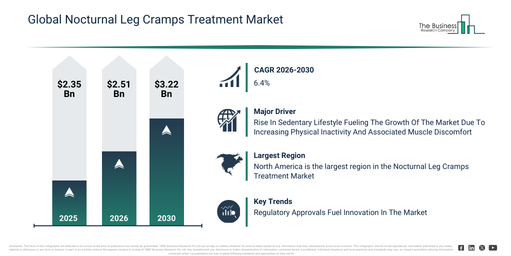
    The nocturnal leg cramps treatment market size has demonstrated robust growth in recent years. It is anticipated to increase from $2.35 billion in 2025 to $2.51 billion in 2026, reflecting a compound annual growth rate (CAGR) of 6.7%. Historically, the growth can be ascribed to elements such as aging population trends, a greater incidence of muscle fatigue conditions, the broad availability of over-the-counter supplements, rising awareness of sleep health, and an increase in physician recommendations for conservative treatments.

    The market for nocturnal leg cramps treatments is projected to experience robust expansion over the coming years, anticipated to reach a valuation of $3.22 billion by 2030, exhibiting a compound annual growth rate (CAGR) of 6.4%. Several factors are expected to fuel this growth during the forecast period, including a heightened need for customized treatment plans, an increased emphasis on non-pharmaceutical interventions, the proliferation of digital tools for health guidance, a surging interest among consumers in self-management options, and enhanced research into conditions affecting muscle function. Key developments anticipated during the same period encompass a greater reliance on nutritional supplements as therapeutic aids, a wider embrace of non-drug methods for management, a heightened priority on lifestyle changes to prevent issues, the proliferation of in-home treatment alternatives, and improved understanding of muscle disorders linked to sleep.

    Access Your Free Sample Report for In-Depth Market Insights:

    https://www.thebusinessresearchcompany.com/sample.aspx?id=24623&type=smp

    Which Drivers Are Affecting Market Participation In The Nocturnal Leg Cramps Treatment Market?

    The increase in inactive lifestyles is anticipated to fuel the expansion of the nocturnal leg cramps treatment market moving forward. An inactive lifestyle is defined as a living pattern with minimal or no physical activity, typically marked by extended periods of sitting or lying down, involving very little movement or exercise. The rise in such lifestyles stems from increased screen usage, driven by widespread reliance on smartphones, computers, and televisions for various purposes, leading to prolonged sitting and reduced physical activity. Nocturnal leg cramp treatment assists individuals with inactive lifestyles by alleviating painful muscle spasms that frequently occur at night, which can be worsened by extended inactivity. It also promotes better muscle health, improved mobility, and enhanced sleep quality, factors that can motivate individuals to engage in more regular physical activity. For example, a report from the World Health Organization in June 2024 indicated that 31% of adults globally, approximately 1.8 billion people, did not meet recommended physical activity levels in 2022, with inactivity rates projected to climb to 35% by 2030 if this pattern persists. Consequently, the growing prevalence of sedentary lifestyles is boosting growth in the nocturnal leg cramps treatment market.

    What Segment Classifications Make Up The Nocturnal Leg Cramps Treatment Market?

    The nocturnal leg cramps treatment market covered in this report is segmented –

    1) By Treatment Type: Pharmaceuticals, Home Remedies, Physical Therapy, Lifestyle Modifications

    2) By Route Of Administration: Oral, Topical, Transdermal Or Injectable

    3) By Patient Demographics: Elderly, Athletes, Pregnant Women, Individuals With Chronic Conditions

    4) By Distribution Channel: Hospital Pharmacy, Retail Pharmacy, Online Pharmacy, Other Distribution Channels

    5) By End-Users: Hospitals, Specialty Clinics, Homecare, Other End-Users

    Subsegments:

    1) By Pharmaceuticals: Muscle Relaxants, Magnesium Supplements, Vitamin B Supplements, Anticonvulsants, Nonsteroidal Anti-inflammatory Drugs (NSAIDs)

    2) By Home Remedies: Epsom Salt Bath, Hot Or Cold Compress, Hydration With Electrolyte Solutions, Stretching Exercises

    3) By Physical Therapy: Stretching And Strengthening Exercises, Massage Therapy, Taping Techniques, Myofascial Release, Physical Therapy Modalities

    4) By Lifestyle Modifications: Proper Hydration, Balanced Diet, Regular Exercise, Avoiding Prolonged Sitting Or Standing, Sleep Position And Foot Elevation, Wearing Proper Footwear

    What Trends Are Reshaping The Dynamics Of The Nocturnal Leg Cramps Treatment Market?

    Major companies in the nocturnal leg cramps treatment market are prioritizing securing regulatory clearances for new drugs to broaden their market reach and improve patient outcomes. Regulatory approvals denote the formal authorization issued by governmental or supervisory bodies for a drug, medical device, or treatment to be made available and utilized by the public. For instance, in April 2023, Noctrix Health, a US-based medical equipment firm, received FDA De Novo approval for its NTX100 Tonic Motor Activation (TOMAC) System. This system is intended for managing symptoms of moderate to severe restless legs syndrome (RLS) and enhancing sleep quality in individuals who are unresponsive to medications. The system comprises two therapy units worn on the lower legs, which deliver low-level electrical stimulation to the peroneal nerves, thereby inducing tonic muscle activation to alleviate RLS symptoms. Clinical investigations, including the RESTFUL study, demonstrated significant improvements in RLS symptoms and sleep quality, with no severe adverse events documented.

    Which Major Firms Are Strengthening Their Position In The Nocturnal Leg Cramps Treatment Market?

    Major companies operating in the nocturnal leg cramps treatment market are Teva Pharmaceutical Industries Ltd, Mylan NV, Astellas Pharma Inc, Daiichi Sankyo Company Limited, Apotex Inc, Sun Pharmaceutical Industries Limited, Hylands Inc, Swanson Health Products Inc, Boiron USA, Magnox, Blackmores Limited, Solgar Inc, Genexa Inc, Naveh Pharma Ltd, Hydratis, Crampeze, Zydus Cadila, Flex Pharma Inc, Nature Made, Nature Valley, NOW Foods, Doctor’s Best

    Access The Complete Report For Deeper Market Insights:

    https://www.thebusinessresearchcompany.com/report/nocturnal-leg-cramps-treatment-global-market-report

    Which Global Regions Are Shaping The Competitive Landscape Of The Nocturnal Leg Cramps Treatment Market?

    North America was the largest region in the nocturnal leg cramps treatment market in 2025. The regions covered in the nocturnal leg cramps treatment market report are Asia-Pacific, South East Asia, Western Europe, Eastern Europe, North America, South America, Middle East, Africa.

    Request Your Customized Nocturnal Leg Cramps Treatment Market Research Report for Competitive Advantage:

    https://www.thebusinessresearchcompany.com/customise?id=24623&type=smp

    Browse Through More Reports Similar to the Global Nocturnal Leg Cramps Treatment Market 2026, By The Business Research Company

    Urea Cycle Disorders Treatment Market Report 2026

    https://www.thebusinessresearchcompany.com/report/urea-cycle-disorders-treatment-global-market-report

    Neuralgia Treatment Market Report 2026

    https://www.thebusinessresearchcompany.com/report/neuralgia-treatment-global-market-report

    Dental Sleep Medicine Market Report 2026

    https://www.thebusinessresearchcompany.com/report/dental-sleep-medicine-global-market-report

    Get in touch with us:

    The Business Research Company: https://www.thebusinessresearchcompany.com/

    Americas +1 310-496-7795

    Asia +44 7882 955267 & +91 8897263534

    Europe +44 7882 955267

    Email us at info@tbrc.info

    Follow us on:

    LinkedIn: https://in.linkedin.com/company/the-business-research-company

    YouTube: https://www.youtube.com/channel/UC24_fI0rV8cR5DxlCpgmyFQ

    Global Market Model: https://www.thebusinessresearchcompany.com/global-market-model
  • Nocturia Market Forecast 2026: Where the Industry Is Headed

    Nocturia Market Forecast 2026: Where the Industry Is Headed

    Uncover key drivers, emerging technologies, and competitive movements shaping the nocturia market from 2026–2035 with trusted insights from The Business Research Company

    What are the forecasted starting (2026) and ending (2030) market sizes for the Nocturia Market?

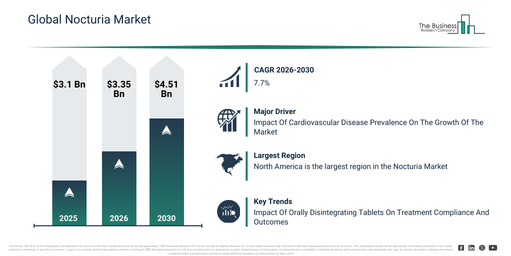
    The nocturia market size has shown strong growth in recent years. It is projected to increase from $3.1 billion in 2025 to $3.35 billion in 2026, at a compound annual growth rate (CAGR) of 8.0%. The growth observed in the past can be attributed to several factors including an aging population, a rise in the incidence of benign prostatic hyperplasia, increasing prevalence of urinary tract infections, the extensive use of diuretic medications, and limited early diagnostic awareness.

    The nocturia market is anticipated to experience strong growth over the next few years, with its size projected to reach $4.51 billion by 2030, demonstrating a compound annual growth rate (CAGR) of 7.7%. This expansion during the forecast period is attributed to several factors, including the increasing demand for personalized treatment, the broader availability of home care therapies, rising healthcare expenditure, a heightened focus on sleep quality management, and improved access to urology specialists. Key trends observed in this period encompass a rising geriatric population alongside age-related urological disorders, an increasing prevalence of diabetes and metabolic disorders, growing awareness and diagnosis of lower urinary tract symptoms, a transition toward combination drug therapies, and the expansion of home-based nocturia management solutions.

    Access Your Free Sample Report for In-Depth Market Insights:

    https://www.thebusinessresearchcompany.com/sample.aspx?id=21232&type=smp

    What Drivers Are Supporting Technological Adoption In The Nocturia Market?

    The increasing occurrence of cardiovascular diseases is projected to stimulate the expansion of the nocturia market in the future. Cardiovascular diseases (CVDs) refer to a range of conditions that impact the heart and blood vessels, including issues like heart disease, stroke, and hypertension. The widespread nature of these diseases stems from factors such as an aging population, inactive lifestyles, unhealthy eating habits, smoking, excessive alcohol intake, obesity, high blood pressure, elevated cholesterol levels, diabetes, and genetic predispositions. Patients diagnosed with cardiovascular diseases frequently experience nocturia as a symptom, which in turn escalates the demand for diagnostic tools and treatment solutions. As the global prevalence of cardiovascular conditions continues to climb due to an aging demographic and unhealthy living choices, the need for effective nocturia management will similarly grow. For instance, in September 2025, figures from the British Heart Foundation, a UK-based charity, indicated that more than 7.6 million people across the UK—specifically over 4 million men and more than 3.6 million women—are currently living with cardiovascular disease. Projections further suggest that, driven by an aging population and improved survival rates, the number of affected individuals could increase by around 1 million by 2030 and by approximately 2 million by 2040. Therefore, the rising prevalence of cardiovascular diseases is a key factor driving the growth of the nocturia market.

    What Segment Types Are Examined In The Nocturia Market?

    The nocturia market covered in this report is segmented –

    1) By Drug: Anticholinergic Drugs, Desmopressin, Antibiotics, Antispasmodic, Other Drugs

    2) By Indication: Mixed Nocturia, Low Nocturnal Bladder Capacity, Nocturnal Polyuria, Global Polyuria

    3) By Causes: Urological Infection, Tumor Of The Bladder, Diuretic Medications, Regular Alcohol Or Coffee, Liver Infection, Diabetes, Pregnancy, Other Causes

    4) By End User: Hospitals, Home Care, Clinics

    Subsegments:

    1) By Anticholinergic Drugs: Oxybutynin, Tolterodine, Solifenacin, Darifenacin, Fesoterodine

    2) By Desmopressin: Intranasal Desmopressin, Oral Desmopressin

    3) By Antibiotics: Nitrofurantoin, Trimethoprim, Fosfomycin

    4) By Antispasmodic: Hyoscine Butylbromide, Flavoxate

    5) By Other Drugs: Alpha-Blockers, Beta-3 Agonists

    How Are New Market Trends Shaping The Landscape Of The Nocturia Market?

    Leading companies operating within the nocturia market are focusing on developing innovative products, such as orally disintegrating tablets, to enhance patient convenience and compliance. Orally disintegrating tablets (ODTs) are solid dosage forms that rapidly dissolve in the mouth without requiring water, making them ideal for patients who have difficulty swallowing. For instance, in July 2024, Adalvo Limited, a Malta-based pharmaceutical company, launched Desmopressin ODT in Europe to treat conditions that cause the body to lose too much fluid, such as central cranial diabetes insipidus. This synthetic form of vasopressin tablet treats diabetes insipidus, excessive thirst and urination, and bedwetting by mimicking the natural hormone and limiting the amount of water eliminated in urine. It is also utilized to manage bleeding in mild to moderate hemophilia A and von Willebrand disease by promoting the release of blood clotting factors.

    Who Are The Primary Competitors In The Global Nocturia Market?

    Major companies operating in the nocturia market are Pfizer Inc, Merck & Co. Inc, AbbVie Inc, Sanofi S.A, GlaxoSmithKline plc, Viatris Inc, Boehringer Ingelheim International GmbH, Otsuka Pharmaceutical Co. Ltd, Astellas Pharma Inc, Eisai Co. Ltd., Sumitomo Dainippon Pharma Co. Ltd, Ferring Pharmaceuticals A/S, Avadel Pharmaceuticals plc, UroGen Pharma Ltd, Sanwa Kagaku Co. Ltd., Urovant Sciences Inc, Serenity Pharmaceuticals LLC, Vantia Therapeutics Inc, AA Pharma Inc, Wellesley Pharmaceuticals Inc

    Access The Complete Report For Deeper Market Insights:

    https://www.thebusinessresearchcompany.com/report/nocturia-global-market-report

    Which Regions Are Poised For Strategic Growth In The Nocturia Market?

    North America was the largest region in the nocturia market in 2025. Asia-Pacific is expected to be the fastest-growing region in the forecast period. The regions covered in the nocturia market report are Asia-Pacific, South East Asia, Western Europe, Eastern Europe, North America, South America, Middle East, Africa.

    Request Your Customized Nocturia Market Research Report for Competitive Advantage:

    https://www.thebusinessresearchcompany.com/customise?id=21232&type=smp

    Browse Through More Reports Similar to the Global Nocturia Market 2026, By The Business Research Company

    Urinary Incontinence Market Report 2026

    https://www.thebusinessresearchcompany.com/report/urinary-incontinence-global-market-report

    Kidney Disease Market Report 2026

    https://www.thebusinessresearchcompany.com/report/kidney-disease-global-market-report

    Nephrology And Urology Devices Market Report 2026

    https://www.thebusinessresearchcompany.com/report/nephrology-and-urology-devices-global-market-report

    Get in touch with us:

    The Business Research Company: https://www.thebusinessresearchcompany.com/

    Americas +1 310-496-7795

    Asia +44 7882 955267 & +91 8897263534

    Europe +44 7882 955267

    Email us at info@tbrc.info

    Follow us on:

    LinkedIn: https://in.linkedin.com/company/the-business-research-company

    YouTube: https://www.youtube.com/channel/UC24_fI0rV8cR5DxlCpgmyFQ

    Global Market Model: https://www.thebusinessresearchcompany.com/global-market-model
  • Patient Temperature Monitoring Market Anticipated to Record Steady Gains, Advancing to $8.08 Billion by 2030

    Patient Temperature Monitoring Market Anticipated to Record Steady Gains, Advancing to $8.08 Billion by 2030

    Uncover key drivers, emerging technologies, and competitive movements shaping the patient temperature monitoring market from 2026–2035 with trusted insights from The Business Research Company

    What upper market value could the Patient Temperature Monitoring Market reach by 2030 starting from 2026 levels?

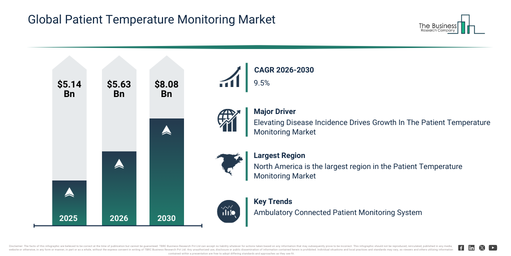
    The patient temperature monitoring market has shown significant expansion in recent years. Its value is anticipated to increase from $5.14 billion in 2025 to $5.63 billion in 2026, reflecting a compound annual growth rate (CAGR) of 9.6%. The historical growth of this market can be attributed to several factors, including manual temperature monitoring through traditional thermometers, reliance on intermittent patient checks, paper-based temperature record keeping, the limited adoption of wearable temperature sensors, and the absence of integration with hospital information systems.

    The patient temperature monitoring market size is projected to experience substantial expansion over the coming years. This market is anticipated to reach a valuation of $8.08 billion by 2030, exhibiting a compound annual growth rate (CAGR) of 9.5%. Several factors will drive this growth during the forecast period, including an escalating need for ongoing and distant patient observation, a wider embrace of non-contact temperature sensing equipment, incorporation with telehealth services, heightened emphasis on monitoring after surgery and in critical care settings, and the creation of sophisticated wearable and single-use temperature sensors. Key trends expected during this period involve the increasing uptake of AI-driven temperature monitoring solutions, the integration of IoT-enabled wearable temperature sensors, a greater reliance on cloud-based patient monitoring platforms, the automation of temperature data acquisition and reporting, and progress in precision medicine tailored for temperature-guided interventions.

    Access Your Free Sample Report for In-Depth Market Insights:

    https://www.thebusinessresearchcompany.com/sample.aspx?id=7856&type=smp

    Which Drivers Are Influencing Long-Term Growth In The Patient Temperature Monitoring Market?

    The increasing occurrence of illnesses is projected to fuel the expansion of the patient temperature monitoring market in the future. Illnesses are conditions resulting from organisms like bacteria, viruses, fungi, or parasites. Certain contagious diseases can spread among individuals, while others are carried by insects or animals. Variations in temperature serve as a vital indicator for identifying sickness. The anticipated link between fluctuations in temperature and the presence of illness is expected to boost the uptake of monitoring solutions. For example, in April 2025, the World Health Organization, which is a Switzerland-based specialized agency of the United Nations focusing on international public health, indicated that it was monitoring decreases in immunization coverage observed during and following the COVID-19 pandemic across numerous communities. Measles cases reached an estimated 10.3 million in 2023, representing a 20% rise from 2022. Consequently, the growing frequency of diseases will persist in propelling the patient temperature monitoring market.

    How Is The Patient Temperature Monitoring Market Divided Into Segments?

    The patient temperature monitoring market covered in this report is segmented –

    1) By Type: Contact-Based Temperature Monitoring Systems, Non-Contact-Based Temperature Monitoring System

    2) By Site: Non Invasive Temperature Monitoring, Invasive Temperature Monitoring

    3) By Application: Pyrexia Or Fever, Hypothermia, Blood Transfusion, Anesthesia, Other Applications

    4) By End User: Hospital And Surgical Centers, Nursing Facilities, Ambulatory Care Centers, Home Care, Other End Users

    Subsegments:

    1) By Contact-Based Temperature Monitoring Systems: Digital Thermometers, Infrared Ear Thermometers, Glass Thermometers, Disposable Thermometers

    2) By Non-Contact-Based Temperature Monitoring Systems: Forehead (Temporal) Thermometers, Infrared Non-Contact Thermometers, Wearable Temperature Sensors

    Which Trends Are Influencing The Performance And Direction Of The Patient Temperature Monitoring Market?

    Major companies operating in the patient temperature monitoring market are adopting new products, such as ambulatory-connected patient monitoring systems, to sustain their market position. An ambulatory-connected patient monitoring system is a wearable technology that wirelessly collects and transmits real-time health data from patients, enabling the remote monitoring of vital signs and medical parameters outside of traditional healthcare settings. For instance, in October 2023, Dozee, an India-based company providing remote patient monitoring, launched Dozee Pro Ex. Dozee Pro Ex offers continuous monitoring of patient vitals, including ECG rhythm, blood pressure, heart rate/pulse rate, oxygen saturation, respiration rate, and temperature. This system is equipped with an artificial intelligence (AI)-powered early warning system that tracks trends in vital parameters and provides timely alerts for possible clinical deterioration.

    Which Major Firms Are Strengthening Their Position In The Patient Temperature Monitoring Market?

    Major companies operating in the patient temperature monitoring market are Cardinal Health Inc., 3M Company, Koninklijke Philips NV, Drägerwerk AG & Co., Microlife Corporation, Becton Dickinson and Company, Omron Healthcare Inc., Masimo Corporation, Braun GmbH, Terumo Corporation, Paul Hartmann AG, Beurer GmbH, Easytem Co. Ltd., Omega Engineering Inc., iHealth Lab Inc., DeltaTrak Inc., Exergen Corporation, Medisana GmbH, Geratherm Medical AG, Nureca Healthcare Private Limited, A&D Company Ltd., Actherm Inc., Cosinuss GmbH, Vandelay Brands Limited, Kinsa Inc., Abbott Laboratories, American Diagnostic Corporation, CAS Medical Systems Inc., C.R. Bard Inc., Edwards Lifesciences Corporation, GE HealthCare Technologies Inc., Hill-Rom Holdings Inc., Honeywell International Inc., ICU Medical Inc., Medtronic PLC, Natus Medical Incorporated, Nonin Medical Inc., Procter & Gamble Co., Quest Products Inc., Riester GmbH & Co. KG, Rossmax International Ltd., Smiths Medical International Ltd., Spacelabs Healthcare LLC, SunTech Medical Inc., Thermomedics Inc., Tyco Healthcare Group Canada Inc., Vital Signs Inc., Vyaire Medical Inc., Welch Allyn Inc., ZOLL Medical Corporation

    Access The Complete Report For Deeper Market Insights:

    https://www.thebusinessresearchcompany.com/report/patient-temperature-monitoring-global-market-report

    Which Regions Are Projected To Dominate The Patient Temperature Monitoring Market In The Coming Years?

    North America was the largest region in the patient temperature monitoring market in 2025. Asia-Pacific is expected to be the fastest-growing region in the patient temperature monitoring market report forecast period. The regions covered in the patient temperature monitoring market report are Asia-Pacific, South East Asia, Western Europe, Eastern Europe, North America, South America, Middle East, Africa.

    Request Your Customized Patient Temperature Monitoring Market Research Report for Competitive Advantage:

    https://www.thebusinessresearchcompany.com/customise?id=7856&type=smp

    Browse Through More Reports Similar to the Global Patient Temperature Monitoring Market 2026, By The Business Research Company

    Temperature Sensor Market Report 2026

    https://www.thebusinessresearchcompany.com/report/temperature-sensor-global-market-report

    Temperature Monitoring Devices Market Report 2026

    https://www.thebusinessresearchcompany.com/report/temperature-monitoring-devices-global-market-report

    Temperature Monitoring Systems Market Report 2026

    https://www.thebusinessresearchcompany.com/report/temperature-monitoring-systems-global-market-report

    Get in touch with us:

    The Business Research Company: https://www.thebusinessresearchcompany.com/

    Americas +1 310-496-7795

    Asia +44 7882 955267 & +91 8897263534

    Europe +44 7882 955267

    Email us at info@tbrc.info

    Follow us on:

    LinkedIn: https://in.linkedin.com/company/the-business-research-company

    YouTube: https://www.youtube.com/channel/UC24_fI0rV8cR5DxlCpgmyFQ

    Global Market Model: https://www.thebusinessresearchcompany.com/global-market-model
  • Patient Self-Service Kiosk Industry Poised for Rapid Growth, Forecast to Touch $2.37 Billion by 2030 at 7.4% CAGR

    Patient Self-Service Kiosk Industry Poised for Rapid Growth, Forecast to Touch $2.37 Billion by 2030 at 7.4% CAGR

    Uncover key drivers, emerging technologies, and competitive movements shaping the patient self-service kiosk market from 2026–2035 with trusted insights from The Business Research Company

    What level of CAGR-driven expansion is anticipated in the Patient Self-Service Kiosk Market between 2026 and 2030?

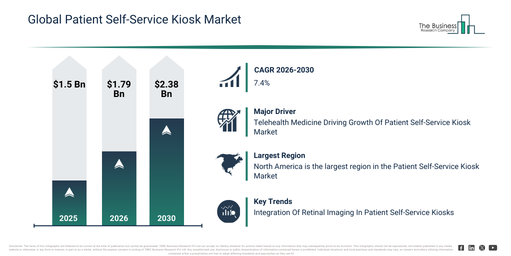
    The patient self-service kiosk market has seen rapid expansion in recent years. Its value is expected to rise from $1.5 billion in 2025 to $1.79 billion in 2026, at a compound annual growth rate (CAGR) of 19.3%. Historically, this growth can be attributed to manual patient data collection, fragmented healthcare databases, limited interoperability between systems, reliance on paper-based registries, and slow adoption of digital health tools.

    The patient self-service kiosk market is projected to experience substantial expansion over the coming years. This market is set to reach $2.38 billion by 2030, exhibiting a compound annual growth rate (CAGR) of 7.4%. This anticipated growth can be linked to several factors: a greater application of predictive analytics to improve patient outcomes, an escalating need for cloud-based registries, an intensified focus on managing population health in real time, the broadened scope of integrated EHR and registry solutions, and the increased deployment of registries for clinical trials and research. Key developments anticipated during this period encompass the wider embrace of AI-powered self-service kiosks, enhanced integration with cloud-based hospital management systems, an uptick in the use of IoT-enabled kiosks for real-time data capture, improved user experiences via AR/VR interfaces, and the progressive automation of administrative tasks for patients.

    Access Your Free Sample Report for In-Depth Market Insights:

    https://www.thebusinessresearchcompany.com/sample.aspx?id=14973&type=smp

    What Drivers Are Affecting Demand-Supply Dynamics In The Patient Self-Service Kiosk Market?

    The growing prevalence of telehealth medicine is anticipated to boost the patient self-service kiosk market going forward. Telehealth medicine refers to the remote provision of healthcare services through telecommunications technology. Its significance has increased due to enhanced healthcare access, improved convenience, and the capability to serve underserved populations. Patient self-service kiosks facilitate convenient access to healthcare resources and empower individuals to manage their health remotely, thereby fostering a more patient-centric approach to healthcare delivery. For instance, in April 2025, the American Hospital Association, a US-based professional organization, stated that over 12.6% of Medicare patients used telehealth services in the final quarter of 2023. Therefore, the expansion of telehealth medicine is indeed driving the growth of the patient self-service kiosk market.

    What Segments Are Included Within The Patient Self-Service Kiosk Market?

    The patient self-service kiosk market covered in this report is segmented –

    1) By Product Type: Freestanding Kiosks, Wall-Mounted Kiosks, Countertop Kiosks, Mobile Kiosks

    2) By Component: Data Entry, Touchscreens, Barcode Readers, Keyboard And Trackball, Electronic Number Pad, Audio Speakers, Electronic Signature Pad, Printer, Point-Of-Sales (POS), Other Components

    3) By Application: Self-Check-In, Floor Map, Prescription Order Refilling And Updating, Collection Of Co-Payments, Hospital News

    4) By End User: Hospitals, Laboratories, Specialty Clinics, Pharmaceutical Stores

    Subsegments:

    1) By Freestanding Kiosks: Interactive Kiosks, Digital Signage Kiosks, Payment Kiosks

    2) By Wall-Mounted Kiosks: Touchscreen Kiosks, Check-In Kiosks, Information Kiosks

    3) By Countertop Kiosks: Self-Check-In Kiosks, Payment And Billing Kiosks

    4) By Mobile Kiosks: Tablet-Based Kiosks, Smartphone-Based Kiosks, Portable Check-In Kiosks

    What Long-Term Trends Are Expected To Shape The Future Of The Patient Self-Service Kiosk Market?

    Companies operating in the patient self-service kiosk market are prioritizing advanced technological solutions like retinal imaging kiosk technology to gain a competitive edge and improve healthcare offerings. These kiosks incorporate sophisticated retinal imaging technology and user-friendly interfaces, allowing individuals to conduct retinal scans without professional assistance. For example, in January 2024, Pursuant Health, Inc., a US-based health data management company, launched an innovative kiosk featuring advanced retinal imaging technology. This cutting-edge kiosk achieved a significant milestone by receiving 510(k) clearance from the U.S. Food and Drug Administration. With the introduction of self-service retinal imaging capabilities, individuals can now easily capture their retinal images at these kiosks. The kiosk provides an intuitive interface that effortlessly guides users through the imaging process. Subsequent to image capture, licensed eye specialists remotely analyze the images for indications of damage caused by various health conditions, including diabetes and hypertension. This innovative addition enhances standard health check-ups by integrating retinal imaging with crucial health metrics such as weight, body mass index, blood pressure, and pulse, providing individuals with a more comprehensive health assessment experience.

    Who Are The Primary Competitors In The Global Patient Self-Service Kiosk Market?

    Major companies operating in the patient self-service kiosk market are NCR Corporation, Clearwave Corporation, KIOSK Information Systems Inc., Telpo Technology Co Ltd, Meridian Kiosks LLC, Frank Mayer and Associates Inc, Pyramid Computer, Pursuant Health Inc, Olea Kiosks Inc, Diebold Nixdorf, SlabbKiosks, Phoenix Kiosk Inc, RedyRef Interactive Kiosks, Advantech Co Ltd, ZIVELO, Acante Solutions Limited, DynaTouch, TouchSource, Kiosk Group Inc, Advanced Kiosks, Aila Technologies Inc, SBS Kiosks, 10 Squared, Aidio Technologies, AIT Inc, BestDoc, SelfMaker, Hongzhou Digital

    Access The Complete Report For Deeper Market Insights:

    https://www.thebusinessresearchcompany.com/report/patient-self-service-kiosk-global-market-report

    Which Region Is Expected To Experience The Fastest Growth In The Patient Self-Service Kiosk Market?

    North America was the largest region in the patient self-service kiosk market in 2025. Asia-Pacific is expected to be the fastest-growing region in the forecast period. The regions covered in the patient self-service kiosk market report are Asia-Pacific, South East Asia, Western Europe, Eastern Europe, North America, South America, Middle East, Africa.

    Request Your Customized Patient Self-Service Kiosk Market Research Report for Competitive Advantage:

    https://www.thebusinessresearchcompany.com/customise?id=14973&type=smp

    Browse Through More Reports Similar to the Global Patient Self-Service Kiosk Market 2026, By The Business Research Company

    Retail Self Service Kiosk Market Report 2026

    https://www.thebusinessresearchcompany.com/report/retail-self-service-kiosk-global-market-report

    Self Service Kiosk Market Report 2026

    https://www.thebusinessresearchcompany.com/report/self-service-kiosk-global-market-report

    Medical Kiosk Market Report 2026

    https://www.thebusinessresearchcompany.com/report/medical-kiosk-global-market-report

    Get in touch with us:

    The Business Research Company: https://www.thebusinessresearchcompany.com/

    Americas +1 310-496-7795

    Asia +44 7882 955267 & +91 8897263534

    Europe +44 7882 955267

    Email us at info@tbrc.info

    Follow us on:

    LinkedIn: https://in.linkedin.com/company/the-business-research-company

    YouTube: https://www.youtube.com/channel/UC24_fI0rV8cR5DxlCpgmyFQ

    Global Market Model: https://www.thebusinessresearchcompany.com/global-market-model
  • Night Blindness Treatment Industry Growth Insights: Revenue Forecast to 2030

    Night Blindness Treatment Industry Growth Insights: Revenue Forecast to 2030

    Uncover key drivers, emerging technologies, and competitive movements shaping the night blindness treatment market from 2026–2035 with trusted insights from The Business Research Company

    What upper market value could the Night Blindness Treatment Market reach by 2030 starting from 2026 levels?

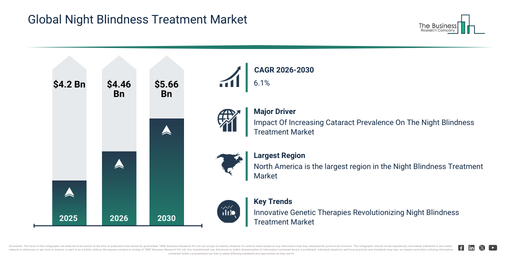
    The night blindness treatment market size has shown significant growth in recent years. It is forecast to increase from $4.2 billion in 2025 to $4.46 billion in 2026, achieving a compound annual growth rate (CAGR) of 6.3%. This historical expansion can be linked to the high prevalence of malnutrition, limited access to eye care services, growing awareness of vision disorders, an increasing geriatric population, and advancements in ophthalmic diagnostics.

    The night blindness treatment market is projected to experience substantial expansion in the coming years. This market is set to reach $5.66 billion by 2030, exhibiting a compound annual growth rate (CAGR) of 6.1%. Key factors contributing to this growth during the forecast period include greater investment in eye health initiatives, a heightened demand for tailored treatments, the broadening of gene therapy applications, advancements in healthcare infrastructure, and more favorable reimbursement policies. Significant trends anticipated in the forecast timeframe encompass an increasing occurrence of vitamin A deficiency, wider acceptance of early diagnostic methods, an uptick in minimally invasive eye surgical procedures, a growing reliance on nutritional and preventive treatments, and enhanced availability of vision care services in developing economies.

    Access Your Free Sample Report for In-Depth Market Insights:

    https://www.thebusinessresearchcompany.com/sample.aspx?id=18413&type=smp

    Which Drivers Are Influencing Long-Term Growth In The Night Blindness Treatment Market?

    The rising occurrence of cataracts is projected to boost the growth of the night blindness treatment market in the future. Cataracts are a condition where the eye’s lens becomes cloudy, leading to diminished vision. Elevated exposure to ultraviolet (UV) light from the sun, smoking, and poor dietary habits contribute to the formation of cataracts. This condition reduces the eye’s ability to distinguish between different shades of light and dark, which is essential for night vision. Consequently, this decreased contrast sensitivity makes navigating and identifying objects in low-light settings more challenging. For instance, in May 2024, according to the Office for Health Improvement & Disparities, a UK-based government department, hospital admissions for cataract surgery in England rose to more than 516,000 in the financial year ending 2023, equivalent to 4,679 per 100,000 people, marking a significant increase from the prior year’s rate of 3,803 per 100,000. Therefore, the increasing prevalence of cataracts is driving the night blindness treatment market.

    Which Segments Are Driving Activity In The Night Blindness Treatment Market?

    The night blindness treatment market covered in this report is segmented –

    1) By Treatment: Medication, Surgery, Other Treatments

    2) By Diagnosis: Blood Tests, Color Vision Testing, Pupil Light Reflex, Refraction, Retinal Exam, Electroretinogram (ERG), Other Diagnoses

    3) By Symptom: Eye Pain, Cloudy Vision, Halos, Light Sensitivity, Distance Vision Problem, Other Symptoms

    4) By End User: Clinic, Hospital, Other End Users

    Subsegments:

    1) By Medication: Vitamin A Supplements, Retinoid Therapy, Beta-Carotene Supplements, Anti-Glaucoma Medications

    2) By Surgery: Cataract Surgery, Retinal Surgery, Corneal Transplantation, LASIK Surgery

    3) By Other Treatments: Light Therapy, Gene Therapy, Low Vision Aids And Assistive Devices, Nutritional Therapy

    Which Trends Are Expected To Influence The Night Blindness Treatment Market In The Upcoming Years?

    Major entities within the night blindness treatment market are actively developing advanced genetic therapies. These innovations aim to address the root genetic mutations responsible for the condition, thereby enhancing treatment efficacy and leading to improved patient outcomes. Genetic therapies work by specifically targeting and repairing genetic mutations that compromise retinal function, offering the potential to restore vision in individuals afflicted with inherited retinal disorders such as retinitis pigmentosa. For instance, in August 2023, HuidaGene Therapeutics., a US-based clinical-stage biotechnology company, unveiled HG004. This gene therapy is specifically designed for inherited retinal diseases, including Leber’s congenital amaurosis. Preclinical studies have demonstrated that this therapy is superior to existing treatments, with the goal of restoring retinal function and alleviating night blindness and other conditions associated with RPE65-induced impairments.

    Which Key Market Players Are Investing In Expansion And Innovation Within The Night Blindness Treatment Market?

    Major companies operating in the night blindness treatment market are Johnson & Johnson Private Limited, Bayer AG, Abbott Laboratories, Novartis AG, Regeneron Pharmaceuticals Inc, Bausch Health Companies Inc, Cipla Inc, Nature’s Way, Garden of Life, Apellis Pharmaceuticals Inc, Solgar, Acucela Inc, Swanson Health Products, Astellas Pharma Inc, F. Hoffmann-La Roche Ltd, Applied Genetic Technologies Corp, MeiraGTx Holdings plc, GenSight Biologics, Santen Pharmaceutical Co Ltd, Alimera Sciences Inc, Opthea Limited, Oxurion NV, EyePoint Pharmaceuticals Inc, Ocuphire Pharma Inc.

    Access The Complete Report For Deeper Market Insights:

    https://www.thebusinessresearchcompany.com/report/night-blindness-treatment-global-market-report

    Which Regions Are Projected To Dominate The Night Blindness Treatment Market In The Coming Years?

    North America was the largest region in the night blindness treatment market in 2025. Asia-Pacific is expected to be the fastest-growing region in the forecast period. The regions covered in the night blindness treatment market report are Asia-Pacific, South East Asia, Western Europe, Eastern Europe, North America, South America, Middle East, Africa.

    Request Your Customized Night Blindness Treatment Market Research Report for Competitive Advantage:

    https://www.thebusinessresearchcompany.com/customise?id=18413&type=smp

    Browse Through More Reports Similar to the Global Night Blindness Treatment Market 2026, By The Business Research Company

    Optic Nerve Disorders Treatment Market Report 2026

    https://www.thebusinessresearchcompany.com/report/optic-nerve-disorders-treatment-global-market-report

    Retinal Disorder Treatment Market Report 2026

    https://www.thebusinessresearchcompany.com/report/retinal-disorder-treatment-global-market-report

    Night Vision Devices Market Report 2026

    https://www.thebusinessresearchcompany.com/report/night-vision-devices-global-market-report

    Get in touch with us:

    The Business Research Company: https://www.thebusinessresearchcompany.com/

    Americas +1 310-496-7795

    Asia +44 7882 955267 & +91 8897263534

    Europe +44 7882 955267

    Email us at info@tbrc.info

    Follow us on:

    LinkedIn: https://in.linkedin.com/company/the-business-research-company

    YouTube: https://www.youtube.com/channel/UC24_fI0rV8cR5DxlCpgmyFQ

    Global Market Model: https://www.thebusinessresearchcompany.com/global-market-model
  • Patient Risk Stratification Market Performance Outlook 2026–2030: Revenue to Hit $10.64 Billion at 30.4% CAGR

    Patient Risk Stratification Market Performance Outlook 2026–2030: Revenue to Hit $10.64 Billion at 30.4% CAGR

    Uncover key drivers, emerging technologies, and competitive movements shaping the patient risk stratification market from 2026–2035 with trusted insights from The Business Research Company

    What long-term size projections exist for the Patient Risk Stratification Market covering 2026–2035?

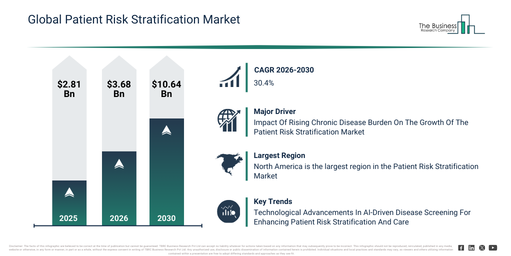
    The patient risk stratification market has experienced substantial growth in recent years. This market is projected to expand from $2.81 billion in 2025 to reach $3.68 billion by 2026, progressing at a compound annual growth rate (CAGR) of 31.0%. The expansion observed during the historic period was influenced by factors such as manual patient risk assessments, a reliance on historical patient data, fragmented healthcare information systems, the limited application of predictive analytics, and the absence of standardized risk models.

    The patient risk stratification market size is expected to undergo substantial growth in the next few years. It is projected to reach $10.64 billion in 2030, demonstrating a compound annual growth rate (CAGR) of 30.4%. The expansion during the forecast period can be attributed to the incorporation of machine learning and AI into risk stratification, increasing adoption among healthcare providers and payers, the growth of cloud-based risk stratification solutions, a rising demand for real-time clinical decision support, and the expansion of population health management initiatives. Key trends anticipated in the forecast period include the increasing adoption of AI-based risk prediction models, a rising deployment of cloud-based risk stratification platforms, growing integration of risk stratification with clinical workflows, an increasing focus on real-time patient risk monitoring, and the rising utilization of data analytics for population health management.

    Access Your Free Sample Report for In-Depth Market Insights:

    https://www.thebusinessresearchcompany.com/sample.aspx?id=20917&type=smp

    Which Drivers Are Impacting The Competitive Landscape Of The Patient Risk Stratification Market?

    The escalating prevalence of chronic illnesses is anticipated to fuel the expansion of the patient risk stratification market in the future. These long-term health conditions typically endure for extended durations, generally exceeding three months. This increasing burden stems from factors such as an aging demographic, unhealthy lifestyle choices, rising urbanization, environmental influences, restricted access to healthcare, socioeconomic inequalities, and elevated stress. Patient risk stratification plays a crucial role in categorizing individuals according to their varying risk levels for chronic conditions, thereby enabling tailored care, timely interventions, more efficient allocation of resources, and enhanced health results. For example, in June 2025, the World Health Organization, an international specialized agency based in Switzerland, indicated that noncommunicable diseases (NCDs) continue to be the primary cause of mortality and disability globally, particularly within the WHO European Region. In this region, NCDs like cardiovascular diseases, cancers, chronic respiratory diseases, and diabetes are responsible for the deaths of 1 in 5 men and 1 in 10 women before they reach 70 years of age. Consequently, the rising burden of chronic diseases is a key impetus for the patient risk stratification market.

    What Leading Segments Are Studied In The Patient Risk Stratification Market?

    The patient risk stratification market covered in this report is segmented –

    1) By Type: Predictive Risk Stratification Model, Retrospective Risk Stratification Model, Prospective Risk Stratification Model, Concurrent Risk Stratification Model

    2) By Component: Software, Services

    3) By Delivery Model: On-Premise, Cloud-Based

    4) By Application: Risk Adjustment, Clinical Workflow, Revenue Cycle Management, Other Applications

    5) By End User: Healthcare Providers, Healthcare Payers, Other End Users

    Subsegments:

    1) By Predictive Risk Stratification Model: Machine Learning-Based Predictive Models, Statistical Predictive Models, AI-Powered Predictive Models

    2) By Retrospective Risk Stratification Model: Historical Data-Based Risk Models, Data Mining Retrospective Models

    3) By Prospective Risk Stratification Model: Longitudinal Cohort-Based Models, Real-Time Risk Assessment Models

    4) By Concurrent Risk Stratification Model: In-Hospital Risk Assessment Models, Real-Time Clinical Decision Support Models

    Which Market Trends Are Opening Growth Opportunities In The Patient Risk Stratification Market?

    Leading companies within the patient risk stratification market are prioritizing technological progress in healthcare, particularly the application of artificial intelligence (AI) in disease screening. This focus aims to facilitate earlier detection, elevate patient outcomes, and lower healthcare expenditures through more precise risk assessments and tailored treatment strategies. AI, when applied to disease screening, employs advanced algorithms and machine learning to analyze medical information. This capability supports the early identification of diseases and enhances diagnostic precision by rapidly processing substantial volumes of data. As an illustration, in May 2024, WELL Health Technologies Corporation, a healthcare firm based in Canada, along with its investee, HEALWELL AI, another Canada-based healthcare company specializing in AI and data science for preventative care, introduced WELL AI Decision Support (WAIDS). Initially designed for rare diseases, WAIDS now encompasses screening for various chronic conditions, including kidney disease, hypertension, and diabetes. This tool possesses the ability to identify more than 100 diseases and offers risk stratification, thereby assisting clinicians in pinpointing care deficiencies and accessing practical data directly at the point of care.

    Which Key Market Players Are Investing In Expansion And Innovation Within The Patient Risk Stratification Market?

    Major companies operating in the patient risk stratification market are NextGen Healthcare Inc., Health Catalyst, Freenome, Strive Health, Medeanalytics Inc., Lightbeam Health Solutions, Graphnet Health Ltd., Equipo Health Inc., Epic Systems Corporation, Cerner Corporation, IBM Corporation, Allscripts Healthcare Solutions Inc., Medecision Inc., Cotiviti Inc., SAS Institute Inc., SCIO Health Analytics, Arcadia io, HealthEC LLC, Conifer Health Solutions LLC, Wellcentive Inc., ZeOmega Inc., LexisNexis Risk Solutions, Milliman Inc., NVision Health, RLDatix, Verisk Analytics Inc., Innovaccer Inc., eClinicalWorks, Enli Health Intelligence, Athenahealth Inc., i2i Population Health, 3M Health Information Systems, Change Healthcare, Cognizant Technology Solutions, McKesson Corporation, Evolent Health Inc.

    Access The Complete Report For Deeper Market Insights:

    https://www.thebusinessresearchcompany.com/report/patient-risk-stratification-global-market-report

    Which Geographic Areas Are Emerging As Strong Markets For The Patient Risk Stratification Market?

    North America was the largest region in the patient risk stratification market in 2025. Asia-Pacific is expected to be the fastest-growing region in the forecast period. The regions covered in the patient risk stratification market report are Asia-Pacific, South East Asia, Western Europe, Eastern Europe, North America, South America, Middle East, Africa.

    Request Your Customized Patient Risk Stratification Market Research Report for Competitive Advantage:

    https://www.thebusinessresearchcompany.com/customise?id=20917&type=smp

    Browse Through More Reports Similar to the Global Patient Risk Stratification Market 2026, By The Business Research Company

    Risk Management Market Report 2026

    https://www.thebusinessresearchcompany.com/report/risk-management-global-market-report

    Patient Safety And Risk Management Software Market Report 2026

    https://www.thebusinessresearchcompany.com/report/patient-safety-and-risk-management-software-global-market-report

    Patient Simulators Market Report 2026

    https://www.thebusinessresearchcompany.com/report/patient-simulators-global-market-report

    Get in touch with us:

    The Business Research Company: https://www.thebusinessresearchcompany.com/

    Americas +1 310-496-7795

    Asia +44 7882 955267 & +91 8897263534

    Europe +44 7882 955267

    Email us at info@tbrc.info

    Follow us on:

    LinkedIn: https://in.linkedin.com/company/the-business-research-company

    YouTube: https://www.youtube.com/channel/UC24_fI0rV8cR5DxlCpgmyFQ

    Global Market Model: https://www.thebusinessresearchcompany.com/global-market-model