Category: Healthcare Services

  • Pediatric Clinical Trials Market Forecast 2026–2035: Data Trends and Industry Insights

    Pediatric Clinical Trials Market Forecast 2026–2035: Data Trends and Industry Insights

    Uncover key drivers, emerging technologies, and competitive movements shaping the pediatric clinical trials market from 2026–2035 with trusted insights from The Business Research Company

    What level of growth is expected in the Pediatric Clinical Trials Market between 2026 and 2030?

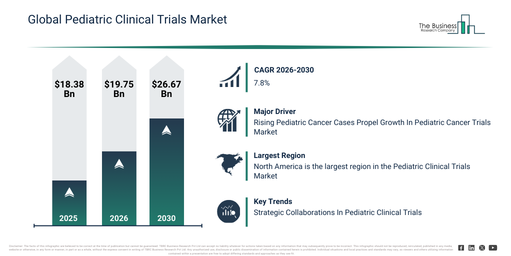
    The pediatric clinical trials market size has experienced significant expansion in recent years. This market is projected to grow from $18.38 billion in 2025 to $19.75 billion in 2026, achieving a compound annual growth rate (CAGR) of 7.4%. The historical expansion observed within this market was influenced by elements such as constrained pediatric-specific drug research, a reliance on data from adult trials, inherent ethical and regulatory obstacles, difficulties in patient recruitment, and the limited utilization of advanced analytics in trial design.

    The pediatric clinical trials market is set to experience robust expansion over the next few years. It is anticipated to grow to $26.67 billion by 2030, achieving a compound annual growth rate (CAGR) of 7.8%. This growth in the forecast period can be attributed to the rising demand for therapies tailored for children, the increased adoption of digital and AI-powered tools, growing regulatory incentives for pediatric studies, expanding collaborations between pharmaceutical companies and research institutions, and a heightened focus on patient-centric and personalized clinical trials. Major trends identified for this period include the increasing integration of precision medicine into pediatric clinical trials, the rising application of AI and digital technologies for trial design and data analysis, the growing incorporation of real-world evidence in pediatric research, increased investment in the development of pediatric drugs, and a heightened emphasis on personalized and age-specific therapeutic approaches.

    Access Your Free Sample Report for In-Depth Market Insights:

    https://www.thebusinessresearchcompany.com/sample.aspx?id=10350&type=smp

    Which Drivers Are Expected To Impact The Pediatric Clinical Trials Market During The Forecast Period?

    An anticipated increase in pediatric cancer cases is set to drive growth in the pediatric clinical trials market in the future. Pediatric cancer is defined as malignancies that emerge in children and young people below the age of 14. These cancers are very rare, and their patterns of development and spread can differ from adult tumors. Pediatric clinical trials remain crucial for improving prognoses and therapeutic approaches. For example, the American Cancer Society, a voluntary health organization in the US, reported in January 2023 an estimation that approximately 9,910 children in the US under the age of 15 would be diagnosed with cancer, and around 1,040 children under the age of 15 were projected to succumb to cancer in 2023. Consequently, expanding healthcare spending is propelling the pediatric clinical trials market.

    How Is The Pediatric Clinical Trials Market Divided Into Segments?

    The pediatric clinical trials market covered in this report is segmented –

    1) By Phase: Phase I, Phase II, Phase III, Phase IV

    2) By Study Design: Treatment Studies, Observational Studies

    3) By Therapeutic Areas: Infectious Diseases, Oncology, Autoimmune Or Inflammatory Diseases, Respiratory Disorders, Mental Health Disorders, Other Therapeutic Areas

    Subsegments:

    1) By Phase I: First-in-Pediatrics Trials, Dose Escalation Studies, Safety And Tolerability Assessments

    2) By Phase II: Efficacy Studies, Dose Optimization Trials, Pharmacokinetic Studies

    3) By Phase III: Large-Scale Efficacy Trials, Comparative Studies, Long-Term Safety Studies

    4) By Phase IV: Post-Marketing Surveillance, Long-Term Safety Monitoring, Effectiveness Studies In Real-World Settings

    Which Trends Are Expected To Influence The Pediatric Clinical Trials Market In The Upcoming Years?

    Leading organizations engaged in pediatric clinical investigations are concentrating on collaboration and alliances to offer dependable services to consumers. A strategic partnership denotes a formalized relationship between two or more commercial entities, typically established through one or more business agreements or contracts. For example, in September 2023, Strados Labs, a US-based supplier of smart biosensors for tracking respiration, joined forces with Ann & Robert H. Lurie Children’s Hospital, a US-based pediatric acute care children’s hospital, to conduct a clinical study for the RESP Biosensor. The RESP Biosensor is a wearable instrument that utilizes acoustic sensors to monitor lung sounds for asthma signs like coughing and wheezing. The objective of this clinical trial is to evaluate the efficacy of the RESP Biosensor in precisely detecting and observing asthma exacerbations in children.

    Which Leading Companies Dominate The Pediatric Clinical Trials Market Share?

    Major companies operating in the pediatric clinical trials market are Medpac Inc., Pharmaceutical Product Development Inc., ICON plc, Syneos Health Inc., QPS Holdings LLC, Pfizer Inc., IQVIA Inc., Premier Research, Labcorp – Laboratory Corporation of America Holdings, The Emmes Company LLC, Synteract Inc., Charles River Laboratories International Inc., Covance Inc., Bristol-Myers Squibb Company, GlaxoSmithKline plc, BioNTech SE, Moderna Inc., Parexel International Corporation, PRA Health Sciences, Wuxi AppTec, Merck & Co. Inc., AstraZeneca plc, Sanofi S.A., Johnson & Johnson, Eli Lilly and Company, Takeda Pharmaceutical Company Limited, C.H. Boehringer Sohn AG & Co. KG, AbbVie Inc., Teva Pharmaceutical Industries Ltd., Oracle Health sciences

    Access The Complete Report For Deeper Market Insights:

    https://www.thebusinessresearchcompany.com/report/pediatric-clinical-trials-global-market-report

    How Does The Pediatric Clinical Trials Market Perform Across Major Global Regions?

    North America was the largest region in the pediatric clinical trials market in 2025. The regions covered in the pediatric clinical trials market report are Asia-Pacific, South East Asia, Western Europe, Eastern Europe, North America, South America, Middle East, Africa.

    Request Your Customized Pediatric Clinical Trials Market Research Report for Competitive Advantage:

    https://www.thebusinessresearchcompany.com/customise?id=10350&type=smp

    Browse Through More Reports Similar to the Global Pediatric Clinical Trials Market 2026, By The Business Research Company

    Clinical Trial Supplies Market Report 2026

    https://www.thebusinessresearchcompany.com/report/clinical-trial-supplies-global-market-report

    Pediatric Supplements Market Report 2026

    https://www.thebusinessresearchcompany.com/report/pediatric-supplements-global-market-report

    Virtual Clinical Trials Market Report 2026

    https://www.thebusinessresearchcompany.com/report/virtual-clinical-trials-global-market-report

    Get in touch with us:

    The Business Research Company: https://www.thebusinessresearchcompany.com/

    Americas +1 310-496-7795

    Asia +44 7882 955267 & +91 8897263534

    Europe +44 7882 955267

    Email us at info@tbrc.info

    Follow us on:

    LinkedIn: https://in.linkedin.com/company/the-business-research-company

    YouTube: https://www.youtube.com/channel/UC24_fI0rV8cR5DxlCpgmyFQ

    Global Market Model: https://www.thebusinessresearchcompany.com/global-market-model
  • Non-Muscle Invasive Bladder Cancer Market 2026–2030: Emerging Trends and Forecast Opportunities

    Non-Muscle Invasive Bladder Cancer Market 2026–2030: Emerging Trends and Forecast Opportunities

    Uncover key drivers, emerging technologies, and competitive movements shaping the non-muscle invasive bladder cancer market from 2026–2035 with trusted insights from The Business Research Company

    What size range is anticipated for the Non-Muscle Invasive Bladder Cancer Market from 2026 to 2030?

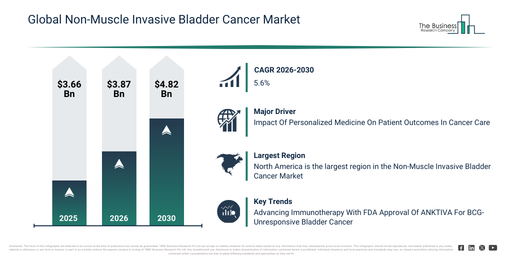
    The non-muscle invasive bladder cancer market has experienced significant expansion recently. This market is projected to expand from $3.66 billion in 2025 to $3.87 billion in 2026, demonstrating a compound annual growth rate (CAGR) of 5.9%. Key factors contributing to its historical growth include the early detection of bladder cancer, the continued use of transurethral resection, the limited uptake of intravesical therapy, improvements in hospital pharmacy infrastructure, and a lack of awareness regarding nmibc staging.

    The market for non-muscle invasive bladder cancer is projected to experience substantial expansion in the coming years. This market is anticipated to reach $4.82 billion by 2030, demonstrating a compound annual growth rate (CAGR) of 5.6%. This projected growth is driven by several factors including the rising incidence of bladder cancer, a greater uptake of immunotherapy and chemotherapy, the expansion of online and retail pharmacy distribution channels, broader application of sophisticated diagnostic imaging, and the progression of personalized treatment strategies. Key trends during this period are expected to encompass the growing acceptance of AI-powered diagnostic instruments, a surge in the application of genomics and precision medicine methodologies, the increasing integration of data-driven clinical decision support systems, the wider utilization of minimally invasive therapeutic procedures, and the enhanced incorporation of connected health monitoring solutions.

    Access Your Free Sample Report for In-Depth Market Insights:

    https://www.thebusinessresearchcompany.com/sample.aspx?id=20904&type=smp

    What Drivers Are Affecting Demand In The Non-Muscle Invasive Bladder Cancer Market?

    An increasing emphasis on personalized medicine is anticipated to drive the expansion of the non-muscle invasive bladder cancer market in the future. This medical approach tailors treatments according to a person’s genetic makeup, daily habits, and surroundings to achieve superior results. The heightened attention on personalized medicine stems from multiple elements, including progress in genomic studies, enhanced diagnostic instruments, and a rising need for more specific and efficacious therapies. The non-muscle invasive bladder cancer market facilitates personalized medicine by allowing for customized treatment strategies, which are developed considering unique tumor attributes, genetic indicators, and individual patient information. As an illustration, in February 2024, the Personalized Medicine Coalition, a US-based non-profit organization, reported that the FDA cleared 16 novel personalized therapies for rare disease patients in 2023, an increase from six in 2022. Consequently, this trend is boosting the growth of the non-muscle invasive bladder cancer market.

    Which Segments Are Gaining Traction In The Non-Muscle Invasive Bladder Cancer Market?

    The non-muscle invasive bladder cancer market covered in this report is segmented –

    1) By Stage: Carcinoma In Situ (CIS), T1 Stage, Ta Stage

    2) By Treatment: Immunotherapy, Chemotherapy, Surgery, Intravesical Therapy, Other Treatments

    3) By Tumor: Low-Grade Tumours, High-Grade Tumours

    4) By End-User: Hospital Pharmacy, Retail Pharmacy, Online Pharmacy

    Subsegments:

    1) By Carcinoma In Situ (CIS): High-Grade CIS, Low-Grade CIS

    2) By T1 Stage: T1a Stage (Superficial Tumors), T1b Stage (Invasive Into Lamina Propria)

    3) By Ta Stage: Low-Grade Ta Stage, High-Grade Ta Stage

    Which Trends Are Influencing The Performance And Direction Of The Non-Muscle Invasive Bladder Cancer Market?

    Key companies involved in the non-muscle invasive bladder cancer market are concentrating on creating novel products, like immunotherapy, aimed at enhancing treatment alternatives and patient results. This therapeutic approach leverages the body’s own immune system to identify and fight cancer cells by either strengthening or initiating immune responses. A relevant example is the March 2024 approval granted by the Food and Drug Administration (FDA) to ImmunityBio Inc., a US-based biotechnology firm, for ANKTIVA (N-803). This approval is for the treatment of patients suffering from BCG-unresponsive non-muscle invasive bladder cancer (NMIBC) that includes carcinoma in situ (CIS), regardless of the presence of papillary tumors. The basis for this approval lies in promising clinical trial data, which demonstrates ANKTIVA, when administered alongside Bacillus Calmette-Guérin (BCG), presents a feasible treatment alternative for individuals who have not responded to conventional BCG therapy. ANKTIVA functions as a groundbreaking IL-15 agonist immunotherapy, operating by bolstering the immune system, particularly by activating natural killer (NK) cells and CD8+ killer T cells to pinpoint and eliminate cancer cells.

    Who Are The Core Companies Influencing Trends In The Non-Muscle Invasive Bladder Cancer Market?

    Major companies operating in the non-muscle invasive bladder cancer market are Johnson & Johnson, Janssen Research & Development LLC, Merck & Co Inc, AstraZeneca plc, Astellas Pharma US Inc, EMD Serono Inc, Genentech Inc, Aura Biosciences Inc, UroGen Pharma Ltd, Protara Therapeutics Inc, Istari Oncology Inc, Heat Biologics Inc, Viventia Bio Inc, ImmunityBio Inc, Altor BioScience Corporation, SURGE Therapeutics Inc, Pfizer Inc, Hoffmann-La Roche Ltd, CG Oncology Inc, Tyra Biosciences Inc, Prokarium Ltd, ImmVira Pharma Co Ltd, Trigone Pharma Ltd, enGene Holdings Inc, Atonco Pharma Ltd.

    Access The Complete Report For Deeper Market Insights:

    https://www.thebusinessresearchcompany.com/report/non-muscle-invasive-bladder-cancer-global-market-report

    Which Region Is Expected To Experience The Fastest Growth In The Non-Muscle Invasive Bladder Cancer Market?

    North America was the largest region in the non-muscle invasive bladder cancer market in 2025. Asia-Pacific is expected to be the fastest-growing region in the forecast period. The regions covered in the non-muscle invasive bladder cancer market report are Asia-Pacific, South East Asia, Western Europe, Eastern Europe, North America, South America, Middle East, Africa.

    Request Your Customized Non-Muscle Invasive Bladder Cancer Market Research Report for Competitive Advantage:

    https://www.thebusinessresearchcompany.com/customise?id=20904&type=smp

    Browse Through More Reports Similar to the Global Non-Muscle Invasive Bladder Cancer Market 2026, By The Business Research Company

    Urothelial Carcinoma Treatment Market Report 2026

    https://www.thebusinessresearchcompany.com/report/urothelial-carcinoma-treatment-global-market-report

    Bladder Cancer Drugs Market Report 2026

    https://www.thebusinessresearchcompany.com/report/bladder-cancer-drugs-global-market-report

    Adrenocortical Carcinoma Market Report 2026

    https://www.thebusinessresearchcompany.com/report/adrenocortical-carcinoma-global-market-report

    Get in touch with us:

    The Business Research Company: https://www.thebusinessresearchcompany.com/

    Americas +1 310-496-7795

    Asia +44 7882 955267 & +91 8897263534

    Europe +44 7882 955267

    Email us at info@tbrc.info

    Follow us on:

    LinkedIn: https://in.linkedin.com/company/the-business-research-company

    YouTube: https://www.youtube.com/channel/UC24_fI0rV8cR5DxlCpgmyFQ

    Global Market Model: https://www.thebusinessresearchcompany.com/global-market-model
  • Pediatric Brain Tumors Market Outlook 2026–2030: Key Business Drivers and Trends

    Pediatric Brain Tumors Market Outlook 2026–2030: Key Business Drivers and Trends

    Uncover key drivers, emerging technologies, and competitive movements shaping the pediatric brain tumors market from 2026–2035 with trusted insights from The Business Research Company

    How much is the Pediatric Brain Tumors Market valued at in 2026, and what valuation is forecast for 2030?

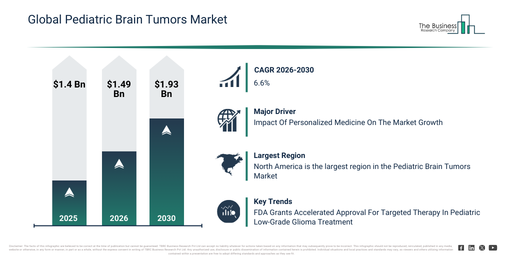
    The market for pediatric brain tumors has experienced substantial growth in recent years. It is projected to expand from $1.4 billion in 2025 to $1.49 billion in 2026, demonstrating a compound annual growth rate (CAGR) of 6.9%. The market’s historical development can be attributed to factors like limited awareness of pediatric brain tumors, a reliance on conventional therapies, minimal adoption of advanced imaging techniques, a scarcity of specialized pediatric neuro-oncology centers, and restricted access to targeted and immunotherapy treatments.

    The market size for pediatric brain tumors is poised for significant expansion over the next few years, with projections indicating a rise to $1.93 billion by 2030, demonstrating a compound annual growth rate (CAGR) of 6.6%. This anticipated growth throughout the forecast period stems from factors such as the increasing incidence of pediatric brain tumors, the growing adoption of precision medicine, the rising integration of artificial intelligence and digital imaging in diagnostics, an intensifying focus on personalized treatment plans, and increased funding for pediatric neuro-oncology research. Furthermore, major trends in this period include the wider acceptance of precision medicine for pediatric brain tumors, the expanding integration of digital imaging and AI-based diagnostics, the greater utilization of targeted therapies and immunotherapies, an increased emphasis on minimally invasive surgical techniques, and escalating investment in pediatric neuro-oncology research.

    Access Your Free Sample Report for In-Depth Market Insights:

    https://www.thebusinessresearchcompany.com/sample.aspx?id=21248&type=smp

    What Drivers Are Influencing The Growth Of The Pediatric Brain Tumors Market?

    The escalating need for personalized medicine is anticipated to fuel the expansion of the pediatric brain tumors market. This healthcare strategy involves customizing treatments and medical decisions based on an individual’s genetic makeup, lifestyle, and specific health requirements. The surge in demand for personalized medicine is attributed to advancements in genetic research, improved diagnostic tools, and the promise of more effective and targeted treatments. By tailoring therapies to a child’s unique tumor type, mutation, and response, personalized medicine enables highly effective targeted interventions that minimize damage to healthy tissue, thereby enhancing outcomes and reducing side effects. For instance, in February 2024, the Personalized Medicine Coalition, a US-based hospital and health care organization, stated that in 2023, the FDA approved 16 new personalized treatments for rare disease patients, significantly up from six in 2022. Thus, the increasing demand for personalized medicine is a primary factor propelling the growth of the pediatric brain tumor market.

    What Segments Are Included Within The Pediatric Brain Tumors Market?

    The pediatric brain tumors market covered in this report is segmented –

    1) By Type: Gliomas, Mixed Neuronal-Glial Tumors, Embryonal Tumors, Choroid Plexus Papilloma Or Carcinoma, Tumors Arising From Non-Neuroepithelial Tissue, Meningeal Tumors

    2) By Treatment Type: Surgery, Radiation Therapy, Chemotherapy, Targeted Therapy, Immunotherapy

    3) By Diagnosis Method: Imaging Techniques, Biopsy, Neurological Exam, Lumbar Puncture

    4) By Age Group: Infants, Toddlers, Children, Adolescents

    5) By Application: Hospitals And Clinics, Medical Research Centers, Academic Institutes, Other Applications

    Subsegments:

    1) By Gliomas: Low-Grade Gliomas, High-Grade Gliomas

    2) By Mixed Neuronal-Glial Tumors: Gangliogliomas, Dysembryoplastic Neuroepithelial Tumors (DNET)

    3) By Embryonal Tumors: Medulloblastoma, Atypical Teratoid Rhabdoid Tumor (ATRT), Primitive Neuroectodermal Tumors (PNET)

    4) By Choroid Plexus Papilloma Or Carcinoma: Choroid Plexus Papilloma, Choroid Plexus Carcinoma

    5) By Tumors Arising From Non-Neuroepithelial Tissue: Rhabdomyosarcoma, Ewing’s Sarcoma

    6) By Meningeal Tumors: Meningiomas, Hemangiopericytomas

    What Trends Are Driving The Growth Trajectory Of The Pediatric Brain Tumors Market?

    Leading companies within the pediatric brain tumors market are prioritizing the development of advanced therapies, such as Type II RAF inhibitors, to enhance targeted treatments and improve patient outcomes. Type II RAF inhibitors function as targeted therapies by concentrating on the suppression of RAF kinases, especially those with mutations that drive tumor proliferation. These inhibitors are engineered to pinpoint abnormal RAF protein structures found in specific subtypes of pediatric low-grade glioma (pLGG), effectively disrupting the faulty signaling pathways that contribute to tumor cell growth and survival. For instance, in April 2024, Day One Biopharmaceuticals, a US-based biotechnology company, announced that the U.S. Food and Drug Administration (FDA) granted accelerated approval for OJEMDA (tovorafenib) for treating relapsed or refractory pediatric low-grade glioma (pLGG) in patients aged 6 months and older with specific BRAF alterations. This approval establishes OJEMDA as the first FDA-approved therapy designed to target BRAF fusions or mutations in this particular patient demographic. The approval is substantiated by an overall response rate of 51% reported from the FIREFLY-1 clinical trial, which evaluated the drug’s effectiveness for this condition. It is specifically intended for children with brain tumors that have not responded to prior treatments.

    Who Are The Major Companies Operating In The Pediatric Brain Tumors Market?

    Major companies operating in the pediatric brain tumors market are Bayer AG, Novartis AG, Roche Holding AG, Takeda Pharmaceutical Company, UCLA Health, Novocure, Blueprint Medicines, Oncoheroes Biosciences, Plus Therapeutics Inc., Stemline Therapeutics Inc., BrainChild Bio Inc., Seattle Children’s Therapeutics, Pfizer Inc., Merck & Co Inc., Bristol Myers Squibb Company, Sanofi, Amgen Inc., Gilead Sciences Inc., Regeneron Pharmaceuticals Inc., Eli Lilly and Company, Day One Biopharmaceuticals Inc., Biodexa Pharmaceuticals, Cellectar Biosciences Inc., ZIOPHARM Oncology Inc., Y-mAbs Therapeutics Inc., Neonc Technologies Inc.

    Access The Complete Report For Deeper Market Insights:

    https://www.thebusinessresearchcompany.com/report/pediatric-brain-tumors-global-market-report

    Which Region Is Anticipated To See The Fastest Growth In The Pediatric Brain Tumors Market?

    North America was the largest region in the pediatric brain tumors market in 2025. The regions covered in the pediatric brain tumors market report are Asia-Pacific, South East Asia, Western Europe, Eastern Europe, North America, South America, Middle East, Africa.

    Request Your Customized Pediatric Brain Tumors Market Research Report for Competitive Advantage:

    https://www.thebusinessresearchcompany.com/customise?id=21248&type=smp

    Browse Through More Reports Similar to the Global Pediatric Brain Tumors Market 2026, By The Business Research Company

    Paraganglioma Market Report 2026

    https://www.thebusinessresearchcompany.com/report/paraganglioma-global-market-report

    Brain Tumor Drugs Market Report 2026

    https://www.thebusinessresearchcompany.com/report/brain-tumor-drugs-global-market-report

    Pediatric Imaging Market Report 2026

    https://www.thebusinessresearchcompany.com/report/pediatric-imaging-global-market-report

    Get in touch with us:

    The Business Research Company: https://www.thebusinessresearchcompany.com/

    Americas +1 310-496-7795

    Asia +44 7882 955267 & +91 8897263534

    Europe +44 7882 955267

    Email us at info@tbrc.info

    Follow us on:

    LinkedIn: https://in.linkedin.com/company/the-business-research-company

    YouTube: https://www.youtube.com/channel/UC24_fI0rV8cR5DxlCpgmyFQ

    Global Market Model: https://www.thebusinessresearchcompany.com/global-market-model
  • Global Non-invasive Prenatal Testing Market Forecast 2026–2035: Long-Term Growth Insights

    Global Non-invasive Prenatal Testing Market Forecast 2026–2035: Long-Term Growth Insights

    Uncover key drivers, emerging technologies, and competitive movements shaping the non-invasive prenatal testing market from 2026–2035 with trusted insights from The Business Research Company

    How is the Non-invasive Prenatal Testing Market size predicted to change over the forecast window of 2026–2035?

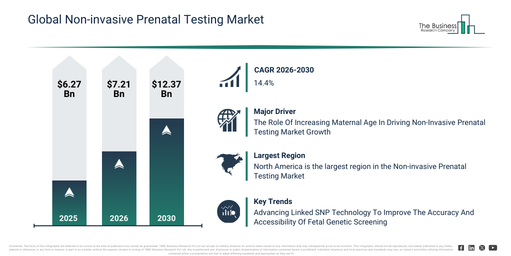
    The market size for non-invasive prenatal testing has expanded quickly over recent years. This market is anticipated to expand from $6.27 billion in 2025 to $7.21 billion by 2026, achieving a compound annual growth rate (CAGR) of 15.0%. Factors contributing to its historical growth include heightened awareness of prenatal screening, the dependence on invasive diagnostic approaches, a rise in the application of assay kits and reagents, the integration of next-generation sequencing in lab settings, and the necessity for promptly identifying chromosomal abnormalities.

    The non-invasive prenatal testing market is projected to experience substantial expansion in the coming years. This market is anticipated to reach $12.37 billion by 2030, demonstrating a compound annual growth rate (CAGR) of 14.4%. Factors contributing to this growth over the forecast period include the worldwide increase in the uptake of non-invasive prenatal testing, greater investment in sophisticated sequencing technologies, the broadening of hospital and diagnostic laboratory infrastructures, a heightened need for early genetic screening, and the progressive incorporation of AI and data analytics into prenatal diagnostics. Key trends anticipated during this period encompass the growing adoption of AI-driven genetic analysis, an expanding application of NGS and PCR systems for prenatal testing, the increasing establishment of cloud-based data management solutions in diagnostics, wider deployment of high-throughput screening technologies, and the progressive integration of personalized prenatal risk assessment methodologies.

    Access Your Free Sample Report for In-Depth Market Insights:

    https://www.thebusinessresearchcompany.com/sample.aspx?id=2492&type=smp

    Which Drivers Are Contributing To The Expansion Of The Non-invasive Prenatal Testing Market?

    The non-invasive prenatal testing market is projected to expand due to the rising maternal age. This increase in maternal age is influenced by various factors, including the pursuit of education and careers, achieving financial stability, personal preferences, delayed marriage, advancements in contraception, and evolving societal norms, which empower women to make more deliberate choices regarding family planning. As women postpone childbirth, the likelihood of chromosomal abnormalities increases, prompting more pregnant individuals to opt for NIPT to evaluate the well-being of their pregnancies. For instance, in March 2025, according to the Centers for Disease Control and Prevention, a US-based government agency, the average age of mothers at their first birth rose to 27.5 years in 2023, up from 27.4 in 2022, marking yet another record high for the nation. Consequently, the growing maternal age will continue to stimulate the expansion of the non-invasive prenatal testing market.

    What Segment Categories Are Covered In The Non-invasive Prenatal Testing Market?

    The non-invasive prenatal testing market covered in this report is segmented –

    1) By Type: Consumables, Instruments

    2) By Application: Trisomy, Microdeletion, Genetics, Rh factor

    3) By End User: Hospital, Diagnostic Labs

    Subsegments:

    1) By Consumables: Assay Kits, Reagents, Disposables

    2) By Instruments: Next-Generation Sequencers (NGS), Polymerase Chain Reaction (PCR) Systems, Ultrasound Devices

    What Long-Term Trends Are Expected To Shape The Future Of The Non-invasive Prenatal Testing Market?

    Companies operating within the non-invasive prenatal testing (NIPT) market are prioritizing the creation of advanced solutions, specifically linked-SNP (single nucleotide polymorphism) technology, to boost diagnostic accuracy, enhance the detection of complex genetic cases, and reduce dependence on paternal samples. This linked-SNP technology functions by assessing single-gene variants through the analysis of genetically linked markers across the genome to deduce inheritance patterns, facilitating more precise identification of challenging conditions such as homozygous mutations. As an illustration, in August 2025, Natera, a US-based cell-free DNA (cfDNA) testing and precision medicine firm, unveiled Fetal Focus, an NIPT for inherited single-gene disorders that directly screens the fetus using only maternal blood when the biological father is not available. The test targets five genes: CFTR, SMN1, HBA1/HBA2, and HBB, and is backed by data from the EXPAND clinical trial. Its initial findings (n=101) indicated 91% sensitivity and successfully identified all five homozygous variant fetuses, highlighting the efficacy of its linked-SNP–based methodology in providing noninvasive and clinically relevant risk assessment.

    Which Major Industry Participants Are Leading The Non-invasive Prenatal Testing Market Growth?

    Major companies operating in the non-invasive prenatal testing market are F. Hoffmann-La Roche AG, Illumina Inc., Laboratory Corporation of America Holdings, Natera Inc., PerkinElmer Inc., Quest Diagnostics Inc., Agilent Technologies Inc., BGI Diagnosis Co Ltd., Berry Genomics Co, LifeCodexx AG, Myriad Genetics Inc., NIPD Genetics Co Ltd., Sequenom Inc., Annoroad Gene Technology Co Ltd., Centogene AG, Counsyl Inc., EUROFINS Genoma Group, Eurofins Scientific SE, Next Biosciences, Premaitha Health Plc, Ariosa Diagnostics Inc., Yourgene Health PLC, GE Healthcare Technologies Inc., Koninklijke Philips NV, Thermo Fisher Scientific Inc., Pacific Biosciences of California Inc., QIAGEN NV, MedGenome Labs Ltd., Progenity Inc., Beijing Genomics Institute

    Access The Complete Report For Deeper Market Insights:

    https://www.thebusinessresearchcompany.com/report/non-invasive-prenatal-testing-global-market-report

    Which Geographic Areas Are Emerging As Strong Markets For The Non-invasive Prenatal Testing Market?

    North America was the largest region in the non-invasive prenatal testing market in 2025. Western Europe was the second largest region in the non-invasive prenatal testing market. The regions covered in the non-invasive prenatal testing market report are Asia-Pacific, South East Asia, Western Europe, Eastern Europe, North America, South America, Middle East, Africa.

    Request Your Customized Non-invasive Prenatal Testing Market Research Report for Competitive Advantage:

    https://www.thebusinessresearchcompany.com/customise?id=2492&type=smp

    Browse Through More Reports Similar to the Global Non-invasive Prenatal Testing Market 2026, By The Business Research Company

    Pregnancy Test Kits Market Report 2026

    https://www.thebusinessresearchcompany.com/report/pregnancy-test-kits-global-market-report

    Prenatal Testing And Newborn Screening Market Report 2026

    https://www.thebusinessresearchcompany.com/report/prenatal-testing-and-newborn-screening-global-market-report

    Prenatal And Newborn Genetic Testing Market Report 2026

    https://www.thebusinessresearchcompany.com/report/prenatal-and-newborn-genetic-testing-global-market-report

    Get in touch with us:

    The Business Research Company: https://www.thebusinessresearchcompany.com/

    Americas +1 310-496-7795

    Asia +44 7882 955267 & +91 8897263534

    Europe +44 7882 955267

    Email us at info@tbrc.info

    Follow us on:

    LinkedIn: https://in.linkedin.com/company/the-business-research-company

    YouTube: https://www.youtube.com/channel/UC24_fI0rV8cR5DxlCpgmyFQ

    Global Market Model: https://www.thebusinessresearchcompany.com/global-market-model
  • Pediatric Bladder Treatment Market Insights Report: Opportunities and Drivers 2030

    Pediatric Bladder Treatment Market Insights Report: Opportunities and Drivers 2030

    Uncover key drivers, emerging technologies, and competitive movements shaping the pediatric bladder treatment market from 2026–2035 with trusted insights from The Business Research Company

    How much is the Pediatric Bladder Treatment Market valued at in 2026, and what valuation is forecast for 2030?

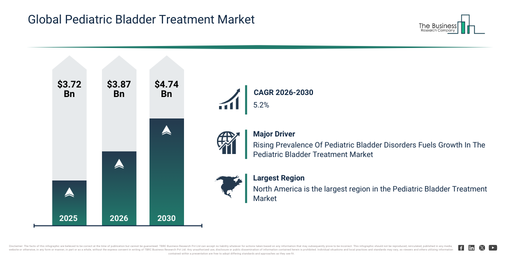
    The pediatric bladder treatment market has observed consistent expansion in its size over recent years. Projections indicate further growth, with the market value increasing from $3.72 billion in 2025 to $3.87 billion in 2026, driven by a compound annual growth rate (CAGR) of 4.3%. Historically, this growth has been influenced by factors such as insufficient awareness regarding pediatric bladder disorders, a continued reliance on conventional treatments, the scarcity of specialized pediatric urology centers, restricted availability of advanced pharmaceutical options, and minimal uptake of digital monitoring instruments.

    The pediatric bladder treatment market size is expected to undergo significant expansion over the coming years. It is projected to climb to $4.74 billion by 2030, achieving a compound annual growth rate (CAGR) of 5.2%. This projected growth can be attributed to the increasing prevalence of pediatric bladder disorders, the wider embrace of advanced treatment modalities, growing financial commitments to pediatric healthcare infrastructure, the expanding integration of digital health and monitoring solutions, and a heightened emphasis on individualized pediatric treatment strategies. Key developments anticipated during the forecast period include the broader adoption of advanced urotherapy solutions, an increase in the utilization of minimally invasive surgical techniques, the enhanced incorporation of digital health monitoring in pediatric care, a rising demand for targeted pediatric medications, and an increased focus on personalized treatment plans for pediatric bladder disorders.

    Access Your Free Sample Report for In-Depth Market Insights:

    https://www.thebusinessresearchcompany.com/sample.aspx?id=12943&type=smp

    What Drivers Are Influencing The Growth Of The Pediatric Bladder Treatment Market?

    The increasing prevalence of pediatric bladder disorders is anticipated to stimulate future expansion within the pediatric bladder treatment market. These disorders encompass diverse medical conditions affecting the normal urinary bladder function in children. Conditions like spina bifida and other neurological disorders contribute to urinary issues in children, highlighting the need for effective interventions. For example, a March 2023 journal by the Switzerland-based Multidisciplinary Digital Publishing Institute (MDPI) reported on a study of 1,065 pediatric neurogenic bladder (NGB) patients, revealing that 38.9% had spina bifida. The main complication noted was lower urinary tract infection (18.1%), which was especially common among those with open spina bifida (54.1%). Furthermore, a 12-month observation period identified frequent complications such as lower urinary tract infections (18.1%), urinary incontinence (8.0%), and hydronephrosis (5.6%), with 7.9% of patients experiencing four or more recurrent lower urinary tract infections. Consequently, the growing occurrence of pediatric bladder disorders will propel the pediatric bladder treatment market. The increasing healthcare expenditures are predicted to stimulate the expansion of the pediatric bladder treatment market in the future. Healthcare expenditures encompass the collective financial resources allocated by individuals, organizations, and governmental bodies towards healthcare services, products, and infrastructure, covering aspects like hospital care, doctor consultations, nursing services, and other health-related pursuits. The escalation in healthcare spending stems from various factors, including an aging demographic, innovations in medical technology, a higher incidence of chronic illnesses, and increased expenses for healthcare services and pharmaceutical drugs. Augmented healthcare expenditure facilitates the advancement of pediatric bladder treatments by providing research funding, enhancing availability of sophisticated therapies, and enabling specialized education for medical professionals, thereby improving treatment efficacy and accessibility. For instance, data from the UK-based Office for National Statistics in May 2024 indicated that the total healthcare expenditure in the UK saw a 5.6% nominal increase from 2022 to 2023, a notable rise compared to the 0.9% growth observed in 2022. In 2023, government financing contributed $309 billion (£239 billion), or 81.9%, of the country’s healthcare spending, establishing it as the main financial contributor. Thus, growing healthcare expenditures are propelling the pediatric bladder treatment market forward.

    How Is The Pediatric Bladder Treatment Market Organized Into Various Segments?

    The pediatric bladder treatment market covered in this report is segmented –

    1) By Type: Diurnal Incontinence, Enuresis, Other Types

    2) By Treatment: Urotherapy, Medication, Surgical Reconstruction, Other Treatments

    3) By Route Of Administration: Oral, Parenteral, Other Route Of Administrations

    4) By Distribution Channel: Hospital Pharmacy, Online Pharmacy, Retail Pharmacy

    5) By End User: Hospitals, Homecare, Specialty Clinics, Other End-Users

    Subsegments:

    1) By Diurnal Incontinence: Overactive Bladder, Urge Incontinence

    2) By Enuresis: Primary Enuresis, Secondary Enuresis, Nocturnal Enuresis

    3) By Other Types: Neurogenic Bladder, Structural Abnormalities

    Who Are The Prominent Global Companies Shaping The Pediatric Bladder Treatment Market Landscape?

    Major companies operating in the pediatric bladder treatment market are Pfizer Inc., F. Hoffmann-La Roche Ltd, AbbVie Inc., Novartis AG, Sanofi S.A., AstraZeneca Plc, Takeda Pharmaceutical Company Limited, Medtronic Plc, Teva Pharmaceutical Industries Ltd., Boston Scientific Corporation, Astellas Pharma Inc, Cook Medical Inc., Laborie Medical Technologies Corp., Coloplast AIS, UroGen Pharma, Johnson & Johnson, Olympus Corporation, Stryker Corporation, Teleflex Incorporated, B Braun Melsungen AG, Intuitive Surgical Inc, Richard Wolf GmbH, Nipro Corporation, Dornier MedTech, Fresenius Medical Care AG & Co KGaA, Ambu A S, Neuspera Medical, UroMems, Zenflow, Siemens Healthineers, Procter & Gamble

    Access The Complete Report For Deeper Market Insights:

    https://www.thebusinessresearchcompany.com/report/pediatric-bladder-treatment-global-market-report

    How Does The Pediatric Bladder Treatment Market Perform Across Major Global Regions?

    North America was the largest region in the pediatric bladder treatment market in 2025. Asia-Pacific is expected to be the fastest-growing region in the forecast period. The regions covered in the pediatric bladder treatment market report are Asia-Pacific, South East Asia, Western Europe, Eastern Europe, North America, South America, Middle East, Africa.

    Request Your Customized Pediatric Bladder Treatment Market Research Report for Competitive Advantage:

    https://www.thebusinessresearchcompany.com/customise?id=12943&type=smp

    Browse Through More Reports Similar to the Global Pediatric Bladder Treatment Market 2026, By The Business Research Company

    Bladder Cancer Drugs Market Report 2026

    https://www.thebusinessresearchcompany.com/report/bladder-cancer-drugs-global-market-report

    Overactive Bladder Treatment Market Report 2026

    https://www.thebusinessresearchcompany.com/report/overactive-bladder-treatment-global-market-report

    Urinary Tract Infection Treatment Market Report 2026

    https://www.thebusinessresearchcompany.com/report/urinary-tract-infection-treatment-global-market-report

    Get in touch with us:

    The Business Research Company: https://www.thebusinessresearchcompany.com/

    Americas +1 310-496-7795

    Asia +44 7882 955267 & +91 8897263534

    Europe +44 7882 955267

    Email us at info@tbrc.info

    Follow us on:

    LinkedIn: https://in.linkedin.com/company/the-business-research-company

    YouTube: https://www.youtube.com/channel/UC24_fI0rV8cR5DxlCpgmyFQ

    Global Market Model: https://www.thebusinessresearchcompany.com/global-market-model
  • Non-Insulin Therapies For Diabetes Market 2026–2030: Forecasting Business Opportunities Ahead

    Non-Insulin Therapies For Diabetes Market 2026–2030: Forecasting Business Opportunities Ahead

    Uncover key drivers, emerging technologies, and competitive movements shaping the non-insulin therapies for diabetes market from 2026–2035 with trusted insights from The Business Research Company

    What market expansion outlook does the Non-Insulin Therapies For Diabetes Market show for the 2026–2030 period?

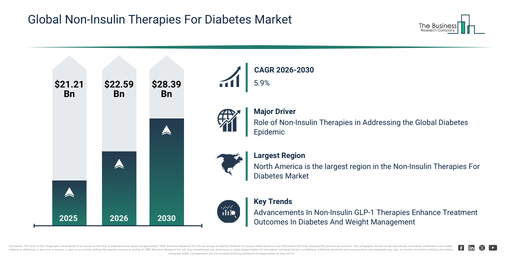
    The non-insulin therapies for diabetes market size has experienced strong growth in recent years. It is projected to expand from $21.21 billion in 2025 to $22.59 billion in 2026, at a compound annual growth rate (CAGR) of 6.5%. Historically, this market expansion can be ascribed to factors such as the high prevalence of type 2 diabetes, the continued reliance on oral hypoglycemic agents, challenges with patient adherence to insulin therapy, the expansion of hospital and retail pharmacy distribution networks, and the introduction of various new drug classes.

    The market for non-insulin therapies for diabetes is projected to experience substantial growth in the coming years. It is expected to expand to $28.39 billion by 2030, exhibiting a compound annual growth rate (CAGR) of 5.9%. This anticipated growth throughout the forecast period stems from factors such as the increased adoption of non-insulin drug combinations, a rise in the utilization of GLP-1 and SGLT2 inhibitors, the expansion of online pharmacy channels, the evolution of personalized and precision medicine approaches, and the advancement in integrating digital health and remote monitoring. Significant trends during this period include a growing embrace of personalized diabetes management, the increasing application of AI-driven glucose monitoring systems, the broadening integration of telemedicine-linked therapy solutions, the expanding implementation of data-driven clinical decision support, and the progressive deployment of connected devices for remote patient care.

    Access Your Free Sample Report for In-Depth Market Insights:

    https://www.thebusinessresearchcompany.com/sample.aspx?id=16494&type=smp

    What Drivers Are Shaping The Development Of The Non-Insulin Therapies For Diabetes Market?

    The rising occurrence of diabetes is anticipated to propel the growth of non-insulin therapies for the diabetes market going forward. Diabetes is a chronic medical condition characterized by elevated blood glucose (sugar) levels, occurring when the body either cannot produce enough insulin or effectively use the insulin it makes. The number of diabetes cases is increasing due to sedentary lifestyles, unhealthy diets, genetic predisposition, aging populations, obesity, ethnicity, lack of awareness, limited access to healthcare, and environmental factors. Non-insulin therapies for diabetes help manage the condition by improving insulin sensitivity, reducing glucose production in the liver, increasing glucose uptake in muscle cells, and enhancing overall glycemic control. For instance, in March 2024, according to the Office for Health Improvement & Disparities, a UK-based government agency, the GP-recorded prevalence of type 2 diabetes among adults aged 17 and over rose to 7.0%, up from 6.8% in March 2023. Therefore, the increase in the prevalence of diabetes is driving the growth of non-insulin therapies for the diabetes market.

    Which Segments Are Contributing To The Growth Of The Non-Insulin Therapies For Diabetes Market?

    The non-insulin therapies for diabetes market covered in this report is segmented –

    1) By Type: Biguanides, Sulfonylureas, Thiazolidinediones (TZDs), DPP 4 Inhibitors, GLP 1 Analogs Or Agonists, SGLT2 Inhibitors

    2) By Route Of Administration: Oral, Injectable

    3) By Application: Type 1 Diabetes, Type 2 Diabetes, Gestational Diabetes

    4) By Distribution Channel: Hospital Pharmacies, Retail Pharmacies, Online Pharmacies

    5) By End User: Hospitals Or Clinics, Homecare Or Patients, Other End-Users

    Subsegments:

    1) By Biguanides: Metformin, Combination Of Metformin With Other Drugs

    2) By Sulfonylureas: Glimepiride, Glipizide, Glyburide

    3) By Thiazolidinediones (TZDs): Pioglitazone, Rosiglitazone

    4) By DPP 4 Inhibitors: Sitagliptin, Saxagliptin, Linagliptin

    5) By GLP 1 Analogs Or Agonists: Exenatide, Liraglutide, Dulaglutide

    6) By SGLT2 Inhibitors: Canagliflozin, Dapagliflozin, Empagliflozin

    Which Market Trends Are Opening Growth Opportunities In The Non-Insulin Therapies For Diabetes Market?

    Major companies operating in the non-insulin therapies for diabetes market are focusing on developing advanced solutions, such as non-insulin GLP-1 receptor agonist, with the aim of expanding treatment options, improving glycemic control, and strengthening their competitive position in the diabetes and obesity care landscape. A non-insulin GLP-1 receptor agonist launch refers to the introduction of therapies that target GLP-1 receptors to support blood glucose regulation and weight reduction independently of insulin. For instance, in March 2025, Eli Lilly and Company, a US-based pharmaceutical company specializing in diabetes and metabolic therapies, introduced Mounjaro (tirzepatide) in India, subsequent to approval from the Central Drugs Standard Control Organisation. Designed as a dual GIP and GLP-1 receptor agonist, Mounjaro addresses key challenges in type 2 diabetes and obesity management by offering once-weekly subcutaneous administration, enhancing glycemic control, reducing appetite, slowing gastric emptying, and supporting significant weight reduction, with dosing options commencing at 2.5 mg and 5 mg to improve patient adherence and long-term outcomes.

    Who Are The Prominent Global Companies Shaping The Non-Insulin Therapies For Diabetes Market Landscape?

    Major companies operating in the non-insulin therapies for diabetes market are Pfizer Inc., F. Hoffmann-La Roche AG, Merck & Co. Inc., Sanofi, The Bristol-Myers Squibb Company, AstraZeneca plc, Novartis AG, GSK plc, Takeda Pharmaceutical Company Limited, Eli Lilly and Company, Novo Nordisk A/S, Boehringer Ingelheim International GmbH, Les Servier Laboratories, Sumitomo Dainippon Pharma Co. Ltd., Jiangsu Hansoh Pharmaceutical Group Co. Ltd., Uni-Bio Science Group Ltd., Intarcia Therapeutics, Janssen Pharmaceuticals, Boan Biotech, SatRx LLC

    Access The Complete Report For Deeper Market Insights:

    https://www.thebusinessresearchcompany.com/report/non-insulin-therapies-for-diabetes-global-market-report

    Which Region Is Projected To Lead The Non-Insulin Therapies For Diabetes Market During The Forecast Period?

    North America was the largest region in the non-insulin therapies for diabetes market in 2025. The regions covered in the non-insulin therapies for diabetes market report are Asia-Pacific, South East Asia, Western Europe, Eastern Europe, North America, South America, Middle East, Africa.

    Request Your Customized Non-Insulin Therapies For Diabetes Market Research Report for Competitive Advantage:

    https://www.thebusinessresearchcompany.com/customise?id=16494&type=smp

    Browse Through More Reports Similar to the Global Non-Insulin Therapies For Diabetes Market 2026, By The Business Research Company

    Antidiabetics Market Report 2026

    https://www.thebusinessresearchcompany.com/report/antidiabetics-global-market-report

    Non Injectable Insulin Market Report 2026

    https://www.thebusinessresearchcompany.com/report/non-injectable-insulin-global-market-report

    Oem Insulation Market Report 2026

    https://www.thebusinessresearchcompany.com/report/oem-insulation-global-market-report

    Get in touch with us:

    The Business Research Company: https://www.thebusinessresearchcompany.com/

    Americas +1 310-496-7795

    Asia +44 7882 955267 & +91 8897263534

    Europe +44 7882 955267

    Email us at info@tbrc.info

    Follow us on:

    LinkedIn: https://in.linkedin.com/company/the-business-research-company

    YouTube: https://www.youtube.com/channel/UC24_fI0rV8cR5DxlCpgmyFQ

    Global Market Model: https://www.thebusinessresearchcompany.com/global-market-model
  • Pectinases Global Forecast: Market to Scale Up to $30.96 Billion by 2030 at 8.5% CAGR

    Pectinases Global Forecast: Market to Scale Up to $30.96 Billion by 2030 at 8.5% CAGR

    Uncover key drivers, emerging technologies, and competitive movements shaping the pectinases market from 2026–2035 with trusted insights from The Business Research Company

    By how much is the Pectinases Market expected to grow between 2026 and 2030?

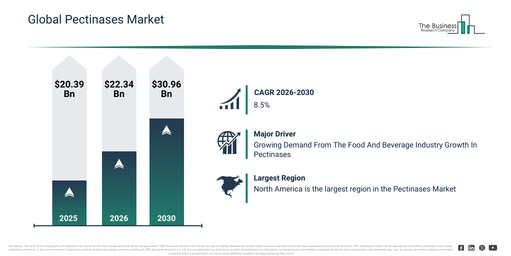
    The pectinases market size has demonstrated robust growth in recent years. It is projected to increase from $20.39 billion in 2025 to $22.34 billion in 2026, registering a compound annual growth rate (CAGR) of 9.5%. This expansion witnessed in the historic period is attributable to factors such as limited awareness of enzyme benefits, a reliance on traditional clarification methods, low adoption in emerging markets, the high cost of purified enzymes, and restricted R&D in specialized pectinases.

    The pectinases market is projected to experience robust expansion over the coming years. This market is anticipated to reach $30.96 billion by 2030, exhibiting a compound annual growth rate (CAGR) of 8.5%. This expansion during the forecast period is driven by factors such as the increasing consumer preference for natural and processed food items, augmented investment in enzyme technology research and development, heightened industrial uptake in the beverage and textile sectors, a greater emphasis on sustainable food processing methods, and expanding uses in the pharmaceutical and nutraceutical sectors. Key trends foreseen within the same period encompass the expanding deployment of enzyme-based processing across the food and beverage industry, increasing use of pectinases for clarifying wine and juices, a surging need for more effective fruit juice extraction technologies, growing incorporation of pectinases in textile processing, and their escalating application in various pharmaceutical formulations.

    Access Your Free Sample Report for In-Depth Market Insights:

    https://www.thebusinessresearchcompany.com/sample.aspx?id=16505&type=smp

    Which Drivers Are Influencing Market Acceleration In The Pectinases Market?

    The pectinases market is projected to expand in the future, fueled by the rising demand from the food and beverage industry. This sector encompasses businesses that transform unprocessed agricultural goods and partially processed food items into food and drink products. The necessity for pectinases within food and beverages arises from the rise in fruit juice and wine manufacturing, improvements in taste and consistency, and an increasing market for plant-based drinks. Pectinases offer considerable advantages to the food and beverage industry, such as enhancing product excellence, boosting operational effectiveness, and reducing expenses, ultimately leading to the creation of superior, attractive, and stable food and beverage offerings. For illustration, data released in December 2024 by the Food and Agriculture Organization (FAO), an Italy-based specialized agency of the United Nations, indicated that the worldwide output of primary crops reached 9.9 billion tonnes in 2023, marking a 3 percent increase from 2022. Consequently, the escalating demand from the food and beverage industry is a key factor driving the expansion of the pectinases market.

    What Segments Are Identified Within The Structure Of The Pectinases Market?

    The pectinases market covered in this report is segmented –

    1) By Type: Pectin Lyases, Protopectinases, Polygalacturonases, Pectinesterase, Other Types

    2) By Source: Bacterial Pectinase, Fungal Pectinase, Plant-Derived Pectinase, Other Sources

    3) By Form: Powder, Liquid, Granules

    4) By Application: Fruit Juice Extraction, Wine Production, Food Processing, Other Applications

    5) By End User: Food And Beverage, Pharmaceutical, Textile, Agriculture, Other End Users

    Subsegments:

    1) By Pectin Lyases: Endo-Pectin Lyases, Exo-Pectin Lyases

    2) By Protopectinases: Acidic Protopectinases, Alkaline Protopectinases

    3) By Polygalacturonases: Endo-Polygalacturonases, Exo-Polygalacturonases

    4) By Pectinesterase: Acidic Pectinesterases, Alkaline Pectinesterases

    5) By Other Types: Xyloglucanase, Cellulase-Related Enzymes

    Which Key Players Are Driving Competition In The Pectinases Market?

    Major companies operating in the pectinases market are Cargill Incorporated, DuPont de Nemours Inc., Novozymes BioAg Limited, Koninklijke DSM N.V., Chr. Hansen Holding A/S, AB Enzymes GmbH, Biocatalysts Ltd., BIO-CAT Inc., Genencor International Inc., Advanced Enzyme Technologies Ltd., Amano Enzyme Inc., Jiangsu Boli Bioproducts Co Ltd, Antozyme Biotech Pvt Ltd, Enmex S A de C V, Creative Enzymes, Shandong Longda Bio-Products Co Ltd, Qingdao Vland Biotech Group Co Ltd, Hunan Lerkam Biology Co Ltd, Sunson Industry Group Co Ltd, Enzyme Development Corporation, CJ Youtell, Sukahan Bio-Technology, Doing-Higher, VTR Bio-Tech, SternEnzym GmbH & Co KG, Bioven Ingredients

    Access The Complete Report For Deeper Market Insights:

    https://www.thebusinessresearchcompany.com/report/pectinases-global-market-report

    Which Region Is Anticipated To See The Fastest Growth In The Pectinases Market?

    North America was the largest region in the pectinase market in 2025. Asia-Pacific is expected to be the fastest-growing region in the forecast period. The regions covered in the pectinases market report are Asia-Pacific, South East Asia, Western Europe, Eastern Europe, North America, South America, Middle East, Africa.

    Request Your Customized Pectinases Market Research Report for Competitive Advantage:

    https://www.thebusinessresearchcompany.com/customise?id=16505&type=smp

    Browse Through More Reports Similar to the Global Pectinases Market 2026, By The Business Research Company

    Avocados Market Report 2026

    https://www.thebusinessresearchcompany.com/report/avocados-global-market-report

    Pectin Market Report 2026

    https://www.thebusinessresearchcompany.com/report/pectin-global-market-report

    Recipe Pecan Market Report 2026

    https://www.thebusinessresearchcompany.com/report/recipe-pecan-global-market-report

    Get in touch with us:

    The Business Research Company: https://www.thebusinessresearchcompany.com/

    Americas +1 310-496-7795

    Asia +44 7882 955267 & +91 8897263534

    Europe +44 7882 955267

    Email us at info@tbrc.info

    Follow us on:

    LinkedIn: https://in.linkedin.com/company/the-business-research-company

    YouTube: https://www.youtube.com/channel/UC24_fI0rV8cR5DxlCpgmyFQ

    Global Market Model: https://www.thebusinessresearchcompany.com/global-market-model
  • Global Non-Emergency Medical Transportation Market Report 2026–2035: Key Forecasts and Growth Areas

    Global Non-Emergency Medical Transportation Market Report 2026–2035: Key Forecasts and Growth Areas

    Uncover key drivers, emerging technologies, and competitive movements shaping the non-emergency medical transportation market from 2026–2035 with trusted insights from The Business Research Company

    What level of growth is expected in the Non-Emergency Medical Transportation Market between 2026 and 2030?

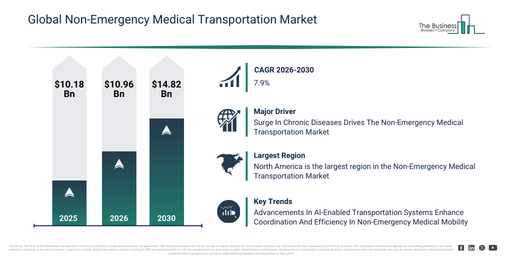
    The non-emergency medical transportation market has experienced significant growth in recent years. It is projected to expand from $10.18 billion in 2025 to $10.96 billion in 2026, achieving a compound annual growth rate (CAGR) of 7.6%. Historically, this market’s expansion was influenced by the restricted availability of non-emergency medical transport, a high reliance on private pay services, fragmented courier and patient transport systems, a rising demand for dialysis and routine doctor visits, and a continued dependence on traditional transportation methods.

    The non-emergency medical transportation market size is set for substantial expansion in the coming years. This sector is projected to swell to $14.82 billion by 2030, demonstrating a compound annual growth rate (CAGR) of 7.9%. The impetus for this growth during the forecast period can be ascribed to the escalation of telehealth services, the uptake of electric and smart vehicles, augmented governmental and insurance backing for NEMT, the broadening of subscription-based and ride-hailing medical transport solutions, and the incorporation of AI and IoT for route optimization and ensuring patient safety. Prominent trends anticipated in this period encompass the increasing adoption of AI-based transportation scheduling, a greater integration of telehealth-linked patient transport, the expanding implementation of fleet electrification and green mobility solutions, wider deployment of smart vehicle tracking and routing systems, and the progressive application of data-driven operational efficiency solutions.

    Access Your Free Sample Report for In-Depth Market Insights:

    https://www.thebusinessresearchcompany.com/sample.aspx?id=13715&type=smp

    Which Drivers Are Expected To Impact The Non-Emergency Medical Transportation Market During The Forecast Period?

    The increasing occurrence of chronic diseases is anticipated to boost the growth of the non-emergency medical transportation market in the future. These conditions are defined as problems that last for a year or more, necessitating ongoing medical treatment, disrupting daily activities, or both. Non-emergency medical transportation for individuals with chronic diseases guarantees continuous access to medical appointments, treatments, and support services, thereby facilitating consistent medical care management and improving overall health outcomes. In January 2023, the National Institutes of Health, a US-based government agency, reported that by 2035, it is projected that 35.66% (range: 33.36–36.04) of adults aged 50 and older will have at least one chronic condition, with this figure expected to reach 47.81% (range: 46.09–49.71) by 2050. Hence, the rising incidence of chronic diseases is a significant driver for the non-emergency medical transportation market.

    How Is The Non-Emergency Medical Transportation Market Divided Into Segments?

    The non-emergency medical transportation market covered in this report is segmented –

    1) By Type: Courier Services, Insurance Backed Patient Transportation, Private Pay Patient Transportation

    2) By Vehicle Type: Ambulatory Vans, Minivans, Wheelchair-Lift-Equipped Vehicles, Stretcher Vans

    3) By Application: Dialysis, Routine Doctor Visits, Mental Health Related Appointments, Rehabilitation, Other Applications

    4) By End User: Airport Shuttle, Hospital Medical Laboratories, Nursing Care Facilities

    Subsegments:

    1) By Courier Services: Medical Supply Delivery, Prescription Delivery, Laboratory Specimen Transport

    2) By Insurance Backed Patient Transportation: Medicaid Funded Transportation, Medicare Funded Transportation, Private Insurance Transportation

    3) By Private Pay Patient Transportation: Individual Out-Of-Pocket Payments, Subscription-Based Services, Ride-Hailing Services For Medical Appointments

    How Are Emerging Trends Affecting The Progression Of The Non-Emergency Medical Transportation Market?

    Leading entities within the non-emergency medical transportation market are prioritizing the creation of sophisticated tools, like an AI-powered transportation management system, aimed at improving scheduling efficiency, optimizing routes, and boosting operational effectiveness when moving patients for healthcare appointments. Such a system represents a digital platform utilizing artificial intelligence to automate and refine the processes of scheduling, routing, and allocating resources for transportation activities, thereby increasing efficiency via real-time decision-making and minimizing delays, concurrently elevating total fleet performance. As an illustration, in September 2024, MediDrive, a US-based supplier of non-emergency medical transportation services, unveiled its Healthcare-Focused Intelligent Patient Transportation Coordination Platform, a Transportation Management System (TMS) designed to tackle significant hurdles in patient movement and access to medical attention. This system empowers hospitals, health plans, and care coordinators to arrange and oversee rides via a single interface, providing features like real-time dispatch, AI-powered route optimization, the ability to choose vehicles suited for various mobility requirements (ambulatory, wheelchair, stretcher, VIP), cost management, and live tracking, all contributing to better on-time performance, patient adherence, and uninterrupted care.

    Which Key Players Are Driving Competition In The Non-Emergency Medical Transportation Market?

    Major companies operating in the non-emergency medical transportation market are Transdev, FirstGroup plc, ModivCare Inc, Falck A/S, LogistiCare Solutions LLC, Kinetik, American Medical Response Inc., MTM Inc., Global Medical Response Inc, Crothall Healthcare Inc., Southeastrans Inc, Secure Transportation Company Inc, Acadian Ambulance Service Inc, Express Medical Transporters Inc, ERS Transition Ltd, Veyo LLC, ATS Healthcare Solutions, Ride Health, Wingz Inc, ERS Medical, Coastal Medical Transportation Systems LLC, Ambulnz, CareSafe Transportation, Elite Medical Transport, Lifeline VMT, ABC Non-Emergency Medical Transportation LLC, MediTrans

    Access The Complete Report For Deeper Market Insights:

    https://www.thebusinessresearchcompany.com/report/non-emergency-medical-transportation-global-market-report

    Which Region Currently Holds The Largest Share Of The Non-Emergency Medical Transportation Market?

    North America was the largest region in the non-emergency medical transportation market in 2025. The regions covered in the non-emergency medical transportation market report are Asia-Pacific, South East Asia, Western Europe, Eastern Europe, North America, South America, Middle East, Africa.

    Request Your Customized Non-Emergency Medical Transportation Market Research Report for Competitive Advantage:

    https://www.thebusinessresearchcompany.com/customise?id=13715&type=smp

    Browse Through More Reports Similar to the Global Non-Emergency Medical Transportation Market 2026, By The Business Research Company

    Alternate Transportation Market Report 2026

    https://www.thebusinessresearchcompany.com/report/alternate-transportation-global-market-report

    Patient Transport Services Market Report 2026

    https://www.thebusinessresearchcompany.com/report/patient-transport-services-global-market-report

    Healthcare Transportation Service Market Report 2026

    https://www.thebusinessresearchcompany.com/report/healthcare-transportation-service-global-market-report

    Get in touch with us:

    The Business Research Company: https://www.thebusinessresearchcompany.com/

    Americas +1 310-496-7795

    Asia +44 7882 955267 & +91 8897263534

    Europe +44 7882 955267

    Email us at info@tbrc.info

    Follow us on:

    LinkedIn: https://in.linkedin.com/company/the-business-research-company

    YouTube: https://www.youtube.com/channel/UC24_fI0rV8cR5DxlCpgmyFQ

    Global Market Model: https://www.thebusinessresearchcompany.com/global-market-model
  • PD-1 Resistant Head And Neck Cancer Market Future Outlook: Strong Growth Expected Toward $2.4 Billion by 2030

    PD-1 Resistant Head And Neck Cancer Market Future Outlook: Strong Growth Expected Toward $2.4 Billion by 2030

    Uncover key drivers, emerging technologies, and competitive movements shaping the pd-1 resistant head and neck cancer market from 2026–2035 with trusted insights from The Business Research Company

    What is the estimated market size of the PD-1 Resistant Head And Neck Cancer Market by the end of 2030?

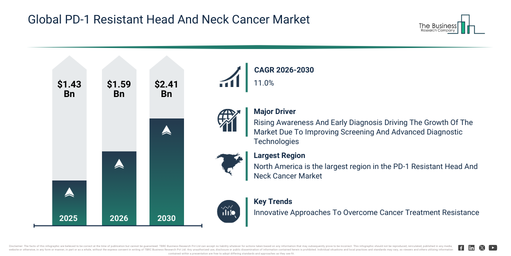
    The market size for pd-1 resistant head and neck cancer has experienced rapid growth in recent years. It is projected to expand from $1.43 billion in 2025 to reach $1.59 billion in 2026, demonstrating a compound annual growth rate (CAGR) of 11.2%. The growth observed in the historical period can be attributed to a restricted understanding of pd-1 resistance, a reliance on standard chemotherapy and radiation treatments, minimal adoption of biomarker testing, inadequate clinical trial enrollment, and the slow progress in developing targeted therapies.

    The pd-1 resistant head and neck cancer market size is projected to undergo rapid expansion in the coming years. It is expected to reach $2.41 billion by 2030, exhibiting a compound annual growth rate (CAGR) of 11.0%. This growth throughout the forecast period can be attributed to factors such as increasing investment in immuno-oncology research, a rise in the adoption of combination therapy strategies, the growing application of genomic profiling for personalized treatment, enhanced collaboration between pharmaceutical and biotech companies, and an increasing focus on the early detection of resistant hnscc. Prominent trends for the forecast period include intensified research into immunotherapy resistance mechanisms, the expanding adoption of precision medicine approaches, a greater utilization of AI and big data for patient stratification, the increased development of targeted combination therapies, and the rising implementation of advanced genomic and biomarker testing.

    Access Your Free Sample Report for In-Depth Market Insights:

    https://www.thebusinessresearchcompany.com/sample.aspx?id=22092&type=smp

    What Drivers Are Shaping Future Opportunities In The PD-1 Resistant Head And Neck Cancer Market?

    Enhanced awareness and prompt diagnosis are anticipated to fuel the expansion of the PD-1-resistant head and neck cancer market in the future. The rise in cancer awareness and early diagnosis is attributed to better screening programs, various healthcare initiatives, and progress in diagnostic technologies, which facilitate prompt detection and subsequent treatment. Swift identification of PD-1-resistant head and neck cancer allows for early application of alternative therapies, consequently enhancing treatment results and extending patient survival. For example, data from rapid cancer registration released in January 2025 by The National Health Service (NHS), a UK-based government department, revealed that 120,958 out of 206,038 common cancers (58.7%) identified between September 2023 and August 2024 were found in their early stages. This represents a 2.7 percentage point increase compared to pre-pandemic periods, meaning approximately 7,000 more patients received an early diagnosis. Consequently, greater awareness and early detection are key drivers for the expansion of the PD-1-resistant head and neck cancer market.

    Which Segments Are Gaining Traction In The PD-1 Resistant Head And Neck Cancer Market?

    The pd-1 resistant head and neck cancer market covered in this report is segmented –

    1) By Treatment Type: Chemotherapy, Radiation Therapy, Surgery, Targeted Therapy

    2) By Stage Of Cancer: Early Stage, Locally Advanced Stage, Metastatic Stage

    3) By Application: Squamous Cell Carcinoma, Adenocarcinoma, Nasopharyngeal Carcinoma, Throat Cancer

    4) By End User: Hospitals, Cancer Research Centers, Clinics

    Subsegments:

    1) By Chemotherapy: Platinum-Based Chemotherapy, Taxanes, Antimetabolites, Topoisomerase Inhibitors

    2) By Radiation Therapy: Intensity-Modulated Radiation Therapy (IMRT), Stereotactic Body Radiation Therapy (SBRT), Proton Beam Therapy, Brachytherapy

    3) By Surgery: Tumor Resection, Neck Dissection, Reconstructive Surgery, Laser Surgery

    4) By Targeted Therapy: EGFR Inhibitors, Angiogenesis Inhibitors, Cyclin-Dependent Kinase Inhibitors

    What Trends Are Expected To Impact The Competitive Landscape Of The PD-1 Resistant Head And Neck Cancer Market?

    Entities active in the PD-1 resistant head and neck cancer market are prioritizing advanced developments, including individualized cancer treatments, to improve efficacy and combat resistance. Individualized cancer treatment customizes therapeutic strategies based on a patient’s genetic profile, tumor features, and immune response, allowing for more precise and effective medical care. For example, in November 2024, CEL-SCI Corporation, a US-based biotechnology firm, received FDA clearance to utilize the PD-L1 biomarker in a head and neck cancer study. Set to begin in early 2025, this trial will focus on patients newly diagnosed with low PD-L1 expression and without lymph node involvement to determine the safety and effectiveness of Multikine (Leukocyte Interleukin, Injection). Following encouraging results from a previous Phase 3 study, this research represents a significant stride in personalized cancer treatment, offering renewed hope for the more effective handling of PD-1-resistant cancers.

    Who Are The Top-Performing Companies In The PD-1 Resistant Head And Neck Cancer Market In Recent Years?

    Major companies operating in the pd-1 resistant head and neck cancer market are Pfizer Inc., Roche Holding AG, Merck & Co. Inc., Bristol-Myers Squibb Company, AstraZeneca PLC, Regeneron Pharmaceuticals Inc., Incyte Corporation, Coherus BioSciences Inc., Akeso Biopharma, PDS Biotechnology Corporation, ALX Oncology Holdings Inc., RAPT Therapeutics Inc., Immutep Limited, Agenus Inc., Sotio Biotech, BioNTech SE, Imugene Ltd, Adaptimmune Therapeutics PLC, Replimune, Curis Inc., MacroGenics, Innate Pharma, Eli Lilly and Company, Gilead Sciences, Celldex Therapeutics, Juno Therapeutics, Bluebird Bio, IO Biosciences

    Access The Complete Report For Deeper Market Insights:

    https://www.thebusinessresearchcompany.com/report/pd-1-resistant-head-and-neck-cancer-global-market-report

    Which Region Is Anticipated To See The Fastest Growth In The PD-1 Resistant Head And Neck Cancer Market?

    North America was the largest region in the PD-1 resistant head and neck cancer market 2025. The regions covered in the pd-1 resistant head and neck cancer market report are Asia-Pacific, South East Asia, Western Europe, Eastern Europe, North America, South America, Middle East, Africa.

    Request Your Customized PD-1 Resistant Head And Neck Cancer Market Research Report for Competitive Advantage:

    https://www.thebusinessresearchcompany.com/customise?id=22092&type=smp

    Browse Through More Reports Similar to the Global PD-1 Resistant Head And Neck Cancer Market 2026, By The Business Research Company

    Anti Cancer Mabs Market Report 2026

    https://www.thebusinessresearchcompany.com/report/anti-cancer-mabs-global-market-report

    Head And Neck Cancer Diagnostics Market Report 2026

    https://www.thebusinessresearchcompany.com/report/head-and-neck-cancer-diagnostics-global-market-report

    Pd 1 And Pdl1 Inhibitors Or Immune Checkpoint Inhibitors Market Report 2026

    https://www.thebusinessresearchcompany.com/report/pd-1-and-pdl1-inhibitors-or-immune-checkpoint-inhibitors-global-market-report

    Get in touch with us:

    The Business Research Company: https://www.thebusinessresearchcompany.com/

    Americas +1 310-496-7795

    Asia +44 7882 955267 & +91 8897263534

    Europe +44 7882 955267

    Email us at info@tbrc.info

    Follow us on:

    LinkedIn: https://in.linkedin.com/company/the-business-research-company

    YouTube: https://www.youtube.com/channel/UC24_fI0rV8cR5DxlCpgmyFQ

    Global Market Model: https://www.thebusinessresearchcompany.com/global-market-model
  • Non-Cystic Fibrosis Bronchiectasis Market 2026–2030: Forecast, Innovation, and Competitive Trends

    Non-Cystic Fibrosis Bronchiectasis Market 2026–2030: Forecast, Innovation, and Competitive Trends

    Uncover key drivers, emerging technologies, and competitive movements shaping the non-cystic fibrosis bronchiectasis market from 2026–2035 with trusted insights from The Business Research Company

    How much is the Non-Cystic Fibrosis Bronchiectasis Market valued at in 2026, and what valuation is forecast for 2030?

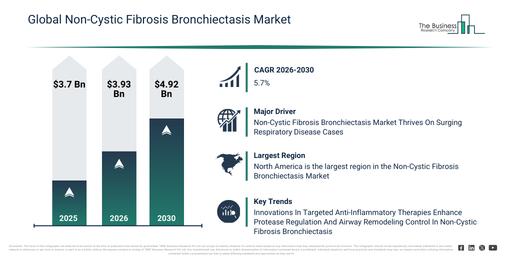
    The non-cystic fibrosis bronchiectasis market has experienced substantial expansion in recent years. Its valuation is anticipated to rise from $3.7 billion in 2025 to $3.93 billion in 2026, progressing at a compound annual growth rate (CAGR) of 6.4%. This historic growth is largely due to factors including recurrent respiratory infections, restricted understanding of non-CF bronchiectasis, a dependence on established diagnostic techniques, insufficient hospital infrastructure, and the limited embrace of advanced imaging technologies.

    The non-cystic fibrosis bronchiectasis market is projected to experience substantial expansion in the coming years. By 2030, its value is forecast to reach $4.92 billion, growing at a compound annual growth rate (CAGR) of 5.7%. This anticipated growth during the forecast period is primarily driven by factors such as the increasing incidence of chronic respiratory conditions, the wider adoption of AI and precision medicine, the expansion of home healthcare and telemedicine services, progress in minimally invasive treatment options, and the enhancement of healthcare infrastructure within developing economies. Key trends anticipated during this period involve the increasing embrace of personalized treatment strategies, greater integration of remote patient monitoring and telehealth solutions, a rise in the application of AI-powered diagnostic instruments, broader deployment of connected health devices and smart lung monitoring systems, and the progressive integration of data-driven tools for clinical decision support.

    Access Your Free Sample Report for In-Depth Market Insights:

    https://www.thebusinessresearchcompany.com/sample.aspx?id=17209&type=smp

    What Drivers Are Influencing The Growth Of The Non-Cystic Fibrosis Bronchiectasis Market?

    An increasing incidence of respiratory illnesses is projected to fuel expansion in the non-cystic fibrosis bronchiectasis market moving ahead. These diseases encompass various ailments that target the lungs and respiratory tract, thereby impairing respiration and general respiratory performance. The growing occurrence of respiratory conditions is chiefly propelled by escalating environmental contamination, involving both external pollutants and internal irritants like tobacco smoke. This surge in respiratory infections offers prospects for enhancing the comprehension, identification, and treatment of non-cystic fibrosis bronchiectasis via focused initiatives and public health campaigns. As an illustration, in June 2023, data from a report by the Office for Health Improvement and Disparities, a UK government agency, indicated that a total of 4,622 notifications of scarlet fever Group A Streptococcus bacteria were recorded from week 37 to week 46 in the 2022-2023 season in England, with 851 notifications specifically in week 46 alone. This figure represents a considerable increase when contrasted with an average of 1,294 notifications (ranging from 258 to 2,008) for the identical period (weeks 37 to week 46) over the preceding five years. Consequently, the increasing occurrence of respiratory ailments is set to boost the expansion of the non-cystic fibrosis bronchiectasis market.

    What Segments Are Included Within The Non-Cystic Fibrosis Bronchiectasis Market?

    The non-cystic fibrosis bronchiectasis market covered in this report is segmented –

    1) By Diagnosis: Computed Tomography (CT) Scan, Bronchoscopy, Chest X Ray, Lung Function, Sputum Culture Test, Blood Tests, Other Diagnosis Types

    2) By Treatment: Surgery, Physiotherapy, Vaccination, Airway Pharmacotherapy, Antibiotics, Other Treatments

    3) By End Use: Hospitals And Clinics, Ambulatory Care Centers, Other End Uses

    Subsegments:

    1) By Computed Tomography (CT) Scan: High-Resolution CT (HRCT), Standard CT

    2) By Bronchoscopy: Flexible Bronchoscopy, Rigid Bronchoscopy

    3) By Chest X-Ray: Standard Chest X-Ray, Digital Chest X-Ray

    4) By Lung Function: Spirometry, Peak Flow Measurement

    5) By Sputum Culture Test: Bacterial Culture, Fungal Culture, Viral Culture

    6) By Blood Tests: Complete Blood Count (CBC), C-Reactive Protein (CRP), Immunoglobulin Levels

    7) By Other Diagnosis Types: Sweat Test, Genetic Testing, Exhaled Nitric Oxide Test

    Which Innovation Trends Are Advancing Developments Within The Non-Cystic Fibrosis Bronchiectasis Market?

    Key companies operating in the non-cystic fibrosis bronchiectasis (NCFB) market are concentrating on developing advanced solutions, such as novel pharmacologic interventions that regulate neutrophil elastase, to enhance protease–antiprotease balance, alleviate chronic tissue damage, and support ongoing control of airway remodeling. This type of novel neutrophil elastase–regulating pharmacologic intervention for chronic airway inflammation represents a targeted therapeutic approach designed to modify excessive neutrophil elastase activity, which is a fundamental contributor to airway injury and persistent inflammation in NCFB. As an illustration, in November 2025, Insmed, a US-based biopharmaceutical company, secured European Commission approval for BRINSUPRI (brensocatib), a groundbreaking, once-daily oral DPP1 inhibitor. The 25 mg formulation, demonstrated in the Phase 3 ASPEN trial, led to a 19.4% reduction in annual exacerbation rate compared to placebo, extended the duration to the first exacerbation, and showed a greater proportion of patients staying exacerbation-free. Moreover, it significantly mitigated the decline in lung function (FEV1) at week 52 and presented a favorable safety profile, with common adverse effects reported including headache, hyperkeratosis, dermatitis, rash, upper respiratory tract infections, and dry skin.

    Who Are The Top-Performing Companies In The Non-Cystic Fibrosis Bronchiectasis Market In Recent Years?

    Major companies operating in the non-cystic fibrosis bronchiectasis market are Pfizer Inc., Merck & Co. Inc., Sanofi SA, AstraZeneca plc, GlaxoSmithKline plc (GSK), Boehringer Ingelheim International GmbH, Viatris Inc., Teva Pharmaceutical Industries Ltd., Sun Pharmaceutical Industries Ltd., Aurobindo Pharma Ltd., Dr Reddys Laboratories Ltd., Chiesi Farmaceutici SpA, Lupin Limited, Zambon Company SpA, Sunovion Pharmaceuticals Inc., Insmed Incorporated, Armata Pharmaceuticals Inc., Renovion Inc., SolAeroMed Inc., CSL Behring, Haisco Pharmaceutical Group Co Ltd., NovaBiotics Ltd., Synspira Therapeutics, Parion Sciences, Regeneron Pharmaceuticals Inc., Gilead Sciences Inc., Infex Therapeutics

    Access The Complete Report For Deeper Market Insights:

    https://www.thebusinessresearchcompany.com/report/non-cystic-fibrosis-bronchiectasis-global-market-report

    How Does The Non-Cystic Fibrosis Bronchiectasis Market Perform Across Major Global Regions?

    North America was the largest region in the non-cystic fibrosis bronchiectasis market in 2025. The regions covered in the non-cystic fibrosis bronchiectasis market report are Asia-Pacific, South East Asia, Western Europe, Eastern Europe, North America, South America, Middle East, Africa.

    Request Your Customized Non-Cystic Fibrosis Bronchiectasis Market Research Report for Competitive Advantage:

    https://www.thebusinessresearchcompany.com/customise?id=17209&type=smp

    Browse Through More Reports Similar to the Global Non-Cystic Fibrosis Bronchiectasis Market 2026, By The Business Research Company

    Bronchoscope Market Report 2026

    https://www.thebusinessresearchcompany.com/report/bronchoscope-global-market-report

    Idiopathic Pulmonary Fibrosis Market Report 2026

    https://www.thebusinessresearchcompany.com/report/idiopathic-pulmonary-fibrosis-global-market-report

    Cystic Fibrosis Cf Therapeutics Market Report 2026

    https://www.thebusinessresearchcompany.com/report/cystic-fibrosis-cf-therapeutics-global-market-report

    Get in touch with us:

    The Business Research Company: https://www.thebusinessresearchcompany.com/

    Americas +1 310-496-7795

    Asia +44 7882 955267 & +91 8897263534

    Europe +44 7882 955267

    Email us at info@tbrc.info

    Follow us on:

    LinkedIn: https://in.linkedin.com/company/the-business-research-company

    YouTube: https://www.youtube.com/channel/UC24_fI0rV8cR5DxlCpgmyFQ

    Global Market Model: https://www.thebusinessresearchcompany.com/global-market-model