Category: Healthcare Services

  • Nocturia Market Forecast 2026: Where the Industry Is Headed

    Nocturia Market Forecast 2026: Where the Industry Is Headed

    Uncover key drivers, emerging technologies, and competitive movements shaping the nocturia market from 2026–2035 with trusted insights from The Business Research Company

    What are the forecasted starting (2026) and ending (2030) market sizes for the Nocturia Market?

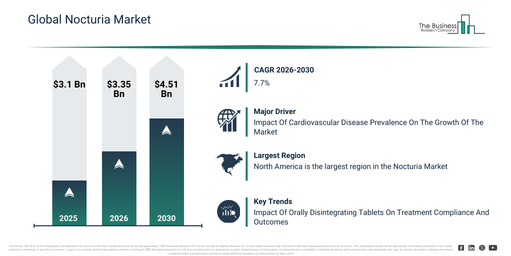
    The nocturia market size has shown strong growth in recent years. It is projected to increase from $3.1 billion in 2025 to $3.35 billion in 2026, at a compound annual growth rate (CAGR) of 8.0%. The growth observed in the past can be attributed to several factors including an aging population, a rise in the incidence of benign prostatic hyperplasia, increasing prevalence of urinary tract infections, the extensive use of diuretic medications, and limited early diagnostic awareness.

    The nocturia market is anticipated to experience strong growth over the next few years, with its size projected to reach $4.51 billion by 2030, demonstrating a compound annual growth rate (CAGR) of 7.7%. This expansion during the forecast period is attributed to several factors, including the increasing demand for personalized treatment, the broader availability of home care therapies, rising healthcare expenditure, a heightened focus on sleep quality management, and improved access to urology specialists. Key trends observed in this period encompass a rising geriatric population alongside age-related urological disorders, an increasing prevalence of diabetes and metabolic disorders, growing awareness and diagnosis of lower urinary tract symptoms, a transition toward combination drug therapies, and the expansion of home-based nocturia management solutions.

    Access Your Free Sample Report for In-Depth Market Insights:

    https://www.thebusinessresearchcompany.com/sample.aspx?id=21232&type=smp

    What Drivers Are Supporting Technological Adoption In The Nocturia Market?

    The increasing occurrence of cardiovascular diseases is projected to stimulate the expansion of the nocturia market in the future. Cardiovascular diseases (CVDs) refer to a range of conditions that impact the heart and blood vessels, including issues like heart disease, stroke, and hypertension. The widespread nature of these diseases stems from factors such as an aging population, inactive lifestyles, unhealthy eating habits, smoking, excessive alcohol intake, obesity, high blood pressure, elevated cholesterol levels, diabetes, and genetic predispositions. Patients diagnosed with cardiovascular diseases frequently experience nocturia as a symptom, which in turn escalates the demand for diagnostic tools and treatment solutions. As the global prevalence of cardiovascular conditions continues to climb due to an aging demographic and unhealthy living choices, the need for effective nocturia management will similarly grow. For instance, in September 2025, figures from the British Heart Foundation, a UK-based charity, indicated that more than 7.6 million people across the UK—specifically over 4 million men and more than 3.6 million women—are currently living with cardiovascular disease. Projections further suggest that, driven by an aging population and improved survival rates, the number of affected individuals could increase by around 1 million by 2030 and by approximately 2 million by 2040. Therefore, the rising prevalence of cardiovascular diseases is a key factor driving the growth of the nocturia market.

    What Segment Types Are Examined In The Nocturia Market?

    The nocturia market covered in this report is segmented –

    1) By Drug: Anticholinergic Drugs, Desmopressin, Antibiotics, Antispasmodic, Other Drugs

    2) By Indication: Mixed Nocturia, Low Nocturnal Bladder Capacity, Nocturnal Polyuria, Global Polyuria

    3) By Causes: Urological Infection, Tumor Of The Bladder, Diuretic Medications, Regular Alcohol Or Coffee, Liver Infection, Diabetes, Pregnancy, Other Causes

    4) By End User: Hospitals, Home Care, Clinics

    Subsegments:

    1) By Anticholinergic Drugs: Oxybutynin, Tolterodine, Solifenacin, Darifenacin, Fesoterodine

    2) By Desmopressin: Intranasal Desmopressin, Oral Desmopressin

    3) By Antibiotics: Nitrofurantoin, Trimethoprim, Fosfomycin

    4) By Antispasmodic: Hyoscine Butylbromide, Flavoxate

    5) By Other Drugs: Alpha-Blockers, Beta-3 Agonists

    How Are New Market Trends Shaping The Landscape Of The Nocturia Market?

    Leading companies operating within the nocturia market are focusing on developing innovative products, such as orally disintegrating tablets, to enhance patient convenience and compliance. Orally disintegrating tablets (ODTs) are solid dosage forms that rapidly dissolve in the mouth without requiring water, making them ideal for patients who have difficulty swallowing. For instance, in July 2024, Adalvo Limited, a Malta-based pharmaceutical company, launched Desmopressin ODT in Europe to treat conditions that cause the body to lose too much fluid, such as central cranial diabetes insipidus. This synthetic form of vasopressin tablet treats diabetes insipidus, excessive thirst and urination, and bedwetting by mimicking the natural hormone and limiting the amount of water eliminated in urine. It is also utilized to manage bleeding in mild to moderate hemophilia A and von Willebrand disease by promoting the release of blood clotting factors.

    Who Are The Primary Competitors In The Global Nocturia Market?

    Major companies operating in the nocturia market are Pfizer Inc, Merck & Co. Inc, AbbVie Inc, Sanofi S.A, GlaxoSmithKline plc, Viatris Inc, Boehringer Ingelheim International GmbH, Otsuka Pharmaceutical Co. Ltd, Astellas Pharma Inc, Eisai Co. Ltd., Sumitomo Dainippon Pharma Co. Ltd, Ferring Pharmaceuticals A/S, Avadel Pharmaceuticals plc, UroGen Pharma Ltd, Sanwa Kagaku Co. Ltd., Urovant Sciences Inc, Serenity Pharmaceuticals LLC, Vantia Therapeutics Inc, AA Pharma Inc, Wellesley Pharmaceuticals Inc

    Access The Complete Report For Deeper Market Insights:

    https://www.thebusinessresearchcompany.com/report/nocturia-global-market-report

    Which Regions Are Poised For Strategic Growth In The Nocturia Market?

    North America was the largest region in the nocturia market in 2025. Asia-Pacific is expected to be the fastest-growing region in the forecast period. The regions covered in the nocturia market report are Asia-Pacific, South East Asia, Western Europe, Eastern Europe, North America, South America, Middle East, Africa.

    Request Your Customized Nocturia Market Research Report for Competitive Advantage:

    https://www.thebusinessresearchcompany.com/customise?id=21232&type=smp

    Browse Through More Reports Similar to the Global Nocturia Market 2026, By The Business Research Company

    Urinary Incontinence Market Report 2026

    https://www.thebusinessresearchcompany.com/report/urinary-incontinence-global-market-report

    Kidney Disease Market Report 2026

    https://www.thebusinessresearchcompany.com/report/kidney-disease-global-market-report

    Nephrology And Urology Devices Market Report 2026

    https://www.thebusinessresearchcompany.com/report/nephrology-and-urology-devices-global-market-report

    Get in touch with us:

    The Business Research Company: https://www.thebusinessresearchcompany.com/

    Americas +1 310-496-7795

    Asia +44 7882 955267 & +91 8897263534

    Europe +44 7882 955267

    Email us at info@tbrc.info

    Follow us on:

    LinkedIn: https://in.linkedin.com/company/the-business-research-company

    YouTube: https://www.youtube.com/channel/UC24_fI0rV8cR5DxlCpgmyFQ

    Global Market Model: https://www.thebusinessresearchcompany.com/global-market-model
  • Patient Temperature Monitoring Market Anticipated to Record Steady Gains, Advancing to $8.08 Billion by 2030

    Patient Temperature Monitoring Market Anticipated to Record Steady Gains, Advancing to $8.08 Billion by 2030

    Uncover key drivers, emerging technologies, and competitive movements shaping the patient temperature monitoring market from 2026–2035 with trusted insights from The Business Research Company

    What upper market value could the Patient Temperature Monitoring Market reach by 2030 starting from 2026 levels?

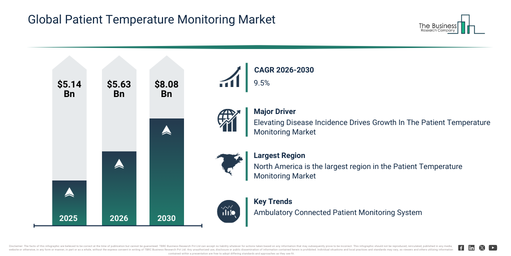
    The patient temperature monitoring market has shown significant expansion in recent years. Its value is anticipated to increase from $5.14 billion in 2025 to $5.63 billion in 2026, reflecting a compound annual growth rate (CAGR) of 9.6%. The historical growth of this market can be attributed to several factors, including manual temperature monitoring through traditional thermometers, reliance on intermittent patient checks, paper-based temperature record keeping, the limited adoption of wearable temperature sensors, and the absence of integration with hospital information systems.

    The patient temperature monitoring market size is projected to experience substantial expansion over the coming years. This market is anticipated to reach a valuation of $8.08 billion by 2030, exhibiting a compound annual growth rate (CAGR) of 9.5%. Several factors will drive this growth during the forecast period, including an escalating need for ongoing and distant patient observation, a wider embrace of non-contact temperature sensing equipment, incorporation with telehealth services, heightened emphasis on monitoring after surgery and in critical care settings, and the creation of sophisticated wearable and single-use temperature sensors. Key trends expected during this period involve the increasing uptake of AI-driven temperature monitoring solutions, the integration of IoT-enabled wearable temperature sensors, a greater reliance on cloud-based patient monitoring platforms, the automation of temperature data acquisition and reporting, and progress in precision medicine tailored for temperature-guided interventions.

    Access Your Free Sample Report for In-Depth Market Insights:

    https://www.thebusinessresearchcompany.com/sample.aspx?id=7856&type=smp

    Which Drivers Are Influencing Long-Term Growth In The Patient Temperature Monitoring Market?

    The increasing occurrence of illnesses is projected to fuel the expansion of the patient temperature monitoring market in the future. Illnesses are conditions resulting from organisms like bacteria, viruses, fungi, or parasites. Certain contagious diseases can spread among individuals, while others are carried by insects or animals. Variations in temperature serve as a vital indicator for identifying sickness. The anticipated link between fluctuations in temperature and the presence of illness is expected to boost the uptake of monitoring solutions. For example, in April 2025, the World Health Organization, which is a Switzerland-based specialized agency of the United Nations focusing on international public health, indicated that it was monitoring decreases in immunization coverage observed during and following the COVID-19 pandemic across numerous communities. Measles cases reached an estimated 10.3 million in 2023, representing a 20% rise from 2022. Consequently, the growing frequency of diseases will persist in propelling the patient temperature monitoring market.

    How Is The Patient Temperature Monitoring Market Divided Into Segments?

    The patient temperature monitoring market covered in this report is segmented –

    1) By Type: Contact-Based Temperature Monitoring Systems, Non-Contact-Based Temperature Monitoring System

    2) By Site: Non Invasive Temperature Monitoring, Invasive Temperature Monitoring

    3) By Application: Pyrexia Or Fever, Hypothermia, Blood Transfusion, Anesthesia, Other Applications

    4) By End User: Hospital And Surgical Centers, Nursing Facilities, Ambulatory Care Centers, Home Care, Other End Users

    Subsegments:

    1) By Contact-Based Temperature Monitoring Systems: Digital Thermometers, Infrared Ear Thermometers, Glass Thermometers, Disposable Thermometers

    2) By Non-Contact-Based Temperature Monitoring Systems: Forehead (Temporal) Thermometers, Infrared Non-Contact Thermometers, Wearable Temperature Sensors

    Which Trends Are Influencing The Performance And Direction Of The Patient Temperature Monitoring Market?

    Major companies operating in the patient temperature monitoring market are adopting new products, such as ambulatory-connected patient monitoring systems, to sustain their market position. An ambulatory-connected patient monitoring system is a wearable technology that wirelessly collects and transmits real-time health data from patients, enabling the remote monitoring of vital signs and medical parameters outside of traditional healthcare settings. For instance, in October 2023, Dozee, an India-based company providing remote patient monitoring, launched Dozee Pro Ex. Dozee Pro Ex offers continuous monitoring of patient vitals, including ECG rhythm, blood pressure, heart rate/pulse rate, oxygen saturation, respiration rate, and temperature. This system is equipped with an artificial intelligence (AI)-powered early warning system that tracks trends in vital parameters and provides timely alerts for possible clinical deterioration.

    Which Major Firms Are Strengthening Their Position In The Patient Temperature Monitoring Market?

    Major companies operating in the patient temperature monitoring market are Cardinal Health Inc., 3M Company, Koninklijke Philips NV, Drägerwerk AG & Co., Microlife Corporation, Becton Dickinson and Company, Omron Healthcare Inc., Masimo Corporation, Braun GmbH, Terumo Corporation, Paul Hartmann AG, Beurer GmbH, Easytem Co. Ltd., Omega Engineering Inc., iHealth Lab Inc., DeltaTrak Inc., Exergen Corporation, Medisana GmbH, Geratherm Medical AG, Nureca Healthcare Private Limited, A&D Company Ltd., Actherm Inc., Cosinuss GmbH, Vandelay Brands Limited, Kinsa Inc., Abbott Laboratories, American Diagnostic Corporation, CAS Medical Systems Inc., C.R. Bard Inc., Edwards Lifesciences Corporation, GE HealthCare Technologies Inc., Hill-Rom Holdings Inc., Honeywell International Inc., ICU Medical Inc., Medtronic PLC, Natus Medical Incorporated, Nonin Medical Inc., Procter & Gamble Co., Quest Products Inc., Riester GmbH & Co. KG, Rossmax International Ltd., Smiths Medical International Ltd., Spacelabs Healthcare LLC, SunTech Medical Inc., Thermomedics Inc., Tyco Healthcare Group Canada Inc., Vital Signs Inc., Vyaire Medical Inc., Welch Allyn Inc., ZOLL Medical Corporation

    Access The Complete Report For Deeper Market Insights:

    https://www.thebusinessresearchcompany.com/report/patient-temperature-monitoring-global-market-report

    Which Regions Are Projected To Dominate The Patient Temperature Monitoring Market In The Coming Years?

    North America was the largest region in the patient temperature monitoring market in 2025. Asia-Pacific is expected to be the fastest-growing region in the patient temperature monitoring market report forecast period. The regions covered in the patient temperature monitoring market report are Asia-Pacific, South East Asia, Western Europe, Eastern Europe, North America, South America, Middle East, Africa.

    Request Your Customized Patient Temperature Monitoring Market Research Report for Competitive Advantage:

    https://www.thebusinessresearchcompany.com/customise?id=7856&type=smp

    Browse Through More Reports Similar to the Global Patient Temperature Monitoring Market 2026, By The Business Research Company

    Temperature Sensor Market Report 2026

    https://www.thebusinessresearchcompany.com/report/temperature-sensor-global-market-report

    Temperature Monitoring Devices Market Report 2026

    https://www.thebusinessresearchcompany.com/report/temperature-monitoring-devices-global-market-report

    Temperature Monitoring Systems Market Report 2026

    https://www.thebusinessresearchcompany.com/report/temperature-monitoring-systems-global-market-report

    Get in touch with us:

    The Business Research Company: https://www.thebusinessresearchcompany.com/

    Americas +1 310-496-7795

    Asia +44 7882 955267 & +91 8897263534

    Europe +44 7882 955267

    Email us at info@tbrc.info

    Follow us on:

    LinkedIn: https://in.linkedin.com/company/the-business-research-company

    YouTube: https://www.youtube.com/channel/UC24_fI0rV8cR5DxlCpgmyFQ

    Global Market Model: https://www.thebusinessresearchcompany.com/global-market-model
  • Patient Self-Service Kiosk Industry Poised for Rapid Growth, Forecast to Touch $2.37 Billion by 2030 at 7.4% CAGR

    Patient Self-Service Kiosk Industry Poised for Rapid Growth, Forecast to Touch $2.37 Billion by 2030 at 7.4% CAGR

    Uncover key drivers, emerging technologies, and competitive movements shaping the patient self-service kiosk market from 2026–2035 with trusted insights from The Business Research Company

    What level of CAGR-driven expansion is anticipated in the Patient Self-Service Kiosk Market between 2026 and 2030?

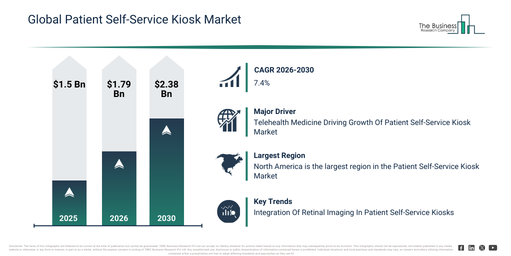
    The patient self-service kiosk market has seen rapid expansion in recent years. Its value is expected to rise from $1.5 billion in 2025 to $1.79 billion in 2026, at a compound annual growth rate (CAGR) of 19.3%. Historically, this growth can be attributed to manual patient data collection, fragmented healthcare databases, limited interoperability between systems, reliance on paper-based registries, and slow adoption of digital health tools.

    The patient self-service kiosk market is projected to experience substantial expansion over the coming years. This market is set to reach $2.38 billion by 2030, exhibiting a compound annual growth rate (CAGR) of 7.4%. This anticipated growth can be linked to several factors: a greater application of predictive analytics to improve patient outcomes, an escalating need for cloud-based registries, an intensified focus on managing population health in real time, the broadened scope of integrated EHR and registry solutions, and the increased deployment of registries for clinical trials and research. Key developments anticipated during this period encompass the wider embrace of AI-powered self-service kiosks, enhanced integration with cloud-based hospital management systems, an uptick in the use of IoT-enabled kiosks for real-time data capture, improved user experiences via AR/VR interfaces, and the progressive automation of administrative tasks for patients.

    Access Your Free Sample Report for In-Depth Market Insights:

    https://www.thebusinessresearchcompany.com/sample.aspx?id=14973&type=smp

    What Drivers Are Affecting Demand-Supply Dynamics In The Patient Self-Service Kiosk Market?

    The growing prevalence of telehealth medicine is anticipated to boost the patient self-service kiosk market going forward. Telehealth medicine refers to the remote provision of healthcare services through telecommunications technology. Its significance has increased due to enhanced healthcare access, improved convenience, and the capability to serve underserved populations. Patient self-service kiosks facilitate convenient access to healthcare resources and empower individuals to manage their health remotely, thereby fostering a more patient-centric approach to healthcare delivery. For instance, in April 2025, the American Hospital Association, a US-based professional organization, stated that over 12.6% of Medicare patients used telehealth services in the final quarter of 2023. Therefore, the expansion of telehealth medicine is indeed driving the growth of the patient self-service kiosk market.

    What Segments Are Included Within The Patient Self-Service Kiosk Market?

    The patient self-service kiosk market covered in this report is segmented –

    1) By Product Type: Freestanding Kiosks, Wall-Mounted Kiosks, Countertop Kiosks, Mobile Kiosks

    2) By Component: Data Entry, Touchscreens, Barcode Readers, Keyboard And Trackball, Electronic Number Pad, Audio Speakers, Electronic Signature Pad, Printer, Point-Of-Sales (POS), Other Components

    3) By Application: Self-Check-In, Floor Map, Prescription Order Refilling And Updating, Collection Of Co-Payments, Hospital News

    4) By End User: Hospitals, Laboratories, Specialty Clinics, Pharmaceutical Stores

    Subsegments:

    1) By Freestanding Kiosks: Interactive Kiosks, Digital Signage Kiosks, Payment Kiosks

    2) By Wall-Mounted Kiosks: Touchscreen Kiosks, Check-In Kiosks, Information Kiosks

    3) By Countertop Kiosks: Self-Check-In Kiosks, Payment And Billing Kiosks

    4) By Mobile Kiosks: Tablet-Based Kiosks, Smartphone-Based Kiosks, Portable Check-In Kiosks

    What Long-Term Trends Are Expected To Shape The Future Of The Patient Self-Service Kiosk Market?

    Companies operating in the patient self-service kiosk market are prioritizing advanced technological solutions like retinal imaging kiosk technology to gain a competitive edge and improve healthcare offerings. These kiosks incorporate sophisticated retinal imaging technology and user-friendly interfaces, allowing individuals to conduct retinal scans without professional assistance. For example, in January 2024, Pursuant Health, Inc., a US-based health data management company, launched an innovative kiosk featuring advanced retinal imaging technology. This cutting-edge kiosk achieved a significant milestone by receiving 510(k) clearance from the U.S. Food and Drug Administration. With the introduction of self-service retinal imaging capabilities, individuals can now easily capture their retinal images at these kiosks. The kiosk provides an intuitive interface that effortlessly guides users through the imaging process. Subsequent to image capture, licensed eye specialists remotely analyze the images for indications of damage caused by various health conditions, including diabetes and hypertension. This innovative addition enhances standard health check-ups by integrating retinal imaging with crucial health metrics such as weight, body mass index, blood pressure, and pulse, providing individuals with a more comprehensive health assessment experience.

    Who Are The Primary Competitors In The Global Patient Self-Service Kiosk Market?

    Major companies operating in the patient self-service kiosk market are NCR Corporation, Clearwave Corporation, KIOSK Information Systems Inc., Telpo Technology Co Ltd, Meridian Kiosks LLC, Frank Mayer and Associates Inc, Pyramid Computer, Pursuant Health Inc, Olea Kiosks Inc, Diebold Nixdorf, SlabbKiosks, Phoenix Kiosk Inc, RedyRef Interactive Kiosks, Advantech Co Ltd, ZIVELO, Acante Solutions Limited, DynaTouch, TouchSource, Kiosk Group Inc, Advanced Kiosks, Aila Technologies Inc, SBS Kiosks, 10 Squared, Aidio Technologies, AIT Inc, BestDoc, SelfMaker, Hongzhou Digital

    Access The Complete Report For Deeper Market Insights:

    https://www.thebusinessresearchcompany.com/report/patient-self-service-kiosk-global-market-report

    Which Region Is Expected To Experience The Fastest Growth In The Patient Self-Service Kiosk Market?

    North America was the largest region in the patient self-service kiosk market in 2025. Asia-Pacific is expected to be the fastest-growing region in the forecast period. The regions covered in the patient self-service kiosk market report are Asia-Pacific, South East Asia, Western Europe, Eastern Europe, North America, South America, Middle East, Africa.

    Request Your Customized Patient Self-Service Kiosk Market Research Report for Competitive Advantage:

    https://www.thebusinessresearchcompany.com/customise?id=14973&type=smp

    Browse Through More Reports Similar to the Global Patient Self-Service Kiosk Market 2026, By The Business Research Company

    Retail Self Service Kiosk Market Report 2026

    https://www.thebusinessresearchcompany.com/report/retail-self-service-kiosk-global-market-report

    Self Service Kiosk Market Report 2026

    https://www.thebusinessresearchcompany.com/report/self-service-kiosk-global-market-report

    Medical Kiosk Market Report 2026

    https://www.thebusinessresearchcompany.com/report/medical-kiosk-global-market-report

    Get in touch with us:

    The Business Research Company: https://www.thebusinessresearchcompany.com/

    Americas +1 310-496-7795

    Asia +44 7882 955267 & +91 8897263534

    Europe +44 7882 955267

    Email us at info@tbrc.info

    Follow us on:

    LinkedIn: https://in.linkedin.com/company/the-business-research-company

    YouTube: https://www.youtube.com/channel/UC24_fI0rV8cR5DxlCpgmyFQ

    Global Market Model: https://www.thebusinessresearchcompany.com/global-market-model
  • Night Blindness Treatment Industry Growth Insights: Revenue Forecast to 2030

    Night Blindness Treatment Industry Growth Insights: Revenue Forecast to 2030

    Uncover key drivers, emerging technologies, and competitive movements shaping the night blindness treatment market from 2026–2035 with trusted insights from The Business Research Company

    What upper market value could the Night Blindness Treatment Market reach by 2030 starting from 2026 levels?

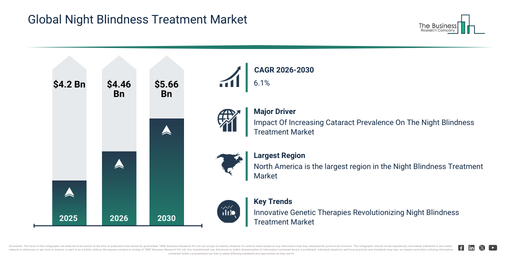
    The night blindness treatment market size has shown significant growth in recent years. It is forecast to increase from $4.2 billion in 2025 to $4.46 billion in 2026, achieving a compound annual growth rate (CAGR) of 6.3%. This historical expansion can be linked to the high prevalence of malnutrition, limited access to eye care services, growing awareness of vision disorders, an increasing geriatric population, and advancements in ophthalmic diagnostics.

    The night blindness treatment market is projected to experience substantial expansion in the coming years. This market is set to reach $5.66 billion by 2030, exhibiting a compound annual growth rate (CAGR) of 6.1%. Key factors contributing to this growth during the forecast period include greater investment in eye health initiatives, a heightened demand for tailored treatments, the broadening of gene therapy applications, advancements in healthcare infrastructure, and more favorable reimbursement policies. Significant trends anticipated in the forecast timeframe encompass an increasing occurrence of vitamin A deficiency, wider acceptance of early diagnostic methods, an uptick in minimally invasive eye surgical procedures, a growing reliance on nutritional and preventive treatments, and enhanced availability of vision care services in developing economies.

    Access Your Free Sample Report for In-Depth Market Insights:

    https://www.thebusinessresearchcompany.com/sample.aspx?id=18413&type=smp

    Which Drivers Are Influencing Long-Term Growth In The Night Blindness Treatment Market?

    The rising occurrence of cataracts is projected to boost the growth of the night blindness treatment market in the future. Cataracts are a condition where the eye’s lens becomes cloudy, leading to diminished vision. Elevated exposure to ultraviolet (UV) light from the sun, smoking, and poor dietary habits contribute to the formation of cataracts. This condition reduces the eye’s ability to distinguish between different shades of light and dark, which is essential for night vision. Consequently, this decreased contrast sensitivity makes navigating and identifying objects in low-light settings more challenging. For instance, in May 2024, according to the Office for Health Improvement & Disparities, a UK-based government department, hospital admissions for cataract surgery in England rose to more than 516,000 in the financial year ending 2023, equivalent to 4,679 per 100,000 people, marking a significant increase from the prior year’s rate of 3,803 per 100,000. Therefore, the increasing prevalence of cataracts is driving the night blindness treatment market.

    Which Segments Are Driving Activity In The Night Blindness Treatment Market?

    The night blindness treatment market covered in this report is segmented –

    1) By Treatment: Medication, Surgery, Other Treatments

    2) By Diagnosis: Blood Tests, Color Vision Testing, Pupil Light Reflex, Refraction, Retinal Exam, Electroretinogram (ERG), Other Diagnoses

    3) By Symptom: Eye Pain, Cloudy Vision, Halos, Light Sensitivity, Distance Vision Problem, Other Symptoms

    4) By End User: Clinic, Hospital, Other End Users

    Subsegments:

    1) By Medication: Vitamin A Supplements, Retinoid Therapy, Beta-Carotene Supplements, Anti-Glaucoma Medications

    2) By Surgery: Cataract Surgery, Retinal Surgery, Corneal Transplantation, LASIK Surgery

    3) By Other Treatments: Light Therapy, Gene Therapy, Low Vision Aids And Assistive Devices, Nutritional Therapy

    Which Trends Are Expected To Influence The Night Blindness Treatment Market In The Upcoming Years?

    Major entities within the night blindness treatment market are actively developing advanced genetic therapies. These innovations aim to address the root genetic mutations responsible for the condition, thereby enhancing treatment efficacy and leading to improved patient outcomes. Genetic therapies work by specifically targeting and repairing genetic mutations that compromise retinal function, offering the potential to restore vision in individuals afflicted with inherited retinal disorders such as retinitis pigmentosa. For instance, in August 2023, HuidaGene Therapeutics., a US-based clinical-stage biotechnology company, unveiled HG004. This gene therapy is specifically designed for inherited retinal diseases, including Leber’s congenital amaurosis. Preclinical studies have demonstrated that this therapy is superior to existing treatments, with the goal of restoring retinal function and alleviating night blindness and other conditions associated with RPE65-induced impairments.

    Which Key Market Players Are Investing In Expansion And Innovation Within The Night Blindness Treatment Market?

    Major companies operating in the night blindness treatment market are Johnson & Johnson Private Limited, Bayer AG, Abbott Laboratories, Novartis AG, Regeneron Pharmaceuticals Inc, Bausch Health Companies Inc, Cipla Inc, Nature’s Way, Garden of Life, Apellis Pharmaceuticals Inc, Solgar, Acucela Inc, Swanson Health Products, Astellas Pharma Inc, F. Hoffmann-La Roche Ltd, Applied Genetic Technologies Corp, MeiraGTx Holdings plc, GenSight Biologics, Santen Pharmaceutical Co Ltd, Alimera Sciences Inc, Opthea Limited, Oxurion NV, EyePoint Pharmaceuticals Inc, Ocuphire Pharma Inc.

    Access The Complete Report For Deeper Market Insights:

    https://www.thebusinessresearchcompany.com/report/night-blindness-treatment-global-market-report

    Which Regions Are Projected To Dominate The Night Blindness Treatment Market In The Coming Years?

    North America was the largest region in the night blindness treatment market in 2025. Asia-Pacific is expected to be the fastest-growing region in the forecast period. The regions covered in the night blindness treatment market report are Asia-Pacific, South East Asia, Western Europe, Eastern Europe, North America, South America, Middle East, Africa.

    Request Your Customized Night Blindness Treatment Market Research Report for Competitive Advantage:

    https://www.thebusinessresearchcompany.com/customise?id=18413&type=smp

    Browse Through More Reports Similar to the Global Night Blindness Treatment Market 2026, By The Business Research Company

    Optic Nerve Disorders Treatment Market Report 2026

    https://www.thebusinessresearchcompany.com/report/optic-nerve-disorders-treatment-global-market-report

    Retinal Disorder Treatment Market Report 2026

    https://www.thebusinessresearchcompany.com/report/retinal-disorder-treatment-global-market-report

    Night Vision Devices Market Report 2026

    https://www.thebusinessresearchcompany.com/report/night-vision-devices-global-market-report

    Get in touch with us:

    The Business Research Company: https://www.thebusinessresearchcompany.com/

    Americas +1 310-496-7795

    Asia +44 7882 955267 & +91 8897263534

    Europe +44 7882 955267

    Email us at info@tbrc.info

    Follow us on:

    LinkedIn: https://in.linkedin.com/company/the-business-research-company

    YouTube: https://www.youtube.com/channel/UC24_fI0rV8cR5DxlCpgmyFQ

    Global Market Model: https://www.thebusinessresearchcompany.com/global-market-model
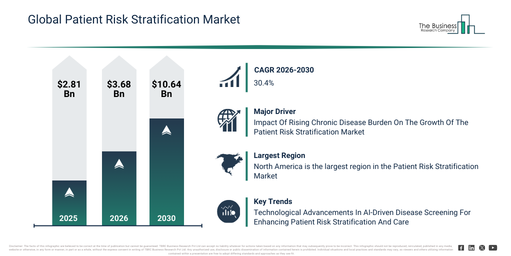
  • Patient Risk Stratification Market Performance Outlook 2026–2030: Revenue to Hit $10.64 Billion at 30.4% CAGR

    Patient Risk Stratification Market Performance Outlook 2026–2030: Revenue to Hit $10.64 Billion at 30.4% CAGR

    Uncover key drivers, emerging technologies, and competitive movements shaping the patient risk stratification market from 2026–2035 with trusted insights from The Business Research Company

    What long-term size projections exist for the Patient Risk Stratification Market covering 2026–2035?

    The patient risk stratification market has experienced substantial growth in recent years. This market is projected to expand from $2.81 billion in 2025 to reach $3.68 billion by 2026, progressing at a compound annual growth rate (CAGR) of 31.0%. The expansion observed during the historic period was influenced by factors such as manual patient risk assessments, a reliance on historical patient data, fragmented healthcare information systems, the limited application of predictive analytics, and the absence of standardized risk models.

    The patient risk stratification market size is expected to undergo substantial growth in the next few years. It is projected to reach $10.64 billion in 2030, demonstrating a compound annual growth rate (CAGR) of 30.4%. The expansion during the forecast period can be attributed to the incorporation of machine learning and AI into risk stratification, increasing adoption among healthcare providers and payers, the growth of cloud-based risk stratification solutions, a rising demand for real-time clinical decision support, and the expansion of population health management initiatives. Key trends anticipated in the forecast period include the increasing adoption of AI-based risk prediction models, a rising deployment of cloud-based risk stratification platforms, growing integration of risk stratification with clinical workflows, an increasing focus on real-time patient risk monitoring, and the rising utilization of data analytics for population health management.

    Access Your Free Sample Report for In-Depth Market Insights:

    https://www.thebusinessresearchcompany.com/sample.aspx?id=20917&type=smp

    Which Drivers Are Impacting The Competitive Landscape Of The Patient Risk Stratification Market?

    The escalating prevalence of chronic illnesses is anticipated to fuel the expansion of the patient risk stratification market in the future. These long-term health conditions typically endure for extended durations, generally exceeding three months. This increasing burden stems from factors such as an aging demographic, unhealthy lifestyle choices, rising urbanization, environmental influences, restricted access to healthcare, socioeconomic inequalities, and elevated stress. Patient risk stratification plays a crucial role in categorizing individuals according to their varying risk levels for chronic conditions, thereby enabling tailored care, timely interventions, more efficient allocation of resources, and enhanced health results. For example, in June 2025, the World Health Organization, an international specialized agency based in Switzerland, indicated that noncommunicable diseases (NCDs) continue to be the primary cause of mortality and disability globally, particularly within the WHO European Region. In this region, NCDs like cardiovascular diseases, cancers, chronic respiratory diseases, and diabetes are responsible for the deaths of 1 in 5 men and 1 in 10 women before they reach 70 years of age. Consequently, the rising burden of chronic diseases is a key impetus for the patient risk stratification market.

    What Leading Segments Are Studied In The Patient Risk Stratification Market?

    The patient risk stratification market covered in this report is segmented –

    1) By Type: Predictive Risk Stratification Model, Retrospective Risk Stratification Model, Prospective Risk Stratification Model, Concurrent Risk Stratification Model

    2) By Component: Software, Services

    3) By Delivery Model: On-Premise, Cloud-Based

    4) By Application: Risk Adjustment, Clinical Workflow, Revenue Cycle Management, Other Applications

    5) By End User: Healthcare Providers, Healthcare Payers, Other End Users

    Subsegments:

    1) By Predictive Risk Stratification Model: Machine Learning-Based Predictive Models, Statistical Predictive Models, AI-Powered Predictive Models

    2) By Retrospective Risk Stratification Model: Historical Data-Based Risk Models, Data Mining Retrospective Models

    3) By Prospective Risk Stratification Model: Longitudinal Cohort-Based Models, Real-Time Risk Assessment Models

    4) By Concurrent Risk Stratification Model: In-Hospital Risk Assessment Models, Real-Time Clinical Decision Support Models

    Which Market Trends Are Opening Growth Opportunities In The Patient Risk Stratification Market?

    Leading companies within the patient risk stratification market are prioritizing technological progress in healthcare, particularly the application of artificial intelligence (AI) in disease screening. This focus aims to facilitate earlier detection, elevate patient outcomes, and lower healthcare expenditures through more precise risk assessments and tailored treatment strategies. AI, when applied to disease screening, employs advanced algorithms and machine learning to analyze medical information. This capability supports the early identification of diseases and enhances diagnostic precision by rapidly processing substantial volumes of data. As an illustration, in May 2024, WELL Health Technologies Corporation, a healthcare firm based in Canada, along with its investee, HEALWELL AI, another Canada-based healthcare company specializing in AI and data science for preventative care, introduced WELL AI Decision Support (WAIDS). Initially designed for rare diseases, WAIDS now encompasses screening for various chronic conditions, including kidney disease, hypertension, and diabetes. This tool possesses the ability to identify more than 100 diseases and offers risk stratification, thereby assisting clinicians in pinpointing care deficiencies and accessing practical data directly at the point of care.

    Which Key Market Players Are Investing In Expansion And Innovation Within The Patient Risk Stratification Market?

    Major companies operating in the patient risk stratification market are NextGen Healthcare Inc., Health Catalyst, Freenome, Strive Health, Medeanalytics Inc., Lightbeam Health Solutions, Graphnet Health Ltd., Equipo Health Inc., Epic Systems Corporation, Cerner Corporation, IBM Corporation, Allscripts Healthcare Solutions Inc., Medecision Inc., Cotiviti Inc., SAS Institute Inc., SCIO Health Analytics, Arcadia io, HealthEC LLC, Conifer Health Solutions LLC, Wellcentive Inc., ZeOmega Inc., LexisNexis Risk Solutions, Milliman Inc., NVision Health, RLDatix, Verisk Analytics Inc., Innovaccer Inc., eClinicalWorks, Enli Health Intelligence, Athenahealth Inc., i2i Population Health, 3M Health Information Systems, Change Healthcare, Cognizant Technology Solutions, McKesson Corporation, Evolent Health Inc.

    Access The Complete Report For Deeper Market Insights:

    https://www.thebusinessresearchcompany.com/report/patient-risk-stratification-global-market-report

    Which Geographic Areas Are Emerging As Strong Markets For The Patient Risk Stratification Market?

    North America was the largest region in the patient risk stratification market in 2025. Asia-Pacific is expected to be the fastest-growing region in the forecast period. The regions covered in the patient risk stratification market report are Asia-Pacific, South East Asia, Western Europe, Eastern Europe, North America, South America, Middle East, Africa.

    Request Your Customized Patient Risk Stratification Market Research Report for Competitive Advantage:

    https://www.thebusinessresearchcompany.com/customise?id=20917&type=smp

    Browse Through More Reports Similar to the Global Patient Risk Stratification Market 2026, By The Business Research Company

    Risk Management Market Report 2026

    https://www.thebusinessresearchcompany.com/report/risk-management-global-market-report

    Patient Safety And Risk Management Software Market Report 2026

    https://www.thebusinessresearchcompany.com/report/patient-safety-and-risk-management-software-global-market-report

    Patient Simulators Market Report 2026

    https://www.thebusinessresearchcompany.com/report/patient-simulators-global-market-report

    Get in touch with us:

    The Business Research Company: https://www.thebusinessresearchcompany.com/

    Americas +1 310-496-7795

    Asia +44 7882 955267 & +91 8897263534

    Europe +44 7882 955267

    Email us at info@tbrc.info

    Follow us on:

    LinkedIn: https://in.linkedin.com/company/the-business-research-company

    YouTube: https://www.youtube.com/channel/UC24_fI0rV8cR5DxlCpgmyFQ

    Global Market Model: https://www.thebusinessresearchcompany.com/global-market-model
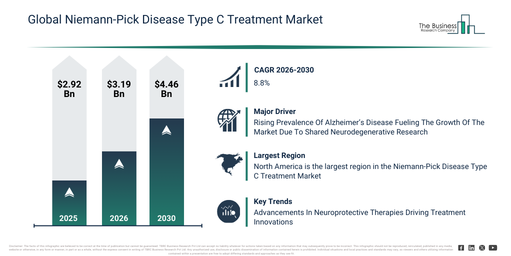
  • Global Niemann-Pick Disease Type C Treatment Market Performance Report: Global Trends 2026–2030

    Global Niemann-Pick Disease Type C Treatment Market Performance Report: Global Trends 2026–2030

    Uncover key drivers, emerging technologies, and competitive movements shaping the niemann-pick disease type c treatment market from 2026–2035 with trusted insights from The Business Research Company

    What level of CAGR-driven expansion is anticipated in the Niemann-Pick Disease Type C Treatment Market between 2026 and 2030?

    The niemann-pick disease type c treatment market size has experienced robust expansion over recent years. Projections indicate an increase from $2.92 billion in 2025 to $3.19 billion in 2026, demonstrating a compound annual growth rate (CAGR) of 9.0%. Historically, this market’s expansion was driven by several factors, including heightened rare disease awareness initiatives, the presence of specific yet effective pharmacological therapies, past underdiagnosis of NPC, beneficial regulatory incentives for orphan drugs, and the proliferation of specialty treatment centers.

    The niemann-pick disease type c treatment market is anticipated to experience substantial growth in the upcoming years. Its valuation is projected to reach $4.46 billion by 2030, exhibiting a compound annual growth rate (CAGR) of 8.8%. This expansion during the projection period stems from various factors, including progress in gene therapy research, a rise in investments dedicated to rare disease R&D, enhanced diagnostic technologies, the expansion of newborn screening initiatives, and favorable regulatory environments for new treatments. Key developments expected during this timeframe involve a greater embrace of orphan drug development, an intensified focus on prompt diagnosis and screening, the broadening availability of supportive and symptom management therapies, increased clinical trial engagement for rare diseases, and better patient access alongside reimbursement assistance.

    Access Your Free Sample Report for In-Depth Market Insights:

    https://www.thebusinessresearchcompany.com/sample.aspx?id=23458&type=smp

    What Drivers Are Affecting Demand-Supply Dynamics In The Niemann-Pick Disease Type C Treatment Market?

    The rising incidence of Alzheimer’s disease is projected to fuel the expansion of the Niemann-Pick disease type C treatments market in the coming years. Alzheimer’s is a progressive neurodegenerative condition marked by the buildup of beta-amyloid plaques and tau protein tangles in the brain, which leads to a decline in cognitive abilities, memory loss, and difficulties in daily activities, eventually progressing to severe dementia and brain degeneration. This growing prevalence of Alzheimer’s disease can be attributed to the world’s aging population. With increased life expectancy, particularly in developed nations, the risk of age-related ailments such as Alzheimer’s significantly increases, as advanced age is the most potent known risk factor for the disorder. Treatment approaches for Niemann-pick disease type C (NPC) aid Alzheimer’s Disease research by offering insights into lysosomal storage disorders and lipid metabolism dysfunction. For example, in May 2024, the Alzheimer’s Society, a voluntary health organization based in the UK, reported that approximately 982,000 individuals in the UK are currently living with dementia in 2024, with over a third still undiagnosed, and this figure is anticipated to reach 1.4 million by 2040. Consequently, the increasing prevalence of Alzheimer’s disease is serving as a primary catalyst for the growth of the Niemann-Pick disease type C treatments market.

    How Is The Niemann-Pick Disease Type C Treatment Market Organized Into Various Segments?

    The niemann-pick disease type c treatment market covered in this report is segmented –

    1) By Disease Type: Niemann-Pick Diseases Type C1, Niemann-Pick Diseases Type C2

    2) By Age Group: Infantile, Juvenile, Adult

    3) By End-User: Hospitals, Specialty Clinics, Research And Academic Institutes

    Subsegments:

    1) By Niemann-Pick Disease Type C1: Pharmacological Treatment, Gene Therapy, Substrate Reduction Therapy, Supportive Care

    2) By Niemann-Pick Disease Type C2: Enzyme Replacement Therapy, Pharmacological Treatment, Gene Therapy, Supportive Care

    What Trends Are Driving The Growth Trajectory Of The Niemann-Pick Disease Type C Treatment Market?

    Leading companies in the Niemann-pick disease type C (NPC) treatment market are concentrating on developing innovative treatments, such as neuroprotective therapies, to slow disease progression and improve patient outcomes. Neuroprotective therapies are interventions crafted to safeguard the brain and nervous system from damage or degeneration, frequently seeking to uphold neurological function in conditions like neurodegenerative diseases. For instance, in September 2024, IntraBio Inc., a US-based biopharmaceutical company, announced approval from the United States Food and Drug Administration (FDA), a US-based regulatory agency, for AQNEURSA (levacetylleucine), establishing it as the first stand-alone therapy for Niemann-Pick Disease Type C (NPC). This endorsement followed positive Phase III trial results, which demonstrated significant neurological improvements in NPC patients within 12 weeks. AQNEURSA provides a much-anticipated treatment option for individuals affected by this rare lysosomal storage disorder, an ailment that influences movement, cognition, and daily function. IntraBio also plans to investigate AQNEURSA’s potential for addressing other neurodegenerative and neurodevelopmental disorders.

    Who Are The Core Companies Influencing Trends In The Niemann-Pick Disease Type C Treatment Market?

    Major companies operating in the niemann-pick disease type c treatment market are Mayo Clinic, Boston Children’s Hospital, Cincinnati Children’s Hospital Medical Center, Mallinckrodt Pharmaceuticals, Rainbow Children’s Hospital, CENTOGENE N.V., The Florey Institute of Neuroscience and Mental Health, National Organization for Rare Disorders NORD, National Niemann-Pick Disease Foundation NNPDF, Bloomsbury Genetic Therapies Ltd., Vtesse Inc., Cyclo Therapeutics Inc., Orphazyme A S, Intrabio Inc., Sarepta Therapeutics Inc., StrideBio, Azafaros B V, ViroMed, NeuroSense Therapeutics, ArmaGen, Synlogic, Editas Medicine, Passage Bio, Chameleon Bio, Aro Bio, Glycomine, Scenic Biotech, Actio Biosciences, AIRNA Therapeutics

    Access The Complete Report For Deeper Market Insights:

    https://www.thebusinessresearchcompany.com/report/niemann-pick-disease-type-c-treatment-global-market-report

    Which Region Is Expected To Experience The Fastest Growth In The Niemann-Pick Disease Type C Treatment Market?

    North America was the largest region in the niemann-pick disease type C treatment market in 2025. Asia-Pacific is expected to be the fastest-growing region in the forecast period. The regions covered in the niemann-pick disease type c treatment market report are Asia-Pacific, South East Asia, Western Europe, Eastern Europe, North America, South America, Middle East, Africa.

    Request Your Customized Niemann-Pick Disease Type C Treatment Market Research Report for Competitive Advantage:

    https://www.thebusinessresearchcompany.com/customise?id=23458&type=smp

    Browse Through More Reports Similar to the Global Niemann-Pick Disease Type C Treatment Market 2026, By The Business Research Company

    Rare Neurological Disease Treatment Market Report 2026

    https://www.thebusinessresearchcompany.com/report/rare-neurological-disease-treatment-global-market-report

    Alpers Disease Treatment Market Report 2026

    https://www.thebusinessresearchcompany.com/report/alpers-disease-treatment-global-market-report

    Rare Inflammatory Disease Treatment Market Report 2026

    https://www.thebusinessresearchcompany.com/report/rare-inflammatory-disease-treatment-global-market-report

    Get in touch with us:

    The Business Research Company: https://www.thebusinessresearchcompany.com/

    Americas +1 310-496-7795

    Asia +44 7882 955267 & +91 8897263534

    Europe +44 7882 955267

    Email us at info@tbrc.info

    Follow us on:

    LinkedIn: https://in.linkedin.com/company/the-business-research-company

    YouTube: https://www.youtube.com/channel/UC24_fI0rV8cR5DxlCpgmyFQ

    Global Market Model: https://www.thebusinessresearchcompany.com/global-market-model
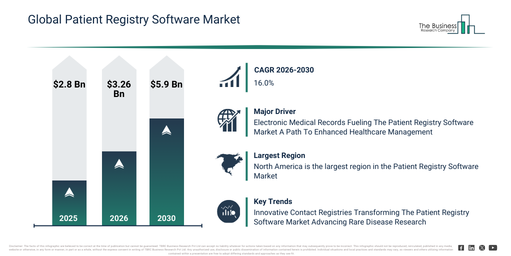
  • Global Patient Registry Software Market Set for Strong Expansion, Reaching $5.9 Billion With 16% CAGR by 2030

    Global Patient Registry Software Market Set for Strong Expansion, Reaching $5.9 Billion With 16% CAGR by 2030

    Uncover key drivers, emerging technologies, and competitive movements shaping the patient registry software market from 2026–2035 with trusted insights from The Business Research Company

    What total market size is anticipated for the Patient Registry Software Market in 2030?

    The patient registry software market has seen rapid expansion in recent years. It is projected to increase from $2.8 billion in 2025 to $3.26 billion in 2026, achieving a compound annual growth rate (CAGR) of 16.2%. The historical growth of this market can be linked to manual patient data collection, the presence of fragmented healthcare databases, constrained interoperability among systems, a reliance on paper-based registries, and a slow adoption rate of digital health tools.

    The patient registry software market is poised for significant expansion in the coming years. It is projected to achieve a market size of $5.9 billion by 2030, exhibiting a compound annual growth rate (CAGR) of 16.0%. This anticipated growth throughout the forecast period stems from factors such as the increasing application of predictive analytics for patient outcomes, a rising demand for cloud-based registries, a growing emphasis on real-time population health management, the expansion of integrated EHR and registry solutions, and the increasing utilization of registries for clinical trials and research. Furthermore, prominent trends influencing this period include the increasing adoption of AI-driven patient data analytics, a rising deployment of cloud-based patient registries, the growing integration of EHR and PMS with registry software, an increasing focus on real-time population health monitoring, and a rising utilization of data for clinical research and outcomes.

    Access Your Free Sample Report for In-Depth Market Insights:

    https://www.thebusinessresearchcompany.com/sample.aspx?id=7464&type=smp

    What Drivers Are Influencing Production Trends In The Patient Registry Software Market?

    The increasing integration of electronic medical records (EMRs) is fostering the development of the patient registry software market. An EMR functions as a digital equivalent of a patient’s traditional paper chart. These records provide support for billing, inter-practice referrals, scheduling appointments, and processing medication refills. The functionality of patient registry software is incorporated as an add-on within EMR and EHR products, thereby advancing the patient registry software market. For instance, in October 2024, according to the NHS England, a UK-based public sector executive non-departmental body of the UK government, it was reported that in November 2023, NHS England reached the previous government’s target of 90% of trusts adopting Electronic Patient Records (EPR) systems, which grants authorized clinicians access to crucial patient information. Consequently, the rising adoption of electronic medical records will propel the growth of the patient registry software market.

    Which Segment Groups Are Influencing The Patient Registry Software Market?

    The patient registry software market covered in this report is segmented –

    1) By Product: Standalone Software, Integrated Software

    2) By Type Of Database: Disease Registries, Health Service Registries, Product Registries

    3) By Deployment Model: On-Premise Models, Cloud-Based Models

    4) By Functionality: Population Health Management (PHM), Patient Care Management, Health Information Exchange (HIE), Point Of Care, Product Outcome Evaluation, Medical Research And Clinical Studies

    5) By End User: Government Organizations And Third-Party Administrators, Hospitals And Medical Practices, Private Payers, Pharmaceutical, Biotechnology, And Medical Device Companies, Research Centers

    Subsegments:

    1) By Standalone Software: Disease-Specific Registries, Patient-Centered Registries, Research Registries, Population Health Registries

    2) By Integrated Software: Electronic Health Record (EHR) Integrated Software, Practice Management System (PMS) Integrated Software, Clinical Decision Support System (CDSS) Integrated Software, Health Information Exchange (HIE) Integrated Software

    How Are Emerging Trends Affecting The Progression Of The Patient Registry Software Market?

    Leading companies in the patient registry software market are concentrating on developing innovative products, such as contact registries, to better address the needs of their existing consumers. A contact registry functions as an inventory or system that collects and stores contact details for a specific group of individuals. These registries are utilized for various purposes, including emergency management, clinical trial patient recruitment, and disease surveillance. For example, in November 2025, the National Organization for Rare Disorders (NORD), a U.S.-based non-profit organization supporting rare-disease research, advocacy, and patient registries, initiated a request for proposals (RFP) to establish new patient registries on its IAMRARE® platform. This registry initiative aims to connect patients with rare diseases to researchers and promote participation in research studies. The registries will gather and securely store contact details of individuals who wish to receive updates about rare-disease research and will also notify participants about available research opportunities and studies. These registries are overseen by NORD in collaboration with patient-advocacy organizations, providing infrastructure, training, data management, and governance oversight to ensure the long-term sustainability of the registry.

    Who Are The Core Companies Influencing Trends In The Patient Registry Software Market?

    Major companies operating in the patient registry software market are Armus Digital Pvt. Ltd., Dacima Software Inc., Evado Clinical, Global Vision Technology Co. Ltd., Gz Technology Pvt. Ltd., Healthmonix LLC, Imagetrend Inc., QVIA Holdings Inc., Lumedx Healthcare Technologies Private Limited, M2s Industries Private Limited, Mckesson Corporation, Opentext Corporation, Optum Health & Technology Private Limited, Phytel Inc., Premier Inc., Syneos Health Inc., Telligen Inc., Advarra Inc., Advera Health Analytics, ArborMetrix Inc., EResearch Technology, FIGmd Inc., Flatiron Health Inc., Healex Systems Ltd., IFA Systems AG, Liaison Technologies Inc., Medrio Inc., Molecular Corp., OM1 Inc., Open Registry, Orion Health Corp.

    Access The Complete Report For Deeper Market Insights:

    https://www.thebusinessresearchcompany.com/report/patient-registry-software-global-market-report

    Which Region Is Projected To Lead The Patient Registry Software Market During The Forecast Period?

    North America was the largest region in the patient registry software market in 2025. Asia-Pacific is expected to be the fastest-growing region in the forecast period. The regions covered in the patient registry software market report are Asia-Pacific, South East Asia, Western Europe, Eastern Europe, North America, South America, Middle East, Africa.

    Request Your Customized Patient Registry Software Market Research Report for Competitive Advantage:

    https://www.thebusinessresearchcompany.com/customise?id=7464&type=smp

    Browse Through More Reports Similar to the Global Patient Registry Software Market 2026, By The Business Research Company

    Personal Health Record Software Market Report 2026

    https://www.thebusinessresearchcompany.com/report/personal-health-record-software-global-market-report

    Healthcare Compliance Software Market Report 2026

    https://www.thebusinessresearchcompany.com/report/healthcare-compliance-software-global-market-report

    Medical Software Market Report 2026

    https://www.thebusinessresearchcompany.com/report/medical-software-global-market-report

    Get in touch with us:

    The Business Research Company: https://www.thebusinessresearchcompany.com/

    Americas +1 310-496-7795

    Asia +44 7882 955267 & +91 8897263534

    Europe +44 7882 955267

    Email us at info@tbrc.info

    Follow us on:

    LinkedIn: https://in.linkedin.com/company/the-business-research-company

    YouTube: https://www.youtube.com/channel/UC24_fI0rV8cR5DxlCpgmyFQ

    Global Market Model: https://www.thebusinessresearchcompany.com/global-market-model
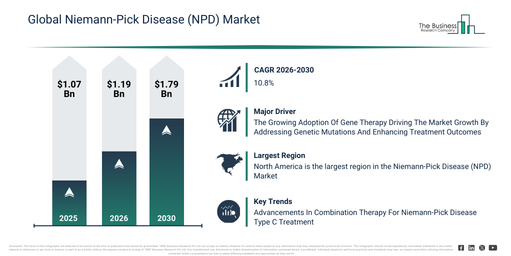
  • Niemann-Pick Disease (NPD) Market Future Outlook 2026: Key Drivers and Growth Potential

    Niemann-Pick Disease (NPD) Market Future Outlook 2026: Key Drivers and Growth Potential

    Uncover key drivers, emerging technologies, and competitive movements shaping the niemann-pick disease (npd) market from 2026–2035 with trusted insights from The Business Research Company

    What long-term size projections exist for the Niemann-Pick Disease (NPD) Market covering 2026–2035?

    The niemann-pick disease (npd) market size has seen rapid expansion in recent years. It is expected to grow from $1.07 billion in 2025 to $1.19 billion in 2026, achieving a compound annual growth rate (CAGR) of 11.1%. The growth observed in prior periods stems from factors like limited availability of treatments, low public awareness of the disease, delayed diagnosis rates, a reliance on symptomatic management, and high treatment costs.

    The market size for niemann-pick disease (npd) is anticipated to undergo significant growth in the coming years. It is projected to expand to $1.79 billion by 2030, achieving a compound annual growth rate (CAGR) of 10.8%. This growth during the forecast period is driven by factors such as increased funding for rare diseases, advancements in gene therapy research, the expansion of newborn screening programs, rising healthcare expenditure, and supportive regulatory incentives. Prominent trends within the forecast period include a heightened focus on early genetic screening, the broadening of orphan drug development, an increase in patient advocacy and awareness programs, the growth of enzyme replacement and substrate reduction therapies, and enhanced multidisciplinary disease management approaches.

    Access Your Free Sample Report for In-Depth Market Insights:

    https://www.thebusinessresearchcompany.com/sample.aspx?id=23457&type=smp

    Which Drivers Are Impacting The Competitive Landscape Of The Niemann-Pick Disease (NPD) Market?

    The increasing application of gene therapy is anticipated to boost the expansion of the niemann-pick disease (NPD) market in the future. This medical technique focuses on altering or controlling an individual’s genes to address or avert illnesses. Its prevalence is increasing, driven by advancements in genetic engineering, which permit accurate and efficacious gene alterations, thereby enhancing therapeutic results for hereditary conditions. For niemann-pick disease (NPD), gene therapy aids treatment by targeting the fundamental genetic mutations, endeavoring to rectify the enzyme shortages responsible for the ailment and enhance cellular operations. As an illustration, data from the US-based American Society of Gene and Cell Therapy revealed in January 2024 that gene therapies undergoing Phase III trials saw a 10% increase in the fourth quarter of 2023 relative to the prior quarter, marking the first such rise since the third quarter of 2022. Consequently, the expanding use of gene therapy is stimulating the growth within the niemann-pick disease (NPD) market.

    What Segments Are Identified Within The Structure Of The Niemann-Pick Disease (NPD) Market?

    The niemann-pick disease (npd) market covered in this report is segmented –

    1) By Type: Niemann-Pick Disease Type A, Niemann-Pick Disease Type B, Niemann-Pick Disease Type C

    2) By Treatment Type: Drugs, Physical Therapy, Other Treatment Types

    3) By Route Of Administration: Oral, Intravenous, Subcutaneous

    4) By Distribution Channel: Hospital Pharmacies, Retail Pharmacies, Other Distribution Channels

    5) By End-User: Hospitals, Clinics, Homecare Settings

    Subsegments:

    1) By Niemann-Pick Disease Type A: Infantile-Onset Niemann-Pick Disease, Neurodegenerative Niemann-Pick Disease, Acute Visceral Niemann-Pick Disease, Severe Lysosomal Storage Disorder

    2) By Niemann-Pick Disease Type B: Late-Onset Niemann-Pick Disease, Non-Neurological Niemann-Pick Disease, Chronic Visceral Niemann-Pick Disease, Mild Lysosomal Storage Disorder

    3) By Niemann-Pick Disease Type C: Early-Onset Niemann-Pick Disease, Juvenile Niemann-Pick Disease, Adult-Onset Niemann-Pick Disease, Progressive Neurodegenerative Niemann-Pick Disease

    What Upcoming Trends Are Likely To Define The Future Path Of The Niemann-Pick Disease (NPD) Market?

    Major companies operating in the Niemann-Pick disease (NPD) market are focusing on developing advanced treatments, such as combination therapy, to enhance treatment efficacy and improve patient outcomes. This method involves the administration of two or more therapeutic agents or treatment strategies to address a disease or medical condition, aiming to improve effectiveness and minimize resistance to single-agent therapy (monotherapy). For instance, in September 2024, Zevra Therapeutics Inc., a US-based biopharmaceutical company, received U.S. Food and Drug Administration (FDA) approval for MIPLYFFA, in combination with miglustat, for the treatment of neurological manifestations of Niemann-Pick disease type C (NPC) in both adult and pediatric patients aged 2 years and older. MIPLYFFA (arimoclomol) functions by enhancing the production of heat shock proteins (HSPs), which aid in clearing toxic lipid buildup and protecting neurons from damage. Meanwhile, miglustat inhibits glucosylceramide synthase, thereby reducing lipid accumulation. Together, the two therapies help slow the progression of neurological decline in NPC patients.

    Which Major Industry Participants Are Leading The Niemann-Pick Disease (NPD) Market Growth?

    Major companies operating in the niemann-pick disease (npd) market are Sanofi S.A., Mayo Clinic, Cincinnati Children’s Hospital Medical Center, Boston Children’s Hospital, Mallinckrodt Pharmaceuticals plc, Myriad Genetics, CENTOGENE N.V., The Florey Institute of Neuroscience and Mental Health, National Organization for Rare Disorders (NORD), Evox Therapeutics Limited, Bloomsbury Genetic Therapies Ltd., Cyclo Therapeutics Inc., CarelonRx, Rainbow Children’s Hospital, Vtesse Inc., Orphazyme A/S, Zebra Biologics, Sarepta Therapeutics Inc., Takeda Pharmaceutical Company Limited, Pfizer Inc., Novartis International AG, Ultragenyx Pharmaceutical Inc., Passage Bio, Amicus Therapeutics Inc., PTC Therapeutics, SOM Biotech, ENDECE, StrideBio, Mandos Health, BioMarin Pharmaceutical Inc.

    Access The Complete Report For Deeper Market Insights:

    https://www.thebusinessresearchcompany.com/report/niemann-pick-disease-npd-global-market-report

    Which Geographic Areas Are Emerging As Strong Markets For The Niemann-Pick Disease (NPD) Market?

    North America was the largest region in the niemann-pick disease (NPD) market in 2025. Asia-Pacific is expected to be the fastest-growing region in the forecast period. The regions covered in the niemann-pick disease (npd) market report are Asia-Pacific, South East Asia, Western Europe, Eastern Europe, North America, South America, Middle East, Africa.

    Request Your Customized Niemann-Pick Disease (NPD) Market Research Report for Competitive Advantage:

    https://www.thebusinessresearchcompany.com/customise?id=23457&type=smp

    Browse Through More Reports Similar to the Global Niemann-Pick Disease (NPD) Market 2026, By The Business Research Company

    Kidney Disease Market Report 2026

    https://www.thebusinessresearchcompany.com/report/kidney-disease-global-market-report

    Rare Neurological Disease Treatment Market Report 2026

    https://www.thebusinessresearchcompany.com/report/rare-neurological-disease-treatment-global-market-report

    Alpers Disease Treatment Market Report 2026

    https://www.thebusinessresearchcompany.com/report/alpers-disease-treatment-global-market-report

    Get in touch with us:

    The Business Research Company: https://www.thebusinessresearchcompany.com/

    Americas +1 310-496-7795

    Asia +44 7882 955267 & +91 8897263534

    Europe +44 7882 955267

    Email us at info@tbrc.info

    Follow us on:

    LinkedIn: https://in.linkedin.com/company/the-business-research-company

    YouTube: https://www.youtube.com/channel/UC24_fI0rV8cR5DxlCpgmyFQ

    Global Market Model: https://www.thebusinessresearchcompany.com/global-market-model
  • Patient Referral Tracking Systems Market Growth Projection: Expected to Surpass $19.36 Billion by 2030 at 13.7% CAGR

    Patient Referral Tracking Systems Market Growth Projection: Expected to Surpass $19.36 Billion by 2030 at 13.7% CAGR

    Uncover key drivers, emerging technologies, and competitive movements shaping the patient referral tracking systems market from 2026–2035 with trusted insights from The Business Research Company

    What is the expected shift in the Patient Referral Tracking Systems Market’s size between 2026 and 2030?

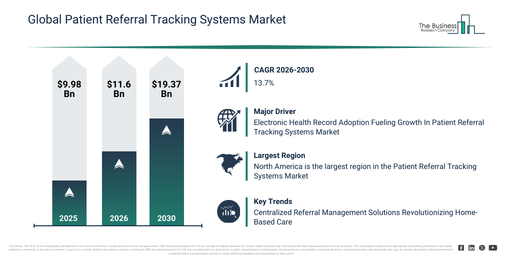
    The patient referral tracking systems market size has experienced significant expansion recently. Projections indicate further expansion, with its valuation increasing from $9.98 billion in 2025 to $11.6 billion in 2026, demonstrating a compound annual growth rate (CAGR) of 16.2%. Historically, this market’s expansion has been driven by several factors, including manual referral tracking processes, limited interoperability among healthcare systems, prolonged patient follow-up and referral cycles, disjointed communication between providers, and a heavy reliance on paper-based documentation.

    The patient referral tracking systems market is projected to experience substantial growth over the coming years, reaching a valuation of $19.37 billion by 2030, driven by a compound annual growth rate (CAGR) of 13.7%. This expansion during the forecast period is fueled by several factors, including an escalating need for real-time referral tracking, greater uptake of cloud-based referral solutions, a heightened emphasis on care coordination and patient outcomes, the incorporation of mobile and virtual referral platforms, and an extended application of predictive analytics for referral management. Key developments expected in this period encompass the increasing embrace of AI-powered referral management, growing integration of cloud-based referral platforms, enhanced utilization of data analytics for optimizing referrals, expanded deployment of interoperable EHR-integrated systems, and a surge in the use of mobile and virtual solutions for referral tracking.

    Access Your Free Sample Report for In-Depth Market Insights:

    https://www.thebusinessresearchcompany.com/sample.aspx?id=15231&type=smp

    Which Drivers Are Shaping Strategic Decisions In The Patient Referral Tracking Systems Market?

    The patient referral tracking system market is projected to grow fueled by the increasing implementation of electronic health records. An electronic health record (EHR) is a digitized record of a patient’s complete medical information, which healthcare providers can securely access and exchange. The expanding uptake of electronic health records is attributed to the growing understanding of their benefits in improving healthcare effectiveness, ensuring patient safety, and streamlining care coordination. In patient referral tracking systems, EHRs facilitate seamless communication and collaboration among healthcare providers by recording referral details, monitoring patient progress, and maintaining continuity of care. As an illustration, in November 2023, according to the Centers for Disease Control and Prevention (CDC), a US-based national public health agency, 88.2% of office-based physicians were using electronic health records systems, though the adoption rate for certified EHR systems was 77.8%. Therefore, the rising adoption of electronic health records is stimulating the growth of the patient referral tracking system market.

    What Segment Classifications Make Up The Patient Referral Tracking Systems Market?

    The patient referral tracking systems market covered in this report is segmented –

    1) By Type: Inbound, Outbound

    2) By Deployment Mode: Cloud-Based, On-Premise

    3) By End-User: Healthcare Providers, Healthcare Payers, Patients, Other End-Users

    Subsegments:

    1) By Inbound: Physician Referrals, Hospital Referrals, Specialist Referrals

    2) By Outbound: Patient Referral To Specialists, Referral To Diagnostic Services, Referral To Rehabilitation Services

    Which Innovation Trends Are Advancing Developments Within The Patient Referral Tracking Systems Market?

    Leading companies in the patient referral tracking systems market are developing centralized referral management solutions, such as enterprise referral managers, to enhance efficiency and coordination within healthcare settings. An enterprise referral manager is a referral management software that provides various advantages to healthcare organizations, including a reduction in referral leakage, shorter lead times, automated reminders, and secure patient information exchange, among other benefits. For instance, in October 2023, WellSky, a US-based technology company, launched its WellSky enterprise referral manager. This purpose-built software solution seeks to revolutionize referral, intake, and customer relationship management processes for home health, hospice, and other home-based care agencies. The solution aims to improve staff efficiency, broaden referral sources, and expedite the commencement of care for patients. Its functionalities encompass digital connectivity to numerous electronic health record systems, CRM capabilities for marketing liaisons, and effortless transitions between care settings.

    Which Major Industry Participants Are Leading The Patient Referral Tracking Systems Market Growth?

    Major companies operating in the patient referral tracking systems market are McKesson Corporation, GE Healthcare, Cerner Corporation, Epic Systems Corporation, Athenahealth Inc., eClinicalWorks LLC, Allscripts Healthcare Solutions Inc., NextGen Healthcare Inc., Netsmart Technologies Inc., Greenway Health LLC, CareCloud Corporation, Kareo Inc., PracticeSuite LLC, Practice Fusion Inc., AdvancedMD Inc., ReferralMD, Phreesia, HealthViewX, GridSocial, HealOS, Lightbeam Health Solutions, Tacklit

    Access The Complete Report For Deeper Market Insights:

    https://www.thebusinessresearchcompany.com/report/patient-referral-tracking-systems-global-market-report

    Which Region Currently Holds The Largest Share Of The Patient Referral Tracking Systems Market?

    North America was the largest region in the patient referral tracking systems market in 2025. The regions covered in the patient referral tracking systems market report are Asia-Pacific, South East Asia, Western Europe, Eastern Europe, North America, South America, Middle East, Africa.

    Request Your Customized Patient Referral Tracking Systems Market Research Report for Competitive Advantage:

    https://www.thebusinessresearchcompany.com/customise?id=15231&type=smp

    Browse Through More Reports Similar to the Global Patient Referral Tracking Systems Market 2026, By The Business Research Company

    Patient Positioning Systems Market Report 2026

    https://www.thebusinessresearchcompany.com/report/patient-positioning-systems-global-market-report

    Referral Management Market Report 2026

    https://www.thebusinessresearchcompany.com/report/referral-management-global-market-report

    Applicant Tracking System Market Report 2026

    https://www.thebusinessresearchcompany.com/report/applicant-tracking-system-global-market-report

    Get in touch with us:

    The Business Research Company: https://www.thebusinessresearchcompany.com/

    Americas +1 310-496-7795

    Asia +44 7882 955267 & +91 8897263534

    Europe +44 7882 955267

    Email us at info@tbrc.info

    Follow us on:

    LinkedIn: https://in.linkedin.com/company/the-business-research-company

    YouTube: https://www.youtube.com/channel/UC24_fI0rV8cR5DxlCpgmyFQ

    Global Market Model: https://www.thebusinessresearchcompany.com/global-market-model
  • NGS Oncology Market Trends and Insights: Global Forecast to 2030

    NGS Oncology Market Trends and Insights: Global Forecast to 2030

    Uncover key drivers, emerging technologies, and competitive movements shaping the ngs oncology market from 2026–2035 with trusted insights from The Business Research Company

    What total market size is anticipated for the NGS Oncology Market in 2030?

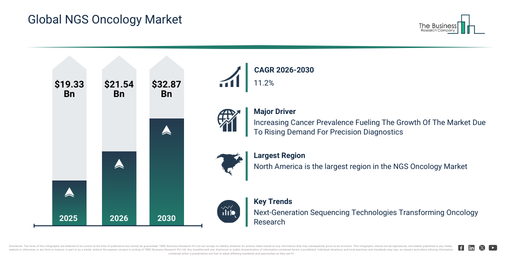
    The ngs oncology market has seen significant and rapid expansion in its size over recent years. It is projected to expand from $19.33 billion in 2025 to $21.54 billion in 2026, at a compound annual growth rate (CAGR) of 11.4%. This historical growth can be ascribed to elements such as declining sequencing costs, rising global cancer prevalence, increased oncology research funding, early adoption of targeted therapies, and the proliferation of genomic research initiatives.

    The ngs oncology market is projected to experience substantial growth over the next few years, with its size expected to reach $32.87 billion by 2030, exhibiting a compound annual growth rate (CAGR) of 11.2%. This projected expansion during the forecast period is largely fueled by the increasing development of precision oncology programs, a rising need for individualized cancer treatments, the growing number of approvals for ngs-based diagnostic tools, continuous innovations in bioinformatics analytics, and the incorporation of ngs into standard clinical guidelines. Significant trends for this period encompass the broader adoption of comprehensive tumor profiling, the increasing use of liquid biopsy NGS, the enhanced clinical value of multi-gene panels, the embedding of NGS in routine oncology diagnostic processes, and the escalating demand for more rapid sequencing workflows.

    Access Your Free Sample Report for In-Depth Market Insights:

    https://www.thebusinessresearchcompany.com/sample.aspx?id=24337&type=smp

    What Drivers Are Influencing Production Trends In The NGS Oncology Market?

    The escalating incidence of cancer is anticipated to fuel the expansion of the NGS oncology market in the future. Cancer is a condition characterized by the unrestrained proliferation of abnormal cells, which can invade other bodily regions and disrupt normal physiological functions. The rise in cancer cases is primarily driven by demographic shifts, including an aging population and overall population growth, alongside increased exposure to risk factors such as tobacco use, alcohol consumption, obesity, and air pollution. NGS oncology supports public health and patient management by enabling prompt detection, precise diagnosis, and personalized treatment through comprehensive genetic analysis of tumors. For instance, in January 2024, figures released by the American Cancer Society, a US-based non-profit organization, project that the United States will record 2,001,140 new cancer cases and 611,720 cancer deaths in 2024, an increase compared to 1,958,310 cases and 609,820 deaths in 2023. Consequently, the increasing prevalence of cancer is a key driver for the growth of the NGS oncology market.

    Which Segments Are Gaining Traction In The NGS Oncology Market?

    The ngs oncology market covered in this report is segmented –

    1) By Sequencing Technology: Targeted Sequencing, Genomics, Transcriptomics, Epigenomics

    2) By Offering: Platform, Kits, Services

    3) By Workflow: Pre-Sequencing, Sequencing, Data Analysis

    4) By Application: Genetic Screening, Hereditary Genetic Testing, Hematological Malignancies, Solid Tumors, Other Applications

    5) By End User: Hospitals And Clinics, Clinical Research Organizations (CROs), Academic And Research Institutes, Pharmaceutical And Biotechnology Companies, Other End Users

    Subsegments:

    1) By Targeted Sequencing: Whole Exome Sequencing (WES), Amplicon-Based Sequencing, Hybridization-Based Sequencing

    2) By Genomics: Whole Genome Sequencing (WGS), Structural Variant Detection, Copy Number Variation (CNV) Analysis

    3) By Transcriptomics: RNA Sequencing, Single-Cell Transcriptomics, Non-Coding RNA Analysis

    4) By Epigenomics: DNA Methylation Sequencing, Chromatin Immunoprecipitation Sequencing, Histone Modification Analysis

    Which Trends Are Shaping Activity Within The NGS Oncology Market?

    Major companies operating in the NGS oncology market are focusing on developing innovative solutions, such as liquid biopsy research assays, to enable non-invasive, real-time cancer detection and monitoring through the analysis of circulating tumor DNA. A liquid biopsy research assay is a diagnostic test that analyzes biological fluids, such as blood, to detect genetic mutations or other molecular markers associated with cancer, allowing for non-invasive cancer detection and monitoring. For instance, in August 2024, Illumina Inc., a US-based biotechnology company specializing in next-generation sequencing (NGS) technology, expanded its oncology portfolio for NovaSeq X Series users. The company now offers the newly validated high-throughput TruSight Oncology 500 (TSO 500 HT) and the updated TruSight Oncology 500 ctDNA v2 (TSO 500 ctDNA v2) liquid biopsy research assay. These enhanced assays enable laboratories to broaden oncology research capabilities for both tissue and liquid biopsy samples, featuring improved sequencing efficiency, reduced run times, and the ability to process larger sample volumes on the NovaSeq X Series for the first time.

    Who Are The Prominent Global Companies Shaping The NGS Oncology Market Landscape?

    Major companies operating in the ngs oncology market are Hoffmann-La Roche Ltd., Thermo Fisher Scientific Inc., Agilent Technologies Inc., Eurofins Scientific SE, Illumina Inc., Qiagen N.V., Tecan Trading AG, Myriad Genetics, Takara Bio Inc., Beijing Genomics Institute (BGI), Caris Life Sciences, Foundation Medicine, Paradigm Diagnostics, Pacific Bioscience, Horizon Discovery Group plc , Creative-Biolabs, Xcelris Labs Ltd., Partek Inc., 4baseCare, SciGenom Labs Pvt. Ltd.

    Access The Complete Report For Deeper Market Insights:

    https://www.thebusinessresearchcompany.com/report/ngs-oncology-global-market-report

    Which Region Is Projected To Lead The NGS Oncology Market During The Forecast Period?

    North America was the largest region in the NGS oncology market in 2025. Asia-Pacific is expected to be the fastest-growing region in the forecast period. The regions covered in the ngs oncology market report are Asia-Pacific, South East Asia, Western Europe, Eastern Europe, North America, South America, Middle East, Africa.

    Request Your Customized NGS Oncology Market Research Report for Competitive Advantage:

    https://www.thebusinessresearchcompany.com/customise?id=24337&type=smp

    Browse Through More Reports Similar to the Global NGS Oncology Market 2026, By The Business Research Company

    Oncology Companion Diagnostics Market Report 2026

    https://www.thebusinessresearchcompany.com/report/oncology-companion-diagnostics-global-market-report

    Oncology Drugs Market 2026

    https://www.thebusinessresearchcompany.com/report/oncology-drugs-market

    Community Oncology Services Market Report 2026

    https://www.thebusinessresearchcompany.com/report/community-oncology-services-global-market-report

    Get in touch with us:

    The Business Research Company: https://www.thebusinessresearchcompany.com/

    Americas +1 310-496-7795

    Asia +44 7882 955267 & +91 8897263534

    Europe +44 7882 955267

    Email us at info@tbrc.info

    Follow us on:

    LinkedIn: https://in.linkedin.com/company/the-business-research-company

    YouTube: https://www.youtube.com/channel/UC24_fI0rV8cR5DxlCpgmyFQ

    Global Market Model: https://www.thebusinessresearchcompany.com/global-market-model