Category: Healthcare Services

  • Patient Recruitment and Retention Services Market Forecast 2026–2035: How to Leverage Market Growth

    Patient Recruitment and Retention Services Market Forecast 2026–2035: How to Leverage Market Growth

    Uncover key drivers, emerging technologies, and competitive movements shaping the patient recruitment and retention services market from 2026–2035 with trusted insights from The Business Research Company

    What growth pattern is forecast for the Patient Recruitment and Retention Services Market size between 2026 and 2035?

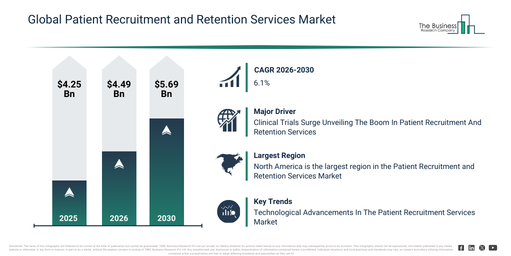
    The market size for patient recruitment and retention services has experienced robust growth in recent times. This market is projected to expand from $4.25 billion in 2025 to reach $4.49 billion by 2026, demonstrating a compound annual growth rate (CAGR) of 5.7%. Historically, this expansion can be linked to factors such as reliance on manual patient recruitment methods, limited patient awareness about clinical trials, slower enrollment rates in early-phase trials, fragmented patient databases, and dependency on local recruitment strategies.

    The patient recruitment and retention services market size is projected to experience substantial expansion in the coming years. Its valuation is set to reach $5.69 billion by 2030, demonstrating a compound annual growth rate (CAGR) of 6.1%. This anticipated growth during the forecast period stems from factors such as the greater acceptance of AI and digital recruitment platforms, an elevated emphasis on patient retention strategies, the wider use of remote and decentralized clinical trials, the incorporation of real-time monitoring and analytics, and the broadening of global patient recruitment networks. Key developments anticipated in this period encompass the expanded application of AI-driven patient identification and outreach, a surge in the embrace of digital and media campaigns for recruitment, deeper integration of genomic and biomarker data for accurate patient matching, heightened leverage of virtual platforms for patient involvement and sustained participation, and the increased implementation of real-time analytics for recruitment efficiency.

    Access Your Free Sample Report for In-Depth Market Insights:

    https://www.thebusinessresearchcompany.com/sample.aspx?id=12206&type=smp

    Which Drivers Are Impacting Market Performance In The Patient Recruitment and Retention Services Market?

    The expansion in clinical trials is propelling the development of the patient recruitment and retention services market. These trials constitute a research area focused on evaluating new medical treatments and drugs, along with their impact on human health outcomes. Services for patient retention and recruitment are crucial for identifying and enrolling suitable individuals for studies, thereby assisting in the progression of clinical trials. Consequently, an uptick in clinical trial activity fuels the demand within the patient recruitment and retention services market. For example, data from December 2024, provided by the Association of the British Pharmaceutical Industry, a non-profit organization based in the UK, indicated that industry-initiated clinical trials within the UK saw an increase from 411 trials in 2022 to 426 trials in 2023, representing a 3.7% growth. Thus, the increase in clinical trials acts as a significant driver for the patient recruitment and retention services market.

    What Segment Types Are Examined In The Patient Recruitment and Retention Services Market?

    The patient recruitment and retention services market covered in this report is segmented –

    1) By Patient Recruitment Steps: Pre-Screening, Screening

    2) By Trial Phases: Phases I, Phases II, Phases III, Phases IV

    3) By Therapeutic Areas: Cardiovascular Diseases, Oncological Disorders, Infectious Diseases, Central Nervous System Disorders, Respiratory Disorders, Hematological Disorders, Other Therapeutic Areas

    Subsegments:

    1) By Pre-Screening: Patient Identification, Initial Outreach And Engagement, Eligibility Questionnaire, Patient Database Review, Digital And Media Campaigns For Recruitment

    2) By Screening: In-Depth Eligibility Assessment, Medical History Review, Diagnostic Testing, Informed Consent Process, Clinical Trial Enrollment Confirmation

    Which Competitive Trends Are Impacting The Structure Of The Patient Recruitment and Retention Services Market?

    Leading firms within the patient recruitment and retention services market are concentrating their efforts on creating novel solutions, like sophisticated AI-powered recruitment platforms, to satisfy the growing need for quicker enrollment, enhanced retention, and streamlined clinical trial execution. These AI-powered recruitment systems process extensive patient data sets to pinpoint suitable candidates with greater accuracy, providing a more scalable and exact substitute for conventional manual screening processes, which are known to be slow and resource-heavy. An example of this is seen in March 2023 when Aloha Health Network, a US-based artificial intelligence platform, introduced an augmented AI/ML platform aimed at expediting patient recruitment for pharmaceutical clinical trials. This new offering leverages advanced natural language processing (NLP) algorithms to identify and pre-screen prospective clinical trial participants by utilizing diverse structured and unstructured data, such as electronic medical records and patient histories.

    Who Are The Prominent Global Companies Shaping The Patient Recruitment and Retention Services Market Landscape?

    Major companies operating in the patient recruitment and retention services market are IQVIA Holdings Inc, ICON PLC, Medpace Holdings Inc., Worldwide Clinical Trials Inc., Bioclinica Inc., Altasciences, BMC Group, Evolution Research Group (ERG), Science37, Veristat LLC, Elligo Health Research Inc., CROee Inc., Linical Co. Ltd, Clinrol, Antidote Technologies Inc., BBK Worldwide LLC, Integrated Clinical Trial Services (ICTS) Inc., Syneos Health Inc., Fidelis Research Ltd., S4 Research Pvt. Ltd, Clinical Accelerator Ltd., Polaris BioPharma Consulting Ltd, CSSi Lifesciences

    Access The Complete Report For Deeper Market Insights:

    https://www.thebusinessresearchcompany.com/report/patient-recruitment-and-retention-services-global-market-report

    How Does The Patient Recruitment and Retention Services Market Perform Across Major Global Regions?

    North America was the largest region in the patient recruitment and retention services market in 2025. Asia-Pacific is expected to be the fastest-growing region in the patient recruitment and retention services market report during the forecast period. The regions covered in the patient recruitment and retention services market report are Asia-Pacific, South East Asia, Western Europe, Eastern Europe, North America, South America, Middle East, Africa.

    Request Your Customized Patient Recruitment and Retention Services Market Research Report for Competitive Advantage:

    https://www.thebusinessresearchcompany.com/customise?id=12206&type=smp

    Browse Through More Reports Similar to the Global Patient Recruitment and Retention Services Market 2026, By The Business Research Company

    Healthcare Workforce Management System Market Report 2026

    https://www.thebusinessresearchcompany.com/report/healthcare-workforce-management-system-global-market-report

    Recruitment Software Market Report 2026

    https://www.thebusinessresearchcompany.com/report/recruitment-software-global-market-report

    Recruitment Process Outsourcing Market Report 2026

    https://www.thebusinessresearchcompany.com/report/recruitment-process-outsourcing-global-market-report

    Get in touch with us:

    The Business Research Company: https://www.thebusinessresearchcompany.com/

    Americas +1 310-496-7795

    Asia +44 7882 955267 & +91 8897263534

    Europe +44 7882 955267

    Email us at info@tbrc.info

    Follow us on:

    LinkedIn: https://in.linkedin.com/company/the-business-research-company

    YouTube: https://www.youtube.com/channel/UC24_fI0rV8cR5DxlCpgmyFQ

    Global Market Model: https://www.thebusinessresearchcompany.com/global-market-model
  • Global Patient Portal Market 2026–2030: Forecast Insights for Business Planning

    Global Patient Portal Market 2026–2030: Forecast Insights for Business Planning

    Uncover key drivers, emerging technologies, and competitive movements shaping the patient portal market from 2026–2035 with trusted insights from The Business Research Company

    How much larger will the Patient Portal Market be in 2030 compared with 2026?

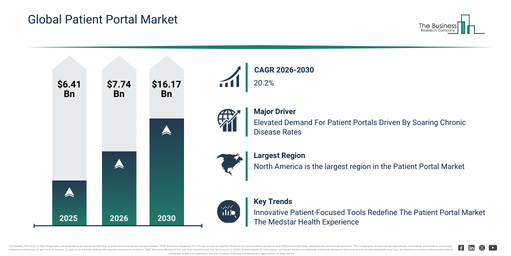
    The patient portal market size has seen significant expansion in recent years. This market is forecasted to increase from $6.41 billion in 2025 to $7.74 billion in 2026, exhibiting a compound annual growth rate (CAGR) of 20.7%. The growth observed in previous periods was primarily due to factors such as limited access to patient health information, an increasing demand for digital patient engagement, dependence on paper-based recordkeeping, rising patient awareness concerning personal health data, and the initial deployment of standalone patient portal solutions.

    The patient portal market is projected to experience substantial growth in the upcoming years. It is forecast to expand to $16.17 billion by 2030, achieving a compound annual growth rate (CAGR) of 20.2%. This anticipated growth during the forecast period stems from factors such as the increasing adoption of integrated patient portals, a rising demand for cloud-based deployment, a greater emphasis on telehealth integration, the expansion of interoperability standards and secure data sharing, and increased investment in patient engagement platforms by healthcare providers. Significant trends expected in the forecast period include the expanding use of cloud-based patient portals, enhanced integration of EHR and HIE systems, wider utilization of mobile and web-based portal applications, a strengthened focus on patient self-service and access to health records, and a growing need for secure data exchange and interoperability.

    Access Your Free Sample Report for In-Depth Market Insights:

    https://www.thebusinessresearchcompany.com/sample.aspx?id=6939&type=smp

    What Drivers Are Guiding Growth Patterns In The Patient Portal Market?

    The increasing incidence of chronic illnesses is anticipated to boost the expansion of the patient portal market in the coming years. Chronic diseases are enduring health conditions that typically lack a cure but can be managed effectively through appropriate medical care and lifestyle adjustments. Patient portals empower individuals with these long-term conditions to engage actively in their medical care, enhance compliance with treatment programs, and foster better communication with healthcare professionals, leading to superior disease management and improved health outcomes. For instance, data from GOV.UK, a UK-based non-profit government organization, indicated that GP recorded type 2 diabetes prevalence in adults aged 17 and over in England reached 7.0% by March 2024, which was an increase from 6.8% recorded in March 2023. Consequently, the rising prevalence of chronic diseases is a significant driver for the patient portal market.

    Which Segments Are Driving Activity In The Patient Portal Market?

    The patient portal market covered in this report is segmented –

    1) By Type: Standalone Patient Portals, Integrated Patient Portals

    2) By Deployment Mode: On-Premise, Cloud-Based

    3) By End-Users: Providers, Payers, Pharmacies, Other End-Users

    Subsegments:

    1) By Standalone Patient Portals: Web-Based Portals, Mobile Application Portals, Desktop Application Portals

    2) By Integrated Patient Portals: Electronic Health Record (EHR) Integrated Portals, Health Information Exchange (HIE) Integrated Portals, Practice Management System (PMS) Integrated Portals

    What Industry Trends Are Transforming The Patient Portal Market?

    Companies operating in the patient portal market are prioritizing the development of innovative products, such as patient-focused tools, to better cater to the needs of their existing consumers. These patient-focused tools are digital or non-digital resources designed to enhance the patient experience and promote patient-centered treatment. They assist healthcare practitioners in delivering therapy that is considerate and sensitive to individual patient preferences, requirements, and values. For instance, in February 2023, MedStar Health, a US-based non-profit health care system dedicated to serving people, unveiled a unique and innovative MedStar Health patient-focused tool. This patient-focused tool offers the most extensive product characteristics available in the region, leading to a significantly improved experience for patients and better access to treatment. The platform allows for the arrangement of appointments with primary care, urgent care, or telehealth physicians 24 hours a day, seven days a week, accessible through a cell phone, tablet, or any other smart device. Patients can also receive useful alerts, such as booking appointments and enrollment reminders, to help them manage their health journey.

    Which Key Players Are Driving Competition In The Patient Portal Market?

    Major companies operating in the patient portal market are Allscripts Healthcare Solutions Inc., McKesson Corporation, athenahealth Inc., Cerner Corporation, eClinicalWorks, CureMD Healthcare, NextGen Healthcare Information Systems LLC, Greenway Health LLC, Medfusion Inc., Epic Systems Corporation Inc., GE HealthCare Technologies Inc., InteliChart, QSI Management LLC, Optum Inc., ZH Healthcare Inc., Oracle Corporation, Advanced Data Systems Corporation, Nextech Systems LLC, AdvancedMD Inc., Kareo Inc., CareCloud Corporation, eMDs Inc., Meditech, Medhost Inc., Napier Healthcare Solutions Pte. Ltd., RelayHealth Corp., Kryptiq Corporation, Nuesoft Technologies Inc., Zocdoc Inc., Medseek GmbH

    Access The Complete Report For Deeper Market Insights:

    https://www.thebusinessresearchcompany.com/report/patient-portal-global-market-report

    Which Region Is Anticipated To See The Fastest Growth In The Patient Portal Market?

    North America was the largest region in the patient portal market in 2025. Asia-Pacific is expected to be the fastest-growing region in the forecast period. The regions covered in the patient portal market report are Asia-Pacific, South East Asia, Western Europe, Eastern Europe, North America, South America, Middle East, Africa.

    Request Your Customized Patient Portal Market Research Report for Competitive Advantage:

    https://www.thebusinessresearchcompany.com/customise?id=6939&type=smp

    Browse Through More Reports Similar to the Global Patient Portal Market 2026, By The Business Research Company

    Patient Simulators Market Report 2026

    https://www.thebusinessresearchcompany.com/report/patient-simulators-global-market-report

    Portal Hypertension Management Market Report 2026

    https://www.thebusinessresearchcompany.com/report/portal-hypertension-management-global-market-report

    Captive Portal Market Report 2026

    https://www.thebusinessresearchcompany.com/report/captive-portal-global-market-report

    Get in touch with us:

    The Business Research Company: https://www.thebusinessresearchcompany.com/

    Americas +1 310-496-7795

    Asia +44 7882 955267 & +91 8897263534

    Europe +44 7882 955267

    Email us at info@tbrc.info

    Follow us on:

    LinkedIn: https://in.linkedin.com/company/the-business-research-company

    YouTube: https://www.youtube.com/channel/UC24_fI0rV8cR5DxlCpgmyFQ

    Global Market Model: https://www.thebusinessresearchcompany.com/global-market-model
  • Next-Generation Gynecological Cancer Diagnostics Market Dynamics 2026: Future Outlook and Key Insights

    Next-Generation Gynecological Cancer Diagnostics Market Dynamics 2026: Future Outlook and Key Insights

    Uncover key drivers, emerging technologies, and competitive movements shaping the next-generation gynecological cancer diagnostics market from 2026–2035 with trusted insights from The Business Research Company

    What growth pattern is forecast for the Next-Generation Gynecological Cancer Diagnostics Market size between 2026 and 2035?

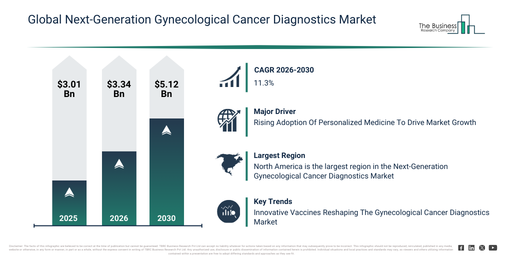
    The next-generation gynecological cancer diagnostics market has experienced substantial expansion in recent years. This market is set to expand from $3.01 billion in 2025 to $3.34 billion in 2026, exhibiting a compound annual growth rate (CAGR) of 11.1%. The growth observed historically can be linked to the increasing prevalence of gynecological cancers, a heightened awareness of women’s health screening, developments in molecular diagnostics, the growth of hospital diagnostic infrastructure, and government-backed cancer screening programs.

    The next-generation gynecological cancer diagnostics market size is poised for substantial growth over the next few years, with projections indicating it will reach $5.12 billion by 2030, advancing at a compound annual growth rate (CAGR) of 11.3%. This anticipated growth is driven by several factors, including the expanding demand for precision medicine, increasing adoption of AI-enabled diagnostics, the broader application of genetic and epigenetic testing, a rise in investment within oncology R&D, and improved access to advanced diagnostics across emerging markets. Major trends expected to shape the market during this forecast period involve the growing acceptance of biomarker-based screening, a shift towards personalized gynecological oncology diagnostics, the expansion of companion diagnostics for treatment planning, increased utilization of non-invasive and liquid biopsy techniques, and an enhanced focus on the early detection of cancer.

    Access Your Free Sample Report for In-Depth Market Insights:

    https://www.thebusinessresearchcompany.com/sample.aspx?id=12020&type=smp

    Which Drivers Are Impacting Market Performance In The Next-Generation Gynecological Cancer Diagnostics Market?

    The escalating integration of personalized medicine is anticipated to stimulate the expansion of the next-generation gynecological cancer diagnostics market in the future. Personalized medicine, a pioneering healthcare method, customizes medical care and interventions to an individual’s specific genetic, molecular, and clinical traits, thereby enabling more precise diagnoses, targeted treatments, and improved patient outcomes. The increased uptake of personalized medicine is catalyzed by advancements in biomarker identification, supportive regulatory frameworks, and the expanding availability of molecularly targeted therapies. Next-generation gynecological cancer diagnostics facilitate clinical judgments by allowing for tumor characterization, predicting treatment effectiveness, and guiding individualized therapeutic strategies. For instance, in February 2024, as reported by the Personalized Medicine Coalition, a US-based nonprofit organization, the USFDA approved 16 new personalized treatments for rare disease patients in 2023, marking a substantial growth from 6 personalized treatments in 2022. Hence, the escalating adoption of personalized medicine is driving the growth of the next-generation gynecological cancer diagnostics market.

    Which Segments Are Contributing To The Growth Of The Next-Generation Gynecological Cancer Diagnostics Market?

    The next-generation gynecological cancer diagnostics market covered in this report is segmented –

    1) By Cancer Type: Cervical Cancer, Ovarian Cancer, Uterine Cancer, Vaginal Cancer, Vulvar Cancer

    2) By Function: Therapeutic Monitoring, Companion Diagnostics, Prognostics, Cancer Screening, Risk Analysis

    3) By Technology: Next-Generation Sequencing, qPCR And Multiplexing, Lab-On-A-Chip (LOAC) And Reverse Transcriptase-PCR (RT-PCR), Protein Microarrays, DNA Microarrays

    4) By Application: Biomarker Development, CTC Analysis, Proteomic Analysis, Epigenetic Analysis, Genetic Analysis

    5) By End User: Hospitals And Ambulatory Centers, Diagnostic Laboratories, Academic And Research Institutes

    Subsegments:

    1) By Cervical Cancer: HPV Testing, Pap Smear Testing, Liquid-Based Cytology, Biomarker Testing

    2) By Ovarian Cancer: CA-125 Testing, HE4 Testing, Genetic Testing (BRCA1 Or BRCA2), Imaging Techniques

    3) By Uterine Cancer: Endometrial Biopsy, Ultrasound Imaging, Genetic Testing (PMS2, MLH1), Biomarker Testing

    4) By Vaginal Cancer: Pap Smear Testing, HPV Testing, Biopsy Procedures

    5) By Vulvar Cancer: Visual Inspection, Biopsy, HPV Testing, Genetic Testing

    What Trends Are Expected To Impact The Competitive Landscape Of The Next-Generation Gynecological Cancer Diagnostics Market?

    Leading companies active in the gynecological cancer diagnostics market are developing new offerings, such as cervical cancer vaccines, to secure a competitive advantage. A vaccine is a biological preparation providing active acquired immunity against a specific disease. For example, in July 2023, Serum Institute of India Pvt. Ltd., an India-based biotechnology company, introduced Cervavac, the nation’s first indigenously produced vaccine designed to offer protection from cervical cancer. Cervavac defends against the Human Papilloma Virus, which is the primary cause of cervical cancer, and will be available to both men and women. Functioning prophylactically, Cervavac stimulates the immune system to prevent HPV infection and extends cross-protection against numerous high-risk HPV types. It exhibits significant efficacy against HPV types 16 and 18, alongside demonstrated safety. Cervavac is priced affordably, ranging from 200 to 400 rupees (about $2.50 to $5), thereby boosting its availability, especially for disadvantaged communities, and advancing the aim of more cost-effective cervical cancer prevention in India.

    Who Are The Top-Performing Companies In The Next-Generation Gynecological Cancer Diagnostics Market In Recent Years?

    Major companies operating in the next-generation gynecological cancer diagnostics market are F. Hoffmann-La Roche Ltd., Thermo Fisher Scientific Inc., Abbott Laboratories, Siemens Healthcare GmbH, Agena Bioscience Inc., Koninklijke Philips N.V., Becton, Dickinson and Company, GE HealthCare Technologies Inc., Laboratory Corporation Of America Holdings, Quest Diagnostics Incorporated, Agilent Technologies Inc., Hologic Inc., Illumina Inc., PerkinElmer Inc., Sysmex Corporation, Qiagen N.V., ARUP Laboratories, Almac Group, BGI Genomics Co Ltd, OPKO HEALTH Inc., BGI Genomics Co. Ltd., Myriad Genetics Inc., Fulgent Genetics Inc., Cepheid, Invitae Corporation, Centogene NV

    Access The Complete Report For Deeper Market Insights:

    https://www.thebusinessresearchcompany.com/report/next-generation-gynecological-cancer-diagnostics-global-market-report

    How Does The Next-Generation Gynecological Cancer Diagnostics Market Perform Across Major Global Regions?

    North America a was the largest region in the next-generation gynecological cancer diagnostics market in 2025. Asia-Pacific is expected to be the fastest-growing region in the forecast period. The regions covered in the next-generation gynecological cancer diagnostics market report are Asia-Pacific, South East Asia, Western Europe, Eastern Europe, North America, South America, Middle East, Africa.

    Request Your Customized Next-Generation Gynecological Cancer Diagnostics Market Research Report for Competitive Advantage:

    https://www.thebusinessresearchcompany.com/customise?id=12020&type=smp

    Browse Through More Reports Similar to the Global Next-Generation Gynecological Cancer Diagnostics Market 2026, By The Business Research Company

    Cancer Diagnostics Market Report 2026

    https://www.thebusinessresearchcompany.com/report/cancer-diagnostics-global-market-report

    Ovarian Cancer Diagnostics Market Report 2026

    https://www.thebusinessresearchcompany.com/report/ovarian-cancer-diagnostics-global-market-report

    Cervical Cancer Diagnostics Market Report 2026

    https://www.thebusinessresearchcompany.com/report/cervical-cancer-diagnostics-global-market-report

    Get in touch with us:

    The Business Research Company: https://www.thebusinessresearchcompany.com/

    Americas +1 310-496-7795

    Asia +44 7882 955267 & +91 8897263534

    Europe +44 7882 955267

    Email us at info@tbrc.info

    Follow us on:

    LinkedIn: https://in.linkedin.com/company/the-business-research-company

    YouTube: https://www.youtube.com/channel/UC24_fI0rV8cR5DxlCpgmyFQ

    Global Market Model: https://www.thebusinessresearchcompany.com/global-market-model
  • Patient Flow Management Solutions Market Outlook 2026–2035: Growth Drivers and Industry Forecast

    Patient Flow Management Solutions Market Outlook 2026–2035: Growth Drivers and Industry Forecast

    Uncover key drivers, emerging technologies, and competitive movements shaping the patient flow management solutions market from 2026–2035 with trusted insights from The Business Research Company

    Starting from its 2026 valuation, what market size is the Patient Flow Management Solutions Market expected to reach by 2030?

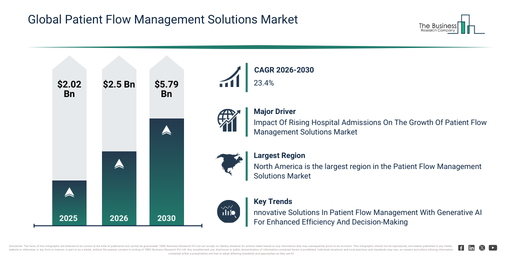
    The patient flow management solutions market has experienced substantial expansion in recent years. It is anticipated to grow from $2.02 billion in 2025 to $2.5 billion in 2026, demonstrating a compound annual growth rate (CAGR) of 23.4%. Historically, this growth has been influenced by factors such as inefficient patient movement processes within hospitals, an increase in patient volumes alongside overcrowding, restricted automation in healthcare workflows, reliance on manual scheduling and tracking, and the initial adoption of digital patient management solutions.

    The patient flow management solutions market is anticipated to undergo significant expansion over the coming years. This market is projected to reach $5.79 billion by 2030, with a compound annual growth rate (CAGR) of 23.4%. This growth in the forecast period is fueled by the broadening application of AI-powered patient flow analytics, an escalating demand for integrated real-time locating systems (RTLS), the development of cloud-based patient management solutions, a heightened emphasis on patient experience and satisfaction, and increasing investments in telehealth and remote patient monitoring technologies. Notable trends during this period include the rising adoption of real-time patient tracking systems, increased utilization of queue management and scheduling software, the expanding implementation of data analytics for patient flow optimization, greater integration of EHR software with patient flow solutions, and a growing focus on telehealth and virtual patient management.

    Access Your Free Sample Report for In-Depth Market Insights:

    https://www.thebusinessresearchcompany.com/sample.aspx?id=13902&type=smp

    What Drivers Are Driving Adoption Within The Patient Flow Management Solutions Market?

    The expanding count of hospital admissions is projected to stimulate the growth of the patient flow management solutions market moving ahead. Hospital admission is defined as the act of admitting an individual to a hospital as a patient when they require medical care that cannot be delivered at home or in an outpatient setting. Patient flow management solutions are utilized in hospital admissions and patient care to offer services such as appointment scheduling and real-time patient tracking, which leads to reduced wait times, improved patient satisfaction, and more efficient use of hospital resources. For instance, in September 2023, according to NHS England, a UK-based health services regulator, there were 522,000 emergency admissions, representing a 7.1% increase compared to September 2022. Consequently, the increasing volume of hospital admissions is a primary driver for the expansion of the patient flow management solutions market.

    How Is The Patient Flow Management Solutions Market Organized Into Various Segments?

    The patient flow management solutions market covered in this report is segmented –

    1) By Component: Hardware, Software, Services

    2) By Tracking Method: Event-Driven Patient Tracking, Real-Time Locating Systems

    3) By Product: Integrated, Standalone

    4) By Delivery Mode: Web-Based, On-Premise, Cloud-Based

    5) By End User: Hospitals, Clinics, Other End Users

    Subsegments:

    1) By Hardware: Patient Tracking Systems, Kiosks And Check-In Devices, Real-Time Location Systems (RTLS), Display Boards And Digital Signage, Mobile Devices And Tablets

    2) By Software: Patient Scheduling Software, Queue Management Software, Data Analytics And Reporting Tools, Electronic Health Record (EHR) Integration Software, Telehealth Solutions

    3) By Services: Consulting Services, Implementation And Integration Services, Training And Support Services, Maintenance And Upgrades, Customization Services

    What Trends Are Reshaping The Dynamics Of The Patient Flow Management Solutions Market?

    Leading firms within the patient flow management solutions market are prioritizing the creation of cutting-edge products, specifically generative AI operational assistants, to secure a market edge. These sophisticated platforms merge advanced conversational artificial intelligence with predictive and prescriptive analytical tools to anticipate capacity constraints, inform staffing choices, and bolster command center activities throughout various hospital departments. An example of this is LeanTaaS, an American health technology firm, which introduced iQueue Autopilot in June 2023. This generative AI solution integrates with its existing iQueue suite to optimize workflows in operating rooms, infusion centers, and inpatient wards. It provides intuitive, human-like conversational guidance, delivers real-time notifications through email and SMS, and offers prescriptive advice for adjusting staffing and scheduling. This development furnishes hospital executives with practical insights and alleviates administrative workload, although challenges persist concerning system integration and user acceptance.

    Who Are The Top-Performing Companies In The Patient Flow Management Solutions Market In Recent Years?

    Major companies operating in the patient flow management solutions market are McKesson Corporation, Cerner Corporation, Epic Systems Corporation, Hill-Rom Holdings Inc., Getinge AB, Allscripts Healthcare Solutions Inc., TeleTracking Technologies, CarePort Health LLC, ProModel Corporation, Central Logic Inc., Qventus, Awarepoint Corporation, Novari Health, Intelligent Insites Inc., Sonitor Technologies Inc., SeamlessMD, Medworxx Solutions Inc., AiRISTA, Securitas Healthcare, Midmark, Litum, Kontakt.io, Qwaiting, Queberry, Earlyone, LeanTaaS, CenTrak, Meditech, Patient Placement Systems

    Access The Complete Report For Deeper Market Insights:

    https://www.thebusinessresearchcompany.com/report/patient-flow-management-solutions-global-market-report

    Which Region Is Anticipated To See The Fastest Growth In The Patient Flow Management Solutions Market?

    North America was the largest region in the patient flow management solutions market in 2025. The regions covered in the patient flow management solutions market report are Asia-Pacific, South East Asia, Western Europe, Eastern Europe, North America, South America, Middle East, Africa.

    Request Your Customized Patient Flow Management Solutions Market Research Report for Competitive Advantage:

    https://www.thebusinessresearchcompany.com/customise?id=13902&type=smp

    Browse Through More Reports Similar to the Global Patient Flow Management Solutions Market 2026, By The Business Research Company

    Patient Access Or Front End Rcm Solutions Market Report 2026

    https://www.thebusinessresearchcompany.com/report/patient-access-or-front-end-rcm-solutions-global-market-report

    Clinical Workflow Solutions Market Report 2026

    https://www.thebusinessresearchcompany.com/report/clinical-workflow-solutions-global-market-report

    Care Management Solutions Market Report 2026

    https://www.thebusinessresearchcompany.com/report/care-management-solutions-global-market-report

    Get in touch with us:

    The Business Research Company: https://www.thebusinessresearchcompany.com/

    Americas +1 310-496-7795

    Asia +44 7882 955267 & +91 8897263534

    Europe +44 7882 955267

    Email us at info@tbrc.info

    Follow us on:

    LinkedIn: https://in.linkedin.com/company/the-business-research-company

    YouTube: https://www.youtube.com/channel/UC24_fI0rV8cR5DxlCpgmyFQ

    Global Market Model: https://www.thebusinessresearchcompany.com/global-market-model
  • Next-Generation Antibody Therapeutics Market Research: Growth Projections and Trends 2030

    Next-Generation Antibody Therapeutics Market Research: Growth Projections and Trends 2030

    Uncover key drivers, emerging technologies, and competitive movements shaping the next-generation antibody therapeutics market from 2026–2035 with trusted insights from The Business Research Company

    How much larger will the Next-Generation Antibody Therapeutics Market be in 2030 compared with 2026?

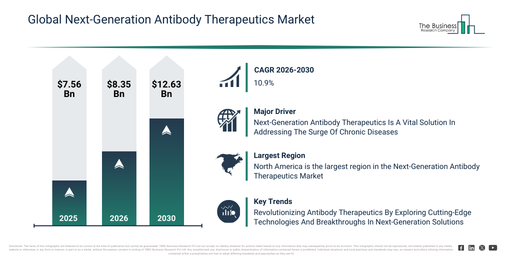
    The market for next-generation antibody therapeutics has observed rapid expansion in recent years. It is anticipated to increase from $7.56 billion in 2025 to $8.35 billion in 2026, exhibiting a compound annual growth rate (CAGR) of 10.4%. The historical surge in this market can be linked to factors such as an uptick in monoclonal antibody approvals, a rise in cancer cases, the enlargement of biologics manufacturing capabilities, greater investment in pharmaceutical R&D, and more streamlined regulatory processes for biologics.

    The next-generation antibody therapeutics market size is anticipated to experience swift expansion in the coming years, with projections indicating a growth to $12.63 billion by 2030, achieving a compound annual growth rate (CAGR) of 10.9%. This upward trend over the forecast period is propelled by advancements in antibody engineering technologies, an increasing need for targeted therapies, the rising occurrence of chronic and autoimmune diseases, the expansion of clinical trials within emerging markets, and growing collaborations between biotech and pharmaceutical companies. Significant developments expected during this timeframe involve the broadening of bispecific and multispecific antibody platforms, the increasing utilization of antibody-drug conjugates in oncology, a heightened emphasis on high-affinity and long-acting antibodies, a burgeoning clinical pipeline for rare and orphan diseases, and a noticeable shift toward personalized antibody-based treatments.

    Access Your Free Sample Report for In-Depth Market Insights:

    https://www.thebusinessresearchcompany.com/sample.aspx?id=12678&type=smp

    What Drivers Are Guiding Growth Patterns In The Next-Generation Antibody Therapeutics Market?

    The escalating incidence of chronic ailments is anticipated to fuel the expansion of the next-generation antibody therapeutics market in the future. These conditions are defined as health issues persisting for at least a year, requiring ongoing medical intervention, limiting daily functions, or a combination of these factors. Next-generation antibody therapeutics offer a treatment approach for individuals suffering from chronic illnesses, providing more targeted care and thereby improving patient outcomes. As an illustration, data from January 2023, released by the National Center for Biotechnology Information (NCBI), a US National Library of Medicine, indicated a forecast that by 2050, the population aged 50 years and older afflicted with at least one chronic condition is expected to increase by 99.5%, reaching 142.66 million. Consequently, the rising occurrence of chronic diseases is a key factor propelling the expansion of the next-generation antibody therapeutics market.

    How Is The Next-Generation Antibody Therapeutics Market Divided Into Segments?

    The next-generation antibody therapeutics market covered in this report is segmented –

    1) By Types Of Antibodies: Monoclonal Antibodies, Polyclonal Antibodies, Bispecific Antibodies, Antibody-Drug Conjugates, Other Types

    2) By Therapeutic Area: Oncology, Autoimmune Diseases, Infectious Diseases, Neurodegenerative Disorders, Other Therapeutic Areas

    3) By End-User: Hospitals And Clinics, Research Institutes, Pharmaceutical And Biotechnology Companies, Other End-Users

    Subsegments:

    1) By Monoclonal Antibodies: IgG Monoclonal Antibodies, IgM Monoclonal Antibodies

    2) By Polyclonal Antibodies: Serum-Derived Polyclonal Antibodies, Hybridoma-Derived Polyclonal Antibodies

    3) By Bispecific Antibodies: Dual-Targeting Antibodies, Single-Chain Variable Fragment (scFv) Antibodies

    4) By Antibody-Drug Conjugates (ADCs): Targeted ADCs, Payload Types

    5) By Other Types: Nanobodies, Engineered Antibodies

    Which Trends Are Guiding The Evolution Of The Next-Generation Antibody Therapeutics Market?

    Leading companies within the next-generation antibody therapeutics market are concentrating on developing technological advancements, such as their proprietary Molecular Indexing of Proteins by Self-Assembly (MIPSA) technology, to improve protein identification and characterization, thereby enabling more targeted and effective treatments. These innovations are consequently designed to enhance therapeutic profiles, reduce costs, and address complex diseases with greater precision. Molecular Indexing of Proteins by Self-Assembly (MIPSA) is a method that organizes protein molecules into structured assemblies, allowing for improved analysis and quantification. This approach increases sensitivity and accuracy in detecting proteins, which is valuable in both research and diagnostics. For example, in January 2024, Infinity Bio, Inc., a US-based biotechnology company, introduced a next-generation antibody profiling platform that leverages MIPSA technology for high-throughput, cost-effective analysis of immune responses, with the goal of deepening disease understanding and personalizing treatment strategies.

    Which Leading Companies Dominate The Next-Generation Antibody Therapeutics Market Share?

    Major companies operating in the next-generation antibody therapeutics market are Pfizer Inc., F. Hoffmann-La Roche Ltd., Bristol-Myers Squibb Company, AstraZeneca plc, GlaxoSmithKline plc, Takeda Pharmaceutical Company Limited, Boehringer Ingelheim International GmbH, Amgen Inc., Regeneron Pharmaceuticals Inc., Biogen Inc., Genentech Inc., Kyowa Hakko Kirin Co. Ltd., Seagen Inc., Seattle Genetics Inc., Xencor Inc., ImmunoGen Inc., Genmab A/S, Zymeworks Inc., NBE-Therapeutics AG, Daiichi Sankyo Company Limited, Merck & Co Inc., Novartis AG, AbCellera Biologics Inc., Sotio Biotech, F-Star Therapeutics Ltd., ADC Therapeutics SA, Harbour BioMed

    Access The Complete Report For Deeper Market Insights:

    https://www.thebusinessresearchcompany.com/report/next-generation-antibody-therapeutics-global-market-report

    Which Region Is Anticipated To See The Fastest Growth In The Next-Generation Antibody Therapeutics Market?

    North America was the largest region in the next-generation antibody therapeutics market in 2025. Asia-Pacific is expected to be the fastest-growing region in the forecast period. The regions covered in the next-generation antibody therapeutics market report are Asia-Pacific, South East Asia, Western Europe, Eastern Europe, North America, South America, Middle East, Africa.

    Request Your Customized Next-Generation Antibody Therapeutics Market Research Report for Competitive Advantage:

    https://www.thebusinessresearchcompany.com/customise?id=12678&type=smp

    Browse Through More Reports Similar to the Global Next-Generation Antibody Therapeutics Market 2026, By The Business Research Company

    Monoclonal Antibodies Market Report 2026

    https://www.thebusinessresearchcompany.com/report/monoclonal-antibodies-global-market-report

    Antibody Discovery Market Report 2026

    https://www.thebusinessresearchcompany.com/report/antibody-discovery-global-market-report

    Antibody Drug Conjugates Market Report 2026

    https://www.thebusinessresearchcompany.com/report/antibody-drug-conjugates-global-market-report

    Get in touch with us:

    The Business Research Company: https://www.thebusinessresearchcompany.com/

    Americas +1 310-496-7795

    Asia +44 7882 955267 & +91 8897263534

    Europe +44 7882 955267

    Email us at info@tbrc.info

    Follow us on:

    LinkedIn: https://in.linkedin.com/company/the-business-research-company

    YouTube: https://www.youtube.com/channel/UC24_fI0rV8cR5DxlCpgmyFQ

    Global Market Model: https://www.thebusinessresearchcompany.com/global-market-model
  • Patient Engagement Technology Market 2026–2030: Emerging Trends and Forecast Opportunities

    Patient Engagement Technology Market 2026–2030: Emerging Trends and Forecast Opportunities

    Uncover key drivers, emerging technologies, and competitive movements shaping the patient engagement technology market from 2026–2035 with trusted insights from The Business Research Company

    Across 2026–2030, what is the expected market valuation path of the Patient Engagement Technology Market?

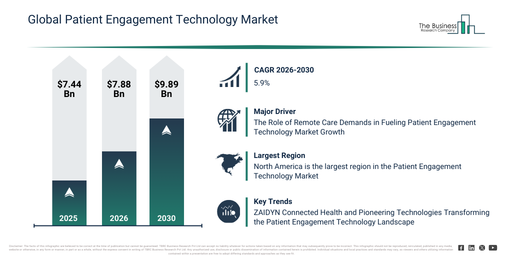
    The patient engagement technology market size has experienced robust expansion over recent years. This market is projected to expand from $7.44 billion in 2025 to $7.88 billion by 2026, exhibiting a compound annual growth rate (CAGR) of 5.8%. Historically, this growth has been driven by factors such as insufficient patient involvement in conventional healthcare, the widespread increase in smartphone and internet usage, greater understanding of digital health options, a heightened demand for better interaction between patients and providers, and the proliferation of telemedicine pilot projects and initial adoption initiatives.

    The patient engagement technology market is anticipated to experience substantial expansion over the upcoming years. Its size is projected to reach $9.89 billion by 2030, exhibiting a compound annual growth rate (CAGR) of 5.9%. This expansion during the forecast period is driven by factors such as the increasing incorporation of AI-powered personalized health advice, wider uptake of remote patient monitoring systems, the spread of cloud-hosted patient engagement platforms, a growing need for virtual care and home healthcare options, and the expanded application of patient engagement analytics to enhance clinical results. Key trends anticipated within this timeframe involve the increasing use of mobile health apps and telehealth services, greater deployment of wearable technology for ongoing health tracking, expanded deployment of patient portal software for better engagement, deeper integration of analytical instruments for tailored health insights, and an intensified emphasis on communication and messaging systems to improve patient interaction.

    Access Your Free Sample Report for In-Depth Market Insights:

    https://www.thebusinessresearchcompany.com/sample.aspx?id=14156&type=smp

    Which Drivers Are Supporting The Rise Of The Patient Engagement Technology Market?

    The rising requirements for remote care are anticipated to drive the expansion of the patient engagement technology market moving forward. The need for remote care signifies an increasing demand and expectation for healthcare services that can be rendered from a distance, without the necessity of patients visiting physical healthcare facilities. Remote care allows individuals to access medical services from their own homes. This enhanced convenience and accessibility result in increased patient engagement, given that people are more inclined to actively participate in their health management when services are easily obtainable. For example, in June 2025, as reported by the National Library of Medicine (NLM), a US-based biomedical library, the use of remote patient monitoring within physician office environments saw a sharp increase, reaching 5,118,772 services in 2023. Thus, the growing demands for remote care are propelling the growth of the patient engagement technology market.

    What Segments Are Identified Within The Structure Of The Patient Engagement Technology Market?

    The patient engagement technology market covered in this report is segmented –

    1) By Type: Hardware, Software, Services

    2) By Delivery Mode: Web-Based And Cloud-Based, On-Premise

    3) By Application: Health Management, Social Management, Home Healthcare Management, Financial Health Management

    4) By End User: Providers, Payers, Patients

    Subsegments:

    1) By Hardware: Patient Kiosks, Wearable Devices, Tablets And Mobile Devices, Telehealth Equipment

    2) By Software: Patient Portal Software, Mobile Health Applications, Communication And Messaging Platforms, Telemedicine Software, Analytics Tools

    3) By Services: Consulting Services, Implementation Services, Training And Support Services, Engagement Strategy Development

    How Are New Market Trends Shaping The Landscape Of The Patient Engagement Technology Market?

    Leading companies operating within the patient engagement technology market are developing cutting-edge solutions like ZAIDYN connected health to enhance market profitability. ZAIDYN Connected Health functions as an AI-powered platform, specifically designed to empower pharmaceutical companies, healthcare providers, and payers in fostering innovation across the healthcare industry. For example, in October 2023, ZS Associates, a US-based management consulting services company, launched ZAIDYN-connected health technology to ensure patient medication adherence, enable the monitoring of chronic illnesses, and facilitate early intervention in case of complications. Remote patient monitoring tracks vital patient health data. This comprehensive suite of technologies helps healthcare industry stakeholders identify gaps in treatment and address unfulfilled patient needs.

    Which Leading Companies Dominate The Patient Engagement Technology Market Share?

    Major companies operating in the patient engagement technology market are Mckesson Corporation, The International Business Machines Corporation, Oracle Corporation, Northwell Health, IQVIA, Cerner Corporation, Epic Systems Corporation, Athenahealth Inc, eClinical Works LLC, Allscripts Healthcare Solutions Inc., Computer Programs and Systems Inc., Medical Information Technology Inc., Medecision Inc., PATIENTPOINT LLC, MEDHOST, Orion Health Limited, GetWellNetwork Inc., HealthHub Patient Engagement Solutions, DrChrono Inc., Luma Health Inc., Lincor Solutions Ltd., CipherHealth Inc., Phytel Inc., Oneview Healthcare Plc, SONIFI Health Incorporated., Get Real Health, WelVU Inc., Yourcareuniverse Inc.

    Access The Complete Report For Deeper Market Insights:

    https://www.thebusinessresearchcompany.com/report/patient-engagement-technology-global-market-report

    Which Global Regions Are Shaping The Competitive Landscape Of The Patient Engagement Technology Market?

    North America was the largest region in the patent engagement technology market in 2025. Asia-Pacific is expected to be the fastest-growing region in the forecast period. The regions covered in the patient engagement technology market report are Asia-Pacific, South East Asia, Western Europe, Eastern Europe, North America, South America, Middle East, Africa.

    Request Your Customized Patient Engagement Technology Market Research Report for Competitive Advantage:

    https://www.thebusinessresearchcompany.com/customise?id=14156&type=smp

    Browse Through More Reports Similar to the Global Patient Engagement Technology Market 2026, By The Business Research Company

    Mobile Engagement Market Report 2026

    https://www.thebusinessresearchcompany.com/report/mobile-engagement-global-market-report

    Patient Engagement Solutions Market Report 2026

    https://www.thebusinessresearchcompany.com/report/patient-engagement-solutions-global-market-report

    Ai In Patient Engagement Market Report 2026

    https://www.thebusinessresearchcompany.com/report/ai-in-patient-engagement-global-market-report

    Get in touch with us:

    The Business Research Company: https://www.thebusinessresearchcompany.com/

    Americas +1 310-496-7795

    Asia +44 7882 955267 & +91 8897263534

    Europe +44 7882 955267

    Email us at info@tbrc.info

    Follow us on:

    LinkedIn: https://in.linkedin.com/company/the-business-research-company

    YouTube: https://www.youtube.com/channel/UC24_fI0rV8cR5DxlCpgmyFQ

    Global Market Model: https://www.thebusinessresearchcompany.com/global-market-model
  • Global Next Generation Sequencing (NGS) Sample Preparation Industry Insights: Key Trends and Growth Estimates

    Global Next Generation Sequencing (NGS) Sample Preparation Industry Insights: Key Trends and Growth Estimates

    Uncover key drivers, emerging technologies, and competitive movements shaping the next generation sequencing (ngs) sample preparation market from 2026–2035 with trusted insights from The Business Research Company

    Starting from its 2026 valuation, what market size is the Next Generation Sequencing (NGS) Sample Preparation Market expected to reach by 2030?

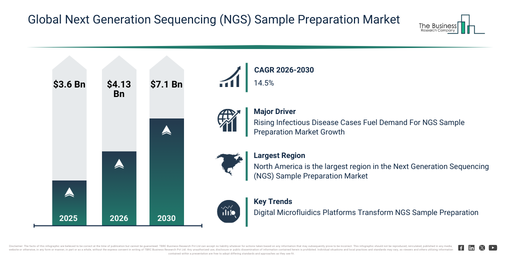
    The next generation sequencing (ngs) sample preparation market has witnessed substantial growth in recent times. It is projected to increase from $3.6 billion in 2025 to $4.13 billion in 2026, exhibiting a compound annual growth rate (CAGR) of 14.8%. The historical expansion of this market can be attributed to factors such as the proliferation of genomic research initiatives, the increasing integration of ngs into clinical diagnostics, the progression of precision medicine programs, the enhanced availability of sequencing instruments, and advancements in reagent performance.

    The next generation sequencing (ngs) sample preparation market is anticipated to experience substantial expansion over the upcoming years. By 2030, this market is projected to reach $7.1 billion, demonstrating a compound annual growth rate (CAGR) of 14.5%. This projected growth is driven by several factors, including the expanded application of ngs in routine diagnostic procedures, a surging need for scalable sample preparation solutions, the broadening scope of oncology and rare disease sequencing, increasing financial commitments towards automated laboratory systems, and a heightened emphasis on standardizing workflows. Key trends anticipated during this period encompass the escalating automation of ngs sample preparation processes, a growing demand for high-throughput library preparation kits, the wider adoption of integrated ngs platforms, an increase in target enrichment methodologies, and a stronger emphasis on ensuring sample quality and consistency.

    Access Your Free Sample Report for In-Depth Market Insights:

    https://www.thebusinessresearchcompany.com/sample.aspx?id=20580&type=smp

    What Drivers Are Driving Adoption Within The Next Generation Sequencing (NGS) Sample Preparation Market?

    The rising occurrence of infectious diseases is projected to drive the expansion of the next-generation sequencing (NGS) sample preparation market in the future. These diseases are conditions resulting from disease-causing agents like bacteria, viruses, fungi, or parasites, capable of transmission between individuals directly or indirectly. Several factors contribute to the increasing prevalence of infectious diseases, including more global travel, urban development, climate shifts, resistance to antimicrobials, and the emergence of novel pathogens. The process of next-generation sequencing sample preparation plays a vital role in addressing the increasing incidence of infectious diseases, facilitating the swift and precise identification of pathogens, which aids in outbreak surveillance, transmission tracking, and informing successful treatment approaches. For example, data from GOV.UK, a UK-based public sector information site, revealed in September 2023 that during the first half of 2023, tuberculosis (TB) cases in England saw a 7% increase compared to the corresponding period in 2022, with reported cases rising from 2,251 to 2,408. Consequently, the expanding occurrence of infectious diseases is set to stimulate the development of the next-generation sequencing (NGS) sample preparation market.

    What Segments Are Included Within The Next Generation Sequencing (NGS) Sample Preparation Market?

    The next generation sequencing (ngs) sample preparation market covered in this report is segmented –

    1) By Products And Services: Workstations Or Instruments, Reagents And Consumables, Services

    2) By Workflow: Library Preparation, Target Enrichment, Sample ExtractionOrisolation, Fragmentation, Sample Quantification, Library Quantification, Quality Control (Qc), Pooling

    3) By Technology: Nanopore Sequencing, Sequencing By Synthesis (Sbs), Single Molecule Real-time (SMRT) Sequencing, Ion Semiconductor Sequencing

    4) By Application: Diagnostics, Drug Discovery, Biomarker Discovery, Precision Medicine, Agriculture And Animal Research, Other Applications

    5) By End User: Academic Institutes And Research Centers, Hospitals And Clinics, Pharma And Biotech Companies, Other End Users

    Subsegments:

    1) By Workstations Or Instruments: Automated Sample Preparation Systems, Manual Workstations, Integrated NGS Platforms

    2) By Reagents And Consumables: Library Preparation Kits, DNA/RNA Extraction Kits, Amplification Kits, Quality Control Reagents, Consumables

    3) By Services: Sample Preparation Services, NGS Workflow Consultation, Training and Support Services, Data Analysis Services

    What Trends Are Projected To Support The Growth Of The Next Generation Sequencing (NGS) Sample Preparation Market?

    Major companies operating in the next-generation sequencing (NGS) sample preparation market are increasingly focusing on implementing automation, particularly digital microfluidics platforms, to boost efficiency, mitigate manual errors, and streamline sample processing for more accurate and timely genomic analysis. Digital microfluidics platforms represent advanced technologies that manipulate small fluid volumes on a microchip via electrical fields, facilitating precise and automated sample handling for uses like NGS sample preparation. For instance, in September 2023, INTEGRA Biosciences, a Switzerland-based provider of user-friendly liquid handling and media preparation solutions, unveiled the MIRO CANVAS. This compact digital microfluidics platform is specifically designed for fully automated next-generation sequencing (NGS) sample preparation. This innovative system significantly improves accuracy and efficiency by automating workflows, reducing hands-on time to just 15 minutes per run, and enabling immediate processing of clinical specimens. The MIRO CANVAS seeks to streamline NGS processes and advance genomics research by ensuring DNA integrity and minimizing reagent consumption.

    Who Are The Major Companies Operating In The Next Generation Sequencing (NGS) Sample Preparation Market?

    Major companies operating in the next generation sequencing (ngs) sample preparation market are F. Hoffmann-La Roche Ltd, Thermo Fisher Scientific Inc., Merck KGaA, Becton Dickinson and Company (BD), Eurofins Scientific SE, Agilent Technologies Inc., PerkinElmer Inc., Illumina Inc., Beckman Coulter, Sysmex Corporation, Bio-Rad Laboratories Inc., Qiagen N.V., Novogene Co. Ltd., Tecan Group Ltd, BGI Genomics Co. Ltd., Medgenome Inc., Promega Corporation, 10x Genomics Inc., Takara Bio Inc., Oxford Nanopore Technologies Limited, New England Biolabs Inc., Pacific Biosciences of California Inc., Zymo Research Corporation, Psomagen Inc., Swift Biosciences Inc.

    Access The Complete Report For Deeper Market Insights:

    https://www.thebusinessresearchcompany.com/report/next-generation-sequencing-ngs-sample-preparation-global-market-report

    Which Region Is Anticipated To See The Fastest Growth In The Next Generation Sequencing (NGS) Sample Preparation Market?

    North America was the largest region in the next generation sequencing (NGS) sample preparation market in 2025. Asia-Pacific is expected to be the fastest-growing region in the forecast period The regions covered in the next generation sequencing (ngs) sample preparation market report are Asia-Pacific, South East Asia, Western Europe, Eastern Europe, North America, South America, Middle East, Africa.

    Request Your Customized Next Generation Sequencing (NGS) Sample Preparation Market Research Report for Competitive Advantage:

    https://www.thebusinessresearchcompany.com/customise?id=20580&type=smp

    Browse Through More Reports Similar to the Global Next Generation Sequencing (NGS) Sample Preparation Market 2026, By The Business Research Company

    Next Generation Computing Market Report 2026

    https://www.thebusinessresearchcompany.com/report/next-generation-computing-global-market-report

    Next Generation Sequencing Market Report 2026

    https://www.thebusinessresearchcompany.com/report/next-generation-sequencing-global-market-report

    Next Generation Military Power Supply Market Report 2026

    https://www.thebusinessresearchcompany.com/report/next-generation-military-power-supply-global-market-report

    Get in touch with us:

    The Business Research Company: https://www.thebusinessresearchcompany.com/

    Americas +1 310-496-7795

    Asia +44 7882 955267 & +91 8897263534

    Europe +44 7882 955267

    Email us at info@tbrc.info

    Follow us on:

    LinkedIn: https://in.linkedin.com/company/the-business-research-company

    YouTube: https://www.youtube.com/channel/UC24_fI0rV8cR5DxlCpgmyFQ

    Global Market Model: https://www.thebusinessresearchcompany.com/global-market-model
  • Global Patient Derived Xenograft (PDX) Models Market Forecast 2026–2035: Long-Term Growth Insights

    Global Patient Derived Xenograft (PDX) Models Market Forecast 2026–2035: Long-Term Growth Insights

    Uncover key drivers, emerging technologies, and competitive movements shaping the patient derived xenograft (pdx) models market from 2026–2035 with trusted insights from The Business Research Company

    What size range is anticipated for the Patient Derived Xenograft (PDX) Models Market from 2026 to 2030?

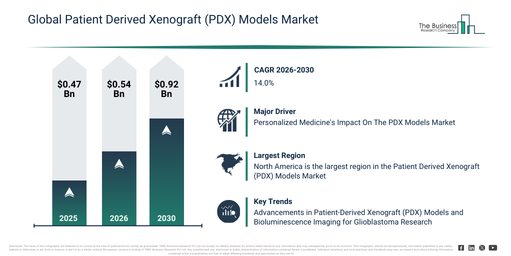
    The patient derived xenograft (pdx) models market has seen rapid expansion in recent years. It is forecast to grow from $0.47 billion in 2025 to $0.54 billion in 2026, achieving a compound annual growth rate (CAGR) of 15.8%. This historical growth can be attributed to factors such as the limited predictive capability of traditional cell line models, increasing cancer research initiatives, the reliance on animal models for drug testing, a growing demand for translational oncology studies, and the expansion of academic and pharmaceutical research collaborations.

    The patient derived xenograft (pdx) models market is set for rapid expansion in the coming years, with projections indicating a rise to $0.92 billion by 2030, at a compound annual growth rate (CAGR) of 14.0%. This anticipated growth is driven by factors such as the increasing adoption of pdx models for precision medicine, greater investment in humanized mouse and rat models, the expansion of co-clinical trial programs, the broadening services of contract research organizations offering pdx solutions, and the growing application of pdx models for evaluating immunotherapy and targeted therapies. Significant trends for this period include the rising use of pdx models for preclinical drug development, a heightened focus on personalized cancer research utilizing these models, the increasing integration of digital platforms for tumor data management, greater utilization of humanized and genetically modified models, and the expanding scope of co-clinical trials that leverage pdx models.

    Access Your Free Sample Report for In-Depth Market Insights:

    https://www.thebusinessresearchcompany.com/sample.aspx?id=17226&type=smp

    What Drivers Are Affecting Demand In The Patient Derived Xenograft (PDX) Models Market?

    The patient-derived xenograft (PDX) models market is anticipated to expand, driven by the escalating demand for personalized medicine. This approach involves tailoring medical treatment to each patient’s unique characteristics, taking into account factors such as genetics, environment, and lifestyle. The rising demand for personalized medicine is due to advancements in genomic research, which enable customized treatments based on individual genetic profiles, leading to more effective and targeted healthcare outcomes. Patient-derived xenograft (PDX) models facilitate personalized medicine by allowing the testing of individual patient tumors to predict treatment responses and to customize therapies accordingly. For instance, in February 2024, according to the Personalized Medicine Coalition (PMC), a US-based nonprofit umbrella organization, the FDA approved 16 new personalized treatments for rare diseases in 2023, a significant increase from six approvals in 2022. Therefore, the demand for personalized medicine is a key factor propelling the growth of the patient-derived xenograft (PDX) models market.

    Which Segments Are Gaining Traction In The Patient Derived Xenograft (PDX) Models Market?

    The patient derived xenograft (pdx) models market covered in this report is segmented –

    1) By Type: Mice Models, Rat Models

    2) By Technique: Heterotopic Implantation, Orthotropic Implantation

    3) By Tumor Type: Gastrointestinal Tumor Models, Lung Tumor Models, Hematological Tumor Models, Gynecological Tumor Models, Respiratory Tumor Models, Urological Tumor Models, Other Tumor Models

    4) By Application: Preclinical Drug Development, Precision Medicine, Co-Clinical Trials, Basic Cancer Research

    5) By End-User: Academic And Research Organizations, Contract Research Organizations, Pharmaceutical And Biotechnological Companies, Other End-Users

    Subsegments:

    1) By Mice Models: Immunodeficient Mice Models (Nude Mice, SCID Mice), Humanized Mice Models, Genetically Modified Mice Models

    2) By Rat Models: Immunodeficient Rat Models, Humanized Rat Models, Genetically Modified Rat Models

    Which Trends Are Expected To Influence The Patient Derived Xenograft (PDX) Models Market In The Upcoming Years?

    Leading companies in the patient-derived xenograft (PDX) models market are developing advanced models equipped with in vivo bioluminescence imaging capabilities for continuous monitoring of tumor growth. In vivo bioluminescence imaging supports PDX models by allowing noninvasive, real-time observation of tumor metastasis and treatment responses, thereby boosting the effectiveness of preclinical research in drug development. For instance, in March 2024, InVitro Research Solutions Private Limited, an India-based Contract Research Organization (CRO), launched a novel orthotopic model of human glioblastoma in NSG-SGM3 mice, utilizing patient-derived xenografts (PDX) and in vivo bioluminescence imaging. This model aims to facilitate personalized treatment for glioblastoma, which is the most common and aggressive type of brain cancer. Such models are essential for understanding glioblastoma biology and evaluating new targeted therapies and immunotherapies to achieve better patient outcomes.

    Who Are The Major Companies Operating In The Patient Derived Xenograft (PDX) Models Market?

    Major companies operating in the patient derived xenograft (pdx) models market are WuXi AppTec Co Ltd, Charles River Laboratories International Inc, The Jackson Laboratory, Inotiv Inc, Taconic Biosciences Inc, Crown Bioscience Inc, Champions Oncology Inc, Certis Oncology Solutions Inc, EPO Experimental Pharmacology & Oncology Berlin-Buch GmbH, InnoSer, Envigo, Oncodesign Services SA, Horizon Discovery Ltd, Pharmatest Services Ltd, Hera BioLabs, Xenopat, Noble Life Sciences, Medicilon, TheraIndx Life Sciences, Invivocue, InVitro Research Solutions Private Limited, NexusPharma, Mediford Corporation, GemPharmatech Co Ltd.

    Access The Complete Report For Deeper Market Insights:

    https://www.thebusinessresearchcompany.com/report/patient-derived-xenograft-pdx-models-global-market-report

    Which Regions Are Poised For Strategic Growth In The Patient Derived Xenograft (PDX) Models Market?

    North America was the largest region in the patient derived xenograft (PDX) models market in 2025. Asia-Pacific is expected to be the fastest-growing region in the forecast period. The regions covered in the patient derived xenograft (pdx) models market report are Asia-Pacific, South East Asia, Western Europe, Eastern Europe, North America, South America, Middle East, Africa.

    Request Your Customized Patient Derived Xenograft (PDX) Models Market Research Report for Competitive Advantage:

    https://www.thebusinessresearchcompany.com/customise?id=17226&type=smp

    Browse Through More Reports Similar to the Global Patient Derived Xenograft (PDX) Models Market 2026, By The Business Research Company

    Patient Simulators Market Report 2026

    https://www.thebusinessresearchcompany.com/report/patient-simulators-global-market-report

    Xenotransplantation Market Report 2026

    https://www.thebusinessresearchcompany.com/report/xenotransplantation-global-market-report

    Xerostomia Therapeutics Market Report 2026

    https://www.thebusinessresearchcompany.com/report/xerostomia-therapeutics-global-market-report

    Get in touch with us:

    The Business Research Company: https://www.thebusinessresearchcompany.com/

    Americas +1 310-496-7795

    Asia +44 7882 955267 & +91 8897263534

    Europe +44 7882 955267

    Email us at info@tbrc.info

    Follow us on:

    LinkedIn: https://in.linkedin.com/company/the-business-research-company

    YouTube: https://www.youtube.com/channel/UC24_fI0rV8cR5DxlCpgmyFQ

    Global Market Model: https://www.thebusinessresearchcompany.com/global-market-model
  • Patient Data Hub Solutions Market 2026–2030: Forecasting Business Opportunities Ahead

    Patient Data Hub Solutions Market 2026–2030: Forecasting Business Opportunities Ahead

    Uncover key drivers, emerging technologies, and competitive movements shaping the patient data hub solutions market from 2026–2035 with trusted insights from The Business Research Company

    How is the Patient Data Hub Solutions Market size predicted to change over the forecast window of 2026–2035?

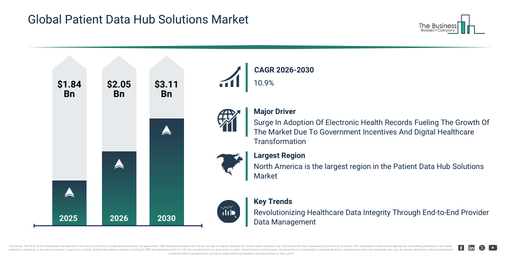
    The patient data hub solutions market size has experienced rapid growth in recent years. This market is forecasted to increase from $1.84 billion in 2025 to $2.05 billion in 2026, at a compound annual growth rate (CAGR) of 11.2%. The expansion observed in the historic period is largely due to the increasing digitization of healthcare records, the adoption of electronic health records, the expansion of healthcare IT infrastructure, the growing need for coordinated care delivery, and a rising regulatory focus on data standardization.

    The patient data hub solutions market size is projected to experience substantial expansion over the upcoming years, reaching $3.11 billion by 2030, exhibiting a compound annual growth rate (CAGR) of 10.9%. This projected growth is driven by several factors, including heightened investments in healthcare interoperability solutions, a surging demand for predictive analytics in care management, the broadening of value-based healthcare models, an intensified focus on patient-centric data platforms, and the increasing embrace of cloud-native healthcare solutions. Key trends anticipated during this period encompass the growing adoption of unified patient record platforms, an escalating demand for interoperable healthcare data systems, the expanding integration of AI-driven clinical insights, the proliferation of cloud-based patient data hubs, and a stronger emphasis on real-time care coordination.

    Access Your Free Sample Report for In-Depth Market Insights:

    https://www.thebusinessresearchcompany.com/sample.aspx?id=30349&type=smp

    Which Drivers Are Contributing To The Expansion Of The Patient Data Hub Solutions Market?

    The future expansion of the patient data hub solutions market is anticipated due to the increasing integration of electronic health records (EHRs). EHRs represent digital platforms designed to systematically document and retain patient clinical details in an organized and accessible manner. This increasing embrace of electronic health records is spurred by a rise in government initiatives and directives encouraging digital transformation within healthcare, aiming to boost data sharing and optimize care delivery. Patient data hub solutions aid this trend by unifying and standardizing information from diverse EHR systems, thereby allowing healthcare professionals to access consolidated patient insights and make well-informed clinical judgments. A notable example is from November 2023, where the online QMU, an India-based university, reported that 90% of NHS trusts had adopted electronic patient records, with new systems being implemented by 189 trusts. Consequently, the expanding utilization of electronic health records is a key factor propelling the development of the patient data hub solutions market.

    What Segment Categories Are Covered In The Patient Data Hub Solutions Market?

    The patient data hub solutions market covered in this report is segmented –

    1) By Solution Type: Health Data Apps And AI Solutions, Data Integration Solutions, Patient 360 View Platforms, Other Solution Types

    2) By Deployment Mode: Cloud-Based, On-Premises

    3) By End User: Healthcare Companies, Healthcare Providers, Healthcare Payers, Other End Users

    Subsegments:

    1) By Health Data Apps And AI Solutions: Mobile Health Applications, Artificial Intelligence Analytics Tools, Remote Patient Monitoring Platforms, Predictive Health Management Systems, Virtual Health Assistant Solutions

    2) By Data Integration Solutions: Cloud-Based Integration Tools, On-Premise Integration Platforms, Application Programming Interface Management Solutions, Data Interoperability Frameworks, Master Data Management Systems

    3) By Patient 360 View Platforms: Unified Patient Record Systems, Clinical Data Aggregation Platforms, Real-Time Data Visualization Tools, Patient Journey Mapping Solutions, Population Health Management Systems

    4) By Other Solution Types: Data Security And Compliance Tools, Healthcare Data Warehousing Solutions, Interoperability Middleware Platforms, Data Quality And Governance Solutions, Custom Analytics And Reporting Tools

    What Trends Are Driving The Growth Trajectory Of The Patient Data Hub Solutions Market?

    Leading enterprises within the patient data hub solutions market are prioritizing cutting-edge advancements, specifically unified provider-data platforms, aimed at enhancing data integrity, minimizing data fragmentation, and improving subsequent healthcare operational processes. These unified provider-data platforms are comprehensive systems designed to gather, purify, standardize, and utilize provider-related information from various origins, thereby establishing a singular, dependable source of accurate data. As an illustration, in October 2025, CertifyOS, a data intelligence provider situated in the US, introduced its Provider Hub platform. This platform’s objective is to consolidate provider data into a comprehensive, real-time perspective, empowering health plans and digital-health firms to boost data precision, expedite credentialing procedures, and decrease operational expenditures. By establishing a robust base of accurate and interconnected provider data, this endeavor contributes to improved regulatory adherence, elevates the experience for both members and providers, and fosters more effective healthcare network management.

    Which Major Firms Are Strengthening Their Position In The Patient Data Hub Solutions Market?

    Major companies operating in the patient data hub solutions market are McKesson Corporation, Optum Inc., Oracle Corporation, Capgemini SE, Siemens Healthineers AG, Philips Healthcare, GE Healthcare, IQVIA Holdings Inc., Epic Systems Corporation, Athenahealth Inc., Veeva Systems Inc., Informatica Inc., InterSystems Corporation, eClinicalWorks LLC, Medical Information Technology Inc., WellSky Corporation, Health Catalyst Inc., Greenway Health LLC, Cerner Corporation, Allscripts Healthcare Solutions, NextGen Healthcare

    Access The Complete Report For Deeper Market Insights:

    https://www.thebusinessresearchcompany.com/report/global-patient-data-hub-solutions-market-report

    Which Regions Are Projected To Dominate The Patient Data Hub Solutions Market In The Coming Years?

    North America was the largest region in the patient data hub solutions market in 2025. Asia-Pacific is expected to be the fastest-growing region in the forecast period. The regions covered in the patient data hub solutions market report are Asia-Pacific, South East Asia, Western Europe, Eastern Europe, North America, South America, Middle East, Africa.

    Request Your Customized Patient Data Hub Solutions Market Research Report for Competitive Advantage:

    https://www.thebusinessresearchcompany.com/customise?id=30349&type=smp

    Browse Through More Reports Similar to the Global Patient Data Hub Solutions Market 2026, By The Business Research Company

    Clinical Data Analytics Solutions Market Report 2026

    https://www.thebusinessresearchcompany.com/report/clinical-data-analytics-solutions-global-market-report

    Healthcare Data Interoperability Market Report 2026

    https://www.thebusinessresearchcompany.com/report/healthcare-data-interoperability-global-market-report

    Patient Registry Software Market Report 2026

    https://www.thebusinessresearchcompany.com/report/patient-registry-software-global-market-report

    Get in touch with us:

    The Business Research Company: https://www.thebusinessresearchcompany.com/

    Americas +1 310-496-7795

    Asia +44 7882 955267 & +91 8897263534

    Europe +44 7882 955267

    Email us at info@tbrc.info

    Follow us on:

    LinkedIn: https://in.linkedin.com/company/the-business-research-company

    YouTube: https://www.youtube.com/channel/UC24_fI0rV8cR5DxlCpgmyFQ

    Global Market Model: https://www.thebusinessresearchcompany.com/global-market-model
  • Next Generation Sequencing (NGS) In Agrigenomics Market Forecast: How Big Will It Be by 2030?

    Next Generation Sequencing (NGS) In Agrigenomics Market Forecast: How Big Will It Be by 2030?

    Uncover key drivers, emerging technologies, and competitive movements shaping the next generation sequencing (ngs) in agrigenomics market from 2026–2035 with trusted insights from The Business Research Company

    Across 2026–2030, what is the expected market valuation path of the Next Generation Sequencing (NGS) In Agrigenomics Market?

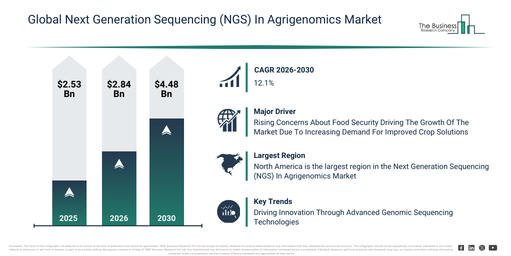
    The next generation sequencing (ngs) in agrigenomics market has seen significant expansion in recent years. Its size is anticipated to increase from $2.53 billion in 2025 to $2.84 billion in 2026, achieving a compound annual growth rate (CAGR) of 12.4%. The surge observed in the past can be ascribed to a growing need for enhanced crop yields, the broadening scope of agricultural biotechnology research, the introduction of advanced sequencing platforms, a heightened focus on developing disease-resistant crops, and the proliferation of genomics-based breeding initiatives.

    The market for next generation sequencing (ngs) in agrigenomics is projected to experience substantial expansion over the coming years. By 2030, its valuation is anticipated to reach $4.48 billion, demonstrating a compound annual growth rate (CAGR) of 12.1%. This projected increase is driven by several factors, including the rising implementation of precision agriculture methods, increased funding for developing climate-resilient crops, the broadening scope of genomic data-powered farming, a rising need for sustainable food production, and strengthened governmental backing for agrigenomics research. Key developments anticipated during this period encompass the wider adoption of high-throughput sequencing platforms, greater application of ngs for improving crop traits, an increasing incorporation of bioinformatics within agrigenomics, the growth of genomic-assisted breeding initiatives, and a heightened emphasis on sustainable crop innovation.

    Access Your Free Sample Report for In-Depth Market Insights:

    https://www.thebusinessresearchcompany.com/sample.aspx?id=27361&type=smp

    Which Drivers Are Supporting The Rise Of The Next Generation Sequencing (NGS) In Agrigenomics Market?

    The increasing apprehension concerning food security is anticipated to drive the expansion of next-generation sequencing (NGS) in the agrigenomics market going forward. Food security involves guaranteeing that everyone consistently obtains enough safe and nourishing food to fulfill their nutritional requirements for a vigorous and healthy existence. Elevated worries about food security stem from elements like population growth, which pushes food demand past the present agricultural production capabilities. Next-generation sequencing (NGS) in agrigenomics contributes to food security by facilitating the creation of enhanced crop types offering superior yield, resilience to diseases, and adaptability to varying climates. As an illustration, data from August 2025 by the United States Department of Agriculture, a US-based government agency, revealed that food insecurity impacted 13.5% (18.0 million) of American families in 2023, representing a statistically notable increase from 12.8% (17.0 million) in 2022. Consequently, the growing concerns about food security are fueling expansion within the next generation sequencing (NGS) in the agrigenomics market.

    What Leading Segments Are Studied In The Next Generation Sequencing (NGS) In Agrigenomics Market?

    The next generation sequencing (ngs) in agrigenomics market covered in this report is segmented –

    1) By Types: Nanopore, NextSeq, NovaSeq, Sequel

    2) By Sample Type: Animal Tissue Samples, Plant Tissue Samples, Soil Samples, Microbial Cultures, Seed Samples

    3) By Workflow Type: Sample Preparation, Sequencing, Data Analysis, Data Interpretation, Bioinformatics, Management

    4) By Application: Plant Genomics, Animal Genomics, Microbial Genomics, Food Safety Testing, Biodiversity Conservation

    5) By End-User Type: Agricultural Biotechnology Companies, Research Institutions, Food And Beverage Companies, Government, Regulatory Bodies, Farmers

    Subsegments:

    1) By Nanopore: MinION, GridION, PromethION

    2) By NextSeq: NextSeq 500, NextSeq 550

    3) By NovaSeq: NovaSeq 6000, NovaSeq X

    4) By Sequel: Sequel I, Sequel II, Sequel Iie

    Which Trends Are Influencing The Performance And Direction Of The Next Generation Sequencing (NGS) In Agrigenomics Market?

    Leading companies within the next generation sequencing (NGS) in agrigenomics market are concentrating on creating advanced solutions, including single nucleotide polymorphism (SNP) panels for precise genotyping, to address the growing need for faster crop development, higher yields, and stronger disease resistance. These single nucleotide polymorphism (SNP) panels comprise DNA markers designed to accurately identify genetic variations throughout genomes, thereby empowering breeders to choose favorable traits more effectively than conventional phenotypic selection, which observes plant characteristics over numerous growing seasons. As an illustration, in May 2024, AgriPlex Genomics, a biotechnology firm located in Cleveland, Ohio, introduced the temperate maize panel, an advanced single nucleotide polymorphism (SNP) panel specifically developed for temperate corn. This particular panel features 2,490 markers spread across all 10 chromosomes, targeting significant characteristics such as plant growth, kernel and cob morphology, flowering time, plant and ear height, ear dimensions, kernel mass, grain yield, grain moisture, and disease resistance. Created through partnerships with academic institutions, the panel supports marker-assisted breeding, boosts throughput by enabling the concurrent genotyping of extensive populations, and substantially lowers expenses relative to traditional sequencing techniques.

    Which Major Firms Are Strengthening Their Position In The Next Generation Sequencing (NGS) In Agrigenomics Market?

    Major companies operating in the next generation sequencing (ngs) in agrigenomics market are Thermo Fisher Scientific Inc., Eurofins Scientific SE, Agilent Technologies Inc., Illumina Inc., Takara Holdings Inc., Tecan Group Ltd., Azenta Life Sciences, 10x Genomics Inc., Novogene Corporation, Twist Bioscience Inc., Oxford Nanopore Technologies Ltd., Genotypic Technology Pvt. Ltd., CD Genomics Inc., Zymo Research Corp., Genome Life Sciences Pvt. Ltd., Arraygen Technologies Pvt. Ltd., SciGenom Labs Pvt. Ltd., BGI Group, Paragon Genomics Inc., NRGene Ltd., Berry Genomics Co. Ltd., LC Sciences LLC

    Access The Complete Report For Deeper Market Insights:

    https://www.thebusinessresearchcompany.com/report/next-generation-sequencing-ngs-in-agrigenomics-global-market-report

    Which Global Regions Are Shaping The Competitive Landscape Of The Next Generation Sequencing (NGS) In Agrigenomics Market?

    North America was the largest region in the next generation sequencing (NGS) in agrigenomics market in 2025. Asia-Pacific is expected to be the fastest-growing region in the forecast period. The regions covered in the next generation sequencing (ngs) in agrigenomics market report are Asia-Pacific, South East Asia, Western Europe, Eastern Europe, North America, South America, Middle East, Africa.

    Request Your Customized Next Generation Sequencing (NGS) In Agrigenomics Market Research Report for Competitive Advantage:

    https://www.thebusinessresearchcompany.com/customise?id=27361&type=smp

    Browse Through More Reports Similar to the Global Next Generation Sequencing (NGS) In Agrigenomics Market 2026, By The Business Research Company

    Underwater Connectors Market Report 2026

    https://www.thebusinessresearchcompany.com/report/underwater-connectors-global-market-report

    Waterproofing Chemicals Market Report 2026

    https://www.thebusinessresearchcompany.com/report/waterproofing-chemicals-global-market-report

    Underwater Connector Market Report 2026

    https://www.thebusinessresearchcompany.com/report/underwater-connector-global-market-report

    Get in touch with us:

    The Business Research Company: https://www.thebusinessresearchcompany.com/

    Americas +1 310-496-7795

    Asia +44 7882 955267 & +91 8897263534

    Europe +44 7882 955267

    Email us at info@tbrc.info

    Follow us on:

    LinkedIn: https://in.linkedin.com/company/the-business-research-company

    YouTube: https://www.youtube.com/channel/UC24_fI0rV8cR5DxlCpgmyFQ

    Global Market Model: https://www.thebusinessresearchcompany.com/global-market-model