Category: Healthcare Services

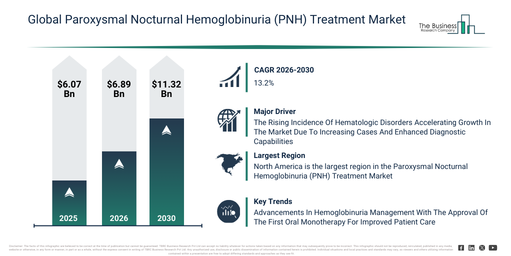
  • Paroxysmal Nocturnal Hemoglobinuria (PNH) Treatment Market Growth Outlook From $6.89 Billion In 2026 To $11.32 Billion By 2030

    Paroxysmal Nocturnal Hemoglobinuria (PNH) Treatment Market Growth Outlook From $6.89 Billion In 2026 To $11.32 Billion By 2030

    Featuring market attractiveness scoring, total addressable market sizing, company benchmarking matrices, interactive Excel dashboards, deeper supply chain intelligence, emerging startup tracking, and granular product-level insights, The Business Research Company’s 2026 market reports are built to deliver research that is both more actionable and more strategically valuable.

    Paroxysmal Nocturnal Hemoglobinuria (PNH) Treatment Market Poised To Hit $11.32 Billion By 2030 With A 13.2% CAGR

    The market for paroxysmal nocturnal hemoglobinuria (pnh) treatment has experienced rapid growth in recent years. This sector is anticipated to increase from $6.07 billion in 2025 to $6.89 billion in 2026, reflecting a compound annual growth rate (CAGR) of 13.4%. The historical expansion of this market can be attributed to factors like the limited availability of effective targeted therapies, a reliance on supportive care and transfusions, delayed diagnosis stemming from the disease’s rarity, the significant risk of life-threatening thrombosis, and the absence of standardized long-term treatment protocols.

    The paroxysmal nocturnal hemoglobinuria (pnh) treatment market is poised for significant expansion over the next few years. Its valuation is expected to reach $11.32 billion by 2030, progressing at a compound annual growth rate (CAGR) of 13.2%. This projected increase during the forecast period can be attributed to the emergence of next-generation complement inhibitors, a broadening clinical pipeline for oral and subcutaneous therapies, a heightened focus on drug innovation for orphan diseases, improved diagnosis rates through advanced testing, and enhanced reimbursement coverage for rare hematologic disorders. Major trends anticipated during this period include a rising adoption of complement c5 inhibitor therapies, an increasing shift towards long-acting and subcutaneous treatments, the development of alternative pathway inhibitors, the expansion of combination and dual complement inhibition strategies, and better management of thrombotic and bone marrow complications.

    Get A Free Sample Report With In-Depth Market Insights:

    https://thebusinessresearchcompany.com/sample_request?id=32649021&type=smp&name=Paroxysmal%20Nocturnal%20Hemoglobinuria%20%28PNH%29%20Treatment%20Market%20Report%202026&utm_source=Blogs&utm_medium=Paid&utm_campaign=Nov_PR

    Paroxysmal Nocturnal Hemoglobinuria (PNH) Treatment Market Growth Factors: What’s Supporting Expansion?

    A rise in the occurrence of hematologic disorders is anticipated to fuel the expansion of the paroxysmal nocturnal hemoglobinuria (PNH) treatment market in the future. Hematologic disorders encompass a wide range of medical conditions impacting the blood and its producing organs, manifesting as irregularities in red blood cells, white blood cells, platelets, bone marrow, and the coagulation system, potentially resulting in conditions such as anemia, clotting problems, or cancers. The growing frequency of these disorders is attributed to elements like aging populations and genetic predispositions, with genetic mutations being crucial by initiating irregular blood cell production, which leads to various hematologic conditions. Paroxysmal nocturnal hemoglobinuria (PNH) treatment effectively addresses hematologic disorders through specialized therapies that lessen complement-mediated hemolysis, decrease thrombotic complications, and enhance patient survival outcomes. Consequently, the increasing prevalence of hematologic disorders is a key driver for the paroxysmal nocturnal hemoglobinuria (PNH) treatment market’s growth.

    Paroxysmal Nocturnal Hemoglobinuria (PNH) Treatment Market Segment Landscape: Which Areas Lead Development?

    The paroxysmal nocturnal hemoglobinuria (pnh) treatment market covered in this report is segmented –

    1) By Treatment Type: Complement C5 Inhibitors, Anti-Complement Component 5a Receptor (C5aR) Monoclonal Antibodies, Alternative Pathway Inhibitors, Hematopoietic Stem Cell Transplantation, Other Therapies

    2) By Route Of Administration: Intravenous, Subcutaneous, Oral

    3) By Market Availability: Approved, In Pipeline, Investigational

    4) By End-Use: Hospitals, Specialty Clinics, Homecare Settings, Other End-Users

    Subsegments:

    1) By Complement: C5 InhibitorsEculizumab (Soliris), Ravulizumab (Ultomiris), Emerging C5 Inhibitors, Biosimilars Of C5 Inhibitors,

    2) By Anti-Complement Component 5a Receptor Monoclonal Antibodies: Avacopan (Tavneos), Other Investigational C5aR mAbs, Monotherapy vs Combination Therapy, Clinical Trial Phase (Phase I, II, III)

    3) By Alternative Pathway Inhibitors: C3 Inhibitors, Factor B Inhibitors, Factor D Inhibitors, Targeting Complement Amplification, Combination Therapies And Dual Inhibition

    4) By Hematopoietic Stem Cell Transplantation (HSCT): Autologous HSCT vs. Allogeneic HSCT, Pre-Transplant Conditioning Therapies, Post-Transplant Immunosuppressive Therapies

    5) By Other Therapies: Immunosuppressive Therapy, Supportive Care, Anticoagulation Therapy, Gene Therapy

    Paroxysmal Nocturnal Hemoglobinuria (PNH) Treatment Market Trends Shaping Long-Term Demand

    Major companies operating in the paroxysmal nocturnal hemoglobinuria (PNH) treatment market are concentrating on developing innovative solutions, such as oral factor B inhibitors, to introduce novel treatment options that enhance therapeutic effectiveness and improve patient convenience in managing PNH. An oral Factor B inhibitor acts as a targeted small-molecule drug, selectively inhibiting Factor B in the alternative complement pathway, aiming to regulate immune system overactivation and reduce inflammation in complement-mediated diseases.

    Paroxysmal Nocturnal Hemoglobinuria (PNH) Treatment Market Industry Leaders And Competitive Landscape

    Major companies operating in the paroxysmal nocturnal hemoglobinuria (pnh) treatment market are F. Hoffmann-La Roche Ltd, Novartis AG, Mayo Clinic, Cleveland Clinic Foundation, Johns Hopkins Medicine, Memorial Sloan Kettering Cancer Center, Stanford Health Care, University of California San Francisco (UCSF) Health, Emory Healthcare, Cedars-Sinai Medical Center, Duke University Health System, Mount Sinai Health System, Dana-Farber Cancer Institute, Swedish Orphan Biovitrum, Alnylam Pharmaceuticals, BioCryst Pharmaceuticals, Apellis Pharmaceuticals, Omeros Corporation, Takeda Pharmaceutical Company, Sanofi S A, Pfizer Inc, Akari Therapeutics Plc, NovelMed Therapeutics, Ionis Pharmaceuticals, Johnson & Johnson, Biogen Inc.

    View The Full Paroxysmal Nocturnal Hemoglobinuria (PNH) Treatment Market Report:

    https://thebusinessresearchcompany.com/report/paroxysmal-nocturnal-hemoglobinuria-pnh-treatment-global-market-report?utm_source=Blogs&utm_medium=Paid&utm_campaign=Nov_PR

    Paroxysmal Nocturnal Hemoglobinuria (PNH) Treatment Market Geographic Spread And Regional Opportunities

    North America was the largest region in the paroxysmal nocturnal hemoglobinuria (PNH) treatment market in 2025. Asia-Pacific is expected to be the fastest-growing region in the forecast period. The regions covered in the paroxysmal nocturnal hemoglobinuria (pnh) treatment market report are Asia-Pacific, South East Asia, Western Europe, Eastern Europe, North America, South America, Middle East, Africa.

    Reach Out To Our Team:

    The Business Research Company: https://www.thebusinessresearchcompany.com/

    Americas: +1 310-496-7795

    Asia: +44 7882 955267 & +91 8897263534

    Europe: +44 7882 955267

    Email us at: marketing@tbrc.info

    Follow us on:

    LinkedIn: https://in.linkedin.com/company/the-business-research-company

    YouTube: https://www.youtube.com/channel/UC24_fI0rV8cR5DxlCpgmyFQ

    Global Market Model: https://www.thebusinessresearchcompany.com/global-market-model
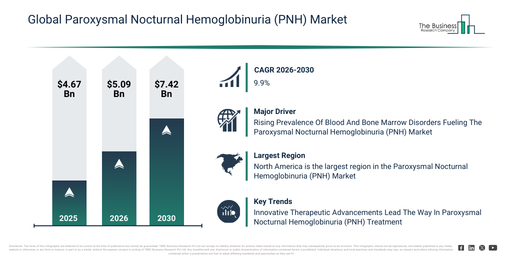
  • Paroxysmal Nocturnal Hemoglobinuria (PNH) And Atypical Hemolytic Uremic Syndrome (aHUS) Market Forecast To Reach $8.42 Billion By 2030: Key Growth Drivers And Industry Trends

    Paroxysmal Nocturnal Hemoglobinuria (PNH) And Atypical Hemolytic Uremic Syndrome (aHUS) Market Forecast To Reach $8.42 Billion By 2030: Key Growth Drivers And Industry Trends

    Built to provide research that’s more actionable and strategically valuable, The Business Research Company’s 2026 market reports include market attractiveness analysis, total addressable market sizing, company benchmarking matrices, interactive Excel dashboards, broader supply chain intelligence, emerging startup tracking, and in-depth product insights.

    Paroxysmal Nocturnal Hemoglobinuria (PNH) And Atypical Hemolytic Uremic Syndrome (aHUS) Market Size And Revenue Outlook Through 2030

    The paroxysmal nocturnal hemoglobinuria (pnh) and atypical hemolytic uremic syndrome (ahus) market size has experienced robust expansion in recent years. Projections indicate an increase from $5.97 billion in 2025 to $6.41 billion in 2026, demonstrating a compound annual growth rate (CAGR) of 7.3%. Historical growth can be linked to factors such as the restricted access to specific complement therapies, challenges in timely diagnosis given the diseases’ rarity, the predominant use of plasma exchange and general supportive care, elevated treatment expenses hindering patient access, and insufficient public understanding of complement-mediated conditions.

    The paroxysmal nocturnal hemoglobinuria (pnh) and atypical hemolytic uremic syndrome (ahus) market is expected to show strong expansion in the upcoming years. It is projected to reach $8.42 billion in 2030, exhibiting a compound annual growth rate (CAGR) of 7.1%. The anticipated growth during this period is driven by the development of next-generation complement inhibitors, higher diagnosis rates through advanced testing, an increased focus on orphan disease drug development, broader reimbursement coverage for rare diseases, and the growing establishment of specialty hematology and nephrology centers. Prominent trends observed in the forecast period include the rising adoption of complement inhibitor therapies, expanded utilization of genetic and biomarker testing, the emergence of long-acting complement inhibition drugs, the proliferation of specialized rare disease treatment centers, and improved early diagnosis of complement-mediated disorders.

    Get A Free Sample Report With In-Depth Market Insights:

    https://thebusinessresearchcompany.com/sample_request?id=81155628&type=smp&name=Paroxysmal%20Nocturnal%20Hemoglobinuria%20%28PNH%29%20And%20Atypical%20Hemolytic%20Uremic%20Syndrome%20%28aHUS%29%20Market%20Report%202026&utm_source=Blogs&utm_medium=Paid&utm_campaign=Nov_PR

    Paroxysmal Nocturnal Hemoglobinuria (PNH) And Atypical Hemolytic Uremic Syndrome (aHUS) Market Demand Drivers: What’s Powering Industry Growth?

    The growing occurrence of rare diseases is anticipated to drive expansion in the paroxysmal nocturnal hemoglobinuria (PNH) and atypical hemolytic uremic syndrome (aHUS) market in the future. These conditions are defined as medical ailments impacting a small segment of the populace, usually under 200,000 people, and are frequently marked by their intricate nature, seriousness, and requirement for specialized therapeutic approaches. This surge in rare disease prevalence stems from improvements in diagnostic tools, facilitating improved discovery and recognition of conditions that were previously not well-documented or identified. Paroxysmal nocturnal hemoglobinuria (PNH) and atypical hemolytic uremic syndrome (aHUS) offer valuable contributions to comprehending and managing rare diseases through insights into their disease mechanisms and potential areas for therapy, particularly for conditions lacking extensive treatment choices. Consequently, the expanding incidence of rare diseases is fueling the development of the paroxysmal nocturnal hemoglobinuria (PNH) and atypical hemolytic uremic syndrome (aHUS) market.

    Paroxysmal Nocturnal Hemoglobinuria (PNH) And Atypical Hemolytic Uremic Syndrome (aHUS) Market Segments: Where Is Growth Concentrated?

    The paroxysmal nocturnal hemoglobinuria (pnh) and atypical hemolytic uremic syndrome (ahus) market covered in this report is segmented –

    1) By Type: Soliris, Ultomiris

    2) By Disease Type: Paroxysmal Nocturnal Hemoglobinuria(PNH), Atypical Hemolytic Uremic Syndrome(aHUS)

    3) By Treatment Type: Complement Inhibitors, Plasma Exchange Or Infusion, Other Symptomatic Treatments

    4) By Diagnosis Method: Clinical Diagnosis, Genetic Testing, Biomarker Testing

    5) By End-User: Hospitals, Specialty Clinics, Research Institutes, Other End-Users

    Subsegments:

    1) By Soliris: Eculizumab For PNH, Eculizumab For aHUS, Eculizumab Biosimilars

    2) By Ultomiris: Ravulizumab For PNH, Ravulizumab For aHUS, Ravulizumab Extended-Interval Dosing

    Paroxysmal Nocturnal Hemoglobinuria (PNH) And Atypical Hemolytic Uremic Syndrome (aHUS) Market Innovation Trends Shaping Future Development

    Leading companies in the paroxysmal nocturnal hemoglobinuria (PNH) and atypical hemolytic uremic syndrome (aHUS) market are prioritizing the development of innovative products, such as complement inhibitors, to enhance treatment outcomes and patient convenience. Complement inhibitors are therapeutic agents that obstruct specific components of the complement system, an immune system part crucial for clearing pathogens and damaged cells.

    Paroxysmal Nocturnal Hemoglobinuria (PNH) And Atypical Hemolytic Uremic Syndrome (aHUS) Market Key Participants And Competitive Landscape

    Major companies operating in the paroxysmal nocturnal hemoglobinuria (pnh) and atypical hemolytic uremic syndrome (ahus) market are Roche Holding AG, Alexion Pharmaceuticals Inc, Genentech Inc, Novartis AG, Apellis Pharmaceuticals Inc, Omeros Corporation, BioCryst Pharmaceuticals Inc, ChemoCentryx Inc, Sanofi SA, CSL Behring, Takeda Pharmaceutical Company, Pfizer Inc, Regeneron Pharmaceuticals Inc, Ionis Pharmaceuticals Inc, Horizon Therapeutics, Achillion Pharmaceuticals Inc, Sobi Swedish Orphan Biovitrum AB, ImmunoForge Co Ltd, Care Pharma, Daiichi Sankyo Co Ltd, Astellas Pharma Inc, Mallinckrodt Pharmaceuticals, CANbridge Pharmaceuticals Inc.

    View The Full Paroxysmal Nocturnal Hemoglobinuria (PNH) And Atypical Hemolytic Uremic Syndrome (aHUS) Market Report:

    https://thebusinessresearchcompany.com/report/paroxysmal-nocturnal-hemoglobinuria-pnh-and-atypical-hemolytic-uremic-syndrome-ahus-global-market-report?utm_source=Blogs&utm_medium=Paid&utm_campaign=Nov_PR

    Paroxysmal Nocturnal Hemoglobinuria (PNH) And Atypical Hemolytic Uremic Syndrome (aHUS) Market Top Region By Revenue And Market Share

    North America was the largest region in the paroxysmal nocturnal hemoglobinuria (PNH) and atypical hemolytic uremic syndrome (aHUS) market in 2025. Asia-Pacific is expected to be the fastest-growing region in the forecast period. The regions covered in the paroxysmal nocturnal hemoglobinuria (pnh) and atypical hemolytic uremic syndrome (ahus) market report are Asia-Pacific, South East Asia, Western Europe, Eastern Europe, North America, South America, Middle East, Africa.

    Reach Out To Our Team:

    The Business Research Company: https://www.thebusinessresearchcompany.com/

    Americas: +1 310-496-7795

    Asia: +44 7882 955267 & +91 8897263534

    Europe: +44 7882 955267

    Email us at: marketing@tbrc.info

    Follow us on:

    LinkedIn: https://in.linkedin.com/company/the-business-research-company

    YouTube: https://www.youtube.com/channel/UC24_fI0rV8cR5DxlCpgmyFQ

    Global Market Model: https://www.thebusinessresearchcompany.com/global-market-model
  • Paroxysmal Nocturnal Hemoglobinuria (PNH) Market Research 2026: Market Size, Trends, Segments And Growth Forecast

    Paroxysmal Nocturnal Hemoglobinuria (PNH) Market Research 2026: Market Size, Trends, Segments And Growth Forecast

    Backed by market attractiveness analysis, total addressable market sizing, company benchmarking matrices, interactive Excel dashboards, wider supply chain intelligence, emerging startup coverage, and detailed product-level insights, The Business Research Company’s 2026 market reports are designed to offer research that is more actionable and strategically valuable than ever.

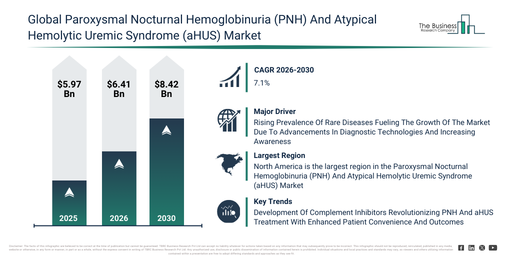
    Paroxysmal Nocturnal Hemoglobinuria (PNH) Market Growth From $5.09 Billion In 2026 To $7.42 Billion By 2030 At A CAGR Of 9.9%

    The paroxysmal nocturnal hemoglobinuria (PNH) market size has shown robust expansion in recent years. It is anticipated to grow from $4.67 billion in 2025 to $5.09 billion in 2026, exhibiting a compound annual growth rate (CAGR) of 9.1%. Historically, this market’s growth can be attributed to factors such as the restricted availability of effective targeted therapies, challenges in diagnosis due to the disease’s rarity, a dependency on supportive care and transfusions, the elevated mortality associated with untreated PNH, and insufficient awareness among general healthcare providers.

    The paroxysmal nocturnal hemoglobinuria (PNH) market is expected to show robust expansion in the upcoming years, with its size projected to reach $7.42 billion by 2030, growing at a compound annual growth rate (CAGR) of 9.9%. This anticipated growth is due to factors such as the development of advanced complement inhibitors, increased diagnosis rates through improved testing, a heightened focus on orphan disease treatment, better access to specialized hematology centers, and expanded reimbursement coverage for rare disease therapies. Significant trends influencing the forecast period include the growing adoption of complement inhibitor therapies, wider utilization of flow cytometry for accurate diagnosis, the emergence of long-acting monoclonal antibody treatments, the expansion of specialized rare hematology care programs, and enhanced management of thrombosis and hemolysis complications.

    Get A Free Sample Report With In-Depth Market Insights:

    https://thebusinessresearchcompany.com/sample_request?id=12889818&type=smp&name=Paroxysmal%20Nocturnal%20Hemoglobinuria%20%28PNH%29%20Market%20Report%202026&utm_source=Blogs&utm_medium=Paid&utm_campaign=Nov_PR

    Paroxysmal Nocturnal Hemoglobinuria (PNH) Market Growth Drivers: What’s Behind The Acceleration?

    The escalating occurrence of blood and bone marrow-related disorders is projected to propel the expansion of the paroxysmal nocturnal hemoglobinuria (PNH) market in the coming period. Blood disorders encompass medical conditions that influence the composition, function, and generation of blood and its constituents. Bone marrow-related disorders manifest when the bone marrow fails to produce sufficient red, white, or platelets, or when the blood cells formed are either damaged or defective. paroxysmal nocturnal hemoglobinuria (PNH) is intimately connected to these types of disorders due to its influence on blood cell formation, immune system operation, and the overall bone marrow microenvironment. It is a rare blood condition associated with bone marrow failure diseases, occurring because of a genetic defect that impairs the functioning of red blood cells and platelets. As an illustration, according to Blood Cancer United, a UK-based nonprofit advocacy group dedicated to raising awareness and support for blood cancer patients, it is estimated that approximately 192,070 individuals in the U.S. will be diagnosed with leukemia, lymphoma, or myeloma in 2025. Therefore, the increasing prevalence of blood disorders and bone marrow-related disorders is serving as a significant driver for the paroxysmal nocturnal hemoglobinuria (PNH) market’s growth.

    Paroxysmal Nocturnal Hemoglobinuria (PNH) Market Segment Analysis: What Are The Core Market Categories?

    The paroxysmal nocturnal hemoglobinuria (pnh) market covered in this report is segmented –

    1) By Treatment Type: Medications, Bone Marrow Transplantation, Blood Transfusion, Immunosuppressive Therapy, Other Treatment Types

    2) By Diagnosis Type: Flow Cytometry, High-Resolution Mass Spectrometry, Other Diagnosis Types

    3) By End Use: Hospitals, Clinics, Other End Users

    Subsegments:

    1) By Medications: Eculizumab, Ravulizumab, Complement Inhibitors, Supportive Care Medications

    2) By Bone Marrow Transplantation: Allogeneic Stem Cell Transplantation, Autologous Stem Cell transplantation

    3) By Blood Transfusion: Red blood Cell Transfusion, Platelet Transfusion, Fresh Frozen Plasma Transfusion

    4) By Immunosuppressive Therapy: Corticosteroids, Azathioprine, Cyclophosphamide, Mycophenolate Mofetil

    5) By Other Treatment Types: Supportive Therapies, Management Of Complications

    Paroxysmal Nocturnal Hemoglobinuria (PNH) Market Trends Redefining Industry Growth

    Key companies active in the paroxysmal nocturnal hemoglobinuria (PNH) market are prioritizing the development of innovative drugs and therapies, such as injectable C5 inhibitors designed for treating paroxysmal nocturnal hemoglobinuria (PNH), to secure their competitive standing. An injectable C5 inhibitor is a type of monoclonal antibody that effectively blocks the complement component C5, thereby reducing inflammation and tissue damage observed in autoimmune disorders and conditions like paroxysmal nocturnal hemoglobinuria (PNH).

    Paroxysmal Nocturnal Hemoglobinuria (PNH) Market Top Companies Driving Competitive Growth

    Major companies operating in the paroxysmal nocturnal hemoglobinuria (pnh) market are Pfizer Inc, Novartis AG, Thermo Fisher Scientific Inc, GE Healthcare, Grifols S.A, Genentech Inc, Bioverativ Inc, BioCryst Pharmaceuticals, Hansa Biopharma AB, Apellis Pharmaceuticals Inc, Akari Therapeutics Plc, RA Pharmaceuticals Inc, C5 Therapeutics Inc, Omeros Corporation, Amyndas Pharmaceuticals SA, CANbridge Pharmaceuticals, NovelMed Therapeutics Inc, Annexon Inc, Dianthus Therapeutics, DynamiCure Biotechnology, Kira Pharmaceuticals Ltd, Kyowa Kirin Co Ltd, Swedish Orphan Biovitrum AB, Arrowhead Pharmaceuticals, ReAlta Life Sciences, Q32 Bio, ISU Abxis

    View The Full Paroxysmal Nocturnal Hemoglobinuria (PNH) Market Report:

    https://thebusinessresearchcompany.com/report/paroxysmal-nocturnal-hemoglobinuria-pnh-global-market-report?utm_source=Blogs&utm_medium=Paid&utm_campaign=Nov_PR

    Paroxysmal Nocturnal Hemoglobinuria (PNH) Market Regional Analysis And Top Geography

    North America was the largest region in the paroxysmal nocturnal hemoglobinuria (PNH) market in 2025. The regions covered in the paroxysmal nocturnal hemoglobinuria (pnh) market report are Asia-Pacific, South East Asia, Western Europe, Eastern Europe, North America, South America, Middle East, Africa.

    Reach Out To Our Team:

    The Business Research Company: https://www.thebusinessresearchcompany.com/

    Americas: +1 310-496-7795

    Asia: +44 7882 955267 & +91 8897263534

    Europe: +44 7882 955267

    Email us at: marketing@tbrc.info

    Follow us on:

    LinkedIn: https://in.linkedin.com/company/the-business-research-company

    YouTube: https://www.youtube.com/channel/UC24_fI0rV8cR5DxlCpgmyFQ

    Global Market Model: https://www.thebusinessresearchcompany.com/global-market-model
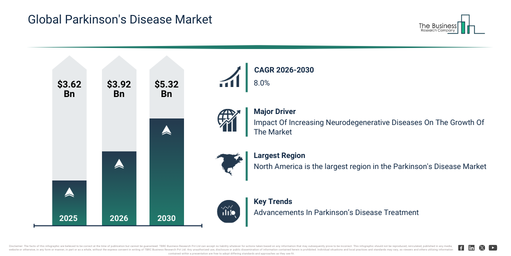
  • Parkinson’s Disease Market Forecast 2026: Market Size, Competitive Landscape And Growth Drivers

    Parkinson’s Disease Market Forecast 2026: Market Size, Competitive Landscape And Growth Drivers

    Featuring market attractiveness scoring, total addressable market sizing, company benchmarking matrices, interactive Excel dashboards, deeper supply chain intelligence, emerging startup tracking, and granular product-level insights, The Business Research Company’s 2026 market reports are built to deliver research that is both more actionable and more strategically valuable.

    Parkinson’s Disease Market Expansion Outlook: What Revenue Opportunities Are Ahead?

    The market for Parkinson’s disease has experienced robust expansion over recent years. It is anticipated to expand from $3.62 billion in 2025 to $3.92 billion in 2026, showcasing a compound annual growth rate (CAGR) of 8.2%. The historical increase in this market can be linked to a restricted array of treatment choices for disease progression, a dependence on levodopa-centric therapeutic approaches, prolonged diagnosis periods due to symptom similarities, a deficit of specialized movement disorder clinics, and inconsistent access to sophisticated surgical interventions.

    The parkinson’s disease market is anticipated to experience substantial expansion over the upcoming years. This market is projected to reach a valuation of $5.32 billion by 2030, exhibiting a compound annual growth rate (CAGR) of 8.0%. Key drivers for this projected growth include the advancement of new dopamine and non-dopamine treatments, the rising number of elderly individuals, the greater uptake of deep brain stimulation techniques, an increased emphasis on tailored medical strategies, and the proliferation of specialized neurology clinics. Significant trends anticipated during this period encompass the growing acceptance of multi-drug regimens, the wider application of deep brain stimulation interventions, an increase in early detection and treatment, the broadening of comprehensive parkinson’s care initiatives, and enhanced symptom control via individualized therapy plans.

    Get A Free Sample Report With In-Depth Market Insights:

    https://thebusinessresearchcompany.com/sample_request?id=86194287&type=smp&name=Parkinson%27s%20Disease%20Market%20Report%202026&utm_source=Blogs&utm_medium=Paid&utm_campaign=Nov_PR

    Parkinson’s Disease Market Growth Factors Behind Sustained Expansion

    The rising prevalence of neurodegenerative diseases is expected to propel the growth of the parkinson’s disease market. Neurodegenerative diseases are disorders characterized by the progressive degeneration and loss of function of neurons in the brain and nervous system. The increasing occurrence of these conditions is attributed to factors such as an aging population, genetic predisposition, environmental influences, improved diagnosis, rising chronic health conditions, and lifestyle changes. Parkinson’s disease significantly contributes to advancing the understanding of neurodegenerative diseases by providing critical insights into their underlying mechanisms, potential therapeutic targets, and the development of innovative treatment approaches. For instance, in 2025, according to the National Institutes of Health (NIH), a US-based government’s primary medical research agency, the projected prevalence of Parkinson’s disease for 2050 is estimated at 267 cases per 100,000 people, with a range of 230 to 320. Therefore, the growing prevalence of neurodegenerative diseases is driving the expansion of the parkinson’s disease market.

    Parkinson’s Disease Market Segment Breakdown: Which Categories Lead On Revenue?

    The parkinson’s disease market covered in this report is segmented –

    1) By Drug Class: Dopamine Agonists, Catechol-O-Methyltransferase Inhibitors, Monoamine Oxidase B Inhibitors, Anticholinergics, Carbidopa-Levodopa, Other Drug Classes

    2) By Route Of Administration: Oral, Injectable, Intestinal infusion, Subcutaneous, Other Routes Of Administrations

    3) By Distribution Channel: Retail Pharmacies, Hospital Pharmacies, Online Pharmacies

    4) By Patient Care Setting: Clinics, Hospitals

    Subsegments:

    1) By Dopamine Agonists: Ergot Derivatives, Non-Ergot Derivatives

    2) By Catechol-O-Methyltransferase (COMT) Inhibitors: Entacapone, Tolcapone, Opicapone

    3) By Monoamine Oxidase B (MAO-B) Inhibitors: Selegiline, Rasagiline, Safinamide

    4) By Anticholinergics: Trihexyphenidyl, Benztropine, Procyclidine

    5) By Carbidopa-Levodopa: Immediate-Release Formulation, Extended-Release Formulation, Inhaled And Intestinal Gel Formulations

    6) By Other Drug Classes: Amantadine And Derivatives, Adenosine A2A Receptor Antagonists, Glutamate Antagonists

    Parkinson’s Disease Market Strategic Trends: What Defines The Next Growth Phase?

    Leading companies in the parkinson’s disease market are dedicated to creating innovative solutions, such as levodopa-based therapy, aimed at enhancing motor function and ensuring continuous symptom management for individuals with advanced parkinson’s disease. Levodopa-based therapy functions by employing levodopa, a drug that converts into dopamine within the brain, thereby improving motor capabilities and alleviating Parkinson’s disease symptoms.

    Parkinson’s Disease Market Leading Players And Competitive Positioning

    Major companies operating in the parkinson’s disease market are Roche Holding AG, AbbVie Inc., Novo Nordisk A/S, Takeda Pharmaceutical Company Limited, UCB S.A., Eisai Co. Ltd., Kyowa Kirin Co. Ltd., Amneal Pharmaceuticals Inc., Neurocrine Biosciences Inc., Supernus Pharmaceuticals Inc., Sunovion Pharmaceuticals Inc., Intracellular Therapies Inc., Voyager Therapeutics Inc., Sage Therapeutics Inc., Adamas Pharmaceuticals Inc., Sun Pharma Advanced Research Company Ltd., Neuraly Inc., Mitsubishi Tanabe Pharma Corporation, Athira Pharma Inc., VistaGen Therapeutics Inc.

    View The Full Parkinson’s Disease Market Report:

    https://thebusinessresearchcompany.com/report/parkinsons-disease-global-market-report?utm_source=Blogs&utm_medium=Paid&utm_campaign=Nov_PR

    Parkinson’s Disease Market Geographic Analysis: Where Is Demand Rising Fastest?

    North America was the largest region in the parkinson’s disease market in 2025. Asia-Pacific is expected to be the fastest-growing region in the forecast period. The regions covered in the parkinson’s disease market report are Asia-Pacific, South East Asia, Western Europe, Eastern Europe, North America, South America, Middle East, Africa.

    Reach Out To Our Team:

    The Business Research Company: https://www.thebusinessresearchcompany.com/

    Americas: +1 310-496-7795

    Asia: +44 7882 955267 & +91 8897263534

    Europe: +44 7882 955267

    Email us at: marketing@tbrc.info

    Follow us on:

    LinkedIn: https://in.linkedin.com/company/the-business-research-company

    YouTube: https://www.youtube.com/channel/UC24_fI0rV8cR5DxlCpgmyFQ

    Global Market Model: https://www.thebusinessresearchcompany.com/global-market-model
  • Paranasal Sinus Cancer Market Size In 2026: Regional Growth, Key Segments And Future Outlook

    Paranasal Sinus Cancer Market Size In 2026: Regional Growth, Key Segments And Future Outlook

    Built to provide research that’s more actionable and strategically valuable, The Business Research Company’s 2026 market reports include market attractiveness analysis, total addressable market sizing, company benchmarking matrices, interactive Excel dashboards, broader supply chain intelligence, emerging startup tracking, and in-depth product insights.

    Paranasal Sinus Cancer Market Growth Potential: How Will Market Size Shift Through 2030?

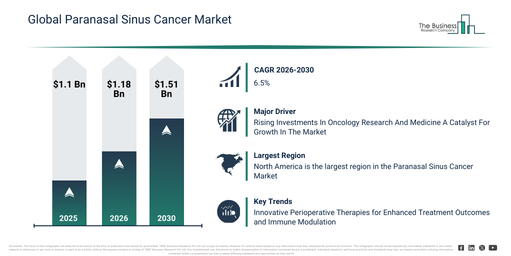
    The paranasal sinus cancer market size has experienced strong growth in recent years. It is projected to increase from $1.1 billion in 2025 to $1.18 billion in 2026, showing a compound annual growth rate (CAGR) of 6.7%. The expansion observed in the historical period can be linked to factors such as delayed diagnosis resulting from nonspecific symptoms, limited access to specialized oncology centers, a continued reliance on conventional surgery and radiation therapy, low awareness regarding rare sinonasal cancers, and fragmented diagnostic and referral pathways.

    The market for paranasal sinus cancer is anticipated to experience substantial expansion over the coming years. This market is projected to reach $1.51 billion by 2030, exhibiting a compound annual growth rate (CAGR) of 6.5%. Factors contributing to this growth during the projection period include progress in targeted therapy and immunotherapy, a greater embrace of AI-powered diagnostic imaging, increased funding for rare cancer investigations, the broadening of multidisciplinary approaches to cancer care, and the enhancement of hospital-based oncology facilities. Key trends expected over the forecast horizon involve a heightened application of precision oncology methods, the implementation of less invasive surgical procedures, an increase in varied treatment modalities, the wider deployment of sophisticated imaging for prompt diagnosis, and an intensified emphasis on patient quality of life within cancer treatment.

    Get A Free Sample Report With In-Depth Market Insights:

    https://thebusinessresearchcompany.com/sample_request?id=91601400&type=smp&name=Paranasal%20Sinus%20Cancer%20Market%20Report%202026&utm_source=Blogs&utm_medium=Paid&utm_campaign=Nov_PR

    Paranasal Sinus Cancer Market Demand Drivers Opening New Revenue Streams

    The paranasal sinus cancer market is anticipated to expand, fueled by a growth in investments towards oncology research and medical advancements. These oncology investments represent financial commitments from governments, pharmaceutical firms, research organizations, and private investors, all aimed at enhancing the understanding, prevention, diagnosis, and treatment of cancer. The increasing funding in oncology research and medicine is attributed to several factors: the escalating global cancer burden, breakthroughs in precision medicine, a surging demand for innovative therapies, the expansion of clinical trials, various government and private funding initiatives, and the development of targeted and immunotherapy treatments. Specifically for paranasal sinus cancer, these investments advance early diagnosis, improve treatment options such as targeted therapies and immunotherapy, fund clinical trials for more effective drugs, bolster pediatric cancer care infrastructure, and foster innovative research to better comprehend the disease’s biology and progression. Thus, the escalating investments in oncology research and medicine are a primary driver for the paranasal sinus cancer market.

    Paranasal Sinus Cancer Market Segmentation: How Does The Market Break Down By Category?

    The paranasal sinus cancer market covered in this report is segmented –

    1) By Type: Squamous Cell Carcinoma, Adenocarcinoma, Mucoepidermoid Carcinoma, Other Types

    2) By Diagnosis: Medical History And Physical Examination, Imaging Tests, Biopsy, Other Diagnosis

    3) By Treatment: Surgery, Radiation Therapy, Chemotherapy, Targeted Therapy, Immunotherapy

    4) By End-User: Hospital And Clinics, Cancer Treatment And Research Center, Research Laboratories, Other End-Users

    Subsegments:

    1) By Squamous Cell Carcinoma: Keratinizing Squamous Cell Carcinoma, Non-Keratinizing Squamous Cell Carcinoma, Basaloid Squamous Cell Carcinoma

    2) By Adenocarcinoma: Intestinal-Type Adenocarcinoma, Non-Intestinal-Type Adenocarcinoma

    3) By Mucoepidermoid Carcinoma: Low-Grade Mucoepidermoid Carcinoma, Intermediate-Grade Mucoepidermoid Carcinoma, High-Grade Mucoepidermoid Carcinoma

    4) By Other Types: Sinonasal Undifferentiated Carcinoma, Neuroendocrine Carcinoma, Adenoid Cystic Carcinoma, Melanoma, Sarcomas, Lymphoma

    Paranasal Sinus Cancer Market Transformation Trends: What Innovations Are Driving Change?

    Leading companies in the paranasal sinus cancer market are concentrating on developing sophisticated innovations, such as perioperative chemo immunotherapy regimens, to secure a competitive advantage. This strategy combines immune checkpoint inhibition (e.g., PD-1 antibodies) with conventional chemotherapy before surgery, aiming to decrease tumor burden and improve surgical results. For example, in June 2025, Coherus Biosciences, a US-based biopharma company, launched a Phase II trial involving toripalimab alongside carboplatin and docetaxel for patients with sinonasal cancers. This particular regimen provides potential for preoperative tumor reduction, real-time immune monitoring, and seamless integration with established treatment pathways. This evolving trend holds the promise of expanding the therapeutic options for rare paranasal sinus malignancies and enhancing patient outcomes, though its long-term efficacy and regulatory clearances are yet to be confirmed.

    Paranasal Sinus Cancer Market Competitive Overview And Top Companies

    Major companies operating in the paranasal sinus cancer market are Bristol-Myers Squibb, Penn Medicine, MD Anderson Cancer Center, RWJBarnabas Health, Mayo Foundation for Medical Education and Research, Stanford Health Care, Memorial Sloan Kettering Cancer Center, Massachusetts General Hospital, The University of Chicago Medical Center, City of Hope, Moffitt Cancer Center, Northwestern Medicine, UK Markey Cancer Center, Karmanos Cancer Institute, Dana-Farber Cancer Institute Inc., VCU Massey Cancer Center, Vanderbilt-Ingram Cancer Center, Fulgent Pharma, Duke University Health System

    View The Full Paranasal Sinus Cancer Market Report:

    https://thebusinessresearchcompany.com/report/paranasal-sinus-cancer-global-market-report?utm_source=Blogs&utm_medium=Paid&utm_campaign=Nov_PR

    Paranasal Sinus Cancer Market Global Footprint: Which Region Leads The Market?

    North America was the largest region in the paranasal sinus cancer market in 2025. Asia-Pacific is expected to be the fastest-growing region in the forecast period. The regions covered in the paranasal sinus cancer market report are Asia-Pacific, South East Asia, Western Europe, Eastern Europe, North America, South America, Middle East, Africa.

    Reach Out To Our Team:

    The Business Research Company: https://www.thebusinessresearchcompany.com/

    Americas: +1 310-496-7795

    Asia: +44 7882 955267 & +91 8897263534

    Europe: +44 7882 955267

    Email us at: marketing@tbrc.info

    Follow us on:

    LinkedIn: https://in.linkedin.com/company/the-business-research-company

    YouTube: https://www.youtube.com/channel/UC24_fI0rV8cR5DxlCpgmyFQ

    Global Market Model: https://www.thebusinessresearchcompany.com/global-market-model
  • Paraganglioma Market Growth Forecast Through 2030: Market Size And Trends In 2026

    Paraganglioma Market Growth Forecast Through 2030: Market Size And Trends In 2026

    Backed by market attractiveness analysis, total addressable market sizing, company benchmarking matrices, interactive Excel dashboards, wider supply chain intelligence, emerging startup coverage, and detailed product-level insights, The Business Research Company’s 2026 market reports are designed to offer research that is more actionable and strategically valuable than ever.

    Paraganglioma Market Value Analysis: What Growth Lies Ahead Over The Forecast Period?

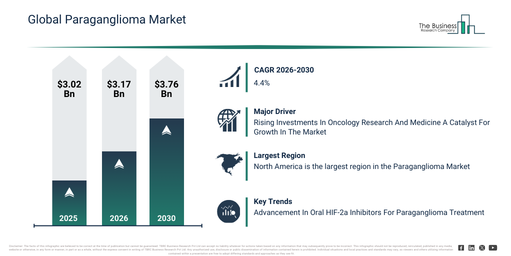
    The paraganglioma market size has demonstrated consistent expansion in recent years. It is projected to increase from $3.02 billion in 2025 to $3.17 billion in 2026, progressing at a compound annual growth rate (CAGR) of 4.7%. This historical market growth can be linked to factors including limited access to ophthalmology specialists, a dependence on corticosteroid therapies, an absence of advanced diagnostic tools, low awareness of panuveitis complications, and a fragmented treatment infrastructure.

    The paraganglioma market size is projected to experience consistent expansion over the upcoming years, reaching $3.76 billion by 2030 with a compound annual growth rate (CAGR) of 4.4%. This expansion during the forecast timeframe is driven by factors such as progress in biologic and immunotherapy medications, a rise in the occurrence of autoimmune and infectious eye conditions, the development of teleophthalmology and digital monitoring, increased funding for AI-based diagnostics, and the broadening of hospital and specialty clinic distribution networks. Key trends anticipated within this period involve the increasing embrace of biologic and targeted treatments, the incorporation of teleophthalmology and remote surveillance, AI-powered diagnostic instruments for uveitis, the proliferation of individualized eye care options, and the establishment of more specialized ophthalmology centers.

    Get A Free Sample Report With In-Depth Market Insights:

    https://thebusinessresearchcompany.com/sample_request?id=29282209&type=smp&name=Paraganglioma%20Market%20Report%202026&utm_source=Blogs&utm_medium=Paid&utm_campaign=Nov_PR

    Paraganglioma Market Growth Backed By Core Demand Fundamentals

    The paraganglioma market is anticipated to expand, driven by increasing financial commitments to oncology research and medicine. These investments signify monetary resources from governments, pharmaceutical companies, research institutions, and private investors aimed at advancing understanding, prevention, diagnosis, and treatment of cancer. The growth in oncology investments stems from factors such as the rising global cancer burden, progress in precision medicine, a greater need for innovative therapies, expanding clinical trials, diverse governmental and private funding initiatives, and the development of targeted and immunotherapy treatments. For paraganglioma, these investments are instrumental in accelerating early diagnosis, enhancing treatment modalities like targeted therapies and immunotherapy, funding clinical trials for more effective drugs, improving pediatric cancer care infrastructure, and fostering innovative research to better comprehend the disease’s biology and progression. Thus, growing investments in oncology research and medicine are a key driver for the paraganglioma market. The expanding focus on personalized medicine approaches is projected to stimulate growth within the paraganglioma market. Personalized medicine entails customizing treatment and monitoring based on an individual’s distinct genetic, molecular, or clinical characteristics. This heightened interest in personalized medicine arises because it allows therapies to be specifically adapted to a patient’s genetic profile, thereby boosting effectiveness and minimizing adverse reactions. Paraganglioma benefits particularly from this trend, as many cases involve germline pathogenic variants in genes like SDHB, SDHD, RET, and VHL. Therefore, the increasing emphasis on personalized medicine approaches is expected to propel the paraganglioma market forward.

    Paraganglioma Market Segment Trends And Revenue Contributors

    The paraganglioma market covered in this report is segmented –

    1) By Type: Sympathetic Paragangliomas, Parasympathetic Paragangliomas, Carotid Paragangliomas, Cervical Paragangliomas, Jugular Paragangliomas, Secretory Paragangliomas, Temporal Paragangliomas

    2) By Origin: Head And Neck, Abdomen, Pelvis, Other Origins

    3) By Treatment Type: Peptide Receptor Radionuclide Therapy, Surgery, Chemotherapy, Radiation Therapy, Other Treatment Types

    4) By Distribution Channel: Hospital Pharmacies, Drug Stores And Retail Pharmacies, Online Pharmacies

    5) By End-User: Hospitals, Specialty Clinics, Cancer Research Institutes, Other End-Users

    Subsegments:

    1) By Sympathetic Paragangliomas: Adrenal Sympathetic Paragangliomas, Extra-Adrenal Sympathetic Paragangliomas

    2) By Parasympathetic Paragangliomas: Head And Neck Parasympathetic Paragangliomas, Thoracic Parasympathetic Paragangliomas

    3) By Carotid Paragangliomas: Unilateral Carotid Paragangliomas, Bilateral Carotid Paragangliomas

    4) By Cervical Paragangliomas: Vagal Paragangliomas, Hypoglossal Paragangliomas

    5) By Jugular Paragangliomas: Type A, Type B, Type C, Type D

    6) By Secretory Paragangliomas: Catecholamine-Secreting Paragangliomas, Non-Catecholamine-Secreting Paragangliomas

    7) By Temporal Paragangliomas: Tympanic Paragangliomas, Mastoid Paragangliomas

    #Paraganglioma Market Growth Trends: What’s Shaping The Future Outlook?

    Leading enterprises within the paraganglioma market are concentrating on creating innovative treatments, particularly oral hypoxia-inducible factor-2 alpha (HIF-2a) inhibitors, aiming to provide specialized therapeutic alternatives for individuals affected by paraganglioma. Such an oral HIF-2a inhibitor represents a targeted treatment approach, functioning by diminishing the activity of HIF-2a, which is a pivotal element in tumor proliferation within low-oxygen environments, thereby assisting in decelerating the advancement of cancers, including paraganglioma. Illustratively, in January 2025, Merck, a US-based biopharmaceutical firm, disclosed that its supplemental new drug application for Welireg (belzutifan) received a priority review designation from the U.S. Food and Drug Administration (FDA), a US-based governmental body. This therapy is intended for adult patients and pediatric individuals aged 12 years and above suffering from advanced, unresectable, or metastatic pheochromocytoma and paraganglioma (PPGL). The supplemental new drug application’s foundation rests upon the objective response rate (ORR) and duration of response (DOR) results obtained from the Phase 2 LITESPARK-015 trial.

    Paraganglioma Market Competitive Landscape: Which Companies Lead The Industry?

    Major companies operating in the paraganglioma market are F. Hoffmann-La Roche Ltd., Merck & Co. Inc. , Mount Sinai, Penn Medicine, Stanford Health Care, St. Jude Children’s Research Hospital, UT Health San Antonio, The University of Chicago Medical Center, Fred Hutchinson Cancer Center, Florida Cancer Specialists & Research Institute, Invitae Corp., Clinigen Group plc, Fulgent Genetics, Dana-Farber Cancer Institute Inc., Oncology Hematology Care Inc., Enterome , National Institutes of Health Clinical Center, Progenics Pharmaceuticals Inc., Pheo Para Alliance, Saint John’s Cancer Institute

    View The Full Paraganglioma Market Report:

    https://thebusinessresearchcompany.com/report/paraganglioma-global-market-report?utm_source=Blogs&utm_medium=Paid&utm_campaign=Nov_PR

    Paraganglioma Market Regional Split: Which Areas Are Fueling Growth?

    North America was the largest region in the paraganglioma market in 2025. Asia-Pacific is expected to be the fastest-growing region in the forecast period. The regions covered in the paraganglioma market report are Asia-Pacific, South East Asia, Western Europe, Eastern Europe, North America, South America, Middle East, Africa.

    Reach Out To Our Team:

    The Business Research Company: https://www.thebusinessresearchcompany.com/

    Americas: +1 310-496-7795

    Asia: +44 7882 955267 & +91 8897263534

    Europe: +44 7882 955267

    Email us at: marketing@tbrc.info

    Follow us on:

    LinkedIn: https://in.linkedin.com/company/the-business-research-company

    YouTube: https://www.youtube.com/channel/UC24_fI0rV8cR5DxlCpgmyFQ

    Global Market Model: https://www.thebusinessresearchcompany.com/global-market-model
  • Panuveitis Treatment Market Analysis: $4.74 Billion Market Size In 2026 And Future Growth Prospects

    Panuveitis Treatment Market Analysis: $4.74 Billion Market Size In 2026 And Future Growth Prospects

    Featuring market attractiveness scoring, total addressable market sizing, company benchmarking matrices, interactive Excel dashboards, deeper supply chain intelligence, emerging startup tracking, and granular product-level insights, The Business Research Company’s 2026 market reports are built to deliver research that is both more actionable and more strategically valuable.

    Panuveitis Treatment Market Size Forecast: How Big Could The Market Get By 2030?

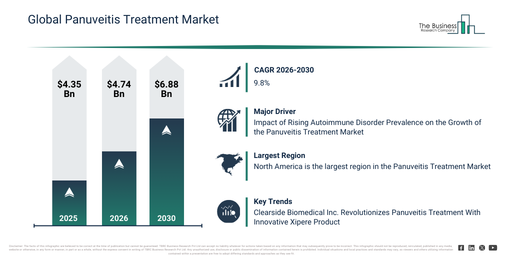
    The panuveitis treatment market size has seen substantial growth in recent years. It is anticipated to expand from $4.35 billion in 2025 to $4.74 billion in 2026, progressing at a compound annual growth rate (CAGR) of 8.8%. Historically, this expansion has been influenced by factors including limited access to ophthalmology specialists, a reliance on corticosteroid therapies, an absence of advanced diagnostic tools, insufficient awareness of panuveitis complications, and a fragmented treatment infrastructure.

    The panuveitis treatment market is projected to experience robust expansion over the coming years. This market is anticipated to reach $6.88 billion by 2030, exhibiting a compound annual growth rate (CAGR) of 9.8%. This projected growth is driven by several factors, including ongoing progress in biologic and immunotherapy drugs, the increasing occurrence of autoimmune and infectious eye conditions, the expansion of teleophthalmology and digital monitoring solutions, growing investments in AI-based diagnostic tools, and the broadening of distribution networks through hospitals and specialty clinics. Key developments expected during this period involve the increasing embrace of biologic and targeted treatments, the incorporation of teleophthalmology and remote patient monitoring, the development of AI-assisted diagnostic instruments for uveitis, the evolution of tailored eye care services, and the establishment of more specialized ophthalmology centers.

    Get A Free Sample Report With In-Depth Market Insights:

    https://thebusinessresearchcompany.com/sample_request?id=84221199&type=smp&name=Panuveitis%20Treatment%20Market%20Report%202026&utm_source=Blogs&utm_medium=Paid&utm_campaign=Nov_PR

    Panuveitis Treatment Market Growth Catalysts And Demand Drivers

    The expanding occurrence of autoimmune conditions is anticipated to fuel the expansion of the panuveitis treatment market moving forward. The surge in autoimmune disorders stems from a blend of genetic vulnerabilities, environmental influences such as pollution and shifts in diet, alongside greater exposure to specific infections and stressors capable of initiating immune system imbalance. These disorders contribute to progress in panuveitis treatment by stimulating research focused on immune system modulation, given that numerous instances of panuveitis are linked to autoimmune activity. Consequently, the escalating incidence of autoimmune conditions is propelling the growth of the panuveitis treatment market.

    Panuveitis Treatment Market Segment Analysis Spotlighting Growth Areas

    The panuveitis treatment market covered in this report is segmented –

    1) By Drug Class: Anti-Inflammatory, Antimicrobial Drugs, Immunotherapy And Targeted Therapies

    2) By Route Of Administration: Oral, Topical

    3) By End Users: Hospitals, Home Care, Specialty Clinics, Other End Users

    Subsegments:

    1) By Anti-Inflammatory: Corticosteroids, Non-Steroidal Anti-Inflammatory Drugs (NSAIDs)

    2) By Antimicrobial Drugs: Antibiotics, Antifungal Agents, Antiviral Medications

    3) By Immunotherapy And Targeted Therapies: Biologic Agents, Janus Kinase (JAK) Inhibitors, Cytokine Modulators

    Panuveitis Treatment Market Industry Trends: What’s Reshaping Demand?

    Leading companies in the panuveitis treatment market are prioritizing the development of innovative products, such as oral dual TYK2/JAK1 inhibitors, to gain a competitive edge. This category of small-molecule immunomodulators functions by suppressing multiple pro-inflammatory cytokine pathways, thereby reducing intraocular inflammation and offering the convenience of oral administration.

    Panuveitis Treatment Market Leading Companies: Who Holds The Strongest Market Presence?

    Major companies operating in the panuveitis treatment market are Pfizer Inc., Johnson and Johnson Pvt. Ltd., Bausch Health Companies Inc., AbbVie Inc., Novartis AG, Allergan Inc., Regeneron Pharmaceuticals Inc., Santen Pharmaceutical Co. Ltd., Ocular Therapeutix Inc., EyeGate Pharmaceuticals Inc., Eyepoint Pharmaceuticals Inc., Graybug Vision Inc., Aciont Inc., Clearside Biomedical Inc., Aldeyra Therapeutics Inc., UCB S.A., Amgen Inc., Sanofi S.A., Galapagos NV, Kiora Pharmaceuticals Inc., ONL Therapeutics, Eyevensys, Nicox S.A., Abbott Laboratories

    View The Full Panuveitis Treatment Market Report:

    https://thebusinessresearchcompany.com/report/panuveitis-treatment-global-market-report?utm_source=Blogs&utm_medium=Paid&utm_campaign=Nov_PR

    Panuveitis Treatment Market Top Region: Where Does Most Revenue Come From?

    North America was the largest region in the panuveitis treatment market in 2025. The regions covered in the panuveitis treatment market report are Asia-Pacific, South East Asia, Western Europe, Eastern Europe, North America, South America, Middle East, Africa.

    Reach Out To Our Team:

    The Business Research Company: https://www.thebusinessresearchcompany.com/

    Americas: +1 310-496-7795

    Asia: +44 7882 955267 & +91 8897263534

    Europe: +44 7882 955267

    Email us at: marketing@tbrc.info

    Follow us on:

    LinkedIn: https://in.linkedin.com/company/the-business-research-company

    YouTube: https://www.youtube.com/channel/UC24_fI0rV8cR5DxlCpgmyFQ

    Global Market Model: https://www.thebusinessresearchcompany.com/global-market-model
  • Panuveitis Market 2026 Market Size And Growth Forecast: Key Trends To Watch

    Panuveitis Market 2026 Market Size And Growth Forecast: Key Trends To Watch

    Built to provide research that’s more actionable and strategically valuable, The Business Research Company’s 2026 market reports include market attractiveness analysis, total addressable market sizing, company benchmarking matrices, interactive Excel dashboards, broader supply chain intelligence, emerging startup tracking, and in-depth product insights.

    Panuveitis Market Revenue Outlook: What CAGR Lies Ahead Through 2030?

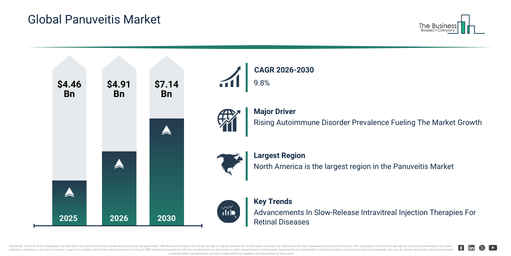
    The panuveitis market has experienced rapid expansion in recent years. It is projected to increase from $4.46 billion in 2025 to $4.91 billion in 2026, demonstrating a compound annual growth rate (CAGR) of 10.1%. The market’s historical growth can be linked to factors such as limited awareness of panuveitis, a dependence on conventional corticosteroid therapies, restricted access to ophthalmology specialists, a fragmented treatment infrastructure, and the slow adoption of diagnostic imaging technologies.

    The panuveitis market is anticipated to experience substantial expansion in the coming years. It is projected to achieve a valuation of $7.14 billion by 2030, exhibiting a compound annual growth rate (CAGR) of 9.8%. This growth during the forecast period can be attributed to advancements in biologics and immunomodulatory drugs, a rising prevalence of autoimmune and infectious eye disorders, the expansion of teleophthalmology services, increasing investments in AI-assisted diagnostics, and the broadening of hospital and retail pharmacy distribution channels. Significant trends expected during this period include the growing adoption of targeted biologic therapies, increased utilization of teleophthalmology and remote monitoring, the integration of AI-based diagnostic tools for eye inflammation, a focus on personalized treatment approaches, and the expansion of specialized ophthalmology centers.

    Get A Free Sample Report With In-Depth Market Insights:

    https://thebusinessresearchcompany.com/sample_request?id=32014118&type=smp&name=Panuveitis%20Market%20Report%202026&utm_source=Blogs&utm_medium=Paid&utm_campaign=Nov_PR

    Panuveitis Market Opportunity Drivers: What’s Unlocking New Revenue Potential?

    The increasing occurrence of autoimmune conditions is anticipated to fuel the expansion of the panuveitis market in the future. Autoimmune diseases develop when the immune system mistakenly attacks and harms the body’s own healthy cells and tissues. This upward trend in autoimmune disease prevalence stems from a mix of genetic predispositions, environmental elements like pollution and dietary shifts, and greater exposure to specific infections and stressors that can lead to immune system imbalance. These disorders also facilitate progress in panuveitis treatment by stimulating research into immune system modulation, given that numerous panuveitis instances are linked to autoimmune activity. Consequently, the growing prevalence of autoimmune disorders is a key driver for the panuveitis market’s growth.

    Panuveitis Market Segment Performance And Emerging Opportunities

    The panuveitis market covered in this report is segmented –

    1) By Type: Infectious Panuveitis, Non-Infectious Panuveitis

    2) By Treatment: Pharmacological, Surgical, Phototherapy

    3) By Route Of Administration: Oral, Intravitreal, Topical

    4) By Distribution Channel: Hospital Pharmacies, Retail Pharmacies, Online Pharmacies

    Subsegments:

    1) By Infectious Panuveitis: Bacterial Panuveitis, Viral Panuveitis, Fungal Panuveitis, Parasitic Panuveitis

    2) By Non-Infectious Panuveitis: Autoimmune-Related Panuveitis, Idiopathic Panuveitis, Drug-Induced Panuveitis

    Panuveitis Market Innovation Trends: What Developments Are Reshaping The Industry?

    Leading companies in the panuveitis market are concentrating on developing novel products, such as oral TYK2/JAK-1 inhibitors, to secure a competitive advantage. These are small-molecule immunomodulators that work by blocking inflammatory signaling pathways through the inhibition of both TYK2 and JAK-1 kinases, thereby reducing cytokine-driven inflammation in the eye.

    Panuveitis Market Key Players: Which Companies Lead Industry Competition?

    Major companies operating in the panuveitis market are Pfizer Inc., AbbVie, Amgen, Mallinckrodt plc, EyePoint Pharmaceuticals Inc., Clearside Biomedical Inc., pSivida Corp., Santen Pharmaceutical Co Ltd, Alimera Sciences Inc, Novartis AG, F Hoffmann-La Roche AG, Regeneron Pharmaceuticals Inc, Sanofi S A, Bausch Health Companies Inc, Johnson & Johnson, UCB SA, Aldeyra Therapeutics Inc, Kiora Pharmaceuticals Inc, Lux Biosciences Inc, Aciont Inc, Sirion Therapeutics Inc, EyeGate Pharmaceuticals Inc, Oculis Pharma AG, Alcon Inc, Sun Pharmaceutical Industries Ltd, Aerie Pharmaceuticals Inc.

    View The Full Panuveitis Market Report:

    https://thebusinessresearchcompany.com/report/panuveitis-global-market-report?utm_source=Blogs&utm_medium=Paid&utm_campaign=Nov_PR

    Panuveitis Market Regional Breakdown: Where Is Demand Concentrated?

    North America was the largest region in the panuveitis market in 2025. The regions covered in the panuveitis market report are Asia-Pacific, South East Asia, Western Europe, Eastern Europe, North America, South America, Middle East, Africa.

    Reach Out To Our Team:

    The Business Research Company: https://www.thebusinessresearchcompany.com/

    Americas: +1 310-496-7795

    Asia: +44 7882 955267 & +91 8897263534

    Europe: +44 7882 955267

    Email us at: marketing@tbrc.info

    Follow us on:

    LinkedIn: https://in.linkedin.com/company/the-business-research-company

    YouTube: https://www.youtube.com/channel/UC24_fI0rV8cR5DxlCpgmyFQ

    Global Market Model: https://www.thebusinessresearchcompany.com/global-market-model
  • Panic Disorders Market Size Forecast: How The Industry Is Expected To Grow From 2026 To 2030

    Panic Disorders Market Size Forecast: How The Industry Is Expected To Grow From 2026 To 2030

    Backed by market attractiveness analysis, total addressable market sizing, company benchmarking matrices, interactive Excel dashboards, wider supply chain intelligence, emerging startup coverage, and detailed product-level insights, The Business Research Company’s 2026 market reports are designed to offer research that is more actionable and strategically valuable than ever.

    Panic Disorders Market Growth Analysis: How Will Revenue Trend Over The Forecast Period?

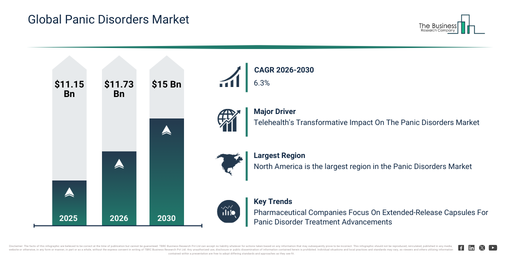
    The market size for panic disorders has experienced substantial growth in recent years. It is anticipated to expand from $11.15 billion in 2025 to $11.73 billion in 2026, achieving a compound annual growth rate (CAGR) of 5.3%. The expansion observed historically is attributable to factors such as limited awareness of panic disorders, a reliance on traditional in-person therapy, the high cost of medications, a fragmented mental healthcare infrastructure, and the low adoption of digital therapy tools.

    The panic disorders market size is projected to undergo substantial growth in the years ahead, reaching $15 billion by 2030, driven by a compound annual growth rate (CAGR) of 6.3%. This expansion during the forecast period can be attributed to several factors: an increasing prevalence of anxiety and panic disorders, greater adoption of telepsychiatry, advancements in virtual reality and neurofeedback therapies, the expansion of online pharmacy and hospital distribution channels, and an escalating demand for personalized mental healthcare plans. Noteworthy trends for the upcoming period encompass the increasing embrace of telepsychiatry and mobile mental health applications, the integration of virtual reality therapy for anxiety disorders, a rise in the use of biofeedback and neurofeedback techniques, the development of personalized medication plans for panic disorders, and the expansion of mental healthcare facilities and hospital services.

    Get A Free Sample Report With In-Depth Market Insights:

    https://thebusinessresearchcompany.com/sample_request?id=88312975&type=smp&name=Panic%20Disorders%20Market%20Report%202026&utm_source=Blogs&utm_medium=Paid&utm_campaign=Nov_PR

    Panic Disorders Market Growth Momentum: What Factors Are Shaping Demand?

    The increasing adoption of telehealth is expected to drive the expansion of the panic disorders market in the future. Telehealth employs electronic communication technologies, such as videoconferencing, phone calls, and secure messaging, to deliver remote healthcare services and medical consultations. It facilitates psychotherapy and counseling services for individuals dealing with panic disorders, enabling therapists to conduct individual therapy sessions, group therapy, or support groups through secure videoconferencing platforms. Consequently, the growing utilization of telehealth is a key factor propelling the growth of the panic disorders market.

    Panic Disorders Market Segment Landscape And Growth Outlook

    The panic disorders market covered in this report is segmented –

    1) By Treatment Type: Pharmacotherapies, Psychotherapeutic Interventions, Digital Or Tech-Enabled Therapies

    2) By Disorder Type: Panic Disorder Without Agoraphobia, Panic Disorder With Agoraphobia, Mild Panic Disorder, Moderate Panic Disorder, Severe Panic Disorder, Panic Disorder With Comorbidities

    3) By Age Group: Children And Adolescents, Adults, Elderly

    4) By End User: Hospitals, Specialty Mental Health Clinics, Primary Care Clinics, Telehealth And Digital Platforms, Home Healthcare Services

    Subsegments:

    1) By Pharmacotherapies: Antidepressants, Benzodiazepines, Beta-Blockers

    2) By Psychotherapeutic Interventions: Cognitive Behavioral Therapy (CBT), Exposure Therapy, Psychodynamic Therapy, Group And Family Therapy

    3) By Digital Or Tech-Enabled Therapies: Mental Health Apps, Telepsychiatry Or Teletherapy, Virtual CBT Programs

    Panic Disorders Market Trends: What’s Defining The Industry’s Next Phase?

    Major companies operating in the panic disorder market are focusing on developing advanced medicines, such as extended-release capsules, to sustain their position in the market. Extended-release capsules are medications that release the active ingredient slowly over a while, typically 12 or 24 hours, to treat conditions requiring medication to be taken over a long period.

    Panic Disorders Market Competitive Landscape: Who Leads The Industry?

    Major companies operating in the panic disorders market are F. Hoffmann-La Roche Ltd, Sanofi S.A, Bristol-Myers Squibb Company, AstraZeneca plc, Abbott Laboratories, GlaxoSmithKline plc, Eli Lilly and Company, Boehringer Ingelheim International GmbH, Teva Pharmaceutical Industries Ltd, Mylan N.V., Pfizer Inc, Sun Pharmaceutical Industries Ltd, H. Lundbeck A/S, Neurocrine Biosciences Inc, Neuraxpharm, Actavis Plc, Sumitomo Pharma Co Ltd, LIFECARE NEURO PRODUCTS LTD, Merck & Co Inc, Johnson & Johnson, Novartis AG, Otsuka Pharmaceutical Co Ltd.

    View The Full Panic Disorders Market Report:

    https://thebusinessresearchcompany.com/report/panic-disorders-global-market-report?utm_source=Blogs&utm_medium=Paid&utm_campaign=Nov_PR

    Panic Disorders Market Geographic Landscape: Which Region Leads Industry Growth?

    North America was the largest region in the panic disorders market in 2025. Asia Pacific is expected to be the fastest-growing region in the forecast period. The regions covered in the panic disorders market report are Asia-Pacific, South East Asia, Western Europe, Eastern Europe, North America, South America, Middle East, Africa.

    Reach Out To Our Team:

    The Business Research Company: https://www.thebusinessresearchcompany.com/

    Americas: +1 310-496-7795

    Asia: +44 7882 955267 & +91 8897263534

    Europe: +44 7882 955267

    Email us at: marketing@tbrc.info

    Follow us on:

    LinkedIn: https://in.linkedin.com/company/the-business-research-company

    YouTube: https://www.youtube.com/channel/UC24_fI0rV8cR5DxlCpgmyFQ

    Global Market Model: https://www.thebusinessresearchcompany.com/global-market-model
  • Panic Attack Treatment Market Reaches $7.97 Billion In 2026: Forecast And Growth Opportunities

    Panic Attack Treatment Market Reaches $7.97 Billion In 2026: Forecast And Growth Opportunities

    Featuring market attractiveness scoring, total addressable market sizing, company benchmarking matrices, interactive Excel dashboards, deeper supply chain intelligence, emerging startup tracking, and granular product-level insights, The Business Research Company’s 2026 market reports are built to deliver research that is both more actionable and more strategically valuable.

    Panic Attack Treatment Market Forecast: What Value Will The Market Reach By 2030?

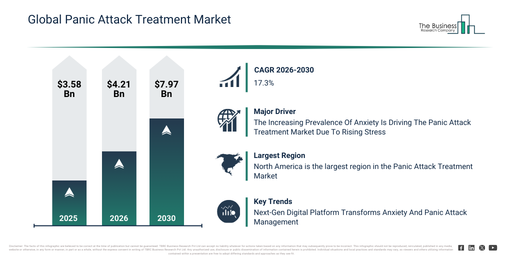
    The panic attack treatment market size has seen swift expansion over recent years. It is projected to increase from $3.58 billion in 2025 to $4.21 billion in 2026, demonstrating a compound annual growth rate (CAGR) of 17.6%. This historical growth can be linked to factors such as limited public understanding of panic attack treatments, a strong reliance on in-person therapy, the significant cost of specific medications, a fragmented mental healthcare system, and the slow integration of digital therapy tools.

    The panic attack treatment market is projected to experience substantial growth over the next few years. It is anticipated to expand to $7.97 billion by 2030, demonstrating a compound annual growth rate (CAGR) of 17.3%. This projected growth is driven by the increasing adoption of telehealth platforms, the expansion of virtual reality and digital therapeutics, a rise in the prevalence of anxiety and panic disorders, progress in personalized medicine, and the broadening of online pharmacy and hospital distribution channels. Noteworthy trends for this period include the rising utilization of telepsychiatry and mobile health applications, the integration of virtual reality therapy for panic disorders, a greater reliance on neurofeedback and biofeedback techniques, the development of personalized medication plans, and the expansion of mental healthcare centers and hospital services.

    Get A Free Sample Report With In-Depth Market Insights:

    https://thebusinessresearchcompany.com/sample_request?id=24356&type=smp&name=Panic%20Attack%20Treatment%20Market%20Report%202026&utm_source=Blogs&utm_medium=Paid&utm_campaign=Nov_PR

    Panic Attack Treatment Market Expansion Drivers: What’s Shaping Future Growth?

    The expanding occurrence of anxiety is anticipated to boost the panic attack treatment market’s growth in the future. Anxiety is defined as a mental health condition marked by ongoing worry, nervousness, and fear, frequently alongside physical manifestations like restlessness, an accelerated heart rate, and impaired concentration. Modern lifestyle pressures elevate anxiety levels by imposing continuous requirements for productivity, financial security, and social achievement, thereby limiting opportunities for rest or emotional recuperation. Treatment for panic attacks tackles anxiety by providing effective strategies to reduce symptoms, enhance emotional well-being, and enable individuals to restore control over their lives via tailored and prompt interventions. Consequently, the growing occurrence of anxiety is propelling the panic attack treatment market.

    Panic Attack Treatment Market Breakdown By Product Type And Application

    The panic attack treatment market covered in this report is segmented –

    1) By Treatment Type: Cognitive Behavioral Therapy (CBT), Medications, Other Treatment Types

    2) By Drug Class: Antidepressants, Anti-Anxiety Drugs, Calcitonin Gene-Related Peptide (CGRP) Antagonists, Other Drug Classes

    3) By Route Of Administration: Oral, Sublingual, Other Routes Of Administration

    4) By Distribution Channel: Hospital Pharmacies, Retail Pharmacies, Online Pharmacies

    5) By Application: Hospitals, Mental Healthcare Centers, Other Applications

    Subsegments:

    1) By Cognitive Behavioral Therapy (CBT): Exposure Therapy, Dialectical Behavior Therapy (DBT), Acceptance And Commitment Therapy (ACT), Mindfulness-Based Cognitive Therapy (MBCT), Rational Emotive Behavior Therapy (REBT)

    2) By Medications: Beta Blockers, Buspirone, Anticonvulsants, Atypical Antipsychotics, Herbal And Natural Supplements

    3) By Other Treatment Types: Telepsychiatry, Biofeedback And Neurofeedback, Virtual Reality Therapy, Mobile Health Applications, Support Groups And Counseling Services

    Panic Attack Treatment Market Industry Trends Fueling Future Revenue Growth

    Major companies in the panic attack treatment market are concentrating on developing advancements in medical technology, such as digital anxiety relief platforms, to enhance the management of anxiety and panic attacks through accessible, technology-driven solutions. Digital anxiety relief platforms are technology-based applications or services designed to assist individuals in managing and reducing anxiety through tools including guided meditation, cognitive behavioral therapy modules, mood tracking, and relaxation exercises.

    Panic Attack Treatment Market Company Landscape And Competitive Strategy

    Major companies operating in the panic attack treatment market are Pfizer Inc., Johnson & Johnson Services Inc., F. Hoffmann-La Roche Ltd., Sanofi S.A., AstraZeneca Plc, Novartis AG, GlaxoSmithKline plc, Takeda Pharmaceutical Company Limited, Eli Lilly and Company, Viatris Inc., Teva Pharmaceutical Industries Ltd., Sun Pharmaceutical Industries Ltd., Sumitomo Dainippon Pharma, Lundbeck A/S, Torrent Pharmaceuticals Ltd., Merck & Co Inc., Bristol-Myers Squibb Company, Otsuka Pharmaceutical Co Ltd, Boehringer Ingelheim International GmbH, Allergan plc, Alkermes plc, Jazz Pharmaceuticals plc, Bayer AG, Amgen Inc., Cipla Limited

    View The Full Panic Attack Treatment Market Report:

    https://thebusinessresearchcompany.com/report/panic-attack-treatment-global-market-report?utm_source=Blogs&utm_medium=Paid&utm_campaign=Nov_PR

    Panic Attack Treatment Market Largest Region: Which Geography Holds The Biggest Share?

    North America was the largest region in the panic attack treatment market in 2025. Asia-Pacific is expected to be the fastest-growing region in the forecast period. The regions covered in the panic attack treatment market report are Asia-Pacific, South East Asia, Western Europe, Eastern Europe, North America, South America, Middle East, Africa.

    Reach Out To Our Team:

    The Business Research Company: https://www.thebusinessresearchcompany.com/

    Americas: +1 310-496-7795

    Asia: +44 7882 955267 & +91 8897263534

    Europe: +44 7882 955267

    Email us at: marketing@tbrc.info

    Follow us on:

    LinkedIn: https://in.linkedin.com/company/the-business-research-company

    YouTube: https://www.youtube.com/channel/UC24_fI0rV8cR5DxlCpgmyFQ

    Global Market Model: https://www.thebusinessresearchcompany.com/global-market-model