Category: Healthcare Services

  • Oral Mucositis Market Growth Outlook From $1.67 Billion In 2026 To $2.21 Billion By 2030

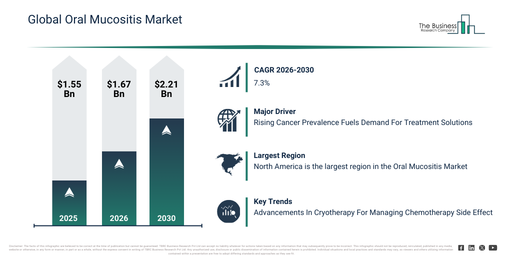
    Oral Mucositis Market Growth Outlook From $1.67 Billion In 2026 To $2.21 Billion By 2030

    Backed by market attractiveness analysis, total addressable market sizing, company benchmarking matrices, interactive Excel dashboards, wider supply chain intelligence, emerging startup coverage, and detailed product-level insights, The Business Research Company’s 2026 market reports are designed to offer research that is more actionable and strategically valuable than ever.

    Oral Mucositis Market Growth From $1.67 Billion In 2026 To $2.21 Billion By 2030 At A CAGR Of 7.3%

    The oral mucositis market has seen significant expansion in recent years. It is anticipated to increase from $1.55 billion in 2025 to $1.67 billion in 2026, growing at a compound annual growth rate (CAGR) of 7.6%. This past growth can be ascribed to several factors, including the increasing application of high-dose chemotherapy regimens, the rising incidence of head and neck cancers, an increase in hematopoietic stem cell transplant procedures, the limited availability of effective preventive therapies, and higher hospitalization rates stemming from cancer treatment complications.

    The oral mucositis market size is poised for substantial expansion over the coming years, with projections indicating it will reach $2.21 billion by 2030, achieving a compound annual growth rate (CAGR) of 7.3%. This anticipated growth during the forecast period is attributable to several factors, including increasing investment in oncology supportive care research, the growing approval of novel mucositis therapeutics, rising awareness concerning the early diagnosis and management of oral mucositis, the expansion of oncology treatment infrastructure in emerging markets, and a heightened focus on patient-centric cancer care approaches. Additionally, major trends expected in this forecast period involve the rising incidence of oral mucositis induced by chemotherapy and radiotherapy, the increasing adoption of targeted and biologic therapies for mucositis management, a growing emphasis on preventive oral care protocols in oncology settings, an increasing demand for liquid and easy-to-administer dosage forms, and an elevated clinical focus on improving the quality of life for cancer patients.

    Get A Free Sample Report With In-Depth Market Insights:

    https://thebusinessresearchcompany.com/sample_request?id=23139658&type=smp&name=Oral%20Mucositis%20Market%20Report%202026&utm_source=Blogs&utm_medium=Paid&utm_campaign=Nov_PR

    Oral Mucositis Market Growth Momentum: What Factors Are Shaping Demand?

    The expanding occurrence of cancer is anticipated to drive the growth of the oral mucositis market in the coming years. Cancer is defined as an illness marked by the uncontrolled multiplication and dispersion of abnormal cells within the body, capable of invading and destroying healthy tissues. The rising incidence of cancer cases stems from factors like an aging demographic, shifts in lifestyle, exposure to environmental elements, infections, and genetic predispositions. Oral mucositis treatment offers support to cancer patients through pain relief, inflammation reduction, prevention of subsequent infections, and accelerated healing of oral tissues, thereby enhancing their comfort, dietary intake, and general quality of life during periods of chemotherapy or radiation treatment. Consequently, the increasing prevalence of cancer is fueling the expansion of the oral mucositis market.

    Oral Mucositis Market Segment Outlook: Which Categories Are Growing Fastest?

    The oral mucositis market covered in this report is segmented –

    1) By Indication: Chemotherapy, Radiotherapy, Hematopoietic Stem Cell Transplantation

    2) By Product Type: Solid Dosage Form, Liquid Dosage Form

    3) By Treatment: Palifermin, Amifostine, Chlorhexidine, Sucralfate, Avasopasem, Dusquetide

    4) By Distribution Channel: Hospital Pharmacies, Retail Pharmacies, Online Pharmacies

    5) By End User: Hospitals, Dental Clinics, Oncology Hospitals, Research Institutes

    Subsegments:

    1) By Chemotherapy: High-Dose Chemotherapy-Induced Oral Mucositis, Standard-Dose Chemotherapy-Induced Oral Mucositis

    2) By Radiotherapy: Head And Neck Cancer Radiotherapy-Induced Oral Mucositis, Total Body Irradiation-Induced Oral Mucositis

    3) By Hematopoietic Stem Cell Transplantation: Autologous Stem Cell Transplantation-Induced Oral Mucositis, Allogeneic Stem Cell Transplantation-Induced Oral Mucositis

    Oral Mucositis Market Trends Redefining Industry Growth

    Key players in the oral mucositis market are concentrating on advancing novel solutions, including cryotherapy, which uses cold therapy to lessen the intensity and occurrence by protecting oral tissues from damage. Cryotherapy is a medical procedure that applies extreme cold to freeze and eliminate abnormal or diseased tissue, used for treating conditions like warts, tumors, or injuries.

    Oral Mucositis Market Leading Companies And Competitive Benchmarking

    Major companies operating in the oral mucositis market are Mundipharma International Limited, EUSA Pharma, Galera Therapeutics Inc., Enzychem Lifesciences Corporation, Oragenics Inc., Soligenix Inc., Monopar Therapeutics Inc., EpicentRx, Cellceutix Corporation, GlycoMira Therapeutics Inc., Solasia Pharma KK, 3M Healthcare, GlaxoSmithKline plc, Pfizer Inc., Colgate-Palmolive Company, CANbridge Pharmaceuticals Inc., Helsinn Healthcare SA, Camurus AB, Norgine B.V., Clinigen Group plc, Alliance Pharma plc, Amag Pharmaceuticals, Izun Pharmaceuticals Corporation, Spherium Biomed, Mission Pharmacal, Access Pharmaceuticals Inc., Otsuka Pharmaceuticals

    View The Full Oral Mucositis Market Report:

    https://thebusinessresearchcompany.com/report/oral-mucositis-global-market-report?utm_source=Blogs&utm_medium=Paid&utm_campaign=Nov_PR

    Oral Mucositis Market Largest Region: Which Geography Holds The Biggest Share?

    North America was the largest region in the oral mucositis market in 2025. Asia-Pacific is expected to be the fastest-growing region in the forecast period. The regions covered in the oral mucositis market report are Asia-Pacific, South East Asia, Western Europe, Eastern Europe, North America, South America, Middle East, Africa.

    Reach Out To Our Team:

    The Business Research Company: https://www.thebusinessresearchcompany.com/

    Americas: +1 310-496-7795

    Asia: +44 7882 955267 & +91 8897263534

    Europe: +44 7882 955267

    Email us at: marketing@tbrc.info

    Follow us on:

    LinkedIn: https://in.linkedin.com/company/the-business-research-company

    YouTube: https://www.youtube.com/channel/UC24_fI0rV8cR5DxlCpgmyFQ

    Global Market Model: https://www.thebusinessresearchcompany.com/global-market-model
  • Oral Hygiene Market Forecast To Reach $67.59 Billion By 2030: Key Growth Drivers And Industry Trends

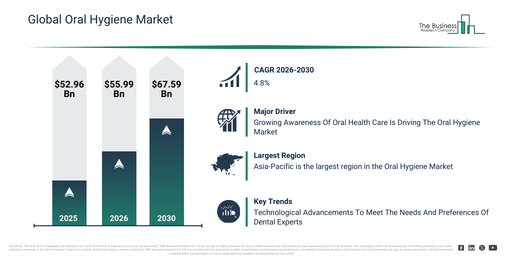
    Oral Hygiene Market Forecast To Reach $67.59 Billion By 2030: Key Growth Drivers And Industry Trends

    Featuring market attractiveness scoring, total addressable market sizing, company benchmarking matrices, interactive Excel dashboards, deeper supply chain intelligence, emerging startup tracking, and granular product-level insights, The Business Research Company’s 2026 market reports are built to deliver research that is both more actionable and more strategically valuable.

    Oral Hygiene Market Expansion Outlook: What Revenue Opportunities Are Ahead?

    The oral hygiene market has experienced substantial expansion recently. This market is projected to expand from $52.96 billion in 2025 to $55.99 billion by 2026, demonstrating a compound annual growth rate (CAGR) of 5.7%. Historically, this growth was driven by factors such as the rising incidence of dental caries and gum diseases, increased urbanization coupled with lifestyle shifts, the wider availability of oral hygiene items through retail outlets, more frequent recommendations from dentists for regular oral care, and a general increase in consumer expenditure on personal care goods.

    The oral hygiene market is poised for consistent expansion over the upcoming years, with projections indicating it will reach $67.59 billion by 2030, exhibiting a compound annual growth rate (CAGR) of 4.8%. This anticipated growth can be credited to several factors, including a heightened focus on preventive healthcare and overall wellness, wider availability of oral care products through e-commerce, advancements in intelligent and interconnected oral hygiene devices, increasing recognition of the connections between oral health and general systemic health, and a rising consumer preference for environmentally friendly and sustainable oral care items. Key trends anticipated during this period encompass a heightened understanding of proactive oral health routines, a surging interest in herbal and natural oral hygiene offerings, the expanding use of electric toothbrushes and intelligent dental gadgets, a growing inclination towards mouthwashes that are alcohol-free and offer therapeutic benefits, and an intensified concentration on developing oral hygiene products specifically for children and babies.

    Get A Free Sample Report With In-Depth Market Insights:

    https://thebusinessresearchcompany.com/sample_request?id=82100527&type=smp&name=Oral%20Hygiene%20Market%20Report%202026&utm_source=Blogs&utm_medium=Paid&utm_campaign=Nov_PR

    Oral Hygiene Market Expansion Drivers: What’s Shaping Future Growth?

    An increasing understanding of oral health care is projected to drive the expansion of the oral hygiene market in the future. Oral health care encompasses practices aimed at preserving the cleanliness, health, and hygiene of the mouth, teeth, gums, and associated structures, thereby preventing dental ailments and enhancing general well-being. The rising recognition of oral health care stems from its role in offering dental interventions to prevent diseases and lower long-term healthcare expenses. Products for oral healthcare are specifically formulated to foster the cleanliness, health, and hygiene of the mouth, teeth, and gums, contributing to overall well-being. Consequently, the heightened awareness regarding oral health care is fueling the expansion of the oral hygiene market.

    Oral Hygiene Market Segment Landscape: Which Areas Lead Development?

    The oral hygiene market covered in this report is segmented –

    1) By Product: Toothpaste, Toothbrushes And Accessories, Mouthwash And Rinses, Dental Accessories And Ancillaries, Denture Products, Dental Prosthesis Cleaning Solutions, Other Products

    2) By Distribution Channel: Supermarkets And Hypermarkets, Convenience Stores, Pharmacies, Online Stores, Other Distribution Channels

    3) By Application: Adults, Kids, Infants

    Subsegments:

    1) By Toothpaste: Fluoride Toothpaste, Herbal Toothpaste, Whitening Toothpaste, Sensitivity Toothpaste

    2) By Toothbrushes And Accessories: Manual Toothbrushes, Electric Toothbrushes, Toothbrush Heads, Toothbrush Holders

    3) By Mouthwash And Rinses: Antiseptic Mouthwash, Whitening Mouthwash, Alcohol-Free Mouthwash, Therapeutic Mouthwash

    4) By Dental Accessories And Ancillaries: Dental Floss, Tongue Scrapers, Dental Picks, Interdental Brushes

    5) By Denture Products: Denture Adhesives, Denture Cleaners, Denture Repair Kits

    6) By Dental Prosthesis Cleaning Solutions: Ultrasonic Cleaning Solutions, Chemical Cleaning Solutions

    7) By Other Products: Teeth Whitening Kits, Dental Sealants, Breath Fresheners

    Oral Hygiene Market Strategic Trends: What Defines The Next Growth Phase?

    Key companies operating in the oral hygiene market are increasingly focusing on launching technologically advanced products, including smart, responsive, software-enabled toothbrushes. These sophisticated toothbrushes integrate intelligent technology and software to enhance the user’s brushing experience. Such devices are equipped with sensors and software designed to monitor various aspects of brushing.

    Oral Hygiene Market Industry Leaders And Competitive Landscape

    Major companies operating in the oral hygiene market are The Procter & Gamble Company, Johnson & Johnson, GlaxoSmithKline plc, Koninklijke Philips NV, Colgate-Palmolive Company, Reckitt Benckiser Group plc, Church & Dwight Co. Inc., Patanjali Ayurved Limited, Lion Corporation, Dabur India Ltd., Sunstar Suisse SA, Ranir LLC, Dr Fresh LLC, Haleon plc, Burst Oral Care, Hismile, Quip, Trisa AG, Dentaid, Perrigo Company plc, Amway Corp, The Himalaya Drug Company, Orkla, LG Household & Health Care Ltd, LUSH Ltd, Curaden AG, PerioSciences, Purexa Global Private Limited, ORACURA

    View The Full Oral Hygiene Market Report:

    https://thebusinessresearchcompany.com/report/oral-hygiene-global-market-report?utm_source=Blogs&utm_medium=Paid&utm_campaign=Nov_PR

    Oral Hygiene Market Regional Analysis: Which Geography Leads On Revenue?

    Asia-Pacific was the largest region in the oral hygiene market in 2025. Europe is expected to be the fastest-growing region in the forecast period. The regions covered in the oral hygiene market report are Asia-Pacific, South East Asia, Western Europe, Eastern Europe, North America, South America, Middle East, Africa.

    Reach Out To Our Team:

    The Business Research Company: https://www.thebusinessresearchcompany.com/

    Americas: +1 310-496-7795

    Asia: +44 7882 955267 & +91 8897263534

    Europe: +44 7882 955267

    Email us at: marketing@tbrc.info

    Follow us on:

    LinkedIn: https://in.linkedin.com/company/the-business-research-company

    YouTube: https://www.youtube.com/channel/UC24_fI0rV8cR5DxlCpgmyFQ

    Global Market Model: https://www.thebusinessresearchcompany.com/global-market-model
  • Oral Expectorant Market Research 2026: Market Size, Trends, Segments And Growth Forecast

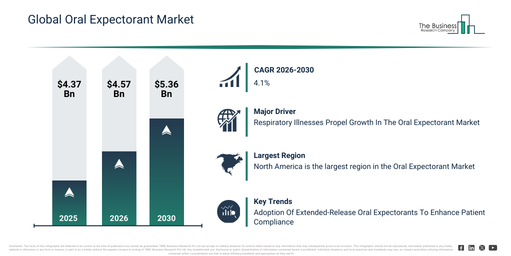
    Oral Expectorant Market Research 2026: Market Size, Trends, Segments And Growth Forecast

    Built to provide research that’s more actionable and strategically valuable, The Business Research Company’s 2026 market reports include market attractiveness analysis, total addressable market sizing, company benchmarking matrices, interactive Excel dashboards, broader supply chain intelligence, emerging startup tracking, and in-depth product insights.

    Oral Expectorant Market Growth Potential: How Will Market Size Shift Through 2030?

    The oral expectorant market size has shown consistent expansion in recent years. This market is anticipated to expand from $4.37 billion in 2025 to $4.57 billion in 2026, exhibiting a compound annual growth rate (CAGR) of 4.7%. Historically, this market’s growth has been driven by factors including a higher incidence of respiratory infections, increasing urban air pollution, an expanding smoking population, the widespread accessibility of over-the-counter cough medications, and the growth in retail drug store networks.

    The oral expectorant market is projected to experience consistent expansion in the coming years, reaching a valuation of $5.36 billion by 2030, demonstrating a compound annual growth rate (CAGR) of 4.1%. This anticipated growth is driven by several factors, including an escalating demand for non-invasive respiratory solutions, an increasing emphasis on self-care medication, expanding reach of online pharmacies, heightened awareness regarding the early management of respiratory symptoms, and continuous innovation in mucolytic product formulations. Key trends anticipated during this period encompass a rise in respiratory illnesses and subsequent product requirements, a greater inclination towards over-the-counter oral expectorants, the growing utilization of liquid oral formulations for quicker relief, an uptick in the adoption of combined cough and cold treatments, and an increasing need for expectorants suitable for both pediatric and elderly patients.

    Get A Free Sample Report With In-Depth Market Insights:

    https://thebusinessresearchcompany.com/sample_request?id=82832385&type=smp&name=Oral%20Expectorant%20Market%20Report%202026&utm_source=Blogs&utm_medium=Paid&utm_campaign=Nov_PR

    Oral Expectorant Market Development Factors: What’s Supporting Demand?

    The increasing prevalence of respiratory illnesses is projected to fuel the expansion of the oral expectorant market in the future. These illnesses encompass various diseases and conditions impacting the respiratory system, including the lungs, airways, and associated structures essential for respiration. The rise in such cases can be attributed to factors like air pollution, smoking, respiratory infections, and an uptick in chronic ailments such as asthma and chronic obstructive pulmonary disease (COPD). Oral expectorants serve to alleviate symptoms and enhance respiratory well-being for individuals suffering from these conditions. Furthermore, they assist in mucus clearance, facilitate easier breathing, and contribute to overall recovery and health. Consequently, the growing number of corporate travelers is boosting the oral expectorant market.

    Oral Expectorant Market Segments: Where Is Growth Concentrated?

    The oral expectorant market covered in this report is segmented –

    1) By Drug Type: Secretion Enhancer, Mucolytics

    2) By Dosage Form: Oral Solids, Oral Liquids, Inhalants

    3) By Medication: Prescription drugs, Over The Counter Drugs

    4) By Distribution Channel: Hospital Pharmacy, Retail Store And Drug Store, Online Pharmacies

    Subsegments:

    1) By Secretion Enhancer: Guaifenesin, Potassium Iodide

    2) By Mucolytics: Acetylcysteine, Bromhexine, Carbocisteine

    Oral Expectorant Market Transformation Trends: What Innovations Are Driving Change?

    Key players in the oral expectorant market are dedicated to developing technological advancements, specifically focusing on extended-release tablet formulations for sustained drug delivery. These efforts aim to enhance dosing convenience, maintain consistent therapeutic levels, and boost patient adherence. An extended-release formulation works by gradually releasing the active mucus-thinning agent, commonly guaifenesin, over an extended period. This method reduces the frequency of doses compared to immediate-release syrups or tablets, while delivering comparable mucus-loosening efficacy.

    Oral Expectorant Market Key Participants And Competitive Landscape

    Major companies operating in the oral expectorant market are Bayer AG, Sanofi S.A., GlaxoSmithKline (GSK) plc, Reckitt Benckiser Group PLC, C.H. Boehringer Sohn AG And Co. KG, Genexa Inc., Johnson & Johnson, Procter & Gamble Co., Pfizer Inc., Roche Holding AG, Merck KGaA, Perrigo Company plc, Sun Pharmaceutical Industries Ltd., Cipla Limited, Aurobindo Pharma Ltd., AstraZeneca plc, Novartis AG, Acella Pharmaceuticals LLC, Glenmark Pharmaceuticals Limited, Dabur India Ltd, ARPIMED, Mayne Pharma Inc., Aytu BioScience Inc., Tris Pharma Inc., Vernalis plc, Prestige Consumer Healthcare Inc.

    View The Full Oral Expectorant Market Report:

    https://thebusinessresearchcompany.com/report/oral-expectorant-global-market-report?utm_source=Blogs&utm_medium=Paid&utm_campaign=Nov_PR

    Oral Expectorant Market Geographic Spread And Regional Opportunities

    North America was the largest region in the oral expectorant market in 2025. The regions covered in the oral expectorant market report are Asia-Pacific, South East Asia, Western Europe, Eastern Europe, North America, South America, Middle East, Africa.

    Reach Out To Our Team:

    The Business Research Company: https://www.thebusinessresearchcompany.com/

    Americas: +1 310-496-7795

    Asia: +44 7882 955267 & +91 8897263534

    Europe: +44 7882 955267

    Email us at: marketing@tbrc.info

    Follow us on:

    LinkedIn: https://in.linkedin.com/company/the-business-research-company

    YouTube: https://www.youtube.com/channel/UC24_fI0rV8cR5DxlCpgmyFQ

    Global Market Model: https://www.thebusinessresearchcompany.com/global-market-model
  • Oral Care Market Forecast 2026: Market Size, Competitive Landscape And Growth Drivers

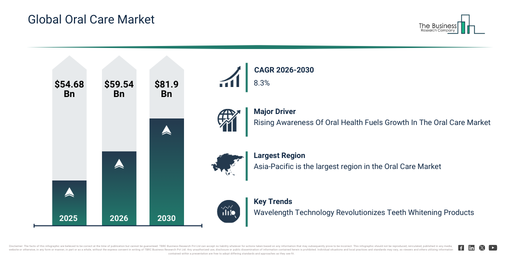
    Oral Care Market Forecast 2026: Market Size, Competitive Landscape And Growth Drivers

    Backed by market attractiveness analysis, total addressable market sizing, company benchmarking matrices, interactive Excel dashboards, wider supply chain intelligence, emerging startup coverage, and detailed product-level insights, The Business Research Company’s 2026 market reports are designed to offer research that is more actionable and strategically valuable than ever.

    Oral Care Market Value Analysis: What Growth Lies Ahead Over The Forecast Period?

    The oral care market has experienced substantial growth in recent years. Its size is projected to increase from $54.68 billion in 2025 to $59.54 billion in 2026, exhibiting a compound annual growth rate (CAGR) of 8.9%. Historically, this growth can be attributed to several factors including the rising prevalence of dental caries and gum diseases, an expanding urban population alongside lifestyle modifications, the growing adoption of basic oral care products, the broadening of retail and store-based distribution networks, and increasing endorsements from dental professionals.

    The oral care market is anticipated to experience substantial growth in the coming years. It is projected to achieve a value of $81.9 billion by 2030, with a compound annual growth rate (CAGR) of 8.3%. This expansion during the forecast period is fueled by factors such as an increasing demand for specialized and premium oral hygiene products, a heightened emphasis on preventive healthcare expenditures, the growing popularity of electric and battery-powered toothbrushes, the proliferation of e-commerce and other non-store-based distribution channels, and an increase in oral health awareness campaigns in developing regions. Noteworthy trends predicted for this period include a greater understanding of preventative oral hygiene practices, an escalating demand for natural and herbal oral care solutions, a rise in the consumption of whitening and cosmetic dental items, the increasing integration of daily oral care routines across all age groups, and a concentrated effort on solutions for sensitivity and gum care.

    Get A Free Sample Report With In-Depth Market Insights:

    https://thebusinessresearchcompany.com/sample_request?id=38785761&type=smp&name=Oral%20Care%20Market%20Report%202026&utm_source=Blogs&utm_medium=Paid&utm_campaign=Nov_PR

    Oral Care Market Industry Drivers: What’s Behind The Revenue Growth?

    Increased awareness of dental health care is substantially fueling the expansion of the oral care market. Dental or oral health involves the teeth, gums, and mouth, with the objective of maintaining oral wellness and preventing issues like gum disease and tooth decay. Various factors, such as sugar intake, tobacco use, alcohol consumption, and inadequate oral hygiene, are primary contributors to oral diseases. Oral care is essential for preserving hygiene and keeping the mouth free from illness. Consequently, the heightened awareness of dental health care is a significant driver for the growth of the oral care market.

    Oral Care Market Segment Analysis: What Are The Core Market Categories?

    The oral care market covered in this report is segmented –

    1) By Product Type: Toothpaste, Mouth Wash And Rinse, Teeth Whitening, Dental Floss, Tooth Brush, Orthodontic Wax

    2) By Distribution Channel: Store-Based, Non-Store-Based

    3) By End User: Hospitals, Dental Clinics

    Subsegments:

    1) By Toothpaste: Whitening Toothpaste, Sensitive Toothpaste, Herbal Toothpaste, Fluoride Toothpaste, Children’s Toothpaste

    2) By Mouth Wash And Rinse: Antiseptic Mouthwash, Cosmetic Mouthwash, Fluoride Rinse, Herbal Mouthwash

    3) By Teeth Whitening: Whitening Strips, Whitening Gels, Whitening Kits, Whitening Toothpaste

    4) By Dental Floss: Waxed Floss, Unwaxed Floss, Floss Picks, Dental Tape

    5) By Tooth Brush: Manual Toothbrush, Electric Toothbrush, Battery-Operated Toothbrush, Children’s Toothbrush

    6) By Orthodontic Wax: Mint-Flavored Wax, Unflavored Wax, Colored Orthodontic Wax

    #Oral Care Market Growth Trends: What’s Shaping The Future Outlook?

    Major companies operating in the oral care market are actively developing technologically advanced products, such as the ComfortFit LED Teeth Whitening Kit and Express Teeth Whitening Pen, to gain a competitive advantage. The ComfortFit LED Teeth Whitening Kit with Wavelength Technology and Express Teeth Whitening Pen utilize specific wavelengths of light, like the blue or violet spectrum, to enhance the efficacy of teeth whitening treatments.

    Oral Care Market Top Companies Driving Competitive Growth

    Major companies operating in the oral care market are Procter & Gamble Co., Johnson & Johnson Services Inc., GlaxoSmithKline Plc, Church & Dwight Co. Inc., Colgate Palmolive Co., Ranir a Perrigo Company, Sunstar Group, The Clorox Company, Unilever plc, Water Pik Inc., Haleon plc, Lion Corporation, Henkel AG & Co. KGaA, Amway Corporation, GC Corporation, Dabur India Ltd., The Himalaya Drug Company, Quip, Burst, Hismile, TePe, Bite, Dr Fresh LLC, Forever Living Products International Inc., Curaprox, TePe, Oral Care AB

    View The Full Oral Care Market Report:

    https://thebusinessresearchcompany.com/report/oral-care-global-market-report?utm_source=Blogs&utm_medium=Paid&utm_campaign=Nov_PR

    Oral Care Market Top Region By Revenue And Market Share

    Asia-Pacific was the largest region in the oral care market in 2025. The regions covered in the oral care market report are Asia-Pacific, South East Asia, Western Europe, Eastern Europe, North America, South America, Middle East, Africa.

    Reach Out To Our Team:

    The Business Research Company: https://www.thebusinessresearchcompany.com/

    Americas: +1 310-496-7795

    Asia: +44 7882 955267 & +91 8897263534

    Europe: +44 7882 955267

    Email us at: marketing@tbrc.info

    Follow us on:

    LinkedIn: https://in.linkedin.com/company/the-business-research-company

    YouTube: https://www.youtube.com/channel/UC24_fI0rV8cR5DxlCpgmyFQ

    Global Market Model: https://www.thebusinessresearchcompany.com/global-market-model
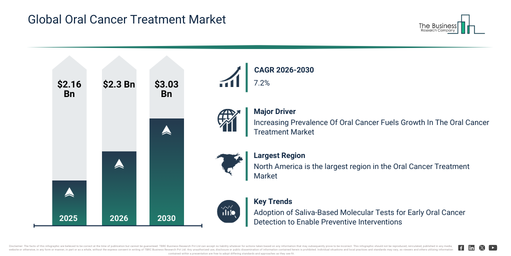
  • Oral Cancer Treatment Market Size In 2026: Regional Growth, Key Segments And Future Outlook

    Oral Cancer Treatment Market Size In 2026: Regional Growth, Key Segments And Future Outlook

    Featuring market attractiveness scoring, total addressable market sizing, company benchmarking matrices, interactive Excel dashboards, deeper supply chain intelligence, emerging startup tracking, and granular product-level insights, The Business Research Company’s 2026 market reports are built to deliver research that is both more actionable and more strategically valuable.

    Oral Cancer Treatment Market Size Forecast: How Big Could The Market Get By 2030?

    The oral cancer treatment market size has demonstrated significant growth in recent years. It is projected to expand from $2.16 billion in 2025 to $2.3 billion in 2026, exhibiting a compound annual growth rate (CAGR) of 6.1%. Historically, this market expansion has been propelled by factors such as the increasing prevalence of tobacco and alcohol consumption, a rising incidence of oral squamous cell carcinoma, limited public awareness of early oral cancer symptoms, the growing availability of chemotherapy and radiation infrastructure, and the expansion of hospital-based oncology departments.

    The oral cancer treatment market is projected to experience substantial expansion over the upcoming years. This market is anticipated to reach $3.03 billion by 2030, exhibiting a compound annual growth rate (CAGR) of 7.2%. Factors contributing to this growth during the projected period include an escalating demand for biological and immunotherapy interventions, a heightened emphasis on early cancer detection initiatives, the increasing integration of personalized oncology care, the proliferation of specialized oncology clinics, and enhanced availability of cancer treatments in developing nations. Key trends anticipated within this forecast timeframe encompass a surging uptake of multimodal strategies for oral cancer treatment, a greater utilization of combined chemotherapy and radiation therapy, a sharpened focus on timely diagnosis and treatment planning according to disease stage, a heightened need for targeted and biological therapies specific to oral cancer, and an expanding preference for individualized treatment plans tailored to patient health conditions.

    Get A Free Sample Report With In-Depth Market Insights:

    https://thebusinessresearchcompany.com/sample_request?id=75526056&type=smp&name=Oral%20Cancer%20Treatment%20Market%20Report%202026&utm_source=Blogs&utm_medium=Paid&utm_campaign=Nov_PR

    Oral Cancer Treatment Market Growth Factors: What’s Supporting Expansion?

    The rising incidence of oral cancer is projected to fuel the expansion of the oral cancer treatment market in the coming years. Oral cancer, a type of malignant growth, impacts the tissues of the oral cavity and is characterized by the uncontrolled multiplication and spread of cells. Treatment for oral cancer typically includes surgical removal, radiation therapy, and chemotherapy, tailored to the disease’s stage and severity. For example, the American Cancer Society, a US-based government organization, reported in October 2025 that an estimated 59,660 new cases of cancer affecting the oral cavity (mouth) and pharynx (throat) are expected to be diagnosed in the US in 2025, with 12,770 fatalities from the condition. Notably, incidence rates are almost 3 times higher in men compared to women. Consequently, the growing prevalence of oral cancer is stimulating the growth of the oral cancer treatment market.

    Oral Cancer Treatment Market Segment Breakdown: Which Categories Lead On Revenue?

    The oral cancer treatment market covered in this report is segmented –

    1) By Type: Oral Squamous Cell Carcinoma, Oral Verrucous Carcinoma, Mucoepidermoid Carcinoma, Oral Cavity Lymphomas

    2) By Therapy Type: Chemotherapy, Radiation Therapy, Biological Therapy

    3) By Route Of Administration: Oral, Injectable, Other Routes Of Administration

    4) By End-User: Hospitals, Homecare, Specialty Clinics, Other End-Users

    Subsegments:

    1) By Oral Squamous Cell Carcinoma: Surgery, Radiation Therapy, Chemotherapy, Targeted Therapy

    2) By Oral Verrucous Carcinoma: Surgical Excision, Radiation Therapy

    3) By Mucoepidermoid Carcinoma: Surgical Resection, Radiation Therapy, Chemotherapy

    4) By Oral Cavity Lymphomas: Chemotherapy, Radiation Therapy, Immunotherapy

    Oral Cancer Treatment Market Industry Trends: What’s Reshaping Demand?

    Companies prominent in the oral cancer treatment market are prioritizing the advancement of technologies like saliva-based molecular diagnostic tests to facilitate early detection and proactive interventions. A saliva-based molecular test examines microbial and mitochondrial activity, quantifies numerous biochemical pathways, and utilizes machine learning-driven algorithms to pinpoint molecular indicators of oral cancer before visible lesions develop, thus enabling prompt therapeutic guidance and risk reduction. For example, in November 2025, Genefitletics, an India-based biotech startup, introduced ORAONCO, a saliva-based oral cancer detection test. This product evaluates 27 biochemical pathways across 7 molecular mechanisms, delivering predictive insights for high-risk adults and proposing nutritional and therapeutic interventions to decrease carcinogenic molecules prior to cancer progression.

    Oral Cancer Treatment Market Leading Players And Competitive Positioning

    Major companies operating in the oral cancer treatment market are Pfizer Inc., F. Hoffmann La Roche Ltd., Merck & Co., AbbVie Inc., Novartis AG, Bayer AG, Sanofi-Aventis LLC, Bristol Myers Squibb, AstraZeneca plc, GlaxoSmithKline plc, Eli Lilly and Company, C.H. Boehringer Sohn AG & Co. KG., Viatris Inc., Teva Pharmaceuticals Industries Ltd., MD Anderson Cancer Center, Memorial Sloan Kettering Cancer Center, Fred Hutchinson Cancer Research Center, Genentech Inc., BioNTech SE, Transgene S A, ALX Oncology Inc., Iovance Biotherapeutics Inc., Kura Oncology Inc., NeoImmuneTech Inc.

    View The Full Oral Cancer Treatment Market Report:

    https://thebusinessresearchcompany.com/report/oral-cancer-treatment-global-market-report?utm_source=Blogs&utm_medium=Paid&utm_campaign=Nov_PR

    Oral Cancer Treatment Market Regional Analysis And Top Geography

    North America was the largest region in the oral cancer treatment market in 2025. Asia-Pacific is expected to be the fastest-growing region in the forecast period. The regions covered in the oral cancer treatment market report are Asia-Pacific, South East Asia, Western Europe, Eastern Europe, North America, South America, Middle East, Africa.

    Reach Out To Our Team:

    The Business Research Company: https://www.thebusinessresearchcompany.com/

    Americas: +1 310-496-7795

    Asia: +44 7882 955267 & +91 8897263534

    Europe: +44 7882 955267

    Email us at: marketing@tbrc.info

    Follow us on:

    LinkedIn: https://in.linkedin.com/company/the-business-research-company

    YouTube: https://www.youtube.com/channel/UC24_fI0rV8cR5DxlCpgmyFQ

    Global Market Model: https://www.thebusinessresearchcompany.com/global-market-model
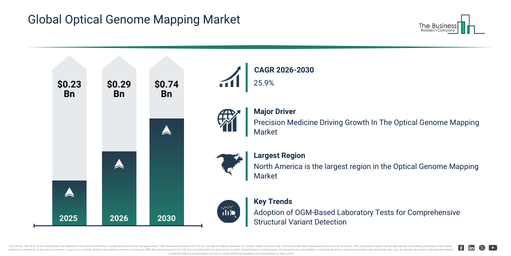
  • Optical Genome Mapping Market Growth Forecast Through 2030: Market Size And Trends In 2026

    Optical Genome Mapping Market Growth Forecast Through 2030: Market Size And Trends In 2026

    Built to provide research that’s more actionable and strategically valuable, The Business Research Company’s 2026 market reports include market attractiveness analysis, total addressable market sizing, company benchmarking matrices, interactive Excel dashboards, broader supply chain intelligence, emerging startup tracking, and in-depth product insights.

    Optical Genome Mapping Market Revenue Outlook: What CAGR Lies Ahead Through 2030?

    The optical genome mapping market has seen rapid expansion in recent years. It is anticipated to increase from $0.23 billion in 2025 to $0.29 billion in 2026, showing a compound annual growth rate (CAGR) of 29.4%. The historical growth can be linked to factors such as the limitations of next generation sequencing in detecting large structural variants, increased genomic research funding, a rise in the prevalence of genetic disorders, growing demand for advanced cytogenetic techniques, and technological advancements in imaging and DNA labeling.

    The optical genome mapping market is projected to experience substantial expansion over the coming years. Its valuation is set to reach $0.74 billion by 2030, demonstrating a compound annual growth rate (CAGR) of 25.9%. This anticipated growth during the forecast period is propelled by factors such as the increasing incorporation of ogm into clinical laboratories, heightened investment in precision medicine endeavors, the expanding uptake of automated genomic analysis platforms, broader applications within oncology and hematological malignancies, and a reduction in the expenses associated with genomic analysis technologies. Key trends anticipated during this period encompass the increasing integration of optical genome mapping for structural variant detection, the expanded utilization of ogm in research pertaining to rare diseases and cancer, an escalating demand for high-resolution long-read genomic analysis, the broadening scope of ogm applications in clinical diagnostics, and a growing inclination towards using ogm complementarily with sequencing technologies.

    Get A Free Sample Report With In-Depth Market Insights:

    https://thebusinessresearchcompany.com/sample_request?id=70367193&type=smp&name=Optical%20Genome%20Mapping%20Market%20Report%202026&utm_source=Blogs&utm_medium=Paid&utm_campaign=Nov_PR

    Optical Genome Mapping Market Demand Drivers: What’s Powering Industry Growth?

    The rising need for precision medicine is projected to drive the expansion of the optical genome mapping market in the future. This healthcare method, known as precision medicine, customizes medical treatments and preventive measures based on unique individual traits like genetic composition, lifestyle choices, and environmental factors. The demand for precision medicine stems from the growing incidence of chronic illnesses, innovations in genomic technologies, increased financial backing and investment, and patients’ desire for tailored care. optical genome mapping improves precision medicine’s abilities by offering a precise and thorough insight into the genomic changes linked to different diseases. Consequently, the growing need for precision medicine is fueling the expansion of the optical genome mapping market.

    Optical Genome Mapping Market Segmentation: How Does The Market Break Down By Category?

    The optical genome mapping market covered in this report is segmented –

    1) By Product: Instruments, Consumables And Reagents, Software, Services

    2) By Application: Structural Variant Detection, Genome Assembly, Microbial Strain Typing, Other Applications

    3) By End-User: Biotechnology And Pharmaceutical Companies, Clinical Laboratories, Academic Research Institutes, Other End-Users

    Subsegments:

    1) By Instruments: Optical Genome Mapping Systems, Imaging Systems, Detection And Analysis Devices

    2) By Consumables And Reagents: DNA Preparation Kits, Labeling Reagents, Flow Cells

    3) By Software: Data Analysis Software, Image Processing Software, Mapping Software

    4) By Services: Data Analysis Services, Technical Support Services, Training And Consultation Services

    Optical Genome Mapping Market Innovation Trends: What Developments Are Reshaping The Industry?

    Leading companies in the optical genome mapping (OGM) market are concentrating on developing technological advancements, specifically OGM-based laboratory-developed tests (LDTs) for genome-wide structural variant detection. This focus aims to enhance diagnostic accuracy, improve workflow efficiency, and reduce reliance on multiple traditional cytogenetic tests. An OGM-based LDT utilizes ultra-long, high-molecular-weight DNA molecules that are fluorescently labeled and linearized in nanochannels, facilitating high-resolution imaging to identify insertions, deletions, translocations, and repeat expansions across the genome—capabilities often missed by short-read sequencing or microarrays.

    Optical Genome Mapping Market Competitive Overview And Top Companies

    Major companies operating in the optical genome mapping market are Bionano Genomics Inc., 10x Genomics Inc., Oxford Nanopore Technologies plc, Pacific Biosciences of California Inc., BioSkryb Genomics, Phase Genomics Inc., Nabsys, Daicel Arbor Biosciences, OpGen, Thermo Fisher Scientific Inc., Roche Sequencing Solutions, Genomic Vision SA, INRAE French Plant Genomic Resources Center, Source BioScience, Resolve Biosciences, Arima Genomics Inc., GnuBIO Inc., Longas Technologies, GE Healthcare Life Sciences, Danaher Corporation, Strand Life Sciences, Berry Genomics, Dante Genomics

    View The Full Optical Genome Mapping Market Report:

    https://thebusinessresearchcompany.com/report/optical-genome-mapping-global-market-report?utm_source=Blogs&utm_medium=Paid&utm_campaign=Nov_PR

    Optical Genome Mapping Market Geographic Analysis: Where Is Demand Rising Fastest?

    North America was the largest region in the optical genome mapping market in 2025. Asia-Pacific is expected to be the fastest-growing region in the forecast period. The regions covered in the optical genome mapping market report are Asia-Pacific, South East Asia, Western Europe, Eastern Europe, North America, South America, Middle East, Africa.

    Reach Out To Our Team:

    The Business Research Company: https://www.thebusinessresearchcompany.com/

    Americas: +1 310-496-7795

    Asia: +44 7882 955267 & +91 8897263534

    Europe: +44 7882 955267

    Email us at: marketing@tbrc.info

    Follow us on:

    LinkedIn: https://in.linkedin.com/company/the-business-research-company

    YouTube: https://www.youtube.com/channel/UC24_fI0rV8cR5DxlCpgmyFQ

    Global Market Model: https://www.thebusinessresearchcompany.com/global-market-model
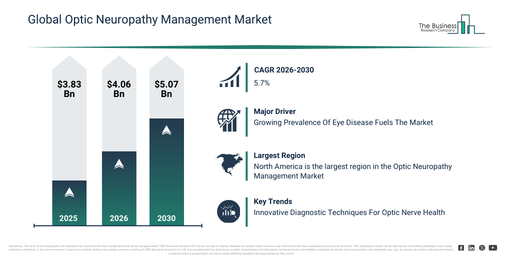
  • Optic Neuropathy Management Market Analysis: $4.06 Billion Market Size In 2026 And Future Growth Prospects

    Optic Neuropathy Management Market Analysis: $4.06 Billion Market Size In 2026 And Future Growth Prospects

    Backed by market attractiveness analysis, total addressable market sizing, company benchmarking matrices, interactive Excel dashboards, wider supply chain intelligence, emerging startup coverage, and detailed product-level insights, The Business Research Company’s 2026 market reports are designed to offer research that is more actionable and strategically valuable than ever.

    Optic Neuropathy Management Market Growth Analysis: How Will Revenue Trend Over The Forecast Period?

    The optic neuropathy management market has experienced substantial expansion in recent years. It is forecast to grow from $3.83 billion in 2025 to $4.06 billion in 2026, achieving a compound annual growth rate (CAGR) of 6.0%. This historical growth can be attributed to the escalating prevalence of glaucoma-related optic neuropathy, the limited treatment options available for advanced optic nerve damage, the rising incidence of ischemic and inflammatory optic neuropathies, the increased utilization of corticosteroids in acute management, and the challenges posed by a lack of awareness and delayed diagnosis in early stages.

    The optic neuropathy management market is anticipated to experience substantial growth in the coming years, with its size projected to reach $5.07 billion by 2030, demonstrating a compound annual growth rate (CAGR) of 5.7%. This growth over the forecast period is largely driven by the increasing clinical adoption of stem cell and gene therapy methods, a rise in investment toward neuroprotection research, the growing demand for tailored optic neuropathy treatment plans, the expansion of specialized ophthalmology and neurology clinics, and improved access to advanced diagnostic imaging technologies. Noteworthy trends during this period include a heightened focus on the early detection and continuous monitoring of optic neuropathy, the increasing use of neuroprotective and antioxidant medications, a growing application of minimally invasive surgical interventions for optic nerve damage, a rising need for vision rehabilitation and low vision aids, and the increasing integration of multidisciplinary care pathways in managing optic neuropathy.

    Get A Free Sample Report With In-Depth Market Insights:

    https://thebusinessresearchcompany.com/sample_request?id=66657858&type=smp&name=Optic%20Neuropathy%20Management%20Market%20Report%202026&utm_source=Blogs&utm_medium=Paid&utm_campaign=Nov_PR

    Optic Neuropathy Management Market Growth Drivers: What’s Behind The Acceleration?

    The rising incidence of eye disease is projected to drive the expansion of the optic neuropathy management market moving forward. Eye disease refers to any affliction that impacts the eye’s structure or function, leading to diminished vision or other related indicators. The increase in eye disease prevalence is influenced by factors such as an aging populace, greater screen exposure, suboptimal lifestyle decisions, and pre-existing health issues like diabetes. Optic neuropathy management contributes to reducing the overall impact of eye disease by preventing additional damage to the optic nerve and helping to preserve vision. For instance, in February 2025, the Department of Health and Social Care, a UK government body, reported that approximately 2 million people in the UK live with some degree of sight loss, with this number anticipated to reach 2.7 million by 2030. Thus, the escalating prevalence of eye disease is fueling the growth of the optic neuropathy management market.

    Optic Neuropathy Management Market Segment Trends And Revenue Contributors

    The optic neuropathy management market covered in this report is segmented –

    1) By Treatment Type: Medications, Surgery, Other Treatment Types

    2) By Diagnosis: Imaging Tests, Blood Tests, Other Diagnosis

    3) By End-User: Hospitals, Specialty Clinics, Ambulatory Surgical Centers, Other End-Users

    Subsegments:

    1) By Medications: Corticosteroids, Neuroprotective Agents, Antioxidants, Immunosuppressants, Prostaglandin Analogs

    2) By Surgery: Optic Nerve Decompression Surgery, Optic Nerve Transplantation, Retinal Implant Surgery

    3) By Other Treatment Types: Low Vision Aids, Stem Cell Therapy, Gene Therapy

    Optic Neuropathy Management Market Trends: What’s Defining The Industry’s Next Phase?

    Leading companies within the optic neuropathy management market are focusing on developing innovative therapies, such as monoclonal antibody treatment, to gain a competitive advantage. Monoclonal antibodies are proteins created in laboratories, designed to mimic the immune system’s capability to combat detrimental pathogens like viruses and bacteria.

    Optic Neuropathy Management Market Competitive Landscape: Which Companies Lead The Industry?

    Major companies operating in the optic neuropathy management market are Pfizer Inc., F. Hoffmann-La Roche AG, Bayer AG, Novartis AG, Merck KGaA, Regeneron Pharmaceuticals Inc., Bausch Health Companies Inc., Santen Pharmaceutical Co. Ltd., Aerie Pharmaceuticals, Neurophth Therapeutics, GenSight Biologics S.A., Stealth BioTherapeutics, Oculis Holding AG, Neurotech Pharmaceuticals Inc., Quark Pharmaceuticals Inc., Astellas Pharma Inc., Ionis Pharmaceuticals Inc., Apellis Pharmaceuticals, Biogen Inc., Johnson & Johnson Vision, Sanofi S.A., Sun Pharmaceutical Industries Ltd., Alcon Inc., NicOx SA

    View The Full Optic Neuropathy Management Market Report:

    https://thebusinessresearchcompany.com/report/optic-neuropathy-management-global-market-report?utm_source=Blogs&utm_medium=Paid&utm_campaign=Nov_PR

    Optic Neuropathy Management Market Global Footprint: Which Region Leads The Market?

    North America was the largest region in the optic neuropathy management market in 2025. Asia-Pacific is expected to be the fastest-growing region in the forecast period. The regions covered in the optic neuropathy management market report are Asia-Pacific, South East Asia, Western Europe, Eastern Europe, North America, South America, Middle East, Africa.

    Reach Out To Our Team:

    The Business Research Company: https://www.thebusinessresearchcompany.com/

    Americas: +1 310-496-7795

    Asia: +44 7882 955267 & +91 8897263534

    Europe: +44 7882 955267

    Email us at: marketing@tbrc.info

    Follow us on:

    LinkedIn: https://in.linkedin.com/company/the-business-research-company

    YouTube: https://www.youtube.com/channel/UC24_fI0rV8cR5DxlCpgmyFQ

    Global Market Model: https://www.thebusinessresearchcompany.com/global-market-model
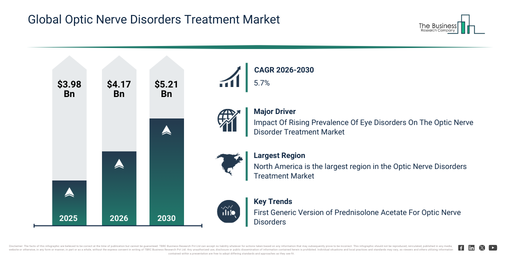
  • Optic Nerve Disorders Treatment Market 2026 Market Size And Growth Forecast: Key Trends To Watch

    Optic Nerve Disorders Treatment Market 2026 Market Size And Growth Forecast: Key Trends To Watch

    Featuring market attractiveness scoring, total addressable market sizing, company benchmarking matrices, interactive Excel dashboards, deeper supply chain intelligence, emerging startup tracking, and granular product-level insights, The Business Research Company’s 2026 market reports are built to deliver research that is both more actionable and more strategically valuable.

    Optic Nerve Disorders Treatment Market Forecast: What Value Will The Market Reach By 2030?

    The market for the treatment of optic nerve disorders has seen steady expansion in recent years. It is anticipated to increase from $3.98 billion in 2025 to $4.17 billion in 2026, demonstrating a compound annual growth rate (CAGR) of 4.6%. The historical growth can be attributed to several factors including a high prevalence of glaucoma and optic neuritis cases, the limited effectiveness of traditional monotherapies, a rising incidence of autoimmune-related optic nerve disorders, the growing use of corticosteroids in acute optic conditions, and a lack of early diagnostic access in developing regions.

    The optic nerve disorders treatment market is anticipated to experience robust expansion in the coming years, projected to reach $5.21 billion by 2030, exhibiting a compound annual growth rate (CAGR) of 5.7%. This growth over the forecast period is primarily driven by factors such as a rise in clinical research for neuroprotection therapies, the increasing adoption of immunomodulators and biologics, heightened awareness concerning inherited optic nerve disorders, the expansion of specialized ophthalmic care centers, and a growing demand for personalized treatment protocols. Key trends identified for this period include an increased focus on early diagnosis and intervention for optic nerve damage, the rising uptake of combination therapies for inflammatory and degenerative optic disorders, a greater emphasis on long-term disease management and vision preservation, an escalating demand for neuroprotective and supportive treatment strategies, and the enhanced integration of multidisciplinary care in the treatment of optic nerve disorders.

    Get A Free Sample Report With In-Depth Market Insights:

    https://thebusinessresearchcompany.com/sample_request?id=17091066&type=smp&name=Optic%20Nerve%20Disorders%20Treatment%20Market%20Report%202026&utm_source=Blogs&utm_medium=Paid&utm_campaign=Nov_PR

    Optic Nerve Disorders Treatment Market Growth Factors Behind Sustained Expansion

    A rise in the occurrence of eye conditions is anticipated to propel the expansion of the optic nerve disorder treatment market in the coming years. Eye disorders are defined as maladies or states impacting the tissues and various parts of the eyes. Treatment for optic nerve disorders assists individuals with eye conditions, addressing diverse ocular ailments such as glaucoma by hindering or averting additional damage to the optic nerve. Consequently, the growing prevalence of eye disorders is acting as a catalyst for the expansion of the optic nerve disorder treatment market.

    Optic Nerve Disorders Treatment Market Segment Analysis Spotlighting Growth Areas

    The optic nerve disorders treatment market covered in this report is segmented –

    1) By Treatment Type: Steroidal Therapy, Immunomodulators therapy, Other Treatment Types

    2) By Indication: Glaucoma, Optic Neuritis, Optic Neuropathy, Congenital Optic Atrophy, Other Indications

    3) By End User: Hospitals, Ambulatory Surgery Centers, Clinics, Other End Users

    Subsegments:

    1) By Steroidal Therapy: Corticosteroids, Intravitreal Steroid Injections, Oral Steroids

    2) By Immunomodulators Therapy: Disease-Modifying Antirheumatic Drugs (DMARDs), Biologic Agents, Intravenous Immunoglobulin (IVIG)

    3) By Other Treatment Types: Optical Nerve Decompression Surgery, Neuroprotective Agents, Supportive Therapies

    Optic Nerve Disorders Treatment Market Industry Trends Fueling Future Revenue Growth

    Major companies operating in the optic nerve disorder treatment market are introducing innovations such as generic suspensions to sustain their position. Generic suspensions for optic nerve disorders typically include corticosteroids or other anti-inflammatory agents in liquid form, designed to reduce inflammation and manage symptoms in conditions such as optic neuritis or other optic nerve diseases.

    Optic Nerve Disorders Treatment Market Leading Companies: Who Holds The Strongest Market Presence?

    Major companies operating in the optic nerve disorders treatment market are Pfizer Inc., F. Hoffmann-La Roche Ltd., Merck and Co. Inc., Novartis AG, Regeneron Pharmaceuticals Inc., Alcon Inc., Sun Pharmaceutical Industries Limited, Bausch + Lomb Corporation, Horizon Therapeutics Inc., Santen Pharmaceutical Co. Ltd., Allergan Inc., Akorn Inc., Ionis Pharmaceuticals Inc., Lumenis Ltd., Glaukos Corporation, Nidek Co. Ltd., Aerie Pharmaceuticals Inc., Spark Therapeutics Inc., IRIDEX Corporation, Kowa Company Limited, New World Medical Inc., Heidelberg Engineering GmbH, Editas Medicine Inc., Quark Pharmaceuticals Inc., iSTAR Medical SA, Neurotech Pharmaceuticals Inc., Nicox SA., GenSight Biologics S.A., Inotek Pharmaceuticals Co., Oculis Holding AG

    View The Full Optic Nerve Disorders Treatment Market Report:

    https://thebusinessresearchcompany.com/report/optic-nerve-disorders-treatment-global-market-report?utm_source=Blogs&utm_medium=Paid&utm_campaign=Nov_PR

    Optic Nerve Disorders Treatment Market Regional Split: Which Areas Are Fueling Growth?

    North America was the largest region in the optic nerve disorders treatment market in 2025. The regions covered in the optic nerve disorders treatment market report are Asia-Pacific, South East Asia, Western Europe, Eastern Europe, North America, South America, Middle East, Africa.

    Reach Out To Our Team:

    The Business Research Company: https://www.thebusinessresearchcompany.com/

    Americas: +1 310-496-7795

    Asia: +44 7882 955267 & +91 8897263534

    Europe: +44 7882 955267

    Email us at: marketing@tbrc.info

    Follow us on:

    LinkedIn: https://in.linkedin.com/company/the-business-research-company

    YouTube: https://www.youtube.com/channel/UC24_fI0rV8cR5DxlCpgmyFQ

    Global Market Model: https://www.thebusinessresearchcompany.com/global-market-model
  • Optic Atrophy Management Market Size Forecast: How The Industry Is Expected To Grow From 2026 To 2030

    Optic Atrophy Management Market Size Forecast: How The Industry Is Expected To Grow From 2026 To 2030

    Built to provide research that’s more actionable and strategically valuable, The Business Research Company’s 2026 market reports include market attractiveness analysis, total addressable market sizing, company benchmarking matrices, interactive Excel dashboards, broader supply chain intelligence, emerging startup tracking, and in-depth product insights.

    Optic Atrophy Management Market Size Outlook: How Quickly Will Revenue Expand Through 2030?

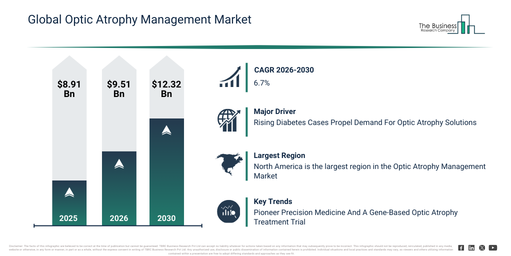
    Significant growth has been observed in the optic atrophy management market in recent years. This market is projected to expand from $8.91 billion in 2025 to $9.51 billion in 2026, demonstrating a compound annual growth rate (CAGR) of 6.8%. Factors contributing to this historical growth include the widespread occurrence of optic nerve damage stemming from glaucoma and ischemic disorders, the scarcity of definitive curative treatments, an increasing incidence of infectious and drug-induced optic neuropathy, challenges with timely diagnosis in evolving healthcare systems, and a continued dependence on symptomatic and supportive care strategies.

    The optic atrophy management market size is projected to experience substantial expansion in the coming years. It is set to reach $12.32 billion by 2030, exhibiting a compound annual growth rate (CAGR) of 6.7%. This anticipated growth over the forecast period stems from factors such as heightened investment in neuro-ophthalmology research, greater clinician awareness of optic atrophy, an expanding aging demographic susceptible to neurodegenerative risks, the proliferation of advanced diagnostic and imaging technologies, and an intensified focus on personalized, enduring vision management strategies. Key trends during this period are characterized by an elevated emphasis on prompt diagnosis and consistent monitoring of optic nerve degeneration, wider uptake of vision rehabilitation and supportive care initiatives, a stronger focus on addressing associated neurological and systemic ailments, a heightened call for neuroprotective and disease-stabilizing treatments, and an increased deployment of multidisciplinary treatment methods in vision care.

    Get A Free Sample Report With In-Depth Market Insights:

    https://thebusinessresearchcompany.com/sample_request?id=88695375&type=smp&name=Optic%20Atrophy%20Management%20Market%20Report%202026&utm_source=Blogs&utm_medium=Paid&utm_campaign=Nov_PR

    Optic Atrophy Management Market Demand Drivers Opening New Revenue Streams

    The rising occurrence of diabetes is anticipated to drive expansion in the optic atrophy management market in the future. This chronic medical condition, diabetes, is defined by abnormally high blood sugar levels, resulting from either inadequate insulin generation or the body’s inefficient utilization of insulin. Managing optic atrophy proves advantageous for individuals with diabetes, especially for those suffering from conditions like Wolfram syndrome, given its role in tackling gradual vision impairment linked to nerve deterioration, thereby helping to avert or delay the worsening of diabetic eye issues. Consequently, the growing prevalence of diabetes is fueling the expansion of the optic atrophy management market.

    Optic Atrophy Management Market Segment Performance And Emerging Opportunities

    The optic atrophy management market covered in this report is segmented –

    1) By Drug Type: Disulfiram, Amebicides, Ethambutol, Isoniazid, Chloramphenicol, Vincristine, Ciclosporin, Cimetidine

    2) By Route Of Administration: Oral, Injectable

    3) By Distribution Channel: Hospital Pharmacies, Retail Pharmacies, Online Pharmacies

    4) By End-User: Hospitals, Specialty Clinics, Ambulatory Surgical Centers, Rehabilitation Centers

    Subsegments:

    1) By Disulfiram: Oral Disulfiram Tablets, Low-Dose Disulfiram Therapy, Adjunct Neuroprotective Disulfiram Use

    2) By Amebicides: Metronidazole-Based Amebicides, Tinidazole-Based Amebicides, Combination Amebicidal Therapy

    3) By Ethambutol: Low-Dose Ethambutol Regimens, Dose-Adjusted Ethambutol Therapy, Ethambutol With Visual Monitoring Protocols

    4) By Isoniazid: Standard Isoniazid Therapy, Pyridoxine-Supplemented Isoniazid Therapy, Modified-Dose Isoniazid Regimens

    5) By Chloramphenicol: Oral Chloramphenicol Therapy, Injectable Chloramphenicol Therapy, Short-Term Chloramphenicol Use

    6) By Vincristine: Low-Dose Vincristine Therapy, Intravenous Vincristine Administration, Combination Chemotherapy Regimens With Vincristine

    7) By Ciclosporin: Oral Ciclosporin Therapy, Immunomodulatory Ciclosporin Regimens, Dose-Titrated Ciclosporin Treatment

    8) By Cimetidine: Oral Cimetidine Therapy, Adjunctive Cimetidine Use, Dose-Adjusted Cimetidine Regimens

    Optic Atrophy Management Market Trends Powering Strategic Industry Growth

    Leading companies in the optic atrophy management market are increasingly focusing on conducting trials to develop targeted therapies for rare genetic disorders, thereby seeking a competitive edge. These targeted therapies for rare genetic disorders aim to address the fundamental genetic origin of the condition. This approach involves introducing genetic material into cells to correct or replace a faulty gene, directly tackling the disease’s root cause.

    Optic Atrophy Management Market Key Players: Which Companies Lead Industry Competition?

    Major companies operating in the optic atrophy management market are Pfizer Inc., Johnson And Johnson, F. Hoffmann-La Roche AG, AbbVie Inc., Bayer AG, Novartis AG, Bristol-Myers Squibb Company, Sanofi SA, GlaxoSmithKline plc, Eli Lilly And Company, Boehringer Ingelheim International GmbH., Teva Pharmaceuticals, Viatris (Mylan N.V.), Astellas Pharma Inc, Bausch Health Companies Inc., Sumitomo Dainippon Pharma Co. Ltd, Bausch And Lomb Inc., Aurobindo Pharma, Cipla Ltd, Apotex Inc. , Zydus Cadila, Santen Pharmaceutical Co. Ltd, Lupin, Allergan ple., LEO Pharma A/S, Aerie Pharmaceuticals Inc., Neurophth Therapeutics Inc, Stoke Therapeutics Inc, Bionure Farma S.L., Mallinckrodt Pharmaceuticals, Ixchel Pharma LLC

    View The Full Optic Atrophy Management Market Report:

    https://thebusinessresearchcompany.com/report/optic-atrophy-management-global-market-report?utm_source=Blogs&utm_medium=Paid&utm_campaign=Nov_PR

    Optic Atrophy Management Market Top Region: Where Does Most Revenue Come From?

    North America was the largest region in the optic atrophy management market in 2025. The regions covered in the optic atrophy management market report are Asia-Pacific, South East Asia, Western Europe, Eastern Europe, North America, South America, Middle East, Africa.

    Reach Out To Our Team:

    The Business Research Company: https://www.thebusinessresearchcompany.com/

    Americas: +1 310-496-7795

    Asia: +44 7882 955267 & +91 8897263534

    Europe: +44 7882 955267

    Email us at: marketing@tbrc.info

    Follow us on:

    LinkedIn: https://in.linkedin.com/company/the-business-research-company

    YouTube: https://www.youtube.com/channel/UC24_fI0rV8cR5DxlCpgmyFQ

    Global Market Model: https://www.thebusinessresearchcompany.com/global-market-model
  • Opioid-Induced Constipation Treatment Market Reaches $2.54 Billion In 2026: Forecast And Growth Opportunities

    Opioid-Induced Constipation Treatment Market Reaches $2.54 Billion In 2026: Forecast And Growth Opportunities

    Backed by market attractiveness analysis, total addressable market sizing, company benchmarking matrices, interactive Excel dashboards, wider supply chain intelligence, emerging startup coverage, and detailed product-level insights, The Business Research Company’s 2026 market reports are designed to offer research that is more actionable and strategically valuable than ever.

    Opioid-Induced Constipation Treatment Market Size, Value And Growth Trajectory Through 2030

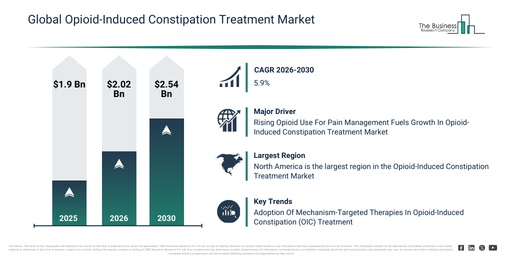
    The opioid-induced constipation treatment market size has experienced substantial expansion in recent years. It is projected to increase from $1.9 billion in 2025 to $2.02 billion in 2026, achieving a compound annual growth rate (CAGR) of 6.7%. Historically, this market’s growth can be linked to the widespread application of opioids for chronic pain management, the limited efficacy of conventional laxatives, the rising prevalence of pain associated with cancer, the initial scarcity of OIC-specific treatments, and an uptick in hospitalizations due to the adverse effects of opioids.

    The opioid-induced constipation treatment market is expected to experience substantial expansion in the coming years. It is projected to reach $2.54 billion by 2030, demonstrating a compound annual growth rate (CAGR) of 5.9%. This growth throughout the forecast period is propelled by factors such as an escalating demand for PAMORA-based treatments, a rise in long-term opioid prescriptions within aging demographics, an intensified clinical focus on patient-centric pain management, broader access to online and retail pharmacies, and increased investment in the development of gastrointestinal disorder drugs. Prominent trends anticipated in the forecast period include the wider adoption of peripherally acting µ-opioid receptor antagonists, a stronger preference for targeted OIC therapies that maintain analgesia, an increasing reliance on combined pharmacological and non-pharmacological treatments, a heightened emphasis on enhancing the quality of life for chronic pain sufferers, and improved awareness and diagnosis of opioid-induced constipation.

    Get A Free Sample Report With In-Depth Market Insights:

    https://thebusinessresearchcompany.com/sample_request?id=78135078&type=smp&name=Opioid-Induced%20Constipation%20Treatment%20Market%20Report%202026&utm_source=Blogs&utm_medium=Paid&utm_campaign=Nov_PR

    Opioid-Induced Constipation Treatment Market Growth Backed By Core Demand Fundamentals

    The increasing use of opioids for managing both cancer and non-cancer pain is anticipated to propel the growth of the opioid-induced constipation treatment market in the foreseeable future. Cancer pain refers to discomfort linked to cancer and its therapeutic interventions, while non-cancer pain denotes discomfort arising from conditions unrelated to cancer. The application of opioids for these pain types is driven by the necessity for effective management of moderate to severe pain, taking into account factors like the intensity and duration of pain, the patient’s response to other therapies, and the overarching aim of enhancing quality of life while minimizing potential risks such as addiction and side effects. Opioid-induced constipation (OIC) treatment assists individuals experiencing cancer and non-cancer pain by alleviating constipation caused by opioid use, thereby enhancing overall comfort, adherence to pain management regimens, and quality of life without compromising pain relief. Hence, the increasing administration of opioids for cancer and non-cancer pain is driving the expansion of the opioid-induced constipation treatment market.

    Opioid-Induced Constipation Treatment Market Segment Landscape And Growth Outlook

    The opioid-induced constipation treatment market covered in this report is segmented –

    1) By Drug Class: Laxatives, Peripherally Acting µ-opioid Receptor Antagonists, Serotonin Receptor Agonists

    2) By Type: Oral, Parenteral

    3) By Distribution Channel: Hospital Pharmacies, Online Pharmacies, Retail Pharmacies

    Subsegments:

    1) By Laxatives: Osmotic Laxatives, Stimulant Laxatives, Bulk-Forming Laxatives

    2) By Peripherally Acting µ-Opioid Receptor Antagonists: Naloxegol, Methylnaltrexone, Alvimopan

    3) By Serotonin Receptor Agonists: Prucalopride, Tegaserod

    Opioid-Induced Constipation Treatment Market Growth Trends Reshaping The Competitive Landscape

    Leading companies within the opioid-induced constipation treatment market are concentrating on advancing innovative solutions like peripherally acting µ-opioid receptor antagonists (PAMORAs). These are designed for precise modulation of gut receptors, aiming to boost effectiveness, increase patient adherence, and minimize systemic adverse reactions during opioid use. PAMORAs specifically inhibit µ-opioid receptors within the gastrointestinal tract without penetrating the blood–brain barrier. This mechanism helps reinstate normal bowel function while preserving central pain relief, distinguishing them from conventional laxatives that fail to target the fundamental receptor-driven origin of constipation. An example of this trend is the launch by Luye Pharma, a China-based pharmaceutical company, of Mimeixin in May 2025. This product is an oral oxycodone/naloxone sustained-release tablet specifically formulated for OIC. Mimeixin provides once-daily analgesia while simultaneously counteracting gut opioid receptors, leading to enhanced bowel regularity and fewer gastrointestinal side effects compared to earlier treatments. It presents a convenient option for patients, integrating pain management and constipation relief into one tablet.

    Opioid-Induced Constipation Treatment Market Competitive Landscape: Who Leads The Industry?

    Major companies operating in the opioid-induced constipation treatment market are Pfizer Inc., AstraZeneca plc, Takeda Pharmaceutical Company Limited, Bausch Health Companies Inc., Ironwood Pharmaceuticals Inc., Collegium Pharmaceutical Inc., Cumberland Pharmaceuticals Inc., RedHill Biopharma Ltd., Theravance Biopharma Inc., Mundipharma International Limited, Daiichi Sankyo Co Ltd, Progenics Pharmaceuticals Inc, Shionogi & Co Ltd, Purdue Pharma, Nektar Therapeutics, S L A Pharma AG, Bristol-Myers Squibb Company, Fresenius Kabi AG, Viatris Inc, Novartis AG, Teva Pharmaceutical Industries Ltd, F Hoffmann-La Roche Ltd, Aurobindo Pharma, Abbott Laboratories, Daewoong Pharmaceutical Company

    View The Full Opioid-Induced Constipation Treatment Market Report:

    https://thebusinessresearchcompany.com/report/opioid-induced-constipation-treatment-global-market-report?utm_source=Blogs&utm_medium=Paid&utm_campaign=Nov_PR

    Opioid-Induced Constipation Treatment Market Regional Breakdown: Where Is Demand Concentrated?

    North America was the largest region in the opioid-induced constipation treatment market in 2025. Asia-Pacific is expected to be the fastest-growing region in the forecast period. The regions covered in the opioid-induced constipation treatment market report are Asia-Pacific, South East Asia, Western Europe, Eastern Europe, North America, South America, Middle East, Africa.

    Reach Out To Our Team:

    The Business Research Company: https://www.thebusinessresearchcompany.com/

    Americas: +1 310-496-7795

    Asia: +44 7882 955267 & +91 8897263534

    Europe: +44 7882 955267

    Email us at: marketing@tbrc.info

    Follow us on:

    LinkedIn: https://in.linkedin.com/company/the-business-research-company

    YouTube: https://www.youtube.com/channel/UC24_fI0rV8cR5DxlCpgmyFQ

    Global Market Model: https://www.thebusinessresearchcompany.com/global-market-model