Category: Healthcare Services

  • Immunoglobulin E (IgE) Allergy Blood Tests Market Outlook Through 2030: Understanding The Growth Opportunity

    Immunoglobulin E (IgE) Allergy Blood Tests Market Outlook Through 2030: Understanding The Growth Opportunity

    Backed by market attractiveness analysis, total addressable market sizing, company benchmarking matrices, interactive Excel dashboards, wider supply chain intelligence, emerging startup coverage, and detailed product-level insights, The Business Research Company’s 2026 market reports are designed to offer research that is more actionable and strategically valuable than ever.

    Immunoglobulin E (IgE) Allergy Blood Tests Market Size Forecast: How Big Could The Market Get By 2030?

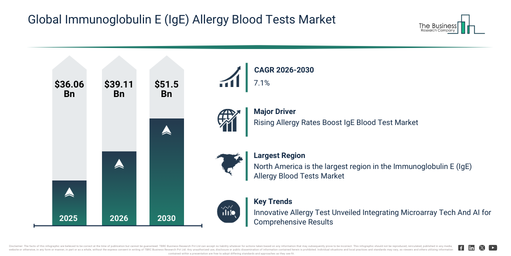
    The market size for immunoglobulin e (ige) allergy blood tests has demonstrated significant growth in recent years. It is forecast to expand from $36.06 billion in 2025 to $39.11 billion in 2026, exhibiting a compound annual growth rate (CAGR) of 8.4%. The expansion observed historically is attributable to the rising prevalence of allergic diseases, increased awareness of food and environmental allergies, wider availability of elisa-based ige tests, growth of diagnostic laboratory infrastructure, and improved clinical guidelines for allergy diagnosis.

    The market for immunoglobulin E (IgE) allergy blood tests is projected to experience substantial expansion in the coming years, reaching $51.5 billion by 2030, driven by a compound annual growth rate (CAGR) of 7.1%. This projected growth during the forecast period is primarily fueled by several factors, including a heightened demand for accurate allergy diagnostics, the escalating embrace of automated and digital immunoassay systems, an increasing prevalence of allergies among pediatric and elderly populations, the broadening availability of allergy testing in developing regions, and the incorporation of AI-powered diagnostic analysis. Key trends anticipated during the same period encompass the growing acceptance of blood-based diagnostics specifically for allergies, an escalating need for multiplex and high-throughput allergy detection methods, a noticeable transition from traditional skin prick tests toward IgE blood testing, the proliferation of point-of-care and automated allergy assessment solutions, and the increasing application of allergy profiling to tailor individual treatments.

    Get A Free Sample Report With In-Depth Market Insights:

    https://thebusinessresearchcompany.com/sample_request?id=37418527&type=smp&name=Immunoglobulin%20E%20%28IgE%29%20Allergy%20Blood%20Tests%20Market%20Report%202026&utm_source=Blogs&utm_medium=Paid&utm_campaign=Oct_PR

    Immunoglobulin E (IgE) Allergy Blood Tests Market Growth Momentum: What Factors Are Shaping Demand?

    The growing incidence of allergies is anticipated to boost the IgE allergy blood tests market moving forward. Allergies are defined as an overreaction by the immune system to generally innocuous substances, manifesting in symptoms like sneezing, itching, or breathing difficulties. The surge in allergic conditions stems from shifts in lifestyle, environmental contamination, and inherited susceptibilities. In cases of allergies, IgE allergy blood tests identify particular allergens by quantifying Immunoglobulin E (IgE) antibody levels in the bloodstream, assisting in the diagnosis and treatment of conditions like asthma, allergic rhinitis, and food allergies. As an illustration, in May 2024, the Food Standards Agency, a UK government agency overseeing food safety and public health, estimated that about 6% of the UK adult population, which equates to roughly 2.4 million adults, had a clinically verified food allergy. Consequently, the expanding occurrence of allergies is fueling the expansion of the IgE allergy blood tests market.

    Immunoglobulin E (IgE) Allergy Blood Tests Market Segmentation And Category Overview

    The immunoglobulin e (ige) allergy blood tests market covered in this report is segmented –

    1) By Product Type: Assays And Kits, Enzyme-Linked Immunosorbent Assay (ELISA) Testing Kits, Fluorescent Enzyme Immunoassays (FEIA) Testing Kits, Chemiluminescent Immunoassays (CLIA), Reagents, Consumables, Analyzers

    2) By Application: Aero Allergies, Indoor Allergies, Outdoor Allergies, Food Allergies, Venoms, Medicine Allergies, Latex/Metal Allergies

    3) By End User: Diagnostic Laboratories, Specialty Clinics, Hospitals, Research And Academic Centers

    Subsegments:

    1) By Assays And Kits: Total IgE Assays, Specific IgE Assays, Allergen-Specific IgE Kits, Rapid IgE Allergy Test Kits, Allergy Profile Test Kits

    2) By Enzyme-Linked Immunosorbent Assay (Elisa) Testing Kits: Standard Elisa Kits For IgE Detection, Elisa Kits For Specific IgE Allergy Testing, Microplate Elisa Kits For High-Throughput Screening, Single-Step Elisa Allergy Testing Kits, Multiplexed Elisa Assay Kits

    3) By Fluorescent Enzyme Immunoassays (Feia) Testing Kits: Automated Feia IgE Testing Kits, Fluorescence-Based Allergy Test Kits, Feia Assays For Specific IgE Detection, High-Sensitivity Feia Testing Kits, Point-Of-Care Feia Kits

    4) By Chemiluminescent Immunoassays (Clia): Clia Kits For IgE Allergy Testing, Automated Clia Testing Platforms, High-Precision Clia Allergy Test Kits, Chemiluminescence Immunoassays For Specific IgE, Clia-Based Allergy Panels

    5) By Reagents: IgE Reagents For Allergy Tests, Allergen-Specific Reagents, Reagents For Immunoassay Platforms, IgE Detection Reagents, Reagents For Elisa And Clia Testing

    6) By Consumables: Test Plates And Microplates, Pipettes And Pipette Tips, Sample Collection Devices, Sample Vials And Tubes For IgE Testing, Washing Buffers And Dilution Fluids

    7) By Analyzers: Elisa Analyzers For IgE Testing, Fluorescent Immunoassay Analyzers, Chemiluminescent Analyzers For IgE Detection, Automated Allergy Testing Analyzers, High-Throughput Allergy Test Analyzers, Point-Of-Care Allergy Analyzers

    Immunoglobulin E (IgE) Allergy Blood Tests Market Trends Redefining Industry Growth

    Major companies operating in the immunoglobulin E (IgE) allergy blood tests market are concentrating on developing new AI-powered allergy tests to boost accuracy, efficiency, and scalability in allergy diagnostics. This initiative seeks to revolutionize allergy testing by refining the interpretation of test results, recognizing patterns, and forecasting allergic reactions more effectively. AI-powered allergy tests are diagnostic tools that employ artificial intelligence (AI) algorithms and machine learning techniques to analyze allergy-related data and offer insights into an individual’s allergic sensitivities. For instance, in May 2023, Dr. Dangs Lab, an India-based diagnostic laboratory, launched ‘Allergynius Dx,’ a novel allergy test. This molecular allergy diagnostics test is based on Microarray using Nano Particles and provides results for 163 food and respiratory allergens. This innovative test represents a significant advancement in allergy testing, offering a comprehensive approach to identifying and managing allergies related to a wide range of allergens.

    Immunoglobulin E (IgE) Allergy Blood Tests Market Competitive Analysis Of Leading Industry Participants

    Major companies operating in the immunoglobulin e (ige) allergy blood tests market are Roche Holdings Inc., Thermo Fisher Scientific Inc, Abbott Laboratories, Siemens Healthineers Pvt Ltd, Laboratory Corporation of America Holdings, Quest Diagnostics Incorporated, Eurofins Scientific SE, Beckman Coulter Inc., Bio-Rad Laboratories Inc., Randox Laboratories Ltd, Omega Diagnostics Plc, AESKU Group GmbH, HYCOR Biomedical LLC.

    View The Full Immunoglobulin E (IgE) Allergy Blood Tests Market Report:

    https://thebusinessresearchcompany.com/report/immunoglobulin-e-ige-allergy-blood-tests-global-market-report?utm_source=Blogs&utm_medium=Paid&utm_campaign=Oct_PR

    Immunoglobulin E (IgE) Allergy Blood Tests Market Regional Split: Which Areas Are Fueling Growth?

    North America was the largest region in the immunoglobulin E (IgE) allergy blood tests market in 2025. Asia-Pacific is expected to be the fastest-growing region in the forecast period. The regions covered in the immunoglobulin e (ige) allergy blood tests market report are Asia-Pacific, South East Asia, Western Europe, Eastern Europe, North America, South America, Middle East, Africa.

    Reach Out To Our Team:

    The Business Research Company: https://www.thebusinessresearchcompany.com/

    Americas: +1 310-496-7795

    Asia: +44 7882 955267 & +91 8897263534

    Europe: +44 7882 955267

    Email us at: marketing@tbrc.info

    Follow us on:

    LinkedIn: https://in.linkedin.com/company/the-business-research-company

    YouTube: https://www.youtube.com/channel/UC24_fI0rV8cR5DxlCpgmyFQ

    Global Market Model: https://www.thebusinessresearchcompany.com/global-market-model
  • Immunoglobulin A IgA Vasculitis Market Growth Potential: What The Latest Forecast Reveals

    Immunoglobulin A IgA Vasculitis Market Growth Potential: What The Latest Forecast Reveals

    Featuring market attractiveness scoring, total addressable market sizing, company benchmarking matrices, interactive Excel dashboards, deeper supply chain intelligence, emerging startup tracking, and granular product-level insights, The Business Research Company’s 2026 market reports are built to deliver research that is both more actionable and more strategically valuable.

    Immunoglobulin A IgA Vasculitis Market Revenue Outlook: What CAGR Lies Ahead Through 2030?

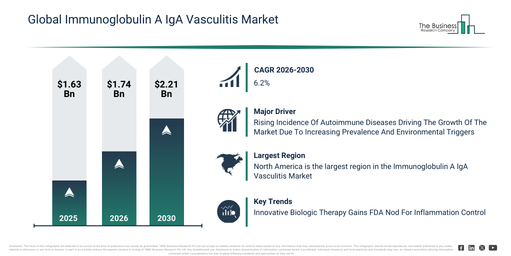
    The market for immunoglobulin A (IgA) vasculitis has experienced robust expansion over recent years. Projections indicate its expansion from $1.63 billion in 2025 to $1.74 billion by 2026, demonstrating a compound annual growth rate (CAGR) of 6.5%. Historically, this expansion has been driven by factors such as enhanced clinical comprehension of IgA-mediated autoimmune conditions, a rise in the diagnosis of pediatric vasculitis incidents, more widespread application of corticosteroids and immunosuppressive medications, the expansion of hospital-centric autoimmune treatment services, and growing expertise in nephrology.

    The market for immunoglobulin a iga vasculitis is projected to experience substantial expansion over the upcoming years. This market is forecast to reach $2.21 billion by 2030, exhibiting a compound annual growth rate (CAGR) of 6.2%. Key drivers for this growth during the forecast period include increasing research efforts into new immunomodulatory drugs, the rising embrace of personalized autoimmune treatments, a heightened emphasis on protecting renal function long-term, the expansion of pipelines for biologic treatments, and advancements in diagnostic imaging and biopsy methods. Significant trends anticipated in the forecast period encompass an intensified focus on diagnosing the disease early and accurately, the growing uptake of targeted immunosuppressive therapies, wider utilization of biomarker-based disease monitoring, the broadening of personalized treatment strategies, and a stronger emphasis on managing renal outcomes.

    Get A Free Sample Report With In-Depth Market Insights:

    https://thebusinessresearchcompany.com/sample_request?id=66856683&type=smp&name=Immunoglobulin%20A%20IgA%20Vasculitis%20Market%20Report%202026&utm_source=Blogs&utm_medium=Paid&utm_campaign=Oct_PR

    Immunoglobulin A IgA Vasculitis Market Expansion Drivers: What’s Shaping Future Growth?

    The increasing occurrence of autoimmune conditions is projected to fuel the expansion of the immunoglobulin A (IgA) vasculitis market in the future. These conditions involve the body’s immune system erroneously targeting its own healthy cells, tissues, or organs, rather than defending against infections and external threats. The growing prevalence of autoimmune disorders is mainly attributed to increased exposure to environmental pollutants, which can upset immune system regulation and provoke irregular reactions. Immunoglobulin A (IgA) vasculitis plays a role in autoimmune diseases by initiating an immune reaction resulting in inflammation within small blood vessels, thereby assisting in the comprehension and potential therapeutic approaches for diverse autoimmune conditions. For example, data from February 2024, provided by the Vasculitis Foundation, a US-based non-profit, indicates an annual incidence of IgA vasculitis in U.S. adults of approximately 2 cases per 100,000, although global rates show significant variability, spanning from around 60 to 550 cases per million. Consequently, the escalating incidence of autoimmune diseases is a key driver for the growth of the immunoglobulin A (IgA) vasculitis market.

    Immunoglobulin A IgA Vasculitis Market Segment Outlook: Which Categories Are Growing Fastest?

    The immunoglobulin a iga vasculitis market covered in this report is segmented –

    1) By Treatment Type: Medications, Plasma Exchange, Supportive Care, Immunosuppressive Therapy

    2) By Diagnosis Method: Blood Tests, Urinalysis, Imaging Studies, Biopsy

    3) By Route Of Administration: Oral, Injectables

    4) By End User: Hospitals, Specialty Clinics, Homecare Settings

    Subsegments:

    1) By Medications: Corticosteroids, Immunosuppressants, Cyclophosphamide, Azathioprine, Mycophenolate Mofetil

    2) By Plasma Exchange: Therapeutic Plasma Exchange, Plasma Filtration

    3) By Supportive Care: Pain Management, Kidney Function Support, Blood Pressure Management

    4) By Immunosuppressive Therapy: Methotrexate, Rituximab

    Immunoglobulin A IgA Vasculitis Market Strategic Trends: What Defines The Next Growth Phase?

    Leading companies operating within the immunoglobulin A (IgA) vasculitis market are concentrating on developing innovative therapies, such as targeted biologics and immunomodulators, to alleviate inflammation and prevent renal complications. These targeted biologics and immunomodulators are advanced treatments that modulate specific immune pathways to reduce inflammation and prevent immune-mediated damage in IgA vasculitis. For instance, in April 2025, Novartis AG, a Switzerland-based pharmaceutical company, obtained approval from the U.S. Food and Drug Administration (FDA) for Vanrafia (atrasentan) for the treatment of primary immunoglobulin A nephropathy (IgAN). Vanrafia is a once-daily, oral, selective endothelin A receptor antagonist designed to reduce proteinuria in adults with primary IgAN who are at risk of rapid disease progression. It can be integrated into existing supportive care regimens without requiring a risk evaluation and mitigation strategy (REMS).

    Immunoglobulin A IgA Vasculitis Market Leading Companies And Competitive Benchmarking

    Major companies operating in the immunoglobulin a iga vasculitis market are Pfizer Inc, F. Hoffmann-La Roche Ltd, Novartis AG, Takeda Pharmaceutical Company Limited, Amgen Inc, Intas Pharmaceuticals Ltd, Zydus Lifesciences Limited, Biogen Inc, Chugai Pharmaceutical Co Ltd, CSL Behring, AbbVie Inc, Johnson & Johnson, Bristol-Myers Squibb Company, UCB SA, Sanofi, GSK plc, Astellas Pharma Inc, Teva Pharmaceuticals USA Inc, Chinook Therapeutics, Guangdong Hengrui Pharmaceutical Co Ltd, Visterra Inc, Selecta Biosciences, Jiangsu HengRui Medicine Co Ltd, Travere Therapeutics Inc, Everest Medicines Ltd

    View The Full Immunoglobulin A IgA Vasculitis Market Report:

    https://thebusinessresearchcompany.com/report/immunoglobulin-a-iga-vasculitis-global-market-report?utm_source=Blogs&utm_medium=Paid&utm_campaign=Oct_PR

    Immunoglobulin A IgA Vasculitis Market Top Region: Where Does Most Revenue Come From?

    North America was the largest region in the immunoglobulin A (IgA) vasculitis market in 2025. Asia-Pacific is expected to be the fastest-growing region in the forecast period. The regions covered in the immunoglobulin a iga vasculitis market report are Asia-Pacific, South East Asia, Western Europe, Eastern Europe, North America, South America, Middle East, Africa.

    Reach Out To Our Team:

    The Business Research Company: https://www.thebusinessresearchcompany.com/

    Americas: +1 310-496-7795

    Asia: +44 7882 955267 & +91 8897263534

    Europe: +44 7882 955267

    Email us at: marketing@tbrc.info

    Follow us on:

    LinkedIn: https://in.linkedin.com/company/the-business-research-company

    YouTube: https://www.youtube.com/channel/UC24_fI0rV8cR5DxlCpgmyFQ

    Global Market Model: https://www.thebusinessresearchcompany.com/global-market-model
  • Immunogenomics Market Growth Outlook: Why Analysts Expect Continued Expansion

    Immunogenomics Market Growth Outlook: Why Analysts Expect Continued Expansion

    Built to provide research that’s more actionable and strategically valuable, The Business Research Company’s 2026 market reports include market attractiveness analysis, total addressable market sizing, company benchmarking matrices, interactive Excel dashboards, broader supply chain intelligence, emerging startup tracking, and in-depth product insights.

    Immunogenomics Market Growth Analysis: How Will Revenue Trend Over The Forecast Period?

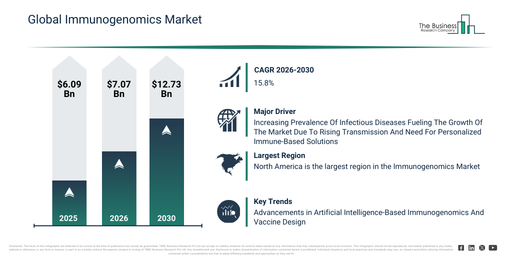
    The immunogenomics market has experienced rapid expansion in recent years. This market is forecasted to grow from $6.09 billion in 2025 to $7.07 billion in 2026, at a compound annual growth rate (CAGR) of 16.1%. The historical increase observed in this sector can be attributed to several factors, including advancements in genomic sequencing technologies, an improved understanding of immune-related genetic variations, the broadening of oncology and infectious disease research, increased funding for research, and the availability of high-throughput genomic tools.

    The immunogenomics market is projected to experience substantial expansion in the coming years. Its value is anticipated to reach $12.73 billion by 2030, achieving a compound annual growth rate (CAGR) of 15.8%. This growth during the forecast period is fueled by several factors, including the escalating demand for precision medicine solutions, the ongoing development of personalized vaccines and immunotherapies, the broadening of translational immunogenomics research, the increasing integration of multi-omics data, and the wider adoption of cloud-based genomic analytics. Key trends observed in this period encompass the growing uptake of next-generation sequencing for immune profiling, the expanded application of bioinformatics tools for analyzing immune data, an intensified focus on personalized immunotherapies, the enlargement of genomic databases dedicated to immune research, and the improved integration of AI in immunogenomic investigations.

    Get A Free Sample Report With In-Depth Market Insights:

    https://thebusinessresearchcompany.com/sample_request?id=22437453&type=smp&name=Immunogenomics%20Market%20Report%202026&utm_source=Blogs&utm_medium=Paid&utm_campaign=Oct_PR

    Immunogenomics Market Development Factors: What’s Supporting Demand?

    The rising occurrence of infectious diseases is projected to stimulate the expansion of the immunogenomics market moving forward. Infectious diseases are defined as ailments caused by harmful microorganisms, such as bacteria, viruses, fungi, or parasites, capable of spreading from one individual to another directly or indirectly. The upward trend in infectious disease prevalence is attributed to increased travel, which facilitates the rapid dissemination of pathogens across borders. Immunogenomics improves the management of infectious diseases by enabling precise analysis of host immune responses and genetic susceptibility. It reduces the need for trial-and-error in treatment by identifying immune factors specific to each patient, thereby enhancing diagnostics, vaccine development, and personalized therapeutic strategies. For instance, in February 2024, according to the UK Health Security Agency, a UK-based government agency, tuberculosis (a contagious bacterial infection that primarily affects the lungs) cases in England increased to 4,850 in 2023, representing a 10.7% rise from 4,380 cases in 2022. Consequently, the growing prevalence of infectious diseases is driving the growth of the immunogenomics market.

    Immunogenomics Market Segment Landscape: Which Areas Lead Development?

    The immunogenomics market covered in this report is segmented –

    1) By Product Type: Instruments, Consumables, Software, Services

    2) By Technology: Next-Generation Sequencing, Microarray, Polymerase Chain Reaction, Other Technologies

    3) By Application: Oncology, Infectious Diseases, Autoimmune Disorders, Transplantation, Other Applications

    4) By End-User: Hospitals And Clinics, Research Institutes, Pharmaceutical And Biotechnology Companies, Other End-Users

    Subsegments:

    1) By Instruments: Sequencers, Microarray scanners, Flow cytometers

    2) By Consumables: Reagents, Kits, Assay panels

    3) By Software: Data analysis software, Bioinformatics tools, Visualization platforms

    4) By Services: Sequencing services, Genomic profiling, Bioinformatics support

    Immunogenomics Market Transformation Trends: What Innovations Are Driving Change?

    Leading companies active in the immunogenomics market are channeling their efforts into developing advanced solutions, including vaccine target prediction systems, which facilitate automated, end-to-end vaccine design and optimize vaccine constructs by ensuring an optimal antigen sequence. The vaccine target prediction system functions as a computational platform that utilizes bioinformatics algorithms alongside genomic and immunomic data to pinpoint potential antigen molecules from pathogens or cancer cells, subsequently analyzing their structural properties to prioritize and select the most suitable vaccine candidates with the highest capacity to trigger protective immune responses. For example, in September 2024, Evaxion Biotech A/S, a biotechnology company based in Denmark specializing in artificial intelligence-driven immunotherapy and vaccine development, launched its clinically validated AI-Immunology platform, an enhanced EDEN artificial intelligence prediction model that incorporates a novel toxin antigen predictor. This enhancement improves the accuracy and reliability of identifying bacterial toxin antigens for developing next-generation bacterial vaccines. Additionally, the platform is capable of simulating the immune system to create personalized and next-generation immunotherapies and has demonstrated strong correlations between its artificial intelligence-generated predictions and clinical outcomes.

    Immunogenomics Market Industry Leaders And Competitive Landscape

    Major companies operating in the immunogenomics market are F. Hoffmann-La Roche AG, Thermo Fisher Scientific Inc., Illumina Inc., BGI Group, GenScript Biotech Corporation, CareDx Inc., Oxford Nanopore Technologies plc, Genewiz LLC, Adaptive Biotechnologies Corporation, GenomOncology LLC, Personalis Inc., Variantyx Inc., CD Genomics Inc., Sengenics Corporation, GeneCentric Therapeutics Inc., Immunogenomics Inc., ImmuQuad Biotechnologies Inc., Neomics Pharmaceuticals LLC, Yemaachi Biotech Ltd., BioAnalytica Biotechnology Systems Inc.

    View The Full Immunogenomics Market Report:

    https://thebusinessresearchcompany.com/report/immunogenomics-global-market-report?utm_source=Blogs&utm_medium=Paid&utm_campaign=Oct_PR

    Immunogenomics Market Regional Breakdown: Where Is Demand Concentrated?

    North America was the largest region in the immunogenomics market in 2025. The regions covered in the immunogenomics market report are Asia-Pacific, South East Asia, Western Europe, Eastern Europe, North America, South America, Middle East, Africa.

    Reach Out To Our Team:

    The Business Research Company: https://www.thebusinessresearchcompany.com/

    Americas: +1 310-496-7795

    Asia: +44 7882 955267 & +91 8897263534

    Europe: +44 7882 955267

    Email us at: marketing@tbrc.info

    Follow us on:

    LinkedIn: https://in.linkedin.com/company/the-business-research-company

    YouTube: https://www.youtube.com/channel/UC24_fI0rV8cR5DxlCpgmyFQ

    Global Market Model: https://www.thebusinessresearchcompany.com/global-market-model
  • Immune Thrombocytopenia Market Forecast Insights: The Road To $4.72 Billion By 2030

    Immune Thrombocytopenia Market Forecast Insights: The Road To $4.72 Billion By 2030

    Backed by market attractiveness analysis, total addressable market sizing, company benchmarking matrices, interactive Excel dashboards, wider supply chain intelligence, emerging startup coverage, and detailed product-level insights, The Business Research Company’s 2026 market reports are designed to offer research that is more actionable and strategically valuable than ever.

    Immune Thrombocytopenia Market Forecast: What Value Will The Market Reach By 2030?

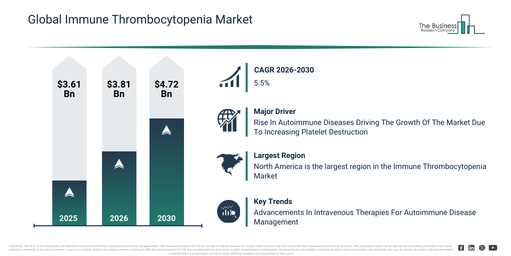
    The market for immune thrombocytopenia has experienced robust expansion recently. Projections indicate its value will increase from $3.61 billion in 2025 to $3.81 billion in 2026, demonstrating a compound annual growth rate (CAGR) of 5.6%. This historical growth is attributable to several factors, including a better comprehension of autoimmune platelet conditions, the wider availability of intravenous immunoglobulin therapy, an increase in chronic ITP diagnosis rates, progress in hematology clinical methodologies, and the broadening of hospital-based hematology services.

    The immune thrombocytopenia market size is projected to undergo significant expansion in the coming years. It is forecasted to reach $4.72 billion by 2030, growing at a compound annual growth rate (CAGR) of 5.5%. This growth during the forecast period is primarily driven by the development of innovative biologics and oral agents, a heightened emphasis on long-term disease management, the increasing embrace of outpatient and home-based care, the broadening application of precision medicine in autoimmune disorders, and improved healthcare access in emerging markets. Prominent trends anticipated within this period encompass the rising adoption of targeted immunotherapies, increased utilization of thrombopoietin receptor agonists, a growing focus on personalized treatment methods, the expansion of strategies for managing chronic ITP, and enhanced awareness leading to earlier diagnosis of ITP.

    Get A Free Sample Report With In-Depth Market Insights:

    https://thebusinessresearchcompany.com/sample_request?id=40071544&type=smp&name=Immune%20Thrombocytopenia%20Market%20Report%202026&utm_source=Blogs&utm_medium=Paid&utm_campaign=Oct_PR

    Immune Thrombocytopenia Market Industry Drivers: What’s Behind The Revenue Growth?

    The growing prevalence of autoimmune diseases is projected to boost the expansion of the immune thrombocytopenia market in the coming years. These conditions arise when the body’s immune system erroneously targets and attacks its own healthy cells and tissues, perceiving them as external threats. Such an irregular immune reaction results in inflammation and harm across different organs and systems. The increase in autoimmune diseases is associated with genetic factors, environmental influences, shifts in lifestyle, and improved diagnostic capabilities due to greater awareness. Autoimmune diseases contribute to immune thrombocytopenia by stimulating the immune system to eliminate the body’s platelets or hinder their formation within the bone marrow. For example, in November 2023, the Multiple Sclerosis International Federation (MSIF), a UK-based international nonprofit organization, reported that approximately 2.9 million individuals globally were living with multiple sclerosis, an autoimmune condition, in 2023. Consequently, the increasing occurrence of autoimmune diseases is fueling the expansion of the immune thrombocytopenia market.

    Immune Thrombocytopenia Market Segments: Where Is Growth Concentrated?

    The immune thrombocytopenia market covered in this report is segmented –

    1) By Type: Primary Immune Thrombocytopenia, Secondary Immune Thrombocytopenia, Acquired Immune Thrombocytopenia

    2) By Treatment Type: Intravenous Immunoglobulin, Thrombopoietin Receptor Agonists, Immunosuppressive Therapy

    3) By Distribution Channel: Hospital Pharmacies, Retail Pharmacies, Online Pharmacies

    Subsegments:

    1) By Primary Immune Thrombocytopenia: Acute Primary ITP, Chronic Primary ITP, Persistent Primary ITP

    2) By Secondary Immune Thrombocytopenia: Drug-Induced ITP, Infection-Associated ITP, Autoimmune Disorder-Related ITP

    3) By Acquired Immune Thrombocytopenia: Immune-Mediated Acquired ITP, Non-Immune Acquired ITP

    #Immune Thrombocytopenia Market Growth Trends: What’s Shaping The Future Outlook?

    Leading companies in the immune thrombocytopenia market are focusing on therapeutic advancements, particularly in intravenous therapy, to enhance treatment efficacy, quicken response times, improve patient adherence, and meet existing medical needs in thrombocytopenia management. Intravenous (IV) therapy is defined as a medical process involving the direct delivery of fluids, medications, or nutrients into a patient’s vein through an IV line. For example, in March 2024, Argenx SE, a Netherlands-based biotechnology company, disclosed that the Japan Ministry of Health, Labor, and Welfare (MHLW) had sanctioned VYVGART for intravenous application in adults with primary immune thrombocytopenia (ITP). This authorization marks a significant stride in treatment possibilities, presenting a targeted method with prompt efficacy and sustained platelet response, thereby addressing vital unmet requirements in autoimmune disease management.

    Immune Thrombocytopenia Market Key Participants And Competitive Landscape

    Major companies operating in the immune thrombocytopenia market are Pfizer Inc., Merck & Co. Inc., Sanofi S.A., Novartis AG, Amgen Inc., Takeda Pharmaceutical Company Limited, Eli Lilly and Company, Intas Pharmaceuticals Ltd., CSL Behring, Grifols, UCB Pharma, Kyowa Kirin, Sobi (Swedish Orphan Biovitrum), 3SBio Inc., Biotest AG, Shionogi & Co. Ltd., Ligand Pharmaceuticals, Rigel Pharmaceuticals, Symphogen, Hansa Biopharma, Argenx.

    View The Full Immune Thrombocytopenia Market Report:

    https://thebusinessresearchcompany.com/report/immune-thrombocytopenia-global-market-report?utm_source=Blogs&utm_medium=Paid&utm_campaign=Oct_PR

    Immune Thrombocytopenia Market Geographic Landscape: Which Region Leads Industry Growth?

    North America was the largest region in the immune thrombocytopenia market in 2025. Asia-Pacific is expected to be the fastest-growing region in the forecast period. The regions covered in the immune thrombocytopenia market report are Asia-Pacific, South East Asia, Western Europe, Eastern Europe, North America, South America, Middle East, Africa.

    Reach Out To Our Team:

    The Business Research Company: https://www.thebusinessresearchcompany.com/

    Americas: +1 310-496-7795

    Asia: +44 7882 955267 & +91 8897263534

    Europe: +44 7882 955267

    Email us at: marketing@tbrc.info

    Follow us on:

    LinkedIn: https://in.linkedin.com/company/the-business-research-company

    YouTube: https://www.youtube.com/channel/UC24_fI0rV8cR5DxlCpgmyFQ

    Global Market Model: https://www.thebusinessresearchcompany.com/global-market-model
  • Immune Response Testing Market Explained: What Is Fueling Growth To $26.76 Billion By 2030?

    Immune Response Testing Market Explained: What Is Fueling Growth To $26.76 Billion By 2030?

    Featuring market attractiveness scoring, total addressable market sizing, company benchmarking matrices, interactive Excel dashboards, deeper supply chain intelligence, emerging startup tracking, and granular product-level insights, The Business Research Company’s 2026 market reports are built to deliver research that is both more actionable and more strategically valuable.

    Immune Response Testing Market Size Outlook: How Quickly Will Revenue Expand Through 2030?

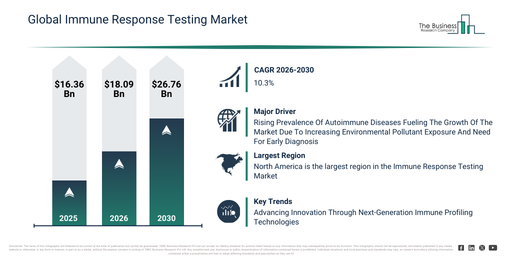
    The immune response testing market has experienced significant expansion recently. Its size is projected to increase from $16.36 billion in 2025 to reach $18.09 billion in 2026, demonstrating a compound annual growth rate (CAGR) of 10.6%. This historical growth can be linked to several factors, including increasing prevalence of immune-related disorders, wider use of antibody-based diagnostics, expansion of clinical immunology laboratories, growing adoption of ELISA testing methods, and increased vaccine response monitoring.

    The market for immune response testing is projected to experience significant expansion in the coming years. This market is anticipated to reach a valuation of $26.76 billion by 2030, demonstrating a compound annual growth rate (CAGR) of 10.3%. This expansion during the projection period stems from factors such as a heightened need for tailored immune profiling, increased application of immune monitoring in cancer treatment and vaccinations, the broader availability of point-of-care immune assessments, the expanding incorporation of AI into diagnostic analysis, and a greater emphasis on identifying immune dysfunction early. Key developments foreseen for this period encompass a wider embrace of multiplex immune assays, an uptick in the utilization of cellular immune response analysis, the progressive integration of automated testing solutions, the enlargement of highly sensitive diagnostic panels, and a sharpened emphasis on continuous immune monitoring.

    Get A Free Sample Report With In-Depth Market Insights:

    https://thebusinessresearchcompany.com/sample_request?id=81447689&type=smp&name=Immune%20Response%20Testing%20Market%20Report%202026&utm_source=Blogs&utm_medium=Paid&utm_campaign=Oct_PR

    Immune Response Testing Market Growth Factors: What’s Supporting Expansion?

    The increasing incidence of autoimmune conditions is anticipated to drive the expansion of the immune response testing market in the future. Autoimmune conditions are characterized by the body’s immune system erroneously targeting its own healthy cells and tissues. This growing occurrence of autoimmune disorders largely stems from greater exposure to environmental contaminants, capable of impairing immune function and initiating immune assaults on the body’s own tissues. Immune response testing improves the management of autoimmune diseases by offering accurate insights into the body’s immune activity, facilitating prompt diagnosis and tailored treatment strategies. It also aids in more effective disease monitoring and contributes to better patient outcomes through adjustments in targeted therapies. For example, data from February 2024, provided by Arthritis Australia, an Australian non-profit organization, estimates that 562,378 Australians will suffer from RA in 2025, constituting 14% of all arthritis cases for that year. By 2040, this figure is forecast to increase by 33% to 748,721 people, marking an addition of 186,343 Australians with RA compared to 2025. Consequently, the increasing prevalence of autoimmune conditions is fueling the expansion of the immune response testing market.

    Immune Response Testing Market Segment Analysis: What Are The Core Market Categories?

    The immune response testing market covered in this report is segmented –

    1) By Type Of Testing: Antibody Testing, Cytokine Testing, Cellular Testing, Complement System Testing

    2) By Application: Allergy Testing, Human Immunodeficiency Virus (HIV) Disease, Cancer, Rheumatoid Arthritis, Systemic Lupus Erythematosus, Other Applications

    3) By End-User: Hospitals And Clinics, Diagnostic Laboratories, Research Institutes, Home Care Settings

    Subsegments:

    1) By Antibody Testing: Immunoglobulin G (IgG) Testing, Immunoglobulin A (IgA) Testing, Immunoglobulin M (IgM) Testing, Neutralizing Antibody Testing, Rapid Antibody Testing

    2) By Cytokine Testing: Enzyme-Linked Immunosorbent Assay (ELISA)-Based Cytokine Assays, Multiplex Cytokine Assays, Flow Cytometry-Based Cytokine Assays, Cytometric Bead Array, Quantitative Polymerase Chain Reaction (qPCR)-Based Cytokine Analysis

    3) By Cellular Testing: T-Cell Response Assays, B-Cell Response Assays, Natural Killer (NK) Cell Assays, Lymphocyte Proliferation Assays, ELISpot Assays

    4) By Complement System Testing: Total Hemolytic Complement (CH50) Assay, Alternative Pathway Hemolytic Complement (AH50) Assay, Complement Component 3 And 4 (C3 And C4) Complement Testing, Mannose-Binding Lectin (MBL) Testing, Complement Activity Assays

    Immune Response Testing Market Industry Trends: What’s Reshaping Demand?

    Leading firms within the Immune Response Testing market are concentrating on creating novel solutions, like immune profiling technologies, to address the increasing need for sophisticated diagnostics in cases of post-viral syndromes and for evaluating adaptive immunity. These immune profiling technologies are engineered to thoroughly analyze the immune system, examining both cellular and humoral responses, offering more in-depth understanding than conventional serological tests, which primarily identify antibody levels. As an example, during April 2024, Virax Biolabs Group Limited, a biotechnology company headquartered in the UK, unveiled its range of immune profiling solutions at ESCMID Global 2024, specifically aimed at assessing adaptive immunity in individuals with post-viral conditions. These offerings integrate advanced assays, such as multi-parametric flow cytometry and specific biomarker panels, allowing for accurate identification of immune cell subgroups and their functional reactions. Noteworthy characteristics include high sensitivity, adaptable panels for diverse post-viral syndromes, and seamless integration with digital reporting platforms for simplified data analysis. Their applications span from clinical investigations to individualized patient surveillance, providing advantages like prompt identification of immune system irregularities and aiding in therapeutic choices.

    Immune Response Testing Market Top Companies Driving Competitive Growth

    Major companies operating in the immune response testing market are F. Hoffmann-La Roche Ltd., Thermo Fisher Scientific Inc., Abbott Laboratories, Danaher Corporation, Siemens Healthcare GmbH, Becton Dickinson and Company, Quest Diagnostics Incorporated, Eurofins Scientific SE, PerkinElmer Inc., bioMérieux SA, Bruker Corporation, Beckman Coulter Inc., Bio-Rad Laboratories Inc., Qiagen N.V., DiaSorin S.p.A., EUROIMMUN Medizinische Labor diagnostika AG, NanoString Technologies Inc., GenScript Biotech Corporation, Cell Signaling Technology Inc., Sysmex Corporation, Ortho Clinical Diagnostics, Randox Laboratories Ltd., Merck KGaA

    View The Full Immune Response Testing Market Report:

    https://thebusinessresearchcompany.com/report/immune-response-testing-global-market-report?utm_source=Blogs&utm_medium=Paid&utm_campaign=Oct_PR

    Immune Response Testing Market Largest Region: Which Geography Holds The Biggest Share?

    North America was the largest region in the immune response testing market in 2025. Asia-Pacific is expected to be the fastest-growing region in the forecast period. The regions covered in the immune response testing market report are Asia-Pacific, South East Asia, Western Europe, Eastern Europe, North America, South America, Middle East, Africa.

    Reach Out To Our Team:

    The Business Research Company: https://www.thebusinessresearchcompany.com/

    Americas: +1 310-496-7795

    Asia: +44 7882 955267 & +91 8897263534

    Europe: +44 7882 955267

    Email us at: marketing@tbrc.info

    Follow us on:

    LinkedIn: https://in.linkedin.com/company/the-business-research-company

    YouTube: https://www.youtube.com/channel/UC24_fI0rV8cR5DxlCpgmyFQ

    Global Market Model: https://www.thebusinessresearchcompany.com/global-market-model
  • Image-Guided Radiation Therapy Market Forecast To Reach $2.48 Billion By 2030: Key Trends Explained

    Image-Guided Radiation Therapy Market Forecast To Reach $2.48 Billion By 2030: Key Trends Explained

    Built to provide research that’s more actionable and strategically valuable, The Business Research Company’s 2026 market reports include market attractiveness analysis, total addressable market sizing, company benchmarking matrices, interactive Excel dashboards, broader supply chain intelligence, emerging startup tracking, and in-depth product insights.

    Image-Guided Radiation Therapy Market Size, Value And Growth Trajectory Through 2030

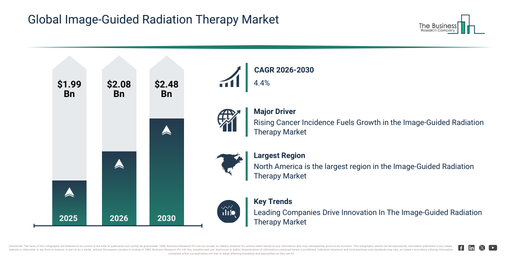
    The image-guided radiation therapy market size has shown consistent expansion in recent years. It is forecast to grow from $1.99 billion in 2025 to $2.08 billion in 2026, achieving a compound annual growth rate (CAGR) of 4.5%. This historical growth can be attributed to several factors including the rising global incidence of cancer, ongoing advancements in imaging technologies specifically for oncology, the increasing adoption of linac-based radiotherapy systems, improved clinical outcomes achieved with image guidance, and the expansion of radiotherapy infrastructure in developed regions.

    The image-guided radiation therapy market is projected to experience consistent expansion in the coming years. This market is anticipated to reach a valuation of $2.48 billion by 2030, demonstrating a compound annual growth rate (CAGR) of 4.4%. This projected growth during the forecast period is largely driven by factors such as the incorporation of AI into treatment planning and imaging, an increasing need for less invasive cancer treatment options, higher investments in sophisticated radiotherapy facilities, the expanding use of proton and particle therapy, and broader availability of cancer care in developing markets. Key trends anticipated during this period encompass a greater embrace of precision radiation delivery methods, the increasing incorporation of real-time imaging within radiotherapy procedures, a heightened desire for customized cancer treatment plans, the wider application of stereotactic and proton-based therapies, and an intensified effort to minimize toxicity resulting from radiation.

    Get A Free Sample Report With In-Depth Market Insights:

    https://thebusinessresearchcompany.com/sample_request?id=90192845&type=smp&name=Image-Guided%20Radiation%20Therapy%20Market%20Report%202026&utm_source=Blogs&utm_medium=Paid&utm_campaign=Oct_PR

    Image-Guided Radiation Therapy Market Demand Drivers: What’s Powering Industry Growth?

    The expanding prevalence of cancer is projected to stimulate the growth of the image-guided radiation therapy market in the future. Cancer involves the unchecked multiplication and dispersal of aberrant cells throughout the body. Image-guided radiation therapy (IGRT) finds application in cancer treatment due to its capacity to deliver exact and accurate radiation to cancer cells, minimizing damage to healthy tissue and decreasing adverse effects. For instance, in August 2024, Macmillan Cancer Support, an organization located in the UK, indicated that over 3 million people in the UK were living with cancer in 2024. This figure is predicted to rise to 3.5 million by 2025, 4 million by 2030, and 5.3 million by 2040. Hence, the increasing occurrence of cancer is a key driver for the image-guided radiation therapy market’s forward trajectory.

    Image-Guided Radiation Therapy Market Segment Breakdown: Which Categories Lead On Revenue?

    The image-guided radiation therapy market covered in this report is segmented –

    1) By Product Type: 4D Gating And 4D RT, Linear Accelerator (LINAC), PET And MRI Guided Radiation Therapy, Portal Imaging, CT Scanning

    2) By Procedure: Intensity-Modulation Radiation Therapy, 3D Conformal Radiation Therapy, Stereotactic Therapy, Proton Beam Therapy, Particle Therapy

    3) By Application: Lung Cancer, Prostate Cancer, Head And Neck Cancer, Gynecological Cancer, Gastrointestinal Cancer, Other Applications

    4) By End User: Hospitals, Independent Radiotherapy Centers

    Subsegments:

    1) By 4D Gating and 4D RT: 4D Gating Systems, 4D Radiation Therapy Systems

    2) By Linear Accelerator (LINAC): Conventional LINAC Systems, Advanced LINAC Systems

    3) By PET And MRI Guided Radiation Therapy: PET/CT Guided Radiation Therapy, MRI Guided Radiation Therapy

    4) By Portal Imaging: Electronic Portal Imaging, Conventional Portal Imaging

    5) By CT Scanning: CT Imaging For Radiation Therapy Planning, Cone Beam CT For Radiation Therapy

    Image-Guided Radiation Therapy Market Innovation Trends: What Developments Are Reshaping The Industry?

    Leading companies within the image-guided radiation therapy market are prioritizing technological developments, exemplified by Cenos, an online adaptive therapy solution for radiotherapy treatments. Cenos empowers healthcare professionals to make swift and effective adjustments to a radiation therapy treatment plan if required, even while the patient is actively undergoing treatment. For instance, in October 2023, Accuray Incorporated, a US-based producer of radiation therapy systems, partnered with Limbus AI, a Canada-based artificial intelligence company, to introduce the Cenos platform for its Radixact System. This advanced treatment delivery system offers comprehensive capabilities for treating a diverse array of cancer cases, including breast, prostate, lung, and head and neck cancers, as well as complex treatments like total marrow irradiation. Key attributes of the system include a high-speed multileaf collimator, a fully integrated platform, and the Tomo C platform. Additionally, this therapeutic choice offers healthcare providers the flexibility to perform online alterations to their treatment plan to accommodate any changes that might emerge between treatment sessions.

    Image-Guided Radiation Therapy Market Leading Players And Competitive Positioning

    Major companies operating in the image-guided radiation therapy market are Hitachi Ltd., Toshiba Corporation, Siemens Healthcare GmbH, Koninklijke Philips N.V., GE Healthcare Company, Varian Medical Systems Inc., Elekta AB, Canon Medical Systems R&D (Dalian) Co. Ltd., Accuray Incorporated, Ion Beam Applications S.A., Brainlab AG, ViewRay Technologies Inc., Mevion Medical Systems Inc., RaySearch Laboratories AB, Vision RT Ltd., Sun Nuclear Corporation, IZI Medical Products LLC, Eckert & Ziegler BEBIG GmbH, C-RAD AB, Standard Imaging Inc., CIVCO Radiotherapy Inc., RTsafe Solutions Ltd., ASG Superconductors S.p.A., Mirada Medical Corporation, RefleXion Medical Inc.

    View The Full Image-Guided Radiation Therapy Market Report:

    https://thebusinessresearchcompany.com/report/image-guided-radiation-therapy-global-market-report?utm_source=Blogs&utm_medium=Paid&utm_campaign=Oct_PR

    Image-Guided Radiation Therapy Market Regional Analysis: Which Geography Leads On Revenue?

    North America was the largest region in the image-guided radiation therapy market in 2025. The regions covered in the image-guided radiation therapy market report are Asia-Pacific, South East Asia, Western Europe, Eastern Europe, North America, South America, Middle East, Africa.

    Reach Out To Our Team:

    The Business Research Company: https://www.thebusinessresearchcompany.com/

    Americas: +1 310-496-7795

    Asia: +44 7882 955267 & +91 8897263534

    Europe: +44 7882 955267

    Email us at: marketing@tbrc.info

    Follow us on:

    LinkedIn: https://in.linkedin.com/company/the-business-research-company

    YouTube: https://www.youtube.com/channel/UC24_fI0rV8cR5DxlCpgmyFQ

    Global Market Model: https://www.thebusinessresearchcompany.com/global-market-model
  • Image Guided And Robotic Assisted Procedures Market Analysis: Understanding The Drivers Behind 15.5% CAGR Through 2030 Growth

    Image Guided And Robotic Assisted Procedures Market Analysis: Understanding The Drivers Behind 15.5% CAGR Through 2030 Growth

    Backed by market attractiveness analysis, total addressable market sizing, company benchmarking matrices, interactive Excel dashboards, wider supply chain intelligence, emerging startup coverage, and detailed product-level insights, The Business Research Company’s 2026 market reports are designed to offer research that is more actionable and strategically valuable than ever.

    Image Guided And Robotic Assisted Procedures Market CAGR Outlook And Future Development

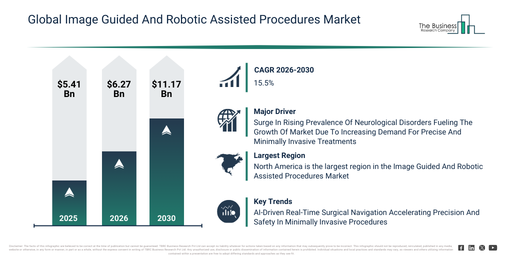
    The image guided and robotic assisted procedures market size has experienced rapid expansion in recent years. This market is projected to expand from $5.41 billion in 2025 to reach $6.27 billion in 2026, demonstrating a compound annual growth rate (CAGR) of 15.9%. Historically, this growth can be ascribed to several factors, including developments in medical imaging technologies, an increasing preference among surgeons for minimally invasive procedures, the initial implementation of robotic surgery systems in tertiary hospitals, enhanced patient outcomes alongside shorter recovery periods, and an uptick in complex surgical conditions.

    The image guided and robotic assisted procedures market is expected to witness significant expansion over the next few years, with its size projected to reach $11.17 billion in 2030, growing at a compound annual growth rate (CAGR) of 15.5%. This growth during the forecast period can be attributed to rapid advancements in surgical robotics, increasing financial commitments to smart operating environments, the rising adoption of these procedures in outpatient and ambulatory settings, the integration of AI-driven tools to support surgical decisions, and the expansion of training programs for robotic-assisted surgery. Key trends anticipated in the forecast period include a growing preference for minimally invasive robotic surgeries, enhanced integration of real-time imaging with surgical navigation systems, an escalating demand for precision and accuracy in complex operations, the broader application of robot-assisted procedures across various medical specialties, and an increased utilization of simulation-based training for surgical skills.

    Get A Free Sample Report With In-Depth Market Insights:

    https://thebusinessresearchcompany.com/sample_request?id=19439616&type=smp&name=Image%20Guided%20And%20Robotic%20Assisted%20Procedures%20Market%20Report%202026&utm_source=Blogs&utm_medium=Paid&utm_campaign=Oct_PR

    Image Guided And Robotic Assisted Procedures Market Growth Drivers: What’s Behind The Acceleration?

    The increasing incidence of neurological conditions is anticipated to fuel the expansion of the image-guided and robotic-assisted procedures market in the future. These disorders are defined as medical ailments impacting the nervous system, encompassing the brain, spinal cord, and nerves, resulting in functional limitations concerning movement, cognition, and various other bodily processes. Key contributors to the growing occurrence of neurological disorders include lifestyle factors like inadequate diet, lack of physical activity, and persistent stress, which detrimentally affect brain health and its capabilities. Image-guided and robotic-assisted procedures improve neurological treatment by boosting surgical accuracy, decreasing invasiveness, and shortening recovery periods, thereby becoming crucial for managing intricate medical situations. For example, reports from Dementia Australia, an Australia-based non-profit organization, indicated in February 2024 that the prevalence of dementia within the country is projected to increase by 93% by 2054, with 812,500 people anticipated to be living with the condition, an increase from 421,000 in 2024. Consequently, the increasing occurrence of neurological conditions is a significant factor propelling the expansion of the image-guided and robotic-assisted procedures market.

    Image Guided And Robotic Assisted Procedures Market Segmentation: How Does The Market Break Down By Category?

    The image guided and robotic assisted procedures market covered in this report is segmented –

    1) By Product Type: MRI Guided Robot, X-Ray Computed Tomography Guided Robot, X-Ray Mammography Guided Robot, Optical Imaging Guided Robot, Ultrasound Imaging Guided Robot

    2) By Technology: Image-Guided Surgery, Robotic-Assisted Surgery, Augmented Reality (AR) Surgery, Virtual Reality (VR) Simulation

    3) By Specialty: Orthopedic Surgery, Neurology, Urology, Gynecology, Cardiothoracic Surgery

    4) By Application: Diagnostic Applications, Minimally Invasive Procedures

    5) By End User: Hospitals, Outpatient Facilities

    Subsegments:

    1) By MRI Guided Robot: Neurosurgery Robots, Prostate Biopsy Robots, Cardiac Catheterization Robots, Tumor Ablation Systems

    2) By X-Ray Computed Tomography (CT) Guided Robot: Interventional Radiology Robots, Spine Surgery Assistance Systems, Biopsy And Ablation Robots, Orthopedic Robotic Systems

    3) By X-Ray Mammography Guided Robot: Breast Biopsy Assistance Robots, Lesion Localization Systems, Automated Breast Imaging Robots

    4) By Optical Imaging Guided Robot: Robotic Endoscopy Systems, Robotic Fluorescence-Guided Surgery Tools, Ophthalmic Surgical Robots, Robotic Systems For Dental Imaging

    5) By Ultrasound Imaging Guided Robot: Robotic-Assisted Fetal Procedures, Liver And Kidney Biopsy Robots, Robotic Prostate Interventions, Needle Guidance Systems

    Image Guided And Robotic Assisted Procedures Market Trends: What’s Defining The Industry’s Next Phase?

    Leading companies within the image guided & robotic assisted procedures market are concentrating on real-time navigation employing AI and computer vision, such as light field surgical guidance, to gain a competitive edge. This real-time AI and computer-vision navigation utilizes live image processing to interpret the environment and deliver immediate directional guidance or action. For instance, in November 2024, Globus Medical, a US-based musculoskeletal-device company, unveiled its ExcelsiusHub navigation platform, engineered to enhance surgical precision and safety. The system provides surgeons with three adaptable workflow options: automatic 3D registration, CT–fluoroscopy image merging, and 2D intraoperative navigation, allowing for greater flexibility during complex procedures. It also incorporates real-time patient array monitoring to maintain accuracy throughout surgery. Furthermore, the platform features tissue-sparing drills that help minimize anatomical disruption and lower procedural risks. By reducing dependence on continuous X-ray imaging, ExcelsiusHub supports a safer operating environment for both surgeons and patients, while concurrently improving efficiency and overall clinical outcomes.

    Image Guided And Robotic Assisted Procedures Market Competitive Overview And Top Companies

    Major companies operating in the image guided and robotic assisted procedures market are Intuitive Surgical Inc., Medtronic plc, Johnson & Johnson, Stryker Corporation, Zimmer Biomet Holdings Inc., GE Healthcare, Siemens Healthineers AG, Koninklijke Philips N.V., Boston Scientific Corporation, Asensus Surgical Inc., Brainlab AG, Carl Zeiss Meditec AG, Karl Storz SE & Co. KG, Globus Medical Inc., Renishaw plc, Synaptive Medical Inc., MicroPort Scientific Corporation, CMR Surgical Ltd., THINK Surgical Inc., Auris Health Inc.

    View The Full Image Guided And Robotic Assisted Procedures Market Report:

    https://thebusinessresearchcompany.com/report/image-guided-and-robotic-assisted-procedures-global-market-report?utm_source=Blogs&utm_medium=Paid&utm_campaign=Oct_PR

    Image Guided And Robotic Assisted Procedures Market Geographic Spread And Regional Opportunities

    North America was the largest region in the image-guided and robot-assisted surgical procedures market in 2025. Asia-Pacific is expected to be the fastest-growing region in the forecast period. The regions covered in the image guided and robotic assisted procedures market report are Asia-Pacific, South East Asia, Western Europe, Eastern Europe, North America, South America, Middle East, Africa.

    Reach Out To Our Team:

    The Business Research Company: https://www.thebusinessresearchcompany.com/

    Americas: +1 310-496-7795

    Asia: +44 7882 955267 & +91 8897263534

    Europe: +44 7882 955267

    Email us at: marketing@tbrc.info

    Follow us on:

    LinkedIn: https://in.linkedin.com/company/the-business-research-company

    YouTube: https://www.youtube.com/channel/UC24_fI0rV8cR5DxlCpgmyFQ

    Global Market Model: https://www.thebusinessresearchcompany.com/global-market-model
  • Idiopathic Pulmonary Fibrosis Market Growth To $6.16 Billion By 2030: What’s Driving The Expansion?

    Idiopathic Pulmonary Fibrosis Market Growth To $6.16 Billion By 2030: What’s Driving The Expansion?

    Featuring market attractiveness scoring, total addressable market sizing, company benchmarking matrices, interactive Excel dashboards, deeper supply chain intelligence, emerging startup tracking, and granular product-level insights, The Business Research Company’s 2026 market reports are built to deliver research that is both more actionable and more strategically valuable.

    Idiopathic Pulmonary Fibrosis Market Set To Climb From $4.66 Billion In 2026 To $6.16 Billion By 2030

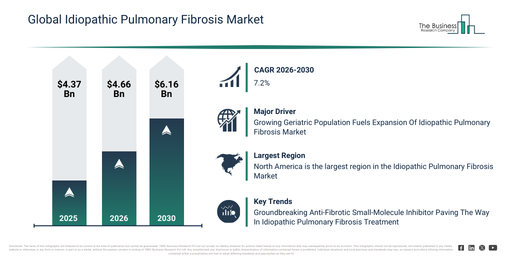
    The idiopathic pulmonary fibrosis market size has shown strong growth in recent years. It is forecast to grow from $4.37 billion in 2025 to $4.66 billion in 2026, achieving a compound annual growth rate (CAGR) of 6.7%. The expansion observed in the historic period can be attributed to several factors, including limited treatment options for fibrotic lung diseases, a rising prevalence of the aging population, improved clinical recognition of IPF, the approval of nintedanib and pirfenidone, and increased hospital-based management of chronic lung disorders.

    The idiopathic pulmonary fibrosis market is anticipated to show considerable expansion over the forthcoming years. It is projected to achieve a size of $6.16 billion by 2030, expanding at a compound annual growth rate (CAGR) of 7.2%. This growth during the forecast period is fueled by increasing research investments in pulmonary fibrosis, the development of advanced antifibrotic drugs, greater reliance on real-world evidence in making treatment decisions, the broadening of online and specialty pharmacy channels, and a heightened awareness of rare respiratory illnesses. Key trends expected in the forecast period include the rising adoption of antifibrotic therapies, a stronger emphasis on early and accurate diagnosis, the growing implementation of combination drug therapies, an expansion of home-based and long-term disease management solutions, and increased involvement in clinical trials for new therapeutic options.

    Get A Free Sample Report With In-Depth Market Insights:

    https://thebusinessresearchcompany.com/sample_request?id=25538632&type=smp&name=Idiopathic%20Pulmonary%20Fibrosis%20Market%20Report%202026&utm_source=Blogs&utm_medium=Paid&utm_campaign=Oct_PR

    Idiopathic Pulmonary Fibrosis Market Growth Factors Behind Sustained Expansion

    The idiopathic pulmonary fibrosis market is anticipated to expand due to an expanding geriatric demographic. This demographic consists of the elderly or senior individuals in a society. With advancing age, individuals experience lung changes, increasing their vulnerability to respiratory conditions like IPF. This heightened susceptibility linked to age fuels the demand for IPF therapies. For example, reports from the Population Reference Bureau, a US-based non-profit organization, indicated in January 2024 that the U.S. population aged 65 and above is projected to grow from 58 million in 2022 to 82 million by 2050, representing a 47% surge. Consequently, the percentage of this age bracket within the total U.S. population is set to increase from 17% to 23% over this timeframe. Hence, the expanding geriatric population is a significant factor propelling the growth of the idiopathic pulmonary fibrosis market.

    Idiopathic Pulmonary Fibrosis Market Segment Trends And Revenue Contributors

    The idiopathic pulmonary fibrosis market covered in this report is segmented –

    1) By Drug Type: Nintedanib, Pirfenidone, Other Drug Types

    2) By Mode Of Action: Antifibrotic Agents, Tyrosine Kinase Inhibitors, Other Modes Of Action

    3) By Route Of Administration: Oral, Parenteral

    4) By Distribution Channel: Hospital Pharmacies, Retail Pharmacies, Online Providers

    5) By End Users: Hospitals And Clinics, Other End Users

    Subsegments:

    1) By Nintedanib: Indications, Dosage Forms, Administration Routes

    2) By Pirfenidone: Indications, Dosage Forms, Administration Routes

    3) By Other Drug Types: Specific Agents Or Classes, Emerging Therapies, Combination Therapies

    Idiopathic Pulmonary Fibrosis Market Industry Trends Fueling Future Revenue Growth

    Leading companies in the idiopathic pulmonary fibrosis (IPF) market are prioritizing new products, specifically anti-fibrotic small-molecule inhibitors, to maintain their competitive edge. These inhibitors are pharmaceutical compounds engineered to target and stop fibrotic processes within the body. An example of this is Insilico Medicine, a US-based clinical-stage biotechnology firm leveraging generative artificial intelligence (AI), which declared the start of Phase II clinical trials for INS018_055 in June 2023. This compound is notable as the globe’s inaugural anti-fibrotic small molecule inhibitor created using generative AI. This significant event involved administering the initial dose to trial participants in a randomized, double-blind, placebo-controlled study. The trial’s objective is to assess the safety, tolerability, pharmacokinetics, and initial effectiveness of a 12-week oral dosage of INS018_055 in individuals suffering from idiopathic pulmonary fibrosis (IPF). This cutting-edge method utilizes AI in drug development, indicating a promising step forward in treating idiopathic pulmonary fibrosis (IPF) conditions.

    Idiopathic Pulmonary Fibrosis Market Competitive Landscape: Which Companies Lead The Industry?

    Major companies operating in the idiopathic pulmonary fibrosis market are F. Hoffmann-La Roche Ltd., Merck & Co. Inc., Novartis AG, Bristol-Myers Squibb Company, AstraZeneca PLC, Sanofi S.A., Gilead Sciences Inc., Toray Industries Inc., Boehringer Ingelheim International GmbH, Viatris Inc., Sun Pharmaceutical Industries Limited, Shionogi and Co. Ltd., Cipla Inc., Zydus Lifesciences Ltd., Chong Kun Dang Pharmaceutical Corp., Kyorin Pharmaceutical Co. Ltd., Galapagos NV, Veracyte Inc., Genentech Inc., FibroGen Inc., GNI Group Ltd., Pliant Therapeutics Inc., Pulmatrix Inc., Galimedix Therapeutics Inc., Avalyn Pharma Inc., MediciNova Inc., Liminal BioSciences Inc., Beijing Continent Pharmaceuticals Company, Galecto Inc.

    View The Full Idiopathic Pulmonary Fibrosis Market Report:

    https://thebusinessresearchcompany.com/report/idiopathic-pulmonary-fibrosis-global-market-report?utm_source=Blogs&utm_medium=Paid&utm_campaign=Oct_PR

    Idiopathic Pulmonary Fibrosis Market Top Region By Revenue And Market Share

    North America was the largest region in the idiopathic pulmonary fibrosis market in 2025. Asia Pacific is expected to be the fastest-growing region in the forecast period. The regions covered in the idiopathic pulmonary fibrosis market report are Asia-Pacific, South East Asia, Western Europe, Eastern Europe, North America, South America, Middle East, Africa.

    Reach Out To Our Team:

    The Business Research Company: https://www.thebusinessresearchcompany.com/

    Americas: +1 310-496-7795

    Asia: +44 7882 955267 & +91 8897263534

    Europe: +44 7882 955267

    Email us at: marketing@tbrc.info

    Follow us on:

    LinkedIn: https://in.linkedin.com/company/the-business-research-company

    YouTube: https://www.youtube.com/channel/UC24_fI0rV8cR5DxlCpgmyFQ

    Global Market Model: https://www.thebusinessresearchcompany.com/global-market-model
  • Idiopathic Intracranial Hypertension Treatment Market Trends Reshaping Industry Growth Through 2030

    Idiopathic Intracranial Hypertension Treatment Market Trends Reshaping Industry Growth Through 2030

    Built to provide research that’s more actionable and strategically valuable, The Business Research Company’s 2026 market reports include market attractiveness analysis, total addressable market sizing, company benchmarking matrices, interactive Excel dashboards, broader supply chain intelligence, emerging startup tracking, and in-depth product insights.

    Idiopathic Intracranial Hypertension Treatment Market Forecast: Value Set To Climb From $1.57 Billion To $2.01 Billion

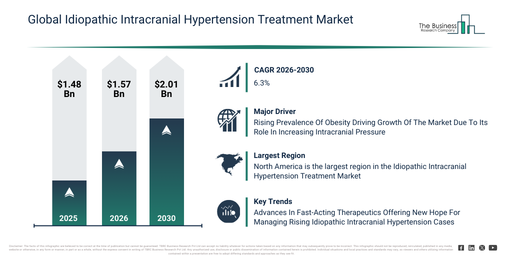
    The idiopathic intracranial hypertension treatment market has shown significant expansion over recent years. Its value is anticipated to increase from $1.48 billion in 2025 to $1.57 billion in 2026, achieving a compound annual growth rate (CAGR) of 6.5%. This historical growth can be attributed to factors such as the increasing prevalence of obesity-linked neurological disorders, enhanced access to neuroimaging techniques, heightened awareness regarding vision-related complications, hospital-based management for severe cases, and the well-established use of acetazolamide therapy.

    The market for treating idiopathic intracranial hypertension is projected to experience substantial expansion over the coming years, set to reach $2.01 billion by 2030, demonstrating a compound annual growth rate (CAGR) of 6.3%. Factors driving this growth during the forecast period include the rising global incidence of obesity, progress in minimally invasive neurosurgical methods, an increase in specialty neurology clinics, a heightened emphasis on early screening and diagnosis, and the emergence of new therapeutic strategies. Key trends anticipated during this period encompass the increasing application of pharmacological management as an initial treatment, a stronger emphasis on early detection to prevent vision impairment, the growing acceptance of minimally invasive surgical procedures, the broadening of multidisciplinary care approaches for IIH management, and a greater focus on lifestyle and weight management initiatives.

    Get A Free Sample Report With In-Depth Market Insights:

    https://thebusinessresearchcompany.com/sample_request?id=94627189&type=smp&name=Idiopathic%20Intracranial%20Hypertension%20Treatment%20Market%20Report%202026&utm_source=Blogs&utm_medium=Paid&utm_campaign=Oct_PR

    Idiopathic Intracranial Hypertension Treatment Market Demand Drivers Opening New Revenue Streams

    The growing occurrence of obesity is projected to drive expansion in the idiopathic intracranial hypertension treatment market in the future. Obesity is defined as a medical state characterized by an individual possessing an excessive amount of body fat, potentially detrimental to their well-being. The rise in obesity can be attributed to increasingly inactive lifestyles coupled with a significant increase in eating calorie-rich processed foods. It elevates intracranial pressure by encouraging overproduction of cerebrospinal fluid and hindering its absorption, thereby contributing to idiopathic intracranial hypertension. For example, in 2024, a report released by the Office for Health Improvement and Disparities, a UK-based government department overseeing public health policies, revealed that from 2022 to 2023, 64.0% of adults aged 18 and above in England were categorized as overweight or affected by obesity. Consequently, the expanding prevalence of obesity is fueling the growth within the idiopathic intracranial hypertension treatment market.

    Idiopathic Intracranial Hypertension Treatment Market Segment Analysis Spotlighting Growth Areas

    The idiopathic intracranial hypertension treatment market covered in this report is segmented –

    1) By Treatment Type: Medications, Surgeries, Therapies

    2) By Treatment Administration: Oral Administration, Intrathecal Administration

    3) By Diagnostic Type: Neuroimaging, Lumbar Puncture, Visual Field Tests

    4) By End User: Hospitals, Specialty Clinics, Ambulatory Surgical Centres

    Subsegments:

    1) By Medications: Diuretics, Corticosteroids, Acetazolamide

    2) By Surgeries: Shunt Surgery, Optic Nerve Sheath Fenestration, Stenting

    3) By Therapies: Weight Management Programs, Lifestyle Modifications, Physical Therapy

    Idiopathic Intracranial Hypertension Treatment Market Trends Powering Strategic Industry Growth

    Key entities within the idiopathic intracranial hypertension treatment market are concentrating on developing innovative, rapid-acting therapies designed to safely reduce brain pressure and improve headache outcomes, a pursuit supported by emerging clinical evidence, such as the promising phase two results for exenatide. For instance, in March 2023, researchers at the University of Birmingham (UK), a UK-based institution, disclosed that a phase two trial has indicated exenatide, an injectable GLP-1 receptor agonist already utilized for type 2 diabetes, as a potential new therapeutic option for idiopathic intracranial hypertension (IIH). The investigation, spearheaded by neurologists at the University of Birmingham, revealed that patients administered exenatide experienced a substantial decrease in brain pressure within hours and sustained betterment over 12 weeks. Participants also documented nearly eight fewer headache days per month in comparison to minimal alterations observed in the placebo group. As the incidence of IIH increases in parallel with global obesity, this encouraging data signifies a vital progression toward a much-needed licensed treatment for a condition that can lead to severe headaches and vision impairment.

    Idiopathic Intracranial Hypertension Treatment Market Leading Companies: Who Holds The Strongest Market Presence?

    Major companies operating in the idiopathic intracranial hypertension treatment market are Siemens AG, Medtronic plc, Becton Dickinson and Company, Philips Healthcare, GE HealthCare Technologies Inc., Teva Pharmaceuticals, Boston Scientific Corporation, Henry Schein, Sun Pharmaceutical Industries, Zydus LifeSciences, Topcon Corporation, Natus Medical Incorporated, Canon Medical Systems Corporation, Carl Zeiss Meditec AG, Optopol Technology, Strides Pharma, NIDEK Co., Haag-Streit AG, Invex Therapeutics, Metrovision

    View The Full Idiopathic Intracranial Hypertension Treatment Market Report:

    https://thebusinessresearchcompany.com/report/idiopathic-intracranial-hypertension-treatment-global-market-report?utm_source=Blogs&utm_medium=Paid&utm_campaign=Oct_PR

    Idiopathic Intracranial Hypertension Treatment Market Regional Analysis And Top Geography

    North America was the largest region in the idiopathic intracranial hypertension treatment market in 2025. Asia-Pacific is expected to be the fastest-growing region in the forecast period. The regions covered in the idiopathic intracranial hypertension treatment market report are Asia-Pacific, South East Asia, Western Europe, Eastern Europe, North America, South America, Middle East, Africa.

    Reach Out To Our Team:

    The Business Research Company: https://www.thebusinessresearchcompany.com/

    Americas: +1 310-496-7795

    Asia: +44 7882 955267 & +91 8897263534

    Europe: +44 7882 955267

    Email us at: marketing@tbrc.info

    Follow us on:

    LinkedIn: https://in.linkedin.com/company/the-business-research-company

    YouTube: https://www.youtube.com/channel/UC24_fI0rV8cR5DxlCpgmyFQ

    Global Market Model: https://www.thebusinessresearchcompany.com/global-market-model
  • ICU Beds Market Growth To $3.35 Billion Creates New Opportunities Across The Industry

    ICU Beds Market Growth To $3.35 Billion Creates New Opportunities Across The Industry

    Backed by market attractiveness analysis, total addressable market sizing, company benchmarking matrices, interactive Excel dashboards, wider supply chain intelligence, emerging startup coverage, and detailed product-level insights, The Business Research Company’s 2026 market reports are designed to offer research that is more actionable and strategically valuable than ever.

    ICU Beds Market Revenue Growth On Track For A 8.7% CAGR Through 2030

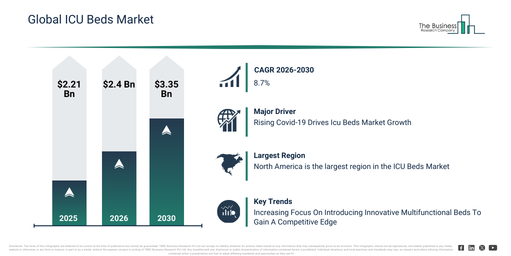
    The icu beds market has experienced substantial expansion in recent years. Its valuation is projected to increase from $2.21 billion in 2025 to $2.4 billion by 2026, registering a compound annual growth rate (CAGR) of 8.7%. Historically, this growth can be attributed to the rising incidence of critical illnesses and trauma cases, advancements in hospital infrastructure development, increased healthcare spending, an aging population leading to higher ICU admissions, and lessons learned from pandemic-driven ICU demand.

    The icu beds market is projected to experience substantial expansion over the upcoming years, with forecasts indicating it will reach $3.35 billion by 2030, exhibiting a compound annual growth rate (CAGR) of 8.7%. This anticipated growth during the projection period stems from several factors, including the proliferation of smart hospital programs, a greater uptake of connected medical devices, increased funding for critical care services, a heightened need for neonatal and pediatric intensive care facilities, and an emphasis on environmentally friendly and energy-saving hospital apparatus. Key trends anticipated within the same forecast timeframe involve the expanding use of intelligent and networked icu beds, an escalating requirement for electrically adjustable and bariatric icu beds, an intensifying commitment to patient safety and ergonomic bed construction, the development of ICU infrastructure in developing nations, and a stronger inclination towards modular and adaptable icu bed setups.

    Get A Free Sample Report With In-Depth Market Insights:

    https://thebusinessresearchcompany.com/sample_request?id=84365546&type=smp&name=ICU%20Beds%20Market%20Report%202026&utm_source=Blogs&utm_medium=Paid&utm_campaign=Oct_PR

    ICU Beds Market Growth Backed By Core Demand Fundamentals

    The increasing count of hospitals is projected to fuel the expansion of the ICU beds market moving ahead. Hospitals function as medical establishments, furnished with healthcare experts and essential resources, delivering comprehensive healthcare services like diagnosis, treatment, surgical procedures, and urgent care for patients across diverse medical requirements and health issues. Within hospitals, ICU beds offer crucial care to individuals suffering from serious illnesses or injuries, supplying sophisticated monitoring, vital life support, and expert medical focus to improve their prospects of recuperation and survival. For example, data from May 2023 by the American Hospital Association, a US-based professional organization, indicated that the United States possessed 6,129 hospitals, marking a 0.591% rise from the 6,093 hospitals recorded in the prior year. Consequently, the growing prevalence of hospitals is a primary factor behind the expansion of the ICU beds market.

    ICU Beds Market Segment Performance And Emerging Opportunities

    The icu beds market covered in this report is segmented –

    1) By Type: Electric Beds, Semi-Electric Beds

    2) By Application: Pediatric Intensive Care Unit, Neonatal Intensive Care Unit, Cardiac Intensive Care Unit, Neurological Intensive Care Unit, Trauma Intensive Care Unit, Surgical Intensive Care Unit

    3) By End Use: General And Acute Care Hospitals, Specialized Hospitals, Multi-Specialty Hospitals

    Subsegments:

    1) By Electric Beds: Full Electric ICU Beds, Bariatric Electric ICU Beds

    2) By Semi-Electric Beds: Manual Head/Foot Control ICU Beds, Electric Height Adjustment ICU Beds

    ICU Beds Market Growth Trends Reshaping The Competitive Landscape

    Major companies within the ICU beds market are increasingly concentrating on introducing multifunctional ICU beds, such as Hillrom Progressa+, to gain a competitive edge. The Hillrom Progressa+ bed for the ICU is a next-generation solution offering advanced technology and features to simplify patient care for nurses and support patient recovery. For instance, in June 2023, Baxter International Inc., a US-based healthcare company, launched the Hillrom Progressa+ bed for the ICU. This Progressa+ bed incorporates technologies designed to assist with pulmonary needs, protect skin, and facilitate early mobility protocols. It provides in-bed percussion, vibration, and continual lateral rotation therapies aimed at reducing pulmonary complications associated with immobility. Furthermore, the bed includes flexible frame options for safely and easily moving patients, featuring one-button FullChair positioning with chair egress and an integrated 3-mode bed exit alarm to detect movement and help ensure patient safety while in bed.

    ICU Beds Market Key Players: Which Companies Lead Industry Competition?

    Major companies operating in the icu beds market are Stryker Corporation, Hill-Rom Holdings Inc., Getinge AB, Invacare Corporation, Paramount Bed Holdings Co. Ltd., Joerns Healthcare LLC, LINET Group SE, Stiegelmeyer GmbH & Co. KG, Hebei Pukang Medical Instruments Co. Ltd., Malvestio SpA, Umano Medical Inc., Favero Health Projects Ltd., Graham-Field Health Products Inc., Drive Medical Limited, Medline Industries Inc., Merivaara Corp, Span-America Medical Systems Inc., Savion Industries Ltd., Nitrocare Medical Bed, Haelvoet NV, Nexus Medical LLC, Proma Reha Ltd., Jiangsu Saikang Medical Equipment Co. Ltd., Zhangjiagang Medi Medical Equipment Co. Ltd., Novum Medical Products Inc., Integrity Medical Solutions Inc., Missaglia SpA, Besco Medical Limited

    View The Full ICU Beds Market Report:

    https://thebusinessresearchcompany.com/report/ICU-Beds-Global-Market-Report?utm_source=Blogs&utm_medium=Paid&utm_campaign=Oct_PR

    ICU Beds Market Geographic Analysis: Where Is Demand Rising Fastest?

    North America was the largest region in the ICU beds market in 2025. Western Europe was the second largest region in the ICU beds market. The regions covered in the icu beds market report are Asia-Pacific, South East Asia, Western Europe, Eastern Europe, North America, South America, Middle East, Africa.

    Reach Out To Our Team:

    The Business Research Company: https://www.thebusinessresearchcompany.com/

    Americas: +1 310-496-7795

    Asia: +44 7882 955267 & +91 8897263534

    Europe: +44 7882 955267

    Email us at: marketing@tbrc.info

    Follow us on:

    LinkedIn: https://in.linkedin.com/company/the-business-research-company

    YouTube: https://www.youtube.com/channel/UC24_fI0rV8cR5DxlCpgmyFQ

    Global Market Model: https://www.thebusinessresearchcompany.com/global-market-model