Category: Healthcare Services

  • Gastroretentive Drug Delivery Systems Outsourcing Market Forecast: Breaking Down The Numbers Behind Future Expansion

    Gastroretentive Drug Delivery Systems Outsourcing Market Forecast: Breaking Down The Numbers Behind Future Expansion

    Built to provide research that’s more actionable and strategically valuable, The Business Research Company’s 2026 market reports include market attractiveness analysis, total addressable market sizing, company benchmarking matrices, interactive Excel dashboards, broader supply chain intelligence, emerging startup tracking, and in-depth product insights.

    Gastroretentive Drug Delivery Systems Outsourcing Market Forecast: Value Set To Climb From $1.61 Billion To $2.1 Billion

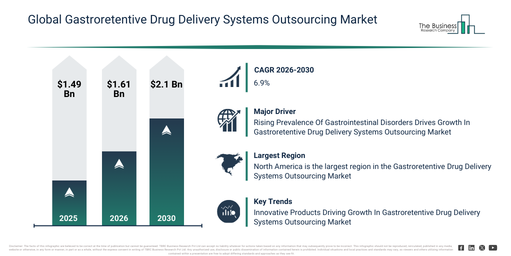
    The gastroretentive drug delivery systems outsourcing market size has demonstrated robust growth over recent years. This market is anticipated to expand from $1.49 billion in 2025 to $1.61 billion in 2026, achieving a compound annual growth rate (CAGR) of 7.8%. The historical development of this market can be ascribed to several factors including the constraints of traditional oral drug delivery, an increase in CRO services, the necessity for better drug absorption, the broadening of the pharmaceutical pipeline, and innovations in formulation technology.

    The gastroretentive drug delivery systems outsourcing market is projected to experience substantial expansion in the coming years. This market is anticipated to reach $2.1 billion by 2030, exhibiting a compound annual growth rate (CAGR) of 6.9%. Factors contributing to this growth during the forecast timeframe include the rising complexity of drug molecules, a growing need for patient-focused delivery systems, broadened outsourcing approaches, advancements in gastroretentive technologies, and pharmaceutical companies’ drive for cost efficiency. Key trends identified for this period encompass the increasing trend of outsourcing advanced drug delivery development, higher demand for formulations with extended gastrointestinal retention, the increasing implementation of floating drug delivery systems, a widening of CRO collaborations in formulation development, and a strong emphasis on improving drug bioavailability.

    Get A Free Sample Report With In-Depth Market Insights:

    https://thebusinessresearchcompany.com/sample_request?id=94744993&type=smp&name=Gastroretentive%20Drug%20Delivery%20Systems%20Outsourcing%20Market%20Report%202026&utm_source=Blogs&utm_medium=Paid&utm_campaign=Nov_PR

    Gastroretentive Drug Delivery Systems Outsourcing Market Development Factors: What’s Supporting Demand?

    The increasing occurrence of gastrointestinal ailments is anticipated to fuel the expansion of the gastroretentive drug delivery systems outsourcing market. These disorders encompass various conditions impacting the digestive tract, such as the stomach, liver, gallbladder, intestines, and pancreas. Factors contributing to the rise in gastrointestinal disorders include an aging population, antibiotic consumption, infectious agents, shifts in diet, stress, lifestyle choices, and obesity. By outsourcing gastroretentive drug delivery systems, pharmaceutical firms gain the necessary resources and specialized knowledge to manage the increasing impact of gastrointestinal conditions, which in turn enhances patient health and overall well-being. For example, in August 2023, the National Institute of Diabetes and Digestive and Kidney Diseases, a US-based government-funded research institute and public health agency, indicated that 60 to 70 million people were affected by all digestive diseases. Consequently, the growing incidence of gastrointestinal disorders is propelling the gastroretentive drug delivery systems outsourcing market. The rising occurrence of age-related conditions is projected to stimulate the expansion of gastroretentive drug delivery systems in the future. These disorders encompass a wide array of medical issues and functional decline primarily affecting seniors, such as cardiovascular ailments, neurodegenerative conditions, musculoskeletal problems, and sensory deficits. The incidence of these conditions is increasing due to an aging global population, extended lifespans, lifestyle elements, and the aggregation of chronic diseases. For example, in April 2025, the Centers for Disease Control and Prevention, a US-based government public health agency, reported that in 2023, around 194 million American adults, including 6 in 10 young adults, 8 in 10 midlife adults, and 9 in 10 older adults, had one or more conditions. The prevalence of chronic conditions saw an increase of 7.0 percentage points among young adults. Thus, the growing prevalence of age-related disorders is fueling the gastroretentive drug delivery systems outsourcing market.

    Gastroretentive Drug Delivery Systems Outsourcing Market Segment Outlook: Which Categories Are Growing Fastest?

    The gastroretentive drug delivery systems outsourcing market covered in this report is segmented –

    1) By Type: Floating Systems, Bioadhesive Systems, Other Types

    2) By Dosage Form: Tablets, Liquid, Microspheres, Capsule, Other Dosage Forms

    3) By Application: Gastroesophageal Reflux Disease (GERD), Neurological Disorders, Other Applications

    4) By End User: Pharmaceutical Companies, Contract Research Organizations (CROs), Other End Users

    Subsegments:

    1) By Floating Systems: Single Unit Systems, Multiple Unit Systems

    2) By Bioadhesive Systems: Hydrogels, Mucoadhesive Polymers

    3) By Other Types: Magnetically Assisted Systems, High-Density Systems, Osmotic Systems

    Gastroretentive Drug Delivery Systems Outsourcing Market Trends Powering Strategic Industry Growth

    Companies operating within the gastroretentive drug delivery systems outsourcing market are concentrating on developing innovative products, such as ready-to-fill (RTF) colon functional capsules, to boost drug delivery efficiency and patient convenience. Ready-to-fill (RTF) colon functional capsules refer to pre-manufactured, empty capsules designed to be filled with specific formulations or active ingredients tailored for the colon. For instance, in September 2024, Evonik, a Germany-based advanced drug delivery provider, launched EUDRACAP colon functional capsules, engineered for the targeted delivery of oral drugs to the ileo-colonic region. These novel capsules are the first ready-to-fill option available in the market, intended for delivering sensitive active ingredients like live biotherapeutic products (LBPs). Currently provided in technical grade, a GMP-grade product is also being developed. EUDRACAP colon streamlines the oral drug development process by simplifying formulation and accelerating time to market, thereby representing a significant advancement in gastroretentive drug delivery systems.

    Gastroretentive Drug Delivery Systems Outsourcing Market Leading Companies And Competitive Benchmarking

    Major companies operating in the gastroretentive drug delivery systems outsourcing market are Pfizer Inc., Merck & Co. Inc., Sanofi S.A., AstraZeneca plc, Novartis AG, Evonik Industries AG, SGS SA, Lonza Group AG, Sun Pharmaceutical Industries Ltd., Catalent Inc., AptarGroup Inc., Cadila Pharmaceuticals, Ashland Global Holdings Inc, Lupin Limited, Torrent Pharmaceuticals Ltd., Evotec SE, Colorcon Inc., Quotient Sciences Limited, Aenova Group, Vectura Group Ltd., Coating Place Inc., Xiromed LLC, SPI Pharma Inc.

    View The Full Gastroretentive Drug Delivery Systems Outsourcing Market Report:

    https://thebusinessresearchcompany.com/report/gastroretentive-drug-delivery-systems-outsourcing-global-market-report?utm_source=Blogs&utm_medium=Paid&utm_campaign=Nov_PR

    Gastroretentive Drug Delivery Systems Outsourcing Market Global Footprint: Which Region Leads The Market?

    North America was the largest region in the gastroretentive drug delivery systems outsourcing market in 2025. Asia-Pacific is expected to be the fastest-growing region in the forecast period. The regions covered in the gastroretentive drug delivery systems outsourcing market report are Asia-Pacific, South East Asia, Western Europe, Eastern Europe, North America, South America, Middle East, Africa.

    Reach Out To Our Team:

    The Business Research Company: https://www.thebusinessresearchcompany.com/

    Americas: +1 310-496-7795

    Asia: +44 7882 955267 & +91 8897263534

    Europe: +44 7882 955267

    Email us at: marketing@tbrc.info

    Follow us on:

    LinkedIn: https://in.linkedin.com/company/the-business-research-company

    YouTube: https://www.youtube.com/channel/UC24_fI0rV8cR5DxlCpgmyFQ

    Global Market Model: https://www.thebusinessresearchcompany.com/global-market-model
  • Gastroparesis Market Expected To Grow At 5.5% CAGR Through 2030: What Businesses Need To Know

    Gastroparesis Market Expected To Grow At 5.5% CAGR Through 2030: What Businesses Need To Know

    Backed by market attractiveness analysis, total addressable market sizing, company benchmarking matrices, interactive Excel dashboards, wider supply chain intelligence, emerging startup coverage, and detailed product-level insights, The Business Research Company’s 2026 market reports are designed to offer research that is more actionable and strategically valuable than ever.

    Gastroparesis Market Revenue Growth On Track For A 5.5% CAGR Through 2030

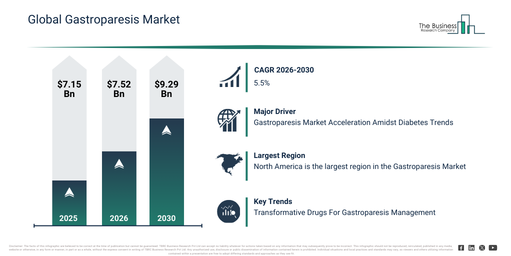
    The gastroparesis market has experienced robust growth in recent years. It is projected to expand from $7.15 billion in 2025 to $7.52 billion in 2026, achieving a compound annual growth rate (CAGR) of 5.1%. The historical increase in this market can be attributed to elements like diabetes-related gastric disorders, the application of antiemetic medications, hospital-based GI care, various dietary management approaches, and the accessibility of diagnostic imaging.

    The gastroparesis market is projected to experience substantial expansion in the coming years, set to reach a valuation of $9.29 billion by 2030, exhibiting a compound annual growth rate (CAGR) of 5.5%. Factors contributing to this anticipated growth include advancements in implantable stimulation devices, the rise of outpatient treatment approaches, an increasing diabetic population, the need for therapies targeting specific symptoms, and enhanced clinical understanding. Key trends anticipated during this period encompass a greater reliance on prokinetic medications, wider acceptance of gastric electrical stimulation devices, an elevated emphasis on managing diet and lifestyle, the availability of more minimally invasive surgical choices, and more accurate diagnosis of diabetic gastroparesis.

    Get A Free Sample Report With In-Depth Market Insights:

    https://thebusinessresearchcompany.com/sample_request?id=38569581&type=smp&name=Gastroparesis%20Market%20Report%202026&utm_source=Blogs&utm_medium=Paid&utm_campaign=Nov_PR

    Gastroparesis Market Industry Drivers: What’s Behind The Revenue Growth?

    The escalating incidence of diabetes is projected to fuel the expansion of the gastroparesis market in the future. Diabetes is a long-term health issue marked by high blood sugar, occurring when the body fails to produce sufficient insulin or utilize it efficiently. The widespread occurrence of diabetes substantially raises the probability of developing gastroparesis, given its critical role in enlarging the demographic susceptible to this ailment. For example, the International Diabetes Federation, an advocacy body based in Belgium, reported in April 2025 that approximately one in nine adults worldwide (589 million) currently live with diabetes. Out of this total, an estimated 252 million individuals remain undiagnosed, putting them at an elevated risk of severe complications and premature mortality. Consequently, the swift increase in diabetes prevalence is propelling the gastroparesis market.

    Gastroparesis Market Segment Landscape: Which Areas Lead Development?

    The gastroparesis market covered in this report is segmented –

    1) By Treatment Modality: Medications, Dietary Modifications, Medical Devices, Other Therapies

    2) By Gastroparesis Type: Idiopathic, Diabetic, Post- Surgical, Other Types

    3) By Patient Demographics: Pediatric Gastroparesis, Adult Gastroparesis

    4) By Distribution Channel: Retail Pharmacies, Hospital Pharmacies, Other Distribution Channels

    5) By End User: Hospitals And Clinics, Ambulatory Surgical Centers, Home Care Settings

    Subsegments:

    1) By Medications: Prokinetic Agents, Antiemetic Medications, Pain Management Medications

    2) By Dietary Modifications: Low-Fiber Diets, Small, Frequent Meals, Pureed Or Liquid Diets

    3) By Medical Devices: Gastric Electrical Stimulation Devices, Enteral Feeding Tubes

    4) By Other Therapies: Acupuncture, Behavioral Therapies, Nutritional Supplements

    Gastroparesis Market Growth Trends Reshaping The Competitive Landscape

    Major companies within the gastroparesis market are actively developing pharmaceuticals to enhance their profitability in the sector. Medications utilized in managing gastroparesis aim to alleviate various symptoms associated with delayed gastric emptying. For instance, in December 2023, Vanda Pharmaceuticals Inc., a US-based biopharmaceutical entity, reported that the U.S. FDA accepted the New Drug Application for Tradipitant, a significant step towards its potential endorsement for gastroparesis therapy. The FDA has scheduled September 18, 2024, as the decision date for Tradipitant, as per the Prescription Drug User Fee Act (PDUFA). If successful, Tradipitant would represent the first novel FDA-approved drug for gastroparesis in over 40 years, signifying a crucial achievement as the first drug in more than three decades to undergo FDA review specifically for this condition.

    Gastroparesis Market Industry Leaders And Competitive Landscape

    Major companies operating in the gastroparesis market are Pfizer Inc., GlaxoSmithKline plc., Abbott Laboratories Inc., AstraZeneca Plc., Medtronic Plc., Takeda Pharmaceutical Company Limited, Johnson And Johnson Services Inc., Teva Pharmaceutical Industries Ltd, AbbVie Inc., Boston Scientific Corporation, Cadila Pharmaceuticals Ltd., Daewoong Pharmaceutical Co. ltd, ANI Pharmaceuticals Inc., Dompe Farmaceutici S.p.A, Sucampo Pharmaceuticals Inc., Ironwood Pharmaceuticals Inc., RedHill Biopharma Ltd., CinRx Pharma LLC, Ritter Pharmaceuticals Inc., Evoke Pharma Inc., Metacrine Inc., Neurogastrx Inc.

    View The Full Gastroparesis Market Report:

    https://thebusinessresearchcompany.com/report/gastroparesis-global-market-report?utm_source=Blogs&utm_medium=Paid&utm_campaign=Nov_PR

    Gastroparesis Market Regional Split: Which Areas Are Fueling Growth?

    North America was the largest region in the gastroparesis market in 2025. The regions covered in the gastroparesis market report are Asia-Pacific, South East Asia, Western Europe, Eastern Europe, North America, South America, Middle East, Africa.

    Reach Out To Our Team:

    The Business Research Company: https://www.thebusinessresearchcompany.com/

    Americas: +1 310-496-7795

    Asia: +44 7882 955267 & +91 8897263534

    Europe: +44 7882 955267

    Email us at: marketing@tbrc.info

    Follow us on:

    LinkedIn: https://in.linkedin.com/company/the-business-research-company

    YouTube: https://www.youtube.com/channel/UC24_fI0rV8cR5DxlCpgmyFQ

    Global Market Model: https://www.thebusinessresearchcompany.com/global-market-model
  • Gastrointestinal Stromal Tumor Market Forecast To Reach $1.98 Billion By 2030: Key Trends Explained

    Gastrointestinal Stromal Tumor Market Forecast To Reach $1.98 Billion By 2030: Key Trends Explained

    Featuring market attractiveness scoring, total addressable market sizing, company benchmarking matrices, interactive Excel dashboards, deeper supply chain intelligence, emerging startup tracking, and granular product-level insights, The Business Research Company’s 2026 market reports are built to deliver research that is both more actionable and more strategically valuable.

    Gastrointestinal Stromal Tumor Market Value Growth And Long-Term Outlook

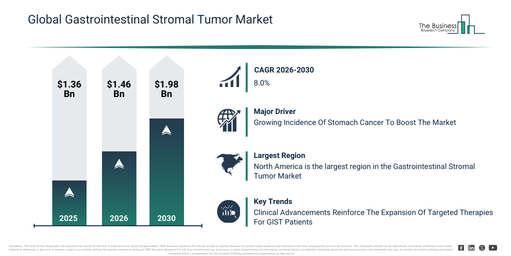
    The gastrointestinal stromal tumor market size has demonstrated robust expansion in recent years. It is anticipated to increase from $1.36 billion in 2025 to $1.46 billion in 2026, registering a compound annual growth rate (CAGR) of 6.9%. The growth witnessed in the historic period stems from the approval of imatinib therapy, improved tumor classification, the expansion of oncology care centers, heightened awareness of rare gi tumors, and the availability of surgical interventions.

    The gastrointestinal stromal tumor market size is anticipated to experience significant growth over the next few years. It is projected to expand to $1.98 billion by 2030, exhibiting a compound annual growth rate (CAGR) of 8.0%. The expansion during the forecast period is attributable to the development of next-generation targeted therapies, an increase in precision diagnostics, a rise in clinical trials, the broader adoption of personalized cancer treatment, and improved survival outcomes. Prominent trends for the forecast period include the increasing utilization of targeted tyrosine kinase inhibitors, a greater focus on molecular tumor profiling, the expansion of precision oncology approaches, an uptick in surgical and drug combination therapy, and enhanced long-term disease management.

    Get A Free Sample Report With In-Depth Market Insights:

    https://thebusinessresearchcompany.com/sample_request?id=64024950&type=smp&name=Gastrointestinal%20Stromal%20Tumor%20Market%20Report%202026&utm_source=Blogs&utm_medium=Paid&utm_campaign=Nov_PR

    Gastrointestinal Stromal Tumor Market Growth Factors: What’s Supporting Expansion?

    The increasing incidence of stomach cancer is anticipated to propel the expansion of the gastrointestinal stromal tumor market moving forward. Stomach cancer refers to the uncontrolled growth and multiplication of malignant cells within the stomach’s lining. While gastrointestinal stromal tumors (GISTs) can manifest in the stomach, they are distinct from stomach cancer. Patients with GISTs have been observed to have a heightened risk of developing additional cancers, such as small bowel adenocarcinoma, especially when two separate tumors collide and merge. For example, in January 2024, the American Cancer Society, a US-based professional organization, estimated that around 26,890 new cases of stomach cancer and 10,880 deaths are expected in the U.S. for 2024, constituting 1.5% of all new cancer diagnoses. Thus, the rising occurrence of stomach cancer is fueling the growth of the gastrointestinal stromal tumor market.

    Gastrointestinal Stromal Tumor Market Segments: Where Is Growth Concentrated?

    The gastrointestinal stromal tumor market covered in this report is segmented –

    1) By Treatment Type: Chemotherapy, Targeted Therapy, Other Treatment Types

    2) By Indication: Stomach, Small Intestine, Others Indications

    3) By End-User: Hospitals, Clinics, Specialized Cancer Treatment Centers, Other End-Users

    Subsegments:

    1) By Chemotherapy: Traditional Chemotherapy Agents, Combination Chemotherapy Regimens

    2) By Targeted Therapy: Tyrosine Kinase Inhibitors, Other Targeted Agents

    3) By Other Treatment Types: Surgery, Radiation Therapy, Clinical Trials For Novel Therapies

    Gastrointestinal Stromal Tumor Market Trends Shaping Long-Term Demand

    Leading firms in the gastrointestinal stromal tumor market are developing novel medications, including signal transduction and targeted therapy, with the aim of enhancing treatment effectiveness, overcoming resistance to current therapies, and addressing unfulfilled clinical needs. Signal transduction and targeted therapy denote treatments crafted to obstruct or alter particular cellular signaling pathways responsible for tumor proliferation and survival. For example, in November 2025, Ascentage Pharma Group International Inc., a China-based commercial-stage biopharmaceutical company, reported the publication of Phase Ib clinical data for olverembatinib (HQP1351) in Signal Transduction and Targeted Therapy. This data emphasized encouraging efficacy and safety in SDH-deficient gastrointestinal stromal tumors (GIST), and also pinpointed a novel antitumor mechanism related to lipid metabolism modulation.

    Gastrointestinal Stromal Tumor Market Key Participants And Competitive Landscape

    Major companies operating in the gastrointestinal stromal tumor market are Pfizer Inc., F. Hoffmann-La Roche AG, Bayer AG, Novartis AG, Merck & Co. Inc., GlaxoSmithKline plc, Bristol-Myers Squibb Company, Sanofi S.A., AstraZeneca plc, Eli Lilly and Company, Daiichi Sankyo Co. Ltd., Eisai Co. Ltd., Sun Pharmaceutical Industries Limited, Jiangsu Hengrui Medicine Co. Ltd., Exelixis Inc., NATCO Pharma Ltd., Blueprint Medicines Corporation, Array BioPharma Inc., Deciphera Pharmaceuticals Inc., Ono Pharmaceutical Co. Ltd.

    View The Full Gastrointestinal Stromal Tumor Market Report:

    https://thebusinessresearchcompany.com/report/gastrointestinal-stromal-tumor-global-market-report?utm_source=Blogs&utm_medium=Paid&utm_campaign=Nov_PR

    Gastrointestinal Stromal Tumor Market Top Region: Where Does Most Revenue Come From?

    North America was the largest region in the gastrointestinal stromal tumor market in 2025. Asia-Pacific is expected to be the fastest-growing region in the forecast period. The regions covered in the gastrointestinal stromal tumor market report are Asia-Pacific, South East Asia, Western Europe, Eastern Europe, North America, South America, Middle East, Africa.

    Reach Out To Our Team:

    The Business Research Company: https://www.thebusinessresearchcompany.com/

    Americas: +1 310-496-7795

    Asia: +44 7882 955267 & +91 8897263534

    Europe: +44 7882 955267

    Email us at: marketing@tbrc.info

    Follow us on:

    LinkedIn: https://in.linkedin.com/company/the-business-research-company

    YouTube: https://www.youtube.com/channel/UC24_fI0rV8cR5DxlCpgmyFQ

    Global Market Model: https://www.thebusinessresearchcompany.com/global-market-model
  • Gastrointestinal Pathogen Testing Market Analysis Through 2030: Market Size, Growth Trends And Industry Outlook

    Gastrointestinal Pathogen Testing Market Analysis Through 2030: Market Size, Growth Trends And Industry Outlook

    Built to provide research that’s more actionable and strategically valuable, The Business Research Company’s 2026 market reports include market attractiveness analysis, total addressable market sizing, company benchmarking matrices, interactive Excel dashboards, broader supply chain intelligence, emerging startup tracking, and in-depth product insights.

    Gastrointestinal Pathogen Testing Market Poised To Hit $5.06 Billion By 2030 With A 3.5% CAGR

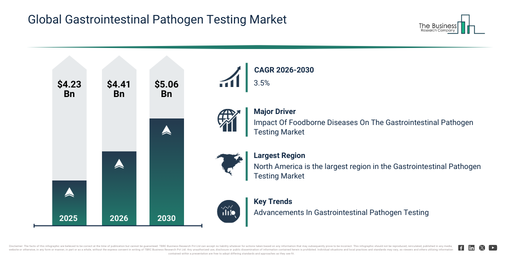
    The size of the gastrointestinal pathogen testing market has consistently increased over the past few years. It is projected to expand from $4.23 billion in 2025 to $4.41 billion by 2026, demonstrating a compound annual growth rate (CAGR) of 4.2%. The expansion observed in previous periods can be linked to the high incidence of gastrointestinal infections, the utilization of culture-based testing, the growth of hospital laboratories, occurrences of foodborne illness outbreaks, and public health surveillance initiatives.

    The gastrointestinal pathogen testing market size is anticipated to experience consistent expansion over the coming years. This market is projected to reach $5.06 billion by 2030, exhibiting a compound annual growth rate (CAGR) of 3.5%. The expansion during this forecast period stems from several factors, including the increased adoption of syndromic testing panels, the broader availability of point-of-care diagnostics, the need for quicker turnaround times, the integration of molecular diagnostics, and heightened awareness regarding infectious diseases. Key developments expected in the forecast timeframe encompass the escalating utilization of multiplex molecular diagnostic panels, a greater demand for rapid stool testing, the wider deployment of point-of-care GI diagnostics, the increasing acceptance of PCR-based testing, and a stronger emphasis on infection surveillance.

    Get A Free Sample Report With In-Depth Market Insights:

    https://thebusinessresearchcompany.com/sample_request?id=56898928&type=smp&name=Gastrointestinal%20Pathogen%20Testing%20Market%20Report%202026&utm_source=Blogs&utm_medium=Paid&utm_campaign=Nov_PR

    Gastrointestinal Pathogen Testing Market Demand Drivers: What’s Powering Industry Growth?

    The increasing occurrence of foodborne illnesses is projected to boost the gastrointestinal pathogen testing market in the future. Foodborne diseases are conditions resulting from consuming contaminated food or drinks containing harmful microorganisms, toxins, or chemicals, encompassing conditions like listeriosis, viral gastroenteritis, taeniasis, and trichinosis. Several elements contribute to the increase in these incidents, such as shifts in food production, distribution, and consumption habits, insufficient food safety protocols, and the effects of climate change on food production. Gastrointestinal testing plays a crucial role in pinpointing the specific pathogens causing these illnesses, enabling healthcare providers to ascertain the root of symptoms, prescribe suitable treatments, monitor outbreaks, and implement preventative actions to curb the spread of foodborne diseases. For instance, in September 2025, according to the Centers for Disease Control and Prevention (CDC), a US-based federal public health agency, reported that during 2023, the CDC, with state and regulatory public health partners, investigated 181 possible multistate outbreaks, of which 84 were determined to be outbreaks. Of these, outbreak investigators solved 50 outbreaks (60%). A suspected source was identified for 22 outbreaks, and a confirmed source was identified for 28 outbreaks. Consequently, the growing frequency of foodborne diseases is a key factor propelling the expansion of the gastrointestinal pathogen testing market.

    Gastrointestinal Pathogen Testing Market Segment Analysis: What Are The Core Market Categories?

    The gastrointestinal pathogen testing market covered in this report is segmented –

    1) By Pathogen Type: Bacteria, Viruses, Parasites

    2) By Test Type: Molecular Tests, Culture, Biochemical Tests, Other Test Types

    3) By Panel Type: Syndromic Full Multiplex Panels, Other Panel Types

    4) By End-User: Hospitals, Diagnostic Laboratories, Point-Of-Care, Other End Users

    Subsegments:

    1) By Bacteria: Salmonella spp., Escherichia coli, Campylobacter spp., Shigella spp., Clostridium difficile, Vibrio spp., Listeria monocytogenes, Helicobacter pylori, Other Bacterial Pathogens

    2) By Viruses: Norovirus, Rotavirus, Enteric Adenovirus, Hepatitis A Virus (HAV), Astrovirus, Other Viral Pathogens

    3) By Parasites: Giardia lamblia, Entamoeba histolytica, Cryptosporidium spp., Trichinella spp., Toxoplasma gondii, Other Parasitic Pathogens

    Gastrointestinal Pathogen Testing Market Innovation Trends Shaping Future Development

    Major companies operating in the gastrointestinal pathogen testing market are concentrating on developing sophisticated solutions, such as metagenomic diagnostic tests, to improve the accuracy, speed, and thoroughness of detecting gastrointestinal pathogens. A metagenomic diagnostic test is an advanced technology utilized to analyze the genetic material of microorganisms found in samples, including stool or blood. For instance, in April 2024, Microba Life Sciences, an Australia-based biotechnology company, introduced MetaPanel, a metagenomic diagnostic test designed to identify a wide array of gastrointestinal pathogens with unparalleled accuracy. MetaPanel covers 175 pathogen targets in a single test, providing healthcare professionals with an exhaustive solution for diagnosing both prevalent and hard-to-detect infections. It employs next-generation sequencing (NGS) technology to analyze an extensive range of genetic material within a stool sample. This allows for the identification of a diverse variety of potential pathogens, including those not regularly screened for in traditional GI (gastrointestinal) panels.

    Gastrointestinal Pathogen Testing Market Top Companies Driving Competitive Growth

    Major companies operating in the gastrointestinal pathogen testing market are Thermo Fisher Scientific Inc., Abbott Laboratories, F. Hoffmann-La Roche Ltd, Becton Dickinson and Company, Hologic Inc., bioMérieux S.A., Bio-Rad Laboratories Inc., QIAGEN N.V., DiaSorin S.p.A., Cepheid Inc., OraSure Technologies Inc., BioFire Diagnostics Inc., Luminex Corporation, Meridian Bioscience Inc., Sekisui Diagnostics LLC, ELITechGroup S.A.S., Hardy Diagnostics LLC, Trinity Biotech plc, R-Biopharm AG, COPAN Diagnostics Inc., Savyon Diagnostics Ltd., ZeptoMetrix Corporation, Biomerica Inc., Pro-Lab Diagnostics

    View The Full Gastrointestinal Pathogen Testing Market Report:

    https://thebusinessresearchcompany.com/report/gastrointestinal-pathogen-testing-global-market-report?utm_source=Blogs&utm_medium=Paid&utm_campaign=Nov_PR

    Gastrointestinal Pathogen Testing Market Regional Breakdown: Where Is Demand Concentrated?

    North America was the largest region in the gastrointestinal pathogen testing market in 2025. Asia-Pacific is expected to be the fastest-growing region in the forecast period. The regions covered in the gastrointestinal pathogen testing market report are Asia-Pacific, South East Asia, Western Europe, Eastern Europe, North America, South America, Middle East, Africa.

    Reach Out To Our Team:

    The Business Research Company: https://www.thebusinessresearchcompany.com/

    Americas: +1 310-496-7795

    Asia: +44 7882 955267 & +91 8897263534

    Europe: +44 7882 955267

    Email us at: marketing@tbrc.info

    Follow us on:

    LinkedIn: https://in.linkedin.com/company/the-business-research-company

    YouTube: https://www.youtube.com/channel/UC24_fI0rV8cR5DxlCpgmyFQ

    Global Market Model: https://www.thebusinessresearchcompany.com/global-market-model
  • Gastrointestinal Endoscopy Market Outlook From 2026 To 2030: Key Growth Factors And Future Opportunities

    Gastrointestinal Endoscopy Market Outlook From 2026 To 2030: Key Growth Factors And Future Opportunities

    Backed by market attractiveness analysis, total addressable market sizing, company benchmarking matrices, interactive Excel dashboards, wider supply chain intelligence, emerging startup coverage, and detailed product-level insights, The Business Research Company’s 2026 market reports are designed to offer research that is more actionable and strategically valuable than ever.

    Gastrointestinal Endoscopy Market Size And Revenue Outlook Through 2030

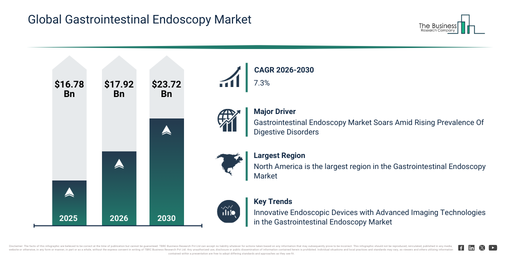
    The gastrointestinal endoscopy market size has seen significant expansion in recent years. It is projected to increase from $16.78 billion in 2025 to $17.92 billion in 2026, demonstrating a compound annual growth rate (CAGR) of 6.8%. The historical growth of this market can be attributed to hospital-based diagnostic expansion, the widespread use of flexible endoscopes, a rise in GI disorder prevalence, advancements in visualization systems, and the adoption of biopsy techniques.

    The gastrointestinal endoscopy market is projected to experience substantial growth in the upcoming years, with its size expected to reach $23.72 billion by 2030, driven by a compound annual growth rate (CAGR) of 7.3%. This expansion during the forecast period is attributed to several factors including AI-enabled image analysis, the rising demand for infection control solutions, an increase in outpatient procedures, the proliferation of robotic endoscopy, and ongoing technological innovation in imaging. Prominent trends for the same period include the increasing adoption of minimally invasive diagnostic procedures, a growing demand for high-definition endoscopic imaging, the expanding usage of capsule endoscopy, a greater prevalence of single-use endoscopes, and the integration of AI within endoscopic diagnostics.

    Get A Free Sample Report With In-Depth Market Insights:

    https://thebusinessresearchcompany.com/sample_request?id=39341994&type=smp&name=Gastrointestinal%20Endoscopy%20Market%20Report%202026&utm_source=Blogs&utm_medium=Paid&utm_campaign=Nov_PR

    Gastrointestinal Endoscopy Market Growth Drivers: What’s Behind The Acceleration?

    The rise in gastrointestinal diseases is propelling the growth of the gastrointestinal endoscopy market. These conditions encompass various disorders impacting the gastrointestinal (GI) tract, which includes organs crucial for digestion and processing food. Gastrointestinal endoscopy serves as a common method for identifying irregularities, collecting tissue samples for biopsy, and performing therapeutic procedures in the diagnosis and treatment of gastrointestinal ailments. As an illustration, in 2023, Cancer Research UK, an independent cancer research organization located in the UK, projected a 5% increase in the incidence rate of pancreatic cancer within the UK between 2023 and 2025. Additionally, a research article published in March 2023 in the Journal of the Canadian Association of Gastroenterology, a peer-reviewed, open-access journal from Canada, indicated that the incidence of inflammatory bowel disease in Canada is anticipated to climb from 825 per 100,000 in 2023 to 1075 per 100,000 by 2035. Consequently, the growing occurrence of gastrointestinal diseases is a key factor stimulating the gastrointestinal endoscopy market.

    Gastrointestinal Endoscopy Market Segment Breakdown: Which Categories Lead On Revenue?

    The gastrointestinal endoscopy market covered in this report is segmented –

    1) By Product: Endoscopes, Camera Heads, Visualization Systems, Biopsy Devices, Capsule Endoscopes, Transmitters And Receivers, Robot-Assisted Endoscopes

    2) By Application: OGIB (Obscure GI Tract Bleeding), Crohn’s Disease, Small Intestine Tumor, Other Applications

    3) By End User: Hospitals, Ambulatory Surgery Centers Or Clinics, Other End Users

    Subsegments:

    1) By Endoscopes: Rigid Endoscopes, Flexible Endoscopes, Single-Use Endoscopes

    2) By Camera Heads: Standard Camera Heads, High-Definition Camera Heads, 3D Camera Heads

    3) By Visualization Systems: Integrated Visualization Systems, Monitors And Display Systems

    4) By Biopsy Devices: Biopsy Forceps, Needle Biopsy Devices, Endoscopic Mucosal Resection Devices

    5) By Capsule Endoscopes: Small Bowel Capsule Endoscopes, Colon Capsule Endoscopes

    6) By Transmitters And Receivers: Wireless Transmitters, Signal Receivers

    7) By Robot-Assisted Endoscopes: Robotic Endoscope Systems, Accessories For Robotic Endoscopy

    Gastrointestinal Endoscopy Market Trends Redefining Industry Growth

    Leading companies in the gastrointestinal endoscopy market are deploying innovative endoscopic devices that integrate advanced imaging technologies to enhance diagnostic accuracy and improve patient outcomes. These imaging technologies refer to sophisticated methods such as high-definition imaging, narrow-band imaging (NBI), and optical coherence tomography (OCT), which provide clearer and more detailed views of the gastrointestinal tract during endoscopic examinations. For instance, in October 2023, Olympus Corporation, a Japan-based manufacturing company, launched its EVIS X1 Endoscopy System. The EVIS X1 endoscopy system is a next-generation instrument designed to optimize the visualization of the gastrointestinal tract through advanced imaging technologies like TXI, RDI, and NBI. It aims to improve the detection of abnormalities during GI procedures, thereby offering physicians enhanced diagnostic capabilities.

    Gastrointestinal Endoscopy Market Leading Players And Competitive Positioning

    Major companies operating in the gastrointestinal endoscopy market are Medtronic plc, Johnson & Johnson MedTech, FUJIFILM Holdings Corporation, Stryker Corporation, Boston Scientific Corporation, Olympus Corporation, Intuitive Surgical Inc., HOYA Corporation, Steris plc, Karl Storz SE & Co. KG, Ambu A/S, Richard Wolf GmbH, SonoScape Medical Corp., EndoChoice Holdings Inc., Micro-Tech Endoscopy Inc., CapsoVision Inc., Medrobotics Corporation, EndoMed Systems GmbH, Motus GI Holdings Inc., Endogene Ltd.

    View The Full Gastrointestinal Endoscopy Market Report:

    https://thebusinessresearchcompany.com/report/gastrointestinal-endoscopy-global-market-report?utm_source=Blogs&utm_medium=Paid&utm_campaign=Nov_PR

    Gastrointestinal Endoscopy Market Geographic Landscape: Which Region Leads Industry Growth?

    North America was the largest region in the gastrointestinal endoscopy market in 2025. The regions covered in the gastrointestinal endoscopy market report are Asia-Pacific, South East Asia, Western Europe, Eastern Europe, North America, South America, Middle East, Africa.

    Reach Out To Our Team:

    The Business Research Company: https://www.thebusinessresearchcompany.com/

    Americas: +1 310-496-7795

    Asia: +44 7882 955267 & +91 8897263534

    Europe: +44 7882 955267

    Email us at: marketing@tbrc.info

    Follow us on:

    LinkedIn: https://in.linkedin.com/company/the-business-research-company

    YouTube: https://www.youtube.com/channel/UC24_fI0rV8cR5DxlCpgmyFQ

    Global Market Model: https://www.thebusinessresearchcompany.com/global-market-model
  • Gastrointestinal Cancer Market Growth Forecast: Market Size, Key Trends And Emerging Opportunities Through 2030

    Gastrointestinal Cancer Market Growth Forecast: Market Size, Key Trends And Emerging Opportunities Through 2030

    Featuring market attractiveness scoring, total addressable market sizing, company benchmarking matrices, interactive Excel dashboards, deeper supply chain intelligence, emerging startup tracking, and granular product-level insights, The Business Research Company’s 2026 market reports are built to deliver research that is both more actionable and more strategically valuable.

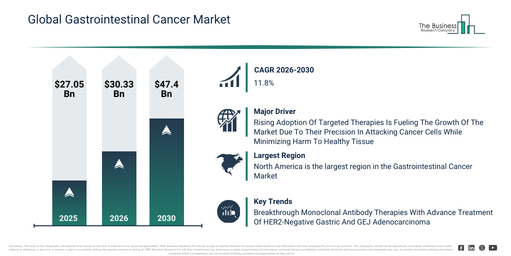
    Gastrointestinal Cancer Market Growth From $30.33 Billion In 2026 To $47.4 Billion By 2030 At A CAGR Of 11.8%

    The gastrointestinal cancer market has experienced significant expansion in recent years. This market is projected to grow from $27.05 billion in 2025 to $30.33 billion in 2026, demonstrating a compound annual growth rate (CAGR) of 12.1%. The growth observed in the past can be attributed to the increasing prevalence of gastrointestinal cancers, improvements in diagnostic imaging capabilities, enhanced awareness regarding early cancer detection, advancements in oncology drug development, and better access to cancer treatment facilities.

    The gastrointestinal cancer market is projected to experience swift expansion in the coming years. It is anticipated to reach $47.4 billion by 2030, demonstrating a compound annual growth rate (CAGR) of 11.8%. This anticipated growth throughout the forecast period stems from factors such as heightened investments in personalized oncology, the growing acceptance of biomarker-based diagnostics, the broadening of immuno-oncology pipelines, the expanding application of minimally invasive diagnostics, and increased healthcare spending dedicated to cancer treatment. Key trends expected during this period involve the greater uptake of targeted GI cancer therapies, the increased utilization of molecular diagnostics, a stronger emphasis on immunotherapy combinations, the enlargement of early cancer screening initiatives, and improved integration of precision medicine.

    Get A Free Sample Report With In-Depth Market Insights:

    https://thebusinessresearchcompany.com/sample_request?id=79657432&type=smp&name=Gastrointestinal%20Cancer%20Market%20Report%202026&utm_source=Blogs&utm_medium=Paid&utm_campaign=Nov_PR

    Gastrointestinal Cancer Market Growth Factors Behind Sustained Expansion

    The increasing embrace of targeted therapies is anticipated to stimulate the expansion of the gastrointestinal cancer market in the coming years. These treatments function by precisely blocking the proliferation of cancer cells through interaction with specific molecular targets, thereby minimizing harm to healthy, normal cells. Targeted therapies are specifically engineered to engage with particular molecular pathways or genetic mutations that drive a disease, especially within the context of cancer. Unlike conventional treatments such as chemotherapy, which attack both healthy and diseased cells indiscriminately, targeted therapies concentrate on the unique characteristics of an individual patient’s condition. For gastrointestinal (GI) cancer, targeted therapies act on specific genes or proteins that control tumor growth, facilitating precise and effective treatment. This leads to improved outcomes with fewer adverse effects compared to traditional chemotherapy. As an illustration, in July 2023, reports from the US-based professional membership organization American Society of Gene & Cell Therapy (ASGCT) and the US-based provider of drugs and devices Citeline indicated that at the conclusion of quarter one (Q1) 2023, there were 247 gene therapies in Phase II; this number saw a 5% increase, reaching 260 by the end of quarter two (Q2). Therefore, the growing adoption of targeted therapies is propelling the growth of the gastrointestinal cancer market.

    Gastrointestinal Cancer Market Segmentation: How Does The Market Break Down By Category?

    The gastrointestinal cancer market covered in this report is segmented –

    1) By Cancer Type: Colorectal Cancer, Stomach Cancer, Esophageal Cancer, Pancreatic Cancer, Liver Cancer, Other Cancer Types

    2) By Diagnostics: Endoscopy, Biopsy, Molecular Diagnostics, Imaging, Other Diagnostics

    3) By Treatment: Chemotherapy, Immunotherapy, Targeted Therapy, Radiation Therapy, Surgery, Other Treatments

    4) By End-User: Hospitals, Oncology Centers, Research Institutes, Diagnostic Laboratories, Other End-Users

    Subsegments:

    1) By Colorectal Cancer: Colon Cancer, Rectal Cancer, Recurrent Colorectal Cancer, Metastatic Colorectal Cancer

    2) By Stomach Cancer: Adenocarcinoma, Gastrointestinal Stromal Tumors (GIST), Lymphoma, Carcinoid Tumors

    3) By Esophageal Cancer: Adenocarcinoma, Squamous Cell Carcinoma, Small Cell Carcinoma, Other Rare Esophageal Tumors

    4) By Pancreatic Cancer: Exocrine Pancreatic Cancer, Endocrine (Neuroendocrine) Pancreatic Tumors, Metastatic Pancreatic Cancer, Resectable Or Unresectable Tumors

    5) By Liver Cancer: Hepatocellular Carcinoma (HCC), Intrahepatic Cholangiocarcinoma, Hepatoblastoma, Secondary (Metastatic) Liver Cancer

    6) By Other Cancer Types: Small Intestine Cancer, Anal Cancer, Gallbladder Cancer, Gastrointestinal Carcinoid Tumor

    Gastrointestinal Cancer Market Strategic Trends: What Defines The Next Growth Phase?

    Leading companies within the gastrointestinal cancer market are concentrating on developing advanced solutions, such as monoclonal antibody treatments, with the aim of enhancing patient survival rates and minimizing adverse effects associated with therapy. Monoclonal antibody treatment involves the utilization of laboratory-created antibodies that precisely identify and attach to cancer cells, thereby assisting the immune system in targeting and eliminating them. For instance, in September 2024, Astellas Pharma Inc., a Japan-based pharmaceutical company, introduced VYLOY (zolbetuximab) in combination with fluoropyrimidine- and platinum-containing chemotherapy, having secured approval from the European Commission. This serves as a first-line treatment for adults diagnosed with locally advanced unresectable or metastatic HER2-negative gastric or gastroesophageal junction (GEJ) adenocarcinoma whose tumors express claudin 18.2 (CLDN18.2). This approval establishes VYLOY as the initial and exclusive therapy in the European Union designed to target CLDN18.2, a biomarker present in approximately 38% of these patients, a conclusion drawn from positive clinical trial data from the SPOTLIGHT and GLOW studies.

    Gastrointestinal Cancer Market Competitive Overview And Top Companies

    Major companies operating in the gastrointestinal cancer market are Pfizer Inc., Johnson & Johnson, Roche Holding AG, Merck & Co. Inc., Bayer AG, Sanofi S.A., Bristol-Myers Squibb Company, AstraZeneca PLC, Novartis AG, GlaxoSmithKline plc, Takeda Pharmaceutical Company Limited, Eli Lilly and Company, Amgen Inc., Ipsen Biopharmaceuticals Inc., Exelixis Inc., BeiGene Ltd., Boehringer Ingelheim International GmbH, Zai Lab Limited, Taiho Pharmaceutical Co. Ltd

    View The Full Gastrointestinal Cancer Market Report:

    https://thebusinessresearchcompany.com/report/gastrointestinal-cancer-global-market-report?utm_source=Blogs&utm_medium=Paid&utm_campaign=Nov_PR

    Gastrointestinal Cancer Market Largest Region: Which Geography Holds The Biggest Share?

    North America was the largest region in the gastrointestinal cancer market in 2025. Asia-Pacific is expected to be the fastest-growing region in the forecast period. The regions covered in the gastrointestinal cancer market report are Asia-Pacific, South East Asia, Western Europe, Eastern Europe, North America, South America, Middle East, Africa.

    Reach Out To Our Team:

    The Business Research Company: https://www.thebusinessresearchcompany.com/

    Americas: +1 310-496-7795

    Asia: +44 7882 955267 & +91 8897263534

    Europe: +44 7882 955267

    Email us at: marketing@tbrc.info

    Follow us on:

    LinkedIn: https://in.linkedin.com/company/the-business-research-company

    YouTube: https://www.youtube.com/channel/UC24_fI0rV8cR5DxlCpgmyFQ

    Global Market Model: https://www.thebusinessresearchcompany.com/global-market-model
  • Gastroesophageal Reflux Disease (GERD) Market CAGR Forecast Through 2030: Key Trends Shaping Industry Expansion

    Gastroesophageal Reflux Disease (GERD) Market CAGR Forecast Through 2030: Key Trends Shaping Industry Expansion

    Built to provide research that’s more actionable and strategically valuable, The Business Research Company’s 2026 market reports include market attractiveness analysis, total addressable market sizing, company benchmarking matrices, interactive Excel dashboards, broader supply chain intelligence, emerging startup tracking, and in-depth product insights.

    Gastroesophageal Reflux Disease (GERD) Market Expansion Outlook: What Revenue Opportunities Are Ahead?

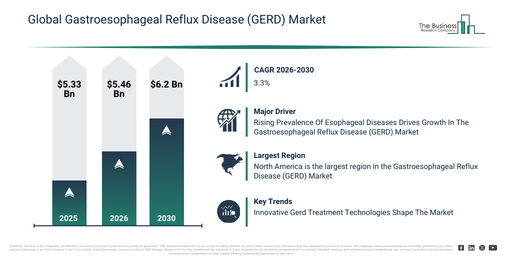
    The gastroesophageal reflux disease (GERD) market size has demonstrated consistent growth in recent years. It is anticipated to expand from $5.33 billion in 2025 to $5.46 billion in 2026, achieving a compound annual growth rate (CAGR) of 2.3%. This historic period’s expansion can be attributed to several factors, including the widespread adoption of antacids and H2 blockers, a rise in obesity prevalence, significant consumption of processed foods, increased clinical diagnosis rates, and the availability of generic PPIs.

    The gastroesophageal reflux disease (gerd) market is anticipated to show consistent expansion over the next few years, with its size projected to reach $6.2 billion in 2030, demonstrating a compound annual growth rate (CAGR) of 3.3%. This growth during the forecast period is primarily driven by an increase in minimally invasive reflux procedures, the rising demand for long-term symptom management, continuous innovation in endoscopic devices, an expanding geriatric population, and heightened patient awareness. Significant trends expected in this period involve the increasing long-term use of proton pump inhibitors, a greater adoption of minimally invasive gerd procedures, growing awareness surrounding lifestyle-based disease management, the expansion of endoscopic treatment options, and improved diagnosis rates through enhanced screening.

    Get A Free Sample Report With In-Depth Market Insights:

    https://thebusinessresearchcompany.com/sample_request?id=63336309&type=smp&name=Gastroesophageal%20Reflux%20Disease%20%28GERD%29%20Market%20Report%202026&utm_source=Blogs&utm_medium=Paid&utm_campaign=Nov_PR

    Gastroesophageal Reflux Disease (GERD) Market Demand Drivers Opening New Revenue Streams

    The increasing occurrence of esophageal diseases is anticipated to accelerate the expansion of the gastroesophageal reflux disease (GERD) market. Esophageal diseases encompass medical conditions impacting the esophagus, which is a muscular passage connecting the mouth to the stomach. The primary goal of treating these conditions is to alleviate discomfort, enhance the quality of life, and avert complications, thereby fostering improved overall health and well-being for individuals affected by gastroesophageal reflux disease. For illustration, data from the American Cancer Society, a US-based professional organization, indicated in January 2023 that approximately 21,560 new cases of esophageal cancer are identified annually in the United States, alongside 16,120 fatalities attributed to esophageal cancer. Consequently, the rising prevalence of esophageal diseases is a key factor driving the growth of the gastroesophageal reflux disease (GERD) market.

    Gastroesophageal Reflux Disease (GERD) Market Segment Trends And Revenue Contributors

    The gastroesophageal reflux disease (gerd) market covered in this report is segmented –

    1) By Drug Type: Antacids, Proton Pump Inhibitors, H2 Receptor Blocker, Pro Kinetic Agents, Dopamine Receptor Antagonist

    2) By Procedure: Invasive, Minimally Invasive

    3) By End-Users: Hospital, Homecare, Specialty Clinics

    Subsegments:

    1) By Antacids: Calcium Carbonate, Magnesium Hydroxide, Aluminum Hydroxide

    2) By Proton Pump Inhibitors: Omeprazole, Esomeprazole, Lansoprazole, Pantoprazole, Rabeprazole

    3) By H2 Receptor Blockers: Ranitidine, Famotidine, Nizatidine, Cimetidine

    4) By Prokinetic Agents: Metoclopramide, Domperidone

    5) By Dopamine Receptor Antagonists: Prochlorperazine, Droperidol

    Gastroesophageal Reflux Disease (GERD) Market Transformation Trends: What Innovations Are Driving Change?

    Leading companies active in the gastroesophageal reflux disease (GERD) market are concentrating on introducing innovative gastroesophageal reflux disease treatment devices to secure their position in the market. For example, in April 2023, Laborie Medical Technologies, a US-based medical technology company, released the new alpHaONE wireless pH-capsule reflux testing diagnostic system designed for the diagnosis of gastroesophageal reflux disease (GERD). This system delivers up to 96 hours of monitoring data and boasts a compact design featuring enlarged buttons and a fail-safe capsule delivery mechanism. Furthermore, the system incorporates a software application with a virtual instruction program and user-customizable symptom buttons, aiming to provide an improved user experience.

    Gastroesophageal Reflux Disease (GERD) Market Competitive Landscape: Which Companies Lead The Industry?

    Major companies operating in the gastroesophageal reflux disease (gerd) market are GlaxoSmithKline PLC, SRS Life Sciences, Takeda Pharmaceutical Company Limited, AstraZeneca Plc, Reckitt Benckiser Group Plc, Eisai Co. Ltd., Pfizer Inc., Medtronic Plc, Teva Pharmaceuticals, HK inno.N Corporation, Mylan N.V., Johnson & Johnson MedTech, Sun Pharmaceutical Industries Ltd., Perrigo Company PLC, Dr. Reddy’s Laboratories Ltd., Aurobindo Pharma Limited, Cipla Limited, Amneal Pharmaceuticals LLC, Zydus Lifesciences Ltd., Lupin Limited, Torrent Pharmaceuticals Ltd., Salix Pharmaceuticals Inc.

    View The Full Gastroesophageal Reflux Disease (GERD) Market Report:

    https://thebusinessresearchcompany.com/report/gastroesophageal-reflux-disease-gerd-global-market-report?utm_source=Blogs&utm_medium=Paid&utm_campaign=Nov_PR

    Gastroesophageal Reflux Disease (GERD) Market Regional Analysis: Which Geography Leads On Revenue?

    North America was the largest region in the gastroesophageal reflux disease (GERD) market in 2025. Asia-Pacific is expected to be the fastest-growing region in the forecast period. The regions covered in the gastroesophageal reflux disease (gerd) market report are Asia-Pacific, South East Asia, Western Europe, Eastern Europe, North America, South America, Middle East, Africa.

    Reach Out To Our Team:

    The Business Research Company: https://www.thebusinessresearchcompany.com/

    Americas: +1 310-496-7795

    Asia: +44 7882 955267 & +91 8897263534

    Europe: +44 7882 955267

    Email us at: marketing@tbrc.info

    Follow us on:

    LinkedIn: https://in.linkedin.com/company/the-business-research-company

    YouTube: https://www.youtube.com/channel/UC24_fI0rV8cR5DxlCpgmyFQ

    Global Market Model: https://www.thebusinessresearchcompany.com/global-market-model
  • Gastroesophageal Junction Adenocarcinoma Therapeutics Market To Witness 15.8% CAGR Growth Through 2030: Key Industry Drivers

    Gastroesophageal Junction Adenocarcinoma Therapeutics Market To Witness 15.8% CAGR Growth Through 2030: Key Industry Drivers

    Backed by market attractiveness analysis, total addressable market sizing, company benchmarking matrices, interactive Excel dashboards, wider supply chain intelligence, emerging startup coverage, and detailed product-level insights, The Business Research Company’s 2026 market reports are designed to offer research that is more actionable and strategically valuable than ever.

    Gastroesophageal Junction Adenocarcinoma Therapeutics Market Growth Potential: How Will Market Size Shift Through 2030?

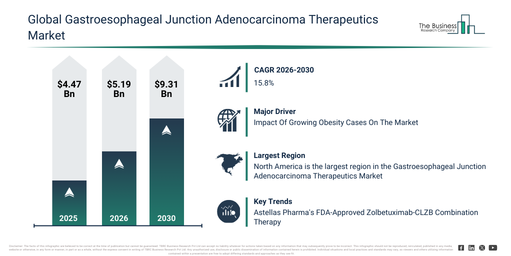
    The gastroesophageal junction adenocarcinoma therapeutics market has experienced substantial expansion in recent years. This market is set to increase from $4.47 billion in 2025 to $5.19 billion in 2026, reflecting a compound annual growth rate (CAGR) of 16.1%. The growth observed in the past can be ascribed to several factors, including the implementation of chemotherapy regimens, the accessibility of surgical interventions, the broadening of hospital oncology care, the endorsement of targeted drugs, and enhanced cancer staging.

    The market for therapeutics targeting gastroesophageal junction adenocarcinoma is anticipated to experience substantial expansion in the coming years. This market is projected to reach $9.31 billion by 2030, exhibiting a compound annual growth rate (CAGR) of 15.8%. This projected growth can be attributed to several factors including the expansion of immunotherapy pipelines, the introduction of innovative biologics, a rising demand for precision oncology, an increase in clinical trials, and the enhancement of oncology healthcare infrastructure. Key trends anticipated during this period involve the increasing adoption of targeted cancer therapies, a greater utilization of immunotherapy combinations, the broadening of personalized treatment protocols, an expanding role for the integration of surgery and chemotherapy, and enhanced patient survival due to multimodal treatment approaches.

    Get A Free Sample Report With In-Depth Market Insights:

    https://thebusinessresearchcompany.com/sample_request?id=47058950&type=smp&name=Gastroesophageal%20Junction%20Adenocarcinoma%20Therapeutics%20Market%20Report%202026&utm_source=Blogs&utm_medium=Paid&utm_campaign=Nov_PR

    Gastroesophageal Junction Adenocarcinoma Therapeutics Market Growth Backed By Core Demand Fundamentals

    The increasing incidence of obesity is projected to boost the growth of the gastroesophageal junction adenocarcinoma therapeutics market moving forward. Obesity is a condition marked by an excessive accumulation of body fat that poses health risks. The surge in obesity cases is linked to elements such as inadequate dietary habits, inactive lifestyles, a lack of physical exercise, and increased consumption of processed and high-calorie foods. Gastroesophageal junction adenocarcinoma (GEJA) therapeutics help address obesity by targeting the fundamental mechanisms contributing to weight gain, including inflammation, metabolic disruption, and hormonal imbalances, all of which can be worsened by the disease itself. As an illustration, in March 2024, the World Health Organization (WHO), a Switzerland-based intergovernmental organization, reported that approximately one in eight people worldwide were contending with obesity. This included 2.5 billion adults (aged 18 years and older) who were overweight, with 890 million of them living with obesity. Among adults, 43% were overweight, and 16% were classified as obese. Additionally, the count of overweight children under the age of 5 reached 37 million. Therefore, the expanding number of obesity cases is driving growth in the gastroesophageal junction adenocarcinoma therapeutics market.

    Gastroesophageal Junction Adenocarcinoma Therapeutics Market Segment Analysis Spotlighting Growth Areas

    The gastroesophageal junction adenocarcinoma therapeutics market covered in this report is segmented –

    1) By Drug: Trastuzumab, Ramucirumab

    2) By Diagnosis: Endoscopy, X-ray, Computed Tomography (CT) Scan, Positron Emission Tomography (PET) Scan

    3) By Treatment: Esophagectomy Surgery, Esophageal Dilation, Chemotherapy, Targeted Therapy

    4) By Distribution Channel: Hospital Pharmacy, Retail Pharmacy, Online Pharmacy

    Subsegments:

    1) By Trastuzumab: Monotherapy, Combination Therapy With Chemotherapy

    2) By Ramucirumab: Monotherapy, Combination Therapy With Paclitaxel

    #Gastroesophageal Junction Adenocarcinoma Therapeutics Market Growth Trends: What’s Shaping The Future Outlook?

    Leading companies in the gastroesophageal junction adenocarcinoma therapeutics market are concentrating on developing innovative treatments, such as combination therapy, to boost treatment effectiveness, improve patient outcomes, and address resistance to current therapies. Combination therapy involves using two or more therapeutic agents, like drugs or other treatment methods, together to enhance their efficacy and simultaneously target various aspects of a disease. For example, in October 2024, Astellas Pharma Inc., a Japan-based pharmaceutical company, secured U.S. Food and Drug Administration (FDA) approval for zolbetuximab-clzb in conjunction with fluoropyrimidine- and platinum-containing chemotherapy. This is a pioneering monoclonal antibody that specifically targets Claudin 18.2, a protein highly expressed in gastric and GEJ cancers, which improves the precision and efficacy of the treatment. By selectively binding to CLDN18.2-expressing cancer cells, it facilitates a targeted strategy, minimizing harm to healthy tissues while enhancing therapeutic results.

    Gastroesophageal Junction Adenocarcinoma Therapeutics Market Leading Companies: Who Holds The Strongest Market Presence?

    Major companies operating in the gastroesophageal junction adenocarcinoma therapeutics market are Pfizer Inc., F Hoffmann-La Roche AG, Merck & Co. Inc., Bristol-Myers Squibb Company, AstraZeneca plc, Daiichi Sankyo Company Limited, Genentech Inc., Incyte Corporation, Ono Pharmaceutical Co. Ltd., BeiGene Ltd., Zymeworks Inc., Zai Lab Limited, ImmunoGen Inc., Elevar Therapeutics Inc., Mirati Therapeutics Inc., Shanghai Henlius Biotech Inc., Taiho Pharmaceutical Co. Ltd., Celltrion Healthcare Co. Ltd., Eli Lilly and Company, Novartis AG, Amgen Inc., Astellas Pharma Inc., CStone Pharmaceuticals

    View The Full Gastroesophageal Junction Adenocarcinoma Therapeutics Market Report:

    https://thebusinessresearchcompany.com/report/gastroesophageal-junction-adenocarcinoma-therapeutics-global-market-report?utm_source=Blogs&utm_medium=Paid&utm_campaign=Nov_PR

    Gastroesophageal Junction Adenocarcinoma Therapeutics Market Geographic Spread And Regional Opportunities

    North America was the largest region in the gastroesophageal junction adenocarcinoma therapeutics market in 2025. The regions covered in the gastroesophageal junction adenocarcinoma therapeutics market report are Asia-Pacific, South East Asia, Western Europe, Eastern Europe, North America, South America, Middle East, Africa.

    Reach Out To Our Team:

    The Business Research Company: https://www.thebusinessresearchcompany.com/

    Americas: +1 310-496-7795

    Asia: +44 7882 955267 & +91 8897263534

    Europe: +44 7882 955267

    Email us at: marketing@tbrc.info

    Follow us on:

    LinkedIn: https://in.linkedin.com/company/the-business-research-company

    YouTube: https://www.youtube.com/channel/UC24_fI0rV8cR5DxlCpgmyFQ

    Global Market Model: https://www.thebusinessresearchcompany.com/global-market-model
  • Gastroenterology Electronic Medical Records (EMR) Software Market Projected For Strong Expansion Through 2030: Key Trends And Future Outlook

    Gastroenterology Electronic Medical Records (EMR) Software Market Projected For Strong Expansion Through 2030: Key Trends And Future Outlook

    Featuring market attractiveness scoring, total addressable market sizing, company benchmarking matrices, interactive Excel dashboards, deeper supply chain intelligence, emerging startup tracking, and granular product-level insights, The Business Research Company’s 2026 market reports are built to deliver research that is both more actionable and more strategically valuable.

    Gastroenterology Electronic Medical Records (EMR) Software Market Value Analysis: What Growth Lies Ahead Over The Forecast Period?

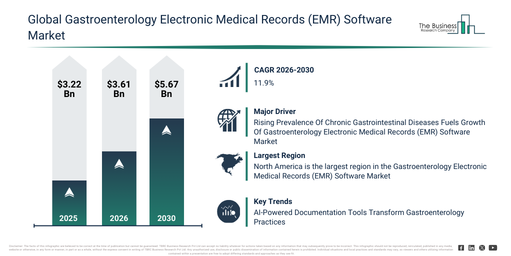
    The market size for gastroenterology electronic medical records (emr) software has shown rapid expansion in recent years. It is anticipated to increase from $3.22 billion in 2025 to $3.61 billion in 2026, achieving a compound annual growth rate (CAGR) of 12.2%. The historical growth of this market can be linked to the increasing digitization of healthcare records, a rising adoption of specialty-specific EMR systems, an increase in gastroenterology patient volumes, the expansion of outpatient clinics, and regulatory encouragement for electronic health records.

    The gastroenterology electronic medical records (emr) software market size is expected to experience rapid growth in the coming years. It is projected to expand to $5.67 billion by 2030, achieving a compound annual growth rate (CAGR) of 11.9%. This anticipated growth during the forecast period can be attributed to the increasing adoption of ai-driven clinical decision support, a rising demand for remote and mobile emr access, the expansion of value-based care models, a growing focus on interoperability standards, and increasing investments in healthcare it modernization. Major trends expected during this period include the increasing adoption of cloud-based specialty emr platforms, the rising integration of AI-assisted clinical documentation, a growing demand for interoperable healthcare data systems, the expansion of endoscopy workflow integration tools, and an enhanced focus on data security and regulatory compliance.

    Get A Free Sample Report With In-Depth Market Insights:

    https://thebusinessresearchcompany.com/sample_request?id=19491172&type=smp&name=Gastroenterology%20Electronic%20Medical%20Records%20%28EMR%29%20Software%20Market%20Report%202026&utm_source=Blogs&utm_medium=Paid&utm_campaign=Nov_PR

    Gastroenterology Electronic Medical Records (EMR) Software Market Growth Catalysts And Demand Drivers

    The increasing incidence of chronic gastrointestinal conditions is anticipated to fuel the expansion of the gastroenterology electronic medical records (EMR) software market in the future. These diseases are defined as persistent or recurring ailments impacting the digestive system, encompassing organs such as the stomach, intestines, esophagus, liver, pancreas, and associated structures. Factors contributing to the rise of chronic gastrointestinal diseases include evolving dietary habits, lifestyle considerations, an aging populace, environmental elements, and genetic predisposition. Gastroenterology EMR software improves the handling and monitoring of chronic gastrointestinal diseases, such as inflammatory bowel disease (IBD), by optimizing patient information flow, boosting the precision of treatments, and facilitating ongoing care to address their increasing prevalence. As an example, in September 2023, data from the IBD Clinical and Research Centre, a Canada-based entity dedicated to enhancing the well-being of individuals with Crohn’s disease and ulcerative colitis, indicated that inflammatory bowel disease (IBD) impacts more than 320,000 Canadians, with a prevalence rate of 825 per 100,000 people in 2023. Given that this prevalence is forecasted to rise by 2.44% annually, it is anticipated that by 2035, 1.1% of the Canadian population, totaling 470,000 individuals, will be afflicted with IBD. Consequently, the increasing occurrence of chronic gastrointestinal diseases is a key factor propelling the expansion of the gastroenterology electronic medical records (EMR) software market.

    Gastroenterology Electronic Medical Records (EMR) Software Market Segment Performance And Emerging Opportunities

    The gastroenterology electronic medical records (emr) software market covered in this report is segmented –

    1) By Type: Cloud-Based, On-Premise

    2) By Application: Hospitals, Clinics, Research Institutes

    3) By End-User: Physicians, Patients

    Subsegments:

    1) By Cloud-Based: SaaS (Software as a Service) Solutions, Multi-Tenant Cloud Solutions, Private Cloud Solutions, Hybrid Cloud Solutions, Mobile Access Cloud Solutions

    2) By On-Premise: Standard On-Premise EMR Software, Customizable On-Premise Solutions, Integrated On-Premise EMR Systems, Standalone On-Premise EMR Software, High-Security On-Premise Solutions

    Gastroenterology Electronic Medical Records (EMR) Software Market Industry Trends: What’s Reshaping Demand?

    Leading firms within the gastroenterology electronic medical records (EMR) software market are innovating sophisticated technologies, including artificial intelligence tools, to improve diagnostic precision, automate workflows, and provide tailored patient care. These AI tools refer to software applications or systems leveraging artificial intelligence capabilities to execute tasks traditionally needing human cognitive abilities. An example of this is the collaboration in January 2024 between GI Alliance, a US-based gastroenterology management firm, and Ambience Healthcare, a US-based healthcare technology provider, to create an extensive collection of artificial intelligence documentation tools specifically tailored for gastroenterology. Through this alliance, their objective is to incorporate advanced EMR solutions designed to optimize operations, elevate patient results, and strengthen data handling within gastroenterology practices.

    Gastroenterology Electronic Medical Records (EMR) Software Market Key Players: Which Companies Lead Industry Competition?

    Major companies operating in the gastroenterology electronic medical records (emr) software market are McKesson Corporation, Cerner Corporation, Epic Systems Corporation, Athenahealth Inc., Allscripts Healthcare Solutions Inc., eClinicalWorks LLC, CompuGroup Medical SE & Co. KGaA, Medical Information Technology Inc., CareCloud Inc., Greenway Health LLC, Modernizing Medicine Inc., PracticeSuite Inc., DrChrono Inc., Compulink Healthcare Solutions, AdvancedMD Inc., CureMD.com Inc., ChartLogic Inc., AllegianceMD Software Inc., InSync Healthcare Solutions LLC, Bizmatics Inc., Nuesoft Technologies Inc.

    View The Full Gastroenterology Electronic Medical Records (EMR) Software Market Report:

    https://thebusinessresearchcompany.com/report/gastroenterology-electronic-medical-records-emr-software-global-market-report?utm_source=Blogs&utm_medium=Paid&utm_campaign=Nov_PR

    Gastroenterology Electronic Medical Records (EMR) Software Market Top Region By Revenue And Market Share

    North America was the largest region in the gastroenterology electronic medical records (EMR) software market in 2025. The regions covered in the gastroenterology electronic medical records (emr) software market report are Asia-Pacific, South East Asia, Western Europe, Eastern Europe, North America, South America, Middle East, Africa.

    Reach Out To Our Team:

    The Business Research Company: https://www.thebusinessresearchcompany.com/

    Americas: +1 310-496-7795

    Asia: +44 7882 955267 & +91 8897263534

    Europe: +44 7882 955267

    Email us at: marketing@tbrc.info

    Follow us on:

    LinkedIn: https://in.linkedin.com/company/the-business-research-company

    YouTube: https://www.youtube.com/channel/UC24_fI0rV8cR5DxlCpgmyFQ

    Global Market Model: https://www.thebusinessresearchcompany.com/global-market-model
  • Gastric Volvulus Treatment Market Outlook 2026–2030: Growth Trends, Market Dynamics And Emerging Opportunities

    Gastric Volvulus Treatment Market Outlook 2026–2030: Growth Trends, Market Dynamics And Emerging Opportunities

    Built to provide research that’s more actionable and strategically valuable, The Business Research Company’s 2026 market reports include market attractiveness analysis, total addressable market sizing, company benchmarking matrices, interactive Excel dashboards, broader supply chain intelligence, emerging startup tracking, and in-depth product insights.

    Gastric Volvulus Treatment Market Size Forecast: How Big Could The Market Get By 2030?

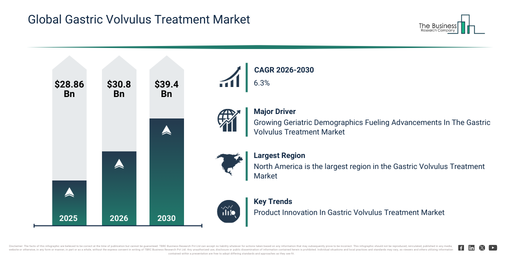
    The gastric volvulus treatment market size has shown strong growth in recent years. It is forecast to increase from $28.86 billion in 2025 to $30.8 billion in 2026, registering a compound annual growth rate (CAGR) of 6.7%. Historically, this growth can be attributed to the availability of surgical treatment options, the expansion of hospital emergency care, diagnosis facilitated by imaging tests, the advancement of gastropexy procedures, and improvements in surgical expertise.

    The gastric volvulus treatment market size is anticipated to observe significant growth in the coming years. It is predicted to reach $39.4 billion by 2030, with a compound annual growth rate (CAGR) of 6.3%. The growth during the projected period can be ascribed to the rise in minimally invasive surgery, advancements in emergency response systems, the utilization of advanced imaging, the expansion of specialty surgical centers, and increased clinical understanding. Key trends for the forecast period include a heightened preference for surgical intervention, greater adoption of minimally invasive procedures, improved emergency diagnosis and management, the broadening of specialized surgical care, and an emphasis on swift treatment to mitigate mortality rates.

    Get A Free Sample Report With In-Depth Market Insights:

    https://thebusinessresearchcompany.com/sample_request?id=26903520&type=smp&name=Gastric%20Volvulus%20Treatment%20Market%20Report%202026&utm_source=Blogs&utm_medium=Paid&utm_campaign=Nov_PR

    Gastric Volvulus Treatment Market Opportunity Drivers: What’s Unlocking New Revenue Potential?

    The escalating geriatric population is anticipated to drive the expansion of the gastric volvulus treatment market in the coming years. This demographic encompasses adults aged 65 years and beyond, who are susceptible to various health conditions due to diminished immunity and advancing age. Gastric volvulus particularly affects older adults over the age of 50. Therefore, an uptick in the geriatric population is expected to boost this market. A notable illustration can be seen in January 2024, where statistics from the Population Reference Bureau (PRB), a US-based nonprofit organization, forecast that the American population aged 65 and older will rise from 58 million in 2022 to 82 million in 2050, marking a 47% increase, and their representation in the overall population will expand from 17% to 23%. Consequently, the increasing geriatric populations are fueling the gastric volvulus treatment market.

    Gastric Volvulus Treatment Market Segment Landscape And Growth Outlook

    The gastric volvulus treatment market covered in this report is segmented –

    1) By Type: Organo-Axial Volvulus, Mesentero-Axial Volvulus

    2) By Treatment Type: Medication, Surgery

    3) By Route Of Administration: Oral, Parenteral

    4) By Distribution Channel: Hospital Pharmacy, Retail Pharmacy

    5) By End-User: Hospitals, Homecare, Specialty Clinics, Other End-Users

    Subsegments:

    1) By Organo-Axial Volvulus: Surgical Intervention, Endoscopic Management, Gastropexy

    2) By Mesentero-Axial Volvulus: Surgical Intervention, Gastropexy, Endoscopic Techniques

    Gastric Volvulus Treatment Market Innovation Trends: What Developments Are Reshaping The Industry?

    Leading companies within the gastric volvulus treatment market are focusing on developing innovative solutions, such as next-generation oral immunomodulatory therapies, to address the increasing demand for advanced treatment options that enhance long-term disease management and improve patients’ quality of life. These orally administered therapies target inflammatory and immune-driven mechanisms, providing a more convenient and precise alternative compared with traditional systemic treatments, which often carry higher side-effect risks and necessitate more intensive oversight. For example, in October 2023, Pfizer Inc., a US-based pharmaceutical company, announced that the U.S. Food and Drug Administration (FDA) had approved VELSIPITY (etrasimod). VELSIPITY (etrasimod) is a once-daily oral sphingosine-1-phosphate (S1P) receptor activator intended for individuals with moderate to severe active ulcerative colitis (UC). The official suggested dosage for VELSIPITY is 2 mg. ELSIPITY allows adults with moderately to severely active UC to achieve steroid-free resolution using an oral, once-daily pill that demonstrates a positive benefit-risk profile. The FDA’s approval of VELSIPITY today signifies an important turning point for UC patients seeking novel therapies for this long-term illness and who are ready to commence advanced treatment.

    Gastric Volvulus Treatment Market Competitive Landscape: Who Leads The Industry?

    Major companies operating in the gastric volvulus treatment market are Medtronic plc, Johnson & Johnson Services Inc., Stryker Corporation, Boston Scientific Corporation, Olympus Corporation, Karl Storz SE & Co KG, Cook Group Incorporated, B Braun Melsungen AG, ConMed Corporation, Fujifilm Holdings Corporation, Pentax Medical (Hoya Corporation), Ambu A S, Richard Wolf GmbH, USGI Medical, Ovesco Endoscopy AG, Endo Tools Therapeutics SA, ErgoSuture, Sutrue Ltd, Golden Stapler Surgical Co Ltd, TransEnterix Inc.

    View The Full Gastric Volvulus Treatment Market Report:

    https://thebusinessresearchcompany.com/report/gastric-volvulus-treatment-global-market-report?utm_source=Blogs&utm_medium=Paid&utm_campaign=Nov_PR

    Gastric Volvulus Treatment Market Regional Analysis And Top Geography

    North America was the largest region in the gastric volvulus market in 2025. Asia-Pacific is expected to be the fastest-growing region in the gastric volvulus treatment market report during the forecast period. The regions covered in the gastric volvulus treatment market report are Asia-Pacific, South East Asia, Western Europe, Eastern Europe, North America, South America, Middle East, Africa.

    Reach Out To Our Team:

    The Business Research Company: https://www.thebusinessresearchcompany.com/

    Americas: +1 310-496-7795

    Asia: +44 7882 955267 & +91 8897263534

    Europe: +44 7882 955267

    Email us at: marketing@tbrc.info

    Follow us on:

    LinkedIn: https://in.linkedin.com/company/the-business-research-company

    YouTube: https://www.youtube.com/channel/UC24_fI0rV8cR5DxlCpgmyFQ

    Global Market Model: https://www.thebusinessresearchcompany.com/global-market-model