Category: Healthcare Services

  • Fertility Services Market Outlook Through 2030: Understanding The Growth Opportunity

    Fertility Services Market Outlook Through 2030: Understanding The Growth Opportunity

    Backed by market attractiveness analysis, total addressable market sizing, company benchmarking matrices, interactive Excel dashboards, wider supply chain intelligence, emerging startup coverage, and detailed product-level insights, The Business Research Company’s 2026 market reports are designed to offer research that is more actionable and strategically valuable than ever.

    Fertility Services Market Expansion Outlook: What Revenue Opportunities Are Ahead?

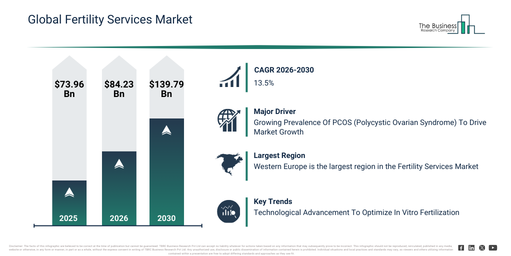
    The fertility services market size has shown substantial growth recently. It is projected to expand from $73.96 billion in 2025 to $84.23 billion in 2026, at a compound annual growth rate (CAGR) of 13.9%. Historically, this growth can be attributed to trends such as delayed parenthood, an increase in infertility prevalence, the expansion of IVF clinics, advancements in reproductive diagnostics, and the rising social acceptance of fertility treatments.

    The fertility services market size is anticipated to experience significant expansion over the coming years. This market is projected to reach $139.79 billion by 2030, exhibiting a compound annual growth rate (CAGR) of 13.5%. This forecasted growth can be attributed to several factors, including advancements in assisted reproduction technologies, an increase in fertility tourism, the growing application of AI in fertility planning, the expansion of fertility preservation services, and rising investment in reproductive healthcare. Key trends during this period are expected to include an escalating demand for assisted reproductive technologies, the proliferation of fertility clinics and centers, an increasing adoption of personalized fertility treatment plans, a rise in cross-border fertility tourism, and the integration of digital tools within fertility counseling.

    Get A Free Sample Report With In-Depth Market Insights:

    https://thebusinessresearchcompany.com/sample_request?id=61799142&type=smp&name=Fertility%20Services%20Market%20Report%202026&utm_source=Blogs&utm_medium=Paid&utm_campaign=Nov_PR

    Fertility Services Market Growth Drivers: What’s Behind The Acceleration?

    The increasing occurrence of Polycystic Ovarian Syndrome (PCOS) is projected to boost the growth of the fertility services market in the coming years. PCOS is a widespread hormonal disorder that affects individuals with ovaries, typically during their reproductive age. As the prevalence of PCOS rises, so too may the demand for fertility services, such as in vitro fertilization (IVF) and other assisted reproductive techniques, thereby stimulating the fertility services market. For example, in June 2023, the World Health Organization, an intergovernmental organization based in Switzerland, reported that approximately 8-13% of women in their reproductive years are estimated to be affected by polycystic ovary syndrome (PCOS), with a significant portion, up to 70%, of those impacted remaining undiagnosed globally. Thus, the growing prevalence of PCOS is a primary driver for the expansion of the fertility services market.

    Fertility Services Market Segment Landscape: Which Areas Lead Development?

    The fertility services market covered in this report is segmented –

    1) By Procedure: Assisted Reproductive Technology (Art), In-Vitro Fertilization, Artificial Insemination

    2) By Service: Fresh Non-Donor, Frozen Non-Donor, Egg And Embryo Banking, Fresh Donor, Frozen Donor

    3) By Application: Male, Female

    Subsegments:

    1) By Assisted Reproductive Technology (ART): Intracytoplasmic Sperm Injection (ICSI), Frozen Embryo Transfer (FET), Donor Egg And Sperm Programs

    2) By In-Vitro Fertilization (IVF): Conventional IVF, Mini IVF (Mild Stimulation IVF), Natural Cycle IVF

    3) By Artificial Insemination: Intrauterine Insemination (IUI), Intracervical Insemination (ICI), Intratubal Insemination (ITI)

    Fertility Services Market Trends Redefining Industry Growth

    Major companies within the fertility services market are actively developing innovative technologies, particularly AI-enabled embryo selection algorithms, to secure a competitive advantage. This AI-powered embryo selection method leverages sophisticated machine learning on time-lapse imaging and morphological data to predict the likelihood of embryo implantation success, thereby enhancing IVF outcomes. As an illustration, in August 2025, Nova IVF Fertility, a UK-based company specializing in fertility services, unveiled Vita Embryo, an AI-driven tool for embryo assessment. This technology provides accurate viability ranking, reduces the length of IVF cycles, and improves the transparency of treatment. Its purpose is to increase pregnancy rates, minimize multiple pregnancies, and boost clinical efficiency. While these AI advancements significantly improve precision and patient care, their adoption also requires addressing challenges such as elevated costs, regulatory supervision, and algorithmic transparency. These technologies are expected to transform the fertility services market by delivering more successful fertility treatments and an improved patient experience worldwide.

    Fertility Services Market Industry Leaders And Competitive Landscape

    Major companies operating in the fertility services market are Vitrolife, Merck KGaA, Progyny Inc., Virtus Health, Medicover Group, Apollo Hospitals Enterprise Ltd., Integramed America, Inc., The Johns Hopkins Health System Corp, Care Fertility, Australian Concept Infertility Medical Center (ACIMC), Bahosi Fertility Centre, Bloom Fertility Center, Center for Advanced Reproductive Medicine and Infertility, Chennai Fertility Center, Cloudnine Fertility, Damai Service Hospital, Flinders Reproductive Medicine Pty Ltd, Genea Oxford Fertility Limited, IHH Healthcare Berhad, IVF NAMBA Clinic, IVF Sri Lanka Life Plus (Pvt) Ltd, KL Fertility & Gynecology Centre, LIFE – Lahore Institute of Fertility & Endocrinology, Maria Fertility Hospital, Morula IVF, Nepal International Fertility Centre, Repromed, SAFE Fertility Center, Southend Fertility and IVF, Thomson Medical Pte Ltd, TMC Fertility Centre, Victory A.R.T. Laboratory Phils. Inc, CHA Fertility Center, United Family Hospital, The New Hope Fertility Center, NOVA IVF Fertility, Baby Joy Fertility and IVF, Fortis La Femme, ART Fertility Clinics, Ferticity Fertility Clinic, Milann Fertility Centre, Fertility First, City Fertility Sydney, Westmead Fertility Centre, Demeter Fertility, Adora Fertility, Rainbow Fertility, Monash IVF Group Limited, Mitra Keluarga Karyasehat Tbk PT, Sarang-i IVF Center, Beyond IVF, Bumrungrad International Hospital, Superior A.R.T, King’s Fertility, Manchester Fertility, St Roch IVF Center, Clinique De La Muette, Institut Marques, Hopital Cochin, iTrust Fertility, Apricity, Agora Clinic, TFP Fertility, Apryl, CCRM Fertility Clinic, ORIGIO, Maven Clinic, Bayonne Centre, Biomedival, Grand Paris Fertility Centre, Ava-Peter Clinic, IVF Russia (The International Centre Of The Reproductive Medicines), Next Generation Clinic, Scandinavia AVA-Peter, Nova Vita Clinic, INVICTA Fertility Clinics, Gyncentrum Fertility Clinic, Md Medical Group, Invo Bioscience, Carolinas Fertility Institute, Newlife Fertility Centre, Dallas Fort Worth Fertility Associates, Overlake Reproductive Health, Fertility Center Of Las Vegas, Weill Cornell Medicine – Center For Reproductive Medicine, UCSF Center For Reproductive Health, Brigham And Women’s Hospital Center For Infertility And Reproductive Surgery, Columbia University Fertility Center, Duke Fertility Center, Advanced Fertility Center Of Texas, Cleveland Clinic Fertility Center, NYU Langone Fertility Center, Mayo Clinic Assisted Reproductive Technologies Rochester, Massachusetts General Hospital Fertility Center, IVF Canada, Bio Fertility Center, The Mexican Institute For Higher Reproductive Technology (Inmater), Select IVF, Fertility Patagonia, In Vitro Buenos Aires, Halitus Instituto Medico, Pregna Medicina Reproductiva, IVF Panama Centro De Reproduccion Punta Pacifica, Colombian Center For Fertility, Sterility, Carrot Fertility, Oya Care, Kitazato, Dubai Fertility Center, Fakih IVF Fertility Center, Orchid Fertility, Bourn Hall Fertility Clinic, Alboshra IVF Center, George’s Memorial Medical Centre, Nordica Fertility Centre, The Olive Branch Clinic, St. Ives Specialist Hospital, Bridge Clinic Fertility Centre, Cairo Fertility Centre, Queens Fertility Centre, BPE Partners, Cleopatra Hospitals Group

    View The Full Fertility Services Market Report:

    https://thebusinessresearchcompany.com/report/Fertility-Services-Global-Market-Report?utm_source=Blogs&utm_medium=Paid&utm_campaign=Nov_PR

    Fertility Services Market Geographic Spread And Regional Opportunities

    Western Europe was the largest region in the fertility services market in 2025. North America was the second largest region in global fertility services market share. The regions covered in the fertility services market report are Asia-Pacific, South East Asia, Western Europe, Eastern Europe, North America, South America, Middle East, Africa.

    Reach Out To Our Team:

    The Business Research Company: https://www.thebusinessresearchcompany.com/

    Americas: +1 310-496-7795

    Asia: +44 7882 955267 & +91 8897263534

    Europe: +44 7882 955267

    Email us at: marketing@tbrc.info

    Follow us on:

    LinkedIn: https://in.linkedin.com/company/the-business-research-company

    YouTube: https://www.youtube.com/channel/UC24_fI0rV8cR5DxlCpgmyFQ

    Global Market Model: https://www.thebusinessresearchcompany.com/global-market-model
  • Feminine Intimate Care Market Growth Potential: What The Latest Forecast Reveals

    Feminine Intimate Care Market Growth Potential: What The Latest Forecast Reveals

    Featuring market attractiveness scoring, total addressable market sizing, company benchmarking matrices, interactive Excel dashboards, deeper supply chain intelligence, emerging startup tracking, and granular product-level insights, The Business Research Company’s 2026 market reports are built to deliver research that is both more actionable and more strategically valuable.

    Feminine Intimate Care Market Growth Potential: How Will Market Size Shift Through 2030?

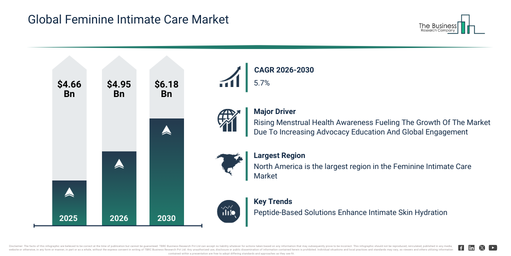
    The feminine intimate care market size has experienced robust expansion in recent years. It is projected to increase from $4.66 billion in 2025 to $4.95 billion in 2026, demonstrating a compound annual growth rate (CAGR) of 6.0%. This historical growth was driven by factors such as heightened awareness of intimate hygiene, the expansion of female wellness education, the development of personal care retail channels, rising disposable income among women, and increasing urbanization.

    The feminine intimate care market is projected to experience substantial expansion over the coming years. By 2030, its value is anticipated to reach $6.18 billion, exhibiting a compound annual growth rate (CAGR) of 5.7%. This growth throughout the forecast period is propelled by factors such as a heightened demand for sustainable feminine care items, the proliferation of online retail channels, an intensified emphasis on personalized intimate care, greater acceptance across various age demographics, and continuous advancements in gentle product formulations. Key developments expected during this timeframe involve a surging demand for pH-balanced intimate products, a growing inclination towards natural and organic compositions, wider uptake of fragrance-free options, an increase in offerings for menopause and postpartum care, and a sharpened attention to ingredients safe for the skin.

    Get A Free Sample Report With In-Depth Market Insights:

    https://thebusinessresearchcompany.com/sample_request?id=21308062&type=smp&name=Feminine%20Intimate%20Care%20Market%20Report%202026&utm_source=Blogs&utm_medium=Paid&utm_campaign=Nov_PR

    Feminine Intimate Care Market Growth Factors Behind Sustained Expansion

    Increased awareness regarding menstrual health is projected to fuel the expansion of the feminine intimate care market in the future. This awareness encompasses comprehending and openly discussing menstruation’s physical and emotional dimensions, intending to foster improved care and dismantle societal limitations. Its surge primarily stems from heightened advocacy and educational efforts, which empower individuals to pursue superior hygiene solutions and confront established cultural impediments. By fostering body literacy and diminishing stigma, menstrual health awareness improves feminine intimate care, leading to knowledgeable self-care practices and more wholesome product selections. This awareness enables women to manage their hygiene safely, thereby preventing infections and enhancing their comprehensive intimate wellness. As an illustration, in May 2024, WASH United GmbH, a German non-profit, reported that Menstrual Hygiene (MH) Day produced 23,400 pieces of media coverage and 293,000 social media contributions, collectively engaging 966 million individuals globally. Furthermore, South America experienced a notable boost in engagement, with social media contributions increasing by 191%, from 2,799 to 8,143, and media coverage dramatically escalating by 801%, from 184 to 1,664 pieces. Consequently, the expanding awareness of menstrual health is propelling the growth of the feminine intimate care market.

    Feminine Intimate Care Market Segments: Where Is Growth Concentrated?

    The feminine intimate care market covered in this report is segmented –

    1) By Product: Intimate Wipes, Intimate Lubricants, Cleansing Liquid, Intimate Wash Gel, Moisturizer, Oils, Other Products

    2) By Age Group: Teenagers, Adults, Seniors

    3) By Distribution Channel: Online Stores, Supermarkets Or Hypermarkets, Pharmacies, Specialty Stores

    Subsegments:

    1) By Intimate Wipes: PH-Balanced Wipes, Antibacterial Wipes, Fragrance-Free Wipes, Travel-Size Wipes, Biodegradable Wipes

    2) By Intimate Lubricants: Water-Based Lubricants, Silicone-Based Lubricants, Oil-Based Lubricants, Organic Or Natural Lubricants, Flavored Lubricants

    3) By Cleansing Liquid: Daily Cleansing Solutions, Medicated Cleansing Liquids, Fragrance-Free Cleansers, Herbal Or Plant-Based Cleansers, Sensitive Skin Formulas

    4) By Intimate Wash Gel: Soothing Wash Gels, Anti-Itch Wash Gels, Hydrating Wash Gels, Antibacterial Wash Gels, PH-Balanced Wash Gels

    5) By Moisturizer: Daily-Use Moisturizers, Hormone-Free Moisturizers, Natural Or Organic Moisturizers, Postpartum Moisturizers, Menopausal Care Moisturizers

    6) By Oils: Nourishing Oils, Anti-Inflammatory Oils, Antibacterial Oils, Stretch Mark Prevention Oils, Post-Shave Calming Oils

    7) By Other Products: Intimate Deodorants, Soothing Sprays, Skin Repair Balms, Ingrown Hair Treatments, Intimate Masks

    Feminine Intimate Care Market Strategic Trends: What Defines The Next Growth Phase?

    Leading companies in the feminine intimate care market are concentrating on developing sophisticated delivery mechanisms, such as those based on peptides, to boost product effectiveness, achieve profound absorption, and deliver sustained hydration with targeted therapeutic outcomes. Peptide-based delivery systems represent cutting-edge formulation technologies that leverage short amino acid chains (peptides) to transport active ingredients into the deeper strata of skin or tissue. For example, in September 2024, Curive Healthcare, a US-based pharmaceutical entity, unveiled Plum Serum, an external vulva moisturizer crafted with PCCA’s formulation expertise and featuring a proprietary V-bond delivery system. Plum Serum is engineered to provide long-lasting hydration and relief for vulvar dryness, utilizing biomimetic peptides to emulate the body’s inherent moisture barrier. The advanced V-bond delivery system ensures superior absorption and enhanced efficacy, rendering it suitable for sensitive intimate skin.

    Feminine Intimate Care Market Key Participants And Competitive Landscape

    Major companies operating in the feminine intimate care market are The Procter & Gamble Company, Johnson & Johnson, Unilever PLC, Kimberly-Clark Corporation, Reckitt Benckiser Group plc, Essity AB, Kao Corporation, Unicharm Corporation, Ontex BV, Glenmark Pharmaceuticals Limited, Nölken Hygiene Products GmbH, Elif Kozmetik Sanayi ve Ticaret A.S., Wet and Dry Personal Care Private Limited, Rael, Lil-Lets Limited, INLIFE Healthcare, Natracare, Aelicure Pharma Private Limited, Glowel Cosmetics, Himalaya Wellness Company, Truworth Healthcare Private Limited, Corman S.p.A

    View The Full Feminine Intimate Care Market Report:

    https://thebusinessresearchcompany.com/report/feminine-intimate-care-global-market-report?utm_source=Blogs&utm_medium=Paid&utm_campaign=Nov_PR

    Feminine Intimate Care Market Top Region By Revenue And Market Share

    North America was the largest region in the feminine intimate care market in 2025. Asia-Pacific is expected to be the fastest-growing region in the forecast period. The regions covered in the feminine intimate care market report are Asia-Pacific, South East Asia, Western Europe, Eastern Europe, North America, South America, Middle East, Africa.

    Reach Out To Our Team:

    The Business Research Company: https://www.thebusinessresearchcompany.com/

    Americas: +1 310-496-7795

    Asia: +44 7882 955267 & +91 8897263534

    Europe: +44 7882 955267

    Email us at: marketing@tbrc.info

    Follow us on:

    LinkedIn: https://in.linkedin.com/company/the-business-research-company

    YouTube: https://www.youtube.com/channel/UC24_fI0rV8cR5DxlCpgmyFQ

    Global Market Model: https://www.thebusinessresearchcompany.com/global-market-model
  • Feminine Hygiene Products Market Growth Outlook: Why Analysts Expect Continued Expansion

    Feminine Hygiene Products Market Growth Outlook: Why Analysts Expect Continued Expansion

    Built to provide research that’s more actionable and strategically valuable, The Business Research Company’s 2026 market reports include market attractiveness analysis, total addressable market sizing, company benchmarking matrices, interactive Excel dashboards, broader supply chain intelligence, emerging startup tracking, and in-depth product insights.

    Feminine Hygiene Products Market Value Analysis: What Growth Lies Ahead Over The Forecast Period?

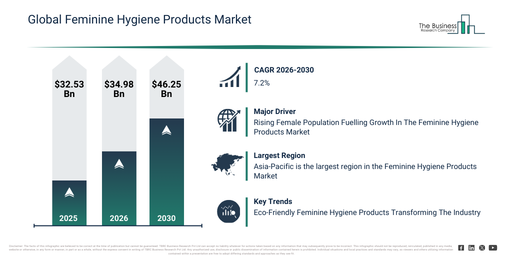
    The feminine hygiene products market has demonstrated robust expansion in recent years. It is forecast to rise from $32.53 billion in 2025 to $34.98 billion in 2026, achieving a compound annual growth rate (CAGR) of 7.5%. This historical growth can be ascribed to several factors, including heightened menstrual hygiene awareness campaigns, a wider reach in retail distribution, increasing female workforce participation, improved accessibility in terms of product pricing, and sanitation initiatives led by governments.

    The feminine hygiene products market size is projected to experience robust expansion over the coming years. It is anticipated to reach $46.25 billion by 2030, exhibiting a compound annual growth rate (CAGR) of 7.2%. This anticipated growth during the forecast period is attributable to several factors, including the increasing adoption of sustainable menstrual products, a growing inclination towards reusable alternatives, the broadening reach of e-commerce platforms, advancements in biodegradable materials, and heightened health awareness among women. Key trends expected during the forecast timeframe encompass the rising embrace of reusable and environmentally friendly items, an enhanced understanding of menstrual health and hygiene, a surge in demand for organic and chemical-free offerings, the expansion of online and direct-to-consumer sales channels, and continued product innovation, particularly concerning menstrual cups and pads.

    Get A Free Sample Report With In-Depth Market Insights:

    https://thebusinessresearchcompany.com/sample_request?id=21184383&type=smp&name=Feminine%20Hygiene%20Products%20Market%20Report%202026&utm_source=Blogs&utm_medium=Paid&utm_campaign=Nov_PR

    Feminine Hygiene Products Market Demand Drivers Opening New Revenue Streams

    The expansion of the female population is anticipated to propel the growth of the feminine hygiene products market. This refers to the total number of women and girls, which is increasing primarily due to rising global life expectancy, including for women. As this demographic expands, more individuals require feminine hygiene products to manage their menstrual and reproductive health needs, thereby driving demand. For example, in July 2023, the UN Division for Inclusive Social Development reported that women and girls constituted about 49.7 percent of the global population. Consequently, a growing female population is expected to drive the growth of the feminine hygiene products market.

    Feminine Hygiene Products Market Segment Analysis: What Are The Core Market Categories?

    The feminine hygiene products market covered in this report is segmented –

    1) By Type: Sanitary Napkins/Pads, Tampons, Panty Liners, Menstrual Cups

    2) By Nature: Disposable, Reusable

    3) By Distribution Channel: Online Stores, Retail Outlets, Specialty Stores

    Subsegments:

    1) By Sanitary Napkins Or Pads: Disposable Sanitary Pads, Reusable Sanitary Pads

    2) By Tampons: Regular Absorbency Tampons, Super Absorbency Tampons, Organic Tampons

    3) By Panty Liners: Daily Panty Liners, Organic Panty Liners

    4) By Menstrual Cups: Silicone Menstrual Cups, Rubber Menstrual Cups

    Feminine Hygiene Products Market Transformation Trends: What Innovations Are Driving Change?

    Major companies operating in the feminine hygiene market are prioritizing the development of innovative solutions, such as environmentally friendly feminine hygiene products, to satisfy the growing demand for sustainable, chemical-free, and ecologically responsible menstrual care options. These eco-friendly feminine hygiene products are crafted from natural fibers like organic cotton, bamboo, or hemp, providing reusable or biodegradable alternatives to standard plastic-based pads that create considerable waste and contain synthetic materials. For example, in May 2023, KNH, a manufacturing company based in Taiwan, introduced eco-friendly menstrual pads, which are sustainable alternatives to traditional disposable pads, engineered to minimize environmental impact while delivering effective menstrual hygiene. Composed of biodegradable materials such as organic cotton, bamboo, or hemp, these pads are devoid of harmful chemicals, plastics, and synthetic substances. They offer both comfort and breathability while remaining gentle on the skin. Numerous eco-friendly menstrual pads are designed for reuse, allowing users to wash and utilize them multiple times, greatly diminishing waste compared to single-use items. By selecting eco-friendly choices, individuals can support sustainable practices and contribute to lowering landfill waste, thereby fostering a healthier planet.

    Feminine Hygiene Products Market Top Companies Driving Competitive Growth

    Major companies operating in the feminine hygiene products market are Johnson & Johnson Pvt. Ltd., Procter & Gamble, Kimberly-Clark Corporation, Essity Aktiebolag (publ), Kao Corporation, Unicharm Corporation, Ontex Group NV, Hengan International Group Company Ltd., Maxim Hygiene Products, Edgewell Personal Care Company, Svenska Cellulosa Aktiebolaget SCA, First Quality Enterprises Inc., Corman S.p.A., Lil-lets UK Limited, Natracare LLC, The Honest Company Inc., Seventh Generation Inc., Diva International Inc., TZMO S.A., Daio Paper Corporation, Drylock Technologies NV, Premier FMCG LLC, Moxie Holdings Inc., Bodywise (UK) Ltd., Fippi S.A.

    View The Full Feminine Hygiene Products Market Report:

    https://thebusinessresearchcompany.com/report/feminine-hygiene-products-global-market-report?utm_source=Blogs&utm_medium=Paid&utm_campaign=Nov_PR

    Feminine Hygiene Products Market Regional Analysis And Top Geography

    Asia-Pacific was the largest region in the feminine hygiene products market in 2025. Asia-Pacific is expected to be the fastest-growing region in the forecast period. The regions covered in the feminine hygiene products market report are Asia-Pacific, South East Asia, Western Europe, Eastern Europe, North America, South America, Middle East, Africa.

    Reach Out To Our Team:

    The Business Research Company: https://www.thebusinessresearchcompany.com/

    Americas: +1 310-496-7795

    Asia: +44 7882 955267 & +91 8897263534

    Europe: +44 7882 955267

    Email us at: marketing@tbrc.info

    Follow us on:

    LinkedIn: https://in.linkedin.com/company/the-business-research-company

    YouTube: https://www.youtube.com/channel/UC24_fI0rV8cR5DxlCpgmyFQ

    Global Market Model: https://www.thebusinessresearchcompany.com/global-market-model
  • Female Infertility Market Forecast Insights: The Road To $2.26 Billion By 2030

    Female Infertility Market Forecast Insights: The Road To $2.26 Billion By 2030

    Backed by market attractiveness analysis, total addressable market sizing, company benchmarking matrices, interactive Excel dashboards, wider supply chain intelligence, emerging startup coverage, and detailed product-level insights, The Business Research Company’s 2026 market reports are designed to offer research that is more actionable and strategically valuable than ever.

    Female Infertility Market Size Forecast: How Big Could The Market Get By 2030?

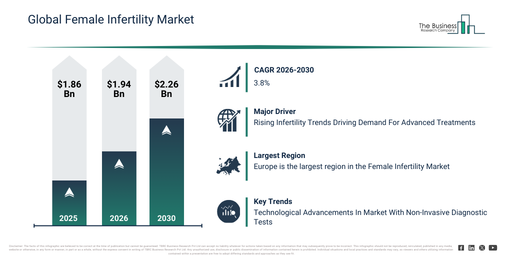
    The female infertility market size has exhibited consistent growth in recent years. It is forecast to increase from $1.86 billion in 2025 to $1.94 billion in 2026, achieving a compound annual growth rate (CAGR) of 4.1%. In the past, this market expansion can be ascribed to trends such as delayed childbearing, a greater understanding of infertility, the accessibility of fertility drugs, the establishment of more reproductive health clinics, and enhancements in diagnostic imaging.

    The female infertility market is projected to experience consistent expansion over the upcoming years. This market is forecast to reach $2.26 billion by 2030, exhibiting a compound annual growth rate (CAGR) of 3.8%. Factors driving this expansion during the forecast period include enhanced fertility drug developments, the rise of individualized fertility care, greater uptake of AI-powered fertility monitoring, the broadening scope of fertility tourism, and increasing capital directed towards reproductive health. Key trends anticipated for the forecast period encompass a surge in demand for assisted reproductive technologies, a heightened emphasis on hormonal and ovulation therapies, the increasing application of sophisticated diagnostic methods, the proliferation of fertility clinics and related services, and the incorporation of digital platforms into fertility management.

    Get A Free Sample Report With In-Depth Market Insights:

    https://thebusinessresearchcompany.com/sample_request?id=89002248&type=smp&name=Female%20Infertility%20Market%20Report%202026&utm_source=Blogs&utm_medium=Paid&utm_campaign=Nov_PR

    Female Infertility Market Growth Backed By Core Demand Fundamentals

    The rising occurrence of infertility is projected to fuel the expansion of the female infertility market in the future. Infertility is defined as the inability to achieve pregnancy following 12 months of consistent, unprotected sexual activity. The escalating rates of infertility stem from elements such as postponed childbearing, shifts in lifestyle, exposure to environmental toxins, a surge in obesity, and elevated stress levels. Addressing and managing underlying medical, hormonal, or structural conditions that hinder fertility necessitates female infertility treatment, thereby boosting the likelihood of conception and averting irreversible infertility. For example, in April 2023, the World Health Organization, a Switzerland-based intergovernmental body, reported that roughly 17.5% of the worldwide adult population, equivalent to approximately 1 in 6 people, experience infertility. Consequently, the growing incidence of infertility is a key factor driving the development of the female infertility market.

    Female Infertility Market Segment Breakdown: Which Categories Lead On Revenue?

    The female infertility market covered in this report is segmented –

    1) By Treatment: Clomiphene Citrate, Gonadotropins, Metformin, Letrozole, Bromocriptine

    2) By Route Of Administration: Oral, Parenteral, Other Route Of Administrations

    3) By End-User: Hospital Pharmacy, Retail Pharmacy, Online Pharmacy

    Subsegments:

    1) By Clomiphene Citrate: Oral Clomiphene Citrate, Injectable Clomiphene Citrate

    2) By Gonadotropins: Recombinant Gonadotropins, Urinary Gonadotropins, Human Chorionic Gonadotropin (hCG)

    3) By Metformin: Immediate-Release Metformin, Extended-Release Metformin

    4) By Letrozole: Oral Letrozole Tablets, Injectable Letrozole

    5) By Bromocriptine: Oral Bromocriptine Tablets, Intranasal Bromocriptine

    #Female Infertility Market Growth Trends: What’s Shaping The Future Outlook?

    Key enterprises within the female infertility market are concentrating on developing innovative products, such as non-invasive diagnostic tests, to secure a competitive advantage in the sector. A noninvasive diagnostic test is a medical procedure that identifies conditions or diseases without requiring surgical intervention or penetration of the body. For instance, in August 2024, Heranova Lifesciences, a US-based biotech company, launched an early access program for HerResolve, a non-invasive diagnostic test specifically for endometriosis. Endometriosis impacts approximately 200 million women worldwide, manifesting symptoms like infertility, pain, and bleeding. For many women, obtaining an accurate diagnosis typically requires an average of 7-10 years from the initial appearance of symptoms, primarily due to the diverse presentation of symptoms and the invasive character of the most reliable diagnostic technique, exploratory laparoscopic surgery. HerResolve offers the potential to reduce this diagnostic waiting period from years to months, which would lead to improved patient and healthcare outcomes. HerResolve aims to significantly shorten this timeline, thereby enhancing patient care and overall results.

    Female Infertility Market Leading Players And Competitive Positioning

    Major companies operating in the female infertility market are Pfizer Inc, Merck And Co Inc, Mayo Clinic, Teva Pharmaceutical Industries Ltd, Organon Theramex, Juniper Reproductive Health Ltd, Ferring Pharmaceuticals, Mankind Pharma, ARMC IVF, Zydus Cadila Healthcare, IBSA Institut Biochimique, Oxolife, Ava AG, Merck KGaA, Gedeon Richter Plc, Novartis AG, AbbVie Inc, Ipsen, Theramex, Vitrolife AB, Conceivable Life Sciences, AIVF

    View The Full Female Infertility Market Report:

    https://thebusinessresearchcompany.com/report/female-infertility-global-market-report?utm_source=Blogs&utm_medium=Paid&utm_campaign=Nov_PR

    Female Infertility Market Geographic Analysis: Where Is Demand Rising Fastest?

    Europe was the largest region in the female infertility market in 2025. Asia-Pacific is expected to be the fastest-growing region in the forecast period. The regions covered in the female infertility market report are Asia-Pacific, South East Asia, Western Europe, Eastern Europe, North America, South America, Middle East, Africa.

    Reach Out To Our Team:

    The Business Research Company: https://www.thebusinessresearchcompany.com/

    Americas: +1 310-496-7795

    Asia: +44 7882 955267 & +91 8897263534

    Europe: +44 7882 955267

    Email us at: marketing@tbrc.info

    Follow us on:

    LinkedIn: https://in.linkedin.com/company/the-business-research-company

    YouTube: https://www.youtube.com/channel/UC24_fI0rV8cR5DxlCpgmyFQ

    Global Market Model: https://www.thebusinessresearchcompany.com/global-market-model
  • Fecal Transplant Therapy Market Explained: What Is Fueling Growth To $2.87 Billion By 2030?

    Fecal Transplant Therapy Market Explained: What Is Fueling Growth To $2.87 Billion By 2030?

    Featuring market attractiveness scoring, total addressable market sizing, company benchmarking matrices, interactive Excel dashboards, deeper supply chain intelligence, emerging startup tracking, and granular product-level insights, The Business Research Company’s 2026 market reports are built to deliver research that is both more actionable and more strategically valuable.

    Fecal Transplant Therapy Market Revenue Outlook: What CAGR Lies Ahead Through 2030?

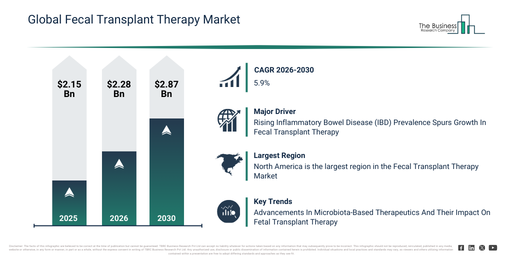
    The fecal transplant therapy market size has experienced significant growth in recent years. This market is anticipated to expand from $2.15 billion in 2025 to $2.28 billion in 2026, exhibiting a compound annual growth rate (CAGR) of 6.2%. The historical growth can be attributed to its documented effectiveness in treating recurrent CDI, increasing hospital awareness of microbiome therapies, the expansion of gastroenterology specialty services, the availability of basic stool preparation technologies, and early-stage clinical trials.

    The fecal transplant therapy market is projected to experience substantial growth in the coming years. It is anticipated to reach $2.87 billion by 2030, with a compound annual growth rate (CAGR) of 5.9%. This market expansion during the forecast period is driven by an increasing diversification of disease indications, a rising demand for regulated and standardized products, the expansion of outpatient fmt procedures, growing investment in microbiome therapeutics, and advancements in automated stool processing systems. Key trends expected in the forecast period include an increasing clinical adoption of stool-based therapies, a rising development of capsule and suspension formats, a growing exploration of neurological and metabolic indications, the expansion of in-hospital fmt programs, and an enhanced emphasis on safety and standardization.

    Get A Free Sample Report With In-Depth Market Insights:

    https://thebusinessresearchcompany.com/sample_request?id=98127453&type=smp&name=Fecal%20Transplant%20Therapy%20Market%20Report%202026&utm_source=Blogs&utm_medium=Paid&utm_campaign=Nov_PR

    Fecal Transplant Therapy Market Growth Catalysts And Demand Drivers

    The growing incidence of inflammatory bowel disease is anticipated to propel the future expansion of fecal transplant therapy markets. Inflammatory bowel disease (IBD) is defined as persistent inflammation of the gastrointestinal tract, encompassing conditions such as Crohn’s disease and ulcerative colitis. The rise in IBD cases stems from factors including increased consumption of highly processed foods, frequent or inappropriate use of antibiotics, enhanced hygiene, and reduced exposure to infectious agents during childhood. Fecal transplant therapy aims to restore a balanced gut microbiota, which assists in mitigating inflammation and improving symptoms for individuals with inflammatory bowel disease, potentially impacting its management and progression. For instance, in June 2023, according to Crohn’s and Colitis Canada, a Canada-based non-profit organization, 470,000 inflammatory bowel disease (IBD) sufferers are projected in Canada by 2035, an increase from an estimated 322,600 in 2023. Consequently, the increasing prevalence of inflammatory bowel disease is driving the growth of the fecal transplant therapy market.

    Fecal Transplant Therapy Market Segmentation: How Does The Market Break Down By Category?

    The fecal transplant therapy market covered in this report is segmented –

    1) By Procedure: Fecal Enema, Fecal Bacteriotherapy, Stool Transplant, Human Probiotic Infusion, Fecal Transfusion

    2) By Disease: Clostridium Difficile Infection, Autism, Obesity, Parkinson’s Disease (PD), Diabetes Mellitus, Other Diseases

    3) By End-User: Hospitals, Specialty Clinics, Other End-Users

    Subsegments:

    1) By Fecal Enema: Retention Enema, Cleansing Enema, Retention-Based Fecal Transplants, Home Administration Kits

    2) By Fecal Bacteriotherapy: Suspension-Based Bacteriotherapy, Capsule Formulations, Customized Bacterial Preparations, Single Strain vs. Multi-Strain Products

    3) By Stool Transplant: Direct Stool Transplant Procedures, Stool Suspension Transplant, Stool Capsule Transplant, Automated Stool Preparation Systems

    4) By Human Probiotic Infusion: Single-Strain Probiotic Infusions, Multi-Strain Probiotic Infusions, Probiotic Blends With Prebiotics, Infusion Kits for Healthcare Providers

    5) By Fecal Transfusion: Intravenous Fecal Transfusion, Transfusion via Gastrostomy Tube, Pre-Packaged Fecal Transfusion Solutions, Fecal Transfusion For Research Purposes

    Fecal Transplant Therapy Market Industry Trends: What’s Reshaping Demand?

    Key players within the fecal transplant therapy market are concentrating on creating novel treatments, including oral pill versions of fecal microbiota transplantation (FMT) therapy, aiming to boost patient adherence and expand the availability of the therapy. This oral form of fecal microbiota transplantation (FMT) therapy comprises live bacteria from donor feces, enclosed in capsules for ingestion, whose purpose is to restore beneficial gut bacteria and enhance overall intestinal well-being. For example, in April 2023, Seres Therapeutics Inc., a US-based biotechnology company, along with Nestlé Health Science S.A., a Switzerland-based healthcare company, introduced VOWST. Delivered in capsule form, VOWST offers a convenient and less intrusive treatment alternative for preventing recurrent clostridioides difficile infection (rCDI) in adults after receiving antibacterial therapy. In contrast to conventional fecal microbiota transplantation (FMT), which entails the transfer of entire stools, VOWST employs live bacterial spores from various Firmicute species sourced from the fecal microbiota of healthy human donors, believed to re-establish the gut microbiome.

    Fecal Transplant Therapy Market Competitive Overview And Top Companies

    Major companies operating in the fecal transplant therapy market are Mayo Clinic, Mount Sinai Health System Inc., Northwestern Medicine, NYU Langone Health, Michigan Medicine, UCLA Health, Duke University Health System Inc., Stanford Health Care, Ferring Pharmaceuticals, Cincinnati Children’s Hospital Medical Center, Emory Healthcare, Cambridge University Hospitals NHS Foundation Trust, Hamilton Health Sciences Corporation, Brigham and Women’s Faulkner Hospital Inc., Rebiotix Inc., Seres Therapeutics Inc., UPMC Hillman Cancer Center, OpenBiome, Center for Digestive Disease, BiomeBank Incorporated, The Regents of the University of California

    View The Full Fecal Transplant Therapy Market Report:

    https://thebusinessresearchcompany.com/report/fecal-transplant-therapy-global-market-report?utm_source=Blogs&utm_medium=Paid&utm_campaign=Nov_PR

    Fecal Transplant Therapy Market Global Footprint: Which Region Leads The Market?

    North America was the largest region in the fecal transplant therapy market in 2025. Asia-Pacific is expected to be the fastest-growing region in the forecast period. The regions covered in the fecal transplant therapy market report are Asia-Pacific, South East Asia, Western Europe, Eastern Europe, North America, South America, Middle East, Africa.

    Reach Out To Our Team:

    The Business Research Company: https://www.thebusinessresearchcompany.com/

    Americas: +1 310-496-7795

    Asia: +44 7882 955267 & +91 8897263534

    Europe: +44 7882 955267

    Email us at: marketing@tbrc.info

    Follow us on:

    LinkedIn: https://in.linkedin.com/company/the-business-research-company

    YouTube: https://www.youtube.com/channel/UC24_fI0rV8cR5DxlCpgmyFQ

    Global Market Model: https://www.thebusinessresearchcompany.com/global-market-model
  • Fecal Microbiota Transplantation (FMT) Market Forecast To Reach $1.27 Billion By 2030: Key Trends Explained

    Fecal Microbiota Transplantation (FMT) Market Forecast To Reach $1.27 Billion By 2030: Key Trends Explained

    Built to provide research that’s more actionable and strategically valuable, The Business Research Company’s 2026 market reports include market attractiveness analysis, total addressable market sizing, company benchmarking matrices, interactive Excel dashboards, broader supply chain intelligence, emerging startup tracking, and in-depth product insights.

    Fecal Microbiota Transplantation (FMT) Market Growth Analysis: How Will Revenue Trend Over The Forecast Period?

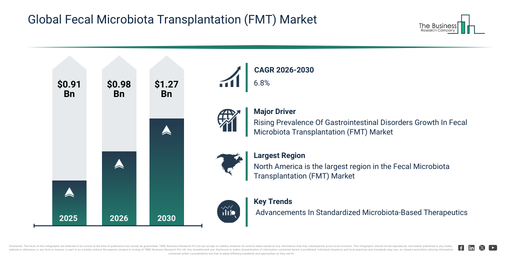
    The fecal microbiota transplantation (fmt) market has experienced significant growth in recent years. It is projected to expand from $0.91 billion in 2025 to $0.98 billion in 2026, demonstrating a compound annual growth rate (CAGR) of 7.1%. This historical growth can be primarily attributed to the growing recognition of the gut microbiome’s role in disease, the documented success of fmt in recurrent cdi cases, the expansion of hospital-based fmt programs, the provision of early regulatory guidance on microbiome therapies, and the increased availability of stool banks.

    The fecal microbiota transplantation (fmt) market is projected to experience substantial expansion over the upcoming years. This market is anticipated to reach a valuation of $1.27 billion by 2030, demonstrating a compound annual growth rate (CAGR) of 6.8%. Key factors driving this growth during the forecast period include intensified research into microbiome-derived therapies, a heightened need for standardized fmt products, the broadening of treatment applications beyond digestive disorders, increasing capital flowing into microbiome biotechnology, and advancements in oral administration methods. Significant trends emerging in the forecast timeframe encompass a greater emphasis on standardizing donor screening procedures, increased uptake of cryopreserved fmt options, wider clinical adoption beyond cdi treatment, the proliferation of capsule-based delivery methods, and an amplified focus on microbiome analytics.

    Get A Free Sample Report With In-Depth Market Insights:

    https://thebusinessresearchcompany.com/sample_request?id=36885286&type=smp&name=Fecal%20Microbiota%20Transplantation%20%28FMT%29%20Market%20Report%202026&utm_source=Blogs&utm_medium=Paid&utm_campaign=Nov_PR

    Fecal Microbiota Transplantation (FMT) Market Opportunity Drivers: What’s Unlocking New Revenue Potential?

    The increasing occurrence of gastrointestinal conditions is projected to boost the expansion of the fecal microbiota transplantation (FMT) market in the future. Gastrointestinal (GI) disorders encompass diverse medical issues impacting the gastrointestinal tract, comprising organs such as the esophagus, stomach, small intestine, large intestine (colon), rectum, and anus. The surge in gastrointestinal ailments stems from elevated stress levels, inactive lifestyles, and greater intake of processed foods. Fecal microbiota transplantation finds application in gastrointestinal disorders for re-establishing beneficial gut bacteria, especially in managing recurring Clostridioides difficile infections. For example, data from Crohn’s and Colitis Canada, a non-profit organization based in Canada, indicated a rapid increase in the number of individuals in Canada suffering from IBD, rising from 322,600 in 2023 (representing 0.8% of the population) to an anticipated 470,000 by 2035 (or 1.1% of the population). In 2023, 11,000 people will receive a diagnosis (equating to 1 every 48 minutes), with this figure expected to climb to 14,000 by 2035 (meaning 1 every 38 minutes). Consequently, the growing occurrence of gastrointestinal disorders serves as a significant impetus for the expansion of the fecal microbiota transplantation (FMT) market.

    Fecal Microbiota Transplantation (FMT) Market Segment Trends And Revenue Contributors

    The fecal microbiota transplantation (fmt) market covered in this report is segmented –

    1) By Type: Fermentation, Fresh, Cryopreservation

    2) By Donor Type: Stool-Derived, Fecal-Derived, Whole-Microbiome Derived

    3) By Indication: Clostridioides Difficile Infection, Inflammatory Bowel Disease, Metabolic Syndrome, Other Indications

    4) By Administration Route: Oral, Rectal, Nasogastric, Colon Capsule

    5) By End-User: Hospitals, Specialty Clinics, Other End-Users

    Subsegments:

    1) By Fermentation: Fermented FMT Products, Fermented Capsules, Fermented Liquids, In-House Fermentation Techniques

    2) By Fresh: Fresh Stool Samples, Fresh FMT Capsules, Fresh FMT Solutions for In-Hospital Use, Freshly Prepared FMT for Outpatient Use

    3) By Cryopreservation: Cryopreserved Stool Samples, Cryopreserved FMT Capsules, Cryopreserved Liquid FMT, Long-Term Storage Solutions for Cryopreserved FMT

    Fecal Microbiota Transplantation (FMT) Market Innovation Trends: What Developments Are Reshaping The Industry?

    Major companies operating in the fecal microbiota transplantation (FMT) market are focusing on incorporating standardized microbiota-based therapies, such as fecal microbiota spores, live-brpk, to enhance safety, patient compliance, treatment consistency, and scalability. Fecal microbiota spores, live-brpk are highly processed donor-derived microbial spores manufactured under strict screening and purification procedures to restore healthy gut microbiota with controlled dosing and reduced infection risk. For instance, in April 2023, Seres Therapeutics, a US-based microbiome therapeutics company, received FDA approval for VOWST, a fecal microbiota spores, live-brpk therapy designed to prevent recurrence of Clostridioides difficile infection in adults, featuring oral capsule delivery, defined microbial spore composition, and rigorous pathogen-screening protocols. VOWST improves treatment convenience, safety, and commercial scalability in the FMT sector.

    Fecal Microbiota Transplantation (FMT) Market Competitive Landscape: Which Companies Lead The Industry?

    Major companies operating in the fecal microbiota transplantation (fmt) market are Ferring Pharmaceuticals, Johns Hopkins Medicine, Seres Therapeutics, Taconic Biosciences, Enterome, Rebiotix Inc, Finch Therapeutics Group Inc, Locus Biosciences, Yeda Research and Development Co. Ltd, Microbiotica Limited, CosmosID Inc, AOBiome, Synthetic Biologics Inc., Osel Inc., OpenBiome, Asia Microbiota Bank, Taymount Clinic, MicroBiome Therapeutics LLC, MaaT Pharma SA, Kallyope

    View The Full Fecal Microbiota Transplantation (FMT) Market Report:

    https://thebusinessresearchcompany.com/report/fecal-microbiota-transplantation-fmt-global-market-report?utm_source=Blogs&utm_medium=Paid&utm_campaign=Nov_PR

    Fecal Microbiota Transplantation (FMT) Market Regional Split: Which Areas Are Fueling Growth?

    North America was the largest region in the fecal microbiota transplantation (FMT) market in 2025. The regions covered in the fecal microbiota transplantation (fmt) market report are Asia-Pacific, South East Asia, Western Europe, Eastern Europe, North America, South America, Middle East, Africa.

    Reach Out To Our Team:

    The Business Research Company: https://www.thebusinessresearchcompany.com/

    Americas: +1 310-496-7795

    Asia: +44 7882 955267 & +91 8897263534

    Europe: +44 7882 955267

    Email us at: marketing@tbrc.info

    Follow us on:

    LinkedIn: https://in.linkedin.com/company/the-business-research-company

    YouTube: https://www.youtube.com/channel/UC24_fI0rV8cR5DxlCpgmyFQ

    Global Market Model: https://www.thebusinessresearchcompany.com/global-market-model
  • Fecal Incontinence Market Analysis: Understanding The Drivers Behind 6.5% CAGR Through 2030 Growth

    Fecal Incontinence Market Analysis: Understanding The Drivers Behind 6.5% CAGR Through 2030 Growth

    Backed by market attractiveness analysis, total addressable market sizing, company benchmarking matrices, interactive Excel dashboards, wider supply chain intelligence, emerging startup coverage, and detailed product-level insights, The Business Research Company’s 2026 market reports are designed to offer research that is more actionable and strategically valuable than ever.

    Fecal Incontinence Market Forecast: What Value Will The Market Reach By 2030?

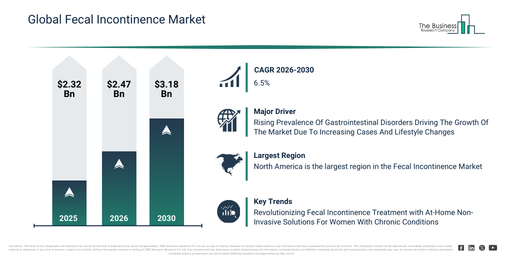
    The fecal incontinence market has experienced robust expansion in recent years. It is anticipated to expand from $2.32 billion in 2025 to $2.47 billion in 2026, reflecting a compound annual growth rate (CAGR) of 6.6%. The historical surge in this market was influenced by factors including an escalating geriatric population, a rising prevalence of gastrointestinal disorders, enhanced accessibility of disposable continence products, increasing understanding of bowel health conditions, and more accurate diagnosis of pelvic floor dysfunction.

    The fecal incontinence market is projected to experience substantial expansion over the coming years. By 2030, its valuation is anticipated to reach $3.18 billion, exhibiting a compound annual growth rate (CAGR) of 6.5%. This forecasted growth is primarily driven by factors such as the greater acceptance of non-invasive treatment methods, a heightened need for tailored continence solutions, increased prevalence of home healthcare services, the proliferation of digital pelvic floor therapy instruments, and a stronger emphasis in healthcare on improving patients’ quality of life. Key developments expected during this period involve the wider embrace of sophisticated absorbent items, a rise in the application of electrical stimulation treatments, an increasing inclination towards managing conditions at home, the broader availability of less invasive treatment alternatives, and a heightened commitment to ensuring patient comfort and discretion.

    Get A Free Sample Report With In-Depth Market Insights:

    https://thebusinessresearchcompany.com/sample_request?id=21965&type=smp&name=Fecal%20Incontinence%20Market%20Report%202026&utm_source=Blogs&utm_medium=Paid&utm_campaign=Nov_PR

    Fecal Incontinence Market Growth Momentum: What Factors Are Shaping Demand?

    The growing incidence of gastrointestinal disorders is projected to boost the expansion of the fecal incontinence market in the future. Gastrointestinal (GI) disorders are medical conditions that impact the digestive system, including the esophagus, stomach, intestines, liver, pancreas, and gallbladder. The occurrence of gastrointestinal disorders is escalating due to poor dietary habits and shifts in lifestyle, such as high consumption of processed foods and insufficient fiber intake. GI conditions like inflammatory bowel disease (IBD), chronic diarrhea, and irritable bowel syndrome (IBS) can lead to fecal incontinence by disrupting bowel function in various ways. For instance, in June 2023, Crohn’s and Colitis Canada, a Canada-based charity focused on helping and improving the lives of people living with Crohn’s or colitis, stated that the number of individuals living with inflammatory bowel disease (IBD) is expected to increase from 322,600 in 2023 (0.8% of the population) to 470,000 by 2035 (1.1% of the population). Additionally, 11,000 new cases were projected for 2023 (equivalent to one diagnosis every 48 minutes), increasing to 14,000 new cases in 2035 (one every 38 minutes). Thus, the rising prevalence of gastrointestinal disorders is fostering the growth of the fecal incontinence market.

    Fecal Incontinence Market Segment Analysis Spotlighting Growth Areas

    The fecal incontinence market covered in this report is segmented –

    1) By Product Type: Absorbent Products, Anal Inserts, Electrical Stimulation Devices, Other Product Types

    2) By Age Group: Pediatric, Adult, Geriatric

    3) By Application: Hospitals, Clinics, Home Care Settings, Other Applications

    4) By Distribution Channel: Online Stores, Pharmacies, Specialty Stores, Other Distribution Channels

    Subsegments:

    1) By Absorbent Products: Adult Diapers, Protective Underwear, Pads And Liners

    2) By Anal Inserts: Disposable Anal Inserts, Reusable Anal Inserts

    3) By Electrical Stimulation Devices: Implantable Devices, Non-Implantable Devices

    4) By Other Product Types: Biofeedback Systems, Injectable Bulking Agents, Surgical Devices

    Fecal Incontinence Market Trends: What’s Defining The Industry’s Next Phase?

    Companies active in the fecal incontinence market are prioritizing the development of cutting-edge solutions, such as pelvic health systems, with the goals of elevating patient comfort, improving treatment outcomes, and expanding market reach. A pelvic health system denotes a collection of medical technologies, services, and therapies dedicated to diagnosing, managing, and enhancing the well-being of pelvic organs and structures. These systems are typically engineered to address conditions impacting the pelvic floor, including incontinence, pelvic discomfort, and reproductive health challenges. For example, in June 2023, Axena Health Inc., a U.S.-based medical device enterprise, unveiled the Leva pelvic health system, having secured U.S. Food and Drug Administration clearance. This advanced system presents a convenient, non-invasive, and drug-free strategy for strengthening pelvic floor muscles, utilizing motion sensors and live feedback to guide individuals through efficacious five-minute daily exercises. Through heightened accessibility and efficiency facilitated by telehealth integration, the system specifically targets fecal incontinence, providing a practical option for those afflicted.

    Fecal Incontinence Market Leading Companies: Who Holds The Strongest Market Presence?

    Major companies operating in the fecal incontinence market are 3M Company, Medtronic plc, Medline Industries LP, Essity AB, B. Braun Melsungen AG, Domtar Corporation, Coloplast Corp., HARTMANN Direct, ConvaTec Group plc, Ontex Group NV, Hollister Incorporated, Abena Group, Laborie Medical Technologies, Home Care Delivered, 180 Medical, Attends Healthcare Products Inc., Principle Business Enterprises Inc., Carewell, NorthShore Care Supply, InControl Medical, Tranquility Products, Aeroflow Urology, Reliance Medical Inc., TZMO SA, Allegro Medical

    View The Full Fecal Incontinence Market Report:

    https://thebusinessresearchcompany.com/report/fecal-incontinence-global-market-report?utm_source=Blogs&utm_medium=Paid&utm_campaign=Nov_PR

    Fecal Incontinence Market Top Region: Where Does Most Revenue Come From?

    North America was the largest region in the fecal incontinence market in 2025. The regions covered in the fecal incontinence market report are Asia-Pacific, South East Asia, Western Europe, Eastern Europe, North America, South America, Middle East, Africa.

    Reach Out To Our Team:

    The Business Research Company: https://www.thebusinessresearchcompany.com/

    Americas: +1 310-496-7795

    Asia: +44 7882 955267 & +91 8897263534

    Europe: +44 7882 955267

    Email us at: marketing@tbrc.info

    Follow us on:

    LinkedIn: https://in.linkedin.com/company/the-business-research-company

    YouTube: https://www.youtube.com/channel/UC24_fI0rV8cR5DxlCpgmyFQ

    Global Market Model: https://www.thebusinessresearchcompany.com/global-market-model
  • Febrile Neutropenia Market Growth To $15.19 Billion By 2030: What’s Driving The Expansion?

    Febrile Neutropenia Market Growth To $15.19 Billion By 2030: What’s Driving The Expansion?

    Featuring market attractiveness scoring, total addressable market sizing, company benchmarking matrices, interactive Excel dashboards, deeper supply chain intelligence, emerging startup tracking, and granular product-level insights, The Business Research Company’s 2026 market reports are built to deliver research that is both more actionable and more strategically valuable.

    Febrile Neutropenia Market Size Outlook: How Quickly Will Revenue Expand Through 2030?

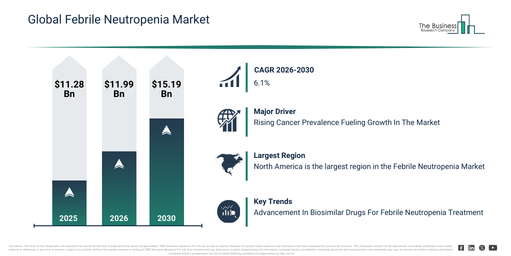
    The febrile neutropenia market has seen robust expansion over recent years. Its valuation is predicted to rise from $11.28 billion in 2025 to $11.99 billion in 2026, achieving a compound annual growth rate (CAGR) of 6.3%. This historical growth can be linked to an increase in cancer chemotherapy utilization, a surge in hospital admissions, the accessibility of a wide range of broad-spectrum antibiotics, heightened awareness about infections, and the establishment of more oncology centers.

    The febrile neutropenia market size is anticipated to undergo significant expansion in the coming years, projected to swell to $15.19 billion by 2030, demonstrating a compound annual growth rate (CAGR) of 6.1%. This growth during the forecast period can be primarily ascribed to advancements in targeted antimicrobial therapy, an increasing oncology patient population, enhanced early infection detection, the growing application of G-CSFs, and the widening reach of precision oncology care. Noteworthy trends for the forecast period include an escalating incidence of chemotherapy-induced neutropenia, a rise in empirical antibiotic therapy utilization, the increasing adoption of supportive care treatments, an expansion of hospital-based infection management practices, and improvements in diagnostic and monitoring technologies.

    Get A Free Sample Report With In-Depth Market Insights:

    https://thebusinessresearchcompany.com/sample_request?id=85689504&type=smp&name=Febrile%20Neutropenia%20Market%20Report%202026&utm_source=Blogs&utm_medium=Paid&utm_campaign=Nov_PR

    Febrile Neutropenia Market Expansion Drivers: What’s Shaping Future Growth?

    The expanding occurrence of cancer is projected to advance the growth of the febrile neutropenia market. Cancer is characterized as a complex group of illnesses where abnormal cells proliferate uncontrollably, potentially invading adjacent tissues and metastasizing throughout the body. The escalating incidence of cancer is attributable to factors like an aging population, exposure to environmental and occupational hazards, genetic predispositions, and hormonal and reproductive elements. Febrile neutropenia offers vital support to cancer patients by highlighting the heightened risk of infections during chemotherapy, thereby promoting prompt intervention and targeted therapies to prevent severe, life-threatening complications, which in turn improves patient outcomes and facilitates the continuous delivery of cancer treatment. For instance, in 2024, the Canadian Cancer Society, a Canada-based national cancer charity, noted that 32,100 people in Canada were diagnosed with lung cancer, accounting for 23.5% of all cancer-related deaths. It was also observed that lung cancer cases among females rose from 15,800 cases in 2023 to 17,300 cases in 2024. As a result, the increasing prevalence of cancer is a key driver for the growth of the febrile neutropenia market.

    Febrile Neutropenia Market Segment Performance And Emerging Opportunities

    The febrile neutropenia market covered in this report is segmented –

    1) By Treatment: Empirical Antibiotic Therapy, Targeted Antibiotic Therapy, Supportive Care

    2) By Risk Factors: Chemotherapy-Induced Neutropenia, Transplant-Related Neutropenia, Genetic Disorders

    3) By Etiology: Gram-Negative Bacteria, Gram-Positive Bacteria, Fungal Infections, Viral Infections

    4) By Diagnostic Methods: Blood Cultures, Imaging Tests, Bone Marrow Aspiration

    Subsegments:

    1) By Empirical Antibiotic Therapy: Broad-Spectrum Beta-Lactams, Glycopeptides, Carbapenems

    2) By Targeted Antibiotic Therapy: Antifungal Therapy, Antiviral Therapy, Gram-Positive Bacterial Therapy, Gram-Negative Bacterial Therapy

    3) By Supportive Care: Granulocyte Colony-Stimulating Factors (G-CSFs), Intravenous Fluids, Antipyretics And Pain Management

    Febrile Neutropenia Market Industry Trends Fueling Future Revenue Growth

    Leading firms within the febrile neutropenia sector are prioritizing the creation of sophisticated biosimilar medications, including long-acting granulocyte-colony stimulating factor (G-CSF) fusion proteins, aiming for a competitive edge. Such fusion G-CSFs consist of recombinant proteins that connect G-CSF with an Fc fragment, allowing for prolonged neutrophil stimulation throughout a chemotherapy cycle. As an illustration, in November 2024, Evive Biotech, a biopharmaceutical firm headquartered in Singapore, launched in Germany a non-pegylated, long-acting G-CSF intended for chemotherapy-induced neutropenia. This product provides an extended half-life through an IgG2-Fc fusion and utilizes mammalian cell expression to achieve human-like glycosylation. While these next-generation and biosimilar G-CSFs enhance patient accessibility and decrease the required dosing frequency, they are confronted with intricate regulatory challenges and possible immunogenicity issues.

    Febrile Neutropenia Market Key Players: Which Companies Lead Industry Competition?

    Major companies operating in the febrile neutropenia market are Pfizer Inc., Sanofi S.A., Amgen Inc., Teva Pharmaceutical Industries Ltd., Fresenius Kabi, Aurobindo Pharma Ltd., Lupin Limited, Hospira Inc., Coherus BioSciences Inc., Gennova Biopharmaceuticals Limited, Dr Reddy’s Laboratories Ltd., Sun Pharmaceutical Industries Ltd., Novartis AG, Merck & Co. Inc., AstraZeneca PLC, Bayer AG, Cipla Ltd., Zydus Cadila, Celltrion Inc., Samsung Bioepis Co. Ltd.

    View The Full Febrile Neutropenia Market Report:

    https://thebusinessresearchcompany.com/report/febrile-neutropenia-global-market-report?utm_source=Blogs&utm_medium=Paid&utm_campaign=Nov_PR

    Febrile Neutropenia Market Regional Breakdown: Where Is Demand Concentrated?

    North America was the largest region in the febrile neutropenia market in 2025. Asia-Pacific is expected to be the fastest-growing region in the forecast period. The regions covered in the febrile neutropenia market report are Asia-Pacific, South East Asia, Western Europe, Eastern Europe, North America, South America, Middle East, Africa.

    Reach Out To Our Team:

    The Business Research Company: https://www.thebusinessresearchcompany.com/

    Americas: +1 310-496-7795

    Asia: +44 7882 955267 & +91 8897263534

    Europe: +44 7882 955267

    Email us at: marketing@tbrc.info

    Follow us on:

    LinkedIn: https://in.linkedin.com/company/the-business-research-company

    YouTube: https://www.youtube.com/channel/UC24_fI0rV8cR5DxlCpgmyFQ

    Global Market Model: https://www.thebusinessresearchcompany.com/global-market-model
  • Fatty Liver Treatment Market Trends Reshaping Industry Growth Through 2030

    Fatty Liver Treatment Market Trends Reshaping Industry Growth Through 2030

    Built to provide research that’s more actionable and strategically valuable, The Business Research Company’s 2026 market reports include market attractiveness analysis, total addressable market sizing, company benchmarking matrices, interactive Excel dashboards, broader supply chain intelligence, emerging startup tracking, and in-depth product insights.

    Fatty Liver Treatment Market Size, Value And Growth Trajectory Through 2030

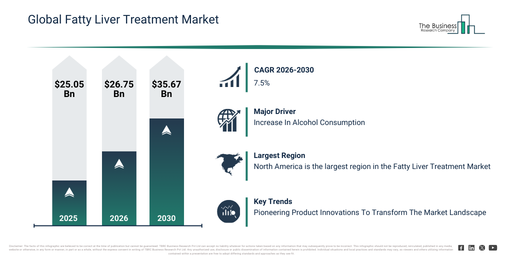
    The fatty liver treatment market has experienced robust growth in recent years. It is projected to expand from $25.05 billion in 2025 to $26.75 billion in 2026, achieving a compound annual growth rate (CAGR) of 6.8%. This historical growth can be attributed to several factors including an increase in obesity rates, rising diabetes prevalence, improvements in liver diagnostic tools, growing awareness of liver health, and the expansion of hepatology clinics.

    The fatty liver treatment market is projected for substantial expansion in the coming years, reaching a valuation of $35.67 billion by 2030, driven by a compound annual growth rate (CAGR) of 7.5%. This anticipated growth during the forecast period is attributable to several factors, including the creation of new NAFLD medications, the greater adoption of non-invasive diagnostic methods, the expansion of preventive healthcare initiatives, the wider availability of tele-hepatology services, and increased funding for liver disease research. Key trends expected over the forecast horizon encompass the increasing incidence of non-alcoholic fatty liver disease, a heightened emphasis on lifestyle-oriented treatment strategies, the broader application of targeted drug therapies, an increase in early liver disease screening efforts, and the incorporation of digital health solutions for disease tracking.

    Get A Free Sample Report With In-Depth Market Insights:

    https://thebusinessresearchcompany.com/sample_request?id=21351243&type=smp&name=Fatty%20Liver%20Treatment%20Market%20Report%202026&utm_source=Blogs&utm_medium=Paid&utm_campaign=Nov_PR

    Fatty Liver Treatment Market Development Factors: What’s Supporting Demand?

    Rising alcohol consumption is anticipated to propel the expansion of the fatty liver treatment market in the future. This consumption refers to the intake of beverages that contain alcohol, which is a psychoactive substance known for its depressant effects on the central nervous system. Alcohol consumption can exacerbate fatty liver disease and potentially lead to more severe liver conditions, including alcoholic fatty liver disease (AFLD) and alcoholic hepatitis. For instance, in November 2025, the OECD, a Paris-based intergovernmental organization, reported that in 2023, the average annual per capita alcohol consumption across its member countries stood at 8.5 liters of pure alcohol. Consequently, the increasing levels of alcohol consumption are a primary driver for the growth of the fatty liver treatment market.

    Fatty Liver Treatment Market Segment Landscape And Growth Outlook

    The fatty liver treatment market covered in this report is segmented –

    1) By Treatment Type: Anti-Viral Drugs, Chemotherapy Drugs, Targeted Therapy, Anti-Fibrotic Drugs

    2) By Disease Type: Hepatitis, Liver Cancer, Non-Alcoholic Fatty Liver Disease, Other Diseases

    3) By End User: Hospitals, Ambulatory Surgery Centers, Other End Users

    Subsegments:

    1) By Anti-Viral Drugs: Direct-Acting Antivirals (DAAs), Nucleos(t)ide Analogs

    2) By Chemotherapy Drugs: Conventional Chemotherapy Agents, Novel Chemotherapeutics Under Investigation

    3) By Targeted Therapy: Small Molecule Inhibitors, Monoclonal Antibodies

    4) By Anti-Fibrotic Drugs: PPAR Agonists, FXR Agonists, GLP-1 Receptor Agonists, SGLT2 Inhibitors, Other Insulin Sensitizers

    Fatty Liver Treatment Market Trends Powering Strategic Industry Growth

    Prominent companies operating in the fatty liver treatment market are dedicated to devising novel solutions, including next-generation metabolic-modulating biologics, to fulfill the escalating demand for effective treatments that target the core mechanisms of NAFLD and NASH. These biologic therapies engage with crucial metabolic and inflammatory pathways, presenting a more focused and disease-modifying approach compared to traditional lifestyle-based interventions, which offer restricted therapeutic impact for advanced disease. For instance, in March 2023, Akero Therapeutics, a US-based biotechnology company, released positive Phase II reports for efruxifermin, a treatment intended for non-invasively diagnosed nonalcoholic fatty liver disease (NAFLD) and nonalcoholic steatohepatitis (NASH). It functions as a differentiated Fc-FGF21 fusion protein, mimicking the biological activity of fibroblast growth factor 21 (FGF21), which regulates a multitude of metabolic pathways and cellular processes.

    Fatty Liver Treatment Market Competitive Landscape: Who Leads The Industry?

    Major companies operating in the fatty liver treatment market are Pfizer Inc., Johnson & Johnson Services Inc., Hoffmann La Roche Ltd., AstraZeneca plc, Merck & Co. Inc., AbbVie Inc., Bayer AG, Novartis AG, Sanofi S.A., The Bristol-Myers Squibb Company, Gilead Sciences Inc., Novo Nordisk A/S, Intercept Pharmaceuticals Inc., Madrigal Pharmaceuticals Inc., Genfit, Conatus Pharmaceuticals Inc., NGM Biopharmaceuticals Inc., Cardax Inc., Eisai Co. Ltd., Alnylam Pharmaceuticals Inc.

    View The Full Fatty Liver Treatment Market Report:

    https://thebusinessresearchcompany.com/report/fatty-liver-treatment-global-market-report?utm_source=Blogs&utm_medium=Paid&utm_campaign=Nov_PR

    Fatty Liver Treatment Market Geographic Landscape: Which Region Leads Industry Growth?

    North America was the largest region in the fatty liver treatment market in 2025. Asia-Pacific is expected to be the fastest-growing region in the forecast period. The regions covered in the fatty liver treatment market report are Asia-Pacific, South East Asia, Western Europe, Eastern Europe, North America, South America, Middle East, Africa.

    Reach Out To Our Team:

    The Business Research Company: https://www.thebusinessresearchcompany.com/

    Americas: +1 310-496-7795

    Asia: +44 7882 955267 & +91 8897263534

    Europe: +44 7882 955267

    Email us at: marketing@tbrc.info

    Follow us on:

    LinkedIn: https://in.linkedin.com/company/the-business-research-company

    YouTube: https://www.youtube.com/channel/UC24_fI0rV8cR5DxlCpgmyFQ

    Global Market Model: https://www.thebusinessresearchcompany.com/global-market-model

  • Fatty Acid Oxidation Disorders (FAODs) Market Growth To $14.69 Billion Creates New Opportunities Across The Industry

    Fatty Acid Oxidation Disorders (FAODs) Market Growth To $14.69 Billion Creates New Opportunities Across The Industry

    Backed by market attractiveness analysis, total addressable market sizing, company benchmarking matrices, interactive Excel dashboards, wider supply chain intelligence, emerging startup coverage, and detailed product-level insights, The Business Research Company’s 2026 market reports are designed to offer research that is more actionable and strategically valuable than ever.

    Fatty Acid Oxidation Disorders (FAODs) Market CAGR Outlook And Future Development

    The market for fatty acid oxidation disorders (FAODs) has experienced robust growth in recent years. It is projected to expand from $10.23 billion in 2025 to $11.01 billion by 2026, achieving a compound annual growth rate (CAGR) of 7.6%. This historical expansion can be attributed to factors such as the implementation of neonatal screening initiatives, an increased diagnosis of inherited metabolic disorders, improved clinical awareness, the expansion of hospital-based metabolic clinics, and the availability of supportive drug therapies.

    The market size for fatty acid oxidation disorders (faods) is set to demonstrate robust growth over the next few years. It is projected to expand to $14.69 billion by 2030, achieving a compound annual growth rate (CAGR) of 7.5%. This growth during the forecast period is primarily driven by progress in enzyme replacement therapies, the expansion of genetic research, an increase in personalized nutrition plans, better reimbursement policies for rare diseases, and more government support for early screening. Prominent trends anticipated in the forecast period include the increasing adoption of newborn screening programs, a greater focus on the early diagnosis of metabolic disorders, the growing utilization of nutritional and dietary management, broadened awareness of rare disease treatments, and improved access to therapies for metabolic disorders.

    Get A Free Sample Report With In-Depth Market Insights:

    https://thebusinessresearchcompany.com/sample_request?id=85286714&type=smp&name=Fatty%20Acid%20Oxidation%20Disorders%20%28FAODs%29%20Market%20Report%202026&utm_source=Blogs&utm_medium=Paid&utm_campaign=Nov_PR

    Fatty Acid Oxidation Disorders (FAODs) Market Industry Drivers: What’s Behind The Revenue Growth?

    The growing need for gene therapy is anticipated to boost the expansion of the fatty acid oxidation disorders (FAODs) market moving forward. Gene therapy is defined as a medical approach involving the alteration or replacement of faulty genes to either treat existing diseases or prevent their occurrence. This rising demand for gene therapy is attributed to its capability to address genetic conditions, cancer, and rare diseases by targeting their fundamental genetic causes, thereby attracting significant investments and fostering advancements in biotechnology. For fatty acid oxidation disorders, gene therapy aims to rectify metabolic shortcomings by delivering functional genes, restoring enzymatic activity, improving energy production, and averting disease complications. Illustrating this, the American Society of Gene & Cell Therapy (ASGCT), a US-based nonprofit professional medical and scientific organization, reported in 2024 that the global pipeline of gene, cell, and RNA therapies increased from 3,483 in Q4 2022 to 3,951 in Q4 2023, ultimately reaching 4,238 in Q4 2024. Therefore, the heightened demand for gene therapy is a significant driver for the growth of the fatty acid oxidation disorders (FAODs) market.

    Fatty Acid Oxidation Disorders (FAODs) Market Breakdown By Product Type And Application

    The fatty acid oxidation disorders (faods) market covered in this report is segmented –

    1) By Type: Long Chain, Short Chain

    2) By Drug Type: Levocarnitine, Dextrose, Riboflavin, Other Drug Types

    3) By Route of Administration: Oral, Intravenous

    4) By Distribution Channel: Hospital Pharmacies, Retail Pharmacies, Drug Stores, Online Stores

    5) By End User: Hospitals, Clinics, Pharmaceutical Companies

    Subsegments:

    1) By Long Chain: Very Long-Chain Acyl-CoA Dehydrogenase Deficiency (VLCAD), Long-Chain 3-Hydroxyacyl-CoA Dehydrogenase Deficiency (LCHAD), Trifunctional Protein Deficiency (TFP), Carnitine Palmitoyltransferase II Deficiency (CPT II)

    2) By Short Chain: Medium-Chain Acyl-CoA Dehydrogenase Deficiency (MCAD), Short-Chain Acyl-CoA Dehydrogenase Deficiency (SCAD), Carnitine Uptake Defect (CUD)

    Fatty Acid Oxidation Disorders (FAODs) Market Growth Trends Reshaping The Competitive Landscape

    Leading companies in the fatty acid oxidation disorders (FAODs) market are concentrating on developing innovative solutions, such as peroxisome proliferator-activated receptor delta (PPARd) agonists, to improve metabolic control and enhance treatment outcomes for patients with FAODs. A PPARd agonist is a compound that stimulates the PPARd receptor, which plays a role in regulating lipid metabolism, inflammation, and energy balance, potentially offering therapeutic benefits for metabolic disorders and cardiovascular diseases. For instance, in January 2023, Reneo Pharmaceuticals Inc., a U.S.-based clinical-stage pharmaceutical company, was granted Fast Track designation by the U.S. Food and Drug Administration (FDA) for its investigational drug, Mavodelpar (REN001). This drug targets long-chain 3-hydroxyacyl-CoA dehydrogenase (LCHAD) deficiency, a genotype associated with long-chain fatty acid oxidation disorder (LC-FAOD). By activating PPARd, mavodelpar intends to enhance mitochondrial function, improve energy metabolism, and mitigate symptoms linked to LC-FAOD.

    Fatty Acid Oxidation Disorders (FAODs) Market Company Landscape And Competitive Strategy

    Major companies operating in the fatty acid oxidation disorders (faods) market are Takeda Pharmaceutical Company Limited, Ultragenyx Pharmaceutical Inc, Sanofi SA, Novo Nordisk A S, Pfizer Inc, Merck & Co Inc, AstraZeneca PLC, Amgen Inc, AbbVie Inc, BioMarin Pharmaceutical Inc, PTC Therapeutics Inc, Horizon Therapeutics PLC, Recordati Rare Diseases SpA, Orphazyme A S, Mitsubishi Tanabe Pharma Corporation, Alexion Pharmaceuticals Inc (AstraZeneca Rare Disease), REGENXBIO Inc, Avrobio Inc, Homology Medicines Inc, Abeona Therapeutics Inc

    View The Full Fatty Acid Oxidation Disorders (FAODs) Market Report:

    https://thebusinessresearchcompany.com/report/fatty-acid-oxidation-disorders-faods-global-market-report?utm_source=Blogs&utm_medium=Paid&utm_campaign=Nov_PR

    Fatty Acid Oxidation Disorders (FAODs) Market Largest Region: Which Geography Holds The Biggest Share?

    Asia-Pacific was the largest region in the fatty acid oxidation disorders (FAODs) market in 2025. The regions covered in the fatty acid oxidation disorders (faods) market report are Asia-Pacific, South East Asia, Western Europe, Eastern Europe, North America, South America, Middle East, Africa.

    Reach Out To Our Team:

    The Business Research Company: https://www.thebusinessresearchcompany.com/

    Americas: +1 310-496-7795

    Asia: +44 7882 955267 & +91 8897263534

    Europe: +44 7882 955267

    Email us at: marketing@tbrc.info

    Follow us on:

    LinkedIn: https://in.linkedin.com/company/the-business-research-company

    YouTube: https://www.youtube.com/channel/UC24_fI0rV8cR5DxlCpgmyFQ

    Global Market Model: https://www.thebusinessresearchcompany.com/global-market-model