Category: Healthcare Services

  • Advancements In AI-Powered Post- Device Surveillance Enhancing Patient Safety And Device Performance: The Key Trend Shaping The Artificial Intelligence (AI)-Driven Medical Device Vigilance Platform Market Through 2030

    Advancements In AI-Powered Post- Device Surveillance Enhancing Patient Safety And Device Performance: The Key Trend Shaping The Artificial Intelligence (AI)-Driven Medical Device Vigilance Platform Market Through 2030

    Market attractiveness scoring, total addressable market sizing, company benchmarking matrices, interactive Excel dashboards, deeper supply chain intelligence, emerging startup tracking, and granular product-level insights are among the key offerings featured in The Business Research Company’s 2026 market reports, designed to deliver more actionable and strategically valuable research.

    Artificial Intelligence (AI)-Driven Medical Device Vigilance Platform Market On Course To Reach $5.61 Billion By 2030: Size And Growth Overview

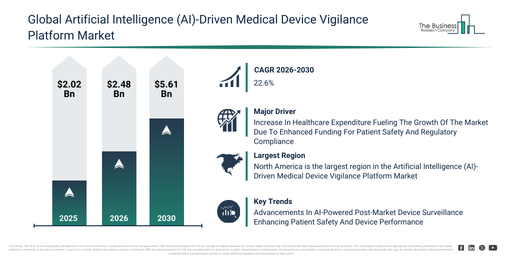
    The artificial intelligence (AI)-driven medical device vigilance platform market size has experienced significant expansion in recent years. It is projected to increase from $2.02 billion in 2025 to $2.48 billion in 2026, demonstrating a compound annual growth rate (CAGR) of 22.9%. This historical growth can be attributed to several factors, including rising medical device adoption rates, an expansion of post-market surveillance requirements, the increasing complexity of device portfolios, growth in adverse event reporting databases, and the early utilization of data analytics in vigilance.

    The artificial intelligence (AI)-driven medical device vigilance platform market size is anticipated to experience substantial growth in the coming years. It is projected to expand to $5.61 billion by 2030, demonstrating a compound annual growth rate (CAGR) of 22.6%. This expected expansion is driven by several factors, including increasing regulatory scrutiny on device safety, a rising demand for real-time risk monitoring, the expansion of cloud-based vigilance platforms, growing integration with hospital device data, and the increasing adoption of AI-driven compliance tools. Key trends foreseen in this period encompass the increasing adoption of AI-based signal detection systems, a rising use of predictive analytics for device safety, growing integration of real-time vigilance platforms, the expansion of automated regulatory reporting, and an enhanced focus on proactive risk management.

    Need Artificial Intelligence (AI)-Driven Medical Device Vigilance Platform Market Forecasts? Get Your Free Sample Report Here:

    https://thebusinessresearchcompany.com/sample_request?id=82993025&type=smp&name=Artificial%20Intelligence%20%28AI%29-Driven%20Medical%20Device%20Vigilance%20Platform%20Market%20Report%202026&utm_source=Blogs&utm_medium=Paid&utm_campaign=Nov_PR

    Artificial Intelligence (AI)-Driven Medical Device Vigilance Platform Market Growth Factors: What Is Strengthening Demand Worldwide?

    The increasing spending on healthcare is anticipated to fuel the expansion of the artificial intelligence (AI)-driven medical device vigilance platform market in the future. Healthcare expenditure encompasses the total funds spent by individuals, organizations, and governmental bodies on services and initiatives designed to preserve or enhance health. This expenditure is climbing because of the increasing incidence of chronic illnesses, which necessitates ongoing medical attention, prolonged therapies, and management resources. The financial support from healthcare spending enables hospitals and healthcare providers to deploy extensive safety and monitoring programs for AI-driven medical device vigilance platforms, thereby guaranteeing compliance with regulations and better patient protection. Consequently, the escalation in healthcare expenditure is a primary driver for the expansion of the artificial intelligence (AI)-driven medical device vigilance platform market. The increasing scope of clinical research is projected to stimulate the growth of the artificial intelligence (AI)-driven medical device vigilance platform market in the coming years. This expansion involves a rise in clinical trials, research facilities, and resources dedicated to advancing medical understanding and enhancing patient results. The surge in public-private funding is driving this growth, boosting the capability to execute more trials, optimize research procedures, and broaden access to novel treatments. The growth in clinical research aids AI-driven medical device vigilance platforms by equipping healthcare providers and research organizations with the required infrastructure and financial backing to implement thorough monitoring programs, secure regulatory adherence, and uplift patient safety. Consequently, the expanding landscape of clinical research is a significant catalyst for the growth of the artificial intelligence (AI)-driven medical device vigilance platform market.

    Artificial Intelligence (AI)-Driven Medical Device Vigilance Platform Market By Segment: Complete Category And Subcategory Breakdown

    The artificial intelligence (AI)-driven medical device vigilance platform market covered in this report is segmented –

    1) By Component: Software, Hardware, Services

    2) By Deployment Mode: On-Premises, Cloud-Based

    3) By Application: Adverse Event Detection, Regulatory Compliance, Risk Management, Data Analytics, Other Applications

    4) By End-User: Hospitals, Medical Device Manufacturers, Regulatory Agencies, Contract Research Organizations, Other End-Users

    Subsegments:

    1) By Software: Predictive Analytics, Signal Detection, Data Integration, Reporting And Visualization

    2) By Hardware: Servers, Storage Devices, Networking Equipment, Sensors, Monitoring Devices

    3) By Services: Implementation Services, Maintenance And Support, Consulting Services, Training Services, Data Management Services

    Artificial Intelligence (AI)-Driven Medical Device Vigilance Platform Market Trend Outlook: Developments Defining The Forecast Period

    Leading firms within the artificial intelligence (AI)-driven medical device vigilance platform sector are concentrating on creating sophisticated offerings, including post-market device surveillance systems. These aim to furnish healthcare providers and manufacturers with practical data to enhance patient results and streamline device utilization. Such post-market device surveillance platforms are systems designed to monitor and evaluate the safety and efficacy of medical devices once they become available for use in clinical environments. As an illustration, in October 2025, Basil Systems, a US-based developer of AI-powered platforms, introduced its MedTech Safety Signaling platform. This system leverages AI to detect potential hazards at an early stage, thereby converting traditional post-market device surveillance into a forward-thinking safety strategy. It processes regulatory documentation, inspection findings, and adverse event reports using large language models, which are trained on an extensive industry dataset, to uncover patterns that would be challenging to identify through manual methods. The system organizes and interprets this data, linking correlated events back to their initial sources with specified confidence levels. This capability empowers manufacturers to identify emerging safety trends, refine preventative actions, foresee regulatory scrutiny, and inform product development choices.

    Who Is Competing For Share In The Artificial Intelligence (AI)-Driven Medical Device Vigilance Platform Market?

    Major companies operating in the artificial intelligence (AI)-driven medical device vigilance platform market are Amazon Web Services Inc., Johnson & Johnson Services Inc., International Business Machines Corporation, Oracle Corporation, Abbott Laboratories, Medtronic Plc, Siemens Healthineers AG, Stryker Corporation, Koninklijke Philips N.V., GE HealthCare Technologies Inc., Cognizant Technology Solutions Corporation, Boston Scientific Corporation, DXC TECHNOLOGY COMPANY, Baxter International Inc., Wipro Limited, Zimmer Biomet Holdings Inc., Veeva Systems Inc., Medidata Solutions Inc., Tata Consultancy Services Limited, AssurX Inc.

    Get The Full Picture With The Artificial Intelligence (AI)-Driven Medical Device Vigilance Platform Market Report:

    https://thebusinessresearchcompany.com/report/artificial-intelligence-ai-driven-medical-device-vigilance-platform-global-market-report?utm_source=Blogs&utm_medium=Paid&utm_campaign=Nov_PR

    Artificial Intelligence (AI)-Driven Medical Device Vigilance Platform Market Regional Snapshot: Leading Geography In 2025

    North America was the largest region in the artificial intelligence (AI)-driven medical device vigilance platform market in 2025. Asia-Pacific is expected to be the fastest-growing region in the forecast period. The regions covered in the artificial intelligence (AI)-driven medical device vigilance platform market report are Asia-Pacific, South East Asia, Western Europe, Eastern Europe, North America, South America, Middle East, Africa.

    Reach Out To Our Team:

    The Business Research Company: https://www.thebusinessresearchcompany.com/

    Americas: +1 310-496-7795

    Asia: +44 7882 955267 & +91 8897263534

    Europe: +44 7882 955267

    Email us at: marketing@tbrc.info

    Follow us on:

    LinkedIn: https://in.linkedin.com/company/the-business-research-company

    YouTube: https://www.youtube.com/channel/UC24_fI0rV8cR5DxlCpgmyFQ

    Global Market Model: https://www.thebusinessresearchcompany.com/global-market-model
  • Artificial Intelligence (AI)-Driven Gamified Language Therapy Market To Expand At A 22.4% CAGR On The Back Of Rising Adoption Of Digital Health Therapeutics

    Artificial Intelligence (AI)-Driven Gamified Language Therapy Market To Expand At A 22.4% CAGR On The Back Of Rising Adoption Of Digital Health Therapeutics

    Designed to make market research more actionable and strategically valuable, The Business Research Company’s 2026 market reports feature market attractiveness scoring, total addressable market sizing, company benchmarking matrices, interactive Excel dashboards, deeper supply chain intelligence, emerging startup tracking, and granular product-level insights.

    Artificial Intelligence (AI)-Driven Gamified Language Therapy Market Revenue Expansion Outlook For The 2026–2030 Forecast Period

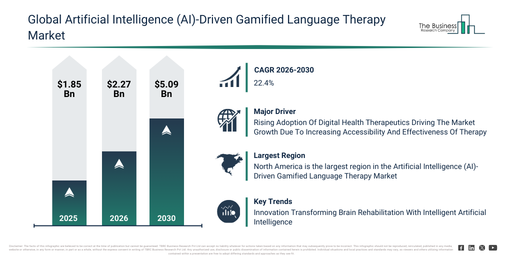
    The artificial intelligence (AI)-driven gamified language therapy market size has experienced substantial growth in recent years. This market is projected to expand from $1.85 billion in 2025 to $2.27 billion in 2026, achieving a compound annual growth rate (CAGR) of 22.6%. The expansion observed in the historic period can be attributed to factors such as increasing awareness of speech and language disorders, the early adoption of digital therapy tools, the growing prevalence of mobile health applications, the broadening of pediatric therapy programs, and the accessibility of remote therapy platforms.

    Significant growth is projected for the artificial intelligence (AI)-driven gamified language therapy market size over the next few years. By 2030, this market is forecasted to reach $5.09 billion, demonstrating a compound annual growth rate (CAGR) of 22.4%. This anticipated expansion during the forecast period is fueled by several factors, including a heightened demand for rehabilitation solutions accessible from home, the increasing integration of AI-personalized therapy models, the broadening scope of virtual and immersive therapy tools, an intensified emphasis on ensuring long-term patient adherence, and a rise in investments directed towards digital therapeutics. Key trends shaping this period encompass the wider adoption of gamified therapy platforms, the growing utilization of personalized language rehabilitation tools, a greater integration of real-time progress adaptation features, the expansion of interactive therapy environments, and an amplified focus on patient engagement and motivation.

    Download A Free Sample For In-Depth Artificial Intelligence (AI)-Driven Gamified Language Therapy Market Intelligence:

    https://thebusinessresearchcompany.com/sample_request?id=69828044&type=smp&name=Artificial%20Intelligence%20%28AI%29-Driven%20Gamified%20Language%20Therapy%20Market%20Report%202026&utm_source=Blogs&utm_medium=Paid&utm_campaign=Nov_PR

    Artificial Intelligence (AI)-Driven Gamified Language Therapy Market Demand Driver: How It Is Shaping Industry Growth

    The increasing integration of digital health therapeutics is anticipated to fuel the expansion of the artificial intelligence (AI)-driven gamified language therapy market. Digital health therapeutics involves scientifically supported treatment methods provided through digital channels to prevent, manage, or address various medical ailments. This growing adoption stems from patients’ desire for more readily available care for chronic diseases, tailored treatment options, and the convenience of health monitoring from their residences. Artificial intelligence (AI)-driven gamified language therapy complements digital health therapeutics by offering customized, engaging exercises that enhance patient participation, allow for real-time progress tracking, and speed up language recovery. As an illustration, a November 2025 report from the France-based intergovernmental Organisation for Economic Co operation and Development indicated that OECD nations have advanced in broadening access to EHRs. Consequently, the increasing embrace of digital health therapeutics is propelling the expansion of the artificial intelligence (AI)-driven gamified language therapy market.

    Artificial Intelligence (AI)-Driven Gamified Language Therapy Market Segmentation Overview: Detailed Category Analysis

    The artificial intelligence (AI)-driven gamified language therapy market covered in this report is segmented –

    1) By Component: Software, Hardware, Services

    2) By Deployment Mode: Cloud-Based, On-Premises

    3) By Therapy: Speech Therapy, Language Therapy, Cognitive Therapy, Other Therapies

    4) By Application: Children, Adults, Geriatric

    5) By End-User: Hospitals And Clinics, Rehabilitation Centers, Educational Institutions, Homecare, Other End Users

    Subsegments:

    1) By Software: Mobile Applications, Web-Based Platforms, Gamification Engines, Analytics And Reporting Tools

    2) By Hardware: Virtual Reality Headsets, Augmented Reality Devices, Wearables And Sensors, Interactive Consoles

    3) By Services: Implementation And Integration, Training And Education, Support And Maintenance, Consulting Services

    Top Artificial Intelligence (AI)-Driven Gamified Language Therapy Market Trends And Recent Industry Developments

    Major companies operating in the artificial intelligence (AI)-driven gamified language therapy market are primarily focused on developing innovative solutions, including personalized adaptive learning platforms, to elevate engagement, accelerate recovery, and enhance therapy outcomes for users. These personalized adaptive learning platforms are digital systems that consistently adjust exercises, content, and difficulty according to an individual’s performance and specific needs, thereby assisting users in learning or recovering more efficiently, staying motivated, tracking real-time progress, and achieving superior long-term results. For instance, in April 2025, Constant Therapy Health, a U.S.-based digital health company, revealed the expansion of its AI-driven speech, language, and cognitive therapy platform to feature Spanish and Indian English editions. This update allows non-native speakers recovering from stroke, traumatic brain injury (TBI), aphasia, dementia, or other neurological conditions to access more than 1 million evidence-based exercises, tailored both culturally and linguistically. The platform’s AI continuously monitors user advancement, customizes therapy in real time, and enables caregivers and clinicians to track outcomes, making therapy more captivating, effective, and accessible from home.

    Artificial Intelligence (AI)-Driven Gamified Language Therapy Market Company Landscape: Key Players To Watch

    Major companies operating in the artificial intelligence (AI)-driven gamified language therapy market are Babbel GmbH, Rosetta Stone LLC, SAY IT Labs BV, SPRY Ally, MINDMAZE SA, Busuu Ltd., Memrise Ltd., Lingvist Technologies OÜ, Constant Therapy Inc., Lingraphica LLC, Gemiini Systems LLC, Speechace LLC, Otsimo Inc., Blub Blub Inc., Melospeech Inc., LiriCare BV, Gabify Ltd., FunWattle Inc., TikTalk Inc., Hevolve AI

    Explore The Artificial Intelligence (AI)-Driven Gamified Language Therapy Global Market Report For Full Insights:

    https://thebusinessresearchcompany.com/report/artificial-intelligence-ai-driven-gamified-language-therapy-global-market-report?utm_source=Blogs&utm_medium=Paid&utm_campaign=Nov_PR

    Artificial Intelligence (AI)-Driven Gamified Language Therapy Market Region-Wise Analysis: Largest Regional Market Identified

    North America was the largest region in the artificial intelligence (AI)-driven gamified language therapy market in 2025. Asia-Pacific is expected to be the fastest-growing region in the forecast period. The regions covered in the artificial intelligence (AI)-driven gamified language therapy market report are Asia-Pacific, South East Asia, Western Europe, Eastern Europe, North America, South America, Middle East, Africa.

    Reach Out To Our Team:

    The Business Research Company: https://www.thebusinessresearchcompany.com/

    Americas: +1 310-496-7795

    Asia: +44 7882 955267 & +91 8897263534

    Europe: +44 7882 955267

    Email us at: marketing@tbrc.info

    Follow us on:

    LinkedIn: https://in.linkedin.com/company/the-business-research-company

    YouTube: https://www.youtube.com/channel/UC24_fI0rV8cR5DxlCpgmyFQ

    Global Market Model: https://www.thebusinessresearchcompany.com/global-market-model
  • Zollinger-Ellison Syndrome Treatment Market Forecast To Reach $1.82 Billion By 2030: Key Trends Explained

    Zollinger-Ellison Syndrome Treatment Market Forecast To Reach $1.82 Billion By 2030: Key Trends Explained

    Backed by market attractiveness analysis, total addressable market sizing, company benchmarking matrices, interactive Excel dashboards, wider supply chain intelligence, emerging startup coverage, and detailed product-level insights, The Business Research Company’s 2026 market reports are designed to offer research that is more actionable and strategically valuable than ever.

    Zollinger-Ellison Syndrome Treatment Market CAGR Outlook And Future Development

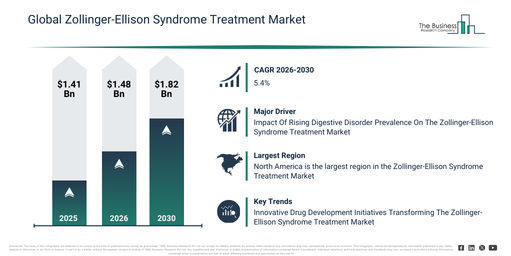
    The zollinger-ellison syndrome treatment market has shown consistent expansion in recent years. This market is anticipated to increase from $1.41 billion in 2025 to $1.48 billion in 2026, progressing at a compound annual growth rate (CAGR) of 4.5%. The historical growth of the market can be ascribed to elements like a better clinical understanding of gastrinomas, the presence of effective acid-suppressive medicines, wider access to diagnostic imaging techniques, the proliferation of specialty gastroenterology clinics, and the use of surgical intervention strategies.

    The zollinger-ellison syndrome treatment market size is set to experience significant expansion in the upcoming years, with projections indicating it will reach $1.82 billion by 2030, growing at a compound annual growth rate (CAGR) of 5.4%. This anticipated growth can be attributed to several factors such as the increasing embrace of personalized treatment plans, the rising application of advanced imaging diagnostics, the expansion of multidisciplinary care models, intensified research into targeted therapies, and a stronger emphasis on early diagnosis and ongoing monitoring. Throughout the forecast period, key trends are expected to involve the increased utilization of proton pump inhibitors for acid management, a growing adoption of sophisticated diagnostic imaging, the broadening of minimally invasive surgical techniques, a heightened focus on detecting tumors at an early stage, and improved long-term surveillance of the disease.

    Get A Free Sample Report With In-Depth Market Insights:

    https://thebusinessresearchcompany.com/sample_request?id=36555130&type=smp&name=Zollinger-Ellison%20Syndrome%20Treatment%20Market%20Report%202026&utm_source=Blogs&utm_medium=Paid&utm_campaign=Nov_PR

    Zollinger-Ellison Syndrome Treatment Market Growth Momentum: What Factors Are Shaping Demand?

    The rising occurrence of digestive issues is projected to drive expansion within the Zollinger-Ellison syndrome treatment market in the future. These disorders encompass various ailments that disrupt the typical operation of the digestive system. The digestive system, also known as the gastrointestinal (GI) tract, plays a crucial role in processing food and assimilating nutrients. Treatment for Zollinger-Ellison syndrome (ZES) addresses digestive conditions like peptic ulcer disease and gastroesophageal reflux disease (GERD) by decreasing stomach acid production, thereby aiding in the prevention or management of complications from peptic ulcers or acid reflux. Consequently, the growing prevalence of digestive disorders is anticipated to stimulate the expansion of the Zollinger-Ellison syndrome treatment market.

    Zollinger-Ellison Syndrome Treatment Market Segment Analysis Spotlighting Growth Areas

    The zollinger-ellison syndrome treatment market covered in this report is segmented –

    1) By Diagnosis: Blood Test, CT Scan, Ultrasound, X-Ray, Other Diagnosis

    2) By Treatment: Chemotherapy, Surgical Resection, Other Treatments

    3) By Distribution Channel: Hospital Pharmacy, Retail Pharmacy, Online Pharmacies, Other Distribution Channels

    4) By End User: Hospitals, Specialty Clinics, Other End Users

    Subsegments:

    1) By Blood Test: Gastrin Level Measurement, Other Blood Biomarkers

    2) By CT Scan: Contrast-Enhanced CT, Non-Contrast CT

    3) By Ultrasound: Abdominal Ultrasound, Endoscopic Ultrasound

    4) By X-Ray: Standard X-Ray Imaging, Fluoroscopy

    5) By Other Diagnosis: MRI (Magnetic Resonance Imaging), Endoscopy

    Zollinger-Ellison Syndrome Treatment Market Trends Redefining Industry Growth

    Leading companies in the zollinger-ellison syndrome treatment market are prioritizing the development of innovative drugs and securing their approval to maintain their market position. Current treatments for ZES can result in considerable adverse effects, such as damage to the kidneys and liver. Advanced therapies have the potential to minimize the negative impacts of conventional medications and improve patient outcomes.

    Zollinger-Ellison Syndrome Treatment Market Leading Companies: Who Holds The Strongest Market Presence?

    Major companies operating in the zollinger-ellison syndrome treatment market are Pfizer Inc., F. Hoffmann-La Roche Ltd., Merck & Co. Inc., Bayer AG, Novartis AG, Sanofi S.A., AstraZeneca PLC, Takeda Pharmaceutical Company Limited, Eli Lilly and Company, Daiichi Sankyo Company Limited, Bristol Myers Squibb Company, Boehringer Ingelheim International GmbH, Amgen Inc., AbbVie Inc., Astellas Pharma Inc., Ipsen S.A., RayzeBio Inc., ITM Isotope Technologies Munich SE, PharmaMar S.A., Crinetics Pharmaceuticals Inc., Gilead Sciences Inc.

    View The Full Zollinger-Ellison Syndrome Treatment Market Report:

    https://thebusinessresearchcompany.com/report/zollinger-ellison-syndrome-treatment-global-market-report?utm_source=Blogs&utm_medium=Paid&utm_campaign=Nov_PR

    Zollinger-Ellison Syndrome Treatment Market Geographic Landscape: Which Region Leads Industry Growth?

    North America was the largest region in the zollinger-ellison syndrome treatment market in 2025. The regions covered in the zollinger-ellison syndrome treatment market report are Asia-Pacific, South East Asia, Western Europe, Eastern Europe, North America, South America, Middle East, Africa.

    Reach Out To Our Team:

    The Business Research Company: https://www.thebusinessresearchcompany.com/

    Americas: +1 310-496-7795

    Asia: +44 7882 955267 & +91 8897263534

    Europe: +44 7882 955267

    Email us at: marketing@tbrc.info

    Follow us on:

    LinkedIn: https://in.linkedin.com/company/the-business-research-company

    YouTube: https://www.youtube.com/channel/UC24_fI0rV8cR5DxlCpgmyFQ

    Global Market Model: https://www.thebusinessresearchcompany.com/global-market-model
  • Artificial Intelligence (AI) Radiology Tool Market Growth Rate Explained: 15.8% CAGR Projected Through 2030

    Artificial Intelligence (AI) Radiology Tool Market Growth Rate Explained: 15.8% CAGR Projected Through 2030

    The Business Research Company’s 2026 market reports are designed to deliver research that is more actionable and strategically valuable. Key offerings include market attractiveness scoring, total addressable market sizing, company benchmarking matrices, interactive Excel dashboards, deeper supply chain intelligence, emerging startup tracking, and granular product-level insights.

    Which Factors Will Shape The Artificial Intelligence (AI) Radiology Tool Market Size Through 2030?

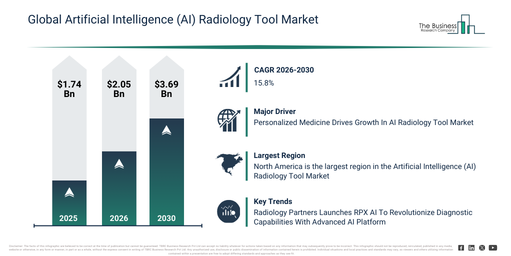
    The artificial intelligence (AI) radiology tool market has seen rapid growth in recent years. Its size is expected to expand from $1.74 billion in 2025 to $2.05 billion in 2026, achieving a compound annual growth rate (CAGR) of 17.8%. Historically, this market expansion can be attributed to factors such as increasing medical imaging volumes, a rising shortage of radiologists, the early adoption of computer-aided detection systems, the expansion of digital radiology infrastructure, and growing healthcare imaging demand.

    The artificial intelligence (AI) radiology tool market is projected for significant expansion in the coming years, reaching $3.69 billion by 2030, demonstrating a compound annual growth rate (CAGR) of 15.8%. This anticipated growth during the forecast period is driven by several factors, including the increasing implementation of cloud-based AI radiology platforms, a heightened emphasis on precision diagnostics, the expansion of AI into interventional radiology, increased investments in automated reporting systems, and a rise in regulatory approvals for AI imaging solutions. Key trends expected over this period involve the growing adoption of AI-powered image interpretation tools, increased integration of workflow automation in radiology, expanded application of AI for early anomaly detection, the development of AI-assisted solutions to improve diagnostic accuracy, and a greater focus on alleviating the workload for radiologists.

    Request A Free Artificial Intelligence (AI) Radiology Tool Market Sample To Support Your Strategic Planning:

    https://thebusinessresearchcompany.com/sample_request?id=18573248&type=smp&name=Artificial%20Intelligence%20%28AI%29%20Radiology%20Tool%20Market%20Report%202026&utm_source=Blogs&utm_medium=Paid&utm_campaign=Nov_PR

    What Is Propelling The Artificial Intelligence (AI) Radiology Tool Market Toward $3.69 Billion By 2030?

    The growing adoption of personalized medicine is expected to propel the artificial intelligence (AI) radiology tool market forward. Personalized medicine, also referred to as precision medicine, is an innovative medical method that customizes treatment and healthcare strategies according to the individual characteristics of each patient. This increasing shift toward personalized medicine is driven by a combination of crucial elements, including progress in genomics and molecular biology. AI radiology tools enhance personalized medicine by providing precise diagnostics, predictive analytics, real-time treatment response monitoring, integration with genomic data, and improved patient stratification, thereby enabling individualized and effective healthcare interventions. Therefore, the increasing shift toward personalized medicine is a key driver for the artificial intelligence (AI) radiology tool market.

    What Are The Key Segments And Subsegments In The Artificial Intelligence (AI) Radiology Tool Market?

    The artificial intelligence (AI) radiology tool market covered in this report is segmented –

    1) By Type: Diagnostic Radiology, Interventional Radiology

    2) By Application: Eye Care, Oncology, Radiology, Cardiovascular, Pathology, Other Applications

    3) By End-User: Clinics, Hospitals, Diagnostic Centers, Other End-Users

    Subsegments:

    1) By Diagnostic Radiology: AI For Image Interpretation (Detecting Fractures, Tumors, Or Abnormalities), Ai In Ct (Computed Tomography) Scanning, Ai In Mri (Magnetic Resonance Imaging) Scanning, Ai For X-Ray Imaging And Analysis, Ai In Ultrasound Imaging, Ai-Based Computer-Aided Detection (Cad) Systems, Ai For Radiology Workflow Automation (Prioritizing Cases, Report Generation)

    2) By Interventional Radiology: AI For Image-Guided Procedures (Guiding Catheter Placement), Ai In Minimally Invasive Surgery (Tumor Ablation, Biopsies), Ai For Real-Time Decision Support In Interventional Procedures, Ai In Radiation Dose Optimization For Interventional Radiology, Ai-Assisted Navigation Systems For Procedures Like Angioplasty, Ai In Post-Procedure Monitoring And Outcome Prediction

    Artificial Intelligence (AI) Radiology Tool Market Trends Behind The 15.8% CAGR Forecast

    Leading companies operating within the artificial intelligence (AI) radiology tool market are actively developing sophisticated solutions, such as artificial intelligence platforms, aimed at enhancing the diagnostic capabilities of radiologists. An advanced artificial intelligence platform integrates AI algorithms to meticulously analyze medical imaging data, thereby furnishing radiologists with augmented insights and assisting in the accurate identification and diagnosis of a multitude of medical conditions.

    Major Companies Profiled In The Artificial Intelligence (AI) Radiology Tool Market Report

    Major companies operating in the artificial intelligence (AI) radiology tool market are Google LLC, Microsoft Corporation, NVIDIA Corporation, Siemens Healthcare Private Limited, Koninklijke Philips N.V., GE HealthCare, Nuance Communications Inc., Aidoc Medical, Subtle Medical Inc., Enlitic Inc., Arterys Inc., Aidence.com, Oxipit.ai, Zebra Medical Vision

    Explore The Business Research Company’s Complete Artificial Intelligence (AI) Radiology Tool Market Report:

    https://thebusinessresearchcompany.com/report/artificial-intelligence-ai-radiology-tool-global-market-report?utm_source=Blogs&utm_medium=Paid&utm_campaign=Nov_PR

    Where Does The Artificial Intelligence (AI) Radiology Tool Market Generate The Most Revenue?

    North America was the largest region in the artificial intelligence (AI) radiology tool market in 2025. The regions covered in the artificial intelligence (AI) radiology tool market report are Asia-Pacific, South East Asia, Western Europe, Eastern Europe, North America, South America, Middle East, Africa.

    Reach Out To Our Team:

    The Business Research Company: https://www.thebusinessresearchcompany.com/

    Americas: +1 310-496-7795

    Asia: +44 7882 955267 & +91 8897263534

    Europe: +44 7882 955267

    Email us at: marketing@tbrc.info

    Follow us on:

    LinkedIn: https://in.linkedin.com/company/the-business-research-company

    YouTube: https://www.youtube.com/channel/UC24_fI0rV8cR5DxlCpgmyFQ

    Global Market Model: https://www.thebusinessresearchcompany.com/global-market-model
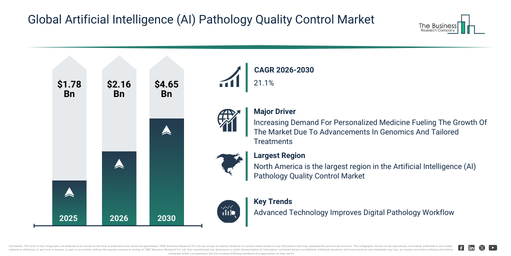
  • Artificial Intelligence (AI) Pathology Quality Control Market Projected To Be Worth $4.65 Billion By 2030: Industry Outlook And Analysis

    Artificial Intelligence (AI) Pathology Quality Control Market Projected To Be Worth $4.65 Billion By 2030: Industry Outlook And Analysis

    With a focus on actionable insights and strategic value, The Business Research Company’s 2026 market reports include market attractiveness scoring, total addressable market sizing, company benchmarking matrices, interactive Excel dashboards, deeper supply chain intelligence, emerging startup tracking, and granular product-level insights.

    Artificial Intelligence (AI) Pathology Quality Control Market Size Snapshot: 2026 Valuation, 2030 Projection And Key Growth Factors

    The artificial intelligence (AI) pathology quality control market has experienced significant expansion recently. Projections indicate its value will increase from $1.78 billion in 2025 to $2.16 billion by 2026, demonstrating a compound annual growth rate (CAGR) of 21.4%. Historically, this expansion has been driven by factors such as a rise in pathology workload volumes, the early move towards digitizing pathology slides, the increasing intricacy of cancer diagnostics, the need for consistent reporting, and the initial integration of AI-assisted pathology tools.

    The artificial intelligence (AI) pathology quality control market is projected to experience rapid expansion in the coming years. This market is anticipated to reach a valuation of $4.65 billion by 2030, demonstrating a compound annual growth rate (CAGR) of 21.1%. Several factors are contributing to this projected growth, including greater investments in digital pathology platforms, an increasing need for precision diagnostics, the expansion of AI validation within clinical workflows, the growing integration of pathology data analytics, and a heightened regulatory focus on diagnostic quality control. Key trends expected during this forecast period involve the expanded deployment of AI-based slide quality assessment, the increasing adoption of automated tools for error detection, greater standardization of pathology workflows, broader integration of digital pathology, and an intensified focus on ensuring diagnostic accuracy.

    Get A No-Cost Sample Of The Artificial Intelligence (AI) Pathology Quality Control Market Study:

    https://thebusinessresearchcompany.com/sample_request?id=51517586&type=smp&name=Artificial%20Intelligence%20%28AI%29%20Pathology%20Quality%20Control%20Market%20Report%202026&utm_source=Blogs&utm_medium=Paid&utm_campaign=Nov_PR

    Major Factor Fueling The Artificial Intelligence (AI) Pathology Quality Control Market Through 2030

    The expanding need for personalized medicine is projected to drive the expansion of the artificial intelligence (AI) pathology quality control market in the future. Personalized medicine is defined as a healthcare method that customizes treatment and prevention plans based on an individual’s distinct genetic profile, lifestyle choices, and environmental factors. The growing embrace of personalized medicine largely stems from progress in genomics, allowing for accurate identification of genetic differences and customized therapies for patients. Artificial intelligence (AI) pathology quality control improves personalized medicine by providing accurate and uniform diagnostic information, thereby facilitating customized treatment approaches. This technology minimizes diagnostic mistakes through automated quality assessments, boosting precision and dependability, which ultimately furthers care specific to each patient. Consequently, the rising demand for personalized medicine will be a key driver for the artificial intelligence (AI) pathology quality control market.

    Artificial Intelligence (AI) Pathology Quality Control Market Segment Landscape: Main Categories And Subcategories Covered

    The artificial intelligence (AI) pathology quality control market covered in this report is segmented –

    1) By Component: Software, Hardware, Services

    2) By Deployment Mode: On-Premises, Cloud-Based

    3) By Application: Cancer Diagnostics, Infectious Disease Diagnostics, Digital Pathology, Research, Other Applications

    4) By End-User: Hospitals, Diagnostic Laboratories, Research Institutes, Pharmaceutical And Biotechnology Companies, Other End Users

    Subsegments:

    1) By Software: Image Analysis Software, Diagnostic Decision Support Software, Workflow Management Software, Reporting And Visualization Software

    2) By Hardware: Digital Pathology Scanners, Imaging Devices, Servers And Storage Systems, Laboratory Equipment

    3) By Services: Implementation Services, Training And Support Services, Maintenance And Upgrade Services, Consulting Services

    How Are Emerging Trends Influencing The Artificial Intelligence (AI) Pathology Quality Control Market’s Growth Path?

    Leading firms within the artificial intelligence (AI) pathology quality control market are concentrating on creating sophisticated offerings, including advanced AI-driven solutions, aimed at improving diagnostic precision, optimizing laboratory operations, and guaranteeing the dependability of pathology information. These advanced AI-powered solutions represent cutting-edge technologies that leverage artificial intelligence for executing intricate tasks with superior accuracy, pace, and effectiveness.

    Artificial Intelligence (AI) Pathology Quality Control Market Leading Players And Key Industry Participants In 2026

    Major companies operating in the artificial intelligence (AI) pathology quality control market are Roche Diagnostics GmbH, Danaher Corporation, Philips Healthcare, Agilent Technologies Inc., Hologic Inc., Clinisys Group Ltd., Sectra AB, PathAI Inc., OptraSCAN Inc., Paige.AI Inc., Proscia Inc., Quibim S.L., 3DHISTECH Ltd., Visiopharm A/S, Indica Labs Inc., Ibex Medical Analytics Ltd., Aiosyn B.V., DeepBio Inc., Nucleai Ltd., Gestalt Diagnostics LLC

    Check Out The Full Artificial Intelligence (AI) Pathology Quality Control Market Report 2026:

    https://thebusinessresearchcompany.com/report/artificial-intelligence-ai-pathology-quality-control-global-market-report?utm_source=Blogs&utm_medium=Paid&utm_campaign=Nov_PR

    Artificial Intelligence (AI) Pathology Quality Control Market By Geography: Revenue Leaders Among Global Regions

    North America was the largest region in the artificial intelligence (AI) pathology quality control market in 2025. Asia-Pacific is expected to be the fastest-growing region in the forecast period. The regions covered in the artificial intelligence (AI) pathology quality control market report are Asia-Pacific, South East Asia, Western Europe, Eastern Europe, North America, South America, Middle East, Africa.

    Reach Out To Our Team:

    The Business Research Company: https://www.thebusinessresearchcompany.com/

    Americas: +1 310-496-7795

    Asia: +44 7882 955267 & +91 8897263534

    Europe: +44 7882 955267

    Email us at: marketing@tbrc.info

    Follow us on:

    LinkedIn: https://in.linkedin.com/company/the-business-research-company

    YouTube: https://www.youtube.com/channel/UC24_fI0rV8cR5DxlCpgmyFQ

    Global Market Model: https://www.thebusinessresearchcompany.com/global-market-model
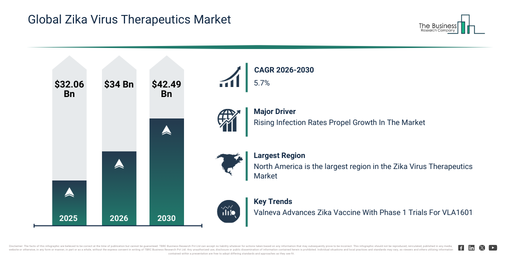
  • Zika Virus Therapeutics Market Size Forecast From 2026 To 2030: Key Industry Trends

    Zika Virus Therapeutics Market Size Forecast From 2026 To 2030: Key Industry Trends

    Featuring market attractiveness scoring, total addressable market sizing, company benchmarking matrices, interactive Excel dashboards, deeper supply chain intelligence, emerging startup tracking, and granular product-level insights, The Business Research Company’s 2026 market reports are built to deliver research that is both more actionable and more strategically valuable.

    Zika Virus Therapeutics Market Set To Climb From $34 Billion In 2026 To $42.49 Billion By 2030

    The zika virus therapeutics market has demonstrated substantial growth in recent years. This market is projected to expand from $32.06 billion in 2025 to $34 billion by 2026, achieving a compound annual growth rate (CAGR) of 6.0%. Historically, this expansion has been driven by factors such as past outbreaks in endemic areas, a reliance on symptomatic treatment methods, the broadening of public health monitoring systems, the creation of fundamental diagnostic instruments, and a heightened understanding of congenital zika complications.

    The zika virus therapeutics market size is projected to experience substantial expansion in the coming years, with expectations to reach $42.49 billion by 2030, driven by a compound annual growth rate (CAGR) of 5.7%. The anticipated growth during this period stems from factors such as increased investments in infectious disease research, a rising demand for preventive vaccines, the expansion of global disease surveillance networks, a growing focus on protecting maternal health, and enhanced collaboration among public health agencies. Significant trends anticipated during the forecast period include a heightened focus on the development of antiviral drugs, increased investment in vaccine research programs, the broadening of supportive care therapeutics, more rigorous surveillance of vector-borne diseases, and improved public health preparedness.

    Get A Free Sample Report With In-Depth Market Insights:

    https://thebusinessresearchcompany.com/sample_request?id=18295672&type=smp&name=Zika%20Virus%20Therapeutics%20Market%20Report%202026&utm_source=Blogs&utm_medium=Paid&utm_campaign=Nov_PR

    Zika Virus Therapeutics Market Expansion Drivers: What’s Shaping Future Growth?

    The increasing frequency of infection is anticipated to boost the Zika virus therapeutics market in the future. An infection rate signifies the likelihood or danger of an infection appearing within a particular group over a set duration. This heightened infection occurrence stems from elements like insufficient vector management, environmental factors conducive to mosquito reproduction, and restricted availability of preventative healthcare in affected areas. The prevalence of infection necessitates potent Zika virus therapeutics, fostering the creation and investment in vaccinations and treatments to counter the escalating public health danger. Consequently, the escalating rate of infection will fuel the expansion of the Zika virus therapeutics market.

    Zika Virus Therapeutics Market Segment Performance And Emerging Opportunities

    The zika virus therapeutics market covered in this report is segmented –

    1) By Product: Acetaminophen, Other Non-Steroidal Anti-Inflammatory Drugs (NSAIDs)

    2) By Vaccine Type: Inactivated Vaccine, Subunit Vaccine, Live-Attenuated Vaccine, Other Vaccine Types

    3) By End User: Hospitals, Clinics, Other End Users

    Subsegments:

    1) By Acetaminophen: Oral Tablets, Oral Suspensions, Intravenous Formulations

    2) By Other Non-Steroidal Anti-Inflammatory Drugs (NSAIDs): Ibuprofen, Aspirin, Naproxen, Celecoxib

    Zika Virus Therapeutics Market Strategic Trends: What Defines The Next Growth Phase?

    Companies prominent in the zika virus therapeutics market are prioritizing the development of innovative technologies, such as second-generation adjuvanted inactivated vaccines, to improve immune response, enhance vaccine efficacy, and ensure longer-lasting protection against the virus. A second-generation adjuvanted inactivated vaccine is defined as a vaccine that combines a deactivated virus with an immune-stimulating adjuvant to boost the body’s immune response for greater protection against the target disease.

    Zika Virus Therapeutics Market Key Players: Which Companies Lead Industry Competition?

    Major companies operating in the zika virus therapeutics market are Johnson & Johnson, Merck & Co Inc, Sanofi S A, Takeda Pharmaceutical Company Limited, Moderna Inc, Emergent BioSolutions Inc, Valneva SE, Bharat Biotech International Limited, Inovio Pharmaceuticals Inc, GeoVax Labs Inc, GlaxoSmithKline plc, Novavax Inc, Pfizer Inc, GeneOne Life Science Inc, Zydus Cadila, Indian Immunologicals Limited, Enesi Pharma, Protein Sciences Corporation, Sementis Ltd, Hawaii Biotech Inc, GeneOne Life Science

    View The Full Zika Virus Therapeutics Market Report:

    https://thebusinessresearchcompany.com/report/zika-virus-therapeutics-global-market-report?utm_source=Blogs&utm_medium=Paid&utm_campaign=Nov_PR

    Zika Virus Therapeutics Market Largest Region: Which Geography Holds The Biggest Share?

    North America was the largest region in the zika virus therapeutics market in 2025. Asia-Pacific is expected to be the fastest-growing region in the forecast period. The regions covered in the zika virus therapeutics market report are Asia-Pacific, South East Asia, Western Europe, Eastern Europe, North America, South America, Middle East, Africa.

    Reach Out To Our Team:

    The Business Research Company: https://www.thebusinessresearchcompany.com/

    Americas: +1 310-496-7795

    Asia: +44 7882 955267 & +91 8897263534

    Europe: +44 7882 955267

    Email us at: marketing@tbrc.info

    Follow us on:

    LinkedIn: https://in.linkedin.com/company/the-business-research-company

    YouTube: https://www.youtube.com/channel/UC24_fI0rV8cR5DxlCpgmyFQ

    Global Market Model: https://www.thebusinessresearchcompany.com/global-market-model
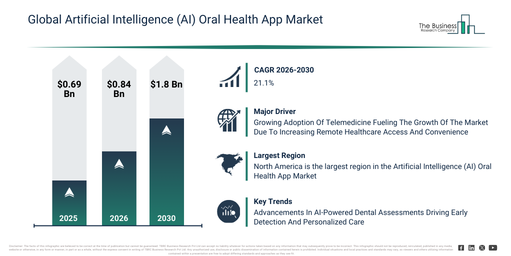
  • From $0.84 Billion To $1.8 Billion: Artificial Intelligence (AI) Oral Health App Market Forecast 2026–2030

    From $0.84 Billion To $1.8 Billion: Artificial Intelligence (AI) Oral Health App Market Forecast 2026–2030

    The Business Research Company’s 2026 market reports combine market attractiveness scoring, total addressable market sizing, company benchmarking matrices, interactive Excel dashboards, deeper supply chain intelligence, emerging startup tracking, and granular product-level insights to deliver research that is more actionable and strategically valuable.

    Artificial Intelligence (AI) Oral Health App Market Value Projected To Grow At A 21.1% Compound Annual Growth Rate Through 2030

    The artificial intelligence (AI) oral health app market size has witnessed significant expansion in recent years. This market is projected to increase from $0.69 billion in 2025 to $0.84 billion in 2026, exhibiting a compound annual growth rate (CAGR) of 21.4%. Historically, the growth can be ascribed to factors such as increased smartphone adoption in healthcare, a growing emphasis on oral hygiene awareness, the early integration of digital dental diagnostics, the expansion of telehealth platforms, and the availability of dental imaging data.

    The artificial intelligence (AI) oral health app market size is anticipated to experience substantial growth in the next few years. It is projected to expand to $1.8 billion in 2030, exhibiting a compound annual growth rate (CAGR) of 21.1%. This expansion during the forecast period can be attributed to an increasing demand for remote dental care solutions, the rising adoption of AI-driven preventive healthcare, the broadening of cloud-based health applications, a growing emphasis on personalized patient engagement, and increasing investments within digital health ecosystems. Major trends expected in the forecast period include the increasing adoption of AI-based dental image analysis, a rising use of personalized oral health monitoring tools, the growing integration of remote dental diagnostics, the expansion of preventive dental care applications, and an enhanced focus on the early detection of oral diseases.

    Evaluate The Artificial Intelligence (AI) Oral Health App Market Report Before You Buy With A Free Sample:

    https://thebusinessresearchcompany.com/sample_request?id=26548813&type=smp&name=Artificial%20Intelligence%20%28AI%29%20Oral%20Health%20App%20Market%20Report%202026&utm_source=Blogs&utm_medium=Paid&utm_campaign=Nov_PR

    Artificial Intelligence (AI) Oral Health App Market Growth Driver Analysis For The 2026–2030 Forecast Period

    The increasing use of telemedicine is anticipated to drive the expansion of the artificial intelligence (AI) oral health app market moving ahead. Telemedicine involves utilizing digital communication tools to deliver clinical healthcare services from a distance. This enables patients to consult healthcare professionals, obtain diagnoses, and oversee their treatments without the necessity of an in-person visit to a medical facility. The uptake of telemedicine is rising because of its enhanced convenience, providing patients with remote access to healthcare services, thereby saving time and removing travel requirements, which boosts overall accessibility and efficiency. Artificial intelligence (AI) oral health apps augment telemedicine ecosystems by providing distant dental monitoring, proving highly suitable for individuals who have restricted access to in-person care. These applications minimize diagnostic effort through immediate analysis of oral images, thereby boosting healthcare convenience and facilitating the early detection of dental problems. Consequently, the increasing adoption of telemedicine is fueling the expansion of the artificial intelligence (AI) oral health app market.

    Artificial Intelligence (AI) Oral Health App Market Segmentation Breakdown: Primary And Secondary Categories

    The artificial intelligence (AI) oral health app market covered in this report is segmented –

    1) By Component: Software, Services

    2) By Deployment Mode: Cloud-Based, On-Premises

    3) By Application: Dental Diagnostics, Oral Health Monitoring, Patient Education, Other Applications

    4) By End User: Dental Clinics, Hospitals, Individual Users, Other End-Users

    Subsegments:

    1) By Software: Diagnostic Software, Monitoring Software, Treatment Planning Software, Imaging Software

    2) By Services: Consultation Services, Data Analytics Services, Maintenance And Support Services, Integration Services

    Artificial Intelligence (AI) Oral Health App Market Industry Trends: New Developments From Leading Companies

    Major companies operating within the artificial intelligence (AI) oral health app market are concentrating on developing sophisticated solutions, including AI-powered dental assessments, to enhance early detection, improve personalized care, increase patient engagement, and provide accessible oral healthcare. AI-powered dental assessments utilize artificial intelligence algorithms to analyze images of teeth and gums, identifying potential oral health issues and delivering instant, actionable recommendations to users. For instance, in May 2025, Mars Inc., a US-based global pet nutrition and healthcare company, launched GREENIES Canine Dental Check, an AI-powered dental assessment tool that analyzes photos of dogs’ teeth and gums to detect tartar buildup and gum irritation, providing results within seconds along with follow-up recommendations. The tool also connects users to licensed veterinary technicians through the PETconnect by GREENIES service, representing a modern approach to leveraging AI for continuous, at-home oral health monitoring and support. This innovation allows pet owners to identify dental problems early, reducing the likelihood of severe oral diseases and costly veterinary treatments.

    Who Are The Top Competitors In The Artificial Intelligence (AI) Oral Health App Market?

    Major companies operating in the artificial intelligence (AI) oral health app market are Dentsply Sirona Inc., Align Technology Inc., Straumann Group, Planmeca Oy, 3Shape A/S, Dexis Corp., Dandy Inc., Carestream Health Inc., Dental Monitoring SAS, Pearl Inc., Overjet Inc., VideaHealth Inc., Zenyum Pte. Ltd., Candid Care Co., MouthWatch LLC, Dentem Inc., Denti.AI Technology Inc., OraQ AI Inc., Oryx Dental Software LLC, SOTA Imaging, Denota Ltd.

    Access The Artificial Intelligence (AI) Oral Health App Market Report For Complete Segment-Level Analysis:

    https://thebusinessresearchcompany.com/report/artificial-intelligence-ai-oral-health-app-global-market-report?utm_source=Blogs&utm_medium=Paid&utm_campaign=Nov_PR

    Which Region Leads The Artificial Intelligence (AI) Oral Health App Market, And Which Regions Are Covered?

    North America was the largest region in the artificial intelligence (AI) oral health app market in 2025. Asia-Pacific is expected to be the fastest-growing region in the forecast period. The regions covered in the artificial intelligence (AI) oral health app market report are Asia-Pacific, South East Asia, Western Europe, Eastern Europe, North America, South America, Middle East, Africa.

    Reach Out To Our Team:

    The Business Research Company: https://www.thebusinessresearchcompany.com/

    Americas: +1 310-496-7795

    Asia: +44 7882 955267 & +91 8897263534

    Europe: +44 7882 955267

    Email us at: marketing@tbrc.info

    Follow us on:

    LinkedIn: https://in.linkedin.com/company/the-business-research-company

    YouTube: https://www.youtube.com/channel/UC24_fI0rV8cR5DxlCpgmyFQ

    Global Market Model: https://www.thebusinessresearchcompany.com/global-market-model
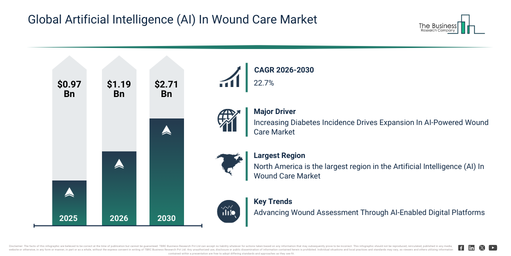
  • Latest Artificial Intelligence (AI) In Wound Care Market Size Estimate For 2026 And The Road Ahead To 2030

    Latest Artificial Intelligence (AI) In Wound Care Market Size Estimate For 2026 And The Road Ahead To 2030

    Market attractiveness scoring, total addressable market sizing, company benchmarking matrices, interactive Excel dashboards, deeper supply chain intelligence, emerging startup tracking, and granular product-level insights are among the key offerings featured in The Business Research Company’s 2026 market reports, designed to deliver more actionable and strategically valuable research.

    Artificial Intelligence (AI) In Wound Care Market Size Estimate For 2026 And Revenue Forecast Through 2030

    The artificial intelligence (AI) in wound care market size has expanded significantly in recent years. This market is expected to grow from $0.97 billion in 2025 to $1.19 billion in 2026, achieving a compound annual growth rate (CAGR) of 23.0%. The past growth can be attributed to factors including the increasing prevalence of chronic wounds, a rising incidence of diabetes-related ulcers, the adoption of digital wound documentation, the expansion of hospital-based wound care programs, and the availability of imaging-based assessment tools.

    The artificial intelligence (AI) in wound care market is anticipated to experience substantial growth over the next few years. It is forecast to expand to $2.71 billion by 2030, demonstrating a compound annual growth rate (CAGR) of 22.7%. This projected expansion can be attributed to several factors including an increasing need for customized wound treatment, the growing adoption of remote patient monitoring, the wider availability of AI-enabled clinical decision support, an increased focus on cost-effective wound management, and enhanced integration of AI with telehealth platforms. Significant trends for the forecast period include the expanding use of AI-based tools for wound assessment, a rising embrace of predictive healing analytics, deeper integration of remote wound monitoring solutions, the development of personalized wound care algorithms, and improved automation for clinical documentation.

    Free Artificial Intelligence (AI) In Wound Care Market Report Sample Available For Download:

    https://thebusinessresearchcompany.com/sample_request?id=34013536&type=smp&name=Artificial%20Intelligence%20%28AI%29%20In%20Wound%20Care%20Market%20Report%202026&utm_source=Blogs&utm_medium=Paid&utm_campaign=Nov_PR

    Why Is Demand In The Artificial Intelligence (AI) In Wound Care Market Expected To Keep Rising?

    The increasing occurrence of diabetes is projected to fuel the expansion of the artificial intelligence (AI) in wound care market moving ahead. Diabetes is a long-term condition marked by elevated blood glucose levels, resulting in severe health issues including cardiac problems, renal failure, nerve damage, and loss of sight. The growing prevalence of diabetes is largely influenced by rising obesity rates, which elevate the risk of type 2 diabetes, and by an aging demographic, as the likelihood of developing diabetes increases with age. AI in wound care assists in managing diabetes by offering precise wound evaluations and customized treatment strategies, thereby improving the speed and success of diabetic ulcer treatment. Consequently, the rising incidence of diabetes is a key factor driving the growth of the artificial intelligence (AI) in wound care market.

    How Is The Artificial Intelligence (AI) In Wound Care Market Divided Across Segments And Subsegments?

    The artificial intelligence (AI) in wound care market covered in this report is segmented –

    1) By Type Of Wound: Acute Wounds, Chronic Wounds

    2) By Technology: Deep Learning, Machine Learning, Other Technologies

    3) By End User: Clinical Trials And Research Centers, Home Health Agencies, Hospitals, Nursing Facilities, Other End Users

    Subsegments:

    1) By Acute Wounds: Surgical Wounds, Traumatic Wounds, Burns

    2) By Chronic Wounds: Diabetic Foot Ulcers, Pressure Ulcers (Bedsores), Venous Leg Ulcers, Arterial Ulcers

    Artificial Intelligence (AI) In Wound Care Market Trends Reshaping Customer Demand And Business Strategies

    Leading firms in the artificial intelligence (AI) in wound care market are prioritizing the integration of advanced technologies like AI-powered digital wound management solutions to improve clinical effectiveness, monitor wounds, ensure precise documentation, and forecast healing outcomes. These artificial intelligence (AI)-driven digital wound management solutions are software platforms utilizing computer vision and machine-learning capabilities to analyze wound imagery and clinical information, thereby facilitating instantaneous wound measurement, automatic record-keeping, and tracking of healing advancement.

    Artificial Intelligence (AI) In Wound Care Market Major Players: Companies At The Forefront Of The Industry

    Major companies operating in the artificial intelligence (AI) in wound care market are Medtronic plc, Stryker Corporation, Smith & Nephew plc, Convatec Group plc, Mölnlycke Health Care AB, Derma Sciences Inc., Implicity Inc., Cecelia Health, Swift Medical Inc., Spectral MD Inc., PolarityTE Inc., eKare Inc., KroniKare Pte Ltd, Perceptive Solutions Inc., Tissue Analytics Inc., WoundZoom Inc., Intellicure Inc., WoundMatrix Inc., WoundVision LLC, The Wound Pros LLC

    Read More About The Artificial Intelligence (AI) In Wound Care Market In The Full Report:

    https://thebusinessresearchcompany.com/report/artificial-intelligence-ai-in-wound-care-global-market-report?utm_source=Blogs&utm_medium=Paid&utm_campaign=Nov_PR

    Artificial Intelligence (AI) In Wound Care Market Regional Share Analysis For 2025

    North America was the largest region in the artificial intelligence (AI) in wound care market in 2025. The regions covered in the artificial intelligence (AI) in wound care market report are Asia-Pacific, South East Asia, Western Europe, Eastern Europe, North America, South America, Middle East, Africa.

    Reach Out To Our Team:

    The Business Research Company: https://www.thebusinessresearchcompany.com/

    Americas: +1 310-496-7795

    Asia: +44 7882 955267 & +91 8897263534

    Europe: +44 7882 955267

    Email us at: marketing@tbrc.info

    Follow us on:

    LinkedIn: https://in.linkedin.com/company/the-business-research-company

    YouTube: https://www.youtube.com/channel/UC24_fI0rV8cR5DxlCpgmyFQ

    Global Market Model: https://www.thebusinessresearchcompany.com/global-market-model
  • Yeast Infection Treatment Market 2026: Market Size, Growth Drivers And Emerging Opportunities

    Yeast Infection Treatment Market 2026: Market Size, Growth Drivers And Emerging Opportunities

    Built to provide research that’s more actionable and strategically valuable, The Business Research Company’s 2026 market reports include market attractiveness analysis, total addressable market sizing, company benchmarking matrices, interactive Excel dashboards, broader supply chain intelligence, emerging startup tracking, and in-depth product insights.

    Yeast Infection Treatment Market Forecast: Value Set To Climb From $4.88 Billion To $6.06 Billion

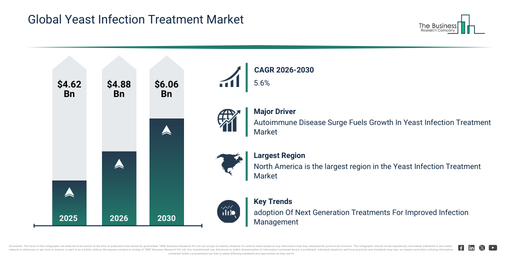
    The yeast infection treatment market has experienced robust growth in recent years. It is projected to expand from $4.62 billion in 2025 to $4.88 billion in 2026, achieving a compound annual growth rate (CAGR) of 5.6%. This historical expansion is attributable to various factors, including the rising prevalence of fungal infections, the broad accessibility of antifungal medications, the proliferation of retail pharmacy distribution, heightened awareness concerning genital and oral candidiasis, and the broader availability of topical antifungal formulations.

    The yeast infection treatment market size is anticipated to demonstrate robust expansion in the coming years, with expectations to reach $6.06 billion by 2030, progressing at a compound annual growth rate (CAGR) of 5.6%. This projected growth throughout the forecast period can be attributed to several factors, including an increasing emphasis on resistant candida strains, a rising need for long-term management solutions, the expansion of online pharmacy channels, the ongoing development of novel antifungal agents, and a greater focus on patient-centric treatment approaches. Major trends predicted for this period involve the increasing adoption of combination antifungal therapies, a growing demand for over-the-counter treatment options, the expansion of probiotic-based adjunct therapies, a heightened focus on strategies for recurrence prevention, and improved patient awareness and diagnosis.

    Get A Free Sample Report With In-Depth Market Insights:

    https://thebusinessresearchcompany.com/sample_request?id=19752304&type=smp&name=Yeast%20Infection%20Treatment%20Market%20Report%202026&utm_source=Blogs&utm_medium=Paid&utm_campaign=Nov_PR

    Yeast Infection Treatment Market Development Factors: What’s Supporting Demand?

    The increasing prevalence of autoimmune diseases is projected to drive the expansion of the yeast infection treatment market in the future. An autoimmune disease occurs when the immune system erroneously attacks healthy cells, tissues, and organs, leading to a decline in bodily function and potentially life-threatening outcomes. Yeast infection treatments play a role in managing and averting complications associated with autoimmune diseases. This is achieved by targeting recurring yeast infections, which are connected to specific autoimmune syndromes, and by potentially influencing the immune response through the effective management of fungal infections in individuals suffering from autoimmune conditions. Consequently, the escalating prevalence of autoimmune diseases is a key factor propelling the expansion of the yeast infection treatment market.

    Yeast Infection Treatment Market Segment Landscape And Growth Outlook

    The yeast infection treatment market covered in this report is segmented –

    1) By Type: Powders, Creams Or Ointments, Tablets Or Capsules, Other Types

    2) By Treatment: Medical Treatment, Surgery

    3) By Indication: Genital Candidiasis, Invasive Candidiasis, Oropharyngeal Or Esophageal Candidiasis (Thrush), Other Indications

    4) By Route Of Administration: Oral, Topical, IV (Intravenous) Or IM (Intramuscular), Other Routes Of Administration

    5) By Application: Retail Pharmacies Or Drug Stores, Hospital Pharmacies, Specialty Stores, Online Sales, Other Applications

    Subsegments:

    1) By Powders: Antifungal Powders, Medicated Body Powders

    2) By Creams Or Ointments: Antifungal Creams, Vaginal Ointments, Topical Creams

    3) By Tablets Or Capsules: Oral Antifungal Tablets, Probiotic Capsules, Vaginal Tablets

    4) By Other Types: Suppositories, Sprays, Gels

    Yeast Infection Treatment Market Transformation Trends: What Innovations Are Driving Change?

    Leading companies within the yeast infection treatment market are prioritizing the integration of next generation antifungal therapies, representing an advanced pharmaceutical innovation designed to boost treatment effectiveness, patient outcomes, and control long-term recurrence. These advanced antifungal therapies are drugs engineered to precisely target specific fungal mechanisms, such as enzyme inhibition, with greater selectivity and potency than older broad-spectrum drugs. This results in advantages like elevated cure rates, diminished recurrence, and fewer adverse reactions. Consequently, VIVJOA improves treatment efficacy, facilitates quick symptom alleviation, and lowers the probability of recurrence, thus reinforcing the attractiveness and benefit of prescription-grade yeast infection therapies.

    Yeast Infection Treatment Market Competitive Landscape: Who Leads The Industry?

    Major companies operating in the yeast infection treatment market are Pfizer Inc., Merck & Co. Inc., AbbVie Inc., Novartis International AG, Sanofi SA, Abbott Laboratories, AstraZeneca PLC, Bayer AG, Astellas Pharma Inc., Torrent Pharmaceuticals, Cipla, Glenmark Pharmaceuticals Ltd, Zydus Lifesciences, Brundavan Laboratories Private Limited, Prestige Consumer Healthcare Inc., Synmedic Laboratories, Basilea Pharmaceutica AG, Jubilant Pharmova Limited, Johnson & Johnson, GlaxoSmithKline plc, Gilead Sciences Inc., SCYNEXIS Inc., Leadiant Biosciences Inc.

    View The Full Yeast Infection Treatment Market Report:

    https://thebusinessresearchcompany.com/report/yeast-infection-treatment-global-market-report?utm_source=Blogs&utm_medium=Paid&utm_campaign=Nov_PR

    Yeast Infection Treatment Market Regional Analysis: Which Geography Leads On Revenue?

    North America was the largest region in the yeast infection treatment market in 2025. Asia-Pacific is expected to be the fastest-growing region in the forecast period. The regions covered in the yeast infection treatment market report are Asia-Pacific, South East Asia, Western Europe, Eastern Europe, North America, South America, Middle East, Africa.

    Reach Out To Our Team:

    The Business Research Company: https://www.thebusinessresearchcompany.com/

    Americas: +1 310-496-7795

    Asia: +44 7882 955267 & +91 8897263534

    Europe: +44 7882 955267

    Email us at: marketing@tbrc.info

    Follow us on:

    LinkedIn: https://in.linkedin.com/company/the-business-research-company

    YouTube: https://www.youtube.com/channel/UC24_fI0rV8cR5DxlCpgmyFQ

    Global Market Model: https://www.thebusinessresearchcompany.com/global-market-model
  • Artificial Intelligence (AI) In Respiratory Diseases Market Outlook 2026–2030: Everything You Need To Know

    Artificial Intelligence (AI) In Respiratory Diseases Market Outlook 2026–2030: Everything You Need To Know

    Designed to make market research more actionable and strategically valuable, The Business Research Company’s 2026 market reports feature market attractiveness scoring, total addressable market sizing, company benchmarking matrices, interactive Excel dashboards, deeper supply chain intelligence, emerging startup tracking, and granular product-level insights.

    How Fast Is The Artificial Intelligence (AI) In Respiratory Diseases Market Growing? Market Size, CAGR And Forecast Insights

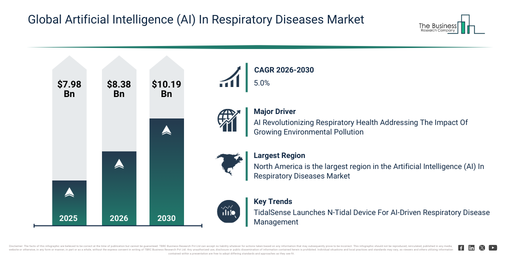
    The artificial intelligence (AI) in respiratory diseases market has experienced steady expansion over recent years. This market is projected to grow from $7.98 billion in 2025 to $8.38 billion in 2026, at a compound annual growth rate (CAGR) of 4.9%. Historically, the growth can be attributed to factors such as the rising incidence of respiratory diseases, increased use of CT and MRI imaging, growing digitalization of healthcare records, early adoption of AI-assisted diagnostics, and the expansion of hospital diagnostic capabilities.

    The artificial intelligence (AI) in respiratory diseases market size is anticipated to demonstrate robust expansion in the coming years, with projections indicating it will reach $10.19 billion by 2030, exhibiting a compound annual growth rate (CAGR) of 5.0%. This forecasted growth is attributable to several factors, including an escalating demand for personalized respiratory care, the increasing integration of AI with clinical decision support systems, the broader implementation of remote monitoring for chronic respiratory patients, a heightened focus on preventive pulmonology, and advancements in medical imaging AI. Furthermore, significant trends expected during this forecast period encompass the increasing use of AI-based imaging analysis, a rising adoption of predictive disease progression models, deeper integration of AI in pulmonary diagnostics, the expansion of remote respiratory monitoring solutions, and an enhanced emphasis on early disease detection.

    Unlock Artificial Intelligence (AI) In Respiratory Diseases Market Insights With A Free Sample Report:

    https://thebusinessresearchcompany.com/sample_request?id=72429865&type=smp&name=Artificial%20Intelligence%20%28AI%29%20In%20Respiratory%20Diseases%20Market%20Report%202026&utm_source=Blogs&utm_medium=Paid&utm_campaign=Nov_PR

    Artificial Intelligence (AI) In Respiratory Diseases Market Momentum: Key Driver Expected To Boost Growth Through 2030

    The respiratory disease market going forward is significantly impacted by environmental pollution, which describes the introduction of any substance or form of energy into the environment at a rate faster than it can be dispersed or stored in a harmless form. Artificial intelligence (AI) applied to respiratory diseases offers a substantial capability to lessen the effects of environmental pollution on respiratory health by providing real-time monitoring, personalized risk assessments, informed decision-making, and innovative solutions for both individuals and communities. Therefore, increasing environmental pollution acts as a primary catalyst for the expansion of artificial intelligence (AI) in the respiratory disease market.

    Artificial Intelligence (AI) In Respiratory Diseases Market Segments: A Category-By-Category Overview

    The artificial intelligence (AI) in respiratory diseases market covered in this report is segmented –

    1) By Imaging Type: Magnetic Resonance Imaging (MRI), Computed Tomography (CT) Scan, Electronic Patient-Reported Outcomes (ePRO)

    2) By Indication: Chronic Obstructive Pulmonary Disease, Interstitial Lung Disease, Pulmonary Infection

    3) By End Use: Hospital, Diagnostic Centers, Ambulatory Surgical Centers, Other End-Users

    Subsegments:

    1) By Magnetic Resonance Imaging (MRI): Lung Imaging, Thoracic Imaging, Cardiopulmonary Imaging

    2) By Computed Tomography (CT) Scan: High-Resolution CT (HRCT), Low-Dose CT, Thoracic CT

    3) By Electronic Patient-Reported Outcomes (ePRO): Symptom Tracking, Medication Adherence Monitoring, Quality Of Life Assessments

    Which Emerging Trends Are Gaining Traction In The Artificial Intelligence (AI) In Respiratory Diseases Market?

    Leading firms active in artificial intelligence (AI) in the respiratory diseases market are creating advanced solutions, including N-Tidal devices, designed to track patients’ tidal breathing. This N-Tidal device quantifies the amount of air moved during typical respiration, offering crucial insights into lung performance.

    Artificial Intelligence (AI) In Respiratory Diseases Market Key Participants: Prominent Companies At A Glance

    Major companies operating in the artificial intelligence (AI) in respiratory diseases market are Siemens Healthineers, Philips Healthcare, GE Healthcare, Verily Life Sciences LLC, DeepMind Health, Merative L.P., Aidoc Medical, Butterfly Network, Infervision, Imagen Technologies, Caption Health, Swaasa AI, VIDA Diagnostics Inc., Enlitic, Thirona B.V., ArtiQ, Icometrix, Aidence, Arterys, PneumoWave Ltd

    Get Detailed Artificial Intelligence (AI) In Respiratory Diseases Market Forecasts In The Complete Report:

    https://thebusinessresearchcompany.com/report/artificial-intelligence-ai-in-respiratory-diseases-global-market-report?utm_source=Blogs&utm_medium=Paid&utm_campaign=Nov_PR

    Top Region In The Artificial Intelligence (AI) In Respiratory Diseases Market: A Global Perspective

    North America was the largest region in the artificial Intelligence (AI) in respiratory diseases market in 2025. Asia-Pacific is expected to be the fastest-growing region in the forecast period. The regions covered in the artificial intelligence (AI) in respiratory diseases market report are Asia-Pacific, South East Asia, Western Europe, Eastern Europe, North America, South America, Middle East, Africa.

    Reach Out To Our Team:

    The Business Research Company: https://www.thebusinessresearchcompany.com/

    Americas: +1 310-496-7795

    Asia: +44 7882 955267 & +91 8897263534

    Europe: +44 7882 955267

    Email us at: marketing@tbrc.info

    Follow us on:

    LinkedIn: https://in.linkedin.com/company/the-business-research-company

    YouTube: https://www.youtube.com/channel/UC24_fI0rV8cR5DxlCpgmyFQ

    Global Market Model: https://www.thebusinessresearchcompany.com/global-market-model