Category: Healthcare Services

  • Robotic Dentistry Market Trends And Growth Drivers Point To Strong Future Potential

    Robotic Dentistry Market Trends And Growth Drivers Point To Strong Future Potential

    Enhanced with market attractiveness analysis, total addressable market evaluation, company benchmarking matrices, interactive Excel dashboards, expanded supply chain intelligence, emerging startup coverage, and detailed product insights, The Business Research Company’s 2026 market reports deliver more actionable and strategically valuable research.

    Robotic Dentistry Market CAGR Analysis And Future Market Development

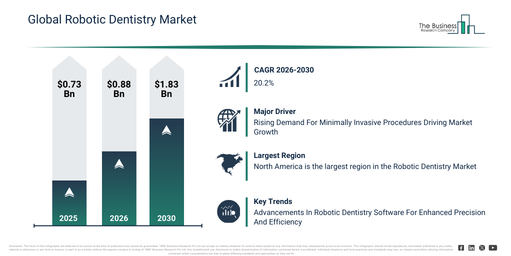
    The robotic dentistry sector has experienced remarkable expansion lately, projected to increase from a valuation of $0.73 billion in 2025 to $0.88 billion by 2026, showcasing a compound annual growth rate of 20.6%. This past growth trajectory has been fueled by the escalating embrace of cutting-edge dental innovations, a surge in the need for dental implants, the proliferation of specialized dental practices, a heightened emphasis on precision in dental procedures, and significant developments in dental imaging technology.

    The market for robotic dentistry is poised for substantial expansion in the upcoming years, projecting a reach of $1.83 billion by 2030 with a compound annual growth rate (CAGR) of 20.2%. This projected growth is fueled by several key factors, including escalating investments in robotic dental platforms, a heightened patient preference for less invasive procedures, the broader integration of AI in dental processes, increased application of robotics in orthodontics, and a significant focus on improving treatment results. Throughout the forecast period, prominent trends will involve a greater uptake of robot-assisted implant surgeries, more frequent utilization of image-guided dental robotics, a growing demand for minimally invasive dental interventions, the proliferation of robotic navigation systems within dentistry, and an intensified emphasis on achieving superior precision and uniformity in treatments.

    Download A Free Sample Report For Comprehensive Market Insights:

    https://www.thebusinessresearchcompany.com/sample.aspx?id=20945&type=smp

    Robotic Dentistry Market Opportunity Drivers: What Is Creating New Revenue Potential?

    The growth trajectory of the robotic dentistry market is anticipated to be significantly influenced by the increasing preference for minimally invasive techniques. These procedures, characterized by minimal or no incisions, offer substantial advantages over traditional surgical methods, including diminished tissue trauma, expedited healing, and a reduced risk profile. The escalating adoption of such approaches is underpinned by patient desires for swifter recovery, a lower incidence of complications, and enhanced comfort. Robotic dentistry solutions contribute by amplifying procedural accuracy, facilitating smaller incisions, mitigating tissue disruption, lowering overall risks, and ultimately yielding superior patient results. Illustratively, data from the American Society of Plastic Surgeons indicated that in June 2024, minimally invasive procedures saw a 7 percent increase in 2023, outperforming surgical procedures by 2 percent, with neuromodulator injections and hyaluronic acid fillers recording over 9 million and 5 million applications, respectively. Consequently, the expanding demand for less invasive treatments is a key catalyst for the robotic dentistry market.

    Robotic Dentistry Market Segment Analysis Highlighting Growth Areas

    The robotic dentistry market covered in this report is segmented –

    1) By Products And Services: Standalone Robots, Robot-Assisted System, Services

    2) By Applications: Implantology, Endodontics, Other Applications

    3) By End-Users: Dental Hospitals And Clinics, Dental Academics, Other End-Users

    Subsegments:

    1) By Standalone Robots: Robotic Surgery Systems, Robotic Tooth Restoration Systems, Robotic Implant Placement Systems, Robotic Orthodontic Systems

    2) By Robot-Assisted Systems: Image-Guided Robotic Systems, Dental Navigation Systems, Robotic-Assisted Drilling And Cutting Systems, Robotic-Assisted Endodontic Systems, Robotic-Assisted Tooth Extraction Systems

    3) By Services: Installation Services, Maintenance And Repair Services, Training And Support Services, Consulting Services For Robotic Integration, Software Upgrades And Customization Services

    Robotic Dentistry Market Innovation Trends Driving Future Development

    Leading entities within the robotic dentistry sector are concentrating their efforts on pioneering sophisticated dental robotic software solutions designed to elevate patient care through enhanced personalization, these comprehensive software suites serve to refine robotic systems for dental interventions, incorporating functionalities that facilitate accurate, streamlined, and minimally invasive procedures, thereby contributing to superior patient results, a prime illustration of this trend occurred in August of 2023 when Neocis, an American medical device producer, introduced its YomiPlan Go Workflow for market availability, this cutting-edge software package empowers dental professionals to conduct implant surgeries without the prerequisite of pre-operative imaging, substantially augmenting both the expedition and exactitude of the procedures, by leveraging the Yomi robotic platform, surgeons gain the capability to ascertain implant positioning and inclination directly during the operative phase, effectively merging conventional freehand methodologies with robotic assistance to attain elevated levels of accuracy.

    Robotic Dentistry Market Leading Companies: Who Holds Significant Market Presence?

    Major companies operating in the robotic dentistry market are Planmeca Oy, Neocis, X Nav Technologies, Image Navigation Ltd, Perceptive Io, YakeBot Beijing Technology Co Ltd, Dentroid, VELMENI, Overjet, Videa Health, Diagnocat, Denti AI, Pearl Dental AI, Manchester Imaging, AI Dent, Navident, Robotic Assisted Solutions Dental, Blue Sky Bio Robotics, Straumann Digital Solutions, Nobel Biocare Digital Dentistry, Align Technology Robotics, Carestream Dental Robotics, Zimmer Biomet Dental Robotics

    Access The Complete Robotic Dentistry Market Report:

    https://www.thebusinessresearchcompany.com/report/robotic-dentistry-global-market-report

    Robotic Dentistry Market Geographic Analysis: Where Is Demand Growing The Fastest?

    North Americawas the largest region in the robotic dentistry market in 2025. Asia-Pacificis expected to be the fastest-growing region in the forecast period. The regions covered in the robotic dentistry market report are Asia-Pacific, South East Asia, Western Europe, Eastern Europe, North America, South America, Middle East, Africa.

    Get in touch with us:

    The Business Research Company: https://www.thebusinessresearchcompany.com/

    Americas: +1 310-496-7795

    Asia: +44 7882 955267 & +91 8897263534

    Europe: +44 7882 955267

    Email us at: marketing@tbrc.info

    Follow us on:

    LinkedIn: https://in.linkedin.com/company/the-business-research-company

    YouTube: https://www.youtube.com/channel/UC24_fI0rV8cR5DxlCpgmyFQ

    Global Market Model: https://www.thebusinessresearchcompany.com/global-market-model
  • Robotic Cardiology Surgery Market Expansion Is Reshaping Competitive Dynamics Across The Industry

    Robotic Cardiology Surgery Market Expansion Is Reshaping Competitive Dynamics Across The Industry

    Through market attractiveness analysis, total addressable market evaluation, company benchmarking matrices, interactive Excel dashboards, expanded supply chain intelligence, emerging startup coverage, and detailed product insights, The Business Research Company’s 2026 market reports provide more actionable and strategically valuable research.

    Robotic Cardiology Surgery Market Expansion From $0.97 Billion In 2026 To $1.79 Billion In 2030

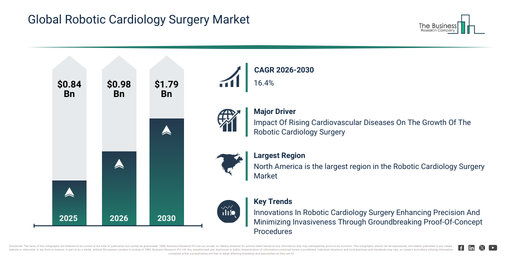
    The market for robotic cardiology surgery has experienced substantial expansion lately, projecting a rise from $0.84 billion in 2025 to $0.98 billion in 2026, reflecting a compound annual growth rate of 16.7%. This growth during the earlier period was fueled by several factors including the escalating incidence of cardiovascular ailments, a greater embrace of less invasive surgical approaches, the proliferation of robotic surgical systems within medical facilities, increasing surgeon proficiency with robotic technology, and the enhancement of clinical results achieved through robotic interventions.

    The field of robotic cardiology surgery is poised for significant expansion in the coming years, with projections indicating a market valuation of $1.79 billion by 2030, demonstrating a robust compound annual growth rate (CAGR) of 16.4%. This projected increase is primarily fueled by a heightened demand for sophisticated cardiac surgical options, augmented financial commitments towards developing cutting-edge robotic systems, a broadening of educational initiatives for robotic surgery, a greater acceptance of highly accurate, robotically guided cardiac procedures, and continuous advancements in the technological landscape of robotic cardiology. Key developments anticipated during this projection timeframe involve a more widespread implementation of less invasive robotic surgical techniques, a deeper incorporation of sophisticated visualization and guidance technologies, the proliferation of platforms for surgeon education and practice, an escalating deployment of robotic assistance in cardiac operations, and a reinforced emphasis on ensuring surgical accuracy and improving patient results.

    Download A Free Sample Report For Comprehensive Market Insights:

    https://www.thebusinessresearchcompany.com/sample.aspx?id=20615&type=smp

    Robotic Cardiology Surgery Market Growth Momentum: Which Factors Are Influencing Demand?

    The expanding incidence of heart and blood vessel conditions is anticipated to stimulate the development of the robotic cardiology surgery sector. These conditions, encompassing heart and vascular ailments, are on the rise due to a mix of lifestyle habits, existing health issues, inherited traits, and environmental influences. Robotic cardiology surgery is instrumental in improving how cardiovascular diseases are managed, offering surgical methods that are safer, more accurate, and less intrusive, ultimately resulting in superior patient recovery and a higher standard of medical attention. Underscoring this trend, data from the American Heart Association revealed that in January 2024, the age-adjusted mortality rate from cardiovascular diseases reached 233.3 per 100,000 individuals in the U.S., a 4.0% increase from the previous year’s 224.4 per 100,000, following a 4.6% jump in 2023. This represents the first observed rise in these mortality rates in a considerable period, thus indicating that the growing burden of cardiovascular diseases is a significant factor propelling the market for robotic cardiology surgery.

    Robotic Cardiology Surgery Market Segment Performance And Strategic Opportunities

    The robotic cardiology surgery market covered in this report is segmented –

    1) By Product And Service: Robotic Systems, Instruments and Accessories, Maintenance Services, System Services

    2) By Equipment Type: Robot Machines, Navigation Systems, Planners And Simulators, Other Equipment Types

    3) By End-User: Hospitals, Research Centers

    Subsegments:

    1) By Robotic Systems: Robotic Surgical Platforms, Minimally Invasive Robotic Systems, Integrated Robotic Systems

    2) By Instruments And Accessories: Surgical Instruments, Endoscopic Cameras And Imaging Systems, Accessory Kits For Robotic Systems

    3) By Maintenance Services: Preventive Maintenance Services, Repair And Replacement Services, Calibration Services

    4) By System Services: Installation and Setup Services, Training And Support Services, Upgrades And Software Maintenance

    Robotic Cardiology Surgery Market Trends Reshaping Industry Growth

    In the realm of robotic cardiology surgery, leading corporations are concentrating their efforts on creating novel surgical methods, specifically assistive robotic devices (ARD), with the aim of elevating accuracy in cardiac procedures, reducing invasiveness, and ultimately boosting patient results via the incorporation of sophisticated technologies and immediate feedback mechanisms. Assistive robotic devices (ARD) are defined as robotic apparatuses engineered to provide support to people encountering challenges with movement or functional limitations, assisting them in domains like mobility, interaction, or everyday routines, thereby fostering greater self-sufficiency and elevating their overall well-being. Illustrating this point, CardioPrecision Ltd., a United Kingdom-based entity specializing in robotic surgical services, unveiled in March 2024 initial experimental robotic operations focused on the minimally invasive implantation of an aortic valve replacement, building upon favorable outcomes observed during tests conducted on cadavers. The introduced robotic platform is designed to augment surgical exactitude and command, empowering surgeons to perform interventions with heightened accuracy and thus potentially increasing the likelihood of procedural success. This transcatheter approach carries significant advantages, promising reduced post-operative discomfort, diminished hemorrhage, and a lowered susceptibility to infection, all factors contributing to an expedited convalescence for individuals undergoing the procedure.

    Robotic Cardiology Surgery Market Key Players: Which Companies Shape Industry Competition?

    Major companies operating in the robotic cardiology surgery market are Abbott Laboratories, Medtronic PLC, Siemens Healthineers AG, Boston Scientific Corporation, Edwards Lifesciences Corporation, KARL STORZ SE & Co. KG, Renishaw PLC, CMR Surgical Limited, Corindus Vascular Robotics Inc., XACT Robotics Ltd., Titan Medical Inc., Asensus Surgical Inc., Intuitive Surgical Inc., Aurora Surgical Robotics Inc., Hansen Medical Inc., Stereotaxis Inc., SS Innovations International Inc., MicroPort Scientific Corporation, GE HealthCare Technologies Inc., Stryker Corporation

    Access The Complete Robotic Cardiology Surgery Market Report:

    https://www.thebusinessresearchcompany.com/report/robotic-cardiology-surgery-global-market-report

    Robotic Cardiology Surgery Market Global Footprint: Which Region Holds Market Leadership?

    North Americawas the largest region in the robotic cardiology surgery market in 2025. The regions covered in the robotic cardiology surgery market report are Asia-Pacific, South East Asia, Western Europe, Eastern Europe, North America, South America, Middle East, Africa.

    Get in touch with us:

    The Business Research Company: https://www.thebusinessresearchcompany.com/

    Americas: +1 310-496-7795

    Asia: +44 7882 955267 & +91 8897263534

    Europe: +44 7882 955267

    Email us at: marketing@tbrc.info

    Follow us on:

    LinkedIn: https://in.linkedin.com/company/the-business-research-company

    YouTube: https://www.youtube.com/channel/UC24_fI0rV8cR5DxlCpgmyFQ

    Global Market Model: https://www.thebusinessresearchcompany.com/global-market-model
  • RNA Sequencing Services Market Forecast Reveals Where Future Industry Value Will Be Created

    RNA Sequencing Services Market Forecast Reveals Where Future Industry Value Will Be Created

    Delivering more actionable and strategically valuable research, The Business Research Company’s 2026 market reports feature market attractiveness analysis, total addressable market evaluation, company benchmarking matrices, interactive Excel dashboards, expanded supply chain intelligence, emerging startup coverage, and detailed product insights.

    RNA Sequencing Services Market Forecast Highlighting Growth From $4.43 Billion To $6.37 Billion

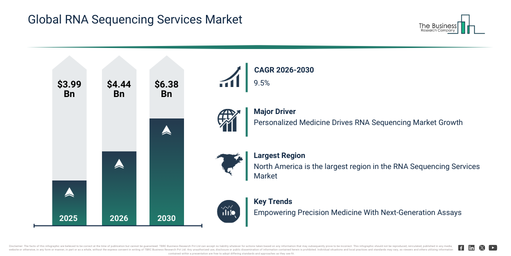
    The RNA sequencing services sector is experiencing significant expansion. Its market value is projected to increase from $3.99 billion in 2025 to $4.44 billion in 2026, reflecting a compound annual growth rate of 11.2%. This robust growth observed previously was fueled by several key factors including amplified investments in genomic research, the broadening scope of academic and governmental research programs, a greater adoption of sequencing for fundamental biological investigations, the decreasing expense associated with sequencing technologies, and a wider accessibility of companies offering sequencing services.

    The RNA sequencing services market is poised for significant expansion in the upcoming years, projecting a rise to $6.38 billion by 2030, fueled by a compound annual growth rate (CAGR) of 9.5%. This anticipated growth trajectory is underpinned by several key drivers, including the escalating embrace of precision medicine strategies, a burgeoning need for transcriptomic data in diagnostic applications, intensified research and development efforts within the pharmaceutical sector, the increasing incorporation of AI-powered data analytics, and a growing trend towards outsourcing sequencing services. Furthermore, several prominent trends are expected to shape the market during this forecast period, such as a heightened demand for high-throughput transcriptomic analysis, the wider adoption of next-generation sequencing (NGS)-based RNA sequencing, a broader offering of sequencing services integrated with bioinformatics capabilities, increased utilization of RNA sequencing in clinical research endeavors, and a heightened emphasis on ensuring data precision and consistent results.

    Download A Free Sample Report For Comprehensive Market Insights:

    https://www.thebusinessresearchcompany.com/sample.aspx?id=14991&type=smp

    RNA Sequencing Services Market Expansion Drivers: What Is Shaping Future Growth?

    The increasing need for tailored medical interventions, known as personalized medicine, is a key factor propelling the expansion of the RNA sequencing services market. Personalized medicine involves customizing treatments based on an individual’s unique genetic makeup, lifestyle, and other factors to achieve greater efficacy and fewer side effects. This approach is gaining traction due to its promise of superior treatment outcomes, breakthroughs in genomic research, the rising intricacy of diseases, and supportive regulatory frameworks. RNA sequencing services play a crucial role in this field by enabling the identification of distinct disease subtypes, the discovery of relevant biomarkers, the pinpointing of therapeutic targets, the prediction of patient responses to treatments, and the monitoring of disease progression and therapeutic impact. By leveraging RNA sequencing technology, personalized medicine strategies can deliver highly individualized and effective remedies that precisely address the specific molecular profiles of each patient. Illustratively, data from the Personalized Medicine Coalition indicated that in February 2024, the US FDA authorized sixteen new personalized therapies for individuals suffering from rare diseases during 2023, a notable increase from the six approvals seen in 2022. Among these 2023 approvals were seven new cancer medications and three for various other ailments and conditions. Consequently, the escalating demand for personalized medicine is anticipated to continue driving the growth trajectory of the RNA sequencing services market.

    RNA Sequencing Services Market Segment Landscape And Growth Potential

    The rna sequencing services market covered in this report is segmented –

    1) By Type: Ribosomal RNA (rRNA), Transfer RNA (tRNA), Long non-coding RNA (lncRNA)

    2) By Sequencing Method: Next Generation Sequencing Methods, Other Sequencing Methods

    3) By Application Area: Research Purposes, Diagnostic Purposes

    4) By End Users: Academic And Government Institutes And Research Centers, Hospitals And Clinics, Pharmaceutical And Biotechnology Companies, Other End Users

    Subsegments:

    1) By Ribosomal RNA (rRNA): Total RRNA Sequencing, RRNA Depletion

    2) By Transfer RNA (tRNA): TRNA Profiling, TRNA Sequencing

    3) By Long Non-Coding RNA (lncRNA): lncRNA Profiling, lncRNA Sequencing

    RNA Sequencing Services Market Strategic Trends: What Is Defining The Next Phase Of Growth?

    Companies prominent in the RNA sequencing services sector are prioritizing automated processes to minimize inaccuracies stemming from human interaction, exemplified by the next-generation sequencing (NGS) assay, with the objective of boosting both the efficiency and precision of data output and interpretation. The RNA next-generation sequencing (RNA-seq) assay stands as a vital instrument within molecular biology and genomics for scrutinizing the complete set of RNA molecules (transcriptome) present in a biological specimen. To illustrate, in June of 2023, Tempus, a technology firm specializing in precision medicine based in the United States, introduced its novel, standalone RNA next-generation sequencing assay, branded as Tempus xR. This cutting-edge assay, developed for the analysis of solid tumors, facilitates an exhaustive examination of the entire transcriptome, pinpointing clinically relevant gene fusions across more than 100 genes of interest, in addition to detecting aberrant splicing patterns in MET Exon 14 and EGFRvIII. Acknowledging the critical importance of RNA sequencing information, Tempus has consistently integrated both RNA and DNA sequencing into its standard broad-panel xT assay. Currently, customers possess the flexibility to request each test independently or concurrently, with the additional choice of augmenting the xR assay with select algorithmic tests from Tempus. This service provides a tailored solution for clinicians particularly interested in RNA fusions or splicing alterations, as well as for healthcare providers, scientific investigators, and pharmaceutical enterprises desiring in-depth RNA sequencing analysis of their existing sample collections.

    RNA Sequencing Services Market Competitive Landscape: Who Are The Leading Companies?

    Major companies operating in the rna sequencing services market are Thermo Fisher Scientific Inc., Illumina Inc., Qiagen NV, BGI Genomics Co Ltd, Azenta Inc., Novogene Co Ltd, Genewiz Inc., Diagenode LLC, CD Genomics, CeGaT GmbH, Lexogen GmbH, BaseClear BV, Active Motif Inc., Microsynth AG, Genomax Technologies Pte Ltd, Creative Biogene, SeqMatic LLC, Genohub Inc., Otogenetics, LC Sciences, Admera Health, Arraystar Inc., IGA Technology, Yaazh Xenomics, Novaseq Services Ltd

    Access The Complete RNA Sequencing Services Market Report:

    https://www.thebusinessresearchcompany.com/report/rna-sequencing-services-global-market-report

    RNA Sequencing Services Market Regional Distribution: Which Areas Drive Market Expansion?

    North Americawas the largest region in the RNA sequencing services market in 2025. Asia-Pacificis expected to be the fastest-growing region in the forecast period. The regions covered in the rna sequencing services market report are Asia-Pacific, South East Asia, Western Europe, Eastern Europe, North America, South America, Middle East, Africa.

    Get in touch with us:

    The Business Research Company: https://www.thebusinessresearchcompany.com/

    Americas: +1 310-496-7795

    Asia: +44 7882 955267 & +91 8897263534

    Europe: +44 7882 955267

    Email us at: marketing@tbrc.info

    Follow us on:

    LinkedIn: https://in.linkedin.com/company/the-business-research-company

    YouTube: https://www.youtube.com/channel/UC24_fI0rV8cR5DxlCpgmyFQ

    Global Market Model: https://www.thebusinessresearchcompany.com/global-market-model
  • Ringworm Treatment Market Growth Through 2030 Creates New Strategic Opportunities

    Ringworm Treatment Market Growth Through 2030 Creates New Strategic Opportunities

    Enhanced with market attractiveness analysis, total addressable market evaluation, company benchmarking matrices, interactive Excel dashboards, expanded supply chain intelligence, emerging startup coverage, and detailed product insights, The Business Research Company’s 2026 market reports deliver more actionable and strategically valuable research.

    Ringworm Treatment Market Revenue Growth Supported By A CAGR Of 15.79% Through 2030

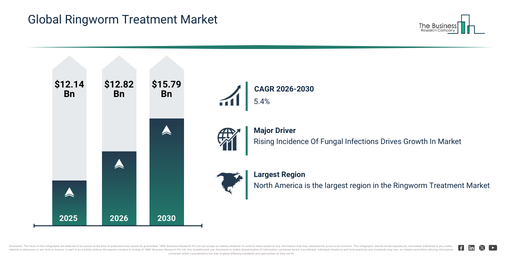
    The market dedicated to treating ringworm experienced robust expansion in preceding years, projected to increase from $12.14 billion in 2025 to $12.82 billion by 2026, reflecting a compound annual growth rate of 5.6%. Key factors fueling this expansion during the historical period include a heightened incidence of fungal skin ailments, amplified consciousness regarding personal hygiene, expanded accessibility to retail pharmacy channels, the broad availability of topical antifungal treatments, and a greater rate of diagnosing dermatological issues.

    The market for ringworm treatments is poised for substantial expansion over the upcoming years, projected to reach $15.79 billion by 2030, driven by a compound annual growth rate of 5.4%. This anticipated growth stems from several key factors: an escalating demand for enduring and potent antifungal remedies, a broader embrace of online pharmacies for product distribution, heightened attention towards strategies for combating antifungal resistance, the increasing application of combined therapies, and improved healthcare accessibility in developing economies. Furthermore, significant developments anticipated during this forecast period include a greater need for antifungals with a wide spectrum of activity, a rise in the utilization of multi-drug formulations, a growing inclination towards treatments applied topically, an increase in the availability of antifungal products sold without a prescription, and a more pronounced emphasis on methods designed to prevent the condition’s recurrence.

    Download A Free Sample Report For Comprehensive Market Insights:

    https://www.thebusinessresearchcompany.com/sample.aspx?id=21279&type=smp

    Ringworm Treatment Market Development Factors: Which Trends Are Supporting Demand?

    The increasing prevalence of fungal infections is poised to stimulate expansion in the ringworm treatment market. These infections, caused by the unchecked growth or intrusion of fungi, manifest in ways that can impact various bodily systems. Contributing factors to the rise in fungal infections include greater utilization of immunosuppressive therapies, climate change, and a growing demographic with weakened immune defenses. Treatments for ringworm are designed to combat these fungal ailments by providing potent antifungal remedies that curb disease spread, mitigate aggravated conditions, and control infection rates, particularly among susceptible groups. As an illustration, data from the Centers for Disease Control and Prevention in May 2025 indicated that within the United States, fungal diseases are associated with approximately 7,300 fatalities, 130,000 hospital admissions, and 13 million outpatient consultations annually, with an overall national economic impact estimated at around $19 billion. Consequently, the escalating incidence of fungal infections is a key driver for the ringworm treatment market’s growth.

    Advancements in healthcare infrastructure are projected to fuel the onward expansion of the ringworm treatment market. Healthcare settings, which encompass institutions like hospitals, clinics, and diagnostic centers, are integral to providing medical attention and treatment to patients. These facilities are undergoing enhancements fueled by increased capital investment in healthcare infrastructure, a greater emphasis on patient-centric care approaches, demographic growth, and an aging population. The field of ringworm treatment contributes to these improvements by promoting the development of specialized dermatological services, boosting patient awareness regarding fungal infections, and encouraging the adoption of efficient and accessible therapeutic options, thereby enabling healthcare systems to more effectively manage dermatological conditions and elevate public health outcomes. For example, the Department of Health and Social Care in the UK reported in September 2025 that NHS acute trust productivity had seen a 2.7% increase over the preceding year, exceeding the governmental objective set for the period of April 2024 to March 2025. Thus, the enhancement of healthcare facilities is acting as a catalyst for the ringworm treatment market’s growth.

    The surge in pet ownership is anticipated to catalyze the growth trajectory of the ringworm treatment market. This trend refers to the increasing number of individuals and households taking on the responsibility of caring for domesticated animals, embracing their role in providing companionship and attending to their physical and emotional well-being. The escalating rate of pet ownership is largely attributable to the heightened perception of pets as valued family members, prompting more people to acquire animals for emotional support, companionship, and an enriched quality of life, thus fostering a greater commitment to long-term pet care. Ringworm treatment facilitates pet owners in managing and preventing fungal ailments effectively, thereby preserving the health of their animals and ensuring hygiene within the home environment as pet adoption rates continue to climb. As an illustration, the American Pet Products Association noted in March 2025 that pet ownership in the United States had recovered, with 94 million households now having at least one pet, an increase from 82 million in 2023, and that dog and cat ownership represented 51% and 37% of households, respectively. Consequently, the rise in pet ownership is a significant driver for the ongoing expansion of the ringworm treatment market.

    Ringworm Treatment Market Categorization By Product Type And Application

    The ringworm treatment market covered in this report is segmented –

    1) By Drug Classes: Antifungals, Combination Drugs

    2) By Treatment Types: Tinea Corpois, Tinea Pedis, Tinea Cruris, Tinea Capitis, Tinea Manuum, Other Treatment Types

    3) By Route Of Administrations: Topical, Oral

    4) By Distribution Channels: Hospital Pharmacies, Retail Pharmacies, Online Pharmacies

    Subsegments:

    1) By Antifungals: Topical Antifungals, Oral Antifungals, Antifungal Shampoos

    2) By Combination Drugs: Antifungal Plus Steroid Combinations, Antifungal Plus Antiseptic Combinations

    Ringworm Treatment Market Company Landscape And Strategic Competition

    Major companies operating in the ringworm treatment market are Pfizer Inc., Merck And Co Inc., Bayer Healthcare, Sanofi Aventis, Abbott Laboratories, Novartis AG, GlaxoSmithKline Plc, Teva Pharmaceutical Industries Ltd, Sun Pharmaceutical Industries Ltd, Perrigo Company plc, Aurobindo Pharma Ltd, Dr Reddys Laboratories Ltd, Cipla Ltd, Intas Pharmaceuticals Ltd, Zydus Group, Glenmark Pharmaceuticals Inc, Biocon Limited, Torrent Pharmaceuticals Ltd, Taro Pharmaceutical Industries Ltd, Lupin Limited, Amneal Pharmaceuticals LLC, Hikma Pharmaceuticals plc, Alkem Laboratories Ltd, Mankind Pharma Ltd

    Access The Complete Ringworm Treatment Market Report:

    https://www.thebusinessresearchcompany.com/report/ringworm-treatment-global-market-report

    Ringworm Treatment Market Leading Geography: Which Region Generates The Most Revenue?

    North Americawas the largest region in the ringworm treatment market in 2025. Asia-Pacificis expected to be the fastest-growing region in the forecast period. The regions covered in the ringworm treatment market report are Asia-Pacific, South East Asia, Western Europe, Eastern Europe, North America, South America, Middle East, Africa.

    Get in touch with us:

    The Business Research Company: https://www.thebusinessresearchcompany.com/

    Americas: +1 310-496-7795

    Asia: +44 7882 955267 & +91 8897263534

    Europe: +44 7882 955267

    Email us at: marketing@tbrc.info

    Follow us on:

    LinkedIn: https://in.linkedin.com/company/the-business-research-company

    YouTube: https://www.youtube.com/channel/UC24_fI0rV8cR5DxlCpgmyFQ

    Global Market Model: https://www.thebusinessresearchcompany.com/global-market-model
  • Richter Syndrome Market Size Projected To Increase From $0.5 Billion To $0.63 Billion During The Forecast Period

    Richter Syndrome Market Size Projected To Increase From $0.5 Billion To $0.63 Billion During The Forecast Period

    Through market attractiveness analysis, total addressable market evaluation, company benchmarking matrices, interactive Excel dashboards, expanded supply chain intelligence, emerging startup coverage, and detailed product insights, The Business Research Company’s 2026 market reports provide more actionable and strategically valuable research.

    Richter Syndrome Market Value Expansion And Long-Term Growth Outlook

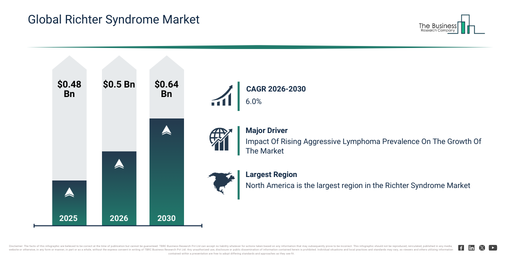
    The market for Richter’s syndrome experienced robust expansion recently, projected to expand from $0.48 billion in 2025 to $0.5 billion in 2026, reflecting a compound annual growth rate (CAGR) of 6.2%. This past growth was fueled by several factors, including a rise in chronic lymphocytic leukemia cases, the limitations of conventional treatments, heightened awareness surrounding aggressive lymphoma transformations, the proliferation of cancer research facilities, and the accessibility of chemotherapy options.

    The market for Richter’s syndrome is poised for substantial expansion in the upcoming years, projected to reach $0.64 billion by 2030, reflecting a compound annual growth rate of 6.0%. This anticipated surge is fueled by several key factors, including the ongoing development of innovative immunotherapies, a greater uptake of precision oncology strategies, the broadening scope of stem cell transplantation initiatives, increased financial backing for rare cancer studies, and a heightened emphasis on customized treatment plans. Prominent trends expected to shape this market during the forecast period encompass a wider adoption of targeted therapies and immunotherapies, a stronger focus on identifying the condition early and assessing patient risk, a more frequent utilization of combination treatment modalities, an expansion in the number of clinical studies and trials, and the improved integration of supportive and palliative care services.

    Download A Free Sample Report For Comprehensive Market Insights:

    https://www.thebusinessresearchcompany.com/sample.aspx?id=21278&type=smp

    Richter Syndrome Market Industry Drivers: What Is Driving Revenue Growth?

    An increasing incidence of aggressive lymphoma is anticipated to fuel the expansion of the Richter syndrome market. Lymphoma, a cancer originating within the lymphatic system—a crucial component of the body’s immune defenses affecting lymph nodes and other tissues—is seeing higher rates due to several factors. These include enhancements in diagnostic methods, a growing elderly demographic, and heightened public and medical awareness, all contributing to the identification of more cases. Treatments for Richter syndrome are designed to support patients battling aggressive lymphoma by integrating intensive chemotherapy, precision therapies like BTK and BCL-2 inhibitors, monoclonal antibodies, and sophisticated interventions such as CAR T-cell therapy and stem cell transplants. These approaches aim to manage disease progression, boost treatment effectiveness, and prolong survival, with ongoing research exploring novel therapies and clinical trials for cases that do not respond to existing treatments. For example, projections from the American Cancer Society in January 2025 suggest approximately 80,350 individuals in the US will be diagnosed with non-Hodgkin lymphoma (NHL), with an estimated 19,390 fatalities from the disease. Consequently, the escalating occurrence of aggressive lymphoma is a key driver for the Richter syndrome market.

    The expanding landscape of personalized medicine is poised to stimulate growth within the Richter syndrome market. This innovative medical paradigm focuses on customizing treatments and health strategies for individuals by considering their unique genetic makeup, environmental exposures, and lifestyle choices. The momentum behind personalized medicine stems from a growing demand for healthcare solutions that maximize treatment effectiveness by aligning with an individual’s genetic profile and lifestyle. Richter syndrome, characterized by its rarity and aggressive transformation from chronic lymphocytic leukemia (CLL), underscores the significance of personalized medicine by highlighting the necessity for tailored therapeutic approaches that account for specific genetic mutations and individual disease trajectories, thereby promoting greater recognition and adoption of precision healthcare. As an illustration, the Personalized Medicine Coalition reported in February 2024 that the US FDA approved 16 new personalized treatments for rare disease patients in 2023, a substantial increase from the 6 approvals in 2022. Therefore, the heightened awareness and application of personalized medicine are acting as a catalyst for the Richter syndrome market’s expansion.

    An uptick in healthcare expenditure is expected to contribute to the advancement of the Richter syndrome market. Healthcare spending encompasses the totality of financial resources allocated to health services and products, including medical care, hospitalizations, preventive measures, pharmaceuticals, research initiatives, infrastructure development, and administrative costs, all aimed at preserving or enhancing individual and population health outcomes. This heightened expenditure is driven by an aging global population, significant progress in medical technologies, the increasing prevalence of chronic health conditions, and a greater overall demand for healthcare services. Enhanced healthcare spending facilitates access to sophisticated treatment options for Richter syndrome, such as advanced chemotherapy regimens, targeted therapies, immunotherapies, CAR T-cell therapy, and stem cell transplantation. Furthermore, it supports vital research, clinical trials, and the development of healthcare infrastructure necessary for earlier diagnosis, the implementation of personalized treatment strategies, and improved patient outcomes. For instance, data from the UK’s Office for National Statistics in May 2024 indicated that between 2022 and 2023, UK healthcare spending grew by 5.6%, a notable rise compared to the 0.9% growth observed in 2022, reaching approximately $317.63 billion (£292 billion) in 2023. Consequently, the increasing level of healthcare spending is a significant factor driving the growth of the Richter syndrome market.

    Richter Syndrome Market Segment Analysis And Revenue Opportunities

    The richter syndrome market covered in this report is segmented –

    1) By Disease Type: Chronic Lymphocytic Leukemia (CLL)-Associated Richter Syndrome, Non-CLL-Associated Richter Syndrome

    2) By Treatment Type: Chemotherapy, Targeted Therapy, Immunotherapy, Immune Checkpoint Inhibitors, Stem Cell Transplantation, Supportive Care And Palliative Treatments

    3) By Route Of Administration: Oral, Intravenous

    4) By Distribution Channel: Hospital Pharmacies, Retail Pharmacies, Online Pharmacies

    5) By End-User: Hospitals, Specialty Clinics, Cancer Treatment Centers, Research And Academic Institutes

    Subsegments:

    1) By Chronic Lymphocytic Leukemia (CLL)-Associated Richter Syndrome: Transformation To Diffuse Large B-cell Lymphoma, Transformation To Hodgkin Lymphoma

    2) By Non-CLL-Associated Richter Syndrome: De Novo Diffuse Large B-cell Lymphoma, De Novo Hodgkin Lymphoma

    Richter Syndrome Market Leading Players Shaping Industry Direction

    Major companies operating in the richter syndrome market are Pfizer Inc., Janssen Pharmaceuticals Inc., F Hoffmann La Roche Ltd, AbbVie Inc., Bristol Myers Squibb Company, AstraZeneca PLC, Novartis AG, Takeda Pharmaceutical Company Limited, Gilead Sciences Inc., Chugai Pharmaceutical Co Ltd, Genentech Inc., Incyte Corporation, Kyowa Kirin Co Ltd, Celltrion Healthcare Co Ltd, BeiGene Ltd, Nippon Shinyaku Co Ltd, MorphoSys AG, TG Therapeutics Inc., Amgen Inc., Sanofi SA, Bayer AG, Daiichi Sankyo Company, Merck And Co Inc., Seagen Inc., Roche Diagnostics Oncology

    Access The Complete Richter Syndrome Market Report:

    https://www.thebusinessresearchcompany.com/report/richter-syndrome-global-market-report

    Richter Syndrome Market Regional Outlook: Where Are The Largest Opportunities Located?

    North Americawas the largest region in the richter syndrome market in 2025. Asia-Pacificis expected to be the fastest-growing region in the forecast period. The regions covered in the richter syndrome market report are Asia-Pacific, South East Asia, Western Europe, Eastern Europe, North America, South America, Middle East, Africa.

    Get in touch with us:

    The Business Research Company: https://www.thebusinessresearchcompany.com/

    Americas: +1 310-496-7795

    Asia: +44 7882 955267 & +91 8897263534

    Europe: +44 7882 955267

    Email us at: marketing@tbrc.info

    Follow us on:

    LinkedIn: https://in.linkedin.com/company/the-business-research-company

    YouTube: https://www.youtube.com/channel/UC24_fI0rV8cR5DxlCpgmyFQ

    Global Market Model: https://www.thebusinessresearchcompany.com/global-market-model
  • Ribose-Nucleic Acid (RNA)-Based Therapeutics Market Growth Outlook Reveals A CAGR Of 8.7% And A Market Value Of $26.17 Billion By 2030

    Ribose-Nucleic Acid (RNA)-Based Therapeutics Market Growth Outlook Reveals A CAGR Of 8.7% And A Market Value Of $26.17 Billion By 2030

    Delivering more actionable and strategically valuable research, The Business Research Company’s 2026 market reports feature market attractiveness analysis, total addressable market evaluation, company benchmarking matrices, interactive Excel dashboards, expanded supply chain intelligence, emerging startup coverage, and detailed product insights.

    Ribose-Nucleic Acid (RNA)-Based Therapeutics Market Expected To Reach $26.17 Billion By 2030 At 8.7% CAGR

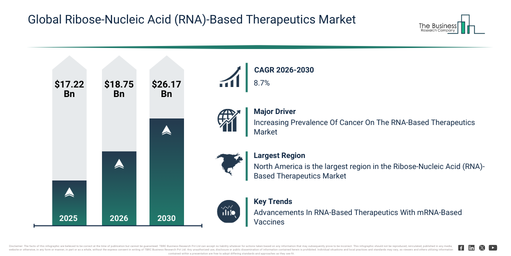
    The market for therapeutics utilizing ribonucleic acid (RNA) has experienced robust expansion; projections indicate a continued upward trajectory from an estimated $17.22 billion in 2025 to $18.75 billion in 2026, representing a compound annual growth rate (CAGR) of 8.9%. Factors propelling this growth during the preceding period include significant strides in molecular biology research, the promising early outcomes of RNA-targeted medications, a broadened scope in genetic disease investigation, amplified investment in pharmaceutical research and development, and a deepening comprehension of gene regulation mechanisms.

    Driven by a surge in regulatory endorsements for RNA-based treatments, a heightened need for bespoke medical interventions, expanding oncology research in RNA, amplified investments in drug delivery systems, and fostering partnerships between biotechnology entities, the RNA therapeutics market is projected for substantial expansion, forecasted to reach $26.17 billion by 2030 with a compound annual growth rate (CAGR) of 8.7%. Key developments shaping this trajectory include the progressive creation of targeted RNA therapies, broader adoption of siRNA and ASO technologies, a concentrated effort on addressing rare and genetic diseases, an increase in clinical investigations for RNA-based drugs, and advancements in innovative drug delivery mechanisms.

    Download A Free Sample Report For Comprehensive Market Insights:

    https://www.thebusinessresearchcompany.com/sample.aspx?id=18454&type=smp

    Ribose-Nucleic Acid (RNA)-Based Therapeutics Market Growth Factors: Which Forces Are Supporting Market Expansion?

    The escalating incidence of cancer is anticipated to be a significant catalyst for the expansion of the ribose-nucleic acid (RNA)-based therapeutics market. Cancer, a disease characterized by the uncontrolled proliferation and dissemination of aberrant cells, which can prove fatal if not medically addressed, is becoming more widespread owing to factors such as an aging demographic, shifts in lifestyle habits, increased exposure to various risk factors, and advancements in diagnostic capabilities. Within this context, RNA-based therapies present a compelling approach for managing cancer by directly addressing the underlying genetic and molecular pathways of the disease. Illustratively, data from the Australian Institute of Health and Welfare indicated that approximately 151,000 cancer diagnoses (excluding skin cancers like BCC and SCC) were recorded in Australia in 2021, with projections suggesting this figure could rise to 185,000 by the year 2030, thus underscoring the influential role of rising cancer rates in stimulating growth within the RNA-based therapeutics sector.

    Ribose-Nucleic Acid (RNA)-Based Therapeutics Market Segmentation And Category Breakdown

    The ribose-nucleic acid (rna)-based therapeutics market covered in this report is segmented –

    1) By Type: RNA Interference (RNAi), RNA Antisense

    2) By Technology: Enabling Technology, Enabled Technology

    3) By Therapeutic Area: Oncology, Genetic Disorder, Ophthalmology, Hematological Disorders, Acute Hepatic Porphyria (AHP), Other Therapeutic Areas

    4) By End User: Research Institutes, Hospitals And Clinics

    Subsegments:

    1) By RNA Interference (RNAi): Small Interfering RNA (siRNA), MicroRNA (miRNA)

    2) By RNA Antisense: Antisense Oligonucleotides (ASOs), Antisense RNA

    Ribose-Nucleic Acid (RNA)-Based Therapeutics Market Industry Trends: What Changes Are Reshaping Demand?

    Companies at the forefront of the RNA therapeutics sector are concentrating on pioneering new drug options, including messenger RNA (mRNA) booster vaccines, aimed at elevating immunization potency, combating new viral strains, and reinforcing the long-term effectiveness of vaccine-generated immune protection. The mechanism behind an mRNA booster vaccine involves instructing cells, via messenger RNA, to produce a protein that amplifies the body’s immune defense against a specific infectious agent. As an illustration, in June 2023, Gennova Biopharmaceuticals Ltd., an Indian pharmaceutical entity, introduced GEMCOVAC-OM, which stands as India’s inaugural mRNA booster vaccine, meticulously designed to target the Omicron variant of COVID-19. This booster’s significance is underscored by the attenuated effectiveness of primary vaccines against the Omicron strain. By leveraging mRNA technology, GEMCOVAC-OM serves to augment immunological memory and provide superior defense against the mutating virus.

    Ribose-Nucleic Acid (RNA)-Based Therapeutics Market Competitive Analysis Of Major Industry Participants

    Major companies operating in the ribose-nucleic acid (rna)-based therapeutics market are F Hoffmann La Roche AG, Eli Lilly And Company, Novo Nordisk AS, Regeneron Pharmaceuticals, Biogen Inc., BioNTech, Alnylam Pharmaceuticals, Sarepta Therapeutics, Ionis Pharmaceuticals, Akcea Therapeutics Inc, Arrowhead Pharmaceuticals, Dicerna Pharmaceuticals, Wave Life Sciences, Quark Pharmaceuticals, Tekmira Pharmaceuticals, ReCode Therapeutics, Arbutus Biopharma Corporation, Benitec Biopharma Inc., Olix Pharmaceuticals, Alltrna Inc., Orbital Therapeutics, Moderna Inc., CureVac NV, Silence Therapeutics plc, ProQR Therapeutics NV

    Access The Complete Ribose-Nucleic Acid (RNA)-Based Therapeutics Market Report:

    https://www.thebusinessresearchcompany.com/report/ribose-nucleic-acid-rna-based-therapeutics-global-market-report

    Ribose-Nucleic Acid (RNA)-Based Therapeutics Market Geographic Landscape: Which Region Dominates Industry Growth?

    North Americawas the largest region in the ribose-nucleic acid (RNA)-based therapeutics market in 2025. The regions covered in the ribose-nucleic acid (rna)-based therapeutics market report are Asia-Pacific, South East Asia, Western Europe, Eastern Europe, North America, South America, Middle East, Africa.

    Get in touch with us:

    The Business Research Company: https://www.thebusinessresearchcompany.com/

    Americas: +1 310-496-7795

    Asia: +44 7882 955267 & +91 8897263534

    Europe: +44 7882 955267

    Email us at: marketing@tbrc.info

    Follow us on:

    LinkedIn: https://in.linkedin.com/company/the-business-research-company

    YouTube: https://www.youtube.com/channel/UC24_fI0rV8cR5DxlCpgmyFQ

    Global Market Model: https://www.thebusinessresearchcompany.com/global-market-model
  • Ribonucleic Acid (RNA) Sequencing Market Forecast Highlights Expansion From $4.83 Billion To $9.62 Billion Through 2030

    Ribonucleic Acid (RNA) Sequencing Market Forecast Highlights Expansion From $4.83 Billion To $9.62 Billion Through 2030

    Enhanced with market attractiveness analysis, total addressable market evaluation, company benchmarking matrices, interactive Excel dashboards, expanded supply chain intelligence, emerging startup coverage, and detailed product insights, The Business Research Company’s 2026 market reports deliver more actionable and strategically valuable research.

    Ribonucleic Acid (RNA) Sequencing Market Size And Revenue Forecast Through 2030

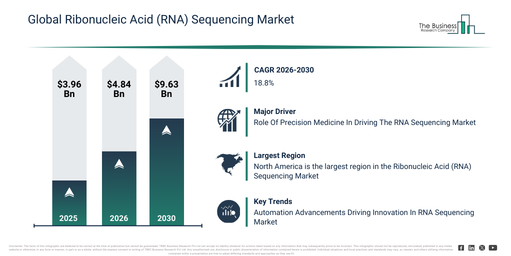
    The RNA sequencing market, valued at $3.96 billion in 2025, is projected to experience significant expansion, reaching $4.84 billion by 2026, reflecting a compound annual growth rate of 22.3%. This robust growth trajectory in the preceding period was fueled by several key factors including the proliferation of genomics research endeavors, a noticeable reduction in sequencing expenses, expanded financial support for academic studies, widespread adoption of next-generation sequencing technologies, and an escalating requirement for gene expression profiling.

    The ribonucleic acid (RNA) sequencing market is poised for significant expansion in the coming years, projected to reach $9.63 billion by 2030, driven by a compound annual growth rate (CAGR) of 18.8%. This anticipated surge is fueled by several key factors including the escalating embrace of precision medicine, augmented investments in transcriptomics research, a broadening scope for clinical diagnostic sequencing, the increasing incorporation of artificial intelligence in data analysis, and a heightened emphasis on personalized therapeutic strategies. Furthermore, prevailing trends shaping this market during the forecast period encompass the growing utilization of single-cell RNA sequencing, an increased reliance on high-throughput sequencing platforms, the integration of sophisticated bioinformatics tools, the expansion of applications in clinical and translational research, and a strengthened commitment to ensuring data accuracy and reproducibility.

    Download A Free Sample Report For Comprehensive Market Insights:

    https://www.thebusinessresearchcompany.com/sample.aspx?id=15665&type=smp

    Ribonucleic Acid (RNA) Sequencing Market Demand Drivers: What Is Fueling Industry Growth?

    The expansion of the ribonucleic acid (RNA) sequencing market is anticipated to be largely driven by a growing emphasis on precision medicine. This groundbreaking approach to healthcare, also known as personalized medicine, tailors treatments and preventative strategies to an individual’s unique genetic makeup, environmental exposures, and lifestyle factors. The promise of more successful therapies, coupled with progress in genomics, the escalating complexity of diseases, and favorable regulatory landscapes, bolster the potential of personalized medicine. RNA sequencing methodologies are instrumental in this field, allowing for the precise determination of RNA sequences and the measurement of RNA molecule expression levels within biological samples. These techniques offer a deep dive into the transcriptome, revealing insights into gene expression trends, variations in splicing, and RNA alterations. As a testament to this trend, in February 2024, the Personalized Medicine Coalition, a US organization, reported that the FDA sanctioned 16 new personalized treatments for individuals with rare conditions in 2023, a significant increase from the six approvals seen in 2022, thereby underscoring how the heightened attention on precision medicine is fueling the growth of the RNA sequencing market.

    Ribonucleic Acid (RNA) Sequencing Market Segment Outlook: Which Categories Are Expanding The Fastest?

    The ribonucleic acid (rna) sequencing market covered in this report is segmented –

    1) By Product Type: Instruments, Reagents And Kits, Software

    2) By Technology: Single Molecule Based Sequencing, Sequence By Synthesis Technology, Nanopore Sequencing Technology, Ion Torrent Semiconductor Sequencing

    3) By Applications: Diagnostics, Drug Discovery, Translational Medicine, Other Applications

    4) By End User: Research And Academia, Hospitals And Clinics, Pharmaceutical And Biotechnology Companies, Other End Users

    Subsegments:

    1) By Instruments: Next-Generation Sequencers, Microarray Instruments, Single-Cell Rna Sequencing Instruments

    2) By Reagents And Kits: Rna Extraction Kits, Rna Sequencing Kits, Library Preparation Kits

    3) By Software: Data Analysis Software, Data Management Software, Bioinformatics Software

    Ribonucleic Acid (RNA) Sequencing Market Innovation Trends: Which Developments Are Transforming The Industry?

    The leading participants in the ribonucleic acid (RNA) sequencing market are concentrating on RNA next-generation sequencing assays as a means to elevate patient outcomes through the application of data-driven intelligence and personalized medical approaches. This sophisticated RNA next-generation sequencing assay represents a cutting-edge exome sequencing system that employs advanced genomic analysis techniques to examine an individual’s complete exome. As an illustration, in June 2023, Tempus, a technology firm specializing in precision medicine and headquartered in the United States, introduced its novel, self-contained RNA next-generation sequencing assay, known as Tempus xR. This groundbreaking assay, specifically developed for solid tumors, provides an exhaustive examination of the entire transcriptome, pinpointing clinically relevant fusions across more than 100 genes of interest and identifying variations in splicing for MET Exon 14 and EGFRvIII. This particular product is tailored to assist clinicians with a focused need for understanding RNA fusions or splicing abnormalities, as well as to support healthcare providers, researchers, and biotechnology firms aiming for in-depth RNA sequencing evaluations of their current sample collections.

    Ribonucleic Acid (RNA) Sequencing Market Key Companies And Competitive Benchmarking

    Major companies operating in the ribonucleic acid (rna) sequencing market are F Hoffmann La Roche Ltd, Thermo Fisher Scientific Inc, Danaher Corporation, Merck KGaA, Becton Dickinson And Company, Eurofins Scientific SE, Agilent Technologies Inc, Illumina Inc, PerkinElmer Inc, Beckman Coulter Inc, Bio Rad Laboratories Inc, QIAGEN NV, Tecan Genomics Inc, BGI Genomics Co Ltd, Takara Bio Inc, Abcam Limited, Oxford Nanopore Technologies plc, Pacific Biosciences Of California Inc, Macrogen Inc, Standard BioTools Inc, CD Genomics, Genewiz Inc, Novogene Co Ltd, GENEWIZ Germany GmbH, Azenta Life Sciences

    Access The Complete Ribonucleic Acid (RNA) Sequencing Market Report:

    https://www.thebusinessresearchcompany.com/report/ribonucleic-acid-rna-sequencing-global-market-report

    Ribonucleic Acid (RNA) Sequencing Market Largest Region: Which Geography Holds The Highest Market Share?

    North Americawas the largest region in the ribonucleic acid (RNA) sequencing market in 2025. Asia-Pacificis expected to be the fastest-growing region in the forecast period. The regions covered in the ribonucleic acid (rna) sequencing market report are Asia-Pacific, South East Asia, Western Europe, Eastern Europe, North America, South America, Middle East, Africa.

    Get in touch with us:

    The Business Research Company: https://www.thebusinessresearchcompany.com/

    Americas: +1 310-496-7795

    Asia: +44 7882 955267 & +91 8897263534

    Europe: +44 7882 955267

    Email us at: marketing@tbrc.info

    Follow us on:

    LinkedIn: https://in.linkedin.com/company/the-business-research-company

    YouTube: https://www.youtube.com/channel/UC24_fI0rV8cR5DxlCpgmyFQ

    Global Market Model: https://www.thebusinessresearchcompany.com/global-market-model
  • Rhinoplasty Market Expected To Reach $9.16 Billion By 2030 As Growth Accelerates At 7.1% CAGR

    Rhinoplasty Market Expected To Reach $9.16 Billion By 2030 As Growth Accelerates At 7.1% CAGR

    Through market attractiveness analysis, total addressable market evaluation, company benchmarking matrices, interactive Excel dashboards, expanded supply chain intelligence, emerging startup coverage, and detailed product insights, The Business Research Company’s 2026 market reports provide more actionable and strategically valuable research.

    Rhinoplasty Market Growth From $6.97 Billion In 2026 To $9.16 Billion By 2030 At A CAGR Of 7.1%

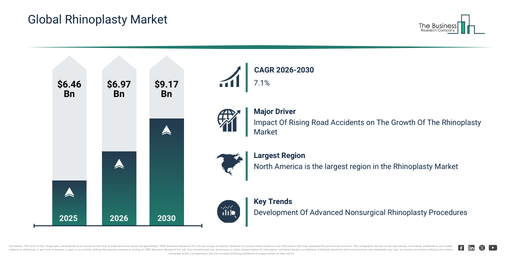
    The demand for rhinoplasty procedures has experienced a considerable upward trend lately, with projections indicating continued expansion. The market, valued at $6.46 billion in 2025, is anticipated to ascend to $6.97 billion by 2026, reflecting a compound annual growth rate of 8.0%. Factors contributing to this historical growth trajectory include an increasing societal acceptance of cosmetic enhancements, a greater number of proficient plastic surgeons entering the field, the proliferation of specialized aesthetic clinics, innovations in surgical methodologies, and a rising need for nasal function correction.

    The global rhinoplasty market is poised for significant expansion in the coming years, projected to reach $9.17 billion by 2030, demonstrating a compound annual growth rate of 7.1%. This upward trajectory is fueled by several key factors, including the increasing integration of virtual surgical planning technologies, a growing desire for aesthetic improvements, the burgeoning medical tourism sector, a heightened emphasis on optimizing results after surgery, and the wider application of injectable fillers. Within this forecast period, several prevailing trends are expected to shape the market, such as a greater demand for minimally invasive techniques, the increasing popularity of non-surgical rhinoplasty options, the expanding utilization of 3D imaging and simulation tools, a rise in revision and reconstructive procedures, and a more concentrated effort towards achieving personalized aesthetic results.

    Download A Free Sample Report For Comprehensive Market Insights:

    https://www.thebusinessresearchcompany.com/sample.aspx?id=15919&type=smp

    Rhinoplasty Market Growth Drivers: What Factors Are Accelerating Expansion?

    The increasing frequency of traffic incidents is anticipated to be a significant driver for the rhinoplasty market’s expansion. Traffic accidents, characterized by unplanned events involving vehicles on public thoroughfares resulting in damage, injury, or fatalities, are escalating due to factors such as a higher volume of vehicles, driver distraction, and insufficient road safety protocols. Rhinoplasty plays a crucial role in managing these accidents by reconstructing and mending injuries to the nose, thereby restoring both its aesthetic appearance and functional capacity, specifically addressing deformities and breathing impairments stemming from nasal fractures. Illustratively, data from the National Highway Traffic Safety Administration (NHTSA) indicated that in April 2025, roadway injuries in the United States reached an estimated 2.44 million in 2023, marking a 2.5% increase from the 2.38 million recorded in 2022. Consequently, this rise in road accidents is fueling the growth trajectory of the rhinoplasty market.

    Rhinoplasty Market Segment Landscape: Which Areas Lead Market Development?

    The rhinoplasty market covered in this report is segmented –

    1) By Treatment Type: Augmentation, Reduction, Post traumatic, Reconstructive, Revision, Filler, Other Treatment Types

    2) By Technique: Open Rhinoplasty, Closed Rhinoplasty

    3) By End User: Hospitals, Specialty Clinics, Aesthetic Clinic, Others End Users

    Subsegments:

    1) By Augmentation: Nasal Implants, Bone Grafting, Cartilage Grafting

    2) By Reduction: Alar Reduction, Nasal Tip Reduction, Dorsal Hump Reduction

    3) By Post Traumatic: Functional Surgery, Cosmetic Surgery

    4) By Reconstructive: Post-Surgical Reconstruction, Congenital Reconstruction

    5) By Revision: Secondary Rhinoplasty, Tertiary Rhinoplasty

    6) By Filler: Injectable Fillers, Fat Grafting

    7) By Other Treatment Types: Non-Surgical Rhinoplasty, Hybrid Surgical

    Rhinoplasty Market Trends: What Is Shaping Future Industry Growth?

    Leading entities within the rhinoplasty sector are intensifying their efforts to pioneer sophisticated nonsurgical alternatives as a strategy for market retention. Nonsurgical interventions encompass medical and therapeutic actions that bypass the need for bodily incisions or tissue excision, offering a less invasive pathway compared to conventional surgery with typically shorter recuperation periods. Illustrating this trend, in February 2023, TrueAesthetics, an American cosmetic service provider, launched an innovative nonsurgical rhinoplasty offering. This technique centers on the precise administration of dermal fillers to reshape the nose, thereby enhancing its visual appeal without surgical intervention. A prevalent application of this nonsurgical method involves addressing dorsal humps by augmenting the radix, the most superior aspect of the nose situated directly between the eyebrows, through injections along the nasal bridge’s midline.

    Rhinoplasty Market Industry Leaders And Market Competition

    Major companies operating in the rhinoplasty market are Medtronic PLC, Stryker Corporation, Zimmer Biomet, Integra Lifesciences Holdings Corporation, MTF Biologics, KLS Martin Group, Syneron Medical Ltd, Sientra Inc., Koken Co Ltd, GC Aesthetics, Merz Aesthetics, Suneva Medical Inc., Implantech Associates Inc., Luminera Derm Ltd, NOUVAG AG, COMEG Medical Technologies, Contura Ltd, Anthony Products Inc, Osteopore, Allergan Aesthetics, Galderma SA, Mentor Worldwide LLC, Establishment Labs Holdings Inc

    Access The Complete Rhinoplasty Market Report:

    https://www.thebusinessresearchcompany.com/report/rhinoplasty-global-market-report

    Rhinoplasty Market Regional Analysis: Which Region Leads By Revenue?

    North Americawas the largest region in the rhinoplasty market in 2025. Asia-Pacificis expected to be the fastest-growing region in the forecast period. The regions covered in the rhinoplasty market report are Asia-Pacific, South East Asia, Western Europe, Eastern Europe, North America, South America, Middle East, Africa.

    Get in touch with us:

    The Business Research Company: https://www.thebusinessresearchcompany.com/

    Americas: +1 310-496-7795

    Asia: +44 7882 955267 & +91 8897263534

    Europe: +44 7882 955267

    Email us at: marketing@tbrc.info

    Follow us on:

    LinkedIn: https://in.linkedin.com/company/the-business-research-company

    YouTube: https://www.youtube.com/channel/UC24_fI0rV8cR5DxlCpgmyFQ

    Global Market Model: https://www.thebusinessresearchcompany.com/global-market-model
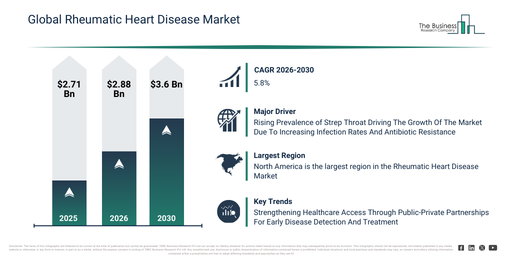
  • Rheumatic Heart Disease Market Set To Grow From $2.87 Billion In 2026 To $3.6 Billion By 2030 At A CAGR Of 5.8%

    Rheumatic Heart Disease Market Set To Grow From $2.87 Billion In 2026 To $3.6 Billion By 2030 At A CAGR Of 5.8%

    Delivering more actionable and strategically valuable research, The Business Research Company’s 2026 market reports feature market attractiveness analysis, total addressable market evaluation, company benchmarking matrices, interactive Excel dashboards, expanded supply chain intelligence, emerging startup coverage, and detailed product insights.

    Rheumatic Heart Disease Market Expansion Outlook: What Revenue Opportunities Lie Ahead?

    The market for rheumatic heart disease experienced robust expansion recently and is projected to increase from $2.71 billion in 2025 to $2.88 billion in 2026, reflecting a compound annual growth rate of 6.1%. Factors contributing to this past growth include the widespread occurrence of untreated streptococcal infections, restricted access to prompt medical attention in developing nations, the enduring impact of rheumatic fever, reliance on diagnostic methods based on clinical observation, and the limited availability of sophisticated cardiac treatment options.

    The market for rheumatic heart disease is poised for substantial expansion, projected to reach $3.6 billion by 2030, reflecting a compound annual growth rate of 5.8% throughout the forecast period. This upward trajectory is anticipated due to a confluence of factors, including augmented investments in public health screening initiatives, a greater embrace of digital technologies for cardiac diagnostics, escalating awareness concerning the advantages of early intervention, the broadening of cardiac surgical capabilities, and an intensified emphasis on strategies for disease prevention. Key developments anticipated during this timeframe encompass a rise in the implementation of early diagnostic screening programs, increased utilization of echocardiography and other imaging modalities, a growing emphasis on preventive antibiotic treatments, an expansion in valve repair and replacement surgeries, and more diligent monitoring of pediatric and adolescent populations afflicted with the condition.

    Download A Free Sample Report For Comprehensive Market Insights:

    https://www.thebusinessresearchcompany.com/sample.aspx?id=23502&type=smp

    Rheumatic Heart Disease Market Growth Factors Supporting Long-Term Expansion

    The expanding incidence of strep throat is anticipated to be a significant catalyst for the advancement of the rheumatic heart disease market. Strep throat, a bacterial ailment stemming from streptococcus pyogenes (group a streptococcus), culminates in throat inflammation and discomfort, frequently accompanied by indicators like fever, enlarged lymph nodes, and challenges with ingestion. The growing challenge of antibiotic resistance is complicating the effective management of streptococcal infections, thereby contributing to extended periods of illness and elevated transmission rates within populations. Rheumatic heart disease emerges as a chronic consequence of insufficiently treated or recurring instances of strep throat, underscoring the critical need for prompt identification and therapeutic intervention for streptococcal infections to avert serious cardiac impairment. Reflecting this issue, data from the Centers for Disease Control and Prevention in April 2023 indicated that strep throat is responsible for approximately 5.2 million annual outpatient consultations among individuals under the age of 65 in the United States, resulting in 2.8 million antibiotic prescriptions being issued each year. Consequently, the escalating occurrence of strep throat is directly fueling the expansion of the rheumatic heart disease sector.

    Rheumatic Heart Disease Market Segments: Where Are The Largest Growth Opportunities?

    The rheumatic heart disease market covered in this report is segmented –

    1) By Type: Valve, Myocarditis, Pericarditis

    2) By Age Group: Pediatric, Adolescent, Adult, Geriatric

    3) By Application: Hospital, Diagnostic Centre, Research Centre

    4) By Distribution Channel: Hospital Pharmacies, Retail Pharmacies, Online Pharmacies, Direct Sales

    Subsegments:

    1) By Valve: Mitral Valve Disease, Aortic Valve Disease, Tricuspid Valve Disease, Pulmonary Valve Disease

    2) By Myocarditis: Acute Myocarditis, Chronic Myocarditis, Fulminant Myocarditis

    3) By Pericarditis: Acute Pericarditis, Chronic Pericarditis, Constrictive Pericarditis, Effusive Pericarditis

    Rheumatic Heart Disease Market Industry Trends Shaping Future Revenue Growth

    Key participants within the rheumatic heart disease market are actively pursuing collaborations to foster the creation of novel therapeutic interventions and diagnostic methodologies. These strategic alliances in rheumatic heart disease (RHD) management serve to consolidate capabilities and knowledge bases, thereby propelling research and development endeavors, refining diagnostic and treatment breakthroughs, broadening market reach, and accelerating the journey to market. A pertinent example occurred in July of 2023, when the World Heart Federation (WHF), a non-governmental entity headquartered in Switzerland, joined forces with the Philips Foundation, a charitable organization based in the Netherlands. Their shared objective was to elevate awareness, bolster medical education, and improve the early identification of rheumatic heart disease (RHD) throughout the Asia-Pacific (APAC) region. This undertaking, initiated in the Philippines, aims to improve healthcare accessibility for more than 500,000 Filipino children susceptible to the condition, by furnishing healthcare sites with proficient personnel and sophisticated diagnostic equipment. Such a partnership highlights a collective dedication to reinforcing healthcare systems and facilitating prompt care for individuals afflicted with RHD.

    Rheumatic Heart Disease Market Major Participants And Competitive Dynamics

    Major companies operating in the rheumatic heart disease market are Pfizer Inc., Merck And Co Inc., Bayer AG, Sanofi SA, AstraZeneca plc, Novartis AG, Abbott Laboratories, GlaxoSmithKline plc, Medtronic plc, Siemens Healthineers AG, Becton Dickinson And Company, GE HealthCare Technologies Inc., Boston Scientific Corporation, Terumo Corporation, Apollo Hospitals Enterprise Limited, Fortis Healthcare Limited, Medanta, Johnson And Johnson Services Inc., Roche Holding AG, Bristol Myers Squibb Company, Takeda Pharmaceutical Company Limited, Daiichi Sankyo Company, Boehringer Ingelheim International GmbH, Edwards Lifesciences Corporation

    Access The Complete Rheumatic Heart Disease Market Report:

    https://www.thebusinessresearchcompany.com/report/rheumatic-heart-disease-global-market-report

    Rheumatic Heart Disease Market Geographic Distribution And Regional Opportunities

    North Americawas the largest region in the rheumatic heart disease market in 2025. The regions covered in the rheumatic heart disease market report are Asia-Pacific, South East Asia, Western Europe, Eastern Europe, North America, South America, Middle East, Africa.

    Get in touch with us:

    The Business Research Company: https://www.thebusinessresearchcompany.com/

    Americas: +1 310-496-7795

    Asia: +44 7882 955267 & +91 8897263534

    Europe: +44 7882 955267

    Email us at: marketing@tbrc.info

    Follow us on:

    LinkedIn: https://in.linkedin.com/company/the-business-research-company

    YouTube: https://www.youtube.com/channel/UC24_fI0rV8cR5DxlCpgmyFQ

    Global Market Model: https://www.thebusinessresearchcompany.com/global-market-model
  • Rhabdomyosarcoma Market Opportunities Are Emerging Beyond Traditional Growth Areas

    Rhabdomyosarcoma Market Opportunities Are Emerging Beyond Traditional Growth Areas

    Enhanced with market attractiveness analysis, total addressable market evaluation, company benchmarking matrices, interactive Excel dashboards, expanded supply chain intelligence, emerging startup coverage, and detailed product insights, The Business Research Company’s 2026 market reports deliver more actionable and strategically valuable research.

    Rhabdomyosarcoma Market Growth Potential: How Will Market Size Change Through 2030?

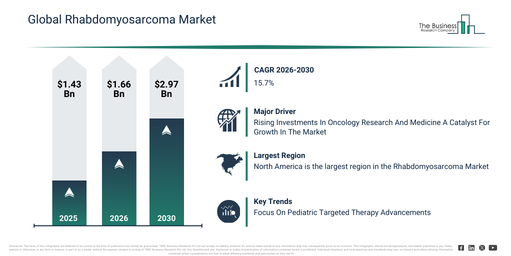
    The rhabdomyosarcoma market experienced significant expansion recently; projections indicate a rise from $1.43 billion in 2025 to $1.66 billion by 2026, reflecting a compound annual growth rate (CAGR) of 16.1%. Key factors contributing to this historical growth include enhanced cancer diagnostic imaging technologies, the proliferation of oncology treatment facilities, the widespread adoption of multifaceted chemotherapy regimens, heightened public and professional awareness regarding pediatric cancers, and progress in surgical oncology methodologies.

    The rhabdomyosarcoma market is poised for substantial expansion, projected to reach $2.97 billion by 2030 with a compound annual growth rate of 15.7%. This upward trajectory is fueled by escalating investments in precision oncology therapeutics, a greater embrace of immunotherapy and targeted treatment modalities, the broader scope of clinical investigations into uncommon cancers, the amplified utilization of AI-driven diagnostic tools, and a heightened emphasis on identifying cancer at its nascent stages. Key developments anticipated during this forecast period involve the progressive creation of highly specific cancer treatments, the increased deployment of sophisticated imaging technologies for earlier detection, a more widespread adoption of treatment plans incorporating multiple therapeutic strategies, the acceleration of research within pediatric oncology, and a more concentrated effort on precision oncology approaches.

    Download A Free Sample Report For Comprehensive Market Insights:

    https://www.thebusinessresearchcompany.com/sample.aspx?id=21276&type=smp

    Rhabdomyosarcoma Market Demand Drivers Creating New Revenue Opportunities

    Anticipated growth in the rhabdomyosarcoma market is set to be fueled by escalating financial commitments toward oncology research and medical advancements. Such financial allocations, encompassing those from governmental bodies, pharmaceutical entities, academic institutions, and private financiers, aim to deepen our comprehension of, and enhance the prevention, detection, and treatment of, various cancers. This surge in investment stems from a confluence of factors including the escalating global prevalence of cancer, breakthroughs in personalized medicine, a rising demand for novel therapeutic strategies, an expansion of conducted clinical trials, supportive government and private funding initiatives, and the progression of targeted therapies and immunotherapies. These investments specifically benefit the rhabdomyosarcoma landscape by advancing early diagnostic capabilities, refining treatment modalities such as targeted and immunotherapies, financing trials for more efficacious drug development, bolstering the infrastructure for pediatric cancer care, and stimulating pioneering research into the disease’s fundamental biology and its progression. Illustratively, global expenditures on cancer medications reached $223 billion in 2023, a substantial increase of $25 billion from the prior year, and are projected to climb to $409 billion by 2028, according to IQVIA data from May 2024. Consequently, this heightened investment in oncology research and medicine acts as a significant catalyst for the rhabdomyosarcoma market.

    Enhancements in medical infrastructure are poised to be a key driver for the expansion of the rhabdomyosarcoma market. Medical infrastructure encompasses the physical settings and resources, like hospitals, specialized clinics, and diagnostic centers, dedicated to providing medical services and patient care. Progress in this domain is being spurred by factors such as augmented investment in healthcare facilities, a stronger emphasis on patient-centric care models, demographic shifts including population growth, and an aging populace. The specific demands of rhabdomyosarcoma contribute to improvements in medical facilities by necessitating the adoption of advanced diagnostic equipment, the implementation of cutting-edge treatment protocols, and the cultivation of integrated, multidisciplinary care teams, thereby fostering progress in cancer research, pediatric oncology management, and the development of precision therapies. As an example, productivity within UK NHS acute trusts saw a 2.7% increase over the preceding year, exceeding the government’s objective for the April 2024 to March 2025 fiscal period, as reported by the Department of Health and Social Care in September 2025. Therefore, the ongoing betterment of healthcare facilities is instrumental in propelling the rhabdomyosarcoma market forward.

    Rhabdomyosarcoma Market Segment Analysis: What Are The Major Market Categories?

    The rhabdomyosarcoma market covered in this report is segmented –

    1) By Type: Embryonal Rhabdomyosarcoma, Alveolar Rhabdomyosarcoma, Other Types

    2) By Treatment: Surgery, Radiation Therapy, Chemotherapy, Stem Cell Therapy

    3) By Diagnosis: Imaging Tests, X-Ray, Computed Tomography Scan, Magnetic Resonance Imaging Scan, Positron Emission Tomography Scan, Bone Scan, Biopsy, Needle Biopsy, Surgical Biopsy

    Subsegments:

    1) By Embryonal Rhabdomyosarcoma: Botryoid Rhabdomyosarcoma, Spindle Cell Rhabdomyosarcoma

    2) By Alveolar Rhabdomyosarcoma (ARMS): Fusion-Positive ARMS, Fusion-Negative ARMS

    3) By Other Types of Rhabdomyosarcoma: Pleomorphic Rhabdomyosarcoma, Mixed-Type Rhabdomyosarcoma, Sclerosing Rhabdomyosarcoma

    Rhabdomyosarcoma Market Trends Driving Strategic Industry Expansion

    Key players within the rhabdomyosarcoma sector are concentrating their efforts on pioneering sophisticated targeted therapy options to elevate treatment effectiveness and augment patient results. This approach utilizes medications engineered to selectively disrupt the molecular pathways essential for cancer cell proliferation and survival, thereby minimizing harm to healthy cells and refining treatment accuracy. As an illustration, in October of 2023, Oncoheroes Biosciences, Inc., a biotechnology firm headquartered in the United States, secured authorization from the U.S. Food and Drug Administration (FDA) to commence clinical investigations for both volasertib and dovitinib. Volasertib operates as an inhibitor of Polo-like-kinase 1, initially conceived for acute myeloid leukemia, and displays considerable promise in the treatment of rhabdomyosarcoma and various other childhood cancers. Dovitinib functions as a broad-spectrum tyrosine kinase inhibitor, focusing on FGFR, VEGFR, and additional receptor tyrosine kinases, presenting potential benefits for pediatric bone sarcomas and employing exploratory biomarkers to pinpoint suitable candidates for treatment. The overarching objective of both agents is to provide highly specific interventions, mitigate adverse effects, and ultimately yield superior results for young patients. These trials incorporate rigorous selection criteria for participants, strategies guided by biomarkers, and diligent oversight to assess both safety and efficacy, marking a significant stride in pediatric oncology and instilling renewed optimism for children confronting rhabdomyosarcoma.

    Rhabdomyosarcoma Market Leading Companies Driving Competitive Growth

    Major companies operating in the rhabdomyosarcoma market are Pfizer Inc., Merck And Co Inc., Bristol Myers Squibb Company, AstraZeneca PLC, Novartis AG, Eli Lilly And Company, Eisai Co Ltd, Ipsen SA, Elekta AB, Acrivon Therapeutics Inc., Oasmia Pharmaceutical AB, Immix Biopharma Inc., Cellectar Biosciences Inc., Lantern Pharma Inc., Oncoheroes Biosciences Inc., Roche Holding AG, Sanofi SA, Bayer AG, Johnson And Johnson Services Inc., Takeda Pharmaceutical Company Limited, Amgen Inc., Daiichi Sankyo Company, GlaxoSmithKline Plc, Teva Pharmaceutical Industries Ltd

    Access The Complete Rhabdomyosarcoma Market Report:

    https://www.thebusinessresearchcompany.com/report/rhabdomyosarcoma-global-market-report

    Rhabdomyosarcoma Market Largest Region By Revenue And Market Share

    North Americawas the largest region in the rhabdomyosarcoma market in 2025. Asia-Pacificis expected to be the fastest-growing region in the forecast period. The regions covered in the rhabdomyosarcoma market report are Asia-Pacific, South East Asia, Western Europe, Eastern Europe, North America, South America, Middle East, Africa.

    Get in touch with us:

    The Business Research Company: https://www.thebusinessresearchcompany.com/

    Americas: +1 310-496-7795

    Asia: +44 7882 955267 & +91 8897263534

    Europe: +44 7882 955267

    Email us at: marketing@tbrc.info

    Follow us on:

    LinkedIn: https://in.linkedin.com/company/the-business-research-company

    YouTube: https://www.youtube.com/channel/UC24_fI0rV8cR5DxlCpgmyFQ

    Global Market Model: https://www.thebusinessresearchcompany.com/global-market-model