Category: Healthcare Services

  • Retail Clinics Market Size Projected To Increase From $7.66 Billion To $12.47 Billion During The Forecast Period

    Retail Clinics Market Size Projected To Increase From $7.66 Billion To $12.47 Billion During The Forecast Period

    Delivering more actionable and strategically valuable research, The Business Research Company’s 2026 market reports feature market attractiveness analysis, total addressable market evaluation, company benchmarking matrices, interactive Excel dashboards, expanded supply chain intelligence, emerging startup coverage, and detailed product insights.

    Retail Clinics Market Revenue Growth Supported By A CAGR Of 12.47% Through 2030

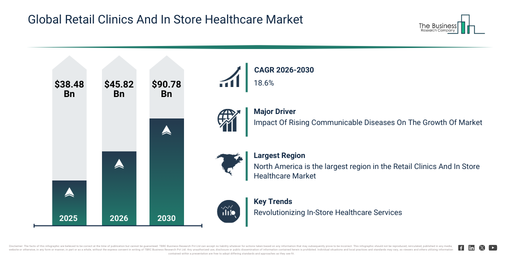
    The retail clinics sector has experienced significant expansion, with projections indicating a rise from $6.81 billion in 2025 to $7.66 billion in 2026, reflecting a compound annual growth rate of 12.5%. This surge in the historical period is linked to several contributing factors, including the strain on conventional healthcare infrastructures, escalating consumer desire for accessible healthcare solutions, the proliferation of clinic services within pharmacies, mounting healthcare expenses, and a notable increase in the adoption of on-demand care approaches.

    The retail clinics sector is poised for considerable expansion over the upcoming years, anticipating an increase to $12.48 billion by 2030, driven by a compound annual growth rate (CAGR) of 13.0%. This projected growth trajectory is fueled by several key factors, including the escalating acceptance of hybrid care methodologies, augmented financial commitments towards retail healthcare facilities, the pervasive integration of remote patient monitoring, the broadening spectrum of chronic condition management services available at retail clinics, and a heightened emphasis on delivering care centered on value. Significant developments anticipated within this forecast period encompass the wider proliferation of healthcare delivery models rooted in retail settings, a surge in the demand for easily accessible primary healthcare solutions, broader uptake of diagnostic testing at the point of care, the seamless incorporation of electronic health records within retail clinics, and a more concentrated effort on proactive health and wellness services.

    Download A Free Sample Report For Comprehensive Market Insights:

    https://www.thebusinessresearchcompany.com/sample.aspx?id=10388&type=smp

    Retail Clinics Market Growth Factors Supporting Long-Term Expansion

    Escalating healthcare expenditures are anticipated to be a primary catalyst for the expansion of the retail clinic sector moving forward. Healthcare expenses encompass all outlays related to medical care, interventions, and goods aimed at preserving or enhancing personal well-being. As the price of conventional healthcare services continues to climb, individuals are increasingly turning towards more economical options, thereby boosting the demand for retail clinics that provide cost-effective and clearly stated prices. To illustrate, April 2025 data from the American Medical Association (AMA), a professional body in the U.S., indicates that national health expenditure in 2023 escalated by 7.5% to a total of $4.9 trillion, translating to an approximate per capita cost of $14,570, a considerable increase from the 4.6% growth observed in 2022. Consequently, the upward trend in healthcare expenses for employees is fueling the expansion of the retail clinics market.

    Retail Clinics Market Segment Landscape: Which Areas Lead Market Development?

    The retail clinics market covered in this report is segmented –

    1) By Service Type: Preventive Care, Immunization, Minor Illness, Injury Treatment, Other Service Types

    2) By Service Model: Membership, Insurance-Based Model, Fee-For-Service

    3) By Ownership: Standalone, Hospital-Owned, Investor-Owned, Other Ownerships

    4) By Application: Vaccination, Point-Of-Care, Clinical Chemistry And Immunoassay, Other Applications

    5) By End Use: Stores, Malls, Hospitals, Other End Uses

    Subsegments:

    1) By Preventive Care: Health Screenings, Wellness Exams, Chronic Disease Management

    2) By Immunization: Vaccinations For Children, Adult Vaccinations, Travel Vaccinations

    3) By Minor Illness: Cold And Flu Treatment, Allergies, Ear Infections

    4) By Injury Treatment: Sprains And Strains, Minor Cuts And Burns, Fracture Management

    5) By Other Service Types: Physical Exams, Lab Testing, Health Education And Counseling

    Retail Clinics Market Industry Trends Shaping Future Revenue Growth

    In the retail clinic sector, leading entities are concentrating on pioneering technological advancements, including the implementation of virtual care clinics, as a strategy for market differentiation. This virtual care clinic paradigm encompasses a method of healthcare provision where medical assistance, advisory sessions, and patient support are delivered remotely utilizing digital platforms and online means. As an illustration, back in August 2023, Amazon Inc., a prominent e-commerce enterprise based in the United States, unveiled its ‘Amazon Clinic.’ This service aims to link individuals with healthcare professionals for the treatment of various conditions such as migraines, sinus infections, and skin issues like acne. The operational flow within the Amazon Clinic involves users first identifying their health issue, subsequently choosing a healthcare provider, and then completing a brief series of questions.

    Retail Clinics Market Industry Leaders And Market Competition

    Major companies operating in the retail clinics market are The Kroger Co., CVS Health Corporation, Rite Aid Corp., Walmart Inc., Walgreen Co., NextCare, Bellin Health Systems, Aurora Health Care, Sutter Health, Kaiser Foundation Health Plan Inc., Geisinger Health, Centennial Medical Group, Access Health, AtlantiCare, RediClinic LLC, Wellness Express LLC, MedExpress Urgent Care, Concentra Inc., The Little Clinic, FastMed Urgent Care, CityMD, U.S. HealthWorks Inc., Fastcare, Carespot

    Access The Complete Retail Clinics Market Report:

    https://www.thebusinessresearchcompany.com/report/retail-clinics-global-market-report

    Retail Clinics Market Largest Region By Revenue And Market Share

    North Americawas the largest region in the retail clinics market in 2025. The regions covered in the retail clinics market report are Asia-Pacific, South East Asia, Western Europe, Eastern Europe, North America, South America, Middle East, Africa.

    Get in touch with us:

    The Business Research Company: https://www.thebusinessresearchcompany.com/

    Americas: +1 310-496-7795

    Asia: +44 7882 955267 & +91 8897263534

    Europe: +44 7882 955267

    Email us at: marketing@tbrc.info

    Follow us on:

    LinkedIn: https://in.linkedin.com/company/the-business-research-company

    YouTube: https://www.youtube.com/channel/UC24_fI0rV8cR5DxlCpgmyFQ

    Global Market Model: https://www.thebusinessresearchcompany.com/global-market-model
  • Restless Leg Syndrome Market Growth Outlook Reveals A CAGR Of 13% And A Market Value Of $4 Billion By 2030

    Restless Leg Syndrome Market Growth Outlook Reveals A CAGR Of 13% And A Market Value Of $4 Billion By 2030

    Enhanced with market attractiveness analysis, total addressable market evaluation, company benchmarking matrices, interactive Excel dashboards, expanded supply chain intelligence, emerging startup coverage, and detailed product insights, The Business Research Company’s 2026 market reports deliver more actionable and strategically valuable research.

    Restless Leg Syndrome Market Value Expansion And Long-Term Growth Outlook

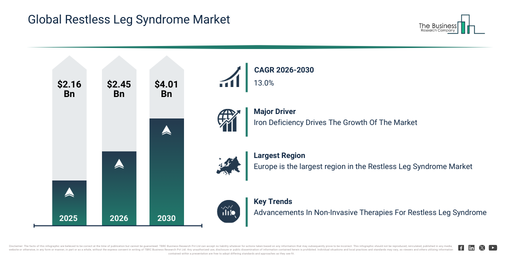
    The market for restless leg syndrome treatments has experienced substantial expansion recently.Projections indicate a rise from $2.16 billion in 2025 to $2.45 billion in 2026, reflecting a compound annual growth rate (CAGR) of 13.4%. This upward trend in the historical period is supported by factors such as a greater number of diagnosed neurological conditions, an increase in iron deficiency cases, heightened public awareness regarding sleep health, the proliferation of specialized neurology centers, and enhanced availability of oral therapeutic options.

    The market for restless leg syndrome treatments is poised for substantial expansion in the approaching years, projecting a valuation of $4.01 billion by 2030, driven by a compound annual growth rate of 13.0%. This anticipated growth is fueled by several key factors, including a heightened emphasis on customized neurological interventions, a greater need for enduring symptom relief options, the proliferation of digital tools for sleep health, ongoing investigations into treatments that do not involve dopamine, and escalating patient awareness coupled with higher diagnosis rates. During this forecast period, dominant trends will involve a greater reliance on dopamine-modulating therapies, a broader acceptance of non-pharmacological management methods, an amplified focus on addressing sleep disorders, the development of more individualized treatment plans, and increased recognition of the various underlying causes that can lead to secondary restless leg syndrome.

    Download A Free Sample Report For Comprehensive Market Insights:

    https://www.thebusinessresearchcompany.com/sample.aspx?id=21274&type=smp

    Restless Leg Syndrome Market Demand Drivers Creating New Revenue Opportunities

    The burgeoning number of individuals experiencing iron deficiency is poised to be a significant catalyst for the expansion of the market catering to restless leg syndrome. This condition, characterized by an insufficient amount of iron for adequate healthy red blood cell creation, manifests in symptoms like exhaustion, feebleness, and a wan complexion. The escalating incidence of iron deficiency can be attributed to several contributing aspects, including inadequate dietary consumption, blood loss, issues with nutrient absorption, and heightened iron demands during gestation or periods of growth. Management strategies for restless leg syndrome frequently incorporate iron supplements or modifications to eating habits. These interventions not only provide relief from the distressing urges and sensations but also address the root cause of iron deficiency by rebuilding the body’s iron reserves, enhancing the production of red blood cells, and restoring optimal neurological functioning. To illustrate, preliminary data from January 2025, as reported by the Nation Health Service England, indicated that during the 2023-24 fiscal year, 191,927 hospital admissions were linked to iron deficiency, marking an 11% rise from the preceding 2022-23 period. Consequently, the widespread occurrence of iron deficiency is a key driver propelling the restless leg syndrome market forward.

    Restless Leg Syndrome Market Segments: Where Are The Largest Growth Opportunities?

    The restless leg syndrome market covered in this report is segmented –

    1) By Type: Primary Restless Legs Syndrome, Secondary Restless Legs Syndrome

    2) By Treatment Type: Medicine And Devices, Surgery

    3) By Route Of Administration: Oral, Injectable

    4) By Distribution Channel: Hospital Pharmacy, Retail Pharmacy, Online Pharmacy

    5) By Application: Neurological Treatment, Sleep Disorders, Movement Disorders, Symptom Management

    Subsegments:

    1) By Primary Restless Legs Syndrome: Idiopathic Restless Legs Syndrome, Hereditary Restless Legs Syndrome

    2) By Secondary Restless Legs Syndrome: Iron Deficiency-related Restless Legs Syndrome, Chronic Kidney Disease-related Restless Legs Syndrome, Pregnancy-related Restless Legs Syndrome, Medication-induced Restless Legs Syndrome

    Restless Leg Syndrome Market Trends Driving Strategic Industry Expansion

    Key players within the restless leg syndrome (RLS) market are actively pursuing the creation of groundbreaking treatments, including novel non-invasive therapeutic approaches, with the goal of optimizing symptom control and elevating patient prognoses. These novel non-invasive therapies encompass advanced medical interventions that bypass surgical procedures or skin breaches, aiming to alleviate diverse ailments through sophisticated modalities like electrical stimulation, phototherapy, or external apparatuses. Illustratively, in April 2023, Varco Leg Care, a health-technology enterprise based in India, secured FDA De Novo authorization for its NTX100 Tonic Motor Activation (TOMAC) System. This NTX100 Tonic Motor Activation (TOMAC) System is engineered to address moderate to severe RLS manifestations and augment sleep quality for individuals unresponsive to pharmacological treatments. The system functions by electrically stimulating the peroneal nerves bilaterally, thereby inducing tonic, enduring muscle activation that facilitates restful sleep and effectively mitigates RLS symptoms.

    Restless Leg Syndrome Market Major Participants And Competitive Dynamics

    Major companies operating in the restless leg syndrome market are Pfizer Inc., Roche Holding AG, Merck And Co Inc., Novartis International AG, GlaxoSmithKline plc, Teva Pharmaceutical Industries Ltd., Boehringer Ingelheim International GmbH, Astellas Pharma Inc., UCB S.A., Kyowa Kirin Co Ltd., Amneal Pharmaceuticals Inc., Lupin Pharmaceuticals Inc., Alembic Pharmaceuticals Limited, Mundipharma International Limited, Azurity Pharmaceuticals LLC, Otsuka Pharmaceutical Co Ltd., Horizon Therapeutics plc, Mylan N.V., Sun Pharmaceutical Industries Ltd., Zydus Lifesciences Ltd., Cipla Ltd., Dr Reddys Laboratories Ltd., Hikma Pharmaceuticals plc, Almirall S.A.

    Access The Complete Restless Leg Syndrome Market Report:

    https://www.thebusinessresearchcompany.com/report/restless-leg-syndrome-global-market-report

    Restless Leg Syndrome Market Regional Analysis And Leading Geography

    Europewas the largest region in the restless leg syndrome market in 2025. North-America is expected to be the fastest-growing region in the forecast period. The regions covered in the restless leg syndrome market report are Asia-Pacific, South East Asia, Western Europe, Eastern Europe, North America, South America, Middle East, Africa.

    Get in touch with us:

    The Business Research Company: https://www.thebusinessresearchcompany.com/

    Americas: +1 310-496-7795

    Asia: +44 7882 955267 & +91 8897263534

    Europe: +44 7882 955267

    Email us at: marketing@tbrc.info

    Follow us on:

    LinkedIn: https://in.linkedin.com/company/the-business-research-company

    YouTube: https://www.youtube.com/channel/UC24_fI0rV8cR5DxlCpgmyFQ

    Global Market Model: https://www.thebusinessresearchcompany.com/global-market-model
  • Respiratory Syncytial Virus (RSV) Therapeutics Market Forecast Highlights Expansion From $2.45 Billion To $5.62 Billion Through 2030

    Respiratory Syncytial Virus (RSV) Therapeutics Market Forecast Highlights Expansion From $2.45 Billion To $5.62 Billion Through 2030

    Through market attractiveness analysis, total addressable market evaluation, company benchmarking matrices, interactive Excel dashboards, expanded supply chain intelligence, emerging startup coverage, and detailed product insights, The Business Research Company’s 2026 market reports provide more actionable and strategically valuable research.

    Respiratory Syncytial Virus (RSV) Therapeutics Market Expected To Reach $5.62 Billion By 2030 At 23% CAGR

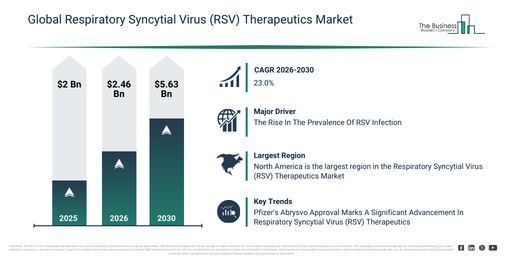
    The market for respiratory syncytial virus (RSV) therapeutics has experienced remarkable expansion lately, projecting a rise from $2 billion in 2025 to $2.46 billion in 2026, fueled by a compound annual growth rate (CAGR) of 23.2%. This surge in the past can be linked to a rise in hospital admissions due to RSV, a continued dependence on palliative care interventions, the early implementation of palivizumab treatments, escalating spending on pediatric healthcare, and broader accessibility to hospital-based medical services.

    The market for respiratory syncytial virus (RSV) therapeutics is poised for substantial expansion over the forthcoming years, projecting a reach of $5.63 billion by 2030, consequently demonstrating a compound annual growth rate (CAGR) of 23.0%. This anticipated growth trajectory is underpinned by several key factors, including escalating investments in the research and development of RSV vaccines and pharmaceuticals, a heightened emphasis on the creation of long-acting antibody treatments, and a growing demand for antiviral therapies specifically designed for pediatric use. Furthermore, the broadening availability of outpatient treatment alternatives and a rise in regulatory endorsements for innovative RSV medications are expected to significantly contribute to this market surge. Within the projected timeframe, prominent market trends will encompass the accelerated development of monoclonal antibody therapies, a sustained focus on pioneering antiviral drug innovations, increased utilization of immune prophylaxis methods, the expansion of RSV therapies tailored for children, and a reinforced concentration on the development of extended-duration preventive medications.

    Download A Free Sample Report For Comprehensive Market Insights:

    https://www.thebusinessresearchcompany.com/sample.aspx?id=12601&type=smp

    Respiratory Syncytial Virus (RSV) Therapeutics Market Expansion Supported By Key Demand Factors

    An escalating incidence of Respiratory Syncytial Virus (RSV) infections is currently fueling the expansion of the market for RSV therapeutics. This common respiratory ailment can manifest as either minor or critical respiratory tract infections, posing particular risks to infants, very young children, senior citizens, and individuals with weakened immune defenses. The heightened occurrence of RSV cases spurs the creation of novel therapeutic interventions aimed at satisfying the growing demand for effective treatments and alleviating the seriousness of complications linked to RSV. Illustrating this trend, data from the Centers for Disease Control and Prevention in September 2023 revealed a marked surge in RSV-related hospitalizations among the pediatric population under four years old, climbing from 2.0 hospitalizations per 100,000 individuals in the week concluding August 5, 2023, to 7.0 per 100,000 by August 19, 2023. Consequently, the increasing prevalence of RSV infections serves as a significant catalyst for the growth observed in the respiratory syncytial virus therapeutics market.

    Respiratory Syncytial Virus (RSV) Therapeutics Market Segment Analysis: What Are The Major Market Categories?

    The respiratory syncytial virus (rsv) therapeutics market covered in this report is segmented –

    1) By Drug: Palivizumab, Ribavirin, Other Drugs

    2) By Treatment: Immune Prophylaxis, Supportive Care, Antiviral Medications

    3) By Dosage Form: Oral, Injectable, Other Dosage Forms

    4) By Patient Type: Pediatrics, Adults

    5) By Distribution Channel: Hospital Pharmacies, Retail Pharmacies, Online Pharmacies

    Subsegments:

    1) By Palivizumab: Monoclonal Antibody, Long-Acting Monoclonal Antibody

    2) By Ribavirin: Antiviral Medication, Inhalation Antiviral Formulation

    3) By Other Drugs: Cidofovir, Nitazoxanide, Other Experimental Or Off-Label Treatments

    Respiratory Syncytial Virus (RSV) Therapeutics Market Growth Trends Influencing Competitive Dynamics

    Key players within the respiratory syncytial virus (RSV) therapeutics arena are concentrating their efforts on pioneering novel solutions, including advanced prefusion F-protein vaccines, with the objective of enhancing immune defenses and mitigating severe RSV-associated morbidity. This forward-thinking vaccine innovation specifically involves sophisticated RSV vaccines constructed with stabilized prefusion F-protein components, formulated to elicit a more robust and precise immunological reaction compared to conventional preparations. As an illustration, in May of 2023, Pfizer Inc., a prominent pharmaceutical entity headquartered in the United States, secured authorization from the Food and Drug Administration, the U.S. federal body tasked with safeguarding and advancing public health, for its vaccine product ABRYSVO. This bivalent RSV prefusion F (RSVpreF) vaccine, known as ABRYSVO, is intended for the prevention of lower respiratory tract illness attributable to RSV in individuals aged sixty and above. ABRYSVO stands out as an unadjuvanted vaccine comprising a duo of preF proteins meticulously designed to optimize immune response against both RSV A and B strains, with demonstrated clinical efficacy and a favorable safety profile.

    Respiratory Syncytial Virus (RSV) Therapeutics Market Leading Companies Driving Competitive Growth

    Major companies operating in the respiratory syncytial virus (rsv) therapeutics market are F Hoffmann La Roche Ltd, Merck And Co Inc, Novartis AG, Sanofi S.A., AstraZeneca PLC, GlaxoSmithKline plc, Gilead Sciences Inc, Moderna Inc, Regeneron Pharmaceuticals Inc, Novavax AB, Vir Biotechnology Inc, Enanta Pharmaceuticals Inc, Kyorin Pharmaceutical Co Ltd, Bavarian Nordic A S, Lupin Limited, Hetero Healthcare Ltd, Inovio Pharmaceuticals Inc, Ascletis Pharma Inc, NanoBio Corporation, Vaxart Inc, Ark Biosciences Private Limited, Pulmocide Ltd, Pfizer Inc, Takeda Pharmaceutical Company Limited

    Access The Complete Respiratory Syncytial Virus (RSV) Therapeutics Market Report:

    https://www.thebusinessresearchcompany.com/report/respiratory-syncytial-virus-rsv-therapeutics-global-market-report

    Respiratory Syncytial Virus (RSV) Therapeutics Market Geographic Analysis: Where Is Demand Growing The Fastest?

    North Americawas the largest region in the respiratory syncytial virus (RSV) therapeutics market in 2025. Asia Pacific is expected to be the fastest-growing region in the forecast period. The regions covered in the respiratory syncytial virus (rsv) therapeutics market report are Asia-Pacific, South East Asia, Western Europe, Eastern Europe, North America, South America, Middle East, Africa.

    Get in touch with us:

    The Business Research Company: https://www.thebusinessresearchcompany.com/

    Americas: +1 310-496-7795

    Asia: +44 7882 955267 & +91 8897263534

    Europe: +44 7882 955267

    Email us at: marketing@tbrc.info

    Follow us on:

    LinkedIn: https://in.linkedin.com/company/the-business-research-company

    YouTube: https://www.youtube.com/channel/UC24_fI0rV8cR5DxlCpgmyFQ

    Global Market Model: https://www.thebusinessresearchcompany.com/global-market-model

  • Respiratory Syncytial Virus (RSV) Diagnostics Market Expected To Reach $1.83 Billion By 2030 As Growth Accelerates At 10.4% CAGR

    Respiratory Syncytial Virus (RSV) Diagnostics Market Expected To Reach $1.83 Billion By 2030 As Growth Accelerates At 10.4% CAGR

    Delivering more actionable and strategically valuable research, The Business Research Company’s 2026 market reports feature market attractiveness analysis, total addressable market evaluation, company benchmarking matrices, interactive Excel dashboards, expanded supply chain intelligence, emerging startup coverage, and detailed product insights.

    Respiratory Syncytial Virus (RSV) Diagnostics Market Size And Revenue Forecast Through 2030

    The market for respiratory syncytial virus (RSV) diagnostics has experienced substantial expansion recently. Projections indicate this sector will expand from $1.12 billion in 2025 to $1.24 billion in 2026, reflecting a compound annual growth rate (CAGR) of 10.7%. Key factors contributing to this historical growth trajectory include an escalating number of pediatric respiratory infections, heightened hospitalization rates among the elderly, broader access to immunoassay technologies, the expansion of diagnostic laboratory infrastructure, and a greater clinical understanding of RSV.

    The market for respiratory syncytial virus (RSV) diagnostics is poised for substantial expansion over the coming years, projected to reach a value of $1.84 billion by 2030, driven by a compound annual growth rate (CAGR) of 10.4%. This anticipated growth is fueled by several key factors, including a heightened need for prompt and precise respiratory condition identification, the increasing prevalence of at-home testing solutions, escalating investments in molecular diagnostic technologies, a broader acceptance of multiplex testing methodologies, and a greater emphasis on preventative care for children. Significant developments expected during this forecast period involve the wider implementation of rapid point-of-care RSV tests, a greater reliance on molecular diagnostic assays, the more frequent incorporation of comprehensive multiplex respiratory panels, the proliferation of RSV testing options that can be conducted at home, and an intensified focus on diagnosing infants at an early stage.

    Download A Free Sample Report For Comprehensive Market Insights:

    https://www.thebusinessresearchcompany.com/sample.aspx?id=21273&type=smp

    Respiratory Syncytial Virus (RSV) Diagnostics Market Growth Drivers And Industry Catalysts

    The escalating incidence of respiratory ailments is poised to propel the expansion of the market for respiratory syncytial virus (RSV) diagnostics. These respiratory conditions, which encompass a spectrum of lung and airway disorders that compromise normal breathing and gas exchange, include ailments such as asthma, chronic obstructive pulmonary disease (COPD), pneumonia, and various respiratory infections. The upward trend in respiratory disease prevalence can be attributed to a confluence of factors, including heightened air pollution levels, increased smoking rates, the impacts of climate change, expanding urbanization, and the growing burden of infections and chronic health issues like asthma and COPD. Effective RSV diagnostics are crucial for managing respiratory diseases, facilitating the precise and prompt detection of RSV infections, which in turn permits appropriate therapeutic interventions, effective patient management, and the prevention of serious complications, particularly among susceptible individuals. Evidence from the Office for Health Improvement and Disparities (OHID) in the UK indicates a notable surge, with emergency admissions for respiratory disease in England experiencing a 7% rise between the fiscal year ending 2023 and the fiscal year ending 2024, as reported in June 2025. Consequently, the increasing prevalence of respiratory diseases serves as a significant catalyst for the growth observed in the respiratory syncytial virus (RSV) diagnostics market.

    Respiratory Syncytial Virus (RSV) Diagnostics Market Segment Breakdown: Which Categories Generate The Most Revenue?

    The respiratory syncytial virus (rsv) diagnostics market covered in this report is segmented –

    1) By Product Type: Kits And Assays, Instruments, Reagents, Other Product Types

    2) By Technology: Molecular Diagnostics, Immunoassays, Rapid Antigen Detection Tests, Other Technologies

    3) By Sample Type: Nasal Swabs, Throat Swabs, Bronchoalveolar Lavage

    4) By End User: Hospitals, Diagnostic Laboratories, Home Care Settings, Other End Users

    Subsegments:

    1) By Kits And Assays: Rapid Antigen Detection Kits, PCR-based Assays, Serological Assays

    2) By Instruments: PCR Analyzers, Immunoassay Analyzers

    3) By Reagents: PCR Reagents, Antibody Reagents, Enzyme Reagents

    4) By Other Product Types: Sample Collection Devices, Transport Media

    #Respiratory Syncytial Virus (RSV) Diagnostics Market Trends Influencing Long-Term Demand

    Key players within the respiratory syncytial virus (RSV) diagnostics sector are focused on introducing groundbreaking offerings like combination respiratory virus testing, aimed at delivering precise and streamlined solutions for their clientele. This advanced diagnostic approach enables the simultaneous identification of a spectrum of respiratory pathogens, including but not limited to influenza and RSV, from a solitary specimen, thereby facilitating the diagnosis of viral illnesses. Illustrating this innovation, Sonora Quest Laboratories, a prominent US clinical diagnostics firm, introduced a combined testing solution in January 2023 to detect COVID-19, RSV, and influenza. This molecular assay performs a qualitative, multi-analyte assessment utilizing a single patient sample, capable of identifying COVID-19, respiratory syncytial virus, and influenza. Consolidating these three viral analyses into a single test simplifies the diagnostic workflow and obviates the necessity for multiple sample collections. Swiftly confirming the presence of any of these three infections empowers healthcare professionals to expedite therapeutic interventions, potentially enhancing patient prognoses. Furthermore, such integrated testing capabilities can play a role in mitigating the propagation of these viruses, thereby diminishing the likelihood of onward transmission.

    Respiratory Syncytial Virus (RSV) Diagnostics Market Key Players And Strategic Industry Positioning

    Major companies operating in the respiratory syncytial virus (rsv) diagnostics market are F. Hoffmann-La Roche Ltd., Thermo Fisher Scientific Inc., Abbott Laboratories, Siemens Healthineers AG, Merck KGaA, Becton, Dickinson, and Company, Quest Diagnostics Incorporated, Hologic Inc., BIOMÉRIEUX SA, QuidelOrtho Corporation, Bio-Rad Laboratories Inc., DiaSorin S.p.A., Acon Laboratories Inc., Cepheid Inc., Meridian Bioscience Inc., Seegene Inc., LumiraDx Ltd., Sekisui Diagnostics Ltd., Boditech Med Inc., Trinity Biotech plc, R-Biopharm AG, GeneTex Inc., Creative Diagnostics, Certest Biotec S.L., Clarity Diagnostics LLC, Genes 2Me LLP, Coris BioConcept S.A.

    Access The Complete Respiratory Syncytial Virus (RSV) Diagnostics Market Report:

    https://www.thebusinessresearchcompany.com/report/respiratory-syncytial-virus-rsv-diagnostics-global-market-report

    Respiratory Syncytial Virus (RSV) Diagnostics Market Global Footprint: Which Region Holds Market Leadership?

    North Americawas the largest region in the respiratory syncytial virus (RSV) diagnostics market in 2025. Asia-Pacificis expected to be the fastest-growing region in the forecast period. The regions covered in the respiratory syncytial virus (rsv) diagnostics market report are Asia-Pacific, South East Asia, Western Europe, Eastern Europe, North America, South America, Middle East, Africa.

    Get in touch with us:

    The Business Research Company: https://www.thebusinessresearchcompany.com/

    Americas: +1 310-496-7795

    Asia: +44 7882 955267 & +91 8897263534

    Europe: +44 7882 955267

    Email us at: marketing@tbrc.info

    Follow us on:

    LinkedIn: https://in.linkedin.com/company/the-business-research-company

    YouTube: https://www.youtube.com/channel/UC24_fI0rV8cR5DxlCpgmyFQ

    Global Market Model: https://www.thebusinessresearchcompany.com/global-market-model

  • Respiratory Disease Testing Market Set To Grow From $3.93 Billion In 2026 To $4.92 Billion By 2030 At A CAGR Of 5.8%

    Respiratory Disease Testing Market Set To Grow From $3.93 Billion In 2026 To $4.92 Billion By 2030 At A CAGR Of 5.8%

    Enhanced with market attractiveness analysis, total addressable market evaluation, company benchmarking matrices, interactive Excel dashboards, expanded supply chain intelligence, emerging startup coverage, and detailed product insights, The Business Research Company’s 2026 market reports deliver more actionable and strategically valuable research.

    Respiratory Disease Testing Market Growth From $3.93 Billion In 2026 To $4.92 Billion By 2030 At A CAGR Of 5.8%

    The market for respiratory disease testing experienced robust expansion over recent years, projecting a rise from $3.74 billion in 2025 to $3.94 billion in 2026, fueled by a compound annual growth rate of 5.3%. This historical growth trajectory was principally driven by an escalating prevalence of chronic respiratory ailments, the enhancement of diagnostic services within hospitals, a heightened emphasis on detecting diseases in their early stages, the widespread implementation of spirometry diagnostics, and a greater number of healthcare screening programs.

    The market for respiratory disease diagnostics is poised for significant expansion, projected to reach $4.93 billion by the year 2030, reflecting a compound annual growth rate (CAGR) of 5.8%. This anticipated surge is fueled by a confluence of factors including the escalating need for swift and precise diagnostic tools, augmented investments in healthcare infrastructure, the proliferation of at-home testing options for respiratory conditions, the increasing incorporation of artificial intelligence in diagnostics, and a heightened emphasis on proactive population health strategies. Key developments shaping this future landscape include a greater embrace of early detection methodologies, a rise in the utilization of in-vitro diagnostic tests for respiratory ailments, enhanced integration of digital tools for pulmonary monitoring, the expansion of point-of-care testing capabilities, and a stronger commitment to preventive care for respiratory health.

    Download A Free Sample Report For Comprehensive Market Insights:

    https://www.thebusinessresearchcompany.com/sample.aspx?id=10304&type=smp

    Respiratory Disease Testing Market Opportunity Drivers: What Is Creating New Revenue Potential?

    The growing incidence of conditions affecting the lungs and airways is anticipated to fuel expansion in the market for respiratory disease diagnostic solutions. These ailments impact the respiratory tract, encompassing organs such as the lungs, bronchial tubes, windpipe, voice box, throat, and nasal tracts. Diagnostic procedures for respiratory illnesses are crucial for identifying and confirming these conditions in their early stages, thereby enabling prompt intervention and ongoing management. Such timely action is vital for inhibiting disease advancement, curbing the transmission of contagious respiratory ailments, and mitigating the likelihood of associated complications. Illustratively, data from the Office for Health Improvement and Disparities (OHID) in the UK indicated that between the fiscal year concluding in 2023 and the one concluding in 2024, emergency hospital admissions due to respiratory diseases in England saw a 7% surge by June 2025. Consequently, the increasing burden of respiratory illnesses directly contributes to the market growth for their detection.

    Respiratory Disease Testing Market Segmentation: How Is The Market Structured Across Key Categories?

    The respiratory disease testing market covered in this report is segmented –

    1) By Test Type: Imaging Tests, Mechanical Tests, In-Vitro Diagnostic Tests

    2) By Products: Lung Volume, Imaging, Spirometry, Peak Flow, Blood Gas, Other Products

    3) By Application: Chronic Obstructive Pulmonary Disease, Lung Cancer, Asthma, Tuberculosis, Other Applications

    4) By End-User: Hospitals, Physician clinics, Clinical laboratories, Other End-Users

    Subsegments:

    1) By Imaging Tests: X-rays, Computed Tomography (CT) Scans, Magnetic Resonance Imaging (MRI), Positron Emission Tomography (PET) Scans

    2) By Mechanical Tests: Spirometry, Peak Flow Measurement, Lung Volume Measurement, Diffusion Capacity Tests

    3) By In-Vitro Diagnostic Tests: PCR Tests, Antigen Tests, Antibody Tests, Culture Tests

    Respiratory Disease Testing Market Innovation Trends Driving Future Development

    Key players within the respiratory disease diagnostics sector are concentrating their efforts on pioneering innovative solutions, notably pulmonary function testing (PFT) equipment, to enhance their market standing. These PFTs are designed to assess lung capacity and the efficiency of respiratory function. To illustrate, in March of 2023, Vitalograph Ltd., a prominent designer of respiratory diagnostic instruments in the United Kingdom, introduced its VitaloPFT system. This particular product line furnishes sophisticated diagnostic capabilities for respiratory ailments through a comprehensive array of detailed pulmonary function testing modalities, presenting a financially prudent alternative for healthcare facilities seeking to elevate their diagnostic services and thereby improve patient outcomes. The system is equipped with a straightforward interface and an ergonomic configuration, which streamlines the PFT execution for medical practitioners, ensuring effortless operation and navigation.

    Respiratory Disease Testing Market Competitive Landscape And Leading Companies

    Major companies operating in the respiratory disease testing market are Medtronic plc, Abbott Laboratories, Seimens Healthineers AG, Koninklijke Philips N.V., ResMed Inc., Thermo Fisher Scientific Inc., Beckton Dickinson And Company, F. Hoffmann-La Roche Ltd., Nihon Kohden Corporation, GE HealthCare Technologies Inc., Fisher And Paykel Healthcare Corporation Limited, Qiagen N.V., Medical Graphics Corporation, COSMED srl, ndd Medizintechnik AG, Vitalograph Ltd., MGC Diagnostics Corporation, Vyaire Medical Inc., Masimo Corporation, Hamilton Medical AG, Drägerwerk AG & Co. KGaA, Schiller AG, Nonin Medical Inc.

    Access The Complete Respiratory Disease Testing Market Report:

    https://www.thebusinessresearchcompany.com/report/respiratory-disease-testing-global-market-report

    Respiratory Disease Testing Market Regional Distribution: Which Areas Drive Market Expansion?

    North Americawas the largest region in the respiratory disease testing market in 2025. Asia-Pacific is expected to be the fastest growing region in the global respiratory disease testing market during the forecast period. The regions covered in the respiratory disease testing market report are Asia-Pacific, South East Asia, Western Europe, Eastern Europe, North America, South America, Middle East, Africa.

    Get in touch with us:

    The Business Research Company: https://www.thebusinessresearchcompany.com/

    Americas: +1 310-496-7795

    Asia: +44 7882 955267 & +91 8897263534

    Europe: +44 7882 955267

    Email us at: marketing@tbrc.info

    Follow us on:

    LinkedIn: https://in.linkedin.com/company/the-business-research-company

    YouTube: https://www.youtube.com/channel/UC24_fI0rV8cR5DxlCpgmyFQ

    Global Market Model: https://www.thebusinessresearchcompany.com/global-market-model

  • Resorbable Vascular Scaffolds Market Opportunities Are Emerging Beyond Traditional Growth Areas

    Resorbable Vascular Scaffolds Market Opportunities Are Emerging Beyond Traditional Growth Areas

    Through market attractiveness analysis, total addressable market evaluation, company benchmarking matrices, interactive Excel dashboards, expanded supply chain intelligence, emerging startup coverage, and detailed product insights, The Business Research Company’s 2026 market reports provide more actionable and strategically valuable research.

    Resorbable Vascular Scaffolds Market Expansion Outlook: What Revenue Opportunities Lie Ahead?

    The market for resorbable vascular scaffolds has experienced significant expansion lately, with projections indicating a rise from $0.51 billion in 2025 to $0.58 billion in 2026, reflecting a compound annual growth rate of 12.6%. This historical growth trajectory is largely due to key factors including progress in polymer-based medical materials, a rising incidence of cardiovascular ailments, the broader application of interventional cardiology techniques, a greater inclination towards minimally invasive therapies, and the accumulation of clinical data validating the efficacy of scaffold utilization.

    The market for resorbable vascular scaffolds is poised for substantial expansion over the coming years, projecting a rise to $0.92 billion by 2030 with a compound annual growth rate of 12.3%. This anticipated growth is fueled by several key factors, including a greater need for safer substitutes for permanent stents, increased financial backing for innovations in cardiovascular devices, broadened research into bioresorbable materials, a heightened emphasis on personalized patient treatment approaches, and growing regulatory endorsement for sophisticated vascular devices. Key developments anticipated during this forecast period involve advancements in bioabsorbable scaffold material creation, a surge in the utilization of next-generation vascular implants, a stronger focus on temporary vessel support technologies, the proliferation of clinical trials for resorbable devices, and an elevated attention to long-term patient results.

    Download A Free Sample Report For Comprehensive Market Insights:

    https://www.thebusinessresearchcompany.com/sample.aspx?id=21272&type=smp

    Resorbable Vascular Scaffolds Market Growth Momentum: Which Factors Are Influencing Demand?

    The growing incidence of heart-related ailments is anticipated to fuel the expansion of the resorbable vascular scaffolds market. Factors contributing to cardiovascular diseases include unhealthy lifestyle habits, the natural aging process, elevated blood pressure and cholesterol levels, diabetes, smoking, and inherited genetic factors. Resorbable vascular scaffolds are transforming how cardiovascular conditions are managed by offering temporary physical scaffolding to reinstate normal blood circulation. They then slowly degrade, thereby minimizing the risks linked to permanent implants and fostering the natural recovery and function of blood vessels. For example, data released in June 2024 by the American Heart Association, Inc., a U.S.-based non-profit entity, indicates that by the year 2050, over 150 million individuals in the United States will adopt poor dietary habits, correlating with a near 40% surge in adult obesity (escalating from 43.6% to 60.6%) and exceeding a 60% increase in children (rising from 20.6% to 33%). Simultaneously, a projected 61% of adults are expected to develop cardiovascular disease, with the most significant rise in obesity anticipated among adults between the ages of 20 and 64. Consequently, the escalating rates of cardiovascular diseases are a primary driver for the resorbable vascular scaffolds market’s growth.

    Resorbable Vascular Scaffolds Market Segmentation Trends And Revenue Drivers

    The resorbable vascular scaffolds market covered in this report is segmented –

    1) By Product Design: Multilumen, Single Lumen

    2) By Material Type: Poly-Glycolic Acid, Poly-L-Lactic Acid, Poly-L-Lactic-Co-Glycolic Acid

    3) By Deployment Technique: Balloon-Expandable, Self-Expandable

    4) By Application: Coronary Artery Disease, Peripheral Vascular Disease, Pulmonary Artery Disease

    5) By End User: Ambulatory Surgical Centers, Hospitals, Specialty Clinics

    Subsegments:

    1) By Multilumen: Helical Design, Braided Design, Other Multilumen Designs

    2) By Single Lumen: Straight Tube Design, Corrugated Tube Design, Other Single Lumen Designs

    Resorbable Vascular Scaffolds Market Trends Reshaping Industry Growth

    Within the resorbable vascular scaffolds market, leading enterprises are focusing on magnesium-based scaffold innovations to enhance biocompatibility and deliver superior mechanical assistance. These magnesium scaffolds are engineered to facilitate the body’s natural vascular healing process, simultaneously mitigating inflammation and potential issues linked to conventional polymer materials. A notable development occurred in March 2024 when Biotronik, a medical technology firm headquartered in Germany, secured FDA breakthrough device designation for its Freesolve below-the-knee resorbable magnesium scaffold (BTK RMS), a pioneering solution tailored for patients suffering from chronic limb-threatening ischemia (CLTI) and representing a significant advancement in below-the-knee (BTK) treatment options. This innovative device integrates BIOmag magnesium alloy with Orsiro drug-eluting stent (DES) coating technology, thereby improving safety, ease of delivery, and the crucial support provided to the vessel. The scaffold’s primary function is to offer temporary structural integrity, counteracting vessel collapse as the healing progresses.

    Resorbable Vascular Scaffolds Market Industry Leaders: Which Organizations Are Driving Competition?

    Major companies operating in the resorbable vascular scaffolds market are Abbott Laboratories, Medtronic plc, Boston Scientific Corporation, Terumo Corporation, Biotronik, Lepu Medical Technology, Biosensors International, Blue Medical, Reva Medical, Elixir Medical, S3V Vascular Technologies, Amaranth Medical Inc., Meril Life Sciences Pvt. Ltd., Arterius Limited, Zorion Medical, Kyoto Medical Planning Co. Ltd., ICON Interventional Systems, MicroPort Scientific Corporation, Cook Medical, Cardinal Health Interventional Division, Medinol Ltd., Alvimedica, OrbusNeich Medical

    Access The Complete Resorbable Vascular Scaffolds Market Report:

    https://www.thebusinessresearchcompany.com/report/resorbable-vascular-scaffolds-global-market-report

    Resorbable Vascular Scaffolds Market Leading Geography: Which Region Generates The Most Revenue?

    North Americawas the largest region in the resorbable vascular scaffolds market in 2025. Asia-Pacificis expected to be the fastest-growing region in the forecast period. The regions covered in the resorbable vascular scaffolds market report are Asia-Pacific, South East Asia, Western Europe, Eastern Europe, North America, South America, Middle East, Africa.

    Get in touch with us:

    The Business Research Company: https://www.thebusinessresearchcompany.com/

    Americas: +1 310-496-7795

    Asia: +44 7882 955267 & +91 8897263534

    Europe: +44 7882 955267

    Email us at: marketing@tbrc.info

    Follow us on:

    LinkedIn: https://in.linkedin.com/company/the-business-research-company

    YouTube: https://www.youtube.com/channel/UC24_fI0rV8cR5DxlCpgmyFQ

    Global Market Model: https://www.thebusinessresearchcompany.com/global-market-model
  • Resistance Bands Market Expansion Is Opening New Pathways For Strategic Investment

    Resistance Bands Market Expansion Is Opening New Pathways For Strategic Investment

    Delivering more actionable and strategically valuable research, The Business Research Company’s 2026 market reports feature market attractiveness analysis, total addressable market evaluation, company benchmarking matrices, interactive Excel dashboards, expanded supply chain intelligence, emerging startup coverage, and detailed product insights.

    Resistance Bands Market Growth Potential: How Will Market Size Change Through 2030?

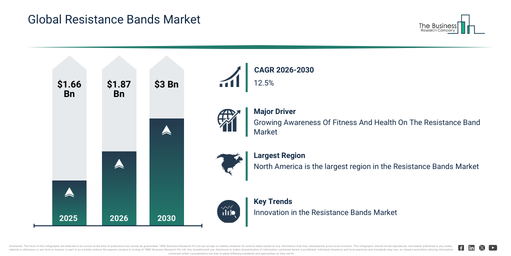
    The resistance bands market experienced significant expansion recently, projecting a rise from $1.66 billion in 2025 to $1.87 billion in 2026, demonstrating a compound annual growth rate (CAGR) of 12.4%. Drivers behind this historical growth include the increasing popularity of home-based workouts, heightened public consciousness regarding physical well-being, the broader adoption of physiotherapy and rehabilitation practices, a greater engagement in strength training regimens, and the cost-effectiveness of resistance training tools.

    The market for resistance bands is poised for substantial expansion over the upcoming years, projecting a valuation of $3 billion by 2030 with a compound annual growth rate (CAGR) of 12.5%. This anticipated growth is propelled by several key factors, including a heightened consumer interest in tailored fitness experiences, a greater uptake of virtual fitness classes, the burgeoning field of sports injury recovery, a growing emphasis on environmentally conscious fitness gear, and the increasing prevalence of e-commerce for fitness equipment sales. During this forecast period, significant market trends to watch for include a notable shift towards home workout equipment, a rising need for strength training tools that are easy to transport, the expanded application of resistance bands in therapeutic settings, a growing interest in comprehensive resistance exercise sets, and continuous advancements in manufacturing to improve the longevity of these products.

    Download A Free Sample Report For Comprehensive Market Insights:

    https://www.thebusinessresearchcompany.com/sample.aspx?id=14476&type=smp

    Resistance Bands Market Expansion Drivers: What Is Shaping Future Growth?

    The burgeoning consciousness surrounding fitness and well-being is anticipated to be a primary catalyst for the expansion of the resistance band market. These intertwined concepts of fitness and health, denoting an individual’s comprehensive state of physical and mental equilibrium, are increasingly recognized. Fitness predominantly pertains to physical attributes such as strength and stamina, whereas health encompasses a wider array, including physical, psychological, and social dimensions. Resistance bands contribute significantly to enhancing both fitness and health due to their user-friendly nature and benefits in areas like strength conditioning, weight management, athletic enhancement, recovery from injuries, and the development of functional fitness. A testament to this trend, data released in February 2024 by the Sports and Fitness Industry Association (SFIA), a United States trade body, indicated that in 2023, a substantial 242 million Americans, equating to 78.8% of the populace, participated in at least one discernible activity, reflecting a 2.2% increase compared to the preceding year. Consequently, the heightened awareness of fitness and health is directly fueling the upward trajectory of the resistance band market.

    Resistance Bands Market Segment Analysis Highlighting Growth Areas

    The resistance bands market covered in this report is segmented –

    1) By Type: Tube Resistance Bands, Pull-up Resistance Bands, Therapy Resistance Bands, Other Resistance Bands

    2) By Material: Fabric, Latex

    3) By Distribution Channel: Specialty Stores, Supermarkets And Hypermarkets, Online Retail, Other Distribution Channels

    4) By Application: Individuals, Health And Sports Clubs

    Subsegments:

    1) By Tube Resistance Bands: Single Tube Bands, Double Tube Bands, Triple Tube Bands

    2) By Pull-up Resistance Bands: Light Resistance Bands, Medium Resistance Bands, Heavy Resistance Bands

    3) By Therapy Resistance Bands: Physical Therapy Bands, Rehabilitation Bands

    4) By Other Resistance Bands: Figure 8 Resistance Bands, Loop Resistance Bands, Flat Resistance Bands

    Resistance Bands Market Strategic Trends: What Is Defining The Next Phase Of Growth?

    Within the resistance bands sector, key players are currently introducing novel offerings, exemplified by stretchable bands, with the aim of elevating both user engagement and the efficacy of exercise routines. These stretchable bands are essentially elastic resistance bands capable of extending to various dimensions, thereby furnishing different degrees of resistance during physical activity, which in turn amplifies the benefits derived from strength training and flexibility regimens. To illustrate, a notable development occurred in January 2024 when RXBAR, a manufacturing entity based in the United States, unveiled its RXBands. These RXBands, released as a limited edition collection of resistance bands, have been specifically crafted to assist individuals in Canada on their journey toward achieving fitness objectives, concurrently providing incentives tied to their participation. Participants have the opportunity to discover exclusive codes throughout their exercise sessions, which could lead to winning prizes in a nationwide sweepstakes.

    Resistance Bands Market Leading Companies: Who Holds Significant Market Presence?

    Major companies operating in the resistance bands market are Lifeline Fitness, Everlast Worldwide Inc., Rogue Fitness Inc., Gaia Inc., Perform Better Inc., RDX Sports, Body-Solid Inc., SPRI Products Inc., ProsourceFit, WODFitters, Theraband Inc., Bodylastics USA Inc., Black Mountain Products Inc, GoFit LLC, Fitness Gear, Serious Steel Fitness, Power Systems Inc, Fitness Anywhere LLC (TRX), Gold’s Gym International Inc, Liveup Sports Co.Ltd, Sling Shot, Wacces Inc., RitFit Inc

    Access The Complete Resistance Bands Market Report:

    https://www.thebusinessresearchcompany.com/report/resistance-bands-global-market-report

    Resistance Bands Market Regional Outlook: Where Are The Largest Opportunities Located?

    North Americawas the largest region in the resistance bands market in 2025. The regions covered in the resistance bands market report are Asia-Pacific, South East Asia, Western Europe, Eastern Europe, North America, South America, Middle East, Africa.

    Get in touch with us:

    The Business Research Company: https://www.thebusinessresearchcompany.com/

    Americas: +1 310-496-7795

    Asia: +44 7882 955267 & +91 8897263534

    Europe: +44 7882 955267

    Email us at: marketing@tbrc.info

    Follow us on:

    LinkedIn: https://in.linkedin.com/company/the-business-research-company

    YouTube: https://www.youtube.com/channel/UC24_fI0rV8cR5DxlCpgmyFQ

    Global Market Model: https://www.thebusinessresearchcompany.com/global-market-model

  • Residential Substance Abuse And Mental Health Facilities Market Trends Are Creating New Opportunities For Industry Leaders

    Residential Substance Abuse And Mental Health Facilities Market Trends Are Creating New Opportunities For Industry Leaders

    Enhanced with market attractiveness analysis, total addressable market evaluation, company benchmarking matrices, interactive Excel dashboards, expanded supply chain intelligence, emerging startup coverage, and detailed product insights, The Business Research Company’s 2026 market reports deliver more actionable and strategically valuable research.

    Residential Substance Abuse And Mental Health Facilities Market Value Analysis: What Growth Is Expected Over The Forecast Period?

    The market for residential facilities addressing substance abuse and mental health issues has experienced a significant surge in recent times. Projections indicate a continued upward trajectory, forecasting an expansion from $110.95 billion in 2025 to $118.12 billion by 2026, reflecting a compound annual growth rate of 6.5%. This robust growth observed during the historical period is largely propelled by several key factors, including a growing incidence of addiction disorders, heightened public consciousness regarding mental health challenges, augmented investments in public healthcare systems, a proliferation of private residential care providers, and a greater societal embrace of inpatient treatment approaches.

    The marketplace for in-home treatment centers catering to individuals with substance abuse and mental health concerns is poised for substantial expansion over the upcoming years, with projections indicating a rise to $154.85 billion by the year 2030. This upward trajectory is anticipated to follow a compound annual growth rate (CAGR) of 7.0%. Key drivers propelling this growth during the forecast period are the escalating need for thorough residential treatment options, a heightened emphasis on achieving sustained recovery, the broader implementation of digital health technologies within care settings, increased capital flowing into behavioral health infrastructure, and a growing commitment to treatment models that prioritize measurable results. Significant developments expected within this timeframe include the greater incorporation of digital systems for patient supervision, a more widespread acceptance of proven treatment approaches in residential settings, a stronger focus on tailoring treatment plans to individual needs, the broadening of services that address both mental health and substance abuse concurrently, and an elevated priority placed on patient well-being and adherence to established standards.

    Download A Free Sample Report For Comprehensive Market Insights:

    https://www.thebusinessresearchcompany.com/sample.aspx?id=3149&type=smp

    Residential Substance Abuse And Mental Health Facilities Market Development Factors: Which Trends Are Supporting Demand?

    An anticipation of increased healthcare spending is poised to fuel the expansion of the market for residential facilities catering to substance abuse and mental health concerns. Health expenditures encompass the full spectrum of costs related to healthcare provision, encompassing family planning initiatives, nutritional support programs, and health-focused emergency assistance. Elevated healthcare spending facilitates greater access to specialized therapeutic services, elevates the caliber of treatments available, and bolsters the infrastructure necessary to confront the escalating societal burdens of mental health issues and addiction. As an illustration, data from April 2025, sourced from the Office for National Statistics (ONS) in the UK, indicated that overall healthcare expenditures saw an increase of 6.5% in nominal figures and 2.4% in real terms during the period spanning 2023 to 2024. Concurrently, healthcare’s proportion of the Gross Domestic Product (GDP) remained stable at 11.1% in 2024, mirroring the preceding year. Consequently, this upward trend in healthcare expenditures acts as a significant catalyst for the growth observed in the residential substance abuse and mental health facilities sector.

    Residential Substance Abuse And Mental Health Facilities Market Segment Performance And Strategic Opportunities

    The residential substance abuse and mental health facilities market covered in this report is segmented –

    1) By Type: Residential Mental Health And Intellectual Disability Facilities, Substance Abuse Centers

    2) By Type of Expenditure: Public, Private

    3) By End User Gender: Male, Female

    Subsegments:

    1) By Residential Mental Health And Intellectual Disability Facilities: Psychiatric Care Homes, Intellectual Disability Facilities, Dual Diagnosis Facilities

    2) By Substance Abuse Centers: Alcohol Rehabilitation Centers, Drug Rehabilitation Centers, Combined Substance Abuse Treatment Facilities

    Residential Substance Abuse And Mental Health Facilities Market Transformation Trends: Which Innovations Are Driving Change?

    Leading entities within the residential services sector for substance abuse and mental health are prioritizing the creation of sophisticated, all-encompassing personalized care strategies to elevate patient-focused recuperation results. This comprehensive personalized care approach melds medical, psychological, social, and physical support, individually adapted for each person, moving away from standardized programs. As an example, in June of 2023, Sukoon Health, a mental health institution network originating from India, inaugurated its inaugural cutting-edge Drugs and Substance Recovery Centre in Chhatarpur, New Delhi, which incorporates this holistic personalized care methodology. The facility provides a residential program extending over a period of four to six weeks, wherein individuals are subjected to a custom-designed treatment regimen derived from thorough medical and laboratory examinations, formulated by a team of specialists from various disciplines. This regimen encompasses medical evaluations, pharmaceutical interventions for relapse prevention, psychological and social assessments, educational sessions, therapeutic counseling, family support initiatives, recreational activities and art therapy for self-expression, physical therapy, dietary advice, tailored fitness programs, yoga, meditation, and physical exercise. Furthermore, the establishment ensures superior hospitality services, thereby fostering a comfortable and encouraging setting throughout the recovery process.

    Residential Substance Abuse And Mental Health Facilities Market Key Players: Which Companies Shape Industry Competition?

    Major companies operating in the residential substance abuse and mental health facilities market are Kaiser Permanente, Universal Health Services Inc., Ohio Department of Mental Health and Addiction Services, NHS England, Acadia Healthcare Company, CareTech Holdings PLC, Pyramid Healthcare, Haven Behavioral Healthcare, American Addiction Centers, Behavioral Health Network Inc. (BHN), Promises Behavioral Health, Aware Recovery Care, The MENTOR Network, Strategic Behavioral Health, Ascension Seton, North Range Behavioral Health, Phoenix House, Caron Treatment Centers, Sierra Tucson, The Meadows, Rogers Behavioral Health, Timberline Knolls Residential Treatment Center, The Ranch, The Recovery Village, Sunspire Health, Summit BHC, The Aviary Recovery Center, The Meadows, The MENTOR Network, The Pavilion

    Access The Complete Residential Substance Abuse And Mental Health Facilities Market Report:

    https://www.thebusinessresearchcompany.com/report/residential-substance-abuse-and-mental-health-facilities-global-market-report

    Residential Substance Abuse And Mental Health Facilities Market Geographic Landscape: Which Region Dominates Industry Growth?

    North Americawas the largest region in the residential substance abuse and mental health facilities market in 2025. Western Europewas the second largest region in the residential substance abuse and mental health facilities market. The regions covered in the residential substance abuse and mental health facilities market report are Asia-Pacific, South East Asia, Western Europe, Eastern Europe, North America, South America, Middle East, Africa.

    Get in touch with us:

    The Business Research Company: https://www.thebusinessresearchcompany.com/

    Americas: +1 310-496-7795

    Asia: +44 7882 955267 & +91 8897263534

    Europe: +44 7882 955267

    Email us at: marketing@tbrc.info

    Follow us on:

    LinkedIn: https://in.linkedin.com/company/the-business-research-company

    YouTube: https://www.youtube.com/channel/UC24_fI0rV8cR5DxlCpgmyFQ

    Global Market Model: https://www.thebusinessresearchcompany.com/global-market-model
  • Residential Intellectual And Development Disability Care Market Growth Is Reshaping Competitive Advantage Across The Industry

    Residential Intellectual And Development Disability Care Market Growth Is Reshaping Competitive Advantage Across The Industry

    Through market attractiveness analysis, total addressable market evaluation, company benchmarking matrices, interactive Excel dashboards, expanded supply chain intelligence, emerging startup coverage, and detailed product insights, The Business Research Company’s 2026 market reports provide more actionable and strategically valuable research.

    Residential Intellectual And Development Disability Care Market Size Forecast: How Large Could The Market Become By 2030?

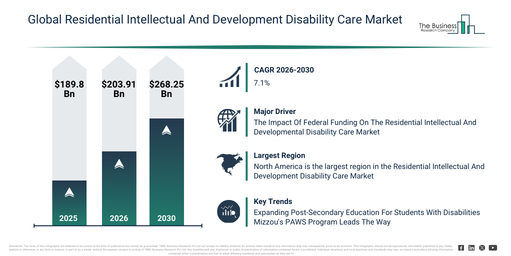
    The market encompassing residential care for individuals with intellectual and developmental disabilities has experienced robust expansion recently, projected to increase from $189.8 billion in 2025 to $203.91 billion in 2026, reflecting a compound annual growth rate of 7.4%. Key drivers behind this historical growth trajectory include the broader implementation of community-focused disability support initiatives, heightened public consciousness regarding intellectual and developmental disabilities, the development of enhanced residential care facilities, a greater need for assisted living solutions, and a growing pool of qualified caregiving professionals.

    The residential intellectual and developmental disability care sector is poised for substantial expansion, with projections indicating a surge to $268.25 billion by 2030, growing at a compound annual growth rate of 7.1%. This anticipated growth trajectory is fueled by several key drivers, including the increasing adoption of technology within care delivery, the escalating demand for tailored support services for individuals with disabilities, the broader reach of government-sponsored care programs, a heightened emphasis on care models focused on measurable outcomes, and increased investment aimed at updating residential care facilities. Over the forecast period, significant trends expected to shape the market include the widespread implementation of digital platforms for care administration, the greater incorporation of remote patient monitoring technologies, the proliferation of individualized care plans, a stronger emphasis on skill acquisition and fostering autonomy, and improved collaboration between healthcare providers and social service organizations.

    Download A Free Sample Report For Comprehensive Market Insights:

    https://www.thebusinessresearchcompany.com/sample.aspx?id=19678&type=smp

    Residential Intellectual And Development Disability Care Market Industry Drivers: What Is Driving Revenue Growth?

    The residential intellectual and developmental disability care market is poised for expansion, primarily fueled by a surge in federal financial backing allocated to initiatives supporting individuals with intellectual disabilities. This heightened federal investment stems from a growing recognition of the unique requirements of this population, coupled with robust advocacy for superior service provision and a steadfast dedication to fostering inclusive policies that aim to elevate living standards and ensure equitable access. Such federal funds are instrumental in bolstering residential care through the provision of essential financial aid for services, crucial support systems, and necessary upgrades to facilities. A clear example of this commitment is the US $37 billion allocated through the American Rescue Plan, as reported by the White House in December 2023, which specifically targeted home and community-based services designed for elderly individuals and those with disabilities. Consequently, the escalating federal funding for programs addressing intellectual disabilities is a significant catalyst for the growth observed in the residential intellectual and developmental disability care sector.

    Residential Intellectual And Development Disability Care Market Segment Landscape And Growth Potential

    The residential intellectual and development disability care market covered in this report is segmented –

    1) By Indication: Attention-Deficit Or Hyperactivity Disorder (ADHD), Autism Spectrum Disorders, Intellectual Disability, Learning Disorders, Other Indications

    2) By Mode Of Operation: State-Run Facilities, Medicaid Funded Services, Private Large Facilities, Privately Run Small Facilities

    3) By Number Of Beds: 4 To 9, 10 To 19, 20 To 49, 50 To 99, 100 To 199, 200 And More Beds

    4) By End-User: Hospitals, Intermediate Care Facilities, Group Homes, Private Home, Intellectual And Developmental Disability Facilities

    Subsegments:

    1) By Attention-Deficit Or Hyperactivity Disorder (ADHD): Behavioral Therapy, Medication Management, Support Services

    2) By Autism Spectrum Disorders: Applied Behavior Analysis (ABA) Therapy, Social Skills Training, Speech Therapy

    3) By Intellectual Disability: Residential Support Services, Day Programs, Vocational Training

    4) By Learning Disorders: Educational Support Services, Tutoring Programs, Skill Development Workshops

    5) By Other Indications: Dual Diagnosis Support, Mental Health Services, Therapeutic Recreation Programs

    #Residential Intellectual And Development Disability Care Market Growth Trends: What Is Influencing The Future Outlook?

    Within the residential sector for intellectual and developmental disability care, prominent organizations are prioritizing educational initiatives beyond high school, aimed at equipping individuals with essential life proficiencies, career preparedness, and opportunities for social inclusion within university settings. These distinct programs are engineered to deliver academic, occupational, and practical living instruction, thereby aiding the progression of individuals with intellectual and developmental disabilities toward independent adulthood and gainful employment. Illustrating this trend, the University of Missouri, often referred to as Mizzou, introduced the Preparing Adults for Work and Society (PAWS) initiative in January 2023; this residential program is specifically structured to extend post-secondary educational pathways to students with these needs. Furthermore, the PAWS program cultivates social connections by facilitating engagement between students with disabilities and their non-disabled peers, thereby championing a culture of belonging and mitigating feelings of solitude. Importantly, the PAWS program is actively undergoing the process to achieve accreditation as a Comprehensive Transition Post-Secondary (CTP) Program, as recognized by the U.S. Department of Education.

    Residential Intellectual And Development Disability Care Market Competitive Landscape: Who Are The Leading Companies?

    Major companies operating in the residential intellectual and development disability care market are Acadia Healthcare, Sheppard Pratt Health System Inc., Cerebral Palsy Associations of New York State, Merakey Allegheny Valley School, WellLife Network Inc., Alliance Health, Texana Center, Cuyahoga County Board of Developmental Disabilities, Lutheran Family Services Rocky Mountains, Metrocare Services, The Arc of the United States, New Vista Nursing and Rehabilitation Center, Lutheran Services in America Inc., St. Joseph’s Center, Beacon Health Options Inc., SPOT Rehabilitation & Home Health Care, Durham County Community Living Programs Inc., Mosaic Community Services, Heritage Christian Services, UCP of Central Florida

    Access The Complete Residential Intellectual And Development Disability Care Market Report:

    https://www.thebusinessresearchcompany.com/report/residential-intellectual-and-development-disability-care-global-market-report

    Residential Intellectual And Development Disability Care Market Largest Region: Which Geography Holds The Highest Market Share?

    North Americawas the largest region in the residential intellectual and development disability care market in 2025. Asia-Pacificis expected to be the fastest-growing region in the forecast period. The regions covered in the residential intellectual and development disability care market report are Asia-Pacific, South East Asia, Western Europe, Eastern Europe, North America, South America, Middle East, Africa.

    Get in touch with us:

    The Business Research Company: https://www.thebusinessresearchcompany.com/

    Americas: +1 310-496-7795

    Asia: +44 7882 955267 & +91 8897263534

    Europe: +44 7882 955267

    Email us at: marketing@tbrc.info

    Follow us on:

    LinkedIn: https://in.linkedin.com/company/the-business-research-company

    YouTube: https://www.youtube.com/channel/UC24_fI0rV8cR5DxlCpgmyFQ

    Global Market Model: https://www.thebusinessresearchcompany.com/global-market-model
  • Reproductive Genetics Market Forecast Signals New Revenue Opportunities Through 2030

    Reproductive Genetics Market Forecast Signals New Revenue Opportunities Through 2030

    Delivering more actionable and strategically valuable research, The Business Research Company’s 2026 market reports feature market attractiveness analysis, total addressable market evaluation, company benchmarking matrices, interactive Excel dashboards, expanded supply chain intelligence, emerging startup coverage, and detailed product insights.

    Reproductive Genetics Market Revenue Outlook: What CAGR Is Expected Through 2030?

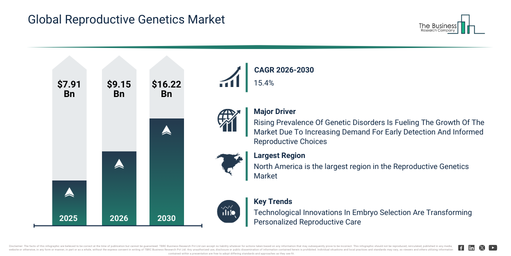
    The reproductive genetics market experienced significant expansion, projected to climb from $7.91 billion in 2025 to $9.15 billion by 2026, demonstrating a robust compound annual growth rate of 15.7%. This upswing during the historical period was fueled by burgeoning adoption of assisted reproductive technologies, a trend of mothers conceiving at older ages, the proliferation of fertility treatment centers, heightened public consciousness regarding inheritable genetic conditions, and the accessibility of sophisticated molecular diagnostic instruments.

    The reproductive genetics sector is poised for significant expansion over the coming years, projected to reach a market value of $16.22 billion by 2030, fueled by a compound annual growth rate (CAGR) of 15.4%. This anticipated surge is driven by several key factors, including the increasing embrace of precision reproductive medicine, escalating investments dedicated to fertility genomics research, the broader availability of non-invasive prenatal testing, a greater reliance on AI for genetic interpretation, and ongoing improvements in sequencing technology concerning both accuracy and cost-effectiveness. Looking ahead, prominent trends expected to shape the market landscape encompass the heightened utilization of preimplantation genetic testing, a growing demand for comprehensive carrier screening solutions, the expanded application of Next-Generation Sequencing (NGS) for reproductive diagnostics, the development of more individualized fertility treatment plans, and the enhanced incorporation of laboratory automation processes.

    Download A Free Sample Report For Comprehensive Market Insights:

    https://www.thebusinessresearchcompany.com/sample.aspx?id=28320&type=smp

    Reproductive Genetics Market Growth Factors: Which Forces Are Supporting Market Expansion?

    The reproductive genetics market is poised for expansion, largely driven by the escalating prevalence of genetic disorders. These conditions, stemming from alterations in an individual’s DNA, can manifest as minor gene mutations or more significant chromosomal abnormalities. The growing awareness and utilization of reproductive genetic testing are contributing factors, as families are increasingly seeking proactive information to alleviate uncertainty, facilitate educated reproductive decisions, and mitigate the likelihood of passing on hereditary ailments. Ultimately, reproductive genetics plays a crucial role in identifying and managing these disorders, empowering families with knowledge and decreasing the potential for intergenerational transmission of diseases. As an illustration, Australia’s Cystic Fibrosis Data Registry (ACFDR) reported an increase in individuals diagnosed with Cystic Fibrosis (CF) from 3,738 in 2022 to 3,798 in 2023, marking a 1.6% rise, according to Cystic Fibrosis Australia in July 2024. Consequently, this upward trend in genetic disorders is anticipated to fuel the growth trajectory of the reproductive genetics market.

    Reproductive Genetics Market Categorization By Product Type And Application

    The reproductive genetics market covered in this report is segmented –

    1) By Product Type: Kits, Laboratory Developed Tests (LDT), Reagents And Consumables

    2) By Technology: Polymerase Chain Reaction (PCR), Next-Generation Sequencing (NGS), In-Situ Hybridization (ISH), Microarray Analysis

    3) By Application: Aneuploidy, Single Gene Disorder, Structural Chromosomal Abnormality, Other Applications

    4) By End User: Hospitals, Diagnostic Laboratories, Fertility Clinics, Research Institutions

    Subsegments:

    1) By Kits: Sample Collection Kits, Extraction Kits, Amplification Kits, Sequencing Kits, Hybridization Kits

    2) By Laboratory Developed Tests: Carrier Screening Tests, Preimplantation Genetic Tests, Prenatal Diagnostic Tests, Aneuploidy Detection Tests, Single Gene Disorder Tests

    3) By Reagents And Consumables: Enzymes, Buffers, Probes, Fluorescent Labels, Laboratory Plasticware

    Reproductive Genetics Market Industry Trends: What Changes Are Reshaping Demand?

    Leading entities within the reproductive genetics sector are concentrating their efforts on pioneering sophisticated technologies designed for the thorough comparison of embryos across numerous characteristics, thereby facilitating a more accurate, evidence-based, and individualized selection process for individuals undergoing IVF. This advanced embryo assessment involves examining multiple embryos concurrently for a wide spectrum of genetic disorders and intricate traits, utilizing genomic data and polygenic scores to empower future parents with better decision-making capabilities throughout their in vitro fertilization journey. As a case in point, Nucleus Genomics Inc., a US-based biotech firm, introduced its Nucleus Embryo platform in June 2025, a reproductive genetics tool enabling users to scrutinize and contrast up to twenty embryos against over nine hundred hereditary conditions. This platform integrates polygenic risk scoring for multifaceted characteristics like physical appearance, cognitive aptitude, and psychological well-being, presenting a detailed, multi-faceted comparative interface that substantially broadens the scope of embryo selection possibilities beyond conventional screening methodologies.

    Reproductive Genetics Market Company Landscape And Strategic Competition

    Major companies operating in the reproductive genetics market are F. Hoffmann-La Roche Ltd., Thermo Fisher Scientific Inc., Quest Diagnostics Incorporated, Agilent Technologies Inc., Illumina Inc., Revvity Inc., Medicover AB, OPKO Health Inc., Natera Inc., Myriad Genetics Inc., Fulgent Genetics Inc., The Cooper Companies Inc., Vitrolife AB, BillionToOne Inc., Sophia Genetics SA, Eurofins Genomics India Private Limited, Invitae Corporation, Igenomix, Gonagen GmbH, Darwin AG.

    Access The Complete Reproductive Genetics Market Report:

    https://www.thebusinessresearchcompany.com/report/reproductive-genetics-global-market-report

    Reproductive Genetics Market Regional Analysis: Which Region Leads By Revenue?

    North Americawas the largest region in the reproductive genetics market in 2025. Asia-Pacific is expected to be the fastest-growing region in the forecast period. The regions covered in the reproductive genetics market report are Asia-Pacific, South East Asia, Western Europe, Eastern Europe, North America, South America, Middle East, Africa.

    Get in touch with us:

    The Business Research Company: https://www.thebusinessresearchcompany.com/

    Americas: +1 310-496-7795

    Asia: +44 7882 955267 & +91 8897263534

    Europe: +44 7882 955267

    Email us at: marketing@tbrc.info

    Follow us on:

    LinkedIn: https://in.linkedin.com/company/the-business-research-company

    YouTube: https://www.youtube.com/channel/UC24_fI0rV8cR5DxlCpgmyFQ

    Global Market Model: https://www.thebusinessresearchcompany.com/global-market-model